


Abstract
Sustainable sources of natural antioxidants are increasingly important for circular bioeconomy strategies. Plant-derived waste streams represent an underexploited resource with significant potential for recovery of high-value antioxidant compounds such as carotenoids, polyphenols, and resveratrol. This review assesses potential alternative biomass sources, including nonhazardous wastes from agriculture, forestry, and fishing, as well as those from the manufacture of food products, beverages, and tobacco products. It evaluates their valorization potential using statistical evidence at the European level. EUROSTAT datasets were analyzed using XLSTAT 2025.2.0 through correlation analysis, Principal Component Analysis (PCA), Agglomerative Hierarchical Clustering (AHC), and k-means clustering. Variables included fresh vegetable production, plant waste generation, processed waste volumes, and national research and development expenditures and innovation. Correlation analysis revealed a strong association between total processed waste and research and development investments (r = 0.87), suggesting that technological capacity influences waste valorization. A moderate correlation (r = 0.55) between nonhazardous waste and processed quantities supports the operational feasibility of extracting antioxidants from residual biomass. PCA showed that Factor 1 (50.16% variance) is dominated by waste generation and processing capacity, whereas organic agriculture loads primarily on Factor 2 (21.6%). Cluster analyses grouped European countries by bioresource management efficiency, highlighting substantial heterogeneity in their readiness for valorization. The combined statistical evidence supports the use of plant-based waste streams as viable, sustainable feedstocks for antioxidant recovery. Strengthening processing infrastructure, harmonizing data reporting, and accelerating research and development investments are essential steps for integrating antioxidant extraction into circular bioeconomic processes.
1. Introduction
1.1. Background
Natural antioxidants have become a major area of interest over the last two decades amid global concerns about health, clean eating, and industrial sustainability. The approach evolves with international trends to reduce the use of synthetic additives and transition to eco-friendly development. Compounds exhibiting such properties play an essential role in maintaining the redox balance of living organisms by preventing the accumulation of free radicals and reactive oxygen species (ROS), which are responsible for the degradation of biomolecules, premature aging, and numerous chronic diseases [1,2,3,4]. These molecules act by inhibiting oxidative processes, providing biological protection and chemical stability to the systems in which they are included. Tumillar et al. highlighted in their study the necessity to include such xenobiotics to improve the body’s capacity to react to potential damaging factors [5].
The terminology in this case is easily understood. It refers to any chemical species capable of limiting oxidation. From a chemical point of view, oxidation reactions involve the migration of unpaired electron(s) from a substrate with excess to one lacking an unpaired electron [6]. The antioxidants are the compounds that can decrease or block this shift [6] and are in lower quantities than the oxidizable species [7]. They act through the entrapment of free radicals and/or the intercalation of oxidizable substrates. The complexation mechanism is restrained by the quantitative decrease in susceptible redox species or by creating an incompatible state for the oxidant [6].
According to the medical literature, antioxidants can preserve the natural cellular features in the presence of free radicals. In the human body, these are normal, natural metabolites and have low stability. Studies in the domain have implicated them as possible initiators or cofactors in various pathologies, such as cancer, head diseases, inflammatory [8], and autonomic [9] disorders. Free radicals, regardless of the species we name, initially attracted the attention of the medical world. They are an important factor in cellular aging processes [10], disrupting the normal protein metabolism. Reactive species can have multiple sources. Some of them are UV [11,12], gamma [13], and X-ray action, as well as different biochemical [7,14,15,16,17], and chemical reactions [18,19].
Although there is a new trend to use xenobiotic antioxidants, the organism has its own mechanisms to neutralize the free radicals generated by metabolism. For example, superoxide is reduced to hydrogen peroxide by specific peroxidases, which then convert it to water [7].
Figure 1 illustrates an integrated framework connecting statistical patterns identified by PCA and clustering with relevant antioxidant functions and downstream valorization pathways. Plant-based waste streams are positioned as sustainable feedstocks, with their recovery potential depending on regional processing capacity and innovation intensity. Antioxidant functionality is condensed into process-relevant mechanisms, enabling direct linkage to sustainable extraction technologies and circular-economy applications.
Figure 1.
Connection routes between statistical patterns and non-harmful waste sustainable valorization for antioxidant functionality in the context of the circular economy. The arrows illustrate how the general data set, through statistical processing, is transformed into concrete solutions for sustainable waste recovery, with a positive impact on antioxidant functionality and resource circularity.
Figure 1 illustrates the fundamental mechanisms by which antioxidant compounds exert protective effects in biological systems and materials, highlighting their central role in neutralizing oxidative stress. The figure flow highlights the processual and multifunctional nature of antioxidant activity, underscoring the importance of valorizing antioxidant compounds from plant waste streams for bioeconomic applications, including food stabilization, active packaging development, and the formulation of functional materials with extended shelf life.
Generally, oxidants are reactive species derived from oxygen, nitrogen, or sulfur. The reaction mechanism can be radical or non-radical [20]. In the case of oxygen (ROS-reactive oxygen species) are formed, two radical species, hydroxyl (•OH) and superoxide () and one non-radical, oxygen peroxide (H2O2). Besides this characteristic, another aspect that we should emphasize refers to the toxic potential that some may have (H2O2). The presence of the hydroxyl radical in the natural systems leads to thiyl radical formation (RS•). This one ensures optimal conditions for the formation of oxysulfur radicals (RSO2•, RSO•) in the presence of oxygen. The term “reactive nitrogen species-RNS” also refers to radical species, such as nitric oxide (NO•-), and non-radical species, such as peroxynitrite (ONOO-), [10].
Not all free radicals are reactive species, meaning they may have a less negative health impact. Their distinct specific characteristics, including high reactivity, make them suitable for various applications. Biomarkers or theranostic agents are possible options [21].
A high quantity of reactive oxygen species in the human organism will unbalance its standard detoxification mechanism. The situation can cause constitutive and informational damage to biomolecules [22]. Antioxidants can be used as food additives or ingested. Regardless of the path, they might mitigate the undesirable effects of reactive species. At the moment, there are no standardized methods for determining the antioxidant properties of food. In vivo future studies are needed to establish the actual antioxidant activity of different products. An interdisciplinary team comprising chemists, nutritionists, doctors, and food engineers might contribute to a successful approach. The contributions of all these specialists must determine the food’s capacity to preserve antioxidant activity in the final products and to account for all their metabolic transformations after ingestion. Present trends consider integrated methods, such as cell-based and omics assays [23]. Tea antioxidant activity was characterized by correlating the flavonoid content, total catechins, and methyl-xanthines using an artificial neural network [24].
1.2. Current Constraints
From an industrial perspective, antioxidants are indispensable in protecting food, pharmaceutical, and cosmetic products against lipid oxidation and loss of quality [25]. Several studies have highlighted the potential advantages of incorporating phytoantioxidants into various products [26,27]. At the same time, they are used in polymeric materials, active packaging, or nutraceutical supplements, providing natural protection and added functional value [28,29]. In this context, natural antioxidants represent an increasingly attractive alternative to synthetic ones (BHA, BHT, TBHQ), due to their favorable toxicological profiles and greater consumer acceptability.
Most studies and industrial applications still rely on conventional sources for antioxidant extraction, especially fruits, vegetables, medicinal plants, and plant extracts [30,31,32]. These, although effective, sometimes raise issues of seasonal availability, high processing costs, and environmental impacts associated with intensive cultivation. In addition, reliance on primary food sources for antioxidants creates competition between food and industrial uses of biomass.
To overcome such limitations, recent research has focused on alternative and sustainable sources, such as plant waste, agro-industrial byproducts, microbial biomass, and algae [30,33,34,35,36]. These offer a double opportunity: on the one hand, they reduce the volume of organic waste and associated emissions, and on the other hand, provide bioactive compounds with high economic value. In this way, the valorization of secondary flows aligns with the principles of the circular economy and the European bioeconomy, promoting the full use of biological resources.
Among the main classes of antioxidants, polyphenols and carotenoids are the most studied due to their high capacity to neutralize free radicals and structural versatility. The carotenoids, precursors of vitamin A, exhibit color properties. They may be preferred because they appear less toxic [37]. The interest in polyphenols has recently been highlighted for their antioxidant capacities, and studies have shown their possible benefits when included in animal feedstock [38]. The main potential activity is the reduction in antioxidant stress. In this sense, the integration of vegetable waste or agro-food by-products abundant in such biomolecules into livestock diets could be considered an action that, through two mechanisms, constitutes a sustainable approach. The production process could have a lower environmental impact by valorizing waste and using fewer harmful compounds to ensure product safety and security. However, increased attention is also paid to other molecules with remarkable antioxidant potential, such as alpha-lipoic acid, resveratrol, coenzyme Q10, or phenolic derivatives from plant byproducts [39]. These molecules can be extracted by green methods, with competitive yields and minimal environmental impact. Awad et al. highlighted the positive results of plant extracts obtained via green methods and their benefits for meat protection [40].
In addition to identifying and characterizing these compounds, an emerging research direction aims to integrate them into biodegradable materials and active packaging. Such materials can gradually release natural antioxidants, extend food shelf life, and reduce reliance on chemical preservatives. This approach offers a direct link between sustainability, innovation, and food safety, aligning with current European priorities in sustainability and waste reduction.
1.3. Study’s Purpose and Relevance
Given the context presented, this article provides an overview of current research on natural compounds with antioxidant activity. Alternative, sustainable sources for obtaining these compounds are being highlighted, with an emphasis on plant waste and agro-industrial byproducts. Statistical data from European databases (EUROSTAT) have been processed to identify regional potential for the valorization of secondary plant resources. New directions of use are also being discussed, especially the integration of antioxidants in biodegradable packaging and green industrial processes.
The study’s originality lies in its integrative approach. It provides an overview of the sustainable valorization of antioxidant sources and of interdisciplinary perspectives that can connect environmental aspects, processing, and the circular economy. The research motivation stems from the potential benefits of valorizing sustainable antioxidant sources. These aspects are summarized in Figure 2.
Figure 2.
The research strength pillar.
This review integrates statistical analysis with process-oriented perspectives to evaluate structural readiness for the sustainable valorization of antioxidant-rich vegetal waste within circular bioeconomy systems. The study aims to analytically assess whether indicators, such as current capacity to manage waste from agriculture, forestry, and fisheries, and investments in research and development, are statistically associated with regional readiness for the valorization of plant waste into antioxidant-rich resources. The investigation is based on the initial hypothesis that regions characterized by higher values of the aforementioned indicators exhibit a statistically distinguishable profile indicative of greater potential for the further exploitation of vegetable trash. A second assumption is that the statistical indicator for organic agriculture is a sufficient predictor of valorization potential in the absence of processing infrastructure.
Figure 3 integrates the main dimensions of the valorization of sustainable sources of antioxidants into a coherent framework, placing the process in the broader context of the circular economy. The visual structure reveals how biological resources, emerging technologies, and circularity principles converge to generate sustainable value chains, supported by robust statistical analyses.
Figure 3.
Integrated conceptual framework linking statistical indicators, antioxidant sources, and valorisation pathways within a circular bioeconomy context.
The source branch of the map highlights sustainable sources of antioxidants, particularly plant biomass derived from agri-food processes. This approach reflects the shift from using conventional raw materials to exploiting secondary flows, keeping resources in the loop, and reducing pressure on ecosystems. Statistical data, with strong correlations and clear clustering, indicate differences among countries in the availability and efficient management of biomass.
Another branch focuses on modern valorization processes, highlighting the importance of environmentally friendly technologies, including ultrasound-assisted, microwave-assisted, and supercritical CO2 extraction [30,41]. Such techniques, characterized by increased efficiency and reduced environmental impact, allow the production of high-quality antioxidants. The statistical results obtained (high silhouette scores, almost perfect correlations with centroids) confirm the stability of the classifications and, implicitly, the homogeneity of the technologies adopted in certain groups of countries.
The section dedicated to new perspectives on use highlights emerging directions in the bioeconomy: active and intelligent packaging, additive biopolymer films, controlled-release systems, and applications in the pharmaceutical, food, and cosmetic industries [41]. These developments indicate an orientation towards high-value products, supported by the demonstrated biochemical potential of antioxidants derived from renewable sources.
Another major dimension is represented by the economic and ecological impact, a unit that integrates statistical contributions to identify clear patterns at the European level. The cluster structures highlight countries with high-performance waste-management infrastructure and strong potential for integration into biorefineries. In these cases, converting waste streams into bioactive ingredients directly reduces emissions and increases resource efficiency.
Finally, the map reaffirms the circular economy’s central role as a conceptual foundation. The valorization of antioxidants from biomass aligns with the principles of reduction, reuse, recycling, and advanced valorization, reinforcing the transition from the linear model to a regenerative industrial ecosystem [42,43,44,45]. The integration of agro-waste streams into productive cycles, validated through statistical analyses, demonstrates the robustness and relevance of this approach.
Through this multidimensional perspective, the conceptual map not only synthesizes the investigated field but also highlights the coherence among biotechnological processes, socio-economic impacts, and the strategic directions of the circular bioeconomy.
2. Materials and Methods
2.1. Documentation and Source Selection Strategy
For this analysis, critical review principles were used to identify, classify, and compare the most relevant scientific publications on the valorization of natural and sustainable sources of antioxidant compounds. The bibliographic research was conducted between May and September 2025, using international scientific databases ScienceDirect and Google Scholar (Figure 4). The search keywords were logically combined to ensure complete coverage of the subject. The expressions targeted information on natural antioxidants and sustainable sources, bio-waste valorization and polyphenols, eco-friendly extraction technologies [46], the circular economy, and antioxidants recovery.
Figure 4.
Articles flow diagram. The arrows serve as both logical and temporal vectors for the represented process.
The selected articles were mainly published between 2010 and 2025, but earlier relevant studies were also considered. There were peer-reviewed papers perceived as directly applicable to natural antioxidants, alternative sources, sustainability, or innovative applications, serving as a source of information. Full-text materials published in English were studied. In total, more than 250 sources were analyzed, of which over 100 were considered relevant and cited in the final text.
2.2. Statistical Data Sources
To integrate an applied and quantitative component into the synthesis analysis, data were collected from the EUROSTAT database for the period 2016–2022 (7 years). The range was determined based on data availability for all the parameters considered. The periodicity of the collected information was annual (FV, OF, GERD) or once every two years (VW, WT). This approach allows the identification of persistent cross-country differences relevant for infrastructure-driven biomass valorization, while acknowledging that temporal dynamics are not explicitly modeled.
The extracted indicators were selected to reflect the potential for sustainable exploitation of plant sources with antioxidant content. The dataset included five variables. Fresh vegetables (FV) (including melons)/1000 ha. The parameter was employed as a harmonized potential start base for plant-based biomass flows within the food system, including both production and waste-related flows. It does not aim to capture the full diversity of antioxidant-rich agricultural by-products, but rather reflects standardized vegetal streams associated with measurable waste generation. Total nonhazardous wastes resulting from agriculture, forestry, and fishing, along with those from the manufacture of food products, beverages and tobacco products (VW)/tonnes annually for evaluating the potential antioxidant sources; the total fully converted and under conversion to organic farming (OF) as percentage of total utilized agricultural area as indicator of the sustainability of the farming system; the total waste annually treated (WT)/T to establish the circular economy efficiency. The GERD of performance in all sectors (GERD)/millions annually to understand the potential for innovation capacity and technology transfer. It was considered an approximation of systemic modernization capacity, reflecting the overall ability of national systems to support technological development, scale-up, and process optimization. GERD is not interpreted as a direct measure of bioeconomy- or biorefinery-specific innovation.
The selected variables allow quantification of the availability of plant resources, the level of sustainability, and the potential for innovative exploitation at the European level. Also, before performing the statistical analyses, countries for which values for all indicators were unavailable were excluded.
2.3. Data Processing and Statistical Analysis
The collected data were processed using XLSTAT Essentials 2025.2.0 (by Lumivero) and integrated into Microsoft Excel. Before statistical analysis, the data sets were evaluated. The observations were based on the average value of each indicator across countries.
The minimum, maximum, mean, and standard deviation were determined for each indicator (Table 1). In the case of Albania, the lowest quantities of vegetable waste (1561 T) and the lowest percentage of areas considered for organic agriculture activities (0.08%) are reported. Also, Montenegro is in a similar position regarding the total waste treated annually (713464.00 T) and the GERD (Gross Domestic Expenditure on Research and Development) (17.33 million). In the opposite situation, Germany registered the highest values in the same two variables as Montenegro.
Table 1.
Specific statistics parameters. Data source: EUROSTAT.
FV—fresh vegetables, including melons; VW—total nonhazardous wastes resulting from agriculture, forestry, and fishing, along with those from the manufacture of food products, beverages, and tobacco products; OF—total fully converted and under conversion to organic farming as a percentage of total utilized agricultural area; WT—the total waste annually treated; GERD—Gross Domestic Expenditure on Research and Development.
The descriptive statistics highlight substantial heterogeneity across the analyzed countries. Fresh vegetable production ranges from very low values (0.17—Luxembourg) to high maximum values (821.14—Turkey), with a mean of 90.73 and a standard deviation of 164.85. The standard deviation is significantly higher than the mean, indicating an asymmetric distribution dominated by a few countries with very high production. Such a result supports the idea that plant biomass availability is unevenly distributed and is not the only determinant of its valorization potential. The amount of nonhazardous waste shows extreme variation, from 1561 (North Macedonia) to over 6.5 million (Netherlands), with a mean of 901,014 and a standard deviation of 1,392,469. The dispersion reflects major structural differences in the size of economies, levels of industrialization, and reporting systems. The situation might reflect increased pressure on the waste management system, its significance as an indicator, and the need to design processes in line with the principle of reuse. The area of organic farming ranges from 0.08 (Albania) to 23.94 (Austria), with a mean of 7.65 and a standard deviation of 6.39. The moderate variability suggests an uneven adoption of sustainable agricultural practices.
Treated waste shows the largest range of values, from 713,464 (Montenegro) to over 358 million (Germany), with a mean of around 69 million and a very high standard deviation (≈ 88 million). This extreme dispersion indicates significant differences in the infrastructural processing capacity. It could be considered a key determinant of recovery potential. Investment in research and development ranges from 17.33 (Montenegro) to over 106,801 (Germany), with a mean of 10,577 and a standard deviation of 20,850. The high variability confirms big structural differences in innovation capacity, supporting the interpretation of GERD as a possible element for the systemic capacity to develop and implement value-added technologies.
The large standard deviations relative to mean values across all variables indicate highly skewed distributions and justify the use of PCA and clustering techniques to reduce dimensionality and identify structurally similar country profiles.
Pearson correlation coefficients (r) were calculated for the variables to highlight direct relationships between sustainability and the potential for antioxidant valorization (Table 2). The statistical significance was tested at the 95% confidence level (p < 0.05).
Table 2.
Interrelation indexes. Data source: EUROSTAT.
The values indicate only weak negative relations between the reported organic farming areas and the treated nonhazardous waste (−0.04), respectively, the fresh vegetable production (−0.11). Based on the standard interpretation, the connection is negligible since r < 0.3 [47]. The situation could mean that the expansion of organic farming is not directly associated with the volume of conventional risk-free waste generated or with total fresh vegetable production. In the present case, the very weak correlation suggests that organic agriculture does not directly drive vegetal waste volume but may influence its composition, quality, and suitability for the extraction of high-value phytobiochemicals. Current trends sustain such a perspective by ensuring “clean labels” for raw products and food industry auxiliaries. The mechanism is a consumer demand for product durability [48]. One important function of organic production systems is to minimize waste generation and promote closed nutrient cycles. Reducing total waste volumes could be a valuable opportunity to increase the valorization of residual streams.
A strong positive correlation is observed between total harmless waste treated and investments in research and development (r = 0.87). Countries that invest more in research and development also have modern waste management infrastructure, which increases their capacity for treatment, recycling, and recovery. The situation could be sustained through a structural link between innovation and the efficiency of resource circularity. A second aspect that could be suggested is the high potential of these countries to participate in the development of antioxidant biorefineries based on plant waste streams. While high GERD values may be driven by sectors unrelated to bioresource processing, the observed strong association between it and total waste treated suggests that general innovation capacity co-evolves with waste management and processing infrastructure.
Given the importance of the level of expenses each country considers for sustaining research and development, and the general focus of this research, which is linked to the data available in the EUROSTAT database, Figure 5 also includes data for five countries outside Europe (Russia, the United States, China, except Hong Kong, Japan, and South Korea), marked with red.
Figure 5.
Gross Domestic Expenditure on Research and Development: comparative situation. Data source: EUROSTAT.
Figure 5 shows higher indicator values for three states (the USA, China, and Japan). Such a situation cannot be considered a direct indicator of bioeconomic valorization potential. Still, it could suggest that the sectoral orientation of innovation and integration with processing infrastructure is more relevant than the absolute intensity of investment.
The potential of considering nonhazardous waste as a raw material for antioxidants is also supported by moderate associations (0.47) between these and the quantity treated, and between these and the amount of fresh vegetables produced (0.42). Such an association could suggest that countries that generate more of such waste tend to have higher volumes of treated waste. In a general context, this could highlight the existence of already functional logistics flows and management infrastructures for this biomass.
In the context of seeking green sources of antioxidants, the correlation suggests that raw agriculture production and safe waste could be relatively easily integrated into existing collection and treatment systems, facilitating their conversion into feedstock for extraction. Countries with high values for both variables are potential leaders in implementing infrastructures for biomolecule recovery. Such a relationship supports the practical feasibility of using agriculture, forestry, and fishing, along with waste from the manufacture of food products, beverages, and tobacco products, as a bioactive resource.
The standard deviation exceeding the mean in some cases (FV, VW, WT, GERD) could mainly indicate pronounced cross-country heterogeneity. This pattern reflects structural differences in economic scale, population size, and waste management capacity. The descriptive analysis results determined the use of multivariate methods (PCA, AHC, k-means) to identify structural patterns and valorization profiles.
Given the increased volume of information, a principal component analysis (PCA) was performed to reduce the dataset’s dimensionality and identify the main axes of variation. Figure 6 represents the Eigenvalue for the maximum number of filter factors (5). According to the Kaiser criterion (Eigenvalue > 1), the first two factors are clear, conceptually coherent, and relevant to our study. Together, they explain 71.76% of the variation. PCA analysis has gained increased interest in various valuable predictive applications [49,50,51].
Figure 6.
Eigenvalue Components. Data source: EUROSTAT.
The first significant factor observed is the infrastructural capacity for biomass utilization. The factor loadings (Table 3) indicate a systemic capacity gradient, in which the availability of plant biomass is closely correlated with treatment infrastructure and the intensity of knowledge investment. F1 could be considered a macro-structural agent for the valorization potential of phytochemical compounds, suggesting that countries with high scores also have significant flows of plant raw materials, industrial processing capacities, and a framework conducive to technological innovation. Countries that register high F1 scores are those that treat a large volume of waste through robust infrastructure, maintain a consistent biomass flow, invest heavily in research and development, and produce significant quantities of fresh vegetables. The meaning of such a structural factor lies in economies with high potential to valorize vegetable waste into antioxidants, as it simultaneously links resources, infrastructure, and innovation.
Table 3.
Factor loadings. Data source: EUROSTAT.
Such an association supports the assumption that macroeconomic infrastructure can, at the aggregate level, predict the feasibility of converting plant waste into bioactive compounds, including antioxidants.
The F2 could be seen as a comparison between the agroecological and industrial orientations, since it is almost exclusively defined by the organic agriculture element (0.91). The low contributions of industrial variables (WT = 0.10, GERD = 0.23) suggest that this axis captures a dimension of agricultural policy and production practices that is relatively independent of waste treatment capacity. The moderate negative correlation of vegetable production (FV = –0.41) indicates that large volumes of residual biomass do not necessarily characterize systems oriented towards organic agriculture, but rather by quality and ecological compliance.
The clear separation between F1 and F2 demonstrates that the availability and processability of biomass (F1) are not automatically determined by the agroecological orientation (F2). Antioxidant valorization strategies must be adapted differently. In this sense, biorefineries could be integrated into systems with a high F1 score and niche applications with high added value into systems dominated by F2.
Based on the graphical representations, the general trends across European countries were identified (Figure 7).
Figure 7.
The analysis Biplot representation. Data source: EUROSTAT.
The PCA biplot (Figure 7) simultaneously represents the active variables and the observations (European countries), projected on the first two principal components, which together explain 71.76% of the total variability (F1 = 50.16%, F2 = 21.60%). This representation highlights the structural relationships among plant biomass availability, waste treatment capacity, and innovation intensity, as well as the relative positioning of countries along these dimensions.
The F1 axis could be viewed as a systemic capacity for phytocompound recovery. It is dominated by the WT (waste treated) and GERD (investments in research and development) vectors, clearly oriented towards the positive side of the axis. This configuration confirms its consideration as a macro-structural raw material substitute for biocompound recovery capacity, integrating processing infrastructure and innovation support.
Countries such as Germany, France, the Netherlands, and the United Kingdom are positioned at the positive end of the F1 axis, indicating mature waste management systems and innovation ecosystems capable of supporting advanced processes for the extraction and conversion of bioactive compounds. These countries represent priority areas for implementing integrated biorefineries and technologies to valorize antioxidants from nonhazardous waste. In contrast, most countries in Central and Eastern Europe (e.g., Bulgaria, Romania, North Macedonia) are located in the negative area of the F1 axis, reflecting infrastructure and investment limitations, despite the potential for biomass flows.
The axis F2, considered specific to the agroecological orientation, is defined almost exclusively by the strongly positively oriented OF vector (organic agriculture). Countries such as Austria, Sweden, and Estonia are clearly aligned with this dimension, indicating a pronounced agroecological orientation characterized by sustainable agricultural practices, but not necessarily associated with large volumes of treated waste or extensive industrial infrastructure.
This separation could suggest that the ecological orientation of the agricultural system does not automatically translate into a high potential for industrial valorization, but reasonably into a context favorable to niche applications with high added value, such as natural antioxidants for active packaging or pharmaceutical applications. The separation of organic agriculture along a distinct PCA axis indicates a distinct structural logic instead of real-world independence. Organic agriculture remains embedded within the same agri-food and waste management system, but operates under alternative regulatory, logistical, and valorization frameworks.
Figure 7 profile also suggests transition regions and hybrid profiles. Countries such as Italy occupy an intermediate position, being correlated with both F1 and, to a lesser extent, F2. This hybrid profile suggests a high potential for integrated bioeconomy strategies that combine existing industrial infrastructure with diversified agricultural resources and food-processing traditions.
Turkey’s positioning in the lower-right quadrant indicates a significant contribution of plant biomass but a relative dissociation from organic agriculture, suggesting an extensive, volume-oriented model with challenges related to sustainability and processing efficiency.
The structure highlighted by the biplot demonstrates that the potential to valorize vegetable waste into antioxidants is predominantly determined by infrastructural and innovation capacity (F1) instead of biomass availability or ecological orientation (F2). This conclusion underscores the need for differentiated bioeconomy strategies tailored to each region’s structural profile.
Based on the PCA results, hierarchical analyses (k-means clusters and HCA-Hierarchical Clustering Analysis) were applied to group the countries according to their sustainable antioxidant potential.
The optimal number of clusters was determined using the elbow method (k-means), yielding three clusters (Table 4). The results were interpreted in light of each region’s socio-economic and agro-industrial characteristics. Figure 8 shows the representative countries for each cluster based on silhouette scores.
Table 4.
k-means central object values.
Figure 8.
Representative countries for the three clusters. Blue—Cluster 1 countries, Green—Cluster 2 countries, Violet—Cluster 3 countries. Data source: EUROSTAT.
Using the HCA, a dendrogram gradually shows how the groups join together (Figure 9). Table 5 presents the central objects (centroids) for the three clusters identified by hierarchical clustering analysis (HAC): Denmark (Cluster 1), Sweden (Cluster 2), and Germany (Cluster 3). These profiles synthesize distinct structural patterns regarding the availability of plant biomass, agroecological orientation, waste treatment capacity, and intensity of investment in research and development.
Figure 9.
Agglomerative hierarchical clustering dendrogram. Data source: EUROSTAT.
Table 5.
HCA central objects.
Cluster 1 is characterized by moderate values across all variables, with vegetable production (FV = 11.77) and low levels of vegetable waste (VW ≈ 324,000), but a significant share of organic agriculture (OF = 10.24). The nonhazardous waste treatment capacity (WT ≈ 17.6 million) and research and development investments (GERD ≈ 9300) could indicate a functional but medium-sized system. This profile suggests a bioeconomy model oriented towards efficiency and flow control, in which the valorization of antioxidants from vegetable waste is feasible in decentralized or medium-scale applications, with an emphasis on integration into local chains and on the quality of raw materials.
Cluster 2 has a strong agroecological orientation, as evidenced by the highest organic agriculture (OF) value (19.80). Although vegetable production remains relatively modest (FV = 14.23), the amount of vegetable waste is significantly higher than in Cluster 1 (VW ≈ 924,245), and the waste treatment capacity is very high (WT ≈ 138 million). The level of investment in research and development (GERD ≈ 16,771) supports an ecosystem conducive to green innovation, suggesting a high potential to valorize vegetable waste into high-value-added products, including antioxidants for active packaging, biofunctional materials, and pharmaceutical applications.
Cluster 3, represented by Germany, is distinguished by the maximum values for almost all key variables, with a very high vegetable production (FV = 123.30), large quantities of vegetable waste (VW ≈ 2.04 million), the highest waste treatment capacity (WT ≈ 358 million), and an exceptional level of investment in research and development (GERD ≈ 106,801). Although the share of organic agriculture is relatively low (OF = 8.26), the overall profile indicates a mature industrial system capable of supporting integrated biorefineries and advanced processes for the large-scale extraction and conversion of bioactive compounds. This cluster represents the optimal scenario for the extensive industrial valorization of vegetable waste.
The dendrogram from the agglomerative hierarchical analysis (AHC) shows three main clusters (C1, C2, and C3) separated by a dissimilarity threshold. The high level of dissimilarity between the clusters indicates substantial structural differences rather than simple marginal variations in the indicators.
Cluster C1 (blue) brings together most of the countries in Central, Eastern and South-Eastern Europe (Croatia, Romania, Bulgaria, Serbia, Albania, North Macedonia), characterized by low volumes of treated waste, moderate or low investments in research and development, and a variable but often emerging orientation towards organic agriculture. The structure of this cluster could suggest latent potential for valorizing vegetable waste, currently limited by processing infrastructure and innovation capacity. From a bioeconomy perspective, these systems are better suited to incremental strategies, such as regional pretreatment platforms, collection cooperatives, or modular antioxidant extraction technologies.
Cluster C2 (green) includes countries such as Sweden, Finland, Italy, Poland, and the United Kingdom. Significant waste treatment capacities, medium to high levels of research and development investment, and a substantial share of organic farming or agroecological policies characterize these. The positioning of this cluster could indicate a balance between sustainability and industrial capacity, which is favorable to the valorization of plant waste into high-value-added products.
Cluster C3 (red), dominated by Germany and France, is clearly separated from the other groups at a high level of dissimilarity, reflecting the largest volumes of treated waste, the highest investments in research and development, and mature and integrated industrial capacities. Such a separation could suggest the existence of an industrial-intensive recovery model, in which vegetable waste can be efficiently integrated into large-scale biorefineries, with high potential for the extraction and purification of antioxidant compounds.
The results imply that there is no single solution to harness sustainable sources of antioxidants. Considering the data presented, the strategies designed and implemented must account for the specificities of each cluster. In the case of C1, could be regarded as an infrastructural consolidation strategy; for C2, qualitative optimization and green innovation; and for C3, industrial scaling and advanced technological integration.
2.4. Results and Discussions
Based on the associations considered, it could be said that ecological farming remains structurally independent of intensive agriculture. The specific practices may generate lower production volumes, but not to a degree that would significantly alter statistical waste flows. Depending on geographic limitations in some countries, organic land may be more oriented toward permanent crops, such as meadows and hayfields, than toward fresh vegetables, which could explain the lack of a relationship.
The factor analysis shows that the first factor is the key one, representing infrastructure, plant resources, and innovation capacity. It could be considered as the most relevant for the present research, green sources for antioxidant valorization, because exactly this triangle, resources-infrastructure-innovation, determines the potential of a country to transform plant waste into interesting biomolecules. The second factor describes organic agriculture, a parallel system that does not directly influence the volume of available biomass.
The real potential for extracting antioxidants from plant waste depends on plant biomass flows and infrastructure (F1), not on the organic farming model (F2). The arrangement between the organic farming axis (F2) and the infrastructure–innovation axis (F1) could be viewed as a differentiation of valorization pathways instead of a lack of interaction. While F1 reflects scale-dependent, industrial valorization capacity, F2 captures quality-oriented, niche-driven potential, particularly relevant for high-purity antioxidant extraction.
To assess the robustness of the structures identified in the EUROSTAT dataset and to characterize differences among European countries in vegetal waste generation, vegetal production, and research investments, two complementary classification methods were applied: k-means clustering and hierarchical clustering (HC). K-means clustering was selected due to its interpretability and suitability for relatively low-dimensional, standardized statistical datasets. It was considered that other methods, such as the density-based, could be more appropriate for data sets that exhibit clear density separation and include structurally heterogeneous economies. The outlier, such as Germany, was considered analytically meaningful. The primary objective was not anomaly detection, but the identification of coherent country groups characterized by similar waste management, agricultural, and innovation profiles. Cluster stability was therefore assessed through silhouette scores and comparison with agglomerative hierarchical clustering (AHC), which yielded consistent grouping patterns.
HCA revealed three distinct structural models, ranging from sustainability-oriented systems with moderate processing capacity to large-scale industrial ecosystems with strong research and development support, each implying different pathways for the valorization of vegetal waste into antioxidant compounds.
The combined use of the two techniques confirms the existence of a well-defined core of countries with similar profiles, while also highlighting states with unusual characteristics, which is particularly useful for interpreting regional variations in the potential for valorizing vegetable waste as a sustainable source of antioxidants.
Although the analysis does not directly quantify antioxidant yields, statistical indicators such as processed plant waste volumes and research and development investment are interpreted as enabling conditions for waste valorization, reflecting technological capacity, process optimization, and scale-up feasibility. The dominance of these two variables in the first principal component suggests that the potential as a resource for antioxidant valorization is primarily constrained by infrastructural and technological capacity rather than by biomass availability alone. Countries clustered together by high silhouette scores and proximity to processing-oriented centroids can be interpreted as regions with greater readiness for antioxidant extraction and integration into biorefinery platforms. The result confirms the first assumption made.
Despite their aggregated nature, the selected indicators generated coherent multivariate structures. The first principal component was dominated by waste treatment and GERD, indicating that infrastructural and systemic innovation capacity outweigh raw biomass availability in explaining valorization readiness.
The lack of correlation between organic farming and the other indicators considered refutes the second assumption initially proposed. When processing infrastructure is deficitary, it is not a reliable indicator of prospective value.
The statistical results provide a system-level framework for interpreting biomass valorization potential across countries. The dominant contributions of treated waste volumes and research and development expenditure to the first principal component indicate that valorization readiness is primarily conditioned by processing infrastructure and innovation capacity rather than by primary agricultural output alone. These findings justify a subsequent focus on plant-based waste streams as strategic feedstocks for antioxidant recovery.
The increased interest in the design and implementation of green technologies, sustained through research and development, is underscored by the multiple areas that gained innovative perspectives. Kriesch and Losacker highlighted in their study the extent of over 30 clusters in the field of the bioeconomy thems [52]. Lhuillery et al. proposed clarifying specific terms related to the implementation of eco-friendly technologies and the use of biomass in technological processes. Their study also noted the opportunity to group interventions among economic actors to stimulate their interest in developing environmentally friendly approaches and increasing awareness in this area [53]. The interest trends seem to be different between Europe and the US. In the pharma domain, there are fewer certified novel ideas at the European level, with the continent being more active in other areas [54].
At the European level, clustering results further highlight structural heterogeneity, with innovation-intensive countries forming distinct groups from regions characterized primarily by biomass availability but limited processing capacity. Such a result reinforces the need for targeted policy and infrastructure investments to bridge the gap between feedstock availability and biochemical valorization. At the European level, several instruments, systems, actions, and framework programs support bioeconomy development, including HORIZON, LIFE, AKIS, and CAP.
The inclusion of global GERD benchmarks (United States, China, South Korea) strengthens this interpretation, as these regions exhibit substantially higher research and development investments alongside mature bioeconomy and biorefinery sectors. Although these countries were not included in the PCA computation, their positioning provides external validation that innovation intensity constitutes a necessary, though not sufficient, condition for high-value antioxidant recovery from biomass streams.
3. Types of Antioxidant Compounds
Antioxidant compounds derived from plant-based biomass represent a chemically diverse group of molecules whose valorization potential depends not only on their biological activity but also on their abundance in waste streams, extractability, stability, and compatibility with industrial processing routes. In the context of sustainable valorization, the relevance of each antioxidant class must therefore be evaluated through a combined biochemical and process-oriented perspective. Factors such as matrix complexity, extraction efficiency, scalability, solvent sustainability, and compatibility with downstream applications are critical determinants of feasibility.
In this context, polyphenols and flavonoids currently represent the most viable targets for large-scale valorization from plant-based waste streams. At the same time, carotenoids and stilbenes offer higher added value at smaller scales. This differentiation underscores the importance of aligning antioxidant recovery strategies with the structural and economic characteristics of the underlying bioresource.
3.1. Classification
Antioxidant grading considers criteria such as solubility, size, type, mechanism of action, and appearance. Based on the solubility principle, antioxidants can be lipid-soluble (e.g., vitamin E) or water-soluble (e.g., vitamin C).
Molecular size influences reaction mechanisms. The small ones, such as glutathione, vitamins, or pro-vitamins, act as scavengers and eliminate free radicals. The predominant protein molecules (albumin, glutathione peroxidases, superoxide dismutase, and catalase) have higher molecular weights. In this situation, the reaction path involves absorption, thereby preventing possible interactions with other essential compounds.
Antioxidants can have catalytic properties or not. Nonenzymatic vitamins, polyhydroxyphenols, or peptides disrupt the free radical reaction sequence. The enzyme antioxidants are generally metalloproteins. Their activity depends on the presence of metals as cofactors (Zn, Cu, Fe, Se, Mg). Such reactions usually have multiple steps, the substrates being split and eliminated from the system.
The term polyhydroxyphenol is generally associated with its antioxidant properties. They can donate electrons, hydrogen, or complex metals [55], particularly copper or iron. These general characteristics, along with the individual ones, respectively, the number of hydroxyls and the steric position with respect to the carboxyls, impact their antioxidant capacity [56]. From the structural point of view, they form 10 classes: benzoquinones (simple phenols), hydroxybenzoic acids, phenylpropanoids (hydroxycinnamic acids), phenylacetic acids (acetophenones), xanthones, anthraquinones (stilbenes), isoflavonoids (flavonoids), neolignans (lignans), lignins, proanthocyanidins or flavolans (condensed tannins). Due to their abundance and relevance to human nutrition, flavonoids, tannins, and phenolic acids are among the best-known [55].
Another class of well-known nonenzymatic antioxidants is vitamins. Recent investigations have revealed additional health implications of vitamin C, vitamin E, and the provitamin β-carotene. The study focused on teenage girls aged 15–18. As in all other cases of xenobiotic substances, their recommended intake has to comply. A higher level of provitamin has a lesser influence on somatic disorders. Regarding tocopherols, there is a reverse relationship with tension-state development [57]. Also, Zhao et al. have underlined the direct positive association between carotenoid and ascorbic acid intake and increased life expectancy, as well as the indirect influence on the development of cardiovascular disorders [58].
Recent research has expanded the family of compounds that limit oxidative stress. One example is that of antioxidant peptides. They have sustainability characteristics such as zero toxicity and minimal secondary effects, and are environmentally friendly. These features make them potential exploratory topics, as several aspects remain unknown: field applications, isolation source, separation and purification, action mechanism, or structure-property relationships [59,60]. The qualitative and quantitative structure impacts their properties [61].
The essential antioxidants with catalase activity are SOD (superoxide dismutase), CAT (catalase), and GPX (glutathione peroxidase) [62]. Usually, they act in enzymatic systems; the products of a reaction serve as substrates for the next reactive stage. In the case of hydrogen peroxide (H2O2), which resulted from the In anion SOD dismutation, CAT is oxidized to H2 and O2 [63].
A particular class of proteins with antioxidant function is the Sco (synthesis of cytochrome C oxidase). Various organisms synthesized them. Kocabey et al. concluded that, in the eukaryotic type, the presence of proper functional sites determines the specific property [64].
Another compound shown to exhibit antioxidant properties is astaxanthin. It is a unique carotenoid produced by algae (Haematococcus pluvialis) and yeasts (Phaffia rhodozyma) [65] and found in seafood (salmon, shrimp, krill) [66] and their wastes [67], as well as in different byproducts [68]. Oninku et al. highlight its properties, including antioxidant and anti-inflammatory effects [69]. It has been shown to protect against oxidative stress and support healthy skin and eyes, similar to vitamin A. As a carotenoid, it could be used as a natural dye in food products [70]. Its direct incorporation into functional foods could be difficult, as it is sensitive to light and oxygen, as well as to extreme pH and temperature. An alternative is their use as nanoantioxidants encapsulated [71] in emulsions or liposomes [72].
In the food industry, nanoantioxidants represent a significant innovation since they are miniaturized forms of natural or synthetic compounds, with dimensions below 100 nanometers, which can protect foods from lipid oxidation and vitamin degradation, deliver antioxidants in a controlled and more efficient manner, or improve the water solubility of hydrophobic compounds, such as polyphenols [73].
Among the advantages of using nanoantioxidants in food is their ability to prevent oxidation. They are considered more effective than their conventional counterparts at protecting foods rich in fats or oils from oxidation. Reducing oxidation helps maintain the taste, color, and aroma of foods. Their unique structure allows a slow, uniform release of antioxidants, extending the shelf life of foods. Nanoforms increase the absorption of compounds into the body [74], which enhances their beneficial health effects. Regardless of the form of the active element within the nanoparticle, it is necessary to determine the nanoparticle’s toxicological properties to ensure human and environmental safety [75].
3.2. Sources
Given the identified relevance of plant-derived waste streams, interest has shifted from a statistical perspective to the biochemical characteristics of valorization feedstocks. Agricultural and agri-food residues are heterogeneous matrices whose antioxidant potential depends on both their composition and suitability for downstream processing.
New approaches also consider algae and microorganisms as promising alternatives. Table 6 lists feasible sources for compounds that exhibit such properties.
Table 6.
Antioxidant sources and main biomolecules identified.
The antioxidant profile can also serve as a marker to assess the value of a product [80] and its origin [83]. Guzelmeric et al. found significant differences in the qualitative and quantitative characteristics of propolis obtained from different sources. For example, in poplar, the black type has a better bioactive pathway than the Eurasian Aspen type [80]. The same results reported by Zhang et al. underline the direct connection between the kinds of honey phenolic acids and their sources.
The behavior of compounds with antioxidant activity may depend on the source, the technology, and in vivo or in vitro testing. Gajic et al. demonstrated the positive effect of black locust flowers on the oxidative stability of plum seed oil [79]. The methodology applied in this case involved the immediate extraction of non-polar antioxidants from the oil. Melo et al. established the in vitro antioxidant profile of açaí seeds. Their expectation of the extract’s effect on soybean oil oxidation stabilization was not met [84]. Another possible approach in such cases involves purifying the bioactive compounds from the extraction media and separately incorporating them into the intended products.
Various studies have shown the potential of fruit and vegetable waste for advanced use. They proved to be rich sources of bioactive compounds from peel, seed, or husk [85,89,90,91]. Antioxidant recovery from plant-based waste streams represents a key interface between waste management and value-added product development. The integration of these compounds into downstream applications supports circular economy objectives by coupling resource efficiency with functional performance.
Cantele et al. reported that the Cannabis sativa L. inflorescence extract can limit the oxidation of linseed oil [92]. The antioxidant role of phytocannabinoids was also demonstrated in high-oleic sunflower oil [93] and in an in vitro analysis made by Dudley et al. [94]. The ethanolic extract could be considered to have increased potential for future applications. In the Apetroaei et al. study, the antioxidant properties of the help seed are highlighted [95]. The property is sustained by the presence of liposoluble vitamins, such as vitamin A, which possess this attribute and make a significant contribution to the mechanism underlying stress-induced decreases in oxidation [96].
Several studies have focused on agro-food waste as a rich source of antioxidants, along with environmentally friendly extraction methods [97,98,99]. Hamieau et al.’s study highlights the potential of buckwheat husk and chokeberry pomace, as well as that of specific aromatic plants, as antioxidant sources in a green extraction process based on ultrasound-assisted techniques (UAE) and deep eutectic solvents [100]. An important phase of these phytomolecule extraction processes in green approaches is the optimization of conditions, taking into account the specificities of the raw material. Malenica et al.’s study supports the use of UAE for various agro-wastes, including hempseed hulls, oat bran, sea buckthorn pomace with and without seeds, and sea buckthorn leaves, compared to traditional solvent extraction [101]. Methods such as ultrasound and microwave-assisted extraction could serve as catalysts to intensify the extraction process, potentially improving the recovery yields of the compounds and their antioxidant capacity while simultaneously reducing extraction times. Such observations were reported by Alexandru et al. for grapevine waste and roasted hazelnut skins (post-harvest products) [102]. A similar procedure was used by Cañadas et al. in a study that employed grape waste as an extraction matrix and treated it with eco-friendly solvents, including various alcohols, under ultrasound-assisted conditions [103].
However, these studies often focus on small subsets of biomass and do not integrate macro-scale availability or valorization readiness, a gap that the present work addresses by combining PCA-based regional analysis with process considerations. In addition to the positive aspects revealed by integrating agro-wastes into the antioxidant recovery flow and implementing eco-friendly extraction techniques, some challenges remain unanswered. Although such an approach could be seen as a response to reduce the environmental impact of the resulting trash, implementing it at an industrial scale, ensuring secure extraction products, and increasing cost efficiency remain challenges to be addressed in the future [104,105]. Attention should also be paid to the safety of the biomolecule extraction conditions and the raw material characteristics, as these factors could impact their future potential use in target areas [106]. Food waste valorization could be considered a reference stage for ensuring the sustainability of the nutrition industry [107] by providing valuable biocompounds.
3.3. Psychological and Technological Importance
Both enzymatic and nonenzymatic antioxidant compounds’ activity contributes to efficient oxidative protection. There is a natural correlation between the two systems. Santovito et al. showed that the nanocatalysts could only limit lipid peroxidation. They cannot completely stop it [108]. The effects of external disturbances are not limited to superior organisms. Zhang et al. demonstrated the effects of lactic acid stress in two microorganisms, Pediococcus pentosaceus R1 and Lactobacillus fermentum R6. The study also underscores the indirect dependence of ROS levels on the ATP present in the medium. Another significant finding concerns the insurance of optimal growing conditions, pH, which indicates an adequate amount of lactic acid and thereby increases antioxidant activity [109]. The mentioned ascertainment underscores the positive effects of various limited stressors that activate the defense systems.
In vitro research is the most common in the field of antioxidants. They may act as chelators for different metals or radical scavengers, but the decoding organism’s reaction mechanism is essential. For that, it is necessary to proceed to the next stage, namely, the in vivo stage. The compounds known to possess the mentioned properties are ingested through food or supplements. The first barrier that they have to pass is the digestive system. The chosen test systems have to be compatible with ours. The Corona-Leo et al. study highlighted lower levels of apple phenols in samples analyzed after in vitro digestion [110].
According to Yi et al., an appropriate response pathway to antioxidant defense appears to be present in Drosophila [111]. Currently, an intermediary step between in vitro and superior organism tests is cellular culture. During the trials, the cells grow in a controlled environment.
As mentioned, food and supplements are the primary sources of antioxidants. The studies underline the natural extract’s multiple effects. Sousa et al. proved the antioxidant and neuroprotective characteristics of dermatan sulfate using a compatible neuronal matrix. The compound belonged to the class of glycosaminoglycans. Phallusia nigra, a marine ascidian, was the source used [112]. Calligonum comosum (L’Her) showed a higher antioxidant response against ABTS than against DPPH. The result obtained recommends it in cases of oxidative stress. The same product had demonstrated antiproliferative effects in human hepatocarcinoma cells [113].
Another current approach involves using different nanoparticles. The gold type exhibits an antioxidant effect against DPPH. The aqueous extract of Curcumae Kwangsiensis leaves, and a gold nanoparticle-mediated system showed good results against ovarian carcinoma cells [31]. Silver nanoparticles obtained in the presence of Nostoc muscorum NCCU 442 aqueous extract showed antioxidant and antibacterial properties in the Hasein et al. study [114].
Various studies characterize vegetable or algal products by determining their mineral content, amino acid, protein, fiber, and/or antioxidant profiles. Based on this information and depending on the final projected use and features, producers can use them as powders or extracts in food products. For example, the dry material of Himanthalia elongate contained many phenolic and mineral constituents, had a high antioxidant capacity, and had a low caloric content [115]. Rosemary, olive oil, and grape seed extracts proved their potential as replacements for classical antioxidants. An optimal ratio of carnosic acid to carnosol in rosemary enhances its technological potential, as the two exhibit a synergistic effect [116]. Such additions reduce the number of synthetic additives incorporated.
The procedure used influences the bioactive compounds in the extract. Eco-friendly approaches can enhance phenolic and antioxidant specifications. Good results are achieved with various methods, such as ultrasound, catalytic hydrolysis, steam, or microwave [117].
The vegetable cultivation system has a low influence on phenols and phenols acids. Mazzoncini et al. found that only the ferulic acid concentration depends on the wheat-growing conditions. The initial raw material characteristics influence the final product’s nutritional values. In this case, the reference is the yield fraction [118]. Garzon et al. demonstrated an increase in the antioxidant profile of a bakery product after the addition of Chlorella vulgaris powder to bread [119].
Another new application of antioxidants is their capacity to serve as markers for evaluating the storage period. Glycosylated kaempferol may be an indicator of bean aging. Alves et al. mention it in a recent study on Phaseolus vulgaris L. [120].
A viable approach is to incorporate vegetable waste extracts into packaging materials. Functionalization of whey protein-based films with peanut shell extracts exhibited antimicrobial and antioxidant potential [121].
Beyond their biochemical activity, antioxidant compounds must also be evaluated for extractability, stability, and integration into functional products. This process-oriented perspective enables the transition from compound identification to practical valorization pathways.
4. Conclusions, Limitations, and Future Developments
The review identifies both technological applications and regional characteristics that could shape sustainable pathways for the valorization of raw materials to extract antioxidant phytomolecules. The statistical results indicating strong associations between waste treatment capacity and innovation investment align with the literature. Green process-intensive extraction methodologies could be most feasible in contexts with robust technological infrastructure. Conversely, regions with high biomass availability but limited processing capacity may better exploit simpler extraction processes or lower-capital-intensity valorization strategies.
The convergence of statistical patterns and compound-level analysis supports an integrated interpretation of sustainable antioxidant valorization. To improve coherence between the statistical analysis and the discussion of phytochemical renewable sources, a potential consideration could be made based primarily on biomass source type rather than solely on chemical structure. This approach reflects the fact that the type and volume of available agri-food residues fundamentally constrain the feasibility of antioxidant recovery. Consequently, each cluster could be interpreted through its dominant biomass profile, allowing typical antioxidant classes reported for those biomass streams, such as polyphenols from fruit pomace or carotenoids from vegetable and algal residues, to be explicitly associated with regional valorization potential. States such as Sweden and Finland in cluster 2 could be valuable providers of antioxidants recovered from aquaculture products or wastes. Mukherjee and Pal underlined in their study the potential of using algae for their antioxidant properties to combat oxidative stress [122]. Also, Singh et al.’s study notes the algae’s potential as an eco-friendly source of compounds, including carotenoids, phenols, and antioxidants [123]. Fish and other seafood could also be viewed as valuable raw materials for these biocompounds [124].
4.1. Conclusions
This study addressed the central research question of whether different infrastructural and innovation-related indicators can inform the potential for sustainable valorization of antioxidant-rich biomass within a circular economy framework. By integrating correlation analysis, principal component analysis, and clustering techniques, the results demonstrate that the capacity to process and treat waste streams, together with targeted research and development investment, plays a more decisive role than primary agricultural output alone. In particular, the strong association between treated nonhazardous waste volumes and research and innovation investments, as well as their dominant contribution to the first principal component, could indicate that the valorization potential is primarily driven by process-oriented infrastructure rather than by biomass availability itself. These findings provide a systems-level perspective supporting the feasibility of plant-based waste streams as sustainable feedstocks for antioxidant recovery.
The analysis of currently available data suggests that organic farming has less significant impact on the quantities of plant biomass that could be exploited as a source of antioxidants, at least not at the European statistical level. Investments in the research and development sector can serve as a marker of the sustainable utilization capacity of antioxidant biomass.
Although organic farming does not significantly affect the volume of available plant resources, the level of investment in research and development, and in waste treatment capacity could be key factors in determining the actual antioxidant potential of plant biomass. These results may suggest that the development of an antioxidant bioeconomy depends mainly on infrastructure, innovation, and technology, rather than on the type of agricultural system itself.
The results highlight significant potential to integrate agri-food waste streams into bioeconomy value chains, particularly by converting them into high-value-added resources. In the context of the transition to a circular economy, identifying variables that significantly contribute to sample differentiation, such as antioxidant parameters, has direct implications for optimizing biotechnological processes. Thus, careful monitoring of these factors allows the development of more efficient and predictable transformation processes.
An important aspect is that the analyzed wastes exhibit structural heterogeneity, which can influence the performance of conversion processes such as fermentation, anaerobic digestion, and green extractives. By using multivariate statistical techniques, such as PCA, CHA, or k-means clustering, patterns of similarity between waste streams can be identified, facilitating their grouping into compatible categories for integrated recovery. This classification contributes to the design of flexible biorefineries capable of simultaneously processing multiple types of secondary raw materials, thereby reducing logistics costs and increasing energy efficiency.
From a sustainable bioeconomy perspective, these results support the adoption of upcycling strategies, through which valuable compounds such as aromatic compounds, organic acids, and antioxidant molecules can be recovered and used in industries such as food, cosmetics, pharmaceuticals, and energy. Furthermore, understanding the differences among waste types can guide the selection of microorganisms and the optimization of process conditions, leading to higher production of bioproducts, such as biopolymers, biosurfactants, and biofertilizers.
From a socio-economic point of view, the efficient valorization of these wastes contributes to reducing the environmental impact, decreasing the costs associated with traditional waste management, and creating new local value chains. Complementarily, it encourages technological innovation and investments in green infrastructure, strengthening the competitiveness of sectors that adopt circular production models.
The present analysis provides a solid foundation for the development of scalable waste recovery processes, supporting the transition to a sustainable, efficient, and resource-saving bioeconomy.
4.2. Limitations
Despite the insights presented, several limitations must be acknowledged. The study is limited by the use of aggregated statistics that do not capture crop-specific antioxidant content or sector-targeted research and development investments. Consequently, the results should be interpreted as indicators of valorization readiness rather than direct measures of biochemical potential. By relying on long-term averages, the analysis does not capture year-to-year volatility associated with climate anomalies or policy shocks. Future work should complement the present structural assessment with time-series or panel-based approaches.
The study presents several methodological and conceptual limitations that must be taken into account when interpreting the statistical results and the implications for the circular bioeconomy. The vegetable waste analyzed comes from streams with high variability in species, maturity levels, and storage conditions. This heterogeneity may influence the distribution of variables used in statistical analyses, leading to weak or negligible correlations among certain indicators. Both PCA and cluster analysis may be sensitive to such variations, limiting the stability of the models.
The statistical analysis was based on only five indicators. It lacked essential biochemical parameters such as the polyphenolic profile, volatile compounds, and pigments, which could better explain differences between biomass types. In PCA, this can lead to factors that are difficult to interpret or too sensitive to variations in a single indicator, as it is the dominant loading of organic agriculture in F2.
Although the first two factors explain 71.76% of the total variability, the factor loadings indicate partial overlap among the variables and possible nonlinear interdependencies that PCA cannot capture. For example, the strong clustering of quantity variables waste, research, and development contributions on F1 suggests a dominance of extensive variables, potentially reducing the visibility of subtle relationships among components with lower weights.
Preliminary clustering results may be influenced by variable scaling, the small number of observations, and their non-uniform distribution. The available amount of data depended on the information published in the EUROSTAT database and its periodicity. K-means assumes spherical, homogeneous clusters, an assumption rarely valid for data on vegetable waste flows. AHC, although more flexible, is sensitive to the choice of linking method and can generate distorted clusters when highly correlated variables are present.
The identified associations, such as the moderate correlation between vegetable waste and treated quantities (r = 0.59) or the high loadings of some variables on F1, have not been verified by technological experiments (extraction, purification, antioxidant characterization). Without such validations, the relationships identified remain indicative rather than confirmatory, limiting their extrapolation to industrial processes.
Differences in reporting between countries, such as a lack of data on fresh vegetables in some countries, may affect the consistency of the statistical analysis and inter-regional comparability. These discrepancies may explain why some variables show low loadings or loadings in opposite directions on the PCA maps.
4.3. Future Developments
Future research should expand the geographical scope to include non-European regions to validate the identified structural relationships across different socio-economic and agro-industrial conditions. Incorporating compound-specific data, such as concentrations of polyphenols, carotenoids, and other antioxidant classes, into multivariate analyses would enable tighter coupling between macro-level indicators and bio-process performance. Furthermore, integrating downstream application metrics, including the use of recovered antioxidants in active packaging, biopolymers, or nutraceutical formulations, would strengthen the link between waste valorization processes and tangible circular economy outcomes.
Future development perspectives are suggested in Figure 10 [125,126,127,128,129]. These summarize the main ideas that could inspire others to project and implement original research related to integrating biochemical indicators into multivariate analyses, expanding the database with technological and operational values, use of advanced clustering methods, harmonization and completion of international data, experimental validation of statistical relationships, or life cycle assessment and economic viability.
Figure 10.
The possibilities of future developments pillar.
The opportunities and advantages of waste valorization as an alternative source of antioxidants come with inherent weaknesses and threats. Among these, the high variability in plant waste composition and seasonality affects the reproducibility of extraction processes and the consistency of final product quality. Gaps in reporting (the absence of data on fresh plant products in some countries) reduce the accuracy of multivariate models (PCA) and may affect strategic decisions. Advanced extractions (ultrasound, microwave, supercritical CO2) require significant investment, and yields may depend on the specific biomass pretreatment. The use of different methodologies (DPPH, ABTS, FRAP) hinders the comparability of results and uniform industrial implementation. High-value, crop-specific residues such as grape pomace, olive mill waste, and cereal bran were not included due to the lack of comparable, cross-national datasets, and their omission is explicitly acknowledged as a limitation of the present macro-statistical approach.
Synthetic antioxidants remain cheaper, more stable, and easier to standardize, which may limit the adoption of natural extracts. Regulations on food safety and the use of waste-derived extracts may delay their integration into industrial chains. Climate variability may affect the availability of raw materials, thereby influencing supply stability. Vegetable waste may contain microbiological or chemical contaminants, requiring additional purification steps and increasing costs. Future studies should integrate crop-specific byproduct streams and sector-targeted research and development indicators to refine the linkage between macro-statistical readiness and phytochemicals extraction yields.
Funding
This research received no external funding.
Data Availability Statement
These data were derived from the following resources available in the public domain: https://ec.europa.eu/eurostat/databrowser/view/APRO_CPSH1/default/table?lang=en (11 November 2025), https://ec.europa.eu/eurostat/databrowser/view/ENV_WASGEN/default/table (11 November 2025), https://ec.europa.eu/eurostat/databrowser/view/org_cropar/default/table?lang=en (11 November 2025), https://ec.europa.eu/eurostat/databrowser/view/env_wastrt$defaultview/default/table?lang=en (11 November 2025), https://ec.europa.eu/eurostat/databrowser/view/RD_E_GERDTOT$DEFAULTVIEW/default/table (11 November 2025).
Conflicts of Interest
The author declares no conflicts of interest.
References
- Chandimali, N.; Bak, S.G.; Park, E.H.; Lim, H.-J.; Won, Y.-S.; Kim, E.-K.; Park, S.-I.; Lee, S.J. Free radicals and their impact on health and antioxidant defenses: A review. Cell Death Discov. 2025, 11, 19. [Google Scholar] [CrossRef] [Scilit]
- Jomova, K.; Raptova, R.; Alomar, S.Y.; Alwasel, S.H.; Nepovimova, E.; Kuca, K.; Valko, M. Reactive oxygen species, toxicity, oxidative stress, and antioxidants: Chronic diseases and aging. Arch. Toxicol. 2023, 97, 2499–2574. [Google Scholar] [CrossRef] [Scilit] [PubMed]
- Płóciniczak, A.; Bukowska-Olech, E.; Wysocka, E. The Complexity of Oxidative Stress in Human Age-Related Diseases—A Review. Metabolites 2025, 15, 479. [Google Scholar] [CrossRef] [Scilit] [PubMed]
- Dash, U.C.; Bhol, N.K.; Swain, S.K.; Samal, R.R.; Nayak, P.K.; Raina, V.; Panda, S.K.; Kerry, R.G.; Duttaroy, A.K.; Jena, A.B. Oxidative stress and inflammation in the pathogenesis of neurological disorders: Mechanisms and implications. Acta Pharm. Sin. B 2025, 15, 15–34. [Google Scholar] [CrossRef] [Scilit] [PubMed]
- Tumilaar, S.G.; Hardianto, A.; Dohi, H.; Kurnia, D. A comprehensive review of free radicals, oxidative stress, and antioxidants: Overview, clinical applications, global perspectives, future directions, and mechanisms of antioxidant activity of flavonoid compounds. J. Chem. 2024, 2024, 5594386. [Google Scholar] [CrossRef] [Scilit]
- Flora, S.J. Structural, chemical and biological aspects of antioxidants for strategies against metal and metalloid exposure. Oxidative Med. Cell. Longev. 2009, 2, 191–206. [Google Scholar] [CrossRef] [Scilit]
- Halliwell, B. Reactive oxygen species in living systems: Source, biochemistry, and role in human disease. Am. J. Med. 1991, 91, S14–S22. [Google Scholar] [CrossRef] [Scilit]
- Harris, M.L.; Schiller, H.J.; Reilly, P.M.; Donowitz, M.; Grisham, M.B.; Bulkley, G.B. Free radicals and other reactive oxygen metabolites in inflammatory bowel disease: Cause, consequence or epiphenomenon? Pharmacol. Ther. 1992, 53, 375–408. [Google Scholar] [CrossRef] [Scilit]
- Butterfield, D.A.; Lauderback, C.M. Lipid peroxidation and protein oxidation in Alzheimer’s disease brain: Potential causes and consequences involving amyloid β-peptide-associated free radical oxidative stress. Free Radic. Biol. Med. 2002, 32, 1050–1060. [Google Scholar] [CrossRef] [Scilit]
- Oter, S.; Jin, S.; Cucullo, L.; Dorman, H.D. Oxidants and antioxidants: Friends or foes? Oxid. Antioxid. Med. Sci. 2012, 1, 1. [Google Scholar] [CrossRef] [Scilit]
- De Jager, T.; Cockrell, A.; Du Plessis, S. Ultraviolet light induced generation of reactive oxygen species. In Ultraviolet Light in Human Health, Diseases Environment; Springer: Berlin/Heidelberg, Germany, 2017; pp. 15–23. [Google Scholar] [CrossRef] [Scilit]
- Riley, P. Free radicals in biology: Oxidative stress and the effects of ionizing radiation. Int. J. Radiat. Biol. 1994, 65, 27–33. [Google Scholar] [CrossRef] [Scilit]
- Kanimozhi, G.; Prasad, N.R.; Ramachandran, S.; Pugalendi, K.V. Umbelliferone modulates gamma-radiation induced reactive oxygen species generation and subsequent oxidative damage in human blood lymphocytes. Eur. J. Pharmacol. 2011, 672, 20–29. [Google Scholar] [CrossRef] [Scilit]
- Corpas, F.J.; Barroso, J.B.; del Río, L.A. Peroxisomes as a source of reactive oxygen species and nitric oxide signal molecules in plant cells. Trends Plant Sci. 2001, 6, 145–150. [Google Scholar] [CrossRef] [Scilit]
- Dawson, T.L.; Gores, G.J.; Nieminen, A.-L.; Herman, B.; Lemasters, J.J. Mitochondria as a source of reactive oxygen species during reductive stress in rat hepatocytes. Am. J. Physiol. Cell Physiol. 1993, 264, C961–C967. [Google Scholar] [CrossRef] [Scilit]
- Del Río, L.A. Peroxisomes as a cellular source of reactive nitrogen species signal molecules. Arch. Biochem. Biophys. 2011, 506, 1–11. [Google Scholar] [CrossRef] [Scilit]
- Figueira, T.R.; Barros, M.H.; Camargo, A.A.; Castilho, R.F.; Ferreira, J.C.; Kowaltowski, A.J.; Sluse, F.E.; Souza-Pinto, N.C.; Vercesi, A.E. Mitochondria as a source of reactive oxygen and nitrogen species: From molecular mechanisms to human health. Antioxid. Redox Signal. 2013, 18, 2029–2074. [Google Scholar] [CrossRef] [Scilit] [PubMed]
- Krumova, K.; Cosa, G. Overview of reactive oxygen species. In Singlet Oxygen: Applications in Biosciences and Nanosciences; Nonell, S., Flors, C., Nonell, S., Flors, C., Eds.; Royal Society of Chemistry: Cambridge, UK, 2016; Volume 1. [Google Scholar] [CrossRef] [Scilit]
- Buonocore, G.; Perrone, S.; Tataranno, M.L. Oxygen toxicity: Chemistry and biology of reactive oxygen species. In Seminars in Fetal and Neonatal Medicine; Elsevier: Amsterdam, The Netherlands, 2010; pp. 186–190. [Google Scholar]
- Ali, S.S.; Ahsan, H.; Zia, M.K.; Siddiqui, T.; Khan, F.H. Understanding oxidants and antioxidants: Classical team with new players. J. Food Biochem. 2020, 44, e13145. [Google Scholar] [CrossRef] [Scilit] [PubMed]
- Wang, X.-Q.; Wang, W.; Peng, M.; Zhang, X.-Z. Free radicals for cancer theranostics. Biomaterials 2021, 266, 120474. [Google Scholar] [CrossRef] [Scilit] [PubMed]
- Aziz, M.A.; Diab, A.S. Antioxidant categories and mode of action. In Antioxidants; Shalaby, E., Ed.; IntechOpen: Rijeka, Croatia, 2019; p. 3. [Google Scholar] [CrossRef] [Scilit]
- Martinelli, E.; Granato, D.; Azevedo, L.; Gonçalves, J.E.; Lorenzo, J.M.; Munekata, P.E.; Simal-Gandara, J.; Barba, F.J.; Carrillo, C.; Rajoka, M.S.R. Current perspectives in cell-based approaches towards the definition of the antioxidant activity in food. Trends Food Sci. Technol. 2021, 116, 232–243. [Google Scholar] [CrossRef] [Scilit]
- Cimpoiu, C.; Cristea, V.-M.; Hosu, A.; Sandru, M.; Seserman, L. Antioxidant activity prediction and classification of some teas using artificial neural networks. Food Chem. 2011, 127, 1323–1328. [Google Scholar] [CrossRef] [Scilit]
- Gulcin, İ. Antioxidants: A comprehensive review. Arch. Toxicol. 2025, 99, 1893–1997. [Google Scholar] [CrossRef] [Scilit]
- Michalak, M. Plant-Derived Antioxidants: Significance in Skin Health and the Ageing Process. J. Mol. Sci. 2022, 23, 585. [Google Scholar] [CrossRef] [Scilit]
- Singh, H.; Kamal, Y.T.; Pandohee, J.; Mishra, A.K.; Biswas, A.; Mohanto, S.; Kumar, A.; Nag, S.; Mishra, A.; Singh, M.; et al. Dietary phytochemicals alleviate the premature skin aging: A comprehensive review. Exp. Gerontol. 2025, 199, 112660. [Google Scholar] [CrossRef] [Scilit] [PubMed]
- Andrade, M.A.; Barbosa, C.H.; Ribeiro-Santos, R.; Tomé, S.; Fernando, A.L.; Silva, A.S.; Vilarinho, F. Emerging Trends in Active Packaging for Food: A Six-Year Review. Foods 2025, 14, 2713. [Google Scholar] [CrossRef] [Scilit] [PubMed]
- Rangaraj, V.M.; Rambabu, K.; Banat, F.; Mittal, V. Natural antioxidants-based edible active food packaging: An overview of current advancements. Food Biosci. 2021, 43, 101251. [Google Scholar] [CrossRef] [Scilit]
- Arias, A.; Feijoo, G.; Moreira, M.T. Exploring the potential of antioxidants from fruits and vegetables and strategies for their recovery. Innov. Food Sci. Emerg. Technol. 2022, 77, 102974. [Google Scholar] [CrossRef] [Scilit]
- Chen, J.; Li, Y.; Fang, G.; Cao, Z.; Shang, Y.; Alfarraj, S.; Alharbi, S.A.; Li, J.; Yang, S.; Duan, X. Green synthesis, characterization, cytotoxicity, antioxidant, and anti-human ovarian cancer activities of Curcumae kwangsiensis leaf aqueous extract green-synthesized gold nanoparticles. Arab. J. Chem. 2021, 14, 103000. [Google Scholar] [CrossRef] [Scilit]
- Gharby, S.; Oubannin, S.; Ait Bouzid, H.; Bijla, L.; Ibourki, M.; Gagour, J.; Koubachi, J.; Sakar, E.H.; Majourhat, K.; Lee, L.-H.; et al. An Overview on the Use of Extracts from Medicinal and Aromatic Plants to Improve Nutritional Value and Oxidative Stability of Vegetable Oils. Foods 2022, 11, 3258. [Google Scholar] [CrossRef] [Scilit]
- Xu, D.-P.; Li, Y.; Meng, X.; Zhou, T.; Zhou, Y.; Zheng, J.; Zhang, J.-J.; Li, H.-B. Natural Antioxidants in Foods and Medicinal Plants: Extraction, Assessment and Resources. Int. J. Mol. Sci. 2017, 18, 96. [Google Scholar] [CrossRef] [Scilit]
- Carvalho, A.C.F.; Ghosh, S.; Hoffmann, T.G.; Prudêncio, E.S.; de Souza, C.K.; Roy, S. Valuing agro-industrial waste in the development of sustainable food packaging based on the system of a circular bioeconomy: A review. Clean. Waste Syst. 2025, 11, 100275. [Google Scholar] [CrossRef] [Scilit]
- Eilam, Y.; Khattib, H.; Pintel, N.; Avni, D. Microalgae—Sustainable source for alternative proteins and functional ingredients promoting gut and liver health. Glob. Chall. 2023, 7, 2200177. [Google Scholar] [CrossRef] [Scilit]
- Enciso-Martínez, Y.; Zuñiga-Martínez, B.S.; Ayala-Zavala, J.F.; Domínguez-Avila, J.A.; González-Aguilar, G.A.; Viuda-Martos, M. Agro-Industrial By-Products of Plant Origin: Therapeutic Uses as well as Antimicrobial and Antioxidant Activity. Biomolecules 2024, 14, 762. [Google Scholar] [CrossRef] [Scilit]
- Tufail, T.; Bader Ul Ain, H.; Noreen, S.; Ikram, A.; Arshad, M.T.; Abdullahi, M.A. Nutritional benefits of lycopene and beta-carotene: A comprehensive overview. Food Sci. Nutr. 2024, 12, 8715–8741. [Google Scholar] [CrossRef] [Scilit]
- Bešlo, D.; Golubić, N.; Rastija, V.; Agić, D.; Karnaš, M.; Šubarić, D.; Lučić, B. Antioxidant Activity, Metabolism, and Bioavailability of Polyphenols in the Diet of Animals. Antioxidants 2023, 12, 1141. [Google Scholar] [CrossRef] [Scilit]
- Ahmad, Z.; Rauf, A.; Orhan, I.E.; Mubarak, M.S.; Akram, Z.; Islam, M.R.; Imran, M.; Edis, Z.; Kondapavuluri, B.K.; Thangavelu, L. Antioxidant Potential of Polyphenolic Compounds, Sources, Extraction, Purification and Characterization Techniques: A Focused Review. Food Sci. Nutr. 2025, 13, e71259. [Google Scholar] [CrossRef] [Scilit] [PubMed]
- Awad, A.M.; Kumar, P.; Ismail-Fitry, M.R.; Jusoh, S.; Ab Aziz, M.F.; Sazili, A.Q. Green Extraction of Bioactive Compounds from Plant Biomass and Their Application in Meat as Natural Antioxidant. Antioxidants 2021, 10, 1465. [Google Scholar] [CrossRef] [Scilit]
- Parveen, B.; Rajinikanth, V.; Narayanan, M. Natural plant antioxidants for food preservation and emerging trends in nutraceutical applications. Discov. Appl. Sci. 2025, 7, 845. [Google Scholar] [CrossRef] [Scilit]
- Santos, B.; Freitas, F.; Sobral, A.J.; Encarnação, T. Microalgae and circular economy: Unlocking waste to resource pathways for sustainable development. Int. J. Sustain. Eng. 2025, 18, 2501488. [Google Scholar] [CrossRef] [Scilit]
- Priya, A.; Alagumalai, A.; Balaji, D.; Song, H. Bio-based agricultural products: A sustainable alternative to agrochemicals for promoting a circular economy. RSC Sustain. 2023, 1, 746–762. [Google Scholar] [CrossRef] [Scilit]
- Samoraj, M.; Çalış, D.; Trzaska, K.; Mironiuk, M.; Chojnacka, K. Advancements in algal biorefineries for sustainable agriculture: Biofuels, high-value products, and environmental solutions. Biocatal. Agric. Biotechnol. 2024, 58, 103224. [Google Scholar] [CrossRef] [Scilit]
- Ezhumalai, G.; Arun, M.; Manavalan, A.; Rajkumar, R.; Heese, K. A Holistic Approach to Circular Bioeconomy Through the Sustainable Utilization of Microalgal Biomass for Biofuel and Other Value-Added Products. Microb. Ecol. 2024, 87, 61. [Google Scholar] [CrossRef] [Scilit] [PubMed]
- Karastergiou, A.; Gancel, A.; Jourdes, M.; Teissedre, P. Valorization of grape pomace: A review of phenolic composition, bioactivity, and therapeutic potential. Antioxidants 2024, 13, 1131. [Google Scholar] [CrossRef] [Scilit]
- Mukaka, M.M. A guide to appropriate use of correlation coefficient in medical research. Malawi Med. J. 2012, 24, 69–71. [Google Scholar]
- Zhang, J.; Wei, Z.; Lu, T.; Qi, X.; Xie, L.; Vincenzetti, S.; Polidori, P.; Li, L.; Liu, G. The Research Field of Meat Preservation: A Scientometric and Visualization Analysis Based on the Web of Science. Foods 2023, 12, 4239. [Google Scholar] [CrossRef] [Scilit]
- Fang, P.; Gao, Z.; Tsay, R.S. Supervised kernel principal component analysis for forecasting. Financ. Res. Lett. 2023, 58, 104292. [Google Scholar] [CrossRef] [Scilit]
- Jolliffe, I.T.; Cadima, J. Principal component analysis: A review and recent developments. Philos. Trans. R. Soc. A Math. Phys. Eng. Sci. 2016, 374, 20150202. [Google Scholar] [CrossRef] [Scilit]
- Greenacre, M.; Groenen, P.J.; Hastie, T.; d’Enza, A.I.; Markos, A.; Tuzhilina, E. Principal component analysis. Nat. Rev. Methods Primers 2022, 2, 100. [Google Scholar] [CrossRef] [Scilit]
- Kriesch, L.; Losacker, S. A global patent dataset of bioeconomy-related inventions. Sci. Data 2024, 11, 1308. [Google Scholar] [CrossRef] [Scilit]
- Lhuillery, S.; Befort, N.; Atmane, S. Biotechnology or bioeconomy: Six of one and half a dozen of the other? Ecol. Econ. 2025, 229, 108470. [Google Scholar] [CrossRef] [Scilit]
- Grassano, N.; M’barek, R.; Gonzales, H.H. Patenting in the Bioeconomy: An Analysis of Trends and Patterns in the EU; Publications Office of the European Union: Luxembourg, 2025; Available online: https://data.europa.eu/doi/10.2760/7289639 (accessed on 20 January 2026).
- Vuolo, M.M.; Lima, V.S.; Junior, M.R.M. Phenolic compounds: Structure, classification, and antioxidant power. In Bioactive Compounds; Elsevier: Amsterdam, The Netherlands, 2019; pp. 33–50. [Google Scholar] [CrossRef] [Scilit]
- Balasundram, N.; Sundram, K.; Samman, S. Phenolic compounds in plants and agri-industrial by-products: Antioxidant activity, occurrence, and potential uses. Food Chem. 2006, 99, 191–203. [Google Scholar] [CrossRef] [Scilit]
- Farhadnejad, H.; Tehrani, A.N.; Salehpour, A.; Hekmatdoost, A. Antioxidant vitamin intakes and risk of depression, anxiety and stress among female adolescents. Clin. Nutr. ESPEN 2020, 40, 257–262. [Google Scholar] [CrossRef] [Scilit]
- Zhao, L.-G.; Shu, X.-O.; Li, H.-L.; Zhang, W.; Gao, J.; Sun, J.-W.; Zheng, W.; Xiang, Y.-B. Dietary antioxidant vitamins intake and mortality: A report from two cohort studies of Chinese adults in Shanghai. J. Epidemiol. 2017, 27, 89–97. [Google Scholar] [CrossRef] [Scilit] [PubMed]
- Wen, C.; Zhang, J.; Zhang, H.; Duan, Y.; Ma, H. Plant protein-derived antioxidant peptides: Isolation, identification, mechanism of action and application in food systems: A review. Trends Food Sci. Technol. 2020, 105, 308–322. [Google Scholar] [CrossRef] [Scilit]
- Wong, F.-C.; Xiao, J.; Wang, S.; Ee, K.-Y.; Chai, T.-T. Advances on the antioxidant peptides from edible plant sources. Trends Food Sci. Technol. 2020, 99, 44–57. [Google Scholar] [CrossRef] [Scilit]
- Nwachukwu, I.D.; Aluko, R.E. Structural and functional properties of food protein-derived antioxidant peptides. J. Food Biochem. 2019, 43, e12761. [Google Scholar] [CrossRef] [Scilit]
- Singh, P.; Kesharwani, R.K.; Keservani, R.K. Antioxidants and vitamins: Roles in cellular function and metabolism. In Sustained Energy for Enhanced Human Functions and Activity; Elsevier: Amsterdam, The Netherlands, 2017; pp. 385–407. [Google Scholar] [CrossRef] [Scilit]
- Ma, X.; Deng, D.; Chen, W. Inhibitors and Activators of SOD, GSH-Px, and CAT. Enzym. Inhib. Act. 2017, 29, 207–224. [Google Scholar] [CrossRef] [Scilit]
- Kocabey, A.E.; Rödel, G.; Gey, U. The antioxidant function of Sco proteins depends on a critical surface-exposed residue. Biochim. Biophys. Acta Gen. Subj. 2021, 1865, 129781. [Google Scholar] [CrossRef] [Scilit]
- Higuera-Ciapara, I.; Félix-Valenzuela, L.; Goycoolea, F.M. Astaxanthin: A Review of its Chemistry and Applications. Crit. Rev. Food Sci. Nutr. 2006, 46, 185–196. [Google Scholar] [CrossRef] [Scilit]
- Çakmakçı, S.; Polatoğlu, B.; Çakmakçı, R. Foods of the Future: Challenges, Opportunities, Trends, and Expectations. Foods 2024, 13, 2663. [Google Scholar] [CrossRef] [Scilit]
- Hamdi, S.; Elsayed, N.; Algayar, M.; Kamal, M.; Abdel-Maksoud, M.; Malik, A.; Hussein, A.; Abd El-Ghany, M. Astaxanthin extraction from lobster “Panulirus penicillatus” waste and its quantification by environmentally safe microbial methods. Arq. Bras. Med. Veterinária Zootec. 2025, 77, e13350. [Google Scholar] [CrossRef] [Scilit]
- Šimat, V.; Rathod, N.B.; Čagalj, M.; Hamed, I.; Generalić Mekinić, I. Astaxanthin from Crustaceans and Their Byproducts: A Bioactive Metabolite Candidate for Therapeutic Application. Mar. Drugs 2022, 20, 206. [Google Scholar] [CrossRef] [Scilit]
- Oninku, B.; Lomas, M.W.; Burr, G.; Aryee, A.N.A. Astaxanthin: An overview of its sources, extraction methods, encapsulation techniques, characterization, and bioavailability. J. Agric. Food Res. 2025, 21, 101869. [Google Scholar] [CrossRef] [Scilit]
- Ambati, R.R.; Phang, S.-M.; Ravi, S.; Aswathanarayana, R.G. Astaxanthin: Sources, Extraction, Stability, Biological Activities and Its Commercial Applications—A Review. Mar. Drugs 2014, 12, 128–152. [Google Scholar] [CrossRef] [Scilit] [PubMed]
- Panagiotakopoulos, I.; Nasopoulou, C. Extraction Methods, Encapsulation Techniques, and Health Benefits of Astaxanthin. Sustainability 2024, 16, 10859. [Google Scholar] [CrossRef] [Scilit]
- Jagtiani, E. Advancements in nanotechnology for food science and industry. Food Front. 2022, 3, 56–82. [Google Scholar] [CrossRef] [Scilit]
- Kashtiban, A.E.; Okpala, C.O.R.; Karimidastjerd, A.; Zahedinia, S. Recent advances in nano-related natural antioxidants, their extraction methods and applications in the food industry. Explor. Foods Foodomics 2024, 2, 125–154. [Google Scholar] [CrossRef] [Scilit]
- McClements, D.J.; Xiao, H. Is nano safe in foods? Establishing the factors impacting the gastrointestinal fate and toxicity of organic and inorganic food-grade nanoparticles. npj Sci. Food 2017, 1, 6. [Google Scholar] [CrossRef] [Scilit] [PubMed]
- Shah, S.T.; Chowdhury, Z.Z.; Simarani, K.; Basirun, W.J.; Badruddin, I.A.; Hussien, M.; Alrobei, H.; Kamangar, S. Nanoantioxidants: The Fourth Generation of Antioxidants—Recent Research Roadmap and Future Perspectives. Coatings 2022, 12, 1568. [Google Scholar] [CrossRef] [Scilit]
- Safavi, M.; Olia, M.S.J.; Abolhasani, M.H.; Amini, M.; Kianirad, M. Optimization of the culture medium and characterization of antioxidant compounds of a marine isolated microalga as a promising source in aquaculture feed. Biocatal. Agric. Biotechnol. 2021, 35, 102098. [Google Scholar] [CrossRef] [Scilit]
- Almendinger, M.; Saalfrank, F.; Rohn, S.; Kurth, E.; Springer, M.; Pleissner, D. Characterization of selected microalgae and cyanobacteria as sources of compounds with antioxidant capacity. Algal Res. 2021, 53, 102168. [Google Scholar] [CrossRef] [Scilit]
- Kumar, M.; Potkule, J.; Tomar, M.; Punia, S.; Singh, S.; Patil, S.; Singh, S.; Ilakiya, T.; Kaur, C.; Kennedy, J.F. Jackfruit seed slimy sheath, a novel source of pectin: Studies on antioxidant activity, functional group, and structural morphology. Carbohydr. Polym. Technol. Appl. 2021, 2, 100054. [Google Scholar] [CrossRef] [Scilit]
- Gajic, I.M.S.; Boskov, I.A.; Savic, I.M. Black locust flowers as a natural source of antioxidants: Sustainable production of high-quality oil from plum by-product and its incorporation in the moisturizing cream. Clean. Eng. Technol. 2021, 3, 100135. [Google Scholar] [CrossRef] [Scilit]
- Guzelmeric, E.; Yuksel, P.I.; Yaman, B.K.; Sipahi, H.; Celik, C.; Kırmızıbekmez, H.; Aydın, A.; Yesilada, E. Comparison of antioxidant and anti-inflammatory activity profiles of various chemically characterized Turkish propolis sub-types: Which propolis type is a promising source for pharmaceutical product development? J. Pharm. Biomed. Anal. 2021, 203, 114196. [Google Scholar] [CrossRef] [Scilit]
- Liu, Z.; Li, H.; Qi, Y.; Zhu, Z.; Huang, D.; Zhang, K.; Pan, J.; Wen, L.; Zou, Z. Cinnamomum camphora leaves as a source of proanthocyanidins separated using microwave-assisted extraction method and evaluation of their antioxidant activity in vitro. Arab. J. Chem. 2021, 14, 103328. [Google Scholar] [CrossRef] [Scilit]
- Langhansova, L.; Pumprova, K.; Haisel, D.; Ekrt, L.; Pavicic, A.; Zajíčková, M.; Vanek, T.; Dvorakova, M. European ferns as rich sources of antioxidants in the human diet. Food Chem. 2021, 356, 129637. [Google Scholar] [CrossRef] [Scilit]
- Zhang, X.-H.; Qing, X.-D.; Mu, S.-T.; Wang, D.; Zheng, J.-J.; Zhou, S.-J.; Kang, C.; Liu, Z. Authentication of honey of different nectar sources and antioxidant property evaluation by phenolic composition analysis with chemometrics. Food Control 2021, 124, 107900. [Google Scholar] [CrossRef] [Scilit]
- Melo, P.S.; Selani, M.M.; Gonçalves, R.H.; de Oliveira Paulino, J.; Massarioli, A.P.; de Alencar, S.M. Açaí seeds: An unexplored agro-industrial residue as a potential source of lipids, fibers, and antioxidant phenolic compounds. Ind. Crops Prod. 2021, 161, 113204. [Google Scholar] [CrossRef] [Scilit]
- El-Sawi, S.A.; Ibrahim, M.E.; Sleem, A.A.; Farghaly, A.A.; Awad, G.E.; Merghany, R.M. Development of alternative medicinal sources from golden berry, bananas and carrot wastes as antioxidant, cytotoxic and antimicrobial agents. Acta Ecol. Sin. 2022, 42, 224–232. [Google Scholar] [CrossRef] [Scilit]
- Suksathan, R.; Rachkeeree, A.; Puangpradab, R.; Kantadoung, K.; Sommano, S.R. Phytochemical and nutritional compositions and antioxidants properties of wild edible flowers as sources of new tea formulations. NFS J. 2021, 24, 15–25. [Google Scholar] [CrossRef] [Scilit]
- Cefali, L.C.; Franco, J.G.; Nicolini, G.F.; dos Santos, E.M.; Fava, A.L.M.; Figueiredo, M.C.; Ataide, J.A.; Foglio, M.A.; Mazzola, P.G. Jaboticaba, a Brazilian jewel, source of antioxidant and wound healing promoter. Sustain. Chem. Pharm. 2021, 20, 100401. [Google Scholar] [CrossRef] [Scilit]
- Domínguez, R.; Zhang, L.; Rocchetti, G.; Lucini, L.; Pateiro, M.; Munekata, P.E.; Lorenzo, J.M. Elderberry (Sambucus nigra L.) as potential source of antioxidants. Characterization, optimization of extraction parameters and bioactive properties. Food Chem. 2020, 330, 127266. [Google Scholar] [CrossRef] [Scilit] [PubMed]
- Gallia, M.C.; Bachmeier, E.; Ferrari, A.; Queralt, I.; Mazzeo, M.A.; Bongiovanni, G.A. Pehuén (Araucaria araucana) seed residues are a valuable source of natural antioxidants with nutraceutical, chemoprotective and metal corrosion-inhibiting properties. Bioorg. Chem. 2020, 104, 104175. [Google Scholar] [CrossRef] [Scilit]
- Rodrigues, L.M.; Romanini, E.B.; Silva, E.; Pilau, E.J.; Da Costa, S.C.; Madrona, G.S. Uvaia (Eugenia pyriformis Cambess) residue as a source of antioxidants: An approach to ecofriendly extraction. LWT 2021, 138, 110785. [Google Scholar] [CrossRef] [Scilit]
- Montenegro-Landívar, M.F.; Tapia-Quirós, P.; Vecino, X.; Reig, M.; Valderrama, C.; Granados, M.; Cortina, J.L.; Saurina, J. Fruit and vegetable processing wastes as natural sources of antioxidant-rich extracts: Evaluation of advanced extraction technologies by surface response methodology. J. Environ. Chem. Eng. 2021, 9, 105330. [Google Scholar] [CrossRef] [Scilit]
- Cantele, C.; Bertolino, M.; Bakro, F.; Giordano, M.; Jędryczka, M.; Cardenia, V. Antioxidant Effects of Hemp (Cannabis sativa L.) Inflorescence Extract in Stripped Linseed Oil. Antioxidants 2020, 9, 1131. [Google Scholar] [CrossRef] [Scilit]
- Bonciolini, A.; Cantele, C.; Piochi, M.; Di Lecce, G.; Risso, D.; Cardenia, V. New insights on phytocannabinoids role in antioxidant activity of hemp inflorescences extract in high-oleic sunflower oil. LWT 2024, 194, 115807. [Google Scholar] [CrossRef] [Scilit]
- Dudley, A.; Kassama, L.S.; Jackson-Davis, A.; Cebert, E.; Kuang, X. In vitro characterization the antioxidant and antibacterial properties of hemp (Cannabis sativa spp.) varieties cultivated in Northern Alabama. J. Cannabis Res. 2025, 7, 9. [Google Scholar] [CrossRef] [Scilit]
- Tănase Apetroaei, V.; Pricop, E.M.; Istrati, D.I.; Vizireanu, C. Hemp Seeds (Cannabis sativa L.) as a Valuable Source of Natural Ingredients for Functional Foods—A Review. Molecules 2024, 29, 2097. [Google Scholar] [CrossRef] [Scilit] [PubMed]
- Shastak, Y.; Gordillo, A.; Pelletier, W. The relationship between vitamin A status and oxidative stress in animal production. J. Appl. Anim. Res. 2023, 51, 546–553. [Google Scholar] [CrossRef] [Scilit]
- Decker, B.L.A.; Fonteles, T.V.; Fernandes, F.A.; Rodrigues, S. Green extraction technologies for valorising Brazilian agri-food waste. Sustain. Food Technol. 2026, 4, 62–88. [Google Scholar] [CrossRef] [Scilit]
- Panzella, L.; Moccia, F.; Nasti, R.; Marzorati, S.; Verotta, L.; Napolitano, A. Bioactive phenolic compounds from agri-food wastes: An update on green and sustainable extraction methodologies. Front. Nutr. 2020, 7, 60. [Google Scholar] [CrossRef] [Scilit]
- Carpentieri, S.; Soltanipour, F.; Ferrari, G.; Pataro, G.; Donsì, F. Emerging Green Techniques for the Extraction of Antioxidants from Agri-Food By-Products as Promising Ingredients for the Food Industry. Antioxidants 2021, 10, 1417. [Google Scholar] [CrossRef] [Scilit] [PubMed]
- Hamieau, M.; Loulergue, P.; Szydłowska-Czerniak, A. Green Solvent Extraction of Antioxidants from Herbs and Agro-Food Wastes: Optimization and Capacity Determination. Appl. Sci. 2024, 14, 2936. [Google Scholar] [CrossRef] [Scilit]
- Malenica, D.; Kass, M.; Bhat, R. Optimization of antioxidant extraction from agro-industrial wastes using ultrasound & response surface methodology. Food Chem. Adv. 2025, 7, 100966. [Google Scholar] [CrossRef] [Scilit]
- Alexandru, L.; Binello, A.; Mantegna, S.; Boffa, L.; Chemat, F.; Cravotto, G. Efficient green extraction of polyphenols from post-harvested agro-industry vegetal sources in Piedmont. Comptes Rendus Chim. 2014, 17, 212–217. [Google Scholar] [CrossRef] [Scilit]
- Cañadas, R.; Díaz, I.; Sánchez-Monedero, A.; González, E.J.; González-Miquel, M. Green extraction of natural antioxidants from white grape waste using bio-renewable solvents and ultrasonic process intensification. Chem. Eng. Process. Process Intensif. 2024, 196, 109644. [Google Scholar] [CrossRef] [Scilit]
- Arshad, M.T.; Saddique, I.; Maqsood, S.; Naveed, F.; Ikram, A.; Tufail, T.; Gnedeka, K.T. Sustainable Methods for Extracting Antioxidants From Vegetable and Fruit Waste (VFW). J. Food Sci. 2025, 90, e70596. [Google Scholar] [CrossRef] [Scilit]
- Kagueyam, S.S.; dos Santos Filho, J.R.; Contato, A.G.; de Souza, C.G.M.; Castoldi, R.; Corrêa, R.C.G.; Conte Junior, C.A.; Yamaguchi, N.U.; Bracht, A.; Peralta, R.M. Green Extraction of Bioactive Compounds from Plant-Based Agri-Food Residues: Advances Toward Sustainable Valorization. Plants 2025, 14, 3597. [Google Scholar] [CrossRef] [Scilit]
- Koszta, V.; Mierliță, D. Sustainable valorization of agri-food waste as a source of bioactive compounds for obtaining functional foods in the context of the circular economy. In Analele Universitatii din Oradea, Fascicula Ecotoxicologie, Zootehnie si Tehnologii în Industria Alimentara; Universitatea din Oradea: Oradea, Romania, 2024; Volume 23, Available online: https://protmed.uoradea.ro/nou/images/Publicatii/Ecotox/2024A/Agroturism/23._Koszta.pdf (accessed on 22 January 2026).
- Mia, M.S.; Ahmed, M.M.; Zzaman, W. Valorization of food waste into functional ingredients supports a sustainable strategy for the food industry. Discov. Food 2025, 5, 275. [Google Scholar] [CrossRef] [Scilit]
- Santovito, G.; Trentin, E.; Gobbi, I.; Bisaccia, P.; Tallandini, L.; Irato, P. Non-enzymatic antioxidant responses of Mytilus galloprovincialis: Insights into the physiological role against metal-induced oxidative stress. Comp. Biochem. Physiol. Part C Toxicol. Pharmacol. 2021, 240, 108909. [Google Scholar] [CrossRef] [Scilit]
- Zhang, H.; Kong, B.; Liu, H.; Sun, F.; Chen, Q. Physiology and antioxidant activity of Pediococcus pentosaceus R1 and Lactobacillus fermentum R6 in response to lactic acid stress. Lwt 2021, 149, 111878. [Google Scholar] [CrossRef] [Scilit]
- Corona-Leo, L.S.; Meza-Márquez, O.G.; Hernández-Martínez, D.M. Effect of in vitro digestion on phenolic compounds and antioxidant capacity of different apple (Malus domestica) varieties harvested in Mexico. Food Biosci. 2021, 43, 101311. [Google Scholar] [CrossRef] [Scilit]
- Yi, Y.; Xu, W.; Fan, Y.; Wang, H.-X. Drosophila as an emerging model organism for studies of food-derived antioxidants. Food Res. Int. 2021, 143, 110307. [Google Scholar] [CrossRef] [Scilit]
- de Sousa, G.F.; Palmero, C.Y.; de Souza-Menezes, J.; Araujo, A.K.; Guimaraes, A.G.; de Barros, C.M. Dermatan sulfate obtained from the Phallusia nigra marine organism is responsible for antioxidant activity and neuroprotection in the neuroblastoma-2A cell lineage. Int. J. Biol. Macromol. 2020, 164, 1099–1111. [Google Scholar] [CrossRef] [Scilit] [PubMed]
- Alzahrani, A.J. Potent antioxidant and anticancer activities of the methanolic extract of Calligonum comosum (L’Her) fruit hairs against human hepatocarcinoma cells. Saudi J. Biol. Sci. 2021, 28, 5283–5289. [Google Scholar] [CrossRef] [Scilit] [PubMed]
- Husain, S.; Verma, S.K.; Azam, M.; Sardar, M.; Haq, Q.; Fatma, T. Antibacterial efficacy of facile cyanobacterial silver nanoparticles inferred by antioxidant mechanism. Mater. Sci. Eng. C 2021, 122, 111888. [Google Scholar] [CrossRef] [Scilit]
- Fernández-Segovia, I.; Lerma-García, M.J.; Fuentes, A.; Barat, J.M. Characterization of Spanish powdered seaweeds: Composition, antioxidant capacity and technological properties. Food Res. Int. 2018, 111, 212–219. [Google Scholar] [CrossRef] [Scilit] [PubMed]
- Mira-Sánchez, M.D.; Castillo-Sánchez, J.; Morillas-Ruiz, J.M. Comparative study of rosemary extracts and several synthetic and natural food antioxidants. Relevance of carnosic acid/carnosol ratio. Food Chem. 2020, 309, 125688. [Google Scholar] [CrossRef] [Scilit]
- Pimpley, V.A.; Murthy, P.S. Influence of green extraction techniques on green coffee: Nutraceutical compositions, antioxidant potential and in vitro bio-accessibility of phenolics. Food Biosci. 2021, 43, 101284. [Google Scholar] [CrossRef] [Scilit]
- Mazzoncini, M.; Antichi, D.; Silvestri, N.; Ciantelli, G.; Sgherri, C. Organically vs conventionally grown winter wheat: Effects on grain yield, technological quality, and on phenolic composition and antioxidant properties of bran and refined flour. Food Chem. 2015, 175, 445–451. [Google Scholar] [CrossRef] [Scilit]
- Garzon, R.; Skendi, A.; Lazo-Velez, M.A.; Papageorgiou, M.; Rosell, C.M. Interaction of dough acidity and microalga level on bread quality and antioxidant properties. Food Chem. 2021, 344, 128710. [Google Scholar] [CrossRef] [Scilit] [PubMed]
- Alves, N.E.; Gomes, M.J.; Vasconcelos, C.M.; Lima, A.C.; de Lima, S.L.; Brito, E.S.; Bassinello, P.Z.; Martino, H.S. Six months under uncontrolled relative humidity and room temperature changes technological characteristics and maintains the physicochemical and functional properties of carioca beans (Phaseolus vulgaris L.). Food Chem. 2021, 342, 128390. [Google Scholar] [CrossRef] [Scilit]
- Arciello, A.; Panzella, L.; Dell’Olmo, E.; Abdalrazeq, M.; Moccia, F.; Gaglione, R.; Agustin-Salazar, S.; Napolitano, A.; Mariniello, L.; Giosafatto, C.V.L. Development and characterization of antimicrobial and antioxidant whey protein-based films functionalized with Pecan (Carya illinoinensis) nut shell extract. Food Packag. Shelf Life 2021, 29, 100710. [Google Scholar] [CrossRef] [Scilit]
- Priyanka Mukherjee, R.P. Algae as antioxidants and effective fish feed. Afr. J. Fish. Sci. 2021, 9, 1–6. [Google Scholar]
- Singh, L.A.; Kumari, P.; Kumar, P.; Yadav, A.; Bhardwaj, R.; Swapnil, P.; Meena, M. Microalgae-derived antioxidants and antimicrobials: A sustainable approach for natural food preservatives. Front. Sustain. Food Syst. 2025, 9, 1669731. [Google Scholar] [CrossRef] [Scilit]
- Tufail, T.; Bader Ul Ain, H.; Ashraf, J.; Mahmood, S.; Noreen, S.; Ijaz, A.; Ikram, A.; Arshad, M.T.; Abdullahi, M.A. Bioactive compounds in seafood: Implications for health and nutrition. Food Sci. Nutr. 2025, 13, e70181. [Google Scholar] [CrossRef] [Scilit]
- Morán-Alarcón, L.C.; Galán-Martín, Á.; Contreras, M.d.M.; Castro, E. Recent advances and future perspectives in the valorization of olive biomass for sustainable biorefinery applications. Renew. Sustain. Energy Rev. 2026, 226, 116438. [Google Scholar] [CrossRef] [Scilit]
- Bubulac, L.; Bogdan-Andreescu, C.F.; Voica, D.V.; Cristea, B.M.; Chiș, M.S.; Slăvescu, D.A. From Olive Oil to Pomace: Sustainable Valorization Pathways Linking Food Processing and Human Health. Appl. Sci. 2025, 15, 10717. [Google Scholar] [CrossRef] [Scilit]
- Massironi, A.; Freire De Moura Pereira, P.; Verotta, L.; Jiménez-Quero, A.; Marzorati, S. Green strategies for the valorization of industrial medicinal residues of Serenoa repens small (saw palmetto) as source of bioactive compounds. J. Environ. Manag. 2024, 370, 122843. [Google Scholar] [CrossRef] [Scilit]
- Negrea, M.; Cocan, I.; Jianu, C.; Alexa, E.; Berbecea, A.; Poiana, M.-A.; Silivasan, M. Valorization of Citrus Peel Byproducts: A Sustainable Approach to Nutrient-Rich Jam Production. Foods 2025, 14, 1339. [Google Scholar] [CrossRef] [Scilit] [PubMed]
- Siddique, F.; Ali, Z.; Arshad, M.; Mubeen, K.; Ghazala, A. Exploration of novel eco-friendly techniques to utilize bioactive compounds from household food waste: Special reference to food applications. Front. Food Sci. Technol. 2024, 4, 1388461. [Google Scholar] [CrossRef] [Scilit]
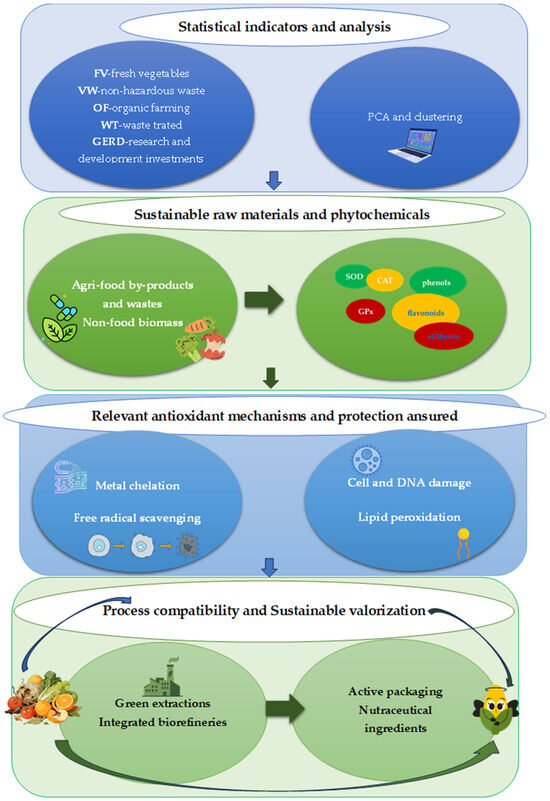
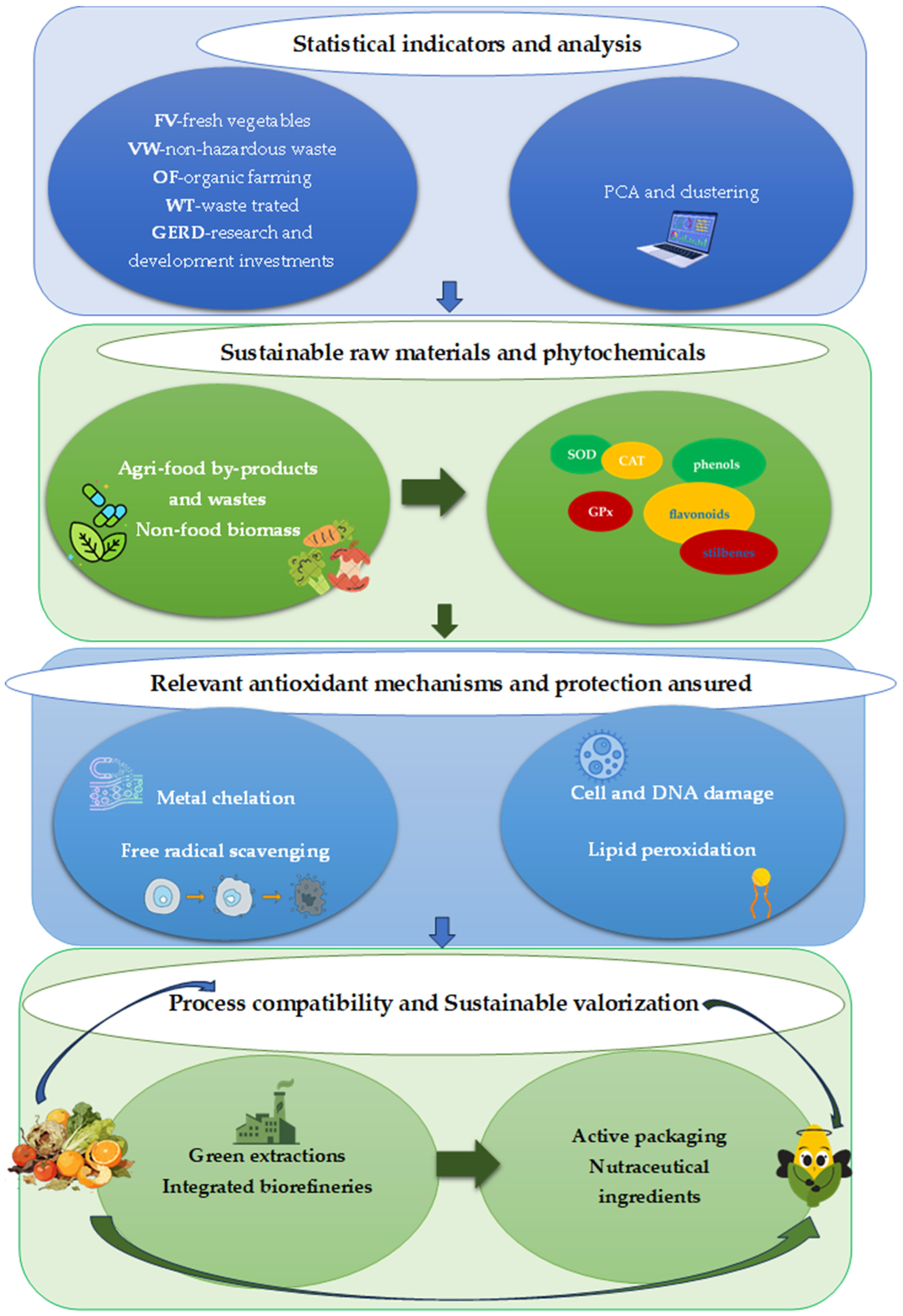
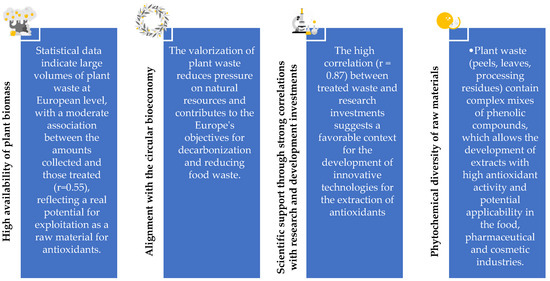
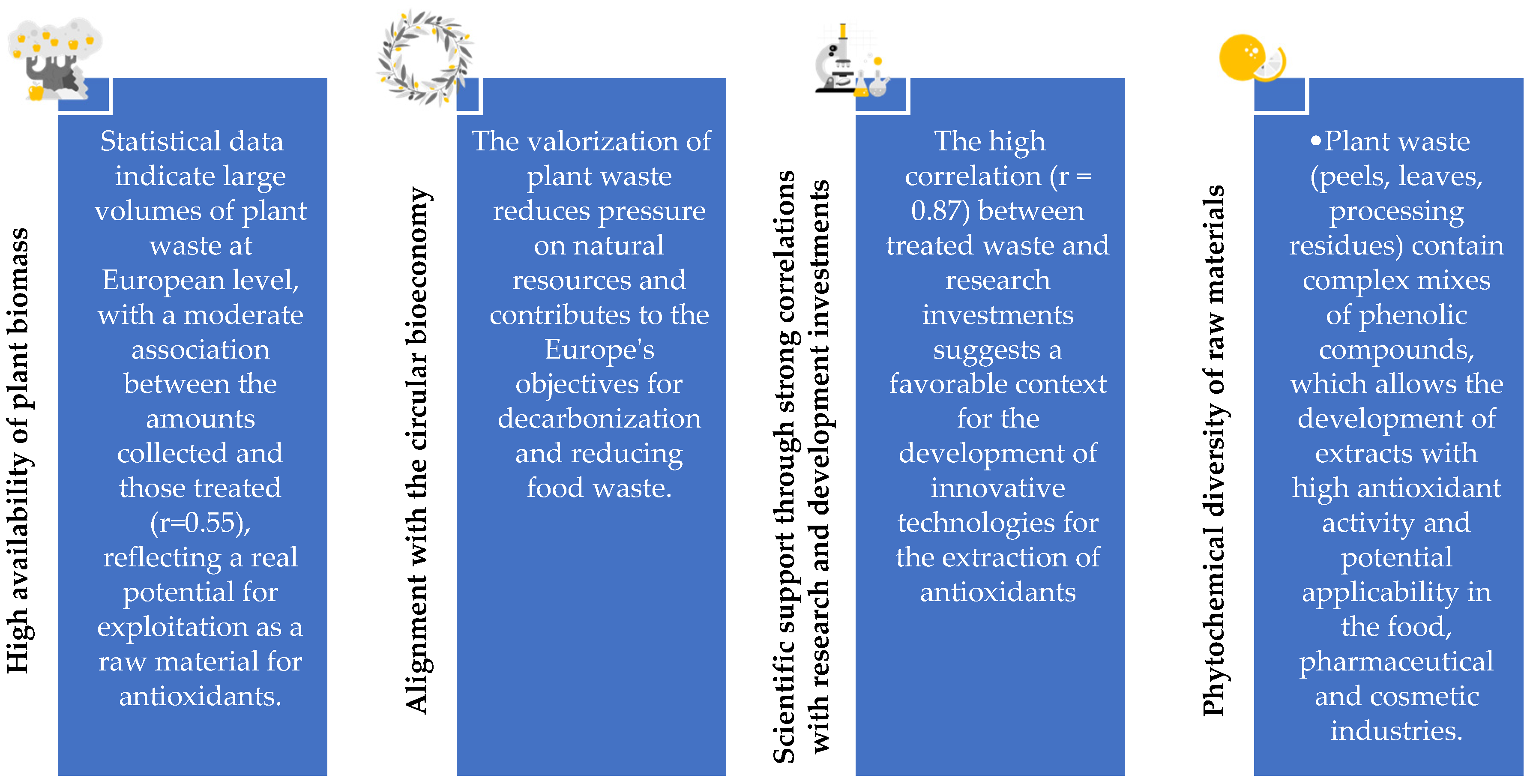
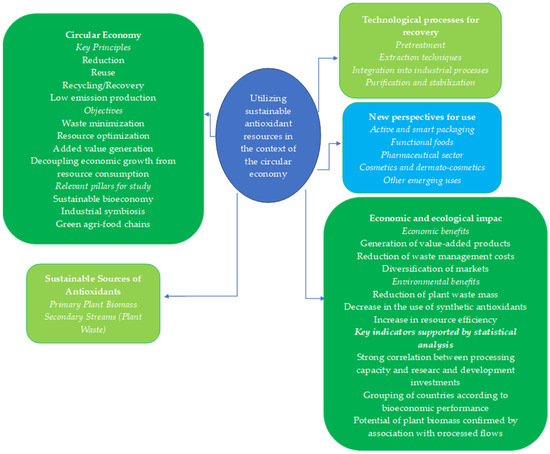
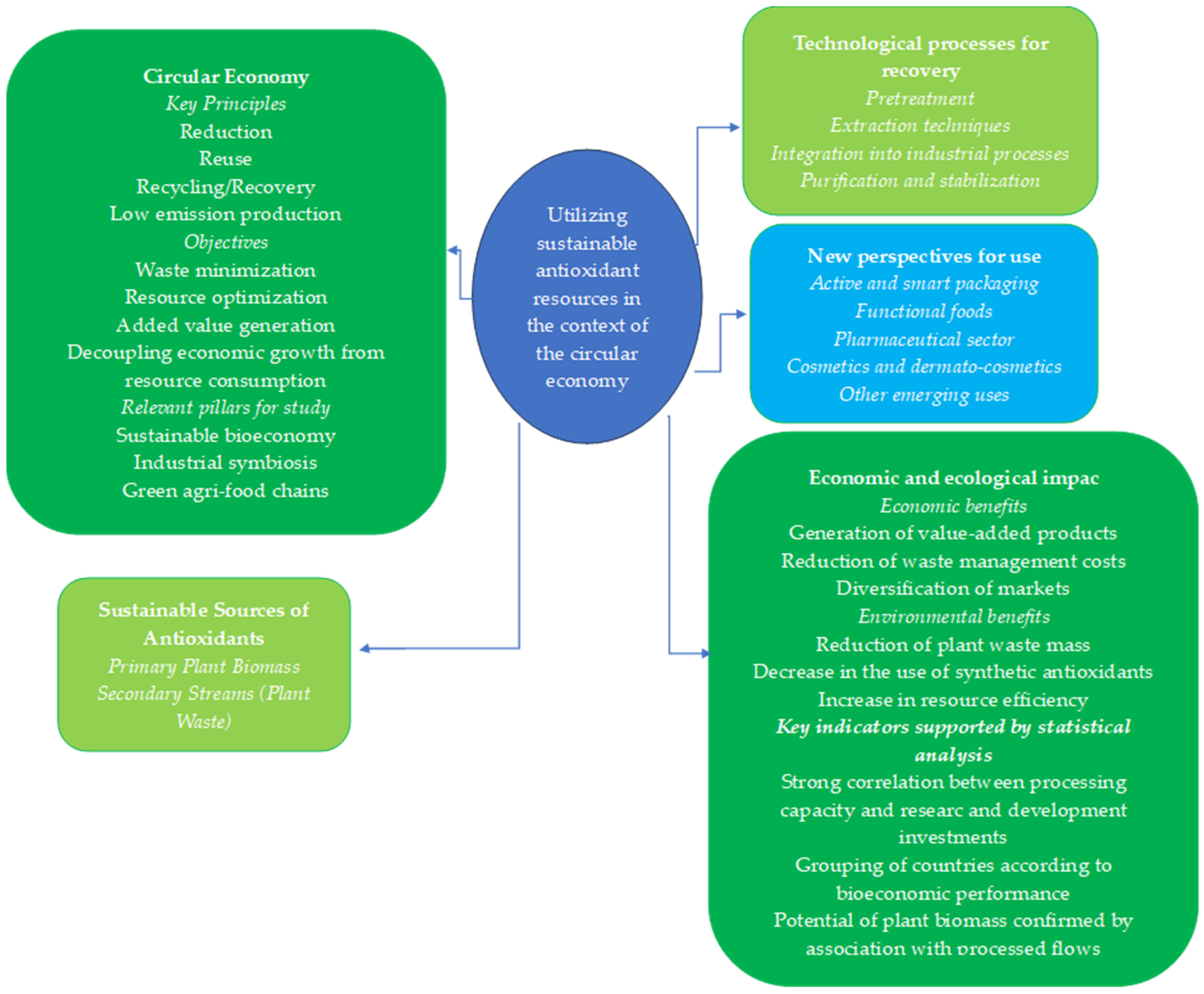
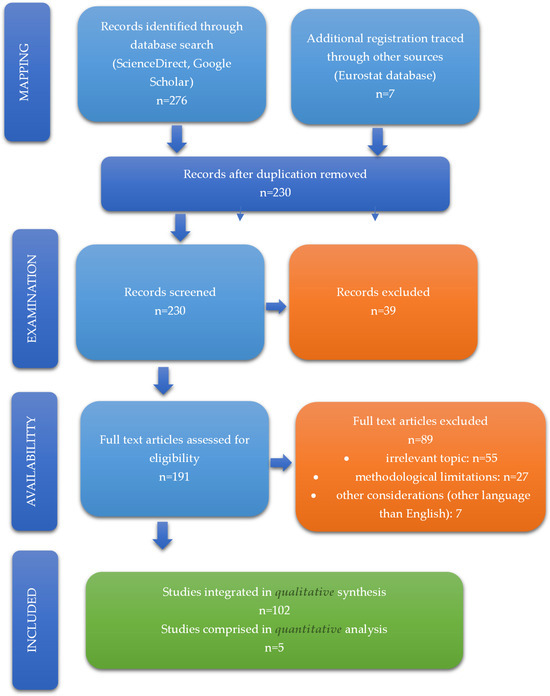
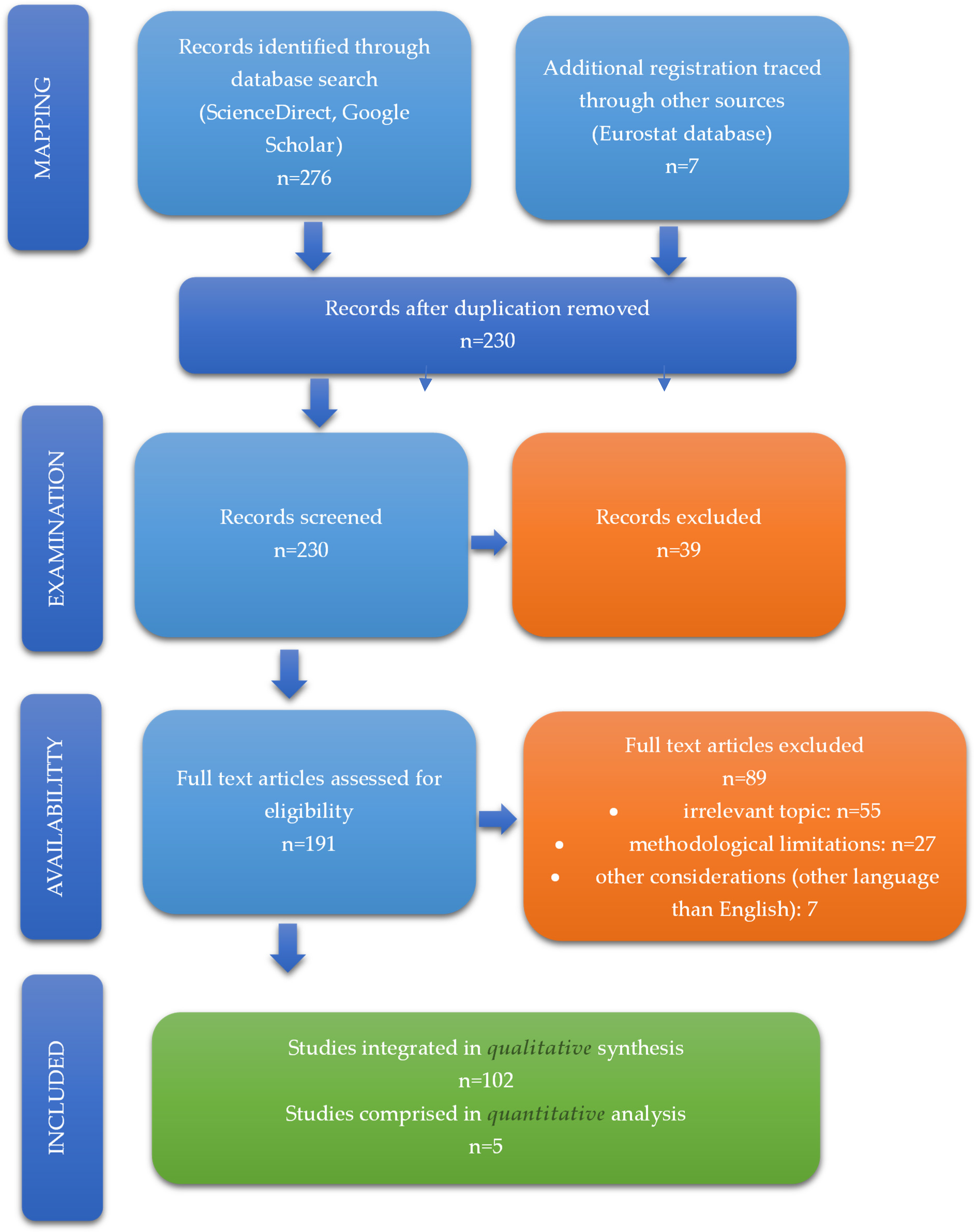
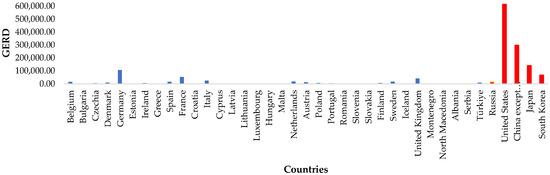
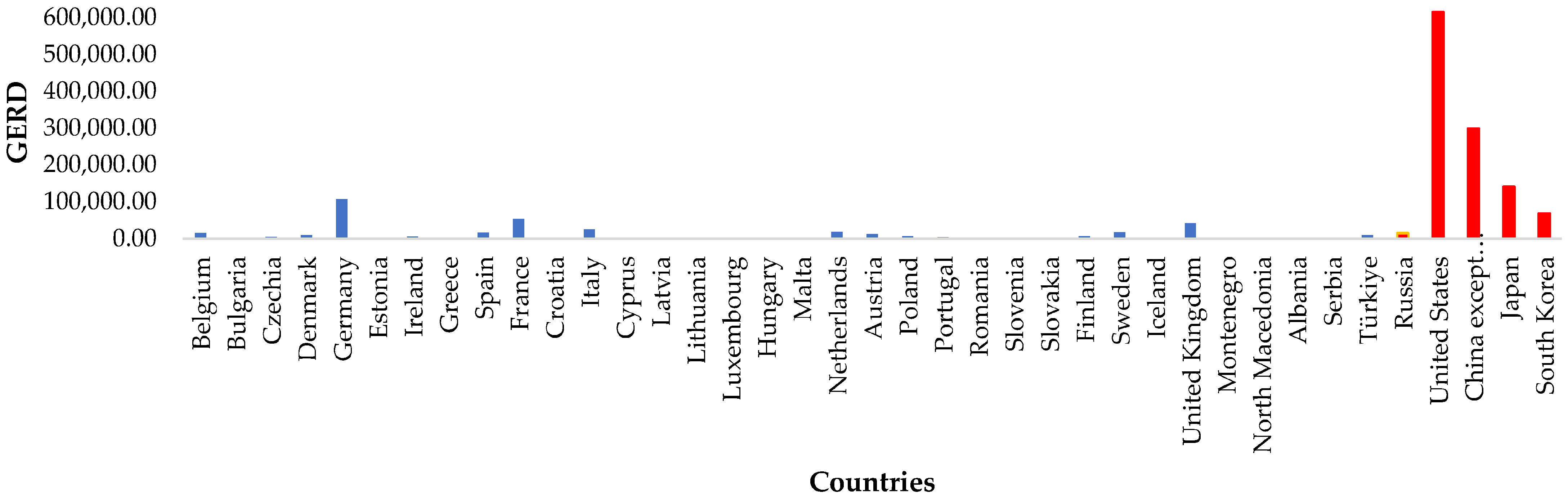
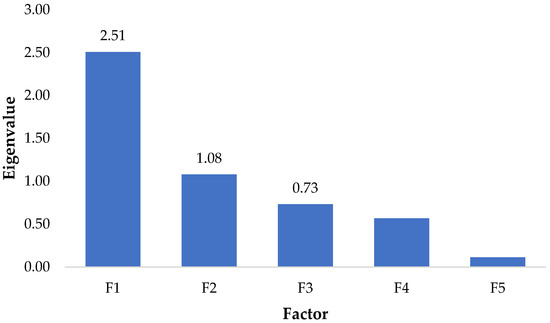
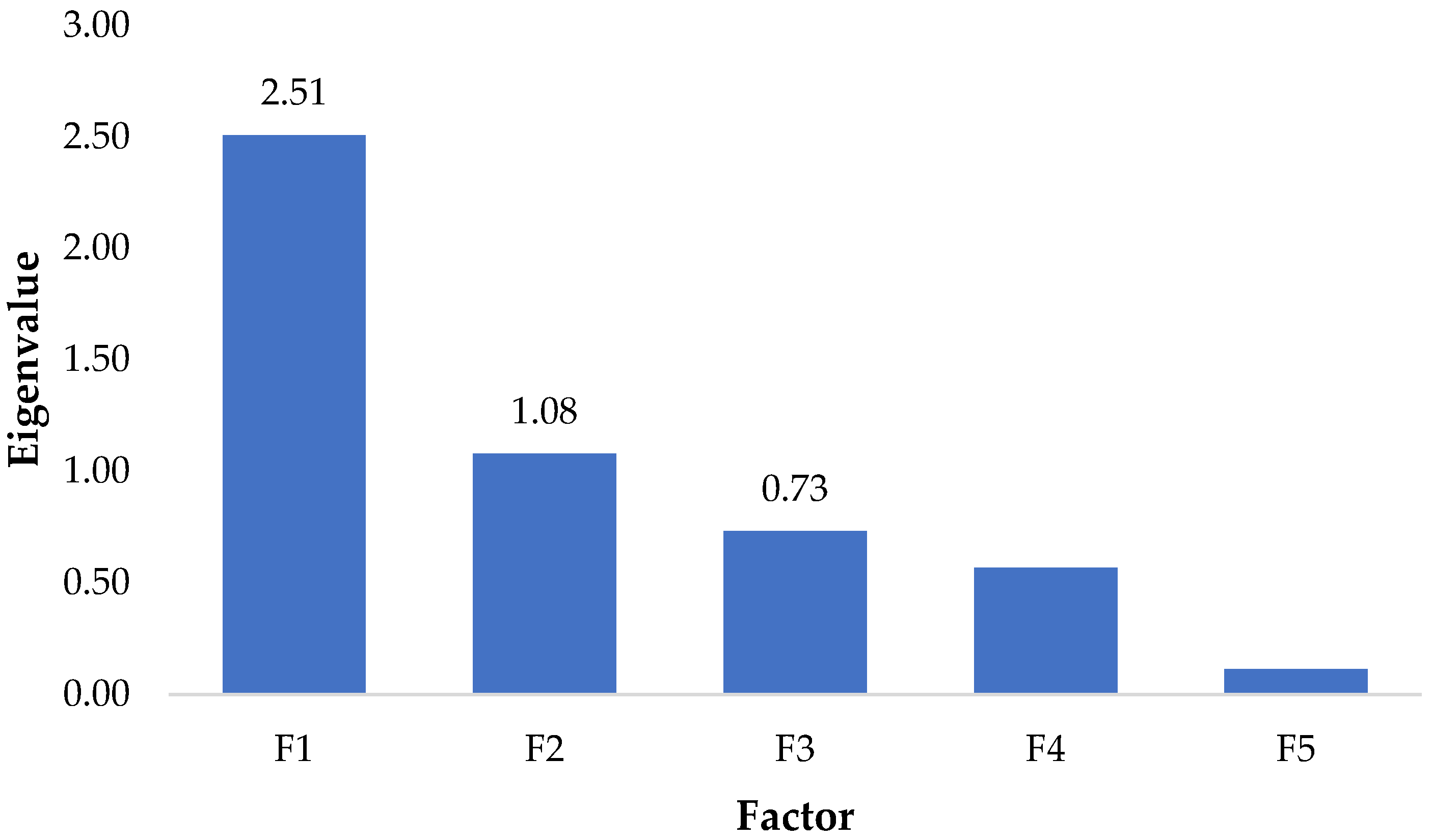
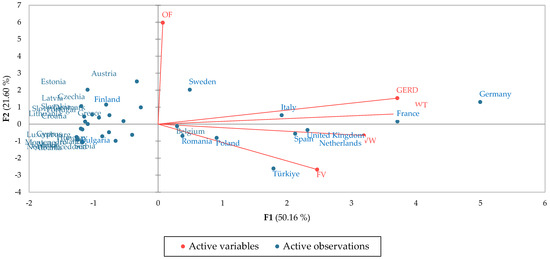
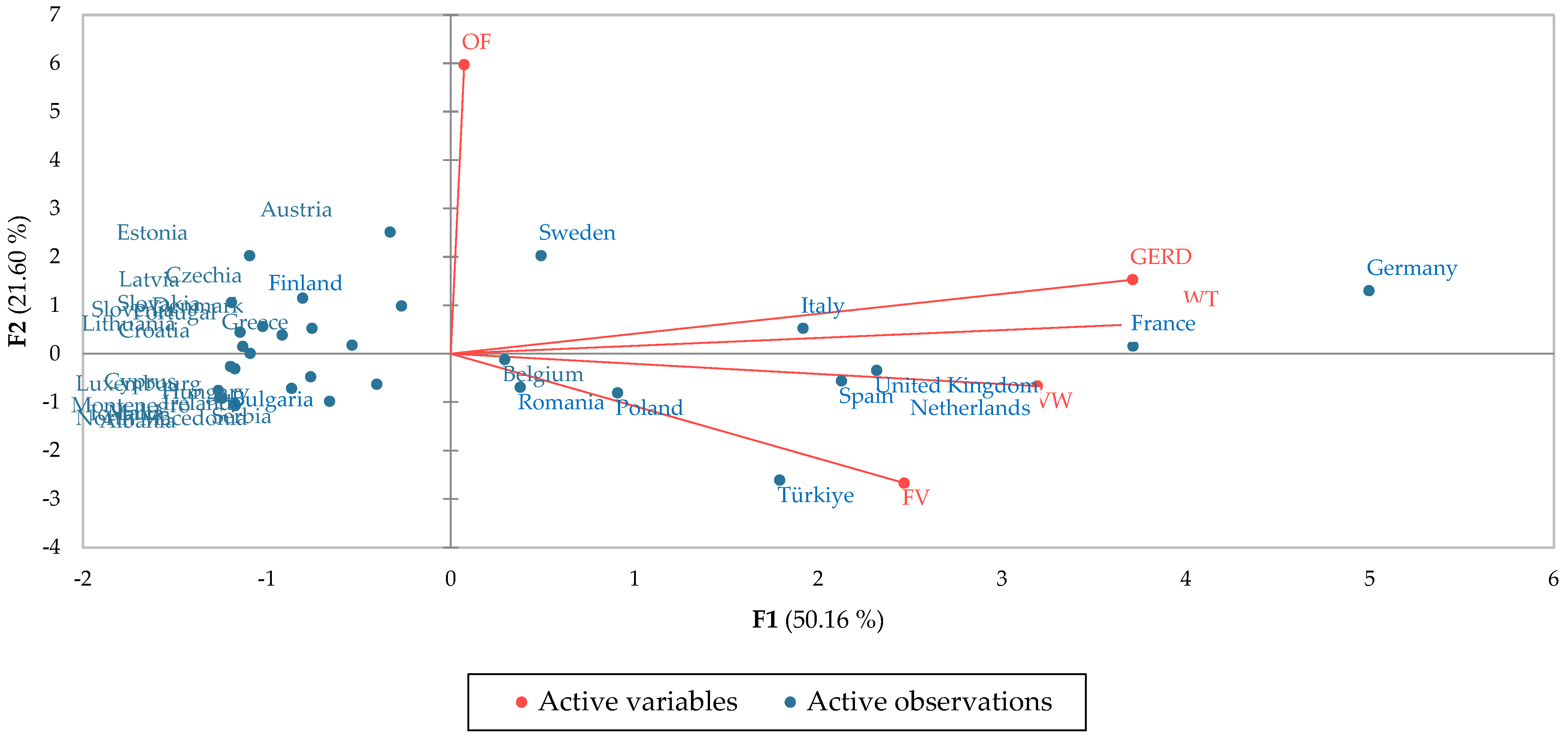
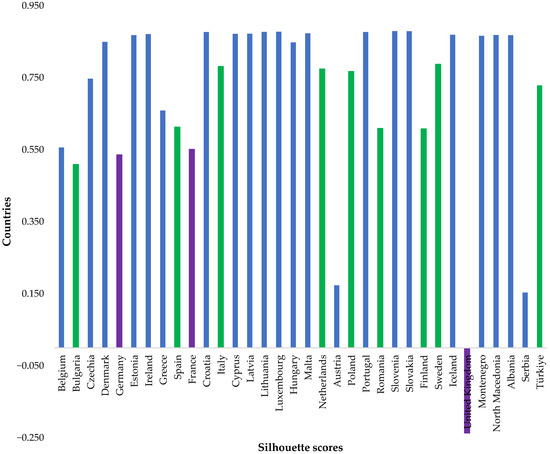
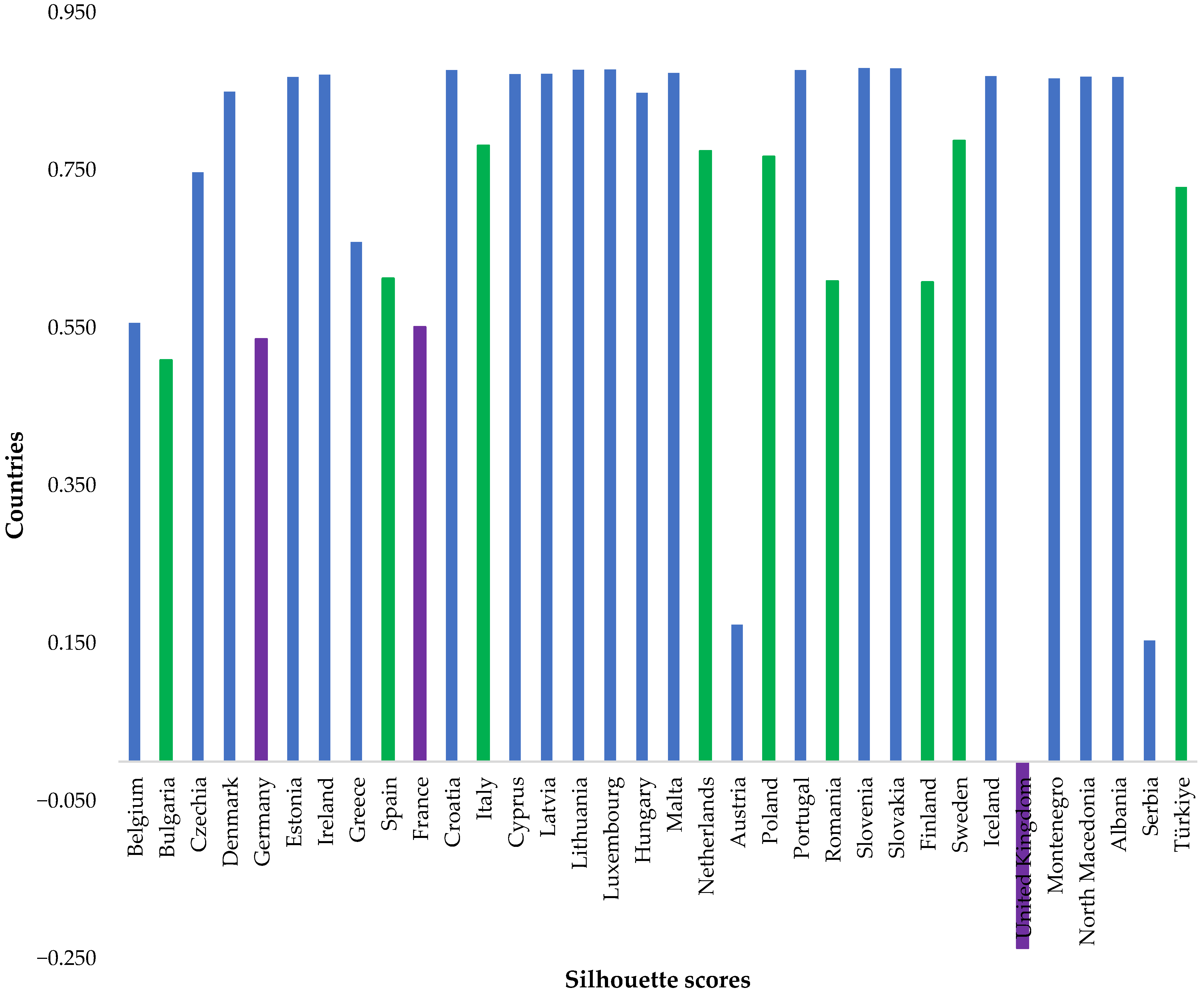
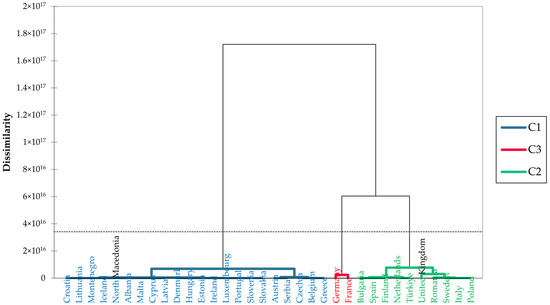
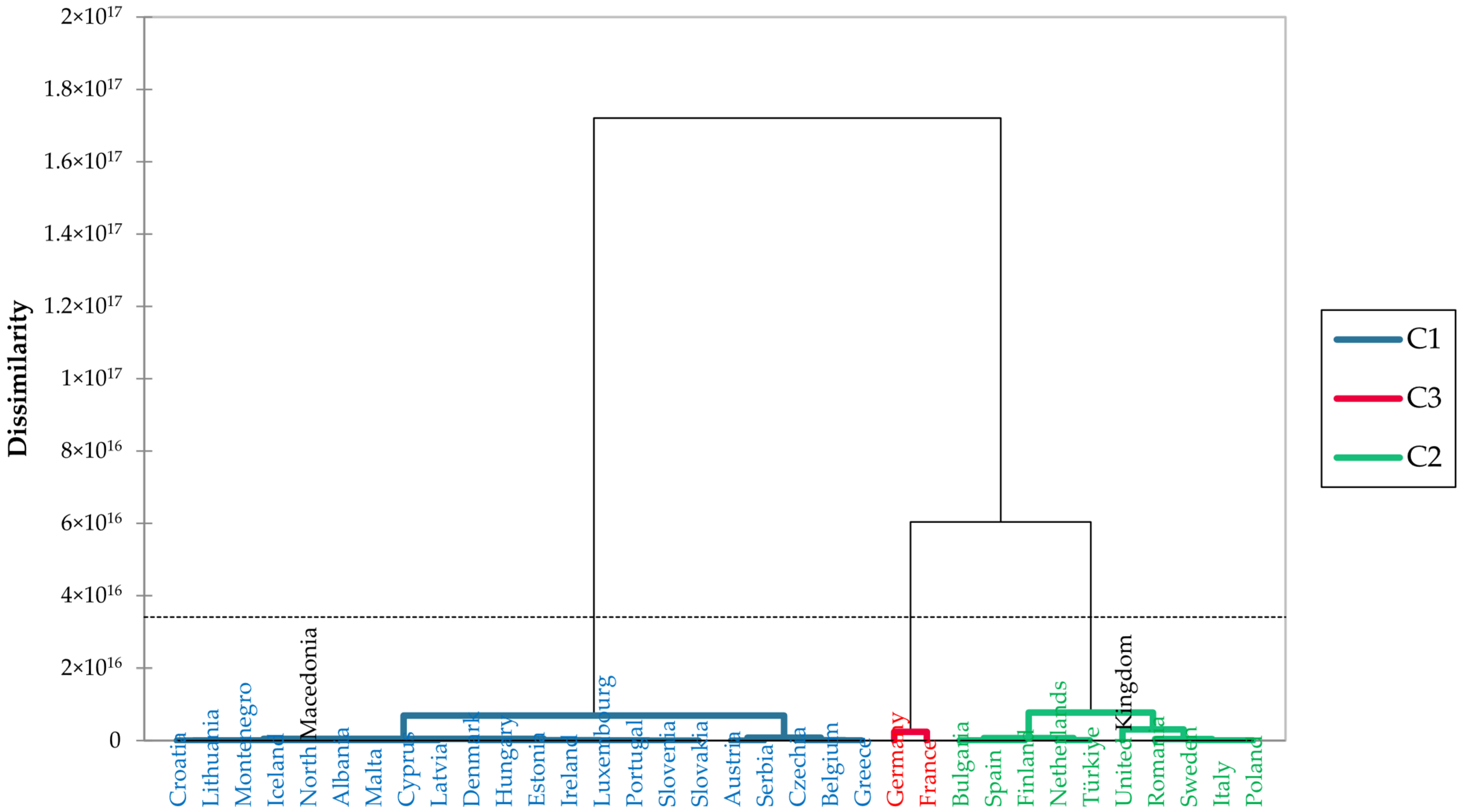
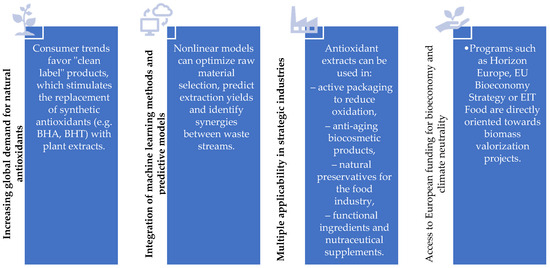
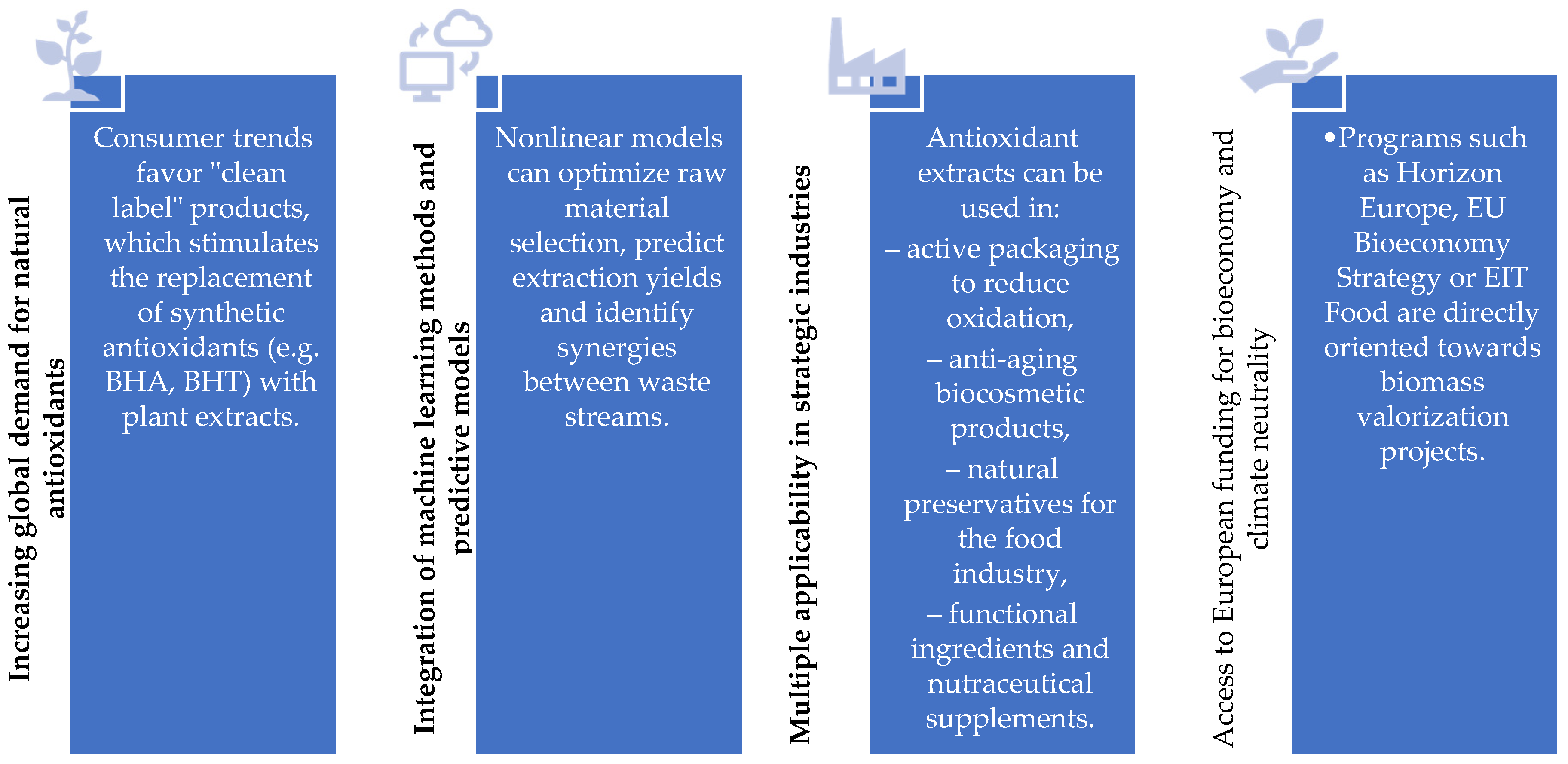

Disclaimer/Publisher’s Note: The statements, opinions and data contained in all publications are solely those of the individual author(s) and contributor(s) and not of MDPI and/or the editor(s). MDPI and/or the editor(s) disclaim responsibility for any injury to people or property resulting from any ideas, methods, instructions or products referred to in the content. |
© 2026 by the author. Licensee MDPI, Basel, Switzerland. This article is an open access article distributed under the terms and conditions of the Creative Commons Attribution (CC BY) license.