


Abstract
Dietary fiber (DF) physicochemical properties are widely used to explain food-processing behavior and physiological effects, although the relationships between these properties and functional outcomes are not always straightforward. This critical narrative review examines the relevance and limitations of DF physicochemical characteristics in understanding technological and physiological functionality. Evidence concerning hydration, molecular weight, solubility, viscosity, particle characteristics, and fermentability is critically compared across food formulation, glycemic regulation, cholesterol lowering, stool bulking, and fermentation-related responses. In food systems, physicochemical measurements can inform processing and product attributes, although their relevance depends on the formulation and endpoint. Human interventions demonstrate physiological effects of selected DF preparations, but laboratory measurements of material properties and in vitro responses have not consistently been validated as predictors of human outcomes. The evidence therefore supports distinguishing mechanistic interpretation, observed functionality, and predictive validity. These considerations may inform the selection of appropriate measurements, the interpretation of experimental findings, and the design of future research on dietary fiber functionality.
1. Introduction
Dietary fiber (DF) encompasses a diverse group of nondigestible carbohydrates and associated components that differ in chemical composition, molecular structure, and physicochemical behavior. Its definition has evolved to incorporate a broader range of materials, including resistant starches and certain nondigestible oligosaccharides, although regulatory criteria and analytical approaches vary among jurisdictions. This review follows the Codex Alimentarius framework and also considers nondigestible carbohydrates containing 3–9 monomeric units when they are recognized as DF under applicable national regulations [1,2]. This broader scope allows the physicochemical and functional characteristics of both polymeric and shorter-chain fiber components to be considered. Advances in dietary fiber analysis have improved the quantification of these components, but differences in analytical methods may still influence the reported DF content of foods [3]. Neither dietary classification nor the quantitative determination of DF content alone can adequately describe how a particular fiber preparation behaves during food processing or after consumption. Physicochemical characteristics, such as hydration, molecular weight (MW), solubility, viscosity, particle size, and fermentability, provide additional information for understanding the technological and physiological functionality of DF [4,5,6].
In food systems, hydration, rheological behavior, and interactions with other constituents influence processing and product attributes, whereas viscosity, particle characteristics, and fermentability may contribute to nutrient handling, bowel function, and microbial metabolism. However, measurements obtained from isolated fiber preparations do not necessarily reflect the material state encountered during food processing or gastrointestinal transit. Their interpretation therefore requires attention to the measurement conditions and functional endpoints being assessed. Previous reviews have discussed the physicochemical behavior and physiological functions of DF, including the roles of fiber structure, gastrointestinal conditions, and microbial interactions [4,7,8,9]. An important interpretive challenge is distinguishing associations between measured properties and functional outcomes from evidence that these properties can independently predict responses. Mechanistic plausibility, observed effects within a tested system, and predictive validity across materials or conditions represent different levels of evidence. For example, a viscosity-related effect observed in a digestion model may suggest a relevant mechanism without establishing a corresponding human physiological response. These distinctions provide a basis for critically evaluating the evidence supporting physicochemical property–function relationships.
The present critical narrative review reexamines the relationships between DF physicochemical properties and their technological and physiological functionality, with particular attention to the interpretation and limitations of existing experimental evidence. The literature included in this review was selected to examine the relationships between DF physicochemical properties and defined technological or physiological outcomes. Particular emphasis was placed on studies that characterized relevant physicochemical properties alongside functional measurements, enabling an assessment of the extent to which these properties could explain observed responses. Studies reporting supportive, inconsistent, or unexpected property–function relationships were considered to provide a balanced evaluation of the available evidence. Experimental investigations involving food systems, in vitro models, animal studies, and human interventions were included according to their relevance to the specific questions addressed. Systematic reviews and meta-analyses were also considered where appropriate to contextualize findings from individual studies. Rather than aiming for exhaustive coverage, the literature selection prioritized studies that could inform the mechanistic interpretation, experimental limitations, and applicability of physicochemical property–function relationships. The review first examines the characteristics and measurement-dependent nature of DF physicochemical properties, followed by their relevance to technological performance in food processing and formulation. It then evaluates evidence linking these properties to physiological responses, focusing on glycemic regulation, cholesterol lowering, stool bulking, and fermentation-related outcomes, including the distinctions between in vitro measurements and in vivo observations. The review concludes with a discussion of key considerations for interpreting relationships between physicochemical properties and functionality, followed by recommendations for improving experimental design, evidence interpretation, and future research on DF functionality. Figure 1 illustrates the context-dependent relationships between DF physicochemical properties and technological and physiological functionality.
Figure 1.
Context-dependent relationships between dietary fiber physicochemical properties and functionality. * Observed functional effects do not necessarily establish the independent contribution or predictive validity of individual physicochemical properties. The dashed frames indicate the outcomes of technological and physiological aspects.
2. Physicochemical Characterization of Dietary Fiber and Its Interpretation
2.1. Understanding Physicochemical Properties as Operational Measurements
DF comprises chemically and physically diverse materials whose behavior cannot be adequately characterized by dietary classification or total fiber content alone. Physicochemical properties, including MW, solubility, water-holding capacity (WHC), swelling capacity, particle size, viscosity, and binding capacity, provide complementary information about hydration, molecular organization, interfacial interactions, and responses to surrounding environments. These measurements are valuable for identifying potential mechanisms of functionality and comparing fiber preparations. Their values, however, are obtained under particular experimental conditions and cannot be treated as inherent guarantees of technological performance or physiological benefit. Inadequate characterization and reporting have been identified as obstacles to comparing and reproducing DF nutrition studies [5]. Any interpretation of functionality must therefore begin by distinguishing the material examined, the property measured, and the outcome attributed to that property.
Although physicochemical characteristics are often discussed collectively, they represent different aspects of material behavior and should not be regarded as interchangeable predictors. For example, MW describes the molecular-size characteristics of a polymer population, whereas viscosity characterizes resistance to flow under specified conditions and depends on factors such as polymer concentration, solubilization, molecular interactions, and shear rate [5]. Regand et al. [10] examined oat β-glucan preparations differing in MW, solubility, and extract viscosity, alongside in vitro starch digestibility and human glycemic responses. Their findings support the functional relevance of these interconnected characteristics within the tested food systems. Nevertheless, changes in MW, soluble polymer availability, and viscosity were not independent, illustrating the difficulty of attributing functional responses to a single measured parameter. The observed response cannot therefore be assigned confidently to one descriptor alone, nor does an association within those foods establish that the same descriptor will predict outcomes in all formulations.
2.2. Structural, Methodological, and Environmental Determinants of Measured Properties
The operational nature of physicochemical measurements is particularly evident in the characterization of fiber hydration. Terms such as WHC, water retention, swelling capacity, and water absorption are sometimes used to describe closely related phenomena, but the measurements may represent different forms of water association and respond differently to experimental forces. Jacobs et al. [11] compared wheat bran preparations of different particle sizes using several hydration methods. Conventional centrifugation measurements showed higher water retention in coarse than fine wheat bran (5.9 versus 2.9 mL/g), whereas drainage centrifugation yielded approximately 1.2 mL/g for both preparations, indicating that the apparent particle-size effect depended on the measurement method [11]. These differences were associated with the distinction between water retained within or between particles and water remaining under more restrictive measurement conditions. Eastwood et al. [12] also examined different approaches to measuring fiber water-holding properties, highlighting the importance of the nature of water retention rather than relying solely on absolute WHC values. Thus, apparently inconsistent hydration results may arise because different assays characterize different physical aspects of the same material. The practical significance of a hydration index depends not only on its numerical magnitude but also on the measurement procedure and the conditions in which the fiber is expected to function.
The interpretation of physicochemical properties is further complicated by structural variability within fiber preparations. Average molecular descriptors can provide useful summaries but may conceal molecular populations or organizational features that disproportionately influence material behavior. Goh et al. [13] characterized flaxseed polysaccharide solutions containing distinct molecular-size populations and attributed much of their viscous behavior to larger molecular species. This illustrates why average molecular size alone may be insufficient to explain solution rheology. Pectin provides another example because gelation is influenced not only by the average degree of methylesterification but also by the distribution of esterified groups and the conditions of calcium-mediated association. Studies of pectin–calcium gels found that these structural features and experimental conditions jointly affected gel properties [14,15]. These examples do not establish a universal structure–function relationship for DF, but they demonstrate why the interpretation of an isolated descriptor may depend on structural characteristics that the descriptor does not fully represent.
Environmental conditions and processing history introduce another level of variability. Polymer concentration, temperature, pH, ionic composition, hydration time, and mechanical treatment can alter molecular interactions or the physical state of fiber-containing systems, although their effects depend on the chemistry and organization of the material concerned. For instance, the calcium-dependent rheological behavior of pectin gels examined by Fraeye et al. [14] illustrates how polymer characteristics and external conditions jointly influence an observed property. Processing may also modify the kinetics of hydration without necessarily producing equivalent changes in equilibrium measurements. In wheat bran breadmaking systems, toasting delayed hydration and dough development without proportionate changes in equilibrium water uptake or optimally developed loaf volume [16]. This distinction is important because a static physicochemical measurement may fail to capture the time-dependent material behavior relevant during processing. Characterization is most useful when the testing conditions and prior treatment of the sample are reported alongside the resulting value.
2.3. Interpretive Boundaries: From Measured Properties to Functional Predictions
A further consideration is whether the physicochemical state characterized experimentally corresponds to the state relevant to the intended functional outcome. Measurements obtained from isolated fiber powders, dilute polymer solutions, extracted fractions, or simplified model systems may not necessarily represent the behavior of the same material after incorporation into a food matrix or exposure to gastrointestinal conditions. Such transitions can alter the availability, concentration, distribution, or physical organization of the functional fiber fraction. Reporting the composition of both DF preparations and DF-containing foods has been recommended to improve comparisons among nutritional experiments [5]. Regand et al. [10] similarly illustrate the value of connecting measured polymer characteristics with digestion-related measurements and human outcomes rather than assuming functional relevance from ingredient identity alone. Even such evidence is limited to the materials, doses, food matrices, and physiological conditions examined unless the relationship is tested elsewhere.
These considerations highlight an important distinction between physicochemical characterization and functional validation. A measured property can provide a plausible mechanistic explanation for an observed response, but its predictive value requires evidence that the property is informative for a defined functional endpoint under relevant conditions. The strength of such an inference depends on the specificity of the measurement, the extent to which other material characteristics are controlled, and the correspondence between the experimental system and the intended application. Limitations of individual physicochemical measurements should not be interpreted as evidence that these properties lack functional significance. They rather indicate that their usefulness as predictors is conditional and must be evaluated in relation to the mechanisms and outcomes of interest. The next section examines this issue in food systems, where the correspondence between a measured material property and a defined processing or product endpoint can be studied more directly.
3. From Physicochemical Properties to Technological Performance in Food Systems
In food formulation, physicochemical properties guide DF selection by describing hydration, rheological behavior, gelation, and interactions with other constituents. Their technological relevance is substantial, although the implications of each measurement depend on the product attribute being evaluated. For example, WHC may inform water management during mixing, whereas viscosity may be more directly relevant to flow behavior than to aeration, sensory texture, or long-term stability. Properties measured in an isolated ingredient may also change when that ingredient enters a complex formulation. This section examines how physicochemical measurements relate to technological performance, why apparently favorable characteristics sometimes fail to produce the expected product outcomes, and the conditions under which property–function relationships can be interpreted meaningfully.
3.1. Hydration Behavior and Its Consequences for Food Processing
3.1.1. Hydration Kinetics Matter Beyond Equilibrium Water Uptake
Hydration characteristics are particularly relevant to food processing because DF can alter water distribution, competition for moisture, and the development of product structure. WHC, water absorption, and swelling measurements are frequently used to characterize these effects, although they do not necessarily describe hydration rate, water availability to other ingredients, or retention under mechanical stress. These distinctions are important in breadmaking, where bran particles interact with flour components during dough development. Measurements of wheat bran hydration depend on particle characteristics and experimental methods, meaning that apparently similar hydration descriptors may represent different aspects of water association [11]. For technological applications, the relevant test is the one that best reflects the water-related conditions encountered during processing.
Processing studies provide more direct evidence of this distinction. Jacobs et al. [16] compared wheat bran subjected to toasting, milling, and presoaking and examined the consequences for hydration kinetics, dough development, and loaf volume. Toasting delayed hydration and prolonged dough development, whereas presoaking could counteract these effects. Milling increased hydration rate and accelerated dough development, but the resulting differences in mixing behavior were not accompanied by equivalent changes in loaf volume when doughs were optimally developed. Thus, hydration kinetics were informative for understanding processing behavior without producing corresponding differences in final bread volume. The relative contributions of water binding and physical obstruction were further examined using conventional bran, pericarp-enriched fractions, and synthetic bran-like particles. Under the tested breadmaking conditions, water binding contributed more strongly than steric hindrance to the deterioration of bread quality [17]. These findings together support the technological importance of hydration-related behavior while emphasizing that its significance depends on the selected processing stage and endpoint.
3.1.2. Water Retention Versus Overall Product Quality
Similar distinctions arise in moisture-sensitive foods. In fruit jellies enriched with different fibers, psyllium effectively limited syneresis but also produced excessive gumminess, whereas combinations of fibers offered opportunities to moderate texture while maintaining resistance to water separation [18]. Improving water retention therefore did not necessarily improve overall product quality. The influence of formulation composition is also illustrated by model tomato ketchup systems, in which modified starch, xanthan gum, and other added ingredients affected water mobility, rheological characteristics, and serum separation differently [19]. Because several components and their concentrations influenced the measured responses, these observations cannot be attributed exclusively to DF hydration properties. They demonstrate that water distribution and physical stability must be interpreted within the broader formulation. Hydration measurements may therefore assist ingredient selection, but their functional meaning remains specific to the intended outcome, whether this concerns mixing behavior, water separation, texture, or final product structure.
3.2. Rheological Properties and Matrix-Dependent Product Performance
3.2.1. Similar Viscosity, Different Product Performance
Rheological properties are closely connected to technological functionality because flow and deformation are directly involved in processing and texture development. Nevertheless, increased viscosity or elasticity does not necessarily represent improved product performance. In wheat doughs containing inulin preparations of different degrees of polymerization and concentrations, changes in polymer characteristics affected viscoelastic behavior and breadmaking properties [20]. Greater resistance to deformation is not necessarily advantageous when dough expansion and extensibility are required. The technological interpretation of a rheological change therefore depends on the balance of properties needed for the particular product rather than on whether an individual rheological parameter increases or decreases.
A particularly informative comparison comes from low-fat ice creams formulated with polysaccharides differing in molecular flexibility. Liu et al. [21] prepared separate formulation series in which either ice-cream-mix viscosity or serum-phase viscosity was approximately matched. In the first series, formulations containing locust bean gum, guar gum, xanthan gum, or iota-carrageenan exhibited similar mix viscosities (66.6–70.6 mPa·s, measured at 50 s−1 and 20 °C) but differed significantly in overrun, with values of 47–58% for the more flexible polysaccharides compared with 29–34% for the more rigid polymers (p < 0.05). In the second series, serum-phase viscosities were approximately matched at 14,669–16,741 mPa·s under the tested conditions. Across these comparisons, formulations still differed in hardness, microstructure, and sensory characteristics. Flexible polysaccharides generally supported greater air incorporation and softer textures, whereas more rigid polymers produced different structural and sensory responses. Melting behavior, on the other hand, was more closely associated with serum-phase viscosity than with polymer type alone. These findings show that viscosity is relevant to some attributes but does not describe every consequence of polymer structure. Comparable viscosity under one measurement condition cannot be assumed to produce equivalent aeration, texture, or melting performance.
Technological functionality also involves trade-offs among several desirable product attributes. For low-fat mayonnaise, Blok et al. [22] compared thickening systems based on microfibrillated cellulose, starch, and xanthan gum and examined rheological, tribological, and sensory responses. The different systems exhibited distinct combinations of viscoelastic behavior, friction, and perceived texture. Although rheological and tribological measurements provided useful complementary information, neither alone represented the complete sensory profile. Such findings support using several relevant measurements rather than relying on one property as a measure of overall quality. The choice of measurements should follow the product attributes being developed.
3.2.2. Matrix-Dependent Rheology and Product Stability
The surrounding food matrix introduces further complexity. In sucrose-free dark compound chocolate, formulations combining inulin or polydextrose with alternative sweeteners exhibited differences in rheological behavior and hardness associated with variations in moisture content, particle-size distribution, and sweetener-particle morphology. In contrast, major high-temperature melting characteristics and fat polymorphism were less affected by these formulation changes [23]. Because chocolate is a fat-continuous system with limited available water, the technological behavior of carbohydrate-containing ingredients differs from that in more extensively hydrated foods. Furthermore, simultaneous variation in sweetener type, carbohydrate polymer, and particulate characteristics prevents attribution of the observed responses to a single DF property. This comparison therefore illustrates the importance of matrix conditions and endpoint specificity without establishing an independently predictive relationship.
Ingredient interactions are also important in beverage stabilization. Staubmann et al. [24] investigated pectin, guar gum, locust bean gum, and their combinations in cloudy ready-to-drink beverages containing 7% orange juice, with final hydrocolloid concentrations ranging from approximately 0.03% to 0.5%. Although apparent viscosities measured at 25 °C and 100 s−1 did not differ significantly among the final beverage formulations (p > 0.05), their turbidity retention and sedimentation behavior differed during 35 days of storage. In particular, selected pectin-containing combinations provided better storage stability than formulations containing guar gum and locust bean gum without pectin. These findings indicate that beverage stabilization cannot be explained by bulk apparent viscosity alone and may also depend on particle characteristics and interfacial interactions. A different instability mechanism is encountered when soy beverages are incorporated into acidic, hot coffee. Arapi et al. [25] reported that pectin addition reduced curdling susceptibility, with pectin type having a relatively limited influence on this effect. Changes in formulation also influenced rheological and foaming properties, indicating that these functional responses should be considered separately. These findings emphasize that beverage stability is not a single technological endpoint. Sedimentation of suspended particles, protein aggregation, and foaming are governed by partly different physical processes. Measurements that characterize sedimentation may not adequately capture protein aggregation or foaming behavior.
3.3. Fat Replacement and the Limits of Single-Property Optimization
Fat replacement provides a useful example of technological functionality involving multiple interacting mechanisms. Fat contributes to food properties through moisture distribution, structural organization, lubrication, and sensory perception. DF ingredients are often selected on the basis of WHC, oil-holding capacity, emulsifying behavior, or viscosity. These characteristics can be important for formulation, but none necessarily represent the complete technological contribution of fat. Evaluating fiber-based fat replacement therefore requires consideration of both the measured ingredient properties and the product outcomes relevant to its intended application.
The distinction is illustrated by comparisons of carrot and lemon fibers in reduced-fat beef hamburgers. Lemon fiber performed favorably in moisture-related measurements and cooking yield, whereas carrot fiber produced different effects on texture and sensory characteristics, with some formulations receiving more favorable sensory responses [26]. The fiber preparation associated with better moisture management was not necessarily the preferred ingredient when other product attributes were considered. Such findings do not diminish the technological relevance of water binding. They rather indicate that ingredient suitability depends on the combination of properties required by the finished food and cannot be inferred solely from a favorable value for an isolated physicochemical measurement.
Modification of the fiber preparation provides a related example. Kim et al. [27] compared crude and alkali-treated sugarcane bagasse fibers incorporated at 2% into meat emulsions containing 5%, 10%, or 20% fat. Alkaline treatment significantly increased the water-binding capacity of the fiber from 1.87 to 3.02 g water/g dry residue (p = 0.002), while decreasing its oil-binding capacity from 4.83 to 2.67 mL/g (p = 0.028) and emulsifying capacity from 36.33% to 25.83% (p = 0.011). Despite the higher water-binding capacity of the treated fiber, cooking loss did not differ significantly between the crude- and alkali-treated fiber formulations at the same fat level (p > 0.05). For example, cooking losses were 7.14% and 7.52%, respectively, in the 10%-fat formulations. At the 5% fat level, the treated-fiber formulation exhibited significantly greater fat release than the crude-fiber formulation (1.85% versus 1.00%, p < 0.05). Since alkaline treatment modified several ingredient characteristics simultaneously, these findings do not identify water-binding capacity as an independent causal variable or demonstrate that water binding is unimportant. Rather, they illustrate that improved hydration capacity of an isolated fiber does not necessarily produce corresponding improvements in the technological performance of a complex food matrix.
Positive evidence from another meat system offers a complementary perspective. Incorporation of citrus fiber into low-fat frankfurters reduced cooking loss and was associated with changes in water distribution and the organization of the protein network [28]. These findings support the technological significance of fiber-associated water management under the investigated conditions. However, they do not establish that an ingredient-level WHC measurement alone could predict the magnitude of cooking-loss reduction, because fiber incorporation also modified the surrounding food structure. Considered together, the sugarcane and citrus-fiber studies demonstrate meaningful technological effects while addressing different experimental questions. Changes in measured ingredient properties following treatment are not equivalent to observations of functional improvement following ingredient incorporation.
The complexity of fat replacement becomes particularly evident when sensory endpoints are included. In mayonnaise, different thickeners produced distinct rheological, frictional, and sensory responses, indicating that bulk mechanical behavior did not fully describe perceived texture [22]. Selecting DF for fat-reduced foods may consequently require balancing cooking yield, structural stability, lubrication, and sensory acceptability rather than maximizing an individual property. The resulting evidence supports the practical use of physicochemical characterization in formulation decisions, but its implications should remain tied to the attributes actually measured and the food system investigated.
3.4. Processing, Material Variability, and Technological Performance
3.4.1. Processing Sequence and Product Performance
Physicochemical measurements obtained before processing may not represent the material state responsible for performance in the finished food. Heating, mixing, fermentation, and cooking can change the quantity, solubility, distribution, or molecular organization of DF [5,29,30]. Processing conditions can also influence product functionality even when the original ingredients remain nominally unchanged. Distinguishing initial material characteristics from the properties and interactions expressed during manufacture is therefore important when interpreting technological outcomes.
The timing of ingredient addition can affect breadmaking performance without changing the ingredient formulation. When bran and middlings were incorporated later during kneading, whole-wheat dough rheology and bread volume changed, although the effects on tenacity and extensibility depended on the proportion of bran-containing material [31]. Technological performance depended not only on ingredient composition but also on the timing of its incorporation into the developing dough system. Because the study manipulated processing sequence rather than independently varying a specific DF physicochemical property, it does not directly test the predictive accuracy of a material descriptor. Its relevance lies instead in demonstrating how processing conditions modify the functional consequences of incorporating fiber-rich ingredients.
3.4.2. Processing-Induced Changes in Fiber Properties and Retention
Processing can also transform the DF fraction itself. In gluten-free breadmaking, the extent of inulin-type fructan degradation depended on the degree of polymerization of the added fructans and the invertase activity of the yeast. Using yeast with reduced invertase activity limited fructan losses relative to conventional yeast, demonstrating that the amount and molecular distribution remaining in the finished bread could differ substantially from those of the original ingredient [29]. A related distinction was observed in oat-fortified noodles. Processing and cooking increased β-glucan solubility without substantially changing average molecular size, while cooking reduced the amount retained in the noodles because some β-glucan was lost to cooking water [30]. These studies illustrate why increased solubility, molecular-size retention, and the quantity of DF remaining in the consumed product are not interchangeable outcomes. A favorable change in one property does not necessarily mean that more of the corresponding fiber fraction is retained.
3.4.3. Analytical Recovery Versus Actual Fiber Retention
Enzyme-assisted processing further highlights the distinction between technological performance and analytically measured DF fractions. Cetiner and Koksel [32] compared breads prepared from modern and older wheat varieties and investigated the effects of xylanase addition in the modern-wheat formulations. Xylanase generally increased loaf volume and reduced crumb firmness, while the mean analytically measured soluble DF fraction also increased, although responses were not uniformly significant across individual varieties. The DF analysis used AOAC Method 991.43, which does not comprehensively recover all low-molecular-weight nondigestible carbohydrates. The study also reported in vitro estimated glycemic indices for the wheat-bread comparisons rather than directly measured human glycemic responses. Therefore, improvements in bread quality, differences in analytically recovered DF fractions, and potential physiological effects should be interpreted as distinct outcomes. The study does not establish that an increase in a particular DF fraction independently caused the technological improvement or produced a human glycemic benefit.
The distinction between actual DF transformation and analytical recovery warrants particular attention when processing-related changes in fiber content are discussed. Precipitation of inulins and related oligomeric carbohydrates depends on their molecular characteristics and the solvent conditions used, which can affect the fractions recovered during analysis [33]. Modern integrated analytical procedures distinguish insoluble DF, ethanol-precipitable soluble DF, and lower-molecular-weight soluble components recovered through complementary chromatographic measurements [34]. Nevertheless, method-specific limitations can still influence the detection and classification of certain oligosaccharides [35]. Differences in reported DF content after processing may reflect genuine material transformations, differences in analytical recovery, or both. Such measurements are essential for compositional interpretation but should not themselves be treated as direct indicators of technological performance.
3.4.4. Ingredient Heterogeneity and Functional Attribution
Beyond processing-induced changes and analytical recovery, the composition and heterogeneity of fiber-containing ingredients introduce further challenges when attributing technological performance to specific DF characteristics. Okara incorporation altered tofu properties and consumer acceptance, but okara also contains proteins and other nonfiber constituents that may have contributed to these responses [36]. At the other end of the spectrum, 20 gum Arabic samples from Acacia Senegal differed in molecular characteristics and emulsifying behavior despite belonging to the same ingredient category. Their performance could not be explained adequately by protein content or one average molecular descriptor [37]. These observations illustrate complementary limitations. The functional effects of fiber-rich ingredients may reflect contributions from nonfiber components, while materials sharing a common ingredient designation may exhibit different technological behavior.
3.5. Molecular Structure, Taste Perception, and Sensory Performance
Beyond hydration and rheological behavior, the sensory characteristics of DF-related ingredients represent another consideration in food formulation. Certain nondigestible oligosaccharides exhibit distinguishable taste properties that depend on their molecular characteristics. Martin et al. [38] investigated the taste perception of purified fructooligosaccharides, galactooligosaccharides (GOSs), and xylooligosaccharides (XOSs) with different degrees of polymerization (DP). At 75 mM, the tested oligosaccharides were distinguishable from water, but their responses to a sweet-taste receptor antagonist varied. Notably, GOSs and XOSs with DP 4 remained detectable in the presence of lactisole (d’ = 2.13 for both, p ≤ 0.001), unlike their DP 3 counterparts. Related experiments with pullulan-derived oligosaccharides also suggested that molecular configuration may influence taste perception [39]. These findings demonstrate that oligosaccharide structure is relevant to sensory behavior, although taste discriminability does not directly quantify sweetness intensity or establish the underlying receptor mechanisms.
The sensory relevance of molecular characteristics becomes more complex when DF ingredients are incorporated into foods. Tsatsaragkou et al. [40] compared two commercial inulin preparations differing in their DP distributions as replacements for 30% of the sugar in cakes. The preparation containing a greater proportion of longer-chain fructans showed higher mean perceived mouthfeel dryness than the shorter-chain-rich preparation (53.4 versus 34.3; overall formulation effect, p = 0.0001). Sweetness did not differ significantly between the two inulin-containing cakes, although both were perceived as less sweet than the full-sugar control. Because the preparations also differed in other material characteristics, these sensory differences cannot be attributed independently to DP.
These observations distinguish the taste properties of isolated oligosaccharides from the sensory performance of DF-containing foods. Ingredient-level taste detection, perceived sweetness, mouthfeel, and overall acceptability represent different endpoints that may respond differently to material characteristics and formulation conditions. Physicochemical and molecular characterization can therefore help explain specific sensory responses, but evidence from isolated ingredients or individual food systems does not establish reliable prediction of sensory performance across formulations.
Taken together, the technological evidence summarized in Table 1 demonstrates the value of DF physicochemical properties for interpreting food-processing behavior, while also identifying conditions that limit their broader application. Hydration and rheological measurements can inform specific processing mechanisms and product attributes, although changes in these properties do not necessarily correspond to equivalent changes in final product quality [16,21]. Processing may also alter the characteristics and amount of DF retained in the finished food, while interactions with other ingredients complicate the attribution of technological effects to individual fiber properties [29,30,36]. Similarly, molecular characteristics may influence ingredient-level taste perception and sensory attributes in finished foods, but these relationships remain dependent on the specific material, formulation, and sensory endpoint [38,40]. The functional relevance of physicochemical characterization therefore depends on the correspondence between the measured property, the material state during processing, and the technological endpoint under investigation. Extending these relationships to physiological functionality introduces additional digestive, microbial, and host-dependent factors that require separate consideration.
Table 1.
Physicochemical properties and technological performance of dietary fiber in food systems.
4. Physicochemical Properties and Physiological Responses of Dietary Fiber
Physiological endpoints introduce additional sources of variability between physicochemical characterization and an observed response. Between ingredient characterization and a human response, the material may undergo processing, gastrointestinal dilution, digestion and microbial transformation. Even when a property is relevant to one of these processes, that does not establish that it predicts the eventual host response. This section compares measured material properties, in vitro mechanisms and observed human responses across four defined physiological domains, distinguishing contextual associations from independently validated predictions.
4.1. Physicochemical Properties and Postprandial Glycemic Regulation
4.1.1. Polymer Characteristics and Glycemic Attenuation
The effects of viscosity-forming fibers on postprandial glycemia are supported by controlled human studies, but physiological efficacy is distinct from the ability of a physicochemical measurement to predict an untested response. A meta-analysis covering 103 trial comparisons reported reductions in glucose incremental area under the curve (iAUC) and peak rise following oat β-glucan interventions. Dose, MW, and comparator characteristics contributed to variation between studies, although the MW subgroup analysis was conducted post hoc [41]. Oat β-glucan polymer characteristics are relevant to glycemic attenuation, but an intervention-level pooled effect does not validate viscosity, MW or soluble polymer availability as a transferable predictor across food preparations.
Controlled changes in oat β-glucan support property–glycemia relationships. An increasing oat-gum dose attenuated glucose and insulin responses, whereas hydrolysis diminished the effect [42]. In oat-bran muffins, a higher β-glucan dose and less extensive enzymatic depolymerization were associated with greater reductions in peak glucose; a composite of extractable β-glucan concentration and MW also tracked the response [43]. These comparisons strengthen mechanistic attribution relative to unrelated-fiber comparisons, but hydrolysis can jointly alter the MW, molecular distributions and solubility, whereas dose influences the amount of available polymer. They therefore support the functional relevance of polymer characteristics without identifying viscosity as an independently manipulated causal factor.
The importance of soluble polymer availability is further illustrated by interventions in which food processing modifies extractability rather than simply the nominal amount of β-glucan. Repeated freeze–thaw treatment of oat-bran muffins reduced β-glucan solubility, with comparatively modest changes in MW distribution, and attenuated their ability to lower postprandial glucose responses. Relationships were observed between extractable β-glucan concentration and glycemic endpoints within the tested preparations [44]. A related but broader comparison of oat foods showed that processing-dependent differences in extract viscosity and polymer characteristics accompanied differences in glycemic attenuation [45]. In starch-containing granola formulations, extract viscosity was also associated with both in vitro starch digestibility and human postprandial responses, while the β-glucan-to-available-starch ratio modified the magnitude of the physiological effect [10]. The combined evidence indicates that total β-glucan content or average MW alone may incompletely represent the polymer fraction available to influence digestion. However, extractability, the MW, food structure, and accompanying carbohydrate content can change together. Their principal contribution is to show that the relationship between polymer characteristics and glycemic responses depends on the amount and state of β-glucan available within the tested food matrices, rather than on nominal fiber content alone.
4.1.2. Does Higher Viscosity Ensure Greater Glycemic Attenuation?
An increase in viscosity measured before ingestion does not always produce a larger glycemic response reduction. Kwong et al. [46] compared oat β-glucan beverages containing 4 g of β-glucan at volumes of 250 and 600 mL while maintaining the same MW within each comparison. For low-MW β-glucan (145 kDa), reducing the beverage volume increased apparent viscosity from 4.33 to 39.1 mPa·s, measured at 37 °C and 32 s−1, but beverage volume had no significant effect on peak blood glucose rise (p = 0.718). The glucose area under the curve (AUC) also did not differ significantly among the tested beverages (p = 0.147), whereas the MW significantly influenced peak glucose responses. Processing-induced changes in viscosity produced a related finding in oatmeal preparations. Ames et al. [47] compared overnight oats providing 1.7 g of β-glucan with apparent viscosities of 40, 171, and 355 mPa·s at 37 °C and 30 s−1. Despite these differences, the 0–120 min glucose iAUC did not differ significantly among treatments (p = 0.50). However, processing also affected starch damage and other material characteristics, limiting attribution of the glycemic responses to viscosity alone. Together, these findings indicate that higher viscosity measured before ingestion does not necessarily result in greater glycemic attenuation under the tested conditions, without demonstrating that viscosity lacks physiological relevance.
Evidence from other viscous fibers further illustrates that glycemic responses depend not only on initial viscosity but also on how rheological properties change under gastrointestinal conditions. Brenelli et al. [48] compared guar gum, pectin, and cellulose-derived preparations with similar initial viscosities but different fiber doses and found that their viscosity retention differed following simulated changes in temperature, acidity, and ionic conditions. Guar gum maintained greater viscosity and produced a significant reduction in the three-hour plasma glucose AUC compared with a control (18,277 versus 20,314 mg·min/dL; p < 0.01), whereas pectin exhibited greater viscosity loss and no significant reduction in integrated glycemic exposure. These findings suggest that viscosity measured before ingestion may not adequately represent the rheological conditions relevant to glucose handling. In a separate randomized crossover study involving 22 healthy adults, Shang et al. [49] compared konjac glucomannan preparations with apparent viscosities of 0.298, 1.567, and 3.257 Pa·s at 50 s−1. During the early postprandial period (0–60 min), medium- and high-viscosity preparations significantly reduced the postprandial glucose AUC compared with the control (p < 0.05), with no significant difference between the medium- and high-viscosity treatments. The preparations also differed in MW, and the observed gastric-emptying differences were obtained using an in vitro simulator rather than direct human measurements. These findings suggest that greater viscosity does not necessarily translate into additional glycemic attenuation under the tested conditions, although the independent contribution of viscosity cannot be established.
Evidence from solid foods similarly indicates that continuous property–response associations should not be confused with reliably distinguishable outcomes between individual formulations. Brummer et al. [50] compared extruded oat-bran cereals providing approximately 8.3–8.7 g of β-glucan per test meal, with MWs ranging from 326 to 2180 kDa and extract viscosities ranging from 131 to 2900 mPa·s at 37 °C and 32 s−1. Significant inverse relationships were observed between log-transformed MW and the glucose AUC (R2 = 0.96, p = 0.0192), and between log-transformed extract viscosity and peak blood glucose rise (R2 = 0.96, p = 0.0031). The latter analysis included the wheat-bran control, and pairwise comparisons did not identify significant differences in glycemic responses among the oat-bran cereals. These findings illustrate that strong associations across a limited set of formulations do not necessarily establish the ability to distinguish individual products. Dose and food matrix further complicate interpretation. Rieder et al. [51] compared oat-bran breads containing approximately 3.8 g of β-glucan per serving, with differing MWs (282 versus 592 kDa) and simulated-digesta extract viscosities (1.8 versus 10.6 mPa·s). Despite these differences, the degraded and optimized preparations did not differ significantly in glycemic responses, with glycemic indices of 64 and 57, respectively. Across the five bread formulations analyzed, the soluble β-glucan quantity was inversely associated with the glycemic index (r = −0.956, p = 0.011), whereas no significant association was established between simulated-digesta viscosity and the measured glycemic endpoints. Nevertheless, these correlations were based on only five formulations, and differences in dose, food composition, and serving size limited independent attribution. These studies indicate that physicochemical characteristics may be associated with glycemic responses within defined food systems, but their ability to discriminate individual preparations and predict responses beyond the tested conditions remains uncertain.
Endpoint selection can also change the apparent result. In an oat β-glucan preload study, the prespecified peak-glucose and 0–120 min iAUC endpoints were not significantly changed, although exploratory early-response measures and time to peak differed [52]. By contrast, a breakfast-meal crossover trial found that a higher-dose, higher-viscosity preparation delayed gastric emptying and reduced the glucose and insulin iAUC relative to the comparator. Its prespecified primary endpoint, however, was subsequent food intake, not glycemia [53]. Different delivery formats, study objectives and endpoints limit direct comparison. A property may affect glucose appearance over time without producing the same detectable change in peak rise and integrated exposure.
4.1.3. Multiple Mechanisms of Glycemic Attenuation
Mechanistic human investigations also indicate that the effects of viscous fibers on glucose handling cannot be reduced to one gastrointestinal process. Guar gum interventions have demonstrated attenuation of glycemic and insulinemic responses alongside changes in gastric emptying and intestinal glucose absorption. Changes in glucose responses did not consistently track changes in gastric-emptying rate, although intestinal perfusion experiments indicated reduced glucose absorption in the presence of guar [54]. Leclère et al. [55] directly compared high- and low-viscosity guar gum preparations, with viscosities of 4139 and 5 mPa·s, respectively, measured in 1% solutions at a shear rate of 1 s−1. In six healthy subjects, the preparations were evaluated with glucose- or starch-containing meals administered orally or directly into the duodenum. The high-viscosity preparation attenuated selected glycemic and insulinemic responses, with significant effects varying according to carbohydrate substrate and administration route. These findings indicated that delayed gastric emptying and slower starch digestion contributed differently to the observed responses, whereas reduced glucose diffusion alone did not adequately explain the effects. Even among guar gum preparations, large differences in measured viscosity did not produce uniform glycemic and insulinemic responses across carbohydrate substrates and administration routes. These studies provide physiological support for mechanisms involving gastrointestinal transport and digestive accessibility, but they also demonstrate why mechanistic intermediates cannot be assumed to be interchangeable predictors. A measured delay in gastric emptying may explain only part of the observed changes in glycemia, and a mechanism relevant to starch-containing meals may not operate in the same manner when glucose is delivered directly. These distinctions reinforce the need to match a proposed physicochemical mechanism to the carbohydrate substrate and the physiological compartment being examined.
In vitro assays can test parts of these mechanisms under more controlled conditions, but their functional endpoints must remain distinct from human glycemic responses. In mixtures of oat starch and β-glucan preparations, a higher MW was associated with lower starch hydrolysis and a lower in vitro estimated glycemic index, alongside changes in viscosity and solubility [56]. These results support the sensitivity of the digestion assay to polymer characteristics. They do not establish that its estimated glycemic index is equivalent to a measured human glycemic index. The interpretation is further complicated by experimental hydrodynamics. Dhital et al. [57] investigated the effects of cereal soluble polysaccharides on starch hydrolysis and glucose diffusion under different mixing conditions. Increasing soluble fiber concentration from 1% to 2% raised solution viscosity from approximately 0.01 to 0.1 Pa·s at 39 °C, but the effects on starch hydrolysis depended strongly on mixing conditions. For example, in raw maize starch digestion without mixing, the first-order rate coefficient decreased from 3.59 × 10⁻³ min−1 in the control to 1.59 × 10⁻³ and 0.96 × 10⁻³ min−1 with 1% and 2% barley β-glucan, respectively. Under 750 rpm mixing, the corresponding coefficients were 8.36 × 10⁻³, 7.77 × 10⁻³, and 6.35 × 10⁻³ min−1. Thus, the effects of increased viscosity on starch hydrolysis were strongly influenced by mixing conditions and could not be inferred from viscosity measurements alone. A physical measurement made at one shear condition cannot be assumed to represent restrictions on enzyme–substrate interactions under another. Such assays remain useful for comparing materials, investigating digestive mechanisms, and identifying candidate predictors, but the measured response is conditional on the experimental model.
4.1.4. From In Vitro Digestion to Human Glycemic Responses
A particularly revealing comparison demonstrates why an apparently favorable in vitro functional response may fail to anticipate the direction of the human outcome. In a study comparing oat β-glucan solutions and viscoelastic gels, the gels retained glucose more effectively in vitro, yet the solutions produced greater attenuation of human glycemic responses under the tested conditions [58]. This is more informative for evaluating surrogate validity than merely observing that an in vitro digestion assay and a human response move in the same direction. It shows that an assay may successfully characterize a specific physical interaction while failing to preserve the relative functional ranking of different material forms in vivo. Other studies have measured physicochemical properties, in vitro starch digestion, and human glycemia within related oat-food interventions, providing a partial bridge between these evidence levels [10]. The differences between these findings emphasize that surrogate performance must be evaluated for the intended comparison and endpoint, rather than inferred solely from mechanistic plausibility. Whether combining physicochemical and digestion measurements improves prediction in independent human interventions has yet to be demonstrated.
Human interventions support glycemic attenuation by selected oat β-glucan preparations, with dose, MW, soluble polymer availability, and rheological characteristics contributing to responses under specific experimental conditions [41,59]. Evidence from guar gum and konjac glucomannan further indicates that viscosity-related characteristics can influence postprandial glucose handling, although their effects depend on polymer preparation, gastrointestinal conditions, and the endpoints measured [48,49,55]. Within tested food systems, associations between physicochemical characteristics and glycemic outcomes may help explain functional variation, but they do not necessarily distinguish individual formulations or establish predictive validity beyond the investigated conditions [46,47,50,51,58]. The available evidence supports the physiological relevance of selected physicochemical properties across more than one fiber type, while demonstrating that their contributions and predictive applicability cannot be assumed to be uniform across dietary fibers or food matrices.
4.2. Physicochemical Properties and Cholesterol-Lowering Responses
4.2.1. Polymer Characteristics and Variable LDL Responses
Randomized trials establish the cholesterol-lowering efficacy of oat β-glucan, but do not necessarily identify the physicochemical measurements that predict the size of the response. A meta-analysis of 28 studies estimated a low-density lipoprotein (LDL) cholesterol reduction of approximately 0.25 mmol/L at intakes of at least 3 g/day [60]. This establishes efficacy for a class of interventions, not predictive accuracy for MW, viscosity or solubilization. Unlike acute glycemia, LDL reflects sustained changes in intestinal sterol handling and systemic cholesterol metabolism. The following evidence therefore distinguishes human intervention effects, sterol-related intermediates and assays that measure only selected mechanisms.
Human interventions provide substantive, although not uniform, evidence that polymer characteristics influence cholesterol lowering. In a four-week multicenter trial, high-MW and one medium-MW oat β-glucan preparation significantly reduced LDL cholesterol relative to a wheat-fiber control after correction for multiple comparisons, whereas the other medium-MW and lowest-MW preparations did not. A descriptor incorporating the MW and solubilized β-glucan quantity was also significantly associated with LDL-cholesterol responses [61]. A randomized crossover comparison of wheat bran, psyllium, and a glucomannan–xanthan blend reported apparent viscosities of 570, 14,300, and 136,300 cP, respectively, for 1% fiber solutions [62]. Despite lower mean daily intakes of the high-viscosity blend (5.1 g/day) than psyllium (9.0 g/day) or wheat bran (10.8 g/day), LDL-cholesterol reduction was significantly greater with the blend than with psyllium (between-treatment difference: −12.6 ± 3.5%, p = 0.002) or wheat bran (−14.6 ± 4.2%, p = 0.003). Although these findings are consistent with a contribution of viscosity-associated characteristics to cholesterol lowering, the comparisons involved different fiber materials and doses. Therefore, the observed responses cannot be attributed independently to viscosity. Importantly, other direct MW comparisons have not produced the expected ranking. In a double-blind crossover trial involving 22 participants, oat breads providing 6 g/day β-glucan with average MWs of approximately 217 and 797 kDa did not differ significantly in their effects on blood lipids [63]. A trial comparing concentrated barley β-glucans of different MWs likewise found limited differences in lipid outcomes between the two preparations [64]. Neither nonsignificant comparison establishes equivalence or disproves a role for MW, particularly because the studies differed in polymer source, MW range, processing, population, and experimental design. Taken together, these interventions therefore show that polymer characteristics can help distinguish LDL responses among certain tested preparations, whereas differences in MW do not consistently yield distinguishable lipid outcomes across other comparisons.
Further evidence from non-β-glucan fibers provides a basis for examining whether polymer characteristics contribute to LDL-cholesterol responses within other dietary fiber classes. Brouns et al. [65] compared pectin preparations differing in degree of esterification (DE), MW, and botanical source in two randomized crossover studies involving mildly hypercholesterolemic adults. In the first study, citrus and apple pectins with DE-70 reduced LDL cholesterol by approximately 7–10% relative to a cellulose control at an intake of 15 g/day, whereas citrus DE-0 and low-MW DE-70 preparations produced little or no statistically significant reduction. The effects also varied with pectin source, indicating that the DE or MW alone did not fully account for the differences among preparations. In a subsequent study, conducted at 6 g/day, only the high-MW citrus DE-70 pectin significantly reduced LDL cholesterol relative to the control (p < 0.01), whereas the conventional preparation did not. This difference in statistical significance does not establish a significant difference between the two pectin preparations. Earlier human evidence from Superko et al. [66] also compared guar gum preparations classified as medium or high viscosity at a common dose of 15 g/day. After four weeks, both preparations showed reductions in LDL cholesterol, with a numerically greater reduction observed for the high-viscosity preparation. The study did not provide sufficient quantitative rheological characterization or a clearly established direct statistical comparison between viscosity grades. Together, these studies extend the evidence beyond oat β-glucan and indicate that molecular characteristics may contribute to differences in LDL responses within selected pectin and guar gum preparations. However, differences in material composition, incomplete rheological characterization, and limited direct comparisons prevent these findings from establishing the independent predictive value of any single physicochemical property.
4.2.2. Food Matrix and Polymer Availability Influence Clinical Outcomes
For oat β-glucan, the conditions governing soluble polymer exposure offer a more informative basis for interpreting these differences than nominal β-glucan content alone. In two human interventions using oat-bran ingredients, β-glucan incorporated into bread and cookies did not significantly improve LDL cholesterol relative to the control products, whereas β-glucan delivered in orange juice produced a significant reduction [67]. Because the food comparisons differed in study design, intervention duration, and delivery conditions, these findings cannot attribute the contrast uniquely to processing-induced depolymerization or food structure. The results show that an apparently adequate β-glucan dose does not guarantee equivalent efficacy across products. More detailed material characterization reinforces this concern. Charlton et al. [68] conducted a six-week randomized controlled trial comparing oat products providing approximately 1.5 or 3.2 g/day β-glucan with a control diet. The tested products differed considerably in their physicochemical characteristics. Extract viscosities were 16.03, 3.80, and 3.78 mPa·s for rolled oats, cereal bars, and ready-to-eat oat flakes, respectively, measured at 32 s−1. Corresponding β-glucan solubilities were 35.93%, 24.09%, and 90.62%, while peak MW values were approximately 2.10, 2.40, and 0.76 × 10⁶ g/mol, respectively. Despite these differences, the primary analysis did not identify significant between-group differences in LDL-cholesterol responses (adjusted group effect, p = 0.589). Because the intervention groups differed in product format and β-glucan dose, and the higher-dose group consumed more than one oat product, the contribution of any individual physicochemical characteristic could not be isolated. These findings therefore do not establish that any single physicochemical measurement can independently predict the observed clinical responses. Although an exploratory responder-subgroup analysis suggested additional LDL-cholesterol reductions, this finding should not supersede the nonsignificant primary between-group results.
Positive evidence from an independently tested beverage formulation further illustrates why delivery format should not be treated as an intrinsically favorable or unfavorable condition. In a double-blind trial involving 191 analyzed participants, a beverage supplying 3 g/day of high-MW oat β-glucan reduced LDL cholesterol by approximately 0.21 mmol/L relative to a placebo after four weeks [69]. This result contrasts with the absence of a significant LDL benefit in some other processed products, yet it does not independently identify beverage format, MW, or solubility as the decisive variable. Exploratory analyses across earlier β-glucan studies examined relationships between LDL reduction and MW or an index combining MW with soluble β-glucan exposure. Although the estimated associations were directionally consistent with a polymer-related effect, they were based on few comparisons and did not reach conventional statistical significance; assumptions about solubilization and differences among study settings further limited interpretation [69]. Additional evidence that physiological efficacy can be retained following partial polymer depolymerization comes from Blake et al. [70], who investigated depolymerized guar galactomannan incorporated into wheat bread. The depolymerized preparation had an estimated MW of 1.07 × 10⁶ Da and an intrinsic viscosity of 8.7 dL/g, compared with 2.38 × 10⁶ Da and 15.4 dL/g for the native material. In a randomized crossover trial involving 11 analyzed participants, consumption of approximately 13.9 g/day of the depolymerized guar preparation for three weeks reduced LDL cholesterol from 4.28 to 3.81 mmol/L, with a significant reduction relative to the baseline and control period (p = 0.0002). However, because native and depolymerized guar preparations were not directly compared for LDL responses within the trial, these findings establish the cholesterol-lowering efficacy of the depolymerized preparation rather than demonstrating that MW reduction had no effect on efficacy. Together, these studies demonstrate LDL-lowering efficacy under specific delivery conditions while providing more limited evidence that MW or a combined soluble-polymer descriptor can anticipate the magnitude of LDL reduction across different interventions.
4.2.3. Beyond In Vitro Bile-Acid Binding
One proposed mechanism for cholesterol lowering involves changes in intestinal bile-acid handling and enterohepatic recycling. Laboratory assays capture different parts of this process and must be interpreted separately. Bile-acid adsorption to a material, delayed diffusion through a viscous matrix, and reduced transport toward an intestinal absorptive surface are related but distinct processes. Their relative contributions can depend on bile-acid species, experimental medium, polymer concentration, and assay design. In an in vitro investigation of fiber-enriched food ingredients, bile-acid interactions varied with both the tested material and bile-acid species, while kinetic measurements distinguished adsorption from delayed release within the matrix [71]. These findings show why a single binding percentage may inadequately represent the physical processes governing bile-acid availability. Although such measurements provide mechanistically useful information and may discriminate among ingredients under specified conditions, their results are not direct measurements of intestinal bile-acid recycling. Stronger adsorption or slower diffusion in vitro cannot, on their own, predict the magnitude of fecal bile-acid excretion or LDL reduction in humans.
Human studies measuring intestinal sterol handling provide a closer link to the proposed physiological mechanism. In ileostomy participants, oat-bran bread containing native β-glucan produced greater ileal bile-acid excretion than enzyme-treated oat bran, while a barley preparation showed a different pattern of cholesterol excretion [72]. A subsequent comparison of native and hydrolyzed oat-bran β-glucan also identified changes in bile-acid excretion, a marker of bile-acid synthesis, and cholesterol absorption [73]. These interventions support the physiological importance of polymer integrity and availability, although enzymatic degradation simultaneously modifies several characteristics and does not isolate viscosity as the sole determinant. Human pectin interventions provide further evidence of changes in intestinal sterol handling and circulating cholesterol levels, although these studies did not establish a direct relationship between specific physicochemical properties and the observed responses [74,75]. Together, these human investigations provide evidence that selected soluble fibers influence intestinal sterol handling, while showing that bile-acid excretion, cholesterol excretion, and circulating lipid responses represent distinct physiological outcomes. They also provide a mechanistic level of evidence different from the laboratory binding measurements discussed above.
4.2.4. Intestinal and Systemic Mechanisms of Cholesterol Lowering
Human studies of bile-acid turnover and circulating lipoproteins show that the physiological pathway extends beyond fecal sterol loss. In a randomized crossover trial of 20 hypercholesterolemic men, psyllium lowered LDL cholesterol and increased the fractional turnover of cholic and chenodeoxycholic acids. Bile-acid synthesis also increased among participants showing larger LDL responses [76]. Relative cholesterol absorption decreased whereas absolute cholesterol absorption did not, demonstrating that even closely related mechanistic endpoints cannot be treated as interchangeable. A separate nine-participant crossover study found that guar gum lowered LDL cholesterol alongside increased LDL apolipoprotein B fractional catabolism, providing evidence for altered lipoprotein clearance downstream of intestinal processes [77]. These findings complement ileostomy and pectin studies by identifying responses at different positions within cholesterol homeostasis. They do not, however, establish a direct quantitative sequence in which a particular fiber viscosity or bile-acid binding measurement predicts changes in bile-acid turnover and, subsequently, LDL clearance. The evidence instead suggests that mechanistic interpretation must account for both intestinal intermediates and systemic compensatory responses, while recognizing that the measured endpoint and experimental design determine which link in the proposed pathway has actually been demonstrated.
Animal investigations offer additional evidence that cholesterol lowering involves more than static bile-acid binding. Soluble soybean-hull fiber exhibited in vitro cholesterol- and bile-acid-binding activities and was associated with improved lipid outcomes in rats, but the preparation differed in several properties and no independent binding-to-LDL prediction was established [78]. In a pig model, oat β-glucan altered intestinal bile-acid distribution, transport, and diffusion in association with lower circulating cholesterol, providing support for mechanisms beyond a simple increase in fecal bile-acid sequestration [79]. The animal findings complement human studies of bile-acid turnover and LDL catabolism, although differences in species, fiber preparations, and experimental endpoints prevent direct quantitative translation. Human interventions establish cholesterol-lowering efficacy for selected soluble fibers, with evidence from oat β-glucan, pectin, guar gum, and other preparations indicating that polymer characteristics can contribute to variable LDL responses [60,61,62,63,64,65,66,67,68,69,70]. Comparisons involving oat β-glucan and pectin provide evidence that the MW, polymer availability, and molecular composition may influence cholesterol-lowering efficacy under specific experimental conditions, whereas studies involving guar gum and other fiber preparations highlight the effects of material characteristics, dose, and delivery conditions. However, differences in physicochemical properties do not consistently produce distinguishable LDL responses, and the relative contributions of individual characteristics are often difficult to isolate. Laboratory, human mechanistic, and animal investigations further identify distinct processes through which fiber preparations may influence intestinal sterol handling and systemic cholesterol metabolism [71,72,73,74,75,76,77,78,79]. These findings support the physiological relevance of physicochemical properties across several dietary fiber classes, but they do not establish a universally transferable relationship between an individual property measurement and LDL-cholesterol reduction. The central issue is therefore not whether these properties are functionally relevant, but which measurements are informative for a defined physiological endpoint and under what conditions their predictive applicability can be demonstrated.
4.3. Hydration, Particle Structure, and Bowel Function
4.3.1. Does Laboratory Water Retention Reflect Stool Bulking?
The relationship between DF hydration properties and stool bulking illustrates how a physicochemical characteristic may be relevant to an established physiological effect without serving as a sufficient predictor across materials. WHC is commonly used to estimate the capacity of fiber preparations to retain fluid, providing a plausible explanation for increased fecal mass following fiber consumption. However, stool weight represents the combined contributions of water, undigested plant residues, microbial material, and other fecal constituents after gastrointestinal processing. The extent to which initial WHC predicts human stool output depends on whether the measured water association persists under colonic conditions and contributes to the specific fecal endpoint being assessed. This distinction is particularly important because the efficacy of DF in increasing fecal bulk is supported by human interventions, whereas the validity of isolated hydration measurements as quantitative predictors requires separate evaluation.
Direct comparisons demonstrate the limits of interpreting laboratory WHC as a measure of bowel function. Stephen and Cummings [80] assessed the hydration of 17 fiber preparations and compared eight materials in human feeding studies. Highly water-retentive pectin produced much less stool bulking than lower-WHC wheat bran. WHC can represent water associated with polymer structures or retained in pores and interparticle spaces, whose resistance to removal depends on assay conditions. Comparisons using centrifugation, filtration, suction pressure and water-flow methods showed that the nature and strength of water association matter for interpretation, while potato fiber failed to increase stool weight as wheat bran did [12]. Neither experiment established an independently predictive relationship between a bound-water fraction and stool weight. The cross-fiber discrepancy may also reflect microbial degradation, structural persistence and contributions from residual plant matter or bacteria, rather than hydration strength alone.
4.3.2. Particle Characteristics and Stool Bulking
Within closely related materials, hydration characteristics can nevertheless help distinguish functional responses. When coarse and finely milled wheat bran were administered at the same daily dry weight, the coarse preparation produced significantly greater stool output and exhibited a higher measured WHC. With 20 g/day bran supplementation, mean stool weights were 219.4 and 199.0 g/day for coarse and fine bran, respectively (mean difference: 20.4 ± 6.4 g/day, mean ± SE; p < 0.01), while their WHCs, measured using a centrifugation-based method, were approximately 7.3 and 3.9 g water/g bran [81]. These WHC values are method-dependent and should not be directly equated with measurements obtained using different hydration protocols, as differences in centrifugation and drainage conditions can alter the contribution of interparticle water to the measured value [11,12,81]. A longer human metabolic trial comparing coarse and fine wheat bran, cellulose, and cabbage fiber likewise found that grinding bran reduced fecal output, primarily through a reduction in fecal water. The same trial identified substantial interindividual variation and differences in transit responses among fiber sources [82]. These findings support the relevance of physical particle characteristics to stool bulking and suggest that hydration-related measurements may help discriminate related preparations. Nevertheless, milling changes particle structure, available surface area, water retention, and susceptibility to microbial degradation simultaneously. The observed effects therefore do not establish WHC as an independently manipulated causal variable or demonstrate that its relationship with stool weight will transfer across different types of DF.
4.3.3. Colonic Persistence, Fermentation, and Fecal Mass
Colonic structural persistence further alters the relationship between initial WHC and fecal mass. Plant residues and retained water can contribute directly, whereas fermentation may change bacterial biomass and the material remaining in stool. Wheat bran contributed relatively more plant residue, while oat bran showed a different bacterial-material contribution [83]. Increasing DF intake also increased plant residues without producing a proportional increase in bacterial output. In one study, bacterial output rose after the first increase in fiber intake but did not rise further after the next, and bacteria accounted for a smaller share of dry stool at the highest intake [84]. Hence, neither greater fermentability nor a greater initial WHC necessarily implies greater stool weight.
A study combining in vitro fermentation with human feeding experiments examined whether polymer persistence was related to stool output. Using fecal cultures and interventions involving seven volunteers, Tomlin and Read [85] compared microbial degradation of guar gum, ispaghula and xanthan gum. Guar lost viscosity extensively, ispaghula retained more, and only ispaghula significantly increased fecal mass. Differences in viscosity persistence were related to fecal-mass responses, whereas transit-related patterns were partly distinct. This small, fiber-identity-confounded comparison supports mechanistic relevance but not independently validated quantitative prediction.
4.3.4. Distinct Endpoints of Bowel Function
Bowel-function endpoints do not necessarily respond uniformly to the same fiber intervention. A human comparison of ispaghula and polydextrose found that changes in fecal mass were not consistently reflected in transit time and bowel-movement frequency [86]. These findings indicate that individual bowel-function outcomes should be evaluated separately rather than assuming that one response represents overall colonic functionality.
Evidence syntheses support the overall stool-bulking efficacy of selected DFs while placing further limits on extrapolation. A systematic review of interventions in generally healthy populations reported an estimated increase of approximately 3.7 g/day in stool weight for each additional gram of intact wheat fiber, based on weighted regression analyses [87]. This quantitative relationship provides useful evidence of dose-associated bowel effects for a comparatively defined fiber category, but it does not represent a predictive model based on WHC or particle-size measurements. Evidence from patients with chronic constipation also demonstrates that changes in stool frequency, consistency, total weight, and transit do not necessarily show identical treatment effects. In a meta-analysis of adults with chronic constipation, fiber supplementation improved stool frequency and consistency, whereas the pooled effect on stool weight did not reach statistical significance (mean difference: 31.93 g/day; 95% CI: −3.74 to 67.60 g/day; p = 0.08), although this latter analysis included only three trials and 59 participants [88]. Results from generally healthy volunteers and patients with chronic constipation are not directly equivalent because baseline bowel function, treatment duration, population, and measured outcomes differ. The pooled evidence supports benefits of some fiber interventions without showing that one pre-ingestion hydration measure predicts all bowel-function outcomes.
WHC and particle structure are relevant to stool bulking within defined material comparisons, but isolated water retention poorly captures cross-fiber rankings once fermentation, residual structure and microbial contributions intervene. Interpretation consequently depends on the hydration method, particle characteristics, persistence during fermentation, and the particular bowel-function endpoint assessed.
4.4. Fiber Structure, Microbial Fermentation, and Host Responses
4.4.1. Polymer Structure and Accessibility Shape Fermentation Behavior
Fermentability provides another important example of the distinction between physicochemical relevance, mechanistic evidence, and physiological prediction. Unlike viscosity- or hydration-related effects, fermentation involves the transformation of DF substrates by complex microbial communities. Polymer structure, molecular accessibility, and interactions with surrounding materials can influence the substrates available for microbial degradation, while the metabolic capabilities of the resident microbiota determine which fermentation products are generated. In vitro assays can provide valuable information about substrate utilization, fermentation kinetics, and short-chain fatty acid (SCFA) production. However, these endpoints are not equivalent to SCFA exposure within the human gastrointestinal tract or to subsequent endocrine and metabolic effects. The predictive question is consequently not simply whether a fiber is fermentable, but whether its measured properties or assay responses can anticipate a specified physiological outcome under the conditions in which that outcome occurs.
Structural modification affects fermentation kinetics and product profiles differently. Depolymerized blackberry polysaccharides fermented faster without a corresponding change in final SCFA yield [89]. Longer-chain inulin-type fructans produced different microbial and fermentation responses from oligofructose, challenging a universal assumption that shorter chains ferment more effectively [90]. Reducing cellulose crystallinity and the degree of polymerization increased fermentation susceptibility in some fecal inocula, but responses differed by community and several structural features changed together [91]. These assays support polymer accessibility as a mechanism, not an isolated structural predictor of human SCFA effects.
Molecular accessibility also depends on how fiber polymers are organized within a material, rather than exclusively on their isolated molecular characteristics. An in vitro comparison of bacterial cellulose and xyloglucan examined an integrated cellulose–xyloglucan composite and a physically blended preparation with similar polysaccharide composition. Although the two arrangements generated broadly comparable SCFA production, their component polysaccharides exhibited different degradation patterns [92]. This finding is informative because comparable metabolic endpoints can emerge from different substrate-utilization pathways, while apparently similar ingredients can differ in the accessibility of their constituent polymers. In combination with the cellulose-modification experiments, it suggests that a physicochemical descriptor may help explain microbial degradation within a defined material system without uniquely determining its final SCFA output [91,92]. Such results establish useful in vitro structure–fermentation relationships, but they cannot independently demonstrate improved intestinal or metabolic function in humans. Greater SCFA accumulation in a closed fermentation system is not itself evidence that more SCFA becomes available to the host.
4.4.2. Microbial Variability in Fiber Fermentation
The distinction between material fermentability and individual microbial capacity becomes particularly important when moving from standardized inocula to human interventions. Resistant-starch supplementation increased mean fecal butyrate concentrations in a study of 20 young adults, but responses varied substantially, with some participants exhibiting increases and others maintaining relatively low concentrations despite receiving the same intervention. The response patterns were associated with differences in microbial populations capable of resistant-starch degradation and downstream butyrate production [93]. A larger intervention involving 174 participants compared potato resistant starch, maize resistant starch, inulin, and a digestible-starch control, and similarly found that the ability to increase fecal butyrate depended on both fiber type and the recipient’s microbial community [94]. These human results do not negate the physicochemical relevance of fermentable substrates. Rather, they indicate that a polymer’s potential for fermentation cannot fully specify the response unless the microbial capacity to utilize it is also considered. Both studies primarily measured fecal microbial or metabolite outcomes, and neither showed that baseline physicochemical characteristics alone could predict downstream clinical benefits.
4.4.3. Translating In Vitro Fermentation Findings to Human Responses
A closer examination of matched in vitro and human evidence reveals both the usefulness and the limitations of intermediate fermentation measurements. In a study of high-amylose wheat, resistant-starch and non-resistant-starch dietary-fiber fractions increased SCFA production in fecal fermentation assays, with the combined total-fiber fraction producing a stronger response than either fraction alone. In the accompanying randomized, double-blind human trial involving 76 participants, the high-amylose-wheat intervention reduced a fecal proteolytic metabolite, p-cresol, but did not significantly improve bowel-movement frequency relative to the control; most other assessed outcomes also showed no significant between-group differences [95]. The in vitro and human findings are compatible with altered microbial metabolism, but they do not validate a quantitative correspondence between assay-derived SCFA production and the human outcomes. The tested fractions in vitro were not identical to the complete food intervention, and the study did not establish that the magnitude of an assay response could prospectively predict individual fecal or metabolic changes. A favorable fermentation profile may provide mechanistic justification for further investigation without serving as a validated surrogate for a clinical response.
Osawa et al. [96] used individualized ex vivo saccharification scores to select higher- and lower-ranked fibers for eight participants. In the protocol-specified within-participant comparison, the higher-ranked fiber yielded greater fecal volatile fatty acid responses than its comparator in seven of eight participants (mean difference: 32.4 μmol/g; 95% CI: 8.7–56.1 μmol/g; p = 0.014). However, the score difference did not predict the magnitude of the in vivo contrast (r = 0.082; p = 0.85). Successful ranking in this small comparison did not establish accurate prediction of individual response magnitude. Microbial community metabolic models have achieved agreement with measured in vitro or ex vivo SCFA production and associations with human clinical markers, but this is not prospective clinical-response validation for a DF intervention [97].
4.4.4. From SCFA Production to Host Physiological Responses
SCFA production and host effects also depend on exposure and site. Inulin increased circulating SCFAs without significant accompanying glucagon-like peptide-1 (GLP-1) or peptide YY (PYY) increases in a human crossover trial [98]. A different intervention, involving targeted delivery of propionate through an inulin–propionate ester, increased acute GLP-1 and PYY and reduced energy intake, but this directly altered propionate delivery rather than measuring the predictive effect of an unmodified fiber property [99]. In a direct-SCFA crossover study, colonic delivery produced greater PYY release, whereas small-intestinal delivery produced greater circulating SCFA exposure and GLP-1 release [100]. These endpoint-specific differences preclude equating fecal SCFA accumulation, systemic exposure and endocrine benefit.
DF molecular structure and accessibility influence fermentation potential, but microbial composition, substrate transformation and intestinal SCFA disposition determine which consequences are observed in humans. Assays may describe degradation rates or select promising substrates without predicting individual response magnitude or downstream clinical benefit. The evidence supporting fermentation kinetics, fecal or circulating SCFA responses, and downstream clinical endpoints must therefore be considered separately. Correlations among these outcomes do not establish their interchangeability.
Considered together, the four physiological domains reveal both shared interpretive challenges and distinct constraints on property–function inference. Physicochemical measurements can inform mechanisms and observed outcomes, but their applicability varies with material state, digestive and microbial processes, and the physiological endpoint assessed. Table 2 brings these domains into direct comparison, distinguishing relationships supported by existing evidence from the limits of extrapolating them beyond the conditions investigated.
Table 2.
Evidence and interpretive considerations for physicochemical–physiological relationships of dietary fiber.
5. Critical Implications and Future Perspectives
5.1. What Can Existing Property–Function Relationships Tell Us?
The evidence examined in Section 2, Section 3 and Section 4 establishes that physicochemical properties are valuable for explaining DF behavior, but the conclusions supported by those measurements differ according to their context and endpoint. Hydration characteristics and rheological behavior often have relatively direct technological relevance to mixing, flow, and physical stability, whereas physiological effects involve additional digestive, microbial, and host-dependent processes. In either setting, a relationship observed in one material or formulation cannot be assumed to hold elsewhere. This is a limit on interpretation, not a rejection of physicochemical characterization.
Technological studies offer concrete examples of both the usefulness and the boundaries of these measurements. Changes in wheat bran hydration kinetics altered dough-development behavior without comparable changes in optimally developed loaf volume [16]. In low-fat ice creams with approximately matched viscosities, the choice of polysaccharide still affected aeration, hardness, and sensory characteristics [21]. The point is not that hydration or viscosity is irrelevant, but that their relationship to one product attribute cannot be assumed to describe all others.
Human intervention findings similarly distinguish evidence of physiological efficacy from evidence of predictive validity. Although studies of oat β-glucan provide substantial evidence linking physicochemical characteristics to glycemic and LDL-cholesterol responses, investigations involving guar gum, pectin, and konjac glucomannan demonstrate that these relationships are not restricted to a single fiber class [48,49,55,62,65,66,70]. Nevertheless, molecular composition, viscosity, MW, and soluble polymer availability are often interdependent, and their associations with physiological outcomes vary according to the fiber preparation, experimental conditions, and endpoint examined. The efficacy of a specific fiber preparation does not establish that any single physicochemical property can predict responses to other preparations. Both forms of evidence are valuable, but they address different questions.
A property–function claim must be assessed in relation to what the study measured. Characterizing a material, supporting a mechanism, demonstrating a functional effect, and validating a prediction are distinct contributions. Evidence at one of these levels does not automatically justify a claim at another.
5.2. Considerations When Interpreting Physicochemical Properties as Functional Predictors
The first consideration is whether a physicochemical assay represents the behavior relevant to the claim. WHC, swelling, and viscosity are operational measurements whose values depend on sample preparation and experimental conditions. Differences among wheat-bran hydration methods, for example, can change the apparent particle-size relationship [11]. Studies using similarly named measurements may be assessing different physical states, and those differences should be examined before functional conclusions are compared.
The second consideration concerns the state of the material at the point where functionality is expressed. Fructan degradation during breadmaking and β-glucan loss into noodle-cooking water show that the amount or characteristics of DF present in the final product may differ from those of the initially added ingredient [29,30]. The same caution applies when ingredient measurements are extended to gastrointestinal conditions without evidence that the material remains comparable.
Attribution to a single physicochemical property also requires caution. The MW, solubility, extractability, and viscosity frequently change together during processing or experimental modification. Such interventions may support a mechanistic interpretation, but a response accompanying several simultaneous changes does not isolate one descriptor as its cause. Preparations bearing the same DF classification may also differ in ways that influence their response.
The limits of generalization are evident even for familiar properties such as the WHC. Coarse wheat bran had a greater measured WHC and increased fecal output more than fine bran in a within-material comparison [81]. Across dissimilar fibers, higher laboratory water retention did not consistently correspond to greater stool bulking [80]. A relationship observed among closely related preparations should not be assumed to apply to materials with different structures and fermentation characteristics.
The endpoint is equally important. In vitro assays can reveal interactions relevant to starch digestion, bile-acid behavior, or fermentation, but these measurements are not equivalent to human glycemia, LDL reduction, or endocrine responses. Oat β-glucan gels, for example, retained more glucose in vitro while showing less glycemic attenuation than solutions in the corresponding human comparison [58]. In another human trial, increased circulating SCFAs were not accompanied by corresponding increases in GLP-1 or PYY [98]. These observations do not undermine mechanistic assays. They show why an experimentally measured endpoint should not be substituted for a different physiological outcome.
Sound interpretation depends on matching the claim to the material, measurement, comparison, and outcome actually investigated. The absence of independently tested prediction does not diminish credible evidence for an observed functional effect. It only limits a claim that a physicochemical measurement can anticipate that effect in other settings.
5.3. Implications for Future Research
The findings of this review suggest several directions that may improve the interpretation and potential predictive usefulness of DF physicochemical properties. Greater attention to material characterization would be beneficial, particularly when comparing studies that use different preparations or measurement procedures. The selection of physicochemical measurements should also be guided by the proposed functional mechanism and the endpoint under investigation, so that the properties characterized are relevant to the relationship being examined. Reporting the relevant experimental conditions, molecular characteristics, and processing history could help clarify whether apparently conflicting findings reflect genuine differences in functional behavior or differences in the materials and properties examined. Characterization of the finished food or the material state relevant to digestion may provide a more appropriate basis for functional interpretation than measurements of the original ingredient alone.
Future studies may also benefit from experimental comparisons that distinguish physicochemical characteristics more carefully. When processing or chemical modification changes several properties simultaneously, the resulting functional response should be interpreted in light of these concurrent changes. Comparisons involving related preparations, appropriate controls, and complementary physicochemical measurements may help identify which characteristics are most relevant within a particular system. Where the objective is to establish the contribution of a specific property to an observed functional effect, experimental designs that vary the property while minimizing changes in other relevant characteristics would provide stronger evidence than comparisons in which several characteristics change together. When such separation is not feasible, the resulting conclusions should acknowledge the characteristics that remain confounded. Nevertheless, the objective should not necessarily be to identify a single universally dominant property. In many foods and physiological systems, functionality is likely to reflect interactions among several material characteristics and environmental factors.
Physiological prediction requires closer links between laboratory measurements and the outcomes observed in people. Studies that examine physicochemical properties alongside relevant in vitro mechanisms and directly measured physiological responses could help clarify which experimental observations retain functional significance under more complex conditions. Such studies should specify whether a laboratory measurement is intended to characterize a proposed mechanism, explain differences among tested preparations, or serve as a predictor of a defined physiological endpoint. Where possible, measuring the relevant intermediate process alongside the human outcome would help establish which parts of the proposed property–function relationship are supported by the experimental evidence. Fermentation-related research illustrates both the opportunities and limitations of this approach. Substrate characteristics influence microbial utilization, but the resulting responses also depend on the metabolic capabilities of the microbial community and the fate of fermentation products. Individualized ex vivo screening has shown some promise for selecting candidate fibers, yet it has not established accurate quantitative prediction of individual human responses [96].
When a physicochemical property is proposed as a predictor, its performance should be evaluated using additional materials or observations beyond those used to identify the original relationship. Such evaluation should distinguish the ability to explain variation within the original experimental comparisons from the ability to anticipate outcomes in observations not used to establish the relationship. The intended material range, experimental conditions, and functional endpoint should therefore be specified when assessing predictive performance. Despite growing interest in property–function relationships, the predictive accuracy and transferability of physicochemical descriptors across independently tested DF materials remain insufficiently established. Future studies could examine whether individual or combined descriptors provide reliable predictions of defined functional outcomes beyond the materials used to establish the original relationships. Such evaluation may reveal that a relationship is useful only within a restricted material class, formulation, or physiological setting. This would not necessarily diminish its practical value. A property that consistently informs the selection of ingredients for a particular application may be valuable even if it cannot predict outcomes across all DF types. Conversely, failure to transfer a relationship to a different setting can reveal its limits. Research reports should make those limits explicit and distinguish where a property has been shown to explain an outcome from where it has been tested to anticipate one.
5.4. Concluding Remarks
Physicochemical properties provide an essential foundation for understanding DF functionality, but their interpretation requires attention to how they are measured, the environments in which they operate, and the outcomes used to assess their effects. The evidence reviewed here supports meaningful relationships between DF characteristics and both technological and physiological functions, while also revealing circumstances in which apparently favorable properties do not translate into expected functional responses. These observations caution against treating individual physicochemical measurements as universally reliable indicators of performance.
The central implication is not that physicochemical properties lack predictive potential, but that the strength and applicability of any predictive claim should remain consistent with the evidence available. Distinguishing material characterization, mechanistic interpretation, observed functional effects, and demonstrated predictive performance can help prevent conclusions from extending beyond their experimental basis. Greater consideration of measurement conditions, material transformations, interacting properties, and endpoint specificity may improve the clarity and usefulness of future property–function investigations. Ultimately, a context-sensitive reading of physicochemical evidence can improve both the interpretation and practical value of future DF studies without presuming that one property will predict every technological or physiological response.
Author Contributions
Conceptualization, C.-F.C. and C.-Y.S.; writing—original draft preparation, C.-Y.S., D.A.S.W. and C.-F.C.; writing—review and editing, C.-Y.S., D.A.S.W. and C.-F.C.; supervision, C.-F.C. All authors have read and agreed to the published version of the manuscript.
Funding
The National Science and Technology Council of the Republic of China funded this research under grant number NSTC 113-2320-B-005-003-MY3.
Data Availability Statement
No new data were created or analyzed in this study. Data sharing is not applicable to this article.
Conflicts of Interest
The authors declare no conflicts of interest.
Abbreviations
DF, dietary fiber; MW, molecular weight; DE, degree of esterification; WHC, water-holding capacity; LDL, low-density lipoprotein; SCFA, short-chain fatty acid; GLP-1, glucagon-like peptide-1; PYY, peptide YY; GOS, galactooligosaccharides; XOS, xylooligosaccharides; DP, degree of polymerization; iAUC, incremental area under the curve; AUC, area under the curve; CI, confidence interval; SE, standard error.
References
- Dai, F.-J.; Chau, C.-F. Classification and regulatory perspectives of dietary fiber. J. Food Drug Anal. 2017, 25, 37–42. [Google Scholar] [CrossRef] [Scilit] [PubMed]
- Korczak, R.; Slavin, J.L. Definitions, regulations, and new frontiers for dietary fiber and whole grains. Nutr. Rev. 2020, 78, 6–12. [Google Scholar] [CrossRef] [Scilit]
- McCleary, B.V. Measurement of dietary fiber: Which AOAC Official Method of Analysis to use. J. AOAC Int. 2023, 106, 917–930. [Google Scholar] [CrossRef] [Scilit] [PubMed]
- Capuano, E. The behavior of dietary fiber in the gastrointestinal tract determines its physiological effect. Crit. Rev. Food Sci. Nutr. 2017, 57, 3543–3564. [Google Scholar] [CrossRef] [Scilit]
- Poutanen, K.S.; Fiszman, S.; Marsaux, C.F.M.; Pentikäinen, S.P.; Steinert, R.E.; Mela, D.J. Recommendations for characterization and reporting of dietary fibers in nutrition research. Am. J. Clin. Nutr. 2018, 108, 437–444. [Google Scholar] [CrossRef] [Scilit]
- Gidley, M.J.; Yakubov, G.E. Functional categorisation of dietary fibre in foods: Beyond ‘soluble’ vs ‘insoluble’. Trends Food Sci. Technol. 2019, 86, 563–568. [Google Scholar] [CrossRef] [Scilit]
- McRorie, J.W., Jr.; McKeown, N.M. Understanding the physics of functional fibers in the gastrointestinal tract: An evidence-based approach to resolving enduring misconceptions about insoluble and soluble fiber. J. Acad. Nutr. Diet. 2017, 117, 251–264. [Google Scholar] [CrossRef] [Scilit] [PubMed]
- Williams, B.A.; Grant, L.J.; Gidley, M.J.; Mikkelsen, D. Gut fermentation of dietary fibres: Physico-chemistry of plant cell walls and implications for health. Int. J. Mol. Sci. 2017, 18, 2203. [Google Scholar] [CrossRef] [Scilit]
- Kok, C.R.; Rose, D.J.; Hutkins, R.W. Predicting personalized responses to dietary fiber interventions: Opportunities for modulation of the gut microbiome to improve health. Annu. Rev. Food Sci. Technol. 2023, 14, 157–182. [Google Scholar] [CrossRef] [Scilit] [PubMed]
- Regand, A.; Chowdhury, Z.; Tosh, S.M.; Wolever, T.M.S.; Wood, P. The molecular weight, solubility and viscosity of oat beta-glucan affect human glycemic response by modifying starch digestibility. Food Chem. 2011, 129, 297–304. [Google Scholar] [CrossRef] [Scilit]
- Jacobs, P.J.; Hemdane, S.; Dornez, E.; Delcour, J.A.; Courtin, C.M. Study of hydration properties of wheat bran as a function of particle size. Food Chem. 2015, 179, 296–304. [Google Scholar] [CrossRef] [Scilit] [PubMed]
- Eastwood, M.A.; Robertson, J.A.; Brydon, W.G.; Macdonald, D.C. Measurement of water-holding properties of fibre and their faecal bulking ability in man. Br. J. Nutr. 1983, 50, 539–547. [Google Scholar] [CrossRef] [Scilit] [PubMed]
- Goh, K.K.T.; Pinder, D.N.; Hall, C.E.; Hemar, Y. Rheological and light scattering properties of flaxseed polysaccharide aqueous solutions. Biomacromolecules 2006, 7, 3098–3103. [Google Scholar] [CrossRef] [Scilit] [PubMed]
- Fraeye, I.; Doungla, E.; Duvetter, T.; Moldenaers, P.; Van Loey, A.; Hendrickx, M. Influence of intrinsic and extrinsic factors on rheology of pectin–calcium gels. Food Hydrocoll. 2009, 23, 2069–2077. [Google Scholar] [CrossRef] [Scilit]
- Ngouémazong, D.E.; Jolie, R.P.; Cardinaels, R.; Fraeye, I.; Van Loey, A.; Moldenaers, P.; Hendrickx, M. Stiffness of Ca2+-pectin gels: Combined effects of degree and pattern of methylesterification for various Ca2+ concentrations. Carbohydr. Res. 2012, 348, 69–76. [Google Scholar] [CrossRef] [Scilit] [PubMed]
- Jacobs, P.J.; Bogaerts, S.; Hemdane, S.; Delcour, J.A.; Courtin, C.M. Impact of wheat bran hydration properties as affected by toasting and degree of milling on optimal dough development in bread making. J. Agric. Food Chem. 2016, 64, 3636–3644. [Google Scholar] [CrossRef] [Scilit] [PubMed]
- Hemdane, S.; Langenaeken, N.A.; Jacobs, P.J.; Verspreet, J.; Delcour, J.A.; Courtin, C.M. Study of the role of bran water binding and the steric hindrance by bran in straight dough bread making. Food Chem. 2018, 253, 262–268. [Google Scholar] [CrossRef] [Scilit] [PubMed]
- Figueroa, L.E.; Genovese, D.B. Fruit jellies enriched with dietary fibre: Development and characterization of a novel functional food product. LWT 2019, 111, 423–428. [Google Scholar] [CrossRef] [Scilit]
- Kang, C.-G.; Shin, H.; Park, S.; Rho, S.-J.; Kim, Y.-R. Ingredient-dependent water mobility and physicochemical properties of model tomato ketchup in relation to serum separation. Food Sci. Biotechnol. 2025, 34, 3283–3293. [Google Scholar] [CrossRef] [Scilit] [PubMed]
- Peressini, D.; Sensidoni, A. Effect of soluble dietary fibre addition on rheological and breadmaking properties of wheat doughs. J. Cereal Sci. 2009, 49, 190–201. [Google Scholar] [CrossRef] [Scilit]
- Liu, X.; Sala, G.; Scholten, E. Role of polysaccharide structure in the rheological, physical and sensory properties of low-fat ice cream. Curr. Res. Food Sci. 2023, 7, 100531. [Google Scholar] [CrossRef] [Scilit]
- Blok, A.E.; Bolhuis, D.P.; Arnaudov, L.N.; Velikov, K.P.; Stieger, M. Influence of thickeners (microfibrillated cellulose, starch, xanthan gum) on rheological, tribological and sensory properties of low-fat mayonnaises. Food Hydrocoll. 2023, 136, 108242. [Google Scholar] [CrossRef] [Scilit]
- Wong, K.Y.; Thoo, Y.Y.; Tan, C.P.; Siow, L.F. Effect of alternative sweetener and carbohydrate polymer mixtures on the physical properties, melting and crystallization behaviour of dark compound chocolate. Food Chem. 2024, 431, 137118. [Google Scholar] [CrossRef] [Scilit] [PubMed]
- Staubmann, L.; Mistlberger-Reiner, A.; Raoui, E.M.; Brunner, G.; Sinawehl, L.; Winter, M.; Liska, R.; Pignitter, M. Combinations of hydrocolloids show enhanced stabilizing effects on cloudy orange juice ready-to-drink beverages. Food Hydrocoll. 2023, 138, 108436. [Google Scholar] [CrossRef] [Scilit]
- Arapi, S.; Pamase, A.T.; De Meulenaer, B.; Van der Meeren, P. The effect of protein-pectin interactions on the functional properties of soy drinks in coffee applications. Food Hydrocoll. 2025, 168, 111487. [Google Scholar] [CrossRef] [Scilit]
- Soncu, E.D.; Kolsarıcı, N.; Çiçek, N.; Öztürk, G.S.; Akoğlu, İ.T.; Arıcı, Y.K. The comparative effect of carrot and lemon fiber as a fat replacer on physico-chemical, textural, and organoleptic quality of low-fat beef hamburger. Korean J. Food Sci. Anim. Resour. 2015, 35, 370–381. [Google Scholar] [CrossRef] [Scilit] [PubMed]
- Kim, H.-W.; Setyabrata, D.; Lee, Y.-J.; Kim, Y.H.B. Efficacy of alkali-treated sugarcane fiber for improving physicochemical and textural properties of meat emulsions with different fat levels. Korean J. Food Sci. Anim. Resour. 2018, 38, 315–324. [Google Scholar] [CrossRef] [Scilit] [PubMed]
- Song, J.; Pan, T.; Wu, J.; Ren, F. The improvement effect and mechanism of citrus fiber on the water-binding ability of low-fat frankfurters. J. Food Sci. Technol. 2016, 53, 4197–4204. [Google Scholar] [CrossRef] [Scilit] [PubMed]
- Morreale, F.; Benavent-Gil, Y.; Rosell, C.M. Inulin enrichment of gluten free breads: Interaction between inulin and yeast. Food Chem. 2019, 278, 545–551. [Google Scholar] [CrossRef] [Scilit] [PubMed]
- Nguyen, T.T.L.; Flanagan, B.M.; Tao, K.; Ni, D.; Gidley, M.J.; Fox, G.P.; Gilbert, R.G. Effect of processing on the solubility and molecular size of oat β-glucan and consequences for starch digestibility of oat-fortified noodles. Food Chem. 2022, 372, 131291. [Google Scholar] [CrossRef] [Scilit]
- Cappelli, A.; Guerrini, L.; Cini, E.; Parenti, A. Improving whole wheat dough tenacity and extensibility: A new kneading process. J. Cereal Sci. 2019, 90, 102852. [Google Scholar] [CrossRef] [Scilit]
- Cetiner, B.; Koksel, H. Comparison of quality, dietary fiber and glycemic index of whole wheat breads using various modern and old wheats and investigate the effect of xylanase. J. Food Meas. Charact. 2024, 18, 4484–4495. [Google Scholar] [CrossRef] [Scilit]
- Ku, Y.; Jansen, O.; Oles, C.J.; Lazar, E.Z.; Rader, J.I. Precipitation of inulins and oligoglucoses by ethanol and other solvents. Food Chem. 2003, 81, 125–132. [Google Scholar] [CrossRef] [Scilit]
- McCleary, B.V.; McLoughlin, C. Determination of insoluble, soluble, and total dietary fiber in foods using a rapid integrated procedure of enzymatic-gravimetric-liquid chromatography: First Action 2022.01. J. AOAC Int. 2023, 106, 127–145. [Google Scholar] [CrossRef] [Scilit] [PubMed]
- Schmidt, R.E.; Bunzel, M. Evaluation of AOAC-Method 2017.16: Detection of oligosaccharides as low molecular weight soluble dietary fiber. Cereal Chem. 2025, 102, 431–437. [Google Scholar] [CrossRef] [Scilit]
- Joo, K.H.; Kerr, W.L.; Cavender, G.A. The effects of okara ratio and particle size on the physical properties and consumer acceptance of tofu. Foods 2023, 12, 3004. [Google Scholar] [CrossRef] [Scilit] [PubMed]
- Kersten, F.; Martin, D.; van der Schaaf, U.S.; Wefers, D. Gum Arabic—Same but different: Comparative analysis of structural characteristics and emulsifying properties of 20 Acacia senegal samples of various qualities. Food Hydrocoll. 2025, 165, 111231. [Google Scholar] [CrossRef] [Scilit]
- Martin, L.E.; Penner, M.H.; Lim, J. Taste of common prebiotic oligosaccharides: Impact of molecular structure. Chem. Senses 2024, 49, bjae023. [Google Scholar] [CrossRef] [Scilit] [PubMed]
- Damani, S.; Penner, M.H.; Lim, J. Taste perception of oligosaccharides derived from pullulan. Chem. Senses 2023, 48, bjad031. [Google Scholar] [CrossRef] [Scilit] [PubMed]
- Tsatsaragkou, K.; Methven, L.; Chatzifragkou, A.; Rodriguez-Garcia, J. The functionality of inulin as a sugar replacer in cakes and biscuits; Highlighting the influence of differences in degree of polymerisation on the properties of cake batter and product. Foods 2021, 10, 951. [Google Scholar] [CrossRef] [Scilit] [PubMed]
- Zurbau, A.; Noronha, J.C.; Khan, T.A.; Sievenpiper, J.L.; Wolever, T.M.S. The effect of oat β-glucan on postprandial blood glucose and insulin responses: A systematic review and meta-analysis. Eur. J. Clin. Nutr. 2021, 75, 1540–1554. [Google Scholar] [CrossRef] [Scilit] [PubMed]
- Wood, P.J.; Braaten, J.T.; Scott, F.W.; Riedel, K.D.; Wolynetz, M.S.; Collins, M.W. Effect of dose and modification of viscous properties of oat gum on plasma glucose and insulin following an oral glucose load. Br. J. Nutr. 1994, 72, 731–743. [Google Scholar] [CrossRef] [Scilit] [PubMed]
- Tosh, S.M.; Brummer, Y.; Wolever, T.M.S.; Wood, P.J. Glycemic response to oat bran muffins treated to vary molecular weight of β-glucan. Cereal Chem. 2008, 85, 211–217. [Google Scholar] [CrossRef] [Scilit]
- Lan-Pidhainy, X.; Brummer, Y.; Tosh, S.M.; Wolever, T.M.S.; Wood, P.J. Reducing beta-glucan solubility in oat bran muffins by freeze-thaw treatment attenuates its hypoglycemic effect. Cereal Chem. 2007, 84, 512–517. [Google Scholar] [CrossRef] [Scilit]
- Regand, A.; Tosh, S.M.; Wolever, T.M.S.; Wood, P.J. Physicochemical properties of β-glucan in differently processed oat foods influence glycemic response. J. Agric. Food Chem. 2009, 57, 8831–8838. [Google Scholar] [CrossRef] [Scilit] [PubMed]
- Kwong, M.G.Y.; Wolever, T.M.S.; Brummer, Y.; Tosh, S.M. Increasing the viscosity of oat β-glucan beverages by reducing solution volume does not reduce glycaemic responses. Br. J. Nutr. 2013, 110, 1465–1471. [Google Scholar] [CrossRef] [Scilit] [PubMed]
- Ames, N.; Malunga, L.N.; Mollard, R.; Johnson, J.; Chu, Y.; Thandapilly, S.J. Effect of processing on oat β-glucan viscosity, postprandial glycemic response and subjective measures of appetite. Food Funct. 2021, 12, 3672–3679. [Google Scholar] [CrossRef] [Scilit] [PubMed]
- Brenelli, S.L.; Campos, S.D.S.; Saad, M.J.A. Viscosity of gums in vitro and their ability to reduce postprandial hyperglycemia in normal subjects. Braz. J. Med. Biol. Res. 1997, 30, 1437–1440. [Google Scholar] [CrossRef] [Scilit] [PubMed]
- Shang, L.; Wang, Y.; Ren, Y.; Ai, T.; Zhou, P.; Hu, L.; Wang, L.; Li, J.; Li, B. In vitro gastric emptying characteristics of konjac glucomannan with different viscosity and its effects on appetite regulation. Food Funct. 2020, 11, 7596–7610. [Google Scholar] [CrossRef] [Scilit] [PubMed]
- Brummer, Y.; Duss, R.; Wolever, T.M.S.; Tosh, S.M. Glycemic response to extruded oat bran cereals processed to vary in molecular weight. Cereal Chem. 2012, 89, 255–261. [Google Scholar] [CrossRef] [Scilit]
- Rieder, A.; Knutsen, S.H.; Fernandez, A.S.; Ballance, S. At a high dose even partially degraded beta-glucan with decreased solubility significantly reduced the glycaemic response to bread. Food Funct. 2019, 10, 1529–1539. [Google Scholar] [CrossRef] [Scilit] [PubMed]
- Wolever, T.M.S.; Mattila, O.; Rosa-Sibakov, N.; Tosh, S.M.; Jenkins, A.L.; Ezatagha, A.; Duss, R.; Steinert, R.E. Effect of varying molecular weight of oat β-glucan taken just before eating on postprandial glycemic response in healthy humans. Nutrients 2020, 12, 2275. [Google Scholar] [CrossRef] [Scilit] [PubMed]
- Wolever, T.M.S.; Tosh, S.M.; Spruill, S.E.; Jenkins, A.L.; Ezatagha, A.; Duss, R.; Johnson, J.; Chu, Y.; Steinert, R.E. Increasing oat β-glucan viscosity in a breakfast meal slows gastric emptying and reduces glycemic and insulinemic responses but has no effect on appetite, food intake, or plasma ghrelin and PYY responses in healthy humans: A randomized, placebo-controlled, crossover trial. Am. J. Clin. Nutr. 2020, 111, 319–328. [Google Scholar] [CrossRef] [Scilit] [PubMed]
- Blackburn, N.A.; Redfern, J.S.; Jarjis, H.; Holgate, A.M.; Hanning, I.; Scarpello, J.H.B.; Johnson, I.T.; Read, N.W. The mechanism of action of guar gum in improving glucose tolerance in man. Clin. Sci. 1984, 66, 329–336. [Google Scholar] [CrossRef] [Scilit] [PubMed]
- Leclère, C.J.; Champ, M.; Boillot, J.; Guille, G.; Lecannu, G.; Molis, C.; Bornet, F.; Krempf, M.; Delort-Laval, J.; Galmiche, J.P. Role of viscous guar gums in lowering the glycemic response after a solid meal. Am. J. Clin. Nutr. 1994, 59, 914–921. [Google Scholar] [CrossRef] [Scilit] [PubMed]
- Kim, H.J.; White, P.J. Impact of the molecular weight, viscosity, and solubility of β-glucan on in vitro oat starch digestibility. J. Agric. Food Chem. 2013, 61, 3270–3277. [Google Scholar] [CrossRef] [Scilit] [PubMed]
- Dhital, S.; Dolan, G.; Stokes, J.R.; Gidley, M.J. Enzymatic hydrolysis of starch in the presence of cereal soluble fibre polysaccharides. Food Funct. 2014, 5, 579–586. [Google Scholar] [CrossRef] [Scilit] [PubMed]
- Kwong, M.G.Y.; Wolever, T.M.S.; Brummer, Y.; Tosh, S.M. Attenuation of glycemic responses by oat β-glucan solutions and viscoelastic gels is dependent on molecular weight distribution. Food Funct. 2013, 4, 401–408. [Google Scholar] [CrossRef] [Scilit] [PubMed]
- Noronha, J.C.; Zurbau, A.; Wolever, T.M.S. The importance of molecular weight in determining the minimum dose of oat β-glucan required to reduce the glycaemic response in healthy subjects without diabetes: A systematic review and meta-regression analysis. Eur. J. Clin. Nutr. 2023, 77, 308–315. [Google Scholar] [CrossRef] [Scilit] [PubMed]
- Whitehead, A.; Beck, E.J.; Tosh, S.; Wolever, T.M.S. Cholesterol-lowering effects of oat β-glucan: A meta-analysis of randomized controlled trials. Am. J. Clin. Nutr. 2014, 100, 1413–1421. [Google Scholar] [CrossRef] [Scilit] [PubMed]
- Wolever, T.M.S.; Tosh, S.M.; Gibbs, A.L.; Brand-Miller, J.; Duncan, A.M.; Hart, V.; Lamarche, B.; Thomson, B.A.; Duss, R.; Wood, P.J. Physicochemical properties of oat β-glucan influence its ability to reduce serum LDL cholesterol in humans: A randomized clinical trial. Am. J. Clin. Nutr. 2010, 92, 723–732. [Google Scholar] [CrossRef] [Scilit] [PubMed]
- Vuksan, V.; Jenkins, A.L.; Rogovik, A.L.; Fairgrieve, C.D.; Jovanovski, E.; Leiter, L.A. Viscosity rather than quantity of dietary fibre predicts cholesterol-lowering effect in healthy individuals. Br. J. Nutr. 2011, 106, 1349–1352. [Google Scholar] [CrossRef] [Scilit] [PubMed]
- Frank, J.; Sundberg, B.; Kamal-Eldin, A.; Vessby, B.; Åman, P. Yeast-leavened oat breads with high or low molecular weight β-glucan do not differ in their effects on blood concentrations of lipids, insulin, or glucose in humans. J. Nutr. 2004, 134, 1384–1388. [Google Scholar] [CrossRef] [Scilit] [PubMed]
- Smith, K.N.; Queenan, K.M.; Thomas, W.; Fulcher, R.G.; Slavin, J.L. Physiological effects of concentrated barley β-glucan in mildly hypercholesterolemic adults. J. Am. Coll. Nutr. 2008, 27, 434–440. [Google Scholar] [CrossRef] [Scilit] [PubMed]
- Brouns, F.; Theuwissen, E.; Adam, A.; Bell, M.; Berger, A.; Mensink, R.P. Cholesterol-lowering properties of different pectin types in mildly hyper-cholesterolemic men and women. Eur. J. Clin. Nutr. 2012, 66, 591–599. [Google Scholar] [CrossRef] [Scilit] [PubMed]
- Superko, H.R.; Haskell, W.L.; Sawrey-Kubicek, L.; Farquhar, J.W. Effects of solid and liquid guar gum on plasma cholesterol and triglyceride concentrations in moderate hypercholesterolemia. Am. J. Cardiol. 1988, 62, 51–55. [Google Scholar] [CrossRef] [Scilit] [PubMed]
- Kerckhoffs, D.A.J.M.; Hornstra, G.; Mensink, R.P. Cholesterol-lowering effect of β-glucan from oat bran in mildly hypercholesterolemic subjects may decrease when β-glucan is incorporated into bread and cookies. Am. J. Clin. Nutr. 2003, 78, 221–227. [Google Scholar] [CrossRef] [Scilit] [PubMed]
- Charlton, K.E.; Tapsell, L.C.; Batterham, M.J.; O’Shea, J.; Thorne, R.; Beck, E.; Tosh, S.M. Effect of 6 weeks’ consumption of β-glucan-rich oat products on cholesterol levels in mildly hypercholesterolaemic overweight adults. Br. J. Nutr. 2012, 107, 1037–1047. [Google Scholar] [CrossRef] [Scilit] [PubMed]
- Wolever, T.M.S.; Rahn, M.; Dioum, E.; Spruill, S.E.; Ezatagha, A.; Campbell, J.E.; Jenkins, A.L.; Chu, Y. An oat β-glucan beverage reduces LDL cholesterol and cardiovascular disease risk in men and women with borderline high cholesterol: A double-blind, randomized, controlled clinical trial. J. Nutr. 2021, 151, 2655–2666. [Google Scholar] [CrossRef] [Scilit] [PubMed]
- Blake, D.E.; Hamblett, C.J.; Frost, P.G.; Judd, P.A.; Ellis, P.R. Wheat bread supplemented with depolymerized guar gum reduces the plasma cholesterol concentration in hypercholesterolemic human subjects. Am. J. Clin. Nutr. 1997, 65, 107–113. [Google Scholar] [CrossRef] [Scilit] [PubMed]
- Naumann, S.; Schweiggert-Weisz, U.; Eglmeier, J.; Haller, D.; Eisner, P. In vitro interactions of dietary fibre enriched food ingredients with primary and secondary bile acids. Nutrients 2019, 11, 1424. [Google Scholar] [CrossRef] [Scilit] [PubMed]
- Lia, Å.; Hallmans, G.; Sandberg, A.-S.; Sundberg, B.; Åman, P.; Andersson, H. Oat β-glucan increases bile acid excretion and a fiber-rich barley fraction increases cholesterol excretion in ileostomy subjects. Am. J. Clin. Nutr. 1995, 62, 1245–1251. [Google Scholar] [CrossRef] [Scilit] [PubMed]
- Ellegård, L.; Andersson, H. Oat bran rapidly increases bile acid excretion and bile acid synthesis: An ileostomy study. Eur. J. Clin. Nutr. 2007, 61, 938–945. [Google Scholar] [CrossRef] [Scilit] [PubMed]
- Miettinen, T.A.; Tarpila, S. Effect of pectin on serum cholesterol, fecal bile acids and biliary lipids in normolipidemic and hyperlipidemic individuals. Clin. Chim. Acta 1977, 79, 471–477. [Google Scholar] [CrossRef] [Scilit] [PubMed]
- Kay, R.M.; Truswell, A.S. Effect of citrus pectin on blood lipids and fecal steroid excretion in man. Am. J. Clin. Nutr. 1977, 30, 171–175. [Google Scholar] [CrossRef] [Scilit] [PubMed]
- Everson, G.T.; Daggy, B.P.; McKinley, C.; Story, J.A. Effects of psyllium hydrophilic mucilloid on LDL-cholesterol and bile acid synthesis in hypercholesterolemic men. J. Lipid Res. 1992, 33, 1183–1192. [Google Scholar] [CrossRef] [Scilit]
- Turner, P.R.; Tuomilehto, J.; Happonen, P.; La Ville, A.E.; Shaikh, M.; Lewis, B. Metabolic studies on the hypolipidaemic effect of guar gum. Atherosclerosis 1990, 81, 145–150. [Google Scholar] [CrossRef] [Scilit] [PubMed]
- Liu, C.; Lin, X.-L.; Wan, Z.; Zou, Y.; Cheng, F.-F.; Yang, X.-Q. The physicochemical properties, in vitro binding capacities and in vivo hypocholesterolemic activity of soluble dietary fiber extracted from soy hulls. Food Funct. 2016, 7, 4830–4840. [Google Scholar] [CrossRef] [Scilit] [PubMed]
- Gunness, P.; Michiels, J.; Vanhaecke, L.; De Smet, S.; Kravchuk, O.; Van de Meene, A.; Gidley, M.J. Reduction in circulating bile acid and restricted diffusion across the intestinal epithelium are associated with a decrease in blood cholesterol in the presence of oat β-glucan. FASEB J. 2016, 30, 4227–4238. [Google Scholar] [CrossRef] [Scilit] [PubMed]
- Stephen, A.M.; Cummings, J.H. Water-holding by dietary fibre in vitro and its relationship to faecal output in man. Gut 1979, 20, 722–729. [Google Scholar] [CrossRef] [Scilit] [PubMed]
- Brodribb, A.J.M.; Groves, C. Effect of bran particle size on stool weight. Gut 1978, 19, 60–63. [Google Scholar] [CrossRef] [Scilit] [PubMed]
- Wrick, K.L.; Robertson, J.B.; Van Soest, P.J.; Lewis, B.A.; Rivers, J.M.; Roe, D.A.; Hackler, L.R. The influence of dietary fiber source on human intestinal transit and stool output. J. Nutr. 1983, 113, 1464–1479. [Google Scholar] [CrossRef] [Scilit] [PubMed]
- Chen, H.-L.; Haack, V.S.; Janecky, C.W.; Vollendorf, N.W.; Marlett, J.A. Mechanisms by which wheat bran and oat bran increase stool weight in humans. Am. J. Clin. Nutr. 1998, 68, 711–719. [Google Scholar] [CrossRef] [Scilit] [PubMed]
- Kurasawa, S.; Haack, V.S.; Marlett, J.A. Plant residue and bacteria as bases for increased stool weight accompanying consumption of higher dietary fiber diets. J. Am. Coll. Nutr. 2000, 19, 426–433. [Google Scholar] [CrossRef] [Scilit] [PubMed]
- Tomlin, J.; Read, N.W. The relation between bacterial degradation of viscous polysaccharides and stool output in human beings. Br. J. Nutr. 1988, 60, 467–475. [Google Scholar] [CrossRef] [Scilit] [PubMed]
- Tomlin, J.; Read, N.W. A comparative study of the effects on colon function caused by feeding ispaghula husk and polydextrose. Aliment. Pharmacol. Ther. 1988, 2, 513–519. [Google Scholar] [CrossRef] [Scilit] [PubMed]
- de Vries, J.; Miller, P.E.; Verbeke, K. Effects of cereal fiber on bowel function: A systematic review of intervention trials. World J. Gastroenterol. 2015, 21, 8952–8963. [Google Scholar] [CrossRef] [Scilit] [PubMed]
- van der Schoot, A.; Drysdale, C.; Whelan, K.; Dimidi, E. The effect of fiber supplementation on chronic constipation in adults: An updated systematic review and meta-analysis of randomized controlled trials. Am. J. Clin. Nutr. 2022, 116, 953–969. [Google Scholar] [CrossRef] [Scilit] [PubMed]
- Li, Q.-Y.; Dou, Z.-M.; Chen, C.; Jiang, Y.-M.; Yang, B.; Fu, X. Study on the effect of molecular weight on the gut microbiota fermentation properties of blackberry polysaccharides in vitro. J. Agric. Food Chem. 2022, 70, 11245–11257. [Google Scholar] [CrossRef] [Scilit] [PubMed]
- van de Wiele, T.; Boon, N.; Possemiers, S.; Jacobs, H.; Verstraete, W. Inulin-type fructans of longer degree of polymerization exert more pronounced in vitro prebiotic effects. J. Appl. Microbiol. 2007, 102, 452–460. [Google Scholar] [CrossRef] [Scilit] [PubMed]
- Thielemans, K.; De Bondt, Y.; Comer, L.; Raes, J.; Everaert, N.; Sels, B.F.; Courtin, C.M. Decreasing the crystallinity and degree of polymerization of cellulose increases its susceptibility to enzymatic hydrolysis and fermentation by colon microbiota. Foods 2023, 12, 1100. [Google Scholar] [CrossRef] [Scilit] [PubMed]
- Lu, S.; Mikkelsen, D.; Flanagan, B.M.; Williams, B.A.; Gidley, M.J. Interaction of cellulose and xyloglucan influences in vitro fermentation outcomes. Carbohydr. Polym. 2021, 258, 117698. [Google Scholar] [CrossRef] [Scilit] [PubMed]
- Venkataraman, A.; Sieber, J.R.; Schmidt, A.W.; Waldron, C.; Theis, K.R.; Schmidt, T.M. Variable responses of human microbiomes to dietary supplementation with resistant starch. Microbiome 2016, 4, 33. [Google Scholar] [CrossRef] [Scilit] [PubMed]
- Baxter, N.T.; Schmidt, A.W.; Venkataraman, A.; Kim, K.S.; Waldron, C.; Schmidt, T.M. Dynamics of human gut microbiota and short-chain fatty acids in response to dietary interventions with three fermentable fibers. mBio 2019, 10, e02566-e18. [Google Scholar] [CrossRef] [Scilit] [PubMed]
- Iwata, R.; Otomo, Y.; Nishitsuji, Y.; Node, J.; Toyota, K.; Ebihara, S.; Kikuchi, Y. In vivo and in vitro effects of fermentable dietary fiber from high-amylose wheat containing resistant starch on the intestinal environment: A randomized, double-blind, placebo-controlled, human trial. Microorganisms 2026, 14, 797. [Google Scholar] [CrossRef] [Scilit] [PubMed]
- Osawa, R.; Inoue, J.; Fukuda, I.; Shirai, Y.; Kodama, Y. Function-based personalization of dietary fiber selection enhances gut microbial fermentation: A proof-of-concept crossover trial. Front. Nutr. 2026, 13, 1907988. [Google Scholar] [CrossRef] [Scilit] [PubMed]
- Quinn-Bohmann, N.; Wilmanski, T.; Sarmiento, K.R.; Levy, L.; Lampe, J.W.; Gurry, T.; Rappaport, N.; Ostrem, E.M.; Venturelli, O.S.; Diener, C.; et al. Microbial community-scale metabolic modelling predicts personalized short-chain fatty acid production profiles in the human gut. Nat. Microbiol. 2024, 9, 1700–1712. [Google Scholar] [CrossRef] [Scilit] [PubMed]
- Rahat-Rozenbloom, S.; Fernandes, J.; Cheng, J.; Wolever, T.M.S. Acute increases in serum colonic short-chain fatty acids elicited by inulin do not increase GLP-1 or PYY responses but may reduce ghrelin in lean and overweight humans. Eur. J. Clin. Nutr. 2017, 71, 953–958. [Google Scholar] [CrossRef] [Scilit] [PubMed]
- Chambers, E.S.; Viardot, A.; Psichas, A.; Morrison, D.J.; Murphy, K.G.; Zac-Varghese, S.E.K.; MacDougall, K.; Preston, T.; Tedford, C.; Finlayson, G.S.; et al. Effects of targeted delivery of propionate to the human colon on appetite regulation, body weight maintenance and adiposity in overweight adults. Gut 2015, 64, 1744–1754. [Google Scholar] [CrossRef] [Scilit] [PubMed]
- Rosseel, R.; Vandermeulen, G.; Dehau, T.; Verbeke, K. Small intestinal compared with colonic short-chain fatty acid delivery drives distinct systemic concentrations and endocrine responses in humans: A randomized, crossover trial. Am. J. Clin. Nutr. 2026, 124, 101470. [Google Scholar] [CrossRef] [Scilit] [PubMed]
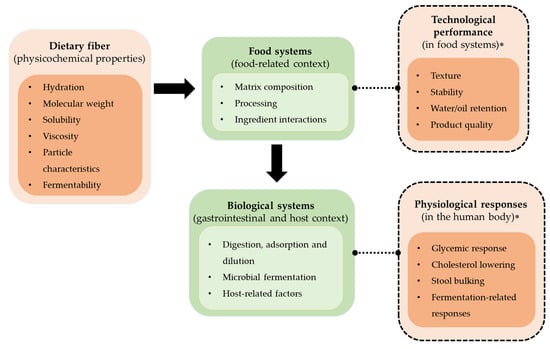

Disclaimer/Publisher’s Note: The statements, opinions and data contained in all publications are solely those of the individual author(s) and contributor(s) and not of MDPI and/or the editor(s). MDPI and/or the editor(s) disclaim responsibility for any injury to people or property resulting from any ideas, methods, instructions or products referred to in the content. |
© 2026 by the authors. Licensee MDPI, Basel, Switzerland. This article is an open access article distributed under the terms and conditions of the Creative Commons Attribution (CC BY) license.