


Highlights
- Culture conditions strongly influence fungal growth and colorant production.
- Inoculum physiological state is critical for azaphilone colorant induction.
- Sucrose and sugarcane juice outperform lignocellulosic hydrolysates as carbon sources.
- Talaromyces-based colorant production shows technical and economic potential.
- Fungal colorants show commercial potential, with production costs of US$ 3.11–3.34/L.
Abstract
Natural colorants derived from filamentous fungi have gained increasing attention as safe, sustainable, and bioactive alternatives to synthetic counterparts. This study evaluated the red colorant production by Talaromyces sp. under solid and static submerged culture conditions, focusing on the selection of carbon and nitrogen sources and the influence of the inoculum’s physiological state. In solid-state cultivation, oat-based medium and Potato Dextrose Agar (PDA) supplemented with glycine (PDAG) promoted intense sporulation and red–yellow pigmentation, whereas sugar-rich media, specifically Yeast Extract Sucrose (YES) and Sabouraud Agar, led to rapid mycelial growth but reduced sporulation. Radial growth rates ranged from 0.295 to 0.391 cm/day, depending on the growth medium. YES medium supported the fastest growth; however, it was ineffective in promoting colorant induction when used as an inoculum source for liquid culture. Under static submerged fermentation conditions, inoculum derived from PDAG and PDA supplemented with yeast extract (PDA + YE) produced the highest colorant titers, highlighting that the inoculum developmental stage is a key determinant in activating azaphilone colorant biosynthesis. Additionally, commercial sucrose and sugarcane juice were identified as the most effective carbon sources, outperforming lignocellulosic hydrolysates from sugarcane bagasse, rice, and corn. A preliminary economic analysis estimated production costs ranging from US$ 3.11 to US$ 3.34 per liter of colorant. A Strengths, Weaknesses, Opportunities, and Threats (SWOT) analysis revealed key strengths such as high colorant productivity, alongside significant opportunities in the natural ingredients market. Overall, these findings underscore the technical and economic potential of Talaromyces-based biocolorant production, positioning it as a sustainable and competitive alternative to synthetic colorants.
1. Introduction
Natural colorants derived from biological sources have garnered increasing attention as sustainable alternatives to synthetic counterparts in the food, textile, and pharmaceutical industries, largely due to growing environmental and health concerns associated with petrochemical-based compounds [1,2,3]. This renewed interest extends beyond academia, as market projections suggest that the global natural colorants industry will reach USD 3.7 billion by 2034 [4]. In addition to their renewable origin, natural colorants can provide a broad range of chemical structures and functional properties, depending on their biological source and production conditions [5]. However, the availability and composition of colorants from plant and animal sources may be influenced by factors such as seasonality, geographical conditions, and agricultural variability, which can limit process standardization. Microbial production, therefore, has emerged as an attractive alternative because microorganisms can be cultivated under controlled and reproducible conditions [6]. Among biological producers, filamentous fungi stand out due to their fast growth, low nutritional demands, and the high stability of the colorants produced compared with plant and animal colorants [2,7]. Moreover, their ability to grow on diverse substrates and to secrete or accumulate structurally diverse secondary metabolites further expands their biotechnological potential [8]. Fungal colorants may include compounds belonging to different chemical classes, such as polyketides (including the azaphilone family), carotenoids, and melanins, providing a wide palette of colors and physicochemical properties for potential industrial applications [9]. Within this microbial group, genera such as Penicillium, Fusarium, Trichoderma, Monascus, and Talaromyces have shown the capacity to synthesize structurally diverse and industrially relevant colorants [10].
Among these genera, Talaromyces has attracted particular attention because of its ability to synthesize intensely colored secondary metabolites, especially azaphilone compounds. Azaphilones constitute a structurally diverse group of fungal polyketides characterized by their characteristic coloration and broad chemical diversity. Several Talaromyces species, including T. atroroseus, T. marneffei, and T. minioluteus, have been reported as producers of red, orange, and yellow colorants under controlled cultivation conditions [11,12]. The intensity and composition of these colorants may vary according to the fungal strain and cultivation environment, indicating that both the microorganism and the bioprocess conditions can influence colorant biosynthesis. This metabolic flexibility makes Talaromyces a promising platform for the development of microbial colorants, while also highlighting the importance of optimizing cultivation strategies to obtain reproducible and economically viable production.
Nonetheless, despite these promising biological traits, a critical bottleneck remains the high cost of microbial colorant production, which arises mainly from two interconnected factors: low product yields and the elevated cost of culture media. In conventional fungal systems, achieving sufficient coloration intensity often requires high substrate loadings and extended cultivation times, reflecting suboptimal biosynthetic efficiency [13]. As a result, the cost-to-yield ratio remains unfavorable, particularly due to the dependence on refined substrates and strains with limited productivity. Furthermore, increasing the concentration of conventional nutrients does not necessarily result in proportional enhancements in colorant production, since fungal growth and secondary metabolism are governed by complex regulatory mechanisms. Consequently, strategies that simultaneously improve substrate utilization, product formation, and process efficiency are required to reduce production costs. In this context, the exploration of novel microbial producers represents a strategic opportunity, as newly isolated strains may simultaneously exhibit improved colorant yields and the ability to grow efficiently on low-cost or alternative substrates. Addressing both productivity and medium cost is therefore essential to overcoming the economic barriers that currently limit the industrial adoption of fungal colorants, despite their advantages in terms of safety and environmental sustainability [7].
To address these cost-related limitations, the use of agro-industrial coproducts as low-cost substrates has emerged as a compelling strategy [13]. Agricultural residues such as fruit peels, bagasse, and molasses are not only abundant and inexpensive, but also nutritionally adequate to support fungal metabolism and colorant biosynthesis. A recent study demonstrated that such residues can serve as effective carbon sources in solid-state and submerged fermentation systems, substantially reducing raw material costs while promoting waste valorization [14]. Depending on their origin and processing, these materials may contain readily assimilable sugars, organic acids, minerals, and other nutrients that can contribute to microbial growth and secondary metabolite production. Their use can therefore reduce the dependence on purified substrates while creating an opportunity to convert low-value residues into value-added bioproducts [9]. Nevertheless, the composition of agro-industrial substrates can vary considerably, and their effects on fungal metabolism and pigment formation must be evaluated experimentally [15]. This approach aligns with the principles of circular bioeconomy and represents a promising path to making fungal colorant production economically viable [16]. In this context, fungal colorant production can also be integrated into biorefinery concepts, in which residual biomass and agro-industrial streams are used as feedstocks for the generation of multiple value-added products, improving overall resource efficiency.
In parallel, it is well established that colorant synthesis in fungi is highly sensitive to environmental and nutritional variables, particularly the type and ratio of carbon and nitrogen sources [7]. Glucose, a carbon source, is commonly reported to enhance biomass and colorant yield due to its rapid assimilation [12]. Similarly, organic nitrogen sources like yeast or malt extract generally stimulate both fungal development and colorant formation [17]. Furthermore, the carbon-to-nitrogen (C/N) ratio plays a central role in regulating the shift from primary to secondary metabolism, with higher C/N ratios favoring colorant accumulation at the expense of biomass growth [18]. Therefore, optimizing the nutritional balance of the culture medium is not simply a matter of maximizing fungal biomass, but of directing cellular metabolism toward the desired biosynthetic pathway. The availability and proportion of nutrients can affect carbon flux, nitrogen assimilation, precursor availability, and the onset of secondary metabolism, ultimately influencing both the quantity and composition of the produced colorants [19]. In addition to medium composition, physicochemical parameters such as temperature, pH, aeration, and agitation may further influence fungal physiology and metabolite production [20]. Understanding these interactions is particularly relevant when alternative substrates are employed, since their nutritional composition differs from that of chemically defined or refined media.
Another aspect deserving attention is the dimorphic nature of Talaromyces, which can switch between yeast-like and filamentous morphologies in response to environmental cues such as temperature, aeration, and nutrient availability [21]. Given the complex regulation of fungal metabolism, such morphological plasticity could have direct implications for colorant production [22].
Despite the increasing interest in Talaromyces as a source of natural colorants, important challenges remain in establishing efficient production processes that combine high colorant productivity, low-cost substrates, and an improved understanding of the physiological factors governing biosynthesis. In particular, the simultaneous evaluation of conventional and agro-industrial substrates under different cultivation systems, together with the assessment of nutritional composition and fungal morphology, may provide a more comprehensive understanding of how bioprocess conditions influence colorant formation. Such information is relevant for identifying strategies capable of reducing raw-material costs while maintaining or improving colorant production.
Therefore, this study aimed to evaluate the growth and colorant biosynthesis of Talaromyces sp. under both solid-state and submerged fermentation systems, using conventional and alternative agro-industrial substrates. Emphasis was placed on identifying suitable carbon and nitrogen sources and evaluating how nutritional conditions and morphological transitions influence colorant production. This approach provides insights into the development of cost-effective and potentially scalable bioprocesses for natural colorant production and contributes to the valorization of agro-industrial resources within a circular bioeconomy framework.
2. Materials and Methods
2.1. Reagents, Standards and Raw Material
The reagents used in this study were acquired from commercial suppliers and used without further purification. All chemical reagents and mineral salts employed during the experiments were of analytical grade. Sugarcane juice and oatmeal (Apti®) were obtained from a local market in Araraquara, São Paulo, Brazil. Glycine, ammonium sulfate, and magnesium sulfate (MgSO4) were provided by Êxodo Científica (São Paulo, Brazil). Sucrose, disodium phosphate (Na2HPO4), ferrous sulfate (FeSO4), potassium chloride (KCl), copper sulfate (CuSO4), and calcium chloride (CaCl2) were provided by Synth (São Paulo, Brazil). Zinc sulfate (ZnSO4) was provided by Neon (São Paulo, Brazil). Potato Dextrose Agar (PDA) medium, yeast extract, malt extract, and bacteriological peptone were provided by Kasvi (São Paulo, Brazil). The hydrolyzed agro-industrial by-products employed during the cultivation assays, namely sugarcane, citrus by-product, rice husk and corn cob hydrolysates, were provided by collaborating researchers. The hydrolysates were obtained by chemical and/or enzymatic hydrolysis prior to their use as substrates in the cultivation process.
2.2. Microorganism (Talaromyces sp. C1I3)
A fungal strain was isolated from a composting process conducted at the Center for Sustainable Development of the Semiarid Region (CDSA), Federal University of Campina Grande (UFCG), located in Sumé, Paraíba, Brazil. The isolate was obtained through a scientific collaboration with the Microbiology Laboratory of this institution, which provided access to the microbial collection and supported the initial isolation procedures. The strain was previously characterized by de Azevedo Lima and De Lima et al. (2026) [23] through sequencing of the internal transcribed spacer (ITS) region for taxonomic identification. Molecular analysis supported the classification of the isolate within the Talaromyces genus, coded as C1I3. However, species-level identification could not be conclusively determined based on the available molecular data. Therefore, the isolate was conservatively assigned at the genus level as Talaromyces sp. C1I3. The ITS sequence was deposited in GenBank under accession number PV943333.
2.3. Inoculation and Measurement of Fungal Growth
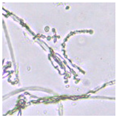
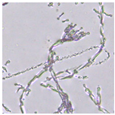
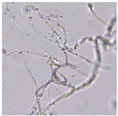
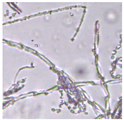
Conidial suspensions were prepared at a final concentration of 106 conidia/mL in a solution containing 0.01% (v/v) Tween 80 [24]. Subsequently, 10 µL of the standardized suspension was inoculated at the center of Petri dishes (three technical replicates per condition), each containing 20 mL of the respective medium (Table 1). The plates were incubated for up to seven days (30 °C), and colony diameters were measured regularly in two perpendicular directions using a precision ruler [24], with analysis intervals every 24 h. On the final day of incubation, 10 mL of sterile Tween 80 solution (0.01% v/v) was added to each plate to recover the conidia and recovered in 50 mL Falcon tubes. The resulting spore suspensions were quantified using a Neubauer counting chamber (Marienfeld Superior) and an optical microscope (Leica/DM500 (Wetzlar, Germany)) to assess sporulation. The morphology of the fungus was evaluated using the adhesive tape method, in which the mycelial structure and reproductive structures were observed. Briefly, a small fragment of transparent adhesive tape was gently pressed onto the surface of the fungal colony and subsequently placed onto a microscope slide containing a drop of methylene blue stain for microscopic visualization of the fungal structures [25].
Table 1.
Solid culture media evaluated for the development of Talaromyces sp., including oat-based medium (OAT), Potato Dextrose Agar (PDA), Potato Dextrose Agar supplemented with glycine (PDAG), oat-based medium supplemented with yeast extract (OAT + YE), Yeast Extract Sucrose agar (YES), and Malt Extract Agar supplemented with bacteriological peptone (MEA).
2.4. Colorant Production
For the analysis of red natural colorant production by Talaromyces sp. C1I3 under submerged cultivation, the experiments were conducted under static conditions (0 rpm) to evaluate how fungal development influences colorant production. For this purpose, Erlenmeyer flasks with a total capacity of 250 mL were used, each containing 50 mL of culture medium previously sterilized in an autoclave (121 °C for 15 min). The culture medium consisted of the following (g/L): sucrose (10), glycine (11), ammonium sulfate (8), and a mineral salt mixture containing ZnSO4 (0.02), Na2HPO4 (0.006), MgSO4 (0.018), FeSO4 (0.010), KCl (0.015), CuSO4 (0.045), and CaCl2 (0.015); the pH was adjusted to 5.8.
The inoculum was prepared following the methodology described by Galván et al. [26]. Briefly, six mycelial disks (approximately 8 mm in diameter, obtained by cutting with the base of a p1000 tip) were obtained from each solid medium evaluated in the experiment described in the previous section (Table 1). This approach was adopted to assess whether differences in initial mycelial development on solid media could influence colorant production under static liquid cultivation conditions.
The cultures were incubated at 30 °C for 168 h (7 days) in a BOD-type incubator (SOLAB/SL 200). After the incubation period, the fungal biomass was separated by vacuum filtration using filter paper, while the colorant remained in the liquid phase (culture filtrate). All experiments were conducted in triplicate to ensure the reliability and reproducibility of the results.
2.5. Evaluation of Alternative Sugar Sources for Submerged Cultivation
With the aim of identifying alternative sugar sources for submerged cultivation for colorant production, the following industrial coproducts were evaluated: sugarcane hydrolysate, citrus by-product hydrolysate, rice husk hydrolysate, corn cob hydrolysate, and sugarcane juice. The hydrolysates were obtained through chemical hydrolysis and subsequently neutralized (basified) using calcium carbonate prior to their application in the cultivation media. Following neutralization, the hydrolysates were detoxified by treatment with activated carbon (10%, w/v) for 30 min at 28 °C to reduce the content of phenolic compounds. All sugar sources were adjusted to a final concentration of 10 g/L, based on their maximum sugar content. The original sugar concentrations of the hydrolysates prior to dilution are provided in the Supplementary Material. Sugarcane juice was standardized according to its sucrose content, whereas the other hydrolysates were adjusted based on their glucose concentration. To enable a direct comparison among substrates, all cultivation media were standardized to the same fermentable sugar concentration (10 g/L). No additional physicochemical characterization of the substrates was performed. These media were supplemented with ammonium sulfate and mineral salts at the same concentrations described in the previous section (Section 2.4 Colorant Production), and the inoculum preparation followed the same procedure. For the economic assessment, the energy consumption considered in the calculations corresponded exclusively to the BOD-type incubator (SOLAB/SL 200).
2.6. Cost Calculation
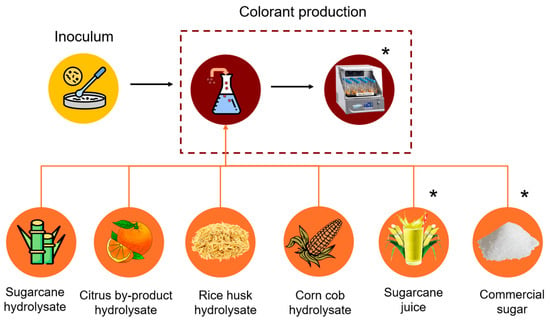
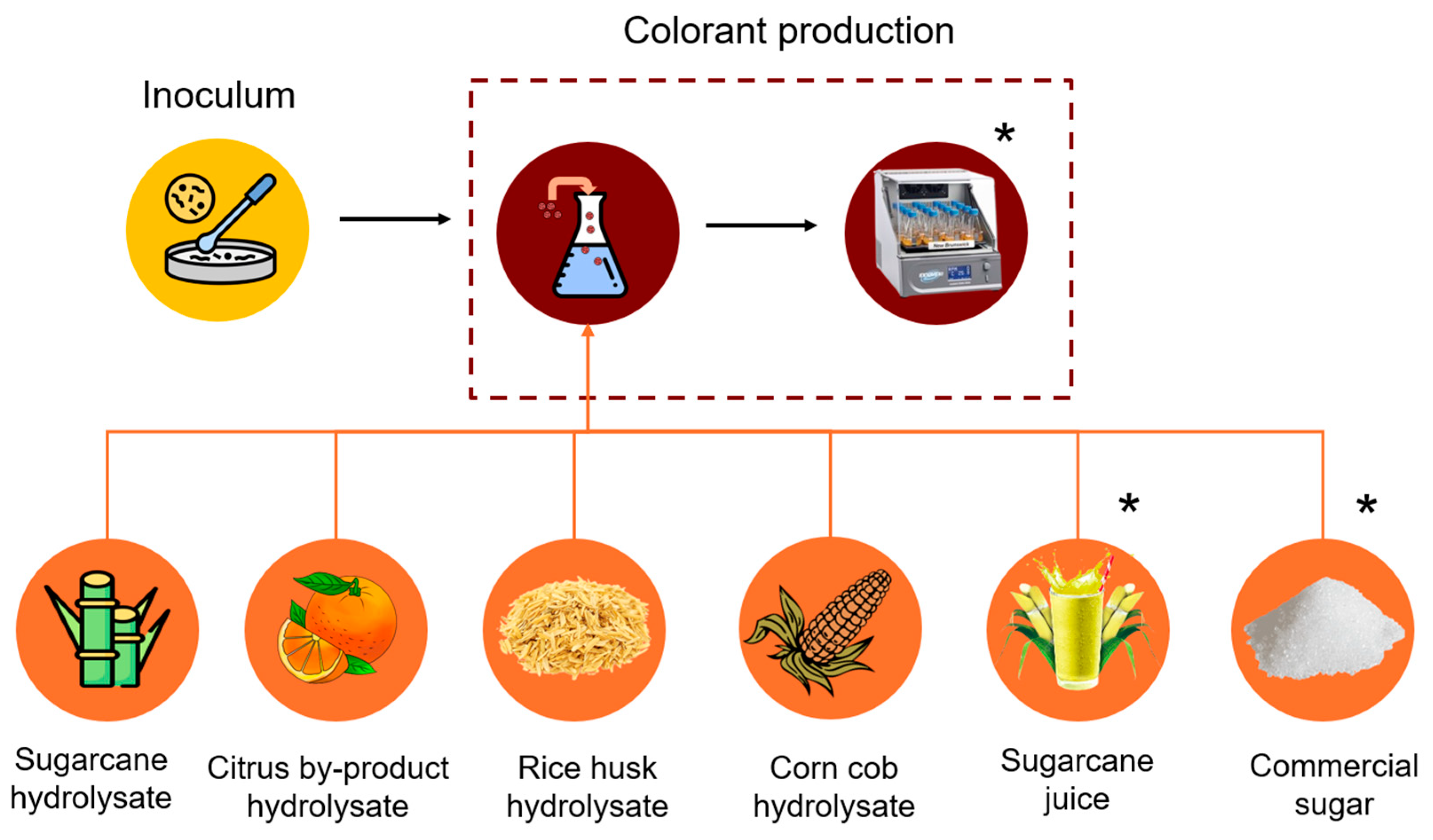
To facilitate comprehension, Figure 1 presents the process flow diagram for the production system. The steps marked with an asterisk (*) were considered in the cost calculation, summarizing the main stages, assumptions, and parameters adopted in the economic assessment.
Figure 1.
Process flow diagram of the colorant production system. The scheme illustrates the inoculum preparation and the submerged cultivation step for colorant production, as well as the different carbon sources evaluated. Steps and inputs marked with an asterisk (*) were included in the cost calculation for the economic assessment.
Calculation of Energy Consumption (kWh): The energy consumption of the equipment was calculated based on its power output and operating time, using an adapted methodology based on the approach described by [22]. The total energy consumption (kWh) was determined using the following equation:
where represents the power consumed by the equipment during its operation, in watts, and is the time the equipment was operating, in hours.
Calculation of Energy Cost per Liter (US$/L): The energy cost per liter was calculated based on energy consumption and the unit cost of electricity, using Equation (2), as described by [29].
where is the total energy consumed calculated by Equation (1), is the electricity rate in US$/kWh, is the total volume of product produced (in liters).
Calculation of Total Cost per Liter (US$/L): The total cost per liter was calculated by considering both the energy cost and other operational costs associated with the production process, using Equation (3), as described by [30].
where is the value calculated in the previous step and include all other variable and fixed costs related to production, such as materials, labor, maintenance, and other inputs.
The average electricity cost per kWh was obtained from the official websites of state electric utility companies in Brazil and from the government energy agency’s website for the year 2024.
The cost of each reagent per liter used in the experimental procedures is provided in Supplementary Table S1, while the energy cost is in Table S2 of the Supplementary Material.
All economic data originally expressed in Brazilian reais (BRL) were converted to United States dollars (USD) to standardize the economic analysis and facilitate international comparison. The conversion was performed using an exchange rate of 1 United States dollar (USD) = 5.258 Brazilian reais (BRL), corresponding to the market value on 5 February 2026, which is the date of data processing in this study.
2.7. Strategic Assessment of Natural Red Colorant Production
To evaluate the feasibility and strategic potential of producing natural red colorants by Talaromyces sp., a SWOT (Strengths, Weaknesses, Opportunities, Threats) analysis was conducted. The methodology categorized the main factors into internal and external domains: internal factors, strengths (S) and weaknesses (W), refer to intrinsic and controllable characteristics of the production process and the pigments themselves; while external factors, opportunities (O) and threats (T), represent broader, uncontrollable conditions that may affect the scalability, competitiveness, and overall success of natural colorant production [31].
2.8. Analytical Methods
Quantification of the natural red colorant: The extracellular red colorant was quantified indirectly using an EnSpire Alpha Plate Reader spectrophotometer (PerkinElmer®). Absorbance measurements were performed at 500 nm, corresponding to the maximum absorption wavelength previously identified for the produced colorant. To verify the consistency of the pigment profile among the different culture media evaluated, complete UV–Vis spectra of all extracts were obtained and are provided in the Supplementary Material. All culture extracts exhibited a similar spectral profile, characterized by a predominant absorption maximum at 500 nm (Figures S1 and S2 from Supplementary Material), while the respective uninoculated media showed no significant absorption at this wavelength. The results were expressed as absorbance units (AU), considering the dilution factor applied to each sample [20,32].
As the colorant has not yet been fully chemically characterized and no commercially available analytical standard is available, absolute quantification could not be performed. Therefore, absorbance at 500 nm was used as a relative indicator of pigment production, and the results should be interpreted as comparative rather than absolute values when evaluating pigment yields among treatments.
Sugar quantification in the culture medium: The reference concentrations of sucrose and glucose were determined by high-performance liquid chromatography (HPLC) using a chromatograph (Shimadzu—LC 20AD, Milan, Italy) equipped with a refractive index detector and a Shodex KS-802 column (300 × 8.0 mm, Tokyo, Japan). The column was maintained at 50 °C, and the eluent was ultrapure water with a flow rate of 1.0 mL/min. Solutions of sucrose and glucose at concentrations between 0.06 and 1.2 g/L were used as standards.
Biomass determination: Fungal mycelia were collected by vacuum filtration using filter paper (14 µm), transferred to pre-weighed aluminum tin foil and dried in a conventional oven at 60 °C for 24 h. The final dry weight was recorded using an analytical balance (UniBloc Shimadzu ATX-224, Manila, Philippines), as described by [32].
pH measurement: The pH of the culture media was measured using a digital pH meter (Tecnal TEC-5, Piracicaba, SP, Brazil).
2.9. Statistical Analysis
All experiments were performed in triplicate, and the results were expressed as mean ± standard deviation. Data were subjected to one-way analysis of variance (ANOVA) to assess significant differences among treatments. When significant differences were detected (p < 0.05), Tukey’s multiple comparison test was applied to determine statistically distinct groups. Statistical analyses were performed using appropriate software tools (Statistica 10.0).
3. Results and Discussion
3.1. Petri Dish Cultivation and Morphological Evaluation
Aiming to perform a morphological characterization of Talaromyces sp. and evaluate the performance of different solid media for its growth, several culture media were tested, as shown in Table 1 in the Materials and Methods section (Section 2). Among the media used, traditional formulations for filamentous fungi grown such as PDA (Potato Dextrose Agar) and Sabouraud stand out, as they are widely employed in mycological studies due to their rich carbon sources and general effectiveness in supporting fungal development.
In addition to these, alternative media were evaluated, formulated with ingredients offering distinct nutritional compositions, such as commercial fine oatmeal (rich in carbohydrates, proteins, and minerals), yeast extract, which provides B-complex vitamins, amino acids, and growth factors, and malt extract, which is commonly used in filamentous fungi cultivation and industrial applications for the production of secondary metabolites [33].
Modifications to classical media were also introduced to stimulate specific aspects of fungal growth. PDA was supplemented with yeast extract (PDA + YE) to enhance nutritional content and with glycine (PDAG) as a source of a simple amino acid, potentially a precursor for colorants and biomass. Furthermore, oatmeal was combined with yeast extract (Oat + YE) to explore synergies between complex carbohydrates and essential nutrients.
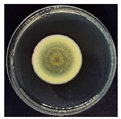
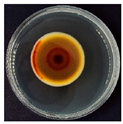
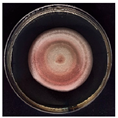
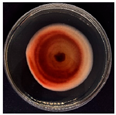
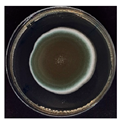
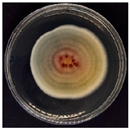
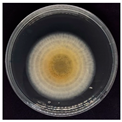
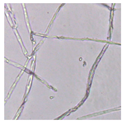
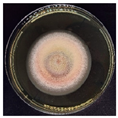
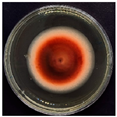
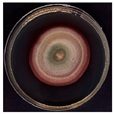
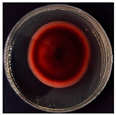
All media were designed with the objective of simultaneously promoting greater radial mycelial growth, sporulation, and extracellular colorant production, as these features are relevant for both taxonomic studies and potential biotechnological applications. Table 2 provides a comparative overview of the morphological characteristics observed on the upper and lower surfaces of the colonies grown on each medium, including color, texture, and the presence of colorant exudates. The presence of characteristic pigmentation, especially red and wine-colored tones associated with the extracellular extract, was particularly evident in media containing oatmeal and yeast extract. This suggests that the availability of specific nutrients may induce the expression of biosynthetic pathways responsible for natural colorant production.
Table 2.
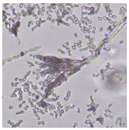
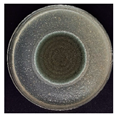
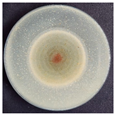
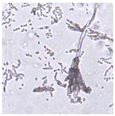
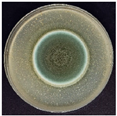
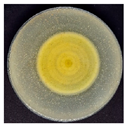
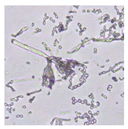
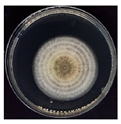
Morphological characterization of Talaromyces sp. grown on different solid media, including images of the upper and lower surfaces of colonies, microscopic structures, color of the extracellular colorant, spore quantification, and general observations.
The growth of Talaromyces sp. in PDA medium supplemented with yeast extract (PDA + YE) and Sabouraud was characterized by the formation of visibly less dense hyphae, with more aerial, spaced, and disorganized mycelium compared to the other media tested. This morphology indicates enhanced vegetative growth without effective induction of mycelial compactness or sporulation. The observed pattern may be attributed to the nutritional composition of these media, particularly the relatively high availability of readily assimilable carbon sources and the low complexity of the nutrient matrix.
Sabouraud medium, although traditionally used for culturing filamentous and yeast-like fungi, is rich in glucose (around 40 g/L) and uses peptone as its sole nitrogen source. While this promotes rapid growth for species of Talaromyces [34], it may also limit cellular differentiation and lead to poorly compacted mycelium with low sporulation rates. Similarly, the addition of yeast extract to PDA (PDA + YE) appears to have resulted in the opposite of the intended: rather than stimulating balanced growth and differentiation, it promoted excessive vegetative proliferation, likely due to its high levels of amino acids, vitamins, and growth factors [35], which may dysregulate key morphogenetic control systems, including nutrient-responsive signaling cascades, regulators of cell wall biosynthesis and hyphal aggregation, and master transcriptional networks governing asexual development, ultimately impairing mycelial compaction and conidiation [36,37,38].
Importantly, as demonstrated by [39] using Aspergillus species, hyphal density and organization are tightly regulated by nutrient sensing pathways. Overly rich media, such as PDA + YE and Sabouraud, can suppress gene expression associated with sporulation and colorant production, resulting in diffused mycelial growth and loose hyphal architecture, as observed in this study.
In contrast, oat-based media proved significantly more effective in supporting vigorous mycelial growth as well as promoting the sporulation of Talaromyces sp. The complex composition of commercial oat, comprising structural polysaccharides, proteins, lipids, and minerals, provides a more balanced and less readily assimilable nutrient matrix, which favors controlled vegetative development and cellular differentiation. These results are consistent with previous studies that emphasize the importance of natural substrates rich in complex carbon sources and micronutrients in inducing reproductive structures in filamentous fungi [40].
Furthermore, the PDA medium modified with glycine (PDAG) induced notably high and early sporulation. Glycine, beyond serving as a nitrogen source, may function as a biochemical signal or metabolic precursor in pathways linked to sporogenesis and secondary metabolite biosynthesis [41]. Supplementation with this amino acid likely triggered regulatory pathways associated with morphological differentiation, as evidenced by the abundant conidial production observed under this condition.
The physiological maturity and sporulation state of the inoculum may also be intrinsically associated with the activation of azaphilone biosynthetic pathways in Talaromyces species. In filamentous fungi, sporulation and secondary metabolism are interconnected physiological processes regulated by fungal developmental responses. During conidiation, cellular differentiation is accompanied by metabolic rearrangements that can favor the activation of polyketide-derived colorant biosynthesis pathways. In addition, highly sporulated inocula tend to present greater metabolic synchronization and more homogeneous adaptation to submerged cultivation conditions, potentially facilitating an earlier transition from primary metabolism to secondary metabolism. This physiological behavior may explain the greater pigmentogenic potential observed under conditions that promoted intense sporulation in the present study.
The PDA and MEA media both supported initial sporulation of Talaromyces sp., although with moderate intensity. Notably, MEA promoted intense colony pigmentation, particularly on the reverse side of the Petri dish, suggesting increased pigmentogenic activity. This may be due to the presence of malt derivatives, which are rich in fermentable sugars, peptides, and vitamins that serve as precursors for the biosynthesis of secondary metabolites in various fungal genera [42]. As previously demonstrated, colorant production in filamentous fungi is often linked to the activation of secondary metabolic pathways in response to specific nutritional stimuli [43].
The YES medium (Yeast Extract Sucrose Agar) exhibited an atypical morphological pattern. Sporulation was restricted to the central area, while the peripheral regions of the colony displayed dense growth with yeast-like morphology. This uneven distribution may indicate a partial morphological shift typical of dimorphic fungi, whose yeast form is known to be induced by specific environmental or nutritional conditions [21]. These findings strongly reinforce that the composition of the culture medium plays a critical role in mycelial growth, colony morphology, sporulation patterns, and fungal metabolite production, with the OAT + YE medium providing the most favorable conditions for radial growth and sporulation.
3.2. Growth and Radial Velocity of the Microorganism and Spore Production
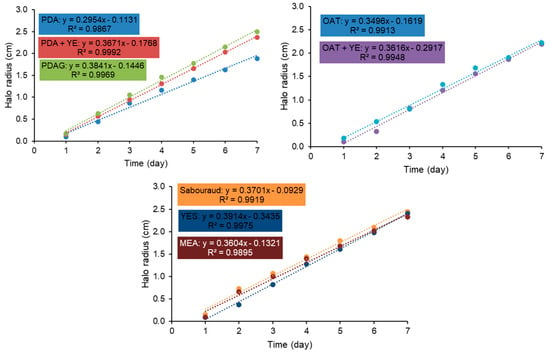
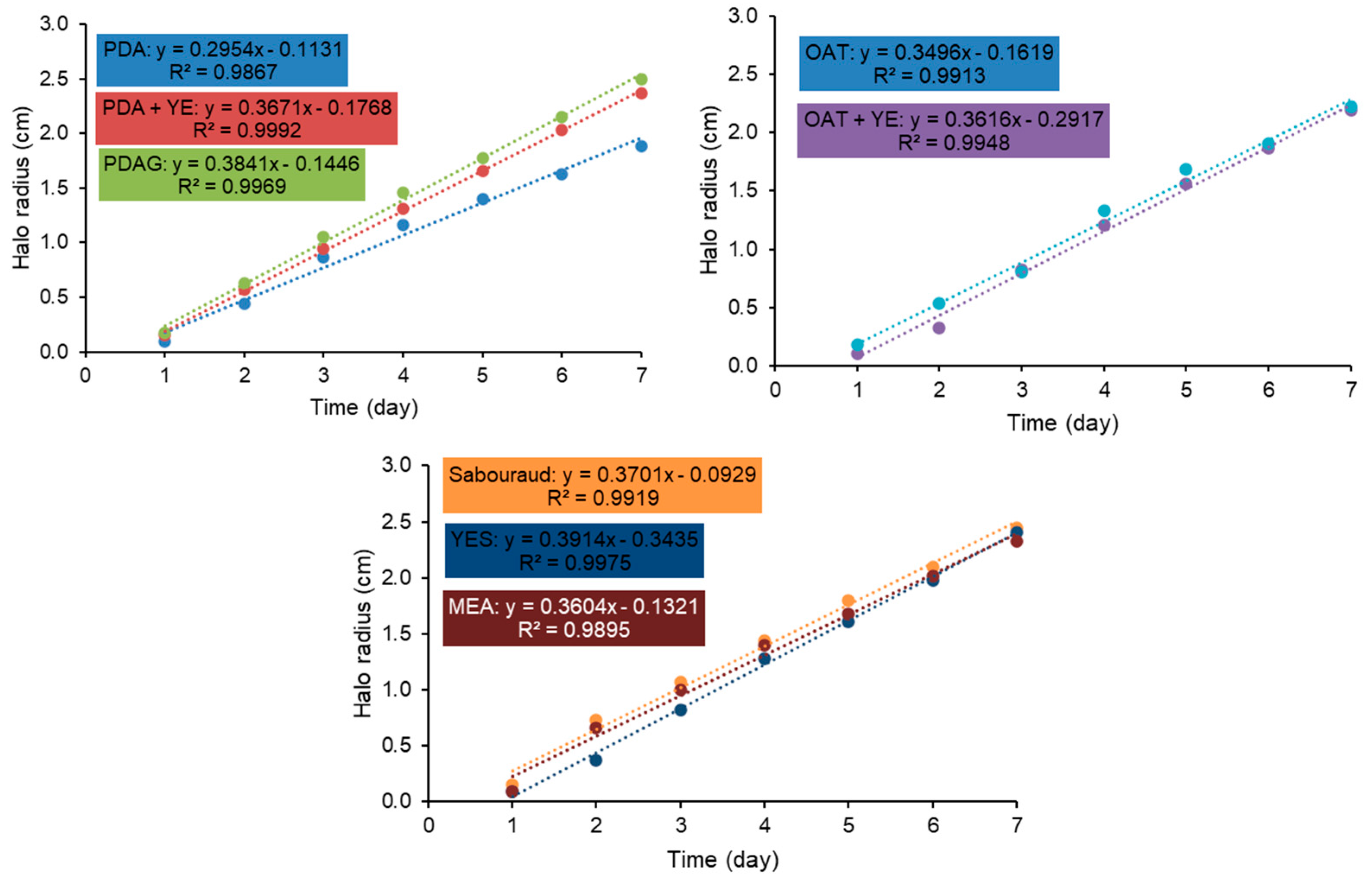
Radial growth of the microorganism differed significantly among the different culture media over seven days of incubation (Figure 2). There was a progressive increase in colony diameter across all tested media, reflecting a typical growth pattern of filamentous mycelial fungi. However, the rate and extent of growth varied markedly depending on the nutritional composition of the medium. Statistical analyses (repeated measures ANOVA and Tukey’s test, p < 0.05) revealed significant differences in growth among the media, especially from the third day onward. The YES medium showed the highest radial growth rate (GR = 0.3914 cm/day), followed by PDAG (0.3841 cm/day), Sabouraud (0.3701 cm/day), PDA + YE (0.3671 cm/day), and MEA (0.3604 cm/day). In contrast, pure PDA showed the lowest growth rate (0.2954 cm/day), confirming its nutritional limitation when compared to other supplemented media. Regression equation analysis indicated a high degree of fit to a linear model for all media (R2 between 0.9867 and 0.9992), reinforcing the consistency of mycelial growth over time. The fastest expansion rates were observed between days 2 and 5 in nutrient-rich media, corresponding to the logarithmic growth phase, followed by a slowdown between days 6 and 7, suggesting the onset of the stationary phase.
Figure 2.
Radial growth (in cm) of the microorganism over seven days in different culture media. Values represent the mean ± standard deviation of triplicate measurements.
Media enriched with yeast extract (YE), such as PDA + YE and OAT + YE, performed better than their unsupplemented counterparts. These results indicate that the presence of complex nitrogen sources and growth factors, such as amino acids and vitamins, significantly favors mycelial expansion. Studies have reported that yeast extract stimulates the growth and sporulation of filamentous fungi by providing essential compounds for both primary and secondary fungal metabolism [17].
The strong performance of Sabouraud medium, traditionally used for fungi, can be attributed to its high glucose and peptone content. Indeed, this medium yielded colonies with final diameters exceeding 2.4 cm, like those obtained with YES and PDAG. The literature confirms the central role of simple carbon sources such as glucose and organic nitrogen in promoting expansive vegetative morphology in fungi like Talaromyces and Penicillium [32]. On the other hand, the OAT medium, based on oat flour, showed less growth even when supplemented with YE compared to Sabouraud. The heterogeneous and less readily assimilable composition of the substrate may explain this lower performance.
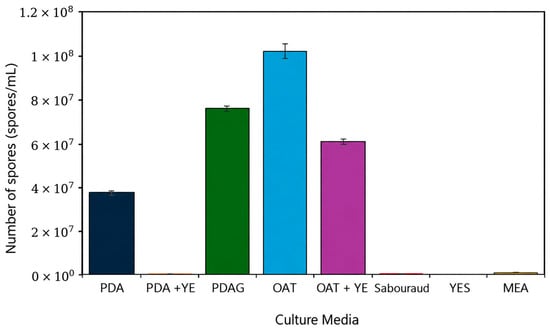
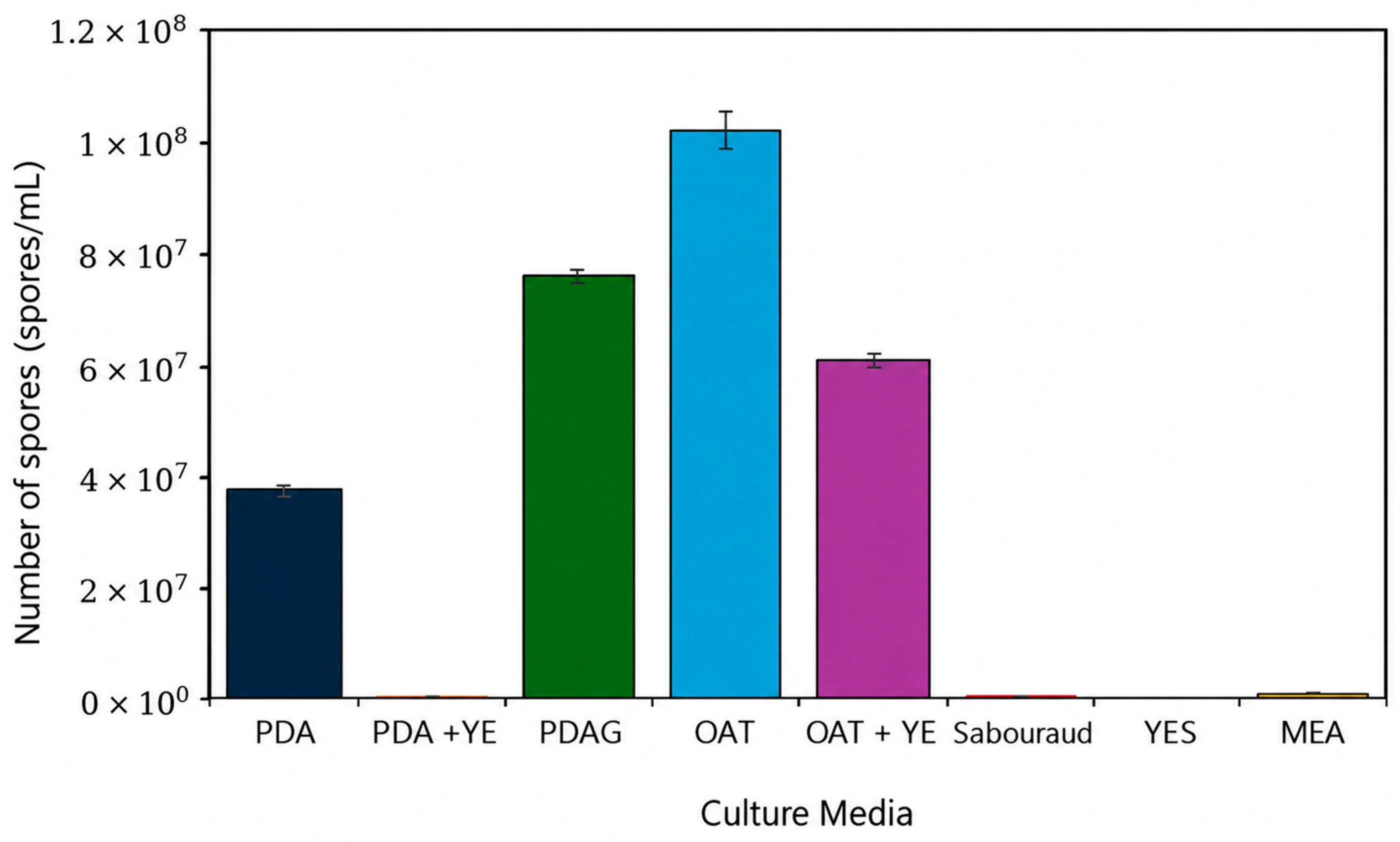
Although radial growth indicated that the YES (Yeast Extract Sucrose) medium provided the highest mycelial expansion rate for Talaromyces sp., the spore production results after seven days of cultivation showed a distinct pattern (Figure 3). The highest spore yield was observed in the OAT medium, with values exceeding 1.0 × 10⁸ spores/mL, followed by PDAG and OAT + YE, which exhibited intermediate sporulation levels ranging from 6.5 × 10⁷ to 8.0 × 10⁷ spores/mL.
Figure 3.
Number of spores produced by Talaromyces sp. over 7 days in different assays. The experiments were performed in triplicate. The bars represent the standard deviation.
In contrast, media that promoted greater mycelial growth, such as YES and Sabouraud, resulted in minimal spore production. This pattern suggests that the abundance of nutrients, especially readily assimilable carbon sources like sucrose, may have promoted vegetative growth at the expense of cellular differentiation and the development of reproductive structures such as spores. This effect is commonly attributed to catabolite repression, a phenomenon well described in dimorphic filamentous fungi under nutrient-rich conditions [44].
The high sporulation observed in the Oat medium may be related to its more balanced composition, including slowly released polysaccharides, vitamins, and phenolic compounds that may induce spore formation as an adaptive response.
The dissociation between rapid mycelial growth and efficient sporulation is relevant for biotechnological strategies aimed at large-scale inoculum production. While media such as YES are suitable for fast biomass generation, oat-based media or PDA supplemented with glycine extract may be more appropriate when the goal is to maximize the yield of viable spores.
3.3. Cultivation in Liquid Medium
3.3.1. Study of the Relationship Between the Microbial Growth Phase in Plates and Colorant Production in Liquid Medium
To evaluate the influence of the solid medium used for inoculum preparation on the production of natural red colorant by Talaromyces sp., different agar-based formulations were tested for initial fungal growth (Figure 4).
Figure 4.
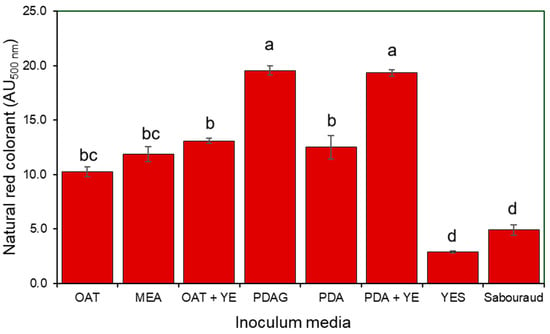
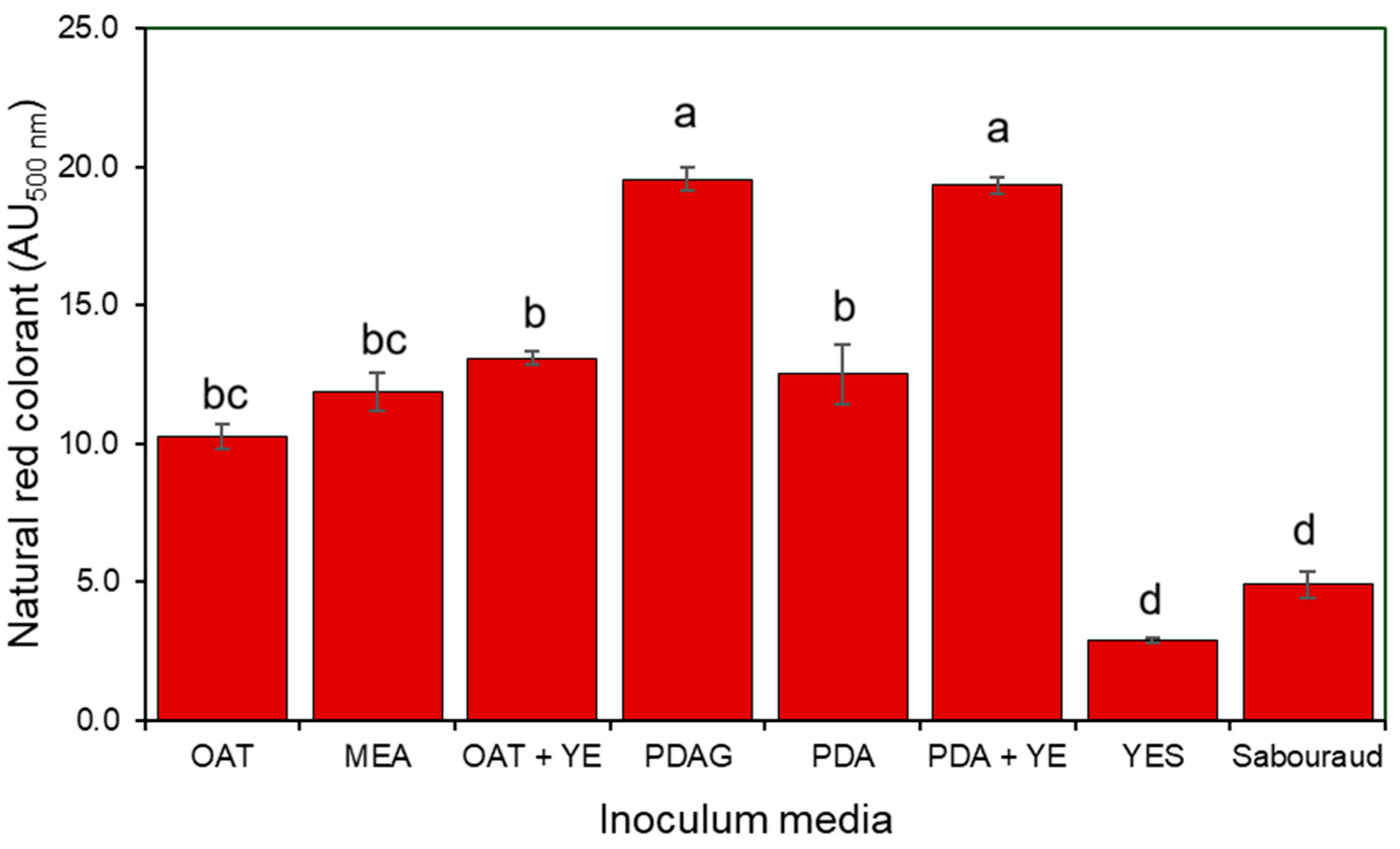
Production of natural red colorant by Talaromyces sp. over 7 days with the fungus grown on different solid media. The experiments were performed in triplicate. The bars represent the standard deviation. Different lowercase letters above the bars indicate statistically significant differences among the evaluated sugar sources according to Tukey’s post hoc test (p < 0.05).
Figure 4 shows the mean absorbance values obtained after colorant production using inoculum grown on each solid medium. Notably, inoculum prepared on PDAG and PDA + YE resulted in the highest colorant production, whereas YES and Sabouraud showed the lowest values.
A one-way analysis of variance (ANOVA) confirmed a statistically significant effect of the inoculum medium on colorant production. Tukey’s post hoc test showed that inocula obtained from PDAG and PDA + YE resulted in significantly higher colorant yields compared to the other media (p < 0.05), with no statistical difference between these two conditions. Considering the comparable performance and the lower cost of yeast extract relative to glycine, PDA + YE was selected as the inoculum medium for subsequent experiments. In contrast, inocula derived from YES and Sabouraud media did not differ significantly from each other and exhibited the lowest production levels.
These findings indicate that the physiological state and developmental stage of the inoculum, particularly the degree of sporulation, play a crucial role in fungal adaptation and colorant production in submerged culture. Previous experiments showed that PDAG and PDA + YE promote robust sporulation, while YES and Sabouraud result in sparse or no conidiation. This likely explains the observed productivity differences, as development has been associated with faster metabolic adaptation and earlier activation of biosynthetic pathways. In this context, several studies corroborate showing the connection between the development phase (e.g., inoculum age or differentiation status) and the biosynthesis of secondary metabolites [45]. This relationship is underpinned by molecular mechanisms that regulate both development and secondary metabolism [45].
The interrelationship between growth stage and pigmentation involves regulatory networks that link developmental signaling to the biosynthesis of secondary metabolites. Global regulatory complexes such as the velvet system, which includes proteins such as LaeA, VeA, VelB, and VosA, play a central role in coordinating these processes. In many fungi (e.g., Aspergillus, Monascus, Penicillium), LaeA and VeA form multimeric complexes that are modulated by environmental stimuli such as light, pH, and nitrogen availability [46]. One of their key functions is to regulate the expression of gene clusters involved in secondary metabolism, including those responsible for colorant biosynthesis. Therefore, changes in microbial growth that influence the activity of these regulators, such as those triggered by sporulation, can directly affect the levels of colorants produced.
3.3.2. Study of Alternative Carbon Sources
Considering the growing concern regarding the generation of agro-industrial by-products and their pollutant potential, it becomes urgent to develop strategies for their valorization. A promising approach involves the reuse of these lignocellulosic residues as alternative carbon sources in microbial bioprocesses, thereby reducing costs and promoting sustainability [16].
The base culture medium used for the evaluation of alternative sugar sources consisted of (g/L): 10 g/L of sugar (sugarcane hydrolysate, citrus by-product hydrolysate, rice husk hydrolysate, corn cob hydrolysate, or sugarcane juice), glycine (11), ammonium sulfate (8), and a mineral salt mixture containing ZnSO4 (0.02), Na2HPO4 (0.006), MgSO4 (0.018), FeSO4 (0.010), KCl (0.015), CuSO4 (0.045), and CaCl2 (0.015), with the pH adjusted to 5.8. For the control treatment, commercial sucrose was used as the carbon source, whereas the alternative treatments contained the respective agro-industrial sugar sources.
Following chemical hydrolysis and neutralization, the hydrolysates were subjected to a detoxification step using activated carbon (10%, w/v) for 30 min at 28 °C, aiming to reduce the content of phenolic compounds prior to their use in the cultivation media. This treatment was applied to mitigate the potential inhibitory effects of phenolic compounds; however, other compounds potentially generated during chemical hydrolysis, such as furfural derivatives, hydroxymethylfurfural (HMF), and weak organic acids, were not quantified in the present study.
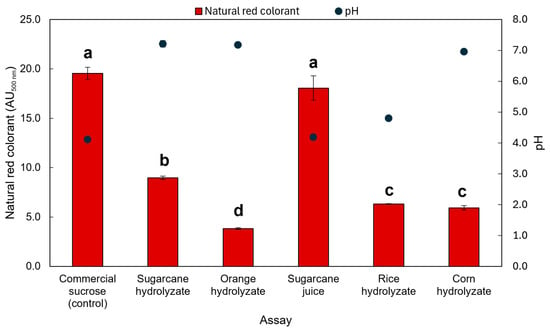
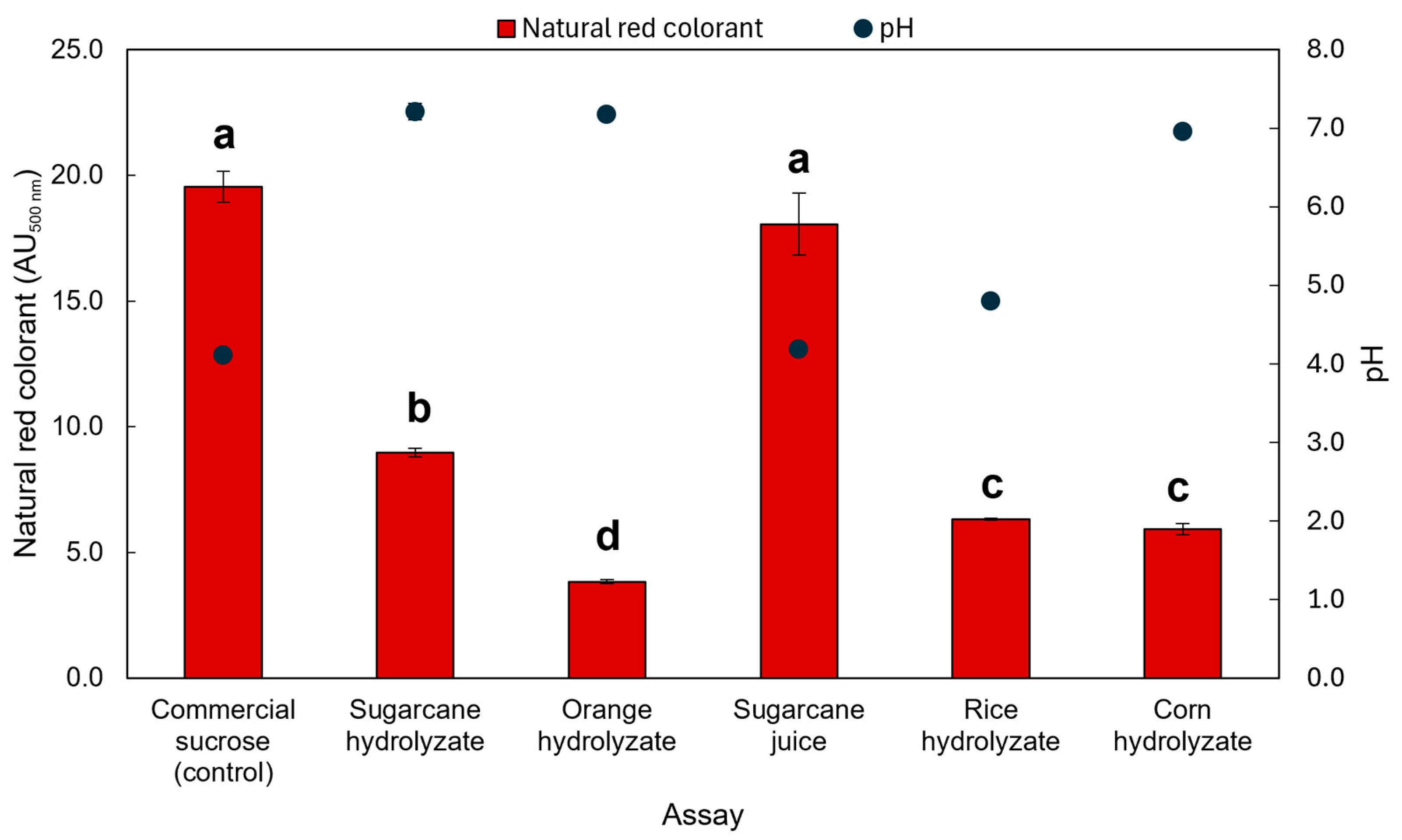
The colorant production data using alternative sugar sources, as well as the production of colorant using commercial sucrose (control culture medium used in the previous section), are shown in Figure 5. The highest yields were obtained in the media containing commercial sucrose and sugarcane juice, being statistically superior (p < 0.05) to the other treatments. The similarity between the values obtained with sucrose and sugarcane juice suggests that, under the evaluated conditions, sugarcane juice provided a suitable pool of fermentable sugars for colorant biosynthesis, while its overall composition did not prevent pigment production.
Figure 5.
Production of natural red colorant by Talaromyces sp. in liquid medium using alternative sugar sources and commercial sucrose (control) (C/N 1.12), together with the final pH values obtained after cultivation. Experiments were performed in triplicate using different batches of sugarcane juice, and no significant variations in colorant production were observed among the evaluated batches. Error bars represent the standard deviation. Different lowercase letters above the bars indicate statistically significant differences among the evaluated sugar sources according to Tukey’s post hoc test (p < 0.05).
Although the final pH varied among the carbon-source conditions, this variation is not expected to substantially affect the interpretation of colorant production. De Lima et al. (2026) [20] previously evaluated the physicochemical stability of the colorant produced by the same Talaromyces sp. strain and demonstrated that the colorant remained stable within the pH range encompassing the values observed in the present study. Therefore, the differences in A500 observed among the treatments are considered to primarily reflect differences in colorant production rather than major pH-induced changes in colorant stability or spectral properties. Based on this previously reported stability, the samples were not adjusted to a common pH prior to absorbance measurement.
The hydrolysates derived from sugarcane bagasse, rice bran, and corn led to intermediate colorant production, which remains relevant from a biotechnological standpoint, especially considering the low cost and wide availability of these residues. Indeed, recent studies have shown that both sugarcane bagasse and rice bran can support the fermentation of colorant-producing fungi. For instance, El-Sayed et al., [47] observed that Monascus ruber cultivated in solid-state fermentation using rice bran and sugarcane bagasse produced appreciable levels (20.64 ± 0.42 AU/g). While direct quantitative comparisons between submerged and solid-state systems are not appropriate due to fundamental differences in mass transfer, oxygen availability, and metabolic regulation, these findings collectively reinforce the suitability of such residues as alternative carbon sources. Although the yields obtained in the present study were lower than those achieved with sucrose and sugarcane juice, the intermediate performance of these hydrolysates highlights their promise within a circular economy framework.
On the other hand, the medium containing orange peel hydrolysate resulted in the lowest colorant production among all treatments. Orange peel contains around 6–8% of simple sugars (glucose, fructose, and sucrose) in its composition [48], along with high levels of water and pectin. Although the hydrolysates were standardized to the same concentration of fermentable sugars, the lower colorant production observed with orange peel hydrolysate cannot be attributed solely to differences in sugar availability. Chemical hydrolysis of lignocellulosic residues can generate potentially inhibitory compounds, including furfural derivatives, hydroxymethylfurfural (HMF), weak organic acids, and phenolic compounds, which may affect fungal growth and secondary metabolism. In the present study, the hydrolysates were treated with activated carbon (10%, w/v) for 30 min at 28 °C to reduce phenolic compounds before fermentation. However, because furfural, HMF, and organic acids were not quantified, their possible contribution to the lower pigment production cannot be excluded. Therefore, the reduced performance of orange peel hydrolysate may reflect not only its sugar composition but also the combined effects of non-sugar components and potential residual compounds generated during hydrolysis.
Although all substrates were standardized according to fermentable sugar concentration, agro-industrial feedstocks may differ substantially in their contents of minerals, nitrogenous compounds, organic acids, phenolic compounds, and other micronutrients. In addition, chemical hydrolysis of lignocellulosic residues may generate inhibitory compounds such as furfural derivatives and HMF. Although an activated-carbon treatment was applied to reduce phenolic compounds, the concentrations of phenolic compounds before and after treatment, as well as those of furfural, HMF, and organic acids, were not determined. Consequently, the observed differences in colorant production should be interpreted as the overall performance of each substrate under the evaluated cultivation conditions rather than as a direct effect of sugar composition alone. Further studies involving detailed physicochemical characterization will be necessary to establish correlations between substrate composition and pigment biosynthesis.
These findings are consistent with the recent literature, which shows that lignocellulosic hydrolysates not only support microbial growth but can also stimulate the production of secondary metabolites, including natural colorants. Reviews indicate that the use of inexpensive and eco-friendly agro-industrial residues tends to enhance microbial colorant yields in submerged fermentations when used as a supplement [49]. For instance, Ramesh et al. (2022) [49] highlighted that the addition of agro-residues to the fermentation medium improves colorant production in various microorganisms. Such studies reinforce that by-products such as sugarcane bagasse can replace conventional carbon sources without compromising productivity and may even offer co-benefits in secondary metabolic pathways.
3.4. Economic Analysis of Production
Given the absence of a statistically significant difference in red colorant yield between commercial sucrose and sugarcane juice, a detailed cost analysis becomes critical to inform carbon source selection. In trials using diluted sugarcane juice, the total production cost, including raw materials, energy, and downstream recovery, was US$ 3.34 per liter of colorant medium. By contrast, using pure sucrose (10 g/L) reduced the unit cost to US$ 3.11/L based on the same calculation criteria.
While sucrose appears more economical under current conditions, it is important to highlight that sugarcane juice is a widely available agro-industrial byproduct. In large-scale integrated supply agreements, particularly with ethanol or sugar mills, its cost may be significantly reduced, potentially offsetting the apparent advantage of refined sucrose and rendering sugarcane juice a more viable substrate [50].
Energy consumption accounted for approximately 13.7 kWh per batch, contributing US$ 2.34 to the final cost. In industrial fermentation settings, electricity expenditures may represent up to 30% of total operating expenses (OPEX) [51]. Therefore, reducing the fermentation time is a strategic priority. Application of Design of Experiments (DoE) and Response Surface Methodology (RSM) to optimize key process variables, such as pH, sugar concentration, and inoculum density [52], has the potential to shorten fermentation from 168 h to under 72 h, significantly lowering energy demand.
It is also important to emphasize that the present economic analysis primarily considered upstream production and preliminary recovery steps. Additional downstream operations, including pigment extraction, purification, concentration, formulation, and stability testing, may substantially increase the overall production cost at industrial scale. Depending on the intended commercial application, purification requirements may involve solvent consumption, chromatographic separation, drying processes, and quality control analyses, all of which can significantly impact process feasibility and final product value. Furthermore, stability studies related to pH, temperature, light exposure, and storage conditions are essential to ensure industrial applicability and regulatory compliance, potentially increasing operational and analytical costs.
To further enhance economic feasibility, the following strategies are recommended: (1) establish volume-based supply contracts for sugarcane juice to secure lower unit prices; (2) implement energy integration systems, including cogeneration from sugarcane bagasse or photovoltaic sources; (3) apply advanced process optimization via DoE/RSM to improve productivity and reduce fermentation time; (4) incorporate co-substrates (e.g., glycerol, residual molasses) and implement medium recycling, thereby minimizing nutrient costs and reducing environmental footprint.
3.5. SWOT Analysis of Red Colorant Production by Talaromyces sp.
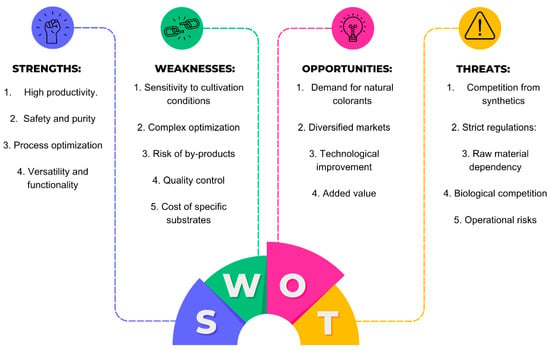
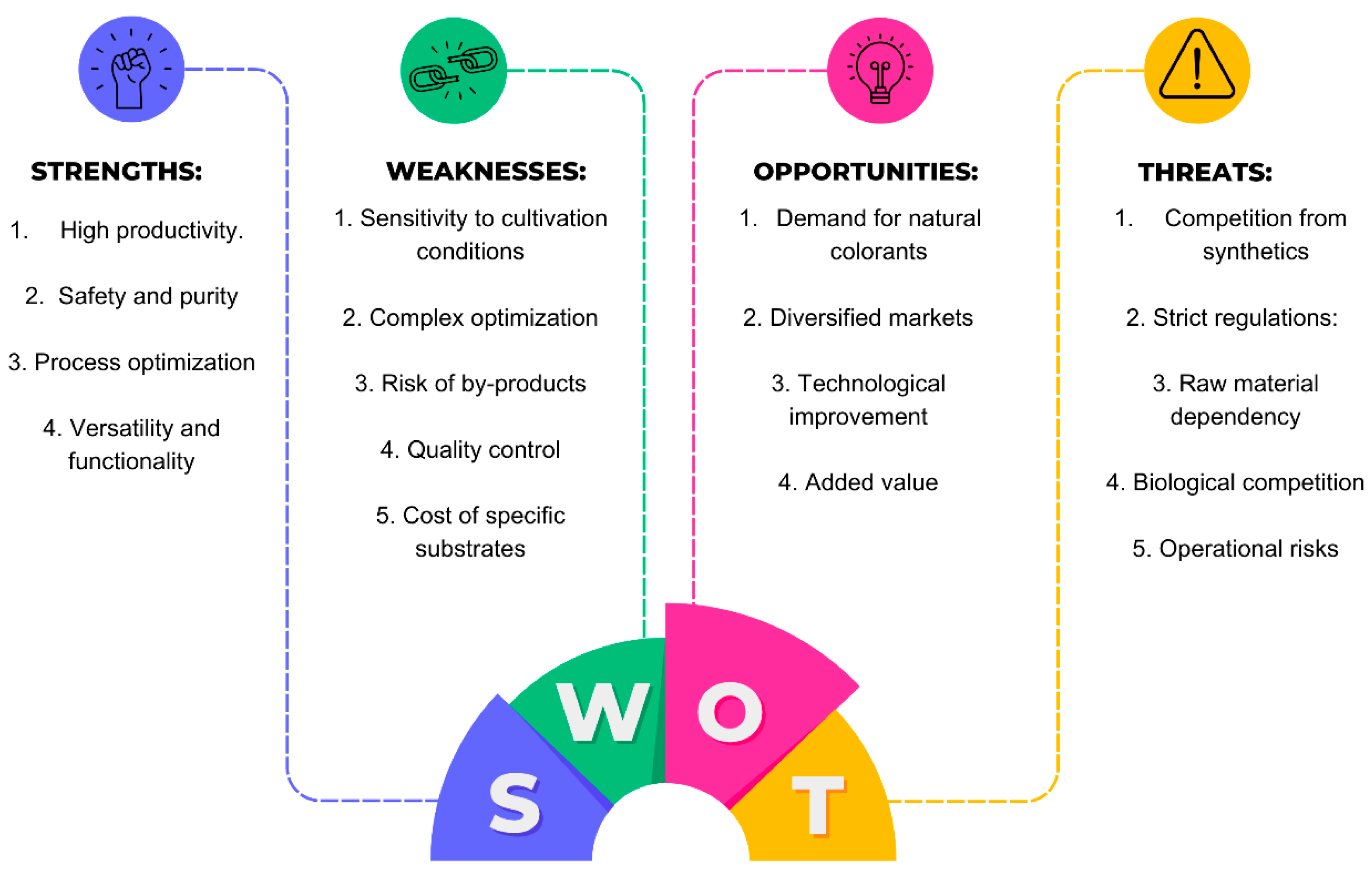
With the growing interest in sustainable alternatives to synthetic colorants, the production of natural colorants by filamentous fungi has gained significant attention. Among the most promising genera is Talaromyces sp., whose species are capable of synthesizing bioactive red colorants with potential applications in the food, cosmetic, and textile industries [32]. Considering the complexity of the fermentation process and the critical influence of cultivation conditions, especially the formulation of the inoculum medium, a strategic evaluation of the production process becomes pertinent. In this context, the SWOT analysis (Strengths, Weaknesses, Opportunities, Threats) (Figure 6) was applied as a tool to identify the main strengths, limitations, opportunities, and threats associated with the production of red colorant by Talaromyces sp., with an emphasis on the effects of the inoculum medium on biotechnological performance.
Figure 6.
SWOT analysis of natural red colorant production.
3.5.1. Strengths
The production of red colorants by fungi such as Talaromyces presents clear advantages: high yields of natural colorants with good stability [32,42]. Under optimized conditions, for example, a T. atroroseus isolate achieved yields of up to 27.36 g/L in an appropriate medium [10]. The use of static fermentation and simple carbon sources (e.g., glucose and mannitol) reduces production costs [10].
- High productivity: Industrially relevant yields have been reported (e.g., ~27.4 g/L in optimized static medium) [10]
- Safety and purity: T. atroroseus produces red azaphilone colorants free of mycotoxins such as citrinin [42], which is crucial for food and cosmetic applications.
- Process optimization: Static fermentation (submerged medium without agitation) has shown reduced contamination and cost [10], and the use of an appropriate inoculum accelerates production. For example, inoculation with mycelium (pre-culture) instead of spores reduced the time required to reach maximum yield.
- Versatility and functionality: In addition to coloring, some colorants (e.g., talaroconvolutins) exhibit biological activity (cytotoxic against tumor cells but not toxic to healthy cells) [53], opening opportunities as functional colorants in food or medical textiles.
3.5.2. Weaknesses
- Sensitivity to cultivation conditions: High productivity depends on very specific parameters (acidic pH, adequate carbon sources).
- Complex optimization: There is a trade-off between mycelial growth and colorant production [54]. Maximizing one does not necessarily maximize the other, requiring statistical studies and process engineering to balance biomass and colorant synthesis.
- Risk of by-products: Co-production of unwanted metabolites complicates colorant purification and standardization [55].
- Quality control: Variations in the inoculum or medium can lead to inconsistencies in colorant shade and purity. Good cultivation practices and strict contamination control are required.
- Cost of specific substrates: Although glucose favors production, dependence on specific sugars or carbon sources (e.g., mannitol) may increase costs compared to cheaper or agro-industrial sources.
3.5.3. Opportunities
- Demand for natural colorants: The global colorant market is large and expanding [54]. Regulatory trends and consumer demand for “synthetic-free” products favor microbial colorants. Fungal colorant production is eco-friendly and less resource-intensive than plant- or insect-based sources.
- Diversified markets: Red colorant can be applied in food, cosmetics, textiles, and plastics. Studies have demonstrated good fixation to wool fabrics [10,56]. Its antioxidant and antimicrobial potential enables exploration in functional foods and medical materials [53,57].
- Technological improvement: There is room for innovation. Mutagenesis and genetic engineering have already tripled colorant production [10]. Solid-state fermentation (SSF) tends to increase yields compared to submerged fermentation [54]. Further optimization (e.g., inoculum volume/time adjustments) could further boost yield.
- Added value: The ability to co-produce bioactive molecules adds value to the colorant, creating niche markets in nutraceuticals or smart textiles [11,58].
3.5.4. Threats
- Competition from synthetics: Conventional synthetic colorants are cheap, stable, and mass-produced. Although health concerns exist, they still dominate the market due to economies of scale [54,59]. Fungal colorants must clearly demonstrate cost–benefit advantages to compete.
- Strict regulations: Any trace of toxic metabolites renders the colorant unusable in food/cosmetics.
- Raw material dependency: Price fluctuations of raw materials (e.g., glucose, peptides, and extracts used in the medium) can increase process costs. Additionally, high-purity requirements may raise colorant purification expenses.
- Biological competition: Emerging technologies (algal colorants, improved synthetics, or plant-based colorants from GMOs) may reduce market share for fungal colorants. Other fungal species may also prove more efficient or adaptable than the studied Talaromyces strain.
- Operational risks: Contamination by bacteria or other fungi during fermentation may invalidate entire batches. Large-scale processes also introduce consistency risks (oxygenation, inoculum distribution, etc.) that may hinder uniform colorant production.
4. Conclusions
The findings demonstrated that both the nutritional composition of the solid medium and the morphophysiological maturity of the inoculum are critical factors for optimizing red colorant biosynthesis in static submerged fermentation. The effectiveness of the PDAG medium and oat-based formulations supports the use of highly sporulated inoculum as a robust strategy for process intensification. The incorporation of sugarcane juice as the primary carbon source in submerged cultivation proved technically, economically, and environmentally viable, enabling the valorization of agro-industrial coproducts within a circular bioeconomy framework. Collectively, these strategies position Talaromyces-derived colorants as a sustainable and competitive alternative to synthetic colorants, aligned with the growing demand for natural ingredients and eco-efficient production processes.
The SWOT analysis reinforced the potential of Talaromyces-derived colorants by highlighting their high productivity, safety, and market versatility. It also pointed out challenges like sensitivity to cultivation conditions and the need for strict quality control. Overall, this strategic assessment supports process improvements, risk mitigation, and guides future actions to enhance the competitiveness of fungal colorants as natural and sustainable alternatives to synthetics.
Supplementary Materials
The following supporting information can be downloaded at https://www.mdpi.com/article/10.3390/pr14193059/s1: Figure S1: UV-Vis absorption spectrum of the red colorant produced by Talaromyces sp. in submerged culture. The spectral scan was performed between 390 and 590 nm, showing a maximum absorbance peak (λmax) at 500 nm, which was selected as the analytical wavelength for indirect quantification of the natural red colorant in subsequent experiments. Figure S2: UV–Vis absorption spectra (390–590 nm) of the extracellular colorant produced by Talaromyces sp. in submerged cultivation using different carbon sources: (a) commercial sucrose (control), (b) sugarcane hydrolysate, (c) orange peel hydrolysate, (d) sugarcane juice, (e) rice hydrolysate, and (f) corn hydrolysate. Spectra were recorded before cultivation (orange line) and after cultivation (blue line). In all cultivation media, the produced colorant exhibited a characteristic maximum absorption wavelength (λmax) at 500 nm, which was subsequently used for relative quantification of colorant production. The net colorant production was determined as the difference between the absorbance of the culture broth after cultivation and that of the corresponding culture medium before cultivation. Table S1: Information on reagents, suppliers, and estimated unit costs for the production of 1 L of fermentation medium for red pigment synthesis. Table S2: Estimated energy consumption during the fermentation and dye recovery process. Table S3: Initial sugar concentration without dilution of hydrolysates and sugarcane juice.
Author Contributions
Conceptualization, J.G.O.d.L., N.S.M.d.S., F.D.O., V.d.C.S.-E., I.I.K.V. and G.D.C.; methodology, J.G.O.d.L.; investigation, J.G.O.d.L. and N.S.M.d.S.; formal analysis, J.G.O.d.L. and N.S.M.d.S.; writing—original draft preparation, J.G.O.d.L. and N.S.M.d.S.; writing—review and editing, F.D.O., I.I.K.V., V.d.C.S.-E. and G.D.C.; supervision, V.d.C.S.-E. and G.D.C.; project administration, V.d.C.S.-E. and G.D.C.; funding acquisition, V.d.C.S.-E., J.G.O.d.L. and N.S.M.d.S. contributed equally to this work and share first authorship. All authors have read and agreed to the published version of the manuscript.
Funding
This research was supported by the São Paulo Research Foundation—FAPESP (Grant numbers 2021/06686-8, 2021/09175-4 and 2024/16477-5). Valéria C. Santos-Ebinuma acknowledges the National Council for Scientific and Technological Development—CNPq (Grant number 306475/2025-1).
Data Availability Statement
The original contributions presented in this study are included in the article/Supplementary Materials. Further inquiries can be directed to the corresponding author.
Acknowledgments
The authors are grateful to Silvio Silvério da Silva and Inês Conceição Roberto for kindly providing the sugarcane hydrolysate and rice husk hydrolysate, respectively. The authors would also like to thank the funding agencies for their valuable support. This research was supported by the São Paulo Research Foundation—FAPESP. Valéria C. Santos-Ebinuma acknowledges the National Council for Scientific and Technological Development—CNPq.
Conflicts of Interest
The authors declare no conflicts of interest.
References
- Abel, G.; Amobonye, A.; Bhagwat, P.; Pillai, S. Diversity, Stability and Applications of Mycopigments. Process Biochem. 2023, 133, 270–284. [Google Scholar] [CrossRef] [Scilit]
- Arruda, G.L.; Reis, W.S.M.; Raymundo, M.T.F.R.; Shibukawa, V.P.; Cruz-Santos, M.M.; Silos, N.O.; Prado, C.A.; Marcelino, P.R.F.; da Silva, S.S.; Santos, J.C. Biotechnological Potential of Monascus: Biological Aspects, Metabolites of Interest, and Opportunities for New Products. Microbiol. Res. 2025, 297, 128177. [Google Scholar] [CrossRef] [Scilit]
- Rajendran, P.; Somasundaram, P.; Dufossé, L. Microbial Pigments: Eco-Friendly Extraction Techniques and Some Industrial Applications. J. Mol. Struct. 2023, 1290, 135958. [Google Scholar] [CrossRef] [Scilit]
- Natural Colorant Market. Market.us. Available online: https://market.us/report/global-natural-colorant-market/ (accessed on 20 July 2025).
- Sigurdson, G.T.; Tang, P.; Giusti, M.M. Natural Colorants: Food Colorants from Natural Sources. Annu. Rev. Food Sci. Technol. 2017, 8, 261–280. [Google Scholar] [CrossRef] [Scilit]
- Gebregziabher, B.S.; Zhang, S.; Ghosh, S.; Shaibu, A.S.; Azam, M.; Abdelghany, A.M.; Qi, J.; Agyenim-Boateng, K.G.; Htway, H.T.P.; Feng, Y.; et al. Origin, Maturity Group and Seed Coat Color Influence Carotenoid and Chlorophyll Concentrations in Soybean Seeds. Plants 2022, 11, 848. [Google Scholar] [CrossRef] [Scilit]
- Morales-Oyervides, L.; Ruiz-Sánchez, J.P.; Oliveira, J.C.; Sousa-Gallagher, M.J.; Méndez-Zavala, A.; Giuffrida, D.; Dufossé, L.; Montañez, J. Biotechnological Approaches for the Production of Natural Colorants by Talaromyces/Penicillium: A Review. Biotechnol. Adv. 2020, 43, 107601. [Google Scholar] [CrossRef] [Scilit]
- Wadhwa, K.; Kapoor, N.; Kaur, H.; Abu-Seer, E.A.; Tariq, M.; Siddiqui, S.; Yadav, V.K.; Niazi, P.; Kumar, P.; Alghamdi, S. A Comprehensive Review of the Diversity of Fungal Secondary Metabolites and Their Emerging Applications in Healthcare and Environment. Mycobiology 2024, 52, 335–387. [Google Scholar] [CrossRef] [Scilit]
- Afroz Toma, M.; Rahman, M.H.; Rahman, M.S.; Arif, M.; Nazir, K.H.M.N.H.; Dufossé, L. Fungal Pigments: Carotenoids, Riboflavin, and Polyketides with Diverse Applications. J. Fungi 2023, 9, 454. [Google Scholar] [CrossRef] [Scilit]
- Salim, R.G.; Fadel, M.; Youssef, Y.A.; Taie, H.A.A.; Abosereh, N.A.; El-Sayed, G.M.; Marzouk, M. A Local Talaromyces atroroseus TRP-NRC Isolate: Isolation, Genetic Improvement, and Biotechnological Approach Combined with LC/HRESI-MS Characterization, Skin Safety, and Wool Fabric Dyeing Ability of the Produced Red Pigment Mixture. J. Genet. Eng. Biotechnol. 2022, 20, 62. [Google Scholar] [CrossRef] [Scilit]
- Lin, L.; Xu, J. Production of Fungal Pigments: Molecular Processes and Their Applications. J. Fungi 2023, 9, 44. [Google Scholar] [CrossRef] [Scilit]
- Venkatachalam, M.; Zelena, M.; Cacciola, F.; Ceslova, L.; Girard-Valenciennes, E.; Clerc, P.; Dugo, P.; Mondello, L.; Fouillaud, M.; Rotondo, A.; et al. Partial Characterization of the Pigments Produced by the Marine-Derived Fungus Talaromyces albobiverticillius 30548. Towards a New Fungal Red Colorant for the Food Industry. J. Food Compos. Anal. 2018, 67, 38–47. [Google Scholar] [CrossRef] [Scilit]
- Di Salvo, E.; Lo Vecchio, G.; De Pasquale, R.; De Maria, L.; Tardugno, R.; Vadalà, R.; Cicero, N. Natural Pigments Production and Their Application in Food, Health and Other Industries. Nutrients 2023, 15, 1923. [Google Scholar] [CrossRef] [Scilit]
- Umesh, M.; Suresh, S.; Santosh, A.S.; Prasad, S.; Chinnathambi, A.; Al Obaid, S.; Jhanani, G.K.; Shanmugam, S. Valorization of Pineapple Peel Waste for Fungal Pigment Production Using Talaromyces albobiverticillius: Insights into Antibacterial, Antioxidant and Textile Dyeing Properties. Environ. Res. 2023, 229, 115973. [Google Scholar] [CrossRef] [Scilit]
- Quagliardi, M.; Frapiccini, E.; Marini, M.; Panfili, M.; Santanatoglia, A.; Nguefang, M.L.K.; Roncarati, A.; Vittori, S.; Borsetta, G. Use of Grape By-Products in Aquaculture: New Frontiers for a Circular Economy Application. Heliyon 2024, 10, e27443. [Google Scholar] [CrossRef] [Scilit]
- Lima, C.A.; Contato, A.G.; de Oliveira, F.; da Silva, S.S.; Hidalgo, V.B.; Irfan, M.; Gambarato, B.C.; Carvalho, A.K.F.; Bento, H.B.S. Trends in Enzyme Production from Citrus By-Products. Processes 2025, 13, 766. [Google Scholar] [CrossRef] [Scilit]
- Cao, L.; El Mashad, H.M.; Pan, Z.; Zhang, R. Production of Filamentous Fungal Biomass (Aspergillus awamori) in Pellet Form from Almond Hull Extract. Food Bioprocess Technol. 2025, 18, 8735–8750. [Google Scholar] [CrossRef] [Scilit]
- Deng, B.; Li, Y.; Xu, D.; Ye, Q.; Liu, G. Nitrogen Availability Alters Flavonoid Accumulation in Cyclocarya paliurus via the Effects on the Internal Carbon/Nitrogen Balance. Sci. Rep. 2019, 9, 2370. [Google Scholar] [CrossRef] [Scilit]
- de Lima, J.G.O.; Veríssimo, N.V.P.; de Azevedo Lima, C.; Picheli, F.P.; de Paula, A.V.; Santos-Ebinuma, V.d.C. Improvement of Torularhodin Production by Rhodotorula Glutinis through the Stimulation of Physicochemical Stress and Application of the Bioproduct as an Additive in the Food Industry. Bioprocess Biosyst. Eng. 2025, 48, 543–563. [Google Scholar] [CrossRef] [Scilit]
- de Lima, J.G.O.; da Silva, J.S.; da Silva, O.K.P.; Lima, C.d.A.; Rotta, L.H.; de Souza, D.C.M.; Primo, F.L.; Santos-Ebinuma, V.d.C.; Araújo, J.G.; Coelho, G.D. Statistical Optimization of Submerged Cultivation of Talaromyces sp. for Natural Colorant Production Using a Box–Behnken Design: Physicochemical Stability and In Vitro Cytotoxicity Assessment in Human Neonatal Dermal Fibroblasts. Processes 2026, 14, 2602. [Google Scholar] [CrossRef] [Scilit]
- Wang, F.; Han, R.; Chen, S. An Overlooked and Underrated Endemic Mycosis—Talaromycosis and the Pathogenic Fungus Talaromyces marneffei. Clin. Microbiol. Rev. 2023, 36, e00051-22. [Google Scholar] [CrossRef] [Scilit]
- de Oliveira, F.; Zapata-Boada, S.; da Silva, S.S.; Cuéllar-Franca, R.M.; Santos-Ebinuma, V.C. Improving the Environmental Sustainability of Polyketides Colorants Production by Talaromyces Strain through Better Hydrodynamic Design in Bioreactors. ACS Sustain. Chem. Eng. 2022, 10, 14136–14150. [Google Scholar] [CrossRef] [Scilit]
- de Azevedo Lima, C.; de Lima, J.G.O.; Silva, D.R.; Soares, D.M.M.; Nunes, J.S.; Delgado, R.F.A.; Santos-Ebinuma, V.C.; de Fátima Meira Vital, A.; Araújo, J.G.; Coelho, G.D. Composting as Gold Mine for Bioprocess: Bioprospecting Biomolecules- Producing Filamentous Fungi. Bioresour. Technol. Rep. 2026, 103038. [Google Scholar] [CrossRef] [Scilit]
- Valle, M.; Nguyen Van Long, N.; Jany, J.-L.; Bregier, T.; Pawtowski, A.; Barbier, G.; Rigalma, K.; Vasseur, V.; Huchet, V.; Coroller, L. Impact of Water Activity on the Radial Growth of Fungi in a Dairy Environment. Food Res. Int. 2022, 157, 111247. [Google Scholar] [CrossRef] [Scilit]
- Fung, D.Y.C.; Lee, C.-Y.; Kastner, C.L. Adhesive Tape Method for Estimating Microbial Load on Meat Surfaces1. J. Food Prot. 1980, 43, 295–297. [Google Scholar] [CrossRef] [Scilit]
- Galván, K.L.P.; Veríssismo, N.V.P.; Santana, J.S.; Lemos, P.V.F.; de Souza, C.O.; Cardoso, L.G.; de Jesus Assis, D.; Marcelino, H.R.; de Oliveira, T.T.B.; Biasoto, A.T.C.; et al. Encapsulation of Polyketide Colorants in Chitosan and Maltodextrin Microparticles. Int. J. Biol. Macromol. 2024, 269, 132173. [Google Scholar] [CrossRef] [Scilit]
- Tópicos em Micologia Médica—Controllab. Available online: https://controllab.com/ensino/livros/topicos-em-micologia-medica/ (accessed on 14 April 2025).
- Arora, D.K.; Mukerji, K.G.; Marth, E.H. (Eds.) Handbook of Applied Mycology: Volume 3: Foods and Feeds; CRC Press: Boca Raton, FL, USA, 1991; ISBN 978-0-8247-8491-1. [Google Scholar]
- Cardoso, V.M.; Campani, G.; Santos, M.P.; Silva, G.G.; Pires, M.C.; Gonçalves, V.M.; de C. Giordano, R.; Sargo, C.R.; Horta, A.C.L.; Zangirolami, T.C. Cost Analysis Based on Bioreactor Cultivation Conditions: Production of a Soluble Recombinant Protein Using Escherichia coli BL21(DE3). Biotechnol. Rep. 2020, 26, e00441. [Google Scholar] [CrossRef] [Scilit]
- Braga, R. Fundamentos e Técnicas de Administração Financeira. 1989. Available online: https://repositorio.usp.br/item/000785690 (accessed on 20 September 2026).
- Hofrichter, M. Análise SWOT: Quando Usar e Como Fazer; Simplíssimo: Porto Alegre, Brazil, 2017; ISBN 978-85-8245-420-6. [Google Scholar]
- de Oliveira, F.; Ferreira, L.C.; Neto, Á.B.; Simas Teixeira, M.F.; de Carvalho Santos Ebinuma, V. Biosynthesis of Natural Colorant by Talaromyces Amestolkiae: Mycelium Accumulation and Colorant Formation in Incubator Shaker and in Bioreactor. Biochem. Eng. J. 2020, 161, 107694. [Google Scholar] [CrossRef] [Scilit]
- de Oliveira, F.; de Oliveira, A.C.; Sánchez-Muñoz, S.; Balbino, T.R.; Santos-Ebinuma, V.C.; da Silva, S.S. Sustainability Feasibility of Fungi-Based Biocolorants by Biotechnological Routes. Chem. Eng. J. 2024, 494, 152942. [Google Scholar] [CrossRef] [Scilit]
- Zhang, Y.; Bao, F.; Dong, F.; Yu, G.; Tian, H. Virulence and Biological Characteristics of Talaromyces Wortmannii Isolated from Deep-Seated Dermatomycosis by in Vitro and in Vivo Evaluation. BMC Infect. Dis. 2025, 25, 884. [Google Scholar] [CrossRef] [Scilit]
- Oledibe, O.J.; Enweani-Nwokelo, I.B.; Okigbo, R.N.; Achugbu, A.N. Formulation of Fungal Media from Local Plant Materials. Adv. Gut Microbiome Res. 2023, 2023, 1711026. [Google Scholar] [CrossRef] [Scilit]
- Dynesen, J.; Nielsen, J. Branching Is Coordinated with Mitosis in Growing Hyphae of Aspergillus nidulans. Fungal Genet. Biol. 2003, 40, 15–24. [Google Scholar] [CrossRef] [Scilit]
- Riquelme, M.; Aguirre, J.; Bartnicki-García, S.; Braus, G.H.; Feldbrügge, M.; Fleig, U.; Hansberg, W.; Herrera-Estrella, A.; Kämper, J.; Kück, U.; et al. Fungal Morphogenesis, from the Polarized Growth of Hyphae to Complex Reproduction and Infection Structures. Microbiol. Mol. Biol. Rev. 2018, 82, 1–46. [Google Scholar] [CrossRef] [Scilit]
- Ronne, H. Glucose Repression in Fungi. Trends Genet. 1995, 11, 12–17. [Google Scholar] [CrossRef] [Scilit]
- Yamamoto, R.; Miki, H.; Itani, A.; Takeshita, N. Hyphae of the Fungus Aspergillus nidulans Demonstrate Chemotropism to Nutrients and pH. PLoS Biol. 2024, 22, e3002726. [Google Scholar] [CrossRef] [Scilit]
- Ha, S.Y.; Kim, H.C.; Lim, W.S.; Yang, J.-K. Effect of Growth Condition on Mycelial Growth and Fruiting Body Cultivation of Cordyceps Militaris Wild Strain. J. Mushroom 2024, 22, 81–86. [Google Scholar] [CrossRef]
- Liu, Z.; Zhang, H.; Xue, F.; Niu, L.; Qi, C.; Chen, W.; Zheng, J.; Wang, C. RNA-Seq Insight into the Impact and Mechanisms of Methyl Donor and Glycine Betaine Osmoprotectant on Polyketide Secondary Metabolism in Monascus Purpureus M1. J. Fungi 2025, 11, 273. [Google Scholar] [CrossRef] [Scilit]
- Frisvad, J.C.; Yilmaz, N.; Thrane, U.; Rasmussen, K.B.; Houbraken, J.; Samson, R.A. Talaromyces atroroseus, a New Species Efficiently Producing Industrially Relevant Red Pigments. PLoS ONE 2013, 8, e84102. [Google Scholar] [CrossRef] [Scilit]
- Zaccarim, B.R.; de Oliveira, F.; Passarini, M.R.Z.; Duarte, A.W.F.; Sette, L.D.; Jozala, A.F.; Teixeira, M.F.S.; de Carvalho Santos-Ebinuma, V. Sequencing and Phylogenetic Analyses of Talaromyces Amestolkiae from Amazon: A Producer of Natural Colorants. Biotechnol. Prog. 2019, 35, e2684. [Google Scholar] [CrossRef] [Scilit]
- Rüllke, M.; Meyer, F.; Schmitz, K.; Blase, H.; Tamayo, E.; Benz, J.P. A Novel Luciferase-Based Reporter Tool to Monitor the Dynamics of Carbon Catabolite Repression in Filamentous Fungi. Microb. Biotechnol. 2024, 17, e70012. [Google Scholar] [CrossRef] [Scilit]
- Lyu, X.; Lyu, Y.; Yu, H.; Chen, W.; Ye, L.; Yang, R. Biotechnological Advances for Improving Natural Pigment Production: A State-of-the-Art Review. Bioresour. Bioprocess. 2022, 9, 8. [Google Scholar] [CrossRef] [Scilit]
- Hou, X.; Liu, L.; Xu, D.; Lai, D.; Zhou, L. Involvement of LaeA and Velvet Proteins in Regulating the Production of Mycotoxins and Other Fungal Secondary Metabolites. J. Fungi 2024, 10, 561. [Google Scholar] [CrossRef] [Scilit]
- El-Sayed, E.-S.R.; Gach, J.; Olejniczak, T.; Boratyński, F. A New Endophyte Monascus Ruber SRZ112 as an Efficient Production Platform of Natural Pigments Using Agro-Industrial Wastes. Sci. Rep. 2022, 12, 12611. [Google Scholar] [CrossRef] [Scilit]
- Gervasi, T.; Mandalari, G. Valorization of Agro-Industrial Orange Peel By-Products through Fermentation Strategies. Fermentation 2024, 10, 224. [Google Scholar] [CrossRef] [Scilit]
- Ramesh, C.; Prasastha, V.R.; Venkatachalam, M.; Dufossé, L. Natural Substrates and Culture Conditions to Produce Pigments from Potential Microbes in Submerged Fermentation. Fermentation 2022, 8, 460. [Google Scholar] [CrossRef] [Scilit]
- de Oliveira, P.Z.; Vandenberghe, L.P.d.S.; Soccol, C.R. Lactic Acid Production Using Sugarcane Juice as an Alternative Substrate and Purification through Ion-Exchange Resins. Fermentation 2023, 9, 879. [Google Scholar] [CrossRef] [Scilit]
- RethinkX How Much Will the Energy for Precision Fermentation and Cellular Agriculture Cost? Available online: https://www.rethinkx.com/faq-and-mythbusting/how-much-will-the-energy-for-precision-fermentation-and-cellular-agriculture-cost (accessed on 19 July 2025).
- Oliveira de Lima, J.G.; Alves Oshiro, A.; Falcão Haddad, F.; de Souza Alves Guimarães, A.; Scarim, C.B.; de Baptista Neto, Á.; Santos-Ebinuma, V.C. Biotechnological Advances in Torularhodin Production: Artificial Neural Networks as a Tool for Improving and Biocompatibility Studies. Prep. Biochem. Biotechnol. 2025, 55, 1273–1283. [Google Scholar] [CrossRef] [Scilit]
- Xia, X.; Liu, L.-Y.; Liu, M.; Hu, G.-J.; Li, W.-T.; Wang, Z.-Y.; Pei, Y.; Li, Y.-H.; Li, J.-J.; Wang, Y.-X.; et al. Isolation, Identification, and Production Optimization of Natural Functional Pigments Produced by Talaromyces atroroseus LWT-1. Front. Microbiol. 2025, 16, 1612109. [Google Scholar] [CrossRef] [Scilit]
- Elkhateeb, W.; Daba, G. Fungal Pigments: Their Diversity, Chemistry, Food and Non-Food Applications. Appl. Microbiol. 2023, 3, 735–751. [Google Scholar] [CrossRef] [Scilit]
- Díez, B.H.; Torres, C.A.V.; Gaudêncio, S.P. Actinomycete-Derived Pigments: A Path Toward Sustainable Industrial Colorants. Mar. Drugs 2025, 23, 39. [Google Scholar] [CrossRef] [Scilit]
- Basto, B.; da Silva, N.R.; Teixeira, J.A.; Silvério, S.C. Biotechnological Production of Natural Pigments for Textile Dyeing. Front. Microbiol. 2025, 16, 1677799. [Google Scholar] [CrossRef] [Scilit]
- Goyal, S.; Ghosh, N. Natural Food Colorants as Functional Alternatives: Types, Health Benefits, and Approaches to Enhance Stability. In Natural Products; Springer: Berlin/Heidelberg, Germany, 2026; pp. 1–23. ISBN 978-3-642-36202-6. [Google Scholar]
- Román, R.B.; Hurtado, M.C.; Romero, J.G.; Serrano, C.G.; López, C.G.; Acién, G.; Ferrer, I. Scalable Two-Stage Recovery of C-Phycocyanin from Synechocystis salina via Tangential Ultrafiltration for Sustainable Textile Dyeing. Algal Res. 2026, 96, 104683. [Google Scholar] [CrossRef] [Scilit]
- Williams, A.; Payne, E.; Harrison, S.; Fagan-Endres, M. The Effect of the Spirulina Platensis Market Price, C-Phycocyanin Selling Price and Process Scale on the Techno-Economic Profitability of a Commercial, Cosmetic-Grade C-Phycocyanin Process in South Africa. J. Appl. Phycol. 2025, 37, 913–939. [Google Scholar] [CrossRef] [Scilit]

Disclaimer/Publisher’s Note: The statements, opinions and data contained in all publications are solely those of the individual author(s) and contributor(s) and not of MDPI and/or the editor(s). MDPI and/or the editor(s) disclaim responsibility for any injury to people or property resulting from any ideas, methods, instructions or products referred to in the content. |
© 2026 by the authors. Licensee MDPI, Basel, Switzerland. This article is an open access article distributed under the terms and conditions of the Creative Commons Attribution (CC BY) license.