


Abstract
The ReFuelEU Aviation Regulation introduces mandatory targets for sustainable aviation fuels (SAF) from 2025 to 2050. However, hydrotreated esters and fatty acids (HEFA) technology based on waste oils alone is insufficient to meet targets beyond 2030, highlighting the need for alternative biocrude feedstocks to increase SAF production in the EU. Microalgae are promising feedstocks due to their biochemical composition and CO2-utilization potential, although their high moisture content and nitrogen and oxygen levels require energy-efficient conversion technologies. Hydrothermal liquefaction (HTL) is a suitable process for converting wet microalgal biomass into biocrude, with an optimal temperature window of approximately 300–330 °C and typical biocrude yields ranging from 20 to 70 wt%, depending on feedstock composition and operating conditions. However, microalgal HTL remains at TRL 5–7 and faces challenges related to the high heteroatom content of the resulting biocrude. Hydrodeoxygenation (HDO) is a key upgrading step for converting biocrude into drop-in aviation fuels and commonly operates at approximately 250–400 °C and 10–30 MPa H2 pressure. Nevertheless, few studies have addressed the HDO of microalgae-derived biocrude. This review examines microalgal HTL, pilot and demonstration facilities, biocrude yields and quality, and upgrading strategies for producing synthetic drop-in aviation biofuels.
1. Introduction
Reducing GHG emissions in the hard-to-electrify transportation sector, such as aviation, can be achieved without significant changes to existing infrastructure by increasing the use of renewable resources in current liquid fuel production. In this context, sustainable aviation fuels (SAF) have gained relevance, as aviation remains one of the most challenging sectors to decarbonize. Consequently, the increased use of sustainable biofuels has the potential to help address the environmental and sustainability problems associated with the current use of petroleum-based fuels. Among the most promising biofuels are second-generation biofuels, produced from lignocellulosic biomass, woody crops, agricultural residues, and waste, and third-generation biofuels, produced from non-terrestrial organisms such as algae and yeast [1]. These new-generation biofuels do not have the disadvantages associated with first-generation biofuels and are therefore the most suitable for future applications like liquid fuels for transportation. Seaweed is one of the most promising third-generation feedstocks. The term “algae” describes a diverse group of aquatic photosynthetic organisms that include more than 72,500 species. The largest multicellular organisms are called macroalgae and comprise about 20% of all algal species. The remaining 80% are known as microalgae, or unicellular algae species [2]. Recently, interest in algal biomass production has grown in Europe. According to the EU Science Hub, various macro- and micro-algae are currently produced in more than 144 facilities located in 15 EU Member States. Araújo et al. (2021) identified 447 microalgae production facilities distributed across 23 countries [3].
Several factors are responsible for the growing interest in microalgae as a feedstock for next-generation fuels. First and foremost, they stand out for their good photosynthetic efficiency, high growth rate and specific yield per unit area, greater capacity for using and capturing CO2 compared to terrestrial plants, as well as the viability of cultivating them on marginal lands [4]. These characteristics position microalgae as one of the most promising feedstocks for the sustainable production of advanced biofuels.
Recently, particular attention has also been given to thermochemical processes that convert algae into biofuels due to their ability to utilize all available biomass. Compared to biochemical processes, for example, thermochemical processes avoid the fractionation of the raw material, use less pure and more diverse raw materials, and are generally faster, easier to operate, and, in some cases, more profitable [5]. Among thermochemical conversion processes, hydrothermal liquefaction has emerged as a particularly suitable technology to produce biocrude from wet microalgal biomass [6,7].
Biocrude is defined as a complex mixture of valuable chemical compounds and is one of the most promising products obtained from algal biomass. As an energy carrier, this biocrude can be used directly as fuel in less demanding applications, or its capabilities can be enhanced for more advanced technological uses [8]. The properties of biocrude obtained from HTL are strongly linked to the converted species of microalgae and the process conditions, which include temperature and heating rate, residence time, biomass percentage, use of catalysts, and the procedures required to recover the resulting products. Therefore, these operational parameters must be carefully studied.
Typically, biocrude obtained from microalgae HTL has high nitrogen (5–8%) and oxygen (10–15%) contents compared to crude oil [9]. This chemical profile results in biocrude having generally unfavorable fuel properties, including high acidity, moisture, and corrosivity, poor combustion performance, and a low H/C ratio, which hinders their direct application as liquid transportation fuels, including diesel oil and SAF.
Therefore, upgrading biocrude is a necessary step to address these limitations and improve its stability and fuel properties. The most commonly used upgrading techniques include phase separation (to reduce water content), hydrotreating (to reduce viscosity, nitrogen, and sulphur content), hydrodeoxygenation (to reduce oxygen content), esterification (to reduce acid value), hydro- and catalytic cracking (to improve the H/C ratio and cetane number), and emulsification (to prevent phase separation) [10].
The present review focuses on hydrothermal liquefaction of microalgae, the influence of process parameters on biocrude yield and quality, and the most suitable upgrading strategies to produce drop-in biofuels.
2. Hydrothermal Liquefaction of Microalgae
HTL is an emerging technology for biomass liquefaction that uses hot water compressed to high temperatures and pressures, typically between 250–380 °C and 50–200 bar, respectively [11]. This hydrothermal processing involves a series of complex, multi-step chemical reactions driven by the combined action of thermal energy, high pressure, and hydrolytic attack on the most susceptible bonds of the biomolecules that make up the biomass. HTL converts between approximately 20 to 70% of the biomass into crude biocrude, with the remainder being transformed into biochar, biogas, and an aqueous liquid fraction [6].
HTL also offers a pathway for more energy-efficient aquatic biomass conversion. The process is inherently tolerant to the high moisture content of feedstocks such as microalgae, resulting in energy savings by eliminating the need for drying and dehydration steps. This advantage is responsible for the recent popularity of this technology and arises from the thermodynamic properties of water [7,8]. For example, the enthalpy required to dry biomass is generally much greater than the enthalpy required to heat saturated liquid water to the operating temperature of HTL. Furthermore, the heat produced by the process can be recovered using thermal integration concepts, while the energy expended in drying (below 100 °C) is essentially waste heat [12].
The main advantages and disadvantages of HTL can be summarized in Table 1.
Table 1.
Advantages and Disadvantages of HTL technology.
Generally, the process can be divided into three main steps: depolymerization and hydrolysis, leading to the formation of unstable intermediate compounds, decomposition into simpler compounds, and recombination reactions that produce new organic compounds [2,13]. However, this simplified approach only describes the most general HTL mechanism and does not capture the complexity of the critical reaction pathways occurring within each reactor. The chemistry of the microalgae liquefaction process is not fully understood due to the complex interactions among the various biomolecules that make up the biomass, such as proteins, carbohydrates, lipids, lignin, pigments (e.g., chlorophyll), and other minor components.
According to Figure 1, carbohydrates are first hydrolyzed into monosaccharides such as mannose or glucose. Subsequently, these simple sugars can be converted into furans or furan derivatives (via dehydration), which can further react (via cyclization) to form aromatic hydrocarbons (e.g., phenols and xylenes), cyclopentanones, or furanone derivatives. It was reported that there was a significant relative abundance of phenolic and furan derivatives (e.g., furfural), accounting for approximately 8.34% of the biocrude, obtained from the HTL of Nostoc ellipsosporum cultivated in domestic wastewater [14].
Figure 1.
General reaction pathways of different biomolecules during HTL of microalgae [7].
In biocrude produced through non-catalytic HTL from Spirulina sp. biomass, Wang et al. reported that amides formed by the reaction of carboxylic acids and nitriles, obtained from the dehydration of amides, reached relative abundances of 38.5% and 12.5%, respectively. In addition to acylation reactions with amines or amides, fatty acids resulting from lipid hydrolysis are primarily decarboxylated, yielding aliphatic compounds (alkanes and alkenes) or other high-molecular-weight molecules [15,16]. SundarRajan et al. identified fatty acid amides in biocrude produced from the HTL of several microalgae, including Cyanobacteria sp. and Bacillariophyta sp. N-alkanes (C12–C14) and high-molecular-weight compounds (C22–C30) in biocrude obtained from the HTL of biomass of Scenedesmus abundans was also detected [17].
Finally, photosynthetic pigments such as chlorophylls, carotenoids, and phycobiliproteins are also decomposed under hydrothermal conditions. Accordingly, typical chlorophyll degradation products such as some phytol isomers (e.g., 3,7,11,15-tetramethyl-2-hexadecene) have been detected in various biocrudes obtained from microalgae [18]. The interaction between the different biomolecules that make up microalgae and the HTL operating parameters determines not only the reactions that occur in the reactor, but also the process performance in terms of product yield. Hydrophobic and non-polar products with high molecular weights form the biocrude fraction; smaller polar organic compounds dissolve in the aqueous phase, and non-condensable volatile gases accumulate in the gas phase [2,12].
Biocrude is the main product of interest, but, as previously stated, it presents several limitations when it comes to being used directly as a substitute for crude oil. In this context, there is substantial interest in understanding how the parameters associated with HTL influence the various reactions that occur between the biomolecules that make up the microalgal biomass and, consequently, the overall performance of the process.
2.1. HTL Process Conditions: Effects on Biocrude Quality and Yield
The operational parameters of the HTL process strongly influence both product distribution and biocrude composition. This section reviews the individual and combined effects of key HTL parameters on biocrude yield and quality. By compiling recent experimental data, this review aims to identify operating conditions that enhance biocrude production while improving the properties of the resulting biocrude. Table 2 summarizes recent HTL studies, highlighting the main process parameters and outcomes reported for different microalgae over the last five years.
Table 2.
Effect of HTL operating conditions on biocrude yield using different microalgae species.
2.1.1. Effect of Microalgae Type and Composition
The characteristics of biocrude are primarily influenced by the properties of the feedstock, since HTL products derive directly from the conversion of the biomolecules that make up microalgal biomass. Adapting the biochemical composition of the microalgae used is, therefore, a key strategy for the optimization of the biofuel production process using this technology [6].
However, such synergies are only achievable through an understanding of the relationships between the biochemical composition of the microalgae and the characteristics of the HTL products.
Different biochemical compositions can create a trade-off between optimizing the yield and quality of biocrude [14,16]. For example, lipids present in microalgae hydrolyze easily in subcritical water, while peptide bonds require higher temperatures to be broken. The presence of proteins contributes significantly to biocrude yield per unit mass but also represents an important source of nitrogenous compounds that negatively affect the quality of the final product [24].
Nevertheless, microalgae with a higher lipid fraction tends to lead to better yields and higher quality biocrudes. On the other hand, microalgae with lower lipid content, such as species Chlorella sp., Scenedesmus sp., and Spirulina sp., can also be converted into good quality biocrude. He et al. (2020) demonstrated that the hydrothermal conversion of Nannochloropsis sp. resulted in higher biocrude yields (39% wt at 260 °C) than that of Sargassum sp. (3% wt at 260 °C), with the higher heating value of both biocrudes being 35 and 37 MJ/kg, respectively [16,25].
Regarding the use of lipid-rich/poor microalgae for hydrothermal conversion, some microalgae are particularly noteworthy. Scenedesmus sp., for example, is one of the most promising genera for large-scale HTL processes due to several specific advantages, notably its robustness in open-air reactors and its ability to treat effluents from various sources [26]. Despite having low lipid content, it has high biomass productivity, thus contributing to the economic viability of large-scale biocrude production. The advantages of its use include: (i) high productivity compared to other types of microalgae; (ii) the ability to grow in low-nutrient media, such as wastewater, due to tolerance in the use of nitrogen sources (nitrates, ammonia, urea); (iii) greater temperature tolerance (up to <40 °C, still) and a broader pH range (5–10); (iv) the possibility of outdoor cultivation in open systems or closed photobioreactors; and (v) ease of large-scale production.
2.1.2. Temperature
The role of temperature in HTL is related to the physical properties of subcritical water and how changes in these properties influence the reactions that may occur during the process. Generally, this reaction parameter is considered the most important operating parameter in the HTL process, as biocrude yields typically increase with temperature up to the critical point of water, beyond which yields decrease [21]. Furthermore, the increased formation of chars at high temperatures is also a well-known effect due to the predominance of free radical repolymerization reactions under these conditions. Therefore, to produce significant quantities of biocrude, intermediate temperatures around 300–330 °C appear to be more favorable, as demonstrated in several experimental studies. The study conducted by He et al., for example, reinforces this observation through the hydrothermal conversion of microalgae of the genus Nannochloropsis sp. and Spirulina sp., whose results indicated an increase in yield from 39% wt to 54% wt when the reaction temperature increased from 260 °C to 320 °C [16,25].
Biocrude properties are also strongly temperature dependent. Increasing temperature has been associated with a decrease in the oxygen content of biocrude. In this regard, Wądrzyk et al. verified that the HTL of biomass from Scenedesmus sp. at temperatures near the critical point of water resulted in a decrease from 21% wt to 13% wt in the oxygen content of the final biocrude. However, the nitrogen content increased in parallel due to greater protein degradation at high temperatures [26]. Indeed, the increase in temperature favors the formation and transfer of cyclic oxygenated and nitrogenated compounds due to recombination reactions and repolymerization of intermediate compounds. Once again, Wądrzyk et al. confirmed this trend by observing that the nitrogen content of biocrude increases slightly with HTL temperature, specifically from 4.5% wt at 250 °C to 5.5% wt at 350 °C. Another interesting point to highlight is the fact that more moderate temperatures favor biocrude yield and quality in lipid-rich microalgae, while higher temperatures are required for protein-rich microalgae. This means that there is less variation in biocrude yields between lipid-rich and lipid-poor microalgae species at higher temperatures [26]. Cheng et al. found that the variation in biocrude yield in the HTL of microalgae such as Galdieria sulphuraria and Nannochloropsis salina at 310 °C (23–59% wt) was considerably greater than at 350 °C (31–44% wt) [27].
Therefore, the selection of the most appropriate temperature range depends specifically on the balance between the hydrolysis and rearranging reactions that occur in the oil fraction, which are ultimately determined by the biochemical composition of the microalgae used in the process.
2.1.3. Residence Time
Process residence time can be defined as the period during which the HTL temperature is maintained in the reactor, excluding heating and cooling times. The effects of this parameter are closely linked to temperature, and in general, it can be considered that high temperatures require shorter residence times to achieve significant biocrude yields [21,25].
Currently, most experimental studies on HTL are conducted in batch systems. However, in large-scale continuous operation, experimental results may vary considerably between experiments, and thus additional research is still needed, particularly to provide information related to the process kinetics under varying conditions. In this regard, Guo et al. showed that continuous HTL of Chlorella vulgaris and Nannochloropsis gaditana resulted in lower biocrude yields than batch hydrothermal conversion under comparable residence times [28].
2.1.4. Heating Rate
More recent studies have focused on the effects of heating rate and final temperature on HTL product yields through experiments with rapid heating, short times, and primarily non-isothermal operating modes [29]. These “fast-HTL” studies have generally reported higher biocrude yields, which may indicate a positive effect of heating rates on the formation of components in the oil fraction. Guo et al. tested different heating rates (18.5 and 37.8 °C/min) in the hydrothermal conversion of Auxenochlorella protothecoides biomass and confirmed the trend toward higher nitrogen and sulfur contents in the final biocrude, compared to repeating the process under the same conditions using slower heating rates. Furthermore, these researchers also concluded that faster heating rates reduce the influence of residence time and result in higher biocrude yields [28].
Other researchers have also suggested that biocrude yields can be increased by improving the thermal characteristics of the reaction systems [30]. However, even if rapid heating rates result in higher biocrude yields, there is a practical limitation related to the thickness of the stainless-steel walls of traditional HTL reactors, which significantly limit heat transfer, thus reducing potential benefits associated with fast HTL processing. Additionally, very high heating rates can also negatively affect reactor lifetime.
2.1.5. Biomass Concentration
The biomass percentage corresponds to the concentration of microalgae introduced into the reactor and plays a crucial role in HTL. Research on this topic has shown that a biomass percentage between 4% and 20% wt is suitable for the hydrothermal process, but optimizing the biomass concentration is difficult due to differences in the microalgal biomass used and process conditions between studies [21,28]. Hietala et al. showed that at temperatures between 300 °C and 350 °C, the biocrude yield of the tested microalgae species increased significantly, from 3.4% wt to 5.6% wt, respectively, with an increase in the initial biomass percentage from 3.0% wt to 12% wt. This effect can be explained by considering that higher concentrations increase the probability of reactions between degradation products, which also explains the combined effect of higher biomass percentages and temperatures [31].
In general, the conversion of higher biomass percentages favors the production of more complex compounds and, therefore, this parameter can be used to adjust the product distribution and quality of the biocrude resulting from the HTL process.
2.1.6. Use of Catalysts
The HTL process can also be assisted by catalysts. Catalytic HTL has gained considerable attention in the conversion of microalgal biomass facilitating the removal of oxygen from biocrude in the form of CO and CO2 through decarboxylation and decarbonylation reactions during the cracking of hydrocarbons produced under mild process conditions [32].
Since HTL occurs in an aqueous phase, it is possible to use homogeneous, water-soluble catalysts, usually in the form of alkaline salts such as Na2CO3 or KOH, or acidic reagents such as HCl, H2SO4, as well as organic acids [23]. The addition of alkaline salts to the process leads to an improvement in HTL biocrude yield and a reduction in the formation of solid residues by increasing the pH of the medium and promoting decarboxylation reactions. Furthermore, these catalysts can also enhance the water-gas-shift reaction, favoring the formation of hydrogen and carbon dioxide. Hydrogen typically acts as a reducing agent in hydrodeoxygenation process, leading to an increase in the higher heating value (HHV) of the final biocrude [33]. Although hydrogen commonly acts as a reducing agent in hydrodeoxygenation (HDO), its role in catalytic hydrothermal liquefaction (HTL) should be clearly distinguished from that in a subsequent upgrading step. During HTL, in situ hydrogenation or hydrogen-transfer reactions may occur through hydrogen originating from water, biomass-derived intermediates, or other hydrogen-donor species, and are part of the complex reaction network responsible for biomass conversion into biocrude. In contrast, HDO is a separate post-HTL upgrading process that generally uses externally supplied molecular hydrogen (H2) to remove oxygen from the biocrude. Therefore, in situ hydrogenation during catalytic HTL and hydrogen-assisted deoxygenation during subsequent HDO should be treated as distinct processes to avoid conceptual ambiguity.
Sodium carbonate is the most widely used homogeneous catalyst in the hydrothermal conversion of microalgae [34,35]. Other homogeneous catalysts, such as formic acid or acetic acid, have also been tested, but, generally, studies indicate that the resulting biocrude have lower quality, particularly due to higher oxygen content. Overall, despite a significant influence on biocrude yield, homogeneous catalysts do not substantially improve the deoxygenation and denitrification of biocrude obtained from microalgae. Furthermore, Galadima et al. also concluded that homogeneous catalysts do not easily produce hydrocarbons suitable to produce fuels equivalent to gasoline, diesel, and jet fuel. Researchers have also reported some difficulties in the final separation of process products and the catalyst, which can result in higher production costs and environmental issues [36,37]. These catalysts can promote the water–gas shift (WGS) reaction, in which CO reacts with water to form CO2 and H2, thereby increasing the availability of hydrogen under hydrothermal conditions. The resulting in situ hydrogen can participate in hydrogen-transfer and hydrogenation reactions, contributing to the saturation of unsaturated compounds and potentially improving biocrude quality by increasing its H/C ratio and reducing the degree of unsaturation. However, the extent of these effects depends strongly on the feedstock and reaction conditions, since alkaline catalysts also modify biomass degradation pathways and the distribution of carbon among the biocrude, aqueous, gas, and solid products. Therefore, the catalytic role of K2CO3 and Na2CO3 should be discussed not only in terms of their effect on biocrude yield but also in relation to WGS-mediated hydrogen generation and the subsequent impact of in situ hydrogen transfer on biocrude composition and quality [38,39].
Heterogeneous catalysts, in turn, are solid materials that can be easily recovered after the reaction, thus reducing operating costs. The most common heterogeneous catalysts include zeolites (H-ZSM5), metal catalysts supported on various substrates (Pt/C), or other metal oxides (CoMo/Al2O3 and Ni/TiO2). These materials exhibit strong bond-breaking activity, resulting in the degradation of macromolecules and the conversion of oxygenated and nitrogenous compounds into higher-grade hydrocarbons. The resulting biocrude will therefore have lower viscosity, higher calorific value, and lower nitrogen content [35,36]. The deposition of coke on the metal surface has also been widely observed and can also reduce the performance of these materials as catalysts. Therefore, the development of catalysts with greater stability is one of the most pressing lines of research in the field of HTL of microalgae [9].
2.2. Effect of the Pre-Treatment of Microalgal Biomass
Microalgae pretreatment has the advantage of reducing the content of solids and inorganic compounds, allowing the additional release of valuable compounds from biomass such as polysaccharides and lipids [7]. The presence of significant amounts of nitrogen in biomass can also be minimized through various techniques, preventing downstream issues in the HTL process, such as increased biocrude viscosity, catalyst deactivation, and NOx production. Furthermore, the presence of nitrogenous compounds is also associated with higher operating costs and energy requirements [40].
Thermal pretreatments are generally performed at temperatures between 150 and 225 °C, with various residence times (typically between 5 and 120 min), and using different reactor configurations (batch and semi-continuous modes). Temperatures above 150 °C are typically required to trigger cell lysis and peptide hydrolysis, which favour the extraction of nitrogenous compounds and other non-combustible compounds [40]. Overall, the reviewed studies reported reductions in initial nitrogen content but reached different conclusions regarding biocrude yield and elemental composition (carbon, hydrogen, and oxygen content). These variations between studies can be explained using different microalgae species and differences in operating conditions [11].
Mahima et al. concluded that the recovery of the aqueous phase of HTL, used as a pretreatment for microalgae of the species Scenedesmus obliquus leads to higher biocrude yields, when compared to a control reactor containing unpretreated feedstock (49% wt vs. 28% wt, respectively). In the same study, the higher heating value (HHV) also improved (to 36 MJ/kg) due to the increase in carbon concentration and the reduction in oxygen content. Furthermore, GC-MS identification of the organic compounds presented in the biocrude fraction revealed that approximately 60% were in the gasoline and diesel range (C7–C21). This approach also proved to be the most sustainable among all the pretreatments tested [41].
Electrical and chemical pretreatments are quite promising, given the reported results regarding nitrogen removal and increased biocrude yield. However, these results were achieved only with a limited group of microalgae, and both pretreatments generally require additional extraction procedures. Therefore, thermal pretreatment currently appears to be the most suitable approach for intensifying the HTL process [24].
2.3. Phase Separation and Bio-Oil Recovery
Phase separation is an important phenomenon in hydrothermal liquefaction because it strongly influences biocrude yield, composition, and upgrading performance. During HTL, the liquid products may separate into organic and aqueous phases due to differences in polarity, molecular weight, and oxygen content of the compounds formed [42]. The organic phase generally contains more hydrophobic and energy-dense compounds, while the aqueous phase is rich in polar oxygenated and nitrogenated species. This separation can improve biocrude quality by reducing oxygen content, acidity and viscosity in the oil phase, resulting in higher heating value and lower hydrogen demand during hydrodeoxygenation [43].
Recent studies have focused on optimizing phase behavior through solvent extraction, catalytic HTL, aqueous phase recirculation, and process parameter control (Table 3). Therefore, understanding and controlling phase separation is essential to maximize both carbon recovery and fuel quality in HTL biocrude production [44].
Table 3.
Summary of studies focused on product separation following the hydrothermal liquefaction (HTL) of microalgal biomass.
3. Biocrude Upgrading
3.1. Methods
The biocrude obtained from HTL has limitations that prevent its direct use as a substitute for crude oil as a precursor for liquid fuel production [7,10]. As a raw material for fuel production, biocrude is a highly viscous and unstable substance composed of a complex mixture of hundreds of oxygenated compounds and organic acids that can be responsible for corrosion phenomena in mechanical components. Some of the organic compounds present in biocrude derived from HTL, such as aldehydes, high-molecular-weight oligomers, acetic acid, glycols, phenols, and levoglucosan, still have significant economic and commercial value [24]. Table 4 presents a comparison between the properties of crude oil and some biocrude obtained from microalgae through HTL.
Table 4.
Comparison between the typical composition and the energy content of crude oil and some biocrudes from microalgae [47].
Considering the typical composition of the biocrude presented in Table 4, it becomes evident that an upgrading step is required to obtain biocrude with properties closer to crude oil. After this step, the upgraded biocrude can be converted into biofuels through conventional refining processes. Thus, upgrading processes are considered post-treatments to the HTL process that improve the quality and compatibility of the crude biocrude and enable its refinement into commercial biofuels. The main practical objective of this upgrading is to increase the H/C ratio and reduce the content of heteroatoms (O, N, and S) present in the biocrude [10].
Upgrading treatments can be divided into two main categories: dehydration/deoxygenation (reduction in water and oxygen content) and hydrogenation (increase in hydrogen content) [50]. These approaches include physical processes (hot steam filtration, solvent addition, and emulsification), chemical processes (esterification, catalytic cracking, and hydrodeoxygenation), as well as other processes such as steam reforming, the use of supercritical fluids, or electrochemical methods [10].
Table 5 presents an overview of the main methods used for upgrading biocrudes obtained from HTL.
Table 5.
Main methods for upgrading biocrude obtained from HTL [10,49].
Physical treatments are generally not suitable for stand-alone upgrading processes. However, these processes require moderate operating conditions moderate and can play an important role if integrated with other treatments [10]. For example, solid particle/ash removal by hot steam filtration can be used as a pretreatment to the main upgrading process to remove soot residues and increase overall process efficiency, in addition to protecting the catalyst from premature blocking of the active surface in subsequent catalytic cracking or HDO steps [24,46].
Thermochemical treatments use heat, pressure, hydrogen, and catalysts to alter the composition and characteristics of biocrude. These processes are widely used in crude oil refining and have received considerable attention in both industry and academia. However, differences between biocrude and petroleum limit the direct application of these techniques to upgrade biocrude. Furthermore, these processes are energy-intensive and require high temperatures and pressures, meaning that many specific applications are not yet cost-competitive [10].
Catalytic HDO is currently the most well-established biocrude upgrading technique. This catalytic process involves the removal of heteroatoms at high temperatures and pressures and is considered a very promising route for the widespread production of high-quality biofuels. To date, research in this area has focused on varying reaction conditions and developing different types of catalysts [51]. However, although catalytic HDO has already demonstrated good results in biocrude upgrading, some obstacles to its application still need to be overcome, particularly regarding hydrogen consumption and the short lifespan of the catalysts used.
3.2. HDO: Effect of Processing Conditions
The most important operational parameters regarding the yield and properties of the biocrude resulting from the process include temperature, hydrogen pressure, residence time, and solvent use [25].
HDO generally involves the conversion of carbonyl and carboxyl functional groups into alcohols under mild conditions (100–300 °C), accompanied by subsequent reactions at higher temperatures (350–400 °C). Generally, the efficiency is higher when the temperature ranges between 300–350 °C. The process thus includes a combination of different hydrogenation, hydrogenolysis, decarboxylation, decarbonylation, and dehydration reactions, depending on the specific process conditions [9]. Temperatures above 450 °C are not favorable for upgrading due to exothermic nature of HDO process and the increased formation of coke deposits, which consequently deactivate catalysts.
Pressures should be between 100–300 bar. High pressure ensures good solubility of H2 in the reaction medium and promote stabilization of unstable precursors derived from biocrude. These conditions reduce the formation of solid deposits and extend catalyst lifetime. Some studies have shown that lower H2 pressures can still achieve good deoxygenation efficiencies with optimized catalysts, which may lead to a significant reduction in operating costs associated with the process [52].
The hydrogen donor solvents, such as methanol and ethanol, among others, influence the activity of heterogeneous catalysts in HDO through competition for active sites, possible formation of oxides on the catalyst surface and the generation of specific intermediate compounds for each solvent. The occurrence of parallel hydrolysis and esterification reactions is also a concern [50,51].
In terms of residence time, those values typically range between 0.5–8 h. High feed rates and weight hourly space velocities result in lower HDO efficiencies. Short residence times generally result in poor HDO efficiencies [51].
In addition to these parameters, HDO also requires the use of stable and versatile catalysts, typically heterogeneous in nature (e.g., metals, acid catalysts, and bifunctional catalysts). Catalytic HDO is a well-known technique in the petroleum industry, where it is used to remove the oxygen content present in crude oil (usually <1%). The specific reaction mechanism depends on the type of catalyst used (including the particle size of the active phase, promoters, and supports), the operating conditions, and the presence of inhibitors. Nevertheless, Dabros et al. recently detailed the mechanisms involved in the process when the goal is to produce biofuels [48]. In the case of conventional HDO, the kinetic has been studied through the application of lumped models, which have aided its development. Overall, the catalysts used in HDO can be classified into five categories: sulfides, oxides, noble metals, phosphides, and others (carbides and nitrides) [51,53].
Decarboxylation reactions are favored by metal catalysts such as Co, Pd, Pt, Ni, Rh, Mo, and Ru. Generally, Co is the material with the highest catalytic activity. Conversely, HDO reactions predominate when using metals based on C, Fe, and W or sulfur-containing bimetallic materials such as Ni/MoS2, CoMoS2, and NiWS2 [48]. The hydrotreatment of biocrude has also shown good results with metal catalysts supported on zeolites or carbonaceous materials (especially in highly acidic environments where conditions create structural problems for zeolites and aluminas) [51]. Several researchers have conducted studies applying different catalysts for biocrude upgrading by HDO. Most studies have been conducted in laboratory-scale batch reactors (4–500 mL), showing a significant lack of information regarding continuous reactor operation [50,51,52,53].
Transition metal carbides are also highly effective in the HDO process due to their unique electronic structure and high thermal stability. For biocrude rich in aliphatic compounds and oxygenated cyclic compounds, catalysts such as NiMo have shown good performance given their ability to promote decarboxylation reactions and break C-O bonds, while also presenting lower coke deposition and H2 consumption when compared to noble metal-based catalysts [52]. In this regard, Massoumi and Dalai investigated the use of NiMo carbides supported on microalgae-derived activated carbon as a catalyst for the HDO process. The results showed reductions in the O/C ratio between 40.7% and 85.5%, with the maximum value being achieved with a co-impregnated NiMoC catalyst. This catalyst also corresponded to a 27.8% reduction in N content and a 28.1% increase in higher heating value. Researchers also observed a positive correlation between catalyst performance and pore size and active phase [54].
Differences in the relative contributions of hydrolysis, depolymerization, repolymerization, condensation, decarboxylation, and decarbonylation can lead to substantially different biocrude yields and compositions, even under similar nominal operating conditions. This is because biomass hydrothermal liquefaction involves a complex network of interconnected primary and secondary reactions, whose relative importance depends not only on temperature, pressure, and residence time, but also on feedstock composition, moisture content, heating rate, reaction environment, and catalyst properties [55].
Hydrolysis and depolymerization convert biomass macromolecules into smaller molecules and soluble intermediates that can contribute to biocrude formation. However, these intermediates may subsequently undergo dehydration, condensation, repolymerization, and other secondary reactions, leading to the formation of heavier compounds, gaseous products, water-soluble organics, or solid residues. Therefore, higher biomass conversion does not necessarily result in higher biocrude yields, since the final product distribution depends on the competition between these reaction pathways [55].
Decarboxylation and decarbonylation also play an important role in determining biocrude composition by promoting deoxygenation through the formation of CO2 and CO, respectively. The relative contribution of these pathways can modify the oxygen content, carbon distribution, acidity, stability, viscosity, and energy density of the resulting biocrude [55].
Consequently, even small differences in the relative rates of these competing reactions can substantially alter the final product distribution. Similar nominal conditions of temperature, pressure, and residence time may therefore produce biocrudes with markedly different yields and chemical properties because the outcome depends on the balance between the formation, transformation, and stabilization of reactive intermediates during biomass conversion. Recent studies also show that no single kinetic or predictive model can accurately describe biocrude yields for all biomass feedstocks, highlighting the strong influence of feedstock-specific reaction pathways and reaction networks [55].
3.3. Barriers of HDO
Hydrodeoxygenation is one of the most effective upgrading routes because it can significantly reduce the oxygen content and produce hydrocarbon-rich fuels. However, HDO is limited by high hydrogen consumption, catalyst deactivation and the capital costs associated with high-pressure operation [56].
Hydrogen consumption depends strongly on the reaction pathway. Direct HDO retains more carbon in the liquid product but requires molecular hydrogen, whereas decarboxylation and decarbonylation can reduce hydrogen demand at the expense of carbon loss as CO2 and CO [56]. Therefore, the optimum process must balance oxygen removal, hydrogen consumption and carbon retention. Alternative routes such as catalytic cracking, esterification and co-processing with petroleum streams can reduce hydrogen requirements or capital costs, but may result in greater coke formation, carbon loss or feedstock compatibility problems [51].
Catalyst deactivation is a major challenge in HDO and is mainly caused by coke deposition, poisoning, sintering and hydrothermal degradation. Coke blocks pores and active sites, while contaminants such as nitrogen, sulphur, phosphorus, chlorine and metals can poison the catalyst. Water produced during HDO can also affect catalyst structure and stability. Consequently, real biocrude is considerably more challenging to process than individual model compounds such as phenol or guaiacol [56].
The economic feasibility of biocrude upgrading depends mainly on feedstock cost, hydrogen consumption, catalyst lifetime, utilities and capital investment. Hydrogen supply and catalyst durability are particularly important economic factors. Multi-stage upgrading and co-processing with existing refinery infrastructure can reduce process costs and improve catalyst stability [57].
Overall, HDO provides high-quality products but is hydrogen- and capital-intensive, while catalytic cracking reduces hydrogen demand but can increase carbon loss and coke formation. Integrated strategies combining stabilisation, selective HDO, efficient hydrogen recycling and refinery integration are therefore among the most promising approaches for economically viable biocrude upgrading [51,56].
4. Pilot and Lab-Scale Units
Most HTL research occurs in batch reaction systems, but there is growing interest in scaling up the technology using continuous units. Experiments with microalgae at the laboratory level have demonstrated the potential of HTL to produce a biocrude precursor to liquid fuels for the transportation sector, both academically and industrially, where several groups and companies have evaluated the scale-up of the technology to accelerate its maturity and commercialization. However, HTL-based processes are still in the development phase and require further research, essentially focused on the continuous production of biocrude in pilot/demonstration-scale units, as most current studies are still conducted at laboratories and batch scales.
Batch processing allows the use of biomass with more significant solids concentrations (20–30% wt). The feedstocks are typically introduced into autoclave-type reactors and subjected to specific temperature and pressure conditions. However, there are associated disadvantages, particularly in terms of fluctuating operating parameters, difficulty in independently adjusting temperature and pressure, distinct contact patterns between materials, limited product quantities, and high energy consumption. In this sense, industrial-scale batch processing is used only to generate high-value-added products, with small quantities as the final product.
Currently available HTL units and technologies that can be applied to process microalgal biomass are explained in following sections. The following description is divided into two parts: the first part relates to laboratory or pilot configurations, and the second focuses on units with larger processing capacities, closer to commercial scale.
Regarding bench-scale or pilot-scale units operated continuously, there are some academic institutions and private companies that have developed small reactors for processing microalgae. Studies based on these configurations are important because they allow the simulation of larger-scale units operating under similar conditions, optimizing operating flow rates and energy needs.
The Pacific Northwest National Laboratory (PNNL, USA) developed a continuous HTL system combining a continuously stirred tank reactor (CSTR) with a horizontal tubular plug-flow reactor to process various types of wet biomass (micro- and macroalgae, food waste, wastewater treatment sludge, and digested solids). The overall volume is 1.6 L, and the system operates at volumetric flow rates of approximately 1.5 L/h [58]. Tests conducted with commercial microalgae (Solix LEA, NB238, Cellana LL, and Cellana HL) and operating conditions of 350 °C, 200 bar, and 17–35% wt biomass resulted in biocrude yields of 38–64% wt (the maximum value was achieved with Cellana HL) and with gross calorific values (GCV) of 40 MJ/kg [59]. The unit schematic is illustrated in Figure 2.
Figure 2.
HTL system based on a mixed reactor coupled to a tubular reactor [adapted from [60]].
Aarhus University (Denmark) designed an HTL process whose main components are the tubular reactor with hydraulic oscillation system to improve mass transport and heat transfer. Figure 3 illustrates the interconnection of the different components. The unit has a total volume of 20 L and operates at volumetric flow rates of 1.0 L/min under maximum temperature and pressure conditions of 350 °C and 220 bar, respectively. The built-in heat exchange system allows energy efficiency of around 75–80%. The materials chosen for the construction of the various components were a Ni alloy (UNS N06025) and 316L stainless steel. Experimental tests with Spirulina sp. (16% wt biomass, 350 °C, 220 bar, 6 min) resulted in a biocrude yield of 33% wt and a thermal efficiency of 47% [58,59].
Figure 3.
HTL pilot from Aarhus University [adapted from [58]].
The Karlsruhe Institute of Technology developed a 190 mL CSTR-based HTL system operating at 350 °C and 200 bar, with a residence time of approximately 15 min. The CSTR enables rapid heating, reduces clogging, and allows the processing of more viscous mixtures, although it generally provides lower conversion rates and is more difficult to scale up (see Figure 4). Nannochloropsis gaditana and Scenedesmus almeriensis was converted under the standard conditions indicated above, with biomass percentages between 9–18% wt, obtaining biocrude yields between 40–50% wt [59,60].
Figure 4.
HTL pilot from Karlsruhe Institute of Technology [adapted from [61]].
The University of Leeds developed a continuous HTL system based on a coiled tubular reactor operating at approximately 350 °C and 180–185 bar (Figure 5). Chlorella sp. was processed at a 10% biomass concentration, producing biocrude yields of 37–40% wt and a higher heating value of 36 MJ/kg. The system operated with residence times of 1–6 min, with longer residence times resulting in lower biocrude yields. Longer residence times were associated with lower biocrude yields [62].
Figure 5.
HTL pilot from University of Leeds [adapted from [62]].
The University of Bath developed an HTL system using a pressurized nitrogen-driven piston system instead of a conventional pump-based feed. Its vertical reactor design promotes rapid heating and reduces clogging by allowing solid particles to settle. The system operates at up to 347 °C and 160–165 bar, but flow control is more difficult (Figure 6). The conversion of microalgal biomass (Scenedesmus sp. and Chlorella sp.) at 5% wt resulted in a maximum biocrude yield of only 22% wt, a relatively low value compared to other reaction systems. This result was mainly due to the characteristics of the microalgae used (high ash content and low lipid fraction). The tests were carried out at 300 and 340 °C with volumetric flow rates between 3 and 7 mL/min [61].
Figure 6.
HTL pilot from University of Bath [adapted from [63]].
The University of Twente developed a stainless-steel helical plug-flow tubular reactor operating at pressures of up to 500 bar (Figure 7). Tests were conducted with a mixture of Scenedesmus sp. at 5.7% wt resulted in a maximum biocrude yield of 35% wt (ash-free dry basis). Process conditions were 350 °C applied for 30 min, and the final biocrude showed considerable carbon content (7% wt), low oxygen content (13% wt), and significant higher heating value (35 MJ/kg) [59,60].
Figure 7.
HTL pilot from University of Twente [adapted from [60]].
Typically, biocrude yields achieved in these configurations reach 30–50% wt, with mixtures of microalgae with biomass percentages that typically do not exceed 18% wt [59].
In sum, many of the reactors used are plug-flow reactors with electric heating systems or fluidized beds, which can be scaled up more easily than other configurations. The hydraulic oscillation system proposed by Aarhus University appears to be a very promising solution for ensuring a uniform and constant flow of the mixture throughout the unit, while simultaneously allowing for higher processing capacities of up to 60 L/h. The concepts developed by the various institutions may be of interest for future large-scale HTL technology demonstration units (Table 6).
Table 6.
Pilot and lab-scale units in operation.
5. Demonstration-Scale HTL Units and Associated Technologies
The scaling-up of HTL technology to a demonstration or even commercial scale has been carried out by some companies in the market, in some cases through partnerships with academia to develop industrial units for processing microalgae and other raw materials. Some of these HTL facilities and technologies are briefly described in the following sections:
Genifuel Corporation (Salt Lake City, UT, USA) developed and built an HTL demonstration unit in India with the capacity to process 1.0 t/day of microalgal biomass for conversion into gaseous and liquid fuels. The facility operates under temperature and pressure conditions of 350 °C and 207 bar, respectively, and a biomass of 20% wt. The volumetric flow rate of the mixture varies between 1.0 and 2.5 m3/day. Under these conditions, biocrude yields of approximately 38% wt and carbon recoveries of 79% wt can be expected [64].
Steeper Energy (Calgary, Canada), in collaboration with Aalborg University (Denmark), has designed a process for applying HTL technology called Hydrofaction® that allows the conversion of microalgae or other feedstocks (e.g., forest residues, animal manure, and wastewater treatment sludge) into a high-quality biocrude with low oxygen and good calorific properties (38 MJ/kg, higher heating value). The process occurs under conditions, with temperatures and pressures between 390–420 °C and 300–350 bar, respectively. High temperatures favor the kinetics of the process, maintaining other water physics, such as density, in the subcritical zone of traditional HTL [65].
Furthermore, the higher ionic product of water under these conditions inhibits a set of reactions responsible for the formation of coke deposits during the process. Another important feature is the integration of a liquid phase recirculation step (oil and aqueous), contributing to better fluidization and stabilization of the materials. These characteristics are promoted by the action of oxygenated compounds in solvolysis and acidolysis reactions. Overall, the biocrude obtained from the Hydrofaction® process (Steeper Energy Calgary, Canada), presents good yields in terms of product and energy, 45% wt and 85% wt, respectively, high energy efficiency (>80%), and, therefore, an interesting potential for refining into various liquid fuels, such as biojet fuel and biodiesel [58,65].
The Cat-HTR® process (Licella Holdings Ltd., North Sydney, Australia) is a patented high-throughput (HTL) system from the company Licella Pty Ltd. capable of processing algae and other types of feedstocks, such as plastic and agroforestry waste. Initially, the feedstock is pretreated (grain size adjustment), mixed with water, and subsequently preheated, pumped, and mixed with catalysts (e.g., NaOH) and an additional solvent. The mixture then enters an HTL reactor operated at 350 °C and 200 bar for 20–25 min, where conversion occurs. At the end of the process, the final biocrude is cooled, depressurized, separated, and distilled into various products such as naphtha, diesel oil, and heavy wax [66].
Altaca Energji (Istanbul, Türkiye) developed by Genifuel holds the patent for CatLiq® technology. This system converts wet biomass (e.g., algae, wastewater treatment sludge, and manure) into HTL-based biocrude [67]. The process operates at 350 °C, 250 bar, and a residence time of 1 to 15 min, in the presence of a catalytic material (ZrO2). The innovative concept of this technology is the recirculation of the mixture, which allows more contact with the catalyst and higher overall conversion. Initially, the feedstocks pumped, heated, and mixed with the catalyst, and then circulated until full conversion. The resulting solids accumulate in a saline solid’s separator located below the HTL reactor. The remaining products (aqueous phase, gas fraction, and biocrude) are recovered from the circuit using a pressure reduction device and a phase separation step [68].
Table 7 summarizes the main characteristics of the HTL technologies described above that are already available on a commercial scale.
Table 7.
Characteristics of HTL technologies.
In addition to current demonstration facilities and existing commercial technologies, new projects are being planned to develop HTL-based biorefineries that will eventually convert microalgae into fuel products. One example is the HyFlexFuel project (GA no. 764734) [69], which resulted from a partnership between several European companies and institutions, such as Aarhus University (Denmark), ENI (Italy), and Arttic (France) under the Horizon 2020 program. The project aimed to develop a fully integrated process focused on the hydrothermal conversion of lignocellulosic waste, food waste, and microalgae at 350 °C and 200 bar, followed by the upgrading of the resulting biocrude to produce liquid fuels such as gasoline, diesel, and jet fuel. Furthermore, the aqueous phase of the process was recovered to obtain biogas and fertilizers through parallel processes such as anaerobic digestion and hydrothermal gasification. One of the objectives achieved by the project’s was to scale up the technology from a technology readiness level (TRL) of 2–4 to a final level of 5 [69].
Overall, the number of HTL facilities operating at a demonstration or commercial scale is still quite limited, especially using feedstock such as microalgae. Despite efforts to expand and develop HTL technology, the fuels produced still have some drawbacks, such as higher production costs compared to traditional fossil fuels, as well as technical issues that must be overcome during operation in a demonstration environment [69]. Therefore, it is necessary to continue research efforts related to eliminating barriers and optimizing the overall operation of the facilities, to disseminate and make HTL for microalgae conversion more attractive.
6. Challenges and Perspectives
The continuous upgrading of biocrude requires stable operation, long catalyst lifetimes and efficient management of the aqueous phase. The complex composition of real biocrude, including water, oxygenated compounds and contaminants, can cause catalyst deactivation through coke deposition, poisoning, pore blockage, sintering and hydrothermal degradation [56,70].
Catalyst longevity is therefore essential for maintaining conversion and product quality while reducing replacement and regeneration costs. Feedstock stabilisation, controlled acidity and robust catalyst structures can improve long-term performance. The aqueous phase, generated during HDO and already present in the biocrude, must also be efficiently separated and treated because it can contain dissolved organic compounds and increase wastewater-treatment costs [51].
From a techno-economic perspective, the main factors affecting process viability are feedstock cost, hydrogen consumption, catalyst lifetime, water management, utilities and capital investment. Hydrogen supply and catalyst durability are particularly important because high-pressure HDO requires significant infrastructure and operating costs [68]. Overall, economically viable biocrude upgrading requires integrated processes combining stable continuous operation, durable catalysts, efficient aqueous-phase management, hydrogen recycling and process integration.
7. Conclusions
HTL is considered one of the most promising thermochemical technologies for converting aquatic biomass from microalgae into liquid biofuels. The process uses subcritical water to promote biomass decomposition, avoiding the heat of vaporization of water at high temperatures and, consequently, requiring less energy than similar processes. HTL technology converts the entire microalgal biomass (primarily lipids, proteins, and carbohydrates) into a biocrude with a higher energy density that can potentially be processed into transportation fuels. Process operating conditions significantly affect the reaction kinetics and mechanism. As a result, the distribution of HTL products and their quality are highly dependent on operating parameters, particularly temperature, residence time, biomass percentage, and heating rate. Additionally, biocrude production by HTL also depends on the microalgae species used, with the final quality of the crude biocrude being influenced by using pretreatments, catalysts, and solvents in the final separation of the products. Furthermore, given that microalgae-derived biocrudes have high oxygen and nitrogen contents, these must be adjusted before processing or upgrading. HDO is the most used biocrude upgrading technology.
Most HTL research has been conducted in small-scale batch reactors, typically with volumes on the order of hundreds of milliliters. Currently, there is a need to transition from small-scale batch HTL reactors to larger pilot units with continuous operation. Several research groups worldwide have developed and demonstrated some reaction system concepts that meet these requirements. This review presents an overview of the most promising continuous microalgae HTL units, from laboratory to demonstration scale. Regarding benchtop reactors, PNNL has developed a 1.6 L continuous reaction system capable of achieving biocrude yields of 38–63% wt and 59% wt for micro- and macroalgae, respectively, under operating conditions corresponding to 350 °C and 200 bar. Another interesting configuration was that of Aarhus University, which was used to successfully convert microalgae biomass in a 20 L reactor with yields of 25–33% wt. In general, although other reactor types are also used for continuous operation, plug flow tubular reactors remain the most popular for continuous HTL.
Demonstration-scale units still exist in very limited numbers, but some HTL projects and processes by companies such as Genifuel Corporation in Western United States, Licella Pty Ltd., Steeper Energy ApS and Altaca Energie, respectively, provide good indications of the technology’s future in the short term. However, these processes are still under development or in the preliminary operational phase, making it difficult to obtain technical information related to, for example, capacities, reactor design, and operating conditions. This review is also intended to briefly review the chemistry and key conditions of the HTL process, as well as possible subsequent upgrading processes, detailing the relevance of each experimental parameter and the existence of correlations with the yield and quality of the resulting biocrudes.
The use of pretreated microalgal biomass as a raw material in HTL can improve the properties of crude biocrude by reducing oxygen and nitrogen levels. Furthermore, pretreatments can also allow the extraction of compounds such as polysaccharides, adding value to the conversion process. Thermal pretreatments are widely used, although the overall biocrude yield is negatively affected by mass losses during the pretreatment stage.
Temperatures close to the critical point of water are the most suitable (>300 °C) for the process, since more severe processing conditions lead to greater biomass decomposition and, consequently, higher yields of biocrude and volatile condensates. On the other hand, more moderate conditions are associated with a higher fraction of water-soluble products and hydrochars. High heating rates can help improve biocrude yield. This parameter is particularly important in continuous flow reactors since batch reactors are typically thermodynamically limited due to their configuration and structure (especially the thick stainless-steel walls). However, this parameter needs to be carefully adjusted, as very high heating rates have been associated with sharp reductions in biocrude yield because the reaction time is too short to achieve full biomass conversion. Short residence times (5–10 min) are beneficial to the process, not only in terms of biocrude yield, but also in terms of minimizing the energy requirements of the thermal process (particularly when the process occurs in higher temperature ranges). Several studies have concluded that biomass percentages above 20% wt do not have a significant effect on biocrude yield and quality. Nevertheless, this parameter should be optimized.
Homogeneous catalysts appear to be a better option than organic acids, as they result in higher biocrude yields and higher HHV. Acid catalysts result in good biocrude yields, but with a higher number of oxygenated compounds. Heterogeneous catalysts have shown very promising results in HTL, both compared to the more conventional (non-catalytic) process and to homogeneous catalysts.
Catalytic HDO is one of the most well-established biocrude oil upgrading processes. The process uses high temperatures (250–400 °C), high hydrogen pressures (10–30 MPa), a solvent (methanol, ethanol, propan-2-ol, tetralin, or formic acid), and a catalyst (metal sulfides, metal carbides, nitrides, phosphides, or noble and non-noble metals) to remove heteroatoms and improve the quality of crude biocrude oil. Currently, the most promising HDO catalysts for processing biocrude oils of microalgal origin are Pt, CoMo, and zeolites under specific process conditions. HTL can be considered a very promising technique, but continued investment is needed in its development to scale continuous biocrude oil production and achieve full commercial implementation of the technology. Likewise, the development of integrated HTL processes and biocrude oil upgrading is essential for the large-scale industrial implementation of this technology.
Author Contributions
Conceptualization, M.M.; data curation, M.M.; writing—original draft preparation, M.M.; writing—review and editing, M.M., M.F., P.C., F.G. and A.J.R. All authors have read and agreed to the published version of the manuscript.
Funding
This study was supported by European Union’s Horizon Europe research and innovation program under grant HORIZON-CL5-2022-D3-03-02.
Data Availability Statement
No new data was created for this review. Data sharing is not applicable to this article.
Acknowledgments
The authors would like to thank ICARUS (International cooperation for sustainable aviation biofuels) for receiving funding from the European Union’s Horizon Europe research and innovation program under grant HORIZON-CL5-2022-D3-03-02.
Conflicts of Interest
The authors declare no conflicts of interest.
Abbreviations
The following abbreviations are used in this manuscript:
| AUS | Australia |
| CA | Canada |
| CSTR | Continuously stirred tank reactor |
| EU | European |
| GCV | Gross Calorific Values |
| GHG | Greenhouse Gas |
| HEFA | Hydrotreated esters and fatty acids |
| HHV | Higher heating value |
| HTL | Hydrothermal Liquefaction |
| HDO | Hydrodeoxygenation |
| PNNL | Pacific Northwest National Laboratory |
| SAF | Sustainable Aviation Fuels |
| TR | Turkey |
| TRL | Technology readiness level |
| USA | United States America |
References
- Kargbo, H.; Harris, J.S.; Phan, A.N. “Drop-in” fuel production from biomass: Critical review on techno-economic feasibility and sustainability. Renew. Sustain. Energy Rev. 2021, 135, 110168. [Google Scholar] [CrossRef] [Scilit]
- Brindhadevi, K.; Anto, S.; Rene, E.R.; Sekar, M.; Mathimani, T.; Chi, N.T.L.; Pugazhendhi, A. Effect of reaction temperature on the conversion of algal biomass to biocrude oil and biochar through pyrolysis and hydrothermal liquefaction. Fuel 2021, 285, 119106. [Google Scholar] [CrossRef] [Scilit]
- Araújo, R.; Sanchez-Lopez, J.; Calderón, F.V.; Azevedo, I.; Bruhn, A.; Fluch, S.; Tasende, M.G.; Ghaderiardakani, F.; Ilmjärv, T.; Laurans, M.; et al. Current Status of the Algae Production Industry in Europe: An Emerging Sector of the Blue Bioeconomy. Front. Mar. Sci. 2021, 7, 626389. [Google Scholar] [CrossRef] [Scilit]
- Occhipinti, P.S.; Russo, N.; Paola, F.; Zingale, I.M.; Pino, A.; Romeo, F.V.; Randazzo, C.L.; Caggia, C. Current challenges of microalgae applications: Exploiting the potential of non-conventional microalgae species. J. Sci. Agric. 2024, 104, 3823–3833. [Google Scholar] [CrossRef] [Scilit]
- Aliyu, A.; Lee, J.G.M.; Harvey, A.P. Microalgae for biofuels via thermochemical conversion processes: A review of cultivation, harvesting and drying processes, and the associated opportunities for integrated production. Bioresour. Technol. Rep. 2021, 14, 100676. [Google Scholar] [CrossRef] [Scilit]
- Ağbulut, Ü.; Sirohi, R.; Lichtfouse, E.; Chen, W.-H.; Len, C.; Show, P.L.; Le, A.T.; Nguyen, X.P.; Hoang, A.T. Microalgae biocrude oil production by pyrolysis and hydrothermal liquefaction: Mechanism and characteristics. Bioresour. Technol. 2023, 376, 128860. [Google Scholar] [CrossRef] [Scilit]
- Deepika, C.; Mrinal; Pohrmen, C.B.; Jaiswal, K.S.; Sangmesh, B.; Jaiswal, K.K.; Ramasamy, A.P.; Jaiswal, A. Hydrothermal liquefaction of wet microalgal biomass for biofuels and platform chemicals: Advances and future prospects. Discov. Appl. Sci. 2024, 6, 245. [Google Scholar] [CrossRef] [Scilit]
- Sudheesh, A.K.; Antony, A.; George, A.; Somaiah, C.K.; Umesh, M.; Thazeem, B. Microalgae as Biorefineries for Biofuel and Bioenergy Production: Recent Developments and Future Prospects Chapter; Springer: Berlin/Heidelberg, Germany, 2025; pp. 337–358. [Google Scholar]
- Lu, J.; Zhang, Z.; Zhang, L.; Fan, G.; Wu, Y.; Yang, M. Catalytic hydrothermal liquefaction of microalgae over different biochars. Catal. Commun. 2021, 149, 106236. [Google Scholar] [CrossRef] [Scilit]
- Panwar, N.L.; Paul, A.S. An overview of recent development in biocrude oil upgrading and separation techniques. Environ. Eng. Res. 2020, 26, 200382. [Google Scholar] [CrossRef] [Scilit]
- Grande, L.; Pedroarena, I.; Korili, S.A.; Gil, A. Hydrothermal Liquefaction of Biomass as One of the Most Promising Alternatives for the Synthesis of Advanced Liquid Biofuels: A Review. Materials 2021, 14, 5286. [Google Scholar] [CrossRef] [Scilit]
- Ocampo, E.; Beltrán, V.V.; Gómez, E.A.; Ríos, L.A.; Ocampo, D. Hydrothermal liquefaction process: Review and trends. Curr. Res. Green Sustain. Chem. 2023, 7, 100382. [Google Scholar] [CrossRef] [Scilit]
- Chen, Y.; Zhao, N.; Wu, Y.; Wu, K.; Wu, X.; Liu, J.; Yang, M. Distributions of organic compounds to the products from hydrothermal liquefaction of microalgae. Environ. Prog. Sustain. Energy 2017, 36, 259–268. [Google Scholar] [CrossRef] [Scilit]
- Devi, T.E.; Parthiban, R. Hydrothermal liquefaction of Nostoc ellipsosporum biomass grown in municipal wastewater under optimized conditions for biocrude oil production. Bioresour. Technol. 2020, 316, 123943. [Google Scholar] [CrossRef] [Scilit]
- Wang, H.; Tian, W.; Zeng, F.; Du, H.; Zhang, J.; Li, X. Catalytic hydrothermal liquefaction of Spirulina over bifunctional catalyst to produce high-quality biofuel. Fuel 2020, 282, 118807. [Google Scholar] [CrossRef] [Scilit]
- He, S.; Zhao, M.; Wang, J.; Cheng, Z.; Yan, B.; Chen, G. Hydrothermal liquefaction of low-lipid algae Nannochloropsis sp. and Sargassum sp.: Effect of feedstock composition and temperature. Sci. Total Environ. 2020, 712, 135677. [Google Scholar] [CrossRef] [Scilit]
- SundarRajan, P.S.; Gopinath, K.P.; Arun, J.; GracePavithra, K.; Pavendan, K.; AdithyaJoseph, A. An insight into carbon balance of product streams from hydrothermal liquefaction of Scenedesmus abundans biomass. Renew. Energy 2020, 151, 79–87. [Google Scholar] [CrossRef] [Scilit]
- Xu, Y.; Liu, K.; Hu, Y.; Dong, Y.; Yao, L. Experimental investigation and comparison of biocrude oil from hybrid microalgae via super/subcritical liquefaction. Fuel 2020, 279, 118412. [Google Scholar] [CrossRef] [Scilit]
- SINTEF. Available online: https://www.sintef.no/en/ (accessed on 3 April 2026).
- CIRCE. Available online: https://www.fcirce.es/ (accessed on 3 April 2026).
- Ravichandran, S.R.; Venkatachalam, C.D.; Sengottian, M. Optimization of process parameters for bio-crude and value-added chemical recovery through hydrothermal liquefaction of microalgae. Biomass Convers. Biorefin. 2024, 14, 13445–13456. [Google Scholar] [CrossRef] [Scilit]
- Markus, E. Hydrothermal co-liquefaction of chlorella vulgaris with food processing residues, green waste and sewage sludge. Biomass Bioenergy 2020, 142, 105796. [Google Scholar] [CrossRef] [Scilit]
- Kandasamy, S.; Zhang, B.; He, Z.; Chen, H.; Feng, H.; Wang, Q.; Wang, B.; Ashokkumar, V.; Siva, S.; Bhuvanendran, N.; et al. Effect of low-temperature catalytic hydrothermal liquefaction of Spirulina platensis. Energy 2020, 190, 116236. [Google Scholar] [CrossRef] [Scilit]
- Huang, Z.; Wufuer, A.; Wang, Y.; Dai, L. Hydrothermal liquefaction of pretreated low-lipid microalgae for the production of biocrude oil with low heteroatom content. Process Biochem. 2018, 69, 136–143. [Google Scholar] [CrossRef] [Scilit]
- He, Z.; Wang, B.; Zhang, B.; Feng, H.; Kandasamy, S.; Chen, H. Synergistic effect of hydrothermal Co-liquefaction of Spirulina platensis and Lignin: Optimization of operating parameters by response surface methodology. Energy 2020, 201, 117550. [Google Scholar] [CrossRef] [Scilit]
- Wądrzyk, M.; Janus, R.; Vos, M.P.; Brilman, D.W.F. Effect of process conditions on biocrude oil obtained through continuous hydrothermal liquefaction of Scenedesmus sp. microalgae. J. Anal. Appl. Pyrolysis 2018, 134, 415–426. [Google Scholar] [CrossRef] [Scilit]
- Cheng, F.; Cui, Z.; Mallick, K.; Nirmalakhandan, N.; Brewer, C.E. Hydrothermal liquefaction of high-low-lipid algae: Mass and energy balances. Bioresour. Technol. 2018, 258, 158–167. [Google Scholar] [CrossRef] [Scilit]
- Guo, B.; Walter, V.; Hornung, U.; Dahmen, N. Hydrothermal liquefaction of Chlorella vulgaris and Nannochloropsis gaditana in a continuous stirred tank reactor and hydrotreating biocrude by catalysts. Fuel Process. Technol. 2019, 191, 168–180. [Google Scholar] [CrossRef] [Scilit]
- Patel, B.; Hellgardt, K. Hydrothermal upgrading of algae paste in a continuous flow reactor. Bioresour. Technol. 2015, 191, 460–468. [Google Scholar] [CrossRef] [Scilit]
- Ranganathan, P.; Savithri, S. Computational Fluid Dynamics simulation of hydrothermal liquefaction of microalgae in a continuous plug-flow reactor. Bioresour. Technol. 2018, 258, 151–157. [Google Scholar] [CrossRef] [Scilit]
- Hietala, D.C.; Koss, C.K.; Narwani, A.; Lashaway, A.R.; Godwin, C.M.; Cardinale, B.J.; Savage, P.E. Influence of biodiversity, biochemical composition, and species identity on the quality of biomass and biocrude oil produced via hydrothermal liquefaction. Algal Res. 2017, 26, 203–214. [Google Scholar] [CrossRef] [Scilit]
- Liu, B.; Wang, Z.; Feng, L. Effects of reaction parameter on catalytic hydrothermal liquefaction of into hydrocarbon rich biocrude oil. J. Energy Inst. 2021, 94, 22–28. [Google Scholar] [CrossRef] [Scilit]
- Kim, Y.; Thomas, A.E.; Robichaud, D.J.; Iisa, K.; St. John, P.C.; Etz, B.D.; Fioroni, G.M.; Dutta, A.; McCormick, R.L.; Mukarakate, C.; et al. A perspective on biomass-derived biofuels: From catalyst design principles to fuel properties. J. Hazard. Mater. 2020, 400, 123198. [Google Scholar] [CrossRef] [Scilit]
- Panahi, H.K.S.; Tabatabaei, M.; Aghbashlo, M.; Dehhaghi, M.; Rehan, M.; Nizami, A.-S. Recent updates on the production and upgrading of bio-crude oil from microalgae. Bioresour. Technol. Rep. 2019, 7, 100216. [Google Scholar] [CrossRef] [Scilit]
- Zhou, Y.; Hu, C. Catalytic Thermochemical Conversion of Algae and Upgrading of Algal Oil for the High-Grade Liquid Fuel: A Review. Catalysts 2020, 10, 145. [Google Scholar] [CrossRef] [Scilit]
- Galadima, A.; Muraza, O. Hydrothermal liquefaction of algae and biocrude oil upgrading into liquid fuels: Role of heterogeneous catalysts. Renew. Sustain. Energy Rev. 2018, 81, 1037–1048. [Google Scholar] [CrossRef] [Scilit]
- Bao, R.; Wang, S.; Feng, J.; Duan, Y.; Liu, K.; Zhao, J.; Liu, H.; Yang, J. A Review of Hydrothermal Biomass Liquefaction: Operating Parameters, Reaction Mechanism, and Biocrude oil Yields and compositions. Energy Fuels 2024, 38, 8437–8459. [Google Scholar] [CrossRef] [Scilit]
- Kohansal, K.; Sharma, K.; Toor, S.S.; Sanchez, E.L.; Zimmerman, J.; Rosendahl, L.A.; Pedersen, T.H. Bio-Crude Production Improvement during Hydrothermal Liquefaction of Biopulp by Simultaneous Application of Alkali Catalysts and Aqueous Phase Recirculation. Energies 2021, 14, 4492. [Google Scholar] [CrossRef] [Scilit]
- Satiada, G.B.D.A.; Carpio, R.B.; Guerrero, G.A.M.; Detras, M.C.M.; Bambase, M.E., Jr. Influence of alkali catalysts on product yield and Si-containing products from hydrothermal liquefaction of corn stover. Heliyon 2024, 10, e37520. [Google Scholar] [CrossRef] [Scilit]
- Sirohi, R.; Ummalyma, S.B.; Sagar, N.A.; Sharma, P.; Awasthi, M.K.; Badgujar, P.C.; Madhavan, A.; Rajasekharan, R.; Sindhu, R.; Sim, S.J.; et al. Strategies and advances in the pretreatment of microalgal biomass. J. Biotechnol. 2021, 341, 63–75. [Google Scholar] [CrossRef] [Scilit]
- Mahima, J.; Sundaresh, R.K.; Gopinath, K.P.; Rajan, P.S.S.; Arun, J.; Kim, S.-H.; Pugazhendhi, A. Effect of algae (Scenedesmus obliquus) biomass pre-treatment on biocrude oil production in hydrothermal liquefaction (HTL): Biochar and aqueous phase utilization studies. Sci. Total Environ. 2021, 778, 146262. [Google Scholar] [CrossRef] [Scilit]
- Watson, J.; Lu, J.; Souza, R.d.; Si, B.; Zhang, Y.; Liu, Z. Effects of the extraction solvents in hydrothermal liquefaction processes: Biocrude oil quality and energy conversion efficiency. Energy 2019, 167, 189–197. [Google Scholar] [CrossRef] [Scilit]
- Eboibi, B.E. Impact of time on yield and properties of biocrude during downstream processing of product mixture derived from hydrothermal liquefaction of microalgae. Biomass Convers. Biorefin. 2019, 9, 379–387. [Google Scholar] [CrossRef] [Scilit]
- Yu, J.; Lin, X.; Huang, J.; Ye, W.; Lan, Q.; Du, S.; Liu, Z.; Wu, Y.; Zhao, Z.; Xu, X.; et al. Recent advances in the production processes of hydrothermal liquefaction biocrude and aid-in investigation techniques. Renew. Energy 2023, 218, 119348. [Google Scholar] [CrossRef] [Scilit]
- Shahbeik, H.; Panahi, H.K.S.; Dehhaghi, M.; Guillemin, G.J.; Fallahi, A.; Hosseinzadeh-Bandbafha, H.; Amiri, H.; Rehan, M.; Raikwar, D.; Latine, H.; et al. Biomass to biofuels using hydrothermal liquefaction: A comprehensive review. Renew. Sustain. Energy Rev. 2024, 189, 113976. [Google Scholar] [CrossRef] [Scilit]
- Shah, A.A.; Khan, M.I.; Noonari, A.A.; Jatoi, A.S.; Sandquist, J. Aqueous phase recirculation in hydrothermal liquefaction: A critical review. Biomass Bioenergy 2026, 207, 1081612. [Google Scholar] [CrossRef] [Scilit]
- Raikova, S.; Smith-Baedorf, H.; Bransgrove, R.; Barlow, O.; Santomauro, F.; Wagner, J.L.; Allen, M.J.; Bryan, C.G.; Sapsford, D.; Chuck, C.J. Assessing hydrothermal liquefaction for the production of bio-oil and enhanced metal recovery from microalgae cultivated on acid mine drainage. Fuel Process. Technol. 2026, 142, 219–227. [Google Scholar]
- ASTM D240; Standard Test Method for Heat of Combustion of Liquid Hydrocarbon Fuels by Bomb Calorimeter. ASTM International: West Conshohocken, PA, USA, 2019.
- ASTM D4809; Standard Test Method for Heat of Combustion of Liquid Hydrocarbon Fuels by Bomb Calorimeter (Precision Method). ASTM International: West Conshohocken, PA, USA, 2025.
- Dabros, T.M.H.; Andersen, M.L.; Lindahl, S.B.; Hansen, T.W.; Høj, M.; Gabrielsen, J.; Grunwaldt, J.-D.; Jensen, A.D. Hydrodeoxygenation (HDO) of Aliphatic Oxygenates and Phenol over NiMo/MgAl2O4: Reactivity, Inhibition, and Catalyst Reactivation. Catalysts 2019, 9, 521. [Google Scholar] [CrossRef] [Scilit]
- Zhang, M.; Hu, Y.; Wang, H.; Li, H.; Han, X.; Zeng, Y.; Xu, C.C. A review of biocrude oil upgrading by catalytic hydrotreatment: Advances, challenges, and prospects. Mol. Catal. 2021, 504, 111438. [Google Scholar] [CrossRef] [Scilit]
- Yan, P.; Kennedy, E.M.; Rabiee, H.; Weng, Y.; Peng, H.; Ma, B.; Zhu, Z.; Stockenhuber, M. Recent advances in heterogeneous catalyst for biocrude hydrodeoxygenation. Green Chem. 2025, 27, 3375–3397. [Google Scholar] [CrossRef] [Scilit]
- Mayorga, M.A.; Cadavid, J.G.; López, C.A.; Suárez, O.Y.; Bonilla, J.A.; López, M.; Trujjilo, C.A.; Dúran, H.A. Definition of the catalyst family for the production of green diesel by hydrotreatment in situ of triglycerides. Chem. Eng. Trans. 2020, 80, 241–246. [Google Scholar]
- Masoumi, S.; Dalai, A.K. NiMo carbide supported on algal derived activated carbon for hydrodeoxygenation of algal biocrude oil. Energy Convers. Manag. 2021, 231, 113834. [Google Scholar] [CrossRef] [Scilit]
- Guirguis, P.M.; Seshasayee, M.S.; Motavaf, B.; Savage, P.E. Review and assessment of models for predicting biocrude yields from hydrothermal liquefaction of biomass. RSC Sustain. 2024, 2, 736–756. [Google Scholar] [CrossRef] [Scilit]
- Carrasco Díaz, A.; Abdelouahed, L.; Brodu, N.; Montes-Jiménez, V.; Taouk, B. Upgrading of Pyrolysis Bio-Oil by Catalytic Hydrodeoxygenation, a Review Focused on Catalysts, Model Molecules, Deactivation, and Reaction Routes. Molecules 2024, 29, 4325. [Google Scholar] [CrossRef] [Scilit]
- Bagnato, G.; Sanna, A. Process and Techno-Economic Analysis for Fuel and Chemical Production by Hydrodeoxygenation of Bio-Oil. Catalysts 2019, 9, 1021. [Google Scholar] [CrossRef] [Scilit]
- Anastasakis, K.; Biller, P.; Madsen, R.B.; Glasius, M.; Johannsen, I. Continuous Hydrothermal of Biomass in a Novel Pilot Plant with Heat Recovery and Hydraulic Oscillation. Energies 2018, 11, 2695. [Google Scholar] [CrossRef] [Scilit]
- Castello, D.; Pedersen, T.H.; Rosendahl, L.A. Continuous hydrothermal liquefaction of biomass: A critical review. Energies 2018, 11, 3165. [Google Scholar] [CrossRef] [Scilit]
- Elliot, D.C.; Hart, T.R.; Schmidt, A.J.; Neuenschwander, G.G.; Rotness, L.J.; Olarte, M.V.; Zacher, A.H.; Albrecht, K.O.; Hallen, R.T.; Holladay, J.E. Process development for hydrothermal liquefaction of algae feedstocks in a continuous-flow reactor. Algal Res. 2013, 2, 445–454. [Google Scholar] [CrossRef] [Scilit]
- Barreiro, D.L.; Gómez, B.R.; Hornung, U.; Kruse, A.; Prins, W. Hydrothermal Liquefaction of Microalgae in a Continuous Stirred-Tank Reactor. Energy Fuels 2015, 29, 6422–6432. [Google Scholar] [CrossRef] [Scilit]
- Biller, P.; Sharma, B.K.; Kunwar, B.; Ross, A.B. Hydroprocessing of biocrude from continuous hydrothermal liquefaction of microalgae. Fuel 2015, 159, 197–205. [Google Scholar] [CrossRef] [Scilit]
- Wagner, J.L.; Le, C.D.; Ting, V.P.; Chuck, C.J. Design and operation of an inexpensive, laboratory-scale, continuous hydrothermal liquefaction reactor for the conversion of microalgae produced during wastewater treatment. Fuel Process. Technol. 2017, 165, 102–111. [Google Scholar] [CrossRef] [Scilit]
- Marrone, P.A. Genifuel Hydrothermal Processing Bench-Scale Technology Evaluation Report; IWA Publishing: London, UK, 2016; Volume 15. [Google Scholar]
- Steeper Energy. Available online: https://steeperenergy.com/ (accessed on 3 April 2026).
- Licella Technology. Available online: https://www.licella.com/technology/ (accessed on 3 April 2026).
- Beims, R.F.; Hu, Y.; Shui, H.; Xu, C. Hydrothermal liquefaction of biomass to fuels and value-added chemicals: Products applications and challenges to develop large-scale operations. Biomass Bioenergy 2020, 135, 105510. [Google Scholar] [CrossRef] [Scilit]
- Nielsen, R.P.; Olofsson, G.; Søgaard, E.G. CatLiq—High pressure and temperature catalytic conversion of biomass: The CatLiq technology in relation to other thermochemical conversion technologies. Biomass Bioenergy 2012, 39, 399–402. [Google Scholar] [CrossRef] [Scilit]
- HyFlexFuel—Hydrothermal Liquefaction: Enhanced Performance and Feedstock Flexibility for Efficient Biofuel Production. Available online: https://www.hyflexfuel.eu/ (accessed on 3 April 2026).
- Qu, L.; Jiang, X.; Zhang, Z.; Zhang, X.; Song, G.; Wang, H.; Yuan, Y.; Chang, Y. A review of hydrodeoxygenation of bio-oil: Model compounds, catalysts, and equipment. Green Chem. 2021, 23, 9348–9376. [Google Scholar] [CrossRef] [Scilit]
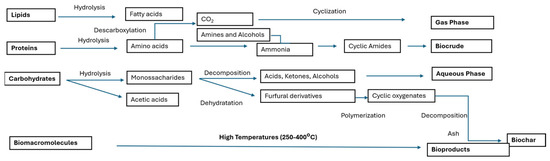
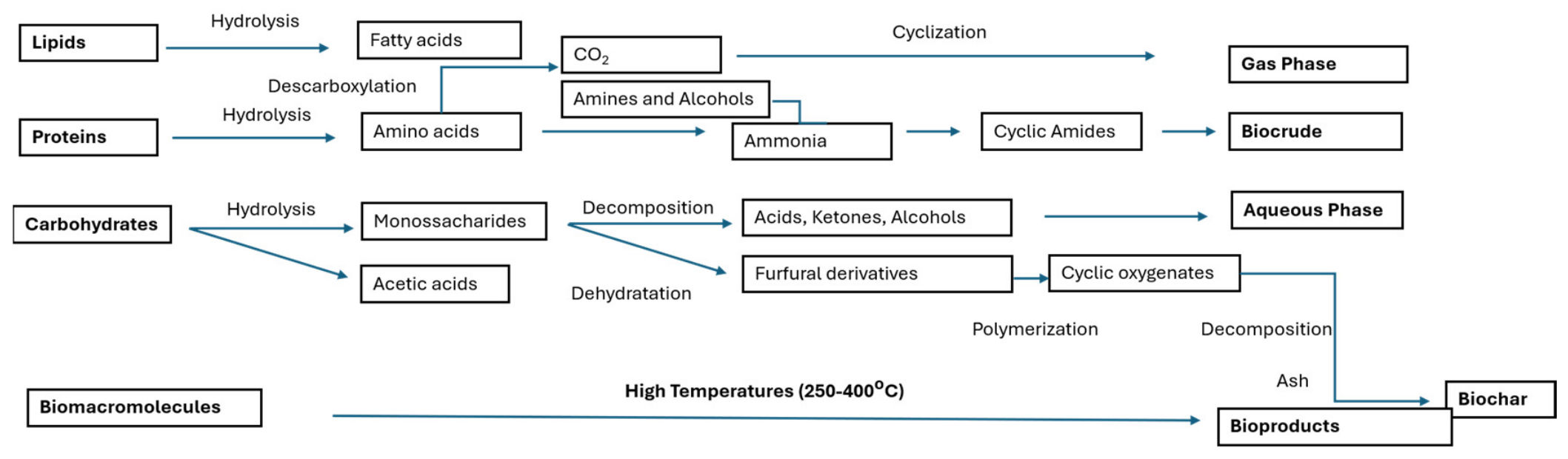
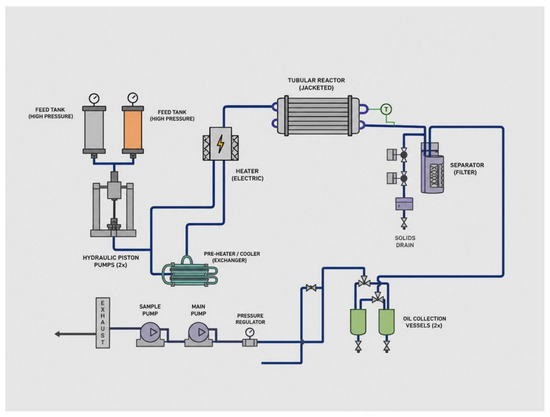
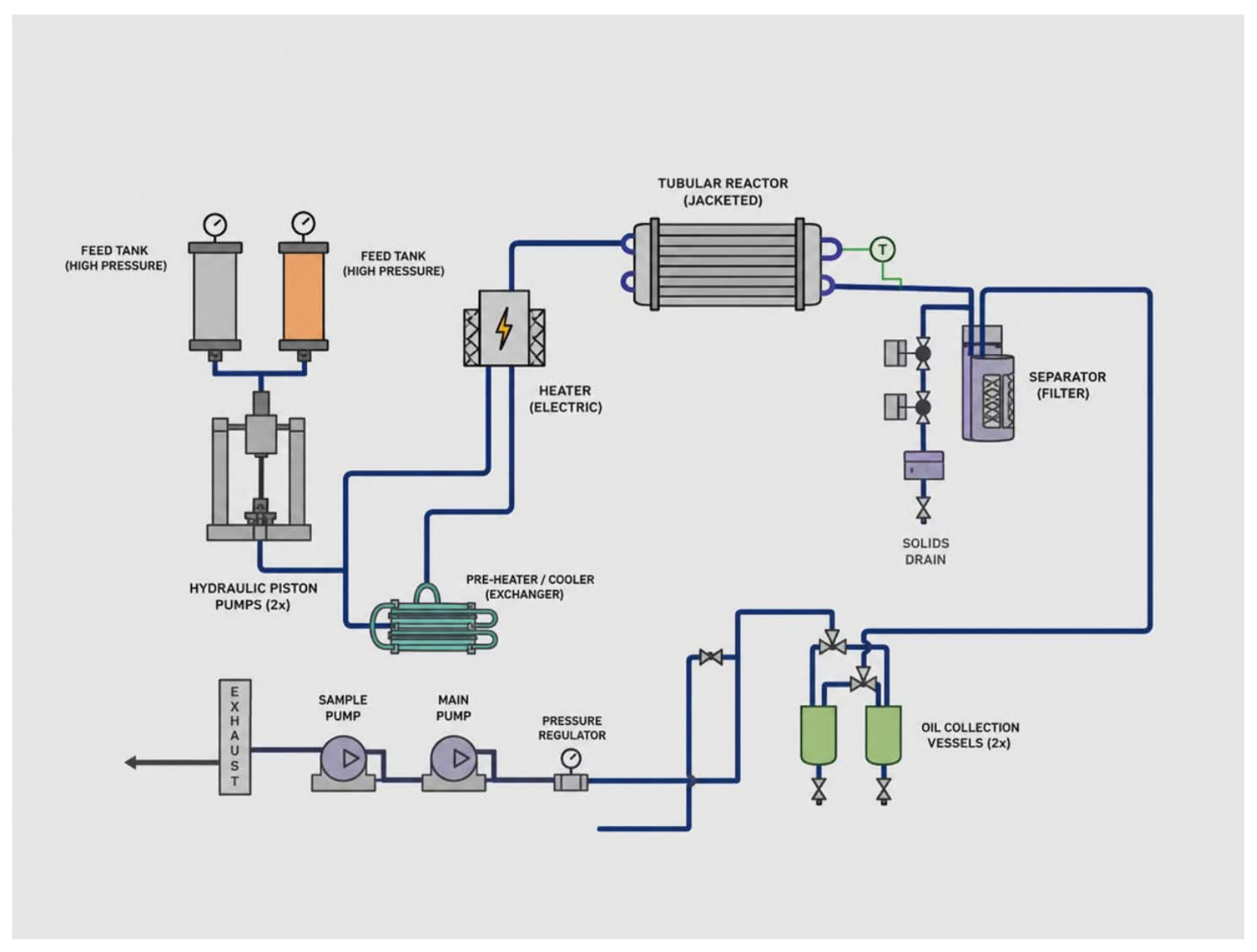
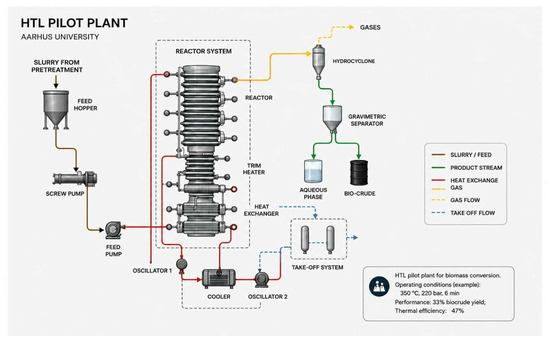
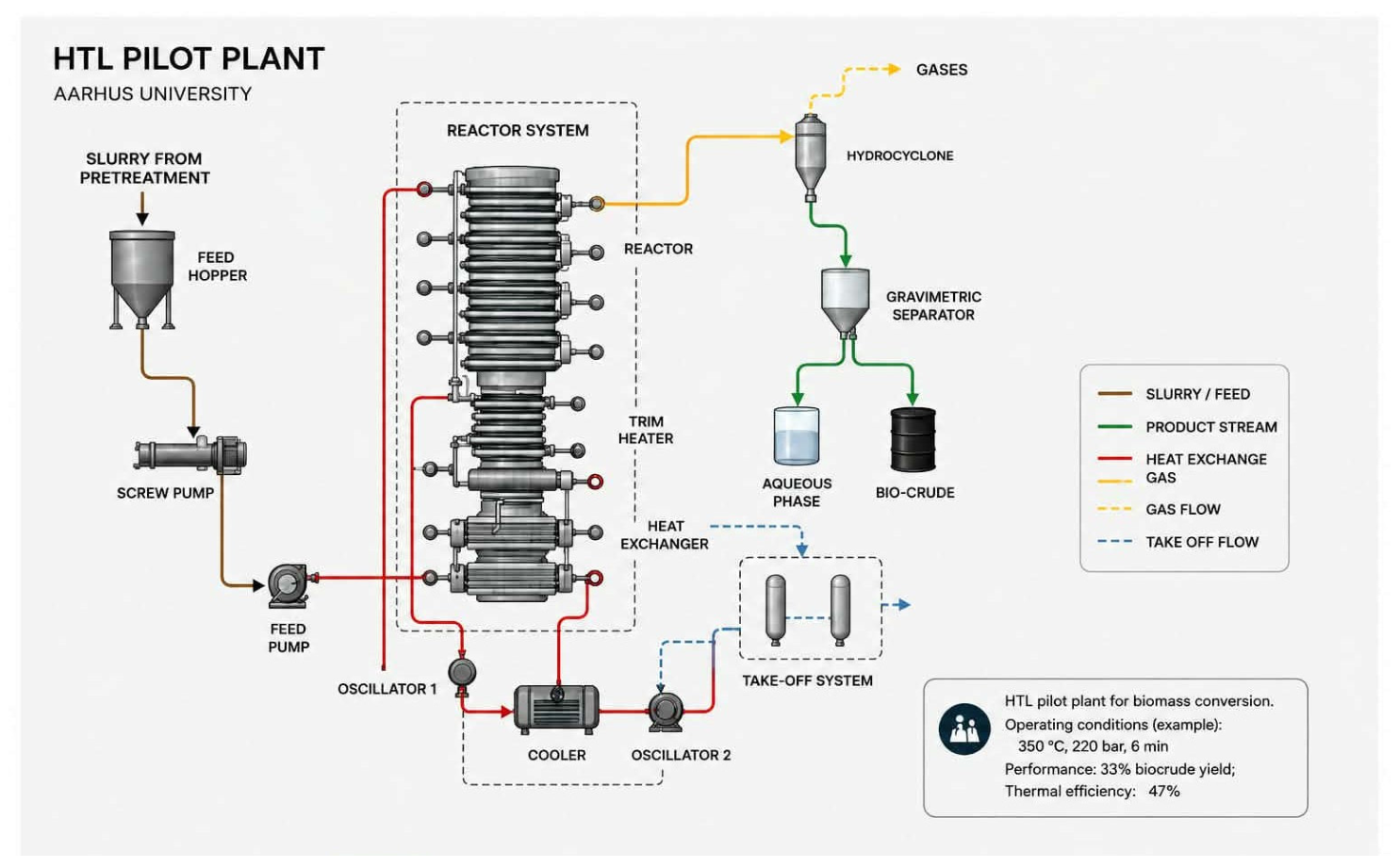
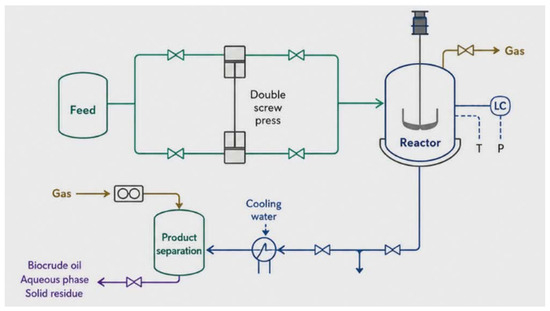
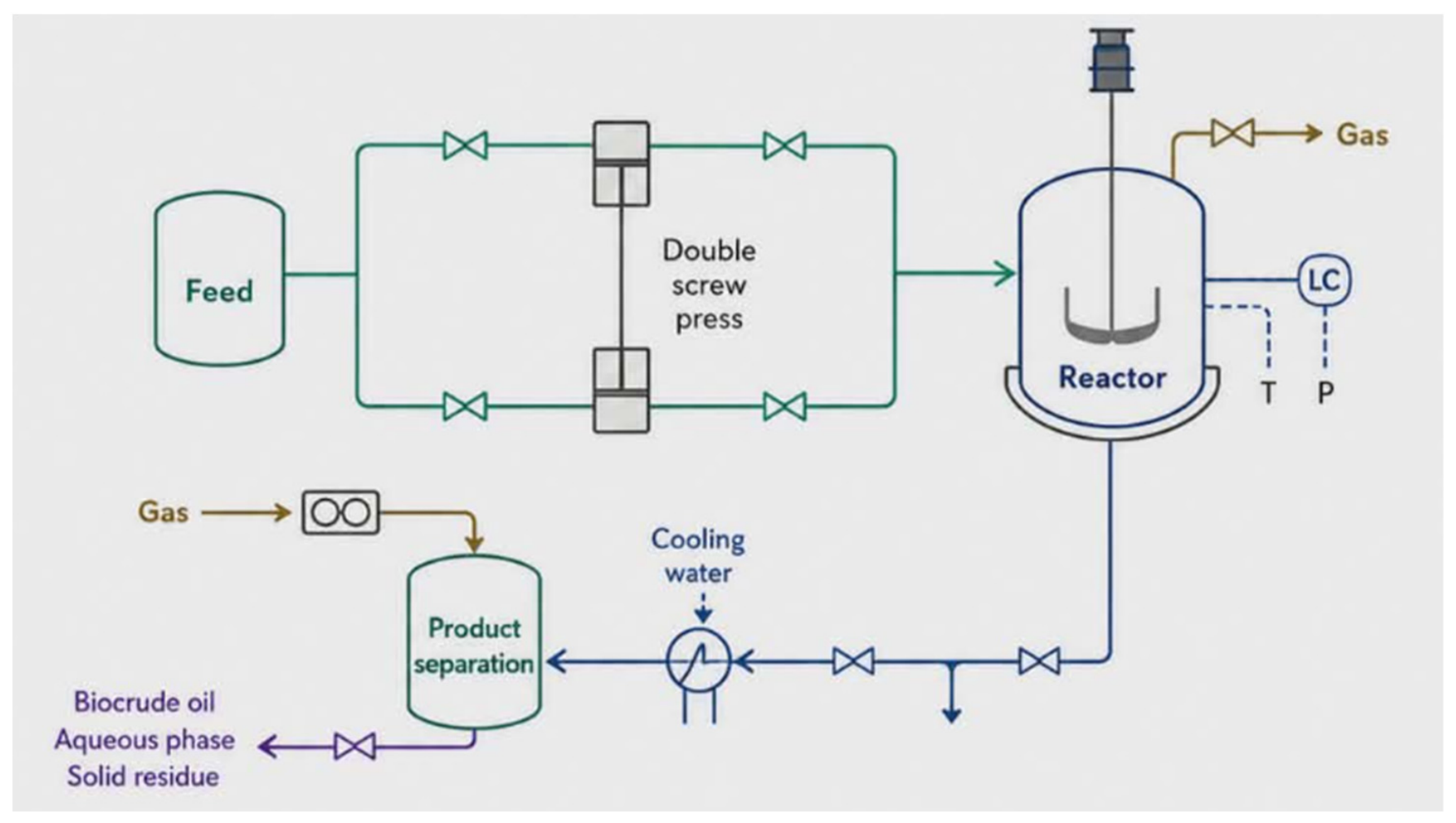
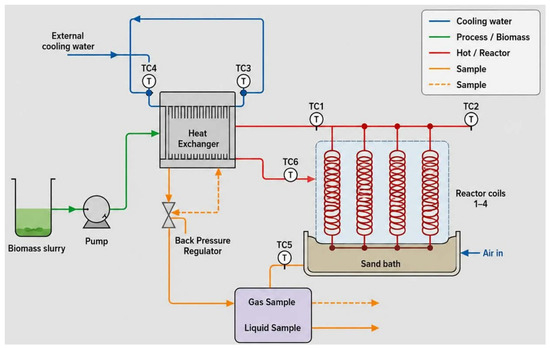
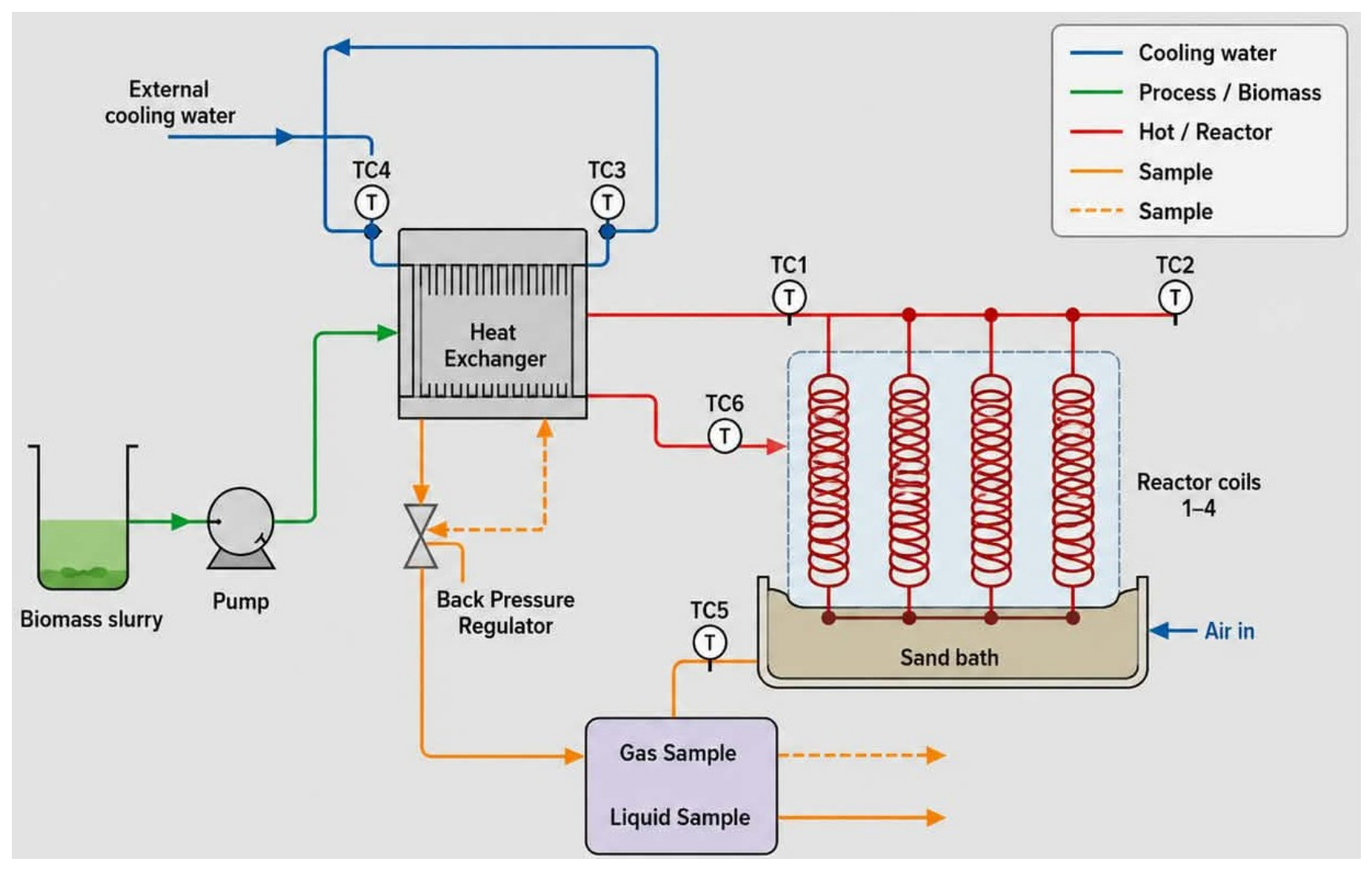
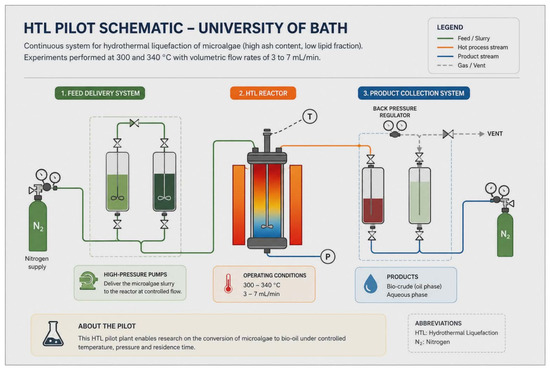
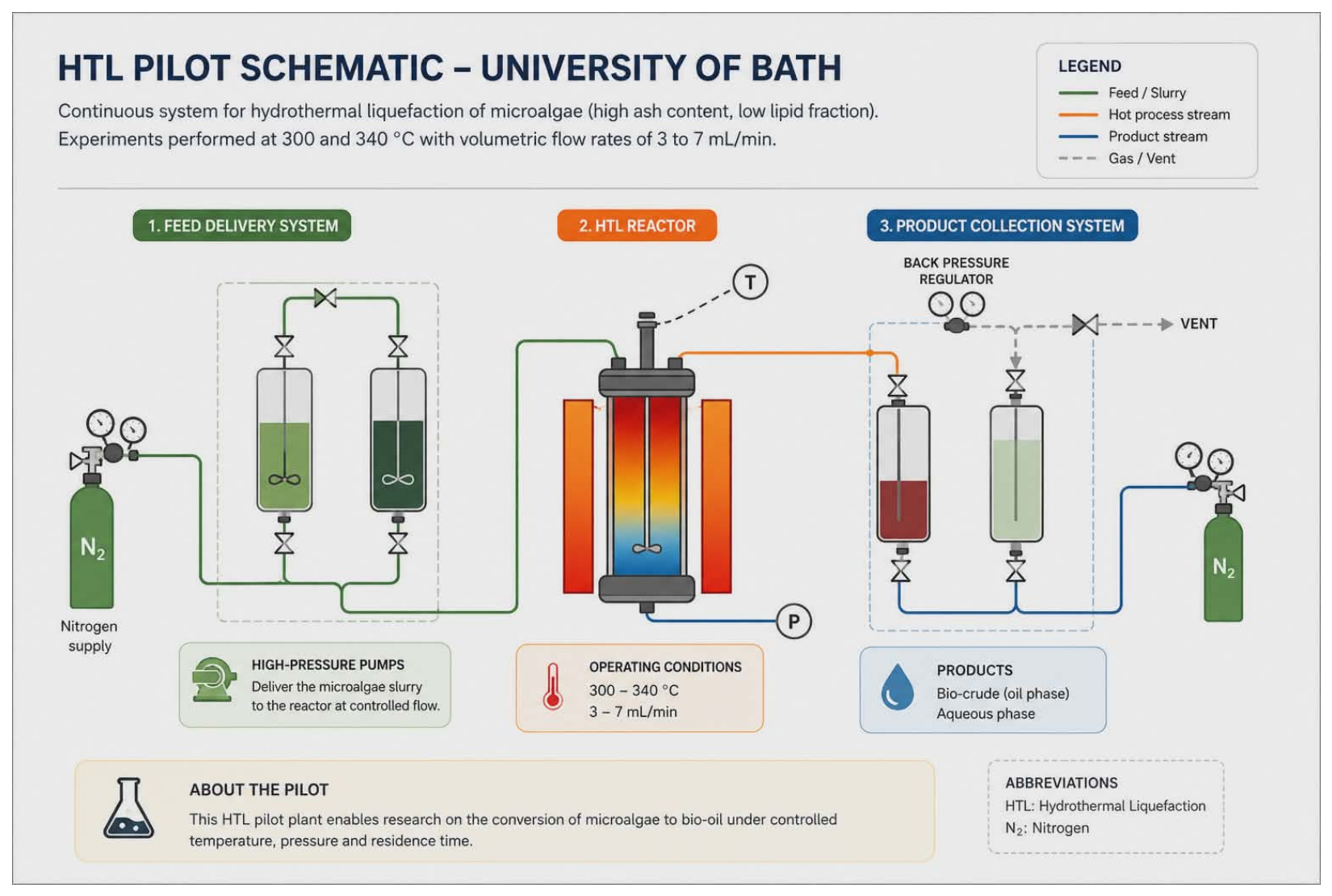
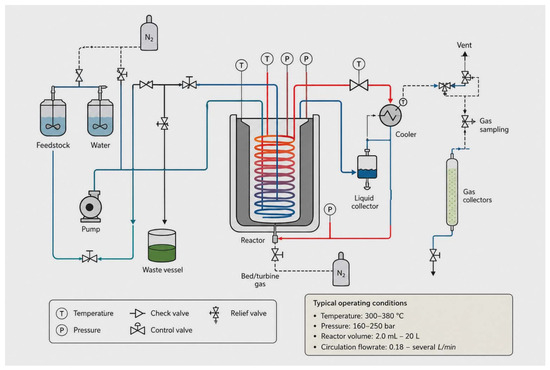
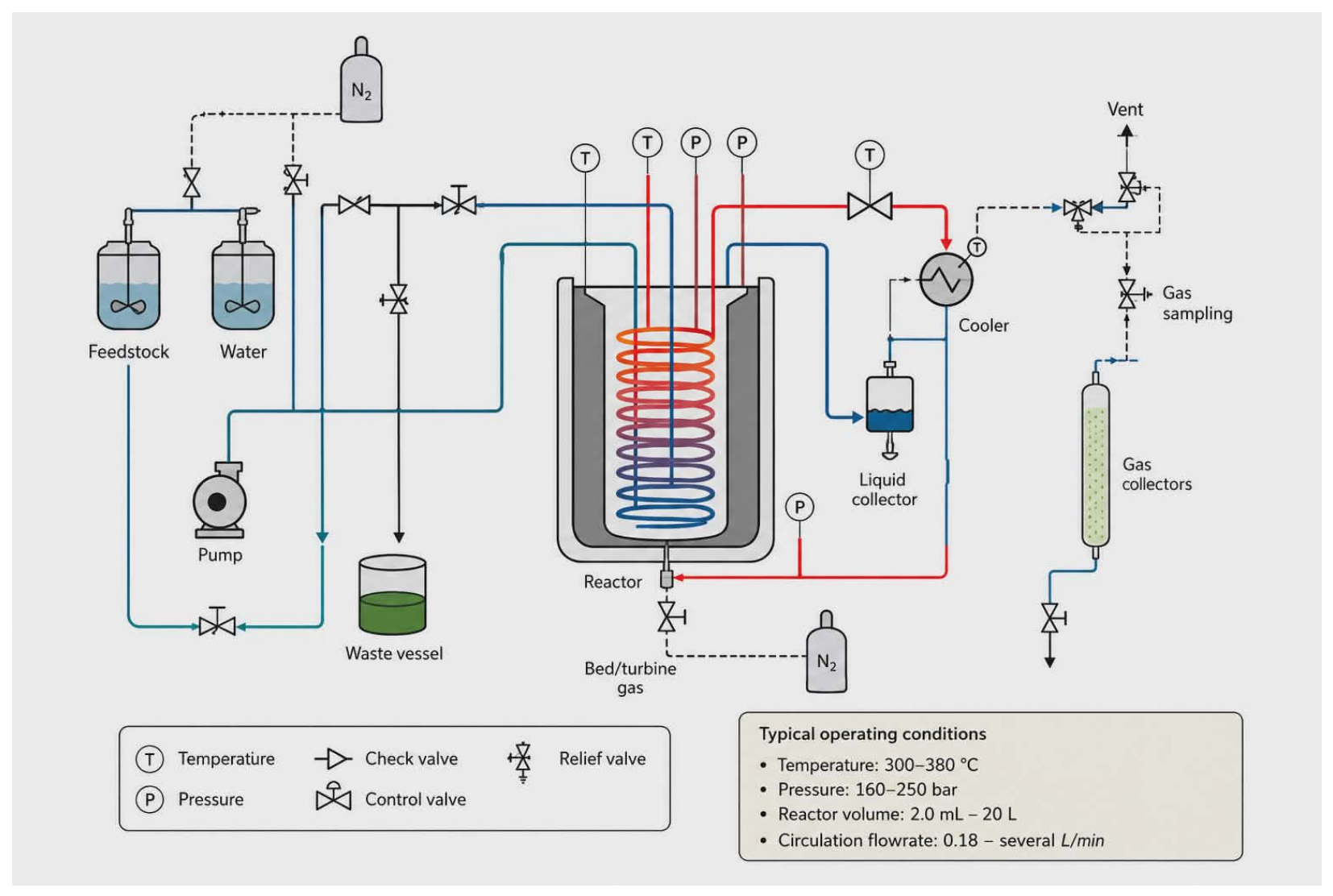

Disclaimer/Publisher’s Note: The statements, opinions and data contained in all publications are solely those of the individual author(s) and contributor(s) and not of MDPI and/or the editor(s). MDPI and/or the editor(s) disclaim responsibility for any injury to people or property resulting from any ideas, methods, instructions or products referred to in the content. |
© 2026 by the authors. Licensee MDPI, Basel, Switzerland. This article is an open access article distributed under the terms and conditions of the Creative Commons Attribution (CC BY) license.