


Abstract
As a sustainable alternative to fossil fuels, geothermal energy plays a critical role in the global shift toward carbon neutrality. However, the economic extraction of heat is frequently hindered by poor-reservoir permeability, often exacerbated by mineral scaling and particulate clogging during long-term operation. This review provides a comprehensive synthesis of acidization technologies, emphasizing their mechanisms for enhancing injectivity and productivity in diverse geothermal settings. This study scrutinizes the chemical interaction between varied acid systems ranging from conventional mineral acids to solid organic acid blends and the complex geological conditions of volcanic and sedimentary reservoirs. Furthermore, the paper delineates the evolution of geothermal energy development methods, such as matrix acidizing and hydraulic fracturing synergy (multi-stage acid fracturing), alongside metal corrosion inhibition and effluent scale treatment. By integrating empirical field data with theoretical geochemical modeling, this review provides an in-depth analysis of the acid fracturing mechanisms within coupled thermal–hydraulic–mechanical–chemical (THMC) fields. It further identifies the persistent challenges of high-temperature stability and deep-seated flow path diversion. Ultimately, this paper proposes a roadmap for next-generation “smart” acidizing fluids, aiming to provide a robust framework for optimizing geothermal heat mining and ensuring the longevity of enhanced geothermal systems.
1. Introduction
As a clean and reliable renewable resource, geothermal energy is increasingly regarded as a strategic focus within global low-carbon energy transitions [1,2]. Compared with solar and wind power, geothermal energy offers higher stability (unaffected by seasons), higher utilization rate (up to 73%, 5.2× that of solar PV and 3.5× that of wind power), safety, low operating costs, and comprehensive utilization [3,4,5]. The global sustainable technical potential of geothermal energy is 10–30 EJ/year, approximately 2–5% of primary energy consumption and 10–30 times current utilization levels [6].
Geothermal energy originates from primordial heat and radiogenic decay, with global terrestrial heat flow estimated at approximately 42 TW per year [7,8]. The primary reservoirs for geothermal energy are deep, high-temperature dry hot rock (HDR) bodies and natural hydrothermal systems. Hydrothermal systems comprise permeable rocks, fracture networks, and circulating hot water or steam, forming an integrated geothermal extraction system [9]. Heat transfer occurs via conduction and convection mechanisms. Consequently, the distribution of geothermal resources is highly uneven, being significantly influenced by geological tectonic movements. Mantle heat flow can elevate the temperature of crustal fluids to over 370 °C. Based on temperature, geothermal resources are classified as high-temperature (>150 °C) or medium- to low-temperature (<150 °C). High-temperature resources are predominantly located at plate boundaries, including divergent zones (e.g., oceanic spreading ridges), convergent zones (e.g., subduction and collision zones), and intraplate hotspots. In contrast, medium- to low-temperature resources are more widely distributed within intraplate regions, such as fold-thrust belt basins and subsiding Cenozoic sedimentary basins. The detailed classification and key characteristics of these geothermal resources are presented in Table 1.
Table 1.
Classification and key characteristics of geothermal resources.
According to plate tectonics and geographic distribution, global high-temperature resources are concentrated within four major geothermal belts: the Circum-Pacific, the Mediterranean-Himalayan, the Red Sea-Aden Gulf-East African Rift, and the Mid-Atlantic Ridge belts. Collectively, these belts constitute the strategic focal areas for global geothermal energy development [10]. Furthermore, assessments by the International Geothermal Association (IGA) suggest that the geothermal resources contained within the upper 10 km of the Earth’s crust alone have the potential to far exceed current global energy demand, highlighting their suitability for large-scale utilization. This continuous and secure supply capacity positions geothermal energy as a substitute for traditional fossil fuels (e.g., coal and oil). Moreover, geothermal power offers greater stability and reliability compared to some other renewables, such as wind energy, avoiding the insecurity similar to nuclear energy [11].
The efficient development and long-term utilization of geothermal reservoir resources fundamentally depend on the enhancement of reservoir permeability and the establishment of an effective subsurface heat exchange system. Consequently, the creation of fracture networks and the maintenance of fluid conduits within the reservoir are essential for permeability enhancement. The core objective of transforming the reservoir is to establish and sustain effective, three-dimensionally interconnected fluid flow pathways within low-permeability formations. Current stimulation technologies are broadly categorized into physical and chemical methods. Among these, physical stimulation techniques, which serve as a fundamental approach, primarily encompass hydraulic fracturing, thermal stimulation, and gas fracturing. Hydraulic fracturing, distinguished as the most cost-effective, widely applied, and technologically mature fracturing method, involves injecting a specialized fluid at pressures significantly exceeding the formation’s fracture pressure. Following the creation of primary fractures, temporary plugging agents are employed to interconnect natural microfractures, thereby forming a complex, multi-branching fracture network. The near-wellbore geomechanical stress regimes and resulting fracture modes are illustrated in Figure 1. This technology has been extensively adopted and optimized within the oil and gas industry [12,13]. Additionally, to contribute to global carbon peaking objectives, the utilization of supercritical CO2 as a fracturing fluid has garnered significant research attention in recent years. Owing to its low viscosity and high diffusivity, supercritical CO2 can penetrate narrower fractures. This characteristic reduces freshwater consumption, mitigates water-sensitive formation damage, enhances heat extraction efficiency, and facilitates geological CO2 sequestration, thereby contributing to carbon neutrality efforts [14].
Figure 1.
Near-Wellbore Geomechanical Stress Regimes and Fracture Modes.
However, both hydraulic fracturing and gas fracturing, as standalone physical stimulation methods, present several limitations. For instance, the large-volume fluid injection characteristic of hydraulic fracturing can induce localized microseismicity and potentially lead to unintended fracture propagation in geological structures [15,16,17]. Similarly, the broader application of gas fracturing is constrained by high equipment costs, issues of secondary precipitation, and alterations in formation wettability, indicating that the technology requires further development [18,19]. In contrast, the physico-chemical synergistic stimulation technology that integrates acid treatment with hydraulic fracturing, commonly termed acid fracturing, significantly reduces the formation breakdown pressure compared to purely physical methods and mitigates the risk of fracture conductivity impairment due to mineral scaling. These advantages position it as a particularly practical technology for geothermal resource development [20].
This technology induces matrix dissolution and fracture propagation via chemical reactions between the acid fluid and reservoir minerals. Notably, it can sustain high fracture conductivity without relying on proppants. It primarily leverages thermal stress induced by acid fluid in high-temperature reservoirs to assist in fracture initiation [21]. Furthermore, the preferential dissolution of specific minerals, notably calcite and dolomite, can generate conductive flow channels with high surface area [22]. The employment of high-temperature resistant slow-release acid systems enables the fluid to effectively interconnect fractures within deep high-temperature zones, thereby establishing a stable fracture network for heat exchange [23]. The reactive nature of acid fluid with rock minerals enables it to prevent fracture blockage caused by the migration of fine particles (e.g., clay minerals) during stimulation. This integration provides three key functions: fracturing, scale inhibition, and scale removal. Consequently, it can significantly extend the operational lifespan of geothermal systems and offers a more controllable and sustainable technical approach for developing highly heterogeneous geothermal reservoirs and constructing fracture networks within them.
Acidizing technology plays a crucial role in the later production stage by continuously maintaining fluid channel conductivity and ensuring long-term reservoir productivity [24]. Compared to traditional physical methods such as changing scaling solubility through temperature manipulation or directly removing scaling through physical scraping or high-pressure water injection to maintain flow rate [25], acid treatment, as a core chemical stimulation and maintenance method, offers distinct advantages over physical approaches. It efficiently dissolves blockages through chemical reactions between slow-release acid systems and reservoir minerals. This approach overcomes the high energy consumption, operational complexity, and limited removal efficacy characteristic of physical methods, while simultaneously reducing operational costs and streamlining well intervention processes. Consequently, it proves highly effective in mitigating mineral-based blockages within geothermal reservoirs and sustaining efficient convective heat transfer. Specifically, some engineered ultra-high-temperature resistant slow-release acid systems can maintain their reactivity in deep high-temperature environments exceeding 300 °C, thereby overcoming the temperature constraints inherent to physical methods [26].
This review covers two key applications of acid fracturing: creating initial high-conductivity fracture networks and maintaining long-term fluid channels. It synthesizes current technologies for deep, ultra-high-temperature geothermal reservoirs, including reaction mechanisms, acid formulations, operational procedures, and investigation methods. (see Figure 2 for the overall research process and progress on crack network construction and long-term diversion channel). This review aims to enhance geothermal energy utilization efficiency, establish systematic development methodologies, and thereby provide technical reference for the development and utilization of renewable energy worldwide.
Figure 2.
Research process and progress on crack network construction and long-term diversion channel maintenance.
2. Methodology and Literature Search Strategy
To ensure a systematic, reproducible, and transparent comprehensive literature synthesis, a rigorous search strategy was executed adhering to the PRISMA (Preferred Reporting Items for Systematic Reviews and Meta-Analyses) 2020 guidelines. Standard academic databases—including Web of Science, Scopus, Google Scholar, and ScienceDirect—were systematically queried for peer-reviewed journal articles and conference proceedings published between 2000 and 2026. The search matrices incorporated specific Boolean logic interrogative strings: (‘geothermal stimulation’ OR ‘EGS’) AND (‘acid fracturing’ OR ‘matrix acidizing’ OR ‘chelating acids’ OR ‘solid acids’) AND (‘silica scaling’ OR ‘fluid channel maintenance’). Initial screening identified 412 records; after removing duplicates and applying strict inclusion criteria (focusing heavily on deep reservoir geomechanics, high-temperature fluid–mineral reaction kinetics, and field-scale implementation), a final core cohort of articles was selected and synthesized in this work (PRISMA diagram as shown in Figure 3).
Figure 3.
PRISMA diagram.
3. Mechanisms and Technical Methodologies for Fracturing and Acidizing Stimulation in Geothermal Reservoirs
The development and utilization of geothermal resources have given rise to a comprehensive and hierarchical technical system. Based on geological characteristics, geothermal resources are broadly classified into hydrothermal systems and HDR geothermal systems [27,28]. Hydrothermal reservoirs are generally located at shallower depths, typically less than 3000 m. Their thermal energy is conveyed by naturally occurring subsurface fluids, primarily hot water or steam [29]. Medium- to high-temperature hydrothermal resources (exceeding 150 °C) are primarily utilized for electricity generation. In contrast, medium- to low-temperature resources (below 150 °C) find widespread application in direct-use sectors, including district heating, agricultural greenhouses, and industrial processing [30]. Shallow geothermal energy, with temperatures ranging from 10 to 20 °C, can be harnessed for building heating and cooling through ground-source heat pump (GSHP) technology [30,31]. HDR geothermal resources refer to deep-seated, high-temperature rock formations (typically >150 °C) that exhibit low permeability and lack natural fluid circulation. Hot Dry Rock (HDR) geothermal resources refer to deep-seated high-temperature rock masses with temperatures generally above 150 °C, characterized by low permeability and the absence of natural fluid circulation. Their development relies on engineered hydraulic fracturing to create artificial fracture networks for heat extraction. This approach represents a key pathway for unlocking the potential of deep geothermal energy. Figure 4 summarizes the characteristic temperature and depth regimes associated with major geothermal utilization categories. Figure 4 summarizes the characteristic temperature and depth regimes associated with major geothermal utilization categories.
Figure 4.
Temperature and depth regimes of major geothermal utilization categories. Redrawn from Ref. [32].
For large-scale power generation using hydrothermal and HDR, a sustainable fluid circulation system between production and injection wells is fundamental for effective heat extraction [33,34]. However, the efficient exploitation of deep geothermal resources is significantly constrained by extreme downhole temperature and pressure conditions. For instance, deep carbonate reservoirs exhibit temperatures of approximately 124–162 °C and pressures of 55–119 MPa [35,36,37]. Deep clastic reservoirs are characterized by temperatures around 69–235 °C and pressures of 115–212 MPa [38,39,40], while shale reservoirs typically present temperatures of 120–171 °C and pressures of 37–73 MPa [41,42,43,44]. These ranges underscore the severe downhole conditions encountered. These demanding geological conditions further increase the difficulty of geothermal development, thus necessitating fracture enhancement techniques to ensure fluid circulation. Under these high-temperature and high-pressure (HTHP) conditions, calcium and silicate ions in geothermal brines tend to precipitate, forming calcium carbonate and silicate scales. This scaling can obstruct fracture networks, reduce reservoir permeability, and consequently impair fluid circulation efficiency. It also threatens the long-term connectivity of deep reservoirs and may lead to flow channel blockage, thereby significantly compromising the overall heat extraction capacity of the system [45,46,47,48]. Carbonate reservoirs with high geothermal potential are characterized by pores, fractures, and dissolution cavities, which exhibit pronounced heterogeneity and present significant challenges for scale management and fluid flow [49]. Acid fracturing technology is the core technology that simultaneously solves production problems such as crack propagation and scaling. It can solve most of the above problems and provide crucial technical support for the long-term stable operation of geothermal fluid circulation systems.
3.1. Engineered Fracture Network Stimulation and Acid Fracturing for Enhanced Geothermal Production
The development of deep and ultra-deep geothermal resources, particularly HDR, is frequently hindered by the challenge of achieving effective reservoir stimulation against extremely high fracture pressures [50]. These target reservoirs are typically situated within dense igneous or metamorphic rocks at depths ranging from 3 to 5 km. This complex geological environment, characterized by a high-stress field (comprising significant vertical and horizontal shear stresses) coupled with rock properties of high brittleness and heterogeneity, results in a substantial increase in the formation fracture pressure gradient. This increase critically impedes the establishment of effective fluid circulation loops [51,52]. This effect substantially elevates the pumping pressure required and suppresses far-field fracture propagation, thereby creating dual technical barriers to efficient resource extraction. Table 2 provides a summary of the principal factors contributing to high fracture pressures in deep geothermal reservoirs [53].
Table 2.
Causes of high fracture pressure in rock formations [53].
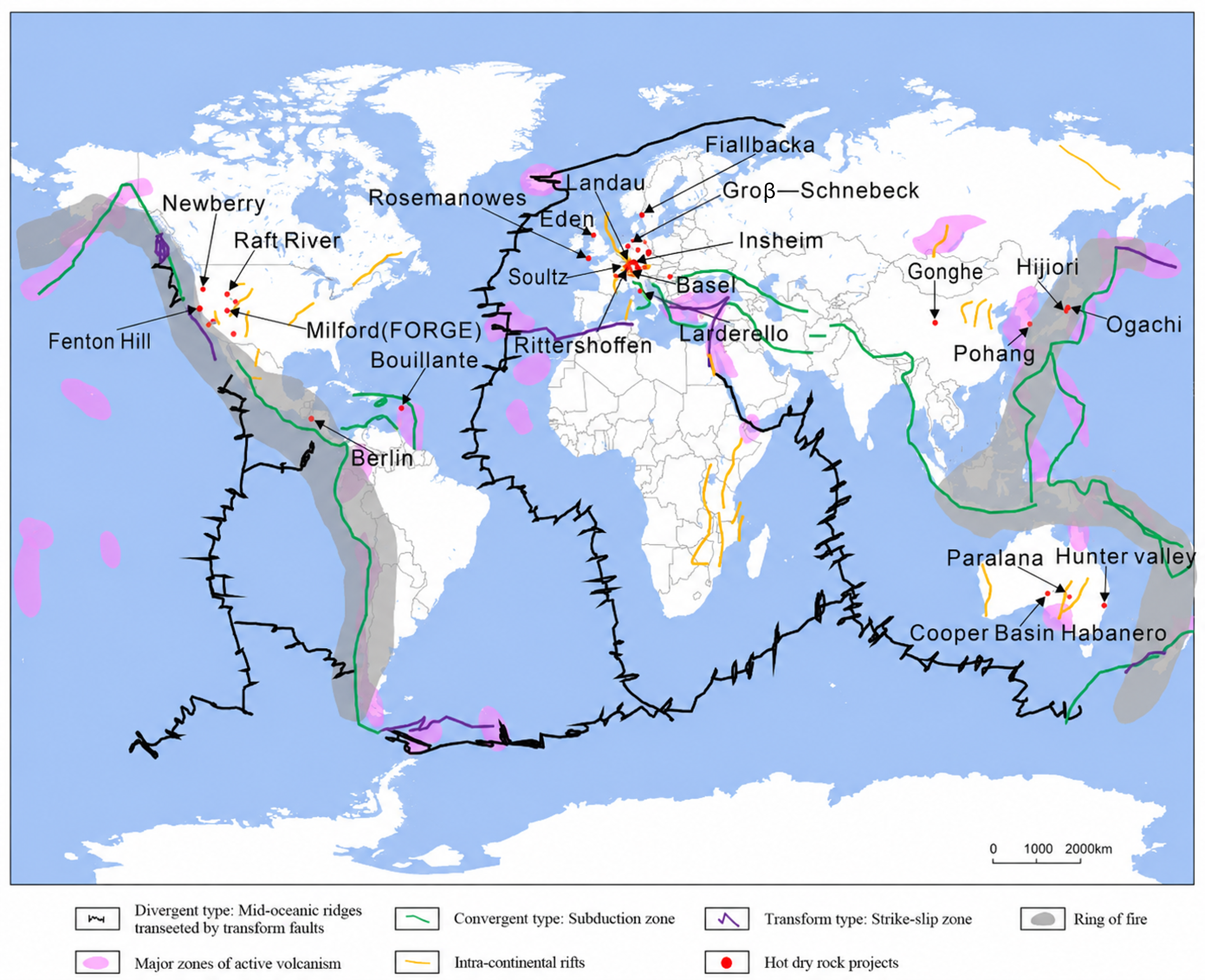
To overcome the limitations of geological formations, the Enhanced Geothermal Systems (EGS) concept was first proposed by Potter et al. in 1974 [54]. The core concept involves artificially creating and sustaining a well-connected, three-dimensional fracture network within ubiquitous high-temperature rock formations via engineering techniques. This process forms an engineered geothermal reservoir that enables a closed-loop cycle of fluid injection, subsurface heat exchange, and production (see Figure 5). It expands the potential resource base from geographically confined volcanic belts and tectonically active regions to include stable geological blocks with widespread global distribution (see Figure 6). With continued technological advancement, the applicability of the EGS concept has been extended beyond its initial focus on crystalline basement rocks (e.g., granite) to encompass deep carbonate rocks, sandstones, and other sedimentary formations. This expansion significantly broadens the strategic potential of geothermal energy within the global energy transition.
In EGS development, hydraulic stimulation serves as a core technology for creating complex fracture networks and enhancing permeability in low-permeability reservoirs [24,55]. However, conventional high-pressure hydraulic fracturing faces dual challenges. First, the extreme injection pressures impose stringent demands on surface pumping capacity and wellbore integrity. Second, large-scale operations carry a significant risk of inducing seismicity [56]. Historical cases demonstrate that public sensitivity to seismicity induced by EGS projects is considerably higher than that towards natural earthquakes. Notable examples include projects in Basel, Switzerland (M_L 3.4), Inzheim, Germany (M_L 2.4), and Landau, Germany (M_L 2.7). Despite involving moderate to low-magnitude events, their shallow focal depths and resultant impacts on surface structures triggered intense public concern and opposition, ultimately leading to project suspensions [57,58,59]. Furthermore, a single hydraulic stimulation treatment often results in the creation of heterogeneous preferential flow paths. During long-term operation, working fluids tend to preferentially flow through these low-resistance paths, leading to thermal short-circuiting and the premature thermal breakthrough of produced fluids [60]. Under high in situ stress conditions, the unloading effect induced by hydraulic fracturing can trigger a rapid release of deep-seated elastic strain energy. This process may cause proppant crushing or embedment, generating fine rock debris that can plug fractures and block flow channels. Consequently, reservoir permeability is severely reduced, adversely affecting the overall heat exchange efficiency and the long-term performance of the EGS [61].
To mitigate these challenges while maintaining the productivity of EGS, acidizing technology offers a versatile and sustainable approach for deep high-temperature reservoir stimulation [62]. Acid fracturing integrates the advantages of multiple stimulation techniques by employing a sequential “hydraulic fracturing followed by chemical dissolution” approach. This method initiates fractures under moderate pressure, after which acid is injected to etch the fracture faces unevenly. This approach not only substantially reduces the reliance on high-pressure pumping, thereby mitigating associated seismic risks, but also utilizes chemical dissolution to overcome geostress constraints on fracture geometry [63,64]. Crucially, the etching process creates a lasting, rough morphology on the fracture faces. This morphology helps sustain high permeability pathways even after fracture closure, enabling durable conductive channels without the need for proppants. This proppant-free mechanism can significantly reduce both development costs and long-term operational risks.
Figure 5.
Schematic of an enhanced geothermal system (EGS) conceptual model. Redrawn from Ref. [65].
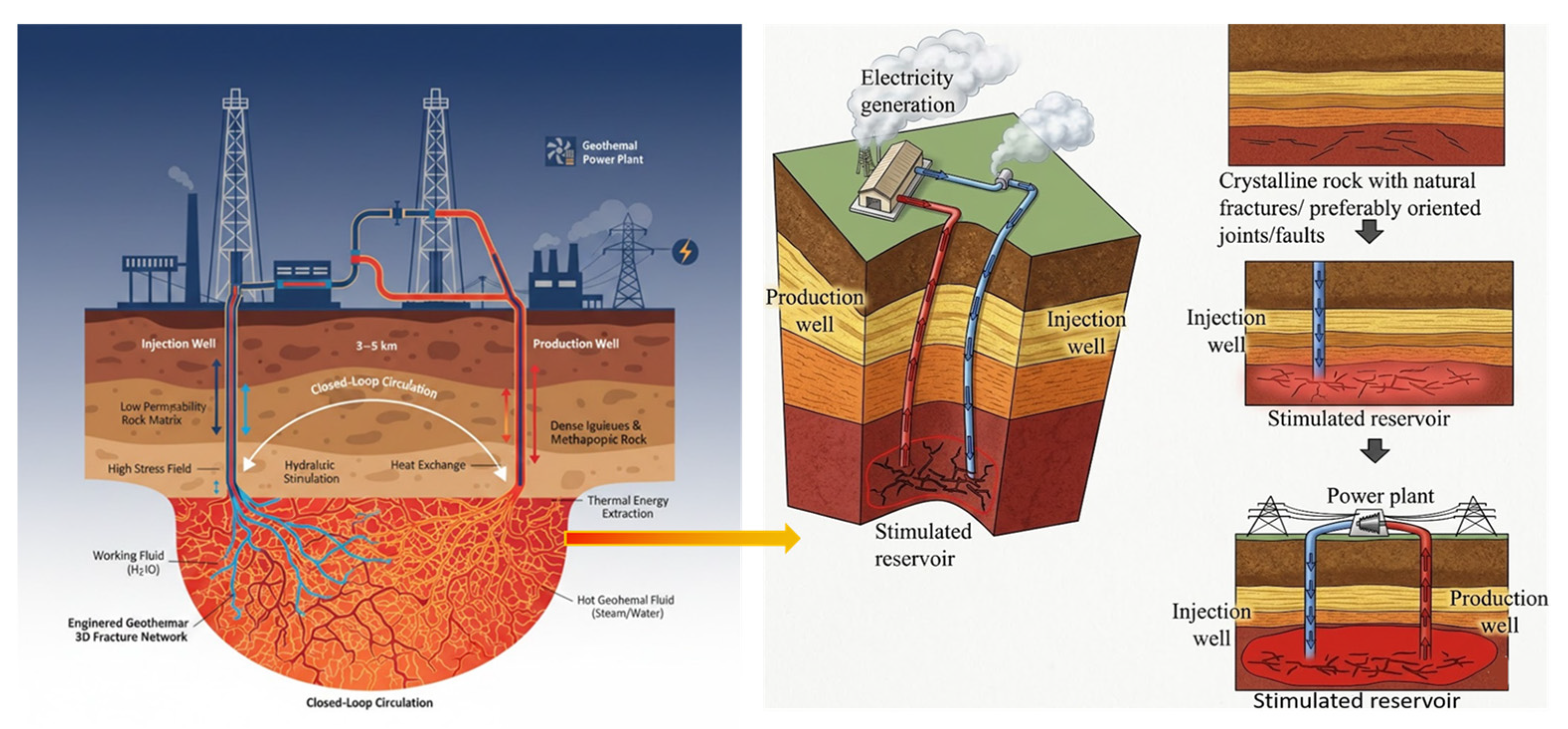
Figure 6.
Distribution map of hot dry rock/EGS projects.
3.1.1. Governing Physics of THMC Coupling
Acid fracturing technology is not only a stress-driven fracture propagation process but also a pivotal method for flexible fracture creation. It overcomes formation breakdown limits through chemical dissolution. Its core mechanism involves the coupled thermal-hydraulic–mechanical–chemical (THMC) processes [66,67,68] (see Figure 7). Typical THMC constitutive relations include stress–strain equations, seepage continuity equations, heat transport equations, and geochemical reaction kinetic equations. Widely used numerical approaches include the finite element method (FEM) and finite difference method (FDM), while representative simulation tools include TOUGHREACT, FLAC3D, and COMSOL [69]. This multi-physics coupling collaboratively addresses two major bottlenecks in traditional EGS development: permeability decay over time and the risk of induced seismicity. The synergistic action of hydraulic and chemical processes initiates fractures under relatively moderate pressure. Subsequently, uneven acid–rock dissolution creates a robust, etched support structure on the fracture faces. This acid-etched pillar effect obviates the need for conventional proppants, which are susceptible to crushing. The synergy between thermal and hydraulic processes induces thermal stress spalling, driven by the significant temperature contrast between the injected fluid and the hot rock. This not only alters the mechanical properties at fracture tips reducing fracture initiation pressure but also promotes the generation of microfracture networks. This significantly enhances the reservoir’s structural complexity [70]. The multi-field coupling of these mechanisms facilitates the transformation of a single dominant flow channel into a complex, three-dimensional heat exchange network. This transformation fundamentally mitigates issues of uneven heat conduction. By optimizing the uniformity of chemical dissolution and the distribution of thermally induced stresses, acid fracturing enables a substantial improvement in thermal recovery efficiency. This ensures the long-term thermal balance and operational stability of EGS [71,72].
Figure 7.
Schematic diagram of multi-field coupling for acid fracturing modification of a geothermal reservoir. Redrawn from Ref. [73].
3.1.2. Mechanism of Acid Fracturing
In EGS development, unlike conventional hydraulic fracturing, which relies on sustained high-pressure injection to maintain fracture aperture, the hydraulic stage in acid fracturing is primarily designed to initiate fracture propagation, thereby establishing pathways for subsequent chemical dissolution. Within these fractures, the flow of the working fluid involves a tightly coupled process between fluid dynamics and transient heat transfer [74,75,76]. Studies have demonstrated that the heat transfer rate of the reservoir is significantly positively correlated with the specific surface area of the fractures, implying that the geometric complexity of the fracture network directly determines the system’s thermal extraction potential [77].
The evolution of such complex fracture networks is governed by the intrinsic mechanical properties of the reservoir rock. Based on the modes of rock mass failure and the effects of acidification, four predominant fracture propagation modes can be identified [70]: (1) Pure Opening Mode (POM), (2) Pure Shear-Stimulated Production (PSS), (3) Primary Fractures with Shear Leakage (PFSSL), (4) Mixed Mechanism Stimulation (MMS). In compositionally complex geothermal reservoirs, acid creates non-uniform dissolution and sustainable channels. Typical acid-etching morphologies fall into four patterns [78,79]; channel-type and rough etching are most effective due to enhanced surface roughness that maintains long-term flow capacity [80].
Specifically, the mechanism of acid action varies significantly with lithology. In carbonate reservoirs, the acid–rock reaction is governed by both hydrogen ion mass transfer and surface chemical kinetics. Due to the high reactivity of hydrochloric acid, non-uniform dissolution occurs along preferential pathways, leading to the formation of biomorphic wormhole structures [81], as illustrated in Figure 8A. This process enables efficient fluid diversion under low-pressure differentials. In contrast, the stimulation of silicate reservoirs (e.g., granite and sandstone) relies on a complex acid system centered on hydrofluoric acid (HF). This process involves the primary dissolution of fast-reacting minerals (e.g., feldspar and clay) [82] and necessitates precise control of complex secondary and tertiary reactions to inhibit secondary precipitation, which can block critical pore-throat spaces [83,84], as shown in Figure 8B.
Figure 8.
Acid–rock reaction mechanism. (A) Acid rock reaction mechanism of carbonate reservoirs. Redrawn from Ref. [53]. (B) Acid rock reaction mechanism of silicate reservoirs.
Concurrently, the acid reacts with the substrate upon penetration, resulting in not only the macroscopic etching of fracture walls but also the alteration of the rock’s physical properties at the micro-scale. The reaction process can induce a localized temperature increase of 10–20 °C [85], while the weakening of intergranular contacts degrades the rock’s mechanical strength. This chemical softening effect mitigates deep high-stress concentrations and inhibits sudden fracture closure [86]. Moreover, the resultant permeability changes exhibit non-linear characteristics, often manifesting as abrupt increases. For instance, Tariq [87] et al. reported that acid-induced thermo-chemical fracturing of tight sandstone in Kentucky increased its permeability from 0.12 mD to 280 mD. Similarly, Gou [88] et al. observed that prolonged hydrochloric acid action led to pronounced plastic failure characteristics, alongside significant reductions in both elastic modulus and Poisson’s ratio (see Figure 9). Following a 90 min acid–rock reaction at 100 °C, Li [89] et al. documented a significant deterioration in the rock’s mechanical properties. The elastic modulus decreased sharply from 39.84 GPa to 18.32 GPa (a 54% reduction), tensile strength declined from 13.73 MPa to 8.31 MPa (approximately 40%), and Poisson’s ratio dropped from 0.1329 to 0.0664 (a 50% decrease). Collectively, the alterations in these three parameters constitute primary factors influencing rock fracture pressure. These findings indicate that permeability enhancement resulting from mineral dissolution is not a linear superposition but rather depends on a qualitative transformation in pore-throat connectivity. When mineral constituents within the primary fracture network soften and subsequently collapse, the corresponding permeability increase can span several orders of magnitude [90,91,92].
Figure 9.
Schematic of the THMC coupling mechanism and fracture evolution during acid fracturing in geothermal reservoirs: (a) Chemical Attack; (b) Mechanical Weakening; (c) Fracture Propagation. E (Young's modulus) and v (Poisson's ratio).
However, the efficacy of this chemical stimulation technology is constrained by its dependence on the deep penetration of acid solutions within the fracture network. The characteristic high-temperature conditions (>150 °C) of EGS present a significant challenge, as conventional hydrochloric acid systems suffer from severe near-wellbore fluid consumption [93]. Owing to its high reactivity, the acid is rapidly consumed upon entering the wellbore. This instantaneous reaction promotes excessive near-wellbore rock dissolution, which can lead to the formation of large, non-conductive cavities and compromise wellbore integrity. Consequently, the reaction severely limits the depth of acid penetration into the fracture system [94].
Since the acid cannot propagate to the distal regions of the fracture network, the fracture tips remain either closed or in a low-flow state. This uneven etching pattern, characterized by excessive dissolution near the wellbore and insufficient etching in the far-field regions, can induce significant stress concentration. Consequently, it not only fails to establish an effective, interconnected heat exchange network in the reservoir’s distant zones but may also trigger wellbore instability due to a substantial reduction in the compressive strength of the periwall rock. Therefore, overcoming the kinetic limitations of the acid–rock reaction is a critical prerequisite for advancing EGS stimulation technologies targeting deeper, less permeable geological formations [95,96,97,98].
3.1.3. Acid Fluid System
To address the challenge of rapid acid consumption in ultra-high temperature environments, such as those typical of EGS, acidizing systems have undergone an evolution from single-component formulations to temporally controllable mechanisms. Current methodologies involve the substitution of hydrochloric acid with slow-release acid systems, which are characterized by high viscosity, self-generating properties, and directional or in situ reaction mechanisms. For instance, high-molecular-weight thickening agents are employed to increase fluid viscosity, while physical barriers can be utilized to reduce mass transfer rates. Furthermore, intermolecular interactions can create rheological contrasts, thereby directing acid flow towards low-permeability zones to promote uniform fracture network development. Additionally, self-generating acid systems, such as those based on ethyl acetate, as well as more recent solid acid systems designed for ultra-high temperature stability, have been implemented. In these systems, low-activity acidic precursors are typically introduced into deep reservoirs during fracturing operations. Subsequent in situ hydrolysis or dissociation then generates H+. This delayed-release mechanism effectively mitigates the reaction rate bottleneck inherent in conventional acid–rock reactions, thereby facilitating deep etching within remote regions of ultra-high temperature reservoirs.
The distinct acid solutions differentially influence the mechanical parameters of reservoir rocks. Laboratory studies have shown that gel acid reduces the compressive strength and Poisson‘s ratios, whereas diverting acid systems significantly decrease the tensile strength and Young’s modulus of the treated rock. These alterations thereby promote the initiation of acid-etched fractures and lower the critical stress threshold required for rock failure. The development of sustainable fracture conductivity is largely governed by the heterogeneity of the acid-etched fracture morphology, as established in prior experimental work. During acidizing treatments, the dissolution of soluble minerals generates flow channels, while the insoluble components function as a self-supporting framework that mitigates closure stress. For instance, in silicate-rich reservoirs, high-strength quartz grains are capable of bearing effective stress, thus ensuring the long-term conductivity of the acid-etched fractures [99].
This section reviews the application of three principal retarded acid systems in high-temperature geothermal well stimulation. Among these, the technically mature gelled acid system is prominent, typically employing high-temperature-resistant synthetic polymer thickeners to substantially elevate acid viscosity. These high-viscosity fluids establish a dynamic boundary layer on fracture walls, thereby increasing ion diffusion resistance and reducing the frequency of H+ contact with the rock matrix. Owing to advantages such as relatively low industrial cost, straightforward logistics, and stable performance, this system finds widespread application in the development of both high-temperature geothermal resources and carbonate oil and gas reservoirs. For instance, Wang [100] et al. developed a high-temperature-resistant gelled acid that maintained a viscosity exceeding 150 mPa·s after 50 min of shear at 160 °C and 170 s−1, and demonstrated effective production enhancement in field operations within China’s Sichuan Basin. Furthermore, a limited number of modified natural polymers have been investigated as thickeners for high-temperature gelled acid formulations. As an example, Sui [101] et al. formulated a gelled acid system for high-temperature carbonate reservoirs utilizing modified xanthan gum as the thickening agent. Their formulation maintained a viscosity of 21 mPa·s at 160 °C, indicating satisfactory thermal stability. The elevated viscosity effectively retards the diffusion and reaction kinetics of H+ ions, thereby mitigating rapid acid consumption near the wellbore. High-temperature diversion experiments revealed that under a closure pressure of 30 MPa and at 160 °C, the acid-etched fracture conductivity reached 9.39 D·cm and remained stable with further temperature increase. The acid within the fracture exhibited a “tip-to-tail” concentration gradient distribution, which is indicative of effective deep acid penetration.
Another well-established retarded acid system applicable to high-temperature geothermal well stimulation is the viscoelastic surfactant (VES) acid, commonly referred to as a diverting acid. Its mechanism primarily relies on pH-regulated viscosity modulation. Specifically, the pH increase during the acid–rock reaction triggers VES molecules to assemble into wormlike micelles, thereby transitioning the fluid from a low-viscosity to a high-viscosity gelled state. This transformation enables the autonomous diversion and temporary blockage of acidized high-permeability zones, subsequently guiding the follow-up acid into low-permeability fractures. This system can be formulated as an effective aqueous or foamed acid and is typically employed to enhance conductivity in pre-existing or extended fractures post-stimulation. Prior research has documented its advantages for high-temperature reservoir stimulation. For instance, Zhu [102] et al. developed a self-thickening VES-based foam acid. This system exhibits hydrophobic association-induced self-thickening behavior during the acid–rock reaction. As the H+ concentration declines and the Ca2+ concentration rises, spherical micelles undergo a gradual transition to wormlike micelles, ultimately forming a three-dimensional network structure. This process leads to a substantial increase in system viscosity, reaching up to 80 × 103 mPa·s in 6 wt% HCl, as depicted in Figure 10A. The foam drainage half-life is extended to 45 min, which effectively enhances the mechanical strength and stability of the foam lamellae. The system maintains good stability at 110 °C. Furthermore, the foam comprehensive index for the 6 wt% HCl system attains a value of 7425 mL·min, demonstrating its excellent adaptability to both high-temperature and high-salinity conditions. In terms of retardation performance, the reaction order for this foam acid is measured at 0.47, with an associated activation energy of 8568.15 J·mol−1. The dynamic self-thickening process during the acid–rock reaction is illustrated in Figure 10B. The experimental results indicate that the VES foam acid system possesses excellent retarding performance. This effectively extends the active acid penetration distance and enhances the overall acid fracturing effectiveness in carbonate reservoirs.
Figure 10.
(A) Self-thickening and Foam Stabilization Mechanism of VES-Based Foam Acid; (B) VES based foam acid system self-thickening dynamic process with reaction kinetics. Redrawn from Ref. [102].
Beyond self-thickening systems, surfactants combined with a light oil phase can formulate low-viscosity microemulsions. This characteristic enables multi-stage acid fracturing treatments through alternating injection with high-viscosity fracturing fluids to achieve synergistic effects. Targeting the specific characteristics of Middle Eastern carbonate reservoirs, Wang [103] et al. developed a low-viscosity microemulsion acid system. Its viscosity, approximately 1.8 mPa·s, is comparable to that of hydrochloric acid but significantly lower than that of gelled or emulsified acids (>500 mPa·s). This low viscosity facilitates on-site preparation and high-rate pumping, making the system suitable for multi-stage alternating acid fracturing. The preparation method is illustrated in Figure 11A. Experimental results demonstrate the structural stability of this system at 70 °C. The negatively charged oil cores within the microemulsion acid adsorb onto the rock surface, forming an isolation barrier. The adsorption performance is detailed in Figure 11B. This adsorption process significantly reduces the H+ mass transfer coefficient to 0.65 × 10⁻⁵ cm2/s. Although its retardation effect does not match that of emulsified acids, it surpasses conventional VES acids. Furthermore, the system’s structure remains unaffected by Ca2+ salts generated during acid–rock reactions, and its retardation performance is adjustable. By combining low viscosity, high-temperature stability, and moderate retardation, this system can effectively create a network of etched channels, maintain high conductivity, and promote both flowback of spent acid and recovery of oil-phase permeability, as demonstrated in Figure 11C,D.
Figure 11.
(A) Schematic diagram of microemulsion acid preparation. (B) Barrier established by microemulsion acid adsorption. (C) Etching difference distributions of different acid systems. (D) Oil phase relative permeability vs. flowback volume [103].
The final category, which has not yet been extensively implemented, demonstrates considerable research promise: the solid acid fluid system. Represented by low-solubility solid weak acids—such as diethylenetriaminepentaacetic acid (DTPA), hydroxyethyl ethylenediamine triacetic acid (HEDTA), and ethylenediaminetetraacetic acid (EDTA)—this system is characterized by low corrosivity at high temperatures, sustained fracture etching efficacy, and uniformly enhanced matrix permeability. Furthermore, it confers ancillary benefits, including wellbore scale inhibition and fracture conductivity maintenance. It maintains stable etching performance in reservoirs exceeding 180 °C. In ultra-high-temperature environments, solid acids (e.g., low-solubility polybasic acids or anhydride precursors) are dispersed in solid form. Their hydrolysis or dissociation rate is controlled by their own solubility and chemical stability; they must undergo steps such as moisture absorption, dissolution, intramolecular dehydration, or ester bond cleavage first, thereby significantly delaying the generation and release of H+ and avoiding the instantaneous reaction of conventional acid fluids. This system has garnered increasing attention in recent research concerning high-temperature carbonate and salt reservoir development, positioning it as a promising candidate for future ultra-high-temperature geothermal well applications. Although existing investigations are predominantly confined to laboratory-scale experiments, they nonetheless elucidate the unique advantages of this system for ultra-high-temperature reservoir development. Guo [104] et al. employed a DTPA-based solid acid fluid system to address challenges associated with ultra-high-temperature reservoir acidizing, including the rapid reaction rates of conventional retarded acids, inadequate diversion capability, and significant tubular corrosion. Acid–rock reaction experiments conducted at 453 K demonstrated that the reaction rate of the DTPA solid acid was 5.26 × 10⁻⁵ mol/(s·cm2), significantly lower than that of conventional acids. Moreover, at 473 K, its effective penetration distance was measured at 9.59 m, approximately 2.5 times greater than that of HCl (3.87 m). The corrosion rate was determined to be 3.07 g/(m2·h), approximately 46% lower than that of VES acid (5.66 g/(m2·h)). Additionally, diversion capability was enhanced by up to 13.76-fold, significantly exceeding that of conventional acid systems. With a raw material cost of approximately 700 USD per ton, the system demonstrates combined performance and economic advantages.
A composite solid acid system was developed by Li [105] et al., incorporating sulfamic acid, citric acid, and diethylenetriaminepentaacetic acid, with a focus on optimizing its temperature resistance and controlled-release performance. Experimental results demonstrated that at 60 °C, the marble dissolution rate reached 27.65%. Furthermore, a positive correlation was observed between temperature increase and dissolution efficiency, indicating satisfactory thermal stability of the system. Regarding controlled-release performance, the composite solid acid exhibited a lower reaction rate compared to conventional hydrochloric acid. This characteristic facilitates a more sustained interaction with the reservoir matrix, thereby promoting deeper acid penetration. Scanning electron microscopy (SEM) analysis revealed that treatment with the solid acid system induced the formation of additional cracks and pores on the marble surface. This microstructural alteration effectively enhances permeability. Core flow experiments confirmed a permeability enhancement of over 20% following the injection of 10 pore volumes (PV) of the system. This laboratory finding was corroborated by field applications, where the treatment yielded a significant production increase, evidenced by an unimpeded flow rate of 10.58 × 10⁴ m3/d. Additionally, the system demonstrates excellent ferric ion stability, with a reported complexation capacity of 643.71 mg/L. This high chelating capability significantly mitigates the risk of secondary precipitation damage, a common challenge in acidizing operations. To provide a broader perspective on the practical deployment of these technologies, Table 3 outlines the field applications and engineering limitations of common acid systems currently used for geothermal well stimulation.
In summary, to address the prevalent challenge of insufficient etching depth due to rapid acid consumption in ultra-high temperature geothermal development, research efforts have predominantly shifted toward the development of slow-reacting acid systems with controllable reactivity. These systems, as evidenced by recent studies, mitigate the dual constraints of rapid acid–rock reaction kinetics and tubular corrosion under extreme temperatures via mechanisms including viscosity enhancement through polymer addition for physical retardation, in situ pH self-regulation, and thermally activated delayed release of acidic components. A comprehensive comparison of the retardation mechanisms, along with the respective advantages and disadvantages of these common acid systems, is summarized in Table 4. Notably, solid acid systems present a unique approach. In addition to selectively modifying near-wellbore rock mechanics, they can form an in situ, self-supporting framework within fractures. This framework promotes fracture propagation and non-uniform etching, thereby facilitating the creation of a sustainable, high-conductivity network in deep geothermal reservoirs. This capability positions solid acids as a core technology for targeted stimulation in ultra-high-temperature environments.
Table 3.
Field applications and engineering limitations of common acid systems for geothermal well stimulation.
Table 4.
Mechanisms of retardation and advantages and disadvantages of common acid systems.
3.1.4. Engineering Strategies for Acid Fracturing
The efficacy of reservoir stimulation is governed by a combination of factors, including the chemical reaction kinetics of acidization, as well as fluid dynamics and viscous instability effects. In the development of fracture networks for EGS, leveraging the physical contrasts between fluids to promote heterogeneous dissolution is pivotal for attaining high fracture conductivity. Notably, among various enhanced methodologies, the multi-stage alternating injection acid fracturing technique is distinguished by its intentional induction of the viscous fingering phenomenon through cyclical variations in injected fluid viscosity. A typical operational sequence involves an initial injection of high-viscosity hydraulic fracturing fluid to initiate and propagate fractures, followed by a lower-viscosity acid stage to etch the fracture faces. These stages are then alternated cyclically to extend the fractures further. The principal advantages of this technique encompass the generation of heterogeneous dissolution patterns while simultaneously mitigating acid fluid loss into wormholes and natural fractures [106,107]. Furthermore, the alternating injection of high-viscosity fluid acts as a thermal sink, lowering the temperature of the acid–rock reaction and thus increasing the effective acid penetration distance [108]. Concurrently, the pronounced viscosity contrast between the acid and the pad fluid readily induces viscous fingering. This instability generates heterogeneous, scalloped dissolution pits and acid-etched wormholes along the fracture faces, which collectively enhance the conductivity of the resulting acidized fractures [109,110]. Consequently, this process exhibits superior etching capacity and fracture surface complexity compared to conventional single-acid treatments, and is therefore routinely employed in field operations [111].The mechanism of finger effect is shown in Figure 12. This illustration details the mechanism of viscous fingering. It visualizes how a lower-viscosity acid core (in blue) displaces a higher-viscosity pad fluid (in orange), showing the evolution from initial instability to developed “fingers,” thereby explaining the formation of highly conductive, localized etching channels.
Figure 12.
Schematic diagram of the mechanism of how the finger effect forms non-uniform etching in reservoirs.
The efficacy of multistage alternating acid fracturing has been demonstrated through numerous laboratory-scale physical simulations and field applications. Its core mechanism leverages viscosity contrasts between injected fluids to promote efficient and uneven acid etching of fracture faces. The initial implementation of this technology employed alternating stages of high-viscosity, non-reactive fracturing fluid and low-viscosity, reactive acid. However, subsequent advancements have led to the use of modified acid systems, such as low-viscosity gelled acid with controlled reactivity. These systems maintain the beneficial viscous fingering effect while prolonging the etching duration. For instance, Zhang [112] et al. conducted an experimental study using a triaxial acid-fracturing simulation apparatus to investigate acid-etched fracture propagation in carbonate rocks from the Majia Gou Formation. Their results indicated a significant reduction in breakdown pressure (from 18.5 MPa to 14.6 MPa) upon switching the injected fluid from fracturing fluid to low-viscosity gelled acid. Concurrently, acid–rock interaction altered the fracture morphology from planar to complex and branched, thereby enhancing fracture network complexity. Furthermore, once alternating injection commenced, the induced viscous fingering effect significantly intensified the heterogeneity of the etching profile. This process mitigates acid loss and creates conductive flow channels with greater persistence. Investigating the influence of viscosity contrast on viscous fingering, Wang [113] et al. analyzed the propagation dynamics of acid fingers under varying acid viscosities (Figure 13A) and proposed an advanced composite gelled acid fracturing technique. This technique involves alternating injections of self-generating cross-linked acid and gelled acid with a viscosity ratio of 8:1, combined with packer and temporary plugging technologies. It aims to examine the differential etching resulting from uneven acid distribution within the rock, with the resultant etching patterns illustrated in Figure 13B. Numerical simulations integrated with acid-fracturing software confirmed that a three-stage alternating injection protocol yields optimal stimulation outcomes, achieving fracture lengths of approximately 100 m (Figure 13C,D).
Figure 13.
(A) Fingering form of the acid solution under different viscosity ratios (red represents gelling acid and blue represents crosslinked authigenic acid). (a) Viscosity ratio 1:1. (b) Viscosity ratio 3:1. (c) Viscosity ratio 8:1. (d) Viscosity ratio 12:1. (B) Acid corrosion fracture wall after injecting acid with different viscosities. (a) Viscosity ratio 3:1. (b) Viscosity ratio 8:1. (C) Acid corrosion fracture parameters under different injection series. (D) Simulation diagram of the acid corrosion fracture width under the three-stage alternating injection. Red represents fractures with a width of 7–9 mm, yellow represents fractures with a width of 5–7 mm, and green represents fractures with a width of 3–5 mm [113].
Experiences and technological insights gained from the development of certain ultra-high temperature oilfields are directly applicable to the development of ultra-high temperature geothermal wells. For the ultra-deep (7000–9500 m) and ultra-high temperature (150–180 °C) fracture-cavity reservoirs of the Fuman Oilfield in the Tarim Basin, Liu [93] et al. developed and implemented a “stereoscopic acid fracturing” technological system. This technology achieves the construction of an integrated complex fracture-cavity network—comprising artificial fractures, natural fractures, and dissolved cavities—to establish three-dimensional reservoir connectivity. This is achieved by alternating injections of high- and low-viscosity fluids, which, in conjunction with a zoned dissolution strategy employing gelled acid, cross-linked acid, and in situ acid, facilitate the desired connectivity. Experimental and simulation data indicate that a two-stage alternating injection mode can achieve a fracture conductivity of 44 μm2·cm under a high closure stress of 40 MPa, representing a fivefold increase over that achieved by single-stage acid injection. Simulations indicate that at an injection rate of 10 m3/min and with a total fluid volume of 2200 m3, the fracture vertical height can reach 162 m, with a half-length of 108 m, thereby effectively addressing the key challenges of stimulation under such extreme conditions.
Furthermore, the maturation of technologies like carbon dioxide capture, utilization, and storage (CCUS) has expanded the scope of alternating injection beyond the conventional ‘fracking fluid + acid’ system. Research has demonstrated the use of supercritical CO2 as a pre-fracturing fluid to replace traditional fracturing fluids, an approach that mitigates water blocking and formation damage while concurrently achieving CO2 sequestration. For instance, Gou [114] et al. applied supercritical carbon dioxide for pre-fracturing in tight carbonate reservoirs before acid injection. This technique capitalizes on the inhibitory effect of CO2 on acid–rock reaction kinetics. Specifically, compared to VES-based acid systems, the reaction rate was reduced by 55%. Moreover, under high closure stresses (exceeding 34.5 MPa), this method resulted in superior fracture conductivity and longer conductivity retention compared to VES acid treatments, alongside a reduction in overall acid volume required [115]. Beyond these engineering advantages, dissolved CO2 can form carbonic acid in formation water, providing mild in situ acidification and promoting mineral dissolution. In high-temperature geothermal reservoirs, the injection of relatively cold ScCO2 may also induce thermoelastic stresses that facilitate microcrack generation and fracture propagation [116]. Together with its carbon sequestration potential, these coupled THMC effects make ScCO2 a promising stimulation fluid for integrating geothermal reservoir enhancement with CCUS objectives. However, challenges such as CO2 leakage, corrosion, and formation damage from unintended precipitation remain, necessitating careful reservoir characterization and monitoring. Given these unresolved issues, the practical application of ScCO2 is highly site-specific and requires further validation. This issue will not be pursued further in the present work.
Within the domain of multistage alternating acid fracturing, a recent innovation is sand-carrying acidization technology, which enhances fracture flow capacity through the combined application of proppants and acid solutions. For instance, Xiao [117] et al. pioneered a sand-carrying acid fracturing system that optimizes the acid system and fracture conductivity by integrating acid and sand-carrying fluids, controlling induced fracture geometry, and prolonging the acidizing effect. Additionally, Zhou [118] et al. developed an innovative sand-carrying acid fracturing technology that significantly enhances the long-term fracture conductivity in ultradeep carbonate reservoirs.
Through the above case, it is known that multi-stage alternating acid fracturing technology has significant advantages in the development of HTHP geothermal reservoirs. Including the efficient creation of high-conductivity acid-etched channels via chemical dissolution, which significantly enhances reservoir permeability and well productivity. This technology is regarded as a pivotal method for the development of high-temperature carbonate reservoirs, and its operational mechanism is illustrated in Figure 14. However, this technology is subject to several limitations. These include a pronounced dependence on reservoir heterogeneity, a treatment distance constrained by acid–rock reaction kinetics, and potential corrosion and environmental safety risks posed by strong acid systems to well tubulars. Additionally, its economic feasibility and broader applicability are often limited by complex process designs and substantial chemical costs. Therefore, within the realm of ultra-high-temperature geothermal development, a critical need persists for novel acid systems that exhibit lower corrosivity, reduced safety risks, and the ability to maintain fracture conductivity over extended periods, as potential replacements for current formulations.
Figure 14.
Conceptual model of Multi-stage Alternating Injection (MAI) and Viscous Fingering Effect.
Beyond the choice of acid system, the overall efficiency of acid fracturing is also governed by several reservoir and operational factors. Understanding the typical ranges, optimal conditions, and trade-offs of these factors is essential for successful stimulation design. Table 5 summarizes the key factors discussed in the literature, including reservoir temperature, effective stress, acid type, injection mode, rock mineralogy, and natural fracture density. For each factor, the typical range, optimal condition, effect of fluctuation, advantages, and limitations are provided based on the field cases and experimental data cited in this review.
Table 5.
Key factors influencing acid fracturing efficiency in geothermal reservoirs: typical ranges, optimal conditions, and trade-offs.
While the above methods focus on creating fractures, maintaining those conduits over the long term poses equally severe challenges, primarily due to mineral scaling.
3.2. Fluid Channel Maintenance Acid Treatment Technology
Geothermal well systems, serving as the core infrastructure for power generation and direct-use heating, have operational efficiencies that directly influence the scalability of clean energy development. During prolonged operation, scaling commonly occurs on key components, including metal casings. The formation of scale layers on equipment surfaces can severely degrade heat transfer efficiency and accelerate equipment deterioration, thereby curtailing service life [119,120,121]. This operational challenge is prevalent in medium- and high-temperature geothermal plants globally, notably in the United States, Iceland, and New Zealand. Consequently, scaling incurs substantial annual economic losses for the global geothermal industry, estimated at approximately 27 billion USD [122,123,124,125]. Furthermore, scaling constitutes a critical issue that impairs reservoir permeability, leading to significant reductions in the injectivity and productivity of both geothermal and hydrocarbon wells.
The exploitation of geothermal resources commonly leads to the precipitation of scale deposits, primarily comprising calcium scales (e.g., calcium carbonate and calcium sulphate), silica scales (predominantly amorphous silicon dioxide), sulphide scales (e.g., lead and zinc sulphides), and metal oxide scales (e.g., iron oxides) [119,126,127,128]. In high-enthalpy systems, sulfide scales (e.g., stibnite, galena) and sulfate scales (e.g., barite, celestite) are also documented, though their formation is more localized and often associated with specific fluid compositions and redox conditions. Therefore, they will not be discussed here [129]. The formation and distribution of these scales are governed by reservoir temperature and fluid flow paths (Figure 15). Specifically, calcium scales predominantly occur in low- to medium-temperature systems and are frequently observed in production wells, surface pipelines, and heat exchangers. In contrast, silica scaling is a major concern in high-temperature systems (>180 °C), concentrating in surface pipelines, power generation equipment, and reinjection wells. Sulphide and metal oxide scales typically precipitate within production wells and associated pipelines [130,131,132,133,134,135,136]. From an engineering perspective, near-wellbore formation damage represents a significant risk within the reservoir, whereas scaling poses a principal threat to wellbores, surface pipelines, and heat exchangers. Furthermore, in operational geothermal power plants, the high-temperature and high-pressure conditions necessitate consideration of silica scale deposition within key system components.
Figure 15.
Schematic map showing scale types and their locations.
3.2.1. Acidizing Stimulation Technology
The initial purpose of acidizing technology was to etch cracks and expand channel volume [137]. But later it was also used to dissolve near-wellbore formation damage—such as drilling fluid solids, filter cake, or mineral scale—or to react with the rock matrix itself, thereby restoring or enhancing well productivity. This technique is commonly applied to remove mineral scale deposits that obstruct flow in the wellbore and the adjacent near-wellbore region [138]. Commonly utilised acid systems include hydrochloric acid (HCl), conventional mud acid (HCl-HF), organic mud acid (e.g., formulations containing C6H8O7, HF, HBF4, NH4Cl), and various retarded acid systems. Following acidising treatment, the permeability of both production and injection wells can be improved to varying degrees. Furthermore, optimisation of the acid system for specific reservoir conditions can significantly enhance the near-wellbore stimulation effect. For instance, in the United States, approximately 90% of geothermal wells subjected to acidising treatments have exhibited a two- to fourfold increase in fluid production [62].
The efficacy of acidizing for blockage removal is contingent upon the selection of stimulation techniques tailored to specific reservoir damage mechanisms. To dissolve inorganic scales, such as calcium carbonate, silica, or barite, the acid formulation must be optimized based on the specific reservoir mineralogy [139]. Furthermore, given the inherent heterogeneity of geothermal reservoirs, diversion techniques are essential to promote uniform acid distribution across damaged zones, thereby enhancing overall stimulation efficiency. Additionally, preventing secondary precipitation damage during acidizing and ensuring sustained conductivity in the near-wellbore region post-treatment constitute critical considerations for the long-term success of the stimulation operation.
The specific configurations of drilling fluid filter cakes and their corresponding acidisation and unblocking methods are summarized in Table 6. Drilling fluid filter cakes exhibit complex compositions. Weighting materials typically constitute over 80% of the filter cake’s total weight [140]. To remove such filter cake blockages, a composite unclogging system is commonly utilized. This process entails the use of oxidizers (e.g., ammonium persulfate or sodium persulfate) to degrade deposited polymers in the outer layer; acid solutions to dissolve inner-layer weighting materials (e.g., calcium carbonate, ilmenite, and manganese trioxide); and small-molecule solid weak acid additives with chelating and scale-inhibiting properties (e.g., EDTA or DTPA) to dissolve materials like barite that are insoluble in ordinary acids, thereby achieving comprehensive unclogging of complex blockages [141,142].
Table 6.
Common Geothermal Well Drilling Fluid Mud Cake Configurations and Their Acidisation and Unblocking Methods [140].
For instance, Elkatatny [143] et al. employed a mixed acid system comprising low-concentration HCl and glycolic acid to dissolve filter cakes formed by high-density (1.5 SG) manganese oxide (Mn3O4)-based drilling fluids, where Mn3O4 served as the weighting material. This approach utilized enzymes to degrade the outer polymer layer, while the acid solution dissolved the remaining cake components, thereby effectively tackling the structural complexity of the filter cake. Solubility tests conducted at 250 °F (121 °C) demonstrated that a formulation of 7 wt% glycolic acid and 1 wt% HCl achieved a filter cake dissolution rate of 90%. Furthermore, core displacement studies using Indiana limestone and Berea sandstone revealed high cleaning efficiency, with filter cake removal approaching 90% and return permeability restored to 100%. Moreover, the filtrate invasion into the limestone and sandstone cores induced no detectable formation damage. Regarding barite, a common drilling fluid weighting mineral with low solubility in conventional acids, Mahmoud and Elkatatny [141] proposed a novel conversion system utilizing a “conversion and catalyst” technique. This method is grounded in the principle that barite reacts with EDTA, KOH, and K2CO3 under high-pH conditions to convert into BaCO3. The system formulation incorporates a breaker, an EDTA conversion agent, and a K2CO3 catalyst, achieving barite removal rates of 87% in water-based mud and 83% in oil-based mud. After 24 h at 300 °F (149 °C), the solubility of barite particles in 0.6 M EDTA was measured at 62%. Upon catalyst addition, barite solubility increased to 90 wt%, which significantly enhanced the overall efficiency of its dissolution and removal.
Beyond mitigating drilling fluid invasion, acidizing technology provides substantial benefits in minimizing water injection damage, enhancing permeability, and improving thermal energy conversion efficiency in sandstone geothermal well development. Yuan [26] et al. simulated the scaling process in geothermal wells by employing a tailwater reinjection procedure on core samples obtained from three geothermal sandstone reservoirs in the Xianyang area, which are composed of fine-grained feldspathic sandstone. Core flooding experiments were performed with four acid systems: mud acid, fluoboric acid, multihydroxy acid (also referred to as polyhydroxy acid), and solid acid. The results demonstrated that multihydroxy acid increased permeability by a factor of 3.18 to 15.47, whereas solid acid enhanced permeability by 1.66 to 3.17 times while preserving structural integrity. These findings substantiate the significant advantages of acidizing technology for the removal of CaCO3 scales in geothermal wells. Additionally, the study reveals that weak acids, including multihydroxy and solid acids, exhibit superior performance compared to stronger acids such as mud acid and fluoboric acid in addressing plugging issues. This enhanced efficacy can be ascribed to the multi-carboxyl structure of weak acids, which facilitates chelation of metal cations during scale dissolution, consequently increasing solubility and inhibiting secondary precipitation.
Case studies confirm that acidizing stimulation technology has become a core engineering strategy for enhancing geothermal well productivity and ensuring reinjection efficiency, as documented in recent field applications. Its technical advantages and future potential are principally reflected in the following three aspects:
To address the complex plugging mechanisms encountered in contemporary geothermal reservoir development, where challenges such as drilling fluid solids invasion, polymer filter cake deposition, and mineral scaling coexist, a transition from single strong acid systems to multi-component synergistic systems is being adopted. This approach leverages the synergistic effects of auxiliary additives—including enzymes, oxidants, and chelating agents—thereby enabling certain composite formulations to achieve effective dissolution of these complex damage mechanisms.
Concurrently, significant research attention is directed toward the mechanisms of retarded acid release and concomitant scale inhibition. In comparison to conventional hydrochloric acid systems, weak acid systems, exemplified by polyhydroxy acids and solid acids, demonstrate enhanced efficacy in high-temperature, heterogeneous geothermal reservoirs. These systems facilitate deep matrix acidization through controlled release of acidic species, while simultaneously suppressing secondary precipitation of metal cations owing to their distinctive multi-carboxylate chelating functionalities. Consequently, optimizing acid formulations and integrating diversion technologies to address reservoir heterogeneity can lead to a significant enhancement in hydraulic permeability. The multi-scale synergistic application of these techniques underscores the progressive maturation of acid fracturing as a key technology in geothermal well stimulation.
Given the significant economic impact of scaling in geothermal projects, a brief life-cycle cost–benefit analysis of preventive and remedial acidizing is added. Preventive acidizing (e.g., pH control, slow-release solid acid injection) has lower long-term costs and better economic sustainability. Remedial acidizing, a post-blockage treatment, brings higher emergency costs and secondary formation damage, with poorer life-cycle benefits.
From a systemic techno-economic perspective, the implementation of advanced fluid systems requires a delicate balance between initial CAPEX and prolonged OPEX across the entire project lifecycle. As delineated in Table 7, although standard mineral acids such as HCl offer a distinct competitive advantage in raw material costs (~150–200 USD/ton), their aggressive chemical kinetics often introduce severe cascading economic penalties. The high corrosivity of concentrated inorganic fluids under extreme geothermal temperatures necessitates massive concurrent dosages of high-temperature corrosion inhibitors, significantly driving up chemical conditioning costs. More critically, near-wellbore over-etching and subsequent rapid permeability decay under closure stress trigger more frequent well-workover intervention cycles, substantially elevating cumulative maintenance expenditures. Conversely, adopting chelating organic formulations can substantially reduce long-term operating expenses (OPEX) through their low corrosivity, retarded reaction kinetics, and prolonged fracture conductivity maintenance, thereby delivering superior life-cycle economic performance compared to inorganic acids.
Table 7.
Techno-economic comparison between conventional acid systems and advanced solid organic acids.
3.2.2. Surface Antiscaling Technology
In addition to the impairment caused by fracture channel clogging from mud invasion and water-injection damage, scaling in geothermal wells represents a similarly significant impediment to geothermal energy production. It constitutes not merely a technical challenge but a critical bottleneck that directly compromises the economic viability and operational lifespan of geothermal projects [144]. It is a prevalent issue affecting most of geothermal wells globally to varying degrees of severity. Scale deposition can manifest across multiple stages of the geothermal cycle, encompassing reservoir pore throats, wellbores, electrical submersible pumps (ESPs), heat exchangers, and the reinjection network. Its direct impacts are multifaceted. For instance, scale accumulation reduces the effective wellbore diameter, increasing flow resistance and thereby causing a significant decline in well productivity. On heat exchanger surfaces, the low thermal conductivity of scale deposits acts as an insulating layer, drastically reducing heat transfer efficiency and leading to substantial energy wastage. Furthermore, in critical equipment like ESPs, scale can cause abrasive wear to impellers or even lead to rotor seizure, necessitating costly maintenance interventions and extended production shutdowns.
As noted in the preceding discussion, prevalent scaling formations in geothermal systems encompass calcium-based and silica-based deposits. The precipitation of CaCO3 scale is predominantly initiated by the degassing of CO2, which results from the decrease in pressure as geothermal brine ascends towards the surface. This degassing process elevates the pH of the fluid, thereby inducing rapid supersaturation with respect to calcium carbonate and its subsequent precipitation. In contrast, silica scaling occurs more frequently in high-temperature geothermal systems. The cooling of the geothermal fluid reduces the solubility of amorphous silica, leading to the formation of polymeric silicate deposits. These deposits are characterized by extreme hardness and a glassy morphology, which renders them highly resistant to conventional acid washing treatments. Furthermore, other scales, including complex silicates, metal sulfides (e.g., antimony sulfide, lead sulfide), and barite (BaSO4), typically precipitate under specific geochemical conditions. A representative scenario involves the mixing of sulfate-rich reinjection water with barium-bearing geothermal brine. These scales exhibit high chemical stability, which significantly limits the efficacy of conventional acid-based removal methods [119].
Within existing scale inhibition technologies, scale inhibitors constitute the core additives and can be categorized into several primary types, such as natural macromolecular inhibitors, artificially synthesized scale inhibitors and small molecule phosphorus containing scale inhibitors; however, their application in ultra-high temperature environments is limited by poor stability, low efficiency, and susceptibility to decomposition [145,146,147,148]. The inorganic phosphorus inhibitors exhibit limited effectiveness, as they can induce calcium phosphate scaling and promote microbial proliferation. In contrast, organic phosphorus inhibitors demonstrate superior inhibition performance and stability, yet their phosphorus content raises environmental concerns [149,150,151]. The polymeric scale inhibitors have emerged as the predominant choice in modern applications, owing to their high efficiency, low dosage requirements, and excellent stability. Within this category, carboxylic acid polymers inhibit CaCO3 and CaSO4 scaling via carboxyl functional groups, while sulfonic acid polymers effectively control calcium phosphate scale and disperse metal oxides through their sulfonic acid groups. Furthermore, copolymers incorporating composite functional groups, such as hydroxyl and amide groups, enable synergistic chelation of multivalent metal ions, they offering comprehensive solutions for complex scaling environments [152,153,154,155].
To address scaling challenges posed by calcium salts and iron oxides in surface equipment and pipelines, extensive research efforts have focused on the design and synthesis of environmentally friendly, efficient, and stable multifunctional copolymer inhibitors. These copolymers incorporate multiple inhibition mechanisms, including threshold effects, lattice distortion, electrostatic dispersion, and steric stabilization. Static scale inhibition tests have validated the synergistic effects among the components of these copolymers, confirming their efficacy in suppressing the formation and deposition of scale-forming substances. This functionality ensures the reliable operation of associated water systems in applications such as industrial cooling, geothermal well development, and oil and gas field water treatment [144,156].
Figure 16 magnifies the macroscopic characteristics to the molecular level, explaining the scale inhibition mechanism of solid chelating acids such as GLDA. It provides a quantum chemical simulation diagram illustrating how carboxyl oxygen and amino nitrogen atoms form highly stable multi center 5- or 6-membered rings around divalent/trivalent cations (Ca2+, Fe3+), effectively preventing the formation of secondary oxide scales in high-temperature environments.
Figure 16.
Microscopic mechanism of scale inhibition of chelating agents in reservoirs.
Extensive research has documented the development of scale inhibitors compatible with high-temperature and high-salinity (HTHS) conditions. For instance, Nayunigari [157] et al. reported over 95% inhibition efficiency against CaSO4 scale using a dosage of 10 mg/L of a curcumin-malic acid complex under hypersaline conditions (7500 mg/L Ca2+ and 10,200 mg/L SO42−) at 70 °C. Similarly, the PCCA inhibitor developed by Yuan [158] et al. demonstrates thermal stability up to 250 °C. At a dosage of 20 mg/L, this inhibitor achieved nearly 100% inhibition of CaSO4 in a high-mineralization environment (16,000 mg/L Ca2+) at 80 °C, and 98.8% inhibition of CaCO3. Migahed [159] et al. synthesized a copolymer, GLY-PASP, which exhibited a CaSO4 inhibition efficiency of 90.2% at 125 ppm in a mixed solution containing CaCl2 (9.11 g/L) and Na2SO4 (7.3 g/L) at 90 °C. Additionally, at 250 ppm, it provided an 83.8% corrosion inhibition rate for carbon steel. Furthermore, Shi [160] et al. developed a novel SPR-12 retarded acid system for stimulation of a carbonate geothermal reservoir in Tianjin, China. Laboratory experiments showed that the system reduced the acid–rock reaction rate from 0.122 to 0.037 g·min−1·cm−2 and achieved a retardation efficiency exceeding 68%, significantly enhancing acid penetration and fracture etching. Acid erosion generated conductive wormhole and pillar-supported structures (Figure 17A), resulting in an increase in fracture conductivity from 255 to 318 D·cm. Numerical simulations further indicated that an injection pressure of 20 MPa could create fractures extending approximately 400 m from the wellbore (Figure 17B), facilitating communication with distant fracture networks. During field implementation, the treatment pressure gradually declined from 20 MPa to 1 MPa, confirming successful fracture connectivity (Figure 17C). Consequently, water production increased from 12.33 to 95–100.4 m3/h, while water temperature rose from 62 °C to approximately 90 °C. Overall, geothermal productivity increased by 275.8% and acid consumption was reduced by more than 50%, demonstrating the effectiveness of retarded acid fracturing for enhancing permeability and productivity in carbonate geothermal reservoirs. This chelation, combined with the steric hindrance effect of the polymer chains, effectively inhibits the formation and growth of CaSO4 scale. In related work, a ternary copolymer developed by Yang [154] et al. achieved 97.6% inhibition of CaCO3 at 22 mg/L in simulated water (pH 9.0, 80 °C). Separately, Bu [161] et al. reported that the phosphorus-free copolymer PAYS exhibited 89.2% inhibition of CaCO3 at pH 9.0 and complete (100%) inhibition of CaSO4 at pH 7.0. Although contemporary research predominantly focuses on developing “green, low-toxicity, threshold-effect” inhibitors, most investigations are confined to neutral or alkaline environments. Consequently, the performance of such inhibitors under acidic conditions remains generally unsatisfactory and warrants further investigation.
Figure 17.
(A) Rock acid erosion morphology; (a) wormhole state of rock plate after acid erosion; (b) point-like support; (c) bridge-pier type support; (B) 20 MPa fracture geometry diagram under acid fracturing pressure; (C) comprehensive curve of well acidization and fracturing construction [160].
According to Zhao [121] et al., poly (citric acid) (PCA) was synthesized via the polycondensation of citric acid (CA), a naturally occurring and biodegradable monomer. The molecular structure of PCA is characterized by abundant residual carboxyl groups. These functional groups enable multiple scale inhibition mechanisms, including calcium ion chelation, inhibition of crystal deposition, and adsorption onto crystal growth surfaces to induce lattice distortion. Experimental results indicate that, across a broad concentration range of Ca2+ and SO42− (2040–7000 mg/L), PCA achieved over 90% inhibition efficiency against calcium sulfate scale at a minimal dosage of 2.5 mg/L, with efficiency reaching up to 98.8% at 25 mg/L. Even under medium-to-high temperature conditions (80 °C), PCA maintained a scale inhibition rate exceeding 80%. Furthermore, its high biodegradability (>95%) complies with green chemistry principles, rendering it suitable for scale control in surface facilities and pipeline networks. However, despite exhibiting superior thermal stability and acid resistance compared to other bio-based green inhibitors, PCA’s performance remains insufficient under the extreme conditions (e.g., high temperature and low pH) typical of acidized geothermal wells. This necessitates further molecular structural modifications.
Thus, revisiting the initial proposition, materials that exhibit outstanding scale inhibition performance coupled with resistance to acidic conditions and elevated temperatures are likely to exist—specifically, the solid weak acid additives mentioned previously. This category predominantly encompasses multi-carboxyl solid acids, including EDTA and DTPA, which demonstrate excellent thermal and pH stability while providing effective scale inhibition at a competitive cost. Moreover, these additives can facilitate auxiliary long-term matrix acidizing, thereby achieving multifunctional versatility. Consequently, multi-carboxyl solid weak acids, exemplified by EDTA and DTPA, are poised to become the next pivotal agents for geothermal energy stimulation, effectively bridging the gap between acidizing and scale inhibition. These compounds function as both dissolvents for weighting agents in acidizing operations and as efficient, heat-resistant, and acid-tolerant scale inhibitors during long-term production. This multifunctionality not only addresses the limitations of green scale inhibitors in acidic environments but also offers an integrated solution for geothermal wells. This provides important ideas for the long-term sustainable development of geothermal energy.
4. Current Status of Acidizing Stimulation in Geothermal Resources
4.1. Acid Fracturing Applications for Geothermal Well Stimulation
To comprehensively evaluate its adaptability and stimulation potential under complex geological conditions such as heterogeneity and depth, this section synthesizes and analyzes recent engineering case studies from three key perspectives: carbonate geothermal wells, the repurposing of HTHP hydrocarbon reservoirs for geothermal energy extraction, and the application of novel, environmentally friendly acid systems. In the context of stimulating typical carbonate geothermal reservoirs, the efficacy of multistage acid fracturing has been demonstrated, with studies indicating its role in effectively reducing wellhead injection pressure and augmenting productivity/injectivity.
4.1.1. Field Applications of Acid Fracturing in Geothermal Reservoirs
For the Ordovician-Cambrian carbonate reservoirs in the Taiyun region, a 20 wt% HCl gelled acid was developed by Feng [162] et al., which maintained a viscosity of 27 mPa·s under continuous shearing at 80 °C and 170 s−1 for 120 min (see Figure 18A for shear resistance data). By integrating numerical simulations to design the pumping program, a multistage alternating injection acid fracturing treatment was successfully implemented (operation curves presented in Figure 18B), which increased the geothermal water production rate from 15.2 m3/h to 42.26 m3/h. Pressure drop analysis indicated the creation of acid-etched fractures with a length of 107 m and a maximum width of 8.6 mm (Figure 18C). Similarly, case studies from the carbonate geothermal reservoirs in Beijing have further demonstrated the applicability of acid fracturing for enhancing reinjection capacity. Sun [163] et al. conducted acid fracturing stimulation tests and systematically analyzed the impact of the treatment on both production (extraction) and reinjection performance. The results revealed a 17% increase in hydraulic conductivity and a 16% increase in permeability. Concurrently, the skin factor decreased from 1.44 to −3.33, indicating effective removal of near-wellbore damage and an enhancement of the formation’s intrinsic permeability. The natural reinjection capacity improved by 106%, accompanied by a substantial increase in the pressurized reinjection volume. Furthermore, acid fracturing technology has demonstrated broad applicability in deep dolomite geothermal reservoirs. Zhang [164] et al. applied multistage acid fracturing to deep dolomite reservoirs in the Xiongan New Area. Core flooding experiments verified that both 15 wt% and 20 wt% HCl yielded high acid solubility, exceeding 78%. Through the optimization of supporting working fluid systems and the employment of a two-stage alternating injection process, the water production rate of the target well (DRR) by more than ninefold, while its specific capacity increased approximately thirtyfold. These results systematically validate the broad applicability and significant engineering value of multistage acid fracturing for stimulating deep, carbonate-rich geothermal reservoirs.
Figure 18.
(A) Rheological performance of the acid fluid. (B) Treatment pressure change curve of example well. (C) Fracture geometry from acid fracturing by fitting job pressure [162].
To investigate the impact of various working fluids on acid fracturing efficacy, Ren [165] et al. confirmed that in carbonate reservoirs subjected to multistage alternating injection, the combination of medium-to-low viscosity emulsified acid with chelating acid resulted in the lowest conductivity and fracture propagation efficiency. Conversely, the combination of cross-linked acid and surfactant-based acid attained the highest fracture conductivity and propagation efficiency, attributable to their elevated viscosity and self-diverting properties. Additionally, with the increasing depth of geothermal resource development, extreme thermal conditions impose more stringent requirements on the corrosion inhibition and environmental compatibility of acid systems. Consequently, acid systems with low corrosivity and environmental sustainability are increasingly employed in geothermal reservoir stimulation. Silin [166] et al. developed an environmentally benign acid system for the stimulation of high-temperature geothermal carbonate reservoirs. Experimental results indicated that this system achieved a calcite dissolution rate of 5.85% within 90 min at 120 °C, with an additional 1.55% dissolved over the subsequent 270 min, demonstrating slow and sustained reaction kinetics favorable for deep reservoir stimulation. Notably, the incorporation of a unique 1% caffeine additive improves the system’s corrosion inhibition, yielding a corrosion rate of merely 6.64 g/(m2·h) for ST3 steel at 120 °C and 2 MPa, which is significantly lower than the industrial threshold of 20 g/(m2·h). This clearly illustrates the imperative to balance rock dissolution efficacy with pipeline corrosion in the development of ultra-high-temperature geothermal reservoirs.
The development of deep reservoirs with complex lithologies, such as carbonate-sandstone mixtures, necessitates the application of acid fracturing; however, the principal challenge resides in the selection of an optimal composite acid system for stimulation. In practice, hydrofluoric acid (HF) is commonly employed in combination with hydrochloric acid (HCl), often within retarded acid systems designed to enhance penetration. For instance, in the Larderello geothermal field (Italy), stimulation of deep (3000–4000 m) reservoirs comprising phyllites, hornfels, and granites using varying ratios of HCl-HF mixtures resulted in a well productivity enhancement by a factor of 4 to 10 [167]. Furthermore, in the Los Azufres geothermal field (Mexico), a blended acid system comprising 10% HCl and 5% HF was precisely placed into the target zone of well AZ-47D using coiled tubing technology. This treatment yielded a 174% increase in single-well productivity, accompanied by a fivefold increase in wellhead steam production and an 800% rise in wellhead pressure [168]. Similarly, reservoir stimulation in well AWI11-6RD in the Salak geothermal field (Indonesia) utilizing a 15% HCl + 9% HF blended acid system led to a 2.6-fold increase in single-well productivity [169].
4.1.2. Limitations of Conventional Acids and the Potential of GLDA-Based Chelating Acid Systems in Ultra-High-Temperature Geothermal Reservoirs
Extensive field data demonstrate that acid fracturing constitutes a progressively critical technology in geothermal well development. R Regardless of reservoir temperature (low or high) or lithology (carbonate or sandstone), optimized acid fracturing treatments consistently achieve significant production enhancement over pre-stimulation levels through tailored injection processes and fluid systems. Furthermore, laboratory studies and field applications indicate a convergent industry focus on mitigating fluid corrosivity and promoting the creation of more extensive and sustainable etched fracture networks. Consequently, it can be proposed that for deep, ultra-high-temperature geothermal reservoirs, conventional acidizing systems—including hydrochloric acid, mud acid, and retarded acids such as gelled acids—may be inadequate to simultaneously satisfy the dual demands of low corrosivity and effective long-range etching far from the wellbore. The small-molecule solid polycarboxylic acid systems, which inherently combine weak acidity with chelating and scale-inhibiting functionalities, represent a promising direction for future development.
For instance, EDTA and DTPA are widely recognized for their strong metal-chelating capabilities, particularly in forming stable complexes with divalent cations such as calcium (Ca2+) and iron (Fe2+). Barri and Mahmoud [170] investigated the impact of EDTA on carbonate rock integrity at 120 °C, revealing a significant weakening of the rock’s mechanical properties post-treatment. Specifically, the Young’s modulus of Austin Chalk cores decreased by approximately 76%, in contrast to a 5% reduction observed in Indiana Limestone. However, EDTA shares limitations with DTPA, including limited solubility and poor biodegradability, which have restricted its large-scale application [171]. In contrast, GLDA has emerged as an effective alternative for matrix stimulation in deep, high-temperature carbonate reservoirs owing to its high solubility, exceptional chelating strength, low corrosivity, thermal stability, and superior biodegradability [172,173]. Studies by LePage [174] et al. and Mahmoud [175] et al. demonstrated that GLDA is highly effective for production enhancement in high-temperature (180 °C) carbonate reservoirs and remains functional across a broad pH range (pH 1–13).
Abdelgawad [176] et al. investigated the stimulation potential of the solid chelating acid GLDA for high-temperature carbonate reservoirs using reaction kinetics and coreflooding experiments. The results showed that seawater-based GLDA (20 wt%, pH 3.8) exhibited a significantly retarded reaction behavior, with diffusion coefficients of 8.31 × 10⁻⁷, 3.37 × 10⁻⁶, and 4.71 × 10⁻⁶ cm2/s at 150, 200, and 250 °F, respectively, promoting deeper acid penetration and more uniform carbonate dissolution (Figure 19A). Coreflooding tests at 250 °F and 1000 psi demonstrated efficient pressure-drop reduction and wormhole propagation during acid injection (Figure 19B). CT-scan characterization further confirmed the formation of dominant conductive wormholes at the optimum injection rate of 0.5–1.0 cm3/min (Figure 19C). Compared with conventional HCl systems, GLDA provided lower reaction rates, reduced corrosion, and enhanced stimulation efficiency. A growing body of field evidence confirms that solid weak acid systems are transitioning from laboratory research to field applications, demonstrating significant potential for ultra-high-temperature acid fracturing processes.
Figure 19.
(A) Diffusion coefficient of 20 wt% GLDA/DI and GLDA/SW as a function of temperature for Indiana limestone. (B) Pressure drop as a function of injected pore volumes during injection of 20 wt% GLDA/SW (pH = 3.8) at 250 °F at different injection rates. (C) Wormhole structure using CT scan for core samples stimulated using 20 wt% GLDA/SW (pH = 3.8) at 250 °F [176].
4.2. Application of Acidizing for Remediation in Geothermal Wells
During reservoir stimulation and long-term production, formation damage at the same time also constitutes a primary constraint on the efficient development of geothermal resources. This damage is most directly manifested as a marked decline in well productivity or reinjection capacity. For nearly all geothermal wells requiring acid stimulation, research indicates that the principal damage mechanisms are the infiltration of drilling mud solids and cuttings into the formation, or mineral scaling triggered by physicochemical disequilibrium during production and water injection [177,178]. Consequently, the development of composite remediation systems based on advanced acidizing fluids has emerged as a key engineering strategy to mitigate such drilling- and injection-induced damage, thereby restoring wellbore connectivity and flow capacity.
4.2.1. Chemical Removal of Carbonate and Silica Scales via pH Control
Although carbonate precipitation represents the most prevalent form of plugging, with its remediation strategies and formation mechanisms being well-documented, silica scaling—a widespread and significantly more intractable issue in geothermal systems—has emerged as a primary research focus. Consequently, recent research efforts have centered on source prevention through the regulation of fluid pH. Field experiments conducted at well TR-9 in the Berlin geothermal field by Guerra [179] et al. demonstrated that acidification effectively controls the formation of polymerized silica scale in geothermal brine, thereby significantly enhancing thermal tolerance and reducing scaling rates. The formation of polymerized silica scale follows an inverse relationship with temperature: as temperature rises, dissolved silica increases while SiO2 solids decrease, leading to a decline in the Silica Saturation Index (SSI) (Figure 20A). In contrast, scaling propensity demonstrates a positive correlation with pH. For instance, at a constant temperature of 120 °C, brine maintained at pH 5.0 remains virtually scale-free. However, when the pH is increased to 5.5, scaling commences after approximately 120 min, and at pH 6.0, the induction period is reduced to less than 60 min (Figure 20B), whereas pH reduction to 5.5 yields only 0.01 g/ton. Complementary results from the Ahuachapán geothermal field indicate that maintaining a pH of 5.5 completely inhibits silica polymerization for at least 75 min at 90 °C (Figure 20C,D). Field applications at the Berlin binary power plant further revealed that maintaining the pH within a range of 5.5 to 5.6 reduced scale deposition thickness in heat exchanger tubes from 1.0–2.8 mm to less than 0.4 mm. Furthermore, the system sustained a low-scaling state throughout 15 months of continuous operation, demonstrating the long-term efficacy and economic viability of this pH-control strategy.
Figure 20.
(A) SSI of water from TR-17/18. (B) Temperature at which onset of polymerization occurs. (C) Silica polymerization without treatment. (D) Silica polymerization with treatment to pH of 5.5 [179].
To mitigate the progressive decline in injectivity associated with silica supersaturation (SSI 1.10–1.18) in the Leyte geothermal field, Philippines, Alcober [180] et al. demonstrated that acidification constitutes the most direct and effective method for restoring and substantially enhancing injection performance. Field trials confirmed its efficacy: following acidification, the injectivity of Well 5R1D increased markedly from 44 kg/s to 137 kg/s, whereas Well 5R4 recovered fully from 76 kg/s to 201 kg/s, thereby demonstrating the potent near-wellbore reservoir stimulation effect of this treatment. In contrast, a control case employing only the antiscalant GSX (at 0.5 ppm) failed to prevent slow silica deposition entirely, with scaling rates observed between 2.4 and 11.9 mm per year. Therefore, for reservoirs experiencing severe silica scaling, acidification represents a core engineering solution for achieving rapid and multi-fold recovery of injectivity. Similarly, Helbig [181] et al. reported the use of 15% HCl to remediate calcium carbonate scale in production wells at the Tauhara field, New Zealand. Subsequent neutralization of residual acid with a soda ash mixture, coupled with the application of corrosion inhibitors to protect downhole liners, successfully restored well productivity to its original level without inducing damage to the well casing or perforated liners.
4.2.2. Composite Acid Systems for Drilling-Induced Damage and Silica Scaling Remediation
Extensive literature documents additional engineering cases focused on silica scaling mitigation. Lim [182] et al. investigated the injectivity decline induced by colloidal silica scaling in the Kawerau geothermal field, New Zealand. Acid treatments were performed on wells KA44 and PK4A utilizing coiled tubing (CT) to inject a 10% HCl pre-flush followed by a mud acid system (10% HCl + 5% HF). The treatment proved highly effective, as evidenced by a substantial increase in the injectivity index (II): from 50 t/h·bar to 84 t/h·bar (a 68% increase) for well PK4A, and from 25 t/h·bar to 50 t/h·bar (a 100% increase) for well KA44. Effective recovery was also achieved in deep producing zones; for instance, the II of the 2295–2335 mMD interval in well KA44 increased from 1.5 t/h·bar to 16 t/h·bar. Post-treatment downhole camera surveys confirmed wellbore cleanliness, and high-temperature casing corrosion logs indicated no measurable corrosion damage. Subsequently, in response to silica supersaturation (SSI > 1.7) in the geothermal brine of well KA44, Goh [183] et al. implemented optimized acid formulations and injection methods to enhance injectivity and reduce operational costs. In 2019, a treatment employing wellhead injection with a 5% HF + 10% HCOOH (formic acid) system was conducted. Analysis of speed profiles during hot brine injection (Figure 21A) indicated fluid losses exceeding 40% within a broad loss zone spanning 2102 to 2186 m MD. In the upper zone, fluid loss was approximately 25% at 1475 m MD. Losses at 1973 m MD and 2070 m MD were about 10–12%, while the remaining fluid reached deeper loss zones below 2200 m MD. This system increased injectivity index from 6.2 to 10.2 t/h·bar (+65%) and halved costs vs. coiled tubing. It maintained >25% capacity gain after 275 days, outperforming the 2010 HCl-only treatment (Figure 21B). Compared to the acid stimulation treatments conducted in 2010 and 2017, productivity increased by over 30% and 10%, respectively. Moreover, the fitted production decline rate was significantly lower than that of the 2017 process, demonstrating improved long-term geothermal stimulation efficiency (Figure 21C,D).
Figure 21.
(A) Comparison of velocity profile of KA44 during hot brine injection along the perforated liner section showing the pre-acid and the post-acid profiles. (B) KA44 injectivity index at pre-acid and post-acid multi-rate injectivity tests using similar injection rates. (C) Comparison of the decline in capacity gain over time of KA44 2010 acidising with CTU, KA44 bullhead acidizing and PK4a acidizing with CTU. (D) Comparison of decline rate in PK4a (2017 acidizing done with CTU) and KA44 (2019 bullhead acidizing) [183].
To mitigate formation damage resulting from particulate and chemical precipitation induced by working fluids in the K75 sandstone reservoir, Xin [184] et al. performed experimental investigations that elucidated the damage mechanisms and confirmed that the elevated pressures associated with greater depths exacerbate the severity of such impairment. To address these challenges, a multifunctional composite acid system with low corrosivity was proposed, comprising 10% HCl + 10% HBF4 + 0.8% HF, and tailored additives. Post-treatment core analysis indicated permeability recovery rates ranging from 90.26% to 109.59%, accompanied by damage removal rates of 146.47% to 557.95%. These results signify a substantial restoration and enhancement of reservoir flow capacity. Furthermore, the system demonstrated a corrosion rate below 10 g/(m2·h), an iron ion stabilization capacity exceeding 240 mg/mL, and effectively inhibited the formation of secondary precipitates, including fluoride and silicate scales. While efficiently remediating working fluid-induced damage, the system also contributes to reservoir skeleton stability and mitigates the risk of sand production. These findings underscore the efficacy and necessity of employing composite acid systems to mitigate formation damage in geothermal reservoirs.
4.2.3. Hybrid Physicochemical Remediation for Intractable Scales and Lifecycle Management
Furthermore, scaling is not confined to the reservoir but also affects surface equipment, including motors and pipelines. For instance, at the Hatchobaru geothermal power station in Japan, Kiyota and Uchiyama [185] successfully controlled scale formation by modulating pH levels. Their results demonstrated that the pH adjustment system was successfully operated, leading to a significant reduction in the scaling rate and a deceleration in the decline of reinjection capacity. In recent years, the application of CCUS technology for suppressing silica scaling in geothermal reservoirs has attracted considerable research interest. The underlying mechanism of this approach primarily also involves pH regulation. Hirowatari [186] investigated a method to inhibit silica deposition by lowering the pH of geothermal fluids through the injection of CO2-rich exhaust gases from geothermal power plants. Experimental results showed that injecting CO2 to adjust the pH of the geothermal fluid to 5.0–5.5 at 90 °C significantly suppressed both the formation and adhesion of silica scale. Specifically, the silica deposition rate decreased from 20–80 mg/dm2·d in untreated systems to 0.85 mg/dm2·d following pH adjustment, representing a reduction of over 95%. Moreover, simulated reinjection experiments demonstrated that adjusting the pH to 5–5.5 resulted in almost no clogging of the permeable layers, confirming the efficacy of this method in preventing formation blockage. Additionally, long-term trials revealed that the use of pure CO2 avoids side reactions associated with H2S, such as slime formation, thereby further enhancing the stability and feasibility of the system.
Beyond the mitigation of conventional carbonate and silica scales, acid systems are also employed to prevent and dissolve insoluble mineral scales, including sulfates. However, achieving optimal results frequently necessitates a hybrid remediation strategy that integrates chemical acidizing with physical interventions, such as pulse treatments. Research pertaining to such hybrid scale remediation has predominantly been conducted in the United States. A seminal case is the Fenton Hill geothermal field, which is widely recognized as the world’s first authentic EGS [187]. To address near-wellbore impairments encountered in the latter stages of the Fenton Hill EGS project, the research team undertook a comprehensive investigation of a physicochemical synergistic remediation technology. This technology utilizes bidirectional circulation coupled with a mud acid system, and its efficacy was successfully demonstrated through field trials. The application of this technology enhanced the production well’s capacity to 80 L/s and enabled a cumulative fluid injection volume of 13,000 m3 during the project’s second phase [188].
In the second phase of the Long-Term Circulation Test (LTCT) at the Hijiori project, substantial mineral scaling, predominantly gypsum, was observed within and adjacent to the wellbores of HDR-1 and HDR-2a. Consequently, the injection rate of HDR-1 declined from 20 kg/s to 16.7 kg/s, and the production rate of HDR-2a was reduced from 8 kg/s to 6 kg/s. Following the implementation of a hybrid remediation technology—integrating pulse circulation with a mud acid system—the production rate of HDR-2a was increased by 20%, and the injection rate of HDR-1 was restored to 13 kg/s. These results indicate that the hybrid remediation technology holds considerable potential for well stimulation and blockage mitigation in Enhanced Geothermal Systems (EGS), as supported by analogous applications in geothermal well maintenance [189].
Formation damage and mineral scaling pose significant impediments to geothermal development globally, constraining both single-well longevity and overall system recovery efficiency. Empirical evidence from diverse field applications reveals that acidizing systems are no longer confined to post-damage remediation. Instead, they have evolved into an integrated process-control framework applicable throughout the entire geothermal project lifecycle. This comprehensive framework is visually illustrated in Figure 22, which outlines the lifecycle-integrated schematic of acid fracturing and fluid conduit maintenance for deep geothermal systems. This evolution marks a shift from reactive restoration to proactive prevention and control. Regarding the persistent challenge of silica scaling, pH regulation via controlled acidification (e.g., maintaining a pH between 5.0 and 5.6) has been demonstrated to inhibit silicate polymerization at the kinetic level. Whether applied for long-term scale mitigation in surface facilities or for downhole synergistic control using waste gases such as CO2, pH-modulation technology consistently demonstrates superior economic and environmental performance compared to conventional scale inhibitors. Furthermore, acid formulations are undergoing continuous iteration, transitioning from highly corrosive single-acid systems to multifunctional composite blends. Field applications, such as those in New Zealand and the K75 reservoir, demonstrate that replacing strong inorganic acids with organic acids (e.g., formic acid) and employing mud acid systems (HCl-HF + HBF4) combined with targeted additives can achieve multiple objectives. These include damage removal, inhibition of secondary precipitation, clay stabilization, and reservoir-matrix preservation. This advancement not only enhances injectivity and productivity indices but also reduces operational costs through method optimization, such as shifting from coiled-tubing to direct wellhead injection. For intractable scales such as sulfates in EGS, where conventional chemical methods face limitations, a physicochemical synergistic approach has emerged. This technique integrates physical pulse technology with chemical acidizing to address these challenging conditions. Its successful deployment in benchmark international projects, such as Fenton Hill, signifies that stimulation strategies for complex geothermal reservoirs are progressing toward a stage characterized by multiphysics-integrated synergistic solutions and engineered bidirectional flow. Table 8 summarizes the global practices of geothermal acidizing engineering, highlighting the evolution of these strategies across major international projects.
Figure 22.
Lifecycle-integrated schematic of acid fracturing and fluid conduit maintenance for deep geothermal systems.
Table 8.
Global Practices of Geothermal Acidizing Engineering.
In conclusion, as a cornerstone of geothermal stimulation and remediation, the prospective significance of acid systems is predicated on their capacity to facilitate the targeted dissolution of heterogeneous mineral assemblages and the systematic reconfiguration of reservoir permeability networks through controlled chemical energy release.
5. Challenges and Future Perspectives
Despite the considerable stimulation potential of acid fracturing and remediation technologies in geothermal development, the prevailing technical framework faces critical challenges when transitioning to deep, ultra-high-temperature (>200 °C) and supercritical geothermal resources: kinetic and engineering limitations of conventional acids, engineering bottlenecks and intrinsic trade-offs of solid polycarboxylic acid systems, and the need for lifecycle environmental assessment (LCA).
- (1)
- Kinetic and engineering control limitations
Under ultra-high temperatures (>200 °C), conventional strong acids (HCl, mud acid) exhibit near-instantaneous reaction rates, causing severe near-wellbore over-etching while leaving far-field fractures unetched. This non-uniform conductivity limits heat-exchange area in EGS and risks wellbore instability. Additionally, high corrosivity threatens deep completions and raises flowback management costs. In heterogeneous reservoirs, real-time diversion and high-resolution monitoring remain underdeveloped, preventing uniform sweep efficiency across complex 3D fracture networks.
- (2)
- Advantages of solid polycarboxylic acid systems
Solid polycarboxylic acids (EDTA, DTPA, GLDA) enable a paradigm shift from aggressive dissolution to precision control. Their low solubility and high thermal stability provide a delayed-release mechanism, allowing deep acid penetration and the creation of large-scale, high-conductivity 3D heat exchange networks. Multifunctionally, they act as low-corrosivity retarded acids during fracturing, strongly chelate multivalent cations (Ca2+, Mg2+, Fe2+/3+) to prevent secondary precipitation, and residual particles serve as long-term scale inhibitors, preserving flow conductivity over the production lifecycle.
- (3)
- Current limitations and research priorities for solid acids
However, solid acids require high-viscosity carrier fluids due to their low solubility and poor degradability, raising risks of pipeline blockage and operational costs. Their limited dissolution capacity and adsorption shielding often produce only superficial etching, failing to form deep conductive channels.
- (4)
- LCA Environmental Comparison
From an LCA perspective, conventional HCl/HF systems exhibit high carbon footprint (1.5–2.0 t CO2/t), acute ecotoxicity, and non-biodegradability, while posing groundwater risks via heavy metal mobilization. In contrast, chelating acids (e.g., GLDA) show 30–50% lower carbon footprint, high biodegradability (60–80%, OECD 301B), and low ecotoxicity (EC50 > 1000 mg/L). EDTA/DTPA are poorly biodegradable but thermally degrade >150 °C, mitigating long-term risks. Solid acid systems have lower overall environmental impact due to reduced dosage and controlled release, though carrier polymers require case-specific assessment. This LCA framing should guide future acid selection for deep geothermal stimulation.
6. Conclusions
This review summarizes recent research on the applications of acidization technology in geothermal reservoir development. Through a systematic examination of theoretical mechanisms, evolving chemical systems, and global field applications, several key findings are delineated:
- (1)
- Acid fracturing enables flexible fracturing in EGS via THMC coupling. Chemical softening reduces rock mechanical properties (e.g., Young’s modulus decreased by up to 54%, Poisson’s ratio by 40–50%), lowering breakdown pressure and replacing conventional proppants with acid-etched pillars. This mitigates induced seismicity risks and enhances long-term reservoir stability.
- (2)
- Solid polycarboxylic acids outperform conventional systems in ultra-high-temperature reservoirs. At 473 K, their effective penetration distance exceeds that of HCl by more than 2.5 times, while corrosion rates are markedly lower. Their multifunctional integration—chelation, scale inhibition, and stimulation—shifts the paradigm from single-event stimulation to lifecycle productivity maintenance.
- (3)
- pH-controlled acidification transforms scale management from reactive to preventive. Maintaining pH in the range of 5.0–5.6 reduces silica deposition rates by over 95%, offering a cost-effective source-control strategy validated in multiple geothermal fields (e.g., Philippines, Mexico, New Zealand).
- (4)
- Future competitiveness hinges on low-corrosion, multifunctional, and economically viable acid systems. Integration with CCUS, AI-driven real-time optimization, and physical pulsation technologies will be essential to unlock ultra-high-temperature and supercritical geothermal resources, positioning geothermal energy as a cornerstone of the global low-carbon energy transition.
Author Contributions
Conceptualization, P.L.; methodology, J.D.; validation, J.D.; formal analysis, X.C.; investigation, J.W. and L.Z.; resources, X.C.; data curation, C.Z.; writing—original draft, Z.Y.; writing—review and editing, Z.Y. and C.Z.; visualization, L.Z.; project administration, P.L. and J.W. All authors have read and agreed to the published version of the manuscript.
Funding
This work was supported by the National Natural Science Foundation of China (52574050).
Data Availability Statement
No new data were created or analyzed in this study.
Conflicts of Interest
Jie Wang was employed by Sichuan Shenhe New Materials Technology Co., Ltd. Ligang Zhang was employed by China National Petroleum Corporation Dagang Oilfield Branch. The remaining authors declare that the research was conducted in the absence of any commercial or financial relationships that could be construed as potential conflicts of interest.
References
- Sanyal, S.K. Sustainability and Renewability of Geothermal Power Capacity. In Power Stations Using Locally Available Energy Sources; Springer: Berlin/Heidelberg, Germany, 2018; pp. 47–60. [Google Scholar]
- Abas, N.; Kalair, A.; Khan, N.; Kalair, A. Review of GHG emissions in Pakistan compared to SAARC countries. Renew. Sustain. Energy Rev. 2017, 80, 990–1016. [Google Scholar] [CrossRef] [Scilit]
- Ikshvaku, V.; Sharma, S.; Maurya, V. Geothermal Energy:-An Effective Means of Renewable Energy Source. Int. Res. J. Eng. Technol. 2018, 5, 389–394. [Google Scholar]
- Li, K.; Bian, H.; Liu, C.; Zhang, D.; Yang, Y. Comparison of geothermal with solar and wind power generation systems. Renew. Sustain. Energy Rev. 2015, 42, 1464–1474. [Google Scholar] [CrossRef] [Scilit]
- Li, D.; Wang, Y. Major issues of research and development of hot dry rock geothermal energy. Earth Sci. 2015, 40, 1858–1869. [Google Scholar] [CrossRef] [Scilit]
- Eberle, A.; Heath, G.A.; Carpenter Petri, A.C.; Nicholson, S.R. Systematic Review of Life Cycle Greenhouse Gas Emissions From Geothermal Electricity; National Renewable Energy Laboratory: Golden, CO, USA, 2017. [Google Scholar] [CrossRef] [Scilit]
- Omenikolo, A.; Obasi, I.; Nleonu, E. Application of geothermal energy in agriculture: A review. Int. J. Eng. Appl. Sci. Technol. 2020, 5, 666–673. [Google Scholar] [CrossRef] [Scilit]
- Stober, I. Geothermal Energy: From Theoretical Models to Exploration and Development; Springer Nature: Berlin, Germany, 2013. [Google Scholar]
- Chen, J.; Jiang, F. Designing multi-well layout for enhanced geothermal system to better exploit hot dry rock geothermal energy. Renew. Energy 2015, 74, 37–48. [Google Scholar] [CrossRef] [Scilit]
- Igwe, C.I. Geothermal energy: A review. Int. J. Eng. Res. Technol. (IJERT) 2021, 10, 655–661. [Google Scholar]
- Zuo, C.; Liu, P.; Du, J.; Wu, G.; Chen, X.; Liu, J. A review: Supramolecular polymers used in high-temperature fracturing fluids research status and prospects on the coupling relationship between molecular conformation and temperature resistance mechanism. Geoenergy Sci. Eng. 2025, 247, 213699. [Google Scholar] [CrossRef] [Scilit]
- Zuo, C.; Wu, Y.; Du, K.; Zhu, L.; Gou, Z.; Xia, Y.; Jia, Z.; Zeng, W. Preparation and laboratory study of a sodium carboxymethyl cellulose smart temperature-controlled crosslinked gel fracturing fluid system. J. Appl. Polym. Sci. 2023, 140, e54380. [Google Scholar] [CrossRef] [Scilit]
- Jia, Z.; Zuo, C.; Cai, H.; Li, X.; Su, X.; Yin, J.; Zhang, W. A salt-resistant sodium carboxymethyl cellulose modified by the heterogeneous process of oleate amide quaternary ammonium salt. Polymers 2022, 14, 5012. [Google Scholar] [CrossRef] [Scilit] [PubMed]
- Li, X.; Zhang, X.; Zuo, C.; Zhang, H.; Jia, Z. Sustainable Recovery of Petroleum Hydrocarbons by Deep Eutectic Solvents with CO2-Controllable Polarity. Ind. Eng. Chem. Res. 2024, 63, 12307–12315. [Google Scholar] [CrossRef] [Scilit]
- Schultz, R.; Skoumal, R.J.; Brudzinski, M.R.; Eaton, D.; Baptie, B.; Ellsworth, W. Hydraulic fracturing-induced seismicity. Rev. Geophys. 2020, 58, e2019RG000695. [Google Scholar] [CrossRef] [Scilit]
- King, G.E. Hydraulic fracturing 101: What every representative, environmentalist, regulator, reporter, investor, university researcher, neighbor and engineer should know about estimating frac risk and improving frac performance in unconventional gas and oil wells. In Proceedings of the SPE Hydraulic Fracturing Technology Conference, The Woodlands, TX, USA, 6–8 February 2012; p. SPE–152596-MS. [Google Scholar]
- Zuo, C.; Liu, P.; Chen, P.; Xiong, G.; Li, X.; Jia, Z. Study on the Strong Association and Synergistic Temperature and Salt Resistance Mechanism of Differential Charge Surfactants and Ionic Polymer Systems. Polym. Eng. Sci. 2025, 65, 4810–4821. [Google Scholar] [CrossRef] [Scilit]
- Wang, H.; Li, G.; Zheng, Y.; Kamy, S.; Shen, Z.; Yang, B.; Shi, L. Research status and prospects of supercritical CO2 fracturing technology. Acta Pet. Sin. 2020, 41, 116. [Google Scholar] [CrossRef]
- Yang, B.; Wang, H.-Z.; Li, G.-S.; Wang, B.; Chang, L.; Tian, G.-H.; Zhao, C.-M.; Zheng, Y. Fundamental study and utilization on supercritical CO2 fracturing developing unconventional resources: Current status, challenge and future perspectives. Pet. Sci. 2022, 19, 2757–2780. [Google Scholar] [CrossRef] [Scilit]
- Zuo, C.; Liu, P.; Du, J.; Chen, X.; Zhang, X.; Zhao, R.; Wen, B.; Zhao, J. Polymer nano-network topological fluid via trifunctional nano-grafting and multifunctional free radical capture groups strategy for ultra-high temperature and deep reservoir stimulation. Chem. Eng. J. 2026, 528, 172297. [Google Scholar] [CrossRef] [Scilit]
- Portier, S.; André, L.; Vuataz, F.-D. Review on chemical stimulation techniques in oil industry and applications to geothermal systems. Engine 2007, 38, 32. [Google Scholar] [CrossRef] [Scilit]
- Kargarpour, M. Carbonate Reservoir Characterization:An Integrated Approach. J. Pet. Explor. Prod. Technol. 2020, 10, 2655–2667. [Google Scholar] [CrossRef] [Scilit]
- Sayed, M.; Cairns, A.J.; Aldakkan, B.S.; Gomaa, A.M.; Alnoaimi, K.R. A low-viscosity retarded acid system for stimulation of high-temperature deep wells (Conference Paper). In Proceedings of the Offshore Technology Conference, Houston, TX, USA, 30 April–3 May 2018; p. OTC-28838-MS. [Google Scholar]
- Chen, X.; Hu, H.; Liu, P.; Du, J.; Wang, M.; Tang, H.; Deng, Z.; Wang, G.; Liu, F. Enhancing fracture conductivity in carbonate formations through mineral alteration. Int. J. Rock. Mech. Min. Sci. 2025, 186, 106027. [Google Scholar] [CrossRef] [Scilit]
- Sutra, E.; Spada, M.; Burgherr, P. Chemicals usage in stimulation processes for shale gas and deep geothermal systems: A comprehensive review and comparison. Renew. Sustain. Energy Rev. 2017, 77, 1–11. [Google Scholar] [CrossRef] [Scilit]
- Yuan, Y.; Du, J.; Liu, P.; Wang, M.; Liu, J.; Chen, X. Research on acidizing blockage removal and perfusion enhancement technology for sandstone geothermal reservoir recharge wells. Geothermics 2025, 125, 103200. [Google Scholar] [CrossRef] [Scilit]
- Brown, D.W. Hot dry rock geothermal energy: Important lessons from Fenton Hill. In Proceedings of the Thirty-Fourth Workshop on Geothermal Reservoir Engineering, Stanford, CA, USA, 9–11 February 2009. [Google Scholar]
- Ma, W.; Wang, Y.; Wu, X.; Liu, G. Hot dry rock (HDR) hydraulic fracturing propagation and impact factors assessment via sensitivity indicator. Renew. Energy Int. J. 2020, 146, 2716–2723. [Google Scholar] [CrossRef] [Scilit]
- Meng, N.; Li, T.; Wang, J.; Kong, X.; Jia, Y.; Liu, Q.; Qin, H. Structural improvement and thermodynamic optimization of a novel supercritical CO2 cycle driven by hot dry rock for power generation. Energy Convers. Manag. 2021, 235, 114014. [Google Scholar] [CrossRef] [Scilit]
- Avci, A.C.; Kaygusuz, O.; Kaygusuz, K. Geothermal energy for sustainable development. J. Eng. Res. Appl. Sci. 2020, 9, 1414–1426. [Google Scholar] [CrossRef] [Scilit]
- Moore, J.N.; Simmons, S.F. More power from below. Science 2013, 340, 933–934. [Google Scholar] [CrossRef] [Scilit] [PubMed]
- Jiang, S.; Zhang, K.; Moore, J.; McLennan, J. Lessons learned from hydrothermal to hot dry rock exploration and production. Energy Geosci. 2023, 4, 100181. [Google Scholar] [CrossRef] [Scilit]
- Rybach, L. Geothermal sustainability. In Proceedings of the European Geothermal Congress, Unterhaching, Germany, 30 May–1 June 2007. [Google Scholar]
- Kaya, E.; Zarrouk, S.J.; O’Sullivan, M.J. Reinjection in geothermal fields: A review of worldwide experience. Renew. Sustain. Energy Rev. 2011, 15, 47–68. [Google Scholar] [CrossRef] [Scilit]
- Chen, X.; Gao, Y.; Bao, D.; Zhang, L.; Su, Y.; Zhang, J. Identification of flow units using the gas flow experiments and static data in heterogeneous oolitic reservoirs of the Puguang gas field. Interpretation 2023, 11, SA155–SA166. [Google Scholar] [CrossRef] [Scilit]
- Wei, G.; Du, J.; Zou, C.; Xu, C.; Yang, W.; Xie, W.; Wu, S.; Wang, Z.; Su, N.; Ma, S. The Anyue giant gas field in the Sichuan basin as the largest gas field in marine carbonate deposits from domestic China. Russ. Geol. Geophys. 2020, 61, 1015–1027. [Google Scholar] [CrossRef] [Scilit]
- Guo, T. Hydrocarbon accumulation conditions and key technologies for exploration and development of Yuanba gas field. Pet. Res. 2018, 3, 293–305. [Google Scholar] [CrossRef] [Scilit]
- Juan, H.; Deliao, Y.; Yu, H. Petoleum geology features and accumulation controls for ultra-deep oil and gas reservoirs. Pet. Geol. Exp. 2016, 38, 635–640. [Google Scholar] [CrossRef]
- Yang, X.; Pan, Y.; Fan, W.; Huang, Y.; Zhang, Y.; Wang, L.; Wang, L.; Teng, Q.; Qiu, K.; Zhao, M. Case study: 4D coupled reservoir/geomechanics simulation of a high-pressure/high-temperature naturally fractured reservoir. SPE J. 2018, 23, 1518–1538. [Google Scholar] [CrossRef] [Scilit]
- Liu, Z.; Chen, D.; Gao, Z.; Wu, Y.; Zhang, Y.; Fan, K.; Chang, B.; Zhou, P.; Huang, W.; Hu, C. 3D geological modeling of deep fractured low porosity sandstone gas reservoir in the Kuqa Depression, Tarim Basin. Front. Earth Sci. 2023, 11, 1171050. [Google Scholar] [CrossRef] [Scilit]
- Fan, L.; Thompson, J.W.; Robinson, J.R. Understanding gas production mechanism and effectiveness of well stimulation in the Haynesville Shale through reservoir simulation. In Proceedings of the SPE Canada Unconventional Resources Conference, Calgary, AB, Canada, 19–21 October 2010; p. SPE-136696-MS. [Google Scholar]
- Yang, H.; Zhao, S.; Xia, Z.; Yang, X.; Zhang, C.; Zhang, D.; Zhang, J.; Yuan, S.; Feng, J.; Xie, W. Target selection of tridimensional development of deep shale gas in the Luzhou region, South Sichuan Basin. Nat. Gas. Ind. 2022, 42, 162–174. [Google Scholar] [CrossRef]
- Zhao, Z.; Wang, W.; Xu, X.; Ye, L.; Li, M. Hydraulic fracturing technology for deep marine shale gas in Ordos Basin. Pet. Drill. Tech. 2023, 51, 23–32. [Google Scholar] [CrossRef]
- Sun, C.; Nie, H.; Su, H.; Du, W.; Lu, T.; Chen, Y.; Liu, M.; Li, J. Porosity, permeability and rock mechanics of Lower Silurian Longmaxi Formation deep shale under temperature-pressure coupling in the Sichuan Basin, SW China. Pet. Explor. Dev. 2023, 50, 85–98. [Google Scholar] [CrossRef] [Scilit]
- Thorhallsson, S. Common problems faced in geothermal generation and how to deal with them. In Proceedings of the Short Course on Geothermal Development and Geothermal Wells, Santa Tecla, El Salvador, 11–17 March 2012. [Google Scholar]
- Itoi, R.; Fukuda, M.; Jinno, K.; Hirowatari, K.; Shinohara, N.; Tomita, T. Long-term experiments of waste water injection in the Otake geothermal field, Japan. Geothermics 1989, 18, 153–159. [Google Scholar] [CrossRef] [Scilit]
- Ueckert, M.; Wismeth, C.; Baumann, T. Crystallization of calcium carbonate in a large-scale push–pull heat storage test in the Upper Jurassic carbonate aquifer. Geotherm. Energy 2020, 8, 7. [Google Scholar] [CrossRef] [Scilit]
- Wanner, C.; Eichinger, F.; Jahrfeld, T.; Diamond, L.W. Causes of abundant calcite scaling in geothermal wells in the Bavarian Molasse Basin, Southern Germany. Geothermics 2017, 70, 324–338. [Google Scholar] [CrossRef] [Scilit]
- Wang, Q.; Zhang, Y.; Xie, Z.; Zhao, Y.; Zhang, C.; Sun, C.; Wu, G. The advancement and challenges of seismic techniques for ultra-deep carbonate reservoir exploitation in the Tarim Basin of Northwestern China. Energies 2022, 15, 7653. [Google Scholar] [CrossRef] [Scilit]
- Alameedy, U.; Alhaleem, A.A.; Isah, A.; Al-Yaseri, A.; Mahmoud, M.; Salih, I.S. Effect of acid treatment on the geomechanical properties of rocks: An experimental investigation in Ahdeb oil field. J. Pet. Explor. Prod. Technol. 2022, 12, 3425–3441. [Google Scholar] [CrossRef] [Scilit]
- Zhang, F.; Dontsov, E.; Mack, M. Fully coupled simulation of a hydraulic fracture interacting with natural fractures with a hybrid discrete-continuum method. Int. J. Numer. Anal. Methods Geomech. 2017, 41, 1430–1452. [Google Scholar] [CrossRef] [Scilit]
- Zhao, X.; Jin, F.; Liu, X.; Zhang, Z.; Cong, Z.; Li, Z.; Tang, J. Numerical study of fracture dynamics in different shale fabric facies by integrating machine learning and 3-D lattice method: A case from Cangdong Sag, Bohai Bay basin, China. J. Pet. Sci. Eng. 2022, 218, 110861. [Google Scholar] [CrossRef] [Scilit]
- Liu, P.; Wu, Y.; Chen, X.; Luo, W.; Liu, J.; Chen, P.; Xiong, G.; Du, J. Acidizing of deep carbonate reservoirs to reduce breakdown pressure: A review. Geoenergy Sci. Eng. 2025, 251, 213856. [Google Scholar] [CrossRef] [Scilit]
- Potter, R.; Robinson, E.; Smith, M. Method of extracting heat from dry geothermal reservoirs. In Proceedings of the New Zealand Geothermal Workshop 2011 Proceedings, Auckland, New Zealand, 21–23 November 1974. [Google Scholar]
- Liu, P.; Hu, H.; Chen, X.; Du, J.; Liu, J.; Liu, F.; Chen, W.; Jia, Y. The influencing parameters and improve methods of acid-etched fracture conductivity: A review. Geoenergy Sci. Eng. 2024, 238, 212844. [Google Scholar] [CrossRef] [Scilit]
- Foulger, G.R.; Wilson, M.P.; Gluyas, J.G.; Julian, B.R.; Davies, R.J. Global review of human-induced earthquakes. Earth-Sci. Rev. 2018, 178, 438–514. [Google Scholar] [CrossRef] [Scilit]
- Kitao, K.; Ariki, K.; Hatakeyama, K.; Wakita, K. Well stimulation using cold-water injection experiments in the Sumikawa geothermal field, Akita prefecture, Japan. Geotherm. Resour. Counc. Trans. 1990, 14, 1219–1224. [Google Scholar]
- Gérard, A.; Genter, A.; Kohl, T.; Lutz, P.; Rose, P.; Rummel, F. The deep EGS (Enhanced Geothermal System) project at Soultz-sous-Forêts,(Alsace, France). Geothermics 2006, 35, 473–483. [Google Scholar] [CrossRef] [Scilit]
- Majer, E.L.; Baria, R.; Stark, M.; Oates, S.; Bommer, J.; Smith, B.; Asanuma, H. Induced seismicity associated with enhanced geothermal systems. Geothermics 2007, 36, 185–222. [Google Scholar] [CrossRef] [Scilit]
- Li, G.; Wu, X.; Song, X.; Zhou, S.; Li, M.; Zhu, H.; Kong, Y.; Huang, Z. Status and challenges of hot dry rock geothermal resource exploitation. Pet. Sci. Bull. 2022, 7, 343–364. [Google Scholar] [CrossRef]
- Qin, Q.; Zhou, K.; Wei, B.; Du, Q.; Liu, Y.; Li, X.; Hou, J. Experimental and simulation study on deep reservoir fracturing technology: A review and future perspectives. Geoenergy Sci. Eng. 2024, 242, 213209. [Google Scholar] [CrossRef] [Scilit]
- Portier, S.; Vuataz, F.-D.; Nami, P.; Sanjuan, B.; Gérard, A. Chemical stimulation techniques for geothermal wells: Experiments on the three-well EGS system at Soultz-sous-Forêts, France. Geothermics 2009, 38, 349–359. [Google Scholar] [CrossRef] [Scilit]
- McClure, M.W.; Horne, R.N. Correlations between formation properties and induced seismicity during high pressure injection into granitic rock. Eng. Geol. 2014, 175, 74–80. [Google Scholar] [CrossRef] [Scilit]
- Guo, J.; Gou, B.; Lu, D.; Liu, Z.; Xiao, B.; Xu, K.; Ren, J. Advance and prospect of acid fracturing in deep carbonate reservoirs. Drill. Prod. Technol. 2024, 47, 121–129. [Google Scholar]
- Olasolo, P.; Juárez, M.C.; Morales, M.P.; D’Amico, S.; Liarte, I.A. Enhanced geothermal systems (EGS): A review. Renew. Sustain. Energy Rev. 2016, 56, 133–144. [Google Scholar] [CrossRef] [Scilit]
- Chen, S.; Ding, B.; Gong, L.; Huang, Z.; Yu, B.; Sun, S. Comparison of multi-field coupling numerical simulation in hot dry rock thermal exploitation of enhanced geothermal systems. Adv. Geo-Energy Res. 2020, 3, 396–409. [Google Scholar] [CrossRef] [Scilit]
- Pandey, S.; Vishal, V.; Chaudhuri, A. Geothermal reservoir modeling in a coupled thermo-hydro-mechanical-chemical approach: A review. Earth-Sci. Rev. 2018, 185, 1157–1169. [Google Scholar] [CrossRef] [Scilit]
- Song, G.; Song, X.; Xu, F.; Li, G.; Shi, Y.; Ji, J. Contributions of thermo-poroelastic and chemical effects to the production of enhanced geothermal system based on thermo-hydro-mechanical-chemical modeling. J. Clean. Prod. 2022, 377, 134471. [Google Scholar] [CrossRef] [Scilit]
- Kolditz, O.; Bauer, S.; Bilke, L.; Böttcher, N.; Delfs, J.-O.; Fischer, T.; Görke, U.J.; Kalbacher, T.; Kosakowski, G.; McDermott, C. OpenGeoSys: An open-source initiative for numerical simulation of thermo-hydro-mechanical/chemical (THM/C) processes in porous media. Environ. Earth Sci. 2012, 67, 589–599. [Google Scholar] [CrossRef] [Scilit]
- Liu, Z.; Qi, N.; Jiang, P.; Li, A.; Li, X. Developments of acid fracturing technology for enhanced geothermal systems: A review. Appl. Energy 2025, 388, 125650. [Google Scholar] [CrossRef] [Scilit]
- Fan, Z.; Parashar, R. Analytical Solutions for a Wellbore Subjected to a Non-isothermal Fluid Flux: Implications for Optimizing Injection Rates, Fracture Reactivation, and EGS Hydraulic Stimulation. Rock Mech. Rock Eng. 2019, 52, 4715–4729. [Google Scholar] [CrossRef] [Scilit]
- Fan, Z.; Eichhubl, P.; Newell, P. Basement Fault Reactivation by Fluid Injection Into Sedimentary Reservoirs: Poroelastic Effects. J. Geophys. Res. Solid Earth 2019, 124, 7354–7369. [Google Scholar] [CrossRef] [Scilit]
- Xu, H.; Liu, G.; Zhao, Z.; Ma, F.; Wang, G.; Chen, Y. Coupled THMC modeling on chemical stimulation in fractured geothermal reservoirs. Geothermics 2024, 116, 102854. [Google Scholar] [CrossRef] [Scilit]
- Gessner, K.; Kühn, M.; Rath, V.; Kosack, C.; Blumenthal, M.; Clauser, C. Coupled process models as a tool for analysing hydrothermal systems. Surv. Geophys. 2009, 30, 133–162. [Google Scholar] [CrossRef] [Scilit]
- Guo, B.; Fu, P.; Hao, Y.; Peters, C.A.; Carrigan, C.R. Thermal drawdown-induced flow channeling in a single fracture in EGS. Geothermics 2016, 61, 46–62. [Google Scholar] [CrossRef] [Scilit]
- Viswanathan, H.S.; Ajo-Franklin, J.; Birkholzer, J.T.; Carey, J.W.; Guglielmi, Y.; Hyman, J.; Karra, S.; Pyrak-Nolte, L.J.; Rajaram, H.; Srinivasan, G. From fluid flow to coupled processes in fractured rock: Recent advances and new frontiers. Rev. Geophys. 2022, 60, e2021RG000744. [Google Scholar] [CrossRef] [Scilit]
- Chen, J.; Jiang, F. A numerical study of EGS heat extraction process based on a thermal non-equilibrium model for heat transfer in subsurface porous heat reservoir. Heat Mass Transf. 2016, 52, 255–267. [Google Scholar] [CrossRef] [Scilit]
- Neumann, L.F.; de Oliveira e Sousa, J.; Brandao, E.M.; Oliveira, T. Acid fracturing: New insigths on acid etching patterns from experimental investigation. In Proceedings of the SPE Hydraulic Fracturing Technology Conference and Exhibition, The Woodlands, TX, USA, 6–8 February 2012; p. SPE-152179-MS. [Google Scholar]
- Pournik, M. Laboratory-Scale Fracture Conductivity Created by Acid Etching; Texas A&M University: College Station, TX, USA, 2008. [Google Scholar]
- Dong, C.; Zhu, D.; Hill, A. Modeling of the acidizing process in naturally fractured carbonates. SPE J. 2002, 7, 400–408. [Google Scholar] [CrossRef] [Scilit]
- Sayed, M.; Chang, F.; Cairns, A.J. Low-viscosity single phase acid system for acid fracturing in deep carbonate reservoirs. MRS Commun. 2021, 11, 796–803. [Google Scholar] [CrossRef] [Scilit]
- Smith, C.; Hendrickson, A. Hydrofluoric acid stimulation of sandstone reservoirs. J. Pet. Technol. 1965, 17, 215–222. [Google Scholar] [CrossRef] [Scilit]
- Crowe, C. Precipitation of hydrated silica from spent hydrofluoric acid: How much of a problem is it? (includes associated papers 16441 and 16444). J. Pet. Technol. 1986, 38, 1234–1240. [Google Scholar] [CrossRef] [Scilit]
- Al-Shaalan, T.M.; Nasr-El-Din, H.A. Mathematical modeling of sandstone stimulation: A critical review of available models. In Proceedings of the CORROSION 2000, Orlando, FL, USA, 26–31 March 2000; pp. 1–27. [Google Scholar]
- Mou, J.; He, J.; Zheng, H.; Zhang, R.; Zhang, L.; Gao, B. A new model of temperature field accounting for acid–rock reaction in acid fracturing in Shunbei oilfield. Processes 2023, 11, 294. [Google Scholar] [CrossRef] [Scilit]
- Zeng, Q.; Li, T.; Liu, P.; Bo, L.; Yao, C.; Yao, J. A phase field framework to model acid fracture propagation with hydro-mechano-reactive flow coupling. Comput. Geotech. 2024, 174, 106658. [Google Scholar] [CrossRef] [Scilit]
- Tariq, Z.; Aljawad, M.S.; Mahmoud, M.; Abdulraheem, A.; Al-Nakhli, A.R. Thermochemical acid fracturing of tight and unconventional rocks: Experimental and modeling investigations. J. Nat. Gas Sci. Eng. 2020, 83, 103606. [Google Scholar] [CrossRef] [Scilit]
- Gou, B.; Zeng, M.; Guo, J.; Lai, J.; Liu, Z.; Ma, H.; Zhou, C.; Liu, F. Effects of hydrochloric acid on the mechanical and elastic properties of tight dolomite. In Proceedings of the ARMA-CUPB Geothermal International Conference, Beijing, China, 5–8 August 2019; p. ARMA-CUPB-19-9032. [Google Scholar]
- Li, Y.; Jiang, X.; Tang, J.; Liu, B. Simulation Study of Acid Fracturing Initiation with Consideration of Rock Mechanics Parameter Variations. Rock Mech. Rock Eng. 2024, 57, 5743–5761. [Google Scholar] [CrossRef] [Scilit]
- Lovetskii, E.; Selyakov, V. Percolation models of the permeability properties of media. Fluid Dyn. 1984, 19, 411–416. [Google Scholar] [CrossRef] [Scilit]
- Jiang, X.; Chen, M.; Li, Q.; Liang, L.; Zhong, Z.; Yu, B.; Wen, H. Study on the feasibility of the heat treatment after shale gas reservoir hydration fracturing. Energy 2022, 254, 124422. [Google Scholar] [CrossRef] [Scilit]
- Liu, H.; Cui, S.; Meng, Y.; Han, X. Dynamic analysis of wellbore stress field and wellbore stability in carbonate reservoir production process. Arab. J. Geosci. 2019, 12, 585. [Google Scholar] [CrossRef] [Scilit]
- Liu, J.; Ren, D.; Qin, S.; Zhang, J.; Yan, N.; Liu, Y. 3D acid fracturing technique for ultra⁃deep fractured⁃vuggy carbonate reservoirs in Fuman Oilfield of Tarim Basin. Pet. Geol. Oilfield Dev. Daqing 2025, 44, 77–84. [Google Scholar] [CrossRef]
- Han, X.; Yu, H.; Wu, Y.; Song, P.; Wang, T.; Ma, R.; Lu, J.; Wang, Y. Experimental Investigation on the Countercurrent Imbibition Distance and Factors Influencing the Imbibition Recovery of Carbonated Fracturing Fluid. SPE J. 2025, 30, 1474–1491. [Google Scholar] [CrossRef] [Scilit]
- Kumari, W.; Ranjith, P.; Perera, M.; Li, X.; Li, L.; Chen, B.; Isaka, B.A.; De Silva, V. Hydraulic fracturing under high temperature and pressure conditions with micro CT applications: Geothermal energy from hot dry rocks. Fuel 2018, 230, 138–154. [Google Scholar] [CrossRef] [Scilit]
- Tan, X.; Ma, X.; Xu, P.; Zhou, X.; Li, Y.; Li, X.; Xiao, B. A Fractal Adsorption Model for Deep Coal Based on the Kelvin Equation. Energy Fuels 2026, 40, 2606–2616. [Google Scholar] [CrossRef] [Scilit]
- Kumari, W.; Ranjith, P.; Perera, M.; Chen, B. Experimental investigation of quenching effect on mechanical, microstructural and flow characteristics of reservoir rocks: Thermal stimulation method for geothermal energy extraction. J. Pet. Sci. Eng. 2018, 162, 419–433. [Google Scholar] [CrossRef] [Scilit]
- Huang, Y.; Zhang, Y.; Yu, Z.; Ma, Y.; Zhang, C. Experimental investigation of seepage and heat transfer in rough fractures for enhanced geothermal systems. Renew. Energy 2019, 135, 846–855. [Google Scholar] [CrossRef] [Scilit]
- Li, Q.; Yi, X.; Lu, Y.; Song, Y. Influence of reservoir mineralogical composition on acid fracture conductivity. J. Southwest Pet. Univ. (Sci. Technol. Ed.) 2013, 35, 102–108. [Google Scholar] [CrossRef]
- Wang, M.; Mingguang, C.; Changlin, Z.; Li, L.; Weihua, C.; Fei, L. A Novel Gelled Acid for the Acid Fracturing of the High-Temperature Carbonates and its Application. Drill. Fluid Complet. Fluid 2020, 37, 670–676. [Google Scholar]
- Sui, Y.; Cao, G.; Guo, T.; Li, Z.; Bai, Y.; Li, D.; Zhang, Z. Development of gelled acid system in high-temperature carbonate reservoirs. J. Pet. Sci. Eng. 2022, 216, 110836. [Google Scholar] [CrossRef] [Scilit]
- Zhu, J.; Shao, L.; Yan, C.; Yang, L.; Pan, D.; Yang, Z. Stabilization and self-thickening mechanisms of VES-based foamed acid: Engineering parameters and application in carbonate reservoirs. Colloids Surf. A Physicochem. Eng. Asp. 2025, 726, 138104. [Google Scholar] [CrossRef] [Scilit]
- Wang, Y.; Fujian, Z.; Hang, S.; Yuan, L.; Fuwei, Y.; Rencheng, D.; Qing, W.; Junjian, L. Performance evaluation of microemulsion acid for integrated acid fracturing in Middle Eastern carbonate reservoirs. Pet. Explor. Dev. 2023, 50, 1196–1205. [Google Scholar] [CrossRef] [Scilit]
- Guo, G.; Zhang, Z.; Liu, P.; Guo, Y.; Ye, Y.; Liu, Y. Experimental Study on Solid Acid Systems for Acid Fracturing in Ultrahigh-Temperature Carbonate Reservoirs. ACS Omega 2025, 10, 45309–45322. [Google Scholar] [CrossRef] [Scilit] [PubMed]
- Li, J.; Sun, Y.; Lu, Z.; Zhang, Y.; Meng, B.; Song, S.; Wu, Y. A solid acid block removing system for carbonate reservoirs. Drill. Fluid Complet. Fluid 2022, 39, 516–521. [Google Scholar] [CrossRef]
- Coulter, A.; Crowe, C.; Barrett, N.; Miller, B. Alternate stages of pad fluid and acid provide improved leakoff control for fracture acidizing. In Proceedings of the SPE Annual Technical Conference and Exhibition, New Orleans, LA, USA, 3–6 October 1976. [Google Scholar]
- Mou, J.; Zhang, S. Modeling acid leakoff during multistage alternate injection of pad and acid in acid fracturing. J. Nat. Gas Sci. Eng. 2015, 26, 1161–1173. [Google Scholar] [CrossRef] [Scilit]
- Zhang, Q.; Liu, P.; Xiong, Y.; Du, J. Self-generated organic acid system for acid fracturing in an ultrahigh-temperature carbonate reservoir. ACS Omega 2023, 8, 12019–12027. [Google Scholar] [CrossRef] [Scilit] [PubMed]
- Li, X.; Chen, Y.; Yang, Z.; Chen, F. Large-scale visual experiment and numerical simulation of acid fingering during carbonate acid fracturing. In Proceedings of the SPE/IATMI Asia Pacific Oil & Gas Conference and Exhibition, Jakarta, Indonesia, 17–19 October 2017. [Google Scholar]
- Gou, B.; Guan, C.; Li, X.; Ren, J.; Zeng, J.; Wu, L.; Guo, J. Acid-etching fracture morphology and conductivity for alternate stages of self-generating acid and gelled acid during acid-fracturing. J. Pet. Sci. Eng. 2021, 200, 108358. [Google Scholar] [CrossRef] [Scilit]
- Liu, J.; Ren, D.; Feng, S.; Liu, J.; Qin, S.; Qiao, X.; Gou, B. Effect of acid-injection mode on conductivity for acid-fracturing stimulation in ultra-deep tight carbonate reservoirs. Processes 2024, 12, 651. [Google Scholar] [CrossRef] [Scilit]
- Zhang, Y.; Kuang, J.; Zhang, H.; Zhong, Y.; Dong, S. Experimental Study on the Acid Fracturing Fracture Propagation Law of a Fractured Carbonate Reservoir in the Majiagou Formation. Processes 2025, 13, 695. [Google Scholar] [CrossRef] [Scilit]
- Wang, Y.; Fan, Y.; Wang, T.; Ye, J.; Luo, Z. A new compound staged gelling acid fracturing method for ultra-deep horizontal wells. Gels 2022, 8, 449. [Google Scholar] [CrossRef] [Scilit] [PubMed]
- Gou, B.; Li, X.; Guo, J.; Liu, C.; Chen, C.; Guan, C. Experimental investigation of the impacts of supercritical carbon dioxide on acid-etching fracture morphology and conductivity in tight carbonate reservoir. Fuel 2024, 360, 130526. [Google Scholar] [CrossRef] [Scilit]
- Jianchun, G.; Li, Z.; Bo, G.; Chao, L.; Xiao, L.; Jichuan, R. Formation of fractures in carbonate rocks by pad acid fracturing with different states of carbon dioxide. Pet. Explor. Dev. 2021, 48, 744–751. [Google Scholar] [CrossRef] [Scilit]
- Zhang, W.; Wang, C.; Guo, T.; He, J.; Zhang, L.; Chen, S.; Qu, Z. Study on the cracking mechanism of hydraulic and supercritical CO2 fracturing in hot dry rock under thermal stress. Energy 2021, 221, 119886. [Google Scholar] [CrossRef] [Scilit]
- Xiao, Y.; Lu, L.; Zhang, J.; Mahmood, H.Q.; Sabir, H.S.; Wang, H.; Li, X.; Wang, J.; Xu, T.; Mi, Z. Slurry acid fracturing was first ever proposed to unlock the production potential in low permeability carbonate reservoir in central Iraq. In Proceedings of the SPE International Hydraulic Fracturing Technology Conference and Exhibition, Muscat, Sultanate of Oman, 12–14 January 2023. [Google Scholar]
- Zhou, J.; Zhang, X.; Zhou, L. Experimental Study on Improving the Fracture Conductivity of Acid Etched Fracture for Ultra-Deep and High Stress Carbonate Reservoirs. In Proceedings of the 57th U.S. Rock Mechanics/Geomechanics Symposium, Atlanta, GA, USA, 25–28 June 2023; p. ARMA-2023-0176. [Google Scholar]
- Zhao, H.; Huang, Y.; Deng, S.; Wang, L.; Peng, H.; Shen, X.; Ling, D.; Liu, L.; Liu, Y. Research progress on scaling mechanism and anti-scaling technology of geothermal well system. J. Dispers. Sci. Technol. 2023, 44, 1657–1670. [Google Scholar]
- Brečević, L.; Kralj, D. On calcium carbonates: From fundamental research to application. Croat. Chem. Acta 2007, 80, 467–484. [Google Scholar]
- Zhao, Y.; Jia, L.; Liu, K.; Gao, P.; Ge, H.; Fu, L. Inhibition of calcium sulfate scale by poly (citric acid). Desalination 2016, 392, 1–7. [Google Scholar] [CrossRef] [Scilit]
- Li, Y.; Pang, Z. Carbonate calcium scale formation and quantitative assessment in geothermal system. Adv. New Renew. Energy 2018, 6, 274–281. [Google Scholar] [CrossRef]
- Li, Y.; Pang, Z.; Galeczka, I.M. Quantitative assessment of calcite scaling of a high temperature geothermal well in the Kangding geothermal field of Eastern Himalayan Syntax. Geothermics 2020, 87, 101844. [Google Scholar] [CrossRef] [Scilit]
- Müller-Steinhagen, H.; Malayeri, M.; Watkinson, A. Recent advances in heat exchanger fouling research, mitigation, and cleaning techniques. Heat Transf. Eng. 2007, 28, 173–176. [Google Scholar] [CrossRef] [Scilit]
- Mundhenk, N.; Huttenloch, P.; Sanjuan, B.; Kohl, T.; Steger, H.; Zorn, R. Corrosion and scaling as interrelated phenomena in an operating geothermal power plant. Corros. Sci. 2013, 70, 17–28. [Google Scholar] [CrossRef] [Scilit]
- Arnorsson, S. Mineral deposition from Icelandic geothermal waters: Environmental and utilization problems. J. Pet. Technol. 1981, 33, 181–187. [Google Scholar] [CrossRef] [Scilit]
- Atkinson, G.; Raju, K.; Howell, R. The thermodynamics of scale prediction. In Proceedings of the SPE International Conference on Oilfield Chemistry, Anaheim, CA, USA, 20–22 February 1991. [Google Scholar]
- Chauhan, K.; Kumar, R.; Kumar, M.; Sharma, P.; Chauhan, G.S. Modified pectin-based polymers as green antiscalants for calcium sulfate scale inhibition. Desalination 2012, 305, 31–37. [Google Scholar] [CrossRef] [Scilit]
- Simmons, S.F.; Browne, P.R. Hydrothermal minerals and precious metals in the Broadlands-Ohaaki geothermal system: Implications for understanding low-sulfidation epithermal environments. Econ. Geol. 2000, 95, 971–999. [Google Scholar] [CrossRef] [Scilit]
- Mroczek, E.; Graham, D.; Siega, C.; Bacon, L. Silica scaling in cooled silica saturated geothermal water: Comparison between Wairakei and Ohaaki geothermal fields, New Zealand. Geothermics 2017, 69, 145–152. [Google Scholar] [CrossRef] [Scilit]
- Okazaki, T.; Orii, T.; Ueda, A.; Ozawa, A.; Kuramitz, H. Fiber optic sensor for real-time sensing of silica scale formation in geothermal water. Sci. Rep. 2017, 7, 3387. [Google Scholar] [CrossRef] [Scilit] [PubMed]
- Van den Heuvel, D.B.; Gunnlaugsson, E.; Gunnarsson, I.; Stawski, T.M.; Peacock, C.L.; Benning, L.G. Understanding amorphous silica scaling under well-constrained conditions inside geothermal pipelines. Geothermics 2018, 76, 231–241. [Google Scholar] [CrossRef] [Scilit]
- Pambudi, N.A.; Itoi, R.; Jalilinasrabady, S.; Gürtürk, M. Sustainability of geothermal power plant combined with thermodynamic and silica scaling model. Geothermics 2018, 71, 108–117. [Google Scholar] [CrossRef] [Scilit]
- Quinao, J.J.; Buscarlet, E.; Siega, F. Early identification and management of calcite deposition in the Ngatamariki geothermal field, New Zealand. In Proceedings of the 42nd Workshop on Geothermal Reservoir Engineering, Stanford University, Stanford, CA, USA, 13–15 February 2017. [Google Scholar]
- Sigfusson, B.; Gunnarsson, I.; Energy, R. Scaling prevention experiments in the Hellisheidi Power Plant, Iceland. In Proceedings of the Thirty-Sixth Workshop on Geothermal Reservoir Engineering, Stanford University, Stanford, CA, USA, 31 January–2 February 2011; p. SGP-TR-191. [Google Scholar]
- Kaypakoğlu, B.; Sisman, M.; Aksoy, N. Preventive methods for scaling and corrosion in geothermal fields. In Proceedings of the New Zealand Geothermal Workshop 2012 Proceedings, Auckland, New Zealand, 19–21 November 2012. [Google Scholar]
- Strawn, J. Results of Acid Treatments in Hydrothermal Direct Heat Experiment Wells; EG and G Idaho, Inc.: Idaho Falls, ID, USA, 1979. [Google Scholar]
- Aqui, A.R.; Zarrouk, S.J. Permeability Enhancement of Conventional Geothermal Wells. In Proceedings of the New Zealand Geothermal Workshop 2011 Proceedings, Auckland, New Zealand, 21–23 November 2011. [Google Scholar]
- Wu, H.; Liu, J.; Wang, X.; Sun, T.; Kong, C.; Liu, J.; Zhang, H. Research and application of wellbore fixed-point acidification unblocking technology for high temperature and high pressure gas wells. In Proceedings of the International Petroleum Technology Conference, Dhahran, Saudi Arabia, 13–15 January 2020; p. D033S094R001. [Google Scholar]
- Siddig, O.; Mahmoud, A.A.; Elkatatny, S. A review of the various treatments of oil-based drilling fluids filter cakes. J. Pet. Explor. Prod. Technol. 2022, 12, 365–381. [Google Scholar]
- Mahmoud, M.; Elkatatny, S. Towards a complete removal of barite weighted water and oil based-drilling fluids in single stage. In Proceedings of the SPE Annual Technical Conference and Exhibition, San Antonio, TX, USA, 9–11 October 2017; p. D011S005R006. [Google Scholar]
- Liu, J.; Liu, P.; Du, J.; Luo, X.; Li, J.; Wang, G.; Tian, W.; Huang, Q.; Zuo, C.; Yue, H. Solid acids for stimulating high-temperature carbonate reservoirs: A review. Geoenergy Sci. Eng. 2026, 258, 214312. [Google Scholar] [CrossRef] [Scilit]
- Elkatatny, S.; Al Moajil, A.; Nasr-El-Din, H. Filter cake cleanup using HCl/glycolic acid system. In Proceedings of the SPE Middle East Oil and Gas Show and Conference, Manama, Bahrain, 10–13 March 2013; p. SPE-164452-MS. [Google Scholar]
- Zuo, C.; Mou, Y.; Zhang, H.; Feng, L.; Ren, C.; Zhang, X.; Li, X.; Jia, Z.; Zhang, P. The preparation integrated suspension liquid system with high-temperature and shear-resistance by anhydrous pre-mixing with novel titanium crosslinking agent. J. Polym. Res. 2024, 31, 134. [Google Scholar] [CrossRef] [Scilit]
- Wang, Y.; Li, A.; Yang, H. Effects of substitution degree and molecular weight of carboxymethyl starch on its scale inhibition. Desalination 2017, 408, 60–69. [Google Scholar] [CrossRef] [Scilit]
- Hoch, A.; Reddy, M.; Aiken, G. Calcite crystal growth inhibition by humic substances with emphasis on hydrophobic acids from the Florida Everglades. Geochim. Cosmochim. Acta 2000, 64, 61–72. [Google Scholar] [CrossRef] [Scilit]
- Du, Q.; Wang, Y.; Li, A.; Yang, H. Scale-inhibition and flocculation dual-functionality of poly (acrylic acid) grafted starch. J. Environ. Manag. 2018, 210, 273–279. [Google Scholar] [CrossRef] [Scilit] [PubMed]
- Zuo, C.; Liu, P.; Gao, S.; Fu, Y.; Chen, X.; Du, J. Study on the Scale Inhibition Performance and Mechanism of a High-Performance Graft Copolymer Cellulose Green Scale Inhibitor on Oilfield Ca2+. ACS Appl. Polym. Mater. 2024, 6, 12708–12718. [Google Scholar] [CrossRef] [Scilit]
- Abd-El-Khalek, D.; Abd-El-Nabey, B. Evaluation of sodium hexametaphosphate as scale and corrosion inhibitor in cooling water using electrochemical techniques. Desalination 2013, 311, 227–233. [Google Scholar] [CrossRef] [Scilit]
- Hartley, A.; House, W.; Callow, M.; Leadbeater, B. Coprecipitation of phosphate with calcite in the presence of photosynthesizing green algae. Water Res. 1997, 31, 2261–2268. [Google Scholar] [CrossRef] [Scilit]
- Tang, Y.; Yang, W.; Yin, X.; Liu, Y.; Yin, P.; Wang, J. Investigation of CaCO3 scale inhibition by PAA, ATMP and PAPEMP. Desalination 2008, 228, 55–60. [Google Scholar] [CrossRef] [Scilit]
- Masunaga, S.; Yonezu, K.; Etou, M.; Kawamoto, D.; Yamamoto, Y.; Kiyota, Y.; Okaue, Y.; Watanabe, K.; Yokoyama, T. Effect of polyacrylic acid on polymerization and deposition of silicic acid in geothermal water: A case study at Takigami geothermal power plant, Oita Prefecture. J. Geotherm. Res. Soc. Jpn. 2017, 39, 181–189. [Google Scholar]
- Dietzsch, M.; Barz, M.; Schüler, T.; Klassen, S.; Schreiber, M.; Susewind, M.; Loges, N.; Lang, M.; Hellmann, N.; Fritz, M. PAA-PAMPS copolymers as an efficient tool to control CaCO3 scale formation. Langmuir 2013, 29, 3080–3088. [Google Scholar] [CrossRef] [Scilit] [PubMed]
- Yang, L.; Yang, W.; Xu, B.; Yin, X.; Chen, Y.; Liu, Y.; Ji, Y.; Huan, Y. Synthesis and scale inhibition performance of a novel environmental friendly and hydrophilic terpolymer inhibitor. Desalination 2017, 416, 166–174. [Google Scholar] [CrossRef] [Scilit]
- Hanajima, E.; Ueda, A. Recovery of oversaturated silica from Takigami and Sumikawa geothermal brines with cationic polymer flocculants to prevent silica scale deposition. Geothermics 2017, 70, 271–280. [Google Scholar] [CrossRef] [Scilit]
- Cai, H.; Zhang, L.; Zuo, C.; Wei, Y.; Wang, H.; Jia, Z.; Su, X. One-step synthesis of recyclable Ti-doped porous SiO2 microspheres with superior structural stability for cationic dye adsorption. Water Air Soil Pollut. 2023, 234, 345. [Google Scholar] [CrossRef] [Scilit]
- Nayunigari, M.K.; Maity, A.; Agarwal, S.; Gupta, V.K. Curcumin–malic acid based green copolymers for control of scale and microbiological growth applications in industrial cooling water treatment. J. Mol. Liq. 2016, 214, 400–410. [Google Scholar] [CrossRef] [Scilit]
- Yuan, X.; Dong, S.; Zheng, Q.; Yang, W.; Huang, T. Novel and efficient curcumin based fluorescent polymer for scale and corrosion inhibition. Chem. Eng. J. 2020, 389, 124296. [Google Scholar] [CrossRef] [Scilit]
- Migahed, M.; Rashwan, S.; Kamel, M.; Habib, R. Synthesis, characterization of polyaspartic acid-glycine adduct and evaluation of their performance as scale and corrosion inhibitor in desalination water plants. J. Mol. Liq. 2016, 224, 849–858. [Google Scholar] [CrossRef] [Scilit]
- Shi, L.; Lai, F. Study on Improvement of Acidizing Fracturing Formula in Carbonate Reservoir. Processes 2026, 14, 563. [Google Scholar] [CrossRef] [Scilit]
- Bu, Y.; Zhou, Y.; Yao, Q.; Chen, Y.; Sun, W.; Wu, W. Inhibition of calcium carbonate and sulfate scales by a non-phosphorus terpolymer AA-APEY-AMPS. Desalination Water Treat. 2016, 57, 1977–1987. [Google Scholar] [CrossRef] [Scilit]
- Feng, X.; Hu, R.; Xing, D.; Yu, Q.; Chen, J.; Zhang, L. Case study of acid fracturing of Ordovician geothermal reservoir in Taiyun area. E3S Web Conf. 2021, 300, 01002. [Google Scholar] [CrossRef] [Scilit]
- Sun, Z.; Li, W.; Zhang, J.; He, T.; Yang, J.; Zhang, W.; Chen, J. Study on the Influence of Acid Fracturing Technology on Increasing the Reinjection Capacity of Carbonate Reservoir Geothermal Wells. Acta Geosci. Sin. 2025, 46, 439–448. [Google Scholar]
- Zhang, Z.; Yang, B.; Lv, X. Application of Acid Fracturing Technology to Improve Water Yield of Deep Carbonate Geothermal Wells. J. Phys. Conf. Ser. 2023, 2584, 012005. [Google Scholar] [CrossRef] [Scilit]
- Ren, Y.; Wang, D.; Feng, P.; Chen, J.; Shao, S.; Zhang, W.; Cui, B. An integrated experimental method to study multistage alternating injection acid fracturing in limestone formation. In Proceedings of the Middle East Oil and Gas Show and Conference, Manama, Bahrain, 19–21 February 2023. [Google Scholar]
- Silin, M.; Magadova, L.; Pakhomov, M.; Merzlyakov, K.; Galkina, A. Development of eco-friendly acid composition for the treatment of high-temperature geothermal carbonate reservoirs. Chem. Technol. Fuels Oils 2022, 58, 315–319. [Google Scholar] [CrossRef] [Scilit]
- Cappetti, G. How EGS is investigated in the case of the Larderello geothermal field. In Proceedings of the Conference Abstracts of Engine Launching Conference, BRGM, Orleans, France, 12–15 February 2006. [Google Scholar]
- Armenta, M.F.; Barajas, E.N.M.; Rodriguez, M.A.T. Productivity analysis and acid treatment of well AZ-9AD at the Los Azufres geothermal field, Mexico. In Proceedings of the GRC Annual Meeting, San Diego, CA, USA, 10–13 September 2006; pp. 791–795. [Google Scholar]
- Golla, G.U.; Julinawati, T.; Putri, R.P.; Nordquist, G.A.; Libert, F.T.; Suminar, A.R. The Salak Field, Indonesia: On to the next 20 years of production. Geothermics 2020, 83, 101715. [Google Scholar] [CrossRef] [Scilit]
- Barri, A.; Mahmoud, M. Effect of stimulation with chelating agents on carbonate rocks integrity. In Proceedings of the SPE Middle East Oil and Gas Show and Conference, Manama, Bahrain, 8–11 March 2015; p. SPE-172709-MS. [Google Scholar]
- Sillanpaa, M.; Pirkanniemi, K. Recent developments in chelate degradation. Environ. Technol. 2001, 22, 791–801. [Google Scholar] [CrossRef] [Scilit] [PubMed]
- Li, N.; Hu, Y.; Xiong, G.; Liu, P.; Xiong, Y.; Luo, Z.; Zhang, Q.; Li, Y.; Zhu, S.; Feng, W. Research and application of eco-friendly chelating agents in plugging removal systems: A review. Geoenergy Sci. Eng. 2023, 229, 212135. [Google Scholar] [CrossRef] [Scilit]
- Almubarak, T.; Ng, J.H.; Ramanathan, R.; Nasr-El-Din, H.A. Chelating agents for oilfield stimulation: Lessons learned and future outlook. J. Pet. Sci. Eng. 2021, 205, 108832. [Google Scholar] [CrossRef] [Scilit]
- LePage, J.N.; De Wolf, C.; Bemelaar, J.; Nasr-El-Din, H.A. An environmentally friendly stimulation fluid for high-temperature applications. SPE J. 2011, 16, 104–110. [Google Scholar] [CrossRef] [Scilit]
- Mahmoud, M.A.; Nasr-El-Din, H.A.; De Wolf, C.; LePage, J.; Bemelaar, J. Evaluation of a new environmentally friendly chelating agent for high-temperature applications. SPE J. 2011, 16, 559–574. [Google Scholar] [CrossRef] [Scilit]
- Abdelgawad, K.Z.; Mahmoud, M.; Elkatatny, S.; Abdulraheem, A.; Patil, S. Reaction kinetics and coreflooding study of high-temperature carbonate reservoir stimulation using GLDA in seawater. Energies 2019, 12, 3407. [Google Scholar] [CrossRef] [Scilit]
- Jaimes-Maldonado, J.G.; Sanchez-Velasco, R. Acid stimulation of production wells in Las Tres Vírgenes Geothermal field, BCS, México. In Proceedings of the International Collaboration for Geothermal Energy in the Americas—Geothermal Resources Counsil: 2003 Annual Meeting, Morelia, Michoacan, Mexico, 12–15 October 2003. [Google Scholar]
- Axelsson, G.; Thórhallsson, S.; Björnsson, G. Stimulation of geothermal wells in basaltic rock in Iceland. In Proceedings of the Enhanced Geothermal Innovative Network for Europe Workshop, Potsdam, Germany, 6–8 November 2006. [Google Scholar]
- Guerra, C.E.; Jacobo, P.E.; Lageo, S. pH modifications for silica control in geothermal fluids. In Proceedings of the Short Course on Geothermal Development and Geothermal Wells, Santa Tecla, EI Salvador, 11–17 March 2012. [Google Scholar]
- Alcober, E.H.; Candelaria, M.N.; Mejorada, A.V.; Cabel, A.C. Mitigation of silica deposition in wellbore formation in Malitbog sector, Tongonan Leyte, Philippines. In Proceedings of the Transactions—Geothermal Resources Council, Reno, NV, USA, 25–28 September 2005; pp. 673–680. [Google Scholar]
- Helbig, S.; Bixely, P.; Lee, S. Successful Acid Treatment of a Production Well in the Tauhara Field, New Zealand. In Proceedings of the New Zealand Geothermal Workshop, Auckland, New Zealand, 21–23 November 2011. [Google Scholar]
- Lim, Y.W.; Grant, M.; Brown, K.; Siega, C.; Siega, F. Acidising Case Study–Kawerau Injection Wells. In Proceedings of the Thirty-Sixth Workshop on Geothermal Reservoir Engineering, Stanford University, Stanford, CA, USA, 31 January–2 February 2011; p. SGP-TR-191. [Google Scholar]
- Goh, O.; Richardson, I.; Siega, F. Acid stimulation of Kawerau injection well KA44 using hydrofluoric acid and formic acid. In Proceedings of the 45th Workshop on Geothermal Reservoir Engineering, Stanford University, Stanford, CA, USA, 10–12 February 2020; p. SGP-TR-216. [Google Scholar]
- Xin, X.; Zhao, J.; Xu, Y.; Jin, C.; Luo, Z.; Wang, Y.; Fu, H. Study on the Spatial Damage Characteristics of Working Fluid in a Sandstone Reservoir and an Unplugged Fluid System. ACS Omega 2024, 9, 18400–18411. [Google Scholar] [CrossRef] [Scilit] [PubMed]
- Kiyota, Y.; Uchiyama, N. Silica scale prevention effects of brine pH modification at Hatchobaru power station, Japan. In Proceedings of the International Workshop on Mineral Scaling, Manila, Phillippines, 25–27 May 2011. [Google Scholar]
- Hirowataril, K. Experimental study on scale prevention method using exhausted gases from geothermal power station. J. Geotherm. Res. Soc. Jpn. 1990, 12, 347–362. [Google Scholar] [CrossRef]
- Baisch, S.; Rothert, E.; Stang, H.; Vörös, R.; Koch, C.; McMahon, A. Continued Geothermal Reservoir Stimulation Experiments in the Cooper Basin (Australia). Bull. Seismol. Soc. Am. 2015, 105, 198–209. [Google Scholar] [CrossRef] [Scilit]
- Park, E.-S. Case studies of enhanced geothermal system: Fenton hill in USA and hijiori in Japan. Tunn. Undergr. Space 2013, 23, 547–560. [Google Scholar] [CrossRef] [Scilit]
- Tenma, N.; Yamaguchi, T.; Zyvoloski, G. The Hijiori hot dry rock test site, Japan: Evaluation and optimization of heat extraction from a two-layered reservoir. Geothermics 2008, 37, 19–52. [Google Scholar] [CrossRef] [Scilit]
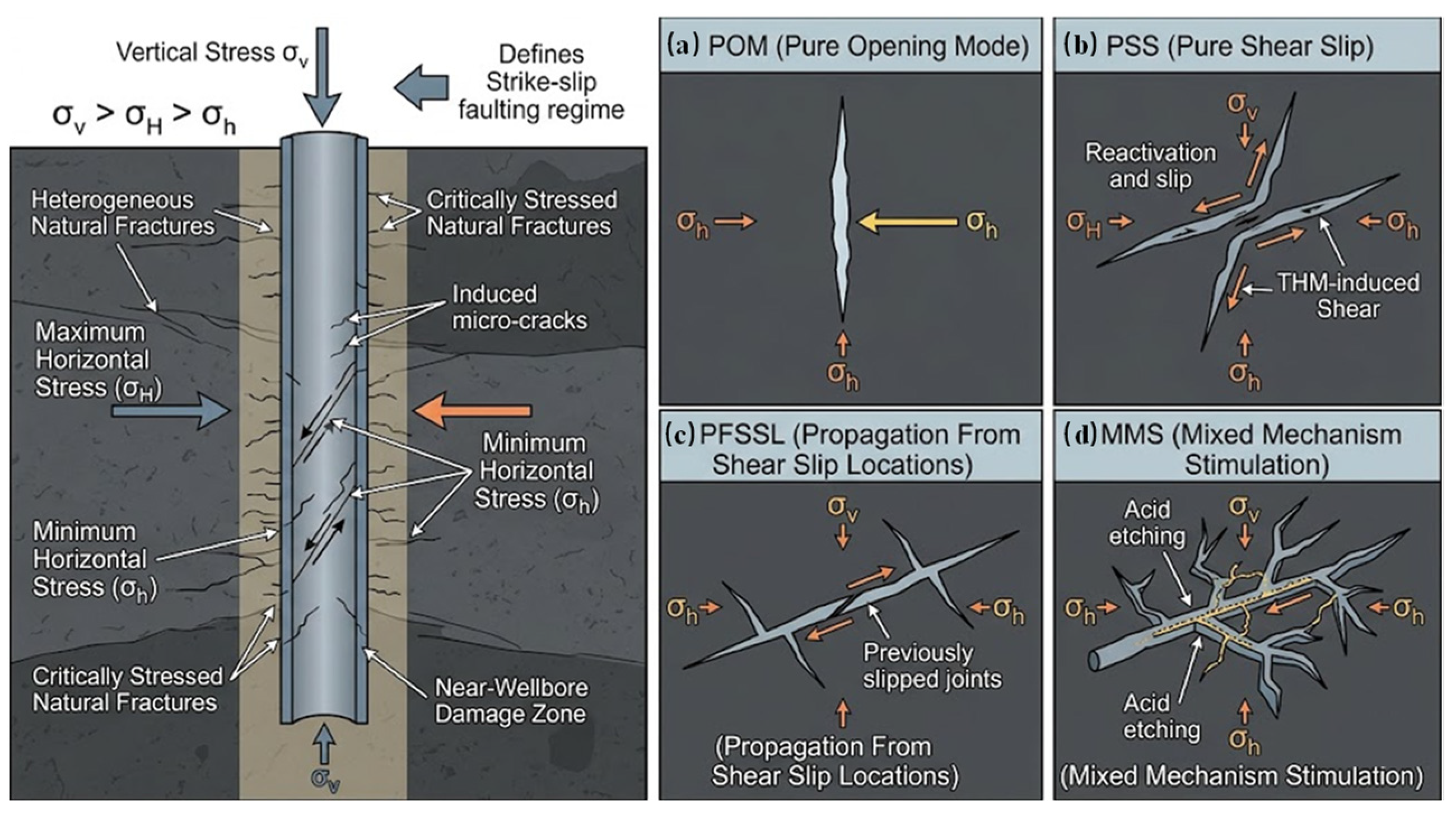
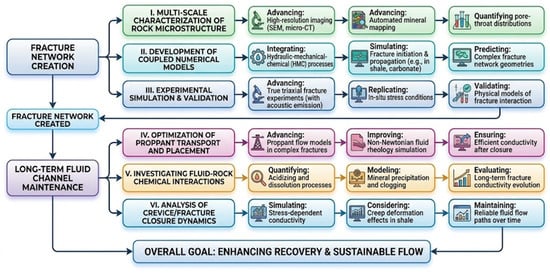
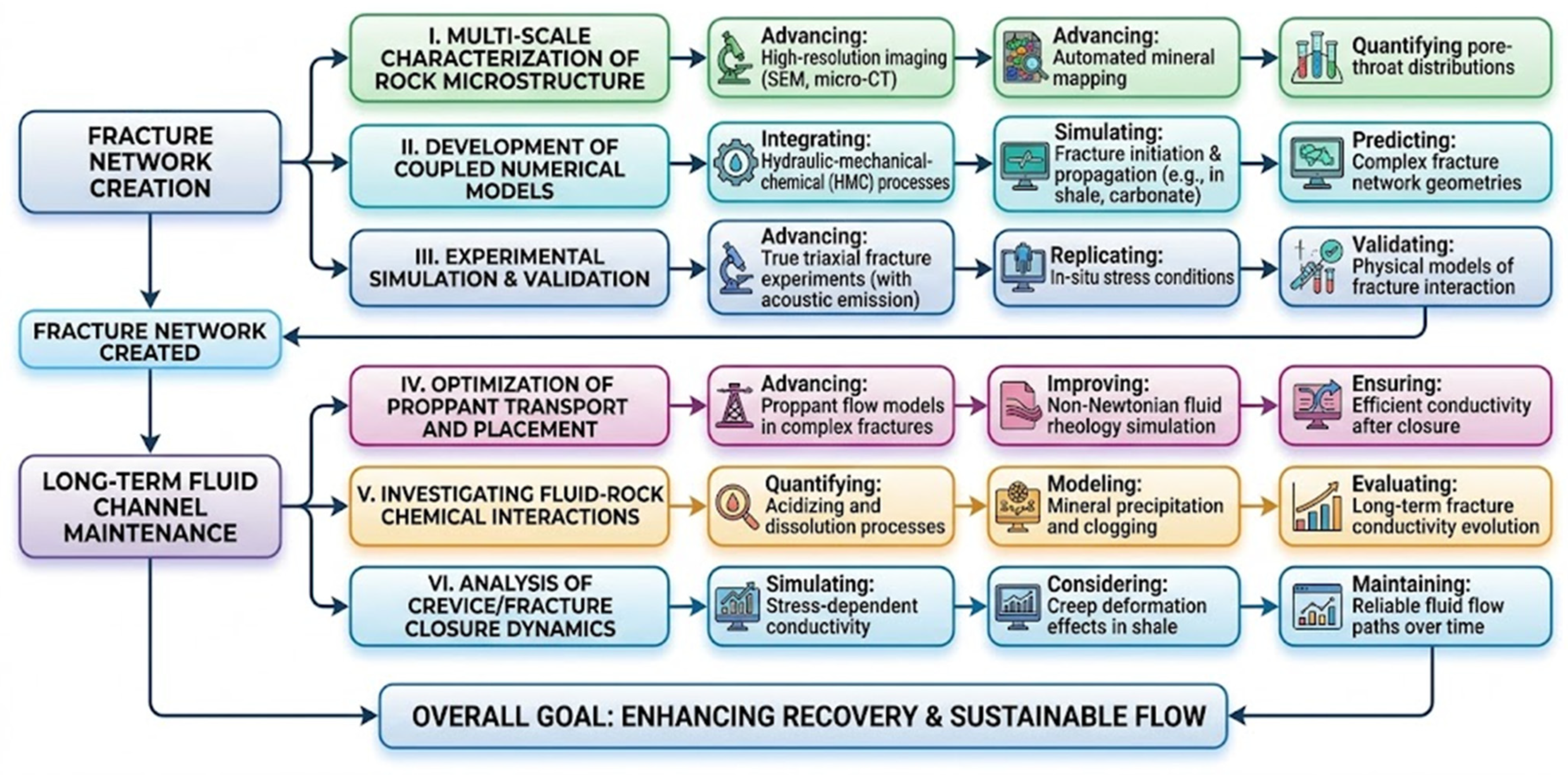
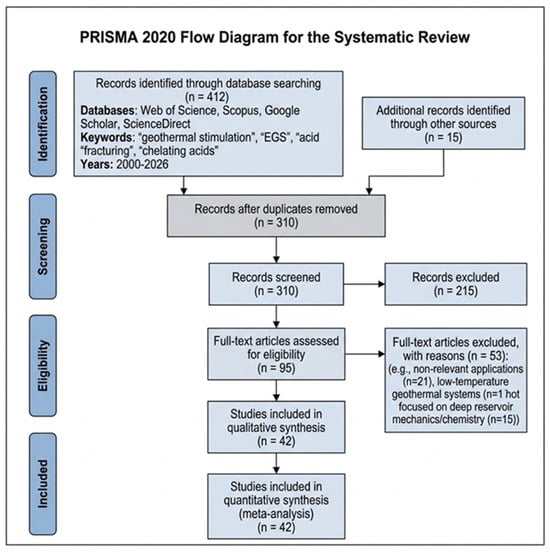
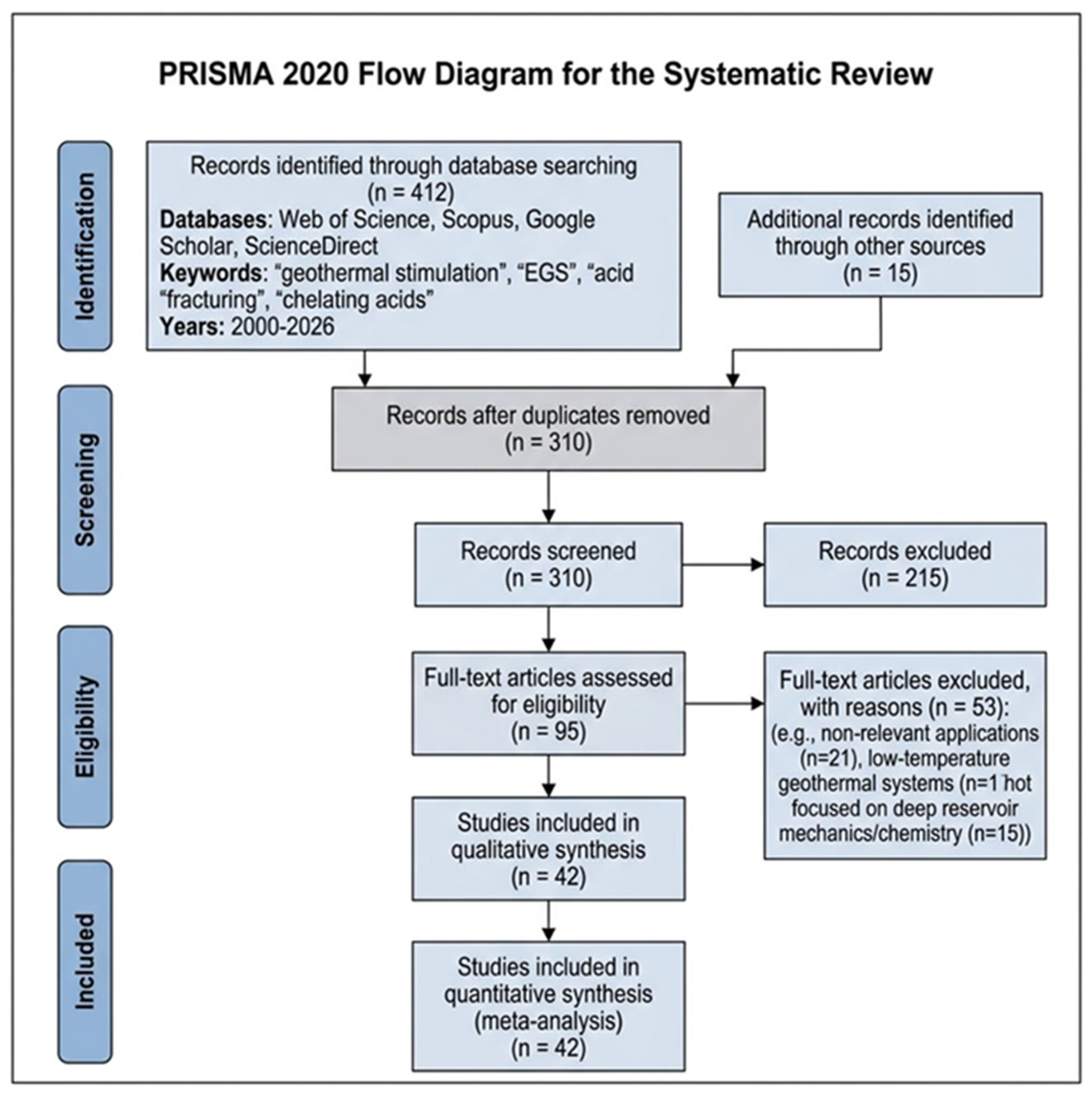
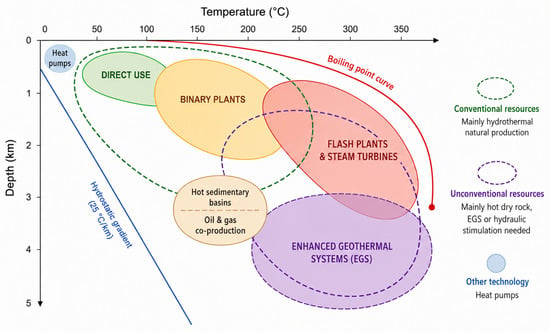
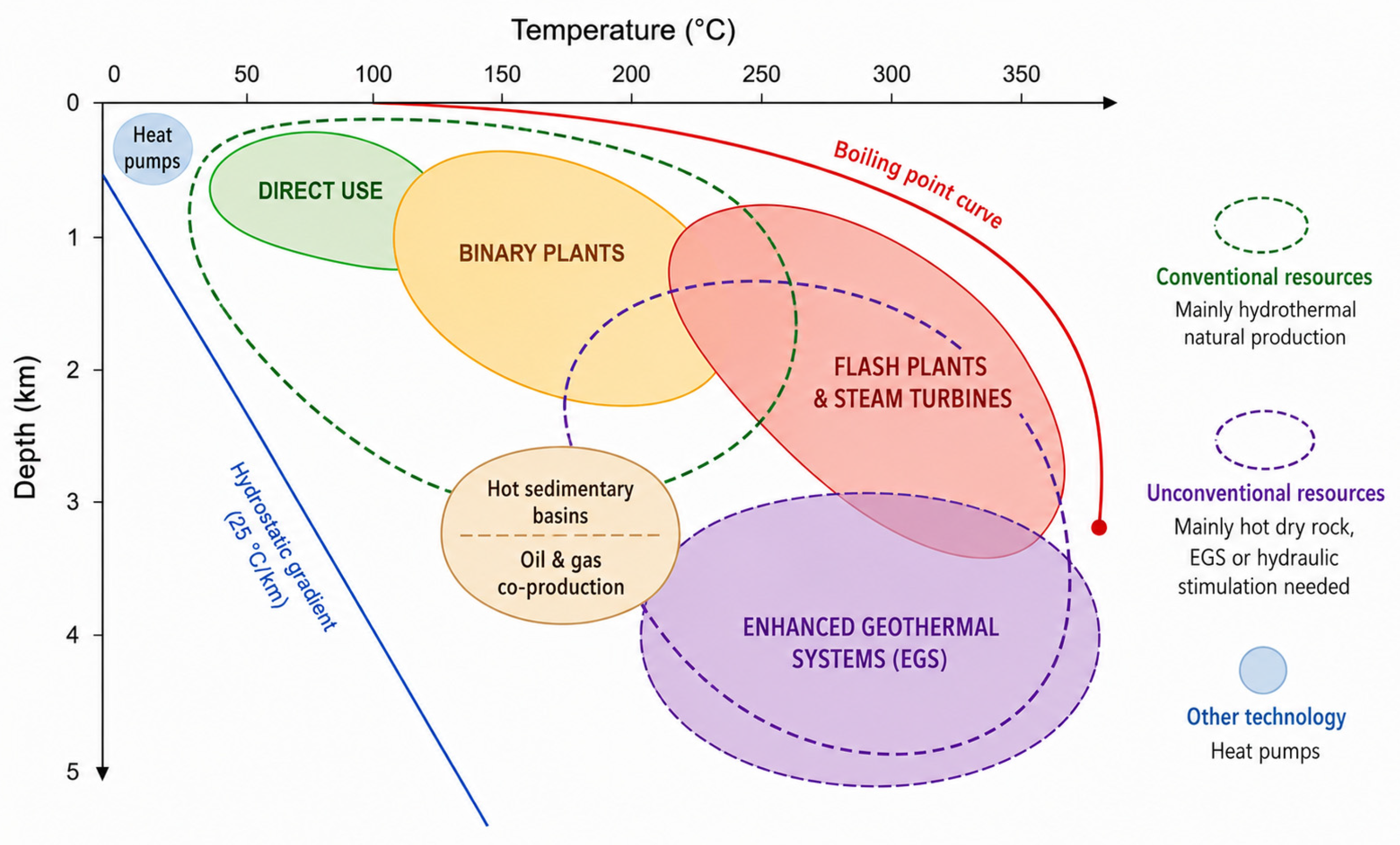
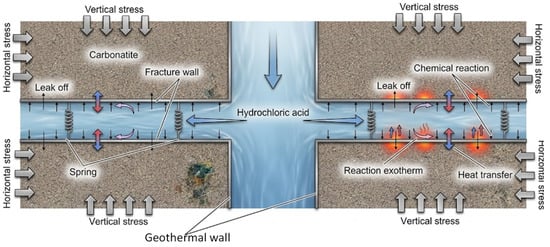
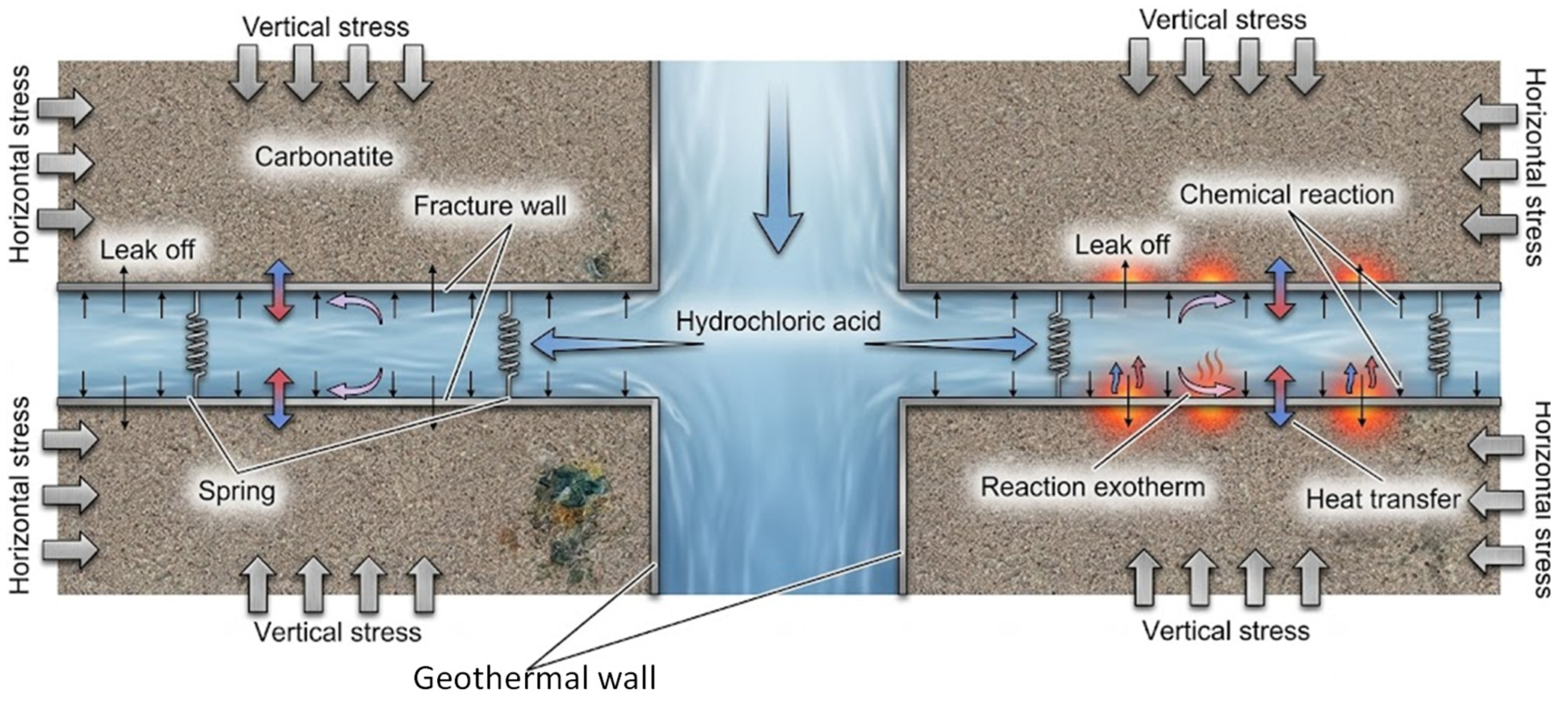
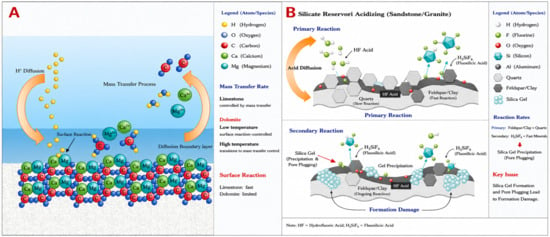
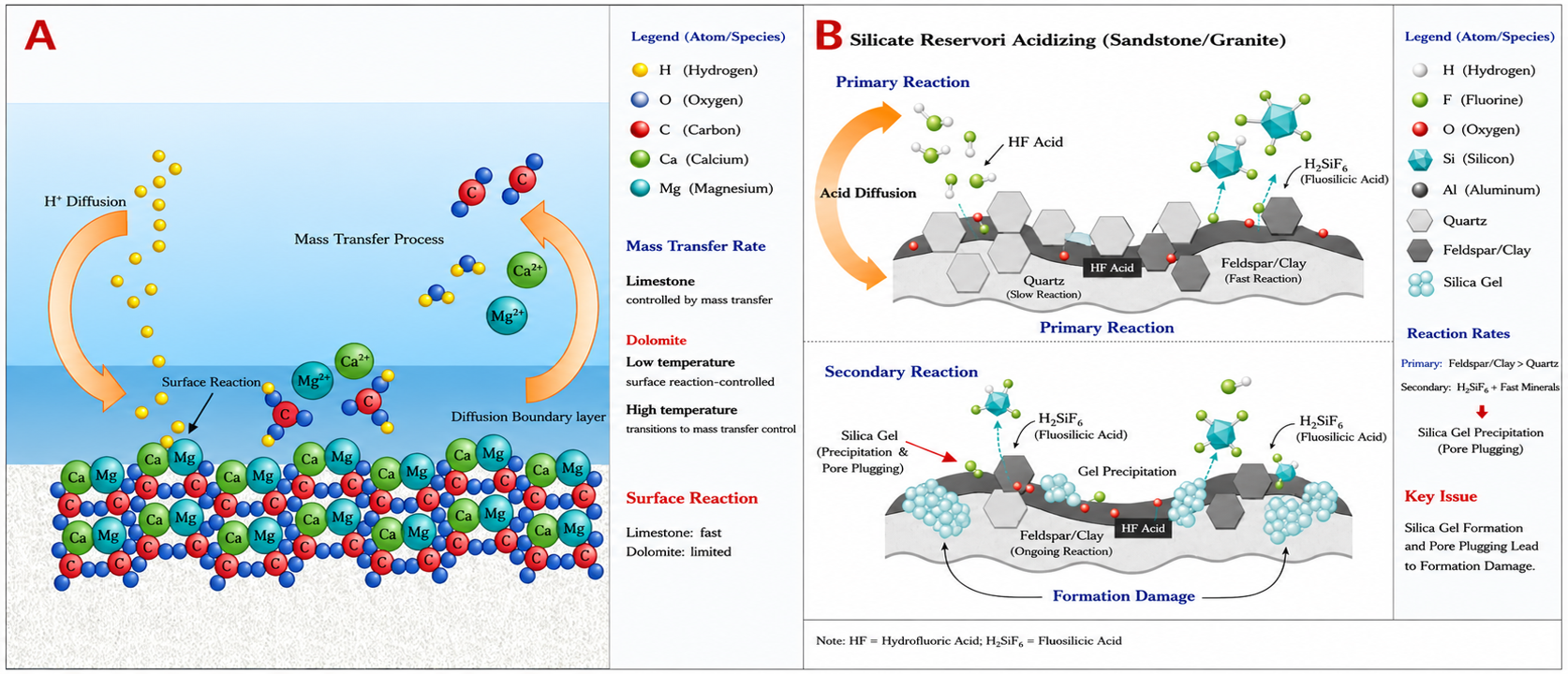
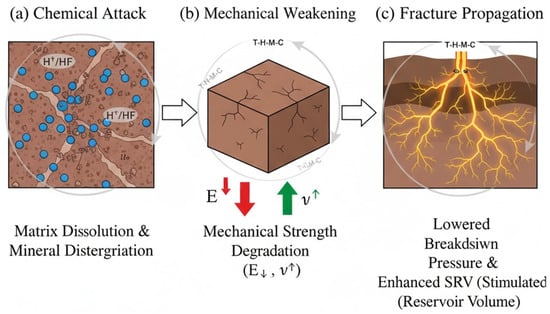
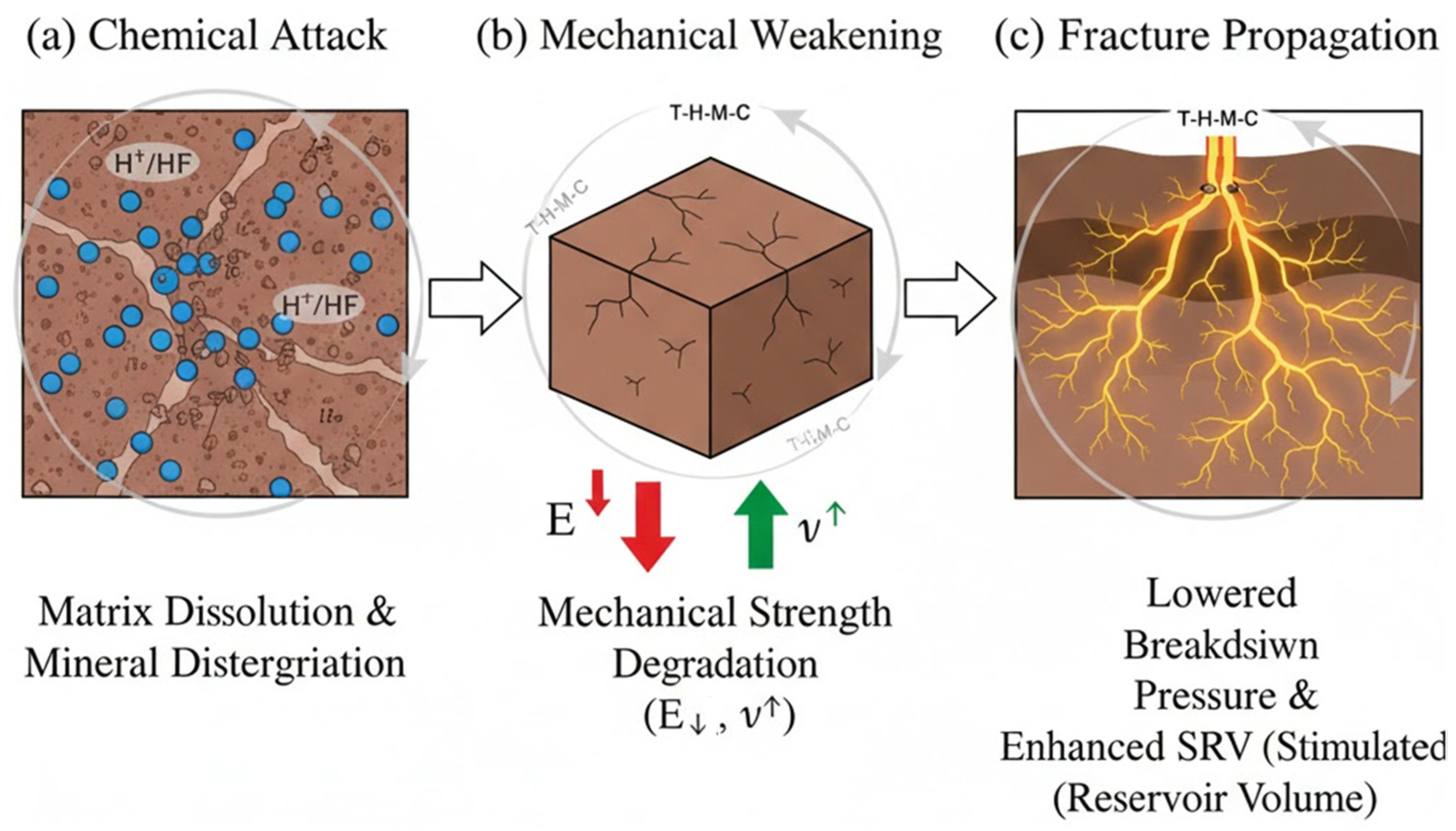
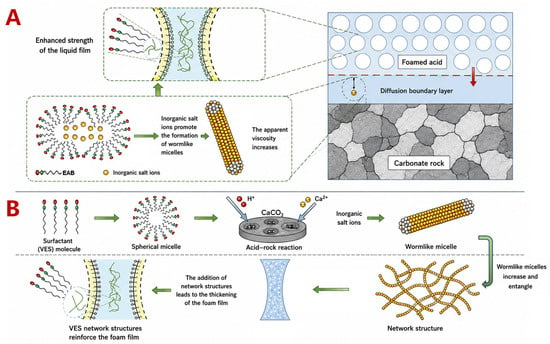
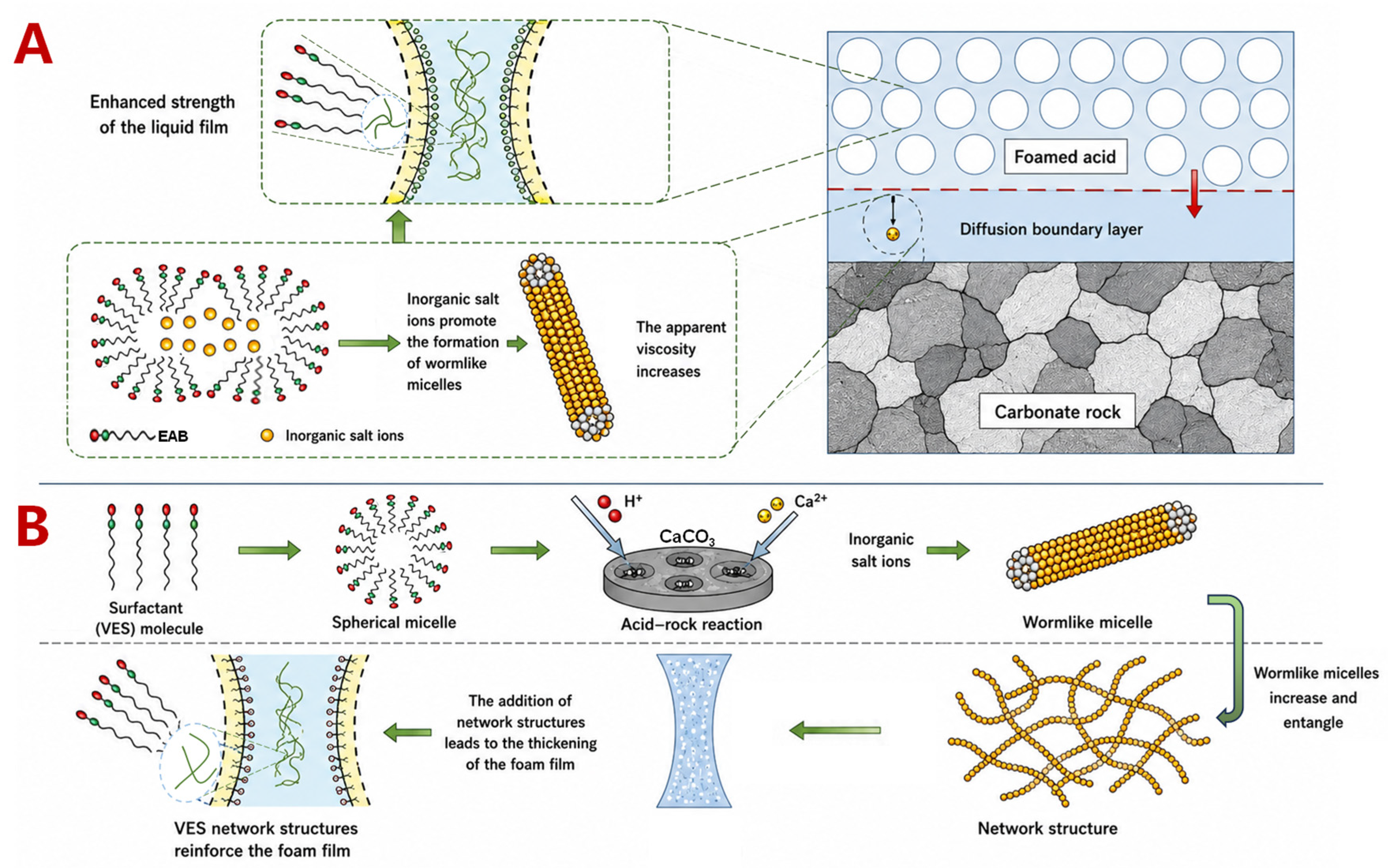
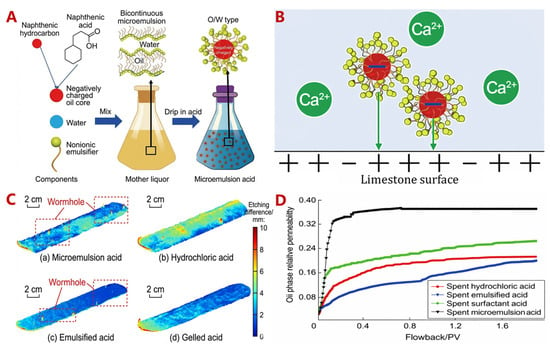
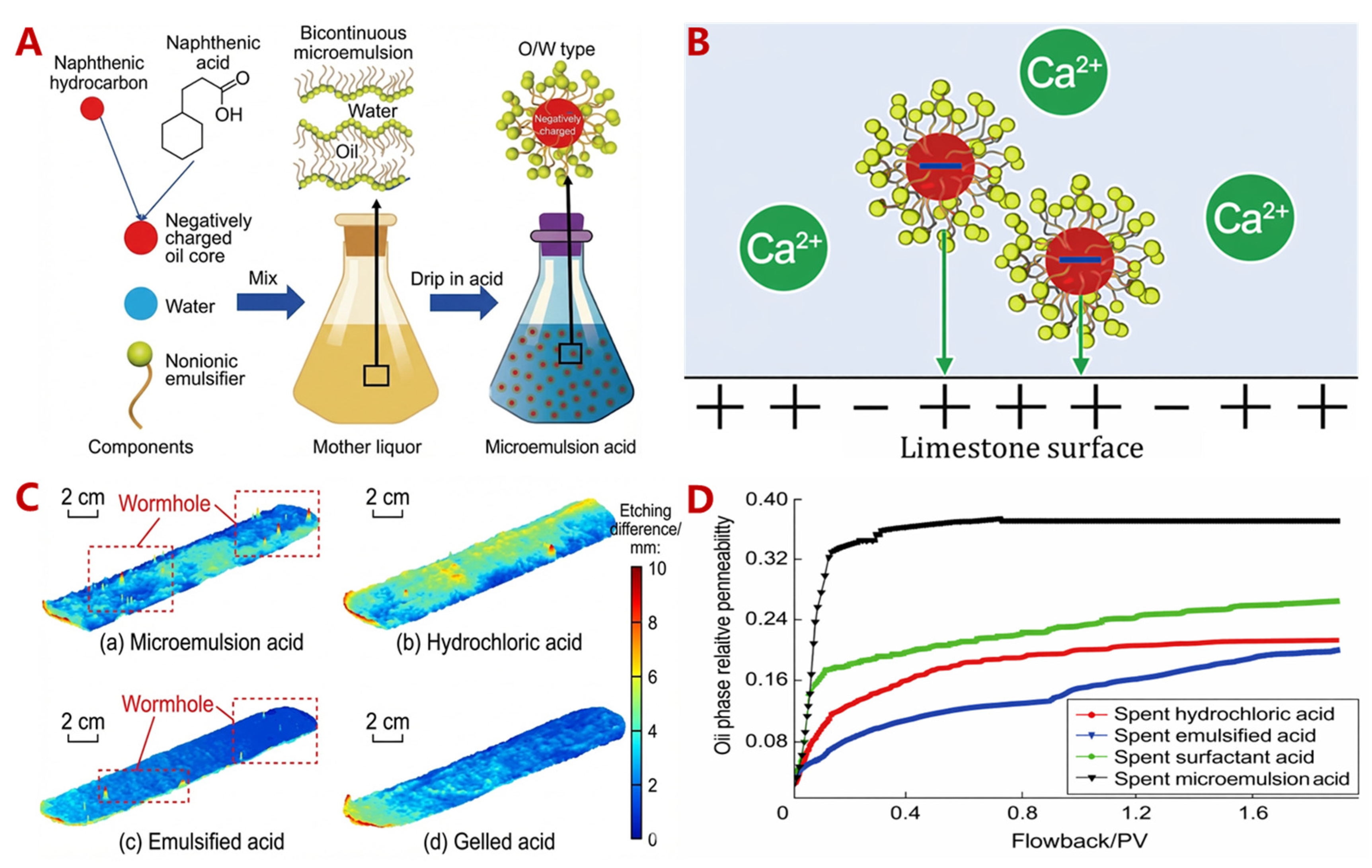
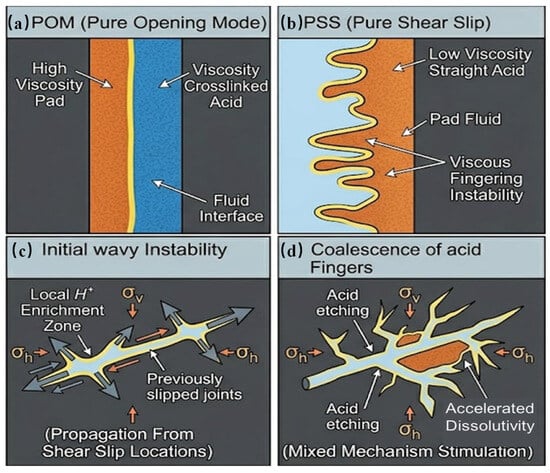
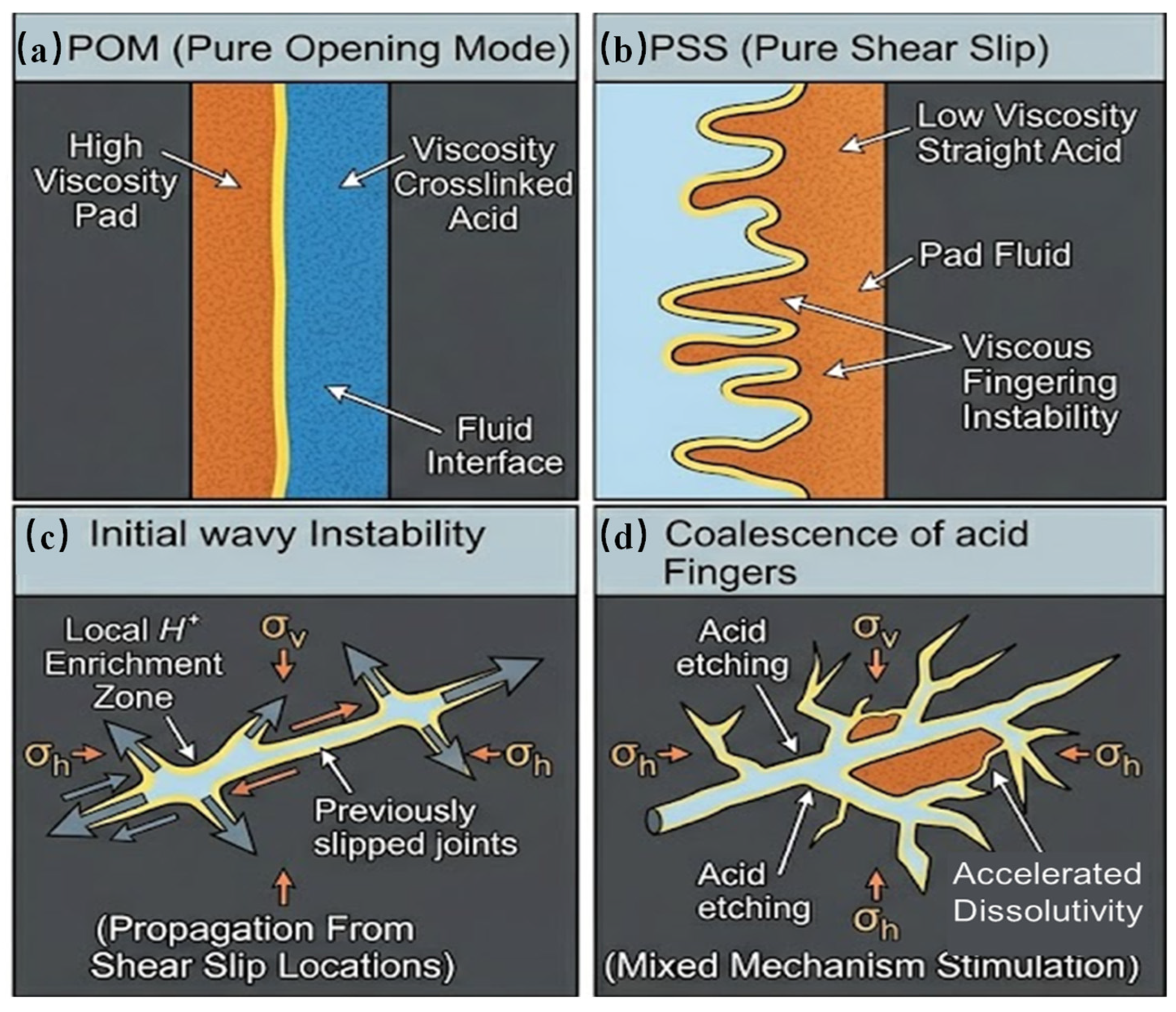
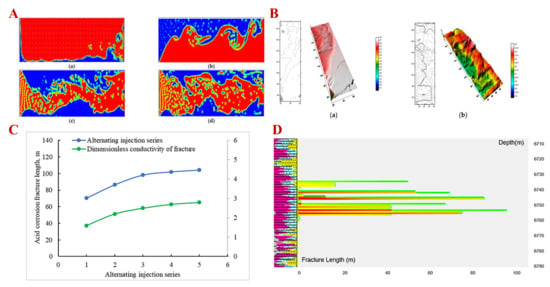
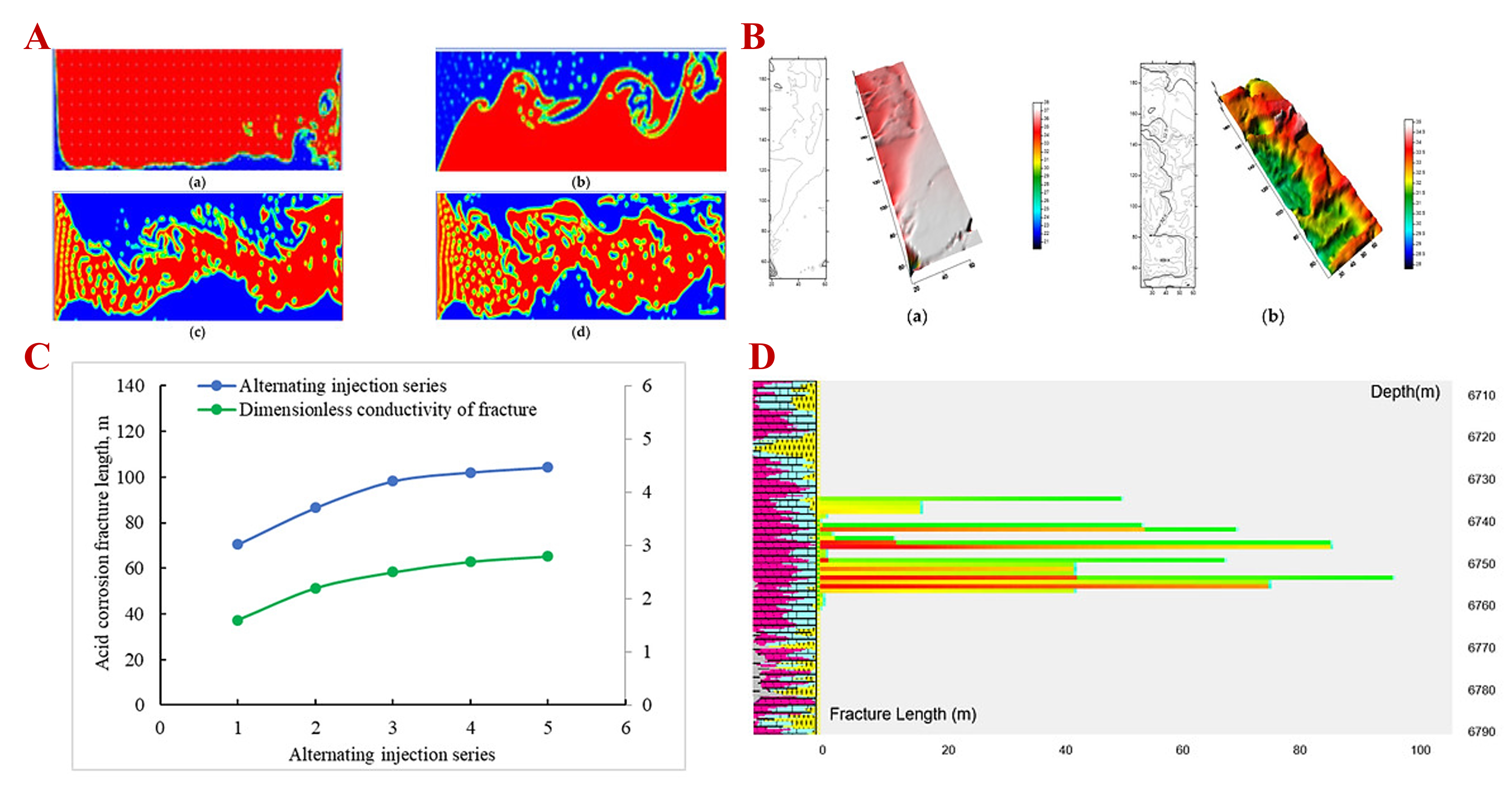
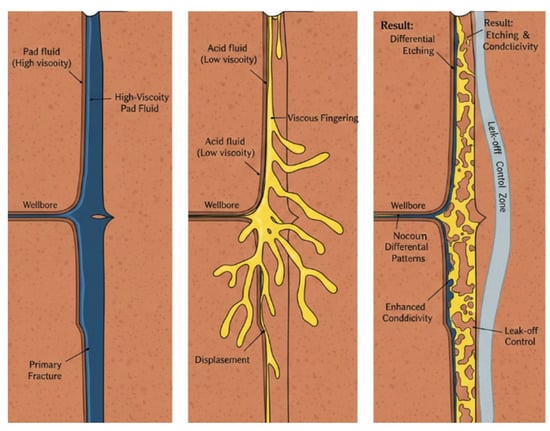
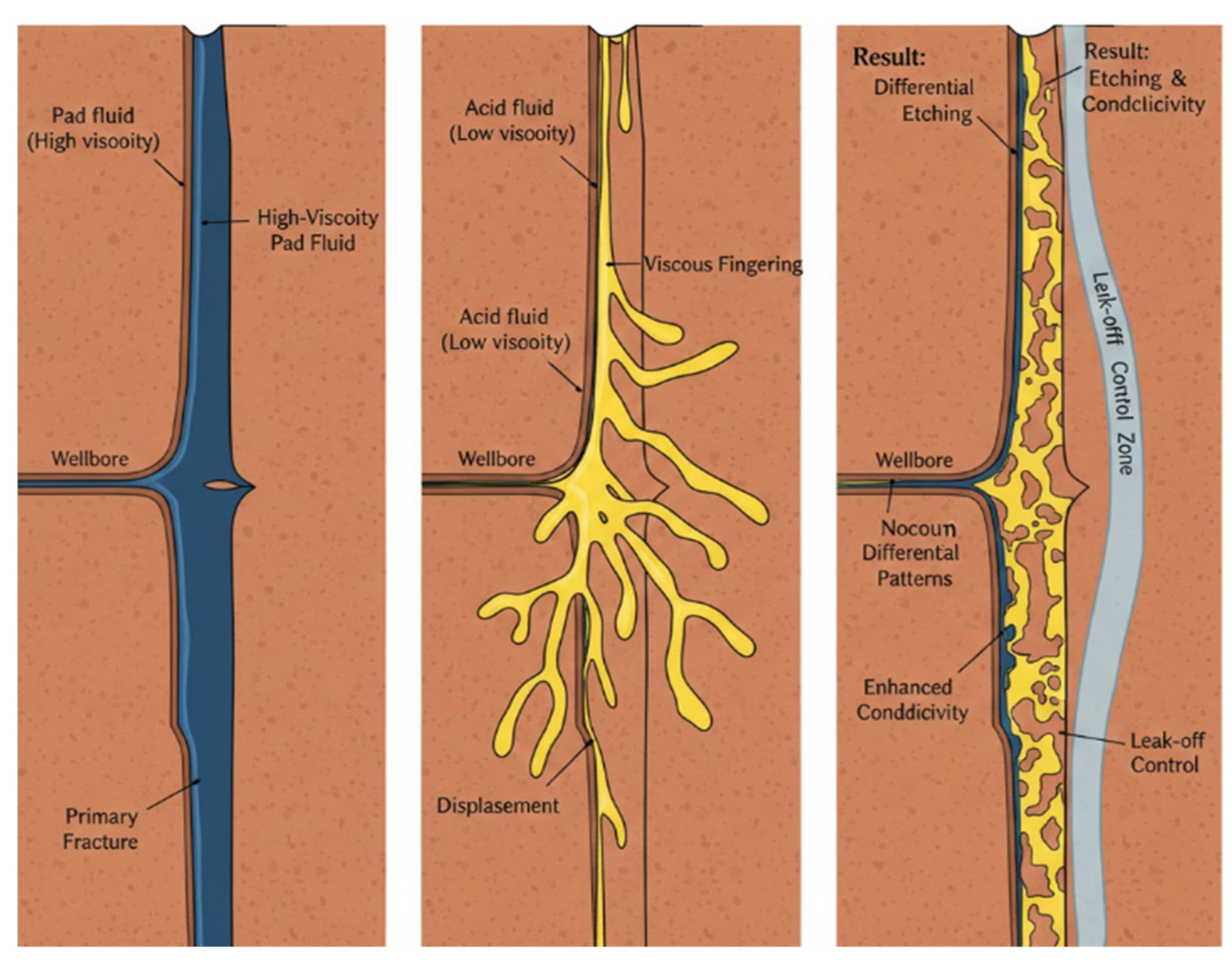
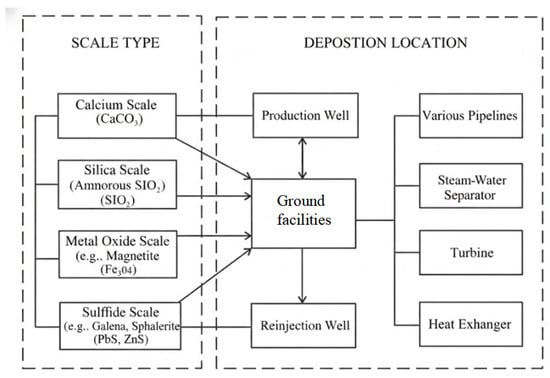
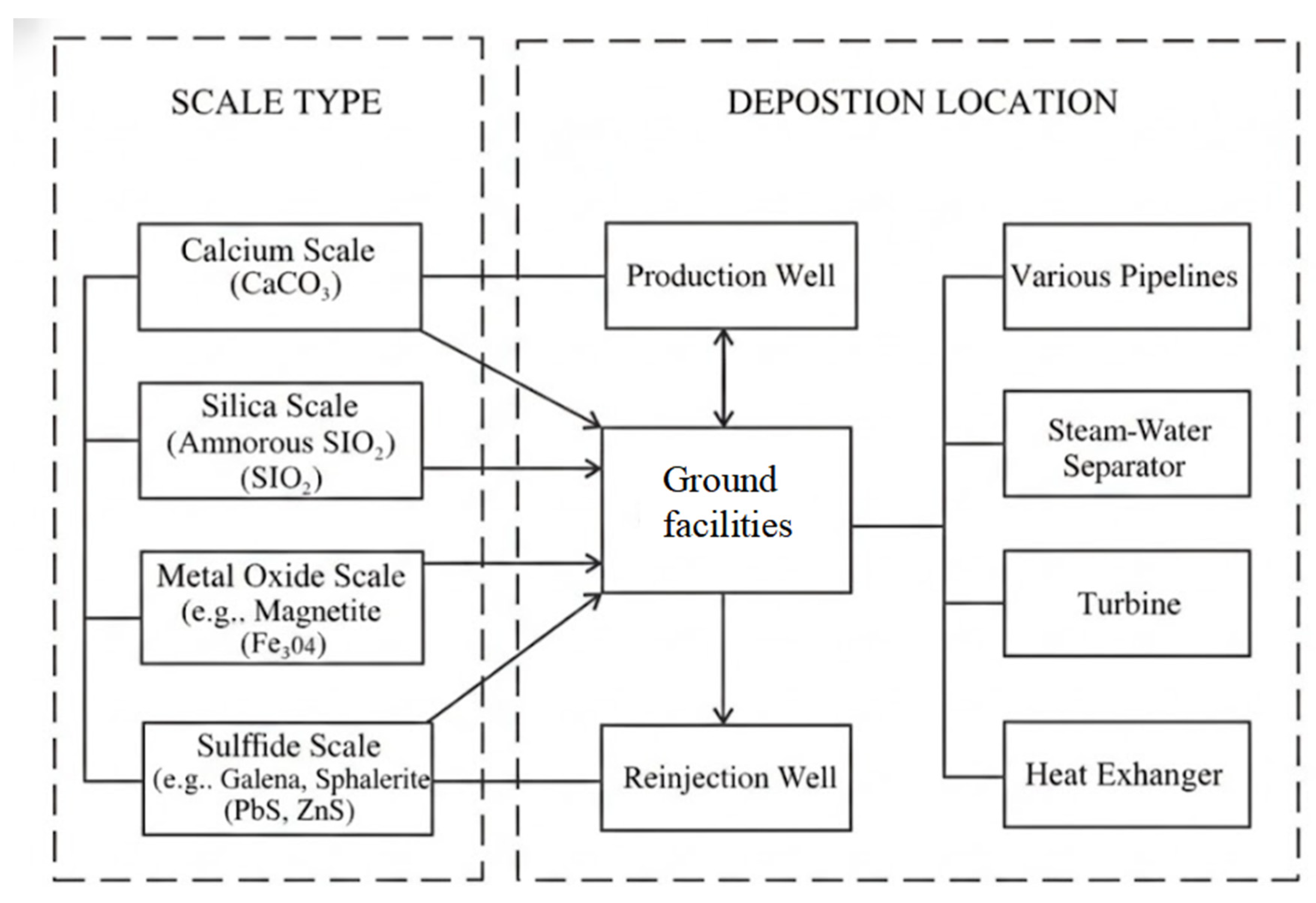
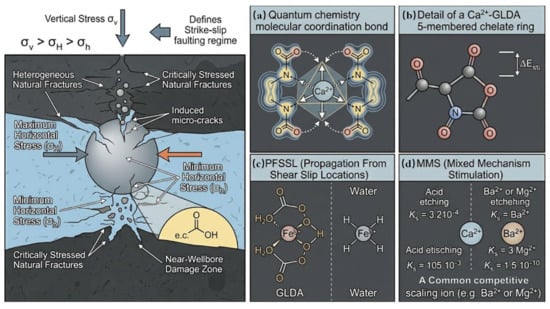
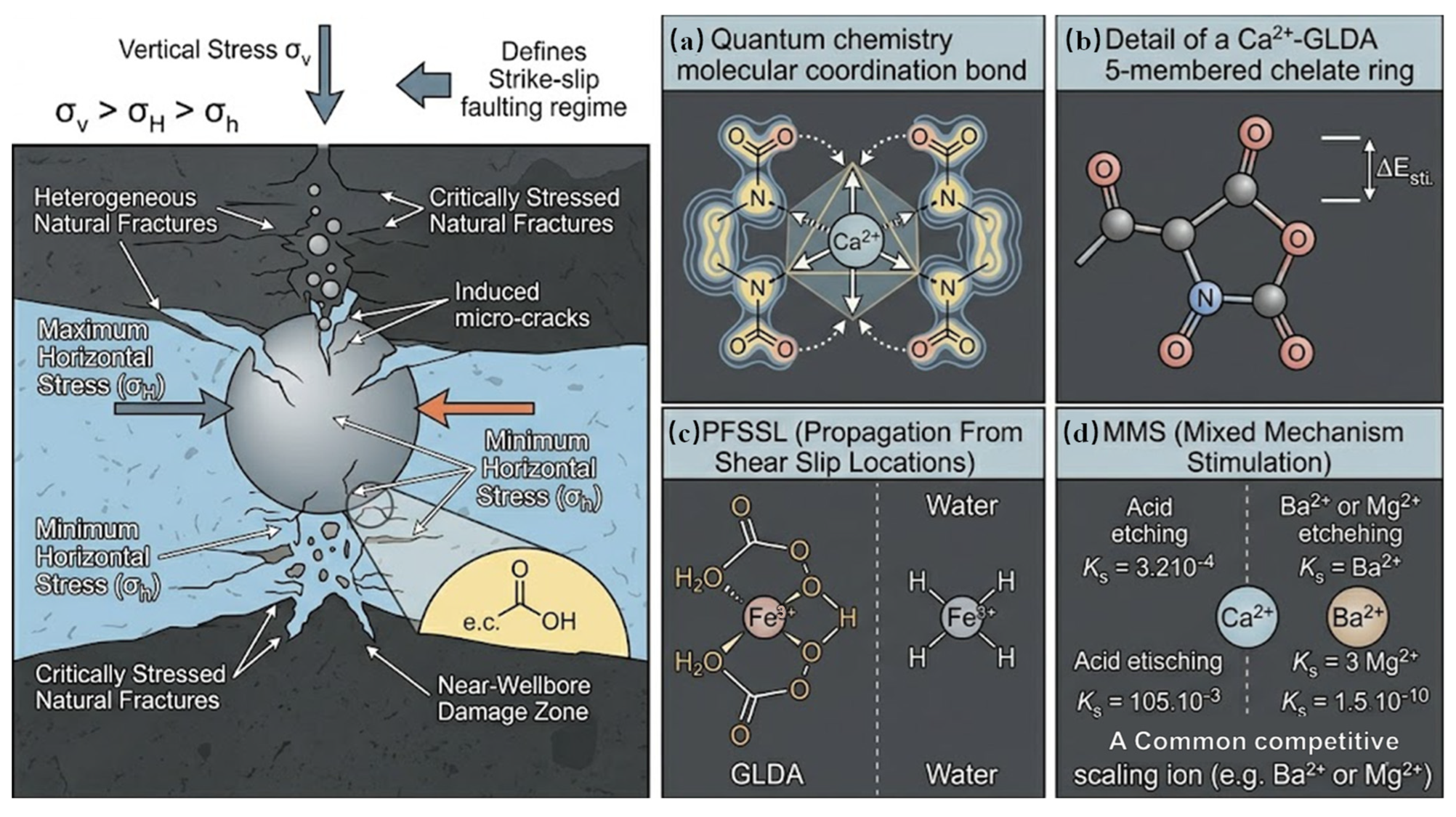
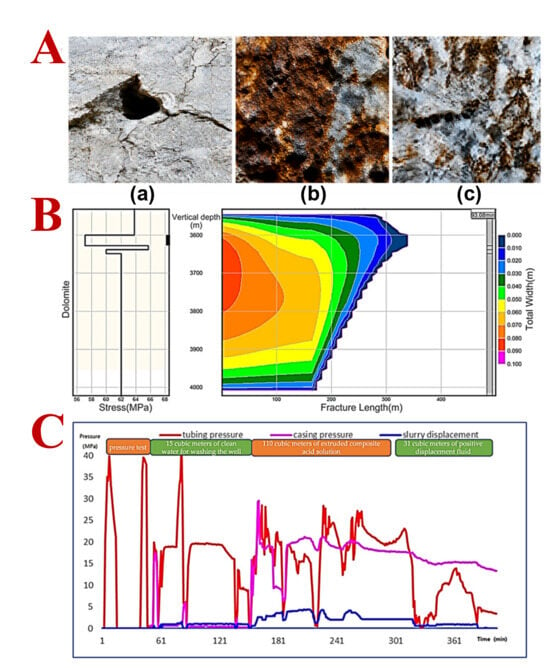
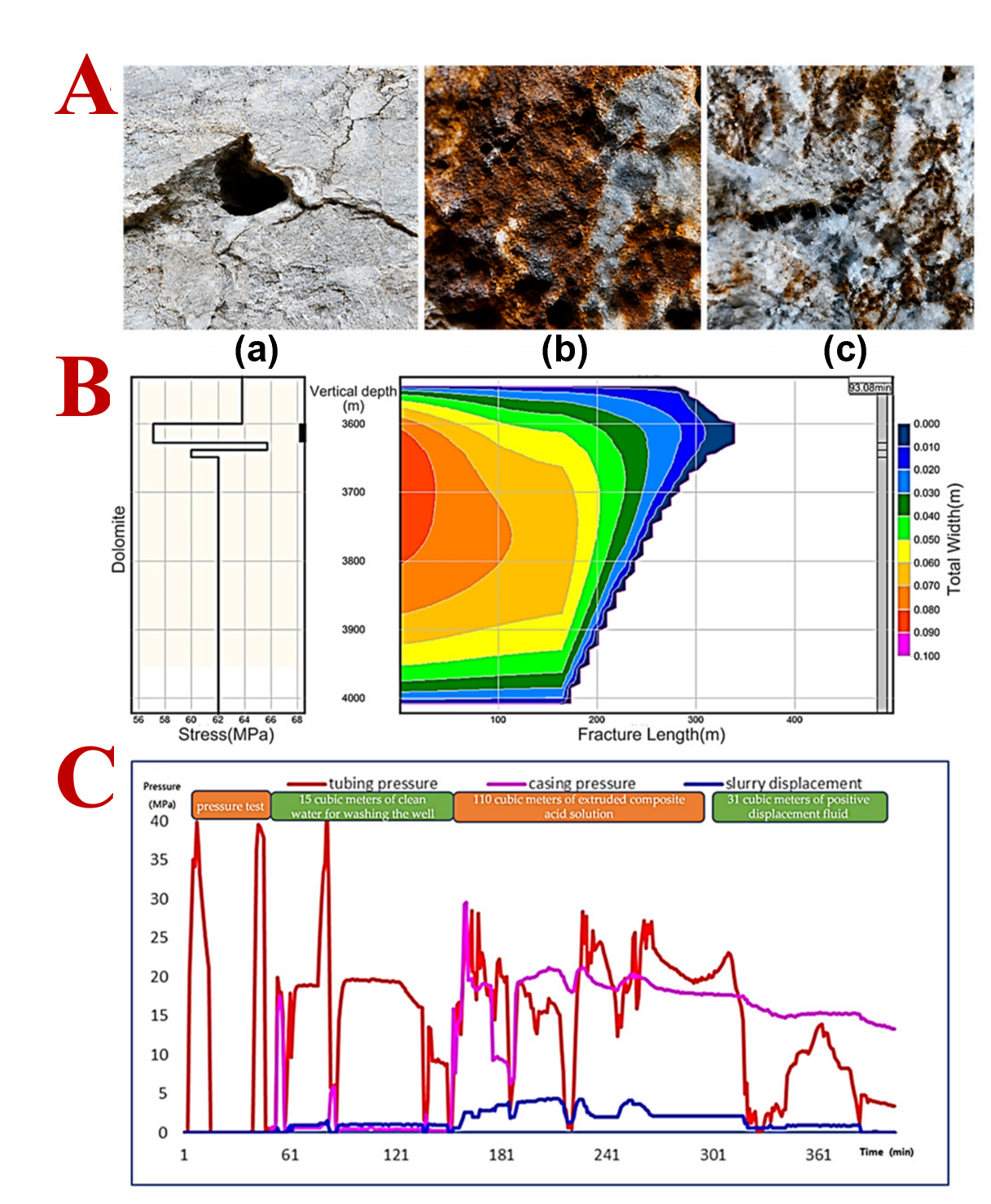
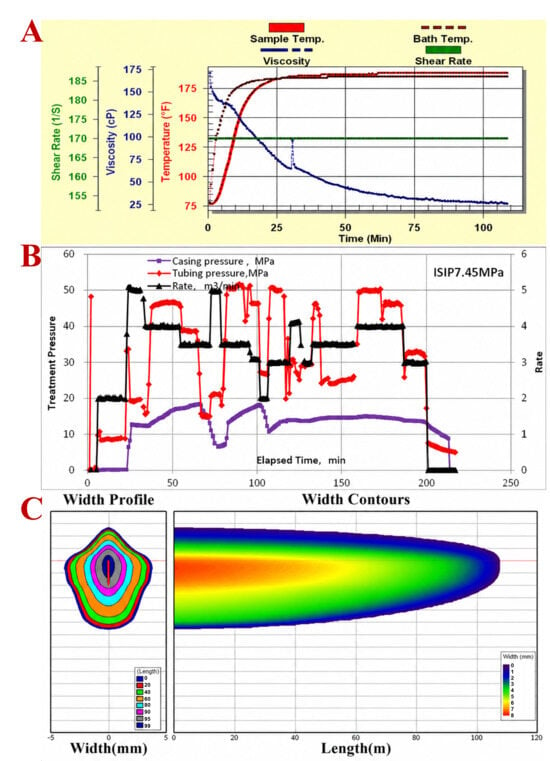
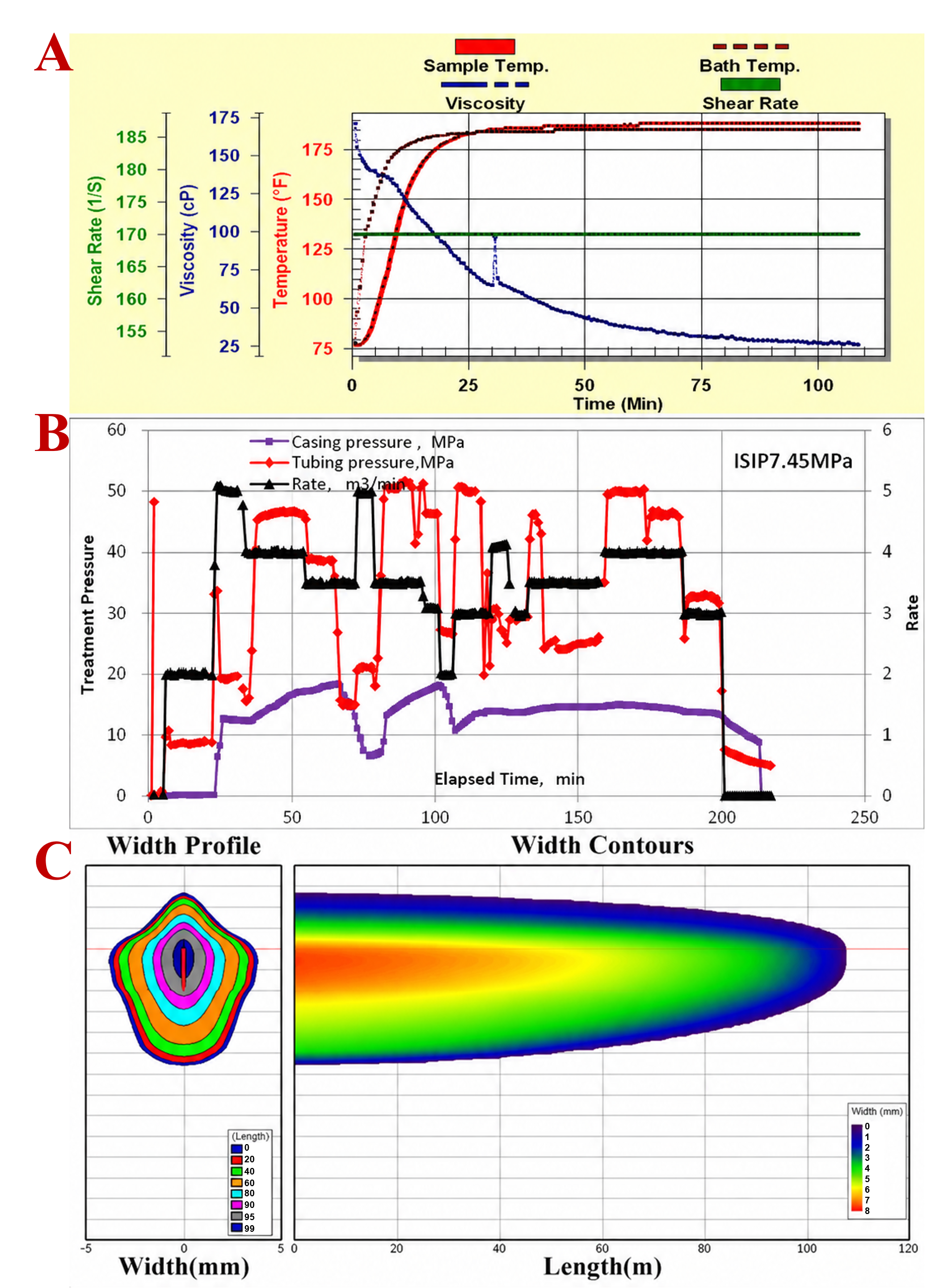
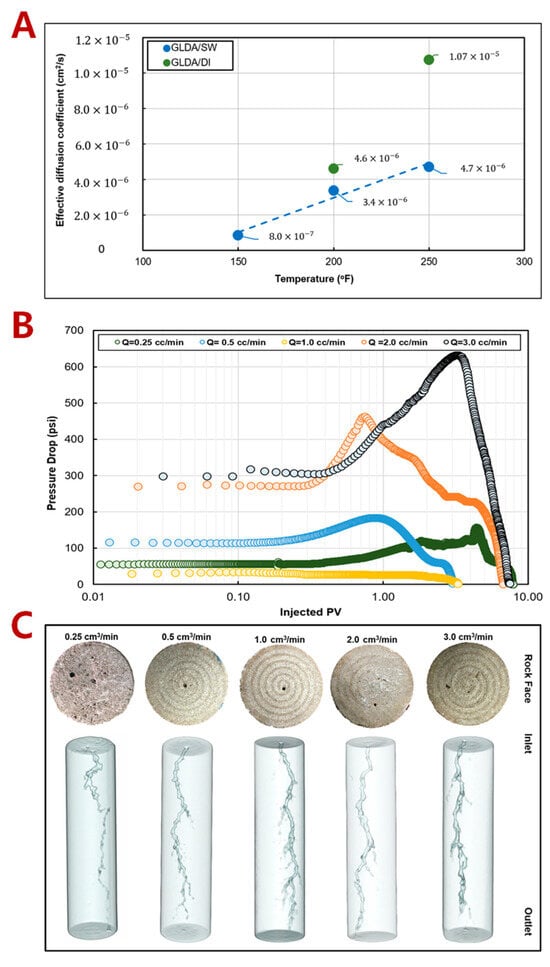
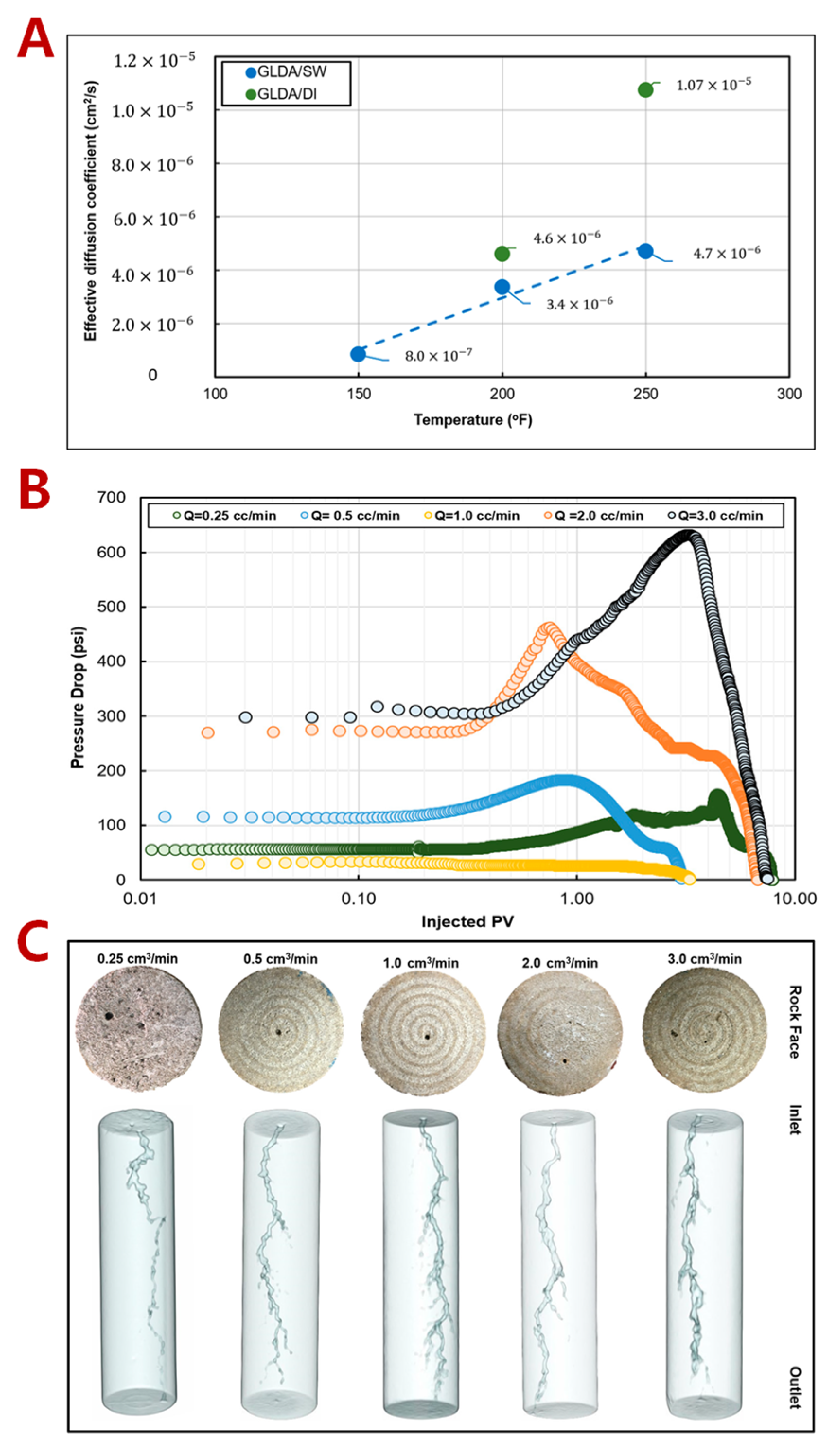
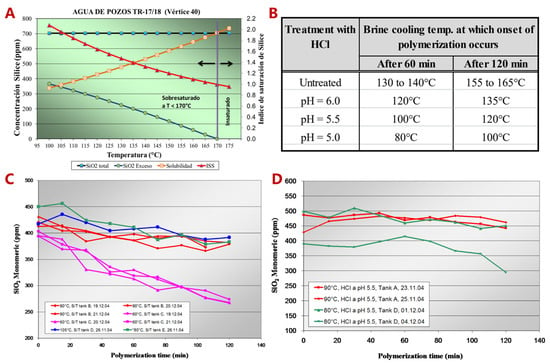
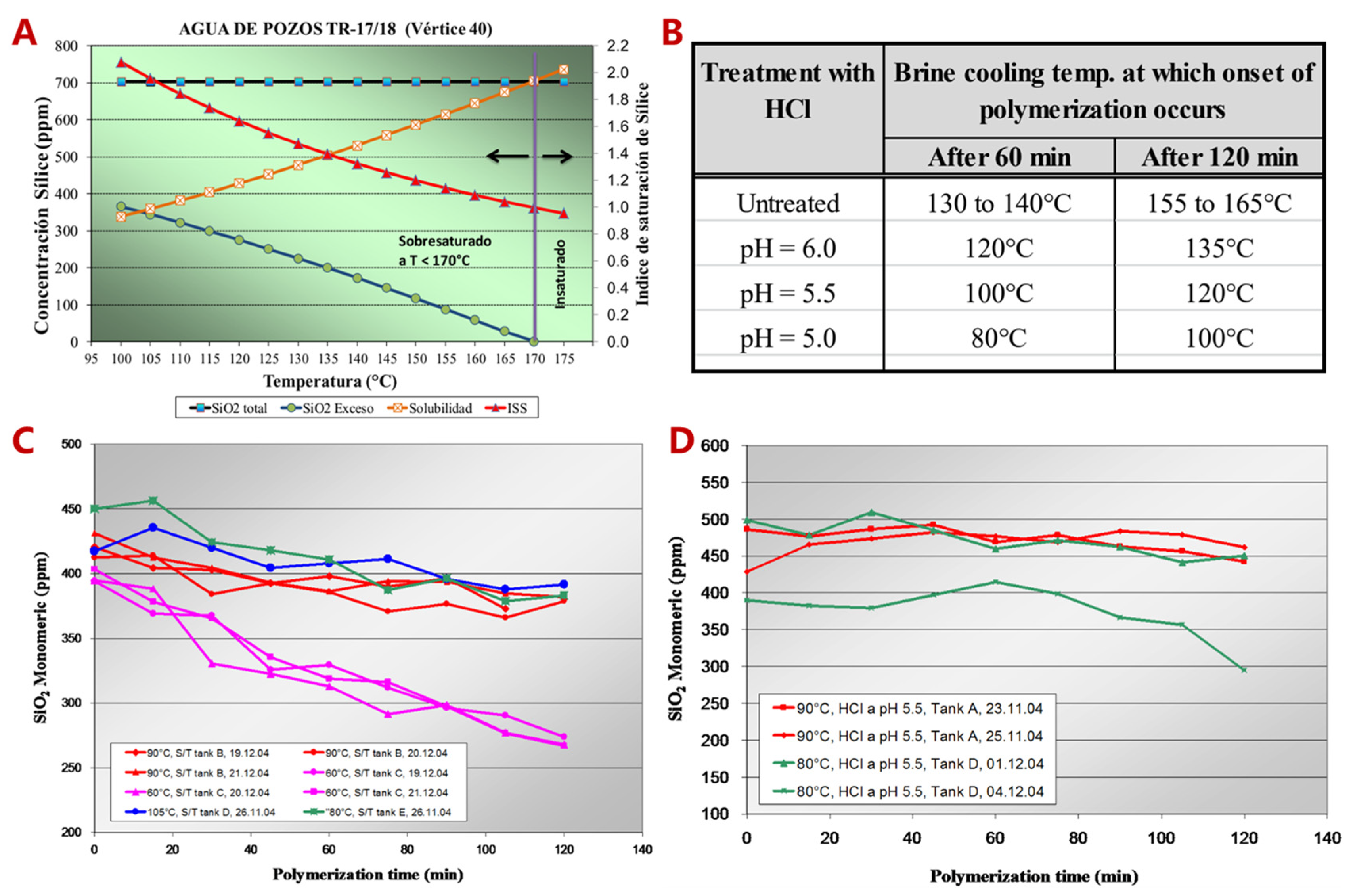
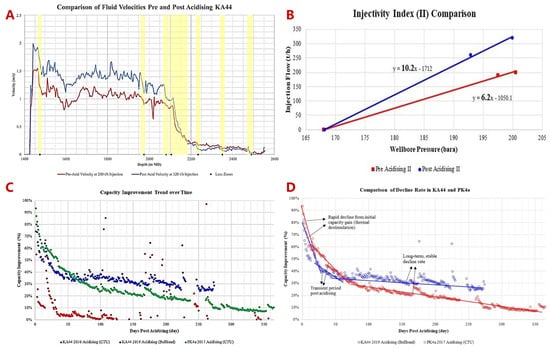
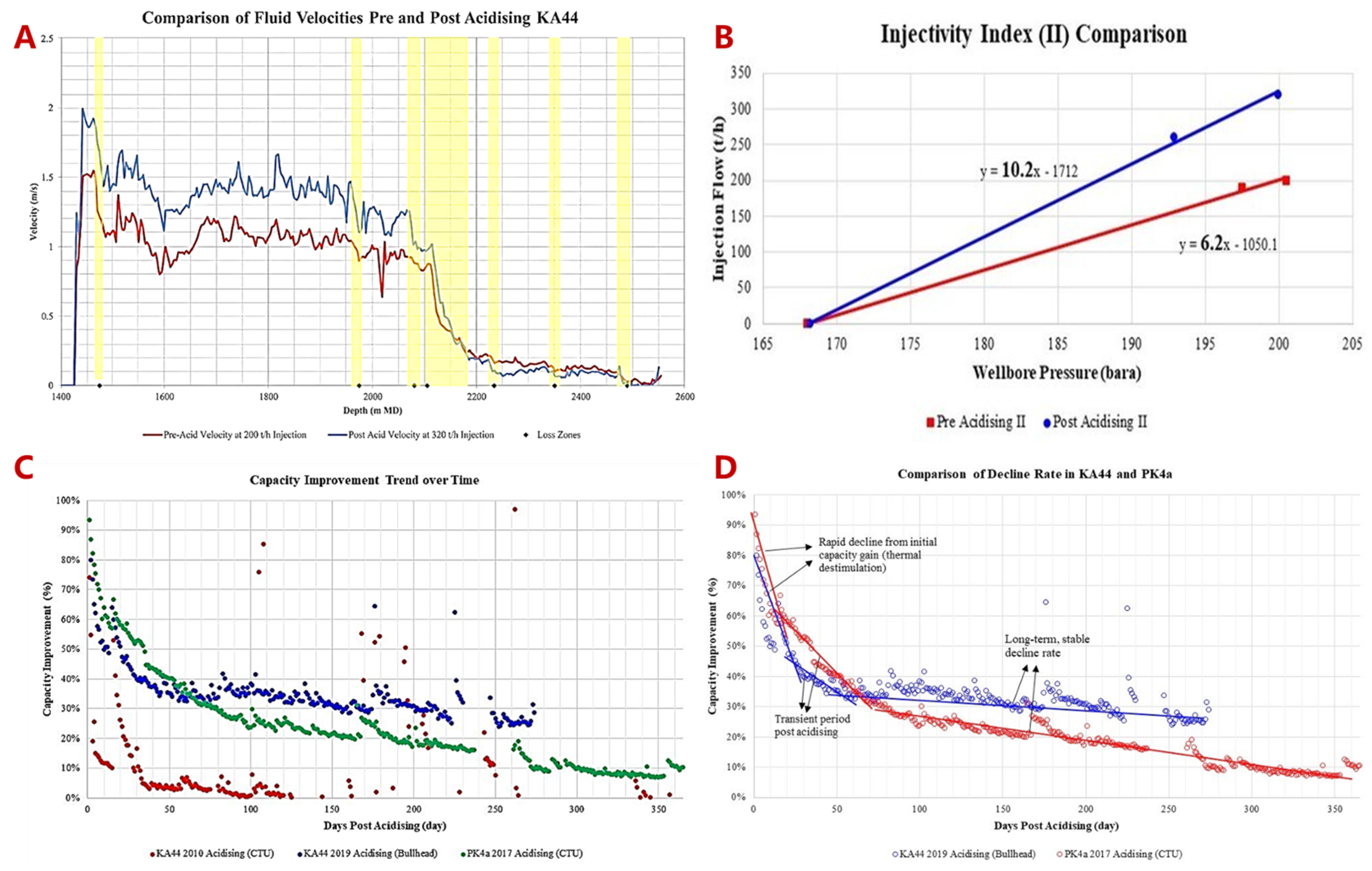
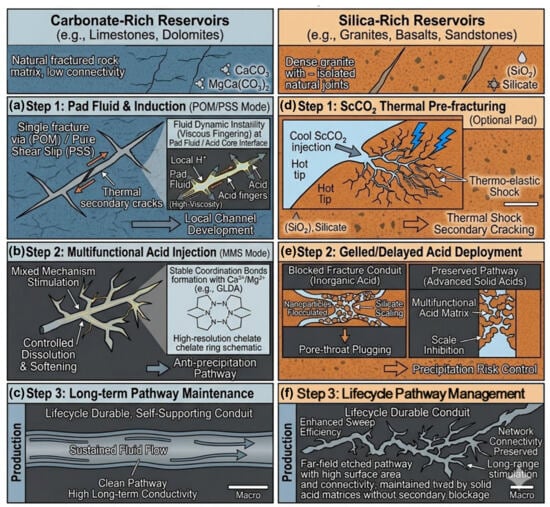

Disclaimer/Publisher’s Note: The statements, opinions and data contained in all publications are solely those of the individual author(s) and contributor(s) and not of MDPI and/or the editor(s). MDPI and/or the editor(s) disclaim responsibility for any injury to people or property resulting from any ideas, methods, instructions or products referred to in the content. |
© 2026 by the authors. Licensee MDPI, Basel, Switzerland. This article is an open access article distributed under the terms and conditions of the Creative Commons Attribution (CC BY) license.