


Abstract
Rare earth has been widely introduced in heat-resistant steel. However, excessive amounts of rare earth should be added due to the low yield rate, and the molten steel in the mold was highly reducible. Severe slag–metal interface reactions occurred when conventional mold fluxes were used. To restrain interfacial reactions during continuous casting of heat-resistant steel containing rare earth, a new method for designing mold flux was proposed, and different flux systems containing rare earth oxide were devised. The properties such as melting temperature, viscosity, and crystalline phase of the different mold fluxes were systematically investigated. Comparisons of properties between the new fluxes and the conventional mold fluxes were conducted. The results show that properties similar to those of the conventional mold flux could be obtained by adopting Li2O and B2O3 as fluxing agents in the newly designed system. The new mold flux with high content of CaO and Al2O3 had approximate properties with the conventional mold flux. Cerium oxide could not separate out in the continuous cooling process. The main crystalline phase was LiAlO2 in the new mold fluxes, which is different from the cuspidine (3CaO∙2SiO2∙CaF2) in the conventional mold flux. LiAlO2 can be a potential substitute for cuspidine. It was entirely feasible to devise and develop a new mold flux containing rare earth with a high content of CaO and Al2O3 for rare earth steel continuous casting by further optimizing its properties.
1. Introduction
Rare earth elements (REEs) have attracted extensive research interest and widespread application in the steel industry, owing to their unique ability to enhance the properties of steel materials. To date, REEs have garnered global attention for their potential to improve the mechanical strength, toughness, corrosion resistance, and weldability of various steel grades. REEs play multiple roles in steelmaking, including deoxidation, desulfurization, modification of non-metallic inclusions, and micro-alloying [1,2,3]. These elements can form compounds with high melting temperature that act as nucleation sites, promoting grain refinement and improving the steel’s mechanical properties. Furthermore, REEs can effectively reduce sulfur and oxygen contents in steel, resulting in fewer non-metallic inclusions and enhanced steel cleanliness [4].
In modern steelmaking, REEs are used in various steel grades, such as low-alloy high-strength steels, bearing steels, and weathering steels. For example, La-Ce treatment in Q345D structural steel has been shown to significantly reduce sulfur content and improve impact toughness by modifying the morphology of MnS inclusions [5]. Similarly, the addition of cerium to heat-resistant steel has been reported to enhance its creep resistance and high-temperature performance [6]. The content of REEs in steel varies depending on the desired properties and the specific steel grade. Generally, REEs are classified into two categories: rare earth-treated steel (with REE content below 0.01%) and rare earth alloy steel (with REE content above 0.01%). In certain applications, such as bearing steel, the REE content typically ranges from 0.01%to 0.03%, while in other high-performance steels, it may be even higher. For example, the target cerium content in S30815 steel is approximately 0.03~0.08 wt% [7].
However, during the continuous casting of rare earth steels, the strong reducibility of these steels leads to significant slag–metal interface reactions. REEs such as cerium readily react with components of conventional mold fluxes, and rare earth oxides generated in molten steel also float into the slag phase. These reactions primarily reduce flux constituents including SiO2 and Na2O, drastically changing the chemical composition and physical properties of mold fluxes [8,9,10]. As a result, the melting temperature, crystallization temperature, basicity, and viscosity of the fluxes rise remarkably. Once the content of rare earth oxides exceeds their saturation solubility in the slag, a series of operational defects will occur, such as enlarged slag rims, surface crusting, deteriorated fluidity, and reduced consumption of mold fluxes. These issues will trigger surface defects of cast slabs, including deep oscillation marks, cracks, slag entrapment, and inclusions in mild cases, and even cause mold breakout in severe industrial production. Moreover, the altered properties of the mold flux can reduce its ability to absorb inclusions, which may result in lower steel cleanliness and compromised mechanical properties of the final product.
Given the poor adaptability of traditional mold fluxes to rare earth steels, numerous studies have focused on exploring novel slag systems and clarifying the influencing mechanism of different RE oxides on slag structures and performances [11,12,13,14,15,16,17,18,19,20,21]. It has been confirmed that Ce2O3 exerts opposite effects on silicate and aluminate melts: it increases the proportion of highly polymerized structural units in silicate melts, while reducing the content of tetrahedral network formers in aluminate melts [12]. CeO2 and Ce2O3 can adjust the melting point, viscosity and crystallization characteristics of CaO-Al2O3-SiO2-based slags by reconstructing silicate networks and transforming crystalline phases [11,12,13,14]. La2O3 optimizes slag viscosity by depolymerizing silicate networks and promotes the formation of rare earth-containing crystalline phases to enhance crystallization capacity [17,18]. In addition, Y2O3 can modify the microstructure, crystallization kinetics, and thermal stability of glass–ceramic slags, but its application in dedicated mold fluxes for rare earth steels is still insufficient [19,20,21]. Although existing studies have illustrated the impacts of single rare earth oxides on different slag systems, the design and mechanism of multi-component composite mold fluxes remain to be further explored. In addition, aiming at strongly reducible steels such as rare earth steels and high-aluminum steels, the authors conducted research on low-reactivity mold fluxes and explored the effects of basic slag compositions and fluxing agents [15,22,23].
Conventional mold fluxes are not suitable for the continuous casting of rare earth steels. Therefore, new design strategies for silicate-based and aluminate-based slag systems have been proposed. Regardless of the technical route adopted, the core principle lies in optimizing the basic components and fluxing agents. These modifications are intended to improve the thermal stability, viscosity, and crystallization behavior of the mold fluxes, thereby enhancing their performance when used with REE-containing steels. This study explores the design and properties of a new mold flux system based on CaO-Al2O3-SiO2-Li2O-B2O3-CeO2, and the findings are expected to provide valuable insights for the development of mold fluxes for continuous casting of RE-alloyed steels.
2. Design of the Slags
The molten steel containing rare earth has strong reducibility, and the conventional mold flux has strong oxidability and reactivity. To address this issue, new mold fluxes were designed by reducing the SiO2 content and modifying the fluxing agents.
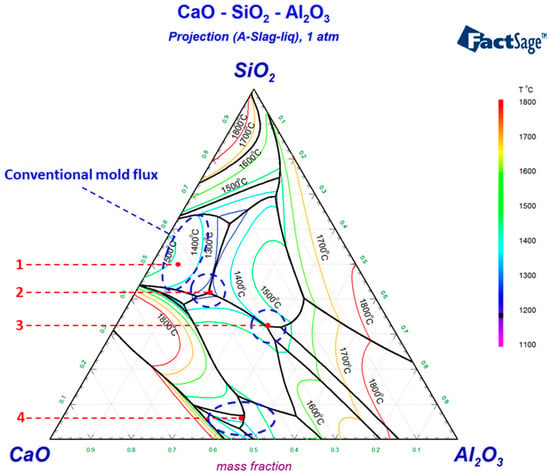
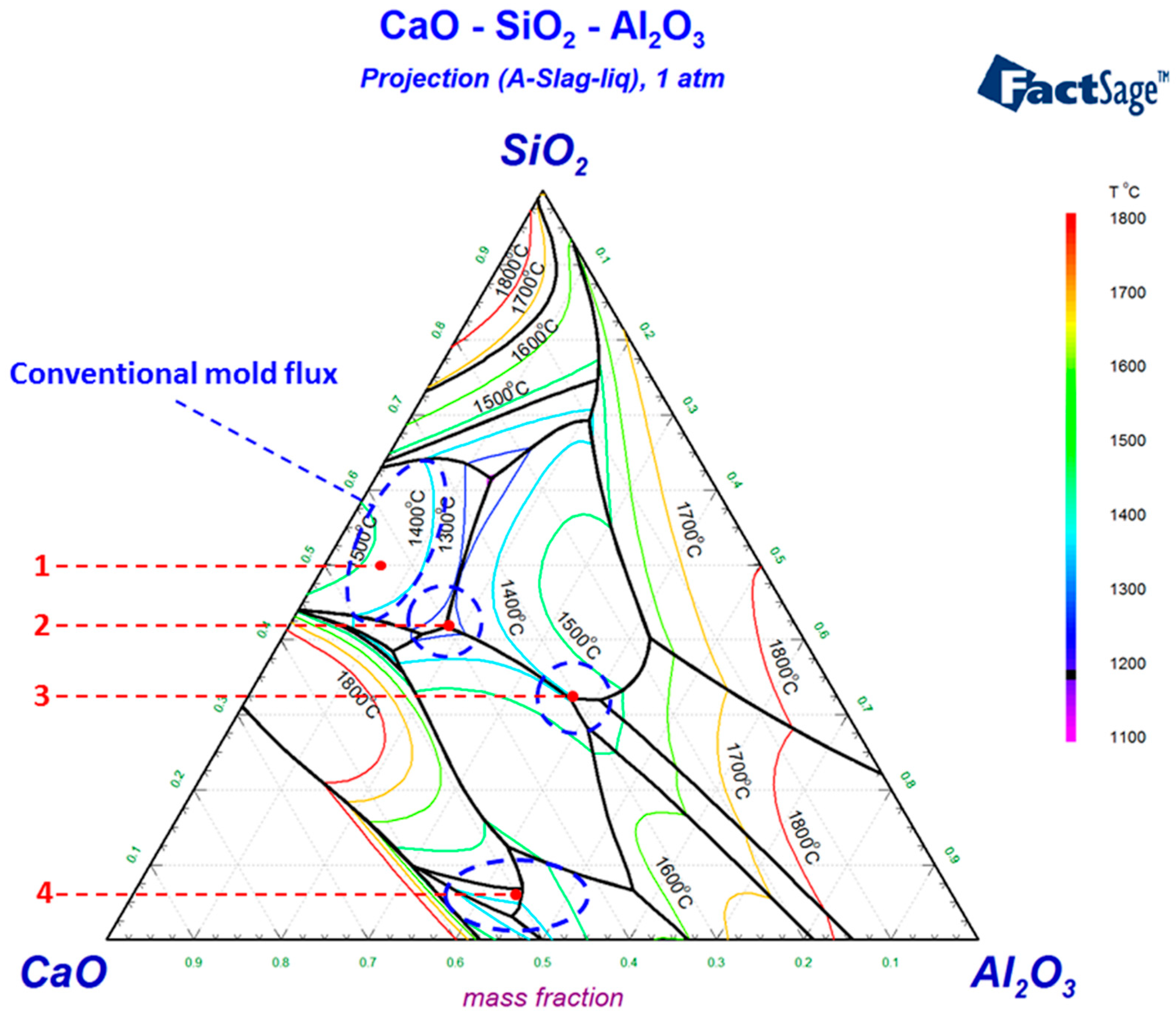
The main compositions of the mold flux used in a steel plant and the new designed slags are shown in Table 1, just as No. 0 slag that is located in region 1 of Figure 1, the phase diagram of the CaO-Al2O3-SiO2 system calculated by FactSage 8.2. It is a typical conventional mold flux, and the main fluxing agents are Na2O and CaF2. Referring to the studies on low-reactive mold fluxes [23,24], region 1 and low-melting regions 2 to 4 were chosen as the elementary composition for designing new mold fluxes.
Table 1.
Composition of the mold fluxes/wt%.
Figure 1.
Phase diagram of CaO-Al2O3-SiO2 system.
According to the conducted theoretical calculation [23], the order of the reactions between different fluxing agents and [Ce] is CaF2 < Li2O < B2O3 < Na2O. Fluxing agent such as Na2O is relatively easily reduced, so it was eliminated in the new system. CaF2 was eliminated for the underlying environmental problem. Li2O and B2O3 are relatively hard to reduce, so they were chosen as fluxing agents. Besides the weakest reactivity of Li2O, previous studies show that Li2O has a strong fluxing action; with a 1 wt% increase in the content of Li2O, the melting temperature of conventional mold fluxes decreased by 60 °C on average [24]. B2O3 also has excellent fluxing action, and it can improve the ability to absorb the rare earth oxides of the mold flux [25]. The cerium oxide CeO2 was added to the new mold flux to increase the activity of the reaction products and inhibit the slag–metal interface reactions shown as Equation (1).
[Ce] + (SiO2) = (CeO2) + [Si]
Finally, the new mold fluxes with the CaO-Al2O3-SiO2-Li2O-B2O3-CeO2 system were devised.
3. Experimental
3.1. Preparation of the Slag
Analytically pure powders of CaO, Al2O3, SiO2, Li2CO3, B2O3, and CeO2 were used. Then, the powders were mixed sufficiently. Li2CO3 was expected to be decomposed into Li2O when the temperature exceeded 700 °C in the pre-melting process. The mixture of powders was pre-melted using Mo crucibles in an electric furnace under an argon atmosphere (>99% purity). The pre-melted samples were used to measure the viscosity and melting temperature of the mold flux.
3.2. Melting Temperature Measurement
The hemisphere melting point method was used to measure the melting temperature. The pre-melted slag was pressed to a cylinder (φ3 mm × 3 mm) and was heated at a rate of 10 °C/min. The image of the sample was collected and analyzed by computer; the temperature at which the height of the sample changed to half of the original value was determined as the melting temperature. For each sample, three measurements were carried out, and the melting temperature was determined by the average value.
3.3. Viscosity Measurement
The viscosity was measured by the rotating cylinder method. Initially, 140 g pre-melted slag was put into a graphite crucible lined with a Mo sheet and heated at a rate of 10 °C/min. When the sample was completely melted, the Mo spindle was put into the molten slag, the sensor was started, and the Mo spindle rotated at 200 rpm; meanwhile, the slag was cooled at a rate of −3 °C/min. Changes in the viscosity were collected by a computer, and the measurement was ended with a viscosity of 10 Pa·s.
3.4. Phase Analysis
The slags below and above the breaking temperature were sampled and quenched with water for phase analysis. A scanning electron microscope (Model SSX-550) was used to analyze the morphology of the crystalline phases, and the elemental compositions of different phases were detected by adopting the energy dispersive spectroscopy (EDS) linked to SEM. Simultaneously with SEM characterization, an X-ray diffractometer (Model D/max-2500PC) was used to collect characteristic diffraction peaks of the slags. The crystalline phases were identified by matching the measured diffraction peaks with standard PDF cards. The test parameters were set as follows: Cu Kα radiation with a wavelength λ = 1.544426 Å, operating voltage of 40 kV, 2θ scanning range from 10° to 80°, and scanning speed of 0.033°·s−1.
4. Results and Discussion
4.1. Melting Temperature of the Mold Flux
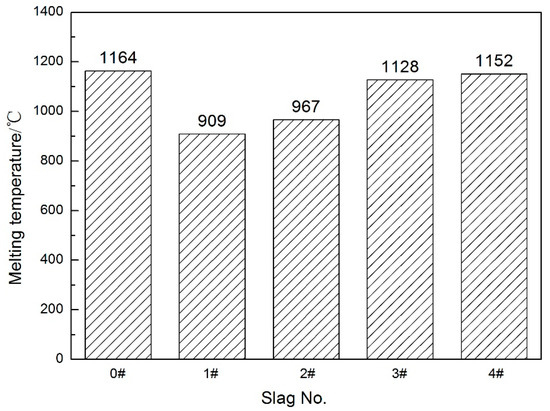
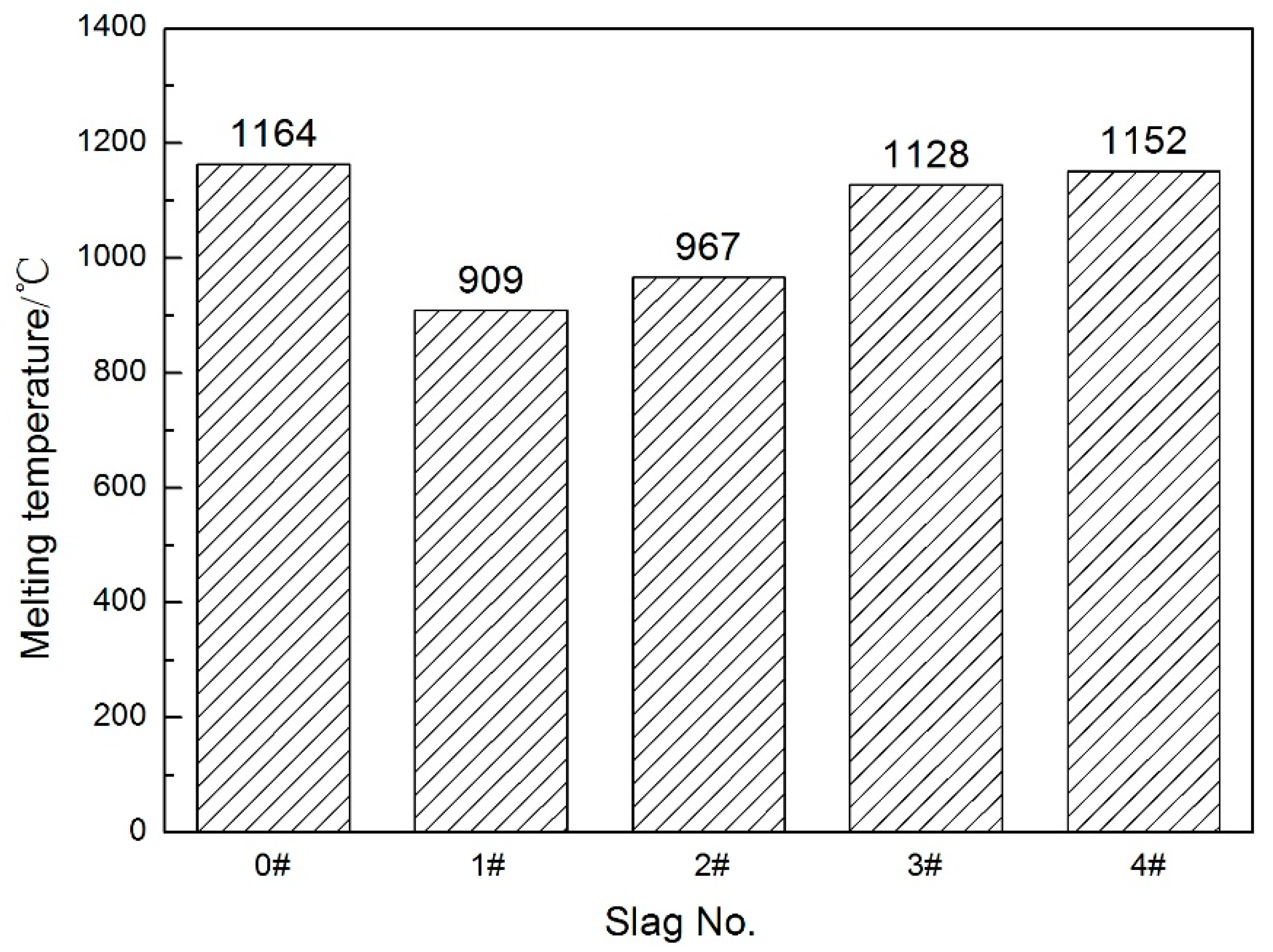
Figure 2 shows the melting temperature of the mold fluxes. The melting temperature of slags No. 3 and No. 4 is close to the melting temperature of slag No. 0. The melting temperature of slags No. 1 and No. 1 is far below the melting temperature of slag No. 0.
Figure 2.
Melting temperature of the mold fluxes.
The melting temperature of slags No. 1 to No. 4 (with the addition of 10%Li2O and 5%B2O3) is lower than that of slag No. 0 (with adding 9.64% Na2O and 17.98% CaF2). It indicates that a proper melting temperature can be obtained by adopting Li2O and B2O3 as fluxing agents. Moreover, the new mold flux with 10%Li2O and 5%B2O3 is lower than the conventional mold flux with 9.64% Na2O and 17.98% CaF2. According to the phase diagram shown in Figure 1, the theoretical melting temperature decreases from Slag No. 1 to Slag No. 2 with the variation in CaO, SiO2 and Al2O3 contents in the base slag system. The theoretical melting temperature rises continuously from Slag No. 2 to No. 3 and further to No. 4. Nevertheless, with the addition of Li2O, B2O3 and Ce2O, Slag No. 1 actually exhibits the lowest melting temperature, which indicates that fluxing agents such as Li2O and B2O3 deliver the optimal fluxing effect under the basic composition of Slag No. 1. In addition, the above fluxing agents show remarkable fluxing performance in all four samples, capable of lowering the melting temperature of the CaO-SiO2-Al2O3 slag system by more than 250 °C.
4.2. Viscosity of the Mold Flux
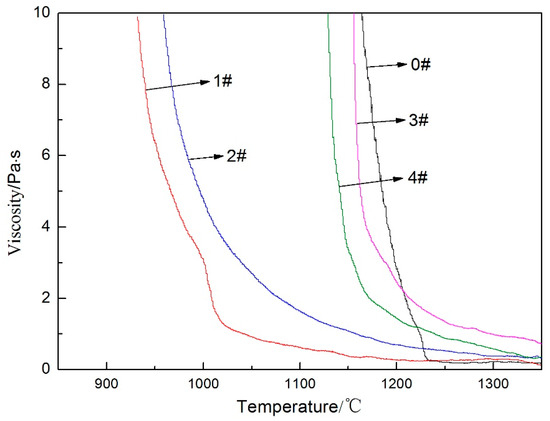
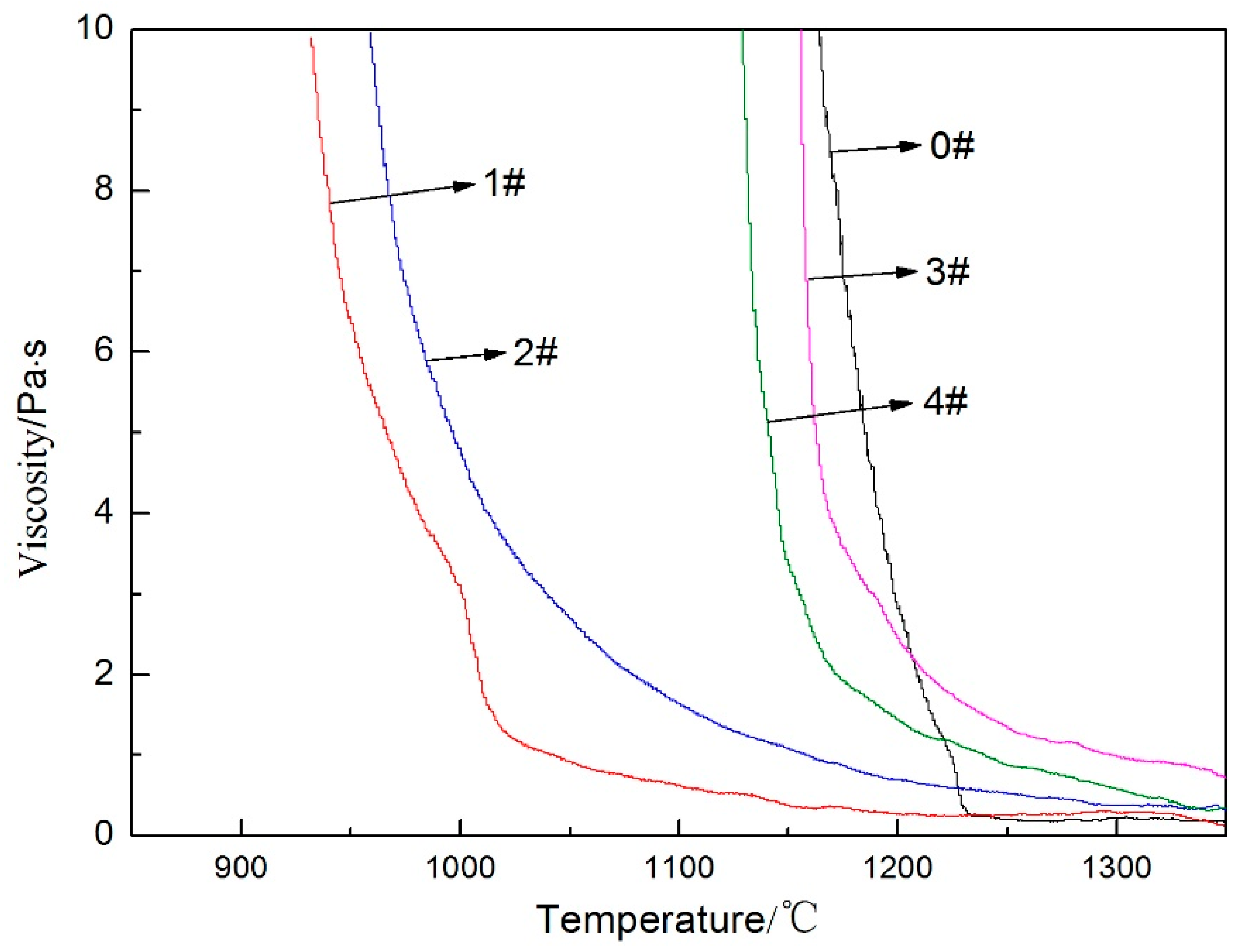
The viscosity–temperature curves are shown in Figure 3. When the temperature is above the breaking temperature, the viscosity has no obvious changes with decreasing the temperature. With further decreasing the temperature, the molten slag began to crystallize, and the viscosity will have an abrupt change. Above the breaking temperature, all the new mold fluxes (No. 1 to No. 4) have a relatively higher viscosity than the conventional one. The breaking temperature of the conventional mold flux (No. 0) is about 1230 °C. The breaking temperature of slags No. 3 and No. 4 is close to that of slag No. 0; however, slags No. 1 and No. 2 have a breaking temperature that is far below that of slag No. 0.
Figure 3.
Viscosity–temperature curve of mold fluxes.
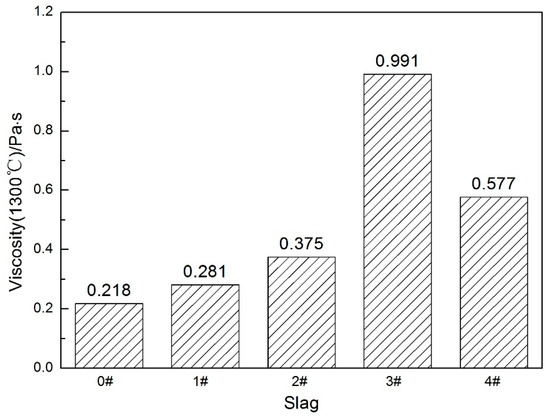
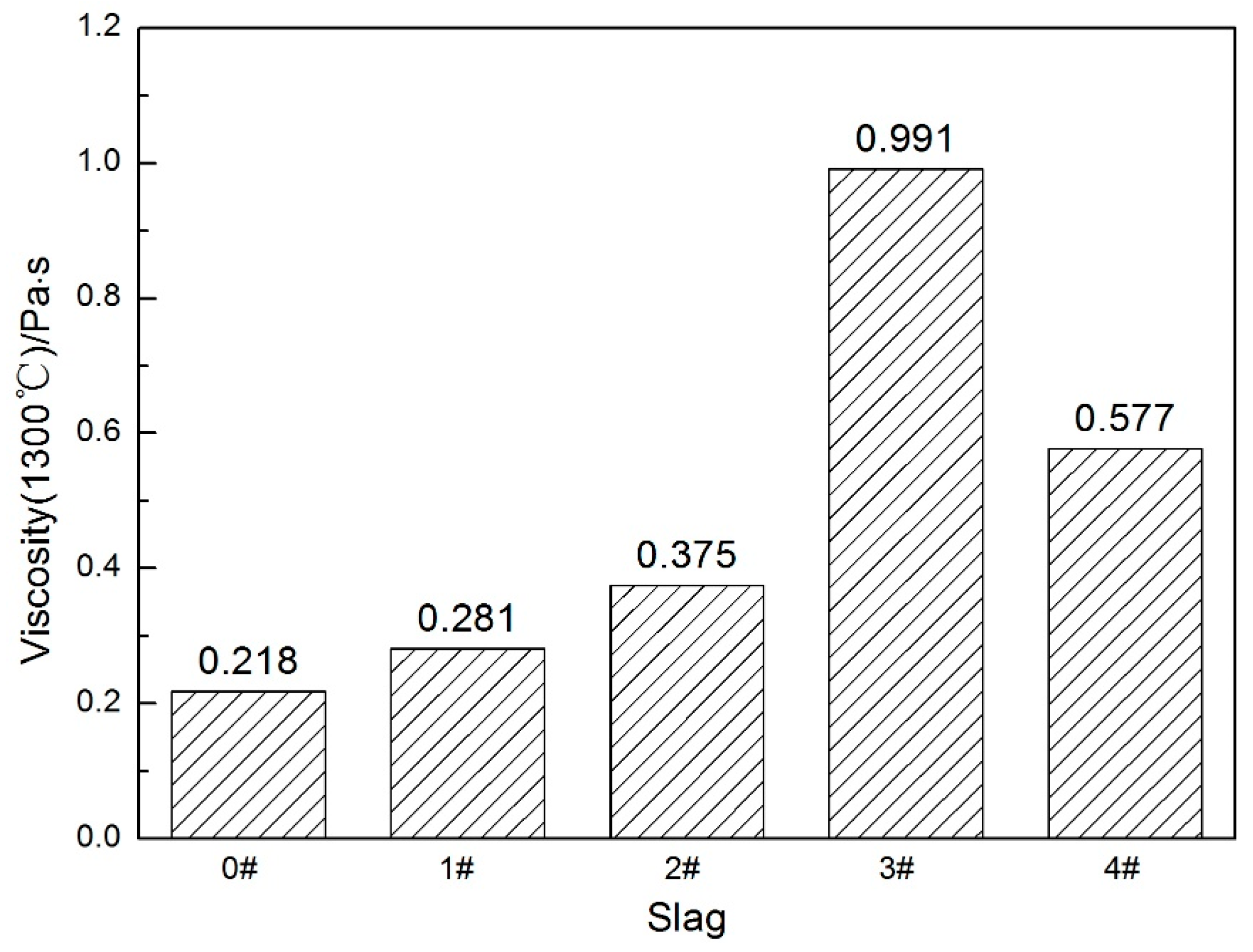
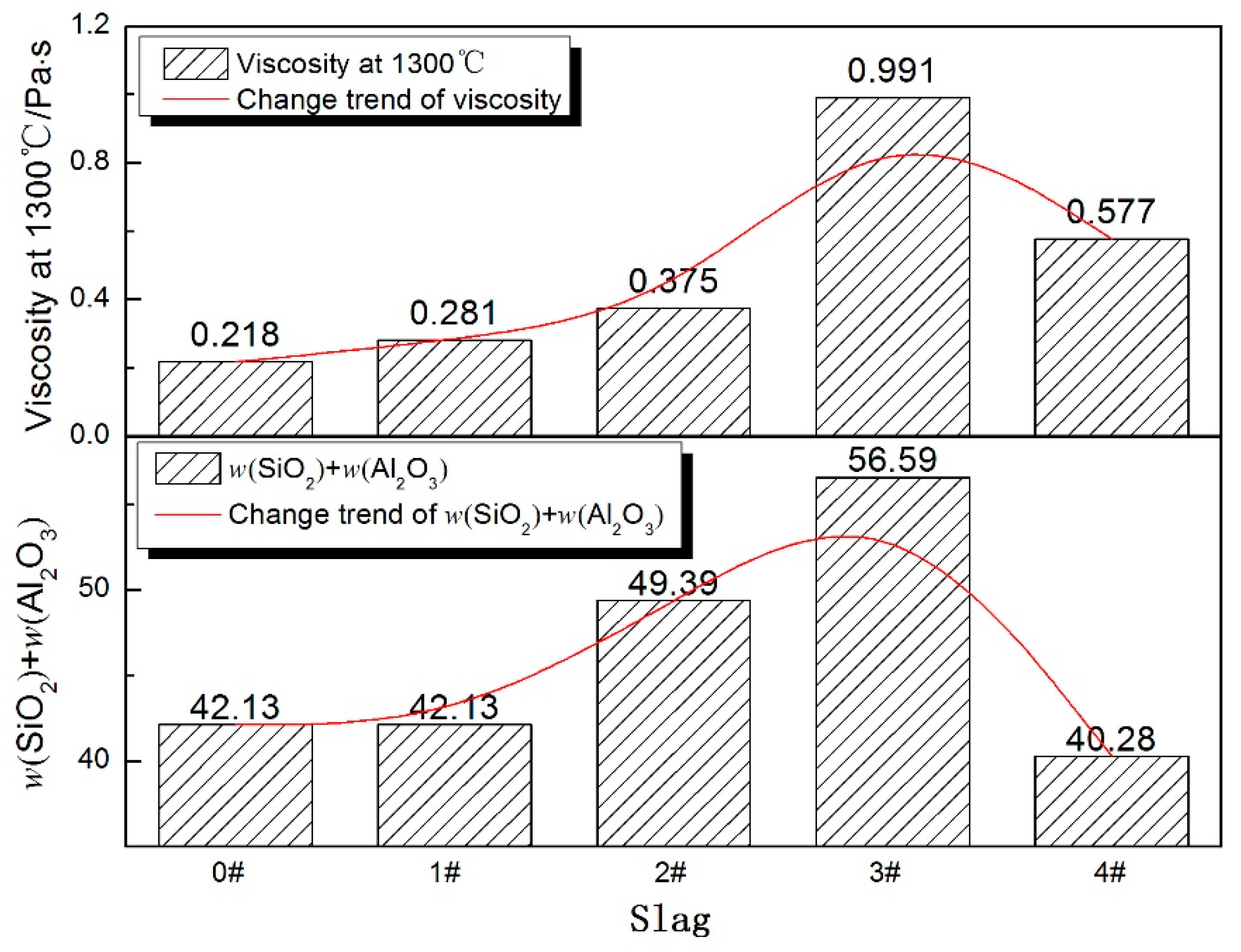
Figure 4 shows the viscosity of mold fluxes at 1300 °C. The viscosities of slags No. 1, No. 2, and No. 4 are 0.281 Pa·s, 0.375 Pa·s, and 0.577 Pa·s, respectively. The above values are approximately 1.2~2.6 times those of conventional mold flux (No. 0, 0.218 Pa·s), yet all values fall within the viscosity range of standard or high-viscosity mold fluxes, and better properties can be obtained by adjusting the compositions. However, the viscosity of slag No. 3 is 0.991 Pa·s, approximately 4.5 times that of the conventional slag, so it is unsuitable for further devising new mold flux based on this composition.
Figure 4.
Viscosity of mold fluxes at 1300 °C.
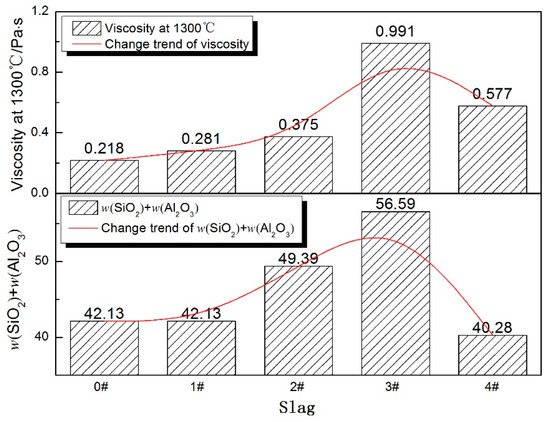
Figure 5 shows the relationship between the viscosity of the mold flux at 1300 °C and the content of SiO2 and Al2O3 in the slag. It can be seen from the figure that the change trend of the viscosity is the same as that of the total content of SiO2 and Al2O3. SiO2 and Al2O3 are the network formers, and Si-O tetrahedrons and Al-O tetrahedrons are formed in the molten slag, respectively, forming a continuous network and constituting the skeleton of the melt. The higher the content of SiO2 and Al2O3 in the slag, the higher the viscosity of the slag. The total amount of SiO2 and Al2O3 in slag No. 1 and No. 4 is similar; the content of SiO2 in slag No. 1 is higher, the content of Al2O3 in slag No. 4 is higher, and the viscosity of slag No. 4 is higher than that of slag No. 1, indicating that the influence of Al2O3 per unit mass on viscosity is stronger than that of SiO2.
Figure 5.
Relationship of viscosity of mold fluxes at 1300 °C and the total content of SiO2 and Al2O3.
4.3. Crystallization of the Mold Flux
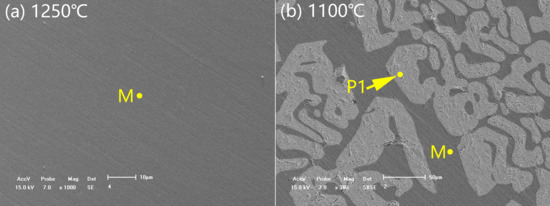
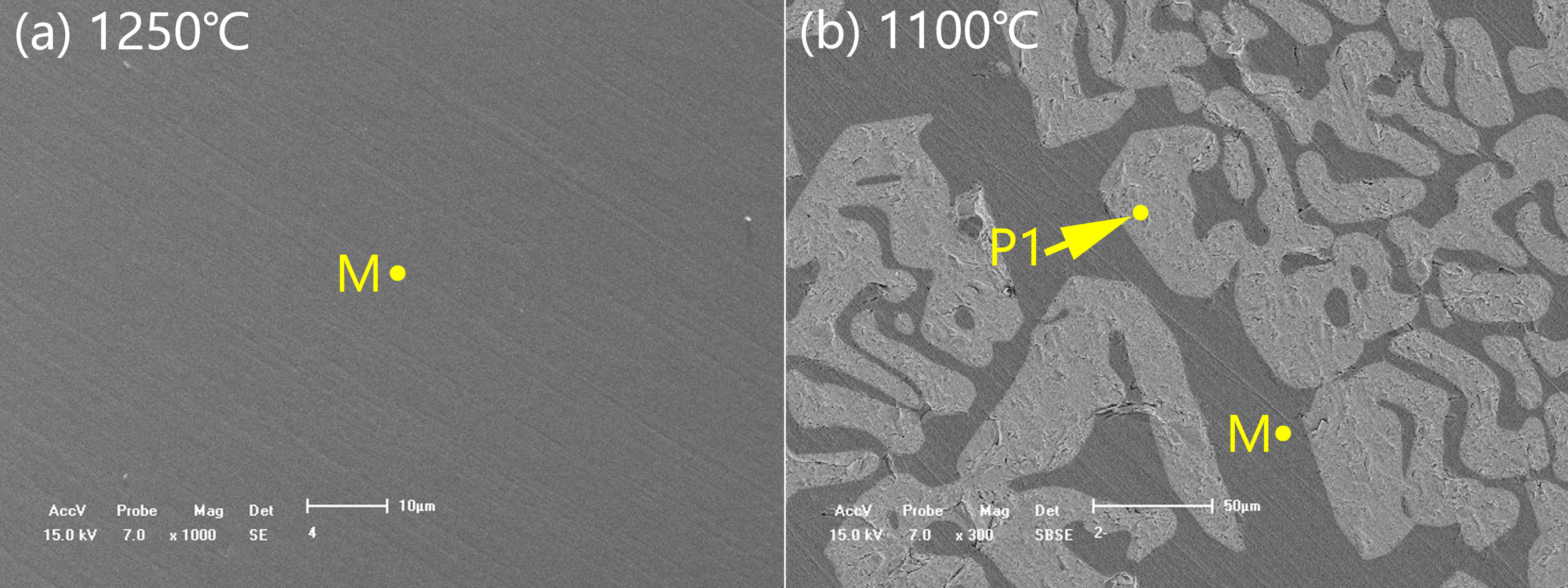
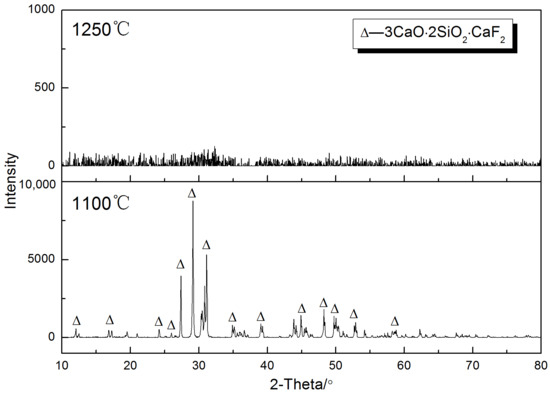
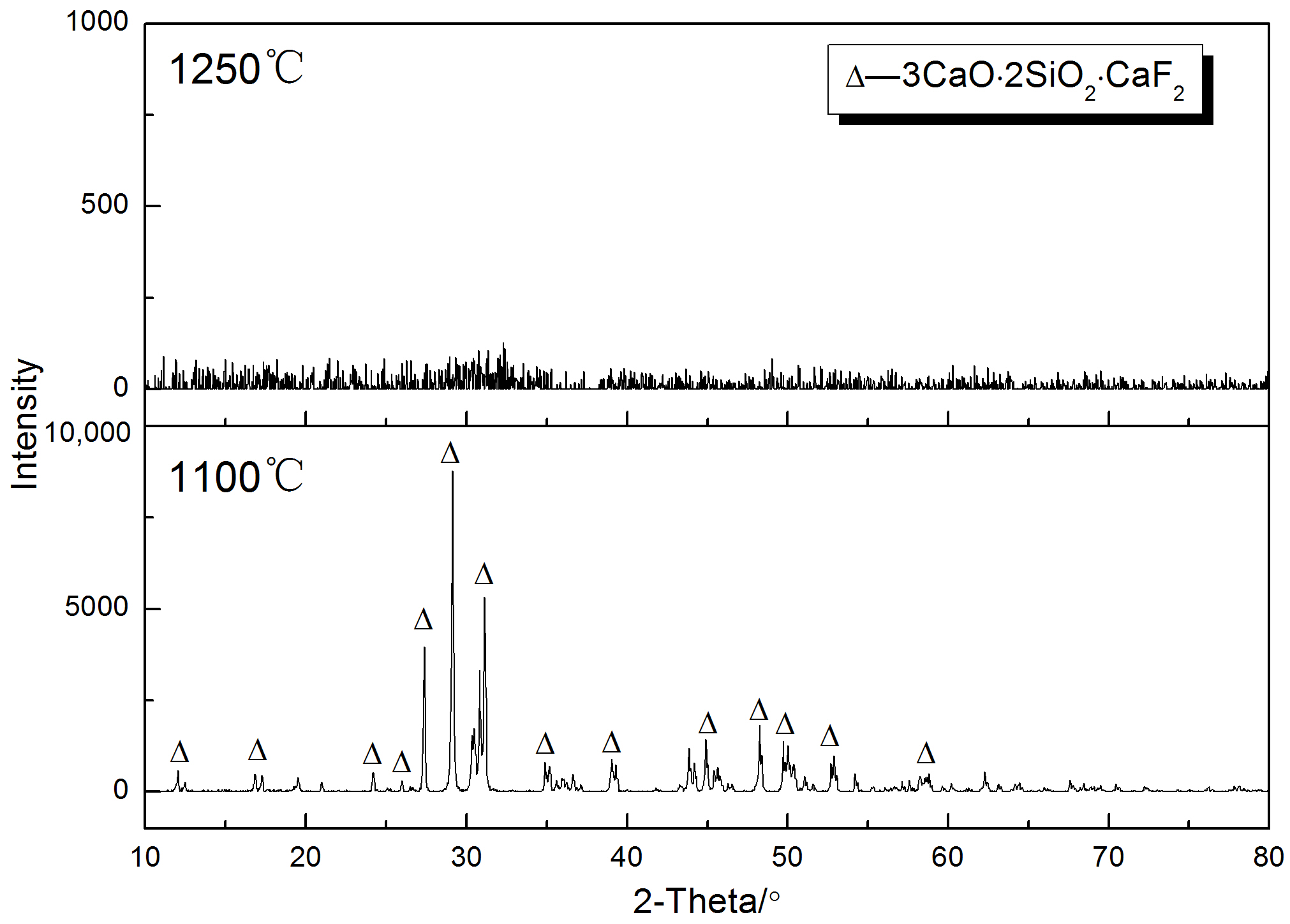
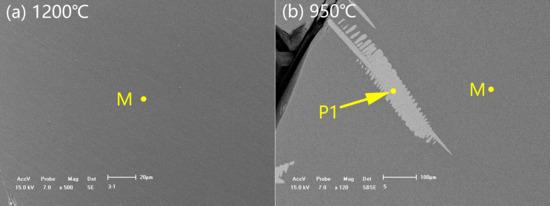
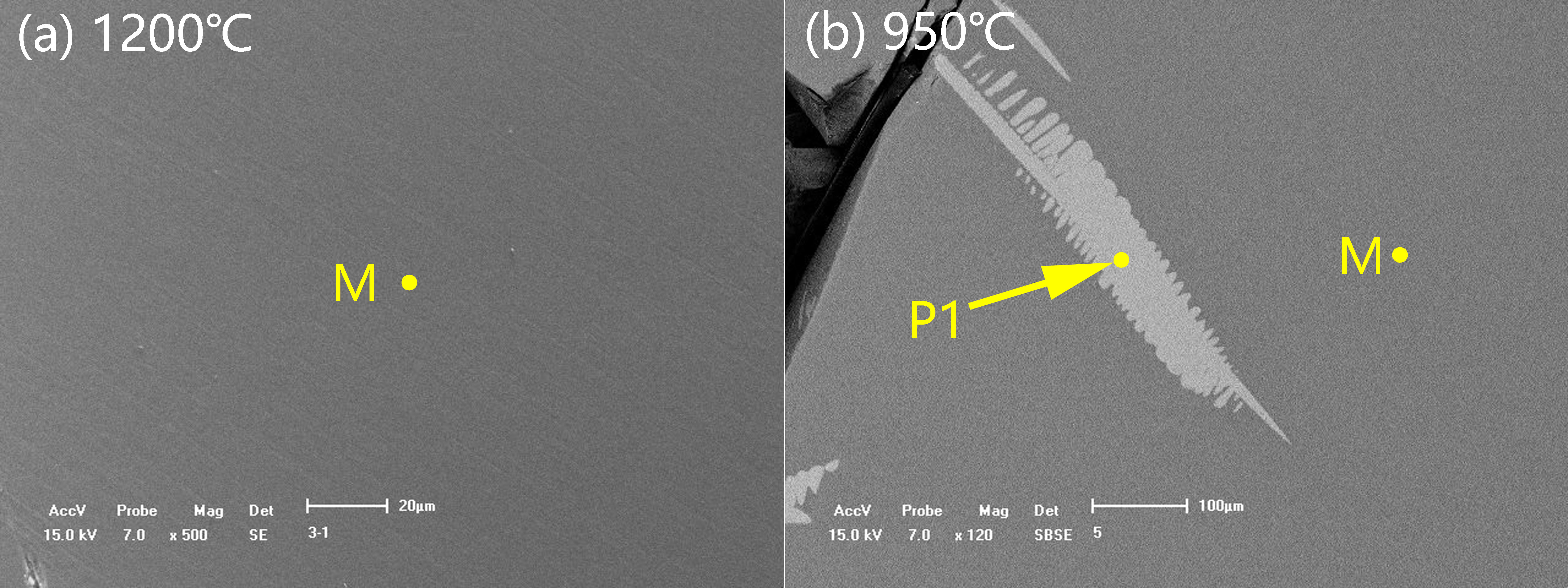
Figure 6 shows the SEM images of mold flux No. 0 quenched at different temperatures. The EDS analysis of the related phase is shown in Table 2, and the XRD patterns are shown in Figure 7. When the temperature is above the breaking temperature, the quenched slag is totally glassy phase, and there is no crystallized phase (Figure 6a). When the temperature decreases to be lower than the breaking temperature, amounts of cuspidine (3CaO∙2SiO2∙CaF2, PDF Number: 19-1131) precipitate (Figure 6b), which leads to the abrupt increase in viscosity shown in Figure 3.
Figure 6.
SEM images of slag No. 0 quenched at different temperatures.
Table 2.
EDS analysis of slag No. 0 quenched at different temperatures.
Figure 7.
XRD patterns of slag No. 0 quenched at different temperatures.
Cuspidine is the main crystalline phase of the conventional mold flux [26]. In the continuous casting process, the precipitation of cuspidine is helpful to increase the heat transfer resistance, decrease the heat flux, and prevent the rapid solidification of the molten steel [27,28]. In the new mold flux, there is no addition of CaF2, so there is no precipitated cuspidine. New substitute crystalline phases of cuspidine should be found in the new mold flux.
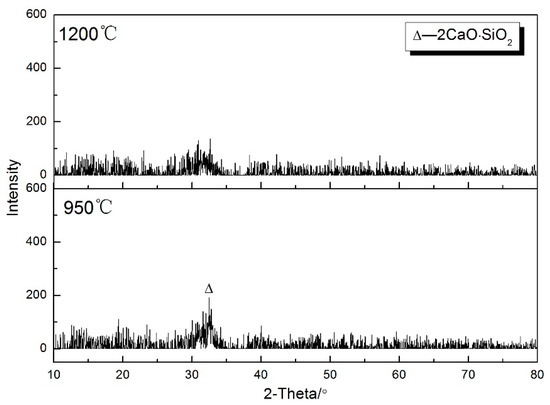
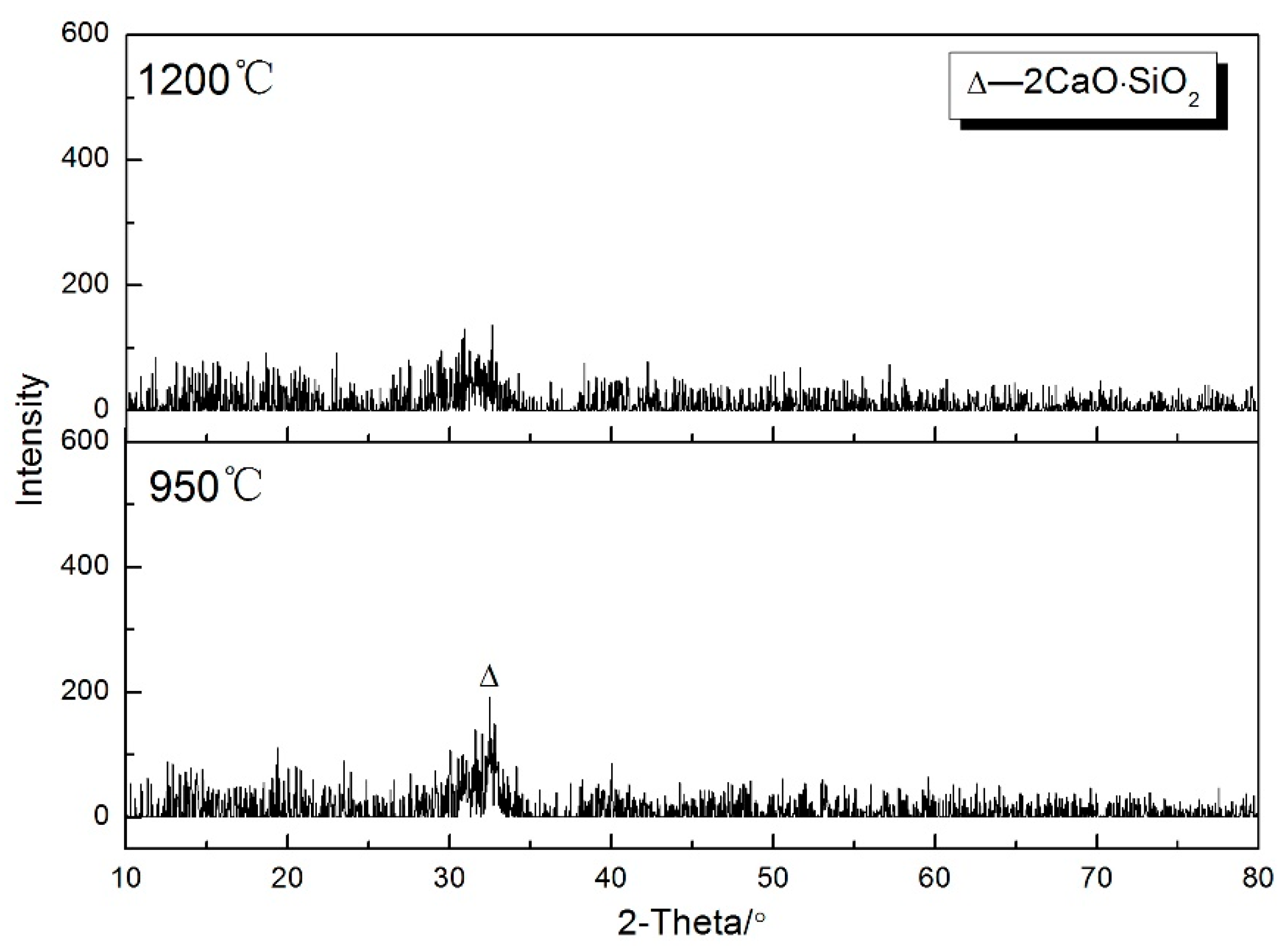
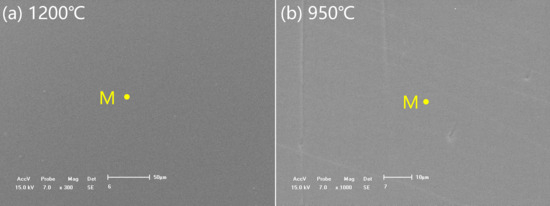
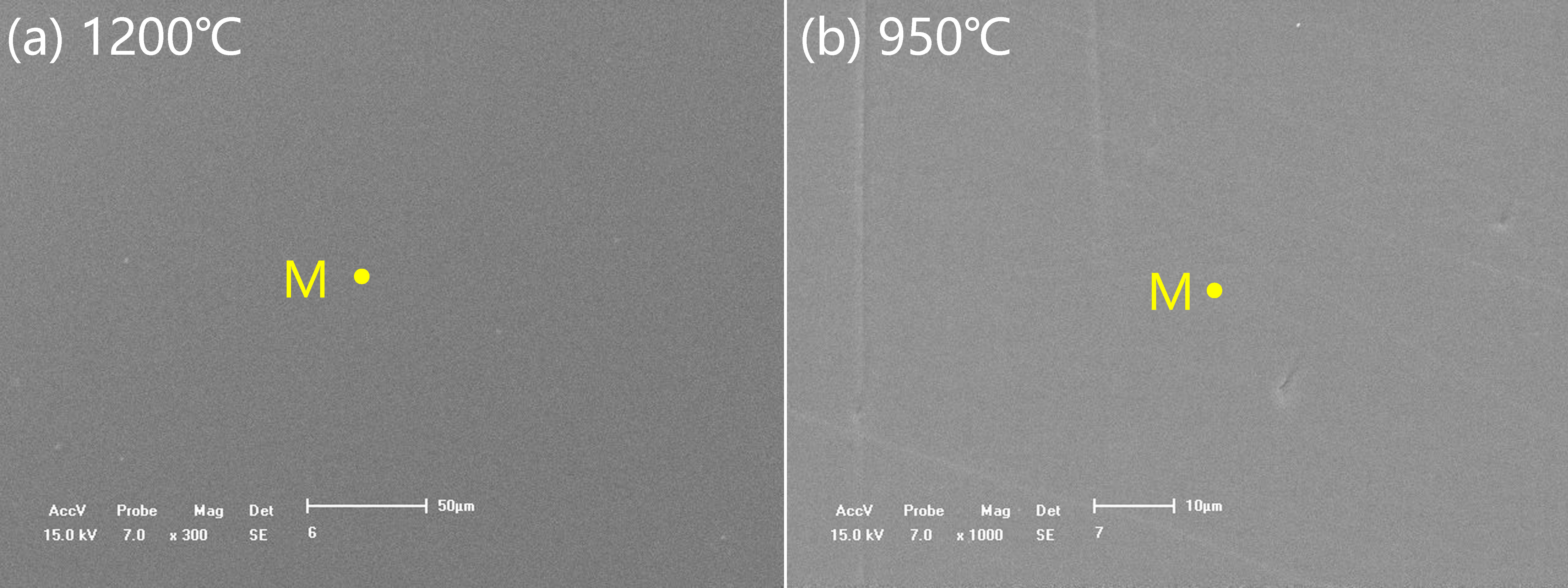
Figure 8 shows the SEM images of mold flux No. 1 quenched at different temperatures. The EDS analysis of the related phase is shown in Table 3, and the XRD patterns are shown in Figure 9. When the temperature is above the breaking temperature, the quenched slag is totally glassy phase, and there is no crystallized phase (Figure 8a). When the temperature decreases to be lower than the breaking temperature, only a few jagged 2CaO∙SiO2 (PDF Number: 29-369) precipitates are observed (Figure 8b). The crystalline phase is so little that the heat transfer in the mold cannot be well controlled. Moreover, 2CaO∙SiO2 may undergo a phase transformation accompanied by a volume change and crystal disintegration, which is detrimental to the stable formation of solid slag films.
Figure 8.
SEM images of slag No. 1 quenched at different temperatures.
Table 3.
EDS analysis of slag No. 1 quenched at different temperatures.
Figure 9.
XRD patterns of slag No. 1 quenched at different temperatures.
The SEM images of mold flux No. 2 quenched at different temperatures are shown in Figure 10. The EDS analysis of the related phase is shown in Table 4, and the XRD patterns are shown in Figure 11. No matter whether the temperature is above (Figure 10a) or below (Figure 10b) the breaking temperature, the quenched slag is a totally glassy phase in the continuous cooling process. There is no crystalline phase, which goes against well controlling the heat transfer in the mold.
Figure 10.
SEM images of slag No. 2 quenched at different temperatures.
Table 4.
EDS analysis of slag No. 2 quenched at different temperatures.
Figure 11.
XRD patterns of slag No. 2 quenched at different temperatures.
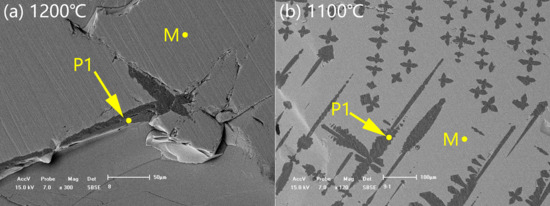
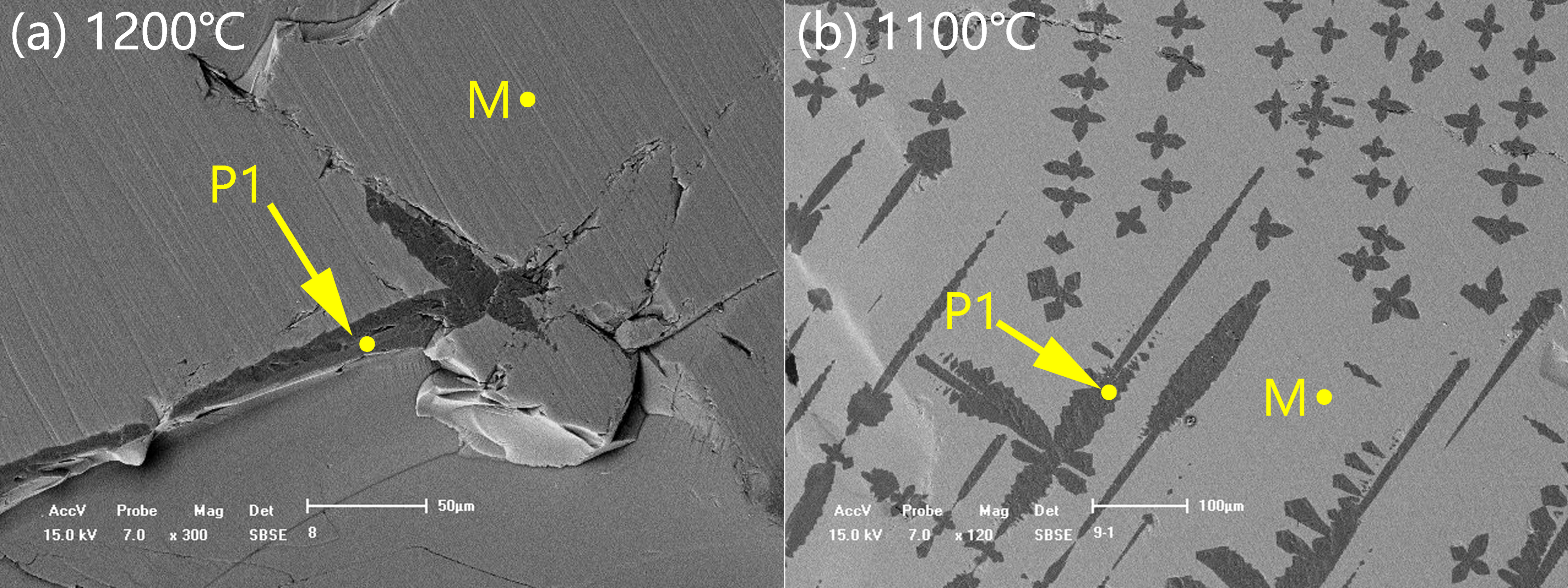
Figure 12 shows the SEM images of mold flux No. 3 quenched at different temperatures. The EDS analysis of the related phase is shown in Table 5, and the XRD patterns are shown in Figure 13. When the temperature is above the breaking temperature, small amount of strip-shaped LiAlO2 (PDF Number: 75-905) precipitates (Figure 12a). With the temperature decreasing to lower than the breaking temperature, the amount of the precipitated LiAlO2 increases and presents a crosswise or stick-shaped distribution. In the new designed fluoride-free mold flux, the precipitated LiAlO2 in slag No. 3 is a potential substitute for cuspidine. LiAlO2 can well control the heat transfer in the mold in the continuous casting process.
Figure 12.
SEM images of slag No. 3 quenched at different temperatures.
Table 5.
EDS analysis of slag No. 3 quenched at different temperatures.
Figure 13.
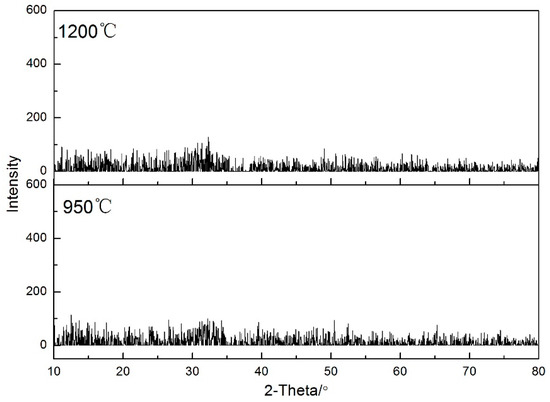
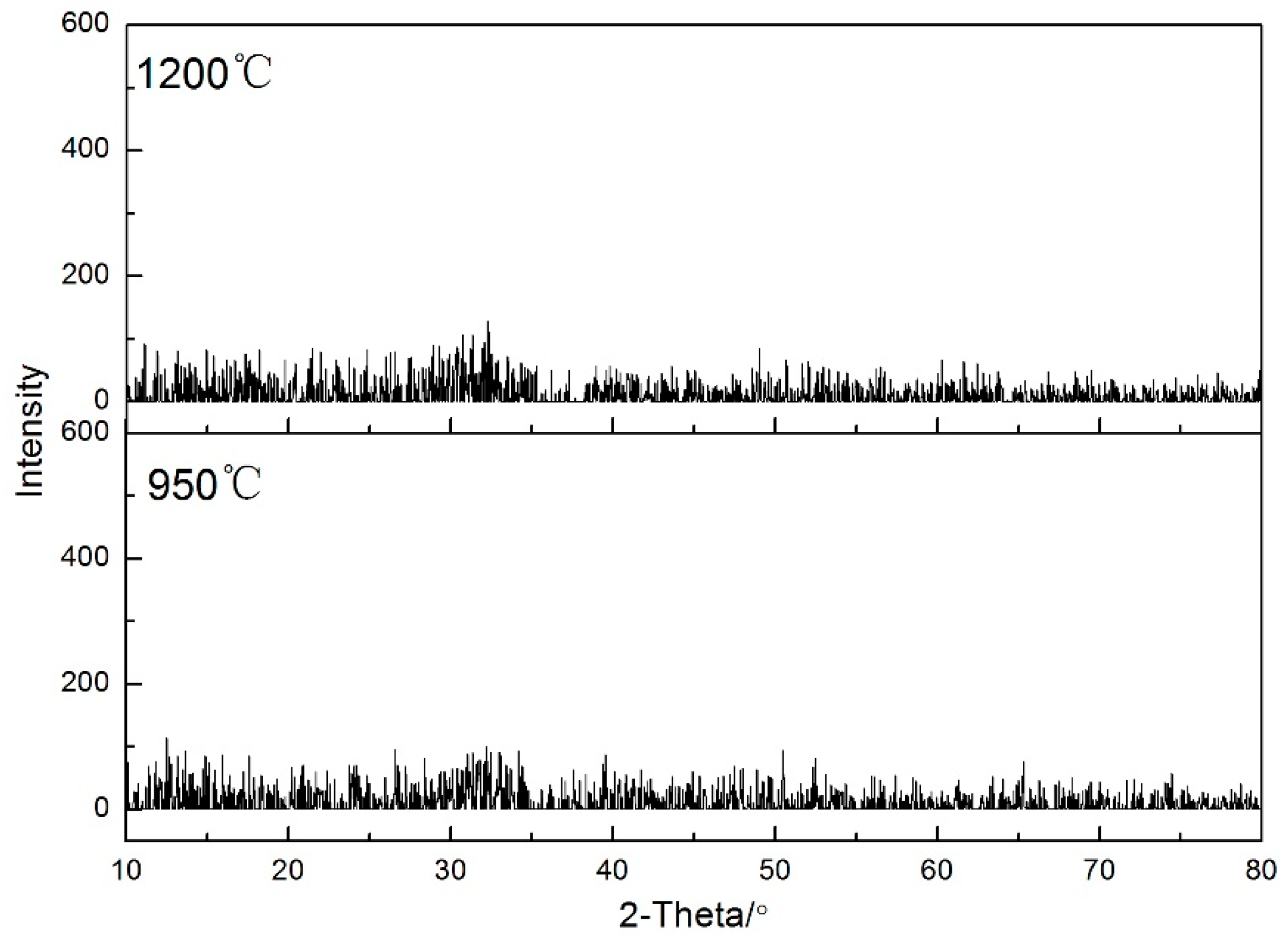
XRD patterns of slag No. 3 quenched at different temperatures.
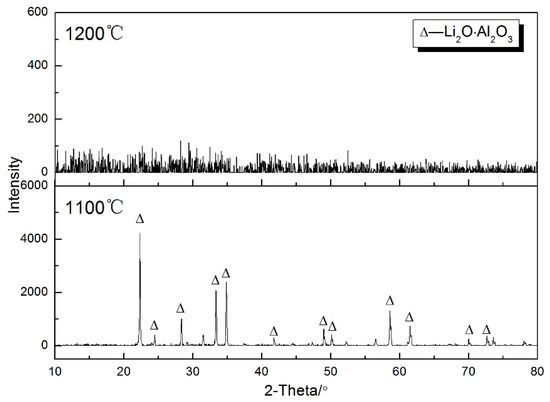
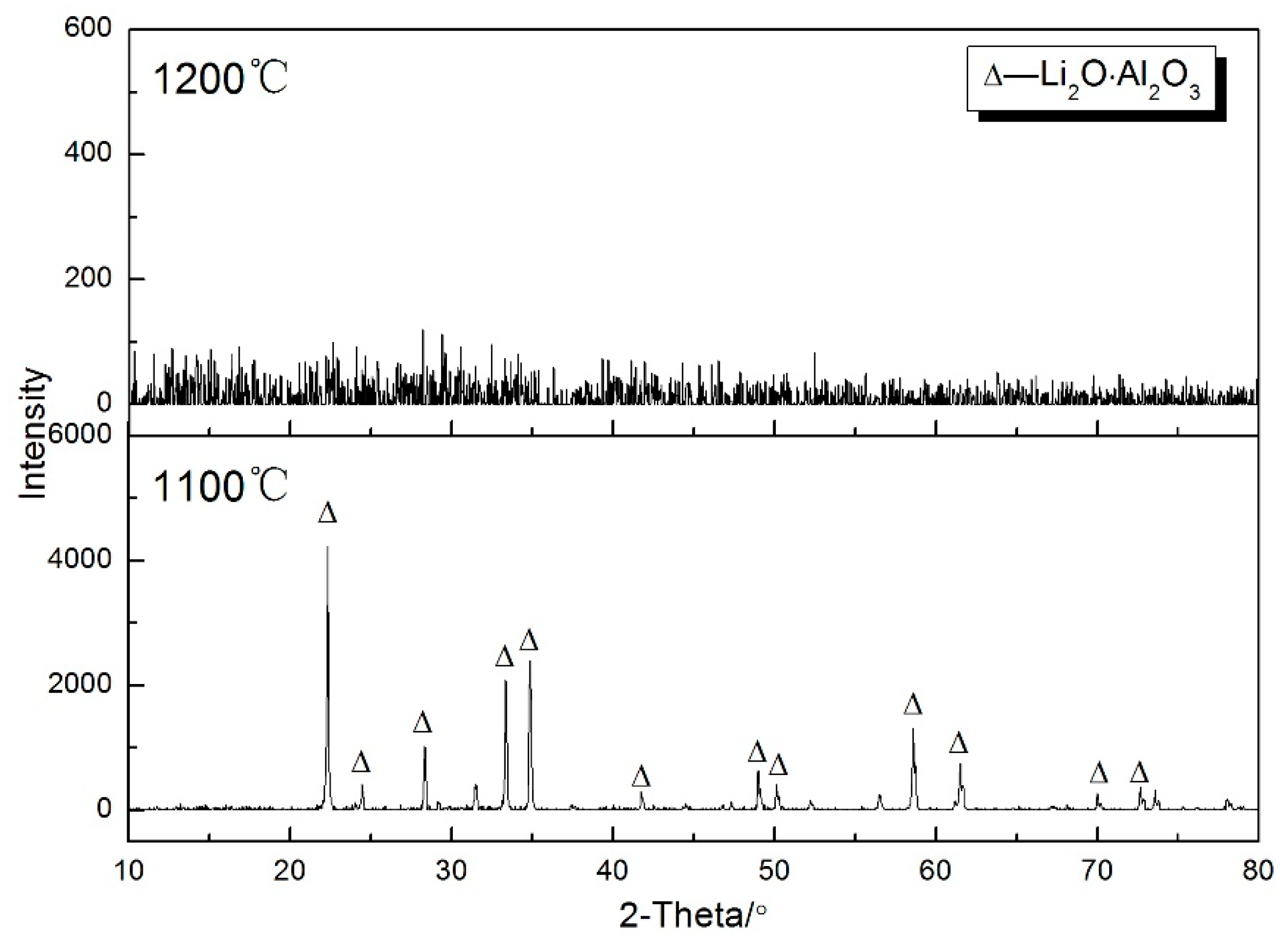
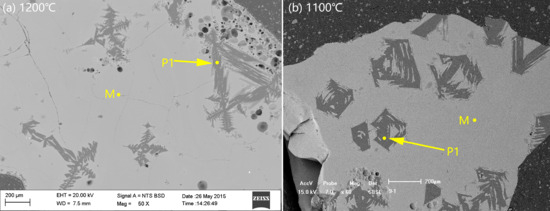
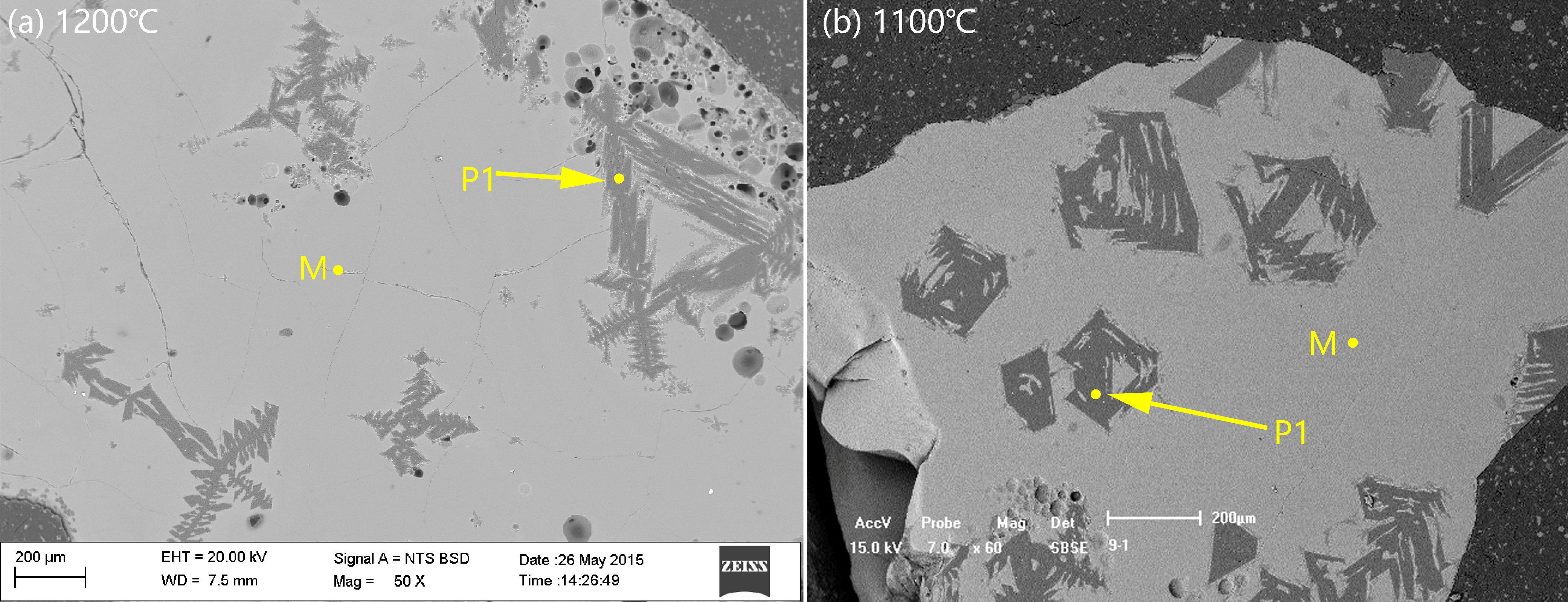
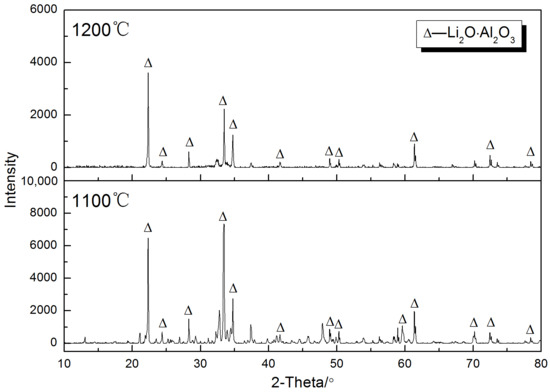
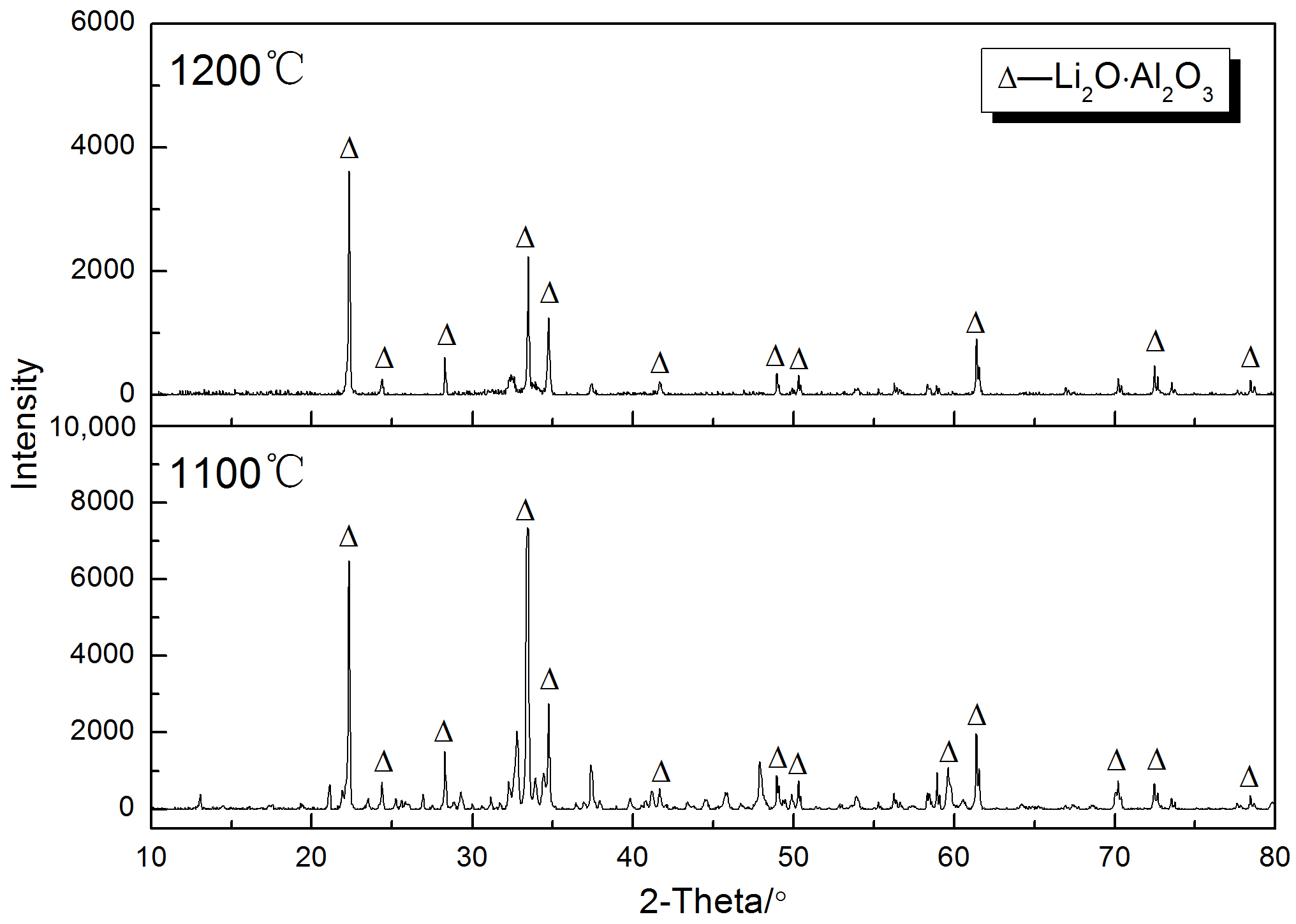
The SEM images of mold flux No. 4 quenched at different temperatures are shown in Figure 14. The EDS analysis of the related phase is shown in Table 6, and the XRD patterns are shown in Figure 15. When the temperature is above the breaking temperature, small amount of LiAlO2 (PDF Number: 75-905) precipitates (Figure 14a). When the temperature decreases to lower than the breaking temperature, the amount of precipitated LiAlO2 (PDF Number: 75-905) increases and transforms to a massive distribution. The precipitated LiAlO2 in slag No. 3 is a potential substitute for cuspidine; however, the ratio of the crystalline phase is lower than that of slag No. 0.
Figure 14.
SEM images of slag No. 4 quenched at different temperatures.
Table 6.
EDS analysis of slag No. 4 quenched at different temperatures.
Figure 15.
XRD patterns of slag No. 4 quenched at different temperatures.
According to the viscosity curve and crystallization behavior analysis of the mold fluxes, the initial crystallization temperature of slag No. 0 is 1230 °C, and its viscosity curve also turns at 1230 °C. Combined with the phase analysis results, it is indicated that the precipitation of cuspidine (3CaO∙2SiO2∙CaF2) leads to a sudden viscosity increase. In slags No. 1 and No. 2, which contain no CaF2 and have low Al2O3 contents, neither cuspidine nor Li2O∙Al2O3 precipitates. Their crystallization tendency is weak, and crystallization has little effect on viscosity, resulting in low breaking temperatures. The increase in viscosity is mainly due to the solidification of the liquid slag. The higher Al2O3 content of slag No. 3 and No. 4 promotes the precipitation of Li2O∙Al2O3, and the Al2O3 content of slag No. 4 is higher than that of slag No. 3, so the crystallization temperature of slag No. 4 is higher than that of slag No. 3. The crystallization temperature of slag No. 3 and No. 4 is higher than 1200 °C, so there is an increase in viscosity before 1200 °C, but the ratio of the crystalline phase of slag No. 3 and No. 4 is relatively lower, so the breaking temperature on the viscosity curve is not obvious.
4.4. Properties Comparison of the Mold Flux
The melting temperature of the conventional mold flux (No. 0) is 1164 °C, the breaking temperature is 1230 °C, and the viscosity at 1300 °C is 0.218 Pa·s. The precipitation of cuspidine can lead to the abrupt increase in the viscosity. Meanwhile, the precipitated cuspidine can well control the heat transfer in the mold.
The melting temperatures of the new designed mold fluxes No. 1 and No. 2 are too low (below 1000 °C). No cuspidine precipitates in the continuous cooling process because no CaF2 was added. Slag No. 1 and slag No. 2 have a weak ability of crystallization; the effect of crystallization on the viscosity after the breaking temperature is slight, so both of the two slags have a lower breaking temperature. It is not suitable for designing new mold flux based on the compositions of slags No. 1 and No. 2, because the melting temperatures are too low and the ability of crystallization is too weak.
The new designed mold fluxes No. 3 and No. 4, especially No. 4, have a closer melting temperature to the conventional mold flux used in the steel plant. The content of Al2O3 increases, and LiAlO2 precipitates in the continuous cooling process. LiAlO2 can be a potential substitute for cuspidine. However, the crystallization ratio of LiAlO2 in slags No. 3 and No. 4 is relatively lower than the conventional slag, and the viscosity of slag No. 3 is too high.
Based on the comprehensive results above, the newly designed mold flux No. 4 exhibits properties most similar to those of the conventional flux. Furthermore, it contains the lowest SiO2 content and thus shows the weakest reactivity. In addition, according to the melt structure analysis results shown in Table 7, it can be seen that when the basic composition of the molten slag changes from the conventional slag region (No. 0 & No. 1) to the No. 4 region, the composition of the network former also changes fundamentally, from a single SiO4-tetrahedron to the composition of “13.1% SiO4 + 86.9% AlO4”. These structural modifications directly affect the viscosity and crystallization behavior of the slag. Therefore, by further optimizing its composition and properties, it is entirely feasible to design and develop a novel high-CaO, high-Al2O3 mold flux for the continuous casting of rare earth steels.
Table 7.
Comparison of physical and chemical properties of mold fluxes.
5. Conclusions
The development of new mold fluxes for continuous casting of rare earth-containing steels was investigated to address the challenges arising from the strong reducibility of these steels and the consequent reactions with conventional mold fluxes. Accordingly, new mold fluxes were designed by adjusting the CaO, Al2O3, SiO2 content and incorporating Li2O and B2O3 as fluxing agents. The new fluxes were formulated within a CaO-Al2O3-SiO2-Li2O-B2O3-CeO2 system, and their properties were compared with those of conventional fluxes.
(1) The melting temperatures of the newly designed mold fluxes (No. 1 to No. 4) were found to be lower than that of the conventional flux (No. 0). Specifically, fluxes No. 3 and No. 4 exhibited melting temperatures close to the conventional flux, while No. 1 and No. 2 had significantly lower melting temperatures. This indicates that the use of Li2O and B2O3 as fluxing agents effectively lowered the melting temperature, making it suitable for rare earth-containing steels.
(2) The new mold fluxes (No. 1 to No. 4) generally had higher viscosities above the breaking temperature compared to the conventional flux. The viscosity changes were closely related to the content of network formers (SiO2 and Al2O3), with higher contents leading to increased viscosity. The SiO2 and Al2O3 content allowed for the optimization of viscosity properties.
(3) The crystallization behavior of the new mold fluxes differed significantly from that of the conventional flux. The conventional flux primarily formed cuspidine (3CaO∙2SiO2∙CaF2) upon cooling, which controlled heat transfer in the mold. In contrast, the new fluxes, particularly No. 3 and No. 4, formed LiAlO2 as a potential substitute crystalline phase due to the absence of CaF2. Flux No. 4 showed the most promising crystallization behavior, with sufficient LiAlO2 precipitation to control heat transfer effectively.
(4) The mold flux No. 4, with its higher Al2O3 content and optimized SiO2 content, offers the most promising properties for continuous casting of rare earth-containing steels. Its melting temperature is comparable to that of conventional fluxes, its crystallization behavior has the potential to ensure effective heat transfer control, and its viscosity should be decreased by adjusting the content of fluxing agents. Future research should focus on further optimizing the composition of flux No. 4 to enhance its viscous characteristics, crystallization capacity, and overall performance. Moreover, direct slag–metal interaction experiments under actual rare earth steel continuous casting conditions were not conducted due to the limitations of high-temperature in situ characterization equipment. In future studies, experiments combined with actual molten steel environments to investigate the interfacial reaction mechanisms and dynamic behavior between the new mold fluxes and rare earth molten steels will be conducted, thereby providing more direct experimental evidence for the industrial application.
Funding
This research was funded by the National Natural Science Foundation of China (52574377) and the Fundamental Research Funds for the Central Universities (N25LJR002, N25LJR003, N26BSS037).
Data Availability Statement
The original contributions presented in this study are included in the article. Further inquiries can be directed to the corresponding author.
Conflicts of Interest
The author declares no conflicts of interest.
References
- Li, D.; Wang, P.; Chen, X.-Q.; Fu, P.; Luan, Y.; Hu, X.; Liu, H.; Sun, M.; Chen, Y.; Cao, Y.; et al. Low-oxygen rare earth steels. Nat. Mater. 2022, 21, 1137–1143. [Google Scholar] [CrossRef] [Scilit] [PubMed]
- Li, C.L. New development of research on rare earth application in steels. Chin. Rare Earths 2013, 34, 78–85. [Google Scholar]
- Chen, R.C.; Wang, Z.G.; Zhu, F.S.; Zhao, H.; Qin, J.; Zhong, L. Effects of rare-earth micro-alloying on microstructures, carbides, and internal friction of 51CrV4 steels. J. Alloys Compd. 2020, 824, 153849. [Google Scholar] [CrossRef] [Scilit]
- Feng, S.C.; Pan, X.L.; Wang, Y.H.; Liang, Z.H.; Ding, R.F. The R&D progress on rare earth treated steel. Angang Technol. 2012, 5, 6–9+27. [Google Scholar] [CrossRef]
- Luo, G.; Sui, Y.F.; Liu, P.; Liang, L.; Xu, L.J. Effect of La-Ce rare earth on inclusions and impact properties of Q345D steel. Spec. Steel 2024, 45, 33. [Google Scholar] [CrossRef]
- Xiang, Y.L.; Yang, R.X.; Cai, X.; Hu, X.; Li, D. Effect of Ce addition on creep properties of X20Co martensitic heat-resistant steel. Chin. J. Mater. Res. 2024, 38, 721–731. [Google Scholar] [CrossRef]
- Zhu, Z.P. Handbook for Designation of Stainless and Heat-Resisting Steel; Chemistry Industry Press: Beijing, China, 2008; p. 244. [Google Scholar]
- Wang, D.Y.; Jiang, M.F.; Liu, C.J.; Shi, P.Y.; Yao, Y.K.; Wang, H.H. Effects of rare earth oxide on viscosity of mold fluxes for continuous casting. J. Chin. Rare Earth Soc. 2005, 23, 68–72. [Google Scholar]
- Li, X.H.; Li, C.L.; Wang, Y.S. Influence of rare earth on the mould flux properties. Chin. Rare Earths 2003, 24, 18. [Google Scholar]
- Yu, X.; Wen, G.H.; Tang, P.; Wang, H. Investigation on viscosity of mould fluxes during continuous casting of aluminium containing TRIP steels. Ironmak. Steelmak. 2009, 36, 623–630. [Google Scholar] [CrossRef] [Scilit]
- Li, B.; Geng, X.; Jiang, Z.; Gong, W. Effect of Ce2O3 on viscosity and structure for CaO-SiO2-Al2O3-based mold flux. ISIJ Int. 2022, 62, 1099. [Google Scholar] [CrossRef] [Scilit]
- Qi, J.; Liu, C.; Li, C.; Min, Y.; Jiang, M. Effect of cerium oxide on the structure of silicate melt and aluminate melt. J. Non-Cryst. Solids 2021, 568, 120945. [Google Scholar] [CrossRef] [Scilit]
- Cai, Z.; Song, B.; Li, L.; Liu, Z.; Cui, X. Effect of CeO2 on heat transfer and crystallization behavior of rare earth alloy steel mold fluxes. Int. J. Miner. Metall. Mater. 2019, 26, 565–572. [Google Scholar] [CrossRef] [Scilit]
- Guo, W.; Liu, X.; Liu, F.; Jin, Y.; Sun, Z.; Ding, Z.; Zhao, Z. Effect of Ce2O3 and CaF2 on viscosity and structure of CaO-SiO2-CaF2-Ce2O3 slag. J. Rare Earths 2024, 43, 620–627. [Google Scholar]
- Qi, J.; Liu, C.; Jiang, M. Effect of Li2O on the crystallization behavior of CaO-Al2O3-SiO2-Li2O-Ce2O3 mold slags. Ceram. Int. 2021, 47, 20850–20856. [Google Scholar] [CrossRef] [Scilit]
- Zheng, X.; Liu, C. Effect of Ce2O3 on the melt structure and properties of CaO-Al2O3-based slag. ISIJ Int. 2022, 62, 1091–1098. [Google Scholar] [CrossRef] [Scilit]
- Fan, L.; Qi, J.; Liu, C.; Jiang, M. Rheological properties and structures of CaO-Al2O3-La2O3-B2O3 slags with various B2O3 contents. J. Sustain. Metall. 2022, 8, 768–782. [Google Scholar] [CrossRef] [Scilit]
- Fan, L.; Liu, C.; Jiang, M. Crystallization characteristics and structural analysis of CaO-SiO2-based mold fluxes with different La2O3 contents. Ceram. Int. 2022, 48, 11527–11534. [Google Scholar] [CrossRef] [Scilit]
- Gao, C.; Zhao, X.; Li, B. Influence of Y2O3 on microstructure, crystallization, and properties of MgO-Al2O3-SiO2 glass-ceramics. J. Non-Cryst. Solids 2021, 560, 120728. [Google Scholar] [CrossRef] [Scilit]
- Zhang, L.; Kang, J.; Wang, J.; Khater, G.A.; Shi, Q.; Li, S.; Zhao, J.; Teng, J.; Yue, Y. Effects of Y2O3 on structure and dielectric properties of aluminoborosilicate glasses. J. Non-Cryst. Solids 2019, 503, 110–114. [Google Scholar] [CrossRef] [Scilit]
- Shen, H.Q. Investigation on the Melt Structure and Crystallization Behavior of Continuous Casting Mold Flux for Yttrium-Based Rare Earth Steel. Master’s Thesis, Jiangxi University of Science and Technology, Ganzhou, China, 2025. [Google Scholar]
- Qi, J.; Liu, C.J.; Zhang, C.; Jiang, M. Effect of Ce2O3 on structure, viscosity and crystalline phase of CaO-Al2O3-Li2O-Ce2O3 slags. Metall. Mater. Trans. B 2017, 48, 11–16. [Google Scholar]
- Qi, J.; Liu, C.J.; Yang, D.P.; Zhang, C.; Jiang, M.F. Study of a new mold flux for heat-resistant steel containing cerium continuous casting. Steel Res. Int. 2016, 87, 890–898. [Google Scholar]
- Wu, T.; Wang, Q.; He, S.P.; Xu, J.; Long, X.; Lu, Y. Study on properties of alumina-based mould fluxes for high-Al steel slab casting. Steel Res. Int. 2010, 83, 1194–1202. [Google Scholar]
- Wang, D.Y.; Jiang, M.F. Effect of Li2O and B2O3 on crystallization phases of mold fluxes bearing rare earth oxides. J. Chin. Ceram. Soc. 2006, 34, 366–370. [Google Scholar]
- Mills, K.C.; Fox, A.B.; Li, Z.; Thackray, R.P. Performance and properties of mould fluxes. Ironmak. Steelmak. 2005, 32, 26–34. [Google Scholar] [CrossRef] [Scilit]
- Yamauchi, A.; Sorimachi, K.; Yamauchi, T. Effect of solidus temperature and crystalline phase of mould flux on heat transfer in continuous casting mould. Ironmak. Steelmak. 2002, 29, 203–207. [Google Scholar] [CrossRef] [Scilit]
- Watanabe, T.; Hashimoto, H.; Hayashi, M.; Nagata, K. Effect of alkali oxides on crystallization in CaO-SiO2-CaF2 glasses. ISIJ Int. 2008, 48, 925–933. [Google Scholar] [CrossRef] [Scilit]

Disclaimer/Publisher’s Note: The statements, opinions and data contained in all publications are solely those of the individual author(s) and contributor(s) and not of MDPI and/or the editor(s). MDPI and/or the editor(s) disclaim responsibility for any injury to people or property resulting from any ideas, methods, instructions or products referred to in the content. |
© 2026 by the author. Licensee MDPI, Basel, Switzerland. This article is an open access article distributed under the terms and conditions of the Creative Commons Attribution (CC BY) license.