


Abstract
The buildup of non-biodegradable plastic waste and poor management of agro-industrial by-products have caused a major environmental crisis. The present research addresses the development of novel materials supporting the circular bioeconomy. This study aimed to develop and characterize bio-composite films derived from native Oxalis tuberosa starch and keratin microparticles (KMPs) extracted from cattle horn waste. The experimental methodology employed a 23 factorial design and involved the characterization of the films included the evaluation of physical and optical properties and the identification of functional groups via spectroscopy, mechanical tests, and thermogravimetric analysis (TGA). The results revealed significant interactions (p ≤ 0.05). Higher processing temperatures were the main reason for the drop in water activity (aw) and moisture content (MC) levels. Concurrently, the incorporation of KMPs reduced water solubility, increased opacity, and enhanced thermal stability. FTIR analysis confirmed the existence of intermolecular interactions between the hydroxyl and amide functional groups. In conclusion, bio-composites composed based on Oxalis tuberosa starch and keratin microparticles represent a sustainable alternative to mitigate the use of conventional plastics in the industry.
Keywords:
Oxalis tuberosa; starch; keratin; microparticles; bio-composite film; FTIR; TGA; valorization of waste 1. Introduction
The ubiquity of petroleum-derived synthetic polymers has transformed modern society by providing versatile, lightweight, and cost-effective materials. However, this dependence has caused an ecological crisis characterized by the proliferation of non-biodegradable plastic waste and its inefficient valorization. Globally, the estimated plastic production exceeded 450 million metric tons in 2024 [1], approximately 79% has accumulated in landfills or natural environments, while only 9% has been recycled [2,3]. Concurrently, the food industry produces approximately 2900 Mt of waste annually; poor management of these by-products significantly increases greenhouse gas emissions [4,5]. Furthermore, the livestock industry yields substantial volumes of keratinous by-products, including horns, hooves, and wool, which are typically discarded or incinerated, representing both an environmental liability and a loss of high-value structural proteins. This exigency necessitates the development of innovative materials aligned with the circular bioeconomy, focusing on transforming waste into value-added products to mitigate environmental impact [6].
Current trends favor bio-based polymers sourced from renewable resources, such as starch, proteins, and polysaccharides [7,8,9,10,11]. Starch, an abundant and economically viable biopolymer, has shown considerable potential for biodegradable packaging and edible films [12]. Native tubers from the Andean region, specifically Oxalis tuberosa (commonly known as oca), constitute an underutilized starch source with distinctive physicochemical properties, including a high amylose content [13,14]. Despite these attributes, the industrial valorization of Oxalis tuberosa starch remains limited, presenting a significant opportunity for technological innovation in functional biomaterials. On the other hand, keratin, a fibrous structural protein stabilized by extensive disulfide cross-linking, exhibits exceptional mechanical strength, thermal stability, and intrinsic hydrophobicity [15,16]. Recent advancements in extraction and modification technologies have enabled the recovery of this biopolymer in forms suitable for composite integration [17,18].
Bio-composites, such as cellulose–starch films based on nanocrystals and nanofibers have been extensively studied, demonstrating good mechanical properties and reduced water vapor permeability [19,20]. Similarly, starch–protein bio-composite formulated with chitosan, whey, soy, gelatin, and zein [21,22,23] compared to plain starch films has garnered scientific interest due to their improved tensile strength reinforcement, barrier performance [11,24,25], good optical clarity, and reduced solubility. These systems remain limited by their hydrophilic nature, poor compatibility at high concentrations, and low elongation at break. However, the incorporation of protein microparticles can substantially modify critical film properties, including water vapor permeability, tensile strength, thermal stability, and optical characteristics [10,26], necessitating rigorous comprehensive characterization to fully understand the underlying molecular interactions.
Keratin–starch composites have predominantly used feather- or wool-derived keratin, whose extraction chemistry and structural properties differ substantially from those of horn crosslinked β-keratin. The present study uniquely integrates keratin microparticles (KMPs) derived from cattle horn waste into an Oxalis tuberosa starch matrix, a combination that has not been previously explored. Specifically, the influence of KMPs on the physical and optical properties, as well as the molecular interactions. In this context, the present research focuses on the development and comprehensive characterization of novel bio-composite films developed from native Oxalis tuberosa starch and waste-derived KMPs. The hypotheses of this study were (1) the incorporation of KMPs into Oxalis tuberosa starch films will reduce moisture content, water solubility, and water activity owing to keratin’s intrinsic hydrophobicity, (2) the interaction between starch concentration and KMPs will yield outstanding mechanical properties, and (3) higher KMPs concentrations will increase film opacity and thermal stability by acting as reinforcing scattering centers and thermal shields within the starch matrix.
This study integrates waste valorization and circular bioeconomy principles to develop sustainable material alternatives.
2. Materials and Methods
2.1. Raw Material
2.1.1. Starch Extraction
The native Oxalis tuberosa was cultivated in Sucaraylla (13°44′02″ S 73°21′01″ W) at an altitude of 3641 m. The decantation methodology begins with selecting 10 kg without physical damage. Then, the tubers were washed and disinfected with 20 ppm sodium hypochlorite. These were crushed using a blender (Oster, Ciudad Acuña, Mexico), and the starch was isolated by multiple distilled water rinses, allowing it to settle. The isolated starch was dried at 50 °C in a forced-convection oven (UF 260 plus, Memmert, Schwabach, Germany). Finally, it was ground to a powder in an agate mortar and sieved using an analytical vibrating sieve (AS 200, Retsch, Haan, Germany) with a 45 µm mesh. The resultant starch was stored in a container at room temperature.
2.1.2. Keratin Microparticles (KMPs) Extracted from Cattle Horn Waste
Cattle horn wastes (brown Swiss bovine horn, Bos taurus) were obtained from the slaughterhouse of the Talavera district (13°39′30.9′′ S 73°25′42.7′′ W). The horns were washed and disinfected with 100 ppm sodium hypochlorite and then dried at 105 °C for 24 h in a UF 260 plus forced-convection oven. To reduce keratin size, a commercial rasp was used; the powder obtained was rinsed several times with distilled water and dried at 60 °C for 24 h. The sample was ground in a planetary ball mill (PM 100, Retsch, Haan, Germany) at 500 rpm for 5 min, followed by sieving through a 63 µm mesh in an analytical vibrating sieve AS 200. The obtained powder was digested in a thermoreactor (HI839150-01, Hanna, Sălaj, Romania) with 0.5% phosphoric acid (Spectrum Chemical Mfg. Corp., Bathurst, NB, Canada) for 30 min at 150 ± 2 °C, following the protocol with modifications reported by Karthikeyan et al. [27]. The sample was washed several times with distilled water until the pH reached 7. Finally, it was dried at 60 °C for 24 h, ground in an agate mortar, and stored in a container at room temperature.
2.2. Particle Size Determination
The particle size distribution of the keratin microparticles was determined via laser diffraction using a particle size analyzer (Mastersizer 3000, Malvern Panalytical, Worcestershire, UK). A representative sample was dispersed in isopropyl alcohol and subjected to sonication for 60 s prior to measurement [28]. The characteristic percentile diameters describe the distribution of particle sizes in a sample and are expressed as volume percentages. D0.1 is the diameter below which 10% of the particles are found, D0.5 represents the median diameter where 50% of the particles are smaller, and D0.9 is the diameter below which 90% of the particles are found. Span number is a measure of the width or spread of a particle size distribution and volume-weighted mean diameter D4.3, which is the mean diameter weighted by the volume fraction of each particle size class. They were calculated with Equations (1) and (2), respectively [29].
where the parameter φ is the scale, and σ is the width.
2.3. Preparation of Bio-Composite Films
Bio-composite films were prepared following procedures adapted from Choque-Quispe et al. [20,30], with modifications as described herein. The preparation is shown in Figure 1. First, starch (S) solutions were prepared in distilled water at 2% and 3% w/v. After 10 min, the keratin microparticles (KMPs) were added to the solutions at 0.25% and 0.50% w/v, and the mixture was stirred continuously at 500 rpm until gelation at 70 °C. The mixture was then cooled to room temperature (20 ± 1 °C). The films were formulated according to the proportions indicated in Table 1. The mixture was prepared in 100 mL containers. First, the gelled solution starch-keratin (SK) was incorporated, and then 5 mL of glycerin (G) was added with stirring at 500 rpm for 5 min. Then, the mixture was poured into a 150 mm diameter Petri dish and placed in a UF 260 plus forced-convection oven for 24 h. Finally, the films were placed in a desiccator at 40% relative humidity.
Figure 1.
Bio-composite film preparation.
Table 1.
Experimental design and formulation of the bio-composite films.
The starch concentrations were selected based on preliminary trials that demonstrated these levels produce continuous, castable film-forming solutions with acceptable viscosity for Petri-dish casting. On the other hand, the KMPs concentrations were chosen as the effective loading range to avoid aggregation-induced brittleness and to maintain the ideal homogeneity. The temperature levels were set to adequately eliminate water without inducing thermal degradation of keratin secondary structures. Finally, glycerin was fixed at 5% as a standard plasticizer concentration established in preliminary work and consistent with widely reported values.
2.4. Water Activity (aw) Determination
Bio-composite film samples were cut into 1 × 1 cm sections and equilibrated in a desiccator at 40% relative humidity (RH) and 20 ± 1 °C for 24 h [30]. Subsequently, aw was measured with a calibrated HygroPalm23-AW meter (Rotronic, Bassersdorf, Switzerland). Measurements were performed in triplicate for each sample.
2.5. Moisture Content (MC) (%) Determination
Moisture content (MC) was assessed gravimetrically using a forced-convection oven (UF 260 plus, Memmert, Schwabach, Germany) at 105 ± 1 °C until constant weight, in accordance with AOAC method 925.10 (AOAC, 2010) [31]. Analysis was carried out using a 0.5 g sample.
2.6. Water Solubility Determination
Bio-composite film samples (w0) were placed in 100 mL of distilled water–solvent media. After a 24 h immersion period at 100 rpm stirring, the samples were filtered. The retentate was dried at 70 °C up to a constant weight (wf), and solubility was quantified using Equation (3) [32].
2.7. Bulk Density Determination
The bulk density of the bio-composite films was measured by cutting samples into 20 × 20 mm squares, and the film thickness was measured as described in 2.8. The density was calculated by dividing the film’s weight by its volume (thickness × area). The measurements were accomplished in triplicate.
2.8. Thickness Determination
The thickness of the bio-composite film was measured using a digital caliper with an accuracy of ±0.002 mm. The samples were placed between two glass plates of known thickness.
2.9. Tensile Strength (TS) and Elongation (%E) Tests
Following the guidelines of the ASTM D882-10 standard [33], samples with dimensions of 80 mm by 25 mm and a mean thickness of 0.200 mm were evaluated. The test was conducted at a speed of 1.0 mm∙s−1 using a Shimadzu Texturometer (EZ-SX model, Kyoto, Japan).
2.10. Opacity and Color Determination
Samples of the bio-composite film of 10 mm × 40 mm were cut, and absorbance was measured at 600 nm in a Genesys 150 UV-Vis spectrophotometer (Thermo Fisher Scientific, Waltham, MA, USA). Equation (4) was used to determine opacity [34]. Regarding color, the bio-composite films were cut into 50 mm × 50 mm sheets and placed in a colorimeter (Konica Minolta, CR-5 model, Tokyo, Japan), and readings were taken in the L* that represents lightness from 0 (black) to 100 (white), a* represents redness from +(red) to −(green), and b* from +(yellow) to −(blue) in the color space. The yellow index (YI) (Equation (5)), the whiteness index (WI) (Equation (6)), and the color index (CI) (Equation (7)) were also determined [35].
2.11. Fourier Transform Infrared (FTIR) Analysis
The functional groups of the bio-composite films were characterized using a Fourier transform infrared (FTIR) spectrophotometer (Nicolet IS50, Thermo Fisher Scientific, Waltham, MA, USA). Spectral measurements were acquired using an Attenuated Total Reflectance (ATR) module equipped with a single-bounce monolithic diamond crystal. Spectra were recorded over 4000–400 cm−1 with a resolution of 8 cm−1 and an accumulation of 32 scans [36].
2.12. Thermogravimetric Analysis (TGA)
Thermal stability was evaluated using a TGA 550 analyzer (TA Instruments, New Castle, DE, USA). A sample mass of approximately 10 mg was heated from room temperature to 600 °C at a heating rate of 10 °C∙min−1 under a nitrogen purge [20].
2.13. Statistical Analysis
A full 23 factorial design was chosen to screen and quantify the main effects and two-way interactions of the three independent variables, rather than employing Box–Behnken (BBD) or Central Composite (CCD) designs to model curvature or generate a full quadratic response surface. The design employed yielded eight experimental treatments (Table 1) without center points or replication at the center. The factors and their natural and coded levels are shown in Table 2. The results were reported as the arithmetic mean and standard deviation. A three-way ANOVA assessed the statistical significance of each effect at a significance level of α = 0.05. and the relative influence of the experimental variables was visualized using Pareto charts. To determine statistically significant differences between treatment means, Tukey’s test was performed at a 5% significance level. Data processing and statistical analyses were performed using Microsoft Excel and OriginPro 2025b (Learning Edition).
Table 2.
Factors and their natural and coded levels of the experimental design.
3. Results and Discussion
3.1. Particle Size
This analysis is essential for understanding material properties and provides valuable insights into Particle Size Distribution (PSD) and behavior [37,38]. Span (SP) is a fundamental parameter for assessing the homogeneity and distribution range of particles [39]. A small span value (SP < 1) indicates a narrow and homogeneous PSD, whereas a large span value (SP > 1.5) means a broad and heterogeneous distribution [29]. The KMPs results obtained from cattle horn wastes are shown in Table 3 and exhibited a volume-weighted mean diameter D4.3 of 48.65 µm, with characteristic distribution parameters D0.1, D0.5, and D0.9 of 9.86 ± 0.17 µm, 36.9 ± 1.54 µm, and 96.34 ± 6.00 µm, respectively. These values differ from those reported for horn meal obtained by acid hydrolysis, with a mean of 5.24 µm [27]. The span value of 2.34 indicated a moderately heterogeneous, broad particle-size distribution, which can be attributed to the previously mechanically processed material. However, this particle size range is particularly advantageous for bio-composite edible film applications, as particles below 100 µm can be effectively dispersed within the starch matrix without compromising film transparency or creating excessive surface roughness [40,41]. The microparticles provide sufficient surface area for polymer-filler interactions while maintaining processability during film casting [42].
Table 3.
Particle Size of Keratin Microparticles.
3.2. Water Activity (aw), Moisture, Water Solubility, Bulk Density, and Thickness
The values of these properties are shown in Table 4. Water activity is a measure of the energy status of water in a system, indicating its availability to act as a solvent and participate in chemical or biochemical reactions [43,44]. The aw of the bio-composite films exhibited significant variation, ranging from 0.297 to 0.407 (p ≤ 0.05), with treatment T2 yielding the highest value (0.4070 ± 0.003) and T6 the lowest (0.297 ± 0.004). Temperature emerged as the dominant variable for aw, a trend clearly illustrated in the Pareto chart (Figure 2a). This suggests that the formation and drying kinetics exerted greater control over water availability than the formulation alone. Such a pattern aligns with documented behaviors in starch-based films, such as soy protein concentrate, pea starch, and other starches, in which the relationship between equilibrium moisture content and temperature governs hygroscopicity and, consequently, material stability [45,46].
Table 4.
Physical properties of the bio-composite films.
Figure 2.
Pareto charts (a,c,e,g) and main effects plots (b,d,f,h) corresponding to the water activity (aw), Moisture content (%), Water Solubility (%), and bulk density (kg∙m−3) of the bio-composite films, respectively. Regarding the effects, A is Starch (%), B is KMPs (%), and C is Temperature (°C) in the Pareto charts.
Furthermore, the interaction between starch concentration and temperature emerged as a critical determinant. Starch contains numerous hydroxyl groups, predominantly in its amorphous regions, which can interact with water molecules. In these matrices, water is typically adsorbed via hydrogen bonding to accessible functional groups; an increase in aw promotes the swelling of the hydrophilic network, thereby exposing new binding sites [47,48]. On the other hand, the main effects plot (Figure 2b) revealed an inverse correlation between processing temperature and aw, indicating that elevated temperatures (60 °C) facilitated more extensive evaporation during film formation. This phenomenon suggests to a reduction in effective attractive forces due to the increased kinetic energy of water molecules, leading to faster evaporation rates [49], alongside enhanced molecular rearrangement that results in a more compact matrix structure. Maximizing both starch content (3%) and temperature (60 °C) effectively minimizes aw, a condition essential for microbiological stability and vital for applications where shelf-life and structural integrity are paramount [50,51].
Although the main effects plot suggests that the addition of keratin microparticles has a negligible direct impact on aw, it induced significant synergistic interactions among factors, acting as a critical modulator by altering global water affinity and network connectivity (compatibilization/heterogeneity). At low concentrations, KMPs facilitate water retention within the film architecture; however, at high concentrations, they destabilize the matrix, limiting hygroscopicity at high temperatures and becoming functionally inactive. This dual behavior may stem from the presence of hydrophilic amino acids capable of reversible water sorption [52]. In keratin–starch bio-composite films, it has been observed that keratin incorporation significantly reduces moisture content and water solubility compared to pure starch films, a result partially attributed to the hydrophobic amino acids within the protein matrix [25,53]. Additionally, the extraction and activation methods used to modify keratin alter its chemical state and the availability of functional groups, thereby modulating its capacity to sequester or release water [54].
Moisture content (MC) in food is a critical parameter that influences various aspects of food quality, processing, storage, microbial growth, and shelf life [55,56]. Statistical analysis revealed that MC is significantly influenced by starch concentration and its interactions with both temperature and KMPs (p ≤ 0.05). This demonstrates that the system’s response depends on the thermodynamic equilibrium of factorial combinations rather than on isolated variables; notably, temperature, as a standalone factor, did not exhibit a significant effect. The system exhibited MC levels between 14.42% and 17.35%, with the peak content observed in treatment T1 (17.35 ± 0.20%), a range consistent with established literature for starch-based films [45,46,57,58]. The complexity of the matrix is shown in the Pareto chart (Figure 2c), where the triple interaction emerges as the predominant factor. Regarding the main effects (Figure 2d), an inverse relationship was observed between starch concentration and moisture content. Conversely, the incorporation of KMPs led to an increase in MC, a behavior that, while contrasting with the general hydrophobicity of keratin, aligns with recent studies on bio-composites [59]. This phenomenon is attributed to the disruption of the crystalline network. The KMPs hinders starch retrogradation (recrystallization), increasing the degree of amorphism and facilitating the diffusion of water molecules [60,61]. Furthermore, the availability of functional groups, specifically polar amino and carboxyl groups exposed during the hydrolysis of bovine horn keratin, provides active sites that promote water sorption through stabilized hydrogen bonding [62,63,64]. On the other hand, hydrolysis could have altered the secondary structure of keratin, converting α-helices into β-sheets, turns, and random coils, which can further increase the number of accessible hydrogen bonding sites [63,65].
Water solubility of films influences their application in food packaging. The water solubility of the bio-composite films decreased significantly (p ≤ 0.05) as the starch concentration increased and upon incorporation of keratin microparticles (KMPs) [11,66]. Treatment T5 exhibited the highest solubility (89.35 ± 1.42%), whereas T4 yielded the lowest (Table 3). These results align with values reported for starch-based films derived from Oxalis tuberosa, native potato, sweet potato, cassava, and lesser yam [30,67,68,69]. Pareto analysis (Figure 2e) revealed a complex triple interaction dominated by starch concentration, a trend further supported by the main effects plot. In this context, elevated hydrolysis temperatures tend to counteract the hydrophobic effect, thereby increasing solubility, a phenomenon likely due to alterations in matrix crystallinity [70]. Furthermore, Figure 2f exhibited that higher concentrations of KMPs are associated with a significant reduction in the bio-composite film solubility. This indicates enhanced matrix cohesion and reduced water penetrability. Such effects are likely mediated by the keratin fraction, which contains a substantial proportion of non-polar amino acids such as glycine, valine, and leucine that promote hydrophobic interactions and diminish global water affinity [71,72]. Keratin’s unique hierarchical structure, including its crystalline α-helical proteins, contributes to its water-impermeability. This structure ensures that the intermediate filaments remain dry and stiff even when the surrounding matrix is hydrated [71,73]. The incorporation of KMPs (0.5%) significantly reduced film solubility by promoting hydrophobic interactions and diminishing global water affinity. The reduction in water activity and solubility observed upon the addition of KMPs, attributed to the protein’s inherent hydrophobicity and unique hierarchical structure, confirms the first hypothesis. These findings are particularly relevant for applications demanding moisture resistance, as lower water solubility directly correlates with superior barrier performance under high-humidity storage conditions, an attribute critical for biodegradable food packaging.
The bulk density of the bio-composite films ranged from 956.63 kg∙m−3 to 1658.35 kg∙m−3 (Table 4), with treatment T4 reaching a maximum value of 1658.35 ± 28.29 kg∙m−3. Similar density profiles have been reported in films formulated with starches and others with starch-protein from different sources [74,75,76,77]. The main effects plot (Figure 2h) indicated that both starch concentration and the incorporation of keratin microparticles (KMPs) increased density, with starch exerting the most pronounced effect, as corroborated by the Pareto analysis. Figure 2g shows a sharp upward trend at higher biopolymer concentrations, reflecting an increase in solids content per unit volume. The elevated densities observed in treatments T4 and T8, both containing 3% starch and 0.5% KMPs, indicate superior consolidation of the starch-keratin system, likely due to enhanced molecular rearrangement of the polymeric chains, which improves the material’s toughness and flexibility [78]. Furthermore, KMPs enhance the efficient filling of the space within the three-dimensional bio-composite system, thereby forming a well-integrated network [79]. While the effects of temperature on density were less pronounced, they remained statistically significant. Processing at 50 °C generally yielded higher densities than at 60 °C, possibly due to more controlled solvent evaporation rates that facilitate optimal molecular packing prior to structural fixation, as well as a higher residual water content, as previously discussed in the water activity and moisture content sections. These high-density values are advantageous for mechanical strength and barrier properties, as they indicate reduced free volume and porosity.
Maintaining a uniform thickness is critical for the comparative assessment of mechanical and barrier properties, as it eliminates thickness-dependent bias during property evaluation [80]. The thickness of the bio-composite films, as shown in Table 4, remained relatively consistent across all treatments, ranging from 0.200 mm to 0.220 mm, with no statistically significant differences observed (p > 0.05). This consistency demonstrates exceptional process control during the solvent casting of the bio-composite films and validates the reproducibility of the spreading and drying methodology. The independence of film thickness from formulation variables suggests that the casting technique effectively compensated for variations in solution viscosity associated with differing concentrations of starch and keratin [81]. Consequently, the high degree of structural uniformity ensures that subsequent characterizations reflect the intrinsic material properties rather than geometric inconsistencies.
3.3. Mechanical Properties
Mechanical properties describe a material’s response to external forces, such as elasticity, hardness, tensile strength, and fracture toughness, which are critical for selecting materials in engineering and industrial applications [82]. The tensile strength (TS) values (Table 4 and Figure 3a) ranged from 0.077 MPa (T6) to 0.304 MPa (T7), indicating significant differences (p ≤ 0.05) due to the synergistic interaction among starch concentration, KMPs content, and processing temperature. Formulations T7 and T4 (0.232 MPa) exhibited superior mechanical performance, in stark contrast to the pronounced fragility of T6 (0.077 MPa) and T2 (0.079 MPa); both of the latter were characterized by low starch concentrations (2%) and high KMPs content (0.5%). The main effects plot (Figure 3b) confirms that starch is the predominant structural component. By increasing its concentration from 2% to 3%, the TS increased from 0.09 MPa to 0.23 MPa (an approximate increment of 155%), suggesting enhanced intermolecular cohesion and a greater load-bearing capacity within the matrix. On the other hand, increasing the KMPs content from 0.25% to 0.5% induced mechanical deterioration, indicating a critical concentration threshold. Furthermore, drying at 60 °C favored higher resistance than processing at 50 °C. This behavior is a response to complex microstructural interactions. Although previous studies using chicken feather waste in ginger and turmeric starch matrices reported increases in tensile strength [11,20,48], the observed mechanical decline with increasing KMPs can be explained by several mechanisms. First, microparticles tend to agglomerate, creating heterogeneous domains that act as stress-concentration points [83]. Second, the hydrophobic nature of bovine keratin limits its thermodynamic compatibility with the hydrophilic starch matrix, hindering the formation of a robust interface in the absence of compatibilizing agents. Finally, it should be noted that while these films exhibit a clear structural evolution, their resistance values remain lower than those reported for bio-composites reinforced with corn cellulose nanocrystals or carrot residues, which exceed 4 MPa [20,30].
Figure 3.
Tensile Strength (TS) (a) and Elongation (%) (c) tests and main effects plots (b,d) of the bio-composite films. Different letters indicate statistically significant differences (p ≤ 0.05) according to Tukey’s test.
Elongation is a critical indicator of the material’s flexibility and its capacity for plastic deformation prior to mechanical failure [84]. The recorded values, illustrated in Figure 3c, ranged from 6.2% (T6) to 22.4% (T7), revealing significant diversity (p ≤ 0.05) in the elastoplastic behavior across the different formulations. Consistent with the tensile strength results, formulation T7 exhibited the maximum elongation at break, followed by T4 (19.6%) and T8 (19.23%). These values contrast sharply with the 2% starch-based formulations, particularly T6 and T5, demonstrating a direct correlation between starch content and the material’s elongational capacity. The main effects plot (Figure 3d) for elongation shows a pronounced upward trend as starch concentration increases from 2% to 3%, with average elongation rising from approximately 7.5% to 18%—a 140% increase. This substantial enhancement in ductility may be attributed to the formation of a more continuous and cohesive polymeric matrix. Where the amylose and amylopectin chains form three-dimensional networks flexible enough to accommodate significant strain before failure [85]. This behavior is further reinforced by the presence of the plasticizer, which occupies intermolecular spaces, increasing the free volume and mobility of the polymer chains [86]. The effect of KMPs on elongation shows a marginal increase from approximately 12.5% (0.25% KMPs) to 13.0% (0.5% KMPs), suggesting that moderate keratin concentrations may contribute slightly to material flexibility. However, this positive effect is counteracted in specific formulations such as T2 and T6, where the combination of low starch content and high KMPs loading results in reduced elongation. This is likely due to the formation of proteinaceous agglomerates that function as structural discontinuities, promoting premature fracture during tensile stress [83]. Treatment T7 exhibited the highest tensile strength and elongation, but these differences were not significant compared with other films. The system’s mechanical performance is highly dependent on the synergistic interaction between starch concentration and KMPs content. This structural cohesion does not support the second hypothesis.
3.4. Optical Properties
Opacity represents the capacity of a film to block light transmission. Films with higher transparency enable improved visibility of the food product, which may enhance consumer perception and acceptance [87,88]. The opacity values of bio-composite films reported in Table 5 ranged from 1.36 to 2.51 Abs∙mm−1, with treatments T4 and T8 exhibiting the highest values, while T7 yielded the lowest. Similar values were reported in other studies using starch as the main polymer in the film [20,30,67,89]. Pareto analysis (Figure 4a) identified the concentration of keratin microparticles as the dominant factor influencing opacity, followed by the Starch–KMPs interaction. The main effects plot (Figure 4b) showed a positive linear correlation between the KMPs addition and opacity; specifically, a concentration of 0.5% approximately doubled opacity relative to 0.25%. The most prominent finding is the drastic increase in opacity as the KMPs percentage rises, as further evidenced in Figure 4b. This trend suggests an optical phase transition, shifting the composite material toward a semitransparent state.
Table 5.
Optical properties of the bio-composite films.
Figure 4.
Pareto charts (a,c), and main effects plots (b,d) corresponding to the opacity and L* of the bio-composite films, respectively. Regarding the effects, A is Starch (%), B is KMPs (%), and C is Temperature (°C) in the Pareto charts.
In contrast, variations in starch percentage (Factor A) exert a significantly subtler influence, suggesting that the polysaccharide matrix primarily functions as a continuous medium whose intrinsic transparency is perturbed by the proteinaceous dispersed phase. At elevated starch concentrations, the increased viscosity of the film-forming solution may hinder the homogeneous dispersion of KMPs during casting and drying [90]. Nevertheless, increments in both starch and KMPs content promote light scattering. This optical behavior is fundamentally driven by refractive index discontinuities. Plasticized starch, following gelatinization, tends to form an amorphous or semi-crystalline matrix with a relatively constant refractive index [91]. Conversely, KMPs, as dense and structurally complex proteinaceous entities, possess a distinct refractive index influenced by their high disulfide bond density and molecular packing [16,92]. These microparticles act as scattering centers, disrupting light transmission. Furthermore, agglomeration or flocculation of the microparticles likely occurs due to strong hydrophobic interactions between polypeptide chains and the potential saturation of hydrogen-bonding sites within the starch matrix [25]. These clusters function as scattering centers, where the intensity of scattered light is governed by particle diameter [93]. Additionally, the film’s surface morphology plays a secondary yet significant role. While pure starch films typically exhibit azimuthally symmetric height profiles and smooth surfaces, the incorporation of KMPs induces surface micro-roughness [94]. This roughness enhances diffuse reflection at the film interface, contributing to the matte appearance and the opacity quantified on the vertical axis of Figure 4a. Notably, even at maximum opacity, the films remained translucent, with values comparable to commercial edible cellulose films. For applications requiring UV shielding, these opacity levels offer effective light blocking while maintaining visual appeal.
Luminosity values, detailed in Table 5, fluctuated from 97.10 to 98.25, indicating highly transparent films with minimal light absorption or, conversely, materials that facilitate high optical transmittance. While studies on tuber-derived starches report similar values [20,30,95,96], some starch-based edible films from alternative botanical sources exhibit L* values below 60 [89,95]. Treatments T7 and T8 yielded the highest luminosity. Furthermore, unlike white wool, bovine horns contain melanin, a pigmented polymer with intense absorption in the UV-Visible spectrum [25,97,98]. The incorporation of KMPs, even at low loadings (Figure 4c), embeds these absorption centers within the transparent starch matrix [25]. Consequently, opacity increases with keratin content (Figure 4d), documenting a direct inverse correlation between keratin concentration and L*. These microparticles act as physical filters, reducing the amount of light reflected to the observer. Additionally, higher starch concentrations, combined with elevated processing temperatures, favored an increase in luminosity (Figure 4d), likely due to a more homogeneous dispersion resulting from the enhanced molecular mobility of keratin particles within the matrix [91,96,99].
As shown in Table 5, the a* parameter exhibited significant variation (p ≤ 0.05), ranging from 0.29 to 0.58; all treatments maintained positive values, indicating subtle reddish hues. The b* parameter oscillated between 1.66 and 3.54. In contrast, Daudt et al. [100] and Kowalczyk et al. [101] reported negative b* values for edible films based on Araucaria angustifolia and corn starch, respectively. Pareto analysis (Figure 4a) identified KMPs concentration as the most influential factor. Films containing 0.5% KMPs showed significantly higher b* values than those containing 0.25% KMPs, an effect attributed to the inherent chromophores present in keratin, particularly residual melanin [97] and oxidized amino acids.
The Yellowness Index (YI) corroborated the trends observed in the b* parameter, varying from 2.42 to 5.21, with T2 and T6 exhibiting the highest yellowness. The Whiteness Index (WI) ranged from 86.47 to 93.26, showing an inverse correlation with KMPs concentration; these values are equivalent to those reported for films reinforced with cellulose nanocrystals [20]. Treatment T7 achieved the highest whiteness (93.26 ± 0.02), while T2 recorded the lowest (86.47 ± 0.63). The Color Index ranged from 1.51 to 2.06, indicating relatively subtle coloration across all formulations. Despite the chromatic contributions of keratin, all films maintained an appearance suitable for food coating and packaging applications, where transparency and neutral color profiles are highly desirable.
3.5. FTIR and Thermogravimetric Analysis
Fourier Transform Infrared Spectroscopy is a fundamental analytical tool for elucidating molecular interactions and structural modifications in complex polymeric bio-composites [102]. In Figure 5, the broad and prominent band centered at approximately 3350 cm−1 corresponds to the stretching vibrations of both free and intermolecularly associated hydroxyl groups (–OH) from starch [20,30], as well as the amino groups (N–H) from keratin. Treatments exhibit subtle variations in the intensity and morphology of this band. In formulations with higher KMPs contents (T4, T8), a distinct broadening of this band occurs due to the overlap of N—H stretching vibrations and the formation of new hydrogen bonds between the starch hydroxyl groups and the protein amide groups. This phenomenon indicates robust chemical compatibility between the phases [103,104]. The peak at 2930 cm−1 is assigned to the asymmetric C–H stretching vibrations of the methylene groups (–CH2–) present in both the starch hydrocarbon backbone [20] and the keratin amino acid side chains. The stability of this peak across all treatments suggests that the fundamental covalent architecture of the polymers remains intact under the processing or thermoforming temperatures employed [105]. The band at 1650 cm−1 exhibits complexity in starch-keratin systems. It primarily corresponds to the Amide I band of keratin, arising from the C=O stretching vibration of the peptide bond, which serves as a sensitive marker for secondary structure (α-helix and β-sheet) [106]. Concurrently, starch exhibits a strongly bound water bending vibration (H–O–H) typically appearing between 1640 and 1650 cm−1 [107]. The increased relative intensity of the 1650 cm−1 band in treatments T2, T4, T6, and T8 confirms the Amide I contribution from keratin as the KMPs concentration rises. Furthermore, the spectral profile suggests a predominance of disordered α-helix structures, consistent with keratins extracted via hydrolytic processes that partially denature native crystalline structures [108]. At 1410 cm−1, bending vibrations of C–H and O–H bonds are observed. In bio-based polymers, this region may also be associated with the symmetric stretching of carboxylate groups (–COO–) due to the presence of acidic residues in the protein, though it primarily reflects the crystallinity and environment of the methylene groups [105].
Figure 5.
FTIR spectrum (a) and Thermograms (b) of the bio-composite films.
Within the fingerprint region, critical information regarding the polymeric structure and crystalline state was obtained. The peak at 1150 cm−1 corresponds to the asymmetric stretching of the C–O–C glycosidic bridge; this band is characteristic of the pyranose ring structure [106,109], remaining relatively constant except for T8, which showed a slight increase in intensity. The bands at 1040 cm−1 and 855 cm−1 are highly sensitive to variations in crystallinity [110]. The intensity at 1022 cm−1 is indicative of the orientation of intermolecular hydrogen bonding in the C–H and C–H2 of the CH2–OH groups [109,111], while the 1020–995 cm−1 ratio is conventionally related to the amorphous regions [112]. In the spectra of the studied treatments, the 1040 cm−1 peak varied with temperature and KMPs concentration. The incorporation of KMPs appears to hinder starch recrystallization by acting as a steric impediment. Overall, the spectra demonstrate that increasing KMPs and starch concentrations promote a more amorphous structure. Literature suggests that the interaction between keratin and starch tends to stabilize the amorphous phase, thereby reducing brittleness caused by retrogradation [25,113]. Additionally, according to Tesfaye et al. [85], the absorption peak at about 900–1000 cm−1 corresponds to disulfide bonds in keratin. The band at 925 cm−1 is assigned to the α—(1,4) glycosidic bond vibration [83,86] and is particularly sensitive to water content and the presence of plasticizers, such as the glycerin used in these bio-composite films. Its sharp presence in all spectra confirms the integrity of the glycosidic linkages following thermal processing [9]. The 855 cm−1 band corresponds to the C1–H deformation vibrations of the glucose ring, characteristic of the α–configuration of glycosidic bonds [9]. The atomic groups most sensitive to hydration appear to be the CH2–OH and C4–OH groups of the pyranose ring [111]. To summarize, the spectra confirm the formation of a composite material in which the polysaccharide and protein phases coexist without the formation of new strong covalent bonds. However, clear evidence of hydrogen bonding interactions and KMPs-induced shifts in starch crystallinity confirms the successful integration of the biopolymer matrix.
Thermogravimetric analysis is a crucial technique for evaluating the thermal stability and decomposition kinetics of materials, including polymers, composites, and bio-composites [114,115]. In Figure 5, the thermal behavior of the bio-composite films was evaluated via dynamic thermogravimetric analysis under an inert nitrogen atmosphere. The resulting thermograms revealed a multi-stage degradation pattern characteristic of heterogeneous polymeric composite systems, evidencing the synergistic influence of the variables on the thermal stability of the formulations. The first stage, observed from ambient temperature to approximately 100–120 °C, corresponded to the loss of hygroscopic moisture and weakly bound water within the polymeric matrices, a phenomenon extensively documented in polysaccharide and structural protein systems [20,30,67]. This initial transition involved a 10% to 15% mass loss. This effect results from to the evaporation of water molecules physically adsorbed onto the hydrophilic groups of the amylose and amylopectin chains [11,25]. Furthermore, the presence of amino and carboxyl groups from keratin [116] facilitates the formation of strongly bound structural water to active sites. The gentle slopes observed in this region indicate that water release is not abrupt but integrated into the polymeric network through intermolecular forces, including hydrogen bonding, electrostatic interactions, and van der Waals forces.
The second degradation stage, occurring between 150 °C and 300 °C, constituted the most significant thermal phase, characterized by the primary pyrolytic decomposition of the polymeric structures. This stage exhibited a precipitous weight loss exceeding 60% of the original mass. Within this thermal interval, the volatilization and degradation of low-molecular-weight molecules, such as glucose [67] and disaccharides derived from starch gelatinization, occurred. This process involved the depolymerization of α—(1,4) and α—(1,6) glycosidic linkages and the elimination of adjacent hydroxyl groups [117,118]. Concurrently, the denaturation and cleavage of keratin protein structures occurred; these structures are stabilized by an extensive network of intra- and intermolecular disulfide bonds. According to Kakkar et al. [116], this structural configuration confers notable thermal resistance to keratin, with denaturation temperatures ranging between 200 °C and 250 °C. Additionally, inorganic sulfur compounds are formed at 200–300 °C [119]. The third stage, extending from approximately 350 °C to 600 °C, corresponded to the progressive carbonization of the residual material and the release of secondary volatile compounds, leaving inorganic ash and structural carbon, known as char, as remnants. Keratin is recognized for its high capacity to form biochar due to its nitrogen and sulfur content [120], which may confer greater heat resistance properties. The carbonized residue at 600 °C ranged from 3% to 7% of the original mass across all formulations, with a general trend of increasing with higher KMPs content.
A comparative analysis of the thermograms revealed notable differences across the experimental variables. Formulations processed at 60 °C demonstrated significant thermal superiority over those processed at 50 °C, identifying processing temperature as the most determinant parameter. This thermal increment favors a homogeneous distribution of KMPs, generating more stable intermolecular interactions through hydrogen bonding. KMPs concentration emerged as a crucial factor; formulations processed at 60 °C with 0.5% exhibited the most stable thermal profiles (250–400 °C). The keratin microparticles act as thermal reinforcement agents, preserving structural integrity during initial starch degradation and retarding the global decomposition of the bio-composite. Starch content also exerted a significant impact. Formulations with 3% starch (T3, T4, T7, T8) consistently showed a slightly higher initial mass loss than their 2% counterparts, a phenomenon attributable to the higher concentration of hydrophilic groups available for moisture adsorption. However, in the primary degradation region, the 3% starch formulations exhibited higher thermal resistance, evidenced by a shift in the maximum degradation rate temperature toward higher values. Furthermore, TGA curves for the pairs T2–T6 and T4–T8, which maintain constant starch and KMPs concentrations but differ in processing temperature, exhibited marginally superior thermal stability in the critical 250–350 °C interval. This finding suggests favorable microstructural modifications, likely due to a more uniform distribution of the KMPs. Finally, these results indicate that synergistic optimization of processing temperature (60 °C), KMPs concentration (0.5%), and starch content (3%) enables the design of bio-composites with superior thermal properties and thermostability. The significant increase in opacity due to light scattering and the enhanced thermal stability provided by the KMPs acting as a thermal shield validate the third hypothesis. This opens the door to applications in biodegradable packaging, functional films, and bio-based materials that require enhanced thermal stability, contributing to the development of sustainable alternatives to conventional synthetic polymers.
4. Conclusions
Bio-composite films were successfully developed using native Oxalis tuberosa starch and keratin microparticles (KMPs) extracted from bovine horn waste. This confirms that valorizing agro-industrial by-products into biodegradable materials is technically feasible. Significant interactions (p ≤ 0.05) were observed among the processing variables. The processing temperatures proved to be a decisive factor in reducing both water activity (aw) and moisture content. This thermal increment promotes molecular organization, limiting free water availability and thereby enhancing the stability and functional shelf-life of the films. Moreover, the incorporation of KMPs exerted a substantial influence on water solubility, which reached minimum values near 76% due to the protein’s inherent hydrophobicity. Regarding bulk density, this increased with higher solid loadings, while opacity increased proportionally to the KMPs concentration. Despite a trend toward yellowish hues, the bio-composite films maintained high luminosity, ensuring an aesthetically acceptable appearance for commercial applications. FTIR analysis confirmed the formation of intermolecular hydrogen bonding between the hydroxyl groups of the starch and the amide groups of the keratin. This chemical compatibility stabilizes the amorphous phase and effectively mitigates starch retrogradation. Regarding the mechanical properties of bio-composite films, they are highly dependent on synergistic interactions among factors. Finally, thermogravimetric analysis evidenced enhanced thermal stability attributed to the incorporation of KMPs, which act as a thermal shield through synergistic molecular interactions. Therefore, bio-composite films based on Oxalis tuberosa starch and keratin microparticles offer a sustainable alternative to petroleum-based plastics, supporting the circular bioeconomy. This development serves as a critical tool for the circular bioeconomy, simultaneously addressing the reduction in agro-industrial waste and the demand for sustainable material alternatives. The main limitations of this study include the absence of water vapor permeability measurements and biodegradation testing, as well as the evaluation of only bovine horn keratin from a single source, and the physicochemical characterization of raw materials. Future research must optimize models, explore various keratin sources within the same starch matrix, evaluate practical packaging applications, and assess production feasibility.
Author Contributions
Conceptualization, D.E.P.-G. and F.T.-P.; methodology, J.F.-Á., Y.D.-B. and S.P.-M.; software, J.F.-Á. and D.E.P.-G.; validation, F.T.-P. and Y.D.-B.; formal analysis, D.E.P.-G. and F.T.-P.; investigation, F.T.-P., Y.D.-B., J.F.-Á., S.P.-M. and D.E.P.-G.; resources, D.E.P.-G.; data curation, F.T.-P. and D.E.P.-G.; writing—original draft preparation, D.E.P.-G.; writing—review and editing, D.E.P.-G. and F.T.-P.; visualization, J.F.-Á. and D.E.P.-G.; supervision, F.T.-P. and D.E.P.-G.; project administration, D.E.P.-G.; funding acquisition, D.E.P.-G. All authors have read and agreed to the published version of the manuscript.
Funding
This research was funded by the José María Arguedas National University, Peru. Project approved with Resolution No. 230-2024-UNAJMA/CU.
Data Availability Statement
The data are available in the article. However, it can be requested from the corresponding author.
Acknowledgments
The authors thank the Agroindustrial Research Laboratory, Food Nanotechnology Research Laboratory, and Water Treatment Materials Research Laboratory of the Universidad Nacional José María Arguedas. Grammarly was used only for language support.
Conflicts of Interest
The authors declare no conflicts of interest.
References
- Nguyen, T. Upgrading soil monitoring capabilities: Neutron radiography detects ceramic-enhanced microplastic movement. Am. Ceram. Soc. Bull. 2025, 104, 44. [Google Scholar]
- Geyer, R.; Jambeck, J.R.; Law, K.L. Production, use, and fate of all plastics ever made. Sci. Adv. 2017, 3, e1700782. [Google Scholar] [CrossRef] [Scilit] [PubMed]
- OECD. Global Plastics Outlook: Economic Drivers, Environmental Impacts and Policy Options; OECD publishing: Paris, France, 2022. [Google Scholar]
- FAO. Food Wastage Footprint: Impacts on Natural Resources: Summary Report; Food & Agriculture Organization of the UN (FAO): Rome, Italy, 2013. [Google Scholar]
- Sadh, P.K.; Duhan, S.; Duhan, J.S. Agro-industrial wastes and their utilization using solid state fermentation: A review. Bioresour. Bioprocess. 2018, 5, 1. [Google Scholar] [CrossRef] [Scilit]
- Carus, M.; Dammer, L. The Circular Bioeconomy—Concepts, Opportunities, and Limitations. Ind. Biotechnol. 2018, 14, 83–91. [Google Scholar] [CrossRef] [Scilit]
- Rhim, J.-W.; Park, H.-M.; Ha, C.-S. Bio-nanocomposites for food packaging applications. Prog. Polym. Sci. 2013, 38, 1629–1652. [Google Scholar] [CrossRef] [Scilit]
- Siracusa, V.; Rocculi, P.; Romani, S.; Rosa, M.D. Biodegradable polymers for food packaging: A review. Trends Food Sci. Technol. 2008, 19, 634–643. [Google Scholar] [CrossRef] [Scilit]
- Dankar, I.; Haddarah, A.; Omar, F.E.L.; Pujolà, M.; Sepulcre, F. Characterization of food additive-potato starch complexes by FTIR and X-ray diffraction. Food Chem. 2018, 260, 7–12. [Google Scholar] [CrossRef] [Scilit] [PubMed]
- Cuq, B.; Gontard, N.; Guilbert, S. Proteins as Agricultural Polymers for Packaging Production. Cereal Chem. 1998, 75, 1–9. [Google Scholar] [CrossRef] [Scilit]
- Oluba, O.M.; Edeh, D.A.; Ojeaburu, S.I.; Bayo-Olorunmeke, O.A.; Josiah, S.J. Physicochemical and thermal characterization and antioxidant property of chicken feather keratin and ginger starch hybrid nanocomposite film. Carbohydr. Polym. Technol. Appl. 2023, 6, 100368. [Google Scholar] [CrossRef] [Scilit]
- Jiménez, A.; Fabra, M.J.; Talens, P.; Chiralt, A. Edible and Biodegradable Starch Films: A Review. Food Bioprocess Technol. 2012, 5, 2058–2076. [Google Scholar] [CrossRef] [Scilit]
- Zhu, F.; Cui, R. Comparison of molecular structure of oca (Oxalis tuberosa), potato, and maize starches. Food Chem. 2019, 296, 116–122. [Google Scholar] [CrossRef] [Scilit]
- Zhu, F.; Cui, R. Comparison of physicochemical properties of oca (Oxalis tuberosa), potato, and maize starches. Int. J. Biol. Macromol. 2020, 148, 601–607. [Google Scholar] [CrossRef] [Scilit] [PubMed]
- Wang, B.; Yang, W.; McKittrick, J.; Meyers, M.A. Keratin: Structure, mechanical properties, occurrence in biological organisms, and efforts at bioinspiration. Prog. Mater. Sci. 2016, 76, 229–318. [Google Scholar] [CrossRef] [Scilit]
- Banasaz, S.; Ferraro, V. Keratin from Animal By-Products: Structure, Characterization, Extraction and Application—A Review. Polymers 2024, 16, 1999. [Google Scholar] [CrossRef] [Scilit] [PubMed]
- Shavandi, A.; Silva, T.H.; Bekhit, A.A.; Bekhit, A.E.-D.A. Keratin: Dissolution, extraction and biomedical application. Biomater. Sci. 2017, 5, 1699–1735. [Google Scholar] [CrossRef] [Scilit] [PubMed]
- Tesfaye, T.; Sithole, B.; Ramjugernath, D.; Chunilall, V. Valorisation of chicken feathers: Characterisation of chemical properties. Waste Manag. 2017, 68, 626–635. [Google Scholar] [CrossRef] [Scilit]
- Faisal, M.; Žmirić, M.; Kim, N.Q.N.; Bruun, S.; Mariniello, L.; Famiglietti, M.; Bordallo, H.N.; Kirkensgaard, J.J.K.; Jørgensen, B.; Ulvskov, P.; et al. A Comparison of Cellulose Nanocrystals and Nanofibers as Reinforcements to Amylose-Based Composite Bioplastics. Coatings 2023, 13, 1573. [Google Scholar] [CrossRef] [Scilit]
- Choque-Quispe, D.; Choque-Quispe, Y.; Ligarda-Samanez, C.A.; Peralta-Guevara, D.E.; Solano-Reynoso, A.M.; Ramos-Pacheco, B.S.; Taipe-Pardo, F.; Martínez-Huamán, E.L.; Aguirre Landa, J.P.; Agreda Cerna, H.W.; et al. Effect of the Addition of Corn Husk Cellulose Nanocrystals in the Development of a Novel Edible Film. Nanomaterials 2022, 12, 3421. [Google Scholar] [CrossRef] [Scilit] [PubMed]
- Teklehaimanot, W.H.; Ray, S.S.; Emmambux, M.N. Characterization of pre-gelatinized maize starch-zein blend films produced at alkaline pH. J. Cereal Sci. 2020, 95, 103083. [Google Scholar] [CrossRef] [Scilit]
- Basiak, E.; Lenart, A.; Debeaufort, F. Effects of carbohydrate/protein ratio on the microstructure and the barrier and sorption properties of wheat starch–whey protein blend edible films. J. Sci. Food Agric. 2017, 97, 858–867. [Google Scholar] [CrossRef] [Scilit]
- Hao, Y.; Cheng, L.; Song, X.; Gao, Q. Functional properties and characterization of maize starch films blended with chitosan. J. Thermoplast. Compos. Mater. 2023, 36, 4977–4996. [Google Scholar] [CrossRef] [Scilit]
- Salgado, P.R.; Schmidt, V.C.; Molina Ortiz, S.E.; Mauri, A.N.; Laurindo, J.B. Biodegradable foams based on cassava starch, sunflower proteins and cellulose fibers obtained by a baking process. J. Food Eng. 2008, 85, 435–443. [Google Scholar] [CrossRef] [Scilit]
- Oluba, O.M.; Obi, C.F.; Akpor, O.B.; Ojeaburu, S.I.; Ogunrotimi, F.D.; Adediran, A.A.; Oki, M. Fabrication and characterization of keratin starch biocomposite film from chicken feather waste and ginger starch. Sci. Rep. 2021, 11, 8768. [Google Scholar] [CrossRef] [Scilit] [PubMed]
- Kokoszka, S.; Debeaufort, F.; Lenart, A.; Voilley, A. Water vapour permeability, thermal and wetting properties of whey protein isolate based edible films. Int. Dairy J. 2010, 20, 53–60. [Google Scholar] [CrossRef] [Scilit]
- Karthikeyan, R.; Balaji, S.; Chandrababu, N.K.; Sehgal, P.K. Horn meal hydrolysate–chromium complex as a high exhaust chrome tanning agent—Pilot scale studies. Clean. Technol. Environ. Policy 2008, 10, 295–301. [Google Scholar] [CrossRef] [Scilit]
- Ligarda-Samanez, C.A.; Ccana-Buleje, T.G.; Choque-Quispe, D.; Palomino-Rincón, H.; Taipe-Pardo, F.; Moscoso-Moscoso, E.; Muñoz-Melgarejo, M.; Luciano-Alipio, R.; Carrión, J.C.; Muñoz-Saenz, J.C.; et al. Spray-Dried Porcine Collagen Microcapsules in Tara Gum–Maltodextrin Matrices: A Sustainable Approach to By-Product Valorization for Functional and Nutraceutical Applications. Appl. Sci. 2025, 15, 12667. [Google Scholar] [CrossRef] [Scilit]
- Rontini, C.; Giambelli, F.; Paravan, C. Powder particle size and surface modification effects on aluminum-filled lattice structures in additive manufacturing of energetic materials. Powder Technol. 2026, 470, 122053. [Google Scholar] [CrossRef] [Scilit]
- Choque-Quispe, D.; Diaz Orosco, S.; Ligarda-Samanez, C.A.; Tapia Tadeo, F.; Pastor-Mina, S.; Calla-Florez, M.; Mojo-Quisani, A.; Quispe Chambilla, L.; Huaraca Aparco, R.; Carrión Sánchez, H.M.; et al. Valorization of Native Potato and Carrot Discards in the Elaboration of Edible Films: Study of Physical and Chemical Properties. Resources 2026, 15, 6. [Google Scholar] [CrossRef] [Scilit]
- Horwitz, W. Official Methods of Analysis of AOAC International; Horwitz, W., Ed.; Volume I, Agricultural Chemicals, Contaminants; AOAC International: Rockville, MD, USA, 2010; Volume 1. [Google Scholar]
- Turhan, K.N.; Şahbaz, F. Water vapor permeability, tensile properties and solubility of methylcellulose-based edible films. J. Food Eng. 2004, 61, 459–466. [Google Scholar] [CrossRef] [Scilit]
- D882-10; Standard Test Method for Tensile Properties of Thin Plastic Sheeting. American Society for Testing and Materials (ASTM): West Conshohocken, PA, USA, 2010; pp. 1–5.
- Shiku, Y.; Hamaguchi, P.Y.; Tanaka, M. Effect of pH on the preparation of edible films based on fish myofibrillar proteins. Fish. Sci. 2003, 69, 1026–1032. [Google Scholar] [CrossRef] [Scilit]
- Lee, J.-S.; Lee, E.-s.; Han, J. Enhancement of the water-resistance properties of an edible film prepared from mung bean starch via the incorporation of sunflower seed oil. Sci. Rep. 2020, 10, 13622. [Google Scholar] [CrossRef] [Scilit] [PubMed]
- Vicentini, N.M.; Dupuy, N.; Leitzelman, M.; Cereda, M.P.; Sobral, P.J.d.A. Prediction of cassava starch edible film properties by chemometric analysis of infrared spectra. Spectrosc. Lett. 2005, 38, 749–767. [Google Scholar] [CrossRef] [Scilit]
- Argamosa, A.J.; Miciano, S.L.; Monis, A.; Ramos, A.R.; Orpia, A.; Lopez, E.C.R. Recent Advances in Particle Characterization. Eng. Proc. 2023, 56, 84. [Google Scholar] [CrossRef] [Scilit]
- Yulita, D.; Putra, M.I.R.; Dini, S.U.; Erlina; Jessika; Pradana, A.; Handayani, M.; Anshori, I. Simple Qualitative Modelling of Particle Size Analysis using Ray Tracing Method. J. Phys. Conf. Ser. 2022, 2243, 012083. [Google Scholar] [CrossRef] [Scilit]
- Wang, J.; Shao, Y.; Zhu, J. Influence of the “Left Span” on flow and fluidization characteristics of cohesive powders. Powder Technol. 2024, 439, 119706. [Google Scholar] [CrossRef] [Scilit]
- Mittal, M.; Chaudhary, R.; Phutela, K.; Airon, M.; Singh, R.C. Modeling and performance optimization of starch-based biocomposite films using response surface methodology. J. Appl. Res. Technol. 2022, 20, 430–447. [Google Scholar] [CrossRef] [Scilit]
- Santhosh, R.; Ahmed, J.; Thakur, R.; Sarkar, P. Starch-based edible packaging: Rheological, thermal, mechanical, microstructural, and barrier properties—A review. Sustain. Food Technol. 2024, 2, 307–330. [Google Scholar] [CrossRef] [Scilit]
- Russo, P.; Venezia, V.; Tescione, F.; Avossa, J.; Luciani, G.; Silvestri, B.; Costantini, A. Improving Interaction at Polymer–Filler Interface: The Efficacy of Wrinkle Texture. Nanomaterials 2020, 10, 208. [Google Scholar] [CrossRef] [Scilit] [PubMed]
- Peter, J.C. Water activity: Thermodynamics in food. Food Technol. 2009, 63, 73–74+77. [Google Scholar]
- Agafonov, G.V.; Titov, S.A.; Saiko, D.S.; Rudnev, E.V.; Saranov, I.A. Anodic alumina sensor for water activity monitoring in food materials. In Proceedings of the IOP Conference Series: Earth and Environmental Science, Virtual, 8–10 January 2021. [Google Scholar]
- Enyinnaya Chinma, C.; Chukwuma Ariahu, C.; Alakali, J. Moisture sorption and thermodynamic properties of cassava starch and soy protein concentrate based edible films. Int. J. Food Sci. Technol. 2013, 48, 2400–2407. [Google Scholar] [CrossRef] [Scilit]
- Saberi, B.; Vuong, Q.V.; Chockchaisawasdee, S.; Golding, J.B.; Scarlett, C.J.; Stathopoulos, C.E. Water sorption isotherm of pea starch edible films and prediction models. Foods 2016, 5, 1. [Google Scholar] [CrossRef] [Scilit]
- Ferapontov, N.B.; Tokmachev, M.G.; Gagarin, A.N.; Strusovskaya, N.L.; Khudyakova, S.N. Influence of the environment on swelling of hydrophilic polymers. React. Funct. Polym. 2013, 73, 1137–1143. [Google Scholar] [CrossRef] [Scilit]
- Kulasinski, K.; Keten, S.; Churakov, S.V.; Guyer, R.; Carmeliet, J.; Derome, D. Molecular mechanism of moisture-induced transition in amorphous cellulose. ACS Macro Lett. 2014, 3, 1037–1040. [Google Scholar] [CrossRef] [Scilit] [PubMed]
- Liang, Z.; Yan, J.; Li, G.; Lee, T.; Zhang, L.; Lee, C.F. Measurements of the Evaporation Behavior of the Film of Fuel Blends. In Proceedings of the SAE Technical Papers, Detroit, MI, USA, 10–12 April 2018. [Google Scholar]
- Rifna, E.J.; Dwivedi, M.; Chauhan, O.P. Role of Water Activity in Food Preservation. In Advances in Food Chemistry: Food Components, Processing and Preservation; Springer: Singapore, 2022; pp. 39–64. [Google Scholar]
- Tapía, M.S.; Alzamora, S.M.; Chirife, J. Effects of Water Activity (aw) on Microbial Stability as a Hurdle in Food Preservation. In Water Activity in Foods: Fundamentals and Applications; John Wiley & Sons, Inc: Chicago, IL, USA, 2020; pp. 323–355. [Google Scholar]
- Badui Dergal, S. Química de los Alimentos; Alhambra Mexicana: Puebla, México, 2006. [Google Scholar]
- Oluba, O.M.; Osayame, E.; Shoyombo, A.O. Production and characterization of keratin-starch bio-composite film from chicken feather waste and turmeric starch. Biocatal. Agric. Biotechnol. 2021, 33, 101996. [Google Scholar] [CrossRef] [Scilit]
- Shavandi, A.; Bekhit, A.E.D.A.; Carne, A.; Bekhit, A. Evaluation of keratin extraction from wool by chemical methods for bio-polymer application. J. Bioact. Compat. Polym. 2017, 32, 163–177. [Google Scholar] [CrossRef] [Scilit]
- Miranda, G.; Berna, A.; Bon, J.; Mulet, A. Modeling of the process of moisture loss during the storage of dried apricots. Food Sci. Technol. Int. 2011, 17, 439–447. [Google Scholar] [CrossRef] [Scilit]
- Rahayoe, S.; Diposari, R.P.; Munawwaroh, F.D.; Susanti, D.Y.; Bintoro, N. Prediction of the shelf life of porang chips and flour using a mathematical model of water mass transfer. Discov. Food 2025, 5, 164. [Google Scholar] [CrossRef] [Scilit]
- Suh, J.H.; Ock, S.Y.; Park, G.D.; Lee, M.H.; Park, H.J. Effect of moisture content on the heat-sealing property of starch films from different botanical sources. Polym. Test. 2020, 89, 106612. [Google Scholar] [CrossRef] [Scilit]
- Othman, S.H.; Edwal, S.A.M.; Risyon, N.P.; Basha, R.K.; Talib, R.A. Water sorption and water permeability properties of edible film made from potato peel waste. Food Sci. Technol. 2017, 37, 63–70. [Google Scholar] [CrossRef] [Scilit]
- Alakrach, A.M.; Noriman, N.Z.; Dahham, O.S.; Al-Rashdi, A.A.; Johari, I.; Razlan, Z.M.; Shahriman, A.B.; Zunaidi, I.; Khairunizam, W. Physical properties of plasticized PLA/HNTs bionanocomposites: Effects of plasticizer type and content. In Proceedings of the IOP Conference Series: Materials Science and Engineering, Harbin, China, 19–20 April 2019. [Google Scholar]
- Guarás, M.P.; Ludueña, L.N.; Alvarez, V.A. Recent Advances in Thermoplastic Starch Biodegradable Nanocomposites. In Handbook of Nanomaterials and Nanocomposites for Energy and Environmental Applications: Volumes 1–4; Springer: Cham, Switzerland, 2021; Volume 4, pp. 3465–3488. [Google Scholar]
- Liu, J.; Zhang, R.; Pi, X.; Zhang, B. Structural features of rice starch-protein system: Influence of retrogradation time and quick-freezing temperature. Int. J. Biol. Macromol. 2024, 277, 133981. [Google Scholar] [CrossRef] [Scilit]
- Veselá, M.; Friedrich, J. Amino acid and soluble protein cocktail from waste keratin hydrolysed by a fungal keratinase of Paecilomyces marquandii. Biotechnol. Bioprocess Eng. 2009, 14, 84–90. [Google Scholar] [CrossRef] [Scilit]
- Cardamone, J.M. Investigating the microstructure of keratin extracted from wool: Peptide sequence (MALDI-TOF/TOF) and protein conformation (FTIR). J. Mol. Struct. 2010, 969, 97–105. [Google Scholar] [CrossRef] [Scilit]
- Eslami, H.; Materzok, T.; Müller-Plathe, F. Molecular Structure and Dynamics in Wet Gecko β-Keratin. ACS Biomater. Sci. Eng. 2023, 9, 257–268. [Google Scholar] [CrossRef] [Scilit]
- Choe, C.; Schleusener, J.; Lademann, J.; Darvin, M.E. Keratin-water-NMF interaction as a three layer model in the human stratum corneum using in vivo confocal Raman microscopy. Sci. Rep. 2017, 7, 15900. [Google Scholar] [CrossRef] [Scilit]
- Flores-Hernandez, C.G.; Martinez-Hernandez, A.L.; Colin-Cruz, A.; Martinez-Bustos, F.; Castaño, V.M.; Olivas-Armendariz, I.; Almendarez-Camarillo, A.; Velasco-Santos, C. Starch Modified With Chitosan and Reinforced With Feather Keratin Materials Produced by Extrusion Process: An Alternative to Starch Polymers. Starch/Staerke 2018, 70, 1700295. [Google Scholar] [CrossRef] [Scilit]
- Peralta-Guevara, D.E.; Choque-Quispe, D.; Ligarda-Samanez, C.A.; Ramos-Pacheco, B.S.; Taipe-Pardo, F.; Diaz-Barrera, Y.; Agreda-Cerna, H.W. Food Eco-Covering: Characterization of Biodegradable Films Made with Starch From Andean Oxalis tuberosa. Rev. De Gestão Soc. E Ambient.—RGSA 2025, 19, e010871. [Google Scholar] [CrossRef] [Scilit]
- Warkoyo, W.; Siskawardani, D.D.; Siwi, A.A.P.; Wachid, M.; Zekker, I.; Onthong, J. Physical and Mechanical Characteristics of Edible Film Based on Lesser Yam Starch with Addition of Glycerol and Sodium Tripolyphosphate. Sarhad J. Agric. 2021, 37, 144–152. [Google Scholar] [CrossRef] [Scilit]
- Gong, L.; Hao, Y.; Wang, J.; Zhang, H.; Ma, T.; Liu, Y. Studies on property characteristics of starch based edible films. J. Chin. Inst. Food Sci. Technol. 2016, 16, 23–29. [Google Scholar] [CrossRef]
- Van Dijk, E.; Hoogeveen, A.; Abeln, S. The Hydrophobic Temperature Dependence of Amino Acids Directly Calculated from Protein Structures. PLoS Comput. Biol. 2015, 11, e1004277. [Google Scholar] [CrossRef] [Scilit]
- Greenberg, D.A.; Fudge, D.S. Regulation of hard α-keratin mechanics via control of intermediate filament hydration: Matrix squeeze revisited. Proc. R. Soc. B Biol. Sci. 2013, 280, 20122158. [Google Scholar] [CrossRef] [Scilit] [PubMed]
- Yin, C.; Feng, L.; Zhang, N.; Cheng, Y. How environmental factors affect the structural properties and biofunctions of keratin: A molecular dynamics study. Mater. Today Commun. 2023, 34, 105254. [Google Scholar] [CrossRef] [Scilit]
- Breakspear, S.; Evans, T.; Noecker, B.; Popescu, C. The Matrix Revisited. J. Cosmet. Sci. 2021, 72, 670–686. [Google Scholar]
- Nxumalo, K.A.; Fawole, O.A. Selected properties of chitosan-based films incorporated with Bidens pilosa extract for potential applications in food preservation. In Proceedings of the Acta Horticulturae, Angers, France, 14–20 August 2022; pp. 501–508. [Google Scholar]
- Nouraddini, M.; Esmaiili, M.; Mohtarami, F. Development and characterization of edible films based on eggplant flour and corn starch. Int. J. Biol. Macromol. 2018, 120, 1639–1645. [Google Scholar] [CrossRef] [Scilit] [PubMed]
- Dianin, I.B.; Oliveira, A.G.; Pimentel, T.C.; Hernandes, N.F.; Costa, G.N. Edible biofilms formulated with whey protein isolate and L. Casei Probiotic Culture: Characterization and application in tomatoes and grapes. Chem. Eng. Trans. 2019, 75, 469–474. [Google Scholar] [CrossRef] [Scilit]
- Pelissari, F.M.; Andrade-Mahecha, M.M.; Sobral, P.J.d.A.; Menegalli, F.C. Comparative study on the properties of flour and starch films of plantain bananas (Musa paradisiaca). Food Hydrocoll. 2013, 30, 681–690. [Google Scholar] [CrossRef] [Scilit]
- Tu, H.; Yu, R.; Lin, Z.; Zhang, L.; Lin, N.; Yu, W.D.; Liu, X.Y. Programing Performance of Wool Keratin and Silk Fibroin Composite Materials by Mesoscopic Molecular Network Reconstruction. Adv. Funct. Mater. 2016, 26, 9032–9043. [Google Scholar] [CrossRef] [Scilit]
- Ran, Y.; Su, W.; Ma, L.; Tan, Y.; Yi, Z.; Li, X. Developing exquisite collagen fibrillar assemblies in the presence of keratin nanoparticles for improved cellular affinity. Int. J. Biol. Macromol. 2021, 189, 380–390. [Google Scholar] [CrossRef] [Scilit]
- Bollström, R.; Nyqvist, R.; Preston, J.; Salminen, P.; Toivakka, M. Barrier properties created by dispersion coating. Tappi J. 2013, 12, 45–51. [Google Scholar] [CrossRef] [Scilit]
- Grazi, A.; Nascimento, A.; Almeida, R.; Costa, M.E.; Sousa, S.; Lisboa, H.M. First-principles modeling and optimization of the dip-coating process for starch-glycerol edible films using viscosity measurements. Colloids Surf. A Physicochem. Eng. Asp. 2025, 716, 136712. [Google Scholar] [CrossRef] [Scilit]
- Sun, C.C. Mechanical properties. In Pharmaceutical Crystals: Science and Engineering; John Wiley & Sons, Inc: Chicago, IL, USA, 2018; pp. 273–296. [Google Scholar]
- Kakkar, P.; Balaraman, M.; Shanmugam, G. Transient structures of keratins from hoof and horn influence their self association and supramolecular assemblies. Int. J. Biol. Macromol. 2016, 93, 172–178. [Google Scholar] [CrossRef] [Scilit]
- Zhu, Y.T.; Wu, X.L. Ductility and plasticity of nanostructured metals: Differences and issues. Mater. Today Nano 2018, 2, 15–20. [Google Scholar] [CrossRef] [Scilit]
- Menzel, C.; Andersson, M.; Andersson, R.; Vázquez-Gutiérrez, J.L.; Daniel, G.; Langton, M.; Gällstedt, M.; Koch, K. Improved material properties of solution-cast starch films: Effect of varying amylopectin structure and amylose content of starch from genetically modified potatoes. Carbohydr. Polym. 2015, 130, 388–397. [Google Scholar] [CrossRef] [Scilit] [PubMed]
- Singh, H.; Kumari, K.; Kishore, A. Effect of Plasticizers on Properties of Edible Coating and Films. In Trends in Edible Packaging: A Sustainable Approaches for Postharvest Management of Fruits and Vegetables: Sustainable Packaging; Springer: Cham, Switzerland, 2026; pp. 227–254. [Google Scholar]
- Zhao, J.; Wang, Y.; Liu, C. Film Transparency and Opacity Measurements. Food Anal. Methods 2022, 15, 2840–2846. [Google Scholar] [CrossRef] [Scilit]
- Reales A, J.G.; Lara O, J.G.; Díaz C, L.F. Evaluation of physicochemical properties of edible films from gel aloe vera and cassava starch. Vitae 2016, 23, S815–S818. [Google Scholar]
- Wibowo, C.; Haryanti, P.; Rusliman, D.; Sulistyo, S.B.; Fatoni, A.; Kha, T.C. Characteristics of Canna Starch-based Edible Film Produced using Various Types of Plasticizers and Their Application on Tomatoes. Trends Sci. 2025, 22, 9793. [Google Scholar] [CrossRef] [Scilit]
- Karnwal, A.; Rauf, A.; Jassim, A.Y.; Selvaraj, M.; Al-Tawaha, A.R.M.S.; Kashyap, P.; Kumar, D.; Malik, T. Advanced starch-based films for food packaging: Innovations in sustainability and functional properties. Food Chem. X 2025, 29, 102662. [Google Scholar] [CrossRef] [Scilit]
- Muratkhan, M.; Zhainagul, K.; Svetlana, K.; Toimbayeva, D.; Temirova, I.; Tazhina, S.; Khamitova, D.; Saule, S.; Tultabayeva, T.; Bulashev, B.; et al. Development and Optimization of Edible Antimicrobial Films Based on Dry Heat–Modified Starches from Kazakhstan. Foods 2025, 14, 2001. [Google Scholar] [CrossRef] [Scilit]
- Nadda, A.K.; Sharma, S.; Bhat, R. Biopolymers: Recent Updates, Challenges and Opportunities; Springer: Cham, Switzerland, 2022. [Google Scholar]
- Martínez, J.A.; Hernández, M.P. Influence of the angular light scattering measurement uncertainly on the particle-size distribution. Solid State Phenom. 2007, 121, 909–912. [Google Scholar] [CrossRef] [Scilit]
- Ghosh, S.; Roy, A. Optical and structural properties of starch films formed on drying droplets of gelatinized starch solutions. arXiv 2022, arXiv:2212.14298. [Google Scholar] [CrossRef] [Scilit]
- Mueller, E.; Hoffmann, T.G.; Schmitz, F.R.W.; Helm, C.V.; Roy, S.; Bertoli, S.L.; de Souza, C.K. Development of ternary polymeric films based on cassava starch, pea flour and green banana flour for food packaging. Int. J. Biol. Macromol. 2024, 256, 128436. [Google Scholar] [CrossRef] [Scilit]
- Homez, A.K.; Daza, L.D.; Solanilla, J.F.; Váquiro, H.A. Effect of temperature, starch and plasticizer concentrations on color parameters of ulluco (Ullucus tuberosus Caldas) edible films. In Proceedings of the IOP Conference Series: Materials Science and Engineering, Melbourne, Australia, 15–16 September 2018. [Google Scholar]
- Nowogrodski, C.; Damatov, Y.; Sapru, S.; Shoseyov, O. In Situ Synthesis of Keratin and Melanin Chromophoric Submicron Particles. ACS Omega 2023, 8, 26762–26774. [Google Scholar] [CrossRef] [Scilit]
- O’Connor, S.; Solazzo, C.; Collins, M. Advances in identifying archaeological traces of horn and other keratinous hard tissues. Stud. Conserv. 2015, 60, 393–417. [Google Scholar] [CrossRef] [Scilit]
- Da Costa, G.F.; Grisi, C.V.B.; de Albuquerque Meireles, B.R.L.; de Sousa, S.; de Magalhães Cordeiro, A.M.T. Collagen films, cassava starch and their blends: Physical–chemical, thermal and microstructure properties. Packag. Technol. Sci. 2022, 35, 229–240. [Google Scholar] [CrossRef] [Scilit]
- Daudt, R.M.; Avena-Bustillos, R.J.; Williams, T.; Wood, D.F.; Külkamp-Guerreiro, I.C.; Marczak, L.D.F.; McHugh, T.H. Comparative study on properties of edible films based on pinhão (Araucaria angustifolia) starch and flour. Food Hydrocoll. 2016, 60, 279–287. [Google Scholar] [CrossRef] [Scilit]
- Kowalczyk, D.; Szymanowska, U.; Skrzypek, T.; Basiura-Cembala, M.; Materska, M.; Łupina, K. Corn starch and methylcellulose edible films incorporated with fireweed (Chamaenerion angustifolium L.) extract: Comparison of physicochemical and antioxidant properties. Int. J. Biol. Macromol. 2021, 190, 969–977. [Google Scholar] [CrossRef] [Scilit]
- Azeez, S.; Shenbagaraman, R. Fourier transform infrared spectroscopy in characterization of bionanocomposites. In Characterization Techniques in Bionanocomposites: Advances, Challenges, and Applications; Woodhead Publishing: Cambridge, UK, 2024; pp. 209–227. [Google Scholar]
- Yang, Y.; Fu, J.; Duan, Q.; Xie, H.; Dong, X.; Yu, L. Strategies and Methodologies for Improving Toughness of Starch Films. Foods 2024, 13, 4036. [Google Scholar] [CrossRef] [Scilit] [PubMed]
- Wang, A.; Zhang, J.; Wu, L. Ternary Interactions of Starch, Protein, and Polyphenols in Constructing Composite Thermoplastic Starch-Based Edible Packaging: Optimization of Preparation Techniques and Investigation of Film-Formation Mechanisms. Foods 2026, 15, 36. [Google Scholar] [CrossRef] [Scilit]
- Polesca, C.; Passos, H.; Nakasu, P.Y.S.; Coutinho, J.A.P.; Freire, M.G.; Hallett, J.P. Ionic-liquid-processed keratin-based biocomposite films with cellulose and chitin for sustainable dye removal. RSC Sustain. 2024, 2, 2239–2248. [Google Scholar] [CrossRef] [Scilit]
- Assefa, T.; Aremanda, R.B.; Femi, O.E. Synthesis and Characterization of Keratin based Biodegradable Film from Poultry Waste Using Blended Plasricizer of Glycerol and Sorbitol. Acta Period. Technol. 2025, 56, 123–136. [Google Scholar] [CrossRef] [Scilit]
- Hebeish, A.; Aly, A.A.; El-Shafei, A.; Zaghloul, S. Synthesis and characterization of cationized starches for application in flocculation, finishing and sizing. Egypt. J. Chem. 2009, 52, 73–89. [Google Scholar]
- Zoccola, M.; Aluigi, A.; Tonin, C. Characterisation of keratin biomass from butchery and wool industry wastes. J. Mol. Struct. 2009, 938, 35–40. [Google Scholar] [CrossRef] [Scilit]
- Zhang, N.; Liu, X.; Yu, L.; Shanks, R.; Petinaks, E.; Liu, H. Phase composition and interface of starch–gelatin blends studied by synchrotron FTIR micro-spectroscopy. Carbohydr. Polym. 2013, 95, 649–653. [Google Scholar] [CrossRef] [Scilit] [PubMed]
- Flores-Morales, A.; Jiménez-Estrada, M.; Mora-Escobedo, R. Determination of the structural changes by FT-IR, Raman, and CP/MAS 13C NMR spectroscopy on retrograded starch of maize tortillas. Carbohydr. Polym. 2012, 87, 61–68. [Google Scholar] [CrossRef] [Scilit]
- Kačuráková, M.; Mathlouthi, M. FTIR and laser-Raman spectra of oligosaccharides in water: Characterization of the glycosidic bond. Carbohydr. Res. 1996, 284, 145–157. [Google Scholar] [CrossRef] [Scilit]
- Gurgel de Carvalho, L.G.; Marques, N.D.N.; Fernandes, R.D.S.; Villetti, M.A.; de Souza Filho, M.D.S.M.; Balaban, R.D.C. Effect of starch laurate addition on the properties of mango kernel starch films. Mater. Res. 2021, 24, e20200331. [Google Scholar] [CrossRef] [Scilit]
- Islam, H.B.M.Z.; Susan, M.A.B.H.; Imran, A.B. Effects of Plasticizers and Clays on the Physical, Chemical, Mechanical, Thermal, and Morphological Properties of Potato Starch-Based Nanocomposite Films. ACS Omega 2020, 5, 17543–17552. [Google Scholar] [CrossRef] [Scilit] [PubMed]
- Schoff, C.K. Thermogravimetric analysis. CoatingsTech 2009, 6, 60. [Google Scholar]
- Faroque, F.A.; Garimella, A.; Naganna, S.R. Analysis and Modeling of Thermogravimetric Curves of Chemically Modified Wheat Straw Filler-Based Bbiocomposites Using Machine Learning Techniques. J. Compos. Sci. 2025, 9, 221. [Google Scholar] [CrossRef] [Scilit]
- Kakkar, P.; Madhan, B.; Shanmugam, G. Extraction and characterization of keratin from bovine hoof: A potential material for biomedical applications. SpringerPlus 2014, 3, 596. [Google Scholar] [CrossRef] [Scilit]
- Shi, K.; Yin, L.; Fan, Z.; Xu, B.; Wei, B. Degradation Process and Trend of Gelatinized Normal Corn Starch in An Ultrasonic Field. Mod. Food Sci. Technol. 2025, 41, 142–148. [Google Scholar] [CrossRef]
- Chen, P.; Xie, F.; Zhao, L.; Qiao, Q.; Liu, X. Effect of acid hydrolysis on the multi-scale structure change of starch with different amylose content. Food Hydrocoll. 2017, 69, 359–368. [Google Scholar] [CrossRef] [Scilit]
- Brebu, M.; Spiridon, I. Thermal degradation of keratin waste. J. Anal. Appl. Pyrolysis 2011, 91, 288–295. [Google Scholar] [CrossRef] [Scilit]
- Alexis, G.; Tsamo, C.; Bagamla, W.; Paltahe, A. Evaluating the efficiency of cattle hair waste biochar fortified with alum on the treatment of vegetable oil refinery wastewater. Sustain. Chem. One World 2025, 6, 100061. [Google Scholar] [CrossRef] [Scilit]
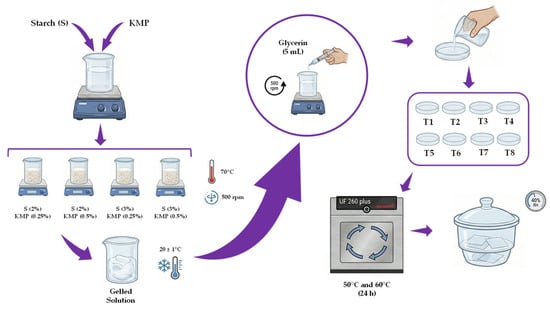
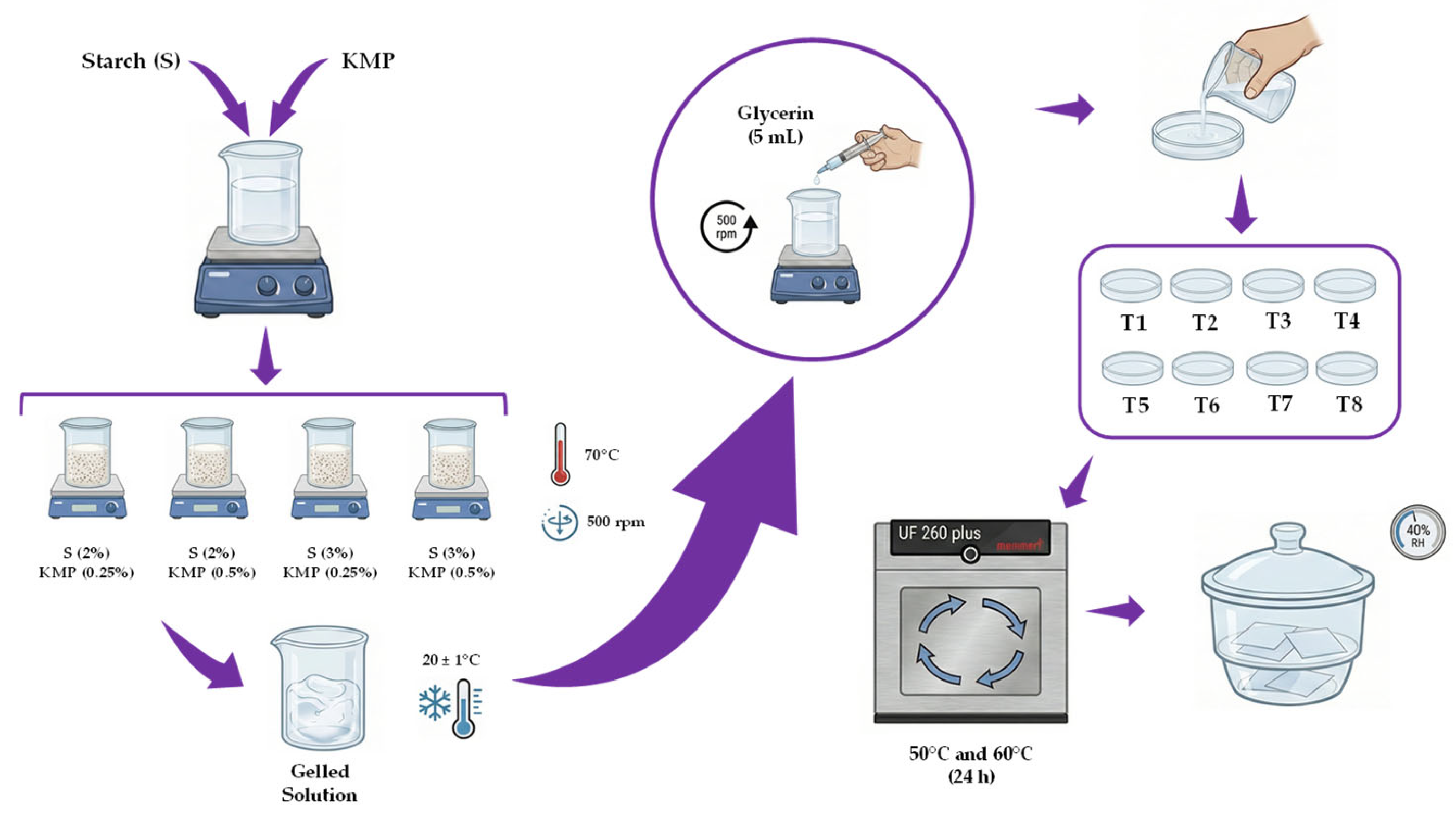
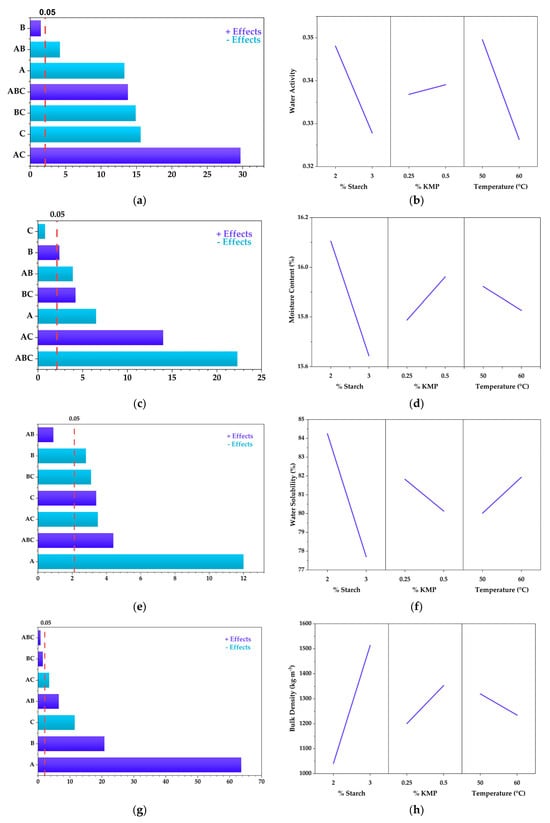
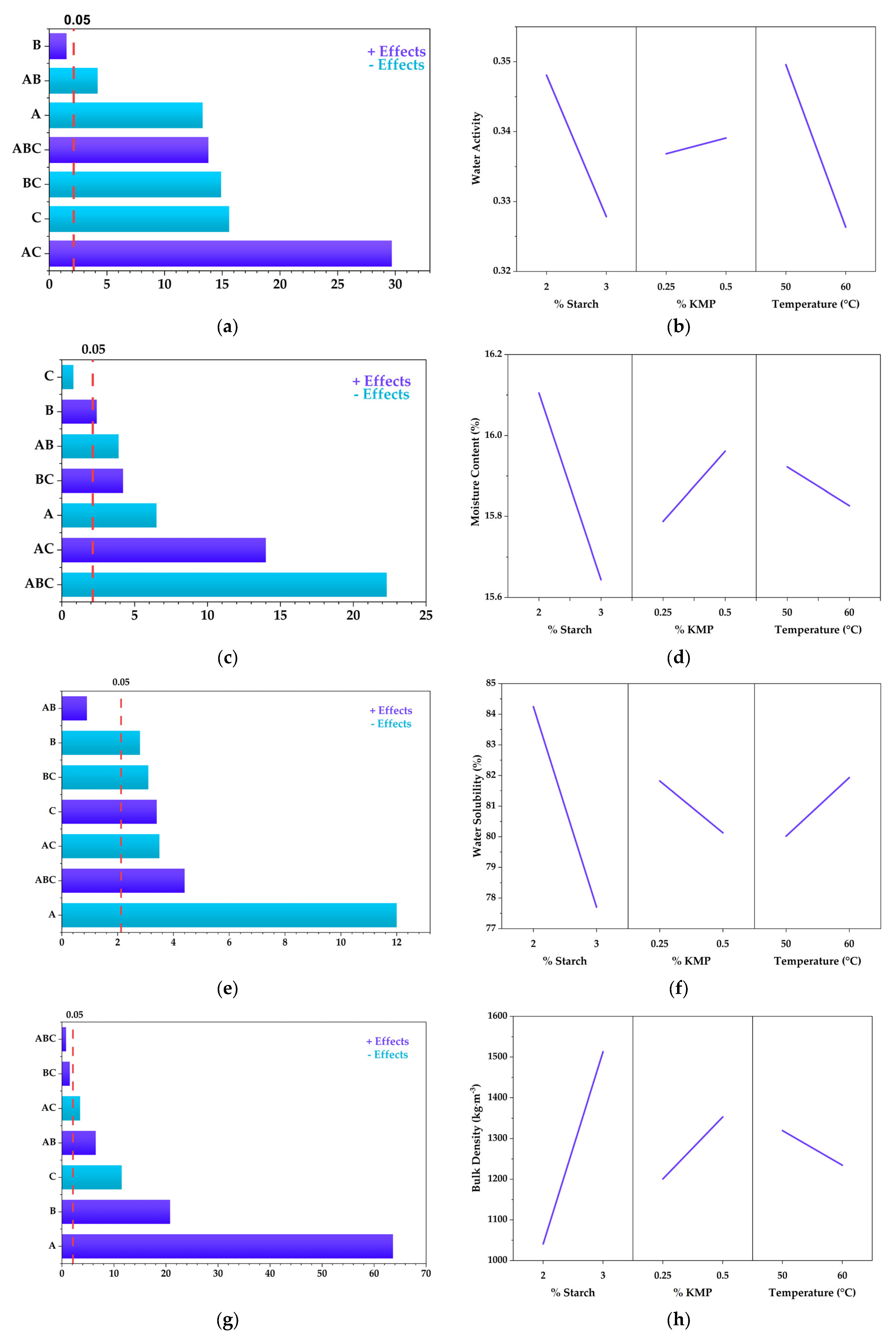
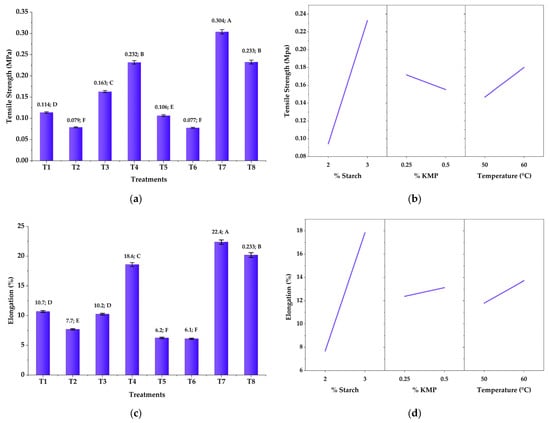
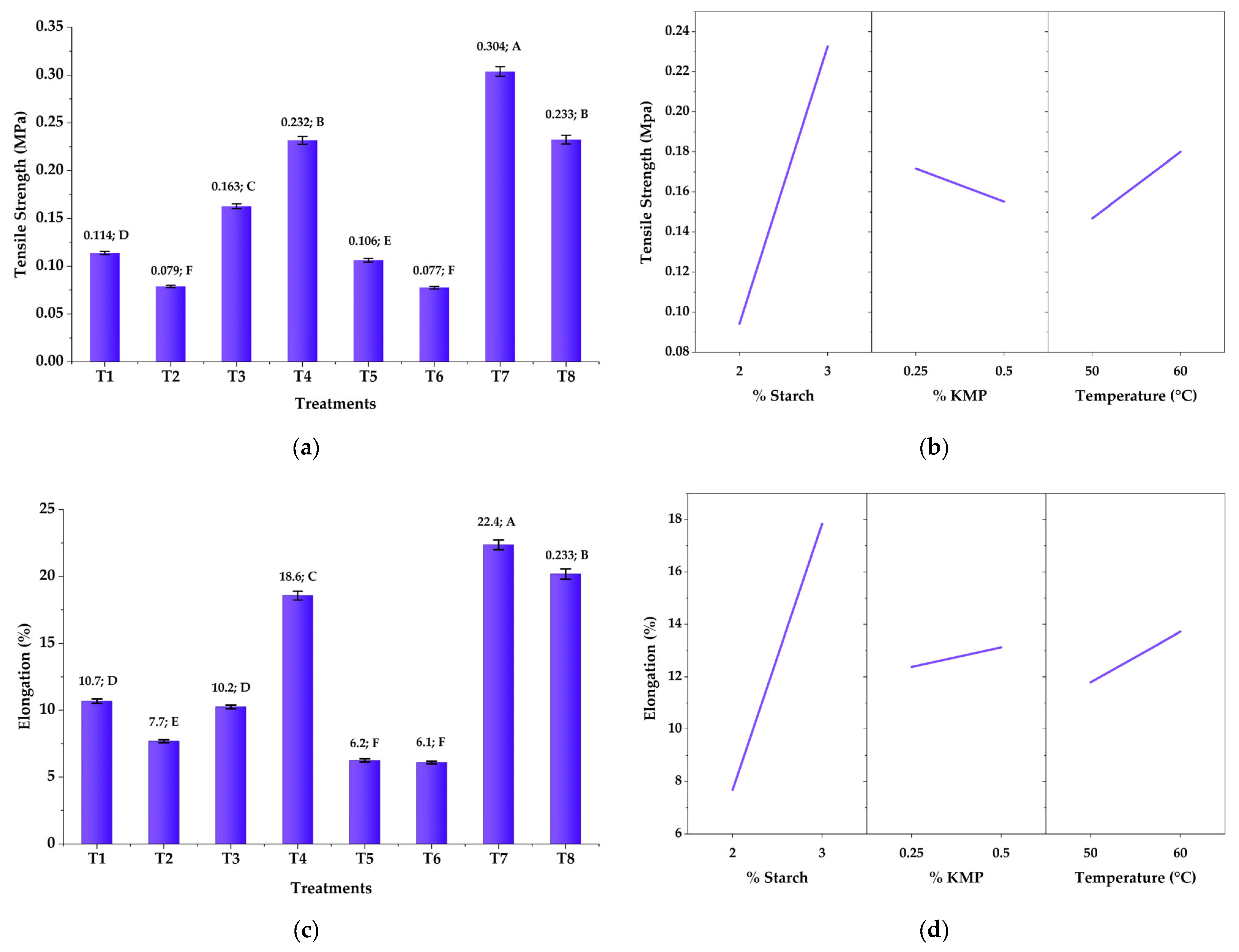
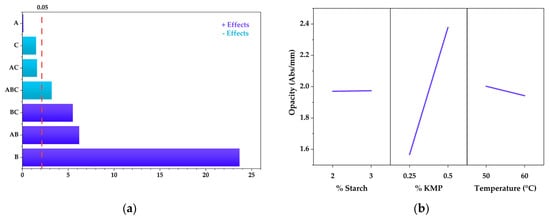
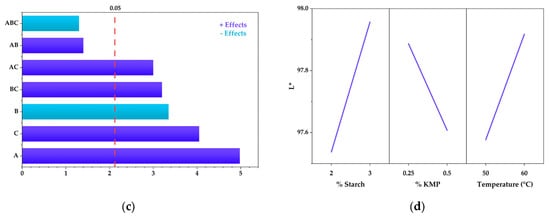
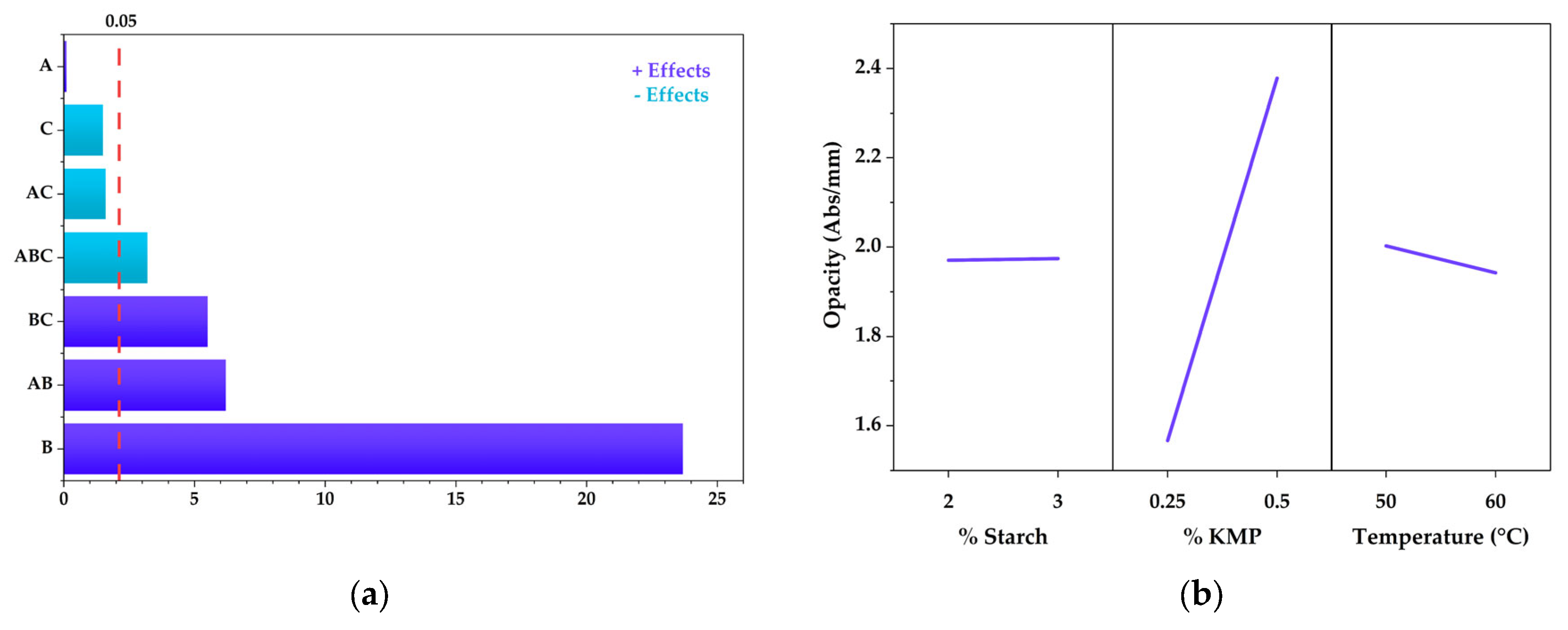
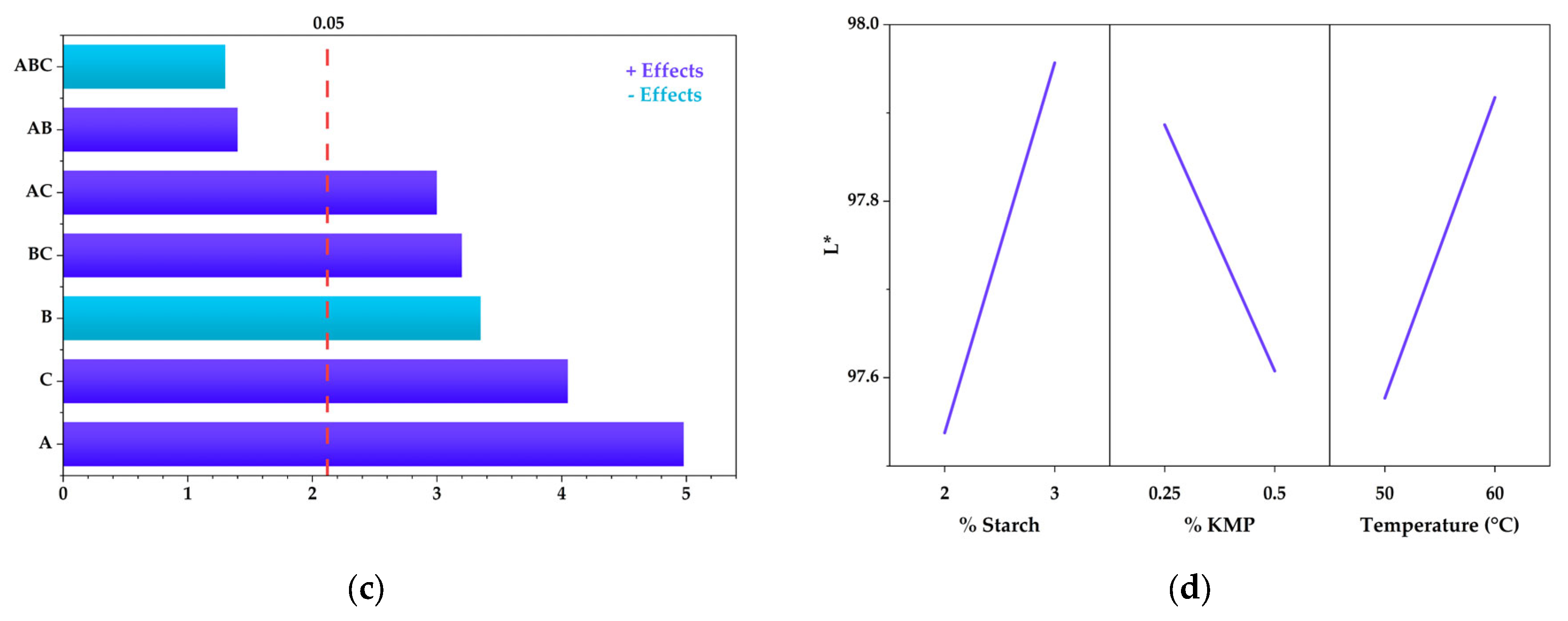
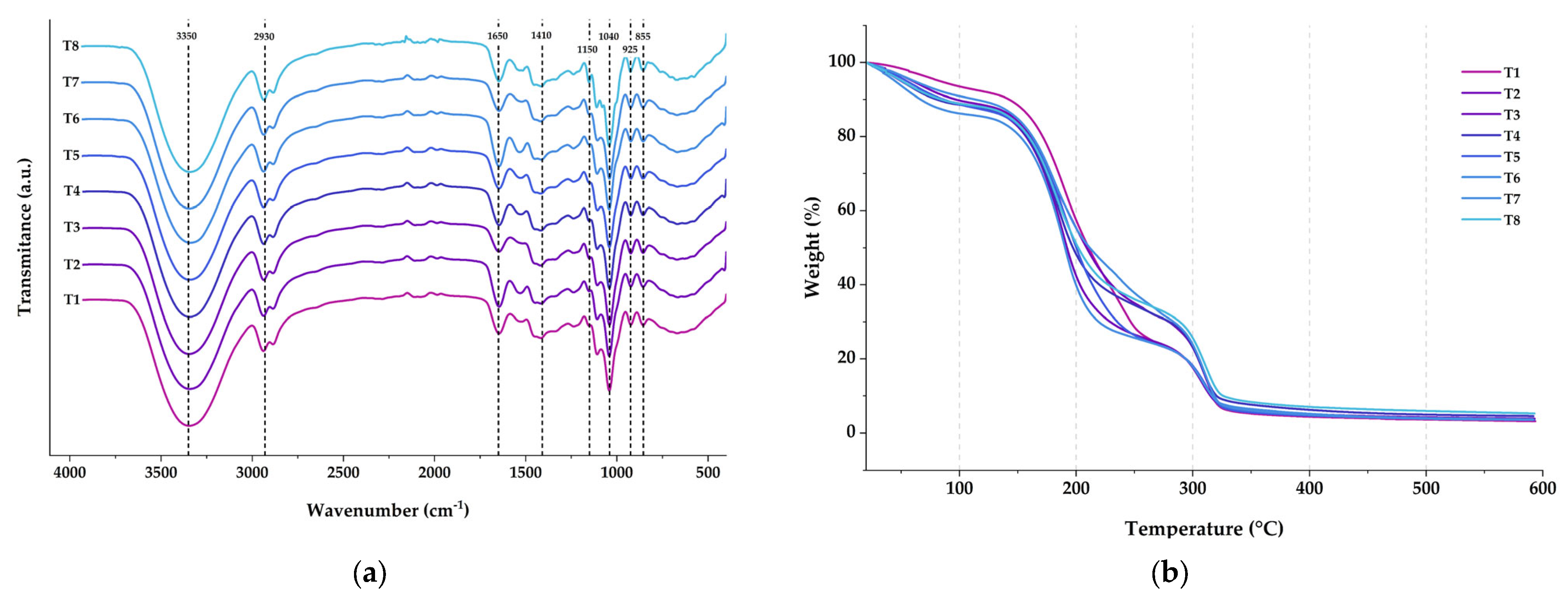

Disclaimer/Publisher’s Note: The statements, opinions and data contained in all publications are solely those of the individual author(s) and contributor(s) and not of MDPI and/or the editor(s). MDPI and/or the editor(s) disclaim responsibility for any injury to people or property resulting from any ideas, methods, instructions or products referred to in the content. |
© 2026 by the authors. Licensee MDPI, Basel, Switzerland. This article is an open access article distributed under the terms and conditions of the Creative Commons Attribution (CC BY) license.