Article

Utilizing Herbal Dust: Ultrasound-Assisted Extraction of Green Tea, Hibiscus, and Lemon Balm Filter Tea Industry Waste


1
Faculty of Technology Novi Sad, University of Novi Sad, Bulevar Cara Lazara 1, 21000 Novi Sad, Serbia
2
Faculty of Food Technology Osijek, Josip Juraj Strossmayer University of Osijek, Franje Kuhača 18, 31000 Osijek, Croatia
*
Author to whom correspondence should be addressed.
Processes 2024, 12(11), 2405; https://doi.org/10.3390/pr12112405
Submission received: 10 October 2024 / Revised: 28 October 2024 / Accepted: 30 October 2024 / Published: 31 October 2024

Abstract

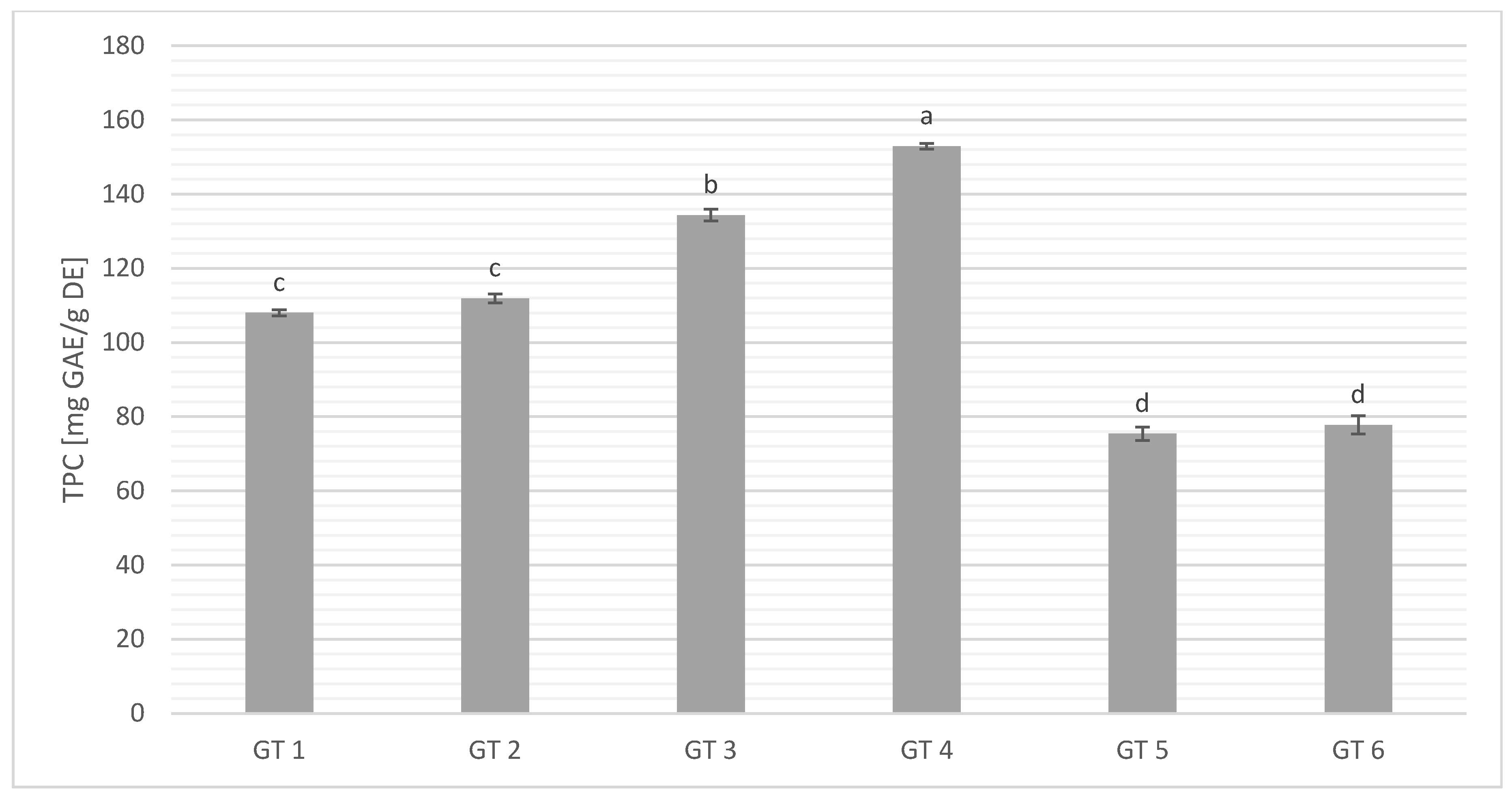
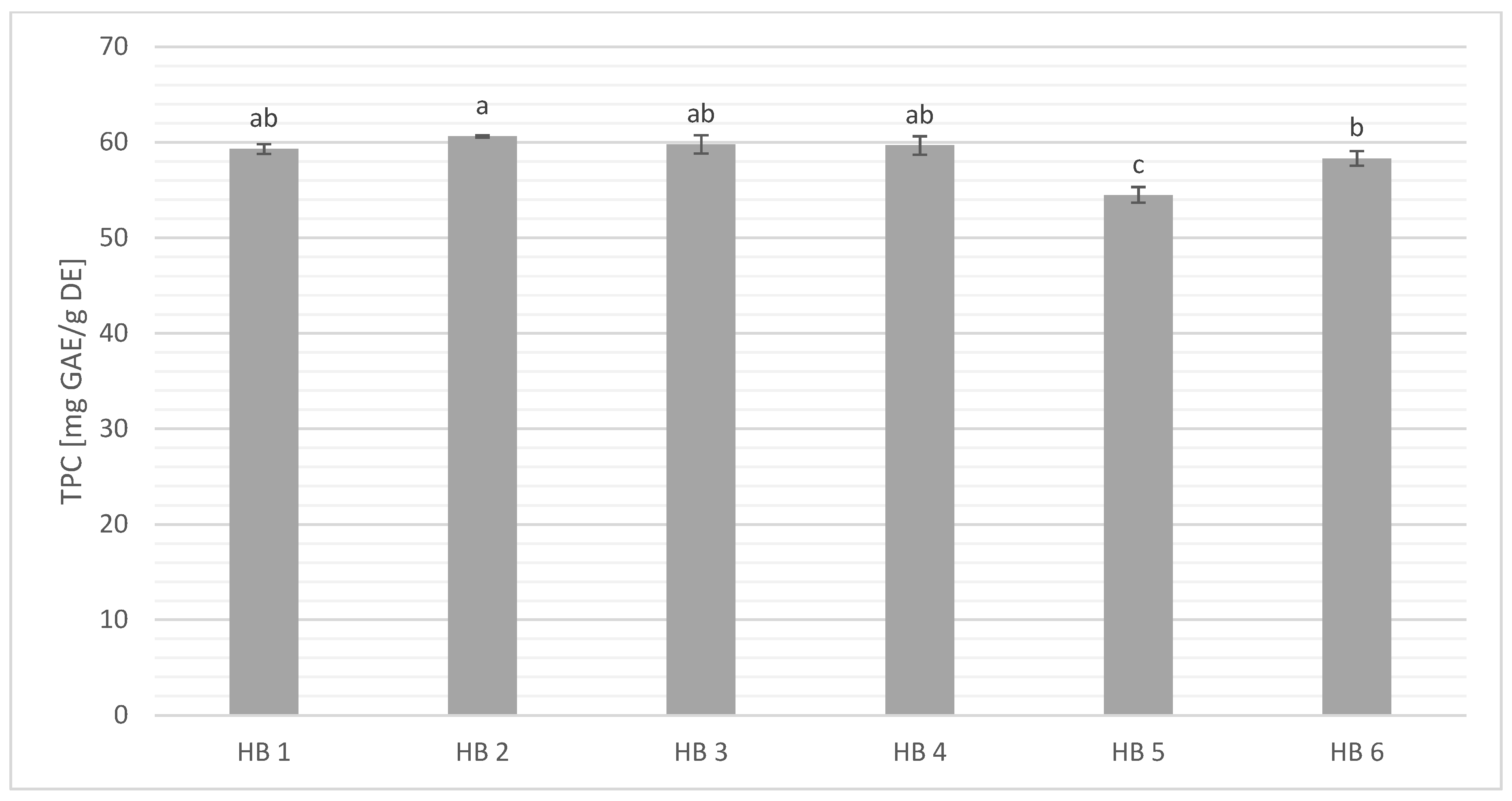
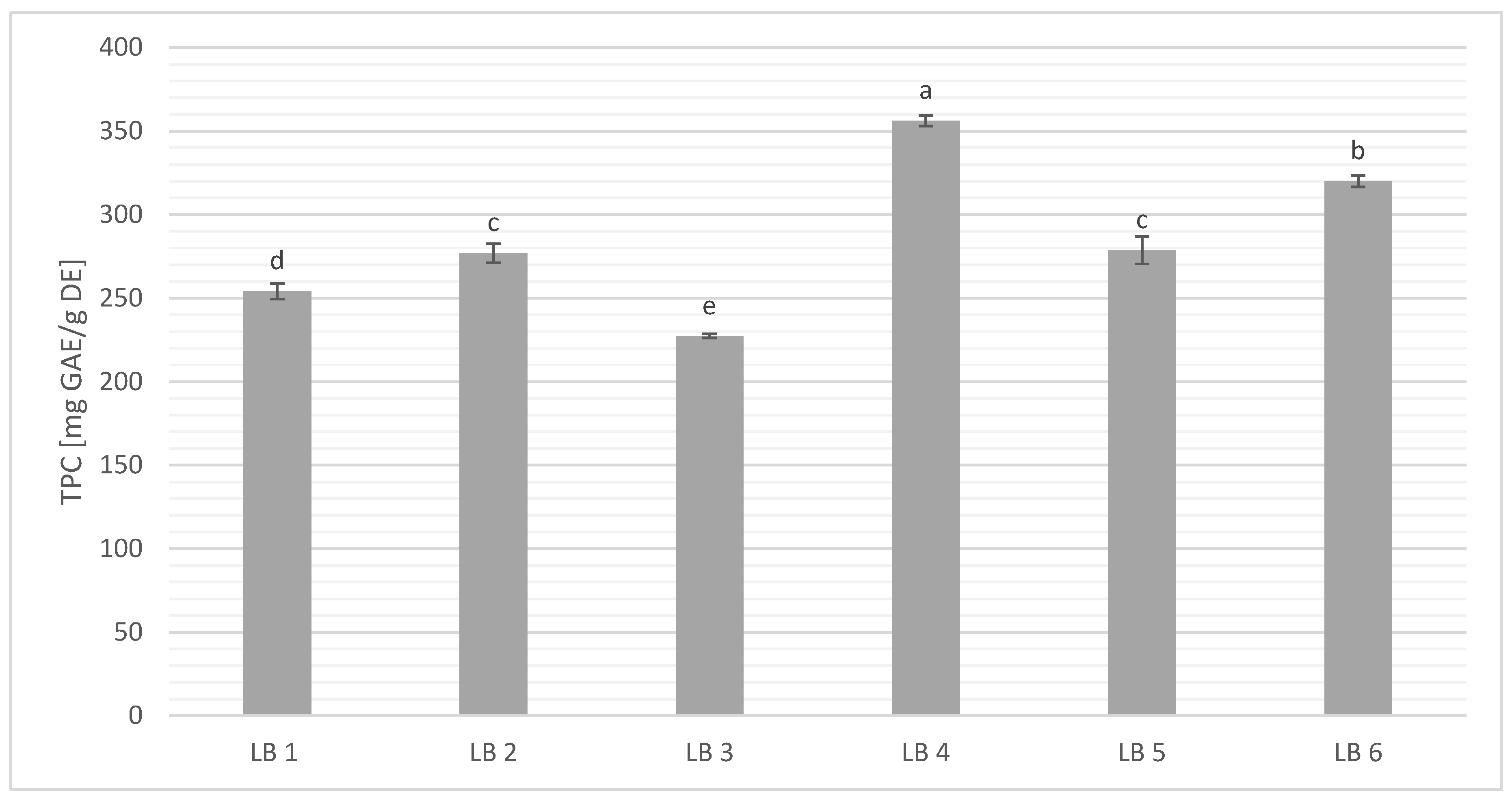
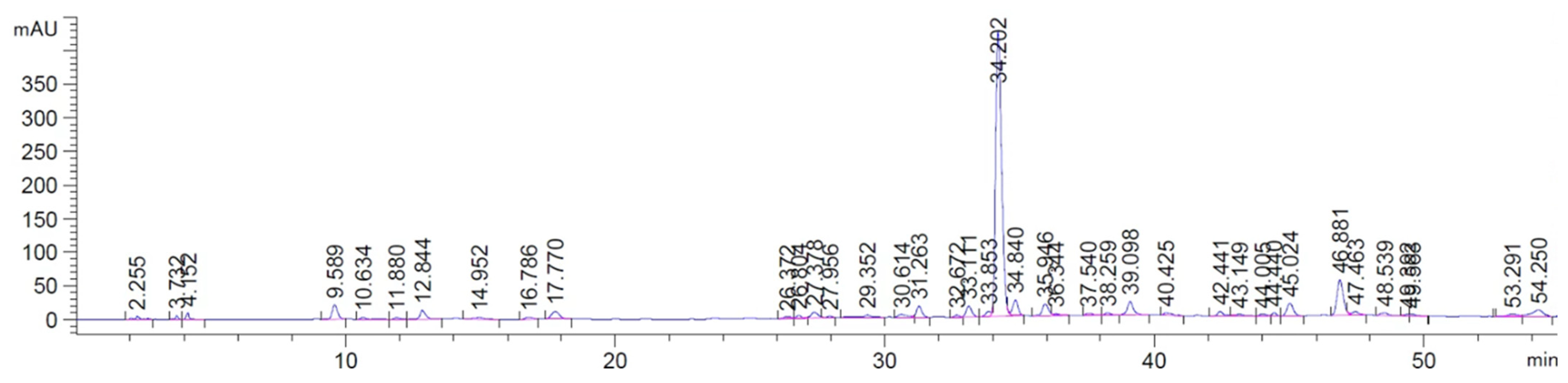
The rise of the global tea industry market, influenced by the growing demands for healthier diet options, resulted in the constant increase in herbal tea production. In accordance, increased production leads to increased waste generation, especially in the area of filter tea production, which generates waste in the form of powdered plant material with particle sizes lower than 0.315 mm. The generated amount of this powdered plant material, also called herbal dust, can vary in the range from 10 to 40% of the total processed plant, and it is often considered waste only due to its size. Therefore, within this study, ultrasound-assisted extraction (UAE) was utilized for the extraction of green tea (Camellia sinensis L.), lemon balm (Melissa officinalis L.), and hibiscus (Hibiscus sabdariffa L.) herbal dust, and the quality of the obtained extracts was evaluated in terms of total phenolic content (TPC) and phenolic profile. In addition, UAE was conducted on the three different amplitudes (20, 60, and 100%) and two different extraction times (5 and 10 min) in order to investigate and compare the influence of different extraction parameters. The results showed that the maximum TPC for green tea, hibiscus, and lemon balm herbal dust was 152.91 ± 0.74, 60.63 ± 0.10, and 356.22 ± 3.13 mg GAE/g DE, respectively. HPLC analysis conducted for all of the obtained extracts confirmed the presence of several phenolic compounds, with the highest concentrations of epigallocatechin gallate (EGCG) for the extracts of green tea, and neochlorogenic acid for hibiscus herbal dust extracts. The HPLC analysis of the lemon balm extracts recorded the highest concentration of rosmarinic acid for all of the UAE conditions. The results reported within this study indicate that previously considered waste, herbal dust plant material can be successfully extracted by application of UAE and that the obtained extracts exhibit concentrations of bioactive compounds comparable to the extracts of the commercially available plant material.
Keywords: waste valorization; ultrasound-assisted extraction; green tea; hibiscus; lemon balm; polyphenols waste valorization; ultrasound-assisted extraction; green tea; hibiscus; lemon balm; polyphenols