


Highlights
What is the main finding?
- This paper presents evidence-based clinical recommendations addressing the appropriate use of specialist consultations and diagnostic investigations in children with IgE-mediated and non-IgE-mediated food allergies, eosinophilic gastrointestinal diseases, urticaria, angioedema and atopic dermatitis.
What are the implications of the main finding?
- Diagnostic investigations in pediatric allergology should be guided by clinical history and structured pathways rather than performed routinely.
- These recommendations may reduce inappropriate prescriptions, improve access to specialist care, and promote more equitable and sustainable pediatric allergy services.
Abstract
Background: Appropriate diagnostic testing is essential to quality pediatric allergy care, affecting diagnostic accuracy, treatment decisions, resource use, and patient outcomes. This study aimed to develop evidence-based recommendations for specialist consultations and diagnostic investigations in children with food allergies, eosinophilic gastrointestinal diseases, urticaria, angioedema, and atopic dermatitis. Methods: A multidisciplinary panel convened for the Italian National Institute of Health formulated and prioritized clinical questions using the PICO framework and structured expert consensus. A systematic review of the literature from 2015 to 2026 informed the recommendations, with certainty of evidence assessed using GRADE methodology. Results: In food allergy, sensitization tests alone are insufficient for diagnosis, while oral food challenges remain central to diagnostic confirmation. Endoscopic biopsies are essential for diagnosing eosinophilic gastrointestinal diseases. In chronic urticaria, specialist consultation is recommended, whereas routine allergy testing should be avoided without a suggestive clinical history. In angioedema, distinguishing histaminergic from bradykinin-mediated forms is critical, with targeted laboratory testing for hereditary or acquired conditions. In atopic dermatitis, standardized severity assessment should guide management and consideration of biologic therapies, while patient and family education represent key components of care. Conclusions: These recommendations provide a framework for standardized pediatric allergy diagnostic pathways, aiming to improve quality and equity of care while reducing unnecessary investigations and optimizing healthcare resource use.
Keywords:
allergy; children; food allergy; urticaria; recommendations; appropriateness; equity; cost; angioedema; atopic dermatitis 1. Introduction
The appropriateness of prescribing clinical and instrumental investigations is essential for the effective management of healthcare resources, ensuring consistency, equity, and timely access to specialist services. Conversely, inappropriate prescriptions generate unnecessary costs and delays for patients and their families while placing an avoidable burden on specialists and the healthcare system. Therefore, the development of clear, evidence-informed, and consensus-based recommendations is crucial to improve the quality of care, optimize resource utilization, and ultimately support the long-term sustainability of the National Health Service [1].
In pediatric allergology, Good Clinical Practice Recommendations (GCPRs) are particularly valuable for guiding the diagnostic work-up and management of complex conditions such as food allergies, eosinophilic gastrointestinal diseases, urticaria, angioedema, and atopic dermatitis [2,3,4,5].
The development of robust and clinically relevant GCPRs requires several fundamental principles to be fulfilled. First, each recommendation should address a clearly defined clinical question using standardized terminology. Second, recommendations should be aligned with current professional standards and supported by transparent scientific rationale. Third, the supporting evidence should be critically appraised according to its methodological quality, consistency, and applicability to clinical practice. Finally, recommendations should be feasible to implement in routine healthcare settings. When these requirements are met, GCPRs are expected to provide valid, reliable, reproducible, clinically applicable, and clearly interpretable guidance. Importantly, their development should rely on a multidisciplinary approach involving all relevant clinical specialties.
The objective of the present work was therefore to develop national recommendations based on the best available scientific evidence to reduce unwarranted variability in the prescription of diagnostic investigations, harmonize clinical practice, and promote equitable access to specialist care for children with allergic diseases. The present work completes a series of previously published studies addressing GCPRs in pediatric allergology [6,7]. Together, these complementary contributions provide a comprehensive evidence-based framework for improving the appropriateness of diagnostic and clinical pathways across the major conditions encountered in pediatric allergology. More precisely, in the present document, evidence-based recommendations on the appropriateness of prescriptions and diagnostic tests for IgE-mediated and non-IgE mediated food allergy, eosinophilic gastrointestinal disease, urticaria, angi-oedema and atopic dermatitis will be gathered and addressed.
2. Materials and Methods
2.1. Working Group and Panel of Experts
The present document is the result of the joint work of a multidisciplinary panel, which includes representatives of paediatrics scientific societies (Italian Society of Paediatricians [Società Italiana Medici Pediatri, in Italian; SIMPE], Italian Society of Pediatrics [Società Italiana di Pediatria, in Italian; SIP], Italian Society of Paediatric Allergology and Immunology [Società Italiana di Allergologia e Immunologia Pediatrica, in Italian; SIAIP], Italian Society for Childhood Respiratory Diseases [Società Italiana per le Malattie Respiratorie Infantili, in Italian, SIMRI], Italian Society of Pediatric Emergency Medicine [Società Italiana di Medicina di Emergenza e Urgenza Pediatrica, in Italian; SIMEUP], Italian Society of Pediatric Primary Care [Società Italiana delle Cure Primarie Pediatriche, in Italian; SICuPP]); representatives of scientific societies of specialists involved in the care of allergic children (Italian Society of Pediatric Dermatology [Società Italiana di Dermatologia Pediatrica, in Italian; SIDerP], Italian Association of Local and Hospital Allergists and Immunologists [Associazione Allergologi Immunologi Italiani Territoriali e Ospedalieri, AAITO]), as well as experts in legal medicine from the Legal and Insurance Medicine (Società Italiana di Medicina Legale e delle Assicurazioni, in Italian; SIMLA), and in telemedicine from Italian Telemedicine Society, (Società Italiana di Telemedicina, in Italian; SIT).
In order to ensure a multidisciplinary approach to the development of GCPRs on IgE-mediated and non-IgE-mediated food allergies, eosinophilic gastrointestinal diseases, urticaria, angioedema and atopic dermatitis, a multi-professional working group was established. The panel included pediatric allergists, general pediatricians, general practitioners, clinical immunologists, otolaryngologists, dermatologists, clinical pharmacologists, psychologists, pediatric nurses, methodologists, and representatives of patient associations, thereby ensuring that the recommendations also addressed the practical needs and perspectives of affected children and their families. The present work forms part of a broader initiative coordinated by the Italian National Institute of Health (Istituto Superiore di Sanità, ISS) to develop evidence-based Good Clinical Practice Recommendations for the appropriate prescription of diagnostic investigations and healthcare services in pediatric patients with allergic diseases.
2.2. Identification of Clinical Questions
As a preliminary step, the working group identified and refined the research questions addressing the diagnostic management of IgE-mediated and non-IgE-mediated food allergies, eosinophilic gastrointestinal diseases, urticaria, angioedema and atopic dermatitis in children and adolescents. Clinical questions were formulated according to the Population/Patient, Intervention, Comparator, Outcome (PICO) framework [8,9,10].
Each member of the working group was invited to propose up to five PICO questions for each thematic area. All proposed PICOs were subsequently discussed and independently rated by the panel using a 10-point Likert scale (0–3 = disagreement; 4–6 = moderate agreement; 7–9 = strong agreement). Only PICO questions achieving a mean score > 7 were ultimately selected for evidence synthesis and recommendation development. The methodological protocol was defined a priori by the multidisciplinary working group within the broader initiative coordinated by the Italian National Institute of Health (Istituto Superiore di Sanità, ISS).
2.3. Systematic Review
To answer the clinical questions selected by the expert panel, systematic literature reviews were undertaken for each PICO question. Searches were performed in three electronic databases (MEDLINE, Embase, and the Cochrane Library) using combinations of general terms (e.g., allergy, atopy, allergic disease) and condition-specific keywords. Detailed search strategies for each PICO are reported in Table A1. The following inclusion criteria were applied:
- Study design: primary studies were limited to randomized controlled trials (RCTs), prospective or retrospective cohort studies with a comparator, and case–control studies. Secondary sources, including systematic reviews (with or without meta-analysis) and clinical practice guidelines, were initially retrieved and subsequently screened to identify additional eligible studies through backward citation tracking (snowballing). Case reports, letters to the editor, brief reports, conference abstracts, and other non-peer-reviewed publications were excluded.
- Population: only studies including children and adolescents aged 0–18 years were considered eligible.
- Language and publication period: to ensure that the recommendations reflected contemporary clinical practice, the search was limited to articles published in English between January 2015 and January 2026.
According to the Preferred Reporting Items for Systematic Reviews and Meta-Analyses (PRISMA) statement [8,9,10], suitable articles were initially pooled together. After the removal of duplicates, two researchers conducted title and abstract screening independently and blindly. Articles fulfilling inclusion criteria were then similarly blindly reviewed by two researchers. Conflicts in each state of the systematic review were resolved through discussion with a third researcher.
The risk of bias of observational studies was assessed using the Newcastle–Ottawa Scale (NOS), which provides an overall score ranging from 0 to 9 points and is widely recommended for the quality appraisal of observational studies included in systematic reviews [11]. The NOS evaluates three main methodological domains: selection of study participants, comparability of study groups, and ascertainment of either the exposure (case–control studies) or the outcome (cohort studies). Although the original NOS was developed for cohort and case–control studies, no specific version has been formally validated for cross-sectional studies. Given the methodological similarities between cohort and cross-sectional designs, differing primarily in the temporal relationship between exposure and outcome assessment [12] the cohort version of the NOS was also applied to cross-sectional studies.
Two reviewers independently assessed the methodological quality of all eligible studies. Disagreements were resolved through discussion and consensus whenever possible; when consensus could not be reached, a third reviewer acted as an arbitrator. Studies were classified according to the following predefined thresholds: 0–3 points, low methodological quality; 4–6 points, moderate methodological quality; and 7–9 points, high methodological quality. To provide the most comprehensive synthesis of the available evidence, all studies fulfilling the predefined inclusion criteria were retained in the review regardless of their methodological quality. Study quality was subsequently taken into account during the GRADE assessment and formulation of the recommendations.
The risk of bias of RCTs was assessed using the Risk of Bias (ROB) tool developed by the National Toxicology Program (NTP) Office of Health Assessment and Translation (OHAT), now the Health Assessment and Translation (HAT) Program [13,14]. The OHAT ROB tool rates the risk of bias across six methodological domains using a four-level scale (“definitely low”, “probably low”, “probably high”, and “definitely high”): participant selection (D1), confounding (D2), attrition/exclusion (D3), detection (D4), selective reporting (D5), and other potential sources of bias (D6).
The OHAT ROB tool was selected because it provides a domain-based assessment of methodological quality without relying on a single summary judgment, thereby allowing a more transparent appraisal of the strengths and limitations of individual studies. Consistent with the study protocol, risk-of-bias assessments informed the certainty of the evidence during the GRADE process but were not used as exclusion criteria for study selection [14].
The methodological quality of the included systematic reviews and clinical practice guidelines was assessed using adapted versions of the AMSTAR 2 tool and the AGREE II instrument, respectively [15,16].
2.4. Data Extraction
Articles meeting all inclusion criteria were then selected for data extraction, including title, authors, journal, and year of publication, target population (by disease and age), type of intervention and comparator, and results. Where available, numerical data were extracted for possible meta-analysis; if unavailable, results were reported narratively.
2.5. Meta-Analysis
In order to ensure a minimum degree of robustness and interpretability of pooled estimates, whenever at least five studies evaluated the same intervention in comparable populations and reported the same outcome, a quantitative synthesis (meta-analysis) was performed. For dichotomous outcomes, pooled effect estimates from randomized controlled trials were expressed as Relative Risks (RRs) with their corresponding 95% confidence intervals (95%CIs), whereas Odds Ratios (ORs) with 95%CIs were calculated for observational studies. For continuous outcomes, pooled estimates were expressed as either the Mean Difference (MD) or the Standardized Mean Difference (SMD), depending on whether the included studies used the same or different measurement scales.
Given the expected clinical and methodological heterogeneity across studies, pooled estimates were calculated using random-effects models. Between-study variance (τ2) was estimated using the restricted maximum-likelihood (REML) method, and statistical heterogeneity was assessed using Cochran’s Q and quantified by the I2 statistic. I2 values were interpreted as indicating low (<25%), moderate (25–50%), substantial (50–75%), or considerable (>75%) heterogeneity [17,18,19]. All statistical tests were two-sided, and p values < 0.05 were considered statistically significant.
Meta-analyses were undertaken only when sufficient quantitative information was available, including the sample size, mean value, and standard deviation for each comparison group. When standard deviations were not directly reported but could be derived from other summary statistics (e.g., confidence intervals), they were estimated according to standard statistical procedures [20]. When essential data required for quantitative synthesis were unavailable, the corresponding authors were contacted by e-mail to request the missing information.
The meta-analysis was conducted by means of R (version 4.3.1) [21] and Rstudio (version 2023.06.0 Build 421; Rstudio, PBC; Boston, MA, USA) software by means of the packages meta (version 7.0) and fmsb (version 0.7.5).
2.6. GRADE and GRADE Evidence to Decision Framework
The certainty of the evidence was assessed using the Grading of Recommendations Assessment, Development and Evaluation (GRADE) approach. For each PICO and each critical outcome, the certainty of evidence was initially determined according to study design and subsequently downgraded by one or two levels when serious or very serious concerns, respectively, were identified for risk of bias, inconsistency, indirectness, imprecision, or publication bias. Conversely, where applicable, certainty from non-randomized evidence could be upgraded in the presence of a large magnitude of effect, a dose–response gradient, or residual confounding likely to reduce rather than increase the observed effect. Final certainty was categorized as high, moderate, low, or very low.
The formulation and strength of recommendations followed the GRADE Evidence-to-Decision (EtD) framework [22] and were not determined solely by the certainty of evidence. For each intervention within each PICO question, the multidisciplinary panel systematically considered the priority of the health problem, desirable and undesirable effects, certainty and directness of the available evidence, patients’ values and preferences, resource requirements and cost-effectiveness, equity, acceptability, and feasibility. Recommendations were subsequently formulated through structured discussion and consensus among panel members. Accordingly, recommendation strength was not assigned through a direct correspondence with the GRADE certainty rating. Strong recommendations were issued only when the overall EtD assessment clearly supported or opposed an intervention. Thus, moderate-certainty or, where justified by the overall EtD assessment, low-certainty evidence could support a strong recommendation when the expected benefits clearly outweighed potential harms or burdens, particularly when the consequences of delayed or inappropriate diagnosis were considered clinically relevant. Conversely, conditional recommendations were preferred when uncertainty remained regarding the magnitude of benefit, applicability, resource requirements, or directness of the supporting evidence. Recommendations relying predominantly on indirect or limited evidence were therefore generally formulated as conditional or consensus-based.
2.7. Consensus Panel for the Strength of Recommendations
The strength of each recommendation was determined through a structured consensus process involving all members of the multidisciplinary panel. Once draft recommendations had been formulated, an electronic survey was distributed to all panel members. Using a 10-point Likert scale (0–3 = low strength, 4–6 = moderate strength, 7–9 = strong recommendation), participants were asked to rate the strength of each recommendation. In addition, the expected sustainability of each recommendation was independently assessed using a second 10-point Likert scale (0–3 = not sustainable, 4–6 = probably sustainable, 7–9 = highly sustainable). Mean scores were subsequently calculated and used to determine the final strength of the recommendations. When substantial disagreement emerged among panel members, the corresponding recommendations were further discussed until consensus was reached.
3. Results
3.1. IgE-Mediated and Non-IgE Mediated Food Allergy and Eosinophilic Gastrointestinal Disease
3.1.1. Summary of Literature Search
The search of three electronic databases (Embase, MEDLINE, and the Cochrane Library) identified a total of 7321 records. After removing duplicates (n = 4183), 3138 records were screened by title and abstract, resulting in the exclusion of 3111 records. Full-text articles were retrieved for the remaining 27 studies. Of these, 15 met the predefined inclusion criteria and were included in the qualitative synthesis. An additional 13 relevant publications were identified through expert consultation and citation tracking, resulting in a total of 28 studies included in the evidence synthesis (Figure 1).
Figure 1.
Flow-chart of included studies on the topic of IgE-mediated and non-IgE mediated food allergy and eosinophilic gastrointestinal disease. A total of 28 documents were included, comprising 15 records identified through database searches and 13 identified through expert consultation. Irrespective of their source of identification, the final evidence base comprised 14 observational studies, 5 systematic reviews/meta-analyses, and 9 guidelines or consensus documents.
The original studies included in the search are reported and described in Table A2, while Systematic Reviews and Guidelines are reported in Table A3 and Table A4. Briefly, fifty percent of the included studies were observational studies, while the remaining were meta-analyses and guidelines/recommendations. No RCTs (Randomized Controlled Trials) were found that addressed the question. Quality appraisal of included studies is summarised in Table A5, Table A6, Table A7 and Table A8.
The outcomes considered depending on the PICO framework mainly included:
- Diagnostic accuracy through allergy tests to identify the causative agent and initiate specific therapy;
- Quality of life measured through standardized questionnaires.
3.1.2. Clinical Questions
The full list of inquired PICOs is provided by Table 1.
Table 1.
Summary of inquired PICOs on IgE-mediated and non-IgE mediated food allergy and eosinophilic gastrointestinal disease.
PICO 1
In children and adolescents with suspected food allergy and atopic dermatitis, is an allergy consultation recommended over the regular follow-up with a primary care pediatrician to initiate specific therapy and improve quality of life?
Narrative report. Food allergy frequently coexists with atopic dermatitis in children. While the primary care pediatrician plays a key role in the early recognition and initial management of suspected food allergy, referral to a pediatric allergy specialist may improve diagnostic accuracy, optimize therapeutic decisions, and ultimately enhance the quality of life of both patients and their families.
Current EAACI guidelines recommend an individualized diagnostic approach, particularly in children at high risk of food allergy, such as those with moderate-to-severe atopic dermatitis [23,24]. Specialist evaluation allows comprehensive risk assessment and access to second-level diagnostic investigations, including skin prick tests (SPT), measurement of serum-specific IgE, and, when indicated, oral food challenge (OFC), which remains the diagnostic gold standard and should be performed by experienced personnel in an appropriate clinical setting [23].
Because SPT and serum-specific IgE evaluate different aspects of allergic sensitization, their results may not always be concordant, particularly in younger children whose immune responses are still developing. Consequently, these tests should not be interpreted in isolation but rather integrated with the clinical history and, whenever necessary, confirmed by OFC. Incorrect interpretation may lead to overdiagnosis, unnecessary elimination diets, nutritional deficiencies, and increased parental anxiety [25].
Several observational studies consistently support the added value of specialist allergy consultation. Miceli Sopo et al. emphasized that specialist assessment facilitates appropriate diagnostic testing, confirms the diagnosis through objective investigations, and enables individualized management strategies, including targeted elimination diets and emergency action plans when indicated [26]. Similarly, Caimmi et al. [27] highlighted the complementary roles of primary care pediatricians and allergists, showing that while initial management can safely begin in primary care, children with suspected IgE- and non-IgE-mediated food allergy should be referred for specialist evaluation to undergo SPT, serum-specific IgE testing, and OFC, thereby avoiding unnecessary dietary restrictions and improving clinical and psychosocial outcomes. Comparable conclusions were reported by Calvani et al. [28], who proposed a structured diagnostic pathway integrating clinical history, allergy testing, elimination diets, and OFC in selected cases to achieve an accurate diagnosis and appropriate therapeutic management.
Overall, the available evidence consistently indicates that allergy consultation provides substantial clinical benefits over follow-up by the primary care pediatrician alone in children with suspected food allergy and atopic dermatitis. Specialist assessment improves diagnostic precision, supports personalized management, minimizes unnecessary dietary restrictions, and may contribute to better health-related quality of life for both children and their families.
Recommendation (Table 2). Given the low certainty of the available evidence and the predominantly observational nature of the supporting studies, a conditional recommendation in favour of specialist referral was formulated. Briefly, children and adolescents with suspected food allergy and atopic dermatitis should be referred to an allergy specialist to ensure an accurate diagnosis, reduce false positives, and initiate specific therapy with potential improvement in quality of life.
Table 2.
Summary of quality of evidence on the PICO 1 (i.e., “In children and adolescents with suspected food allergy and atopic dermatitis, is an allergy consultation recommended over the regular follow-up with a primary care pediatrician to initiate specific therapy and improve quality of life?”). Note: GRADE = Grading of Recommendations Assessment, Development and Evaluation.
PICO 2
In children with suspected food allergy, is the use of the OFC more effective than diagnosis based solely on skin prick tests and specific IgE measurements in reducing overdiagnosis and ensuring an adequate diagnosis of food allergy?
Narrative report. The diagnosis of IgE-mediated food allergy in children remains challenging and requires the integration of clinical history with appropriate diagnostic testing. According to the SIGENP–SIAIP diagnostic and therapeutic pathway, the OFC remains essential to confirm or exclude the diagnosis of food allergy. Reliance on sensitization tests alone, including SPT and serum-specific IgE measurements, may lead to overdiagnosis because these investigations demonstrate sensitization rather than clinically relevant allergy. Consequently, OFC improves diagnostic appropriateness, avoids unnecessary elimination diets, and prevents unjustified dietary restrictions [29].
Similarly, the EAACI guidelines recognize that SPT and serum-specific IgE are highly sensitive but have limited specificity. Although both tests represent valuable first-line diagnostic tools, they should not be used in isolation to establish the diagnosis of food allergy. Accordingly, the guidelines recommend oral food challenge—preferably double-blind, placebo-controlled whenever feasible—as the diagnostic gold standard, particularly in patients with discordant test results or an uncertain clinical history [2].
The available observational evidence consistently supports these recommendations. A five-year retrospective study conducted in a pediatric allergy center demonstrated that OFC frequently refuted presumed food allergy diagnoses based solely on sensitization tests, substantially reducing unnecessary exclusion diets. Among 456 oral food challenges performed, only 56 (12.3%) were positive, confirming clinically relevant food allergy [30].
Comparable findings were reported by other studies, showing that OFC often disproves diagnoses based exclusively on sensitization testing, particularly when fresh food is used for the challenge while commercial extracts are employed for SPT [25,31]. Likewise, Diaz et al. demonstrated that neither SPT nor serum-specific IgE alone provides sufficient diagnostic accuracy for cow’s milk protein allergy. Although the casein SPT showed high specificity (96.7%), its sensitivity remained limited, whereas the highest diagnostic performance was achieved by combining SPT and serum-specific IgE testing. Nevertheless, OFC remained necessary to establish or exclude the diagnosis and to optimize nutritional management [32].
Finally, a systematic review and meta-analysis confirmed that SPT and serum-specific IgE are appropriate screening tools for allergic sensitization but have limited ability to confirm clinical food allergy. Across the available evidence, oral food challenge remains the only diagnostic test with sufficient specificity to reliably confirm food allergy and is therefore regarded as the current diagnostic gold standard [33,34].
Overall, the available evidence consistently indicates that sensitization tests should be interpreted as complementary diagnostic tools, whereas oral food challenge remains indispensable whenever confirmation of clinically relevant food allergy is required.
Recommendation (Table 3). In children with suspected food allergy, OFC is strongly recommended, when clinically indicated and feasible, to confirm the diagnosis and avoid unnecessary dietary restrictions. Diagnosis based solely on SPT and specific IgE is not recommended because of the risk of overdiagnosis.
Table 3.
Summary of quality of evidence on the PICO 2 (i.e., “In children with suspected food allergy, is the use of the OFC more effective than diagnosis based solely on skin prick tests and specific IgE measurements in reducing overdiagnosis and ensuring an adequate diagnosis of food allergy?”). Note: GRADE = Grading of Recommendations Assessment, Development and Evaluation.
PICO 3
In children and adolescents with suspected eosinophilic gastrointestinal disease or non-IgE-mediated food allergy, is a specialist gastroenterology/allergy consultation recommended compared to independent management by the primary care paediatrician for achieving an accurate diagnosis and initiating specific treatment?
Narrative report. Eosinophilic gastrointestinal disorders (EGIDs) and non-IgE-mediated food allergies comprise a heterogeneous group of chronic inflammatory diseases characterized by abnormal eosinophilic infiltration of the gastrointestinal tract. Eosinophilic esophagitis (EoE) is the most extensively studied condition, whereas eosinophilic gastritis, enteritis, and colitis are less common and often present with nonspecific clinical manifestations, making diagnosis particularly challenging in children [3,35,36].
Primary care pediatricians play a key role in the early recognition of suspected cases. However, confirmation of the diagnosis and appropriate therapeutic management generally require referral to pediatric gastroenterology and allergy specialists within a multidisciplinary setting.
Current international guidelines consistently identify upper gastrointestinal endoscopy with multiple biopsies as the cornerstone of diagnosis. According to the American College of Gastroenterology (ACG), the diagnosis of EoE requires both symptoms of esophageal dysfunction (e.g., dysphagia, food impaction, regurgitation, vomiting, chest pain, or poor growth) and histological evidence of at least 15 eosinophils per high-power field in esophageal biopsy specimens [36]. Similarly, the 2024 ESPGHAN recommendations advocate systematic upper gastrointestinal endoscopy with multilevel biopsy sampling, recommending at least six biopsies obtained from different esophageal levels to maximize diagnostic yield [3,35].
For non-esophageal EGIDs, the joint ESPGHAN/NASPGHAN recommendations require three essential diagnostic criteria: (1) compatible gastrointestinal symptoms; (2) dense eosinophilic infiltration demonstrated on mucosal biopsy; and (3) exclusion of alternative causes of gastrointestinal eosinophilia, including parasitic infections, inflammatory bowel disease, drug-related disorders, neoplasms, and other allergic conditions. Histological thresholds vary according to the anatomical segment involved and should therefore be interpreted in the appropriate clinical context [35].
The available evidence consistently highlights the pivotal role of endoscopic and histological evaluation in establishing the diagnosis. In a recent systematic review, Calvani et al. reported that endoscopy with biopsy provides greater diagnostic accuracy than oral food challenge in patients with persistent gastrointestinal symptoms suggestive of non-IgE-mediated or mixed food allergy. Interestingly, although histological relapse occurred in all patients following food reintroduction after an elimination diet, only 42% experienced recurrence of clinical symptoms, emphasizing that histological activity and symptom severity do not necessarily correlate and should be interpreted together [37].
These findings support current Italian recommendations issued by SIGENP and SIAIP, which advocate a structured multidisciplinary diagnostic pathway. While the initial clinical assessment should be performed by the primary care pediatrician, children with suspected non-IgE-mediated food allergy or EGIDs should be referred to secondary or tertiary referral centers, where pediatric allergists, gastroenterologists, endoscopists, pathologists, and dietitians collaborate in diagnostic evaluation and therapeutic planning [29].
Overall, the available evidence consistently indicates that specialist multidisciplinary assessment, including upper gastrointestinal endoscopy with appropriate biopsy sampling, is essential for achieving an accurate diagnosis, excluding alternative causes of gastrointestinal eosinophilia, guiding individualized treatment, and minimizing the risk of delayed diagnosis and long-term consequences on growth and development [19].
Recommendation. Due to the moderate quality of evidence, a consensus-based rather than evidence-based recommendation was framed (Table 4). Referral to a specialist gastroenterologist/allergist is recommended for children and adolescents with suspected eosinophilic gastrointestinal disease or non-IgE-mediated food allergy, in order to undertake an appropriate diagnostic pathway, including endoscopic examination with biopsies, so that specific treatment can be initiated.
Table 4.
Summary of quality of evidence on the PICO 3 (i.e., “In children and adolescents with suspected eosinophilic gastrointestinal disease or non-IgE-mediated food allergy, is a specialist gastroenterology/allergy consultation recommended compared to independent management by the primary care paediatrician for achieving an accurate diagnosis and initiating specific treatment?”). Note: GRADE = Grading of Recommendations Assessment, Development and Evaluation.
PICO 4
In children and adolescents with suspected eosinophilic gastrointestinal disease, is endoscopy with biopsy more strongly recommended than serological and skin tests alone for confirming the diagnosis and guiding therapy?
Narrative report. The diagnosis of eosinophilic EGIDs, including EoE and non-oesophageal EGIDs, relies on endoscopic evaluation with histological confirmation. Neither serum food-specific IgE nor SPT should be used alone to establish or exclude the diagnosis because both demonstrate sensitization rather than tissue eosinophilic inflammation and have limited negative predictive value [38].
The available evidence consistently shows that conventional allergy tests have limited diagnostic performance in children with EGIDs. In a retrospective cross-sectional study including 35 children with confirmed or suspected EoE, SPT was positive in only 75% of cases, whereas serum-specific IgE was detected in just 50% of patients, confirming the relatively low prevalence of IgE-mediated food allergy in this population [39]. Similar findings were reported in an observational study of 108 children with EoE, in which SPT and serum-specific IgE were positive in only 60.6% and 54.4% of patients, respectively [38]. Likewise, an earlier pediatric study reported positive SPT results in only 5.9% of children with EoE, although serum-specific IgE showed a somewhat higher positivity rate [40].
Further evidence indicates that neither SPT nor serum-specific IgE adequately predicts oesophageal eosinophilia. In a retrospective cohort of 144 children, the probability of EoE increased with the number of positive food-specific IgE; however, approximately 15% of patients had no detectable sensitization, limiting the predictive performance of serological testing alone [23]. Similar observations have also been reported for non-oesophageal EGIDs. A Korean pediatric study found positive serum-specific IgE in only half of the investigated patients, while an Italian retrospective study confirmed the strong association between EGIDs and atopy but also demonstrated considerable heterogeneity in allergological findings, particularly between EoE and non-oesophageal EGIDs [41,42].
The atopy patch test (APT) may provide additional diagnostic information in selected patients with suspected non-IgE-mediated food allergy. A recent systematic review including 16 studies demonstrated that APT has high specificity (up to 96%), particularly in food protein-induced motility disorders, but poor sensitivity. Consequently, a positive APT strongly supports the diagnosis, whereas a negative result cannot reliably exclude disease [43].
Overall, the available evidence consistently indicates that histological confirmation obtained through endoscopic biopsy remains indispensable for the diagnosis of EGIDs. Allergy tests should therefore be regarded as complementary investigations that contribute to characterizing the patient’s atopic profile rather than confirming the diagnosis. Histological assessment also allows exclusion of alternative causes of gastrointestinal eosinophilia, including parasitic infections, autoimmune disorders, inflammatory bowel disease, and neoplastic conditions, while providing the basis for individualized therapeutic strategies, including elimination diets, anti-inflammatory or immunomodulatory treatment, and long-term monitoring of both clinical and histological response [44].
Recommendation (Table 5). The exclusive use of serum-specific IgE, SPT, or APT is not recommended in children and adolescents with suspected EGIDs, as these tests characterize allergic sensitization but cannot reliably confirm or exclude tissue eosinophilic inflammation. Endoscopic evaluation with appropriate gastrointestinal biopsies and histological assessment remains the diagnostic gold standard. A definitive diagnosis is essential to guide individualized treatment and long-term follow-up.
Table 5.
Summary of quality of evidence on the PICO 4 (i.e., “In children and adolescents with suspected eosinophilic gastrointestinal disease, is endoscopy with biopsy more strongly recommended than serological and skin tests alone for confirming the diagnosis and guiding therapy?”). Note: GRADE = Grading of Recommendations Assessment, Development and Evaluation.
3.2. Urticaria and Angioedema
3.2.1. Summary of Literature Search
A search of three databases (Embase, Medline, Cochrane) identified 1385 articles. After removing duplicates (n = 347), 62 studies were screened by title and abstract (Figure 2).
Figure 2.
Flow-chart of included studies on urticaria and angioedema. A total of 19 documents were included, comprising 9 records identified through database searches and 10 identified through expert consultation. Irrespective of their source of identification, the final evidence base comprised 7 observational studies, 1 randomized controlled trial, 6 systematic reviews/meta-analyses, and 5 guidelines or consensus documents.
Of these, 23 articles were reviewed in full and 9 were included in the final analysis. Based on expert opinion, a further 10 articles were added, for a total of 19 articles included. Seven studies were observational, 1 was a RCT; the remainder were meta-analyses and guidelines/recommendations. Study selection process is presented in the PRISMA flow diagram reported in Figure 2. The studies included in the search are reported and described in Table A2, Table A3 and Table A4. Quality appraisal of included studies is summarised in Table A5, Table A6, Table A7 and Table A8.
The outcomes considered, depending on the PICO. question, mainly concerned:
- the diagnostic accuracy of allergological tests in identifying the causal agent and initiating specific therapy
- quality of life measured using standardised questionnaires
3.2.2. Clinical Questions
The full list of inquired PICOs is provided by Table 6.
Table 6.
Summary of inquired PICOs on urticaria and angio-edema.
PICO 1
In children and adolescents with chronic urticaria, is an allergological consultation recommended over standard follow-up by the general paediatrician in order to initiate specific therapy and improve quality of life?
Narrative report. Chronic spontaneous urticaria (CSU) in children is frequently underdiagnosed and under-referred, despite its substantial impact on quality of life. Although primary care pediatricians play a key role in the initial recognition and management of CSU, referral to an allergy or dermatology specialist should be considered in children with symptoms that remain uncontrolled despite standard-dose second-generation antihistamines, in patients with chronic or atypical disease, and whenever the diagnosis remains uncertain or potential triggers cannot be identified. Specialist evaluation is also required because third- and fourth-line treatment options recommended by current international guidelines, including biologic therapies, are generally available only in tertiary referral centers and are not approved for all pediatric age groups [4,45].
Specialist assessment enables confirmation of the diagnosis, exclusion of alternative causes of urticaria, optimization of pharmacological treatment, and avoidance of unnecessary diagnostic investigations. For patients with antihistamine-refractory CSU, increasing evidence supports the efficacy and safety of omalizumab, while other immunomodulatory therapies, such as ciclosporin, should be reserved for selected severe cases and prescribed only under specialist supervision [46,47].
Beyond symptom control, specialist management has consistently been associated with significant improvements in health-related quality of life. Several real-world observational studies have shown that treatment with omalizumab substantially reduces disease activity while improving validated quality-of-life measures. In a pediatric cohort, the Children’s Dermatology Life Quality Index (CDLQI) decreased from 17.5 to 2.0 after 16 weeks of treatment, indicating a marked improvement in patient well-being [48]. Similar benefits were observed in larger retrospective and observational studies, in which omalizumab significantly improved Urticaria Activity Score (UAS/UAS7), Urticaria Control Test (UCT), and quality-of-life scores after three to twelve months of treatment [49,50].
These findings are consistent with evidence from randomized clinical trials. In a post hoc analysis of the phase III ASTERIA I, ASTERIA II, and GLACIAL trials, Finlay et al. demonstrated that omalizumab 300 mg significantly improved Dermatology Life Quality Index (DLQI) scores compared with placebo after 12 weeks of treatment [51].
Overall, the available evidence consistently indicates that specialist follow-up plays a pivotal role in the management of pediatric CSU. Access to specialist care facilitates appropriate use of advanced therapies, improves disease control, minimizes unnecessary investigations, and results in clinically meaningful improvements in health-related quality of life. Given the profound psychosocial impact of chronic urticaria during childhood and adolescence, early referral to specialist services should be considered an integral component of optimal patient management [52].
Recommendation (Table 7). Children and adolescents with CSU should be referred to an allergy specialist when symptoms persist despite first-line therapy, the diagnosis is uncertain, or advanced treatment is required. Specialist assessment facilitates early diagnosis, optimization of therapy, access to targeted treatments when indicated, and contributes to improved disease control and health-related quality of life.
Table 7.
Summary of quality of evidence on the PICO 1 (i.e., “In children and adolescents with chronic urticaria, is an allergological consultation recommended over standard follow-up by the general paediatrician in order to initiate specific therapy and improve quality of life?”). Note: GRADE = Grading of Recommendations Assessment, Development and Evaluation.
PICO 2
In children and adolescents with chronic urticaria, does the routine performance of allergological tests (skin prick test, specific IgE) compared to management based solely on clinical history improve the identification of triggering causes?
Narrative report. CSU in children is predominantly idiopathic, and an underlying allergic cause can be identified only in a minority of patients. Consequently, routine allergy testing has limited diagnostic value and should not be performed indiscriminately.
Available observational evidence consistently supports this approach. In a cohort of 222 children with CSU, elevated total IgE levels (>100 U/L) and positive SPT were observed in 37.8% and 27.9% of patients, respectively; however, sensitization proved clinically relevant in only a small proportion of cases. Despite comprehensive clinical evaluation and extensive laboratory investigations, a definite underlying cause was identified in only a minority of patients [53]. Similar findings were reported in another observational study of 37 children with chronic urticaria, in which 86.5% of cases were ultimately classified as spontaneous despite allergological investigations. The authors concluded that SPT and serum-specific IgE should be reserved for patients in whom the clinical history raises a genuine suspicion of an allergic trigger [54].
These findings are supported by systematic reviews and international guidelines. A recent review estimated that allergy accounts for fewer than 10% of pediatric CSU cases, while food allergy is confirmed in only 2.8–4.0% of patients when oral food challenge is used as the reference standard [45]. Likewise, Caffarelli et al. found no convincing evidence that foods, inhalant allergens, or drugs represent common causes of pediatric CSU, recommending allergy testing only when a clear temporal relationship exists between allergen exposure and symptom onset [55,56].
Current international guidelines consistently discourage routine allergological investigations in children with CSU. Both the EAACI/GA2LEN/EuroGuiDerm/APAAACI recommendations and the British Society for Allergy & Clinical Immunology (BSACI) guidelines emphasize that a careful medical history and physical examination are generally sufficient to establish the diagnosis and guide further investigations. Allergy tests, including SPT and serum-specific IgE, should therefore be performed only when supported by the clinical history, thereby reducing unnecessary investigations and minimizing the risk of false-positive results and inappropriate clinical management [4,47].
Recommendation (Table 8). Routine allergological investigations are not recommended in children and adolescents with CSU. Diagnostic evaluation should be guided by a detailed clinical history and physical examination, with skin prick tests and serum-specific IgE reserved for patients in whom the clinical history raises suspicion of an underlying allergic cause.
Table 8.
Summary of quality of evidence on the PICO 2 (i.e., “In children and adolescents with chronic urticaria, does the routine performance of allergological tests (skin prick test, specific IgE) compared to management based solely on clinical history improve the identification of triggering causes?”). Note: GRADE = Grading of Recommendations Assessment, Development and Evaluation.
PICO 3
In children and adolescents with chronic urticaria, is a targeted diagnostic approach based on clinical history, compared to an extensive diagnostic work-up with non-targeted allergological and autoimmune tests, more effective in improving diagnostic appropriateness, including reducing costs, increasing correct diagnoses, and reducing unnecessary tests?
Evidence. Increasing evidence suggests that children with CSU have a higher prevalence of autoimmune diseases than the general pediatric population, supporting the concept that autoimmune mechanisms contribute to the pathogenesis of CSU in a substantial proportion of patients [53,54,57,58,59].
Observational studies have consistently documented an increased frequency of autoimmune disorders among children with CSU. In a cohort including 23 pediatric patients, Barzilai et al. reported autoimmune diseases in 34.8% of cases, including autoimmune liver disease, inflammatory bowel disease, and hypothyroidism [58]. Similar findings have been described in other pediatric cohorts, showing increased frequencies of autoimmune thyroid disease, celiac disease, and type 1 diabetes compared with the general population [54,57,59]. Although thyroid autoantibodies and other markers of autoimmunity are frequently detected, progression to clinically overt autoimmune disease appears considerably less common [57].
Several studies have also investigated laboratory markers potentially associated with autoimmune CSU. Elevated anti-thyroid peroxidase (anti-TPO) antibodies, positive antinuclear antibodies (ANA), and positive autologous serum skin tests (ASST) have all been reported in subsets of pediatric patients [53,57]. Nevertheless, these findings should be interpreted cautiously, as their clinical significance remains variable and routine screening for all available autoimmune markers is not currently supported by the available evidence. Likewise, skin prick tests and serum-specific IgE frequently identify sensitization without demonstrating a causal relationship with urticaria, reinforcing that allergological investigations should be guided by the clinical history rather than performed routinely [53].
Current evidence therefore supports a targeted diagnostic approach. Autoimmune investigations should be considered primarily in children with persistent or antihistamine-refractory CSU, those with systemic manifestations suggestive of autoimmune disease, or patients with a personal or family history of autoimmunity. Suggested investigations may include thyroid function tests (TSH, free T4, anti-TPO, anti-thyroglobulin antibodies), screening for celiac disease (anti-tissue transglutaminase and anti-endomysial antibodies), and, when clinically indicated, ANA testing, ASST, basophil activation test (BAT), or evaluation for type 1 diabetes [54,55,56,57,58,59,60].
This approach is consistent with current international guidelines. The EAACI/GA2LEN/EuroGuiDerm/APAAACI recommendations advocate a careful clinical history and physical examination as the cornerstone of diagnostic assessment, complemented by measurement of total IgE and anti-TPO antibodies. Additional laboratory investigations should be tailored to the individual clinical presentation. Similarly, the BSACI guidelines recommend screening for celiac disease and thyroid dysfunction when clinically indicated, whereas ANA testing should be reserved for patients in whom connective tissue disease is suspected [4,47].
Overall, the available evidence supports a selective, history-driven diagnostic strategy rather than extensive routine laboratory screening. Such an approach may facilitate the identification of clinically relevant autoimmune comorbidities while minimizing unnecessary investigations and improving the appropriateness of diagnostic testing.
Recommendation (Table 9). In children and adolescents with CSU, a targeted diagnostic approach is conditionally recommended. Evaluation for thyroid dysfunction and coeliac disease should be considered, while investigation for other autoimmune disorders should be guided by clinical suspicion, including suggestive symptoms, a personal or family history of autoimmunity, or refractory disease. Similarly, allergological investigations should be reserved for patients with a compatible clinical history, thereby improving diagnostic accuracy while minimizing unnecessary investigations and resource utilization.
Table 9.
Summary of quality of evidence on the PICO 3 (i.e., “In children and adolescents with chronic urticaria, is a targeted diagnostic approach based on clinical history, compared to an extensive diagnostic work-up with non-targeted allergological and autoimmune tests, more effective in improving diagnostic appropriateness, including reducing costs, increasing correct diagnoses, and reducing unnecessary tests?”). Note: GRADE = Grading of Recommendations Assessment, Development and Evaluation.
PICO 4
In children and adolescents with recurrent episodes of angioedema without urticaria, is a specialist allergological and/or immunological consultation recommended compared to management by the primary care paediatrician alone, in order to identify possible hereditary or acquired forms and improve disease management?
Narrative report. Recurrent angioedema in children requires careful differential diagnosis because its underlying mechanisms, prognosis, and treatment vary substantially. Current WAO/EAACI guidelines emphasize the importance of distinguishing histamine-mediated angioedema, which is frequently associated with chronic spontaneous urticaria and generally responds to antihistamines, from bradykinin-mediated forms, particularly hereditary angioedema (HAE), which are characterized by slower onset, prolonged duration, absence of urticaria, and lack of response to antihistamines, corticosteroids, or adrenaline [5].
A thorough personal and family history, comprehensive physical examination, and targeted laboratory investigations are therefore essential to establish the correct diagnosis. In children presenting with recurrent angioedema of unknown origin, particularly when associated with recurrent abdominal pain, upper airway involvement, a positive family history, or absence of wheals, further specialist investigations should be undertaken to exclude hereditary forms of angioedema [5,61,62].
Hereditary angioedema is a rare but potentially life-threatening disease that frequently begins during childhood. Because its initial manifestations are often nonspecific, considerable diagnostic delay remains common. In addition to limited clinical awareness, barriers to appropriate diagnosis and treatment may include restricted access to specialist services and disease-specific therapies. Consequently, early referral to a specialist center plays a pivotal role in confirming the diagnosis, establishing appropriate follow-up, and initiating individualized management [5].
This approach is consistently supported by international recommendations. Patients presenting to the emergency department with angioedema should undergo specialist evaluation after resolution of the acute episode, irrespective of whether an allergic or hereditary mechanism is initially suspected [63]. Likewise, international consensus recommendations advocate lifelong follow-up of children with hereditary angioedema in specialized referral centers, with at least annual clinical assessment. Such follow-up allows monitoring of growth and development, optimization of disease-specific therapy, patient and family education, and close collaboration between specialist services and primary care [61].
Overall, the available evidence consistently indicates that specialist assessment is essential whenever hereditary angioedema is suspected. Accurate differential diagnosis between histamine- and bradykinin-mediated angioedema enables appropriate therapeutic management, reduces the frequency and severity of attacks, prevents potentially life-threatening complications, and ensures continuity of care throughout childhood and adolescence [5,61,62].
Recommendation (Table 10). In children and adolescents with angioedema, referral to an allergology specialist is recommended rather than routine paediatric follow-up alone, in order to ensure an accurate differential diagnosis, initiate appropriate monitoring, and establish a personalised treatment plan.
Table 10.
Summary of quality of evidence on the PICO 4 (i.e., “In children and adolescents with recurrent episodes of angioedema without urticaria, is a specialist allergological and/or immunological consultation recommended compared to management by the primary care paediatrician alone, in order to identify possible hereditary or acquired forms and improve disease management?”). Note: GRADE = Grading of Recommendations Assessment, Development and Evaluation.
PICO 5
In children and adolescents with isolated recurrent angioedema without urticaria and without obvious causes, is the performance of specific laboratory tests (C1 inhibitor, C4, and C1q measurement) more appropriate than clinical observation alone for differentiating allergic forms from hereditary or acquired C1 inhibitor deficiency?
Narrative report. In children with recurrent episodes of angioedema of unknown aetiology, it is recommended to measure both the functional and antigenic levels of C1 inhibitor (C1-INH), together with C4, to assess the possible presence of hereditary forms. A reduced functional level of C1-INH accompanied by a low C4 is indicative of hereditary angioedema due to C1 inhibitor deficiency (C1-INH-HAE) at any age, although diagnostic confirmation is required. If this finding is associated with a reduction in the antigenic level of C1-INH, it is most likely C1-INH-HAE type I. Conversely, if C4 and functional C1-INH are low but the antigenic level of C1-INH is normal or elevated, C1-INH-HAE type II should be considered. It is essential to repeat the tests to confirm the diagnosis. Acquired angioedema due to C1-INH deficiency, mediated by antibodies, C1-INH consumption, or associated with B-cell disorders, typically manifests in adulthood and is rare before the age of 40; therefore, routine measurement of C1q is not recommended in the paediatric population [61].
The international WAO/EAACI guidelines emphasise the importance of an accurate differential diagnosis in patients with a history of recurrent oedema, including distinguishing between hereditary angioedema (HAE), HAE with normal C1-INH, acquired bradykinin-mediated angioedema, and mast cell-mediated forms such as angioedema associated with chronic spontaneous urticaria without wheals, allergic angioedema, and idiopathic acquired angioedema. A comprehensive diagnostic evaluation is therefore crucial. In suspected allergic forms, the measurement of specific IgE may be indicated. HAE type I and II (HAE-1/2) should be suspected in individuals with recurrent cutaneous swelling (for example, affecting the limbs, face, or genitals), gastrointestinal attacks (e.g., severe abdominal pain), or episodes of laryngeal oedema. The likelihood increases in the presence of at least one of the following elements: (1) positive family history (although up to 25% of patients have no family history); (2) onset of symptoms in childhood or adolescence; (3) recurrent abdominal pain; (4) involvement of the upper airways; (5) lack of response to antihistamines, corticosteroids, omalizumab, or adrenaline; (6) presence of prodromal symptoms; (7) absence of urticarial wheals. In the case of suspected HAE-1/2, laboratory assessment should include measurement of the functional activity of C1-INH, antigenic levels of C1-INH, and C4. The combined interpretation of these three parameters improves diagnostic accuracy. Abnormal results must be confirmed.
It should be noted that C4 levels are physiologically low in healthy children under 12 months of age, which limits their usefulness in this age group. If both the functional and antigenic levels of C1-INH are normal but clinical suspicion of HAE persists, genetic testing for pathogenic mutations is indicated. Newborns with a positive family history of C1-INH-HAE should be considered potentially affected and monitored appropriately. Diagnostic testing should be performed as soon as possible, ideally before the onset of symptoms, to ensure timely diagnosis and optimal management; this test should be repeated after the first year of life to confirm the diagnosis. In suspected cases of acquired angioedema due to C1-INH deficiency, C1q measurement is recommended to differentiate hereditary from acquired forms, especially if symptoms begin after 30 years of age and in the absence of a family history [5]. Brazilian guidelines similarly recommend that individuals with angioedema, particularly those with a positive family history, undergo appropriate diagnostic investigation. C4 represents a useful initial screening test, as it is usually reduced in patients with HAE. However, C4 may normalise during asymptomatic periods in 2–5% of cases, so a normal level does not exclude HAE. C3 measurement is not indicated in this context. The assessment of C1-INH should include both quantity and functionality, together with the C4 test. If clinical suspicion persists despite normal laboratory values, repeating the tests during an acute episode may improve diagnostic yield. If C4 and C1-INH (functional and antigenic) are repeatedly normal, HAE with normal C1-INH (previously type III) should be considered, for which genetic testing is indicated to identify underlying mutations [64].
The BSACI recommends that in children—typically adolescents—with angioedema without urticaria, serum measurements of C4 and quantitative C1-INH should be performed to assess for possible C1-INH deficiency [47]. The laboratory plays a crucial role in distinguishing the types of angioedema. C4 levels are usually reduced during HAE attacks and serve as an initial screening marker. Elevated tryptase levels indicate anaphylaxis, whereas normal levels are consistent with HAE. For a definitive diagnosis of HAE, it is essential to measure C4, antigenic C1-INH, and the functional activity of C1-INH, confirming any abnormalities with repeat testing. A persistent deficiency in both the quantity and function of C1-INH confirms the diagnosis of HAE. C1q levels are generally normal in hereditary forms; a reduction in C1q may indicate acquired angioedema, especially when onset occurs after the age of 40. Timely and accurate diagnosis is fundamental to guide appropriate management and prevent potentially life-threatening complications [63,65].
Recommendation (Table 11). In children and adolescents with recurrent angioedema of unknown cause, it is recommended to perform targeted laboratory investigations—such as quantitative and functional measurement of C1 inhibitor, C4, and C1q—based on the clinical history, in order to facilitate the distinction between different forms of angioedema.
Table 11.
Summary of quality of evidence on the PICO 5 (i.e., “In children and adolescents with isolated recurrent angioedema without urticaria and without obvious causes, is the performance of specific laboratory tests (C1 inhibitor, C4, and C1q measurement) more appropriate than clinical observation alone for differentiating allergic forms from hereditary or acquired C1 inhibitor deficiency?”). Note: GRADE = Grading of Recommendations Assessment, Development and Evaluation.
3.3. Atopic Dermatitis
3.3.1. Summary of Literature Research
The search on three databases (Embase, Medline, Cochrane) identified a total of 3896 articles. After removing duplicates (n = 1446), 124 studies were screened by title and abstract (Figure 3). Of these, 37 articles were fully reviewed and 20 were included in the final analysis. Based on expert opinion, 14 additional articles were added, for a total of 34 articles included. Nine studies were observational studies, 9 were RCT; the remaining were meta-analyses and guidelines/recommendations.
Figure 3.
Flow chart of studies included in the analyses on atopic dermatitis. A total of 34 documents were included in the final evidence synthesis, comprising 9 observational studies, 9 randomized controlled trials, 9 systematic reviews/meta-analyses, and 7 guidelines or consensus documents. Irrespective of their source of identification, documents were classified in the final box according to study/document type.
The studies included in the search are reported and described in Table A2, Table A3 and Table A4. Quality appraisal of included studies is summarised in Table A5, Table A6, Table A7 and Table A8. The outcomes considered, depending on the PICO framework, mainly included:
- Diagnostic accuracy through allergy tests to identify the causative agent and initiate specific therapy
- Quality of life of the patient and family measured through standardized questionnaires
- Risk of exacerbations
3.3.2. Clinical Questions
The full list of inquired PICOs is provided by Table 12.
Table 12.
Summary of inquired PICOs on atopic dermatitis.
PICO 1
In children and adolescents with severe atopic dermatitis (AD), is allergy consultation recommended over routine follow-up with a general pediatrician to initiate specific therapy and improve quality of life?
Narrative report. Moderate-to-severe AD in children is associated with a substantial disease burden, frequent allergic comorbidities (including asthma, allergic rhinitis, food allergy, and eosinophilic esophagitis), and impaired quality of life (QoL) affecting both patients and their families. A systematic review and meta-analysis showed that, although AD resolves in most children by the age of 8 years, persistent, late-onset, or severe forms are associated with a significantly increased risk of chronic disease in adulthood [66]. Likewise, data from the CHILD cohort demonstrated that children with AD and allergic sensitization have a markedly increased risk of developing asthma (aRR = 7.04) and food allergy (aRR = 33.79) compared with non-sensitized children [67]. These findings identify a subgroup of patients who may particularly benefit from specialist evaluation.
Current international consensus guidelines consistently recommend specialist allergy assessment in children and adolescents with moderate-to-severe AD, particularly when disease control is suboptimal, allergic comorbidities are suspected, or advanced systemic therapy is being considered [68,69,70,71]. The rationale for referral includes: (1) the high prevalence of coexisting atopic diseases, especially in severe or early-onset AD [70]; (2) the need to distinguish clinically relevant sensitizations from asymptomatic sensitization in order to avoid unnecessary dietary or environmental restrictions [69]; (3) access to multidisciplinary management for patients with persistent symptoms or inadequate response to topical therapy [71] and (4) evaluation for advanced systemic therapies, including biologic agents [68].
Specialist assessment is particularly important when systemic treatment is indicated. Recent reviews and international guidelines identify dupilumab as the cornerstone biologic therapy for pediatric patients with moderate-to-severe AD. Currently approved from 6 months of age, dupilumab requires careful disease severity assessment, evaluation of associated allergic comorbidities, and long-term monitoring, all of which are generally provided in specialized allergy or dermatology centers [68,69,70,72]. Similarly, calcineurin inhibitors, such as tacrolimus, are recommended as steroid-sparing agents for sensitive anatomical sites, while emerging therapies—including Janus kinase (JAK) inhibitors and novel biologics—are expected to further reinforce the role of specialist referral in the management of severe AD [68,69].
Current guidelines also discourage routine allergy testing in the absence of clinical features suggestive of immediate hypersensitivity. Instead, allergological investigations should be guided by the medical history and clinical presentation, thereby improving diagnostic appropriateness while minimizing unnecessary investigations. Early referral to a specialist facilitates disease severity stratification, identification of relevant comorbidities, and timely therapeutic escalation when indicated. Despite the limited number of randomized controlled trials directly addressing referral strategies, current evidence consistently supports specialist evaluation in children with moderate-to-severe AD [73].
Structured therapeutic education represents another fundamental component of specialist management. Randomized and prospective studies have consistently demonstrated that multidisciplinary educational interventions improve disease severity, treatment adherence, and quality of life for both children and their caregivers [74,75,76]. These findings have subsequently been confirmed by two meta-analyses showing significant reductions in disease severity, commonly measured by SCORAD (SCORing Atopic Dermatitis) or POEM (Patient-Oriented Eczema Measure), together with improvements in QoL assessed using validated instruments such as the Infants’ Dermatitis Quality of Life Index (IDQOL) and the Children’s Dermatology Life Quality Index (CDLQI) [77,78].
Educational interventions evaluated in clinical studies include the German “eczema school” model, consisting of six weekly multidisciplinary sessions for children and their families [79], structured educational workshops focused on skin care and emollient use [80], post-consultation counselling, written educational materials, and more recently, digital educational platforms such as online videos and smartphone applications [74,81,82]. Collectively, these studies demonstrate that both face-to-face and remote educational programmes improve disease control, treatment adherence, and family empowerment when appropriately structured and tailored to patients’ needs.
Pustišek et al. [74] demonstrated that a structured multidisciplinary educational programme significantly reduced SCORAD scores, pruritus, sleep disturbances, and parental anxiety in children with moderate-to-severe AD. Similarly, Salava et al. [75] reported substantial improvements in QoL during long-term follow-up irrespective of the topical treatment used, whereas Gazibara et al. [76] showed that reductions in SCORAD scores were strongly associated with improvements in QoL. However, psychosocial impairment and sleep disturbances occasionally persisted despite clinical improvement, supporting the need for comprehensive multidisciplinary management.
Recent randomized clinical trials and real-world studies further demonstrate that dupilumab significantly improves QoL in children with moderate-to-severe AD. Clinically meaningful improvements have been documented using several validated outcome measures, including POEM, CDLQI, IDQOL, and DLQI, with benefits becoming evident within 2–4 weeks and persisting throughout long-term follow-up. In the LIBERTY AD PEDS trial, more than 77% of treated children achieved the minimal clinically important difference in CDLQI or POEM scores by week 16 [83]. These findings have subsequently been confirmed by extension studies and real-world cohorts, demonstrating significant reductions in pruritus, sleep disturbances, psychological burden, and overall impairment of family well-being [84,85,86,87,88].
Overall, the available evidence consistently supports early referral of children with moderate-to-severe AD to specialized allergy services. Specialist assessment facilitates identification of allergic comorbidities, appropriate interpretation of allergological investigations, implementation of structured educational programmes, timely access to advanced therapies, and long-term multidisciplinary follow-up, ultimately improving disease control and quality of life for both patients and their families.
Recommendation (Table 13). In children and adolescents with moderate-to-severe atopic dermatitis, referral to a pediatric allergy specialist is recommended, as specialist assessment facilitates identification of allergic comorbidities, optimization of individualized treatment strategies, access to advanced therapies when indicated, and overall improvement in quality of life.
Table 13.
Summary of quality of evidence on the PICO 1 (i.e., “In children and adolescents with severe atopic dermatitis, is allergy consultation recommended over routine follow-up with a general pediatrician to initiate specific therapy and improve quality of life?”). Note: GRADE = Grading of Recommendations Assessment, Development and Evaluation.
PICO 2
For children and adolescents with suspected AD, are standardized clinical diagnostic criteria (such as Hanifin and Rajka) better than diagnosis based only on medical history and clinical observation in diagnose the disease and reduce misdiagnoses?
Narrative report. In children and adolescents with suspected AD, the use of standardized and validated diagnostic criteria is essential to improve diagnostic accuracy, ensure consistent disease severity assessment, and reduce the risk of misclassification. Several studies have demonstrated that structured diagnostic approaches outperform unstructured clinical evaluation, particularly in patients with mild or atypical disease.
Minasyan et al. [89] validated the Comprehensive Early Childhood Allergy Questionnaire (CECAQ), demonstrating that standardized assessment tools achieve high diagnostic accuracy, with a sensitivity of 0.88 and a specificity of 0.83 for AD diagnosis. Similarly, Cheng et al. [90] developed and validated diagnostic criteria for Chinese children that achieved significantly higher sensitivity than the classic Hanifin and Rajka and UK Working Party criteria while maintaining comparable specificity, thereby improving the identification of mild and atypical presentations.
Reliable assessment of disease severity is equally important. A systematic review of randomized controlled trials highlighted considerable heterogeneity in the outcome measures used to evaluate AD severity and quality of life, emphasizing the need for standardized instruments such as SCORAD and EASI to improve consistency, comparability, and reproducibility across clinical settings [91]. In agreement with these findings, Barbarot et al. [92] demonstrated that the patient-oriented SCORAD (PO-SCORAD) strongly correlates with physician-assessed disease severity and provides a more sensitive measure of disease exacerbations than the conventional SCORAD, supporting its value for longitudinal monitoring, particularly in younger children.
Patient-reported outcome measures (PROMs) also contribute substantially to the comprehensive assessment of AD. Gabes et al. [93] emphasized the importance of validated PROMs for measuring health-related quality of life, recommending instruments specifically developed for pediatric eczema, such as the CADIS-SF for infants, while highlighting the limitations of less extensively validated questionnaires such as the DLQI. Likewise, the Pediatric Allergy Disease Quality of Life Questionnaire (PADQLQ), although useful for assessing multisystem allergic disease, is less sensitive than eczema-specific instruments such as POEM and CDLQI for evaluating AD severity and treatment response [94].
The clinical relevance of standardized assessment has also been demonstrated in longitudinal studies. Gazibara et al. [76] reported that improvements in disease severity, measured by SCORAD, were closely associated with improvements in quality of life, indicating that validated diagnostic and monitoring instruments facilitate a more accurate evaluation of disease burden and treatment response over time.
Current international consensus documents consistently recommend that both the diagnosis and severity classification of AD should be based on standardized and validated criteria [68,69,70,71]. Collectively, the available evidence indicates that structured diagnostic and monitoring tools improve diagnostic reliability, facilitate recognition of mild and atypical disease, reduce diagnostic variability, and support more appropriate therapeutic decision-making and long-term follow-up.
Recommendation (Table 14). In children and adolescents with suspected atopic dermatitis, the use of standardized and validated diagnostic criteria is conditionally recommended over unstructured clinical assessment. Standardized approaches improve diagnostic accuracy, facilitate consistent severity assessment, reduce diagnostic variability, and support appropriate management and longitudinal follow-up.
Table 14.
Summary of quality of evidence on the PICO 2 (i.e., “For children and adolescents with suspected atopic dermatitis, are standardized clinical diagnostic criteria (such as Hanifin and Rajka) better than diagnosis based only on medical history and clinical observation in diagnose the disease and reduce misdiagnoses?”). Note: GRADE = Grading of Recommendations Assessment, Development and Evaluation.
PICO 3
In children and adolescents with AD already on local therapy (steroid cream, emollients, specific cleansing products), can allergy tests (prick tests and specific IgE) identify possible food and environmental triggers and, compared to management based only on clinical evaluation, affect disease control and frequency of exacerbations?
Narrative report. No randomized controlled trials, systematic reviews, or meta-analyses have directly evaluated whether routine allergy testing (SPT or serum-specific IgE) improves disease control or reduces exacerbations in children and adolescents with AD. Consequently, current recommendations are primarily based on international guidelines and expert consensus rather than high-certainty evidence.
Overall, available guidelines consistently discourage the routine use of allergy tests in patients with AD. Instead, allergological investigations should be reserved for children with a clinical history suggestive of IgE-mediated reactions or reproducible worsening of eczema following exposure to specific foods or environmental allergens [68,70,73,95]. In this context, test results should always be interpreted together with the clinical history, as sensitization alone does not establish causality and should not lead to dietary or environmental restrictions in the absence of compatible symptoms.
The 2012 Joint Task Force (JTF) and the 2014 American Academy of Dermatology (AAD) guidelines both recommend a selective diagnostic approach [68]. The AAD explicitly advises against relying solely on allergy test results and discourages unnecessary elimination diets, whereas the JTF recommends targeted measurement of serum-specific IgE only in selected situations, such as immediate reactions following food ingestion or reproducible eczema exacerbations associated with specific exposures. Similarly, the international consensus by Lansang et al. [70] recommends avoiding indiscriminate food allergy testing and emphasizes that elimination diets should be guided by clinical symptoms rather than sensitization alone. The consensus document by Ortíz de Frutos et al. [73] also supports structured screening for relevant comorbidities but does not provide evidence that allergy testing improves AD control. Likewise, the most recent EAACI recommendations reserve measurement of total and specific IgE for patients with clinical features suggestive of IgE-mediated disease, including immediate reactions to foods or aeroallergens and selected phenotypes such as Malassezia-associated dermatitis [95].
The clinical relevance of allergic triggers varies according to age. Food allergens, including cow’s milk, egg, wheat, and peanut, are more frequently implicated during early childhood, whereas aeroallergens—particularly house dust mites—appear to play a greater role in older children and adolescents. Nevertheless, allergy testing should remain driven by a clear and reproducible clinical history rather than performed routinely.
Recent evidence further supports this selective strategy. A systematic review and meta-analysis commissioned by the AAAAI/ACAAI evaluated 23 randomized controlled trials investigating allergen immunotherapy in patients with AD predominantly sensitized to house dust mites [96]. Both subcutaneous (SCIT) and sublingual (SLIT) immunotherapy significantly improved disease severity and quality of life with moderate-certainty evidence. Importantly, these benefits were limited to patients with clinically relevant sensitization, reinforcing the need for careful patient selection through targeted allergy testing within an appropriate diagnostic pathway.
Conversely, evidence regarding food allergy is considerably less supportive of routine testing. Randomized trials and systematic reviews have shown that empirical or test-guided elimination diets provide only modest improvements in disease severity, with limited effects on pruritus and sleep quality [97]. Likewise, nutritional interventions—including probiotics, vitamins, and hydrolyzed formulas—have demonstrated only small and indirect benefits [98]. These findings further support avoiding unnecessary food allergy investigations and restrictive diets in children without convincing clinical evidence of immediate food allergy.
Collectively, the available evidence indicates that routine allergy testing does not improve disease control in pediatric AD. Rather, SPT and serum-specific IgE should be considered components of a targeted diagnostic strategy reserved for patients with a compatible clinical history. Appropriate interpretation of positive results is essential to avoid overdiagnosis, unnecessary elimination diets, nutritional deficiencies, and increased caregiver anxiety.
Recommendation (Table 15). A conditional recommendation is made against routine allergy testing (SPT and serum-specific IgE) in children and adolescents with atopic dermatitis. Targeted allergy investigations should instead be considered in patients with a clinical history suggestive of clinically relevant IgE-mediated sensitization or reproducible exacerbations following exposure to specific foods or aeroallergens.
Table 15.
Summary of quality of evidence on the PICO 3 (i.e., “In children and adolescents with atopic dermatitis already on local therapy (steroid cream, emollients, specific cleansing products), can allergy tests (prick tests and specific IgE) identify possible food and environmental triggers and, compared to management based only on clinical evaluation, affect disease control and frequency of exacerbations?”). Note: GRADE = Grading of Recommendations Assessment, Development and Evaluation.
PICO 4
In children and adolescents with moderate to severe atopic dermatitis, psychological support integrated into disease management is more effective than medical management alone in improving quality of life and reducing anxiety and depression?
Narrative report. Quality of life (QoL) and mental health can be compromised in cases of moderate to severe AD. Structured health education interventions can improve QoL and contribute to psychological well-being. However, there are no available RCTs or systematic reviews that directly compare integrated psychological support with medical management alone. Current evidence mainly derives from RCTs on educational interventions, systematic reviews on PROMs, and consensus documents on the management of AD comorbidities. In a systematic review on AD, only one-third of the 135 RCTs analyzed included a QoL assessment, suggesting an underrepresentation of psychosocial outcomes in clinical research on this condition [91]. The most commonly used QoL scales (e.g., IDQoL, CDLQI, PADQLQ) are not validated to assess the psychological impact in terms of anxiety or depression in children with AD [93,94].
In two meta-analyses on pediatric AD, health education interventions—both in-person and virtual—such as structured training for parents and caregivers, written eczema management plans, group sessions conducted by dermatology nurses, and digital or telemedicine counselling, have led to significant improvements in disease severity and QoL. However, no effect was observed on family QoL (e.g., CDLQI, DFI), and anxiety and depression were not systematically evaluated [93,94].
In an RCT conducted by Pustišek et al. [74], a structured educational intervention aimed at parents not only improved the severity of eczema in children but also significantly reduced parental stress and anxiety and improved family QoL (measured by FDLQI). Although the treatment of AD is strongly correlated with the improvement of the patient’s QoL, the psychological burden persists over time even when skin symptoms improve, suggesting the need for adequate mental health screening and psychological support.
Other studies show that structured educational interventions, although not formally classified as psychological therapies, have significant benefits on QoL and emotional well-being in children with AD and their families. Some authors [81] found that a multidisciplinary educational program for caregivers, conducted in a hospital setting, significantly improved QoL scores (measured by IDQoL and DFI) and reduced parental stress, suggesting that educational support can positively influence psychological outcomes. Similarly, another group (16), reported that personalized education conducted by nurses improved disease control and family functioning, highlighting the importance of accessible and tailored support. Finally, more recent evidence from Salava et al. [75] and Gazibara et al. [76] highlights that early and active involvement through education, combined with effective topical therapy, can reduce the emotional burden and enhance the management capacity of both patients and caregivers.
Various consensus documents [68,69,70,71,73,99] strongly recommend systematic screening for psychiatric comorbidities (depression, anxiety, ADHD) in children and adolescents with moderate to severe AD, and promote a multidisciplinary approach that includes psychological support when necessary. However, further studies are needed to evaluate psychological interventions in children with AD.
Recommendation (Table 16). A conditional recommendation was formulated in favour of structured educational interventions as part of routine management in children and adolescents with moderate-to-severe atopic dermatitis. Psychological assessment and referral for counselling or psychological support should be considered in patients and families experiencing significant emotional or psychosocial burden.
Table 16.
Summary of quality of evidence on the PICO 4 (i.e., “In children and adolescents with moderate to severe atopic dermatitis, psychological support integrated into disease management is more effective than medical management alone in improving quality of life and reducing anxiety and depression?”). Note: GRADE = Grading of Recommendations Assessment, Development and Evaluation.
4. Discussion
This work provides evidence-based recommendations for the appropriateness of diagnostic prescriptions in pediatric allergology, focusing on food allergy, eosinophilic gastrointestinal disorders, chronic urticaria, and angioedema. The primary objective was to support evidence-informed clinical decision-making while promoting more rational use of healthcare resources, reducing unnecessary investigations, and improving equity of access to specialist care.
Overall, the available evidence supports a selective and structured diagnostic approach across the clinical conditions considered. Rather than promoting extensive diagnostic testing, the present recommendations emphasize the central role of careful history taking and physical examination, followed by investigations selected according to the clinical presentation and their expected contribution to diagnosis or management [29,90,100,101]. At the same time, the findings identify specific clinical settings in which specialist assessment and second-level investigations remain essential and should not be delayed. Therefore, diagnostic appropriateness should not be interpreted simply as a reduction in testing, but rather as the appropriate selection and timing of investigations according to the suspected condition and individual clinical context [33,90,102].
For food allergy, the evidence confirms the pivotal role of specialist multidisciplinary assessment and indicates that sensitization tests alone are insufficient to establish a diagnosis. Skin prick tests and serum-specific IgE should be interpreted within the clinical context, while oral food challenge remains central to diagnostic confirmation when indicated [25,31,34,103]. This approach is particularly relevant because inappropriate interpretation of sensitization may result in overdiagnosis and unnecessary elimination diets, with potential nutritional and psychosocial consequences [104,105]. Specialist assessment may therefore improve diagnostic precision and support individualized management while limiting unnecessary dietary restrictions.
A similar principle applies to eosinophilic gastrointestinal disorders, although the diagnostic pathway differs substantially. In this setting, endoscopic assessment with histological evaluation has a central role in confirming the diagnosis, whereas allergological investigations should be regarded as complementary rather than diagnostic in themselves [35,36,40,44,106,107]. The recommendations therefore emphasize the need to distinguish investigations required for diagnostic confirmation from those that may subsequently contribute to the characterization and management of the individual patient [44,106].
In CSU, the available evidence supports a conservative diagnostic strategy based primarily on clinical evaluation. Routine allergological investigations provide limited diagnostic benefit in the absence of a suggestive clinical history, as allergen sensitization does not necessarily identify the underlying cause of CSU [47,54,55,56,57,59]. Accordingly, skin prick tests and serum-specific IgE should be reserved for selected patients in whom an allergic trigger is clinically suspected. Likewise, investigation of autoimmune comorbidities should follow a targeted approach, with particular consideration given to thyroid dysfunction and coeliac disease and further investigations guided by symptoms, personal or family history of autoimmunity, or refractory disease [25,103,108]. This strategy may improve diagnostic appropriateness while limiting false-positive findings, unnecessary investigations, and inappropriate management. Conversely, specialist referral assumes greater importance in patients with persistent or treatment-resistant urticaria, facilitating appropriate reassessment and access to advanced therapeutic options when indicated. Recurrent angioedema represents another condition in which a structured diagnostic pathway is particularly important. The distinction between histamine-mediated and bradykinin-mediated forms should be based on clinical characteristics and targeted investigations, particularly when hereditary angioedema is suspected. Early recognition of hereditary forms through appropriate laboratory assessment is essential for establishing disease-specific management and preventing potentially severe complications.
In the context of atopic dermatitis, the formulated recommendations similarly emphasize an integrated and individualized approach, particularly in children with moderate-to-severe disease [69,70,73,96,99,109,110,111]. Standardized assessment of disease severity is important for defining subsequent management and identifying patients who may require advanced treatment, including biological therapies. Specialist allergological assessment and targeted testing should be considered according to the individual clinical presentation rather than routinely applied to all patients. Importantly, management extends beyond diagnostic and pharmacological interventions: structured educational programmes represent an important component of care, while psychological assessment and support should be considered according to the emotional and psychosocial burden experienced by individual patients and their families.
Taken together, the findings identify a common principle across the different areas of pediatric allergology addressed by this work: diagnostic appropriateness requires a balance between avoiding indiscriminate testing and ensuring timely access to investigations that can meaningfully confirm a diagnosis, identify clinically relevant comorbidities, or modify patient management. Their integration into Diagnostic and Therapeutic Care Pathways (PDTAs) may contribute to harmonizing clinical practice across different healthcare settings and improving collaboration between primary care and specialist services. Continuous education of healthcare professionals will be essential to facilitate implementation of these recommendations in routine clinical practice.
Limitations. Several methodological limitations should be acknowledged. First, the overall certainty of evidence varied across the different PICO questions and was frequently limited by the predominance of observational studies, with relatively few randomized controlled trials directly addressing diagnostic strategies. Second, many recommendations were necessarily supported by indirect evidence derived from diagnostic accuracy studies, systematic reviews, and international clinical guidelines rather than direct comparative studies evaluating alternative diagnostic pathways. A further limitation is that the study protocol was not prospectively registered in a publicly accessible systematic review registry. Nevertheless, the methodological approach, eligibility criteria, PICO questions, and procedures for evidence appraisal were defined a priori by the multidisciplinary working group within the framework provided by the Italian National Health Institute [6,7]. The lack of prospective registration therefore does not imply that the review was conducted without a predefined methodology, but it limits the possibility for external readers to independently verify protocol adherence and to assess whether any methodological decisions were modified during the review process. Finally, the rapid evolution of pediatric allergology, particularly regarding biologic therapies and molecular diagnostics, will require periodic updating of these recommendations as new evidence becomes available.
5. Conclusions
The systematic application of the GCPR can improve the quality of care in pediatric allergology, optimize the use of healthcare resources, ensure equitable access to services, reduce waiting lists, and mitigate territorial disparities. However, the active involvement of all stakeholders is necessary to transform these recommendations into daily practice.
Author Contributions
Conceptualization, S.E.; methodology, V.F., M.R., M.C., F.C., A.L., D.P. and C.C.; validation, V.F., M.R. and S.E.; formal analysis, V.F. and M.R.; data curation, V.F., M.R., D.C., A.G., R.G., A.M. (Anna Montanari) and E.P.; writing—original draft preparation, V.F., M.R., D.C., A.G., R.G., A.M. (Anna Montanari), E.P., C.C. and S.E.; writing—review and editing, R.A., S.B., M.C., F.C., E.C., M.A.C., M.E., A.L., A.M., (Alberto Martelli), M.M.D.G., M.M., I.N., R.N., D.P., C.P., G.P., G.S., M.T., C.C. and S.E.; supervision, M.C., F.C., A.L., D.P., C.C. and S.E., project administration, S.E. All authors have read and agreed to the published version of the manuscript.
Funding
This research received no external funding.
Institutional Review Board Statement
Not applicable.
Informed Consent Statement
Not applicable.
Data Availability Statement
The original contributions presented in this study are included in the article. Further inquiries can be directed to the corresponding author.
Acknowledgments
Elena Cinti, UOC Clinica Pediatrica, Azienda Ospedaliero-Universitaria, Parma. Cristina Marchesi, Istituto Romagnolo per lo Studio dei Tumori (IRST) Dino Amadori IRCSS, Medola (Forlì’ Cesena), Italy. Gian Luigi Marseglia, Società Italiana di Allergologia e Immunologia Pediatrica (SIAIP), UOC Clinica Pediatrica, IRCCS Policlinico San Matteo, Pavia, Italy, Enrico Vito Buono, Claudia Borrelli, Roberta Carbone, Tommaso Carretta, Anna Montanari and Arianna Rossi, Pediatric Clinic, Department of Medicine and Surgery, University of Parma, Parma, Italy.
Conflicts of Interest
All members of the multidisciplinary panel participated in their individual expert capacity and not as representatives of their respective scientific societies or institutions. Potential financial and non-financial conflicts of interest relevant to the topics addressed by the guideline were considered throughout the recommendation-development process. Panel members were required to disclose any relevant interests that could potentially influence their judgment regarding individual PICO questions. Had a relevant conflict arisen, the concerned member would have been excluded from the corresponding discussion and voting process. No conflicts of interest requiring restriction or recusal from discussion or voting were identified during the guideline development process. In the end, all the authors declare no conflicts of interest relevant to the present work. No financial or non-financial conflicts requiring restriction or recusal from the formulation or voting of individual recommendations were identified among panel members.
Appendix A
Table A1.
Summary of search strategies.
Table A2.
Summary of original studies included in the analyses.
Table A3.
Summary of non-original studies included in the analyses.
Table A4.
Summary of guidelines included in the analyses.
Table A5.
Quality appraisal of original studies included into the present analysis according to the Newcastle Ottawa Scale (NOS). For detailed description of included item, please refer to the Wells G et al. [116].
Table A6.
Appraisal of the risk of bias of randomized controlled trials included in the analyses according to the National Toxicology Program (NTP)’s Office of Health Assessment and Translation (OHAT) handbook and respective risk of bias (ROB) tool. Note: D1: possibility of selection bias; D2: exposure assessment; D3: outcome assessment; D4: confounding factors; D5: reporting bias; D6: other bias;  : definitively high; : probably high;
  : probably low; : definitively low.
: definitively high; : probably high; : probably low; : definitively low.
Table A7.
Qualitative assessment of the studies included in the analysis: systematic reviews with meta-analysis assessed using an adapted version of the AMSTAR 2 tool.
Table A8.
Qualitative assessment of the guidelines included in the analysis: clinical practice guidelines were appraised using an adapted version of the AGREE II instrument.
References
- Field, M.J.; Lohr, K.N. Clinical Practice Guidelines: Directions for a New Program, 1st ed.; Field, M.J., Lohr, K.N., Eds.; National Academy Press: Washington, DC, USA, 1990. [Google Scholar]
- Santos, A.F.; Riggioni, C.; Agache, I.; Akdis, C.A.; Akdis, M.; Alvarez-Perea, A.; Alvaro-Lozano, M.; Ballmer-Weber, B.; Barni, S.; Beyer, K.; et al. EAACI Guidelines on the Diagnosis of IgE-Mediated Food Allergy. Allergy Eur. J. Allergy Clin. Immunol. 2023, 78, 3057–3076. [Google Scholar] [CrossRef] [Scilit]
- Amil-Dias, J.; Oliva, S.; Papadopoulou, A.; Thomson, M.; Gutiérrez-Junquera, C.; Kalach, N.; Orel, R.; Auth, M.K.H.; Nijenhuis-Hendriks, D.; Strisciuglio, C.; et al. Diagnosis and Management of Eosinophilic Esophagitis in Children: An Update from the European Society for Paediatric Gastroenterology, Hepatology and Nutrition (ESPGHAN). J. Pediatr. Gastroenterol. Nutr. 2024, 79, 394–437. [Google Scholar] [CrossRef] [Scilit]
- Zuberbier, T.; Abdul Latiff, A.H.; Abuzakouk, M.; Aquilina, S.; Asero, R.; Baker, D.; Ballmer-Weber, B.; Bangert, C.; Ben-Shoshan, M.; Bernstein, J.A.; et al. The International EAACI/GA2LEN/EuroGuiDerm/APAAACI Guideline for the Definition, Classification, Diagnosis, and Management of Urticaria. Allergy Eur. J. Allergy Clin. Immunol. 2022, 77, 734–766. [Google Scholar] [CrossRef] [Scilit]
- Maurer, M.; Magerl, M.; Betschel, S.; Aberer, W.; Ansotegui, I.J.; Aygören-Pürsün, E.; Banerji, A.; Bara, N.A.; Boccon-Gibod, I.; Bork, K.; et al. The International WAO/EAACI Guideline for the Management of Hereditary Angioedema—The 2021 Revision and Update. Allergy Eur. J. Allergy Clin. Immunol. 2022, 77, 1961–1990. [Google Scholar] [CrossRef] [Scilit]
- Fainardi, V.; Riccò, M.; Antignani, R.; Bellodi, S.; Borrelli, C.; Carretta, T.; Calvani, M.; Cardinale, F.; Chiappini, E.; Crivellaro, M.A.; et al. Evidence-Based Clinical Recommendations for the Appropriate Use of Diagnostic Tests in Pediatric Allergology: Focus on Asthma, Rhinoconjunctivitis, and Keratoconjunctivitis Vernal. J. Clin. Med. 2026, 15, 4848. [Google Scholar]
- Fainardi, V.; Riccò, M.; Antignani, R.; Bellodi, S.; Buono, E.V.; Calvani, M.; Carbone, R.; Cardinale, F.; Chiappini, E.; Crivellaro, M.A.; et al. Italian Evidence-Based Clinical Recommendations on the Appropriateness of Prescriptions and Diagnostic Tests in Pediatric Allergology: Focus on Anaphylaxis, Drug Allergy and Hymenoptera Venom Allergy. J. Clin. Med. 2026, 15, 678. [Google Scholar]
- Moher, D.; Liberati, A.; Tetzlaff, J.; Altman, D.G. Preferred Reporting Items for Systematic Reviews and Meta-Analyses: The PRISMA Statement. BMJ 2009, 339, 332–336. [Google Scholar]
- Page, M.J.; McKenzie, J.E.; Bossuyt, P.M.; Boutron, I.; Hoffmann, T.C.; Mulrow, C.D.; Shamseer, L.; Tetzlaff, J.M.; Akl, E.A.; Brennan, S.E.; et al. The PRISMA 2020 Statement: An Updated Guideline for Reporting Systematic Reviews. BMJ 2021, 372, n71. [Google Scholar]
- Rethlefsen, M.L.; Kirtley, S.; Waffenschmidt, S.; Ayala, A.P.; Moher, D.; Page, M.J.; Koffel, J.B. PRISMA-S: An Extension to the PRISMA Statement for Reporting Literature Searches in Systematic Reviews. Syst. Rev. 2021, 10, 39. [Google Scholar] [CrossRef] [Scilit]
- Higgins, J.; Thomas, J.; Chandler, J.; Cumpston, M.; Li, T.; Page, M.; Welch, V. Cochrane Handbook for Systematic Reviews of Interventions (Version 6.5). Available online: https://training.cochrane.org/handbook/current (accessed on 15 April 2026).
- Mann, C.J. Observational Research Methods. Research Design II: Cohort, Cross Sectional, and Case-Control Studies. Emerg. Med. J. 2003, 20, 54–60. [Google Scholar]
- NTP. OHAT Risk of Bias Rating Tool for Human and Animal Studies; NTP: Research Triangle Park, NC, USA, 2015. [Google Scholar]
- Eick, S.M.; Goin, D.E.; Chartres, N.; Lam, J.; Woodruff, T.J. Assessing Risk of Bias in Human Environmental Epidemiology Studies Using Three Tools: Different Conclusions from Different Tools. Syst. Rev. 2020, 9, 249. [Google Scholar] [CrossRef] [Scilit]
- Shea, B.J.; Reeves, B.C.; Wells, G.; Thuku, M.; Hamel, C.; Moran, J.; Moher, D.; Tugwell, P.; Welch, V.; Kristjansson, E.; et al. AMSTAR 2: A Critical Appraisal Tool for Systematic Reviews That Include Randomised or Non-Randomised Studies of Healthcare Interventions, or Both. BMJ 2017, 358, j4008. [Google Scholar] [CrossRef] [Scilit]
- Brouwers, M.C.; Kho, M.E.; Browman, G.P.; Burgers, J.S.; Cluzeau, F.; Feder, G.; Fervers, B.; Graham, I.D.; Grimshaw, J.; Hanna, S.E.; et al. AGREE II: Advancing Guideline Development, Reporting and Evaluation in Health Care. CMAJ. Can. Med. Assoc. J. 2010, 182, E839–E842. [Google Scholar] [CrossRef] [Scilit]
- Dettori, J.R.; Norvell, D.C.; Chapman, J.R. Fixed-Effect vs Random-Effects Models for Meta-Analysis: 3 Points to Consider. Glob. Spine J. 2022, 12, 1624–1626. [Google Scholar]
- Tanriver-Ayder, E.; Faes, C.; Van De Casteele, T.; McCann, S.K.; Macleod, M.R. Comparison of Commonly Used Methods in Random Effects Meta-Analysis: Application to Preclinical Data in Drug Discovery Research. BMJ Open Sci. 2021, 5, e100074. [Google Scholar] [CrossRef] [Scilit]
- Higgins, J.P.T.; Thompson, S.G.; Spiegelhalter, D.J. A Re-Evaluation of Random-Effects Meta-Analysis. J. R. Stat. Soc. Ser. A Stat. Soc. 2009, 172, 137–159. [Google Scholar]
- Higgins, J.P.T.; Thompson, S.G.; Deeks, J.J.; Altman, D.G. Measuring Inconsistency in Meta-Analyses. Br. Med. J. 2003, 327, 557–560. [Google Scholar]
- R Development Core Team. R: A Language and Environment for Statistical Computing: Reference Index; R Foundation for Statistical Computing: Vienna, Austria, 2010. [Google Scholar]
- Alonso-Coello, P.; Schünemann, H.J.; Moberg, J.; Brignardello-Petersen, R.; Akl, E.A.; Davoli, M.; Treweek, S.; Mustafa, R.A.; Rada, G.; Rosenbaum, S.; et al. GRADE Evidence to Decision (EtD) Frameworks: A Systematic and Transparent Approach to Making Well Informed Healthcare Choices. 1: Introduction. BMJ 2016, 353, i2016. [Google Scholar] [CrossRef] [Scilit]
- Halken, S.; Muraro, A.; de Silva, D.; Khaleva, E.; Angier, E.; Arasi, S.; Arshad, H.; Bahnson, H.T.; Beyer, K.; Boyle, R.; et al. EAACI Guideline: Preventing the Development of Food Allergy in Infants and Young Children (2020 Update). Pediatr. Allergy Immunol. 2021, 32, 843–858. [Google Scholar] [CrossRef] [Scilit]
- Greer, F.R.; Sicherer, S.H.; Burks, A.W.; Committee on Nutrition; Section on Allergy and Immunology. The Effects of Early Nutritional Interventions on the Development of Atopic Disease in Infants and Children: The Role of Maternal Dietary Restriction, Breastfeeding, Hydrolyzed Formulas, and Timing of Introduction of Allergenic Complementary Foods. Pediatrics 2019, 143, e20190281. [Google Scholar]
- Chauveau, A.; Dalphin, M.L.; Kaulek, V.; Roduit, C.; Pugin, A.; Von Mutius, E.; Vuitton, D.A.; Dalphin, J.C. Disagreement between Skin Prick Tests and Specific IgE in Early Childhood. Int. Arch. Allergy Immunol. 2016, 170, 69–74. [Google Scholar] [CrossRef] [Scilit]
- Miceli Sopo, S.; Gurnari, G.; Monaco, S.; Romano, A.; Liotti, L.; Cuomo, B.; Dello Iacono, I.; Badina, L.; Longo, G.; Calvani, M.; et al. Predictive Value of the Number of Adverse Reaction Episodes for the IgE-Mediated Food Allergy Diagnosis. Allergol. Immunopathol. 2019, 47, 277–281. [Google Scholar] [CrossRef] [Scilit]
- Caimmi, D.; Caffarelli, C.; Licari, A.; Del Giudice, M.M.; Calvani, M.; Marseglia, G.L.; Marseglia, A.; Ricci, G.; Martelli, A.; Cravidi, C.; et al. Food Allergy in Primary Care. Acta Biomed. 2021, 92, e2021521. [Google Scholar]
- Calvani, M.; Anania, C.; Caffarelli, C.; Martelli, A.; Del Giudice, M.M.; Cravidi, C.; Duse, M.; Manti, S.; Tosca, M.A.; Cardinale, F.; et al. Food Allergy: An Updated Review on Pathogenesis, Diagnosis, Prevention and Management. Acta Biomed. 2020, 91, e2020012. [Google Scholar]
- Berni Canani, R.; Caffarelli, C.; Calvani, M.; Martelli, A.; Carucci, L.; Cozzolino, T.; Alvisi, P.; Agostoni, C.; Lionetti, P.; Marseglia, G.L. Diagnostic Therapeutic Care Pathway for Pediatric Food Allergies and Intolerances in Italy: A Joint Position Paper by the Italian Society for Pediatric Gastroenterology Hepatology and Nutrition (SIGENP) and the Italian Society for Pediatric Allergy and Immunology (SIAIP). Ital. J. Pediatr. 2022, 48, 87. [Google Scholar]
- Jacob, J.G.; Fernando, S.L.; Nickolls, C.; Li, J. Oral Food Challenge Outcomes in Children and Adolescents in a Tertiary Centre: A 5-Year Experience. J. Paediatr. Child Health 2023, 59, 822–826. [Google Scholar] [CrossRef] [Scilit]
- Živanović, M.; Atanasković-Marković, M.; Medjo, B.; Gavrović-Jankulović, M.; Smiljanić, K.; Tmušić, V.; Djurić, V.; Atanaskovic-Markovic, M. Evaluation of Food Allergy in Children by Skin Prick Tests with Commercial Extracts and Fresh Foods, Specific IgE and, Open Oral Food Challenge: Our Five Years Experience in Food Allergy Work-Up. Iran. J. Allergy Asthma Immunol. 2017, 16, 127–132. [Google Scholar]
- Diaz, M.C.; Lavrut, A.J.; Slullitel, P.; Souza, M.V. Usefulness of Analytic Tests for the Diagnosis of Cow’s Milk Protein Allergy. Arch. Argent. Pediatr. 2022, 120, 21–29. [Google Scholar] [CrossRef] [Scilit]
- Riggioni, C.; Ricci, C.; Moya, B.; Wong, D.; van Goor, E.; Bartha, I.; Buyuktiryaki, B.; Giovannini, M.; Jayasinghe, S.; Jaumdally, H.; et al. Systematic Review and Meta-Analyses on the Accuracy of Diagnostic Tests for IgE-Mediated Food Allergy. Allergy Eur. J. Allergy Clin. Immunol. 2024, 79, 324–352. [Google Scholar]
- Cuomo, B.; Indirli, G.C.; Bianchi, A.; Arasi, S.; Caimmi, D.; Dondi, A.; La Grutta, S.; Panetta, V.; Verga, M.C.; Calvani, M. Specific IgE and Skin Prick Tests to Diagnose Allergy to Fresh and Baked Cow’s Milk According to Age: A Systematic Review. Ital. J. Pediatr. 2017, 43, 93. [Google Scholar]
- Papadopoulou, A.; Amil-Dias, J.; Auth, M.K.H.; Chehade, M.; Collins, M.H.; Gupta, S.K.; Gutiérrez-Junquera, C.; Orel, R.; Vieira, M.C.; Zevit, N.; et al. Joint ESPGHAN/NASPGHAN Guidelines on Childhood Eosinophilic Gastrointestinal Disorders Beyond Eosinophilic Esophagitis. J. Pediatr. Gastroenterol. Nutr. 2024, 78, 122–152. [Google Scholar] [CrossRef] [Scilit]
- Dellon, E.S.; Muir, A.B.; Katzka, D.A.; Shah, S.C.; Sauer, B.G.; Aceves, S.S.; Furuta, G.T.; Gonsalves, N.; Hirano, I. ACG Clinical Guideline: Diagnosis and Management of Eosinophilic Esophagitis. Am. J. Gastroenterol. 2025, 120, 31–59. [Google Scholar] [CrossRef] [Scilit]
- Calvani, M.; Anania, C.; Cuomo, B.; D’auria, E.; Decimo, F.; Indirli, G.C.; Marseglia, G.; Mastrorilli, V.; Sartorio, M.U.A.; Santoro, A.; et al. Non–IgE- or Mixed IgE/Non–Ige-Mediated Gastrointestinal Food Allergies in the First Years of Life: Old and New Tools for Diagnosis. Nutrients 2021, 13, 226. [Google Scholar]
- Azzano, P.; Villard Truc, F.; Collardeau-Frachon, S.; Lachaux, A. Children with Eosinophilic Esophagitis in Real Life: 10 Years’ Experience with a Focus on Allergic Management. Allergol. Immunopathol. 2020, 48, 244–250. [Google Scholar] [CrossRef] [Scilit]
- del Mar Vásquez, L.; Serrano, C.D.; Peña, M.; Botero, V.; Quimbayo, D.; Milanés, R.; Torres-Canchala, L.; Olaya, M. Characterization of a Group of Children with Eosinophilic Esophagitis in Cali, Colombia. Allergol. Immunopathol. 2023, 51, 36–41. [Google Scholar] [CrossRef] [Scilit]
- Erwin, E.A.; Tripathi, A.; Ogbogu, P.U.; Commins, S.P.; Slack, M.A.; Cho, C.B.; Hamilton, R.G.; Workman, L.J.; Platts-Mills, T.A.E. IgE Antibody Detection and Component Analysis in Patients with Eosinophilic Esophagitis. J. Allergy Clin. Immunol. Pract. 2015, 3, 896–904.e3. [Google Scholar] [CrossRef] [Scilit]
- Choi, B.S.; Hong, S.J.; Park, S.H.; Kim, H.M.; Choe, B.H. Differences in Features and Course of Mucosal Type Eosinophilic Gastroenteritis between Korean Infants and Children. J. Korean Med. Sci. 2015, 30, 1129–1135. [Google Scholar] [CrossRef] [Scilit]
- Votto, M.; Raffaele, A.; De Filippo, M.; Caimmi, S.; Brunero, M.; Riccipetitoni, G.; Marseglia, G.L.; Licari, A. Eosinophilic Gastrointestinal Disorders in Children and Adolescents: A Single-Center Experience. Dig. Liver Dis. 2022, 54, 214–220. [Google Scholar] [CrossRef] [Scilit]
- Cuomo, B.; Anania, C.; D’Auria, E.; Decimo, F.; Indirli, G.C.; Manca, E.; Marseglia, G.L.; Mastrorilli, V.; Panetta, V.; Santoro, A.; et al. The Role of the Atopy Patch Test in the Diagnostic Work-up of Non-IgE Gastrointestinal Food Allergy in Children: A Systematic Review. Eur. J. Pediatr. 2023, 182, 3419–3431. [Google Scholar]
- Yang, H.R. Update on Eosinophilic Gastrointestinal Disease beyond Eosinophilic Esophagitis in Children. Clin. Exp. Pediatr. 2023, 66, 233–239. [Google Scholar]
- Williams, P.V. Pharmacologic Management of Chronic Urticaria in Pediatric Patients: The Gap Between Guidelines and Practice. Pediatr. Drugs 2020, 22, 21–28. [Google Scholar]
- Podder, I.; Salman, A.; Asero, R.; Teresa Caballero, M.; Caffarelli, C.; De las Vecillas, L.; Gimenez-Arnau, A.M.; Giovannini, M.; Kocatürk, E.; Kolkhir, P.; et al. Biological Drugs for the Treatment of Children with Chronic Spontaneous Urticaria. Expert Rev. Clin. Immunol. 2024, 20, 1427–1435. [Google Scholar]
- Powell, R.J.; Leech, S.C.; Till, S.; Huber, P.A.J.; Nasser, S.M.; Clark, A.T. BSACI Guideline for the Management of Chronic Urticaria and Angioedema. Clin. Exp. Allergy 2015, 45, 547–565. [Google Scholar] [CrossRef] [Scilit]
- Song, X.T.; Chen, Y.D.; Yu, M.; Liu, B.; Zhao, Z.T.; Maurer, M. Omalizumab in Children and Adolescents with Chronic Urticaria: A 16-Week Real-World Study. Allergy Eur. J. Allergy Clin. Immunol. 2021, 76, 1271–1273. [Google Scholar]
- Kasap, N.; Örçen, C. Impact of Omalizumab Treatment on Quality of Life and Activity of Chronic Spontaneous Urticaria. Eurasian J. Crit. Care 2024, 6, 25–30. [Google Scholar] [CrossRef] [Scilit]
- Galletta, F.; Rizzuti, L.; Passanisi, S.; Rosa, E.; Caminiti, L.; Manti, S. Efficacy and Safety of Omalizumab and Dupilumab in Pediatric Patients with Skin Diseases: An Observational Study. J. Pers. Med. 2025, 15, 64. [Google Scholar] [CrossRef] [Scilit]
- Finlay, A.Y.; Kaplan, A.P.; Beck, L.A.; Antonova, E.N.; Balp, M.M.; Zazzali, J.; Khalil, S.; Maurer, M. Omalizumab Substantially Improves Dermatology-Related Quality of Life in Patients with Chronic Spontaneous Urticaria. J. Eur. Acad. Dermatol. Venereol. 2017, 31, 1715–1721. [Google Scholar] [CrossRef] [Scilit]
- Di Agosta, E.; Salvati, L.; Corazza, M.; Baiardini, I.; Ambrogio, F.; Angileri, L.; Antonelli, E.; Belluzzo, F.; Bonamonte, D.; Bonzano, L.; et al. Quality of Life in Patients with Allergic and Immunologic Skin Diseases: In the Eye of the Beholder. Clin. Mol. Allergy 2021, 19, 26. [Google Scholar]
- Yilmaz, E.A.; Karaatmaca, B.; Cetinkaya, P.G.; Soyer, O.; Sekerel, B.E.; Sahiner, U.M. The Persistence of Chronic Spontaneous Urticaria in Childhood Is Associated with the Urticaria Activity Score. In Proceedings of the Allergy and Asthma Proceedings; OceanSide Publications Inc.: East Providence, RI, USA, 2017; Volume 38, pp. 136–142. [Google Scholar]
- Buono, E.V.; Giannì, G.; Scavone, S.; Caffarelli, C. Clinical Characteristics, Investigations and Treatment in Children with Chronic Urticaria: An Observational Study. Medicina 2024, 60, 704. [Google Scholar] [CrossRef] [Scilit]
- Caffarelli, C.; Duse, M.; Martelli, A.; Calvani, M.; Cardinale, F.; Chiappini, E.; Marseglia, G.L.; Del Giudice, M.M.; Tosca, M.A.; Castagnoli, R.; et al. Urticaria in Childhood. Acta Biomed. 2020, 91, e2020013. [Google Scholar]
- Caffarelli, C.; Paravati, F.; El Hachem, M.; Duse, M.; Bergamini, M.; Simeone, G.; Barbagallo, M.; Bernardini, R.; Bottau, P.; Bugliaro, F.; et al. Management of Chronic Urticaria in Children: A Clinical Guideline. Ital. J. Pediatr. 2019, 45, 101. [Google Scholar]
- Kosmeri, C.; Siomou, E.; Challa, A.; Tsabouri, S. Investigation of Autoimmune Disease in Children with Chronic Spontaneous Urticaria. Int. Arch. Allergy Immunol. 2019, 180, 250–254. [Google Scholar] [CrossRef] [Scilit]
- Barzilai, A.; Baum, A.; Ben-Shoshan, M.; Tzanani, I.; Hakroush, R.; Coster, D.; Solomon, M.; Greenberger, S. Epidemiological and Clinical Characteristics of Adult and Pediatric Patients with Chronic Spontaneous Urticaria. J. Clin. Med. 2023, 12, 7482. [Google Scholar] [CrossRef] [Scilit]
- Le, M.; Zhang, L.; Gabrielli, S.; Prosty, C.; Miles, L.M.; Netchiporouk, E.; Baum, S.; Greenberger, S.; Ensina, L.F.; Jafarian, F.; et al. Increased Prevalence of Autoimmune Diseases in Children with Chronic Spontaneous Urticaria. Pediatr. Allergy Immunol. 2022, 33, e13736. [Google Scholar]
- Poddighe, D.; Gelardi, M.; Licari, A.; del Giudice, M.M.; Marseglia, G.L. Non-Allergic Rhinitis in Children: Epidemiological Aspects, Pathological Features, Diagnostic Methodology and Clinical Management. World J. Methodol. 2016, 6, 200. [Google Scholar] [CrossRef] [Scilit]
- Farkas, H.; Martinez-Saguer, I.; Bork, K.; Bowen, T.; Craig, T.; Frank, M.; Germenis, A.E.; Grumach, A.S.; Luczay, A.; Varga, L.; et al. International Consensus on the Diagnosis and Management of Pediatric Patients with Hereditary Angioedema with C1 Inhibitor Deficiency. Allergy Eur. J. Allergy Clin. Immunol. 2017, 72, 300–313. [Google Scholar] [CrossRef] [Scilit]
- Liotti, L.; Pecoraro, L.; Mastrorilli, C.; Castagnoli, R.; Saretta, F.; Mori, F.; Arasi, S.; Barni, S.; Giovannini, M.; Caminiti, L.; et al. Pediatric Angioedema without Wheals: How to Guide the Diagnosis. Life 2023, 13, 1021. [Google Scholar] [CrossRef] [Scilit]
- Pines, J.M.; Poarch, K.; Hughes, S. Recognition and Differential Diagnosis of Hereditary Angioedema in the Emergency Department. J. Emerg. Med. 2021, 60, 35–43. [Google Scholar] [CrossRef] [Scilit]
- Giavina-Bianchi, P.; Arruda, L.K.; Aun, M.V.; Campos, R.A.; Chong-Neto, H.J.; Constantino-Silva, R.N.; Fernandes, F.R.; Ferraro, M.F.; Ferriani, M.P.L.; França, A.T.; et al. Brazilian Guidelines for Hereditary Angioedema Management—2017 Update Part 1: Definition, Classification and Diagnosis. Clinics 2018, 73, e310. [Google Scholar] [CrossRef] [Scilit]
- Jacobs, J.; Neeno, T. The Importance of Recognizing and Managing a Rare Form of Angioedema: Hereditary Angioedema Due to C1-Inhibitor Deficiency. Postgrad. Med. 2021, 133, 639–650. [Google Scholar]
- Kim, J.P.; Chao, L.X.; Simpson, E.L.; Silverberg, J.I. Persistence of Atopic Dermatitis (AD): A Systematic Review and Meta-Analysis. J. Am. Acad. Dermatol. 2016, 75, 681–687.e11. [Google Scholar] [CrossRef] [Scilit]
- Tran, M.M.; Lefebvre, D.L.; Dharma, C.; Dai, D.; Lou, W.Y.W.; Subbarao, P.; Becker, A.B.; Mandhane, P.J.; Turvey, S.E.; Sears, M.R.; et al. Predicting the Atopic March: Results from the Canadian Healthy Infant Longitudinal Development Study. J. Allergy Clin. Immunol. 2018, 141, 601–607.e8. [Google Scholar] [CrossRef] [Scilit]
- Eichenfield, L.F.; Ahluwalia, J.; Waldman, A.; Borok, J.; Udkoff, J.; Boguniewicz, M. Current Guidelines for the Evaluation and Management of Atopic Dermatitis: A Comparison of the Joint Task Force Practice Parameter and American Academy of Dermatology Guidelines. J. Allergy Clin. Immunol. 2017, 139, S49–S57. [Google Scholar]
- Lara-Corrales, I.; Bergman, J.N.; Landells, I.; Ramien, M.L.; Lansang, P. Approach to the Assessment and Management of Pediatric Patients with Atopic Dermatitis: A Consensus Document. Section I: Overview of Pediatric Atopic Dermatitis. J. Cutan. Med. Surg. 2019, 23, 3S–11S. [Google Scholar] [CrossRef] [Scilit]
- Lansang, P.; Lara-Corrales, I.; Bergman, J.N.; Hong, C.H.; Joseph, M.; Kim, V.H.D.; Lam, J.M.; Landells, I.; Marcoux, D.; Prajapati, V.H.; et al. Approach to the Assessment and Management of Pediatric Patients with Atopic Dermatitis: A Consensus Document. Section IV: Consensus Statements on the Assessment and Management of Pediatric Atopic Dermatitis. J. Cutan. Med. Surg. 2019, 23, 32S–39S, Erratum in J. Cutan. Med. Surg. 2020, 24, 107. https://doi.org/10.1177/1203475419893992. [Google Scholar] [CrossRef] [Scilit]
- Calzavara-Pinton, P.; Belloni Fortina, A.; Bonamonte, D.; Marseglia, G.L.; Miraglia Del, M. Diagnosis and Management of Moderate to Severe Atopic Dermatitis in Adolescents. Ital. J. Dermatol. Venereol. 2021, 156, 184–197. [Google Scholar] [CrossRef] [Scilit]
- Kawamoto, N.; Murai, H.; Nogami, K.; Yamamoto, T.; Kikkawa, T.; Yasutomi-Sakai, M.; Yamamoto-Hanada, K.; Futamura, M.; Ohya, Y. Efficacy and Safety of Systemic Targeted Therapies for Atopic Dermatitis in Children: A Systematic Review and Meta-Analysis. Allergol. Int. 2025, 74, 424–434. [Google Scholar] [CrossRef] [Scilit]
- Ortíz de Frutos, J.; Carretero, G.; de Lucas, R.; Puig, S.; Serra, E.; Gómez Castro, S.; Rebollo Laserna, F.; Loza, E.; Silvestre-Salvador, J.F. Comorbidity Identification and Referral in Atopic Dermatitis: A Consensus Document. J. Dermatol. Treat. 2022, 33, 2643–2653. [Google Scholar] [CrossRef] [Scilit]
- Pustišek, N.; Šitum, M.; Vurnek Živkovic, M.; Ljubojevic Hadžavdic, S.; Vurnek, M.; Niseteo, T. The Significance of Structured Parental Educational Intervention on Childhood Atopic Dermatitis: A Randomized Controlled Trial. J. Eur. Acad. Dermatol. Venereol. 2016, 30, 808–812. [Google Scholar] [CrossRef] [Scilit]
- Salava, A.; Perala, M.; Juppo, M.; Pelkonen, A.S.; Mäkelä, M.; Remitz, A. Effective Treatment of Atopic Dermatitis in Small Children Significantly Improves the Quality of Life of Patients and Their Families. Eur. J. Dermatol. 2021, 31, 791–797. [Google Scholar]
- Gazibara, T.; Reljic, V.; Jankovic, S.; Peric, J.; Nikolic, M.; Maksimovic, N. Quality of Life in Children with Atopic Dermatitis: A One-Year Prospective Cohort Study. Indian J. Dermatol. Venereol. Leprol. 2022, 88, 65–69. [Google Scholar] [CrossRef] [Scilit]
- Li, Y.; Han, T.; Li, W.; Li, Y.; Guo, X.; Zheng, L. Efficacy of Health Education on Treatment of Children with Atopic Dermatitis: A Meta-Analysis of Randomized Controlled Trials. Arch. Dermatol. Res. 2020, 312, 685–695. [Google Scholar]
- Andrade, L.F.; Abdi, P.; Mashoudy, K.D.; Kooner, A.; Egler, A.; Urbonas, R.; Smith, A.; Yosipovitch, G. Effectiveness of Atopic Dermatitis Patient Education Programs—A Systematic Review and Meta-Analysis. Arch. Dermatol. Res. 2024, 316, 135. [Google Scholar]
- Staab, D.; Diepgen, T.L.; Fartasch, M.; Kupfer, J.; Lob-Corzilius, T.; Ring, J.; Scheewe, S.; Scheidt, R.; Schmid-Ott, G.; Schnopp, C.; et al. Age Related, Structured Educational Programmes for the Management of Atopic Dermatitis in Children and Adolescents: Multicentre, Randomised Controlled Trial. BMJ 2006, 332, 933–938. [Google Scholar]
- Grillo, M.; Gassner, L.; Marshman, G.; Dunn, S.; Hudson, P. Pediatric Atopic Eczema: The Impact of an Educational Intervention. Pediatr. Dermatol. 2006, 23, 428–436. [Google Scholar] [CrossRef] [Scilit]
- Shaw, M.; Morrell, D.S.; Goldsmith, L.A. A Study of Targeted Enhanced Patient Care for Pediatric Atopic Dermatitis (STEP PAD). Pediatr. Dermatol. 2008, 25, 19–24. [Google Scholar] [CrossRef] [Scilit]
- Andrade, L.F.; Bekhash, M.J.; Choragudi, S.; Gonzalez, J.M.; Valdes, R.; Yosipovitch, G. Impact of a Digital Atopic Dermatitis Educational Intervention on Hispanic Patients and Family Members. J. Clin. Med. 2023, 12, 2130. [Google Scholar] [CrossRef] [Scilit]
- Flohr, C.; Irvine, A.D.; Cork, M.J.; Simpson, E.L.; Wollenberg, A.; Deleuran, M.; Praestgaard, A.; Thomas, R.B.; Rossi, A.B. Dupilumab Improves Patient-Reported Symptoms and Health-Related Quality of Life in Children Aged 6–11 Years with Severe Atopic Dermatitis. Br. J. Dermatol. 2023, 189, 238–240. [Google Scholar]
- Ren, Y.; Wu, Z.; Yang, M.; Lou, H. Clinical Curative Effect and Quality of Life Evaluation of Dupilumab in Treating Children with Atopic Dermatitis and Its Effect on IgE Levels, Eosinophil Count, Th2 Cytokines (IL-4 and IL-13), and Thymus and Activation-Regulated Chemokine. Postep. Dermatol. Alergol. 2025, 42, 62–67. [Google Scholar] [CrossRef] [Scilit]
- Liming, W.; Ali, K. Efficacy of Dupilumab with Concomitant Topical Calcineurin Inhibitors Treatment for Preschool Children with Atopic Dermatitis: A Retrospective Cohort Study. Ann. Med. 2025, 57, 2449589. [Google Scholar] [CrossRef] [Scilit]
- Paller, A.S.; Silverberg, J.I.; Simpson, E.L.; Cork, M.J.; Arkwright, P.D.; Chen, Z.; Bansal, A.; Prescilla, R.; Wang, Z.; Marco, A.R. The Effect of Dupilumab on Caregiver- and Patient-Reported Outcomes in Young Children with Moderate-to-Severe Atopic Dermatitis: Results from a Placebo-Controlled, Phase 3 Study. J. Am. Acad. Dermatol. 2025, 92, 116–126. [Google Scholar] [CrossRef] [Scilit]
- Boguniewicz, M.; Sher, L.D.; Paller, A.S.; Arkwright, P.D.; Yoshihara, S.; Chen, Z.; Shah, P.; Marco, A.R. Dupilumab Is Efficacious in Young Children with Atopic Dermatitis Regardless of Type 2 Comorbidities. Adv. Ther. 2024, 41, 4601–4616. [Google Scholar] [CrossRef] [Scilit]
- Paller, A.S.; Silverberg, J.I.; Gonzalez, M.E.; Schneider, L.C.; Sidbury, R.; Chen, Z.; Bansal, A.; Wang, Z.; Prescilla, R. Dupilumab Treatment Reduces Caregiver-Reported Skin Pain in Patients with Moderate-to-Severe Atopic Dermatitis Aged 6 Months to 5 Years. Front. Pediatr. 2024, 12, 1446779. [Google Scholar] [CrossRef] [Scilit]
- Minasyan, A.; Babajanyan, A.; Campbell, D.E.; Nanan, R. Validation of a Comprehensive Early Childhood Allergy Questionnaire. Pediatr. Allergy Immunol. 2015, 26, 522–529. [Google Scholar] [CrossRef] [Scilit]
- Cheng, R.; Zhang, H.; Zong, W.; Tang, J.; Han, X.; Zhang, L.; Zhang, X.; Gu, H.; Shu, Y.; Peng, G.; et al. Development and Validation of New Diagnostic Criteria for atopic Dermatitis in Children of China. J. Eur. Acad. Dermatol. Venereol. 2020, 34, 438–439. [Google Scholar] [CrossRef] [Scilit]
- Hill, M.K.; Kheirandish Pishkenari, A.; Braunberger, T.L.; Armstrong, A.W.; Dunnick, C.A. Recent Trends in Disease Severity and Quality of Life Instruments for Patients with Atopic Dermatitis: A Systematic Review. J. Am. Acad. Dermatol. 2016, 75, 906–917. [Google Scholar] [CrossRef] [Scilit]
- Barbarot, S.; Aubert, H.; Stalder, J.F.; Roye, S.; Delarue, A. The Patient-Oriented Scoring of Atopic Dermatitis and SCORAD in Young Children: New Data on Interpretability and Clinical Usefulness. J. Eur. Acad. Dermatol. Venereol. 2024, 38, 175–181. [Google Scholar] [CrossRef] [Scilit]
- Gabes, M.; Donhauser, T.; Piontek, K.; Kann, G.; Fechtner, M.; Gulde, I.; Knüttel, H.; Apfelbacher, C. Measurement Properties of Quality-of-Life Outcome Measures for Children and Adults with Eczema: A Systematic Review Update 2.0. Pediatr. Allergy Immunol. 2023, 34, e13934. [Google Scholar]
- Hon, K.L.; Ng, W.G.G.; Kung, J.S.C.; Cheng, N.S.; Ng, D.K.K.; Leung, T.F. Utility of the Pediatric Allergic Disease Quality of Life Questionnaire for Childhood Eczema. Br. J. Dermatol. 2019, 181, 290–295. [Google Scholar] [CrossRef] [Scilit]
- Dramburg, S.; Hilger, C.; Santos, A.F.; de las Vecillas, L.; Aalberse, R.C.; Acevedo, N.; Aglas, L.; Altmann, F.; Arruda, K.L.; Asero, R.; et al. EAACI Molecular Allergology User’s Guide 2.0. Pediatr. Allergy Immunol. 2023, 34, e13854. [Google Scholar] [CrossRef] [Scilit]
- Yepes-Nuñez, J.J.; Guyatt, G.H.; Gómez-Escobar, L.G.; Pérez-Herrera, L.C.; Chu, A.W.L.; Ceccaci, R.; Acosta-Madiedo, A.S.; Wen, A.; Moreno-López, S.; MacDonald, M.; et al. Allergen Immunotherapy for Atopic Dermatitis: Systematic Review and Meta-Analysis of Benefits and Harms. J. Allergy Clin. Immunol. 2023, 151, 147–158. [Google Scholar] [CrossRef] [Scilit]
- Oykhman, P.; Dookie, J.; Al-Rammahy, H.; de Benedetto, A.; Asiniwasis, R.N.; LeBovidge, J.; Wang, J.; Ong, P.Y.; Lio, P.; Gutierrez, A.; et al. Dietary Elimination for the Treatment of Atopic Dermatitis: A Systematic Review and Meta-Analysis. J. Allergy Clin. Immunol. Pract. 2022, 10, 2657–2666.e8. [Google Scholar] [CrossRef] [Scilit]
- Vassilopoulou, E.; Comotti, A.; Douladiris, N.; Konstantinou, G.; Zuberbier, T.; Alberti, I.; Agostoni, C.; Berni Canani, R.; Bocsan, I.C.; Corsello, A.; et al. A Systematic Review and Meta-Analysis of Nutritional and Dietary Interventions in Randomized Controlled Trials for Skin Symptoms in Children with Atopic Dermatitis and without Food Allergy: An EAACI Task Force Report. Allergy Eur. J. Allergy Clin. Immunol. 2024, 79, 1708–1724. [Google Scholar]
- Chiricozzi, A.; Belloni Fortina, A.; Galli, E.; Girolomoni, G.; Neri, I.; Ricci, G.; Romanelli, M.; Peroni, D. Current Therapeutic Paradigm in Pediatric Atopic Dermatitis: Practical Guidance from a National Expert Panel. Allergol. Immunopathol. 2019, 47, 194–206. [Google Scholar]
- Votto, M.; Lenti, M.V.; De Silvestri, A.; Bertaina, F.; Bertozzi, M.; Caimmi, S.; Cereda, E.; De Filippo, M.; Di Sabatino, A.; Klersy, C.; et al. Evaluation of Diagnostic Time in Pediatric Patients with Eosinophilic Gastrointestinal Disorders According to Their Clinical Features. Ital. J. Pediatr. 2023, 49, 9. [Google Scholar] [CrossRef] [Scilit]
- Bieber, T. It Is Time to Consider Global Variations in the Clinical Phenotype: A Commentary on the New Diagnostic Criteria for Atopic Dermatitis in Children in China. J. Eur. Acad. Dermatol. Venereol. 2020, 34, 438–439. [Google Scholar]
- Peveri, S.; Pattini, S.; Costantino, M.T.; Incorvaia, C.; Montagni, M.; Roncallo, C.; Villalta, D.; Savi, E. Molecular Diagnostics Improves Diagnosis and Treatment of Respiratory Allergy and Food Allergy with Economic Optimization and Cost Saving. Allergol. Immunopathol. 2019, 47, 64–72. [Google Scholar] [CrossRef] [Scilit]
- Akashi, N.; Ogawa-Momohara, M.; Taki, T.; Fukaura, R.; Wakahara, K.; Kamiya, S.; Yamashita, Y.; Koizumi, H.; Takeichi, T.; Muro, Y.; et al. Correlation of serum allergen-specific IgE with total serum IgE and IgE specific to other allergens in Atopic dermatitis patients. Eur. Acad. Dermatol. Venereol. 2024, 38, e761–e763. [Google Scholar] [CrossRef] [Scilit]
- Martínez-Cañavate Burgos, A.; Torres-Borrego, J.; Molina Terán, A.B.; Corzo, J.L.; García, B.E.; Rodríguez Pacheco, R.; Moreno Aguilar, C.; Dávila, I. Molecular Sensitization Patterns and Influence of Molecular Diagnosis in Immunotherapy Prescription in Children Sensitized to Both Grass and Olive Pollen. Pediatr. Allergy Immunol. 2018, 29, 369–374. [Google Scholar] [CrossRef] [Scilit]
- Alimuddin, S.; Rengganis, I.; Rumende, C.M.; Setiati, S. Comparison of Specific Immunoglobulin E with the Skin Prick Test in the Diagnosis of House Dust Mites and Cockroach Sensitization in Patients with Asthma and/or Allergic Rhinitis. Acta Medica Indones. 2018, 50, 125–131. [Google Scholar]
- Erwin, E.A.; Rhoda, D.A.; Redmond, M.; Ly, J.B.; Russo, J.M.; Hill, I.D.; Platts-Mills, T.A.E. Using Serum IgE Antibodies to Predict Esophageal Eosinophilia in Children. J. Pediatr. Gastroenterol. Nutr. 2017, 65, 520–525. [Google Scholar] [CrossRef] [Scilit]
- Pitsios, C.; Rossi, C.M. Allergen immunotherapy and eosinophilic esophagitis: Friends or foes? Curr. Opin. Allergy Clin. Immunol. 2024, 24, 504–509. [Google Scholar] [CrossRef] [Scilit]
- Pesonen, M.; Kallio, M.J.T.; Siimes, M.A.; Ranki, A. Allergen Skin Prick Testing in Early Childhood: Reproducibility and Prediction of Allergic Symptoms into Early Adulthood. J. Pediatr. 2015, 166, 401–406.e1. [Google Scholar] [CrossRef] [Scilit]
- Parker, K.M.; Dang, T.D.; Wijesuriya, R.; Soriano, V.X.; Lowe, A.J.; Dharmage, S.C.; Loke, P.; Tang, M.L.K.; Allen, K.J.; Koplin, J.J.; et al. Longitudinal Peanut and Ara h 2 Specific-IgE, -IgG4, and -IgG4/-IgE Ratios Are Associated with the Natural Resolution of Peanut Allergy in Childhood. Allergy Eur. J. Allergy Clin. Immunol. 2024, 79, 1868–1880. [Google Scholar] [CrossRef] [Scilit]
- Goldberg, M.R.; Appel, M.Y.; Tobi, K.; Levy, M.B.; Epstein-Rigbi, N.; Holmqvist, M.; Östling, J.; Nachshon, L.; Lidholm, J.; Elizur, A. Validation of the NUT CRACKER Diagnostic Algorithm and Prediction for Cashew and Pistachio Co-Allergy. J. Allergy Clin. Immunol. Pract. 2024, 12, 1273–1282.e5. [Google Scholar] [CrossRef] [Scilit]
- Zopf, Y.; Dieterich, W. IgE- and non-IgE-mediated food allergies—An overview. Dtsch. Med. Wochenschr. 2024, 149, 1080–1088. [Google Scholar] [CrossRef] [Scilit]
- Kelleher, M.M.; Phillips, R.; Brown, S.J.; Cro, S.; Cornelius, V.; Carlsen, K.C.L.; Skjerven, H.O.; Rehbinder, E.M.; Lowe, A.J.; Dissanayake, E.; et al. Skin Care Interventions in Infants for Preventing Eczema and Food Allergy. Cochrane Database Syst. Rev. 2022, 2022, CD013534. [Google Scholar]
- Stiefel, G.; Anagnostou, K.; Boyle, R.J.; Brathwaite, N.; Ewan, P.; Fox, A.T.; Huber, P.; Luyt, D.; Till, S.J.; Venter, C.; et al. BSACI Guideline for the Diagnosis and Management of Peanut and Tree Nut Allergy. Clin. Exp. Allergy 2017, 47, 719–739. [Google Scholar] [CrossRef] [Scilit]
- Matthai, J.; Sathiasekharan, M.; Poddar, U.; Sibal, A.; Srivastava, A.; Waikar, Y.; Malik, R. Guidelines on Diagnosis and Management of Cow’s Milk Protein Allergy, Gautam Ray 7, S Geetha 8 and SK Yachha 9 for the Indian Society of Pediatric Gastroenterology, Hepatology and Nutrition; Pediatric Gastroenterology Chapter of Indian Academy of Pediatrics: Chennai, India, 2020; Volume 723. [Google Scholar]
- Martelli, A.; Calvani, M.; Foiadelli, T.; Tosca, M.; Pingitore, G.; Licari, A.; Marseglia, A.; Ciprandi, G.; Caffarelli, C. Component Resolved Diagnosis and Risk Assessment in Food Allergy. Acta Biomed. 2021, 92, e2021528. [Google Scholar]
- Wells, G.A.; Shea, B.; O’Connell, D.; Peterson, J.; Welch, V.; Losos, M.; Tugwell, P. The Newcastle-Ottawa Scale (NOS) for Assessing the Quality of Nonrandomised Studies in Meta-Analyses. Available online: http://www.ohri.ca/programs/clinical_epidemiology/oxford.asp (accessed on 13 December 2024).
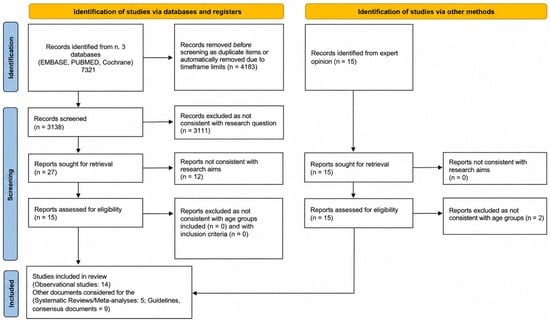
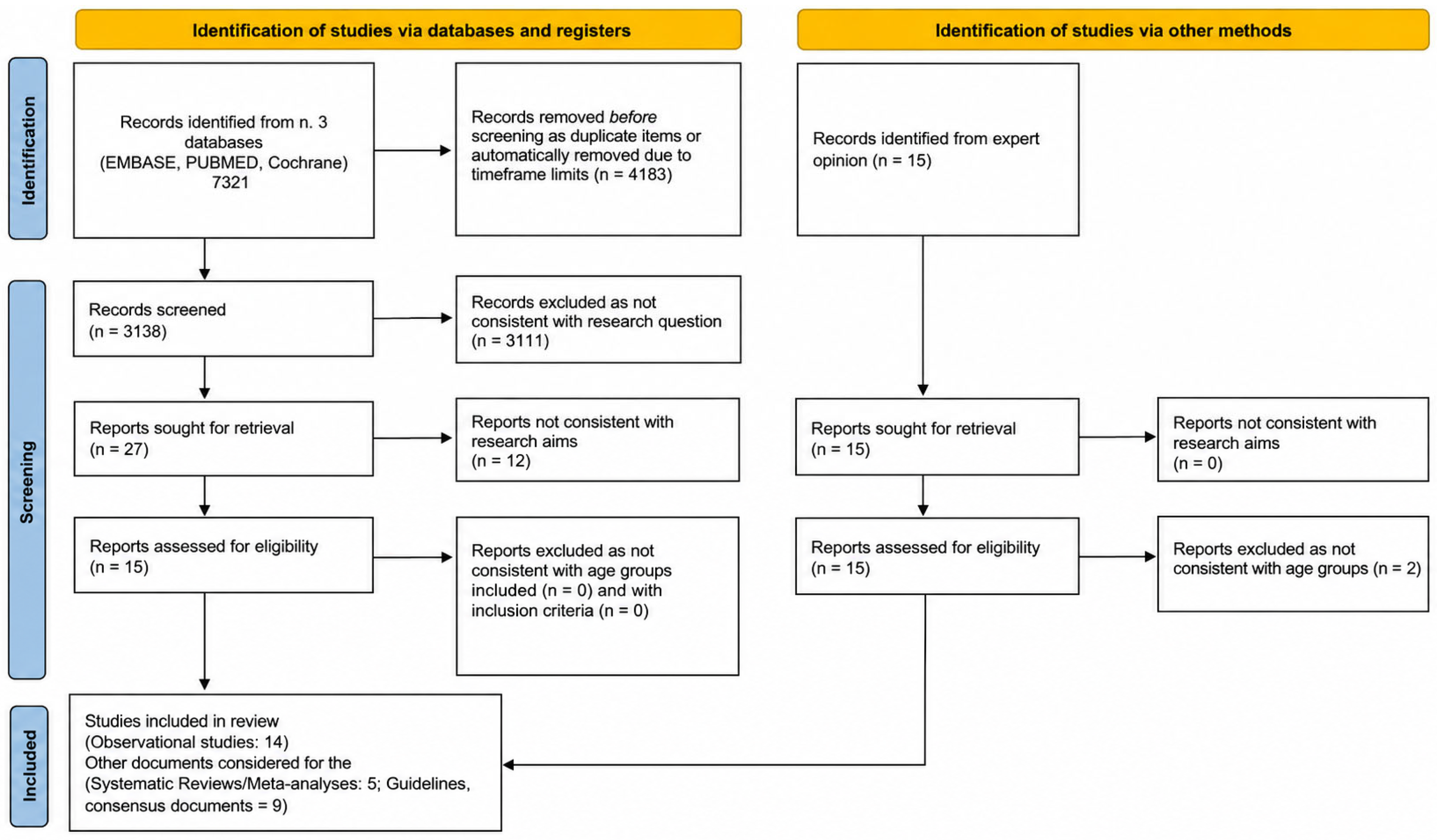
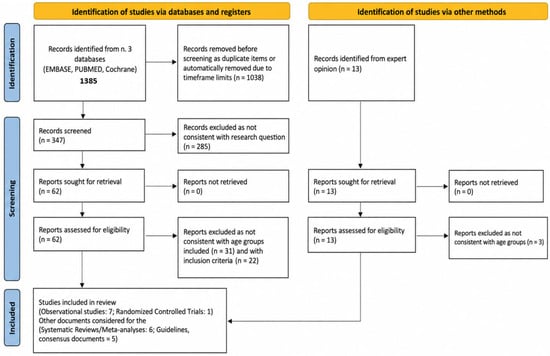
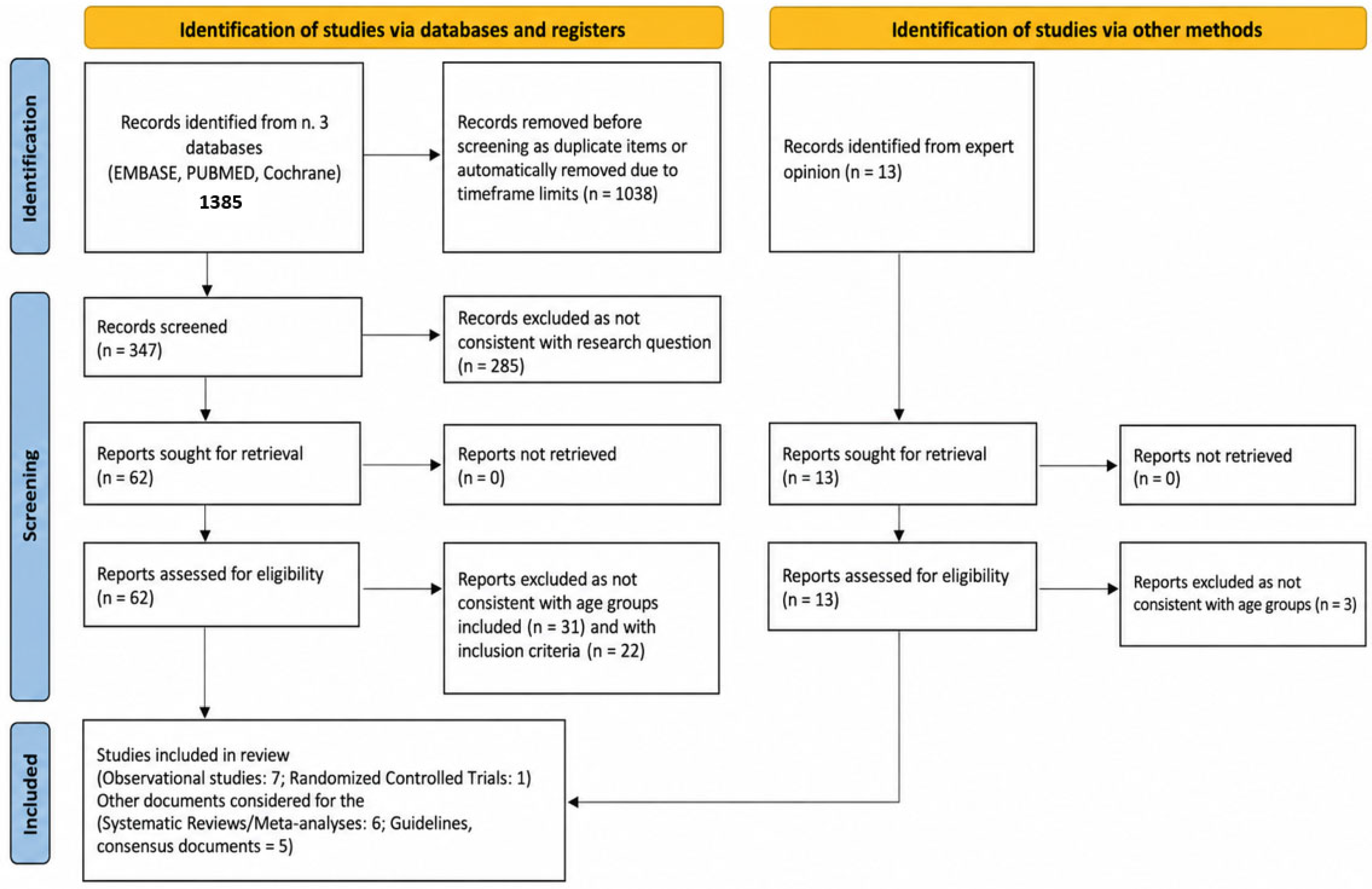
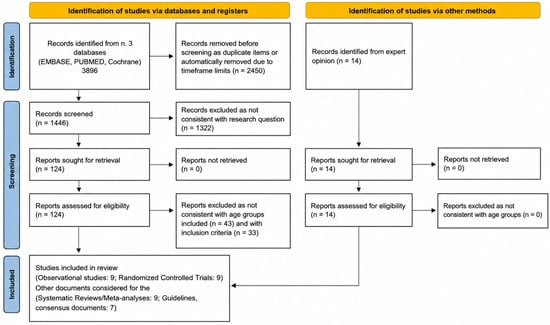
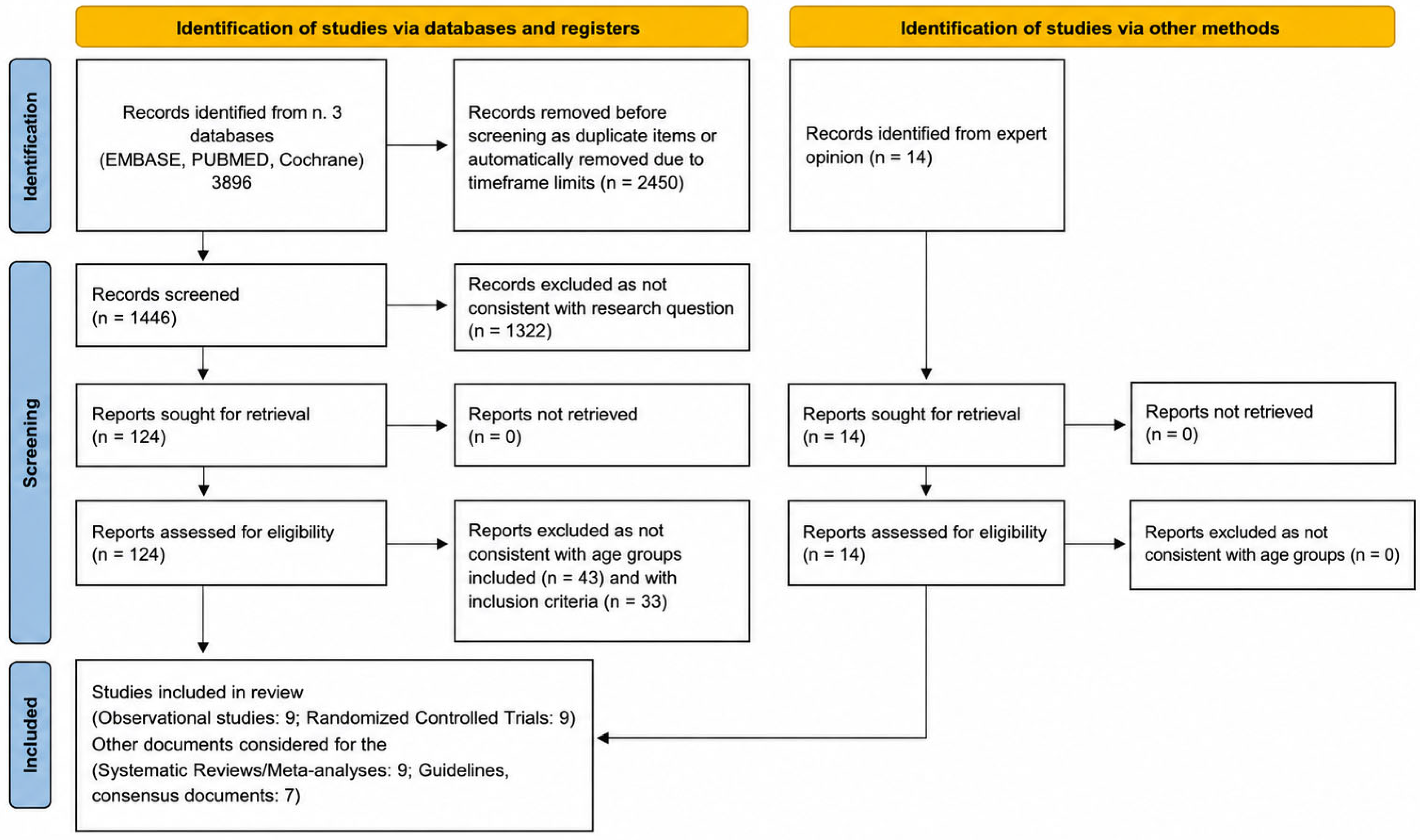

Disclaimer/Publisher’s Note: The statements, opinions and data contained in all publications are solely those of the individual author(s) and contributor(s) and not of MDPI and/or the editor(s). MDPI and/or the editor(s) disclaim responsibility for any injury to people or property resulting from any ideas, methods, instructions or products referred to in the content. |
© 2026 by the authors. Licensee MDPI, Basel, Switzerland. This article is an open access article distributed under the terms and conditions of the Creative Commons Attribution (CC BY) license.