


Highlights
What are the main findings?
- Both sucrose and breast milk significantly reduce neonatal pain during common clinical procedures.
- Multimodal approaches combining these interventions with techniques such as kangaroo care or non-nutritive sucking enhance analgesic effects.
What are the implications of the main findings?
- These interventions provide safe, low-cost, and effective alternatives to pharmacological analgesia in neonatal care.
- Their integration into standardized clinical protocols can improve pain management and promote humanized, family-centered care.
Abstract
Background: The neonatal period involves rapid physiological adaptation and high vulnerability to painful stimuli, especially in NICU-admitted infants. Neonates have the neurophysiological capacity for nociception, and repeated pain exposure may impair neurodevelopment. Non-pharmacological interventions, particularly oral sucrose and breast milk, are widely used as first-line analgesic strategies due to their safety and efficacy. However, heterogeneity in existing studies requires evidence synthesis. Methods: A systematic review following PRISMA guidelines was conducted to assess the effectiveness of sucrose and breast milk in neonatal pain reduction. PubMed, Scopus, CINAHL, and Web of Science were searched for randomized controlled trials published between 2019 and 2024. Studies involving neonates undergoing painful procedures and receiving sucrose, breast milk, or both were included. Data extraction and risk of bias assessment were performed independently. Due to heterogeneity in interventions and outcomes, a narrative synthesis was conducted. Results: Thirteen randomized controlled trials were included. Both sucrose and breast milk consistently reduced neonatal pain scores and physiological indicators such as heart rate and oxygen saturation. Sucrose showed rapid, short-term analgesia mediated by endogenous opioid pathways, while breast milk provided additional sensory, nutritional, and emotional benefits that support mother–infant bonding. Multimodal approaches, including kangaroo care, non-nutritive sucking, and swaddling, enhanced analgesic effects. Heterogeneity in protocols and assessment tools limited comparability across studies. Conclusions: Sucrose and breast milk are safe and effective non-pharmacological interventions for neonatal pain management. Their incorporation into standardized multimodal protocols is recommended to optimize analgesia and promote humanized neonatal care. Further research is needed to standardize dosing and evaluate long-term outcomes.
1. Introduction
The neonatal period, defined by the World Health Organization as the interval from birth to 28 days of life, represents a critical developmental stage characterized by profound physiological adaptations that enable the transition to extrauterine life [1]. During this period, newborn infants are highly vulnerable. Those born preterm or with low birth weight are particularly at risk and frequently require admission to neonatal intensive care units (NICUs). In these units, they are exposed to multiple diagnostic and therapeutic procedures [2].
Within this context, neonatal pain has emerged as a clinically significant concern. Pain is currently recognized as the fifth vital sign and is defined as an unpleasant sensory and emotional experience associated with actual or potential tissue damage [3]. Contrary to earlier assumptions that underestimated neonatal pain perception, robust evidence demonstrates that neonates possess the requisite anatomical, neurophysiological, and hormonal substrates for nociception even before birth [4,5]. Moreover, repeated exposure to painful stimuli has been associated with immediate physiological, biochemical, and behavioral alterations, as well as potential long-term adverse effects on neurodevelopment and stress regulation [6].
Pain assessment in neonates relies on validated instruments based on physiological and behavioral indicators, such as Crying, Requires O2, Increased vitals, Expression, Sleeplessness (CRIES), Premature Infant Pain Profile (PIPP and PIPP-R), and Neonatal Infant Pain Scale (NIPS), which enable systematic and objective evaluation [7]. However, beyond accurate assessment, the implementation of effective pain management strategies remains essential.
There is increasing interest in non-pharmacological interventions as first-line approaches due to their favorable safety profile, low cost, and absence of significant adverse effects. These strategies encompass environmental, behavioral, and nutritional interventions, including non-nutritive sucking, kangaroo care, sensory stimulation, and oral sweet solutions [8]. Among these, sucrose or glucose administration and breastfeeding are particularly noteworthy due to their well-documented analgesic efficacy [9].
Sucrose, typically administered as a 24% oral solution, is one of the most extensively studied interventions for neonatal pain management. Its analgesic effect is thought to be mediated by the release of endogenous opioids following activation of sweet taste receptors, thereby attenuating both physiological and behavioral responses to pain [10]. Furthermore, its efficacy may be enhanced when combined with other interventions, such as non-nutritive sucking, resulting in a synergistic effect [11]. In addition to opioid-mediated pathways, emerging evidence suggests that sucrose may also exert calming or sedative effects, potentially contributing to the reduction in observable pain-related behaviors independently of a direct analgesic action [12]. Importantly, some of these mechanistic insights derive from translational studies conducted in rodent models, which should be considered when extrapolating findings to human neonates [12].
Breast milk, in contrast, represents a natural analgesic intervention with a multifactorial mechanism of action. Its effects are not only attributable to its biochemical composition, mainly lactose, tryptophan, and opioid peptides, but also to associated factors such as skin-to-skin contact, maternal–infant bonding, and multisensory stimulation during breastfeeding [13]. Several studies have demonstrated its capacity to attenuate pain responses, even in the absence of direct sucking [14].
Despite the growing body of evidence, published studies exhibit considerable heterogeneity in both outcomes and pain assessment methodologies. Recent systematic reviews have confirmed the effectiveness of these interventions in reducing neonatal pain scores; however, they also highlight the need for standardized assessment tools and further investigation into long-term outcomes and specific populations, such as preterm infants [15,16]. Additionally, some authors caution that reductions in pain scale scores may not fully capture the primary nociceptive experience, emphasizing the need for further research in this area [15].
From a clinical and caregiving perspective, this issue is particularly relevant given that hospitalized neonates may experience numerous painful procedures during their first days of life, with potential implications for neurological development and overall well-being [17]. Furthermore, the implementation of standardized neonatal pain management protocols remains limited in certain settings, including Spain, where evidence suggests suboptimal use of analgesic measures during routine procedures [18].
In this context, strengthening the evidence base for effective, safe, and easily implementable non-pharmacological interventions is essential to improving the quality of neonatal care and promoting a more humanized approach [19].
Against this background, the present study aims to evaluate the effectiveness of sucrose and breast milk as non-pharmacological strategies for neonatal pain management. Specifically, it seeks to assess their clinical utility, characterize their individual effects on pain responses, and compare their efficacy both as standalone interventions and in combination with other non-pharmacological approaches in the neonatal population.
2. Materials and Methods
A systematic review of the literature was conducted to identify and synthesize studies evaluating the effectiveness of sucrose and breast milk as non-pharmacological interventions for neonatal pain management.
2.1. Search Methodology
A PICO framework was used to guide the review process, defining the population as neonates (P), the intervention as sucrose administration (I), the comparator as breast milk (C), and the outcome as pain reduction (O). Based on this structure, the following research question was formulated: Are sucrose and breastfeeding effective in reducing pain in neonates undergoing painful procedures?
This approach enabled a focused and systematic identification of relevant studies assessing commonly used non-pharmacological strategies for neonatal pain management. The literature search was conducted in PubMed, Scopus, CINAHL, and Web of Science (WOS) between 31 March and 9 April 2026. Detailed search strategies, applied filters, and results are presented in Table 1.
Table 1.
Search strategy results from the databases.
2.2. Selection Criteria
Studies were included if they met the following criteria: randomized controlled trials (RCTs) involving neonates, published between 2019 and 2026, and evaluating the effect of sucrose, breast milk, or their combination on neonatal pain reduction. Exclusion criteria comprised systematic reviews, meta-analyses, cross-sectional, observational, and cohort studies, pilot studies, studies not specifically involving neonatal populations, and those not assessing the analgesic efficacy of sucrose or breast milk.
2.3. Sources of Information
The primary data sources were PubMed, Scopus, CINAHL, and WOS. The review protocol was registered in PROSPERO under the identifier CRD420261361733.
As this study is a systematic review that did not involve human participants or individual-level data, ethical approval from an institutional review board was not required.
2.4. Search Strategy
The search strategy combined the following terms: (sucrose OR breastfeeding OR breastfed OR “breast milk”) AND (pain OR “physical suffering” OR ache*) AND (infant* OR neonate* OR newborn*).
2.5. Selection Process
Study selection followed the Preferred Reporting Items for Systematic Reviews and Meta-Analyses (PRISMA) guidelines [20]. All retrieved records were imported into Zotero reference manager version 9.0.3 (Corporation for Digital Scholarship, Falls Church, VA, USA) for reference management and duplicate removal.
Two reviewers independently screened titles and abstracts according to the eligibility criteria. Full-text articles were subsequently assessed for inclusion. Discrepancies were resolved through discussion and, when necessary, consultation with a third reviewer.
2.6. Data Extraction Process
Data extraction was performed independently by two reviewers using a standardized data collection form. Extracted variables included study characteristics, participant details, interventions, comparators, outcomes, and principal findings. Disagreements were resolved by consensus or consultation with a third reviewer. When relevant data were missing or unclear, study authors were contacted via email for clarification.
2.7. Study Variables
The exposure variables were oral sucrose and breast milk administered as non-pharmacological analgesic interventions. The primary outcome was pain reduction, assessed through changes in physiological parameters and behavioral responses, using validated neonatal pain assessment scales to ensure measurement objectivity.
2.8. Assessment of Methodological Quality
The methodological quality of the included studies was assessed using the Joanna Briggs Institute (JBI) Critical Appraisal Checklist for Randomized Controlled Trials [21]. A 13-item checklist was applied, addressing key methodological domains, including randomization procedures, allocation concealment, blinding (participants, personnel, and outcome assessors), baseline comparability, completeness of follow-up, reliability of outcome measurement, adherence to interventions, appropriateness of statistical analyses, and overall study design.
Two reviewers independently assessed each study, assigning judgments of “Yes,” “No,” “Unclear,” or “Not applicable” for each item. Discrepancies were resolved through discussion or, if necessary, adjudication by a third reviewer (Table 2).
Table 2.
JBI Critical Appraisal Checklist for Randomized Controlled Trials.
2.9. Assessment of the Risk of Bias
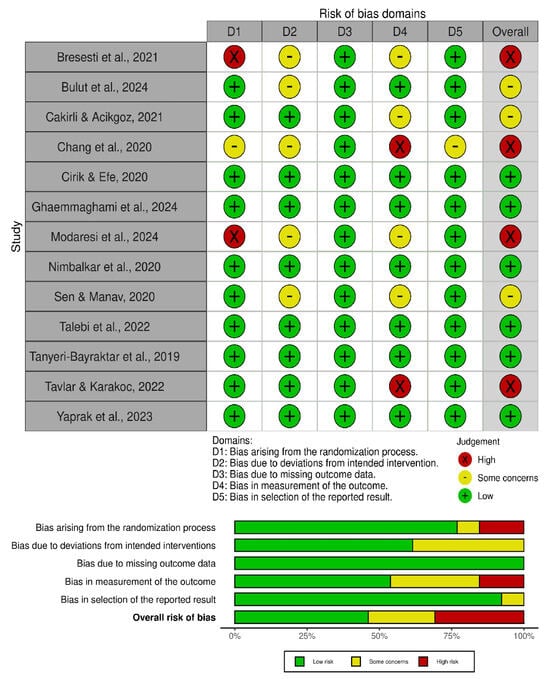
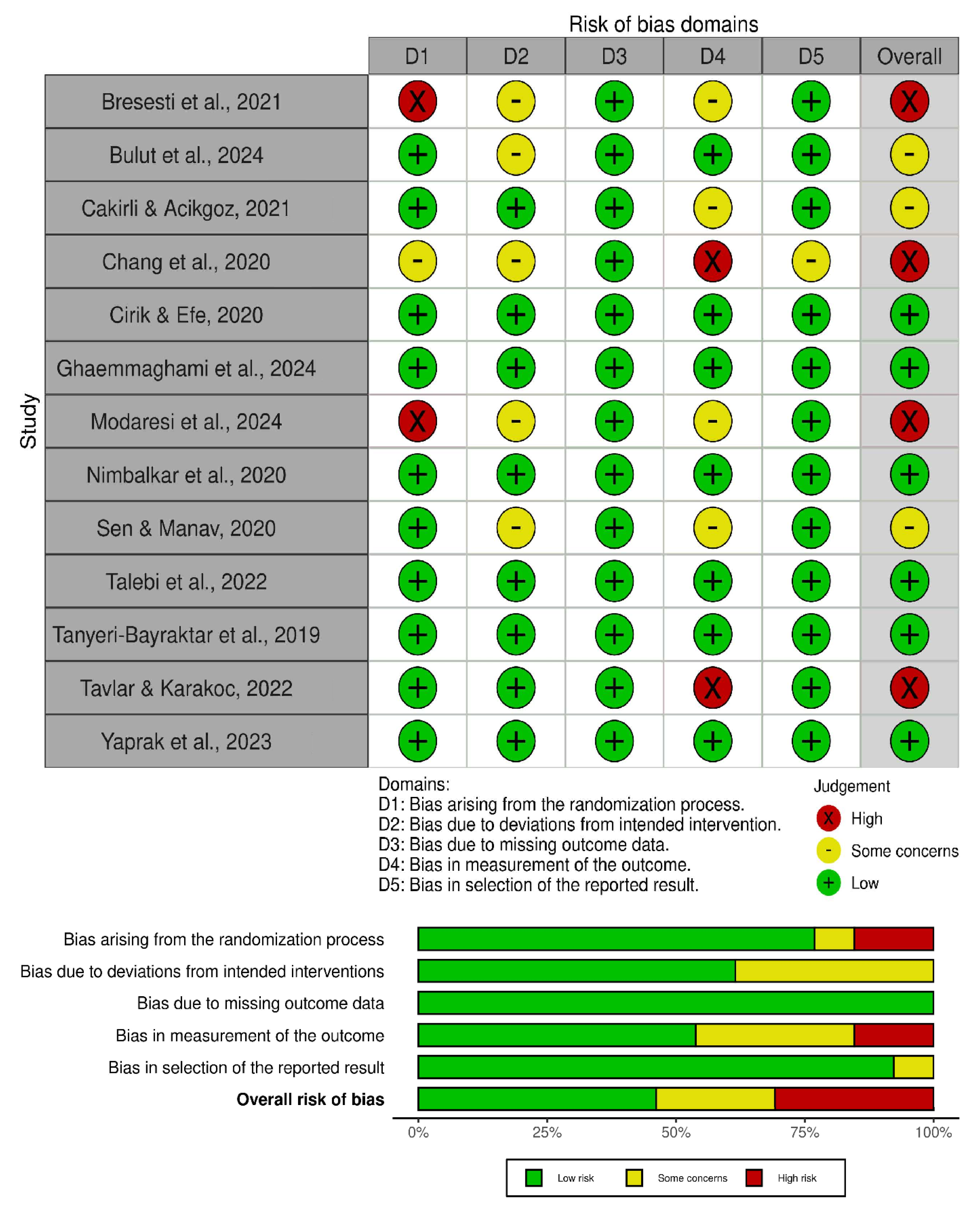
The methodological quality of the included studies was assessed using the Cochrane Risk of Bias 2.0 (RoB-2) tool for randomized controlled trials [33]. This tool evaluates five methodological domains: bias arising from the randomization process, deviations from intended interventions, missing outcome data, measurement of outcomes, and selection of the reported results. Each domain was classified as “low risk,” “some concerns,” or “high risk” based on the information provided in the studies. An overall risk-of-bias judgment was subsequently assigned for each study according to the RoB-2 guidance, considering the combined assessment across all domains. Studies were classified as low risk when all domains were judged as low risk, as having some concerns when at least one domain raised concerns without any high-risk judgments, and as high risk when one or more domains were rated as high risk or when multiple domains presented some concerns that could substantially lower confidence in the results (Table 3; Figure 1).
Table 3.
Risk of Bias assessment using ROB-2 tool.
Figure 1.
Summary of Risk of Bias assessment using ROB-2 Tool [6,10,22,23,24,25,26,27,28,29,30,31,32].
2.10. Data Synthesis
The characteristics of the included studies (population, interventions, comparators, and outcomes) were systematically tabulated to facilitate assessment of eligibility and comparability. Studies were grouped according to outcome measures, and data were standardized where necessary to ensure consistency in presentation. Results are reported in structured tables.
Following detailed evaluation of the 13 included randomized controlled trials, quantitative synthesis was deemed inappropriate due to substantial clinical and methodological heterogeneity. Notable variability was observed in intervention protocols (including differing formulations and dosages of sucrose and breast milk), types of painful procedures, outcome measures, timing of assessments, and population characteristics.
An exploratory subgroup meta-analysis was considered using standardized mean differences for the following comparisons: sucrose versus breastfeeding, sucrose versus control or no intervention, and breast milk (in its various forms) versus control. However, heterogeneity in study design, measurement instruments, and intervention protocols precluded valid statistical pooling.
Specifically, for the direct comparison between breastfeeding and sucrose, only two studies met the inclusion criteria, with discrepancies in pain assessment scales and inconsistent findings. Furthermore, one study did not comprehensively report means and standard deviations, limiting the calculation of standardized effect sizes and preventing quantitative synthesis. The limited data availability, combined with discordant effect directions, would likely have resulted in substantial heterogeneity and reduced the validity of any meta-analysis.
Accordingly, a meta-analysis was not performed. Instead, a narrative synthesis was performed, allowing for a more robust and context-sensitive interpretation of the available evidence, particularly in light of the identified heterogeneity across studies.
3. Results
3.1. Study Selection
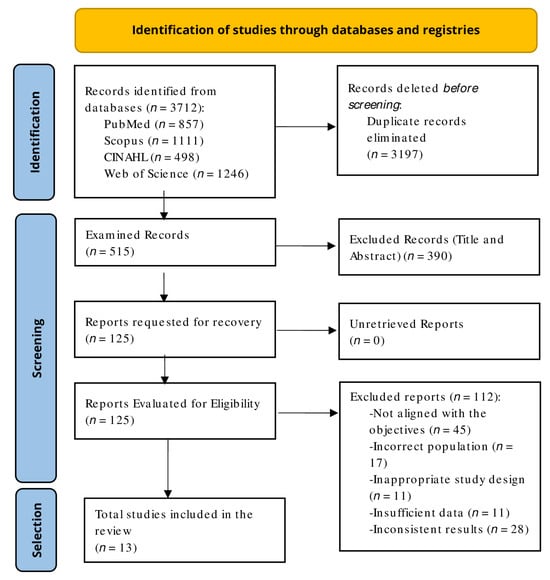
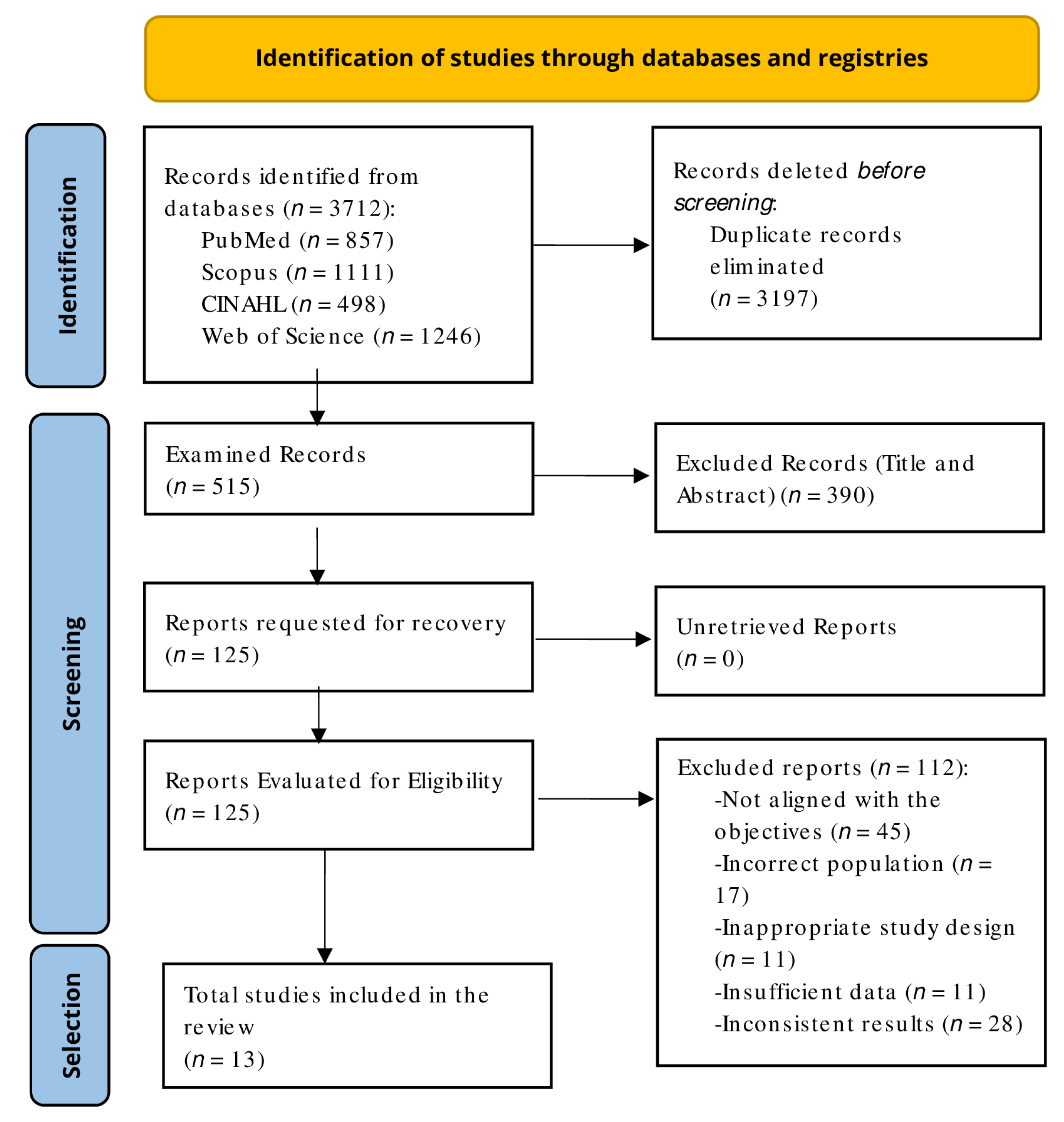
The literature search conducted in PubMed, Scopus, CINAHL, and WOS between 31 March and 9 April 2026, using the predefined strategy and filters, identified a total of 3712 records.
Following duplicate removal using the Zotero reference manager version 9.0.3 (Corporation for Digital Scholarship, Falls Church, VA, USA) (n = 3197), 515 unique articles remained and were screened based on titles and abstracts. Of these, 390 studies were excluded for not meeting the inclusion criteria.
A total of 125 full-text articles were subsequently assessed for eligibility, of which 13 met the inclusion criteria and were included in the review. The remaining 112 studies were excluded for specific reasons detailed in Figure 2.
Figure 2.
PRISMA flowchart.
3.2. Characteristics of the Included Studies
All 13 included studies were prospective randomized controlled trials published between 2019 and 2024 [6,10,22,23,24,25,26,27,28,29,30,31,32]. The temporal distribution was as follows: 2019 (n = 1; 7.7%), 2020 (n = 4; 30.8%), 2021 (n = 2; 15.4%), 2022 (n = 2; 15.4%), 2023 (n = 1; 7.7%), and 2024 (n = 3; 23.1%).
In terms of geographical distribution, most studies were conducted in Turkey (n = 7; 53.8%), followed by Iran (n = 3; 23.1%), the United States (n = 1; 7.7%), Italy (n = 1; 7.7%), and India (n = 1; 7.7%). Sample sizes ranged from 54 to 226 neonates, generally with homogeneous baseline characteristics, facilitating comparability across studies. All articles were published in English.
Pain outcomes were assessed using validated neonatal pain scales based on physiological and behavioral indicators observed during painful procedures. In all studies, nursing staff were responsible for pain assessment and administration of analgesic interventions. The most frequently used instruments included the Neonatal Infant Pain Scale (NIPS), the Assessment of Pain in Neonates Scale (ALS-Neo), the Premature Infant Pain Profile (PIPP), the Bernese Pain Scale for Neonates (BPSN), the Neonatal Infant Acute Pain Assessment Scale (NIAPAS), and the Neonatal Pain, Agitation and Sedation Scale (N-PASS). These tools evaluate parameters such as facial expression, crying, posture, respiratory pattern, oxygen saturation, and heart rate; notably, the N-PASS also incorporates agitation and sedation, providing a more comprehensive assessment of neonatal well-being.
The methodological quality of the included RCTs was evaluated using the Joanna Briggs Institute (JBI) Critical Appraisal Checklist consisting of 13 items. Overall, most studies demonstrated adequate baseline comparability, outcome measurement, follow-up completeness, and statistical analysis. Common limitations were related to randomization procedures, allocation concealment, and blinding of participants, personnel, and outcome assessors. Studies such as Cirik and Efe [25], Nimbalkar et al. [28], Talebi et al. [10], and Yaprak et al. [32] demonstrated high methodological quality (12/13), whereas Bresesti et al. [6], Chang et al. [24], and Modaresi et al. [27] achieved lower scores (6–7/13), primarily due to insufficient reporting or absence of randomization and blinding procedures. Overall, although several trials were methodologically robust, potential risks of selection and performance bias should be considered when interpreting the findings (Table 2).
Out of the 13 included studies, six were judged to have a low risk of bias across all ROB-2 domains, including Cirik and Efe [25], Ghaemmaghami et al. [26], Nimbalkar et al. [28], Talebi et al. [10], Tanyeri-Bayraktar et al. [30], and Yaprak et al. [32]. These studies generally demonstrated robust randomization procedures, appropriate allocation concealment, minimal or no missing outcome data, blinded outcome assessment, and the use of validated neonatal pain scales such as PIPP, PIPP-R, NIPS, and BPSN. In addition, several studies reported prior trial registration and standardized outcome assessment protocols, further strengthening methodological transparency and reliability.
Four studies, Bulut et al. [22], Cakirli and Acikgoz [23], Sen and Manav [29], and Chang et al. [24], were judged as presenting some concerns. The main limitations in these studies were related to the impossibility of blinding personnel delivering the interventions or uncertainty regarding the blinding of outcome assessors in studies relying on subjective pain measurements. In Chang et al. [24], additional concerns arose from the non-random recruitment of the control group and retrospective trial registration.
The remaining three studies, Bresesti et al. [6], Modaresi et al. [27], and Tavlar and Karakoc [31], were assessed as having a high risk of bias. The primary reasons included inadequate or predictable randomization methods, lack of allocation concealment, and absence of blinded outcome assessment despite the use of subjective neonatal pain scales. These methodological limitations may have influenced the estimation of treatment effects.
Overall, the methodological quality of the included studies was considered acceptable. Most trials showed adequate management of missing data, balanced baseline characteristics, and consistent use of validated pain assessment instruments. Although blinding was frequently challenging due to the nature of non-pharmacological interventions, the majority of studies implemented strategies to minimize detection bias, supporting the overall reliability of the findings synthesized in this review (Table 3; Figure 1).
Table 4.
Characteristics of the included studies.
Table 5.
Outcomes reported in the included studies.
3.3. Utility of Sucrose and Breast Milk in Neonatal Pain Management
Five randomized controlled trials evaluated the comparative efficacy of sucrose and breast milk in neonatal pain management [6,26,27,28,29]. These studies primarily involved neonates, particularly preterm infants, undergoing common painful procedures in neonatal intensive care settings, such as venipuncture, and emphasized the role of non-pharmacological strategies, including kangaroo care and sucrose administration.
Three studies [26,28,29] combined kangaroo care with the administration of 24% oral sucrose. Skin-to-skin contact was shown to stabilize physiological parameters, including heart rate, oxygen saturation, and crying duration, while also improving thermoregulation, facilitating breastfeeding initiation, and strengthening mother–infant bonding. These findings support kangaroo care as a cornerstone intervention in neonatal care. However, sucrose demonstrated a more pronounced analgesic effect, likely mediated by activation of sweet taste receptors and subsequent endogenous opioid release. Its calming effect lasted approximately 10 min, with peak efficacy observed within the first two minutes following administration.
Bresesti et al. [6] compared breastfeeding, liquid sucrose, and 24% sucrose gel, reporting comparable efficacy across all three interventions in reducing pain responses. Breastfeeding provided additional physical and emotional benefits, whereas sucrose gel was identified as a practical alternative when breastfeeding was not feasible. The increased sucking effort associated with gel administration may enhance parasympathetic activation and oxytocin release, thereby contributing to improved analgesia.
Modaresi et al. [27] investigated the analgesic effects of breast milk-related sensory stimuli, specifically olfactory and gustatory inputs. At 30 s post-procedure, olfactory stimulation produced greater pain reduction, whereas at 60 s, gustatory stimulation demonstrated superior efficacy. These findings suggest that breast milk-associated sensory cues may provide analgesic effects comparable to sucrose, highlighting the importance of maternal sensory stimuli in neonatal pain modulation.
Two studies [30,32] focused exclusively on sucrose, examining optimal dosing and administration frequency. Tanyeri-Bayraktar et al. [30] identified 0.2 mL/kg of 24% sucrose as the minimum effective dose for neonates up to one month of age during painful procedures. Yaprak et al. [32] reported that omission of the conventional two-minute interval between doses did not significantly affect immediate analgesic efficacy, although maximal effect was observed at 2–3 min. Both studies point out the need for further research to refine dosing strategies and administration protocols.
Regarding breast milk, three trials [22,23,31] evaluated its effectiveness as a non-pharmacological analgesic intervention. Tavlar and Karakoc [31] compared breastfeeding, breast milk odor, and maternal heartbeat sounds, finding that breastfeeding and auditory maternal stimuli were the most effective in reducing pain and stress. Cakirli and Acikgoz [23] demonstrated that exposure to the neonate’s own mother’s breast milk odor was more effective than that of another mother, emphasizing the role of olfactory recognition in early sensory processing and pain modulation. Bulut et al. [22] extended these findings by incorporating neurophysiological measures, showing that breast milk reduced cortical pain responses and shortened crying duration, supporting its analgesic and neuroprotective effects during invasive procedures.
Three additional randomized controlled trials [10,24,25] assessed the effects of sucrose and breast milk both as standalone interventions and in combination with other non-pharmacological strategies. Talebi et al. [10] demonstrated that lullaby exposure, by mimicking the intrauterine environment, enhanced comfort and sleep quality; when combined with 24% sucrose, it resulted in greater reductions in heart rate and increased oxygen saturation during and after painful procedures compared to either intervention alone. Chang et al. [24] reported that non-nutritive sucking provided analgesic effects comparable to breastfeeding and sucrose, with enhanced physiological stability when combined with breastfeeding, although sucrose produced a more immediate reduction in crying. Cirik and Efe [25] found that the combination of breast milk and swaddling yielded the greatest analgesic effect, although all evaluated interventions independently improved heart rate and oxygen saturation.
Collectively, these findings indicate that both sucrose and breast milk, administered alone or in combination with complementary non-pharmacological strategies, effectively modulate pain responses in neonates, supporting their integration into multimodal pain management approaches in clinical practice.
4. Discussion
Overall, the findings of this systematic review confirm that both sucrose and breast milk are safe and effective non-pharmacological interventions for neonatal pain management, though they differ in their mechanisms of action and the benefits they provide.
Sucrose is characterized by its rapid and practical analgesic effect. Activation of sweet taste receptors triggers endogenous opioid release, providing immediate relief during painful procedures [34]. This makes sucrose particularly useful in situations where maternal presence is limited or direct access to the neonate is not possible [16]. In contrast, breast milk not only attenuates pain perception but also enhances overall neonatal well-being, supports physiological regulation, strengthens mother–infant bonding, and provides nutritional benefits, making it the preferred option whenever direct administration is feasible [22].
The efficacy of breast milk is further enhanced when combined with maternal sensory stimuli, such as olfactory and gustatory cues, skin-to-skin contact, or maternal heartbeat sounds [35]. Similarly, sucrose analgesia can be potentiated when paired with complementary interventions, including non-nutritive sucking or cooing [36]. Integrating these strategies optimizes both physiological parameters (e.g., heart rate and oxygen saturation) and behavioral indicators (e.g., crying duration and intensity), resulting in more comprehensive and sustained analgesia [37]. However, in contexts where simultaneous interventions are not feasible, individual administration of either sucrose or breast milk remains highly effective and safe, reinforcing their utility as first-line tools in neonatal pain management [24]. These findings highlight the importance of adapting intervention choice and combination to the clinical context, available resources, and individual characteristics of the neonate, thereby maximizing analgesic efficacy and promoting family-centered, humanized care.
The studies by Sen and Manav [29], Nimbalkar et al. [28], and Ghaemmaghami et al. [26] consistently show that both kangaroo care and 24% sucrose administration improve neonatal physiological responses during painful procedures, reducing heart rate and stabilizing oxygen saturation. However, these authors report superior analgesic effects with sucrose, likely attributable to its rapid activation of lingual sweet taste receptors and consequent endogenous opioid release. Nevertheless, kangaroo care provides complementary benefits, including thermoregulation, promotion of breastfeeding, and strengthening of the affective bond, thus solidifying its role within a comprehensive neonatal care strategy [38].
The formulation and mode of sucrose administration also influence analgesic efficacy. Bresesti et al. [6] demonstrated that sucrose gel promotes more intensive sucking, activating the parasympathetic system and producing immediate pain relief, suggesting that formulation can modulate analgesic response, especially when breastfeeding is not feasible. Similarly, Modaresi et al. [27] highlight that olfactory cues from breast milk can generate analgesia comparable to a 24% sucrose solution, emphasizing the importance of sensory signals in neonatal pain modulation.
When considered individually, both breast milk and sucrose effectively reduce neonatal pain. Experts report that breast milk confers additional benefits, including nutrition and mother–infant bonding, justifying its preferential use when direct administration is possible [39]. This observation is supported by subsequent studies [16,40], which demonstrated that both direct and donated breast milk reduce crying, heart rate, and pain scores, with direct breastfeeding providing superior analgesic effects compared to administration via syringe or pacifier.
Dosage and timing are critical for sucrose efficacy. Tanyeri-Bayraktar et al. [30] identified 0.2 mL/kg of 24% sucrose as the minimum effective dose, while Yaprak et al. [32] reported maximal analgesic effects at 2–3 min post-administration. These findings are consistent with prior evidence [41], supporting the use of small, rapidly acting doses for short-term procedural comfort. However, emerging evidence has raised concerns regarding the potential neurodevelopmental consequences of repeated sucrose exposure in very preterm infants. Recent clinical data in children born very preterm showed that cumulative neonatal pain exposure remained associated with increased internalizing behaviors at 18 months of corrected age, while sucrose administration did not mitigate these adverse behavioral outcomes [42]. In parallel, translational rodent studies have reported that repetitive early-life sucrose exposure may be associated with alterations in brain structure, including reductions in regional white matter and limbic volumes, as well as impairments in memory-related outcomes, despite short-term analgesic benefits [12]. Although these findings do not establish causality and should be interpreted considering important species and developmental differences, they highlight the need for caution regarding repeated sucrose administration during critical periods of brain development. Therefore, further research is warranted to clarify long-term safety, optimize dosing schedules, and identify strategies that effectively balance procedural analgesia with neurodevelopmental protection.
For breast milk, the studies by Taylar and Karakoc [31] and Cakirli and Acikgoz [23] show that direct breastfeeding combined with maternal sensory stimuli (e.g., heartbeat or milk odor) enhances analgesia and emotional bonding, whereas administration via syringe is less effective. Bulut et al. [22] further demonstrate that breast milk reduces cortical activity associated with pain, indicating that its analgesic effects extend beyond behavioral indicators such as crying.
Evidence from combined interventions highlights the additive benefits of multimodal approaches. Talebi et al. [10] found that cooing combined with 24% sucrose significantly decreased heart rate and improved oxygen saturation during painful procedures, exceeding the effects of either intervention alone. Chang et al. [24] reported that non-nutritive sucking provides analgesia comparable to breastfeeding and sucrose, with enhanced physiological stability when combined with breastfeeding, although sucrose produced more immediate reductions in crying. Cirik and Efe [25] demonstrated that combining breastfeeding with swaddling maximizes comfort and pain reduction. Recent studies [36,43] further support the safety and efficacy of complementary interventions, such as non-nutritive sucking and swaddling, whether used alone or in combination with breast milk or sucrose.
Accurate measurement of neonatal pain requires validated scales and trained assessors. This emphasizes that objective evaluation of physiological and behavioral parameters is essential to ensure reliability and comparability across studies. Heterogeneity in pain assessment tools and the inherent subjectivity of some indicators highlight the need for standardization in future research [44,45].
In summary, the evidence confirms that both sucrose and breast milk are effective analgesic strategies, each offering complementary advantages. Integration of multiple interventions, careful attention to sucrose dosage and formulation, and direct administration of breast milk can enhance analgesia and overall neonatal well-being. Nonetheless, further studies are required to establish standardized protocols, including optimal dosing, duration of effect, and combination of non-pharmacological methods.
4.1. Limitations
Despite the favorable findings, several limitations of this review and the included studies should be acknowledged. First, many of the trials involved small sample sizes, which may limit the statistical power and generalizability of the results.
Additionally, the restricted availability of family members in certain NICU settings limits the implementation of mother-centered interventions, such as direct breastfeeding or kangaroo care, potentially affecting the comparative assessment of analgesic methods. Variability in the execution of interventions by different practitioners introduces further heterogeneity, and differences in pain assessment by multiple observers increase the potential for measurement bias, even when validated scales are employed.
In addition, the methodological assessment using JBI and ROB-2 tools revealed important variability in study quality. While several trials demonstrated high methodological rigor, others showed limitations in randomization, allocation concealment, and blinding of participants, personnel, and outcome assessors. This heterogeneity in risk of bias across studies may have influenced the consistency and precision of the pooled evidence and should be considered when interpreting the overall conclusions of this review.
Finally, the absence of standardized protocols for non-pharmacological interventions complicates direct comparisons across studies and highlights the need for uniform, evidence-based institutional guidelines.
4.2. Implications for Clinical Practice
The findings of this review carry clear implications for clinical practice in the NICU. Both sucrose and breastfeeding are low-cost, safe, and readily implementable interventions that can be systematically incorporated into neonatal pain management protocols. Selection between methods should consider factors such as maternal availability, gestational age, and type of procedure, with direct breastfeeding prioritized whenever feasible due to its nutritional and affective benefits [46].
Complementary techniques, including cooing, non-nutritive sucking, and swaddling, can further enhance analgesic efficacy when combined with sucrose or breast milk, providing flexible strategies adaptable to diverse clinical contexts [15,43]. Implementation of these measures supports more humanized, family-centered care; reduces reliance on pharmacological agents; and minimizes potential drug-related adverse effects. Furthermore, the subject remains highly relevant to the field due to the limited number of safe and effective interventions available for neonatal pain management. Effective pain reduction strategies may help decrease the social burden on parents and could potentially influence neurodevelopmental outcomes and comorbidities associated with prematurity.
Finally, comprehensive training of healthcare personnel (especially nurses and midwives) and the adoption of evidence-based, protocolized guidelines are essential to maximize intervention effectiveness, ensure consistent application, and maintain high-quality care for neonates during painful procedures [19].
5. Conclusions
The evidence reviewed confirms that both sucrose and breast milk are highly effective non-pharmacological strategies for managing pain in neonates, demonstrating their clinical utility across a range of common painful procedures in NICUs. Breast milk provides significant analgesic effects while simultaneously promoting mother–infant bonding, skin-to-skin contact, and delivering nutritional and immunological benefits. Sucrose offers rapid, safe, and practical pain relief, particularly in situations where direct breastfeeding is not feasible.
When used individually, both interventions effectively reduce heart rate, stabilize oxygen saturation, and decrease crying duration, reflecting their impact on both physiological and behavioral responses to pain. Moreover, when combined with complementary non-pharmacological techniques, such as kangaroo care, non-nutritive sucking, or cooing, a synergistic effect is observed, producing greater analgesia than any single method alone.
These findings strongly support the integration of sucrose and breast milk into standardized clinical protocols, promoting humanized, accessible, and cost-effective practices that optimize neonatal well-being and safety during invasive procedures. Finally, the review emphasizes the need for further research to refine dosage regimens, evaluate optimal combinations of techniques, and establish evidence-based application criteria tailored to gestational age and individual clinical conditions.
Author Contributions
Conceptualization, M.C.-P., J.F.-R. and P.F.-L.; methodology, M.C.-P., P.T.-H., M.R.-G., E.A.-G., J.F.-R. and P.F.-L.; formal analysis, M.C.-P., P.T.-H., M.R.-G., E.A.-G., J.F.-R. and P.F.-L.; investigation, M.C.-P., P.T.-H., M.R.-G., E.A.-G., J.F.-R. and P.F.-L.; data curation, M.C.-P., P.T.-H., M.R.-G., E.A.-G., J.F.-R. and P.F.-L.; writing—original draft preparation, M.C.-P., P.T.-H., M.R.-G., E.A.-G., J.F.-R. and P.F.-L.; writing—review and editing, M.C.-P., P.T.-H., M.R.-G., E.A.-G., J.F.-R. and P.F.-L.; visualization, M.C.-P., P.T.-H., M.R.-G., E.A.-G., J.F.-R. and P.F.-L.; supervision, E.A.-G., J.F.-R. and P.F.-L. All authors have read and agreed to the published version of the manuscript.
Funding
This research received no external funding.
Institutional Review Board Statement
Not applicable.
Informed Consent Statement
Not applicable.
Data Availability Statement
All data available within this article.
Conflicts of Interest
The authors declare no conflicts of interest.
Abbreviations
The following abbreviations are used in this manuscript:
| WHO | World Health Organization |
| NICU | Neonatal Intensive Care Unit |
| CRIES | Crying, Requires O2, Increased vitals, Expression, Sleeplessness |
| PIPP | Premature Infant Pain Profile |
| PIPP-R | Premature Infant Pain Profile–Revised |
| NIPS | Neonatal Infant Pain Scale |
| ALS-Neo | Assessment of Pain in Neonates Scale |
| BPSN | Bernese Pain Scale for Neonates |
| NIAPAS | Neonatal Infant Acute Pain Assessment Scale |
| N-PASS | Neonatal Pain, Agitation and Sedation Scale |
| RCT | Randomized controlled trial |
| PRISMA | Preferred Reporting Items for Systematic Reviews and Meta-Analyses |
| PICO | Population, Intervention, Comparator, Outcome |
| WOS | Web of Science |
| JBI | Joanna Briggs Institute |
References
- World Health Organization. Executive summary. In WHO Recommendations on Maternal and Newborn Care for a Positive Postnatal Experience; World Health Organization: Geneva, Switzerland, 2022. Available online: https://www.ncbi.nlm.nih.gov/books/NBK579653/ (accessed on 9 April 2026).
- Sokou, R.; Lianou, A.; Lampridou, M.; Panagiotounakou, P.; Kafalidis, G.; Paliatsiou, S.; Volaki, P.; Tsantes, A.G.; Boutsikou, T.; Iliodromiti, Z.; et al. Neonates at Risk: Understanding the Impact of High-Risk Pregnancies on Neonatal Health. Medicina 2025, 61, 1077. [Google Scholar] [CrossRef] [Scilit] [PubMed] [PubMed Central]
- Lago, P.; Garetti, E.; Pirelli, A.; Merazzi, D.; Bellieni, C.V.; Savant Levet, P.; Pieragostini, L.; Ancora, G.; On behalf of the Pain Study Group of the Italian Society of Neonatology. Sucrose for procedural pain control in infants: Should we change our practice? Acta Paediatr. 2014, 103, e88–e90. [Google Scholar] [CrossRef] [Scilit] [PubMed]
- Perry, M.; Tan, Z.; Chen, J.; Weidig, T.; Xu, W.; Cong, X.S. Neonatal Pain: Perceptions and Current Practice. Crit. Care Nurs. Clin. N. Am. 2018, 30, 549–561. [Google Scholar] [CrossRef] [Scilit] [PubMed] [PubMed Central]
- Williams, M.D.; Lascelles, B.D.X. Early Neonatal Pain—A Review of Clinical and Experimental Implications on Painful Conditions Later in Life. Front. Pediatr. 2020, 8, 30. [Google Scholar] [CrossRef] [Scilit] [PubMed] [PubMed Central]
- Bresesti, I.; Vanzù, G.; Redaelli, F.; Daniele, I.; Zuccotti, G.V.; Cerritelli, F.; Lista, G.; Fabiano, V. New perspective for pain control in neonates: A comparative effectiveness research. J. Perinatol. 2021, 41, 2298–2303. [Google Scholar] [CrossRef] [Scilit] [PubMed]
- Olsson, E.; Ahl, H.; Bengtsson, K.; Vejayaram, D.N.; Norman, E.; Bruschettini, M.; Eriksson, M. The use and reporting of neonatal pain scales: A systematic review of randomized trials. Pain 2021, 162, 353–360. [Google Scholar] [CrossRef] [Scilit] [PubMed] [PubMed Central]
- Pillai Riddell, R.R.; Bucsea, O.; Shiff, I.; Chow, C.; Gennis, H.G.; Badovinac, S.; DiLorenzo-Klas, M.; Racine, N.M.; Ahola Kohut, S.; Lisi, D.; et al. Non-pharmacological management of infant and young child procedural pain. Cochrane Database Syst. Rev. 2023, 6, CD006275. [Google Scholar] [CrossRef] [Scilit] [PubMed] [PubMed Central]
- Shahid, S.; Acosta-Reyes, J.; Florez, I.D. Sucrose or glucose compared to breast milk for pain control in preterm infants: A systematic review and meta-analysis. J. Perinatol. 2025, 45, 1664–1674. [Google Scholar] [CrossRef] [Scilit]
- Talebi, M.; Amiri, S.R.J.; Roshan, P.A.; Zabihi, A.; Zahedpasha, Y.; Chehrazi, M. The effect of concurrent use of swaddle and sucrose on the intensity of pain during venous blood sampling in neonate: A clinical trial study. BMC Pediatr. 2022, 22, 263. [Google Scholar] [CrossRef] [Scilit] [PubMed] [PubMed Central]
- Costas, M.; Santos, S.; Godoy, C.; Martell, M. Patrones de succión en el recién nacido de término y pretérmino. Rev. Chil. Pediatr. 2006, 77, 198–212. [Google Scholar] [CrossRef] [Scilit]
- Hoq, F.S.; Newby, C.; Tremblay, S.; Ranger, M. Sweet relief or lasting impacts? Review of neonatal pain and sucrose in developing rodents. Pain Rep. 2025, 10, e1345. [Google Scholar] [CrossRef] [Scilit]
- Lan, H.Y.; Yang, L.; Lin, C.H.; Hsieh, K.H.; Chang, Y.C.; Yin, T. Breastmilk as a Multisensory Intervention for Relieving Pain during Newborn Screening Procedures: A Randomized Control Trial. Int. J. Environ. Res. Public Health 2021, 18, 13023. [Google Scholar] [CrossRef] [Scilit] [PubMed] [PubMed Central]
- Witt, N.; Coynor, S.; Edwards, C.; Bradshaw, H. A Guide to Pain Assessment and Management in the Neonate. Curr. Emerg. Hosp. Med. Rep. 2016, 4, 1–10. [Google Scholar] [CrossRef] [Scilit] [PubMed] [PubMed Central]
- García-Valdivieso, I.; Yáñez-Araque, B.; Moncunill-Martínez, E.; Bocos-Reglero, M.J.; Gómez-Cantarino, S. Effect of Non-Pharmacological Methods in the Reduction of Neonatal Pain: Systematic Review and Meta-Analysis. Int. J. Environ. Res. Public Health 2023, 20, 3226. [Google Scholar] [CrossRef] [Scilit] [PubMed] [PubMed Central]
- Shah, P.S.; Torgalkar, R.; Shah, V.S. Breastfeeding or breast milk for procedural pain in neonates. Cochrane Database Syst. Rev. 2023, 8, CD004950. [Google Scholar] [CrossRef] [Scilit] [PubMed] [PubMed Central]
- Vinall, J.; Grunau, R.E. Impact of repeated procedural pain-related stress in infants born very preterm. Pediatr. Res. 2014, 75, 584–587. [Google Scholar] [CrossRef] [Scilit]
- Collados-Gómez, L.; Camacho-Vicente, V.; González-Villalba, M.; Sanz-Prades, G.; Bellón-Vaquerizo, B. Percepción del personal de enfermería sobre el manejo del dolor en neonatos. Enfermería Intensiv. 2018, 29, 41–47. [Google Scholar] [CrossRef] [Scilit]
- Gómez-Cantarino, S.; García-Valdivieso, I.; Dios-Aguado, M.; Yáñez-Araque, B.; Gallego, B.M.; Moncunill-Martínez, E. Nursing Perspective of the Humanized Care of the Neonate and Family: A Systematic Review. Children 2021, 8, 35. [Google Scholar] [CrossRef] [Scilit] [PubMed] [PubMed Central]
- Page, M.J.; McKenzie, J.E.; Bossuyt, P.M.; Boutron, I.; Hoffmann, T.C.; Mulrow, C.D.; Shamseer, L.; Tetzlaff, J.M.; Akl, E.A.; Brennan, S.E.; et al. The PRISMA 2020 statement: An updated guideline for reporting systematic reviews. Int. J. Surg. 2021, 88, 105906. [Google Scholar] [CrossRef] [PubMed]
- Barker, T.H.; Stone, J.C.; Sears, K.; Klugar, M.; Tufanaru, C.; Leonardi-Bee, J.; Aromataris, E.; Munn, Z. The revised JBI critical appraisal tool for the assessment of risk of bias for randomized controlled trials. JBI Evid. Synth. 2023, 21, 494–506. [Google Scholar] [CrossRef] [Scilit] [PubMed]
- Bulut, O.; Topaloglu, S.C.; Bulut, N.; Hocaoglu, M.; Arslanoglu, S. Impact of breast milk on cortical pain response in newborns during the heel prick procedure: A randomized controlled trial. J. Perinatol. 2024, 44, 1675–1681. [Google Scholar] [CrossRef] [Scilit] [PubMed] [PubMed Central]
- Cakirli, M.; Acikgoz, A. A Randomized Controlled Trial: The Effect of Own Mother’s Breast Milk Odor and Another Mother’s Breast Milk Odor on Pain Level of Newborn Infants. Breastfeed. Med. 2021, 16, 75–81. [Google Scholar] [CrossRef] [Scilit] [PubMed]
- Chang, J.; Filoteo, L.; Nasr, A.S. Comparing the Analgesic Effects of 4 Nonpharmacologic Interventions on Term Newborns Undergoing Heel Lance: A Randomized Controlled Trial. J. Perinat. Neonatal Nurs. 2020, 34, 38–45. [Google Scholar] [CrossRef] [Scilit] [PubMed]
- Apaydin Cirik, V.; Efe, E. The effect of expressed breast milk, swaddling and facilitated tucking methods in reducing the pain caused by orogastric tube insertion in preterm infants: A randomized controlled trial. Int. J. Nurs. Stud. 2020, 104, 103532. [Google Scholar] [CrossRef] [Scilit] [PubMed]
- Ghaemmaghami, P.; Nasri, N.; Razavinejad, S.M.; Edraki, M.; Shirazi, Z.H. Comparing the effects of oral sucrose and kangaroo mother care on selected physiological variables and pain resulting from venipuncture in premature newborns admitted to neonatal intensive care units. Eur. J. Med. Res. 2024, 29, 519. [Google Scholar] [CrossRef] [Scilit] [PubMed] [PubMed Central]
- Modaresi, A.; Zahedpasha, Y.; Jafarianamiri, S.R.; Haji Ahmadi, M.; Farhadi, R. Effect of Smell and Taste of Breast Milk and Sucrose on the Relief of Venipuncture Pain in Neonates: A Randomized Clinical Trail. Iran. J. Neonatol. 2024, 15, 35–42. [Google Scholar] [CrossRef]
- Nimbalkar, S.; Shukla, V.V.; Chauhan, V.; Phatak, A.; Patel, D.; Chapla, A.; Nimbalkar, A. Blinded randomized crossover trial: Skin-to-skin care vs. sucrose for preterm neonatal pain. J. Perinatol. 2020, 40, 896–901. [Google Scholar] [CrossRef] [Scilit] [PubMed]
- Sen, E.; Manav, G. Effect of Kangaroo Care and Oral Sucrose on Pain in Premature Infants: A Randomized Controlled Trial. Pain Manag. Nurs. 2020, 21, 556–564. [Google Scholar] [CrossRef] [Scilit] [PubMed]
- Tanyeri-Bayraktar, B.; Bayraktar, S.; Hepokur, M.; Güzel Kıran, G. Comparison of two different doses of sucrose in pain relief. Pediatr. Int. 2019, 61, 797–801. [Google Scholar] [CrossRef] [Scilit] [PubMed]
- Tavlar, M.; Karakoc, A. The effect of breastfeeding, breast milk odour and mother’s heartbeat sound on pain level in newborns: A randomized trial. Int. J. Nurs. Pract. 2022, 28, e13067. [Google Scholar] [CrossRef] [Scilit] [PubMed]
- Yaprak, D.; Karagöl, B.S.; Bozat, A.D.; Kar, İ. The role of time interval elimination on pain control of preterm infants by sucrose administration. Eur. J. Clin. Pharmacol. 2023, 79, 841–848. [Google Scholar] [CrossRef] [Scilit] [PubMed]
- Sterne, J.A.C.; Savović, J.; Page, M.J.; Elbers, R.G.; Blencowe, N.S.; Boutron, I.; Cates, C.J.; Cheng, H.Y.; Corbett, M.S.; Eldridge, S.M.; et al. RoB 2: A revised tool for assessing risk of bias in randomised trials. BMJ 2019, 366, l4898. [Google Scholar] [CrossRef] [Scilit] [PubMed]
- Stevens, B.; Yamada, J.; Ohlsson, A.; Haliburton, S.; Shorkey, A. Sucrose for analgesia in newborn infants undergoing painful procedures. Cochrane Database Syst. Rev. 2016, 2016, CD001069. [Google Scholar] [CrossRef] [Scilit] [PubMed] [PubMed Central]
- Lin, C.H.; Liaw, J.J.; Chen, Y.T.; Yin, T.; Yang, L.; Lan, H.Y. Efficacy of Breast Milk Olfactory and Gustatory Interventions on Neonates’ Biobehavioral Responses to Pain during Heel Prick Procedures. Int. J. Environ. Res. Public Health 2022, 19, 1240. [Google Scholar] [CrossRef] [Scilit] [PubMed] [PubMed Central]
- Liu, Y.; Huang, X.; Luo, B.; Peng, W. Effects of combined oral sucrose and nonnutritive sucking (NNS) on procedural pain of NICU newborns, 2001 to 2016. Medicine 2017, 96, e6108. [Google Scholar] [CrossRef] [Scilit] [PubMed] [PubMed Central]
- Mencía, S.; Alonso, C.; Pallás-Alonso, C.; López-Herce, J. Evaluation and Treatment of Pain in Fetuses, Neonates and Children. Children 2022, 9, 1688. [Google Scholar] [CrossRef] [Scilit] [PubMed] [PubMed Central]
- Cristóbal Cañadas, D.; Parrón Carreño, T.; Sánchez Borja, C.; Bonillo Perales, A. Benefits of Kangaroo Mother Care on the Physiological Stress Parameters of Preterm Infants and Mothers in Neonatal Intensive Care. Int. J. Environ. Res. Public Health 2022, 19, 7183. [Google Scholar] [CrossRef] [Scilit] [PubMed] [PubMed Central]
- Rodríguez González, L.; Alemany García-Carpintero, G.; Alabat Pascual Mdel, M.; Martínez Jiménez, M.E.; Moreno Aguilera, T.; Pozo Gaitero, M.J. Leche materna versus sacarosa ante punción venosa y heel prick. Evidentia 2021, 18, e13257. [Google Scholar]
- Graf, T.; Duffey, E.; Spatz, D. Development of an Interprofessional Policy on the Use of Human Milk and Breastfeeding for Pain Relief. Adv. Neonatal Care 2021, 21, 267–273. [Google Scholar] [CrossRef] [Scilit] [PubMed]
- Stevens, B.; Yamada, J.; Campbell-Yeo, M.; Gibbins, S.; Harrison, D.; Dionne, K.; Taddio, A.; McNair, C.; Willan, A.; Ballantyne, M.; et al. The minimally effective dose of sucrose for procedural pain relief in neonates: A randomized controlled trial. BMC Pediatr. 2018, 18, 85. [Google Scholar] [CrossRef] [Scilit]
- McLean, M.A.; Ranger, M.; Bone, J.N.; Selvanathan, T.; Au-Young, S.H.; Chau, C.M.Y.; Chau, V.; Ly, L.; Kelly, E.; Synnes, A.; et al. Neonatal Sucrose and Internalizing Behaviors at 18 Months in Children Born Very Preterm. JAMA Netw. Open 2025, 8, e254477. [Google Scholar] [CrossRef] [Scilit]
- Karga Yilmaz, T.; Yavuz, B. Comparison of different methods for reducing pain during a heel lance in newborns: A randomized trial. Ital. J. Pediatr. 2025, 51, 73. [Google Scholar] [CrossRef] [Scilit] [PubMed] [PubMed Central]
- Glenzel, L.; do Nascimento Oliveira, P.; Marchi, B.S.; Ceccon, R.F.; Moran, C.A. Validity and Reliability of Pain and Behavioral Scales for Preterm Infants: A Systematic Review. Pain Manag. Nurs. 2023, 24, e84–96. [Google Scholar] [CrossRef] [Scilit] [PubMed]
- Llerena, A.; Tran, K.; Choudhary, D.; Hausmann, J.; Goldgof, D.; Sun, Y.; Prescott, S.M. Neonatal pain assessment: Do we have the right tools? Front. Pediatr. 2023, 10, 1022751. [Google Scholar] [CrossRef] [Scilit] [PubMed] [PubMed Central]
- Hasanul Huda, M.; Hasan, F.; Kondwani Banda, J.; Rustina, Y.; Eka Putra, H.; Selviany, M.; Islamia, I.; Santi, N.F.; Ramdhanie, G.G. A systematic review and network meta-analysis of non-pharmacological interventions involving parents on pain during invasive procedures among newborns. J. Neonatal Nurs. 2025, 31, 178–185. [Google Scholar] [CrossRef] [Scilit]

Disclaimer/Publisher’s Note: The statements, opinions and data contained in all publications are solely those of the individual author(s) and contributor(s) and not of MDPI and/or the editor(s). MDPI and/or the editor(s) disclaim responsibility for any injury to people or property resulting from any ideas, methods, instructions or products referred to in the content. |
© 2026 by the authors. Licensee MDPI, Basel, Switzerland. This article is an open access article distributed under the terms and conditions of the Creative Commons Attribution (CC BY) license.