


Abstract
Introduction: Hepatitis B virus (HBV) is hyperendemic in Nigeria, but national data on HBV awareness and testing among women of reproductive age are lacking. Methods: We analysed data from 38,647 women aged 15–49 years in the 2024 Nigeria Demographic and Health Survey. We estimated survey-weighted prevalence of having heard of HBV (awareness), recent (12-month) testing among aware women, and recent testing among all women, and fitted survey-weighted logistic and multinomial regression models. Results: Awareness was 53.3% (95% CI 52.1–54.6). Among aware women, 12.9% (95% CI 12.1–13.7) had been recently tested, equivalent to 6.9% (95% CI 6.4–7.4) of all women. Higher education, greater wealth and health insurance were associated with both outcomes; women in the richest quintile had higher odds of recent testing than those in the poorest (adjusted odds ratio 3.29, 95% CI 2.31–4.68), and the wealth gradient was steeper for testing than for awareness on the relative scale. Recent testing among all women was lowest in the South South (5.0%) and North West (5.4%). The North West reported the highest awareness (66.5%), but almost all interviews there were in Hausa, and this estimate may partly reflect recognition of a translated term rather than of HBV itself. Socioeconomic gradients in both outcomes differed significantly by zone. Conclusions: HBV testing lags far behind awareness and is concentrated among more advantaged women. Zonal awareness estimates, particularly for the North West, should be interpreted with caution. Because the data are cross-sectional and self-reported, these associations are not causal. Approaches that make HBV testing routinely available and affordable, particularly within antenatal care, warrant evaluation.
1. Introduction
Hepatitis B virus infection is a major global public health challenge. In 2024, the World Health Organization (WHO) estimated that 240 million people were chronically infected with HBV, and that the infection caused 1.1 million deaths [1]. The African Region had an estimated 82 million chronic infections and 80,000 HBV attributable deaths in 2019 [2]. Africa also accounts for nearly 70% of the global total of chronic HBV among children under five [3]. Fewer than 10% of people with chronic infection had been diagnosed (that is, knew that they were infected), and treatment coverage in low- and middle-income countries was below 5% [2,4]. In 2016, the World Health Assembly set 2030 targets of a 90% reduction in new chronic infections and a 65% reduction in HBV-related mortality [5]. Perinatal infection becomes chronic in about 80% to 90% of cases, compared with fewer than 5% of adult infections. Prevention of mother to child transmission (MTCT) is therefore the cornerstone of elimination [6,7]. In this article, by contrast, “awareness” refers only to having heard of hepatitis B.
In Nigeria, HBV has long been classified as hyperendemic (≥8% HBsAg seropositivity) [8,9]. A systematic review of studies published between 2010 and 2019 estimated a pooled HBsAg prevalence of 9.5% in the general Nigerian population, with the North West geopolitical zone recording the highest sub-national rate at 12.1% [9]. A more recent narrative review covering data through 2022 estimated that 5.4% of the general Nigerian population, approximately 14.4 million people, were chronically infected in 2022, accounting for 46,000 HBV-attributable deaths (mortality rate 21 per 100,000) [10]. Among pregnant women, pooled prevalence estimates range from about 6% to 14% [11,12].
Mother-to-child transmission is the predominant pathway for new infection in high-endemic settings such as Nigeria. In the absence of timely post-exposure prophylaxis, approximately 40% of infants born to HBV-infected mothers acquire the infection and roughly 25% of those progress to chronic liver disease and its complications [13]. Nigerian studies have documented HBeAg-positivity rates of 30–63% among HBsAg-positive pregnant women and vertical-transmission rates of 40–53% in some cohorts [6], underscoring that prevention of vertical transmission is an urgent and modifiable priority. Despite this, antenatal HBV screening is not yet embedded as routine practice. Antenatal screening policies remain uneven across the WHO African Region [7,14]. In Nigeria, a national assessment of more than 200,000 pregnant women accessing antenatal HIV services found that only a small minority were also screened for HBV [7]. A complementary facility-based study reported that only 20–35.5% of pregnant women had ever been screened for HBV and just 9% were screened in the index pregnancy [7,15].
Knowledge of HBV among Nigerian adults is highly variable. A 2023 national online Knowledge, Practice and Beliefs survey of 3589 respondents reported that while 93.8% had heard of hepatitis B, only 66.0% knew that it is caused by a virus, only 28.9% were aware that it is treatable, and only 63.9% had ever been screened [16]. An earlier survey of 758 adults in three Nigerian states found that 70% had heard of HBV. However, only 46.4% had good knowledge of the infection, and about one third knew that a vaccine existed [17]. These studies show that hearing of HBV does not guarantee adequate knowledge or testing. They also relied on online, facility-based or convenience samples, which limits national inference. Across sub-Saharan Africa, awareness among women of reproductive age is generally lower. In a 2023 community-based survey in Senegal, only 18.4% of women of childbearing age had heard of hepatitis B, only 10.7% knew that an HBV vaccine exists, and just 1.6% had ever been tested [18].
The Health Belief Model (HBM), originally formulated by Rosenstock and Becker and elaborated by Champion and Skinner, is used in this study only as a heuristic to organise the interpretation of these patterns, not as a theory to be formally tested. In the HBM, an individual’s decision to engage in a preventive health behaviour is shaped by perceived susceptibility and severity, perceived benefits and barriers, cues to action (such as provider recommendation) and self-efficacy, with demographic and structural factors acting as modifying variables [19,20,21]. The HBM has been successfully applied to HBV screening and vaccination in West Africa and beyond [22,23,24,25].
Despite the size of Nigeria’s HBV burden, there is currently no nationally representative, population-based study examining factors associated with HBV awareness and recent testing among women. The existing evidence is largely derived from sub-national facility-based samples, online convenience surveys, or systematic reviews of heterogeneous primary studies. Existing studies also tend to report awareness or knowledge alone. They rarely examine whether women who are aware of HBV go on to be tested. The 2024 Nigeria Demographic and Health Survey (NDHS), for the first time, included self-reported items on hepatitis B awareness and testing alongside a rich set of sociodemographic, household, media-exposure and maternal-health-service covariates, providing a unique opportunity to quantify, at the national level, both the prevalence of and factors associated with HBV awareness and recent testing among women aged 15–49 years.
The objective of this study is to assess factors associated with hepatitis B awareness and recent testing among women aged 15–49 years in Nigeria, using data from the 2024 NDHS. Specifically, we aim to: (i) estimate the proportion of Nigerian women who have heard of hepatitis B and the proportion of aware women who have been recently tested for HBV; (ii) examine sociodemographic, media-exposure and maternal-health-service factors associated with each outcome, both among aware women and among all women; and (iii) describe how these patterns vary across geopolitical zones and states. Using the HBM as a heuristic, we hypothesised that (H1) higher education, wealth and health insurance coverage would be associated with both awareness and recent testing; (H2) because testing additionally requires access to, and an offer of, services, socioeconomic differences would be larger for testing than for awareness on the absolute (probability) scale; and (H3) zonal patterns of testing would not simply mirror zonal patterns of awareness. The findings are intended to inform Nigeria’s strategy to eliminate MTCT of HBV by 2030.
2. Materials and Methods
2.1. Study Design and Setting
We conducted an analytical cross-sectional study using data from the 2024 NDHS, a population-based, nationally representative household survey implemented by the National Population Commission of Nigeria with technical assistance from ICF. The design was appropriate for estimating the prevalence of HBV awareness and testing and for examining their sociodemographic correlates at a single point in time; as with all cross-sectional studies, causal inference is precluded [26,27].
Nigeria is a federation of 36 states plus the Federal Capital Territory, organised into six geopolitical zones, with a population exceeding 220 million. Fieldwork for the 2024 NDHS was conducted between December 2023 and May 2024 across all 36 states and the Federal Capital Territory, with urban/rural stratification producing 74 sampling strata.
2.2. Data Source, Sampling and Study Population
Data were obtained from the publicly available Individual Recode file (NGIR8BFL) of the 2024 NDHS, downloaded following approval of a data-access request from the DHS Programme (https://dhsprogram.com/data/dataset/Nigeria_Standard-DHS_2024.cfm?flag=0 accessed on 12 January 2026).
The survey employed a stratified, two-stage cluster sampling design. In the first stage, 1385 primary sampling units (enumeration areas) were selected with probability proportional to size from the National Integrated Survey of Households sampling frame; in the second stage, a fixed number of households were systematically selected within each cluster. All women aged 15–49 years residing in or visiting selected households the night before interview were eligible for the women’s questionnaire [28,29,30]. Sampling weights provided by the DHS Programme were applied to all analyses to compensate for unequal selection probability and non-response. Of 39,553 eligible women in the selected households, 39,050 (99%) were interviewed [31]. No interviewed woman gave a “don’t know” or missing response to the awareness item; 403 (1.0%) had missing data on source of drinking water, the only covariate with missing values, leaving 38,647 women in the awareness analysis. Of the 20,538 interviewed women who had heard of HBV, none had a missing or “don’t know” testing response and 258 had missing data on drinking water, leaving 20,280 women in the conditional testing analysis. Participant flow and the missing-data profile of each covariate are shown in Supplementary Table S1.
2.3. Outcome Variables
Two primary outcomes were examined. HBV awareness was derived from the item: “Have you ever heard of viral Hepatitis B?” (Yes = 1; No = 0), which was administered to all women. Recent HBV testing was derived from the item: “In the last 12 months, were you tested for Hepatitis B?” (Yes = 1; No = 0). Critically, in the NDHS the testing item was administered only to women who reported having heard of HBV (a questionnaire skip pattern). Recent testing is therefore a conditional outcome, defined among aware women; we report it both as a conditional proportion (the policy-relevant “testing among those who could act on their awareness”) and, for transparency, as a proportion of the full female population. Because conditioning on awareness can induce selection bias when awareness and testing share determinants, we also defined two outcomes over all women: recent testing among all women (unconditional testing), in which women who had not heard of HBV were classified as not recently tested because they could not have reported a test, and a three-level cascade outcome (not aware; aware but not recently tested; aware and recently tested). Respondents answering “don’t know” to either outcome were treated as missing. A third item on HBV treatment in the preceding year was reported descriptively only, given the small number of affected respondents. In this study, awareness refers only to having heard of HBV. It does not measure knowledge of HBV transmission, prevention or treatment. We use the term knowledge only when citing studies that assessed it directly. The 2024 NDHS also included a country-specific item asking whether the respondent had been tested for hepatitis B during antenatal care (asked of 8694 women in relation to antenatal care for a recent birth, irrespective of whether they had heard of HBV); we used it to examine possible under-reporting of the main testing outcome and, because it does not depend on the awareness item, to compare reported testing across zones and languages of interview without conditioning on awareness. Questionnaires were administered in English or in translation (Hausa, Igbo or Yoruba), and the language of interview was recorded [31].
2.4. Exposure Variables and Covariates
Sociodemographic exposures comprised age group (in five-year bands), place of residence (urban/rural), marital status (never married; married; cohabiting; widowed; divorced/separated), educational attainment (no education; primary; secondary; higher), household wealth quintile (DHS asset-based), religion (Christianity; Islam; traditional/other), occupation (not working; managerial/professional; clerical/sales; agricultural; services/domestic; manual/other), geopolitical zone and ethnicity (Fulani; Hausa; Igbo; Yoruba; other). Media-exposure and household covariates comprised frequency of listening to radio and watching television (not at all; less than once a week; at least once a week), internet use (never; in the last 12 months; before the last 12 months), household size (1–5; ≥6 members), health-insurance coverage (yes/no) and access to an improved source of drinking water (per WHO–UNICEF Joint Monitoring Programme definitions). Covariates were organised using the Health Belief Model as a heuristic, under which media exposure may act as a cue to action, and wealth, education and residence as modifying variables related to perceived barriers and self-efficacy [23,24,32]. We additionally derived reproductive and maternal-health variables: current pregnancy, parity, a live birth in the two years before the survey, number of antenatal care (ANC) visits for the most recent birth (≥4 and ≥8), a first ANC visit in the first trimester, HIV testing during ANC, ever having been tested for HIV, participation in household decisions (currently married women only), language of interview and state of residence. ANC variables were recorded only for women with a live birth in the preceding two years and were therefore analysed within that subsample.
The NDHS did not measure HBM constructs directly. We therefore used the HBM only as a heuristic for grouping the available variables, not as a model to be tested [19,20,21]. Media exposure through radio, television and the internet was treated as a cue to action, because these channels carry health messages that may prompt women to seek testing. Educational attainment was treated as a modifying factor that may shape how women understand their susceptibility to HBV, the severity of infection and the benefits of testing. Household wealth, health insurance coverage, source of drinking water and place of residence were treated as markers of perceived and structural barriers, such as cost and distance to services. Geopolitical zone was treated as a contextual marker of differences in health service availability. Age, marital status, religion, ethnicity, occupation and household size were treated as demographic and social modifying factors. Perceived susceptibility, perceived severity, perceived benefits and self-efficacy could not be measured directly. The analysis therefore estimates associations between these proxies and the outcomes. It does not formally test the HBM. To distinguish confounders from potential mediators, we specified a directed acyclic graph (DAG) a priori (Supplementary Figure S1) [33,34]. Age, religion, ethnicity, geopolitical zone and place of residence were treated as upstream determinants; educational attainment as preceding household wealth, occupation, media use and insurance; and wealth, occupation, health insurance and media exposure as potential mediators of the association between education and the outcomes. A minimal sufficient adjustment set was derived from the DAG for each focal exposure (education, wealth, health insurance, internet use and zone). For zone, we also fitted a model additionally adjusted for education, wealth, religion and residence. Because these characteristics are partly shaped by region and may lie on the pathway between zone and the outcomes, this model describes whether zonal differences persist among women with similar characteristics; it is not a formal decomposition of the zonal differences.
2.5. Statistical Analysis
All analyses were performed in Stata 19.0. The complex survey design was declared with the svyset command, specifying the sample weight, primary sampling unit and stratum identifiers, with single unit (centred) to protect variance estimation in single-PSU strata. All estimates are therefore weighted to be nationally representative with design-corrected standard errors.
To keep the analytic sample identical across models and to avoid deleting design cases (which would corrupt the variance estimation), a single complete-case indicator was constructed and applied through the survey subpopulation option rather than by dropping observations. The awareness analytic sample comprised women with complete covariate data and a non-missing awareness outcome (n = 38,647). The recent-testing analytic sample comprised the subpopulation of aware women with complete covariate data and a non-missing testing outcome (n = 20,280), analysed with svy, subpop(). Missing data were therefore handled by complete case analysis. Women with a missing value on the relevant outcome or on any covariate were excluded from that model. Because exclusions were few (403 of 39,050 interviewed women, all because of missing data on drinking-water source), complete-case analysis was the primary approach, and multiple imputation by chained equations (20 imputations) was used as a sensitivity analysis [35]. The unconditional testing and cascade analyses included all women with complete covariate data (n = 38,647).
Survey-weighted proportions with 95% confidence intervals described overall and subgroup prevalence. Design-based Rao–Scott chi-square tests examined unadjusted associations between each exposure and each outcome. Survey-weighted multivariable binary logistic regression estimated adjusted odds ratios (AORs) with 95% confidence intervals. Candidate predictors were those associated with the outcome at p < 0.20 in unadjusted design-based analysis together with variables identified as theoretically relevant by the HBM or prior literature; all such variables were retained in the final models. Variables identified a priori as theoretically important were retained regardless of their statistical significance in the bivariate analysis. No variable was removed from the final models on the basis of statistical significance. The same 15 covariates were therefore included in both models. Because each coefficient in a mutually adjusted model is also adjusted for variables that may lie on its causal pathway, the coefficients of this model are presented as descriptive, mutually adjusted associations and are not interpreted as total effects [33]. For the focal exposures, separate models were fitted that adjusted only for the minimal sufficient set identified from the DAG. Because odds ratios from models with different baseline prevalences are not directly comparable, we also report average marginal effects (AMEs), expressed as percentage-point differences in predicted probability, to compare gradients across outcomes [36]. To address selection arising from conditioning on awareness, recent testing was modelled both among aware women (conditional) and among all women (unconditional), and the three-level cascade was modelled with survey-weighted multinomial logistic regression (base category: not aware). Because the testing item was asked only of women classified as aware, and the awareness item may have been understood differently across zones and languages of interview, zonal comparisons of testing are based primarily on testing among all women. Effect modification by zone was assessed by adding education × zone and wealth × zone interaction terms, tested with adjusted Wald tests. Because these interactions were statistically significant, we also report zone-specific average marginal effects of higher (vs. no) education and of the richest (vs. poorest) wealth quintile, estimated from the interaction models; women in the few exposure-by-zone categories in which no woman had been tested, whose outcome was therefore perfectly predicted, were excluded from these calculations. The pooled estimates from models without interaction terms are therefore averages over zones. Between-state heterogeneity was quantified with two-level random-intercept logistic models (women nested within 36 states and the Federal Capital Territory), summarised by the intraclass correlation and the median odds ratio [37]. Reproductive and ANC factors were examined in two ways: pregnancy status, parity and HIV-testing history were added to the full models; and, among women with a live birth in the preceding two years, models were fitted with and without ANC attendance, first-trimester ANC and HIV testing during ANC to assess attenuation of the socioeconomic estimates. In the same subsample, the proportion of women tested for HIV during ANC but not recently tested for HBV was estimated as a descriptive measure of missed opportunities for integrated testing. Multicollinearity was assessed with variance inflation factors (VIFs; prespecified threshold 5) and, for multi-category factors, generalised VIFs (GVIF^1/(2df); threshold √5 ≈ 2.24) [38]. Calibration was assessed with the Archer–Lemeshow F-adjusted mean-residual goodness-of-fit test for survey data [39] and discrimination with a design-weighted c-statistic with cluster-robust confidence intervals [40]. Because no woman answered “don’t know” to the awareness item, the planned sensitivity analysis recoding these responses was not applicable. Sensitivity analyses comprised excluding ethnicity; a leave-one-out analysis sequentially omitting each covariate; multiple imputation of missing covariates; and additional adjustment for language of interview and, among currently married women, decision-making autonomy.
2.6. Ethical Considerations
This study is a secondary analysis of de-identified, publicly available NDHS data. The original survey obtained ethical approval from the National Health Research Ethics Committee of Nigeria and from the ICF Institutional Review Board; all participants provided written informed consent, including consent for the use of their data in approved secondary analyses. No additional ethical approval was required. The DHS Programme’s protocol on the protection of respondent privacy is available at https://dhsprogram.com/methodology/Protecting-the-Privacy-of-DHS-Survey-Respondents.cfm (accessed on 12 January 2026).
3. Results
3.1. Participant Characteristics
The analysis included 38,647 women eligible for the HBV awareness assessment, of whom 20,280 had heard of HBV and were therefore eligible for the recent-testing assessment (Table 1). Overall, weighted HBV awareness was 53.3% (95% CI 52.1–54.6). Among aware women, weighted recent testing was 12.9% (95% CI 12.1–13.7); expressed over the full female population, recent testing corresponded to 6.9% (95% CI 6.4–7.4). Across the whole cascade, 46.7% (95% CI 45.4–47.9) of women had not heard of HBV, 46.5% (45.3–47.6) had heard of HBV but had not been recently tested, and 6.9% (6.4–7.4) had been recently tested. Table 1 presents unweighted counts and percentages; weighted distributions are given in Supplementary Table S1. The awareness sub-sample was broadly distributed across age, education and wealth categories, with a majority married, roughly evenly split between Christianity and Islam, and slightly more rural than urban. Reflecting the awareness skip pattern, the testing sub-sample was more heavily weighted toward the North West zone and Hausa ethnicity, where awareness was highest. Health insurance coverage was low (3.2% unweighted), consistent with earlier NDHS rounds [41]; this reflects low enrolment rather than missing data.
Table 1.
Sociodemographic characteristics of women, Nigeria DHS 2024 (unweighted n and unweighted column %).
3.2. Bivariate Associations with HBV Awareness and Recent Testing
Recent testing among aware women differed significantly by every characteristic examined (all p < 0.001) (Table 2). Awareness differed significantly by most characteristics, but not by place of residence (p = 0.885) or household size (p = 0.315); the associations with religion (p = 0.002) and source of drinking water (p = 0.005) were weaker than for the remaining characteristics (p < 0.001). Recent testing increased steadily with education (4.9%, 10.7%, 13.6% and 26.6% from no education to higher education) and with wealth (from 3.7% in the poorest to 22.3% in the richest quintile). Awareness, in contrast, did not follow a consistent gradient: it was similar among women with no, primary and secondary education (48.3–50.7%) and markedly higher only among those with higher education (73.9%), and it varied little across the four lower wealth quintiles (51.0–52.7%) before rising in the richest (59.2%). The flat crude education pattern for awareness is likely to reflect confounding by zone, because women with no formal education are concentrated in the northern zones, where awareness was highest [31]; after adjustment, the odds of awareness increased monotonically with education (Table 3). Health insurance coverage was associated with higher awareness (80.8% vs. 52.4%) and recent testing (30.9% vs. 11.9%).
Table 2.
Bivariate analysis of characteristics by HBV awareness and recent testing (weighted row %; design-based p). Recent testing is shown among all women and among aware women; for testing among all women, p < 0.001 for every characteristic.
Table 3.
Mutually adjusted survey-weighted logistic regression (descriptive model): adjusted odds ratios for HBV awareness and recent testing (among aware women).
Table 4.
DAG-based adjusted odds ratios (95% CI) for focal exposures. Each exposure was estimated in a separate model adjusted only for its minimal sufficient adjustment set (Supplementary Figure S1).
Zonal patterns differed between the two steps of the cascade (Table 2, Figure 1). Because testing among all women has the same denominator in every zone and does not depend on the awareness item, we base zonal comparisons of testing on this measure. Recent testing among all women was 5.4% in the North West, 7.0% in the North East, 10.1% in the North Central, 7.1% in the South East, 5.0% in the South South and 7.3% in the South West zone (p < 0.001; North West vs. South South, p = 0.45). On this common denominator, the North West and South South had the lowest testing coverage and the North Central zone the highest, and there was no consistent north–south divide in testing. Reported awareness was highest in the North West (66.5%) and lowest in the South West (37.3%), and recent testing among aware women, which depends on this awareness measure, was lowest in the North West (8.1%) and highest in the North Central zone (20.8%). The distinctive feature of the North West is therefore that its high reported awareness was not accompanied by correspondingly higher testing. A similar pattern was seen by ethnicity: Hausa women had high awareness (62.8%) but low testing, both among aware women (8.0%) and among all women (5.0%). Full design-adjusted bivariate results, including Rao–Scott test statistics and testing among all women, are provided in Supplementary Table S2.
Figure 1.
Design-adjusted weighted prevalence of HBV awareness (all women), recent testing among aware women and recent testing among all women, by geopolitical zone, with 95% confidence intervals, Nigeria DHS 2024.
3.3. Multivariable Analysis
In the mutually adjusted models, higher education was associated with higher odds of awareness (AOR 3.65, 95% CI 3.11–4.28) and recent testing (AOR 2.64, 95% CI 2.05–3.40) relative to no formal education (Figure 2, Table 3). The richest quintile was associated with more than three times the odds of recent testing (AOR 3.29, 95% CI 2.31–4.68) but a more modest increase in odds of awareness (AOR 1.66, 95% CI 1.38–1.99) relative to the poorest quintile. Because odds ratios are not comparable across outcomes with different baseline prevalences, we compared gradients on the probability scale: the average marginal effect of being in the richest rather than the poorest quintile was 10.3 (95% CI 6.7–14.0) percentage points for awareness, 9.0 (6.5–11.5) for testing among aware women and 5.9 (4.3–7.4) for testing among all women (Supplementary Table S3). Because recent testing is uncommon, socioeconomic differences were larger for awareness on the absolute scale, although much larger for testing on the relative scale. Figure 2 presents the adjusted odds ratios for both models on a logarithmic axis. The odds ratios for education, wealth, health insurance and recent internet use exceeded 1 for both outcomes, although the wealth gradient was steeper for testing on the odds-ratio scale; the two outcomes diverged in direction only for geopolitical zone. The estimates in Table 3 and Figure 2 are mutually adjusted and descriptive; total associations for the focal exposures, estimated with DAG-based adjustment sets, are presented in Table 4.
Figure 2.
Adjusted odds ratios (95% CI) for factors associated with HBV awareness (circles) and recent testing among aware women (diamonds), Nigeria DHS 2024. Odds ratios are plotted on a logarithmic axis: the plotted values are odds ratios, not their logarithms, and the dashed line marks an odds ratio of 1. Reference categories are omitted. Full estimates are given in Table 3 and Supplementary Table S4.
Health insurance was associated with higher odds of awareness (AOR 1.79, 95% CI 1.44–2.22) and recent testing (AOR 1.46, 95% CI 1.19–1.79). Married women had higher odds of both awareness (AOR 1.37, 95% CI 1.25–1.50) and recent testing (AOR 2.27, 95% CI 1.91–2.70) than never-married women, while Muslim women had lower odds of both outcomes (awareness AOR 0.50, 95% CI 0.43–0.58; recent testing AOR 0.64, 95% CI 0.52–0.78) than Christian women. The geographic divergence persisted after adjustment: relative to the North West, the odds of awareness were significantly lower in all other zones, most markedly in the South South (AOR 0.06, 95% CI 0.04–0.07), whereas the odds of recent testing among aware women were significantly higher in the North East (AOR 1.39, 95% CI 1.05–1.83) and North Central (AOR 1.40, 95% CI 1.09–1.80) zones and lower in the South East and South South zones. Internet use within the past 12 months was associated with higher odds of both awareness (AOR 1.39, 95% CI 1.27–1.52) and recent testing (AOR 1.55, 95% CI 1.33–1.80) (Table 3). Adjusted predicted probabilities are shown in Figure 3 on outcome-specific axes: predicted awareness rose with education but changed little across the four lower wealth quintiles, whereas predicted testing, among aware women and among all women, rose across both education and wealth.
Figure 3.
Adjusted predicted probabilities of HBV awareness and recent testing by educational attainment and household wealth, from the mutually adjusted survey-weighted models for awareness (A,B), recent testing among aware women (C,D) and recent testing among all women (E,F). Points are predicted probabilities with 95% CIs; y-axes differ between awareness and testing panels so that the testing gradients are visible.
3.4. Testing Among All Women and the Awareness–Testing Cascade
In the mutually adjusted unconditional model for recent testing among all women (Supplementary Table S4), higher education (AOR 4.03, 95% CI 3.13–5.18), the richest wealth quintile (AOR 3.36, 2.37–4.78), recent internet use (AOR 1.64, 1.42–1.88) and health insurance (AOR 1.69, 1.37–2.07) were associated with higher odds of testing. Relative to the North West, the adjusted odds of testing among all women were 1.33 (1.01–1.75) in the North East, 0.95 (0.74–1.22) in the North Central, 0.37 (0.26–0.51) in the South East, 0.19 (0.14–0.26) in the South South and 0.41 (0.30–0.55) in the South West zone. In the multinomial cascade model (Supplementary Table S5), higher education and the richest wealth quintile were associated both with being aware but untested (relative risk ratios [RRR] 3.20 and 1.54) and, more strongly, with being aware and tested (RRR 8.63 and 4.67), relative to being unaware. The contrast between the two aware categories reproduced the conditional model (higher education RRR 2.70, 95% CI 2.10–3.47; richest quintile RRR 3.03, 2.14–4.31).
3.5. DAG-Based Estimates for Focal Exposures
Table 4 presents estimates for each focal exposure adjusted only for its DAG-derived minimal sufficient set. The odds ratios for higher education were larger than in the mutually adjusted model: 6.87 (95% CI 5.86–8.07) for awareness, 5.51 (4.28–7.11) for testing among aware women and 9.94 (7.80–12.67) for testing among all women, consistent with part of the association of education operating through wealth, insurance and media use. The richest wealth quintile was associated with awareness (AOR 2.42, 2.02–2.90) and more strongly with testing (3.92, 2.84–5.40 among aware women; 4.61, 3.34–6.36 among all women). In age-adjusted models, testing among all women was lower in the North West than in the North Central (AOR 1.93, 1.54–2.42), South East (1.29, 1.02–1.64) and South West (1.34, 1.05–1.70) zones, and similar to the North East (1.29, 0.98–1.70) and South South (0.88, 0.70–1.11). After additional adjustment for education, wealth, religion and residence, however, the lower testing in the North West was attenuated and reversed: testing in the North West was then similar to the North East and North Central zones and higher than in the three southern zones (AOR 0.17–0.30; Supplementary Table S3), whereas its much higher awareness persisted (South South vs. North West AOR 0.06, 0.05–0.08). Because education, wealth and religion may lie on the pathway between zone and testing (Supplementary Figure S1), this comparison is descriptive: it shows that the lower testing in the North West is not apparent among women with similar socioeconomic characteristics, but it is not a formal decomposition and does not estimate how much of the zonal difference these characteristics explain.
3.6. Effect Modification, State-Level Variation and Antenatal Care
Education × zone and wealth × zone interactions were statistically significant for awareness (F(15, 1292) = 14.45 and F(20, 1287) = 8.93; both p < 0.001), for recent testing among aware women (F(14, 1293) = 2.23, p = 0.006; F(18, 1289) = 2.43, p < 0.001) and for recent testing among all women (F(14, 1293) = 5.01 and F(18, 1289) = 2.63; both p < 0.001) (Supplementary Table S6). Zone-specific average marginal effects are shown in Table 5. For awareness, the socioeconomic gradients were much weaker in the North West than elsewhere: higher (vs. no) education was associated with a 9.1 (95% CI 3.3–14.9) percentage-point higher predicted awareness in the North West, compared with 17.7 to 48.5 percentage points in the other zones, and the richest (vs. poorest) quintile with no difference in the North West (−3.7, −10.3 to 2.8) but a 42.6 (36.6–48.6) percentage-point difference in the South East. For testing among all women, by contrast, the gradients were steepest in the North West: higher education was associated with a 12.5 (95% CI 8.6–16.4) percentage-point higher probability of recent testing in the North West, compared with 5.1 to 8.3 percentage points in the other zones in which it could be estimated, and the richest quintile with an 11.7 (7.7–15.7) percentage-point difference, compared with 2.6 to 4.7. In the South South (and, for wealth, the South West), these effects could not be estimated because no woman in the reference category had been tested. The national estimates in Table 3 and Table 4 and Supplementary Table S3 are therefore averages over zones in which the gradients differ. There was substantial between-state variation: in null models, the state-level median odds ratio was 2.63 for awareness, 1.94 for testing among aware women and 2.00 for testing among all women, and after adjustment for individual characteristics (excluding zone) it was 4.15, 1.60 and 2.00, respectively.
Table 5.
Zone-specific average marginal effects (percentage points, 95% CI) of higher (vs. no) education and of the richest (vs. poorest) wealth quintile on HBV awareness and recent testing, Nigeria DHS 2024.
Among women with a live birth in the preceding two years (n = 7672), 55.1% (95% CI 53.1–57.0) had been tested for HIV during ANC and 12.2% (11.2–13.3) had been recently tested for HBV. In this subsample (complete data, n = 7308, of whom 4430 were aware), adding at least four ANC visits, a first-trimester first visit and HIV testing during ANC attenuated the log-odds ratios for recent testing among all women by 11.9% for higher education (AOR 3.21 to 2.79), 17.2% for the richest quintile (3.51 to 2.82) and 24.3% for health insurance (1.37 to 1.27) (Supplementary Table S7). Of the ANC variables, HIV testing during ANC was strongly associated with recent HBV testing (AOR 4.65, 95% CI 3.64–5.94), whereas the number and timing of visits were not. Because HIV and HBV tests are often offered at the same antenatal visit, this association is likely to reflect co-delivery of the two tests rather than an independent effect of HIV testing. Overall, 44.3% (42.5–46.2) of recently delivered women had been tested for HIV during ANC but had not been recently tested for HBV, ranging from 33.9% in the North West to 63.1% in the South East. In the models for all women, adding pregnancy status, parity and ever having been tested for HIV attenuated the socioeconomic estimates (e.g., higher education, testing among all women: AOR 4.03 to 2.66), but all remained significant; ever having been tested for HIV was strongly associated with recent HBV testing (AOR 5.59, 4.76–6.56).
The antenatal HBV-test item, which was asked irrespective of awareness, allowed reported testing to be compared across zones and languages of interview without conditioning on the awareness question (Supplementary Table S7, Panel E). Among the 8612 recently delivered women asked this item, reported awareness was highest in the North West (72.5%, 95% CI 69.3–75.5, compared with 47.6–63.9% in the other zones), but only 14.2% (12.0–16.9) of North West women reported an antenatal HBV test. This was similar to the North East (11.0%) and South East (13.4%) and lower than in the North Central (34.9%), South South (33.1%) and South West (29.1%) zones. Among women who reported an antenatal HBV test, awareness was high in every zone (91.6–99.6%); the higher awareness in the North West was found among women who had not been tested (69.4% aware, compared with 29.4–59.8% in the other zones). After adjustment for age, the odds of reporting an antenatal HBV test were higher in the North Central (AOR 3.06, 2.37–3.94), South South (2.75, 2.10–3.60) and South West (2.31, 1.77–3.01) zones than in the North West and lower in the North East (0.72, 0.53–0.99); after adjustment for all covariates except ethnicity, they remained higher in the North Central zone (1.66, 1.26–2.19), were lower in the South East (0.23) and South West (0.59), and did not differ significantly in the North East or South South. In the North Central zone, the only zone with interviews in more than one major language, women interviewed in Hausa reported lower awareness than those interviewed in English (58.3% vs. 69.3%) and much less antenatal HBV testing (17.8% vs. 49.7%); these comparisons are unadjusted.
3.7. Model Diagnostics
Conventional VIFs were acceptable overall (mean 2.44), but the largest (7.55, for Igbo ethnicity) exceeded our prespecified threshold of 5, reflecting the strong overlap between ethnicity and geopolitical zone. Generalised VIFs, which assess each multi-category factor as a whole, were 1.56 for ethnicity, 1.45 for zone and at most 1.31 for the other covariates, all below the threshold of 2.24. Because collinearity between two adjustment variables inflates the variance of their own coefficients but not that of the other estimates, we do not interpret the ethnicity or zone coefficients of the mutually adjusted model individually, and we estimate zonal differences from models that exclude ethnicity (Table 4); excluding ethnicity did not materially change the other estimates (Supplementary Table S8). Design-weighted c-statistics were 0.74 (95% CI 0.73–0.75) for awareness, 0.76 (0.74–0.77) for recent testing among aware women and 0.80 (0.79–0.82) for recent testing among all women. The Archer–Lemeshow test indicated lack of fit for the awareness model (F(9, 1298) = 5.03, p < 0.001) and the model for testing among all women (F(9, 1298) = 2.90, p = 0.002), but not for the model for testing among aware women (F(9, 1255) = 0.53, p = 0.85). Variance inflation factors, c-statistics and goodness-of-fit statistics are given in Supplementary Table S9. With about 1300 design degrees of freedom and more than 20,000 observations per model, this test has high power, so a statistically significant result may reflect small departures from calibration; we therefore interpret the awareness model with appropriate caution.
4. Discussion
This nationally representative analysis of the 2024 NDHS provides the most contemporary evidence on the hepatitis B awareness–testing pathway among Nigerian women of reproductive age. While 53.3% of women had heard of HBV, only 12.9% of those aware had been tested in the preceding 12 months, and just 6.9% of the full female population had been recently tested. This pattern, in which population awareness considerably outpaces actionable testing behaviour, recurs throughout the international hepatitis literature and signals that information alone is an insufficient lever for closing Nigeria’s diagnostic gap [16]. We emphasise that the awareness and recent-testing figures are not measured on the same denominator: recent testing was administered only to aware women, so the two estimates describe successive, conditional steps of a cascade rather than two independent population proportions.
These findings are best interpreted as a prevention cascade. The cascade runs from awareness of HBV, to willingness to test, to access to testing and, finally, to linkage to care. The NDHS captured the first step directly. Recent testing reflects the combined result of willingness and access, which the survey could not separate. Linkage to care was not measured. Women may therefore leave the cascade at different points and for different reasons. A woman who has never heard of HBV is unlikely to seek a test. A woman who is aware may still remain untested because of cost, distance, limited availability of test kits or the absence of an offer from a health worker. About 47% of women had not heard of HBV, and this group needs information. About 87% of aware women had not been recently tested, and this group needs services that are available, affordable and actively offered. Distinguishing these two groups is a key contribution of this analysis. It indicates that awareness campaigns alone are unlikely to close the testing gap. Because the conditional testing estimates use aware women as the denominator, and awareness itself varies by education, wealth and zone, comparisons between groups are most straightforward on the common denominator of all women; our conclusions about zonal differences are therefore based on the unconditional estimates.
Health system factors are central to the later steps of this cascade. In a survey of health workers from 30 primary healthcare centres in Akwa Ibom, Anambra and Kaduna States, Olakunde and colleagues identified barriers to antenatal HBV screening at patient, provider and health system levels [7]. These included lack of test kits, unaffordable tests, shortage of trained personnel, poor awareness among pregnant women and limited HBV knowledge among health workers [7]. The health workers recommended free and available test kits and vaccines, awareness creation and training of health workers [7]. These barriers are consistent with the steeper wealth gradient we observed for testing than for awareness, which was marked in relative terms (crude testing among all women 13.2% in the richest vs. 1.9% in the poorest quintile; Table 2), and with the association between health insurance and testing. They suggest that improving HBV testing requires better availability, affordability and delivery of services, in addition to education.
For women of reproductive age, antenatal care is one setting in which HBV testing can be offered, and the socioeconomic gradients we observed may partly reflect differences in the use of maternal health services rather than effects of education, wealth or insurance that are independent of care-seeking. Our analysis of recently delivered women is consistent with such a service-use pathway: adjustment for ANC attendance, timing and HIV testing during ANC attenuated the socioeconomic estimates for testing among all women by 12–24%, and women tested for HIV during ANC were much more likely to report a recent HBV test. These results need cautious interpretation. HIV and HBV tests are often offered at the same visit, so the association with HIV testing is likely to reflect co-delivery rather than an independent effect. The analysis was restricted to the 7308 recently delivered women with complete data, whose testing may not represent that of other women, and the two-year window for ANC does not coincide with the 12-month window for testing. With cross-sectional data, the attenuation of the socioeconomic estimates cannot be interpreted as mediation, because the order of care-seeking and testing is unknown and unmeasured factors may affect both. Women may also be tested in settings that the NDHS did not record, such as blood donation, pre-employment screening and community campaigns. The estimates for all women should therefore be read as total associations that include pathways through ANC use. The 44.3% of recently delivered women who were tested for HIV during ANC but not for HBV is a descriptive indication of the missed opportunity for integrated testing; it is an upper bound on the additional testing that adding HBV to existing ANC HIV testing could achieve, not a modelled projection of its yield or impact. This missed opportunity was greatest in the southern zones, where ANC HIV testing is more common, and smallest in the North West, where ANC HIV testing itself is less common. Because the data are cross-sectional, we did not estimate population attributable fractions, which would require causal assumptions that these data cannot support.
The awareness estimate sits between the extremes reported in the Nigerian literature. It is markedly lower than the 93.8% reported in a national online Knowledge, Practice and Beliefs survey (skewed toward university-educated, online respondents), but higher than the awareness described in facility-based and state-level surveys [42,43]. This spread most plausibly reflects differences in sampling frame rather than genuine differences in population awareness; a nationally representative probability sample such as the NDHS is better placed than either extreme to estimate the true national prevalence.
Comparisons with other estimates require attention to the denominator. The WHO estimate that 13% of people living with HBV had been diagnosed by 2022 [44] refers to people with chronic infection and is not comparable with our survey measures, which refer to all women, or to women who had heard of HBV, regardless of infection status. The closest comparison is the 2017–18 Pakistan DHS, in which 11.3% of ever-married women reported testing for HBV or HCV in the preceding year [45]; although that figure combines two viruses and a different population, it is closer in construction to our population-level figure of 6.9% than to the conditional estimate of 12.9%.
These findings are also relevant to global HBV elimination efforts. The WHO 2030 targets depend on diagnosing most people living with HBV, yet global diagnosis coverage was only 13% in 2022 [44]. Nigeria has an estimated 14.4 million people living with chronic HBV [10], so progress in Nigeria matters for progress in the African Region. Measuring the gap between awareness and testing shows where losses occur in the cascade. Countries that report only awareness, or only testing coverage, may miss the step at which most women are lost. The same approach can be applied in other high burden settings with comparable survey data.
In the adjusted models, higher education was associated with higher odds of both awareness (AOR 3.65) and recent testing (AOR 2.64). Household wealth (richest quintile AOR 3.29) and health insurance (AOR 1.46) were also associated with higher odds of recent testing. Similar socioeconomic gradients have been reported for HIV testing in Nigeria [46]. These national estimates are averages over zones in which the gradients differed significantly (Table 5); for example, the education gradient in awareness ranged from 9.1 percentage points in the North West to 48.5 in the South East. These associations may operate through several pathways, including income, access to health facilities, exposure to health information and the social environment. On the odds-ratio scale, the wealth gradient was steeper for testing than for awareness. Because recent testing is uncommon, however, the corresponding absolute differences were smaller for testing than for awareness (average marginal effect of the richest quintile 5.9 vs. 10.3 percentage points; Supplementary Table S3), so our second hypothesis, framed on the absolute scale, was not supported [36]. Relative inequality in testing is nevertheless marked: crude testing among all women was about seven times higher in the richest (13.2%) than in the poorest quintile (1.9%), compared with a 1.2-fold difference in awareness (59.2% vs. 51.0%). This pattern is compatible with the HBM distinction between cues to action and perceived or structural barriers [19,20,21]. However, the design does not allow us to establish whether these factors cause differences in testing.
The pattern in the North West needs careful interpretation. In this zone, awareness was the highest in the country, yet crude testing was among the lowest whether expressed among aware women (8.1%) or among all women (5.4%, similar to 5.0% in the South South). Our data suggest that both the measurement of awareness and socioeconomic disadvantage are relevant, but they cannot separate the two. First, the education and wealth gradients in awareness were much weaker in the North West than elsewhere (Table 5), which would be expected if many women recognised the term without specific knowledge of the infection, whereas the gradients in testing among all women were steeper in the North West than in any other zone in which they could be estimated (12.5 percentage points for higher education and 11.7 for the richest quintile). Second, after adjustment for education, wealth, religion and residence, the lower testing in the North West was attenuated, whereas its high awareness persisted (Table 4; Supplementary Table S3); because these characteristics may lie on the pathway between zone and testing, this shows only that the lower testing is not apparent among women with similar characteristics, not how much of it they explain. The awareness question was asked in translation, and a translated term for hepatitis B may overlap with broader local terms for liver disease or jaundice (in Hausa, for example, “hanta” denotes the liver). Consistent with this, being interviewed in Hausa was associated with higher awareness after adjustment for education, ethnicity, zone and all other covariates (AOR 1.88, 95% CI 1.52–2.34, vs. English), and adjustment for interview language attenuated the zonal contrasts in awareness (e.g., South South vs. North West AOR 0.06 to 0.09) (Supplementary Table S10); within the North West itself, almost all interviews (98%) were in Hausa, so the contrast could not be examined there. Interviews in the North East were also conducted almost entirely in Hausa (98%), but reported awareness there was lower (59.4%) than in the North West, so interview language alone does not account for the zonal pattern. On the antenatal HBV-test item, which does not depend on the awareness question, the North West had the highest reported awareness among recently delivered women but among the lowest reported antenatal HBV testing, and its excess awareness was found among women who had not been tested (Supplementary Table S7, Panel E). This shows that the low testing in the North West is not an artefact of conditioning on the awareness question. In the North Central zone, however, women interviewed in Hausa did not report higher awareness than those interviewed in English (58.3% vs. 69.3%); this unadjusted comparison does not support a simple translation effect, although Hausa-speaking women in that zone differ from English-speaking women in education and wealth. The validity of the awareness item therefore remains uncertain. For these reasons, we base zonal comparisons of testing on the estimates for all women, and we regard the North West awareness estimate as possibly overstating awareness of HBV specifically. Testing among all women was higher in the North East (7.0%), the zone most affected by the Boko Haram insurgency [47,48,49], so insurgency-related disruption of services does not explain the North West pattern. Insecurity from armed banditry in the North West, which has been reported to close primary healthcare facilities and displace health workers [50], may still contribute, but we had no facility or conflict data with which to examine it. Finally, zonal averages conceal substantial between-state variation (Supplementary Table S6). These explanations remain hypotheses that our data cannot test directly.
Other health system and contextual factors may also contribute to the zonal differences. These include differences in healthcare infrastructure, the availability of HBV screening services in primary care, urban and rural disparities in access, socioeconomic conditions and overall health system capacity. Most of these factors were not measured in the NDHS, and our zonal estimates cannot identify which of them matter most. Facility-level data on the availability of HBV test kits, trained staff and antenatal screening practice, linked to state-level survey estimates, are needed to test these hypotheses.
Muslim women had lower odds of testing even after adjustment for geopolitical zone. Differences in household decision-making autonomy have been proposed as one explanation for religious differences in service use [51]. Among currently married women, however, adding participation in household decisions did not change the odds ratio for Islam (awareness 0.51 vs. 0.50; testing among aware women 0.60 vs. 0.59; Supplementary Table S10), so autonomy, as measured in the NDHS, does not appear to explain this difference.
5. Strengths and Limitations
A primary strength is the use of a large, nationally representative, weighted probability sample, providing the first national-level analysis of the HBV awareness-to-testing pathway in Nigeria, with a consistent complete-case analytic sample and design-correct variance estimation throughout. The estimates for education, internet use and health insurance were robust to excluding ethnicity, to sequentially omitting each covariate and to multiple imputation of the missing drinking-water data (Supplementary Tables S8 and S11). The wealth and religion estimates for awareness depended on adjustment for zone (for example, the odds ratio for Islam moved from 0.50 to 0.95 when zone was omitted), consistent with confounding by zone, and the South West contrast changed when ethnicity was omitted. No woman answered “don’t know” to the awareness item. As a cross-sectional analysis, causal inference cannot be established. Both outcomes are self-reported and subject to recall and social-desirability bias, a concern documented in the adjacent HIV-testing literature [52,53]. The awareness item captures recognition of the term hepatitis B. It does not measure knowledge of transmission, prevention or treatment, so some women classified as aware may have limited understanding of HBV. Because the testing question was asked only of women classified as aware, any zonal or linguistic differences in how the awareness question was understood also affect the conditional testing estimates; for this reason, zonal comparisons of testing are based on the estimates for all women. Reported testing over 12 months may be affected by recall error. Some women may also have been tested during antenatal care without being told which tests were performed. Because the testing question was asked only of aware women, such women would not be counted as tested. This would underestimate testing coverage and, if more educated or wealthier women are more often told which tests were performed, could also exaggerate the socioeconomic gradients. The country-specific item on HBV testing during antenatal care allowed a partial check: 116 of 3212 women (3.6%) who had not heard of HBV reported an antenatal HBV test, and 41.1% of aware women with a recent birth who reported an antenatal HBV test did not report a test in the preceding 12 months, although some of these antenatal tests will have taken place more than 12 months before the interview (Supplementary Table S7). These errors may cause misclassification of both outcomes. If misclassification was similar across groups, it would tend to bias associations toward the null. If it differed by education or wealth, for example through better recall among more educated women, it could exaggerate or reduce the observed gradients. The NDHS did not collect biological markers of HBV infection. We therefore could not examine whether testing reached women with chronic infection, or relate awareness and testing to serostatus. Linkage to care after a positive test was also not measured. HBM constructs were not measured, and the HBM was used only as a heuristic. ANC variables were available only for women with a recent birth and could not be included in the models for all women. The DAG reflects our assumptions about causal ordering, which cannot be verified with cross-sectional data, and unmeasured confounding by factors such as health-facility access is likely. The 12-month testing window provides a conservative estimate and likely understates lifetime cumulative coverage. As the first NDHS round to include these items, trend comparisons were not possible.
Public Health Implications
The awareness–testing gap, and its socioeconomic and geographic patterning, suggests that information campaigns alone are unlikely to be sufficient and that structural barriers to testing also need attention. Free or insurance-covered antenatal HBV screening merits evaluation as a way to narrow the socioeconomic gap. In the North West, where high reported awareness was not matched by testing, the reasons for the gap, including the validity of the awareness measure, should be investigated before specific investments are prioritised. Future surveys could cognitively test translated versions of the awareness question and ask about HBV testing of all women, irrespective of awareness. Integration with existing platforms may be the most feasible route: the WHO triple-elimination framework for HIV, syphilis and HBV [54] promotes adding HBV screening to existing antenatal HIV and syphilis testing rather than building parallel services [55,56].
Our findings are consistent with, but cannot on their own establish the effectiveness of, several actions already recommended by WHO. First, HBV testing could be offered routinely within antenatal care and primary healthcare, using existing HIV and syphilis testing platforms [54,55]. Second, community-based education, delivered through radio, television, the internet and community health workers, could explain why testing matters and where it is available, not only what HBV is. Third, testing needs to be affordable and consistently available. This requires free or insurance covered tests and a reliable supply of test kits in primary healthcare centres [7]. Fourth, although our data did not measure linkage to care, referral pathways after a positive result are essential for testing to benefit women and their infants. Women who test positive should be linked to clinical assessment, antiviral prophylaxis where eligible, and timely birth dose vaccination of their infants. Progress should be monitored at each step of the cascade, from awareness to treatment.
6. Conclusions
About half of Nigerian women have heard of HBV, but only about 7 in 100 have been tested in the past year, and testing is concentrated among women with more education, greater wealth and health insurance. Zonal patterns of testing did not mirror those of awareness, most notably in the North West, where high reported awareness was not accompanied by higher testing; because the awareness question was asked in translation, this awareness estimate should be interpreted with caution. Socioeconomic gradients also differed by zone, so national estimates conceal important regional variation. Because the data are cross-sectional and self-reported, these findings show where gaps lie rather than why they arise. They support the evaluation of approaches that make HBV testing routinely available and affordable, particularly within antenatal care, alongside continued efforts to improve awareness.
Supplementary Materials
The following supporting information can be downloaded at: https://www.mdpi.com/article/10.3390/healthcare14223954/s1, Figure S1: Directed acyclic graph used to select adjustment sets; Table S1: Participant flow, missing data and weighted sample distribution; Table S2: Design-adjusted bivariate associations with hepatitis B awareness, recent testing among aware women and recent testing among all women; Table S3: Average marginal effects and DAG-based estimates; Table S4: Full mutually adjusted models for awareness, recent testing among aware women and recent testing among all women; Table S5: Multinomial model of the awareness–testing cascade; Table S6: Interactions with geopolitical zone and state-level variation; Table S7: Reproductive and antenatal care factors, and HBV testing during antenatal care by zone and language of interview; Table S8: Sensitivity analyses (“don’t know” recoding, exclusion of ethnicity, multiple imputation); Table S9: Model diagnostics (generalised variance inflation factors, Archer–Lemeshow goodness-of-fit tests and design-weighted c-statistics); Table S10: Language of interview and decision-making autonomy; Table S11: Leave-one-out analysis; File S1: Stata do-file.
Author Contributions
Conceptualization, O.E.E. and A.-A.S.; methodology, O.E.E., A.-A.S., A.-W.I. and T.I.E.; software, O.E.E., A.-A.S. and T.I.E.; validation, A.-A.S. and T.I.E.; formal analysis, O.E.E., A.-A.S. and T.I.E.; investigation, O.E.E., A.-A.S. and A.-W.I.; resources, O.E.E., A.-A.S., A.-W.I. and T.I.E.; data curation, O.E.E. and A.-A.S.; writing—original draft preparation, O.E.E., A.-A.S. and A.-W.I.; writing—review and editing, O.E.E., A.-A.S., A.-W.I. and T.I.E.; visualisation, O.E.E., A.-A.S., A.-W.I. and T.I.E.; supervision, A.-A.S. and T.I.E.; project administration, O.E.E., A.-A.S., A.-W.I. and T.I.E. All authors have read and agreed to the published version of the manuscript.
Funding
This research received no external funding.
Institutional Review Board Statement
Ethical review and approval were waived for this study because it is a secondary analysis of de-identified, publicly available data from the 2024 Nigeria Demographic and Health Survey (NDHS). The original survey protocol was approved by the National Health Research Ethics Committee (NHREC) of Nigeria and the ICF Institutional Review Board.
Informed Consent Statement
Informed consent was obtained from all subjects involved in the original 2024 NDHS prior to interview, including consent for the use of their data in approved secondary analyses. Patient consent for publication was not required because no identifiable information is presented.
Data Availability Statement
The datasets analysed during this study are publicly available from the DHS Programme at https://dhsprogram.com, following submission and approval of a data-access request (Nigeria Standard DHS 2024: https://dhsprogram.com/data/dataset/Nigeria_Standard-DHS_2024.cfm?flag=0 accessed on 12 January 2026). Statistical code (Stata do-file) used to generate the results presented in this manuscript is provided as Supplementary File S1.
Acknowledgments
The authors thank the National Population Commission of Nigeria and ICF for the design, implementation, and public release of the 2024 Nigeria Demographic and Health Survey, and the DHS Programme for facilitating access to the dataset. The authors also acknowledge the women who participated in the survey, without whom this analysis would not have been possible. During the preparation of this manuscript, the authors used Microsoft Copilot (Premium) for the purposes of language editing and grammatical refinement. The authors have reviewed and edited the output and take full responsibility for the content of this publication.
Conflicts of Interest
T.I.E. is a member of the Editorial Board of Healthcare. He was not involved in the editorial handling of, or decisions on, this manuscript. The other authors declare no conflicts of interest.
References
- WHO. Hepatitis B. 2026. Available online: https://www.who.int/news-room/fact-sheets/detail/hepatitis-b (accessed on 8 October 2026).
- Spearman, C.W.; Andersson, M.I.; Bright, B.; Davwar, P.M.; Desalegn, H.; Guingane, A.N.; Johannessen, A.; Kabagambe, K.; Lemoine, M.; Matthews, P.C.; et al. A new approach to prevent, diagnose, and treat hepatitis B in Africa. BMC Glob. Public Health 2023, 1, 24. [Google Scholar] [CrossRef] [Scilit] [PubMed]
- Faniyi, A.A.; Okesanya, O.J.; Manirambona, E.; Oso, T.A.; Olaleke, N.O.; Nukpezah, R.N.; Ilesanmi, A.O.; Lucero-Prisno, D.E. Advancing public health policies to combat Hepatitis B in Africa: Challenges, advances, and recommendations for meeting 2030 targets. J. Med. Surg. Public Health 2024, 2, 100058. [Google Scholar] [CrossRef] [Scilit]
- Hutin, Y. Access to Treatment for Hepatitis B Virus Infection—Worldwide, 2016. MMWR Morb. Mortal. Wkly. Rep. 2018, 67, 773–777. [Google Scholar] [CrossRef] [Scilit] [PubMed]
- Zhang, S.; Cui, F. Global progress, challenges and strategies in eliminating public threat of viral hepatitis. Infect. Dis. Poverty 2025, 14, 9. [Google Scholar] [CrossRef] [Scilit] [PubMed]
- Sodipo, O.Y.; Ebenso, B. An appraisal of the prevention of mother-to-child transmission of hepatitis B virus health system in Nigeria. JPHE 2017, 9, 309–317. [Google Scholar] [CrossRef] [Scilit]
- Olakunde, B.O.; Adeyinka, D.A.; Olakunde, O.A.; Raji, H.B.; Yahaya, H.B.; Ijaodola, O.A.; Adesigbin, C.O. Barriers to hepatitis B virus screening of pregnant women in primary healthcare centers in Nigeria: Health workers’ perspective. BMC Prim. Care 2023, 24, 209. [Google Scholar] [CrossRef] [Scilit] [PubMed]
- Schweitzer, A.; Horn, J.; Mikolajczyk, R.T.; Krause, G.; Ott, J.J. Estimations of worldwide prevalence of chronic hepatitis B virus infection: A systematic review of data published between 1965 and 2013. Lancet 2015, 386, 1546–1555. [Google Scholar] [CrossRef] [Scilit] [PubMed]
- Ajuwon, B.I.; Yujuico, I.; Roper, K.; Richardson, A.; Sheel, M.; Lidbury, B.A. Hepatitis B virus infection in Nigeria: A systematic review and meta-analysis of data published between 2010 and 2019. BMC Infect. Dis. 2021, 21, 1120. [Google Scholar] [CrossRef] [Scilit] [PubMed]
- Olakunde, B.O.; Adeyinka, D.A.; Olakunde, O.A.; Eneh, S.C.; Ogundipe, T. Epidemiology of Hepatitis B Virus Infection in Nigeria: A Narrative Review of Prevalence, Transmission, Genotypes, Coinfections, and Mortality. J. Trop. Med. 2025, 2025, 4939367. [Google Scholar] [CrossRef] [Scilit] [PubMed]
- Musa, B.M.; Bussell, S.; Borodo, M.M.; Samaila, A.A.; Femi, O.L. Prevalence of hepatitis B virus infection in Nigeria, 2000-2013: A systematic review and meta-analysis. Niger. J. Clin. Pract. 2015, 18, 163–172. [Google Scholar] [CrossRef] [Scilit] [PubMed]
- Olakunde, B.O.; Adeyinka, D.A.; Olakunde, O.A.; Uthman, O.A.; Bada, F.O.; Nartey, Y.A.; Obiri-Yeboah, D.; Paintsil, E.; Ezeanolue, E.E. A systematic review and meta-analysis of the prevalence of hepatitis B virus infection among pregnant women in Nigeria. PLoS ONE 2021, 16, e0259218. [Google Scholar] [CrossRef] [Scilit] [PubMed]
- Eke, C.B.; Onyire, N.B.; Amadi, O.F. Prevention of mother to child transmission of hepatitis B virus infection in Nigeria: A call to action. Niger. J. Paediatr. 2016, 43, 201–208. [Google Scholar] [CrossRef] [Scilit]
- Freeland, C.; Kanu, F.; Mohammed, Y.; Nwokoro, U.U.; Sandhu, H.; Ikwe, H.; Uba, B.; Asekun, A.; Akataobi, C.; Adewole, A.; et al. Barriers and facilitators to hepatitis B birth dose vaccination: Perspectives from healthcare providers and pregnant women accessing antenatal care in Nigeria. PLoS Glob. Public Health 2023, 3, e0001332. [Google Scholar] [CrossRef] [Scilit] [PubMed]
- Abdul-Wahab, I.; Ziblim, S.-D.; Suara, S.B. Knowledge of Hepatitis B Virus and Vaccination Uptake among Pregnant Women in Rural North Gonja of the Savanah Region, Ghana. Asian J. Pregnancy Childbirth. 2021, 4, 138–150. [Google Scholar] [CrossRef] [Scilit]
- Agoh, C.A.; Terver, S.D.; Udibo, B.S.; Deffi, F.Y.; Alhassan, A.A.; Shedrack, I.K.; Swem, M.-C.M. Perception of Hepatitis B Infection: A National Survey on Knowledge, Practice, and Beliefs (KPB) of HBV in Nigeria. IJRSI 2024, XI, 359–371. [Google Scholar] [CrossRef] [Scilit]
- Eni, A.O.; Soluade, M.G.; Oshamika, O.O.; Efekemo, O.P.; Igwe, T.T.; Onile-Ere, O.A. Knowledge and Awareness of Hepatitis B Virus Infection in Nigeria. Ann. Glob. Health 2019, 85, 56. [Google Scholar] [CrossRef] [Scilit] [PubMed]
- Djaogol, T.; PéRièRes, L.; Marcellin, F.; Diouf, A.; Carrieri, M.P.; Diallo, A.; Boyer, S. Hepatitis B prevention and treatment needs in women in Senegal (ANRS 12356 AmBASS survey). BMC Public Health 2023, 23, 825. [Google Scholar] [CrossRef] [Scilit] [PubMed]
- Rosenstock, I.M. Historical Origins of the Health Belief Model. Health Educ. Monogr. 1974, 2, 328–335. [Google Scholar] [CrossRef] [Scilit]
- Becker, M. The health belief model and personal health behavior. Health Educ. Monogr. 1974, 2, 324–473. [Google Scholar] [CrossRef] [Scilit]
- Champion, V.L.; Skinner, C.S.; Champion, V.L.; Skinner, C.S. The Health Belief Model. In Health Behavior and Health Education Theory, Research, and Practice, 4th ed.; Glanz, K., Rimer, B.K., Viswanath, K., Eds.; Jossey-Bass: San Francisco, CA, USA, 2008; pp. 189–193. Available online: https://www.scirp.org/reference/referencespapers?referenceid=453583 (accessed on 12 January 2026).
- Munuo, G.D.; Masika, G.M. Using Health Belief Model to Predict Hepatitis B Vaccination Uptake Among Undergraduate Nursing Students. East Afr. Health Res. J. 2024, 8, 271–279. [Google Scholar] [CrossRef] [Scilit] [PubMed]
- Lee, M.; Zhu, L.; Wang, M.Q.; Wei, Z.; Tan, Y.; Nguyen, M.T.; Ogunwobi, O.O.; Ma, G.X. Psychosocial Predictors of HBV Screening Behavior among Vietnamese Americans. Am. J. Health Behav. 2017, 41, 561–570. [Google Scholar] [CrossRef] [Scilit] [PubMed]
- Hamdiui, N.; Stein, M.L.; Timen, A.; Timmermans, D.; Wong, A.; Muijsenbergh, M.E.T.C.v.D.; van Steenbergen, J.E. Hepatitis B in Moroccan-Dutch: A quantitative study into determinants of screening participation. BMC Med. 2018, 16, 47. [Google Scholar] [CrossRef] [Scilit] [PubMed]
- Nankya-Mutyoba, J.; Aizire, J.; Makumbi, F.; Ocama, P.; Kirk, G.D. Hepatitis B virus perceptions and health seeking behaviors among pregnant women in Uganda: Implications for prevention and policy. BMC Health Serv. Res. 2019, 19, 760. [Google Scholar] [CrossRef] [Scilit] [PubMed]
- Setia, M.S. Methodology Series Module 3: Cross-sectional Studies. Indian J. Dermatol. 2016, 61, 261. [Google Scholar] [CrossRef] [Scilit] [PubMed]
- Figueiredo, R.G.; Patino, C.M.; Ferreira, J.C. Cross-sectional studies: Understanding applications, methodological issues, and valuable insights. J. Bras. Pneumol. 2025, 51, e20250047. [Google Scholar] [CrossRef] [Scilit] [PubMed]
- Kalu, G.O.; Francis, J.M.; Ibisomi, L.; Chirwa, T.; Kagura, J. Factors associated with the uptake of Intermittent Preventive Treatment (IPTp-SP) for malaria in pregnancy: Further analysis of the 2018 Nigeria Demographic and Health Survey. PLoS Glob. Public Health 2023, 3, e0000771. [Google Scholar] [CrossRef] [Scilit] [PubMed]
- Olowolafe, T.A.; Adebowale, A.S.; Fagbamigbe, A.F.; Bolarinwa, O.A.; Akinyemi, J.O. Shifts in age pattern, timing of childbearing and trend in fertility level across six regions of Nigeria: Nigeria Demographic and Health Surveys from 2003–2018. PLoS ONE 2023, 18, e0279365. [Google Scholar] [CrossRef] [Scilit] [PubMed]
- Paige, J.; Fuglstad, G.-A.; Riebler, A. A joint model for DHS and MICS surveys: Spatial modeling with anonymized locations. arXiv 2024. [Google Scholar] [CrossRef] [Scilit]
- Federal Ministry of Health and Social Welfare [Nigeria]; National Population Commission [Nigeria]; ICF. 2024 Nigeria Demographic and Health Survey: Final Report; Federal Ministry of Health and Social Welfare: Abuja, Nigeria; National Population Commission: Abuja, Nigeria; ICF: Rockville, MD, USA, 2025. Available online: https://www.dhsprogram.com/pubs/pdf/FR395/FR395.pdf (accessed on 12 January 2026).
- Adedokun, S.T.; Uthman, O.A.; Bisiriyu, L.A. Determinants of partial and adequate maternal health services utilization in Nigeria: Analysis of cross-sectional survey. BMC Pregnancy Childbirth 2023, 23, 457. [Google Scholar] [CrossRef] [Scilit] [PubMed]
- Westreich, D.; Greenland, S. The Table 2 fallacy: Presenting and interpreting confounder and modifier coefficients. Am. J. Epidemiol. 2013, 177, 292–298. [Google Scholar] [CrossRef] [Scilit] [PubMed]
- Textor, J.; van der Zander, B.; Gilthorpe, M.S.; Liśkiewicz, M.; Ellison, G.T.H. Robust causal inference using directed acyclic graphs: The R package ‘dagitty’. Int. J. Epidemiol. 2016, 45, 1887–1894. [Google Scholar] [CrossRef] [Scilit] [PubMed]
- White, I.R.; Royston, P.; Wood, A.M. Multiple imputation using chained equations: Issues and guidance for practice. Stat. Med. 2011, 30, 377–399. [Google Scholar] [CrossRef] [Scilit] [PubMed]
- Mood, C. Logistic regression: Why we cannot do what we think we can do, and what we can do about it. Eur. Sociol. Rev. 2010, 26, 67–82. [Google Scholar] [CrossRef] [Scilit]
- Merlo, J.; Chaix, B.; Ohlsson, H.; Beckman, A.; Johnell, K.; Hjerpe, P.; Råstam, L.; Larsen, K. A brief conceptual tutorial of multilevel analysis in social epidemiology: Using measures of clustering in multilevel logistic regression to investigate contextual phenomena. J. Epidemiol. Community Health 2006, 60, 290–297. [Google Scholar] [CrossRef] [Scilit] [PubMed]
- Fox, J.; Monette, G. Generalized collinearity diagnostics. J. Am. Stat. Assoc. 1992, 87, 178–183. [Google Scholar] [CrossRef]
- Archer, K.J.; Lemeshow, S. Goodness-of-fit test for a logistic regression model fitted using survey sample data. Stata J. 2006, 6, 97–105. [Google Scholar] [CrossRef] [Scilit]
- Newson, R. Confidence intervals for rank statistics: Somers’ D and extensions. Stata J. 2006, 6, 309–334. [Google Scholar] [CrossRef] [Scilit]
- Aregbeshola, B.S.; Khan, S.M. Predictors of enrolment in the National Health Insurance Scheme among women of reproductive age in Nigeria. Int. J. Health Policy Manag. 2018, 7, 1015–1023. [Google Scholar] [CrossRef] [Scilit] [PubMed]
- Agbesanwa, T.A.; Aina, F.O.; Ibrahim, A.O. Knowledge and Awareness of Hepatitis B Infection Among Young Adults in Ekiti, Nigeria: Implications for Education and Vaccination. Cureus 2023, 15, e49778. [Google Scholar] [CrossRef] [Scilit] [PubMed]
- Okonkwo, U.; Otu, A.; Ameh, S.; Okpara, H. Public Awareness of Hepatitis B Virus Infection in Cross River State, Nigeria: A Population-Based Survey. West Afr. J. Med. 2018, 35, 79–84. [Google Scholar] [PubMed]
- WHO. Global Hepatitis Report 2024: Action for Access in Low- and Middle-Income Countries; World Health Organization: Geneva, Switzerland, 2024; Available online: https://www.who.int/publications/i/item/9789240091672 (accessed on 12 January 2026).
- Maqsood, S.; Iqbal, S.; Zakar, R.; Zakar, M.Z.; Fischer, F. Determinants of overall knowledge and health behaviours in relation to hepatitis B and C among ever-married women in Pakistan: Evidence based on Demographic and Health Survey 2017–18. BMC Public Health 2021, 21, 2328. [Google Scholar] [CrossRef] [Scilit] [PubMed]
- Ajayi, A.I.; Awopegba, O.E.; Adeagbo, O.A.; Ushie, B.A. Low coverage of HIV testing among adolescents and young adults in Nigeria: Implication for achieving the UNAIDS first 95. PLoS ONE 2020, 15, e0233368. [Google Scholar] [CrossRef] [Scilit] [PubMed]
- Ojeleke, O.; Groot, W.; Bonuedi, I.; Pavlova, M. The impact of armed conflicts on health-care utilization in Northern Nigeria: A difference-in-differences analysis. World Med. Health Policy 2022, 14, 624–664. [Google Scholar] [CrossRef] [Scilit]
- Eboreime, E.; Obi, F.A. How Boko Haram is devastating health services in North-East Nigeria. The Conversation. 2 May 2017. Available online: https://theconversation.com/how-boko-haram-is-devastating-health-services-in-north-east-nigeria-65751 (accessed on 12 January 2026). [CrossRef] [Scilit]
- Muhammad, A. The Implication of Boko Haram Insurgency on Healthcare Service Delivery in Borno State, Nigeria. Ilorin J. Adm. Dev. 2017, 3, 131–138. [Google Scholar]
- Sani, N.; Ikwuka, D.C.; Muhammed, A.A.; Musa, M.S. Effects of banditry on primary health care delivery in north-western Nigeria. Glob. Biosecurity 2024, 6. [Google Scholar] [CrossRef] [Scilit]
- Zegeye, B.; Idriss-Wheeler, D.; Ahinkorah, B.O.; Ameyaw, E.K.; Seidu, A.-A.; Adjei, N.K.; Yaya, S. Association between women’s household decision-making autonomy and health insurance enrollment in sub-saharan Africa. BMC Public Health 2023, 23, 610. [Google Scholar] [CrossRef] [Scilit] [PubMed]
- Chasimpha, S.J.D.; Mclean, E.M.; Dube, A.; McCormack, V.; Dos-Santos-Silva, I.; Glynn, J.R. Assessing the validity of and factors that influence accurate self-reporting of HIV status after testing: A population-based study. AIDS 2020, 34, 931–941. [Google Scholar] [CrossRef] [Scilit] [PubMed]
- Mooney, A.C.; Campbell, C.K.; Ratlhagana, M.-J.; Grignon, J.S.; Mazibuko, S.; Agnew, E.; Gilmore, H.; Barnhart, S.; Puren, A.; Shade, S.B.; et al. Beyond Social Desirability Bias: Investigating Inconsistencies in Self-Reported HIV Testing and Treatment Behaviors Among HIV-Positive Adults in North West Province, South Africa. AIDS Behav. 2018, 22, 2368–2379. [Google Scholar] [CrossRef] [Scilit] [PubMed]
- WHO. Triple Elimination Initiative of Mother-to-Child Transmission of HIV, Syphilis and Hepatitis B. 2022. Available online: https://www.who.int/initiatives/triple-elimination-initiative-of-mother-to-child-transmission-of-hiv-syphilis-and-hepatitis-b (accessed on 12 January 2026).
- Cohn, J.; Owiredu, M.N.; Taylor, M.M.; Easterbrook, P.; Lesi, O.; Francoise, B.; Broyles, L.N.; Mushavi, A.; Van Holten, J.; Ngugi, C.; et al. Eliminating mother-to-child transmission of human immunodeficiency virus, syphilis and hepatitis B in sub-Saharan Africa. Bull. World Health Organ. 2021, 99, 287–295. [Google Scholar] [CrossRef] [Scilit] [PubMed]
- WHO. Maldives Becomes the First Country to Achieve ‘Triple Elimination’ of Mother-to-Child Transmission of HIV, Syphilis and Hepatitis B. 2025. Available online: https://www.who.int/news/item/13-10-2025-maldives-becomes-the-first-country-to-achieve-triple-elimination-of-mother-to-child-transmission-of-hiv-syphilis-and-hepatitis-b (accessed on 12 January 2026).
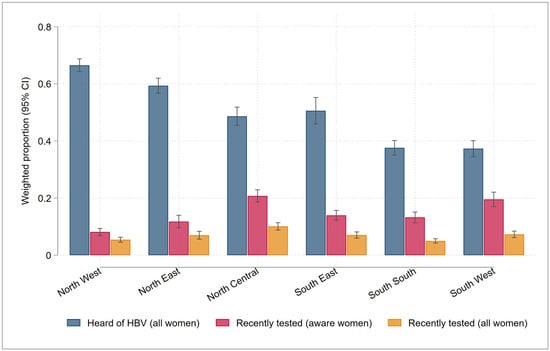
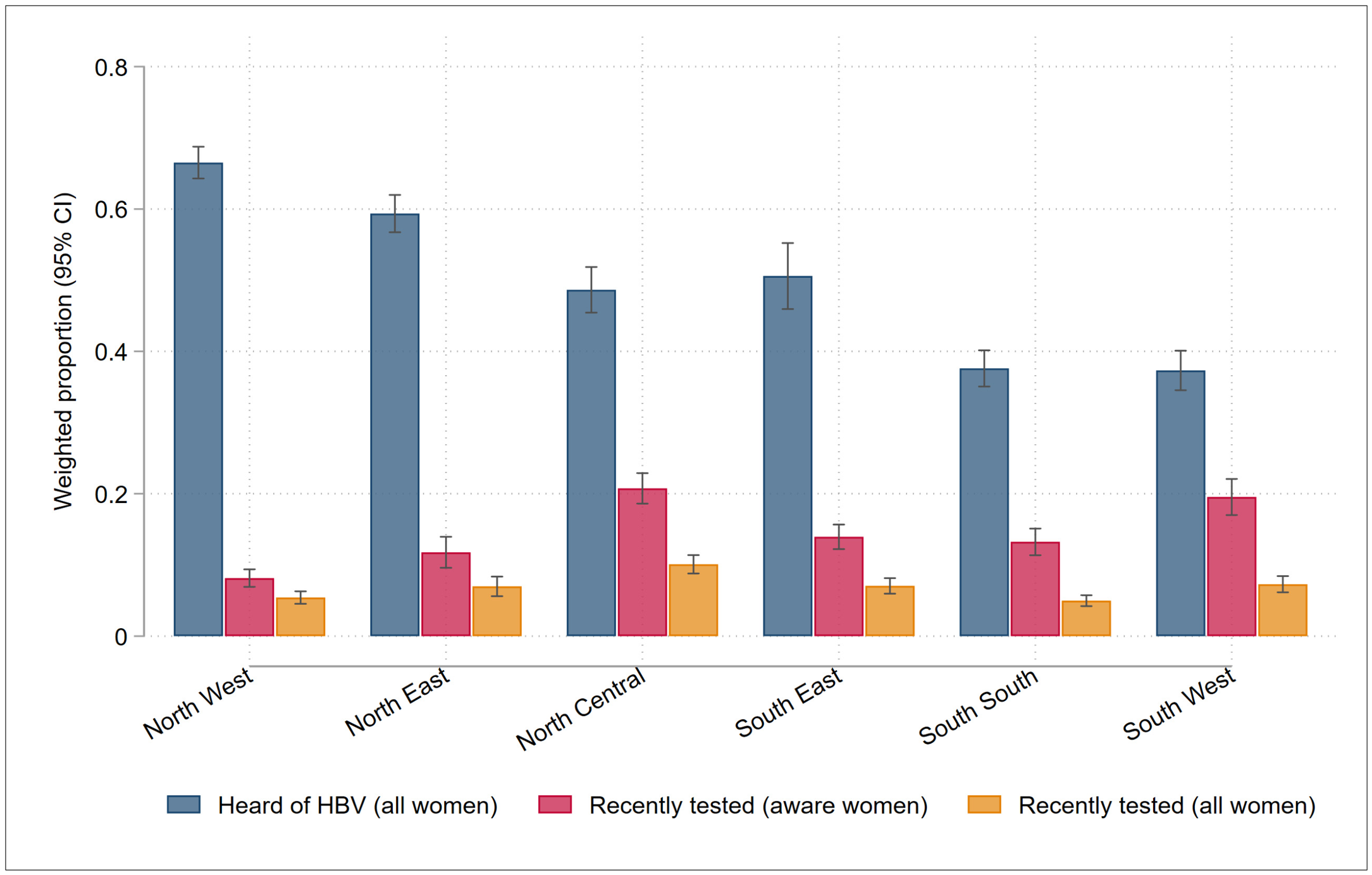
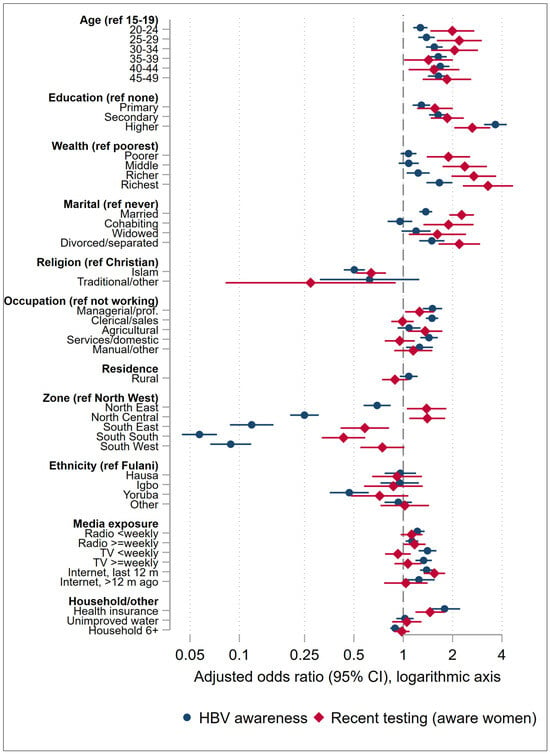
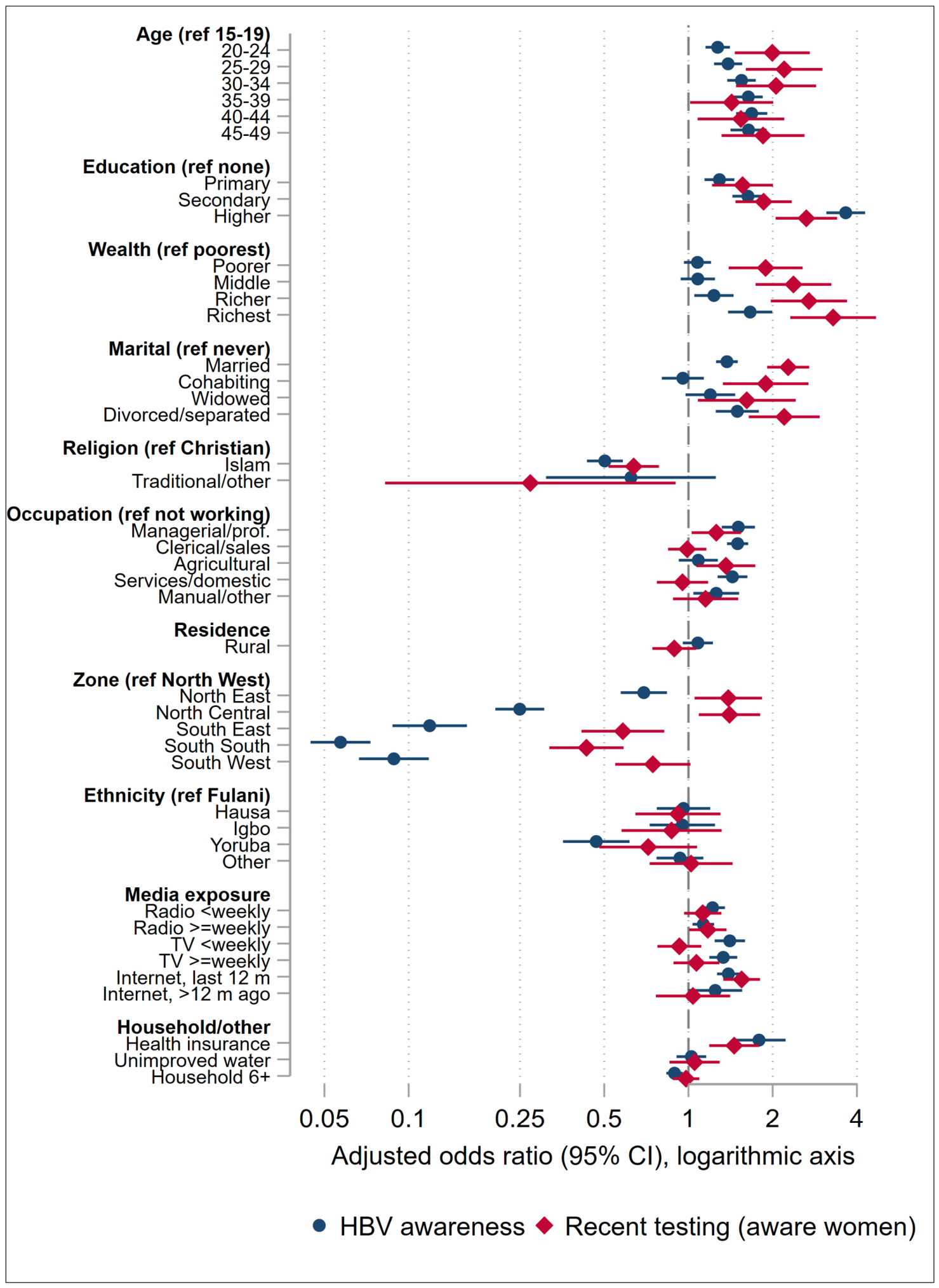
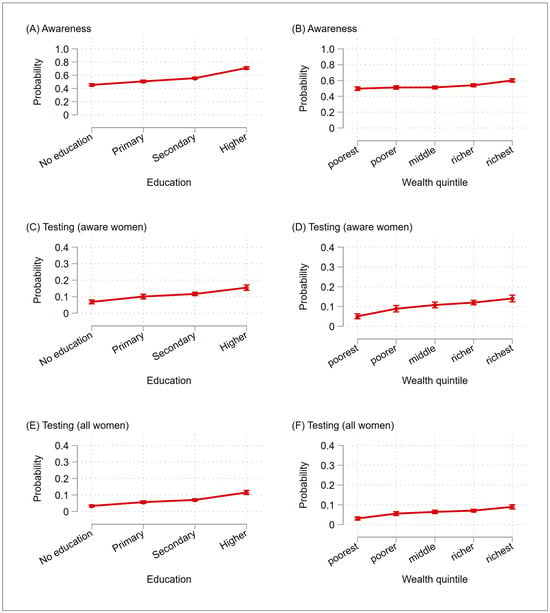
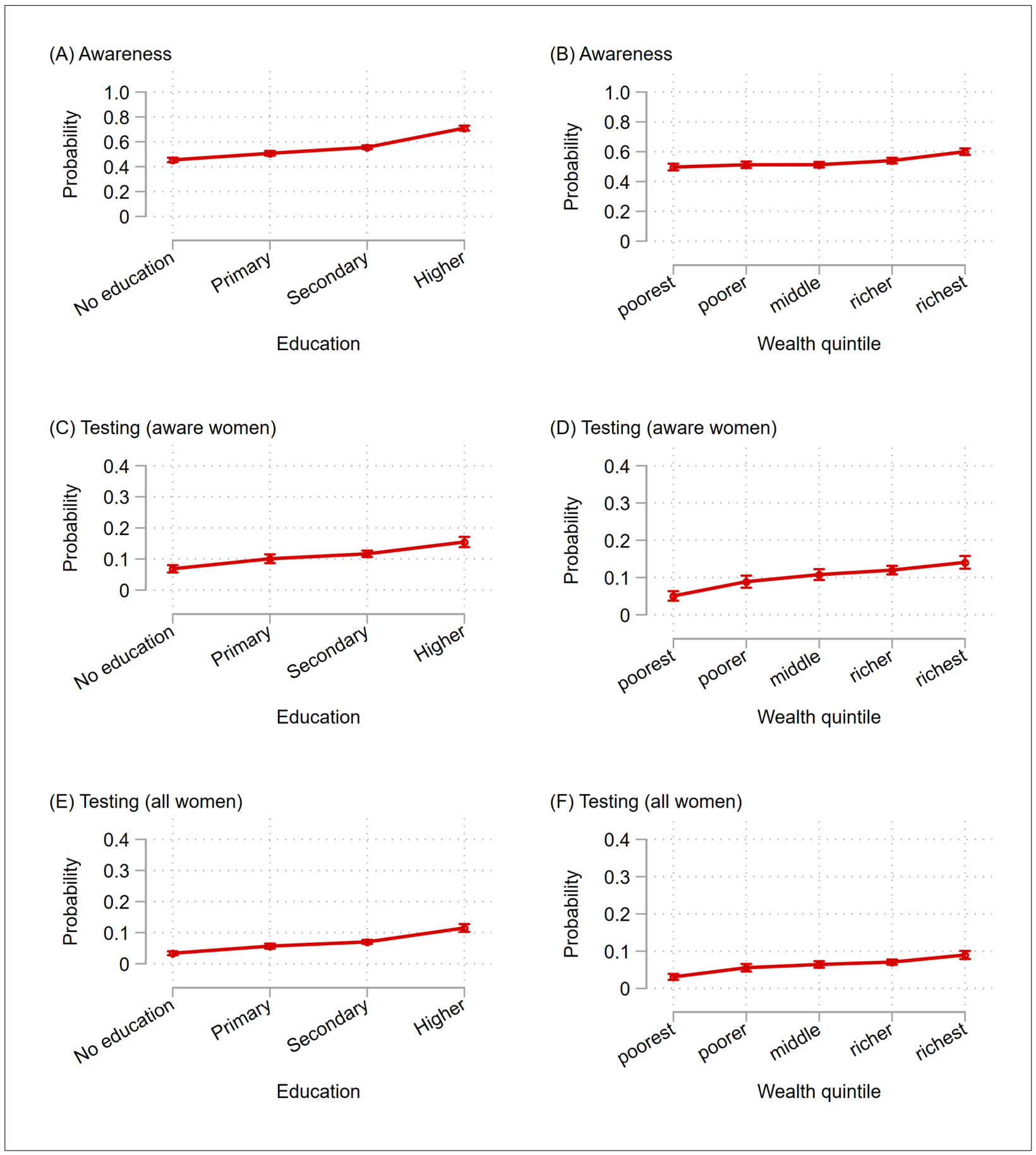

Disclaimer/Publisher’s Note: The statements, opinions and data contained in all publications are solely those of the individual author(s) and contributor(s) and not of MDPI and/or the editor(s). MDPI and/or the editor(s) disclaim responsibility for any injury to people or property resulting from any ideas, methods, instructions or products referred to in the content. |
© 2026 by the authors. Licensee MDPI, Basel, Switzerland. This article is an open access article distributed under the terms and conditions of the Creative Commons Attribution (CC BY) license.