


Highlights
What are the main findings?
- Exercise and movement-based interventions were associated with a moderate average reduction in PTSD symptoms, although the prediction interval indicated variability in effects across future settings.
- Treatment rankings were not robust: resistance exercise had the highest probability of ranking first, whereas yoga had the most favorable SUCRA and mean rank, and rankings changed when the intervention definition was broadened.
What are the implications of the main findings?
- Exercise may be considered as an adjunctive component of PTSD care, but treatment rankings alone should not determine which exercise modality is selected.
- Exercise selection should prioritize patient preference, clinical suitability, safety, feasibility, accessibility, and sustainability until stronger head-to-head evidence becomes available.
Abstract
Background/Objectives: Exercise has been investigated as an adjunctive intervention for post-traumatic stress disorder (PTSD), but the comparative effectiveness of exercise modalities remains uncertain. This study evaluated the effects of exercise and movement-based interventions and whether the available evidence supports a reliable hierarchy of exercise modalities. Methods: PubMed, APA PsycINFO, the Cochrane Central Register of Controlled Trials (CENTRAL), and ScienceDirect were searched through 31 January 2026 for randomized controlled trials in adults with PTSD or clinically significant symptoms. Risk of bias was assessed using the Cochrane Risk of Bias 2 (RoB 2) tool, and network confidence using Confidence in Network Meta-Analysis (CINeMA). Post-treatment PTSD severity was synthesized using random-effects meta-analysis with restricted maximum likelihood and Knapp–Hartung adjustment. A frequentist network meta-analysis used the strict exercise network as the principal comparative framework, with a broad exercise and movement-based network evaluated as a sensitivity analysis. Results: Twenty studies were included. Fifteen trials (863 participants) contributed to the meta-analysis, showing reduced PTSD symptoms (Hedges’ g = −0.49, 95% confidence interval (CI) −0.69 to −0.28; I2 = 40.2%), although the 95% prediction interval crossed the null (−1.01 to 0.04). Eleven trials meeting the strict physical-exercise definition and providing compatible raw post-treatment data showed a similar effect (g = −0.44, 95% CI −0.66 to −0.20). The strict network included five nodes and 754 participants. No exercise modality showed clear superiority over active control, and no head-to-head comparisons between exercise modalities were available. Resistance exercise had the highest probability of ranking first, whereas yoga had the highest surface under the cumulative ranking curve (SUCRA) value (0.809); confidence in all network comparisons was very low. Conclusions: Exercise and movement-based interventions may reduce PTSD symptoms, but current evidence does not support a reliable hierarchy of exercise modalities. Rankings should not be interpreted as clinical superiority without direct comparative evidence.
1. Introduction
Post-traumatic stress disorder (PTSD) is a clinically disabling condition that may develop following exposure to traumatic events and is characterized by persistent intrusion symptoms, avoidance, negative alterations in cognition and mood, and heightened arousal and reactivity [1]. In addition to its core psychological symptoms, PTSD is frequently associated with substantial functional impairment and a complex burden of physical and mental health problems [2,3]. Current clinical guidelines emphasize trauma-focused psychotherapies, including Cognitive Processing Therapy, Prolonged Exposure, and Eye Movement Desensitization and Reprocessing, as established treatments for PTSD, while pharmacological treatments are also used when clinically indicated [4]. Nevertheless, variability in treatment response, patient preferences, barriers to treatment access, and the broader physical-health burden associated with PTSD have contributed to continued interest in complementary and adjunctive therapeutic approaches [3,4,5].
Exercise has increasingly been investigated as one such approach [6,7]. Structured physical activity may be particularly relevant to PTSD care because it can be delivered in different formats and settings and may complement established psychological or pharmacological treatments without necessarily replacing trauma-focused care [6,7]. Randomized trials have evaluated a wide range of interventions, including aerobic exercise, resistance exercise, yoga, and multimodal exercise, as well as interventions incorporating stretching, breathing, meditation, or other movement-based components [8,9]. As this evidence base has expanded, systematic reviews and meta-analyses have generally suggested that exercise or physical-activity interventions can reduce PTSD symptom severity, although estimates of effect magnitude and conclusions regarding specific intervention types have varied [6,7,10].
Recent quantitative syntheses illustrate this uncertainty. A recent systematic review and meta-analysis of randomized trials reported an overall beneficial effect of exercise on PTSD symptoms and observed favorable subgroup estimates for yoga and resistance training [11]. A 2025 network meta-analysis examining exercise type and dose likewise supported an overall beneficial effect of exercise and ranked multicomponent exercise as the most favorable modality, while also proposing potentially optimal exercise-dose characteristics [12]. These findings are clinically relevant because they move the research question beyond whether exercise is effective toward the more consequential question of which type of exercise should be selected. However, differences observed across modality-specific subgroups do not necessarily establish comparative superiority, because such estimates may arise from different sets of trials rather than randomized head-to-head comparisons [13,14]. Similarly, probabilistic rankings generated by network meta-analysis may appear decisive even when the underlying relative-effect estimates are sparse or imprecise [15,16,17].
This distinction is particularly important in the literature on exercise interventions for PTSD. Previous trials have varied not only in exercise modality but also in how exercise interventions were defined, participant eligibility criteria, trauma characteristics, exercise dose, comparator intensity, concomitant treatment, and PTSD outcome-assessment methods [7,11,12]. Relative effects obtained against waitlist or no-treatment controls may differ from those obtained against structured educational, attention, psychological, or other active control conditions [18]. Similarly, effect estimates may also vary according to whether PTSD symptoms are assessed using clinician-administered or self-reported measures [19]. In addition, interventions broadly categorized as exercise or mind–body treatments may differ substantially in the extent to which structured physical activity constitutes the primary therapeutic component [20,21]. Consequently, combining clinically heterogeneous interventions within a single network may increase statistical connectivity while simultaneously reducing the plausibility of the transitivity assumption [15].
These concerns become especially important when network meta-analysis is used to establish treatment rankings. Network meta-analysis combines direct and indirect evidence to estimate relative effects across multiple interventions and can generate probabilistic treatment rankings [16]. However, rankings are secondary summaries of the underlying relative-effect estimates and do not independently establish clinical superiority [15,16]. Methodological guidance cautions against interpreting the probability of being best or related ranking measures in isolation, particularly when direct evidence is sparse, estimates are imprecise, or heterogeneity and incoherence are present [15,16]. Moreover, rankings are conditional on the treatments and node definitions included in the network; changes in intervention classification may therefore alter the apparent hierarchy without strengthening the underlying comparative evidence [22,23].
Evaluation of exercise interventions for PTSD should therefore distinguish at least two related but different questions. The first is whether exercise and movement-based interventions reduce PTSD symptoms on average compared with control conditions. The second, and more demanding, question is whether the available randomized evidence is sufficiently connected, coherent, precise, and credible to conclude that one exercise modality is superior to another. Addressing the latter question requires consideration not only of treatment rankings but also of direct and indirect evidence, network geometry, transitivity, heterogeneity, inconsistency, risk of bias, and confidence in individual network estimates [15,24].
A further methodological issue concerns the operational definition of exercise. Exercise is conventionally distinguished from broader physical activity as planned, structured, and repetitive activity undertaken to improve or maintain physical fitness [20]. A strict network based on this concept may provide greater clinical coherence but may also reduce the number of eligible trials and treatment nodes. Conversely, a broader analytical framework incorporating breathing, stretching, meditation, or other movement-based interventions may increase the amount of available evidence while introducing greater clinical heterogeneity. Decisions about whether clinically similar interventions should be combined within or separated across treatment nodes are consequential in network meta-analysis and may influence network geometry, heterogeneity, inconsistency, and treatment rankings [23,25]. Comparing strict and broad analytical frameworks therefore provides an opportunity to evaluate whether conclusions regarding relative effectiveness and treatment ranking are robust to intervention classification or are partly determined by how the network itself is constructed. The present review differs from previous quantitative syntheses in several respects. Rather than treating all exercise- and movement-related interventions as a single comparative framework, we prespecified a strict exercise network and examined a broad exercise and movement-based network separately as a sensitivity analysis. We also evaluated whether treatment rankings were robust to node definition, assessed confidence in network estimates using the Confidence in Network Meta-Analysis (CINeMA) framework [24], and maintained a common raw immediate post-treatment estimand for the primary quantitative synthesis. Thus, the principal contribution of the present study is not the generation of an additional treatment ranking, but the evaluation of whether the available randomized evidence is sufficiently robust to support such a ranking.
Against this background, the present systematic review and meta-analysis had two complementary objectives. First, we estimated the average effect of exercise and movement-based interventions on immediate post-treatment PTSD symptom severity using a conventional random-effects meta-analysis [26] and examined the robustness of this finding. Second, we evaluated the comparative effects of eligible exercise modalities using network meta-analysis and examined whether the available evidence supports a sufficiently reliable treatment hierarchy to inform clinical decision-making.
2. Materials and Methods
2.1. Study Design and Reporting Guidelines
This systematic review and meta-analysis evaluated randomized controlled trials of exercise and movement-based interventions for adults with post-traumatic stress disorder (PTSD). The review was conducted and reported in accordance with the Preferred Reporting Items for Systematic Reviews and Meta-Analyses 2020 statement (PRISMA 2020) and the PRISMA extension for network meta-analyses (PRISMA-NMA). The review protocol was registered in the International Prospective Register of Systematic Reviews (PROSPERO; registration number: CRD420261323629) and is available at: https://www.crd.york.ac.uk/PROSPERO/view/CRD420261323629 (accessed on 19 September 2026).
Following registration, the analytical framework was refined to distinguish the strict exercise network from the broad exercise and movement-based sensitivity network and to incorporate additional assessments of ranking uncertainty and network inconsistency. These refinements were implemented after study selection and intervention coding but before final network model fitting and treatment-ranking analyses.
2.2. Search Strategy
Electronic searches were conducted in PubMed, APA PsycINFO, the Cochrane Central Register of Controlled Trials (CENTRAL), and ScienceDirect from database inception through 31 January 2026. The final database searches were conducted on 7 February 2026. Records available through 31 January 2026 were eligible for inclusion.
Search strategies were constructed using database-specific Boolean combinations rather than isolated search terms. For PubMed, the PTSD concept (“Stress Disorders, Post-Traumatic” [Mesh] OR “post-traumatic stress disorder” [Title/Abstract] OR “posttraumatic stress disorder” [Title/Abstract] OR PTSD [Title/Abstract]) was combined using AND with an exercise/movement concept incorporating controlled vocabulary and free-text terms, and subsequently with a randomized-trial concept (randomized controlled trial [Publication Type] OR controlled clinical trial [Publication Type] OR random* [Title/Abstract] OR trial [Title/Abstract]). For APA PsycINFO, title and abstract terms for PTSD were combined using AND with corresponding exercise/movement terms and a randomized/controlled-trial block. For CENTRAL, the PTSD block (#3) was combined using AND with the exercise/movement block (#10), yielding the final search #11 (#3 AND #10); no additional randomized-trial filter was applied because CENTRAL is a trials-focused database. Because ScienceDirect restricts the number of Boolean operators permitted within a single search field, four complementary searches were conducted, each combining a PTSD block, an intervention block, and a randomized-trial block using AND. The complete database-specific Boolean search strings, including all OR combinations, controlled vocabulary, field tags, and platform-specific syntax, are provided in Supplementary Table S1.
Reference lists of eligible randomized trials and relevant systematic reviews were manually screened to identify additional potentially eligible reports. When multiple publications appeared to originate from the same randomized cohort, author lists, recruitment setting, participant characteristics, sample size, intervention and comparator groups, intervention duration, outcome measures, and trial-registration information were compared. Reports judged to represent the same randomized cohort were linked under a common study identifier to avoid double counting.
2.3. Eligibility Criteria
Eligibility criteria were prespecified according to the Participants, Interventions, Comparators, Outcomes, and Study design (PICOS) framework: Participants were adults with PTSD or clinically significant PTSD symptoms; Interventions were eligible exercise or movement-based interventions; Comparators were active or inactive control conditions; Outcomes were validated measures of immediate post-treatment PTSD symptom severity; and Study design was restricted to randomized controlled trials.
2.3.1. Participants
Eligible studies enrolled adults with PTSD established either by a formal clinical diagnosis or by clinically significant PTSD symptoms assessed using a validated PTSD-specific instrument. Formal diagnoses based on the Diagnostic and Statistical Manual of Mental Disorders (DSM), the International Classification of Diseases, or a structured clinical interview were considered eligible.
Populations meeting a validated PTSD symptom threshold were also eligible when PTSD represented the principal clinical condition of interest. Studies were excluded when PTSD-specific outcome data could not be distinguished from those of other clinical populations, when participants were exclusively children or adolescents, or when PTSD was not a principal clinical characteristic of the study population.
2.3.2. Exercise and Movement-Based Interventions
Exercise was operationally defined as planned, structured, and repetitive physical activity performed with the purpose of improving or maintaining one or more components of physical fitness or health.
For the strict exercise framework, an intervention was required to include planned and structured physical activity as a primary therapeutic component, with at least one component of frequency, intensity, time, or type sufficiently characterized. Prespecified exercise categories included aerobic exercise, resistance exercise, yoga, and multimodal exercise. Only categories represented by eligible and statistically estimable randomized contrasts were retained as treatment nodes in the fitted network.
The broad exercise and movement-based framework additionally allowed interventions in which bodily movement, stretching, breathing, or another activity-based practice constituted a primary therapeutic component but did not unequivocally satisfy the strict definition of structured physical exercise. Examples included breathing-meditation, mindful stretching, and equine-assisted movement interventions.
Multicomponent mindfulness, psychological, or therapeutic programs were excluded when movement or exercise represented only an ancillary component and its independent therapeutic contribution could not be distinguished from the broader intervention.
The strict and broad frameworks were analyzed separately to examine whether the operational definition of exercise materially affected pooled effects, network geometry, relative treatment estimates, treatment rankings, heterogeneity, or network coherence.
2.3.3. Comparators
Comparator conditions were classified according to their therapeutic content and level of participant engagement.
Waitlist, assessment-only, no-intervention, usual-care, and minimal-contact conditions were classified as inactive controls when they did not provide a structured therapeutic intervention comparable in intensity to the experimental condition.
Conditions providing structured education, attention, social contact, recovery-oriented care, psychological support, or another organized comparator involving meaningful therapeutic or behavioral engagement were classified as active controls. Comparator conditions that included low-dose or ancillary movement or physical activity were also classified as active controls when such activity was not the primary experimental exercise intervention and the condition primarily served as a structured attention, behavioral, or therapeutic comparator. When classification was uncertain, comparator content, contact time, treatment provider, therapeutic intent, and degree of structured participant engagement were considered jointly.
2.3.4. Outcomes
The primary outcome was PTSD symptom severity assessed immediately after completion of the intervention using a validated self-reported or clinician-administered PTSD-specific measure.
When more than one PTSD measure was available within a trial, clinician-administered measures were prioritized when available. Otherwise, a validated self-report measure was selected. When multiple measures of the same assessment type were reported, the outcome designated by the original investigators as the primary PTSD outcome was prioritized.
Outcome directions were harmonized so that higher scores represented greater PTSD symptom severity. Accordingly, negative standardized mean differences (SMDs) indicated greater post-treatment symptom reduction in the exercise or movement-based intervention group than in the comparator group.
Longer-term follow-up outcomes were not included in the primary quantitative analysis because follow-up timing and reporting were insufficiently consistent across studies.
2.3.5. Study Design
Randomized controlled trials were eligible. Individually randomized and cluster-randomized designs were considered eligible when a valid randomized treatment contrast and sufficient quantitative outcome information were available.
Non-randomized studies, uncontrolled pre–post studies, observational studies, case reports, study protocols, and conference abstracts without sufficient quantitative outcome data were excluded. Only reports available in English were eligible for inclusion.
2.4. Study Selection
Records identified from the database searches were compiled, and duplicate records were identified by comparing bibliographic information and removed before screening. Titles and abstracts were then screened, followed by full-text assessment of potentially eligible reports.
Study selection was conducted independently by two reviewers. Disagreements were resolved through discussion and consensus between the two reviewers and, when necessary, consultation with an additional reviewer. Reasons for exclusion at the full-text stage were documented and are reported in Supplementary Table S2. The study-selection process was summarized using a PRISMA 2020 flow diagram.
Potentially overlapping reports were evaluated using participant characteristics, recruitment setting, randomized sample size, intervention and comparator groups, intervention duration, outcome measures, and trial-registration information before determining whether reports represented the same randomized cohort.
2.5. Data Extraction and Coding Audit
Data were extracted using a standardized study-level extraction form. Extracted information included study and publication characteristics; PTSD eligibility criteria; participant and trauma characteristics; randomized and analyzed sample sizes; age and sex; baseline PTSD severity; intervention type; exercise frequency, intensity, session duration, and program duration; supervision and delivery format; comparator characteristics; concomitant psychological or pharmacological treatment, where reported; PTSD outcome instrument; assessor type; immediate post-treatment means and standard deviations; attrition; adherence; adverse events; and the source and derivation of each effect estimate. Data extraction was conducted independently by two reviewers. Discrepancies were resolved through re-examination of the original reports and consensus between the two reviewers. Study investigators were not contacted for additional or missing data.
When numerical values were reconstructed rather than reported directly, including standard deviations derived from standard errors, confidence intervals, or other statistics, the derivation method and assumptions were documented.
A detailed study-level coding audit was maintained to record randomized and analyzed sample sizes, intervention classification, comparator classification, outcome measure, assessor type, effect-size basis, analytical denominator, eligibility for each quantitative analysis, and verification status.
2.6. Effect-Size Calculation and Primary Estimand
Because PTSD symptoms were assessed using different instruments across trials, treatment effects were expressed as standardized mean differences using Hedges’ g, with the pooled within-study standard deviation used for standardization and a small-sample correction applied. Negative Hedges’ g values indicated lower PTSD symptom severity in the intervention group relative to the comparator [13].
For the primary conventional meta-analysis, eligible randomized comparisons were required to provide sufficient immediate post-treatment arm-level information to estimate a common raw post-treatment effect, including the analyzed sample size, post-treatment mean, and standard deviation for each randomized group. Adjusted model-based estimates, change-score effects, and other alternative estimands were not combined with raw immediate post-treatment arm-level effects in the primary synthesis. When such estimates were the only quantitative results available, they were retained in the alternative-estimand audit but were not combined with the primary quantitative synthesis.
The primary analytical denominator was the number of participants contributing to the selected immediate post-treatment outcome. Randomized and analyzed sample sizes were retained separately throughout the coding process.
2.7. Risk-of-Bias Assessment
Risk of bias was assessed using the Cochrane Risk of Bias 2 (RoB 2) tool.
Five domains were evaluated: bias arising from the randomization process; bias due to deviations from intended interventions; bias due to missing outcome data; bias in measurement of the outcome; and bias in selection of the reported result.
Each domain and the overall judgment were classified as low risk, some concerns, or high risk. Particular attention was given to missing post-treatment outcome data, deviations from randomized allocation, self-reported versus clinician-administered PTSD outcomes, and concordance between reported and prespecified analyses.
RoB 2 assessment was conducted independently by two reviewers. Disagreements in domain-level or overall risk-of-bias judgments were resolved through discussion and consensus. Study-level risk-of-bias judgments were subsequently incorporated into the within-study bias domain of CINeMA.
2.8. Conventional Pairwise Meta-Analysis
A random-effects meta-analysis was conducted to estimate the average effect of eligible exercise and movement-based interventions on immediate post-treatment PTSD symptom severity relative to comparator conditions. Between-study heterogeneity variance (τ2) was estimated using restricted maximum likelihood (REML). The Knapp–Hartung adjustment was applied to the standard error and confidence interval of the pooled effect. Treatment effects were reported as Hedges’ g with 95% confidence intervals. Statistical heterogeneity was summarized using Cochran’s (Q), (τ2), (I2), and (H2).
A 95% prediction interval was calculated to estimate the range in which the true effect of a comparable future study might plausibly lie.
The conventional meta-analysis represented the overall exercise and movement-based evidence base. A sensitivity analysis restricted the dataset to interventions satisfying the strict physical-exercise definition.
2.9. Subgroup and Sensitivity Analyses
Subgroup and sensitivity analyses were undertaken to examine the robustness of the conventional meta-analysis. Analyses included restriction to interventions meeting the strict physical-exercise definition; subgroup analyses according to comparator intensity (inactive versus active control) and PTSD outcome-assessment method (self-report versus clinician-administered assessment); and a leave-one-study-out sensitivity analysis.
Tests of subgroup differences were interpreted cautiously because several subgroups contained relatively few studies. Lack of statistical significance in a subgroup interaction test was not interpreted as evidence that subgroup effects were identical. Leave-one-study-out analyses were conducted by sequentially excluding each study and re-estimating the random-effects model. An additional sensitivity analysis excluded studies judged to be at high overall risk of bias and repeated both the conventional pairwise meta-analysis and the strict network meta-analysis. For the network analysis, relative-effect estimation, inconsistency assessment, and treatment ranking were repeated using the same analytical framework as in the primary analysis.
2.10. Small-Study Effects in the Conventional Meta-Analysis
Potential small-study effects were explored using funnel plots and Egger’s regression test.
Because the number of studies was limited and clinical and methodological heterogeneity was present, funnel-plot asymmetry and Egger-test results were regarded as exploratory and were not interpreted as definitive evidence for or against publication bias.
2.11. Network Construction
A frequentist network meta-analysis was conducted using immediate post-treatment PTSD outcomes and effect estimates compatible with the primary raw post-treatment estimand.
The analytical dataset was organized in a contrast-based format, with each record representing an eligible randomized treatment contrast and containing the study identifier, treatment nodes, standardized treatment effect, and corresponding standard error.
The primary network analysis used the strict exercise framework. Prespecified treatment categories comprised aerobic exercise, resistance exercise, yoga, and multimodal exercise, together with active and inactive controls. Only treatment categories represented by eligible and estimable randomized contrasts were retained as nodes in the fitted network.
A broad network sensitivity analysis additionally included eligible movement-based intervention categories that did not unequivocally satisfy the strict exercise definition but represented clinically coherent treatment concepts.
Studies eligible for the systematic review but lacking a compatible randomized contrast or a clinically coherent treatment node were not forced into the network.
Active control was used as the reference treatment for presentation of relative network effects. The reference category affected presentation only and did not alter relative comparisons between treatment pairs.
In network plots, node size was proportional to the number of studies involving each treatment and edge thickness was proportional to the number of randomized direct comparisons between treatment pairs.
2.12. Network Meta-Analysis
A frequentist contrast-based random-effects network meta-analysis was fitted under the consistency assumption. A common between-study heterogeneity parameter was assumed across treatment comparisons. No multi-arm trial contributed more than one eligible contrast to either the strict or broad network; therefore, no adjustment for within-study correlation among multiple contrasts was required. Model adequacy was evaluated primarily through assessment of between-study heterogeneity, global inconsistency, local incoherence, and the precision of network estimates rather than through a separate formal goodness-of-fit statistic. Network relative treatment effects were expressed as Hedges’ g standardized mean differences with 95% confidence intervals.
Relative effects were evaluated with consideration of effect magnitude, precision, availability of direct and indirect evidence, network geometry, heterogeneity, inconsistency, ranking distributions, and confidence in the evidence. Statistical significance alone was not used to determine comparative treatment superiority.
Because direct head-to-head comparisons between exercise modalities were limited, network estimates relying predominantly on indirect evidence were interpreted cautiously.
2.13. Assessment of Transitivity
The transitivity assumption was assessed by examining the distribution of clinically and methodologically relevant potential effect modifiers across direct treatment comparisons.
Potential effect modifiers included, where sufficiently reported, baseline PTSD severity; clinically diagnosed versus symptom-threshold populations; trauma characteristics; participant age and sex; concomitant psychological or pharmacological treatment; intervention frequency, intensity, and duration; supervision; comparator intensity; PTSD assessment instrument; assessor type; analysis population; and handling of missing outcome data.
To improve transparency, the distribution of the principal potential effect modifiers across the observed direct-comparison sets in the strict exercise network was summarized descriptively in Supplementary Table S7. Because several direct comparisons were represented by only one or a small number of trials and reporting of several effect modifiers was incomplete, formal statistical comparisons of their distributions were not considered sufficiently reliable. Transitivity was therefore assessed primarily on the basis of clinical and methodological comparability.
2.14. Assessment of Network Inconsistency
Statistical inconsistency was evaluated at both global and local levels.
Global inconsistency was assessed using a random-effects design-by-treatment interaction model.
For treatment comparisons supported by both direct and indirect evidence, local incoherence was evaluated using separating indirect from direct evidence (SIDE) analyses. Direct and indirect estimates, their difference, uncertainty, and corresponding statistical tests were considered jointly. Because the network was sparse, failure to reject a statistical test of inconsistency was not interpreted as evidence of complete network coherence.
2.15. Treatment Ranking and Ranking Uncertainty
Treatment-ranking probabilities were estimated from the fitted random-effects consistency model using simulation from the estimated treatment effects and their variance–covariance structure.
A random-number seed of 20,260,816 was specified, and 10,000 simulation draws were used to improve reproducibility.
Because lower PTSD symptom scores represented more favorable outcomes, lower relative treatment effects were assigned better ranks.
For each treatment, the probability of occupying each possible rank, probability of ranking first, mean rank, and surface under the cumulative ranking curve (SUCRA) were calculated.
Treatment rankings were interpreted together with the corresponding relative effect estimates, confidence intervals, amount of direct evidence, network geometry, heterogeneity, inconsistency, and confidence in the evidence. A high probability of ranking first or a high SUCRA value was not interpreted as definitive treatment superiority when the underlying estimates were imprecise, or the comparative evidence was sparse.
2.16. Comparison-Adjusted Funnel Plot
Potential small-study effects in the network meta-analysis were explored using a comparison-adjusted funnel plot.
Study-specific standardized mean differences were centered relative to the estimated effect for the corresponding direct comparison after harmonizing treatment-effect direction.
Because the strict network contained a small number of randomized direct comparisons and several treatment pairs were sparsely informed, the comparison-adjusted funnel plot was interpreted as an exploratory assessment rather than as definitive evidence of network-wide publication bias.
2.17. Confidence in Network Estimates
Confidence in network relative treatment estimates was evaluated using the Confidence in Network Meta-Analysis (CINeMA) framework.
Six domains were assessed:
- within-study bias
- reporting bias
- indirectness
- imprecision
- heterogeneity
- incoherence
Within-study bias was informed by the RoB 2 assessments and summarized across study contributions using the average risk-of-bias approach. Indirectness was assessed according to the clinical and methodological applicability of studies contributing to each network comparison.
For the incoherence domain, SIDE results were used for comparisons supported by both direct and indirect evidence, whereas the global design-by-treatment interaction test informed judgments for comparisons lacking one of these evidence sources. Following CINeMA guidance, p values greater than 0.10 were classified as indicating no concerns regarding incoherence.
An absolute SMD of 0.20 was used as the decision threshold for CINeMA judgments of imprecision and heterogeneity. Because the included trials used multiple PTSD outcome instruments, this value was applied as a common standardized interpretive threshold rather than as a validated PTSD-specific minimal clinically important difference. The same threshold was applied consistently across all network comparisons. Confidence intervals and, where relevant, prediction intervals were evaluated in relation to this threshold when judging imprecision, heterogeneity, and incoherence.
Each CINeMA domain was rated as no concerns, some concerns, or major concerns, and domain-level judgments were integrated to assign an overall confidence rating of high, moderate, low, or very low.
Closely related domains were considered jointly to avoid inappropriate double downgrading for the same underlying source of uncertainty. Treatment rankings and statistical significance were not used to increase confidence in a network estimate.
2.18. Broad Exercise and Movement-Based Network Sensitivity Analysis
To assess the sensitivity of comparative-effect and ranking conclusions to the operational definition of exercise, the network meta-analysis was repeated using the broad exercise and movement-based framework.
The broad network incorporated clinically coherent movement-based interventions that did not unequivocally meet the strict exercise definition while retaining the same outcome direction, effect-size framework, reference condition, random-effects structure, ranking procedure, and inconsistency-assessment principles used in the strict network.
Changes in network geometry, relative treatment effects, ranking probabilities, SUCRA values, and inconsistency were examined to determine whether conclusions regarding treatment hierarchy were robust to intervention classification.
2.19. Statistical Software
Conventional pairwise and network meta-analyses were conducted using Stata/BE version 19.5 (StataCorp LLC, College Station, TX, USA).
Stata meta-analysis and network meta-analysis procedures were used for random-effects conventional meta-analysis, heterogeneity estimation, forest plots, subgroup analyses, network construction, consistency and inconsistency models, SIDE analyses, comparison-adjusted funnel plots, and treatment-ranking analyses.
CINeMA web application (University of Bern, Bern, Switzerland) was used to evaluate confidence in network relative treatment estimates.
All statistical tests were two-sided. A conventional threshold of (p < 0.05) was used for statistical testing; however, heterogeneity, subgroup interaction, inconsistency, and small-study-effect tests were interpreted in conjunction with effect magnitude, precision, network sparsity, and clinical context rather than solely according to statistical significance.
2.20. Generative AI Assistance
During manuscript preparation, ChatGPT (GPT-5.6; OpenAI, San Francisco, CA, USA) was used to assist with language refinement, structural organization, statistical coding support, and preparation of graphical materials. All AI-assisted outputs were critically reviewed, verified against the original study data and source materials, and revised as necessary by the authors. No AI-generated output was accepted without author verification, and the authors take full responsibility for the content of the manuscript.
3. Results
3.1. Study Selection and Characteristics
The study-selection process is summarized in the PRISMA flow diagram (Figure 1). Across the four electronic databases, 37,543 records were identified before deduplication: 494 from PubMed, 6627 from APA PsycINFO, 963 from CENTRAL, and 29,459 from the four ScienceDirect searches combined. Manual backward citation searching did not identify any additional eligible studies.
Figure 1.
Preferred Reporting Items for Systematic Reviews and Meta-Analyses (PRISMA) 2020 flow diagram of study selection. Twenty studies were included in the systematic review; 15 contributed to the primary pairwise meta-analysis, 11 to the strict exercise network meta-analysis, and 14 to the broad exercise and movement-based network sensitivity analysis.
Detailed characteristics of the included randomized trials are presented in Table 1 [27,28,29,30,31,32,33,34,35,36,37,38,39,40,41,42,43,44,45,46], and study-level extraction and coding decisions are provided in Supplementary Table S3. The included studies represented clinically heterogeneous adult populations, including military veterans and active-duty personnel, civilians and community samples, psychiatric inpatients, former combatants, trauma-affected refugees, nurses, and women with interpersonal- or stillbirth-related trauma. PTSD eligibility ranged from formally diagnosed DSM-based PTSD and chronic or treatment-resistant PTSD to partial/subthreshold, probable, or validated symptom-threshold PTSD. Participant age also varied substantially across studies. For example, the Seppälä et al. trial included relatively young veterans (mean age 28.1 years in the intervention group and 29.2 years in the control group), whereas mean ages were 44.4 years in Mitchell et al., 47.8 years in Rosenbaum et al., and approximately 58 years in Carter et al. Because age and baseline symptom severity were reported using heterogeneous summary formats and PTSD instruments, these characteristics were not pooled across studies. Baseline symptom burden nevertheless reflected clinically meaningful PTSD in many samples; for example, mean baseline Clinician-Administered PTSD Scale (CAPS) scores were approximately 56 in Carter et al., whereas mean baseline PTSD Checklist–Civilian Version (PCL-C) scores were approximately 64 in Rosenbaum et al. Other studies enrolled participants using validated symptom thresholds, including the Clinician-Administered PTSD Scale for DSM-5 (CAPS-5) or PTSD Checklist for DSM-5 (PCL-5) criteria.
Table 1.
Characteristics of Studies Included in the Systematic Review.
Intervention content and dose were likewise heterogeneous. The strict exercise interventions included yoga, resistance exercise, aerobic exercise, and multimodal exercise programs, while the broad exercise and movement-based framework additionally included breathing–meditation and mindful stretching. Intervention duration ranged from short intensive or brief programs to longer structured interventions: examples included a 7-day intensive breathing-based meditation program, a 3-week high-intensity resistance-training program, yoga programs lasting approximately 6–16 weeks, and multimodal programs generally lasting about 10–12 weeks; the pairwise evidence base also included a 12-month nature-adventure rehabilitation program. Within the strict exercise network, interventions lasted 3–16 weeks and, where reported, were generally delivered one to three times per week for approximately 30–90 min per session, although some programs incorporated home practice, walking, or self-directed activity. Comparator conditions also varied in therapeutic intensity, and both self-reported and clinician-administered PTSD outcomes were represented.
Of the 20 studies included in the systematic review, 15 contributed to the primary pairwise meta-analysis. Four otherwise eligible randomized trials (Powers et al., Huberty et al., Young-McCaughan et al., and Bryant et al.) reported only change-based or adjusted/model-based estimates that could not be converted to the prespecified raw immediate post-treatment Hedges’ g without additional assumptions and were therefore not pooled with the primary quantitative synthesis. A structured audit of these four trials is presented in Supplementary Table S8; their findings were directionally mixed and did not indicate a consistent pattern that would materially alter the interpretation of the primary raw-post synthesis. Johnson et al. used a randomized waitlist crossover design, but the reported post-riding statistics pooled participants across treatment periods; consequently, a clean independent randomized-period contrast could not be reconstructed.
Of the 15 studies contributing to the primary pairwise meta-analysis, 11 also contributed to the strict exercise network. Carter et al., Kim et al., and Seppälä et al. were eligible under the broad exercise and movement-based framework but did not satisfy the prespecified strict physical-exercise definition, whereas the nature-adventure rehabilitation intervention evaluated by Gelkopf et al. contributed to the pairwise analysis but could not be mapped to a prespecified clinically coherent network node. Consequently, 11 randomized direct comparisons contributed to the strict exercise network, whereas 14 contributed to the broad exercise and movement-based network sensitivity analysis.
Risk-of-bias assessment indicated that 3 of the 20 included studies were judged to be at low overall risk of bias, 12 had some concerns, and 5 were judged to be at high risk of bias (Supplementary Table S4; Supplementary Figures S1 and S2). High-risk judgments were driven primarily by concerns regarding missing outcome data, while concerns regarding deviations from intended interventions, outcome measurement, and selective reporting were also common.
3.2. Conventional Pairwise Meta-Analysis
The primary conventional random-effects meta-analysis included 15 randomized trials, with 863 participants contributing to the selected immediate post-treatment analyses. Exercise and movement-based interventions were associated with a statistically significant reduction in PTSD symptom severity compared with control conditions (Hedges’ g = −0.49, 95% confidence interval (CI) −0.69 to −0.28; Figure 2).
Figure 2.
Forest plot of the overall effect of exercise and movement-based interventions on PTSD symptoms. Study-specific effects for the 15 contributing trials [27,29,30,31,32,33,36,37,38,40,41,43,44,45,46] and pooled effects are presented as Hedges’ g with 95% confidence intervals. The pooled effect was estimated using a random-effects model with restricted maximum likelihood (REML) estimation and Knapp–Hartung adjustment. Negative values indicate greater reductions in PTSD symptoms in the intervention group. The horizontal line extending beyond the pooled-effect diamond represents the 95% prediction interval. Blue squares and horizontal lines indicate study-specific Hedges’ g estimates and 95% confidence intervals, with square size reflecting study weight. The green diamond represents the pooled effect, the green horizontal line represents the 95% prediction interval, and the red vertical line denotes the null value.
Between-study heterogeneity was moderate (τ2 = 0.050; I2 = 40.2%; H2 = 1.67). Cochran’s test of heterogeneity did not reach the conventional threshold for statistical significance (Q(14) = 23.20, p = 0.057). Using REML estimation with the Knapp–Hartung adjustment, the overall treatment effect was statistically significant (t(14) = −5.13, p < 0.001).
The 95% prediction interval ranged from −1.01 to 0.04, crossing the null value. Thus, although the average treatment effect favored exercise and movement-based interventions, the prediction interval indicated that a negligible or null effect remained plausible in a future clinically comparable trial.
3.3. Subgroup and Sensitivity Analyses
Restriction to interventions satisfying the strict physical-exercise definition produced an effect estimate similar to that of the overall analysis. Across 11 trials meeting the strict physical-exercise definition, the pooled effect was approximately g = −0.44 (95% CI −0.66 to −0.20). The four interventions not meeting the strict definition produced a larger point estimate (g = −0.68, 95% CI −1.32 to −0.04); however, the between-group difference was not statistically significant (Q(1) = 1.12, p = 0.29).
Comparator intensity showed a similar pattern. Exercise and movement-based interventions compared with inactive controls produced a larger pooled effect (k = 11; g = −0.59, 95% CI −0.82 to −0.36) than those compared with active controls (k = 4; g = −0.27, 95% CI −0.81 to 0.27). The test of subgroup differences was not statistically significant (Q(1) = 2.44, p = 0.12).
Effects also differed numerically according to outcome-assessment method. Studies using self-reported PTSD outcomes showed a pooled effect of approximately g = −0.60 (95% CI −0.88 to −0.32; k = 9), whereas clinician-administered outcomes showed a smaller effect (g = −0.33, 95% CI −0.66 to 0.01; k = 6). The between-group difference was not statistically significant (Q(1) = 2.10, p = 0.15).
Leave-one-study-out analyses indicated that the overall finding was not driven by any single trial. Sequential omission of individual studies produced pooled estimates ranging approximately from g = −0.56 to −0.45, and all resulting confidence intervals remained on the side favoring exercise. These findings supported the robustness of the direction and magnitude of the primary pairwise result.
3.4. Geometry of the Strict Exercise Network
The strict network comprised 11 randomized direct comparisons across five treatment nodes, with 754 participants contributing to the network analysis: active control, inactive control, multimodal exercise, resistance exercise, and yoga (Figure 3).
Figure 3.
Network geometry of the strict exercise network. Nodes represent the five treatment categories included in the strict network, with node size proportional to the number of studies involving each treatment. Edge thickness is proportional to the number of randomized direct comparisons between treatment pairs. The strict network comprised 11 randomized direct comparisons across five treatment pairs, involving 754 participants. No direct head-to-head comparisons were available between the exercise modalities. AC, active control; IC, inactive control; MM, multimodal exercise; RE, resistance exercise; YO, yoga.
Five unique direct treatment-pair comparisons were represented. Yoga was directly compared with active control in two studies and with inactive control in four studies. Multimodal exercise was compared with active control in one study and with inactive control in three studies, whereas resistance exercise was connected to active control through a single direct comparison.
The network contained a closed loop involving active control, inactive control, yoga, and multimodal exercise. Importantly, no direct head-to-head comparisons were available between the exercise modalities themselves. Consequently, comparisons among exercise modalities depended predominantly on indirect evidence through the control nodes.
Potential effect modifiers showed appreciable clinical and methodological variation across the direct-comparison sets (Supplementary Table S7). Differences were observed, where reported, in PTSD eligibility and diagnostic status, participant and trauma characteristics, intervention exposure, comparator content and concomitant care, and outcome-assessment methods. Because several direct-comparison sets were represented by only one or a small number of trials and reporting of key effect modifiers was incomplete, formal statistical comparison of their distributions was not considered reliable. Transitivity was therefore considered plausible but uncertain rather than firmly established.
3.5. Network Relative Treatment Effects
Relative effects from the random-effects consistency model are presented in Table 2. Relative to active control, yoga was associated with an estimated standardized mean difference of −0.32 (95% CI −0.73 to 0.08), multimodal exercise with −0.13 (95% CI −0.63 to 0.37), and resistance exercise with −0.32 (95% CI −1.32 to 0.68).
Table 2.
Network Meta-analysis Relative Effects in the Strict Exercise Network.
None of these estimates provided statistically clear evidence that an individual exercise modality was superior to active control because all corresponding 95% confidence intervals included the null value. The estimate for resistance exercise was particularly imprecise, reflecting the limited evidence contributing to that treatment node.
Likewise, the available network evidence did not demonstrate statistically clear superiority of one exercise modality over another. Because direct head-to-head trials between exercise modalities were absent, these comparisons were largely dependent on indirect evidence and were interpreted cautiously. Accordingly, the network estimates should be regarded as exploratory comparative evidence rather than as firm evidence of relative superiority among exercise modalities.
3.6. Network Inconsistency
In the strict network, the global design-by-treatment interaction test did not indicate statistically significant evidence of inconsistency (χ2(1) = 2.35, p = 0.125). SIDE analyses were evaluable for four comparisons supported by both direct and indirect evidence: active control versus multimodal exercise, active control versus yoga, inactive control versus multimodal exercise, and inactive control versus yoga. None showed statistically significant direct–indirect disagreement (all p = 0.125). The active control versus resistance exercise comparison could not be evaluated using SIDE because resistance exercise was connected to the network through a single direct comparison and lacked an independent indirect pathway. Given the sparsity of the network and the limited number of studies informing several comparisons, the absence of statistically significant inconsistency was not interpreted as evidence of complete network coherence.
3.7. Treatment Ranking in the Strict Network
Treatment-ranking results are presented in Table 3 and Figure 4. Resistance exercise had the highest probability of ranking first (47.9%), followed by yoga (40.4%) and multimodal exercise (10.6%). Active and inactive controls had probabilities of ranking first of 1.1% and 0.0%, respectively.
Table 3.
Treatment Ranking and CINeMA Confidence in Network Estimates.
Figure 4.
Rankograms for treatments in the strict exercise network. Each curve represents the probability of a treatment occupying each possible rank, with rank 1 indicating the most favorable treatment. Ranking probabilities were derived from the random-effects consistency model using 10,000 simulation draws (seed = 20,260,816). The distributions indicate uncertainty in the relative treatment hierarchy, particularly between yoga and resistance exercise.
However, ranking-first probability and overall rank distribution did not identify the same treatment as most favorable. When the full ranking distribution was considered, yoga had the most favorable mean rank (1.8) and the highest SUCRA value (0.809). Resistance exercise had a mean rank of 2.3 and a SUCRA value of 0.685, whereas multimodal exercise had a mean rank of 2.7 and a SUCRA value of 0.563. Active and inactive controls had mean ranks of 3.5 and 4.8 and SUCRA values of 0.383 and 0.059, respectively.
The rankograms demonstrated substantial uncertainty in the treatment hierarchy. Although resistance exercise had the greatest probability of occupying rank 1, its ranking distribution was more dispersed, whereas yoga was concentrated more consistently among the favorable ranks. Therefore, probability of ranking first did not directly correspond to the most consistently favorable overall ranking.
3.8. Confidence in the Network Evidence
Confidence in relative treatment effects was evaluated using CINeMA. Across the 10 possible pairwise comparisons within the five-node strict network, overall confidence was rated very low.
The main concerns involved imprecision, within-study bias, and reporting bias, with additional concerns regarding heterogeneity for selected comparisons. Incoherence was rated as no concerns across the network under the CINeMA framework, consistent with the absence of statistically significant global or local inconsistency signals.
The very low confidence ratings indicate substantial uncertainty surrounding the comparative treatment estimates. Accordingly, favorable SUCRA values and high probabilities of ranking first should be regarded as hypothesis-generating summaries of a highly uncertain comparative evidence base rather than as evidence of definitive superiority, and should not be used to recommend one exercise modality over another.
3.9. Sensitivity Analysis Excluding Studies at High Risk of Bias
After excluding four studies judged to be at high overall risk of bias, 11 trials involving 616 participants remained in the conventional meta-analysis. The pooled effect remained similar to the primary estimate (Hedges’ g = −0.47, 95% CI −0.73 to −0.21; τ2 = 0.066), although the 95% prediction interval continued to cross the null (−1.11 to 0.17).
In the corresponding strict network sensitivity analysis, the strict network was reduced from 11 to 8 randomized direct comparisons, comprising 549 participants while retaining all five treatment nodes. No exercise modality demonstrated statistically clear superiority over active control (multimodal exercise: g = −0.11, 95% CI −0.73 to 0.52; resistance exercise: g = −0.32, 95% CI −1.40 to 0.76; yoga: g = −0.22, 95% CI −0.85 to 0.41). The global design-by-treatment interaction remained non-significant (χ2(1) = 2.45, p = 0.118), and none of the four evaluable SIDE comparisons showed statistically significant direct–indirect disagreement (all p = 0.118). Resistance exercise retained the highest probability of ranking first (51.0%), whereas resistance exercise and yoga had identical mean ranks (2.2) and similar SUCRA values (approximately 0.7). Thus, exclusion of high-risk-of-bias studies did not materially alter the principal comparative conclusion that the available evidence does not support a stable treatment hierarchy.
3.10. Broad Exercise and Movement-Based Network Sensitivity Analysis
The broad exercise and movement-based network expanded the intervention definition to include additional clinically coherent movement-based approaches. The network comprised 14 randomized direct comparisons involving 821 participants across seven treatment nodes: active control, inactive control, multimodal exercise, resistance exercise, yoga, breathing–meditation, and mindful stretching.
Relative to active control, the estimated effects were −0.34 (95% CI −1.15 to 0.48) for breathing–meditation, −0.13 (95% CI −0.61 to 0.35) for multimodal exercise, −1.05 (95% CI −2.17 to 0.07) for mindful stretching, −0.32 (95% CI −1.30 to 0.66) for resistance exercise, and −0.32 (95% CI −0.71 to 0.07) for yoga. None of these estimates reached the conventional threshold for statistical significance.
Treatment ranking changed substantially when the broader intervention definition was applied. Mindful stretching had a 75.7% probability of ranking first, a mean rank of 1.5, and a SUCRA value of 0.922. Yoga had a probability of ranking first of 2.8% and SUCRA of 0.638; breathing–meditation, 7.7% and 0.604; resistance exercise, 13.3% and 0.566; and multimodal exercise, 0.5% and 0.433.
Despite the highly favorable ranking of mindful stretching, its relative effect estimate was imprecise and its confidence interval crossed the null. The substantial change in ranking between the strict and broad networks therefore demonstrated that treatment rankings were sensitive to the operational definition and classification of interventions.
In the currently reported broad network sensitivity analysis, the global design-by-treatment inconsistency test was not statistically significant (χ2(1) = 2.57, p = 0.109). SIDE analyses for active control versus multimodal exercise, active control versus yoga, inactive control versus multimodal exercise, and inactive control versus yoga likewise showed no statistically significant direct–indirect disagreement (all p = 0.109).
These findings indicated that expanding the network altered treatment-ranking distributions considerably, even though the available broad network analysis did not provide statistically clear evidence of global or local inconsistency.
3.11. Small-Study Effects and Reporting Bias
A comparison-adjusted funnel plot was constructed for the strict exercise network (Supplementary Figure S6). Because the network contained only 11 randomized direct comparisons and several treatment pairs were informed by very few studies, the funnel plot was regarded as exploratory rather than as a definitive assessment of small-study effects or publication bias.
For the conventional pairwise meta-analysis, visual inspection of the funnel plot did not indicate marked asymmetry, and Egger’s regression test provided no statistically significant evidence of small-study effects (β = −0.12, SE = 1.03, z = −0.11, p = 0.910; Supplementary Figure S9). Given the limited number of included trials, these findings were interpreted cautiously and were not considered evidence that reporting bias was absent.
4. Discussion
4.1. Principal Findings
This systematic review and network meta-analysis addressed two related but distinct questions: whether exercise and movement-based interventions improve post-traumatic stress disorder (PTSD) symptoms on average, and whether the available comparative evidence is sufficiently robust to support a clinically meaningful hierarchy of specific exercise modalities. The conventional random-effects meta-analysis of 15 randomized trials involving 863 participants showed a moderate reduction in PTSD symptom severity in favor of exercise and movement-based interventions (Hedges’ g = −0.49, 95% CI −0.69 to −0.28). This finding was reasonably robust to analytical restriction. When the analysis was limited to interventions satisfying the strict physical-exercise definition, the pooled effect remained similar in direction and magnitude (g ≈ −0.44, 95% CI −0.66 to −0.20). Leave-one-study-out analyses likewise produced consistently favorable estimates, indicating that the overall finding was not dependent on a single influential trial.
Nevertheless, the 95% prediction interval for the primary meta-analysis ranged from −1.01 to 0.04 and therefore crossed the null. This distinction between the average pooled effect and the range of effects expected across future settings is clinically important [26]. Although the available evidence supports an average reduction in PTSD symptoms, it does not imply that a clinically meaningful benefit will necessarily be observed in every population, intervention setting, or future trial.
The network meta-analysis provided substantially less support for comparative superiority among specific exercise modalities. The strict exercise network comprised 11 randomized direct comparisons involving 754 participants across five treatment nodes: active control, inactive control, multimodal exercise, resistance exercise, and yoga. Importantly, no direct head-to-head comparisons were available between the exercise modalities themselves. Consequently, comparisons among exercise modalities depended largely on indirect evidence through control conditions.
Relative to active control, the estimated effects for yoga, multimodal exercise, and resistance exercise all favored exercise numerically, but all corresponding 95% confidence intervals included the null. Thus, the available network evidence did not demonstrate statistically clear superiority of any individual exercise modality.
Treatment-ranking statistics further illustrated the uncertainty of the comparative evidence. Resistance exercise had the highest probability of ranking first (47.9%), whereas yoga had the most favorable mean rank (1.8) and the highest SUCRA value (0.809). The fact that different ranking metrics identified different apparently favorable treatments is itself informative. Rather than supporting a stable treatment hierarchy, the rankings indicate substantial uncertainty about the relative position of individual exercise modalities [15,47].
This interpretation was reinforced by the CINeMA assessment, in which confidence was rated very low for all 10 pairwise comparisons in the strict five-node network. Accordingly, the principal finding of this study is not that a particular form of exercise should be considered superior for PTSD. Rather, exercise and movement-based interventions appear beneficial on average, while the current comparative evidence remains insufficient to establish a reliable hierarchy among specific exercise modalities.
4.2. Exercise in Clinical Decision-Making for PTSD
The distinction between average treatment benefit and comparative superiority is central to the clinical interpretation of the present findings. The conventional meta-analysis supports a potential average benefit of exercise and movement-based interventions, whereas the network meta-analysis did not establish the superiority of any specific exercise modality. Accordingly, appropriately structured exercise may be considered as an adjunctive component of PTSD care rather than as a replacement for established trauma-focused psychological or indicated pharmacological treatment [11,48]. Because the present analysis did not directly compare exercise with established first-line PTSD treatments, equivalence or superiority cannot be inferred. Modality-specific decisions should therefore be individualized according to clinical context and patient characteristics [48,49].
4.3. Patient-Centered Selection of Exercise Interventions
Given the absence of a reliable population-level treatment hierarchy, modality selection should emphasize patient-level considerations rather than ranking position. PTSD populations differ in trauma history, symptom severity, physical health, comorbidity, previous exercise exposure, and treatment preference [4,50], all of which may influence feasibility and sustained participation [51,52]. Treatment rankings summarize relative positions within an analyzed network and should not be interpreted as identifying the optimal intervention for an individual patient [15]. Accordingly, exercise selection should consider clinical suitability, safety, feasibility, accessibility, sustainability, and patient preference [4,50,53]. Future comparative trials should evaluate adherence, acceptability, and treatment preference alongside PTSD symptom outcomes.
4.4. Why Probabilistic Rankings Require Cautious Interpretation
Treatment-ranking statistics are intuitively appealing because they summarize a complex network of comparisons into an apparently simple hierarchy. However, rankings can become unstable when evidence networks are sparse, direct comparisons are limited, and relative-effect estimates are imprecise [15,47]. All of these conditions were present in the current strict network.
Resistance exercise had the highest probability of ranking first at 47.9%, whereas yoga had a lower probability of ranking first at 40.4% but the most favorable mean rank and highest SUCRA value. Resistance exercise also had a particularly wide confidence interval for its relative effect versus active control. Thus, a high probability of occupying rank 1 did not correspond to the most consistently favorable position across the full ranking distribution.
This divergence illustrates an important limitation of ranking statistics. Probability of being best emphasizes the chance of occupying a single extreme position, whereas SUCRA and mean rank summarize the distribution across multiple possible ranks [15,54]. When relative-effect estimates are imprecise, apparently favorable rankings may therefore coexist with substantial uncertainty regarding true comparative superiority [47].
The broad sensitivity analysis reinforced this concern because the identity of the highest-ranked intervention changed when the network definition was expanded. This classification sensitivity is examined further in the context of intervention definition and network robustness in Section 4.5.
Taken together, these findings show that an apparently favorable ranking can coexist with substantial statistical uncertainty. Rankings should therefore be interpreted alongside relative-effect estimates, confidence intervals, network geometry, the amount of direct evidence, risk of bias, and confidence in the evidence. Reporting or applying treatment rankings in isolation may convey a degree of certainty that the underlying evidence does not support [15,24,55].
4.5. Intervention Definition, Transitivity, and Network Robustness
One of the most informative findings of the present study was the sensitivity of the apparent treatment hierarchy to the operational definition of exercise. The strict analysis was restricted to interventions that more clearly satisfied the definition of structured physical exercise, whereas the broad sensitivity analysis additionally incorporated clinically coherent movement-based approaches such as breathing–meditation and mindful stretching [15,56].
Broadening from the strict exercise network to the broad exercise and movement-based network changed the network geometry from 11 direct comparisons across five nodes (754 participants) to 14 direct comparisons across seven nodes (821 participants) and, importantly, changed the identity of the highest-ranked intervention. Because this shift occurred despite considerable imprecision in the relative-effect estimates, it indicates sensitivity not only to sampling variation but also to analytical decisions concerning intervention classification. Increasing network size or connectivity does not necessarily improve the clinical credibility of a treatment hierarchy when additional nodes differ in therapeutic components, physical demands, or intended mechanisms [15,56]. Accordingly, the sensitivity of the treatment hierarchy to node definition should be considered a fundamental limitation of the comparative conclusions rather than merely a secondary sensitivity-analysis finding. The structured assessment of potential effect modifiers (Supplementary Table S7) further showed clinical and methodological variation across direct-comparison sets in PTSD eligibility and diagnostic status, population and trauma characteristics, intervention exposure, comparator content and concomitant care, and outcome-assessment methods. These differences do not by themselves demonstrate a violation of transitivity; however, together with sparse direct evidence and incomplete reporting, they limit confidence that the transitivity assumption is fully satisfied.
The broad network global inconsistency test did not provide statistically significant evidence of inconsistency (χ2(1) = 2.57, p = 0.109), and the evaluable SIDE comparisons similarly did not demonstrate statistically clear direct–indirect disagreement. However, statistical coherence alone does not establish that the transitivity assumption is clinically secure. In a sparse network, inconsistency tests may have limited ability to identify meaningful violations [15,57,58], and the substantial change in treatment ranking after modifying the intervention definition remains relevant to interpretation.
In the strict network, neither the global design-by-treatment interaction test (χ2(1) = 2.35, p = 0.125) nor the four evaluable SIDE analyses (all p = 0.125) provided statistically significant evidence of inconsistency. However, statistical non-significance should not be interpreted as confirmation of network coherence. The strict network was sparse, no direct head-to-head comparisons were available between exercise modalities, and several treatment contrasts were informed by only one or a small number of trials. Consequently, uncertainty regarding the transitivity and coherence assumptions remains relevant when interpreting relative effects and treatment rankings [57,58].
These findings emphasize that intervention classification in network meta-analysis should be determined primarily by clinically defensible definitions rather than by the analytical convenience of increasing network connectivity [15,56].
4.6. Implications for Healthcare Delivery and Guideline Development
Guideline panels and healthcare providers should distinguish between recommending structured exercise as an adjunctive intervention and claiming superiority of a specific exercise modality; the current evidence supports the former more clearly than the latter. Ranking metrics do not capture important implementation considerations such as feasibility, acceptability, patient preference, and clinical context [4,47,59]. Until stronger direct comparative evidence becomes available, healthcare systems may therefore support access to safe and appropriately structured exercise options while allowing individualized modality selection.
4.7. Implications for Future Comparative-Effectiveness Research
The principal limitation of the current comparative evidence base is not simply the total number of randomized trials but the absence of direct head-to-head comparisons between exercise modalities. Most trials compared an exercise intervention with an active or inactive control, leaving the relative effectiveness of different forms of exercise dependent largely on indirect evidence.
Future randomized trials should therefore prioritize direct comparisons between clinically relevant exercise modalities. Within the treatment categories represented in the current strict network, particularly informative comparisons would include yoga versus resistance exercise, yoga versus multimodal exercise, and resistance versus multimodal exercise. Additional well-powered trials of clearly defined aerobic exercise would also be valuable for establishing its position within future comparative networks.
Interventions should be described in sufficient detail to permit clinically meaningful classification, replication, and implementation, including frequency, intensity, session duration, program duration, progression, supervision, delivery format, and adherence, in accordance with established intervention- and exercise-reporting guidance [60,61]. Comparator conditions should likewise be described in sufficient detail to distinguish inactive controls from structured attention, educational, psychological, or other active therapeutic comparators [61].
Future studies should standardize PTSD outcome assessment and prospectively specify primary outcomes and assessment time points to facilitate comparison and evidence synthesis across trials [62]. Longer-term follow-up is particularly important because the present analysis focused primarily on immediate post-treatment symptom severity and therefore cannot establish the durability of exercise-related improvements.
Adherence, dropout, adverse events, acceptability, quality of life, physical-health outcomes, and concomitant psychological or pharmacological treatment should also be reported systematically; in particular, harms should be prespecified, assessed, and reported transparently [63]. Adequately powered investigations of potential effect modifiers—including baseline PTSD severity, trauma characteristics, sex, age, physical comorbidity, and medication use—may ultimately provide more clinically useful information for individualized exercise prescription and would also strengthen assessment of transitivity in future comparative networks [15,64].
4.8. Strengths and Limitations
This study has several strengths. First, it explicitly distinguished the overall effect of exercise from the more demanding question of comparative superiority among individual exercise modalities. Second, the primary quantitative synthesis used a common immediate post-treatment raw-data estimand rather than combining fundamentally different effect estimands within the same primary model. Third, robustness was evaluated through restriction to the strict physical-exercise definition, subgroup and leave-one-study-out analyses, and a broad exercise and movement-based network sensitivity analysis. Fourth, network interpretation incorporated direct and indirect evidence, network geometry, ranking distributions, and confidence in the evidence rather than relying on statistical significance or a single ranking statistic.
Several limitations should also be acknowledged. First, the strict network was sparse and contained no direct head-to-head comparisons between exercise modalities. Several treatment contrasts were informed by only one or a small number of trials, resulting in substantial imprecision and dependence on indirect evidence.
Second, the structured assessment of potential effect modifiers across direct-comparison sets (Supplementary Table S7) identified clinical and methodological variation in PTSD eligibility and diagnostic status, participant and trauma characteristics, intervention exposure, comparator content and concomitant care, and outcome-assessment methods. Because several comparison sets were informed by only one or a few trials and reporting of key modifiers was incomplete, transitivity could not be demonstrated empirically and was considered plausible but uncertain. This uncertainty limits confidence in the indirect relative-treatment estimates and the treatment rankings derived from them.
Third, although restricting the primary quantitative synthesis to a common raw immediate post-treatment estimand improved comparability across studies, it necessarily reduced the randomized evidence contributing to the pooled and network analyses. Four otherwise eligible randomized trials reported only change-based or adjusted/model-based estimates that could not be converted to the prespecified raw-post Hedges’ g without additional assumptions (Supplementary Table S8). The alternative-estimand audit showed no consistent pattern that would materially alter the interpretation of the primary raw-post synthesis. Powers et al. reported a favorable exercise-augmentation effect, Bryant et al. showed a numerically favorable immediate post-treatment estimate and a favorable primary follow-up effect, whereas Young-McCaughan et al. found no significant between-condition differences and Huberty et al. reported favorable numerical trends without statistically significant comparative PTSD effects. Accordingly, these trials were retained in a structured alternative-estimand audit rather than pooled with the primary quantitative synthesis. Nevertheless, selection according to the availability and reporting format of outcome data cannot be excluded as a potential source of bias.
Fourth, subgroup analyses according to comparator intensity and outcome-assessment method were based on relatively few studies. Although effects were numerically larger against inactive controls than active controls and for self-reported than clinician-administered outcomes, the corresponding between-group differences were not statistically significant. These findings should therefore be regarded as exploratory, and the absence of statistically significant interaction should not be interpreted as evidence of equivalence between subgroups.
Fifth, the small evidence base limited the reliability of assessments of small-study effects and reporting bias. Funnel-plot and related analyses should therefore be considered exploratory.
Sixth, the review was restricted to English-language reports, which may have resulted in the omission of otherwise eligible evidence published in other languages.
Seventh, the analysis focused primarily on PTSD symptom severity immediately after treatment. It did not establish longer-term effectiveness, comparative safety, adherence, acceptability, cost-effectiveness, or effects on broader patient-centered outcomes.
Finally, the overall risk-of-bias profile limits confidence in both the pooled pairwise effect and the comparative network estimates. Only three of the 20 included studies were judged to be at low overall risk of bias, whereas 12 had some concerns and five were judged to be at high risk, with missing outcome data representing the principal source of high-risk judgments. Although exclusion of high-risk studies yielded a similar pooled pairwise effect (g = −0.47, 95% CI −0.73 to −0.21) and did not materially alter the conclusions of the strict network analysis, these sensitivity findings do not eliminate the possibility that bias in the underlying trials affected the magnitude or precision of the estimated effects. Within-study bias also contributed to the CINeMA assessments, and confidence in all network comparisons remained very low.
5. Conclusions
Exercise and movement-based interventions were associated with a moderate average reduction in PTSD symptom severity, and the direction and magnitude of the pooled effect remained similar when the analysis was restricted to interventions meeting a strict physical-exercise definition. However, the 95% prediction interval crossed the null, indicating that treatment effects may vary considerably across clinical populations and settings. Because the analysis was restricted to immediate post-treatment PTSD severity, these findings do not establish whether symptom improvements are sustained over time.
The evidence was substantially less certain regarding the comparative effectiveness of individual exercise modalities. No exercise modality demonstrated robust superiority in the strict exercise network, no direct head-to-head comparisons were available between exercise modalities, transitivity could not be firmly established, and confidence in all network comparisons was rated very low.
Moreover, resistance exercise had the highest probability of ranking first, whereas yoga had the most favorable SUCRA value and mean rank, and the apparent treatment hierarchy changed when the broad exercise and movement-based framework was applied.
These findings indicate that probabilistic treatment rankings should not be interpreted as a stable clinical hierarchy. In particular, SUCRA, mean rank, and probability-of-being-best estimates should not be used in isolation to determine which exercise modality should be recommended for PTSD.
At present, the available evidence supports consideration of safe and appropriately structured exercise as a potential adjunctive component of patient-centered PTSD care, while modality selection should reflect clinical suitability, safety, feasibility, accessibility, sustainability, and patient preference. Stronger conclusions regarding the comparative superiority of specific exercise modalities will require adequately powered head-to-head randomized trials with standardized intervention definitions, comparator conditions, outcome assessments, and longer-term patient-centered follow-up.
Supplementary Materials
The following supporting information can be downloaded at: https://www.mdpi.com/article/10.3390/healthcare14193166/s1, Table S1: Full Search Strategies and Additional Information Sources; Table S2: Full-Text Reports Excluded after Eligibility Assessment; Table S3: Detailed Data-extraction and Coding Audit; Table S4: Study-level Risk-of-Bias Assessment (RoB 2); Table S5: Full CINeMA Assessment of Confidence in the Network Meta-analysis Estimates; Table S6: Results of the Broad Network Meta-analysis Sensitivity Analysis; Table S7: Distribution of Potential Effect Modifiers Across Direct Comparisons in the Strict Exercise Network; Table S8: Alternative-Estimand Audit of Eligible Randomized Trials Not Included in the Primary Raw Post-Treatment Quantitative Synthesis; Figure S1: Risk-of-bias traffic-light plot for included randomized trials; Figure S2: Summary of risk-of-bias judgments across included randomized trials; Figure S3: Network geometry of the broad exercise and movement-based intervention network; Figure S4: Network relative effects in the broad exercise and movement-based intervention network; Figure S5: Rankograms for treatments in the broad exercise and movement-based intervention network; Figure S6: Comparison-adjusted funnel plot for the strict exercise network; Figure S7: Leave-one-study-out sensitivity analysis of the conventional pairwise meta-analysis; Figure S8: Subgroup and sensitivity analyses of the conventional pairwise meta-analysis; Figure S9: Funnel plot for the conventional pairwise meta-analysis. Dataset S1: Study-level data and analysis datasets used for the conventional pairwise meta-analysis, strict and broad network meta-analyses, alternative-estimand audit, CINeMA assessment, and risk-of-bias evaluation, including a variable codebook and quality-control checks.
Author Contributions
Conceptualization, H.-B.E.; methodology, H.-B.E. and S.-K.Y.; formal analysis, H.-B.E.; investigation, H.-B.E. and S.-K.Y.; validation, H.-B.E. and S.-K.Y.; data curation, H.-B.E. and S.-K.Y.; writing—original draft preparation, H.-B.E.; writing—review and editing, H.-B.E. and S.-K.Y.; visualization, H.-B.E.; supervision, H.-B.E.; project administration, H.-B.E. All authors have read and agreed to the published version of the manuscript.
Funding
This research received no external funding.
Institutional Review Board Statement
Not applicable. This study was a systematic review and meta-analysis of previously published data and did not involve the recruitment of human participants or the collection of new individual-level data.
Informed Consent Statement
Not applicable. This study was based exclusively on previously published studies and did not involve direct contact with or recruitment of human participants.
Data Availability Statement
All data analyzed in this study were extracted from previously published reports. The study-level data and analysis datasets supporting the findings of this systematic review and meta-analysis are provided in Supplementary Dataset S1. No new individual-level participant data were generated.
Acknowledgments
During manuscript preparation, the authors used ChatGPT (GPT-5.6; OpenAI, San Francisco, CA, USA) for language refinement, structural organization, statistical coding support, and preparation of graphical materials. All outputs were reviewed and verified by the authors.
Conflicts of Interest
The authors declare no conflicts of interest.
Abbreviations
The following abbreviations are used in this manuscript:
| CINeMA | Confidence in Network Meta-Analysis |
| CI | Confidence Interval |
| DSM | Diagnostic and Statistical Manual of Mental Disorders |
| PRISMA | Preferred Reporting Items for Systematic Reviews and Meta-Analyses |
| PRISMA-NMA | Preferred Reporting Items for Systematic Reviews and Meta-Analyses Extension for Network Meta-Analyses |
| PROSPERO | International Prospective Register of Systematic Reviews |
| PTSD | Post-Traumatic Stress Disorder |
| REML | Restricted Maximum Likelihood |
| RoB 2 | Cochrane Risk of Bias 2 |
| SIDE | Separating Indirect from Direct Evidence |
| SMD | Standardized Mean Difference |
| SUCRA | Surface Under the Cumulative Ranking Curve |
References
- American Psychiatric Association. Diagnostic and Statistical Manual of Mental Disorders, 5th ed.; American Psychiatric Association Publishing: Washington, DC, USA, 2022. [Google Scholar]
- Jellestad, L.; Vital, N.A.; Malamud, J.; Taeymans, J.; Mueller-Pfeiffer, C. Functional impairment in posttraumatic stress disorder: A systematic review and meta-analysis. J. Psychiatr. Res. 2021, 136, 14–22. [Google Scholar] [CrossRef] [Scilit] [PubMed]
- Ryder, A.L.; Azcarate, P.M.; Cohen, B.E. PTSD and physical health. Curr. Psychiatry Rep. 2018, 20, 116. [Google Scholar] [CrossRef] [Scilit] [PubMed]
- Schnurr, P.P.; Hamblen, J.L.; Wolf, J.; Coller, R.; Collie, C.; Fuller, M.A.; Holtzheimer, P.E.; Kelly, U.; Lang, A.J.; McGraw, K.; et al. The management of posttraumatic stress disorder and acute stress disorder: Synopsis of the 2023 U.S. Department of Veterans Affairs and U.S. Department of Defense Clinical Practice Guideline. Ann. Intern. Med. 2024, 177, 363–374. [Google Scholar] [CrossRef] [Scilit] [PubMed]
- Smith, J.R.; Workneh, A.; Yaya, S. Barriers and facilitators to help-seeking for individuals with posttraumatic stress disorder: A systematic review. J. Trauma Stress 2020, 33, 137–150. [Google Scholar] [CrossRef] [Scilit] [PubMed]
- Rosenbaum, S.; Vancampfort, D.; Steel, Z.; Newby, J.; Ward, P.B.; Stubbs, B. Physical activity in the treatment of post-traumatic stress disorder: A systematic review and meta-analysis. Psychiatry Res. 2015, 230, 130–136. [Google Scholar] [CrossRef] [Scilit] [PubMed]
- Björkman, F.; Ekblom, Ö. Physical exercise as treatment for PTSD: A systematic review and meta-analysis. Mil. Med. 2022, 187, e1103–e1113. [Google Scholar] [CrossRef] [Scilit] [PubMed]
- Jadhakhan, F.; Lambert, N.; Middlebrook, N.; Evans, D.W.; Falla, D. Is exercise/physical activity effective at reducing symptoms of post-traumatic stress disorder in adults—A systematic review. Front. Psychol. 2022, 13, 943479. [Google Scholar] [CrossRef] [Scilit] [PubMed]
- Zhu, L.; Li, L.; Li, X.-Z.; Wang, L. Mind–body exercises for PTSD symptoms, depression, and anxiety in patients with PTSD: A systematic review and meta-analysis. Front. Psychol. 2022, 12, 738211. [Google Scholar] [CrossRef] [Scilit] [PubMed]
- Martinez-Calderon, J.; Villar-Alises, O.; García-Muñoz, C.; Pineda-Escobar, S.; Matias-Soto, J. Multimodal exercise programs may improve posttraumatic stress disorders symptoms and quality of life in adults with PTSD: An overview of systematic reviews with meta-analysis. Clin. Rehabil. 2024, 38, 573–588. [Google Scholar] [CrossRef] [Scilit] [PubMed]
- Fang, Y.; Zhang, Q.; Lin, Z. Assessment of the effectiveness of exercise interventions in the treatment of PTSD: Based on a systematic evaluation and meta-analysis. Front. Psychol. 2026, 16, 1702199. [Google Scholar] [CrossRef] [Scilit] [PubMed]
- Li, X.-J.; Xia, H.; Yu, G.-H.; Hu, Y.-X.; Zhu, F.-L. Optimal exercise dosage and type for improving post-traumatic stress disorder: A systematic review and network meta-analysis of randomized controlled trials. Complement. Ther. Clin. Pract. 2025, 60, 102004. [Google Scholar] [CrossRef] [Scilit] [PubMed]
- Deeks, J.J.; Higgins, J.P.T.; Altman, D.G.; McKenzie, J.E.; Veroniki, A.A. Chapter 10: Analysing data and undertaking meta-analyses. In Cochrane Handbook for Systematic Reviews of Interventions; Version 6.5; Higgins, J.P.T., Thomas, J., Chandler, J., Cumpston, M., Li, T., Page, M.J., Welch, V.A., Eds.; Cochrane: London, UK, 2024. [Google Scholar]
- Borenstein, M.; Higgins, J.P.T. Meta-analysis and subgroups. Prev. Sci. 2013, 14, 134–143. [Google Scholar] [CrossRef] [Scilit] [PubMed]
- Chaimani, A.; Caldwell, D.M.; Li, T.; Higgins, J.P.T.; Salanti, G. Chapter 11: Undertaking network meta-analyses. In Cochrane Handbook for Systematic Reviews of Interventions; Version 6.5; Higgins, J.P.T., Thomas, J., Chandler, J., Cumpston, M., Li, T., Page, M.J., Welch, V.A., Eds.; Cochrane: London, UK, 2024. [Google Scholar]
- Salanti, G.; Nikolakopoulou, A.; Efthimiou, O.; Mavridis, D.; Egger, M.; White, I.R. Introducing the treatment hierarchy question in network meta-analysis. Am. J. Epidemiol. 2022, 191, 930–938. [Google Scholar] [CrossRef] [Scilit] [PubMed]
- Rücker, G.; Schwarzer, G. Ranking treatments in frequentist network meta-analysis works without resampling methods. BMC Med. Res. Methodol. 2015, 15, 58. [Google Scholar] [CrossRef] [Scilit] [PubMed]
- Cuijpers, P.; Miguel, C.; Harrer, M.; Ciharova, M.; Karyotaki, E. The overestimation of the effect sizes of psychotherapies for depression in waitlist controlled trials: A meta-analytic comparison with usual care controlled trials. Epidemiol. Psychiatr. Sci. 2024, 33, e56. [Google Scholar] [CrossRef] [Scilit] [PubMed]
- Nejadghaderi, S.A.; Mousavi, S.E.; Fazlollahi, A.; Motlagh Asghari, K.; Garfin, D.R. Efficacy of yoga for posttraumatic stress disorder: A systematic review and meta-analysis of randomized controlled trials. Psychiatry Res. 2024, 340, 116098. [Google Scholar] [CrossRef] [Scilit] [PubMed]
- Caspersen, C.J.; Powell, K.E.; Christenson, G.M. Physical activity, exercise, and physical fitness: Definitions and distinctions for health-related research. Public Health Rep. 1985, 100, 126–131. [Google Scholar] [PubMed]
- van de Kamp, M.M.; Scheffers, M.; Emck, C.; Fokker, T.J.; Hatzmann, J.; Cuijpers, P.; Beek, P.J. Body- and movement-oriented interventions for posttraumatic stress disorder: An updated systematic review and meta-analysis. J. Trauma Stress 2023, 36, 835–848. [Google Scholar] [CrossRef] [Scilit] [PubMed]
- James, A.; Yavchitz, A.; Ravaud, P.; Boutron, I. Node-making process in network meta-analysis of nonpharmacological treatment are poorly reported. J. Clin. Epidemiol. 2018, 97, 95–102. [Google Scholar] [CrossRef] [Scilit] [PubMed]
- Salanti, G.; Marinho, V.; Higgins, J.P.T. A case study of multiple-treatments meta-analysis demonstrates that covariates should be considered. J. Clin. Epidemiol. 2009, 62, 857–864. [Google Scholar] [CrossRef] [Scilit] [PubMed]
- Nikolakopoulou, A.; Higgins, J.P.T.; Papakonstantinou, T.; Chaimani, A.; Del Giovane, C.; Egger, M.; Salanti, G. CINeMA: An approach for assessing confidence in the results of a network meta-analysis. PLoS Med. 2020, 17, e1003082. [Google Scholar] [CrossRef] [Scilit] [PubMed]
- Del Giovane, C.; Vacchi, L.; Mavridis, D.; Filippini, G.; Salanti, G. Network meta-analysis models to account for variability in treatment definitions: Application to dose effects. Stat. Med. 2013, 32, 25–39. [Google Scholar] [CrossRef] [Scilit] [PubMed]
- Riley, R.D.; Higgins, J.P.T.; Deeks, J.J. Interpretation of random effects meta-analyses. BMJ 2011, 342, d549. [Google Scholar] [CrossRef] [Scilit] [PubMed]
- Mitchell, K.S.; Dick, A.M.; DiMartino, D.M.; Smith, B.N.; Niles, B.; Koenen, K.C.; Street, A. A pilot study of a randomized controlled trial of yoga as an intervention for PTSD symptoms in women. J. Trauma Stress 2014, 27, 121–128. [Google Scholar] [CrossRef] [Scilit] [PubMed]
- Powers, M.B.; Medina, J.L.; Burns, S.; Kauffman, B.Y.; Monfils, M.; Asmundson, G.J.G.; Diamond, A.; McIntyre, C.; Smits, J.A.J. Exercise augmentation of exposure therapy for PTSD: Rationale and pilot efficacy data. Cogn. Behav. Ther. 2015, 44, 314–327. [Google Scholar] [CrossRef] [Scilit] [PubMed]
- Rosenbaum, S.; Sherrington, C.; Tiedemann, A. Exercise augmentation compared with usual care for post-traumatic stress disorder: A randomized controlled trial. Acta Psychiatr. Scand. 2015, 131, 350–359. [Google Scholar] [CrossRef] [Scilit] [PubMed]
- van der Kolk, B.A.; Stone, L.; West, J.; Rhodes, A.; Emerson, D.; Suvak, M.; Spinazzola, J. Yoga as an adjunctive treatment for posttraumatic stress disorder: A randomized controlled trial. J. Clin. Psychiatry 2014, 75, e559–e565. [Google Scholar] [PubMed]
- Quiñones, N.; Gómez Maquet, Y.; Agudelo Vélez, D.M.; López, M.A. Efficacy of a Satyananda Yoga intervention for reintegrating adults diagnosed with posttraumatic stress disorder. Int. J. Yoga Ther. 2015, 25, 89–99. [Google Scholar] [CrossRef] [Scilit] [PubMed]
- Reinhardt, K.M.; Noggle Taylor, J.J.; Johnston, J.; Zameer, A.; Cheema, S.; Khalsa, S.B.S. Kripalu Yoga for military veterans with PTSD: A randomized trial. J. Clin. Psychol. 2018, 74, 93–108. [Google Scholar] [CrossRef] [Scilit] [PubMed]
- Goldstein, L.A.; Mehling, W.E.; Metzler, T.J.; Cohen, B.E.; Barnes, D.E.; Choucroun, G.J.; Silver, A.; Talbot, L.S.; Maguen, S.; Hlavin, J.A.; et al. Veterans Group Exercise: A randomized pilot trial of an Integrative Exercise program for veterans with posttraumatic stress. J. Affect. Disord. 2018, 227, 345–352. [Google Scholar] [CrossRef] [Scilit] [PubMed]
- Bryant, R.A.; Dawson, K.S.; Azevedo, S.; Yadav, S.; Cahill, C.; Kenny, L.; Maccallum, F.; Tran, J.; Rawson, N.; Tockar, J.; et al. Augmenting trauma-focused psychotherapy for post-traumatic stress disorder with brief aerobic exercise in Australia: A randomised clinical trial. Lancet Psychiatry 2023, 10, 21–29. [Google Scholar] [CrossRef] [Scilit] [PubMed]
- Young-McCaughan, S.; Peterson, A.L.; Mintz, J.; Hale, W.J.; Dondanville, K.A.; Borah, E.V.; Blount, T.H.; Blankenship, A.E.; Fina, B.A.; Hall-Clark, B.N.; et al. Testing the role of aerobic exercise in the treatment of posttraumatic stress disorder (PTSD) symptoms in U.S. active duty military personnel: A pilot study. Cogn. Behav. Ther. 2022, 51, 309–325. [Google Scholar] [CrossRef] [Scilit] [PubMed]
- Neylan, T.C.; Muratore, L.A.; Williams, C.L.; Schmitz, M.; Valdez, C.V.; Maguen, S.; O’Donovan, A.; Kelley, D.P.; Metzler, T.J.; Cohen, B.E.; et al. Group integrated exercise versus recovery class for veterans with posttraumatic stress disorder: A randomized clinical trial. BMC Psychiatry 2025, 25, 185. [Google Scholar] [CrossRef] [Scilit] [PubMed]
- Jindani, F.; Turner, N.; Khalsa, S.B.S. A yoga intervention for posttraumatic stress: A preliminary randomized control trial. Evid.-Based Complement. Altern. Med. 2015, 2015, 351746. [Google Scholar] [CrossRef] [Scilit] [PubMed]
- Seppälä, E.M.; Nitschke, J.B.; Tudorascu, D.L.; Hayes, A.; Goldstein, M.R.; Nguyen, D.T.H.; Perlman, D.; Davidson, R.J. Breathing-based meditation decreases posttraumatic stress disorder symptoms in U.S. military veterans: A randomized controlled longitudinal study. J. Trauma Stress 2014, 27, 397–405. [Google Scholar] [CrossRef] [Scilit] [PubMed]
- Huberty, J.; Sullivan, M.; Green, J.; Kurka, J.; Leiferman, J.; Gold, K.; Cacciatore, J. Online yoga to reduce post traumatic stress in women who have experienced stillbirth: A randomized control feasibility trial. BMC Complement. Med. Ther. 2020, 20, 173. [Google Scholar] [CrossRef] [Scilit] [PubMed]
- Kim, S.H.; Schneider, S.M.; Bevans, M.; Kravitz, L.; Mermier, C.; Qualls, C.; Burge, M.R. PTSD symptom reduction with mindfulness-based stretching and deep breathing exercise: Randomized controlled clinical trial of efficacy. J. Clin. Endocrinol. Metab. 2013, 98, 2984–2992. [Google Scholar] [CrossRef] [Scilit] [PubMed]
- Carter, J.J.; Gerbarg, P.L.; Brown, R.P.; Ware, R.S.; D’Ambrosio, C.; Anand, L.; Dirlea, M.; Vermani, M.; Katzman, M.A. Multi-component yoga breath program for Vietnam veteran post traumatic stress disorder: Randomized controlled trial. J. Trauma Stress Disord. Treat. 2013, 2, 1000108. [Google Scholar]
- Johnson, R.A.; Albright, D.L.; Marzolf, J.R.; Bibbo, J.L.; Yaglom, H.D.; Crowder, S.M.; Carlisle, G.K.; Willard, A.; Russell, C.L.; Grindler, K.; et al. Effects of therapeutic horseback riding on post-traumatic stress disorder in military veterans. Mil. Med. Res. 2018, 5, 3. [Google Scholar] [CrossRef] [Scilit] [PubMed]
- Whitworth, J.W.; Nosrat, S.; SantaBarbara, N.J.; Ciccolo, J.T. High intensity resistance training improves sleep quality and anxiety in individuals who screen positive for posttraumatic stress disorder: A randomized controlled feasibility trial. Ment. Health Phys. Act. 2019, 16, 43–49. [Google Scholar] [CrossRef] [Scilit]
- Nilsson, H.; Gottvall, M.; Gustavsson, C.; Nissen, A.; Saboonchi, F. Evaluation of a trauma-informed physical activity intervention for posttraumatic stress disorder, depression, anxiety, and wellbeing in trauma-affected refugees: A randomized controlled trial. Ment. Health Phys. Act. 2026, 30, 100752. [Google Scholar] [CrossRef] [Scilit]
- Gelkopf, M.; Hasson-Ohayon, I.; Bikman, M.; Kravetz, S. Nature adventure rehabilitation for combat-related posttraumatic chronic stress disorder: A randomized control trial. Psychiatry Res. 2013, 209, 485–493. [Google Scholar] [CrossRef] [Scilit] [PubMed]
- Davis, L.W.; Schmid, A.A.; Daggy, J.K.; Yang, Z.; O’Connor, C.E.; Schalk, N.; Do, A.-N.L.; Maric, D.; Lazarick, D.; Knock, H. Symptoms improve after a yoga program designed for PTSD in a randomized controlled trial with veterans and civilians. Psychol. Trauma 2020, 12, 904–912. [Google Scholar] [CrossRef] [Scilit] [PubMed]
- Trinquart, L.; Attiche, N.; Bafeta, A.; Porcher, R.; Ravaud, P. Uncertainty in treatment rankings: Reanalysis of network meta-analyses of randomized trials. Ann. Intern. Med. 2016, 164, 666–673. [Google Scholar] [CrossRef] [Scilit] [PubMed]
- Department of Veterans Affairs; Department of Defense. VA/DoD Clinical Practice Guideline for Management of Posttraumatic Stress Disorder and Acute Stress Disorder; Version 4.0; VA/DoD: Washington, DC, USA, 2023.
- National Institute for Health and Care Excellence. Post-Traumatic Stress Disorder; NICE Guideline NG116; NICE: London, UK, 2018.
- Larsen, S.E.; Ranney, R.M.; Matteo, R.A.; Grubbs, K.M.; Hamblen, J.L. Why might people consider certain posttraumatic stress disorder treatment options and not others? Psychol. Trauma 2026. Epub ahead of printing. [Google Scholar] [CrossRef] [Scilit] [PubMed]
- Vancampfort, D.; Richards, J.; Stubbs, B.; Akello, G.; Gbiri, C.A.; Ward, P.B.; Rosenbaum, S. Physical activity in people with posttraumatic stress disorder: A systematic review of correlates. J. Phys. Act. Health 2016, 13, 910–918. [Google Scholar] [CrossRef] [Scilit] [PubMed]
- Troup, O.; McCann, B. Overcoming the hurdles: A systematic review of barriers to self-initiated exercise in trauma recovery. Psychol. Sport Exerc. 2026, 87, 103235. [Google Scholar] [CrossRef] [Scilit] [PubMed]
- Bennett, C.B.; Toevs, E.K.; Angus, A.; Krawczak, R.; Trentacosta, C.J.; Jagadeesh, D.; Tomlinson, C.S.; Lindhiem, O. Meta-analysis on the effects of client preferences on treatment satisfaction, completion, and clinical outcome: A 10-year update. Clin. Psychol. Rev. 2025, 121, 102644. [Google Scholar] [CrossRef] [Scilit] [PubMed]
- Salanti, G.; Ades, A.E.; Ioannidis, J.P.A. Graphical methods and numerical summaries for presenting results from multiple-treatment meta-analysis: An overview and tutorial. J. Clin. Epidemiol. 2011, 64, 163–171. [Google Scholar] [CrossRef] [Scilit] [PubMed]
- Nevill, C.R.; Cooper, N.J.; Sutton, A.J. A multifaceted graphical display, including treatment ranking, was developed to aid interpretation of network meta-analysis. J. Clin. Epidemiol. 2023, 157, 83–91. [Google Scholar] [CrossRef] [Scilit]
- Veroniki, A.A.; Wolfe, D.M.; Hutton, B.; Schwarzer, G.; McIsaac, D.I.; Straus, S.E.; Jackson, D.; Tricco, A.C. Analysing complex interventions using component network meta-analysis. BMJ 2026, 393, e083075. [Google Scholar] [CrossRef] [Scilit] [PubMed]
- Jansen, J.P.; Naci, H. Is network meta-analysis as valid as standard pairwise meta-analysis? It all depends on the distribution of effect modifiers. BMC Med. 2013, 11, 159. [Google Scholar] [CrossRef] [Scilit] [PubMed]
- Spineli, L.M. Inconsistency was more prevalent than reported: An empirical study of 57 networks with multiple treatments using the node-splitting approach and a novel interpretation index. Syst. Rev. 2025, 14, 240. [Google Scholar] [CrossRef] [Scilit] [PubMed]
- Mbuagbaw, L.; Rochwerg, B.; Jaeschke, R.; Heels-Andsell, D.; Alhazzani, W.; Thabane, L.; Guyatt, G.H. Approaches to interpreting and choosing the best treatments in network meta-analyses. Syst. Rev. 2017, 6, 79. [Google Scholar] [CrossRef] [Scilit] [PubMed]
- Slade, S.C.; Dionne, C.E.; Underwood, M.; Buchbinder, R. Consensus on Exercise Reporting Template (CERT): Explanation and elaboration statement. Br. J. Sports Med. 2016, 50, 1428–1437. [Google Scholar] [CrossRef] [Scilit] [PubMed]
- Hoffmann, T.C.; Glasziou, P.P.; Boutron, I.; Milne, R.; Perera, R.; Moher, D.; Altman, D.G.; Barbour, V.; Macdonald, H.; Johnston, M.; et al. Better reporting of interventions: Template for Intervention Description and Replication (TIDieR) checklist and guide. BMJ 2014, 348, g1687. [Google Scholar] [CrossRef] [Scilit] [PubMed]
- Butcher, N.J.; Monsour, A.; Mew, E.J.; Chan, A.-W.; Moher, D.; Mayo-Wilson, E.; Terwee, C.B.; Chee-A-Tow, A.; Baba, A.; Gavin, F.; et al. Guidelines for reporting outcomes in trial reports: The CONSORT-Outcomes 2022 Extension. JAMA 2022, 328, 2252–2264. [Google Scholar] [PubMed]
- Junqueira, D.R.; Zorzela, L.; Golder, S.; Loke, Y.; Gagnier, J.J.; Julious, S.A.; Li, T.; Mayo-Wilson, E.; Pham, B.; Phillips, R.; et al. CONSORT Harms 2022 statement, explanation, and elaboration: Updated guideline for the reporting of harms in randomised trials. BMJ 2023, 381, e073725. [Google Scholar] [CrossRef] [Scilit] [PubMed]
- Salanti, G. Indirect and mixed-treatment comparison, network, or multiple-treatments meta-analysis: Many names, many benefits, many concerns for the next generation evidence synthesis tool. Res. Synth. Methods 2012, 3, 80–97. [Google Scholar] [CrossRef] [Scilit] [PubMed]
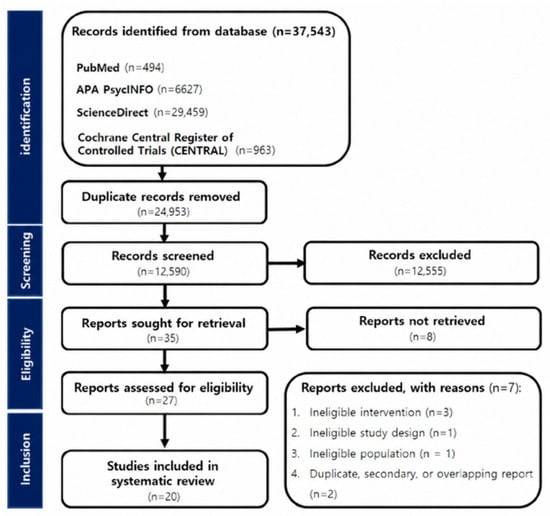
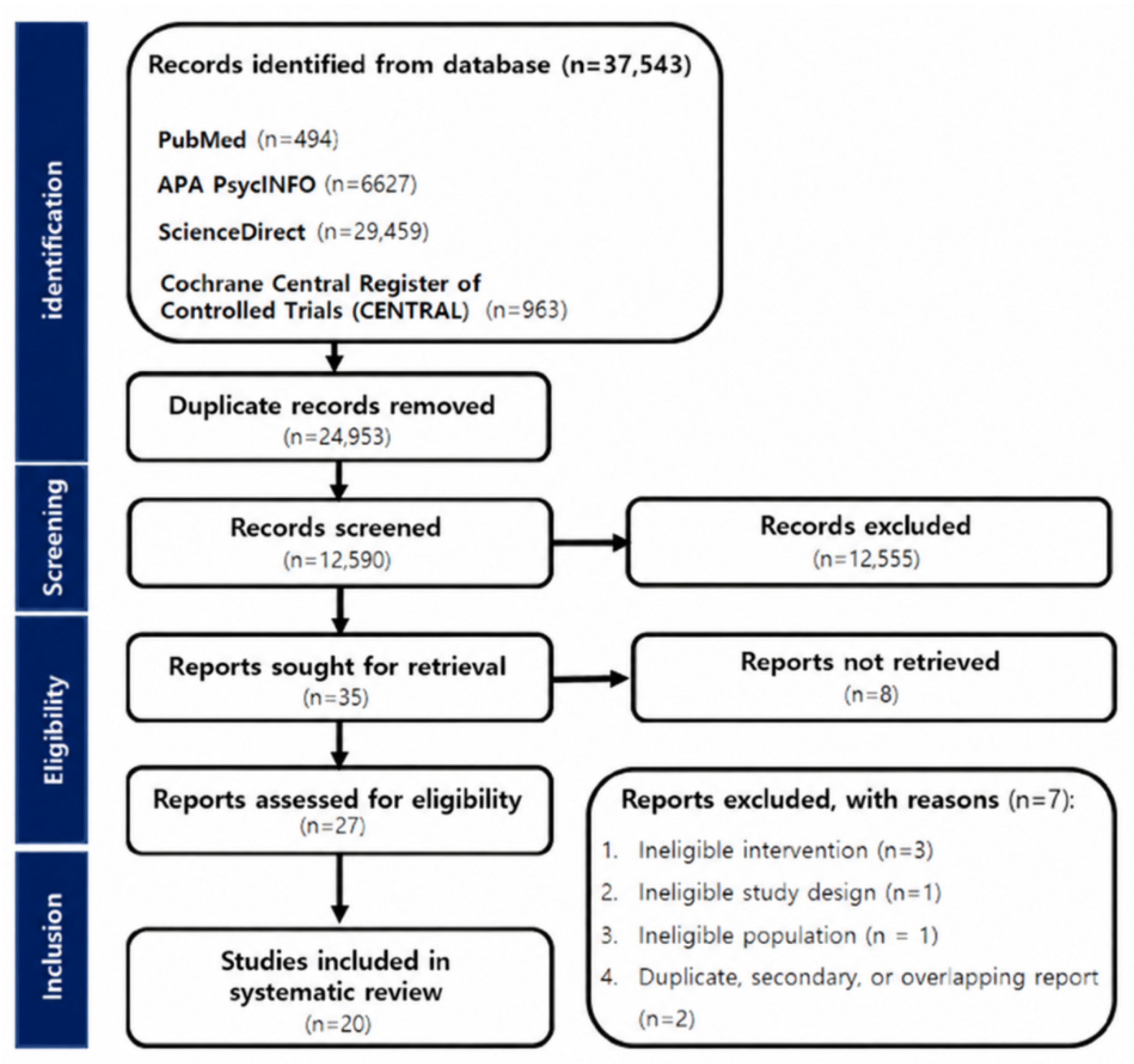
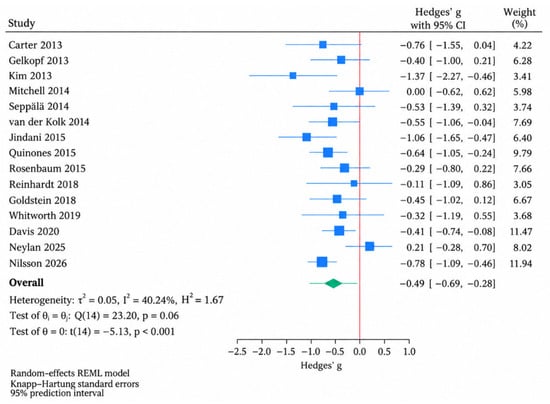
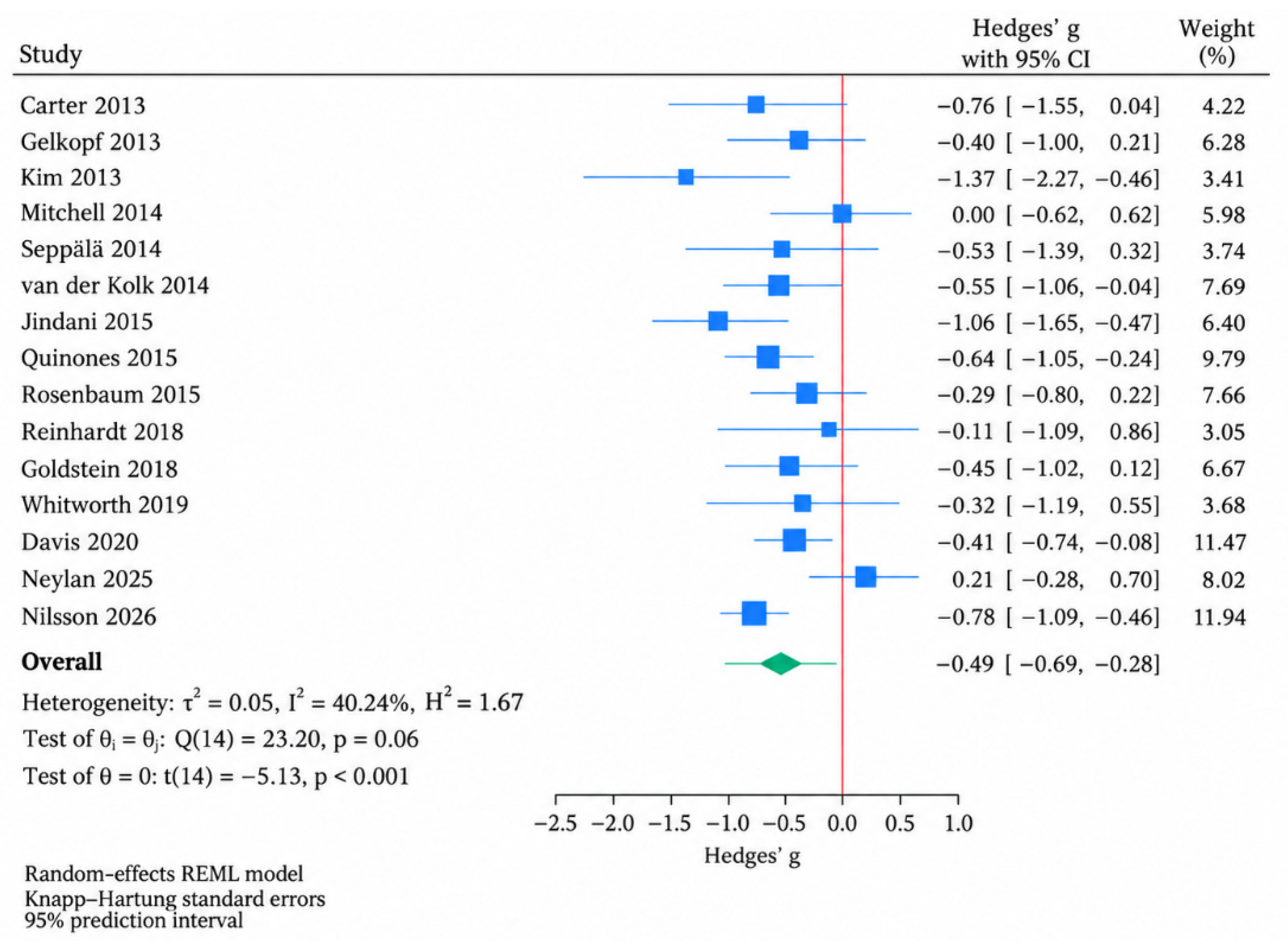
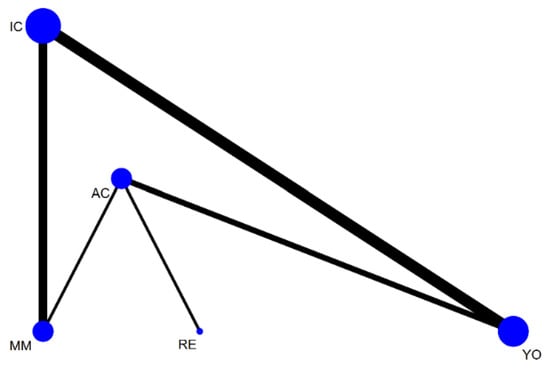
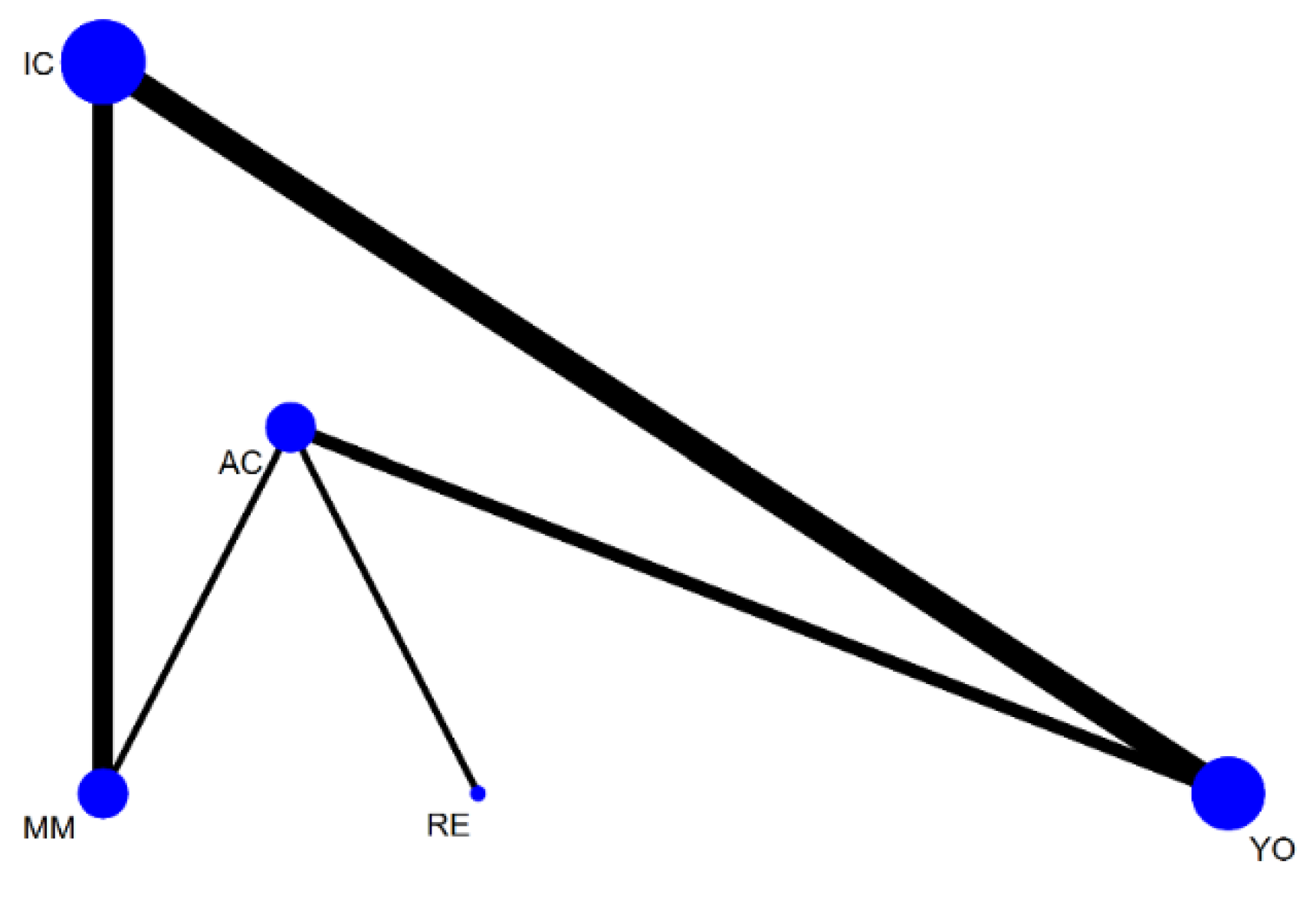
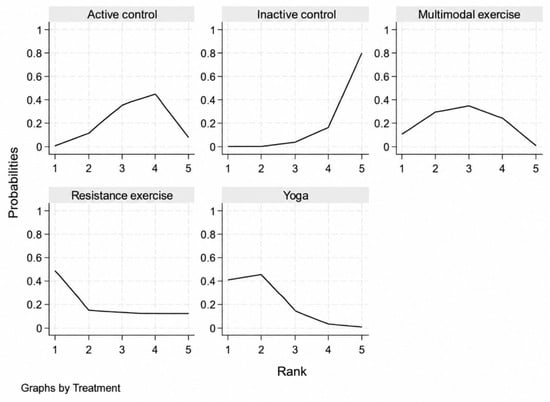
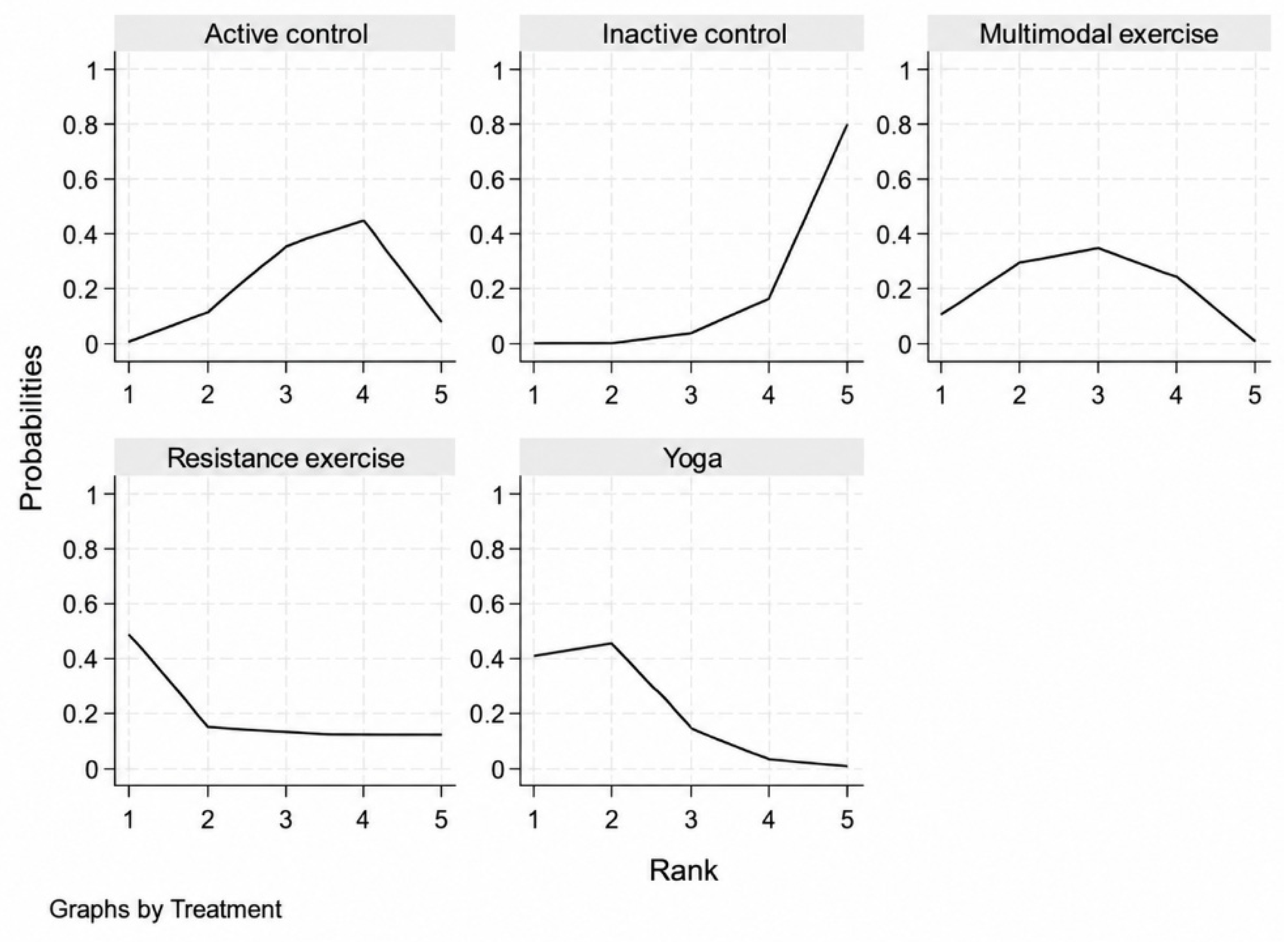

Disclaimer/Publisher’s Note: The statements, opinions and data contained in all publications are solely those of the individual author(s) and contributor(s) and not of MDPI and/or the editor(s). MDPI and/or the editor(s) disclaim responsibility for any injury to people or property resulting from any ideas, methods, instructions or products referred to in the content. |
© 2026 by the authors. Licensee MDPI, Basel, Switzerland. This article is an open access article distributed under the terms and conditions of the Creative Commons Attribution (CC BY) license.