


Abstract
Open data makes it possible to gain insights into the transaction patterns of blockchain projects. These patterns can be modeled as transaction networks, which support a wide range of analytical techniques. Depending on the trade-off between information preservation and complexity reduction, various graph representations can be used to capture additional features, temporal changes, and interoperability between protocols. Different analytical approaches, including calculating graph metrics or applying graph neural networks, can reveal hidden structures, uncover unusual activities, detect anomalies, and provide a clearer picture of the dynamics of blockchain projects. While network science metrics and machine learning methods have been extensively applied to transaction networks, graph combinatorial optimization problems remain largely underexplored in this domain, despite their potential to identify critical nodes, hidden substructures, and flow patterns. The goal of this paper is to assess the applicability of graph combinatorial optimization problems to blockchain transaction networks, systematically review existing analytics approaches, discuss their respective strengths and limitations, and explore how combining different techniques can yield deeper insights into the structural and functional properties of blockchain ecosystems.
Keywords:
blockchain; decentralized finance; cryptocurrency; transaction networks; graph combinatorial optimization problems MSC:
90-02
1. Introduction
Blockchain technology has reshaped the financial landscape, attracting not only retail users but also growing interest from institutional investors. Its foundational attributes, including open data access, self-custody of assets, decentralization, and immutable smart contracts [1] have enabled the development of new financial infrastructures such as distributed ledger technologies, tokenization of real-world assets, and decentralized finance (DeFi). DeFi is now widely used for cryptocurrency investing [2], supported by decentralized exchanges that operate without intermediaries through automated market makers [3,4]. It is also applied in entrepreneurial finance and venture capital through initial coin offerings [5], and more broadly serves as a new investment channel for a variety of business models [6,7,8], increasingly aggregated and managed through professional blockchain funds [9,10]. Emerging blockchain technologies include non-fungible tokens (NFTs) [11,12], decentralized autonomous organization (DAO) [13,14], oracle nodes [15], and the tokenization of securities [16].
Despite the transparency of DeFi, the blockchain ecosystem has not been immune to fraud [17,18,19,20]. Nevertheless, the open and permissionless nature of blockchain data enables the detection and analysis of such behavior, unlike traditional financial markets where comparable information is often shielded from public scrutiny [21]. Fraudulent activities include wash trading [22,23,24], exploits of smart contract vulnerabilities [25,26,27], as well as Ponzi schemes, pump-and-dump schemes, money laundering, rug pulls, and insider trading [28]. This has given rise to a new research field known as crypto forensics [29].
Some of these issues, including wash trading, money laundering, detecting phishing fraud, and uncovering insider trading rings [30,31,32,33], can be examined using tools from graph theory [34], network science [35], and machine learning [36] which have been widely applied in real-world contexts [37], as well as in finance [38]. It should be noted that no strict boundary separates graph-theoretic concepts as used in graph theory, network science, or machine learning that employs graph data. Each field follows its own objectives and methodological traditions, yet they share substantial conceptual and analytical overlap. With this in mind, we follow the distinctions commonly adopted in the literature in order to provide a clearer and more coherent structure for this paper.
While methods from network science and machine learning are heavily utilized for transaction graph analysis, there is a notable lack of research applying graph combinatorial optimization problems (GCOPs) (see, e.g., [39]) in this domain. This represents a research gap in exploring the potential of optimization-based approaches to provide new methodologies, build upon a rich theoretical foundation, and complement or hybridize existing techniques for a more holistic assessment of blockchain ecosystems. The goal of this paper is to propose which GCOPs may be well-suited for application to transaction networks, to compare methods from each field in terms of task suitability, and to evaluate trade-offs regarding required data, computational complexity, and potential insights. Therefore, this work contributes to the body of knowledge on graph-based analytical methods by identifying and evaluating GCOPs for transaction networks, comparing them with existing approaches, and highlighting their potential to complement or enhance current techniques in blockchain investment analysis.
This paper is structured as follows. In Section 2, various graph modeling approaches for representing transaction networks are presented, together with options for data acquisition and the trade-offs between complexity reduction and information preservation. Methods from network science and machine learning that are frequently applied in transaction graph analytics are reviewed in Section 3. The gap identified in the existing literature regarding the use of GCOPs is addressed in Section 4, where several suitable problem formulations for blockchain transaction networks are proposed. In Section 5, a comparison of methodologies from network science, machine learning, and GCOPs is provided, discussing their respective advantages and limitations. The paper ends in Section 6, which summarizes the key insights and outlines potential directions for future research.
2. Transaction Graph Modeling
Transaction graphs provide a structured way to represent the flow of value within blockchain networks, but their construction involves a trade-off between complexity reduction and information preservation. The availability of blockchain data allows detailed modeling of transactions, yet domain-specific characteristics like the fact that a single entity can control multiple wallets, the prevalence of anonymization techniques [40], and the presence of projects that span multiple blockchains should be considered [41]. Choosing an appropriate graph representation requires balancing these factors to capture relevant transactional patterns while ensuring tractable analysis and supporting cross-protocol interoperability [42]. Finding the right balance consists of modeling the domain in sufficient detail to capture the relevant aspects, without getting lost in unnecessary complexity, in order to uncover meaningful insights. Moreover, the analytical focus may be selective, as transactions involving very small transfer values may be filtered out or treated as noise during graph construction, whereas high-value transactions are typically emphasized due to their greater potential influence on value flow and systemic dynamics within the network. Temporal dynamics can be incorporated by enriching the graph with time-related metadata such as transaction timestamps or snapshots of all transactions over defined time intervals, thereby enabling analysis of how transactional patterns evolve across specific timeframes in a sliding-window manner [43].
In Figure 1, an example cryptocurrency transaction network is shown, based on account-based models, see, e.g., [44]. Nodes represent either wallets (i.e., user accounts participating in the blockchain) or smart contracts (i.e., embedded blockchain functions that can be invoked or called by users). To distinguish between transaction types, solid edges represent transfers between wallets, while dotted edges indicate interactions with smart contracts. Such transactions could, for instance, involve either native blockchain cryptocurrencies, such as Bitcoin [45], or tokens such as NFTs, which are generated based on an underlying blockchain. In the following, several possible graph models are introduced that can be used to represent the transaction network.
Figure 1.
An exemplary transaction network illustrating different node types (wallets and smart contracts) and different edge types (transfers and interactions, depicted as solid and dotted lines, respectively).
2.1. Simple Graphs
Simple graphs can vary by using either directed or undirected edges, by including node and edge weights, and by incorporating additional node and edge features.
2.1.1. Undirected Graphs
The simplest form of a transaction graph is an undirected, unweighted graph in which nodes with represent wallets or smart contracts, and edges indicate the presence of at least one transaction in the form of a transfer or smart contract interaction between nodes and . This representation captures the existence of relationships without considering the number, size, or timing of transactions, making it the most aggregated, compressed, and computationally tractable form. Despite its simplicity, such graphs can reveal fundamental structural properties, identify clusters of interacting wallets, and serve as a baseline for more detailed analyses while maintaining low complexity. In Figure 2, the exemplary transaction network from Figure 1 is represented as a simple graph, with . No distinction is made between both node types wallets and smart contracts, and the edges do not reveal the sender or receiver of a transaction.
Figure 2.
The exemplary transaction network is represented as an undirected graph, with no distinction between node or edge types and no information about the sender or receiver of a transaction.
2.1.2. Directed Graphs
A natural extension of the simple graph is a directed graph , illustrated in Figure 3, where edges indicate the direction of value flow from the sender to the receiver . This representation preserves the transactional order and enables analysis of value movement through the network, distinguishing sources from sinks and allowing the study of flow patterns. Directed graphs provide a more accurate view of transaction dynamics while still remaining relatively simple to construct.
Figure 3.
The exemplary transaction network is represented as a directed graph, allowing the capture of information about the sender and receiver of each transaction.
2.1.3. Weighted Graphs
Transaction graphs can be further enriched by incorporating weights, where a weight function w assigns a value to each node, each edge, or both. Typically, edge weights represent the total value of transactions between wallets, whereas node weights can encode attributes such as wallet balances. For smart contract nodes, weights may capture properties such as the number of invocations, while edge weights can additionally reflect transaction fees associated with contract interactions. By preserving these weights, the graph retains more detailed information about value flows and wallet activity, enabling analyses that consider not only the existence and direction of transactions but also their magnitude. This is illustrated in Figure 4, where, for simplicity, only the edges have assigned weights.
Figure 4.
The exemplary transaction network is represented as a directed, weighted graph, revealing information such as the transaction amounts.
2.1.4. Attributed Graphs
The concept of weighted graphs can be further generalized to attributed graphs (see, e.g., [46]), where nodes and edges are enriched with additional features represented as vectors in feature matrices for nodes and for edges, with and denoting the number of node and edge features, respectively. Node features can include information such as wallet addresses, number of holdings, and wallet balances, while edge features may capture transaction timestamps, types of transactions (e.g., wallet-to-wallet transfers or smart contract interactions), and transaction amounts. Attributed graphs enable more nuanced analyses by combining connectivity with rich contextual information; however, they also increase storage requirements and computational complexity.
In Figure 5, additional node features are illustrated as wallet or smart contract labels corresponding to the node types shown in Figure 1. This highlights the increased information content available for a more accurate representation.
Figure 5.
The exemplary transaction network is represented as a directed, attributed graph. In addition to edge weights, node features can encode the type of each node as well as additional information, such as wallet balances.
2.2. Complex Graphs
The representation of transaction networks can be further extended to more complex graph structures, such as multigraphs (see, e.g., [47]) or multilayer graphs (see, e.g., [48]), to capture multiple transactions between a node pair within a given time frame, or to distinguish activities occurring across different blockchains, protocol layers, or tokens.
2.2.1. Multigraphs
Multigraphs allow multiple edges between the same pair of wallets or between a wallet and a smart contract, with each edge representing an individual transaction. Each edge can also include a timestamp, preserving the temporal order of interactions, or contain additional features in an attributed multigraph to maintain full transaction details. This representation captures repeated interactions and transaction frequency, providing a detailed view of wallet-to-wallet activity and enabling analyses of temporal patterns. As illustrated in Figure 6, for simplicity, only edge weights are included in the directed multigraph representation of the transaction network. Single, double, or triple edges between node pairs represent the number of distinct transactions, and the sum of their weights corresponds to the aggregated transaction value represented by a single edge in the simple graph case.
Figure 6.
The exemplary transaction network is represented as a directed multigraph. For simplicity, only edge weights are included in this representation. Single, double, or triple edges between node pairs are used to indicate the number of distinct transactions, with their weights summing to the aggregated transaction value represented by a single edge in the simple graph case.
2.2.2. Multilayer Graphs
Multilayer graphs extend the transaction network representation by organizing nodes and edges into separate layers, with each layer representing a different blockchain, protocol, or blockchain layer solution. They enable modeling of both intra-layer transactions, which occur within a single blockchain or protocol, and inter-layer transactions, which connect wallets across different layers or bridge networks. This representation can capture the interoperability of blockchain ecosystems [49], allowing the analysis of cross-chain flows, protocol-specific behaviors, and interactions between multiple layers of the network [50]. As illustrated in Figure 7, the transaction network is split into two layers, shaded as blue and red planes. Dotted lines indicate that all nodes are present in both layers, but they do not necessarily participate in both blockchains. For simplicity, only intra-layer transactions are preserved; that is, edges in the blue plane represent transactions within one blockchain, while edges in the red plane correspond to transactions within the other blockchain.
Figure 7.
The exemplary transaction network is represented as a multilayer graph, split into two layers shaded blue and red. Dotted lines indicate that each node appears in both layers, representing two copies of the transaction network, while edges show only intra-layer transactions for each layer.
2.2.3. Graph-of-Graphs
The Graph-of-Graphs approach provides a hierarchical representation of transaction networks that integrates both local and global structures [51], an approach similar to the hierarchical representation of assets in [52]. In this framework, transactions for a single token are modeled as local graphs, capturing detailed interactions among wallets, while relationships between tokens, possibly distributed across multiple blockchains, are represented as a global graph. By combining these two types of graphs, this approach enables the analysis of systemic structures and hierarchical interactions, facilitating a deeper understanding of cross-chain dependencies, token-level behaviors, and multi-protocol interoperability. For example, interactions may include token swaps at decentralized exchanges that involve smart contract interactions. While similar to the multilayer graph representation, the Graph-of-Graphs approach differs in that it explicitly separates token-level interactions from cross-token relationships, allowing for hierarchical analysis. As illustrated in Figure 8, interactions among three tokens are highlighted in blue, red, and green. In the lower part of the figure, the global structure captures higher-level interactions between tokens, showing that exchanges exist between the blue and red tokens, as well as between the red and green tokens. In the upper part, each colored bubble represents a local graph, providing a detailed view of individual transactions for each token. At intersections of these bubbles, wallets may hold and interact with multiple types of tokens.
Figure 8.
The exemplary transaction network is shown as a graph-of-graphs representation, with interactions among three tokens highlighted in blue, red, and green. The lower part depicts the global structure, showing exchanges between the tokens. The upper part shows local graphs for each token, with intersections indicating wallets that interact with multiple token types.
2.3. Data Acquisition and Transformation
Acquiring transaction data for blockchain analysis involves selecting appropriate sources and formats to ensure accurate and meaningful modeling. Different acquisition strategies exist, each with its own characteristics, and the raw data often require preprocessing and transformation to convert them into graph structures suitable for analysis.
2.3.1. Data Repositories
Publicly available blockchain repositories provide easy access to historical transaction data, enabling reproducible analyses and comparative studies. However, they are limited to past data and may not capture the most recent transactions, which can restrict up-to-date investigations. Examples of available data repositories for cryptocurrencies include Bitcoin [53], Ethereum [54], and Solana [55], as well as layer-2 protocols such as Uniswap [56].
2.3.2. Data Providers
Blockchain data providers offer convenient access to real-time transaction data, supporting timely analyses and monitoring of ongoing activity. However, reliance on APIs introduces potential limitations, including restricted access, rate limits, the risk of incomplete or erroneous data, and often additional costs, which can affect the accuracy and reliability of downstream analyses. In this context, the need may arise for parallel computing approaches [57]. For an overview of general-purpose platforms, see, e.g., [58], and for specific blockchains such as Ethereum, the provider Etherscan can be utilized [59].
2.3.3. Data from Self-Hosting
Running a self-hosted blockchain node provides full access to all transaction data, ensuring completeness, accuracy, and independence from third-party providers. However, this approach comes with significant maintenance requirements, substantial storage needs, and high energy costs, which can make it resource-intensive and challenging to scale for large blockchain networks [60]. An alternative solution is to use providers such as Infura, which offer more direct blockchain access than the previously mentioned data repositories and allow interaction with the blockchain without running one’s own nodes [61].
2.3.4. Data Formatting
Once acquired, blockchain transaction data must be cleaned, preprocessed, and transformed to ensure suitability for analysis. Different algorithms and analytical approaches require specific input formats, and the choice of graph representation influences which variables are included in the model. Proper data formatting is, therefore, essential to convert raw transaction records into structured graph representations that accurately capture wallets, transactions, and relevant attributes. Depending on the analytical method and the programming library utilized, these graphs can be represented in various formats such as adjacency matrices, incidence matrices, or edge lists with tuples indicating node pairs, each offering different trade-offs in terms of memory efficiency, computational convenience, and suitability for specific algorithms [62].
Table 1 summarizes this section by providing an overview of the presented graph types, their advantages and disadvantages in terms of the trade-off between complexity reduction and information preservation, the data requirements, and the analysis scenarios for which they may be suitable.
Table 1.
Comparison of transaction graph representations in terms of complexity reduction vs. information preservation, required data, and possible analysis scenarios.
3. Literature Review of Blockchain Transaction Networks Analysis
In this section, approaches from network science and machine learning are reviewed, that are most commonly applied to blockchain transaction network analysis.
3.1. Network Science
Network science can be utilized to analyze graphs by examining structural properties at local, mesoscopic, and global scales to understand how nodes and edges shape overall graph structure. Local measures such as degree, betweenness, closeness, and PageRank centrality can identify influential or strategically positioned nodes, while global metrics including degree distributions, assortativity, path lengths, average clustering coefficients, spectral connectivity, and community structure describe cohesion, as well as robustness [63]. Detecting recurring patterns such as network motifs also belongs to this line of analysis [64].
In transaction networks, these structural tools reveal functional roles by highlighting hubs such as exchanges [65] with high degree, as well as intermediaries that manifest as high-betweenness bridges [66,67,68]. Global properties such as heavy-tailed degree distributions or small-world structure shed light on liquidity concentration, while clustering patterns expose tightly connected groups involved in activities such as wash trading or money laundering [69]. Community detection partitions the transaction landscape into coherent sub-ecosystems, supporting the identification of anomalies, illicit structures, and distinctive patterns in fund flows across the network [70,71,72,73]. Methods from social network analysis have likewise been applied to the blockchain domain, examining correlation structures, topological characteristics, network stability, and node influence [74].
Several surveys review existing work in this research area up until 2023 [75,76,77,78], while other studies focus on particular blockchains, for example analyses of Ethereum [79,80,81] and specific protocols within the Ethereum ecosystem [82], including those based on the ERC20 standard [83]. Additional research examines other blockchain systems such as Polkadot [84], blockchain-based gaming tokens [85], and wash trading or related behaviors in NFT ecosystems [59,86,87]. Other work focuses on temporal evolution and diffusion processes. For example, ref. [88] employs partial differential equations to model transaction dynamics using diffusion equations, whereas ref. [89] apply epidemic diffusion models in the context of cryptocurrency networks. Network-based methods have also been investigated to understand cryptocurrency risk diffusion [90,91,92], applied to quantify risk-spreading ability [93], and used to draw connections between transaction flows and holding times [94].
Overall, the application of network science to cryptocurrency transaction networks has proven to be a powerful framework for uncovering structural patterns, behavioral dynamics, and systemic risks across blockchain ecosystems. Its strengths lie in the ability to model large-scale interactions, reveal emergent properties, and provide mathematically grounded metrics for comparing networks and detecting anomalies. While many network metrics offer strong descriptive value, some metrics may lack explainability, especially when translating abstract graph-theoretic results into actionable insights for practitioners or regulators. All in all, many studies employ methods from network science as a preliminary, exploratory analysis before transitioning to more advanced and complex methodologies.
3.2. Machine Learning
Machine learning and deep learning methods have been applied to a range of tasks in blockchain transaction network analysis, including detecting abnormal transaction amounts, tracing money laundering, identifying arbitrage opportunities, and fraud detection more broadly [95,96,97,98,99,100,101,102,103]. These methods can be broadly categorized into supervised learning, unsupervised learning, and topology-based approaches that operate directly on the graph [104]. When applied to graphs, representation learning aims to transform graph structures into numerical vector formats [105]. Traditional network science approaches typically operate directly on graph structures using various metrics, whereas representation learning methods embed nodes, edges, or subgraphs into continuous vector spaces that encode both structural and attribute information [106]. Graph neural networks (GNNs) illustrate this shift by iteratively aggregating information from a node’s neighbors to generate context-aware embeddings that capture multi-hop relationships [107].
This paradigm, when applied to the cryptocurrency domain, is often referred to as cryptocurrency transaction network embedding [108], leveraging spatial and temporal network analyses and techniques such as graph transfer learning across multiple digital assets within and between different blockchains [109], or between liquidity pools [110]. By converting the discrete topology of a graph into dense vectors, these embeddings support downstream supervised learning tasks such as suspicious node classification, transaction prediction, early detection of malicious activity, and price forecasting [111,112,113,114,115,116,117,118]. Furthermore, GNNs can incorporate temporal information to combine structural and temporal context, allowing the identification of cascading money laundering schemes, wash trading, and the forecasting of evolving transactional flows [119]. These concepts can be extended to support real-time tasks, such as fraud detection [120], or to capture both local and global dependencies using a combined spatial-temporal approach [121]. Unlike approaches that focus on individual nodes or edges, other studies treat transaction subgraphs as the fundamental units of analysis [122], often extending them with a temporal component to detect abnormal transaction behaviors among users over time [123].
In [124], the challenge of imbalanced data is highlighted, as anomalous node detection in transaction networks is difficult because suspicious nodes constitute a minority class while normal nodes dominate. Another challenge is the difficulty of obtaining labeled data, as manual annotation is resource-intensive [125]. Another approach is to rely on semi-supervised learning, where models leverage a small set of labeled examples along with a larger pool of unlabeled data, utilized in, e.g., [126,127]. In unsupervised learning, models operate without labeled examples and instead aim to uncover latent structural patterns within the graph. Techniques such as clustering can learn representations that capture community structure, similarity patterns, or anomalous behavior directly from a graph’s topology and attributes, without requiring annotated data [128,129].
Overall, the integration of machine learning and representation learning into the study of cryptocurrency transaction networks has opened new avenues for capturing complex behavioral patterns and enabling predictive, real-time analytics. By embedding graph structures into continuous vector spaces and leveraging architectures such as GNNs and graph transformers, these approaches are capable of modeling multi-hop dependencies, temporal dynamics, and heterogeneous transactional behaviors with a level of detail that approaches from network science alone may not achieve. Recent trends include the use of graph transformer models and large language models (LLMs) that incorporate transaction semantics and combine multiple data sources for applications such as fraud detection [130,131,132,133,134]. The integration of differential equation frameworks into GNN architectures has emerged as a promising field of study, too [135].
However, machine learning techniques often introduce significant challenges; for a general discussion, see, e.g., [136]. Specifically in this context, the following issues can be identified. Explainability remains a major limitation, as many deep learning models operate as black boxes, making it difficult for analysts, auditors, and regulators to interpret model reasoning or justify automated decisions in highly sensitive domains where fraudulent activities are involved [137]. Computational complexity can be substantial, particularly when applied to large, rapidly evolving blockchain graphs that require continuous model retraining or incremental updates to address shifts in underlying data distributions. Furthermore, the training data requirements are demanding, as high-quality labels for supervised tasks such as fraud detection or wallet classification are often scarce, noisy, or unevenly distributed, which may make unsupervised learning a more practical alternative. Moreover, maintaining massive transactional databases enriched with extensive feature sets, along with managing the substantial hardware resources required to train large GNNs and transformer-based models, presents practical barriers to broad deployment.
4. Graph Combinatorial Optimization Problems
While most research on transaction graphs has focused on network science and machine learning methods, each with its own strengths and limitations, there remains a literature gap in applying GCOPs to this domain. Optimization-based approaches can provide a macroscopic perspective on network structure, focusing on global patterns and structural properties. By formulating and solving chosen GCOPs tailored to the specific characteristics of the blockchain domain, it could become possible to uncover deeper insights into the organization and function of transaction networks that are not captured by the network science or machine learning approaches reviewed above. While methods like maximum flow [138] have been used as subroutine components in broader algorithms, the problems described below constitute closed-form model formulations intended to directly address the target problems. However, we note in passing that the selected problems are merely illustrative of a broader class of GCOPs that may be useful for transaction network analysis. Such problems can be drawn either from prior work in this area or adapted from related domains, including, for example, the minimum vertex cover and the maximum clique problem (see, e.g., [39]).
4.1. Minimum Dominating Set
A dominating set identifies a subset of nodes such that every node in the graph is either in the set or adjacent to at least one node in the set. The search for a minimum dominating set aims to find the smallest subset of nodes such that every node in the graph is either included in the set or adjacent to at least one node in the set. Theoretical results for lower and upper bounds on the maximum number of minimal dominating sets for various graph classes can be found in [139]. Applications span many fields, including biological networks [140], communication networks [141], and social networks [142], covering a variety of graph types and providing a rich theoretical foundation for several problem variations [143].
For a comprehensive discussion of the problem’s complexity and an overview of exact algorithms for the minimum dominating set problem, see [144]. The authors build on earlier exact exponential-time algorithms, which primarily employ branch-and-reduce techniques and achieve running times exceeding . In contrast to prior work, their key contribution is the systematic application of the measure and conquer framework, which enables a more refined analysis of branching behavior and directly informs the development of new reduction rules for worst-case instances. As a result, they obtain a provably faster polynomial-space algorithm with running time , improving upon the previously best known bounds.
Due to the NP-hardness of the problem, heuristic and metaheuristic approaches play a central role when addressing large-scale or structurally complex instances for which exact algorithms become impractical. Ref. [145] provides an overview of common heuristic paradigms, including greedy constructions, local search, and population- or trajectory-based metaheuristics, emphasizing their ability to deliver high-quality solutions within limited computational time, albeit without optimality guarantees. Building on these ideas, the authors propose a framework that combines problem-specific greedy initialization, efficient local search, and adaptive destruction–reconstruction mechanisms, exploiting structural properties of graphs (such as support and leaf vertices) to significantly improve solution quality and robustness compared to previous heuristic methods.
While network science approaches identify influential nodes using centrality metrics, they focus on individual node properties and often highlight nodes with the highest local connectivity. In contrast, selecting a dominating set considers the structural coverage of the entire network, ensuring that all nodes are either in the set or directly connected to it. This provides a more systemic perspective, identifying a minimal set of nodes that collectively exert influence across the network rather than focusing solely on individual prominence. Similarly, machine learning approaches such as GNNs can classify influential nodes based on learned patterns in the graph, but they require more additional feature data, possible higher computational resources, and may lack explainability regarding why certain nodes are classified as influential.
In the context of transaction networks, the selected wallets can be interpreted as influential actors or central hubs, offering a structural overview of the network. Moreover, problem formulations have been extended to multilayer graphs [146], making them suitable for analyzing structures across multiple blockchain ecosystems, layer-2 protocols, and cross-chain bridges. Previous work has applied the minimum dominating set problem in the blockchain domain by identifying common transaction behaviors and analyzing their influence on network nodes [147]. In addition, ref. [148] investigates cross-correlation-based networks of cryptocurrencies, introducing a weighted variant of the minimum dominating set problem to identify prevailing dominant cryptocurrencies.
A possible formulation for the minimum dominating set problem on undirected graphs is given below, following a similar notation as in [145], where the goal is to select the smallest subset of nodes such that every node in the graph is either included in this subset or adjacent to at least one selected node.
In this formulation, is a binary decision variable indicating whether node is selected as part of the dominating set. The objective function minimizes the total number of selected nodes. The constraints ensure that for every node , either u itself or at least one of its neighbors is included in the dominating set, thereby guaranteeing that all nodes are dominated.
Despite the existence of many problem formulations, an important advantage is that the minimum dominating set can be applied to a simple transaction graph representation while providing immediate insights. In Figure 9, the minimum dominating set problem is applied to an undirected graph representation (see Figure 2) of the exemplary transaction network (see Figure 1), highlighting central hubs such as exchanges or influential wallets through which large transaction volumes are routed. Both solutions in the upper panel (with ) and the lower panel (with ) are optimal, each selecting five red-filled nodes. Since both solutions achieve an objective value of 5, the optimal solution is not unique, leaving room for further investigation, for example, by differentiating between wallet and smart contract type nodes.
Figure 9.
The minimum dominating set problem is applied to the exemplary transaction network represented as an undirected graph. Red-filled nodes indicate the elements of the dominating set in the optimal solutions shown in the upper and lower panels.
4.2. Minimum Steiner Tree Problem
The minimum Steiner tree problem (see, e.g., [149,150,151]) seeks to identify the smallest or lowest-cost subgraph connecting a specified set of terminal nodes, potentially including additional intermediate nodes to minimize the overall cost. Variants of the problem, such as directed, prize-collecting, or forest Steiner trees, allow the incorporation of edge direction, node weights, or multiple terminal sets, providing flexibility in defining connectivity and cost criteria.
In the context of transaction networks, nodes represent wallets and edges represent transactions, while a subset of wallets, such as those confirmed or suspected to be involved in fraud, are treated as terminals. Applying Steiner tree models enables the reconstruction of plausible transaction paths connecting these terminals, potentially including hidden intermediary wallets that act as mules or exchanges to obscure transaction trails. Costs can encode various transaction attributes, including transfer amounts, temporal proximity, or risk scores, allowing the model to favor economically or behaviorally plausible pathways. Choosing an appropriate cost structure directly influences which intermediaries are selected and how suspicious flows are reconstructed. This approach simplifies complex transaction graphs, highlights structural relationships among suspicious accounts, and potentially reveals laundering chains or collusion networks, while reducing noise from unrelated transactions.
Unlike machine learning methods, which may classify wallets as suspicious based on learned patterns, the Steiner tree approach is deterministic and explicitly constructs minimal subgraphs connecting known suspicious nodes. This provides an explainable view of potential fraud pathways, capturing intermediaries and structural connections that predictive models alone might miss, and allowing to visualize the most plausible transactional routes between flagged accounts.
To the best of our knowledge, there is no existing work applying Steiner trees directly to cryptocurrency transaction networks. However, similar approaches have been used in fraud and criminal network analysis. For example, in social networks, missing links of intermediary users participating in fraudulent activities have been inferred using Steiner trees [152]. In criminal investigations, where information is often limited, ref. [153] leverages Steiner trees with a single suspect as the root to infer the likely structure of a broader criminal organization. Other applications include inferring connections in crime hotspots in geographic networks [154] and detecting cyberattacks [155], with the authors noting that these methods could potentially be adapted for fraud detection in blockchain networks.
A possible formulation for the minimum Steiner tree problem on undirected graphs is given in the following, where the goal is to find a minimum-cost subgraph connecting all terminal nodes while possibly including additional intermediate nodes.
In the formulation, is a binary decision variable indicating whether edge is included in the Steiner tree, and is the cost associated with edge e. The set represents the terminal nodes that must be connected. The objective function minimizes the total cost of the selected edges. The constraint ensures that for every subset containing at least one terminal but not all terminals, at least one edge crosses the cut , thereby guaranteeing connectivity among terminals.
Because Steiner tree problems arise in a variety of fields, such as telecommunications [156], their many variants have been studied extensively. It is a classical NP-hard problem in combinatorial optimization, and even its decision version is NP-complete. Due to this inherent complexity, research has focused on a broad spectrum of solution approaches, including approximation algorithms, heuristics and metaheuristics, fixed-parameter tractable algorithms, and exact methods based on branch-and-bound and mixed-integer programming. Exact approaches rely heavily on preprocessing and reduction techniques, strong MIP formulations, and advanced branching strategies to cope with exponential worst-case complexity. On the heuristic side, greedy methods, local search, and hybrid metaheuristics are widely used to obtain high-quality solutions for large-scale instances [157].
This strong theoretical foundation enables the transfer of Steiner tree problem formulations to the domain of blockchain transaction networks, where their intuitive modeling capabilities allow for the reconstruction of suspicious flow patterns, the efficient solution of various analysis tasks, and improved explainability of the resulting outputs.
Data requirements include at least the direction of transactions, as well as edge weights to provide a notion of cost, which should be minimized and may correspond to transfer amounts or temporal proximity. In Figure 10, the minimum Steiner tree problem is applied to the exemplary transaction network (see Figure 1) represented as a directed, weighted graph (see Figure 4). Red-filled nodes represent terminals, corresponding to suspicious wallets identified beforehand. The goal is to reconstruct plausible transactional flows in order to detect hidden intermediaries or exchanges used to obscure traces. Blue-filled nodes are intermediary nodes required to construct the minimal Steiner tree, potentially indicating suspicious flow. Red edges indicate the solution of the problem, representing the subgraph, which corresponds to potentially fraudulent transactions that can be investigated further. In the upper panel, a non-optimal solution is depicted with an objective value of 435, corresponding to the sum of the highlighted red edges, and five utilized terminal nodes. In the lower panel, the optimal solution is illustrated with a lower objective value of 420 and nine utilized terminal nodes. This suggests that, in the optimal solution, a larger number of potentially fraudulent intermediaries can be identified, enabling the tracing of a longer suspicious transaction flow.
Figure 10.
The minimum Steiner tree problem is applied to the exemplary transaction network represented as a directed, weighted graph. Red-filled nodes represent terminals, which could correspond to suspicious wallets, while blue-filled nodes are intermediary nodes required to construct the minimal Steiner tree. Red edges indicate the solution of the problem, corresponding to a non-optimal solution in the upper panel and to the minimal-cost connecting Steiner subgraph in the lower panel.
In future work, the Steiner tree problem applied to blockchain transaction networks could be extended to incorporate more complex network structures, enabling extended representations of transactional relationships. New formulations based on multilayer graphs could account for layer-2 protocols, interoperability between blockchain ecosystems, and cross-chain bridges, allowing the tracing of fraudulent pathways across different types of systems.
4.3. Maximum Nilcatenation Problem
The previously presented minimum dominating set and minimum Steiner tree problems are well-known GCOPs that have been applied in the context of transaction graphs. The nilcatenation problem is motivated directly by transaction networks, particularly for detecting money-laundering activities in cryptocurrency networks. The problem consists of finding a set of edges that can be removed from an edge-weighted directed multigraph without changing the balance of any node. The balance of a node is defined as the difference between the sum of the weights of outgoing and incoming edges. Since nilcatenations consist of sets of edges that do not change the balance of any node, they can be regarded as natural candidates for further investigation in cases of suspected money-laundering activity.
Unlike approaches based on supervised machine learning, which classify the legitimacy of new transactions using historical transaction data, the nilcatenation approach does not rely on any contextual information such as additional features about the edges of the graph. Labeling edges or nodes in a cryptocurrency network can be difficult and costly, making supervised algorithms challenging to apply for detecting illicit patterns in blockchain transaction datasets [158]. By focusing solely on structural properties, such as node balances and edge removal without altering them, the nilcatenation method provides a complementary way to identify potentially suspicious transactional flows, similar to unsupervised machine learning approaches.
Following the notation of [159], let denote the weighted incidence matrix of the directed multigraph with and , rather than the adjacency matrix, to capture the possibility of parallel edges. Each edge j has a positive weight . The cost associated with node i and edge j is defined as:
The nilcatenation problem can then be formulated as follows (see, e.g., [159]):
In this formulation, is a binary decision variable indicating whether edge j is removed. The objective function maximizes the total number of edges that can be removed. The first constraint ensures that the balance of each node remains unchanged. The second constraint enforces that at least two edges are removed, preventing trivial (i.e., empty) nilcatenations. The final constraint ensures the binary nature of the decision variables for all edges .
This problem is also NP-hard, which necessitates the use of approximate and heuristic solution approaches. In [159], a local branching algorithm was proposed, with the result that the optimal solution could be found for only two of the considered test instances.
Potential extensions for future work include applying metaheuristics to improve these results or developing augmented model formulations, such as introducing penalty costs for removing specific edges. Other directions for future research involve extending the approach to alternative graph representations, including multilayer graphs, to increase its applicability to real-world blockchain transaction networks, for example by accounting for layer-2 protocols and interoperability across cross-chain bridges.
An instance of the problem based on the previously introduced exemplary multigraph (see Figure 6) is shown in Figure 11. Red-marked edges indicate a nilcatenation in the upper panel, since each node balance is preserved by removing edges between a node pair with a total value of 10, such that ingoing and outgoing edges cancel out. Removing the highlighted edges exposes potentially suspicious transactions, depicted in the lower panel, as they constitute a flow whose elimination leaves all node balances unchanged. Such balance-preserving structures often correspond to circular or obfuscating transfer patterns that merit closer forensic examination.
Figure 11.
The nilcatenation problem illustrates how red-marked edges can be removed in the upper panel to highlight suspicious transactions, as these edges form balanced flows whose removal does not alter any node’s net balance. In the lower panel, only these nilcatenations are depicted, showing that the sum of edge weights between each node pair of the nilcatenations equals 10.
5. Comparison, Hybridization, and Deployment
Overall, GCOPs provide a precise and deterministic framework for analyzing blockchain transaction networks. Its strengths stem from clearly defined objectives and constraints, strong theoretical foundations, and the absence of training data or extensive feature engineering requirements, making them comparable in spirit to unsupervised approaches that operate directly on network structure. At the same time, the effectiveness of these methods depends on selecting an appropriate problem formulation, which requires substantial domain knowledge to ensure that the modeled structure aligns with the underlying analytical goals. Scalability also remains a core limitation, as many formulations become computationally prohibitive on large blockchain graphs, often necessitating (meta)heuristic or approximate solution techniques whose optimality is not guaranteed. Nonetheless, combinatorial optimization can offer a promising pathway for extracting actionable structural insights within cryptocurrency ecosystems.
While GCOPs have the potential to complement network science and machine learning approaches, it is important to evaluate the strengths and limitations of each field and provide guidance on when each method is most appropriate. Not only is the analysis goal important, but the availability of required data and computational resources must also be considered. Furthermore, explainability is a relevant factor for various stakeholders.
Table 2 provides a comparative overview of network science, machine learning, and GCOP approaches for analyzing transaction graphs.
Table 2.
Comparison of network science, machine learning, and GCOP approaches for transaction graph analysis.
Network science primarily focuses on quantifying structural properties and characterizing global or local graph behavior, often using metrics such as degree distribution, centrality measures, and clustering coefficients. These methods typically operate on simple graphs, though node and edge attributes can be incorporated to enrich the analysis. Computational complexity is generally low to moderate, with most metrics being efficiently computable, though certain higher order measures can scale poorly with graph size. A key advantage of network science is its high explainability. The metrics and their implications for graph structure are generally intuitive, which makes this approach suitable as an interpretable baseline for exploratory analysis. However, its limitations include restricted inferential power and limited capacity to uncover subtle latent patterns, which reduces its effectiveness in detecting nuanced transactional behaviors.
Machine learning approaches, by contrast, aim to classify graph elements or uncover latent patterns at the node, edge, or graph level. These methods typically require attributed graphs and, in the case of supervised learning, additional labeled data. While machine learning can capture complex structural patterns that network science might miss, it comes with higher computational costs, particularly during model training on large graphs. Explainability is often medium to low, as models, especially deep learning-based ones, can function as black boxes requiring post-hoc interpretation. Despite these challenges, machine learning excels in tasks such as wallet classification, transaction prediction, and fraud detection, where capturing latent structures and correlations is critical. Its limitations include reliance on large datasets, intensive computational resources, and potential overfitting, particularly when applied to dynamic blockchain networks with evolving behaviors.
GCOP approaches occupy a complementary niche. Their primary goal is to identify hidden substructures by satisfying explicit constraints while optimizing an objective function. Typically applied to simple or weighted, directed graphs, GCOPs do not require extensive node or edge features. The computational complexity of many GCOPs is NP-hard, necessitating the use of heuristics, approximations, or relaxations for large networks. Nevertheless, these methods provide high explainability, as solutions are grounded in well-defined mathematical formulations, and can reveal theoretically optimal or near-optimal structures, such as influential users or suspicious transaction flows. Their main limitation is scalability. Determining exact solutions become infeasible for very large networks, and approximate solutions may sacrifice some optimality.
While the Table 2 provides qualitative insights into each approach’s typical goals, data requirements, complexity, explainability, strengths, and limitations, it does not fully capture quantitative differences in scalability, structural assumptions, or solution guarantees. Future work could formalize these comparisons by introducing metrics such as worst case computational complexity, bounds on solution quality for GCOP heuristics, assumptions on graph sparsity or connectivity required for network metrics, or performance measures for machine learning models. Incorporating such formal criteria would allow a more systematic evaluation of when each approach is applicable, how it scales with graph size, and which structural properties of blockchain transaction networks each method can reliably exploit.
Hybridization of methods represents a promising direction for transaction graph analysis, either by integrating one approach into another or by combining complementary techniques. For example, machine learning has been used to guide or accelerate graph optimization problems [160,161], while Steiner tree formulations have been hybridized with neural networks [162]. Beyond direct integration, a holistic assessment leveraging multiple methods can provide a more comprehensive view of transaction networks, allowing analysts to examine structural properties, predictive patterns, and optimal substructures simultaneously. Such multi-perspective analyses can improve the detection of suspicious flows and illicit activity by combining the strengths of each approach while mitigating individual limitations.
Furthermore, there is growing interest in integrating agentic AI with blockchain technology [163]. LLM-based agents could enable analytical agentic workflows [164], an emerging approach already applied in finance more broadly [165,166] and, more specifically, for analyzing smart contract vulnerabilities in blockchain systems [167]. In this domain, LLMs have also demonstrated capabilities in handling graph analysis tasks [168,169] and can be further enhanced through integration with knowledge graphs [170,171]. Such approaches could support the development of system architectures for holistic transaction networks assessment, combining multiple analysis techniques and automation to process the continuous flow of new transactions, which is crucial for detecting emerging fraud patterns that have not been observed previously. Despite the need for monitoring, security risk mitigation, cost management, and human-in-the-loop oversight [172], it represents a promising avenue for future research, even though it requires careful consideration and may be somewhat speculative at this stage.
6. Conclusions
In this paper, we reviewed methods from network science and machine learning, as well as GCOPs for cryptocurrency transaction network analysis. Various graph representations were illustrated, along with the data required for each, as different approaches depend on specific graph input formats and may require additional attributes. While most previous work has primarily focused on network science and machine learning methods, GCOPs have been comparatively underutilized in this context. We identified three problems that are particularly applicable to cryptocurrency transaction networks: the minimum dominating set, the minimum Steiner tree, and the nilcatenation problem. Each was presented with its respective use case, such as identifying key actors in the network, reconstructing suspicious transactional patterns, and detecting money-laundering activities.
The purpose of this paper is not to claim the superiority of utilizing GCOPs, but rather to position them as complementary tools that can provide additional analytical perspectives. Given that each approach has specific strengths and limitations, the suitability of a method depends on factors such as the analysis objective, available data, and computational resources. Explainability is another critical consideration, particularly in regulated environments related to fraud detection, where interpretable solutions are increasingly a requirement rather than a nice-to-have.
Future work could explore integrated approaches that combine methods from network science, machine learning, and GCOPs, for example by hybridizing them to capitalize on their respective strengths. Regarding methods there is no single superior one; examining transaction graphs from multiple angles using different approaches can provide a more holistic understanding. Such research may also give rise to new problem variants and formulations, and identify other established GCOPs that can be transferred to this domain. Additionally, developing more sophisticated methods and theoretical frameworks for multilayer or interconnected blockchain ecosystems could improve the assessment of complex structures and cross-chain interactions.
From a mathematical perspective, important open problems remain, including identifying classes of transaction graphs for which specific GCOPs admit efficient approximation or specialized algorithms, determining bounds on solution quality for heuristic methods, and formalizing structural assumptions that enable tractable computation. Addressing these challenges could not only advance the theoretical understanding of GCOPs in blockchain contexts but also guide the design of practical, scalable algorithms for real-world transaction networks.
Author Contributions
Conceptualization, M.P. and S.V.; methodology, M.P. and S.V.; validation, S.V.; writing—original draft preparation, M.P.; writing—review and editing, S.V.; visualization, M.P.; supervision, S.V. All authors have read and agreed to the published version of the manuscript.
Funding
This research received no external funding.
Data Availability Statement
No new data were created or analyzed in this study. Data sharing is not applicable to this article.
Conflicts of Interest
The authors declare no conflicts of interest.
Abbreviations
The following abbreviations are used in this manuscript:
| AI | Artificial intelligence |
| DAO | Decentralized autonomous organization |
| DeFi | Decentralized finance |
| GCOP | Graph combinatorial optimization problem |
| GNN | Graph neural network |
| LLM | Large language model |
| NFT | Non-fungible token |
References
- Singh, R.; Gupta, A.; Mittal, P. A systematic literature review on blockchain-based smart contracts: Platforms, applications, and challenges. Distrib. Ledger Technol. Res. Pract. 2026, 5, 1–36. [Google Scholar] [CrossRef] [Scilit]
- Almeida, J.; Gonçalves, T.C. Cryptocurrency market microstructure: A systematic literature review. Ann. Oper. Res. 2024, 332, 1035–1068. [Google Scholar] [CrossRef] [Scilit]
- Kirste, D.; Kannengießer, N.; Lamberty, R.; Sunyaev, A. Automated market makers in cryptoeconomic systems: A taxonomy and archetypes. ACM Comput. Surv. 2025, 58, 1–37. [Google Scholar] [CrossRef] [Scilit]
- Lehar, A.; Parlour, C. Decentralized exchange: The Uniswap automated market maker. J. Financ. 2025, 80, 321–374. [Google Scholar] [CrossRef] [Scilit]
- de Araujo Moxoto, A.C.; Soukiazis, E.; Melo, P. Determinants of success in initial coin offerings (ICOs): A systematic literature review. Digit. Bus. 2025, 5, 100123. [Google Scholar] [CrossRef] [Scilit]
- Emami, A.; Seifbarghy, M.; Abbas, A.E.; Chattinnawat, W.; Aydin, N. A blockchain-driven business model for supplier selection and order allocation leveraging smart contracts in supply chains. Digit. Bus. 2025, 5, 100128. [Google Scholar] [CrossRef] [Scilit]
- Le, W.; Moros-Daza, A.; Jubiz-Diaz, M.; Voß, S. A blockchain prototype for improving electronic seals on container shipping operations. Sustainability 2023, 15, 11341. [Google Scholar] [CrossRef] [Scilit]
- Alamsyah, A.; Kusuma, G.N.W.; Ramadhani, D.P. A review on decentralized finance ecosystems. Future Internet 2024, 16, 76. [Google Scholar] [CrossRef] [Scilit]
- Cumming, D.; Drobetz, W.; Momtaz, P.P.; Schermann, N. Financing decentralized digital platform growth: The role of crypto funds in blockchain-based startups. J. Bus. Ventur. 2025, 40, 106450. [Google Scholar] [CrossRef] [Scilit]
- Dombrowski, N.; Drobetz, W.; Momtaz, P.P. Performance measurement of crypto funds. Econ. Lett. 2023, 228, 111118. [Google Scholar] [CrossRef] [Scilit]
- Alshater, M.M.; Nasrallah, N.; Khoury, R.; Joshipura, M. Deciphering the world of NFTs: A scholarly review of trends, challenges, and opportunities. Electron. Commer. Res. 2025, 25, 4193–4249. [Google Scholar] [CrossRef] [Scilit]
- Pinto-Gutiérrez, C.; Gaitán, S.; Jaramillo, D.; Velasquez, S. The NFT hype: What draws attention to non-fungible tokens? Mathematics 2022, 10, 335. [Google Scholar] [CrossRef] [Scilit]
- Lo Monaco, V.; Momtaz, P.; Vismara, S. Distributed governance and value creation in decentralized autonomous organizations: Evidence from a regression discontinuity design. Econ. Lett. 2025, 248, 112233. [Google Scholar] [CrossRef] [Scilit]
- Tang, C.; Cai, Q.; Dong, C.; Wang, Q.; Chen, S. Decentralized autonomous organizations (DAOs): An exploratory survey. Distrib. Ledger Technol. Res. Pract. 2026, 5, 1–25. [Google Scholar] [CrossRef] [Scilit]
- Cong, L.W.; Fox, L.; Li, S.; Zhou, L. A primer on oracle economics. J. Corp. Financ. 2025, 94, 102800. [Google Scholar] [CrossRef] [Scilit]
- Li, R.K.X.; Singh, S.F.; Park, A.; Veneris, A. Blockchain meets securities: A scalable tokenization framework. Distrib. Ledger Technol. Res. Pract. 2025. [Google Scholar] [CrossRef] [Scilit]
- Arnone, G.; Scire’, G.; Bivona, E. The (mis)use of cryptocurrencies by criminal organizations: A systematic literature review. Digit. Financ. 2025, 7, 815–851. [Google Scholar] [CrossRef] [Scilit]
- Carpentier-Desjardins, C.; Paquet-Clouston, M.; Kitzler, S.; Haslhofer, B. Mapping the DeFi crime landscape: An evidence-based picture. J. Cybersecur. 2025, 11, tyae029. [Google Scholar] [CrossRef] [Scilit]
- Cong, L.W.; Harvey, C.; Rabetti, D.; Wu, Z.Y. An anatomy of crypto-enabled cybercrimes. Manag. Sci. 2025, 71, 3622–3633. [Google Scholar] [CrossRef] [Scilit]
- Patel, D.; Sanghvi, H.; Jadav, N.K.; Gupta, R.; Tanwar, S.; Florea, B.C.; Taralunga, D.D.; Altameem, A.; Altameem, T.; Sharma, R. BlockCrime: Blockchain and deep learning-based collaborative intelligence framework to detect malicious activities for public safety. Mathematics 2022, 10, 3195. [Google Scholar] [CrossRef] [Scilit]
- Cao, S.S.; Cong, L.W.; Yang, B. Distributed ledgers and secure multiparty computation for financial reporting and auditing. Manag. Sci. 2025, 71, 3852–3872. [Google Scholar] [CrossRef] [Scilit]
- Aloosh, A.; Li, J. Direct evidence of Bitcoin wash trading. Manag. Sci. 2024, 70, 8875–8921. [Google Scholar] [CrossRef] [Scilit]
- Amiram, D.; Lyandres, E.; Rabetti, D. Trading volume manipulation and competition among centralized crypto exchanges. Manag. Sci. 2025, 71, 8604–8622. [Google Scholar] [CrossRef] [Scilit]
- Cong, L.W.; Li, X.; Tang, K.; Yang, Y. Crypto wash trading. Manag. Sci. 2023, 69, 6427–6454. [Google Scholar] [CrossRef] [Scilit]
- Alsunaidi, S.J.; Aljamaan, H.; Hammoudeh, M. Leveraging machine learning models to improve smart contract security: A survey of vulnerabilities and detection methods. ACM Comput. Surv. 2025, 58, 1–37. [Google Scholar] [CrossRef] [Scilit]
- Crisostomo, J.; Bacao, F.; Lobo, V. Machine learning methods for detecting smart contracts vulnerabilities within Ethereum blockchain—A review. Expert Syst. Appl. 2025, 268, 126353. [Google Scholar] [CrossRef] [Scilit]
- Liu, D.; Zhang, J.; Wang, Y.; Shen, H.; Zhang, Z.; Ye, T. Blockchain smart contract security: Threats and mitigation strategies in a lifecycle perspective. ACM Comput. Surv. 2026, 58, 1–34. [Google Scholar] [CrossRef] [Scilit]
- Luo, B.; Zhang, Z.; Wang, Q.; Ke, A.; Lu, S.; He, B. AI-powered fraud detection in decentralized finance: A project life cycle perspective. ACM Comput. Surv. 2025, 57, 1–38. [Google Scholar] [CrossRef] [Scilit]
- Dudani, S.; Baggili, I.; Raymond, D.; Marchany, R. The current state of cryptocurrency forensics. Forensic Sci. Int. Digit. Investig. 2023, 46, 301576. [Google Scholar] [CrossRef] [Scilit]
- Huo, Y.; Hu, Y.; Zhou, Y.; Yu, T.; Wu, L.; Wang, C. Shedding light on shadows: Automatically tracing illicit money flows on EVM-compatible blockchains. Proc. ACM Meas. Anal. Comput. Syst. 2025, 9, 1–35. [Google Scholar] [CrossRef] [Scilit]
- Jayabalasamy, G.; Pujol, C.; Latha Bhaskaran, K. Application of graph theory for blockchain technologies. Mathematics 2024, 12, 1133. [Google Scholar] [CrossRef] [Scilit]
- Wang, J.; Mao, Q.; Sun, H.; Yan, J. Gamblers or delegatees: Identifying hidden participant roles in crypto casinos. In Proceedings of the ACM on Web Conference, Sydney, Australia, 28 April–2 May 2025; pp. 1004–1015. [Google Scholar] [CrossRef] [Scilit]
- Song, K.; Dhraief, M.A.; Xu, M.; Cai, L.; Chen, X.; Mithal, A.; Chen, J. Identifying money laundering subgraphs on the blockchain. In Proceedings of the 5th ACM International Conference on AI in Finance, Brooklyn, NY, USA, 14–17 November 2024; pp. 195–203. [Google Scholar] [CrossRef] [Scilit]
- Diestel, R. Graph Theory, 6th ed.; Springer: Berlin/Heidelberg, Germany, 2024. [Google Scholar] [CrossRef] [Scilit]
- Barabási, A.L. Network Science, 1st ed.; Cambridge University Press: Cambridge, UK, 2016. [Google Scholar]
- Wang, S.; Huang, J.; Chen, Z.; Song, Y.; Tang, W.; Mao, H.; Fan, W.; Liu, H.; Liu, X.; Yin, D.; et al. Graph machine learning in the era of large language models (LLMs). ACM Trans. Intell. Syst. Technol. 2025, 16, 1–40. [Google Scholar] [CrossRef] [Scilit]
- da Fontoura Costa, L.; Oliveira, O.N., Jr.; Travieso, G.; Rodrigues, F.A.; Boas, P.R.V.; Antiqueira, L.; Viana, M.P.; Rocha, L.E.C. Analyzing and modeling real-world phenomena with complex networks: A survey of applications. Adv. Phys. 2011, 60, 329–412. [Google Scholar] [CrossRef] [Scilit]
- Boginski, V.; Butenko, S.; Pardalos, P.M. Statistical analysis of financial networks. Comput. Stat. Data Anal. 2005, 48, 431–443. [Google Scholar] [CrossRef] [Scilit]
- Jovanovic, R.; Palk, M.; Bayhan, S.; Voss, S. Applying graph neural networks to the decision version of graph combinatorial optimization problems. IEEE Access 2023, 11, 38534–38547. [Google Scholar] [CrossRef] [Scilit]
- Zhou, J.; Hu, C.; Chi, J.; Wu, J.; Shen, M.; Xuan, Q. Behavior-aware account de-anonymization on Ethereum interaction graph. IEEE Trans. Inf. Forensics Secur. 2022, 17, 3433–3448. [Google Scholar] [CrossRef] [Scilit]
- Liu, W.; Cao, B.; Peng, M.; Li, B. Distributed and parallel blockchain: Towards a multi-chain system with enhanced security. IEEE Trans. Dependable Secur. Comput. 2025, 22, 723–739. [Google Scholar] [CrossRef] [Scilit]
- Hassan, K.; Nik, A.; Sokhankhosh, A.; Khorasani, K.E.; Moradi, S.; Rouhani, S. SoK: Systematizing blockchain interoperability through layered architecture and layer 2 interoperability. Distrib. Ledger Technol. Res. Pract. 2025. [Google Scholar] [CrossRef] [Scilit]
- Michail, O. An introduction to temporal graphs: An algorithmic perspective. Internet Math. 2016, 12, 239–280. [Google Scholar] [CrossRef] [Scilit]
- Liu, X.F.; Jiang, X.J.; Liu, S.H.; Tse, C.K. Knowledge discovery in cryptocurrency transactions: A survey. IEEE Access 2021, 9, 37229–37254. [Google Scholar] [CrossRef] [Scilit]
- Yoshikawa, D. Is BTC enough? A new perspective on cryptocurrency price formation. In Proceedings of the 6th ACM International Conference on AI in Finance, Singapore, 15–18 November 2025; pp. 718–726. [Google Scholar] [CrossRef] [Scilit]
- Li, Y.; Sha, C.; Huang, X.; Zhang, Y. Community detection in attributed graphs: An embedding approach. Proc. AAAI Conf. Artif. Intell. 2018, 32, 338–345. [Google Scholar] [CrossRef] [Scilit]
- Bang-Jensen, J.; Gutin, G. Alternating cycles and paths in edge-coloured multigraphs: A survey. Discret. Math. 1997, 165-166, 39–60. [Google Scholar] [CrossRef] [Scilit]
- Boccaletti, S.; Bianconi, G.; Criado, R.; del Genio, C.I.; Gómez-Gardeñes, J.; Romance, M.; Sendiña-Nadal, I.; Wang, Z.; Zanin, M. The structure and dynamics of multilayer networks. Phys. Rep. 2014, 544, 1–122. [Google Scholar] [CrossRef] [Scilit] [PubMed]
- Li, W.; Liu, Z.; Chen, J.; Liu, Z.; He, Q. Towards blockchain interoperability: A comprehensive survey on cross-chain solutions. Blockchain Res. Appl. 2025, 6, 100286. [Google Scholar] [CrossRef] [Scilit]
- Coquidé, C.; Cazabet, R.; Tovanich, N. Analysis of ego multi-token transfer networks: A multilayer approach. Appl. Netw. Sci. 2025, 10, 37. [Google Scholar] [CrossRef] [Scilit]
- He, B.; Luo, B.; Wang, Q.; Zhang, Z. Multi-chain graphs of graphs: A new approach to analyzing blockchain datasets. In Proceedings of the Advances in Neural Information Processing Systems, Vancouver, BC, Canada, 10–15 December 2024; Volume 37, pp. 28490–28514. [Google Scholar] [CrossRef] [Scilit]
- Khelifa, N.; Allier, J.; Cucuringu, M. Cluster-driven hierarchical representation of large asset universes for optimal portfolio construction. In Proceedings of the 5th ACM International Conference on AI in Finance, Brooklyn, NY, USA, 14–17 November 2024; pp. 177–185. [Google Scholar] [CrossRef] [Scilit]
- Schnoering, H.; Vazirgiannis, M. Bitcoin research with a transaction graph dataset. Sci. Data 2025, 12, 404. [Google Scholar] [CrossRef] [Scilit]
- Al-E’mari, S.; Anbar, M.; Sanjalawe, Y.; Manickam, S. A labeled transactions-based dataset on the Ethereum network. In Advances in Cyber Security. ACeS 2020; Communications in Computer and Information Science; Springer: Singapore, 2021; Volume 1347, pp. 61–79. [Google Scholar] [CrossRef] [Scilit]
- Alizadeh, S.; Khabbazian, M. Solana’s transaction network: Analysis, insights, and comparison. EPJ Data Sci. 2025, 14, 48. [Google Scholar] [CrossRef] [Scilit]
- Chemaya, N.; Cong, L.W.; Jorgensen, E.; Liu, D.; Zhang, L. A dataset of Uniswap daily transaction indices by network. Sci. Data 2025, 12, 93. [Google Scholar] [CrossRef] [Scilit]
- Kılıç, B.; Özturan, C.; Sen, A. Parallel analysis of Ethereum blockchain transaction data using cluster computing. Clust. Comput. 2022, 25, 1885–1898. [Google Scholar] [CrossRef] [Scilit]
- Adamyk, B.; Benson, V.; Adamyk, O.; Liashenko, O. Risk management in DeFi: Analyses of the innovative tools and platforms for tracking DeFi transactions. J. Risk Financ. Manag. 2025, 18, 38. [Google Scholar] [CrossRef] [Scilit]
- Tošić, A.; Vičič, J.; Hrovatin, N. Beyond the surface: Advanced wash-trading detection in decentralized NFT markets. Financ. Innov. 2025, 11, 86. [Google Scholar] [CrossRef] [Scilit]
- Pincheira, M.; Donini, E.; Vecchio, M.; Giaffreda, R. An infrastructure cost and benefits evaluation framework for blockchain-based applications. Systems 2023, 11, 184. [Google Scholar] [CrossRef] [Scilit]
- Gokulanathan, S. Enhancing cargo security and transparency: A blockchain-based IoT solution. Discov. Comput. 2025, 28, 221. [Google Scholar] [CrossRef] [Scilit]
- Qi, Y.; Wu, J.; Xu, H.; Guizani, M. Blockchain data mining with graph learning: A survey. IEEE Trans. Pattern Anal. Mach. Intell. 2024, 46, 729–748. [Google Scholar] [CrossRef] [Scilit]
- Oehlers, M.; Fabian, B. Graph metrics for network robustness—A survey. Mathematics 2021, 9, 895. [Google Scholar] [CrossRef] [Scilit]
- Sarıyüce, A.E. A powerful lens for temporal network analysis: Temporal motifs. Discov. Data 2025, 3, 14. [Google Scholar] [CrossRef] [Scilit]
- Chen, J.; Lin, D.; Wu, J. Do cryptocurrency exchanges fake trading volumes? An empirical analysis of wash trading based on data mining. Phys. A Stat. Mech. Its Appl. 2022, 586, 126405. [Google Scholar] [CrossRef] [Scilit]
- Fatima, U.; Hina, S.; Wasif, M. Dangling centrality highlights critical nodes by evaluating network stability through link removal. Sci. Rep. 2025, 15, 41078. [Google Scholar] [CrossRef] [Scilit]
- Jaroonchokanan, N.; Sinha, A.; Suwanna, S. Dynamics of network structure in cryptocurrency markets during abrupt changes in Bitcoin price. Phys. A Stat. Mech. Its Appl. 2025, 661, 130404. [Google Scholar] [CrossRef] [Scilit]
- Venturini, M.; García-Costa, D.; Álvarez-García, E.; Grimaldo, F.; Squazzoni, F. Mapping network structures and dynamics of decentralised cryptocurrencies: The evolution of Bitcoin (2009–2023). PLoS ONE 2025, 20, e0329617. [Google Scholar] [CrossRef] [Scilit]
- Serena, L.; Ferretti, S.; D’Angelo, G. Cryptocurrencies activity as a complex network: Analysis of transactions graphs. Peer-Netw. Appl. 2022, 15, 839–853. [Google Scholar] [CrossRef] [Scilit]
- Kamuhanda, D.; Cui, M.; Tessone, C.J. Illegal community detection in Bitcoin transaction networks. Entropy 2023, 25, 1069. [Google Scholar] [CrossRef] [Scilit]
- Smiljanić, J.; Blöcker, C.; Holmgren, A.; Edler, D.; Neuman, M.; Rosvall, M. Community detection with the map equation and Infomap: Theory and applications. ACM Comput. Surv. 2025. [Google Scholar] [CrossRef] [Scilit]
- Wahrstätter, A.; Gomes, J.; Khan, S.; Svetinovic, D. Improving cryptocurrency crime detection: CoinJoin community detection approach. IEEE Trans. Dependable Secur. Comput. 2023, 20, 4946–4956. [Google Scholar] [CrossRef] [Scilit]
- Wu, S.X.; Wu, Z.; Chen, S.; Li, G.; Zhang, S. Community detection in blockchain social networks. J. Commun. Inf. Netw. 2021, 6, 59–71. [Google Scholar] [CrossRef] [Scilit]
- Ho, K.H.; Hou, Y.; Georgiades, M.; Fong, K.C.K. Exploring key properties and predicting price movements of cryptocurrency market using social network analysis. IEEE Access 2024, 12, 65058–65077. [Google Scholar] [CrossRef] [Scilit]
- Rico-Peña, J.J.; Arguedas-Sanz, R.; López-Martin, C. Models used to characterise blockchain features. A systematic literature review and bibliometric analysis. Technovation 2023, 123, 102711. [Google Scholar] [CrossRef] [Scilit]
- Song, J.; Zhang, P.; Qu, Q.; Bai, Y.; Gu, Y.; Yu, G. Why blockchain needs graph: A survey on studies, scenarios, and solutions. J. Parallel Distrib. Comput. 2023, 180, 104730. [Google Scholar] [CrossRef] [Scilit]
- Song, W.; Zhang, W.; Wang, J.; Zhai, L.; Jiang, P.; Huang, S. Blockchain data analysis from the perspective of complex networks: Overview. Tsinghua Sci. Technol. 2023, 28, 176–206. [Google Scholar] [CrossRef] [Scilit]
- Wu, J.; Liu, J.; Zhao, Y.; Zheng, Z. Analysis of cryptocurrency transactions from a network perspective: An overview. J. Netw. Comput. Appl. 2021, 190, 103139. [Google Scholar] [CrossRef] [Scilit]
- Hu, Y.; Lu, X.; Wang, W.; Cao, P. Transaction graph based key node identification for blockchain regulation. Peer-Netw. Appl. 2024, 17, 3841–3855. [Google Scholar] [CrossRef] [Scilit]
- Khan, A. Graph analysis of the Ethereum blockchain data: A survey of datasets, methods, and future work. In Proceedings of the 2022 IEEE International Conference on Blockchain, Espoo, Finland, 22–25 August 2022; pp. 250–257. [Google Scholar] [CrossRef] [Scilit]
- Liu, J.; Chen, J.; Wu, J.; Wu, Z.; Fang, J.; Zheng, Z. Fishing for fraudsters: Uncovering Ethereum phishing gangs with blockchain data. IEEE Trans. Inf. Forensics Secur. 2024, 19, 3038–3050. [Google Scholar] [CrossRef] [Scilit]
- Alamsyah, A.; Muhammad, I.F. Unraveling the crypto market: A journey into decentralized finance transaction network. Digit. Bus. 2024, 4, 100074. [Google Scholar] [CrossRef] [Scilit]
- Cui, W.; Gao, C. WTEYE: On-chain wash trade detection and quantification for ERC20 cryptocurrencies. Blockchain Res. Appl. 2023, 4, 100108. [Google Scholar] [CrossRef] [Scilit]
- Abbas, H.; Caprolu, M.; Di Pietro, R. Understanding Polkadot through graph analysis: Transaction model, network properties, and insights. In Financial Cryptography and Data Security. FC 2023; Lecture Notes in Computer Science; Springer: Cham, Switzerland, 2024; Volume 13951, pp. 259–275. [Google Scholar] [CrossRef] [Scilit]
- Jiang, X.J.; Liu, X.F. CryptoKitties transaction network analysis: The rise and fall of the first blockchain game mania. Front. Phys. 2021, 9, 631665. [Google Scholar] [CrossRef] [Scilit]
- Serneels, S. Detecting wash trading for nonfungible tokens. Financ. Res. Lett. 2023, 52, 103374. [Google Scholar] [CrossRef] [Scilit]
- Tahmasbi, N.; Shan, G.; French, A.M. Identifying washtrading cases in NFT sales networks. IEEE Trans. Comput. Soc. Syst. 2024, 11, 1696–1707. [Google Scholar] [CrossRef] [Scilit]
- Riposo, J. Diffusion on the peer-to-peer network. J. Risk Financ. Manag. 2022, 15, 47. [Google Scholar] [CrossRef] [Scilit]
- Mustaquim, S.M.; Dey, A.K.; Mandal, A. Understanding how network geometry influences diffusion processes in complex networks: A focus on cryptocurrency blockchains and critical infrastructure networks. J. R. Stat. Soc. Ser. A Stat. Soc. 2025, qnaf146. [Google Scholar] [CrossRef] [Scilit]
- De Blasis, R.; Galati, L.; Grassi, R.; Rizzini, G. Information flow in the FTX bankruptcy: A network approach. Phys. A Stat. Mech. Its Appl. 2024, 655, 130167. [Google Scholar] [CrossRef] [Scilit]
- Qiu, L.; Huang, Y.; Dong, G. Exploring crypto-stock risk contagion via directed complex network analytics. Phys. A Stat. Mech. Its Appl. 2026, 681, 131111. [Google Scholar] [CrossRef] [Scilit]
- Yang, M.Y.; Wu, Z.G.; Wu, X. An empirical study of risk diffusion in the cryptocurrency market based on the network analysis. Financ. Res. Lett. 2022, 50, 103180. [Google Scholar] [CrossRef] [Scilit]
- Yang, M.Y.; Wang, C.; Wu, Z.G.; Wu, X.; Zheng, C. Influential risk spreaders and their contribution to the systemic risk in the cryptocurrency network. Financ. Res. Lett. 2023, 57, 104225. [Google Scholar] [CrossRef] [Scilit]
- Sornette, D.; Zhang, Y. Transaction flows and holding time scaling laws of Bitcoin. Phys. A Stat. Mech. Its Appl. 2025, 658, 130294. [Google Scholar] [CrossRef] [Scilit]
- Azad, P.; Akcora, C.G.; Khan, A. Machine learning for blockchain data analysis: Progress and opportunities. Distrib. Ledger Technol. Res. Pract. 2026, 5, 1–27. [Google Scholar] [CrossRef] [Scilit]
- Ding, Z.; Shi, J.; Li, Q.; Cao, J. Effective illicit account detection on large cryptocurrency multigraphs. In Proceedings of the 33rd ACM International Conference on Information and Knowledge Management, Boise, ID, USA, 21–25 October 2024; Volume 21, pp. 457–466. [Google Scholar] [CrossRef] [Scilit]
- Li, Z.; He, E. Graph neural network-based Bitcoin transaction tracking model. IEEE Access 2023, 11, 62109–62120. [Google Scholar] [CrossRef] [Scilit]
- Luo, B.; Jiang, J.; Chen, Y.; Hou, J.; Tey, C.J.; Qiu, Z.; He, B.; Xiao, S.; Ong, D.; Ang, W.H. RICH: Real-time identification of negative cycles for high-efficiency arbitrage. Proc. VLDB Endow. 2025, 18, 4081–4089. [Google Scholar] [CrossRef] [Scilit]
- Qishuang, F.; Joseph K, L.; Shirui, P.; Tsz Hon, Y. SoK: A deep dive into anti-money laundering techniques for blockchain cryptocurrencies. In Information Security and Privacy. ACISP 2025; Lecture Notes in Computer Science; Springer: Singapore, 2025; Volume 15658, pp. 310–330. [Google Scholar] [CrossRef] [Scilit]
- Xu, T.; Liu, Z.; Gao, H.; Lei, H.; Ma, Q. Anomaly detection on blockchain in financial fields: A comprehensive survey. In Proceedings of the 2024 4th International Conference on Computer Communication and Artificial Intelligence (CCAI), Xi’an, China, 24–26 May 2024; Volume 46, pp. 199–207. [Google Scholar] [CrossRef] [Scilit]
- Yue, Y.; Zhang, Y.; Zhang, M.; Yang, J. An abnormal account identification method by topology feature analysis for blockchain-based transaction network. Electronics 2024, 13, 1416. [Google Scholar] [CrossRef] [Scilit]
- Blanuša, J.; Cravero Baraja, M.; Anghel, A.; von Niederhäusern, L.; Altman, E.; Pozidis, H.; Atasu, K. Graph feature preprocessor: Real-time subgraph-based feature extraction for financial crime detection. In Proceedings of the 5th ACM International Conference on AI in Finance, Brooklyn, NY, USA, 14–17 November 2024; pp. 222–230. [Google Scholar] [CrossRef] [Scilit]
- Kumar, D.; Palaniswami, M.; Muthukkumarasamy, V. Detecting smart Ponzi schemes on blockchain using machine learning: A comprehensive survey. Distrib. Ledger Technol. Res. Pract. 2025. [Google Scholar] [CrossRef] [Scilit]
- Lin, C.Y.; Liao, H.K.; Tsai, F.C. A systematic review of detecting illicit Bitcoin transactions. Procedia Comput. Sci. 2022, 207, 3217–3225. [Google Scholar] [CrossRef] [Scilit]
- Khoshraftar, S.; An, A. A survey on graph representation learning methods. ACM Trans. Intell. Syst. Technol. 2024, 15, 1–55. [Google Scholar] [CrossRef] [Scilit]
- Zhang, D.; Yin, J.; Zhu, X.; Zhang, C. Network representation learning: A survey. IEEE Trans. Big Data 2020, 6, 3–28. [Google Scholar] [CrossRef] [Scilit]
- Wu, Z.; Pan, S.; Chen, F.; Long, G.; Zhang, C.; Yu, P.S. A comprehensive survey on graph neural networks. IEEE Trans. Neural Netw. Learn. Syst. 2021, 32, 4–24. [Google Scholar] [CrossRef] [Scilit] [PubMed]
- Zhou, Y.; Luo, X.; Zhou, M. Cryptocurrency transaction network embedding from static and dynamic perspectives: An overview. IEEE/CAA J. Autom. Sin. 2023, 10, 1105–1121. [Google Scholar] [CrossRef] [Scilit]
- Luo, B. When crypto economics meet graph analytics and learning. In Proceedings of the WWW ’24: Companion Proceedings of the ACM Web Conference, Singapore, 13–17 May 2024; pp. 1186–1189. [Google Scholar] [CrossRef] [Scilit]
- Zhou, Q.; Liu, E.; Brini, A. Graph neural networks for bridge swap link prediction in Uniswap v3. In Proceedings of the 6th ACM International Conference on AI in Finance, Singapore, 15–18 November 2025; pp. 247–255. [Google Scholar] [CrossRef] [Scilit]
- Asiri, A.; Somasundaram, K. Graph convolution network for fraud detection in Bitcoin transactions. Sci. Rep. 2025, 15, 11076. [Google Scholar] [CrossRef] [Scilit]
- Celik, P.; Sefer, E. Analyzing transaction graphs via motif-based graph representation learning for cryptocurrency price prediction. Comput. Econ. 2025. [Google Scholar] [CrossRef] [Scilit]
- Cheng, L.; Zhu, F.; Shao, Q.; Pu, J.; Zeng, F. Early detection of malicious crypto addresses with asset path tracing and selection. IEEE Trans. Knowl. Data Eng. 2025, 37, 1154–1166. [Google Scholar] [CrossRef] [Scilit]
- Du, W.; Huang, Q.; Xu, R. Follow the vine to get the melon: A deep framework for blockchain phishing fraud detection. Decis. Support Syst. 2025, 199, 114555. [Google Scholar] [CrossRef] [Scilit]
- Ferretti, S.; D’Angelo, G.; Ghini, V. Enhancing anti-money laundering frameworks: An application of graph neural networks in cryptocurrency transaction classification. IEEE Access 2025, 13, 50201–50215. [Google Scholar] [CrossRef] [Scilit]
- Wu, C.; Chen, J.; Li, J.; Xu, J.; Jia, J.; Hu, Y. Profit or deceit? Mitigating pump and dump in DeFi via graph and contrastive learning. IEEE Trans. Inf. Forensics Secur. 2025, 20, 8994–9008. [Google Scholar] [CrossRef] [Scilit]
- Zhao, Z.; Wang, J.; Wei, J. Graph neural network-based transaction link prediction method for public blockchain in heterogeneous information networks. Blockchain Res. Appl. 2025, 6, 100265. [Google Scholar] [CrossRef] [Scilit]
- Zhou, J.; Chen, X.; Gong, S.; Hu, C.; Jin, C.; Yu, S.; Xuan, Q. Facilitating feature and topology lightweighting: An Ethereum transaction graph compression method for malicious account detection. In Blockchain, Metaverse and Trustworthy Systems. BlockSys 2024; Communications in Computer and Information Science; Springer: Singapore, 2025; Volume 2264, pp. 26–39. [Google Scholar] [CrossRef] [Scilit]
- Corradini, F.; Gerosa, F.; Gori, M.; Lucheroni, C.; Piangerelli, M.; Zannotti, M. A systematic literature review of spatio-temporal graph neural network models for time series forecasting and classification. Neural Netw. 2025, 195, 108269. [Google Scholar] [CrossRef] [Scilit] [PubMed]
- Jiang, J.; Zhang, Z.; Luo, B.; He, B.; Chen, M.; Wang, W.; Chen, J. Spade: A real-time fraud detection framework. Proc. VLDB Endow. 2024, 17, 4253–4256. [Google Scholar] [CrossRef] [Scilit]
- Chen, S.; Liu, Y.; Zhang, Q.; Shao, Z.; Wang, Z. Multi-distance spatial-temporal graph neural network for anomaly detection in blockchain transactions. Adv. Intell. Syst. 2025, 7, 2400898. [Google Scholar] [CrossRef] [Scilit]
- Wang, J.; Chen, P.; Xu, X.; Wu, J.; Shen, M.; Xuan, Q. TSGN: Transaction subgraph networks assisting phishing detection in Ethereum. IEEE Trans. Dependable Secur. Comput. 2025, 22, 4861–4876. [Google Scholar] [CrossRef] [Scilit]
- Han, X.; Zhang, Y.; Ma, C.; Song, L.; Cheng, R.; Shang, X. TempASD: Temporal anomalous subgraph discovery in large-scale dynamic financial networks. In Proceedings of the 31st ACM SIGKDD Conference on Knowledge Discovery and Data Mining V.2, Toronto, ON, Canada, 3–7 August 2025; pp. 826–837. [Google Scholar] [CrossRef] [Scilit]
- Chang, Z.; Cai, Y.; Liu, X.F.; Xie, Z.; Liu, Y.; Zhan, Q. Anomalous node detection in blockchain networks based on graph neural networks. Sensors 2025, 25, 1. [Google Scholar] [CrossRef] [Scilit]
- Adam, T.; Babič, F. Identifying illicit activities in blockchain transaction graph networks. Electronics 2025, 14, 4599. [Google Scholar] [CrossRef] [Scilit]
- Valadares, J.A.; Villela, S.M.; Bernardino, H.S.; Gonçalves, G.D.; Vieira, A.B. Mapping user behaviors to identify professional accounts in Ethereum using semi-supervised learning. Expert Syst. Appl. 2023, 229, 120438. [Google Scholar] [CrossRef] [Scilit]
- Wang, Y.; Zheng, Q.; Li, X.; Wang, L.; Lin, L. CoSemiGNN: Blockchain fraud detection with dynamic graph neural networks based on co-association of semi-supervised. Expert Syst. Appl. 2026, 298, 129853. [Google Scholar] [CrossRef] [Scilit]
- Cholevas, C.; Angeli, E.; Sereti, Z.; Mavrikos, E.; Tsekouras, G.E. Anomaly detection in blockchain networks using unsupervised learning: A survey. Algorithms 2024, 17, 201. [Google Scholar] [CrossRef] [Scilit]
- Li, G.; Mi, Y.; Zhou, J.; Zheng, X.; Wu, W. Group-based detection of cryptocurrency laundering using multi-persona analysis. IEEE Trans. Inf. Forensics Secur. 2025, 20, 5992–6004. [Google Scholar] [CrossRef] [Scilit]
- Das, B.; Dagdogen, H.A.; Kaya, M.O.; Das, R. A new hybrid approach combining transformer-based language models and graph neural networks for cryptocurrency forecasting. Eng. Appl. Artif. Intell. 2026, 164, 113179. [Google Scholar] [CrossRef] [Scilit]
- Jia, Y.; Wang, Y.; Sun, J.; Tian, Y.; Qian, P. LMAE4Eth: Generalizable and robust Ethereum fraud detection by exploring transaction semantics and masked graph embedding. IEEE Trans. Inf. Forensics Secur. 2025, 20, 10260–10274. [Google Scholar] [CrossRef] [Scilit]
- Pérez-Cano, V.; Jurado, F. Fraud detection in cryptocurrency networks—An exploration using anomaly detection and heterogeneous graph transformers. Future Internet 2025, 17, 44. [Google Scholar] [CrossRef] [Scilit]
- Sun, J.; Jia, Y.; Wang, Y.; Tian, Y.; Zhang, S. Ethereum fraud detection via joint transaction language model and graph representation learning. Inf. Fusion 2025, 120, 103074. [Google Scholar] [CrossRef] [Scilit]
- Wang, L.; Mi, Y.; Zhang, Y.; Zhang, J. PDHG: An Ethereum phishing detection approach via heterogeneous graph transformer. Expert Syst. Appl. 2026, 298, 129919. [Google Scholar] [CrossRef] [Scilit]
- Liu, Z.; Wang, X.; Wang, B.; Huang, Z.; Yang, C.; Jin, W. Graph ODEs and beyond: A comprehensive survey on integrating differential equations with graph neural networks. In Proceedings of the KDD ’25: Proceedings of the 31st ACM SIGKDD Conference on Knowledge Discovery and Data Mining V.2, Toronto, ON, Canada, 3–7 August 2025; pp. 6118–6128. [Google Scholar] [CrossRef] [Scilit]
- Schröder, T.; Schulz, M. Monitoring machine learning models: A categorization of challenges and methods. Data Sci. Manag. 2022, 5, 105–116. [Google Scholar] [CrossRef] [Scilit]
- Tharani, J.S.; Charles, E.Y.A.; Rathore, P.; Hóu, Z.; Palaniswami, M.; Muthukkumarasamy, V. Identifying suspicious blockchain transactions using clustering with explainability. Distrib. Ledger Technol. Res. Pract. 2025. [Google Scholar] [CrossRef] [Scilit]
- Lin, D.; Wu, J.; Yu, Y.; Fu, Q.; Zheng, Z.; Yang, C. DenseFlow: Spotting cryptocurrency money laundering in Ethereum transaction graphs. In Proceedings of the WWW ’24: The ACM Web Conference, Singapore, 13–17 May 2024; Volume 5, pp. 4429–4438. [Google Scholar] [CrossRef] [Scilit]
- Couturier, J.F.; Letourneur, R.; Liedloff, M. On the number of minimal dominating sets on some graph classes. Theor. Comput. Sci. 2015, 562, 634–642. [Google Scholar] [CrossRef] [Scilit]
- Nacher, J.C.; Akutsu, T. Minimum dominating set-based methods for analyzing biological networks. Methods 2016, 102, 57–63. [Google Scholar] [CrossRef] [Scilit]
- Yu, J.; Wang, N.; Wang, G.; Yu, D. Connected dominating sets in wireless ad hoc and sensor networks—A comprehensive survey. Comput. Commun. 2013, 36, 121–134. [Google Scholar] [CrossRef] [Scilit]
- Gao, J.; Zhao, Q.; Swami, A. The minimum information dominating set for opinion sampling in social networks. IEEE Trans. Netw. Sci. Eng. 2016, 3, 299–311. [Google Scholar] [CrossRef] [Scilit]
- Henning, M.A. A survey of selected recent results on total domination in graphs. Discret. Math. 2009, 309, 32–63. [Google Scholar] [CrossRef] [Scilit]
- van Rooij, J.M.M.; Bodlaender, H.L. Exact algorithms for dominating set. Discret. Appl. Math. 2011, 159, 2147–2164. [Google Scholar] [CrossRef] [Scilit]
- Casado, A.; Bermudo, S.; López-Sánchez, A.D.; Sánchez-Oro, J. An iterated greedy algorithm for finding the minimum dominating set in graphs. Math. Comput. Simul. 2023, 207, 41–58. [Google Scholar] [CrossRef] [Scilit]
- Zhao, D.; Xiao, G.; Wang, Z.; Wang, L.; Xu, L. Minimum dominating set of multiplex networks: Definition, application, and identification. IEEE Trans. Syst. Man, Cybern. Syst. 2021, 51, 7823–7837. [Google Scholar] [CrossRef] [Scilit]
- Awan, M.K.; Cortesi, A. Blockchain transaction analysis using dominant sets. In Computer Information Systems and Industrial Management. CISIM 2017; Lecture Notes in Computer Science; Springer: Cham, Switzerland, 2017; Volume 10244, pp. 229–239. [Google Scholar] [CrossRef] [Scilit]
- Papadimitriou, T.; Gogas, P.; Gkatzoglou, F. The evolution of the cryptocurrencies market: A complex networks approach. J. Comput. Appl. Math. 2020, 376, 112831. [Google Scholar] [CrossRef] [Scilit]
- Duin, C.; Voß, S. Steiner tree heuristics—A survey. In Operations Research Proceedings 1993; Springer: Berlin/Heidelberg, Germany, 1994; pp. 485–496. [Google Scholar] [CrossRef] [Scilit]
- Molnar, M. Degree-constrained Steiner problem in graphs with capacity constraints. Mathematics 2024, 12, 3521. [Google Scholar] [CrossRef] [Scilit]
- Voß, S. The Steiner tree problem with hop constraints. Ann. Oper. Res. 1999, 86, 321–345. [Google Scholar] [CrossRef] [Scilit]
- Gopal, R.D.; Patterson, R.A.; Rolland, E.; Zhdanov, D. Social network meets Sherlock Holmes: Investigating the missing links of fraud. Comput. Fraud Secur. 2012, 2012, 12–18. [Google Scholar] [CrossRef] [Scilit]
- Troncoso, F.; Weber, R. The Steiner tree prosecutor: Revealing and disrupting criminal networks through a single suspect. PLoS ONE 2024, 19, e0312827. [Google Scholar] [CrossRef] [Scilit]
- Cadena, J.; Chen, F.; Vullikanti, A. Graph anomaly detection based on Steiner connectivity and density. Proc. IEEE 2018, 106, 829–845. [Google Scholar] [CrossRef] [Scilit]
- Wu, N.; Chen, F.; Li, J.; Huai, J.; Zhou, B.; Li, B. A nonparametric approach to uncovering connected anomalies by tree shaped priors. IEEE Trans. Knowl. Data Eng. 2019, 31, 1849–1862. [Google Scholar] [CrossRef] [Scilit]
- Hill, A.; Baldacci, R.; Voß, S. Optimal Steiner trees under node and edge privacy conflicts. J. Comb. Optim. 2022, 43, 1509–1533. [Google Scholar] [CrossRef] [Scilit]
- Ljubić, I. Solving Steiner trees: Recent advances, challenges, and perspectives. Networks 2021, 77, 177–204. [Google Scholar] [CrossRef] [Scilit]
- Lorenz, J.; Silva, M.I.; Aparício, D.; Ascensão, J.T.; Bizarro, P. Machine learning methods to detect money laundering in the Bitcoin blockchain in the presence of label scarcity. In Proceedings of the First ACM International Conference on AI in Finance, New York, NY, USA, 15–16 October 2020; pp. 1–8. [Google Scholar] [CrossRef] [Scilit]
- Tomacheski, C.; Milanés, A.; Urrutia, S. The nilcatenation problem and its application for detecting money laundering activities in cryptocurrency networks. Int. Trans. Oper. Res. 2024, 31, 3955–3974. [Google Scholar] [CrossRef] [Scilit]
- Peng, Y.; Choi, B.; Xu, J. Graph learning for combinatorial optimization: A survey of state-of-the-art. Data Sci. Eng. 2021, 6, 119–141. [Google Scholar] [CrossRef] [Scilit]
- Vesselinova, N.; Steinert, R.; Perez-Ramirez, D.F.; Boman, M. Learning combinatorial optimization on graphs: A survey with applications to networking. IEEE Access 2020, 8, 120388–120416. [Google Scholar] [CrossRef] [Scilit]
- Bu, D.; Ding, S.; Li, X.; Liu, R.; Sui, J.; Zeng, Z. NeuralSteiner: Learning Steiner tree for overflow-avoiding global routing in chip design. In Proceedings of the Advances in Neural Information Processing Systems, Vancouver, BC, Canada, 10–15 December 2024; Volume 37, pp. 127346–127368. [Google Scholar] [CrossRef] [Scilit]
- Dhanya, K.S.; Nag, A. The integration of agentic AI with block chain for transparent financial transaction. In The Power of Agentic AI: Redefining Human Life and Decision-Making; Sustainable Artificial Intelligence-Powered Applications; Springer: Cham, Switzerland, 2025; pp. 161–174. [Google Scholar] [CrossRef] [Scilit]
- Gu, Y.; You, H.; Cao, J.; Yu, M.; Fan, H.; Qian, S. Large language models for constructing and optimizing machine learning workflows: A survey. ACM Trans. Softw. Eng. Methodol. 2025. accepted. [Google Scholar] [CrossRef] [Scilit]
- Cao, Y.; Chen, Z.; Cui, Z.; Deng, Z.; He, Y.; Huang, J.; Jiang, Y.; Li, D.; Li, H.; Liu, R.; et al. FinCon: A synthesized LLM multi-agent system with conceptual verbal reinforcement for enhanced financial decision making. In Proceedings of the Advances in Neural Information Processing Systems, Vancouver, BC, Canada, 10–15 December 2024; Volume 37, pp. 137010–137045. [Google Scholar] [CrossRef] [Scilit]
- Saha, P.; Lyu, J.; Saxena, A.; Zhao, T.; Mehta, D. Large language model agents for investment management: Foundations, benchmarks, and research frontiers. In Proceedings of the 6th ACM International Conference on AI in Finance, Singapore, 15–18 November 2025; pp. 736–744. [Google Scholar] [CrossRef] [Scilit]
- Wei, Z.; Sun, J.; Sun, Y.; Liu, Y.; Wu, D.; Zhang, Z. Advanced smart contract vulnerability detection via LLM-powered multi-agent systems. IEEE Trans. Softw. Eng. 2025, 51, 2830–2846. [Google Scholar] [CrossRef] [Scilit]
- Jin, B.; Liu, G.; Han, C.; Jiang, M.; Ji, H.; Han, J. Large language models on graphs: A comprehensive survey. IEEE Trans. Knowl. Data Eng. 2024, 36, 8622–8642. [Google Scholar] [CrossRef] [Scilit]
- Chen, W.; Chu, Q.; Li, H.; Li, R.; Li, X.; Liu, Z.; Qian, C.; Shi, C.; Sun, M.; Sun, Z.; et al. Can large language models analyze graphs like professionals? A benchmark, datasets and models. In Proceedings of the Advances in Neural Information Processing Systems, Vancouver, BC, Canada, 10–15 December 2024; Volume 37, pp. 141045–141070. [Google Scholar] [CrossRef] [Scilit]
- Li, X.V.; Sanna Passino, F. FinDKG: Dynamic knowledge graphs with large language models for detecting global trends in financial markets. In Proceedings of the 5th ACM International Conference on AI in Finance, Brooklyn, NY, USA, 14–17 November 2024; pp. 573–581. [Google Scholar] [CrossRef] [Scilit]
- Arun, A.; Dimino, F.; Agarwal, T.P.; Sarmah, B.; Pasquali, S. FinReflectKG: Agentic construction and evaluation of financial knowledge graphs. In Proceedings of the 6th ACM International Conference on AI in Finance, Singapore, 15–18 November 2025; pp. 283–290. [Google Scholar] [CrossRef] [Scilit]
- Bandi, A.; Kongari, B.; Naguru, R.; Pasnoor, S.; Vilipala, S.V. The rise of agentic AI: A review of definitions, frameworks, architectures, applications, evaluation metrics, and challenges. Future Internet 2025, 17, 404. [Google Scholar] [CrossRef] [Scilit]
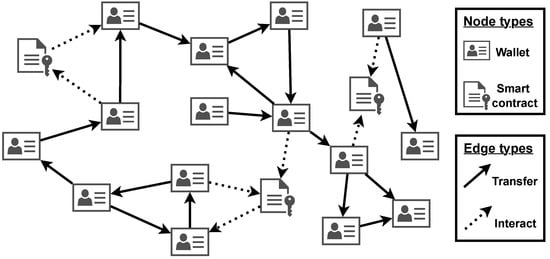
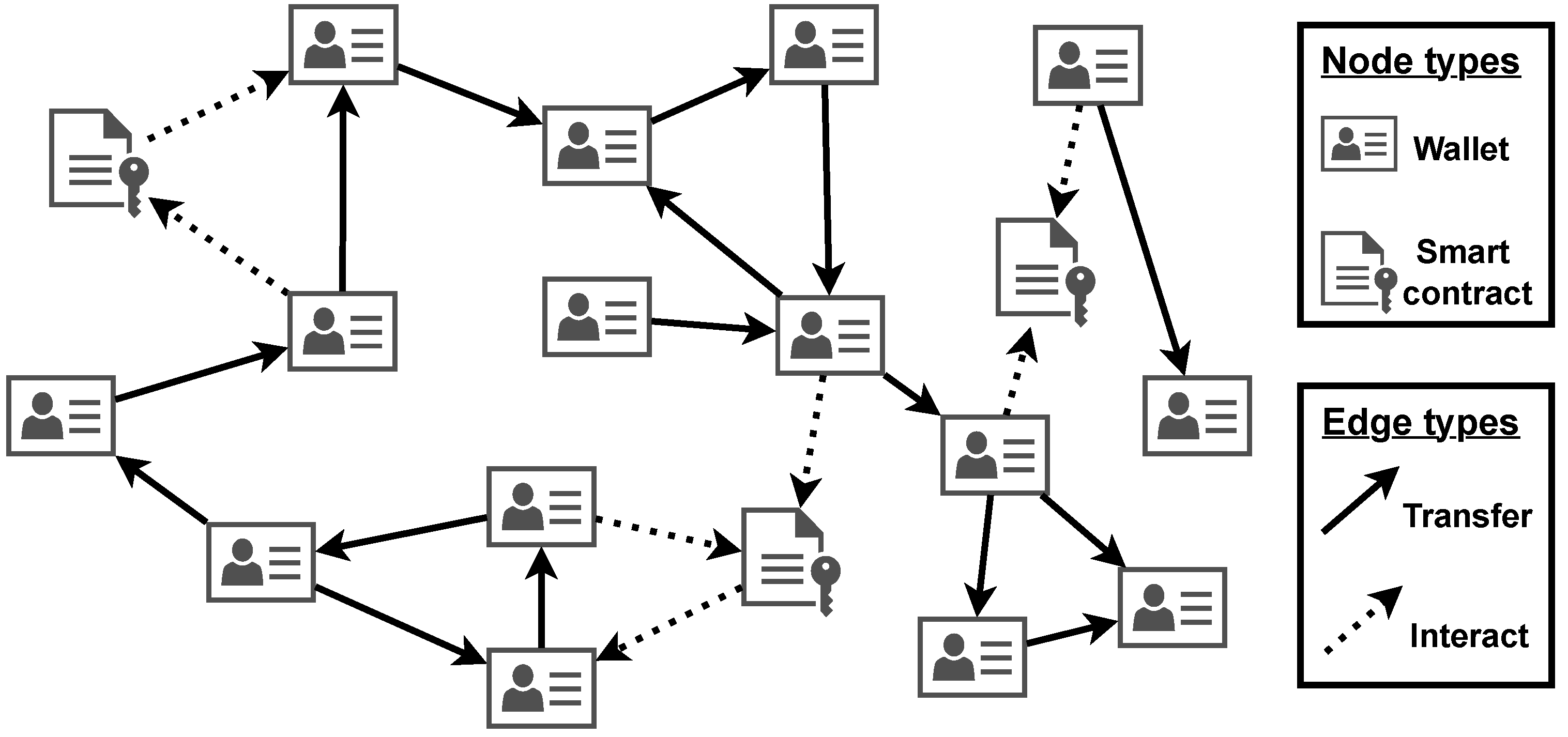
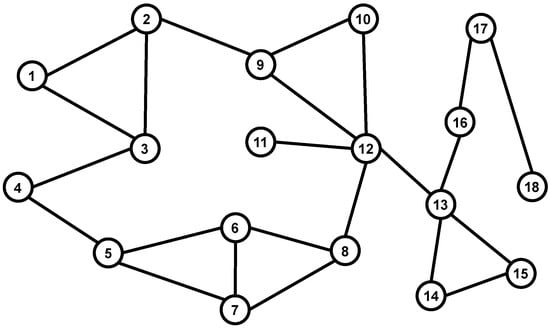
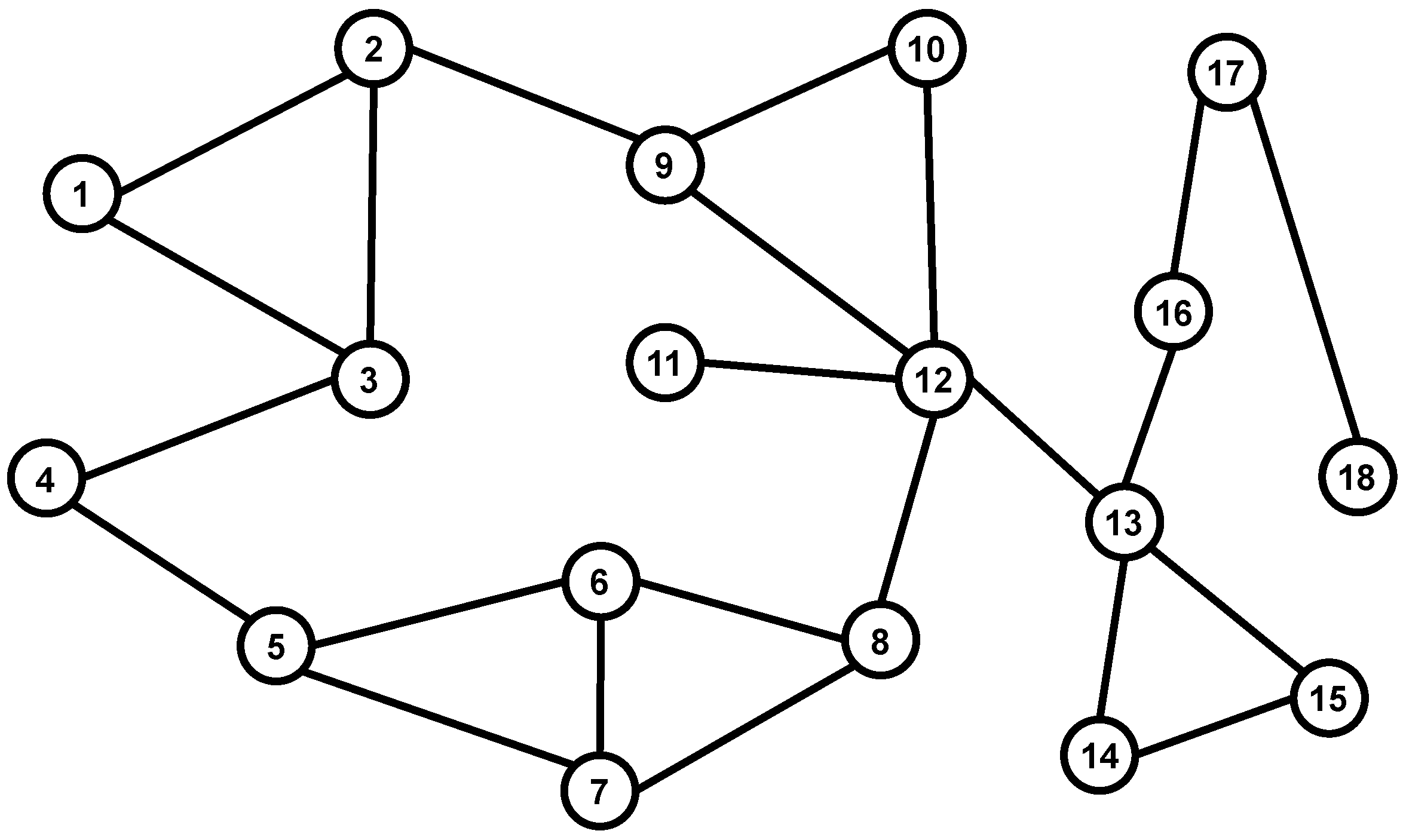
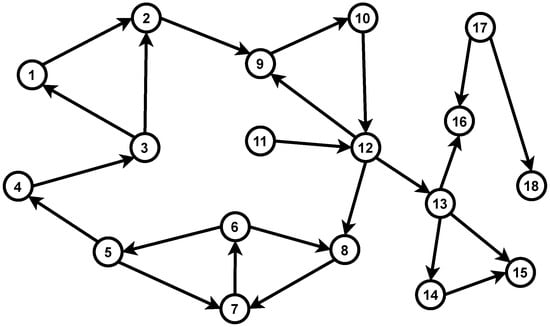
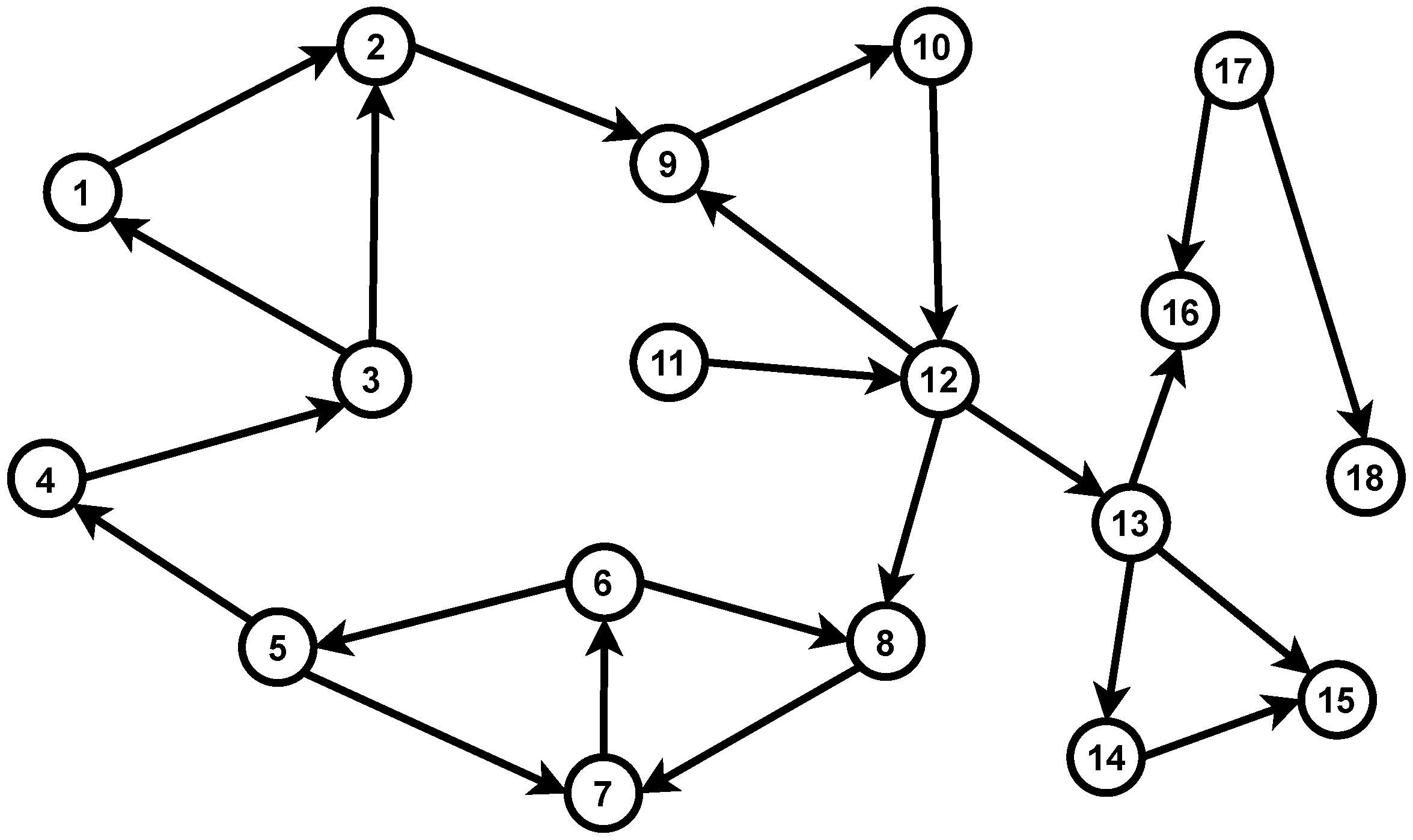
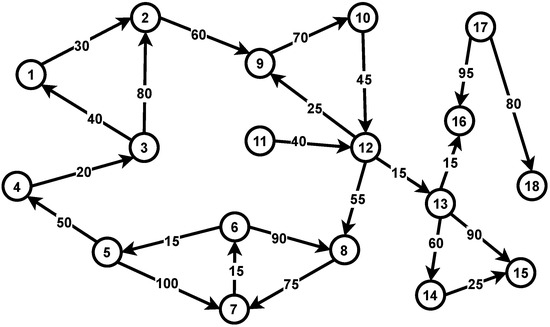
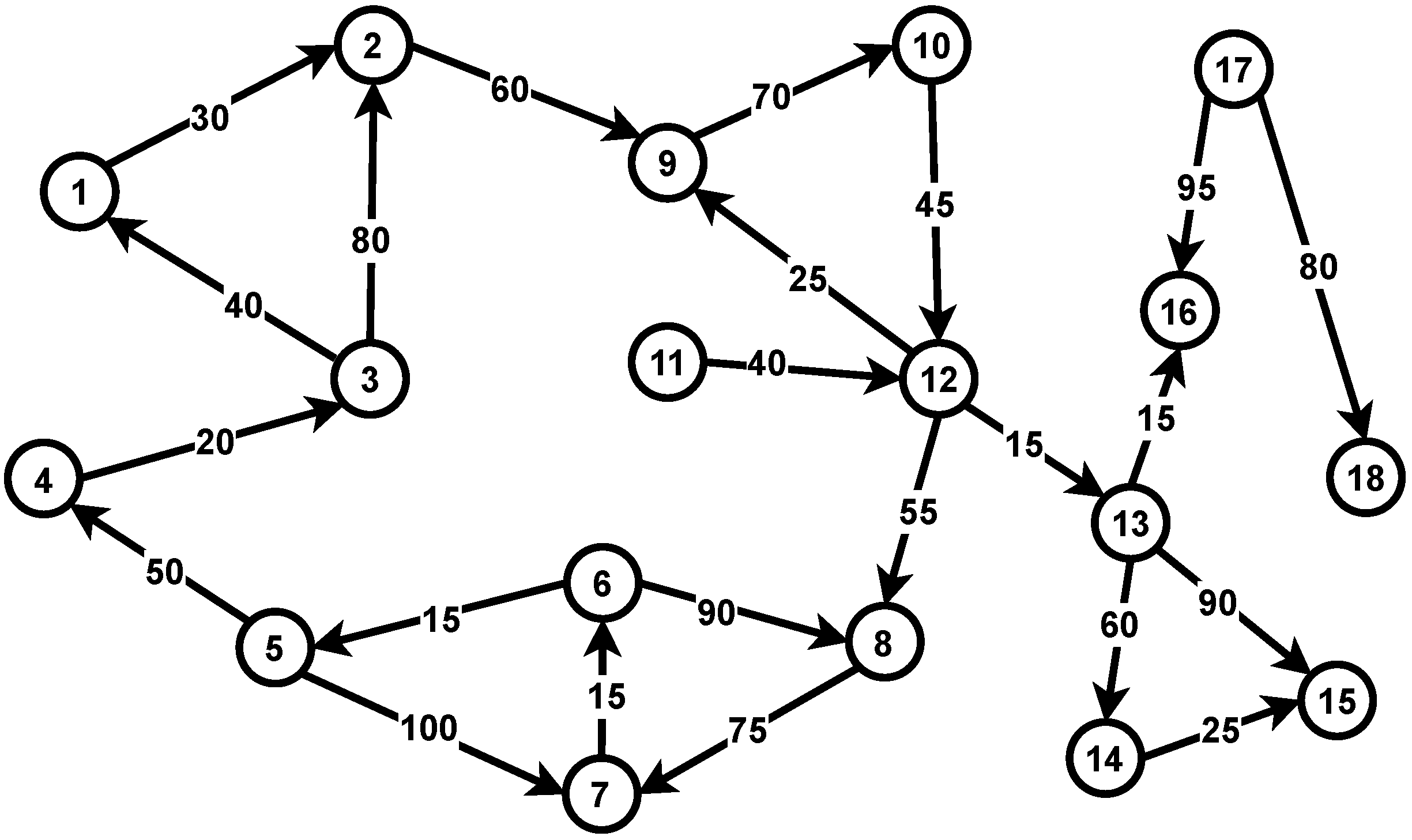
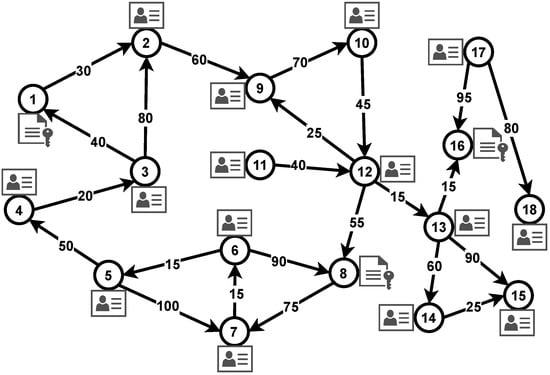
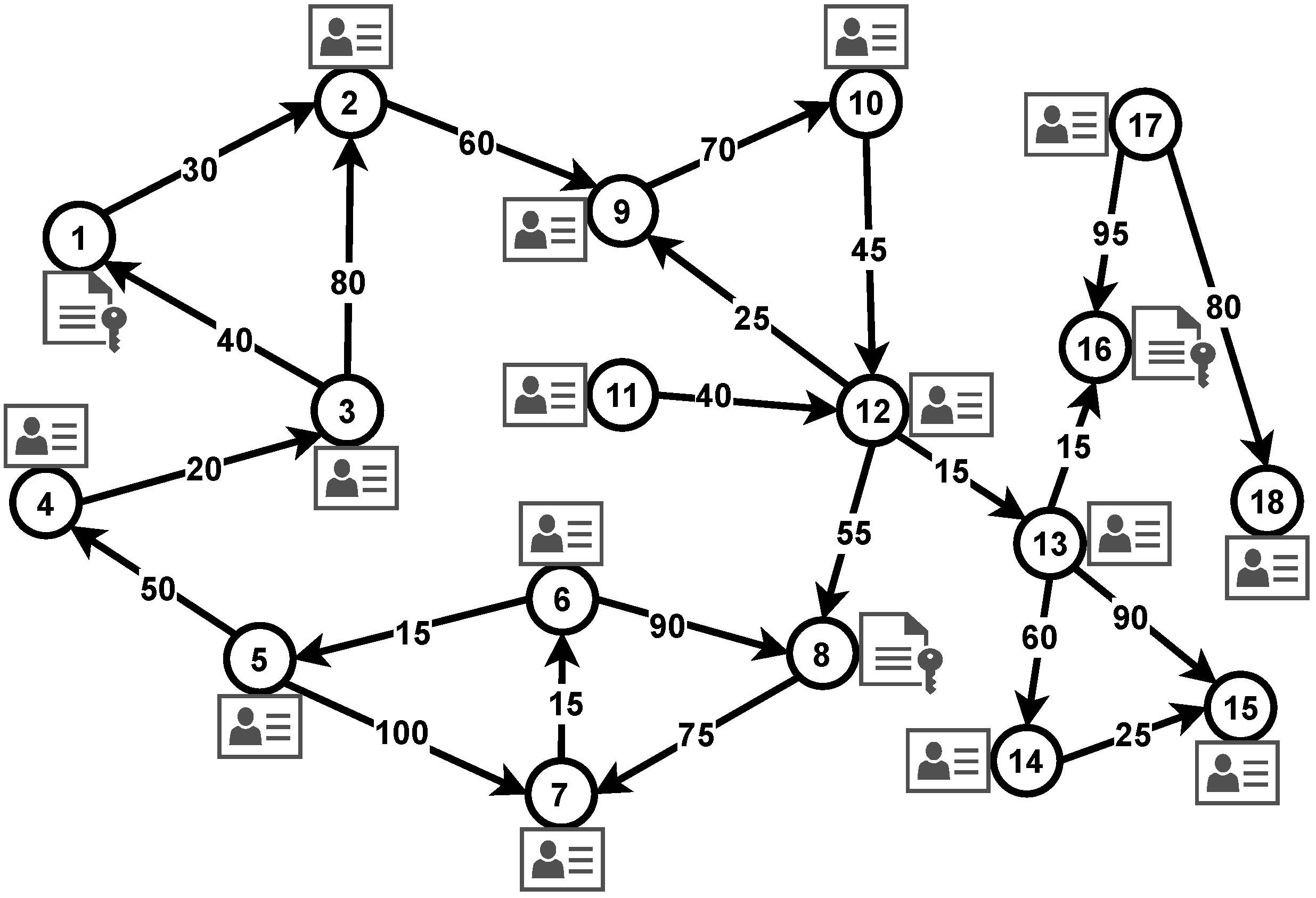
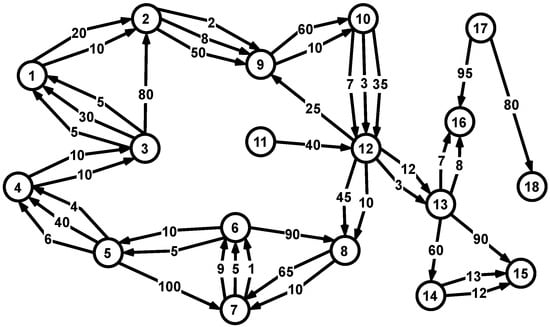
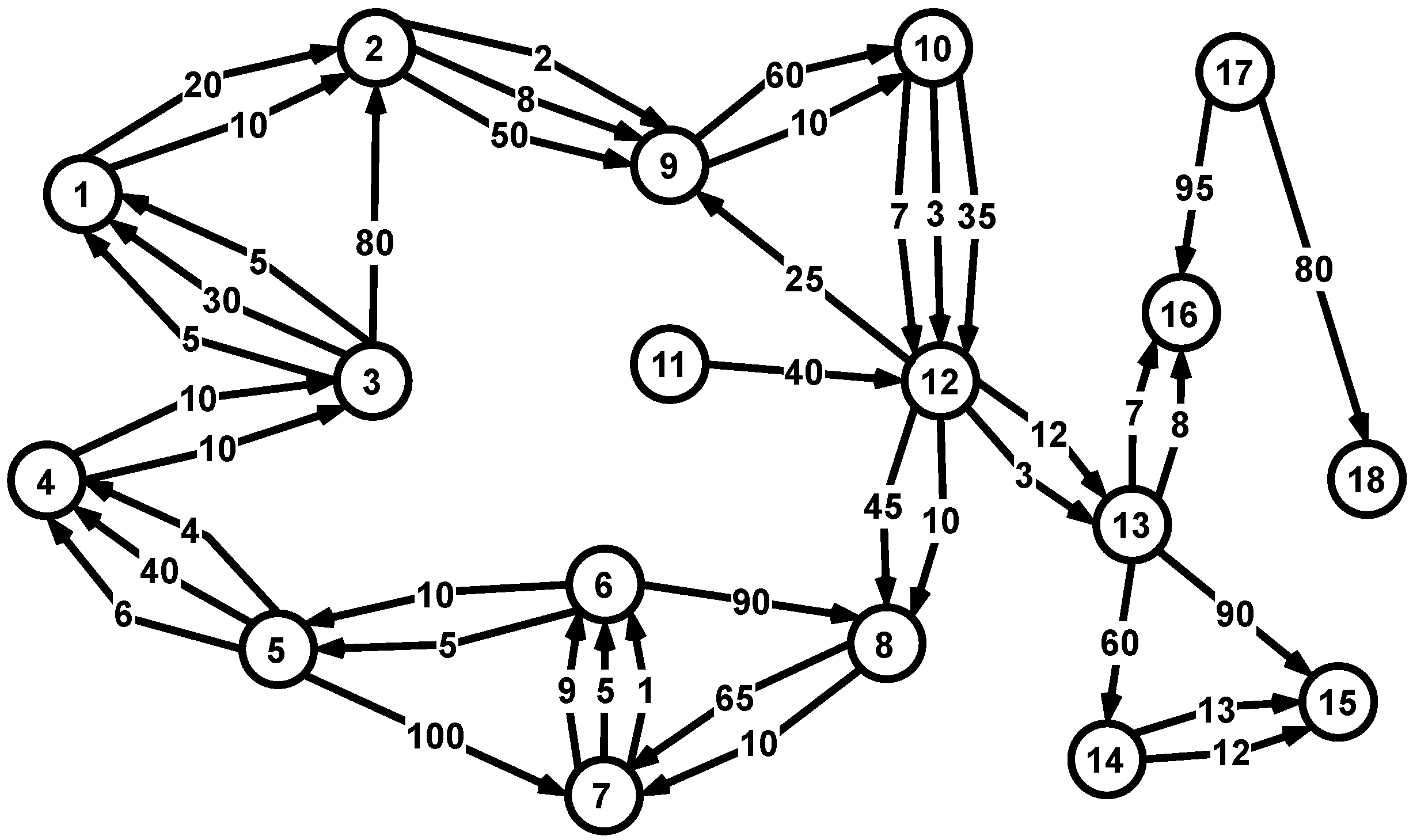
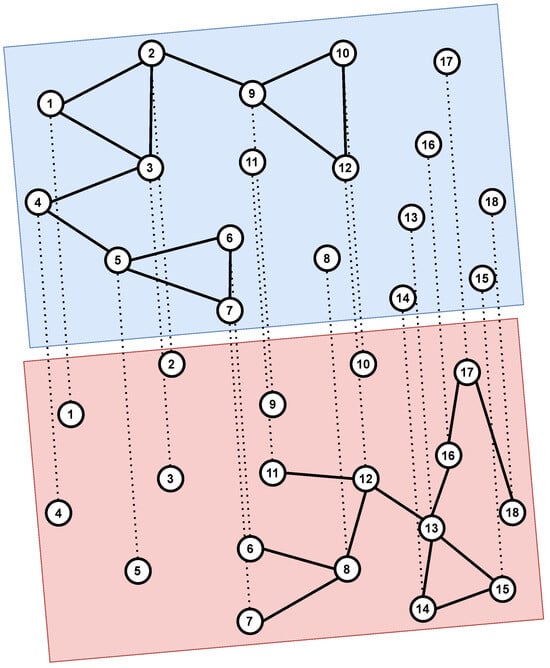
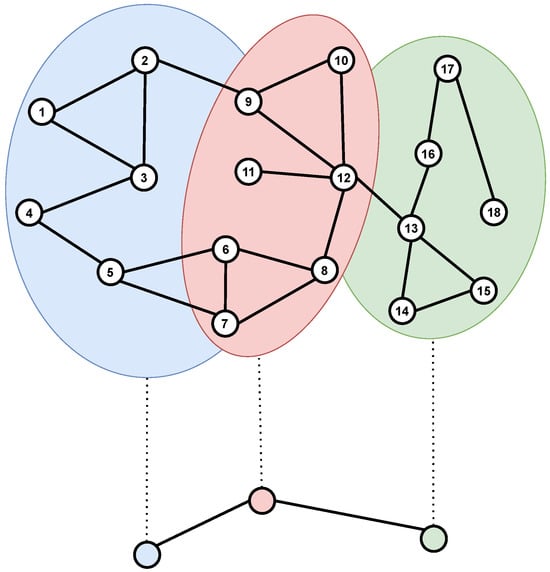
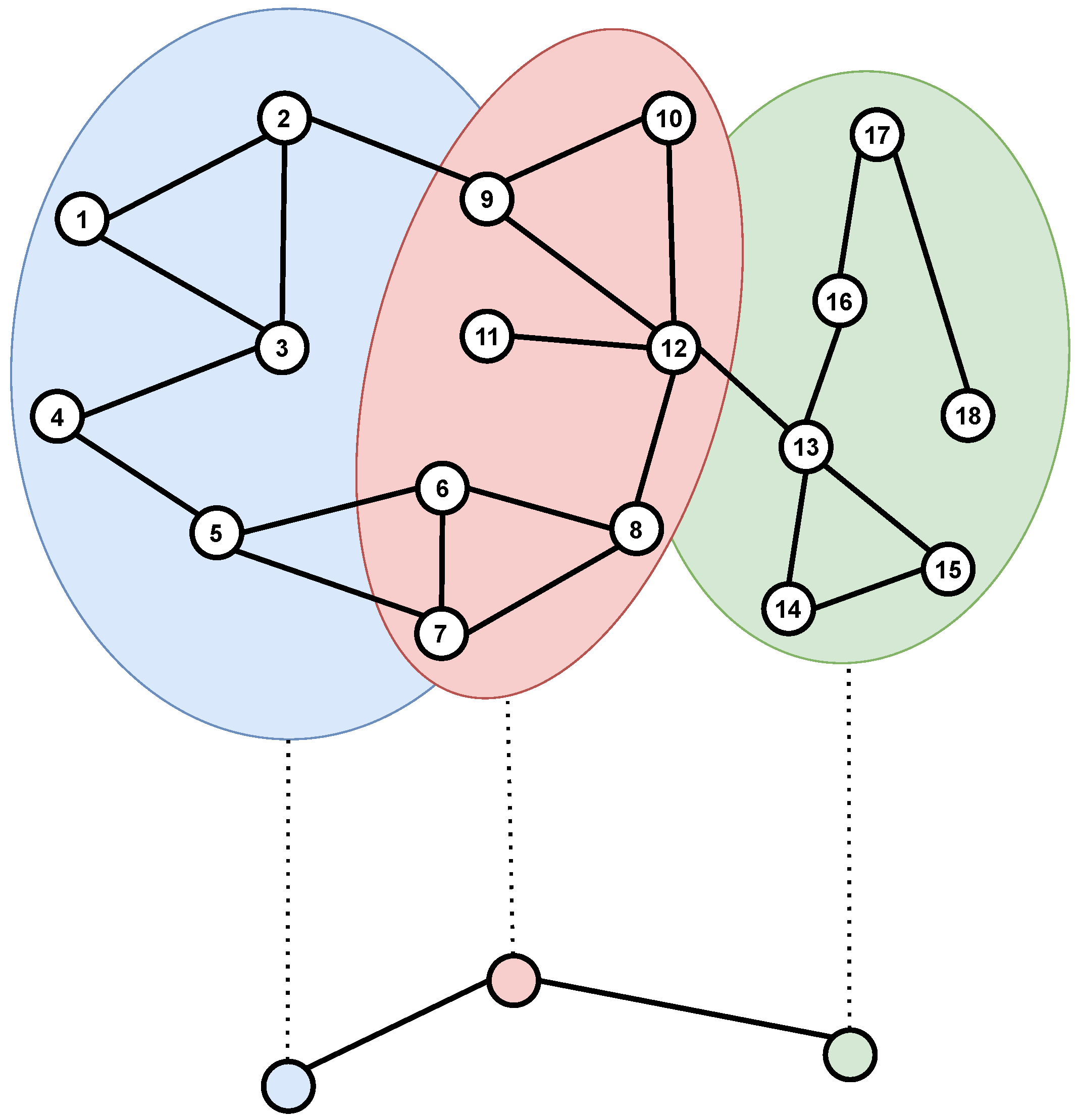
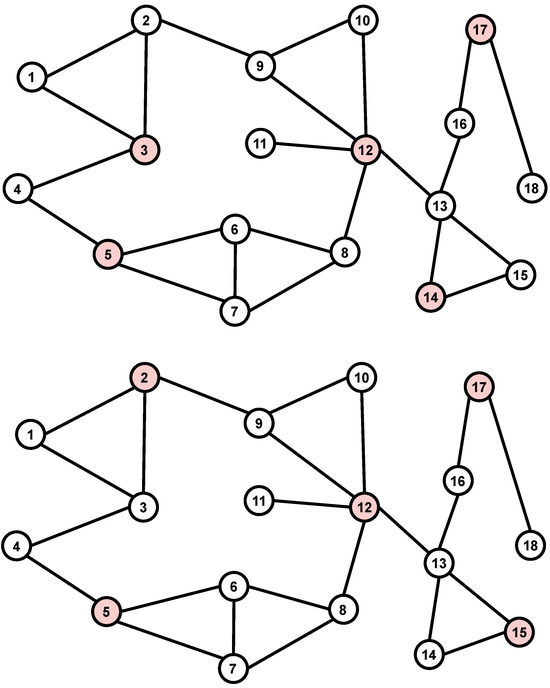
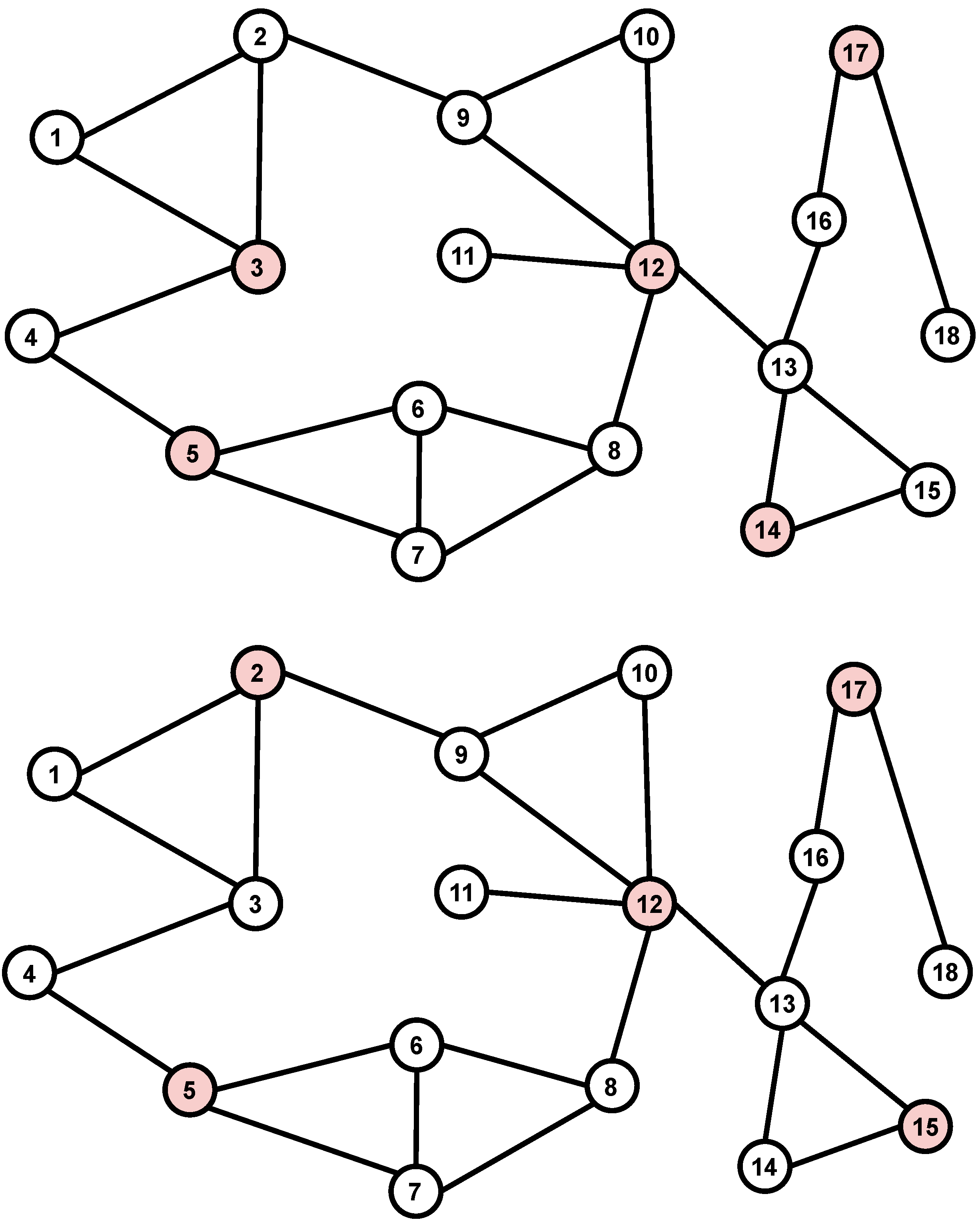
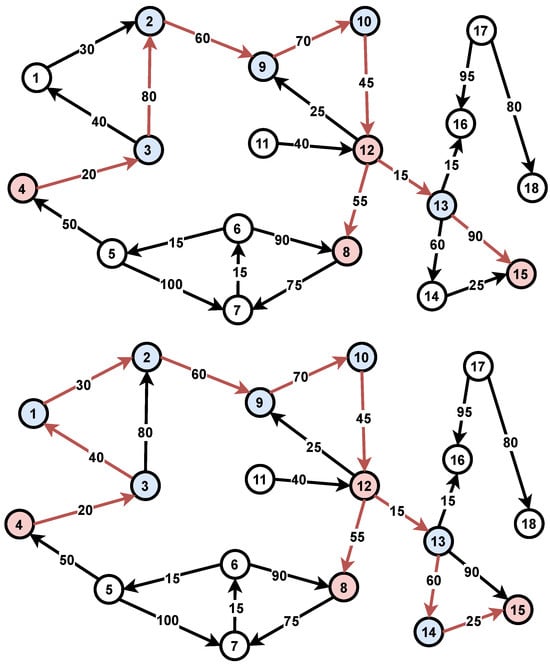
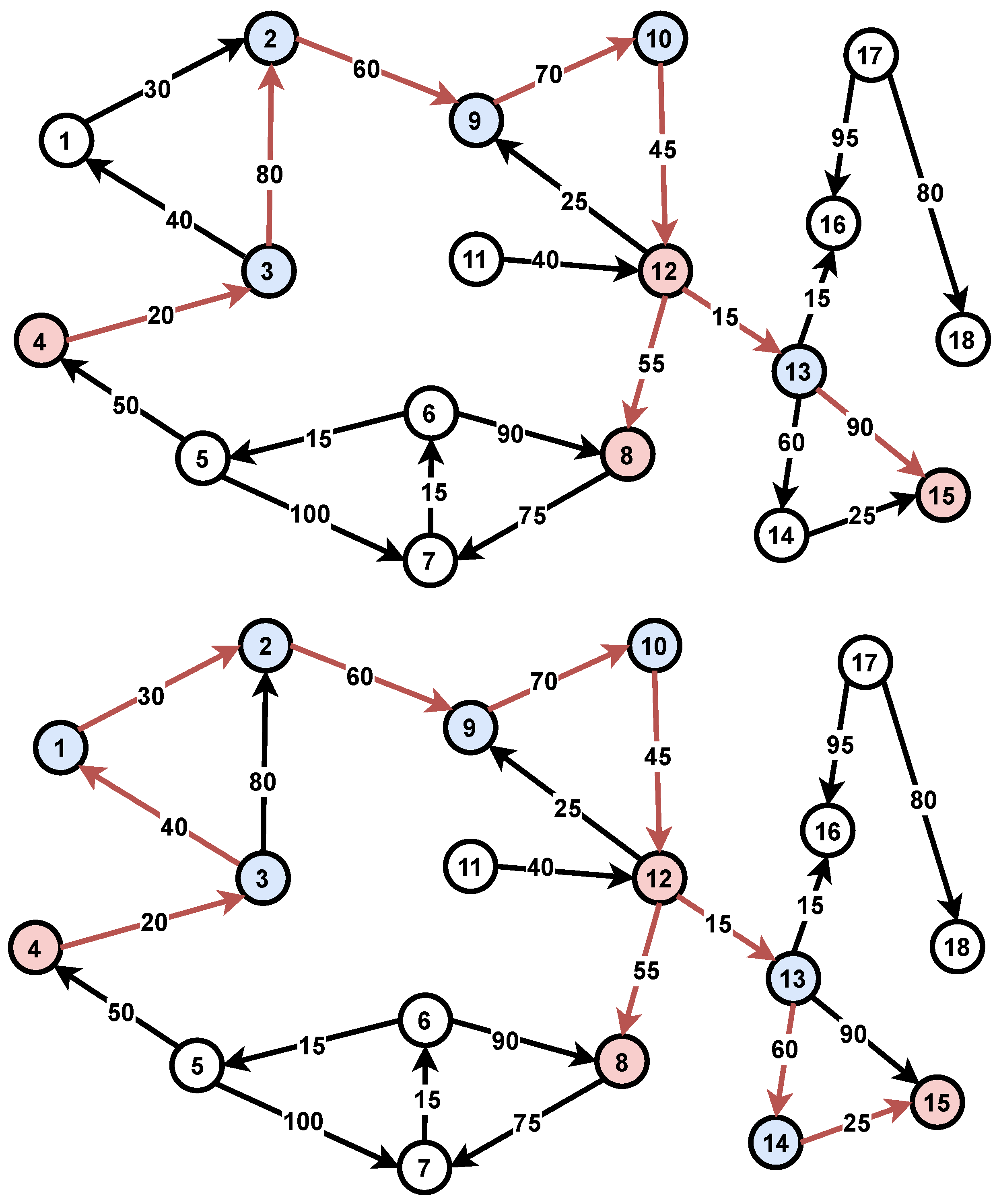
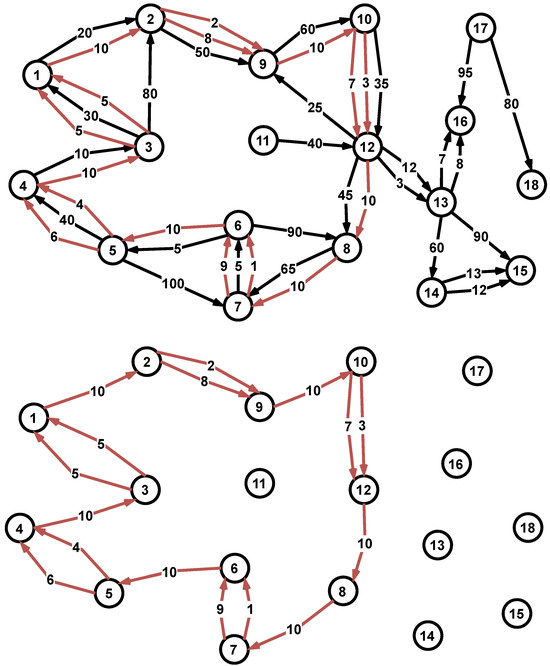
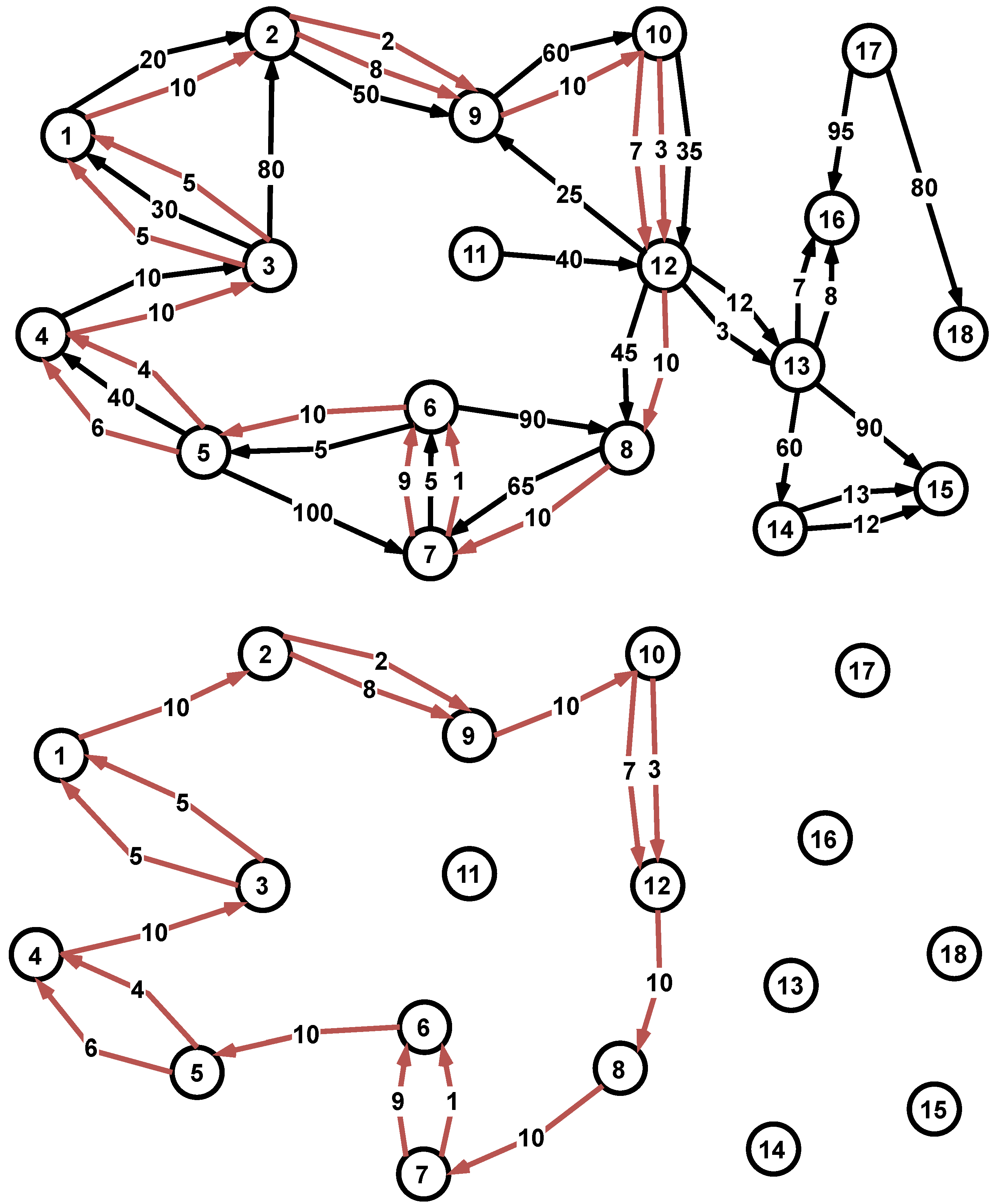

Disclaimer/Publisher’s Note: The statements, opinions and data contained in all publications are solely those of the individual author(s) and contributor(s) and not of MDPI and/or the editor(s). MDPI and/or the editor(s) disclaim responsibility for any injury to people or property resulting from any ideas, methods, instructions or products referred to in the content. |
© 2026 by the authors. Licensee MDPI, Basel, Switzerland. This article is an open access article distributed under the terms and conditions of the Creative Commons Attribution (CC BY) license.