


Abstract
This experimental study investigates the interrelationships among personality traits, academic integrity, and group work learning, aiming to identify factors associated with dishonest behaviour in group work learning through a social constructivist lens. The sample consisted of 345 in-service teachers enrolled in a master’s degree programme in education, who were divided into three experimental conditions (sharing, cooperation, and collaboration) to complete a written assignment on Moodle. Participants also completed an online questionnaire assessing their personality traits, academic integrity and group work experiences. The findings reveal that agreeableness, extraversion, emotional stability, and openness to experience are positively associated with academic integrity. The findings indicate that group-work patterns were differentially associated with academic misconduct, with collaboration showing more favourable integrity-related outcomes than sharing or cooperation. These results should be interpreted cautiously in light of the mixed fit of the structural model. These results suggest that the structure of group work may be relevant to academic dishonesty, with more collaborative arrangements showing comparatively more favourable outcomes. Thus, incorporating well-structured collaborative learning strategies into curricula may support positive social dynamics and may be associated with lower levels of academic misconduct, ultimately fostering an ethical learning environment.
1. Introduction
Education is a dynamic construct shaped by societal, technological, and environmental changes (Tarwiyah et al., 2024). To meet these evolving demands, educators must continually update their pedagogical knowledge and competencies, such as teamwork (Pásztor-Kovács et al., 2026). Consequently, continuous professional development is fundamental to modern educational systems and the practice of in-service teaching (Thurlings & den Brok, 2018).
Student-centred strategies, such as group work learning, have been shown to improve academic performance and social skills (Kilpeläinen-Pettersson et al., 2025). Group work, occasionally described as teamwork1, is closely associated with active learning, which fosters critical competencies for academic and professional success (Kara Erol, 2023). Furthermore, group work among teachers has proved to be an effective means of professional development and of enhancing cooperative learning (Ávila García et al., 2026; Lago et al., 2025).
Group work learning in higher education functions as an interdisciplinary competence embedded throughout the curriculum, simultaneously fostering collaboration and cultivating essential professional skills (Beacom, 2025; Díaz-Vicario et al., 2024). Thus, higher education institutions increasingly adopt these strategies (Kilpeläinen-Pettersson et al., 2025; van Woerden et al., 2025; Zhou et al., 2025). In this context, collaborative writing has emerged as a key component in developing these technical and professional competencies (Myatt, 2023).
Although traditionally viewed as a solitary activity, writing can also be a collaborative process involving shared effort and mutual engagement (Ang, 2025). Collaborative writing has been shown to improve instructional efficacy (Chen & Chen, 2025). When students collaborate on writing tasks, they tend to produce more refined and effective work, while also developing essential transferable skills (Moxie et al., 2025), a fortiori in-service teachers.
Despite these benefits, including their potential to reduce student misbehaviour (Houseknecht & Bates, 2020; Siddhpura & Siddhpura, 2020), research also highlights potential drawbacks. Group learning dynamics may facilitate unethical practices, such as academic dishonesty (Jamaluddin et al., 2021), which includes cheating and unpermitted assistance (McNabb et al., 2023; Rodríguez et al., 2021; Vogel et al., 2025). This contradiction highlights the complex and ambivalent nature of group work learning and assessment, thereby calling for further empirical and theoretical inquiry.
Ethical and unethical behaviour, as well as group work learning, depend on multiple interacting factors. Decisions and behaviours are shaped by the prevailing culture within a particular context, a phenomenon that equally applies to group settings (Zanetti & Butera, 2025). Collaborative interactions are further influenced by challenges such as unequal participation, poor group dynamics, and reduced satisfaction (Koivuniemi et al., 2018).
Learning involves interpersonal interaction among learners (Yorke, 2003) and is shaped by personality, cognitive, social, and contextual factors (C. Schneider et al., 2020). Similarly, individual group performance relies on members’ behaviour, skills, and interactions (Slavin, 2010). Academic misbehaviour is also driven by personality antecedents (Eshet, 2024) and contextual factors (Shen et al., 2024), including the pedagogical approach adopted (Blau et al., 2021).
Although group learning has been widely studied (Lago et al., 2025; van Woerden et al., 2025; Zhou et al., 2025), its conceptual integration with academic integrity remains undertheorised. This study addresses this gap by grounding its analysis in social constructivist theory (Vygotsky, 1997), which conceptualises learning as a socially mediated process (Wertsch, 1985). The study further draws on Slavin’s (2010) cooperative learning framework, particularly its emphasis on group goals and individual accountability as key conditions for effective learning. To conceptualise patterns of interaction in learning environments, the study adopts Blau’s (2011) distinction between knowledge sharing, cooperation, and collaboration. In addition, Fernández-Rio et al. (2017), drawing explicitly on Johnson and Johnson (2009), identify five core elements of effective cooperative learning: positive interdependence, promotive interaction, individual accountability, group processing, and interpersonal skills. Incorporating these complementary perspectives provides a robust theoretical foundation for analysing collaborative practices while maintaining alignment with established educational research. By examining both the factors that contribute to academically dishonest behaviours and the strategies that mitigate them, this study seeks to advance learning environments that foster collaboration, responsibility, and academic integrity. The research question is: What is the relationship among distinct levels of group work learning, academic integrity, and personality traits among in-service teachers completing an academic task?
2. Literature Review
Learning is a ubiquitous and essential part of human life, occurring in educational institutions, workplaces, communities and homes. It happens in a social context (Amigud & Hosseini, 2024), involving others directly or indirectly through their presence or representations (Boud & Bearman, 2024). In addition, team-based projects are becoming increasingly common, a fortiori in higher education. Students’ group work can be considered a proxy for developing professional teamwork skills (Watson et al., 2024).
Education aims to foster knowledge acquisition (K. Schneider, 2024) and uphold academic standards (Harrad et al., 2024). However, ensuring integrity remains challenging (Song, 2024). Higher education institutions strive to eliminate misconduct (Crook & Nixon, 2021), as research often frames integrity through negative lenses of dishonesty (Dineen & Goff, 2024). Such unethical behaviour jeopardises future professional competence (Flom et al., 2023), underscoring the need for systematic measures to inhibit its migration into professional environments (Valdivia et al., 2020).
Teacher quality, in turn, is a key determinant of student academic achievement (Cochran-Smith, 2023). As higher education institutions are responsible for preparing the next generation of professionals (Miranda et al., 2021), curricula should incorporate cooperative and collaborative learning strategies to equip students with the skills required for effective teamwork (Schulz et al., 2022).
As previously stated, despite the positive effect of group work learning on academic integrity, some studies mention the role of collaboration in unethical behaviour (Jamaluddin et al., 2021). Thus, there is a need to uncover the complexity of group work in education, reflecting both the benefits and challenges associated with these practices.
While extensive scholarship underscores the pedagogical value of collaborative learning, existing research presents an underlying tension regarding its role in shaping academic integrity. On one hand, student-centred, team-based tasks are widely recognised as proxies for cultivating essential professional competencies and peer accountability. On the other hand, unstructured peer interaction can inadvertently create pathways for unethical practices such as unpermitted assistance, collusion, and free-riding. Group work should not be treated as a uniform construct. Current literature has yet to fully integrate how group interaction structures and individual personality traits combined influence ethical outcomes.
2.1. Group Work Behaviour and Writing Assessment
Assessment in higher education evaluates student performance and benchmarks professional competence. Within online learning environments, institutional strategies for maintaining academic integrity rely on two complementary levers: technological surveillance and pedagogical assessment design (Raman et al., 2021). While automated proctoring systems focus on external monitoring and deterrence, task-design interventions—such as delivering unproctored collaborative assignments via learning management systems like Moodle—aim to cultivate internal ethical compliance through structured learning dynamics.
In these collaborative formats, student achievement and compliance are deeply tied to group cohesion (Çelik & Bati, 2025), goal alignment, and shared task commitment (Kameda et al., 2015). Because group work proficiency remains an essential outcome for modern graduates, higher education must implement assessment structures that foster genuine teamwork while inherently safeguarding academic integrity (van Woerden et al., 2025).
Collaborative and cooperative learning are often conflated, despite scholarly efforts to distinguish them, as boundaries have blurred over time (Du & Salaets, 2025). Some scholars use the terms interchangeably, whereas others view them on a continuum where cooperative learning is more structured and collaborative learning is less so (Yang, 2023). This conceptual vagueness poses a challenge for assessment: without clearly defining the depth of engagement required, educators risk misinterpreting peer assistance as academic misconduct.
This study integrates Vygotsky’s social constructivism, Slavin’s (2010) principles of group goals and individual accountability, Blau’s (2011) interaction continuum of sharing, cooperation, and collaboration, and Johnson and Johnson’s (2009) cooperative learning elements as operationalised by Fernández-Rio et al. (2017). Within this framework, (a) sharing refers to the exchange of ideas, information, and learning products among group members, while each participant remains primarily responsible for completing an individual task; (b) cooperation refers to a structured division of labour in which group members complete separate components that are subsequently combined into a joint product; (c) collaboration refers to sustained joint engagement throughout the task, with group members co-constructing the product and sharing responsibility for both the working process and the outcome. These three conditions represent progressively greater levels of interdependence, ranging from the exchange of individually produced work, through the division and integration of separate contributions, to the joint construction of a shared product.
Collaborative writing, as a specialised form of collaborative learning, requires learners to co-construct text through reciprocal interaction and shared accountability (Kim & Kim, 2024). However, empirical evidence regarding its efficacy remains mixed. While some studies show that collaborative writing enhances cognitive engagement and text quality (Chen & Chen, 2025; Moxie et al., 2025), Granado-Peinado et al. (2019) emphasise that collaborative writing does not inherently self-regulate. Its success depends heavily on the specific strategies students adopt when facing task friction.
Furthermore, while recent syntheses identify various individual and contextual determinants of group success (Du & Salaets, 2025; Jolić Marjanović et al., 2024), these lines of inquiry consistently overlook how different group interaction levels intersect with ethical decision-making and academic honesty.
2.2. Personality Traits
Personality traits, defined as stable patterns of thoughts, feelings, and behaviours expressed by individuals in interaction with their environment (Tarwiyah et al., 2024), have also been shown to influence learning outcomes significantly (Tran Truong & Nhi Truong Nguyen, 2025). Individual differences shape teachers’ research engagement and professional growth (Bahrami & Hosseini, 2023). The five-factor model (FFM) is the most widely used framework (Sleep et al., 2021). Developed from a lexical approach using trait-descriptive adjectives, the FFM categorises personality into five main dimensions: Openness to experience (intellectual curiosity, creativity, and preference for novelty), conscientiousness (self-discipline, duty, and goal achievement), extraversion (energy, positive emotions, assertiveness, sociability), agreeableness (compassion, cooperation, trust), and emotional stability (characterised by psychological composure, emotional predictability, and a propensity to maintain calm and resilience under stress, representing the conceptual reverse of neuroticism). The FFM is typically assessed using the Ten-Item Personality Inventory (TIPI) (Gosling, 2021; Gosling et al., 2003).
Personality traits significantly impact group dynamics by shaping how group members interact and communicate, affecting the quality of their relationships. These traits influence individual task performance, impacting the group’s overall productivity and effectiveness, thereby playing a crucial role in both social harmony and functional success. Research suggests that some personality traits are more interpersonal or relationship-oriented than others (Jolić Marjanović et al., 2024).
Sharing behaviour refers to the provision of task information by group members (Q. Lin et al., 2015). A meta-analysis showed that individuals high in extraversion are more likely to share information on social media. Conversely, those with higher levels of agreeableness, conscientiousness, and neuroticism, the inverse pole of emotional stability, are less likely to engage in information sharing on these platforms (H. Lin et al., 2024). Previous research (Suryadi et al., 2022) found that all personality types, except neuroticism, have a positive and significant relationship with students’ sharing behaviour, with extraversion having the most significant effect.
Collaboration relies on human behaviour and individual traits (Bai et al., 2024). In other words, personality traits show collaborative behaviour tendencies (Chowdhury et al., 2019). Previous research (Biabani et al., 2022) examined the association between personality and collaboration in team creativity performance and found that openness was positively associated with collaborative behaviour, agreeableness was associated with lower spontaneity, and neuroticism, representing lower emotional stability, was associated with greater contention. Kelsen and Liang (2019) found differences in the roles of personality traits and collaborative behaviour. Thus, based on prior literature that demonstrates a relationship between personality dimensions and group work learning, we hypothesised the following:
Hypothesis 1.
Personality traits are differentially related to group work learning behaviours.
2.3. Academic Misbehaviour
Academic integrity has been a central theme in research for decades, spanning multiple disciplines and cultural contexts, with a strong focus on educational strategies and interventions (Henslee et al., 2025). It is a multidimensional and cross-disciplinary domain of inquiry, marked by varied interpretations and methodological approaches (Eaton, 2025; Mejía & Garcés-Flórez, 2025). It encompasses behaviours founded on principles of honesty, fairness, respect, and accountability, and is broadly understood as compliance with ethical and professional norms in both educational and research contexts (Tauginienė et al., 2018). Violations of academic integrity, commonly referred to as academic dishonesty or misbehaviour, are generally defined as inappropriate student behaviour within academic environments (Bakar-Corez & Kocaman-Karoglu, 2024).
Academic dishonesty has long been recognised as a pervasive issue in higher education, despite ongoing efforts to address it; the topic continues to attract significant attention from researchers and educators alike (He et al., 2024). Over the past decade, numerous studies have documented a troubling rise in incidents of cheating and plagiarism among university students (Eaton, 2024). This trend has been further complicated by the rapid expansion of online learning environments and the emergence of generative artificial intelligence tools such as ChatGPT, which present new challenges for maintaining academic integrity (Eshet, 2025). Furthermore, recent empirical work highlights a critical gender dimension in how university students adopt and evaluate generative AI (Raman et al., 2024).
Academic dishonesty compromises the fairness of student assessment and violates the principles of academic integrity (Daumiller et al., 2023). Although cooperative and collaborative learning environments have been shown to reduce misconduct by fostering peer accountability and shared responsibility (Harding, 2001; Houseknecht & Bates, 2020; Siddhpura & Siddhpura, 2020), other studies indicate that collaboration may also enable unethical behaviour, particularly when influenced by morally disengaged group members (Jamaluddin et al., 2021). Accordingly, we hypothesise the following:
Hypothesis 2.
Group work learning behaviours will be differentially associated with academic misbehaviour.
The composition of groups profoundly influences how individuals collaborate to achieve objectives, highlighting the need for thoughtful strategies in forming groups. For example, random student grouping can lead to negative outcomes (Ferreira & Fernandes, 2020), such as inciting academic misbehaviour. Research has established that the Big Five dimensions contribute to teamwork (Curşeu et al., 2019; Jolić Marjanović et al., 2024). Others have inquired into the relationship between personality traits and collaborative learning roles (Reis et al., 2016). Thus, effective group formation should consider students’ characteristics, using criteria like the Big Five personality traits to create homogeneous, heterogeneous, or mixed groups (Ferreira & Fernandes, 2020).
While existing literature acknowledges that the Big Five personality traits predict individual integrity (Eshet, 2024) and influence team composition outcomes (Curşeu et al., 2019; Ferreira & Fernandes, 2020), it largely neglects the mechanism through which individual dispositions translate into ethical conduct during group tasks. From a structural standpoint, stable personality traits establish a latent behavioural propensity, yet situational misbehaviour requires an enabling contextual environment to materialise. Group work dynamics supply this necessary opportunity structure and social diffusion of responsibility, providing the situational context within which individual antecedents manifest as observable ethical or unethical actions. By integrating personality antecedents, experimentally assigned group-work conditions, and dual measures of academic misconduct within a structural equation model, this research examines whether experimental group work condition and personality traits are associated with academic misconduct. Accordingly, we hypothesise:
Hypothesis 3.
Experimental condition and personality traits will be associated with academic misconduct.
2.4. The Present Research
Although the literature mentions a positive effect of group work learning on academic integrity, the research did not address the direct effect of this learning approach on academic ethical behaviour.
Thus, this research examines academic integrity across learning settings defined by Blau’s (2011) interaction typology and informed by Slavin’s (2010) principles of group goals and individual accountability. This study shall use a mix of subjective, direct, and indirect self-reports on misbehaviour in a cooperative assessment. The research model, grounded in the literature reviewed, proposes that academic misconduct is associated with personality traits and experimentally assigned group-work conditions, as presented in Figure 1.
Figure 1.
General Research Model.
3. Materials and Methods
3.1. Participants and Procedure
The study initially recruited 480 in-service teachers enrolled in a master’s degree program in education. Of these, 58 participants (12.1%) did not complete the collaborative task and were considered dropouts. An additional 77 participants were excluded due to incomplete questionnaire responses or because their questionnaire data could not be reliably linked to their task submissions. After applying these exclusion criteria, the final analytic sample consisted of 345 participants, representing 71.9% of the original sample. The participant recruitment and attrition process is summarised in Figure 2.
Figure 2.
Participant Flow Diagram.
Most participants were women (77.1%), and approximately half were married (51.3%). The mean age was 31.22 years (SD = 9.72); see Table 1. The participants were divided randomly into three experimental groups, and each group received instructions to complete a written assignment.
Table 1.
Descriptive statistics of categorical variables of each collaboration level.
Participant assignment was conducted at the cluster level, where a total of 15 classes were randomly assigned to one of the three experimental conditions (sharing, cooperation, or collaboration) at the cluster level. The assignment was conducted in Microsoft Excel using the random number generator function (=RAND()) to assign a random value to each class, followed by sorting the generated values to allocate the classes equally across the three experimental arms. Although the initial cluster-level randomisation allocated an equal number of classes to each condition, the final individual-level sample sizes were unbalanced due to differences in class enrolment sizes and varying post-assignment completion rates (i.e., missing data or non-completion within individual classes prior to final data cleaning). Because randomisation was conducted at the class (cluster) level rather than at the individual participant level, equivalence in individual-level demographic characteristics across experimental conditions was not guaranteed. Consequently, chance imbalances in demographic composition could arise despite random allocation of classes. As shown in Table 1, this occurred for gender, which was therefore examined explicitly in subsequent sensitivity analyses.
All assignments were delivered to students via the online learning platform Moodle under direct instructor supervision, ensuring that participants followed the assigned procedures. Following the completion of the assignment, participants completed an online questionnaire measuring their personality traits and academic integrity.
3.1.1. Gender Sensitivity Analyses
Because gender distribution differed significantly across the three experimental conditions, additional analyses examined whether gender accounted for differences in the two academic misconduct measures. For academic integrity, neither the main effect of experimental condition, F(2, 339) = 1.61, p = .202, ηp2 = .009, nor the main effect of gender, F(1, 339) = 2.10, p = .148, ηp2 = .006, was significant. The Condition × Gender interaction was also not significant, F(2, 339) = .73, p = .482, ηp2 = .004.
For academic dishonesty, gender was significantly associated with the outcome. Because Levene’s test indicated heterogeneity of variances, a hierarchical regression supplemented by 5000-sample BCa bootstrapping was conducted. Gender explained 5.6% of the variance, ΔR2 = .056, p < .001. Adding an experimental condition increased the explained variance by 1.3%, but this increment was not statistically significant, ΔR2 = .013, Fchange (2, 341) = 2.32, p = .100. Nevertheless, the bootstrap-adjusted coefficients indicated that, relative to collaboration, academic dishonesty was higher in sharing, B = .173, BCa 95% CI [.034, .321], p = .025, and cooperation, B = .194, BCa 95% CI [.024, .366], p = .035. Gender remained significant in the adjusted model, B = 370, BCa 95% CI [.148, .587], p = .003. These findings indicate that the overall experimental-condition effect was attenuated after accounting for gender, although specific contrasts with the collaboration condition remained significant in the bootstrap analysis.
3.1.2. Group Levels
The different collaborative learning settings were designed according to Blau’s (2011) interaction typology of (a) sharing—level 1, (b) cooperation—level 2, and (c) collaboration—level 3, while incorporating Slavin’s (2010) principles of group goals and individual accountability. In level 1, participants worked independently, summarised the provided article, submitted their work in an online forum, and then were required to read and comment on their peers’ work in the forum. In level 2, participants worked in groups of three, dividing the task into sub-tasks. In level 3, participants worked in groups of three, fully collaborating on writing the essay. They were required to write the essay together and specify each member’s contribution.
3.2. Instruments
Personality Traits were measured using 10 items from the Ten-Item Personality Inventory (TIPI; Gosling, 2021). The items were translated into Hebrew by Peled et al. (2019) and demonstrated acceptable internal consistency (α = .63). Participants responded on a five-point Likert scale ranging from 1 (Not at all true) to 5 (Very true). Because each TIPI dimension is represented by only two deliberately broad and nonredundant items, internal consistency was examined separately for each trait and interpreted cautiously. Cronbach’s alpha values were .25 for Extraversion, .06 for Agreeableness, .47 for Conscientiousness, .36 for Emotional Stability, and .35 for Openness to Experience; the corresponding inter-item correlations were .14, .03, .32, .23, and .21, respectively. These relatively low coefficients are consistent with a recognised psychometric limitation of the TIPI’s two-item structure, which prioritises breadth of content coverage over item redundancy. Nevertheless, the particularly low coefficients observed for some dimensions in the present sample warrant caution when interpreting trait-specific findings.
Academic Misbehaviour was measured using two distinct yet complementary instruments to evaluate both direct and indirect dimensions. The Academic Misconduct Scale (Bolin, 2004) assessed academic dishonesty directly and demonstrated excellent internal consistency (Cronbach’s α = .91). The Academic Integrity Inventory (Kisamore et al., 2007) assessed academic dishonesty indirectly, showing acceptable internal consistency (Cronbach’s α = .75). Rather than functioning as opposite poles of a single continuum, the weak inter-scale correlation (r = −.11) is consistent with the interpretation that the two measures capture related but distinct dimensions of academic misbehaviour. Both questionnaires were adapted and validated for the Israeli context. Peled et al. (2019) conducted an exploratory factor analysis (EFA) with varimax rotation to examine the factor structure of academic dishonesty.
Group Work was assessed based on the Cooperative Learning Questionnaire by Fernández-Rio et al. (2017), comprising 12 closed-ended items, showing good internal consistency (Cronbach’s α = .89). The closed-ended items were rated on a 5-point Likert scale ranging from 1 (strongly disagree) to 5 (strongly agree). The sharing, cooperation, and collaboration variables derived from the group work questionnaire were continuous scale scores calculated as the mean of the relevant Likert-type items. These questionnaire-derived scores should be distinguished from the categorical experimental-condition variable (level of collaboration), which indicated participants’ assigned condition: sharing, cooperation or collaboration. The questions were aligned with the study aims and revised to elicit participants’ evaluations of their experiences in completing the group work writing task. An example of a closed-ended item is: “Collaborative writing within a group work facilitates the effective completion of the task.” In addition, the questionnaire included 4 open-ended questions designed to capture participants’ experiences and perceptions in greater depth. An example of an item: “Describe your writing process when required to compose a collaborative text synthesising multiple articles as part of a group work.”
Grade Point Average (GPA). Participants were asked to self-report their grade point average for the previous semester on a scale ranging from 0 to 100. GPA was therefore based on self-report rather than on official institutional records.
3.3. Plan of Analysis
Data were analysed using descriptive statistics, reliability analysis, Pearson correlations, and one-way ANOVA through SPSS version 28. For the Pearson correlation analyses, sharing, cooperation, and collaboration were treated as continuous scale scores derived from participants’ responses to the group-work questionnaire rather than as categorical indicators of experimental condition. These scores represent the extent to which participants endorsed or perceived the corresponding group-work orientation, with higher scores indicating stronger endorsement of the respective dimension. Accordingly, the correlations examine associations between individual differences in these continuous group-work orientations and personality or academic-integrity variables, whereas differences between the experimentally assigned conditions were examined separately using ANOVA.
In addition, Structural Equation Modelling (SEM) was conducted using AMOS version 28, with the model estimated from the sample covariance matrix using maximum likelihood estimation. Cases with incomplete questionnaire data or data that could not be reliably linked to the submitted task had been excluded prior to analysis; therefore, the SEM was estimated using the complete analytic sample of 345 participants. In the structural model, experimental condition was entered directly as an exogenous predictor using two dummy variables, with the collaboration condition serving as the reference category. The sharing condition and cooperation condition were entered as observed predictors of academic misconduct, alongside personality and gender. The continuous sharing, cooperation, and collaboration questionnaire scores were retained for the correlational analyses and for examining whether the experimentally assigned conditions were reflected in participants’ reported group-work orientations, rather than being used as indicators of experimental condition in the SEM.
To assess potential common method variance arising from the use of self-report measures, Harman’s single-factor test was conducted using all 40 questionnaire items. An unrotated principal component analysis constrained to a single factor was performed, and the proportion of variance explained by the first factor was examined. Multicollinearity was assessed using tolerance and variance inflation factor (VIF) statistics. Tolerance values above .20 and VIF values below 5 were considered indicative of an absence of problematic multicollinearity. Given the significant imbalance in gender distribution across the experimental conditions, gender was included as a covariate in the SEM. Additional sensitivity analyses were also conducted for academic integrity and academic dishonesty. For academic integrity, a two-way ANOVA examined the main effects of experimental condition and gender and their interaction. For academic dishonesty, the same factorial model was initially examined; however, because the homogeneity-of-variance assumption was violated, a supplementary hierarchical regression analysis was conducted. Gender was entered in the first block and dummy-coded experimental conditions in the second block, with collaboration serving as the reference category. Bias-corrected and accelerated (BCa) confidence intervals were estimated using 5000 bootstrap samples.
Considering the brevity of the TIPI and the low internal consistency observed for several two-item dimensions, supplementary evidence based on relations to theoretically relevant external variables was examined using hierarchical regression analyses controlling for gender.
4. Results
To assess the potential influence of common method variance, Harman’s single-factor test was conducted using all 40 self-report items included in the study. The data were suitable for factor analysis, as indicated by a Kaiser–Meyer–Olkin value of −.876 and a significant Bartlett’s test of sphericity, χ2(780) = 6452.11, p < −.001. An unrotated principal component analysis constrained to a single factor showed that the first factor accounted for 22.66% of the total variance. Because this value was substantially below the conventional 50% threshold, common method variance did not appear to constitute a dominant threat to the findings. Multicollinearity diagnostics indicated no problematic overlap among the predictors. Tolerance values ranged from .631 to −.851, and VIF values ranged from 1.176 to 1.584, remaining within acceptable limits.
Pearson correlation coefficients between all study variables were calculated; see Table 2. Sharing was significantly negatively associated with conscientiousness (r = −.15, p = .005), indicating that higher conscientiousness was associated with lower levels of sharing. Cooperation was positively associated with all five personality traits: extraversion (r = .18, p = .001), agreeableness (r = .16, p = .003), conscientiousness (r = .29, p < .001), emotional stability (r = .25, p < .001), and openness to experience (r = .29, p < .001). Collaboration was positively associated with extraversion (r = .14, p = .010) but was not significantly associated with the other four personality traits. These findings indicate differential associations between personality traits and group-work learning behaviours, thereby supporting research hypothesis Hypothesis 1.
Table 2.
Pearson Correlation among Continuous Study Variables and Descriptive Statistics by Experimental Condition.
Furthermore, sharing was positively associated with academic dishonesty (r = .27, p < .001), indicating that participants with higher sharing scores also reported higher levels of academic dishonesty. Cooperation was not significantly associated with either academic integrity or academic dishonesty. Collaboration was positively associated with academic integrity (r = .17, p = .002), indicating that higher collaboration scores were associated with higher levels of academic integrity.
The unadjusted analyses of the questionnaire-derived group-work scores suggested differential associations with academic misconduct, with higher sharing scores associated with greater academic dishonesty and higher collaboration scores associated with more favourable integrity-related outcomes. Accordingly, Hypothesis 2 received qualified rather than definitive support.
Pearson correlations were calculated among the continuous questionnaire-derived study variables. Importantly, the sharing, cooperation, and collaboration variables included in the correlation matrix represent continuous scale scores derived from the group work questionnaire and not categorical experimental-condition membership. Experimental-condition differences were analysed separately using ANOVA and the gender-adjusted sensitivity analyses described above.
Manipulation-check analyses indicated partial differentiation across the experimental conditions. The omnibus tests were significant for sharing scores, F(2, 342) = 3.07, p = .048, cooperation scores, F(2, 342) = 5.28, p = 0.006, and collaboration scores, F(2, 342) = 4.49, p = .012. Tukey post hoc tests showed that participants assigned to the cooperation condition reported higher cooperation scores than those in the sharing (p = 0.032) and collaboration (p = .012) conditions. However, collaboration scores were also highest in the cooperation condition, and no pairwise differences were significant for sharing scores. Thus, the questionnaire-derived scores provided partial, rather than complete, differentiation among the assigned experimental conditions.
To further examine these relationships, one-way ANOVA tests were performed, comparing academic dishonesty levels between the three group work learning settings. The findings, as shown in Table 2, revealed significant differences between the groups in students’ levels of academic dishonesty (F(2, 342) = 4.42, p = .013, η2 = .025), indicating a small effect size. Post hoc tests for group differences in academic dishonesty revealed significant differences between students in the cooperative (M = 1.51, SD = 0.84) and collaborative (M = 1.22, SD = 0.43) groups, so that students in the collaborative group reported less academic dishonesty than students in the cooperative group. Thus, the results provide partial support for Hypothesis 2, which proposed that group work learning behaviours would be differentially associated with academic misbehaviour.
However, because gender distribution differed significantly across the three conditions, these unadjusted between-group differences were further examined in gender-adjusted sensitivity analyses. As reported above, the overall contribution of experimental condition was no longer statistically significant after gender was entered into the model (ΔR2 = .013, p = .100), although bootstrap-adjusted contrasts continued to indicate higher dishonesty in sharing and cooperation relative to collaboration. Hypothesis 2 should therefore be regarded as receiving qualified rather than unequivocal support.
The structural model is illustrated in Figure 3. The model included personality, gender, and experimental condition as predictors of academic misconduct, with collaboration serving as the reference category for the experimental condition. The model yielded mixed fit indices, χ2(31) = 101.28, p < .001, χ2/df = 3.27, CFI = .878, TLI = .823, and RMSEA = .081, 90% CI [.064, .099]. These indices indicate marginal overall fit, with the RMSEA and χ2/df suggesting acceptable-to-borderline fit, whereas the CFI and TLI remained below commonly recommended levels. Accordingly, the model should be interpreted cautiously. Personality was a strong negative predictor of academic misconduct (β = −.754, p < .001). Gender was also significantly associated with academic misconduct (β = −.238, p = .009). Relative to the collaboration condition, the cooperation condition showed a marginal positive association with academic misconduct (β = .209, p = .060), whereas the sharing condition was not statistically significant (β = .190, p = .080). The standardised loadings of the personality indicators ranged from 0.406 to 0.718, with the strongest loadings observed for Conscientiousness (.718) and Emotional Stability (.703). Academic dishonesty loaded positively on academic misconduct (β = .545), whereas academic integrity loaded negatively (β = −.188).
Figure 3.
Structural model predicting academic misconduct.
As supplementary evidence based on relations to external variables, hierarchical regressions were conducted controlling for gender. The five personality dimensions jointly explained an additional 12.1% of the variance in academic dishonesty, ΔR2 = .121, Fchange (5, 338) = 9.97, p < .001; 4.4% of the variance in academic integrity, ΔR2 = .044, Fchange (5, 338) = 3.13, p = .009; and 6.6% of the variance in GPA, ΔR2 = 0.066, Fchange (5, 319) = 4.62, p < 0.001. Within the academic dishonesty model, Conscientiousness (β = −.23, p < .001) and Emotional Stability (β = −.16, p = .008) emerged as significant independent predictors. These findings provide supplementary evidence that the TIPI trait scores exhibited theoretically meaningful relations with external criteria despite the low internal consistency of several two-item dimensions.
5. Discussion
Effective group formation is crucial for enhancing collaborative learning experiences, and personality traits should be carefully considered when organising groups for this purpose (Müller et al., 2024). Nevertheless, this learning approach presents dilemmas for educators balancing academic misbehaviour and student preferences with group work assessment practices, potentially fostering unpermitted collaboration and cheating. Despite extensive research, the impact of group work learning on academic misbehaviour remains underexplored. Consequently, the present study highlights the complexities inherent in personality traits, group work learning tiers (sharing, cooperation and collaboration) and their differential impacts on academic misbehaviour (dishonesty and integrity).
The results indicate that personality traits are differentially associated with group work learning behaviours, providing support for H1. Sharing (level 1) was negatively correlated with conscientiousness, while its negative association with openness to experience was marginally significant; participants scoring higher in these traits tended to report lower levels of sharing. This finding aligns with prior research suggesting that individuals characterised by these traits are less likely to engage in information-sharing behaviours (H. Lin et al., 2024). Through a social constructivist perspective (Vygotsky, 1997), this phenomenon may stem from how conscientious traits are culturally developed. Conscientiousness emphasises personal effort, individual responsibility, and structured achievement, which can make sharing less appealing. Consequently, conscientious students find sharing behaviours less aligned with their learning orientation.
Regarding openness to experience, this negative relationship, when viewed through a social constructivist lens, can be attributed to the trait’s core emphasis on personal discovery, creativity, and deviation from conventional norms, which are core aspects of the trait. As a result, these factors may reduce the likelihood of engaging in sharing behaviours. In contrast, level 2 (cooperation) was positively correlated with all five personality traits. According to social constructivist theory, this may be due to the characteristics of these traits, such as fostering responsibility, emotional regulation, and adaptability within social and group contexts.
However, level 3 (collaboration) was positively associated with extraversion, whereas no statistically significant relationships were observed with the other four personality traits. Overall, these findings reveal that the relationship between personality traits and group work composition is complex and dynamic, varying across different levels of group interaction.
When examining the outcome variables, the relatively weak observed correlation between academic integrity and academic dishonesty warrants explicit attention. If these instruments functioned merely as opposite poles of a single construct, a moderate-to-strong negative correlation would be expected. Instead, this negligible association is consistent with limited overlap between the two measures and supports their interpretation as related but distinct dimensions, suggesting that an absence or low endorsement of academic integrity does not automatically translate into active, direct dishonest behaviour. Treating direct misconduct and indirect integrity as distinct, multidimensional constructs theoretically and methodologically justifies their separate relationships with the group work tiers, explaining why level 1 (sharing) was uniquely evaluated against direct dishonesty, whereas level 3 (collaboration) was examined in relation to indirect academic integrity.
In addition, the results reveal that different modes of group work were differentially associated with academic conduct: higher levels of sharing were associated with higher levels of academic dishonesty, whereas higher levels of collaboration corresponded to greater academic integrity, and cooperation was unrelated. However, given the significant baseline gender imbalance across experimental conditions, and because gender strongly predicted academic dishonesty, controlling for gender attenuated the overall main effect of group condition. Nevertheless, specific bootstrap-adjusted contrasts persisted, showing lower dishonesty in collaboration relative to both sharing and cooperation. These findings overall provide qualified support for research hypothesis H2: group work formats may be differentially associated with student academic misbehaviour.
In line with the literature suggesting an increase in sharing-related dishonesty, educators and institutions (organisations) may benefit from developing strategies to clarify the boundaries between acceptable collaboration and misconduct, especially in environments where sharing is encouraged but not closely monitored (Eaton, 2021). Additionally, these results suggest that deeper levels of engagement and accountability within collaborative learning settings may foster a stronger commitment to ethical behaviour. These findings are consistent with previous studies that have noted the value of well-structured collaborative learning in discouraging academic dishonesty (Houseknecht & Bates, 2020; Maring et al., 2018). Furthermore, from a social constructivist perspective (Vygotsky, 1997), the level of sharing in learning may be linked to academic dishonesty when it is restricted to superficial exchanges without genuine engagement. Conversely, collaboration was associated with higher academic integrity and may reflect shared understanding, ethical responsibility, and authentic learning within a social context.
The structural model showed a strong negative association between the higher-order personality traits factor and academic misconduct, indicating that higher levels of the personality factor were associated with lower levels of misconduct. By contrast, the effects of the experimental condition were weaker. Relative to the collaboration condition, the cooperation condition showed a marginal positive association with academic misconduct, whereas the sharing condition was not statistically significant. Given the mixed overall model fit, these findings should be interpreted cautiously and provide partial support for Hypothesis 3. The negative structural association between the higher-order personality factor and academic misconduct is consistent with the trait-level correlations, in which higher conscientiousness, agreeableness, and emotional stability were associated with lower academic dishonesty.
These findings are consistent with prior research indicating that conscientiousness, agreeableness, and emotional stability are associated with lower levels of academic misconduct (Eshet, 2024). Furthermore, the results align with social constructivist theory (Vygotsky, 1997), which highlights the significance of social interactions and contexts in shaping behaviour and learning, where knowledge and understanding are co-constructed through these social exchanges. Within this framework, the findings suggest that some forms of positive social dynamics in group work may be associated with lower levels of negative behaviours, such as cheating, thereby contributing to a more conducive academic environment.
Positive social interactions within group work may contribute to a learning environment that supports ethical behaviour. It may foster individual responsibility through peer influence and accountability and may also support the collective integrity of the group. In this manner, group work may provide a supportive contextual environment that helps align student interaction with ethical conduct.
In conclusion, these findings provide partial support for the proposed relationships among personality traits, group-work experiences, and academic misbehaviour. Given the mixed fit of the structural model, the results should be interpreted as suggestive rather than definitive evidence and warrant replication in future studies. The findings reveal that personality traits are differentially associated with how students engage in sharing, cooperation, and collaboration. Specifically, while conscientiousness and openness are associated with reduced sharing behaviours (group work level 1), collaboration (group work level 3) was positively associated with extraversion, whereas no statistically significant associations were found with the other four personality traits. Moreover, students who reported higher levels of sharing (group work level 1) also reported greater academic dishonesty, whereas those reporting higher levels of collaboration (group work level 3) reported higher academic integrity. These findings point to the potential value of designing group work learning environments that foster deeper engagement, accountability, and ethical responsibility. Overall, supportive and accountable collaborative learning was associated with lower self-reported academic dishonesty, suggesting that group-based instructional designs may merit consideration as a pedagogical approach for supporting academic integrity.
6. Limitations and Future Research
This study, while offering valuable insights into the relationship between personality traits, group work, and academic misbehaviour, has its limitations. Firstly, given the cross-sectional design of the study, even significant path coefficients from the structural equation modelling reflect statistical associations rather than causal relationships; therefore, direct causal inferences cannot be drawn from the current design. In addition, formal multivariate normality and linearity diagnostics were not conducted. Consequently, the extent to which these SEM assumptions were fully satisfied cannot be established, and the structural estimates should be interpreted cautiously. In addition, the structural model yielded mixed global fit indices, with CFI = 0.878, TLI = 0.823, and RMSEA = 0.081. Although the RMSEA suggested acceptable-to-borderline fit, the CFI and TLI remained below commonly recommended levels. Accordingly, the structural estimates should be interpreted cautiously, and the model should be regarded as providing partial rather than definitive support for the proposed relationships.
Secondly, the use of a one-page written assignment may not have captured the full spectrum of collaborative dynamics that occur in more complex or long-term group tasks. Thirdly, the use of the TIPI constitutes an additional measurement limitation. The TIPI was intentionally designed as an ultra-brief measure prioritising broad content coverage over internal consistency. Nevertheless, trait-specific internal consistency in the present sample was low, particularly for Agreeableness and Extraversion. Consequently, associations involving individual personality dimensions may be attenuated or less stable and should be interpreted cautiously. At the same time, the personality dimensions jointly showed significant associations with academic dishonesty, academic integrity, and GPA after controlling for gender, providing supplementary evidence based on relations to other variables. Future research should replicate the present findings using more comprehensive Big Five measures and, where feasible, assess temporal stability through test–retest reliability. Consistent with this limitation, the latent personality factor was unevenly represented across indicators, with factor loadings ranging from 0.406 to 0.718 and relatively weaker loadings for Extraversion (0.406) and Agreeableness (0.417). Therefore, findings involving this factor should be interpreted with caution.
A further limitation concerns participant attrition. Of the 480 initially recruited participants, 135 were not included in the final analytic sample because they either did not complete the collaborative task, provided incomplete questionnaire responses, or could not be reliably linked to their task submissions. As complete personality and academic integrity data were unavailable for a substantial proportion of these excluded participants, a comprehensive comparison between retained and excluded participants on the core study variables was not possible. Therefore, the possibility of attrition-related selection bias cannot be fully excluded.
A further limitation concerns the potential for clustering effects. As students in some conditions worked in triads, observations may not have been fully independent. This may have introduced bias in the estimation of standard errors. Future studies should account for such nested data structures using appropriate methods (e.g., multilevel modelling). In addition, the study relies on self-reported data, which may be subject to bias and subjective interpretation, particularly when measuring sensitive issues, such as reporting misbehaviour and personality traits. As psychometric properties may differ across populations and cultural contexts, future research would benefit from replicating this study in diverse settings and conducting comparative analyses to assess the generalisability of the findings.
Another limitation of the present study is that the experimental condition was examined as a direct structural predictor within the SEM rather than through formal statistical mediation. Although theoretical models suggest that contextual dynamics may carry indirect effects from latent personality traits to unethical actions, formal indirect paths and bootstrapping tests were not evaluated in the current model. Future research should collect longitudinal or multi-wave data to test for statistical indirect mechanisms across group learning environments formally.
Finally, the demographic characteristics of our sample warrant consideration when evaluating external validity. The predominance of female participants aligns with broader national higher education data in Israel, where women account for over 60% of all higher education students (Central Bureau of Statistics, 2025). Furthermore, in line with OECD trends, women demonstrate significantly higher rates of degree completion within the standard timeframe compared to men, both nationally (65% vs. 48%) and internationally across OECD countries (56% vs. 37%). While this profile closely reflects the actual demographic composition of master’s degree programs in teacher education, demographic factors such as gender, marital status, and first-generation status may influence personality trait expressions, collaborative norms, and academic integrity behaviours. Consequently, future research should replicate these experimental conditions across more gender-balanced academic disciplines and diverse student populations to enhance external validity.
Importantly, the present sensitivity analyses showed that gender was significantly associated with academic dishonesty and that adjustment for gender attenuated the overall between-condition effect. Therefore, the unadjusted experimental-condition differences in academic dishonesty should be interpreted with particular caution.
Future research may address these limitations by expanding the sample size to other academic disciplines, educational contexts, and longitudinal studies or more comprehensive personality measures. This would enhance the generalisability of the findings and allow for a more nuanced understanding of how different groups engage in group work and academic integrity. Additionally, further studies should explore the long-term effects of group work on academic misbehaviour by incorporating more complex and extended collaborative tasks, which could offer deeper insights into the dynamics of group learning over time. Moreover, future research could benefit from the use of mixed methods, including qualitative approaches such as interviews or focus groups, to complement quantitative findings and provide a richer understanding of the motivations behind academic misconduct in collaborative settings. In addition, other future studies would benefit from incorporating fidelity measures, such as structured observations, facilitator logs, or participant self-reports, to ensure that the intervention conditions are being accurately and consistently enacted.
Future studies should also test alternative model specifications by disaggregating the Big Five traits and examining theoretically aligned directional paths, thereby capturing distinct and potentially opposing effects that may be obscured in higher-order latent models. Finally, examining the role of external factors, such as institutional policies, digital tools, and cultural influences, could offer a broader perspective on how to effectively mitigate academic dishonesty while promoting ethical collaboration in educational environments.
Author Contributions
Conceptualization, Y.E. and L.E.; Methodology, Y.E. and L.E.; Formal Analysis, Y.E. and L.E.; Investigation, Y.E. and L.E.; Resources, Y.E. and L.E.; Data Curation, Y.E. and L.E.; Writing—Original Draft Preparation, Review and Editing, Y.E. and L.E.; Visualization, Y.E. and L.E.; Supervision, Y.E. and L.E.; Project Administration, Y.E. and L.E.; Funding Acquisition, Y.E. and L.E. All authors have read and agreed to the published version of the manuscript.
Funding
This research received no specific grant from any funding agency in the public, commercial, or not-for-profit sectors.
Institutional Review Board Statement
The study was conducted according to the guidelines of the Declaration of Helsinki and approved by the Zefat Academic College Ethics Committee approved the study. The consent was given in written form (number of decision: RBR-2022-11744, with approval granted on 7 November 2022).
Informed Consent Statement
Informed consent was obtained electronically from all participants before they participated in the study.
Data Availability Statement
Data and materials will be sent upon request.
Acknowledgments
We would also like to express our gratitude to Ariane Cukierkorn, Information Specialist, for her helpful and constructive comments and suggestions and her help in proofreading and editing the manuscript. The author(s) declare that generative AI tools (Grammarly with the version v1.2.232.1818) were utilized during the drafting phase strictly for English language refinement and copyediting. The AI tool was not used to generate, analyze, or interpret data, nor to draw scientific conclusions.
Conflicts of Interest
The author(s) disclose that they have no actual or perceived conflicts of interest. The authors disclose that they have not received any funding for this manuscript beyond resourcing for academic time at their respective universities.
Note
| 1 | Group and team are often used interchangeably for people sharing a purpose; however, organizational meanings and implications may differ in practice (Armstead et al., 2016). In this paper, the term group follows Slavin’s (2010) typology. |
References
- Amigud, A., & Hosseini, S. (2024). Collaboration, collusion, and barter-cheating: An analysis of academic help-seeking behaviors. Assessment & Evaluation in Higher Education, 49(3), 392–407. [Google Scholar] [CrossRef] [Scilit]
- Ang, E. R. (2025). Standards for success in L2 academic English collaborative writing assessment: Development and validity study. Asian Journal of English Language Studies (AJELS), 13(1), 126–148. [Google Scholar] [CrossRef] [Scilit]
- Armstead, C., Bierman, D., Bradshaw, P., Martin, T., & Wright, K. (2016). Groups vs. teams: Which one are you leading? Nurse Leader, 14(3), 179–182. [Google Scholar] [CrossRef] [Scilit]
- Ávila García, G., Suárez Téllez, L., Ramírez Díaz, M. H., & Horta Rangel, F. A. (2026). Teacher professional development: A workshop proposal for high school–university collaboration using technology and AI. Education Sciences, 16(1), 153. [Google Scholar] [CrossRef] [Scilit]
- Bahrami, V., & Hosseini, M. (2023). Individual differences in teacher research involvement? Factoring in language teachers’ Big Five personality traits and motivation to conduct research. Journal of Teacher Education, 74(1), 85–100. [Google Scholar] [CrossRef] [Scilit]
- Bai, Y., Hu, Y., Zhou, Z., Du, X., Shi, Y., & You, L. (2024). Rise above prejudice against personality: Association with personality and interactive collaboration in team creativity performance. Thinking Skills and Creativity, 52, 101539. [Google Scholar] [CrossRef] [Scilit]
- Bakar-Corez, A., & Kocaman-Karoglu, A. (2024). E-dishonesty among postgraduate students and its relation to self-esteem. Education and Information Technologies, 29(7), 8275–8300. [Google Scholar] [CrossRef] [Scilit]
- Beacom, E. (2025). Student-industry partnerships and project-based learning: Motivations, achievement and implications for teaching and learning. Active Learning in Higher Education, 1–22. [Google Scholar] [CrossRef] [Scilit]
- Biabani, F., Kim, J.-H., & Ham, N. (2022). Qualitative assessment of collaborative behavior based on self-perception personality tests for BIM staff. Buildings, 12(4), 426. [Google Scholar] [CrossRef] [Scilit]
- Blau, I. (2011). E-collaboration within, between, and without institutions: Towards better functioning of online groups through networks. International Journal of e-Collaboration (IJeC), 7(4), 22–36. [Google Scholar] [CrossRef] [Scilit]
- Blau, I., Goldberg, S., Friedman, A., & Eshet-Alkalai, Y. (2021). Violation of digital and analog academic integrity through the eyes of faculty members and students: Do institutional role and technology change ethical perspectives? Journal of Computing in Higher Education, 33(1), 157–187. [Google Scholar] [CrossRef] [Scilit]
- Bolin, A. U. (2004). Self-control, perceived opportunity, and attitudes as predictors of academic dishonesty. The Journal of Psychology: Interdisciplinary and Applied, 138(2), 101–114. [Google Scholar] [CrossRef] [Scilit]
- Boud, D., & Bearman, M. (2024). The assessment challenge of social and collaborative learning in higher education. Educational Philosophy and Theory, 56(5), 459–468. [Google Scholar] [CrossRef] [Scilit]
- Central Bureau of Statistics. (2025). Higher education in Israel—An international comparison: Selected data from “education at a glance 2025” [Media release]. Available online: https://www.cbs.gov.il/en/mediarelease/Pages/2025/Higher-Education-in-Israel-an-International-Comparison-Selected-Data-from-Education-at-a-Glance-2025.aspx (accessed on 1 May 2025).
- Chen, W., & Chen, M. (2025). “I became self-motivated”: Investigating Chinese students’ motivation in assessed collaborative writing tasks. SAGE Open, 15(1), 1–15. [Google Scholar] [CrossRef] [Scilit]
- Chowdhury, S., Walter, C., & Gamble, R. (2019). Observing team collaboration personality traits in undergraduate software development projects. In Proceedings of the 52nd Hawaii international conference on system sciences. IEEE. [Google Scholar] [CrossRef] [Scilit]
- Cochran-Smith, M. (2023). What’s the “problem of teacher education” in the 2020s? Journal of Teacher Education, 74(2), 127–130. [Google Scholar] [CrossRef] [Scilit]
- Crook, C., & Nixon, E. (2021). How internet essay mill websites portray the student experience of higher education. The Internet and Higher Education, 48, 100775. [Google Scholar] [CrossRef] [Scilit]
- Curşeu, P. L., Ilies, R., Vîrgă, D., Maricuţoiu, L., & Sava, F. A. (2019). Personality characteristics that are valued in teams: Not always “more is better”? International Journal of Psychology, 54(5), 638–649. [Google Scholar] [CrossRef] [Scilit]
- Çelik, İ. N., & Bati, K. (2025). The effect of cooperative learning on academic performances and computational thinking skills in the computational problem-solving approach. Informatics in Education, 24(1), 45–76. [Google Scholar] [CrossRef] [Scilit]
- Daumiller, M., Fritz, T., González Cruz, H., Rudert, S., & Janke, S. (2023). Cheating as a prosocial act? Helping others with academic cheating is related to social goals and cooperative norms. Assessment & Evaluation in Higher Education, 49(7), 948–961. [Google Scholar] [CrossRef] [Scilit]
- Dineen, K., & Goff, L. (2024). Two sides of the same coin: A taxonomy of academic integrity and impropriety using intellectual virtues and vices. Assessment & Evaluation in Higher Education, 49(7), 935–947. [Google Scholar] [CrossRef] [Scilit]
- Díaz-Vicario, A., Duran-Bellonch, M. d. M., & Ion, G. (2024). Contribution of peer-feedback to the development of teamwork skills. Active Learning in Higher Education, 26(2), 311–325. [Google Scholar] [CrossRef] [Scilit]
- Du, R., & Salaets, H. (2025). Collaborative learning in translation and interpreting: A meta-study. The Interpreter and Translator Trainer, 19(1), 1–26. [Google Scholar] [CrossRef] [Scilit]
- Eaton, S. E. (2021). Plagiarism in higher education: Tackling tough topics in academic integrity. Bloomsbury Publishing. [Google Scholar]
- Eaton, S. E. (2024). Second handbook of academic integrity. Springer. [Google Scholar] [CrossRef] [Scilit]
- Eaton, S. E. (2025). Global trends in education: Artificial intelligence, postplagiarism, and future-focused learning for 2025 and beyond-2024–2025 Werklund distinguished research lecture. International Journal for Educational Integrity, 21, 12. [Google Scholar] [CrossRef] [Scilit]
- Eshet, Y. (2024). Academic integrity crisis: Exploring undergraduates’ learning motivation and personality traits over five years. Education Sciences, 14(9), 986. [Google Scholar] [CrossRef] [Scilit]
- Eshet, Y. (2025). Examining the dynamics of plagiarism: A comparative analysis before, during, and after the COVID-19 pandemic. International Journal for Educational Integrity, 21, 3. [Google Scholar] [CrossRef] [Scilit]
- Fernández-Rio, J., Cecchini, J. A., Méndez-Giménez, A., Méndez-Alonso, D., & Prieto, J. A. (2017). Design and validation of a questionnaire to assess cooperative learning in educational contexts. Anales de Psicología, 33(3), 680–688. [Google Scholar] [CrossRef] [Scilit]
- Ferreira, T. B., & Fernandes, M. A. (2020, September). Students group formation based on case-based reasoning to support collaborative learning. In 2020 15th conference on computer science and information systems (FedCSIS) (pp. 49–58). IEEE. [Google Scholar]
- Flom, J., Green, K., & Wallace, S. (2023). To cheat or not to cheat? An investigation into the ethical behaviors of Generation Z. Active Learning in Higher Education, 24(2), 155–168. [Google Scholar] [CrossRef] [Scilit]
- Gosling, S. D. (2021). Ten-item personality inventory-(TIPI). Department of Psychology, University of Texas. Available online: https://gosling.psy.utexas.edu/scales-weve-developed/ten-item-personality-measure-tipi/ (accessed on 1 May 2025).
- Gosling, S. D., Rentfrow, P. J., & Swann, W. B. (2003). A very brief measure of the Big-Five personality domains. Journal of Research in Personality, 37(6), 504–528. [Google Scholar] [CrossRef] [Scilit]
- Granado-Peinado, M., Mateos, M., Martín, E., & Cuevas, I. (2019). Teaching to write collaborative argumentative syntheses in higher education. Reading and Writing, 32(8), 2037–2058. [Google Scholar] [CrossRef] [Scilit]
- Harding, T. S. (2001, June 24–27). Useful approaches to preventing academic dishonesty in the classroom [Paper presentation]. 2001 ASEE Annual Conference & Exposition, Albuquerque, NM, USA. [Google Scholar] [CrossRef] [Scilit]
- Harrad, R., Keasley, R., & Jefferies, L. (2024). Academic integrity or academic misconduct? Conceptual difficulties in higher education and the potential contribution of student demographic factors. Higher Education Research & Development, 43(7), 1556–1570. [Google Scholar] [CrossRef] [Scilit]
- He, F. X., Fanaian, M., Zhang, N. M., Lea, X., Geale, S. K., Gielis, L., Razaghi, K., & Evans, A. (2024). Academic dishonesty in university nursing students: A scoping review. International Journal of Nursing Studies, 154, 104752. [Google Scholar] [CrossRef] [Scilit]
- Henslee, A. M., Settles, L., Johnson, S. E., & Olbricht, G. R. (2025). Students’ perceptions of self and peers predict self-reports of cheating. Teaching and Learning Inquiry, 13, 1–20. [Google Scholar] [CrossRef] [Scilit]
- Houseknecht, J. B., & Bates, L. K. (2020). Transition to remote instruction using hybrid just-in-time teaching, collaborative learning, and specifications grading for organic chemistry 2. Journal of Chemical Education, 97(9), 3230–3234. [Google Scholar] [CrossRef] [Scilit]
- Jamaluddin, S. F., Adi, S. P., & Lufityanto, G. (2021). Social influences on cheating in collectivistic culture: Collaboration but not competition. Group Dynamics: Theory, Research, and Practice, 25(2), 174–189. [Google Scholar] [CrossRef] [Scilit]
- Johnson, D. W., & Johnson, R. T. (2009). An educational psychology success story: Social interdependence theory and cooperative learning. Educational Researcher, 38, 365–379. [Google Scholar] [CrossRef] [Scilit]
- Jolić Marjanović, Z., Krstić, K., Rajić, M., Stepanović Ilić, I., Videnović, M., & Altaras Dimitrijević, A. (2024). The Big Five and collaborative problem solving: A narrative systematic review. European Journal of Personality, 38(3), 457–475. [Google Scholar] [CrossRef] [Scilit]
- Kameda, T., Van Vugt, M., & Tindale, R. S. (2015). Evolutionary group dynamics. In International encyclopedia of the social and behavioral sciences (2nd ed., pp. 441–447). Elsevier. [Google Scholar] [CrossRef] [Scilit]
- Kara Erol, H. (2023). Time for universities to think outside the box: University students’ experiences of social skills development workshops. Active Learning in Higher Education, 26(1), 139–156. [Google Scholar] [CrossRef] [Scilit]
- Kelsen, B. A., & Liang, H.-Y. (2019). Role of the Big Five personality traits and motivation in predicting performance in collaborative presentations. Psychological Reports, 122(5), 1907–1924. [Google Scholar] [CrossRef] [Scilit]
- Kilpeläinen-Pettersson, J., Koskinen, P., Lehtinen, A., & Mäntylä, T. (2025). Cooperative learning in higher education physics—A systematic literature review. International Journal of Science and Mathematics Education, 23(7), 2707–2729. [Google Scholar] [CrossRef] [Scilit]
- Kim, E. H., & Kim, H. (2024). Use of collaborative writing task in an advanced Korean language classroom. Korean Language in America, 28(1–2), 141–158. [Google Scholar] [CrossRef] [Scilit]
- Kisamore, J. L., Stone, T. H., & Jawahar, I. M. (2007). Academic integrity: The relationship between individual and situational factors on misconduct contemplations. Journal of Business Ethics, 75(4), 381–394. [Google Scholar] [CrossRef] [Scilit]
- Koivuniemi, M., Järvenoja, H., & Järvelä, S. (2018). Teacher education students’ strategic activities in challenging collaborative learning situations. Learning, Culture and Social Interaction, 19, 109–123. [Google Scholar] [CrossRef] [Scilit]
- Lago, J. R., Sanahuja, A., Amenabar, N., & Soldevila, J. (2025). Teacher collaboration to promote inclusive practices with cooperative learning. Professional Development in Education, 1–23. [Google Scholar] [CrossRef] [Scilit]
- Lin, H., Wang, C., & Sun, Y. (2024). How Big Five personality traits influence information sharing on social media: A meta analysis. PLoS ONE, 19(6), e0303770. [Google Scholar] [CrossRef] [Scilit]
- Lin, Q., Lin, L., & Ye, D. (2015). Factors influencing knowledge-sharing behaviors and learning effect: A multilevel investigation. Social Behavior and Personality: An International Journal, 43(10), 1683–1698. [Google Scholar] [CrossRef] [Scilit]
- Maring, J., Vail, M., Wright, K. A., Tebbenhoff, B., Canova, K., & Costello, E. (2018). Attitudes toward academic dishonesty in health profession students. Journal of Allied Health, 47(4), 97E–103E. [Google Scholar]
- McNabb, L., Somers, P., & Taylor, Z. (2023). Collaborative behavior or collusion? Investigating unpermitted collaboration on homework among college students. Journal of College and Character, 24(2), 144–171. [Google Scholar] [CrossRef] [Scilit]
- Mejía, A., & Garcés-Flórez, M. F. (2025). What do we mean by academic integrity? International Journal for Educational Integrity, 21, 1. [Google Scholar] [CrossRef] [Scilit]
- Miranda, J., Navarrete, C., Noguez, J., Molina-Espinosa, J.-M., Ramírez-Montoya, M.-S., Navarro-Tuch, S. A., Bustamante-Bello, M.-R., Rosas-Fernández, J.-B., & Molina, A. (2021). The core components of Education 4.0 in higher education: Three case studies in engineering education. Computers & Electrical Engineering, 93, 107278. [Google Scholar] [CrossRef] [Scilit]
- Moxie, J., Dahl, A. A., Fernandez-Borunda, A., & Partridge, H. (2025). Teamwork makes the dream work: Group effectiveness in a “Paper Chase” collaborative writing exercise for higher education. Frontiers in Education, 10, 1405449. [Google Scholar] [CrossRef] [Scilit]
- Müller, A. M., Röpke, R., Konert, J., & Bellhäuser, H. (2024). Investigating group formation: An experiment on the distribution of extraversion in educational settings. Acta Psychologica, 242, 104111. [Google Scholar] [CrossRef] [Scilit]
- Myatt, A. (2023). Teaching team writing online during and after COVID-19. Journal of University Teaching and Learning Practice, 20(2), 09. [Google Scholar] [CrossRef] [Scilit]
- Pásztor-Kovács, A., Pásztor, A., Liu, Y., & Molnár, G. (2026). Self-assessment of teamwork skills among adolescents: Psychometric properties of the collaborative skills scale. Education Sciences, 16(1), 167. [Google Scholar] [CrossRef] [Scilit]
- Peled, Y., Eshet, Y., Barczyk, C., & Grinautski, K. (2019). Predictors of academic dishonesty among undergraduate students in online and face-to-face courses. Computers & Education, 131, 49–59. [Google Scholar] [CrossRef] [Scilit]
- Raman, R., Mandal, S., Das, P., Kaur, T., Sanjanasri, J. P., & Nedungadi, P. (2024). Exploring university students’ adoption of ChatGPT using the diffusion of innovation theory and sentiment analysis with gender dimension. Human Behavior and Emerging Technologies, 2024(1), 3085910. [Google Scholar] [CrossRef] [Scilit]
- Raman, R., Vachharajani, H., & Nedungadi, P. (2021). Adoption of online proctored examinations by university students during COVID-19: Innovation diffusion study. Education and Information Technologies, 26(6), 7339–7358. [Google Scholar] [CrossRef] [Scilit]
- Reis, R. C. D., Rodriguez, C. L., Challco, G. C., Lyra, K. T., Marques, L. B., Jaques, P. A., Bittencourt, I. I., & Isotani, S. (2016). Step towards a model to bridge the gap between personality traits and collaborative learning roles. Interaction Design & Architecture(s) Journal, 28, 124–144. [Google Scholar] [CrossRef] [Scilit]
- Rodríguez, M. E., Guerrero-Roldán, A.-E., Baneres, D., & Noguera, I. (2021). Students’ perceptions of and behaviors toward cheating in online education. IEEE Revista Iberoamericana de Tecnologias del Aprendizaje, 16(2), 134–142. [Google Scholar] [CrossRef] [Scilit]
- Schneider, C., DeLuca, C., Pozas, M., & Coombs, A. (2020). Linking personality to teachers’ literacy in classroom assessment: A cross-cultural study. Educational Research and Evaluation, 26(1–2), 53–74. [Google Scholar] [CrossRef] [Scilit]
- Schneider, K. (2024). What is learning? Psychology, 15(5), 779–799. [Google Scholar] [CrossRef]
- Schulz, S., Berndt, S., & Hawlitschek, A. (2022). Exploring students’ and lecturers’ views on collaboration and cooperation in computer science courses-a qualitative analysis. Computer Science Education, 33(3), 318–341. [Google Scholar] [CrossRef] [Scilit]
- Shen, W., Liu, Y., Wan, G., Shi, J., & Liu, W. (2024). Performance evaluation considering academic misconduct of China’s higher education institutions. Socio-Economic Planning Sciences, 91, 101752. [Google Scholar] [CrossRef] [Scilit]
- Siddhpura, A., & Siddhpura, M. (2020). Plagiarism, contract cheating and other academic misconducts in online engineering education: Analysis, detection and prevention strategies. In 2020 IEEE International conference on teaching, assessment, and learning for engineering (TALE) (pp. 112–119). IEEE. [Google Scholar] [CrossRef] [Scilit]
- Slavin, R. E. (2010). Cooperative learning: What makes group-work work. In H. Dumont, D. Istance, & F. Benavides (Eds.), The nature of learning: Using research to inspire practice (Vol. 7, pp. 161–178). OECD Publishing. [Google Scholar]
- Sleep, C. E., Lynam, D. R., & Miller, J. D. (2021). A comparison of the validity of very brief measures of the Big Five/Five-Factor Model of personality. Assessment, 28(3), 739–758. [Google Scholar] [CrossRef] [Scilit]
- Song, N. (2024). Higher education crisis: Academic misconduct with generative AI. Journal of Contingencies and Crisis Management, 32(1), e12532. [Google Scholar] [CrossRef] [Scilit]
- Suryadi, D. F., Muis, M., Taba, I., & Hakim, W. (2022). Personality and knowledge-sharing behavior among students at STIE YPUP Makassar. Journal of International Conference Proceedings, 5(2), 184–190. [Google Scholar] [CrossRef] [Scilit]
- Tarwiyah, S., Dewi, N. M., & Sukarni, S. (2024). Learning to collaborate through collaborative professional learning: An exploration of social learning experiences. Journal of English Education and Teaching, 8(2), 337–354. [Google Scholar] [CrossRef] [Scilit]
- Tauginienė, L., Gaižauskaitė, I., Glendinning, I., Kravjar, J., Ojsteršek, M., Ribeiro, L., Odiņeca, T., Marino, F., Cosentino, M., & Sivasubramaniam, S. (2018). Glossary for academic integrity (ENAI Report 3G). European Network for Academic Integrity. Available online: https://academicintegrity.eu/wp/wp-content/uploads/2022/07/Glossary_revised_final.pdf (accessed on 1 May 2026).
- Thurlings, M., & den Brok, P. (2018). Student teachers’ and in-service teachers’ peer learning: A realist synthesis. Educational Research and Evaluation, 24(1–2), 13–50. [Google Scholar] [CrossRef] [Scilit]
- Tran Truong, M., & Nhi Truong Nguyen, U. (2025). The impact of socioeconomic status and Big Five personality on learning outcomes of Vietnamese undergraduates. Educational Research and Evaluation, 30(5–6), 537–556. [Google Scholar] [CrossRef] [Scilit]
- Valdivia, V. E. R., Goycochea, H. A. B., & Dávila, F. A. D. (2020). Factors associated with academic dishonesty in Peruvian engineering students. In 2020 IEEE International symposium on accreditation of engineering and computing education (ICACIT) (pp. 1–5). IEEE. [Google Scholar] [CrossRef] [Scilit]
- van Woerden, R., van Goch, M. M., van der Tuin, I., & Schruijer, S. G. L. (2025). Students’ needs for multidisciplinary student teamwork teaching and learning in interdisciplinary higher education: Relational competences and educational design needs. Active Learning in Higher Education, 1–15. [Google Scholar] [CrossRef] [Scilit]
- Vogel, N., Wood, E., & Pinto, S. (2025). Perceptions and experiences with academic group work in online and in-person classroom contexts: Perspectives across levels of undergraduate study. Journal of University Teaching and Learning Practice, 22(1), 06. [Google Scholar] [CrossRef] [Scilit]
- Vygotsky, L. S. (1997). Mind, consciousness, the unconscious. In R. W. Rieber, & J. Wollock (Eds.), The collected works of L.S. Vygotsky: Problems of the theory and history of psychology. Springer. [Google Scholar]
- Watson, S., Fulton, K. A., Carpio, C., & Boonsaeng, T. (2024). Virtual student teamwork in higher education: Is there a secret recipe for productivity? American Journal of Distance Education, 38(1), 38–50. [Google Scholar] [CrossRef] [Scilit]
- Wertsch, J. V. (1985). Vygotsky and the social formation of mind. Harvard University Press. [Google Scholar]
- Yang, X. (2023). A historical review of collaborative learning and cooperative learning. TechTrends, 67(4), 718–728. [Google Scholar] [CrossRef] [Scilit]
- Yorke, M. (2003). Formative assessment in higher education: Moves towards theory and the enhancement of pedagogic practice. Higher Education, 45(4), 477–501. [Google Scholar] [CrossRef] [Scilit]
- Zanetti, C., & Butera, F. (2025). Detecting collective cheating culture in academic contexts. Educational Psychology, 45(1), 67–86. [Google Scholar] [CrossRef] [Scilit]
- Zhou, T., Cañabate, D., Bubnys, R., Staniküniené, B., & Colomer, J. (2025). Collaborative learning, cooperative learning and reflective learning to foster sustainable development: A scoping review. Review of Education, 13(2), e70065. [Google Scholar] [CrossRef] [Scilit]
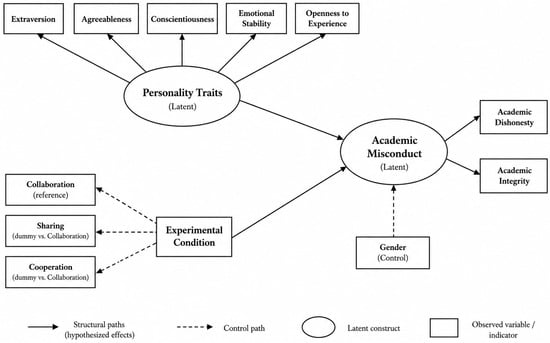
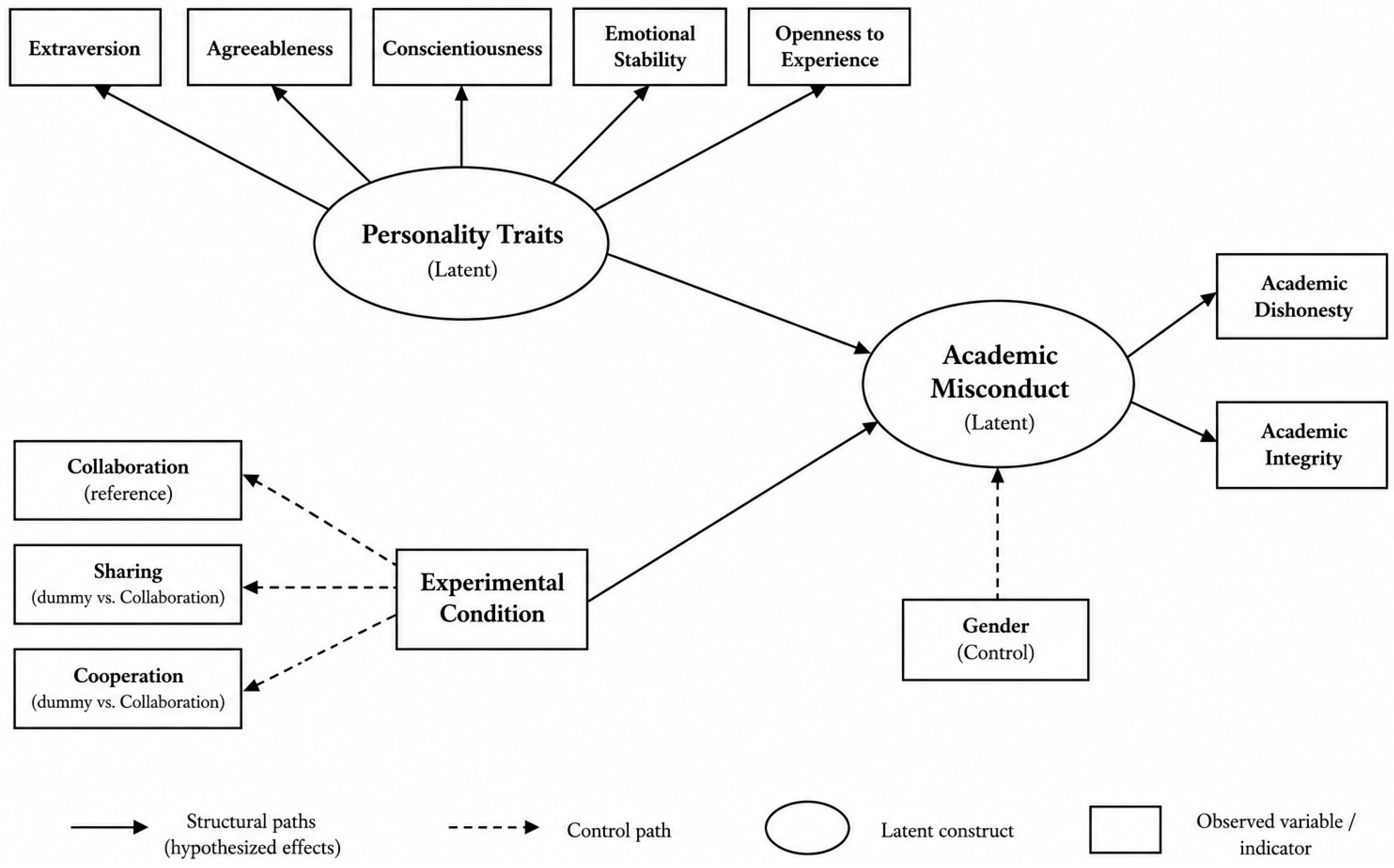
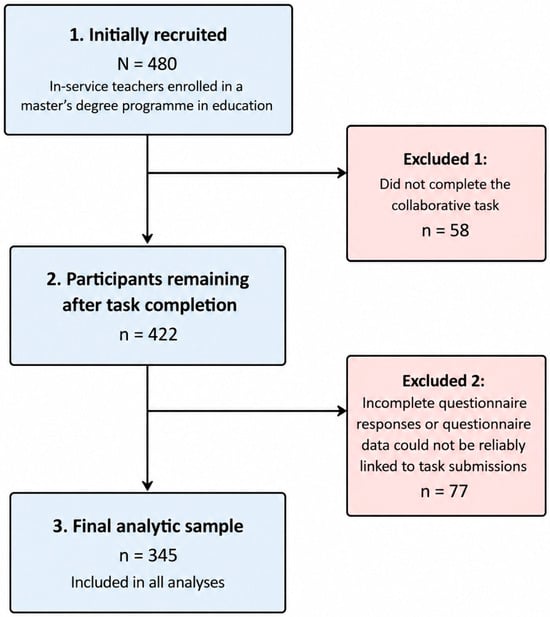
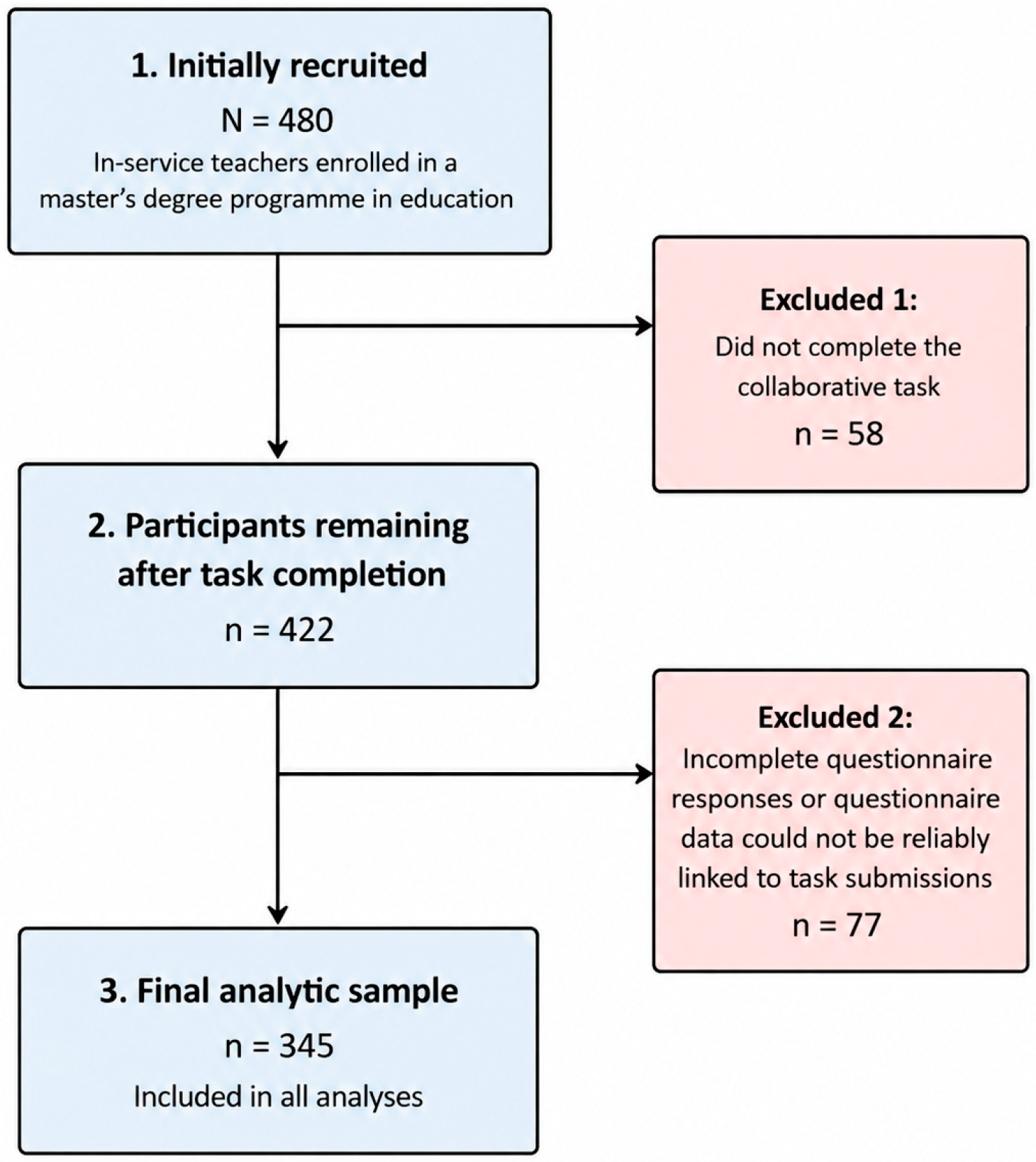
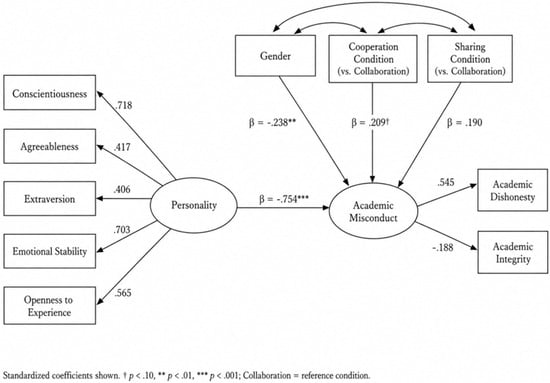
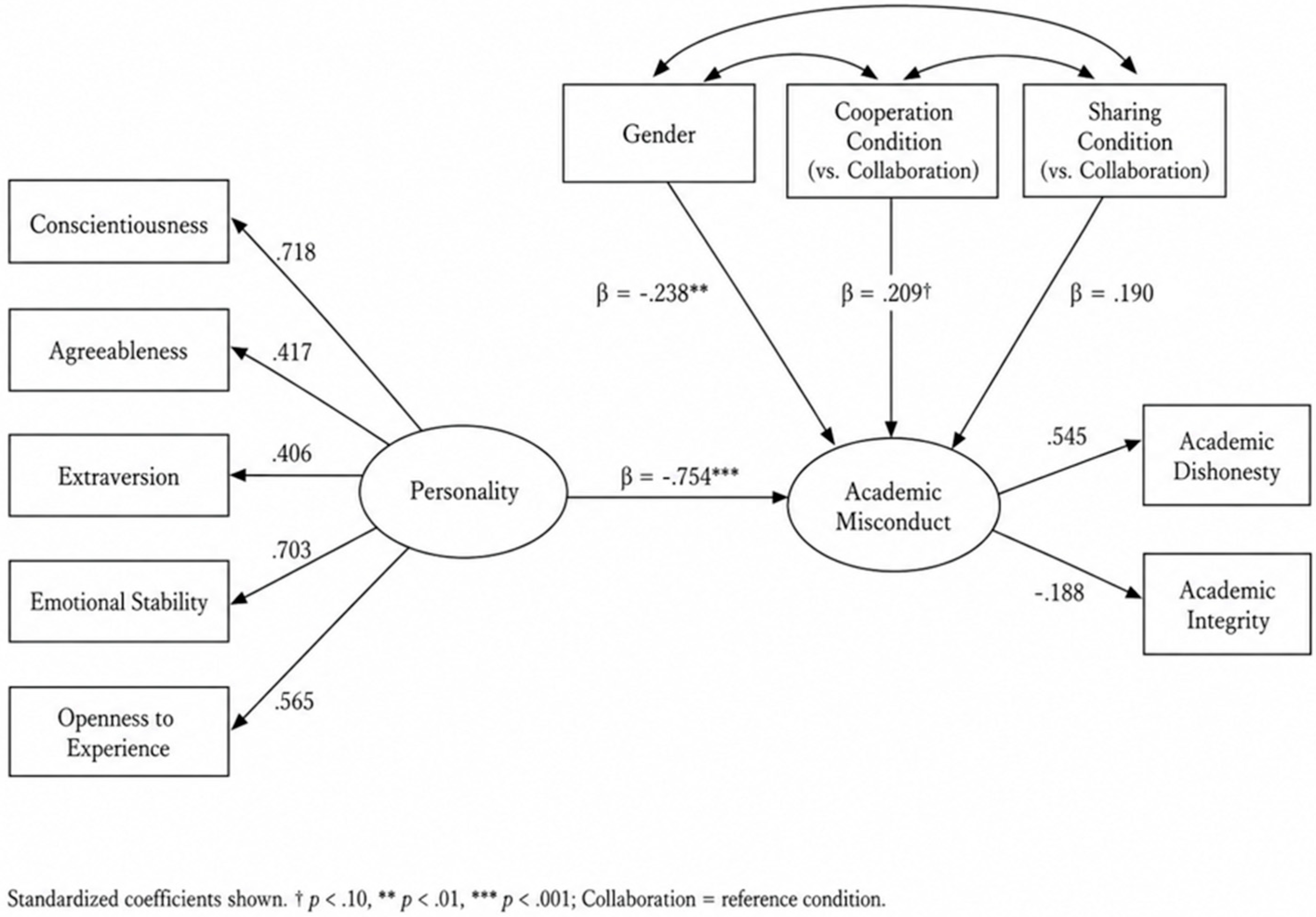

Disclaimer/Publisher’s Note: The statements, opinions and data contained in all publications are solely those of the individual author(s) and contributor(s) and not of MDPI and/or the editor(s). MDPI and/or the editor(s) disclaim responsibility for any injury to people or property resulting from any ideas, methods, instructions or products referred to in the content. |
© 2026 by the authors. Licensee MDPI, Basel, Switzerland. This article is an open access article distributed under the terms and conditions of the Creative Commons Attribution (CC BY) license.