


Abstract
Futures Literacy is increasingly recognized as a key sustainability competence within the GreenComp framework, yet limited research has examined how arts-based pedagogies in teacher education can foster it. This study explores arts-based approaches to Futures Literacy within a micro-credential integrated into a first-year course for pre-service primary teachers. Developed within the GreenComp School project, the micro-credential comprised face-to-face and asynchronous components; the face-to-face arts-based activities were fully implemented, while engagement with the asynchronous component was limited. Data were collected through pre- and post-questionnaires, semi-structured interviews, participant artifacts, and the researcher’s reflective journal. The findings indicate increased self-reported understanding of Futures Literacy and identify six interconnected pedagogical processes: emotional engagement, communicating future-oriented messages, embodied learning, envisioning alternative futures, humanitarian values, and collaboration. Emotional engagement was particularly important to meaning-making and highlighted the affective complexity of engaging with uncertain futures. Arts-based speculative futuring supported envisioning alternative possibilities, although critical examination of assumptions, competing values, and perspectives was limited. The limited asynchronous component also highlighted challenges in integrating a non-assessed micro-credential into a compulsory first-year course. The study offers an empirically grounded account of how arts-based approaches can pedagogically enact Futures Literacy in teacher education.
1. Introduction
Futures studies is a multidisciplinary field that draws on theories, methods, and perspectives from diverse disciplines, including the social sciences, humanities, education, environmental studies, economics, and design, to explore, anticipate, and shape possible futures (Miller, 2018; Poli, 2017; Kononiuk et al., 2021). Despite increasing recognition of the role of imagination, creativity, and participation in futures-oriented learning, arts-based approaches remain underrepresented in futures-oriented educational research, even though the creative arts are uniquely positioned to engage with uncertainty, imagination, creativity, affect, and alternative ways of knowing and envisioning futures (Gannon & Naidoo, 2020; Mullooly, 2022; Lehikoinen & Tuittila, 2024). As a key sustainability competence, Futures Literacy enables learners to critically examine assumptions about the future, engage with uncertainty, and imagine alternative pathways towards more sustainable societies (Miller, 2018; Bianchi et al., 2022). This article explores the potential of arts-based approaches to foster Futures Literacy in pre-service teacher education through a micro-credential developed within the Erasmus+ project GreenComp School, examining its learning outcomes, pedagogical affordances, and implementation challenges.
The micro-credential integrated the creative arts as pedagogical tools for imagining and critically reflecting on sustainable futures and was embedded within the first-year undergraduate course ‘Introduction to the Pedagogical Sciences’ as part of a university-wide initiative to promote sustainability competences across all undergraduate programs (UNESCO, 2020; Leal Filho et al., 2019). Futures Literacy is particularly relevant to student teachers, as teacher education increasingly positions future teachers as reflective practitioners (Cavadas et al., 2025) and educational change agents (Brown et al., 2023). The following sections contextualize the study within the GreenComp framework, consider the potential of arts-based approaches for Futures Literacy, and describe the micro-credential design.
1.1. Why Does Futures Literacy Matter?
Contemporary societies increasingly face complex global challenges, including climate change, environmental degradation, social inequalities, technological transformation, and forced migration. Such conditions have intensified discussions regarding the competences individuals need to navigate uncertain futures responsibly and creatively. Educational systems are therefore increasingly expected not only to transmit knowledge but also to prepare learners to engage critically, ethically, and imaginatively with rapidly changing social and environmental realities (Alba, 2024; Warren et al., 2014). In this context, futures-oriented competences have become increasingly prominent within educational policy and sustainability discourse (Kotsiou et al., 2022; Tan et al., 2017).
Among the concepts emerging within these discussions, Futures Literacy has gained particular attention over the last decade. UNESCO conceptualizes Futures Literacy as the capacity to ‘use the future’ to better understand and act in the present (Miller, 2018, p. 1). Rather than treating the future as fixed or predictable, Futures Literacy emphasizes the ability to engage with uncertainty, question assumptions, imagine alternatives, and reflect critically on possible futures (Kotsiou et al., 2022). These capacities have become increasingly important within sustainability education, where addressing environmental and social challenges requires individuals not only to understand present realities but also to envision and negotiate more sustainable futures (Bianchi et al., 2022).
The growing importance attributed to futures-oriented competences is strongly reflected in the European Commission’s GreenComp: The European Sustainability Competence Framework (Bianchi et al., 2022). Developed in response to the need for people to acquire the knowledge, skills, and attitudes required to live, work, and act sustainably, GreenComp supports education and training for lifelong learning across different ages, educational levels, and settings. The framework encompasses four competence areas and 12 competences within these. Futures Literacy is positioned under the competence area ‘envisioning sustainable futures’, along with adaptability and exploratory thinking, highlighting the importance of envisioning ‘alternative sustainable futures by imagining and developing alternative scenarios and identifying the steps needed to achieve a preferred sustainable future’ (Bianchi et al., 2022, p. 23).
An important stepping stone to its application is training teachers in these competences, thereby enabling them to foster these among their students/learners. Despite this, a few reports shed light on how to successfully carry out this teacher-training process. Even fewer reports focus on specific competences, and none have reported using arts-based methods (Javorka et al., 2024; Cavadas et al., 2025; Alba, 2024; Martínez-Agut et al., 2025). Several recent European initiatives have attempted to operationalize such competences across educational contexts, including teacher education and interdisciplinary learning environments; however, these reports tend to focus on the overall use of the framework rather than on the individual competences and pedagogical methodologies employed to develop them (Javorka et al., 2024).
Javorka et al. (2024), for example, mapped 56 GreenComp initiatives and developed 12 in-depth case studies across different educational sectors. Among these, TAP-TS was the only initiative explicitly targeting pre-service teachers and has contributed to the development and piloting of reflective approaches to sustainability education through the MaRIA framework and Learning and Teaching Packages (Cavadas et al., 2025; Bowden, 2025). Similarly, Martínez-Agut et al. (2025) reported positive effects of an educational intervention on the self-reported sustainability competences of undergraduate and master’s students in education but provided limited information on the pedagogical approaches employed or how learning occurred for individual competences. Thus, these studies provide limited insight into how teacher educators in HEIs can design and implement pedagogical approaches to develop specific GreenComp competences.
Other studies have examined GreenComp primarily as a framework for understanding educational practices and educator readiness. Alba (2024) demonstrates its relevance beyond environmental issues, particularly for social issues in multicultural contexts, while Sourgiadaki and Karkalakos (2023) found differences in vocational teachers’ confidence, interest, and perceived ability regarding specific sustainability competences. While useful in demonstrating the broader educational relevance of GreenComp, these studies do not provide evidence on how to support individual competences.
Overall, despite the growing number of GreenComp initiatives, evidence remains limited on how specific sustainability competences, such as Futures Literacy, can be pedagogically enacted within pre-service teacher education. Addressing this gap requires considering not only why Futures Literacy matters in teacher education but also how it can be meaningfully cultivated.
1.2. Arts-Based Approaches in Learning to Be Futures Literate
The article argues for the use of arts-based approaches in Futures Literacy as arts-based activities can function as a pedagogical vehicle for imagination, perspective-taking, dialog, empathy, reflection, and the exploration of alternative possibilities in participatory and embodied ways. Their contribution, however, depends on a coherent pedagogical architecture that connects these processes with engagement with real-world sustainability challenges. The micro-credential’s pedagogical design draws on arts-based learning traditions informed by Dewey’s (1934/2005) conception of art as experience, Eisner’s (2004) understanding of multiple forms of knowing and representation, and Greene’s (1995) work on imagination and the exploration of alternative possibilities. It is further informed by socially engaged artistic practices that emphasize participation, dialogue, empathy, and engagement with social issues (e.g., Helguera, 2011; Kester, 2004; Pavlou, 2024; Vella & Pavlou, 2024).
Dewey (1934/2005) argued that learning emerges through meaningful experience in which thinking, feeling, and action are integrated rather than treated as separate processes. Art, in this sense, is not merely the production of artifacts but a mode of inquiry through which individuals make sense of their experiences and their relationship with the world. Artistic experiences engage learners cognitively, emotionally, and physically, creating opportunities for reflection, interpretation, and meaning-making (Miettinen, 2000). Such qualities are particularly relevant to Futures Literacy, which requires learners to actively engage with uncertainty, complexity, and alternative futures (Hannigan et al., 2025; Kotsiou et al., 2022).
Building on Dewey’s experiential perspective, Greene (1995) positioned imagination as a central educational capacity. According to Maxine Greene (as discussed in Holzer, 2009), imagination enables individuals to perceive that reality could be otherwise, opening possibilities for questioning existing conditions and envisioning alternative futures. It enables learners to make connections, interpret experiences, understand others’ perspectives, and consider what might be possible and desirable (Greene, 1995; Gannon & Naidoo, 2020). Such processes are closely associated with what Jeffrey and Craft (2006) describe as possibility thinking, the capacity to pose questions, explore alternatives, make connections, take risks, and move beyond the obvious, which can lead to creativity. Within arts-based learning contexts, esthetic inquiry can support these processes by encouraging learners to engage actively in questioning, interpreting, creating meaning, and exploring alternative possibilities (Pavlou, 2013). This is particularly significant in futures-oriented education, where learners are encouraged to examine assumptions and explore possible and desirable futures (Clarke & Hulbert, 2016; Miller, 2018).
Arts-based learning also offers opportunities to engage with ambiguity, uncertainty, and multiple interpretations. Eisner (2004) argued that the arts cultivate forms of thinking that differ from those often privileged in conventional educational settings. In artistic processes, problems may have more than one acceptable solution, meanings remain open to interpretation, and judgment becomes more important than applying predetermined rules. Such processes encourage learners to accept uncertainty and consider alternative perspectives, dispositions particularly relevant to Futures Literacy, where uncertainty invites exploration and consideration of multiple possible futures (Atance, 2015).
Socially engaged arts practices offer an additional perspective on the potential contribution of arts-based approaches to Futures Literacy. Rather than focusing primarily on producing artistic objects, socially engaged arts emphasize participation, dialog, collaboration, and engagement with real-world social issues (Kester, 2004; Helguera, 2011). Learning is understood as a relational process that emerges through interaction, shared experiences, and collective meaning-making. Such practices invite learners to engage with others’ perspectives, examine social realities, question assumptions, and consider possibilities for change, while developing awareness of the social, cultural, environmental, and economic contexts in which they live (Vella et al., 2021). In this sense, socially engaged arts move beyond purely disciplinary concerns and connect learning with authentic issues that affect individuals, communities, and societies. They provide opportunities to explore complex challenges, connect personal experiences with broader societal concerns, and consider possible responses and courses of action (Pavlou & Kadji-Beltran, 2021; Vella & Pavlou, 2024). These approaches align with future-oriented pedagogies that develop learners’ capacity to engage critically with contemporary challenges, envision alternatives, and become active contributors to more sustainable and socially just futures (Pavlou & Vella, 2023; Vella & Pavlou, 2024).
Despite growing recognition of the potential of arts-based approaches for futures-oriented learning, no studies were identified that explicitly examined their use for fostering Futures Literacy among pre-service teachers. There also remains a need for detailed accounts of how such approaches can be pedagogically designed and implemented.
1.3. The Futures Literacy Micro-Credential
Futures Literacy is particularly relevant for pre-service teachers because it involves capacities closely connected to educational practice itself, including imagination, anticipation, ethical reflection, adaptability, empathy, and systemic thinking (GreenComp School, 2026a). The GreenComp Framework also explicitly recognizes the need to be forward-looking and rethink the system’s purpose and design (Bianchi et al., 2022). The Futures Literacy micro-credential in Higher Education, developed within the GreenComp School project, is designed to enhance pre-service primary teachers’ Futures Literacy through a combination of general and arts-based pedagogical approaches.
The micro-credential combines learner-centered teaching, problem-based learning, and concept mapping, employed across all 12 GreenComp School micro-credentials (GreenComp School, 2026b), with arts-based learning. It recognizes that Futures Literacy cannot be developed in isolation and requires engagement with authentic, complex sustainability challenges, including environmental and societal ones.
The micro-credential adopts a blended learning structure with a face-to-face component and an asynchronous online component (see Table 1). The face-to-face component introduces participants to Futures Literacy and the capabilities of a futures-literate individual, then engages them in interdisciplinary, arts-based learning experiences. Through visual arts, drama, and literature activities, participants explore how the arts can foster imagination, empathy, mutual understanding, acceptance of diversity, and critical engagement with sustainability issues. Participants are further encouraged to discuss emerging educational practices and reflect on the role of schools and educators in promoting Futures Literacy.
Table 1.
The micro-credential’s blended learning structure and allocation of time to arts-based learning.
The asynchronous component extends and deepens these experiences by embedding visual arts-based activities within independent learning tasks. Participants examine how artistic practices communicate social and environmental messages, critically engage with socially engaged arts projects addressing issues such as human rights, discrimination, refugees, and relationships with nature, and reflect on their educational implications. The program further supports participants in strengthening their Futures Literacy through knowledge-building activities related to migration, including critically examining information sources, concept mapping, awareness-raising, and envisioning preferable futures. Finally, participants critically examine educational policies and case studies of Futures Literacy initiatives and develop lesson units that integrate Futures Literacy and arts-based pedagogies into educational practice. Table 2 presents the arts-based learning activities embedded in the micro-credential in both synchronous and asynchronous modes, along with their pedagogical contributions to developing Futures Literacy.
Table 2.
The Arts-Based Learning Activities.
2. Materials and Methods
This study adopted a reflective inquiry approach, integrating mixed methods for data collection and analysis (Adler, 1993; Earl & Ussher, 2016). Reflective practice and inquiry are recognized as essential approaches for teacher educators to improve their practice and contribute to the collective knowledge about teaching (Finlay, 2002). In educational research, reflective inquiry is widely recognized for systematically examining practice and fostering critical reflection and iterative learning (Schön, 2017). Such studies are often small-scale, context-specific, and draw mainly on qualitative strategies, such as researcher journal-keeping and learner feedback, to understand the situation under study, the factors shaping it, and the researcher’s own interpretations (Ortlipp, 2008). Reflective inquiry was considered particularly appropriate for the present study because it enabled the systematic examination of the implementation of an innovative pedagogical intervention while combining quantitative and qualitative evidence to understand both participants’ learning and the pedagogical processes underpinning it. Accordingly, the current study integrated quantitative and qualitative methods to examine the contribution of arts-based pedagogies to participants’ development of Futures Literacy.
Reflective inquiry also required recognition of the researcher’s (author’s) dual position as both the designer and tutor implementing the micro-credential and the researcher examining its implementation. Reflexivity involves critically examining how the researcher’s position, expectations, values and experiences may shape the research process and interpretation (Berger, 2015). Familiarity with the educational context provided close access to participants’ experiences and implementation processes, while requiring awareness of the researcher’s investment in the intervention’s success and the potential influence of the tutor–student relationship. Reflexivity continued during data analysis. For example, my investment in the intervention initially shaped my interpretation of students’ interview responses when they were asked to explain Futures Literacy. I initially viewed their reliance on familiar educational concepts as an indication that the concept had not been sufficiently understood and questioned the effectiveness of my own teaching. Returning to these responses during analysis, however, led me to reconsider this interpretation: their use of familiar concepts became analytically significant in understanding how students made sense of Futures Literacy through their existing educational repertoire, an interpretation subsequently developed in the Discussion. This tension between involvement and analytical distance was addressed through ongoing reflexivity during both implementation and analysis.
2.1. Participants
Nineteen first-year students enrolled in the course ‘Introduction to the Pedagogical Sciences’ of the Bachelor’s degree in Primary Education participated in the study. Of these, 17 completed the pre- and post-questionnaires and were included in the study; 14 were women, and 3 were men, aged 18–40 years (M = 23.5, SD = 7.67 years).
Ethical considerations. Students were informed about the GreenComp School project and the purpose of the research through a Code of Conduct developed in accordance with the Frederick Research Committee guidelines. They were also informed that all data would be de-identified and that they could withhold any materials from inclusion in the research and withdraw their data from the study without stigma or repercussions. To minimize potential power imbalances between the researcher and participants, particularly given that they were undergraduate students, the pre- and post-training questionnaires were administered anonymously via Google Forms and group interviews were conducted after the completion of the course and the release of final grades. All participants provided informed consent before participating in the study.
2.2. Research Tools
Several research tools were used to evaluate the implementation of the micro-credential. These comprised the following:
A. Researcher’s reflective journal: Detailed reflective entries were made after each synchronous session, capturing observations of participant engagement, workshop dynamics, and implementation processes, as well as the researcher’s reflections on these observations and on the implementation of the intervention.
B. Futures Literacy questionnaire: This 18-item questionnaire was developed as an ad hoc instrument to assess pre-service teachers’ self-perceived Futures Literacy before and after participation in the micro-credential. It addressed six thematic areas: (1) understanding of Futures Literacy, (2) envisioning alternative futures, (3) awareness of trends and drivers of change, (4) systems thinking and interdependencies, (5) attitudes and feelings towards uncertainty, and (6) perceived agency and action competence. Each thematic area had three items. The 5-point response scale ranged from 1 (strongly disagree) to 5 (strongly agree). Higher scores indicated more positive self-perceptions of Futures Literacy-related knowledge, skills, attitudes, and agency.
The questionnaire was informed by existing conceptualizations and assessment approaches related to Futures Literacy, and was not adapted from a single validated instrument. The six thematic areas were selected to capture self-perceived knowledge, skills, attitudes, and agency relevant to Futures Literacy. The first three thematic areas (1–3) were directly aligned with GreenComp’s conceptualization of Futures Literacy (Bianchi et al., 2022; Kononiuk et al., 2021) while the remaining areas (4–6) reflect related competences within GreenComp and dimensions identified in Futures Literacy, Futures Consciousness and Futures thinking research (Lalot et al., 2020; Bol & de Wolf, 2023; Kotsiou et al., 2022; Romero et al., 2025; Warren et al., 2014). The wording of individual items was similarly conceptually informed by this literature, particularly formulations relating to multiple and alternative futures, trends and signals of change, systems and interdependencies, uncertainty, and the capacity to influence future developments. The use of a self-report questionnaire to examine Futures Literacy was also informed by previous educational research using Futures Consciousness as a quantitative proxy for Futures Literacy in pre- and post-intervention assessment (Bol & de Wolf, 2023), as well as research operationalizing GreenComp competences through self-report measures (Martínez-Agut et al., 2025). Thus, all six thematic areas aligned with the micro-credential’s intended learning outcomes and educational objectives.
C. Post-training interview schedule: The semi-structured interview schedule included five main questions aimed at capturing participants’ in-depth perspective on how their knowledge, skills and attitudes towards Futures Literacy had developed, including their ability to define the concept, identify what a futures-literate person is able to do, comment on their experiences during the arts-based activities in class, comment on their asynchronous learning experiences and discuss the implications of the micro-credential for their profession.
2.3. Validity and Reliability of the Instruments
Several procedures were used to establish face, content, and conceptual validity. Its conceptual and content foundations were informed by GreenComp and established conceptualizations and assessment approaches related to Futures Literacy, Futures Consciousness and Futures Thinking, as described in Section 2.2. Its alignment with the micro-credential’s intended learning outcomes further supported its relevance to the study context. At the same time, it was treated as a context-specific instrument designed to capture changes in participants’ self-perceived Futures Literacy following their engagement with the micro-credential. Content and face validity were further strengthened through expert review by a colleague with expertise in Education for Sustainable Development, after which minor revisions were made to improve item clarity and relevance. Cronbach’s alpha coefficient was used to assess the questionnaire’s reliability. The overall Cronbach’s alpha score was 0.81, indicating good internal consistency (George & Mallery, 2019). This value applies to the questionnaire as a whole and does not provide evidence of reliability at the individual-item level. Dimension-level alpha coefficients were not considered sufficiently robust for inferential interpretation because each dimension comprised only three items and the sample was very small (n = 17). The dimensions should therefore be understood as conceptually organized groups of items rather than independently validated subscales, for which separate reliability evidence is not available.
The semi-structured interview schedule was developed based on the study aims and the micro-credential’s intended learning outcomes. To enhance content validity, a colleague with expertise in Education for Sustainable Development reviewed the interview questions, resulting in minor refinements to wording and sequencing. Dependability was supported by using a consistent interview schedule across the two group interviews.
The researcher’s reflective journal used a structured approach to documenting reflections after each synchronous session, focusing on participant engagement, implementation processes, and emerging observations. To enhance trustworthiness, journal entries were completed shortly after each session to ensure accurate recording of events and reflections. Integrating journal data with interview findings and questionnaire results further supported the credibility of the findings through methodological triangulation (Maykut & Morehouse, 2002).
2.4. Data Collection Methods and Timeline
The micro-credential was designed as a standalone training for pre-service teachers in Higher Education Institutions. However, for the purposes of this study, its face-to-face implementation was incorporated into the course ‘Introduction to the Pedagogical Sciences’, during the Fall 2025 semester. This provided an opportunity to implement the micro-credential as part of a university-wide initiative promoting a whole-institution approach to sustainability, in which sustainability competences were integrated across undergraduate programs. As Futures Literacy competence was deemed important for student teachers, the course was considered appropriate for its philosophy of supporting student teachers to gradually become reflective practitioners (Cavadas et al., 2025) and, by the end of their studies, educational change agents (Brown et al., 2023). The Futures Literacy component of the course was implemented from mid-December 2025 to early January 2026.
The data were collected through multiple research tools, as noted previously. Responses to the pre- and post- questionnaires were collected via Google Forms, with 17 of the 19 students completing both. To maintain anonymity while enabling paired analysis, students used individual codes that allowed their pre- and post-questionnaire responses to be matched. The face-to-face part of the micro-credential was delivered in three 3 h sessions. Whenever possible, activity materials were collected, and photographs of the activities were taken for documentation. After each session, the researcher made reflective entries in the reflective journal. More than five students volunteered to participate in the interviews; therefore, five were randomly selected from among the volunteers and organized into two small groups. The interviews were conducted at the beginning of the following semester (Spring 2026), and both group interviews were audio recorded.
2.5. Data Analysis Methods
The quantitative data were analyzed using Jamovi (version 2.6.44). Descriptive statistics were calculated to examine participants’ responses to each questionnaire item before and after the intervention. Given the small sample size and the ordinal nature of the Likert-scale data, Wilcoxon signed-rank tests were conducted to examine differences between pre- and post-intervention scores for each questionnaire item (Conover, 1999). Given the number of item-level comparisons and the exploratory nature of the analysis, p-values were adjusted using the Benjamini–Hochberg false discovery rate procedure across all 18 item-level comparisons (see Appendix A, Table A1). This procedure controls the expected proportion of false discoveries while retaining greater statistical power than more conservative family-wise error corrections, with statistical significance determined at the 0.05 level (Benjamini & Hochberg, 1995). In addition to significance testing, rank-biserial correlations were calculated to estimate effect sizes and describe the magnitude of observed changes. Given the small sample and the presence of tied pre- and post-responses, the number of non-tied pairs was also reported for each comparison to contextualize the rank-biserial correlations. In particular, an rrb of −1.00 indicates that all non-tied responses changed in the same direction and was therefore interpreted in relation to the number of non-tied pairs (Field, 2018).
Interview recordings were transcribed and anonymized prior to analysis. Participants were assigned pseudonyms to ensure confidentiality, and these pseudonyms are used throughout the Section 3 when presenting illustrative quotations. Qualitative data from the interviews, participants’ artifacts, activity outputs, and the researcher’s reflective journal were analyzed thematically using a combination of deductive and inductive coding (Maykut & Morehouse, 2002). Initial coding was informed by the study’s conceptual focus and the dimensions explored in the questionnaire, while additional themes emerged from repeated examination of the interviews, participants’ artifacts, reflective diary entries, and activity outputs. Although the themes are presented separately in Section 3, the analysis recognized that arts-based learning experiences are inherently multidimensional and that individual activities frequently generated evidence relevant to more than one theme. The final thematic structure, therefore, represents analytically distinct yet interconnected dimensions of participants’ learning experiences and outcomes.
3. Results
The findings highlight three broad aspects: what students learned, how they experienced the micro-credential’s face-to-face activities, and the pedagogical challenges that emerged. These are presented under the following themes: a. learning outcomes in terms of conceptual understanding, imagination, values, and communication; b. pedagogical affordances of arts-based Futures Literacy, including aspects of embodied learning, collaboration, and emotional engagement; and c. pedagogical challenges, including issues related to distance learning and dealing with uncertainty. The findings draw primarily on the interviews, participant artifacts, and activity outputs to examine students’ learning and the pedagogical processes identified through the intervention. Questionnaire findings provide supporting evidence of changes in students’ self-perceived Futures Literacy. Since most participants engaged primarily with the face-to-face component of the micro-credential, the findings reported below largely reflect their experiences of the arts-based activities implemented during the three face-to-face sessions. References to the asynchronous component are discussed separately under the pedagogical challenges section.
3.1. Learning Outcomes
Four main interconnected and overlapping learning outcomes were identified. These learning outcomes related to the participants’ understanding of Futures Literacy as a concept, the enhancement of imagination in terms of the future possibilities participants envisioned, the promotion of values related to the principles embedded within these visions, and communication in terms of how future-oriented ideas were expressed and shared through artistic and multimodal forms.
3.1.1. Concept Understanding
Questionnaire responses indicated increased self-reported understanding of Futures Literacy following the micro-credential (Table 3). Mean scores increased across all three questionnaire items, from 2.59 to 3.47 before the intervention to 4.18 to 4.59 afterward, with all three items remaining statistically significant following adjustment for multiple comparisons. The largest increase was observed in the item concerning participants’ self-reported ability to explain the significance of Futures Literacy for education and society.
Table 3.
Pre- and post-questionnaire statistics for self-reported understanding of Futures Literacy.
Participants’ initial associations with ‘futures’ and ‘literacy’ (Figure 1) provide a reference point for their subsequent understanding of Futures Literacy. ‘Futures’ elicited both aspirational associations, including hope, peace, health, goals, and a stable job, and associations with uncertainty, challenges, disaster, technological development, and change. ‘Literacy’ was primarily associated with education, knowledge, reading, abilities, attitudes, and 21st-century skills.
Figure 1.
Participants’ initial associations with the terms “futures” and “literacy” recorded on post-it notes during a brainstorming activity.
Interview data provided further insight into participants’ understanding of Futures Literacy. All participants explicitly associated Futures Literacy with critical thinking and the ability to critically evaluate situations and developments in one’s surroundings. Participants also associated Futures Literacy with creativity, innovation, responsible decision-making, and adaptability to future challenges. Two participants emphasized responsibility towards future generations and the need to consider the long-term consequences of present actions. In particular, Sophia noted:
A futures literate person is able to invent innovative methods that can lead future generations to use available resources in a way that allows them to have a sustainable future… for all. It is a person who does not think solely about how to survive him/herself and his/her own generation, but also about future generations.
Another participant connected Futures Literacy directly to education, arguing that it involves preparing learners to become future citizens by developing communication, creativity, critical thinking, collaboration, and digital competences. Participants also highlighted the uncertain nature of the future and the importance of being able to adapt to change and make responsible decisions. Overall, the interviews suggest that participants understood Futures Literacy as a competence involving critical reflection, creativity, responsibility, adaptability, and consideration of future generations.
All five interviewees also considered the competence important to their future profession as teachers, although some reported that its significance became clearer as the course progressed. Participants highlighted the role of Futures Literacy in preparing learners for future challenges, supporting responsible decision-making, fostering collaboration and creativity, and encouraging consideration of the wider social consequences of one’s actions.
Participants also described the activities as providing concrete examples of how Futures Literacy could be incorporated into classroom practice and helped bridge the gap between theoretical ideas and educational implementation. For some participants, the arts-based activities demonstrated alternative ways of organizing learning, creating opportunities for collaboration, creativity, and learner autonomy.
A recurring idea was that teachers have a responsibility not only to prepare learners for their own futures but also to encourage them to consider their role within society. As Alexandra explained:
As teachers, whatever we do, we do for our students, for someone else, for their future. Therefore, it is very important that I, as a teacher, have this competence and these skills and transfer them to children, so that they understand that what we do is not only for ourselves but also for society and for others.
3.1.2. Envisioning Alternative Futures
Questionnaire responses indicated increases in participants’ self-reported ability to envision alternative futures following participation in the micro-credential. Prior to the intervention, mean scores ranged from 3.29 to 4.24, indicating that participants already reported relatively strong abilities in imagining future possibilities. Following the intervention, mean scores increased to between 4.12 and 4.76, suggesting a high level of confidence across all three items examined. Of the three items, only the increase in participants’ ability to envision both desirable and undesirable future scenarios was statistically significant (Table 4).
Table 4.
Pre- and post-intervention statistics for self-reported envisioning of alternative futures.
Interview data provided additional insight into participants’ experiences of engaging with future-oriented issues through the arts-based activities. All five interviewees emphasized the opportunities they had to express their ideas and emotions in response to the topics explored during the sessions. Participants valued the freedom to interpret issues from their own perspectives and to communicate their thoughts through creative forms rather than through words or predetermined or standardized responses. Two participants also highlighted the role of inspiration in the learning process, explaining that they were inspired not only by the opportunity to create their own responses but also by observing and discussing their peers’ work.
Evidence of envisioning alternative futures was specifically apparent across the four arts-based activities (see Table 2, LA1–LA4) as participants imagined alternative possibilities for individuals, societies, and the natural environment. In the public art activity (LA1), one group created two embracing ‘gender-free’ figures representing a future in which people overcome differences and coexist harmoniously, while another participant depicted a colorful tree emerging above environmental problems and waste, symbolizing hope and the possibility of positive change. A third created the telescope of empathy (Figure 2), representing different visual routes through which people can get to know each other better and really understand them.
Figure 2.
The telescope of empathy.
Alternative futures were also evident in the drama activity (LA2), where all four groups constructed performances involving changes across time. One group, for example, worked with Alfred Yaghobzadeh’s photograph depicting young people on Kish Island in 2006, including a woman playing billiards. The students interpreted the image in relation to gender discrimination and developed a future-oriented narrative in which the woman succeeds despite discrimination. As part of their interpretation, the students chose to use AI-assisted technology to animate the figures in the original photograph and added voice-over to express the main character’s imagined thoughts.
In the song-inspired activity (LA3), responding to the prompt “If I could change the world…”, participants envisioned futures without hunger, wars, fear, or borders, as well as futures characterized by equality, peace, hope, love, and care for others. In the green literature-based activity (LA4), the collective story portrayed characters who actively protected animals, respected ecosystems, and considered the long-term consequences of their actions, envisioning relationships based on care, responsibility, and coexistence between humans, non-humans, and the natural world.
3.1.3. Values
Interview data suggest that participation in the micro-credential encouraged reflection on a range of social and environmental values. Participants referred to respect, care, responsibility, and concern for others, while also extending these considerations to non-human life. Although empathy was frequently mentioned by four students as an important aspect of the learning experience, they often connected it to broader values of coexistence and responsibility. As Elena explained, “respect doesn’t have to do with being human or not. It has to do with being a living being.” Reflecting on the literature-based activity, she described a shared living space in which a child and a living creature (Hom) cared for one another and responded to situations that might threaten either of them, emphasizing mutual respect, protection, and care.
Evidence of these values was also apparent in the artifacts and narratives produced during the activities. In the song-inspired activity (LA3), participants articulated a range of social values through the futures they wished to create. Participants envisioned futures in which “no child would go hungry”, “I would promote equality”, and “I would abolish wars and borders”. Others referred to love, peace, hope, truth, and support for vulnerable individuals. These responses reflected concerns with social justice, inclusion, and collective responsibility. In the drama activity (LA2), letters, diary entries, and dramatic representations addressing conflict, migration, discrimination, and vulnerability similarly conveyed messages of support, protection, solidarity, and human dignity and challenged situations of injustice and exclusion.
Environmental values were particularly evident in the green literature-based activity (LA4). Participants portrayed respectful relationships between humans and the natural world through actions such as helping a stranded whale, protecting turtle nests, avoiding unnecessary damage to trees, and fishing responsibly to preserve marine life. One group’s visual representation (Figure 3) similarly depicted everyday actions of care and coexistence between the child protagonist, Hom, and the natural environment.
Figure 3.
Students’ drawing depicting the relationship between the child protagonist, Hom, and the natural environment.
Responses to the closing prompt, “What is education if it isn’t about…?” further reflected the values they considered important. Rather than defining education primarily in terms of academic knowledge acquisition, participants highlighted freedom, empathy, wellbeing and sustainable futures as its central purposes. As one participant wrote, “What is education if it is not about freedom?”. Another emphasized empathy, stating, “What is education if it is not about empathy?”. Others viewed education as “cultivating values and developing imagination”, while one participant simply identified “a sustainable future” as a central purpose of education.
Overall, the values expressed by participants during the face-to-face activities reflected responsibility, care, and concern for future generations, also pointing towards a sense of agency and capacity to contribute to positive change. Questionnaire responses within the Perceived Agency and Action Competence dimension showed no statistically significant changes. Nevertheless, Item 16, which most directly addressed participants’ perceived capacity to influence the future (“I believe that I can positively influence future developments”), showed the largest increase within this dimension, from 3.82 to 4.12. Mean scores for the remaining two items were also moderate to high before and after the intervention (Item 17: 3.71–3.94; Item 18: 4.35–4.53), suggesting that participants already perceived themselves as capable of contributing to desirable futures and recognized the importance of present actions for future outcomes.
3.1.4. Communicating Future-Oriented Messages Through Artistic and Multimodal Forms
Interview data showed that participants became increasingly aware of communication as an intentional process. They reflected not only on what they wished to communicate but also on how to make messages meaningful to others. Participants described considering the audience throughout the activities and recognized that artistic forms could communicate ideas and values beyond words. Communication through artistic and multimodal forms was evident across the face-to-face learning activities (Table 2), with participants combining visual, verbal, performative, and digital forms to communicate future-oriented ideas. The artifacts and performances also showed attention to how these messages might reach an audience. In the public art activity (LA1), for example, one miniature artwork was digitally placed in an area popular for seaside walks, situating its message within an appropriate public context (Figure 4). Similarly, in the drama activity (LA2), all groups used found objects as improvised props and/or incorporated sound effects, music, and digital technologies into their performances to strengthen the intended message. In the song-inspired activity (LA3), participants transformed future-oriented verses into visual poetry, using the text itself to construct their images (Figure 5), while the green literature-based activity (LA4) involved communicating ideas through drawings, maps, stories, and visual representations of relationships between humans, animals, and the natural environment.
Figure 4.
An example of miniature public artwork titled ‘Embracing Diversity and Overcoming Barriers’.
Figure 5.
Two examples of visual poetry as part of Learning Activity 3.
3.2. Pedagogical Affordances of Arts-Based Futures Literacy
Three interconnected pedagogical affordances were identified: emotional engagement, collaboration, and embodied learning. Although analytically distinct, these dimensions frequently overlapped within individual activities and together shaped participants’ engagement with future-oriented issues.
3.2.1. Emotional Engagement
Interview data showed that participants experienced the arts-based activities as emotionally engaging and memorable. Interviewees repeatedly described enjoying the learning experience. Alexandra stated, “I truly enjoyed the activities,” while Andreas explained that “the activities were quite different from the others at the university, and I liked this a lot.” Interviewees also expressed a desire for similar approaches to be used more frequently. As Alexandra commented, “I would have liked to have more activities like these,” while Elena suggested, “Maybe next year you could have them throughout the whole course, not just at the last module.” The experiential nature of the activities also contributed to their memorability, with Daphne noting, “I remember them because they were experiential.”
Interviewees also described empathy as a central element of the learning experience. Sophia explained that “arts-based activities enabled us to empathize. This happened first, and then everything else followed.” Similarly, Alexandra explained that participants first empathized with the situations represented in the photographs and artworks before attempting to communicate messages to others through their own creative responses. As Elena noted, “to be able to really communicate with somebody else, you need to empathize.” Interviewees consistently connected emotional understanding with communication, interpretation, and responding to social and environmental issues.
Particularly strong emotional responses were evident during the dramatic interpretation of migration-related photographs (LA2). In response to Yannis Behrakis’ photograph of a father carrying his child through the rain during the refugee crisis, a student wrote a letter from the father’s perspective, addressing his child, expressing love, protection, courage, and hope while leaving the family’s future unresolved (Figure 6). Observational notes recorded in the researcher’s diary documented prolonged silence immediately after the performance, before students began commenting on the activity. Several participants described it as “moving” and “touching,” while Elena later reflected during the interview that she had been deeply moved by both the dramatic performance and the accompanying letter.
Figure 6.
Dramatic enactment of a refugee father and child (left) and the accompanying letter (right). Photograph © author.
3.2.2. Collaboration
Another prominent feature of the arts-based activities was collaboration. Interviewees consistently identified it as a key benefit of the arts-based approach. Sophia explained that the activities helped participants develop their ability to collaborate, while Daphne expressed surprise at how effectively students worked together despite being in their first semester at university. Reflecting on the experience, she noted that “it was quite unusual to agree so much with people you do not really know well; you just met them a few weeks ago,” particularly when discussing issues and values that they considered important. Evidence of collaboration was visible across all activities. In LA2, for example, participants combined their individual written responses into collective narratives, requiring discussion, negotiation, and shared decision-making before transforming them into performances.
Participants also described how collaboration enabled them to contribute according to their individual strengths and preferences. Andreas and Elena explained that group members assumed different roles based on their abilities and confidence levels. For example, students with stronger technological skills contributed to creating digital elements and AI-generated animations, while others took leading roles in dramatic performances. Those who felt less comfortable acting contributed through writing, planning, or technical support. Similar patterns were observed in LA4, where participants contributed differently through drawing, ideas, coloring, and storytelling. These flexible forms of participation enabled all group members to contribute meaningfully to the collective outcome.
Observational notes further indicated high levels of engagement during collaborative tasks. Students were frequently observed discussing ideas, negotiating interpretations, sharing responsibilities, and collectively solving problems as they worked towards a common goal. Groups sustained concentration and active participation, investing considerable effort in developing responses that reflected their shared understandings and intentions.
3.2.3. Embodied Learning
Participants highlighted the value of engaging with future-oriented issues through artistic creation, performance, observation, and multimodal expression. Rather than relying solely on discussion or written responses, the arts-based activities enabled students to explore ideas through visual, dramatic, literary, and musical forms. Alexandra described the drama activity as her favorite, explaining that “it was very important to be able to watch something in front of me.” Reflecting on the performances created by her peers, she noted that “by watching what others were performing, we could really understand what they wanted to say.” She also emphasized the importance of expressing ideas through action, explaining that “our group was able to show” rather than simply describe their response. Elena similarly described how fulfilling it was to transform the lyric they had written into an image in LA3, noting how the speed and movement of the mouse transformed the line itself, with the repeated lyric forming the lines and shapes of the resulting visual-poetry image (Figure 7).
Figure 7.
Example of visual poetry: English translation of the repeated verse: ‘If I could change the world, I would get rid of wars and borders’.
Embodied engagement was particularly evident in the drama activity (LA2), during which participants engaged physically with issues related to migration, conflict, uncertainty, and displacement. As shown in Figure 8, one group enacted a scene of conflict and vulnerability, responding physically to the sounds of gunfire and danger rather than describing the situation verbally. In doing so, participants explored experiences and perspectives that extended beyond their own everyday lives.
Figure 8.
Students enacting a scene of conflict and displacement during the drama activity. Photograph © author.
3.3. Pedagogical Challenges
Two main challenges were identified in the data: one related to the challenges asynchronous learning might pose for freshmen students, and the other to how current events may influence perceptions of uncertainty.
3.3.1. Challenges of Asynchronous Participation
A major challenge encountered during the implementation of the micro-credential concerned engagement with the asynchronous component. While students participated actively in the face-to-face arts-based activities, engagement with the online component was considerably lower. A key issue appeared to be how the asynchronous component was positioned alongside the existing course requirements. Unlike assessed coursework, completion of the online activities was not directly connected to students’ course assessment, and participants reported prioritizing their immediate academic requirements.
This challenge appeared to be compounded by the fact that participants were first-year students. Younger students, for whom this was their first experience of university study, reported difficulties with self-regulation, time management, and organizing their independent study. The benefits of obtaining an additional qualification through the micro-credential also seemed relatively distant or abstract compared with the immediate demands of their assessed coursework. Further, many participants reported limited prior experience with interactive forms of asynchronous learning. Their previous exposure to online education had largely been shaped by emergency remote teaching during the COVID-19 pandemic, in which learning was often equated with attending online classes/lectures rather than engaging independently with digital activities and resources. Older participants mentioned different challenges, primarily related to balancing study commitments with work and family responsibilities.
Technical and organizational factors also influenced participation. Several students reported accessing the GreenComp School platform and attempting some of the activities but not completing them. The platform interface differed from the university’s learning management system and appeared to require a period of familiarization. Participants also tended to abandon activities when encountering technical difficulties and were often reluctant to seek support or report problems.
In relation to these challenges, no statistically significant changes following adjustment for multiple comparisons were found for items relating to trends and drivers of change (Items 7–9), systems thinking and interdependencies (Items 10–12), or Items 13–15 concerning uncertainty (see Appendix A, Table A1). These dimensions were addressed more explicitly through the asynchronous component than through the face-to-face sessions.
3.3.2. Uncertainty in a Context of Real-World Instability
An unexpected finding concerned participants’ attitudes towards uncertainty. While the micro-credential was designed to encourage engagement with uncertainty as an inherent aspect of thinking about the future, questionnaire results indicated a decline for Item 13 (“I feel comfortable with the idea that the future is uncertain”). Mean scores decreased from 2.71 (SD = 1.31) before the intervention to 2.29 (SD = 1.16) afterward (W = 21.00, p = 0.026, pBH = 0.079). Although this difference was not statistically significant following adjustment for multiple comparisons, its direction contrasts with the overall positive pattern observed across most questionnaire items, with two items remaining unchanged.
Interview data were consistent with this pattern. Three participants reported feeling less comfortable with uncertainty following the intervention and described becoming more aware of the unpredictability of future developments. They linked these concerns to contemporary geopolitical events and regional instability. At the time of completing the post-questionnaires, public attention was focused on escalating tensions in the Middle East, including security incidents reported in the British Military Base near Limassol, Cyprus (the University campus is in Limassol).
No statistically significant differences were observed for the other two items within the uncertainty dimension either. Mean scores for Item 14 (“I view uncertainty as an opportunity for creativity and new ideas”) remained unchanged (Mpre = 3.47, SD = 0.87; Mpost = 3.47, SD = 0.80), while Item 15 (“I believe that understanding uncertainty can enhance decision-making”) showed only a marginal increase from 3.12 (SD = 0.78) to 3.18 (SD = 1.02). While the questionnaire findings did not show statistically significant changes in participants’ self-reported competence in relation to uncertainty, the qualitative findings highlighted the importance of the context in which uncertainty was experienced and provided insight into the decline observed for Item 13.
4. Discussion
The findings suggest that the selected arts-based approaches, implemented within a socially engaged arts context, engaged students cognitively, emotionally, socially, and physically, supporting the development of different dimensions of Futures Literacy. The learning outcomes and pedagogical affordances identified in the Section 3 were therefore reconsidered in terms of what they revealed about how arts-based approaches supported students’ engagement with Futures Literacy. This interpretive step led to the identification of six interconnected pedagogical processes. Students envisioned and communicated alternative futures and the values that mattered to them through artistic and multimodal forms, while emotional, embodied, and collaborative engagement shaped these processes. Collectively, these findings highlight the educational potential of socially engaged arts not only as a medium of creative expression but also as a form of human experience and social interaction through which learners engage critically with real-world issues and explore alternative futures. Figure 9 visualizes the pedagogical context of the study, namely socially engaged arts, and the key processes through which students engage different dimensions of Futures Literacy. It also provides the structure for the discussion that follows.
Figure 9.
Key pedagogical processes identified in the study.
A salient factor influencing students’ experiences throughout the micro-credential’s face-to-face activities was the use of a socially engaged arts framework. Within this framework, the traditional boundaries of arts education were challenged and recentered from producing innovative or esthetically accomplished artistic outcomes to connecting learners with real-life issues, cultivating empathy and a sense of agency, and offering them a platform through which to express their concerns and contribute to social change (Bertaux & Skeirik, 2018; Helguera, 2011; Kester, 2004; Schlemmer, 2017). Although several students initially appeared apprehensive about using artistic forms of expression, their engagement suggested that what mattered was their capacity to communicate ideas, feelings, and values through symbolic forms (Helguera, 2011). Because the students were not artists, the emphasis was on participation, dialog, and meaning-making rather than producing aesthetically accomplished outcomes (Helguera, 2011; Kester, 2004). The artistic activities appeared to achieve their pedagogical aims through participation, dialogue, and meaning-making, providing the context within which the interconnected pedagogical processes discussed below emerged.
One of the strongest findings concerns the role of emotional engagement as a central pedagogical process, with students often appearing to feel first, then interpret, imagine, and communicate. In this sense, emotions functioned as the “entry points” to engagement and subsequently became the “drivers” of meaning-making. Rather than simply accompanying learning, they appeared to organize students’ experiences, giving meaning and coherence to the learning process (Dewey, 1934/2005). Arts-based learning, exemplified in the drama activity, synthesized action, intellect, and emotion (Lehtonen, 2012). In several studies reviewed by Hannigan et al. (2025), educators intentionally selected arts-based approaches because they gave learners opportunities to express concerns and emotions about climate change while helping them build resilience, cope with uncertainty, and develop agency; emotional responses such as empathy, connection to place, and sense of community were also associated with increased motivation to participate in sustainability actions, stronger responsibility, empowerment, and self-efficacy. Therefore, emotional engagement should not be viewed merely as a positive side effect of arts-based learning but as a pedagogical condition that enables learners to connect with complex social and environmental issues before interpreting or communicating them (Dewey, 1934/2005; Gannon & Naidoo, 2020).
While Futures Literacy has often been framed primarily in cognitive and anticipatory terms with no substantial references to emotions within the GreenComp framework (Bianchi et al., 2022), the findings highlight that engagement with the future also involves affective orientations, and support Vervoort et al.’s (2025) focus on ‘the heart’, especially on the importance of how learners feel about possible futures and how these feelings relate to action. The empathy generated through engagement with experiences of migration and displacement also requires attention to the distance between students’ own experiences and those of the people represented. Johnston et al. (2025) emphasize that empathetic engagement through art can involve openness towards others while still recognizing this distance, an important consideration when students engage artistically with experiences of displacement that they have not lived themselves. More broadly, we, as teacher educators, need to recognize that emotional engagement can also be demanding. Emotions in the present study were not exclusively positive. Some activities generated discomfort, vulnerability, and emotional intensity. This suggests that affective engagement in Futures Literacy can be both motivating and destabilizing, with learners potentially becoming ‘more hopeful but also more concerned about the futures’ (Vervoort et al., 2025, p. 1). As Vervoort et al. (2025) argue, this is a desirable outcome when teaching students in HEIs; students completing a course with a simplistic sense of optimism might indicate a lack of critical Futures Literacy.
A particularly interesting finding concerning students’ affective engagement with the future was their responses to uncertainty. While their understanding of Futures Literacy and their ability to envision multiple futures improved, they reported feeling less comfortable with uncertainty and unpredictability. This finding suggests that greater awareness of uncertainty does not necessarily translate into greater comfort with it. Indeed, engaging with future-oriented issues appeared to make uncertainty feel more immediate and personally meaningful, particularly within a broader context of ongoing social and global instability. Existing Futures Literacy and futures-thinking competence frameworks tend to frame uncertainty in terms of capacities such as ‘to cope with uncertainty’ (Hannigan et al., 2025, p. 1), ‘to manage change and uncertainty’ (Kononiuk et al., 2021, p. 7), and ‘tolerating uncertainty’ (Javorka et al., 2024, p. 68). Bol and de Wolf (2023), who focused on pre-service teachers, also argue that moving beyond familiar ways of thinking and acting is not an easy process and that engaging with uncertain futures can feel challenging and overwhelming. The students in this study reported increased confidence in envisioning both desirable and undesirable futures, indicating that their capacity to imagine alternative possibilities had developed even if they did not feel comfortable with uncertainty itself. This suggests that Futures Literacy pedagogy should not assume that the futures being explored are equally distant or hypothetical for all learners but should remain attentive to how they may intersect with learners’ immediate experiences and circumstances.
These findings suggest that uncertainty can be understood as a complex dimension of emotional engagement and raise the question of whether greater comfort with uncertainty should necessarily be understood as evidence of greater competence. Educational engagement with uncertainty has an affective dimension, and exposure to uncertain futures cannot be assumed to produce greater comfort or resilience. This may be particularly important when uncertainty is experienced not simply as an abstract characteristic of possible futures, as in Bol and de Wolf’s (2023) study, but as something immediate and potentially consequential in learners’ lives. In such circumstances, becoming more aware of uncertainty may reasonably generate greater concern rather than greater comfort.
Another key pedagogical process concerned intentional communication. Communication and dialog were central to students’ experiences (Helguera, 2011), giving them opportunities to use artistic expression to produce meaning and articulate imagined futures (Kester, 2004; Gannon & Naidoo, 2020). They moved beyond personal expression, reflecting not only on the messages they wished to convey but also on how different audiences might interpret them and how artistic forms could best support their intentions. Participants particularly valued the opportunity to express themselves freely, highlighting that art is fundamentally expressive rather than merely representational (Dewey, 1934/2005; Eisner, 2004), while engaging with authentic contemporary issues (Pavlou & Kadji-Beltran, 2021). Artistic expression therefore became not simply a way of representing future possibilities but a means of sharing, discussing, and negotiating them with others. Lehikoinen and Tuittila (2024) position interpretation and reflection as central to meaning-making in arts-based learning, with meaning emerging through engagement with artistic expressions and not only residing within the artwork itself. From this perspective, students’ concern with how others might understand their messages highlights the reflective and interpretive dimensions of communication: they did not simply imagine alternative futures but actively sought ways to make these futures visible and meaningful to others. In this sense, communication emerged as a constitutive element of Futures Literacy practice.
Another pedagogical process identified concerns embodied learning as a mechanism for Futures Literacy through which students thought about, experienced, interpreted, and expressed possible futures (Gannon & Naidoo, 2020; Hannigan et al., 2025; Lehtonen, 2012). The creative activities engaged both participants’ minds and bodies, enabling them to explore complex sustainability issues through direct experience. Embodiment was therefore not simply a characteristic of arts-based learning but part of the process through which thinking about futures occurred. Lehtonen (2012) describes drama as making imagination physical through action and as bringing together action, intellect, and emotion, while Hannigan et al. (2025) identify the physical nature of arts-based pedagogies as critical to their educational outcomes. The findings exemplify how meaningful learning emerged from the inseparable relationship between doing and undergoing, integrating thought, imagination, perception, emotion, and action into a unified experience (Dewey, 1934/2005). Embodied learning intersected with other pedagogical processes identified in the study, as physical and artistic engagement was closely connected with emotional engagement, imagination, communication, and meaning-making.
Envisioning alternative futures also emerged as an important pedagogical process underlying engagement with Futures Literacy. A fundamental aspect of Futures Literacy is expanding the range of possible futures and questioning assumptions about the future, rather than predicting it (Miller, 2018). Through scaffolded interactions with visual artworks, photographs, literature, music, and drama, students were encouraged to use their imagination to explore possibilities beyond immediate reality. From an arts education perspective, imagination makes it possible to perceive how things might be otherwise (Greene, 1995; Holzer, 2009). This helps explain why the arts were particularly productive for the envisioning dimension of Futures Literacy: artistic engagement provided a space to imagine possibilities before articulating them as alternative futures. In the present study, however, this imaginative opening did not extend equally to the critical examination of the assumptions underlying those possibilities. The futures envisioned were predominantly hopeful and ethically desirable, reflecting what Hannigan et al. (2025) describe as speculative futuring and aligning with broader conceptualizations of futures thinking that include imagining possible and desirable futures (Kononiuk et al., 2021; Warren et al., 2014). Hannigan et al. (2025) distinguish speculative futuring, which involves imagination-led exploration of futures, including unconventional or improbable possibilities, from explicit futuring, which draws on known technologies, trends, or information to construct specific, concrete future scenarios. The predominantly speculative character of students’ envisioning was consistent with the design of the arts-based activities, which deliberately encouraged students to imagine preferred futures. However, such envisioning does not, in itself, constitute the fuller critical and reflexive engagement with anticipatory assumptions emphasized in Futures Literacy (Miller, 2018).
The asynchronous component was designed around the specific issue of migration, moving from students’ initial understandings towards engagement with information from different sources and the examination of relationships and interdependencies. This focused inquiry was intended to provide a context in which assumptions about possible futures could become visible and open to examination. However, even if this component had been fully implemented, the activities did not explicitly require students to return to and critically reconsider their initial assumptions. This suggests that moving from speculative futuring towards deeper engagement with Futures Literacy requires a deliberate reflexive stage in which imagined futures and the assumptions underlying them are revisited in light of new information and perspectives. Such reflection could itself remain arts-based and multimodal, allowing students to reconsider and communicate how their initial assumptions were challenged or transformed.
A further pedagogical process involved expressing humanitarian values throughout the arts-based activities. Students expressed empathy, care, responsibility, respect, equality, peace, solidarity, human dignity, and concern for non-human life, with these values collectively expressed and shared through engagement with future-oriented issues. Within GreenComp, sustainability values constitute a distinct competence area, emphasizing valuing sustainability, supporting fairness, and promoting nature as fundamental dimensions of sustainability competence (Bianchi et al., 2022). Seen through this framework, the values expressed by students were not peripheral to their engagement with Futures Literacy but connected to envisioning preferable futures through questions about what should be valued, sustained, or changed. The arts-based activities provided opportunities for these values to be articulated, negotiated, and embodied, supporting the connection between affective and ethical processes identified in arts-based engagement with futures (Hannigan et al., 2025). Importantly, imagining preferable futures also involved articulating the values on which those futures were based. Martínez-Agut et al. (2025) argue that sustainability education requires learners to reflect critically on their own values and worldviews as a basis for transformative learning. The present study, however, provides stronger evidence for the articulation and sharing of values than for such critical examination. The study did not examine how these values might be prioritized when confronted with ethical dilemmas, competing interests, or the realities of future professional practice.
Collaboration also emerged as an important pedagogical process supporting Futures Literacy. Beyond facilitating group work, it enabled participants to exchange ideas, combine perspectives, and co-construct shared understandings of possible futures. Through collective interpretation and reflection around artistic expressions, meanings can be constructed through interaction (Lehikoinen & Tuittila, 2024). Arts-based engagement with sustainability similarly creates opportunities for dialog, collective reflection, and shared agency (Hannigan et al., 2025). Meaning, therefore, emerged through the interaction among students, artistic activity, and the learning environment rather than from any one element alone, reflecting Dewey’s (1934/2005) view of experience as fundamentally transactional. At the same time, the present study provides little evidence of disagreement, conflict, or the negotiation of competing perspectives within groups. This distinction matters, since collectively constructing a shared future is not necessarily equivalent to negotiating genuinely different or competing futures. Collaboration was therefore documented primarily as productive cooperation and shared meaning-making rather than as a process of contesting alternative futures or values. Future research could explore these more complex collaborative dynamics in greater depth.
The discussion of the previous findings raises the question of how participants came to understand Futures Literacy itself. The questionnaire findings indicate a clear improvement in participants’ self-reported understanding and confidence, while the interviews provide a more nuanced picture. Rather than defining Futures Literacy as a distinct concept, participants frequently explained it through familiar educational ideas. They consistently referred to critical thinking, communication, collaboration, empathy, and responsibility, all of which have been identified as important future-oriented skills, an umbrella term encompassing attitudes, competencies, and knowledge (Kotsiou et al., 2022). For example, their emphasis on critical thinking aligns with the argument that ‘part and parcel of developing Futures Literacy is also to engage critically with futures’ (Vervoort et al., 2025, p. 2). In their review of 99 future-skills frameworks, Kotsiou et al. (2022) identified communication as the second most frequently mentioned skill, collaboration fourth, critical thinking fifth, and empathy eighth. Participants may therefore have interpreted the concept through existing educational knowledge and experiences, but these familiar competences are not necessarily external to Futures Literacy.
Importantly, participants did not view Futures Literacy solely as a personal competence. They consistently framed it as an educational responsibility, emphasizing the role of future teachers in preparing learners to become active, responsible, and future-oriented citizens. This suggests that students had begun to appropriate Futures Literacy both educationally and professionally, while also illustrating how pre-service teachers may encounter new pedagogical concepts through existing educational understandings and imaginaries, instead of approaching them as entirely new conceptual frameworks. As Pantazidis (2026) argues, pre-service teachers enter teacher education with already sedimented understandings of schooling, while new pedagogical ideas may coexist with, rather than simply replace, existing ones. In the present study, drawing on familiar concepts such as critical thinking, creativity, adaptability, and responsibility appeared to provide students with an accessible way of making sense of Futures Literacy. At the same time, this assimilation may limit recognition of what is distinctive about Futures Literacy if it remains understood primarily through these familiar competences. Further pedagogical opportunities are therefore needed to build on these existing understandings while making more explicit Futures Literacy’s distinctive emphasis on how futures are used and how assumptions about them can be recognized and questioned.
5. Limitations
While the findings highlight the potential of arts-based approaches to support Futures Literacy, they should be interpreted in light of several limitations. First, the study involved a small sample of pre-service teachers within a specific institutional and educational context, which limits the generalizability of the findings. The questionnaire also relied on self-reported perceptions of Futures Literacy and therefore captured perceived rather than demonstrated competence; as noted in related research, self-report measures may overestimate actual competence (Martínez-Agut et al., 2025; Vervoort et al., 2025). The researcher’s dual role as instructor and researcher may also have influenced participants’ responses and the interpretation of the qualitative data, despite measures taken to support reflexivity throughout the research process.
A further limitation concerns the incomplete implementation of the micro-credential. A clear contrast emerged between the strong engagement observed during the face-to-face arts-based activities and the limited participation in the micro-credential’s asynchronous component. The asynchronous component was stacked onto an existing course and was not directly connected to assessed coursework, which appeared to reduce its immediate relevance for students. This was particularly challenging for first-year students, who were still developing their self-regulation and time-management skills and may not yet have perceived the value of obtaining an additional qualification alongside their degree. Consequently, limited engagement with the online component may have constrained the development of those dimensions of Futures Literacy addressed primarily through asynchronous learning, particularly systems thinking, understanding trends and drivers of change, interdependencies, and aspects of uncertainty.
The limited asynchronous engagement also raises broader questions about the suitability and design of micro-credentials for different learner populations. While micro-credentials have gained traction as vehicles for rapid upskilling and flexible lifelong learning, their pedagogical design and delivery may require careful adaptation when implemented with first-year undergraduate students, whose learning needs, motivations, and levels of self-regulation differ from those of the adult and professional learners for whom many micro-credentials have traditionally been developed (Varadarajan et al., 2023). The intervention therefore did not implement the full process intended to move students from imaginative engagement with possible futures towards focused inquiry and explicit reconsideration of their initial assumptions.
Finally, the intervention was relatively short, with only four face-to-face arts-based activities fully implemented, limiting opportunities for sustained engagement with Futures Literacy and for exploring how the identified pedagogical processes might develop over time. Consequently, the findings primarily reflect the pedagogical potential of the face-to-face arts-based component of the micro-credential and should not be interpreted as representing the full educational potential of the complete program.
6. Conclusions
The findings of this study highlight the potential of arts-based approaches to support the development of Futures Literacy in pre-service teacher education by creating learning experiences that are embodied, emotional, collaborative, and future-oriented within a socially engaged arts framework. Rather than focusing only on whether participants developed Futures Literacy, the study provides insights into the pedagogical processes through which this development appears to occur. In doing so, the study also extends emerging evidence on implementing the GreenComp framework in higher education and pre-service teacher education. Whereas previous studies have primarily examined GreenComp implementation, competence assessment, or teacher readiness (e.g., Martínez-Agut et al., 2025; Sourgiadaki & Karkalakos, 2023), the present study focuses on how one GreenComp competence can be pedagogically enacted through arts-based learning.
Emotional engagement, communicating future-oriented messages, embodied learning, envisioning alternative futures, humanitarian values, and collaboration did not function as isolated pedagogical processes. Emotional and embodied engagement supported how students experienced and interpreted future-oriented issues; imagination opened possibilities beyond present realities; artistic and multimodal forms enabled these possibilities and their underlying values to be expressed and interpreted by others; and collaboration created spaces in which meanings could be negotiated and shared. Their interconnectedness reinforces the importance of approaching Futures Literacy as involving cognitive and affective dimensions rather than cognition alone (Vervoort et al., 2025). The findings therefore offer a more detailed understanding of how these interacting pedagogical processes unfold in pre-service teacher education. The study further demonstrates that Futures Literacy can be meaningfully integrated into an introductory teacher education course, providing future teachers with opportunities to engage with complex social and environmental challenges from the beginning of their professional preparation. For teacher educators, the findings provide insights into how Futures Literacy and other sustainability competences can be embedded within existing initial teacher education curricula through carefully designed arts-based pedagogies.
Although the intervention was relatively short and only part of the micro-credential was implemented, the findings suggest that carefully designed arts-based learning experiences can support meaningful engagement with futures-oriented thinking and provide a foundation for more sustained pedagogical interventions. The value of arts-based approaches may therefore lie not simply in helping learners think about the future, but in creating educational spaces where future possibilities can be experienced, expressed, negotiated and shared with others. Longer interventions could examine more closely the reflective and interpretive processes involved in communicating futures; how speculative futuring can provide a basis for critically examining anticipatory assumptions; how competing values are negotiated; and how collaboration operates when participants encounter genuinely different perspectives and alternative futures. Further attention is also needed to the affective dimension of Futures Literacy, particularly how emotional engagement can be both motivating and destabilizing and how discomfort with uncertainty should be understood when uncertain futures intersect with learners’ lived circumstances.
Funding
The research reported in this study was funded by the European Union, Erasmus+ Call: ERASMUS-EDU-2022-PI-FORWARD, Topic: ERASMUS-EDU-2022-PI-FORWARD-LOT1, Project title: GeenComp School (2023–2026), Project number: 101087438. The views and opinions expressed in the article are, however, those of the author only and do not necessarily reflect those of the European Commission. The European Commission cannot be held responsible for them. The writing of the article was not funded, as writing an article was not a requirement of the GreenComp School project’s funding.
Institutional Review Board Statement
The study was conducted in accordance with the ethical principles of the Declaration of Helsinki. Ethical review and approval were waived for this study due to its implementation under an Erasmus+ funded research project (Project Number: 2022-PI-FORWARD-LOT1- 101087438), which was subject to ethical oversight and evaluation by both internal and external reviewers. The research design and data collection procedures were reviewed prior to implementation, monitored during the project, and assessed upon its completion. All participants were adults (university students). Participation was voluntary, informed consent was obtained from all participants prior to participation, and all data were anonymized prior to analysis.
Informed Consent Statement
Informed consent was obtained from all subjects involved in the study, including consent for the use of anonymized photographic material in scientific publications.
Data Availability Statement
The questionnaire data are available and already reported in the article. Interview data are unavailable due to privacy restrictions; no consent was sought from the participants to make the interview transcripts freely available to anyone.
Conflicts of Interest
The author declares no conflicts of interest.
Appendix A
Table A1.
Pre- and Post-Intervention Questionnaire Results for All 18 Items.
References
- Adler, S. A. (1993). Teacher education: Research as reflective practice. Teaching and Teacher Education, 9(2), 159–167. [Google Scholar] [CrossRef] [Scilit]
- Alba, F. (2024). GreenComp and migrant students: Reflections on training in sustainability competencies. Pedagogia Oggi, 22(2), 136–143. [Google Scholar] [CrossRef]
- Atance, C. M. (2015). Young children’s thinking about the future. Child Development Perspectives, 9(3), 178–182. [Google Scholar] [CrossRef] [Scilit]
- Benjamini, Y., & Hochberg, Y. (1995). Controlling the false discovery rate: A practical and powerful approach to multiple testing. Journal of the Royal Statistical Society: Series B (Methodological), 57(1), 289–300. [Google Scholar] [CrossRef] [Scilit]
- Berger, R. (2015). Now I see it, now I don’t: Researcher’s position and reflexivity in qualitative research. Qualitative Research, 15(2), 219–234. [Google Scholar] [CrossRef] [Scilit]
- Bertaux, N., & Skeirik, K. (2018). Creating pedagogy to integrate sustainability and the arts. Journal of Management for Global Sustainability, 6(2), 7. [Google Scholar] [CrossRef] [Scilit]
- Bianchi, G., Pisiotis, U., & Cabrera Giraldez, M. (2022). GreenComp: The European sustainability competence framework. Publications Office of the European Union. [Google Scholar]
- Bol, E., & de Wolf, M. (2023). Developing futures literacy in the classroom. Futures, 146, 103082. [Google Scholar] [CrossRef] [Scilit]
- Bowden, R. (2025). Linguistically and culturally responsive pedagogy for sustainable futures: Learning from a European teacher education project. Education Sciences, 15(6), 647. [Google Scholar] [CrossRef] [Scilit]
- Brown, C., White, R., & Kelly, A. (2023). Teachers as educational change agents: What do we currently know? Findings from a systematic review. Emerald Open Research, 1(3), 103–107. [Google Scholar] [CrossRef] [Scilit]
- Cavadas, B., Branco, N., Linhares, E., Colaço, S., Galvin, C., & Revyakina, E. (2025). Modelling and reflection on instructional activities (ALEXANDRA) framework: The voice of participants in the TAP-TS project. Education and New Developments, 1, 103–107. [Google Scholar]
- Clarke, A., & Hulbert, A. (2016). Envisioning the future: Working toward sustainability in fine art education. International Journal of Art & Design Education, 35(1), 36–50. [Google Scholar] [CrossRef] [Scilit]
- Conover, W. J. (1999). Practical nonparametric statistics (3rd ed.). John Wiley & Sons. [Google Scholar]
- Dewey, J. (2005). Art as experience. Perigee Books. (Original work published 1934). [Google Scholar]
- Earl, K., & Ussher, B. (2016). Reflective practice and inquiry: Let’s talk more about inquiry. Teachers and Curriculum, 16(2), 47–54. [Google Scholar] [CrossRef] [Scilit][Green Version]
- Eisner, E. W. (2004). What can education learn from the arts about the practice of education? International Journal of Education & the Arts, 5(4), 1–13. [Google Scholar] [CrossRef] [Scilit]
- Field, A. (2018). Discovering statistics using IBM SPSS statistics (5th ed.). SAGE. [Google Scholar]
- Finlay, L. (2002). Negotiating the swamp: The opportunity and challenge of reflexivity in research practice. Qualitative Research, 2(2), 209–230. [Google Scholar] [CrossRef] [Scilit]
- Gannon, S., & Naidoo, L. (2020). Thinking–Feeling–Imagining futures through creative arts-based participatory research. The Australian Educational Researcher, 47(1), 113–128. [Google Scholar] [CrossRef] [Scilit]
- George, D., & Mallery, P. (2019). IBM SPSS statistics 26 step by step: A simple guide and reference. Routledge. [Google Scholar]
- GreenComp School. (2026a). D2.2 Report on revised GreenComp framework for school context. Available online: https://www.greencomp-project.com/3d-flip-book/report_en/ (accessed on 5 July 2026).
- GreenComp School. (2026b). D3.1 GreenComp school curricula and educational material (higher education). Available online: https://www.greencomp-project.com/outcomes-and-outputs/ (accessed on 5 July 2026).
- Greene, M. (1995). Releasing the imagination: Essays on education, the arts, and social change. Jossey-Bass. [Google Scholar]
- Hannigan, S., Hradsky, D., Bellingham, R., Raphael, J., & White, P. J. (2025). Reimagining climate change futures: A review of arts-based education programs. Futures, 173, 103667. [Google Scholar] [CrossRef] [Scilit]
- Helguera, P. (2011). Socially engaged art. Jorge Pinto Book. [Google Scholar]
- Holzer, M. (2009). The arts and elementary education: Shifting the paradigm. Teachers and Teaching: Theory and Practice, 15(3), 377–389. [Google Scholar] [CrossRef] [Scilit]
- Javorka, Z., Nieth, L., Marinelli, E., Sutinen, L., & Auzinger, M. (2024). GreenComp in practice: Case studies on the use of the European competence framework (Analytical Report). Publications Office of the European Union. [Google Scholar] [CrossRef]
- Jeffrey, B., & Craft, A. (2006). Creative learning and possibility thinking. In B. Jeffrey (Ed.), Creative learning practices: European experiences (pp. 73–91). Tufnell Press. [Google Scholar]
- Johnston, J., Bagelman, C., Wylie, M., Paez, Y., Arya-Manesh, E., & Penketh, C. (2025). Art education and peace: Exploring the empathetic object-ive. The International Journal of Art & Design Education, 44(4), 948–967. [Google Scholar] [CrossRef] [Scilit]
- Kester, G. (2004). Conversation pieces: Community and communication in modern art. University of California Press. [Google Scholar]
- Kononiuk, A., Sacio-Szymańska, A., Ollenburg, S., & Trivelli, L. (2021). Teaching foresight and futures literacy and its integration into university curriculum. Foresight, 15(3), 105–121. [Google Scholar] [CrossRef] [Scilit]
- Kotsiou, A., Fajardo-Tovar, D., Cowhitt, T., Major, L., & Wegerif, R. (2022). A scoping review of Future Skills frameworks. Irish Educational Studies, 41(1), 171–186. [Google Scholar] [CrossRef] [Scilit]
- Lalot, F., Ahvenharju, S., Minkkinen, M., & Wensing, E. (2020). Aware of the future? Development and validation of the Futures Consciousness Scale. European Journal of Psychological Assessment, 36(5), 874–888. [Google Scholar] [CrossRef] [Scilit]
- Leal Filho, W., Shiel, C., Paço, A., Mifsud, M., Veiga Ávila, L., Brandli, L., Molthan-Hill, P., Pace, P., Azeiteiro, U. M., Vargas, V. R., & Caeiro, S. (2019). Sustainable development goals and sustainability teaching at universities: Falling behind or getting ahead of the pack? Journal of Cleaner Production, 232, 285–294. [Google Scholar] [CrossRef] [Scilit]
- Lehikoinen, A., & Tuittila, E.-S. (2024). Arts-based approaches for futures workshops: Creating and interpreting artistic futures images. Futures & Foresight Science, 6(3), e182. [Google Scholar] [CrossRef] [Scilit]
- Lehtonen, A. (2012). Future thinking and learning in improvisation and a collaborative devised theatre project within primary school students. Procedia-Social and Behavioral Sciences, 45, 104–113. [Google Scholar] [CrossRef] [Scilit]
- Martínez-Agut, M. P., Monzó-Martínez, A., & Ortiz-Cermeño, E. (2025). Assessment of GreenComp learning in the training of education professionals. Frontiers in Education, 10, 1608850. [Google Scholar] [CrossRef] [Scilit]
- Maykut, P., & Morehouse, R. (2002). Beginning qualitative research: A philosophical and practical guide. Routledge. [Google Scholar]
- Miettinen, R. (2000). The concept of experiential learning and John Dewey’s theory of reflective thought and action. International Journal of Lifelong Education, 19(1), 54–72. [Google Scholar] [CrossRef] [Scilit]
- Miller, R. (Ed.). (2018). Transforming the future: Anticipation in the 21st century. Routledge/UNESCO. [Google Scholar]
- Mullooly, S. (2022). Transforming international higher education in a post-COVID world: Using the methodologies of futures thinking and arts-based research to amplify students’ voices. Transformative Dialogues: Teaching and Learning Journal, 15(2), 161–180. [Google Scholar] [CrossRef]
- Ortlipp, M. (2008). Keeping and using reflective journals in the qualitative research process. The Qualitative Report, 13(4), 695–705. [Google Scholar]
- Pantazidis, S. (2026). Anticipating practicum: Pre-service teachers’ educational imaginaries and the schoolized mind. Trends in Higher Education, 5(2), 36. [Google Scholar] [CrossRef] [Scilit]
- Pavlou, V. (2013). Investigating interrelations in visual arts education: Aesthetic enquiry, possibility thinking and creativity. International Journal of Education Through Art, 9(1), 71–88. [Google Scholar] [CrossRef] [Scilit] [PubMed]
- Pavlou, V. (2024). Bringing the studio home: Fostering socially engaged arts education and sustainability in online learning. Sustainability, 16(23), 10406. [Google Scholar] [CrossRef] [Scilit]
- Pavlou, V., & Kadji-Beltran, C. (2021). Enhancing arts education with education for sustainable development competences: A proposed framework for visual arts education educators. In E. Wagner, C. S. Nielsen, L. Veloso, A. Suominen, & N. Pachova (Eds.), Arts, sustainability and education: ENO yearbook 2 (pp. 217–235). Springer. [Google Scholar]
- Pavlou, V., & Vella, R. (2023). Art, sustainability and partnerships. International Journal of Education through Art, 19(1), 3–10. [Google Scholar] [CrossRef] [Scilit]
- Poli, R. (2017). Introduction to anticipation studies. Springer. [Google Scholar] [CrossRef] [Scilit]
- Romero, R. G., Mercado, A. G. V., & Sirgo, L. R. (2025). Dynamic capabilities: Towards assessment of futures literacy competency. Foresight and STI Governance, 19(2), 86–97. [Google Scholar] [CrossRef] [Scilit]
- Schlemmer, R. H. (2017). Socially engaged art education: Defining and defending the practice. In Handbook of research on the facilitation of civic engagement through community art (pp. 1–20). IGI Global Scientific Publishing. [Google Scholar]
- Schön, D. A. (2017). The reflective practitioner. Routledge. [Google Scholar]
- Sourgiadaki, M., & Karkalakos, S. (2023). “GreenComp” as a tool for examining motivation of vocational teachers to create learning opportunities for the green transition. SN Social Sciences, 3, 114. [Google Scholar] [CrossRef] [Scilit]
- Tan, J. P. L., Choo, S. S., Kang, T., & Liem, G. A. D. (2017). Educating for twenty-first century competencies and future-ready learners: Research perspectives from Singapore. Asia Pacific Journal of Education, 37(4), 425–436. [Google Scholar] [CrossRef] [Scilit]
- UNESCO. (2020). Education for sustainable development: A roadmap. UNESCO. [Google Scholar]
- Varadarajan, S., Koh, J. H. L., & Daniel, B. K. (2023). A systematic review of the opportunities and challenges of micro-credentials for multiple stakeholders: Learners, employers, higher education institutions and government. International Journal of Educational Technology in Higher Education, 20(1), 13. [Google Scholar] [CrossRef] [Scilit] [PubMed]
- Vella, R., Caruana, C., & Zammit, C. (2021). It’s about time: Re-imagining present and future times in art, education and sustainable development. In E. Wagner, C. S. Nielsen, L. Veloso, T. Suominen, A. Suominen, & N. Pachova (Eds.), Arts, sustainability and education: ENO yearbook 2 (pp. 115–129). Springer. [Google Scholar]
- Vella, R., & Pavlou, V. (2024). Art, sustainability and learning communities: Call to action. Intellect. [Google Scholar]
- Vervoort, J., Pereira, L., Moossdorff, C., Triyanti, A., Newsom, A., Osman, K., Tóth, Á., Sénit, C.-A., Azib, H., Donato, V., Vanstraelen, K., Zatryb, A. A., Haardt, S., Dorel-Watson, C., Sosnowska, D., Arockiasamy, S., Mirjafari, N. S., Jungerling, R. G. M., Okamura, K., … Rebel, K. (2025). Teaching the “heads, hearts, and hands” of futures literacy in sustainability education using radical seeds of change. Ecology and Society: A Journal of Integrative Science for Resilience and Sustainability, 30(4), 48. [Google Scholar] [CrossRef] [Scilit]
- Warren, A. E., Archambault, L. M., & Foley, R. W. (2014). Sustainability education framework for teachers: Developing sustainability literacy through futures, values, systems, and strategic thinking. Journal of Sustainability Education, 6(4), 23–28. [Google Scholar]
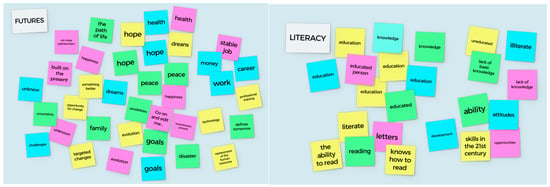
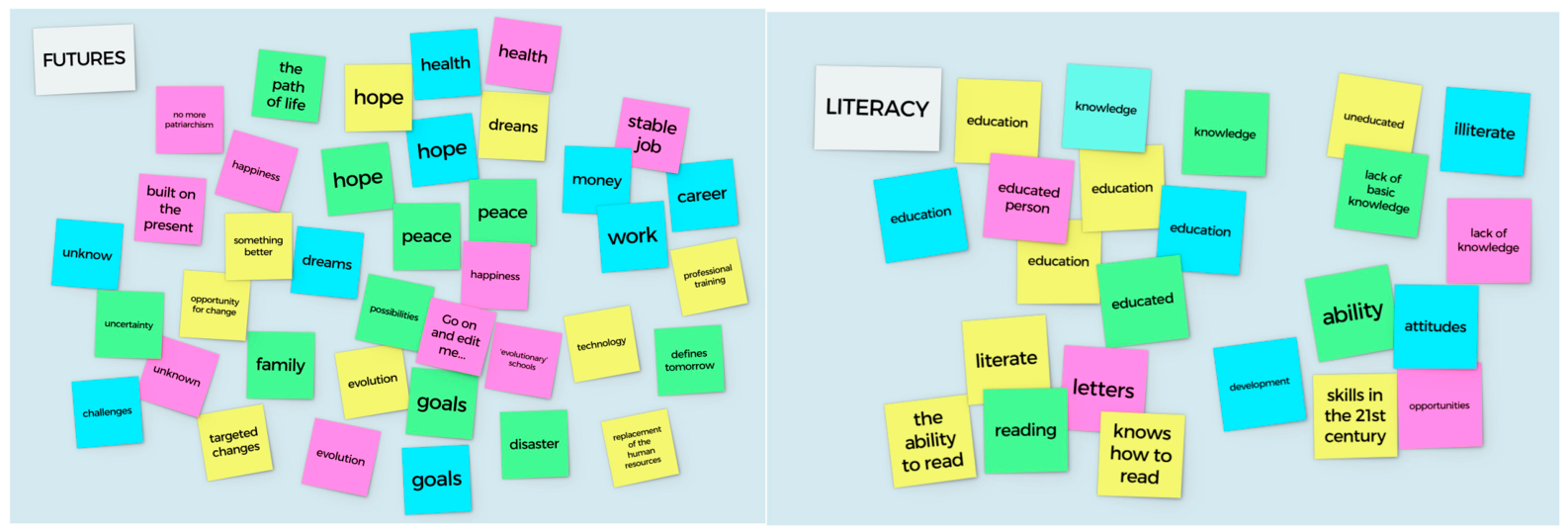
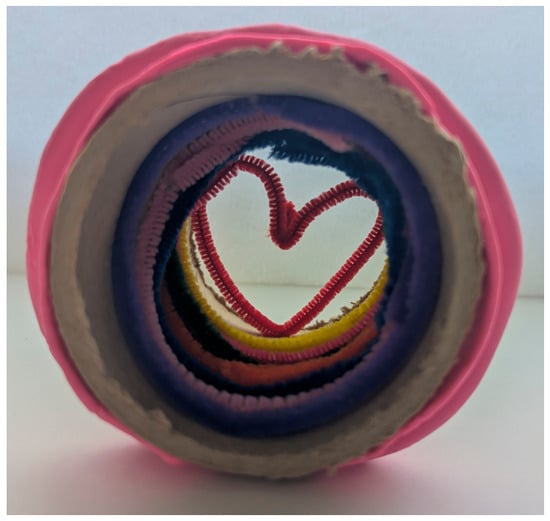
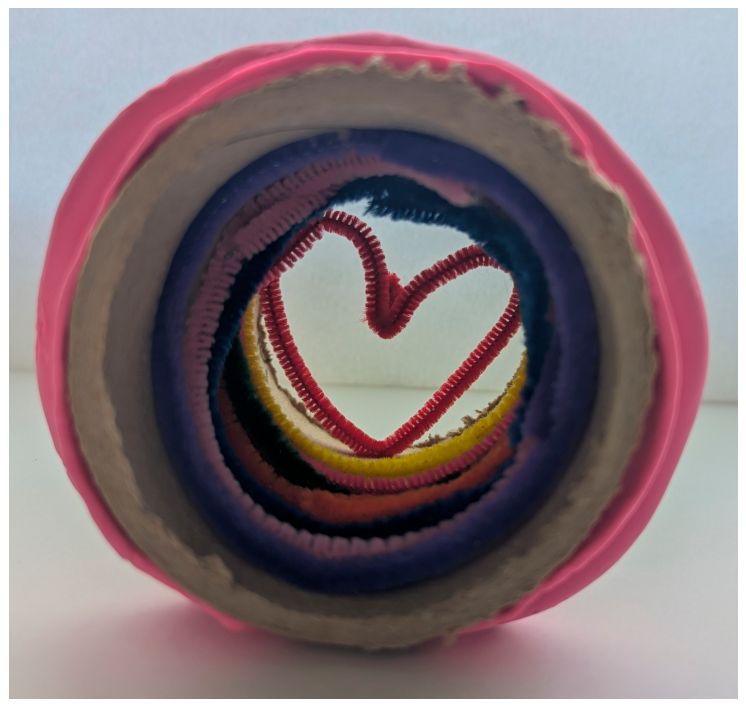
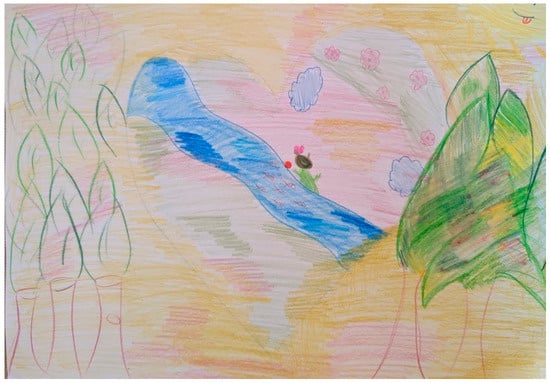
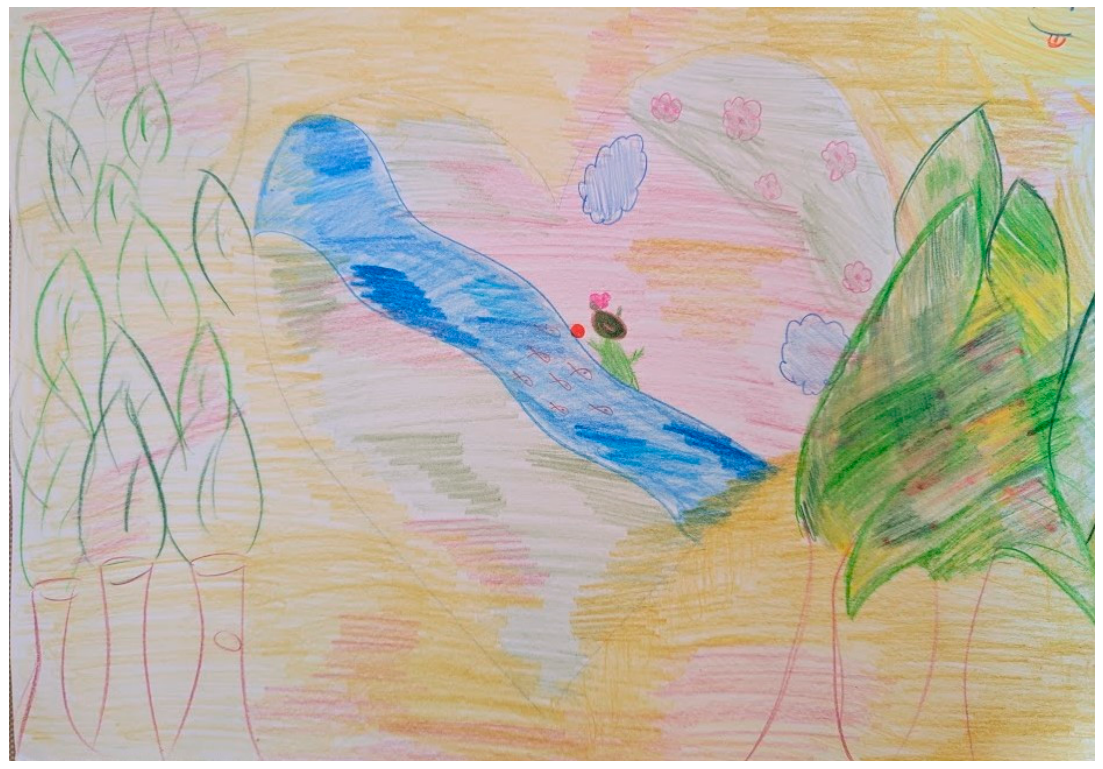
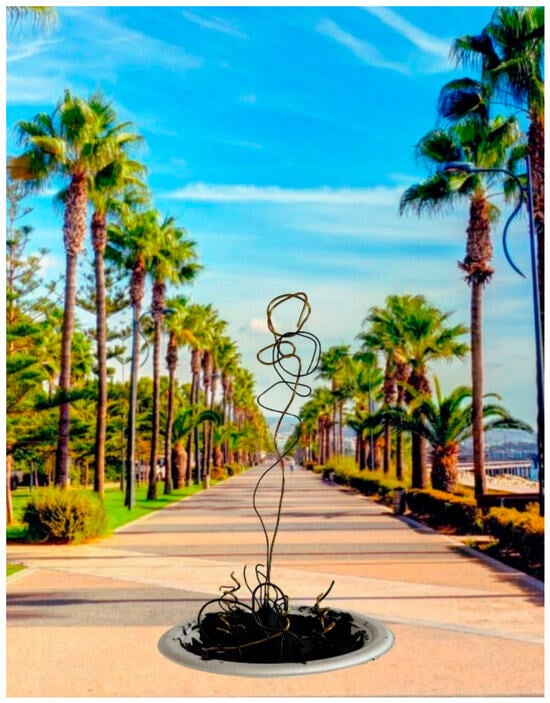
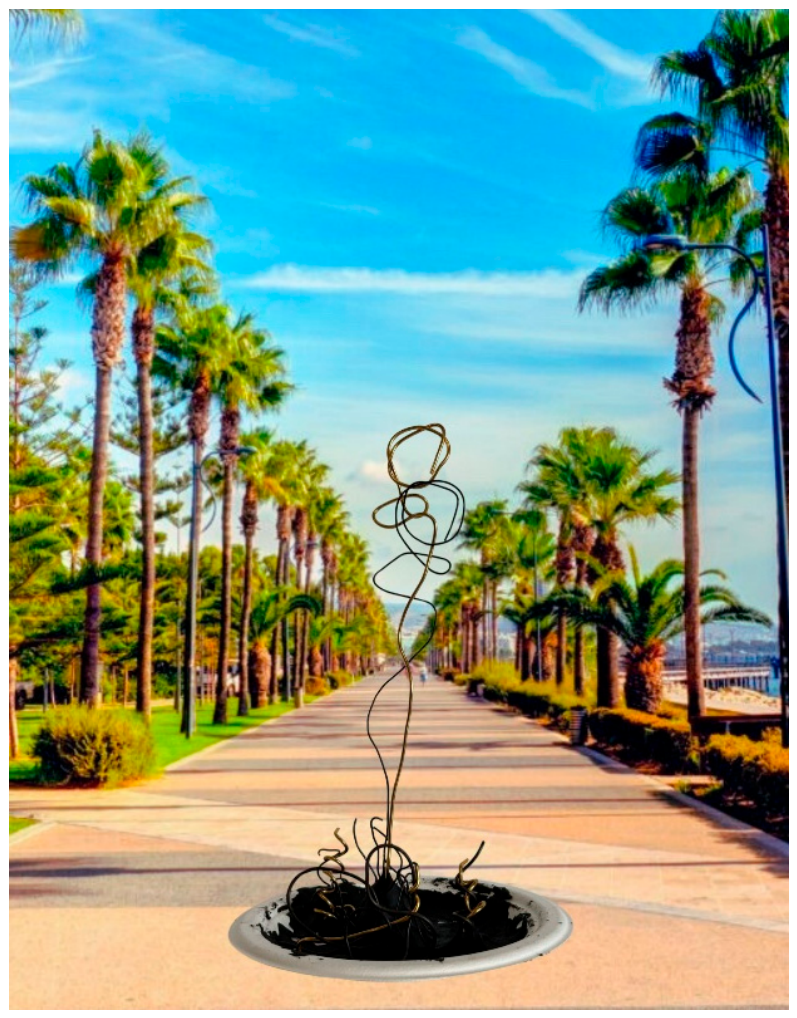
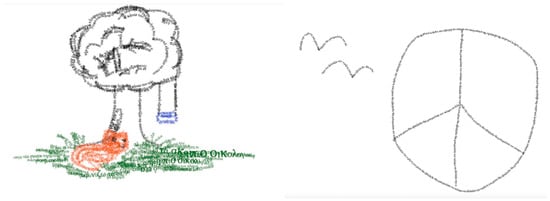
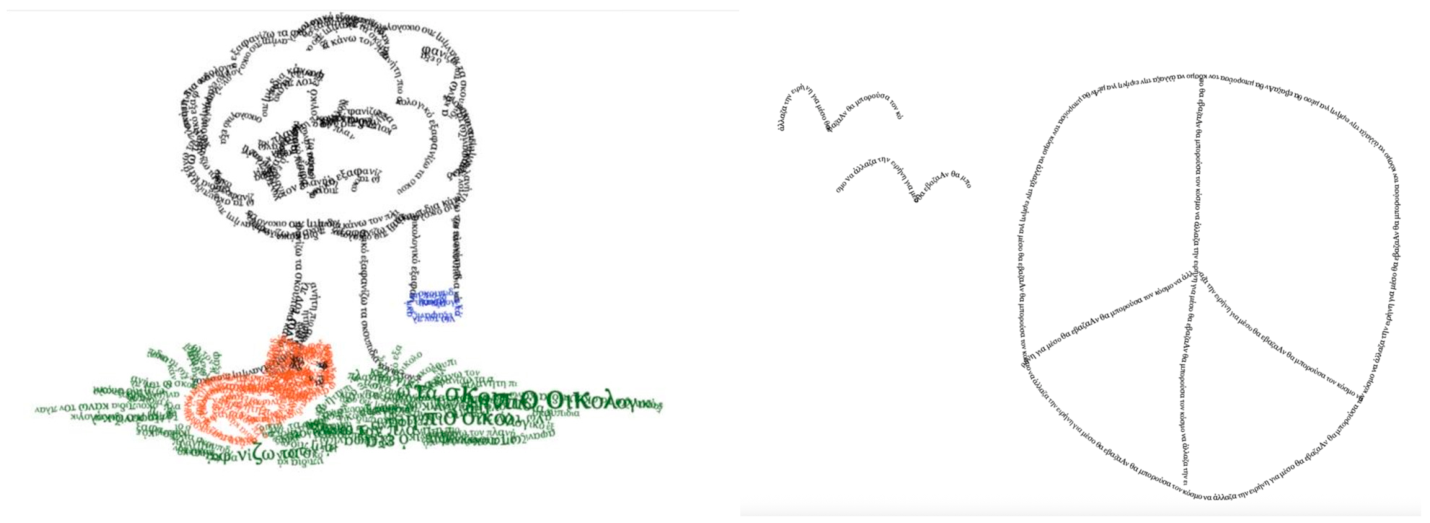
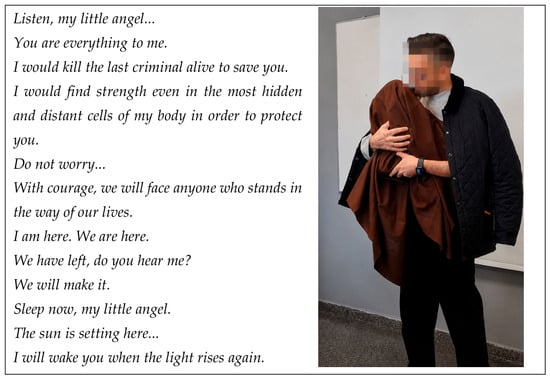
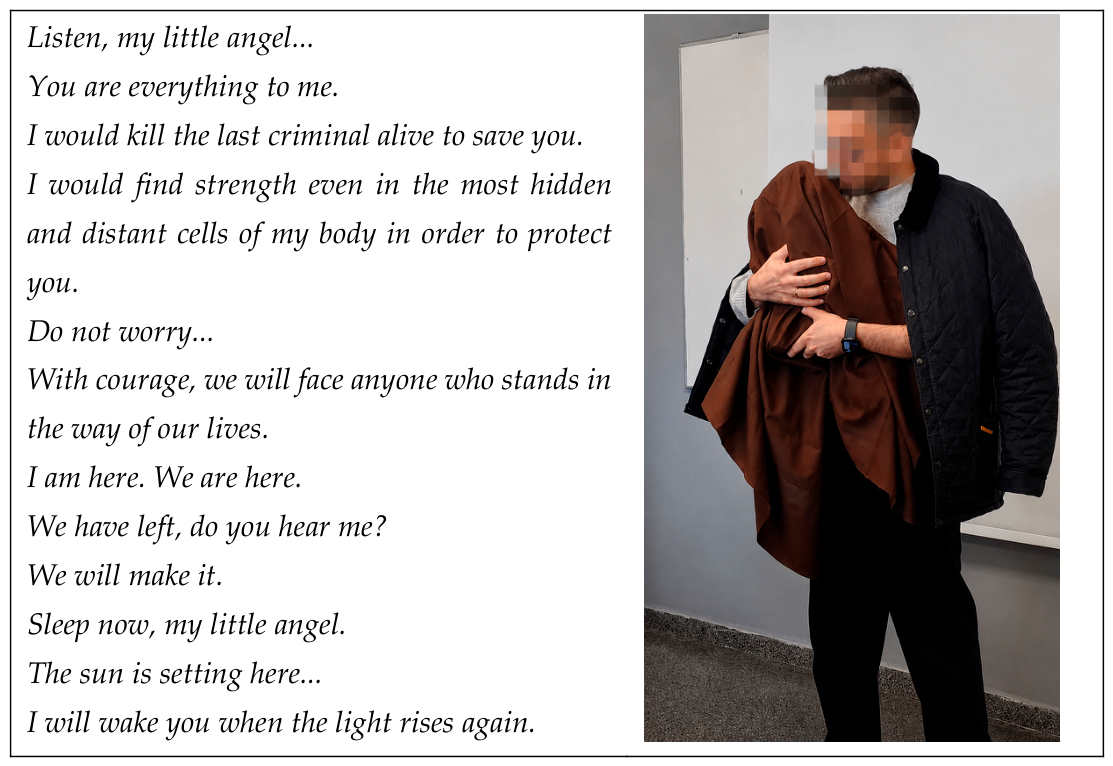
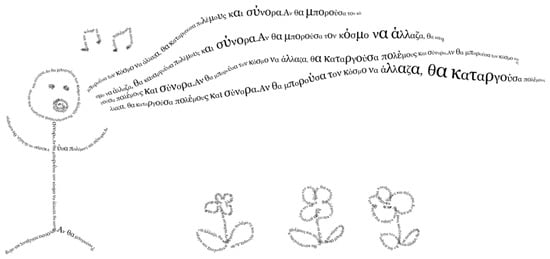
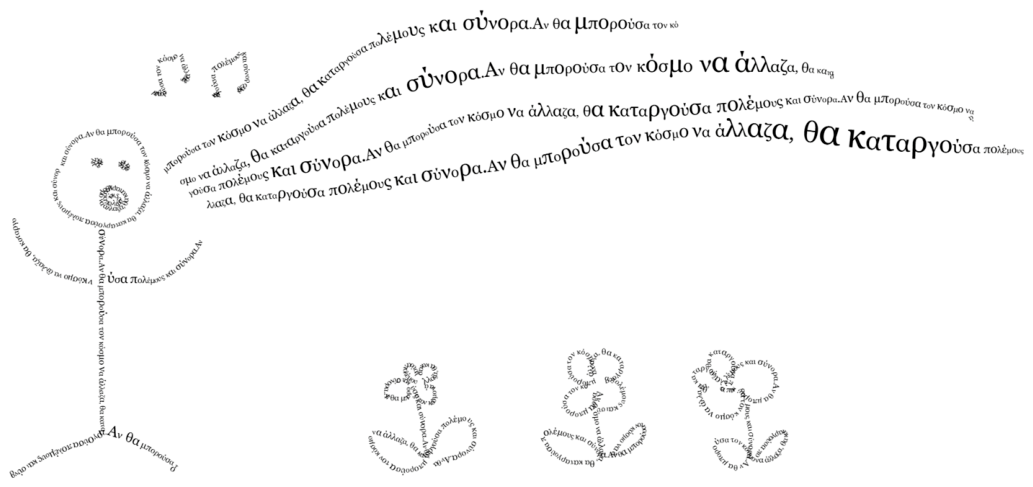
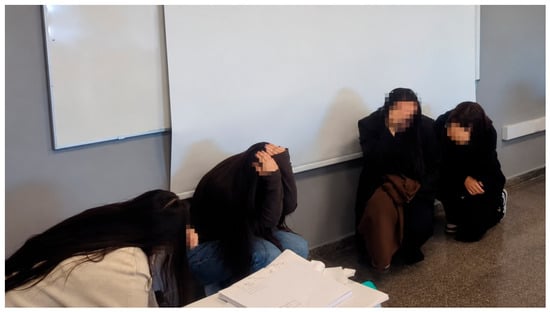
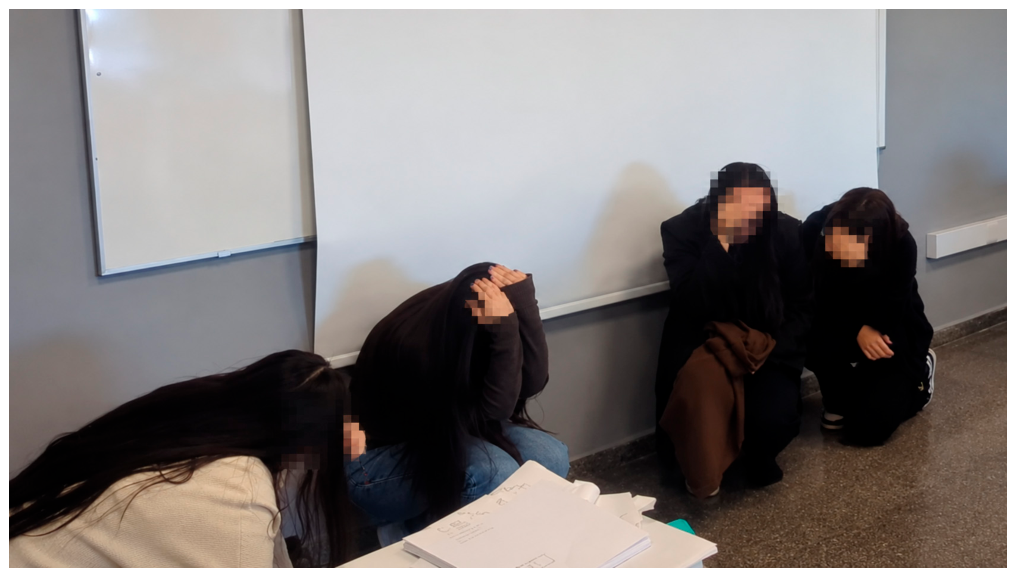
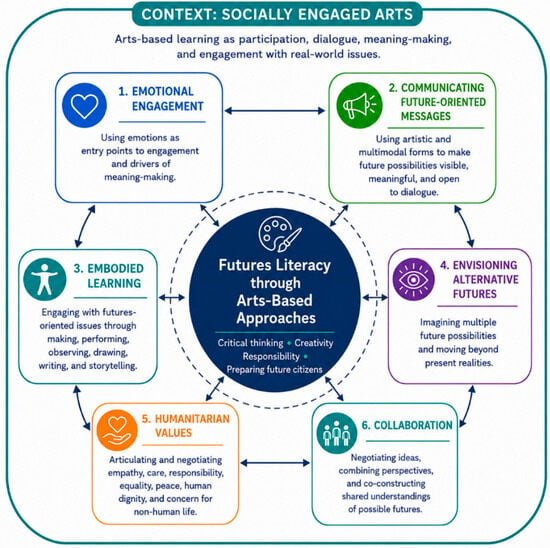
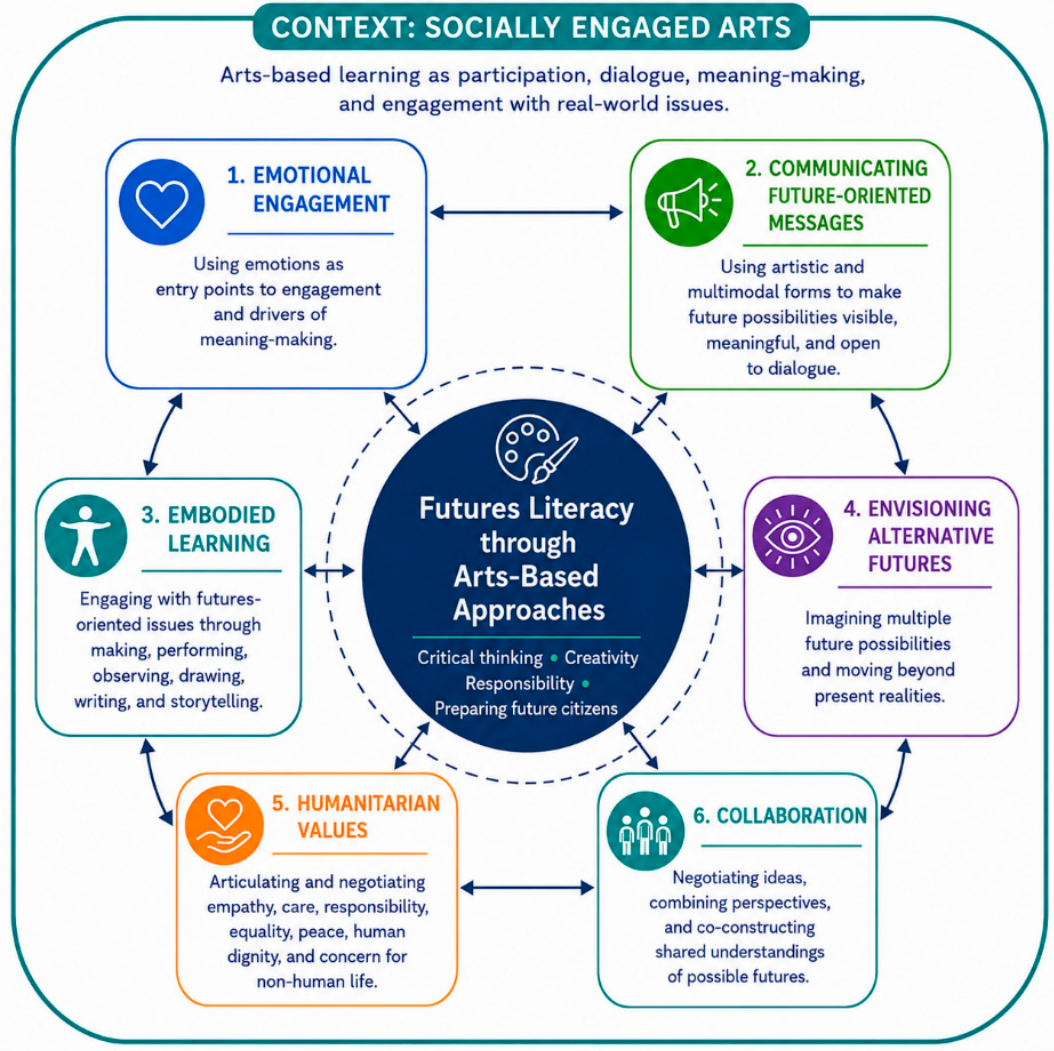

Disclaimer/Publisher’s Note: The statements, opinions and data contained in all publications are solely those of the individual author(s) and contributor(s) and not of MDPI and/or the editor(s). MDPI and/or the editor(s) disclaim responsibility for any injury to people or property resulting from any ideas, methods, instructions or products referred to in the content. |
© 2026 by the author. Licensee MDPI, Basel, Switzerland. This article is an open access article distributed under the terms and conditions of the Creative Commons Attribution (CC BY) license.