


Abstract
This exploratory study examines the implementation of a GenAI-supported curriculum redesign in a project-based multimedia computing course by comparing students’ experiences in Python-based and GenAI-supported production pathways in relation to creativity, applied digital competence, and perceived professional readiness. A mixed-methods, quasi-experimental design was employed to compare two naturally occurring undergraduate cohorts at a Gulf-region university. Data was collected from 29 students through post-course surveys, open-ended reflections, project reports, student-generated artefacts, and instructional observations. Quantitative data were analyzed using nonparametric statistical tests and effect size reporting, while qualitative evidence was examined through inductive thematic analysis supported by human-in-the-loop AI-assisted coding. The findings indicate that the GenAI-supported cohort reported significantly higher project satisfaction, perceived ease of use, and job relevance, with additional positive trends in creativity and professional output. Qualitative evidence and illustrative project examples further suggest that students experienced fewer technical barriers and greater opportunities for multimodal production, particularly in community-facing projects. Based on these findings, the study presents the INSPIRE framework, a seven-stage, practice-informed conceptual model for integrating GenAI into project-based computing education. Although limited by a small sample and single-institution context, the study provides exploratory comparative evidence and a practice-informed framework that offers actionable guidance for responsible and structured GenAI integration in higher education.
1. Introduction
The rapid advancement of Generative Artificial Intelligence (GenAI) is reshaping higher education, prompting institutions to reconsider how curricula can foster creativity, digital competence, and workforce readiness. As universities seek to prepare students for an increasingly AI-mediated society, the integration of GenAI has become both a pedagogical priority and a strategic necessity (Chan & Hu, 2023; Al-Abdullatif, 2024). Recent studies have demonstrated the potential of GenAI to enhance learner engagement, support personalized learning, facilitate multimodal content creation, and expand opportunities for creative expression (Chugh et al., 2025; Xia et al., 2025; Fortuna et al., 2025). Consequently, higher education institutions are increasingly expected to develop not only digital competence but also AI literacy, enabling students to engage critically, ethically, and effectively with generative technologies (Al-Abdullatif, 2024; Cukurova & Miao, 2024).
Beyond content generation, GenAI is increasingly viewed as a collaborative partner that supports ideation, multimodal production, and creative problem-solving. This shift toward human–AI collaboration raises important questions regarding how creativity, digital competence, and professional readiness can be cultivated in AI-enhanced learning environments (Puerta-Beldarrain et al., 2025; Nguyen, 2025). However, while existing research has largely focused on technology acceptance, student perceptions, and ethical considerations, fewer studies have examined how GenAI can be systematically integrated into discipline-specific curricula through pedagogically grounded frameworks. Moreover, limited comparative evidence exists regarding the educational impact of GenAI-supported and programming-centered learning pathways on student creativity, digital competence, and professional readiness.
This gap is particularly evident in multimedia computing education, where programming languages such as Python have traditionally been used for tasks including image processing, audio manipulation, animation, and video generation. Although programming-based approaches provide valuable technical foundations, they may also impose barriers that limit creative exploration for students whose interests are centered on design, storytelling, and multimedia production (Fan et al., 2025). In contrast, GenAI tools enable rapid multimodal production and iterative experimentation, allowing learners to focus on design decisions and problem framing rather than low-level implementation details (Mishra et al., 2023; Holzner et al., 2025). Recent work has characterized this transformation as a shift from programming to prompting, fundamentally changing how learners engage with computational creativity and digital production (Hsu, 2025).
To address this challenge, the present study provides an exploratory evaluation of a GenAI-supported redesign of an undergraduate multimedia computing course at a public university in the Gulf region. Using a quasi-experimental mixed-methods design, the study compares two consecutive cohorts: one completing multimedia projects primarily through Python and another completing projects through a broader GenAI-supported instructional pathway. Both cohorts participated in authentic community-service activities that required the application of digital production skills to real-world contexts.
The study is informed by TPACK 2.0, DigCompEdu, and the Mandala of Creative Pedagogies (Cabero-Almenara et al., 2023; Mishra et al., 2023; Putri et al., 2024). Building on the empirical findings, it proposes the INSPIRE Framework (Integrating New Systems for Professional Innovation and Responsiveness in Education), a seven-stage, practice-informed conceptual model designed to support the structured integration of GenAI into project-based computing education. The study contributes exploratory comparative evidence and a practice-informed framework offering actionable guidance for responsible, human-centered, and pedagogically grounded GenAI integration in higher education.
This study aims to explore the integration of Generative AI (GenAI) into a project-based multimedia computing course through a comparative examination of GenAI-supported and Python-based approaches and to use the resulting pedagogical insights to develop the INSPIRE Framework for structured GenAI integration in computing education. Specifically, the study examines students’ creativity, learning experiences, and perceived professional readiness and synthesizes the findings into a pedagogically grounded, practice-informed framework that offers actionable guidance for educators.
The study is guided by the following research questions:
- RQ1. How do student perceptions of creativity, satisfaction, and ease of use differ between GenAI-supported and Python-based learning environments?
- RQ2. What qualitative differences emerge in student-generated projects and community service deliverables produced through GenAI-supported and Python-based approaches?
- RQ3. How do students in the two instructional pathways differ in their perceptions of professional readiness and the relevance of multimedia skills to future academic and career applications?
- RQ4. What pedagogical insights can be derived from the implementation of GenAI in multimedia computing education, and how do these insights inform the development of the INSPIRE Framework?
2. Literature Review
2.1. Theoretical Frameworks for Technology Integration in Higher Education
The integration of emerging technologies in higher education requires pedagogical frameworks that align disciplinary content, instructional strategies, and digital tools. This study is informed by three complementary frameworks: TPACK 2.0, the Digital Competence Framework for Educators (DigCompEdu), and the Mandala of Creative Pedagogies. TPACK 2.0 extends the original Technological Pedagogical Content Knowledge framework to account for AI-enabled and intelligent technologies, emphasizing the purposeful alignment between tool affordances and pedagogical intent (Mishra et al., 2023). In multimedia computing education, TPACK 2.0 provides a useful lens for examining how programming-based tools and GenAI platforms shape learning design, student engagement, and creative production.
DigCompEdu offers a structured model of digital competence, emphasizing digital resources, learner empowerment, and the creative use of technologies in teaching and learning (Cabero-Almenara et al., 2023). Its focus on learner empowerment, digital resource use, and digitally mediated creativity is particularly relevant for evaluating GenAI-supported project-based learning environments. Complementing these models, the Mandala of Creative Pedagogies foregrounds learner agency, experimentation, reflection, and meaningful creative practice (Putri et al., 2024). These frameworks offer complementary but distinct perspectives: TPACK 2.0 addresses the alignment of technology, pedagogy, and disciplinary content; DigCompEdu frames relevant dimensions of digital competence; and the Mandala of Creative Pedagogies foregrounds creativity, experimentation, and learner agency. Each addresses an important part of GenAI-supported education, but none independently provide an integrated course-level process for project-based multimedia learning. Their combined use therefore provides the conceptual foundation for interpreting the findings and informing the development of the INSPIRE Framework.
Motivation also plays an important role in technology-enhanced creative learning. Self-Determination Theory (SDT) suggests that learners are more likely to engage deeply when educational environments support autonomy, competence, and relatedness. Recent higher education research highlights the importance of these dimensions for fostering engagement, deep learning, and meaningful participation in digitally mediated learning environments (Zhou et al., 2024). In project-based multimedia learning, these dimensions are reflected in opportunities for creative decision-making, skill development, and collaborative production. Although SDT is not used as a primary analytical framework in this study, it provides a useful interpretive lens for understanding student satisfaction, engagement, and persistence in GenAI-supported learning environments.
2.2. Generative AI in Higher Education
Recent studies highlight both the pedagogical potential and the limitations of Generative AI (GenAI) in higher education. GenAI tools enable students to generate text, images, audio, video, and interactive media with limited technical expertise, creating new opportunities for multimodal learning and creative production. Sergeeva et al. (2025) examined students’ adoption of GenAI through the UTAUT2 model and found that performance expectancy and institutional support were important predictors of adoption. Mishra et al. (2023) emphasized the role of GenAI in co-constructing knowledge rather than passively generating content, while Holzner et al. (2025) argued that GenAI can support creativity by allowing learners to focus on ideation, design decisions, and critical judgment rather than low-level procedural work.
Recent research also increasingly conceptualizes GenAI as a collaborative partner rather than a mere automation tool, supporting co-creation, iterative ideation, and human–AI problem solving (Puerta-Beldarrain et al., 2025). However, the rapid adoption of GenAI has also raised concerns regarding academic integrity, authorship, algorithmic bias, data privacy, and assessment fairness (Shahzad et al., 2025; Nguyen, 2025). These opportunities and risks suggest that effective GenAI integration requires more than access to tools; it requires structured pedagogical designs that support ethical use, reflective practice, and meaningful learning outcomes.
Taken together, the literature demonstrates the pedagogical potential of GenAI while also highlighting ethical, assessment, and access-related concerns. However, much of the available evidence focuses on adoption, self-reported perceptions, writing support, or isolated applications. Comparatively less attention has been given to the implementation of GenAI across complete project-based, multimedia-intensive courses requiring students to integrate multiple media formats and produce outputs for authentic audiences. This limits understanding of how GenAI-supported course designs are experienced in relation to creative engagement, collaboration, applied digital practices, and perceived professional relevance.
2.3. Python, Prompting, and Multimedia Computing Education
Python remains a widely used language for teaching computational thinking, media manipulation, and creative coding. In multimedia courses, Python can support tasks such as image processing, audio manipulation, animation, and video generation. However, studies across computing and non-computing contexts highlight persistent challenges related to syntax complexity, debugging, cognitive load, and limited expressive output within short instructional timelines (McNutt et al., 2023; Tseng, 2024; Fan et al., 2025). Even for computing students, programming-based multimedia projects often prioritize algorithmic correctness and technical implementation over visual refinement, storytelling, and rapid creative iteration.
Recent work has explored prompt-based interaction as an alternative pathway for supporting computational thinking and creative production. Hsu (2025) characterizes this shift as a movement from programming to prompting, where learners engage with computational processes through natural language instructions and iterative refinement. This shift does not eliminate the value of programming; rather, it introduces a different tool-mediated pathway for multimedia production. However, empirical comparisons between traditional Python workflows and GenAI-enabled production workflows remain scarce, particularly in relation to creativity, student satisfaction, digital competence, and professional readiness. This gap is central to the present study.
2.4. Regional Context: Creativity, Innovation, and Skills Readiness in the Gulf
Across Gulf Cooperation Council (GCC) countries, national strategies increasingly emphasize creativity, innovation, digital transformation, and workforce readiness as key outcomes of higher education. Initiatives such as Saudi Vision 2030, Qatar’s National Vision 2030, and Kuwait’s digital transformation agenda reflect a regional commitment to preparing graduates for knowledge-based and technology-driven economies. In Qatar, digital transformation has been positioned as a key driver of national development, with emphasis on infrastructure, access, and advanced digital skills (Qatar Ministry of Foreign Affairs, 2024). Similarly, Alkandari et al. (2024) report growing institutional interest in pedagogical approaches that promote creativity, learner autonomy, and meaningful technology integration within Kuwaiti higher education.
Within Saudi Arabia, the growing adoption of AI and digital technologies in university curricula aligns with national priorities related to digital transformation, innovation, and workforce readiness. However, across GCC contexts, empirical evidence remains limited regarding how these macro-level priorities are translated into course-level instructional design, especially in technical and computing-related disciplines. The present study responds to this regional gap by examining students’ experiences across two technological pathways—Python-based production and GenAI-supported production—in relation to perceived creativity, applied digital practices, and professional relevance within an authentic multimedia computing course.
2.5. Current ICT-in-Education Debates and GenAI Integration
GenAI represents a qualitative shift in ICT-enhanced education, moving digital technologies from delivery and communication tools toward co-creative and adaptive systems that actively shape knowledge production. Current ICT-in-education debates increasingly focus on AI-enabled personalization, learning analytics, data-informed decision-making, digital equity, accessibility, teacher readiness, and ethical governance. While GenAI can support rapid feedback and iterative content generation, personalization is pedagogically valuable only when embedded within structured designs that promote reflection, learner agency, and critical judgment rather than automation or dependency (Freeman, 2025).
Equity and access also remain defining concerns. Although GenAI may lower technical barriers to creative production, it may also introduce new inequalities through subscription costs, language bias, uneven institutional access, and varying levels of AI literacy. Recent global reviews emphasize the importance of equity-aware adoption strategies to prevent AI-supported learning from becoming dependent on private resources or unequal access to advanced tools (Fortuna et al., 2025). From an assessment perspective, GenAI integration also requires approaches that evaluate not only final artifacts but also iterative decision-making, ethical reasoning, collaboration, and reflective engagement (Cukurova & Miao, 2024). These debates reinforce the need for course-level models that translate broad AI and ICT policy discussions into actionable pedagogical practices.
2.6. Research Gap and Contribution
The growing literature on GenAI in higher education identifies opportunities for multimodal production, creative engagement, and human–AI collaboration, alongside concerns related to ethics, assessment, access, and responsible use. However, much of the available evidence focuses on adoption, perceptions, writing support, or individual applications. Comparative evidence from complete project-based multimedia courses remains limited, particularly studies examining GenAI-supported production alongside an established programming-based pathway. Evidence is also limited regarding how broader digital-transformation priorities are translated into course-level practice within Gulf-region computing education.
Existing frameworks and policy-oriented reviews provide complementary perspectives on technology integration, digital competence, creativity, learner agency, and responsible use but offer limited discipline-specific guidance for translating these principles into an implementable course-level process for GenAI-supported multimedia learning. Addressing these empirical, contextual, and implementation gaps, the present study provides an exploratory comparison of Python-based and GenAI-supported instructional pathways and develops INSPIRE as a practice-informed conceptual model. INSPIRE synthesizes relevant theoretical principles and classroom-based insights into structured, actionable guidance for responsible GenAI integration, providing a foundation for application and further empirical validation across broader educational settings.
3. Materials and Methods
3.1. Research Design
This study employed an exploratory quasi-experimental mixed-methods design to compare two curriculum-level instructional pathways within an undergraduate multimedia computing course: a Python-based pathway and a GenAI-supported redesigned pathway. The study was conducted across two consecutive naturally occurring cohorts and examined differences in students’ reported creativity, learning experiences, and perceptions of professional readiness within project-based learning contexts.
The study was informed by three complementary frameworks: TPACK 2.0, DigCompEdu, and the Mandala of Creative Pedagogies. These frameworks guided the design of instructional activities, survey measures, and qualitative analysis, providing a foundation for examining creativity, digital competence, learner agency, and technology integration in multimedia computing education.
Both cohorts received identical theoretical instruction in Python and were assessed against the same course learning outcomes. The primary difference occurred in the practical component: Cohort 1 completed projects using Python-based workflows, whereas Cohort 2 used GenAI tools for multimedia production and community service deliverables. Although the number of practical sessions differed between cohorts due to differences in tool complexity and production workflows, learning objectives, assessment criteria, and expected outcomes remained equivalent.
Data was collected at the end of the course through post-course surveys, student reflections, project artefacts, and instructor observations. While the design does not constitute a fully controlled experiment, it represents a curriculum-level comparative intervention intended to explore how alternative instructional pathways are associated with differences in learning experiences and outcomes in project-based multimedia education.
3.2. Participants
The study involved two cohorts of female undergraduate students enrolled in CPIT 380: Multimedia Technologies at King Abdulaziz University. Participants were drawn from the same academic program and course level, with comparable prior exposure to programming and multimedia concepts. All participants had completed the same program prerequisites required for enrollment in CPIT 380, including the prerequisite programming coursework, and all had cumulative GPAs above 4.0 on a 5.0 scale. These characteristics provide evidence of broadly comparable academic standing and prior curricular exposure across the two cohorts. The inclusion of female students reflects the enrollment structure of the course sections examined in this study.
Cohort 1 (Fall 2024, n = 17) completed both the theoretical and practical components primarily through Python-based multimedia development, with final projects implemented using Python. Cohort 2 (Spring 2025, n = 12) received the same theoretical instruction in Python but additionally used Generative AI (GenAI) tools during practical labs and were required to employ GenAI technologies for both final projects and community service deliverables. The modest sample size limits statistical power and broader generalizability. Therefore, the goal of this study is not to establish causal or population-level conclusions but to generate theoretically grounded, context-specific insights and a practice-informed pedagogical framework that can be examined at scale in future research.
In both cohorts, students worked in instructor-assigned groups of three and were evaluated using identical rubrics, grading criteria, project requirements, and reporting guidelines. This consistency in instructional structure and assessment supported comparability across cohorts while enabling examination of differences associated with Python-based and GenAI-supported production workflows.
3.3. Course Context and Intervention
This study was conducted within CPIT 380: Multimedia Technologies, a 3-credit undergraduate course at King Abdulaziz University. The course aims to develop students’ ability to create, manipulate, and integrate multimedia content, including text, images, audio, video, and interactive media, while fostering creativity, multimedia production skills, and professional readiness. To support internal validity, both cohorts followed the same theoretical syllabus, learning outcomes, assessment structure, and grading rubrics. The primary instructional difference occurred in the practical laboratory component, which constituted the core intervention.
The common course rubric used a five-point scale and included criteria related to topic modernity, community importance, course relevance, content clarity, creativity and innovativeness, presentation and audiovisual quality, communication, interaction, timely implementation, teamwork, and overall organization. Assessment included instructor evaluation and student self-evaluation, while community-service activities also received feedback from the participating community stakeholder using aligned criteria addressing creativity, presentation quality, clarity, community relevance, and usefulness.
As specified in the approved CPIT 380 Multimedia Technologies Course Articulation Matrix, the course learning outcomes (CLOs) relevant to this study were intended to enable students to (1) create and modify text and web content; (2) apply techniques for manipulating and processing images; (3) understand sound digitization and create or modify audio content; (4) understand video-production principles and create or modify video and animation; and (5) apply the acquired knowledge and skills to address a real-world problem through a collaborative multimedia project while meeting the specified project objectives, deadlines, and quality standards. Both cohorts developed the associated theoretical knowledge through the same lectures and theoretical assessments, while applying the shared course learning outcomes through the different practical pathways described below.
- Theoretical Component
Across both cohorts, students completed the same theoretical curriculum covering multimedia content creation and manipulation, including text and web content generation, image processing, audio manipulation, video production, animation, and introductory image-processing concepts. Weekly lectures were supported by demonstrations and assessed through written midterm and final examinations, accounting for 55% of the total course grade.
- Practical Component—Cohort 1 (Fall 2024)
Cohort 1 completed practical sessions using Python 3 within the Google Colaboratory (Google Colab) environment, together with libraries for text, image, audio, video, and animation processing. The practical sequence consisted of 13 sessions due to the programming, implementation, and debugging requirements associated with multimedia development. Students created algorithmic multimedia solutions and completed a programming-based final project supported by technical documentation and project reports. Limited GUI-based tools were introduced to support basic interaction design.
- Practical Component—Cohort 2 (Spring 2025)
For Cohort 2, the practical curriculum was redesigned around Generative AI (GenAI)-supported multimedia production workflows. The revised sequence consisted of seven practical modules covering AI-assisted text and narrative generation, image creation and manipulation, audio and voice synthesis, video production, no-code interface prototyping, and immersive or 3D environment development.
Students were introduced to a curated set of GenAI tools selected for accessibility, creative affordances, and educational suitability. These tools supported multimodal content creation across text, image, audio, video, interface design, and immersive media. Students were encouraged to explore alternative tools when appropriate in order to develop tool-selection skills, digital fluency, and independent problem-solving abilities. A summary of the GenAI tools introduced and utilized throughout the course is provided in Table 1. Students were not required to use all tools; rather, they selected appropriate tools according to project needs and creative objectives.
Table 1.
Generative AI Tools Introduced and Utilized Throughout the Course.
In the GenAI-supported cohort, these tools served as the production pathway through which students applied the shared course knowledge and skills in the final project. Text-generation tools supported text, content, and narrative development; image-, audio-, and video-generation tools supported the creation and modification of individual media components; and interface and immersive-development tools supported their integration into coherent multimedia outputs. Students remained responsible for selecting appropriate tools, evaluating and refining the generated content, and combining the outputs according to the project requirements.
Although the number of practical sessions differed between cohorts, the learning objectives, assessment criteria, project requirements, and expected learning outcomes remained equivalent. The difference in the number of sessions reflected the redesigned module structure and the distinct production workflows used in the two practical pathways, while the intended learning outcomes and assessment criteria remained consistent.
- Final Project and Community Service Tasks
In both cohorts, students worked in instructor-assigned teams of three to complete a final project and a community service task. Cohort 1 produced programming-based multimedia solutions, whereas Cohort 2 developed integrated multimedia experiences using Generative AI (GenAI) tools to combine text, images, audio, video, interactive elements, and immersive media within a unified theme.
The community service component required students to apply course skills to authentic real-world contexts. Cohort 2 completed these deliverables exclusively through GenAI-supported workflows, while Cohort 1 was permitted to use appropriate conventional software tools. Across both cohorts, students were required to plan, develop, document, and present their work, providing opportunities to apply technical, creative, and collaborative skills in authentic settings. For Cohort 2, the projects additionally required students to select, combine, and evaluate multiple GenAI tools to achieve their intended outcomes.
Overall, the intervention represents a curriculum-level redesign that contrasts programming-centered multimedia production with GenAI-supported creative workflows while maintaining consistent learning objectives, assessment standards, project requirements, and instructional context.
3.4. Instruments and Data Collection
Two custom surveys—one for each cohort—were developed and administered online via Google Forms at the conclusion of the course, after final grades had been officially released. The two questionnaires were designed as parallel instruments. They contained the same six constructs, the same number and order of items, and the same five-point response scale. Closed-ended items used identical wording except for the instructional tool being evaluated (i.e., “Python” in the Python cohort and “Generative AI tools” in the GenAI cohort). General open-ended questions, including prompts concerning students’ creative ideas and project experiences, were identical across both questionnaires. This parallel design supported construct-level comparability while preserving the instructional context relevant to each cohort. The complete parallel questionnaires administered to the Python-based and GenAI-supported cohorts are provided as Supplementary Materials. The instruments were informed by two complementary frameworks: DigCompEdu (Cabero-Almenara et al., 2023), which informed constructs related to technology use, learner empowerment, and professional application, and the Mandala of Creative Pedagogies (Putri et al., 2024), which informed constructs associated with creativity, agency, and meaningful expression. Together, these frameworks provided a theoretical foundation for examining students’ experiences with multimedia production, creative engagement, and technology-supported learning. Survey links were distributed through the university’s internal MYKAU communication system and were accessible only to students enrolled in the respective course sections. Participation was voluntary and anonymous, with no identifying information collected. The introductory page of each survey explained the purpose of the study and the intended research use of the survey responses, reflections, project reports, presentations, and learning artifacts. Students were informed that participation was optional, that declining participation would have no academic consequences, and that submission of the survey indicated consent to the research use of these materials. Because the survey was administered after the official release of final grades, participation could not affect course assessment. Each survey consisted of six constructs measured using 3–4 items on a five-point Likert scale (1 = Strongly Disagree to 5 = Strongly Agree). The survey items were adapted from, or inspired by, the selected theoretical frameworks and aligned with the learning objectives of the course. The constructs and representative items are summarized in Table 2.
Table 2.
Survey Constructs, Items, and Framework Alignment.
3.5. Data Analysis
To investigate differences between the Python and Generative AI (GenAI) cohorts in creativity, learning experiences, and professional readiness, a mixed-methods approach was employed. This approach enabled both statistical comparison and in-depth interpretation of students’ learning experiences, project outcomes, and multimedia production practices.
3.5.1. Statistical Analysis
All Likert-scale responses from the post-course surveys were first examined for internal consistency. Cronbach’s alpha was computed for each construct within both cohorts to estimate internal consistency, with all values meeting or exceeding the acceptable threshold (α ≥ 0.70). Given the small cohort sizes and the limited number of items per construct, these coefficients were interpreted cautiously as provisional indicators of internal consistency. The coefficients are reported in Section 4.
To compare the two cohorts, the Mann–Whitney U test was employed due to the small sample size and ordinal nature of the survey data. The analysis was conducted across six constructs:
- Ease of Use;
- Creativity and Innovation;
- Project Satisfaction and Quality;
- Professional Output;
- Future Use Intention;
- Job Relevance.
Median values and interquartile ranges (IQR) were used to describe central tendency and variability. Effect sizes (r) were also calculated to assess the magnitude of the observed differences. Mann–Whitney U tests were conducted using the Statisty web-based statistical application (https://statisty.app/), which was also used to obtain the corresponding numerical p-values and effect-size estimates (r). Because the six comparisons addressed distinct, prespecified constructs within an exploratory study, no adjustment for multiple comparisons was applied; therefore, the findings should be interpreted cautiously in view of the potential for Type I error.
3.5.2. Qualitative Analysis
To complement the quantitative findings, qualitative data were collected from three triangulated sources, providing insight into students’ experiences, creative processes, and project outcomes:
- 1.
- Text-based Reflections and Reports
Twenty-nine survey responses (17 Python, 12 GenAI) and thirteen project reports (7 Python, 6 GenAI) were analyzed. These materials included structured reflection sections that provided insight into students’ perceptions of usability, creativity, challenges, collaboration, and professional relevance.
- 2.
- Student-Generated Artifacts
Student artifacts were reviewed to examine creative expression, multimedia integration, and thematic coherence. Python artifacts included source code, generated outputs, interface prototypes, and project documentation. GenAI artifacts included websites, 2D images, 3D models, audio assets, voiceovers, video clips, immersive scenes, virtual reality environments, and interactive interface designs created throughout the course and final projects.
- 3.
- Instructor Observations and Presentation Reflections
As the sole instructor for both cohorts, the author maintained observational notes during practical sessions, project consultations, and final presentations. These observations provided additional insight into collaboration patterns, problem-solving behaviors, tool adoption, creative decision-making, and real-world application of course concepts.
- Thematic Analysis Procedure
A human-in-the-loop inductive thematic analysis was conducted using the textual qualitative materials collected in the study. The materials processed with ChatGPT-4o comprised the open-ended survey responses, textual content from project reports and presentations, and the instructor’s written observational notes concerning consultations, student questions, encountered difficulties, creative decision-making, project completion, and authentic applications. Only textual materials were processed. Before AI-assisted analysis, all names, student identifiers, group numbers, and other potentially identifying information were removed. As an additional precaution, the option permitting submitted content to be used for model improvement was disabled.
ChatGPT-4o was used as a supportive analytical aid to assist with the initial organization of the textual material, the suggestion and grouping of preliminary codes, and the clustering of semantically related responses into candidate themes. Its outputs were not accepted automatically. At each stage, the researcher compared the suggested codes and themes with the source materials, revised or rejected interpretations where necessary, and refined the coding structure. All final decisions concerning code definitions, theme selection, theme naming, interpretation, and reporting were made by the researcher. Accordingly, AI support was limited to facilitating the organization and preliminary synthesis of the qualitative material, while analytical judgment and validation remained under human control.
3.5.3. Ethical Considerations and Responsible AI Use
The study procedures and the proposed research use of the course data were discussed with the Local Committee for Research Ethics at King Abdulaziz University. Based on the use of regular educational activities, voluntary anonymous post-course feedback, anonymized course materials, and minimal-risk procedures, the Committee advised that formal ethical approval was not required. The instructional redesign had received departmental approval and remained aligned with the approved course learning outcomes. The survey was administered after the official release of final grades, and participation was voluntary and anonymous, with no personally identifiable information collected.
Survey responses were collected without names, student identification numbers, or other direct identifiers. Before analysis, names, group numbers, and other potentially identifying information were removed from project reports, presentations, and learning artifacts. The research data were stored in the researcher’s university Google Drive account and on a personal computer accessible only to the researcher. The data will be retained for five years following publication and then securely deleted. Only anonymized textual materials were used during the AI-assisted qualitative analysis.
Responsible use of Generative AI (GenAI) was embedded within the learning process rather than treated as a graded requirement. Students in the GenAI cohort were introduced to ethical principles related to authorship, intellectual property, data privacy, algorithmic bias, and appropriate boundaries between AI assistance and human contribution during the initial practical session. These topics were reinforced throughout the course through discussions and reflective activities that encouraged critical evaluation of AI-generated outputs and responsible decision-making in creative workflows.
ChatGPT-4o was also used in a limited supportive role during qualitative data analysis to assist with the preliminary organization and clustering of qualitative responses. All AI-assisted outputs were subsequently reviewed, refined, and validated by the author to ensure methodological rigor, contextual accuracy, and ethical integrity. This approach aligns with emerging recommendations for responsible AI-supported educational research (Zawacki-Richter et al., 2024; Nguyen, 2025).
3.6. Internal Validity, Extraneous Variables, and Design Limitations
This study employed a quasi-experimental design involving two naturally occurring cohorts, which introduces limitations regarding internal validity and causal inference. As participants were not randomly assigned, the findings should be interpreted as comparative and exploratory rather than as evidence of causal superiority between instructional approaches.
Furthermore, the author’s dual role as course instructor and sole researcher introduces potential evaluative and interpretive bias. This risk was reduced by administering the voluntary and anonymous surveys after the release of final grades, examining interpretations across multiple qualitative sources, retaining negative and differing responses, and reviewing AI-assisted coding suggestions against the original textual materials. However, these safeguards could not fully eliminate instructor-expectation, observer-interpretation, or social-desirability bias; therefore, the qualitative and artifact-based findings are interpreted as exploratory and contextual evidence. Future studies could address this limitation through independent data collection or peer-debriefing protocols.
Several potential extraneous variables were considered. Although both cohorts were drawn from the same academic program, course level, and institution, individual differences in motivation, learning preferences, and prior experience may have influenced outcomes. Although the shared program prerequisites, required programming coursework, and cumulative GPAs above 4.0/5.0 indicate broadly comparable academic standing and curricular exposure, no direct pre-intervention measures were administered to compare programming competence, creative confidence, motivation, or prior multimedia experience between cohorts. These unmeasured individual differences may therefore provide alternative explanations for some of the observed patterns.
To reduce these effects, both cohorts received the same theoretical instruction, learning outcomes, assessment criteria, and institutional learning environment. In addition, both cohorts were taught by the same instructor, ensuring consistency in course delivery and assessment practices.
At the beginning of the course, students indicated that they had no prior experience with the GenAI tools introduced in the practical curriculum, apart from limited familiarity with ChatGPT. The image-, audio-, video-, interface-, and immersive-development tools used in the intervention were new to the participants. This suggests that differences in outcomes were unlikely to be driven by extensive prior exposure to the GenAI platforms used during the intervention.
The study compared two distinct instructional pathways: Python-based multimedia development and GenAI-supported multimedia production. While these approaches differed in their workflows and tool affordances, such differences were considered essential features of the instructional contrast under investigation rather than uncontrolled confounding factors. Consequently, the findings should be attributed to the broader GenAI-supported curriculum redesign as implemented, rather than to the isolated effect of GenAI technology.
The relatively small sample size (n = 29) represents an additional limitation. Although non-parametric statistical tests and effect sizes were used to support interpretation, the findings should be considered indicative rather than conclusive. Furthermore, qualitative insights were derived from student reflections, project artifacts, and instructor observations within a single institutional context, which limit broader generalizability.
Despite these limitations, the convergence of quantitative findings, qualitative evidence, and artefact analysis across multiple data sources strengthens the credibility of the reported patterns, supports their exploratory interpretation, and informs the development of the INSPIRE framework.
4. Results
This section presents the empirical findings of the study by integrating quantitative survey results with qualitative evidence from student reflections, project artefacts, and instructional observations. Quantitative analyses identify patterns of difference between cohorts, while qualitative evidence is used to contextualize and explain the observed trends.
4.1. Quantitative Analysis
A total of 29 students participated in the post-course surveys: 17 from the Python cohort (Fall 2024) and 12 from the Generative AI (GenAI) cohort (Spring 2025). All survey items were rated on a five-point Likert scale. Prior to group comparisons, the internal consistency of the survey constructs was assessed using Cronbach’s alpha. All estimated coefficients met or exceeded α = 0.70 across both cohorts, providing preliminary evidence of internal consistency. However, given the small cohort sizes and the limited number of items per construct, these estimates should be interpreted cautiously rather than as definitive evidence of instrument reliability. Detailed coefficients are presented in Table 3.
Table 3.
Internal Consistency of Survey Constructs (Cronbach’s Alpha).
Given the small sample size and the ordinal nature of the survey responses, the Mann–Whitney U test was employed to assess differences between cohorts. Effect sizes (r) were calculated to provide insight into the practical significance of observed differences. Median values and interquartile ranges (IQRs) were used to describe the distribution of responses (Table 4).
Table 4.
Comparison of Generative AI and Python cohorts across constructs.
The strongest difference between cohorts was observed in Project Satisfaction and Quality (p = 0.021), accompanied by a medium-to-large effect size (r = 0.41). Students in the GenAI cohort reported higher levels of satisfaction with their final project experience compared with the Python cohort.
Three constructs, Creativity and Innovation (p = 0.063), Professional Output (p = 0.058), and Future Use Intention (p = 0.058), did not reach conventional levels of statistical significance (α = 0.05). Nevertheless, these findings should be interpreted alongside the reported effect sizes rather than dismissed as null results. Effect sizes ranging from r = 0.29 to r = 0.33 indicate small-to-moderate estimated differences; however, these estimates should be interpreted cautiously and considered exploratory observations within the present sample.
- Specifically:
- Ease of Use reached statistical significance (p = 0.047, r = 0.35), indicating that students perceived GenAI tools as more intuitive and accessible.
- Creativity and Innovation and Professional Output produced effect sizes exceeding 0.30, suggesting moderate practical significance despite p-values slightly above the conventional threshold.
- Future Use Intention showed a positive trend favoring the GenAI cohort (p = 0.058, r = 0.29), indicating greater willingness to continue using these tools in future academic and creative activities.
- Job Relevance demonstrated a statistically significant difference (p = 0.032, r = 0.34), suggesting that students perceived GenAI-supported skills as more closely aligned with future career needs.
Figure 1 visually summarizes the median scores and interquartile ranges (IQRs) for both cohorts. Across all constructs, the GenAI cohort demonstrated higher median scores and generally narrower response distributions, indicating more consistent positive perceptions among participants.
Figure 1.
Median scores and interquartile ranges (IQRs) for both the GenAI and Python groups.
4.2. Qualitative Insights from Student Responses
This section presents qualitative findings derived from student reflections, project reports, artefacts, and instructional observations. The analysis revealed recurring themes that capture shared patterns in students’ learning experiences across both cohorts. The methodological procedures used to derive these themes are described in Section 3.5.2.
- Emergent Themes
Four dominant themes emerged from the analysis:
- Ease of Use and Speed: Students frequently reflected on the efficiency and accessibility of the tools, highlighting differences in the time and effort required to complete multimedia tasks.
- Creative Empowerment: Students described increased creative freedom, enhanced expressiveness, and a greater ability to transform ideas into tangible multimedia products.
- Future Use and Professional Readiness: Reflections emphasized the perceived value of the acquired skills for future academic work, creative projects, and career-related applications.
- Tool Limitations and Adaptability: Students identified technical constraints, usability challenges, and the adaptive strategies they employed to overcome limitations and achieve project goals.
A small number of negative cases were also identified, particularly concerning GenAI subscription limits, prompt-generation failures, and uncertainty regarding authorship and ownership of AI-generated content. In most instances, students reported adaptive responses, such as switching platforms, refining prompts, or modifying project scope. These reflections also referenced ethical considerations discussed throughout the course. Table A2 (Appendix A) presents selected examples from both cohorts and different qualitative data sources, illustrating the progression from qualitative evidence to initial codes, analytical categories, and final themes.
The contrast in student experiences is visually summarized in Figure 2, which presents word clouds capturing the most frequent terms mentioned by students. These visualizations reflect the recurring emphasis on “ease,” “creativity,” and “tools” in the GenAI group, and terms like “code,” “time,” and “difficult” in the Python group, reinforcing the thematic distinctions discussed above.
Figure 2.
Word Clouds from Student Feedback for (A) GenAI vs. (B) Python Groups.
4.3. Student Project Artifacts and Illustrative Samples
To complement the quantitative and qualitative findings, this section presents selected illustrative student-generated artifacts from both cohorts. The examples were selected to reflect diversity in project topics, media formats, production approaches, and application contexts. Projects were evaluated for instructional purposes using a common course rubric through instructor assessment, student self-assessment, and community-stakeholder feedback. Because the rubric was designed for regular course assessment rather than as a research instrument, its scores were not analyzed as research outcomes within or between cohorts. Future studies could systematically examine rubric-based differences in artifact creativity and quality. The selected artifacts are therefore presented to illustrate the range of production practices and multimedia applications observed within each cohort rather than as independent measures of creativity or overall artifact quality.
- Generative AI Cohort
The GenAI-supported cohort produced a diverse collection of multimedia artifacts, including the following:
- More than 70 AI-generated 2D images;
- 14 animated video clips with narration and transitions;
- 14 original 3D models;
- 7 immersive 360° scenes;
- 7 websites incorporating interactive UI elements;
- 7 VR-ready environments;
- 7 voiceovers and 7 custom sound effects.
Within the selected examples, multimodal integration, visual variety, and thematic coherence were evident. Several projects combined storytelling, interactive media, and socially relevant themes connected to Saudi heritage, awareness campaigns, and community engagement initiatives. Figure 3 presents representative examples, including 3D environments, animated scenes, interactive experiences, and narrative-driven virtual exhibitions. Figure 4 highlights selected community-oriented deliverables, such as digital branding materials, promotional designs, visual campaigns, and customized media content created for real or simulated stakeholders.
Figure 3.
Illustrative Project Samples from the GenAI Cohort.
Figure 4.
Illustrative Community-Service Samples from the GenAI Cohort.
- Python Cohort
In contrast, the Python cohort focused primarily on programming-based multimedia development, producing:
- Python applications utilizing multimedia processing libraries;
- GUI-based multimedia prototypes;
- Generated and processed media outputs;
- Technical documentation and implementation reports.
The selected examples illustrated programming practices and algorithmic application, particularly in image processing and media manipulation tasks. Within these samples, technical implementation was more prominent than multimodal integration and visual refinement. Figure 5 presents a representative example involving a face detection and recognition system developed using Python-based techniques.
Figure 5.
Illustrative Project Samples from the Python Cohort.
- Synthesis
Taken together, the selected artifacts illustrate different production emphases across the two instructional pathways. The GenAI examples reflected multimodal experimentation, iterative content development, and the integration of multiple media formats, whereas the Python examples primarily emphasized technical implementation and algorithmic application. These illustrative observations provide contextual evidence concerning the production practices observed within the course and contributed to the pedagogical synthesis underlying the INSPIRE framework; they should not be interpreted as an independently assessed comparison of artifact quality or creative performance.
4.4. Instructor Observations
Instructor observations collected throughout practical sessions, project consultations, milestone reviews, and final presentations provided additional insight into student engagement, collaboration patterns, and creative processes. These observations complement the survey findings, thematic analysis, and artifact review by capturing how students interacted with the instructional approaches throughout the semester.
Across both cohorts, students completed the required tasks, which were assessed against the same course learning outcomes. Instructor observations indicated differences in project-development processes, collaboration patterns, and production practices across the two instructional pathways.
Students in the Python cohort demonstrated sustained technical effort, particularly in coding, image processing, and implementation tasks. A considerable portion of practical session time was devoted to debugging, troubleshooting, and refining program functionality. As a result, final projects tended to emphasize technical correctness and algorithmic implementation, often at the expense of visual refinement, multimodal integration, or interactive sophistication.
In contrast, students in the Generative AI cohort engaged more frequently in iterative design practices and collaborative role distribution. Teams commonly divided responsibilities across content generation, visual design, audio production, and integration activities, resulting in projects that combined multiple media formats within coherent narratives. Community service deliverables frequently targeted authentic audiences and demonstrated clear connections between course activities and real-world applications.
These observations align closely with the patterns identified in the quantitative results, qualitative themes, and artifact analysis. In particular, they support the findings related to ease of use, creative empowerment, professional readiness, and multimodal production, and contributed to the synthesis of learning processes represented in the INSPIRE framework presented in the following section.
5. The INSPIRE Framework
5.1. Development and Structure of the INSPIRE Framework
Building on the integrated quantitative, qualitative, artifact-based, and observational findings presented in Section 4, this study introduces the INSPIRE Framework—a structured, pedagogically grounded, and practice-informed conceptual model designed to guide the integration of Generative AI in computing and multimedia education. INSPIRE (Integrating New Systems for Professional Innovation and Responsiveness in Education) consists of seven interconnected stages that reflect how students engaged with GenAI tools across creative, technical, and applied dimensions of learning.
The INSPIRE framework was developed through the synthesis of quantitative findings, qualitative themes, student-generated artefacts, and instructor observations collected throughout the study. Analysis of these data sources revealed recurring patterns related to goal identification, tool selection, creative production, iterative refinement, reflection, and authentic application. These patterns informed the seven interconnected stages of the framework, which are summarized in Figure 6 and mapped to empirical evidence and theoretical foundations in Table A1 (Appendix A).
Figure 6.
Overview of the seven-stage INSPIRE framework.
The seven stages of INSPIRE are outlined below:
- 1.
- Identify learning objectives and project requirementsDefine cognitive, technical, and creative goals while considering project scope, learner needs, and instructional context.
- 2.
- Navigate the AI tool landscapeCurate and compare GenAI tools based on accessibility, ethical considerations, functionality, and alignment with learning outcomes.
- 3.
- Scaffold learning and tool useIntroduce guided prompts, exemplars, and low-stakes activities that reduce cognitive load and support confidence building.
- 4.
- Produce multimedia content through structured projectsEngage students in authentic, multimodal production tasks that integrate GenAI with disciplinary knowledge and, where appropriate, traditional programming tools.
- 5.
- Iterate through feedback and revisionSupport continuous improvement through peer feedback, instructor guidance, testing, and iterative prototyping cycles.
- 6.
- Reflect on learning and ethical useEncourage critical reflection on creative decisions, tool affordances, authorship, bias, limitations, and responsible AI use.
- 7.
- Extend outcomes to real-world applicationsConnect project outcomes to community service, digital portfolios, professional practice, or external audiences to strengthen transferability and relevance.
Conceptually, INSPIRE aligns with established educational theories while addressing practical gaps identified in the findings. Specifically, TPACK 2.0 informs the alignment between learning objectives, pedagogy, and technology selection; DigCompEdu is reflected in stages related to tool navigation, reflection, and authentic application; and the Mandala of Creative Pedagogies is evident in the framework’s emphasis on creative production, experimentation, and learner agency. The framework’s focus on tool navigation, collaboration, multimodal production, iteration, and reflection also aligns with process-oriented perspectives of creativity, where creative fluency develops through cycles of exploration, feedback, and refinement. Furthermore, the stages related to scaffolding, iteration, reflection, and extension provide a pedagogical lens for interpreting the reported patterns in satisfaction, creative engagement, applied digital competence, and perceived professional relevance, consistent with the motivational mechanisms described by Self-Determination Theory.
Although developed within a single multimedia computing course, INSPIRE is designed as an adaptable rather than prescriptive framework. Its stages offer potential applicability to other project-based disciplines—such as design, education, communication, and applied computing—where creativity, multimodal production, and authentic application are central. Broader applicability depends on institutional access to GenAI tools, assessment flexibility, and cultural or curricular alignment, and future studies are needed to examine the framework across diverse educational settings. Within these boundaries, INSPIRE offers an actionable pedagogical contribution that connects classroom evidence with curriculum design for GenAI-enhanced learning.
Figure 6 presents the INSPIRE framework as an interconnected process through which learners move from identifying project goals and navigating appropriate tools to producing, refining, reflecting on, and extending their work into authentic contexts.
5.2. Comparative Positioning of the INSPIRE Framework
Rather than positioning INSPIRE as a replacement for existing frameworks, this comparative analysis is intended to clarify how INSPIRE complements and operationalizes elements of these frameworks within the specific context of Generative AI-enhanced, project-based computing education. Each framework in Table 5 offers a valuable and well-established contribution to its respective domain; the purpose of this comparison is to illustrate where INSPIRE adds specificity and implementability for educators seeking to integrate GenAI at the course level. The limitations identified for each framework reflect their original scope of design rather than inherent weaknesses.
Table 5.
Comparative Analysis of INSPIRE and Existing Educational/AI Frameworks.
6. Discussion
Guided by an exploratory mixed-methods approach, this section synthesizes survey results, student reflections, illustrative project artefacts, and instructional observations to interpret patterns in students’ perceptions, learning experiences, and production practices across the two instructional pathways. The quantitative findings reflect students’ self-reported perceptions, while the qualitative, observational, and artefact-based evidence provides contextual and illustrative insights. These sources are interpreted collectively as exploratory evidence rather than as independent measures of educational effectiveness. Creativity and professional readiness were not assessed through independent performance measures or longitudinal follow-up and are therefore interpreted within the scope of students’ perceptions and the contextual evidence collected in this course. The development and structure of the INSPIRE Framework in response to RQ4 are presented in Section 5. The present Discussion is organized around the first three research questions: Section 6.1 explores differences in perceived creativity, ease of use, and student satisfaction (RQ1); Section 6.2 examines creative fluency, applied digital practices, and output characteristics (RQ2); and Section 6.3 addresses perceived professional readiness and authentic application (RQ3).
6.1. Creativity, Ease of Use, and Student Satisfaction (RQ1)
The findings related to creativity, ease of use, and student satisfaction indicate differences in how the two cohorts perceived and described their learning experiences. Quantitative analysis revealed a statistically significant difference in project satisfaction between cohorts, with the GenAI group reporting higher satisfaction (Median = 5.0) than the Python group (Median = 3.0), accompanied by a medium-to-large effect size (p = 0.021, r = 0.41). Ease of use also reached statistical significance (p = 0.047, r = 0.35), indicating that students perceived GenAI tools as more intuitive and accessible. Although the creativity construct did not reach statistical significance at the conventional α = 0.05 threshold (p = 0.063), the observed effect size (r = 0.30) indicates an estimated difference that should be interpreted cautiously given the limited sample size. This interpretation is consistent with statistical guidance recommending that effect sizes be foregrounded in small-sample exploratory studies.
Qualitative evidence helps explain these quantitative patterns. Student reflections consistently emphasized reduced technical friction, faster iteration cycles, and the ability to translate ideas into visible outputs without prolonged debugging. Statements such as “I could focus on ideas instead of syntax” and “my imagination became visible instantly” illustrate students’ perceptions that greater usability supported their creative engagement. In contrast, Python-based workflows were frequently described as time-intensive, with cognitive effort focused on error resolution and implementation details rather than creative exploration. These accounts clarify why higher satisfaction and perceived creative fluency emerged in the GenAI cohort despite comparable conceptual learning objectives across both groups.
From a theoretical perspective, this pattern aligns with research on multimodal learning and project-based creativity, which emphasizes the role of tool affordances in shaping learner motivation and engagement (Mollick & Mollick, 2023; Dai et al., 2025). The strong satisfaction and confidence reported by the GenAI cohort can also be interpreted through Self-Determination Theory (SDT) (Gagné et al., 2022). The multimodal affordances of GenAI tools appeared to support autonomy by enabling students to choose tools and creative directions, competence by reducing technical barriers and supporting rapid multimodal production, and relatedness through collaborative workflows that distributed creative roles across team members. These conditions are known to foster intrinsic motivation and sustained engagement in creative, project-based learning contexts. In contrast, Python-based workflows, while strengthening logical competence, often constrained expressive fluency under time pressure, which may help explain the lower satisfaction levels observed.
Within the INSPIRE framework proposed in this study, these outcomes correspond most strongly to the early stages of tool navigation, scaffolding, and production, where alignment between pedagogical structure and technological affordances is critical. Taken together, the quantitative and qualitative evidence indicates that higher reported satisfaction in the GenAI cohort was accompanied by student accounts of reduced procedural barriers and greater opportunities for creative engagement. This integrated pattern addresses RQ1 by illustrating how students experienced the creative process within the GenAI-supported curriculum redesign in this multimedia computing context.
6.2. Creative Fluency, Applied Digital Practices, and Output Characteristics (RQ2)
Beyond perceptions of creativity and ease of use, the qualitative findings and illustrative project examples provide contextual evidence of how students engaged in creative production and applied digital practices. The effect-size estimates for creativity (r = 0.30) and professional output (r = 0.33) favored the GenAI cohort, although the corresponding differences were not statistically significant. Student reflections and selected project examples illustrate how ideation, production, refinement, and contextual application occurred within the course timeline.
The selected student-generated artifacts illustrated different production emphases across the two cohorts. The GenAI examples incorporated a broad range of outputs—including 2D and 3D visuals, immersive scenes, video clips, voiceovers, interactive UIs, and culturally grounded storytelling elements—often within a single project. The Python examples primarily emphasized functional implementation, programming processes, and technical problem-solving. Student reflections and instructor observations further indicated that considerable effort was devoted to implementation and debugging and that, in several cases, students used external non-coding tools to support aspects of multimedia production. Because the artifacts were not evaluated through a standardized research assessment, these observations are interpreted as contextual illustrations of different production practices rather than as objective comparisons of output quality.
Student reflections help explain this pattern. GenAI users frequently described an increased sense of momentum in the creative process, emphasizing rapid visualization, experimentation, and refinement. Statements such as “I could try multiple ideas quickly” and “the result looked professional without extra tools” illustrate how creative fluency was supported through shortened feedback loops. Python cohort reflections, by contrast, often highlighted time spent resolving errors or simplifying project scope, which constrained opportunities for exploration and polish. These qualitative accounts provide contextual insight into the different production emphases illustrated by the selected artifacts.
Beyond creative fluency, the reported and observed practices of selecting, combining, and adapting multiple digital tools were consistent with opportunities to apply digital competence within the project context. Students routinely integrated text, image, audio, video, and immersive technologies within a single workflow, reflecting competencies related to digital resource management, content creation, and technology-supported collaboration.
In relation to the stated CLOs, GenAI did not replace the theoretical knowledge and practical multimedia skills developed earlier in the course; rather, it provided an alternative production pathway for applying them in the final project. Student reflections and project artifacts indicate that the tools supported the creation, modification, and integration of text, images, audio, video, and interactive content within collaborative projects addressing real-world contexts. Students’ responsibility for selecting tools, evaluating and refining generated content, and integrating multiple outputs provides illustrative evidence of how the shared course objectives were applied within the GenAI-supported workflow.
From a theoretical standpoint, these findings resonate with research on human–AI collaboration, where GenAI functions as a creative partner rather than a replacement for human intent. Prior work has shown that AI-supported workflows can enhance creative performance by offloading procedural effort and enabling learners to focus on higher-level design decisions (Holzner et al., 2025). In this study, GenAI appeared to serve as a catalyst for applied competence by allowing students to translate conceptual ideas into tangible outputs efficiently, reinforcing confidence through visible progress rather than prolonged trial and error.
Within the INSPIRE framework, these patterns map to the stages of identification, iteration, and production, where creative engagement and applied digital practices intersect. The quantitative trends, qualitative reflections, and illustrative artifacts indicate different ways in which students engaged with production and refinement across the two instructional pathways. Addressing RQ2, the findings suggest that the GenAI-supported pathway provided opportunities for learners to apply digital skills through production, iterative refinement, and contextualized application within the course setting.
6.3. Professional Readiness, Collaboration, and Authentic Application (RQ3)
Students in the GenAI-supported pathway reported stronger perceptions of professional relevance, while their project experiences provided opportunities to engage in authentic, collaborative digital work. Quantitative results indicate that the GenAI cohort rated job relevance significantly higher than the Python cohort (p = 0.032, r = 0.34), while future use intention showed a consistent directional trend favoring GenAI despite not reaching conventional significance thresholds. These patterns suggest that students perceived GenAI-supported workflows as more closely aligned with contemporary professional and industry practices.
Qualitative evidence and project artefacts provide illustrative context for how students applied professionally relevant practices within their projects. GenAI-supported projects frequently extended beyond academic requirements to address real or simulated community contexts, including awareness campaigns, local business promotion, and culturally grounded digital storytelling. Students produced portfolio-oriented outputs—such as branded visuals, interactive websites, immersive scenes, and narrated media—intended for public-facing audiences. Collaboration within these projects was typically role-based, with students distributing responsibilities across design, text generation, visual production, and audio narration, mirroring professional creative teams. While students also encountered tool limitations (e.g., access restrictions, prompt refinement challenges), they reported adapting workflows, switching platforms, or revising scope—illustrating adaptive responses to practical production constraints rather than passive reliance on a single tool. In contrast, Python-based projects, although technically sound, were more often framed as functional demonstrations, with collaboration focused on debugging and implementation rather than differentiated creative roles.
From a theoretical perspective, these findings can be interpreted through complementary lenses of authentic learning, employability-oriented digital competence, and human–AI collaboration. Engaging in community-oriented projects and producing artefacts for real audiences reflects authentic learning practices in which competence develops through meaningful participation and contextual application (Tan et al., 2023). At the same time, the reported and observed practices of rapid prototyping, role-based collaboration, and workflow adaptation align with employability frameworks that emphasize creative production, digital collaboration, and adaptive problem-solving as core future-ready skills (Di Battista et al., 2023). GenAI tools functioned as collaborative partners, supporting ideation, iteration, and coordination rather than replacing student agency, consistent with emerging models of human–AI collaboration in professional contexts (Puerta-Beldarrain et al., 2025).
Within the INSPIRE framework, these findings align most strongly with the stages of produce, iterate, reflect, and extend, where learners apply skills in authentic contexts, respond to constraints, and evaluate the professional relevance of their work. Addressing RQ3, the convergence of quantitative trends, qualitative evidence, and artefact analysis suggests that students perceived the GenAI-supported curriculum redesign as offering opportunities for authentic engagement and the application of skills relevant to real-world digital practice. These findings concern students’ perceived professional relevance and illustrative project-based practices and should not be interpreted as an independent or longitudinal assessment of professional readiness.
7. Conclusions
This study examined the implementation of a GenAI-supported curriculum redesign within a multimedia computing course through an exploratory comparison with a prior Python-based cohort. The GenAI-supported cohort reported higher project satisfaction, perceived ease of use, and professional relevance, while qualitative reflections and illustrative project examples indicated fewer technical barriers and greater opportunities for expressive, multimodal, and audience-oriented production. Within the scope of this course, these findings suggest that the GenAI-supported pathway complemented students’ foundational computing knowledge by providing an alternative means of applying multimedia skills through creative planning, design decisions, and contextualized production.
Building on these exploratory insights, the study introduced INSPIRE as a seven-stage, practice-informed conceptual model that provides structured guidance for the pedagogical integration of GenAI within project-based learning environments. The framework synthesizes observed learning processes related to goal identification, tool navigation, creative production, iteration, reflection, and authentic application, providing practical guidance for educators seeking to incorporate GenAI into computing education.
While this study was situated within a single multimedia course at one institution, the findings offer potentially relevant, practice-informed insights for other project-based, creative, and digitally intensive disciplines where rapid prototyping and multimodal production are central. As discussed in Section 3.6, the relatively small sample size (n = 29) is acknowledged as a primary limitation. Nevertheless, the integration of multiple data sources provides useful exploratory insights into this particular implementation, although the identified patterns require examination in larger and more diverse samples. Future research should seek to validate these findings through larger, multi-institutional samples.
Supplementary Materials
The following supporting information can be downloaded at: https://www.mdpi.com/article/10.3390/educsci16091453/s1, Supplementary File S1: Two questionnaires for the Python-based and GenAI-supported pathways, including the Likert-scale items and open-ended questions.
Funding
This research received no external funding. The article processing charge was supported by KAU Endowment (WAQF) at King Abdulaziz University, Jeddah, Saudi Arabia.
Institutional Review Board Statement
According to King Abdulaziz University research guidelines, formal ethical approval was not required for this study because it involved minimal-risk educational research based on anonymized survey data collected after course completion and the official release of final grades.
Informed Consent Statement
Before completing the survey, students were informed about the purpose of the study, the voluntary nature of participation, and the intended research use of their survey responses and anonymized course materials. Students could decline participation without any academic consequences, and submission of the anonymous survey indicated consent to participate. The survey was administered after the official release of final grades.
Data Availability Statement
The complete parallel questionnaires are provided as Supplementary Materials. Aggregated quantitative data, and additional documentation of the analytical procedures are available from the corresponding author upon reasonable request. Selected examples illustrating the progression from source excerpts to codes, analytical categories, and themes are also provided in Table A2. Complete qualitative records and student-generated artifacts are not publicly available because their contextual and creative content may permit recognition of individual students or project groups. Access to additional anonymized materials may be considered upon reasonable request, subject to participant privacy, educational confidentiality, and institutional requirements.
Acknowledgments
The author gratefully acknowledges KAU Endowment (WAQF) at King Abdulaziz University, Jeddah, Saudi Arabia, for supporting the article processing charge, and the Deanship of Scientific Research (DSR) for facilitating this support. During the preparation of this study, the author used ChatGPT-4o to assist with the preliminary organization and clustering of qualitative responses, thematic coding support, and language refinement. All AI-generated outputs were critically reviewed, refined, and validated by the author, who takes full responsibility for the content of this publication.
Conflicts of Interest
The author declares no conflicts of interest.
Appendix A
Table A1.
Inductive Derivation of the INSPIRE Framework from Data Sources, Analytic Themes, and Theoretical Foundations.
Table A2.
Illustrative Audit Trail Across Qualitative Data Sources.
References
- Al-Abdullatif, A. M. (2024). Modeling teachers’ acceptance of generative artificial intelligence use in higher education: The role of AI literacy, intelligent TPACK, and perceived trust. Education Sciences, 14(11), 1209. [Google Scholar] [CrossRef] [Scilit]
- Alkandari, F., Alsaber, A., Al-Kandari, A., Alboloushi, B., & AlMutairi, S. (2024). Enhancing the effectiveness of digital transformation on teaching in higher education in Kuwait. Frontiers in Education, 9, 1417062. [Google Scholar] [CrossRef] [Scilit]
- Cabero-Almenara, J., Gutiérrez-Castillo, J. J., Barroso-Osuna, J., & Rodríguez-Palacios, A. (2023). Digital teaching competence according to the DigCompEdu framework: A comparative study in different Latin American universities. Journal of New Approaches in Educational Research, 12(2), 276–291. [Google Scholar] [CrossRef] [Scilit]
- Chan, C. K. Y., & Hu, W. (2023). Students’ voices on generative AI: Perceptions, benefits, and challenges in higher education. International Journal of Educational Technology in Higher Education, 20(1), 43. [Google Scholar] [CrossRef] [Scilit]
- Chugh, R., Turnbull, D., Kutty, S., Sabrina, F., Rashid, M. M., Morshed, A., & Subramani, S. (2025). Generative AI as a learning assistant in ICT education: Student perspectives and educational implications. Education and Information Technologies, 30, 23693–23728. [Google Scholar] [CrossRef] [Scilit]
- Cukurova, M., & Miao, F. (2024). AI competency framework for teachers. UNESCO Publishing. Available online: https://discovery.ucl.ac.uk/id/eprint/10196729/1/UNESCO_AI_CFT_Final.pdf (accessed on 1 April 2026).
- Dai, Y., Xiao, J. Y., Huang, Y., Zhai, X., Wai, F. C., & Zhang, M. (2025). How generative AI enables an online project-based learning platform: An applied study of learning behavior analysis in undergraduate students. Applied Sciences, 15(5), 2369. [Google Scholar] [CrossRef] [Scilit]
- Di Battista, A., Grayling, S., Hasselaar, E., Leopold, T., Li, R., Rayner, M., & Zahidi, S. (2023). The future of jobs report 2023. World Economic Forum. Available online: https://www.weforum.org/publications/the-future-of-jobs-report-2023/ (accessed on 1 April 2026).
- Fan, L., Deng, K., & Liu, F. (2025). Educational impacts of generative artificial intelligence on learning and performance of engineering students in China. arXiv. [Google Scholar] [CrossRef] [Scilit]
- Fortuna, A., Prasetya, F., Samala, A. D., Rawas, S., Criollo-C, S., Kaya, D., & Nabawi, R. A. (2025). Artificial intelligence in personalized learning: A global systematic review of current advancements and shaping future opportunities. Social Sciences & Humanities Open, 12, 102114. [Google Scholar] [CrossRef] [Scilit]
- Freeman, J. (2025). Student generative AI survey 2025. Higher Education Policy Institute. Available online: https://www.hepi.ac.uk/ (accessed on 1 April 2026).
- Gagné, M., Parker, S. K., Griffin, M. A., Dunlop, P. D., Knight, C., Klonek, F. E., & Parent-Rocheleau, X. (2022). Understanding and shaping the future of work with self-determination theory. Nature Reviews Psychology, 1(7), 378–392. [Google Scholar] [CrossRef] [Scilit] [PubMed]
- Holzner, N., Maier, S., & Feuerriegel, S. (2025). Generative AI and creativity: A systematic literature review and meta-analysis. arXiv. [Google Scholar] [CrossRef] [Scilit]
- Hsu, H. P. (2025). From programming to prompting: Developing computational thinking through large language model-based generative artificial intelligence. TechTrends, 69, 485–506. [Google Scholar] [CrossRef] [Scilit]
- McNutt, A. M., Outkine, A., & Chugh, R. (2023). A study of editor features in a creative coding classroom. In Proceedings of the 2023 CHI conference on human factors in computing systems (pp. 1–15). ACM. [Google Scholar] [CrossRef] [Scilit]
- Memarian, B., & Doleck, T. (2024). Human-in-the-loop in artificial intelligence in education: A review and entity–relationship (ER) analysis. Computers in Human Behavior: Artificial Humans, 2(1), 100053. [Google Scholar] [CrossRef] [Scilit]
- Mishra, P., Warr, M., & Islam, R. (2023). TPACK in the age of ChatGPT and generative AI. Journal of Digital Learning in Teacher Education, 39(4), 235–251. [Google Scholar] [CrossRef] [Scilit]
- Mollick, E., & Mollick, L. (2023). Assigning AI: Seven approaches for students, with prompts. arXiv. [Google Scholar] [CrossRef] [Scilit]
- Mutawa, A. M., & Sruthi, S. (2025). UNESCO’s AI competency framework: Challenges and opportunities in educational settings. In Impacts of generative AI on the future of research and education (pp. 75–96). Springer. [Google Scholar] [CrossRef] [Scilit]
- Nguyen, K. V. (2025). The use of generative AI tools in higher education: Ethical and pedagogical principles. Journal of Academic Ethics, 23, 1435–1455. [Google Scholar] [CrossRef] [Scilit]
- Puerta-Beldarrain, M., Gomez-Carmona, O., Sanchez-Corcuera, R., Casado-Mansilla, D., Lopez-de-Ipina, D., & Chen, L. (2025). A multifaceted vision of human–AI collaboration: A comprehensive review. IEEE Access, 13, 29375–29405. [Google Scholar] [CrossRef] [Scilit]
- Putri, I. G. A. P. E., Widdop Quinton, H., & Selkrig, M. (2024). Reshaping teaching in higher education through a mandala of creative pedagogies. Teaching in Higher Education, 29(8), 2075–2094. [Google Scholar] [CrossRef] [Scilit]
- Qatar Ministry of Foreign Affairs. (2024, March 13). Qatar affirms digital transformation essential to national vision 2030. Available online: https://www.mofa.gov.qa/en/qatar/latest-articles/latest-news/details/1444/08/21/qatar-affirms-digital-transformation-essential-to-national-vision-2030 (accessed on 1 April 2026).
- Sergeeva, O. V., Zheltukhina, M. R., Shoustikova, T., Tukhvatullina, L. R., Dobrokhotov, D. A., & Kondrashev, S. V. (2025). Understanding higher education students’ adoption of generative AI technologies: An empirical investigation using UTAUT2. Contemporary Educational Technology, 17(2), ep571. [Google Scholar] [CrossRef] [Scilit] [PubMed]
- Shahzad, M. F., Xu, S., & Zahid, H. (2025). Exploring the impact of generative AI-based technologies on learning performance through self-efficacy, fairness and ethics, creativity, and trust in higher education. Education and Information Technologies, 30(3), 3691–3716. [Google Scholar] [CrossRef] [Scilit]
- Tan, H. Y. J., Neo, M., Neo, T. K., Hew, S. H., & Hamidani, K. (2023). Real-world projects in the classroom: An authentic learning approach. In EDULEARN23 proceedings (pp. 4006–4009). IATED. [Google Scholar] [CrossRef] [Scilit]
- Tseng, Y. (2024). Experience of teaching non-computer science majors computer programming. In INTED2024 proceedings (pp. 6575–6579). IATED. [Google Scholar] [CrossRef] [Scilit]
- Xia, L., Shen, K., Sun, H., An, X., & Dong, Y. (2025). Developing and validating the student learning agency scale in generative artificial intelligence (AI)-supported contexts. Education and Information Technologies, 30, 13999–14021. [Google Scholar] [CrossRef] [Scilit]
- Zawacki-Richter, O., Bai, J. Y., Lee, K., Slagter van Tryon, P. J., & Prinsloo, P. (2024). New advances in artificial intelligence applications in higher education? International Journal of Educational Technology in Higher Education, 21(1), 32. [Google Scholar] [CrossRef] [Scilit]
- Zhou, Q., Zhang, H., & Li, F. (2024). The impact of online interactive teaching on university students’ deep learning: The perspective of self-determination. Education Sciences, 14(6), 664. [Google Scholar] [CrossRef] [Scilit]
- Zulfiani, Z., Suwarna, I. P., El Islami, R. A. Z., & Sari, I. J. (2025). Trends in SAMR research in teaching and learning from 2019 to 2024: A systematic review. International Journal of Advanced and Applied Sciences, 12(4), 99–106. [Google Scholar] [CrossRef] [Scilit]
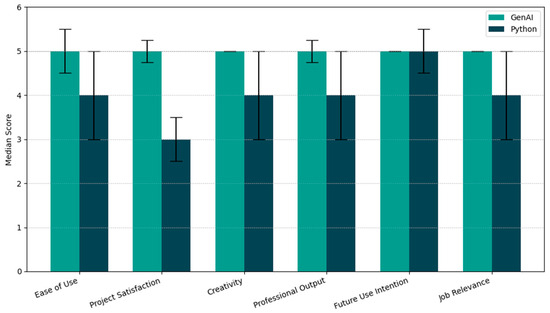
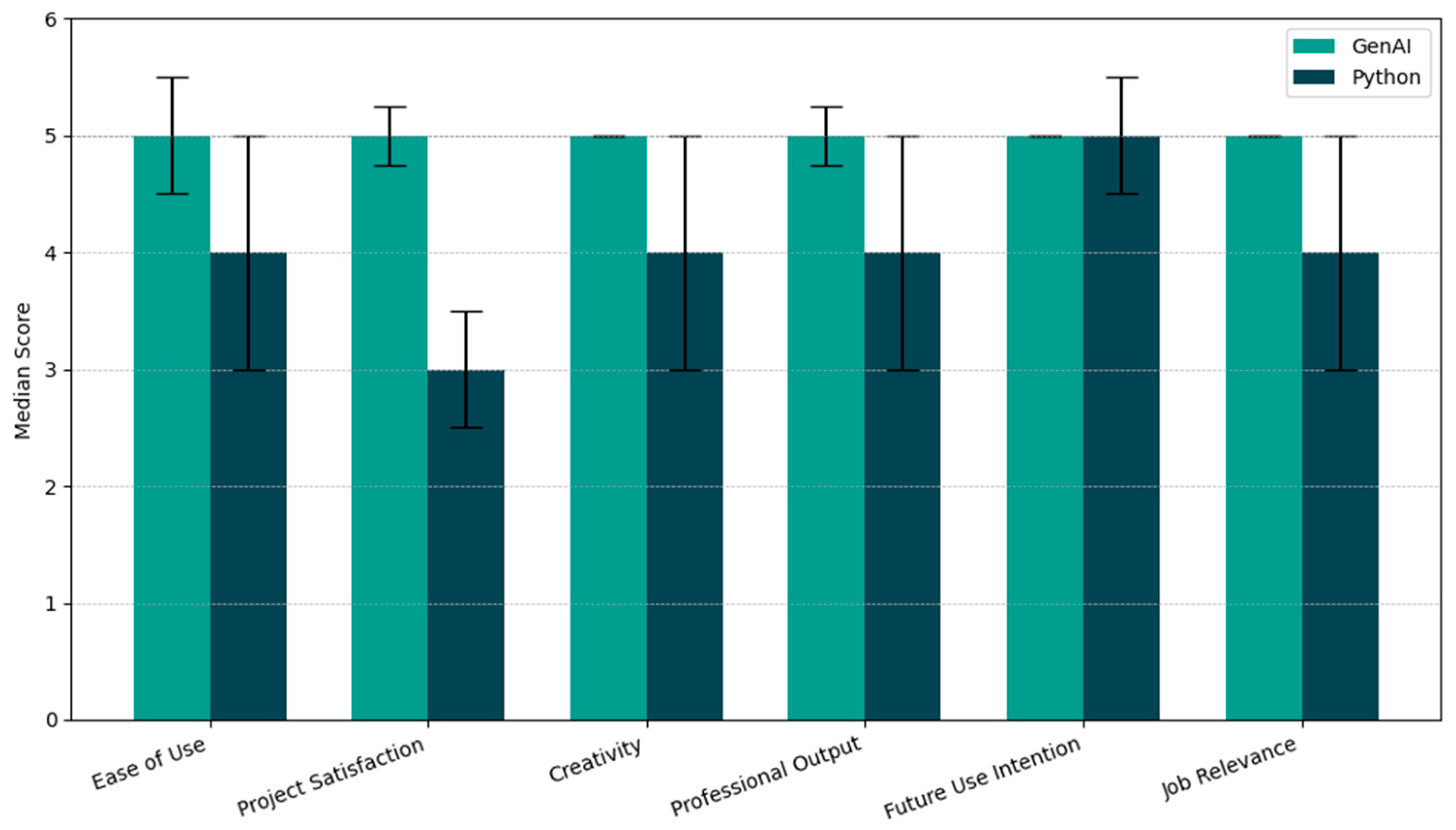
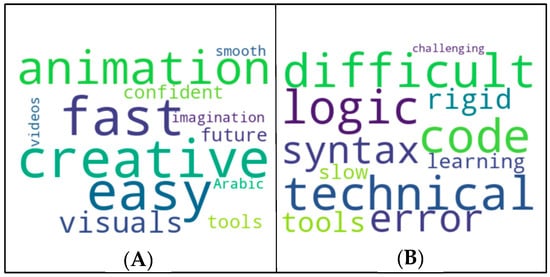
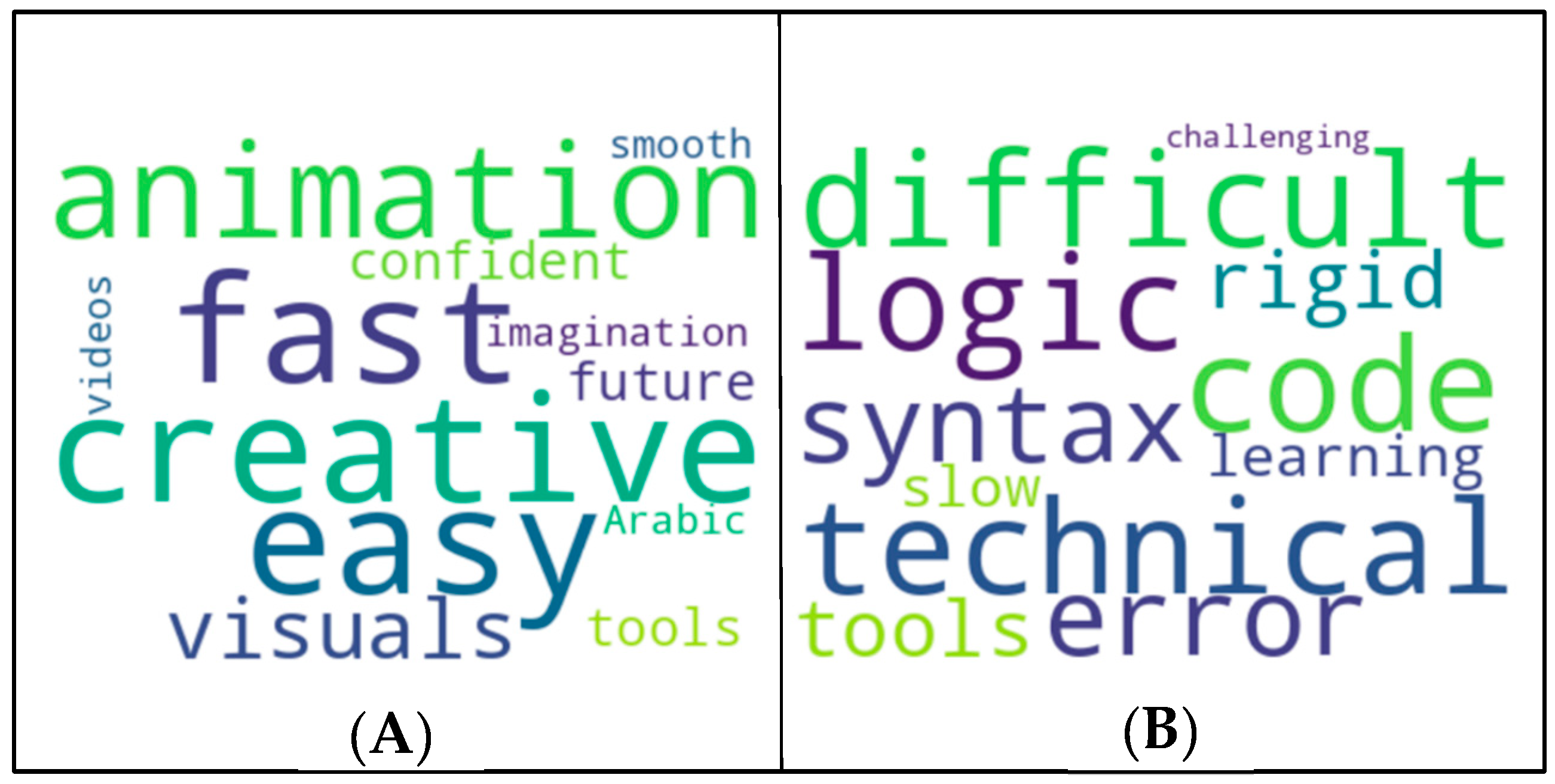
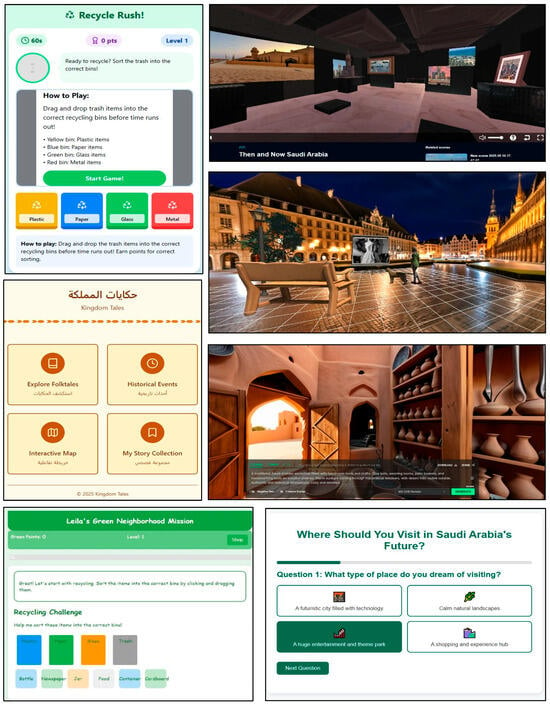
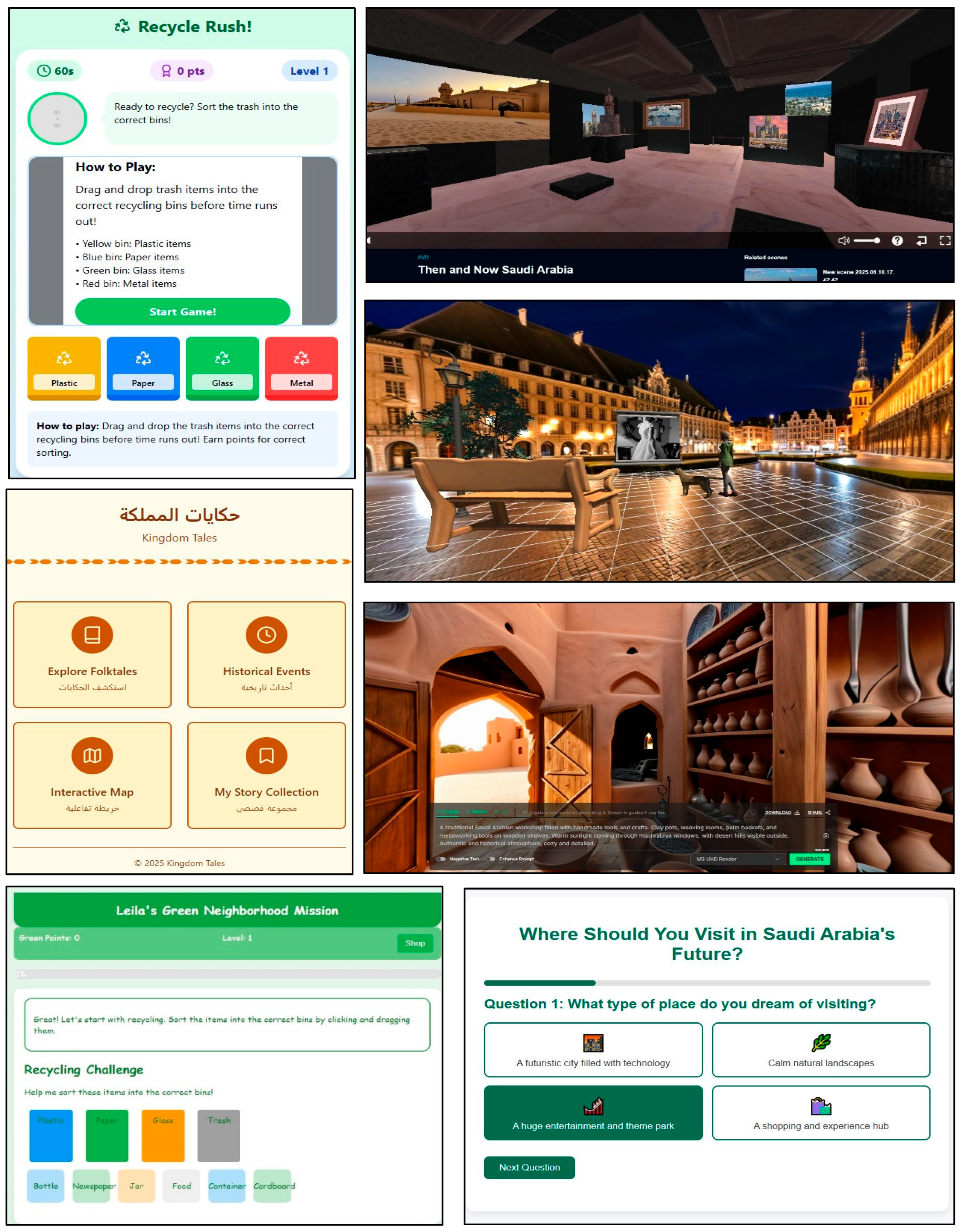


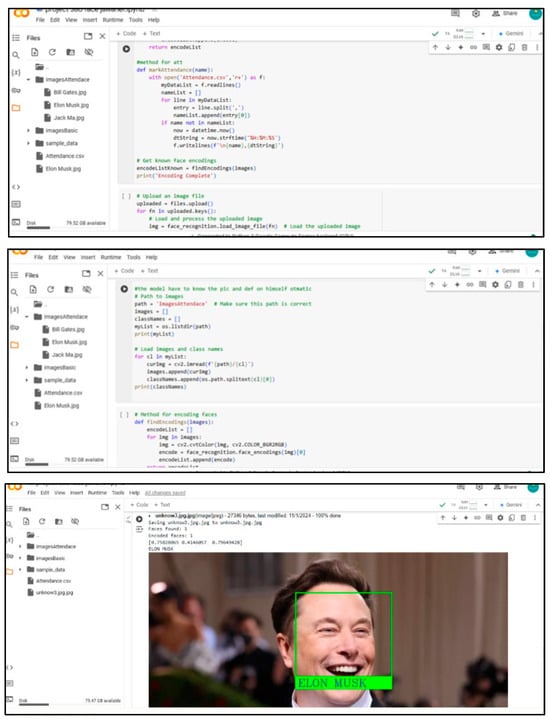
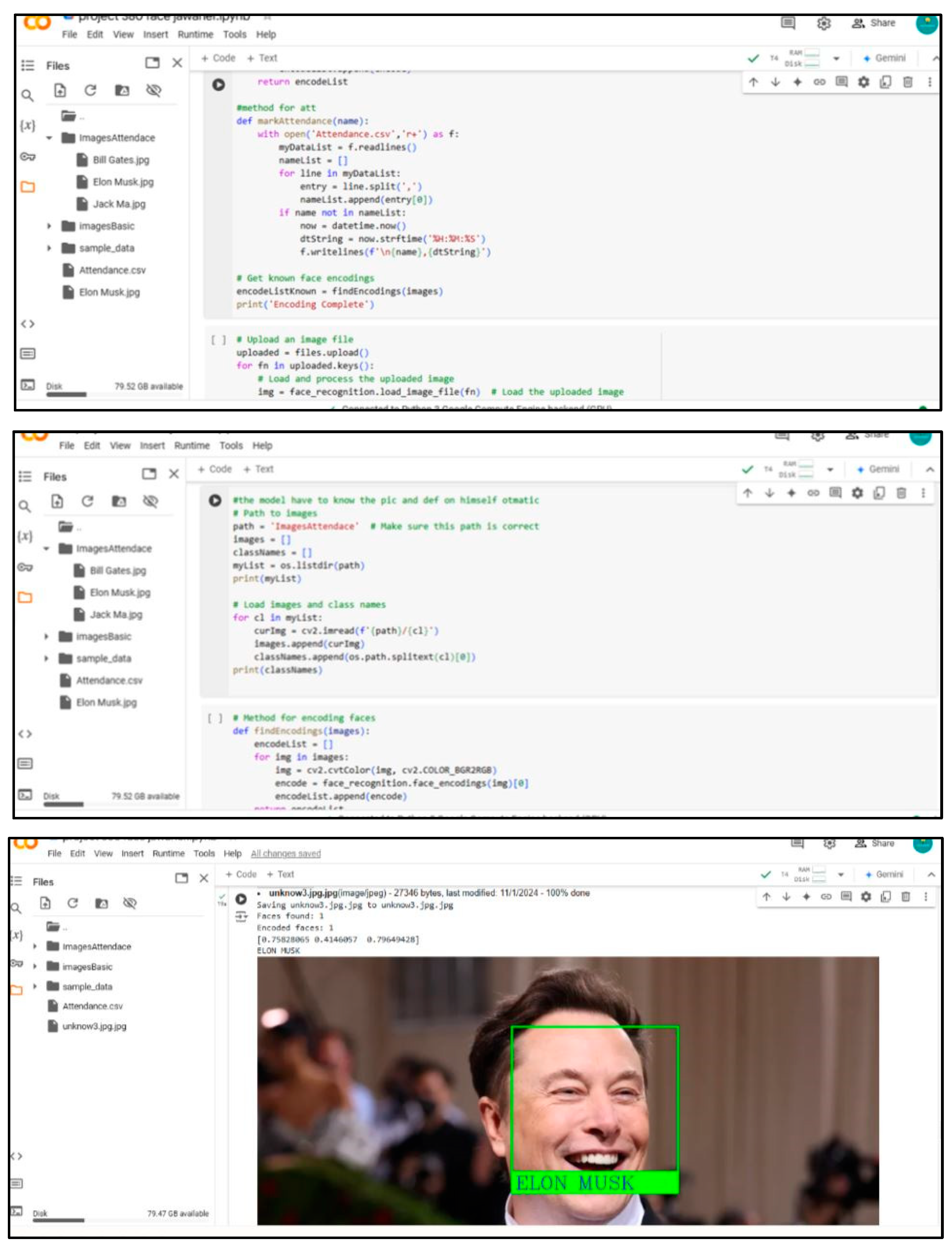
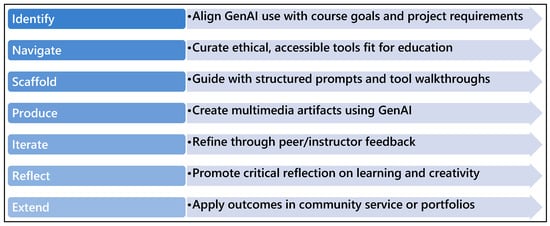

Disclaimer/Publisher’s Note: The statements, opinions and data contained in all publications are solely those of the individual author(s) and contributor(s) and not of MDPI and/or the editor(s). MDPI and/or the editor(s) disclaim responsibility for any injury to people or property resulting from any ideas, methods, instructions or products referred to in the content. |
© 2026 by the author. Licensee MDPI, Basel, Switzerland. This article is an open access article distributed under the terms and conditions of the Creative Commons Attribution (CC BY) license.