


Abstract
This review explores the impact of teachers’ emotional competence on students’ psychological and social well-being, based on peer-reviewed research from 2015 to 2025. The review examines various aspects of teachers’ emotional competence, including awareness, regulation, empathy and interpersonal sensitivity, and synthesises findings from school research to explore their impact on students. The results consistently highlight that emotionally skilled teachers foster a safe, respectful and supportive learning environment that promotes students’ emotional wellbeing and social adjustment. These environments promote higher self-esteem, lower levels of anxiety, better peer relations and greater engagement in learning. Moreover, emotionally skilled teachers are more likely to notice and address student emotional distress, thus addressing problems like bullying, peer rejection and student burnout. The review also found that training and institutional supports are key to enhancing teachers’ emotional competence, though inequities and cultural variations in emotional skills need to be addressed. In summary, the review emphasises the importance of focusing on emotional skills in teacher training and development. It also suggests longitudinal studies and culturally sensitive approaches to enhance education strategies and policy, as well as students’ well-being.
1. Introduction
Learning is not just the acquisition of knowledge, but also about the integral development of students, including their psychological, social and emotional development (Brill et al., 2025; Cipriano et al., 2023). Today, there is a growing recognition of psychosocial well-being as an integral component of learning and development (Kassaw et al., 2024; Buthelezi et al., 2024). Psychosocial well-being is the interplay between social elements, including relationships, social acceptance and social skills, and psychological characteristics, such as self-worth, resilience and emotion regulation (Dahlsgaard, 2023). Schools serve as both academic and social settings where learners learn about themselves, how to cope and interact with others, all of which have a profound impact on their future (Shirima & Naudé, 2024; Main et al., 2025). Here, teachers not only serve as academic mentors but also as emotional guides (Gebre et al., 2025), and their skills in regulating emotions and responding empathetically are critical in predicting learners’ psychosocial well-being (Cervellione et al., 2025).
Over the past two decades, there has been growing interest in teacher emotional competence because teaching is inherently emotional in nature (Scheirlinckx et al., 2023; Ornaghi et al., 2023; Savina et al., 2025). In this review, teacher emotional competence (EC) is the capacity to identify, comprehend, manage and express emotions in oneself and others in an appropriate manner (Mikolajczak, 2020). Although related constructs such as emotional intelligence, socio-emotional competence and emotional regulation frequently overlap in educational literature, this review conceptualises teacher emotional competence as a broader, context-specific construct concerned with the adaptive application of emotional capacities within professional teaching environments and therefore does not treat these constructs as interchangeable (Vesely-Maillefer & Saklofske, 2018; Petrides & Furnham, 2001). Whereas Mayer and Salovey’s ability model conceptualises emotional intelligence as a set of cognitive-emotional abilities, Mikolajczak’s framework emphasises the effective application of emotional skills within social and contextual interactions. In this conceptualisation, EC is defined as emotional awareness, empathy, emotional regulation, self-control and effective interpersonal interaction (Antonopoulou, 2024). While some studies have used related terms interchangeably, such as emotional intelligence, the literature shows conceptual inconsistencies due to the different theoretical traditions, namely ability-based, trait-based and mixed models of emotional functioning (Petrides & Furnham, 2001; Vesely-Maillefer & Saklofske, 2018). For the purpose of this review, the term emotional competence is used to specifically refer to teachers’ emotional abilities and regulation capacities in educational contexts, to avoid conceptual ambiguity.
Emotionally competent teachers are more likely to remain calm in challenging situations, respond effectively to learners’ emotional and academic needs and establish safe and trusting classroom environments (Rodriguez et al., 2020; Poulou & Garner, 2024). In contrast, low levels of emotional competence may contribute to heightened learner stress, anxiety and disengagement (W. Zhang et al., 2023; J. Ma & Niu, 2025). The significance of EC is supported by emotional intelligence theory and social–emotional learning (SEL) perspectives, which emphasise the important role of emotions in cognition, decision-making, social interaction and learning processes (Kim et al., 2024; Masry-Herzallah, 2024; Sambol et al., 2025). In this light, emotionally competent teachers can better support learners’ emotional development, demonstrate healthy emotional regulation and promote resilience and positive conflict resolution (Aldrup et al., 2023; Calandri et al., 2025).
Although these perspectives provide important insights into teacher emotional competence, the construct remains theoretically multidimensional and requires further conceptual clarification within educational contexts. Similarly, learners’ psychosocial well-being is a broad construct that extends beyond emotional functioning alone and must be understood through developmental and socio-ecological perspectives. Understanding the relationship between teacher emotional competence and learners’ psychosocial well-being therefore requires engagement with the theoretical frameworks underpinning both constructs.
Teacher emotional competence is a multidimensional construct that has been conceptualised through several theoretical perspectives in emotional intelligence and socio-emotional learning literature (Savina et al., 2025). Emotional competence extends beyond the simple recognition of emotions and includes the ability to perceive, understand, regulate and appropriately express emotions in ways that support interpersonal relationships and adaptive functioning within educational environments (Mikolajczak, 2020). Although emotional competence is closely related to emotional intelligence, different theoretical approaches conceptualise these constructs differently (Quílez-Robres et al., 2023).
The ability model of emotional intelligence proposed by John D. Mayer and Peter Salovey conceptualises emotional intelligence as a set of cognitive-emotional abilities that enable individuals to perceive emotions accurately, understand emotional meanings and regulate emotions effectively (Mayer et al., 2016). Within teaching contexts, this perspective suggests that emotionally competent teachers are able to recognise learners’ emotional cues, manage emotionally demanding classroom situations and respond constructively to learners’ emotional and behavioural needs (Li et al., 2025). In contrast, the trait model developed by Konstantinos V. Petrides conceptualises emotional intelligence as a constellation of emotional self-perceptions and personality dispositions, including emotional self-efficacy, empathy, adaptability and emotional confidence (Petrides & Furnham, 2001). This model helps explain individual differences in teachers’ emotional responsiveness and their ability to establish emotionally supportive classroom climates (Doyle et al., 2024).
Within educational research, teacher emotional competence has increasingly been conceptualised as a professional socio-emotional capacity involving emotional awareness, emotion regulation, empathy, relational responsiveness and emotionally supportive classroom interaction (Aldrup et al., 2020; Buettner et al., 2016; Collie, 2021). Empirical studies with teachers demonstrate that emotional competence is associated with classroom management, instructional support, teacher–student relationship quality, emotional support practices and teacher well-being (Fiorilli et al., 2016; Pakarinen et al., 2020; Doyle et al., 2024). Research further indicates that emotionally competent teachers are more likely to create supportive classroom climates that promote learner engagement, emotional security and psychosocial adjustment (Collie, 2025a, 2025b). Rather than representing a fixed personality trait, teacher emotional competence is increasingly understood as a contextually enacted and partially developable professional capacity shaped by interpersonal, institutional and cultural factors (Gabrijelčič et al., 2021; Gebre et al., 2025).
Within the teaching profession specifically, the Prosocial Classroom Model proposed by Patricia A. Jennings and Mark T. Greenberg provides an important framework for understanding how teacher emotional competence influences learner outcomes (Jennings & Greenberg, 2009). The model posits that teachers’ social–emotional competence contributes to emotionally supportive classroom climates, effective classroom management and positive teacher–student relationships, which in turn promote learners’ emotional security, engagement and psychosocial adjustment (Odescalchi et al., 2025; Elbertson et al., 2025). This framework extends beyond empathy alone and emphasises emotional responsiveness, affective communication, emotional attunement and teachers’ emotional commitment to learners (Lapidot-Lefler, 2025). Such relational and emotionally supportive interactions are increasingly recognised as central to learners’ psychosocial development and well-being (Kim et al., 2024).
The present review also conceptualises learners’ psychosocial well-being as a multidimensional construct encompassing emotional, psychological and social functioning within educational settings. Psychosocial well-being includes dimensions such as self-esteem, resilience, emotional regulation, social connectedness, peer relationships, school belonging and adaptive coping (Kumari & Thapa, 2025). Rather than focusing solely on the absence of psychological distress, psychosocial well-being reflects learners’ capacity to function effectively socially and emotionally within their school environments (Sarzhanova & Nurgabdeshov, 2025).
The conceptualisation of psychosocial well-being in this review is informed by Urie Bronfenbrenner’s Ecological Systems Theory, which explains that learner development occurs through interactions within multiple environmental systems, particularly the microsystem consisting of immediate social relationships and environments such as schools and classrooms (El Zaatari & Maalouf, 2022). Within this framework, teachers represent significant social agents whose emotional interactions, communication styles and classroom practices influence learners’ emotional experiences, social adjustment and psychological functioning (Frenzel et al., 2021). Emotionally supportive classrooms therefore provide protective environments that foster resilience, belonging and positive psychosocial adaptation among learners (Doll & Song, 2023). This review further draws on socio-emotional learning perspectives advanced by CASEL (Collaborative for Academic, Social, and Emotional Learning), which emphasise the development of self-awareness, self-management, social awareness, relationship skills and responsible decision-making as central dimensions of learners’ well-being and adjustment (Frye et al., 2024). These perspectives suggest that emotionally competent teachers contribute to psychosocial well-being by modelling emotional regulation, promoting positive interpersonal relationships and creating inclusive and emotionally safe learning environments (Collie, 2025b). Consequently, the relationship between teacher emotional competence and learners’ psychosocial well-being can be understood as a relational and ecological process through which emotionally responsive teaching practices shape learners’ emotional security, resilience, social connectedness and overall psychosocial adjustment.
Building on these conceptual and theoretical perspectives, empirical research consistently demonstrates that teacher emotional competence plays an important role in shaping learners’ psychosocial well-being (Collie, 2025a; Cervellione et al., 2025). Emotionally competent teachers tend to create warm, supportive and respectful classroom climates that promote learner self-esteem, motivation and behavioural adjustment (Doll & Dooley, 2021; Madhusoodanan, 2024). Teachers also demonstrate adaptive coping strategies to learners by being effective in expressing and regulating their emotions (De Neve et al., 2023; Y. Wang et al., 2025). In addition, teacher EC fosters teacher–student relationships that are strongly linked to learners’ sense of inclusion, security and belonging (Dreer, 2022; Fitzgerald et al., 2022; Poulou & Garner, 2024). These relationships can help to decrease psychosocial challenges such as anxiety, depression and social isolation (Monteiro et al., 2021). Emotionally competent teachers are also more likely to handle classroom conflict fairly and empathetically, which helps to create cooperative rather than competitive learning environments (Valente & Lourenço, 2020; Levi-Keren et al., 2021). Together, these processes help to ensure that learners have positive long-term psychosocial outcomes (Aldrup et al., 2022).
In the context of the increasing concerns about learners’ psychosocial well-being, the growing importance of teacher EC has become more apparent. The prevalence of stress, anxiety and depression among young people has led to a greater need for emotionally responsive education (Barker et al., 2019; Mei & Wang, 2024; Anderson et al., 2025). The COVID-19 pandemic also revealed the emotional fragility of learners and the importance of teachers’ emotional stability, compassion and support during times of uncertainty (Moura et al., 2021). Emotionally competent teachers are thus crucial protective factors that enable learners to regulate their emotions, stay engaged and manage adversity well (Lozano-Peña et al., 2021; D. Wang & Qin, 2025).
Although there is an increasing awareness of the importance of teacher EC and learners’ psychosocial well-being, the research on this topic is still fragmented (Ferreira, 2022; Cervellione et al., 2025). The definitions, theories and methods used in studies have varied, resulting in inconsistencies and mixed results (Vesely-Maillefer & Saklofske, 2018; Pattiasina et al., 2024). Some studies concentrate on the interventions that aim to improve teachers’ emotional skills, while others focus on the indirect effects, such as the classroom climate or the academic performance of the learners (Su et al., 2022; Khassawneh et al., 2022). Furthermore, the implementation of EC in teacher education and SEL programmes varies widely across contexts, especially in low-resource contexts (Korotaj & Mrnjaus, 2020; Brush et al., 2022). The inconsistencies suggest the need for a more coherent integration of evidence on the role of teacher emotional competence in learners’ psychosocial well-being in educational contexts and cultures.
Learners’ psychosocial well-being is widely recognised as central to holistic development and successful learning outcomes (Kaya & Erdem, 2021; Frazier & Doyle Fosco, 2024). It encompasses dimensions such as self-esteem, resilience, emotional functioning, peer relationships and school connectedness (Surzykiewicz et al., 2022; Lynch, 2024). Developmental and social-ecological perspectives suggest that learners’ well-being is shaped by interactions within multiple systems, including schools, families, peers and teachers (Bierman et al., 2018; Guy-Evans, 2024; Guanghui, 2024). Consequently, supportive school environments and positive teacher–student relationships are associated with improved psychosocial outcomes and reduced mental health difficulties such as anxiety, depression and behavioural problems (X. Wang, 2023; Cefai et al., 2023; Kaiser & Reintjes, 2025).
Accordingly, the relationship between teacher EC and learners’ psychosocial well-being has become an important area of educational research (Manasia et al., 2020; Salavera & Urbón, 2024). Emotionally competent teachers foster inclusive and emotionally supportive classroom environments that enhance learners’ resilience, social connectedness and emotional regulation (Shen et al., 2024; Eden et al., 2024; De Neve et al., 2023). Positiveteacher–student relationships also serve as protective factors against psychosocial distress, including loneliness, anxiety and depression (Aldrup et al., 2022; X. Wang, 2023). However, variations in emotional expression and educational practices across cultures highlight the importance of culturally responsive approaches to teacher emotional competence (Hagenauer et al., 2015; Jimerson & Chen, 2022).
Despite the emerging research, there are still large gaps in our knowledge (Gimbert et al., 2021; Shapira & Amzalag, 2025). Research is sometimes conceptually unclear, with varying definitions and measurements of emotional competence and psychosocial well-being (Stubley & McCroy, 2014; Lamboy et al., 2022). Some research is limited in its focus on academic achievement, with little attention to other psychosocial factors such as resilience, belonging and emotion regulation (Almeida et al., 2021; Al-Tameemi et al., 2023). Moreover, studies are heavily focused on high-income countries, with little attention paid to these issues in low- and middle-income regions and cultures (Plancikova et al., 2020). Additionally, there is little agreement on the type of interventions and training programmes to build teacher’s emotional competence (Helmreich et al., 2017). These areas of need highlight the need for evidence synthesis to synthesise patterns, mechanisms and context (Frank et al., 2020; Hascher & Waber, 2021).
To address this, this systematic review seeks to integrate evidence on the link between teacher emotional competence and learners’ psychosocial well-being. It aims to better understand the relevant theories, dimensions and pathways, and explore factors such as cultural, socioeconomic, and school-level factors. Through the review, we aim to synthesise existing evidence to guide teacher education, policy and practice and promote holistic learner well-being. Emotional competence is an example of broadening the educational paradigms by considering the emotional and social well-being of the learners as important indicators of educational outcomes (academic achievement) (Kumar, 2020; Poulou & Garner, 2024; Cachia et al., 2018; Guterman, 2021). Teacher emotional competence should therefore be understood not merely as a desirable personal attribute, but as a critical professional competency that shapes learners’ psychosocial experiences, adjustment and overall educational development (Selvi, 2010; Arciniegas-Romero et al., 2025). (refer to Figure 1).
Figure 1.
A conceptual model showing the relationship between teachers’ emotional competence and learners’ psychological well-being.
Research Questions
RQ1: What theoretical models have been used to explain the relationship between teacher emotional competence and learners’ psychosocial well-being?
RQ2: Which components of teacher emotional competence (e.g., emotional awareness, empathy and emotional regulation) are associated with learners’ psychosocial outcomes, and through what mechanisms (e.g., classroom environment, teacher–student relationships and classroom management) do these components influence learners’ psychosocial well-being?
RQ3: How do contextual factors such as culture, socioeconomic background and school resources influence the relationship between teacher emotional competence and learners’ psychosocial well-being?
2. Materials and Methods
This research has used a systematic literature review (SLR) method to increase the review’s transparency, repeatability and rigour. The review entailed locating, appraising and synthesising empirical evidence to answer the research question about the link between teachers’ emotional competence (EC) and the psychosocial well-being of the learners. The review protocol was used to ensure a rigorous approach to all aspects of the review. https://www.crd.york.ac.uk/PROSPERO/view/CRD420251228999 (accessed on 11 November 2025).
2.1. Search Strategy
A systematic search strategy was used to search four electronic databases (Scopus, Web of Science, PsycINFO and ERIC) for relevant research. This search combined keywords, Boolean operators (e.g., AND, OR, NOT) and truncation symbols (e.g., “*”) to accommodate all types of vocabulary. The terms used in the search strategy were “teacher emotional competence”, “teacher emotional intelligence”, “educator emotional skills”, “psychosocial well-being of learners”, “student social–emotional outcomes” and “classroom climate”. The use of Boolean operators (AND, OR, NOT) and phrase searching (e.g., “psychosocial well-being”) allowed for effective combination of terms, and specific term searching respectively. Wildcard searching (e.g., competence*) was used to broaden the search. The search was restricted to peer-reviewed empirical studies (2015–2025) to ensure that the results were appropriate and up to date. We limited the search to studies in English, and school settings. This approach sought to provide a broad, specific and objective set of results (refer to Table S1 in the Supplementary Materials).
2.2. Inclusion/Exclusion Criteria
The review considered published empirical studies (2015–2025) in peer-reviewed journals that investigated the association between teachers’ emotional competence and learners’ psychosocial well-being. Studies were set at the primary or secondary school level where teachers are integral to learners’ development. We included studies using either qualitative or quantitative methods. The studies needed to explicitly focus on constructs related to teacher emotional competence (such as emotional intelligence, emotional regulation, or socio-emotional skills), and learner outcomes (such as self-esteem, resilience, belonging, social relationships or emotional adjustment).
We excluded studies that did not explicitly address teacher emotional competence or did not consider learner psychosocial well-being as an outcome, primary or secondary. Studies that were not peer-reviewed (including editorials, opinion pieces, dissertations, book chapters, conference abstracts, reviews or meta-analyses) were omitted. Studies that only examined stress, burnout or mental health of teachers and not how it affected learners were also excluded. Also, studies that did not take place in school settings (e.g., workplace training and informal education) were excluded. To ensure consistency and currency, studies published in languages other than English and/or before 2015 were omitted (refer to Table S2 in the Supplementary Materials).
2.3. Study Selection and Screening
A total of 1175 records were originally found via search. Of these, 1153 records were checked for duplicates (22 removed) and screened by title and abstract. We excluded 975 articles as they were not relevant to teacher emotional competence or learner psychosocial well-being. We reviewed a total of 178 full-text articles, but 12 could not be accessed. Full texts of the remaining 166 articles were reviewed. As a result, 119 studies were excluded for the following reasons: 48 did not consider teacher emotional competence, 37 did not include a sufficient measure of learner psychosocial well-being and 34 did not provide sufficient empirical evidence. A total of 48 studies were found to meet all the inclusion criteria and were synthesised. The selection process of the studies followed the PRISMA 2020 guidelines and is represented in Figure 2.
Figure 2.
Prisma Flow Chart.
There were two independent reviewers who used preset inclusion and exclusion criteria for study selection. The two independent reviewers greatly minimised researcher bias and ensured the review was accurate. The exclusion process was comprehensively documented with rationales and explained to support the review process. While the focus on database-indexed studies may have missed some unpublished or “grey” literature, the systematic review process ensured a rigorous and comprehensive summary of all the peer-reviewed evidence available, thus giving a comprehensive picture.
2.4. Quality Assessment Protocol
The quality of each study was evaluated using critically appraised quality assessment tools to determine the rigour and potential biases of each study. The appraisal instruments were selected based on the study designs: the Joanna Briggs Institute (JBI) critical appraisal checklists were used for quantitative studies (cross-sectional, cohort and quasi-experimental studies), the Critical Appraisal Skills Programme (CASP) checklist was applied for qualitative studies and the Mixed Methods Appraisal Tool (MMAT) for mixed-methods studies. Each study was appraised for sample, validity and reliability of assessment instruments, data collection, control of confounding factors, suitability of data analysis and adequacy of presentation of findings. The risk of bias was identified as low, moderate and high, depending on the presence of methodological limitations such as self-report bias, the limitations of cross-sectional designs, small sample sizes or non-representative samples, and lack of confounders control. Notes on the quality assessment of each study were made, noting their strengths (such as good sampling methods, valid instruments, longitudinal approaches and multi-informant designs) and limitations (such as self-report bias, and poor external validity). In summary, although some limitations are mentioned, the majority of studies had low to moderate methodological quality, and support the validity and reliability of the synthesised evidence on teachers’ emotional competence and students’ psychosocial well-being (refer to Table S3 in the Supplementary Materials).
2.5. Data Analysis
2.5.1. Data Synthesis and Analysis
Both the nature of the studies and the differing contexts and outcomes meant a narrative synthesis was used to synthesise and analyse the data (Noyes et al., 2019). This approach has four stages: preparing an initial synthesis, exploring relationships between and within the studies, examining the rigour of the synthesis and the conclusions reached (Edwards & Kaimal, 2016). Narrative synthesis allows for the synthesis of different types of evidence using structured textual and interpretive approaches such as tabulation, grouping and mapping (Naeem et al., 2023). It matches diverse and mixed-methods evidence well (Stern et al., 2020). The studies were organised according to the research questions following the principles of thematic synthesis in qualitative research. This allowed us to explore patterns, consistencies and differences between studies to build a synthesis of the association between teachers’ emotional competence and students’ psychosocial outcomes (refer to Table S4 in the Supplementary Materials).
2.5.2. Descriptive Analysis of Studies Reviewed
A data extraction form was developed to ensure consistent reporting. The data extraction protocol included author(s), year of publication, country, study design, sample size, data collection tools, quality rating and appraisal notes (Tables S3 and S4). Journal analysis (See Figure 3) showed that the highest numbers of articles were published in Frontiers in Psychology (8) and Early Childhood Education and Development (6). Three articles (6.1%) were published each in Teachers and Teaching, Theory and Practice, Psychology Research and Behaviour Management. The remaining articles were published across a range of journals with most publishing one or two articles. In summary, 37.8% of the studies were published across a broad range of journals, suggesting both that the themes were well aligned with educational psychology journals and that the publication landscape was diverse and diffuse across related disciplines (refer to Figure 3). The graphical illustrations of the studies included the emotional competence of the teachers, and the psychosocial wellbeing of the learners was also analysed. Their main features are overviewed, such as study design and regional distribution, quality rating and publication years (refer to Figure 4).
Figure 3.
Percentage Distribution of included Studies across Journals.
Figure 4.
Geographical representation of included Studies. The sum of the percentages may not be 100% due to rounding.
The statistical representation of included studies shows the frequencies, percentages and statistics of the studies that were included. This review included a total of 48 studies, which proves that the range of research designs and geographical sources is quite different. Most studies used quantitative methodology (73%), with smaller shares employing qualitative (8%) and mixed-methods methodology (15%). Also, 4 percent of the studies were considered as quasi-experimental. Regarding the regional distribution, the studies were mainly done in Europe (39.6%), Asia (31.1%), North America (16.6%) and Oceania (12.5%). This means that there is a wide international coverage, though there is a significant concentration in European and Asian settings.
In terms of the quality of research methodology, the majority of the studies were rated as moderate (72.9%), with the rest of the 27.1% rated as low-quality methodology. None of the studies were rated high-quality. Lastly, most of the studies were published in 2021–2025 (73%), and the other 27% of the studies were published between 2015 and 2020. This is an indication that an increasing number of scholars have taken interest in the subject matter in recent years (refer to Table S5 in the Supplementary Materials).
3. Findings
This part includes the results and evidence of the review of 48 studies. The articles were selected based on various cultural and institutional backgrounds and used different approaches, such as quantitative, qualitative, and mixed-method approaches.
RQ1: What theoretical models have been used to explain the relationship between teacher emotional competence and learners’ psychosocial well-being?
The range of conceptual and theoretical models describes the influence of teacher emotional competence (EC) on the psychosocial well-being of learners, and its multidimensional and context-specific nature. The most popular models that highlight EC of teachers (self-awareness, regulation, empathy, relationship skills) as the basis of positive classroom environments include Social and Emotional Learning (SEL) and Social–Emotional Competence (SEC) models, including CASEL and Prosocial Classroom models (Aldrup et al., 2020; Collie, 2025b). The theories of emotion processes (e.g., the one by Gross, emotional labour) explain how the strategies of teacher regulation and emotional expression affect their well-being and classroom atmosphere (Gabrijelčič et al., 2021; Kanbur & Kirikkaleli, 2023). Job Demands-Resources (JD-R) and Conversation of Resources (COR)models consider EC as a means of buffering stress and teacher availability (Pakarinen et al., 2020; Ornaghi et al., 2023; Fu et al., 2025). Relational, social learning, and motivational theories (e.g., Bandura, SDT, Attachment theory) are said to explain how teachers act as role models of emotional norms and to support the needs of students (Vestad et al., 2021; Collie et al., 2024; Poulou & Garner, 2025) and all lead to a transactional, multi-level interpretation (Refer to Table S6 in the Supplementary Materials).
RQ2: Which components of teacher emotional competence (e.g., emotional awareness, empathy and emotional regulation) are associated with learners’ psychosocial outcomes, and through what mechanisms (e.g., classroom environment, teacher–student relationships and classroom management) do these components influence learners’ psychosocial well-being?
Across the 48 reviewed studies, several interrelated dimensions of teachers’ emotional competence (EC) emerged as key determinants of learners’ psychosocial well-being, with emotional awareness, emotion regulation, and empathy showing the most consistent associations with positive outcomes.
Emotional awareness, which is the ability of teachers to recognise and understand their own and learners’ emotions, was identified as a foundational competency supporting responsive and empathetic teaching (Collie, 2025a; De Neve et al., 2023; Kanbur & Kirikkaleli, 2023). Teachers with high emotional awareness were better able to detect learners’ emotional cues, respond sensitively, and establish trust and psychological safety in the classroom. In about 28 studies, emotional awareness was linked to open communication, mutual respect, and emotional security. However, in high-stress or resource-constrained contexts, heightened sensitivity without adequate institutional support sometimes contributed to emotional exhaustion and reduced responsiveness (Collie, 2025b; Fu et al., 2025).
Emotion regulation was the most frequently reported component of EC appearing in thirty studies and showed strong predictive value for learners’ emotional stability, engagement, and well-being (Aldrup et al., 2020; Doyle et al., 2024; Fu et al., 2025). Teachers’ ability to manage and model emotions through strategies such as cognitive reappraisal and authentic emotional expression contributed to more stable and supportive classrooms. Cognitive reappraisal enabled teachers to reinterpret stressful situations constructively, while genuine emotional expression fostered trust, closeness, and respect (Keller & Becker, 2021; Chang & Taxer, 2021). In contrast, surface acting was associated with lower learner emotional security and engagement. However, cultural norms moderated these effects; in some collectivist settings, emotional restraint was linked to professionalism but sometimes reduced relational warmth and connection (Yin et al., 2023; P. Ma et al., 2023).
Empathy, encompassing both cognitive and affective dimensions, also played a central role in promoting psychosocial well-being. Empathic teachers who accurately understood learners’ perspectives and responded compassionately developed strong, supportive relationships that enhanced belonging, motivation, and emotional well-being (Hen & Goroshit, 2016; Ampofo et al., 2025). Approximately two-thirds of the studies reported that empathy was associated with increased prosocial behaviour, cooperation, and resilience. However, in highly structured or performance-driven environments, institutional demands and workload pressures sometimes limited the sustainability of empathic engagement (Poulou & Garner, 2025; Llorent et al., 2025).
The influence of teacher EC on learner outcomes operated through four main mediating mechanisms: classroom climate, teacher–student relationships, classroom management, and emotional modelling. A positive classroom climate was the most frequently identified mediator (n ≈ 35), characterised by inclusivity, emotional safety, predictability, and reduced conflict (Collie, 2025a; Doyle et al., 2024; Fatahi et al., 2023). Such environments promoted engagement, motivation, and belonging (Pozo-Rico et al., 2023). Strong teacher–student relationships further enhanced emotional security, resilience, and social adjustment (Aldrup et al., 2020; Yin et al., 2023). However, their impact was weaker in systems prioritising academic performance over socio-emotional development. Effective classroom management, supported by emotion regulation and interpersonal skills, enabled fair, calm, and non-punitive responses to behaviour, improving learner self-regulation and focus (Schiepe-Tiska et al., 2021; Fatahi et al., 2023). Emotional modelling, where teachers demonstrated adaptive emotional expression and coping strategies, further encouraged learners to internalise positive behaviours (Humphries et al., 2018; Shapira & Amzalag, 2025). Evidence from SEL and professional development interventions showed that strengthening teacher EC produced cascading benefits for both teachers and learners (Pozo-Rico et al., 2023; Ornaghi et al., 2023).
Overall, learners taught by emotionally competent teachers demonstrated higher engagement, motivation, belonging, resilience, and emotional regulation, alongside reduced anxiety, stress, and behavioural difficulties (Collie, 2025b; Fu et al., 2025; Kanbur & Kirikkaleli, 2023). Peer relationships and academic adaptation were also improved (Y. Zhang et al., 2025; Martinsone et al., 2022). Among EC components, emotion regulation, particularly cognitive reappraisal and authentic emotional expression showed the strongest empirical links to psychosocial outcomes, followed by empathy and emotional awareness. But these effects were moderated by cultural, institutional and leadership factors. Overall, the evidence confirms that teachers’ emotional awareness, regulation and empathy, through relational and classroom mechanisms, are vital to learners’ psychosocial development across a range of educational contexts (See Table S7 in the Supplementary Materials).
RQ3: How do contextual factors such as culture, socioeconomic background and school resources influence the relationship between teacher emotional competence and learners’ psychosocial well-being?
All 48 studies examined in the review showed that contextual factors (culture, socioeconomic background and school resources) played a consistent role in shaping the impact of teachers’ emotional competence (EC) on learners’ psychosocial well-being. Culture played a critical role in shaping the expression and importance of emotional competence. Around 18 studies from collectivist cultures (e.g., China, Japan, Middle East) emphasised the value of emotional control and group harmony. Here, teachers’ emotional regulation and focus on interconnectedness were linked to positive classroom environments.
In contrast, studies from individualist societies like Australia, Canada and Europe highlighted emotional authenticity and sharing. Studies by De Neve et al. (2023) and Collie (2025a) demonstrate how teacher empathy and emotional regulation contribute to student confidence, emotional awareness and expression. But there were exceptions; for instance, Eriksen and Bru (2022) found that even in individualist cultures, social norms can limit emotional expression by teachers. In general, the effects of cultural display rules have a strong impact on classroom emotional climates, which affect students’ emotional stability, self-confidence, and peer acceptance.
Socioeconomic factors were also important in the EC-well-being relationship. Approximately 15 studies examined low-socioeconomic-status (SES) or stressful contexts, where teacher EC served as a buffer. Pahor and Nicholls (2025) and Fu et al. (2025) demonstrated that in low-socioeconomic environments, teachers who were emotionally skilled buffered the effects of poverty and family stress, promoting students’ resilience, emotional security, and acceptance.
In contrast, studies in more affluent settings highlighted the role of institutional supports in strengthening the impact of teacher EC. Martinsone et al. (2022) and Collie and Martin (2024) found that smaller class sizes and social–emotional learning (SEL) initiatives supported teacher effectiveness. In turn, Lin et al. (2024) and Llorent et al. (2025) observed that family and community socioeconomic status indirectly affected classroom emotional climate via learners’ responsiveness to teacher support, suggesting a dynamic home-school relationship.
School resources, leadership and policies were key contextual moderators. Approximately 12 studies, such as Collie (2025b) and Fatahi et al. (2023), showed that the availability of SEL training, leader support and school-based mental health services improved teacher emotional competence, and their capacity to translate this into positive outcomes for learners. Collaborative school cultures, emotional goals and inclusive policies were associated with increased learner engagement, empathy and social skills. But studies from Greece and parts of Eastern Europe (Poulou & Garner, 2025; Madalinska-Michalak, 2015) showed that policy inconsistencies and a lack of SEL support diminished the impact of teacher emotional skills.
Despite these similarities, some inconsistencies were found. Although collectivist cultures prioritise emotional restraint for collective harmony, P. Ma et al. (2023) warn that too much suppression can undermine teacher–student relationships and trust. Likewise, in a resource-rich context, the institutional culture and leadership style may moderate or reduce the impact of emotional competence programmes (Schiepe-Tiska et al., 2021).
To sum up, the research confirms teacher emotional competence occurs within an ecological context influenced by cultural, socioeconomic and institutional factors. These contexts shape its manifestation and effects on learners’ psychosocial well-being. These findings highlight the importance of context-responsive approaches to enhance teacher emotional competence and foster learner well-being in varied learning contexts (See Table S8 in the Supplementary Materials).
4. Discussion of Findings
This systematic review shows teachers’ emotional competence plays a key role in learners’ psychosocial well-being across a range of cultural and educational settings. The review synthesises 48 empirical studies published since 2015 to highlight the most impactful dimensions of emotional competence—emotional awareness, emotion regulation, and empathy. These play a significant role in learners’ emotional safety, self-worth, resilience and social acceptance, confirming that emotional competence is a multifaceted construct with broad implications for classroom social–emotional ecology.
The reviewed studies are mostly rooted in Social and Emotional Learning (SEL), the Prosocial Classroom Model, Emotional Intelligence Theory, and Self-Determination Theory (Aldrup et al., 2020; Collie, 2025b; De Neve et al., 2023). Together, these theories imply that emotionally competent teachers serve as emotional role models and promote safe and supportive learning environments (Rey et al., 2016; Poulou & Garner, 2025). Further, Job Demands-Resources and Conservation of Resources theories emphasise emotional competence as a resource that reduces teacher burnout, supporting ongoing emotional support for learners (Ornaghi et al., 2023; Fu et al., 2025). Self-Determination Theory also explains how emotionally responsive teachers meet learners’ needs for autonomy, competence and relatedness, enhancing motivation and well-being (Collie & Ryan, 2025).
A notable finding from this review was the lack of conceptual and methodological integration across studies examining teacher emotional competence. The reviewed studies employed diverse theoretical frameworks and measurement approaches, including emotional intelligence, emotional regulation and social–emotional competence models. This inconsistency reflects broader conceptual challenges within the field and may explain some of the variation in reported findings across studies (Keefer et al., 2018; O’Connor et al., 2019). The overlap between emotional competence and related constructs such as emotional intelligence also suggests the presence of “jingle-jangle” bias, where similar constructs are labelled differently or distinct constructs are treated interchangeably (Saklofske et al., 2012; Hughes & Evans, 2018). These inconsistencies complicate comparison across studies and highlight the need for greater conceptual clarity and more standardised measurement approaches in future research (Zeidner & Matthews, 2016). The present review therefore highlights the importance of developing theoretically coherent and context-sensitive frameworks for examining teacher emotional competence and its influence on learners’ psychosocial well-being. Consistently across research, emotional awareness supports teachers to identify and respond to their own and learners’ emotions, creating a trusting and open learning environment (De Neve et al., 2023; Kanbur & Kirikkaleli, 2023). Emotion regulation—especially cognitive reappraisal and emotional control—is consistently linked with positive learner engagement and emotional well-being (Aldrup et al., 2020; Doyle et al., 2024; Keller & Becker, 2021). Emotion-regulating teachers create peaceful classroom climates, minimise classroom disruptions and improve peer relationships (Barzegar Bafrooei et al., 2018; Fatahi et al., 2023). Empathy, both cognitive and affective, is tightly linked to enhanced teacher–student relationships, leading to feelings of belonging, safety and motivation in the classroom (Ampofo et al., 2025; Gabrijelčič et al., 2021; Hen & Goroshit, 2016).
Teacher emotional competence impacts on learner outcomes through several pathways, such as classroom climate, teacherlearner relationships, classroom management and modelling of emotions. Classroom climate is the strongest, most common mediator, with emotionally competent teachers fostering safe, inclusive, fair and trusting environments (Collie, 2025a; Pozo-Rico et al., 2023; Poulou & Denham, 2022). Positive teacher–student relations also promote resilience, decrease anxiety and boost engagement (Aldrup et al., 2020; Yin et al., 2023). Classroom management that regulates emotions fosters cooperation, and reduces aggression (Zinsser et al., 2015; Schiepe-Tiska et al., 2021), while modelling emotions helps students learn new responses and strategies to cope with adversity (Shapira & Amzalag, 2025).
But there are contextual influences. In stressful or resource-poor settings, emotionally competent teachers can suffer from compassion fatigue or emotional exhaustion, especially when not supported by their institutions (Collie, 2025a; Fu et al., 2025). Cultural factors can also impact the expression of emotions, with collectivist cultures valuing emotional restraint, which can restrict emotional sharing between teachers and students (Yin et al., 2023; P. Ma et al., 2023). Although teacher emotional competence is universally beneficial, its enactment and impact is context-specific.
Socio-economic and other factors also play a role. In disadvantaged settings, the presence of teacher emotional competence protects learners from adversity and boosts resilience and well-being (Fu et al., 2025; Pahor & Nicholls, 2025). In other words, in high-resource environments, school resources like reduced class sizes and social–emotional learning programmes enhance its effect (Martinsone et al., 2022; Collie & Martin, 2024). Emotional responsive teaching is also enhanced by supportive leadership and policy, but limited by poor institutional systems (Fatahi et al., 2023; Poulou & Garner, 2025).
In summary, research places teacher emotional competence in an embedded ecological system that includes individual, cultural and institutional factors. It is most effective when they combine to promote emotional expression, trust and safety in schools. Ultimately, emotionally competent teachers (those who are aware, regulate and empathise) are key to supporting students’ psychosocial well-being through improved emotional security, relational belonging, resilience and motivation. But to benefit maximally from these attributes, it is necessary to provide systemic support that includes policies, leadership and institutional practices that support teachers’ emotional competences. In this synthesis, we confirm teachers’ emotional competence is a skill and a fundamental component of psychosocial development and educational achievement.
5. Conclusions
This systematic review synthesised evidence from 48 empirical studies published between 2015 and 2025 and demonstrates that teachers’ emotional competence is significantly associated with learners’ psychosocial well-being across diverse educational and cultural contexts. Across the reviewed studies, emotional awareness, emotion regulation, and empathy emerged as the most consistently examined dimensions of teacher emotional competence and were closely linked to positive classroom climates, supportive teacher–student relationships, and learners’ emotional and social adjustment (Aldrup et al., 2023; Collie, 2025a). The findings indicate that emotionally competent teachers are more likely to foster safe, inclusive, and emotionally supportive learning environments that promote learners’ emotional security, resilience, motivation, self-esteem, and adaptive coping.
The review further highlights that the influence of teacher emotional competence is context-dependent and shaped by cultural, socioeconomic, and institutional factors. In stressful or disadvantaged educational settings, emotionally competent teachers often function as important protective resources that buffer the effects of stress and psychosocial vulnerability among learners (Zhou et al., 2025; Fu et al., 2025; Pahor & Nicholls, 2025). In more supportive and resource-rich environments, teacher emotional competence appears to strengthen learner engagement, relational belonging, and positive developmental outcomes through emotionally responsive classroom interactions and supportive school climates (Collie & Martin, 2024; Martinsone et al., 2022).
Overall, the findings suggest that teacher emotional competence should not be understood merely as an individual personal attribute, but rather as an important professional and systemic resource associated with positive school climates, holistic learner development, and psychosocial well-being. Strengthening teacher emotional competence through context-sensitive teacher education, professional development, and institutional support may therefore contribute significantly to emotionally responsive and psychologically supportive educational environments.
5.1. Implications for Policy and Practice
The findings of this review have important implications for policy, practice and teacher education. Teacher preparation and professional development programmes should place greater emphasis on emotional competence alongside pedagogical skills, including training in social–emotional learning (SEL), emotional regulation and relational responsiveness to support teachers’ interactions with learners. Educational policy initiatives should also prioritise teacher well-being by institutionalising emotional competence through continuous professional development, including SEL-focused workshops, peer mentoring systems, reflective supervision sessions and teacher support groups designed to strengthen emotional regulation, empathy and stress management skills (Jennings & Greenberg, 2009; Schonert-Reichl, 2017; Collie et al., 2015; Collie et al., 2025). Schools may further implement collaborative professional learning communities and staff well-being programmes that foster emotionally supportive and psychologically safe school climates (Gimbert et al., 2021; Cefai et al., 2023). School leaders and headteachers play an important moderating role in shaping emotionally supportive school climates because leadership practices influence teachers’ emotional well-being, professional support and classroom functioning (Mahfouz et al., 2025; See et al., 2026). Supportive leadership has been associated with improved teacher motivation, reduced burnout and stronger teacher–student relationships, which may indirectly influence learners’ psychosocial adjustment and engagement (Collie, 2025a; Lee & Swaner, 2023). Leadership training programmes should therefore incorporate emotional intelligence, relational leadership and empathetic communication competencies. In addition, schools should strengthen support systems such as counselling services, peer-support initiatives and well-being programmes for both teachers and learners.
The review also highlights the importance of culturally responsive approaches to SEL and emotional competence development. Emotional expression, empathy and classroom interaction styles differ across cultural contexts, with collectivist cultures often emphasising emotional restraint and group harmony, while individualist contexts may encourage emotional openness and self-expression (Emmerling & Boyatzis, 2012; Eichbaum et al., 2023). These differences may shape how teachers communicate emotional support and how learners interpret teacher responsiveness. Consequently, curriculum developers and policymakers should design culturally sensitive emotional competence programmes that account for local social norms, communication styles and contextual realities (Guntersdorfer & Golubeva, 2018; Eden et al., 2024). Such approaches may include culturally adapted SEL materials, multilingual counselling support and community-informed teacher training initiatives.
Overall, the findings suggest that strengthening teacher emotional competence may contribute to more supportive, resilient and psychologically responsive educational environments that are associated with positive learner well-being and engagement outcomes.
5.2. Limitations
Despite providing a comprehensive synthesis of the relationship between teacher emotional competence and learners’ psychosocial well-being, several limitations should be acknowledged. First, the review included only peer-reviewed studies published in English between 2015 and 2025, which may have introduced publication and language bias through the exclusion of relevant non-English studies and grey literature. Although peer-reviewed studies generally demonstrate stronger methodological quality, the exclusion of unpublished or non-indexed studies may have limited the breadth of perspectives represented in the review. Secondly, most of the included studies employed cross-sectional research designs and relied heavily on self-report instruments to assess both teacher emotional competence and learner psychosocial outcomes. Cross-sectional studies limit the ability to establish causal relationships or determine the directionality of associations between variables (X. Wang & Cheng, 2020). In addition, self-report measures may be vulnerable to social desirability bias, common method variance and subjective interpretation, particularly in studies examining emotional and interpersonal constructs (Anvari et al., 2023). These methodological limitations may have influenced the consistency and strength of the reported findings across studies. Another important limitation relates to the conceptual and methodological heterogeneity observed within the reviewed literature. Teacher emotional competence was conceptualised using diverse theoretical traditions, including emotional intelligence, emotional regulation, social–emotional competence and socio-emotional learning frameworks (Petrides & Furnham, 2001; Mikolajczak, 2020). This reflects broader conceptual challenges within the field and contributes to the “jingle-jangle” problem, whereby conceptually similar constructs are labelled differently or distinct constructs are treated interchangeably (Keefer et al., 2018; Hughes & Evans, 2018). Such inconsistencies complicate comparison ross studies, reduce measurement coherence and may limit theoretical integration within the field. Furthermore, substantial variation existed across the included studies in terms of educational settings, learner age groups, cultural contexts, assessment instruments and psychosocial outcomes examined. While this diversity enriches understanding of teacher emotional competence across contexts, it also introduces methodological heterogeneity that limits direct comparability and generalisability of findings (Noyes et al., 2019). The predominance of studies conducted in Europe and Asia, alongside the relative underrepresentation of research from Africa, Latin America and low-resource educational contexts, further limits the global applicability of the review findings. In addition, the methodological quality of many included studies was rated as moderate rather than high quality, with some studies demonstrating limitations related to sample representativeness, small sample sizes, inadequate control of confounding variables and limited longitudinal evidence. Although the review employed established appraisal tools, including the JBI, CASP and MMAT frameworks, the synthesis remains dependent on the quality and rigour of the available evidence base.
Finally, the narrative synthesis approach, while appropriate for integrating diverse quantitative, qualitative and mixed-methods evidence, is inherently interpretive and may be influenced by reviewer judgement during thematic categorisation and synthesis (Edwards & Kaimal, 2016; Stern et al., 2020). Nevertheless, the use of systematic screening procedures, predefined inclusion criteria, independent reviewers and established appraisal protocols helped to strengthen the transparency, reliability and credibility of the review process. Despite these limitations, the review provides important evidence regarding the association between teacher emotional competence and learners’ psychosocial well-being and highlights several conceptual, methodological and contextual gaps that warrant further investigation.
5.3. Directions for Future Research
Although the present review highlights important associations between teacher emotional competence and learners’ psychosocial well-being, several conceptual, methodological and contextual gaps remain that warrant further investigation. Firstly, future research should prioritise longitudinal and intervention-based studies to better understand the directionality and potential causal mechanisms underlying the relationship between teachers’ emotional competence and learners’ psychosocial outcomes. Since many of the reviewed studies employed cross-sectional designs, it remains difficult to determine whether emotionally competent teaching directly promotes learner well-being over time or whether reciprocal classroom dynamics also shape teachers’ emotional functioning (Aldrup et al., 2023; Collie, 2025a). Longitudinal research may therefore provide deeper insight into the developmental and sustained effects of emotionally responsive teaching practices across different educational stages. Future studies should also adopt more rigorous and diverse methodological approaches, including mixed-methods and multi-informant designs, to capture the complexity of emotional processes within classroom environments (Noyes et al., 2019; Ramli & Yahya, 2025). Much of the existing literature relies heavily on teacher self-report measures, which may increase the risk of common method and social desirability biases (Anvari et al., 2023). Incorporating learner perspectives, classroom observations, parent reports and physiological or behavioural indicators may provide more comprehensive and ecologically valid understandings of how teacher emotional competence influences learners’ psychosocial adjustment.
Another important direction concerns the conceptual fragmentation evident within the field. The reviewed literature revealed considerable overlap and inconsistency in the use of constructs such as emotional competence, emotional intelligence, social–emotional competence and emotional regulation. These conceptual ambiguities reflect broader “jingle-jangle” challenges within emotional competence research and limit comparability across studies (Keefer et al., 2018; Hughes & Evans, 2018). Future research should therefore work toward developing clearer theoretical frameworks and more standardised, context-sensitive measurement instruments capable of distinguishing related emotional constructs while remaining applicable across educational settings and cultures.
The review further identified the need for greater cross-cultural and context-responsive research. Most existing studies were conducted in Europe, Asia and other high-resource educational systems, with relatively limited evidence from Africa, Latin America and low-income or rural contexts. Comparative cross-cultural research is therefore necessary to examine how emotional display rules, cultural norms, school climates and socioeconomic realities shape the expression and effectiveness of teacher emotional competence (Eichbaum et al., 2023; Emmerling & Boyatzis, 2012). Such studies may help clarify how culturally specific understandings of empathy, emotional regulation and teacher–student relationships influence learners’ psychosocial experiences in different educational contexts.
Future research should also explore the role of institutional and systemic factors in strengthening or constraining the impact of teacher emotional competence. More evidence is needed regarding how leadership practices, school climate, policy environments, teacher workload and access to social–emotional learning (SEL) programmes interact with teachers’ emotional competence to influence learner outcomes (Jennings & Greenberg, 2009; Collie et al., 2025). In particular, intervention studies examining teacher professional development programmes, peer-support initiatives and emotionally responsive school leadership models may provide practical guidance for improving psychosocial support within schools.
Finally, emerging educational realities such as digital learning environments, post-pandemic educational recovery and increasing learner mental health concerns require further scholarly attention. Future studies should therefore investigate how teacher emotional competence operates within online and hybrid learning contexts, as well as how emotionally responsive teaching may support learners experiencing psychosocial distress, exclusion or educational disadvantage (Cipriano et al., 2023; Cervellione et al., 2025). Advancing this field will require collaborative, interdisciplinary and culturally responsive research efforts capable of positioning teacher emotional competence not only as an individual professional attribute, but also as a systemic and relational resource for promoting holistic learner well-being and sustainable educational development.
Supplementary Materials
The following supporting information can be downloaded at: https://www.mdpi.com/article/10.3390/educsci16071004/s1.
Author Contributions
T.O.O.-A.: Conceptualization, methodology, literature search, study screening, data extraction, formal analysis, writing—original draft preparation, and manuscript revision. S.N.: Conceptualization, supervision, methodology, validation, critical review and editing of the manuscript, and overall project oversight. All authors have read and agreed to the published version of the manuscript.
Funding
This study received no external funding.
Institutional Review Board Statement
This study received ethical approval from the Education Sciences Research Ethics Committee (EduREC), North-West University, South Africa (NWU-01500-25-A2).
Informed Consent Statement
Not applicable.
Acknowledgments
The authors gratefully acknowledge North-West University for its support of this research. We also thank the authors of the studies included in this systematic review for their valuable contributions to the field of teachers’ emotional competence and learners’ psychosocial well-being.
Conflicts of Interest
The authors declare no conflicts of interest.
References
- Aldrup, K., Carstensen, B., & Klusmann, U. (2022). Is empathy the key to effective teaching? A systematic review of its association with teacher-student interactions and student outcomes. Educational Psychology Review, 34(1), 1–40. [Google Scholar] [CrossRef] [Scilit]
- Aldrup, K., Carstensen, B., & Klusmann, U. (2023). The role of teachers’ emotion regulation in teaching effectiveness: A systematic review integrating four lines of research. Educational Psychologist, 59(2), 89–110. [Google Scholar] [CrossRef] [Scilit]
- Aldrup, K., Carstensen, B., Köller, M. M., & Klusmann, U. (2020). Measuring teachers’ social-emotional competence: Development and validation of a situational judgment test. Frontiers in Psychology, 11, 892. [Google Scholar] [CrossRef] [Scilit] [PubMed]
- Almeida, I. L. L., Rego, J. F., Teixeira, A. C. G., & Moreira, M. R. (2021). Social isolation and its impact on child and adolescent development: A systematic review. Revista Paulista de Pediatria, 40, e2020385. [Google Scholar] [CrossRef] [Scilit] [PubMed]
- Al-Tameemi, R. A. N., Johnson, C., Gitay, R., Abdel-Salam, A. G., Al Hazaa, K., BenSaid, A., & Romanowski, M. H. (2023). Determinants of poor academic performance among undergraduate students—A systematic literature review. International Journal of Educational Research Open, 4, 100232. [Google Scholar] [CrossRef] [Scilit]
- Ampofo, J., Bentum-Micah, G., Qian, X., Sun, B., & Mensah Asumang, R. (2025). Exploring the role of teacher empathy in student mental health outcomes: A comparative SEM approach to understanding the complexities of emotional support in educational settings. Frontiers in Psychology, 16, 1503258. [Google Scholar] [CrossRef] [Scilit] [PubMed]
- Anderson, T. L., Valiauga, R., Tallo, C., Hong, C. B., Manoranjithan, S., Domingo, C., Paudel, M., Untaroiu, A., Barr, S., & Goldhaber, K. (2025). Contributing factors to the rise in adolescent anxiety and associated mental health disorders: A narrative review of current literature. Journal of Child and Adolescent Psychiatric Nursing, 38(1), e70009. [Google Scholar] [CrossRef] [Scilit] [PubMed]
- Antonopoulou, H. (2024). The value of emotional intelligence: Self-awareness, self-regulation, motivation, and empathy as key components. Technium Education and Humanities, 8, 78–92. [Google Scholar] [CrossRef] [Scilit]
- Anvari, F., Efendić, E., Olsen, J., Arslan, R. C., Elson, M., & Schneider, I. K. (2023). Bias in Self-Reports: An Initial Elevation Phenomenon. Social Psychological and Personality Science, 14(6), 727–737. [Google Scholar]
- Arciniegas-Romero, G., Narváez-Pinango, M., Pozo-Revelo, D., & Álvarez-Tinajero, N. (2025). Socio-emotional competencies of mathematics teachers in the learning environment of high school students: A systematic review. Cogent Education, 12(1), 2505267. [Google Scholar] [CrossRef] [Scilit]
- Barker, M. M., Beresford, B., Bland, M., & Fraser, L. K. (2019). Prevalence and incidence of anxiety and depression among children, adolescents, and young adults with life-limiting conditions: A systematic review and meta-analysis. JAMA Pediatrics, 173(9), 835–844. [Google Scholar] [CrossRef] [Scilit] [PubMed]
- Barzegar Bafrooei, K., Hosseini, N., & Kalate Sadati, A. (2018). The role of social-emotional competencies and social teaching practices on students’ emotions: The mediation role of teachers’ emotions. Iranian Journal of Learning and Memory, 1(2), 57–61. [Google Scholar] [CrossRef] [Scilit]
- Bierman, K. L., Mathis, E. T., & Domitrovich, C. E. (2018). Serving the needs of young children with social, emotional, and behavioral needs: A commentary. School Mental Health, 10(3), 254–263. [Google Scholar] [CrossRef] [Scilit] [PubMed]
- Brill, K., McGuinness, C., & Nordstokke, D. (2025). Relations between a social emotional learning (SEL) program and changes in resilience, self-esteem, and psychological flourishing in a youth sample. Discover Mental Health, 5(1), 43. [Google Scholar] [CrossRef] [Scilit] [PubMed]
- Brush, K. E., Jones, S. M., Bailey, R., Nelson, B., Raisch, N., & Meland, E. (2022). Social and emotional learning: From conceptualization to practical application in a global context. In J. DeJaeghere, & E. Murphy-Graham (Eds.), Life skills education for youth (Vol. 5, pp. 43–71). Springer. [Google Scholar] [CrossRef] [Scilit]
- Buettner, C. K., Jeon, L., Hur, E., & Garcia, R. E. (2016). Teachers’ social–emotional capacity: Factors associated with teachers’ responsiveness and professional commitment. Early Education and Development, 27(7), 1018–1039. [Google Scholar] [CrossRef] [Scilit]
- Buthelezi, M., Ntshangase, M. X., & Molise, H. V. (2024). The impact of psychosocial support services on students’ development at a South African TVET college. Research in Educational Policy and Management, 6(1), 138–160. [Google Scholar] [CrossRef] [Scilit]
- Cachia, M., Lynam, S., & Stock, R. (2018). Academic success: Is it just about the grades? Higher Education Pedagogies, 3(1), 434–439. [Google Scholar] [CrossRef] [Scilit]
- Calandri, E., Mastrokoukou, S., Marchisio, C., Monchietto, A., & Graziano, F. (2025). Teacher emotional competence for inclusive education: A systematic review. Behavioral Sciences, 15(3), 359. [Google Scholar] [CrossRef] [Scilit] [PubMed]
- Cefai, C., Simões, C., & Caravita, S. C. S. (2023). Promoting mental health and well-being at school: Principles and challenges. In J. Wyn, H. Cahill, & H. Cuervo (Eds.), Handbook of children and youth studies (pp. 211–223). Springer. [Google Scholar] [CrossRef] [Scilit]
- Cervellione, B., Lombardo, E. M. C., & Iacolino, C. (2025). Psychological resources and interventions for teachers’ emotional competence and well-being: A systematic review. Frontiers in Psychology, 16, 1640968. [Google Scholar] [CrossRef] [Scilit] [PubMed]
- Chang, M. L., & Taxer, J. (2021). Teacher emotion regulation strategies in response to classroom misbehavior. Teachers and Teaching, 27(5), 353–369. [Google Scholar] [CrossRef] [Scilit]
- Cipriano, C., Strambler, M. J., Naples, L. H., Ha, C., Kirk, M., Wood, M., Sehgal, K., Zieher, A. K., Eveleigh, A., McCarthy, M., Funaro, M., Ponnock, A., Chow, J. C., & Durlak, J. (2023). The state of evidence for social and emotional learning: A contemporary meta-analysis of universal school-based SEL interventions. Child Development, 94(5), 1181–1204. [Google Scholar] [CrossRef] [Scilit] [PubMed]
- Collie, R. J. (2021). Instructional support, perceived social-emotional competence, and students’ behavioral and emotional well-being outcomes. Educational Psychology, 42(1), 4–22. [Google Scholar] [CrossRef] [Scilit]
- Collie, R. J. (2025a). Predictors and outcomes of teachers’ perceived social-emotional competence. Teaching and Teacher Education, 168, 105255. [Google Scholar] [CrossRef] [Scilit]
- Collie, R. J. (2025b). Teachers’ perceived social-emotional competence: A personal resource linked with well-being and turnover intentions. Educational Psychology, 45(3), 257–274. [Google Scholar] [CrossRef] [Scilit]
- Collie, R. J., & Martin, A. J. (2024). Students’ perceived competence across academic and social-emotional domains: Unique roles in relation to autonomy-supportive teaching, academic engagement, and well-being. Learning and Individual Differences, 116, 102563. [Google Scholar] [CrossRef] [Scilit]
- Collie, R. J., Martin, A. J., Renshaw, L., & Caldecott-Davis, K. (2024). Students’ perceived social-emotional competence: The role of autonomy-support and links with well-being, social-emotional skills, and behaviors. Learning and Instruction, 90, 101866. [Google Scholar] [CrossRef] [Scilit]
- Collie, R. J., & Ryan, R. M. (2025). Autonomy support and students’ perceived social-emotional competence: Predicting parent-reported social-emotional skills. Social Psychology of Education, 28(1), 116. [Google Scholar] [CrossRef] [Scilit]
- Collie, R. J., Sáez-Delgado, F. M., & Granziera, H. (2025). Teachers’ perceived social-emotional competence as a vital mechanism of adult SEL. Social and Emotional Learning: Research, Practice, and Policy, 5, 100117. [Google Scholar] [CrossRef] [Scilit]
- Collie, R. J., Shapka, J. D., Perry, N. E., & Martin, A. J. (2015). Teachers’ beliefs about social-emotional learning: Identifying teacher profiles and their relations with job stress and satisfaction. Learning and Instruction, 39, 148–157. [Google Scholar] [CrossRef] [Scilit]
- Dahlsgaard, K. K. (2023). Psychosocial research: Understanding the interplay of mind and society. Perspective—Journal of Medicinal and Organic Chemistry, 6(5), 127–128. [Google Scholar]
- De Neve, D., Bronstein, M. V., Leroy, A., Truyts, A., & Everaert, J. (2023). Emotion regulation in the classroom: A network approach to model relations among emotion regulation difficulties, engagement to learn, and relationships with peers and teachers. Journal of Youth and Adolescence, 52(2), 273–286. [Google Scholar] [CrossRef] [Scilit] [PubMed]
- Doll, B., & Dooley, K. (2021). Classroom climate. In F. Maggino (Ed.), Encyclopedia of quality of life and well-being research (pp. 944–949). Springer. [Google Scholar] [CrossRef] [Scilit]
- Doll, B., & Song, S. Y. (2023). Enhancing resilience in classrooms. In S. Goldstein, & R. B. Brooks (Eds.), Handbook of resilience in children (3rd ed.). Springer. [Google Scholar] [CrossRef] [Scilit]
- Doyle, N. B., Downer, J. T., & Rimm-Kaufman, S. E. (2024). Understanding teachers’ emotion regulation strategies and related teacher and classroom factors. School Mental Health, 16, 123–136. [Google Scholar] [CrossRef] [Scilit]
- Dreer, B. (2022). Teacher well-being: Investigating the contributions of school climate and job crafting. Cogent Education, 9(1), 2044583. [Google Scholar] [CrossRef] [Scilit]
- Eden, C. A., Chisom, O. N., & Adeniyi, I. S. (2024). Cultural competence in education: Strategies for fostering inclusivity and diversity awareness. International Journal of Applied Research in Social Sciences, 6(3), 383–392. [Google Scholar] [CrossRef] [Scilit]
- Edwards, J., & Kaimal, G. (2016). Using meta-synthesis to support application of qualitative methods findings in practice: A discussion of meta-ethnography, narrative synthesis, and critical interpretive synthesis. The Arts in Psychotherapy, 51, 30–35. [Google Scholar] [CrossRef] [Scilit]
- Eichbaum, Q., Barbeau-Meunier, C. A., White, M., Ravi, R., Grant, E., Riess, H., & Bleakley, A. (2023). Empathy across cultures—One size does not fit all: From the ego-logical to the eco-logical of relational empathy. Advances in Health Sciences Education: Theory and Practice, 28(2), 643–657. [Google Scholar] [CrossRef] [Scilit] [PubMed]
- Elbertson, N. A., Jennings, P. A., & Brackett, M. A. (2025). The role of educators in school-based social and emotional learning. Social and Emotional Learning: Research, Practice, and Policy, 5, 100134. [Google Scholar] [CrossRef] [Scilit]
- El Zaatari, W., & Maalouf, I. (2022). How the Bronfenbrenner bio-ecological system theory explains the development of students’ sense of belonging to school? Sage Open, 12(4), 21582440221134089. [Google Scholar] [CrossRef] [Scilit]
- Emmerling, R., & Boyatzis, R. E. (2012). Emotional and social intelligence competencies: Cross-cultural implications. Cross Cultural Management: An International Journal, 19(1), 4–18. [Google Scholar] [CrossRef] [Scilit]
- Eriksen, E. V., & Bru, E. (2022). Investigating the links of social-emotional competencies: Emotional well-being and academic engagement among adolescents. Scandinavian Journal of Educational Research, 67(3), 391–405. [Google Scholar] [CrossRef] [Scilit]
- Fatahi, N., Park, C., Curby, T. W., Zinsser, K. M., Denham, S. A., Moberg, S., & Gordon, R. A. (2023). Promoting preschoolers’ social and emotional competencies through emotion-focused teaching. Early Education and Development, 34(8), 1729–1748. [Google Scholar] [CrossRef] [Scilit]
- Ferreira, M. (2022). Teachers’ well-being, social and emotional competences, and reflective teaching—A teacher’s continuous training model for professional development and well-being. In B. Cefai, P. M. Pasi, & C. Humphrey (Eds.), International approaches to promoting social and emotional learning in schools (1st ed.). Chapter 6. Routledge. [Google Scholar] [CrossRef] [Scilit]
- Fiorilli, C., Albanese, O., Gabola, P., & Pepe, A. (2016). Teachers’ emotional competence and social support: Assessing the mediating role of teacher burnout. Scandinavian Journal of Educational Research, 61(2), 127–138. [Google Scholar] [CrossRef] [Scilit]
- Fitzgerald, M. M., Shipman, K., Pauletic, M., Ellesworth, K., & Dymnicki, A. (2022). Promoting educator social-emotional competence, well-being, and student-educator relationships: A pilot study. Mental Health & Prevention, 26, 200234. [Google Scholar] [CrossRef] [PubMed]
- Frank, H. E., Becker-Haimes, E. M., & Kendall, P. C. (2020). Therapist training in evidence-based interventions for mental health: A systematic review of training approaches and outcomes. Clinical Psychology: Science and Practice, 27(3), e12330. [Google Scholar] [CrossRef] [Scilit] [PubMed]
- Frazier, T., & Doyle Fosco, S. L. (2024). Nurturing positive mental health and wellbeing in educational settings—The PRICES model. Frontiers in Public Health, 11, 1287532. [Google Scholar] [CrossRef] [Scilit] [PubMed]
- Frenzel, A. C., Daniels, L., & Burić, I. (2021). Teacher emotions in the classroom and their implications for students. Educational Psychologist, 56(4), 250–264. [Google Scholar] [CrossRef] [Scilit]
- Frye, K. E., Boss, D. L., Anthony, C. J., Du, H., & Xing, W. (2024). Content analysis of the CASEL framework using K–12 state SEL standards. School Psychology Review, 53(3), 208–222. [Google Scholar] [CrossRef] [Scilit]
- Fu, L., Hu, H., Wang, C., Lui, I. D., & Lee, J. (2025). Social-emotional competence as the promotive and protective factor for Chinese school teachers’ well-being. Social and Emotional Learning: Research, Practice, and Policy, 5, 100091. [Google Scholar] [CrossRef] [Scilit]
- Gabrijelčič, M. K., Antolin, U., & Istenič, A. (2021). Teachers’ social and emotional competencies: A study among student teachers and students in education science in Slovenia. European Journal of Educational Research, 10(4), 2033–2044. [Google Scholar] [CrossRef] [Scilit]
- Gebre, Z. A., Demissie, M. M., & Yimer, B. M. (2025). The impact of teacher socio-emotional competence on student engagement: A meta-analysis. Frontiers in Psychology, 16, 1526371. [Google Scholar] [CrossRef] [Scilit] [PubMed]
- Gimbert, B. G., Miller, D., Herman, E., Breedlove, M., & Molina, C. E. (2021). Social emotional learning in schools: The importance of educator competence. Journal of Research on Leadership Education, 18(1), 3–39. [Google Scholar] [CrossRef] [Scilit]
- Guanghui, C. (2024). Ecological systems theory. In The ECPH encyclopedia of psychology (pp. 441–443). Springer. [Google Scholar] [CrossRef] [Scilit]
- Guntersdorfer, I., & Golubeva, I. (2018). Emotional intelligence and intercultural competence: Theoretical questions and pedagogical possibilities. Intercultural Communication Education, 1(2), 54–63. [Google Scholar] [CrossRef] [Scilit]
- Guterman, O. (2021). Academic success from an individual perspective: A proposal for redefinition. International Review of Education, 67, 403–413. [Google Scholar] [CrossRef] [Scilit]
- Guy-Evans, O. (2024). Bronfenbrenner’s microsystem theory. Simply Psychology. Available online: https://www.simplypsychology.org/bronfenbrenner-microsystem.html (accessed on 22 November 2025).
- Hagenauer, G., Hascher, T., & Volet, S. E. (2015). Teacher emotions in the classroom: Associations with students’ engagement, classroom discipline and the interpersonal teacher–student relationship. European Journal of Psychology of Education, 30(4), 385–403. [Google Scholar] [CrossRef] [Scilit]
- Hascher, T., & Waber, J. (2021). Teacher well-being: A systematic review of the research literature from the year 2000–2019. Educational Research Review, 32, 100411. [Google Scholar] [CrossRef] [Scilit]
- Helmreich, I., Kunzler, A., Chmitorz, A., König, J., Binder, H., Wessa, M., & Lieb, K. (2017). Psychological interventions for resilience enhancement in adults. Cochrane Database of Systematic Reviews, 2017(2), CD012527. [Google Scholar] [CrossRef] [Scilit]
- Hen, M., & Goroshit, M. (2016). Social–emotional competencies among teachers: An examination of interrelationships. Cogent Education, 3(1), 1151996. [Google Scholar] [CrossRef] [Scilit]
- Hughes, D. J., & Evans, T. R. (2018). Putting ‘emotional intelligences’ in their place: Introducing the integrated model of affect-related individual differences. Frontiers in Psychology, 9, 2155. [Google Scholar] [CrossRef] [Scilit] [PubMed]
- Humphries, M. L., Williams, B. V., & May, T. (2018). Early childhood teachers’ perspectives on social-emotional competence and learning in urban classrooms. Journal of Applied School Psychology, 34(2), 157–179. [Google Scholar] [CrossRef] [Scilit] [PubMed]
- Jennings, P. A., & Greenberg, M. T. (2009). The prosocial classroom: Teacher social and emotional competence in relation to student and classroom outcomes. Review of Educational Research, 79(1), 491–525. [Google Scholar] [CrossRef] [Scilit]
- Jimerson, S. R., & Chen, C. (2022). Multicultural and cross-cultural considerations in understanding student engagement in schools: Promoting the development of diverse students around the world. In A. L. Reschly, & S. L. Christenson (Eds.), Handbook of research on student engagement (pp. 629–646). Springer. [Google Scholar] [CrossRef] [Scilit]
- Kaiser, T., & Reintjes, C. (2025). Mind matters—Exploring mental health and well-being in the education system. Education Sciences, 15(9), 1103. [Google Scholar] [CrossRef] [Scilit]
- Kanbur, O., & Kirikkaleli, N. O. (2023). Interaction between teachers’ emotional intelligence and classroom management. Perspectives in Education, 41(2), 3–15. [Google Scholar] [CrossRef] [Scilit]
- Kassaw, C., Demareva, V., Negash, M., & Sime, Y. (2024). Psychosocial determinants of academic achievement in Ethiopian higher education students: Systematic review and meta-analysis. Heliyon, 10(17), e36465. [Google Scholar] [CrossRef] [Scilit] [PubMed]
- Kaya, M., & Erdem, C. (2021). Students’ well-being and academic achievement: A meta-analysis study. Child Indicators Research, 14, 1743–1767. [Google Scholar] [CrossRef] [Scilit]
- Keefer, K. V., Parker, J. D., & Saklofske, D. H. (2018). Three decades of emotional intelligence research: Perennial issues, emerging trends, and lessons learned in education: Introduction to emotional intelligence in education. In Emotional intelligence in education: Integrating research with practice (pp. 1–19). Springer. [Google Scholar]
- Keller, M. M., & Becker, E. S. (2021). Teachers’ emotions and emotional authenticity: Do they matter to students’ emotional responses in the classroom? Teachers and Teaching, 27(5), 404–422. [Google Scholar] [CrossRef] [Scilit]
- Khassawneh, O., Mohammad, T., Ben-Abdallah, R., & Alabidi, S. (2022). The relationship between emotional intelligence and educators’ performance in higher education sector. Behavioral Sciences, 12(12), 511. [Google Scholar] [CrossRef] [Scilit] [PubMed]
- Kim, E. K., Allen, J. P., & Jimerson, S. R. (2024). Supporting student social emotional learning and development. School Psychology Review, 53(3), 201–207. [Google Scholar] [CrossRef] [Scilit]
- Korotaj, B. V., & Mrnjaus, K. (2020). Emotional competence: A prerequisite for effective teaching. Economic Research-Ekonomska Istraživanja, 34(1), 39–52. [Google Scholar] [CrossRef] [Scilit]
- Kumar, C. (2020). Psychosocial well-being of individuals. In W. Leal Filho, A. M. Azul, L. Brandli, P. G. Özuyar, & T. Wall (Eds.), Quality education. Encyclopedia of the UN sustainable development goals. Springer. [Google Scholar] [CrossRef] [Scilit]
- Kumari, A., & Thapa, K. (2025). A systematic literature review on psychological well-being. International Journal of Multidisciplinary Research, 7(2), 1–3. [Google Scholar] [CrossRef]
- Lamboy, B., Beck, F., Tessier, D., Williamson, M. O., Fréry, N., Turgon, R., Tassie, J. M., Barrois, J., Bessa, Z., & Shankland, R. (2022). The key role of psychosocial competencies in evidence-based youth mental health promotion: Academic support in consolidating a national strategy in France. International Journal of Environmental Research and Public Health, 19(24), 16641. [Google Scholar] [CrossRef] [Scilit] [PubMed]
- Lapidot-Lefler, N. (2025). Teacher responsiveness in inclusive education: A participatory study of pedagogical practice, well-being, and sustainability. Sustainability, 17(7), 2919. [Google Scholar] [CrossRef] [Scilit]
- Lee, M. H., & Swaner, L. E. (2023). Supportive Leadership, Teacher Wellness, and School Promotion. Journal of Research on Christian Education, 32(3), 131–140. [Google Scholar] [CrossRef] [Scilit]
- Levi-Keren, M., Godeano-Barr, S., & Levinas, S. (2021). Mind the conflict: Empathy when coping with conflicts in the education sphere. Cogent Education, 9(1), 2013395. [Google Scholar] [CrossRef] [Scilit]
- Li, X., Cheng, S., Chen, N., & Wang, H. (2025). The promoting role of teachers’ emotional competence in innovative teaching behaviors: The mediating effects of teaching efficacy and work vitality. Behavioral Sciences, 15(10), 1357. [Google Scholar] [CrossRef] [Scilit] [PubMed]
- Lin, J., Zhang, L., & Kuo, Y. L. (2024). The role of social–emotional competencies in interpersonal relationships: A structural equation modeling approach. Frontiers in Psychology, 15, 1360467. [Google Scholar] [CrossRef] [Scilit] [PubMed]
- Llorent, V. J., Yuste-Hidalgo, F., & Núñez-Flores, M. (2025). Teachers’ characteristics for the teaching of social and emotional competencies in secondary education. Journal of Education for Teaching, 51(3), 432–450. [Google Scholar] [CrossRef] [Scilit]
- Lozano-Peña, G., Sáez-Delgado, F., López-Angulo, Y., & Mella-Norambuena, J. (2021). Teachers’ social–emotional competence: History, concept, models, instruments, and recommendations for educational quality. Sustainability, 13(21), 12142. [Google Scholar] [CrossRef] [Scilit]
- Lynch, T. (2024). Mental health: Social and emotional dimensions. In Physical education and wellbeing (pp. 237–252). Palgrave Macmillan. [Google Scholar] [CrossRef] [Scilit]
- Ma, J., & Niu, X. (2025). How teachers’ social-emotional competence affects bullying in rural schools: The chain mediating effect of students’ social-emotional competence and classmate relationship. Frontiers in Psychology, 16, 1661567. [Google Scholar] [CrossRef] [Scilit] [PubMed]
- Ma, P., Zhang, L., Dong, H., & Yu, J. (2023). The relationships between teachers’ emotional labor and display rules, trait emotions, exhaustion, and classroom emotional climate. Frontiers in Psychology, 14, 957856. [Google Scholar] [CrossRef] [Scilit] [PubMed]
- Madalinska-Michalak, J. (2015). Developing emotional competence for teaching. Croatian Journal of Education, 17, 71–97. [Google Scholar] [CrossRef] [Scilit]
- Madhusoodanan, H. (2024). Redefining school climate: Engaging students, teachers, and parents for positive change. International Journal of Early Childhood Special Education, 16(4), 76. [Google Scholar] [CrossRef]
- Mahfouz, J., Greenberg, M. T., Weissberg, R. P., Kim, C., & Turksma, C. (2025). The prosocial school leader: Theory, research, and action. Social and Emotional Learning: Research, Practice, and Policy, 5, 100102.M. [Google Scholar] [CrossRef] [Scilit]
- Main, K., Bouton, B. D., Pendergast, D., & Whitaker, N. (2025). The importance of social and emotional skills during adolescence to promote a positive social identity: A systematic literature review and reflection using Bronfenbrenner’s bioecological theory. Education Sciences, 15(2), 258. [Google Scholar] [CrossRef] [Scilit]
- Manasia, L., Pârvan, A., & Macovei, M. (2020). Towards a model of teacher well-being from a positive emotions perspective. European Journal of Investigation in Health, Psychology and Education, 10(1), 469–496. [Google Scholar] [CrossRef] [Scilit] [PubMed]
- Martinsone, B., Supe, I., Stokenberga, I., Damberga, I., Cefai, C., Camilleri, L., Bartolo, P., O’Riordan, M. R., & Grazzani, I. (2022). Social emotional competence, learning outcomes, emotional and behavioral difficulties of preschool children: Parent and teacher evaluations. Frontiers in Psychology, 12, 760782. [Google Scholar] [CrossRef] [Scilit] [PubMed]
- Masry-Herzallah, A. (2024). From social-emotional learning to social-emotional competence in Israeli-Palestinian teachers’ professional development. Teacher Development, 29(4), 1–20. [Google Scholar] [CrossRef] [Scilit]
- Mayer, J. D., Caruso, D. R., & Salovey, P. (2016). The ability model of emotional intelligence: Principles and updates. Emotion Review, 8(4), 290–300. [Google Scholar] [CrossRef] [Scilit]
- Mei, F., & Wang, Z. (2024). Trends in mental health: A review of the most influential research on depression in children and adolescents. Annals of General Psychiatry, 23(1), 36. [Google Scholar] [CrossRef] [Scilit] [PubMed]
- Mikolajczak, M. (2020). Emotional competence. In B. J. Carducci, C. S. Nave, A. Di Fabio, D. H. Saklofske, & C. Stough (Eds.), The Wiley encyclopedia of personality and individual differences: Personality processes and individual differences. Chapter 200. Wiley. [Google Scholar] [CrossRef] [Scilit]
- Monteiro, V., Carvalho, C., & Santos, N. N. (2021). Creating a supportive classroom environment through effective feedback: Effects on students’ school identification and behavioral engagement. Frontiers in Education, 6, 661736. [Google Scholar] [CrossRef] [Scilit]
- Moura, G. G., Nascimento, C. R. R., & Ferreira, J. M. (2021). COVID-19: Reflections on the crisis, transformation, and interactive processes under development. Trends in Psychology, 29(2), 375–394. [Google Scholar] [CrossRef] [Scilit] [PubMed]
- Naeem, M., Ozuem, W., Howell, K., & Ranfagni, S. (2023). A step-by-step process of thematic analysis to develop a conceptual model in qualitative research. International Journal of Qualitative Methods, 22, 1–18. [Google Scholar] [CrossRef] [Scilit]
- Noyes, J., Booth, A., Moore, G., Flemming, K., Tunçalp, Ö., & Shakibazadeh, E. (2019). Synthesising quantitative and qualitative evidence to inform guidelines on complex interventions: Clarifying the purposes, designs and outlining some methods. BMJ Global Health, 4(Suppl. S1), e000893. [Google Scholar] [CrossRef] [Scilit] [PubMed]
- O’Connor, P. J., Hill, A., Kaya, M., & Martin, B. (2019). The measurement of emotional intelligence: A critical review of the literature and recommendations for researchers and practitioners. Frontiers in Psychology, 10, 429307. [Google Scholar] [CrossRef] [Scilit] [PubMed]
- Odescalchi, C., Paleczek, L., & Gasteiger-Klicpera, B. (2025). Primary school teachers’ social-emotional competencies and strategies in fostering the social participation of students with SEBD. European Journal of Special Needs Education, 40(2), 393–407. [Google Scholar] [CrossRef] [Scilit]
- Ornaghi, V., Conte, E., Cavioni, V., Farina, E., & Pepe, A. (2023). The role of teachers’ socio-emotional competence in reducing burnout through increased work engagement. Frontiers in Psychology, 14, 1295365. [Google Scholar] [CrossRef] [Scilit] [PubMed]
- Pahor, T., & Nicholls, C. D. (2025). Classroom teachers’ perspectives on social-emotional well-being in the middle years. Asia Pacific Journal of Education, 1–13. [Google Scholar] [CrossRef] [Scilit]
- Pakarinen, E., Lerkkanen, M. K., & von Suchodoletz, A. (2020). Teacher emotional support in relation to social competence in preschool classrooms. International Journal of Research & Method in Education, 43(4), 444–460. [Google Scholar] [CrossRef] [Scilit]
- Pattiasina, P. J., Zamakhsari, A., & Halim, C. (2024). Exploring the role of emotional intelligence training in enhancing teacher-student relationships and academic performance. International Education Trend Issues, 2(2), 206–213. [Google Scholar] [CrossRef] [Scilit]
- Petrides, K. V., & Furnham, A. (2001). Trait emotional intelligence: Psychometric investigation with reference to established trait taxonomies. European Journal of Personality, 15(6), 425–448. [Google Scholar] [CrossRef] [Scilit]
- Plancikova, D., Duric, P., & O’May, F. (2020). High-income countries remain overrepresented in highly ranked public health journals: A descriptive analysis of research settings and authorship affiliations. Critical Public Health, 31(4), 487–493. [Google Scholar] [CrossRef] [Scilit]
- Poulou, M. S., & Denham, S. A. (2022). Teachers’ emotional expressiveness and coping reactions to students’ emotions: Associations with students’ social-emotional competences and school adjustment. Early Education and Development, 34(3), 607–625. [Google Scholar] [CrossRef] [Scilit]
- Poulou, M. S., & Garner, P. (2024). Students’ other-oriented cognitions: The roles of teachers’ emotional competence and classroom social support in a Greek sample. School Psychology International, 45(5), 545–568. [Google Scholar]
- Poulou, M. S., & Garner, P. W. (2025). Teacher-student relationships: The roles of teachers’ emotional competence, social-emotional learning beliefs, and burnout. Teachers and Teaching, 31, 1229–1250. [Google Scholar] [CrossRef] [Scilit]
- Pozo-Rico, T., Poveda, R., Gutiérrez-Fresneda, R., Castejón, J. L., & Gilar-Corbi, R. (2023). Revamping teacher training for challenging times: Teachers’ well-being, resilience, emotional intelligence, and innovative methodologies as key teaching competencies. Psychology Research and Behavior Management, 16, 1–18. [Google Scholar] [CrossRef] [Scilit] [PubMed]
- Quílez-Robres, A., Usán, P., Lozano-Blasco, R., & Salavera, C. (2023). Emotional intelligence and academic performance: A systematic review and meta-analysis. Thinking Skills and Creativity, 49, 101355. [Google Scholar] [CrossRef] [Scilit]
- Ramli, H., & Yahya, N. A. (2025). Mixed-methods research. In P. R. Jain, & U. S. Khan (Eds.), Introduction to public health and research (pp. 59–76). Springer. [Google Scholar] [CrossRef] [Scilit]
- Rey, L., Extremera, N., & Pena, M. (2016). Emotional competence relating to perceived stress and burnout in Spanish teachers: A mediator model. PeerJ, 4, e2087. [Google Scholar] [CrossRef] [Scilit] [PubMed]
- Rodriguez, V., Lynneth Solis, S., Mascio, B., Kiely Gouley, K., Jennings, P. A., & Brotman, L. M. (2020). With awareness comes competency: The five awarenesses of teaching as a framework for understanding teacher social-emotional competency and well-being. Early Education and Development, 31(7), 940–972. [Google Scholar] [CrossRef] [Scilit]
- Saklofske, D. H., Austin, E. J., Mastoras, S. M., Beaton, L., & Osborne, S. E. (2012). Relationships of personality, affect, emotional intelligence and coping with student stress and academic success: Different patterns of association for stress and success. Learning and Individual Differences, 22(2), 251–257. [Google Scholar] [CrossRef] [Scilit]
- Salavera, C., & Urbón, E. (2024). Emotional wellbeing in teachers. Acta Psychologica, 245, 104218. [Google Scholar] [CrossRef] [Scilit] [PubMed]
- Sambol, S., Suleyman, E., & Ball, M. (2025). The roles of ability emotional intelligence in predicting affective decision-making. BMC Psychology, 13, 503. [Google Scholar] [CrossRef] [Scilit] [PubMed]
- Sarzhanova, G., & Nurgabdeshov, A. (2025). Mapping psychological well-being in education: A systematic review of key dimensions integrative conceptual framework. Journal of Pedagogical Research, 9(3), 327–349. [Google Scholar] [CrossRef] [Scilit]
- Savina, E., Fulton, C., & Beaton, C. (2025). Teacher emotional competence: A conceptual model. Educational Psychology Review, 37, 40. [Google Scholar] [CrossRef] [Scilit]
- Scheirlinckx, J., Van Raemdonck, L., Abrahams, L., Teixeira, K. C., Alves, G., Primi, R., John, O. P., & De Fruyt, F. (2023). Social–emotional skills of teachers: Mapping the content space and defining taxonomy requirements. Frontiers in Education, 8, 1094888. [Google Scholar] [CrossRef] [Scilit]
- Schiepe-Tiska, A., Dzhaparkulova, A., & Ziernwald, L. (2021). A mixed-methods approach to investigating social and emotional learning at schools: Teachers’ familiarity, beliefs, training, and perceived school culture. Frontiers in Psychology, 12, 518634. [Google Scholar] [CrossRef] [Scilit] [PubMed]
- Schonert-Reichl, K. A. (2017). Social and emotional learning and teachers. The Future of Children, 27(1), 137–155. [Google Scholar] [CrossRef] [Scilit]
- See, B. H., Gorard, S., El Soufi, N., Ledger, M., Morris, R., Maude, K., & Ivarsson-Keng, N. (2026). A structured review of the potential role of school leaders in making teaching more attractive. Educational Review, 78(2), 239–263. [Google Scholar] [CrossRef] [Scilit]
- Selvi, K. (2010). Teachers’ competencies. Cultura: International Journal of Philosophy of Culture and Axiology, 7(1), 167–175. [Google Scholar] [CrossRef] [Scilit]
- Shapira, N., & Amzalag, M. (2025). Do teachers promote social-emotional skills? The gap between statements and actual behavior. Cogent Education, 12(1), 2465919. [Google Scholar] [CrossRef] [Scilit]
- Shen, S., Tang, T., Pu, L., Mao, Y., Wang, Z., & Wang, S. (2024). Teacher emotional support facilitates academic engagement through positive academic emotions and mastery-approach goals among college students. Sage Open, 14(2). [Google Scholar] [CrossRef] [Scilit]
- Shirima, C. M., & Naudé, L. (2024). Thriving against all odds: Identity resilience experiences of South African adolescents living in under-resourced contexts. Child & Youth Services, 46(3), 561–578. [Google Scholar] [CrossRef] [Scilit]
- Stern, C., Lizarondo, L., Carrier, J., Godfrey, C., Rieger, K., Salmond, S., Apóstolo, J., Kirkpatrick, P., & Loveday, H. (2020). Methodological guidance for the conduct of mixed methods systematic reviews. JBI Evidence Synthesis, 18(10), 2108–2118. [Google Scholar] [CrossRef] [Scilit] [PubMed]
- Stubley, T., & McCroy, C. (2014). Psychosocial adjustment (Includes psychosocial functioning and well-being). In A. C. Michalos (Ed.), Encyclopedia of quality of life and well-being research (pp. 5184–5187). Springer. [Google Scholar] [CrossRef] [Scilit]
- Su, H., Zhang, J., Xie, M., & Zhao, M. (2022). The relationship between teachers’ emotional intelligence and teaching for creativity: The mediating role of working engagement. Frontiers in Psychology, 13, 1014905. [Google Scholar] [CrossRef] [Scilit] [PubMed]
- Surzykiewicz, J., Skalski, S. B., Sołbut, A., Rutkowski, S., & Konaszewski, K. (2022). Resilience and regulation of emotions in adolescents: Serial mediation analysis through self-esteem and the perceived social support. International Journal of Environmental Research and Public Health, 19(13), 8007. [Google Scholar] [CrossRef] [Scilit] [PubMed]
- Valente, S., & Lourenço, A. A. (2020). Conflict in the classroom: How teachers’ emotional intelligence influences conflict management. Frontiers in Education, 5, 5. [Google Scholar] [CrossRef] [Scilit]
- Vesely-Maillefer, A. K., & Saklofske, D. H. (2018). Emotional intelligence and the next generation of teachers. In K. V. Keefer, J. D. A. Parker, & D. H. Saklofske (Eds.), Emotional intelligence in education (pp. 377–402). Springer. [Google Scholar] [CrossRef] [Scilit]
- Vestad, L., Bru, E., Virtanen, T. E., & Stallard, P. N. (2021). Associations of social and emotional competencies, academic efficacy beliefs, and emotional distress among students in lower secondary school. Social Psychology of Education, 24(2), 413–439. [Google Scholar] [CrossRef] [Scilit]
- Wang, D., & Qin, J. (2025). Research development of teachers’ emotional intelligence in the 21st century: A bibliometric analysis. Acta Psychologica, 257, 105067. [Google Scholar] [CrossRef] [Scilit] [PubMed]
- Wang, X. (2023). Exploring positive teacher-student relationships: The synergy of teacher mindfulness and emotional intelligence. Frontiers in Psychology, 14, 1301786. [Google Scholar] [CrossRef] [Scilit] [PubMed]
- Wang, X., & Cheng, Z. (2020). Cross-sectional studies: Strengths, weaknesses, and recommendations. Chest, 158(1), S65–S71. [Google Scholar] [CrossRef] [Scilit] [PubMed]
- Wang, Y., Zai, F., & Zhou, X. (2025). The impact of emotion regulation strategies on teachers’ well-being and positive emotions: A meta-analysis. Behavioral Sciences, 15(3), 342. [Google Scholar] [CrossRef] [Scilit] [PubMed]
- Yin, Z., Guo, W., & Wang, Y. (2023). The effect of psychological distress on adolescents’ academic engagement: The roles of social-emotional competence and teachers’ caring behavior. Psychology Research and Behavior Management, 16, 5011–5021. [Google Scholar] [CrossRef] [Scilit] [PubMed]
- Zeidner, M., & Matthews, G. (2016). Ability emotional intelligence and mental health: Social support as a mediator. Personality and Individual Differences, 99, 196–199. [Google Scholar] [CrossRef] [Scilit]
- Zhang, W., He, E., Mao, Y., Pang, S., & Tian, J. (2023). How teacher social-emotional competence affects job burnout: The chain mediation role of teacher-student relationship and well-being. Sustainability, 15(3), 2061. [Google Scholar] [CrossRef] [Scilit]
- Zhang, Y., Yu, Q., Renshaw, T., Li, H., Fallon, L., & Jiang, X. (2025). Happy together: Multilevel associations between adolescents’ and teachers’ school-specific subjective wellbeing. Journal of School Psychology, 109, 101428. [Google Scholar] [CrossRef] [Scilit] [PubMed]
- Zhou, P., Yan, S., & Hou, L. (2025). The role of perceived social-emotional competence in adolescents’ mental health: The longitudinal mediating effect of peer relationship and teacher-student relationship. Psychology Research and Behavior Management, 18, 1585–1593. [Google Scholar] [CrossRef] [Scilit] [PubMed]
- Zinsser, K. M., Denham, S. A., Curby, T. W., & Shewark, E. A. (2015). “Practice what you preach”: Teachers’ perceptions of emotional competence and emotionally supportive classroom practices. Early Education and Development, 26(7), 899–919. [Google Scholar] [CrossRef] [Scilit]
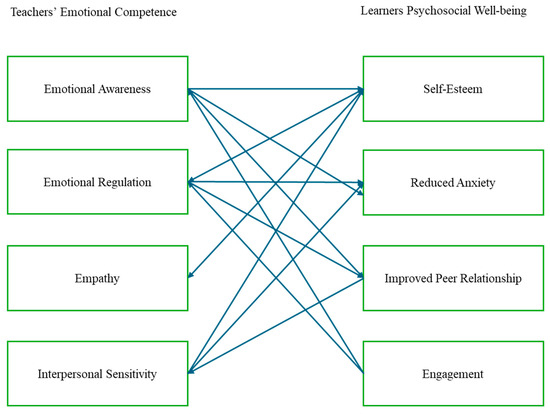
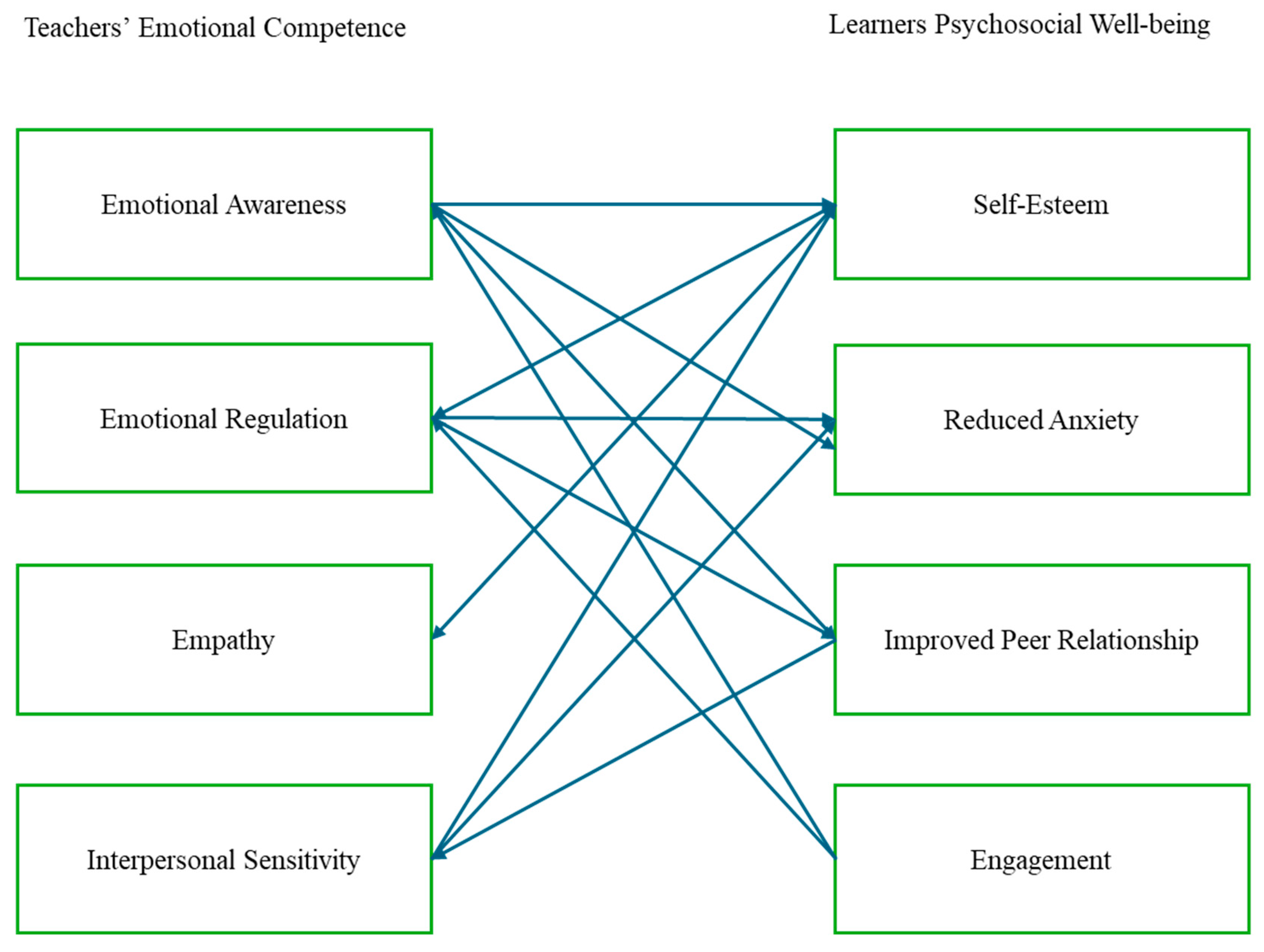
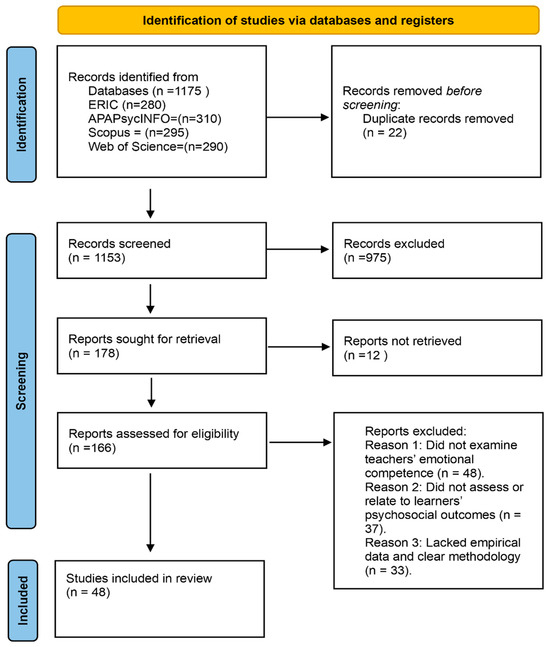
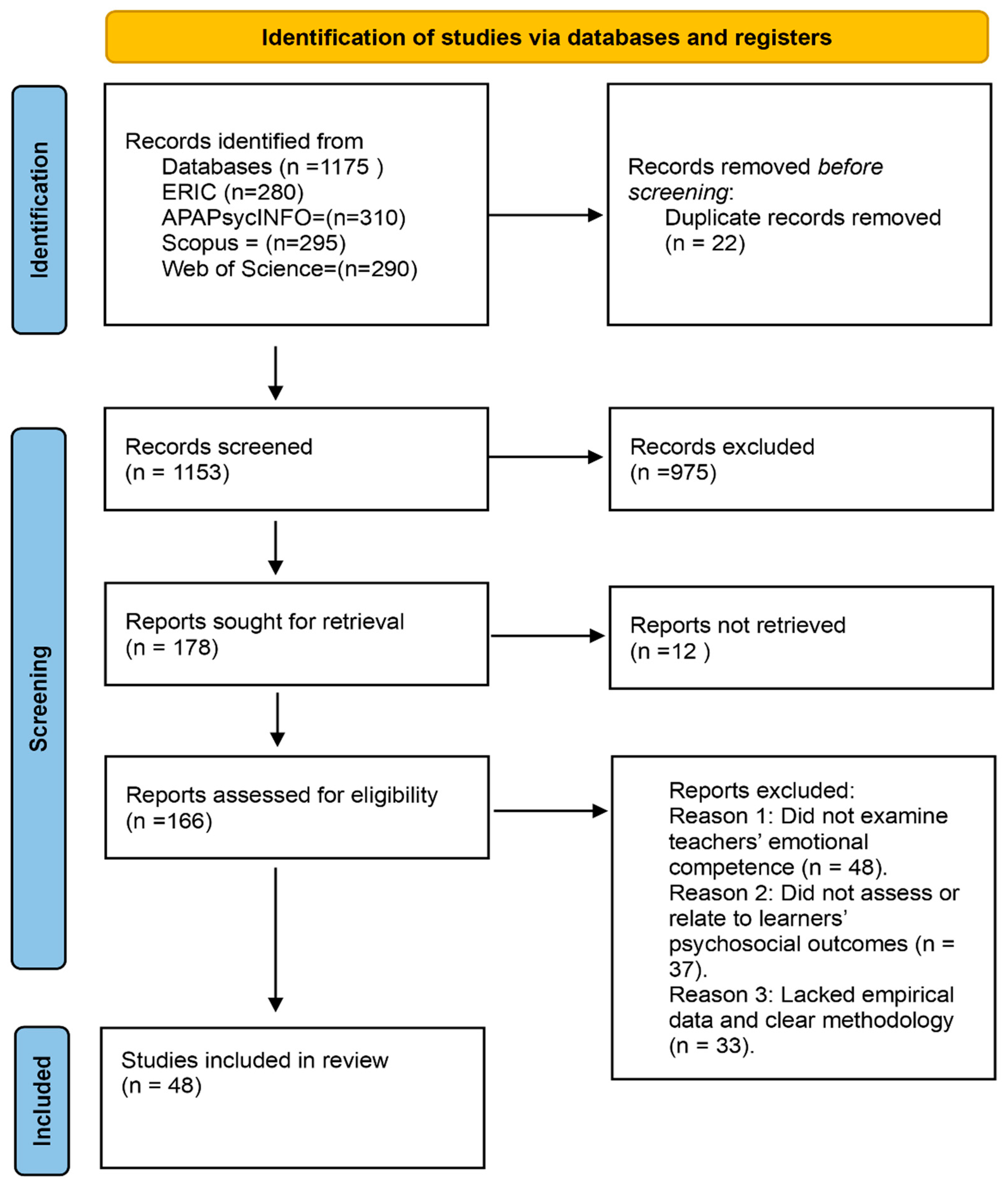
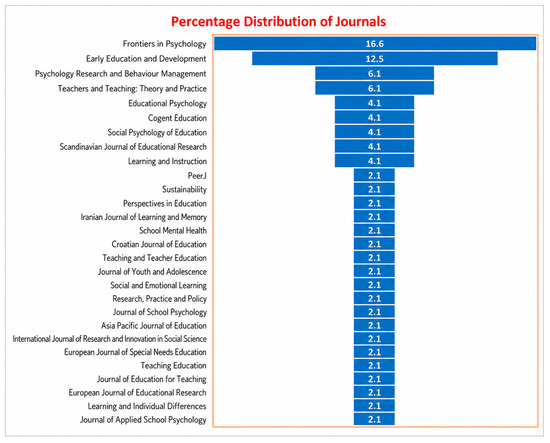
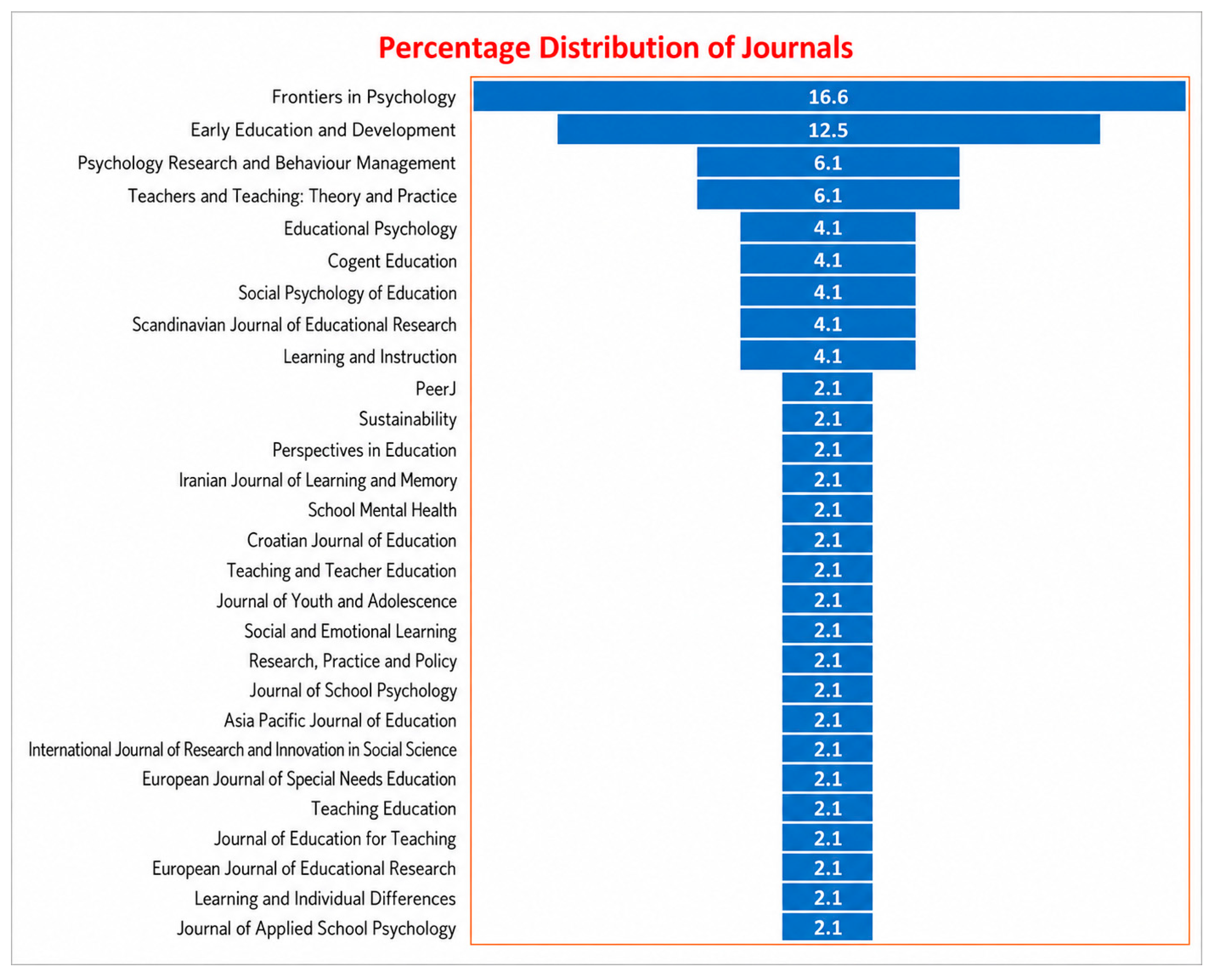
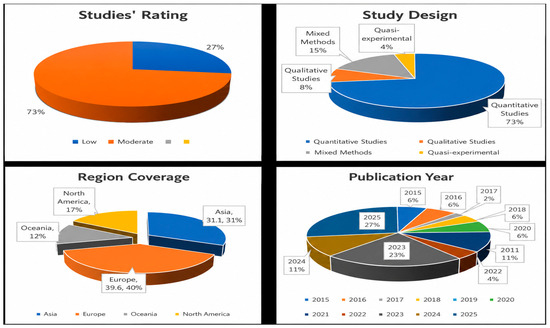
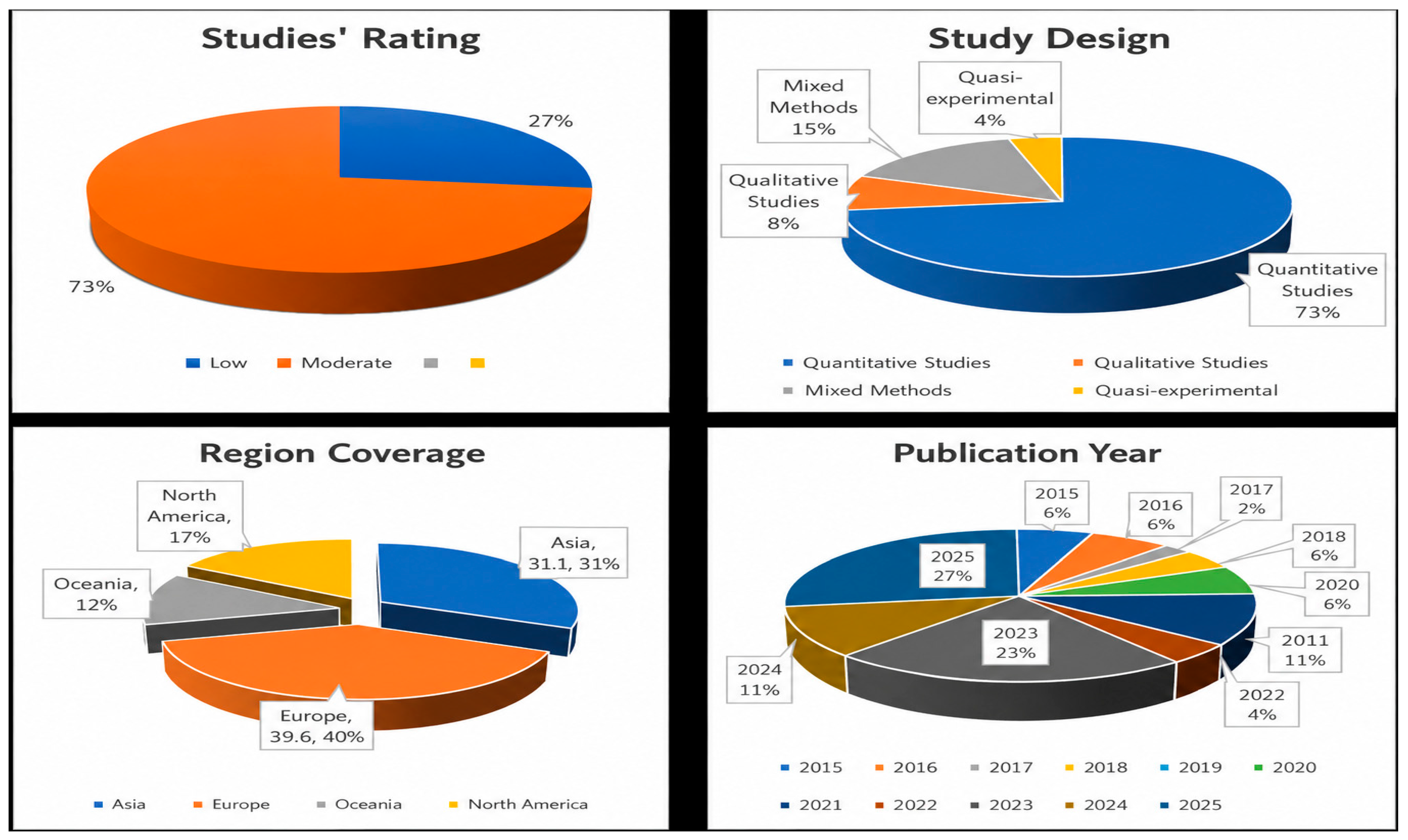
Disclaimer/Publisher’s Note: The statements, opinions and data contained in all publications are solely those of the individual author(s) and contributor(s) and not of MDPI and/or the editor(s). MDPI and/or the editor(s) disclaim responsibility for any injury to people or property resulting from any ideas, methods, instructions or products referred to in the content. |
© 2026 by the authors. Licensee MDPI, Basel, Switzerland. This article is an open access article distributed under the terms and conditions of the Creative Commons Attribution (CC BY) license.