


Abstract
Within the context of the UN 2030 Agenda for Sustainable Development and Education for Sustainable Development (ESD), this study draws on a Web of Science dataset (n = 815, 1991–2025) and employs a mixed approach combining scientometric mapping with framework analysis and tool comparison. It systematically reviews the knowledge structure, methodological evolution, and tool genealogy of Campus Sustainability Assessment (CSA). The results reveal a paradigmatic shift from an operations-oriented focus to a whole-of-institution and impact-oriented perspective. Representative tools can be grouped into five categories by purpose—improvement-oriented, ranking and benchmarking, education and curriculum, standards and certification, and policy advocacy and recognition—and can be mapped onto the four domains of governance, academics, operations, and engagement in alignment with the Sustainable Development Goals (SDGs). Synthesizing quantitative and qualitative evidence, three systemic shortcomings are identified: excessive reliance on self-reporting with limited verification, insufficient evidence of learning outcomes and key competencies, and weak interoperability of indicators across educational stages and frameworks. Looking ahead, four actionable research pathways are proposed: (1) assessment of key competencies centered on learning outcomes with stronger curriculum–practice alignment; (2) policy–indicator interoperability and vertical integration grounded in SDGs and national or sectoral standards; (3) stakeholder co-design enabling an assessment–improvement loop; and (4) remote-sensing-based multi-scale monitoring and data governance. The contribution of this study lies in advancing a unified four-domain framework under a process–outcome–impact evidence chain, while suggesting cross-stage and cross-tool alignment and complementarity. This provides methodological support and an implementation roadmap for shifting CSA from measuring performance to empowering improvement.
1. Introduction
Driven by the UN 2030 Agenda for Sustainable Development and Education for Sustainable Development (ESD), education systems have been positioned as critical laboratories and amplifiers for societal transformation (Shulla et al., 2020; Rieckmann, 2017). Higher education institutions (HEIs) both cultivate future professionals through teaching and research and directly contribute to regional sustainability transitions through campus governance, infrastructure, and their mission (Cortese, 2003; UNESCO, 2020). As early as the 1990s, transnational declarations and governance networks—such as the Talloires Declaration (ULSF, 1990) and the ISCN Sustainable Campus Charter (ISCN, 2010)—provided a shared vision and collaborative platform for campus sustainability, which subsequently catalyzed the emergence of dedicated Campus Sustainability Assessment (CSA) tools tailored to HEIs (Shriberg, 2002; Lozano, 2006a).
Tracing the evolution of CSA reveals a shift from the early operations-oriented emphasis on environmental management and resource efficiency (Shriberg, 2002; Lozano, 2006a) toward a broader focus on whole-of-institution governance and societal impact (Disterheft et al., 2015; Findler et al., 2019a). This expansion has incorporated dimensions such as governance structures, curricula and learning outcomes, stakeholder engagement, procurement and finance, and health and well-being (Alshuwaikhat & Abubakar, 2008). Correspondingly, current assessment practices can be broadly classified into four ideal types: self-assessment and accreditation, such as AISHE (Roorda, 2001/2009) and the ULSF SAQ (ULSF, 2009); indicator weighting and composite indices, exemplified by UI GreenMetric (UI GreenMetric, 2025); reporting and disclosure, such as the Global Reporting Initiative (GRI, 2021) and the IFRS sustainability standards (IFRS Foundation, 2021/2024); and building- and occupant-centric standards, including LEED for Schools (USGBC, 2024) and WELL for Education (IWBI, 2024). Although the latter two categories primarily address the built environment and well-being, their certification outcomes are increasingly incorporated into institutional performance assessment and improvement cycles, thereby becoming integral components of the CSA tools (Lauder et al., 2015).
In parallel, the evaluation of learning outcomes is increasingly converging with the literature on ESD competencies (Cebrián et al., 2019; Hammer & Lewis, 2023). Wiek et al. (2011) identified five key competencies—systems thinking, anticipator thinking, normative and values, strategic, and interpersonal—which have become theoretical anchors for curriculum and program evaluation. Subsequent studies expanded these to include implementation, integration, and intrapersonal competencies, promoting a shift from a list-based to an action-oriented integrative framework (Brundiers et al., 2021; Redman & Wiek, 2021). Consequently, a core challenge for CSA remains how to embed the dual dimensions of competency–learning objectives–evidence and process–outcome into tool design in order to enable robust evaluation and continuous improvement (Wiek et al., 2011; Brundiers et al., 2021; Redman & Wiek, 2021).
The field has also witnessed a trend toward ranking. Universities’ sustainability performance is increasingly benchmarked through Sustainable Development Goal (SDG)-based third-party rankings (THE, 2025; QS, 2025; Alberti et al., 2025). For instance, THE Impact Rankings construct indicators across four pillars—research, stewardship, outreach, and teaching (THE, 2025)—while AASHE STARS employs a credit system covering curriculum, research, operations, and governance, with explicit SDG mapping (AASHE, 2025). While these systems enhance visibility and comparability, they also raise methodological concerns, including the subjectivity of weightings, self-reporting bias, indicator substitutability and non-substitutability, and sensitivity and robustness (Lauder et al., 2015; OECD & JRC, 2008; Alberti et al., 2025). The Handbook on Constructing Composite Indicators further emphasizes the need for transparent construction logic, rigorous normalization and weighting, systematic sensitivity and uncertainty analyses (OECD & JRC, 2008). Independent evaluations of green school rankings have similarly highlighted issues of methodological transparency and replicability (Boiocchi et al., 2023).
At the P–12 school level, the internationally promoted Whole-School Approach (WSA) emphasizes the integration of curriculum, campus management, community, and policy (EC, 2022; FEE, 2023a). Empirical evidence from programs such as Eco-Schools demonstrates that action-oriented whole-school participation can enhance student engagement and institutional governance (Boeve-de Pauw & Van Petegem, 2018). However, quantitative evaluation frameworks remain weakly connected to those of HEIs, revealing a disconnect (EC, 2022; Schröder et al., 2020). This underscores the need for systematic improvements in cross-level (P–12 and HEI) indicator design and the construction of evidence chains linking learning outcomes, behavioral change, and organizational performance (Holst et al., 2024; Mogren et al., 2019; UNESCO, 2020).
Building upon a dataset retrieved from the Web of Science (WoS), this study combines CiteSpace 6.4.R2 (Advanced version)-assisted scientometric mapping with an in-depth qualitative review to examine how research on CSA has developed over time. The analysis traces both the knowledge domains and the methodological trajectories of the field, while comparing the principal assessment tools currently.
The overarching objective of this study is threefold: (1) to systematically delineate the knowledge structure and core thematic elements of CSA research through bibliometric and qualitative synthesis; (2) to critically compare and categorize existing CSA tools, revealing their respective strengths, methodological limitations, and domains of emphasis; and (3) to identify persistent gaps in current practice and propose evidence-informed pathways for advancing future CSA research and tool design.
Accordingly, the investigation is guided by three key Research Questions (RQ):
RQ1: What are the core elements of CSA?
RQ2: Which assessment tools have been applied in practice, and how do they differ?
RQ3: What directions appear most promising for future CSA research and tool design?
Following this introduction, Section 2 details the research design, describing the procedures for scientometric mapping, qualitative synthesis, and tool comparison. Section 3 reports the findings, beginning with the evolution of research themes and core elements identified in the scientometric analysis, then turning to qualitative insights across governance, academics, operations, and engagement, and concluding with a comparative review of representative tools. Section 4 integrates these results to outline prospective research pathways, while Section 5 summarizes the main conclusions and implications.
2. Materials and Methods
To provide a clear overview of the research design, Figure 1 presents a flowchart of the methodological workflow. This study employs a sequential mixed-methods approach comprising four interconnected phases: (1) data acquisition, in which the core dataset is retrieved from the Web of Science Core Collection using a defined search strategy; (2) scientometric mapping, conducted with CiteSpace 6.4.R2 (Advanced version) to identify publication trends, disciplinary structures, collaboration networks, keyword evolution, co-citation clusters, and citation bursts; (3) qualitative literature synthesis, involving the purposive selection and in-depth review of 61 representative papers to extract contextual insights across the four CSA domains; and (4) comparative tool analysis, wherein major assessment instruments are systematically categorized and compared using a standardized extraction framework. The outputs from these phases jointly inform the identification of core CSA elements, the evaluation of existing tool categories, and the formulation of future research pathways. The following subsections detail each methodological step.
Figure 1.
Methodological workflow of the study.
2.1. Scientometric Analysis with CiteSpace 6.4.R2 (Advanced Version)
2.1.1. Data Sources and Search Strategy
The dataset for this study was obtained from the Web of Science (WoS) Core Collection. An advanced search strategy was designed to comprehensively capture publications related to sustainability, educational contexts, and assessment practices. The core query was as follows:
Author Keyword(AK) = (sustainab*) AND AK = (school* OR campus* OR education* OR universit*) AND AK = (assess* OR evaluat* OR indicator* OR report OR reporting OR rating OR monitor* OR standard*) OR AK = (remote sensing OR nighttime light OR gis OR geographic information system)
The asterisk (*) functions as a wildcard to capture word variants (e.g., sustainab* → sustainability, sustainable; universit* → university, universities).
No temporal restrictions were applied (covering all years). The search was conducted on 9 August 2025, yielding an initial set of 923 records. After excluding non-academic sources such as conference proceedings and news articles, as well as duplicates, a final set of 815 valid publications (primarily journal articles and reviews) was retained. These publications span from 1991 to 2025, covering 34 years of research on CSA.
2.1.2. Analytical Tools and Theoretical Foundations
Bibliometric visualization was conducted using CiteSpace 6.4.R2 (Advanced version), developed by Professor Chaomei Chen at Drexel University. This software integrates several scientometric and information science theories (C. M. Chen, 2006; C. Chen, 2013): Kuhn and Hacking’s (1970) theory of scientific paradigm shifts for identifying paradigm and frontier evolution; Price’s (1965) bibliometric frontier theory for extracting key research trajectories; Burt’s (1992) structural holes theory for locating bridging nodes in networks; Kleinberg’s (2003) burst detection algorithm for identifying citation or keyword bursts; and Pirolli and Card’s (1999) information foraging theory for optimizing information efficiency in knowledge maps. This integration of theories ensures the reliability and validity of the analysis results.
2.2. Qualitative Literature Synthesis
This component builds upon the scientometric results to conduct qualitative deep reading and synthesis, aiming to identify the core themes of CSA. From the 815 valid WoS publications (Section 2.1), a qualitative subset of 61 papers was constructed, based on reproducible selection rules:
- Highly cited backbone: top globally cited papers in WoS were included to represent theoretical and methodological foundations.
- Burst and bridging nodes: original publications corresponding to burst references and high betweenness centrality nodes in CiteSpace 6.4.R2 (Advanced version) outputs were incorporated to capture frontier and bridging studies.
- Contextual supplements (P–12 and tool sources): to avoid a higher education bias, representative studies on P–12, along with primary technical manuals of key tools, were added.
The synthesis combined content analysis and framework analysis (Ritchie & Spencer, 2002; Braun & Clarke, 2006). Through full-text reading, emergent themes and contextual factors were systematically categorized.
2.3. Comparative Analysis of CSA Tools
To build a structured comparative sample, the following criteria were applied:
- Influence and representativeness: prioritizing tools highly cited or widely adopted in practice.
- Diversity of types: covering rating, ranking, self-assessment, audit, reporting, disclosure, and building- and occupant-centric standards.
- Educational levels and regions: focusing on higher education while including transferable tools for P–12 schools and practices from diverse regions.
Data sources and extraction combined official sources, e.g., tool websites, technical manuals, methodological notes, and academic sources like peer-reviewed applications, to validate usability and highlight common debates. A standardized extraction table was used to record the tool, publisher and scope, core structure and indicator domains, scoring and outputs, applicability to P–12, adoption status, strengths and limitations, core references, and SDG alignment.
3. Results
3.1. Scientometric Findings
Based on the valid WoS Core Collection sample (n = 815), scientometric mapping was conducted with CiteSpace 6.4.R2 (Advanced version). Multiple dimensions were analyzed, including publication evolution, disciplinary structure, collaboration networks, keyword co-occurrence and co-citation clusters, and citation bursts, to systematically characterize the paradigm evolution of CSA research between 1991 and 2025. These results both unified terminology and sample boundaries, providing the data foundation for the qualitative synthesis (Section 3.2) and tool comparison (Section 3.3), and distilled the core elements sought in RQ1 into a four-domain framework: governance, academics, operations, and engagement.
3.1.1. Annual Publication Trends
Relevant CSA publications are mainly found in the International Journal of Sustainability in Higher Education, the Journal of Cleaner Production, Sustainability, and Environmental Education Research. As shown in Figure 2, research output has steadily increased since 1991: publications in the 1990s were sparse (only one article in 1991), marking an embryonic stage; around 2006, the field entered a new phase, with gradual but still modest annual growth (single digits until 2011); in 2015, the launch of the SDGs triggered a research surge, with yearly outputs climbing steadily; and since 2020, more than 80 articles per year have been published. The progression of the global sustainability agenda has not only driven CSA research growth but also provided temporal markers for refining its core elements.
Figure 2.
Annual publication trends in CSA research.
3.1.2. Disciplinary Structure and Interdisciplinarity
CSA research exhibits pronounced interdisciplinarity. To analyze the knowledge structure across fields, WoS subject categories were clustered (see Figure 3). The subject co-occurrence network displays a triadic structure of foundation–growth poles–bridges:
Figure 3.
Disciplinary clustering of CSA research.
- Foundation: Environmental Studies and Environmental Sciences form the disciplinary base, with earlier average node years (2006), high connectivity, and a focus on operational and environmental performance measurement.
- Growth poles: Environmental Engineering and Green and Sustainable Technology and Information Systems and Computer Science have emerged as growth nodes in the past decade (after 2012 and 2019, respectively). The Environmental Engineering cluster has the highest Sigma value (~7.40), indicating the strong role of emission-reduction technologies and digital monitoring innovations in tool development.
- Bridges: Education and Educational Research act as cross-domain bridges, with the highest betweenness centrality (~0.43) and Sigma (~4.95), integrating competency-oriented pedagogy and organizational change into assessment practices, thus deepening the academic and engagement dimensions.
Meanwhile, Development Studies, Urban and Regional Planning, and Economics have gained weight since 2018, reinforcing socio-political orientations; Public, Environmental and Occupational Health, Applied Physics, Energy and Fuels, and Materials Science support health and energy technologies, strengthening governance and operations evidence chains. Overall, CSA research demonstrates a layered structure: natural sciences as a foundation, Engineering and Information Technology as accelerators, and Education and Development Studies as integrators of social embedding. For RQ1, this suggests disciplinary mappings: Environmental Engineering for operations; Educational Research for academics and engagement; and public health and governance research for governance.
3.1.3. Collaboration Networks
The author collaboration network (Figure 4) reveals several dense subgroups organized around thematic foci. Subgroups correspond to areas such as sustainable campus governance, assessment frameworks, environmental management, and green campus design, closely aligned with CSA’s governance, operations, and academic dimensions. Subgroup collaboration is tight, but overall connectivity relies heavily on high-output, high-impact scholars. For example, Rodrigo Lozano and Walter Leal Filho are both prolific and highly connected. Lozano, in particular, bridges different clusters, serving as a knowledge integrator. Such cross-cluster connectors link previously fragmented subfields, facilitating knowledge exchange and innovation.
Figure 4.
Author collaboration clusters in CSA research.
At the institutional level (Figure 5), networks also form region- or theme-based clusters, connected by a few hub universities. For instance, a cluster of Chinese universities is visible, while international clusters center on themes such as those regarding mobility and academic community. Despite clustering, hubs with high degree and centrality connect across groups. Leading contributors include Deakin University and Freie Universität Berlin, both maintaining extensive international collaborations. Montana State University, despite geographic distance, collaborates with Eurasian universities on sustainability curricula. Local clusters with hub bridge structure facilitate cross-regional knowledge flow, with a few global hubs stitching together regional subnetworks.
Figure 5.
Institutional collaboration clusters in CSA research.
At the national scale, collaboration gradually evolved from a few regional clusters into a more connected global landscape. As illustrated in Figure 6, between 2012 and 2015 only a handful of cross-regional links can be observed, indicating that research cooperation remained largely inward-looking within domestic or neighboring regions. During 2016 to 2018, the visible bridges appeared—most clearly between Western Europe and East Asia and between North America and Europe—signaling the start of international engagement. In the 2019–2021 interval, the network thickened: red connection lines multiplied and extended, reflecting a surge of transnational partnerships, particularly among China, the United States, the United Kingdom, and several European centers. After 2022, the pattern diversified further. By 2025 the cooperative web had become more multi-directional, reaching Latin America, Africa, and Oceania, and suggesting that global integration was taking shape rather than being fully achieved. The cumulative visualization for 2012–2025 thus portrays a clear tendency toward a denser, more balanced, yet still regionally nuanced global system of collaboration.
Figure 6.
Global geographic evolution of national collaboration networks in CSA research (2012–2025), viewed from Beijing (39°54′26″ N, 116°23′30″ E) (a) and its antipode (39°54′26″ S, 63°36′30″ W) (b). Representative key years (2012, 2016, 2018, 2021, 2022, 2023, and 2025) are shown to illustrate the progressive densification and diversification of cross-regional cooperation links (red lines).
Network metrics (Figure 7) show the UK leading in collaboration (degree = 42; betweenness centrality = 0.41), followed by the U.S. (degree = 38; centrality = 0.31) and Spain (degree = 30; centrality = 0.23). Medium-output countries such as the Netherlands (degree = 23; centrality = 0.13) and Belgium (degree = 18; centrality = 0.11) play bridging roles. Thus, an open, multi-centered global collaboration network has emerged, supporting cross-national diffusion of CSA knowledge and practices.
Figure 7.
National collaboration network in CSA research.
3.1.4. Keyword Co-Occurrence and Evolution
In the keyword co-occurrence network (Figure 8), nodes represent author keywords, node size reflects frequency, edges indicate co-occurrence, and colors denote thematic communities. The network highlights high-frequency co-occurrence thematic clusters. Three major axes emerge: education (e.g., higher education and ESD), assessment (e.g., sustainability assessment and indicators), and campus (e.g., campus), with frequent co-occurrence with curriculum and environmental education. Core keywords include sustainable development, higher education, sustainability assessment, ESD, campus, indicators, curriculum, and environmental education.
Figure 8.
Keyword co-occurrence clusters in CSA research.
A timeline analysis (Figure 9) shows keyword activity phases, revealing three stages and two shifts. The 1990s–mid-2000s was concept embedding. This was focused on environmental education, sustainable development, higher education, addressing how environmental content was embedded into curricula and raising ecological awareness. Around 2010 was tools and institutionalization. Terms such as carbon footprint, life cycle assessment, and sustainability reporting proliferated, marking the shift toward quantitative assessment and formal reporting mechanisms aligned with performance management and accountability. Then, 2015–2025 was integration and policy orientation. SDG-related terms surged, embedding the 2030 Agenda into campus discourse. Keywords such as problem-based learning, interdisciplinary, competencies, and transformative learning reflected pedagogical innovations, while climate change linked macro-sustainability issues with higher education. Research has become more policy-driven and socially oriented, extending CSA from internal governance to global and public agendas.
Figure 9.
Keyword timeline in CSA research.
3.1.5. Co-Citation Cluster Analysis
The co-citation timeline (Figure 10) reveals major knowledge clusters, including sustainability competencies, sustainability reporting, and assessment tools. Emerging micro-clusters such as resource management reflect growing institutional attention to optimizing funding, facilities, and human resources. Early clusters, e.g., environmental education and teacher roles, laid the conceptual base; sustainability reporting expanded in the 2010s; and since 2000, sustainability competencies have remained highly active, evolving into a frontier theme. Together, these clusters map onto CSA’s core elements: governance (transparent decision-making and reporting), academics (curricular reform and competency development), operations (performance tools and resource management), and engagement (stakeholder interaction). The rise and succession of clusters outline the knowledge base and frontier genealogy of CSA research.
Figure 10.
Co-citation timeline of CSA research.
3.1.6. Citation Burst Analysis
CiteSpace 6.4.R2 (Advanced version)’s burst detection identified references with sudden citation increases between 1991 and 2025 (Figure 11). The strongest burst came from UN DESA (2016), Transforming Our World: The 2030 Agenda for Sustainable Development (strength = 11.28). Since its release, it has remained a persistent hotspot, reflecting the powerful influence of global policy. Classic works also resurfaced, such as Our Common Future (Brundtland, 1987), which regained attention (strength = 5.12) during 2020–2023, indicating renewed reliance on foundational policy texts.
Figure 11.
Citation bursts in CSA research.
By period, burst references suggest three phases as follows. The exploratory phase (1991–2005) was characterized by modest but foundational bursts (e.g., Bauman, 1993; Aronowitz & Giroux, 1993) that bridged education theory with environmental management, acting as conceptual precursors despite lower citation strength (2–3). In the framework phase (2006–2015) the bursts grew stronger. Cortese (2003) and Lozano (Lozano, 2006b, 2010; Lozano & Young, 2013; Lozano et al., 2013) established theoretical bases. Disterheft et al.’s (2015) study on participatory assessment reached a burst strength of 6.39. The launch of the SDGs in 2015 marked a watershed, with UN reports dominating bursts thereafter. In the practice-deepening phase (2016–2025), practice-oriented themes included Caeiro et al. (2020, strength = 6.63) on CSA frameworks; Caputo et al. (2021, strength = 6.29) on organizational change; Brundiers et al. (2021) on cross-sectoral collaboration and education innovation; and De la Poza et al. (2021) on campus performance. Together, they indicate CSA’s shift from conceptual advocacy to quantitative evaluation, institutional practice, and cross-domain collaboration.
Integrating evidence from annual publication trends, disciplinary structures, collaboration networks, keyword evolution, co-citation clusters, and citation bursts, CSA’s core elements can be systematically summarized into four interrelated domains. First is governance, with strategies, institutional arrangements, reporting, and accountability. Second is academics, with curriculum integration, learning outcomes, and sustainability competencies. Next is operations, with technical and management performance in energy, water, waste, transport, and biodiversity. Last is engagement, with stakeholder collaboration and social outreach.
3.2. Qualitative Literature Synthesis
Grounded in the scientometric insights, this section pivots to a qualitative perspective and undertakes an in-depth review of representative studies to address RQ2 concerning existing assessment tools. The review examines the implementation effectiveness and scholarly insights of CSA tools across the core domains of governance, academics, operations, and engagement, with the aim of providing contextualized interpretation and empirical evidence for the subsequent tool comparison.
3.2.1. Governance and Framework Implementation
Mainstream scholarship generally characterizes CSA as an institutional governance mechanism rather than a mere scoring device; tools such as AASHE STARS, UI GreenMetric, and AISHE are viewed as governance platforms that combine diagnosis, learning and improvement (Arroyo, 2017; Niedlich et al., 2020). Taking AASHE STARS as an example, transparent self-reporting, detailed technical manuals, and the Planning and Administration dimension together establish a benchmark–learn–enhance cycle. However, while self-reporting affords institutions room to improve data quality, it also generates tensions around self-attestation, and tiered ratings and honors may induce strategic reporting (Kirrane et al., 2020; AASHE, 2019). UI GreenMetric, by contrast, relies on streamlined self-reporting and publishes a global ranking, greatly facilitating the cross-national diffusion of indicator sets; yet its weightings, reproducibility, and conceptual boundaries have been long debated. As an entry-level tool, it must balance scientific rigor and operational feasibility, with methodological choices strongly shaped by intended goals and user needs (Lauder et al., 2015), thereby producing an easy-to-measure first bias—hard-to-quantify dimensions such as governance and education tend to receive lower weights or be proxied by surrogate indicators (Lauder et al., 2015).
Cross-tool comparisons further show that soft dimensions—governance, policy, and participation—are systematically undervalued in most systems. Environmental and operational indicators usually carry higher weights, whereas education, social, and governance indicators are comparatively underweighted (Fischer et al., 2015; Alghamdi et al., 2017; Amaral et al., 2015). This may induce improvement displacement, whereby universities overinvest in quantifiable hardware and energy performance while neglecting deeper institutional and process reforms (Fischer et al., 2015; Alghamdi et al., 2017).
At the national level, China’s Green Campus Evaluation Standard (GB/T 51356-2019) and related energy-saving campus policies provide policy levers for sustainability governance. However, the standard’s strong emphasis on buildings, energy, and facilities risks an infrastructure bias, with insufficient depth and comparability in academic and social dimensions (S. Chen et al., 2019). Moreover, applying uniform indicators across institutions with divergent disciplinary structures and organizational models can raise fairness concerns in inter-institutional rankings.
In terms of tool design, STARS attempts to raise the visibility of governance through Planning and Administration categories that include participatory governance, investment disclosure, and employee well-being (AASHE, 2025). Nevertheless, divergence in scoring conventions and evidence thresholds across tools still constrains the comparability of governance assessments (Kirrane et al., 2020).
3.2.2. Academic Integration: Curriculum–Competencies–Research
Within the academic domain, institutional self-assessments and external rankings commonly use sustainability course coverage and the number of programs as core proxies, yet these metrics are insufficient to infer learning outcomes or the attainment of key competencies for sustainability (Lambrechts & Ceulemans, 2013; Wals, 2014). Frameworks such as AISHE emphasize process learning and organizational culture, but cross-institutional comparability remains limited due to variation in evaluators, evidence requirements, and contexts (Lambrechts & Ceulemans, 2013). Curriculum audit tools exemplified by STAUNCH employ text-to-theme mapping to establish curriculum baselines but face a validity–operability tension: they struggle to capture higher-order cognitive transfer and competency formation in classrooms and require complex local calibration for cross-campus reuse (Glover et al., 2011).
On the research side, an output–impact disconnect persists. Traditional indicators like publication counts and citations favor mono-disciplinary, easily quantifiable outputs, whereas sustainability research relies on transdisciplinarity and action research to achieve societal translation. Most tools lack indicators to measure the social spillovers of research, leading to the over-incentivization of easily quantifiable outputs and systematic undervaluation of harder-to-measure social impacts (Findler et al., 2019b; Yarime & Tanaka, 2012).
At the student level, the values–action gap further exposes the limits of course-coverage metrics. Marrone et al. (2018) show that sustainability knowledge acquisition often diverges from everyday pro-environmental behaviors; Li et al. (2015) provide evidence from Chinese universities that student energy-use behaviors affect campus carbon emissions. Thus, merely increasing course numbers does not automatically translate into sustainability performance gains; instruction, communication, and behavioral interventions need to be coupled.
Institutionally, STARS seeks to build a teaching–research–outreach loop via interfaces between the academic and engagement domains (Kirrane et al., 2020). However, scoring in the academic dimension still leans on quantitative coverage, with limited direct measurement of learning outcome quality, depth of cross-disciplinary collaboration, and societal translation of research.
3.2.3. Operations and Engagement Performance
In the operations domain, data pipelines and technical pathways for energy, water, waste, transport, procurement, and biodiversity are relatively mature; accordingly, performance improvements often materialize rapidly (Findler et al., 2019b; Alshuwaikhat & Abubakar, 2008). In STARS, the operations module disaggregates key indicators such as procurement and transport, while the Planning and Administration module adds requirements on investment disclosure and employee health and safety, together forming a data collection–performance assessment–strategy iteration improvement loop (AASHE, 2025; Kirrane et al., 2020). Yet differences in system boundaries and indicator conventions—especially for emissions and the heterogeneity of campus built environments—remain major sources of noise for horizontal comparability (Kirrane et al., 2020; Lauder et al., 2015; Faghihi et al., 2015; Tan et al., 2014).
The interaction between occupant behaviors and institutional arrangements is often overlooked, yet it is pivotal to operational performance. Numerous studies on universities and public buildings show that behavior-science-based interventions can reduce energy intensity without large-scale hardware retrofits; their effectiveness depends on organizational norms, personal norms, and perceived behavioral control (Heib et al., 2023; Marans & Edelstein, 2010; Marcell et al., 2004; Matthies et al., 2011). Consequently, behavioral design and real-time feedback should be integrated alongside engineering retrofits; otherwise, efficiency gains from hardware upgrades may be partially offset by user behavior deviations or rebound effects.
Further, strengthening campus community engagement and building living labs help integrate teaching, research, operations, and community practice (Disterheft et al., 2015; Stephens et al., 2008). In practice, engagement is often represented by proxies such as student community-service hours, participation rates, and event counts. For example, STARS v2.2 includes community service to disclose student service hours and recognized the Campus as a Living Laboratory credit for leveraging campus infrastructure and operations as applied learning settings (AASHE, 2019). However, such metrics struggle to capture the quality of collaborations and the depth of co-creation; power distribution and representation during engagement also influence equity and sustainability outcomes (Disterheft et al., 2015; Stephens et al., 2008). Although STARS v3.0.1 has refined engagement and governance credits, mainstream conventions still emphasize quantifiable activities and participation; supplementing qualitative process dimensions remains a priority for future improvement.
3.3. Comparative Analysis of Campus Sustainability Assessment Tools
In contrast to Section 3.2—which examined the implementation logic and domain-specific debates of CSA across governance, academics, operations, and engagement—this section provides a more explicit comparative synthesis of representative assessment instruments. Rather than describing tools sequentially, the comparison is organized at the category level in order to identify shared purposes, evidence logics, output formats, strengths, and recurring methodological constraints. Based on the standardized extraction framework summarized in Tables S1–S5, five broad categories are compared: improvement-oriented, ranking and benchmarking, education and curriculum, standards and certification, and policy advocacy and recognition. This reorganization helps clarify not only how tools differ in design but also how those design choices shape their interpretability, comparability, and suitability across educational levels and institutional contexts.
3.3.1. Improvement-Oriented Tools
Improvement-oriented tools are primarily designed to support internal diagnosis, participatory reflection, and iterative improvement. Their common logic follows a self-assessment → diagnosis → action → review sequence, often consistent with a Plan–Do–Check–Act (PDCA) cycle. Across this category, the major strengths lie in broad institutional coverage, flexibility, and local actionability: such tools can incorporate governance, curriculum, operations, and engagement in ways that are meaningful for institutional planning and stakeholder dialogue. This makes them especially useful where the main goal is not external comparison but organizational learning and change management.
At the same time, these tools tend to rely heavily on self-reported evidence, context-dependent interpretation, and relatively flexible scoring logics. Some use maturity levels, some use qualitative or impression-based judgments, and others apply unit-level or indicator-level rating scales. As a result, they often perform well in internal learning but less well in robust cross-institutional benchmarking. Their comparability is further constrained by heterogeneous system boundaries—for example, whether the unit of analysis is the whole institution, a department, or a school—and by differing evidence thresholds for judging progress. In this sense, their strength in contextual adaptability is also a source of methodological weakness.
Representative examples include STARS, AISHE, SAQ, CSAF, GASU, USAT, and HSSAQ (Table S1). STARS is notable for combining breadth, public disclosure, and a recognizable credit structure, while AISHE and SAQ emphasize reflective institutional dialogue. GASU and USAT illustrate alternative scoring formats and levels of aggregation, whereas HSSAQ extends the improvement-oriented logic into secondary-school settings. Taken together, these tools are strong for mobilizing action and institutional learning but weaker in external verification and strict inter-institutional comparability.
3.3.2. Ranking and Benchmarking Tools
Ranking and benchmarking tools are designed primarily to enhance visibility, external accountability, and peer comparison. Their distinctive contribution is to transform sustainability performance into publicly legible outputs—rank positions, grades, or sectoral benchmarks—which can motivate institutional action through competition, signaling, and reputational incentives. Compared with improvement-oriented tools, these frameworks often produce clearer comparative outputs and may therefore have stronger external influence on leadership priorities and public communication.
However, the production of comparable rankings depends on a set of methodological choices that are themselves consequential. Across this category, recurrent limitations include contested weighting schemes, normalization effects, differences in scale and institutional size, selective reporting, and varying system boundaries. Composite rankings may create an appearance of precision even when indicators differ substantially in measurability, substitutability, and contextual meaning. Institutions may also be advantaged or disadvantaged depending on whether the framework privileges environmental infrastructure, publication-based evidence, policy disclosure, or publicly available documentation. In this sense, ranking tools often strengthen comparability in form, while leaving comparability in substance partly unresolved.
Representative examples include UI GreenMetric, THE Impact Rankings, People & Planet University League, NWF Campus Environment Report Card, and the College Sustainability Report Card (Table S2). UI GreenMetric is widely diffused and operationally accessible but remains sensitive to self-reporting bias, scale effects, and methodological transparency concerns. THE Impact Rankings offer broad SDG coverage and combine bibliometric and submitted evidence, yet their weighting logic and interpretability of composite scores remain debated. Other tools in this category vary in national scope and emphasis, but together they illustrate the central trade-off of this category: high visibility and mobilization at the cost of unresolved methodological tensions in weighting, boundary setting, and fairness.
3.3.3. Education and Curriculum Tools
Education and curriculum tools focus on the academic dimension of CSA, especially the extent to which sustainability is embedded in teaching, curriculum structures, and school-wide learning processes. Their contribution is particularly important because many broader CSA frameworks still measure education indirectly, often through proxies such as the number of sustainability courses or programs. In contrast, this category seeks to move closer to the pedagogical core of ESD by examining curriculum content, learning structures, and student participation.
The main strength of this category is its ability to make the educational dimension more visible and therefore more assessable, particularly in relation to SDG 4.7 and the Whole-School Approach. Yet a persistent limitation is that these tools more often assess what is offered than what is actually learned. Curriculum mapping and documentary review can identify thematic coverage, but they cannot by themselves capture learning quality, competency acquisition, behavioral change, or the depth of interdisciplinary integration. Comparability is also complicated by differences in curricular documents, national education systems, and the mismatch between higher education and P–12 contexts.
Representative tools include STAUNCH and Eco-Schools (Table S3). STAUNCH provides a relatively systematic approach to curriculum auditing and allows comparisons across programs, but it depends strongly on formal course documentation and captures curriculum embedding better than student outcomes. Eco-Schools, by contrast, emphasizes action-oriented whole-school participation and is highly influential in K–12 contexts, but its flexible implementation and national variation limit strict cross-country comparability. Overall, this category addresses a major blind spot in CSA yet still needs stronger outcome-based evidence on sustainability competencies and learning impacts.
3.3.4. Standard and Certification Tools
Standards and certification tools are distinguished by their emphasis on formalization, process control, external verification, and institutional credibility. Compared with self-assessment and ranking systems, these tools typically rely on more structured audit procedures and clearer conformity requirements. Their strengths therefore lie in stabilizing organizational processes, strengthening environmental management routines, and improving confidence in the evidence base through third-party review or formalized compliance mechanisms.
At the same time, these tools are not neutral in what they privilege. Because they often emerge from environmental management, facilities, or regulatory traditions, they tend to provide stronger coverage of operations, compliance, and procedural governance than of learning outcomes, stakeholder participation, or broader social impacts. They may also be resource-intensive and difficult for smaller or less well-resourced institutions to implement. Moreover, although they strengthen verification, they do not automatically solve cross-framework compatibility problems, because the systems differ in scope, audit logic, maturity levels, and intended use. A building- or EMS-oriented certification is not directly comparable to a curriculum audit or an SDG ranking, even if all are presented under the broad umbrella of sustainability assessment.
Representative examples include ISO 14001, EMAS, EcoCampus, GB/T 51356–2019, and Plan Vert/DD&RS (Table S4). These tools are valuable for institutionalizing environmental and managerial practices, but they also illustrate a recurring pattern in CSA: the stronger the verification logic, the narrower the assessed domain often becomes, especially with regard to academics and engagement.
3.3.5. Policy Advocacy and Recognition Tools
Policy advocacy and recognition tools function less as continuous measurement systems than as mobilizing and signaling instruments. Their main value lies in raising visibility, rewarding exemplary practice, and encouraging leadership commitment through recognition, nomination, or staged self-positioning. This category is particularly relevant where policy diffusion, public legitimacy, and symbolic leadership matter as much as technical benchmarking.
Their strengths are therefore strategic rather than strictly methodological: they can accelerate institutional attention, communicate good practice, and bridge sustainability with education, health, and community agendas in ways that are accessible to broader audiences. Yet these tools usually provide limited granularity, discontinuous scoring, and weaker longitudinal measurement capacity. Recognition status or checklist levels may motivate action, but they do not necessarily generate a robust evidence chain for tracking progress across time or comparing institutions under consistent measurement conditions. External visibility can thus be high even where analytical precision remains modest.
Representative cases include Green Ribbon Schools and Maroochy Sustainable Schools (Table S5). Both illustrate the ability of this category to connect sustainability assessment with school improvement narratives and public recognition, especially in P–12 contexts. However, they also confirm that such tools are best understood as complements to, rather than substitutes for, more diagnostic or more rigorously verified assessment frameworks.
3.3.6. Cross-Category Synthesis: Recurring Methodological Tensions in CSA Tools
Viewed together, the five categories differ not only in indicator content but also in what they are fundamentally designed to optimize (Table 1). Improvement-oriented tools optimize actionability and organizational learning; ranking tools optimize visibility and benchmarking; education and curriculum tools optimize pedagogical visibility; standards and certification tools optimize auditability and procedural consistency; and policy advocacy and recognition tools optimize mobilization and symbolic influence. These different optimization logics explain why no single category performs equally well across all four CSA domains of governance, academics, operations, and engagement.
Table 1.
Category-level comparison of campus sustainability assessment tools.
Across categories, four recurring methodological tensions stand out. First, there is a tension between self-reporting and verification: tools with broad institutional coverage often depend more on self-attested evidence, whereas tools with stronger external audits often cover narrower dimensions. Second, there is a tension between local adaptability and cross-institutional comparability: flexible frameworks are better suited to institutional learning but more difficult to compare fairly across settings. Third, there is a tension between breadth of scope and depth of measurement: systems that cover many dimensions may rely on proxy indicators, while tools with more rigorous measurement often focus on a smaller set of issues. Fourth, there is a tension between framework visibility and educational impact evidence: many tools can document policies, activities, and infrastructure more easily than learning outcomes, competency development, or long-term social effects.
These tensions are expressed concretely through differences in weights, scoring scales, system boundaries, and framework compatibility. Some tools use composite weighted scores, while others use maturity levels, checklist stages, qualitative judgments, star ratings, or honor-based outputs. Some assess whole institutions, while others assess departments, curricula, buildings, or nominated cases. Compatibility is further constrained across higher education and P–12 settings and across national, sectoral, and global frameworks. For this reason, the comparative value of CSA tools lies less in identifying a single “best” instrument than in clarifying which tool logic is most appropriate for a given assessment purpose and where complementary combinations are needed.
This synthesis also helps explain the structural gaps identified later in the discussion: weak independent verification, insufficient measurement of learning outcomes and key competencies, and limited interoperability across educational stages and frameworks. In this sense, the comparative analysis does not merely catalogue tools; it clarifies the methodological conditions under which CSA can move from fragmented measurement toward more coherent and improvement-oriented assessment design.
4. Discussion
Drawing on the CiteSpace 6.4.R2 (Advanced version) scientometric results for 815 publications from 1991 to 2025, this study systematically delineates the knowledge evolution of CSA: research topics progressed from early emphases on environmental education and conceptual advocacy to the institutionalization of assessment tools and further toward policy-driven interdisciplinary integration. The knowledge maps reveal core clusters such as sustainability competencies, sustainability reporting, and assessment tools, which converge into key conceptual nodes under the four-domain framework of governance, academics, operations, and engagement. Building on this, Section 3.2 clarified the contextual fit and implementation effectiveness of different tools, while Section 3.3 offered a systematic comparison of representative instruments. Synthesizing the preceding evidence, current assessment practice still faces three structural deficiencies: (1) excessive reliance on self-reported data with limited independent verification, weakening result reliability and cross-institutional comparability; (2) weak measurement of learning gains and key sustainability competencies, limiting the evaluation of educational effectiveness; and (3) insufficient interoperability of indicators across educational stages (higher education–P–12) and frameworks, leaving the policy–tool–school chain fragmented. In response, this section addresses RQ3 and proposes core pathways for future CSA research, providing directional guidance for theoretical advancement and practical optimization.
4.1. An Integrative Theoretical Model for CSA
Before presenting a new theoretical model, it is instructive to synthesize the comparative analysis from Section 3.3 in a more visual format (Figure 12). This serves as a crucial mediating step to explicitly reveal the strengths, weaknesses, and inherent biases of the existing CSA tool landscape. Figure 12 provides this synthesis by mapping the five tool categories—improvement-oriented, ranking and benchmarking, education and curriculum, standards and certification, and policy advocacy and recognition—against two critical dimensions of assessment. The first dimension comprises the four core CSA domains identified in this study: governance, academics, operations, and engagement. The second dimension represents the depth of evidence, structured as a process–outcome–impact chain.
Figure 12.
Mapping tool categories to CSA domains and evidence chains: a gap analysis.
This mapping clearly illustrates the fragmented nature of current assessment practices. It shows, for instance, the strong emphasis of ranking and standards-based tools on the operations domain, often prioritizing quantifiable environmental metrics. Conversely, while education-focused tools excel in assessing curriculum content, they, along with most other categories, struggle to robustly measure long-term impact, such as demonstrable gains in key competencies or societal change. Furthermore, the figure highlights how softer dimensions like governance and engagement are frequently undervalued or poorly measured. This visual gap analysis provides empirical and conceptual justification for a more unified and balanced framework, as shown in Figure 13.
Figure 13.
An integrative theoretical model for CSA.
Based on synthesized quantitative and qualitative evidence, the study proposes a new CSA framework (see Figure 13) to bridge limitations in existing tools. Internally, the framework adopts a Whole-School Approach to integrate academic, governance, operations, and engagement within institutional design. Externally, it embeds a PDCA cycle as a continuous improvement mechanism, fostering a governance-and-teaching loop of planning–implementation–checking–improvement. It is stakeholder co-design-driven to enhance interaction and feedback among different groups and explicitly targets the value–action gap as a key tension to be addressed, stressing evidence chains on learning outcomes and key competencies to bridge the attitude–behavior divide. At the evidence–system level, the framework organizes data along a three-layer Process–Outcome–Impact chain: processes track policies and activities; outcomes capture short-term performance; and impacts validate long-term social and educational effects. SDG alignment serves as a common coordinate for cross-tool and cross-stage interoperability, ensuring comparability at both international and local policy levels. Theoretically, this framework is the first to systematically integrate competency-oriented education (Wiek et al., 2011; Brundiers et al., 2021), organizational governance and reporting transparency (Kirrane et al., 2020), multi-stakeholder collaboration mechanisms (Stephens et al., 2008), and PDCA-based continuous improvement—forming a WSA–PDCA–co-design–competencies–SDGs closed-loop model. This not only addresses RQ3’s forward pathways but also offers a generalizable theoretical contribution: moving CSA from single-tool comparisons toward a cross-stage, cross-framework integrative paradigm.
4.2. A Learning-Outcomes-Centered Pathway for Competency Assessment
The effectiveness of ESD should manifest in students’ knowledge, skills, and values; future research should therefore integrate learning-outcome indicators into campus assessment. At both university and P–12 levels, tools need to focus on students’ conceptual understanding of sustainability, attitudinal shifts, and behavioral capability gains. For example, surveys indicate that students’ familiarity with and engagement in sustainability increase after participating in SDG-related courses or projects (Yuan et al., 2021; Filho et al., 2024), suggesting that learning outcomes should be a key dimension for evaluating CSA effectiveness. On one hand, standardized questionnaires or instruments can be developed to assess SDG literacy and mastery of core sustainability competencies across grade levels; on the other, alignment with curriculum standards can couple SDG content penetration with teaching effectiveness. Studies on the P–12 stage have found relatively low proportions of sustainability content in current curriculum standards (Said et al., 2024; Yuan & Yu, 2024); future work should innovate instructional and assessment designs to close this sustainability gap. In higher education, existing instruments for evaluating students’ sustainability competencies (Redman et al., 2021) can be adapted to track development in cross-disciplinary systems thinking, collaborative problem-solving, and related domains. By integrating learning-outcome indicators into campus assessment systems, institutions can holistically gauge education’s substantive contribution to sustainability and iteratively improve teaching practice.
4.3. Coupling SDG Policy Frameworks with Assessment Systems
Future research should explore how to closely align CSA with global and local SDG policy standards, ensuring that practices in higher education and P–12 remain consistent with macro-level goals. At the policy level, many universities have responded to the UN 2030 Agenda by embedding SDGs into strategic plans, yet assessment tools need further anchoring in international and national standards. In China, the Green Campus Evaluation Standard (GB/T 51356-2019) provides a normative framework for campus infrastructure and environmental management; its 2019 update reflects consensus indicators and priority areas in university sustainability (G. Chen et al., 2022). Beyond the built environment, the standard has been extended to P–12 practice (Yuan et al., 2024), forming a baseline system spanning primary through higher education. Research can compare indicator weights and implementation strategies across school types to propose differentiated guidance. In addition, CSA tools should be coordinated with national curriculum reforms and green-school certifications. Cases such as Beijing’s Green School Action Plan suggest that integrating government policy with school-led sustainability action can advance SDG implementation in education (Yuan et al., 2024). Future frameworks should balance top-down policy orientation with grassroots school needs, using flexible weight designs to translate SDG policy intents effectively on campus. Such policy-coupled assessment pathways will help schools at all levels devise improvement measures under a shared vision, while providing governments with comparable quantitative bases to refine related policies.
4.4. Co-Design-Based Participation for Assessment and Improvement
To enhance the usability and innovativeness of CSA tools, future research should advocate broad co-design mechanisms with stakeholders at both higher-education and P–12 levels. Involving students, faculty, administrators, parents, and community representatives in the design and implementation of assessment systems aligns evaluation with on-the-ground needs and fosters shared responsibility (Mugari et al., 2025). On one hand, incorporating user perspectives broadens traditional assessment dimensions. Evidence shows that relying solely on technical and objective indicators is insufficient to achieve green-campus goals; integrating subjective feedback such as student and faculty satisfaction can more effectively guide strategy adjustments (Sun et al., 2025). Thus, universities and schools alike can use surveys, focus groups, and workshops to let participants appraise CSA measures and offer suggestions. On the other hand, involving co-design during framework updates and new tool development integrates diverse expertise and stimulates innovation. For example, analyses of media coverage and public opinion can be combined with campus deliberation to prioritize assessment foci (Tahat et al., 2024). Co-design is itself a learning opportunity: as participants help define indicators and collect data, they deepen their understanding and commitment to the SDGs. This participatory assessment pathway blends existing frameworks with emerging tools, preserving scientific rigor while strengthening feasibility and social legitimacy—thereby energizing continuous improvement in campus sustainability.
4.5. Digitally Enabled CSA
Future CSA should actively leverage digital tools and big-data methods for more comprehensive and real-time performance monitoring. In both HEIs and P–12 schools, remote sensing can quantify campus environments and resource use. For example, satellite imagery and deep-learning models applied to street-view images can objectively evaluate campus green-space coverage and ecological quality and their implications for student activity and health (Bai et al., 2025). In parallel, big-data analytics can integrate operational data on energy use, carbon emissions, and waste management to support timely diagnosis and optimized decision-making (Giest, 2017). Content analysis of media and social-network data adds another dimension: by mining news and public discourse, schools can identify focal concerns about sustainable campuses and adjust communication and practice accordingly (Yuan et al., 2024). These digital approaches provide the technical underpinnings for future tool design, expanding monitoring breadth and precision. However, research must also ensure compatibility of data standards and indicator systems across educational stages in order to build a digital assessment framework spanning P–12 through higher education.
4.6. Limitations
This study has limitations that future work will address to enhance robustness and applicability: the dataset is limited to the WoS Core Collection and English-language records filtered by author keywords, potentially omitting other databases and languages; subsequent research should expand to multiple databases, title, abstract fields, and non-English searches. CiteSpace 6.4.R2 (Advanced version) parameter sensitivity may affect marginal clusters and node rankings. Coding of the qualitative subset entails selection and interpretive bias; future work should incorporate multi-coder consistency checks and audit trails. The tool comparison relies primarily on manuals, self-reported data, and published studies; given variation in versions, weights, and verification strength, future work will incorporate third-party audit reports and version repositories to improve comparability.
5. Conclusions
This study set out to examine the evolution, core elements, and future directions of Campus Sustainability Assessment (CSA) through a mixed review of 815 publications from the Web of Science Core Collection (1991–2025), combining scientometric mapping, qualitative synthesis, and comparative tool analysis. In response to RQ1, the findings show that CSA has evolved from an early operations-centered concern with environmental management toward a broader whole-of-institution perspective. Across this evolution, four relatively stable and interrelated domains emerge as the core elements of CSA: governance, academics, operations, and engagement. This synthesis helps clarify the conceptual scope of CSA and provides a more coherent reference framework for interpreting a field that has often been fragmented across environmental, educational, managerial, and policy traditions. Rather than treating campus sustainability as a collection of isolated indicators, the review shows that meaningful assessment requires an evidence structure capable of linking institutional processes, measurable outcomes, and longer-term educational and societal impacts. This is the first central contribution of the study.
In response to RQ2, the study finds that existing CSA tools do not form a single coherent family but are better understood as five purpose-driven categories: improvement-oriented, ranking and benchmarking, education and curriculum, standards and certification, and policy advocacy and recognition. These categories differ not only in content but in what they are designed to optimize—organizational learning, public comparison, pedagogical visibility, auditability, or symbolic mobilization. Their comparison shows that no single tool performs equally well across all four CSA domains or across all educational contexts. Instead, current practice is characterized by recurring methodological trade-offs: broad coverage often relies on self-reporting, stronger verification often narrows scope, flexible local adaptation weakens cross-institutional comparability, and educational quality remains more difficult to assess than infrastructure or policy disclosure. The implication is that CSA should move beyond searching for a single universal tool and instead focus on fit-for-purpose design, cross-tool complementarity, and stronger interoperability between higher education and P–12 settings. This is the second central contribution of the study.
In response to RQ3, the study identifies a clear future direction for CSA research and practice: the field needs to shift from measuring sustainability performance alone toward empowering continuous improvement, educational effectiveness, and policy alignment. Synthesizing the scientometric, qualitative, and comparative evidence, three structural shortcomings remain especially salient: excessive reliance on self-reported data with limited independent verification; insufficient measurement of learning outcomes and key sustainability competencies; and weak interoperability of indicators across frameworks and educational stages. To address these gaps, the study proposes four forward pathways: stronger assessment of learning outcomes and competencies, closer coupling between SDG-related policy frameworks and assessment systems, stakeholder co-design to strengthen the assessment–improvement loop, and digitally enabled multi-scale monitoring supported by remote sensing and data governance. Taken together, these pathways support a broader theoretical shift: CSA should be understood not merely as a performance-reporting device but as a governance and learning instrument capable of linking campus management, curriculum, participation, and long-term transformation. In this respect, the proposed integrative model advances CSA from single-tool comparison toward a cross-stage, cross-framework, and improvement-oriented paradigm.
At the same time, the findings should be interpreted in light of several limitations. The study is based on the Web of Science Core Collection and English-language records filtered through the adopted search strategy, and the qualitative coding and tool comparison inevitably involve selection and interpretation decisions. In addition, the comparison of tools remains affected by differences in versions, weights, and verification strength across frameworks. Future research should therefore expand the evidence base to multiple databases and languages, strengthen coding transparency and inter-coder consistency, and incorporate third-party audit materials and version-tracking repositories. Even with these limitations, the present study provides a clearer conceptual map, a more structured comparison logic, and a more actionable research agenda for the next generation of CSA. Its broader implication is that what needs to change in CSA is not only the refinement of indicators but the reorientation of assessment itself: from fragmented measurement to interoperable evidence systems, from static benchmarking to iterative improvement, and from operational monitoring alone to the combined evaluation of governance, learning, and transformation.
Supplementary Materials
The following supporting information can be downloaded at https://www.mdpi.com/article/10.3390/educsci16050722/s1, Table S1: Improvement-oriented tools for campus sustainability; Table S2: Ranking and benchmarking tools for campus sustainability; Table S3: Education and curriculum tools for campus sustainability; Table S4: Standards and certification tools for campus sustainability; Table S5: Policy advocacy and recognition tools for campus sustainability. See (Bautista-Puig et al., 2022; Beringer, 2005, 2006; Cincera & Krajhanzl, 2013; Clarke & Kouri, 2009; Cole, 2003; Erauskin-Tolosa et al., 2020; EC, 2009; FEE, 2023b, 2024; France Universités, 2021a; ISO, 2015; Jacquot, 2003; Loreus Ltd., 2020; Lozano & Peattie, 2011; Maroochy Waterwatch Inc., 2023; McIntosh et al., 2001; Ministère de l’Enseignement supérieur et de la Recherche, 2009; MOHURD, 2019; Ministry of the Environment, 2009; NWF, 2008a, 2008b; People & Planet, 2023; Redfern & Zhong, 2017; Roorda et al., 2009; SEI, 2011; Suwartha & Sari, 2013; Togo & Lotz-Sisitka, 2013; U.S. Department of Education, 2025a, 2025b).
Author Contributions
Conceptualization, X.Y. and L.Y.; methodology, X.Y.; software, X.Y. and L.Y.; validation, X.Y., L.Y. and Y.C.; formal analysis, X.Y. and L.Y.; investigation, X.Y. and L.Y.; resources, L.Y. and Z.Z.; data curation, X.Y.; writing—original draft preparation, X.Y., L.Y., Y.C. and Z.Z.; writing—review and editing, X.Y., L.Y., Y.C. and Z.Z.; visualization, X.Y.; supervision, L.Y.; project administration, L.Y. All authors have read and agreed to the published version of the manuscript.
Funding
This research was funded by Tsinghua Research Funding, Grant Number 20253080016.
Data Availability Statement
The data that support the findings of this study are available from the corresponding author upon reasonable request.
Conflicts of Interest
The authors declare no conflicts of interest.
Abbreviations
The following abbreviations are used in this manuscript:
| CSA | Campus Sustainability Assessment |
| ESD | Education for Sustainable Development |
| SDGs | Sustainable Development Goals |
| HEIs | Higher education institutions |
| WSA | Whole-School Approach |
| WoS | Web of Science |
| RQ | Research Question |
| AK | AuthorKeyword |
| PDCA | Plan–Do–Check–Act |
| STARS | Sustainability Tracking, Assessment and Rating System |
| AISHE | Assessment Instrument for Sustainability in Higher Education |
| SAQ | Sustainability Assessment Questionnaire |
| CSAF | Campus Sustainability Assessment Framework |
| GASU | Graphical Assessment of Sustainability in Universities |
| GRI | Global Reporting Initiative |
| USAT | Unit-based Sustainability Assessment Tool |
| HSSAQ | High School Sustainability Assessment Questionnaire |
| UI GreenMetric | UI-GreenMetric World University Rankings |
| THE | Times Higher Education |
| NWF | National Wildlife Federation |
| SEI | Sustainable Endowments Institute |
| STAUNCH™ | Sustainability Tool for Auditing University Curricula Holistically |
| FEE | Foundation for Environmental Education |
| EMS | environmental management systems |
References
- Alberti, C., Civera, A., Lehmann, E. E., Meoli, M., & Paleari, S. (2025). University sustainability rankings: A critical literature review on the UI GreenMetric ranking system. The Journal of Technology Transfer, 50(6), 2752–2801. [Google Scholar] [CrossRef] [Scilit]
- Alghamdi, N., den Heijer, A., & de Jonge, H. (2017). Assessment tools’ indicators for sustainability in universities: An analytical overview. International Journal of Sustainability in Higher Education, 18(1), 84–115. [Google Scholar] [CrossRef] [Scilit]
- Alshuwaikhat, H. M., & Abubakar, I. (2008). An integrated approach to achieving campus sustainability: Assessment of the current campus environmental management practices. Journal of Cleaner Production, 16(16), 1777–1785. [Google Scholar] [CrossRef] [Scilit]
- Amaral, L. P., Martins, N., & Gouveia, J. B. (2015). Quest for a sustainable university: A review. International Journal of Sustainability in Higher Education, 16(2), 155–172. [Google Scholar] [CrossRef] [Scilit]
- Aronowitz, S., & Giroux, H. (1993). Education still under siege. Critical studies in education series. Bergin & Garvey. [Google Scholar]
- Arroyo, P. (2017). A new taxonomy for examining the multi-role of campus sustainability assessments in organizational change. Journal of Cleaner Production, 140, 1763–1774. [Google Scholar] [CrossRef] [Scilit]
- Association for the Advancement of Sustainability in Higher Education (AASHE). (2019). STARS technical manual: Version 2.2. AASHE. Available online: https://stars.aashe.org/wp-content/uploads/2019/07/STARS-2.2-Technical-Manual.pdf (accessed on 13 August 2025).
- Association for the Advancement of Sustainability in Higher Education (AASHE). (2025). STARS technical manual v3.0.1. AASHE. Available online: https://stars.aashe.org/wp-content/uploads/2025/07/STARS-Technical-Manual-Version-3.0.1.pdf (accessed on 13 August 2025).
- Bai, Y., Cao, M., Bai, Y., Zhang, K., Song, X., & Wang, R. (2025). Green at eye level: Exploring the impacts of visible greenery on physical activity among university students. Sustainable Futures, 10, 100788. [Google Scholar] [CrossRef] [Scilit]
- Bauman, Z. (1993). Postmodern ethics. Blackwell. [Google Scholar]
- Bautista-Puig, N., Orduña-Malea, E., & Pérez-Esparrells, C. (2022). Enhancing sustainable development goals or promoting universities? An analysis of the Times Higher Education Impact Rankings. International Journal of Sustainability in Higher Education. Advance online publication. [Google Scholar] [CrossRef] [Scilit]
- Beringer, A. (2005). University of Prince Edward Island campus sustainability audit 2005. UPEI Environmental Studies & Sustainability. Available online: https://files.upei.ca/publications/upei_csaf_2005.pdf (accessed on 13 August 2025).
- Beringer, A. (2006). Campus sustainability audit research in Atlantic Canada: Pioneering the campus sustainability assessment framework. International Journal of Sustainability in Higher Education, 7(4), 437–455. [Google Scholar] [CrossRef] [Scilit]
- Boeve-de Pauw, J., & Van Petegem, P. (2018). Eco-school evaluation beyond labels: The impact of environmental policy, didactics and nature at school on student outcomes. Environmental Education Research, 24(9), 1250–1267. [Google Scholar] [CrossRef] [Scilit]
- Boiocchi, R., Ragazzi, M., Torretta, V., & Rada, E. C. (2023). Critical analysis of the GreenMetric world university ranking system. Sustainability, 15(2), 1343. [Google Scholar] [CrossRef] [Scilit]
- Braun, V., & Clarke, V. (2006). Using thematic analysis in psychology. Qualitative Research in Psychology, 3(2), 77–101. [Google Scholar] [CrossRef] [Scilit]
- Brundiers, K., Barth, M., Cebrián, G., Cohen, M., Diaz, L., Doucette-Remington, S., Dripps, W., Habron, G., Harré, N., Jarchow, M., Losch, K., Michel, J., Mochizuki, Y., Rieckmann, M., Parnell, R., Walker, P., & Zint, M. (2021). Key competencies in sustainability in higher education—Toward an agreed-upon reference framework. Sustainability Science, 16, 13–29. [Google Scholar] [CrossRef] [Scilit]
- Brundtland, G. H. (1987). Our common future—Call for action. Environmental Conservation, 14(4), 291–294. [Google Scholar] [CrossRef] [Scilit]
- Burt, R. S. (1992). Structural holes: The social structure of competition. Harvard University Press. Available online: https://www.hup.harvard.edu/books/9780674843714 (accessed on 13 August 2025).
- Caeiro, S., Leal Filho, W., Jabbour, C. J. C., & Azeiteiro, U. M. (2020). Sustainability assessment and benchmarking in higher education institutions—A critical reflection. Sustainability, 12(2), 543. [Google Scholar] [CrossRef] [Scilit]
- Caputo, F., Ligorio, L., & Pizzi, S. (2021). The contribution of higher education institutions to the SDGs—An evaluation of sustainability reporting practices. Administrative Sciences, 11(3), 97. [Google Scholar] [CrossRef] [Scilit]
- Cebrián, G., Segalàs, J., & Hernández, À. (2019). Assessment of sustainability competencies: A literature review and pathways for future research and practice. Central European Review of Economics and Management, 3(3), 19–44. [Google Scholar]
- Chen, C. (2013). Mapping science. In Mapping Scientific Frontiers: The quest for knowledge visualization (pp. 259–320). Springer. [Google Scholar]
- Chen, C. M. (2006). CiteSpace II: Detecting and visualizing emerging trends and transient patterns in scientific literature. Journal of the American Society for Information Science and Technology, 57(3), 359–377. [Google Scholar] [CrossRef] [Scilit]
- Chen, G., Cheng, L., & Li, F. (2022). Integrating sustainability and users’ demands in the retrofit of a university campus in China. Sustainability, 14(16), 10414. [Google Scholar] [CrossRef] [Scilit]
- Chen, S., Lu, M., Tan, H., Luo, X., & Ge, J. (2019). Assessing sustainability on Chinese university campuses: Development of a campus sustainability evaluation system and its application with a case study. Journal of Building Engineering, 24, 100747. [Google Scholar] [CrossRef] [Scilit]
- Cincera, J., & Krajhanzl, J. (2013). Eco-Schools: What factors influence pupils’ action competence for pro-environmental behaviour? Journal of Cleaner Production, 61, 117–121. [Google Scholar] [CrossRef] [Scilit]
- Clarke, A., & Kouri, R. (2009). Choosing an appropriate university or college environmental management system. Journal of Cleaner Production, 17(11), 971–984. [Google Scholar] [CrossRef] [Scilit]
- Cole, L. (2003). Assessing campus sustainability on Canadian university campuses: Development of a campus sustainability assessment framework [Master’s thesis, Royal Roads University]. Available online: http://www.gresi-cetai.hec.ca/humaniterre/campus_durable/campus_memoire.pdf (accessed on 13 August 2025).
- Cortese, A. D. (2003). The critical role of higher education in creating a sustainable future. Planning for Higher Education, 31(3), 15–22. [Google Scholar]
- De la Poza, E., Merello, P., Barberá, A., & Celani, A. (2021). Universities’ reporting on SDGs: Using the impact rankings to model and measure their contribution to sustainability. Sustainability, 13(4), 2038. [Google Scholar] [CrossRef] [Scilit]
- Disterheft, A., Caeiro, S., Azeiteiro, U. M., & Leal Filho, W. (2015). Sustainable universities—A study of critical success factors for participatory approaches. Journal of Cleaner Production, 106, 11–21. [Google Scholar] [CrossRef] [Scilit]
- Erauskin-Tolosa, A., Zubeltzu-Jaka, E., Heras-Saizarbitoria, I., & Boiral, O. (2020). ISO 14001, EMAS and environmental performance: A meta-analysis. Business Strategy and the Environment, 29(3), 1145–1159. [Google Scholar] [CrossRef] [Scilit]
- European Commission (EC). (2009). Regulation (EC) No 1221/2009 of the European parliament and of the council of 25 November 2009 on the voluntary participation by organisations in a community eco-management and audit scheme (EMAS), repealing regulation (EC) No 761/2001 and commission decisions 2001/681/EC and 2006/193/EC. Official Journal of the European Union, L 342, 1–45. [Google Scholar]
- European Commission (EC). (2022). A whole-school approach to learning for environmental sustainability (Input Paper). Available online: https://education.ec.europa.eu/sites/default/files/2022-02/input-paper-whole-school-approach-sustainability.pdf (accessed on 13 August 2025).
- Faghihi, V., Hessami, A. R., & Ford, D. N. (2015). Sustainable campus improvement program design using energy efficiency and conservation. Journal of Cleaner Production, 107, 400–409. [Google Scholar] [CrossRef] [Scilit]
- Filho, W. L., Trevisan, L. V., Dinis, M. A. P., Ulmer, N., Paço, A., Borsari, B., Sierra, J., & Salvia, A. (2024). Fostering students’ participation in the implementation of the sustainable development goals at higher education institutions. Discover Sustainability, 5(1), 22. [Google Scholar] [CrossRef] [Scilit]
- Findler, F., Schönherr, N., Lozano, R., Reider, D., & Martinuzzi, A. (2019a). The impacts of higher education institutions on sustainable development: A review and conceptualization. International Journal of Sustainability in Higher Education, 20(1), 23–38. [Google Scholar] [CrossRef] [Scilit]
- Findler, F., Schönherr, N., Lozano, R., & Stacherl, B. (2019b). Assessing the impacts of higher education institutions on sustainable development—An analysis of tools and indicators. Sustainability, 11(1), 59. [Google Scholar] [CrossRef] [Scilit]
- Fischer, D., Jenssen, S., & Tappeser, V. (2015). Getting an empirical hold of the sustainable university: A comparative analysis of evaluation frameworks across 12 contemporary sustainability assessment tools. Assessment & Evaluation in Higher Education, 40(6), 785–800. [Google Scholar] [CrossRef] [Scilit]
- Foundation for Environmental Education (FEE). (2023a). Eco-schools as a whole-school approach [Brochure]. FEE. Available online: https://static1.squarespace.com/static/552bcd30e4b02ed06b97c76d/t/65771aebd38f7525160d7b03/1755596772019/GEP+Branded_Eco-Schools+as+a+Whole+School+Approach.pdf (accessed on 13 August 2025).
- Foundation for Environmental Education (FEE). (2023b). Seven steps methodology. Eco-Schools. Available online: https://www.ecoschools.global/seven-steps-methodology (accessed on 13 August 2025).
- Foundation for Environmental Education (FEE). (2024). Eco-schools handbook. Available online: https://wwffoundation.org/wp-content/uploads/2024/12/EN-ECO-SCHOOLS-HANDBOOK-2024_compressed.pdf (accessed on 13 August 2025).
- France Universités. (2021a). DD&RS reference framework 2021. Available online: https://franceuniversites.fr/wp-content/uploads/2022/02/SustainabilityFramework_2021_EN_web.pdf (accessed on 13 August 2025).
- Giest, S. (2017). Big data analytics for mitigating carbon emissions in smart cities: Opportunities and challenges. European Planning Studies, 25(6), 941–957. [Google Scholar] [CrossRef] [Scilit]
- Global Reporting Initiative (GRI). (2021). GRI 1–3 universal standards (2021). GRI. Available online: https://www.globalreporting.org/standards/ (accessed on 13 August 2025).
- Glover, A., Peters, C., & Haslett, S. (2011). Education for sustainable development and global citizenship: An evaluation of the validity of the STAUNCH auditing tool. International Journal of Sustainability in Higher Education, 12(2), 125–144. [Google Scholar] [CrossRef] [Scilit]
- Green Building Council (USGBC). (2024). LEED for schools. U.S. USGBC. Available online: https://support.usgbc.org/hc/en-us/articles/4404885401747-LEED-reference-guides (accessed on 13 August 2025).
- Hammer, T., & Lewis, A. L. (2023). Which competencies should be fostered in education for sustainable development at higher education institutions? Findings from the evaluation of the study programs at the University of Bern, Switzerland. Discover Sustainability, 4(1), 19. [Google Scholar] [CrossRef] [Scilit] [PubMed]
- Heib, S., Hildebrand, J., & Kortsch, T. (2023). Energy saving behavior in university organizations: The value of norm constructions in a “rational choice” action model. Frontiers in Psychology, 14, 1082061. [Google Scholar] [CrossRef] [Scilit]
- Holst, J., Grund, J., & Brock, A. (2024). Whole Institution Approach: Measurable and highly effective in empowering learners and educators for sustainability. Sustainability Science, 19, 1359–1376. [Google Scholar] [CrossRef] [Scilit]
- IFRS Foundation. (2024). International framework. IFRS Foundation. Available online: https://integratedreporting.ifrs.org/wp-content/uploads/2024/08/IntegratedReporting_Framework_061024.pdf (accessed on 13 August 2025). (Original work published 2021).
- International Organization for Standardization (ISO). (2015). ISO 14001:2015—Environmental management systems: Requirements with guidance for use (ISO Standard). ISO. Available online: https://www.iso.org/standard/60857.html (accessed on 13 August 2025).
- International Sustainable Campus Network (ISCN). (2010). ISCN-GULF sustainable campus charter. ISCN. Available online: https://www.cmu.edu/environment/university-commitments/cmu-iscn-gulf.pdf (accessed on 13 August 2025).
- International WELL Building Institute (IWBI). (2024). WELL building standard—Education. IWBI. Available online: https://www.wellcertified.com/certification/v2/ (accessed on 13 August 2025).
- Jacquot, C. W. (2003). The sustainable school: A sustainability assessment questionnaire for high schools [Master’s thesis, California State University]. Available online: https://scholarworks.lib.csusb.edu/cgi/viewcontent.cgi?article=3492&context=etd-project (accessed on 13 August 2025).
- Kirrane, M. J., Pelton, C., Mehigan, P., Poland, M., Mullally, G., & O’Halloran, J. (2020). “Reaching for the STARS”: A collaborative approach to transparent sustainability reporting in higher education, the experience of a European university in achieving STARS Gold. In W. Leal Filho, P. R. B. de Brito, & F. Frankenberger (Eds.), International business, trade and institutional sustainability (pp. 991–1008). Springer. [Google Scholar] [CrossRef] [Scilit]
- Kleinberg, J. (2003). Bursty and hierarchical structure in streams. Data Mining and Knowledge Discovery, 7(4), 373–397. [Google Scholar] [CrossRef] [Scilit]
- Kuhn, T. S., & Hacking, I. (1970). The structure of scientific revolutions (Vol. 2, p. 310). University of Chicago Press. [Google Scholar]
- Lambrechts, W., & Ceulemans, K. (2013). Sustainability assessment in higher education: Evaluating the use of the auditing instrument for sustainability in higher education (AISHE) in Belgium. In S. Caeiro, W. Filho, C. Jabbour, & U. Azeiteiro (Eds.), Sustainability assessment tools in higher education institutions. Springer. [Google Scholar] [CrossRef] [Scilit]
- Lauder, A., Sari, R. F., Suwartha, N., & Tjahjono, G. (2015). Critical review of a global campus sustainability ranking: GreenMetric. Journal of Cleaner Production, 108, 852–863. [Google Scholar] [CrossRef] [Scilit]
- Li, X., Tan, H., & Rackes, A. (2015). Carbon footprint analysis of student behavior for a sustainable university campus in China. Journal of Cleaner Production, 106, 97–108. [Google Scholar] [CrossRef] [Scilit]
- Loreus Ltd. (2020). EcoCampus—About the scheme. Available online: https://ecocampus.uk/mod/page/view.php?id=1225 (accessed on 13 August 2025).
- Lozano, R. (2006a). A tool for a graphical assessment of sustainability in universities (GASU). Journal of Cleaner Production, 14(9–11), 963–972. [Google Scholar] [CrossRef] [Scilit]
- Lozano, R. (2006b). Incorporation and institutionalization of SD into universities: Breaking through barriers to change. Journal of Cleaner Production, 14(9–11), 787–796. [Google Scholar] [CrossRef] [Scilit]
- Lozano, R. (2010). Diffusion of sustainable development in universities’ curricula: An empirical example from Cardiff University. Journal of Cleaner Production, 18(7), 637–644. [Google Scholar] [CrossRef] [Scilit]
- Lozano, R., Lozano, F. J., Mulder, K., Huisingh, D., & Waas, T. (2013). Advancing higher education for sustainable development: International insights and critical reflections. Journal of Cleaner Production, 48, 3–9. [Google Scholar] [CrossRef] [Scilit]
- Lozano, R., & Peattie, K. (2011). Assessing Cardiff University’s curricula contribution to sustainable development using the STAUNCH(RTM) system. Journal of Education for Sustainable Development, 5(1), 115–128. [Google Scholar] [CrossRef] [Scilit]
- Lozano, R., & Young, W. (2013). Assessing sustainability in university curricula: Exploring the influence of student numbers and course credits. Journal of Cleaner Production, 49, 134–141. [Google Scholar] [CrossRef] [Scilit]
- Marans, R. W., & Edelstein, J. Y. (2010). The human dimension of energy conservation and sustainability: A case study of the University of Michigan’s energy conservation program. International Journal of Sustainability in Higher Education, 11(1), 6–18. [Google Scholar] [CrossRef] [Scilit]
- Marcell, K., Agyeman, J., & Rappaport, A. (2004). Cooling the campus: Experiences from a pilot study to reduce electricity use at Tufts University, USA, using social marketing methods. International Journal of Sustainability in Higher Education, 5(2), 169–189. [Google Scholar] [CrossRef] [Scilit]
- Maroochy Waterwatch Inc. (2023). Indicators for a sustainable school—Checklist toolkit. Available online: https://www.maroochycatchmentcentre.org.au/catchment/?page_id=627 (accessed on 13 August 2025).
- Marrone, P., Orsini, F., Asdrubali, F., & Guattari, C. (2018). Environmental performance of universities: Proposal for implementing campus urban morphology as an evaluation parameter in Green Metric. Sustainable Cities and Society, 42, 226–239. [Google Scholar] [CrossRef] [Scilit]
- Matthies, E., Kastner, I., Klesse, A., & Wagner, H.-J. (2011). High reduction potentials for energy user behavior in public buildings: How much can psychology-based interventions achieve? Journal of Environmental Studies and Sciences, 1(3), 241–255. [Google Scholar] [CrossRef] [Scilit]
- McIntosh, M., Cacciola, K., Clermont, S., & Keniry, J. (2001). State of the campus environment: A national report card on environmental performance and sustainability in higher education. National Wildlife Federation, Campus Ecology Program. [Google Scholar]
- Ministère de l’Enseignement supérieur et de la Recherche. (2009). Le MESR et le développement durable: Le Plan Vert obligatoire selon l’article 55 de la loi Grenelle I. Available online: https://www.enseignementsup-recherche.gouv.fr/fr/le-mesr-et-le-developpement-durable-49295 (accessed on 13 August 2025).
- Ministry of Housing and Urban-Rural Development of the People’s Republic of China (MOHURD). (2019). Green campus evaluation standards. MOHURD. Available online: https://www.mohurd.gov.cn/gongkai/zc/wjk/art/2019/art_17339_241758.html (accessed on 13 August 2025).
- Ministry of the Environment. (2009). Le Plan Vert—Guide for a sustainable campus. Available online: https://franceuniversites.fr/wp-content/uploads/2013/08/3_fiche_technique_DD_VF.pdf (accessed on 13 August 2025).
- Mogren, A., Gericke, N., & Scherp, H.-Å. (2019). Whole-school approaches to education for sustainable development: A model that links to school improvement. Environmental Education Research, 25(4), 508–531. [Google Scholar] [CrossRef] [Scilit]
- Mugari, E., Nethengwe, N. S., & Gumbo, A. D. (2025). A co-design approach for stakeholder engagement and knowledge integration in flood risk management in Vhembe district, South Africa. Frontiers in Climate, 7, 1517837. [Google Scholar] [CrossRef] [Scilit]
- National Wildlife Federation (NWF). (2008a). Campus environment 2008: A national report card on sustainability in higher education. National Wildlife Federation. [Google Scholar]
- National Wildlife Federation (NWF). (2008b). Methodology, review process, and rationale. Available online: https://www.nwf.org/~/media/PDFs/Global-Warming/READ%20State%20of%20the%20Campus%20Envir%20Rep/methodology (accessed on 13 August 2025).
- Niedlich, S., Bauer, M., Doneliene, M., Jaeger, L., Rieckmann, M., & Bormann, I. (2020). Assessment of sustainability governance in higher education institutions—A systemic tool using a governance equalizer. Sustainability, 12(5), 1816. [Google Scholar] [CrossRef] [Scilit]
- Organisation for Economic Co-operation and Development (OECD) & Joint Research Centre (JRC). (2008). Handbook on constructing composite indicators: Methodology and user guide. OECD Publishing and Schröder JRC. Available online: https://www.oecd.org/content/dam/oecd/en/publications/reports/2008/08/handbook-on-constructing-composite-indicators-methodology-and-user-guide_g1gh9301/9789264043466-en.pdf (accessed on 13 August 2025).
- People, & Planet. (2023). University league–Methodology. Available online: https://peopleandplanet.org/university-league/methodology (accessed on 13 August 2025).
- Pirolli, P., & Card, S. K. (1999). Information foraging. Psychological Review, 106(4), 643–675. [Google Scholar] [CrossRef]
- Price, D. J. D. S. (1965). Networks of scientific papers: The pattern of bibliographic references indicates the nature of the scientific research front. Science, 149(3683), 510–515. [Google Scholar] [CrossRef] [Scilit]
- QS Quacquarelli Symonds. (2025, December 10). QS world university rankings: Sustainability 2025. Available online: https://www.topuniversities.com/sustainability-rankings (accessed on 13 August 2025).
- Redfern, P., & Zhong, H. (2017). The role of EcoCampus in addressing sustainability in UK universities. Frontiers of Engineering Management, 4(2), 193–200. [Google Scholar] [CrossRef] [Scilit]
- Redman, A., & Wiek, A. (2021). Competencies for advancing transformations towards sustainability. Frontiers in Education, 6, 785163. [Google Scholar] [CrossRef] [Scilit]
- Redman, A., Wiek, A., & Barth, M. (2021). Current practice of assessing students’ sustainability competencies: A review of tools. Sustainability Science, 16(1), 117–135. [Google Scholar] [CrossRef] [Scilit]
- Rieckmann, M. (2017). Education for sustainable development goals: Learning objectives. UNESCO. [Google Scholar]
- Ritchie, J., & Spencer, L. (2002). Qualitative data analysis for applied policy research. In Analyzing qualitative data (pp. 173–194). Routledge. [Google Scholar]
- Roorda, N. (2009). AISHE—Auditing instrument for sustainability in higher education. Available online: https://www.sustainabilityexchange.ac.uk/files/aishe-book1_5.pdf (accessed on 13 August 2025). (Original work published in 2001).
- Roorda, N., Rammel, C., Waara, S., & Fra Paleo, U. (2009). AISHE 2.0 manual: Assessment instrument for sustainability in higher education. Available online: https://www.researchgate.net/publication/327551379_AISHE_20_Manual_-_English_Edition (accessed on 13 August 2025).
- Said, Z., Mansour, N., Abu-Tineh, A., Cevik, M., & Al-Naimi, I. (2024). Mapping of K-12 science and mathematics curriculum against sustainable development goals and addressing sustainability gap. Cogent Education, 11(1), 2393066. [Google Scholar] [CrossRef] [Scilit]
- Schröder, L. M. U., Wals, A. E., & Van Koppen, C. S. A. (2020). Analysing the state of student participation in two eco-schools using Engeström’s second generation activity systems model. Environmental Education Research, 26(8), 1088–1111. [Google Scholar] [CrossRef] [Scilit]
- Shriberg, M. (2002). Institutional assessment tools for sustainability in higher education: Strengths, weaknesses, and implications for practice and theory. International Journal of Sustainability in Higher Education, 3(3), 254–270. [Google Scholar] [CrossRef] [Scilit]
- Shulla, K., Filho, W. L., Lardjane, S., Sommer, J. H., & Borgemeister, C. (2020). Sustainable development education in the context of the 2030 Agenda for sustainable development. International Journal of Sustainable Development & World Ecology, 27(5), 458–468. [Google Scholar] [CrossRef] [Scilit]
- Stephens, J. C., Hernandez, M. E., Román, M., Graham, A. C., & Scholz, R. W. (2008). Higher education as a change agent for sustainability in different cultures and contexts. International Journal of Sustainability in Higher Education, 9(3), 317–338. [Google Scholar] [CrossRef] [Scilit]
- Sun, L., Lian, R., Gao, W., Zhao, M., & Wang, H. (2025). Evaluating green campus environments in Chinese universities from subjective perceptions: A textual semantic and importance–performance analysis through a satisfaction survey. Land, 14(4), 878. [Google Scholar] [CrossRef] [Scilit]
- Sustainable Endowments Institute (SEI). (2011). College sustainability report card 2011. Available online: https://www.endowmentinstitute.org/our-initiatives/report-card/ (accessed on 13 August 2025).
- Suwartha, N., & Sari, R. F. (2013). Evaluating UI GreenMetric as a tool to support green universities development: Assessment of the year 2011 ranking. Journal of Cleaner Production, 61, 46–53. [Google Scholar] [CrossRef] [Scilit]
- Tahat, K., Mansoori, A., Tahat, D., Qablan, A., & Haddad, I. (2024). Analyzing the newspapers’ coverage of sustainable development goals in UAE. Online Journal of Communication and Media Technologies, 14(3), e202439. [Google Scholar] [CrossRef] [Scilit]
- Tan, H., Chen, S., Shi, Q., & Wang, L. (2014). Development of green campus in China. Journal of Cleaner Production, 64, 646–653. [Google Scholar] [CrossRef] [Scilit]
- The Association of University Leaders for a Sustainable Future (ULSF). (2009). Sustainability assessment questionnaire (SAQ) for colleges and universities. ULSF. Available online: https://ulsf.org/wp-content/uploads/2015/06/SAQforHigherEd09.pdf (accessed on 13 August 2025).
- Times Higher Education (THE). (2025). THE impact rankings 2025 methodology (Version 1.2). Available online: https://the-ranking.s3.eu-west-1.amazonaws.com/IMPACT/IMPACT2025/THE.ImpactRankings.METHODOLOGY.2025.pdf (accessed on 13 August 2025).
- Togo, M., & Lotz-Sisitka, H. (2013). The unit-based sustainability assessment tool and its use in the UNEP mainstreaming environment and sustainability in African universities partnership. In S. Caeiro, W. Filho, C. Jabbour, & U. Azeiteiro (Eds.), Sustainability assessment tools in higher education institutions. Springer. [Google Scholar] [CrossRef] [Scilit]
- UI GreenMetric. (2025). UI GreenMetric guideline 2025. Universitas Indonesia. Available online: https://uigreenmetric.com/wp-content/uploads/2025/10/UI-GreenMetric-Guideline-2025.pdf (accessed on 13 August 2025).
- UNESCO. (2020). Education for sustainable development: A roadmap. UNESCO Publishing. Available online: https://unesdoc.unesco.org/ark:/48223/pf0000374802?posInSet=1&queryId=67d98e58-770e-40eb-a0a1-8cb47b165de1 (accessed on 13 August 2025).
- United Nations Department of Economic and Social Affairs (UN DESA). (2016). Transforming our world: The 2030 agenda for sustainable development. United Nations. Available online: https://digitallibrary.un.org/record/3923923?v=pdf (accessed on 13 August 2025).
- University Leaders for a Sustainable Future (ULSF). (1990). The Talloires declaration. ULSF. Available online: https://ulsf.org/wp-content/uploads/2015/06/TD.pdf (accessed on 13 August 2025).
- U.S. Department of Education. (2025a). Factsheet: Green ribbon schools. Available online: https://www.ed.gov/sites/ed/files/programs/green-ribbon-schools/factsheet.pdf (accessed on 13 August 2025).
- U.S. Department of Education. (2025b). Green ribbon schools—FAQ & criteria. Available online: https://www.ed.gov/media/document/faqsdoc-64391.doc (accessed on 13 August 2025).
- Wals, A. E. J. (2014). Sustainability in higher education in the context of the UN DESD: A review of learning and institutionalization processes. Journal of Cleaner Production, 62, 8–15. [Google Scholar] [CrossRef] [Scilit]
- Wiek, A., Withycombe, L., & Redman, C. L. (2011). Key competencies in sustainability: A reference framework for academic program development. Sustainability Science, 6(2), 203–218. [Google Scholar] [CrossRef] [Scilit]
- Yarime, M., & Tanaka, Y. (2012). The issues and methodologies in sustainability assessment tools for higher education institutions: A review of recent trends and future challenges. Journal of Education for Sustainable Development, 6(1), 63–77. [Google Scholar] [CrossRef] [Scilit]
- Yuan, X., & Yu, L. (2024). Integrating sustainable development goals in China’s education curriculum: Analysis and future directions. Geo: Geography and Environment, 11(1), e00145. [Google Scholar] [CrossRef] [Scilit]
- Yuan, X., Yu, L., Li, X., Luo, J., She, H., Yang, J., Lin, Z., Zhao, J., Zhao, F., Meng, R., Zhang, Y., & Zhao, Y. (2024). Promoting education for sustainable development through the green school program to achieve SDGs: Insights from a case study of Beijing’s primary and secondary schools. International Journal of Chinese Education, 13(2). [Google Scholar] [CrossRef] [Scilit]
- Yuan, X., Yu, L., & Wu, H. (2021). Awareness of sustainable development goals among students from a Chinese senior high school. Education Sciences, 11(9), 458. [Google Scholar] [CrossRef] [Scilit]
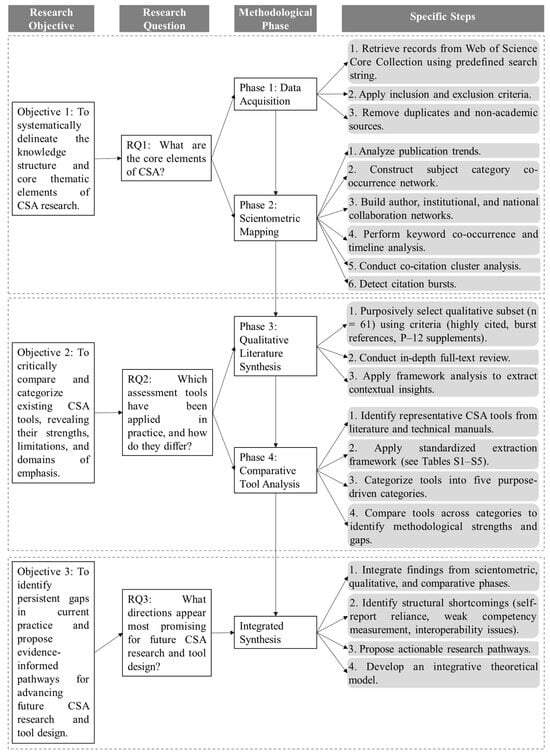
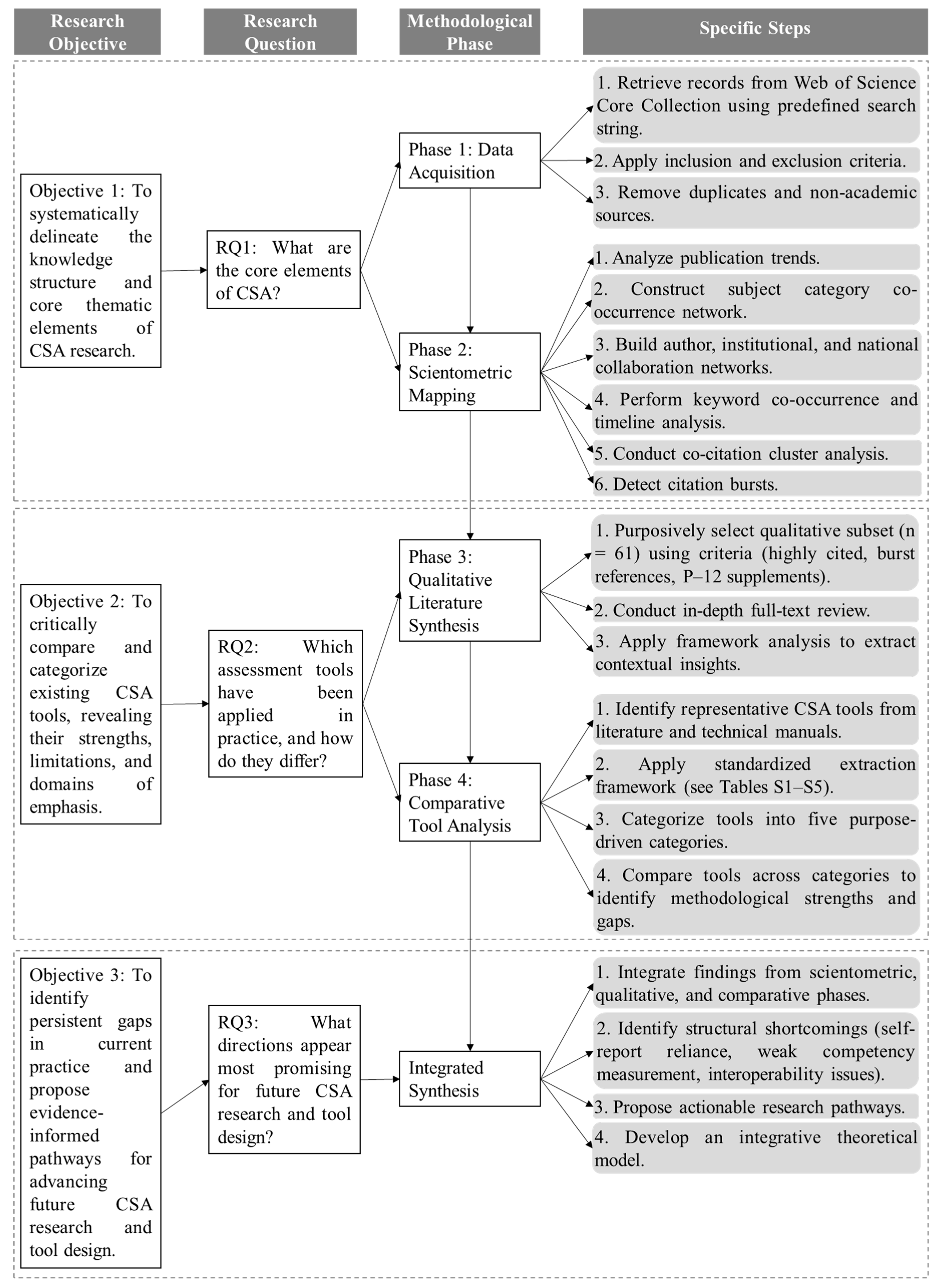
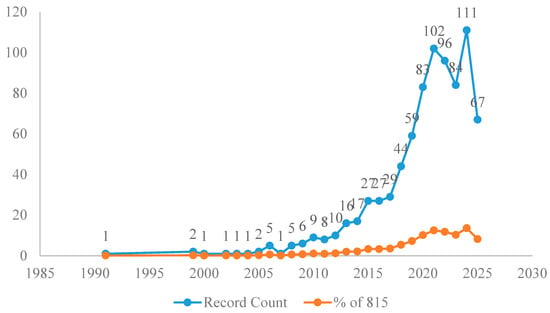
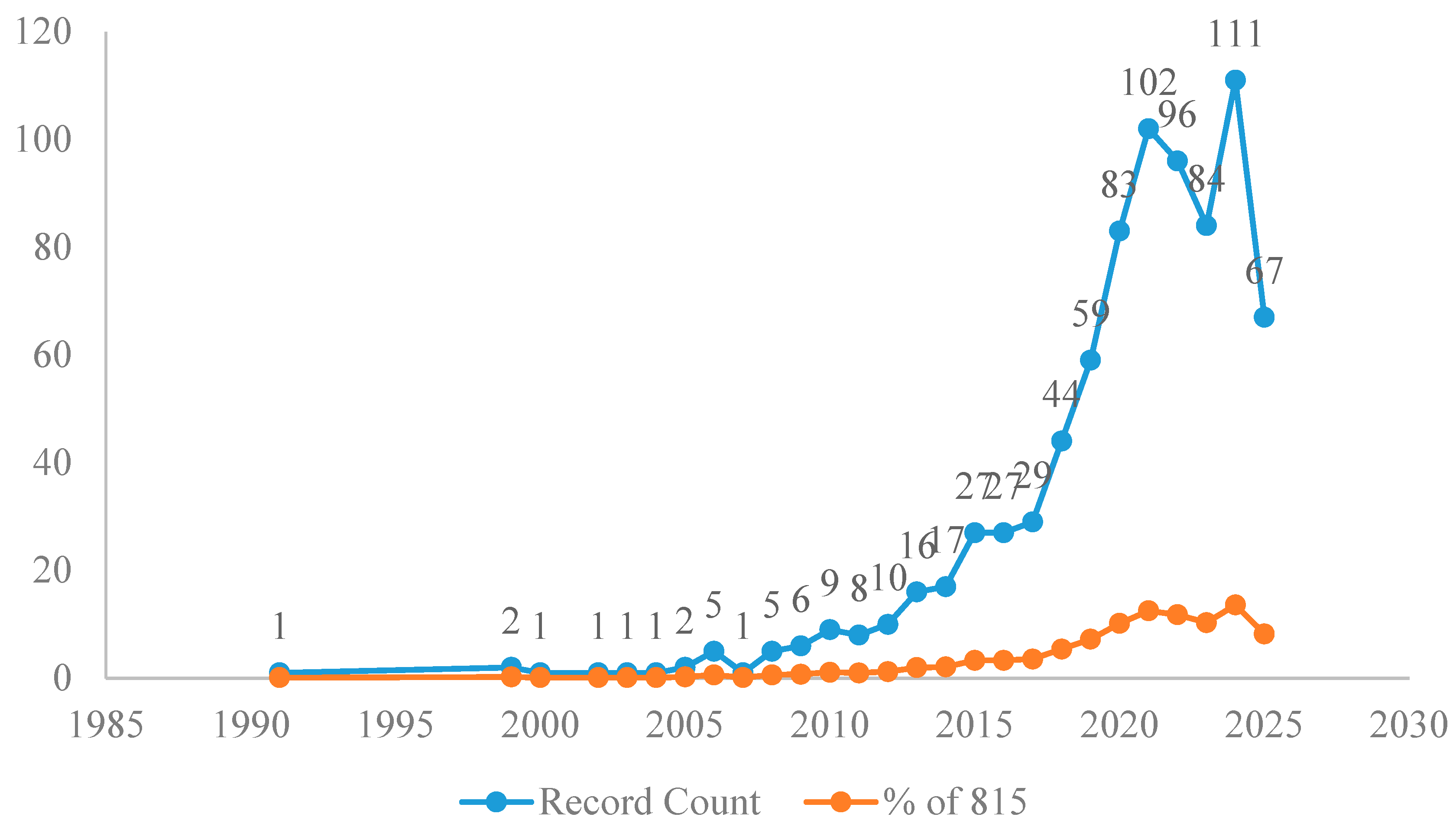
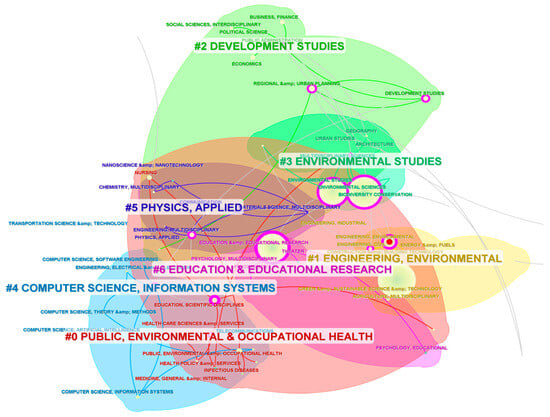
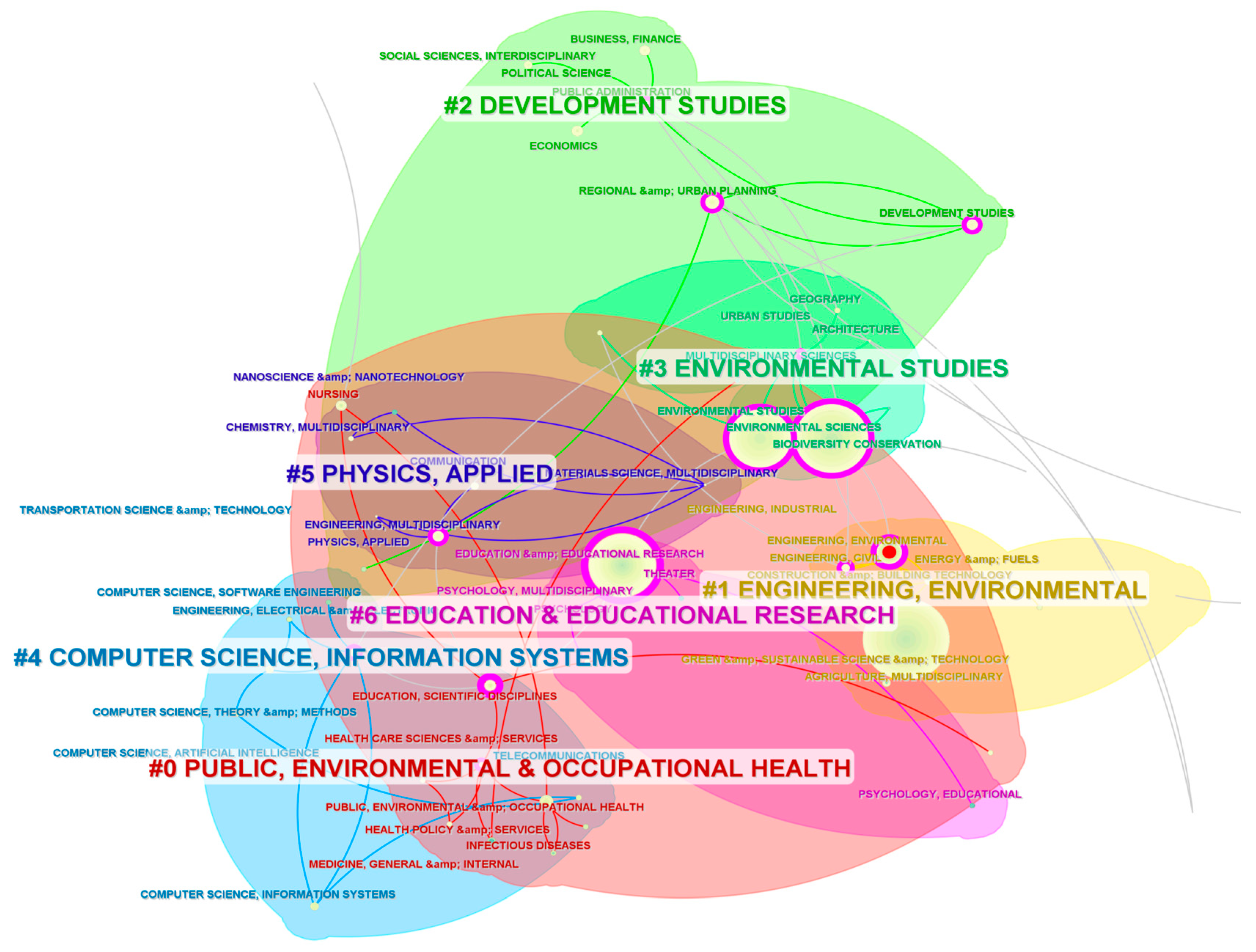
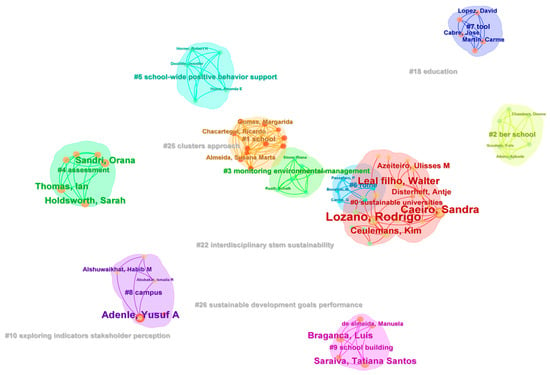
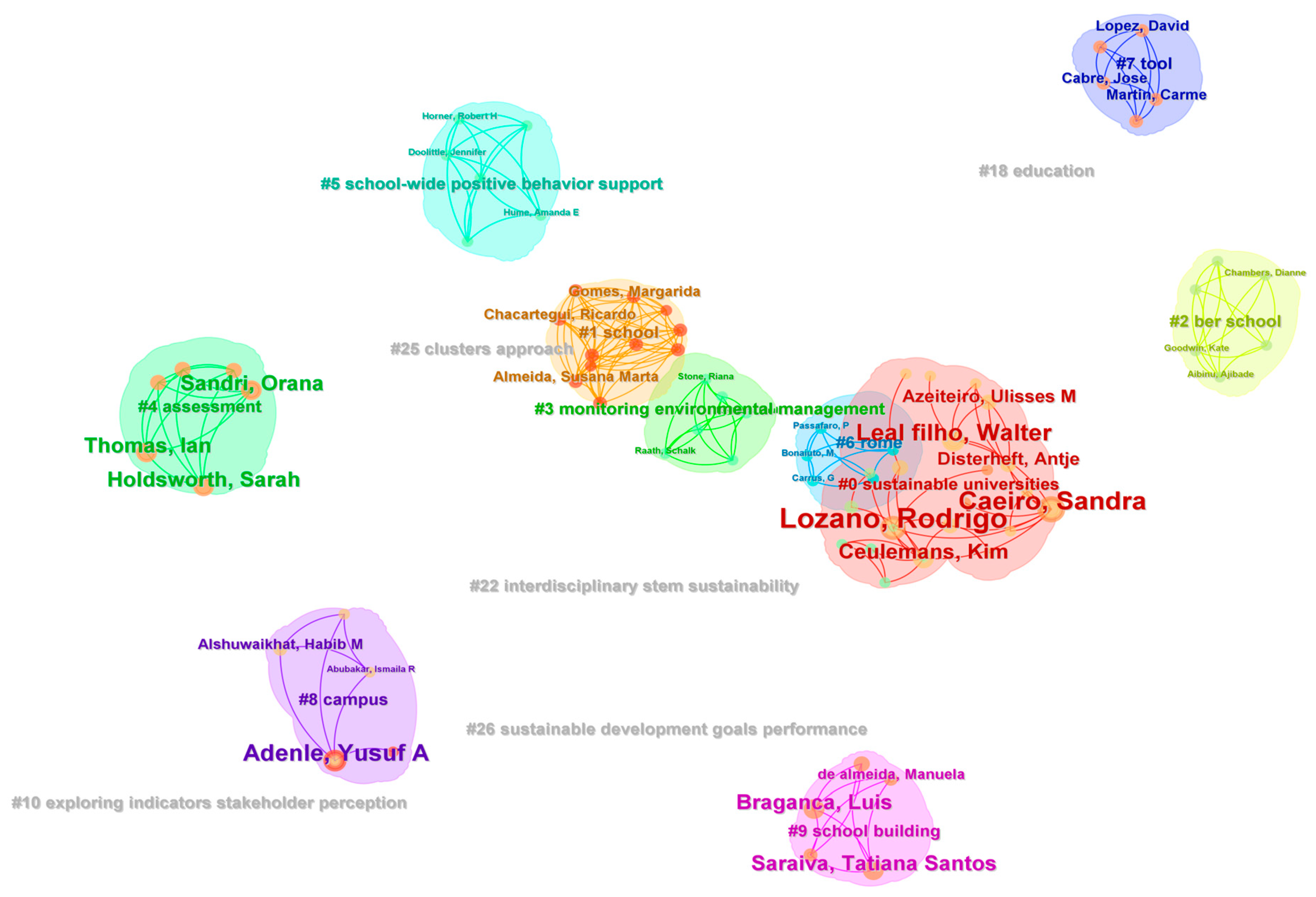
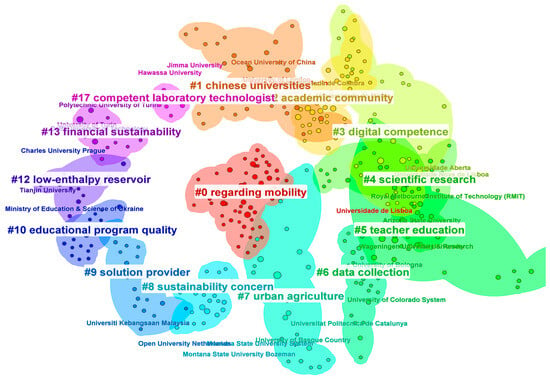
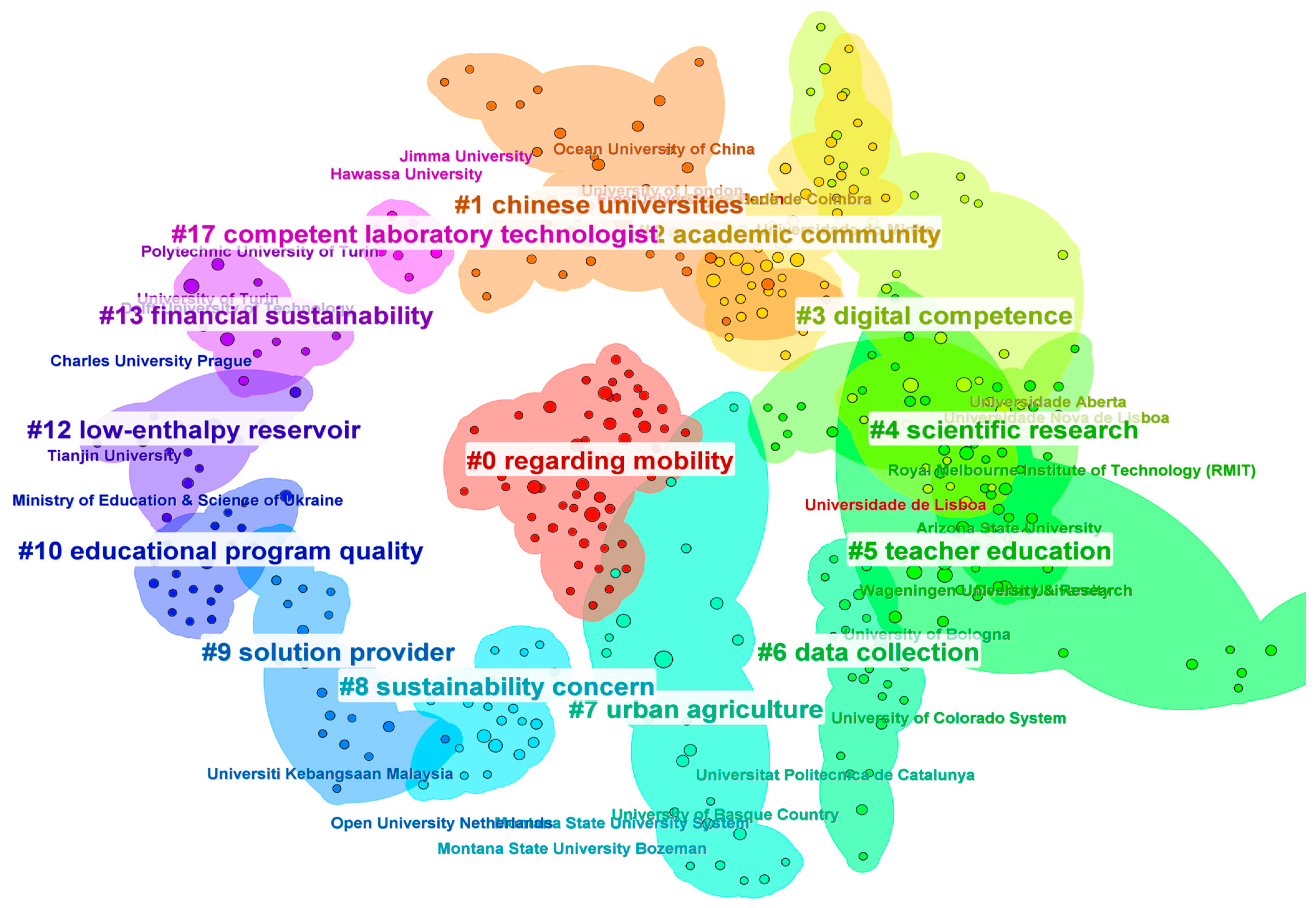
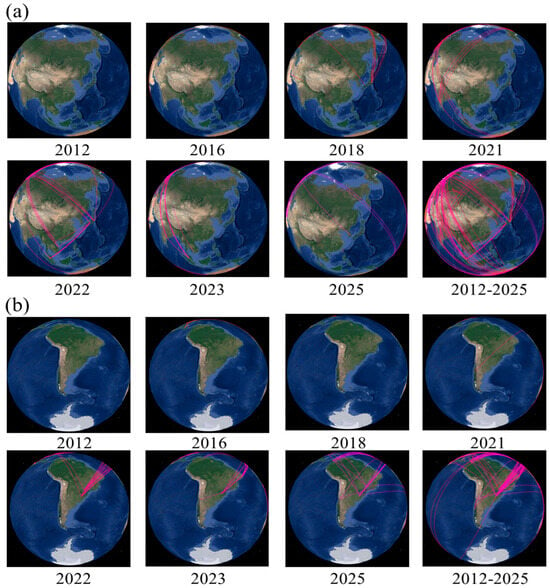
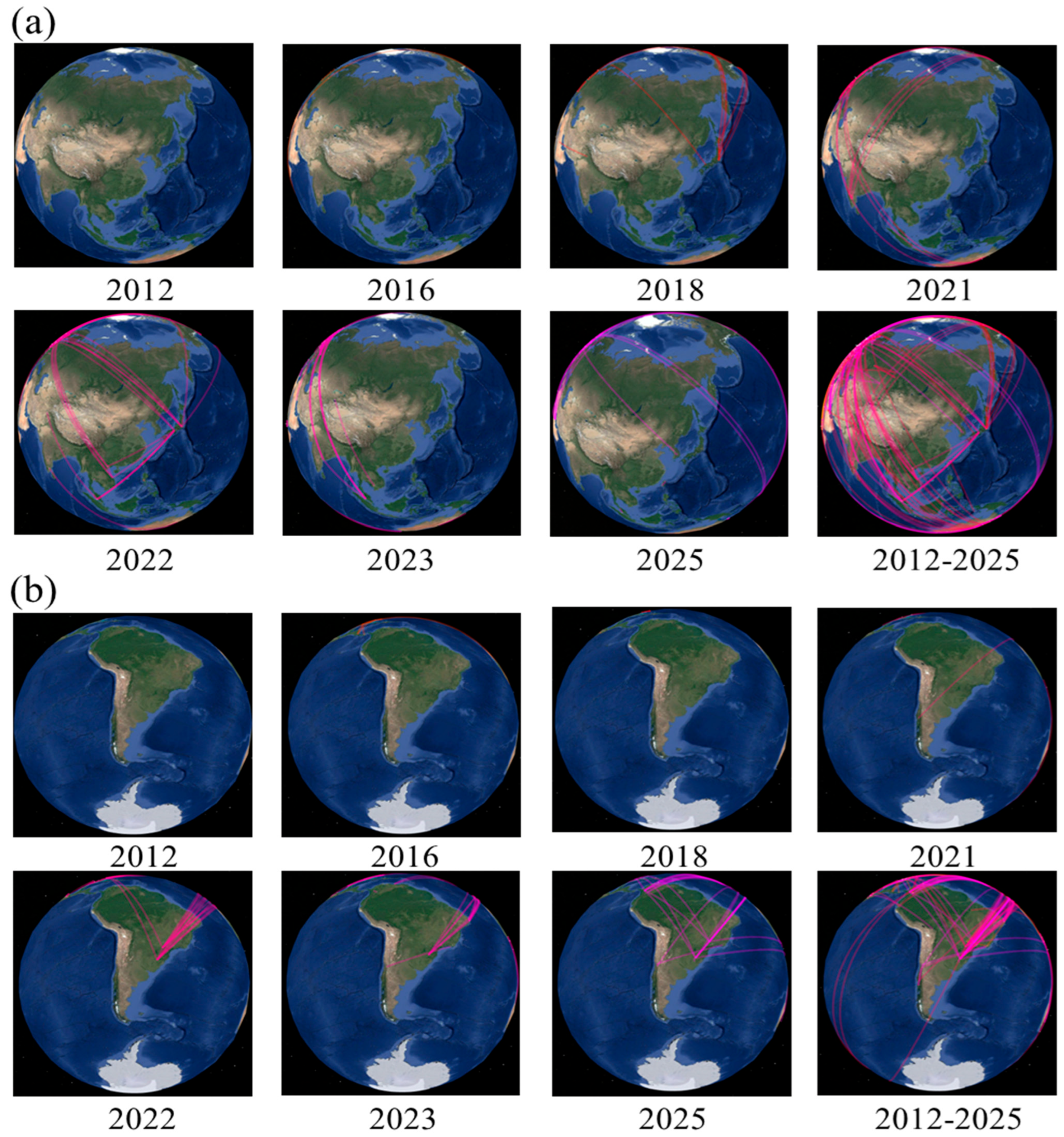
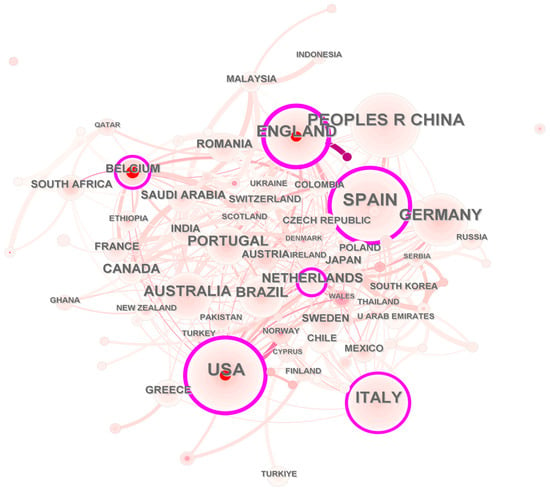
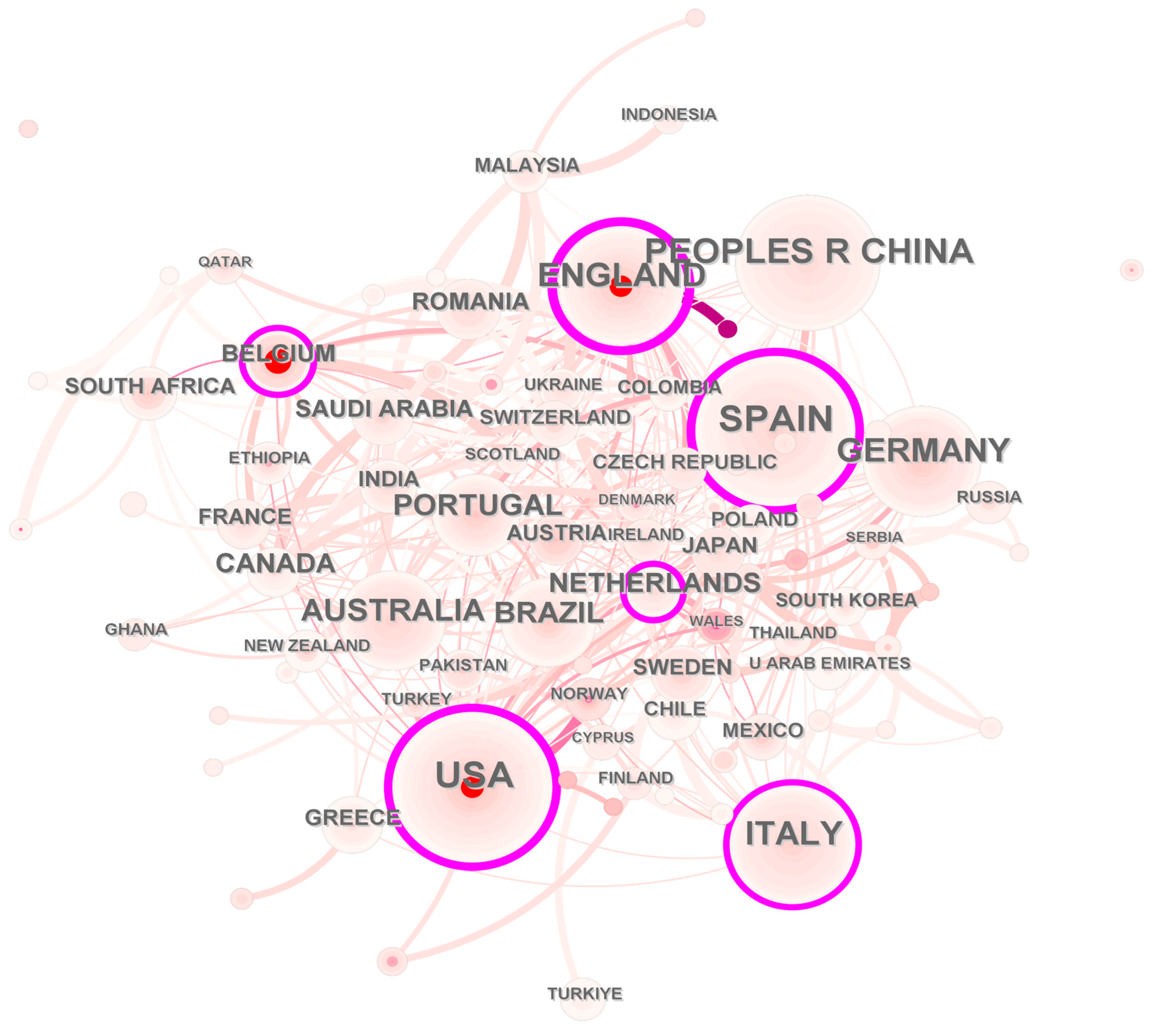
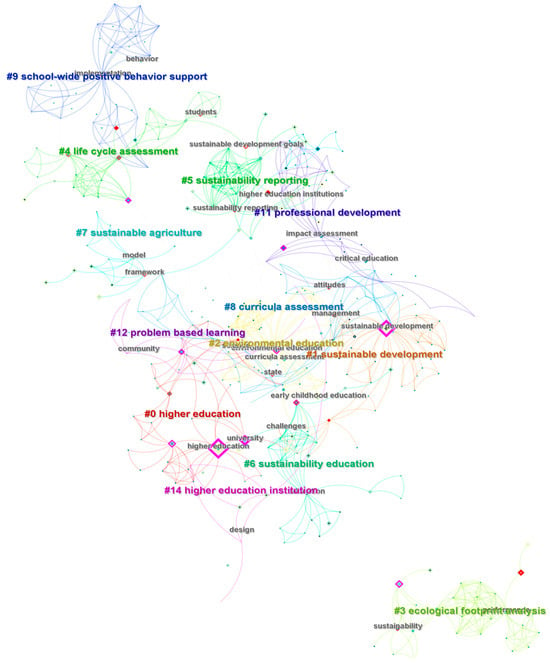
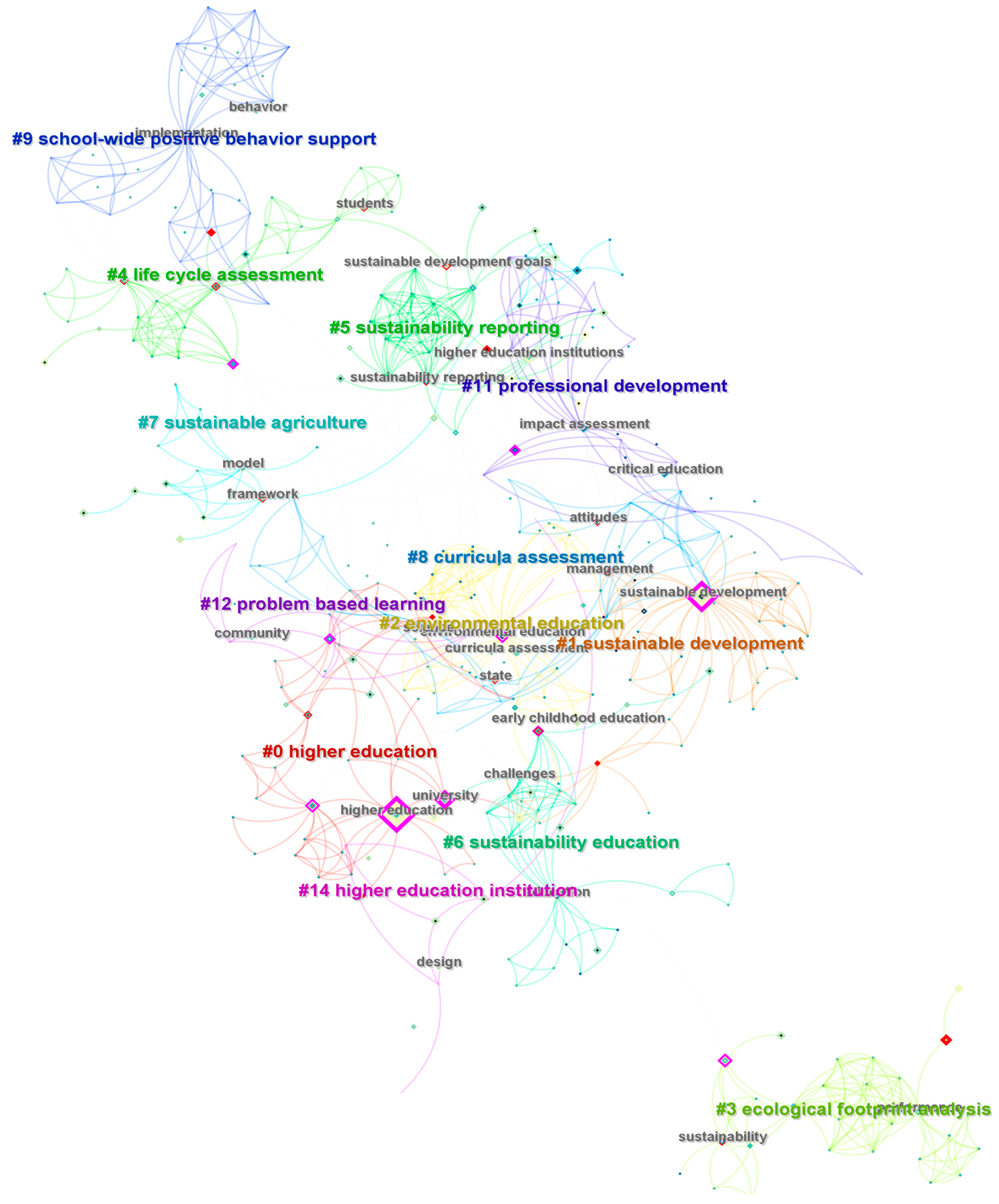
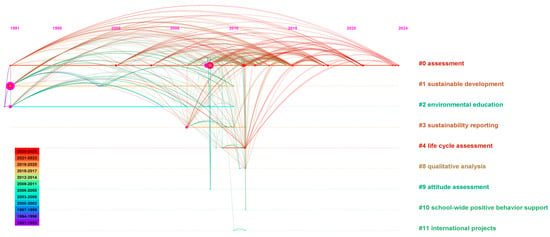
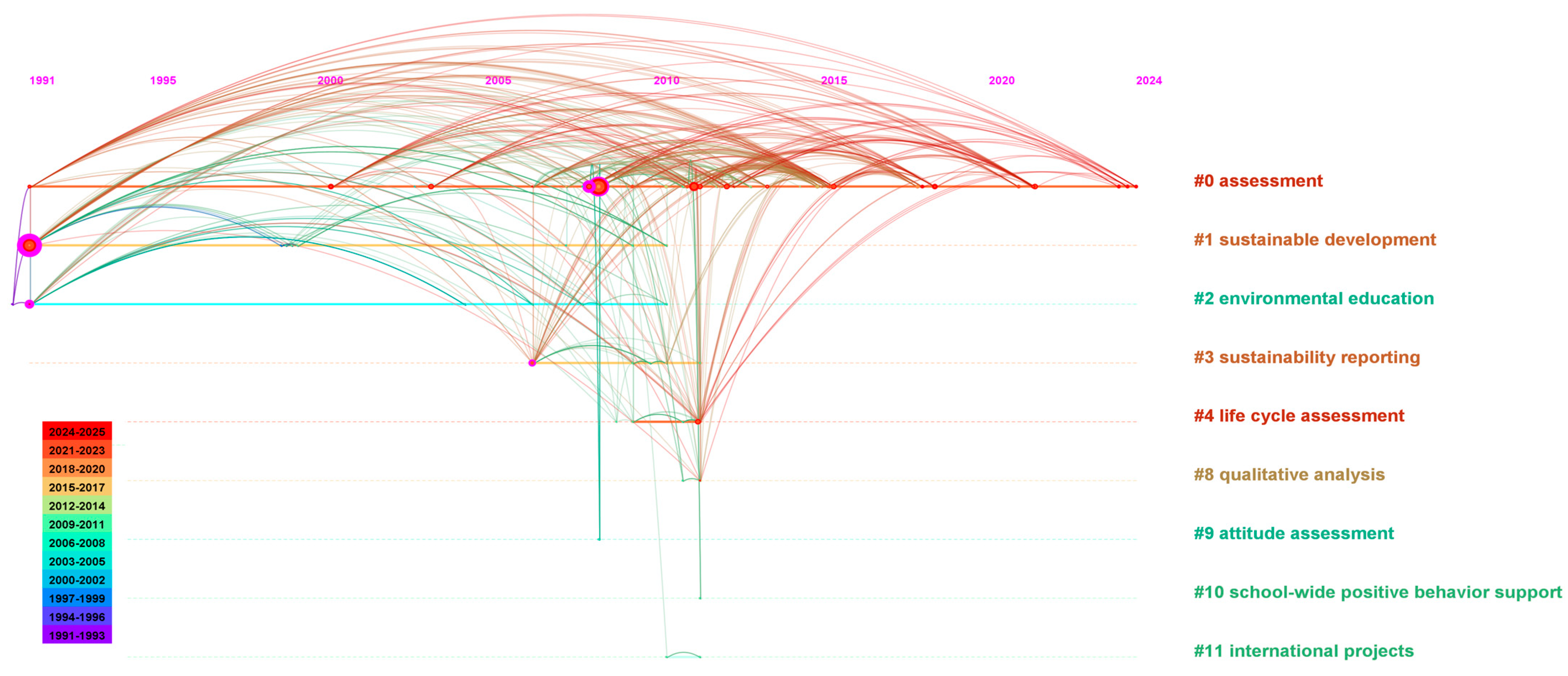
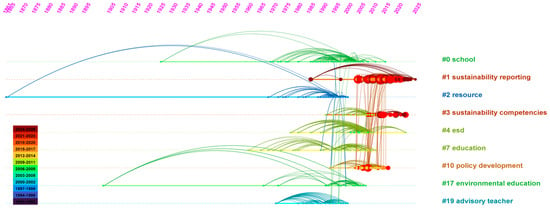
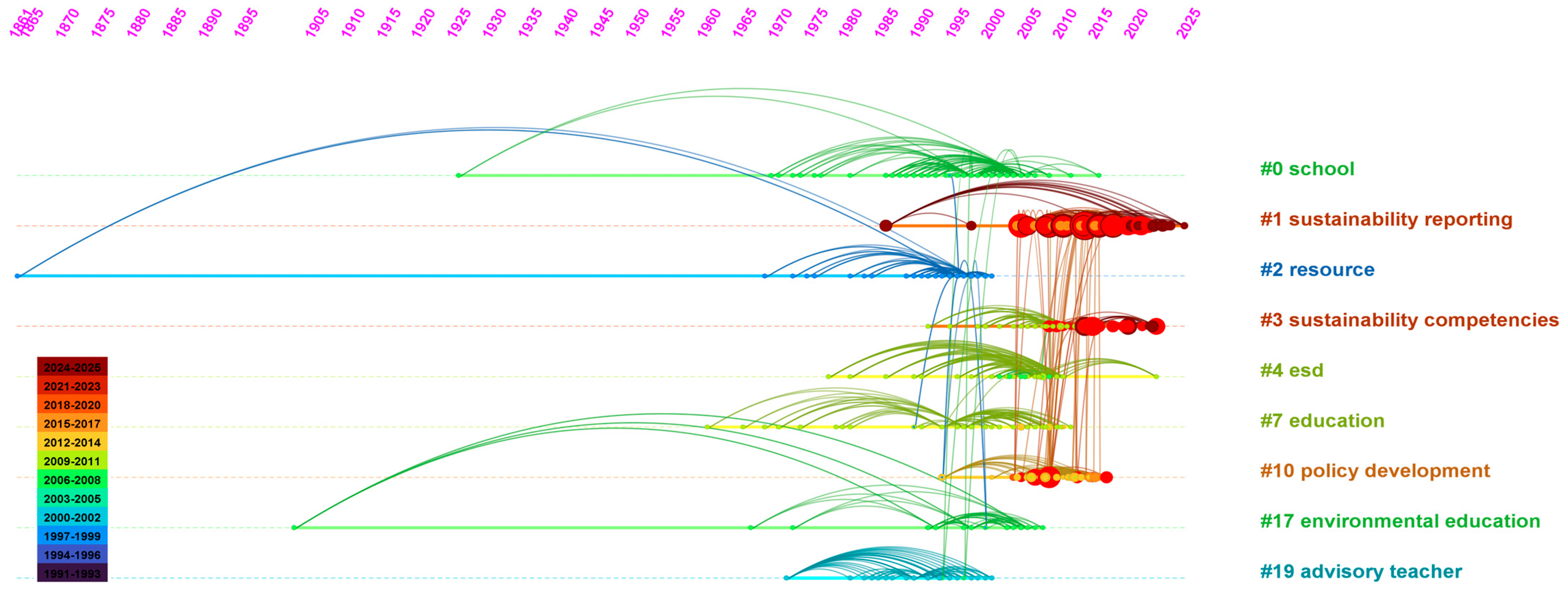
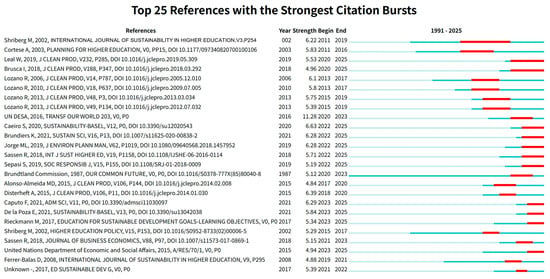
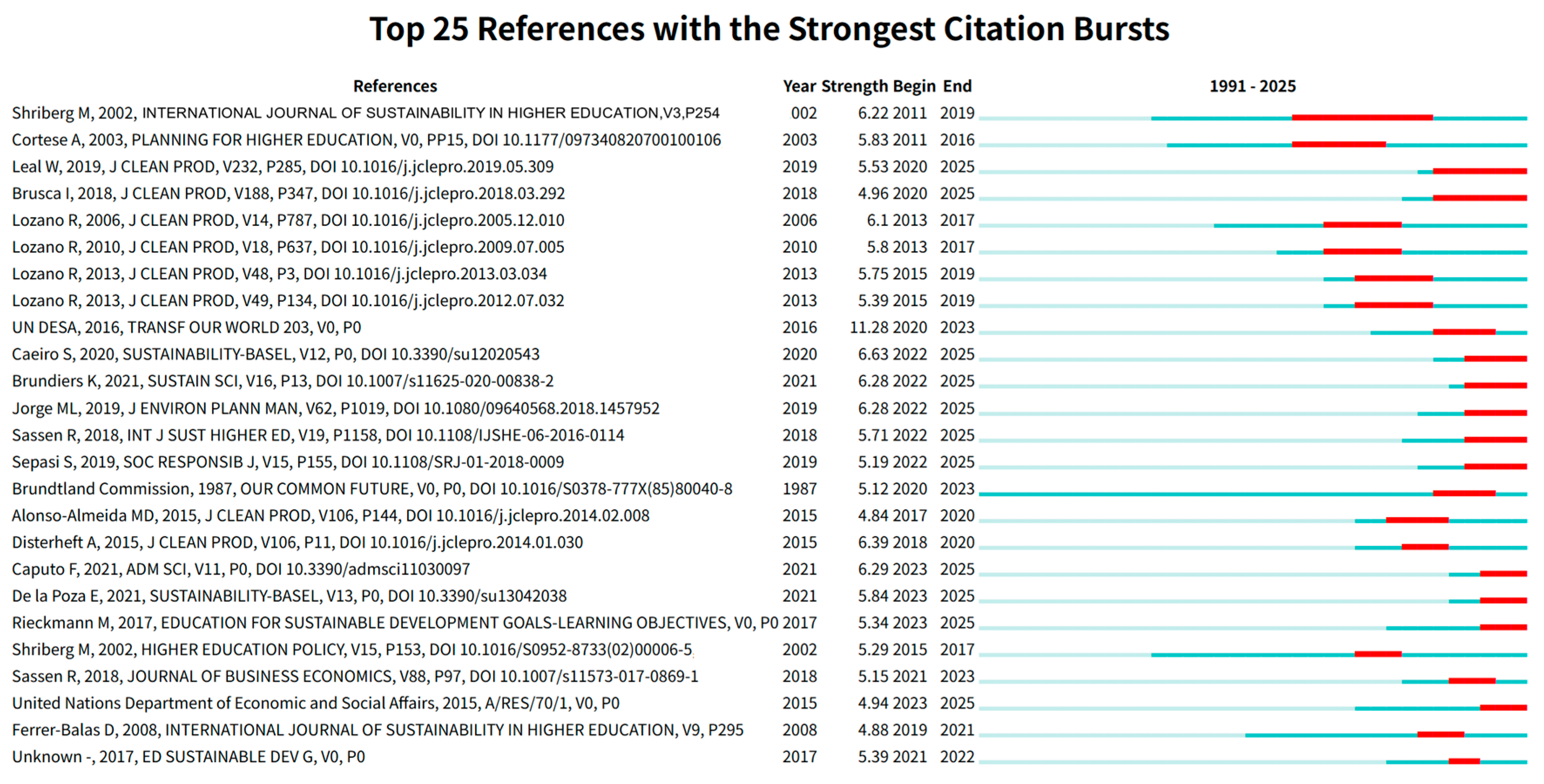
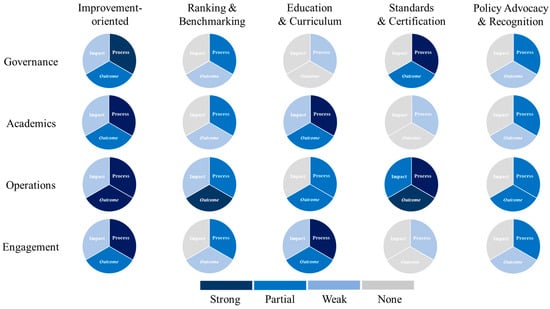
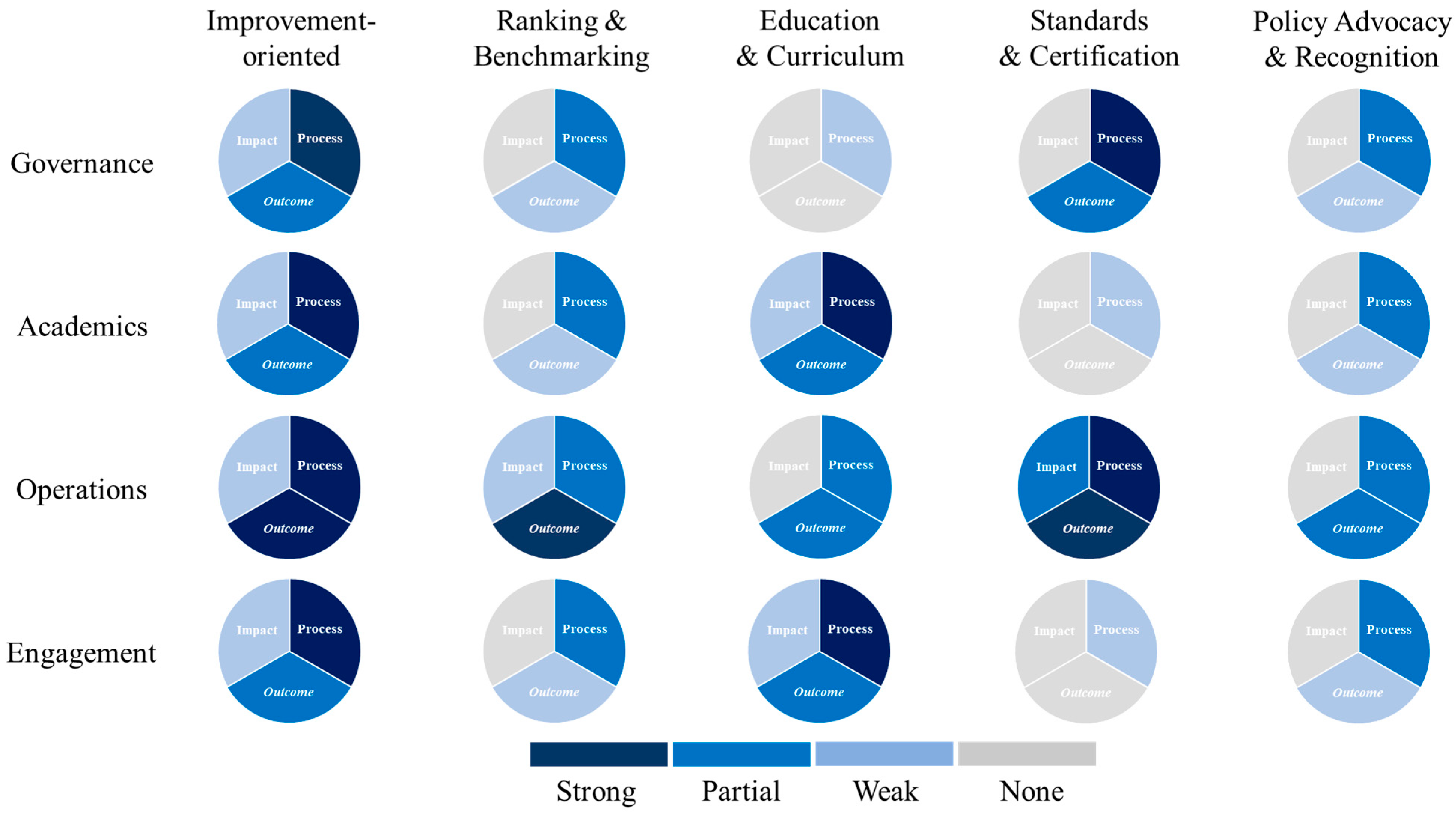
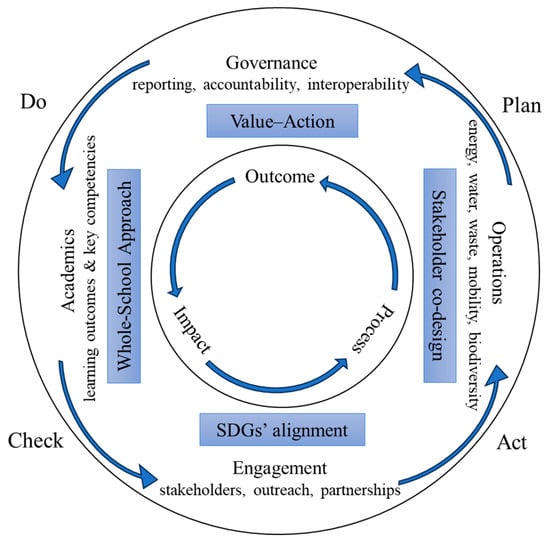
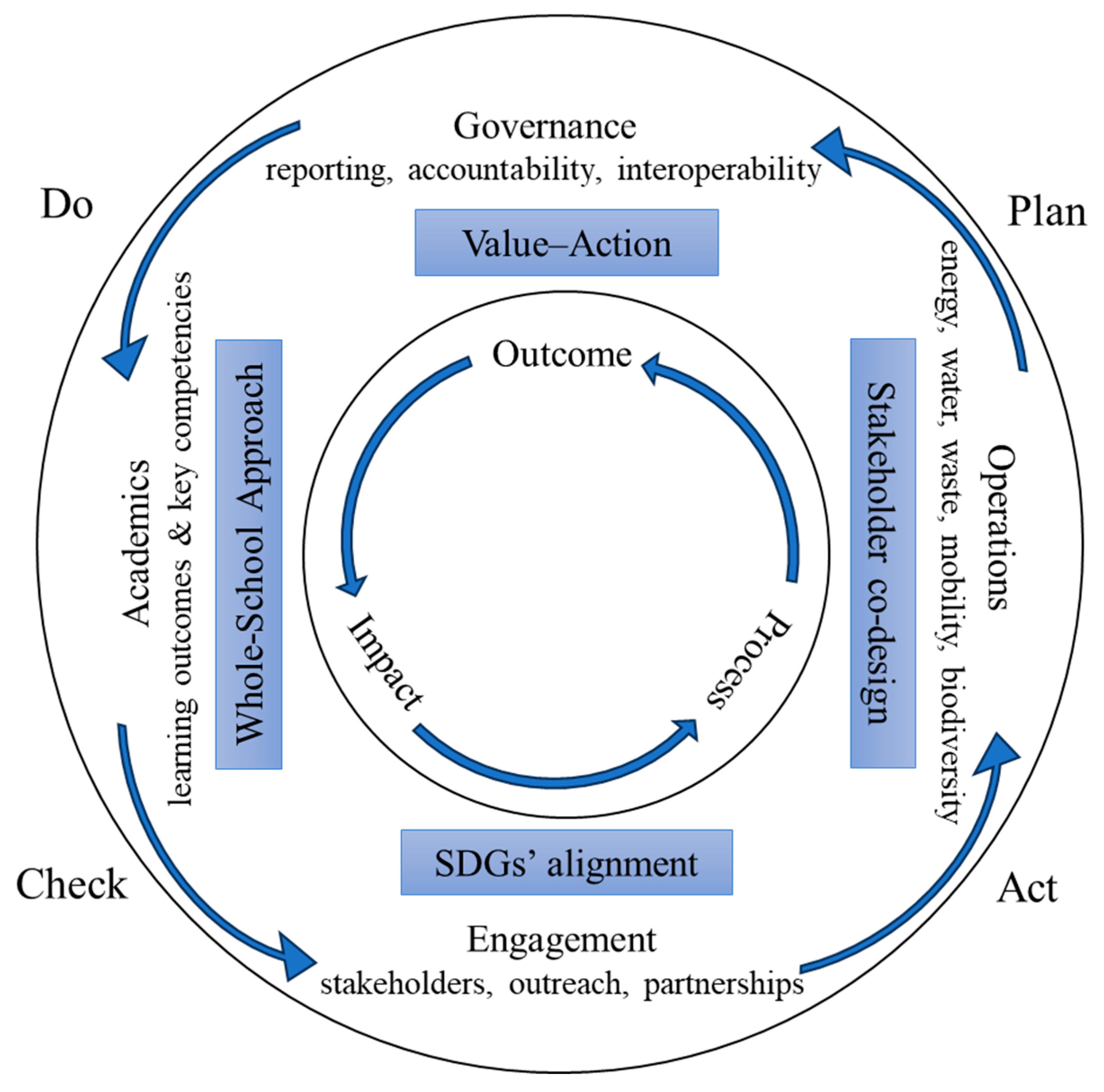

Disclaimer/Publisher’s Note: The statements, opinions and data contained in all publications are solely those of the individual author(s) and contributor(s) and not of MDPI and/or the editor(s). MDPI and/or the editor(s) disclaim responsibility for any injury to people or property resulting from any ideas, methods, instructions or products referred to in the content. |
© 2026 by the authors. Licensee MDPI, Basel, Switzerland. This article is an open access article distributed under the terms and conditions of the Creative Commons Attribution (CC BY) license.