


Abstract
Understanding rate of change requires reasoning about measurable quantities and how one quantity changes relative to another. To support this kind of reasoning, teachers should develop the ability to notice students’ quantitative and covariational reasoning. This study examines how preservice teachers (PSTs) attend to, interpret, and respond to students’ quantitative and covariational reasoning in video-based analyses of water-filling rate-of-change tasks. Drawing on relevant research, professional noticing is examined through the lenses of quantitative reasoning and covariational reasoning. Using a design-based qualitative approach, secondary PSTs participated in structured analyses of students’ problem-solving discussions related to rate of change. Data were collected across eight semi-structured sessions. This study reports qualitative analyses from two sessions (Sessions 1 and 2) that focused on rate of change. Findings show that PSTs’ initial attending shifted from perceptual task features (e.g., pouring speed, references to time) toward identification of measurable quantities, recognition of coordination between height and volume, and comparison of equal volume increments. PSTs’ interpretations progressed from recognizing secondary-variable coordination to identifying direct covariation, and their instructional responses became more targeted and content-specific. However, challenges persisted in interpreting students’ informal and visually mediated covariational reasoning. This study contributes to research on professional noticing by integrating quantitative and covariational reasoning as analytic lenses and highlighting implications for teacher preparation in calculus education.
1. Introduction
Rate of change is a foundational concept in calculus and critical to understanding the derivative (Johnson, 2012; Thompson, 1994b; Thompson & Carlson, 2017). Reasoning about rate of change is a dynamic process involving more than computing derivatives; it requires identifying quantities, coordinating how they vary, and interpreting how changes in one quantity relate to changes in another (Carlson et al., 2002; Kertil et al., 2019; Talib et al., 2023). This dynamic understanding allows students to make sense of the rate of change concept and apply it to model real-world contexts, such as motion and growth (Thompson, 1994a). However, research shows that students often struggle to conceive quantities as dynamically related. Instead, they tend to interpret variation in static ways, confuse rate with accumulated quantities, and rely on procedural manipulation rather than reasoning about how quantities change in relation to each other (Banerjee et al., 2025; Carlson et al., 2002; De Bock et al., 2002; Johnson, 2012; Mkhatshwa, 2020; Yu, 2024). Therefore, teachers must be prepared to interpret and respond to students’ thinking, especially how they identify and coordinate changing quantities in dynamic rate-of-change contexts, to support meaningful learning.
Research highlights quantitative and covariational reasoning as crucial cognitive processes that support students’ understanding of rate of change (Carlson et al., 2002; González, 2021; Johnson, 2012; Talib et al., 2023; Thompson & Carlson, 2017). Quantitative reasoning (QR) involves constructing meaning of quantities and their relationships within the context of a problem, whereas covariational reasoning (CR) involves coordinating how two quantities change relative to one another (Carlson et al., 2002; Kertil et al., 2019). QR typically precedes CR. For example, Johnson (2012) showed that a student first developed contextual meanings for area and perimeter before coordinating the two quantities dynamically (Johnson, 2012). Together, QR and CR support students in making sense of how relationships between measurable quantities give rise to rate of change.
Understanding rate of change depends on how students identify and coordinate changing quantities (Talib et al., 2023; Yu, 2024). Therefore, teachers’ ability to interpret and respond to students’ reasoning about quantities and their relationships is crucial. However, supporting reasoning about how one quantity changes relative to another requires more than correcting students’ errors; it demands making sense of how students conceptualize quantities and their changes. Research reveals that even teachers often struggle with identifying quantities and coordinating simultaneous changes (González, 2021; González, 2024; Kertil et al., 2019; Thompson & Carlson, 2017). Findings highlight the need for teacher preparation programs to develop preservice teachers’ (PSTs’) ability to reason about quantities and their change, and to recognize, interpret, and respond instructionally to QR and CR expressed in students’ explanations.
Professional teacher noticing provides a framework for developing teachers’ capacity to attend to, interpret, and make instructional decisions based on students’ mathematical thinking (Jacobs et al., 2010; Li et al., 2025; Schack et al., 2013; Weyers et al., 2024). Noticing skills enable teachers to adjust their mathematical activities, tasks, and instruction accordingly, fostering adaptive, student-centered learning (Ivars et al., 2020; König et al., 2022; Yang et al., 2021). However, teacher noticing does not develop automatically; even experienced teachers struggle with it (Santagata et al., 2021), and PSTs often have difficulty identifying and making sense of students’ mathematical reasoning, particularly in live classroom instruction and video-based settings (Amador et al., 2025; Moreno et al., 2021; Santagata et al., 2007; Sherin et al., 2011; Star & Strickland, 2008). Although noticing skills can be learned through structured, practice-based opportunities (Scheiner, 2023; Stockero et al., 2017), such support is not consistently embedded in teacher preparation programs. This gap highlights the need for intentional professional noticing programs in mathematics teacher education.
Classroom videos are widely used as an instructional tool to support teachers’ development of noticing by providing access to classroom instruction and opportunities to reflect on practice (Jacobs et al., 2010; Santagata et al., 2021; Schack et al., 2013; Sherin, 2007; Sun & van Es, 2015). Videos’ ability to be paused, slowed down, and rewatched allows closer analysis of student thinking than live classroom observation. However, videos alone are insufficient to foster learning, as PSTs focus on peripheral features and overlook key moments of students’ mathematical thinking (Sherin et al., 2011; Star & Strickland, 2008). This highlights the need for structured video-based tasks that direct PSTs’ attention to salient moments of student thinking. Accordingly, researchers have used written cases and micro-case video clips that isolate critical moments of student thinking to support noticing, particularly in content-specific domains (Amador et al., 2025; Li et al., 2025; Mitchell & Marin, 2015; Schack et al., 2013; Ulusoy & Çakıroğlu, 2021). Building on this approach, this study employs micro-case videos to examine how PSTs attend to, interpret, and respond to students’ reasoning in rate-of-change tasks.
1.1. Problem Statement
Despite the central role of rate of change in calculus, students continue to struggle with reasoning involving changing quantities and structuring rate as a relationship between measurable quantities in dynamic mathematical contexts, as this requires coordinating quantitative and covariational relationships (González, 2024; Talib et al., 2023; Thompson & Carlson, 2017; Yu, 2024). Such reasoning does not develop intuitively; even advanced learners, including PSTs, often have difficulty structuring quantities and coordinating their changes (González, 2024). Preparing teachers to recognize and respond to these difficulties requires more than procedural knowledge; it requires the capacity to notice how students structure quantities and coordinate changes. Although research on professional noticing has documented how teachers attend to and interpret student thinking (Santagata et al., 2021), limited work has examined noticing through disciplinary lenses of QR and CR, particularly in dynamic rate-of-change contexts. This study addresses that gap by investigating how PSTs attend to, interpret, and respond to students’ QR and CR in video-based analyses of rate-of-change contexts, with implications for strengthening teacher preparation and improving calculus instruction. Specifically, this study integrates professional noticing with QR and CR as analytic lenses.
1.2. Purpose of Study and Research Question
The purpose of this study is to explore how PSTs notice students’ QR and CR while analyzing video-recorded student discussions of animated rate-of-change tasks. Specifically, the study focuses on examining PSTs’ noticing of students’ reasoning as they engage with water-filling animated tasks designed to depict constant and increasing rates of change. The study is guided by the following research question:
How do secondary preservice mathematics teachers notice (attend to, interpret, and instructionally respond to) students’ quantitative and covariational reasoning when analyzing animated water-filling tasks depicting the concept of rate of change?
This research question is examined through the three components of professional noticing, attending, interpreting, and responding to student thinking, which provide a structured lens for analyzing how PSTs engage with student thinking about rate of change.
2. Review of Literature
This section presents a review of the relevant literature on the teaching and learning of rate of change, highlighting documented struggles that students and PSTs face in developing a meaningful understanding of this concept, as well as instructional strategies proposed to address these challenges. Then, we present a review of the literature on professional noticing, with particular attention to how PSTs develop this pedagogical skill. Collectively, the reviewed literature establishes the theoretical and empirical grounds for the present study and situates the inquiry within ongoing research in mathematics education.
2.1. Learning the Concept of Rate of Change
Rate of change is a crucial concept that supports understanding of core calculus concepts, particularly slope, functional relationships, and the derivative (Moore & Thompson, 2015; Thompson & Carlson, 2017), and is foundational to modeling real-world phenomena (e.g., motion, population growth) and analyzing changes in quantities across contexts (National Council of Teachers of Mathematics, 2000, 2014). Rate of change has been conceptualized in multiple ways, including as a ratio (Johnson, 2015a, 2015b), covariation (Carlson et al., 2002), and limit and function (Johnson, 2012; Mkhatshwa & Doerr, 2018) in various contexts. In this study, rate of change is conceptualized as a ratio comparing the change in a dependent variable to the change in an independent variable (De Bock et al., 2002).
Research highlights three key approaches to understanding rate of change: additive, multiplicative (Byerley & Thompson, 2017; Castillo-Garsow, 2012; Confrey & Smith, 1995; Johnson, 2015a) and covariational (Kertil et al., 2019; Thompson & Carlson, 2017; Yu, 2024). Additive rate of change, which involves reasoning additively, focuses on the differences between quantities (independent and dependent variables), whereas multiplicative rate of change, which involves multiplicative reasoning, focuses on comparing how quantities vary together, which may include quantifying their relationship (Carlson et al., 2002; De Bock et al., 2002; Yu, 2024). Students often rely on additive reasoning, which is insufficient in many contexts, particularly those involving fractional change or instantaneous rate (the derivative), where multiplicative reasoning is required (Castillo-Garsow, 2012; De Bock et al., 2002). These findings reveal that additive reasoning may cause students’ misconceptions, and as a result, multiplicative reasoning is considered a basis for developing a meaningful understanding of rate of change (Byerley & Thompson, 2017; Yu, 2024).
The third perspective for understanding rate of change is CR, defined as coordinating how values of two changing quantities relate to each other (Bagossi, 2024; Kertil et al., 2019; Thompson & Carlson, 2017). Students’ ability to elicit CR is critical for making sense of rate of change, as it enables them to interpret relationships between changing quantities (Swidan et al., 2022; Thompson & Carlson, 2017). However, research reveals that students often struggle with understanding the concept of rate of change, which has been attributed to weak CR (Annisa et al., 2025; Bagossi, 2024; Paoletti & Moore, 2017; Thompson & Carlson, 2017). These findings highlight the need for further research that focuses on how students develop and conceptualize QR and CR in rate-of-change contexts. This study seeks to address this issue by focusing on the development of covariational and QR in the context of rate of change.
Preservice Teachers’ Understanding About Rate of Change
Research shows that PSTs also struggle to engage in CR when working on rate-of-change tasks (González, 2024; Kertil, 2014; Talib et al., 2023). This difficulty reflects a limited understanding of rate of change and raises concerns about their readiness to teach this concept effectively in the future. Studies reveal that PSTs often rely on additive reasoning, interpret graphs as collections of isolated points, and have difficulty making sense of nonlinear relationships (González, 2021; Kertil, 2020; Yemen-Karpuzcu et al., 2017). For instance, Yemen-Karpuzcu et al. (2017) found that prospective teachers described volume changes as addition of fixed amounts rather than as continuous covariation, while Kertil (2020) documented similar patterns of additive reasoning in dynamic simulation contexts. Likewise, Byerley et al. (2012) reported that teachers who reason additively tend to view slope as an indicator of steepness of a graph and often conflate a rate of change with an amount of change.
Although prior research has examined PSTs’ reasoning about rate of change (e.g., Erol & Saygı, 2024; Fonseca & Henriques, 2023; Kertil et al., 2023), less is known about how PSTs attend to students’ QR and CR in dynamic settings and how they interpret them to inform their instructional practice. This study addresses this gap by examining PSTs’ professional noticing of students’ reasoning as they problem-solve rate-of-change tasks.
2.2. Professional Teacher Noticing
Professional teacher noticing, simply referred to as teacher noticing, is grounded in Goodwin’s (1994) theory of professional vision, which describes how experts in various fields selectively attend to, interpret, and act on relevant information. This perspective has been extended to mathematics education (e.g., Jacobs et al., 2010; Mason, 2002; Sherin, 2007; van Es & Sherin, 2009), emphasizing that effective mathematics teachers deliberately attend to classroom interactions, interpret student thinking, and leverage these insights to inform instructional decisions. In the sections that follow, we define teacher noticing and review how it has been used to support teacher learning, particularly in mathematics learning contexts.
2.2.1. Definition of Professional Teacher Noticing
Professional teacher noticing is broadly conceptualized as the processes by which teachers identify and make sense of significant events in classroom interactions and use these new insights to inform their instructional decisions (van Es & Sherin, 2021). Noticing involves three interrelated cognitive processes: “(1) identifying what is important or noteworthy in a classroom situation, (2) making connections between specific events and broader principles of teaching and learning, and (3) using what one knows in the context to reason about classroom interactions” (van Es & Sherin, 2002) (p. 573). Teacher noticing is a deliberate and reflective practice that unfolds across phases, including preparing to notice, noticing in the moment, and reflecting on observed events (Mason, 2002; van Es & Sherin, 2021). In addition, teacher noticing spans multiple aspects of instruction, including mathematical content, student thinking, teacher actions, instructional strategies, and classroom management (Star & Strickland, 2008; Yang et al., 2020), and teachers may be directed on what they should focus on in their noticing (Jacobs et al., 2010). Within this broader view, noticing is an active process of meaning-making in which teachers selectively attend to and interpret critical classroom events using their professional knowledge.
Building on this broader view, Jacobs et al. (2010) conceptualize teacher noticing more specifically as attending to students’ mathematical strategies, interpreting their underlying mathematical understanding in context, and deciding how to respond in ways that support student learning. Sherin et al. (2011) described noticing as a situated, practice-based skill that develops through engagement with classroom interactions, mostly in collaborative settings. This view reinforces the idea that noticing is shaped by context and experience and thus supports the need to focus it on aspects of mathematical instruction, particularly students’ mathematical thinking. Therefore, developing teachers’ ability to notice how students reason about quantities and how those quantities covary in relation to one another is essential for supporting QR and CR in mathematics learning.
Within mathematics education, teacher noticing focuses on students’ mathematical thinking (Jacobs et al., 2010). Teachers attend to salient mathematical details in students’ work or explanations, interpret their reasoning using disciplinary and pedagogical knowledge, and respond in ways that advance student learning (Jacobs et al., 2010). By attending to and making sense of student thinking, teachers develop insights to make informed, in-the-moment instructional decisions that support adaptive, student-centered learning (Jacobs et al., 2010; Friesen & Kuntze, 2021; Richards et al., 2020).
2.2.2. Use of Video in Supporting Professional Teacher Noticing
Instructional video has become an important resource in mathematics education for supporting teaching and learning by providing access to authentic classroom interactions and students’ problem-solving processes (Jacobs et al., 2010; Ramos et al., 2021; Sherin, 2007). As records of practice, videos allow educators to examine how mathematical ideas are introduced and developed in instructional settings. They serve as tools for presenting teaching practices and how students reason in mathematical contexts, functioning as “springboards for analysis and discussion about mathematics teaching and learning” (Borko et al., 2011) (p. 184). A key affordance of instructional video is its ability to approximate classroom interactions while allowing viewers to pause, revisit, and closely analyze specific moments of student thinking (Sherin, 2007; Sherin & Han, 2004). This allows teachers to examine students’ reasoning at their own pace, without the need to respond immediately in real time. Consequently, videos create opportunities for deeper engagement with mathematical thinking and classroom interactions.
Videos of classroom instruction and students’ problem solving have been widely used to support the development of teacher noticing by providing a manageable environment in which noticing skills, and attending to, interpreting, and responding to student thinking, can be developed (Jacobs et al., 2010; Kazemi et al., 2009; Sherin, 2007). Research shows that engaging teachers in collaborative and structured video analysis supports increased attention to student thinking, fosters interpretation of salient moments of reasoning, and promotes more responsive instructional practices (Ramos et al., 2021; van Es & Sherin, 2021). For instance, collaborative environments such as video clubs have been shown to support deeper analysis of student thinking and enhance teachers’ ability to make informed instructional decisions (Stockero et al., 2017; van Es & Sherin, 2009). These settings enable teachers to analyze classroom teaching and learning together, thereby strengthening their noticing skills over time.
Research shows that professional noticing is not an innate skill and does not develop automatically through teaching experience (Casey et al., 2018; Li et al., 2025; Moreno et al., 2021; Simpson & Haltiwanger, 2017). Even within teacher preparation programs, PSTs often struggle to attend to and interpret student thinking, frequently focusing on surface-level classroom features such as teacher actions or classroom management rather than students’ mathematical reasoning (Crespo, 2000; Li et al., 2025; Simpson & Haltiwanger, 2017; Stockero et al., 2017). However, studies indicate that PSTs can develop noticing when provided with structured, practice-based opportunities to analyze student thinking in mathematical contexts (Casey et al., 2018; Sherin et al., 2011; Stockero et al., 2017; Ulusoy & Çakıroğlu, 2021). In particular, research on video-based approaches emphasizes that videos alone do not support learning; rather, their effectiveness depends on structured supports such as targeted prompts, facilitation, and purposeful selection of clips that guide PSTs’ attention toward meaningful aspects of mathematical instruction and learning (Jacobs et al., 2010; Kang & van Es, 2019; Scheiner, 2023; Sherin, 2007; van Es et al., 2019).
Recent research has increasingly emphasized the importance of content-specific noticing in mathematics education (Choy & Dindyal, 2021; Copur-Gencturk & Rodrigues, 2021; Copur-Gencturk & Tolar, 2022; Moreno et al., 2021; Ramos et al., 2021; Walkoe et al., 2022). While earlier studies treated noticing as a general skill, scholars argue that effective teaching requires attention to how students reason within particular mathematical domains (Amador et al., 2025; Copur-Gencturk & Rodrigues, 2021; Walkoe et al., 2022). Accordingly, studies have begun to examine PSTs’ noticing in areas such as arithmetic reasoning (Schack et al., 2013), proportional reasoning (Amador et al., 2025; Bas-Ader et al., 2025; Son, 2013), derivatives (Sánchez-Matamoros et al., 2015), pattern generalization (Callejo & Zapatera, 2017), mathematical modeling (Alwast & Vorhölter, 2022), and fractions (Friesen & Kuntze, 2021). Several studies (e.g., Copur-Gencturk & Tolar, 2022; Moreno et al., 2021; Ramos et al., 2021; Walkoe et al., 2022) have called for further research to develop content-specific frameworks that inform how teachers notice students’ mathematical thinking in particular domains. Despite this progress, limited research has explored noticing in the context of rate of change and derivatives (Sánchez-Matamoros et al., 2015), particularly with respect to how PSTs notice students’ QR and CR. This gap highlights the need for research that examines how PSTs attend to and make sense of relationships among varying quantities as they analyze students’ work in dynamic rate-of-change contexts.
Building on this body of research, the present study employs carefully designed video-based tasks to explore how PSTs notice students’ reasoning in contexts involving rate of change. The selected video clips focus explicitly on students’ problem solving, directing PSTs’ attention to how students identify and coordinate changing quantities while engaging in rate-of-change tasks. In doing so, the study extends existing noticing research by examining content-specific noticing in dynamic rate-of-change contexts.
3. Theoretical Framework
This study is grounded in three complementary theoretical constructs: QR, CR, and professional teacher noticing. Together, these frameworks provide an analytical lens for examining how PSTs attend to, interpret, and respond to students’ QR and CR about rates of change. Professional teacher noticing serves as the overarching framework guiding analysis of PSTs’ engagement with student thinking, while QR and CR serve as disciplinary lenses for examining the substance of that thinking. These frameworks guided both coding of the data and interpretation of PSTs’ analysis of students’ reasoning in a video-mediated setting.
3.1. Quantitative Reasoning
QR is the process of structuring a problem situation as a network of quantities and their relationships (Thompson, 1990). It involves identifying relevant quantities, interpreting their meanings in context, and making sense of relationships between them (Thompson, 1994a, 2011).
Thompson (2011) identifies three tenets of QR: quantity, quantitative operation, and quantification. A quantity is a measurable attribute of an object (Thompson, 1994b). For example, in a water-filling task, water being poured into a flask is an object and its volume is a quantity, which can be measured to obtain a numerical value. Importantly, one can reason about quantities without knowing their numerical measures (Thompson, 1993), such as how height changes with respect to volume even without knowing their numerical values. Quantities may be extensive (e.g., height, volume), which can be measured directly, or intensive (e.g., rate), which expresses a multiplicative comparison between two extensive quantities (Kertil et al., 2019). Forming a new quantity through multiplicative comparison, such as conceiving rate as the ratio of change in height to change in volume, is a quantitative operation (Thompson, 2011).
Quantification refers to assigning numerical values to quantities (Thompson, 1994a). It includes gross quantification (perceptual comparison), extensive quantification (assigning numerical values to extensive quantities), and intensive quantification (assigning numerical values to intensive quantities such as rate) (Thompson, 2011). In this study, QR is operationalized as identification of measurable quantities, interpretation of their relationships, and comparison of change. In particular, QR is elicited when students identify quantities, analyze relationships between them, attend to their units and meanings, assign values to quantities, or treat time as an implicit or explicit quantity. Because this study examines how PSTs notice QR in students’ discussions about rate-of-change tasks, QR serves as an analytic lens for examining how PSTs recognize and make sense of students’ QR as they problem-solve in rate-of-change contexts.
3.2. Covariational Reasoning
CR is defined as the cognitive activities involved in coordinating two varying quantities while attending to how they change in relation to each other (Carlson et al., 2002). CR is crucial for understanding dynamic mathematical situations and includes attending to how variation in one quantity corresponds to changes in another, recognizing patterns in these changes, and interpreting whether rates of change remain constant or vary. Kertil et al. (2019) characterized CR across three dimensions: identifying the variables, coordinating the variables, and quantifying the rate of change (see Table 1). These dimensions capture qualitatively different ways individuals reason about changing quantities and provide a structural lens for analyzing CR.
Table 1.
Covariational reasoning: dimensions and sub-dimensions (Kertil et al., 2019).
Second, Carlson et al. (2002) provide a developmental perspective describing five levels of mental actions (MA1–MA5), ranging from coordinating direction of change to reasoning about instantaneous rate of change (see Table 2). While originally developed to characterize students’ thinking, this framework is used in the present study to analyze the level of CR that PSTs attribute to students’ thinking during video-based discussions. CR is analyzed using Kertil et al.’s (2019) dimensions and Carlson et al.’s (2002) mental actions (MA1–MA4).
Table 2.
Covariation framework of mental actions (Carlson et al., 2002).
3.3. Role of Quantitative Reasoning and Covariational Reasoning in the Present Study
Together, QR and CR provide complementary analytic lenses for examining PSTs’ engagement with students’ reasoning about rate of change. QR supports analysis of how PSTs attend to and interpret students’ conceptions of quantities and quantitative relationships (Kertil et al., 2019), while CR supports analysis of how PSTs interpret students’ coordination of changing quantities and the sophistication of that reasoning (Carlson et al., 2002). When situated within a professional noticing framework, these constructs allow the study to examine whether PSTs notice QR and CR in students’ reasoning, characterize its level of sophistication, and see how those interpretations inform their instructional responses.
3.4. Professional Teacher Noticing Framework
Professional teacher noticing is used in this study as a conceptual lens to examine how PSTs make sense of students’ thinking in dynamic mathematical contexts, namely rate of change (Amador et al., 2025; Jacobs et al., 2010). Noticing is conceptualized as attending, interpreting, and responding to student thinking (Jacobs et al., 2010). This framework is integrated with QR and CR, such that noticing focuses on how PSTs attend to reasoning related to quantities, interpret relationships between varying quantities, and respond in ways that support students’ reasoning about rate of change.
4. Methods
This study employed a design experiment methodology to investigate how PSTs develop noticing skills within a video-mediated learning environment (Brown, 1992; Collins, 1992). Episodes were intentionally designed to support PSTs in developing noticing skills as they engaged in structured video-based analysis of students’ problem solving, with protocols refined iteratively based on emerging patterns in their responses.
4.1. Participants
The participants in the present study were six senior-year secondary PSTs enrolled in a mathematics education program at a public research doctoral university and Hispanic-Serving Institution in the Northeastern United States. The participants were demographically diverse: one African American male, three Hispanic participants (two females and one male), and two White participants (one male and one female). The purpose of the study was explained to the participants, after which six of them agreed to participate voluntarily and signed informed consent forms. The study was approved by the university’s Institutional Review Board.
Since the study aimed to support development of secondary PSTs’ content and pedagogical knowledge of rate of change, participants were purposefully selected as information-rich cases (Patton, 2015), possessing foundational knowledge of calculus concepts. Selection criteria included completion of relevant coursework (Precalculus, Calculus I, and Calculus II) and concurrent enrollment in a secondary mathematics methods course designed to support the development of student-centered mathematics instruction. Completion of the calculus sequence ensured that participants were prepared to engage with videos of students’ problem solving related to rate of change in dynamic situations, while enrollment in a mathematics education program leading to K-12 certification indicated they had made up their minds to become mathematics teachers.
In addition to coursework criteria, selected participants demonstrated a willingness to articulate their thinking aloud, which was crucial for capturing their reasoning during video-based episodes. PSTs analyzed video-recorded student discussions of rate-of-change problems. They worked in pairs (Blair and Casey; Robin and Logan; Amber and Sam) across eight video-analysis sessions, of which only two sessions (Session 1 and Session 2) focused on rate-of-change tasks and are reported in this study. These two sessions were specifically selected because they directly aligned with the study’s focus on how PSTs notice students’ reasoning in rate-of-change contexts. Data from four participants (Blair and Casey; Robin and Logan) were selected for analysis because these two pairs shared detailed discussions of student thinking during the semi-structured interviews, consistent with qualitative approaches that prioritize information-rich cases for in-depth analysis (Patton, 2015).
4.2. Data Collection
Eight semi-structured interview sessions (Clement, 2012) were conducted with three pairs of PSTs, each lasting around 45 min. Sessions were held weekly via videoconferencing and were audio- and video-recorded. Each session was guided by prompts designed to elicit PSTs’ attending, interpreting, and responding to students’ reasoning. The researcher facilitated the sessions by posing probing prompts to support PSTs’ reflections while avoiding evaluative judgment of their responses. Participants were encouraged to write their reasoning (computations, sketches, or diagrams) on a piece of paper as they discussed students’ reasoning, which they scanned and emailed to the researcher at the end of each session. In addition, the researcher documented salient ideas that emerged during the session using contact summary forms and field notes (Patton, 2015), which informed subsequent sessions and supported analysis of PSTs’ learning trajectories. Data sources included video and audio recordings, PSTs’ written artifacts, transcripts, and field notes.
Problem-Solving Videos Used in Design Experiment Episodes
The problem-solving videos were drawn from the NSF-funded Calculus Video Project (2018) and featured two students solving rate-of-change problems. Two videos were selected, representing constant and increasing rates of change that PSTs analyzed in Sessions 1 and 2. In Session 1, the video featured two students (Julian and Alyssa) discussing an animation of water being poured into a cylindrical flask, designed to elicit reasoning about a constant rate of change (Figure 1). In Session 2, students discussed an animated task of water being poured into a non-uniformly shaped container, provoking reasoning about an increasing rate of change (Figure 2). In both tasks (Figure 1 and Figure 2 below), the students (Julian and Alyssa) attempted to respond to the prompt: “What is the rate of change of height with respect to volume?”
Figure 1.
A screenshot of the task in Session 1.
Figure 2.
A screenshot of the task in Session 2.
4.3. Data Analysis
Data analysis was guided by an integrated framework combining professional teacher noticing (Jacobs et al., 2010) with QR and CR (Carlson et al., 2002; Kertil et al., 2019). Using constant comparative methods (Strauss & Corbin, 1998), we analyzed audio recordings, video recordings, and annotated transcripts of PSTs’ discussions as they analyzed students’ problem-solving animated rate-of-change tasks. Analysis proceeded through multiple iterative passes using constant comparison throughout the data.
4.3.1. Phase 1: Identifying Episodes of Professional Noticing
In the first analytic pass, the data were examined to identify episodes of professional noticing, defined as moments in which PSTs attended to students’ reasoning, interpreted students’ understandings, or proposed instructional responses (see Table 3). These episodes served as the primary units of analysis. Episodes of attending were identified when PSTs highlighted features of students’ work or talk without evaluation. Episodes of interpreting were identified when PSTs inferred meaning, diagnosed understanding, or characterized the nature of students’ reasoning. Episodes of instructional response were identified when PSTs proposed pedagogical actions grounded in their interpretations of students’ reasoning.
Table 3.
Indicators for identifying episodes of professional teacher noticing.
4.3.2. Phase 2: Open Coding of Quantitative and Covariational Reasoning Noticing
In the second phase, open coding (Strauss & Corbin, 1998) was used to further segment noticing episodes according to the substance of the reasoning PSTs referenced. Codes captured whether PSTs attended to and/or interpreted aspects of QR (e.g., identification of quantities, meaning of variables) or CR (e.g., coordination of changing quantities, references to direction or amount of change). Coding remained descriptive and inductive at this stage, allowing patterns in PSTs’ noticing to emerge.
4.3.3. Phase 3: Interpreting Levels of Covariational Reasoning
To further examine the sophistication of the reasoning PSTs identified, we applied Carlson et al.’s (2002) covariational framework (see again Table 2). PSTs’ interpretations of students’ reasoning were analyzed to determine which mental actions (MA1–MA5) they attributed to students, such as coordinating direction of change, attending to amount of change, or reasoning about average rate of change. Mental-action levels were used to characterize the level of CR PSTs recognized or inferred in students’ thinking.
5. Results
This section presents findings from Sessions 1 and 2, in which PSTs (Robin, Logan, Blair, and Casey) analyzed students’ problem solving related to constant and increasing rates of change. Analysis of PSTs’ discussions reveals their developmental trajectory in professional noticing, particularly in how they attended to, interpreted, and responded to students’ QR and CR. The findings are organized by the type of reasoning, QR and CR, and illustrated in detail with representative excerpts across sessions.
5.1. Session 1 and Session 2: Rate of Change
In Session 1, PSTs analyzed a five-minute video clip of Julian and Alyssa discussing an animated water-filling task illustrating a constant rate of change (see again Figure 1), where equal increments of volume resulted in equal increases in height. In Session 2, PSTs analyzed a similar task designed to elicit reasoning about an increasing rate of change (see again Figure 2). The task was structured so that equal increments of volume resulted in increasingly larger changes in height as the cylindrical flask narrowed. These contexts provided opportunities for PSTs to engage with students’ QR and CR about rate of change.
5.1.1. Preservice Teachers’ Attending to Students’ Quantitative Reasoning
Across Sessions 1 and 2, PSTs demonstrated multiple instances of attending to students’ QR. Consistent with the professional noticing framework, attending episodes are descriptive in nature and focused on identifying quantities, paired variables, representations, numerical references, and relationships between quantities expressed in students’ explanations. From a QR perspective, PSTs’ attending centered on three constructs: (a) identification of quantities, (b) quantification, and (c) quantitative operations.
In both sessions, PSTs attended to the quantities that students foregrounded in their explanations and noted when students emphasized quantities that were not central to the task. During Session 1 (constant rate task), Blair and Casey noted that students emphasized time and “speed of the pour,” rather than the intended quantities of height and volume. Blair observed that students were “really focused on time and speed of the [water] pour, not about height and volume,” while Casey similarly remarked that students were focusing on “time” and “how fast the water was poured,” identifying students’ focus on the pouring process rather than qualities of water accumulating in the flask. Robin and Logan made similar observations, noting that Julian referenced the “speed at which water is being poured” (Robin) and that he “had height and time in his drawing” (Logan), as shown in Figure 3 below.
Figure 3.
A screenshot of Julian’s drawing.
These moments reflect attending to students’ identification of quantities and how they paired them within the situation. PSTs identified that students structured the problem around time and pouring speed, rather than the quantitative relationship between height and volume that the task was designed to elicit. Importantly, consistent with the professional noticing framework, these attending moments remained descriptive; PSTs identified which quantities students focused on without analyzing the accuracy of that structuring.
In Session 2 (increasing rate task), PSTs again attended to students’ focus on pouring speed. Blair noted that Julian “started off saying the pour was constant” and was “concerned with how fast the water was being poured.” Across both sessions, PSTs consistently recognized when students centered their reasoning on attributes of the pouring action rather than on measurable attributes of water accumulating in the flask. These moments are salient because they further reveal that students structured the situation around pouring speed and time rather than the measurable relationship between height and volume.
PSTs also attended to moments in which students moved from identifying quantities to assigning numerical values. In Session 1, Casey observed that Alyssa began “using values now,” suggesting “what if this is one-milliliter height,” and wondering whether the volume would increase correspondingly by one milliliter. This attending moment highlighted students’ emerging focus on quantification, even though the roles of the dependent and independent variables were reversed. This suggests difficulty coordinating the intended roles of height (dependent) and volume (independent).
Attention to students’ systematic comparisons of change also emerged when they reasoned about area, volume, and height. Robin noted students’ references to area and volume, describing how they were “taking a sliver out of the cylinder and talking about area” as a steppingstone to reasoning about volume. These episodes reflect attending to students’ engagement in extensive quantification, as students attempted to assign numerical meaning to extensive quantities, height and volume.
In Session 2, attending to quantification became more visible. PSTs highlighted Alyssa’s use of volume increments to examine changes in height. Blair noted that Alyssa reasoned that near the bottom of the flask “it’s going to fill up about this much,” but as the flask narrows “the height is going to increase more.” Casey observed that Alyssa was “adding actual numbers” to show that the same amount of water “increases height a little bit” at the bottom but increases it more near the top because “it’s a smaller space.” Logan similarly attended to Alyssa “doing 1 mL each time” to hold volume constant while comparing height changes. By noting Alyssa “doing 1 mL each time,” PSTs recognized students holding one quantity constant to examine variation in another.
PSTs also attended to quantitative operations and relationships, particularly how students reasoned about relationships between quantities underlying rate. Across both sessions, PSTs’ discourse revealed attention to multiplicative comparisons between volume and height. In Session 1, PSTs noted when students suggested that equal increments in volume corresponded to equal increments in height, reflecting an emerging awareness of constant rate structure. Although PSTs did not explicitly name this as a ratio or rate, they attended to the implied relationship between uniform volume additions and uniform height changes.
In Session 2, attending to quantitative operations became more explicit. PSTs repeatedly noted students’ comparisons of equal volume increments producing unequal increments in height. Blair and Casey highlighted Alyssa’s reasoning that as the flask narrows, the same amount of added water produces a larger increase in height. Logan emphasized that students were “holding volume constant to observe how height varied” across regions of the flask. These episodes reflect attending to comparisons of amounts of change between height and volume.
Across both sessions, PSTs’ attending aligned with key components of the QR framework (Thompson, 2011). They recognized how students identified quantities, assigned numerical values, and compared relationships between height and volume. In Session 1, attending focused on identifying quantities and initial quantification. In Session 2, PSTs attended more systematically to structured numerical comparisons that reflected reasoning about rate as an intensive quantity. Overall, these patterns indicate increasing attention to how students structured relationships between quantities.
Attention to students’ CR also emerged across Sessions 1 and 2. Consistent with the professional noticing framework, these episodes were descriptive and focused on identifying how students coordinated two varying quantities. PSTs’ discourse aligns with Kertil et al.’s (2019) three dimensions of CR, (1) identifying variables, (2) ways of coordinating variables, and (3) quantifying rate of change, and with Carlson et al.’s (2002) mental actions (MA1–MA5), which describe increasing sophistication in coordinating change.
PSTs’ noticing also focused on how students identified covarying quantities in Sessions 1 and 2. In Session 1 (constant rate task), PSTs attended to which quantities students identified and treated as covarying. Robin and Logan noted that students were pairing height with time rather than the intended relationship between height and volume. Logan observed that students were “comparing height with time,” while Robin emphasized that the task concerned “the rate of change of height with respect to volume.” These attending moments reflect attention to how students structured the situation in terms of covarying quantities.
From Kertil et al.’s (2019) perspective, students’ introduction of time reflects thinking with a secondary variable, as time was not the primary quantity intended in the task. From Carlson et al.’s (2002) framework, these attending episodes align with MA1, as PSTs recognized that students were coordinating the value of one variable (height) with changes in another (time). Importantly, PSTs’ comments remained descriptive; they identified which quantities students treated as varying together without evaluating the correctness of that pairing.
In Session 2 (increasing rate task), PSTs’ discourse again revealed attention to how students structured varying quantities. Blair noted that Julian initially focused on “how fast the water was being poured…adding speed,” indicating continued attention to pouring speed as a relevant variable. However, PSTs also highlighted moments when students shifted toward coordinating height and volume. Logan noted that Alyssa was “doing 1 mL each time” and holding volume constant while examining how height changed. These episodes indicate PSTs’ sensitivity to how students identified and coordinated varying quantities (height and volume), aligning with Kertil et al.’s (2019) first dimension (identifying variables) and Carlson et al.’s (2002) MA1.
PSTs also attended to how students coordinated covarying quantities. Beyond identifying quantities, PSTs attended to how students coordinated changes between them. In Session 1, Blair observed that students related height to changes over time, stating, “let’s say here at time t we had one second and only went up at two, but then water might go up fast, really fast.” Blair later noted that “those gaps are getting smaller,” referring to how students described successive changes in height and time. These episodes indicate that PSTs recognized students coordinating changes indirectly through time, without evaluating whether the coordination was correct in the context of the problem. Such reasoning reflects indirect coordination (Kertil et al., 2019), as height and volume were considered through the mediating variable of time. From Carlson et al.’s (2002) perspective, PSTs were attending to MA2 (coordinating direction of change) and MA3 (coordinating amount of change), as they recognized students’ descriptions of increasing quantities and comparisons of successive increments.
In Session 2, attending shifted toward more direct coordination between height and volume. Casey noted that students were “using values for the variables to show what rate of change is like,” considering whether equal increments in height corresponded to equal changes in volume. Similarly, PSTs highlighted Alyssa’s reasoning that as the flask narrows, equal amounts of added water produce larger increases in height. These moments reflect direct coordination (Kertil et al., 2019), as students directly related changes in one quantity to changes in another without relying on a third variable. PSTs’ attending aligns with MA3 (Carlson et al., 2002), as they recognized students’ coordination of amounts of change across intervals.
Attention to how students quantified rate of change also emerged. In Session 1, students described height as rising “quickly and then a little less,” and later as “constant.” PSTs noted these descriptions without further evaluation. Such statements reflect gross quantification (Kertil et al., 2019), as rate was described perceptually rather than through systematic numerical comparison.
In Session 2, PSTs attended to more structured quantification. Logan emphasized that Alyssa was “doing 1 mL each time” to hold volume constant while comparing changes in height. By noting students’ use of equal input increments to examine the resulting output changes, PSTs demonstrated attention to intensive quantification, where uniform changes in volume were used to examine changes in height. These episodes align with MA4 (Carlson et al., 2002), as PSTs recognized students coordinating average rates across uniform increments.
Across both sessions, PSTs’ attending to CR reflected sensitivity to how students (a) identified covarying quantities, (b) coordinated changes between them, and (c) quantified rate. A shift is evident across sessions. In Session 1, attending centered on indirect coordination through a secondary variable (time) and perceptual descriptions of change (MA1–MA2) (Carlson et al., 2002). In Session 2, PSTs attended more explicitly to direct coordination between height and volume and to structured comparisons of equal increments (MA3–MA4) (Carlson et al., 2002). Together, these patterns indicate that PSTs were attentive to which quantities students varied and how those quantities were coordinated and quantified within dynamic rate-of-change situations.
5.1.2. Interpreting Students’ Quantitative and Covariational Reasoning
Following attending episodes, PSTs engaged in interpretive moves in which they evaluated the adequacy of students’ reasoning and made claims about how students structured quantities and coordinated change. These interpretations are organized by reasoning type, QR and CR.
Interpretations of QR focused on how students structured the situation and selected relevant quantities. Across both sessions, PSTs interpreted students’ references to time and pouring speed as evidence that students had structured the situation around the motion of pouring water rather than around measurable quantities within the cylindrical flask. Robin stated that Julian was “thinking about how fast the water was being poured instead of what’s actually changing in the flask…like how height increases as volume increases.” Logan similarly interpreted Julian’s “drawing with height and time on both sides” (see again Figure 3) as indicating “confusion” about what height represented, suggesting that Julian was unclear about whether he referred to the height of the flask or of the water accumulating in the flask. Blair and Casey made parallel interpretations, diagnosing students’ conception of rate as dependent on the pouring action of water into the flask rather than on the relationship between height and volume.
From a QR perspective, these interpretations reflect PSTs’ evaluation of students’ quantitative structure (Thompson, 2011): students identified quantities but organized them around pouring speed rather than the covarying quantities of height and volume. These interpretations suggest that students had not yet structured rate primarily as a relationship between height and volume.
PSTs further interpreted students’ references to area and volume as indicating that students conflated static container attributes with the changing quantity of water. Robin stated that students were “talking about the volume of the cylinder itself, not volume of water as it is added,” interpreting this as a failure to distinguish between object and accumulating quantity. Similarly, Blair and Casey interpreted students’ numerical references as unsupported quantification, stating that students were “not clear what those numbers represent.” These interpretations indicate that PSTs evaluated whether students’ quantification was grounded in clearly identified referents. In addition, the interpretations were grounded in PSTs’ explicit references to confusion between the flask and the water accumulating within it.
In Session 2 (increasing rate task), PSTs interpreted Julian’s claims that the rate was constant as grounded in his continued emphasis on steady pouring. They inferred that he equated uniform flow of water into the flask with constant rate, indicating that he structured the situation around motion of water rather than measurable accumulation. In contrast, PSTs interpreted Alyssa’s numerical comparisons and references to container shape as attempts to reason about how equal increments of volume could produce different changes in height across regions of the container. These interpretations reflect recognition of more coherent quantitative structuring.
Interpretations also addressed how students coordinated varying quantities and whether that coordination aligned with the task goal. When students paired height with time, PSTs interpreted this coordination as misaligned with the intended relationship between height and volume. Robin noted that students were “talking about how fast the water is being poured,” while Logan added that they were “bringing in time…which is not really what the question is asking.” Robin further clarified that “the question is about how height changes with volume, not time.” These statements reveal that PSTs contrasted students’ focus on height with time with the goal of reasoning about height with respect to volume.
These interpretations reflect evaluation of how students identified and structured covarying quantities, specifically the use of a secondary variable (time) that was not central to the task. PSTs recognized that students were coordinating quantities, but not the intended pair. This form of reasoning is consistent with MA1 (Carlson et al., 2002), where one quantity is coordinated with changes in another, though not the intended primary pair (height and volume).
PSTs also interpreted how students coordinated changes between covarying quantities. PSTs interpreted students’ assumptions that equal changes in one quantity implied equal changes in another, “one unit here means one unit there,” as additive and stepwise coordination. Logan described students as “breaking it into little parts,” and Blair suggested that students “see change in steps.” These interpretations describe students’ reasoning as discrete and additive, reflecting PSTs’ evaluation of how students coordinated changes across quantities. Rather than reasoning about how one quantity varies in relation to another, students were described as treating changes as discrete increments. From a CR perspective (Kertil et al., 2019), this reflects limited coordination of change across quantities. These interpretations are analytically consistent with MA2-MA3 (Carlson et al., 2002), as PSTs recognized students describing directional change (MA2) and comparing amounts of change (MA3), but not yet constructing a systematic multiplicative relationship between the variables.
Interpretations of how students quantified rate of change became more prominent in Session 2. PSTs interpreted Alyssa’s reasoning in the increasing-rate task as evidence of more structured coordination of quantities. Blair observed, “they’re adding the same amount of volume each time and the height is what’s not increasing by the same amount.” PSTs interpreted this as recognition that equal input increments produce unequal output changes. PSTs also interpreted Alyssa’s explanation about the flask’s shape as linking structural features to variation in rate. According to Casey, Alyssa reasoned that “height cannot increase at the same rate because the shape of the container is different…bigger at the bottom and narrow at the top.” These comments reveal that PSTs moved beyond identifying quantities to reasoning about how those quantities vary together. These interpretations reflect direct coordination, as equal increments of volume were compared with corresponding changes in height. They are also consistent with MA3–MA4 (Carlson et al., 2002), where one coordinates amounts of change and begins to examine how rates vary across intervals (regions of the flask). Through these interpretations, PSTs demonstrated an emerging ability to make sense of students’ CR in the context of increasing rate of change.
Across both tasks, PSTs’ interpretations moved from diagnosing secondary-variable coordination and additive reasoning to recognizing structured coordination of equal increments and variation in rate. Quantitatively, PSTs evaluated whether students had constructed a coherent quantitative structure grounded in measurable quantities. In CR terms, PSTs interpreted students’ reasoning ranging from MA1–MA2 coordination to MA3–MA4 coordination (Carlson et al., 2002), depending on how variables were paired and compared.
5.1.3. Responding to Students’ Quantitative and Covariational Reasoning
Across both sessions, PSTs proposed instructional actions to address the quantitative and covariational difficulties they identified and to support students’ understanding of rate of change. These responses reflect how PSTs translated their interpretations of students’ reasoning into instructional decisions, consistent with the responding component of professional teacher noticing. Responses are organized by the type of reasoning targeted, QR and CR.
Responses targeting QR focused on reorienting students to relevant quantities. PSTs proposed redirecting students’ attention from pouring speed and time to the measurable quantities central to the task, height and volume. Blair suggested acknowledging students’ ideas about pouring speed while refocusing the discussion by asking: “Let’s go back to our question. Is there something we should be looking for? … hopefully trying to get them back and be like ‘oh, we have not talked about volume.’” Robin similarly proposed providing more information to help students clarify whether they were referring to the flask itself or the water inside the flask when discussing volume, aiming to distinguish between static container attributes and changing quantities: “Be more explicit, like the rate of change of height of the water in the flask with respect to the volume of water in the flask.” To Robin, such wording would help students avoid thinking about volume “increasing in the flask and decreasing in the pitcher.” These comments reveal that PSTs aimed to support students in constructing rate as a relationship between two measurable quantities rather than as a feature of pouring motion.
In Session 2, Robin proposed asking students directly, “What rate of change are we looking at?” and prompting students to explain “where height is, where volume is.” Logan suggested having students restate the question to clarify that it “does not have anything to do with water being poured in from the pitcher.” These responses target clarification of the relevant measurable quantities. From a QR perspective, PSTs sought to help students structure rate as a relationship between two measurable quantities rather than as a feature of pouring motion.
PSTs further proposed responses aimed at clarifying students’ quantification and representations. Casey suggested encouraging students to use precise mathematical language, noting that using mathematical terms would help them “take more charge of the mathematics.” Blair recommended asking students to “write a sentence” explaining their reasoning and to “show it another way,” including “drawing a graph or describing slope.” Similarly, Logan recommended strengthening student quantification through symbolic variables and representations. She proposed “showing a graph or have them plot it,” explaining that using x and y values would help students see that “speed wouldn’t be one of the coordinates.” Casey further suggested assigning variables explicitly, for example, height as one variable and another quantity as a second variable, to clarify what is being measured. These responses aim to strengthen quantification by linking numerical values and symbolic representations to clearly defined quantities. By recommending graphs, sentences, and variable notation, PSTs sought to make the quantitative relationship explicit and reduce confusion between motion (speed) and measurable accumulation of water.
Task representations were also modified in PSTs’ proposed responses to redirect students’ attention to relevant quantities. PSTs identified the animation as a possible source of students’ focus on speed, suggesting that its visual features prompted students to attend to the speed of the pour rather than the intended quantities of height and volume. Robin noted that the animation “showed water going so slow and then really bloomed,” which she believed prompted attention to speed: “That is what made him start thinking about speed” (Robin). In response, PSTs suggested replacing or supplementing the animation with physical models that would allow students to control the pouring process and focus on water accumulation in the flask rather than motion: “literally getting a glass of water and a pitcher and show them” (Logan). These responses reflect efforts to reduce perceptual distraction and enable students to focus on the quantities of water in the flask. More broadly, PSTs attempted to redesign representations so that students attended to height and volume as measurable quantities. From a QR perspective, PSTs aimed to reduce perceptual distractions and strengthen identification of relevant quantities.
Responses targeting students’ CR focused on supporting appropriate coordination of quantities. PSTs proposed pressing students to coordinate height and volume directly rather than height and time. Robin suggested being “more explicit, like the rate of change of height of water in the flask with respect to volume of water in the flask.” She clarified that this wording would help students focus on the quantities of the accumulating water. Similarly, Blair suggested asking, “What do we know about the actual height of water in the flask?” Casey proposed asking, “When she says it’s narrowing at the end, could you tell me more about how that affects what is going on here?” Logan recommended asking, “What variables are we covarying?” and clarifying which quantity is independent and which is dependent. These responses show that PSTs aimed to help students correctly identify and coordinate covarying quantities. These moves support identification of variables (Kertil et al., 2019) and shift students away from coordinating height with time (consistent with MA1) (Carlson et al., 2002) toward coordinating height with volume.
Additional responses emphasized systematic coordination of change across quantities. PSTs proposed instructional moves that emphasized comparing increments across quantities. Robin reasoned in terms of repeated increments, stating, “for one increment of volume, we’ve got two increments of height. The next, one increment of volume, same two increments of height.” She also suggested asking students to “try out different values of volume and think about what the height would look like.” Casey noted that labeling values such as “1, 2, 3.5, 4” showed that “the rate is getting smaller.” These responses focus on examining how equal increments of one quantity correspond to changes in another, highlighting variation in rate across intervals. Such moves align with coordinating changes and examining variation in rate (Kertil et al., 2019) and are consistent with MA3 (coordinating amounts of change) and MA4 (examining variation in rate) (Carlson et al., 2002). The PSTs did not discuss multiplicative reasoning or continuity; rather, their responses centered on structured comparison of increments.
In all, PSTs’ instructional responses closely aligned with their interpretations of students’ reasoning. When students focused on pouring speed, PSTs proposed reorienting attention to measurable quantities. When students coordinated height with time, PSTs suggested clarifying which quantities were intended to covary. When students struggled to interpret rate, PSTs proposed graphical, symbolic, and increment-based representations to clarify how changes correspond across quantities. From a QR perspective, these responses targeted clarification of quantitative structure and strengthening of quantification. From a CR perspective, these responses aimed to support identification of appropriate covarying variables (Dimension 1) and more systematic comparison of changes across intervals (Dimensions 2–3), moving beyond MA1 (pairing of variables) toward MA3 and, in some cases, MA4 levels of reasoning (Carlson et al., 2002). These findings show that PSTs’ responses developed from redirecting attention to quantities (QR) toward supporting coordination of change (CR), though CR remained less fully developed.
5.2. Summary of Results
Across Sessions 1 and 2, PSTs demonstrated a shift in their professional noticing, attending to, interpreting, and responding to students’ QR and CR. In Session 1, PSTs primarily attended to students’ references to pouring speed and time and interpreted these as evidence that students had structured the situation around motion rather than the relationship between height and volume. Their interpretations focused on students’ use of secondary variables, indicating that students’ reasoning was not yet organized around the intended quantities. From a CR perspective, PSTs interpreted students’ coordination as involving secondary variables (time) and stepwise comparisons, analytically consistent with MA1-MA2 levels (Carlson et al., 2002). PSTs’ responses accordingly focused on redirecting attention to relevant quantities and clarifying the intended relationship.
By Session 2, PSTs attended more consistently to mathematically productive features of students’ reasoning, including equal volume increments, systematic comparison of changes in height, and the role of container shape in producing variation in rate. Their interpretations increasingly reflected recognition of direct coordination between height and volume (Dimension 1) (Kertil et al., 2019) and comparison of amounts of change across equal increments, consistent with MA3 and, in some cases, MA4 (Carlson et al., 2002). Correspondingly, their instructional responses became more targeted, emphasizing identification of covarying quantities, structured comparison of increments, and the use of representations to support reasoning. This shift illustrates how PSTs moved from attending primarily to pouring speed and time toward attending to measurable quantities and structured comparison of change between height and volume.
6. Discussion and Conclusions
This study examined how PSTs attended to, interpreted, and instructionally responded to students’ QR and CR as students engaged with animated water-filling tasks depicting constant and increasing rates of change. The findings reveal a developmental shift in professional noticing across sessions, particularly in how PSTs recognized and supported quantitative structure and covariational coordination in dynamic mathematical contexts.
6.1. Development in Attending: From Perceptual Features to Quantitative Structure
Across both sessions, PSTs’ attending shifted from identifying perceptual features of student reasoning (e.g., pouring speed, time references, container attributes) to recognizing mathematically productive structures, for instance, equal volume increments, comparison of height changes, and container shape as a source of rate variation. In Session 1, attending centered on identifying which quantities students foregrounded. PSTs identified that students were structuring the situation around motion rather than measurable accumulation (height and volume). This finding aligns with research showing that learners frequently focus on dynamic surface features (e.g., motion) rather than constructing quantities as measurable attributes (Thompson, 1994a; Yu, 2024; González, 2024). These patterns reflect development in the attending component of professional noticing.
By Session 2, attending became more structurally focused. PSTs noted when students held volume constant (e.g., “doing 1 mL each time”) while examining corresponding changes in height across regions of the container. They attended to comparisons of equal input increments producing unequal output changes and to explanations referencing container shape. This shift reflects movement from noticing coordination involving a secondary variable (time) toward recognizing direct coordination between height and volume. Analytically, attending progressed from recognizing MA1-MA2 behaviors (directional change) toward identifying MA3-level comparison of amount of change and, in some cases, MA4-level reasoning (comparison of amounts of change across equal increments) (Carlson et al., 2002). Thus, attending shifted toward identifying measurable quantities and comparing how one changed in relation to the other. This progression is consistent with prior research indicating that CR develops when learners begin comparing how quantities change relative to one another rather than describing change independently (Carlson et al., 2002; Thompson & Carlson, 2017). These shifts in attending provided the basis for changes in how PSTs interpreted students’ reasoning.
6.2. Development in Interpreting: Evaluating Quantitative and Covariational Structure
PSTs’ interpretations developed across sessions in how they evaluated students’ quantitative structure and covariational coordination. In particular, PSTs increasingly distinguished between perceptual descriptions of change and structured reasoning about relationships between measurable quantities. The following sections examine this development in relation to QR and CR.
6.2.1. Interpreting Quantitative Reasoning
In Session 1, PSTs interpreted students’ references to time and pouring speed as evidence that students structured the task around motion rather than height and volume. They also interpreted references to area and volume as conflation between static container attributes and changing quantities. These interpretations reflect attention to whether students had constructed a coherent quantitative structure, that is, whether rate was understood as a relationship between two measurable quantities (height and volume). However, in some instances, PSTs interpreted students’ informal or visual explanations as confusion rather than as emerging attempts to compare change. In several cases, students’ attempts at structured reasoning (e.g., reasoning about cross-sectional area and container shape) were interpreted as confusion rather than emerging quantitative insight. This finding aligns with research indicating that teachers may overlook productive beginnings of QR when it is expressed informally or visually (Amador et al., 2025; Moreno et al., 2021).
By Session 2, PSTs interpreted Alyssa’s reasoning as structured around equal volume increments and comparison of resulting height changes. They recognized that equal volume increments were being used to examine variation in height. Importantly, PSTs did not attribute multiplicative reasoning to students; rather, they interpreted structured comparison of increments. This interpretation aligns with Kertil et al.’s (2019) distinction between extensive quantification (additive rate comparison) and intensive quantification (multiplicative rate construction). PSTs primarily identified structured additive comparison, which is consistent with MA3-level coordination (Carlson et al., 2002).
6.2.2. Interpreting Covariational Reasoning
In Session 1, PSTs interpreted students’ coordination of height with time as misaligned with the task goal. They characterized students’ reasoning as additive and stepwise, referencing statements such as “breaking it into little parts” and “one unit here means one unit there.” These interpretations align with limited coordination of change (Kertil et al., 2019) and with MA2-MA3 levels (Carlson et al., 2002), where change is described and compared but not systematically structured as a varying rate. Prior research similarly documents PSTs’ reliance on additive reasoning and difficulty coordinating continuous change (Kertil, 2014; Stockero et al., 2017).
In Session 2, PSTs more clearly recognized direct coordination between height and volume. When students held volume increments constant and examined resulting height changes, PSTs interpreted this as meaningful comparison of amounts of change across intervals. This reflects recognition of direct and systematic comparison (Kertil et al., 2019) and aligns with MA3-MA4 levels of coordination (Carlson et al., 2002), where equal increments of one variable are compared across intervals to examine variation in rate. Thus, across sessions, PSTs’ interpretations shifted from diagnosing secondary-variable coordination and additive reasoning toward recognizing direct coordination of covarying quantities and structured comparison of change.
An additional challenge observed across sessions was students’ reversal of the roles of independent and dependent quantities. PSTs noted that students treated height as the independent quantity and volume as dependent, rather than reasoning about height as varying with respect to volume. This highlights a key difficulty in QR, where constructing quantities alone is insufficient without correctly establishing their roles and relationships. From a covariational perspective, this reversal disrupts coordination of change, as the direction of variation is central to reasoning about rate. This finding extends prior research by showing that PSTs must attend not only to which quantities students identify, but also to how those quantities are structured and related.
6.3. Development in Instructional Responding: From Redirection to Structured Support
PSTs’ interpretations of students’ reasoning informed their instructional responses. In Session 1, responses primarily involved general redirection, refocusing students on relevant quantities, clarifying task wording, distinguishing between container and accumulating water, and asking students to restate what was being measured. These moves align with early-stage noticing responses described in the literature, where teachers direct attention to relevant quantities without yet structuring relationships between them (Jacobs et al., 2010).
In Session 2, responses became more targeted and structured. Specifically, PSTs proposed: (1) explicitly identifying covarying quantities (e.g., “What variables are we covarying?”), (2) assigning symbolic variables, (3) using graphs to clarify that speed is not a coordinate, and (4) pressing students to clarify numerical claims. These moves align with research emphasizing that structured prompts and representational tools can support deeper analysis of student reasoning (Kang & van Es, 2019; van Es et al., 2019). Importantly, these instructional responses aimed to strengthen quantitative structure and clarify measurable relationships.
Responses targeting CR focused on pressing students to coordinate height and volume directly rather than through time. PSTs suggested asking how height changes for each additional increment of volume and examining repeated increments (e.g., “For one increment of volume…”). These responses align with Kertil et al. (2019) Dimension 1 (identifying variables) and Dimensions 2–3 (coordinating and comparing change). Analytically, these moves aim to support coordination beyond MA1 toward MA3–MA4 levels of reasoning (Carlson et al., 2002). PSTs’ responses increasingly targeted the mathematical structure of rate rather than surface features, a finding consistent with research on content-specific noticing (Copur-Gencturk & Rodrigues, 2021; Walkoe et al., 2022). Notably, PSTs did not propose multiplicative construction of rate; their responses focused on structured comparison of increments, consistent with findings that additive reasoning persists even among advanced learners (González, 2024; Yu, 2024). These instructional moves reflect growth in the responding component of professional noticing.
6.4. Overall Developmental Trajectory
Across Sessions 1 and 2, PSTs’ professional noticing shifted in three ways. First, attending shifted from focusing on perceptual features of students’ explanations (e.g., pouring speed and references to time) to identifying measurable quantities and structured comparisons between height and volume. Second, interpreting shifted from diagnosing secondary-variable coordination (e.g., pairing height with time) and additive assumptions (e.g., equal changes in one quantity implying equal changes in another) toward recognizing direct coordination of height and volume and systematic coordination of equal volume increments. Third, responding shifted from general redirection (e.g., restating the task or clarifying wording) to more targeted instructional moves that emphasized explicit identification of covarying quantities and comparison of how one quantity changed relative to the other.
From a QR perspective (Kertil et al., 2019; Thompson, 2011), PSTs increasingly recognized and interpreted rate as a relationship between measurable quantities rather than as motion or pouring speed of water. From a CR perspective (Carlson et al., 2002), PSTs’ analyses progressed from identifying coordination consistent with MA1–MA2 (directional change or coordination through a secondary variable) toward recognizing MA3-level reasoning (comparison of amounts of change), and in some instances, MA4-level reasoning involving equal input increments.
However, PSTs continued to struggle when students expressed reasoning informally or through visual features of the animation without explicit numerical comparison. In these instances, PSTs sometimes interpreted emerging quantitative ideas as confusion. This finding aligns with prior research indicating that interpreting emergent CR remains challenging, even within structured video-based settings (Amador et al., 2025; Jacobs et al., 2010). Overall, the findings suggest that PSTs learned to identify relevant quantities before they were able to fully coordinate how those quantities varied. While QR became more stable across sessions, CR remained more difficult to develop, particularly in coordinating changes and interpreting rate as a varying relationship. Consequently, PSTs’ reasoning did not reach the MA5 level of CR, as they did not demonstrate sustained reasoning about continuously changing rates.
6.5. Implications for Teacher Preparation and Mathematics Education Research
The findings suggest that structured, video-based analysis can shift PSTs’ noticing from perceptual features toward reasoning grounded in quantitative structure and covariation. However, the persistence of challenges in interpreting informal and visually mediated reasoning suggests that noticing quantitative and covariational relationships is not intuitive and requires sustained, theory-informed instructional support.
Teacher preparation programs should therefore incorporate structured, practice-based opportunities for analyzing student thinking in dynamic contexts. Consistent with recommendations from recent content-specific noticing research (Copur-Gencturk & Rodrigues, 2021; Copur-Gencturk & Tolar, 2022), such preparation should: (1) provide repeated opportunities to analyze student reasoning in rate-of-change situations; (2) explicitly scaffold attention to quantitative structure, including the identification of measurable quantities and their relationships; (3) support analysis of covariational coordination, particularly the direct coordination of covarying quantities; (4) encourage clear articulation of independent and dependent variables; and (5) emphasize systematic comparison of increments to support meaningful interpretation of rate of change. Embedding professional noticing within QR and CR can further strengthen PSTs’ ability to interpret how students structure quantities and coordinate change, and to respond with mathematically focused instructional moves rather than general redirection.
Beyond teacher preparation, this study highlights the value of theory-informed, video-based designs for the development of content-specific noticing in dynamic mathematical contexts. Future research should investigate how PSTs’ noticing of QR and CR transfers to live classroom instruction and how it informs real-time instructional decisions. Further study of how structured noticing experiences influence PSTs’ own CR may provide additional insight into the relationship between teachers’ mathematical understanding and their professional noticing. Such research can deepen understanding of how teacher knowledge and noticing jointly support students’ learning of rate of change.
6.6. Contributions and Conclusions
This study contributes to mathematics teacher education by integrating professional noticing with QR and CR frameworks in the context of rate of change. It provides a detailed account of how PSTs’ noticing shifted across sessions, from focusing on perceptual features to recognizing and supporting structured relationships between measurable quantities.
The findings extend research on professional noticing by examining PSTs’ attending, interpreting, and responding through disciplinary lenses of QR and CR. In doing so, the study demonstrates how QR and CR function not only as constructs for understanding student learning but also as analytic lenses for examining teacher noticing. Results document how PSTs increasingly identified measurable quantities, recognized direct coordination of height and volume, and proposed instructional moves that emphasized systematic comparison of change.
This work also contributes methodologically by illustrating how structured, video-based design experiment episodes can be used to elicit and study PSTs’ professional noticing in dynamic mathematical contexts. The integration of focused video clips with guided analysis offers a design approach for teacher preparation that foregrounds students’ reasoning about change, variation, and covariation.
Overall, the findings indicate that developing sensitivity to quantitative structure and covariation is gradual and requires explicit, theory-informed support. Professional noticing of rate of change involves more than identifying students’ errors; it requires recognizing how students structure quantities, coordinate change, and compare increments. Supporting PSTs in this development is essential for preparing teachers who can foster meaningful understanding of foundational calculus concepts.
Limitations of the Study
Several limitations should be considered when interpreting the findings of this study. First, the study involved a small number of participants drawn from a single teacher preparation program. While appropriate for a design-based qualitative investigation focused on theory building and in-depth analysis of noticing processes, the findings are not intended to be statistically generalizable. Instead, the results offer analytic insights that may inform theory and practice in similar teacher education contexts.
Additionally, noticing was examined in a structured, video-mediated setting rather than in live classroom instruction. Video-based analysis allowed PSTs to slow down and revisit student thinking, which may have supported more deliberate noticing than would occur in real-time teaching. Consequently, PSTs’ noticing and proposed instructional responses may differ from those enacted in authentic classroom settings. Future research should investigate how noticing of QR and CR transfers to live instructional environments.
Moreover, the animated water-filling tasks were intentionally designed to make QR and CR visible, but the representations themselves may have shaped PSTs’ interpretations of student thinking. For example, features of the animations may have foregrounded perceptual aspects of pouring or container shape, potentially influencing both students’ reasoning and PSTs’ noticing. Thus, findings should be interpreted as situated within these specific representational contexts.
Finally, this study focused on PSTs’ noticing of students’ reasoning about rate of change within a limited set of tasks and sessions. Noticing of QR and CR may vary across mathematical topics, task types, and instructional settings. Additional research is needed to examine how PSTs’ noticing develops across varied mathematical contexts.
Author Contributions
Conceptualization, A.M.L.; Methodology, A.M.L.; Validation, A.M.L.; Formal analysis, A.M.L.; Investigation, A.M.L.; Resources, A.M.L.; Data curation, A.M.L.; Writing—original draft, A.M.L. and J.D.; Writing—review and editing, A.M.L., J.D. and S.G.; Visualization, A.M.L.; Supervision, J.D. and S.G.; Project administration, J.D. and S.G. All authors have read and agreed to the published version of the manuscript.
Funding
This research received no external funding.
Institutional Review Board Statement
The study was conducted in accordance with the Declaration of Helsinki, and approved by the Institutional Review Board of Montclair State University (protocol code: IRB-FY21-22-2340; date of approval: 16 September 2021).
Informed Consent Statement
Informed consent was obtained from all subjects involved in the study.
Data Availability Statement
The datasets presented in this article are not readily available because of participant privacy and confidentiality considerations.
Conflicts of Interest
The authors declare no conflicts of interest.
References
- Alwast, A., & Vorhölter, K. (2022). Measuring pre-service teachers’ noticing competencies within a mathematical modeling context: An analysis of an instrument. Educational Studies in Mathematics, 109, 263–285. [Google Scholar] [CrossRef] [Scilit]
- Amador, J. M., Glassmeyer, D., & Brakoniecki, A. (2025). Teachers’ noticing of proportional reasoning. Journal of Mathematics Teacher Education, 28, 879–907. [Google Scholar] [CrossRef] [Scilit]
- Annisa, F., Sudirman, S., & Kusumasari, V. (2025). Secondary students’ covariational reasoning in solving the filling bottle problem. Aksioma: Jurnal Program Studi Pendidikan Matematika, 14, 988–1002. [Google Scholar] [CrossRef] [Scilit]
- Bagossi, S. (2024). Second-order covariation: Enlarging the theoretical framework of covariational reasoning. Mathematical Thinking and Learning, 1, 1–22. [Google Scholar] [CrossRef] [Scilit]
- Banerjee, P., Dogbey, J., & Bruun, F. (2025). Rate of change involving two covarying quantities: Grades 9–12 students’ understanding and difficulties. Asian Journal of Mathematics Education, 4, 588–614. [Google Scholar] [CrossRef] [Scilit]
- Bas-Ader, S., Ader, E., & Taylan, R. D. (2025). Supporting prospective mathematics teachers in noticing students’ proportional reasoning. Journal of Mathematics Teacher Education, 28, 681–711. [Google Scholar] [CrossRef] [Scilit]
- Borko, H., Koellner, K., Jacobs, J., & Seago, N. (2011). Using video representations of teaching in practice-based professional development programs. ZDM Mathematics Education, 43, 175–187. [Google Scholar] [CrossRef] [Scilit]
- Brown, A. L. (1992). Design experiments: Theoretical and methodological challenges in creating complex interventions in classroom settings. Journal of the Learning Sciences, 2, 141–178. [Google Scholar] [CrossRef] [Scilit]
- Byerley, C., Hatfield, N., & Thompson, P. W. (2012). Calculus students’ understandings of division and rate. In Proceedings of the 15th annual conference on research in undergraduate mathematics education. RUME. [Google Scholar]
- Byerley, C., & Thompson, P. W. (2017). Secondary mathematics teachers’ meanings for rate of change. Journal of Mathematical Behavior, 48, 168–193. [Google Scholar] [CrossRef] [Scilit]
- Calculus Video Project. (2018). Available online: https://calcvids.org (accessed on 1 October 2021).
- Callejo, M. L., & Zapatera, A. (2017). Prospective primary teachers’ noticing of students’ understanding of pattern generalization. Journal of Mathematics Teacher Education, 20, 309–333. [Google Scholar] [CrossRef] [Scilit]
- Carlson, M., Jacobs, S., Coe, E., Larsen, S., & Hsu, E. (2002). Applying covariational reasoning while modeling dynamic events: A framework and a study. Journal for Research in Mathematics Education, 33, 352–378. [Google Scholar] [CrossRef] [Scilit]
- Casey, S., Lesseig, K., Monson, D., & Krupa, E. E. (2018). Examining preservice secondary mathematics teachers’ responses to student work to solve linear equations. Mathematics Teacher Education and Development, 20, 132–153. [Google Scholar]
- Castillo-Garsow, C. (2012). Continuous quantitative reasoning. In R. Mayes, R. Bonillia, L. L. Hatfield, & S. Belbase (Eds.), Quantitative reasoning: Current state of understanding (pp. 55–73). WISDOMe Monographs. University of Wyoming. [Google Scholar]
- Choy, B. H., & Dindyal, J. (2021). Productive teacher noticing and affordances of typical problems. ZDM Mathematics Education, 53, 195–213. [Google Scholar] [CrossRef] [Scilit]
- Clement, J. (2012). Analysis of clinical interviews: Foundations and model viability. In A. E. Kelly, & R. A. Lesh (Eds.), Handbook of research design in mathematics and science education (pp. 547–589). Lawrence Erlbaum Associates. [Google Scholar]
- Collins, A. (1992). Toward a design science of education. In E. Scanlon, & T. O’Shea (Eds.), New directions in educational technology (pp. 15–22). Springer. [Google Scholar]
- Confrey, J., & Smith, E. (1995). Splitting, covariation, and their role in the development of exponential functions. Journal for Research in Mathematics Education, 26, 66–86. [Google Scholar] [CrossRef] [Scilit]
- Copur-Gencturk, Y., & Rodrigues, J. (2021). Content-specific noticing: A large-scale survey of mathematics teachers’ noticing. Teaching and Teacher Education, 101, 103320. [Google Scholar] [CrossRef] [Scilit]
- Copur-Gencturk, Y., & Tolar, T. (2022). Mathematics teaching expertise: A study of the dimensionality of content knowledge, pedagogical content knowledge, and content-specific noticing skills. Teaching and Teacher Education, 114, 103696. [Google Scholar] [CrossRef] [Scilit]
- Crespo, S. (2000). Seeing more than right and wrong answers: Prospective teachers’ interpretations of students’ mathematical work. Journal of Mathematics Teacher Education, 3, 155–181. [Google Scholar] [CrossRef] [Scilit]
- De Bock, D., Verschaffel, L., & Janssens, D. (2002). The effects of different problem presentations and formulations on the illusion of linearity in secondary school students. Mathematical Thinking and Learning, 4, 65–89. [Google Scholar] [CrossRef] [Scilit]
- Erol, R., & Saygı, E. (2024). Investigation of the concept images of mathematics educators and preservice mathematics teachers regarding slope, rate of change, and derivative. Journal of Theoretical Educational Science, 17, 918–937. [Google Scholar] [CrossRef] [Scilit]
- Fonseca, V. G. D., & Henriques, A. C. C. B. (2023). Pre-service mathematics teachers using GeoGebra to learn about instantaneous rate of change. International Journal of Mathematical Education in Science and Technology, 54, 534–556. [Google Scholar] [CrossRef] [Scilit]
- Friesen, M., & Kuntze, S. (2021). How context-specific is teachers’ analysis of how representations are dealt with in classroom situations? Approaching context-aware measures for teacher noticing. ZDM Mathematics Education, 53, 181–193. [Google Scholar] [CrossRef] [Scilit]
- González, D. A. (2021). The progression of preservice teachers’ covariational reasoning as they model global warming. Journal of Mathematical Behavior, 62, 100859. [Google Scholar] [CrossRef] [Scilit]
- González, D. A. (2024). The role of preservice teachers’ quantitative and covariational reasoning in understanding climate change. Cognition and Instruction, 42, 294–326. [Google Scholar] [CrossRef] [Scilit]
- Goodwin, C. (1994). Professional vision. American Anthropologist, 96, 606–633. [Google Scholar] [CrossRef] [Scilit]
- Ivars, P., Fernández, C., & Llinares, S. (2020). A learning trajectory as a scaffold for pre-service teachers’ noticing of students’ mathematical understanding. International Journal of Science and Mathematics Education, 18, 529–548. [Google Scholar] [CrossRef] [Scilit]
- Jacobs, V. R., Lamb, L. L., & Philipp, R. A. (2010). Professional noticing of children’s mathematical thinking. Journal for Research in Mathematics Education, 41, 169–202. [Google Scholar] [CrossRef] [Scilit]
- Johnson, H. L. (2012). Reasoning about variation in the intensity of change. Journal of Mathematical Behavior, 31, 313–330. [Google Scholar] [CrossRef] [Scilit]
- Johnson, H. L. (2015a). Secondary students’ quantification of ratio and rate: A framework for reasoning about change in covarying quantities. Mathematical Thinking and Learning, 17, 64–90. [Google Scholar] [CrossRef] [Scilit]
- Johnson, H. L. (2015b). Together yet separate: Students’ associating amounts of change in quantities involved in rate of change. Educational Studies in Mathematics, 89, 89–110. [Google Scholar] [CrossRef] [Scilit]
- Kang, H., & van Es, E. A. (2019). Articulating design principles for productive use of video in preservice education. Journal of Teacher Education, 70, 237–250. [Google Scholar] [CrossRef] [Scilit]
- Kazemi, E., Franke, M., & Lampert, M. (2009). Developing pedagogies in teacher education to support novice teachers’ ability to enact ambitious instruction. In Proceedings of the 32nd annual conference of the mathematics education research group of australasia (pp. 12–30). MERGA. [Google Scholar]
- Kertil, M. (2014). Pre-service elementary mathematics teachers’ understanding of derivative through a model development unit [Ph.D. thesis, Middle East Technical University]. [Google Scholar]
- Kertil, M. (2020). Covariational reasoning of prospective mathematics teachers: How do dynamic animations affect? Turkish Journal of Computer and Mathematics Education, 11, 312–342. [Google Scholar] [CrossRef] [Scilit]
- Kertil, M., Erbas, A. K., & Cetinkaya, B. (2019). Developing prospective teachers’ covariational reasoning through a model development sequence. Mathematical Thinking and Learning, 21, 207–233. [Google Scholar] [CrossRef] [Scilit]
- Kertil, M., Erbas, A. K., & Cetinkaya, B. (2023). Pre-service mathematics teachers’ understanding of rate of change throughout a model development sequence. International Journal of Science and Mathematics Education, 21, 1769–1796. [Google Scholar] [CrossRef] [Scilit]
- König, J., Santagata, R., Scheiner, T., Adleff, A. K., Yang, X., & Kaiser, G. (2022). Teacher noticing: A systematic literature review of conceptualizations, research designs, and findings on learning to notice. Educational Research Review, 36, 100453. [Google Scholar] [CrossRef] [Scilit]
- Li, S., Qi, C., Li, R., Jin, Y., Cheng, L., & Liu, G. (2025). Developing pre-service teachers’ noticing skills in mathematics PBL contexts: Effects of a video-based teacher education course. Acta Psychologica, 255, 104962. [Google Scholar] [CrossRef] [Scilit]
- Mason, J. (2002). Researching your own practice: The discipline of noticing. Routledge. [Google Scholar]
- Mitchell, R. N., & Marin, K. A. (2015). Examining the use of a structured analysis framework to support prospective teacher noticing. Journal of Mathematics Teacher Education, 18, 551–575. [Google Scholar] [CrossRef] [Scilit]
- Mkhatshwa, T. P. (2020). Calculus students’ quantitative reasoning in the context of solving related rates of change problems. Mathematical Thinking and Learning, 22, 139–161. [Google Scholar] [CrossRef] [Scilit]
- Mkhatshwa, T. P., & Doerr, H. M. (2018). Undergraduate students’ quantitative reasoning in economic contexts. Mathematical Thinking and Learning, 20, 142–161. [Google Scholar] [CrossRef] [Scilit]
- Moore, K. C., & Thompson, P. W. (2015). Shape thinking and students’ graphing activity. In Proceedings of the 18th meeting of the maa special interest group on research in undergraduate mathematics education (pp. 782–789). Mathematical Association of America. [Google Scholar]
- Moreno, M., Sánchez-Matamoros, G., Callejo, M. L., Pérez-Tyteca, P., & Llinares, S. (2021). How prospective kindergarten teachers develop their noticing skills: The instrumentation of a learning trajectory. ZDM Mathematics Education, 53, 57–72. [Google Scholar] [CrossRef] [Scilit]
- National Council of Teachers of Mathematics. (2000). Principles and standards for school mathematics. National Council of Teachers of Mathematics. [Google Scholar]
- National Council of Teachers of Mathematics. (2014). Principles to actions: Ensuring mathematical success for all. National Council of Teachers of Mathematics. [Google Scholar]
- Paoletti, T., & Moore, K. C. (2017). The parametric nature of two students’ covariational reasoning. Journal of Mathematical Behavior, 48, 137–151. [Google Scholar] [CrossRef] [Scilit]
- Patton, M. Q. (2015). Qualitative research & evaluation methods (4th ed.). SAGE Publications. [Google Scholar]
- Ramos, J. L., Cattaneo, A. A. P., de Jong, F. P. C. M., & Espadeiro, R. G. (2021). Pedagogical models for the facilitation of teacher professional development via video-supported collaborative learning: A review of the state of the art. Journal of Research on Technology in Education, 54, 1–24. [Google Scholar] [CrossRef] [Scilit]
- Richards, J., Elby, A., Luna, M. J., Robertson, A. D., Levin, D. M., & Nyeggen, C. G. (2020). Reframing the responsiveness challenge: A framing-anchored explanatory framework to account for irregularity in novice teachers’ attention and responsiveness to student thinking. Cognition and Instruction, 38, 116–152. [Google Scholar] [CrossRef] [Scilit]
- Santagata, R., König, J., Scheiner, T., Nguyen, H., Adleff, A. K., Yang, X., & Kaiser, G. (2021). Mathematics teacher learning to notice: A systematic review of studies of video-based programs. ZDM Mathematics Education, 53, 119–134. [Google Scholar] [CrossRef] [Scilit]
- Santagata, R., Zannoni, C., & Stigler, J. W. (2007). The role of lesson analysis in pre-service teacher education. Journal of Mathematics Teacher Education, 10, 123–140. [Google Scholar] [CrossRef] [Scilit]
- Sánchez-Matamoros, G., Fernández, C., & Llinares, S. (2015). Developing pre-service teachers’ noticing of students’ understanding of the derivative concept. International Journal of Science and Mathematics Education, 13, 1305–1329. [Google Scholar] [CrossRef] [Scilit]
- Schack, E. O., Fisher, M. H., Thomas, J. N., Eisenhardt, S., Tassell, J., & Yoder, M. (2013). Prospective elementary school teachers’ professional noticing of children’s early numeracy. Journal of Mathematics Teacher Education, 16, 379–397. [Google Scholar] [CrossRef] [Scilit]
- Scheiner, T. (2023). Shifting the ways prospective teachers frame and notice student mathematical thinking: From deficits to strengths. Educational Studies in Mathematics, 114, 35–61. [Google Scholar] [CrossRef] [Scilit]
- Sherin, M. G. (2007). The development of teachers’ professional vision in video clubs. Educational Researcher, 36, 327–340. [Google Scholar]
- Sherin, M. G., & Han, S. Y. (2004). Teacher learning in the context of a video club. Teaching and Teacher Education, 20, 163–183. [Google Scholar] [CrossRef] [Scilit]
- Sherin, M. G., Jacobs, V. R., & Philipp, R. A. (Eds.). (2011). Mathematics teacher noticing: Seeing through teachers’ eyes. Routledge. [Google Scholar]
- Simpson, A., & Haltiwanger, L. (2017). “This is the first time I’ve done this”: Exploring secondary prospective mathematics teachers’ noticing of students’ mathematical thinking. Journal of Mathematics Teacher Education, 20, 335–355. [Google Scholar] [CrossRef] [Scilit]
- Son, J. (2013). How preservice teachers interpret and respond to student errors: Ratio and proportion in similar rectangles. Educational Studies in Mathematics, 84, 49–70. [Google Scholar] [CrossRef] [Scilit]
- Star, J. R., & Strickland, S. K. (2008). Learning to observe: Using video to improve preservice mathematics teachers’ ability to notice. Journal of Mathematics Teacher Education, 11, 107–125. [Google Scholar] [CrossRef] [Scilit]
- Stockero, S. L., Rupnow, R. L., & Pascoe, A. E. (2017). Learning to notice important student mathematical thinking in complex classroom interactions. Teaching and Teacher Education, 63, 384–395. [Google Scholar] [CrossRef] [Scilit]
- Strauss, A., & Corbin, J. (1998). Basics of qualitative research: Techniques and procedures for developing grounded theory. Sage. [Google Scholar]
- Sun, J., & van Es, E. A. (2015). An exploratory study of the influence that analyzing teaching has on preservice teachers’ classroom practice. Journal of Teacher Education, 66, 201–214. [Google Scholar] [CrossRef] [Scilit]
- Swidan, O., Bagossi, S., Beltramino, S., & Arzarello, F. (2022). Adaptive instruction strategies to foster covariational reasoning in a digitally rich environment. Journal of Mathematical Behavior, 66, 100961. [Google Scholar] [CrossRef] [Scilit]
- Talib, N. A., Rahim, S. S. A., & Zulnaidi, H. (2023). Malaysian pre-service mathematics teachers’ covariational reasoning: A vase problem. JuKu: Jurnal Kurikulum dan Pengajaran Asia Pasifik, 11, 17–29. [Google Scholar]
- Thompson, P. W. (1990). A theoretical model of quantity-based reasoning in arithmetic and algebra. Center for Research in Mathematics and Science Education, San Diego State University. [Google Scholar]
- Thompson, P. W. (1993). Quantitative reasoning, complexity, and additive structures. Educational Studies in Mathematics, 25, 165–208. [Google Scholar] [CrossRef] [Scilit]
- Thompson, P. W. (1994a). Images of rate and operational understanding of the fundamental theorem of calculus. Educational Studies in Mathematics, 26, 229–274. [Google Scholar] [CrossRef] [Scilit]
- Thompson, P. W. (1994b). The development of the concept of speed and its relationship to concepts of rate. In G. Harel, & J. Confrey (Eds.), The development of multiplicative reasoning in the learning of mathematics (pp. 179–234). SUNY Press. [Google Scholar]
- Thompson, P. W. (2011). Quantitative reasoning and mathematical modeling. In L. L. Hatfield, S. Chamberlain, & S. Belbase (Eds.), New perspectives and directions for collaborative research in mathematics education (Vol. 1, pp. 33–57). WISDOMe Monographs. University of Wyoming. [Google Scholar]
- Thompson, P. W., & Carlson, M. P. (2017). Variation, covariation, and functions. In J. Cai (Ed.), Compendium for research in mathematics education (pp. 421–456). NCTM. [Google Scholar]
- Ulusoy, F., & Çakıroğlu, E. (2021). Exploring prospective teachers’ noticing of students’ understanding through micro-case videos. Journal of Mathematics Teacher Education, 24, 253–282. [Google Scholar] [CrossRef] [Scilit]
- van Es, E. A., & Sherin, M. G. (2002). Learning to notice: Scaffolding new teachers’ interpretations of classroom interactions. Journal of Technology and Teacher Education, 10, 571–596. [Google Scholar]
- van Es, E. A., & Sherin, M. G. (2009). Effects of video club participation on teachers’ professional vision. Journal of Teacher Education, 60, 20–37. [Google Scholar]
- van Es, E. A., & Sherin, M. G. (2021). Expanding on prior conceptualizations of teacher noticing. ZDM Mathematics Education, 53, 17–27. [Google Scholar] [CrossRef] [Scilit]
- van Es, E. A., Tekkumru-Kisa, M., & Seago, N. (2019). Leveraging the power of video for teacher learning: A design framework for mathematics teacher educators. In S. Llinares, & O. Chapman (Eds.), International handbook of mathematics teacher education (Vol. 2, pp. 23–54). Brill Sense. [Google Scholar]
- Walkoe, J., Walton, M., & Levin, M. (2022). Supporting teacher noticing of moments of algebraic potential. Journal of Mathematics Education, 32, 271–286. [Google Scholar] [CrossRef] [Scilit]
- Weyers, J., Koenig, J., Scheiner, T., Santagata, R., & Kaiser, G. (2024). Teacher noticing in mathematics education: A review of recent developments. In Videobasierte Kompetenzmessung in der universitären Lehrkräfteausbildung (pp. 103–133). Springer. [Google Scholar]
- Yang, X., Kaiser, G., König, J., & Blömeke, S. (2020). Relationship between pre-service mathematics teachers’ knowledge, beliefs and instructional practices in China. ZDM Mathematics Education, 52, 281–294. [Google Scholar] [CrossRef] [Scilit]
- Yang, X., König, J., & Kaiser, G. (2021). Growth of professional noticing of mathematics teachers: A comparative study of Chinese teachers noticing with different teaching experiences. ZDM Mathematics Education, 53, 29–42. [Google Scholar] [CrossRef] [Scilit]
- Yemen-Karpuzcu, S., Ulusoy, F., & Işıksal-Bostan, M. (2017). Prospective middle school mathematics teachers’ covariational reasoning for interpreting dynamic events during peer interactions. International Journal of Science and Mathematics Education, 15, 89–108. [Google Scholar] [CrossRef] [Scilit]
- Yu, F. (2024). Extending the covariation framework: Connecting covariational reasoning to students’ interpretation of rate of change. Journal of Mathematical Behavior, 73, 101122. [Google Scholar] [CrossRef] [Scilit]
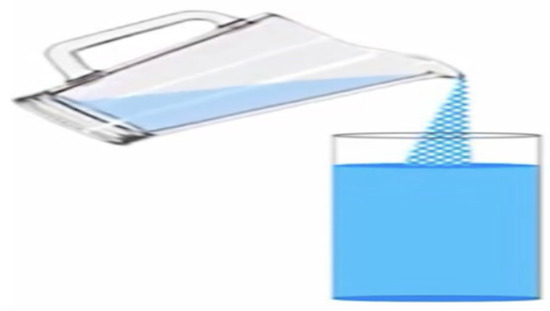
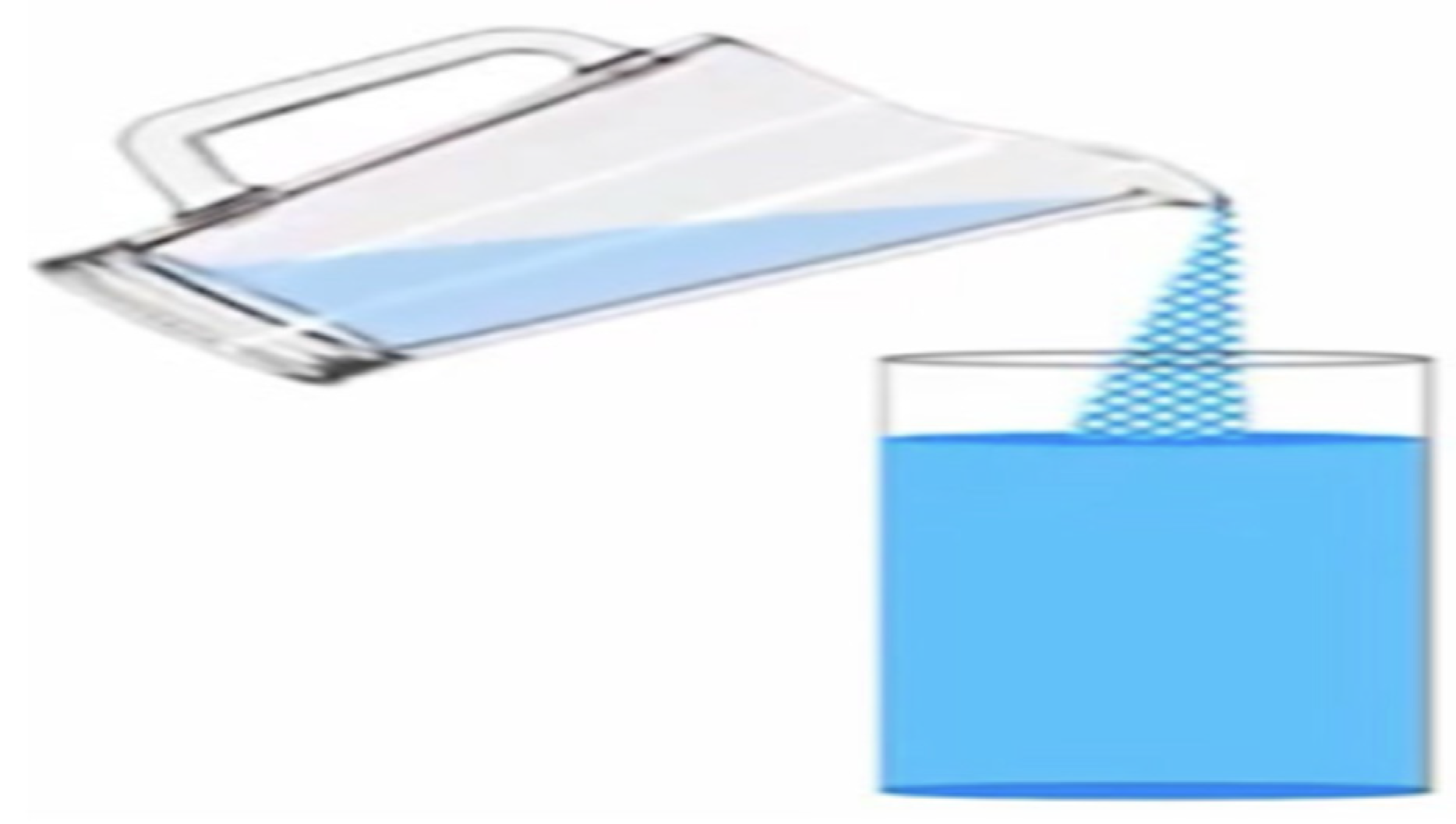
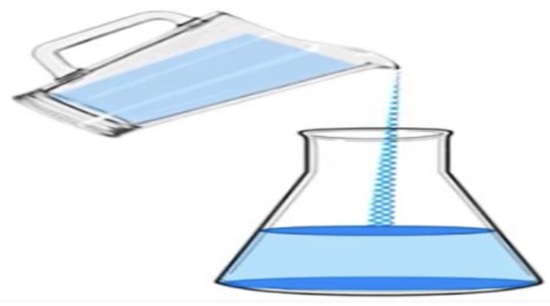
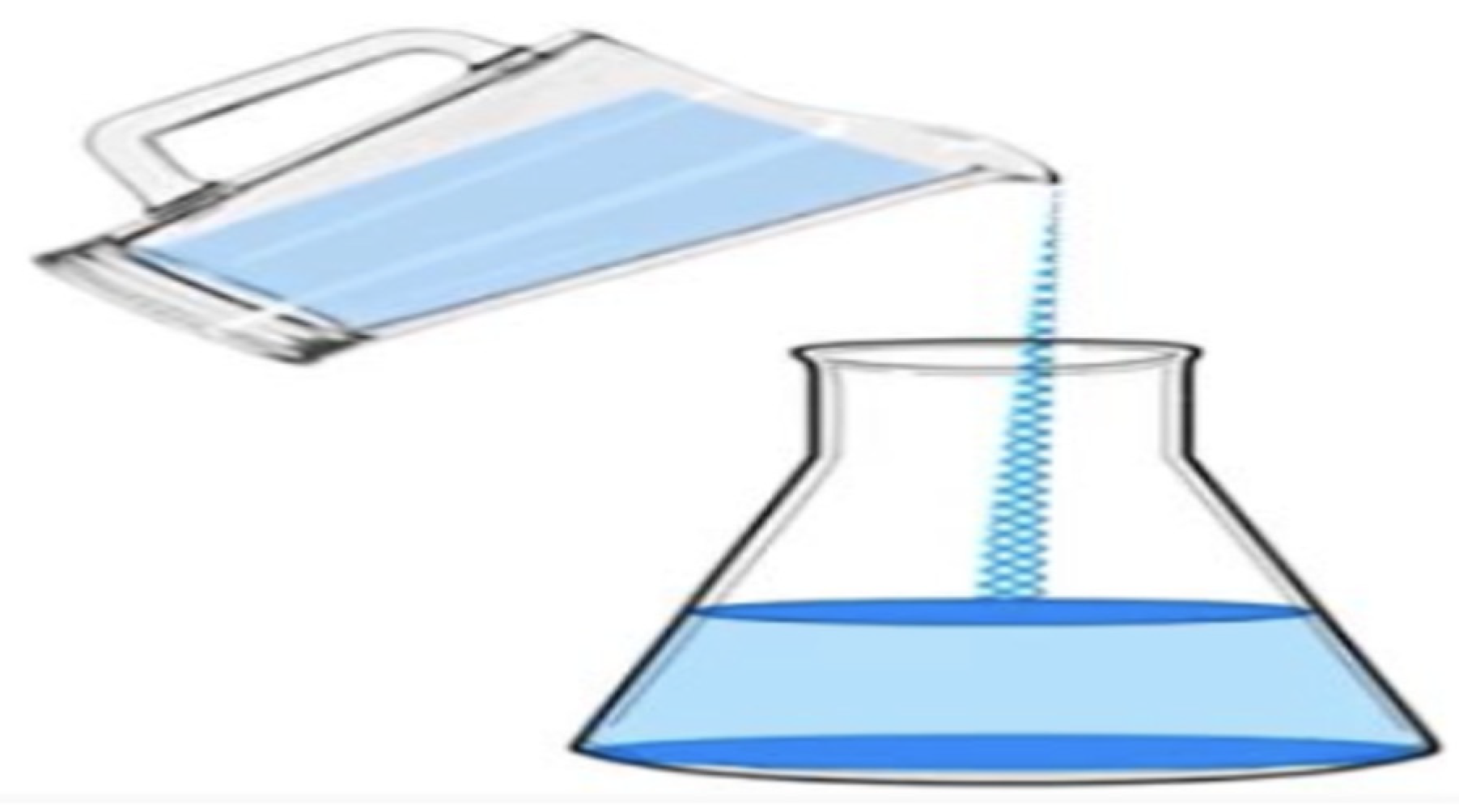
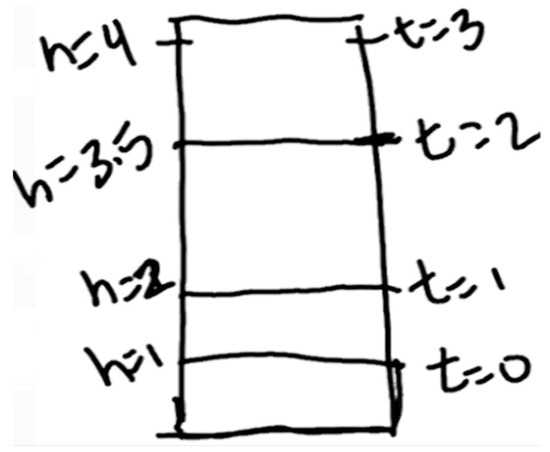
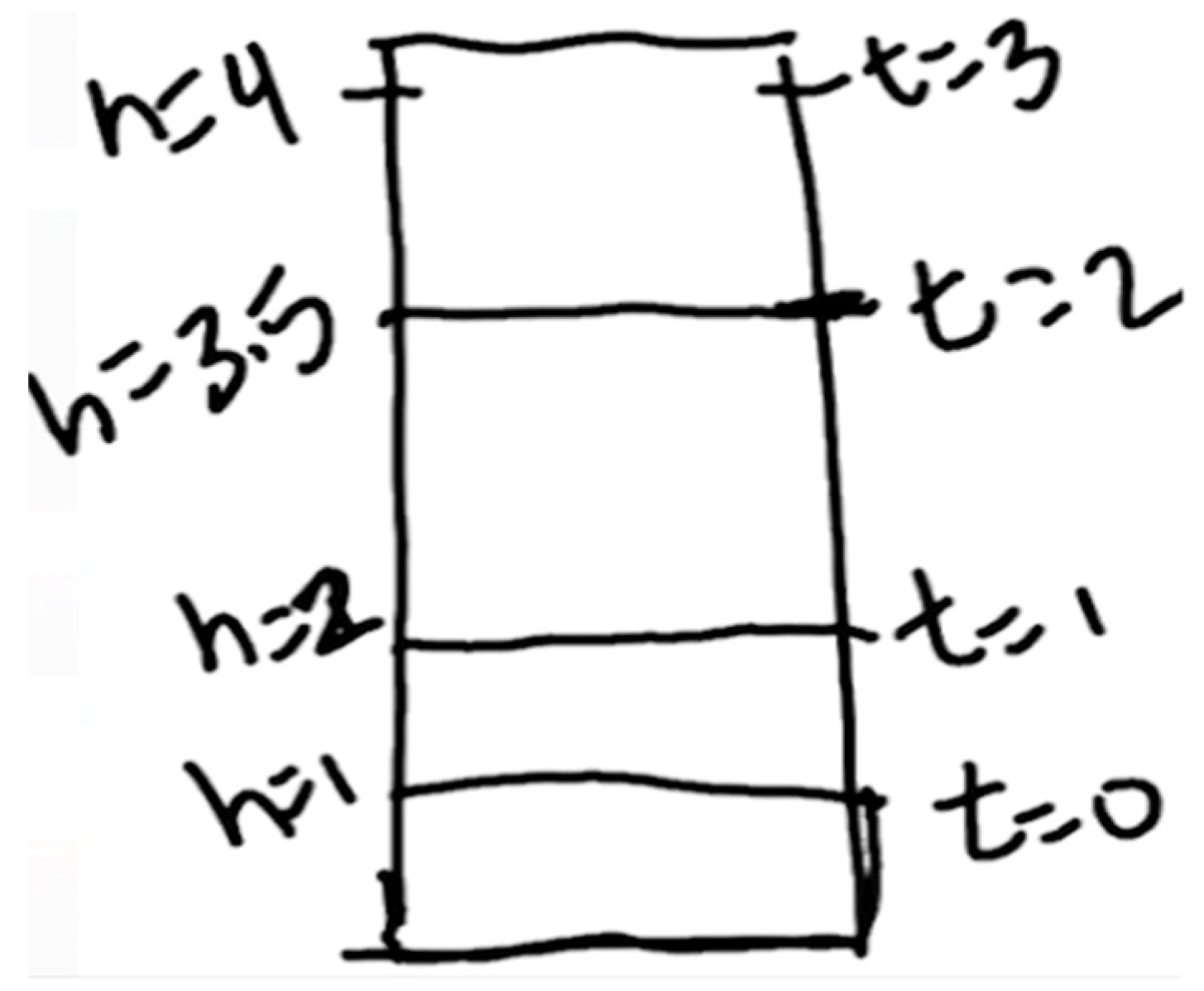

Disclaimer/Publisher’s Note: The statements, opinions and data contained in all publications are solely those of the individual author(s) and contributor(s) and not of MDPI and/or the editor(s). MDPI and/or the editor(s) disclaim responsibility for any injury to people or property resulting from any ideas, methods, instructions or products referred to in the content. |
© 2026 by the authors. Licensee MDPI, Basel, Switzerland. This article is an open access article distributed under the terms and conditions of the Creative Commons Attribution (CC BY) license.