


Abstract
This research-to-practice study presents a design-oriented framework that integrates challenge-based learning (CBL), experiential learning (EL), and authentic assessment (AA) to support competency development in higher education. The framework aligns the stages of CBL (i.e., engagement, investigation, and solution) with Kolb’s experiential learning cycle and core AA principles, including realism, cognitive challenge, and evaluative judgement. Learning activities are structured around real-world challenges that reflect professional practice, enabling a coherent progression from experience to reflection, conceptualisation, and evaluation, and supporting the systematic development and assessment of student competencies. A single case study illustrates the application of the framework in industrial engineering education, implemented across six interdisciplinary modules at a private university in Mexico. Students engaged in process improvement projects within six small and medium-sized enterprises, fostering problem solving, decision making, and evaluative judgement in authentic contexts. The findings indicate that the framework supports the development of problem-solving and communication competencies, demonstrating its design coherence and practical feasibility. The framework provides structured guidance for educators to align learning objectives, activities, and assessments within CBL environments. However, limitations related to pedagogical integration and the single-case design constrain the generalisability of the findings. Future research should explore cross-disciplinary applications, longitudinal competency development, and adaptation to emerging educational contexts.
1. Introduction
In light of recent global changes, such as the COVID-19 pandemic, natural disasters, or geopolitical tensions, university students must develop the skills to adapt to new and unfamiliar circumstances and environments. Consequently, higher education institutions are progressively embracing competency-based education to ensure that graduates can function effectively in the labour market (Johnson et al., 2009; Leijon et al., 2022; Palma-Mendoza et al., 2025). One alternative is challenge-based learning (CBL) (Apple, 2010). CBL is a pedagogical strategy recognised for its effectiveness in enhancing students’ learning outcomes by actively engaging them in solving real-world challenges, resulting in either a tangible solution or a proposed intervention (Leles et al., 2024; Palma-Mendoza et al., 2025). However, CBL must not solely concentrate on resolving these issues, but also on the deliberate development of intended learning outcomes (Doulougeri et al., 2024; Palma-Mendoza et al., 2025).
Prior research on CBL emphasises its importance in offering students dynamic learning experiences that promote relevant learning, engagement, and motivation (Galdames-Calderón et al., 2024; Salinas-Navarro et al., 2024c). A CBL framework provides direction for guiding students’ activities and accomplishments in their learning efforts (Apple, 2010; Gallagher & Savage, 2023; Vilalta-Perdomo et al., 2022). It has been implemented across business, engineering, and medical sciences to cultivate practical skills and capabilities (Galdames-Calderón et al., 2024; Vilalta-Perdomo et al., 2022). From this perspective, CBL resembles active pedagogies, including project-, problem-, and enquiry-based learning, in examining practical scenarios (Awang, 2007; Spronken-Smith & Walker, 2010). However, existing research lacks sufficient discussion on CBL’s problematisation, theoretical underpinnings, connections to learning, and formulation of desired outcomes (Leijon et al., 2022).
One criticism of CBL is the possible lack of organisation and effective direction, which can lead to uncertainty and student dissatisfaction. Implementing this pedagogical approach necessitates detailed guidelines and substantial time and resources for both planning and implementation (Galdames-Calderón et al., 2024; Gallagher & Savage, 2023). In addition, whereas CBL seeks to foster interdisciplinary learning and innovation, it may fail because of the required expertise in individual subjects (Doulougeri et al., 2024). Success is believed to rely heavily on instructors’ effective facilitation. Alternatively, students may not participate actively in the learning process. Hence, without a systematic learning-oriented approach to designing, facilitating, and assessing CBL activities, its potential to foster well-defined learning outcomes remains underutilised, limiting its impact on students’ preparedness for real-world challenges.
Despite limitations, existing research has not sufficiently addressed how CBL can be structured and assessed to deliberately develop competencies (Galdames-Calderón et al., 2024; Gallagher & Savage, 2023; Leijon et al., 2022). Two critical gaps exist. First, CBL lacks a defined learning process to guide students from experience to understanding, potentially resulting in fragmented or superficial learning (D. Kolb, 1984; Morris, 2020). Second, CBL assessment practices are often insufficiently aligned with real-world performance, limiting the evaluation of higher-order competencies (Ajjawi et al., 2024; Gulikers et al., 2004; Villarroel et al., 2020). Experiential learning (EL) addresses the first gap through a structured process supporting reflection, conceptualisation, and active experimentation (A. Kolb & Kolb, 2018; D. Kolb, 1984). Authentic assessment (AA) addresses the second gap by emphasising realism, cognitive challenge, and evaluative judgement, ensuring outcomes are assessed through practice-oriented tasks (Villarroel et al., 2020; Wiggins, 2011). Thus, integrating EL and AA into CBL provides a coherent approach to structuring and evaluating challenge-based learning (Biggs, 1996, 2003).
Another field of study has emerged that focuses on the intricacies of evaluating learning outcomes (Rodríguez et al., 2019; Salinas-Navarro & Rodríguez Calvo, 2020). The CBL paradigm recognises the need to collaborate with educational partners to cultivate student learning outcomes. Two types of learning outcomes can be identified in relation to the learning challenges. On the one hand, disciplinary learning outcomes belong to a particular academic discipline (e.g., process improvement and decision making). In contrast, transdisciplinary learning outcomes encompass effective interaction, communication, coordination, self-regulation, and problem solving in challenging situations across different fields of study. In this context, challenges encompass demanding real-world learning experiences that require the authentic evaluation of desired learning outcomes.
Consequently, to overcome these difficulties, it is essential to address these issues as a research problem by enhancing the CBL structure, delivery, and evaluation to achieve more robust learning outcomes. This study addresses this gap by integrating EL and AA into CBL. While most existing literature treats these pedagogies separately, this study presents a unique approach that shows how they work together within a single, clear, practical framework. EL offers a highly effective structure for applying theoretical knowledge, yielding concrete results in realistic and authentic environments (Kong, 2021; Morris, 2020). This approach emphasises active participation, introspection, and the utilisation of pragmatic knowledge, enriching learners’ journeys and equipping them with the necessary skills to tackle future professional challenges (A. Kolb & Kolb, 2018; D. Kolb, 1975, 1984). Moreover, AA plays a crucial role in guiding the pertinence of CBL and EL. It entails developing learners’ abilities and understanding by replicating the intricacies of real-life situations, promoting cognitive challenges, and requiring evaluative judgement in learning activities (Villarroel et al., 2018; Wiggins, 1990, 2011). Accordingly, this combined approach enhances CBL’s aspects of what to learn, how to learn, and how to assess learning (Salinas-Navarro et al., 2024b).
Therefore, this research-to-practice study in higher education addresses the limitations of CBL by integrating EL principles to design learning activities using AA principles, building on previous studies in the field (Palma-Mendoza et al., 2025). This type of learning activity should include (i) highly relevant, real-world challenges in learning activities, (ii) a pedagogical approach to organise, guide, and engage in participatory learning experiences to accomplish concrete learning outcomes, and (iii) assessment criteria for authentic experiences. These ideas yield the following research question guiding this work:
How can CBL activities be effectively structured and implemented to ensure the deliberate development of the intended competencies, considering EL concepts and AA principles?
This study developed an integrated framework, aligning intended competencies, learning activities, and assessment criteria for instructional design. In this sense, this study contributes to the literature by advancing a structured, theory-informed framework into a single, coherent pedagogical approach. Although the authors’ earlier work has illustrated this amalgamation (Palma-Mendoza et al., 2025), no further guidance was provided to support instructional design. As such, this work extends existing research by shifting the focus from treating the single pedagogies as complementary instructional elements to their consolidation and by explicating the design logic that supports transferable, competency-oriented learning.
Additionally, this study adopts a research-to-practice approach to validate the framework rather than to generate empirical claims. Accordingly, this framework is demonstrated within the context of industrial engineering education, reflecting the authors’ personal research interests and disciplinary focus. It involves solving process and operations problems in small and medium-sized enterprises (SMEs) to achieve intended learning outcomes. Together, these contributions position this study as a transferable design framework for informing instructional decision making across disciplines.
This paper is organised to first establish the theoretical foundation of the proposed framework, followed by its methodological development and application in a case study. The final sections discuss the findings in relation to existing literature, highlighting implications for teaching practice and future research.
2. Theoretical Background
CBL offers a pedagogical approach that actively engages students in addressing real challenges. It enhances critical thinking, creativity, and collaborative skills by exposing students to complex and open-ended tasks that resemble the uncertainty and complexity of real-world problems (Vilalta-Perdomo et al., 2022). The value of CBL in higher education is multifaceted: it offers learners scenarios to navigate real-world uncertainties and difficulties that mimic future career problems, fosters active involvement with the learning material, and facilitates a profound comprehension of the subject matter through practical implementation (see, for example, (Baloian et al., 2004; Palma-Mendoza et al., 2025)). The framework typically follows three key phases (Apple, 2010): (1) engagement, identifying a meaningful challenge rooted in realistic contexts; (2) investigation referring to researching, analysing, and refining a problem through enquiry and interdisciplinary perspectives; and (3) solution consisting of designing, prototyping, implementing, and validating actionable solutions with stakeholder feedback.
Accordingly, CBL focuses on situated problem solving without specifying techniques and strategies for executing learning activities within the CBL framework (Galdames-Calderón et al., 2024). While the framework outlines and categorises key stages, it does not provide a detailed operationalisation for practical implementation. This gap highlights the need to outline specific activities to ensure effective implementation of CBL. Therefore, refining CBL pedagogy is required.
2.1. Linking EL to CBL
EL is an educational approach that emphasises students’ active engagement in meaningful tasks within a constructivist framework (A. Kolb & Kolb, 2018; D. Kolb, 1984). The premise is that offering students EL opportunities increases their motivation and engagement, ultimately facilitating the attainment of intended learning outcomes (Akella, 2010). Therefore, EL is a direct option for facilitating active learning (Bonwell & Aison, 1991; Felder & Brent, 2009). EL occurs in specific situations and involves an ongoing process of meaning creation. Within this framework, students recognise the significance of their individual and environmental experiences in their educational journey. The approach is structured around Kolb’s EL cycle, which comprises four primary phases: concrete experience, reflective observation, abstract conceptualisation, and active experimentation. Each phase builds on the previous one, following a logical sequence that advances step-by-step (D. Kolb, 1975). Concrete experience involves a new and engaging experience or situation that encourages active participation in a task rather than passive reading or observation. Reflective observation entails a thorough examination of a new event and identification of any discrepancies or gaps between a learner’s understanding and actual experience. Abstract conceptualisation involves developing new ideas or revised concepts through reflections unique to a specific context, including the interpretation and modification of experiences in light of newly acquired knowledge. Active experimentation involves applying the learner’s intellectual creations to the external world and drawing conclusions from new experiences.
Referring to Kolb (A. Kolb & Kolb, 2018; D. Kolb, 1975), learning is an ongoing process in which individuals naturally derive meaning from their personal and environmental experiences. In this process, the learner engages in experiencing, reflecting, thinking, and acting in each scenario. EL entails defining and organising learning activities in a recursive cycle to undertake problem solving or decision making. Following this approach, students can enhance their ability to engage effectively in specific contexts (Palma-Mendoza et al., 2025).
Although EL has been widely influential in education and professional development, it has faced several criticisms (Bergsteiner et al., 2010; Fenwick, 2001; Morris, 2020). One key critique is that it oversimplifies the learning process into a rigid four-stage cycle that may not accurately capture the complexity and non-linearity of real-world learning. Critics argue that learning is often more chaotic, recursive, and context-dependent than EL suggests. Additionally, the theory assumes that all learners benefit equally from experiential methods, neglecting individual differences in cognitive styles, cultural backgrounds, and prior knowledge. Finally, the theory’s heavy emphasis on reflection overlooks situations in which rapid, intuitive, or implicit learning occurs without deliberate analysis, thereby limiting its applicability to fast-paced or high-stakes environments.
EL can strengthen the CBL framework by providing a structured, cyclical process that enhances student reflection, conceptualisation, and active experimentation. In CBL, learners engage with real-world challenges (i.e., concrete experiences), analyse problems through research and stakeholder input (i.e., reflective observation), develop theoretical models or solutions (i.e., abstract conceptualisation), and test interventions through prototyping or implementation (i.e., active experimentation). By integrating Kolb’s iterative cycle, CBL can ensure a more deliberate progression from experience to application, reinforcing deeper learning. However, to address criticisms of EL’s rigidity, CBL can adopt a flexible, nonlinear interpretation of Kolb’s stages, thereby accommodating the dynamic, often messy nature of real-world problem solving. This incorporation can improve learning outcomes and enhance the design and assessment of CBL experiences.
2.2. Authentic Assessment Evaluation of CBL and EL
Assessment in educational contexts is commonly classified into two categories: formative and summative assessment (Black, 2013; Ghiatău et al., 2011; Yüksel & Gündüz, 2017). Formative assessment involves ongoing evaluation during the learning process, providing timely feedback that supports student learning, informs instructional adjustments, and promotes self-regulation. It is designed to improve learning as it occurs by identifying strengths, gaps, and areas for development. In contrast, summative assessment evaluates student achievement against predefined objectives at the end of a learning period, typically resulting in a final judgement or grade. While formative assessment focuses on improving learning (“assessment for learning”), summative assessment measures learning outcomes (“assessment of learning”). In this context, formative assessment aligns with the iterative processes of experiential learning, while summative assessment supports the evaluation of outcomes in challenge-based learning environments.
Within EL, formative assessment plays a central role, as the iterative cycle relies on continuous feedback to support learning progression. In CBL, both formative and summative assessment are embedded in real-world problem-solving contexts, where students refine understanding while demonstrating solutions. AA integrates these perspectives by embedding evaluation within meaningful activities while assessing performance through practice-oriented tasks, supporting competency development in complex environments.
Accordingly, assessment plays a vital role in CBL and EL, as it provides a more precise evaluation of students’ ability to apply their knowledge in real-life situations (Palma-Mendoza et al., 2025). Assessment approaches such as portfolios, presentations, and project-based evaluations enable educators to evaluate not only theoretical knowledge but also practical application, critical thinking, and problem-solving abilities that are essential for learning outcome development (Ajjawi et al., 2024; Cumming & Maxwell, 1999; Gulikers et al., 2004; Herrington & Oliver, 2000). AA encompasses key concepts in pedagogical design (Villarroel et al., 2020). It incorporates realism by depicting scenarios from real life or professional settings, aiding the creation of relevant questions. Moreover, it encompasses cognitive tasks that promote the development of advanced skills, such as knowledge application, informed decision making, and complex problem solving. Finally, authentic assessment includes evaluative judgement, encouraging students to establish criteria and requirements for assessing their performance, thus promoting self-regulated learning (Palma-Mendoza et al., 2025).
CBL activities must connect to these three AA principles and employ an educational framework. Owing to its direct connection to real-world events and problem solving, CBL incorporates deliberate and practical learning activities that are implemented and utilised. Nevertheless, challenges must be deliberately designed to match learning objectives and desired outcomes, resulting in productive alignment. Furthermore, CBL offers opportunities for cognitive stimulation and critical assessment, as problem solving is based on interventions that pose challenges. The learning process fosters the development of higher-order skills, including knowledge application, problem analysis, alternative evaluation, and solution production. When making decisions about knowledge application, methods, and instruments during a challenge intervention, individuals and groups use evaluative judgement to choose between different options.
2.3. Integration Framework
Thus, integrating EL into CBL through AA creates a robust educational framework that effectively meets the needs of higher-education students. This combination ensures that learning is evaluated in a manner that reflects the complexity of addressing real-world problems. Teachers can promote this proposition by creating educational tasks that involve practical problems, offering opportunities for active participation, and employing authentic assessment methods. This strategy enhances student learning and prepares them for their future professions and lives (Darling-Hammond & Snyder, 2000). Previous work on these pedagogies suggests their complementarity and use in competency development. In this context, EL has been proposed to guide the CBL process by linking active engagement with reflective thinking in a given situation (Palma-Mendoza et al., 2025). However, the AA connection is underdeveloped, and no further guidance is provided on the transferability of this work.
Accordingly, this study addressed this void by linking the AA principles and instructional design elements. Figure 1 illustrates the structure of this amalgamation. The framework establishes links among learning outcomes, EL stages, AA principles, and CBL steps, aligning with what to learn, how to learn, and how to assess learning in a constructive alignment (Biggs, 1996, 2003). The framework supports pedagogical decision making by explicitly linking learning intent (what to learn), learning processes (how to learn), and evaluation mechanisms (how learning is assessed) within CBL contexts. By structuring learning design around learning objectives, intended learning outcomes and competencies, guiding experiential activities through the EL cycle, and validating learning outcomes using AA principles, the framework enables deliberate, evidence-informed decisions when designing, facilitating, and assessing challenge-based learning experiences.
Figure 1.
A Constructive Alignment Framework, linking Learning Intent, EL and AA to CBL (own elaboration).
In this study, a distinction is made between learning objectives, which are teaching-oriented and guide instructional design, and intended learning outcomes, which are student-centred and define the competencies that learners are expected to demonstrate. Both elements are treated as complementary components within the proposed framework.
Moreover, ensuring that the EL cycle is followed requires activities that connect with students’ authentic assessments. Therefore, learning challenges should be considered in recursive combination, in which the EL iterative cycle systematically structures student engagement, investigation, and solutions to complex, ill-defined real-world CBL problems. Simultaneously, AA demands that realism, cognitive challenge, and rigorous evaluative judgement validate the practical application and refinement of skills. This consolidated, multifaceted approach fosters higher-order thinking and adaptive expertise by continuously driving students to apply, reflect upon, and adjust their solutions within dynamic, professionally relevant contexts, leading to a qualitatively superior development of competencies beyond what each approach could achieve in isolation.
Figure 1 represents the central conceptual artefact of this study and encapsulates its primary theoretical contribution. Although a similar visual element has appeared in earlier applied work (Palma-Mendoza et al., 2025), this figure functions as a conceptual framework that formalises the integration of CBL stages with Kolb’s EL cycle and the core principles of AA for instructional design. The framework provides a theoretical synthesis and design logic for structuring learning activities and assessments across diverse higher education settings. This clarification supports the operationalisation of this combination for instructional design.
Overall, the framework can be understood as the alignment of complementary pedagogical functions. CBL provides the contextual foundation by engaging students in real-world, ill-defined challenges that reflect professional practice. EL structures the learning process by guiding students through iterative cycles of experience, reflection, conceptualisation, and experimentation, ensuring a deliberate progression from action to understanding. AA, in turn, defines how learning is evaluated by embedding realism, cognitive challenge, and evaluative judgement into assessment practices. By combining these elements, the proposed framework aligns learning intent, learning processes, and assessment mechanisms within a coherent design logic, enabling the systematic development and evaluation of competencies in challenge-based learning environments.
3. Methodology
3.1. Research Design
This study employs a case study methodology to examine the development of learning experiences through the proposed integrated framework. This framework involves multiple aspects, including learning objectives, intended learning outcomes, instructional design, and assessment methods. In this sense, a case study approach enables a detailed examination within a specific context, providing rich qualitative data that offers insights into how the framework operates in practice. This case study focuses on a specific scenario that clarifies and aids in comprehending its core components, rather than addressing other aspects or general topics (Eisenhardt, 1989; Flyvbjerg, 2006). A case study examines specific situations, places, groups of individuals, or events, or illustrates the application of innovative methods and tools in scenarios with limited or singular occurrences (Yin, 2018). Consequently, this study did not include comparisons with control groups to draw conclusions or make generalisations about other situations (Tharenou et al., 2007). Section 4 summarises the case study conducted.
The methodological orientation of this study is design-oriented, focusing on pedagogical and assessment structures rather than measuring learning outcomes as isolated results. Instead of testing CBL effectiveness through comparative indicators, the analysis examines how learning activities are designed, scaffolded, and aligned with the EL processes and AA principles. This approach enables a detailed examination of instructional decisions and assessment logic, generating insights into achieving coherence in competency-oriented, challenge-based learning experiences.
As a single-case exploratory implementation without comparison groups or baseline measures, this study did not aim to attribute the observed outcomes specifically to the framework. Instead, it examines the coherence, feasibility, and alignment of the proposed design in a real educational context.
The case study in this work addresses a learning challenge faced by a specific group of SMEs associated with an industrial engineering course at a major private university in Mexico City. The methodology is as follows.
- Select a case study regarding CBL and EL incorporation for AA to develop intended learning outcomes.
- Develop a research design for a learning challenge.
- Collect data from the learning challenge.
- Organise and analyse the results of the learning challenge.
- Report and discuss results in light of the research aim, and if required, revisit step 3.
Step 1 describes the background of the learning challenge. The case study selection process involved identifying a suitable learning challenge that facilitated the incorporation of CBL and EL for AA in a specific learning experience setting. The aim was to enhance both learning objectives and disciplinary and transdisciplinary learning outcomes, as outlined in the module syllabi. The background description of the learning challenge is presented in Section 3.2.
In step 2, a learning challenge was defined and structured as a learning experience centred on a real-world study situation involving a package of six modules over a semester-long academic period. In this case, a learning challenge involved a group of SMEs in Mexico City, providing undergraduate industrial engineering students with a set of process and operations management problems faced by companies. The methodology employs a structured conceptualisation of the learning challenge consisting of five phases: (a) module description, (b) pedagogical approach, (c) resource development, (d) challenge activity implementation, and (e) challenge evaluation. This structure, adapted from the ADDIE model for instructional design, presents learning challenges within a systematic, evidence-based, and aligned framework for developing the intended learning outcomes (Branson, 1978; Morales González, 2022). Each phase is described in Table 1.
Table 1.
CBL Instructional Design Mapping (own elaboration) (Palma-Mendoza et al., 2025; Salinas-Navarro et al., 2024c).
To complete the description of this study’s methodology, data collection, analysis, and the report and discussion of results are described in the following sections.
3.2. Case Study Context
This section describes the context and participants of the case study used to illustrate the proposed framework.
A CBL experience was conducted in an industrial engineering course at a major private university in Mexico City (Palma-Mendoza et al., 2025). This learning challenge was part of an “innovation semester”, namely, i-semester, designed to develop disciplinary and transdisciplinary competencies through CBL and EL. The i-semester involved collaboration with local Small and Medium Enterprises (SMEs) as educational partners. SMEs were chosen because of their accessibility and significant economic and societal impact in Mexico, representing a large percentage of employment and GDP, yet often facing difficulties with their operational management practices.
Consequently, it was proposed that learning challenges be adopted to address pertinent operations management challenges in realistic SME settings. This proposition necessitates aligning the intended learning outcomes and relevant learning content with SME challenges. Additionally, the semester-long challenge exemplified the blending of CBL with EL for AA in a realistic context.
The particular challenge design involved the following: (i) the selection of a package of six undegraduate fifth-semester industrial engineering modules, (ii) the participation of 34 students (including one student dropping out during the semester) and 10 tutors from three campuses in the Mexico City region, (iii) the collaboration of six Mexican SMEs from the manufacturing sector as educational partners, (iv) a hybrid learning space format consisting of traditional classroom teaching combined with remote classes via Zoom and immersion periods in a designated SME, (v) participation from external academics in the development and evaluation of students, and (vi) the use of a DMAIC (define, measure, analyse, improve, and control) process improvement method according to the module learning objectives. Additionally, academics from three foreign universities, including Colombia and the United States, participated as advisors and evaluators. A coordination committee, consisting of one full-time tutor from each campus, was responsible for the design, planning, organisation, and follow-up of the learning challenge. Table 2 presents the participating SMEs.
Table 2.
Participating SMEs (own elaboration).
Table 3 outlines the learning objectives corresponding to the package of the six selected modules.
Table 3.
Module Learning Objectives (own elaboration).
Moreover, the learning challenge involved a set of learning competencies that students needed to develop, corresponding to the fifth semester of an undergraduate industrial engineering programme. The learning competencies were as follows:
- Disciplinary: To solve engineering problems related to the operation management of an SME using management techniques, production planning and control, inventory management, and statistical quality control.
- Transdisciplinary (effective communication): Clear explanation, description, and discussion of their ideas and proposals to different groups of stakeholders involved in the solution of problems addressed in SMEs.
These learning competencies require an appropriate pedagogical design to integrate CBL and EL for AA, aligned with institutional requirements for active learning, enhanced student participation, and relevant learning.
3.3. Data Collection
Data were collected from multiple sources to capture the structure and outcomes of the learning challenge. These sources included module syllabi, assignment briefs and rubrics, instructor reports, student learning artefacts, and institutional documentation. In addition, tutors’ perspectives were gathered to provide insights into the design and implementation of the learning challenge.
3.4. Data Analysis
In step 4, the collected materials, including syllabi, assignment briefs, student reports, assessment rubrics, instructor documentation, and survey summaries, were analysed through structured document and artefact analysis guided by the theoretical framework in Figure 1. Rather than focusing on students’ lived experiences or opinions, the analysis examined how instructional design elements, assessment practices, and documented student outputs reflected the incorporation of CBL, EL, and AA principles into the module.
Deductive analysis was used to map documented instructional activities and student artefacts onto predefined categories derived from the CBL stages, the EL cycle phases, and the AA principles. This process aimed to examine alignment rather than generate interpretive narratives of participant experience (Guest et al., 2012). Given the study’s design-oriented focus, the analysis prioritised structural alignment and documented evidence over an extensive presentation of coded excerpts.
Student achievements and feedback were analysed using descriptive statistics to provide an overview of learning outcomes and engagement patterns, appropriate for this exploratory single case study (Garay-Rondero et al., 2019).
Overall, this approach aimed to connect theory, data, evidence, and interpretation, ensuring deductive alignment, inductive openness, and statistical description. Validation involved contrasting the results across three data sources: module documentation, student outputs, and survey responses. Although the study did not aim for exhaustive qualitative coverage, consistency in the documented evidence across multiple data sources supported the framework’s internal coherence within this exploratory scope (Leung, 2015; Yin, 2018).
3.5. Reporting Procedure
In the final step, the results of the analysis were interpreted and reported in relation to the research aim. This process involved identifying emergent patterns and themes based on the alignment between elements of the proposed framework, and linking these findings to existing literature. The reporting emphasises the coherence of the proposed framework, its practical feasibility, and its implications for teaching practice.
The case study method enabled a thorough investigation of a learning challenge in a practical setting, allowing for a comprehensive understanding, the generation of novel perspectives, and the informed development of practical applications in the field of study. This approach prioritises comprehending the link between CBL, EL, and AA for relevance in teaching practice.
3.6. Research Scope and Assessment Criteria
This case study serves as an illustrative research-to-practice example rather than a primary source of generalisable claims. It demonstrates how the proposed framework can be instantiated in a real educational setting, showing relationships between learning intent, EL processes, and AA. Although situated within an industrial engineering course, the case is discussed at a pedagogical level of abstraction, allowing the framework to inform instructional design beyond a single discipline. Emphasis is placed on the framework’s coherence and transferability, rather than discipline-specific outcomes or performance comparisons.
When examining learning experiences within a social framework, it is essential that the assessment of research outcomes aligns with the principles of transferability, reliability, and validity (de Zeeuw, 1996; Popper, 2008; Vahl, 1997). Unlike generalisability, transferability suggests that the results of this study may not be directly applicable to other educational settings, contexts, or groups, as outcomes are shaped by specific conditions and participant interactions. Reliability was ensured by implementing a detailed, sequential approach that consistently supported the subsequent gathering, structuring, and presentation of data obtained from the learning challenge. Conversely, validity was evaluated by thoroughly assessing the precision of the findings in relation to the foundational principles of EL and AA theory, thus identifying areas of alignment or divergence. Collectively, these criteria provide a robust framework for guiding subsequent discussions on learning experiences, enabling the identification of pertinent suggestions, implications, and avenues for further enquiry (de Zeeuw, 1995, 2005).
Accordingly, this study does not aim to establish causal effectiveness but to examine the coherence, feasibility, and pedagogical alignment of the proposed framework in a real educational context.
4. Results
4.1. Describing the Learning Challenge Pedagogical Approach and Learning Activities
The learning challenge was structured around the EL cycle stages, aligned with the CBL steps, and incorporated AA principles. Table 4 presents the CBL steps mapped to the EL structure and describes the conducted learning challenge activities.
Table 4.
Learning Challenge Instructional Mapping (own elaboration).
4.2. Learning Challenge Resource Development
To effectively tackle this learning challenge, a wide range of educational resources is essential. At the heart of this was a well-crafted syllabus that clearly defined specific learning goals, expected student achievements, instructional content, varied learning activities, evaluation techniques, and a comprehensive list of materials, readings, and references. To facilitate seamless communication, foster teamwork, and support distant mentoring, the module extensively utilised Canvas©, a robust web-based learning platform. This platform served as the central repository for all essential academic materials, including announcements, topical sections, specialised slide packs, and comprehensive reading lists, ensuring consistent access and interaction for all students and instructors involved. Additionally, Zoom was used to deliver instructional content during the last third of the semester, facilitating complete immersion within the SME’s facilities so that students did not have to travel to campus for classes. Furthermore, transportation to plenary sessions and field visits became essential and accounted for a significant portion of the budget allocated to the challenge.
4.3. Learning Challenge Implementation
The learning challenge was implemented concurrently at all three campuses, blending standard classroom instruction with essential field trips. This educational experience unfolded over a sixteen-week semester, with the course design featuring weekly three-hour contact sessions for each module, supplemented by an additional three hours of on-demand mentoring. Students were also required to participate in asynchronous collaborative work each week, alongside dedicated independent study and supervised activities throughout the module. Moreover, four main plenary sessions were specifically allocated to guide this learning experience, covering an initial introduction that outlined the study scenario, its rationale, objectives, assessment criteria, and intended learning outcomes; a subsequent examination of SME situations with a focus on process improvement; a presentation and discussion of significant academic works addressing operations improvements in SMEs; a thorough exploration of alternative solutions to current challenges; and finally, a presentation and discussion of student proposals, analysing their implications, limitations, and potential future work, reflecting the active experimentation phase. Section 4.3.1, Section 4.3.2, Section 4.3.3 and Section 4.3.4 detail the execution of each EL stage.
The implementation across campuses was coordinated through shared syllabi, common assessment rubrics, joint planning meetings, and a coordination committee comprising representatives from each campus. Although no formal fidelity instrument was applied, these mechanisms were intended to support consistency in instructional design and assessment across sites. Collectively, these shared design elements established a coherent pedagogical structure across modules and campuses, providing consistency while allowing for contextual variation in instructional delivery.
4.3.1. Concrete Experience (EL)/Big Idea-Essential Question-Challenge (CBL)/Realism (AA)
This initial stage involved students actively engaging in the learning activity through direct, hands-on experience in the real-world context of SMEs. The big idea framing this experience was operations management. The essential question guiding student enquiry was: How can operations management be improved in Mexican SMEs? The core of this stage shapes the challenge. Based on the identified lack of optimal operational practices within SMEs, two specific sub-challenges were defined.
- Productivity improvement in the manufacturing processes of SMEs.
- Process and product quality assurance.
These sub-challenges were addressed by specific SME partners, including MDI, Vesica, SEMSA, Madisco, Grupo AD, and Acertramex, representing real-world learning situations. Students engaged in activities such as identifying the main products and mapping the supply chain processes within these companies. This stage involved engagement with real-world SME contexts for learning outcome assessment, mimicking the ambiguity and complexity of real-life issues faced by industrial engineers.
4.3.2. Reflective Observation (EL)/Guiding Questions-Activities-Resources (CBL)/Cognitive Challenge (AA)
Following the concrete experience, students critically reflected on their observations, guided by specific questions and activities designed to provoke thought and analysis. The guiding questions included: What are the relevant processes and products? What is the current process performance of the system? What are the main opportunities for improving productivity and quality? To find answers, students conducted guiding activities, such as analysing collected data using statistics and specific tools, such as the SCOR Model, and diagnosing the ‘as-is’ situation within SMEs to identify the root causes of problems. The resources provided included academic publications, learning materials on platforms such as Canvas, and Zoom remote session tools. This stage involves activities requiring analysis and diagnosis of real-world problems.
4.3.3. Abstract Conceptualisation (EL)/Solution (CBL)/Cognitive Challenge (AA)
After reflecting, the students developed theoretical solutions to address the challenges they faced. This stage involves designing and proposing changes to improve productivity and ensure process and product quality within specific SME contexts. Students validated their proposals with SME executives to ensure applicability, applying concepts and tools from operations management, such as the SCOR model, planning and control models, lean principles, statistical quality control, and linear programming. For instance, analysing capacity and costs, implementing inventory control systems, and improving layouts were common themes across companies such as MDI, Grupo AD, and Acertramex. This phase involves the application of knowledge and skills, such as critical thinking, problem solving and decision making, to complex authentic problems.
4.3.4. Active Experimentation (EL)/Assessment-Publishing (CBL)/Evaluative Judgement (AA)
In the final stage, students apply their developed solutions to new situations within SMEs to test their effectiveness (Palma-Mendoza et al., 2025). This stage involved the limited implementation of their proposals. Targets of key performance indicators (commonly known as KPIs) were defined, and the degree of implementation varied across projects. Examples of targeted key performance indicators include perfect order fulfilment, order fulfilment cycle time, and production cost. These key performance indicators were established in alignment with both the operational objectives of the SMEs and the intended learning outcomes of the modules, ensuring that they reflected both practical performance improvements and student competency development. This active experimentation stage involves testing and validating the applications of learners’ solutions in a real-world setting.
Table 5 presents the mapping of the experiential learning (EL) cycle stages to challenge-based learning (CBL) activities and authentic assessment (AA) principles (realism, cognitive challenge, and evaluative judgement). The table outlines how each EL stage corresponds to specific CBL activities and associated assessment criteria within the implemented learning challenge.
Table 5.
Mapping the EL Cycle and CBL Activities to Authentic Assessment Principles (own elaboration).
Table 6 provides an overview of the solutions suggested by the students for the SMEs examined. These solutions were organised according to the SCOR process types and categories: return, source, make, and deliver. Initially, the students mapped the current state of the production process configuration and subsequently proposed modifications for a future state, as outlined in Table 6. The proposed changes involved modifying or introducing new supplier practices and suggesting new production and delivery processes for the company. The proposals are based on the existing literature on process improvement, covering areas such as inventory management, production planning, and quality management.
Table 6.
Students’ proposed solutions for improving SMEs’ processes (own elaboration).
4.4. Learning Challenge Evaluation
Learning competencies and overall experience were evaluated using three distinct categories (Palma-Mendoza et al., 2025). Both summative and formative evaluations were meticulously incorporated to gauge students’ achievement of the specified disciplinary and transdisciplinary learning competencies throughout the semester. This multifaceted approach included assessment of both theoretical knowledge and practical application, utilising methods such as presentations and project-based evaluations to assess skills essential to CBL and EL. This form of assessment required students to establish criteria and standards for evaluating their performance and to make decisions regarding the use of knowledge, techniques, and tools during the intervention challenge.
The disciplinary and transdisciplinary competencies were evaluated by SME executives who assessed student learning outcomes within group work teams. Before presenting the competency evaluation results, these scores should be interpreted as indicative rather than definitive measures of competency attainment. Evaluations were conducted by instructors and SME partners who designed and implemented the learning challenge. Assessment was conducted using shared rubrics and calibration mechanisms. Independent external verification and inter-rater reliability analyses were not performed. Therefore, the reported scores should be considered as indicative measures rather than fully objective benchmarks.
Table 7 presents the detailed final results of students’ disciplinary and transdisciplinary competency evaluations regarding engineering problem solving and effective communication. Table 8 presents the findings from the institutional student opinion survey ECOA, focusing on teaching methodology (known as MET) and module recommendation (known as REC). The ECOA results encapsulate the descriptive statistics derived from student feedback collected by the academic administration. Table 9 summarises the educational partner’s opinion survey.
Table 7.
Disciplinary and Transdisciplinary Competency Assessment (own elaboration).
Table 8.
Results of Student Opinion Survey (ECOA) (own elaboration).
Table 9.
Educational Partner Opinion Survey Results (own elaboration).
In addition, students were evaluated through three reports (two partial and one final), a project presentation, and exams to ensure that their theoretical conceptual learning extended beyond their application to the challenges. All students passed with distinction in the learning challenge activities. However, the specific results are not reported in this study due to confidentiality restrictions, as they are part of the academic records.
Notably, the assessment of disciplinary and transdisciplinary competencies was supported by structured rubrics aligned with the intended learning outcomes and principles of authentic assessment. Rubrics for transdisciplinary competencies were developed through a consensus-based process led by a university-level design committee, incorporating perspectives from multiple academic disciplines. These rubrics were formally released for institutional use and were subject to ongoing review and refinement based on systematic instructor feedback, thereby ensuring their continued relevance and appropriateness for the task. Disciplinary competency rubrics were similarly developed by national committees specific to each academic programme. The assessment criteria focused on students’ ability to analyse real-world problems, apply relevant theoretical concepts, justify decisions, and communicate solutions to diverse stakeholders. Disciplinary criteria emphasised technical coherence, feasibility, and soundness of proposed engineering solutions, whereas transdisciplinary criteria addressed communication quality, stakeholder engagement, and evaluative judgement. Assessments were conducted by instructors and SME partners using shared rubrics and common evaluation guidelines.
5. Discussion
5.1. Findings
The findings should be interpreted in light of this study’s methodological design. Unlike empirical studies that measure student performance, satisfaction, or learning gains, this analysis foregrounds the instructional and assessment decisions that underpin coherent CBL experiences. By examining how EL stages and AA principles are embedded in challenge design, the discussion shifts from whether CBL works to how it can be systematically structured to support transferable competencies. This perspective contributes to the literature by addressing the gap in CBL research on pedagogical clarity and assessment alignment, offering insights that complement outcome-focused investigations. These interpretations illustrate framework implementation rather than evidence of comparative effectiveness.
From this perspective, the observed outcomes can be explained by the alignment of learning context, process, and assessment embedded in the proposed framework. Specifically, challenge-based learning provides a real context for engagement, experiential learning structures the learning process through iterative cycles of experience, reflection, conceptualisation, and experimentation (A. Kolb & Kolb, 2018; D. Kolb, 1984), and authentic assessment defines how learning is evaluated through meaningful and practice-oriented tasks (Villarroel et al., 2018; Wiggins, 2011). This alignment supports a coherent progression from experience to understanding and application, enabling the systematic development of competencies.
The observed outcomes can also be interpreted through the lens of formative and summative assessment (Black, 2013; Ghiatău et al., 2011; Yüksel & Gündüz, 2017). The iterative structure of experiential learning reflects a formative assessment process, in which continuous feedback, reflection, and adjustment support progressive learning and the development of self-regulation. At the same time, the implementation and evaluation of solutions within real-world contexts correspond to summative assessment, where students demonstrate their competencies through applied performance. In this sense, the proposed framework integrates both assessment dimensions within challenge-based learning environments, supporting not only the development of competencies but also their evaluation in authentic contexts. This integration of formative and summative assessment reinforces the coherence of the proposed framework across learning design, implementation, and evaluation.
The case study illustrates how learning activities were structured through the proposed framework. In the concrete experience phase of EL, students were introduced to a real-world challenge through SME engagement, directly addressing the AA principle of realism. Students did not work on hypothetical problems; instead, they engaged with the operational issues companies actually face. Their assessment was rooted in students’ ability to initially grasp and define the complex situation, evaluated through early reports and stakeholder interactions. The evaluation is authentic as it is grounded in a genuine and complex professional context.
The observed student engagement with real-world problems can be explained by the realism of the learning context, as students engage with authentic organisational problems rather than simulated scenarios (Galdames-Calderón et al., 2024; Gallagher & Savage, 2023). Exposure to real-world challenges requires learners to interpret complex situations and make context-dependent decisions, thereby fostering deeper engagement and applied understanding. This aligns with authentic assessment principles, which emphasise realism as a key condition for meaningful learning (Villarroel et al., 2018).
As students progressed to reflective observation, using guiding questions and activities, such as the DMAIC method, they analysed real-world situations. This process involved the use of higher-order thinking skills, including analysis and diagnosis to address the cognitive challenge principle of AA. The context remained the real SME, thereby reinforcing realism. Assessment methods, such as detailed reports and presentations, evaluate students’ capacity for in-depth analysis, root cause identification, and critical evaluation of problems, assessing higher-order thinking skills directly applicable in the engineering profession.
This reflective observation can be attributed to the structured nature of the EL cycle, which requires learners to critically contemplate their experiences and identify gaps between expected and observed outcomes (D. Kolb, 1984; Morris, 2020). This reflective process supports deeper conceptual understanding and strengthens students’ ability to diagnose problems and justify decisions.
The results observed in this stage align with previous research on CBL, which highlights its role in promoting student engagement and applied problem solving (Galdames-Calderón et al., 2024; Gallagher & Savage, 2023). However, the present study extends this perspective by demonstrating how experiential learning provides a structured mechanism for guiding reflective processes and supporting higher-order cognitive development.
In addition to the structured experiential learning process, the use of authentic assessment contributes to these outcomes by requiring students to demonstrate their learning through meaningful and practice-oriented tasks, such as project reports, presentations, and stakeholder interactions (Ajjawi et al., 2024; Herrington & Oliver, 2000). By emphasising realism, cognitive challenge, and evaluative judgement, assessment practices reinforce the application of knowledge and the justification of decisions, supporting the development of higher-order competencies (Villarroel et al., 2020; Wiggins, 2011).
In abstract conceptualisation, students designed practical solutions that required them to apply theoretical knowledge and critical thinking to complex, real-world problems, embodying the cognitive challenge and maintaining realism, as solutions were tailored to specific SMEs. This stage supports AA because the theoretical understanding developed yields measurable outcomes that reflect a genuine sense of the principles. Assessment tools, such as solution proposals and stakeholder validation, evaluate the conceptual soundness and potential effectiveness of planned interventions.
During the abstract conceptualisation stage, learning is reinforced through the transition from experience to conception, where students develop structured explanations and models to address identified problems. This process supports the development of higher-order thinking skills, as learners must synthesise information, evaluate alternatives, and construct coherent solutions, consistent with the cognitive challenge dimension of authentic assessment (Gulikers et al., 2004; Villarroel et al., 2020).
Finally, the active experimentation stage involves implementing these solutions within SMEs. At this stage, learning was directly applied in a real-world context, demonstrating its practical relevance. Evaluating the effectiveness of these implemented solutions and presenting the results to stakeholders and external academics highlights evaluative judgement and demonstrates the practical application of learning, which is central to AA evaluation methods, such as reports on limited implementations, analyses of performance indicators’ impact, and final presentations to stakeholders, assessing students’ ability to execute plans, adapt to real-world constraints, and evaluate outcomes based on evidence.
The active experimentation stage further strengthens learning by requiring students to apply their conceptual understanding in real-world settings, thereby closing the EL cycle (A. Kolb & Kolb, 2018). The opportunity to test and refine solutions in authentic contexts reinforces learning through action and feedback, contributing to the development of practical and transferable competencies.
The results observed in the active experimentation stage are consistent with prior studies on EL, which emphasise the role of active experimentation in reinforcing knowledge through application and feedback (A. Kolb & Kolb, 2018; Morris, 2020). It also extends existing research by illustrating how the incorporation of AA within this stage enables the evaluation of applied competencies in authentic contexts (Villarroel et al., 2020).
Building on these findings, the following analysis in Table 10 summarises the key strengths, weaknesses, opportunities, and challenges associated with the combination of EL and AA into CBL activities.
Table 10.
Strengths, weaknesses, opportunities, and challenges (own elaboration).
These elements provide a broader perspective on the implementation of the framework, highlighting both its pedagogical potential and its practical constraints.
Furthermore, regarding student learning achievements, the learning challenge was associated with positive performance indicators, including passing rates, project marks, and student and educational partner feedback. Hence, the institutional expectations and standards were met. Nevertheless, poor instructor evaluations have raised concerns regarding student opinions. Instructors 1 and 3 fell significantly short of the expected evaluation targets, indicating concerns regarding student support and follow-up.
Regarding their engineering contributions to educational partners, students demonstrated performance aligned with the intended outcomes of the learning challenge. The learning challenge enabled students to connect real-world issues, partner expectations, and operational constraints with industrial engineering principles and applied problem-solving strategies. This educational experience demonstrated how undergraduate students can expand their learning beyond the classroom, enhancing the scope of industrial engineering education to include SME study scenarios as part of their learning activities.
The uniformly positive satisfaction ratings reported by SME partners should be interpreted with caution. Educational partners were actively engaged throughout the process and may have perceived the collaboration as mutually beneficial, which could have contributed to a favourable evaluation. Furthermore, the survey captured overall impressions rather than detailed evaluative metrics of the implementation’s impact. Although these findings indicate strong engagement and perceived value, they do not independently verify the long-term effectiveness or sustainability of the proposed interventions.
Overall, the findings indicate that the effectiveness of the proposed framework lies in the coherence of the learning context, process, and assessment. Challenge-based learning provides the real-world context, experiential learning structures the learning process through iterative cycles, and authentic assessment ensures meaningful evaluation through realistic and cognitively demanding tasks (Biggs, 1996; Villarroel et al., 2018). This alignment enables a coherent learning experience that supports the systematic development of both disciplinary and transdisciplinary competencies.
5.2. Practical Implications for Teaching Practice
This study contributes to industrial engineering education by enhancing the integration of EL, AA, and CBL to create dynamic and relevant educational experiences for students. This pedagogical approach has produced favourable results that go beyond the conventional boundaries of disciplinary teaching practices (Palma-Mendoza et al., 2025).
To support implementation, the proposed framework can be operationalised through the following steps:
- Define a real-world challenge: Collaborate with external partners, such as SMEs or community organisations, to identify authentic and context-relevant problems aligned with course objectives.
- Align learning objectives and competencies: Clearly define both disciplinary and transdisciplinary learning outcomes, ensuring that they are explicitly connected to the challenge and expected student performance.
- Structure learning activities using the EL cycle: Design tasks that guide students through phases of concrete experience, reflective observation, abstract conceptualisation, and active experimentation, ensuring iterative learning.
- Design AA strategies: Develop assessment methods that reflect real-world practice, such as project reports, stakeholder presentations, and solution validation, incorporating criteria related to realism, cognitive challenge, and evaluative judgement.
- Provide structured guidance and feedback: Facilitate student learning through continuous feedback, mentoring, and the use of guiding questions to support reflection and decision making throughout the challenge.
- Ensure alignment across design elements: Maintain coherence between learning objectives, instructional activities, and assessment methods, following principles of constructive alignment (Biggs, 1996, 2003).
These steps provide a structured approach for educators to translate the proposed framework into practice while maintaining flexibility for adaptation across different disciplines and educational contexts.
While situated within an industrial engineering programme involving SMEs, the proposed framework distinguishes between context-specific and adaptable elements. Context-specific components include industry partnerships, disciplinary content, and improvement methodologies. The core design principles (i.e., constructive alignment of learning outcomes, EL cycle, challenge structuring, and authentic assessment criteria) are transferable across disciplines and settings. This distinction allows educators to adapt the framework to diverse contexts while maintaining its pedagogical intent and alignment logic.
Overall, the findings suggest the practical feasibility of the proposed approach for engaging students and educational partners within this implementation. This study offers valuable insights for educators seeking to foster students’ commitment to realistic, situated problem solving. The integrated framework and ADDIE act as a foundational, step-by-step, and practical method for pedagogical development, marking the primary contribution of this study to the literature. While most research in the field treats CBL, EL, and AA separately, this study highlights their complementary nature. Additionally, it connects to the pedagogical literature in industrial engineering education, enhancing learning and teaching practices as follows:
- CBL-EL-AA integration functions as a catalyst to enhance student engagement and participation. This proposition aligns with the literature on these three topics (Apple, 2010; Kong, 2021; Villarroel et al., 2018).
- There is a suggested connection between this pedagogical consolidation and learning outcome development as indicated in the literature (Allan, 1996; Arifin, 2021; Salinas-Navarro et al., 2024a)
- The integration supports problem-based learning (Yew & Goh, 2016). By utilising their existing knowledge and generating new insights, students learn to recognise and tackle real-world challenges, ultimately crafting effective solutions.
- Participatory civic and SME interactions benefit both students’ and faculty in terms of academic, professional, and personal growth, while also impacting society through engineering practice (Boyte & Fretz, 2010; Mebert et al., 2020; Salinas-Navarro et al., 2024b).
- CBL, EL and AA offer a framework for grasping concepts, fostering critical thinking, engaging actively, and applying knowledge to real-world situations (Archer et al., 2021).
5.3. Limitations
This study presents an innovative framework in industrial engineering education; however, several limitations temper its broader applicability and replicability.
While the findings indicate positive outcomes from the proposed framework, several potential sources of bias should be considered. Competency evaluations involved instructors and SME partners working within the same project context, which may have introduced perception subjectivity despite shared criteria and structured rubrics; a formal inter-rater reliability analysis was not conducted. The institutional context, with strong support for active learning and industry partnerships, may have influenced the quality of the implementation and the participants’ perceptions. Additionally, student and partner feedback may be affected by social desirability or expectancy effects in immersive, collaborative environments. These factors suggest that the results indicate design coherence and practical feasibility, rather than causal effectiveness. Moreover, this study does not provide an in-depth qualitative account of students’ subjective experiences; rather, it analyses instructional artefacts and documented outputs to examine design alignment.
The second constraint lies in the inherent difficulties of addressing real-world problems and managing their scope. While this study collaborates with SMEs to ensure contextual relevance, industry problems are often complex, organisationally sensitive, and subject to changing constraints. These factors can hinder the alignment between educational aims and business priorities. Moreover, the scope definition process was constrained by the academic semester timeframe. This temporal limitation risks oversimplifying multifaceted operational problems, leading to partial or superficial solutions. Engagement with educational partners also demands sustained communication and negotiation, which are resource-intensive activities that can break down if stakeholder priorities change.
The third limitation concerns faculty readiness. The framework assumes that instructors possess or can quickly develop expertise in active pedagogies. In practice, effective facilitation in such contexts requires advanced pedagogical skills, interdisciplinary knowledge, and the ability to manage fluid and unpredictable learning environments. Not all faculty members may have this experience, and uneven delivery quality is reflected in the varied student evaluations of instructors. Without systematic faculty training and mentoring, the approach’s scalability is limited.
Fourth, the intensive resource and workload requirements were also limitations. The design and execution of the learning challenge required extensive logistical planning, including transportation to SMEs, development of bespoke educational resources, and coordination across multiple campuses in the region. Faculty and coordinators faced heavy workloads beyond conventional teaching commitments, which may deter their long-term adoption. Additionally, the approach is contingent on institutional and financial support; in resource-constrained contexts, sustaining or widespread such initiatives could be problematic.
Fifth, from a pedagogical perspective, other aspects remain underdeveloped. The study offers a robust framework but does not thoroughly explore how to accommodate diverse learner needs, cultural backgrounds, or varying prior knowledge levels. It also does not address contingency strategies when SMEs withdraw from participation or when real-world conditions change unexpectedly.
Sixth, there was no longitudinal follow-up to determine whether students retained or applied their competencies in later professional contexts, limiting insight into lasting educational impact and sustained development. Moreover, this limits conclusions about the transfer of competencies beyond immediate learning experiences. Although students demonstrated the ability to apply knowledge and exercise evaluative judgement during the challenge, this study did not capture whether these competencies were retained or applied in later academic or professional contexts. Consequently, the findings reflect short-term competency enactment rather than a long-term educational impact.
The high levels of reported competency achievement, including widespread distinction-level performance, should also be interpreted in the context of an intensive and scaffolded learning environment with substantial faculty support. The design incorporated iterative feedback, mentoring, and sustained stakeholder interaction, which may have contributed to elevated performance outcomes. However, without baseline measures or comparison groups, it is not possible to determine whether similar results would occur under different instructional conditions or in less-supported contexts.
Seventh, variability in instructor evaluations also underscores the importance of faculty readiness in implementing combined active learning approaches. Effective facilitation requires advanced pedagogical expertise, comfort with open-ended learning environments, and the ability to guide assessments based on professional judgement. Differences in instructors’ training and prior experience with these pedagogies may have influenced both the consistency of implementation and students’ learning experiences, thereby affecting the evaluation outcomes. Regarding the evaluations and assessment rubrics, it is worth noting that although formal inter-rater reliability analysis was not conducted during the evaluations, procedural rubric consistency was supported through rubric standardisation, multiple assessment moments, and collective calibration discussions among evaluators. Nevertheless, the absence of formal inter-rater reliability testing remains a limitation and should be addressed in future studies using independent evaluators or statistical reliability analyses.
It is also important to clarify that assessment responsibilities were distributed among tutors according to their respective disciplinary modules, with each instructor evaluating student work within their own subject domain using shared rubric criteria. Students were also assigned to different SMEs and faced varied operational challenges, incorporating distinct blends of concepts, methods, and tools depending on the contextual complexity. These structural differences contribute to variations in performance indicators and student perceptions. However, differences in tutors’ pedagogical experience, interpretations of rubric descriptors, disciplinary expectations, and familiarity with students may also have influenced grading decisions. Although cross-campus coordination, common assessment instruments, and rubric standardisation were intended to promote consistency, the absence of independent external assessment or formal inter-rater reliability analysis limits the ability to fully mitigate instructor-related biases. Future studies should incorporate blinded marking or use independent evaluators to strengthen the assessment’s validity.
The methodological choice of a structured single-case study using the proposed framework provides rich contextual detail and transferability but narrows generalisability. The findings are closely tied to specific industrial engineering modules, institutional culture, and SME partnerships in Mexico City. Given the exploratory single-case design and the absence of baseline or comparison measures, this study does not permit the causal attribution of observed outcomes to the proposed framework. Rather, the findings illustrate how the framework functions within this context and provide evidence of its internal coherence and practical feasibility. Similarly, reliability is partially ensured through systematic documentation. However, the results still depend heavily on the subjective interpretations of the involved stakeholders, a limitation commonly encountered in social research.
Finally, although conceptually coherent, the proposed framework has not been compared across disciplines or in educational contexts. Its effectiveness in environments lacking strong SME networks or in disciplines with less tangible real-world problem contexts remains uncertain. Without broader empirical exemplification, the framework’s transferability is aspirational rather than being established.
In summary, this study offers a valuable proof of concept and a methodical approach. However, its reliance on specific contextual enablers, faculty expertise, and resource availability, coupled with methodological constraints, limits the extent to which its conclusions can be generalised. Future work should focus on addressing scalability, faculty development, longitudinal impact assessment, and cross-contextual testing to enhance the framework’s validity, transferability, and reliability.
5.4. Future Work
Future work should focus on consolidating and extending the applicability of the proposed framework to other disciplines. A priority is to explore longitudinal studies that track students’ competency development beyond the immediate academic period, assessing both retention and the professional application of skills. This would allow for a clearer understanding of the enduring educational impact and inform refinements to curriculum design.
Expanding the framework across different disciplines and institutional contexts would also be valuable, particularly in fields where real-world problems are less tangible or involve non-technical domains. Comparative studies could assess the adaptability of this approach and whether modifications are needed in contexts with limited access to industry partners. This expansion should also consider institutions with fewer resources and develop streamlined versions of the framework that retain pedagogical integrity while reducing logistical demands.
Faculty development is another critical aspect. Future work should explore structured faculty development strategies to support effective adoption of the framework. Structured training programmes, peer mentoring schemes, and shared repositories of learning activities, guidelines, and assessment instruments could enhance instructional consistency, pedagogical confidence, and competence in implementing the framework. Embedding professional learning communities within institutions can facilitate knowledge exchange and promote consistent quality of delivery. Moreover, investigating how faculty training and experience influence learning quality and assessment reliability would strengthen the understanding of faculty readiness and the framework’s scalability and long-term sustainability.
Further research should investigate strategies to mitigate the challenges of engaging external partners. This could involve creating formalised collaboration agreements, co-designed challenge scopes, and mechanisms for maintaining involvement despite shifting organisational priorities. In parallel, embedding contingency planning within the framework would ensure that learning objectives remain achievable, even if partnerships falter.
Future research should incorporate longitudinal designs to examine the durability and transfer of competencies developed through the proposed framework. Tracking students across subsequent modules, capstone projects, or early professional practice would provide insight into whether experiential learning and authentic assessment within CBL foster sustained competency development in the long term. Such studies could also examine how competencies evolve over time and under varying instructional and professional conditions.
Finally, the use of digital tools and bridging gaps for inclusion and diversity warrant deeper exploration. While this study utilised online platforms for resource sharing and communication, future iterations could investigate how immersive technologies, simulation environments, or data analytics might enhance authenticity and scalability. Moreover, conducting this type of learning experience, acknowledging special needs, and operating in multicultural, gender-sensitive environments require addressing diversity to enrich learning rather than limit it. In doing so, the framework could evolve into a flexible, context-responsive model that supports diverse learner needs while preserving real-world relevance and educational robustness.
Collectively, these considerations suggest that the findings should be interpreted as indicative of framework coherence and contextual feasibility, rather than as definitive evidence of instructional effectiveness.
6. Conclusions
This study aimed to address the research question of how CBL activities can be effectively structured and implemented to ensure the deliberate development of the intended competencies by incorporating the principles of EL and AA. The proposed framework offers a systematic, pedagogically grounded approach that aligns real-world challenges with structured learning cycles and meaningful evaluations, as demonstrated by its application in industrial engineering education in collaboration with SMEs.
The primary contribution of this study lies in the consolidated, actionable framework within a single pedagogical structure. The framework offers conceptual clarity by formalising relationships that are often treated implicitly, pedagogical value by supporting constructive alignment of learning and assessment, and methodological insight by demonstrating how research-to-practice approaches can inform instructional design. By shifting attention from discipline-specific outcomes to transferable design principles, this study provides a foundation for future research exploring cross-disciplinary applications, longitudinal competency development, and evolving assessment practices in higher education.
Nevertheless, this study has notable limitations. The single-case study design constrains the generalisability of the findings to other disciplines, institutional settings, or cultural contexts. However, it provides a foundation for the proposed framework’s transferability. Reliance on strong industry partnerships and significant institutional resources may also limit the framework’s scalability. Furthermore, the absence of longitudinal evaluation prevents the assessment of long-term impacts on students’ professional practice, while varying levels of faculty readiness influence delivery quality.
Future work should address these limitations by testing the framework across multiple contexts, embedding longitudinal tracking of competency development, and exploring scalable adaptations for resource-constrained environments. Faculty development initiatives and robust partner engagement strategies are essential for broader adoption.
In conclusion, this study represents an exploratory step towards more deliberate and authentic active learning in higher education. The evidence presented here reflects an exploratory implementation and should not be interpreted as demonstrating causal effectiveness. While further validation is required, the proposed framework offers a promising pathway for bridging academic knowledge and professional practice in a contextually rich and pedagogically sound manner.
Author Contributions
Conceptualization, D.E.S.-N. and J.A.P.-M.; methodology, D.E.S.-N. and J.A.P.-M.; validation, D.E.S.-N. and J.A.P.-M.; formal analysis, D.E.S.-N. and J.A.P.-M.; investigation, D.E.S.-N. and J.A.P.-M.; resources, J.A.P.-M.; data curation, D.E.S.-N. and J.A.P.-M.; writing—original draft preparation, D.E.S.-N. and J.A.P.-M.; writing—review and editing, D.E.S.-N. and J.A.P.-M.; visualisation, D.E.S.-N. and J.A.P.-M.; supervision, D.E.S.-N. and J.A.P.-M.; project administration, D.E.S.-N. and J.A.P.-M.; funding acquisition, J.A.P.-M. All authors have read and agreed to the published version of the manuscript.
Funding
The APC was funded by the Writing Lab, Institute for the Future of Education, Tecnologico de Monterrey, Mexico.
Institutional Review Board Statement
Ethical review and approval were not required for this study, as it was based solely on retrospective documentary research methods and techniques, conceptual analysis, and publicly available literature, and did not involve human participants, animals, or any form of personal or sensitive data. All sources have been appropriately cited to ensure academic integrity and transparency of the study.
Informed Consent Statement
Not applicable.
Data Availability Statement
The data supporting the findings of this study are available from the corresponding author upon reasonable request (J.A.P.-M.). These data are not publicly available because they contain information that can compromise the privacy of academic records.
Acknowledgments
The authors would like to acknowledge the technical support of the Writing Lab, Tecnologico de Monterrey, in the publication of this work.
Conflicts of Interest
The authors declare no conflicts of interest regarding the publication of this manuscript.
Abbreviations
The following abbreviations are used in this manuscript:
| AA | Authentic assessment |
| DMAIC | Define, measure, analyse, improve and control |
| EL | Experiential learning |
| CBL | Challenge-based learning |
| SCOR | Supply chain operations reference |
| SMEs | Small and medium enterprises |
References
- Ajjawi, R., Tai, J., Dollinger, M., Dawson, P., Boud, D., & Bearman, M. (2024). From authentic assessment to authenticity in assessment: Broadening perspectives. Assessment & Evaluation in Higher Education, 49(4), 499–510. [Google Scholar] [CrossRef] [Scilit]
- Akella, D. (2010). Learning together: Kolb’s experiential theory and its application. Journal of Management & Organization, 16(1), 100–112. [Google Scholar] [CrossRef] [Scilit]
- Allan, J. (1996). Learning outcomes in higher education. Studies in Higher Education, 21(1), 93–108. [Google Scholar] [CrossRef] [Scilit]
- Apple. (2010). Challenge based learning: A classroom guide (pp. 1–40). Apple Inc. [Google Scholar]
- Archer, M., Morley, D. A., & Souppez, J.-B. R. G. (2021). Real world learning and authentic assessment. In D. A. Morley, & M. G. Jamil (Eds.), Applied pedagogies for higher education (pp. 323–341). Springer International Publishing. [Google Scholar] [CrossRef] [Scilit]
- Arifin, M. A. (2021). Competence, competency, and competencies: A misunderstanding in theory and practice for future reference. International Journal of Academic Research in Business and Social Sciences, 11(9), 755–764. [Google Scholar] [CrossRef] [Scilit]
- Awang, D. (2007, December 3–5). Comparison between “project-oriented” learning and problem-based learning (PBL) in design subject. Regional Conference on Engineering Education (pp. 290–329), Johor Bahru, Malaysia. [Google Scholar]
- Baloian, N., Breuer, H., Hoeksema, K., Hoppe, U., & Milrad, M. (2004). Implementing the challenge based learning in classroom scenarios. In Proceedings of the symposium on advanced technologies in education (Vol. 4). DCC UChile. Available online: https://users.dcc.uchile.cl/~nbaloian/pubs/Implementing_CBL_in_ClassroomGreece.pdf (accessed on 1 March 2026).
- Bergsteiner, H., Avery, G. C., & Neumann, R. (2010). Kolb’s experiential learning model: Critique from a modelling perspective. Studies in Continuing Education, 32(1), 29–46. [Google Scholar] [CrossRef] [Scilit]
- Biggs, J. (1996). Enhancing Teaching through constructive alignment. Higher Education, 32(3), 347–364. [Google Scholar] [CrossRef] [Scilit]
- Biggs, J. (2003, April 13–17). Aligning teaching and assessing to course objectives. Teaching and Learning in Higher Education: New Trends and Innovations, Aveiro, Portugal. [Google Scholar]
- Black, P. (2013). Formative and summative aspects of assessment: Theoretical and research foundations in the context of pedagogy. In J. McMillan (Ed.), SAGE handbook of research on classroom assessment (pp. 167–178). SAGE Publications, Inc. [Google Scholar] [CrossRef] [Scilit]
- Bonwell, C. C., & Aison, J. A. (1991). Active learning: Creating excitement in the classroom. Issue No. 1 ED340272. Jossey-Bass. [Google Scholar]
- Boyte, H. C., & Fretz, E. (2010). Civic professionalism. Journal of Higher Education Outreach and Engagement, 14(2), 67–90. [Google Scholar]
- Branson, R. K. (1978). The interservice procedures for instructional systems development. Educational Technology, 18(3), 11–14. [Google Scholar]
- Cumming, J., & Maxwell, G. S. (1999). Contextualising authentic assessment. Assessment in Education: Principles, Policy & Practice, 6(2), 177–194. [Google Scholar] [CrossRef] [Scilit]
- Darling-Hammond, L., & Snyder, J. (2000). Authentic assessment of teaching in context. Teaching and Teacher Education, 16(5–6), 523–545. [Google Scholar] [CrossRef] [Scilit]
- de Zeeuw, G. (1995). Values, science and the quest for demarcation. Systems Research, 12(1), 15–24. [Google Scholar] [CrossRef] [Scilit]
- de Zeeuw, G. (1996). Three phases of science: A methodological exploration. Working Paper 7. Centre for Systems and Information Sciences, University of Lincolnshire and Humberside. [Google Scholar]
- de Zeeuw, G. (2005). The acquisition of high quality experience. Journal of Research Practice, 1(1), M2. [Google Scholar]
- Doulougeri, K., Vermunt, J. D., Bombaerts, G., & Bots, M. (2024). Challenge-based learning implementation in engineering education: A systematic literature review. Journal of Engineering Education, 113(4), 1076–1106. [Google Scholar] [CrossRef] [Scilit]
- Eisenhardt, K. M. (1989). Building theories from case study research. The Academy of Management Review, 14(4), 532–550. [Google Scholar] [CrossRef] [Scilit]
- Felder, R., & Brent, R. (2009). Active learning: An introduction. ASQ Higher Education Brief, 2(4), 1–5. [Google Scholar]
- Fenwick, T. J. (2001). Experiential learning: A theoretical critique from five perspectives. Information Series No. 385. Educational Resources Information Center. Available online: https://files.eric.ed.gov/fulltext/ED454418.pdf (accessed on 1 March 2026).
- Flyvbjerg, B. (2006). Five misunderstandings about case-study research. Qualitative Inquiry, 12(2), 219–245. [Google Scholar] [CrossRef] [Scilit]
- Galdames-Calderón, M., Stavnskær Pedersen, A., & Rodriguez-Gomez, D. (2024). Systematic review: Revisiting challenge-based learning teaching practices in higher education. Education Sciences, 14(9), 1008. [Google Scholar] [CrossRef] [Scilit]
- Gallagher, S. E., & Savage, T. (2023). Challenge-based learning in higher education: An exploratory literature review. Teaching in Higher Education, 28(6), 1135–1157. [Google Scholar] [CrossRef] [Scilit]
- Garay-Rondero, C. L., Calvo, E. Z. R., & Salinas-Navarro, D. E. (2019). Developing and assessing engineering competencies at experiential learning spaces. In 2019 IEEE frontiers in education conference (FIE) (pp. 1–5). IEEE. [Google Scholar] [CrossRef] [Scilit]
- Ghiatău, R., Diac, G., & Curelaru, V. (2011). Interaction between summative and formative in higher education assessment: Students’ perception. Procedia-Social and Behavioral Sciences, 11, 220–224. [Google Scholar] [CrossRef] [Scilit]
- Guest, G., MacQueen, K., & Namey, E. (2012). Applied thematic analysis. SAGE Publications, Inc. [Google Scholar] [CrossRef] [Scilit]
- Gulikers, J. T. M., Bastiaens, T. J., & Kirschner, P. A. (2004). A five-dimensional framework for authentic assessment. Educational Technology Research and Development, 52(3), 67–86. [Google Scholar] [CrossRef] [Scilit]
- Herrington, J., & Oliver, R. (2000). An instructional design framework for authentic learning environments. Educational Technology Research and Development, 48(3), 23–48. [Google Scholar] [CrossRef] [Scilit]
- Johnson, L. F., Smith, R. S., Smythe, J. T., & Varon, R. K. (2009). Challenge-based learning: An approach for our time. The New Media Consortium. [Google Scholar]
- Kolb, A., & Kolb, D. (2018). Eight important things to know about the experiential learning cycle. Australian Educational Leader, 40(3), 8–14. [Google Scholar]
- Kolb, D. (1975). Towards an applied theory of experiential learning. In Theories of group process (pp. 33–56). John Wiley & Sons. [Google Scholar]
- Kolb, D. (1984). Experiential learning: Experience as the source of learning and development. Prentice-Hall. [Google Scholar]
- Kong, Y. (2021). The role of experiential learning on students’ motivation and classroom engagement. Frontiers in Psychology, 12, 771272. [Google Scholar] [CrossRef] [Scilit]
- Leijon, M., Gudmundsson, P., Staaf, P., & Christersson, C. (2022). Challenge based learning in higher education—A systematic literature review. Innovations in Education and Teaching International, 59(5), 609–618. [Google Scholar] [CrossRef] [Scilit]
- Leles, A., Zaina, L., & Roberto Cardoso, J. (2024). Challenge-based learning for competency development in engineering education, a prisma-based systematic literature review. IEEE Transactions on Education, 67(5), 746–757. [Google Scholar] [CrossRef] [Scilit]
- Leung, L. (2015). Validity, reliability, and generalizability in qualitative research. Journal of Family Medicine and Primary Care, 4(3), 324–327. [Google Scholar] [CrossRef] [Scilit]
- Mebert, L., Barnes, R., Dalley, J., Gawarecki, L., Ghazi-Nezami, F., Shafer, G., Slater, J., & Yezbick, E. (2020). Fostering student engagement through a real-world, collaborative project across disciplines and institutions. Higher Education Pedagogies, 5(1), 30–51. [Google Scholar] [CrossRef] [Scilit]
- Morales González, B. (2022). Instructional design according to the ADDIE model in initial teacher training. Apertura, 14(1), 80–95. [Google Scholar] [CrossRef] [Scilit]
- Morris, T. H. (2020). Experiential learning—A systematic review and revision of Kolb’s model. Interactive Learning Environments, 28(8), 1064–1077. [Google Scholar] [CrossRef] [Scilit]
- Palma-Mendoza, J. A., Salinas-Navarro, D. E., Arana-Solares, I. A., & Franco-Herrera, F. (2025). Challenge-based learning for active learning in industrial engineering education. In E. Vilalta-Perdomo, A. Scroccaro, D. E. Salinas-Navarro, & R. Michel-Villarreal (Eds.), The emerald handbook of active learning for authentic assessment (pp. 313–335). Emerald Publishing Limited. [Google Scholar] [CrossRef] [Scilit]
- Popper, K. R. (2008). The logic of scientific discovery. Repr. 2008 (twice). Routledge. [Google Scholar]
- Rodríguez, G., Pérez, N., Núñez, G., Baños, J.-E., & Carrió, M. (2019). Developing creative and research skills through an open and interprofessional inquiry-based learning course. BMC Medical Education, 19(1), 134. [Google Scholar] [CrossRef] [Scilit]
- Salinas-Navarro, D. E., Da Silva-Ovando, A. C., & Palma-Mendoza, J. A. (2024a). Experiential learning labs for the post-COVID-19 pandemic era. Education Sciences, 14(7), 707. [Google Scholar] [CrossRef] [Scilit]
- Salinas-Navarro, D. E., Pacheco-Velazquez, E., & Da Silva-Ovando, A. C. (2024b). (Re-)shaping learning experiences in supply chain management and logistics education under disruptive uncertain situations. Frontiers in Education, 9, 1348194. [Google Scholar] [CrossRef] [Scilit]
- Salinas-Navarro, D. E., Palma-Mendoza, J. A., & Vilalta-Perdomo, E. (2024c). Integrating circular supply chains into experiential learning: Enhancing learning experiences in higher education. Sustainability, 16(23), 10789. [Google Scholar] [CrossRef] [Scilit]
- Salinas-Navarro, D. E., & Rodríguez Calvo, E. Z. (2020). Social lab for sustainable logistics: Developing learning outcomes in engineering education. In A. Leiras, C. A. González-Calderón, I. de Brito Junior, S. Villa, & H. T. Y. Yoshizaki (Eds.), Operations management for social good (pp. 1065–1074). Springer International Publishing. [Google Scholar] [CrossRef] [Scilit]
- Spronken-Smith, R., & Walker, R. (2010). Can inquiry-based learning strengthen the links between teaching and disciplinary research? Studies in Higher Education, 35(6), 723–740. [Google Scholar] [CrossRef] [Scilit]
- Tharenou, P., Donohue, R., & Cooper, B. (2007). Case study research designs. In Management research methods (pp. 72–87). Cambridge University Press. [Google Scholar] [CrossRef] [Scilit]
- Vahl, M. (1997). Doing research in the social domain. In F. A. Stowell, R. L. Ison, R. Armson, J. Holloway, S. Jackson, & S. McRobb (Eds.), Systems for sustainability (pp. 147–152). Springer. [Google Scholar] [CrossRef] [Scilit]
- Vilalta-Perdomo, E. L., Membrillo-Hernández, J., Michel-Villarreal, R., Lakshmi, G., & Martínez-Acosta, M. (Eds.). (2022). The emerald handbook of challenge based learning (1st ed.). Emerald Publishing. [Google Scholar]
- Villarroel, V., Bloxham, S., Bruna, D., Bruna, C., & Herrera-Seda, C. (2018). Authentic assessment: Creating a blueprint for course design. Assessment & Evaluation in Higher Education, 43(5), 840–854. [Google Scholar] [CrossRef] [Scilit]
- Villarroel, V., Boud, D., Bloxham, S., Bruna, D., & Bruna, C. (2020). Using principles of authentic assessment to redesign written examinations and tests. Innovations in Education and Teaching International, 57(1), 38–49. [Google Scholar] [CrossRef] [Scilit]
- Wiggins, G. (1990). The case for authentic assessment. Practical Assessment, Research, and Evaluation, 2(2), 2. [Google Scholar] [CrossRef]
- Wiggins, G. (2011). A true test: Toward more authentic and equitable assessment. Phi Delta Kappan, 92(7), 81–93. [Google Scholar] [CrossRef] [Scilit]
- Yew, E. H. J., & Goh, K. (2016). Problem-based learning: An overview of its process and impact on learning. Health Professions Education, 2(2), 75–79. [Google Scholar] [CrossRef] [Scilit]
- Yin, R. K. (2018). Case study research and applications. Sage. [Google Scholar]
- Yüksel, H. S., & Gündüz, N. (2017). Formative and summative assessment in higher education: Opinions and practices of instructors. European Journal of Education Studies, 3(8), 336–356. [Google Scholar] [CrossRef]
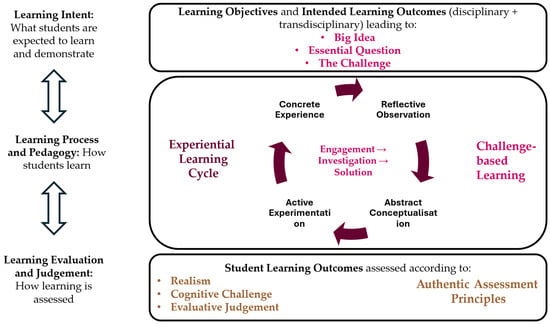
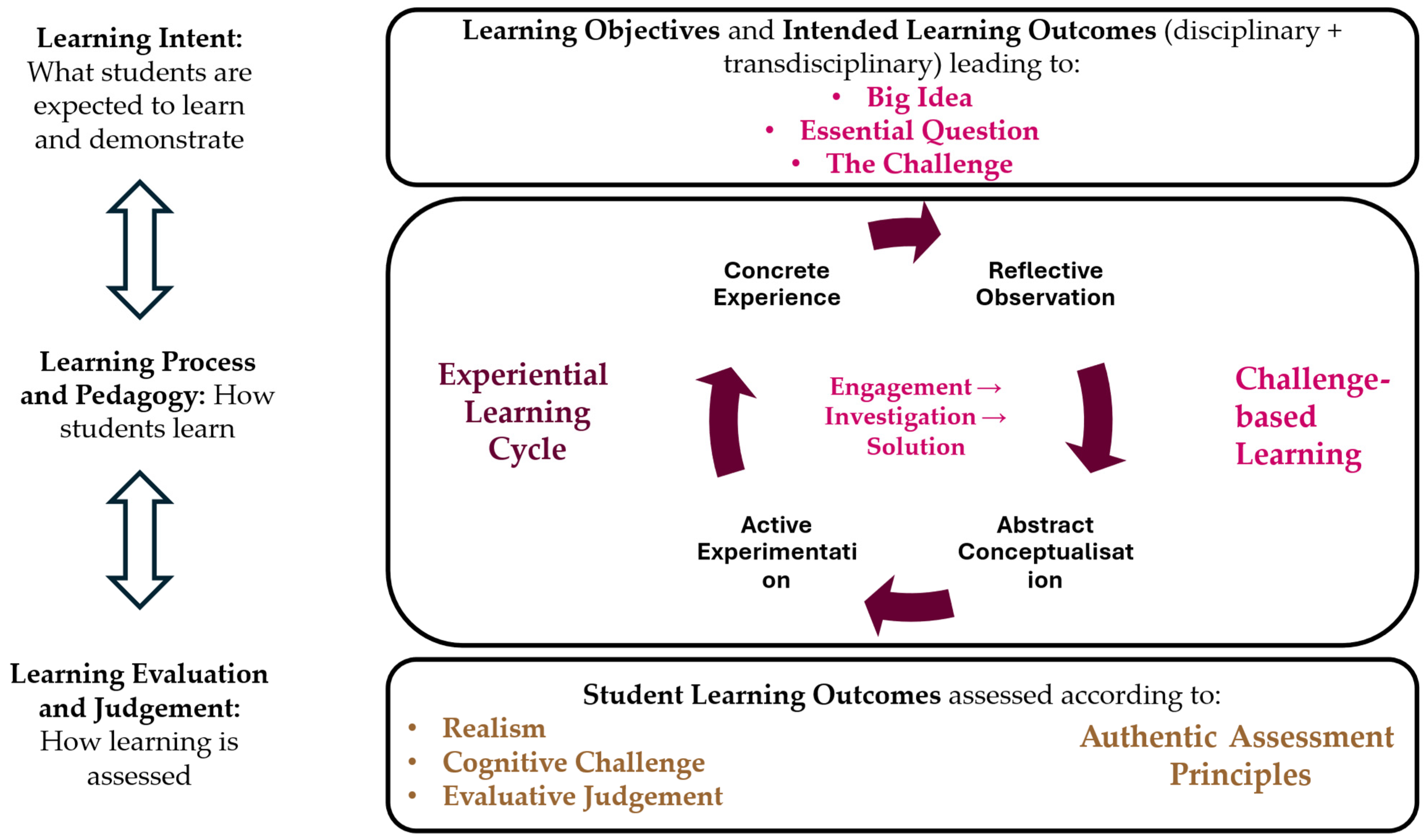

Disclaimer/Publisher’s Note: The statements, opinions and data contained in all publications are solely those of the individual author(s) and contributor(s) and not of MDPI and/or the editor(s). MDPI and/or the editor(s) disclaim responsibility for any injury to people or property resulting from any ideas, methods, instructions or products referred to in the content. |
© 2026 by the authors. Licensee MDPI, Basel, Switzerland. This article is an open access article distributed under the terms and conditions of the Creative Commons Attribution (CC BY) license.