


Abstract
Universities are struggling in a continuously changing environment surrounded by both accelerated digitalization and increasingly influential Artificial Intelligence. However, experiential learning stemming from direct visualization still relies on traditional tools and supporting materials. This work presents how a historic geology museum can serve as a pedagogical innovation for Civil Engineering students despite the challenges universities face amid accelerating digitalization. The geological collections of the School of Civil Engineering at the Universidad Politécnica de Madrid, neglected for decades, have recently been restored and transformed into a dynamic university museum that now plays a significant role in both degree and MEng education. This museum preserves several Paleolithic collections assembled by its professors since the school’s establishment in 1802. Historical and museological research confirms that these holdings—2471 minerals, 4555 rocks, 2012 fossils, archeological materials, and a unique set of 1200 formatted stone samples from 19th- and early 20th-century Spanish quarries—constitute one of the oldest and most comprehensive geological collections preserved in a Spanish engineering institution. The museum’s revitalization is implying new research on several sub-collections, still in progress. In summary, the historical museum has been integrated into Civil Engineering teaching, supporting experiential and lifelong learning in geology and geotechnics. Furthermore, the museum serves as an innovative tool for teaching geology to secondary school students, promoting innovation in teaching practices and scientific dissemination, and encouraging interest in Earth sciences. Overall, the museum is becoming a valuable resource for innovative pedagogy to respond to the lifelong learning implications of STEM educational practices.
1. Introduction
European and American universities hold a very significant share of our scientific, natural, and artistic heritage. Most universities, polytechnic institutes, and Higher Education Institutions (HEIs) were founded in the mid-twentieth century, yet there exists an earlier stratum of museums and collections of great historical and patrimonial value (Trow, 2007; Cooperman, 2014). University museums provide a singular added value to higher education (HE) by linking material objects with the production of academic knowledge. They foster experiential and cross-disciplinary learning, support pedagogical and digital innovation, and encourage active participation. As a result, they serve not only as repositories of heritage but as dynamic academic spaces that enhance teaching, research, and institutional identity (Bergan & Sanz, 2006). However, this heritage has not received the attention or recognition it deserves and remains, to a large extent, unknown and inaccessible to both researchers and the general public (Lourenço, 2014). A considerable portion is abandoned or at risk. Many collections are not organized as museums and are instead scattered across departments, institutes, and research centers (Teixeira da Silva, 2012). In some cases, university professors have inherited important historical collections with which they are unfamiliar, so they sometimes oversee them. Often, they alone must make independent decisions about these collections. In fact, the true scope of this scientific, artistic, and cultural heritage is not well understood, as few comprehensive studies have been conducted at either the European or the Spanish level (Bass, 1984; Arnold-Forster & Weeks, 2000; Lourenço, 2008; García Fernández, 2018).
Quite a few universities have reevaluated their museums and collections to better understand their institutional responsibilities. They are also seeking new approaches to managing these collections, often selecting, merging, or relocating instruments, specimens, and entire collections across different buildings (Lourenço, 2005; Weber, 2012; Feigl, 2016; Torres, 2024). However, these organizational processes frequently overlook the original purpose, internal coherence, and historical significance of many university collections (Talas & Lourenço, 2012). Consequently, there is a real risk that a significant portion of the university’s heritage could be lost forever.
However, some countries still have a clearer view of the situation (Arnold-Forster, 1989, 1993; NIMC, 2002; de Clercq, 2004; Kozak, 2007; Ferri et al., 2021). Even significant progress has been made in recent decades. Two major initiatives stand out at the international level: the establishment in April 2000 of Universeum, the European University Heritage Network, as a European network for the preservation, study and promotion of academic heritage, and the creation of ICOM’s UMAC (International Committee for University Museums and Collections) in 2001 to support university museums and collections worldwide (Universeum—European Academic Heritage Network et al., 2025). In addition, the Council of Europe unanimously adopted a Recommendation on University Heritage in Strasbourg in 2005, providing guidelines for policies and practices governing university heritage across member states (Council of Europe, 2005).
At present, three or four conferences dedicated to university heritage are held annually across Europe, with the most prominent being the annual meetings of UMAC and Universeum. Conversely, only two decades ago, conferences explicitly focusing on university heritage were virtually nonexistent.
The vast majority of university museums and collections—whether in the sciences, arts, or humanities—were historically shaped around teaching and research activities at a time when such collections played a central and coherent role within HE. University museums cannot be understood without considering the history and specific characteristics of the institutions that host them, since they preserve the material evidence of the development of knowledge (Simpson, 2022). It is therefore essential to understand the reasons for their existence and to consider the nature, history, and operating principles of the universities to which they belong (Thompson, 1993; Hooper-Greenhill, 2007; Plaza, 2022; Ambrose & Paine, 2025).
Likewise, old universities are undergoing profound transformations driven by scientific and technological advances, digitalization and labor-market demands. Generative AI is increasingly shaping the missions and visions of Higher Education Institutions (HEIs), transforming teaching, learning, research, and the creation of added value. Several authors argue that HEI leaders must act as systemic thinkers to reap the benefits of AI, effectively driving this transformation, avoiding political pitfalls, and strategically investing in AI to: integrate it into the teaching-learning process, improve student outcomes, research, and administrative efficiency, and boost students’ complementary AI skills without neglecting the challenges of academic integrity and the labor market (Katsamakas et al., 2024). Other studies have analyzed the effects of generative AI on the development of critical thinking skills in higher education students, specifically their ability to evaluate information and form independent judgments critically. The results suggest that generative AI promotes diversity of perspectives, information analysis, and argument development. However, overreliance on generative AI can reduce reflection and raise integrity issues, hence the need for effective pedagogical integration (Abduljaber, 2025; Melisa et al., 2025). As a result, the role these museums might or should play within contemporary universities and society is neither clearly defined nor widely understood (Black, 2012; Kozak, 2016; Chung et al., 2019; Giannini & Bowen, 2022). Collections that were once central to research and teaching are no longer routinely used, and today they contribute only sporadically to academic activity across Europe. This situation has created an unfavorable context for university museums and collections (UMG, 2025; Arantes, 2025).
University museums likewise hold significant heritage assets that deserve preservation and accessibility. Concerning Spain, the country possesses a wealthy cultural heritage, a substantial part of which is protected within museums and other spaces dedicated to its conservation, research, and dissemination, some of which remain relatively unknown. Thus, isolation and limited resources continue to pose significant challenges in many contexts. University museums and collections are not marginal concerns, as they are precursors of major historical museums; both institutions interpret the world, serve as repositories of knowledge, and preserve and communicate cultural heritage (Del Barrio et al., 2009). Growing digitalization and the increasing demand to engage with content aggregation systems are driving transformation, although responsibility for implementing these changes within universities remains unclear (Salse et al., 2024).
The dissemination of their collections helps raise awareness and engage visitors in heritage conservation, one of museums’ primary objectives, thereby generating cultural and social value from their assets (Ayala et al., 2021). Museology expanded significantly in Spain around the turn of the second millennium, with specialized publications and postgraduate programs aligned with the international rise of Nouvelle Muséologie and the early development of Critical Museology in Europe. More recently, however, training and publishing have increasingly shifted beyond museum studies toward broader heritage-related fields. As Heritage Studies proliferate across Spanish universities, the emergence of a distinct discipline tentatively described as “Heritology” is now being questioned (Lorente, 2024).
At a Conference on University Museums held in Madrid in 2014, the widespread lack of awareness surrounding university museums and collections was identified as one of the most serious challenges they currently face. At the same time, however, the existing state of knowledge also revealed the remarkable diversity, richness, and potential of many of these collections, whose significance often extends beyond local interest to national and even international relevance (García Fernández & Rivera Rivera, 2014). The conference highlighted the need to improve both knowledge and preservation of university collections, as well as to recognize and enhance their integrative educational potential by promoting their inclusion within university teaching. Participants also emphasized the importance of defining the identity of these institutions, clarifying their uses and audiences, and fostering a sense of collective ownership among the communities they serve. Equally crucial is sustained institutional support, ensuring that university museums are embedded within the strategic frameworks of their host academic institutions. Finally, the importance of strengthening dissemination efforts and increasing the visibility of university museums and collections at all levels was strongly underlined.
With regard to Natural History museums, Spain hosts a significant number of major national institutions, such as the National Museum of Natural Sciences and the Geominero Museum (Martín Albaladejo et al., 2023). In addition, there are museums operating at regional level—such as those in Valencia and Vitoria—as well as numerous local institutions. Spain also features several university geological museums, including the “Museo Histórico Minero D Felipe de Borbón y Grecia” (https://minasyenergia.upm.es/museo/, accessed on 17 November 2025) of the School of Mines and Energy at the Universidad Politécnica de Madrid (UPM), the one at Universidad Complutense de Madrid (UCM) (https://www.ucm.es/museogeo, accessed on 17 November 2025), and the paleontological museums of the universities of Zaragoza, Seville, and Valencia, among others. With regard to these university museums, research and teaching constitute the foundations upon which universities were built. Therefore, institutions that hold Natural History heritage bear a responsibility to apply these core functions to their collections, which must be preserved, expanded, studied, and enhanced. Through this process, university geological museums contribute not only to academic knowledge but also to the broader appreciation and dissemination of scientific heritage (Reis et al., 2014; Fesharaki et al., 2020). Geological heritage is indeed a valuable resource through which the geosciences can disseminate culture, knowledge, and empirical reasoning (Kondyli et al., 2024; Cleal & King, 2025). In geology education, scientific practices and their relationship with fieldwork and field trips are essential strategies for developing scientific competencies. Through visualization, enculturation, and experimental learning, students have the opportunity to appropriate scientific culture (Mota, 2015; Uskola et al., 2022; Theologi-Gouti et al., 2022).
In the Spanish context, geology remains a foundational discipline in Civil Engineering education due to its historical role and direct relevance to professional practice. According to the Spanish regulations for the Civil Engineering career (MICIN, 2009), such professionals must have the following competencies: geological and geotechnical knowledge related to soil and rock mechanics, subsurface characterization, groundwater, hydrogeological reasoning, and the assessment of geological constraints affecting infrastructure design and safety. These requirements comply with the European Higher Education Framework’s standards for Civil Engineering degrees, which consider geology and terrain analysis essential for understanding materials, construction processes, and the interplay between infrastructure and territory (ANECA, 2006). More recently, institutional reflections on the evolution of Civil Engineering education have emphasized the need to reinforce sustainability-oriented, territory-based, and digitally supported approaches, further underlining the role of applied geology as an enabling discipline (CODICAM, 2025, in revision). In this regard, university geology museums and teaching collections reveal as a valuable pedagogical resource to support object-based and experiential learning through direct interaction with real specimens that purely theoretical or virtual approaches cannot fully replace.
The main aim of this document is to present and evaluate the contribution of the recovery, conservation, and enhancement processes of the geological collections of the School of Civil Engineering (Escuela de Ingenieros de Caminos, Canales y Puertos, ETSICCP) at the UPM, whose historical and scientific value is considerable. We document the transformation—both educational and research-oriented—of these long-neglected collections into an active university museum that supports teaching, research, and scientific dissemination, drawing on their historical, museological, and educational dimensions.
In the historical dimension, the aim is to analyze the heritage and scientific value of the collections accumulated over two centuries, as well as to examine the extent to which historical research and restoration have enabled the recovery of institutional memory and the reinforcement of the museum’s academic identity within the university. The key questions are: How does restoration contribute to the preservation of the university’s scientific heritage? To what extent has its historical significance been revalued?
In the museological dimension, the aim is to evaluate the impact of conservation, cataloging, and restoration work, as well as the coherence of the new exhibition discourse according to scientific, esthetic, and educational criteria. The aim is to analyze whether remodeling exhibition spaces and systems improves the conservation, accessibility, and understanding of the collections. The central questions are: Has the intervention ensured long-term preservation? Does the new museum design meet contemporary standards?
In the educational and scientific dimensions, the objective is to examine the museum’s role in supporting teaching, research, and dissemination. The aim is to determine the extent to which the museum acts as an active platform for the production and transfer of knowledge. The main questions are: How is the museum integrated into academic activity? What evidence demonstrates its impact on the teaching and dissemination of geological knowledge?
First, we describe the conservation, cataloging, and restoration work carried out on the collections, which include minerals, rocks, and fossils accumulated over two centuries. This work has been essential to ensuring their long-term preservation and re-establishing their scientific and educational relevance. Second, it outlines the refurbishment of the museum spaces, including the adaptation of exhibition rooms, furniture, and display systems, and the design of a permanent exhibition that presents the collections according to coherent scientific, esthetic, and didactic criteria.
The document also reviews the most significant historical research associated with these collections and, in particular, presents previously unpublished studies derived from the systematic investigation of the museum’s own holdings, as well as ongoing research initiatives. As a university museum, the scientific value of its collections is exceptionally high, since they have historically underpinned scholarly publications produced within the Department of Geology.
Finally, we present the wide range of teaching and outreach activities developed around the collections, illustrating how the museum serves as a living educational resource and an effective platform for disseminating geological knowledge beyond the classroom. Together, research and teaching activities constitute the core elements that keep the museum active and fully integrated into the university context.
2. Materials and Methods
2.1. The Birth of Prehistory and Paleontology as a Science in Spain and the Chair of Geology at the Special School of Civil Engineering in Madrid
From its foundation at the end of the eighteenth century to the present day, the School of Civil Engineering at the UPM has played a prominent role in Spanish scientific and technological development, through relevant figures such as Leonardo Torres Quevedo and José Echegaray, among others (Saenz Ridruejo, 2016). In addition, owing to the field-based nature of their professional activities and the frequent discovery of archeological sites, civil engineers made substantial contributions to the advancement of archeological and prehistoric studies in nineteenth-century Spain. One notable example is Eduardo Saavedra, the discoverer of Numantia (Mañas Martínez, 1983). Numantia, founded in the third century BCE, is one of the most informative archeological sites for understanding the Celtiberian world, thanks to its extensive excavations and the recent discovery of its necropolis.
The Laboratory of the Chair of Geology at the School of Civil Engineering in Madrid preserves several Paleolithic collections assembled by its professors since the school’s establishment in 1802. Its setup was influenced by the fact that these faculty members taught Geology, Paleontology, and Prehistoric Archaeology, as was also the case at the School of Mines (Puche Riart, 1993). Some of the most significant archeological investigations include the early studies of the Bronze Age site in Totana, Murcia, which was discovered by Rogelio de Inchaurrandieta (1836–1915). He served as a professor of geology at the School of Civil Engineering from 1862 to 1871 and also deposited significant fossilized mastodon bones that were recovered during railway construction in Miocene deposits at Cerro de la Plata in Madrid. These fossils are preserved in this museum, together with photographs taken in situ at the time of their discovery, which may be regarded as some of the earliest scientific photographs produced in Spain (Figure 1).
Figure 1.
Two items from the Spanish Miocene, utilized as primary didactic resources in the Geology Museum. These specimens allow students to engage in object-based learning. (Left): A picture taken by the Royal Household of Spain, showing fossil mastodon bones from Cerro de la Plata, excavated and studied by Rogelio de Inchaurrandieta in 1868 during the earthworks for the railway station. The photograph is considered one of the earliest scientific ones produced in the country. (Right): A conus fossil (scale bar in centimeters). A significant proportion of these fossil specimens were collected and supplied by students as part of the academic fieldwork assignments undertaken during the summer recess. Some labels still preserve the names of student donors, including individuals who later became prominent engineers and geologists.
An early expression of interest in Quaternary geology, already evident at the beginning of the twentieth century, is reflected in the series of field visits undertaken by students of the school to the prehistoric sites of the San Isidro area throughout successive academic years (Pérez de Barradas, 1941). These visits formed part of the practical lessons of the course Stratigraphy and Terrestrial Physics, taught by the professors of geology Narciso Puig de la Bellacasa and Francisco Hernández-Pacheco, the latter being the founder and director of the Commission for Paleontological and Prehistoric Research of the Junta para la Ampliación de Estudios e Investigaciones Científicas.
Francisco Hernández-Pacheco was responsible for the geological collections for 45 years, during which he significantly expanded the rock and fossil collections, including notable specimens such as Bos primigenius, which is currently on display. Students were also introduced to prehistoric and Quaternary artifacts housed at the Anthropological Museum of Madrid, where they were guided by Professor Manuel Antón (information recorded in the Civil Engineering School’s Academic Yearbooks, 1907–1936).
It is therefore unsurprising that among the collections preserved at the School of Civil Engineering is one of the stratigraphic section panels of San Isidro produced by Emilio Rotondo Nicolau, which undoubtedly served as a teaching resource (Sanz Pérez & Menéndez Pidal, 2016). The study of Quaternary superficial formations is particularly relevant because these geological units interact directly with linear public works. Additionally, deposits such as the San Isidro terrace’s sand pits have historically provided essential construction materials.
2.2. Two Hundred Years of Geology at the School of Civil Engineering of Universidad Politécnica de Madrid
The Universidad Politécnica de Madrid (UPM) is one of only four Spanish public universities with a distinctly technological mission, aimed at providing its graduates with scientific and technical knowledge that enables them to enter the engineering and architecture job market competitively and excellently. It is a large and prestigious institution, with more than 3000 academic staff and approximately 46,000 students, formed initially by aggregating pre-existing schools founded between the late eighteenth and the mid-twentieth centuries.
As such, UPM does not have the preservation of cultural or scientific heritage among its primary institutional objectives. Nevertheless, several of its schools—particularly those founded early, such as the School of Civil Engineering and the School of Mines and Energy—preserve valuable material evidence of the development of science and technology since the late eighteenth century, coinciding with the emergence of the industrial era in Spain.
Given the historical context in which these schools were established, it is not surprising that their collections include materials seemingly distant from engineering, such as archeological artifacts.
Among the pre-existing engineering schools that later formed the Universidad Politécnica de Madrid, the School of Civil Engineering stands out as one of the oldest academic institutions in Spain (Menéndez Pidal & Sanz Pérez, 2014). For many decades, it was the country’s only School dedicated to Civil Engineering, as other comparable institutions were established only in the mid-twentieth century. Since its foundation in 1802, geology has remained a constant and essential component of all curricula offered by the school, reflecting its fundamental role in Civil Engineering education.
Throughout the nineteenth and twentieth centuries, the field of geology at the school benefited from the contributions of prominent civil engineers, geologists, and mining engineers—such as Rafael Amar, Rogelio de Inchaurrandieta, Melchor de Palau, Narciso Puig de la Bellacasa, Francisco Hernández-Pacheco, and Clemente Sáenz García—whose work was decisive for the development of geology in Spain (Ridruejo, 2015). Their sustained commitment to teaching and research led to the gradual formation of extensive collections of fossils, minerals, and rocks within the school’s Geology Laboratory. Over two centuries, these materials became inseparable from the history of geological education at the institution.
2.3. Two Feasible Approaches for Recovery, Restoration, and Refurbishment of the Museum of Geology of Civil Engineering School at UPM
For nearly fifty years, the collections of the school’s Geology Laboratory remained largely neglected. Despite major disruptions, including the Spanish Civil War and the relocation of the school building, they survived remarkably intact. Around two decades ago, with the support of the school’s administration, the current holders of the Geology Chair initiated a project to recover, enhance, and make this heritage publicly accessible. After two years of conservation and restoration work, the UPM authorities opened the Geology Museum in 2017, marking the revitalization of a long-standing academic legacy.
We have previously outlined the challenges regarding the future of university museums in Spain. Then, two feasible approaches arise to address those challenges. First, a pragmatic and immediate approach would be to transfer some of the university’s heritage to national, regional, or local museums. These institutions typically have the necessary infrastructure and expertise to preserve, study, and interpret such collections in accordance with international standards.
Instead, a second possible approach involves recognizing the value and potential of these collections within the university context itself and seeking to better understand the role that university collections can play in contemporary society. The concept of the university museum as an ideal type of museum is not new (Rodeck, 1961, 1970; Meneses, 1968; Auer, 1970; Davis, 1977; Boylan, 1999; Lourenço, 2014).
The experience presented here follows this latter approach. Valuable geological collections have been recovered and revitalized, leading to the creation of a new university museum that has successfully enhanced their historical, scientific, and educational significance. This process of recovery and activation has developed along three complementary dimensions: teaching, scientific research, and science outreach.
2.4. Rehabilitation Framework: Sources, Criteria, Procedures, and Quality Assurance
The museum rehabilitation was conducted within a structured, evidence-based framework that integrates historical scholarship, conservation principles, pedagogical objectives, and long-term institutional sustainability. Several key dimensions demonstrate the rigor of the process.
2.4.1. Documentary and Archival Sources
The intervention was guided by extensive internal documentary sources preserved within the institution. These included nineteenth-century inventories, catalogs, archival registers, donation records from the former Gabinete de Historia Natural and the Comisión Nacional de Geología (Natural History Cabinet and the National Commission of Geology), and documentation concerning contributions from professors, students, and external institutions. Authorized officers usually preserved provenance information through original labels and donation records. Historical photographs of the former display furniture informed the stylistic adaptation of newly designed cabinets. Additional documentation comprised photographs of paleontological sites and field notebooks from former professors. No prior condition reports or conservation treatment records were available; however, the predominantly lithic nature of the collections has limited deterioration. The rehabilitation relied primarily on internal expertise. Given the highly specialized scientific content, the museum design was developed by the first two authors, adopting the historical model of a Natural History Cabinet.
2.4.2. Conservation, Functional, and Museographic Criteria
The rehabilitation adhered to recognized conservation standards, prioritizing authenticity and the preservation of the historical and material integrity of the collections. Principles of reversibility, material compatibility, and environmental stability were applied throughout the intervention. Likewise, measures were implemented to ensure appropriate temperature, humidity, and lighting conditions, including the installation of humidification systems for historic wooden furniture. Functional criteria addressed spatial organization to accommodate student and visitor circulation. Museographic criteria emphasized coherent narrative structure, chronological and genetic ordering of specimens, pedagogical clarity, and esthetic coherence. Financial sustainability was achieved through the optimization of external donations from companies and institutions, allocated to both restoration work and student assistant support, ensuring the project’s economic viability.
2.4.3. Technical Procedures
The rehabilitation process included the systematic registration of each specimen (name, provenance, and associated metadata), complementing pre-existing cataloging and classification work. Photographic documentation was produced for a substantial portion of the collections, and a digital database—currently in progress—is being developed to ensure long-term accessibility and integration with research.
Approximately 5% of the total holdings were selected for exhibition. Selection criteria included pedagogical value, scientific relevance, historical significance, esthetic quality, state of conservation, and contribution to the museum’s narrative coherence. Non-exhibited specimens are properly stored, classified, and organized to facilitate consultation for teaching and research purposes.
2.4.4. Quality Assurance Mechanisms
Quality control is primarily guided by the academic oversight of the Chair of Geology, whose faculty possess the disciplinary expertise required for collection management, interpretation, and conservation decision-making. External validation has been informally obtained through visits by specialists and professionals, whose assessments and comments are recorded in a visitors’ register. Collectively, these mechanisms reinforce the museum’s scientific credibility and educational reliability as a university-based learning environment.
3. Results and Achievements
With regard to the conservation, cataloging, restoration, and exhibition of the collections, the undertaken works encompassed two main lines of action: (1) adaptation and preparation of dedicated spaces; (2) reorganization of the existing collection holdings.
As a result, the museum has remained within the institution that originated it. It has been fully integrated into the Applied Geology modules within the Civil Engineering curriculum. The museum has opened itself to society, serving as an effective platform for disseminating geological knowledge. It has also promoted ongoing research into its collections, which remains an active endeavor (Sanz Pérez et al., 2017).
Table S1 (see Supplementary Material) summarizes this curriculum mapping and documents the current active programs. This integration reflects a long-standing tradition in which geological collections have been inseparable from geology education at the school over the past decades, now formalized and evidenced by the current learning guides and assessment scheme.
In this way, the museum has become a living academic resource, embedded in the university’s educational and scientific mission (Menéndez Pidal & Sanz Pérez, 2014).
3.1. Recovery and Museum Refurbishment Works
A total area of approximately 350 m2 was allocated within the School of Civil Engineering at UPM, for the museum in the space assigned to the Chair of Geology—known as the Clemente Sáenz Ridruejo Geology Laboratory (Figure 2). This includes a main exhibition hall of around 200 m2 (Figure 3), an adjoining corridor, and an additional room, totaling around 150 m2. This space is dedicated to the permanent exhibition, which displays selected items from the collections in an orderly and educational manner, primarily to complement university-level teaching.
Figure 2.
Plan layout of the Geology Museum at the Civil Engineering School at UPM. The museum is integrated into the rest of the department, which also includes classrooms, faculty offices, doctoral student offices, laboratories, meeting rooms, a library, and an archive. The display case numbering is as follows: Minerals (1, 2); Rocks (3, 4); Paleozoic, Mesozoic, and Cenozoic fossils (5, 6, 7); Fossil remains of a mastodon from Madrid (8); Board from the Paleolithic site of San Isidro (Madrid) from 1876 (9); Historical exhibition of applied geology works (10); Historical exhibition of teaching materials (11); Ancient petrographic microscopes (12); Materials and fossil remains from the Weald facies (13).
Figure 3.
Panoramic view of the 200 m2 main exhibition hall of the Geology Museum at the Civil Engineering School at UPM. This hall was arranged in the style of a traditional nineteenth-century Natural History cabinet. The room features restored original wooden cabinets, drawers, and display cases containing representative specimens of minerals, rocks, fossils, and scientific instruments, providing an object-based and experiential learning environment for university teaching and research. The bust on the left is of Eduardo Saavedra (1829–1912), a distinguished nineteenth-century scholar and discoverer of the Numantia archeological site in Soria, Spain. He served as president of the Spain’s Royal Academy of History.
The exhibition features representative samples of the museum’s holdings, including rocks and minerals, sedimentary structures, scientific instruments, and fossils. These displayed objects account for less than 5% of the total number of specimens preserved in the collections. The main hall has been designed to evoke the atmosphere of a traditional 19th-century Natural History Cabinet, with original or restored antique cabinets and display cases used as exhibition furniture (Figure 3) showing around 2000 representative specimens of most Spanish geological formations (Figure 4).
Figure 4.
(Left): Some outstanding fossil specimens from among the approximately 2000 representative specimens of most Spanish geological formations. These items are particularly valuable for geological dating and stratigraphic correlation in geological mapping studies. In addition, they usually beckon students’ interest. (Right): The museum also preserves outstanding fossil specimens, including giant ammonites and skeletal remains of fossil vertebrates such as mastodons and elephants.
The restoration and adaptation works were made possible by financial support from several construction companies and the Villar Mir Foundation (https://www.arteinformado.com/guia/o/fundacion-juan-miguel-villar-mir-130508, accessed on 18 November 2025). Additional horizontal and vertical wooden display cases have been installed in the corridor area; these were donated following a temporary exhibition of Goya engravings at the Museo del Prado (Figure 5).
Figure 5.
(Left): Main corridor of the Geology Museum at the Civil Engineering School at UPM, where the permanent exhibition extends through a 3.8 m wide passageway. Horizontal and vertical display cases along both sides present selected geological specimens, historical documents, and scientific instruments, complementing the main exhibition spaces and supporting didactic and experiential learning activities. (Right): The Paleontology and Mineralogy collections contain several noteworthy specimens from the Spanish Weald facies, including dinosaur trackways, newly described pterosaur ichnospecies, and well-crystallized pyrite specimens.
3.2. Reorganization of Existing Collection Holdings
During the months preceding the public opening of the museum, the Geology Laboratory Museum’s collections underwent a comprehensive reorganization. This work included the systematic review of legacy records, the digitalization of the collections, the cleaning and conservation of specimens, and the photographic documentation of selected, particularly representative pieces.
3.2.1. Preliminary Studies and Analyses
Meanwhile, a panel of scientists conducted a preliminary selection to identify specimens of high quality that would be suitable for future exhibitions. To this end, they analyzed the provenance of all collections, taking into account the paleontological sites of origin of the fossils, relevant bibliographic references, and their scientific significance. The geological and historical collections are currently housed in the museum’s main exhibition hall, displayed in restored historic wooden cabinets. For each cabinet, a detailed shelving layout was designed, and specimens were systematically arranged and recorded by shelf and row, ensuring precise localization and traceability of each item.
At present, the collections are fully cataloged and inventoried, comprising a total of 9128 specimens, including 2471 minerals, 4555 rocks, 2012 fossils, and historical, scientific, and teaching instruments.
The paleontological collection, representing approximately 22% of the total holdings, consists of 2012 specimens stored in 13 cabinets and includes two main sub-collections. The first is a systematic paleontology collection organized by biological groups, comprising 1349 specimens, including gastropods, corals, coelenterates, brachiopods, echinoids, trilobites, plant fossils, ammonites, lamellibranches, crinoids, fish, and fossil vertebrates, including mammals. The second is a stratigraphic paleontology collection known as “Spanish Geological Formations”, comprising 663 specimens from key geological periods, including the Cambrian, Ordovician–Silurian, Devonian (Middle and Upper), Carboniferous (fauna and plant remains), Triassic, Jurassic, Cretaceous, Eocene, Miocene, and Pliocene periods, as well as miscellaneous fossils and trace fossils. This latter collection holds particular applied significance, as it consists of stratigraphically diagnostic fossils from Spain that have historically served—and continue to serve—as reference material for geological mapping in sedimentary and metamorphic terrains.
The fossils in the collection were originally classified by professors from the nineteenth and twentieth centuries. Although some of the taxonomic names used are now obsolete, these historical designations have been deliberately preserved in order to maintain the integrity and documentary value of the original classifications.
3.2.2. Digitalization and Mineralogical Collection
The museological study enabled the complete digitalization of the fossil collection through a detailed inventory system. For each fossil and trace fossil specimen, the following information was recorded: inventory number, tray number, tray position, class, order, family, genus–species–author, locality, geological period, original historical collection, donor, collecting professor, and additional observations.
The mineralogical collection, comprising 2471 specimens (27% of the total holdings), is classified according to the Strunz mineral classification system, based on chemical composition and crystal structure, with adaptations introduced by Puig de la Bellacasa. This approach follows the framework established in the textbook “Nociones de Geología y Geografía Física” (1921) and subsequently maintained in revised teaching notes (Menéndez Pidal & Sanz Pérez, 2014). This procedure emphasizes applied mineralogy, particularly on minerals of economic interest used as ores.
The classification method broadly reflects the genetic history of rocks in which minerals typically occur. Given that rocks relevant to Geotechnics in Civil Engineering and industrial applications are composed of mineral assemblages, special attention is paid to essential rock-forming minerals. For each mineral specimen, the digital record includes: inventory number, tray and tray position, mineral name, historical label, and collection of origin, locality, donor, and additional remarks. A significant proportion of the mineral specimens has also been photographically documented.
Rock collections constitute the most extensive portion of the repository, a fact that aligns with the fundamental importance of petrological knowledge for engineers, both for characterizing geological substrates in civil works and for identifying industrial mineral resources. This category comprises 4555 specimens, representing 51% of the total holdings. The rock collections are further categorized into four sub-collections:
- Collection classified by geological origin: This section consists of 3600 specimens, the vast majority of which originate from Spain. In several instances, these samples are accompanied by petrographic analyses conducted via polarizing microscopy. Since the 19th century, petrographic microscopes have been routinely employed in geological laboratory sessions, where students were required to produce technical reports on specimens from quarries or samples gathered during summer fieldwork. While these materials have been curated by various faculty members and students since the 19th century, the bulk of the collection dates back to the early 20th century.
- An ornamental rock collection, comprising 429 samples (specifically marbles) from Spain, including specimens from Cuba and the Philippines.
- The Krantz collection, dating back to the 19th century, likewise adheres to a genetic classification system. It consists of 336 specimens from various countries and has been photographed in its entirety for archival and digitization purposes.
- A further significant sub-collection comprising 1200 standardized rock cubes from Spanish quarries. These specimens originate from a comprehensive range of Spanish quarries operational during the 19th and early 20th centuries, providing a systematic representation of the period’s extractive industry.
The digitization of the collections involved recording the following metadata: serial number, tray identification, position within the tray, specimen name, legacy labeling, collection provenance, locality, original source collection, donor information, and additional observations.
Furthermore, a comprehensive museological and exhibition assessment was performed for all specimens, utilizing a five-point scale (1–5). Irrespective of their inherent scientific significance, approximately one-fifth of the items were deemed highly suitable for future public display.
3.2.3. Other Interesting Elements Shown in the Museum
Furthermore, the museum houses a compelling assemblage of archeological materials, most notably Paleolithic artifacts from the caves of El Pendo and Altamira in the region of Cantabria (Northern Spain). The photographic archive (photo library) contains early 20th-century didactic black-and-white glass-plate negatives. Additionally, the museum preserves a collection of crystallography, likely dating to the early 19th century, comprising approximately 300 crystallographic models arranged across four shelves. There are also various pieces of scientific instrumentation, including several antique petrographic microscopes from the 19th and 20th centuries.
The cartographic holdings feature provincial geological maps of Spain and specialized geological corridors designed for the national railway network (FF.CC.). Produced by students during the 19th and early 20th centuries, these maps identify historical quarrying operations and include extensive bibliographical references. Of particular esthetic and pedagogical value are the academic drawings of geological landscapes, fossils, and rocks, some of which are genuine works of art.
However, from a pedagogical perspective, the most significant highlight is the collection of nearly 1500 “summer geological projects”. These student-led reports were a core component of the curriculum, designed to mitigate the practical limitations of organized field trips at the time. Given that summer holidays then lasted three months, these assignments were intended to encourage hard work and diligent study. More importantly, they compelled students to engage independently with field geology in their respective summer locations, fostering a self-directed learning environment. This methodology not only cultivated a profound affinity for geology but also awakened professional vocations in a discipline that did not formally emerge as a distinct profession in Spain until the 1950s. Notable examples include Clemente Sáenz (a former geology full professor), who later dedicated his career to applied geology, and others who, influenced by the geoarchaeological nature of these assignments, became prestigious archeologists, such as Emeterio Cuadrado (1907–2002).
Other noteworthy items include a set of historical maps and display boards. These include the first lithological map of Spain, which was produced in 1937 for the Centre for Hydrographic Studies (CEDEX), a branch of the Spanish Ministry of Public Works. There is also a display board illustrating the stratigraphy of the San Isidro site, which was the first Paleolithic site to be discovered in Europe. This latter board was prepared by the archeologist Emilio Rotondo (1849–1916) in 1876 and constitutes a particularly significant example of early stratigraphic documentation (López Rodríguez, 2015).
3.3. Museological and Historical Research Activities
A comprehensive museological investigation was undertaken to deepen understanding of the origins, development, and academic significance of the geological collections housed in the former Geology Laboratory. This research built on several complementary sources of information that directly connect the collections with the historical practices of university teaching and scientific research.
A primary source was the historical labels attached to the specimens. Multiple generations of labels often coexist on the same pieces, and their stratigraphic relationships allow reconstruction of the successive classification systems applied to the collections over the past two centuries. In addition to documenting the evolution of scientific criteria in geology, these layered labels also constitute valuable material evidence of pedagogical practices and research priorities within the university context. Consequently, the labels themselves were treated as heritage elements worthy of preservation and scholarly analysis.
Additional key sources included historic catalogs, notably the inventory files from 1901 to 1903, preserved in six notebooks containing more than 400 records of fossils, minerals, and rocks. These catalogs provide direct insight into the organization of teaching collections at the turn of the twentieth century and have been fully digitized. Another significant archive comprises approximately 200 index cards from the Geological Map of Spain Commission, offering detailed descriptions of specimens and their local geological settings, widely used for academic reference and research.
Further documentation was drawn from the Yearbooks of the School of Civil Engineering, published since 1907–1908, as well as other archival written records. Finally, the scientific publications of former professors of the Geology Chair were systematically reviewed, resulting in the compilation of over 200 bibliographic references linked to the collections and their source localities. This combined bibliographic, museological, systematic, and taxonomic analysis highlights the enduring importance of the collections as a foundation for university research and as a pedagogical resource that continues to support teaching in geology, paleontology, and engineering sciences.
3.4. Scientific Research on Selected Sub-Collections and Archeological Materials
Prior to the recent recovery project, the museum’s collections had not been systematically studied. The process of reassessing and documenting these holdings has therefore become a significant source of ongoing academic research. This research extends beyond geology to include archeological materials, thereby reinforcing the museum’s interdisciplinary value for both research and university teaching. Several representative initiatives are outlined below.
3.4.1. The Historical Rock Collection of the Geological Map of Spain Commission
The Geological Map of Spain Commission prepared this collection of 200 rock specimens for the Special School of Civil Engineering in Madrid. It constitutes one of the Commission’s teaching collections, which were distributed to meet the specific needs of official educational institutions. The collection is of unknown authorship and dates between 1898 and 1907. Notably, all 200 original explanatory cards accompanying the specimens have been preserved. Designed with a clear pedagogical purpose for Civil Engineering students, the collection provides a synthetic overview of Spain’s historical geology, focusing on representative rock types from each geological period. By familiarizing students with the rocks most commonly encountered in Spain’s stratigraphic column, the collection supported the assessment of their potential use as construction materials or foundations for civil works. The collection employs contemporary petrographic classifications and geological periodization, and the accompanying cards include observations on engineering applications, facilitating both classroom instruction and field-based geological interpretation within a regional stratigraphic framework.
3.4.2. The Stratigraphic Panel of the San Isidro Paleolithic Site (Madrid)
Another outstanding item is the stratigraphic panel of the San Isidro site, produced around 1876 by Emilio Rotondo and currently on display at the museum (Figure 6). This original teaching resource illustrates the stratigraphy of the first Paleolithic site discovered in Europe and is accompanied by the original explanatory notes. Constructed using authentic materials from the site—including fossil mammal remains and lithic industry—it represents an early and pioneering educational and research tool in prehistoric studies. The panel documents 34 stratigraphic levels distinguished by grain size, color, thickness, and structure, two of which contain archeological material (Sanz Pérez et al., 2017). Rogelio de Inchaurrandieta most likely acquired this artifact for the school around 1869.
Figure 6.
(Left): Stratigraphic section panel of the San Isidro Paleolithic site (Madrid), produced by Emilio Rotondo Nicolau and acquired by the School of Civil Engineering of Madrid prior to 1927. The panel measures 1.75 m high by 0.67 m wide. It is one the outstanding items to help students to learn about stratigraphy. The frame headline reads: “Geological and natural section of the surroundings of Madrid”. There is a numbered list from 1 to 35 detailing the different materials that make up each stratum. For example, layer 1 is “Tierra de Guadarrama” (soil), layer 3 is “Cascajillo” (small gravel), and layer 5 is "Arcilla roja" (red clay). This allows each visual layer in the physical model to be traced. Handwritten paragraph “2)” (bottom) explicitly states: “From number 27 to 31, it is composed of the series of layers containing fossil remains of mammalian animals, such as elephants, equus, cervus, and other animals.” (Right): Prof. Ignacio Menéndez Pidal explaining the museum collections and Rotondo’s stratigraphic panel to a group of visiting professors.
It represents a foundational milestone in the development of Paleolithic research in Spain and continues to serve as a valuable resource for teaching stratigraphy, geoarchaeology, and the history of the geological sciences.
3.5. Ongoing and Future Research Activities
3.5.1. Collection of Formatted Natural Stone Samples from Active Spanish Quarries (19th–Early 20th Centuries) and Ornamental Rock Collection (Marbles)
This museum houses a unique worldwide collection of natural stone samples from Spanish quarries that operated during the nineteenth and twentieth centuries. The collection was formed as a result of a historical requirement whereby producers of construction stone were obliged to submit a representative sample from each newly opened quarry to the Materials Laboratory, which was located adjacent to the School of Civil Engineering. The institution’s Chair of Geology subsequently preserved and systematically assembled these samples. The collection comprises approximately 1200 standardized stone samples, each measuring 15 × 15 × 15 cm, with faces finished using different surface treatments. It is undoubtedly the most extensive collection of its kind in Europe (Figure 7).
Figure 7.
Three samples from the collection of 1200 natural stone cubes originating from quarries operating in Spain during the nineteenth and early twentieth centuries. Each face of the cube displays a different surface finish. This collection is unique in the world and its items are currently stored in cabinets; the task of exhibiting and displaying them remains pending.
The UPM stone collection can be compared with other renowned international lapidaries, such as the Corsi Collection of Decorative Stones at the Oxford University Museum of Natural History, the Opificio delle Pietre Dure in Florence, and the collection of marbles and decorative stones at the Naturhistorisches Museum in Vienna.
In addition, the museum houses a collection of approximately 400 marble samples from Spain, Cuba, and the Philippines, dating from the nineteenth and early twentieth centuries. This lapidary collection is a continuation of the Marble Collection of the Royal Laboratory of Mosaics and Hard Stone, commissioned by King Charles III in the eighteenth century and currently preserved at the National Museum of Natural Sciences in Madrid.
The samples have been petrographically classified and geographically documented, and, in some cases, linked to specific monuments constructed from these materials. This information is of considerable value both for the history of science and technology and for architectural conservation and restoration. Identifying the original quarries of the stones used in historic buildings is essential when planning conservation interventions, as material compatibility is best achieved by using the same lithology. Such an approach not only ensures physical compatibility but also preserves cultural values associated with traditional stone working techniques, while reinforcing the connection between architectural heritage and its geological, mining, and industrial origins.
This strategy is feasible when original quarries remain active, and material quality is consistent. The development of a catalog of historic natural stone, derived from the systematic study of this collection, would be highly beneficial for stakeholders in Spain’s natural stone sector. Moreover, the museum display of these samples is expected to be of great interest to both specialists and the general public, and preparatory exhibition work is currently underway.
3.5.2. Other Ongoing Investigations
At the same time, the teaching and research team of the Chair of Geology is conducting systematic studies of the Paleolithic collections, which include lithic tools, bone materials, and fossil fauna from some of the most significant archeological sites in Spain, such as the caves of Altamira, El Pendo, and El Rey in Cantabria (Northern Spain), all of which have been declared UNESCO World Heritage Sites. The team is also examining materials from Cueva del Reguerillo (Patones, Madrid) and from the renowned San Isidro site in Madrid, recognized as the first Paleolithic site discovered in Spain.
In parallel, the same research team is analyzing Neolithic and Bronze Age materials, including artifacts from the Totana site (Murcia, Southeastern Spain), dating to the early Bronze Age and initially discovered and excavated by Rogelio de Inchaurrandieta. This site is considered one of the most important settlements of recent European prehistory.
3.6. Innovative Teaching and Public Engagement Activities in Geology Based on the University Museum
Since the museum’s inauguration in 2017, a structured program of activities has been developed to ensure it remains a dynamic and actively used educational space. This program incorporates experiential learning experiences, active learning methodologies, and complementary activities aligned with the formal university curriculum, with undergraduate and graduate students as the primary target audience.
The main objective of these activities is to communicate and disseminate geological knowledge through guided visits to the Geology Museum’s permanent exhibition. These visits facilitate a deeper understanding of geological concepts and processes, while also fostering scientific curiosity and encouraging the development of scientific vocations and sub-vocations in geology education. The activities are organized into four main thematic blocks:
- The Museum as a teaching support tool in Geology and Applied Geology courses
While most museums were initially conceived primarily as spaces for cultural dissemination, the Geology Museum of the School of Civil Engineering at the UPM, as a university museum, stands out for its strong integration into higher education teaching. Likewise, the museum maintains a strong connection with the academic community of other schools belonging to the UPM and actively supports teaching activities within the institution. Thus, the Department of Geology primarily integrates the museum into its courses, whereas the Department of Materials Science also uses its collections as a complementary didactic resource in its teaching deployments.
For instance, more than 300 students enrolled each year in the Geology and Applied Geology to Civil Works modules of the Civil Engineering Degree Program carry out laboratory-based practical sessions in mineralogy, petrology, and paleontology using specimens from the museum collections. Through these activities, students reinforce theoretical concepts and develop observation, classification, and analytical skills within an experiential and object-based learning framework. Thus, these hands-on activities foster bridging the gap between theoretical principles and the physical geological materials that underpin the discipline.
For instance, one of the pedagogical activities carried out at the museum focuses on the application of paleontology to determine chronostratigraphic ages and to deduce complex geological structures using maps and mute geological sections. By integrating the museum’s stratigraphic fossil collection with geological mapping practices, students gain direct insight into professional geological workflows. Participants, organized into groups of four and distributed across the main hall’s Paleozoic, Mesozoic, and Cenozoic displays and the Geology Department classrooms, must identify fossil ages to resolve structural exercises based on their findings.
In addition, guided museum visits are incorporated into the curriculum, during which students are introduced to the collections and to the historical evolution of geology teaching within the institution. The exhibitions shown to visitors are adapted to the specific learning objectives defined by the teaching staff of the visiting school. This content is offered in two main formats:
- General visits use fossils, minerals, and rocks to illustrate fundamental geological concepts.
- The thematic visits begin with a general introduction, followed by content tailored to students enrolled in the Fundamentals of Construction Materials course for both the undergraduate and master’s degree programs in Materials Science. During these sessions, students receive a focused lecture on more specialized topics related to rocks and minerals. Selected specimens from the museum collections serve as primary teaching materials, deepening students’ technical understanding.
Notably, 99% of enrolled students did not take any geology courses in high school, resulting in a significant baseline knowledge deficit of the subject. For this reason, the museum is an ideal place to introduce students to geology through visualization and experiential learning.
- 2.
- Activities Addressed to Secondary Education Students
This initiative is part of an educational program that has been running for eight years and involves numerous secondary schools from the Community of Madrid. The program consists of guided visits by secondary school students to the Geology Museum, combined with visits to other museums within the School of Civil Engineering, such as the museum dedicated to the renowned inventor Leonardo Torres Quevedo.
The initiative pursues two primary objectives: first, to stimulate interest in geology among young learners through direct engagement with authentic geological materials; second, to contextualize applied geology within the field of Civil Engineering, helping students understand its relevance and identify and foster future professional vocations.
This program addresses the current precarious state of Earth science education at the primary and secondary levels, where instructional time remains insufficient. Furthermore, successive educational reforms in primary and secondary education in Spain have led to a drastic reduction in geological content within the national curriculum. Given the fundamental premise that informed citizenship requires a basic understanding of Earth’s processes, history, and natural resources, maintaining robust geological outreach initiatives is imperative. In this context, the Geology Museum has become a key educational resource for scientific and technological outreach, offering experiential learning opportunities tailored to secondary education. Over the past eight years, approximately 2000 secondary school students have participated in these activities. Visits typically last 45–60 min, depending on students’ engagement and comprehension. They are conducted under the supervision of trained guides and with the direct involvement of academic staff from the Chair of Geology.
- 3.
- Teaching innovation activities for lecturers
The Geology Museum is also used as a didactic resource for classes aimed at teachers from other Madrid universities, both public and private (Figure 8).
Figure 8.
Faculty members from the Geology Department conduct specialized pedagogical sessions for visiting academic cohorts from diverse universities across the Madrid region. This photo shows a guided tour of the Geology Museum’s Exhibition Hall for faculty from the Madrid School of Civil Engineering.
- 4.
- Science Outreach Activities Supported by the Museum
These activities focus on participation in initiatives that promote scientific awareness and foster a scientific culture, showcase the museum’s scientific heritage, and enhance public understanding of geology. A key component of this outreach is the Museum’s participation in events such as the Science and Innovation Week, which attracts a broad and diverse audience. This event is a nationwide initiative widely recognized in Spain and represents one of Europe’s premier scientific outreach initiatives. Coordinated in Madrid by the “madri+d Foundation for Knowledge (www.madridmasd.org), this event facilitates public access to research centers, museums, and universities, including the UPM. The Geology Museum actively participates in this program by organizing guided outreach visits, which are highly demanded by the general public due to their dissemination through the Museum’s website (https://caminos.upm.es/museo-geologia, accessed on 17 November 2025), an explanatory brochure, a dedicated museum video (https://www.youtube.com/watch?v=YetM8NMrOZw, accessed on 17 November 2025), and audiovisual materials related to the collections presented during the UPM International Summer School (https://www.youtube.com/watch?v=YetM8NMrOZw, accessed on 17 November 2025).
Each visit spans approximately 1.5 h, during which an accompanying faculty member guides the group through a structured route of the exhibition showcases (Figure 9). These instructors deliver detailed explanations as they introduce and contextualize geological concepts, tailoring their explanations to participants’ specific educational levels and backgrounds.
Figure 9.
Faculty members from the Geology Department conduct a guided visit during the Science Week in 2025. The museum also hosts groups of high school students from the many Madrid schools that visit it.
4. Discussion and Future Perspective
4.1. Source of the Collections
The origin of the collections can be traced back to the early nineteenth century, only a few years after the school’s foundation in 1802. Written records document, for example, a donation in 1840 of 220 mineral specimens from the Cabinet of Natural History (now the National Museum of Natural Sciences), which included samples sent from the Americas and was prepared by Donato García, the first full professor of mineralogy in Spain. Other specimens originate from teaching-oriented collections sent by the Geological Map Commission of Spain (now IGME) during the nineteenth century. By 1854, the geology cabinet already housed a collection of 430 minerals and 132 crystallographic models, together with several testing instruments. The collection of cubic rock samples from Spanish quarries began to be assembled before 1862, when written evidence indicates that an existing collection of construction stones from all Spanish provinces was being expanded. The practice of cutting and polishing stone samples into standardized parallelepiped blocks was common in the mid-nineteenth century. Particularly noteworthy are the large, handwritten labels affixed to many specimens, which describe the stone’s characteristics and provenance. However, many have regrettably faded; they provide valuable information on quarry exploitation practices of the period.
Nevertheless, the bulk of the collections derives from the sustained contributions of professors and students, progressively assembled at the School of Civil Engineering in Madrid over the last two centuries. Fossils from locations such as Sigüenza, Alhama de Aragón, and the Monasterio de Piedra are widespread.
Finally, part of the paleontological material derives from professional engineering projects and scientific investigations conducted by faculty members.
Likewise, the museum holds many fossils that originated from engineering project sites where faculty members conducted professional work. Examples include the stratigraphic studies of the Upper Ebro, which were carried out by Clemente Sáenz, and the scientific research activities undertaken by Rogelio de Inchaurrandieta at the Madrid mastodon site and by paleontologist Emiliano Aguirre at the Alcorlo Dam site in Guadalajara, Spain.
4.2. Towards the Consolidation of a Recognized University Museum
The museological and historical research undertaken demonstrates that this museum houses one of the oldest and most comprehensive historical collections among engineering schools in Spain. The applied character of the collections is particularly significant, as they comprise an extensive assemblage of rock specimens, samples from historic quarries, and stratigraphic paleontology materials that directly support hands-on, object-based learning. Through direct engagement with authentic geological materials, these collections provide an exceptional framework for experiential learning and the practical training of future civil engineers. It is therefore not surprising that several professors of geology at this school played a decisive and pioneering role in the emergence of prehistory as a scientific discipline in Spain during the nineteenth century, as well as in the development of paleontology.
Owing to its university-based character, the Geology Museum of the School of Civil Engineering has, over more than two decades, developed a set of strategies aimed at fulfilling the core functions inherent to a recognized museum while integrating them into the university’s educational mission. These strategies have been designed to support active learning methodologies for undergraduate and postgraduate students, while also extending their impact to upper-secondary education and to an increasingly diverse and growing general public.
The high scientific quality of the collections—many of which have served as the basis for scientific publications—their substantial documentary value, the diversity of materials derived from the department’s teaching and research lines, the accessibility of the collections for researchers, and the implementation of preventive conservation measures collectively reinforce the museum’s potential for future institutional recognition. At the same time, these characteristics enhance its capacity to function as a living academic laboratory, where research, teaching, and professional training converge.
Finally, in response to the limited presence of geological content in compulsory secondary and upper-secondary education, the Geology Museum seeks to position itself as a key resource for experiential science education and knowledge transfer at these levels. In doing so, it aims to reestablish itself as a center of excellence for geological education, professional development, and public outreach—roles it historically fulfilled at its inception, particularly during the late nineteenth century.
5. Conclusions
This work depicts the recovery, restoration, and reactivation of the historic Geology Museum at the School of Civil Engineering at UPM as a support tool for experiential and lifelong learning processes. This ongoing process, started two decades ago, proves how university heritage collections can be valuable tools for educational innovation when integrated into contemporary pedagogical frameworks, thereby transforming a static repository into an active learning environment that links historical scientific collections to contemporary teaching, research, and dissemination while contributing to the preservation of scientific heritage. This transformation highlights the educational potential of university museums for promoting experiential learning, especially in engineering education and professional training.
Moreover, the museum has been embedded in the Applied Geology module of the Civil Engineering Degree curriculum so that students engage directly with geological materials, stratigraphic reasoning, applied mineralogical knowledge, and geotechnical implications that are essential to professional practice. Visitors can attain conceptual understanding and engage in inquiry-based learning, strengthen observational and analytical skills through direct visualization and interaction with real specimens, so they can go beyond theoretical knowledge to tackle the practical challenges of engineering. This way, the museum also supports the development of competencies central to modern engineering education.
Beyond strengthening core geological and geotechnical skills required in Spanish engineering qualifications (MICIN, 2009), the museum’s ongoing cataloging and digitization lines open a pathway to competencies increasingly associated with contemporary Civil Engineering profiles—such as data-driven reasoning, digital documentation of materials and sites, and the linkage between petrographic properties, mechanical behavior, and durability in applied contexts (CODICAM, 2025, in revision). Consequently, the museum may be regarded not only as a heritage repository but also as a complementary teaching-and-research infrastructure that helps connect historical scientific collections with present-day curricular settings in Applied Geology in Civil Engineering.
Beyond formal undergraduate teaching, the museum has proven its value as a platform for lifelong learning, science communication, and continuing professional development. In addition, its outreach activities reach audiences ranging from secondary school to university lecturers, including professionals, and the general public, thereby extending the university’s social impact and reinforcing the role of geological literacy in society.
As a whole, this experience witnesses how the revitalization of a historic university museum can encompass heritage preservation and educational innovation. This way, the Geology University Museum emerges as a dynamic nexus for experiential learning, interdisciplinary teaching, and lifelong engagement with science and engineering.
Supplementary Materials
The following supporting information can be downloaded at https://www.mdpi.com/article/10.3390/educsci16030460/s1. Table S1: Curriculum integration of the University Geology Museum/teaching collections (verified through current official learning guides and assessment evidence).
Author Contributions
Conceptualization, E.S.P. and I.M.-P.; methodology, E.S.P.; software, E.S.P. and J.C.M.-F.; validation, J.C.M.-F. and J.S.d.O.; formal analysis, E.S.P., J.C.M.-F. and J.S.d.O.; investigation, I.M.-P., J.C.M.-F. and J.S.d.O.; resources, E.S.P., I.M.-P. and J.C.M.-F.; data curation, E.S.P., J.S.d.O. and I.M.-P.; writing—original draft preparation, E.S.P. and I.M.-P.; writing—review and editing, J.C.M.-F.; visualization, E.S.P., J.C.M.-F. and I.M.-P.; supervision, J.C.M.-F. and I.M.-P.; project administration, E.S.P.; funding acquisition, E.S.P. All authors have read and agreed to the published version of the manuscript.
Funding
This research received no external funding.
Institutional Review Board Statement
Not applicable.
Informed Consent Statement
Not applicable.
Data Availability Statement
The data presented in this study are available from the authors upon request.
Acknowledgments
The authors sincerely thank all four anonymous reviewers for their helpful and constructive comments and criticism. All authors have consented to the acknowledgement.
Conflicts of Interest
The authors declare no conflicts of interest.
Abbreviations
The following abbreviations are used in this manuscript:
| ANECA | Spanish National Agency for Quality Assessment and Accrediting Higher Education Degrees (Agencia Nacional de Evaluación de la Calidad y Acreditación) |
| ETSICCP | Civil Engineering School (Escuela de Ingenieros de Caminos, Canales y Puertos) at UPM |
| MICIN | Spanish Ministry of Science and Innovation |
| NIMC | Northern Ireland Museums Council |
| UCM | Universidad Complutense de Madrid |
| UMG | University Museums Group |
| UPM | Universidad Politécnica de Madrid |
References
- Abduljaber, M. (2025). Perceived influence of artificial intelligence on educational leadership decision making, teaching and learning outcomes: A transcendental phenomenological study. Interactive Learning Environments, 1–15. [Google Scholar] [CrossRef] [Scilit]
- Agencia Nacional de Evaluación de la Calidad y Acreditación (ANECA). (2006). Libro blanco: Título de grado en ingeniería civil. ANECA. Available online: https://caminos.upm.es/wp-content/uploads/2022/06/libroblanco_ingcivil_def.pdf (accessed on 11 November 2025).
- Ambrose, T., & Paine, C. (2025). Museum basics: The international handbook (5th ed.). Routledge. [Google Scholar]
- Arantes, P. (2025). Museums in dispute: Artificial intelligence, digital culture, and critical curation. Arts, 14, 65. [Google Scholar] [CrossRef] [Scilit]
- Arnold-Forster, K. (1989). The collections of the University of London: A report and survey of the museums, teaching and research collections administered by the University of London. London Museums Service, Museum of London. [Google Scholar]
- Arnold-Forster, K. (1993). Held in trust: Museums and collections of universities in Northern England; a report commissioned with financial assistance from the committee of vice-chancellors and principals, the universities funding council and the museums & galleries commission. HM Stationery Office. Available online: https://pure.manchester.ac.uk/ws/portalfiles/portal/34052208/FULL_TEXT.PDF (accessed on 13 December 2025).
- Arnold-Forster, K., & Weeks, J. (2000). Totems and trifles: Museums and collections of higher education institutions in the midlands. West Midlands Regional Museums Council. [Google Scholar]
- Auer, H. (1970). The curator–university professor. In International Council of Museums (ICOM) (Ed.), Museum and research: Papers from the eighth general conference of ICOM (pp. 104–110). Deutsches Museum and International Council of Museums. [Google Scholar]
- Ayala, I., Cuenca-Amigo, M., & Cuenca, J. (2021). The future of museums. An analysis from the visitors’ perspective in the Spanish context. The Journal of Arts Management, Law, and Society, 51(3), 171–187. [Google Scholar] [CrossRef] [Scilit]
- Bass, H. (1984). Survey of university museums in South Eastern England. Area Museums Service for South Eastern England. [Google Scholar]
- Bergan, S., & Sanz, N. (2006). The heritage of European universities (2nd ed.). Council of Europe Publishing. Available online: http://book.coe.int (accessed on 11 November 2025).
- Black, G. (2012). Transforming museums in the twenty-first century. Routledge. [Google Scholar] [CrossRef] [Scilit]
- Boylan, P. J. (1999). Universities and museums: Past, present and future. Museum Management and Curatorship, 18(1), 43–56. [Google Scholar] [CrossRef] [Scilit]
- Chung, Y. S. S., Leshchenko, A., & Soares, B. B. (2019). Defining the museum of the 21st century. Evolving multiculturalism in museums in the United States. ICOFOM/ICOM. Available online: https://www.academia.edu/download/86931830/icofom2018.pdf (accessed on 17 November 2025).
- Cleal, C. J., & King, S. C. (2025). Museum collections as geoheritage. Geoheritage, 17, 155. [Google Scholar] [CrossRef] [Scilit]
- CODICAM (Conferencia de Directores de Ingeniería de Caminos, Canales y Puertos y de Ingeniería Civil). (2025). Libro blanco de la ingeniería de caminos, canales y puertos (Internal working document; revised version “Libro Blanco ICCP_250310_cambios aceptados”). CODICAM. [Google Scholar]
- Cooperman, L. (2014). From elite to mass to universal higher education: From distance to open education. RIED-Revista Iberoamericana de Educación a Distancia, 17(1), 111–130. [Google Scholar] [CrossRef] [Scilit]
- Council of Europe. (2005). Recommendation Rec(2005)13 of the committee of ministers to member states on the governance and management of university heritage. Council of Europe. Available online: https://www.universeum-network.eu/council-of-europe-recommendation/ (accessed on 17 November 2025).
- Davis, G. (1977). Museums in higher education. Journal of Aesthetic Education, 11(1), 111–114. [Google Scholar] [CrossRef] [Scilit]
- de Clercq, S. W. G. (2004). The ‘Dutch approach’, or how to achieve a second life for abandoned geological collections. Scripta Geologica. Special Issue, 4, 83–99. [Google Scholar] [CrossRef]
- Del Barrio, M. J., Herrero, L. C., & Sanz, J. Á. (2009). Measuring the efficiency of heritage institutions: A case study of a regional system of museums in Spain. Journal of Cultural Heritage, 10(2), 258–268. [Google Scholar] [CrossRef] [Scilit]
- Feigl, C. (Ed.). (2016). Academic showcases: The collections at the University of Vienna. Böhlau Verlag Wien. [Google Scholar]
- Ferri, P., Guagnini, A., Elena Santagati, M., & Zan, L. (2021). Managing Bologna university museums and collections (1970–2015). Museum Management and Curatorship, 36(5), 523–547. [Google Scholar] [CrossRef] [Scilit]
- Fesharaki, O., Calonge, A., & López Carrillo, M. D. (2020). The educational role of geology olympiads in Spain: Promotion of geological heritage and geoconservation in youngsters. Geoheritage, 12(4), 96. [Google Scholar] [CrossRef] [Scilit]
- García Fernández, I. M. (2018). Museos universitarios en Europa. Retos e iniciativas. Cuadernos de Arte de la Universidad de Granada, 49, 11–32. [Google Scholar] [CrossRef] [Scilit]
- García Fernández, I. M., & Rivera Rivera, R. D. (2014). Congreso internacional museos universitarios: Tradición y futuro. Madrid, 3, 4, 5 de Diciembre de 2014. Universidad Complutense de Madrid. Available online: https://docta.ucm.es/bitstreams/611c00ea-5433-4c3f-b11d-1ab840d63e69/download (accessed on 14 December 2025).
- Giannini, T., & Bowen, J. P. (2022). Museums and digital culture: From reality to digitality in the age of COVID-19. Heritage, 5(1), 192–214. [Google Scholar] [CrossRef] [Scilit]
- Hooper-Greenhill, E. (2007). Museums and education: Purpose, pedagogy, performance. Routledge. [Google Scholar]
- Katsamakas, E., Pavlov, O. V., & Saklad, R. (2024). Artificial intelligence and the transformation of higher education institutions: A systems approach. Sustainability, 16(14), 6118. [Google Scholar] [CrossRef] [Scilit]
- Kondyli, C., Psychogiou, M., & Drinia, H. (2024). The museums of geology and paleontology as geoeducational learning environments for raising climate change awareness. Sustainability, 16, 4481. [Google Scholar] [CrossRef] [Scilit]
- Kozak, Z. R. (2007). Promoting the past, preserving the future: British university heritage collections and identity marketing [Doctoral dissertation, University of St Andrews]. [Google Scholar]
- Kozak, Z. R. (2016). The role of university museums and heritage in the 21st century. The Museum Review, 1(1), 1–13. [Google Scholar]
- Lorente, J. P. (2024). Museology in Spain: From museum studies and museology to heritology. Uluslararası Müze Eğitimi Dergisi, 6(1), 107–115. [Google Scholar] [CrossRef] [Scilit]
- Lourenço, M. C. (2005). Between two worlds: The distinct nature and contemporary significance of university museums and collections in Europe [Ph.D. thesis, Conservatoire National des Arts et Métiers (CNAM)]. Available online: http://webpages.fc.ul.pt/~mclourenco/ (accessed on 13 November 2025).
- Lourenço, M. C. (2008). Where past, present and future knowledge meet: An overview of university museums and collections in Europe. Museologia Scientifica Memorie, 2, 321–329. [Google Scholar]
- Lourenço, M. C. (2014). University collections, museums and heritage in Europe: Notes on significance and contemporary role. In Congreso internacional de museos universitarios: Tradición y futuro. Madrid, 3, 4, 5 December 2014 (pp. 58–66). Universidad Complutense de Madrid. Available online: https://docta.ucm.es/bitstreams/611c00ea-5433-4c3f-b11d-1ab840d63e69/download#page=59 (accessed on 17 November 2025).
- López Rodríguez, A. (2015). Los hermanos Rotondo y Nicolau, coleccionistas arqueológicos de finales del siglo XIX y principios del XX. Espacio Tiempo y Forma. Serie Prehistoria y Arqueología, 7, 211–238. [Google Scholar] [CrossRef] [Scilit]
- Mañas Martínez, J. (1983). Eduardo Saavedra, ingeniero y humanista (Vol. 8). Colegio de Ingenieros de Caminos, Canales y Puertos. [Google Scholar]
- Martín Albaladejo, C., Peña de Camus, S., & Rábano, I. (2023). Construcción de nuevas identidades: El museo nacional de ciencias naturales y el museo geominero a finales del siglo XX. Available online: http://hdl.handle.net/10261/334846 (accessed on 17 November 2025).
- Melisa, R., Ashadi, A., Triastuti, A., Hidayati, S., Salido, A., Ero, P. E. L., Marlini, C., Zefrin, Z., & Al Fuad, Z. (2025). Critical thinking in the age of AI: A systematic review of AI’s effects on higher education. Educational Process: International Journal, 14, e2025031. [Google Scholar] [CrossRef] [Scilit]
- Meneses, U. T. B. D. (1968). Museu e universidade. Dédalo, Revista de Arte e Arqueologia do Museu de Arte e Arqueologia da Universidade de São Paulo, 8, 43–49. [Google Scholar]
- Menéndez Pidal, I., & Sanz Pérez, E. (2014). Contribution to the formation of a museum of geology and applied geology at the Escuela de Ingenieros de Caminos, Canales y Puertos of Madrid. In Congreso internacional de museos universitarios: Tradición y futuro. Madrid, 3, 4, 5 Diciembre 2014 (pp. 127–132). Universidad Complutense de Madrid. Available online: https://www.researchgate.net/profile/Andres-Paya/publication/303988415_Capitulo_y_libro_completo/links/5761970e08ae2b8d20ed5ca4/Capitulo-y-libro-completo.pdf#page=127 (accessed on 17 November 2025).
- Ministerio de Ciencia e Innovación (MICIN). (2009). Orden CIN/309/2009, de 9 de Febrero, por la que se establecen los requisitos para la verificación de los títulos universitarios oficiales que habiliten para el ejercicio de la profesión de Ingeniero de Caminos, Canales y Puertos. Boletín Oficial del Estado (BOE). Available online: https://www.boe.es/buscar/doc.php?id=BOE-A-2009-2738 (accessed on 11 January 2026).
- Mota, T. S. (2015). From the museum to the field: Geology teaching in the Faculty of Sciences of the University of Lisbon. In Sciences in the Universities of Europe, nineteenth and twentieth centuries: Academic landscapes (Vol. 309, pp. 345–360). Boston Studies in the Philosophy and History of Science. Springer. [Google Scholar] [CrossRef] [Scilit]
- Northern Ireland Museums Council (NIMC). (2002). A survey of the university collections in Northern Ireland. Northern Ireland Museums Council. Available online: https://openlibrary.org/books/OL21150625M/A_survey_of_the_university_collections_in_Northern_Ireland (accessed on 17 November 2025).
- Pérez de Barradas, J. (1941). Nuevas investigaciones sobre el yacimiento de San Isidro (Madrid). Archivo Español de Arqueología, 14(43), 277. [Google Scholar]
- Plaza, C. (2022). Museums in universities: Predicaments and potentialities. Museum International, 74(1–2), 74–85. [Google Scholar] [CrossRef] [Scilit]
- Puche Riart, O. (1993). La contribución de los ingenieros de minas y los naturalistas a la Arqueología española. Los inicios de los estudios prehistóricos en España. Boletín Geológico y Minero, 104(3), 94–128. [Google Scholar]
- Reis, J., Póvoas, L., Barriga, F. J. A. S., Lopes, C., Santos, V. F., Ribeiro, B., Cascalho, J., & Pinto, A. (2014). Science education in a museum: Enhancing earth sciences literacy as a way to enhance public awareness of geological heritage. Geoheritage, 6(3), 217–223. [Google Scholar] [CrossRef] [Scilit]
- Ridruejo, F. S. (2015). La Escuela de Caminos, Canales y Puertos. In P. N. Palacio, F. S. Ridruejo, J. G. G. Mosteiro, M. L. R. Bedia, J. M. Sánchez, P. Cassinello, J. Manterola, J. M. Martínez, I. A. Civera, B. R. Pol, C. N. Ortiz, & J. Galván (Eds.), Ingenieros arquitectos (pp. 23–36). Fundación Juanelo Turriano. [Google Scholar]
- Rodeck, H. G. (1961). The role of the university in education towards museum careers. Curator: The Museum Journal, 4(1), 69–75. [Google Scholar] [CrossRef] [Scilit]
- Rodeck, H. G. (1970). The university museum. In Museum and research: Papers from the eighth general conference of ICOM (pp. 39–44). International Council of Museums (ICOM), Deutsches Museum. [Google Scholar]
- Saenz Ridruejo, F. (2016). Una historia de la Escuela de Caminos: La Escuela de Caminos de Madrid a través de sus protagonistas. Ed Colegio de Ingenieros de Caminos, Canales y Puertos. [Google Scholar]
- Salse, M., Guallar-Delgado, J., Jornet-Benito, N., Mateo Bretos, M. P., & Silvestre-Canut, J. O. (2024). GLAM metadata in museums and university collections: A state-of-the-art (Spain and other European countries). Global Knowledge, Memory and Communication, 73(4–5), 477–495. [Google Scholar] [CrossRef] [Scilit]
- Sanz Pérez, E., & Menéndez Pidal, I. (2016). El nuevo corte estratigráfico del yacimiento paleolítico de San Isidro (Madrid) de Emilio Rotondo sito en la Cátedra de Geología de la Escuela de Ingenieros de Caminos de Madrid. Trabajos de Prehistoria, 73(2), 304–314. [Google Scholar] [CrossRef] [Scilit]
- Sanz Pérez, E., Pérez Ruy-Díaz, J. A., Menéndez Pidal de Navascués, I., Sanz Ojeda, P., & Pascual Arribas, C. (2017). La colección histórica de rocas de la Comisión del Mapa Geológico de España conservada en la Escuela Especial de Ingenieros de Caminos en Madrid. Boletín Geológico y Minero, 128(1), 157–170. [Google Scholar] [CrossRef] [Scilit]
- Simpson, A. (2022). The museums and collections of higher education (1st ed.). Routledge. [Google Scholar] [CrossRef] [Scilit]
- Talas, S., & Lourenço, M. C. (2012). Arranging and rearranging. Planning university heritage for the future. Padova University Press. [Google Scholar]
- Teixeira da Silva, A. C. (2012). Património cultural da Universidade de Lisboa: Levantamento e contributo para a sua valorização [Master’s thesis, Universidade NOVA de Lisboa]. Available online: https://www.proquest.com/openview/a8bda7e8c36c89361fd07d37cea561d7/1?pq-origsite=gscholar&cbl=2026366&diss=y (accessed on 24 November 2025).
- Theologi-Gouti, P., Iliopoulos, I., & Kokkaliari, M. (2022). “Geology in everyday life”: Designing museum educational programmes (EP) with students of geology in the Science and Technology Museum (STM) of the University of Patras, Greece. Materials Proceedings, 5, 101. [Google Scholar] [CrossRef] [Scilit]
- Thompson, J. M. A. (Ed.). (1993). Manual of curatorship: A guide to museum practice (2nd ed.). Routledge. [Google Scholar] [CrossRef] [Scilit]
- Torres, M. T. M. (2024). El patrimonio universitario en España: De la colección al museo. PH: Boletín del Instituto Andaluz del Patrimonio Histórico, 113, 118–135. [Google Scholar] [CrossRef] [Scilit]
- Trow, M. (2007). Reflections on the transition from elite to mass to universal access: Forms and phases of higher education in modern societies since WWII. In International handbook of higher education (pp. 243–280). Springer. [Google Scholar]
- Universeum—European Academic Heritage Network, International Council of Museums (ICOM) & University Museums and Collections (UMAC). (2025). Universeum and UMAC: International networks for university heritage. Available online: https://www.universeum-network.eu/about-universeum/ (accessed on 17 November 2025).
- Universities Museums Group (UMG). (2025). Research demonstrates the value of university museums. Universities Museums Group. Available online: https://universitymuseumsgroup.org/research-demonstrates-value-of-university-museums/ (accessed on 17 November 2025).
- Uskola, A., Seijas, N., & Sanz, J. (2022). Revisión de experiencias sobre prácticas científicas en secuencias educativas de geología con trabajo de campo. Revista Eureka Sobre Enseñanza y Divulgación de las Ciencias, 19(1), 110501–110521. [Google Scholar] [CrossRef] [Scilit]
- Weber, C. (2012). Recent recommendations by the German Council of the Sciences and Humanities on scientific collections as research infrastructures—A report. UMAC Journal, 5, 95–100. [Google Scholar]
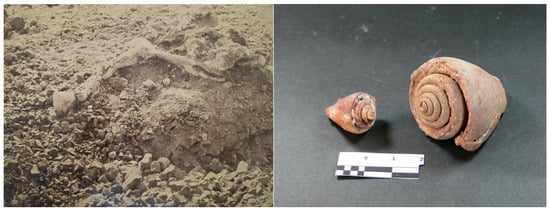
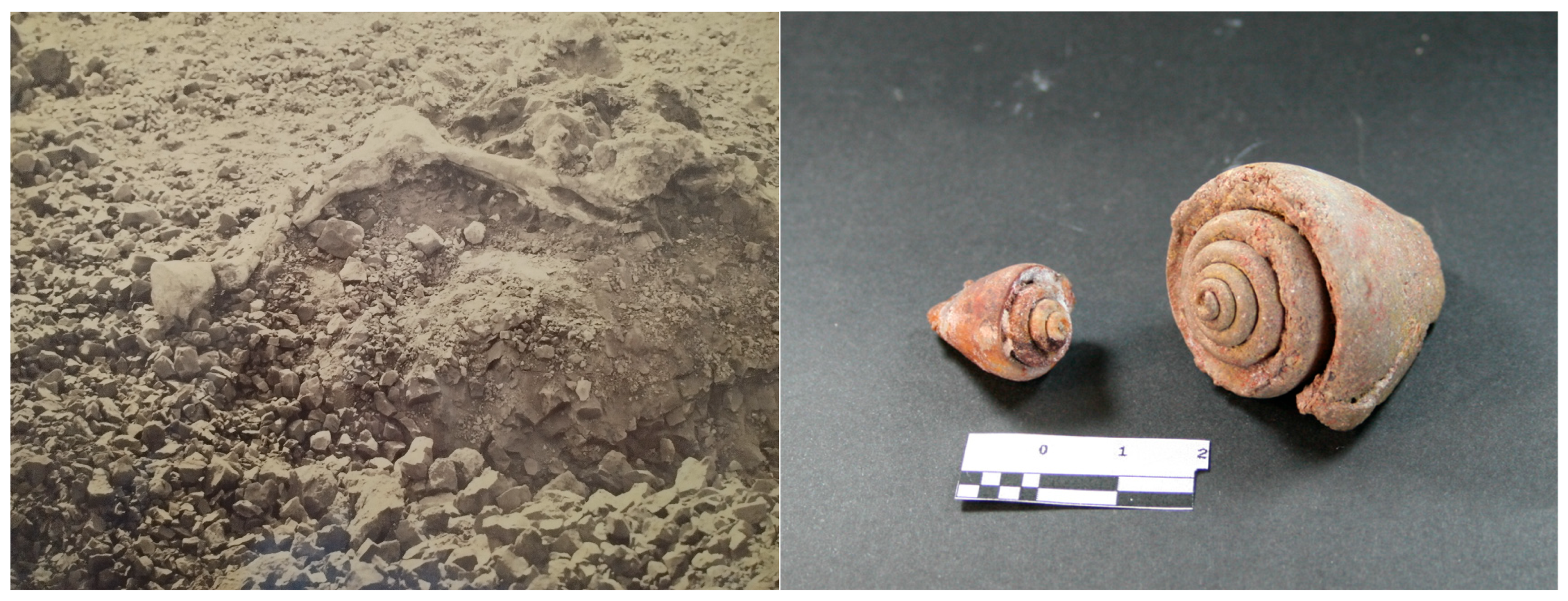
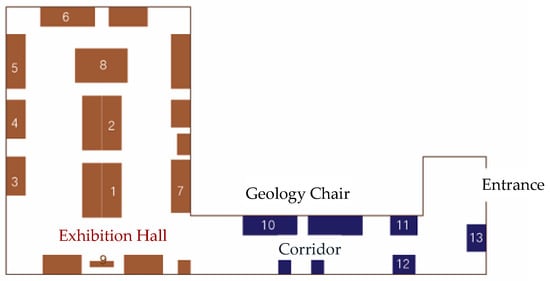
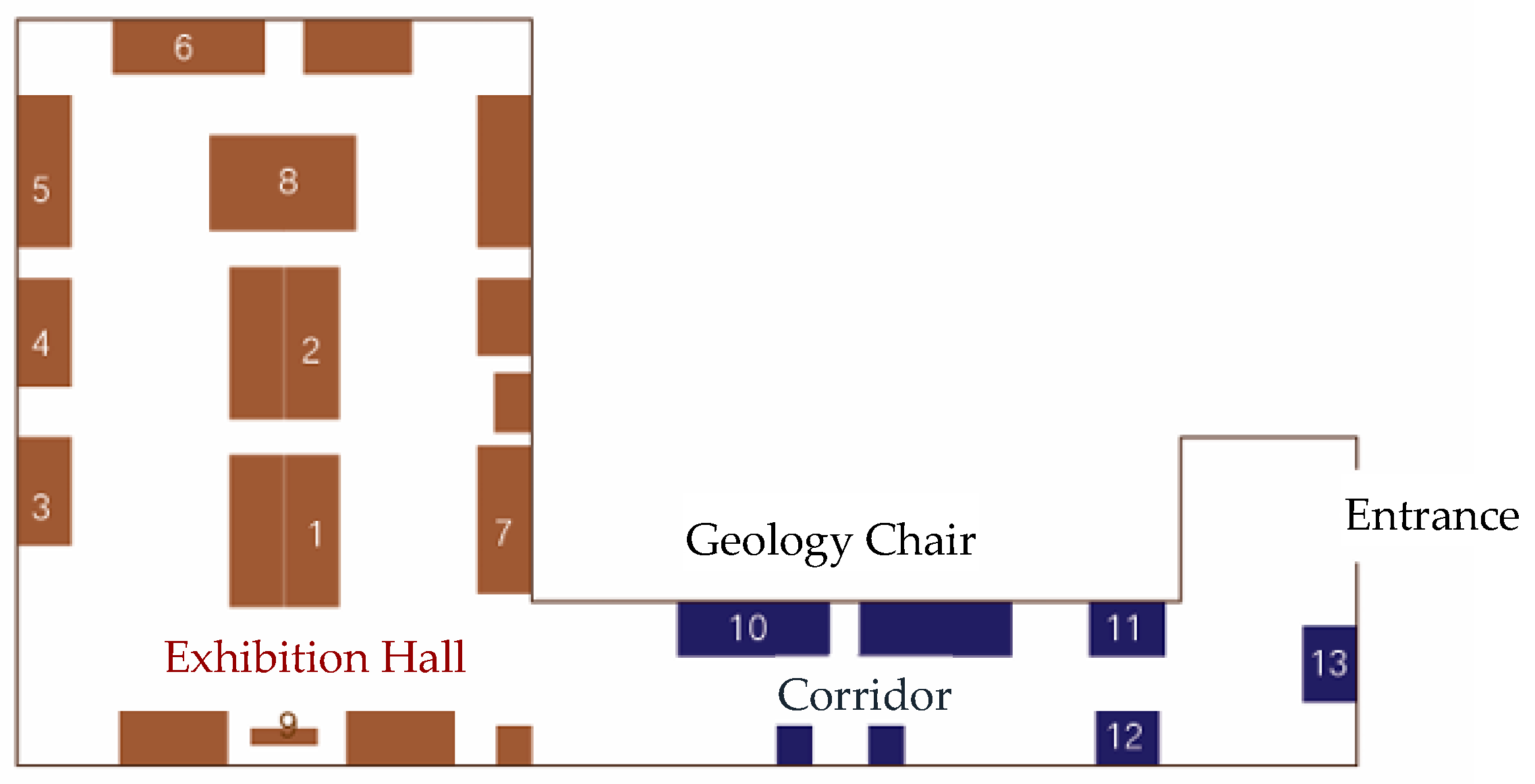
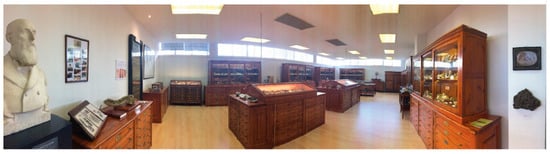
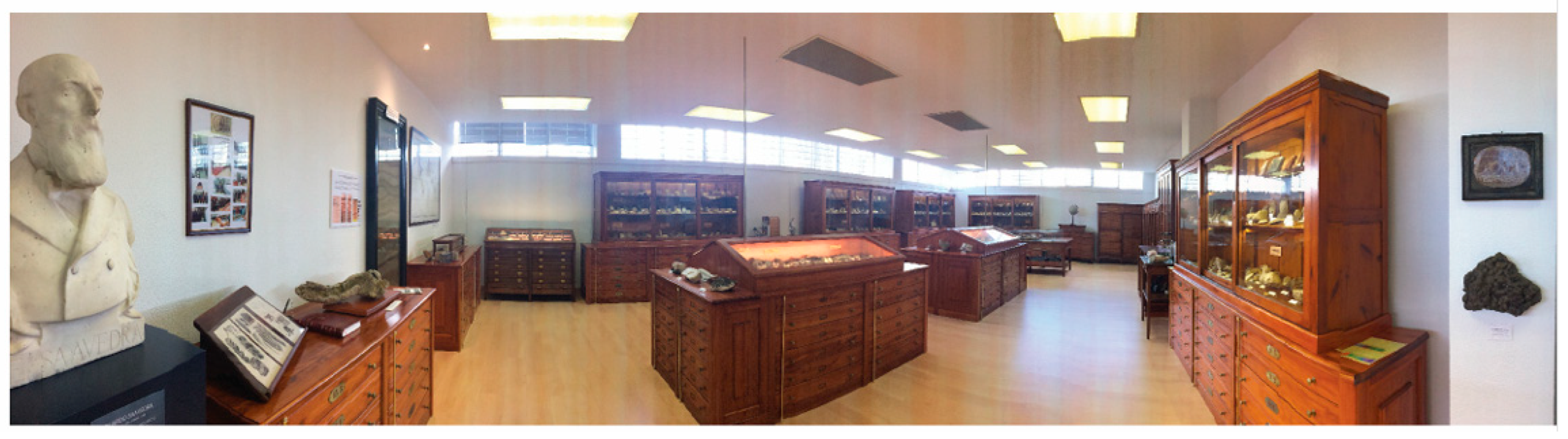
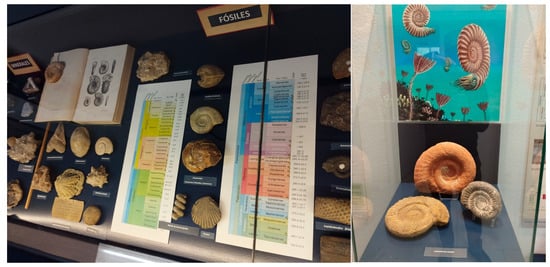
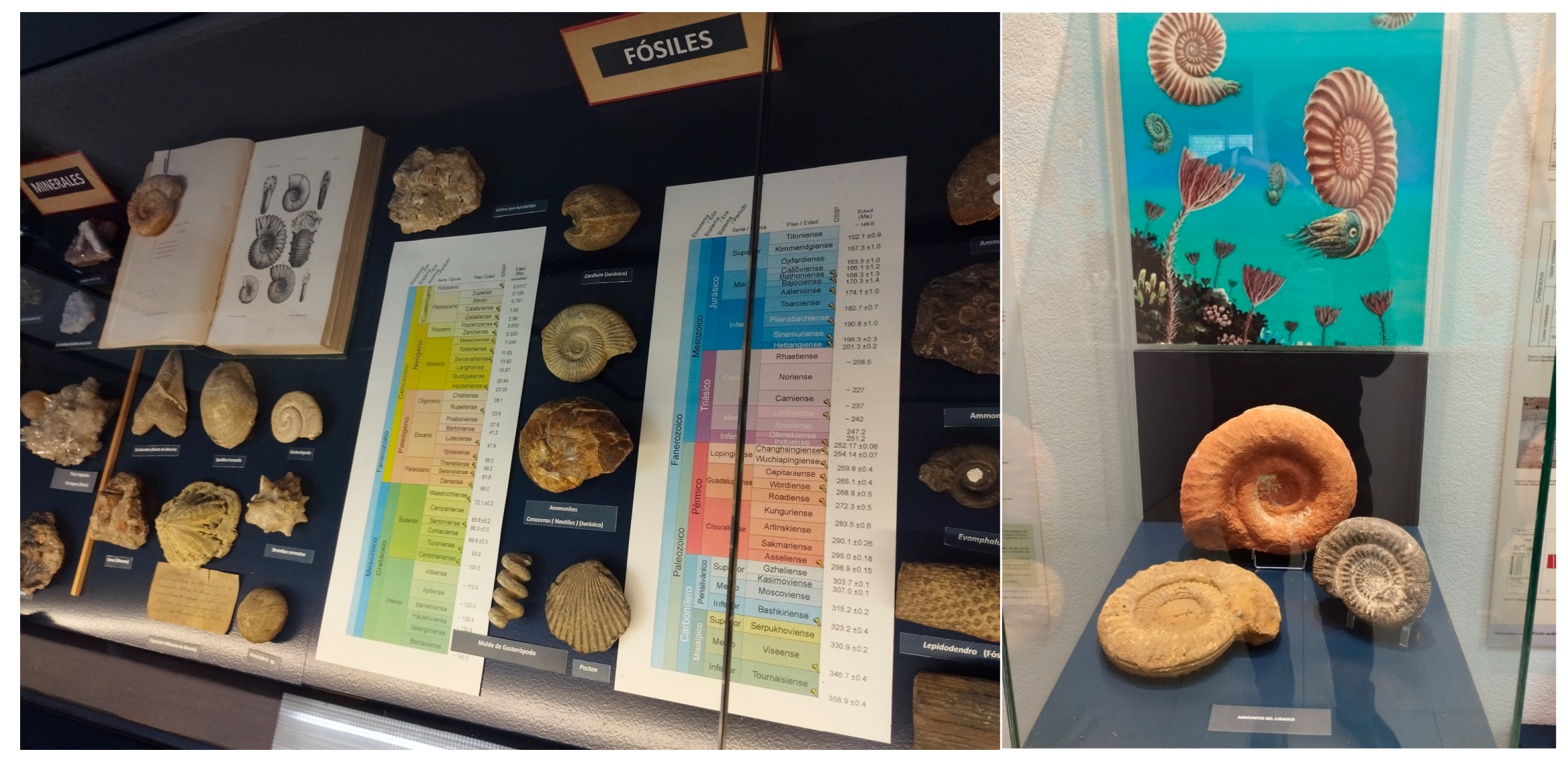
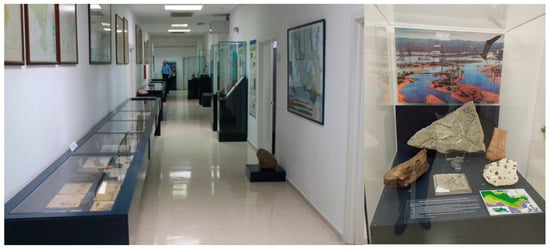
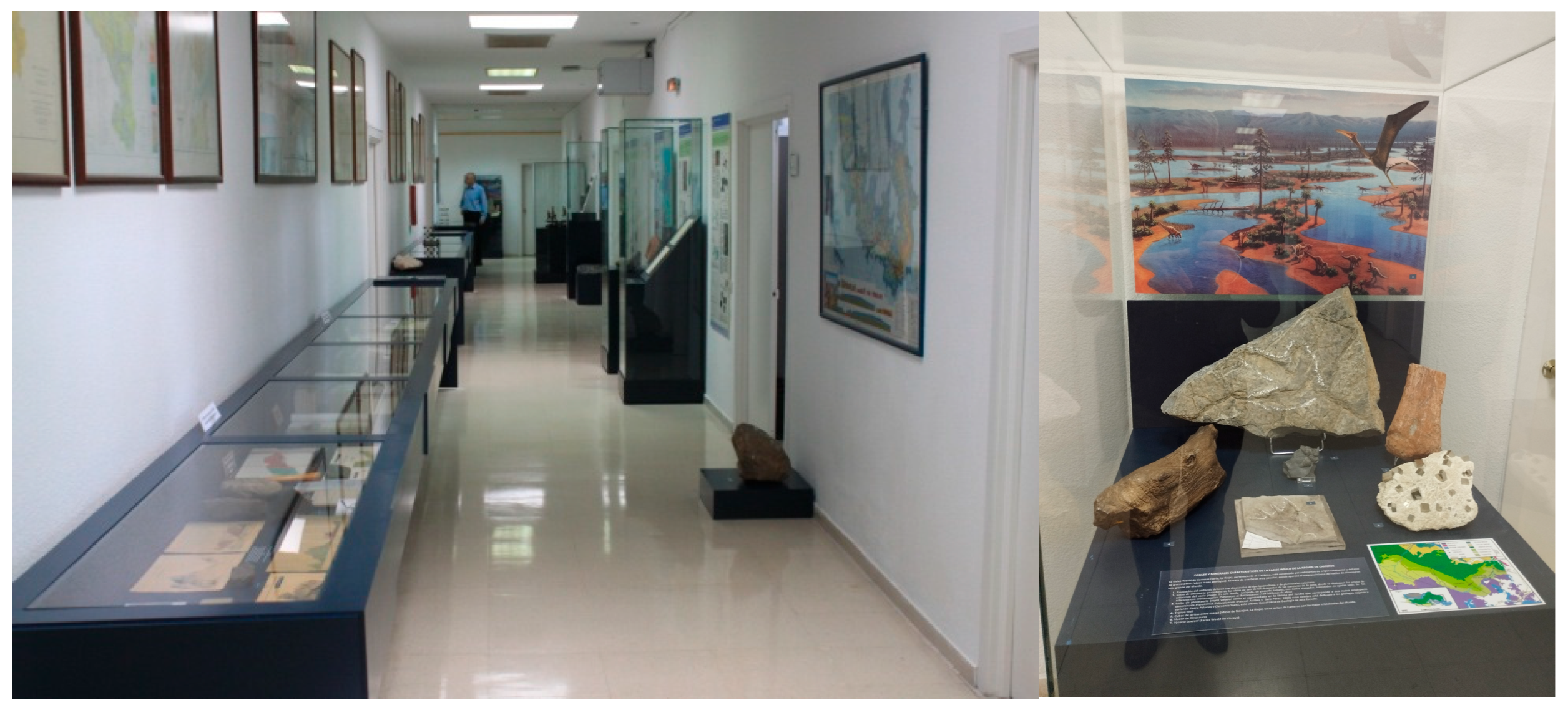
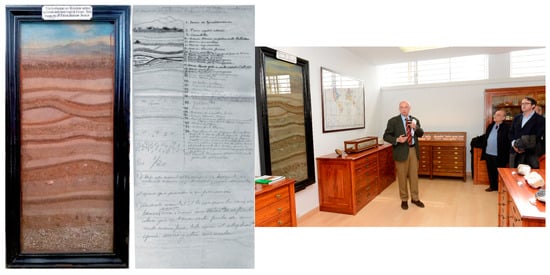
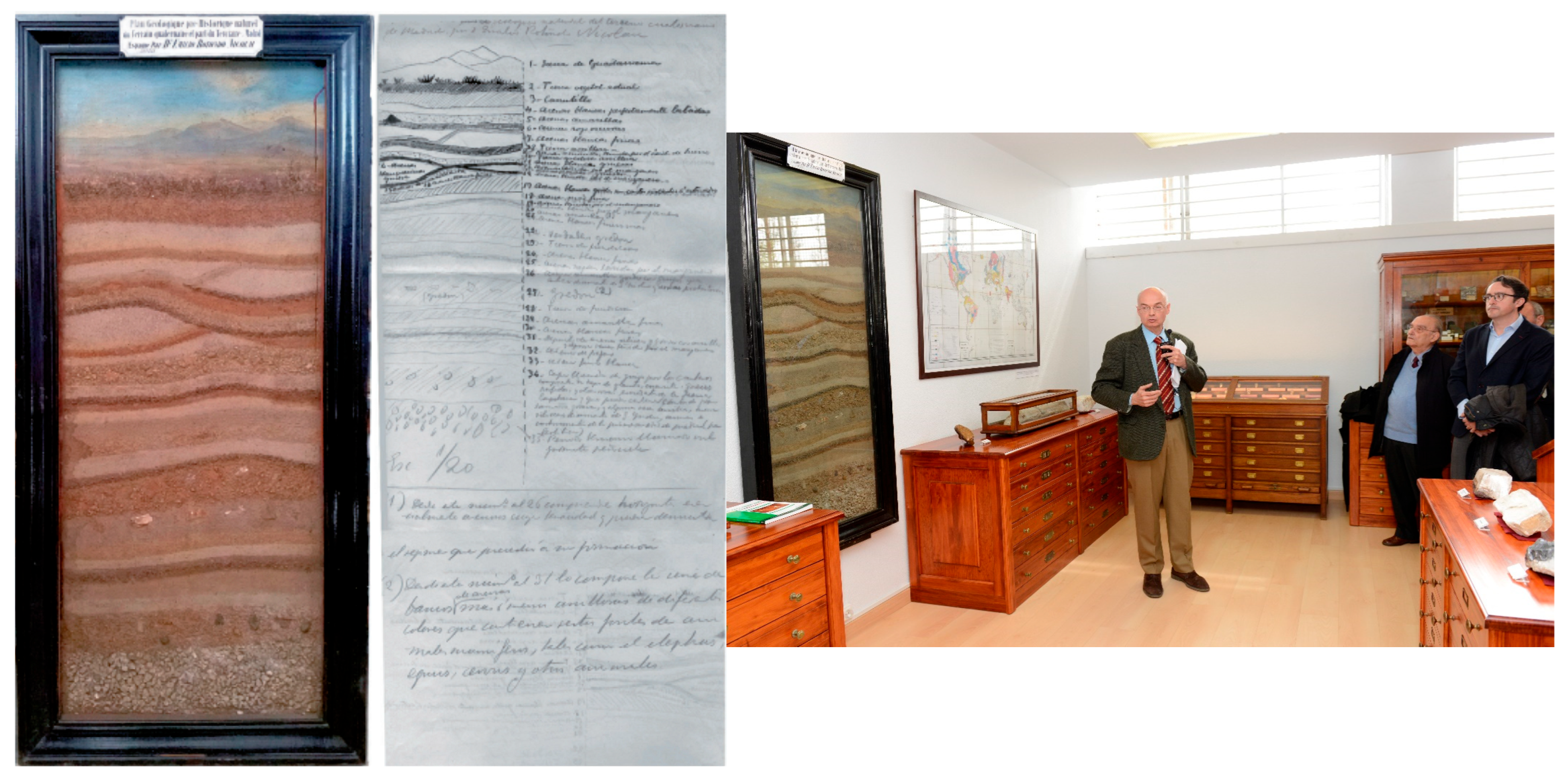
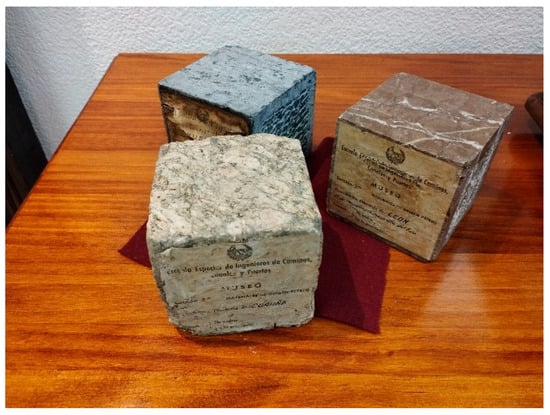
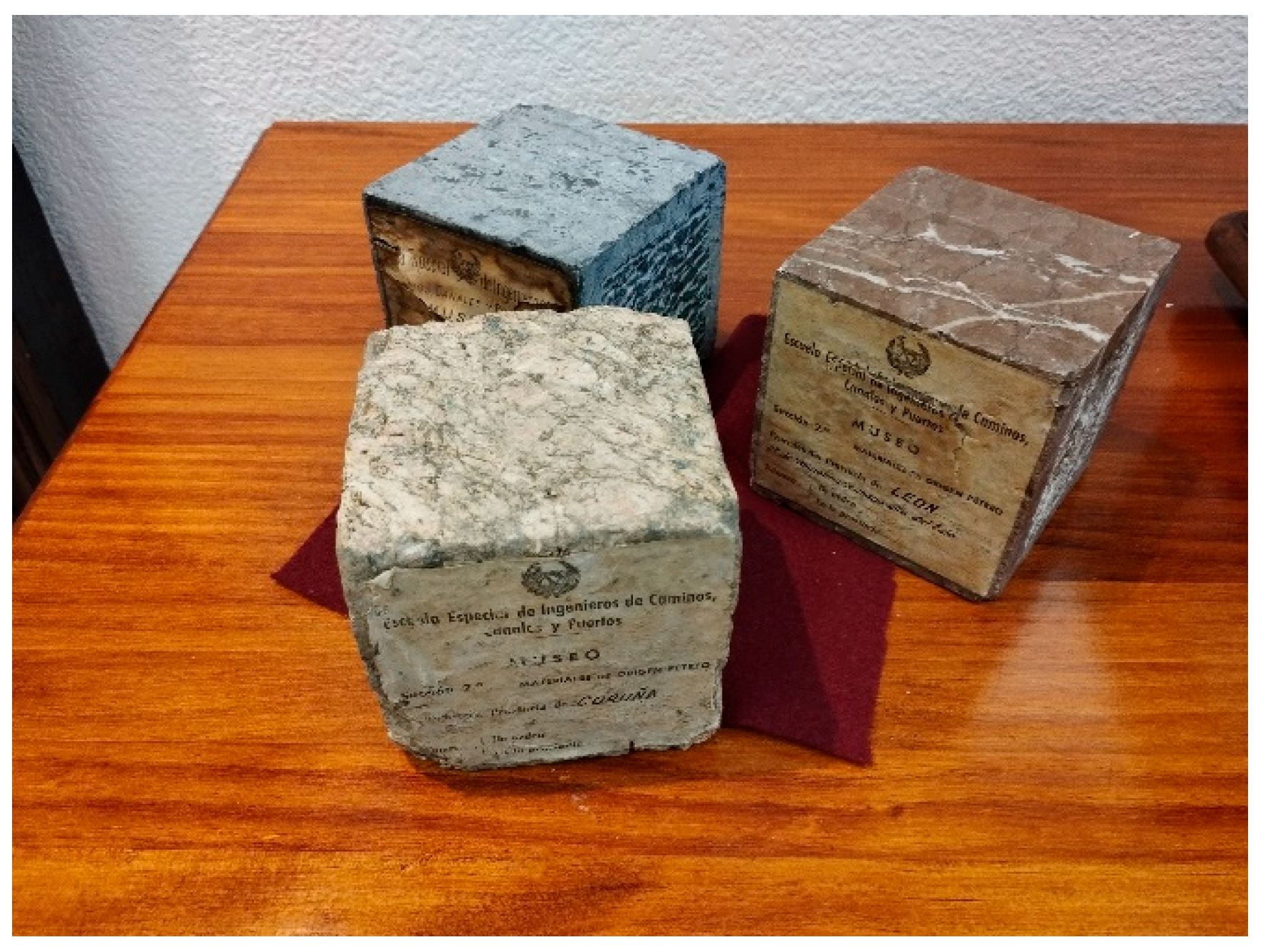
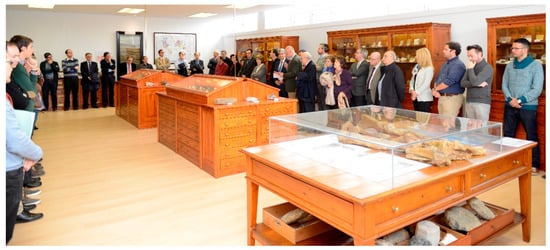
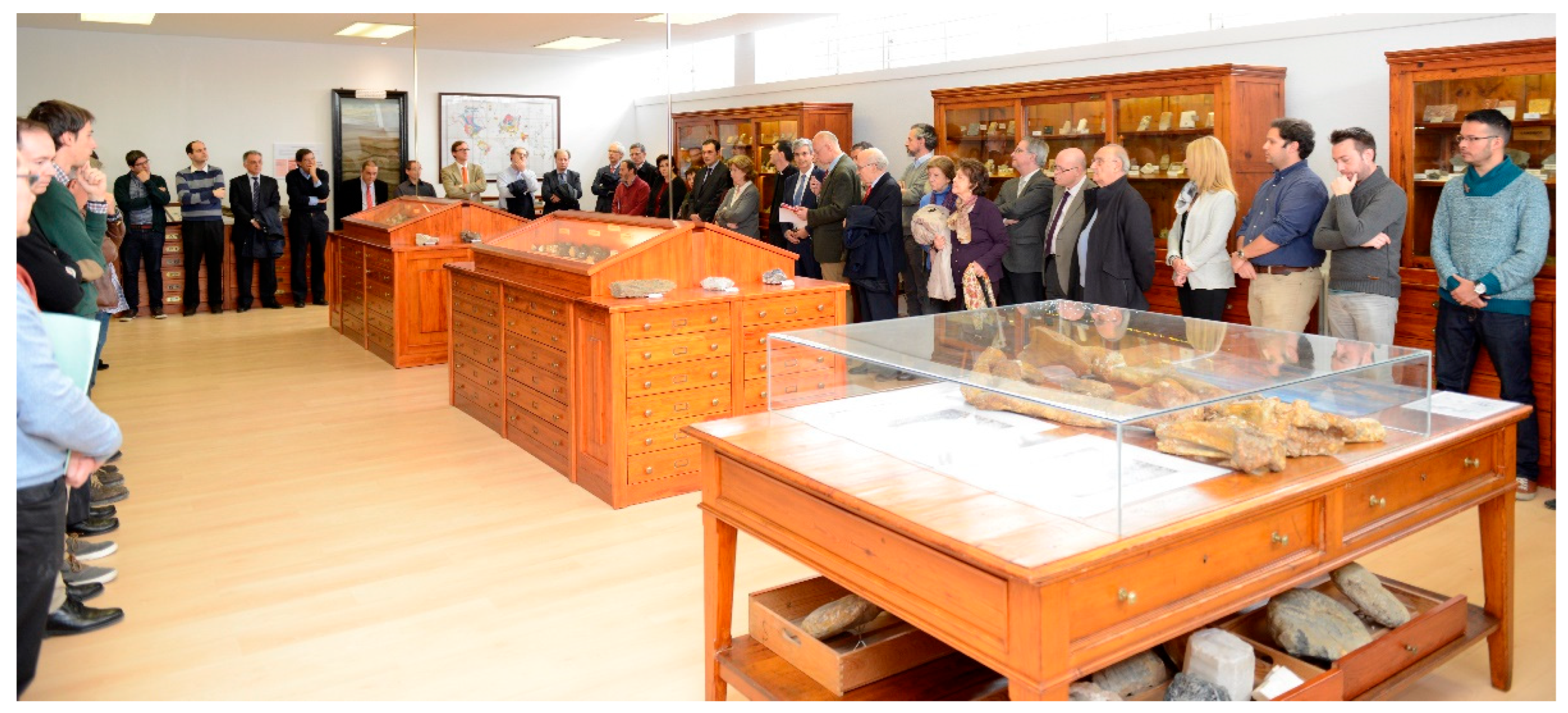
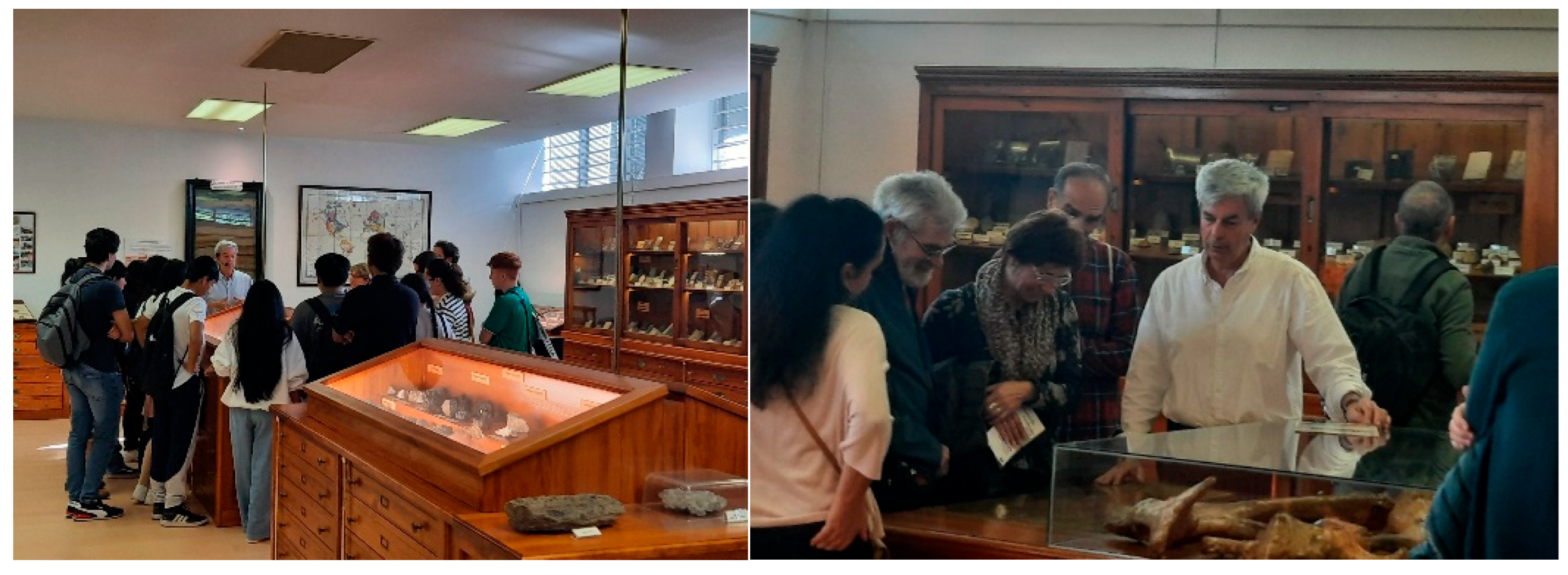
Disclaimer/Publisher’s Note: The statements, opinions and data contained in all publications are solely those of the individual author(s) and contributor(s) and not of MDPI and/or the editor(s). MDPI and/or the editor(s) disclaim responsibility for any injury to people or property resulting from any ideas, methods, instructions or products referred to in the content. |
© 2026 by the authors. Licensee MDPI, Basel, Switzerland. This article is an open access article distributed under the terms and conditions of the Creative Commons Attribution (CC BY) license.