


Abstract
This longitudinal study investigates the development of alphabetic skills from kindergarten to third grade and the contribution of the three different executive function (EF) abilities—working memory (WM), cognitive flexibility, and inhibition—to these skills among children from diverse SES. A comprehensive battery of early literacy, reading, and EF tasks was administered individually to assess reading abilities and various EF facets at three time points (kindergarten, first grade, and third grade). The results revealed significant differences in alphabetic skills and reading abilities (reading fluency) from kindergarten to third grade among children from different SES backgrounds, with children from higher SES backgrounds exhibiting better alphabetic and reading skills than those from lower SES backgrounds. These differences decreased in the third grade. The various EF components contributed differently at each age and SES level to the alphabetic and reading abilities. Auditory WM (AWM) was a significant predictor of reading ability in all SES groups, especially the low SES group. Among the high and medium SES groups in first grade, AWM and cognitive flexibility emerged as significant predictors, while visual WM was significant in the low SES group. EF abilities contributed less to reading in all SES groups in the third grade as compared to earlier ages. This trend suggests a gradual narrowing of the SES-related gap in reading development, associated with the role of school exposure in reducing disparities rooted in varied home environments. These findings suggest that early screening in kindergarten, particularly among low SES populations, could identify children at risk for reading difficulties and inform targeted interventions that support the development of critical executive function skills alongside literacy instruction.
1. Introduction
Executive functions (EFs) are basic neurocognitive processes that involve conscious behavior and the control of thought processes and emotions. These abilities play a significant role in various learning processes and developmental outcomes (Diamond, 2013; Miyake et al., 2000). EFs are essential for task persistence, concentration, impulse control, informed decision-making, adaptation to changing situations, and flexible problem-solving. Research consistently demonstrates associations between childhood from low socioeconomic status (SES) and reduced cognitive, emotional, and social skills compared to more affluent peers. Studies also reveal the profound influence of home environment and SES on the development of literacy and cognitive abilities in preschool children, with these disparities potentially persisting throughout their educational journey (Gilkerson et al., 2018; Hirsh-Pasek et al., 2015).
Research has consistently demonstrated substantial disparities in reading and literacy skills achievement between children from different socioeconomic backgrounds, with these gaps often emerging before formal schooling begins and persisting throughout elementary education. While executive functions are recognized as critical cognitive resources supporting literacy acquisition, questions remain regarding how specific EF components (working memory, cognitive flexibility, and inhibition) contribute to reading development across different socioeconomic contexts and how these contributions may change as children progress through school. Understanding these patterns is essential for identifying potential intervention targets that could help reduce persistent achievement gaps.
Our study specifically targeted basic decoding fluency (the ability to rapidly and accurately decode written words) rather than reading comprehension or text-level fluency. This distinction is theoretically important; the TOWRE (Schiff et al., 2006; adapted from Torgesen et al., 1999) assesses the automatization of word recognition—a foundational skill that precedes and supports higher-level reading processes. As noted in the Simple View of Reading framework (Gough & Tunmer, 1986), reading comprehension is the product of decoding AND linguistic comprehension. Our focus was specifically on the decoding component during early reading acquisition (kindergarten through grade 3), when children are establishing automatic word recognition skills. Furthermore, fluency is the basic component of reading, which is the basis on which all other reading skills develop. This study examines the contribution of EF abilities to this specific aspect of alphabetic development among children from different SES backgrounds, with particular attention to how these relationships might change over time.
The present study was designed with three interrelated aims. First, we aimed to track the development of alphabetic and reading skills from kindergarten through third grade across children from diverse socioeconomic backgrounds, examining whether and how SES-related differences in literacy emerge, persist, or narrow across this critical developmental window. Second, we aimed to investigate the extent to which specific executive function components, working memory, cognitive flexibility, and inhibition, predict reading ability at each of the three measurement waves, allowing us to characterize how the relative contribution of each EF facet shifts as children progress through the early years of formal schooling. Third, and most centrally, we aimed to examine how the contribution of EF components to reading development varies as a function of socioeconomic background, thereby shedding light on the mechanisms through which SES may shape the cognitive pathways to literacy acquisition. Together, these aims were designed to advance understanding of the interplay between executive functioning, socioeconomic context, and reading development during the foundational years of literacy acquisition.
1.1. Executive Functions: Core Components
Executive functions serve as the architectural foundation upon which complex academic skills, particularly literacy acquisition, are constructed (Diamond, 2013; Miyake et al., 2000). The capacity for cognitive control becomes especially critical during formal schooling, where children must coordinate multiple information sources, suppress competing responses, and flexibly adapt their learning strategies to meet increasingly sophisticated academic demands.
The present investigation focuses on three interconnected domains of cognitive control that research has consistently identified as fundamental to reading achievement: memory systems for information processing, attentional regulation mechanisms, and cognitive adaptability processes. These capabilities function as essential cognitive resources that children draw upon when navigating the complex landscape of literacy learning.
Working Memory: These systems that support active information processing serve as the cognitive workspace where reading comprehension unfolds. This dynamic system enables learners to maintain linguistic information in an accessible state while simultaneously manipulating and integrating new textual input—a process fundamental to meaning construction during reading (Morgan et al., 2019; Nguyen & Duncan, 2019; Pascual et al., 2019). The capacity for active information management directly influences a child’s ability to coordinate the multiple cognitive demands inherent in reading tasks, from letter-sound mapping to comprehension monitoring.
Working memory operates through dual processing pathways that correspond to different aspects of reading acquisition. Phonological processing capacity, characterized by the ability to maintain and manipulate sound-based linguistic information, plays a critical role in decoding unfamiliar words and developing reading fluency (Côté et al., 2014; Swan & Goswami, 1997). This auditory processing system enables children to hold phonetic sequences in mind while blending sounds into meaningful words, a skill that proves essential during the early phases of reading instruction (Cunningham et al., 2021).
Simultaneously, visual–spatial processing capacity supports the recognition and manipulation of orthographic patterns, enabling readers to rapidly identify familiar word forms and identify complex text layouts (Pham & Hasson, 2014). This visual processing system becomes increasingly important as children transition from simple decoding to fluent reading, where rapid word recognition frees cognitive resources for comprehension activities.
Research demonstrates that both processing pathways develop systematically throughout childhood and contribute significantly to reading achievements across different educational contexts (Barrouillet et al., 2004; Gordon et al., 2021; Simmering & Perone, 2013). The coordinated functioning of these memory systems enables the seamless integration of phonological and orthographic information that characterizes skilled reading.
Inhibitory Control: Inhibition encompasses the cognitive mechanisms that enable learners to maintain focused attention on relevant textual information while filtering out competing distractions—a capacity essential for sustained reading engagement (Ten Braak et al., 2019). This regulatory system allows students to resist the pull of irrelevant environmental stimuli and maintain concentrated attention on reading tasks, even when faced with challenging or lengthy texts.
Within reading contexts, attentional regulation manifests as the ability to suppress competing linguistic interpretations, maintain focus on target vocabulary, and resist distraction from environmental noise or internal thoughts. Effective attentional control enables readers to sustain the concentrated mental effort required for deep text processing and comprehension monitoring (Ten Braak et al., 2019).
Longitudinal research has established strong connections between early attentional regulation abilities and subsequent literacy skill development throughout elementary school (Ten Braak et al., 2019). Children who demonstrate strong attentional control in preschool settings consistently show superior reading and writing performance during formal schooling, suggesting that these regulatory skills provide a crucial foundation for academic success (Li-Grining et al., 2010; Ten Braak et al., 2019). The development of attentional regulation appears particularly critical for children learning to navigate the cognitively demanding classroom environment, where multiple information sources compete for limited processing resources.
Cognitive Flexibility: Cognitive flexibility represents the mental agility that enables learners to shift fluidly between different reading strategies, processing approaches, and interpretive frameworks as textual demands change (Miyake et al., 2000). This adaptive capacity allows children to modify their approach when initial reading strategies prove insufficient, switching between different cognitive tools to meet the specific demands of varied reading materials.
The ability to demonstrate cognitive flexibility emerges as children develop increasingly sophisticated metacognitive awareness of their own reading processes. This adaptive thinking enables strategic readers to recognize when comprehension breaks down and implement alternative approaches, such as re-reading, context clue utilization, or vocabulary strategy application (Jacques & Zelazo, 2005). Such flexibility becomes increasingly important as students encounter diverse text types and genres throughout their academic careers.
In educational contexts, cognitive flexibility allows children to navigate seamlessly between different levels of text analysis—from letter–sound relationships to word meanings to sentence structures—while maintaining overall comprehension goals (Crone et al., 2006; Davidson et al., 2006). This mental flexibility continues developing throughout childhood and adolescence, with research demonstrating significant connections to reading achievement across elementary school years (Vitiello et al., 2011; Yeniad et al., 2013).
The capacity for cognitive adaptability becomes particularly valuable as reading materials increase in complexity and variety across the curriculum. Students who can flexibly adjust their reading approach—employing phonological decoding for unfamiliar words while simultaneously using sight recognition for familiar vocabulary—demonstrate superior reading efficiency and comprehension outcomes.
1.2. Executive Functions, Socioeconomic Status, and Alphabetic Development
Family socioeconomic background emerges as one of the strongest predictors of children’s academic trajectories, with effects that manifest early in development and persist throughout educational advancement. While conceptualizations of socioeconomic status vary across research contexts, it is usually referred to as a multidimensional construct encompassing parental educational attainment, household income levels, and occupational prestige (American Psychological Association, 2007; Bradley & Corwyn, 2002; Duncan & Magnuson, 2012). Research examining these components separately suggests that educational and economic resources may operate through distinct pathways to influence children’s academic outcomes, with each contributing a unique advantage to literacy development (Davis-Kean et al., 2021; Reardon & Bischoff, 2011).
Economic resources primarily provide material advantages that support academic learning—access to books, educational technology, tutoring services, and enriching extracurricular activities. In contrast, parental education confers non-material benefits, including advanced pedagogical knowledge, sophisticated language modeling, extensive social networks, and cultural capital, which create distinctive academic advantages for children (Lareau, 2000). Educational research demonstrates that these socioeconomic disparities in early childhood cascade into persistent achievement differences that extend through adolescence and into adulthood (Liu et al., 2020; Lucas-Thompson et al., 2010).
Contemporary research has moved beyond simple correlation models to examine the mechanisms through which socioeconomic factors influence academic development. Dalmaijer et al. (2023) found that while parental income and education do not operate through direct causal pathways, they create indirect routes that significantly impact children’s literacy acquisition and cognitive skill development. Socioeconomic disadvantage constrains families’ capacity to provide both material educational resources and cognitively stimulating learning experiences, creating cumulative effects on academic readiness and achievement. The linguistic environment that children experience during their early years represents a critical pathway through which socioeconomic factors influence reading development. Children from lower socioeconomic backgrounds typically encounter reduced verbal interaction with caregivers, characterized by less complex vocabulary, fewer extended conversations, and limited exposure to decontextualized language—the type of abstract, academic discourse that parallels school-based communication (Hoff, 2006; Rowe & Weisleder, 2020; Schwab & Lew-Williams, 2016).
These differential language experiences substantially account for socioeconomic disparities in literacy development, creating measurable differences in vocabulary knowledge, phonological awareness, and reading comprehension that emerge before formal schooling begins (Hoff, 2003; Huttenlocher et al., 2010; Lurie et al., 2021). The effects of limited language exposure compound over time, influencing reading performance throughout elementary school and beyond, as children with restricted vocabularies struggle to comprehend increasingly complex academic texts.
Research consistently demonstrates that substantial literacy achievement gaps exist even before kindergarten entry, highlighting the importance of understanding early family processes that contribute to academic skill differences. Parents with limited literacy skills themselves often face challenges in supporting their children’s reading development, resulting in reduced verbal engagement, less encouragement for independent reading, and difficulties in implementing effective literacy support strategies. These factors manifest directly in children’s vocabulary limitations, decreased school readiness, and lower academic performance over time (Greenwood et al., 2020; Jarrett et al., 2015).
Highly educated parents typically construct intellectually stimulating home environments that actively promote vocabulary expansion, accelerated language development, and enhanced cognitive skill acquisition (Kalil et al., 2012). These enriched learning environments, characterized by extensive book collections, educational games, museum visits, and structured learning activities, provide children with significant advantages in developing the foundational skills necessary for reading success (Rindermann & Ceci, 2018).
Understanding the complex relationships between socioeconomic background and academic achievement has important implications for reading development research. Rather than viewing socioeconomic status as a fixed characteristic that determines academic fate, researchers and educators can focus on identifying the specific mechanisms through which economic and educational resources influence literacy acquisition. This approach enables the development of targeted interventions that address particular aspects of socioeconomic disadvantage while building on children’s existing strengths and capabilities.
Educational research provides encouraging evidence that targeted instructional interventions can help bridge socioeconomic achievement gaps in reading. Longitudinal studies demonstrate that students from low SES backgrounds who initially show poor reading performance can achieve substantial improvement through well-designed, intensive literacy programs (Macaruso et al., 2019). These findings suggest that while socioeconomic factors create significant challenges for literacy development, effective educational practices can help mitigate these disadvantages.
The success of intervention programs highlights the critical role of schools in providing equitable educational opportunities. When schools implement evidence-based reading instruction, offer intensive support for struggling readers, and create literacy-rich environments, they can help compensate for limited home resources and reduce the impact of socioeconomic disadvantage on academic outcomes.
The present study contributes to this understanding by examining how EF may serve as a mediating factor between socioeconomic background and reading achievement, potentially identifying key intervention targets for reducing achievement gaps and promoting more equitable educational outcomes for all children.
However, it is important to acknowledge that the relationship between socioeconomic status and children’s academic outcomes is not uniformly deterministic. Research reveals considerable heterogeneity within low SES families, with some households providing rich literacy environments and strong educational support despite economic constraints (Heath, 1983). Heath’s ethnographic work demonstrated that families from different cultural backgrounds employ diverse literacy practices that may not align with mainstream schooling expectations yet reflect sophisticated forms of knowledge transmission and cognitive development. Furthermore, recent research challenges assumptions about the universal benefits of parental involvement, with some studies finding negligible or inconsistent effects of parental engagement on academic achievement across different cultural contexts (Ikhlas & Mokhtar, 2022). These findings suggest that cultural differences in parenting practices, communication patterns, and educational values—rather than socioeconomic status per se—may be the more salient factors influencing children’s literacy development. This complexity underscores the need for nuanced interpretations of socioeconomic effects that recognize within-group variation and avoid deficit-based assumptions about low SES families.
1.3. Reading Development and Acquisition
Reading competency represents a central requirement for educational and professional success and constitutes one of the core elements of basic education (Tröster & Schrader, 2016). As an essential tool for acquiring, organizing, and applying information across domains, reading proficiency fundamentally shapes lifelong learning opportunities (Artelt et al., 2001). Higher-level reading achievement depends substantially on basic skills that develop from early childhood and serve as the foundation for reading acquisition.
These foundational abilities, often termed “emergent literacy” (Clay, 1991), include rich knowledge of written and spoken language that strongly predicts later literacy achievement. The early literacy measures most significantly predictive of reading success include vocabulary development (Kudo et al., 2015), phonological awareness (Araújo et al., 2015; Melby-Lervåg et al., 2012), alphabet knowledge, name writing ability, understanding of spelling conventions, and comprehension of oral language (Bar-Kochva & Amiel, 2016; Foorman et al., 2015). These early literacy abilities serve as critical building blocks for the development of basic decoding abilities, wherein children learn to translate written symbols into spoken language through grapheme–phoneme correspondence (Ehri, 2005). As decoding becomes increasingly automatized, children progress toward reading fluency—the ability to read text accurately, quickly, and with appropriate prosody (Wolf & Katzir-Cohen, 2001). This developmental trajectory from emergent literacy through decoding to fluent reading represents the foundational phase of reading acquisition, upon which more advanced comprehension skills are subsequently built, predicting success in reading and writing during early formal schooling and influencing academic achievement in subsequent years (Birgisdottir et al., 2020; NELP, 2008).
A particularly critical reading skill is fluency—the ability to read quickly and accurately with appropriate expression (Langer et al., 2015). As children gain reading experience, connections form between written language patterns and corresponding sound/meaning units. This process, driven by automatization, leads to improved accuracy and speed, constituting reading fluency and freeing cognitive resources for comprehension (Kieffer & Christodoulou, 2020). However, some children experience persistent difficulties in achieving fluent reading, particularly those with reading disabilities (González et al., 2015).
Reading is best understood as a multi-component process involving decoding ability, word recognition, and linguistic comprehension—the process of extracting meaning from text (Breznitz, 2006; Majerus & Cowan, 2016). This conceptualization allows for the distinction between two levels of reading capability: single-word reading (word recognition) and text-level processing (reading comprehension; LaBerge & Samuels, 1974). Proficient word recognition requires the involvement of several key cognitive–linguistic components: phonology, orthography, morphology, and rapid naming abilities (Vander Stappen & Reybroeck, 2022; Ozernov-Palchik & Gaab, 2016).
However, research consistently shows that kindergarten children with underdeveloped literacy skills typically face significant challenges when beginning formal reading instruction in first grade (Hassunah Arafat et al., 2017; Hulme & Snowling, 2014). These early difficulties often persist without appropriate intervention, highlighting the critical importance of early identification and support.
The current research was done in the Hebrew language, which represents a unique orthographic case worth noting in the context of the present study. As an abjad-based consonantal writing system, Hebrew features only partial and inconsistent vowel representation. It exists in two distinct forms: a pointed (vowelized) version, characterized by relatively shallow orthography, and an unpointed (unvowelized) version, which constitutes a considerably deeper orthography. Consequently, many children develop foundational reading skills in pointed Hebrew during the early school grades, and some even prior to formal schooling (Shany et al., 2012). In addition, the Hebrew language’s unique properties, which include nonlinear root and pattern morphology and diacritic marks, add demands by requiring coordination between letter symbols, basic sounds, and combined sounds with diacritics. This unique aspect may influence the relative importance of executive functions in the first stages of reading (Tal & Shaul, 2024).
It is important to note that the present study focuses specifically on the foundational components of reading development—namely, basic decoding skills and reading fluency. While reading comprehension represents a critical subsequent stage that involves the integration of multiple cognitive and linguistic abilities (Breznitz, 2006; Majerus & Cowan, 2016), it was not examined in this study.
1.4. Relationship Between Executive Functions and Reading
Cognitive studies examining reading achievement offer crucial insights into the pivotal role of EFs in successful reading acquisition. Reading involves visually complex and cognitively demanding processes that require multifaceted cognitive skills. Children engaging in reading tasks must effectively manage and manipulate information within their WM to discern visually similar letters and process their corresponding sounds (Barnes et al., 2022). Furthermore, they need cognitive flexibility to shift between different sources of information—orthographic, phonological, and semantic—and inhibitory control to suppress irrelevant mental representations when prioritizing relevant characteristics (Diamond, 2013; Grainger & Van Heuven, 2004).
Over the past decade, empirical research has established significant connections between EF abilities and reading proficiency. Working memory has emerged as a key factor influencing various aspects of reading, from letter recognition to complex word comprehension (Swanson & Alloway, 2012). Visual working memory capacity has been found to predict academic performance among children aged seven to nine years (Tsubomi & Watanabe, 2017), while cognitive flexibility plays a substantial role in predicting reading comprehension outcomes (Hung & Loh, 2021; Johann et al., 2020). Additionally, the combination of WM and inhibitory control has been linked to reading speed and efficiency (Johann et al., 2020).
Recent meta-analyses have further underscored the impact of EF abilities on reading achievement. Yeniad et al. (2013) established a significant relationship between cognitive flexibility and reading performance, emphasizing the importance of adaptable problem-solving strategies. An extensive meta-analysis involving 21 studies identified WM as the EF component with the greatest influence on language abilities in educational settings (Pascual et al., 2019). Similarly, an analysis of 197 studies reported significant correlations between WM capacity and both basic decoding skills and higher-level comprehension processes (Peng et al., 2018). These findings collectively emphasize the critical role of EF abilities in shaping reading development and achievement.
1.5. The Current Study
School readiness skills develop interdependently rather than in isolation, with their foundations formed early in life (McClelland & Cameron, 2019). The literature reviewed above illustrates the crucial importance of EFs as a foundation for academic development, particularly in verbal domains. Moreover, research has identified significant connections between environmental factors and both cognitive abilities and reading success. This study, therefore, examines the contribution of EFs to reading development from a developmental perspective during the first years of formal education.
The research takes an in-depth look at the development of reading abilities (both foundational literacy skills and reading fluency) among children over time and examines the contribution of cognitive factors to their development. It addresses several fundamental research questions:
- SES Differences in Reading Abilities: Are there differences in early literacy and oral reading abilities between children from different SES backgrounds (low, medium, and high)? Will these differences persist into third grade, or will the gaps narrow over time?
We anticipate finding significant differences in reading abilities based on SES background given the established influence of environmental factors, such as parental education and socioeconomic resources, on reading acquisition and comprehension (Davis-Kean et al., 2021; Reardon & Bischoff, 2011).
- 2.
- EF and Alphabetic Abilities: A Developmental Perspective: What is the contribution of various cognitive abilities (EFs and memory systems) to alphabetic abilities and reading across developmental stages (kindergarten, first grade, and third grade)? Does this contribution change as children progress through school? Are there differential patterns of contribution across different SES levels?
We expect to find robust associations between cognitive and academic abilities, with the nature and strength of these relationships evolving over time as children acquire specific knowledge and skills through formal education. Previous research suggests that the contribution of executive functions to reading may increase with age, particularly for reading comprehension as processing demands become more complex (Morgan et al., 2019).
By addressing these questions, this study seeks to provide insights into the complex relationships between socioeconomic background, executive function development, and reading acquisition during the critical early school years. The present study advances the field by offering an integrative theoretical account of how executive functions contribute to early reading development in socioeconomically diverse contexts. We propose that these three mechanisms are not independent but rather mutually constitutive: EF abilities serve a scaffolding function during the early stages of decoding acquisition, when reading is effortful and not yet automatized. Critically, however, the strength of this scaffolding role is not uniform across children; rather, it is moderated by socioeconomic background, such that children from lower SES environments rely more heavily on certain EF components in the absence of the rich literacy resources available to their higher SES peers. As reading becomes increasingly automatized across the primary school years, the relative contribution of EF diminishes across all SES groups, yet the trajectory and pace of this shift vary systematically by socioeconomic context.
2. Materials and Methods
2.1. Participants
This longitudinal study tracked children’s development across three academic milestones: kindergarten entry, first grade, and third grade. The study started with 810 typically developing Hebrew-speaking children who demonstrated no documented neurological impairments or developmental disorders. Data collection extended through first grade (n = 794, 98% retention) and third grade (n = 639, 79% overall retention from baseline). Attrition was comparable across SES groups, with the socioeconomic distribution remaining stable throughout the study (see SES distribution below), indicating no evidence of selective dropout by socioeconomic background.
Participants were recruited from educational institutions spanning diverse community contexts, encompassing 108 kindergartens and 64 elementary schools throughout the research region. To ensure representation across varied socioeconomic backgrounds, the study utilized the Ministry of Education’s Nurture Index—a comprehensive socioeconomic classification system that integrates household income levels, parental educational attainment, and neighborhood demographic characteristics to create standardized socioeconomic classifications for educational research purposes.
Socioeconomic distribution across assessment periods demonstrated relative stability, with participants categorized into three groups based on Nurture Index scores. At the initial assessment phase (kindergarten and first grade combined, n = 794 with complete data), the sample comprised 20% high socioeconomic status participants, 56.4% medium socioeconomic status participants, and 23.6% low socioeconomic status participants. By the final assessment period (third grade, n = 639 with complete socioeconomic data), the distribution shifted slightly to 21% high socioeconomic status, 59.2% medium socioeconomic status, and 19.9% low socioeconomic status participants.
A total of 98 potential participants were excluded from the analytical sample due to their enrollment in educational institutions that did not participate in the Ministry of Education’s socioeconomic indexing system, precluding accurate socioeconomic classification for research purposes.
2.2. Measures
2.2.1. Executive Function Assessment
Inhibition
Animal Size Interference Task (Kindergarten and First Grade)
Attentional control was assessed using a developmentally appropriate Stroop-like paradigm adapted from Merkley et al. (2016). The assessment utilized visual stimuli consisting of eight animal images: four naturally large species (elephant, cow, lion, horse) and four naturally small species (butterfly, mouse, frog, rabbit). Prior to testing, participants completed a classification screening requiring them to categorize all eight animals according to their real-world size dimensions. Participants who demonstrated fewer than eight correct classifications were deemed to lack sufficient conceptual understanding for valid task completion and were excluded from subsequent analyses.
The experimental protocol comprised 48 randomized trials distributed equally across two interference conditions. Control trials (n = 24) presented animal pairs with visual representations that matched their actual size relationships, while interference trials (n = 24) displayed animals with visual sizes that contradicted their real-world dimensions. Each trial sequence initiated with a 500-millisecond central fixation cross, followed by simultaneous presentation of two animal stimuli for 3000 milliseconds.
Participants received explicit instructions to disregard the visual size of screen images and identify the naturally larger animal through rapid button press responses. Four practice trials preceded the experimental session to ensure task comprehension. Performance was quantified using interference cost calculations, computed as the difference between mean reaction times for correct responses on interference versus control trials. Raw interference scores were standardized using z-score transformations (M = 0, SD = 1) to facilitate cross-participant comparisons (split-half Rt reliability, K = 0.91, G1 = 0.87).
Flanker Attention Network Task (Third Grade)
Inhibition in older participants was evaluated using the standardized Flanker task from the NIH Toolbox battery (Zelazo et al., 2014). The assessment consisted of two counterbalanced stimulus blocks featuring fish-shaped and arrow-shaped visual elements. Within each block, participants identified the directional orientation (left/right) of a centrally positioned target stimulus while suppressing attention to potentially conflicting flanking stimuli arranged peripherally.
Target–flanker compatibility varied systematically across trials, with congruent conditions presenting uniform directional information and incongruent conditions displaying conflicting directional cues. Incongruent trial performance provided the primary index of inhibitory control capacity within the visual attention domain. The measure demonstrated excellent internal consistency reliability across the current sample (Cronbach’s α = 0.96), indicating robust psychometric properties for individual differences assessment.
WM (kindergarten, G1, and G3):
The Digit Span Test
Verbal memory span was evaluated using the standardized Digit Span subtest from the Wechsler Intelligence Scale for Children-Third Edition (WISC-III). This assessment examined both passive storage capacity (forward span) and active manipulation abilities (backward span) within the phonological processing system.
In the forward condition, participants reproduced orally presented digit sequences in their original presentation order, providing a measure of auditory short-term memory capacity. The backward condition required participants to reproduce digit sequences in reverse order, thereby assessing working memory processes that involve both storage and mental manipulation of verbal information.
The assessment protocol employed a standardized ascending difficulty structure, with sequence lengths ranging from two to eight digits. Each span length included two equivalent trials to enhance measurement reliability. Testing continued until participants committed two consecutive errors within the same span length, indicating their maximum capacity threshold. Performance was quantified as the total number of correctly reproduced sequences across all span lengths. Reliability Cronbach’s α for forward K = 0.76, G1 = 0.72, and G3 = 0.89; backwards K = 0.68, G1 = 0.51, and G3 = 0.88 within the current sample.
The Corsi Block Forward and Backwards
Computerized adaptation of the Corsi Block task, evaluating both passive visuospatial storage (forward condition) and active spatial working memory (backward condition). The assessment interface presented a three-by-three grid containing nine identical cubes displayed on screen.
During forward trials, participants observed sequential highlighting of cube locations and subsequently reproduced the spatial sequence in its original order by selecting the appropriate screen locations. This condition assessed visuospatial short-term memory capacity for location information. The backward condition required reproduction of spatial sequences in reverse order, thereby measuring working memory processes involving both spatial storage and mental manipulation.
The task structure paralleled the digit span protocol, with sequence lengths progressing from two to eight locations. Two trials were administered at each span length to optimize measurement precision. Assessment terminated following two consecutive errors within the same span length, establishing participants’ maximum visuospatial capacity. Scoring reflected the total number of correctly reproduced spatial sequences across all difficulty levels. The measure demonstrated good internal consistency reliability. Cronbach’s α for forward K = 0.81, G1 = 0.80, and G3 = 0.70; backwards K = 0.71, G1 = 0.78, and G3 = 0.77 within the current sample.
Cognitive Flexibility
The Object Classification Task for Children (OCTC)
Shifting Task (kindergarten; G1): Mental flexibility was assessed using an adapted version of the Object Classification Task for Children (OCTC), employing a card-based sorting paradigm to evaluate children’s ability to shift between different classification rules. The assessment utilized pictorial stimuli varying systematically across three perceptual dimensions: size (large versus small), color (red versus yellow), and shape (automobile versus airplane configurations).
The task protocol incorporated a hierarchical assistance structure designed to accommodate varying developmental levels within the target age range. The initial free generation phase required participants to independently discover and implement sorting rules without examiner guidance, representing the most cognitively demanding condition. Participants who experienced difficulty progressed to the identification phase, where the examiner demonstrated sorting patterns and participants identified the underlying classification principle. The final explicit cueing condition provided direct verbal instruction regarding sorting criteria for participants requiring maximum support.
Performance evaluation employed a weighted scoring system that credited higher-level independent performance while acknowledging successful completion with assistance. Maximum achievement scores reached 12 points, with differential point allocation reflecting the cognitive demands of each assistance level. Raw scores underwent standardization using z-score transformations (M = 0, SD = 1) to facilitate normative comparisons. The measure demonstrated satisfactory internal consistency reliability (Cronbach’s α = k = 0.75, G1 = 0.69) across the developmental range assessed.
Dimensional Change Card Sort (DCCS; G3)
Advanced cognitive flexibility in older participants was evaluated using the computerized Dimensional Change Card Sort (DCCS) from the NIH Toolbox battery (Zelazo et al., 2014). This assessment examined participants’ capacity to flexibly alternate between competing classification rules when sorting bivalent stimuli that simultaneously varied across multiple relevant dimensions.
The experimental paradigm presented participants with target referents (e.g., blue square, red circle) and required classification of test stimuli according to specified dimensional rules (color versus shape). The assessment protocol progressed through three distinct phases: initial practice with shape-based sorting, subsequent practice with color-based sorting, and culminating in mixed blocks requiring rapid alternation between dimensional rules based on verbal cues.
Performance quantification prioritized classification accuracy as the primary dependent measure, with response latency data incorporated for participants achieving accuracy levels exceeding 80%. This dual-metric approach ensured that speed–accuracy trade-offs did not compromise measurement validity while capturing individual differences in processing efficiency among highly accurate performers. The computerized assessment demonstrated excellent psychometric properties (Cronbach’s α = 0.89), supporting its utility for precise individual differences measurement in executive function research.
2.2.2. Measures of Alphabetic Emergent Literacy (Kindergarten)
Alphabetic Knowledge
Vocabulary—naming pictures. This task tested children’s vocabulary level by asking them to name different pictures. The test included 15 items (α = 0.84).
Morphology—morpho-syntactic skills. The test included 10 sentences that the examiner presented orally. Each sentence contained an innovative verb—a combination of a root and an inflection—that represented a non-real word. The children were required to complete the sentences by changing and producing the verb in the correct declension and derivation according to structural and morpho-syntactic rules (α = 0.64). Producing an Adjective Suitable for a Verb: In this 10-item test, the examiner uttered a sentence with a certain verb; for example, “They broke the window” (the verb for the word “broke” is “broke”). The examiner then asked the children to complete the sentence by producing the adjective resulting from the verb: “Now the window…?” (“is broken”) (α = 0.74).
Orthographic Knowledge—Letter Naming. In this assignment, the subject was presented with 10 letters, which they were then asked to name. Cronbach’s alpha coefficient for this task was α = 0.87.
Orthographic Recognition—Words. This 12-item test is based on research by Van der Kooy-Hofland et al. (2012). In each item, the child was presented with a target word and asked to identify it among four printed words presented to them (α = 0.75).
Identification of Letters. The subject was asked to identify 10 letters. In each trial, four letters were presented to them, and they were asked to identify a specific letter (α = 0.82).
Phonological Awareness—Syllable and Consonant Isolation. Each test included 12 items. The subject was asked to repeat a word presented by the examiner and then say what sound they heard at the beginning of the word (a syllable or a consonant). The test included two examples for learning the assignment and 10 test words (α = 0.84).
Reading Tests: (G1, G3)
Fluency Measures for the First and Third Grades. Reading fluency was measured using the Test of Word Reading Efficiency (Schiff et al., 2006; adapted from the TOWRE test, Torgesen et al., 1999) as follows. The kamatz–patach subtest (a single-vowel test) was administered in the first grade, and a fully vowelized words subtest was administered in the first and third grades. The subtests of oral reading accuracy and fluency contained a list of words of increasing difficulty and varying frequency, length, and phonological and morphological structure. This test was translated according to the original test, starting with easy, short 2-letter words, with increasing the number of letters and syllables, with the longest words having 6 letters. The words represented different types of word objects, verbs, and adjectives with increasing difficulty and frequency. The children were requested to read the words aloud as quickly and accurately as possible. The total number of correct words read per 60 s was calculated (α G1 = 0.94, G3 = 0.97).
2.3. Procedure
Initial data collection commenced during the mid-kindergarten academic period, followed by a second wave of assessments conducted one year later at the midpoint of first grade. The final assessment phase occurred during participants’ third grade year, spanning from March 2019 to June 2022.
All cognitive assessments were conducted through individual testing sessions administered by extensively trained research personnel within participants’ educational environments. Testing environments were carefully controlled to minimize distractions and ensure standardized administration conditions across all participants and assessment periods. Each assessment protocol was divided into two discrete sessions to accommodate participants’ attention spans and reduce testing fatigue.
Session duration was calibrated according to developmental appropriateness and task complexity. Kindergarten and first grade assessments were conducted in sessions lasting 20 to 30 min each, while third grade evaluations extended to 45 min sessions to accommodate the increased cognitive demands and expanded test battery administered to older participants.
To control for potential order effects and ensure methodological rigor, all cognitive tasks were administered in randomized sequences across participants. In addition, all reading scores were calculated in z-scores to account for the different tests in kindergarten and school.
To ensure comparability across measurement waves, raw scores on all EF tasks were converted to age-appropriate z-scores, thereby standardizing performance relative to the sample at each wave. While different inhibition tasks were administered at different ages to ensure developmental appropriateness, we conceptualize the underlying constructs as theoretically continuous across development; that is, as stable executive function abilities expressed through age-sensitive behavioral manifestations. This approach is consistent with a developmental systems perspective in which the same underlying cognitive capacity may be most validly assessed through different task demands at different points in development (such as Zelazo et al., 2014; or Miyake et al., 2000).
Missing data: Due to the nature of the study, some children were either unwilling to complete all tasks or were absent during parts of the data collection day, resulting in missing values. Most variables have missing values ranging from 1% to 7%. Notably, there are no missing values in the alphabetic and reading abilities within each age. Given that less than 10% of missing data is acceptable, especially with a large sample size (Raymond & Roberts, 1987; Strike et al., 2001), we proceeded with our analysis using the full information maximum likelihood method. The flow of the study is presented in Figure 1.
Figure 1.
Participant and procedure flow.
It is important to note that while changes in literacy abilities across SES levels were assessed by comparing findings across the three measurement waves, the longitudinal analyses regarding changes in the contribution of EF components to reading ability reported in this study were conducted separately at each of the three measurement waves (kindergarten, first grade, and third grade) using wave-specific regression models.
3. Results
3.1. Research Question 1
To answer research question 1 on the combined influence of grade and SES on reading abilities, a 3 × 3 analysis of repeated measures was conducted, with SES as the between-subjects independent variable (three levels: low, med and high), grade as the within-subjects independent variable (three levels: kindergarten, grade 1 and 3), and alphabetic abilities (early literacy in kindergarten and reading word fluency in grades 1 and 3) as the dependent variable. The findings revealed a main effect for SES, F(1, 440) = 13.91, p < 0.001, and η2 = 0.06, indicating that participants from high SES backgrounds (m = 0.3, se = 0.09) demonstrated higher reading ability than those from medium, (m = 0.1, se = 0.05) (p < 0.05) and low, (m = −0.29, se = 0.08) (p < 0.001) SES backgrounds. Additionally, the medium SES participants showed higher reading ability than their low SES counterparts (p < 0.001). Unsurprisingly, there was no main effect of grade F < 1 (since reading tasks were grade- and ability-dependent and used standard scores) (preschool: m = 0.19, se = 0.05; first grade: m = 0.07, se = 0.05; third grade: m = 0.02, se = 0.05).
The interaction effect between grade and SES was significant, with F(4, 880) = 7.52, p < 0.001, and η2 = 0.03. Post hoc analyses of the simple main effects were conducted to compare the SES groups in each grade. A significant effect for SES was found in preschool, with F(2, 787) = 45.53, p < 0.001, and η2 = 0.1; first grade, with F(2, 701) = 16.83, p < 0.001, and η2 = 0.05; and third grade, with F(2, 700) = 3.56, p < 0.05, and η2 = 0.03. Interestingly, post hoc LSD analyses revealed that while all differences between the SES groups in preschool were significant (high SES was higher than medium and low SES and medium SES was higher than low SES; all comparisons significant at p < 0.001), in first grade, the difference between high and medium SES was not significant (p = 0.11). All other differences were significant (all p < 0.001). In third grade, the only significant difference was between medium and low SES (p < 0.01), and no other comparison was significant (high–medium: p = 0.23; high–low, p = 0.24). Table 1 presents the descriptive statistics for each grade and SES. Figure 2 displays the descriptive statistics and significance of the post hoc analyses.
Table 1.
Descriptive statistics of the interaction post hoc analyses of the SES groups in different grades.
Figure 2.
The interaction post hoc analyses of the SES groups in different grades.
3.2. Research Question 2
To examine the relationships between cognitive abilities, socioeconomic status (SES), and academic achievement across different grade levels, we conducted multiple regression analyses. Specifically, we investigated: (1) how different cognitive abilities (inhibition, visual and auditory short-term memory, visual and auditory working memory, and cognitive flexibility) predict reading achievement from kindergarten through third grade; (2) whether socioeconomic status moderates these relationships; and (3) how these predictive relationships may change across different grade levels.
Regression models included cognitive abilities as predictors (kindergarten, first grade, and third grade) for reading. Socioeconomic status was coded using two dummy variables (medium SES and high SES), with low SES serving as the reference group. Interaction terms between each cognitive ability and SES level were included to test for moderation effects. The results are presented in Table 2.
Table 2.
The results of the multiple regression analyses.
The results presented in Table 2 show that both cognitive abilities and socioeconomic status significantly predicted early literacy and oral reading across grade levels. Working memory (VWM and AWM) components emerged as consistent predictors of reading from kindergarten to third grade. In addition, inhibition was significant only in kindergarten, and ASTM and flexibility were significant during kindergarten and the first grade. VSTM did not contribute at any stage to reading.
SES demonstrated substantial effects on reading, particularly in early education. High SES and medium SES, compared to low SES (reference group), showed strong positive associations with kindergarten and first grade reading.
In addition, as presented in Table 2, significant interactions were found between different EF abilities and SES in the different age groups. These interactions collectively suggest that the relationship between cognitive abilities and reading varies meaningfully across SES, with some cognitive abilities serving as particularly important predictors for students from lower socioeconomic backgrounds.
To examine these interactions, separate stepwise regression analyses were conducted in each grade and SES group. The EF measures entered into the regression analyses as predictive measures were flexibility, inhibition, auditory short-term memory, visual short-term memory, AWM, and VWM.
3.2.1. Predicting Alphabetic Abilities in Preschool
The regression analyses of the preschool context revealed significant models in each of the SES groups. In the high SES group, the model explained 18.2% of reading abilities, with F(4, 157) = 8.51 and p < 0.001. The significant predictors were flexibility (6.9%), AWM (5.2%), auditory short-term memory (3.4%), and inhibition (2.7%). In the medium SES group, the model explained 26.6% of reading abilities, with F(4, 350) = 31.29 and p < 0.001. The significant predictors were flexibility (11.8%), AWM (8.4%), VWM (4.4%), and auditory short-term memory (2.0%). In the low SES group, the model explained 7.1% of reading abilities, with F(1, 123) = 9.34 and p < 0.01. The only significant predictor was AWM (7.1%). A summary of the regression analysis of the preschool context in each SES group is presented in Table 3. The percentage of variance explained by each predictor is shown in Figure 3.
Table 3.
Prediction of reading abilities by executive functions in preschool.
Figure 3.
The contribution of executive functions to reading ability in preschool in each SES group.
3.2.2. Predicting Reading Abilities in First Grade
The regression analyses for the first grade revealed significant models in each SES group. In the high SES group, the model explained 10.1% of reading abilities, with F(2, 122) = 6.76 and p < 0.01. The significant predictors were AWM (6.1%) and flexibility (4.0%). In the medium SES group, the model explained 14.6% of reading abilities, with F(4, 349) = 14.79 and p < 0.001. The significant predictors were AWM (7.7%), flexibility (3.1%), auditory short-term memory (2.2%), and VWM (1.7%). In the low SES group, the model explained 14.1% of reading abilities, with F(1, 144) = 23.52 and p < 0.001. The only significant predictor was VWM (14.1%). A summary of the regression analysis of the first grade in each SES group is presented in Table 4. The percentage of variance explained by each predictor is shown in Figure 4.
Table 4.
Prediction of reading abilities by executive functions in first grade.
Figure 4.
The contribution of executive functions to reading ability in first grade in each SES group.
3.2.3. Predicting Reading Abilities in Third Grade
The regression analyses for the third grade also revealed significant models in each of the SES groups. In the high SES group, the model explained 7.4% of reading abilities, with F(1, 93) = 7.38 and p < 0.01. The only significant predictor was AWM (7.4%). In the medium SES group, the model explained 8.8% of reading abilities, with F(3, 324) = 10.38 and p < 0.001. The significant predictors were visual short-term memory (4.1%), AWM (2.9%), and inhibition (1.8%). In the low SES group, the model explained 5.7% of reading abilities, with F(1, 104) = 6.17 and p < 0.05. The only significant predictor was AWM (5.7%). A summary of the regression analysis of the third grade in each SES group is presented in Table 5. The percentage of variance explained by each predictor is shown in Figure 5.
Table 5.
Prediction of reading abilities by executive functions in third grade.
Figure 5.
The contribution of executive functions to reading ability in third grade in each SES group.
4. Discussion
This longitudinal study aimed to enhance our understanding of the development of alphabetic abilities and reading acquisition in childhood, specifically focusing on the contribution of EF abilities (WM, cognitive flexibility, and inhibition) among children from different SES backgrounds. The results revealed a range of developmental changes from kindergarten to third grade among children from different SES backgrounds in reading abilities, as well as differential contributions of the various EF abilities to reading in each age and SES group.
4.1. Effect of Age and SES on Reading Development
The first question of this study focused on the progression of early literacy and reading abilities among children across diverse SES levels at various developmental stages. The findings revealed that participants from higher SES backgrounds exhibited superior reading skills compared to those from medium and lower SES groups. These results align with existing reports of a pronounced a correlation between SES and reading proficiency, where children from higher SES backgrounds demonstrate advanced early literacy and reading capabilities (Gullick et al., 2016). This pattern underscores the critical role of SES in educational, financial, and social dimensions, thus playing an important role in shaping early language skills and reading development (Bradley & Corwyn, 2002). Children from lower SES backgrounds often experience limited linguistic interactions and fewer educational resources and cognitive stimulations from their families (Rowe & Weisleder, 2020), affecting language exposure and higher cognitive stimulation opportunities (Farah, 2017; Lurie et al., 2021; Tomasi & Volkow, 2021). These factors have a significant impact on language acquisition (Hoff, 2006; Schwab & Lew-Williams, 2016), resulting in lower initial alphabetic abilities and less-developed early literacy skills, which are crucial for reading.
To further understand SES disparities and their developmental trajectory, the study examined the interplay between SES and grade levels. The analysis revealed significant SES effects in preschool, with marked differences between all SES groups. However, these differences narrowed in the first grade, with the distinction between high and medium SES becoming insignificant. By the third grade, the only significant difference was observed between the medium and low SES groups. This difference suggests an increasing correlation of formal education, which seems to mitigate the disparities among children of varying SES backgrounds through opportunities in early childhood, such as educational guidance and accompaniment and access to technological devices. The findings from these studies suggest that children from disadvantaged families spend less time on learning activities and typically have access to fewer resources at home. This demonstrates the importance of the school as a provider of resources and stimuli that contribute to equal opportunities, reinforcing the school’s role in fostering academic success.
The observed narrowing of SES-related differences in reading ability across the primary school years may reflect several complementary processes. One plausible explanation is that systematic school exposure provides children from lower SES backgrounds with structured literacy experiences that partially compensate for disparities rooted in varied home literacy environments. However, alternative explanations merit consideration. Developmental convergence—whereby children across SES groups naturally approach a common performance ceiling as foundational decoding skills consolidate—may also account for some of the observed narrowing. Similarly, ceiling effects on some measures at later time points cannot be ruled out. We, therefore, present the schooling interpretation as a promising but tentative explanation, one that warrants direct empirical investigation in future studies with appropriate control.
Our findings resonate with those of Leung et al. (2020), and McGillion et al. (2017), suggesting the potential of early educational interventions to reduce SES-related gaps. As children advance to higher grades, the SES impact appears to diminish (Wang et al., 2017). Notably, the findings of our study contradict those of studies suggesting that preschool abilities predict third grade competencies and that SES and academic achievement relations not only persist but may intensify through primary and secondary education (Liu et al., 2020; Morgan et al., 2019). These findings underscore the cumulative effect of SES disparities over time and the complexity of literacy and cognitive exposure in low SES households.
In conclusion, while SES undoubtedly plays a crucial role in early reading development, its influence is multifaceted and evolves over time. Assessing the role of the school in children’s reading development can provide insights into the nature, timing, and development of these skills and can inform teaching practices, curriculum development, and targeted interventions. This underscores the need for targeted educational strategies and policies that address disparities from early childhood through to higher grade levels.
4.2. The Contribution of EFs to Alphabetic Abilities Among Children from Different SES and Grade Levels
In testing the long-term predictive role of EFs in relation to alphabetic abilities and reading in children from different SES backgrounds, our study found variation in the contributions of the EF components to these abilities. In kindergarten, the contribution of the EF components to early literacy skills was higher in the medium and high SES groups compared to the low SES group. In line with prior studies, this shows that the EF abilities of low SES children are lower and, therefore, cannot be used as a basis of emerging literacy; that is, literacy skills in preschool are lower among children from low socioeconomic backgrounds, primarily because of their home environment, which fails to provide sufficient cognitive stimulation, negatively impacting their learning ability and resulting in poor reading skills (Hoff, 2003; Huttenlocher et al., 2010; Lurie et al., 2021). In the preschool context, the significant predictors for the high and medium SES groups were flexibility, AWM, and auditory short-term memory. In the low SES group, the only significant predictor was AWM. Here, one aspect of our findings in relation to preschool was the role of AWM as a significant predictor of reading ability in all SES groups, especially for the low SES group. This underscores the critical role of AWM in the early stages of reading acquisition, particularly in processing short one-syllable words that impose a low burden on WM capacity, a crucial factor in populations with limited cognitive resources (De Jong, 2006). In the normal course of development, the learning of letter names and sounds precedes learning to read words and has been found to be one of the best predictors of later reading ability (e.g., De Jong & van der Leij, 1999; Lonigan et al., 2001). Furthermore, medium and high SES groups possess advanced EF abilities, allowing them to utilize cognitive flexibility as a complex ability to promote emergent literacy skills.
Regarding the first graders, the study uncovered different relations between SES and EF and reading ability. First, the effect of EF on reading abilities appeared to be moderated in the high SES group, as in the medium and low SES groups; thus, the first grade children in all three SES groups benefited in similar ways from their cognitive abilities in reading achievement. However, while AWM and cognitive flexibility emerged in the high and medium SES groups as significant predictors, the low SES group was mainly affected by VWM. Thus, it can be argued that the high SES children in first grade were assisted by their cognitive flexibility (as advanced EF) in learning to read because they had a broader linguistic base and a richer exposure to reading at home. Conversely, their peers from lower socioeconomic backgrounds, who are usually not exposed to high literacy environments or cognitive stimulation, arrived in school with fewer phonological awareness skills and were required to rely on spatial memory and make greater use of the orthographic processor to succeed in acquiring the ability to decode in order to read (Guajardo & Cartwright, 2016; Hung & Loh, 2021; Johann et al., 2020). These findings suggest that the relationship between executive functioning (EF) and reading ability demonstrates developmental progression that varies across SES levels and the varying demands of reading tasks. For example, while WM appears to be essential in first grade as children learn to decode and establish phoneme–grapheme relationships, inhibitory control becomes more important in later grades as students encounter more complex texts that require them to suppress irrelevant information and maintain focus on main ideas.
However, an intriguing trend reversal was observed among the third graders, with EF abilities contributing less to reading in every SES group. After several years of formal learning and striving for achievements within the school context while being exposed to resources and uniform study content, the students were able to rely less on their EF abilities and more on their academic abilities. This finding was observed especially among the low SES group, among whom a minor contribution of EF components to reading proficiency was found, mainly regarding WM. It is important to note that this study focused on reading fluency (decoding and word recognition) rather than reading comprehension. The diminished role of EF in third grade likely reflects the automatization of decoding skills, where fluent word recognition reduces cognitive load and the demand for executive control. However, this pattern may differ for reading comprehension, which continues to draw heavily on working memory and executive functions as texts become more complex. Alternative explanations for this trend should also be considered, including variations in instructional quality across schools, classroom composition effects, and the specific demands of Hebrew orthography as students transition from vowelized to unvowelized texts. Therefore, children from the low SES group moved from relying on VWM to AWM, enabling them to reduce the reading achievement gaps (Swanson, 2017).
The findings echo the study assumptions, as it was found that the cognitive stimulation and standardization provided by school education may help with the limitations of home exposure. This trend points to a gradual narrowing of the SES-related gap in reading development, emphasizing the role of school exposure in association with disparities rooted in varied home environments (Gersten et al., 2020). This insight has substantial implications for approaches to screening, diagnosis, and intervention in the context of SES disparities in academic skills. Moreover, in recent years, a reciprocal dynamic in the developmental relationship between EF and academic performance has been found. As long as children are exposed to optimal environmental conditions for academic and cognitive stimulation, it is not unreasonable to anticipate that these two abilities will reward one another (Waters et al., 2021).
However, these findings do not form a consensus in the research literature. A meta-analysis suggested that efforts to expand educational opportunities do not necessarily reduce academic outcome inequalities between high and low SES school children (Liu et al., 2020). Others have noted that school inequality may stem from inequalities in the economic, social, and cultural capital available to schools and the disparities in curricula, instruction, and student expectations (Dumont & Ready, 2020; Orfield & Lee, 2005). Further studies suggest that higher SES students begin school with stronger skills but actually learn less each month than students with initially weaker skills, thereby narrowing the gap (Dumont & Ready, 2020). This contradiction warrants further research and a deeper examination of how educational policies and practices can effectively address SES-related disparities in academic achievement.
5. Conclusions
In conclusion, this study found that childhood SES, measured by parental education and family income, strongly predicts academic achievement, but little is known about the extent of the role of specific cognitive systems in determining achievement disparities between children from different socioeconomic backgrounds. These grade-specific associations between EF components and reading achievement reflect both the maturation of specific executive function skills and the evolving complexity of reading tasks, highlighting the dynamic nature of cognitive–academic relationships throughout development.
Through this study, we gained a better understanding of how various EFs impact reading success before formal schooling, in the first few years of elementary school, and the cross-domain relationship.
Limitations and Implications
Despite the significant findings of this study, there are noteworthy limitations that should be considered in future research. While the current study benefited from a large, nationally representative, it did not consider other variables, such as the child, their family, and the school system, the beliefs of parents and teachers, the number of years of experience of the teacher, and perhaps teachers’ level of attrition or other emotional factors, all of which influence students’ ability to learn in one way or another. This information can provide insights into the progress of students who are disadvantaged, particularly those who need additional assistance from the educational system, compared to their more advanced peers. A further limitation concerns the nested structure of the data. As students were clustered within schools, ideally, the analyses would have employed multilevel modeling or cluster-robust standard errors to account for the non-independence of observations within schools. The current analyses treat observations as independent, which may underestimate standard errors and inflate the precision of some estimates. While the inclusion of more than 10 schools in the sample provides some degree of distributional balance across school-level factors, and the key predictors examined are individual-level variables, we acknowledge that this remains a methodological limitation. Future research should employ hierarchical linear modeling to more rigorously partition variance at the student and school levels, and to better isolate the contribution of individual-level EF and SES factors from school-level influences on reading development. Furthermore, this study did not examine home environment factors or poverty-related stress, which have been shown to affect working memory and executive functions and should be considered in future research. Additionally, while we controlled for SES using the Ministry of Education’s Nurture Index, we did not directly assess home literacy practices, parent–child reading interactions, or the availability of literacy resources, which may differentially influence reading development and executive function growth. An additional limitation involves the timing of data collection, as the third grade assessment (2019–2022) overlapped with the COVID-19 pandemic, which introduced significant disruptions to schooling and home learning environments. Critically, these disruptions are unlikely to have affected all children equally. Research has consistently shown that school closures and the shift to remote learning disproportionately disadvantaged children from lower SES backgrounds, who had less access to digital resources, parental academic support, and enriched home literacy environments (e.g., Engzell et al., 2021). It is, therefore, possible that the SES-related patterns observed at the third grade wave, including the narrowing of gaps, were partially shaped by differential pandemic exposure rather than reflecting typical developmental trajectories alone. This potential confound should be considered when interpreting the third grade findings, and future studies should explicitly account for pandemic-related disruptions when examining SES differences in reading development across this period.
This is concise, directly responsive to the reviewer’s request, and adds genuine scholarly While all students across SES groups were similarly affected by remote learning during this period, future longitudinal studies should extend beyond this timeframe to minimize potential pandemic-related effects on reading development. Understanding these complex interactions between socioeconomic background, executive functions, and reading development may inform the development of educational practices and targeted interventions aimed at reducing persistent disparities in academic achievement among children from different socioeconomic backgrounds, ultimately promoting more equitable educational outcomes.
Furthermore, our study mainly focused on examining reading fluency and did not examine the development of reading comprehension. Given that executive functions, particularly working memory and cognitive flexibility, are theorized to play an increasingly important role in reading comprehension as texts become more demanding, future research should investigate how EF contributions may differ between decoding fluency and comprehension outcomes across socioeconomic groups. In addition, this study was done in Hebrew, which represents a shallow orthography; future studies should be conducted in different languages to be able to generalize these findings. Since literacy skills evolve—from foundational oral language, phonological awareness, and print knowledge in kindergarten to more intricate reading skills in later grades—it also seems that school does provide the basis for the acquisition of reading for all ages; therefore, the gaps are narrowing. As such, the differences in SES may be reflected in later stages when there is also complex reading comprehension and more knowledge is needed for understanding. This evolution suggests that early EF skills, particularly cognitive flexibility and WM, will become increasingly pivotal for higher-order thinking and the problem-solving required for advanced reading comprehension in later academic years. Therefore, it is necessary to also examine the development of understanding beyond reading. Furthermore, factors such as sex, exact age, L1/L2 status, home literacy environment, and baseline literacy may mediate or moderate the SES–reading relationship; future studies should examine these factors as well.
These findings carry important implications for educational policy and practice. First, the consistent predictive role of auditory working memory across SES groups, and its particularly strong association with reading outcomes in the low SES group, suggests that early screening of AWM in kindergarten may be a promising direction for future research and practice. Given the correlational nature of the present study, however, we stop short of concluding that AWM screening constitutes an established intervention pathway. Rather, these findings point to AWM as a theoretically motivated candidate for inclusion in early literacy screening batteries, with the relationship between targeted AWM-based intervention and reading outcomes remaining an important question for future experimental and longitudinal research to address. Second, given that cognitive flexibility emerged as a significant predictor in first grade across SES groups, targeted support for this executive function component during the critical transition from kindergarten to formal schooling may help children adapt to the changing educational environment and different academic demands of elementary school. Third, the narrowing of SES-related gaps by third grade highlights the equalizing potential of consistent school-based instruction, suggesting that sustained progress monitoring through third grade and beyond can help ensure that initial gains are maintained and that interventions remain responsive to children’s evolving needs.
Author Contributions
Conceptualization, S.S.; Methodology, T.R.; Formal analysis, T.R. and S.S.; Investigation, T.R.; Data curation, T.R.; Writing—original draft, T.R. and S.S.; Writing—review & editing, S.S.; Supervision, S.S.; Funding acquisition, S.S. All authors have read and agreed to the published version of the manuscript.
Funding
This research was funded by the Edmond J. Safra Brain Research Center for the Study of Learning Disabilities, University of Haifa.
Institutional Review Board Statement
The study was conducted in accordance with Chief Scientist of the Israeli Ministry of Education (Approval No. 12126) and the Ethics Committee for Human Research at the Faculty of Education (Approval No. 452/21, 29 January 2018).
Informed Consent Statement
Informed consent was obtained from all parents prior to participation. All procedures were conducted in accordance with relevant ethical guidelines and regulations.
Data Availability Statement
The data is part of a large longitudinal study; it will be available upon request.
Acknowledgments
Great appreciation is conveyed to the students who participated in the present study, as well as the parents and guardians who gave their permission to participate. In addition, we would like to thank the Edmond J. Safra Foundation for its generous support.
Conflicts of Interest
The authors declare no conflicts of interest.
Abbreviations
The following abbreviations are used in this manuscript:
| SES | Socioeconomic status |
| EF | Executive functions |
| WM | Working memory |
| STM | Short-term memory |
| AWM | Auditory working memory |
| VWM | Visual short-term memory |
| ASTM | Auditory short-term memory |
| VSTM | Visual working memory |
| INHIB | Inhibition |
| FLEX | Cognitive flexibility |
References
- Araújo, S., Reis, A., Petersson, K. M., & Faísca, L. (2015). Rapid automatized naming and reading performance: A meta-analysis. Journal of Educational Psychology, 107(3), 868–883. [Google Scholar] [CrossRef] [Scilit]
- Artelt, C., Schiefele, U., & Schneider, W. (2001). Predictors of reading literacy. European Journal of Psychology of Education, 16(3), 363–383. [Google Scholar] [CrossRef] [Scilit]
- Bar-Kochva, I., & Amiel, M. (2016). The relations between reading and spelling: An examination of subtypes of reading disability. Annals of Dyslexia, 66(2), 219–234. [Google Scholar] [CrossRef] [Scilit]
- Barnes, Z. T., Boedeker, P., Cartwright, K. B., & Zhang, B. (2022). Socioeconomic status and early reading achievement: How working memory and cognitive flexibility mediate the relation in low-achieving and typically developing K to first grade students. Journal of Research in Reading, 45(2), 204–222. [Google Scholar] [CrossRef] [Scilit]
- Barrouillet, P., Bernardin, S., & Camos, V. (2004). Time constraints and resource sharing in adults’ working memory spans. Journal of Experimental Psychology: General, 133, 83–100. [Google Scholar] [CrossRef] [Scilit]
- Birgisdottir, F., Gestsdottir, S., & Geldhof, G. J. (2020). Early predictors of first and fourth grade reading and math: The role of self-regulation and early literacy skills. Early Childhood Research Quarterly, 53, 507–519. [Google Scholar] [CrossRef] [Scilit]
- Bradley, R. H., & Corwyn, R. F. (2002). Socioeconomic status and child development. Annual Review of Psychology, 53(1), 371–399. [Google Scholar] [CrossRef] [Scilit]
- Breznitz, Z. (2006). Fluency in reading: Synchronization of processing (1st ed.). L. Erlbaum Associates. [Google Scholar]
- Clay, M. M. (1991). Becoming literate: The construction of inner control. Heinemann. [Google Scholar]
- Côté, I., Rouleau, N., & Macoir, J. (2014). New word acquisition in children: Examining the contribution of verbal short-term memory to lexical and semantic levels of learning. Applied Cognitive Psychology, 28(1), 104–114. [Google Scholar] [CrossRef] [Scilit]
- Crone, E. A., Bunge, S. A., Van der Molen, M. W., & Ridderinkhof, K. R. (2006). Switching between tasks and responses: A developmental study. Developmental Science, 9(3), 278–287. [Google Scholar] [CrossRef] [Scilit]
- Cunningham, A. J., Burgess, A. P., Witton, C., Talcott, J. B., & Shapiro, L. R. (2021). Dynamic relationships between phonological memory and reading: A five year longitudinal study from age 4 to 9. Developmental Science, 24(1), e12986. [Google Scholar] [CrossRef] [Scilit] [PubMed]
- Dalmaijer, E. S., Gibbons, S. G., Bignardi, G., Anwyl-Irvine, A. L., Siugzdaite, R., Smith, T. A., Uh, S., Johnson, A., & Astle, D. E. (2023). Direct and indirect links between children’s socio-economic status and education: Pathways via mental health, attitude, and cognition. Current Psychology, 42(12), 9637–9651. [Google Scholar] [CrossRef] [Scilit]
- Davidson, M. C., Amso, D., Anderson, L. C., & Diamond, A. (2006). Development of cognitive control and executive functions from 4 to 13 years: Evidence from manipulations of memory, inhibition, and task switching. Neuropsychologia, 44(11), 2037–2078. [Google Scholar] [CrossRef] [Scilit]
- Davis-Kean, P. E., Tighe, L. A., & Waters, N. E. (2021). The role of parent educational attainment in parenting and children’s development. Current Directions in Psychological Science: A Journal of the American Psychological Society, 30(2), 186–192. [Google Scholar] [CrossRef] [Scilit]
- De Jong, P. F. (2006). Understanding normal and impaired reading development: A working memory perspective. In Working memory and education (pp. 33–60). Academic Press. [Google Scholar] [CrossRef] [Scilit]
- De Jong, P. F., & van der Leij, A. (1999). Specific contributions of phonological abilities to early reading acquisition: Results from a Dutch latent variable longitudinal study. Journal of Educational Psychology, 91(3), 450–476. [Google Scholar] [CrossRef]
- Diamond, A. (2013). Executive functions. Annual Review of Psychology, 64, 135–168. [Google Scholar] [CrossRef] [Scilit] [PubMed]
- Dumont, H., & Ready, D. (2020). Do schools reduce or exacerbate inequality? How the associations between student achievement and achievement growth influence our understanding of the role of schooling. American Educational Research Journal, 57(2), 728–774. [Google Scholar] [CrossRef] [Scilit]
- Duncan, G. J., & Magnuson, K. (2012). Socioeconomic status and cognitive functioning: Moving from correlation to causation. Wiley Interdisciplinary Reviews: Cognitive Science, 3(3), 377–386. [Google Scholar] [CrossRef] [Scilit] [PubMed]
- Ehri, L. C. (2005). Development of sight word reading: Phases and findings. In M. J. Snowling, & C. Hulme (Eds.), The science of reading: A handbook (pp. 135–154). Blackwell. [Google Scholar] [CrossRef] [Scilit]
- Engzell, P., Frey, A., & Verhagen, M. D. (2021). Learning loss due to school closures during the COVID-19 pandemic. Proceedings of the National Academy of Sciences of the United States of America, 118(17), e2022376118. [Google Scholar] [CrossRef] [Scilit]
- Farah, M. J. (2017). The neuroscience of socioeconomic status: Correlates, causes, and consequences. Neuron, 96(1), 56–71. [Google Scholar] [CrossRef] [Scilit]
- Foorman, B. R., Herrera, S., Petscher, Y., Mitchell, A., & Truckenmiller, A. (2015). The structure of oral language and reading and their relation to comprehension in Kindergarten through Grade 2. Reading & Writing, 28(5), 655–681. [Google Scholar] [CrossRef] [Scilit]
- Gersten, R., Haymond, K., Newman-Gonchar, R., Dimino, J., & Jayanthi, M. (2020). Meta-analysis of the impact of reading interventions for students in the primary grades. Journal of Research on Educational Effectiveness, 13(2), 401–427. [Google Scholar] [CrossRef] [Scilit]
- Gilkerson, J., Richards, J. A., Warren, S. F., Oller, D. K., Russo, R., & Vohr, B. (2018). Language experience in the second year of life and language outcomes in late childhood. Pediatrics, 142(4), e20174276. [Google Scholar] [CrossRef] [Scilit] [PubMed]
- González, G. F., Žarić, G., Tijms, J., Bonte, M., Blomert, L., & Van Der Molen, M. W. (2015). A randomized controlled trial on the beneficial effects of training letter-speech sound integration on reading fluency in children with dyslexia. PLoS ONE, 10(12), e0143914. [Google Scholar] [CrossRef] [Scilit] [PubMed]
- Gordon, R., Smith-Spark, J. H., Newton, E. J., & Henry, L. A. (2021). Children’s verbal, visual and spatial processing and storage abilities: An analysis of verbal comprehension, reading, counting and mathematics. Frontiers in Psychology, 12, 732182. [Google Scholar] [CrossRef] [Scilit]
- Gough, P. B., & Tunmer, W. E. (1986). Decoding, reading, and reading disability. Remedial and Special Education, 7(1), 6–10. [Google Scholar] [CrossRef] [Scilit]
- Grainger, J., & Van Heuven, W. J. (2004). Modeling letter position coding in printed word perception. In Mental lexicon: “Some words to talk about words”. Nova Science Publishers, Inc. [Google Scholar]
- Greenwood, C. R., Schnitz, A. G., Carta, J. J., Wallisch, A., & Irvin, D. W. (2020). A systematic review of language intervention research with low-income families: A word gap prevention perspective. Early Childhood Research Quarterly, 50, 230–245. [Google Scholar] [CrossRef] [Scilit]
- Guajardo, N. R., & Cartwright, K. B. (2016). The contribution of theory of mind, counterfactual reasoning, and executive function to pre-readers’ language comprehension and later reading awareness and comprehension in elementary school. Journal of Experimental Child Psychology, 144, 27–45. [Google Scholar] [CrossRef] [Scilit]
- Gullick, M. M., Demir-Lira, Ö. E., & Booth, J. R. (2016). Reading skill-fractional anisotropy relationships in visuospatial tracts diverge depending on socioeconomic status. Developmental Science, 19(4), 673–685. [Google Scholar] [CrossRef] [Scilit]
- Hassunah Arafat, S., Korat, O., Aram, D., & Saiegh-Haddad, E. (2017). Continuity in literacy achievements from kindergarten to first grade: A longitudinal study of Arabic-speaking children. Reading & Writing, 30(5), 989–1007. [Google Scholar] [CrossRef] [Scilit]
- Heath, S. B. (1983). Ways with words: Language, life and work in communities and classrooms. Cambridge University Press. [Google Scholar]
- Hirsh-Pasek, K., Adamson, L. B., Bakeman, R., Owen, M. T., Golinkoff, R. M., Pace, A., Yust, P. K. S., & Suma, K. (2015). The contribution of early communication quality to low-income children’s language success. Psychological Science, 26(7), 1071–1083. [Google Scholar] [CrossRef] [Scilit]
- Hoff, E. (2003). The specificity of environmental influence: Socioeconomic status affects early vocabulary development via maternal speech. Child Development, 74(5), 1368–1378. [Google Scholar] [CrossRef] [Scilit] [PubMed]
- Hoff, E. (2006). How social contexts support and shape language development. Developmental Review, 26(1), 55–88. [Google Scholar] [CrossRef] [Scilit]
- Hulme, C., & Snowling, M. J. (2014). The interface between spoken and written language: Developmental disorders. Philosophical Transactions of the Royal Society of London B: Biological Sciences, 369(1634), 20120395. [Google Scholar] [CrossRef] [Scilit]
- Hung, C. O.-Y., & Loh, E. K.-Y. (2021). Examining the contribution of cognitive flexibility to meta linguistic skills and reading comprehension. Educational Psychology, 41(6), 712–729. [Google Scholar] [CrossRef] [Scilit]
- Huttenlocher, J., Waterfall, H., Vasilyeva, M., Vevea, J., & Hedges, L. V. (2010). Sources of variability in children’s language growth. Cognitive Psychology, 61(4), 343–365. [Google Scholar] [CrossRef] [Scilit] [PubMed]
- Ikhlas, M. F., & Mokhtar, M. (2022). Parental involvement towards students’ formation in daily secondary schools. International Journal of Academic Research in Business and Social Sciences, 12(2), 473–486. [Google Scholar] [CrossRef] [Scilit]
- Jacques, S., & Zelazo, P. D. (2005). Language and the development of cognitive flexibility: Implications for theory of mind. In Why language matters for theory of mind. Oxford University Press. [Google Scholar]
- Jarrett, R. L., Hamilton, M.-B., & Coba-Rodriguez, S. (2015). “So we would all help pitch in:” The family literacy practices of low-income African American mothers of preschoolers. Journal of Communication Disorders, 57, 81–93. [Google Scholar] [CrossRef] [Scilit]
- Johann, V., Könen, T., & Karbach, J. (2020). The unique contribution of working memory, inhibition, cognitive flexibility, and intelligence to reading comprehension and reading speed. Child Neuropsychology, 26(3), 324–344. [Google Scholar] [CrossRef] [Scilit]
- Kalil, A., Ryan, R., & Corey, M. (2012). Diverging destinies: Maternal education and the developmental gradient in time with children. Demography, 49(4), 1361–1383. [Google Scholar] [CrossRef] [Scilit]
- Kieffer, M. J., & Christodoulou, J. A. (2020). Automaticity and control: How do executive functions and reading fluency interact in predicting reading comprehension? Reading Research Quarterly, 55(1), 147–166. [Google Scholar] [CrossRef] [Scilit]
- Kudo, M. F., Lussier, C. M., & Swanson, H. L. (2015). Reading disabilities in children: A selective meta-analysis of the cognitive literature. Research in Developmental Disabilities, 40, 51–62. [Google Scholar] [CrossRef] [Scilit] [PubMed]
- LaBerge, D., & Samuels, S. J. (1974). Toward a theory of automatic information processing in reading. Cognitive Psychology, 6, 293–323. [Google Scholar] [CrossRef] [Scilit]
- Langer, N., Benjamin, C., Minas, J., & Gaab, N. (2015). The neural correlates of reading fluency deficits in children. Cerebral Cortex, 25(6), 1441–1453. [Google Scholar] [CrossRef] [Scilit]
- Lareau, A. (2000). Home advantage: Social class and parental intervention in elementary education. Rowman & Littlefield. [Google Scholar]
- Leung, C. Y., Hernandez, M. W., & Suskind, D. L. (2020). Enriching home language environment among families from low-SES backgrounds: A randomized controlled trial of a home visiting curriculum. Early Childhood Research Qurterly, 50, 24–35. [Google Scholar] [CrossRef] [Scilit]
- Li-Grining, C. P., Votruba-Drzal, E., Maldonado-Carreño, C., & Haas, K. (2010). Children’s early approaches to learning and academic trajectories through fifth grade. Developmental Psychology, 46(5), 1062–1077. [Google Scholar] [CrossRef] [Scilit]
- Liu, J., Peng, P., & Luo, L. (2020). The relation between family socioeconomic status and academic achievement in China: A meta-analysis. Educational Psychology Review, 32(1), 49–76. [Google Scholar] [CrossRef] [Scilit]
- Lonigan, C. J., Burgess, S. R., & Anthony, J. L. (2001). Development of emergent literacy and early reading skills in preschool children: Evidence from a latent-variable longitudinal study. Developmental Psychology, 37(5), 596. [Google Scholar] [CrossRef] [Scilit] [PubMed]
- Lucas-Thompson, R. G., Goldberg, W. A., & Prause, J. (2010). Maternal work early in the lives of children and its distal associations with achievement and behavior problems: A meta-analysis. Psychological Bulletin, 136(6), 915–942. [Google Scholar] [CrossRef] [Scilit]
- Lurie, L. A., Hagen, M. P., McLaughlin, K. A., Sheridan, M. A., Meltzoff, A. N., & Rosen, M. L. (2021). Mechanisms linking socioeconomic status and academic achievement in early childhood: Cognitive stimulation and language. Cognitive Development, 58, 101045. [Google Scholar] [CrossRef] [Scilit] [PubMed]
- Macaruso, P., Wilkes, S., Franzén, S., & Schechter, R. (2019). Three-year longitudinal study: Impact of a blended learning program—Lexia® Core5® Reading—On reading gains in low-SES kindergarteners. Computers in the Schools, 36(1), 2–18. [Google Scholar] [CrossRef] [Scilit]
- Majerus, S., & Cowan, N. (2016). The nature of verbal short-term impairment in dyslexia: The importance of serial order. Frontiers in Psychology, 7, 1522. [Google Scholar] [CrossRef] [Scilit]
- McClelland, M. M., & Cameron, C. E. (2019). Developing together: The role of executive function and motor skills in children’s early academic lives. Early Childhood Research Quarterly, 46, 142–151. [Google Scholar] [CrossRef] [Scilit]
- McGillion, M., Pine, J., Herbert, J., & Matthews, D. (2017). A randomised controlled trial to test the effect of promoting caregiver contingent talk on language development in infants from diverse socioeconomic status backgrounds. Journal of Child Psychology and Psychiatry, 58(10), 1122–1131. [Google Scholar] [CrossRef] [Scilit] [PubMed]
- Melby-Lervåg, M., Lyster, S. A. H., & Hulme, C. (2012). Phonological skills and their role in learning to read: A meta-analytic review. Psychological Bulletin, 138(2), 322–352. [Google Scholar] [CrossRef] [Scilit]
- Merkley, R., Thompson, J., & Scerif, G. (2016). Of huge mice and tiny elephants: Exploring the relationship between inhibitory processes and preschool math skills. Frontiers in Psychology, 6, 1903. [Google Scholar] [CrossRef] [Scilit] [PubMed]
- Miyake, A., Friedman, N. P., Emerson, M. J., Witzki, A. H., Howerter, A., & Wager, T. D. (2000). The unity and diversity of executive functions and their contributions to complex “frontal lobe” tasks: A latent variable analysis. Cognitive Psychology, 41(1), 49–100. [Google Scholar] [CrossRef] [Scilit]
- Morgan, P. L., Farkas, G., Hillemeier, M. M., Pun, W. H., & Maczuga, S. (2019). Kindergarten children’s executive functions predict their second-grade academic achievement and behavior. Child Development, 90(5), 1802–1816. [Google Scholar] [CrossRef] [Scilit] [PubMed]
- National Early Literacy Panel (NELP). (2008). Developing early literacy: Report of the national early literacy panel. National Institute for Literacy. Available online: https://lincs.ed.gov/publications/pdf/NELPReport09.pdf (accessed on 11 March 2026).
- Nguyen, T., & Duncan, G. J. (2019). Kindergarten components of executive function and third grade achievement: A national study. Early Childhood Research Quarterly, 46, 49–61. [Google Scholar] [CrossRef] [Scilit]
- Orfield, G., & Lee, C. (2005). Why segregation matters: Poverty and educational inequality. The Civil Rights Project, Harvard University. [Google Scholar]
- Ozernov-Palchik, O., & Gaab, N. (2016). Tackling the ‘dyslexia paradox’: Reading brain and behavior for early markers of developmental dyslexia. Wires Cognitive Science, 7(2), 156–176. [Google Scholar] [CrossRef] [Scilit]
- Pascual, A. C., Moyano, N., & Robres, A. Q. (2019). The relationship between executive functions and academic performance in primary education: Review and meta-analysis. Frontiers in Psychology, 10, 1582. [Google Scholar] [CrossRef] [Scilit]
- Peng, P., Barnes, M., Wang, C., Wang, W., Li, S., Swanson, H. L., Dardick, W., & Tao, S. (2018). A meta-analysis on the relation between reading and working memory. Psychological Bulletin, 144(1), 48–76. [Google Scholar] [CrossRef] [Scilit]
- Pham, A. V., & Hasson, R. M. (2014). Verbal and visuospatial working memory as predictors of children’s reading ability. Archives of Clinical Neuropsychology, 29, 467–477. [Google Scholar] [CrossRef] [Scilit]
- Raymond, M. R., & Roberts, D. M. (1987). A comparison of methods for treating incomplete data in selection research. Educational and Psychological Measurement, 47(1), 13–26. [Google Scholar] [CrossRef] [Scilit]
- Reardon, S. F., & Bischoff, K. (2011). Income inequality and income segregation. The American Journal of Sociology, 116(4), 1092–1153. [Google Scholar] [CrossRef] [Scilit]
- Rindermann, H., & Ceci, S. J. (2018). Parents’ education is more important than their wealth in shaping their children’s intelligence: Results of 19 samples in seven countries at different developmental levels. Journal for the Education of the Gifted, 41(4), 298–326. [Google Scholar] [CrossRef] [Scilit]
- Rowe, M. L., & Weisleder, A. (2020). Language development in context. Annual Review of Developmental Psychology, 2(1), 201–223. [Google Scholar] [CrossRef] [Scilit]
- Schiff, R., Kahta, S., & Katzir, T. (2006). Single-word reading test: Vowelized and unvowelized word reading [Unpublished manuscript]. Haddad Center, Bar-Ilan University.
- Schwab, J. F., & Lew-Williams, C. (2016). Language learning, socioeconomic status, and child-directed speech. Wiley Interdisciplinary Reviews: Cognitive Science, 7(4), 264–275. [Google Scholar] [CrossRef] [Scilit]
- Shany, M., Bar-On, A., & Katzir, T. (2012). Reading different orthographic structures in the shallow-pointed Hebrew script: A cross-grade study in elementary school. Reading and Writing, 25(6), 1217–1238. [Google Scholar] [CrossRef] [Scilit]
- Simmering, V. R., & Perone, S. (2013). Working memory capacity as a dynamic process. Frontiers in Psychology, 3, 567. [Google Scholar] [CrossRef] [Scilit]
- Strike, K., El Emam, K., & Madhavji, N. (2001). Software cost estimation with incomplete data. IEEE Transactions on Software Engineering, 27(10), 890–908. [Google Scholar] [CrossRef] [Scilit]
- Swan, D., & Goswami, U. (1997). Phonological awareness deficits in developmental dyslexia and the phonological representations hypothesis. Journal of Experimental Child Psychology, 66(1), 18–41. [Google Scholar] [CrossRef] [Scilit]
- Swanson, H. L. (2017). Verbal and visual-spatial working memory: What develops over a life span? Developmental Psychology, 53(5), 971–995. [Google Scholar] [CrossRef] [Scilit]
- Swanson, H. L., & Alloway, T. P. (2012). Working memory, learning, and academic achievement. In K. R. Harris, S. Graham, T. Urdan, C. B. McCormick, G. M. Sinatra, & J. Sweller (Eds.), APA educational psychology handbook, Vol. 1. Theories, constructs, and critical issues (pp. 327–366). American Psychological Association. [Google Scholar] [CrossRef] [Scilit]
- Tal, D., & Shaul, S. (2024). The role of cognitive flexibility in emergent literacy. Journal of Applied Developmental Psychology, 94, 101692. [Google Scholar] [CrossRef] [Scilit]
- Ten Braak, D., Størksen, I., Idsoe, T., & McClelland, M. (2019). Bidirectionality in self-regulation and academic skills in play-based early childhood education. Journal of Applied Developmental Psychology, 65, 101064. [Google Scholar] [CrossRef] [Scilit]
- Tomasi, D., & Volkow, N. D. (2021). Associations of family income with cognition and brain structure in USA children: Prevention implications. Molecular Psychiatry, 26(11), 6619–6629. [Google Scholar] [CrossRef] [Scilit] [PubMed]
- Torgesen, J. K., Rashotte, C. A., & Wagner, R. K. (1999). TOWRE: Test of word reading efficiency. Pro-ed. [Google Scholar]
- Tröster, M., & Schrader, J. (2016). Alphabetisierung, grundbildung, literalität: Begriffe, konzepte, perspektiven. Handbuch zur Alphabetisierung und Grundbildung Erwachsener, 1, 43–58. [Google Scholar]
- Tsubomi, H., & Watanabe, K. (2017). Development of visual working memory and distractor resistance in relation to academic performance. Journal of Experimental Child Psychology, 154, 98–112. [Google Scholar] [CrossRef] [Scilit]
- Van der Kooy-Hofland, V. A. C., Bus, A. G., & Roskos, K. (2012). Effects of a brief but intensive remedial computer intervention in a sub-sample of kindergartners with early literacy delays. Reading & Writing, 25(7), 1479–1497. [Google Scholar] [CrossRef] [Scilit]
- Vander Stappen, C., & Reybroeck, M. V. (2022). Relating phonological awareness and rapid automatized naming to phonological and orthographic processing of written words: Cross-sequential evidence from French. Reading Research Quarterly, 57(3), 1065–1083. [Google Scholar] [CrossRef] [Scilit]
- Vitiello, V. E., Greenfield, D. B., Munis, P., & George, J. (2011). Cognitive flexibility, approaches to learning, and academic school readiness in Head Start preschool children. Early Education and Development, 22(3), 388–410. [Google Scholar] [CrossRef] [Scilit]
- Wang, Z., Soden, B., Deater-Deckard, K., Lukowski, S. L., Schenker, V. J., Willcutt, E. G., Thompson, L. A., & Petrill, S. A. (2017). Development in reading and math in children from different SES backgrounds: The moderating role of child temperament. Developmental Science, 20(3), e12380. [Google Scholar] [CrossRef] [Scilit] [PubMed]
- Waters, N. E., Ahmed, S. F., Tang, S., Morrison, F. J., & Davis-Kean, P. E. (2021). Pathways from socioeconomic status to early academic achievement: The role of specific executive functions. Early Childhood Research Quarterly, 54, 321–331. [Google Scholar] [CrossRef] [Scilit]
- Wolf, M., & Katzir-Cohen, T. (2001). Reading fluency and its intervention. Scientific Studies of Reading, 5(3), 211–239. [Google Scholar] [CrossRef] [Scilit]
- Yeniad, N., Malda, M., Mesman, J., van IJzendoorn, M. H., & Pieper, S. (2013). Shifting ability predicts math and reading performance in children: A meta-analytical study. Learning and Individual Differences, 23(1), 1–9. [Google Scholar] [CrossRef] [Scilit]
- Zelazo, P. D., Anderson, J. E., Richler, J., Wallner-Allen, K., Beaumont, J. L., Conway, K. P., Gershon, R., & Weintraub, S. (2014). NIH Toolbox Cognition Battery (CB): Validation of executive function measures in adults. Journal of the International Neuropsychological Society, 20(6), 620–629. [Google Scholar] [CrossRef] [Scilit] [PubMed]
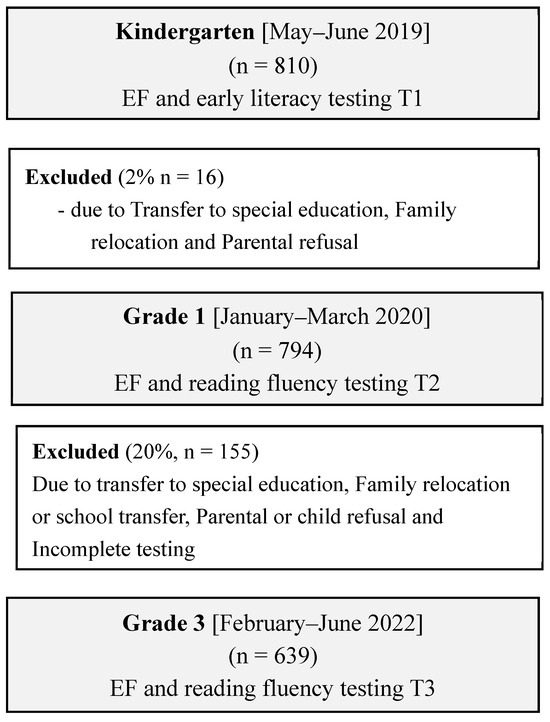
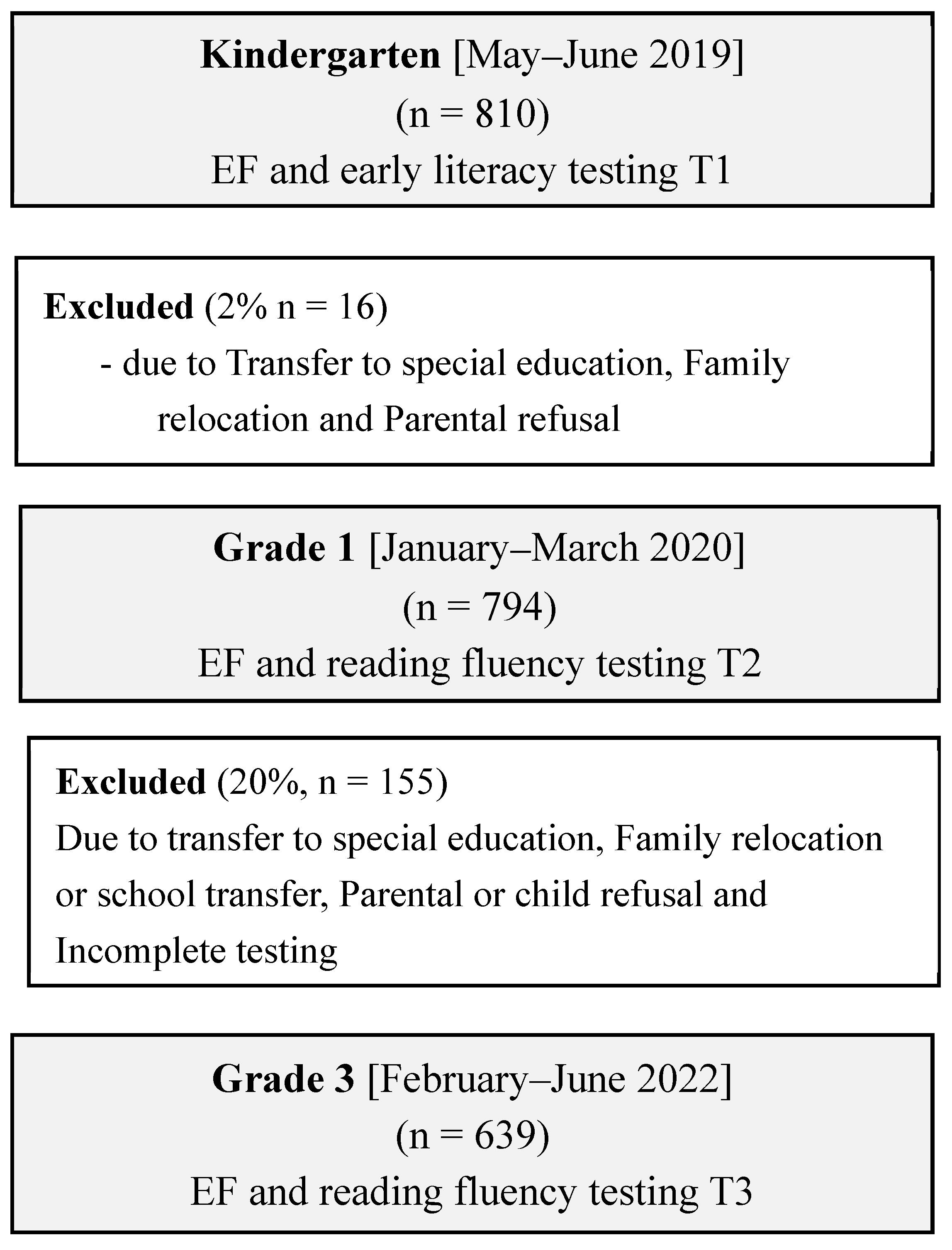
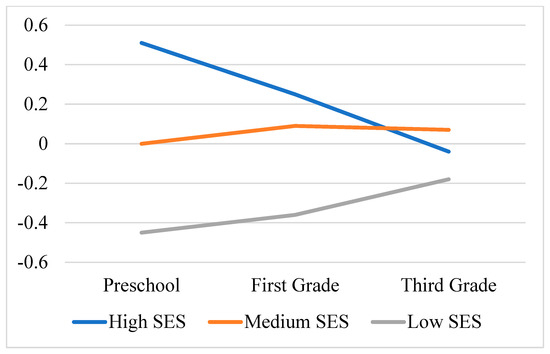
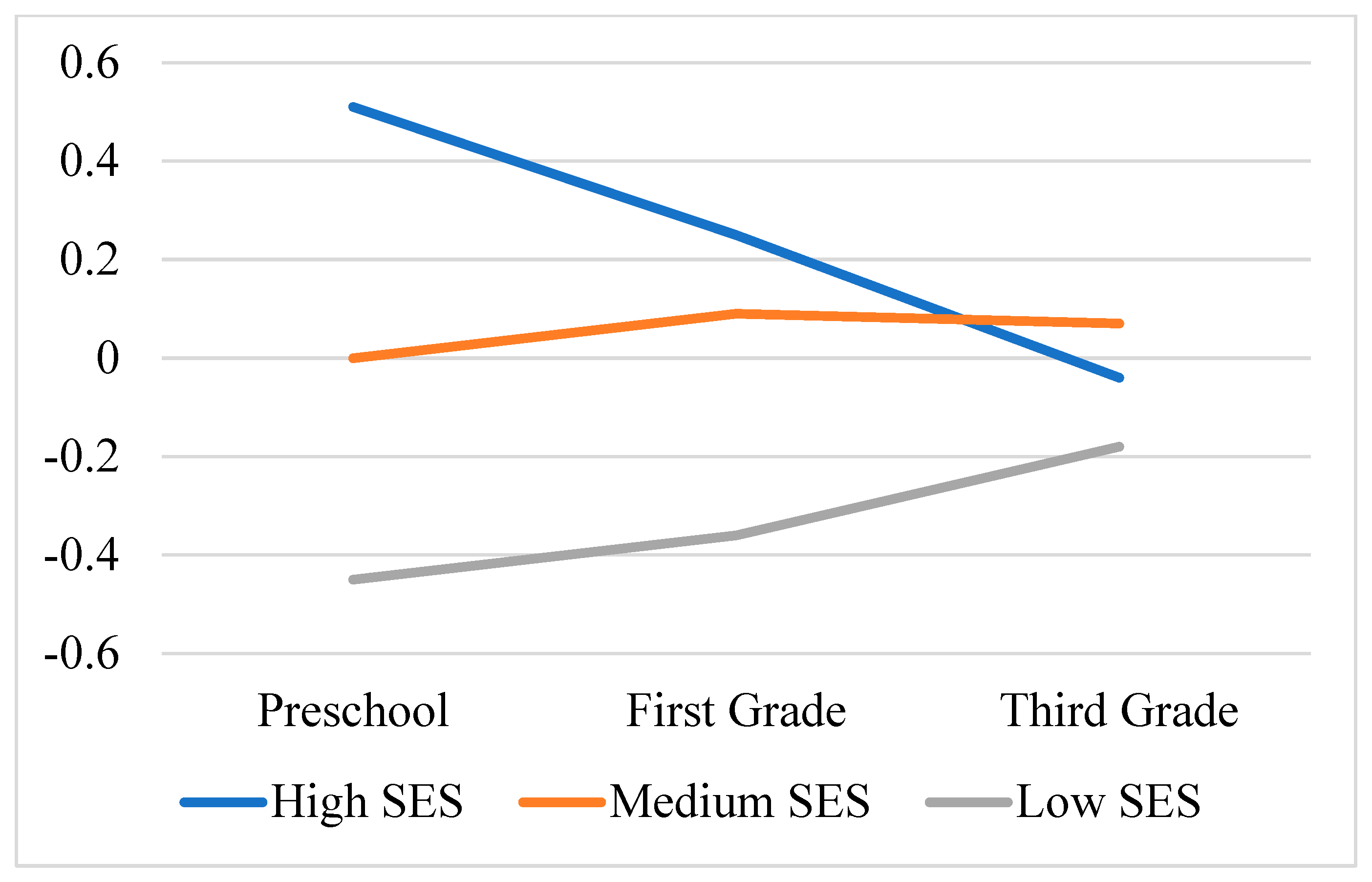
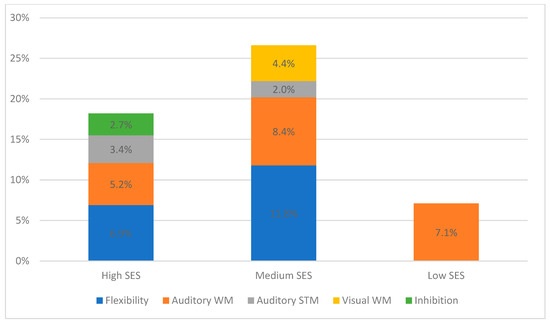
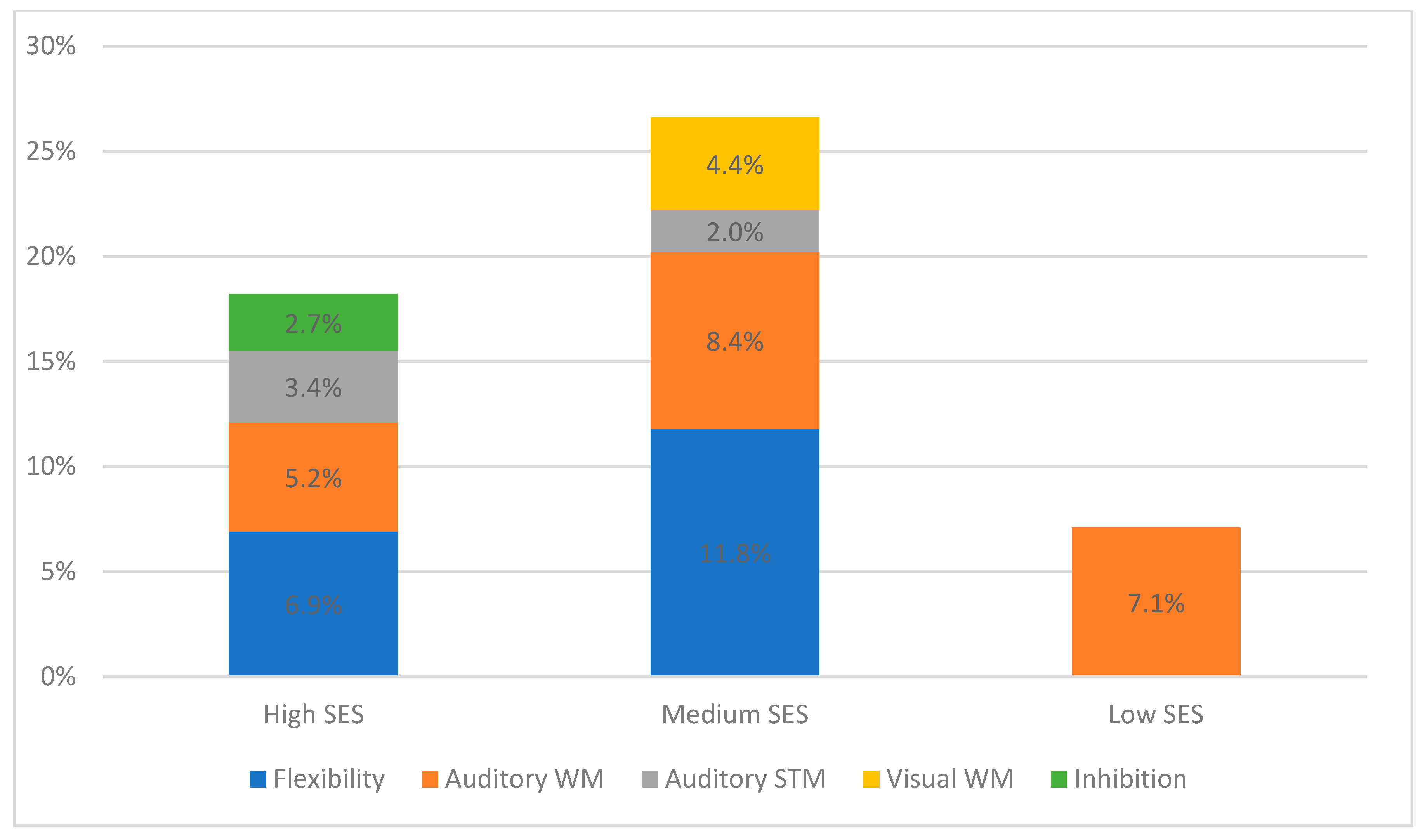
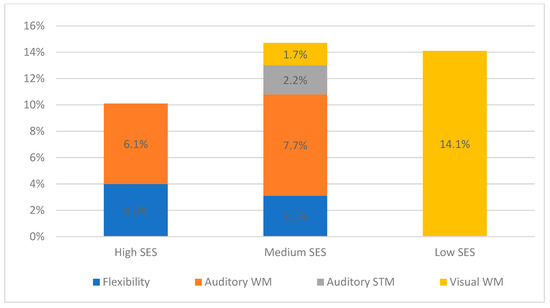
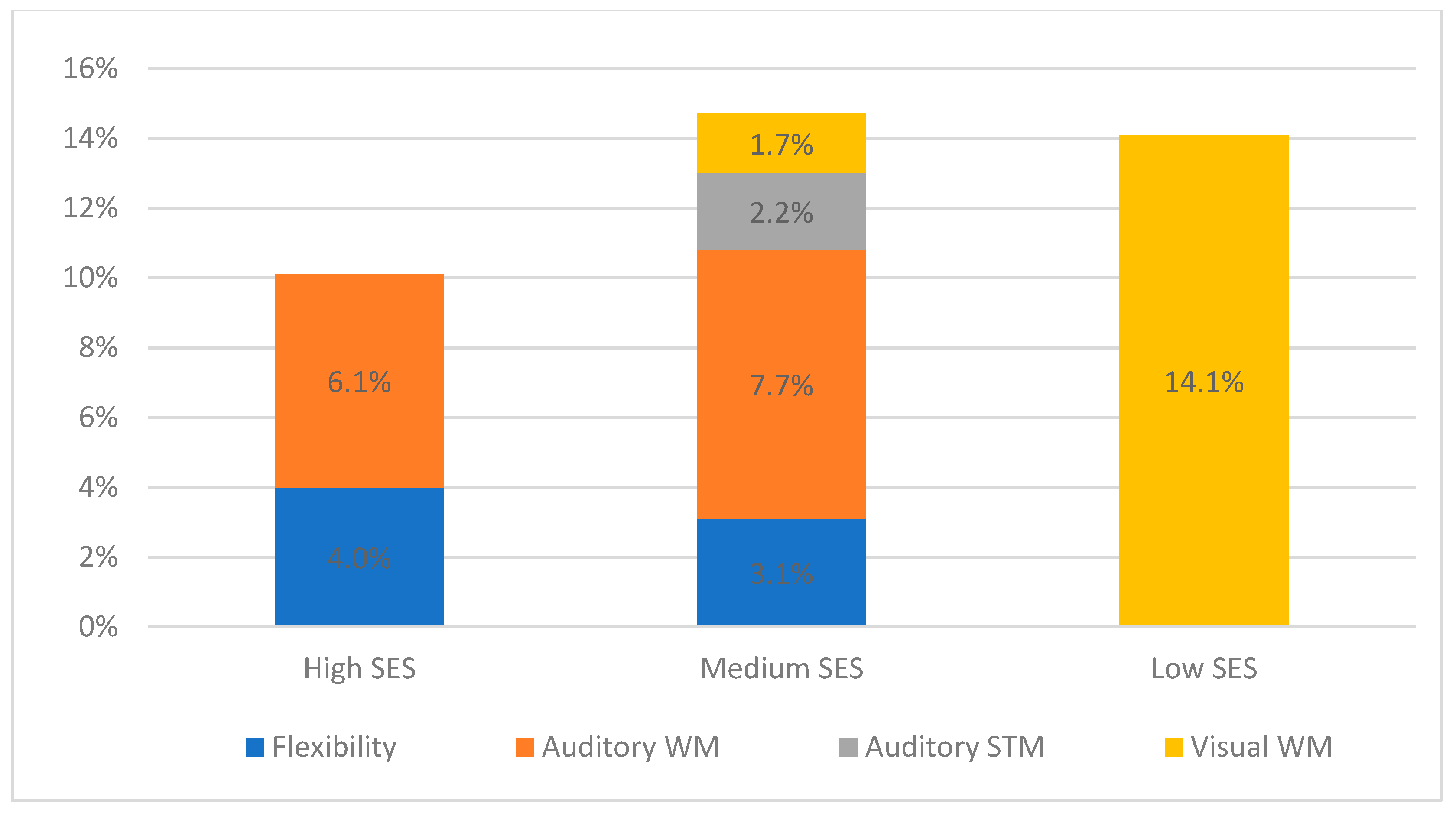
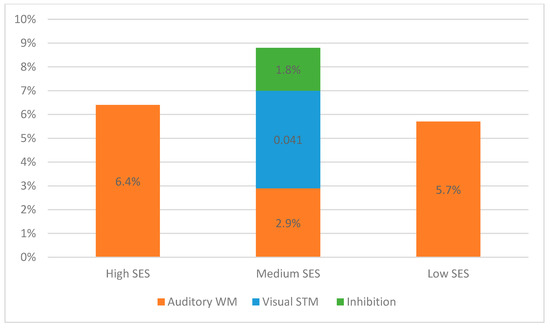

Disclaimer/Publisher’s Note: The statements, opinions and data contained in all publications are solely those of the individual author(s) and contributor(s) and not of MDPI and/or the editor(s). MDPI and/or the editor(s) disclaim responsibility for any injury to people or property resulting from any ideas, methods, instructions or products referred to in the content. |
© 2026 by the authors. Licensee MDPI, Basel, Switzerland. This article is an open access article distributed under the terms and conditions of the Creative Commons Attribution (CC BY) license.