


Abstract
Artificial intelligence (AI) is assumed to individualise learning, yet no quantitative synthesis has examined what happens when the intervention targets students with Down syndrome (DS). The review presented here analyses this effect and the extent to which the interventions are linked to Universal Design for Learning (UDL). This study employs a mixed-methods systematic review design, prospectively registered on the Open Science Framework and reported in accordance with PRISMA 2020 (Preferred Reporting Items for Systematic Reviews and Meta-Analyses) guidelines. Searches were conducted in Scopus, Web of Science, APA PsycInfo, and ERIC; studies suitable for pooling were analysed using Hedges’ g under the Knapp–Hartung random-effects model, while the remaining studies were included in a structured narrative synthesis. A large pooled point estimate was found (g = 2.00; 95% confidence interval (CI): −0.89 to 4.90), though it was imprecise, and heterogeneity ranged from moderate to high (I2 = 64.9%); the certainty of the evidence was very low. The eight remaining studies consisted of pilot tests, single-case studies, or designs lacking a control group. The findings indicate improvement following the intervention but offer no recommendations. There are more tools available than evidence of their effectiveness; this review outlines what needs to be measured to determine that.
1. Introduction
1.1. Learning in Down Syndrome
Down syndrome (DS) is a chromosomal anomaly involving the 21st pair. In most cases, it is associated with intellectual disability, and individuals exhibit highly variable developmental profiles. Understanding the underlying biological basis allows us—within an educational context—to comprehend learning development, identify needs, propose necessary supports, and design more effective interventions for each individual (Martínez Segura et al., 2020). The available studies have described distinctive patterns of cognitive and linguistic strengths and difficulties that matter when teaching (Fidler & Nadel, 2007). Prominent among these difficulties are working memory, cognitive flexibility, and inhibitory control (Tungate & Conners, 2021).
Despite all these difficulties, most cases respond satisfactorily to educational intervention. Several works confirm this idea; such is the case of Burgoyne et al. (2012), who found gains in reading and language after applying a structured intervention to schoolchildren with DS. Pointing in the same direction are the works of Smith et al. (2020), who found benefits from language-focused interventions, and Seager et al. (2022), with positive results when early action targets speech, language, and communication. The question, therefore, is no longer whether these students can learn, but which interventions work best and under what conditions. Answering that question runs into an added difficulty, assembling large and comparable samples. Aunio et al. (2025) identified only six randomised or quasi-experimental studies specifically aimed at improving the educational outcomes of students with DS, generally with small samples. Another example is the ASCEND trial (Stojanovik et al., 2024), conducted within the British health system, which involved 20 children with DS aged 11 to 36 months. In reporting their results, the authors estimated that they would have needed around 290 participants in order to end up with 228 complete cases, a figure very difficult to reach in a low-prevalence population. Twenty participants against the nearly three hundred that would be required is a central limitation of these studies, because with such small samples the estimates each study yields are very imprecise. Summarising the studies already conducted in quantitative terms is the most realistic way of reporting on this topic. It is the only route to the precision that no single study can achieve on its own.
1.2. AI in Special Education
Artificial intelligence (AI) opens up new possibilities for responding to that variability. Its educational value lies not in digitising content, but in using the information generated during the interaction to adapt difficulty, sequence tasks, provide feedback, or personalise supports (Roll & Wylie, 2016; Chen et al., 2020). These possibilities demand a clear pedagogical purpose, human oversight, equity, and privacy protection (Miao & Holmes, 2023). Recent syntheses show promising results in students with learning difficulties (Paglialunga & Melogno, 2025) and favourable effects on cognitive processes in students with disabilities (F. Han et al., 2026), although they pool highly heterogeneous populations, technologies, and outcomes.
In the case of DS, the evidence remains widely scattered. Dellunde and Moyà-Köhler (2025) gathered 47 studies on AI systems used with people with Down syndrome between 2014 and 2024, spread across education, communication, emotional regulation, mobility, and employment, and even so concluded that their application in real-world settings is still scarce. Within the educational field, Shohieb et al. (2025) conducted a trial with eighteen students using a machine-learning-based game that modulated difficulty dynamically, obtaining improvements in learning as well as greater engagement than that produced by traditional teaching. Results of this kind shift the focus from the technological to the pedagogical, raising the question of what function AI performs and through what mechanism it improves learning.
1.3. Universal Design for Learning as a Framework of Analysis
To address our concerns, Universal Design for Learning (UDL) is a particularly useful framework. Taking student variability as its starting point, it proposes designing multiple means of engagement, of representation, and of action and expression (Meyer et al., 2014; CAST, 2024). In students with intellectual disability, AlRawi and AlKahtani (2022) found favourable educational outcomes, albeit supported by a still limited empirical base. Zhang et al. (2024) warn that its application is uneven and that there is not always an explicit correspondence between the design of interventions and the principles of the framework. Personalising learning through AI is not, therefore, equivalent to applying UDL directly, since a technology may adapt the difficulty of a task without thereby broadening students’ possibilities for access, participation, or expression.
In recent years, the convergence between AI and UDL has also begun to rest on empirical results; in a cross-sectional study with 557 Italian teachers from non-university stages, Cascales-Martínez et al. (2026) validated an instrument whose structure yielded three dimensions consistent with the UDL framework, linked to access and representation, to self-regulation and feedback, and to collaboration and support. Scores on the three dimensions were associated with teachers’ digital competence, their familiarity with AI, and the organisational conditions of the school, whereas frequency of technology use ceased to be relevant once those variables were taken into account. These results reinforce the idea that underpins this work, namely that the inclusive value of AI depends less on its mere presence than on the role it plays within the pedagogical design and on its capacity to respond to student variability.
1.4. State of the Art and Need for the Study
There are meta-analytic studies estimating the effect of generative AI on learning. X. Han et al. (2025) pooled 68 experimental and quasi-experimental studies published between 2022 and 2025 and obtained a positive, moderate mean effect (standardised mean difference, SMD = 0.45; 95% confidence interval (CI) 0.43 to 0.47) with very high heterogeneity (I2 = 95%). Their moderator analysis found larger effects at primary and secondary education levels, in the field of natural sciences, and in educational interventions delivered over short periods.
Deng et al. (2025) reached a similar conclusion when focusing on ChatGPT. Drawing on 69 experimental studies, most of them at university level, they described improvements in academic performance and in affective-motivational states, with no clear effect on self-efficacy.
The two works share two features that leave our research question unanswered. They work with the general population, without disability, and with equally general technology, not adapted to a specific cognitive profile. Neither allows us to know what happens when the intervention is aimed at students with Down syndrome.
The meta-analytic technique has indeed been applied to populations with specific needs. Bausela Herreras (2026) synthesised executive function deficits in paediatric survivors of central nervous system tumours and quantified their magnitude with the Behavior Rating Inventory of Executive Function (BRIEF), with moderate to high effect sizes depending on tumour type. The work shows that the method performs well in small clinical groups, although its object is the cognitive profile and not an educational intervention.
The background therefore leaves a very specific knowledge gap. There is a recent qualitative review on AI and DS, and there are syntheses on educational interventions in DS or on AI and disability, but the searches carried out for this work have not identified any quantitative estimate focused specifically on the effectiveness of AI-based educational interventions for improving the learning of students with DS, nor any systematic analysis of their correspondence with the principles of UDL. The combination of small samples, diverse technologies, and heterogeneous outcomes justifies a systematic review with meta-analysis of studies providing comparable data, capable of estimating the magnitude of the effects while at the same time examining the pedagogical architecture that underpins the interventions. Table 1 summarises the previous syntheses and the gap each one leaves open, so as to situate clearly the specific contribution of the present work.
Table 1.
Previous quantitative syntheses and the gap left by each.
1.5. Objectives and Hypotheses
The general objective of this review is to synthesise and estimate, through a mixed-methods systematic review, the effectiveness of AI-based educational interventions for improving the learning of students with DS and to analyse the extent to which they incorporate the principles of UDL. Five specific objectives derive from it.
- (a)
- To estimate the pooled effect size of these interventions on learning measures.
- (b)
- To characterise heterogeneity across studies and what may be expected from new studies.
- (c)
- To explore the moderating role of educational stage, type of technology, learning domain, duration of the intervention and design family.
- (d)
- To estimate the prevalence of each UDL principle in the interventions and its relationship with effectiveness through the declared moderator.
- (e)
- To propose a conceptual model linking the learning needs of students with DS, the functionality of AI, the principles of UDL, the pedagogical mechanism involved and the educational outcome, developed in the discussion.
The third and fourth objectives were made conditional, in accordance with the protocol, on the number of available studies; Section 3 reports explicitly what could and could not be carried out.
The research question is the following: what scientific evidence exists on the effectiveness of AI-based educational interventions for improving the learning of students with Down syndrome, and to what extent do these interventions incorporate the principles of UDL? In accordance with the PICOS (Population, Intervention, Comparison, Outcomes, Study design) framework (Richardson et al., 1995; Sánchez-Martín et al., 2023), the population corresponds to students with Down syndrome, with no age limit and with educational stage coded as a moderator; the intervention, to educational proposals with an explicit AI component equipped with an adaptive engine; the comparison, to usual teaching, an intervention without AI, another comparison condition or a baseline measure, depending on the design; the outcomes, to quantifiable measures of academic, cognitive, communicative, or functional learning; and the admissible designs are group designs, pre-post designs without control, and single-case designs with an experimental baseline. The degree of UDL integration is analysed as a complementary dimension, aimed at explaining not only whether an intervention works, but how it is designed and what pedagogical mechanisms may sustain its effects.
It may be anticipated that the interventions produce a positive effect on learning, in line with findings in general populations (Deng et al., 2025; X. Han et al., 2025). As for the relationship between the number of UDL principles present in an intervention and the effect size, and following the guidance of the protocol, this is posed as an exploratory question rather than a hypothesis, since that moderator was established a priori but without a direction committed to in advance.
2. Methods
2.1. Design and Registration
We conducted a mixed-methods systematic review, performing a meta-analysis with those studies whose design and manner of measuring learning proved comparable; for the remaining articles a structured narrative synthesis was carried out. To conduct it we followed the recommendations of the Cochrane Handbook (Higgins et al., 2023) and, as regards synthesis in the social and health sciences, those of Botella and Sánchez-Meca (2015). This study is reported in accordance with PRISMA 2020 (Preferred Reporting Items for Systematic Reviews and Meta-Analyses 2020) (Page et al., 2021), and to document the search strategies we used its PRISMA-S extension (Rethlefsen et al., 2021). In August 2026 we registered the protocol in the Open Science Framework (OSF), with the searches already run but before screening began. The registration is therefore prospective with respect to all decisions that could depend on the results, and it sets out the eligibility criteria, the rules for computing effect sizes, the moderators, and the thresholds of the analysis plan.
The general question was the extent to which AI-based educational interventions improve the learning of students with Down syndrome and what characterises the available evidence on them. This question was specified in two sub-questions: the first, quantitative, on the magnitude of the effect in group-design studies with combinable data, is answered through the meta-analysis; the second, of narrative synthesis, on the results, differences and gaps across the body of evidence as a whole, is answered through the systematic review of the remaining studies. Of the eleven included studies, three met the conditions to be combined and eight did not. Where what was done departed from what was planned, we recorded it in the OSF project itself by means of a dated amendment stating what was changed, for what reason, and whether it occurred before or after seeing the outcome data. Six such amendments were recorded during the review, and they are set out below in the order in which they arose. The first concerns the framing, since the protocol was registered as a systematic review with meta-analysis and the work is presented as a mixed-methods systematic review, a change that was made once it became clear that only some of the studies admitted quantitative synthesis. The second reorganises the three protocol questions into one general question with two sub-questions, without altering their content. The third is having calculated a pooled estimate on an exploratory basis from three studies, when the protocol set a minimum of five (Section 2.7). The fourth is the change in the extraction metric in one of the studies (Section 2.5). The fifth is the omission of backward and forward reference tracking and of the verification search in Google Scholar, foreseen in the protocol and not carried out, whose scope is discussed among the limitations. The sixth is that missing data were not requested from corresponding authors, a procedure envisaged in the protocol, so that studies without sufficient information were excluded directly. Full details may be consulted in the registration (Cuesta-Sáez-de-Tejada et al., 2026).
2.2. Eligibility Criteria
These criteria are set out in the PICOS framework already referenced in Section 1.5. Any person with DS may take part, with no age restriction, since educational stage is recorded as a moderator and not as an entry filter.
Eligibility operates at two levels. At review level, a study is eligible if it evaluates an AI-based educational intervention delivered to students with DS in an educational context, irrespective of whether it reports a learning outcome; this level defines the corpus that maps the field. At synthesis level, only studies reporting at least one learning-related outcome with extractable statistics enter the quantitative branch; the remaining studies are assigned to the structured narrative branch. Studies that stop at usability, acceptance, or technical development are therefore eligible for mapping but not for the estimation of effectiveness.
At review level, any AI-based educational intervention delivered to students with DS in an educational context is eligible, irrespective of the outcomes it reports; the requirement of at least one learning-related outcome applies only at synthesis level. Intelligent and adaptive tutoring systems, educational robots, conversational agents, and speech recognition applications fall within scope. The requirement that delimits the category is the existence of an adaptive engine that modifies the student’s experience according to their performance.
Likewise, randomised and quasi-experimental group designs, pre-post designs without a control group, and single-case designs with an experimental baseline are eligible. The design family of each study determines which branch of the synthesis it is integrated into. No restriction is placed on language, country, or publication type, and doctoral theses and conference papers are eligible.
Digital technology without an AI component is excluded. Conventional virtual environments, mobile applications, and serious games without an adaptive engine fall outside the scope, as do purely diagnostic applications of AI, reviews, and studies without empirical evaluation. Reviews retrieved by the searches are excluded from the corpus as they are not primary studies.
All retrieved records were in Spanish or English, so there was no need to resort to machine translation or to consult a native speaker. Table 2 sets out the criteria by domain.
Table 2.
Inclusion and exclusion criteria by domain.
2.3. Information Sources and Search Strategy
Five sources were consulted. The Scopus search was run in August 2026 with a three-block natural-language strategy covering population, AI technologies, and educational context applied to title, abstract, and keywords, with title-level exclusion of the diagnostic literature. The strategy was refined iteratively until it retrieved the 19 studies of a previously identified relevant set, and returned 95 records.
The equivalent strategy in Web of Science Core Collection returned 30 records. APA PsycInfo was searched through EBSCOhost on the same date, combining free text with descriptors from the APA Thesaurus, and returned 59 records. ERIC was searched with free text and descriptors from its thesaurus, and returned 12. The four searches amounted to 196 records which, after removing 39 duplicates, left 157 unique records (95 from Scopus, 5 from Web of Science, 51 from APA PsycInfo and 6 from ERIC, once each overlap had been attributed to the first source consulted).
The search of the thesis literature was run in ProQuest Dissertations and Theses Global, with institutional access, and returned 134 records. The full strategies, dates, and yields for each source are reported following PRISMA-S in Supplementary Material S1. That search was limited to the four indexed databases and to ProQuest; no reference-list tracking or complementary verification search was carried out. The multi-source design draws on Bramer et al. (2017). All searches were run in August 2026, so the update foreseen in the protocol in case more than twelve months elapsed before the final analysis was not required.
2.4. Study Selection
Two of the three authors screened all records independently. In the title and abstract phase, the question guiding the decision was whether the study applied an AI-based educational intervention to participants with DS. Records that could not be excluded on that basis moved to full text, where the remaining criteria were applied, among them the boundary between AI and non-adaptive technology.
Before screening the full set, the two coders assessed the same first twenty records and met to compare decisions. In the pilot on the first twenty records, the agreement between the two coders was sufficient, so there was no need to refine the criteria. The raw agreement and Cohen’s kappa for the title and abstract phase are reported in Section 3.1.
Disagreements not resolved by discussion between the two coders were settled by the third author, who acted as an independent assessor. The allocation of who coded and who arbitrated was registered in OSF before screening began.
2.5. Extraction and Coding
Before extraction began, a coding manual piloted on five studies defined all the variables. It recorded the type of technology, the learning domain, the educational stage, the setting, the sample characteristics, the study design, and the quantitative information that each design family required for computing the effect. For pre-post designs without a control group, the effect size was not calculated. Converting that change into an effect size requires the standard deviation of the difference, which depends on how similar each person’s score is before and after, that is, on the correlation between the two measures. Practically no study reports this correlation, and assuming a value would mean resting the result on an unverifiable figure; the protocol therefore decided in advance not to calculate the effect size for those studies and to carry out only a descriptive analysis. Only the work of Costanzo et al. (2023) fell outside the model for this reason.
In group designs the effect size expresses the between-group difference in pre-post gain, standardised and with Hedges’ correction. In Alemi and Bahramipour (2019) and Shohieb et al. (2025), it was calculated from the means and standard deviations of the gain per group reported by the authors. Felix et al. (2017), the only study with baseline imbalance between groups, report neither gains nor their standard deviation, so a change effect size was calculated (dppc2; Morris, 2008), in which the difference between the post and pre means of each group, taken from their Table 1, was standardised with the pooled pretest standard deviation, and its variance was obtained with the formula of Morris (2008), assuming a pre-post correlation of 0.50, with sensitivity analysis for 0.30 and 0.70 (Section 3.6). The resulting value, g = 0.75, coincides with the d = 0.81 reported by the authors themselves once Hedges’ correction is applied. An earlier extraction of this study, based on unadjusted posttest means, was replaced by the present one on 24 August 2026, before the definitive results were fixed; the change is documented in the extraction file. For single-case designs, the protocol specified extracting baseline and intervention data session by session, using WebPlotDigitizer where numerical values were not reported. This procedure was ultimately not applied, since no single-case study entered the quantitative synthesis and none therefore required graphical extraction; these studies are synthesised narratively in Section 3.5.
In the same pass, the two coders assessed the presence of each of the three UDL principles in the design of the intervention as described in the full text, irrespective of whether the authors invoked the framework. A principle was coded as present when the description of the intervention reported at least one concrete feature implementing it. The operational indicators for each principle were specified in the coding manual, deposited in OSF before extraction began.
Representative operational indicators were specified for each principle. Representation required the same instructional content to be available through at least two sensory channels under learner or system control, so that a fixed combination of media did not by itself satisfy the criterion. Engagement required at least one mechanism adjusting difficulty, pacing, or reinforcement to the learner’s performance. Action and expression required at least one alternative response mode beyond the default input, such as gesture, speech, or symbol selection.
The two coders extracted the data independently. For agreement, Cohen’s kappa is reported for categorical variables and the intraclass correlation coefficient for continuous ones. Agreement in extraction was very high: the intraclass correlation coefficient for continuous variables was 1 (absolute agreement, single measure) and Cohen’s kappa for categorical variables was 0.92 (almost perfect agreement), with the lowest agreement in the classification of design family (κ = 0.80). When a study did not report the statistics required for computing the effect and these could not be derived from the published data, it was excluded for insufficient data, without requesting them from the authors. This decision, and the choice not to recover data by that route, are recorded as a limitation in Section 5.
2.6. Assessment of Risk of Bias and Quality
The assessment of risk of bias was carried out by design family. We used RoB 2 (Risk of Bias 2) (Sterne et al., 2019) for trials with declared random allocation and ROBINS-I (Risk Of Bias In Non-randomised Studies of Interventions) (Sterne et al., 2016) for non-randomised comparative designs. The protocol also foresaw ROBINS-I for pre-post designs without a control group, because its confounding domain captures the central limitation of a design without a parallel group, and the design standards of the What Works Clearinghouse (2022) for single-case designs; since those families were not integrated into the quantitative synthesis, their assessment remained in the narrative description of Section 3.5. The two coders assessed each study independently, and the third author arbitrated unresolved cases. For the certainty of the evidence of the result synthesised from group designs we used GRADE (Grading of Recommendations Assessment, Development and Evaluation) (Guyatt et al., 2008).
For the set of single cases there are no established conventions within that system. The protocol foresaw characterising their certainty through the What Works Clearinghouse ratings together with a transparent description of heterogeneity and imprecision, which was not applied since no combinable single-case branch was formed. The results of the assessment are reported in Section 3.2.
2.7. Analysis Plan
The synthesis proceeds by design family, and the rules that follow were established in the protocol before any effect size was calculated.
Proportions of UDL principles are reported with Wilson score confidence intervals, which behave better than the normal approximation with small denominators.
As regards dependence, when a study reports several outcomes only one enters the main analysis. The outcome is selected according to a priority order established in advance, such that expressive or receptive language was chosen first, then literacy, then numeracy, and lastly other learning domains. Within a domain, the measure identified by the authors as primary is retained and, failing that, the first one reported. If a study reports several intervention groups against a shared control, the comparison closest to the review question is retained. All excluded effect sizes are recorded in the extraction file, and their inclusion through a three-level model with the study as the intermediate level (Van den Noortgate et al., 2013) is reported as a sensitivity analysis.
- In group designs, the effects are calculated as Hedges’ g and combined under a random-effects model with restricted maximum likelihood estimation. Confidence intervals are calculated with the Knapp–Hartung adjustment (Knapp & Hartung, 2003), which is applied by default and not conditionally on the number of studies, given that the literature in this field is expected to be scarce and the unadjusted interval proves too narrow under those conditions. Heterogeneity is described with Q, τ2, and I2 and, alongside the mean effect, a 95 per cent prediction interval is also reported, since it captures what might be expected from a new study rather than the precision with which the mean has been estimated. The magnitude of the effect was interpreted following Cohen’s (1988) criteria: a value of 0.20 indicates a small effect, around 0.50 a moderate effect, and from 0.80 upwards a large one, all of which is interpreted taking the confidence intervals into account.
- For single-case studies, the initial plan was to summarise the results with non-overlap indices using Tau-U (Parker et al., 2011) and, whenever the session-by-session data allowed, to calculate the difference in means across sessions in order to convert it to a measurement scale comparable with that of group designs (Pustejovsky et al., 2014), so that the two design families could be analysed together. Where this was not possible, they would be studied separately, recording the reason, and pre-post designs without a control group would be analysed separately, serving only as support for the main analysis. In practice none of the included single-case studies provided the data required for that integration, so they are covered in the narrative synthesis of Section 3.5.
The first decision taken when planning this study was to determine how many works would be needed to combine their results. The rule was to produce a narrative summary when there were fewer than five studies, and only from five upwards did it make sense to calculate a pooled effect, always with the Knapp–Hartung interval and bearing in mind that it would be imprecise. In the end, only three studies could be combined, so this is exploratory research. It is important to recall that admitting grey literature within the selection criteria reduces publication bias, although it does not eliminate it entirely. This circumstance should be placed in context. In the Cochrane Database of Systematic Reviews, across 22,453 meta-analyses, the median number of combined studies is three, and three out of every four bring together five or fewer (Davey et al., 2011). Synthesising from few studies is not, therefore, an anomaly of this work, but the ordinary situation in applied research, and what it demands is a statistical treatment suited to that size.
Funnel plot asymmetry, which helps to check for publication bias, was used only when there were at least ten effect sizes, this being the minimum from which Egger’s regression is conclusive (Sterne et al., 2011; Cochrane Handbook).
Five moderators are declared a priori: the educational stage or age of the participants, the type of technology, the learning domain, the duration of the intervention, and the design family of the study, and a sixth as a contribution of the review itself, the number of UDL principles present in the intervention, coded from zero to three. Moderator analysis is subject to a power restriction set in advance, one moderator per model, with at least ten effect sizes for a continuous moderator and four per category for a categorical one; where the available number falls short, the moderator is described rather than modelled, and any moderator not declared in the protocol is identified as exploratory.
The main models were fitted in R (using the RStudio environment, version 2026.07.0+139) with the metafor package (Version 5.2-1) (Viechtbauer, 2010), taking the effect size and variance of each study as input; the full script, with the input values, is reported verbatim in Supplementary Material S3. The leave-one-out and the sensitivity analysis to the pre-post correlation were calculated with the same package. The study-level estimates were checked against the meta-analysis procedure of IBM SPSS Statistics version 32 from the raw data, with coinciding results. The three-level model and the standardised mean difference across cases, foreseen in the protocol, were not applied since their conditions were not met (a single effect per study and the absence of combinable data across design families). The data and syntax files are shared in the OSF project.
The presence of each UDL principle is reported as the percentage of interventions incorporating it, with its confidence interval. It is then examined whether that number of principles is associated with the effect size, by means of the moderator set out earlier.
3. Results
3.1. Study Selection and Characteristics of the Included Studies
The selection process is summarised in Figure 1. The search of the four indexed databases yielded 196 records (95 from Scopus, 30 from Web of Science, 59 from APA PsycInfo and 12 from ERIC) and the thesis search in ProQuest added a further 134. After removing 39 duplicates, the indexed databases left 157 unique records, which two of the authors screened by title and abstract independently, with the third author as assessor resolving disagreements. Agreement between coders was substantial (κ = 0.64).
Figure 1.
PRISMA 2020 flow diagram of the selection process. Source: Own elaboration. Note. Based on the official PRISMA 2020 template (Page et al., 2021). The 196 database records come from Scopus (95), Web of Science (30), APA PsycInfo (59) and ERIC (12); the 134 records correspond to ProQuest Dissertations and Theses Global. The 23 reports excluded at full text were excluded for ineligible population (10), insufficient data not recoverable from the published text (9) and absence of an AI component with an adaptive engine (4); together with the 4 not retrieved they make up the 27 exclusions detailed in Supplementary Material S2. The diagram distinguishes the studies included in the systematic review (n = 11) from those included in the meta-analysis (n = 3). PRISMA, Preferred Reporting Items for Systematic Reviews and Meta-Analyses; AI, artificial intelligence; APA, American Psychological Association; ERIC, Education Resources Information Center.
Of the 157 records, 119 were excluded at the title and abstract stage. Thirty-eight moved to full-text assessment, comprising the 21 marked for inclusion and the 17 uncertain ones, since a doubt raised by an abstract is resolved by reading the whole article and not by discarding it in advance. There, 27 studies were excluded, each with its reason (ineligible population, 10; insufficient data not recoverable from the published text, 9; no AI component with an adaptive engine, 4; report not retrieved, 4). The reason for exclusion was assigned independently by two coders and disagreements were settled by a prelation rule agreed in advance; agreement between coders was moderate (Cohen’s κ = 0.52), and the full list with the reasons is given in Supplementary Material S2. The 134 ProQuest records were screened separately; none was an eligible study, as they corresponded to news items, articles already retrieved in the indexed databases and other irrelevant document types, with a single thesis that likewise did not meet the criteria. Eleven studies passed the full-text assessment. Of these, three provide a group design with combinable data and make up the quantitative synthesis; the remaining eight, pilots, single-case studies, and designs without a control group, are incorporated into the review and described in the narrative synthesis of Section 3.5. These eight studies are Taylor et al. (2017), Costanzo et al. (2023), Torres-Carrión et al. (2019), González-González et al. (2019), Escudero-Mancebo et al. (2021), Buzzi et al. (2016), Arranz-Barcenilla et al. (2024), and Sandaruwan et al. (2025).
The initial level of agreement between reviewers at the full-text reading stage was 93.67%. Discrepancies were resolved through discussion and consensus until 100% agreement was reached.
The two agreement statistics reported at the full-text stage refer to distinct coding tasks. The 93.67% figure concerns the binary include/exclude decision. Cohen’s κ = 0.52 concerns the classification of the reason for exclusion among the excluded reports (18 agreements out of 27), a task with more categories and therefore greater scope for divergence; discrepancies were resolved by the precedence rule documented in Supplementary Material S2.
The data extraction protocol was drawn up before fieldwork began, registered on the Open Science Framework (OSF) platform, and is duly recorded and described in the manuscript, where its availability is indicated (Open Science Framework).
Table 3 sets out the characteristics and results of the eleven included studies, with the number of participants, the design, the AI-based intervention, the learning domain, the branch of synthesis into which each one is integrated, and the available result.
Table 3.
Characteristics and results of the eleven studies included in the review.
3.2. Risk of Bias of the Included Studies
Table 4 summarises the risk of bias of the three studies included in the quantitative synthesis, assessed with RoB 2 (Shohieb et al., 2025; Sterne et al., 2019), which declare random allocation of participants, and with ROBINS-I in the case of (Felix et al., 2017; Sterne et al., 2016), whose design involves non-equivalent groups; shortcomings in the description of the sequence and in allocation concealment are penalised within the randomisation domain, without changing tool. The definitive assessment was carried out independently by two people.
Table 4.
Risk of bias judgements for the three studies included in the quantitative synthesis.
The two trials were rated at high risk of bias, owing to shortcomings in the randomisation process and to unblinded outcome measurement, and the non-randomised study at serious risk, owing to baseline confounding and subjective measurement. The detailed domain-level assessment was completed independently by the two assessors, with arbitration of disagreements. Agreement between the two assessors on the domain judgements was substantial (raw agreement of 76.5%, 13 of 17 judgements), and the four disagreements were resolved by consensus with the third author. Figure 2 presents these domain-level judgements graphically.
Figure 2.
Risk of bias of the included studies, assessed with RoB 2 and ROBINS-I. Note. Produced with the robvis package v0.3.0 (McGuinness & Higgins, 2021) for the studies included in the quantitative synthesis (Alemi & Bahramipour, 2019; Felix et al., 2017; Shohieb et al., 2025). The domains of each tool are described in the note to Table 4, where the judgements are detailed.
3.3. Effect of the Interventions on Learning
The quantitative synthesis is confined to the three group-design studies with combinable data, part of the eleven that make up the review. Each of those three contributed one effect size on learning measures following the intervention.
The random-effects model with the Knapp–Hartung adjustment placed the pooled effect at g = 2.00 (standard error, SE = 0.67; t(2) = 2.98; p = 0.097), with a 95% confidence interval from −0.89 to 4.90, which includes the null value. Heterogeneity was moderate to high (I2 = 64.9%; Q(2) = 5.73; p = 0.057; τ2 = 0.89). These values, together with samples of between five and nine participants per group, suggest that the estimate should be interpreted as preliminary and probably inflated.
The 95% prediction interval was −2.98 to 6.98. With three studies it is scarcely informative and is reported for transparency, but it shows that a future study under different conditions could yield a null or even negative effect, so the estimate is reported as an exploratory and imprecise quantitative synthesis.
Figure 3 shows each study with its confidence interval and, as a diamond, the pooled effect (g = 2.00). The three estimates lie to the right of the null value, with wide intervals reflecting the small samples, and the diamond of the pooled effect crosses the null value.
Figure 3.
Forest plot of the pooled effect with the three group studies. Note: Own elaboration from the analysis of the three group studies (Alemi & Bahramipour, 2019; Felix et al., 2017; Shohieb et al., 2025).
The quantitative synthesis is limited to the three studies with a group design and combinable data. The remaining works located, mostly pilots, single-case studies, or designs without a control group, are described narratively in Section 3.5, without being added to the pooled estimate. The certainty of the evidence associated with this estimate is assessed in Section 3.4.
Table 5 shows the effect size, standard error, confidence interval, and weight of the three group studies.
Table 5.
Effect size estimates of the individual studies.
The eight studies included in the systematic review were examined individually in order to determine the direction and, where possible, the magnitude of the effects observed on learning. Owing to the diversity of interventions, designs, and measures used, the results were organised by learning domain and no pooled effect was calculated. Table 6 presents the characteristics of the results, the available effect measure, and the reason why each study was not incorporated into the quantitative synthesis.
Table 6.
Results of the eight studies not included in the quantitative synthesis, with the reason for non-inclusion.
3.4. Certainty of the Evidence
The certainty of the evidence was assessed using the GRADE approach. The assessment was carried out by outcome and considering jointly the studies that provided evidence on each domain, irrespective of whether they had been included in the meta-analysis. The main body consists of two trials with declared random allocation, which start at the high level, together with a non-randomised study that starts at low. Downgrades are weighed against that starting point. Risk of bias is very serious, with the two trials at high risk and the non-randomised study at serious risk, which on its own justifies a downgrade of two levels. Imprecision is very serious, because the confidence interval includes the null value and, in addition, the information size is minimal, with three studies and around forty participants in total, well below any optimal information threshold. Heterogeneity (I2 = 64.9%) is estimated with so much uncertainty given so few studies that it did not warrant a further downgrade; moreover, it disappears entirely when the single non-randomised study is excluded (Section 3.6), which links it to the risk of bias already penalised rather than to genuine inconsistency between interventions. The result is very low overall certainty, meaning that the true effect could differ substantially from the estimate and that well-conducted new research would probably change the conclusion.
Table 7 summarises the certainty assessment by domain.
Table 7.
Summary of findings and certainty of the evidence (GRADE) for the effect of AI-based educational interventions on learning.
3.5. Narrative Synthesis of the Non-Combinable Studies
The eight studies that did not provide combinable data are synthesised in a structured narrative form, organised by the learning domain on which each intervention acts rather than by its design. Within each domain, the design of each study is indicated together with the reason why it was not integrated into the pooled estimate.
Communication and language: Costanzo et al. (2023) evaluated Talkitt, an AI-based augmentative and alternative communication application that translates poorly intelligible speech in real time, in 23 children and young people with DS after six months of daily use; in a within-subject comparison (T0 versus T1) they showed significant improvements in naming (η2 = 0.48; p < 0.001) and in overall adaptive behaviour measured with the ABAS-II (Adaptive Behavior Assessment System, Second Edition) (η2 = 0.33; p = 0.003), both effects surviving Bonferroni correction, although its design without a control group prevents it from being integrated into the pooled estimate. Escudero-Mancebo et al. (2021) evaluated, with 19 users, the effect of adding an autonomous game mode to a video game for training oral skills, with engagement that was maintained but performance that tended to decline as teacher supervision was reduced. In this domain, the direction is favourable where there is a learning measure, with the qualification that autonomy without teacher support lowers performance.
Computational thinking and programming: Taylor et al. (2017), in a changing-criterion single-case design (ABC) with three early-years pupils with DS, taught basic programming by manipulating code blocks to direct the Dash robot through the Blockly application; all three progressed from a baseline of 0% to completing the most demanding level, with high Tau-U indices (0.86, 0.92 and 1.00), although in the generalisation phase without support none managed to programme the whole task autonomously. González-González et al. (2019) explored, in a pilot study with seven people with DS, the KIBO tangible robot for introducing computational thinking, with high engagement and positive progress in six of the seven participants, although without pre-post measurement. The common pattern is high participation and clear initial progress, with transfer to autonomous tasks still limited.
Cognitive and visuomotor skills: Torres-Carrión et al. (2019) compared an experimental group (n = 3) and a control group (n = 3) using a gesture interaction platform with the Kinect to stimulate visuomotor skills, assessed with the ITPA (Illinois Test of Psycholinguistic Abilities) before and after; the differences were not significant on any subtest, probably owing to sample size, although improvements were observed in raw scores and in qualitative indicators. It was not integrated into the quantitative synthesis because the study does not report the post-intervention means and standard deviations of both groups in a comparable format, so no between-group effect size can be derived, a reason detailed in Supplementary Material S2. Buzzi et al. (2016) carried out a pilot test with two adults of a web platform of accessible cognitive games, with good acceptance but without evaluation of effectiveness. In this domain there is as yet no interpretable evidence of effectiveness, owing to minimal samples and to the absence of an outcome measure.
Adaptive learning environments and platforms: Arranz-Barcenilla et al. (2024) developed and evaluated the usability of an adaptive virtual environment with 60 people with DS, with high enjoyment ratings but without measuring learning. Sandaruwan et al. (2025) presented an adaptive e-learning platform, a proposal of a technical nature that does not report an evaluation of learning effectiveness. Both works occupy the design and technical validation phase and share a clear gap: the absence of learning measures that would allow their effectiveness to be assessed.
Taken together, the direction of the studies with a learning measure is descriptively concordant with that of the pooled point estimate. Given the heterogeneity of these studies in design, sample size, outcome measurement, and availability of comparison conditions, this concordance describes the state of the literature and carries no confirmatory weight with respect to the controlled comparative evidence. A cross-cutting gap stands out: several interventions, above all the adaptive platforms and some pilots, stop at usability or acceptance and do not evaluate learning, and those that do measure it use very small samples. Owing to their design and their lack of combinable data, these eight studies provide supporting evidence and outline the state of the field, but do not modify the quantitative estimate.
3.6. Moderator Analysis, Publication Bias and Sensitivity Analysis
Given the small number of studies with a group design, no subgroup or moderator analyses were carried out. The protocol foresaw them only where at least four studies per category were available, a condition that no moderator met, so the relationship between the characteristics of the interventions and the effect size is left as a hypothesis for future work.
Publication bias was not assessed with specific statistical tests, in application of the rule set in the protocol. The threshold of ten recommended by Sterne et al. (2011) and the Cochrane Handbook for Egger’s test and the funnel plot is not reached, so applying them would not be informative. To reduce that bias, this review admits grey literature from the eligibility criteria themselves, and the ProQuest search found no eligible theses or unpublished studies.
As a sensitivity analysis, the model was rerun excluding each study in turn, giving g = 2.64 (95% CI −2.93 to 8.22; I2 = 0%) when Felix et al. (2017) was excluded, g = 1.91 (−12.70 to 16.52; I2 = 82.4%) when Alemi and Bahramipour (2019) was excluded, and g = 1.45 (−7.56 to 10.46; I2 = 49.7%) when Shohieb et al. (2025) was excluded. No run reached statistical significance. The most informative finding is that heterogeneity disappears entirely without Felix et al. (2017), the only non-randomised study and the one rated at serious risk, so the observed dispersion comes from that study and not from a discrepancy between the two trials. A second sensitivity analysis varied the pre-post correlation assumed in the variance of the change effect of Felix et al. (2017). With r = 0.30, the pooled effect was g = 2.05 (95% CI −0.81 to 4.90; I2 = 59.7%) and with r = 0.70, g = 1.96 (−0.97 to 4.88; I2 = 69.9%), against g = 2.00 with the value of 0.50 used in the main analysis, so the conclusions do not depend on that assumption. These analyses are illustrative and confirm the fragility of the pooled result.
3.7. Presence of the Universal Design for Learning Principles
The eleven included interventions were coded according to the three UDL principles. Agreement between the two coders was 84.8% (28 of 33 judgements), with a Cohen’s kappa of 0.64, substantial; the five disagreements were resolved by consensus with the third author.
The most frequently present principle was representation, incorporated by 9 of the 11 interventions (81.8%; Wilson 95% CI [52.3; 94.9]), followed by engagement, present in 8 (72.7%; 95% CI [43.4; 90.3]). The principle of action and expression was by far the least frequent: only four interventions (36.4%; 95% CI [15.2; 64.6]) offered more than one route for students to respond or express themselves. On average, each intervention incorporated 1.91 of the three principles, with cases ranging from just one to all three. Caution is required with this figure, since it is based on very few interventions.
When the number of principles was cross-tabulated with effectiveness, something that could only be examined in the three group studies, no well-defined pattern was found. Alemi and Bahramipour (2019) incorporated a single principle and nonetheless obtained a large effect (g = 2.17), whereas Felix et al. (2017) and Shohieb et al. (2025), both with two principles, fell at the two extremes of the range (g = 0.75 and g = 3.05). The available data do not allow this relationship to be tested, so it is left as a hypothesis.
4. Discussion
This review was conducted by gathering information from eleven studies on AI-based educational interventions in students with DS, and of all of them only three had a group design whose data could be combined. Using a random-effects model, the point estimate proved large (g = 2.00), but its confidence interval, with the Knapp–Hartung adjustment, ranged from −0.89 to 4.90; to this must be added moderate to high heterogeneity (I2 = 64.9%) and the fact that everything rests on very few data. With samples of between five and nine participants per group, the figure should be understood as a first exploratory approximation.
This result points in the same direction as the meta-analysis of X. Han et al. (2025), which, with sixty-eight studies, obtained a moderate effect of AI on learning, and as that of Deng et al. (2025), both in general populations. What this review adds is a first, still-imprecise indication that this benefit might extend to students with DS, a population for which no quantitative synthesis previously existed. As far as we know, this is the first quantitative synthesis focused on AI-based educational interventions in this population, a move parallel to the one Bausela Herreras (2026) made with the executive profile of another small clinical group.
The heterogeneity obtained was moderate to high, although it is estimated with considerable uncertainty. The three studies focus on a single population but measure different domains (literacy, vocabulary, and emergency preparedness), which could contribute to that dispersion. However, the sensitivity analysis shows that heterogeneity disappears when the single non-randomised study is excluded, so the most parsimonious explanation points to differences in design and risk of bias rather than to learning domains.
The eight studies left out of the meta-analysis provide different information, since viewed as a whole they reveal a field still devoted mainly to creating tools and considerably less to checking whether they work. Costanzo et al. (2023) and Taylor et al. (2017) evaluated learning and found improvements, although they had only twenty-three and three participants, respectively. Arranz-Barcenilla et al. (2024) and Sandaruwan et al. (2025) did have larger samples and highly elaborate technical development, but they do not go so far as to check whether students learn. In between, there are pilot tests with two and with seven participants that report high participation without measuring before and after. It can be seen that where the technology is well conceived the measures are missing, and where there are measures the participants are missing.
In addition, the eight studies in the review show that students display high participation, which appears in almost all of them, but they provide no evidence that students can subsequently do it on their own. In Taylor et al.’s (2017) study, the three participants reached the most difficult level with help and none completed the task by themselves; Escudero-Mancebo et al. (2021) found that performance dropped when teacher supervision was removed. These data qualify the results obtained with the pooled estimate, which has always been obtained in interventions with support; for this reason, the proposed model should be regarded as a guide for designing future interventions and not as something already demonstrated. This research therefore rests not on three studies but on eleven, and allows us to know where measurement is needed, not to predict how much improvement there will be.
On close examination of the three interventions, what recurs most are the adaptive functions, those that adjust difficulty and pace according to how the student responds. This may be what is truly responsible for the effect, although the available data do not allow a precise test and it is put forward as a hypothesis. That ingredient fits the learning profile described in Section 1.1, in which students with DS tend to find visual information easier and to have greater difficulty in retaining and handling spoken information immediately (Fidler & Nadel, 2007; Tungate & Conners, 2021). When an application is able to adapt difficulty as the intervention progresses and presents content in alternative ways, for instance with image and sound in addition to text, it demands less of the verbal memory that so hinders learning and draws on the visual route, which is their strength. This is precisely the idea behind the UDL principles (CAST, 2024), whose presence this review has sought to quantify.
The results make it possible to go a step beyond calculating the effect size and to propose a model that orders why and how AI helps these students to learn. The model seeks to link five elements sequentially: at one end are the learning needs characteristic of DS, that is, greater ease with visual information and greater difficulty in retaining and handling what is said and in working with language, as described in Section 1.1. At the other end is what we really want to improve, the learning that is measured at the end. Between those two ends there are three pieces that serve as links. The first is what the tool can specifically do; for example, adjust difficulty or convert speech into text. The second is the UDL principle that this function sets in motion, that is, the way it opens new routes for engaging, for receiving content or for responding. The third is the pedagogical mechanism that is activated, the specific reason why the student ends up learning more and better. Figure 4 represents that model.
Figure 4.
Explanatory model of learning improvement in students with DS through AI-enhanced functions and UDL principles. Note: Own elaboration based on the theoretical framework on DS, UDL, and AI-enhanced educational technologies. AI, artificial intelligence; DS, Down syndrome; UDL, Universal Design for Learning.
The model works through a series of stages that follow an ordered sequence; it begins with the detection of a learning need that calls for a specific AI function, for example adjusting difficulty on the fly or converting speech into written text; that function then puts into practice one or more UDL principles, such that adapting the challenge to each student offers more possibilities of being drawn to the task, and translating content from one format to another, such as moving from speech to text, offers different possibilities of receiving the information, while always bearing in mind that this UDL principle does not improve learning by itself, but sets in motion a process already known to aid learning.
The model is proposed as a conceptual framework, not as a result demonstrated by the data. The available data do not allow its components to be tested; neither the advantage of adaptive tools, nor the variation of the effect by learning domain, nor a possible relationship between the number of UDL principles and the magnitude of the effect can be established with this evidence. The model therefore remains a design hypothesis that future studies will have to put to the test. The model does not serve to predict how well an intervention will work, but to think it through and understand it better. It helps to design new interventions, because it requires stating clearly which student need is to be met, with which function of the tool, which UDL route is thereby opened, and for what specific reason that improvement in learning occurs. Additionally, it also helps to analyse existing ones, since a tool that offers neither new ways of presenting content nor new ways for the student to respond takes advantage of only part of what the model proposes. In this way, the model itself shows what remains to be designed and where future work should be directed.
4.1. Integrated Synthesis of the Two Proposed Analyses
The two analyses answer different questions, but it is worth reading them together. From the meta-analysis, we obtain a figure derived from three studies whose interval crosses the null value; from the narrative synthesis we obtain no figure, but we do obtain the reason why there is none, since almost all the interventions have been carried out with a negligible number of students. Combining the two, however, yields a better interpretation of the current situation of the field under study. From all of this, three distinct readings may be inferred.
- (a)
- All the studies analysed indicate that there is a benefit for students when the interventions are delivered, although we do not know the magnitude of that improvement.
- (b)
- The second is a positive result in itself. The eleven studies, whether or not they entered the quantitative synthesis, work with very small samples and without a comparison group. The lack of precision is not a problem of the three combined studies, but a faithful portrait of a field that has not yet reached the stage of testing what it builds.
- (c)
- The third is that adaptive functions appear in almost all the interventions reviewed, whether adjusting difficulty according to the student’s response, converting speech into text, or offering content through more than one route. Their presence in both sets makes them the most likely explanation for the improvement detected, and it is the reason why they occupy a central place in the model proposed below. Testing this, however, would require comparing the same tool with adaptation switched on and off, something that none of the available studies has done.
The final idea of this study is not whether artificial intelligence works or does not work with these students. The question remains open for reasons of design, not for lack of interest; there are tools, participation, and favourable data that allow us to be optimistic about the development of this field of study. What is missing are evaluations with sufficient samples, comparison groups, and instruments of proven reliability. This is the main conclusion this work offers when treating the 11 studies as a whole, and it is also what gives meaning to the proposed model, which does not seek to offer values but precise indications of where measurement is needed.
4.2. Limitations
This work has a number of limitations that should be borne in mind. The main one is the imprecision of the pooled estimate, whose interval, under the Knapp–Hartung adjustment, includes the null value. That imprecision derives above all from the sample size of each study, between five and nine participants per group, and not from the number of works located. Nor is a moderator analysis feasible, for lack of power, as the protocol itself anticipated. To this must be added that the risk of bias was high in the three studies and the certainty of the evidence, assessed with the GRADE system, proved very low. The results should therefore be taken as provisional.
The various effect sizes were calculated from the descriptive statistics published in each article, but individual participant data were not available. This situation has a twofold impact on the analysis: on one hand, the assumptions of the original tests cannot be verified, and on the other, the studies included in the final synthesis are constrained by this circumstance. Some research was excluded because it lacked arithmetic means, standard deviations, or even group sizes—minimum requirements for conducting an analysis of this nature. The search focused on indexed databases, with ProQuest added at a later stage, although no references were ultimately obtained that could be included in the study. No language restriction was applied. All retrieved records were in Spanish or English, so no translation was required. This does not exclude the possibility that the search terminology and the databases consulted favoured the retrieval of English- and Spanish-language literature.
Lastly, the eight non-combinable studies were not subjected to a formal assessment of their methodological quality, since the tools used for group designs are not applicable to pilots, single cases or usability studies; their quality is described narratively, and a systematic appraisal with instruments specific to those designs remains pending for future work.
Finally, heterogeneity, that is, how much results vary from one study to another, should be interpreted with some caution. With so few studies, the test that addresses that measure (Q) has little detection capacity, and the I2 indicator itself is estimated with considerable uncertainty and may be biased (Von Hippel, 2015). For this reason, the moderate to high value obtained refers only to the available studies, but does not indicate how much real variability there is (Borenstein et al., 2009; Higgins & Thompson, 2002). The decision not to include the pre-post study without control by Costanzo et al. (2023) in the main analysis meant reducing the number of studies in exchange for obtaining results that were more comparable with one another.
5. Conclusions
When the three studies were combined the point estimate was large, with a g of 2.00, but this figure should not be read as a definitive conclusion. It comes from three works with some forty participants in total, and its confidence interval includes zero, so it cannot be ruled out that the true effect is null. What this work establishes is not how much students improve, but the state of the research that was supposed to answer that question. Of the eleven studies reviewed, eight are pilots, single cases, or designs without a control group. The three that could be combined present a high or serious risk of bias. The certainty of the evidence, assessed with GRADE, is very low. The eight studies left out of the calculation complete that diagnosis. Ordering them by learning domain reveals a field that devotes more effort to building tools than to checking whether they teach. Samples are minimal and, in several cases, learning was not even measured. There is careful technology and scarce evaluation, and that mismatch is what no pooled estimate could have revealed. Therein lies the task of the coming years.
The main contribution of this work is to offer the first quantitative review of AI-based educational interventions in students with DS. Alongside this contribution is the fact of having analysed, in each intervention, how many UDL principles it actually applied. As far as our searches reach, this had not been done before with this type of intervention, and doing so makes it possible to connect effectiveness with a concrete and practical design framework.
Cascales-Martínez et al. (2026) observed that teachers with greater digital competence tend to see AI as a support for the UDL principles. They also found that the frequency with which a teacher uses technology ceases to matter once they believe they have both the competence and the training. What makes the difference is not how much AI is used, but knowing how to use it well, and this led them to focus more on the way it is integrated into teaching than on the mere use of technology.
Whereas the research of Cascales-Martínez et al. (2026) measured what teachers perceive, in our research we have looked at the actual design of already published interventions, which UDL principles those tools genuinely apply, irrespective of what their authors think. The three group studies incorporated at least one UDL principle. Without a consistent pattern between the number of principles and the magnitude of the effect, this relationship cannot be quantified and is left as a design hypothesis for future work, not as an established result. That two such different measures, what teachers think and what actual designs do, should coincide reinforces the idea that these tools help not by virtue of being in the classroom, but through how they are integrated into teaching.
The protocol was registered in advance, with the analysis rules, decision thresholds, and factors to be examined fixed before any data were seen, which prevents the analysis from being adapted to the results. In addition, both grey literature (theses, reports, and other works not published in journals) and single-case studies, which follow a single participant over time, were admitted. Taken together, all of this constitutes an approach designed for a small and growing field of study.
For future research, three methodological aspects should be borne in mind when strengthening the results obtained through meta-analysis:
- (a)
- Reporting the means and standard deviations per group at both pretest and posttest, or else the correlation between the two measures.
- (b)
- Describing precisely what makes the tool adaptive and on the basis of which data the student acts or does not act.
- (c)
- Measuring learning with instruments of adequate reliability and with assessors blind to the assigned conditions.
If these requirements are met and with larger samples, a situation attainable with this type of participant if several centres are chosen, the quantitative results would cease to be exploratory and become conclusive.
To conclude, the available evidence suggests that educational interventions centred on AI may represent a promising avenue for the learning of students with DS. The pooled estimate, however, comes from three studies and its confidence interval includes the null value. Its certainty was rated as very low, so firm conclusions cannot yet be drawn.
Supplementary Materials
The following supporting information can be downloaded at: https://www.mdpi.com/article/10.3390/educsci16101767/s1, Supplementary Material S1: Search strategies (PRISMA-S); Supplementary Material S2: Studies excluded at the full-text stage, with reasons; Supplementary Material S3: Analysis syntax.
Author Contributions
Conceptualization, A.C.-M., J.D.C.S.d.T. and C.S.-S.; Methodology, A.C.-M., J.D.C.S.d.T. and C.S.-S.; Validation, A.C.-M., J.D.C.S.d.T. and C.S.-S.; Formal analysis, A.C.-M. and J.D.C.S.d.T.; Investigation, A.C.-M., J.D.C.S.d.T. and C.S.-S.; Data curation, A.C.-M. and J.D.C.S.d.T.; Writing—original draft, A.C.-M., J.D.C.S.d.T. and C.S.-S.; Writing—review & editing, A.C.-M., J.D.C.S.d.T. and C.S.-S.; Visualization, A.C.-M., J.D.C.S.d.T. and C.S.-S.; Supervision, A.C.-M., J.D.C.S.d.T. and C.S.-S.; Project administration, A.C.-M. All authors have read and agreed to the published version of the manuscript.
Funding
This research received no external funding.
Data Availability Statement
The protocol, the coding manual, the extraction database and the R syntax are openly available in the OSF project associated with this review, as indicated in Section 2.
Conflicts of Interest
The authors declare no conflicts of interest.
Abbreviations
The following abbreviations are used in this manuscript:
| DS | Down syndrome |
| AI | Artificial Intelligence |
| UDL | Universal Design for Learning |
References
References marked with an asterisk (*) are the works used to carry out both the meta-analysis and the systematic review.
- *Alemi, M., & Bahramipour, S. (2019). An innovative approach of incorporating a humanoid robot into teaching EFL learners with intellectual disabilities. Asian-Pacific Journal of Second and Foreign Language Education, 4, 10. [Google Scholar] [CrossRef] [Scilit]
- AlRawi, J. M., & AlKahtani, M. A. (2022). Universal design for learning for educating students with intellectual disabilities: A systematic review. International Journal of Developmental Disabilities, 68(6), 800–808. [Google Scholar] [CrossRef] [Scilit]
- *Arranz-Barcenilla, C., Pavía, S., Sáiz Manzanares, M. C., Alameda Cuenca-Romero, L., & Gutiérrez-González, S. (2024). Developing an adaptive virtual learning environment for sustainable learning in individuals with Down syndrome. International Journal of Information and Learning Technology, 41(3), 318–337. [Google Scholar] [CrossRef] [Scilit]
- Aunio, P., Van Herwegen, J., & Baeyens, D. (2025). Early mathematics learning: Multifactorial nature of early mathematics skills, effectiveness of educational interventions and challenges with measurements. Journal for the Study of Education and Development, 48(2), 253–281. [Google Scholar] [CrossRef] [Scilit]
- Bausela Herreras, E. (2026). A systematic review and meta-analysis of executive function outcomes in pediatric central nervous system tumor survivors. Actas Españolas de Psiquiatría, 54(1), 237–262. [Google Scholar] [CrossRef] [Scilit]
- Borenstein, M., Hedges, L. V., Higgins, J. P. T., & Rothstein, H. R. (2009). Introduction to meta-analysis. Wiley. [Google Scholar]
- Botella, J., & Sánchez-Meca, J. (2015). Meta-análisis en ciencias sociales y de la salud. Síntesis. [Google Scholar]
- Bramer, W. M., Rethlefsen, M. L., Kleijnen, J., & Franco, O. H. (2017). Optimal database combinations for literature searches in systematic reviews. Systematic Reviews, 6, 245. [Google Scholar] [CrossRef] [Scilit]
- Burgoyne, K., Duff, F. J., Clarke, P. J., Buckley, S., Snowling, M. J., & Hulme, C. (2012). Efficacy of a reading and language intervention for children with Down syndrome: A randomized controlled trial. Journal of Child Psychology and Psychiatry, 53(10), 1044–1053. [Google Scholar] [CrossRef] [Scilit]
- *Buzzi, M. C., Buzzi, M., Perrone, E., Rapisarda, B., & Senette, C. (2016). Learning games for the cognitively impaired people. In Proceedings of the 13th web for all conference (W4A’16). ACM. [Google Scholar] [CrossRef] [Scilit]
- Cascales-Martínez, A., Vespasiani, L., Gómez Navarro, C. M., & Peñalver Garcia, D. M. (2026). Inclusive practices mediated by AI and UDL: Psychometric evidence and structural models among Italian teachers. Frontiers in Education, 11, 1720365. [Google Scholar] [CrossRef] [Scilit]
- CAST. (2024). Universal design for learning guidelines version 3.0. CAST. [Google Scholar]
- Chen, L., Chen, P., & Lin, Z. (2020). Artificial intelligence in education: A review. IEEE Access, 8, 75264–75278. [Google Scholar] [CrossRef] [Scilit]
- Cohen, J. (1988). Statistical power analysis for the behavioral sciences (2nd ed.). Lawrence Erlbaum. [Google Scholar]
- *Costanzo, F., Fucà, E., Caciolo, C., Ruà, D., Smolley, S., Weissberg, D., & Vicari, S. (2023). Talkitt: Toward a new instrument based on artificial intelligence for augmentative and alternative communication in children with Down syndrome. Frontiers in Psychology, 14, 1176683. [Google Scholar] [CrossRef] [Scilit]
- Cuesta-Sáez-de-Tejada, J., Cascales-Martínez, A., & Sánchez-Seller, C. (2026). Effectiveness of artificial intelligence-based educational interventions for learners with Down syndrome, and the presence of Universal Design for Learning principles: A systematic review with meta-analysis. OSF. Available online: https://osf.io/8f4kr/overview (accessed on 12 October 2026).
- Davey, J., Turner, R. M., Clarke, M. J., & Higgins, J. P. T. (2011). Characteristics of meta-analyses and their component studies in the Cochrane Database of Systematic Reviews: A cross-sectional, descriptive analysis. BMC Medical Research Methodology, 11, 160. [Google Scholar] [CrossRef] [Scilit]
- Dellunde, P., & Moyà-Köhler, J. (2025). A social approach to artificial intelligence systems for people with Down syndrome: A qualitative systematic review. International Journal of Developmental Disabilities, 1–11. [Google Scholar] [CrossRef] [Scilit]
- Deng, R., Jiang, M., Yu, X., Lu, Y., & Liu, S. (2025). Does ChatGPT enhance student learning? A systematic review and meta-analysis of experimental studies. Computers & Education, 227, 105224. [Google Scholar] [CrossRef] [Scilit]
- *Escudero-Mancebo, D., Corrales-Astorgano, M., Cardeñoso-Payo, V., & González-Ferreras, C. (2021). Evaluating the impact of an autonomous playing mode in a learning game to train oral skills of users with Down syndrome. IEEE Access, 9, 93480–93493. [Google Scholar] [CrossRef] [Scilit]
- *Felix, V. G., Mena, L. J., Ostos, R., & Maestre, G. E. (2017). A pilot study of the use of emerging computer technologies to improve the effectiveness of reading and writing therapies in children with Down syndrome. British Journal of Educational Technology, 48(2), 611–624. [Google Scholar] [CrossRef] [Scilit]
- Fidler, D. J., & Nadel, L. (2007). Education and children with Down syndrome: Neuroscience, development, and intervention. Mental Retardation and Developmental Disabilities Research Reviews, 13(3), 262–271. [Google Scholar] [CrossRef] [Scilit]
- *González-González, C. S., Herrera-González, E., Moreno-Ruiz, L., Reyes-Alonso, N., Hernández-Morales, S., Guzmán-Franco, M. D., & Infante-Moro, A. (2019). Computational thinking and Down syndrome: An exploratory study using the KIBO robot. Informatics, 6(2), 25. [Google Scholar] [CrossRef] [Scilit]
- Guyatt, G. H., Oxman, A. D., Vist, G. E., Kunz, R., Falck-Ytter, Y., Alonso-Coello, P., & Schünemann, H. J. (2008). GRADE: An emerging consensus on rating quality of evidence and strength of recommendations. BMJ, 336(7650), 924–926. [Google Scholar] [CrossRef] [Scilit]
- Han, F., Deng, M., Yan, T., & Wang, H. (2026). AI-based educational interventions for enhancing cognitive learning processes in students with disabilities: A meta-analysis. Learning and Individual Differences, 127, 102876. [Google Scholar] [CrossRef] [Scilit]
- Han, X., Peng, H., & Liu, M. (2025). The impact of GenAI on learning outcomes: A systematic review and meta-analysis of experimental studies. Educational Research Review, 48, 100714. [Google Scholar] [CrossRef] [Scilit]
- Higgins, J. P. T., Thomas, J., Chandler, J., Cumpston, M., Li, T., Page, M., & Welch, V. (Eds.). (2023). Cochrane handbook for systematic reviews of interventions (v6.4). Cochrane. [Google Scholar]
- Higgins, J. P. T., & Thompson, S. G. (2002). Quantifying heterogeneity in a meta-analysis. Statistics in Medicine, 21(11), 1539–1558. [Google Scholar] [CrossRef] [Scilit]
- Knapp, G., & Hartung, J. (2003). Improved tests for a random effects meta-regression with a single covariate. Statistics in Medicine, 22(17), 2693–2710. [Google Scholar] [CrossRef] [Scilit]
- Martínez Segura, M. J., Cascales Martínez, A., & Soto Martínez, G. (2020). Biopatología de la discapacidad. Editum. [Google Scholar] [CrossRef] [Scilit]
- McGuinness, L. A., & Higgins, J. P. T. (2021). Risk-of-bias VISualization (robvis): An R package and Shiny web app for visualizing risk-of-bias assessments. Research Synthesis Methods, 12(1), 55–61. [Google Scholar] [CrossRef] [Scilit]
- Meyer, A., Rose, D. H., & Gordon, D. (2014). Universal design for learning: Theory and practice. CAST Professional Publishing. [Google Scholar]
- Miao, F., & Holmes, W. (2023). Guidance for generative AI in education and research. UNESCO. [Google Scholar] [CrossRef] [Scilit]
- Morris, S. B. (2008). Estimating effect sizes from pretest-posttest-control group designs. Organizational Research Methods, 11(2), 364–386. [Google Scholar] [CrossRef] [Scilit]
- Page, M. J., McKenzie, J. E., Bossuyt, P. M., Boutron, I., Hoffmann, T. C., Mulrow, C. D., Shamseer, L., Tetzlaff, J. M., Akl, E. A., Brennan, S. E., & Chou, R. (2021). The PRISMA 2020 statement: An updated guideline for reporting systematic reviews. BMJ, 372, n71. [Google Scholar] [CrossRef] [Scilit]
- Paglialunga, A., & Melogno, S. (2025). The effectiveness of artificial intelligence-based interventions for students with learning disabilities: A systematic review. Brain Sciences, 15(8), 806. [Google Scholar] [CrossRef] [Scilit]
- Parker, R. I., Vannest, K. J., Davis, J. L., & Sauber, S. B. (2011). Combining nonoverlap and trend for single-case research: Tau-U. Behavior Therapy, 42(2), 284–299. [Google Scholar] [CrossRef] [Scilit]
- Pustejovsky, J. E., Hedges, L. V., & Shadish, W. R. (2014). Design-comparable effect sizes in multiple baseline designs: A general modeling framework. Journal of Educational and Behavioral Statistics, 39(5), 368–393. [Google Scholar] [CrossRef] [Scilit]
- Rethlefsen, M. L., Kirtley, S., Waffenschmidt, S., Ayala, A. P., Moher, D., Page, M. J., & Koffel, J. B. (2021). PRISMA-S: An extension to the PRISMA statement for reporting literature searches in systematic reviews. Systematic Reviews, 10, 39. [Google Scholar] [CrossRef] [Scilit]
- Richardson, W. S., Wilson, M. C., Nishikawa, J., & Hayward, R. S. (1995). The well-built clinical question: A key to evidence-based decisions. ACP Journal Club, 123(3), A12–A13. [Google Scholar] [CrossRef] [Scilit]
- Roll, I., & Wylie, R. (2016). Evolution and revolution in artificial intelligence in education. International Journal of Artificial Intelligence in Education, 26(2), 582–599. [Google Scholar] [CrossRef] [Scilit]
- *Sandaruwan, U. V. S., Dias, A. H. J. S. S., Shamindi, H. M. H., Priyawansha, N. G. D., Chandrasiri, L. H. S. S., & Attanayaka, B. (2025). An adaptive e-learning platform for individuals with Down syndrome. In 2025 7th global power, energy and communication conference (GPECOM). IEEE. [Google Scholar]
- Sánchez-Martín, M., Pedreño Plana, M., Ponce Gea, A. I., & Navarro-Mateu, F. (2023). Y, al principio, fue la pregunta de investigación. Los formatos PICO, PECO, SPIDER y FINER. Espiral. Cuadernos del Profesorado, 16(32), 126–136. [Google Scholar] [CrossRef] [Scilit]
- Seager, E., Sampson, S., Sin, J., Pagnamenta, E., & Stojanovik, V. (2022). A systematic review of speech, language and communication interventions for children with Down syndrome from 0 to 6 years. International Journal of Language and Communication Disorders, 57(3), 441–463. [Google Scholar] [CrossRef] [Scilit]
- *Shohieb, S. M., Bakhit, S. H., Mohammed, E., & Elhady, A. M. (2025). Empowering children with Down syndrome by enhancing emergency preparedness through serious games: Quasi-experimental study with a between-group design. JMIR Serious Games, 13, e73690. [Google Scholar] [CrossRef] [Scilit]
- Smith, E., Hokstad, S., & Næss, K.-A. B. (2020). Children with Down syndrome can benefit from language interventions: Results from a systematic review and meta-analysis. Journal of Communication Disorders, 85, 105992. [Google Scholar] [CrossRef] [Scilit]
- Sterne, J. A. C., Hernán, M. A., Reeves, B. C., Savović, J., Berkman, N. D., Viswanathan, M., Henry, D., Altman, D. G., Ansari, M. T., Boutron, I., & Carpenter, J. R. (2016). ROBINS-I: A tool for assessing risk of bias in non-randomised studies of interventions. BMJ, 355, i4919. [Google Scholar] [CrossRef] [Scilit]
- Sterne, J. A. C., Savović, J., Page, M. J., Elbers, R. G., Blencowe, N. S., Boutron, I., Cates, C. J., Cheng, H. Y., Corbett, M. S., Eldridge, S. M., & Emberson, J. R. (2019). RoB 2: A revised tool for assessing risk of bias in randomised trials. BMJ, 366, l4898. [Google Scholar] [CrossRef] [Scilit]
- Sterne, J. A. C., Sutton, A. J., Ioannidis, J. P. A., Terrin, N., Jones, D. R., Lau, J., Carpenter, J., Rücker, G., Harbord, R. M., Schmid, C. H., & Tetzlaff, J. (2011). Recommendations for examining and interpreting funnel plot asymmetry in meta-analyses of randomised controlled trials. BMJ, 343, d4002. [Google Scholar] [CrossRef] [Scilit]
- Stojanovik, V., Pagnamenta, E., Sampson, S., Sutton, R., Jones, B., Joffe, V., Harvey, K., Pizzo, E., & Rae, S. (2024). Evaluating an early social communication intervention for young children with Down syndrome (ASCEND): Results from a feasibility randomised control trial. Pilot and Feasibility Studies, 10, 127. [Google Scholar] [CrossRef] [Scilit]
- *Taylor, M. S., Vasquez, E., & Donehower, C. (2017). Computer programming with early elementary students with Down syndrome. Journal of Special Education Technology, 32(3), 149–159. [Google Scholar] [CrossRef] [Scilit]
- *Torres-Carrión, P. V., González-González, C. S., Toledo-Delgado, P. A., Muñoz-Cruz, V., Gil-Iranzo, R., Reyes-Alonso, N., & Hernández-Morales, S. (2019). Improving cognitive visual-motor abilities in individuals with Down syndrome. Sensors, 19(18), 3984. [Google Scholar] [CrossRef] [Scilit]
- Tungate, A. S., & Conners, F. A. (2021). Executive function in Down syndrome: A meta-analysis. Research in Developmental Disabilities, 108, 103802. [Google Scholar] [CrossRef] [Scilit]
- Van den Noortgate, W., López-López, J. A., Marín-Martínez, F., & Sánchez-Meca, J. (2013). Three-level meta-analysis of dependent effect sizes. Behavior Research Methods, 45(2), 576–594. [Google Scholar] [CrossRef] [Scilit]
- Viechtbauer, W. (2010). Conducting meta-analyses in R with the metafor package. Journal of Statistical Software, 36(3), 1–48. [Google Scholar] [CrossRef] [Scilit]
- Von Hippel, P. T. (2015). The heterogeneity statistic I2 can be biased in small meta-analyses. BMC Medical Research Methodology, 15, 35. [Google Scholar] [CrossRef] [Scilit]
- What Works Clearinghouse. (2022). What works clearinghouse procedures and standards handbook (Version 5.0). National Center for Education Evaluation and Regional Assistance, Institute of Education Sciences, U. S. Department of Education. [Google Scholar]
- Zhang, L., Carter, R. A., Greene, J. A., & Bernacki, M. L. (2024). Unraveling challenges with the implementation of universal design for learning: A systematic literature review. Educational Psychology Review, 36, 35. [Google Scholar] [CrossRef] [Scilit]
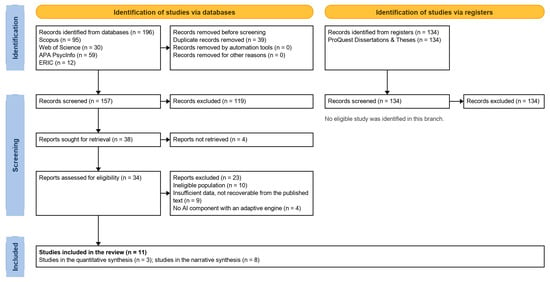
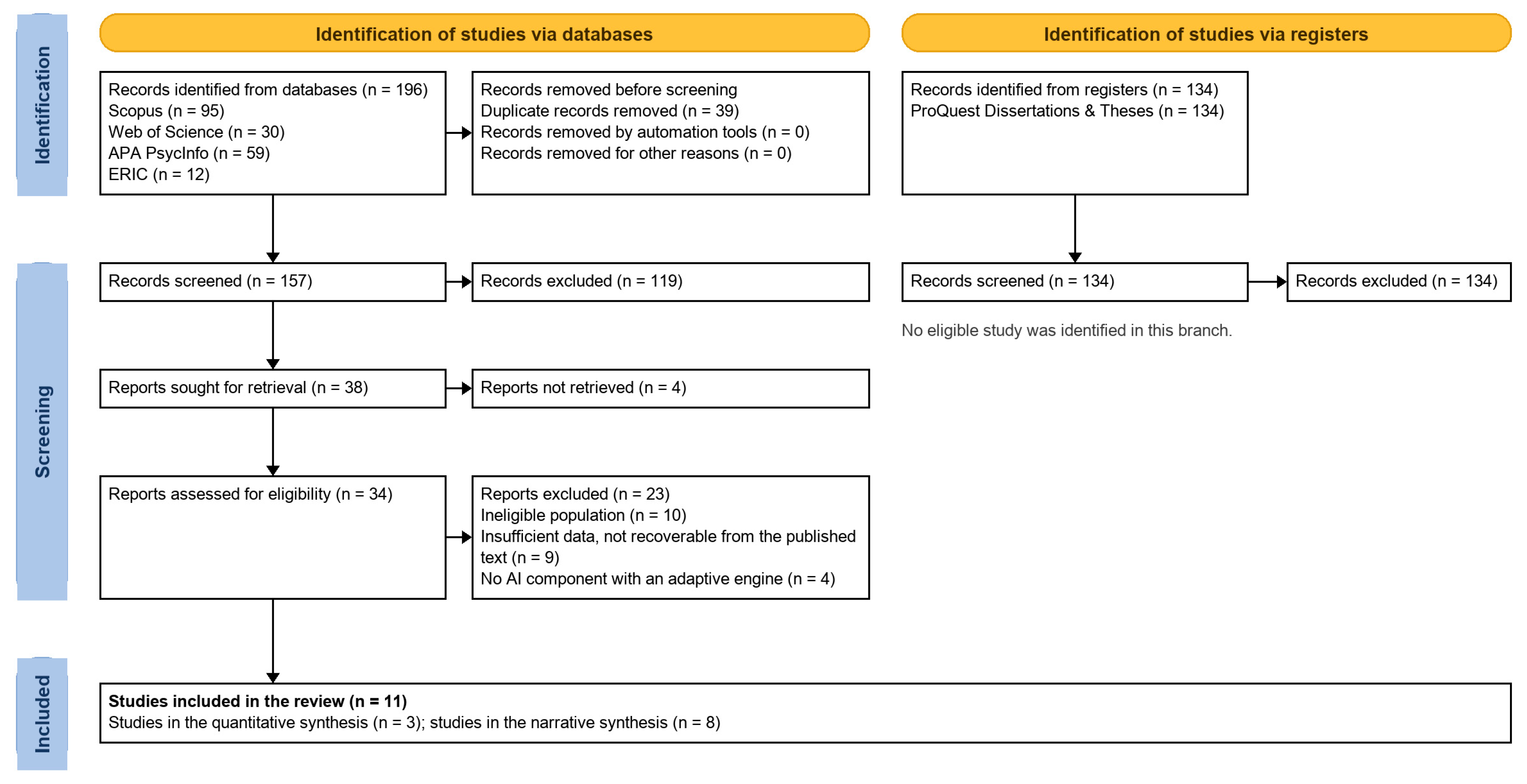
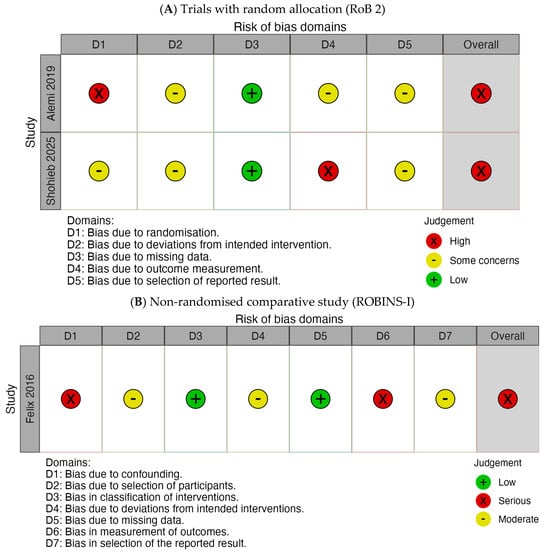
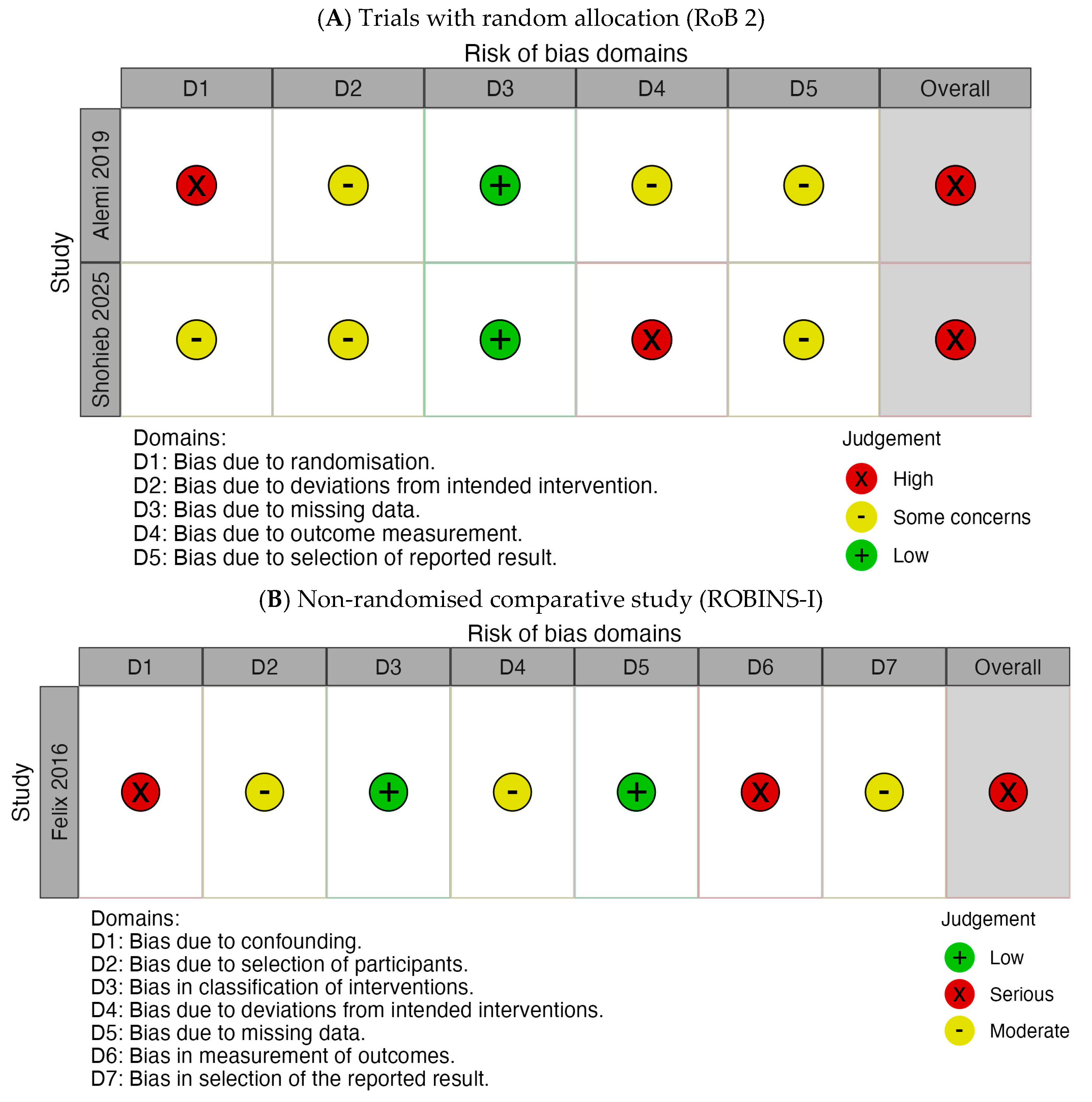
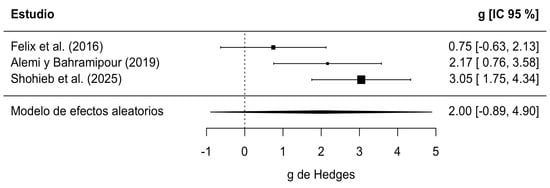
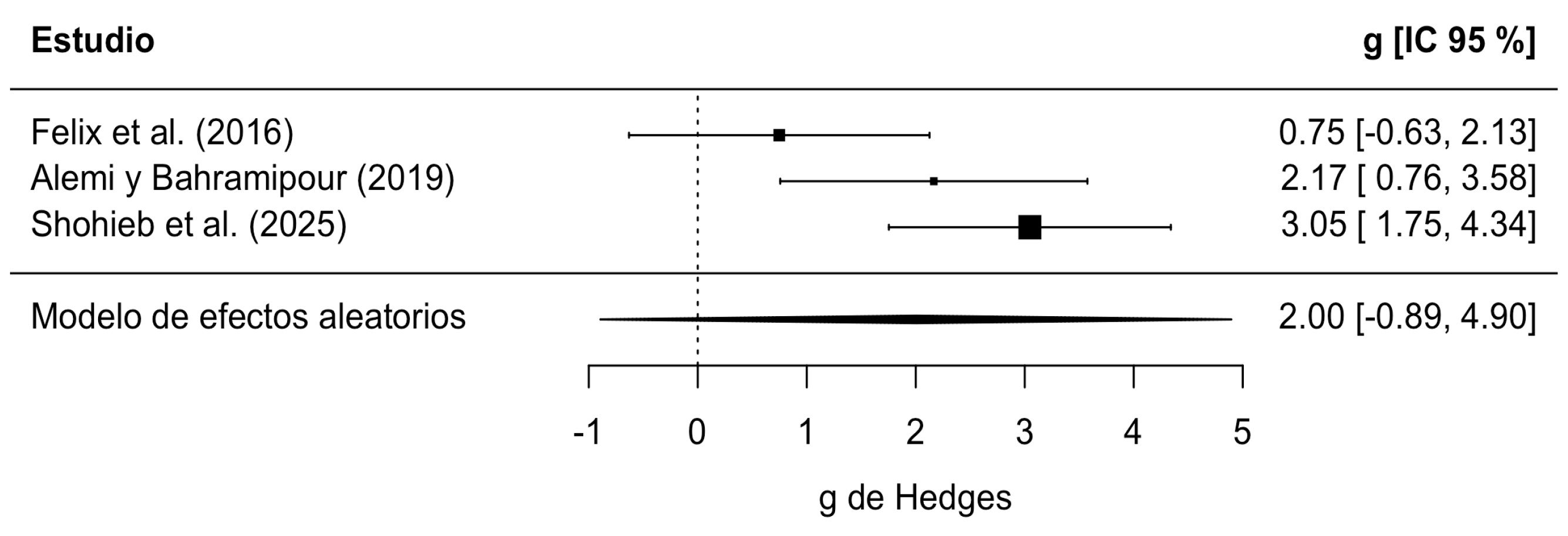
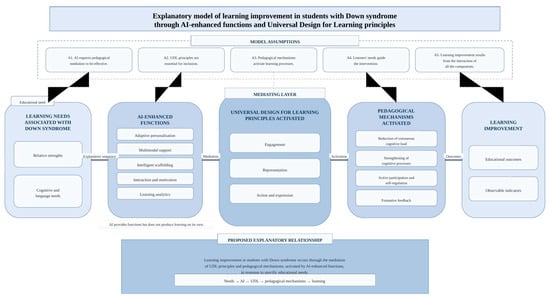
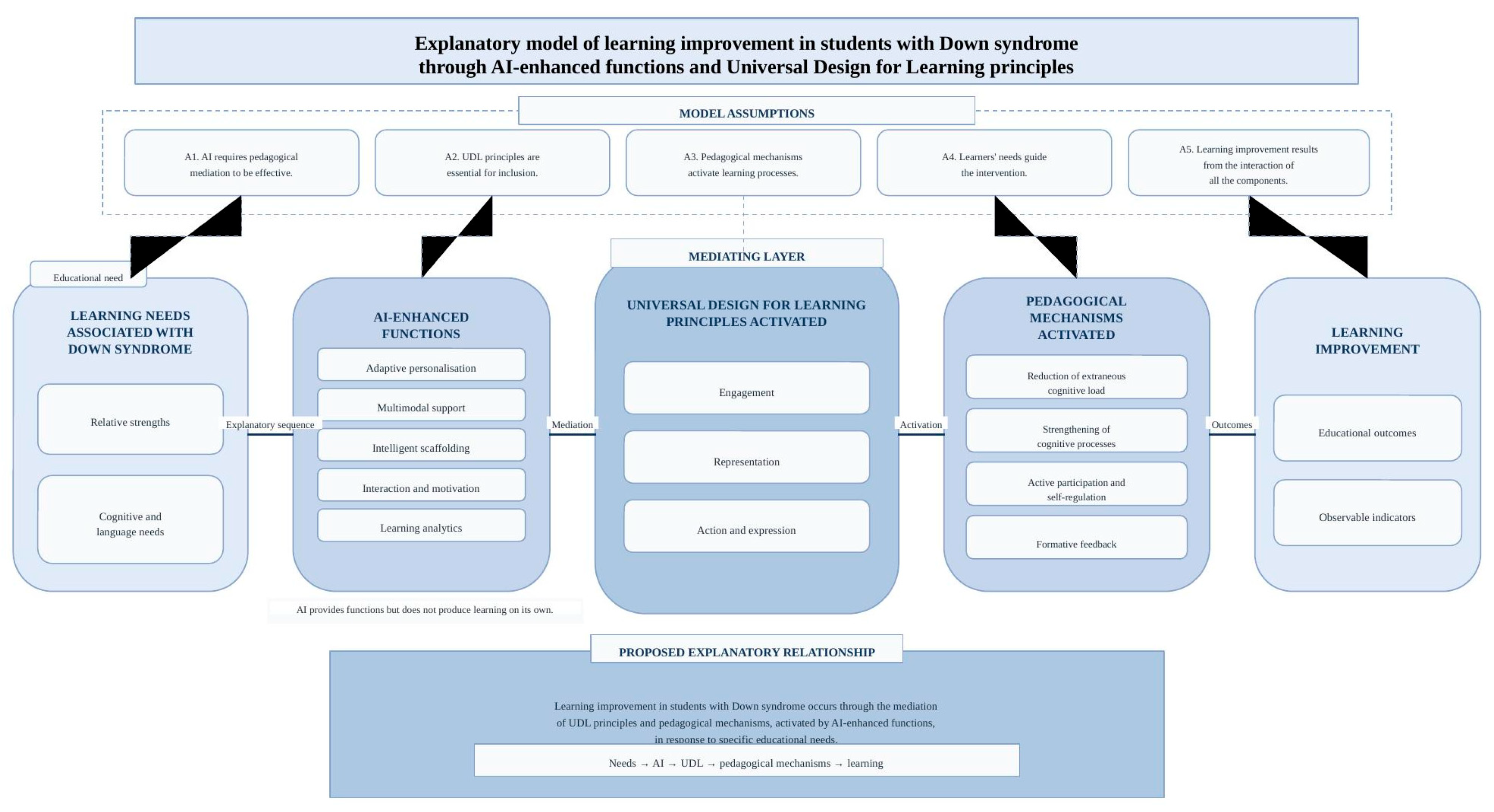

Disclaimer/Publisher’s Note: The statements, opinions and data contained in all publications are solely those of the individual author(s) and contributor(s) and not of MDPI and/or the editor(s). MDPI and/or the editor(s) disclaim responsibility for any injury to people or property resulting from any ideas, methods, instructions or products referred to in the content. |
© 2026 by the authors. Licensee MDPI, Basel, Switzerland. This article is an open access article distributed under the terms and conditions of the Creative Commons Attribution (CC BY) license.