


Abstract
Implementing STEAM (Science, Technology, Engineering, Arts, and Mathematics) education places substantial, varied demands on teachers, yet evidence on what educators need to enact it remains fragmented. This systematic review synthesizes empirical research on educators’ needs for STEAM implementation across five interrelated dimensions—preparation, implementation, coordination, collaboration, and professional development—as outlined in the STEAMCompEdu framework. A systematic search of Scopus, Web of Science, ERIC, and Wiley Online Library, reported per PRISMA 2020, identified 62 eligible peer-reviewed studies from 29 single-country contexts and 7 multi-country studies (2019–July 2026) and synthesized them through combined deductive and inductive coding. Coded needs encompassed those self-reported by educators as well as barriers and conditions identified by researchers and study authors; a sensitivity analysis restricted to educators’ own statements reproduced and, for coordination and collaboration, sharpened the main asymmetry. The analysis revealed a marked asymmetry: preparation and professional development were near-universal concerns (each reported in 98% of studies), whereas coordination and institutional support were addressed in fewer than half (40%). The needs most consistently reported across the literature—STEAM-specific knowledge, interdisciplinary curriculum design, instructional resources, and sustained professional development—cluster at the individual level, while the organizational and system-level conditions that enable STEAM, such as leadership, scheduling, and cross-sector collaboration, remain comparatively underexamined. Effectively supporting STEAM teachers, therefore, requires coherent action that extends beyond individual training to encompass institutional and policy conditions.
1. Introduction
The global prioritization of STEM (Science, Technology, Engineering, and Mathematics) education gained momentum in the early 2000s, driven by concerns over economic competitiveness and workforce preparedness (National Science Foundation (NSF), 2001). Criticized for neglecting creativity and the humanities, the STEM agenda was subsequently broadened to include the arts, giving rise to STEAM education (Yakman, 2006), a shift reinforced by the Rhode Island School of Design’s “STEM to STEAM” initiative (Maeda, 2013). STEAM education has since emerged as an integrative pedagogical paradigm that combines Science, Technology, Engineering, Arts, and Mathematics through interdisciplinary, project-based learning, fostering creativity, design thinking, and transversal competences such as critical thinking and collaboration (Bertrand & Namukasa, 2020; Herro et al., 2017; Perignat & Katz-Buonincontro, 2019; Sochacka et al., 2016). Unlike traditional STEM or non-STEAM classrooms, which tend to retain discipline-specific structures and prioritize content mastery (Henriksen, 2014; Thoma et al., 2023), STEAM-oriented contexts more consistently embed cross-disciplinary thinking alongside technical and creative skill development (Deák & Kumar, 2024; Perignat & Katz-Buonincontro, 2019).
Despite its growing pedagogical appeal, implementing STEAM education presents significant challenges in the classroom, particularly regarding educators’ roles, competences, and professional readiness. In recent years, increasing scholarly attention has been devoted to integrating the STEAM approach into school curricula, particularly in the United States and Asia (Calheiro & Greca, 2025; Dahal, 2022; Harris & de Bruin, 2018; Wanyi et al., 2022). Implementing STEAM education in the classroom presents multifaceted challenges for educators, as it requires them to shift from traditional direct instruction to a facilitative role that supports inquiry, creativity, and student-led exploration (Boice et al., 2024; Koirala & Parajuli, 2024).
Many teachers still perceive STEAM education as a sequence of isolated activities rather than as a holistic, interdisciplinary approach to learning (Boice et al., 2021). Furthermore, facilitating effective collaboration among students adds an additional layer of complexity, requiring educators to design authentic, group-based projects that integrate multiple disciplines and foster equitable participation (Herro & Quigley, 2017). The diversity of students’ learning needs and interest levels further complicates implementation. For instance, a study in Malaysia identified that teachers faced challenges related to language barriers and students’ reluctance toward mathematics, emphasizing the need for adaptable strategies and differentiated instruction (Wanyi et al., 2022).
The literature suggests that educators specializing in STEAM disciplines encounter a range of obstacles spanning pedagogical, curricular, structural, and assessment-related domains. Research conducted in Korea (Lee et al., 2012) and the United States (Boice et al., 2021) highlights teachers’ struggles to allocate time for collaborative planning, access suitable resources, and obtain sufficient institutional support. These difficulties reinforce the need for ongoing professional development and stronger leadership backing for integrated STEM and STEAM education. Lack of expertise, limited teaching experience in interdisciplinary settings, insufficient training, and inadequate preparation time further hinder effective implementation (Herro & Quigley, 2017; Shernoff et al., 2017; N. D. Spyropoulou & Kameas, 2020a). Additionally, integrating authentic assessment strategies remains problematic due to the iterative nature of STEAM projects and the inclusion of multiple subject areas, which often extend beyond teachers’ disciplinary expertise (Opperman, 2016).
Empirical research highlights the need to put in place more structured mechanisms to support teachers’ preparation and professional development. Although the STEAM approach has gained traction in many educational systems, further evidence is needed to identify the forms of institutional and pedagogical support that most effectively enable teachers to integrate it into their practice (Pinzón et al., 2024; N. D. Spyropoulou & Kameas, 2020b, 2020c). In Greece, N. D. Spyropoulou and Kameas (2020c) found that teachers across the preschool, primary, and secondary levels reported a variety of obstacles, including insufficient equipment, difficulties fostering teamwork, and challenges addressing diverse student needs. Similarly, in Colombia, Pinzón et al. (2024) observed that institutional constraints, such as limited access to laboratories, inadequate technological infrastructure, and scarce resources, significantly impeded teachers’ ability to embed STEAM principles into their pedagogical practice.
Recent studies also reveal that teachers’ training backgrounds and institutional contexts shape educators’ perceptions of STEAM education. In Vietnam, Hang et al. (2023) identified that teachers’ willingness and confidence exert the strongest influence on their intention to implement STEAM education, suggesting that psychological and motivational factors are central to teacher readiness. Complementary findings by Heredia-Sacio and Herrera-San Martín (2025) suggest that comprehensive professional preparation promotes positive attitudes and increased confidence in STEAM education implementation, whereas inadequate training leads to uncertainty and resistance. Teachers who demonstrated the strongest commitment to STEAM education concurrently expressed the most pronounced needs in key areas of pedagogical and institutional support. Specifically, educators reported significant demands for structured curriculum guidance, robust instructional design frameworks, enhanced subject-specific knowledge, effective assessment tools, and systemic support mechanisms (N. Spyropoulou et al., 2025), underscoring that enthusiasm for STEAM education does not equate to actual readiness to implement it effectively. This body of evidence highlights a critical gap: high teacher motivation is not adequately matched by the availability of resources and supportive infrastructure necessary for sustained implementation. Heredia-Sacio and Herrera-San Martín’s (2025) review further highlights that the conceptual ambiguity surrounding STEAM and the absence of clear methodological guidelines continue to hinder adoption. Institutional conditions, particularly infrastructure, leadership, and curriculum coherence, emerge as decisive factors shaping teachers’ engagement with STEAM pedagogies.
Existing studies have provided valuable insights into teachers’ attitudes, perceptions, and experiences; however, many stop short of systematically examining the multifaceted dimensions of educators’ needs in practice, which span preparation, implementation, collaboration, coordination, and professional development. The STEAMCompEdu framework (N. Spyropoulou, 2024; N. Spyropoulou & Kameas, 2024a) has contributed to the definition and conceptualization of the competence areas relevant to STEAM educators. However, empirical evidence remains fragmented regarding how these dimensions are connected in educators’ day-to-day realities and professional learning contexts. Moreover, research on teacher professional development in STEAM contexts tends to focus on short-term, isolated initiatives, such as workshops or project-based trainings, rather than on sustained, practice-embedding and collaborative models that align with authentic classroom conditions (Herro & Quigley, 2017; A. Kim, 2025; Margot & Kettler, 2019). This disconnection between conceptual frameworks and empirical practice limits the development of evidence-based teaching strategies that can strengthen educators’ competences and inform institutional and policy measures for effective STEAM implementation.
These gaps point to a fragmented understanding of educators’ needs across contexts and limited insight into how institutional structures, school leadership, and policy coherence can create supportive environments and reduce barriers. In response, this study systematically reviews current evidence on educators’ needs for implementing STEAM education, aiming to identify prevailing research trends, organize reported needs across five predefined analytical dimensions (preparation, implementation, coordination, collaboration, and professional development), and synthesize the specific needs within each. The STEAMCompEdu framework (N. Spyropoulou & Kameas, 2024a) was selected as the deductive analytical framework because it was developed specifically to conceptualize the competences and roles of educators involved in STEAM education and captures multiple aspects of educators’ practice, extending beyond classroom implementation to include design and preparation, coordination, collaboration with the wider community, and continuing professional development. This multidimensional scope was well aligned with the purpose of the present review, which sought to synthesize the range of needs associated with educators’ implementation of STEAM rather than focus on a single competency domain. STEAMCompEdu was therefore used as a pre-existing, STEAM-specific conceptual lens for organizing the evidence, rather than as a taxonomy to be empirically validated by this review. Accordingly, the five major dimensions were defined deductively; RQ2 examines the distribution of identified needs across these dimensions, while RQ3 examines the specific needs emerging within them through inductive refinement. Consistent with its aim of mapping how educators’ needs are discussed and framed across a methodologically diverse literature, this review adopts a configurative, thematic-synthesis design (Gough et al., 2012): it combines, under a single needs construct, needs self-reported by educators, barriers identified by researchers, recommendations made by study authors, and conditions empirically associated with implementation, rather than treating these as equivalent, individually validated indicators of educators’ own stated priorities.
To our knowledge, this is the first review to synthesize empirical evidence on educators’ STEAM needs across multiple countries and educational levels around such a structured, dimension-based lens, and its contribution is distinct from prior work. Relative to STEAM-specific reviews that examined a narrower slice of practice (e.g., digital competencies; Deák & Kumar, 2024) or synthesized STEAM research broadly without a needs-focused lens (Perignat & Katz-Buonincontro, 2019), it offers the first needs-focused empirical synthesis. Compared with reviews of teacher professional development and teacher education for STEAM/Maker practice (Calheiro & Greca, 2025; Heredia-Sacio & Herrera-San Martín, 2025), which characterize teacher perceptions and practices, it aggregates what educators across contexts report requiring. And relative to reviews of STEM curriculum integration (Margot & Kettler, 2019), it extends the focus beyond integration practices to the broader set of needs that support them.
The following research questions guide the present study:
- RQ1
- What are the bibliographic, methodological, contextual, and participant characteristics of studies examining educators’ needs for STEAM implementation?
- RQ2
- How are educators’ needs distributed across the five dimensions derived from the STEAM competence framework?
- RQ3
- What specific educator needs are identified within each predefined dimension?
- RQ3.1. What are the specific needs of educators for the preparation and development of STEAM initiatives?
- RQ3.2. What are the specific needs of educators for the implementation of STEAM initiatives?
- RQ3.3. What are the specific needs of educators for the coordination of STEAM initiatives?
- RQ3.4. What are the specific needs of educators for collaboration with colleagues and the wider community?
- RQ3.5. What are the specific needs of educators for professional development in areas related to STEAM education?
Together, these questions provide a structured framework for examining how educators can be more effectively supported in enacting STEAM practices and for building a more coherent understanding of educators’ needs to implement STEAM education.
2. Materials and Methods
The research questions are addressed through a systematic literature review, in which study inclusion is determined by clearly defined and explicitly stated criteria. This review is systematic, with predefined, reproducible procedures for search, eligibility screening, full-text screening, data extraction, and synthesis, applied consistently across all included studies. Reporting of these procedures follows the PRISMA 2020 (Preferred Reporting Items for Systematic Reviews and Meta-Analyses) guidelines (Page et al., 2021). It does not, however, report a meta-analysis or a quality-weighted synthesis of effect sizes. Its explicit aim is to synthesize and thematically classify the range of educators’ needs reported across the literature, rather than to assess the strength of evidence for a specific effect or outcome, which is why the frequencies reported throughout this review indicate how many studies mentioned a given need rather than a quality-weighted or effect-based estimate.
2.1. Search Strategy
The data for this study were retrieved from three bibliographic databases (Scopus, ERIC, and Web of Science) and one publisher platform (Wiley Online Library), all searched on 23 July 2026. Scopus, ERIC, and Web of Science were selected as core, multi-discipline, spanning databases that jointly index a wide range of peer-reviewed journals and conference proceedings relevant to STEAM education. Wiley Online Library was searched in addition to capture relevant peer-reviewed education journals published on that platform that may not be comprehensively indexed elsewhere. The search strategy was based on three groups of keywords: (1) terms related to STEAM education, including “STEAM education” and “STE(A)M education”; (2) terms related to teachers, including “teacher” and “educator”; and (3) terms related to needs, including “need”, “barrier”, “challenge” and “difficulty”. The Boolean operator AND was used to combine the three groups of keywords, while OR was applied to connect alternative terms within each group. The final search string was: (“STEAM education” OR “STE(A)M education”) AND (teacher* OR educator*) AND (need* OR barrier* OR challenge* OR difficulty OR difficulties). The needs-related terms were deliberately kept close to what educators still require to implement STEAM education, rather than broadened to terms describing existing provision (e.g., readiness, competence, professional development), which would have shifted the focus of the search toward studies evaluating current training programs or intervention effectiveness rather than unmet needs. Terms such as “readiness,” “support,” and “training” predominantly index a literature that evaluates existing provision rather than one that reports what is still lacking; including them would have broadened the corpus toward program-evaluation studies without reliably surfacing additional needs-focused work that does not also use need-, barrier-, challenge-, or difficulty-related language. This was a deliberate, research-question-driven scope decision.
In Scopus, the string was applied as a title, abstract, and keyword search: (“STEAM education” OR “STE(A)M education”) AND (teacher* OR educator*) AND (need* OR barrier* OR challenge* OR “difficulty” OR “difficulties”)) AND PUBYEAR > 2018 AND PUBYEAR < 2027, limited to articles and conference papers in English (317 records before filters; 221 after filters). In ERIC, the string “(“STEAM education” OR “STE(A)M education”) AND (teacher* OR educator*) AND (need* OR barrier* OR challenge* OR difficulty OR difficulties)” was applied as a basic search across title, abstract, and keyword/descriptor fields, limited to peer-reviewed journal articles published between 2019 and 2026 (84 records before filters; 60 after filters). In Web of Science, the string “(“STEAM education” OR “STE(A)M education”) AND (teacher* OR educator*) AND (need* OR barrier* OR challenge* OR difficulty OR difficulties)” was applied as a basic search across title, abstract, and keyword fields, limited to the Article document type, English language, and publication years from 2019 to 2026 (131 records before filters; 103 after filters). In Wiley Online Library, the string “(“STEAM education” OR “STE(A)M education”) AND (teacher* OR educator*) AND (need* OR barrier* OR challenge* OR difficulty OR difficulties)” was applied as a basic search across title, abstract, and keyword fields, limited to journal content published between 2019 and 2026 (117 records before filters; 100 after filters). This search relied exclusively on the three bibliographic databases and one publisher platform described above; no supplementary reference-tracking procedures were conducted. In total, 484 records were identified through database searching.
2.2. Inclusion and Exclusion Criteria
Following database searches, the records were imported into the Zotero reference management system, where duplicate entries were removed. Of the 484 records identified, 133 were duplicates. After removing the duplicates, 351 records remained for screening based on title and abstract. Studies were considered eligible if they met the following criteria:
- Publication type: Original empirical studies published as peer-reviewed journal articles or conference papers. The peer-review status of the eight included conference papers, published across six venues, was verified individually rather than inferred from database indexing. For each paper, the relevant publisher, proceedings, or official conference documentation was consulted to confirm that the venue applied a peer-review process to submitted papers. This included three papers published in the Journal of Physics: Conference Series (IOP Publishing), as well as papers published in the proceedings of ICCE (APSCE), the ASEE Annual Conference & Exposition, DSAI (ACM), MIPRO (IEEE), and EAEEIE (IEEE). On the basis of this verification, all eight conference papers were retained as meeting the review’s peer-reviewed publication criterion.
- Publication period: Published between 2019 and 2026 (July 2026). The starting year was set at 2019 because empirical literature addressing educators’ needs, barriers, and challenges in implementing STEAM education begins to appear with meaningful frequency in the searched databases from that year onward, with negligible relevant results in earlier years; the upper bound was set to capture the most recent developments and trends in the field at the time of the search.
- Language: Written in English to ensure accessibility and comparability of results.
- Population focus: Addressed in-service teachers, as the study seeks to understand the practical needs of educators who are currently engaged in classroom practice.
- Topic focus: Explicitly related to STEAM education, covering its implementation within teaching and learning contexts.
- Scope: Investigated or reported on the needs, barriers, challenges and difficulties of teachers in implementing STEAM education.
Records were excluded during title and abstract screening if they met any of the following criteria:
- Not a STEAM education context: The study did not address STEAM (Science, Technology, Engineering, Arts, and Mathematics) education specifically, or STEAM was mentioned only peripherally rather than as a substantive focus of the research (e.g., studies centered on a single discipline, such as science or mathematics education alone, without an integrative STEAM framework).
- Population is not in-service teachers: The study did not sample or report data from currently practicing classroom teachers or educators. This included studies focused exclusively on pre-service teachers or teacher candidates, students, school administrators without a teaching role, or other stakeholders (e.g., parents), in which in-service teacher perspectives were absent or could not be isolated from the broader sample.
- Does not address educators’ needs, barriers, challenges, or difficulties: The study addressed STEAM education and involved in-service teachers, but its focus was not on teachers’ implementation needs, barriers, challenges, or difficulties. This included studies centered on student learning outcomes, curriculum or tool design and usability, or teacher attitudes/perceptions in the absence of any needs- or barriers-oriented analysis.
- Not an empirical study: The record was not an original empirical research article or conference paper reporting primary data collection and analysis. This included opinion pieces, editorials, theoretical or conceptual papers, position papers, literature reviews, front-matter entries, and other non-substantive records.Criteria 1–4 are not mutually exclusive by definition, since a record could in principle meet at the same time more than one of these substantive eligibility criteria (for example, a non-empirical opinion piece that also does not concern STEAM education). To ensure that the exclusion counts reported in Section 2.4 assign each excluded record to a single reason, records were coded to the first applicable criterion in the fixed order listed above: (1) not a STEAM education context; (2) population is not in-service teachers/educators; (3) does not address educators’ needs, barriers, or challenges; (4) not an empirical study.
- Duplicate record: The record was identical or substantively identical to another record already captured in the dataset, including records indexed across multiple databases that had not been removed during the initial Zotero de-duplication process.
- Wrong publication type: The record was a publication type excluded by protocol (e.g., a conference abstract without a full paper, or a book chapter). (No records in the current 351-record dataset were excluded under this code.)
- Not available in English: The full text was not available in English, preventing accurate screening and data extraction. (No records in the current 351-record dataset were excluded under this code.)
- Full text could not be retrieved: Despite reasonable attempts, the full text of the report could not be accessed or obtained through institutional access, inter-library loan, or direct author contact, preventing further eligibility assessment.
2.3. Operational Definition of Educators’ Needs
In this review, an educator need was conceptualized as a discrepancy between the current state (“what is”) and the state required or desired for effective professional practice (“what should be”), consistent with discrepancy-based approaches to educational needs assessment (Borich, 1980; Witkin & Altschuld, 1995). Within STEAM education, needs were therefore understood broadly as gaps or requirements concerning educators’ knowledge and skills, resources, collaboration, professional development, institutional support, and structural or policy conditions necessary for effective implementation. We adopt the discrepancy concept to define what counts as a need—that is, to decide which statements in the primary studies were treated as evidence of a need—rather than the needs-assessment methodology from which it originates: we did not measure the magnitude of any discrepancy or rank needs by importance, consistent with the configurative, frequency-of-reporting synthesis used here (Section 2.5). To examine the sensitivity of the original search, the terms barrier*, challenge*, and difficulty, and difficulties were added to the needs-related search block. These terms were selected because barriers, challenges, and difficulties can provide direct evidence of a discrepancy between educators’ current circumstances and the conditions required for effective STEAM practice and may therefore reveal an underlying need even when authors do not explicitly use the term need. They were not treated as synonymous with needs; rather, they served as potential indicators of needs during retrieval, with eligibility determined during screening according to the review’s operational definition. Broader terms such as readiness, preparedness, competence, professional learning, professional development, implementation difficulties, and institutional support were not added as separate search terms because they represent specific constructs, forms of provision or support, or particular domains in which a need may occur rather than general indicators of an unmet need. Including these terms independently would therefore substantially broaden the search toward studies assessing these constructs or interventions without necessarily investigating educators’ needs. Notably, implementation difficulties were already conceptually captured by the broader wildcard terms difficulty and difficulties.
For the purposes of this review, an educator’s need was operationally defined as any explicit statement in a primary study indicating that in-service teachers require additional knowledge, skills, resources, time, collaboration, leadership, or institutional support in order to implement STEAM education effectively. Consistent with the heterogeneous nature of the primary literature, eligible evidence could be needs self-reported by educators (e.g., in surveys, interviews, or focus groups), barriers or gaps identified by the study’s researchers on the basis of classroom observation, document analysis, or other empirical data, recommendations made by the study authors and explicitly grounded in their own empirical findings and conditions that a study’s empirical results associated with more effective STEAM implementation, where the study itself framed the absence of that condition as a barrier or gap for teachers.
To illustrate, Boice et al. (2021) documented explicit demand among United States teachers for greater school support, professional development, and resources for integrated STEM/STEAM education, illustrating self-reported needs. N. D. Spyropoulou and Kameas (2020c) identified multiple challenges among Greek STE(A)M educators, including insufficient equipment and difficulties in fostering a culture of teamwork, based on their own analysis and the researcher-identified barriers they documented. Wanyi et al. (2022) reported contextual factors, such as language barriers and students’ reluctance toward mathematics, that were empirically associated with the difficulties Malaysian teachers faced in managing diverse student needs, illustrating conditions associated with implementation difficulty. Several included studies also situate educators’ needs within a broader stakeholder context, noting that policymakers are responsible for curricula, standards, and resource provision, and that sustained STEAM implementation depends on coordinated action across stakeholder groups; needs of this kind were coded under the review’s coordination and professional development dimensions rather than treated as a separate stakeholder category.
These four forms of evidence differ in the strength and directness of the claims they support: self-reported needs reflect educators’ own perceptions, whereas researcher-identified barriers, author recommendations, and empirically associated conditions reflect the interpretations of the primary study’s authors rather than those of teachers themselves. The coding framework applied in this review (see Data Coding and Synthesis) did not formally distinguish between these four evidence types at the point of coding, and the findings reported in the Results section therefore combine them under each dimension and sub-category. To assess the interpretive strength of our findings, we classified each of the 950 coded excerpts underlying the review’s frequency counts by evidence type (Supplementary Table S6) and recomputed the review’s central frequency-based findings restricted to the subset directly reported by teachers (552 of 950 excerpts, 58.1%; Supplementary Table S7). The asymmetry reported in Section 3 held under this restriction and sharpened: Preparation, Implementation, and Professional Development remained near-universal concerns (88.7% of studies each), while Coordination and Collaboration, already the least-represented dimensions under the full coding, declined further when restricted to directly-reported evidence (Coordination: 40.3% to 17.7%; Collaboration: 66.1% to 43.5%), indicating that needs in these two dimensions rely disproportionately on researcher inference, author recommendation, and empirical association rather than educators’ own direct statements. The specific needs reported most frequently within each dimension were substantially unchanged under this restriction (Section 3.3; Supplementary Table S7, Panel B). We therefore interpret the review findings as reflecting how frequently a need, barrier, or challenge was discussed in the literature, with much of the underlying evidence drawing on educators’ own statements. Because the inclusion criteria required studies to address in-service teachers, studies were eligible only if they reported evidence relevant to teachers’ own needs, even when they also reported data from students or other stakeholders (e.g., to contextualize or triangulate teacher-reported needs).
2.4. Data Screening
The results of the search process and subsequent screening are presented in the PRISMA flow diagram (see Figure 1).
Figure 1.
PRISMA flowchart.
Database searches across Scopus (n = 221), ERIC (n = 60), Web of Science (n = 103), and Wiley Online Library (n = 100) identified 484 records. Before screening, 133 duplicate records were removed, leaving 351 records for title and abstract screening. Screening was conducted independently by the two first authors. Based on the researchers’ record of the screening sessions, 30 of the 351 records required discussion to reach a shared decision, corresponding to an estimated pre-consensus agreement of 91.5% (321/351). This figure is a retrospective estimate rather than a value computed from a contemporaneously logged, record-by-record dataset, and should be interpreted with the corresponding caution. Remaining discrepancies were resolved through discussion. Of these, 238 records were excluded for not meeting the eligibility criteria: 83 were not empirical studies; 76 did not involve an in-service teacher population; 53 did not address educators’ needs, barriers, challenges, or difficulties; and 26 did not concern a STEAM education context. The remaining 113 reports were sought for retrieval; 12 could not be retrieved, leaving 101 reports assessed for eligibility at the full-text stage. The two researchers independently reviewed the remaining 101 full-text articles to identify those containing information relevant to the study. Using the same approach applied during title and abstract screening, the two researchers reached the same eligibility decision on the majority of full-text articles. As during the earlier stage, individual decisions were not logged separately, so a formal chance-corrected statistic could not be computed; based on the researchers’ record of this stage, 12 of the 101 full-text reports required discussion, corresponding to an estimated pre-consensus agreement of 88.1% (89/101), again a retrospective estimate rather than a value computed from a contemporaneously logged dataset. Remaining disagreements were resolved through discussion of the articles in question, resulting in a final consensus of 62 articles accepted for inclusion in the review. A further 39 reports were excluded at this stage: 20 did not address educators’ needs, barriers, challenges, or difficulties, 14 did not involve an in-service teacher population, 3 were not empirical studies, and 2 did not concern a STEAM education context. This process resulted in a final sample of 62 studies included in the systematic review. No review protocol was registered prior to conducting the review.
Methodological quality was appraised using the Mixed Methods Appraisal Tool (MMAT, version 2018; Hong et al., 2018), whose criteria are appropriate for the qualitative, quantitative, and mixed-methods designs represented in the corpus. Each of the 62 included studies was assessed against the two MMAT screening questions and the five criteria of its corresponding methodological category, with each item rated as met, not met, or cannot tell. The appraisal was carried out by the first author and independently checked by the second author, with any disagreements resolved through discussion. In line with the tool developers’ guidance, no overall quality score was computed, and no study was excluded on the basis of its appraisal; instead, the appraisal was used to inform the interpretation of the findings. The full appraisal is reported in Supplementary Table S5.
2.5. Data Analysis
To ensure a systematic and transparent alignment between the data analysis and the research questions, the coding process was conducted in two structured phases. In the first phase, a deductive coding framework was developed, following the principles of thematic analysis outlined by Braun and Clarke (2006, 2012), to examine educators’ needs in implementing STEAM education. The analysis was guided by the study’s research questions and informed by the STEAMCompEdu competence framework. The framework conceptualizes the STEAM educator through five interrelated role perspectives: teacher, designer, organizer, community builder, and lifelong learner. Building on these perspectives, a set of theory-informed analytical dimensions was defined to structure the review, namely: (1) preparation and development of STEAM initiatives, (2) implementation, (3) coordination, (4) collaboration, and (5) professional development. These dimensions were used as predefined coding categories to support a systematic and theory-informed analysis of the selected literature, which were directly aligned with RQ2 and RQ3. Each of the 62 selected studies was read in full and coded at the level of units of meaning (sentences or paragraphs explicitly referring to educators’ needs). A detailed codebook was constructed, including operational definitions and illustrative examples for each dimension. When a study addressed more than one dimension, segments were coded accordingly, allowing multiple coding where conceptually justified. For the frequency of reporting figures presented in the Results and in Supplementary Table S4 (e.g., the number and percentage of included studies reporting a given need), each study was counted once per code regardless of how many times that need was mentioned within the study; frequencies therefore reflect the number of studies reporting a need, not the number of coded excerpts. In the second phase, an inductive refinement process was applied within each predefined dimension to identify recurring patterns and sub-categories of needs (e.g., Curriculum Design & Integration, Pedagogical Planning & Strategies, Collaboration among educators). This two-step approach ensured both theoretical consistency and sensitivity to the nuances emerging from the literature. A detailed codebook, including operational definitions and an illustrative excerpt for each of the 61 codes, is provided as Supplementary Table S3. An evidence table listing, for each identified need, the complete set of contributing studies is provided as Supplementary Table S4.
To address RQ1, descriptive quantitative analyses identified characteristics such as publication year, country of origin, study aim, research design, educational level, participants and sample size, data collection method, and the method used to identify educators’ needs. These characteristics and the main findings relevant to the review were reported using frequency counts of coded attributes. For RQ2, the presence of each framework dimension across studies was recorded and quantified to examine how educators’ needs were conceptually classified in the literature. For RQ3 and its sub-questions, coded excerpts were synthesized thematically within each dimension, and the number of studies reporting each specific need was calculated to indicate the proportion of included studies reporting the need. NVivo (Version 12 Plus) software was used to manage the coding process, organize nodes, retrieve coded segments, and generate frequency summaries, thereby enhancing analytical traceability and consistency. To strengthen the reliability of the coding process, this review followed a structured verification procedure comprising three sequential steps. In the first step, the first author coded and extracted data from all 62 included studies, applying the deductive and inductive coding phases described above. In the second step, the second researcher independently reviewed the first author’s coding and the resulting categories across all 62 studies, checking each coded excerpt against the codebook’s operational definitions; this was a review of the first author’s completed coding rather than a separate, blind independent coding pass, so a formal inter-rater agreement statistic such as Cohen’s kappa, which requires two independently generated codings of the same data, was not applicable at this step. In the third step, any discrepancies identified during this review were discussed by the two researchers until consensus was reached, resulting in minor refinements to code definitions. This iterative verification procedure ensured that the findings were systematically derived from the data and directly responsive to the study’s research questions.
3. Results
3.1. RQ1. What Are the Bibliographic, Methodological, Contextual, and Participant Characteristics of Studies Examining Educators’ Needs for STEAM Implementation?
In total, 62 relevant publications were retrieved from Scopus, ERIC, Web of Science, and Wiley Online Library (Alghamdi, 2023; Baran & Baran, 2025; Barrett et al., 2020; Bertling et al., 2025; Boice et al., 2021; Breda et al., 2023; Buabeng & Amo-Darko, 2026; Cabello et al., 2021; Chang, 2023; Cheuk & Lam, 2025; Chu et al., 2024; Cook et al., 2020; Correia et al., 2024; Davies & Trowsdale, 2021; Debrenti et al., 2025; Dinh, 2021; Dubek et al., 2021; Duong et al., 2026; Frans & Andreotti, 2019; Frentescu Tordai et al., 2026; Guimeráns-Sánchez & Alonso-Ferreiro, 2025; Gülhan, 2024; Han et al., 2023; Ishartono et al., 2021; Jackson et al., 2022; Jacques et al., 2020; M. K. Kim et al., 2019; Koirala, 2025; Li et al., 2022; Love, 2024; Lupión-Cobos et al., 2023; Malagrida et al., 2022; Mehddi et al., 2025; Mohd Hawari & Mohd Noor, 2020; Naufal et al., 2024; O’Donoghue et al., 2024; Park & Park, 2020; Quigley et al., 2020; Rantanen et al., 2026; Sakellaropoulou et al., 2024; Santos et al., 2025; Shaw et al., 2021; Shea et al., 2023; Shyshenko et al., 2022; Silva-Hormazábal & Alsina, 2023; Sofianidis et al., 2025; Soroko et al., 2021; N. Spyropoulou & Kameas, 2023; N. Spyropoulou & Kameas, 2024a; N. Spyropoulou & Kameas, 2024b; N. Spyropoulou et al., 2025; Sun & Saleh, 2024; Tang et al., 2025; Thoma et al., 2023; Topalska, 2021; Truong & Tran, 2025; Ulbrich et al., 2024; Worapun & Nuangchalerm, 2024; S. C. Wu & Chang, 2023; Z. Wu, 2022; Yıldız & Zengin, 2025; Yoshida & Sølberg, 2024). Detailed information on the general characteristics of the selected studies is provided in the Supplementary Material (Table S1: Characteristics of the 62 studies included in the systematic review). The dataset comprises 54 peer-reviewed journal articles and 8 conference papers, reflecting both established research and emerging discussions within academic forums.
The selection criteria focused on works published between 2019 and 2026, ensuring the inclusion of the most recent developments in the field. The concentration of publications over these eight years suggests a growing scholarly interest in understanding educators’ needs in STEAM education, particularly in response to evolving educational technologies, interdisciplinary teaching practices, and global shifts in STEAM curriculum frameworks. Figure 2 illustrates the yearly distribution of the retrieved publications, highlighting a noticeable upward trend in the volume of research from 2024 to 2025; 13 studies appeared in 2024 and 13 in 2025, together accounting for 42% of the corpus. The lower number of publications recorded for 2026 should be interpreted with caution, as the data cover only the period up to July rather than the full calendar year.
Figure 2.
Publication dates of the selected articles.
54 studies (87%) were published as journal articles in 44 journals, and 8 (13%) as conference papers at 6 venues. Education Sciences (MDPI) was the most common single outlet (7 studies); five further venues contributed two or three studies each, and the remainder one apiece. The breadth of outlets, spanning science, mathematics, engineering, technology, early childhood, and general education journals, underscores that STEAM education is a multidisciplinary field. Individual venues can be identified from the reference list. The wide range of journals and conferences underscores that STEAM education is a multidisciplinary field, attracting researchers from diverse fields and spanning various academic domains.
Figure 3 presents the geographical distribution of the selected articles from 29 countries, demonstrating the international scope of research on educators’ needs in STEAM education. Multi-country studies (n = 7) were classified as “Multiple countries (2+ countries)” and counted once rather than separately for each participating country. The United States was the most frequently represented single country (9 studies), followed by China and Vietnam with 4 studies each, and several countries with 3 studies each (South Korea, Spain, Taiwan, Türkiye). A further 7 studies drew on multiple country samples, most often shared European projects. The bibliographic and geographic profile reported in this section is descriptive context for the corpus, consistent with standard systematic-review reporting practice, and is not intended to carry analytical weight on its own; the relationships, mechanisms, and points of divergence across the included studies are examined in Section 3.2 and Section 3.3 (RQ2 and RQ3) and in the Discussion (Section 4).
Figure 3.
Countries of the selected articles.
Research designs were predominantly qualitative (26 studies, 42%) or mixed-methods (25 studies, 40%), with a smaller share of purely quantitative designs (11 studies, 18%). Common design types included cross-sectional surveys, case studies, design-based research, and Delphi/needs-analysis studies.
Studies most often relied on surveys/questionnaires (36 studies) and interviews (30 studies) to identify educators’ needs, frequently combining the two; observations (16), document or artifact analysis (14), structured assessment/test instruments (8), and focus groups (7) were also used, often alongside a primary survey or interview method.
Educational level was verified against each source PDF. As shown in Figure 4, multiple/cross-level studies were the largest single group (20 studies, 32%), followed by primary/elementary settings (16 studies, 26%) and secondary settings (10 studies, 16%). Nine studies examined professional development not tied to a single school level; pre-primary/early-childhood settings accounted for 7 studies.
Figure 4.
Distribution of studies by educational level.
Most studies sampled teachers/educators exclusively (38 studies, 61%). The remainder combined teacher perspectives with students (10 studies), administrators or school leaders (10 studies), or other stakeholders such as policymakers, researchers, coaches, or parents (4 studies) (Figure 5).
Figure 5.
Participant composition.
Sample sizes varied widely, from single-participant case studies to large-scale international surveys. Where a clear headline sample size was reported (59 of 62 studies), sizes ranged from 1 to 1173 participants (median = 40); 13 studies sampled fewer than 10 participants (typically qualitative case studies or interview studies), 20 sampled 10–49, 9 sampled 50–99, 8 sampled 100–299, and 9 sampled 300 or more.
In conclusion, the review of the 62 publications reveals several trends across educational contexts, countries, and years (2019–2026). Research volume shows an overall upward trend, rising from 2 studies in 2019 to a peak of 13 in both 2024 and 2025—with a temporary dip in 2022 and an apparent drop in 2026, because it reflects only a partial year of coverage rather than a real decline—reflecting growing recognition that teachers play a central role in embedding STEAM education principles in schools. This growing literature aligns with increased adoption of STEAM programs, emerging educational technology tools, and interdisciplinary curricula. Early childhood STEAM education studies remain underrepresented, accounting for only 7 of the 62 studies (11%), with no clear increase over the review period. Studies that bridge multiple educational levels form the largest single group (20 studies, 32%) and highlight transferable needs, especially for teachers working across age groups. Most studies have a teacher-centered focus (61%), while students and administrators are included less often (16% each). This suggests a need for more research on institution-level ecosystems. STEAM education is a global concern, with single-country contributions from 29 countries; the U.S. leads (9 studies), followed by 7 mostly European multi-country studies, and China and Vietnam tied at 4 studies each.
The methodological quality appraisal (Supplementary Table S5) indicated mixed methodological quality across the corpus. The criteria most often rated as not met or unclear concerned the representativeness of samples and the risk of non-response bias in descriptive studies, and the adequate handling of divergences between quantitative and qualitative components in mixed-methods studies; a smaller number of studies met every applicable criterion without any unmet or unclear rating. Consistent with the MMAT developers’ guidance (Hong et al., 2018), this appraisal was not converted into a summary score, and no study was excluded on the basis of its rating; where a reported need rests mainly on a small number of studies with more unmet or unclear criteria, this is noted when interpreting the finding.
3.2. RQ2. How Are Educators’ Needs Distributed Across the Five Analytical Dimensions Derived from the STEAM Competence Framework?
Across the 62 studies, the identified needs were organized into the five dimensions of the STEAMCompEdu framework, which is applied here as an analytical lens. Each dimension corresponds to a distinct facet of the STEAM educator’s role and encompasses a specific set of needs:
- Preparation: the knowledge, skills, and curriculum-design capacity teachers need to develop STEAM initiatives before enactment;
- Implementation: the pedagogical approaches, resources, and classroom-level support needed to deliver STEAM in practice;
- Coordination: the institutional arrangements, scheduling, and leadership that align STEAM activity at the school and system level;
- Collaboration: working with other educators and the wider community, including cross-disciplinary and external partnerships; and
- Professional development: the ongoing, topic-specific learning that sustains STEAM teaching over time.
Table 1 reports how many of the 62 included studies addressed each of these five dimensions. As with all frequency-based results reported in this review, these counts combine needs self-reported by educators, barriers identified by researchers, recommendations made by study authors, and conditions empirically associated with implementation, without distinguishing among these forms of evidence (see Section 2.3); they should accordingly be read as an indication of how often a dimension was discussed in the literature, not as evidence exclusively of educators’ own reported experience.
Table 1.
Overview of article relevance to STEAM framework dimensions.
As Table 1 shows, the dimensions were represented very unevenly across the corpus. Preparation and professional development were the most prominent, each appearing in 61 studies (98.4%), followed closely by implementation (59, 95.2%); collaboration appeared in a more moderate share (41, 66.1%), and coordination was by far the least represented (25, 40.3%). Because the rows do not sum to 62, most studies span multiple dimensions rather than a single one, consistent with the multidimensional, cross-cutting nature of educators’ needs. Together, preparation, implementation, and professional development form the core, near-universal concerns of the literature, whereas coordination stands out as a comparatively narrow, under-discussed one. To test whether this pattern depends on the mixture of evidence types underlying the coding (see Section 2.3), we recomputed these frequencies restricted to excerpts in which a need was directly reported by teachers themselves, rather than inferred by researchers, recommended by study authors, or identified as condition associated with implementation (Supplementary Table S7). The pattern not only held but sharpened: preparation, implementation, and professional development remained near-universal, appearing in 55 studies (88.7%, each), while collaboration fell to 27 studies (43.5%, a 22.6-percentage-point drop) and coordination fell further still, to 11 studies (17.7%, also a 22.6-percentage-point drop). Coordination and collaboration are therefore not only the least-represented dimensions overall but the two for which educators’ own direct statements make up the smallest share of the supporting evidence.
The five dimensions themselves are predefined categories, drawn from the STEAMCompEdu framework and applied deductively as the coding scheme (Section 2.5). Their existence is not a finding of this review. What Table 1 reports empirically is how unevenly the literature maps onto these categories—a pattern that is not determined by the framework itself and could not have been anticipated from it, since the framework specifies the categories but not how frequently each would be addressed by an independently published body of primary research. This distribution is therefore interpretable as a genuine empirical result about the literature (interpreted further in Section 4), not a restatement of the coding scheme; it does not indicate the importance, urgency, or quality of the underlying needs, which would require additional criteria beyond the scope of this frequency-based synthesis. The specific needs within each dimension, derived inductively, are reported under RQ3 (Section 3.3), and the per-study breakdown is provided in Table S2.
3.3. RQ3. What Are the Specific Needs of Educators in Every Dimension?
As noted above and detailed in Section 2.3, the specific needs reported in Table 2, Table 3, Table 4, Table 5 and Table 6 below combine self-reported educator needs with researcher-identified barriers, author recommendations, and empirically associated conditions; readers should keep this distinction in mind when interpreting the frequency of any individual need, since a highly reported need may reflect frequent researcher inference rather than frequent direct teacher report, or vice versa.
3.3.1. RQ3.1. What Are the Specific Needs of Educators for the Preparation and Development of STEAM Initiatives?
Table 2 presents the identified needs of educators in the preparation phase of STEAM initiatives, categorized into five main categories: Competences and Professional Background, Connection of STEAM to real-world issues, Curriculum Design and Integration, Pedagogical Planning and Strategies, and Time.
Table 2.
Needs of educators for the preparation of STEAM initiatives.
Within the Preparation dimension, the most frequently identified need concerned educators’ knowledge and skills, reported in 38 of the 62 studies (61.3%). This was followed by the need to move toward interdisciplinary STEAM curriculum design (n = 33, 53.2%) and to identify appropriate instructional resources (n = 29, 46.8%). More than one-third of the studies also highlighted the integration of STEAM activities into curricula (n = 24, 38.7%), while approximately one-third identified the need to implement innovative pedagogical strategies (n = 20, 32.3%), allocate sufficient instructional time for STEAM classes (n = 19, 30.6%), and create engaging teaching materials (n = 19, 30.6%). Other preparation needs included dedicated preparation and planning time (n = 17, 27.4%), the use of authentic tasks, alignment with academic standards, and the integration of STEAM topics into curricula (each n = 15, 24.2%). Needs related to assessment strategies and overcoming educators’ fear associated with limited STEAM experience were each identified in 13 studies (21.0%). Less frequently reported needs involved connecting STEAM with students’ lives (n = 12, 19.4%), receiving support for content development (n = 11, 17.7%), developing a conceptual framework (n = 7, 11.3%), and identifying community needs (n = 3, 4.8%).
Beyond the individual codes, three patterns stand out. The need for more knowledge and skills about STEAM and the move toward interdisciplinary curriculum design were the two most consistently identified preparation needs, each reported in well over half of the studies addressing this dimension, indicating strong convergence across an otherwise heterogeneous literature. Preparation needs were reported at broadly similar rates across pre-primary, primary, secondary, and multi-level studies, suggesting this is a cross-cutting concern rather than one specific to a particular educational level. By contrast, identifying community needs as part of STEAM preparation was reported in only a handful of studies, indicating that this remains a comparatively unexplored facet of preparation. Preparation needs also co-occurred with implementation and professional-development needs in nearly all studies where they were coded, consistent with preparation functioning as a foundation on which the other dimensions build rather than as an isolated concern.
3.3.2. RQ3.2. What Are the Specific Needs of Educators for the Implementation of STEAM Initiatives?
Table 3 presents the identified needs of educators in the implementation phase of STEAM initiatives, grouped into five categories based on the thematic analysis: Instructional Practice and Pedagogical Strategies, Logistical and Structural Conditions, Student Engagement and Participation, Technology Use and Professional Capacity, and Support from Educational Authorities at the School, District, and National levels.
Table 3.
Needs of educators for the implementation of STEAM initiatives.
Educators’ needs were most frequently associated with pedagogical approaches for STEAM implementation and funding for resources and infrastructure, each identified in 27 studies (43.5%). Similarly high proportions of studies highlighted the need for support from educational authorities at the school, district, and national levels (n = 26, 41.9%) and the application of interdisciplinary teaching competences (n = 26, 41.9%). Needs related to student engagement and instructional time for STEAM implementation were reported in 21 studies (33.9%), while financial support for materials was reported in 20 studies (32.3%). Technology-related needs were also evident, with digital technology use appearing in 16 studies (25.8%). Less frequently reported needs concerned educators’ emotional experiences (n = 14, 22.6%), differentiated instruction for diverse learners (n = 13, 21.0%), and assessment methods (n = 11, 17.7%). The least frequently represented needs were the multiple roles assumed by STEAM educators (n = 5, 8.1%) and support for the participation of absent students (n = 2, 3.2%).
Across the studies addressing implementation, the use of effective pedagogical approaches and the availability of funding for resources and infrastructure emerged as the most consistently reported needs, appearing with similar frequency and suggesting that instructional and structural barriers were reported at comparable frequencies rather than one dominating the other. Needs related to institutional and policy-level support were also very frequently reported, reinforcing the view that classroom-level implementation is widely framed as dependent on conditions set outside the classroom. Implementation needs were distributed relatively evenly across educational levels, with no level markedly over- or under-represented. Some needs, however, rest on much thinner evidence: supporting the participation of absent students, and clarifying the multiple professional roles of STEAM educators are expected to fill, were each reported in only a small number of studies, suggesting these are emerging rather than established concerns in the literature.
3.3.3. RQ3.3. What Are the Specific Needs of Educators for the Coordination of STEAM Initiatives?
Table 4 presents the identified needs of educators related to the coordination of STEAM initiatives, encompassing aspects of organizational structure, leadership, and school culture. The most frequently identified need concerned school scheduling and infrastructure, reported in 19 of the 62 studies (30.6%). This finding indicates the importance of organizational arrangements and appropriate infrastructure for facilitating STEAM implementation. Supportive leadership was identified in 11 studies (17.7%), while eight studies (12.9%) emphasized the need for a supportive school climate. The need for a designated STEAM coordinator role was reported less frequently, appearing in seven studies (11.3%).
Table 4.
Needs of educators for the coordination of STEAM initiatives.
Coordination was the least frequently represented dimension in the reviewed literature, both in the number of studies addressing it and in the specific needs identified within it. School scheduling and infrastructure was the only coordination need reported with any regularity, while supportive leadership, school climate, and a dedicated STEAM coordinator role were each grounded in only a small number of studies. Coordination needs rarely appeared in isolation: studies that reported a coordination need also reported an implementation need in every case, and reported a collaboration need at a notably higher rate than collaboration needs appeared in the sample overall, suggesting that coordination and collaboration are empirically intertwined in the literature—school-level coordination structures and cross-disciplinary teacher collaboration tend to be discussed together rather than as independent concerns. Geographically, coordination needs were almost absent from the small number of studies conducted in Sub-Saharan African, Middle Eastern, or South Asian contexts, indicating that this dimension is not only the least studied overall but also the least evenly studied across regions. Given the small number of studies underlying each coordination code, these findings should be treated as indicative rather than conclusive.
3.3.4. RQ3.4. What Are the Specific Needs of Educators for Collaboration with Colleagues and the Wider Community?
Table 5 presents the identified needs of educators regarding collaboration with colleagues and the wider community in the context of STEAM education. The most prominent need was collaboration among teachers across disciplines, identified in 34 of the 62 studies (54.8%). This finding highlights the central role of interdisciplinary teacher collaboration in delivering STEAM education. Other collaboration needs were reported considerably less frequently. Participation in communities of practice was identified in 15 studies (24.2%), while collaboration with researchers was reported in 14 studies (22.6%). Collaboration across different schools appeared in seven studies (11.3%). Connections with other external stakeholders were comparatively uncommon, with industry collaboration identified in four studies (6.5%) and collaboration with policymakers in only one study (1.6%).
Table 5.
Needs of educators for collaboration with colleagues and the wider community.
Collaboration among educators across disciplines was by far the most consistently identified need, reported in roughly four out of every five studies addressing this dimension, whereas collaboration with external stakeholders—particularly policymakers—was reported far less often, in only a single study. This asymmetry suggests that internal, cross-disciplinary collaboration among teachers is a well-established need in the literature, whereas the case for collaboration with external stakeholders, while conceptually emphasized in several studies, remains comparatively under-evidenced. Collaboration needs were reported somewhat less frequently in pre-primary settings than in primary, secondary, or multi-level settings, suggesting a possible gap in how collaboration is examined at the earliest educational level. As noted above, collaboration needs also co-occurred with coordination needs, reinforcing that these two dimensions, though analytically distinct, frequently describe the same underlying institutional conditions from different angles.
3.3.5. RQ3.5. What Are the Specific Needs of Educators for Professional Development in Areas Related to STEAM Education?
Table 6 presents the identified needs of educators within the Professional Development dimension. The thematic analysis organized these needs into three categories: PD on STEAM Content and Pedagogy, Professional Development Characteristics, and Personal Growth. The most frequently reported needs concerned access to professional development opportunities and educators’ capacity to adopt innovative approaches, each identified in 31 of the 62 studies (50.0%). The importance of strengthening educators’ confidence and motivation was similarly prominent (n = 29, 46.8%), while pedagogical knowledge was identified in 27 studies (43.5%). More than one-third of the studies emphasized professional development addressing instructional practices in STEAM teaching and implementation practices (both n = 22, 35.5%), while the use of STEAM content was identified in 19 studies (30.6%). Regarding the characteristics of effective professional development, collaborative training programs and the provision of continuous professional development were each identified in 17 studies (27.4%). System-level commitment, engagement, and training in real-world applications were each reported in 15 studies (24.2%). Less frequently identified needs included professional development in assessment methods and the use of creative technologies (both n = 11, 17.7%), as well as the development of digital competencies and knowledge of theoretical foundations (both n = 8, 12.9%). Formal accreditation, dedicated professional-development time, self-motivated learning, standards integration, 21st-century skills, and job stability appeared comparatively infrequently.
Table 6.
Needs of educators for professional development in STEAM education.
Professional development needs clustered around two consistently identified priorities: access to ongoing professional development opportunities and building educators’ capacity and confidence to adopt innovative, STEAM-specific approaches—both reported in roughly half of the studies addressing this dimension. Needs tied to pedagogical knowledge and to translating professional development into concrete instructional and implementation practices were similarly well represented. By contrast, several of the more structural professional-development needs—formal training and accreditation, dedicated time allocation for professional development, and ensuring job stability for educators—were each reported in only a small number of studies, suggesting that while content- and pedagogy-focused professional development is well documented, the systemic and policy conditions that would sustain it are comparatively under-examined. Professional development needs were reported at similar rates across educational levels, consistent with its status as one of the most frequently represented dimensions in the reviewed literature.
A sensitivity analysis restricting these frequencies to only the subset of excerpts directly reported by teachers themselves (Supplementary Table S7, Panel B) shows that this combination does not substantially change which specific needs are identified as most prominent within each dimension. In Coordination, Collaboration, and Professional Development, the three most frequently reported needs are the same three needs under both the full coding and the teacher-reported-only restriction, with only a minor reordering within Professional Development (confidence and motivation, 25 of 62 studies, 40.3%, overtakes access to professional development opportunities, 23, 37.1%, under the restriction, whereas the two are reported at an equal, higher frequency, 31 each, 50.0%, under the full coding). In Preparation and Implementation, two of the top three needs are unchanged, while the third is displaced by a related need within the same dimension: under the restriction, the need for engaging teaching materials (14, 22.6%) enters Preparation’s top three in place of interdisciplinary curriculum design, and the need for support from school, district, and national authorities (16, 25.8%) enters Implementation’s top three in place of funding for resources and infrastructure. The needs reported least frequently within each dimension are likewise materially unchanged. Restricting to directly reported evidence lowers absolute frequencies throughout, as expected given that 41.9% of excerpts reflect researcher inference, author recommendation, or an associated condition rather than a teacher’s own statement, but it leaves the substantive profile of which specific needs matter most within each dimension essentially intact.
4. Discussion
The present systematic review synthesized findings from 62 studies published between 2019 and 2026 that examined the needs of in-service educators in implementing STEAM education (Figure 6). Using the five predefined analytical dimensions based on the STEAMCompEdu, preparation, implementation, coordination, collaboration, and professional development, the review synthesized a broad range of systemic, pedagogical, and professional needs reported in the literature.
Figure 6.
Conceptual model of the five STEAM educator-needs dimensions and their relationships.
4.1. The Asymmetry Across Dimensions
RQ2 revealed a marked asymmetry in the frequency with which each dimension is addressed in the literature. Preparation and professional development appeared in 61 of the 62 studies (98.4%), and implementation in 59 (95.2%), whereas collaboration appeared in 41 studies (66.1%) and coordination in only 25 (40.3%). Because most studies span several dimensions, this pattern does not merely track study volume; rather, the literature has converged on what individual teachers need to know, plan, and be supported in doing, while the organizational scaffolding that links classroom practice to the wider school (coordination) and professional community (collaboration) remains comparatively under-examined.
This asymmetry warrants interpretation rather than description. Preparation and professional development needs are readily captured by the dominant method in this corpus—single-informant teacher self-report through surveys and interviews—because individual teachers experience them firsthand. Coordination and collaboration needs, by contrast, concern institutional arrangements that teachers perceive only partially and that surface more fully through multi-informant designs involving leaders, administrators, or policymakers, which few studies employed. A sensitivity analysis restricting the frequency counts to evidence directly reported by teachers themselves supports this reading: Coordination and Collaboration show a substantially steeper decline under this restriction than Preparation, Implementation, or Professional Development (Section 3.1; Supplementary Table S7), consistent with coordination- and collaboration-related needs being disproportionately identified by researchers or study authors rather than voiced directly by educators. Crucially, combining educators’ own statements with researcher-identified barriers, author recommendations, and empirically associated conditions makes this asymmetry visible in the first place. Single-informant teacher self-report—the dominant method in this corpus—systematically under-detects institutional and system-level needs, which individual teachers are often not positioned to observe or articulate. A synthesis restricted to directly voiced needs alone would therefore have underrepresented coordination and collaboration even further, obscuring rather than revealing the gap. Retaining researcher- and author-identified evidence thus functioned not as a dilution of educators’ perspectives but as a complementary lens that surfaced needs that are real and consequential yet seldom voiced directly by teachers. The sensitivity analysis makes this contribution explicit: the divergence between the full-coding and teacher-reported-only estimates is itself an informative result, locating precisely where the educator voice in the literature is thinnest—around the organizational conditions that support STEAM—and marking a clear priority for future primary research to elicit these institutional needs directly from educators. The scarcity of coordination-focused findings may therefore reflect what is easiest to study rather than what matters least to educators. Reported frequency should accordingly be read as an index of research attention, not of importance or prevalence: a need documented in few studies may be under-researched rather than unimportant.
4.2. Needs Within Each Dimension
Across the three most represented dimensions, individual-facing needs consistently outpace structural support. In preparation, the most common need was for STEAM-specific knowledge and skills (38 studies, 61.3%; e.g., Alghamdi, 2023; Baran & Baran, 2025; Boice et al., 2021), followed by interdisciplinary curriculum design (33, 53.2%; e.g., Bertling et al., 2025; Cabello et al., 2021) and usable instructional resources (29, 46.8%; Barrett et al., 2020), alongside needs for dedicated planning time and protected instructional time. Together, these describe a foundational bottleneck: teachers are expected to design interdisciplinary experiences without commensurate investment in knowledge, materials, or time. Implementation needs shift the locus from individual readiness to classroom and system conditions—effective pedagogical approaches and resource funding were reported identically (27, 43.5% each) and institutional support at a similar rate (26, 41.9%), while a prominent affective strand (emotional experience, 14, 22.6%) confirms that implementation is not solely a matter of skill. Professional development showed an internal split: access to opportunities and the capacity to adopt innovative approaches predominated (31, 50.0% each), whereas the structural conditions that sustain development over a career—accreditation, protected time, job stability—were each reported in only two or three studies. The literature thus documents the content and confidence dimensions of professional development far more thoroughly than its policy and workplace conditions.
The two organizational dimensions show the sharpest internal asymmetries. Collaboration was dominated by cross-disciplinary collaboration among teachers (34 studies, 54.8%), while communities of practice (15, 24.2%) and, above all, engagement with external stakeholders such as industry (4, 6.5%) and policymakers (1, 1.6%; Han et al., 2023) were rare, indicating that STEAM collaboration is still conceived largely within the school rather than across the education–industry–policy ecosystem the approach implies. Coordination, the least represented dimension (25, 40.3%), centered on scheduling and infrastructure (19, 30.6%), with supportive leadership (11, 17.7%), climate (8, 12.9%), and a dedicated coordinator role (7, 11.3%) each resting on few studies. Coordination almost never appeared in isolation: every study reporting a coordination need also reported an implementation need, and coordination co-occurred with collaboration at an elevated rate, suggesting that these structures are discussed as the scaffolding that makes cross-disciplinary collaboration possible rather than as independent concerns. Contrary to the assumption that coordination is a secondary-school matter, it was reported more often in pre-primary-only studies (42.9%) than secondary-only ones (23.1%); given the small numbers and the uneven representation of educational levels (7 pre-primary-only, 16 primary-only, 10 secondary-only, 20 multi-level), these level differences are best read as indicative rather than settled.
4.3. Patterns over Time and Across Contexts
Over time, these patterns show nuance but no clear developmental trajectory. Across four two-year windows (2019–2026), preparation, implementation, and professional-development needs were coded in effectively every study from the outset (94–100% throughout): they did not mature from a narrow base because they were never narrow. Collaboration was reported steadily more often (50.0% to 70.6%) and coordination appeared unevenly more often over time, from a rare early concern (12.5% in 2019–2020) to a recurring minority one thereafter, while the professional-development needs that would most clearly mark institutionalization—accreditation, protected time, job stability—showed no recent concentration. Attention has thus grown in access and resourcing without a parallel investment in sustaining policy structures. Because this comparison groups studies published in different years, it is cross-sectional rather than longitudinal and describes the literature’s shifting focus rather than a genuine evolution in educators’ needs. The corpus spans 29 single-country contexts and 7 multi-country studies, most represented by only one or two studies, led by the United States (9), China (4), and Vietnam (4); since the number of coded needs varies with method, cross-national differences should not be read as differences in the maturity of national STEAM systems.
4.4. Educators’ Needs as an Interconnected System
Taken together, educators’ needs form an interrelated set of needs rather than a set of independent requirements. Preparation needs cluster around the conceptual and curricular groundwork for STEAM design; implementation needs center on translating that groundwork into classroom practice, closely tied to resources and structures; collaboration needs concern interdisciplinary and community-facing work; coordination needs concern institutional alignment through leadership, scheduling, and supportive climates; and professional development needs concern sustained growth across all stages. Because these dimensions frequently co-occur within the same studies, we read this as a picture of interrelated, jointly reported needs rather than a tested causal sequence (Heredia-Sacio & Herrera-San Martín, 2025). This co-occurrence, moreover, partly reflects the breadth of individual studies; more comprehensive, multi-method studies necessarily report across more dimensions, so it is best read as evidence that these needs are jointly discussed in the literature rather than as proof of a functional interdependence among them. Supporting educators therefore demands a holistic approach that addresses individual competences, institutional arrangements, and systemic policy simultaneously.
4.5. Contribution and Practical Implications
This review makes both scholarly and practical contributions. Its scholarly contribution lies in empirical breadth and synthesis rather than conceptual novelty. Whereas prior systematic reviews have addressed narrower slices of STEAM practice, for example, Deák and Kumar (2024) on students’ digital competences, and work specifically on educators’ STEAM needs has remained largely conceptual, this review is, to our knowledge, the first to synthesize empirical evidence on educators’ own reported needs across five interconnected dimensions and 29 single-country contexts and 7 multi-country studies. In doing so, it provides an evidence-based account of how the STEAMCompEdu dimensions are represented across the existing literature and, critically, of where that literature is thin: the pronounced under-representation of coordination and external-collaboration needs identifies a concrete gap in the primary evidence base and a priority for future research, rather than a limitation of the framework itself.
Practically, the results caution against treating professional development as a standalone lever. Because coordination needs were frequently reported alongside implementation and collaboration needs in the same studies, efforts to strengthen teacher collaboration may benefit from also attending to organizational conditions, such as scheduling flexibility, coordination roles, and supportive leadership, though this review’s design cannot establish that one causes or requires the other. Providers and policymakers should also note that the structural side of professional development—accreditation, protected time, and job stability—lags well behind its content- and confidence-building side, in both practice and research. More broadly, the breadth and interdependence of the needs identified here suggest that supporting STEAM educators is less a matter of isolated training initiatives than of building coherent institutional ecosystems in which preparation, implementation, coordination, collaboration, and professional development are addressed together.
4.6. Points of Divergence
Beyond the aggregate patterns, the included studies do not speak with one voice, and where they diverge, the disagreement is itself informative: it points to the conditions under which a given need becomes binding. Two divergences are particularly instructive. First, on whether STEAM-specific subject-matter competence constrains implementation, most studies treat it as a central obstacle (e.g., Alghamdi, 2023; Breda et al., 2023; Dinh, 2021), yet Cabello et al. (2021), in a highly qualified, university-affiliated setting, found competence unproblematic and located difficulty instead in infrastructure and classroom management. Read together, these studies suggest that which constraint predominates—individual competence or structural conditions—is not fixed but varies with participant qualification and institutional context, a moderating pattern that a single-study or aggregate-only reading would miss. Second, professional development was not uniformly associated with gains in teachers’ confidence: some studies report efficacy gains from sustained, collaborative formats (e.g., Gülhan, 2024), whereas others find knowledge gains without accompanying confidence (Chang, 2023) or confidence gains that leave deeper conceptual barriers intact (Davies & Trowsdale, 2021). The pattern across these studies indicates that the format and duration of professional development, rather than its mere provision, condition whether it builds confidence—an actionable signal for how such support should be designed.
Interpreting these divergences alongside the frequency patterns calls for one caution: frequency of reporting indexes how often a need has been examined, not the strength of the evidence behind it. The most frequently reported needs (preparation, professional development) draw on a large, methodologically diverse set of studies, whereas less frequently reported needs, particularly within coordination, rest on fewer and often smaller-sample studies and are best read as indicative of under-examined areas. Because the MMAT appraisal informed interpretation rather than weighting studies (see Limitations), this methodological heterogeneity should be kept in view when weighing the patterns above.
5. Limitations and Future Research
Some boundaries of this review should be noted when interpreting its findings. The search vocabulary was intentionally centered on needs-, barrier-, and challenge-related terms rather than provision-oriented ones (e.g., readiness, training; see Section 2), keeping the corpus focused on educators’ unmet needs. The review draws on English-language publications (2019–2026) from three bibliographic databases and one publisher platform, synthesizes needs as reported in the literature rather than primary data, and is cross-sectional; accordingly, the period-level and cross-national patterns in Section 4 describe the included studies rather than change over time or differences between systems. The MMAT appraisal (Supplementary Table S5) informed interpretation rather than weighting or excluding studies. No chance-corrected inter-rater statistic (e.g., Cohen’s kappa) could be computed, as raters’ individual decisions were not logged separately. For screening, we instead report retrospective pre-consensus agreement (91.5% at title/abstract; 88.1% at full-text), which should be read with due caution; for coding, the second researcher checked the first author’s completed coding rather than coding independently, a design to which such a statistic does not directly apply. We note this as a limitation and recommend independent double-coding in future reviews. These boundaries reflect deliberate design choices as much as constraints, and point to natural directions for future work.
6. Conclusions
This systematic review synthesized evidence from 62 empirical studies on educators’ needs for implementing STEAM education across countries, educational levels, and time. It shows that these needs are complex and interrelated, extending beyond individual pedagogical competence to encompass organizational conditions, collaboration structures, leadership, and system-level alignment. Across contexts, sustained professional development and clear interdisciplinary pedagogical models were the needs that recurred most consistently across the included studies. Organizational and system-level conditions—leadership, scheduling, and cross-sector collaboration—were, by contrast, substantively important yet comparatively under-examined and, as the sensitivity analysis showed, were identified more often through researcher observation than voiced directly by educators, marking them as a priority for future primary research.
These needs were not distributed uniformly over time or across countries. As detailed in Section 4.3, preparation, implementation, and professional development were reported almost universally from the earliest years. Collaboration and coordination needs, by contrast, were reported unevenly more often in later studies. Cross-national comparisons also warrant particular caution, since most countries are represented by only one or two studies. Taken together, the breadth and interdependence of these needs indicate that STEAM implementation is unlikely to advance through isolated teacher effort or short-term initiatives; it calls instead for coherent educational ecosystems that align policy, institutional structures, collaboration, and continuous professional learning. Because this review examined educators’ reported needs rather than implementation effectiveness, inclusion, or learning quality, meeting these needs is best understood as a plausible precondition for—rather than a demonstrated guarantee of—more effective, inclusive, and high-quality STEAM practice. The resulting synthesis offers a foundation for future research to test those outcomes directly, as well as for policy and professional development efforts to strengthen STEAM education.
Supplementary Materials
The following supporting information can be downloaded at: https://www.mdpi.com/article/10.3390/educsci16101748/s1, Table S1: Characteristics of the 62 studies included in the systematic review; Table S2: Distribution of educators' needs across the five analytical dimensions by study; Table S3: Codebook—coding categories, operational definitions, and illustrative examples; Table S4: Evidence table—studies contributing to each identified need; Table S5: Methodological quality appraisal (Mixed Methods Appraisal Tool, MMAT, version 2018); Table S6: Evidence-type summary—per-code frequency by evidence type; Table S7: Sensitivity analysis-frequency counts restricted to evidence directly reported by teachers.
Author Contributions
Conceptualization, K.M., N.S. and A.K.; methodology, K.M. and N.S.; software, K.M.; validation, K.M., N.S.; formal analysis, K.M.; investigation, K.M. and N.S.; resources, K.M.; data curation, K.M.; writing—original draft preparation, K.M.; writing—review and editing, K.M., N.S. and A.K.; visualization, K.M., N.S.; supervision, N.S. and A.K.; project administration, N.S. and A.K.; funding acquisition, A.K. All authors have read and agreed to the published version of the manuscript.
Funding
This research and the article processing charge (APC) were partly funded by the Erasmus+ Teacher Academies project SpicE Special Education STEAM Academy (Grant Agreement No. 101056159).
Institutional Review Board Statement
Not applicable.
Informed Consent Statement
Not applicable.
Data Availability Statement
The data supporting the findings of this review are provided within the article and its Supplementary Materials. The bibliographic, methodological, and contextual characteristics of the 62 included studies are provided in Supplementary Table S1. The coding framework (codebook) used to identify and classify educators’ needs, including operational definitions and an illustrative excerpt for each of the 61 codes, is provided in Supplementary Table S3. The full evidence matrix linking each identified need to its contributing studies is provided in Supplementary Table S4. The classification of the coded excerpts by evidence type is provided in Supplementary Table S6, and the sensitivity analysis restricting the review’s findings to educators’ directly reported needs is shown in Supplementary Table S7. No new primary data were collected for this review; all data were extracted from the 62 publicly available primary studies listed in the reference list.
Acknowledgments
During the preparation of this manuscript, the authors used Claude (Opus 4.8; Anthropic, San Francisco, CA, USA) for the purposes of improving language, readability, and clarity of the text. The authors have reviewed and edited the output and take full responsibility for the content of this publication.
Conflicts of Interest
The authors declare no conflicts of interest.
Abbreviations
The following abbreviations are used in this manuscript:
| STEAM | Science, Technology, Engineering, Arts and Mathematics |
| STEM | Science, Technology, Engineering and Mathematics |
| PRISMA | Preferred Reporting Items for Systematic Reviews and Meta-Analyses |
References
- Alghamdi, A. A. (2023). Exploring early childhood teachers’ beliefs about STEAM education in Saudi Arabia. Early Childhood Education Journal, 51(2), 247–256. [Google Scholar] [CrossRef] [Scilit]
- Baran, M., & Baran, M. (2025). Exploring master’s level science teachers’ views on the implementation and challenges of STEAM education. Asian Journal of Education and Training, 11(3), 116–123. [Google Scholar] [CrossRef] [Scilit]
- Barrett, T. E., Feng, Y., & Wang, H. H. (2020). Food safety in the classroom: Using the Delphi technique to evaluate researcher-developed food safety curriculum aligned to state academic standards. Journal of Food Science Education, 19(3), 152–172. [Google Scholar] [CrossRef] [Scilit]
- Bertling, J. G., Monroe, N. A., Galbraith, A., Massey, M., Christen, N., & Rearden, K. (2025). Impacts of STEAM professional development: Science, mathematics, and art teachers integrating arts-based data visualization. Journal of Science Education and Technology, 35, 201–216. [Google Scholar] [CrossRef] [Scilit]
- Bertrand, M. G., & Namukasa, I. K. (2020). STEAM education: Student learning and transferable skills. Journal of Research in Innovative Teaching & Learning, 13(1), 43–56. [Google Scholar] [CrossRef] [Scilit]
- Boice, K. L., Alemdar, M., Jackson, J. R., Kessler, T. C., Choi, J., Grossman, S., & Usselman, M. (2024). Exploring teachers’ understanding and implementation of STEAM: One size does not fit all. Frontiers in Education, 9, 1401191. [Google Scholar] [CrossRef] [Scilit]
- Boice, K. L., Jackson, J. R., Alemdar, M., Rao, A. E., Grossman, S., & Usselman, M. (2021). Supporting teachers on their STEAM journey: A collaborative STEAM teacher training program. Education Sciences, 11(3), 105. [Google Scholar] [CrossRef] [Scilit]
- Borich, G. D. (1980). A needs assessment model for conducting follow-up studies. Journal of Teacher Education, 31(3), 39–42. [Google Scholar] [CrossRef] [Scilit]
- Braun, V., & Clarke, V. (2006). Using thematic analysis in psychology. Qualitative Research in Psychology, 3(2), 77–101. [Google Scholar] [CrossRef] [Scilit]
- Braun, V., & Clarke, V. (2012). Thematic analysis. In H. Cooper (Ed.), APA handbook of research methods in psychology, Vol. 2: Research designs: Quantitative, qualitative, neuropsychological, and biological (pp. 57–71). American Psychological Association. [Google Scholar] [CrossRef] [Scilit]
- Breda, A., Garcia, V., & Santos, N. (2023). Teachers’ perceptions of STEAM education. International Journal of Technology in Education (IJTE), 6(4), 700–719. [Google Scholar] [CrossRef] [Scilit]
- Buabeng, I., & Amo-Darko, B. (2026). Teachers’ perceptions of STEAM education within curriculum reform in Ghana, insights for global education agendas. Discover Education, 5, 352. [Google Scholar] [CrossRef] [Scilit]
- Cabello, V. M., Loreto Martínez, M., Armijo, S., & Maldonado, L. (2021). Promoting STEAM learning in the early years: “Pequeños Científicos” program. LUMAT, 9(2), 33–62. [Google Scholar] [CrossRef] [Scilit]
- Calheiro, L. B., & Greca, I. M. (2025). Which Maker and STEAM integration styles stand out in education? A systematic review of pedagogical practices in teacher education. International Journal of Technology and Design Education, 36, 951–981. [Google Scholar] [CrossRef] [Scilit]
- Chang, W.-C. (2023). The impact of preschool teacher training on STEAM education: Professional preparedness and confidence. In Proceedings of the 31st international conference on computers in education (pp. 898–900). Asia-Pacific Society for Computers in Education. [Google Scholar]
- Cheuk, S. H., & Lam, Y. F. (2025). Addressing humanities pre-service and in-service teachers’ concerns in integrating STEM education—A case study of geography education. Education Sciences, 15(4), 446. [Google Scholar] [CrossRef] [Scilit]
- Chu, I.-T., Lin, H.-H., & Wei, J.-J. (2024). Application of multi-criteria decision-making in STEAM teaching in design innovation at the university. Eurasia Journal of Mathematics, Science and Technology Education, 20(12), em2539. [Google Scholar] [CrossRef] [Scilit]
- Cook, K., Bush, S., Cox, R., & Edelen, D. (2020). Development of elementary teachers’ science, technology, engineering, arts, and mathematics planning practices. School Science and Mathematics, 120(4), 197–208. [Google Scholar] [CrossRef] [Scilit]
- Correia, M., Ribeirinha, T., Beirante, D., Santos, R., Ramos, L., Dias, I. S., Luís, H., Catela, D., Galinha, S., Arrais, A., Portelada, A., Pinto, P., Simões, V., Ferreira, R., Franco, S., & Martins, M. C. (2024). Outdoor STEAM education: Opportunities and challenges. Education Sciences, 14, 688. [Google Scholar] [CrossRef] [Scilit]
- Dahal, N. (2022). Transformative STEAM education as a praxis-driven orientation. Journal of STEAM Education, 5(2), 167–180. [Google Scholar] [CrossRef] [Scilit]
- Davies, R., & Trowsdale, J. (2021). The culture of disciplines: Reconceptualising multi-subject curricula. British Educational Research Journal, 47(5), 1434–1446. [Google Scholar] [CrossRef] [Scilit]
- Deák, C., & Kumar, B. (2024). A Systematic review of STEAM education’s role in nurturing digital competencies for sustainable innovations. Education Sciences, 14(3), 226. [Google Scholar] [CrossRef] [Scilit]
- Debrenti, E., Bordás, A., & Hoffmann, M. (2025). Poly-Universe game family in preschool and primary school STEAM education. Frontiers in Education, 10, 1720919. [Google Scholar] [CrossRef] [Scilit]
- Dinh, L. T. (2021). Difficulties in implementing STEAM education model at the Northern mountainous preschool in Vietnam. Journal of Physics: Conference Series, 1835(1), 012020. [Google Scholar] [CrossRef] [Scilit]
- Dubek, M., DeLuca, C., & Rickey, N. (2021). Unlocking the potential of STEAM education: How exemplary teachers navigate assessment challenges. The Journal of Educational Research, 114(6), 513–525. [Google Scholar] [CrossRef] [Scilit]
- Duong, N. H., Nam, N. H., & Trung, T. T. (2026). Factors affecting the implementation of STEAM education among primary school teachers in various countries and Vietnamese educators: Comparative analysis. Education 3-13, 54(2), 382–396. [Google Scholar] [CrossRef] [Scilit]
- Frans, R., & Andreotti, E. (2019). Polyphonic STE(A)M and the role of physics. Journal of Physics: Conference Series, 1286(1), 012055. [Google Scholar] [CrossRef] [Scilit]
- Frentescu Tordai, L., Cretu, C., & Lavicza, Z. (2026). Teachers’ perceptions and beliefs about STEAM education: A repeated cross-sectional survey (2020 vs. 2024). Canadian Journal of Science, Mathematics and Technology Education, 26, 9. [Google Scholar] [CrossRef] [Scilit]
- Gough, D., Oliver, S., & Thomas, J. (Eds.). (2012). An introduction to systematic reviews. SAGE Publications. [Google Scholar]
- Guimeráns-Sánchez, P., & Alonso-Ferreiro, A. (2025). E-textiles, STEAM and school libraries: Perceptions of primary school teachers. Revista Fuentes, 27(3), 301–313. [Google Scholar] [CrossRef] [Scilit]
- Gülhan, F. (2024). Professional Learning Community (PLC) in STEAM education: A hands-on workshops sample. Science Insights Education Frontiers, 20(1), 3149–3172. [Google Scholar] [CrossRef] [Scilit]
- Han, C., Lee, Y., Lee, K., & Kwon, O. N. (2023). Exploring stakeholders’ sensemaking of the STEA”M” education policy in South Korea. ZDM—Mathematics Education, 55(7), 1375–1389. [Google Scholar] [CrossRef] [Scilit]
- Hang, N. T. T., Giang, T. T. H., Bich, T. N., Cuong, D. H., & Quynh, P. V. (2023). Determinants of primary school teachers intention of steam education in Thai Nguyen Province, Vietnam. International Journal of Membrane Science and Technology, 10, 2580–2596. [Google Scholar] [CrossRef] [Scilit]
- Harris, A., & de Bruin, L. R. (2018). Secondary school creativity, teacher practice and STEAM education: An international study. Journal of Educational Change, 19, 153–179. [Google Scholar] [CrossRef] [Scilit]
- Henriksen, D. (2014). Full STEAM ahead: Creativity in excellent STEM teaching practices. The STEAM Journal, 1(2), 15. [Google Scholar] [CrossRef] [Scilit]
- Heredia-Sacio, M. d. R., & Herrera-San Martín, E. d. C. (2025). Trainee teachers: Perceptions and attitudes toward STEAM literature review. Revista Electrónica Educare, 29(2), 1–19. [Google Scholar] [CrossRef] [Scilit]
- Herro, D., & Quigley, C. (2017). Exploring teachers’ perceptions of STEAM teaching through professional development: Implications for teacher educators. Professional Development in Education, 43(3), 416–438. [Google Scholar] [CrossRef] [Scilit]
- Herro, D., Quigley, C., Andrews, J., & Delacruz, G. (2017). Co-Measure: Developing an assessment for student collaboration in STEAM activities. International Journal of STEM Education, 4(1), 26. [Google Scholar] [CrossRef] [Scilit]
- Hong, Q. N., Fàbregues, S., Bartlett, G., Boardman, F., Cargo, M., Dagenais, P., Gagnon, M.-P., Griffiths, F., Nicolau, B., O’Cathain, A., Rousseau, M.-C., Vedel, I., & Pluye, P. (2018). The Mixed Methods Appraisal Tool (MMAT) version 2018 for information professionals and researchers. Education for Information, 34(4), 285–291. [Google Scholar] [CrossRef] [Scilit]
- Ishartono, N., Sutama, Prayitno, H. J., Irfan, M., Waluyo, M., & Sufahani, S. F. B. (2021). An investigation of indonesian in-service mathematics teachers’ perception and attitude toward STEAM education. Journal of Physics: Conference Series, 1776(1), 012021. [Google Scholar] [CrossRef] [Scilit]
- Jackson, J. R., Boice, K. L., Cochran, S., Skelton, B., Rosen, J., & Usselman, M. (2022). School personnel lived experiences related to high school engineering education and the COVID-19 pandemic. Journal of Pre-College Engineering Education Research, 12(2), 166–186. [Google Scholar] [CrossRef] [Scilit]
- Jacques, L. A., Cian, H., Herro, D. C., & Quigley, C. (2020). The impact of questioning techniques on STEAM instruction. Action in Teacher Education, 42(3), 290–308. [Google Scholar] [CrossRef] [Scilit]
- Kim, A. (2025). Impact of systematic support in teacher education and professional development on training-teaching alignment and instructional quality. Journal for STEM Education Research, 9, 33–58. [Google Scholar] [CrossRef] [Scilit]
- Kim, M. K., Lee, J. Y., Yang, H., Lee, J., Jang, J. N., & Kim, S. J. (2019). Analysis of elementary school teachers’ perceptions of mathematics-focused STEAM education in Korea. Eurasia Journal of Mathematics, Science and Technology Education, 15(9), em1746. [Google Scholar] [CrossRef] [Scilit]
- Koirala, K. P. (2025). Pedagogical challenges and possibilities of critical thinking in the culturally diverse classroom: Connecting secondary science teaching with STEAM approach. International Journal of Science Education, 48(14), 2276–2295. [Google Scholar] [CrossRef] [Scilit]
- Koirala, K. P., & Parajuli, K. P. (2024). Article Integrating STEAM education in the school science teaching at Gorkha district. Forum for Education Studies, 2(3), 1430. [Google Scholar] [CrossRef] [Scilit]
- Lee, H., Son, D.-I., Kwon, H., Park, K., Han, I.-K., Jung, H.-I., & Seo, B.-H. (2012). Secondary teachers’ perceptions and needs analysis on integrative STEM education. Journal of the Korean Association For Science Education, 32(1), 30–45. [Google Scholar] [CrossRef] [Scilit]
- Li, J., Luo, H., Zhao, L., Zhu, M., Ma, L., & Liao, X. (2022). Promoting STEAM education in primary school through cooperative teaching: A design-based research study. Sustainability, 14(16), 10333. [Google Scholar] [CrossRef] [Scilit]
- Love, J. (2024). Engineering ‘STEAMs’ up elementary education: Impacts of the COVID-19 pandemic (fundamental). In 2024 ASEE annual conference & exposition proceedings (p. 47269). Oregon. [Google Scholar]
- Lupión-Cobos, T., Crespo-Gómez, J. I., & García-Ruiz, C. (2023). Challenges and opportunities to teaching inquiry approaches by STE(A)M projects in the primary education classroom. Journal of Baltic Science Education, 22(3), 454–469. [Google Scholar] [CrossRef] [Scilit]
- Maeda, J. (2013). STEM + Art = STEAM. The STEAM Journal, 1(1), 34. [Google Scholar] [CrossRef] [Scilit]
- Malagrida, R., Klaassen, P., Ruiz-Mallén, I., & Broerse, J. E. W. (2022). Towards competencies and methods to support responsible research and innovation within STEAM secondary education—The case of Spain. Research in Science & Technological Education, 42(3), 678–698. [Google Scholar] [CrossRef] [Scilit]
- Margot, K. C., & Kettler, T. (2019). Teachers’ perception of STEM integration and education: A systematic literature review. International Journal of STEM Education, 6, 2. [Google Scholar] [CrossRef] [Scilit]
- Mehddi, F., Kazi, A. S., & Butt, A. I. (2025). From theory to practice: How STEAM professional development shapes teacher beliefs and perceptions about design thinking activities. SAGE Open, 15(3). [Google Scholar] [CrossRef] [Scilit]
- Mohd Hawari, A. D., & Mohd Noor, A. I. (2020). Project based learning pedagogical design in STEAM art education. Asian Journal of University Education (AJUE), 16(3), 102–112. [Google Scholar] [CrossRef] [Scilit]
- National Science Foundation (NSF). (2001). Learning for the 21st century: A report of the National Science Foundation’s education portfolio. National Science Foundation. [Google Scholar]
- Naufal, M. A., Ramdhani, N., Syahid, N. K., Zahrah, F., Nurfadya, M., Hafid, N. A., Dassa, A., Ihsan, H., & Ahmad, A. (2024). STEAM learning implementation in Makassar: SWOT analysis. Journal of Education and Learning (EduLearn), 18(3), 794–803. [Google Scholar] [CrossRef] [Scilit]
- O’Donoghue, R., Van Staden, W., Bhurekeni, J., Snow-Macleod, J., & Ndlamlenze, L. (2024). A formative study towards the inclusion of indigenous technologies and knowledge practices in science, technology, engineering, arts, and mathematics (STEAM) curriculum settings. Educational Research for Social Change, 13(1), 34–47. [Google Scholar] [CrossRef] [Scilit]
- Opperman, A. (2016). Maker education: The STEAM playground. The STEAM Journal, 2(2), 4. [Google Scholar] [CrossRef] [Scilit]
- Page, M. J., McKenzie, J. E., Bossuyt, P. M., Boutron, I., Hoffmann, T. C., Mulrow, C. D., Shamseer, L., Tetzlaff, J. M., Akl, E. A., Brennan, S. E., Chou, R., Glanville, J., Grimshaw, J. M., Hróbjartsson, A., Lalu, M. M., Li, T., Loder, E. W., Mayo-Wilson, E., McDonald, S., … Moher, D. (2021). The PRISMA 2020 statement: An updated guideline for reporting systematic reviews. Systematic Reviews 10, 89. [Google Scholar] [CrossRef] [Scilit]
- Park, Y. S., & Park, J. H. (2020). Exploring the explicit teaching strategies in STEAM program of climate change. Asia-Pacific Science Education, 6(1), 116–151. [Google Scholar] [CrossRef] [Scilit]
- Perignat, E., & Katz-Buonincontro, J. (2019). STEAM in practice and research: An integrative literature review. Thinking Skills and Creativity, 31, 31–43. [Google Scholar] [CrossRef] [Scilit]
- Pinzón, M. D. R., Álvarez, W. O., & Romero, A. F. (2024). Barriers and challenges in the implementation of the STEAM approach in educational practice. Evolutionary Studies in Imaginative Culture, 8.1(S1), 1849–1863. [Google Scholar] [CrossRef] [Scilit]
- Quigley, C. F., Herro, D., King, E., & Plank, H. (2020). STEAM designed and enacted: Understanding the process of design and implementation of STEAM curriculum in an elementary school. Journal of Science Education and Technology, 29(4), 499–518. [Google Scholar] [CrossRef] [Scilit]
- Rantanen, S., Huang, X., & Harmoinen, S. (2026). In-service teachers’ readiness, challenges and support needs for implementing STEAM teaching in schools. LUMAT: International Journal of Math, Science and Technology Education, 14(2), 8. [Google Scholar] [CrossRef] [Scilit]
- Sakellaropoulou, G., Spyropoulou, N., Agaliotis, I., Karatasidou, L., & Kameas, A. (2024). Navigating STEAM education and inclusive practices: A needs analysis of primary educators in Greece. In Proceedings of the 11th international conference on software development and technologies for enhancing accessibility and fighting info-exclusion (DSAI 2024) (pp. 82–90). ACM. [Google Scholar] [CrossRef] [Scilit]
- Santos, J. M. D. S. D., Silveira, A. R. P., Breda, A. M. R. D. A., Saimon, M., & Lavicza, Z. (2025). Empowering mozambican educators: Overcoming technological challenges to implement STEAM education. International Journal of Educational Research Open, 9, 100481. [Google Scholar] [CrossRef] [Scilit]
- Shaw, P. A., Traunter, J. E., Nguyen, N., Thi Huong, T., & Thao-Do, T. P. (2021). Immersive-learning experiences in real-life contexts: Deconstructing and reconstructing Vietnamese kindergarten teachers’ understanding of STEAM education. International Journal of Early Years Education, 29(3), 329–348. [Google Scholar] [CrossRef] [Scilit]
- Shea, M. V., Jurow, A. S., Schiffer, J., Escudé, M., & Torres, A. (2023). Infrastructural injustices in community-driven afterschool STEAM. Journal of Research in Science Teaching, 60(8), 1853–1878. [Google Scholar] [CrossRef] [Scilit]
- Shernoff, D. J., Sinha, S., Bressler, D. M., & Ginsburg, L. (2017). Assessing teacher education and professional development needs for the implementation of integrated approaches to STEM education. International Journal of STEM Education, 4, 13. [Google Scholar] [CrossRef] [Scilit]
- Shyshenko, I. V., Martynenko, O. V., Chkana, Y. O., Udovychenko, O. M., Spas, T. R., & Semenikhina, O. V. (2022). A mathematics teacher’s training to create a maker space in mathematics lessons by means of GeoGebra. In 2022 45th Jubilee international convention on information, communication and electronic technology (MIPRO) (pp. 632–637). Opatija. [Google Scholar]
- Silva-Hormazábal, M., & Alsina, Á. (2023). Exploring the impact of integrated STEAM education in early childhood and primary education teachers. Education Sciences, 13(8), 842. [Google Scholar] [CrossRef] [Scilit]
- Sochacka, N. W., Guyotte, K. W., & Walther, J. (2016). Learning together: A collaborative autoethnographic exploration of STEAM (STEM + the Arts) education. Journal of Engineering Education, 105(1), 15–42. [Google Scholar] [CrossRef] [Scilit]
- Sofianidis, A., Petridou, E., Stylianou, E., Tsaliki, C., Malletzidou, L., Sarmento, C., Charalambous, C., Fotiadou, S., Makridou, T., Pires, I., Oikonomou, A., Cerqueira, C., Kaskamanidis, I., Oliveira, L., Kasvikis, K., & Molohidis, A. (2025). Bridging STEAM and cultural heritage through inclusive inquiry: The SciArt professional development program. Education Sciences, 15(11), 1551. [Google Scholar] [CrossRef] [Scilit]
- Soroko, N. V., Soroko, V. M., Mukasheva, M., Ariza Montes, M. M., & Tkachenko, V. A. (2021). Using of virtual reality tools for the development of STEAM education in general secondary education. Information Technologies and Learning Tools, 86(6), 87–105. [Google Scholar] [CrossRef] [Scilit]
- Spyropoulou, N. (2024). Frameworks and tools for the development and assessment of skills and competences of educators: Application in science, technology, engineering, arts, and mathematics (STEAM) education [Doctoral dissertation, Hellenic Open University]. Available online: https://www.didaktorika.gr/eadd/handle/10442/58250 (accessed on 13 October 2026).
- Spyropoulou, N., & Kameas, A. (2023). STEAM educator, one educator who does it all? An investigation of educators’ perceptions regarding the definition of STEAM educators’ job profile(s). In 2023 32nd Annual conference of the european association for education in electrical and information engineering (EAEEIE) (pp. 1–6). Eindhoven. [Google Scholar]
- Spyropoulou, N., & Kameas, A. (2024a). Augmenting the impact of STEAM education by developing a competence framework for STEAM educators for effective teaching and learning. Education Sciences, 14(1), 25. [Google Scholar] [CrossRef] [Scilit]
- Spyropoulou, N., & Kameas, A. (2024b). Leveraging communities of practice for STEAM education: A study on engagement and professional development. European Journal of Education. [Google Scholar] [CrossRef] [Scilit]
- Spyropoulou, N., Mathiopoulos, K., & Kameas, A. (2025). “We believe in STEAM education, but we need support”: In-service teachers’ voices on the realities of STEAM implementation. Education Sciences, 15(10), 1300. [Google Scholar] [CrossRef] [Scilit]
- Spyropoulou, N. D., & Kameas, A. D. (2020a). A holistic framework of STE(A)M Educators competences. In ICERI2020 proceedings (Vol. 1, pp. 4445–4450). IATED. [Google Scholar]
- Spyropoulou, N. D., & Kameas, A. D. (2020b). Investigating the role of STEAM Educators: A case study in Greece. In International conference on information, intelligence, systems and applications. IEEE. [Google Scholar]
- Spyropoulou, N. D., & Kameas, A. D. (2020c). STEM Educator challenges and professional development needs: The educators’ views. In IEEE global engineering education conference 2020 (pp. 554–562). IEEE. [Google Scholar]
- Sun, N., & Saleh, S. (2024). The challenges and strategies for promoting equity in STEAM education activities by kindergarten in China. International Journal of Chinese Education, 13(2), 1–20. [Google Scholar] [CrossRef] [Scilit]
- Tang, M., Wijaya, T. T., Li, X., Cao, Y., & Yu, Q. (2025). Exploring the determinants of mathematics teachers’ willingness to implement STEAM education using structural equation modeling. Scientific Reports, 15, 6304. [Google Scholar] [CrossRef] [Scilit]
- Thoma, R., Farassopoulos, N., & Lousta, C. (2023). Teaching STEAM through universal design for learning in early years of primary education: Plugged-in and unplugged activities with emphasis on connectivism learning theory. Teaching and Teacher Education, 132, 104210. [Google Scholar] [CrossRef] [Scilit]
- Topalska, R. (2021). STEAM Education in the view of the Bulgarian teacher. TEM Journal, 10(4), 1822–1827. [Google Scholar] [CrossRef] [Scilit]
- Truong, T. D., & Tran, Q. G. (2025). Factors influencing STEAM teaching at private schools in Vietnam: A case study of Ho Chi Minh City. Educational Process: International Journal, 17, e2025340. [Google Scholar] [CrossRef] [Scilit]
- Ulbrich, E., Da Cruz, M., Anđić, B., Tejera, M., Dana-Picard, N. T., & Lavicza, Z. (2024). Cross-cultural examination of 3D modeling and 3D printing in STEAM education: Comparing results from teachers in Montenegro and Austria. London Review of Education, 22(1), 12. [Google Scholar] [CrossRef] [Scilit]
- Wanyi, P., Nor, M. M., & Zhengan, M. (2022). The use of STEAM approach in preschool for children’s holistic development. JuKu: Jurnal Kurikulum & Pengajaran Asia Pasifik, 10(2), 47–60. [Google Scholar]
- Witkin, B. R., & Altschuld, J. W. (1995). Planning and conducting needs assessments: A practical guide. Sage. [Google Scholar]
- Worapun, W., & Nuangchalerm, P. (2024). An innovative instructional model to foster creative thinking in primary school students in Thailand. Journal of Curriculum and Teaching, 13(4), 138–147. [Google Scholar] [CrossRef] [Scilit]
- Wu, S. C., & Chang, Y. L. (2023). Designing and implementing maker curriculum for promoting 7th graders’ maker competence. Frontiers in Education, 8, 1201534. [Google Scholar] [CrossRef] [Scilit]
- Wu, Z. (2022). Understanding teachers’ cross-disciplinary collaboration for STEAM education: Building a digital community of practice. Thinking Skills and Creativity, 46, 101178. [Google Scholar] [CrossRef] [Scilit]
- Yakman, G. (2006, January 5–7). STEAM education: An overview of creating a model of integrative education. Pupil’s Attitudes Towards Technology Conference, Hong Kong, China. [Google Scholar]
- Yıldız, S., & Zengin, R. (2025). Determining the views, current situations, and needs of preschool teachers about STEAM education: Case of Turkey. Journal of Science Learning, 8(1), 68–74. [Google Scholar] [CrossRef] [Scilit]
- Yoshida, M., & Sølberg, J. (2024). Science teachers’ beliefs on science teaching and learning for implementing in STEM education. Science Education International, 35(3), 192–197. [Google Scholar] [CrossRef] [Scilit]
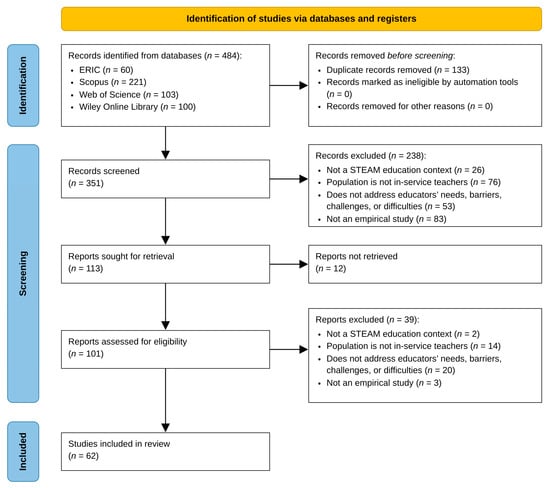
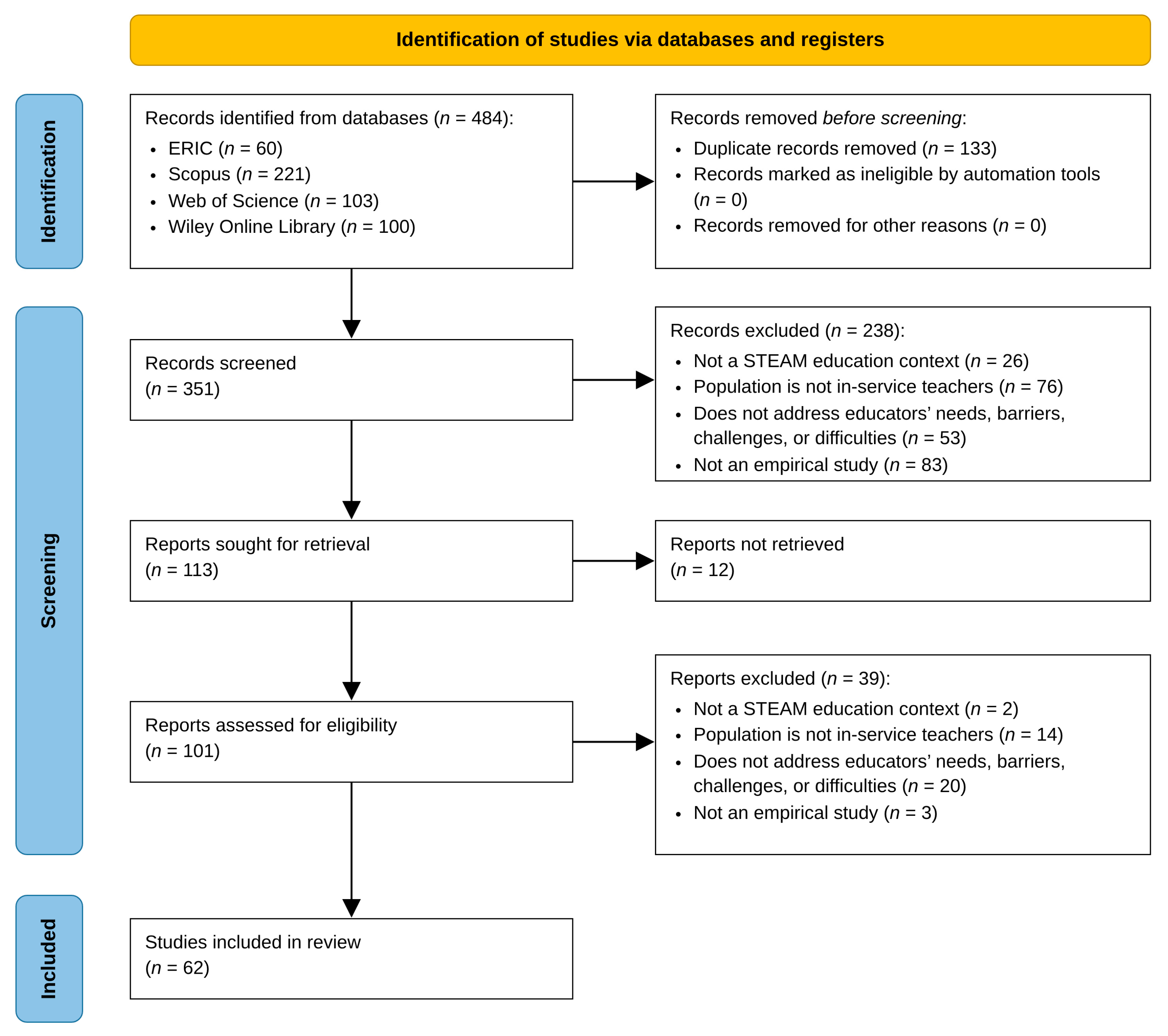
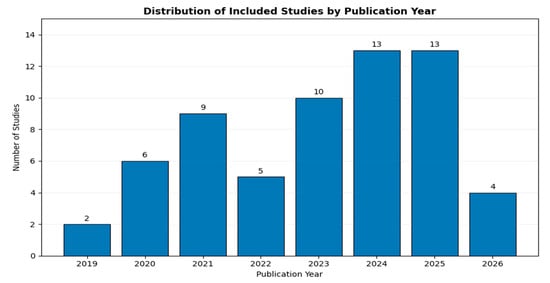
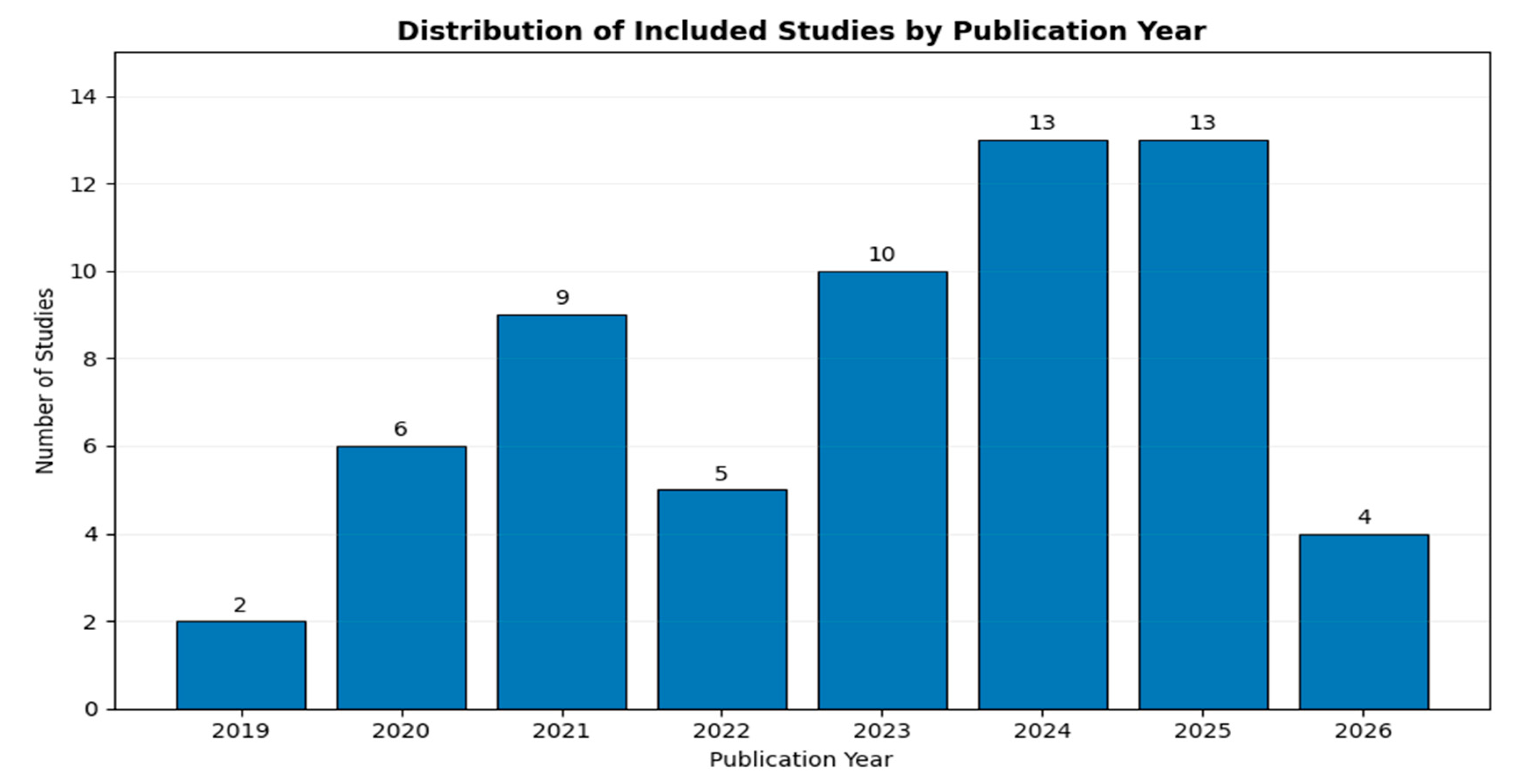
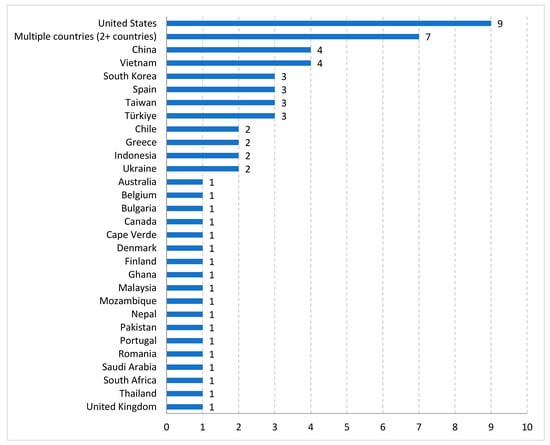
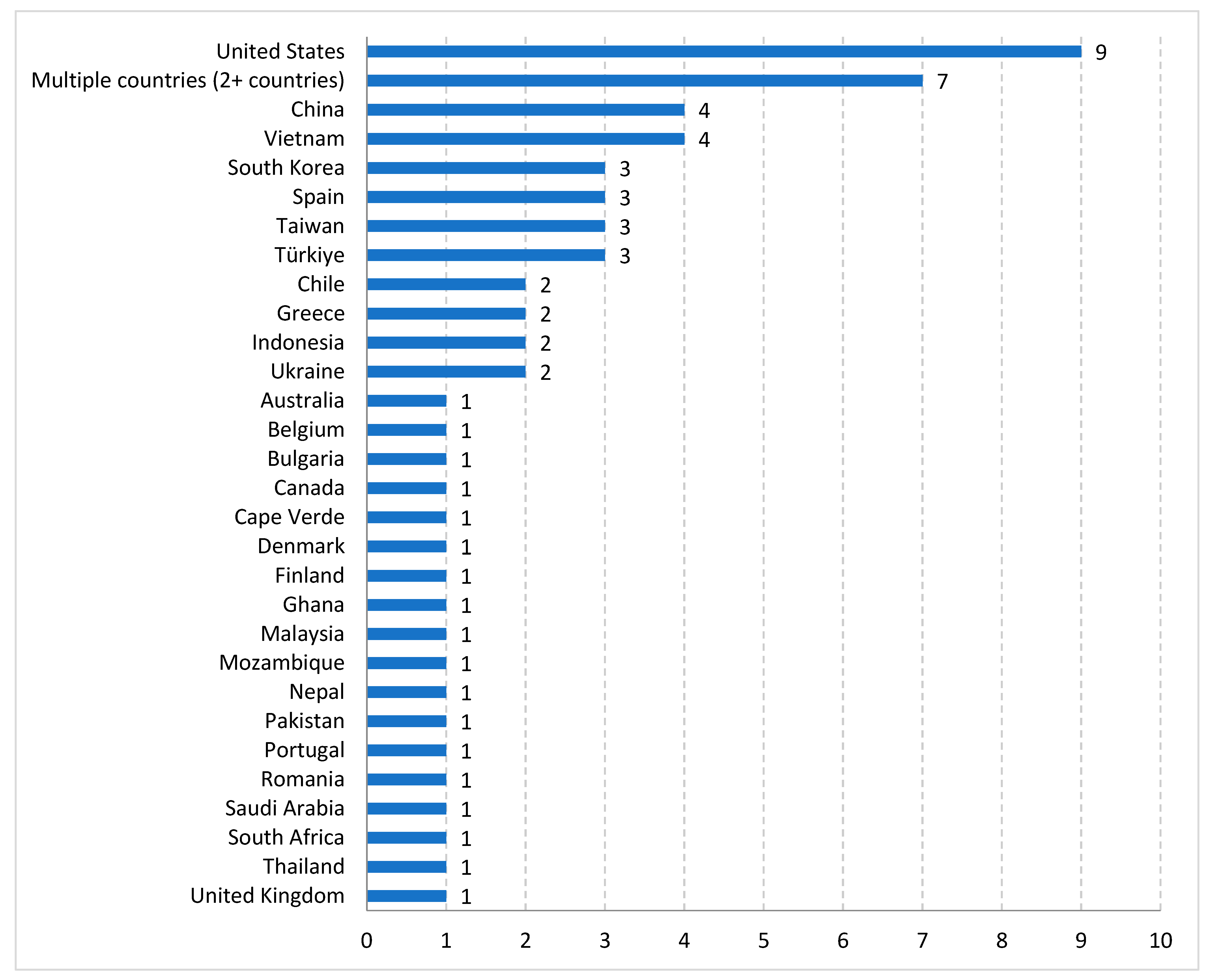
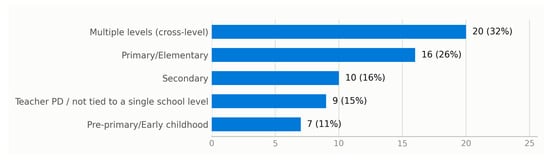
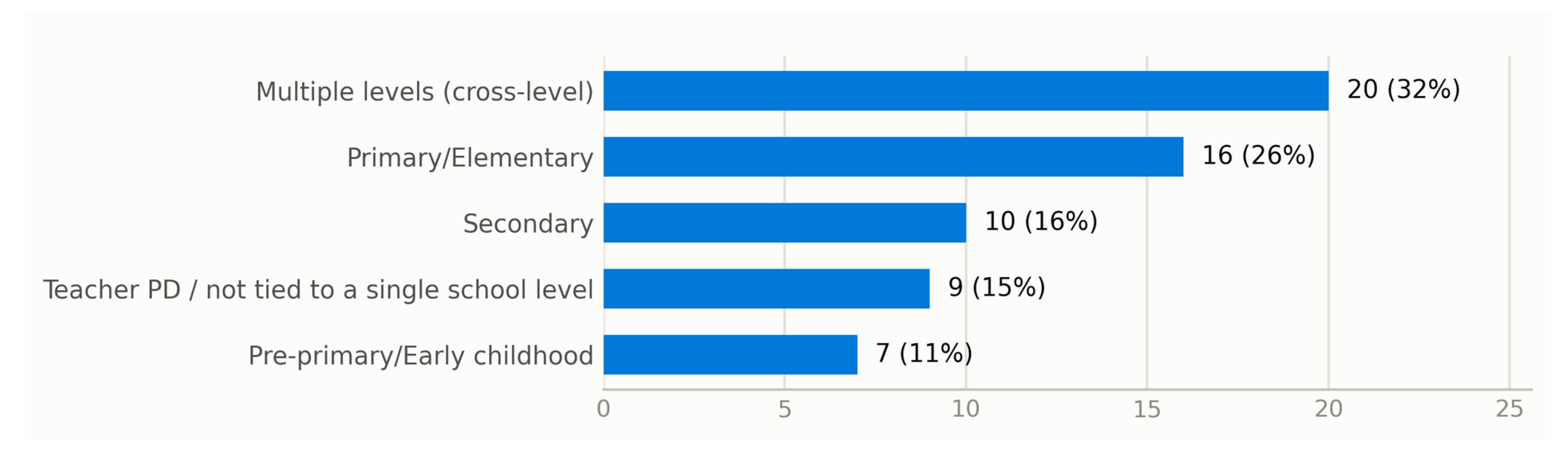
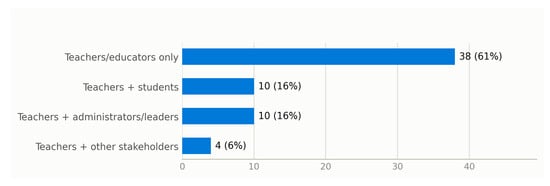
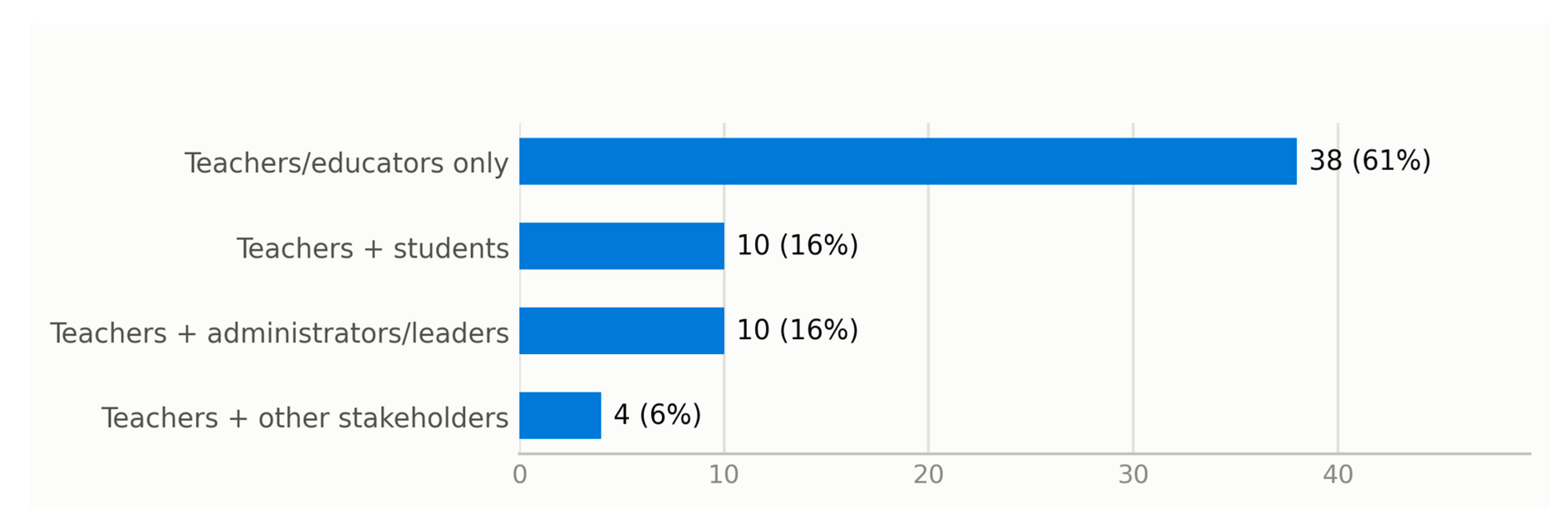
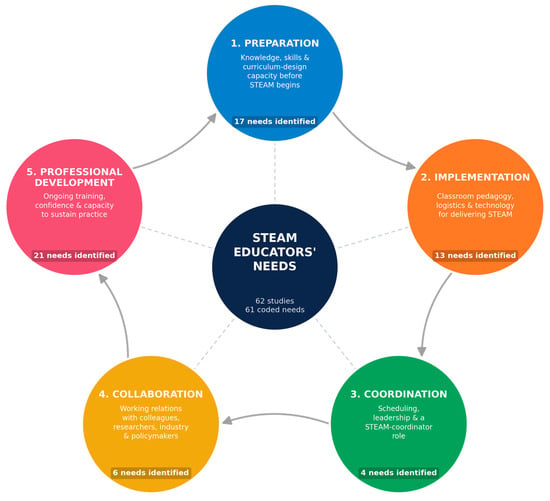
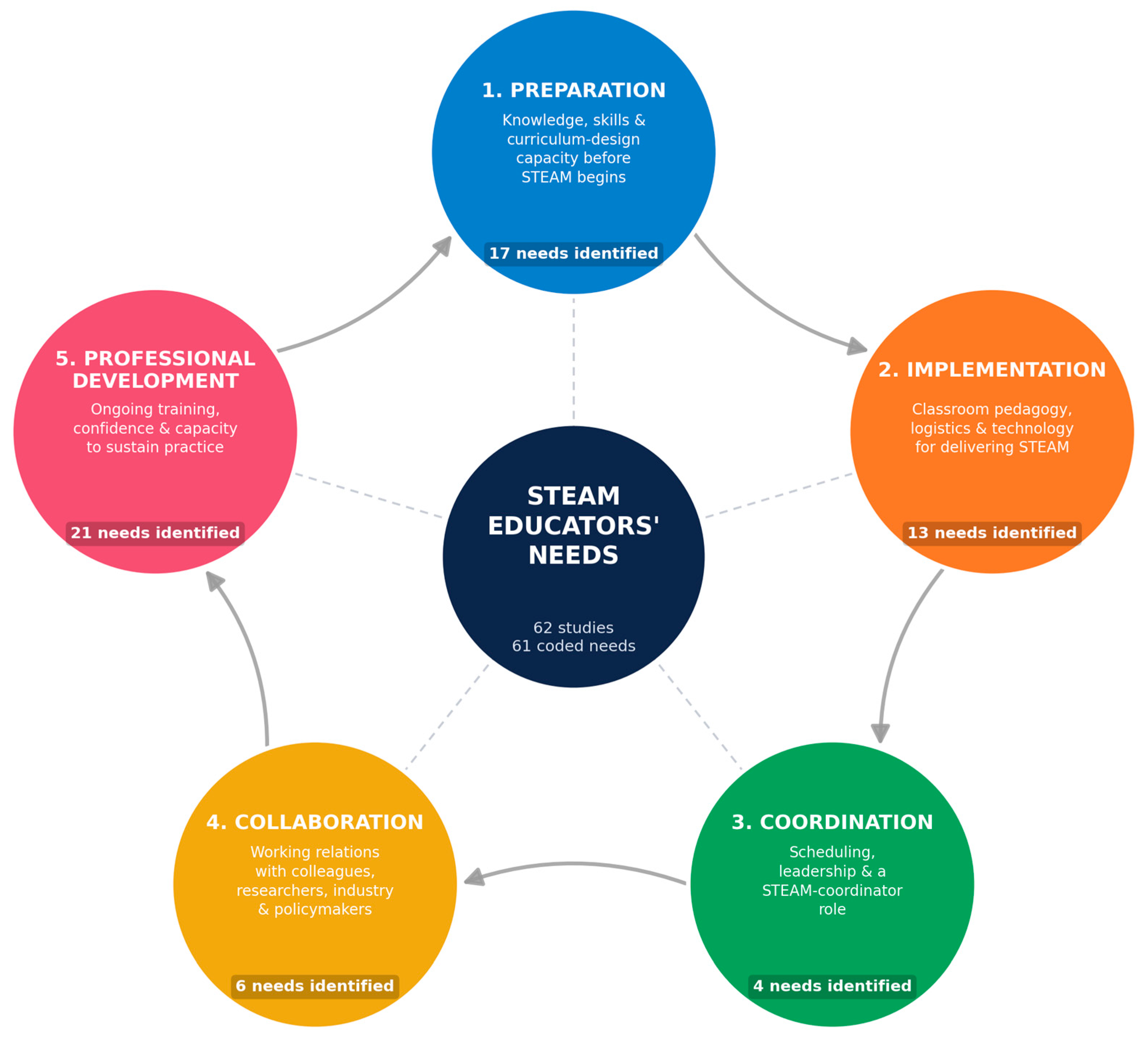

Disclaimer/Publisher’s Note: The statements, opinions and data contained in all publications are solely those of the individual author(s) and contributor(s) and not of MDPI and/or the editor(s). MDPI and/or the editor(s) disclaim responsibility for any injury to people or property resulting from any ideas, methods, instructions or products referred to in the content. |
© 2026 by the authors. Licensee MDPI, Basel, Switzerland. This article is an open access article distributed under the terms and conditions of the Creative Commons Attribution (CC BY) license.