


Abstract
Persistent concerns about the mathematics achievement of culturally and linguistically diverse students with mathematics difficulties have intensified in recent years, underscoring the need for effective instructional strategies to support this growing student population. Research suggests that culturally and linguistically responsive (CLR) practices can address these disparities; however, many teachers enter the profession without the knowledge or skills to implement CLR practices effectively. Preparing pre-service teachers to support diverse learners before entering the classroom is critical. Accordingly, this study examined the impact of a four-lesson online culturally and linguistically responsive mathematics instructional module (CLR-MI) on pre-service teachers’ knowledge, beliefs, and perceived ability to implement CLR mathematics instruction for students experiencing mathematics difficulties. The module incorporated evidence-based mathematics practices, culturally and linguistically responsive instructional strategies, classroom examples and non-examples, and interactive reflection activities. A randomized controlled trial with a waitlist control design was conducted with 64 undergraduate preservice teachers enrolled in university-level mathematics methods courses. Findings showed participants in both groups demonstrated significant increases in self-efficacy and outcome expectancy beliefs related to CLR mathematics instruction, with improvements over time. However, no significant gains were observed on a measure of Mathematics Knowledge for Teaching (MKT). This suggests that brief, targeted online instructional modules, such as CLR-MI, may enhance preservice teachers’ confidence and belief in their ability to implement CLR practices effectively. In contrast, improvements in mathematics knowledge for teaching may require more sustained learning experiences. Together, the findings highlight the importance of integrating CLR-focused instruction into teacher preparation programs to support the diverse needs of learners in mathematics classrooms.
1. Introduction
1.1. The Challenges of Teacher Preparation
Although there is evidence that teacher knowledge and instructional behaviors impact student learning (Darling-Hammond & Youngs, 2002), progress in determining how to adequately prepare pre-service teachers to meet the needs of all students remains slow. Understanding the evolution of U.S. educational policy and its impact on the field of education is critical for contextualizing the need for research that addresses questions related to teacher preparation. Furthermore, the rapidly growing, diverse student population in U.S. schools necessitates teachers’ understanding of how culturally and linguistically diverse (CLD) students learn and operate within the mathematics classroom.
Historically, pre-service teachers have entered the field with limited knowledge of the role of culture in the learning process, let alone how to adapt curricular content to ensure it is relevant to diverse students (Kea et al., 2006). Moreover, widespread misconceptions of mathematics as a content area free of culture (D’Ambrosio, 2001; Gay, 2000) may result in instruction that disempowers students and reinforces negative stereotypes about how CLD students learn. Therefore, it is imperative to equip teachers not only to understand the role of culture in mathematics but also to deliver mathematics instruction that is culturally and linguistically responsive. The purpose of this study was to investigate the impact of a culturally and linguistically responsive mathematics module within a pre-service teacher preparation program.
1.2. Necessary Teacher Knowledge
Identifying what pre-service teachers need to learn and be able to do to impact student achievement positively has proved difficult, as evidenced by numerous theories, frameworks, and approaches to pre-service teacher development proposed and debated over the past 50 years (Brinkmann, 2019; Chapman & An, 2017; Cobb & Jackson, 2011; Darling-Hammond & Bransford, 2007; Passig, 2003). An implicit assumption of successful pre-service teacher programming is that such programs will provide the knowledge and opportunities for practice necessary for pre-service teachers to successfully transition from students in a university or college classroom to leaders of their own classrooms (J. M. Allen & Wright, 2014). Yet, there is evidence to suggest that great disparities exist between the knowledge and skills taught in teacher preparation programs and the reality of teachers’ experiences once in the classroom (Meijer et al., 2009). A key challenge identified within the evidence base is the variation in program quality across institutions and certification programs (Darling-Hammond & Bransford, 2007). To further complicate the matter, there continues to be a lack of consensus regarding what pre-service teachers need to learn and how they best acquire such knowledge to teach it effectively (Darling-Hammond & Bransford, 2007).
Current conceptualizations of professional competence and effective instruction in education encompass a combination of factors, including general pedagogical knowledge, content knowledge, cultural competence, and self-efficacy (Bolyard & Moyer-Packenham, 2008; Brownell et al., 2010; Depaepe & König, 2018; Ekstam et al., 2017; Kunter et al., 2013). We describe each of these factors in the following sections.
1.2.1. General Pedagogical Knowledge
General pedagogical knowledge (GPK) has long been considered “a core cognitive element of teachers’ professional competence” (Blömeke & Delaney, 2012; König, 2013; Kunter et al., 2013; Lauermann & König, 2016, p. 11; Lohse-Bossenz et al., 2013; Shulman, 1986, 1987; Voss et al., 2011). Coined by Shulman (1987), the term refers to the “broad principles and strategies of classroom management and organizations that appear to transcend subject matter” (p. 8). GPK can be thought of as the foundational knowledge necessary for teaching–learning scenarios (P. L. Grossman & Richert, 1988). A sentiment echoed widely throughout the literature underscores the need for pre-service teachers not only to acquire these components but also to use this knowledge in ways that are meaningful to students.
1.2.2. Pedagogical Content Knowledge
Strong pedagogical content knowledge (PCK) is a well-documented trait of effective teachers (Aguirre et al., 2012; Depaepe et al., 2013; Kuhn et al., 2016; Lancaster & Bain, 2019). In 1987, Shulman introduced the notion of pedagogical content knowledge, defined as the understanding of how “particular topics, problems, or issues are organized, represented, and adapted to the diverse interests and abilities” of students within the context of content instruction (Shulman, 1986, p. 8). To date, numerous studies have explored teachers’ PCK and its impact on instruction (Marshman & Porter, 2013), all of which have contributed to a collective understanding of the processes involved. Shulman (1987) underscored the need for teachers to understand how students learn so they can effectively adapt instruction to meet their needs. In doing so, he brought forth important considerations that are still emphasized in teacher development today, such as the need to understand the cognitive processes involved in student learning and how they operate in academic tasks; the importance of teacher awareness of the intrinsic difficulty of particular tasks; and the identification of models that more effectively illustrate key concepts.
1.2.3. Mathematics Content Knowledge
To teach mathematics effectively, pre-service teachers need to understand learning theories embedded in the mathematics curriculum (i.e., pedagogy; Aguirre et al., 2012; P. Grossman et al., 2005) and develop a strong command of the grade-level mathematical content for which they are responsible. There is substantial evidence that foundational skills in mathematics are critical for students’ academic success (Bodovski & Farkas, 2008; Carnine & Barnett, 2004; Morgan et al., 2009). Thus, teachers must be proficient in foundational mathematics standards in addition to the more complex content students will encounter in future mathematics courses (National Mathematics Advisory Panel, 2008). This notion extends to pre-service teacher development, as knowledge of the interconnectedness of mathematical concepts and the ability to emphasize these connections during instruction are essential skills for pre-service teachers to develop to promote their students’ mathematical learning (Aguirre et al., 2012; P. Grossman et al., 2005). Moreover, existing research provides evidence for intervention efficacy across numerous skill areas within mathematics (e.g., algebraic reasoning, problem-solving, fractions). It emphasizes the use of evidence-based practices for students experiencing difficulty with mathematics. Evidence-based practices (EBPs) are strategies that have undergone rigorous empirical research and are effective (B. G. Cook & Cook, 2013; B. Cook et al., 2014). Evidence-based practices recommended for math instruction with students experiencing difficulties include the use of: (a) explicit instruction (Archer & Hughes, 2011; Doabler & Fein, 2013; Doabler et al., 2016; Gersten et al., 2009); (b) precise mathematical language (Hughes et al., 2016; Martinez-Lincoln et al., 2020); (c) multiple representations (Bouck et al., 2017; Kim et al., 2015; Witzel, 2005; Witzel & Allsopp, 2007); (d) the use of schemas for word-problem solving (Jitendra et al., 2017, 2018; Powell & Fuchs, 2018); and (e) timed fluency practice (Fuchs et al., 2021; Gersten et al., 2009). Figure 1 (below) provides an overview of each of these practices.
Figure 1.
Overview of Evidence-Based Practices in Mathematics.
1.2.4. Cultural Competence
Culture plays an integral role in the learning process (Colbert, 2010). It is thought of as an integrated system of knowledge, beliefs, behaviors, customs, and experiences that are created and shared among members of a specific group (Ashby, 2012; Gunawardena, 2013). The term cultural competence refers to one’s ability to appreciate, respect, understand, and interact with members of various cultural groups that hold differing beliefs from one’s own (DeAngelis, 2015; Johnston-Goodstar & VeLure Roholt, 2017). Despite evidence of its importance, dedicated time to develop cultural competence is currently not a requirement in pre-service teacher development programs (Cruz et al., 2020). According to Aceves and Orosco (2014), inadequate preparation may cause a “culture gap” between pre-service teachers and students, which over time may impede their ability to plan instruction and choose materials that will be effective for all students. This gap occurs because the school context in which instruction occurs was initially developed to benefit students belonging to the dominant culture (i.e., White, high socioeconomic status) and therefore disregards the unique cultural and linguistic characteristics of diverse students (O’Connor & Zeichner, 2011; Orosco, 2010; Orosco & O’Connor, 2014).
Over the years, inconsistent access to opportunities to learn about cultural competency has resulted in pre-service teachers entering the field with varying levels of understanding of what it means to be culturally competent. Evaluations of pre-service teacher programs across the country found that in-depth discussions of culture in the classroom context do not regularly occur, especially in content-specific methods courses (e.g., mathematics; Aceves & Orosco, 2014; Aguirre et al., 2012). Opportunities for all pre-service teachers to introspectively examine facets of their own identities, cultures, and underlying biases may be reserved for one specific course on culture. Still, ongoing acquisition of knowledge about the mechanisms of culture in schools is reserved for those who elect to take additional multicultural education courses or choose to specialize in a related area (Aguirre et al., 2012). Thus, there is a significant need to prioritize building pre-service teachers’ cultural competence, so they may be better equipped to address the needs of diverse students within the mathematics classroom.
1.3. Teaching Students with Mathematics Difficulties
For this research, mathematics difficulties (MD) encompasses two categories of students: (1) those identified as having a learning disability in mathematics in accordance with the eligibility criteria set forth by Individuals with Disabilities Education Improvement Act (Individuals with Disabilities Education Improvement Act [IDEA], 2004) and, therefore, have Individualized Education Program (IEP) goals in mathematics; or (2) students who chronically underperform in mathematics and are deemed at risk for mathematics failure (Swanson et al., 2015). Existing research emphasizes GPK, PCK, and specific mathematics practices that are crucial for pre-service teachers to know to improve the mathematical proficiency of students with MD. However, a teacher’s ability to effectively meet the needs of all students in the classroom goes beyond attaining content knowledge or being well-versed in teaching pedagogy. As schools become increasingly diverse, the need for pre-service teachers to develop cultural competence (Colbert, 2010) and to understand the role of culture within mathematics is paramount.
1.4. Teaching Culturally and Linguistically Diverse Students with MD
Over the past two decades, alongside the push for mathematics reform, there has been a call to prepare pre-service and in-service teachers better to meet the needs of culturally and linguistically diverse (CLD) students in schools. Unfortunately, research on pre-service teachers has noted a lack of requisite knowledge of best practices to support CLD students, especially those with MD.
In the wake of the COVID-19 pandemic, the urgency to develop teacher capacity to provide effective mathematics instruction has intensified. Pressure on teachers to improve students’ mathematical performance remains high, as schools across the nation continue to navigate ongoing pandemic-related impacts on student learning. For example, CLD students with MD experienced frequent disruptions to academic and related interventions, which exacerbated disparities in students’ academic achievement (Office of Special Education Programs [OSEP], 2022). As a result, pre-existing disparities between subpopulations of students worsened, and gaps in knowledge and understanding of CLD students with MD became more pronounced. Historically, intervention research on CLD students with MD has been limited in quantity (Baker et al., 2018). However, the available research on EBPs provides important insight into practices that yielded positive mathematics outcomes for CLD students with MD.
Kim (2017) synthesized research on culturally responsive mathematics interventions for CLD students and found that many of the same EBPs used for English-only students with MD are also effective for culturally and linguistically diverse students with MD, including: (a) scaffolding and embedded language supports (Kong & Orosco, 2016; Moran et al., 2014; Orosco et al., 2013); (b) explicit instruction that integrates multiple representations to enhance conceptual understanding of mathematical concepts and skills (Banerjee, 2011; Dillihunt & Tyler, 2006; M. M. Flores, 2010; B. B. Flores et al., 2010; Freeman, 2012; Kim et al., 2015; Shumate et al., 2012); (c) peer-mediated instruction (Fuchs & Fuchs, 2001; Gardner & Wissick, 2001; Hindley, 2003); and (d) culturally relevant problem examples (Kim et al., 2015; Kisker et al., 2012; Shumate et al., 2012).
In addition to intervention research, researchers have examined how teacher characteristics affect CLD students’ mathematics achievement. Results showed that CLD students’ academic difficulties were exacerbated in classrooms where teachers lacked both PCK and knowledge of effective ways to engage and support students from diverse backgrounds (Morin & Franks, 2009; Nasir et al., 2008; Thomas et al., 2015; Vukovic & Lesaux, 2013). Despite mounting evidence supporting the critical need for cultural responsiveness in schools, teachers’ understanding of the interconnectedness of culture, language, and academics remains limited (Abdulrahim & Orosco, 2020).
1.5. Culturally Responsive Practice
The premises upon which culturally responsive practice (CRP) originated can be traced back to the 1970s when multicultural education was founded in response to the growing concern about the quality of education provided to culturally and linguistically diverse students in U.S. schools (Abrahams & Troike, 1972; Gay, 1975). At the time, the rationale for using CRP included (a) consistent patterns of underperformance among ethnic groups (across multiple indicators of academic achievement); and (b) large variability in achievement of individuals within ethnic groups (e.g., CLD students with disabilities vs. those without disabilities; Gay, 2000). Now, more than five decades later, the same rationale fuels the current need to implement CRP in today’s classrooms across the U.S., yet few investigations of CRP exist within the evidence base (Abdulrahim & Orosco, 2020; Barrio, 2021; Sharma & Sokal, 2015; Sleeter & Carmona, 2017; Subban & Mahlo, 2017).
Culturally responsive practice (CRP) can be defined as using knowledge of CLD students’ cultural backgrounds and lived experiences as capital to make learning relevant and effective (Gay, 2000; Ladson-Billings, 2009; Nieto & Zoller Booth, 2010). At its core, it emphasizes teaching “to and through” students’ individual strengths. It is the “behavioral expression of knowledge, beliefs, and values that recognize the importance of racial and cultural diversity in learning” (Gay, 2000, p. 36); in their synthesis of literature on culturally responsive teaching, Aceves and Orosco (2014) identified six foundational themes—instructional engagement; culture, language, and racial identity; multicultural awareness; high expectations; critical thinking; and social justice—that characterize culturally responsive instruction. They further identified four emerging evidence-based instructional practices—collaborative teaching, responsive feedback, modeling, and instructional scaffolding—that operationalize these themes within classroom practice. Collectively, these themes and practices provide a framework for designing instruction that is both culturally responsive and empirically informed. Although culturally responsive teaching provides a comprehensive framework for equitable instruction, mathematics presents unique challenges that require discipline-specific approaches. Consequently, researchers have extended these principles to develop culturally and linguistically responsive mathematics instruction. The following section narrows this focus to mathematics education by examining the development and key principles of culturally and linguistically responsive mathematics instruction.
1.6. Culturally and Linguistically Responsive Mathematics Instruction
Based on the existing literature, four considerations should be prioritized when implementing culturally and linguistically responsive mathematics instruction (CLR-MI). These considerations form the basis of the CLR-MI framework and are therefore necessary for pre-service teachers to know and understand. Research on effective instruction for CLD students shows that students benefit from instruction that draws on their individual cultural, linguistic, and community-based knowledge (Ladson-Billings, 1995; Lipka et al., 2005; Song & Coppersmith, 2020).
According to González et al. (2005), incorporating cultural funds of knowledge (i.e., the historically and culturally based knowledge, practices, and skills found in students’ homes and within their communities) into mathematics instruction can support students’ mathematical learning (Civil, 2007; Foote, 2008; González et al., 2005; Lipka et al., 2005). Several studies provide evidence for using funds of knowledge in the mathematics classroom, many of which emphasize the role of cultural identity in the development of students’ mathematical identities (Abdulrahim & Orosco, 2020; Irizarry, 2007; Usborne & Taylor, 2010). Unfortunately, pre-service teacher development programs may not offer opportunities to build pre-service teachers’ knowledge of instructional practices for eliciting and incorporating students’ funds of knowledge (Aguirre et al., 2012). This remains an area of need for pre-service teachers.
Researchers continue to explore the multifaceted role of language in mathematics, hoping that teachers’ ability to support CLD students will improve. Contrary to popular belief, although conceptual knowledge may be universal, the symbolic notation and procedures used in mathematics are culturally determined (J. N. Moschkovich, 2010). As students grow, they begin to develop an understanding of the language codes and discourse practices around them (Greer et al., 2009), which may affect how they communicate with others and, in turn, how they receive information. Accordingly, pre-service teachers need to learn and acknowledge the many ways in which language is used across CLD students’ cultures, as well as the impact of language on students’ vocabulary development (Torres-Velasquez & Lobo, 2005).
The third consideration involves power and participation. Historically, students from marginalized groups were forced to abandon their cultures to participate successfully in the mathematics classroom (Gay, 2000). Through the implementation of CLR-MI, students were given ample opportunities to share their cultures and experiences in meaningful ways that connect to mathematical learning. Furthermore, whereas traditional instruction placed teachers in positions of power in the classroom, CLR-MI placed students at the center of instructional decision-making and offered opportunities for students to take ownership of their learning by sharing their ideas, justifying answers to posed problems, and working collaboratively to complete mathematical tasks. As a result, CLD students developed critical thinking skills, engaged in discourse, and built self-confidence to complete mathematical tasks.
The final consideration of CLR-MI concerns issues of equity and accessibility. Overall, CLR-MI promotes educational equity across multiple domains, but attention must be paid to CLD students who have additional learning needs. The notion of equity through accessibility incorporates the abovementioned considerations of CLR-MI but goes a step further to ensure that students receive necessary instructional support. Pre-service teachers must understand CLD students’ individual learning needs and address them using EBPs in mathematics.
1.7. Purpose and Research Questions
Educational researchers have explored the intersection of culture and academic learning for more than three decades, and a substantial body of literature demonstrates the potential of CRP to enhance content learning and improve student engagement, academic achievement, and educational equity across diverse learning environments. Despite growing evidence supporting it, research on the application of culturally responsive practices in mathematics education remains comparatively limited. Even less is known about how to prepare pre-service teachers to implement CLR-MI effectively. As a result, there is a need for research that investigates an approach to teacher preparation that is designed to strengthen pre-service teachers’ knowledge, self-efficacy, outcome expectancy, and instructional readiness for culturally and linguistically responsive mathematics teaching.
The purpose of this study is to investigate the initial efficacy of a module focused on CLR-MI for pre-service teachers in special education training programs. We asked the following research questions: (1) Does pre-service teacher self-efficacy for culturally and linguistically responsive mathematics practices change from pre- to posttest after implementation of a CLR-MI module? (2) Does the perception of the impact of culturally and linguistically responsive mathematics instruction on student mathematics outcomes change from pre- to posttest after implementation of a CLR-MI module? (3) Does mathematical knowledge for teaching change from pre- to posttest after implementation of a CLR-MI module? (4) Was the CLR-MI module a socially valid approach to building pre-service teacher capacity to understand and implement culturally and linguistically responsive mathematics practices?
2. Method
2.1. Setting and Participants
Participants for this study were recruited from two universities during the fall of 2022. Both universities offered a mathematics methods course for undergraduate pre-service teachers. The course focused on pre-service teachers’ understanding of the scope and sequence of mathematics standards and on evidence-based mathematics instructional strategies to meet the needs of all learners. Participants enrolled at University A were pre-service teachers in a southern state in the U.S., and participants enrolled at University B were pre-service teachers in a midwestern state in the U.S. In total, four course sections participated in this study: three sections of the mathematics methods course offered at University B and one section offered at University A. Of 80 pre-service teachers enrolled in one of the four mathematics methods courses, 64 consented to participate.
2.2. Participant Demographics
Demographic data were collected from the sample of pre-service teachers who participated in this study (see Table 1). Of the 64 undergraduate participants, 86% self-identified as female. Race and ethnicity data were reported, and 8% of participants were White, 9% were Hispanic/Latinx, 5% were Asian American/Pacific Islander, and 2% were multiracial. Three students reported that English was not their home language, and the languages spoken by those participants included Spanish (n = 2) and Korean (n = 1).
Table 1.
Participant Demographic Characteristics.
2.3. Study Design
Participants were recruited from four sections of undergraduate mathematics methods courses across two universities. Preliminary analyses indicated no significant baseline differences across course sections on any study variables. Therefore, participants were treated as a single sample for randomization and analysis. Participants were then randomized at the individual level within course sections, with approximately half assigned to the treatment condition (Wave 1) and the other half to the waitlist control condition (Wave 2). Table 2 presents the number of participants at randomization and study completion.
Table 2.
Sample Size by Site, Course Section, and Group.
2.4. Materials and Procedures
2.4.1. Mathematics Methods Course Content and Delivery
All participants, regardless of group assignment, enrolled in an undergraduate-level mathematics methods course for the duration of the study. Content delivered during this course followed a syllabus created by each course instructor. To ensure consistency, all four course sections covered the same mathematics methods topics, with an emphasis on evidence-based practices (EBPs) in mathematics for students with MD. Before implementation of this study, all participants received instruction on EBPs in mathematics, focusing on concepts and applications at the elementary level. For the current study, all mathematics methods course sections focused on concepts taught in upper-elementary and middle-school mathematics, including: (a) fraction concepts (including addition, subtraction, multiplication, and division of fractions); (b) ratios and proportions; (c) decimals and percentages; (d) integers; (e) expressions, equations, and functions; (f) word-problem solving; and (g) geometry and measurement. Participants applied learned concepts through opportunities for modeling and demonstrating strategies, hands-on and virtual practice of skills, discussions, and collaboration through group and partner work. Although the content and course structure were similar, the implementation sites differed in several ways. For example, participants at University A received in-person instruction once per week for 14 weeks, whereas University B participants received synchronous virtual instruction via Zoom once per week for 15 weeks. For the three sections at University B, the syllabi were identical, and content was delivered in the same manner using the same course materials and resources.
2.4.2. Culturally and Linguistically Responsive Mathematics Instruction (CLR-MI) Module
The CLR-MI module was delivered through a web-based application called the EdApp Learning Management System (Version 2.92). The web-based module provided participants with the background information needed to support CLD students with MD. Participants in the treatment group were responsible for completing all components of the module independently, and each lesson had to be completed before the next section unlocked. This structure was intended to ensure that all parts of the module were completed in full and as intended by participants. The CLR-MI module comprised four lessons, intentionally sequenced and designed to deepen participants’ understanding of key features of CLR-MI. Module activities required participants to recall learned information, reflect, and apply their learning by developing their own CLR-MI activities. At the end of Lessons 1 through 3, there was a brief end-of-lesson mini-quiz to check for understanding. These quizzes were short (2–3 questions) and included a variety of question types (e.g., multiple choice, fill-in-the-blank, short answer responses). In total, the CLR-MI module was expected to take 120 min (approximately 30 min per lesson), although time spent working on the module was anticipated to vary by participant. The following paragraphs outline the content of each lesson:
Lesson 1: The Role of Mathematics Pedagogy and Content Knowledge. Lesson 1 of the CLR-MI module served as a brief review of mathematics pedagogy and content knowledge. It emphasized components of effective mathematics instruction to support the development of students’ mathematical identities. Lesson activities within the module provided opportunities for participants to consider ways to individualize their instruction using evidence-based mathematics practices, such as: (a) explicit instruction (Doabler & Fein, 2013; Doabler et al., 2016); (b) precise mathematical language (Fuchs et al., 2021; Hughes et al., 2016; Powell & Fuchs, 2018); (c) multiple representations (Donovan & Fyfe, 2022; Fuchs et al., 2021; van Garderen et al., 2018); (d) schema instruction for word-problem solving (B. Cook et al., 2014; Driver & Powell, 2017; Martinez-Lincoln et al., 2020; Peltier et al., 2020); and (e) activities to build fluency (Codding et al., 2009; Riccomini et al., 2017; Morano et al., 2020). Moreover, the content highlighted the use of mathematical discourse as a tool to assess student understanding, encourage language use, and empower students to voice their ideas and questions.
Lesson 2: Identity and Culturally and Linguistically Responsive Mathematics. The purpose of this second lesson was twofold: (a) to build pre-service teachers’ understanding of mathematical identity and (b) to deepen their understanding of the intersection of students’ mathematical, cultural, and social identities. As part of this module, pre-service teachers were introduced to the Mathematical Identity Pillars of Instructional Practice (K. Allen & Schnell, 2016), which emphasized (a) developing interpersonal relationships with students, (b) redefining perceptions of mathematical success in the classroom, (c) prioritizing student voices (rather than teacher voice), and (d) monitoring how students’ and teachers’ mathematical identities develop over time. As pre-service teachers learned more about each pillar, they received classroom strategies and considerations for supporting CLD students in developing their mathematical identities. Additionally, they learned about the Culture Tree model (Hammond, 2014), which deepened pre-service teachers’ understanding of the multi-layered impact of culture on students’ learning. That is, from the outside looking in, we may see what we perceive as evidence of cultural influence; however, there may be deep-rooted structural forms of culture that undergird surface and shallow levels of culture. The more immersed one becomes in understanding the multifaceted influences of culture, including one’s own, the more keenly aware one will be of aspects of culture at play in the classroom.
Lesson 3: Features of Culturally and Linguistically Responsive Mathematics. Four key ideas addressed in the lesson included: (a) cultural funds of knowledge, (b) embedded language support, (c) the role of power and participation, and (d) promoting educational equity in the mathematics classroom. The lesson began by introducing cultural funds of knowledge and then providing practical applications for using them when designing and implementing lessons. As part of this portion of the lesson, pre-service teachers learned multiple ways to identify their students’ funds of knowledge (e.g., engaging with families outside of school, incorporating personal experiences into class projects, and student-created word problems) and were tasked with developing a Cultural Funds of Knowledge Inventory, based on the work of González et al. (2005), that they could use in their own classrooms.
In addition to funds of knowledge, Lesson 3 addressed research-based instructional strategies that supported the language development of culturally and linguistically diverse learners, including explicit instruction in academic vocabulary (Luevano & Collins, 2020; Martinez-Lincoln et al., 2020), home language support (Celedón-Pattichis et al., 2010; J. Moschkovich, 2013; Xu et al., 2022), engaging students in discourse that reflects their language needs (de Araujo et al., 2018; Erath et al., 2021; Planas, 2018), multiple representations of concepts (Kim et al., 2015; J. Moschkovich & Zahner, 2018; Zhang et al., 2021), and the use of gestures (Martinez-Lincoln et al., 2020).
The final portion of Lesson 3 addressed issues of power, participation, and the promotion of equitable mathematics practices. Power and participation encompass the development of students’ repertoires of critical thinking, self-regulation, and self-advocacy skills. The lesson covered concepts related to power, equity, and accessibility and emphasized that equitable access to learning is enabled through accommodations, modifications, and scaffolding (Banse et al., 2016; Lei et al., 2020; Xin et al., 2020), as well as by integrating motivational strategies and goal-setting (Codding et al., 2009; Lewis et al., 2012) and by providing numerous opportunities for feedback and self-reflection (Doabler et al., 2016; Luevano & Collins, 2020). The goal of this lesson was to reiterate the belief that, taken together, these instructional components create an environment conducive to learning, where students feel empowered to take risks, challenge conventional thinking, and express their own ideas and feelings (Celedón-Pattichis et al., 2018; Uribe-Flórez et al., 2014).
Lesson 4: Implementation of Culturally and Linguistically Responsive Mathematics. The final lesson of the module included a review of content from the previous three modules, followed by a final opportunity to apply knowledge learned during the CLR-MI module. This activity required pre-service teacher participants to develop one lesson activity that could be taught to CLD students with MD and that addressed a skill aligned with Grades 3–8 mathematics content standards. Participants were provided with a researcher-created activity template that included space to identify the curriculum standard targeted in the activity, the objective, a brief description of the steps to complete the activity, a list of required student and teacher materials, and a description of implementation considerations to ensure the activity addressed the diverse academic, cultural, and linguistic needs of students in the class.
2.5. Measures
Two measures were used to evaluate participants’ beliefs and perceptions of culturally and linguistically responsive instruction: the Culturally Responsive Teaching Self-Efficacy (CRTSE) Scale and the Culturally Responsive Teaching Outcome Expectancy (CRTOE) Scale.
The CRTSE was developed by Siwatu (2007) based on the notion that preparing CLR teachers requires: (a) transforming teachers’ beliefs and attitudes toward multiculturalism; (b) increasing teachers’ knowledge of cultural diversity and its implications; and (c) equipping teachers with the skills needed to effectively instruct culturally and linguistically diverse learners. The following competencies form the basis for the CRTSE scale items: (a) curriculum and instruction; (b) classroom management; (c) student assessment; and (d) cultural enrichment (Siwatu, 2007, 2011; Siwatu et al., 2017). Items vary in difficulty to provide insight into tasks participants perceive as either relative strengths or weaknesses. Siwatu (2007) designated “easy” items as those pertaining to general teaching practices (e.g., “I obtain information about my students’ academic strengths”), whereas more “difficult” items may relate to perceptions and understanding of culture and its role in the classroom setting (e.g., “I critically examine the curriculum to determine whether it reinforces negative cultural stereotypes”).
The CRTSE survey included 40 items rated by teachers on a scale from 0 (no confidence) to 100 (complete confidence), yielding a possible total score between 0 and 4000. Higher overall scores reflect stronger teacher self-efficacy. The decision to use a larger scale was based on prior research by Pajares and Schunk (2001), which found that a larger scale is psychometrically stronger than a traditional 5-point Likert scale because the 0–100 scale allows differentiation among participants who might otherwise score the same on a Likert scale. The 40-item CRTSE scale has demonstrated high internal consistency reliability in its original validation (α = 0.96; Siwatu, 2007).
The second measure was the CRTOE Scale, which was also developed by Siwatu (2007) using the competencies addressed in the CRTSE. This scale was designed to assess teachers’ beliefs about the positive impact of cultural responsiveness on student outcomes and overall classroom climate. The CRTOE was a 26-item measure, and participants were asked to rate the probability that each behavior (item) would result in a desired outcome. Likewise, the CRTOE required participants to rate their probability of success on a scale of 0 to 100 (0 meaning they were entirely uncertain about the probability and 100 meaning they were entirely certain). The 26 scored items were summed to generate a total score, where a higher total score indicated that participants believed in the positive outcomes associated with CRTOE, and a lower score indicated that participants did not believe in the positive outcomes associated with CRTOE practices in the classroom. The CRTOE scale has demonstrated high internal consistency reliability in its original validation (α = 0.95; Siwatu, 2007).
It is important to note that the CRTSE and CRTOE assess culturally responsive teaching self-efficacy and outcome expectancy across instructional contexts and are not mathematics-specific measures. They were selected because the CLR-MI module was designed to influence broader beliefs regarding culturally responsive teaching while situating instruction within mathematics contexts. Reliability for this study was calculated using item-level data available for the first and third assessment administrations (CRTSE α = 0.96 at both timepoints; CRTOE α = 0.95 at both timepoints), consistent with original validation estimates (Siwatu, 2007).
The third measure was the Mathematical Knowledge for Teaching (MKT) measure, which served as the distal measure of pre-service teachers’ content knowledge used to recognize, understand, and respond to various mathematical problems that may be encountered when teaching mathematics (Ball et al., 2008). The MKT was developed to provide an accurate picture of teachers’ overall ability to do the following: solve mathematics problems; evaluate unusual solution methods; use mathematical terms and definitions precisely; and accurately identify adequate mathematical explanations across numerous content areas within mathematics (Hill et al., 2004). We used the Middle School–Number Concepts and Operations (MS-NCOP) subtest of the MKT assessment, a standardized, group-administered instrument with 15 items designed to measure teachers’ pedagogical and content knowledge for teaching middle-school mathematics. A middle-school-level assessment was chosen because it most closely aligned with the content that was taught during the concurrent mathematics methods coursework.
2.6. Social Validity
Social validity data were collected in two ways. The first set was collected through embedded questions at the end of each module lesson. After each mini-quiz, participants were asked three additional Likert-scale questions on a 1–5 scale (1 = Strongly Disagree, 5 = Strongly Agree). The second set of social validity data were collected via brief interviews with participants at the end of the semester, after assessment data collection concluded. Interview participation was voluntary and not required, and interviews took place via Zoom. All interviews (n = 5) were recorded for fidelity purposes, and questions focused on participants’ perceptions of CLR-M, anticipated impact on future teaching, and general experiences with the module and study components (e.g., participant acceptability, enjoyment, and perceived efficacy).
2.7. Data Collection and Analysis Plan
Data were collected from participants electronically via Qualtrics surveys at three time points during the fall semester. Wave 1 participants completed the first round of measures in September (pretest), prior to any exposure to the CLR-MI module. After completing the CLR-MI module, they completed the same measures a second time in October (posttest) followed by a third administration of measures in December (maintenance). Wave 2 participants also completed the first round of measures in September (pretest) but did not receive access to the CLR-MI module until after completing their second round of measures in October (midtest). The October administration preceded Wave 2 participants’ exposure to the CLR-MI module and thereby served as a comparison point for Wave 1 posttest scores at the same calendar time point. Wave 2 participants then received the module and later completed a third round of measures in December, which served as their posttest.
To further analyze this data, we used a series of analysis of variance (ANOVA) tests to determine if: (a) if there were differences in self-efficacy, outcome beliefs, and mathematics knowledge following the implementation of the CLR-MI module; (b) if participating in the CLR-MI module led to changes in pre-service teachers’ self-efficacy, outcome beliefs, and mathematical knowledge over time across both groups, and (c) if pre-service teachers’ scores on the three outcome measures were significantly different based on when the intervention was received (i.e., if differences occurred between the Wave 1 participants and Wave 2 participants).
To evaluate differences between the groups, we ran a one-way ANOVA, but to determine if there were within-group differences, we used a repeated measures ANOVA and evaluated across three time points. We present results for each ANOVA test in the subsequent sections below, organized by measure. For each ANOVA test we report F statistics, p-values, as well as measures of effect size.
3. Results
3.1. Baseline Equivalence
Prior to conducting the primary analyses, we examined baseline equivalence to determine if participants enrolled in the mathematics methods course sections differed on any of the study outcome measures. Establishing equivalence across course sections was necessary to determine whether the data could be pooled for subsequent analyses. To do this, we employed a series of one-way ANOVAs. Results indicated no significant differences at pretest on Culturally Responsive Teaching Self-Efficacy, F(3, 60) = 1.07, p > 0.05, Culturally Responsive Teaching Outcome Expectancy, F(3, 60) = 2.35, p > 0.05, or Mathematics Knowledge for Teaching, F(3, 60) = 1.54, p > 0.05. These findings suggested that participants entered the study with comparable levels of self-efficacy, outcome expectancy, and mathematical knowledge regardless of course section. Because no significant baseline differences were identified across the four course sections, participants were subsequently grouped according to their randomized intervention assignment: CLR-MI Wave 1 (n = 34) or CLR-MI Wave 2 (n = 30). A complete table with descriptive statistics are provided in Table 3.
Table 3.
Descriptive Statistics (Wave 1 and Wave 2).
To supplement the baseline equivalence analyses, Hedges’ g effect sizes were calculated to quantify the magnitude of differences between Wave 1 and Wave 2 participants at pretest. Consistent with the ANOVA findings, effect sizes indicated only small differences between groups on Culturally Responsive Teaching Self-Efficacy (g = 0.33), Culturally Responsive Teaching Outcome Expectancy (g = 0.34), and Mathematics Knowledge for Teaching (g = −0.21). Together, these findings suggest that the randomized groups were comparable on the primary outcome measures prior to implementation of the CLR-MI module.
3.2. Assumption Checks
3.2.1. Design
Prior to running my analysis, we evaluated the assumptions underlying ANOVA for each outcome measure. The first three assumptions of ANOVA relate to the design of the study, which include: (a) the use of a continuous dependent variable, (b) the inclusion of two or more categorical independent variables, and (c) the establishment of independence of observations. The continuous dependent variables examined in this study included self-efficacy, outcome beliefs, and mathematics knowledge, while the categorical independent variable in this study was the condition to which participants were randomized, which determined if they received the CLR-MI module as treatment (CLR-MI Wave 1) or as waitlist control (CLR-MI Wave 2). In regard to the third assumption, we established that observations were independent, based on the use of initial randomization within each block (i.e., course section) prior to collapsing the data as well as separation of participants into groups.
3.2.2. Outliers
Additionally, we inspected the data to detect the presence of any outliers via an examination of studentized residuals. Based on my examination, we did not identify any extreme outliers across the any of the three outcome measures given across the three time points for either group.
3.2.3. Normality
Although ANOVAs are believed to be fairly robust to deviations from normality and, therefore, only require an approximation of normality, we evaluated this assumption across all measures using two approaches: the Shapiro–Wilk Test of Normality and visual inspection of the Normal Q-Q Plot. The Shapiro–Wilk test is based on the correlation between observed data and corresponding normal scores. This test is believed to provide better power in comparison to alternative tests of normality. Results of the Shapiro–Wilk indicated there were violations of the normality assumption for Wave 1 for the CRTSE (self-efficacy) at the third time point (i.e., maintenance) as well as for the CRTOE (outcome expectancy beliefs). Likewise, a violation of normality occurred for Wave 2 on the CRTOE outcome expectancy at posttest. We cross referenced these results with an examination of the Q-Q plots for each of the abovementioned tests. Through a visual inspection of the plots, we determined data for all outcome measures fall approximately within the scope of normality.
3.2.4. Homogeneity of Variance
The next assumption evaluated was the homogeneity of variance assumption, which states that the population variance for each group of the independent variable is the same. As evidenced by prior research, it is particularly important to confirm non-violations of this assumption when study sample sizes are unequal (Maxwell, 2004; Maxwell et al., 2017), as they were for this study. Results confirmed the homogeneity of variance assumption was not violated for any of the outcome measures, as assessed by Levene’s test of equality of error variances (p > 0.05).
3.2.5. Sphericity
The final assumption examined was sphericity. Because we are interested in not only if differences existed between groups, but also differences within groups over time, it was important to evaluate for violations of sphericity. If handled incorrectly, a violation of sphericity can lead to invalid results. To determine if there were any violations of sphericity, Mauchly’s test of sphericity was performed. Mauchly’s test of sphericity indicated that the assumption of sphericity was violated for the CRTSE measure and CRTOE outcome expectancy beliefs measure; however, there was not a violation of sphericity for the MKT mathematical knowledge measure. In cases where sphericity was violated (i.e., the CRTSE and CRTOE), the Huynh–Feldt adjustment was used when reporting results, which is the recommended statistical correction when the estimated epsilon (ε) is greater than 0.75 (Maxwell, 2004).
3.3. Research Question 1: Pre-Service Teacher Self-Efficacy (CRTSE)
3.3.1. Within-Group Differences: Self-Efficacy
A repeated measures ANOVA was conducted for Wave 1 and Wave 2 (separately) to determine whether there were significant differences in self-efficacy scores for pre-service teachers following the CLR-MI module over the course of a semester-long mathematics methods course.
Results for Wave 1 indicated an overall statistically significant effect for time, F(2) = 110.035, p < 0.001, partial η2 = 0.769, with an increase in the means for self-efficacy from pretest to posttest as well as from pretest to maintenance. Post hoc analysis using the Bonferroni adjustment revealed significant increases in their self-efficacy from pretest to posttest (M = −912.941, 95% CI [−1110.500, −715.382], p < 0.001) and from pretest to maintenance (M = −1072.206, 95% CI [−1237.984, −906.427], p < 0.001. However, there were no significant differences in CRTSE scores from midtest to maintenance (M = −159.265, 95% CI [−1237.984, −906.427], p < 0.001).
For Wave 2, data were examined and there were no outliers. Additionally, data were approximately normally distributed. The assumption of sphericity was violated, as assessed by Mauchly’s test of sphericity, χ2(6.914) = 0.781, p = 0.032. Therefore, the Huynh–Feldt correction was employed (ε = 0.863). Likewise, there was a statistically significant effect for time for Wave 2 from pre- to posttest, F(1.726) = 111.019, p < 0.001, partial η2 = 0.793. An examination of descriptive statistics (Table 3) indicated increases in self-efficacy from pretest to midtest to posttest. This was supported by an examination of pairwise comparisons, which indicated significant increases in self-efficacy from pretest to midtest (M = −783.367, 95% CI [−937.804,−628.929], p < 0.001, midtest to posttest (M = −255.967, 95% CI [−479.162, −32.771], p < 0.05), and pretest to posttest (M = −1039.333, 95% CI [−1208.593, −870.074], p < 0.001).
3.3.2. Between-Group Differences: Self-Efficacy
In addition to the examination of the within-group differences, a one-way ANOVA was conducted to compare self-efficacy scores for Wave 1 to Wave 2 at the second time point, which was after Wave 1 participants received the CLR-MI module but before Wave 2 received the CLR-MI module. The rationale for this comparison was to determine if increases in self-efficacy can truly be attributed to the module, or if increases were a result of the mathematics methods course. The results of the ANOVA test indicated there was not a significant difference between the means of Wave 1 and Wave 2 at the second time point (i.e., Wave 1 posttest and Wave 2 midtest), F(1, 62) = 3.08, p = 0.084, η2 = 0.047. The corresponding Hedges’ g indicated a small-to-moderate effect (g = 0.43), which suggests that although Wave 1 demonstrated higher self-efficacy following the intervention, the between-group difference was not statistically significant.
3.4. Research Question 2: Pre-Service Teachers’ Outcome Beliefs (CRTOE)
3.4.1. Within-Group Differences: Outcome Expectancy
In the same fashion as the previous research question, a one-way repeated measures ANOVA was conducted to determine whether there were significant differences in pre-service teachers’ outcome expectancy beliefs following participation in the CLR-MI module.
Starting with Wave 1, we examined the data and confirmed there were no outliers, and the data were approximately normally distributed. The assumption of sphericity was violated, as assessed by Mauchly’s test of sphericity, χ2(10.79) = 0.714, p = 0.005. Therefore, we used the Huynh–Feldt correction (ε = 0.809). For Wave 1, the CLR-MI module led to an overall statistically significant effect for time, with increases in pre-service teachers’ outcome expectancy beliefs across the three time points, F(1.68) = 3.857, p < 0.05, partial η2 = 0.105. An examination of the post hoc analysis revealed outcome expectancy beliefs was significantly different from pretest to posttest (M = −70.559, 95% CI [−140.842, −0.276], p = 0.049); however, differences in outcome expectancy beliefs were neither significant from posttest to maintenance (M = −9.706, 95% CI [−75.678, 56.266], p = 1.00) nor from pretest to maintenance (M = −80.265, 95% CI [−178.765, 18.235], p = 0.144).
Outcome expectancy belief data for Wave 2 participants were approximately normally distributed with zero outliers. The assumption of sphericity was violated, based on Mauchly’s test of sphericity, χ2(12.264) = 0.645, p = 0.002. Therefore, we used the Huynh–Feldt correction (ε = 0.768). Results of the repeated measures ANOVA indicated a statistically significant effect for time, F(1.537) = 14.57, p < 0.01, partial η2 = 0.334. Further investigation of pairwise comparisons for time (using the Bonferroni adjustment) revealed participants’ scores were not significantly different from pretest to midtest (M = −33.067, 95% CI [−91.125, 24.992], p = 0.476), but they were significantly different from midtest to posttest (M = −143.067, 95% CI [−236.434, −49.699], p < 0.001) and pretest to posttest (M = −176.133, 95% CI [−282.014, −70.253], p < 0.001).
3.4.2. Between-Group Differences: Outcome Expectancy
A one-way ANOVA revealed a significant difference between Wave 1 and Wave 2 participants on CRTOE at the second time point (Wave 1 posttest and Wave 2 midtest), F(1, 62) = 5.05, p = 0.028, η2 = 0.075. The corresponding Hedges’ g value indicated a moderate effect (g = 0.56), suggesting that participants who completed the CLR-MI module reported higher culturally responsive teaching outcome expectancy beliefs than participants in the waitlist control group.
Notably, this finding was the only measure that yielded a significant main effect between groups. Looking at descriptive statistics, Wave 1 increased outcome expectancy beliefs at each of the three timepoints, whereas Wave 2 participants’ scores initially decreased from pre- to midtest, followed by a significant increase in scores from mid- to posttest. To better understand what was happening, we plotted the data and ran a mixed ANOVA to determine if there was a Time*Group interaction. In addition to significant differences between the groups’ means, we confirmed a significant Time*Group interaction effect (see Table 4 and Figure 2).
Table 4.
Repeated Measures ANOVA—Outcome Expectancy Beliefs.
Figure 2.
Graph of Time*Group Interaction Effect—Outcome Expectancy Beliefs.
3.5. Research Question 3: Pre-Service Teacher Mathematics Knowledge for Teaching (MKT)
3.5.1. Within-Group Differences: Mathematics Knowledge for Teaching
To answer our third research question, we conducted a one-way repeated measures ANOVA to determine if there were statistically significant differences in pre-service teachers’ mathematical knowledge, as measured by the MKT assessment, following participation in the CLR-MI module as part of the mathematics methods course. Data for Wave 1 was approximately normal, and no outliers were identified. The sphericity assumption was not violated, as indicated by Mauchly’s Test of Sphericity, χ2(3.781) = 0.888, p = 0.150. In contrast to results related to participants’ culturally responsive self-efficacy and outcome beliefs, Wave 1 participants’ mathematics knowledge, as measured by the MKT, showed no overall effect of time, F(2) = 2.412, p = 0.052, partial η2 = 0.068. Only slight increases in mathematical knowledge were observed from pretest to posttest and from posttest to maintenance. An examination of Wave 2 data indicated no evidence of outliers, no violations of normality, or violations of sphericity, χ2(0.680) = 0.976, p = 0.712.
Results indicated there was not a significant overall effect of time, F(2) = 0.729, p = 0.487. Upon closer examination of descriptive statistics, data indicated there was a decrease in mathematical knowledge from pre- to midtest, but an increase in scores from mid- to posttest. Pairwise comparisons using the Bonferroni adjustment indicated changes to mathematical knowledge scores were not significantly different neither from pretest to midtest (M = 0.138, 95% CI [−0.175, −0.452], p = 0.814), midtest to post test (M = −0.138, 95% CI [−0.452, 0.175], p = 0.814) nor pretest to posttest (M = −176.133, 95% CI [−0.181, 0.436], p = 0.906).
3.5.2. Between-Group Differences: Mathematics Knowledge for Teaching
The final step in the analysis of mathematics knowledge included the comparison of scores for Wave 1 and Wave 2 at midtest. Based on the results of the one-way ANOVA, no significant difference was observed between Wave 1 and Wave 2 participants on MKT at the second time point F(1, 62) = 0.50, p = 0.481, η2 = 0.008. The corresponding Hedges’ g indicated a small effect (g = 0.18), which suggests there were minimal differences in mathematical knowledge for teaching between the two groups.
3.6. Research Question 4: Social Validity of the CLR-MI Module
The fourth research question related to the social validity aspect of utilizing an online LMS as a professional learning tool for pre-service teachers. As previously mentioned, social validity data were collected to assess (a) attitudes toward the format of the module, (b) perceived impact of this module on pre-service teachers’ own practice, and (c) overall impressions (e.g., feasibility, relevance, enjoyability) of the module content and activities. Data were collected through questions embedded into the CLR-MI module itself as well as additional interview data volunteered by participants.
The results of the social validity interviews indicated that overall, participants shared positive attitudes toward the CLR-MI module, with emphasis placed on the relevance of content and activities included within the lessons. Specifically, participants’ responses to open-ended questions (embedded within the modules) noted the sequence of lessons and content within the lessons enabled them to develop a foundation of general knowledge of CLR-M that are useful for creating their own activities for students in the future. One participant shared, “We have learned about cultural responsiveness throughout our program, but this was the first time I could see how to put those concepts into actual practice with students.” Another participant noted the module “fit seamlessly into the course” and “could easily be used as a guide or resource for professors of other education classes.” This sentiment was echoed as another participant referred to the module as a “tool for [professors] who need to teach teachers about being culturally responsive” as well as “a blueprint for teaching us how to do things in different content areas we teach that are culturally responsive.” Moreover, participants shared they appreciated the content within the module felt meaningful, with one participant adding that it “supplemented class without it being repetitive or feeling like busy work” and another pointed out that “[CLR-M] is important and needs to be applicable like this for us to be able to connect it to our placements and then remember later for student teaching.”
Suggestions for improvement were also reported by participants when feedback was elicited in social validity questions embedded within the module and the interview. In the module questions, 87% percent of participants (across both sites) referred to the format of the LMS as feasible to use, but 79% (n = 51) also shared it would be more impactful in person. Reported reasons for this included the desire for opportunities to interact with peers, discuss module lessons, and share ideas regarding implementation of CLR-M in the classroom. Some participants (n = 10) reported technical issues during study implementation, such as the module freezing or the app crashing. Technical issues often related to the internet browser (e.g., Safari or Google Chrome) used by the student or type of device used to view the module (e.g., tablet, computer, or iPhone). Another suggestion from participants was to reduce the testing requirements (i.e., pre-, mid-, posttests). Participants reported that, from their perspective, taking multiple assessments at three time points was an added stressor, particularly at the end of the semester when they had numerous other projects, exams, and final assignments in other courses.
4. Discussion
4.1. Pre-Service Teacher Self-Efficacy (CRTSE)
With respect to the first research question, results indicated pre-service teachers’ self-efficacy scores increased over time across both groups. Note: higher scores on the CRTSE indicated greater confidence in their ability to provide culturally and linguistically responsive instruction. In looking at Wave 1 participants, there were significant differences in self-efficacy scores from pretest to posttest and significant differences from pretest to maintenance. However, there were no significant differences between their self-efficacy scores from posttest to maintenance That is, although participants did not significantly increase their self-efficacy at the follow-up assessment, when we look across the whole semester, they maintained self-efficacy from the beginning to the end. This finding suggests that even though they received the CLR-MI module early in the semester, participants’ confidence in their own ability to provide culturally and linguistically responsive mathematics remained above pre- and posttest levels.
Similarly, Wave 2 participants demonstrated significant increases in self-efficacy from pre- to midtest, despite not yet having received the CLR-MI module and having only exposure to the mathematics methods course. Interestingly, and in contrast to Wave 1, once Wave 2 received the module at midtest, their self-efficacy scores continued to increase significantly from mid- to posttest. Overall, across groups, participants became more confident in their ability to implement culturally and linguistically responsive mathematics over time. However, the question remained: were these gains experienced by the groups due to the CLR-MI module itself?
Although Wave 1 outperformed Wave 2, a comparison between the two groups at the second time point (i.e., after Wave 1 received the module but before Wave 2 received the module) revealed no significant difference between Wave 1 and Wave 2. This finding suggests that participants’ self-efficacy growth may not be attributable solely to the CLR-MI module component, and it is important to consider potential factors contributing to these increases in self-efficacy. One hypothesized factor that may have contributed to higher self-efficacy is the mathematics methods instructors’ individual beliefs related to their instructional approach. All three mathematics methods course instructors contributed to research on evidence-based practices in mathematics for students with mathematics difficulties and were interested in the intersection of language and mathematics. Thus, it is likely that these views permeated the mathematics methods instruction provided to participants in both groups. For example, in the mathematics methods coursework across sites, “typical” instruction (a) emphasized the importance of evidence-based practices in mathematics and (b) reinforced the important role of language in mathematics. As a result, participants in both conditions may have developed stronger confidence in their ability to teach mathematics effectively, thereby contributing to the observed gains in self-efficacy regardless of experimental condition.
It should also be noted that instruction (across sites) delivered by the three course instructors incorporated a broad range of pedagogical tools to help pre-service teachers improve their understanding of mathematics content and pedagogy and refine their ability to implement these practices effectively with students. One pedagogical “tool” that may have contributed to pre-service teachers’ increases in self-efficacy was the instructors’ use of explicit instruction to deliver course content. In the mathematics methods course, explicit instruction involved providing pre-service teachers with strong examples of modeling of teaching practices as well as providing them with numerous opportunities for practice (both with the instructor and independently), connecting to real-world examples, asking high- and low-level questions, and providing frequent, specific feedback. This explanation is supported by prior research by Bandura (1977) on self-efficacy as well as research on pre-service teachers’ perceptions of self-efficacy (Brand & Wilkins, 2007; Hill et al., 2008). Bandura (1977) described four sources of experiences that contribute to self-efficacy beliefs: (a) mastery experiences (i.e., related to previous success on related performance tasks); (b) vicarious experiences (i.e., related to watching others successfully perform the task); (c) verbal persuasion (related to feedback from others that enhances belief that they can perform successfully; and (d) physiological and affective responses. When examined in the context of teacher preparation programs, Brand and Wilkins (2007) confirmed that all four types of experiences influenced pre-service teachers’ perceived self-efficacy, but mastery experiences, where students are practicing implementation and applying learned knowledge through various teaching tasks, were considered the most influential. Therefore, the use of pedagogical tools within the mathematics methods course, such as explicit instruction, that encompass opportunities for students to practice, observe exemplar models, and receive feedback, may have led to growth in self-efficacy, regardless of module exposure. Although the CRTSE survey items specifically relate to CLR-M and pre-service teachers’ level of comfort implementing such practices, it would be interesting to know how much of pre-service teachers’ own perception of their ability to implement CLR-M stems from confidence in their ability to teach mathematics (generally) and how much stems from a true understanding of culture and being culturally responsive. Given these results, it may be that the more confident they are in mathematics instruction generally, the more they feel efficacious when it comes to adding the layer of cultural responsiveness to daily mathematics instruction.
4.2. Research Question 2: Pre-Service Teacher Outcome Beliefs (CRTOE)
The second research question addressed pre-service teachers’ beliefs about the impact of culturally and linguistically responsive mathematics on student outcomes. In other words, outcome beliefs concern the results of engaging in specified teaching behaviors (Bandura, 1977, Pajares & Schunk, 2001; Siwatu, 2007), which in this case, are behaviors related to the implementation of CLR-M. As previously stated, results indicated that Wave 1 outcome expectancy beliefs did not significantly increase from pre- to posttest; however, there was a significant increase from posttest to maintenance. Wave 2 participants, however, did not show a significant increase from pre- to mid-, but did experience significant increases in outcome expectancy belief scores from mid- to posttest (i.e., following access to the CLR-MI module and related activities). Moreover, when we compared Wave 1 and Wave 2 scores at the second time point, we found a significant difference between the groups’ outcome expectancy scores. This suggests that the increase in outcome expectancy beliefs in Wave 1 resulted from exposure to the CLR-MI module.
In addition to the above findings, there was a significant Time*Group interaction effect between Wave 1 and Wave 2. As shown in Figure 2, as Wave 1 scores began to level off at midtest, Wave 2 participants’ outcome expectancy beliefs continued to increase significantly. Given that both university sites incorporated cultural responsiveness throughout pre-service teacher programming, it is unlikely that students came in with zero knowledge of what culturally responsive practices (generally) entailed. Thus, it is possible that when pre-service teachers enroll in a mathematics methods course with some background knowledge of culturally responsive practices, participation in the course alone may be sufficient to improve outcome expectancy beliefs over time. It is hard to say definitively, as numerous factors could contribute to variability in pre-service teachers’ perceptions of the impact of CLR-MI on student outcomes (e.g., type of preparation program, location of preparation program, instructor willingness to incorporate CLR-MI into the curriculum, etc.). What this interaction does suggest is that the addition of the CLR-MI module at the midpoint of the semester could provide a significant boost to outcome expectancy beliefs that may be sustained over time. One explanation for this may be that as students participate in the mathematics methods course, the CLR-MI module given midway through the semester reinforces what pre-service teachers have already learned about evidence-based practices in mathematics, providing them a stronger foundation upon which they can develop their understanding of what CLR-M is (generally) followed by a deeper understanding of how to implement mathematics in a way that is culturally and linguistically responsive.
Taking together the results of both measures on self-efficacy (CRTSE) and outcome expectancy beliefs (CRTOE), a few additional points are worth noting. First, a possible explanation for the increase in outcome expectancy beliefs may be the emphasis throughout the module on CLR-M as a means to improve outcomes for CLD students experiencing mathematics difficulty. The researcher-created online module and associated application activities were developed from the perspective that CLR-M is an important component of instruction. Therefore, participants may have increased their understanding of CLR-M as an effective practice for students more so than their self-efficacy. As such, there were not as many direct connections to developing self-efficacy (within the module specifically), such as hands-on opportunities for observation of exemplar culturally responsive mathematics teachers or opportunities for practicing the implementation of culturally responsive practices and receiving direct instructor or peer feedback.
Second, the overall results for these two measures aligned with previous research investigating culturally responsive practices among pre-service teachers. Both Bandura (1986) and Siwatu (2007) hypothesized the potential relationship between self-efficacy and outcome expectancy beliefs. Both studies involved an examination of correlations between pre-service teachers’ self-efficacy scores and their outcome expectancy belief scores to gain a better understanding of whether, and in what way, self-efficacy and outcome expectancy beliefs of pre-service teachers might be connected. Although they did find the two variables were related, they also acknowledged that both self-efficacy and outcome expectancy operated as independent constructs. Bandura (1986) noted that finding a positive relationship between self-efficacy and outcome expectancy beliefs may not always be the case due to numerous outside factors, and instead proposed four possible patterns can be formed, which include incidences of: (a) high self-efficacy with high outcome expectancy beliefs; (b) high self-efficacy with low outcome expectancy beliefs; (c) low self-efficacy with high outcome expectancy beliefs; and (d) low self-efficacy with low outcome expectancy beliefs. Moreover, each of these patterns is associated with varying behavioral responses (e.g., increased engagement or withdrawal) and affective responses (e.g., increased self-assurance or self-devaluation; Siwatu, 2007). For example, similar to a domino effect, if a teacher feels less confident in implementing a particular strategy, that negative perception may lead to reduced engagement with the strategy or lower implementation fidelity, thereby resulting in poor student outcomes. The lower outcomes, in turn, reinforce the original perception that the strategy is ineffective. The opposite could also be true: more successful, positive experiences may lead to deeper levels of understanding, greater fidelity of implementation, and, in turn, positive student outcomes. Such considerations of the varying patterns in this type of research are necessary and speak not only to the complexity of measuring constructs such as self-efficacy and beliefs about outcome expectancy, but also to the multitude of factors that may influence pre-service teachers’ perceptions of the effectiveness of instructional practices.
4.3. Research Question 3: Pre-Service Teacher Mathematical Knowledge (MKT)
The third research question related to pre-service teachers’ mathematical knowledge, as measured by the MKT. Note: Scaled scores on the MKT are calculated using Itemized Response Theory (IRT), in which negative IRT scores indicate participants scored below the average number of correct responses (relative to the normative sample), and positive scores indicate participants scored above the average number of correct responses.
Overall, as indicated by negative mean IRT scores at all three time points, Wave 1 and Wave 2 participants, on average, answered fewer questions correctly than the normative sample. Additionally, scores remained in the negative range from the beginning of the semester to the end, indicating that participants’ overall mathematical knowledge was below average from the start. It can be inferred that, for analyses to yield significant differences between assessment administrations, participants needed to show extreme growth. However, in a study such as this, where data collection occurred over a brief 15-week period, significant growth was unlikely. This interpretation is further supported by the broader professional development literature, which suggests that meaningful changes in teachers’ mathematical knowledge are unlikely to occur over short instructional periods. Consistent with the literature on professional development, short-term online modules may be especially effective for shifting teachers’ attitudes, beliefs, and perceived capability in the near term (Bourke et al., 2024; Makopoulou et al., 2021). Still, more durable changes in deeper pedagogical content knowledge, such as MKT, typically require consistent, sustained, repeated exposure, as well as ongoing opportunities to apply skills (M. M. Kennedy, 2016; Lotter et al., 2018; Polly, 2014). Accordingly, significant improvements in self-efficacy and outcome expectancy observed in the present study may reflect an initial shift in participants’ orientations toward culturally and linguistically responsive mathematics instruction, whereas more substantial cognitive gains in MKT may emerge only through longer-term professional learning experiences that allow preservice teachers to deepen, apply, and refine their knowledge over time.
Another factor to consider is the small sample size of pre-service teachers included in this study (n = 64). Research by Phelps et al. (2016) examining MKT growth pre- and post-professional development suggested that a substantial sample size (n > 350) is necessary to detect significant improvements in mathematical knowledge for teaching over time. Nonsignificant findings for MKT may reflect limited statistical power rather than necessarily indicating that the intervention was ineffective. Future studies with larger samples are needed to more accurately determine whether targeted professional learning experiences produce measurable gains in preservice teachers’ MKT.
When examining within-group differences for Wave 1, there was not a significant main effect for time, although this group did show slight improvements in mathematical knowledge from pretest to posttest and again from posttest to maintenance. Similarly, there was no significant main effect of time in our analysis of Wave 2 participant data. In contrast to Wave 1, Wave 2 participants experienced an initial decrease in scores from pre- to midtest, followed by an increase from mid- to posttest, but changes in scores between time points were not significant.
A comparison of Waves 1 and 2 at the second time point (i.e., after Wave 1 received the module but before Wave 2 received the module) was conducted to determine whether the increase in mathematical knowledge observed in Wave 1 participants could be attributed to participation in the module. Results indicated no significant differences between the two groups at the second time point, suggesting that any changes in mathematical knowledge for Wave 1 was not due to receiving the CLR-MI module. These results are consistent with the intended design of the intervention, in which the CLR-MI module targeted culturally and linguistically responsive pedagogy, while the mathematics methods course served as the primary context for mathematical knowledge development. Accordingly, the module was not expected to be the main source of growth in mathematical knowledge for teaching.
4.4. Social Validity of the CLR-MI Module
Although quantitative analyses are critical to understanding the efficacy of this module, it is also important to consider the social impact of this research (Carter & Wheeler, 2019; C. H. Kennedy, 1992; Wolf, 1978). Prior research on social validity in academic contexts suggests that when teachers perceive a treatment (e.g., intervention, strategy, instructional approach, etc.) as acceptable, there is a greater likelihood they will utilize the treatment with fidelity (Carter & Wheeler, 2019; Rademaker et al., 2021; Strain et al., 2012). The same notion can be applied to working with pre-service teachers in university-based preparation programs. As our field continues to work toward preparing (and retaining) high-quality teachers, it is necessary to engage with them directly and be open to hearing their experiences and feedback.
In the case of the current study, eliciting the perspectives and opinions of current pre-service teachers was necessary to ensure that this module was: (a) an effective tool for developing their self-efficacy, outcome expectancy beliefs, and mathematics knowledge for teaching, (b) relevant to their experiences and context, (c) enjoyable, and (d) valuable. Pre-service teachers were asked a series of questions about their perceptions of the module’s feasibility, accessibility, and efficacy. Responses were collected from all participants via embedded questions in the CLR-MI module, administered at the end of each lesson. Additionally, five students across the four course sections volunteered to participate in interviews at the end of the semester.
Overall, the CLR-MI online module was positively received. Four strengths were extrapolated from the interview data: (1) the module provided pre-service teachers with foundational information about what CLR-MI is and how it can be integrated into the classroom, (2) the module aligned with content being taught within the mathematics methods course without being repetitive, and (3) the module helped participants to make meaningful connections between the underlying theory of CLR-MI and their own practice (i.e., implementation with students).
Because the module was researcher-created, the content presented in each lesson was intentionally crafted to blend key concepts of culturally responsive practice with evidence-based practices in mathematics identified in the literature. As mentioned previously, the module was offered as part of the mathematics methods course, so there was not a heavy emphasis on mathematics content within the module itself. Although some review was provided in lesson 1 regarding evidence-based practices in mathematics, lessons 2, 3, and 4 focused on culturally responsive practices and their application in mathematics lessons. Limiting the time spent on reviewing mathematics content in the module was intentional and successful in preventing the module from being redundant. This allowed participants to focus more on building a foundation of culturally responsive practices initially and then situating those practices within the context of mathematics, as indicated by participant feedback.
When developing the module, it was also important to consider how content was delivered in order to meet the needs of pre-service teachers. When asked about the format of the module, participants noted that they were overall comfortable with using online learning formats, as a result of the COVID-19 pandemic, and virtual learning provided an added layer of flexibility and helped preservice teachers to balance the time they spent on campus versus time off campus. Lastly, from a research standpoint, the online format of the module enabled participation across multiple university sites, resulting in a larger sample size than if the study were conducted at a single site.
During interviews, participants also cited necessary improvements to the module to enhance its effectiveness. Two notable challenges included: (1) difficulties with “Zoom fatigue” experienced by participants who were in the online mathematics methods course sections, and (2) limited opportunities to implement strategies with CLD learners outside of their mathematics methods course if they were not placed in a mathematics class for their field placement. When asked to elaborate on additional ways to improve the module, participants largely spoke of repeated exposure to material. One participant noted that the module would be more effective if the mathematics methods course instructors reinforced the use of CLR-MI during class sessions in addition to the module. Another participant noted a desire to “see what it looks like” across different grade levels and mathematics skill areas, and suggested providing pre-service teachers with opportunities to observe exemplar teachers (via video or in person). All five participants agreed that receiving instructor feedback would be beneficial; however, they also noted that there were limited opportunities to be placed in mathematics classrooms or to be observed teaching mathematics during their current field placements. Collectively, participants’ feedback further reinforces the notion that while brief online modules can effectively introduce new ideas and potentially influence beliefs, the sustained opportunities for modeling, practice, and feedback are necessary components in order for participants to engage in deeper learning that results in instructional change.
4.5. Considerations and Potential Limitations
Due to a number of considerations and potential limitations, the findings of this study should be interpreted with caution. The following sections address these considerations and limitations as they relate to the measures, module delivery, and sample participants of this study.
4.5.1. Measures
At the time of the study, the CRTSE and CRTOE were two commonly cited measures for understanding the impact of culturally responsive instruction. However, both CRTOE and CRTSE only measure participants’ perceived self-efficacy and outcome expectancy beliefs. To gain a more robust understanding of pre-service teachers’ true understanding of what it means to be culturally and linguistically responsive teachers of mathematics, research on a reliable and valid measure of knowledge of cultural responsiveness, both generally and within specific content areas, is warranted.
Moreover, there is a clear limitation to using the MKT as an evaluation tool for mathematics knowledge with pre-service teachers. This measure evaluates the mathematical knowledge necessary for teaching; however, it does not capture the efficacy with which pre-service teachers applied learned mathematical practices. Since the mathematics methods course was largely focused on pre-service teachers’ ability to teach students mathematics via the successful implementation of evidence-based practices, the MKT may not have accurately captured pre-service teachers’ growth in this area.
4.5.2. Module Delivery
With respect to module delivery, there are several points to consider when interpreting the findings. First, there were time constraints imposed by implementing this study during the school semester. Data collection occurred over a relatively short period of time (~13 weeks). Since the mathematics methods course met only once per week and not all participants were in mathematics classrooms for their semester-long teaching placement, participants likely did not have sufficient opportunities to practice the mathematics skills they had learned outside regular class meeting time. There were also only a few weeks between administration of each round of assessments, which may not have been enough time for pre-service teachers to experience growth in all three measured areas, thereby contributing to the lack of significant main effects across time points and groups.
Another consideration is the variation in instructional context across the two participating sites. Students at University A received approximately 780 more minutes of mathematics methods instruction than students at University B, reflecting the different credit-hour allocations assigned to each course at each institution. Although no significant differences between sites were detected, this variation in instructional time may have impacted the degree to which participants engaged with mathematics content and reinforced concepts addressed in the CLR-MI module.
In addition to differences in instructional dosage, the mathematics methods courses were delivered using different instructional modalities (i.e., in-person versus synchronous online instruction via Zoom). Although the CLR-MI module was implemented asynchronously for all participants regardless of site, the broader instructional context of the mathematics methods course may have influenced how participants engaged with the CLRM module. For example, participants enrolled in the synchronous online mathematics methods course reported experiencing “Zoom fatigue,” suggesting that completing an additional asynchronous learning activity after extended periods of synchronous instruction may have reduced engagement or cognitive attention to the module. In contrast, participants enrolled in the in-person course may have experienced the module as a more distinct learning activity that complemented their face-to-face instruction. While the present study was not designed to examine differences in engagement by course modality, these contextual factors may have shaped participants’ experiences with the intervention. Future research should investigate whether the effectiveness of asynchronous supplemental learning tools, such as the CLR-MI module, differs when embedded within in-person, hybrid, or fully online teacher preparation programs. Such work could identify implementation strategies that maximize engagement while minimizing cognitive overload associated with prolonged online learning.
4.5.3. Sample
There are also important considerations regarding the study sample. First, we acknowledge that the relatively small sample likely impacted the results, particularly with respect to MKT. As previously mentioned, this study included only 64 participants in total (Wave 1 n = 34, Wave 2 n = 30).
Second, the sample was composed primarily of White female participants; therefore, the findings may not fully reflect the perspectives and experiences of preservice teachers from diverse cultural and linguistic backgrounds. Future investigations should examine the efficacy of the CLR-MI module with larger and more diverse samples to better understand the needs, experiences, and perceptions of preservice teachers across varied cultural and linguistic contexts. This is particularly important given the well-documented cultural mismatch between the predominantly White teaching workforce and the increasingly diverse student population in U.S schools. Teacher preparation programs play a critical role in helping preservice teachers develop the knowledge, skills, and dispositions needed to understand students’ diverse cultural and linguistic backgrounds and leverage those assets to support equitable mathematics teaching and learning. The findings of this study further underscore the need to prepare preservice teachers to understand and build upon the diverse cultural and linguistic backgrounds of their students when teaching mathematics.
4.6. Implications for Future Research
Given the aforementioned limitations, there are several implications for future research on culturally and linguistically responsive mathematics instruction. For one, the evidence base continues to lack investigations on pre-service teachers’ knowledge and capacity to implement CLR-M. Although this study yielded some promising findings, future investigations are warranted to determine how to develop culturally responsive pre-service teachers, with attention to mathematics.
Second, future research should focus on developing reliable and valid measures that directly assess pre-service teachers’ knowledge of CLR-M, as well as alternative methods for evaluating mathematical knowledge and the implementation of evidence-based practices in mathematics. When conducting such research, the recruitment of diverse participants is imperative to ensure that the results are representative of all pre-service teachers.
Furthermore, although measures of mathematics knowledge are widely used in teacher education research, they are often used to assess knowledge at a single point in time. Therefore, to gauge the true development of this type of knowledge in pre-service teachers, research is needed to investigate how one’s mathematical knowledge for teaching develops over time as one engages in professional learning opportunities.
4.7. Implications for Practice
As an initial investigation into the use of this module with pre-service teachers, this study offers an approach for integrating instruction on CLR-M within a mathematics methods course. Based on the results of this study and prior research, the following paragraphs outline important considerations to ensure that pre-service teachers have the resources and knowledge necessary to be culturally responsive teachers of mathematics for CLD students experiencing difficulties in mathematics.
Teacher preparation programs play a critical role in establishing the foundational knowledge, dispositions, and instructional practices that pre-service teachers will continue to refine throughout their careers. At a minimum, it is imperative that coursework provides pre-service teachers with information and resources on the key features of CLR-M (i.e., cultural funds of knowledge, language support, power and participation, and educational equity). As mentors of pre-service teachers, program leaders should ensure program coursework provides ample opportunities to reflect, discuss, ask questions, and practice strategies related to CLR instruction both generally and within the context of mathematics. Cultural responsiveness must be understood as more than a line item on a course syllabus.
Second, teacher educators must also lead by example, modeling in real time what culturally and linguistically responsive teaching looks like in practice. The environments instructors create should reflect the belief that every student, culture, language, and lived experience is valued and contributes meaningfully to the learning community. By intentionally demonstrating inclusive instructional practices, fostering equitable participation, and affirming students’ diverse identities, instructors provide pre-service teachers with authentic examples of how to cultivate classrooms where all learners experience belonging, respect, and high expectations. These modeled experiences serve as a powerful foundation from which future educators can develop the knowledge, dispositions, and instructional practices necessary to create responsive and inclusive learning environments of their own.
Third, it is important to be transparent with pre-service teachers about the challenges in developing one’s true understanding and ability to teach mathematics to students through a lens of cultural responsiveness. Cultural responsiveness is an ongoing, iterative process that requires individuals to examine their own experiences, perceptions, and biases. Developing the capacity to teach in culturally and linguistically responsive ways begins with introspection. Pre-service teachers must engage in ongoing self-reflection that involves critically examining their own cultural identities, lived experiences, assumptions, biases, and perceptions of others. This process encourages future educators to recognize how their perspectives shape instructional decisions, classroom interactions, and expectations for students. Such introspective work is not intended to reach a finite endpoint but rather to foster a lifelong commitment to an iterative, reflective practice marked by continuous growth. By developing greater self-awareness, pre-service teachers will be better positioned to create learning environments in which students’ cultural and linguistic identities are recognized as assets rather than barriers to learning, diverse perspectives are honored, and every student feels seen, heard, valued, and empowered to participate fully in the learning process.
Above all, this work must extend far beyond the walls of a mathematics methods classroom or the confines of a four-lesson online instructional module. Though potentially helpful in providing a foundation of knowledge, this module only scratches the surface of what it means to provide CLR-M and the work necessary to effectively engage in culturally responsive practices. By building this foundation early, pre-service teachers will be better equipped to design, implement, and continuously adapt instruction that recognizes and values students’ diverse cultural backgrounds, linguistic resources, and lived experiences. This foundation then supports lifelong professional growth, further enabling teachers to respond thoughtfully to the evolving needs of increasingly diverse classrooms while fostering equitable and meaningful mathematics learning opportunities for all students.
5. Conclusions
As the population of U.S. schools becomes increasingly diverse, it is essential to prepare culturally and linguistically responsive pre-service teachers. This study contributes to the growing body of research on the persistent underperformance of CLD students in mathematics by examining the impact of a culturally and linguistically responsive mathematics instructional module within a university pre-service teacher preparation program. Results revealed participants demonstrated significant improvements in culturally responsive teaching self-efficacy and outcome expectancy beliefs across the semester. Improvements in outcome expectancy beliefs varied across groups and were temporally associated with exposure to the CLR-MI module, whereas gains in self-efficacy appeared consistent across groups regardless of implementation wave. These findings offer important insight into how targeted preparation experiences may strengthen pre-service teachers’ capacity to support the unique needs of diverse students and ultimately contribute to more equitable mathematics outcomes.
Author Contributions
Conceptualization, S.G.K.; methodology, S.G.K. and S.R.P.; formal analysis, S.G.K.; investigation, S.G.K.; resources, S.R.P.; writing—original draft preparation, S.G.K.; writing—review and editing, S.G.K. and S.R.P.; supervision, S.R.P.; project administration, S.G.K. All authors have read and agreed to the published version of the manuscript.
Funding
This research received no external funding.
Institutional Review Board Statement
The study was approved by the Institutional Review Board of The University of Texas at Austin (Protocol ID: STUDY00003039, Approval Date: 8 October 2022).
Informed Consent Statement
All procedures performed in this study involving human participants were conducted in accordance with institutional ethical standards, and informed consent was obtained from all participants.
Data Availability Statement
The raw data supporting the conclusions of this article will be made available by the authors on request.
Conflicts of Interest
The authors declare that there are no conflicts of interest regarding the publication of this manuscript.
Abbreviations
The following abbreviations are used in this manuscript:
| CLD | Culturally and Linguistically Diverse |
| CLR | Culturally and Linguistically Responsive |
| CLR-MI | Culturally and Linguistically Responsive—Mathematics Instruction |
| CRTOE | Culturally Responsive Teaching Outcome Expectancy |
| CRTSE | Culturally Responsive Teaching Self-Efficacy |
| IEP | Individualized Education Program |
| IDEA | Individuals with Disabilities Education Act |
| EBP | Evidence-Based Practices |
| GPK | General Pedagogical Knowledge |
| PCK | Pedagogical Content Knowledge |
| MD | Mathematics Difficulty |
| MKT | Mathematics Knowledge for Teaching |
References
- Abdulrahim, N. A., & Orosco, M. J. (2020). Culturally responsive mathematics teaching: A research synthesis. The Urban Review, 52(1), 1–25. [Google Scholar] [CrossRef] [Scilit]
- Abrahams, R. D., & Troike, R. C. (1972). Language and cultural diversity in American education. Prentice-Hall, Inc. [Google Scholar]
- Aceves, T. C., & Orosco, M. J. (2014). Culturally responsive teaching (Document No.IC-2). University of Florida, Collaboration for Effective Educator, Development, Accountability, and Reform Center. Available online: http://ceedar.education.ufl.edu/tools/innovation-configurations (accessed on 3 September 2026).
- Aguirre, J. M., Zavala, M. D. R., & Katanyoutanant, T. (2012). Developing robust forms of pre-service teachers’ pedagogical content knowledge through culturally responsive mathematics teaching analysis. Mathematics Teacher Education and Development, 14(2), 113–136. [Google Scholar]
- Allen, J. M., & Wright, S. E. (2014). Integrating theory and practice in the pre-service teacher education practicum. Teachers and Teaching, 20(2), 136–151. [Google Scholar] [CrossRef] [Scilit]
- Allen, K., & Schnell, K. (2016). Developing mathematics identity. Mathematics Teaching in the Middle School, 21(7), 398–405. [Google Scholar] [CrossRef] [Scilit]
- Archer, A., & Hughes, C. (2011). Explicit instruction: Effective and efficient teaching. Guilford Publications. [Google Scholar]
- Ashby, C. (2012). Disability studies and inclusive teacher preparation: A socially just path for teacher education. Research and Practice for Persons With Severe Disabilities, 37(2), 89–99. [Google Scholar] [CrossRef] [Scilit]
- Baker, D. L., Richards-Tutor, C., Sparks, A., & Canges, R. (2018). Review of single subject research examining the effectiveness of interventions for at-risk English learners. Learning Disabilities Research & Practice, 33(2), 64–74. [Google Scholar] [CrossRef] [Scilit]
- Ball, D. L., Thames, M. H., & Phelps, G. (2008). Content knowledge for teaching: What makes it special? Journal of Teacher Education, 59(5), 389–407. [Google Scholar] [CrossRef] [Scilit]
- Bandura, A. (1977). Self-efficacy: Toward a unifying theory of behavioral change. Psychological Review, 84(2), 191–215. [Google Scholar] [CrossRef] [PubMed]
- Bandura, A. (1986). The explanatory and predictive scope of self-efficacy theory. Journal of Social and Clinical Psychology, 4(3), 359–373. [Google Scholar] [CrossRef] [Scilit]
- Banerjee, B. (2011). The effects of using diagramming as a representational technique on high school students’ achievement in solving math word problems. Dissertation Abstracts International Section A: Humanities and Social Sciences, 71(11), 3949. [Google Scholar]
- Banse, H. W., Palacios, N. A., Merritt, E. G., & Rimm-Kaufman, S. E. (2016). 5 strategies for scaffolding math discourse with ELLs. Teaching Children Mathematics, 23(2), 100–108. [Google Scholar] [CrossRef] [Scilit]
- Barrio, B. L. (2021). Understanding culturally responsive practices in teacher preparation: An avenue to address disproportionality in special education. Teaching Education, 32(4), 437–456. [Google Scholar] [CrossRef] [Scilit]
- Blömeke, S., & Delaney, S. (2012). Assessment of teacher knowledge across countries: A review of the state of research. ZDM Mathematics Education, 44, 223–247. [Google Scholar] [CrossRef] [Scilit]
- Bodovski, K., & Farkas, G. (2008). “Concerted cultivation” and unequal achievement in elementary school. Social Science Research, 37(3), 903–919. [Google Scholar] [CrossRef] [Scilit]
- Bolyard, J. J., & Moyer-Packenham, P. S. (2008). A review of the literature on mathematics and science teacher quality. Peabody Journal of Education, 83(4), 509–535. [Google Scholar] [CrossRef] [Scilit]
- Bouck, E., Park, J., & Nickell, B. (2017). Using the concrete-representational-abstract approach to support students with intellectual disability to solve change-making problems. Research in Developmental Disabilities, 60, 24–36. [Google Scholar] [CrossRef] [Scilit] [PubMed]
- Bourke, M., Bruijns, B. A., Vanderloo, L. M., Irwin, J., Heydon, R., Carson, V., Naylor, P. J., Johnson, A. M., Adamo, K. B., Burke, S. M., & Timmons, B. W. (2024). The efficacy of the TEACH e-Learning course at improving early childhood educators’ physical activity and sedentary behaviour self-efficacy, knowledge, intentions, and perceived behavioural control: A randomized controlled trial. International Journal of Behavioral Nutrition and Physical Activity, 21, 79. [Google Scholar] [CrossRef] [Scilit] [PubMed]
- Brand, B. R., & Wilkins, J. L. M. (2007). Using self-efficacy as a construct for evaluating science and mathematics methods courses. Journal of Science Teacher Education, 18(2), 297–317. [Google Scholar] [CrossRef] [Scilit]
- Brinkmann, J. L. (2019). Making a difference: Increasing elementary pre-service teachers’ self-efficacy in mathematics. Educational Planning, 26(1), 7–21. [Google Scholar]
- Brownell, M. T., Sindelar, P. T., Kiely, M. T., & Danielson, L. C. (2010). Special education teacher quality and preparation: Exposing foundations, constructing a new model. Exceptional Children, 76(3), 357–377. [Google Scholar] [CrossRef] [Scilit]
- Carnine, L., & Barnett, J. H. (2004). Alternative education: A continued examination of how states are addressing alternative education in their schools. In Arkansas education reports. Office for Education Policy (OEP). Available online: https://scholarworks.uark.edu/oepreport/53/ (accessed on 18 January 2023).
- Carter, S. L., & Wheeler, J. J. (2019). The social validity manual: Subjective evaluation of interventions (2nd ed.). Academic Press. [Google Scholar]
- Celedón-Pattichis, S., Borden, L. L., Pape, S. J., Clements, D. H., Peters, S. A., Males, J. R., Chapman, O., & Leonard, J. (2018). Asset-based approaches to equitable mathematics education research and practice. Journal for Research in Mathematics Education, 49(4), 373–389. [Google Scholar] [CrossRef] [Scilit]
- Celedón-Pattichis, S., Musanti, S. I., & Marshall, M. E. (2010). Bilingual elementary teachers’ reflections on using students’ native language and culture to teach mathematics. In M. Q. Foote (Ed.), Mathematics teaching and learning in K–12 (pp. 7–24). Palgrave Macmillan. [Google Scholar] [CrossRef] [Scilit] [PubMed]
- Chapman, O., & An, S. (2017). A survey of university-based programs that support in-service and pre-service mathematics teachers’ change. ZDM Mathematics Education, 49(2), 171–185. [Google Scholar] [CrossRef] [Scilit]
- Civil, M. (2007). Building on community knowledge: An avenue to equity in mathematics education. In N. S. Nasir, & P. Cobb (Eds.), Improving access to mathematics: Diversity and equity in the classroom (pp. 105–117). Teachers College Press. [Google Scholar]
- Cobb, P., & Jackson, K. V. (2011). Towards an empirically grounded theory of action for improving the quality of mathematics teaching at scale. Mathematics Teacher Education and Development, 13, 6–33. [Google Scholar]
- Codding, R. S., Chan-Iannetta, L., Palmer, M., & Lukito, G. (2009). Examining a classwide application of cover-copy-compare with and without goal setting to enhance mathematics fluency. School Psychology Quarterly, 24(3), 173–185. [Google Scholar] [CrossRef] [Scilit]
- Colbert, P. J. (2010). Developing a culturally responsive classroom collaborative of faculty, students, and institution. Contemporary Issues in Education Research, 3(9), 17–26. [Google Scholar] [CrossRef] [Scilit]
- Cook, B., Buysse, V., Klingner, J., Landrum, T., McWilliam, R., Tankersley, M., & Test, D. (2014). Council for Exceptional Children: Standards for evidence-based practices in special education. Teaching Exceptional Children, 46(6), 206–212. Available online: https://www-proquest-com.ezproxy.lib.utexas.edu/docview/1552689046?pq-origsite=gscholar&fromopenview=true (accessed on 3 September 2026).
- Cook, B. G., & Cook, S. C. (2013). Unraveling Evidence-Based Practices in Special Education. The Journal of Special Education, 47(2), 71–82. [Google Scholar] [CrossRef] [Scilit]
- Cruz, R. A., Manchanda, S., Firestone, A. R., & Rodl, J. E. (2020). An examination of teachers’ culturally responsive teaching self-efficacy. Teacher Education and Special Education, 43(3), 197–214. [Google Scholar] [CrossRef] [Scilit]
- D’Ambrosio, U. (2001). What is ethnomathematics and how can it help children in schools? Teaching Children Mathematics, 7(6), 308–310. [Google Scholar] [CrossRef] [Scilit]
- Darling-Hammond, L., & Bransford, J. (Eds.). (2007). Preparing teachers for a changing world: What teachers should learn and be able to do. John Wiley & Sons. [Google Scholar]
- Darling-Hammond, L., & Youngs, P. (2002). Defining “highly qualified teachers”: What does “scientifically-based research” actually tell us? Educational Researcher, 31(9), 13–25. [Google Scholar] [CrossRef] [Scilit]
- DeAngelis, T. (2015). In search of cultural competence. Monitor on Psychology, 46(3), 64. Available online: https://www.apa.org/monitor/2015/03/cultural-competence (accessed on 3 September 2026). [CrossRef] [Scilit]
- de Araujo, Z., Smith, E., & Sakow, M. (2018). Preservice teachers’ strategies for teaching mathematics with English learners. In T. G. Bartell (Ed.), Toward equity and social justice in mathematics education (pp. 217–239). Springer. [Google Scholar]
- Depaepe, F., & König, J. (2018). General pedagogical knowledge, self-efficacy and instructional practice: Disentangling their relationship in pre-service teacher education. Teaching and Teacher Education, 69, 177–190. [Google Scholar] [CrossRef] [Scilit]
- Depaepe, F., Verschaffel, L., & Kelchtermans, G. (2013). Pedagogical content knowledge: A systematic review of the way in which the concept has pervaded mathematics educational research. Teaching and Teacher Education, 34, 12–25. [Google Scholar] [CrossRef] [Scilit]
- Dillihunt, M. L., & Tyler, K. M. (2006). Examining the effects of multiple intelligence instruction on math performance. Journal of Urban Learning, Teaching, and Research, 2, 131–150. [Google Scholar]
- Doabler, C. T., & Fein, H. (2013). Explicit mathematics instruction: What teachers can do for teaching students with mathematics difficulties. Intervention in School and Clinic, 48(5), 276–285. [Google Scholar] [CrossRef] [Scilit]
- Doabler, C. T., Nelson, N. J., & Clarke, B. (2016). Adapting evidence-based practices to meet the needs of English learners with mathematics difficulties. Teaching Exceptional Children, 48(6), 301–310. [Google Scholar] [CrossRef] [Scilit]
- Donovan, A. M., & Fyfe, E. R. (2022). Connecting concrete objects and abstract symbols promotes children’s place value knowledge. Educational Psychology, 42, 1008–1026. [Google Scholar] [CrossRef] [Scilit]
- Driver, M. K., & Powell, S. R. (2017). Culturally and linguistically responsive schema intervention: Improving word problem solving for English language learners with mathematics difficulty. Learning Disability Quarterly, 40(1), 41–53. [Google Scholar] [CrossRef] [Scilit]
- Ekstam, U., Korhonen, J., Linnanmäki, K., & Aunio, P. (2017). Special education pre-service teachers’ interest, subject knowledge, and teacher efficacy beliefs in mathematics. Teaching and Teacher Education, 63, 338–345. [Google Scholar] [CrossRef] [Scilit]
- Erath, K., Ingram, J., Moschkovich, J., & Prediger, S. (2021). Designing and enacting instruction that enhances language for mathematics learning: A review of the state of development and research. ZDM Mathematics Education, 53(2), 245–262. [Google Scholar] [CrossRef] [Scilit]
- Flores, B. B., Sheets, R. H., & Clark, E. R. (Eds.). (2010). Teacher preparation for bilingual student populations. Routledge. [Google Scholar]
- Flores, M. M. (2010). Teaching subtraction with regrouping to students experiencing difficulty in mathematics. Preventing School Failure: Alternative Education for Children and Youth, 53(3), 145–152. [Google Scholar] [CrossRef] [Scilit]
- Foote, M. Q. (2008). Research, reflection, practice: Addressing the needs of struggling learners. Teaching Children Mathematics, 14(6), 340–343. [Google Scholar] [CrossRef] [Scilit]
- Freeman, B. (2012). Using multiple representations to explore proportional reasoning in middle school mathematics. Mathematics Teaching in the Middle School, 18(4), 220–228. [Google Scholar] [CrossRef] [Scilit]
- Fuchs, L. S., Bucka, N., Clarke, B., Dougherty, B., Jordan, N. C., Karp, K. S., & Woodward, J. (2021). Assisting students struggling with mathematics: Intervention in the elementary grades (Educator’s practice guide, WWC 2021006). What Works Clearinghouse. Available online: https://ies.ed.gov/ncee/wwc/PracticeGuide/26 (accessed on 22 September 2022).
- Fuchs, L. S., & Fuchs, D. (2001). Principles for the prevention and intervention of mathematics difficulties. Learning Disabilities Research & Practice, 16(2), 85–95. [Google Scholar] [CrossRef] [Scilit]
- Gardner, J. E., & Wissick, C. A. (2001). Enhancing thematic units using the World Wide Web: Tools and strategies for students with mild disabilities. Journal of Special Education Technology, 17(1), 27–38. [Google Scholar] [CrossRef] [Scilit]
- Gay, G. (1975). Teachers’ achievement expectations of and classroom interactions with ethnically different students. Contemporary Education, 46(3), 166. Available online: https://www.proquest.com/scholarly-journals/teachers-achievement-expectations-classroom/docview/1291709146/se-2 (accessed on 3 September 2026).
- Gay, G. (2000). Culturally responsive teaching: Theory, research & practice. Teachers College Press. [Google Scholar]
- Gersten, R., Chard, D. J., Jayanthi, M., Baker, S. K., Morphy, P., & Flojo, J. (2009). Mathematics instruction for students with learning disabilities: A meta-analysis of instructional components. Review of Educational Research, 79(3), 1202–1242. [Google Scholar] [CrossRef] [Scilit]
- González, N., Moll, L., & Amanti, C. (2005). Funds of knowledge: Theorizing practices in households, communities, and classrooms. Erlbaum Associates. [Google Scholar]
- Greer, B., Mukhopadhyay, S., Powell, A. B., & Nelson-Barber, S. (2009). Culturally responsive mathematics education. Routledge. [Google Scholar]
- Grossman, P., Schoenfeld, A., & Lee, C. (2005). Teaching subject matter. In L. Darling-Hammond, & J. Bransford (Eds.), Preparing teachers for a changing world (pp. 201–231). Jossey-Bass. [Google Scholar]
- Grossman, P. L., & Richert, A. E. (1988). Unacknowledged knowledge growth: A re-examination of the effects of teacher education. Teaching and Teacher Education, 4(1), 53–62. [Google Scholar] [CrossRef] [Scilit]
- Gunawardena, C. N. (2013). Culture and online distance learning. In M. G. Moore (Ed.), Handbook of Distance Education (pp. 185–200). Routledge. [Google Scholar]
- Hammond, Z. L. (2014). Culturally responsive teaching and the brain: Promoting authentic engagement and rigor among culturally and linguistically diverse students. Corwin. [Google Scholar]
- Hill, H. C., Blunk, M. L., Charalambous, C. Y., Lewis, J. M., Phelps, G. C., Sleep, L., & Ball, D. L. (2008). Mathematical knowledge for teaching and the mathematical quality of instruction: An exploratory study. Cognition and Instruction, 26(4), 430–511. [Google Scholar] [CrossRef] [Scilit]
- Hill, H. C., Schilling, S. G., & Ball, D. L. (2004). Developing measures of teachers’ mathematics knowledge for teaching. The Elementary School Journal, 105(1), 11–30. [Google Scholar] [CrossRef] [Scilit]
- Hindley, L. M. (2003). Reactions of LEP (Spanish) students to four methodological approaches in a 9th grade mathematics class [Unpublished doctoral dissertation, Columbia University]. [Google Scholar]
- Hughes, E. M., Powell, S. R., & Stevens, E. A. (2016). Supporting clear and concise mathematics language: Instead of that, say this. Teaching Exceptional Children, 49(1), 7–17. [Google Scholar] [CrossRef] [Scilit]
- Individuals with Disabilities Education Improvement Act [IDEA]. (2004). 20 U.S.C. § 1400 et seq.
- Irizarry, J. G. (2007). Ethnic and urban intersections in the classroom: Latino students, hybrid identities, and culturally responsive pedagogy. Multicultural Perspectives, 9(3), 21–28. [Google Scholar] [CrossRef] [Scilit]
- Jitendra, A. K., Harwell, M. R., Dupuis, D. N., & Karl, S. R. (2017). A randomized trial of the effects of schema-based instruction on proportional problem-solving for students with mathematics problem-solving difficulties. Journal of Learning Disabilities, 50(3), 322–336. [Google Scholar] [CrossRef] [Scilit] [PubMed]
- Jitendra, A. K., Lein, A. E., Im, S. H., Alghamdi, A. A., Hefte, S. B., & Mouanoutoua, J. (2018). Mathematical interventions for secondary students with learning disabilities and mathematics difficulties: A meta-analysis. Exceptional Children, 84(2), 177–196. [Google Scholar] [CrossRef]
- Johnston-Goodstar, K., & VeLure Roholt, R. (2017). “Our kids aren’t dropping out; they’re being pushed out”: Native American students and racial microaggressions in schools. Journal of Ethnic & Cultural Diversity in Social Work, 26(1–2), 30–47. [Google Scholar] [CrossRef] [Scilit]
- Kea, C., Campbell-Whatley, G. D., & Richards, H. V. (2006). Becoming culturally responsive educators: Rethinking teacher education pedagogy. National Center for Culturally Responsive Educational Systems. [Google Scholar]
- Kennedy, C. H. (1992). Trends in the measurement of social validity. The Behavior Analyst, 15(2), 147–156. [Google Scholar] [CrossRef] [Scilit] [PubMed]
- Kennedy, M. M. (2016). How does professional development improve teaching? Review of Educational Research, 86, 945–980. [Google Scholar] [CrossRef] [Scilit]
- Kim, S. A. (2017). Culturally responsive mathematics interventions for culturally and linguistically diverse students. In E. C. Lopez, S. G. Nahari, & S. L. Proctor (Eds.), Handbook of multicultural school psychology: An interdisciplinary perspective (pp. 135–156). Routledge/Taylor & Francis Group. [Google Scholar] [CrossRef] [Scilit]
- Kim, S. A., Wang, P., & Michaels, C. A. (2015). Using explicit CRA instruction to teach fraction word problem solving to low-performing Asian English learners. Reading & Writing Quarterly, 31(3), 253–278. [Google Scholar] [CrossRef] [Scilit]
- Kisker, E. E., Lipka, J., Adams, B. L., Rickard, A., Andrew-Ihrke, D., Yanez, E. E., & Millard, A. (2012). The potential of a culturally based supplemental mathematics curriculum to improve the mathematics performance of Alaska Native and other students. Journal for Research in Mathematics Education, 43(1), 75–113. [Google Scholar] [CrossRef] [Scilit]
- Kong, J. E., & Orosco, M. J. (2016). Word-problem-solving strategy for minority students at risk for math difficulties. Learning Disability Quarterly, 39(3), 171–181. [Google Scholar] [CrossRef] [Scilit]
- König, J. (2013). First comes the theory, then the practice? On the acquisition of general pedagogical knowledge during initial teacher education. International Journal of Science and Mathematics Education, 11(4), 999–1028. [Google Scholar] [CrossRef] [Scilit]
- Kuhn, C., Alonzo, A. C., & Zlatkin-Troitschanskaia, O. (2016). Evaluating the pedagogical content knowledge of pre- and in-service teachers of business and economics to ensure quality of classroom practice in vocational education and training. Empirical Research in Vocational Education and Training, 8(1), 5. [Google Scholar] [CrossRef] [Scilit]
- Kunter, M., Klusmann, U., Baumert, J., Richter, D., Voss, T., & Hachfeld, A. (2013). Professional competence of teachers: Effects on instructional quality and student development. Journal of Educational Psychology, 105(3), 805–820. [Google Scholar] [CrossRef] [Scilit]
- Ladson-Billings, G. (1995). Toward a theory of culturally relevant pedagogy. American Educational Research Journal, 32(3), 465–491. [Google Scholar] [CrossRef]
- Ladson-Billings, G. (2009). Opportunity to teach. In D. Gitomer (Ed.), Measurement issues and assessment for teaching quality (pp. 206–222). SAGE Publications. [Google Scholar]
- Lancaster, J., & Bain, A. (2019). Designing university courses to improve pre-service teachers’ pedagogical content knowledge of evidence-based inclusive practice. Australian Journal of Teacher Education, 44(2), 51–65. [Google Scholar] [CrossRef] [Scilit]
- Lauermann, F., & König, J. (2016). Teachers’ professional competence and wellbeing: Understanding the links between general pedagogical knowledge, self-efficacy and burnout. Learning and Instruction, 45, 9–19. [Google Scholar] [CrossRef] [Scilit]
- Lei, Q., Xin, Y. P., Morita-Mullaney, T., & Tzur, R. (2020). Instructional scaffolds in mathematics instruction for English learners with learning disabilities: An exploratory case study. Learning Disabilities: A Contemporary Journal, 18(1), 123–144. [Google Scholar]
- Lewis, J. L., Ream, R. K., Bocian, K. M., Cardullo, R. A., Hammond, K. A., & Fast, L. A. (2012). Con cariño: Teacher caring, math self-efficacy, and math achievement among Hispanic English learners. Teachers College Record, 114(7), 1–42. [Google Scholar] [CrossRef] [Scilit]
- Lipka, J., Hogan, M. P., Webster, J. P., Yanez, E., Adams, B., Clark, S., & Lacy, D. (2005). Math in a cultural context: Two case studies of a successful culturally based math project. Anthropology & Education Quarterly, 36(4), 367–385. [Google Scholar] [CrossRef] [Scilit]
- Lohse-Bossenz, H., Kunina-Habenicht, O., & Kunter, M. (2013). The role of educational psychology in teacher education: Expert opinions on what teachers should know about learning, development, and assessment. European Journal of Psychology of Education, 28, 1543–1565. [Google Scholar] [CrossRef] [Scilit]
- Lotter, C., Thompson, S. L., Dickenson, T. S., Smiley, W. F., Blue, G. L., & Rea, M. (2018). The impact of a practice-teaching professional development model on teachers’ inquiry instruction and inquiry efficacy beliefs. International Journal of Science and Mathematics Education, 16, 255–273. [Google Scholar] [CrossRef] [Scilit]
- Luevano, C., & Collins, T. A. (2020). Culturally appropriate math problem-solving instruction with English language learners. School Psychology Review, 49(2), 144–160. [Google Scholar] [CrossRef] [Scilit]
- Makopoulou, K., Neville, R. D., Ntoumanis, N., & Thomas, G. (2021). An investigation into the effects of short-course professional development on teachers’ and teaching assistants’ self-efficacy. Professional Development in Education, 47(5), 780–795. [Google Scholar] [CrossRef] [Scilit]
- Marshman, M., & Porter, G. (2013). Pre-service teachers’ pedagogical content knowledge: Implications for teaching. In V. Steinle, L. Ball, & C. Bardini (Eds.), Mathematics education: Yesterday, today, and tomorrow. Mathematics Education Research Group of Australia. Available online: https://files.eric.ed.gov/fulltext/ED572978.pdf (accessed on 23 September 2022).
- Martinez-Lincoln, A., Tran, L. M., & Powell, S. R. (2020). What the hands tell us about mathematical learning: A synthesis of gesture use in mathematics instruction. Gesture, 17, 375–416. [Google Scholar] [CrossRef] [Scilit]
- Maxwell, S. E. (2004). The persistence of underpowered studies in psychological research: Causes, consequences, and remedies. Psychological Methods, 9(2), 147. [Google Scholar] [CrossRef] [Scilit] [PubMed]
- Maxwell, S. E., Delaney, H. D., & Kelley, K. (2017). Designing experiments and analyzing data: A model comparison perspective. Routledge. [Google Scholar]
- Meijer, P. C., Korthagen, F. A., & Vasalos, A. (2009). Supporting presence in teacher education: The connection between the personal and professional aspects of teaching. Teaching and Teacher Education, 25(2), 297–308. [Google Scholar] [CrossRef] [Scilit]
- Moran, A. S., Swanson, H. L., Gerber, M., & Fung, W. (2014). The effects of paraphrasing interventions on problem-solving accuracy for children at risk for math disabilities. Learning Disabilities Research & Practice, 29, 97–105. [Google Scholar] [CrossRef] [Scilit]
- Morano, S., Randolph, K., Markelz, A. M., & Church, N. (2020). Combining explicit strategy instruction and mastery practice to build arithmetic fact fluency. Teaching Exceptional Children, 53(1), 60–69. [Google Scholar] [CrossRef] [Scilit]
- Morgan, P. L., Farkas, G., & Wu, Q. (2009). Five-year growth trajectories of kindergarten children with learning difficulties in mathematics. Journal of Learning Disabilities, 42, 306–321. [Google Scholar] [CrossRef] [Scilit] [PubMed]
- Morin, J. E., & Franks, D. J. (2009). Why do some children have difficulty learning mathematics? Looking at language for answers. Preventing School Failure: Alternative Education for Children and Youth, 54(2), 111–118. [Google Scholar] [CrossRef] [Scilit]
- Moschkovich, J. (2013). Principles and guidelines for equitable mathematics teaching practices and materials for English language learners. Journal of Urban Mathematics Education, 6(1), 45–57. [Google Scholar] [CrossRef] [Scilit]
- Moschkovich, J., & Zahner, W. (2018). Using the academic literacy in mathematics framework to uncover multiple aspects of activity during peer mathematical discussions. ZDM Mathematics Education, 50(6), 999–1011. [Google Scholar] [CrossRef] [Scilit]
- Moschkovich, J. N. (2010). Language(s) and learning mathematics: Resources, challenges, and issues for research. In J. N. Moschkovich (Ed.), Language and mathematics education: Multiple perspectives and directions for research (pp. 1–28). IAP Information Age Publishing. [Google Scholar]
- Nasir, N. I. S., Hand, V., & Taylor, E. V. (2008). Culture and mathematics in school: Boundaries between “cultural” and “domain” knowledge in the mathematics classroom and beyond. Review of Research in Education, 32(1), 187–240. [Google Scholar] [CrossRef] [Scilit]
- National Mathematics Advisory Panel. (2008). Foundations for success: The final report of the national mathematics advisory panel. U.S. Department of Education.
- Nieto, C., & Zoller Booth, M. (2010). Cultural competence: Its influence on the teaching and learning of international students. Journal of Studies in International Education, 14(4), 406–425. [Google Scholar] [CrossRef] [Scilit]
- O’Connor, K., & Zeichner, K. (2011). Preparing US teachers for critical global education. Globalization, Societies and Education, 9(3–4), 521–536. [Google Scholar] [CrossRef] [Scilit]
- Office of Special Education Programs. (2022). Students with disabilities who are English learners (ELs) served under IDEA Part B. IDEA. U.S. Department of Education. Available online: https://sites.ed.gov/idea/osep-fast-facts-students-with-disabilities-english-learners (accessed on 22 July 2022).
- Orosco, M. J. (2010). A sociocultural examination of response to intervention with Latino English language learners. Theory Into Practice, 49(4), 265–272. [Google Scholar] [CrossRef] [Scilit]
- Orosco, M. J., & O’Connor, R. (2014). Culturally responsive instruction for English language learners with learning disabilities. Journal of Learning Disabilities, 47(6), 515–531. [Google Scholar] [CrossRef] [Scilit] [PubMed]
- Orosco, M. J., Swanson, H. L., O’Connor, R., & Lussier, C. (2013). The effects of dynamic strategic math on English language learners’ word problem solving. The Journal of Special Education, 47(2), 96–107. [Google Scholar] [CrossRef] [Scilit]
- Pajares, F., & Schunk, D. H. (2001). Self-beliefs and school success: Self-efficacy. In R. Riding, & S. Rayner (Eds.), Self-perception (pp. 235–258). Ablex Publishing. [Google Scholar]
- Passig, D. (2003). A taxonomy of future higher thinking skills. Informatics in Education, 2(1), 79–92. [Google Scholar] [CrossRef] [Scilit]
- Peltier, T. K., Heddy, B. C., & Peltier, C. (2020). Using conceptual change theory to help preservice teachers understand dyslexia. Annals of Dyslexia, 70(1), 62–78. [Google Scholar] [CrossRef] [Scilit] [PubMed]
- Phelps, G., Corey, D., DeLuca, C., & Harrison, C. (2016). Reviewing the evidence on how teacher professional development affects student achievement in mathematics. Review of Educational Research, 86(4), 1040–1088. [Google Scholar]
- Planas, N. (2018). Language as resource: A key notion for understanding the complexity of mathematics learning. Educational Studies in Mathematics, 98(3), 215–229. [Google Scholar] [CrossRef] [Scilit]
- Polly, D. (2014). The influence of an online elementary mathematics pedagogy course on teacher candidates’ performance. International journal of e-learning & distance education. Revue Internationale Du E-Learning Et La Formation à Distance, 27(2). Available online: https://www.ijede.ca/index.php/jde/article/view/854 (accessed on 3 September 2026).
- Powell, S. R., & Fuchs, L. S. (2018). Effective word-problem instruction: Using schemas to facilitate mathematical reasoning. Teaching Exceptional Children, 51(1), 31–42. [Google Scholar] [CrossRef] [Scilit] [PubMed]
- Rademaker, F., de boer, A., Kupers, E., & Minnaert, A. (2021). It also takes teachers to tango: Using social validity assessment to refine an intervention design. International Journal of Educational Research, 107, 101749. [Google Scholar] [CrossRef] [Scilit]
- Riccomini, P. J., Stocker, J. D., & Morano, S. (2017). Implementing an effective mathematics fact fluency practice activity. Teaching Exceptional Children, 49(5), 318–327. [Google Scholar] [CrossRef] [Scilit]
- Sharma, U., & Sokal, L. (2015). The impact of a teacher education course on pre-service teachers’ beliefs about inclusion: An international comparison. Journal of Research in Special Educational Needs, 15(4), 276–284. [Google Scholar] [CrossRef] [Scilit]
- Shulman, L. S. (1986). Those who understand: A conception of teacher knowledge. American Educator, 10(1), 4–14. [Google Scholar] [CrossRef]
- Shulman, L. S. (1987). Knowledge and teaching: Foundations of the new reform. Harvard Educational Review, 57(1), 1–23. [Google Scholar] [CrossRef] [Scilit]
- Shumate, L., Campbell-Whatley, G. D., & Lo, Y. Y. (2012). Infusing culturally responsive instruction to improve mathematics performance of Latino students with specific learning disabilities. Exceptionality, 20(1), 39–57. [Google Scholar] [CrossRef] [Scilit]
- Siwatu, K. O. (2007). Preservice teachers’ culturally responsive teaching self-efficacy and outcome expectancy beliefs. Teaching and Teacher Education, 23(7), 1086–1101. [Google Scholar] [CrossRef] [Scilit]
- Siwatu, K. O. (2011). Preservice teachers’ sense of preparedness and self-efficacy to teach in America’s urban and suburban schools: Does context matter? Teaching and Teacher Education, 27(2), 357–365. [Google Scholar] [CrossRef] [Scilit]
- Siwatu, K. O., Putman, S. M., Starker-Glass, T. V., & Lewis, C. W. (2017). The culturally responsive classroom management self-efficacy scale: Development and initial validation. Urban Education, 52(7), 862–888. [Google Scholar] [CrossRef] [Scilit]
- Sleeter, C., & Carmona, J. F. (2017). Un-standardizing curriculum: Multicultural teaching in the standards-based classroom. Teachers College Press. [Google Scholar]
- Song, K. H., & Coppersmith, S. A. (2020). Working toward linguistically and culturally responsive math teaching through a year-long urban teacher training program for English learners. Journal of Urban Mathematics Education, 13(2), 60–86. [Google Scholar] [CrossRef] [Scilit]
- Strain, P. S., Barton, E. E., & Dunlap, G. (2012). Lessons learned about the utility of social validity. Education and Treatment of Children, 35(2), 183–200. [Google Scholar] [CrossRef] [Scilit]
- Subban, P., & Mahlo, D. (2017). ‘My attitude, my responsibility’: Investigating the attitudes and intentions of pre-service teachers toward inclusive education between teacher preparation cohorts in Melbourne and Pretoria. International Journal of Inclusive Education, 21(4), 441–461. [Google Scholar] [CrossRef] [Scilit]
- Swanson, H. L., Lussier, C. M., & Orosco, M. J. (2015). Cognitive strategies, working memory, and growth in word problem-solving in children with math difficulties. Journal of Learning Disabilities, 48(4), 339–358. [Google Scholar] [CrossRef] [Scilit] [PubMed]
- Thomas, C. N., van Garderen, D., Scheuermann, A., & Lee, E. J. (2015). Applying a universal design for learning framework to mediate the language demands of mathematics. Reading & Writing Quarterly, 31(3), 207–234. [Google Scholar] [CrossRef] [Scilit]
- Torres-Velasquez, D., & Lobo, G. (2005). Research, reflection, and practice: Culturally responsive mathematics teaching and English language learners. Teaching Children Mathematics, 11(5), 249–255. [Google Scholar] [CrossRef] [Scilit]
- Uribe-Flórez, L. J., Araujo, B., Franzak, M., & Haynes Writer, J. (2014). Mathematics, power, and language: Implications from lived experiences to empower English learners. Action in Teacher Education, 36(3), 234–246. [Google Scholar] [CrossRef] [Scilit]
- Usborne, E., & Taylor, D. M. (2010). The role of cultural identity clarity for self-concept clarity, self-esteem, and subjective well-being. Personality and Social Psychology Bulletin, 36(7), 883–897. [Google Scholar] [CrossRef] [Scilit] [PubMed]
- van Garderen, D., Scheuermann, A., Poch, A., & Murray, M. M. (2018). Visual representation in mathematics: Special education teachers’ knowledge and emphasis for instruction. Teacher Education and Special Education: The Journal of the Teacher Education Division of the Council for Exceptional Children, 41(1), 7–23. [Google Scholar] [CrossRef] [Scilit]
- Voss, T., Kunter, M., & Baumert, J. (2011). Assessing teacher candidates’ general pedagogical/psychological knowledge: Test construction and validation. Journal of Educational Psychology, 103(4), 952–969. [Google Scholar] [CrossRef] [Scilit]
- Vukovic, R. K., & Lesaux, N. K. (2013). The language of mathematics: Investigating the ways language counts for children’s mathematical development. Journal of Experimental Child Psychology, 115(2), 227–244. [Google Scholar] [CrossRef] [Scilit] [PubMed]
- Witzel, B. S. (2005). Using CRA to teach algebra to students with math difficulties in inclusive settings. Learning Disabilities: A Contemporary Journal, 3(2), 49–60. [Google Scholar]
- Witzel, B. S., & Allsopp, D. (2007). Dynamic concrete instruction in an inclusive classroom. Mathematics Teaching in the Middle School, 13(4), 244–248. [Google Scholar] [CrossRef] [Scilit]
- Wolf, M. M. (1978). Social validity: The case for subjective measurement or how applied behavior analysis is finding its heart. Journal of Applied behavior Analysis, 11(2), 203–214. [Google Scholar] [CrossRef] [Scilit] [PubMed]
- Xin, Y. P., Kim, S. J., Lei, Q., Wei, S., Liu, B., Wang, W., & Richardson, S. E. (2020). The effect of computer-assisted conceptual model-based intervention program on mathematics problem-solving performance of at-risk English learners. Reading & Writing Quarterly, 36(2), 104–123. [Google Scholar] [CrossRef] [Scilit]
- Xu, C., Lafay, A., Douglas, H., Di Lonardo Burr, S., LeFevre, J. A., Osana, H. P., Skwarchuk, S., Wylie, J., Simms, V., & Maloney, E. A. (2022). The role of mathematical language skills in arithmetic fluency and word-problem solving for first- and second-language learners. Journal of Educational Psychology, 114(3), 513–539. [Google Scholar] [CrossRef] [Scilit]
- Zhang, S., Yu, S., Xiao, J., Liu, Y., & Jiang, T. (2021). The effects of concrete–representational–abstract sequence instruction on fractions for Chinese elementary students with mathematics learning disabilities. International Journal of Science and Mathematics Education, 20, 1482–1498. [Google Scholar] [CrossRef] [Scilit]
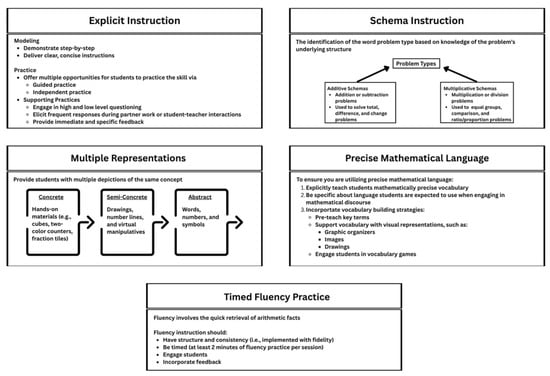
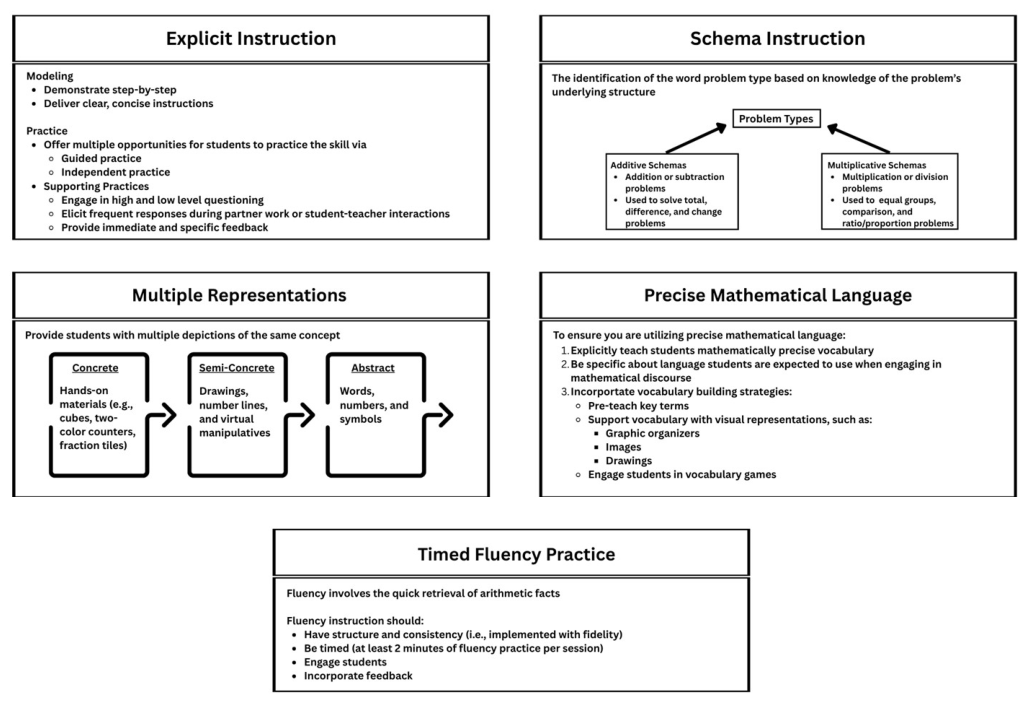
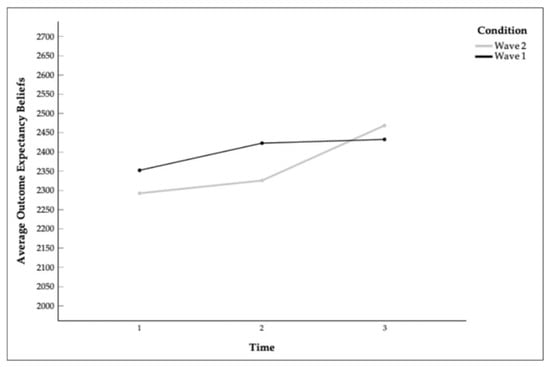
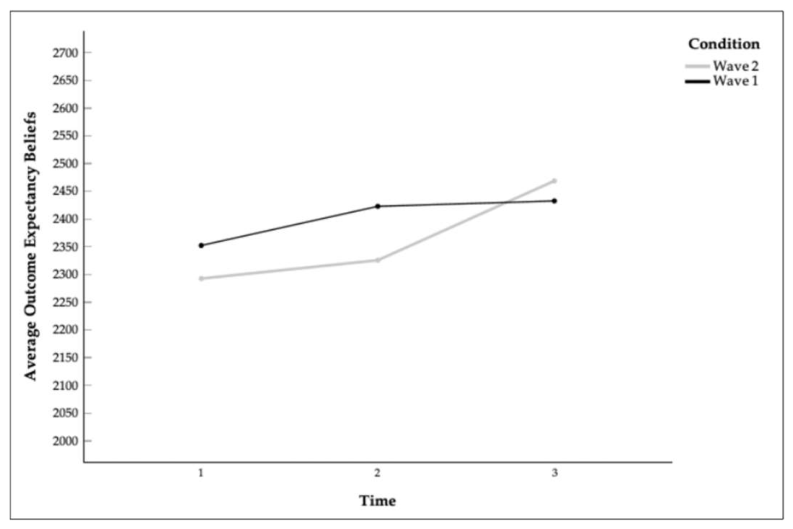

Disclaimer/Publisher’s Note: The statements, opinions and data contained in all publications are solely those of the individual author(s) and contributor(s) and not of MDPI and/or the editor(s). MDPI and/or the editor(s) disclaim responsibility for any injury to people or property resulting from any ideas, methods, instructions or products referred to in the content. |
© 2026 by the authors. Licensee MDPI, Basel, Switzerland. This article is an open access article distributed under the terms and conditions of the Creative Commons Attribution (CC BY) license.