


Abstract
Soil electrical resistivity (SER) is widely used as an indirect indicator of soil physical, chemical, and hydrological properties and plays an important role in applications such as grounding system design, geotechnical site characterization, agricultural soil monitoring, and environmental contamination assessment. However, SER is strongly influenced by environmental variables including soil moisture content, temperature, salinity, and soil texture, which makes accurate prediction challenging under heterogeneous field conditions. A systematic review was conducted following the PRISMA 2020 protocol using the Scopus database to identify peer-reviewed studies published between 2018 and 2026 related to predictive models of soil electrical resistivity based on environmental parameters. After applying defined inclusion and exclusion criteria, a set of relevant studies was selected for qualitative and comparative analysis. The reviewed studies consistently identify soil moisture content as the most frequently reported influential factor affecting SER, followed by temperature, salinity, and soil texture. This observation reflects the predominant focus of the analyzed literature within the selected time frame rather than a definitive representation of all controlling physical processes. Similarly, the reviewed literature suggests that empirical and statistical models remain valuable due to their simplicity and interpretability, whereas machine learning approaches such as artificial neural networks, support vector regression, and ensemble methods are often reported to achieve higher predictive accuracy in complex soil environments. The predictive SER modeling represents a rapidly evolving research field, and future work should focus on hybrid physics-informed machine learning models, the development of standardized datasets, and the integration of predictive algorithms with emerging sensing technologies and IoT-based monitoring systems.
1. Introduction
Soil electrical resistivity (SER) represents the resistance offered by soil to the flow of electrical current and constitutes a key parameter in numerous engineering, geophysical, and environmental applications. Electrical conduction in soils occurs primarily through the pore water and dissolved electrolytes within the soil matrix, making SER highly sensitive to variations in soil structure, moisture conditions, ionic concentration, and mineral composition [1,2]. Because of this sensitivity, SER is widely used as an indirect indicator of several soil physical, chemical, and hydrological properties [3,4].
Accurate characterization of soil resistivity is particularly important in electrical engineering applications such as grounding system design, lightning protection systems, and fault current dissipation in power installations [5]. The resistivity of the surrounding soil directly influences grounding resistance, step and touch potentials, and overall system safety. In geophysical and environmental studies, SER measurements are also widely employed to investigate subsurface structures, detect contamination plumes, monitor soil moisture dynamics, and assess soil salinity conditions [6,7]. Similarly, in agriculture and environmental monitoring, resistivity-based methods provide valuable information regarding soil structure, water distribution, and nutrient availability [8].
However, soil electrical resistivity is not a constant parameter and can vary significantly across spatial and temporal scales [9,10]. Environmental parameters such as soil moisture content, temperature, salinity, porosity, soil texture, and clay fraction strongly influence electrical conduction mechanisms within the soil matrix [10]. Among these variables, moisture content and electrolyte concentration are typically the dominant factors, since electrical current predominantly flows through the liquid phase occupying the pore spaces [2,4,7]. Consequently, changes in environmental conditions can lead to substantial variations in SER values, complicating both measurement and prediction efforts [11].
Traditional techniques for determining soil electrical resistivity such as the Wenner four-electrode method and other resistivity survey techniques provide reliable measurements but often require specialized equipment, controlled field conditions, and significant operational effort. When large geographic areas or long-term monitoring programs are involved, repeated field measurements may become time-consuming, costly, and logistically challenging. Additionally, direct measurements may be limited by site accessibility, soil disturbance, and environmental variability [12,13].
To address these limitations, increasing research attention has been directed toward the development of predictive models capable of estimating soil electrical resistivity based on environmental parameters that are easier to measure or monitor. These models aim to capture the relationships between SER and key soil variables, enabling estimation of resistivity values under varying environmental conditions without requiring extensive field testing.
Over the past decades, numerous modeling approaches have been proposed to estimate soil electrical resistivity. Early research primarily relied on empirical relationships derived from laboratory experiments or field observations, often relating resistivity to soil moisture or temperature through simplified analytical expressions [4,5,6,8,14]. Subsequent studies incorporated theoretical formulations grounded in soil physics and electrical conduction mechanisms, including models based on Archie’s law and related petrophysical relationships [7,13,15]. More recently, advances in computational methods have enabled the application of statistical regression techniques, data-driven models, and machine learning algorithms capable of capturing nonlinear interactions among multiple environmental variables [9,10,16,17,18].
Despite the growing body of research in this field, the existing literature remains fragmented due to differences in modeling methodologies, datasets, soil types, environmental conditions, and selected predictor variables. Many studies focus on specific geographic regions or individual environmental parameters, while others employ different modeling frameworks that limit cross-study comparability. As a result, it remains difficult to identify the most influential environmental predictors, evaluate the robustness of different modeling approaches, or determine best practices for SER prediction across varying soil conditions.
This fragmentation in the literature highlights the need for a transparent and systematic synthesis of the current and accumulated knowledge on soil electrical resistivity modeling. A structured evaluation of existing studies is essential not only to identify consistent patterns and dominant research trends, but also to critically assess how current modeling approaches have shaped the understanding of SER behavior under varying environmental conditions.
By integrating and comparing findings across different studies, this synthesis supports a more critical understanding of how current modeling approaches have shaped knowledge of SER behavior under varying environmental conditions. At the same time, it allows the identification of methodological limitations, inconsistencies in reported results, and potential biases in the available literature, thereby providing a more robust basis for guiding future research directions.
Accordingly, this study conducts a systematic review of predictive models of soil electrical resistivity based on environmental parameters.
To structure this systematic analysis, the following research questions are defined. Addressing these questions provides insights into the current state of knowledge on soil electrical resistivity (SER) predictive modeling based on the evidence available in the reviewed literature. However, it is important to acknowledge that these insights are inherently conditioned by the scope and characteristics of the selected studies, including potential biases related to data availability, geographic distribution, modeling approaches, and publication trends within the analyzed time frame. Consequently, the findings of this review reflect the documented research landscape rather than an exhaustive representation of all physical processes governing SER.
Within this context, the following research questions are proposed:
- What types of predictive models have been developed to estimate soil electrical resistivity from environmental parameters?
- Which environmental variables are most frequently used as predictors of soil electrical resistivity?
- How do different modeling approaches (empirical, theoretical, statistical, and machine learning models) compare in terms of predictive performance and applicability?
- What limitations and uncertainties are associated with existing SER predictive models?
- What research gaps and emerging trends can guide future developments in soil resistivity modeling?
This study does not propose a hypothesis-driven framework; instead, it is designed as a systematic review that provides a structured synthesis of existing research on predictive models of soil electrical resistivity (SER). The objective of this work is to analyze and compare the modeling approaches reported in the literature, identify the most relevant environmental parameters, and evaluate their predictive performance and applicability.
This paper is structured as follows. Section 1 presents the Introduction, describing the importance of soil electrical resistivity, the environmental parameters influencing SER, the limitations of direct measurement methods, and the research gaps addressed in this systematic review. Section 2 describes the Materials and Methods, detailing the search strategy conducted using the Scopus database, a comprehensive bibliographic repository of peer-reviewed scientific literature, along with the inclusion and exclusion criteria, and the systematic review methodology based on the Preferred Reporting Items for Systematic Reviews and Meta-Analyses (PRISMA 2020) guidelines, adopted for identifying and selecting relevant studies. Section 3 presents the Results, summarizing the main predictive modeling approaches and environmental parameters reported in the literature. Section 4 provides a Discussion, comparing modeling methodologies, evaluating their predictive performance, and identifying current limitations and emerging research trends. Finally, Section 5 presents the Conclusions, summarizing the key findings and outlining future directions for research in soil electrical resistivity prediction.
2. Materials and Methods
2.1. Systematic Review Protocol
This study was conducted following the methodological guidelines of the PRISMA 2020 Statement [19], which provides a structured framework to ensure transparency, consistency, and reproducibility in the systematic review process. The PRISMA protocol organizes the review into sequential stages including identification, screening, eligibility assessment, and final inclusion of relevant studies. By applying this framework, the present review establishes clear selection criteria and a traceable workflow for identifying and analyzing scientific publications related to predictive models of soil electrical resistivity based on environmental parameters, thereby minimizing potential selection bias and ensuring methodological rigor throughout the literature synthesis process. The PRISMA 2020 checklist is provided as Supplementary Material.
The protocol of this systematic review was registered in the Open Science Framework (OSF) platform (registration https://doi.org/10.17605/OSF.IO/KSAFD accessed on 21 March 2026), ensuring methodological transparency and reproducibility.
2.2. Search Strategy and Database Selection
The literature search was conducted using the Scopus database, selected due to its broad coverage of peer-reviewed scientific publications, advanced indexing capabilities, and robust citation tracking features. Compared to other major databases such as Web of Science and Google Scholar, Scopus provides a balanced combination of high-quality indexing, consistent metadata, and comprehensive coverage across engineering, environmental sciences, and geophysics, which are central to this study.
However, it is important to acknowledge that the use of a single database may introduce certain limitations. While Scopus offers extensive coverage, it may not include all relevant publications indexed in other databases, particularly in niche or region-specific journals. Additionally, differences in indexing policies and search algorithms across databases may lead to variations in retrieved results.
Despite these limitations, the use of Scopus as the primary data source ensures a high level of consistency, reproducibility, and methodological rigor in the selection process. The defined eligibility criteria ensured that only studies directly related to predictive modeling of soil electrical resistivity and its relationship with environmental parameters were considered for further analysis. By establishing clear selection conditions, the review process minimized potential bias and ensured that the final dataset contributed meaningfully to the evaluation of modeling approaches, environmental predictors, and methodological developments in soil resistivity research.
The final search query used was as follows:
TITLE-ABS-KEY ((“soil electrical resistivity” OR “soil resistivity”) AND (model* OR predict* OR estimat* OR regression OR “machine learning” OR “data-driven”) AND (“soil moisture” OR temperature OR salinity OR porosity OR texture OR “soil properties” OR “environmental parameters”)) AND PUBYEAR > 2017 AND PUBYEAR < 2027 AND (LIMIT-TO (SUBJAREA, “ENGI”) OR LIMIT-TO (SUBJAREA, “ENVI”) OR LIMIT-TO (SUBJAREA, “EART”) OR LIMIT-TO (SUBJAREA, “MATE”) OR LIMIT-TO (SUBJAREA, “ENER”)) AND (LIMIT-TO (DOCTYPE, “ar”) OR LIMIT-TO (DOCTYPE, “re”)) AND (LIMIT-TO (LANGUAGE, “English”))
A temporal filter was applied, restricting publications to the period between 2018 and 2026, in order to capture the most recent developments in predictive modeling techniques and environmental parameter analysis related to soil electrical resistivity. Furthermore, the search was limited to research articles and review papers published in English, ensuring the scientific quality, consistency, and accessibility of the analyzed literature.
Review articles were included to provide contextual background and support the identification of general research trends, modeling approaches, and key environmental variables reported in the literature. However, the comparative analysis of predictive performance and modeling approaches was based primarily on original research articles to ensure consistency and avoid duplication of synthesized results.
2.3. Inclusion and Exclusion Criteria
To ensure the relevance, consistency, and scientific reliability of the selected literature, explicit inclusion and exclusion criteria were defined in accordance with the objectives of this systematic review. These criteria were applied during the screening and selection stages of the PRISMA protocol through a manual review process of titles, abstracts, and full texts.
The screening procedure was conducted by a team of eight authors to ensure consistency and reduce potential selection bias. Each record (title, abstract, and full text) was independently evaluated by multiple authors according to the predefined inclusion and exclusion criteria. In cases of disagreement, the studies were re-evaluated through structured discussion, and a consensus decision was reached based on the established eligibility criteria. This approach ensured a transparent and reproducible selection process while minimizing subjectivity in study inclusion. In addition, data extraction was performed using a predefined and standardized data collection scheme developed for this study to ensure consistency across reviewers. The extraction scheme included predefined variables such as study characteristics, model type, input parameters, environmental variables, and reported performance metrics (e.g., , RMSE, MAPE), allowing for a structured and comparable synthesis of the reviewed studies.
By establishing clear eligibility conditions and applying them systematically, the review process minimized potential selection bias and ensured that the final dataset of studies contributed meaningfully to the evaluation of modeling approaches, environmental predictors, and methodological developments in soil resistivity research.
2.3.1. Inclusion Criteria
Studies were included in the review when they satisfied the following conditions:
Document type: Only research articles and review papers published in peer-reviewed scientific journals were considered, ensuring the scientific validity and methodological rigor of the selected sources.
Publication period: Publications released between 2018 and 2026 were included in order to capture recent developments and emerging approaches in soil electrical resistivity modeling.
Language: Only studies written in English were considered, given their broad international dissemination and accessibility within the scientific community.
Subject area: Studies indexed within the following subject areas were included: Engineering, Environmental Science, Earth and Planetary Sciences, Materials Science, and Energy. These fields encompass the primary disciplines where soil resistivity modeling and environmental parameter analysis are commonly investigated.
Thematic focus: Eligible studies were required to address soil electrical resistivity (SER) and its relationship with environmental or soil parameters. In particular, studies focusing on predictive, empirical, theoretical, statistical, or machine learning models used to estimate soil resistivity were considered.
Environmental relevance: Studies analyzing the influence of variables such as soil moisture content, temperature, salinity, porosity, soil texture, soil composition, or related environmental factors on soil electrical resistivity were included, as these parameters are directly associated with electrical conduction mechanisms in soils.
2.3.2. Exclusion Criteria
Studies were excluded from the review when they met one or more of the following conditions:
Non-eligible document types: Conference papers, book chapters, editorials, technical reports, notes, and short communications were excluded to ensure the inclusion of fully developed peer-reviewed journal articles with comprehensive methodological descriptions and validated results. These document types were excluded because they may present preliminary findings, lack standardized peer-review processes, or provide limited methodological transparency, which can introduce inconsistencies and affect the comparability and reliability of the synthesized results in a systematic review.
Irrelevant thematic scope: Studies not directly related to soil electrical resistivity or those that did not address the relationship between resistivity and environmental or soil parameters were excluded.
Unrelated application fields: Publications dealing with electrical resistivity in contexts unrelated to soils such as rock physics without soil analysis, electronic materials, biomedical applications, or industrial materials characterization were excluded.
Duplicate records: Duplicate publications retrieved during the database search were identified and removed during the screening stage.
Unavailable full text: Studies without accessible full-text versions were excluded because their methodological details and results could not be properly evaluated.
Figure 1 shows the PRISMA 2020 flow diagram summarizing the identification, screening, eligibility, and inclusion stages used to select studies for this systematic review on predictive models of soil electrical resistivity based on environmental parameters.
Figure 1.
PRISMA 2020 flow diagram illustrating the study selection process for publications related to predictive models of soil electrical resistivity based on environmental parameters between 2018 and 2026.
The study selection process was conducted in several sequential phases in order to progressively refine the dataset of relevant publications. This screening was performed manually by multiple authors through independent evaluation of records, followed by consensus-based validation to ensure alignment with the defined inclusion criteria.
In Phase 1, the initial search performed in the Scopus database retrieved a total of 215 records, reflecting the increasing research interest in soil electrical resistivity and its relationship with environmental variables. After applying the preliminary filters defined in the search strategy including publication period, document type, subject area, and language 67 records were excluded due to inconsistencies with the defined scope, ineligible document types, or belonging to unrelated research areas.
In Phase 2, a total of 148 records remained and were subjected to a preliminary screening based on their titles and abstracts. During this stage, 33 studies were removed because they addressed topics unrelated to soil electrical resistivity modeling, such as general geophysical surveys, rock resistivity studies without soil analysis, or purely experimental measurement techniques without predictive modeling approaches.
In Phase 3, 115 full-text articles were assessed in detail to verify compliance with the established inclusion criteria. At this stage, 34 additional studies were excluded, primarily because they did not explicitly analyze the relationship between soil electrical resistivity and environmental parameters, or because they lacked a predictive, empirical, statistical, or machine learning modeling component.
Finally, in Phase 4, a total of 81 studies were selected that fully satisfied all methodological, thematic, and quality criteria defined for this systematic review. These publications constitute the final dataset used for the qualitative synthesis and comparative analysis of predictive models of soil electrical resistivity based on environmental parameters.
The selection procedure ensured a structured and rigorous filtering of the literature, allowing the identification of studies that are directly relevant to the objectives of this review. The progressive reduction in records guaranteed that the final body of literature is consistent, methodologically sound, and aligned with the aim of analyzing current modeling approaches and environmental predictors influencing soil electrical resistivity.
It should be noted that a formal quality assessment or risk-of-bias analysis was not performed in this review. The study instead focused on identifying general trends and comparative patterns across the literature. This approach allows for a broad synthesis of modeling strategies but may introduce some limitations when assessing the relative reliability of individual studies.
2.4. Conceptual Structure of Soil Electrical Resistivity Research
The conceptual structure of the research field was analyzed through a bibliometric co-occurrence analysis of keywords extracted from the selected publications using VOSviewer software (version 1.6.20), a widely used tool for mapping bibliometric relationships based on co-occurrence data and clustering techniques. The resulting map reveals the main thematic relationships and emerging research directions related to soil electrical resistivity and its interaction with environmental parameters, where several interconnected clusters represent the principal research domains within this field (Figure 2).
Figure 2.
Keyword co-occurrence bibliometric map of soil electrical resistivity research related to predictive models and environmental parameters. A minimum threshold of 5 keyword co-occurrences was applied. Each node represents a keyword, with node size proportional to its frequency of occurrence. Links indicate co-occurrence relationships between keywords, where thicker lines represent stronger associations. Colors represent clusters of related keywords, highlighting the main thematic research areas within the field.
It is important to acknowledge that some of the most prominent keywords in the co-occurrence network, such as “soil resistivity”, are directly derived from the search query used for data collection. Consequently, these terms naturally appear as highly connected central nodes and may exert a dominant influence on the overall network structure.
However, these terms were intentionally retained in the analysis to preserve the completeness, traceability, and reproducibility of the bibliometric dataset, ensuring full consistency between the search strategy and the resulting keyword network. Removing such terms could artificially alter the structure of the network and potentially omit relevant contextual relationships among associated keywords.
Therefore, rather than excluding these dominant terms, they are retained as structural anchors within the network, while the interpretation primarily emphasizes the relationships among secondary and associated keywords, which provide a more nuanced and informative representation of thematic relationships and research trends within the field.
In general, the term “electrical resistivity”, as part of the search query, appears as a central node of the network. Its prominence is expected due to the formulation of the search strategy and therefore does not represent an emergent thematic pattern. Instead, it serves as a structural reference point that connects multiple research themes within the network.
Beyond this central term, the analysis focuses on the relationships among associated keywords, which provide a more informative representation of the thematic structure of the research field. Its strong connections with terms such as “electric conductivity,” “soil resistivity,” “soil water,” and “water content” suggest that a significant portion of the literature focuses on understanding the relationship between soil electrical properties and moisture conditions. These variables are widely recognized as key factors influencing electrical conduction processes within soil matrices.
The cluster represented in blue groups terms related to soil physical properties and hydrological conditions, including “soil structure,” “water content,” “soil water,” and “frozen soils.” This cluster reflects research focused on how variations in soil composition and moisture distribution affect electrical resistivity behavior. The presence of terms such as “freeze–thaw cycle” and “permafrost” indicates that resistivity measurements are also frequently used to investigate soil dynamics in cold regions and seasonal freezing environments.
Another cluster, represented in green, is strongly associated with geophysical monitoring and environmental applications, including terms such as “electrical resistivity tomography,” “environmental monitoring,” “irrigation,” and “numerical model.” This grouping highlights the growing use of resistivity-based techniques for subsurface imaging, groundwater monitoring, and the analysis of soil moisture dynamics in environmental and agricultural contexts.
The red cluster is mainly related to soil composition and statistical analysis, incorporating terms such as “clay,” “particle size,” “soil pollution,” “regression analysis,” and “correlation.” This group reflects research focused on identifying quantitative relationships between soil electrical resistivity and specific soil properties, particularly those associated with texture and mineral composition.
Finally, the yellow cluster includes terms associated with engineering and practical applications, such as “electric grounding,” “soil testing,” “soil surveys,” and “finite element method.” This cluster indicates that soil resistivity research also plays a significant role in electrical engineering applications, particularly in the design and evaluation of grounding systems and soil electrical characterization for infrastructure safety.
From the perspective of the research questions, the bibliometric network provides complementary insights for interpreting modeling approaches and identifying research gaps. The clustering of keywords reveals dominant environmental variables such as moisture, temperature, and soil composition, directly related to predictors used in SER models (Research Question 2). At the same time, the presence of terms associated with statistical, numerical, and machine learning methods reflects the diversity of modeling approaches (Research Question 1) and supports their comparative interpretation (Research Question 3). Furthermore, the distribution of keywords highlights underexplored areas, contributing to the identification of limitations and future research directions (Research Questions 4 and 5).
The network structure reveals that research on soil electrical resistivity is organized around three main thematic dimensions: soil physical and hydrological properties, geophysical and environmental monitoring applications, and engineering-oriented soil characterization techniques. The dense interconnections among clusters suggest that these research areas are highly interdisciplinary and collectively contribute to the development of predictive models capable of estimating soil electrical resistivity under varying environmental conditions.
2.5. Analytical Framework for Soil Electrical Resistivity Modeling
Given the diversity of modeling approaches reported in the literature for estimating soil electrical resistivity (SER), a unified analytical framework is presented to facilitate the comparative interpretation of the reviewed studies. It is important to emphasize that this section does not present results derived from the systematic review; instead, it summarizes well-established theoretical relationships and physical models widely used in soil physics, geophysics, and electrical engineering.
The formulations included in this section were selected from the reviewed literature as representative expressions commonly used to describe the relationship between soil resistivity and environmental parameters such as moisture content, temperature, salinity, porosity, and soil texture. These models provide a consistent theoretical basis for interpreting the influence of environmental variables on soil electrical resistivity and for comparing modeling approaches reported in the analyzed studies.
2.5.1. Electrical Resistivity Definition
Soil electrical resistivity is fundamentally defined as the intrinsic resistance of a material to the flow of electric current [2,10]. It can be expressed as:
where is the electrical resistivity of the soil (), R is the measured electrical resistance (), A is the cross-sectional area through which the current flows (m2), and L is the distance between electrodes (m). This relationship forms the basis for most field and laboratory resistivity measurements.
2.5.2. Archie’s Law for Porous Media
One of the most widely used relationships linking electrical resistivity to soil properties is Archie’s law, originally developed for porous geological materials [20,21]. The generalized form can be expressed as:
where is the bulk soil resistivity, is the resistivity of the pore water, represents soil porosity, S is the degree of saturation, and a, m, and n are empirical constants dependent on soil structure and pore connectivity.
This formulation highlights the dominant influence of pore water and saturation on soil electrical conduction processes.
2.5.3. Resistivity–Moisture Relationship
Soil moisture content is widely recognized as one of the most influential variables affecting electrical resistivity [22,23]. Several studies describe the relationship between resistivity and volumetric water content using exponential expressions such as:
where is soil resistivity, is the resistivity of dry soil, represents volumetric water content, and k is a soil-dependent empirical coefficient.
This relationship reflects the reduction in resistivity associated with increasing moisture levels due to enhanced ionic conduction through the pore water.
2.5.4. Temperature Dependence of Soil Resistivity
Temperature variations also influence soil electrical resistivity, primarily due to changes in ionic mobility within pore fluids [24,25,26]. A simplified temperature correction relationship is commonly expressed as:
where is the soil resistivity at temperature T, is the resistivity at reference temperature , and is a temperature coefficient representing the sensitivity of resistivity to thermal variations.
This formulation is particularly relevant in studies involving seasonal soil temperature variations or frozen soil conditions.
2.5.5. Regression-Based Predictive Models
Many studies employ statistical regression models to estimate soil resistivity from multiple environmental parameters [3,13]. A general multivariate formulation may be expressed as:
where represents soil resistivity, is soil moisture content, T is temperature, S represents salinity, P denotes porosity or soil texture parameters, are regression coefficients, and is the error term.
Such formulations allow the integration of multiple environmental predictors and are widely used in predictive modeling studies.
The analytical relationships summarized in this section do not constitute new predictive models nor results derived from the systematic review. Instead, they correspond to established physical principles and widely accepted formulations reported in the literature. These equations were selected from the reviewed studies to provide a theoretical reference framework that supports the interpretation and comparison of the predictive modeling approaches analyzed in this work.
3. Results
The results presented in this section are derived from the systematic analysis of the selected studies included in this review. Unless otherwise stated, all trends, relationships, and model performances discussed herein are based on evidence reported in the reviewed literature.
3.1. Environmental Parameters Influencing Soil Electrical Resistivity
Based on the reviewed literature, soil electrical resistivity (SER) is strongly influenced by a variety of environmental and soil-related parameters that control the mechanisms of electrical conduction within the soil matrix [2,27]. Variations in factors such as soil moisture content, temperature, salinity, porosity, and soil texture can significantly modify the movement of ions through pore fluids and the connectivity of conductive pathways [27,28]. Consequently, understanding the role of these parameters is essential for the development of reliable predictive models of soil resistivity. Evidence from the literature shows that several environmental variables have been consistently identified as key predictors of SER, which are discussed in the following subsections.
3.1.1. Soil Moisture Content
Across the selected studies, soil moisture content is widely recognized as the most influential environmental parameter affecting soil electrical resistivity (SER) [2,27,29,30]. Water within soil pores acts as the primary medium for ion migration, enabling electrical conduction through the soil matrix [31,32]. As moisture increases, the number of mobile ions and the connectivity of conductive pathways within the pore network also increase, resulting in a significant reduction in resistivity. Conversely, when water content decreases, conductive pathways become fragmented, leading to higher resistivity values [33].
Experimental studies across different soil types, including sands, clays, and loess, consistently report a strong inverse relationship between resistivity and water content [22,28,30,34]. This relationship is typically nonlinear and can often be described using exponential or power–law functions. At low moisture levels, resistivity decreases rapidly as water content increases, while at higher degrees of saturation the rate of change becomes more gradual due to the already established conductive pathways [35].
In some cases, a percolation threshold has been observed, where resistivity drops sharply once the degree of saturation allows continuous water films to connect soil particles. Because of this strong dependence, soil electrical resistivity measurements are widely used as an indirect indicator of soil moisture in geotechnical, hydrological, and agricultural applications, including soil moisture monitoring, irrigation management, and soil characterization [32,34].
Table 1 summarizes the main mechanisms and implications associated with the influence of soil moisture content on soil electrical resistivity reported in the reviewed literature.
Table 1.
Summary of the influence of soil moisture content on soil electrical resistivity (SER).
3.1.2. Effects of Soil Temperature
The reviewed studies indicate that temperature strongly modifies soil electrical resistivity by changing ionic mobility, water–ice phase state, and unfrozen water content. At constant moisture and salinity, resistivity typically decreases with increasing temperature above 0 °C, but increases sharply as temperature falls below freezing, displaying pronounced freeze–thaw hysteresis in many soils [24,36,37,38].
Above the freezing point, higher temperature enhances ionic mobility in the pore water, so resistivity decreases approximately exponentially or linearly with temperature on semi-log scales [24,36]. Under subzero conditions, progressive freezing reduces unfrozen water content and increases tortuosity of the remaining conductive pathways, causing resistivity to rise rapidly often following exponential or root-type temperature dependencies [24,37,39]. In very saline soils at very low temperatures (e.g., −15 to −70 °C), resistivity changes may become non-monotonic because increasing salt concentration in the residual unfrozen brine partly offsets the effect of further cooling [36].
Freeze–thaw experiments show that resistivity and temperature relationships are path-dependent: at the same subzero temperature, resistivity during freezing can be lower or higher than during thawing, due to differing unfrozen water distributions and pore-scale structures [24,38,39]. This hysteresis must be considered when interpreting time-lapse resistivity data for permafrost or seasonal frozen ground.
For unfrozen soils in the range 5–45 °C, temperature and correction models (ratio, exponential, polynomial) are widely used to standardize measurements (often to 25 °C). Studies show that models derived on solutions or extracts may be inaccurate for intact soils at low water contents; soil-specific or texture-dependent calibration improves corrections [36].
Table 2 summarizes the main temperature regimes affecting soil electrical resistivity and the dominant physical processes controlling the resistivity–temperature relationship.
Table 2.
Influence of temperature regimes on soil electrical resistivity (SER).
3.1.3. Soil Texture and Composition
According to the reviewed literature, soil electrical resistivity is strongly controlled by soil texture (sand–silt–clay proportions) and composition (clay mineralogy, organic matter, and bulk density). Large meta-analyses including more than 400 measurements show that the coarse fraction and clay mineral percentage, together with water content, are among the main parameters controlling resistivity [4]. In general, resistivity increases with grain size: fine-grained clays and silts tend to exhibit the lowest resistivity, whereas sandy and gravelly soils can be several times more resistive under comparable water and salinity conditions [4,41]. For example, a field study relating geoelectrical soundings to grain-size–based soil classes reported average resistivity values of approximately 88.7 Ω·m for high- and low-plasticity clays (CH and CL), 157.2 Ω·m for clayey sand (SC), 307.3 Ω·m for silty sand, and 638.8 Ω·m for poorly sorted sand (SP), clearly illustrating the increase in resistivity with coarser soil texture [41]. Similarly, electrical resistivity tomography conducted over a lateritic profile identified resistivity values below 50 Ω·m in silty clay with traces of sand within the upper 10 m, increasing to approximately 170 Ω·m in an underlying fractured quartz layer, again demonstrating the association between finer textures and lower resistivity [42].
Clay mineralogy and cation exchange capacity (CEC) further influence soil resistivity by enhancing surface conduction mechanisms. A broad compilation of experimental data identifies both clay type and clay percentage as key factors affecting resistivity; high-CEC clays such as smectite or bentonite tend to reduce resistivity compared with low-CEC clays or quartz-rich sands under similar moisture conditions [4,43]. In geothermal systems, intervals characterized by CEC values greater than 5 meq/100 g commonly coincide with low-resistivity zones, whereas deeper layers dominated by epidote–chlorite assemblages with lower CEC show increased resistivity. This relationship confirms that higher smectite content, and therefore higher CEC, is associated with enhanced electrical conductivity [44]. In addition, pore-scale modeling of hydrate-bearing sediments indicates that the in-phase conductivity of smectitic sediments is significantly higher than that of illitic or kaolinitic sediments due to the greater cation exchange capacity of smectite. Both effective dielectric constant and complex conductivity increase systematically with clay content up to approximately 60% [43].
Soil texture also interacts with water content and bulk density to shape resistivity–moisture relationships. For example, in a clay-textured Typic Hapludox soil, the relationship between volumetric water content () and resistivity () was successfully described using a power–law formulation similar to Archie-type models, achieving a coefficient of determination of . In this case, resistivity decreased nonlinearly as water content increased, while soil compaction altered the curve shape but did not change the dominant influence of moisture [45]. A broader quantitative review similarly identified moisture content as the most influential variable affecting resistivity, followed by plasticity index and clay content, and finally dry unit weight [2]. Field-scale electromagnetic induction studies further show that clay content can explain between 32% and 47% of the variance in apparent bulk conductivity, whereas organic matter typically explains less than 3% and bulk density approximately 6–8%, confirming the primary influence of fine particles and soil texture on conductive pathways [46,47]. Because finer soils retain more water and dissolved ions, a given increase in moisture content generally produces a larger decrease in resistivity in clay-rich soils than in coarse sandy materials [32,46,48].
At the field scale, apparent electrical conductivity (the inverse of resistivity) is frequently used as a proxy for soil texture. In three non-saline citrus orchards in California, apparent electrical conductivity showed strong correlations with particle-size fractions, with Pearson correlation coefficients reaching for sand and for silt. Using locally calibrated regression models, particle-size fractions could be predicted with mean absolute errors below 0.06 for sand, silt, and clay contents [49]. Similar studies conducted in vineyards found that soil water content (24% relative importance) and soil texture (silt 22.4% and clay 18.2%) together explained most of the variance in apparent electrical conductivity, whereas pore-water conductivity contributed only about 5.5% [47]. These findings demonstrate that soil texture and composition not only influence intrinsic electrical resistivity but also determine the sensitivity of geophysical measurements to variations in salinity, water content, and other soil properties.
Table 3 summarizes representative quantitative relationships reported in the literature linking soil texture and compositional features with variations in soil electrical resistivity.
Table 3.
Influence of soil texture and compositional features on soil electrical resistivity (SER).
3.1.4. Salinity and Pore Water Conductivity
The reviewed studies consistently show that the salinity and electrical conductivity of interstitial (pore) water are primary controls on bulk soil electrical resistivity because dissolved ions act as the main charge carriers in the soil matrix. Bulk electrical conductivity () generally increases almost linearly with pore-water conductivity () and salt concentration when water content remains constant, making electrical conductivity a reliable proxy for soil salinity under many field conditions [50,51,52]. Classical and modern electrical models describe bulk conductivity as the combined contribution of conductive pathways through the soil solution and along mineral particle surfaces. These relationships are commonly expressed as , where represents volumetric water content, T is a transmission or tortuosity coefficient, and denotes the contribution of surface conduction along the solid phase [50,51]. Both laboratory and field experiments confirm that increasing pore-water salinity (e.g., NaCl, KCl, or MgCl2 solutions) systematically reduces soil resistivity, often following quadratic or exponential relationships with salt concentration and showing strong coupling with water content and degree of saturation [33,53].
Quantitative measurements further illustrate the influence of salinity on soil electrical behavior. For example, electrical conductivity of 1:5 soil–water extracts () in arid and semi-arid clay-rich soils typically ranges from approximately 0.12 to 5.6 dS m−1, corresponding to total soluble salts between about 0.05 and 2.5% (g salt per 100 g of soil). These parameters commonly exhibit strong linear relationships with coefficients of determination between and , although proportionality coefficients vary depending on salinity type, typically ranging from about 2.2 to 3.16 [54]. In more saline environments, the relationship between saturated paste electrical conductivity () and becomes nonlinear over a range of approximately 0.4 to 160 dS m−1; however, reliable conversions can still be obtained up to about 30–35 dS m−1 using dilution-based models that account for electrolyte retention within fine soil pores [55]. Pore-water electrical conductivity in saturated soils commonly spans values from 0 to about 20 dS m−1, and predictive bulk conductivity models based on formation factor and porosity achieve root mean square errors close to 0.4 dS m−1 across different soil textures and salinity levels [56]. Recent approaches, such as the ECWS method, combine bulk electrical conductivity and water content to estimate initial soil salt content (b) with relative errors below 5%, successfully retrieving salinity values of approximately 1.8–1.9 g kg−1 for solutions such as K2SO4, NaCl, and KCl [57].
Experimental studies on saline soils consistently demonstrate that, at constant dry density and water content, increasing salt concentration in pore water produces a pronounced nonlinear reduction in electrical resistivity. For example, compacted clay samples with NaCl pore solutions ranging from 0 to 1.0 M show resistivity surfaces in water-content–density space that can be fitted with coefficients of determination exceeding , indicating that higher salinity lowers resistivity across all moisture levels due to the increased ionic strength and improved electrical conduction through continuous liquid pathways [58]. Similar behavior is observed in sandy soils, where reductions in pore-water resistivity (i.e., increases in ) lead to lower bulk resistivity, particularly above a percolation saturation threshold where continuous conductive pathways exist. Below this threshold, disconnection of water pathways can produce increases in resistivity of several orders of magnitude even when salinity remains high [33].
In frozen or partially frozen saline soils, temperature-dependent changes in unfrozen water content and ion concentration further influence electrical conductivity. As temperature decreases from approximately +25 °C to about −15 or −20 °C, unfrozen water content progressively declines and ion concentration in the remaining liquid phase changes, resulting in exponential reductions in electrical conductivity and sharp increases in resistivity. In such environments, soil salinity modifies freezing temperatures and alters the rate at which electrical properties change with temperature [26,59,60,61]. Models that incorporate both salinity and unfrozen water content successfully reproduce these behaviors and highlight differences between saline and non-saline soils, where resistivity tends to increase more gradually in highly saline conditions due to the persistence of conductive brine films [26,61].
Table 4 summarizes representative quantitative relationships between pore-water salinity, electrical conductivity, and soil electrical resistivity reported in the reviewed literature.
Table 4.
Influence of pore-water salinity and electrical conductivity on soil electrical resistivity.
3.2. Classification of Predictive Models
Based on the analyzed studies, predictive models of soil electrical resistivity can be grouped into nonparametric interpolation methods, empirical equations, multivariate statistical models, and machine learning approaches. Nonparametric techniques such as Logarithmic Spline and Radial Basis Function (RBF) provide high accuracy but lack explicit formulations, limiting extrapolation beyond calibration datasets [10]. Empirical models, including segmented and power–law equations, offer practical analytical relationships with moderate precision [10]. Multivariate statistical models improve predictions by incorporating multiple soil parameters through transformations such as the Box–Cox method [13]. More recently, machine learning techniques including Artificial Neural Networks (ANN), Support Vector Regression (SVR), Extreme Gradient Boosting (XGB), and transformer-based models have been widely reported to provide improved predictive performance, particularly in studies involving complex nonlinear relationships among geotechnical variables influencing resistivity [2,5,9,11,12,62].
3.2.1. Empirical Models
Empirical models for predicting soil electrical resistivity typically establish explicit mathematical relationships between resistivity and key soil properties, particularly moisture content. Among these, the segmented equation model demonstrates strong performance across sandy, clayey, and silty soils, with mean absolute percentage errors (MAPE) of 6.14%, 15.1%, and 13.16%, respectively, and coefficients of determination (R2) around 0.9, indicating reliable predictive capability under controlled laboratory conditions [10]. The power law model achieves a high R2 near 0.96 but tends to significantly overestimate resistivity in silty soils, with MAPE exceeding 187%, limiting its practical use in such cases [10].
Other empirical approaches include the Vipulanandan hyperbolic correlation, which incorporates parameters such as coarse fraction, clay mineral type, and water content to achieve R2 values above 0.9 by effectively capturing the influence of saturation on resistivity [4]. Modified series-parallel mixing models further account for sand–clay mixtures and surface conduction effects, showing good agreement with experimental data under saturated conditions by representing soil phases and conductive pathways more realistically [7]. Multivariate distribution models, although often classified as statistical approaches, are sometimes applied within empirical frameworks by incorporating multiple soil parameters transformed through methods such as the Box–Cox transformation, achieving R2 values up to 0.88 [63].
Table 5 summarizes representative predictive models used to estimate soil electrical resistivity, including their main variables, performance metrics, and applicability across different soil conditions.
Table 5.
Representative predictive models for soil electrical resistivity reported in the literature.
Figure 3 illustrates an evidence-informed comparison of the trade-off between prediction accuracy and error for representative predictive models of soil electrical resistivity. The horizontal axis represents the coefficient of determination (), while the vertical axis shows the mean absolute percentage error (MAPE), based on reported ranges in the literature. The relative positioning of models reflects typical performance trends identified across multiple studies rather than exact values from a single dataset. The figure highlights that, although some models such as the power–law formulation may achieve high values, they can also exhibit higher prediction errors under certain conditions. In contrast, models such as the segmented equation and the Vipulanandan hyperbolic model tend to provide a more balanced performance between accuracy and error, indicating greater robustness across different soil conditions.
Figure 3.
Accuracy–error trade-off for predictive models of soil electrical resistivity based on and MAPE performance metrics.
3.2.2. Physical and Semi-Empirical Models
Physical and semi-empirical models for predicting soil electrical resistivity integrate soil moisture, texture, density, and pore connectivity to represent the mechanisms governing electrical conduction in soils. Nonparametric approaches such as Logarithmic Spline and Radial Basis Function (RBF) interpolation provide excellent predictive accuracy under controlled experimental conditions, although their lack of explicit analytical formulations limits extrapolation to field applications [10]. Explicit formulations such as segmented equations can also be interpreted within semi-empirical frameworks because they combine experimental calibration with simplified physical interpretations of soil conductivity processes [10].
Multivariate distribution models further improve predictive capability by integrating several soil parameters through statistical transformations such as the Box–Cox method, particularly in frozen soils where complex interactions between variables occur [13]. In addition, physically based models considering pore interconnections and tortuosity significantly reduce prediction errors compared with simpler empirical models, decreasing average errors from more than 48% to approximately 17–31% depending on soil type [63]. Recent developments also include transformer-based dual-attention architectures that enhance prediction accuracy while maintaining explainability by identifying influential parameters such as fine particle content and dry density [62].
Table 6 summarizes representative predictive models used to estimate soil electrical resistivity, highlighting their key parameters, performance metrics, and main methodological characteristics.
Table 6.
Comparison of predictive models for soil electrical resistivity.
Figure 4 presents an evidence-informed conceptual radar diagram illustrating the relative characteristics of different predictive models used to estimate soil electrical resistivity. Each axis represents a key aspect of model performance or applicability, including interpretability, prediction accuracy, nonlinear capability, physical basis, data requirements, and practical usability. The relative scores assigned to each model category are based on qualitative synthesis of reported characteristics and performance trends across the reviewed studies, rather than direct quantitative measurements. The comparison highlights that machine learning approaches such as ANN, SVR, XGB, and transformer-based models tend to exhibit strong predictive capability and nonlinear modeling performance, while physically based and empirical models offer greater interpretability and practical usability. This visualization is intended to summarize trade-offs identified in the literature rather than provide exact quantitative rankings.
Figure 4.
Conceptual multi-criteria radar framework illustrating the relationships between predictive model types, key parameters, and qualitative methodological characteristics in soil electrical resistivity modeling.
3.2.3. Statistical Models
Statistical models for predicting soil electrical resistivity commonly rely on regression techniques and multivariate correlations to quantify relationships between resistivity and soil properties. Multiple regression models incorporating geotechnical parameters such as water content, dry density, and plasticity index have shown moderate predictive capability, with coefficients of determination (R2) up to approximately 0.83, although their accuracy may decrease under heterogeneous field conditions [11].
Multivariate distribution models using transformed soil parameters and correlation matrices significantly improve prediction accuracy, achieving R2 values up to 0.88 in calibration and around 0.83 in validation datasets, outperforming traditional empirical models [13]. Nonparametric interpolation techniques such as Radial Basis Function (RBF) and spline interpolation can produce very accurate predictions in controlled experimental environments, although their applicability outside calibrated datasets may be limited [10]. Additionally, random forest algorithms applied to meteorological variables have achieved an R2 of approximately 70.4%, indicating the potential of environmental data integration for resistivity prediction [66].
Table 7 compares representative statistical and machine learning models used to predict soil electrical resistivity, highlighting their input parameters, predictive performance, and main methodological characteristics.
Table 7.
Comparison of statistical and machine learning models for predicting soil electrical resistivity.
Figure 5 summarizes the main qualitative characteristics of predictive models used to estimate soil electrical resistivity. The comparison highlights differences in predictive capability, model interpretability, and applicability across different soil conditions.
Figure 5.
Qualitative comparison of predictive models for soil electrical resistivity, highlighting their main methodological characteristics and predictive capabilities.
3.2.4. Machine Learning Models
Machine learning models have increasingly been applied to predict soil electrical resistivity due to their ability to capture complex nonlinear relationships among multiple soil parameters. Support Vector Regression (SVR) models trained on datasets including variables such as temperature, density, and water content have demonstrated reliable performance with coefficients of determination exceeding 0.77 and low root mean square errors (RMSE), outperforming traditional linear regression approaches [1,9].
More advanced machine learning techniques such as Artificial Neural Networks (ANN), Extreme Gradient Boosting (XGB), and Adaptive Neuro-Fuzzy Inference Systems (ANFIS) have shown even higher predictive capability. For example, XGB models can reach R2 values close to 0.99, while ANFIS models report extremely low mean absolute percentage errors, indicating strong ability to represent nonlinear soil behavior [9,64].
Recent deep learning approaches further extend these capabilities. Architectures such as deep neural networks (DNN), long short-term memory (LSTM), and gated recurrent units (GRU) have been successfully applied to time-series electrical resistivity data to predict soil properties such as porosity and hydraulic conductivity [67]. Transformer-based dual-attention models represent the most recent advancement, achieving mean absolute percentage errors as low as 0.63% while providing explainability through feature-importance analysis [62]. Overall, machine learning and deep learning approaches provide superior predictive flexibility, particularly when large datasets and complex soil interactions are involved.
Table 8 summarizes advanced machine learning and deep learning models applied to soil electrical resistivity prediction, highlighting their input variables, predictive performance, and main methodological characteristics.
Table 8.
Advanced machine learning and deep learning models for predicting soil electrical resistivity.
3.3. Comparative Performance of Predictive Models
The reviewed literature shows that the predictive performance of soil electrical resistivity (ER) models varies depending on model complexity, data availability, and the ability to capture nonlinear interactions among soil parameters. Rather than focusing on individual formulations, comparative evaluation across studies highlights four key aspects: prediction accuracy, data requirements, interpretability, and computational complexity.
It is important to note that the reviewed studies exhibit considerable heterogeneity in terms of datasets, soil types, environmental conditions, and model validation procedures. This variability limits the direct comparability of reported performance metrics and should be considered when interpreting the results presented in this section.
Empirical models generally provide explicit mathematical relationships between resistivity and a limited set of soil parameters, typically moisture content. These models show moderate predictive capability, with coefficients of determination commonly around and mean absolute percentage errors between approximately 6% and 15% under controlled laboratory conditions [10]. Their main advantages are simplicity, interpretability, and low computational cost, although their predictive reliability may decrease when soil heterogeneity or multiple interacting variables are present.
Statistical models based on regression and multivariate analysis offer slightly improved flexibility by incorporating several soil parameters simultaneously. Multiple regression models generally achieve values up to approximately 0.83 when using geotechnical variables such as water content, dry density, and plasticity index [11]. Multivariate distribution models further improve predictive capability, reaching calibration values up to 0.88 and validation values around 0.83 by incorporating transformed soil parameters and correlation structures [13]. However, these approaches still rely on predefined functional relationships and may struggle to capture complex nonlinear soil behavior.
Machine learning approaches demonstrate the highest predictive accuracy due to their ability to model nonlinear relationships among multiple soil parameters. Algorithms such as Artificial Neural Networks (ANN), Support Vector Regression (SVR), and Extreme Gradient Boosting (XGB) have consistently outperformed traditional regression models. For example, XGB models have reported coefficients of determination close to , while ANN models achieve significantly lower prediction errors than conventional statistical methods across diverse datasets [9,11,12]. Hybrid approaches such as ANN combined with genetic algorithms have reported extremely high predictive performance for related electrical conductivity models, with values approaching 0.9998 during training.
Recent deep learning architectures further extend predictive capability when large datasets or time-series measurements are available. Models such as deep neural networks (DNN), long short-term memory (LSTM), and gated recurrent units (GRU) effectively capture temporal patterns in resistivity measurements and associated soil properties [67]. Transformer-based dual-attention models represent the most advanced approaches reported in the literature, achieving mean absolute percentage errors as low as 0.63% while also providing explainability through feature-importance analysis [62].
Overall, empirical and statistical models remain useful when interpretability and low computational cost are required, whereas machine learning and deep learning approaches offer superior predictive accuracy at the expense of higher data requirements and computational complexity. Consequently, model selection should consider the trade-off between prediction accuracy, interpretability, data availability, and computational resources.
Table 9 summarizes the comparative performance of the main predictive model categories for soil electrical resistivity in terms of prediction accuracy, data requirements, interpretability, and computational complexity.
Table 9.
Comparative performance of predictive models for soil electrical resistivity.
Figure 6 provides an evidence-informed conceptual comparison of the main categories of predictive models used for soil electrical resistivity estimation based on four key criteria: prediction accuracy, interpretability, data requirements, and computational complexity. The scores shown in the figure represent relative qualitative assessments derived from trends consistently reported across the reviewed studies, as summarized in the comparative tables. These values are not the result of a unified quantitative dataset but rather a synthesized interpretation of model characteristics reported in the literature. The figure illustrates general trade-offs among modeling approaches, emphasizing the balance between model simplicity, data requirements, and predictive capability.
Figure 6.
Conceptual comparison of predictive model categories for soil electrical resistivity considering prediction accuracy, interpretability, data requirements and computational complexity.
The visualization highlights the trade-offs among modeling approaches. Empirical and statistical models generally exhibit high interpretability and low computational cost but relatively moderate prediction accuracy. Multivariate and machine learning approaches tend to provide improved predictive capability by capturing nonlinear relationships among soil parameters, although they typically require larger datasets and higher computational resources. Deep learning and transformer-based models are often associated with higher predictive capability in the reviewed studies, particularly when large and complex datasets are available, but they also involve greater data requirements and computational complexity.
It is important to note that no formal risk-of-bias assessment was conducted in this review. Therefore, variations in datasets, environmental conditions, and validation procedures across studies may influence the reported performance metrics. This limitation should be considered when interpreting the comparative performance of predictive models, and the results presented here should be understood as general trends rather than directly comparable benchmarks.
3.4. Applications of Predictive SER Models
Predictive models of soil electrical resistivity (SER) have become valuable tools in several engineering and environmental applications, as they enable the estimation of subsurface electrical properties without requiring extensive field measurements. By relating resistivity to key environmental and geotechnical parameters such as soil moisture, temperature, texture, and salinity, these models facilitate faster and more cost-effective assessments of soil conditions. Consequently, predictive SER models have been widely applied in areas including electrical grounding system design, geotechnical site characterization, agricultural soil monitoring, and environmental assessment. Their ability to provide reliable estimations under varying soil conditions makes them particularly useful for large-scale studies, real-time monitoring, and decision-support systems in both engineering and environmental management.
3.4.1. Grounding System Design
Predictive models of soil electrical resistivity are essential tools for designing effective and safe electrical grounding systems. These models improve the estimation of soil resistivity by incorporating key geotechnical parameters such as water content, dry density, and plasticity index, which strongly influence resistivity values and, consequently, grounding system performance. Artificial neural networks (ANN) have demonstrated superior accuracy compared to traditional multiple regression models, achieving root mean square errors (RMSE) as low as 0.057 and coefficients of determination () up to 0.83 by capturing complex nonlinear relationships among soil properties [5,11]. Layered and functionally graded multilayer soil models provide continuous resistivity profiles with depth, enhancing the precision of grounding resistance calculations compared with conventional piecewise constant models [68]. Time-series prediction using Long Short-Term Memory (LSTM) networks further advances grounding resistance forecasting by accounting for temporal variations such as rainfall effects, reducing the mean absolute percentage error by more than 70% relative to conventional ANN approaches [69].
These predictive approaches enable more robust grounding system designs capable of adapting to soil heterogeneity and environmental variations. Furthermore, they support the optimization of grounding grid parameters—such as rod number, mesh size, and burial depth—while balancing safety requirements and cost efficiency [70,71].
Table 10 summarizes key applications of predictive soil electrical resistivity models in grounding system design, highlighting their performance metrics, practical benefits, and engineering relevance.
Table 10.
Applications of predictive soil electrical resistivity (SER) models in grounding system design.
3.4.2. Agricultural Soil Monitoring
Predictive models using soil electrical resistivity (SER) are effective for agricultural soil monitoring by estimating key properties like moisture, salinity, and nutrient distribution, which influence crop productivity and irrigation management. Data-driven methods, including machine learning and multivariate statistics, link resistivity measurements to these soil parameters, enabling spatial and temporal monitoring when combined with geophysical techniques such as electrical conductivity mapping. This integration supports precision agriculture by optimizing irrigation schedules, detecting salinity buildup, and improving soil management strategies for sustainability [72,73,74].
Advances in sensing technologies also include low-cost, portable sensors for real-time monitoring of soil moisture and nutrients like nitrogen and phosphorus, facilitating site-specific management and reducing reliance on expensive lab tests. IoT-enabled systems combined with AI further enhance continuous data collection and analysis, allowing for informed crop recommendations and efficient fertilizer use. Overall, these technologies contribute to sustainable agricultural practices by providing accurate, timely soil condition data that supports decision-making in crop management [75,76,77].
Table 11 summarizes the main technological approaches and monitored variables associated with the use of predictive soil electrical resistivity models in agricultural soil monitoring.
Table 11.
Technological approaches and monitored variables in agricultural soil monitoring using predictive SER models.
3.4.3. Environmental and Contamination Monitoring
Predictive models of soil electrical resistivity (SER) have become increasingly important for environmental monitoring and contamination assessment due to their sensitivity to variations in ionic concentration, moisture content, and soil composition. These characteristics enable the indirect detection of pollutants in soils and groundwater without the need for extensive intrusive sampling. By combining SER measurements with machine learning and statistical models, researchers can improve the identification and spatial mapping of contaminated zones, including salinity intrusion, landfill leachate migration, and the transport of pollutants through subsurface environments.
The integration of predictive SER models with geophysical techniques such as electrical resistivity tomography (ERT) further enhances the interpretation of subsurface resistivity profiles, allowing more accurate delineation of contamination plumes and heterogeneous soil layers. In addition, recent advances in sensing technologies—including artificial intelligence (AI), Internet of Things (IoT) platforms, and biosensor-based monitoring systems—have enabled real-time environmental monitoring with improved detection speed and specificity [78,79]. For example, bioelectronic sensors can generate rapid electrical signals in response to the presence of contaminants, while aptamer-based biosensors provide stable and cost-effective detection of heavy metals and toxic compounds [80]. Similarly, microfluidic devices enable portable and rapid analysis of environmental pollutants in soil and water samples [81].
The integration of these technologies with SER-based predictive models supports the development of smart environmental monitoring systems capable of providing spatially extensive and cost-effective assessments of contaminated sites. Such systems facilitate early detection of environmental degradation, evaluation of remediation strategies, and improved decision-making for sustainable environmental management [82].
Table 12 summarizes the main technological approaches used in environmental monitoring and contamination detection based on predictive soil electrical resistivity models.
Table 12.
Technological approaches for environmental monitoring using predictive soil electrical resistivity (SER) models.
It is important to note that the performance metrics reported in Table 5, Table 7, Table 8, and Table 9 are derived from studies with heterogeneous datasets, soil conditions, input variables, and validation procedures. Therefore, these results are not directly comparable and should be interpreted as indicative trends rather than equivalent performance benchmarks across modeling approaches.
The conceptual figures presented in this study are derived from a qualitative synthesis of the findings reported in the reviewed literature. Rather than representing direct quantitative outputs from a single dataset, these visualizations integrate reported performance metrics (e.g., , RMSE, MAPE), methodological characteristics, and modeling capabilities described across multiple studies.
The relative positions, scores, and relationships illustrated in these figures are based on aggregated evidence and recurring patterns identified in the literature. Therefore, these figures should be interpreted as evidence-informed conceptual representations intended to facilitate comparative understanding rather than precise quantitative benchmarks.
4. Discussion
The findings derived from the reviewed studies, presented in Section 3 reveal substantial progress in the development and application of predictive models for soil electrical resistivity, ranging from empirical and statistical formulations to advanced machine learning and deep learning approaches. These findings highlight the increasing capability of predictive models to estimate soil resistivity using environmental and geotechnical parameters while supporting diverse engineering and environmental applications. However, the reviewed studies also exhibit notable variability in modeling strategies, datasets, performance metrics, and application contexts. Differences in soil characteristics, environmental conditions, and methodological assumptions reported in the literature often complicate direct comparisons of model performance across studies. To move beyond descriptive synthesis, the following section provides a comparative and interpretative discussion of these findings.
Section 4 presents a comprehensive discussion of the comparative performance of predictive SER models, evaluates their practical applicability across different domains, and examines key challenges such as data availability, model interpretability, and generalization across soil types. Furthermore, it identifies current research gaps and outlines future directions for improving predictive modeling approaches and their integration with emerging sensing and monitoring technologies.
4.1. Comparative Performance of SER Predictive Models
The reviewed studies reveal clear differences in the predictive performance of soil electrical resistivity (SER) models depending on their methodological complexity and the type of input data used. Based on this evidence, a comparative analysis can be established to evaluate the relative strengths and limitations of different modeling approaches. Empirical and semi-empirical models remain widely used due to their simplicity, low computational cost, and straightforward interpretability. These models typically rely on a limited number of soil parameters most commonly moisture content, density, and soil composition and can provide reasonable predictive capability under controlled conditions. For instance, segmented equations and power–law relationships have reported coefficients of determination close to in laboratory studies [10]. However, their performance often decreases when applied to heterogeneous field conditions, as they may not adequately capture nonlinear interactions among multiple environmental variables.
Statistical and multivariate distribution models improve predictive performance by incorporating a broader set of soil parameters and using transformation techniques to better represent nonlinear relationships. These models generally achieve moderate to high predictive accuracy, with reported values up to approximately 0.88 in calibration datasets and slightly lower values during validation [13]. Although these approaches enhance the representation of soil variability compared with simple empirical formulations, they still depend on assumptions regarding variable distributions and may require careful parameter selection to avoid overfitting.
Machine learning methods have demonstrated the highest predictive performance among the reviewed approaches. Algorithms such as Artificial Neural Networks (ANN), Support Vector Regression (SVR), and Extreme Gradient Boosting (XGB) can effectively capture complex nonlinear relationships between SER and multiple geotechnical and environmental parameters, including moisture content, temperature, plasticity index, and dry density. In several studies, these models achieved very high predictive accuracy, with reported values reaching and significantly reduced prediction errors compared with conventional regression models [9,11]. Similarly, advanced architectures such as dual-attention transformers have demonstrated extremely low mean absolute percentage errors (MAPE ≈ 0.63%), indicating strong capability for modeling complex soil–environment interactions [62].
Despite their superior accuracy, data-driven models introduce new challenges related to data availability, computational complexity, and interpretability. Machine learning and deep learning approaches typically require large and high-quality datasets to achieve reliable generalization, which may not always be available in geotechnical or environmental studies. Additionally, many advanced models operate as “black-box” systems, making it difficult to directly interpret the physical relationships between soil parameters and electrical resistivity. Consequently, a trade-off often emerges between predictive accuracy and model transparency.
Overall, the comparative analysis suggests that no single modeling approach is universally optimal for all SER prediction scenarios. Simpler empirical models remain valuable for rapid estimation and engineering applications where interpretability and computational efficiency are critical. In contrast, machine learning and deep learning models provide superior predictive capability in complex environments with heterogeneous soils and large datasets. Future research may therefore benefit from hybrid approaches that combine physically interpretable models with data-driven techniques, allowing improved accuracy while maintaining meaningful links to soil physical processes.
The interpretation of comparative model performance should be considered in light of the absence of a formal risk-of-bias assessment. Differences in study design, datasets, and validation approaches may affect reported results, and therefore the comparisons presented reflect general trends across the literature rather than equivalent performance benchmarks.
4.2. Trade-Offs Between Accuracy, Interpretability, and Data Requirements
The reviewed literature indicates that a central challenge in the development of predictive soil electrical resistivity (SER) models lies in balancing prediction accuracy, model interpretability, and data requirements. Building upon this evidence, the following discussion examines the trade-offs among different modeling approaches. As observed across the reviewed studies, model performance tends to improve with increasing methodological complexity, but this improvement is often accompanied by reduced interpretability and higher data demands. This trade-off is particularly evident when comparing traditional empirical models with modern machine learning and deep learning approaches.
Empirical and semi-empirical formulations remain attractive in engineering applications because they provide explicit mathematical relationships between SER and key soil parameters such as moisture content, density, and soil composition. These models are computationally efficient and easy to interpret, allowing practitioners to directly relate predicted resistivity values to physical soil properties. However, their predictive capability may be limited when applied to heterogeneous soils or environments with strong nonlinear interactions among variables [4,10]. Consequently, while these models are well suited for rapid estimation and preliminary engineering design, they may not fully capture complex soil–environment interactions.
Statistical and multivariate distribution models partially address these limitations by incorporating a larger number of explanatory variables and applying transformation techniques to better represent nonlinear relationships. These models generally achieve improved predictive performance compared with simple empirical approaches while maintaining a moderate level of interpretability. Nevertheless, their accuracy still depends on the availability of representative datasets and appropriate variable selection [13]. In addition, the assumptions regarding statistical distributions and correlations between variables can influence model stability and generalization capability.
Machine learning techniques, including Artificial Neural Networks (ANN), Support Vector Regression (SVR), and Extreme Gradient Boosting (XGB), have demonstrated superior predictive performance in many studies by effectively modeling nonlinear interactions among soil and environmental parameters. These models can integrate multiple inputs such as moisture content, temperature, plasticity index, and dry density and achieve high coefficients of determination, in some cases approaching [9,11]. Similarly, advanced architectures such as dual-attention transformers have achieved very low prediction errors, indicating their potential for modeling complex soil systems [62]. However, these improvements in accuracy come with increased computational complexity and a greater dependence on large, high-quality datasets for training.
Another important consideration concerns model interpretability. While empirical and physics-inspired models provide transparent relationships between soil parameters and electrical resistivity, many machine learning algorithms operate as black-box systems. Although recent developments in explainable artificial intelligence (XAI) techniques aim to improve the interpretability of such models, understanding the underlying physical mechanisms represented by these models remains challenging [62]. This limitation can reduce user confidence in engineering contexts where model transparency is required for design validation and regulatory compliance.
The literature suggests that the selection of an appropriate SER predictive model depends strongly on the intended application and the available data resources. Empirical models remain advantageous for applications requiring simplicity and interpretability, such as preliminary grounding system design. In contrast, data-driven approaches offer greater predictive capability in complex environments or when large datasets are available, such as environmental monitoring or agricultural soil analysis. Future research may benefit from hybrid modeling strategies that combine physically interpretable formulations with machine learning techniques, enabling improved prediction accuracy while preserving meaningful links to soil physical processes.
4.3. Limitations of Current SER Modeling Approaches
The reviewed studies identify several limitations that constrain the general applicability and reliability of current SER predictive models. Based on these observations, the following discussion highlights key challenges affecting model performance and transferability. One of the most important challenges concerns the availability and representativeness of training datasets. Many predictive models are developed using laboratory measurements or region-specific field data, which may not fully capture the natural variability of soil conditions. Differences in soil texture, mineral composition, moisture regimes, and salinity levels across geographic regions can significantly influence resistivity behavior, limiting the transferability of models calibrated under specific environmental conditions [4,13]. As a result, models that perform well in controlled experimental settings may experience reduced predictive capability when applied to heterogeneous field environments.
Another limitation relates to the quality and consistency of input parameters used in predictive models. Soil electrical resistivity is influenced by multiple interacting factors, including moisture content, temperature, pore-water salinity, particle size distribution, and soil structure. However, not all studies measure or report these parameters with the same level of detail, which introduces uncertainty into model development and validation. In addition, some predictive approaches rely on simplified parameter sets or indirect measurements that may not adequately represent complex subsurface processes [10]. This limitation becomes particularly relevant in large-scale applications where environmental variables fluctuate over time and space.
Model interpretability also remains an important concern in SER prediction. While empirical and physics-based formulations provide transparent relationships between resistivity and soil properties, many advanced machine learning approaches operate as black-box models. Although these techniques can achieve high predictive accuracy, understanding how individual variables influence model outputs can be difficult without additional interpretability frameworks. Recent developments in explainable artificial intelligence (XAI) methods have begun to address this issue, but the integration of physically meaningful insights into data-driven models remains an ongoing research challenge [9,62].
Furthermore, several predictive models are developed using limited temporal datasets, which restricts their ability to represent dynamic environmental processes. Soil resistivity can vary significantly over time due to rainfall events, seasonal temperature fluctuations, irrigation practices, and groundwater interactions. Models trained on static datasets may therefore struggle to accurately capture temporal variability unless time-series data or dynamic environmental parameters are incorporated into the modeling framework. Recent studies using recurrent neural networks and time-series approaches demonstrate promising results in addressing this limitation, although such models require continuous monitoring data that may not always be available [69].
Finally, the integration of predictive SER models with real-time sensing technologies and environmental monitoring systems remains relatively limited. Although advances in IoT-based sensors, biosensing platforms, and geophysical monitoring methods have expanded the potential for continuous soil monitoring, the combination of these technologies with predictive modeling frameworks is still emerging [75,82]. Greater integration between predictive algorithms, sensor networks, and geophysical survey techniques will be necessary to fully exploit the potential of SER-based monitoring systems for engineering, agricultural, and environmental applications.
Addressing these limitations will require the development of larger and more diverse datasets, improved integration of physical soil processes into predictive models, and closer coupling between predictive modeling frameworks and modern environmental sensing technologies. Such advances are expected to enhance the robustness, interpretability, and scalability of SER predictive models in future applications.
4.4. Future Research Directions and Emerging Technologies
Based on the trends observed in the reviewed literature, future research on predictive modeling of soil electrical resistivity (SER) is expected to focus on improving model generalization, integrating heterogeneous data sources, and strengthening the connection between data-driven approaches and physical soil processes governing soil electrical behavior. One promising direction involves the development of hybrid modeling frameworks that combine empirical or physics-informed formulations with machine learning techniques. Such approaches could improve predictive accuracy while preserving interpretability by embedding soil physical constraints such as relationships between resistivity, moisture content, and pore-water conductivity within data-driven algorithms. This integration may help overcome some of the limitations associated with purely empirical or black-box models [4,10,13].
Another important research direction concerns the expansion of large-scale, standardized datasets for SER modeling. Many existing studies rely on limited regional datasets or laboratory measurements, which restrict the ability of predictive models to generalize across diverse soil environments. The establishment of open-access databases combining geotechnical, environmental, and geophysical measurements would significantly enhance model training and validation. Such datasets would also enable the development of more robust machine learning algorithms capable of capturing complex soil–environment interactions under different climatic and geological conditions [9,11].
Advances in sensing technologies are also expected to play a central role in future SER modeling research. The integration of Internet of Things (IoT) platforms with distributed soil sensors can provide continuous, high-resolution environmental data that support dynamic modeling of soil resistivity. Low-cost portable sensors capable of monitoring soil moisture, nutrient content, and environmental variables offer new opportunities for real-time data acquisition in agricultural and environmental monitoring applications [75]. When combined with predictive algorithms, these sensor networks could enable adaptive monitoring systems capable of detecting soil condition changes and updating predictions in near real time.
Emerging biosensing and microfluidic technologies may further expand the scope of SER-based monitoring systems. Bioelectronic sensors that produce electrical signals in response to contaminants, as well as aptamer-based biosensors designed for the detection of heavy metals and toxic compounds, offer promising tools for environmental contamination assessment [80]. Similarly, portable microfluidic devices provide rapid and sensitive analysis of pollutants in soil and water samples, supporting more efficient environmental monitoring workflows [81]. Integrating these technologies with SER predictive models could enable more comprehensive monitoring systems capable of simultaneously tracking soil physical properties and chemical contamination.
Finally, advances in explainable artificial intelligence and transformer-based architectures are likely to influence the next generation of SER predictive models. Techniques that provide insight into the relative importance of input variables may improve model transparency and facilitate the interpretation of complex soil processes [62]. At the same time, smart environmental monitoring platforms that combine predictive modeling, sensor networks, and automated data analysis frameworks are expected to support more sustainable management of soil resources and infrastructure systems [82].
Future developments in SER predictive modeling will likely depend on interdisciplinary collaboration between geotechnical engineering, environmental science, data science, and sensor technology. The convergence of these fields has the potential to significantly improve the reliability, scalability, and practical applicability of SER-based prediction systems across engineering, agricultural, and environmental domains.
Table 13 summarizes the key dimensions influencing predictive soil electrical resistivity modeling, highlighting the current state of research, major challenges, and emerging opportunities for future developments.
Table 13.
Synthesis of key aspects influencing predictive soil electrical resistivity (SER) modeling.
4.5. Comparison with Representative State-of-the-Art Reviews on Soil Electrical Resistivity Modeling
A critical examination of existing review articles indicates that research on soil electrical resistivity (SER) and its predictive modeling has expanded considerably in recent years, driven by advances in geotechnical engineering, environmental monitoring, and data-driven modeling techniques. Nevertheless, many previous reviews tend to focus on specific aspects of SER research, such as geophysical measurement techniques, soil moisture estimation, or the application of electrical resistivity in particular domains. As a result, these studies often emphasize either experimental methodologies or individual modeling approaches without providing an integrated analysis of predictive models, environmental parameters, and practical engineering applications.
Table 14 summarizes representative state-of-the-art review studies related to soil electrical resistivity and its modeling. Early contributions mainly addressed the use of resistivity in geophysical exploration and soil characterization, emphasizing measurement techniques and interpretation of resistivity profiles. More recent studies increasingly incorporate machine learning methods, environmental monitoring applications, and multi-parameter soil characterization approaches. However, most existing reviews remain limited in scope, often focusing on a single modeling strategy, specific soil properties, or a particular application domain.
Table 14.
Comparison of representative state-of-the-art reviews on soil electrical resistivity (SER) modeling and the positioning of this study.
In contrast, the present systematic review provides a comprehensive synthesis of predictive SER models by integrating empirical, statistical, and machine learning approaches within a unified analytical framework. Additionally, this study systematically evaluates the environmental parameters influencing soil resistivity, compares predictive modeling strategies, and examines their applications across multiple domains, including grounding system design, agricultural soil monitoring, geotechnical site characterization, and environmental contamination assessment. By combining a PRISMA-based systematic methodology with a multi-dimensional analysis of modeling approaches, performance metrics, and practical applications, this review offers a broader perspective on the current state of SER predictive modeling and identifies key research gaps and emerging technological directions.
To further clarify the positioning of the present study within the existing research landscape, Table 15 compares the thematic coverage of representative reviews with the scope of this work. The comparison highlights that most previous reviews concentrate on specific aspects of soil electrical resistivity research, such as environmental parameters, geotechnical correlations, or machine learning applications, but rarely address these dimensions simultaneously. In contrast, the present study integrates environmental parameters, empirical and machine learning predictive models, practical application domains, and emerging sensing technologies within a systematic review framework, providing a more comprehensive synthesis of the current state of SER predictive modeling.
Table 15.
Comparison of thematic coverage between representative SER reviews and the scope of this study.
A limitation of this systematic review is the absence of a formal quality assessment or risk-of-bias evaluation of the included studies. Although strict inclusion criteria were applied to ensure the selection of peer-reviewed and methodologically relevant publications, no standardized framework was used to assess study quality. Therefore, the findings should be interpreted as general trends rather than definitive performance rankings, and future reviews could benefit from incorporating formal quality assessment methods to improve the robustness of cross-study comparisons.
5. Conclusions
This study presented a systematic review of predictive models for soil electrical resistivity (SER) based on environmental and geotechnical parameters. The analysis highlights the increasing use of data-driven approaches alongside traditional empirical and statistical formulations. Key environmental variables such as soil moisture, temperature, salinity, and soil texture were consistently identified as dominant factors influencing SER behavior. While empirical and statistical models remain useful for rapid estimation and engineering applications due to their simplicity and interpretability, machine learning approaches including artificial neural networks, support vector regression, and transformer-based architectures are frequently reported to provide improved predictive capability, particularly in studies involving complex nonlinear relationships among soil parameters. However, these findings are strongly dependent on data availability, model configuration, and specific application conditions. Therefore, comparisons across studies should be interpreted with caution, as differences in datasets, soil types, experimental setups, and validation methodologies limit the direct comparability of reported performance metrics. Accordingly, the observed differences in model performance should be understood as general trends across heterogeneous studies rather than directly equivalent performance benchmarks.
The review also emphasizes the growing range of applications of predictive SER models, including grounding system design, geotechnical site characterization, agricultural soil monitoring, and environmental contamination assessment. Despite these advances, several challenges remain, particularly the limited availability of standardized datasets, the variability of soil conditions across regions, and the interpretability limitations associated with complex machine learning models.
Future research should focus on developing hybrid modeling strategies that integrate physical soil processes with machine learning techniques, expanding large-scale datasets, and improving the integration of predictive models with modern sensing technologies such as IoT-based soil monitoring systems. These developments are expected to enhance the reliability and practical applicability of SER predictive models in engineering, environmental, and agricultural contexts.
Supplementary Materials
The following supporting information can be downloaded at: https://www.mdpi.com/article/10.3390/technologies14050245/s1. Reference [19] is cited in the Supplementary Materials.
Author Contributions
Conceptualization, C.A.N.R., H.M.Á., R.V.C.-S. and M.T.P.; methodology, C.A.N.R., H.M.Á., M.G.A. and S.O.-B.; software, C.A.N.R., H.M.Á., J.L.R.A., M.G.A. and S.O.-B.; validation, J.G.R.M., R.V.C.-S., M.T.P. and C.A.N.R.; formal analysis, J.G.R.M., R.V.C.-S., M.T.P., H.M.Á. and S.O.-B.; investigation, C.A.N.R., H.M.Á., J.L.R.A. and M.G.A.; data curation, C.A.N.R., H.M.Á., J.L.R.A. and M.G.A. writing—original draft preparation, C.A.N.R., H.M.Á. and M.G.A.; writing—review and editing, J.G.R.M., R.V.C.-S., M.T.P. and S.O.-B.; visualization, C.A.N.R., H.M.Á., J.L.R.A., M.G.A. and S.O.-B.; supervision, J.G.R.M., R.V.C.-S. and M.T.P. All authors have read and agreed to the published version of the manuscript.
Funding
The authors declare that no funding was associated with this research.
Institutional Review Board Statement
Not applicable.
Informed Consent Statement
Not applicable.
Data Availability Statement
All data generated or analyzed during this study are included in this published article.
Conflicts of Interest
The authors declare no conflicts of interest.
References
- Alam, M.J.B.; Gunda, A.; Ahmed, A. Machine Learning Approach to Model Soil Resistivity Using Field Instrumentation Data. Geotechnics 2025, 5, 5. [Google Scholar] [CrossRef] [Scilit]
- Sangprasat, K.; Puttiwongrak, A.; Inazumi, S. Review of Correlations Between Soil Electrical Resistivity and Geotechnical Properties. Geosciences 2025, 15, 166. [Google Scholar] [CrossRef] [Scilit]
- Kundu, S.; Debnath, R.; Dey, A.K. Enhancing understanding of soil electrical behavior: Multi-variable analysis and correlation modeling. Acta Geophys. 2025, 73, 2635–2656. [Google Scholar] [CrossRef] [Scilit]
- Gerscovich, D.M.S.; Vipulanandan, C. Data Analyses to Correlate the Soil Properties to the Electrical Resistivity. Geotech. Geol. Eng. 2023, 41, 4507–4528. [Google Scholar] [CrossRef] [Scilit]
- Sangprasat, K.; Puttiwongrak, A.; Inazumi, S. Comprehensive Analysis of Correlations Between Soil Electrical Resistivity and Index Geotechnical Properties. Results Eng. 2024, 23, 102696. [Google Scholar] [CrossRef] [Scilit]
- Jusoh, M.N.H.; Syamsunur, D.; Rahman, N.A.; Olisa, E.; Rahim, A.; Yusoff, N.I.M. Soil Parameters Model Prediction via Resistivity Value Limit to Shallow Subsurface Areas. Shock Vib. 2022, 2022, 3251250. [Google Scholar] [CrossRef] [Scilit]
- Hasan, F.; Abuel-Naga, H.; Leong, E. A modified series-parallel electrical resistivity model of saturated sand/clay mixture. Eng. Geol. 2021, 290, 106193. [Google Scholar] [CrossRef] [Scilit]
- Flanclin, N.N.B.V.; Victor, K.J.; Lucas, K.; Tambou, T.B.I.H.D. Predicting soil parameters in Maroua 1st, Cameroon, using correlations of geophysical and geotechnical data. Heliyon 2024, 10, e29589. [Google Scholar] [CrossRef] [Scilit] [PubMed]
- Kundu, S.; Dey, A.K.; Sapkota, S.C.; Debnath, P.; Saha, P.; Ray, A.; Khandelwal, M. Advanced predictive modelling of electrical resistivity for geotechnical and geo-environmental applications using machine learning techniques. J. Appl. Geophys. 2024, 231, 105557. [Google Scholar] [CrossRef] [Scilit]
- Rubio, C.A.N.; Perea, M.T.; Ángeles, H.M.; Moreno, J.G.R.; Carrillo-Serrano, R.; Obregon-Biosca, S.A. Predictive Model of Electrical Resistivity in Sandy, Silty and Clayey Soils Using Gravimetric Moisture Content. Eng 2025, 6, 317. [Google Scholar] [CrossRef] [Scilit]
- Sangprasat, K.; Puttiwongrak, A.; Inazumi, S. Predicting Soil Electrical Resistivity Using Geotechnical Properties and Artificial Neural Networks. Civ. Eng. J. 2025, 11, 4044–4056. [Google Scholar] [CrossRef] [Scilit]
- Alsharari, B.; Olenko, A.; Abuel-Naga, H. Modeling of electrical resistivity of soil based on geotechnical properties. Expert Syst. Appl. 2019, 141, 112966. [Google Scholar] [CrossRef] [Scilit]
- Wang, C.; Feng, H.; Wu, M.; Cai, G. Multivariate distribution models of soil electrical resistivity. Cold Reg. Sci. Technol. 2022, 201, 103584. [Google Scholar] [CrossRef] [Scilit]
- Naimi, S.; Ayoubi, S.; Zeraatpisheh, M.; Demattê, J. Ground Observations and Environmental Covariates Integration for Mapping of Soil Salinity: A Machine Learning-Based Approach. Remote Sens. 2021, 13, 4825. [Google Scholar] [CrossRef] [Scilit]
- Mustafa, R.; Ansari, A. Comprehensive analysis of soil electrical conductivity: An experimental and machine learning approach. Discov. Civ. Eng. 2024, 1, 82. [Google Scholar] [CrossRef] [Scilit]
- Erzin, Y.; Rao, B.H.; Patel, A.; Gumaste, S.D.; Singh, D. Artificial neural network models for predicting electrical resistivity of soils from their thermal resistivity. Int. J. Therm. Sci. 2009, 49, 118–130. [Google Scholar] [CrossRef] [Scilit]
- Rafique, M.; Arqam, M.; Ajmal, H. Artificial Neural Network Model for Integrating Electrical Resistivity and Penetration Resistance of Alluvial Soils Using Tensor Flow-Keras-Driven Backpropagation Feedforward Analysis & Hyperparameter Tuning. Pak. J. Sci. Res. 2025, 5, 73–94. [Google Scholar] [CrossRef] [Scilit]
- Cussei, V.C. Estimation of Soil Moisture and Earth Resistivity Using Wenner’s Method and Machine Learning. ECS Meet. Abstr. 2021, MA2021-01, 1331. [Google Scholar] [CrossRef] [Scilit]
- Page, M.J.; McKenzie, J.E.; Bossuyt, P.M.; Boutron, I.; Hoffmann, T.C.; Mulrow, C.D.; Shamseer, L.; Tetzlaff, J.M.; Akl, E.A.; Brennan, S.E.; et al. The PRISMA 2020 statement: An updated guideline for reporting systematic reviews. BMJ 2021, 372, n71. [Google Scholar] [CrossRef] [Scilit]
- Berg, C.; Kennedy, W.; Herrick, D. Conductivity in partially saturated porous media described by porosity, electrolyte saturation and saturation-dependent tortuosity and constriction factor. Geophys. Prospect. 2021, 70, 400–420. [Google Scholar] [CrossRef] [Scilit]
- Saneiyan, S.; Gimenez, D.; Siegenthaler, E.; Slater, L. On the accuracy of saturation estimation from electrical measurements of soils with high swelling clay content. Vadose Zone J. 2024, 23, e20340. [Google Scholar] [CrossRef] [Scilit]
- Duan, Z.; Yan, X.; Sun, Q.; Tan, X.; Dong, C. Effects of water content and salt content on electrical resistivity of loess. Environ. Earth Sci. 2021, 80, 469. [Google Scholar] [CrossRef] [Scilit]
- An, N.; Tang, C.; Cheng, Q.; Wang, D.Y.; Shi, B. Laboratory characterization of sandy soil water content during drying process using electrical resistivity/resistance method (ERM). Bull. Eng. Geol. Environ. 2020, 79, 4411–4427. [Google Scholar] [CrossRef] [Scilit]
- Chen, C.; Yang, Z.; Deng, Y.; Ma, H.; Qian, J. Experimental investigation of thawing behavior of saline soils using resistivity method. J. Geophys. Eng. 2024, 21, 854–867. [Google Scholar] [CrossRef] [Scilit]
- Ko, H.; Choo, H.; Ji, K. Effect of temperature on electrical conductivity of soils—Role of surface conduction. Eng. Geol. 2023, 321, 107147. [Google Scholar] [CrossRef] [Scilit]
- Luo, H.; Jougnot, D.; Jost, A.; Teng, J.; Mendieta, A.; Lin, G.; Thanh, L.D. Predicting the Electrical Conductivity of Partially Saturated Frozen Porous Media, a Fractal Model for Wide Ranges of Temperature and Salinity. Water Resour. Res. 2024, 60, e2023WR034845. [Google Scholar] [CrossRef] [Scilit]
- Wang, C.; Bao, F.; Lu, Y. Study on the resistivity characteristics and mechanism of silt clay under different initial conditions. PLoS ONE 2025, 20, e0319072. [Google Scholar] [CrossRef] [Scilit] [PubMed]
- Fu, Y.; Horton, R.; Ren, T.; Heitman, J. A general form of Archie’s model for estimating bulk soil electrical conductivity. J. Hydrol. 2021, 597, 126160. [Google Scholar] [CrossRef] [Scilit]
- Cao, X.; Lu, Z.; Guo, N.; Liu, M.; Ji, Y.; Li, R. Microscopic mechanism analysis of soil resistivity variation with pore water content. Phys. Scr. 2025, 100, 075019. [Google Scholar] [CrossRef] [Scilit]
- Bertermann, D.; Schwarz, H. Bulk density and water content-dependent electrical resistivity analyses of different soil classes on a laboratory scale. Environ. Earth Sci. 2018, 77, 570. [Google Scholar] [CrossRef] [Scilit]
- Boğa, A.R.; Gücek, S.; Žlender, B.; Bračko, T. Electromechanical Behavior of Afyonkarahisar Clay Under Varying Stress and Moisture Conditions. Appl. Sci. 2025, 15, 7766. [Google Scholar] [CrossRef] [Scilit]
- Kim, H.; Park, J.H. Monitoring of soil EC for the prediction of soil nutrient regime under different soil water and organic matter contents. Appl. Biol. Chem. 2024, 67, 1. [Google Scholar] [CrossRef] [Scilit]
- Datsios, Z.; Mikropoulos, P.; Karakousis, I. Laboratory characterization and modeling of DC electrical resistivity of sandy soil with variable water resistivity and content. IEEE Trans. Dielectr. Electr. Insul. 2017, 24, 3063–3072. [Google Scholar] [CrossRef] [Scilit]
- Rostami, H.; Osouli, A. Electrical Resistivity Changes in Wet and Dry Side of Optimum Moisture Content for Soils with Low to High Fines Content. In Advances in Transportation Geotechnics IV; Lecture Notes in Civil Engineering; Springer: Cham, Switzerland, 2021. [Google Scholar] [CrossRef] [Scilit]
- Vincent, N.A.; Shivashankar, R.; Lokesh, K.; Nath, D. Shrinkage Limit Studies from Moisture Content: Electrical Resistivity Relationships of Soils. Arab. J. Sci. Eng. 2021, 46, 4923–4940. [Google Scholar] [CrossRef] [Scilit]
- Liu, R.; Zhu, C.; Schmalzel, J.; Barrowes, B.; Glaser, D.R.; Maxson, M.; Lein, W. Electrical Resistivity Behavior of Saline Soil under Low-Temperature Conditions. Transp. Res. Rec. 2024, 2678, 471–483. [Google Scholar] [CrossRef] [Scilit]
- Ming, F.; Li, D.Q.; Chen, L. Electrical Resistivity of Freezing Clay: Experimental Study and Theoretical Model. J. Geophys. Res. Earth Surf. 2020, 125, e2019JF005267. [Google Scholar] [CrossRef] [Scilit]
- Tomaškovičová, S.; Ingeman-Nielsen, T. Quantification of freeze–thaw hysteresis of unfrozen water content and electrical resistivity from time lapse measurements in the active layer and permafrost. Permafr. Periglac. Process. 2023, 35, 79–97. [Google Scholar] [CrossRef] [Scilit]
- Liu, R.; Zhu, C.; Schmalzel, J.; Offenbacker, D.; Mehta, Y.; Barrowes, B.; Glaser, D.R.; Lein, W. Experimental and numerical analyses of soil electrical resistivity under subfreezing conditions. J. Appl. Geophys. 2022, 202, 104671. [Google Scholar] [CrossRef] [Scilit]
- Sun, Q.; Lyu, C.; Zhang, W. The relationship between thermal conductivity and electrical resistivity of silty clay soil in the temperature range −20 C to 10 C. Heat Mass Transf. 2020, 56, 2007–2013. [Google Scholar] [CrossRef] [Scilit]
- Oborie, E.; Macquen, B.A. Relationship between Geoelectrical and Geotechnical Index Properties of Soils. Geosci. Remote Sens. 2024, 7, 35–41. [Google Scholar] [CrossRef] [Scilit]
- Malik, A.K.A.; Madun, A.; Zahari, M.N.H. Correlation of Electrical Resistivity Tomography and Geotechnical Field Data for Soil Profile Characterization. J. Sustain. Undergr. Explor. 2023, 3, 10–15. [Google Scholar] [CrossRef] [Scilit]
- Xing, L.; Zhang, H.; Wang, S.; Wang, B.; Lao, L.; Wei, W.; Han, W.; Wei, Z.; Ge, X.; Deng, S. Pore-scale modelling on complex-conductivity responses of hydrate-bearing clayey sediments: Implications for evaluating hydrate saturation and clay content. Geoenergy Sci. Eng. 2022, 221, 211356. [Google Scholar] [CrossRef] [Scilit]
- Weisenberger, T.; Ingimarsson, H.; Hersir, G.; Flóvenz, Ó. Cation-Exchange Capacity Distribution within Hydrothermal Systems and Its Relation to the Alteration Mineralogy and Electrical Resistivity. Energies 2020, 13, 5730. [Google Scholar] [CrossRef] [Scilit]
- Melo, L.B.B.; Silva, B.M.; Peixoto, D.S.; Chiarini, T.P.A.; de Oliveira, G.C.; Curi, N. Effect of compaction on the relationship between electrical resistivity and soil water content in Oxisol. Soil Tillage Res. 2021, 208, 104876. [Google Scholar] [CrossRef] [Scilit]
- Visconti, F.; de Paz, J.D. Sensitivity of soil electromagnetic induction measurements to salinity, water content, clay, organic matter and bulk density. Precis. Agric. 2021, 22, 1559–1577. [Google Scholar] [CrossRef] [Scilit]
- Yu, R.; Zaccaria, D.; Kisekka, I.; Kurtural, S. Soil apparent electrical conductivity and must carbon isotope ratio provide indication of plant water status in wine grape vineyards. Precis. Agric. 2021, 22, 1333–1352. [Google Scholar] [CrossRef] [Scilit]
- Malik, A.K.A.; Madun, A.; Abu Talib, M.K.; Pakir, F.; Md Dan, M.F.; Abu Bakar, N. The effect of different degree of compaction towards electrical resistivity value for cohesive soil. IOP Conf. Ser. Earth Environ. Sci. 2024, 1347, 012059. [Google Scholar] [CrossRef] [Scilit]
- Scudiero, E.; Schmidt, M.P.; Skaggs, T.; Ferreira, J.F.S.; Zaccaria, D.; Pourreza, A.; Corwin, D. Apparent soil electrical conductivity and gamma-ray spectrometry to map particle size fraction in micro-irrigated citrus orchards in California. Front. Plant Sci. 2025, 16, 1512598. [Google Scholar] [CrossRef] [Scilit]
- Rhoades, J.; Manteghi, N.A.; Shouse, P.; Alves, W.J. Soil Electrical Conductivity and Soil Salinity: New Formulations and Calibrations. Soil Sci. Soc. Am. J. 1989, 53, 433–439. [Google Scholar] [CrossRef] [Scilit]
- Friedman, S. Soil properties influencing apparent electrical conductivity: A review. Comput. Electron. Agric. 2005, 46, 45–70. [Google Scholar] [CrossRef] [Scilit]
- Samieifard, R.; Drohan, P.; Heidari, A. Modeling soil electrical conductivity using machine learning: Implications for sustainable land use in saline coastal regions. J. Geogr. Cartogr. 2025, 8, 11427. [Google Scholar] [CrossRef] [Scilit]
- Maliki, M.; Hadjadj, F.Z.; Laredj, N.; Missoum, H. Assessment and Correlation of Saline Soil Characteristics using Electrical Resistivity. J. Electrochem. Sci. Technol. 2023, 14, 205–214. [Google Scholar] [CrossRef] [Scilit]
- Ismayilov, A.I.; Mamedov, A.; Fujimaki, H.; Tsunekawa, A.; Levy, G. Soil Salinity Type Effects on the Relationship between the Electrical Conductivity and Salt Content for 1:5 Soil-to-Water Extract. Sustainability 2021, 13, 3395. [Google Scholar] [CrossRef] [Scilit]
- Smagin, A.; Kacimov, A.; Sadovnikova, N. EC conversion for 1:5 extracts and standard saturated soil-water pastes in the assessment of arid land salinization: Classical methodologies revisited. J. Saudi Soc. Agric. Sci. 2023, 23, 277–288. [Google Scholar] [CrossRef] [Scilit]
- Liu, L.; Xie, X.; Lu, Y.; Ren, T. A new approach for estimating pore water electrical conductivity of saturated soils. Geoderma 2025, 462, 117539. [Google Scholar] [CrossRef] [Scilit]
- Mu, W.; Han, N.; Qu, Z.; Zheng, M.; Shan, Y.; Guo, X.; Sun, Y.; Mu, Y. ECWS: Soil Salinity Measurement Method Based on Electrical Conductivity and Moisture Content. Agronomy 2024, 14, 1345. [Google Scholar] [CrossRef] [Scilit]
- Lu, Y.; Abuel-Naga, H.; Rashid, Q.A.; Hasan, M.F. Effect of Pore-Water Salinity on the Electrical Resistivity of Partially Saturated Compacted Clay Liners. Adv. Mater. Sci. Eng. 2019, 2019, 7974152. [Google Scholar] [CrossRef] [Scilit]
- Wan, X.; Xia, P.; Lu, J.; Yan, Z.; Liu, F.; Shahab, K.M. Study on relationship between electrical conductivity and effective ion concentration in saline soils. Bull. Eng. Geol. Environ. 2024, 84, 17. [Google Scholar] [CrossRef] [Scilit]
- Liu, B.; He, L.; Li, C.; Han, Y.; Sun, Y.; Han, Q.; Zeng, J. Study on electrical properties of saline frozen soil and influence mechanism of unfrozen water content. Cold Reg. Sci. Technol. 2024, 220, 104146. [Google Scholar] [CrossRef] [Scilit]
- Lai, Z.; Zhao, X.; Tang, R.; Yang, J. Electrical Conductivity-Based Estimation of Unfrozen Water Content in Saturated Saline Frozen Sand. Adv. Civ. Eng. 2021, 2021, 8881304. [Google Scholar] [CrossRef] [Scilit]
- Kongkitkul, W.; Youwai, S.; Sakulpojworachai, W. Explainable Dual-Attention Tabular Transformer for Soil Electrical Resistivity Prediction: A Decision Support Framework for High-Voltage Substation Construction. arXiv 2025, arXiv:2504.02834. [Google Scholar] [CrossRef] [Scilit]
- Yuan, G.; Che, A.; Su, C. A unit series–parallel unsaturated soil electrical conductivity model considering interconnections between pores. J. Hydrol. 2025, 648, 132456. [Google Scholar] [CrossRef] [Scilit]
- Djandja, S. Estimation of Soil Electrical Resistivity Using MLP, RBF, ANFIS and SVM Approaches. Int. J. Adv. Res. 2019, 7, 48–60. [Google Scholar] [CrossRef] [Scilit]
- Siddiqui, F.I.; Pathan, D.M.; Osman, S.; Pinjaro, M.A.; Memon, S. Comparison between regression and ANN models for relationship of soil properties and electrical resistivity. Arab. J. Geosci. 2015, 8, 6145–6155. [Google Scholar] [CrossRef] [Scilit]
- Bara, A.; Kpomonè, K.; Tcheyi, E.; Palanga, G.; Ekegnon, K.G.; Bedja, K. Naive Bayesian classifier and random forest approaches for modeling the electrical resistivity of soils in tropical zones by meteorological variables: Case of nine sites in Lomé, Togo. World J. Adv. Res. Rev. 2023, 20, 037–050. [Google Scholar] [CrossRef] [Scilit]
- Lee, S.J.; Yoon, H. Discontinuity Predictions of Porosity and Hydraulic Conductivity Based on Electrical Resistivity in Slopes through Deep Learning Algorithms. Sensors 2021, 21, 1412. [Google Scholar] [CrossRef] [Scilit]
- Paramo, R.; Faleiro, E.; Asensio, G.; Moreno, J. Functionally Graded Multilayered Soil Models, an Alternative to Modeling the Soil Electrical Resistivity for Computing the Grounding Resistance. IEEE Access 2021, 9, 55364–55372. [Google Scholar] [CrossRef] [Scilit]
- Pu, X.; Zhang, J.; Wang, F.; Xue, S. A novel prediction model of grounding resistance based on long short-term memory. AIP Adv. 2025, 15, 015301. [Google Scholar] [CrossRef] [Scilit]
- Gürsu, B. Determination of Appropriate Soil Model and Parameters for Grounding System of Substation with High Voltage Via Kronecker-Sequenced Genetic Algorithms. Turk. J. Electr. Power Energy Syst. 2025, 5, 185–195. [Google Scholar] [CrossRef] [Scilit]
- Yin, X.; Yuan, Y.; Sun, J. Research on Optimal Design of Substation Grounding Grid Based on Layered Soil Model. In Proceedings of the 2025 6th International Conference on Electrical, Electronic Information and Communication Engineering (EEICE), Shenzhen, China, 18–20 April 2025; pp. 331–335. [Google Scholar] [CrossRef] [Scilit]
- Kashyap, B.; Kumar, R. Sensing Methodologies in Agriculture for Soil Moisture and Nutrient Monitoring. IEEE Access 2021, 9, 14095–14121. [Google Scholar] [CrossRef] [Scilit]
- Sobhy, D.M.; Anandhi, A. Soil Nutrient Monitoring Technologies for Sustainable Agriculture: A Systematic Review. Sustainability 2025, 17, 8477. [Google Scholar] [CrossRef] [Scilit]
- Singh, H.; Halder, N.; Singh, B.; Singh, J.; Sharma, S.; Shacham-Diamand, Y. Smart Farming Revolution: Portable and Real-Time Soil Nitrogen and Phosphorus Monitoring for Sustainable Agriculture. Sensors 2023, 23, 5914. [Google Scholar] [CrossRef] [Scilit]
- Rueda-Delgado, D.; Cuellar-Torres, F.; Martinez, D.; Narducci, M. Instrumentation System for Monitoring of Soil Variables in Precision Agriculture Applications. IEEE Access 2025, 13, 49777–49787. [Google Scholar] [CrossRef] [Scilit]
- Prabavathi, R.; Subha, P.; Bhuvaneswari, M.; Prithisha, V.; Roshini, K. IoT Based Soil pH Detection and Crop Recommendation System. Int. J. Innov. Sci. Res. Technol. (IJISRT) 2024, 9, 450–456. [Google Scholar] [CrossRef] [Scilit]
- Tornese, I.; Matera, A.; Rashvand, M.; Genovese, F. Use of Probes and Sensors in Agriculture—Current Trends and Future Prospects on Intelligent Monitoring of Soil Moisture and Nutrients. AgriEngineering 2024, 6, 4154–4181. [Google Scholar] [CrossRef] [Scilit]
- Popescu, S.M.; Mansoor, S.; Wani, O.A.; Kumar, S.S.; Sharma, V.; Sharma, A.; Arya, V.M.; Kirkham, M.B.; Hou, D.; Bolan, N.; et al. Artificial intelligence and IoT driven technologies for environmental pollution monitoring and management. Front. Environ. Sci. 2024, 12, 1336088. [Google Scholar] [CrossRef] [Scilit]
- Atkinson, J.; Su, L.; Zhang, X.; Bennett, G.; Silberg, J.; Ajo-Franklin, C. Real-time bioelectronic sensing of environmental contaminants. Nature 2022, 611, 548–553. [Google Scholar] [CrossRef] [Scilit]
- McConnell, E.; Nguyen, J.; Li, Y. Aptamer-Based Biosensors for Environmental Monitoring. Front. Chem. 2020, 8, 434. [Google Scholar] [CrossRef] [Scilit]
- Aryal, P.; Hefner, C.E.; Martinez, B.; Henry, C.S. Microfluidics in environmental analysis: Advancements, challenges, and future prospects for rapid and efficient monitoring. Lab Chip 2024, 24, 1175–1206. [Google Scholar] [CrossRef] [Scilit] [PubMed]
- Rahaman, T. Smart Environmental Monitoring Systems for Air and Water Quality Management. Am. J. Adv. Technol. Eng. Solut. 2025, 1, 1–19. [Google Scholar] [CrossRef] [Scilit]
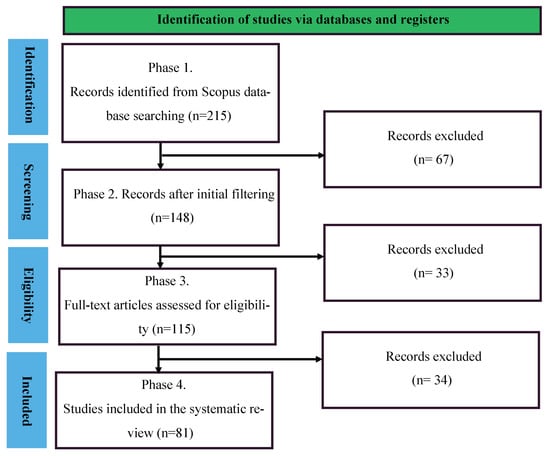
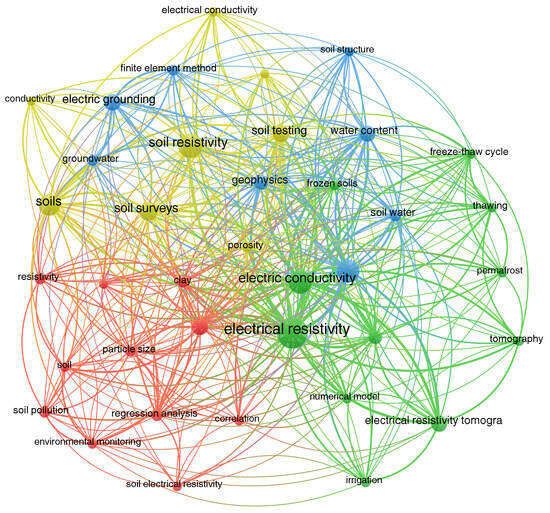
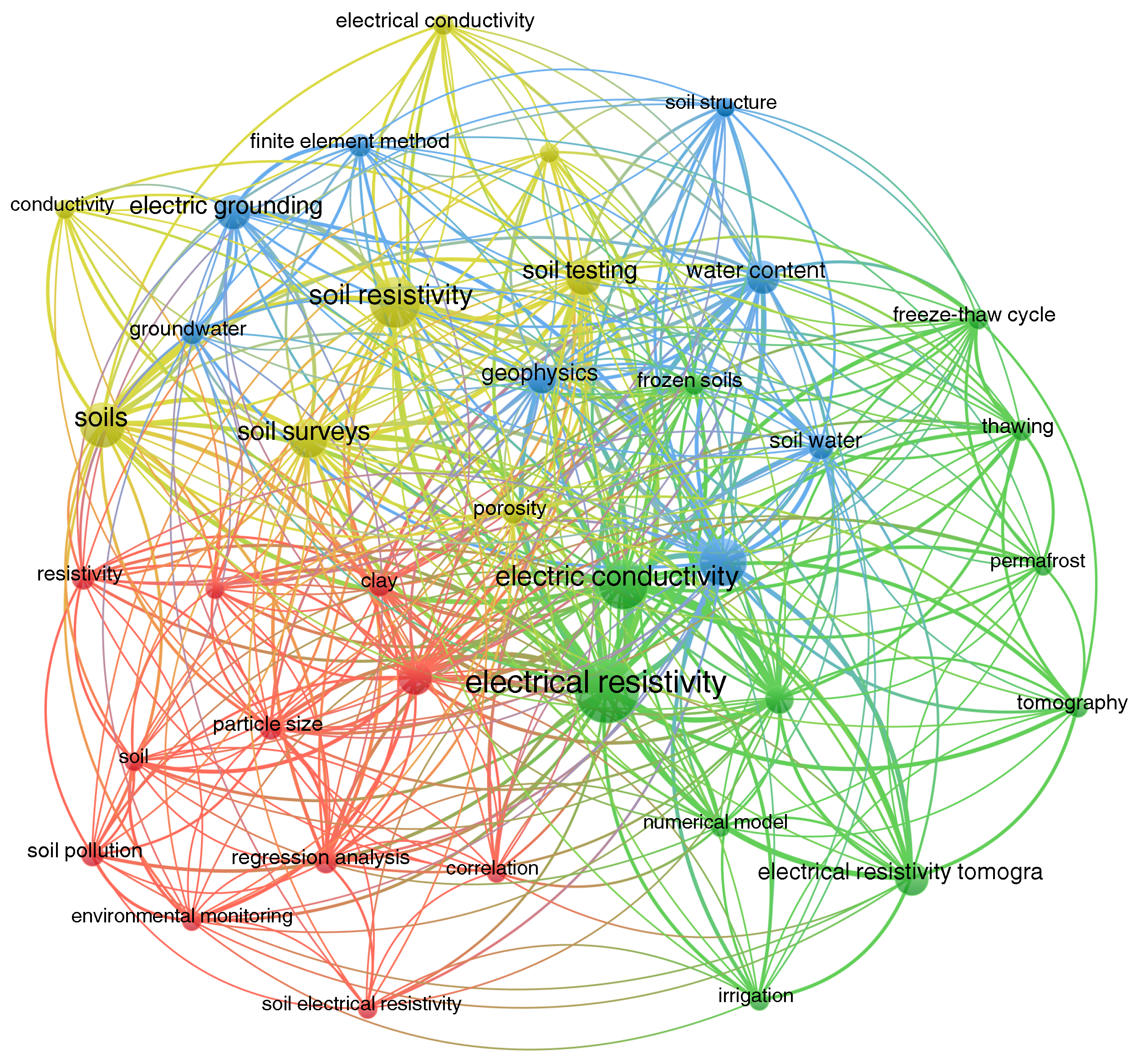
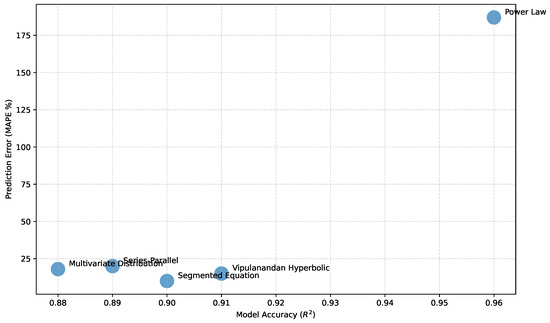
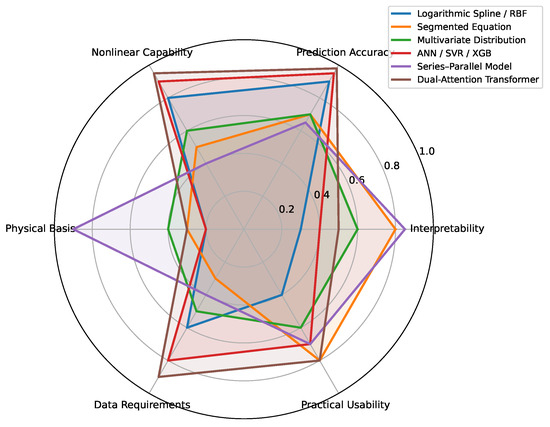
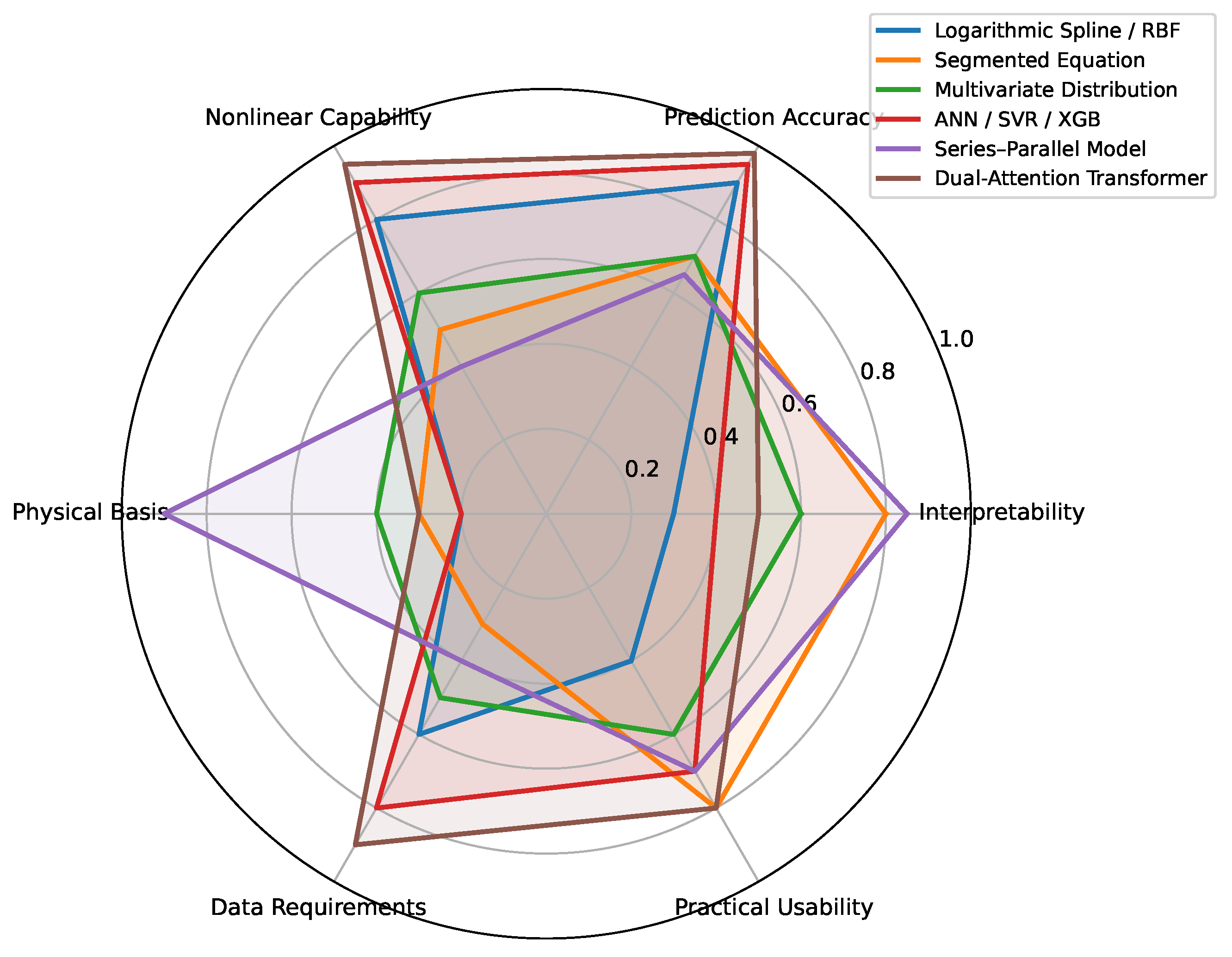
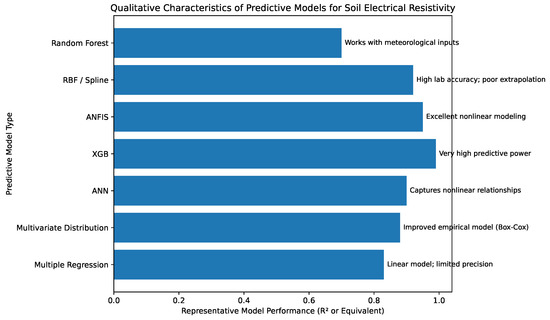
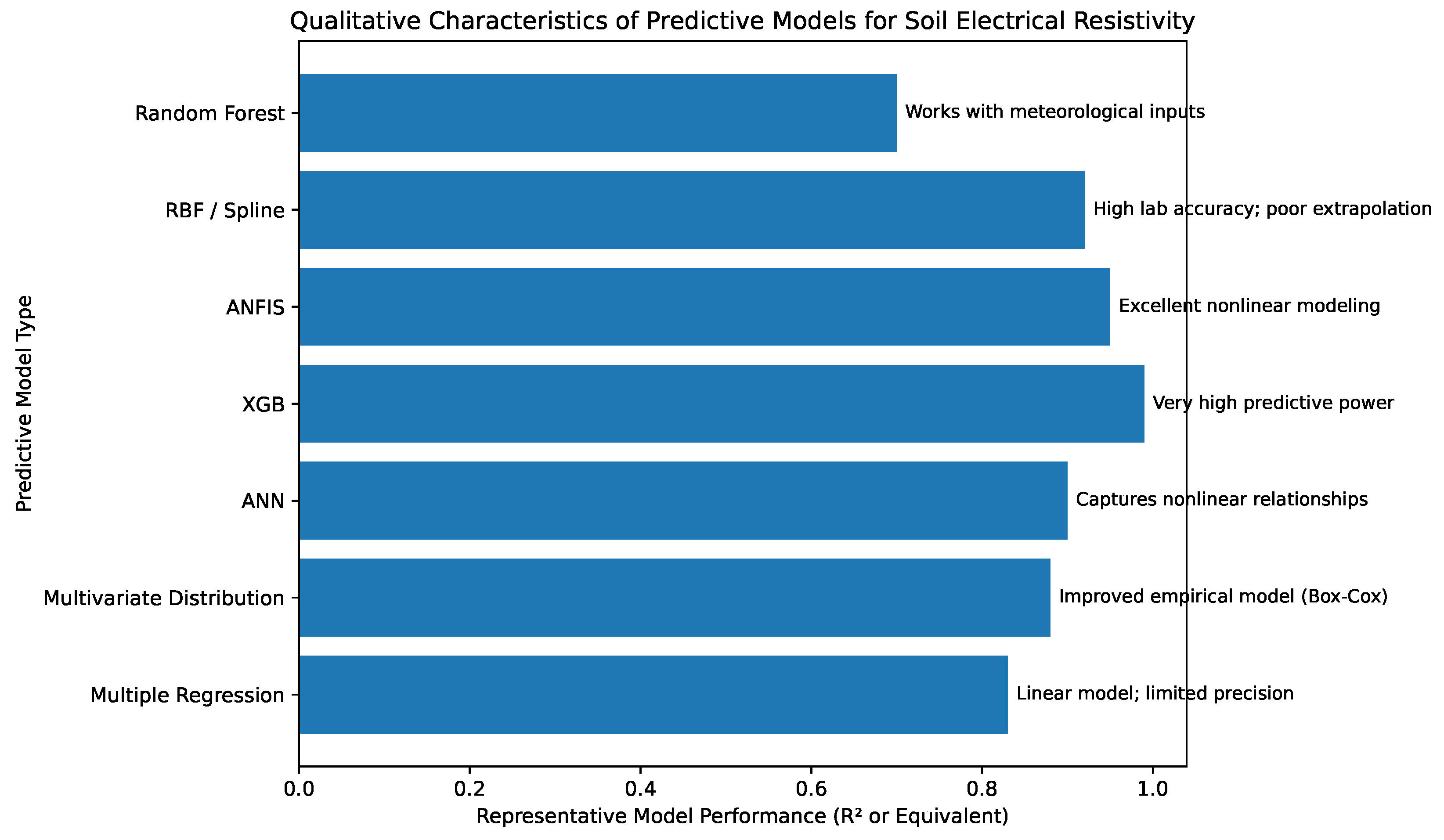
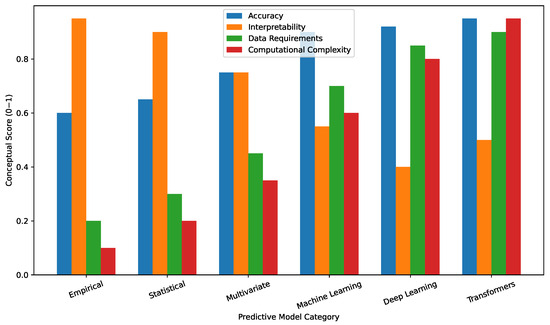
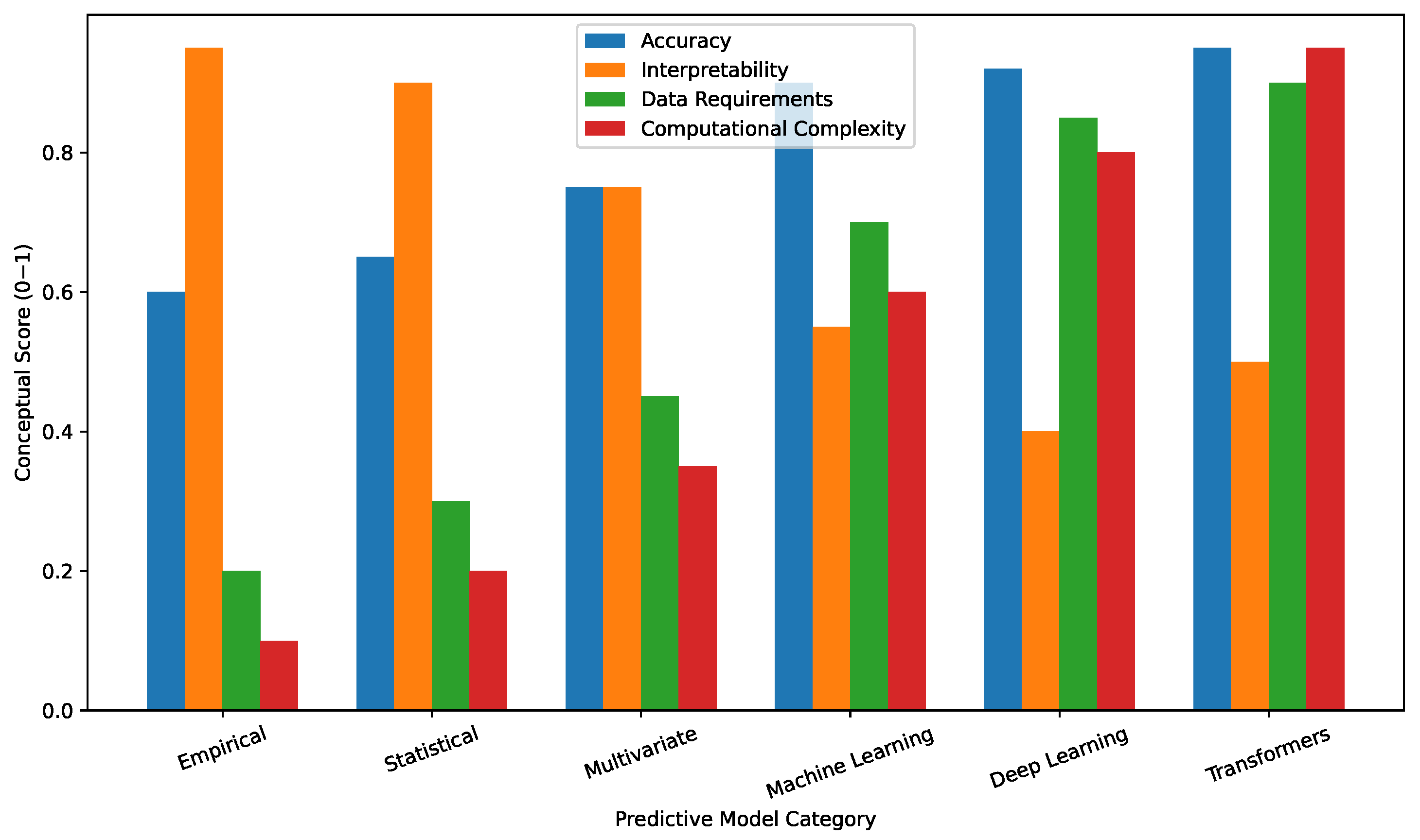

Disclaimer/Publisher’s Note: The statements, opinions and data contained in all publications are solely those of the individual author(s) and contributor(s) and not of MDPI and/or the editor(s). MDPI and/or the editor(s) disclaim responsibility for any injury to people or property resulting from any ideas, methods, instructions or products referred to in the content. |
© 2026 by the authors. Licensee MDPI, Basel, Switzerland. This article is an open access article distributed under the terms and conditions of the Creative Commons Attribution (CC BY) license.