


Abstract
Tourism recovery and hotel firm profitability do not necessarily move in lockstep. This paper examines the extent to which aggregate demand recovery is translated into firm-level financial performance, introducing the concept of a tourism-to-profitability conversion gap. The study combines bibliometric mapping of hotel performance research with a firm-level econometric analysis of an unbalanced panel of 4159 Spanish hotel firms classified under CNAE 5510 over 2015–2024, representing approximately 38,651 firm-year observations from SABI. Fixed-effects models are estimated using return on assets as the main dependent variable. The results show that leverage is consistently and negatively associated with profitability, and that this association became stronger during the COVID-19 period, as indicated by negative and significant leverage×COVID-19 interaction terms. Labour productivity is positively related to profitability, whereas labour cost intensity and fixed-asset intensity are negatively associated with returns when not matched by sufficient revenue generation. Median ROA fell from 3.7% pre-COVID-19 to −0.9% during the pandemic and recovered to 5.7% post-COVID-19 among surviving firms; however, the modest post-COVID-19 coefficient in the baseline model suggests that aggregate recovery indicators may conceal substantial heterogeneity in firm-level financial recovery. The paper reframes post-crisis hotel recovery as a firm-level financial transmission process: the conversion of renewed tourism demand into accounting profitability appears conditioned by balance-sheet vulnerability, labour productivity, cost structure, and asset rigidity, mechanisms that remain less central in the broader hotel performance literature.
1. Introduction
The hotel industry has experienced one of the most disruptive periods in its recent history. The COVID-19 pandemic produced an abrupt contraction of tourism demand, mobility restrictions, temporary closures, and severe uncertainty about the timing and shape of recovery. In countries where tourism represents a major economic sector, the subsequent rebound in tourist flows has often been interpreted as evidence of sectoral normalisation. Spain is a particularly relevant case: after the pandemic shock, international tourism recovered strongly, exceeding pre-pandemic levels in 2023 and reaching record levels of international arrivals in 2024 (Ministerio de Industria y Turismo, 2025). This pattern is consistent with the broader global recovery of international tourism to pre-pandemic levels in 2024 (UN Tourism, 2025). However, the recovery of tourism flows does not necessarily imply a homogeneous recovery in hotel firms’ financial performance. Hotels may operate in destinations where demand has returned, while still facing weak profitability because of their balance-sheet structure, cost base, asset commitments, or limited capacity to convert renewed demand into accounting returns.
This distinction between aggregate tourism recovery and firm-level financial recovery is central to the present paper. Much of the public and sectoral discussion of recovery relies on aggregate indicators such as tourist arrivals, overnight stays, occupancy, expenditure, or destination performance. These indicators are essential for evaluating the evolution of tourism activity, but they do not fully capture the financial condition of the firms that provide accommodation services. Hotel companies differ in their balance-sheet structure, productivity, cost intensity, asset base, and exposure to regional tourism conditions. As a result, similar demand conditions may translate into very different profitability outcomes across firms. Understanding hotel recovery, therefore, requires moving beyond aggregate tourism indicators and examining the accounting mechanisms through which firms convert demand into profits.
Hotel performance research has long recognised that performance is a multidimensional construct. Previous studies have examined accounting profitability, operational indicators such as revenue per available room and average daily rate, efficiency measures, customer satisfaction, online reputation, innovation, strategy, and sustainability (J. Chen et al., 2011; Menicucci, 2018; Sainaghi, 2010). This diversity reflects the richness of hospitality research, but it also creates conceptual dispersion. In particular, firm-level financial mechanisms such as leverage, labour cost intensity, and fixed-asset intensity are not always central in a literature often organised around customer-facing performance, operational metrics, or strategic capabilities. Yet these mechanisms are especially important in hotels, which are simultaneously labour-intensive and asset-intensive firms, exposed to seasonality, fixed costs, and demand shocks.
The financial structure of hotel firms deserves particular attention. Leverage can support expansion, renovation, and growth, but it also increases fixed financial obligations and reduces flexibility when revenues fall. In a sector characterised by high fixed costs and strong sensitivity to external shocks, indebtedness may act not only as a capital-structure variable but also as a mechanism of vulnerability. Previous research has shown that leverage is associated with hotel performance and that downturns can simultaneously affect liquidity, solvency, and profitability (Garcia-Gomez et al., 2021; Youn & Gu, 2010). This issue became especially visible during COVID-19, when many hotel firms experienced a sudden collapse in revenue while financial commitments remained in place, and when pre-existing balance-sheet conditions shaped firms’ resilience to the shock (Tascón et al., 2024).
Operational efficiency and cost structure also matter. Firms with higher labour productivity may be better able to generate returns from their workforce, while excessive labour cost intensity can erode margins if personnel expenses are not matched by sufficient revenue generation. Similarly, a heavy fixed-asset structure may support quality and market positioning, but it can also reduce return on assets when the asset base is underused or too rigid relative to demand. These mechanisms are particularly relevant in Spain, where hotel profitability is shaped not only by firm-level attributes but also by territorial and destination-related heterogeneity (Lado-Sestayo et al., 2016; Lado-Sestayo & Vivel-Búa, 2018).
This paper addresses these issues by combining three complementary approaches. First, it conducts a bibliometric analysis of hotel and hospitality performance research using a combined corpus from Web of Science and Scopus. The aim is to map the structure of the field, identify its main thematic areas, and assess whether balance-sheet and cost-structure determinants occupy a central position within the broader literature. Second, the paper develops a theory-driven literature review that narrows the broad performance literature into a set of mechanisms directly connected to firm-level hotel profitability: performance measurement, financial structure, operational efficiency, labour cost pressure, asset intensity, destination context, and crisis exposure. Third, the paper tests these mechanisms empirically using a panel of Spanish hotel firms classified under CNAE 5510 over the period of 2015–2024, based on firm-level accounting data from SABI.
The empirical setting is relevant for several reasons. Spain is one of the world’s leading tourism economies and has a large, diverse, and regionally heterogeneous hotel sector. Spanish hotels operate in coastal, island, urban, cultural, rural, and inland destinations, with substantial differences in market structure, seasonality, international exposure, and destination attractiveness. The 2015–2024 period is also analytically valuable because it covers three distinct phases: the pre-COVID-19 period, the pandemic shock, and the post-COVID-19 recovery. This allows the analysis to examine not only the general determinants of profitability, but also whether financial vulnerability intensified during the crisis period.
The paper makes three contributions that advance the existing literature in ways that prior studies do not fully address. First, unlike previous work examining hotel profitability in narrow time windows or isolated economic phases, this paper provides large-scale firm-level evidence across the complete pre-COVID-19, COVID-19, and post-COVID-19 cycle in the Spanish hotel sector, a 4159-firm panel with approximately 38,651 firm-year observations over 2015–2024. This temporal scope allows a direct test of whether financial and operational mechanisms operate differently under expansion, crisis, and recovery, a question that studies focusing on the pandemic period alone, or on smaller national samples, cannot resolve (Matias et al., 2024; Tascón et al., 2024). Second, the paper introduces a tourism-to-profitability conversion gap: the systematic finding that aggregate demand recovery, reflected in record international tourist arrivals in Spain in 2023 and 2024, does not translate automatically into homogeneous firm-level financial recovery. This conceptual contribution reframes post-crisis hotel performance not as a demand-side phenomenon but as a firm-level financial transmission problem, in which balance-sheet vulnerability, labour productivity, labour cost pressure, and asset rigidity are associated with firms’ capacity to convert market recovery into accounting profitability. This reframing is the central theoretical claim of the paper. Third, by combining a bibliometric diagnosis with a focused econometric test, the paper shows that balance-sheet and cost-structure determinants—leverage, labour cost intensity, and fixed-asset intensity—are not central organising themes in the broader hotel performance literature despite being among the most robust empirical predictors of profitability in this study. This gap between the bibliometric structure of the field and the econometric evidence provides a principled justification for the variable selection and suggests that the hotel performance literature has underweighted the financial transmission mechanisms most relevant to crisis resilience.
The rest of the paper is organised as follows. Section 2 presents the bibliometric analysis of hotel and hospitality performance research. Section 3 develops the theory-driven literature review and conceptual synthesis. Section 4 describes the data, variables, empirical strategy, and econometric results. Section 5 discusses the findings, implications, limitations, and future research directions.
2. Bibliometric Analysis of Hotel and Hospitality Performance Research
2.1. Bibliometric Corpus and Analytical Procedure
The bibliometric analysis draws on a combined corpus retrieved from the Web of Science Core Collection and Scopus. The search strategy was organised around two conceptual axes: the subject population—hotel, lodging, hospitality, and accommodation firms—and the performance outcome of interest—profitability, financial performance, firm performance, and related operational metrics. In Web of Science, the search used the Topic field (TS); in Scopus, the equivalent TITLE-ABS-KEY field was applied. The search string combined sector terms (hotel*, lodging firm*, hospitality firm*, and accommodation firm*) with accounting-based and operational performance terms (profitab*, financial performance, firm performance, hotel performance, return on assets, return on equity, ROA, ROE, net margin, operating margin, RevPAR, ADR, revenue per available room, and average daily rate). The asterisk (*) is used as a truncation wildcard to retrieve all word forms that begin with the specified root.
The initial search returned 1899 records in Web of Science and 2556 in Scopus. Subject-area filters were then applied to retain publications in hospitality, tourism, business, management, economics, econometrics, finance, and social sciences, with priority given to journal articles and reviews. After filtering, both datasets (1708 and 2100 documents) were subsequently merged and deduplicated through metadata harmonisation based on DOI, title, and bibliographic information, yielding a final analytical corpus of 2232 documents. The screening process is summarised in Figure 1.
Figure 1.
PRISMA-like flow diagram of bibliometric corpus construction. Filtering, merging and deduplication were performed using Bibliometrix 5.4.0. Source: Authors’ own elaboration.
The retrieved documents were published across 605 sources between 1961 and 2026. The corpus is dominated by peer-reviewed journal articles (2087 documents, 93.5%), complemented by reviews (71 documents, 3.2%) and other indexed records such as book chapters and conference papers with complete bibliographic metadata (74 documents, 3.3%). Bibliometric analyses and the construction of the conceptual map were performed using the Bibliometrix 5.4.0. R (version 4.5.1) package (Aria & Cuccurullo, 2017) through its Biblioshiny 5.2.1 web interface. Keyword co-occurrence analysis was carried out with VOSviewer 1.6.19 (Van Eck & Waltman, 2014), applying the association strength normalisation method and a minimum author keyword co-occurrence threshold of 20 occurrences. A thesaurus was applied to harmonise equivalent terms, acronyms, and spelling variants, particularly for performance indicators, COVID-19-related terms, financial variables, and operational hotel metrics.
The analytical procedure covers five dimensions: (i) annual scientific production and temporal dynamics; (ii) source concentration and journal impact; (iii) geographical distribution of research and Spain’s position within the field; (iv) conceptual structure through keyword co-occurrence analysis; and (v) thematic evolution and emerging topics. The findings from each dimension inform the structure of the literature review in Section 3 and the variable selection in the empirical model in Section 4.
2.2. Growth and Temporal Evolution of the Field
The bibliometric evidence reveals a field that has grown from a modest, exploratory body of work into a large and rapidly expanding research domain within hospitality and tourism management. The corpus spans more than six decades, from the first recorded contributions in 1961 to preliminary figures for 2026, with an annual growth rate of 7.03% and an average of 32.19 citations per document, figures that reflect both sustained scholarly expansion and substantial intellectual influence. Table 1 summarises the main descriptive indicators of the corpus.
Table 1.
Main bibliometric indicators of the corpus.
The temporal distribution of publications suggests four broad phases. Before 2000, the field produced only 82 documents (3.7% of the total corpus), reflecting its exploratory character and concentration in a limited number of specialist outlets. Output rose to 258 documents (11.6%) during 2000–2009, then accelerated markedly in 2010–2019, when production reached 818 documents (36.6%). The most striking feature, however, is the concentration of output in the most recent period: 1074 documents (48.1% of the entire corpus) were published between 2020 and 2026.
This acceleration reflects several converging developments. The COVID-19 pandemic generated unprecedented interest in hotel resilience, financial vulnerability, and recovery dynamics. Also, sustainability, ESG criteria, and corporate social responsibility gained greater prominence within hospitality research. Finally, digitalisation, machine learning, and platform-based competition emerged as increasingly visible themes in the broader performance literature. These patterns suggest that hotel performance research is not only mature but also evolving rapidly in response to new economic, technological, and institutional pressures.
Figure 2 illustrates annual scientific production from 2000 to 2025 and highlights the main inflection points in the growth trajectory. The sustained upward trend from the late 2010s, followed by persistently high output levels in the post-pandemic years, indicates that the scholarly response to COVID-19 has generated a durable expansion of the research agenda rather than a short-lived publication spike.
Figure 2.
Annual scientific production, 2000–2025. Source: Authors’ own elaboration using data from Web of Science Core Collection and Scopus databases. Analysis performed using Bibliometrix.
2.3. Journals, Authors, and Geographical Distribution
Despite the breadth of the corpus, the field is characterised by a marked concentration in a relatively small number of specialist hospitality and tourism journals. This pattern is consistent with Bradford’s Law of bibliometric scattering, according to which scientific production on a given topic tends to concentrate in a core set of journals, followed by a long tail of more occasional sources (Brookes, 1979). Table 2 reports the ten most productive sources, together with their local h-index and total citations within the corpus.
Table 2.
Most relevant sources: document output and bibliometric impact.
The International Journal of Hospitality Management is the dominant outlet, with 260 documents, a local h-index of 69, and 15,586 citations within the corpus. The International Journal of Contemporary Hospitality Management ranks second, followed by Tourism Management, Tourism Economics, and Cornell Hospitality Quarterly. Together, the three leading journals account for approximately 23% of the corpus and display local impact indicators substantially above the rest of the field, confirming that hotel and hospitality performance research is institutionally anchored in specialist hospitality and tourism outlets.
A notable implication of this source structure is that general corporate finance, accounting, and industrial economics journals are less visible among the most productive sources, even though many of the constructs examined in hotel performance research, such as leverage, capital structure, cost intensity, productivity, and asset structure, are central to those disciplines. This does not imply an absence of financial analysis in hospitality research, but it does suggest that the field has developed primarily within a hospitality and tourism management tradition. It reinforces the value of a study that connects hotel performance research with firm-level financial analysis.
The authors’ structure reflects a broad and relatively dispersed research community. The corpus includes 4126 unique authors, with an average of 2.81 co-authors per document and an international co-authorship rate of 17.92%. The author productivity distribution is highly skewed: 3274 authors (79.3% of the total) appear only once in the corpus, while a much smaller group has contributed repeatedly to the field. The most prolific authors include Lee S. (49 documents), Chen M. (28), Marco-Lajara B. (23), Hua N. (21), Molina-Azorín J. F. (21), and Pereira-Moliner J. (21). The presence of several Spanish scholars among the most productive authors underlines Spain’s importance not only as a tourism destination but also as a significant contributor to hotel performance research.
Table 3 reports the distribution of documents by country of the corresponding author, together with the share of multi-country publications (MCP) as an indicator of international collaboration. The United States leads the corpus with 432 documents, followed by China with 263 and Spain with 212. Spain is thus the third-largest national contributor in terms of corresponding-author documents, accounting for 9.50% of the corpus.
Table 3.
Leading countries by corresponding-author documents.
Spain’s position is particularly relevant for the empirical contribution of this paper. As the third-largest contributor in terms of corresponding-author documents and one of the most important tourism economies in Europe, Spain provides both a strong scholarly and empirical context for analysing hotel profitability. The existence of a substantial Spanish research community on hotel strategy, quality management, and performance makes the Spanish hotel sector a well-grounded empirical setting rather than an isolated case. At the same time, Spain’s MCP rate is notably lower than that of the United Kingdom, China, or South Korea, suggesting that a considerable part of Spanish hotel performance research is domestically oriented, an observation that points to an opportunity for connecting Spanish firm-level evidence more explicitly to the broader international literature.
2.4. Conceptual Structure and Thematic Evolution
To characterise the thematic structure of the field, a keyword co-occurrence analysis (Figure 3) was performed on the full corpus using VOSviewer 1.6.19. The analysis included author-supplied keywords after term harmonisation and exclusion of generic expressions. Node size in the resulting network reflects keyword frequency, link thickness reflects co-occurrence strength, and colours indicate algorithmically detected keyword communities. Rather than treating each community as an isolated topic, the map is used here to identify broader thematic areas within hotel and hospitality performance research.
Figure 3.
Keyword co-occurrence network of hotel and hospitality performance research. Node size reflects keyword frequency; link thickness reflects co-occurrence strength. Source: Authors’ elaboration using VOSViewer with data from Web of Science Core Collection and Scopus data.
The co-occurrence network reveals four broad and partially overlapping thematic areas. The first centres on customer-facing hotel performance (yellow nodes), represented by terms such as hotel performance, customer satisfaction, online reviews, service quality, hospitality management, and hotel management. This stream conceptualises performance primarily through customer perceptions, service encounters, and relational outcomes, and it reflects the strong influence of service marketing and consumer behaviour approaches in hospitality research, a tradition in which performance is typically measured through satisfaction, perceived quality, loyalty, or online ratings rather than through accounting profitability.
A second area focuses on operational and revenue-management performance (green nodes), gathering keywords such as revenue management, revenue per available room, average daily rate, occupancy, pricing, Airbnb, and sharing economy. This stream reflects the centrality of revenue per available room (RevPAR), average daily rate (ADR) and occupancy as industry-specific performance indicators, and the growing prominence of platform-based competition in relation to pricing, occupancy, and market structure.
A third area is associated with strategic and firm-level performance (blue nodes), including terms such as hotel industry, firm performance, innovation, competitive advantage, market orientation, and entrepreneurial orientation. This stream is closer to strategic management, the resource-based view and dynamic-capability perspectives, where performance is interpreted as the outcome of managerial capabilities, innovation behaviour, market orientation, or competitive positioning.
The fourth area brings together financial, contextual, and sustainability-related performance, with keywords including financial performance, profitability, tourism, hospitality, COVID-19, sustainability, and corporate social responsibility (red nodes). This cluster is especially relevant for the present study because it connects accounting and financial outcomes with the broader sectoral context in which hotel firms operate. The presence of COVID-19 and sustainability within this area suggests that recent research increasingly analyses financial performance as a response to external shocks, institutional pressures, and long-term viability concerns, not merely as a firm-level accounting outcome.
The network also reveals a gap directly relevant to this paper. While terms related to profitability, revenue management, efficiency, and financial performance are visible, balance-sheet and cost-structure determinants such as leverage, debt, capital structure, labour costs, fixed assets, and asset intensity do not emerge as dominant thematic nodes. Their absence does not mean these variables have never been analysed, but it does suggest that they have not become central organising themes in the broader hotel performance literature, a striking gap given their theoretical importance for firm-level profitability in an asset-intensive and labour-intensive sector.
To complement the static co-occurrence network, a thematic evolution analysis was conducted by dividing the corpus into four periods: 1961–2014, 2015–2019, 2020–2021, and 2022–2026. Figure 4 presents the resulting Sankey diagram, tracing the continuity and transformation of dominant themes across these periods.
Figure 4.
Thematic evolution of hotel and hospitality performance research. The width of the flows reflects the strength of thematic continuity between periods. Source: Authors’ elaboration using Bibliometrix with data from Web of Science Core Collection and Scopus.
The earlier literature was organised around broad themes such as performance, hotels, profitability, quality, strategic management, firm financial performance, and Data Envelopment Analysis (DEA)-based efficiency analysis. In 2015–2019, these themes became more explicitly connected to hotels, hotel performance, business performance, firm financial performance, and management, indicating a consolidation of performance as a central research label and a gradual shift towards more specific hotel- and firm-level formulations. The 2020–2021 period marks a clear transition: themes such as business performance, hospitality, firm financial performance, and corporate governance gained visibility during the COVID-19 disruption, suggesting that the pandemic reoriented the field towards financial resilience, governance, and firm vulnerability. In the most recent period (2022–2026), dominant themes continue to revolve around business performance, hotel performance, and firm financial performance, confirming that the post-COVID-19 literature has consolidated around an explicit concern with firm-level performance and hotel-sector recovery.
To further assess the strategic position of these themes, a global thematic map was constructed using centrality and density indicators. Figure 5 classifies themes into four quadrants: motor themes, basic themes, niche themes, and emerging or declining themes, providing a complementary perspective to the co-occurrence and Sankey diagrams.
Figure 5.
Global thematic map of hotel and hospitality performance research. Centrality indicates the relevance of a theme within the overall network; density indicates its internal development. Source: Authors’ elaboration using Bibliometrix with data from Web of Science Core Collection and Scopus.
The global thematic map confirms that hotels, the hotel sector, and performance constitute a motor theme: they are both central to the field and internally well developed. By contrast, the theme combining business performance, management, and innovation falls in the basic-theme quadrant, indicating importance for connecting the field but less internal consolidation as a specialised subfield. The theme linking firm financial performance, the hospitality sector, and sustainable development occupies an intermediate position, suggesting that financial performance has gained visibility, particularly in connection with sustainability, but has not yet become a fully dominant motor theme.
The map also identifies more specialised or peripheral topics. The theme combining diversification, ownership, and firms appears as a niche theme: internally developed but less central to the broader field. The theme grouping tourism, hotel performance, and satisfaction appears closer to the emerging or declining quadrant, not because satisfaction and tourism are unimportant, but because within this corpus and at the selected thresholds, this thematic grouping is less central and less internally dense than the dominant hotel-sector performance cluster.
Across the three analytical tools, a coherent picture emerges: hotel and hospitality performance research has evolved from a broad literature on performance, profitability, quality, and efficiency into a more differentiated domain structured around customer-facing performance, operational metrics, strategic capabilities, financial performance, sustainability, and crisis resilience. Yet the underlying accounting mechanisms that may explain profitability differences across hotel firms remain less visible in the thematic structure. Leverage, labour productivity, labour cost intensity, and fixed-asset intensity are not central organising themes despite their theoretical relevance for firm-level profitability. This is the gap addressed in the next two sections.
2.5. Summary of Bibliometric Findings and Transition to the Theory-Driven Literature Review
The bibliometric analysis yields three main findings that guide the rest of the paper. First, hotel and hospitality performance research is a mature and rapidly expanding field. The combined Web of Science and Scopus corpus comprises 2232 documents published across 605 sources between 1961 and 2026, with almost half of those documents published since 2020, confirming that hotel performance is a consolidated research domain that has gained renewed momentum in the post-COVID-19 period.
Second, the field is institutionally anchored in specialist hospitality and tourism journals, and Spain occupies a prominent position in the international research landscape. At the country level, Spain is the third-largest contributor in corresponding-author documents after the United States and China, supporting the relevance of the Spanish hotel sector as both a major tourism economy and a well-established empirical context for hotel performance research.
Third, the conceptual structure of the field is multidimensional. The keyword co-occurrence network shows overlapping areas: customer-facing hotel performance, operational and revenue-management metrics, strategic and firm-level performance, and financial or contextual performance linked to tourism, sustainability, and COVID-19. The thematic evolution and global thematic maps reinforce this interpretation: hotel performance research has moved from broad themes towards a more explicit concern with business performance, firm financial performance, hotel-sector recovery, and resilience.
These findings justify the need for a theory-oriented review. The bibliometric analysis shows where the field is concentrated and how it has evolved, but does not clarify how specific profitability mechanisms have been conceptualised, measured, and tested in previous studies. The review in Section 3 therefore narrows the broad performance literature to the determinants most directly connected to firm-level hotel profitability, organising the evidence around four axes: (i) hotel profitability and performance measurement; (ii) financial structure, leverage, and vulnerability; (iii) operational efficiency, labour cost structure, and asset intensity; and (iv) destination context, COVID-19 exposure, and recovery.
3. Theory-Driven Literature Review and Conceptual Synthesis
3.1. Review Approach and Selection Logic
Following the bibliometric analysis, a theory-oriented review was conducted to interpret the thematic streams most directly connected to firm-level hotel profitability. The purpose is not to provide a scoping review, systematic review, or meta-analysis of the entire hotel performance literature, but to clarify how previous studies conceptualise performance, which financial and operational determinants have been examined, and how these insights can inform the empirical specification used in this paper. This approach is appropriate because the bibliometric analysis showed that hotel and hospitality performance research is broad, mature, and thematically dispersed, with performance measured through accounting, operational, strategic, customer-based, and sustainability-related indicators. The screening focused on abstracts and bibliographic records from the bibliometric corpus, with priority given to studies that explicitly linked hotel performance to accounting profitability, financial structure, operational efficiency, cost structure, asset intensity, destination characteristics, or crisis resilience.
The review was structured around four analytical axes derived from the bibliometric mapping. The first concerns hotel profitability and performance measurement, including accounting-based measures such as return on assets (ROA), return on equity (ROE) and profit margins, operational indicators such as RevPAR, ADR and occupancy, efficiency measures such as DEA or productivity, and customer-based indicators such as satisfaction and online reviews. The second focuses on financial structure, leverage, and vulnerability, covering debt, capital structure, liquidity, financial constraints, and the role of indebtedness in shaping profitability and resilience. The third examines operational efficiency, labour cost structure, and asset intensity, addressing productivity, personnel expenses, fixed assets, capital intensity, and asset-light strategies. The fourth addresses destination context, COVID-19 exposure, and recovery, including location, regional heterogeneity, market structure, tourism demand, crisis vulnerability, and post-COVID-19 recovery dynamics.
The review used the bibliometric corpus as its starting point. Studies focused exclusively on customer satisfaction, service quality, online reviews, or marketing outcomes were retained only when they established a clear link with financial or operational performance; those with no connection to firm-level or hotel-level performance mechanisms were not used as central evidence in the conceptual synthesis. This strategy allows the broad performance literature to be narrowed into a set of mechanisms that can be operationalised empirically, providing the bridge between the conceptual map of the field and the econometric model. Table 4 summarises the four analytical axes, the main literature focus associated with each one, and the corresponding empirical proxies used in the econometric analysis.
Table 4.
Link between bibliometric axes, literature review, and empirical model.
3.2. Hotel Profitability and Performance Measurement
The first issue emerging from the review is that performance is not a magnitude measured uniformly in hotel and hospitality research. Previous studies use several families of indicators depending on the level of analysis, data availability, and theoretical perspective. Four broad measurement approaches can be distinguished: accounting-based profitability indicators, operational hotel metrics, efficiency measures, and customer-based or reputation-related indicators. This diversity is consistent with previous reviews showing that hotel performance is a multidimensional construct examined through financial, operational, strategic, and customer-facing perspectives (J. Chen et al., 2011; Menicucci, 2018; Sainaghi, 2010).
Accounting-based indicators are the most appropriate measures when the objective is to analyse profitability at the firm level. These include ROA, ROE, profit margins, and operating margins. Some studies also use earnings before interest, taxes, depreciation, and amortisation (EBITDA)-based measures, gross operating profit per available room (GOPPAR), or return on capital employed (ROCE). ROA is particularly useful because it captures the ability of a firm to generate returns from its asset base, which is highly relevant in the hotel industry, given the importance of buildings, facilities, equipment, and other fixed assets. Menicucci (2018) uses a multidimensional profitability framework for Italian hospitality firms encompassing ROA, ROE, occupancy, and GOPPAR. Dimitrić et al. (2019) analyse profitability determinants in Mediterranean hotel companies using firm-level financial indicators, and Matias et al. (2024) examine the influence of firm characteristics, tangible assets, debt, and macroeconomic factors on Portuguese hotel firms’ financial performance.
ROA is especially suitable for firm-level analysis because it links profitability to the asset base used to generate it, an important consideration in a capital-intensive sector where hotels must transform substantial investments in property, facilities, and equipment into sufficient operating returns. Lee (2008) offers a particularly relevant justification by showing that, among lodging firms, ROA is a more reliable indicator of firm performance than ROE when financial risk factors such as leverage, earnings variability, and bankruptcy risk are taken into account. In this sense, ROA captures economic performance more directly than equity-based measures that may be distorted by capital-structure decisions.
ROE is also frequently used in the literature, but it is more sensitive to the structure of equity and debt. In hotel firms, where leverage, retained earnings, and ownership structures may differ substantially, ROE can be strongly affected by the denominator of the ratio. A firm with low or negative equity may show extreme ROE values even when its operating performance is ordinary. This sensitivity becomes especially problematic during crisis periods, when solvency, leverage, and profitability may deteriorate simultaneously, producing sharp fluctuations in equity-based ratios (Youn & Gu, 2010). Previous hotel profitability studies, therefore, tend to combine ROA, ROE, and margin-based measures rather than relying on a single indicator (Dimitrić et al., 2019; Matias et al., 2024; Menicucci, 2018).
A second group of studies measures hotel performance through operational indicators specific to the accommodation industry: RevPAR, ADR, occupancy rate, GOPPAR, net operating income per available room (NOIPAR), and total revenue per available room (TREVPAR). RevPAR combines price and occupancy by measuring room revenue per available room; ADR captures the average price obtained for occupied rooms; and occupancy reflects the degree of capacity utilisation. These indicators are especially appropriate when the unit of analysis is the hotel establishment or property and when room-level data are available. O’Neill and Mattila (2006) show that occupancy and ADR are closely linked to operating performance, but stress that they do not always translate directly into higher profitability margins. Singh and Dev (2015) further distinguish between top-line indicators such as ADR, RevPAR, and TREVPAR, and bottom-line measures such as GOPPAR and NOIPAR, showing that revenue growth may conceal cost-side inefficiencies.
The distinction between operational and accounting indicators is central to hotel performance research. J. Chen et al. (2011) compare RevPAR with traditional financial measures such as Earnings Per Share (EPS), ROA, and ROE, supporting the view that RevPAR is a useful commercial-performance indicator but not a substitute for accounting measures of firm-level financial performance. Operational metrics capture pricing, capacity utilisation, and room-revenue generation, whereas ROA, ROE, and margins capture the broader ability of the firm to transform revenues into accounting profitability after costs, assets, and financing structure are taken into account (J. Chen et al., 2011; O’Neill & Mattila, 2006; Singh & Dev, 2015).
A third stream evaluates performance through efficiency methods, particularly DEA, stochastic frontier analysis (SFA), and productivity indices. In this literature, hotel performance is conceptualised as the ability to transform inputs, such as labour, capital, rooms, costs, or assets, into outputs, such as revenues, overnight stays, or operating results. Avkiran (2002) illustrates the usefulness of DEA for moving beyond simple accounting ratios and identifying specific resource-use excesses. Shang et al. (2008) apply a three-stage DEA procedure that separates managerial efficiency from external or environmental factors, showing that apparently successful hotels may still exhibit resource inefficiencies. Arbelo-Pérez et al. (2017) further connect efficiency analysis with profitability, showing that technical and profit efficiency are closely related to ROA in hotel firms.
Efficiency-based studies are valuable because they focus on resource utilisation rather than only accounting outcomes (Avkiran, 2002). A hotel may, however, be technically efficient in converting inputs into outputs and yet still face weak profitability if prices, cost structures, debt burdens, or asset intensity are unfavourable (Shieh, 2012). For this reason, the efficiency literature informs the inclusion of labour productivity in the empirical model without replacing the need for accounting-based profitability measures when the research question concerns firm-level financial performance (Arbelo-Pérez et al., 2017; Dimitrić et al., 2019).
A fourth group of studies conceptualises performance through customer-based and reputational outcomes: customer satisfaction, service quality, online reviews, ratings, loyalty, and word-of-mouth. Banker et al. (2005) show that non-financial customer satisfaction measures are significantly associated with subsequent financial performance, with effects that may appear after a temporal lag. Xie et al. (2016) show that online reputation management can influence hotel performance through customer reviews and managerial responses. These indicators are relevant for interpreting the broader hotel performance literature, but they capture market perception and service quality rather than the firm’s ability to transform revenues into profits after labour costs, asset commitments, and financial obligations are accounted for. They are therefore outside the empirical scope of the present firm-level accounting analysis.
ROA is therefore selected as the primary dependent variable because it captures the ability of hotel firms to generate returns from their asset base, which is especially relevant in a sector characterised by substantial investment in buildings, facilities, and fixed assets (Dimitrić et al., 2019; Lee, 2008; Menicucci, 2018). ROE, however, is retained as a complementary measure but interpreted with caution, given its greater sensitivity to differences in equity levels, leverage, and ownership structure (Lee, 2008; Youn & Gu, 2010). Net margin and operating margin are used as alternative dependent variables, capturing profitability relative to operating revenues and allowing an assessment of whether the main determinants are robust across asset-based and revenue-based definitions of performance (Dimitrić et al., 2019; Matias et al., 2024).
This focus is particularly relevant in the post-COVID-19 context, where aggregate tourism recovery does not necessarily imply homogeneous firm-level financial recovery: firms may benefit from renewed demand but still display weak profitability if they are highly leveraged, labour-cost intensive, or burdened by a heavy fixed-asset structure (Matias et al., 2024; Tascón et al., 2024). Table 5 summarises the four measurement approaches and their role in this study.
Table 5.
Main performance measures identified in the literature review.
3.3. Financial Structure, Leverage, and Vulnerability
The second stream of the review concerns the role of financial structure in hotel profitability. This dimension is particularly relevant because hotel firms typically combine substantial asset commitments, high fixed operating costs, seasonality, and strong exposure to external shocks. Leverage may affect profitability through several channels: it increases fixed financial obligations, reduces flexibility during downturns, constrains investment decisions, and amplifies losses when revenues fall. At the same time, debt may finance expansion, discipline managerial decisions, or signal growth opportunities under certain circumstances. The literature, therefore, does not treat leverage as a purely mechanical accounting ratio but as a context-dependent determinant of both profitability and vulnerability (Garcia-Gomez et al., 2021; Youn & Gu, 2010).
The dominant empirical finding in hospitality research is that excessive leverage tends to weaken financial performance. Garcia-Gomez et al. (2021), using a dynamic panel approach for U.S. hospitality firms over 2001–2018, report a generally negative relationship between leverage and firm performance, consistent with the pecking-order view that more profitable firms rely less on external debt. Their methodology explicitly addresses dynamic adjustment and endogeneity concerns. Matias et al. (2024), using Orbis data for Portuguese hotel firms over 2016–2021, also identify debt as a significant determinant of financial performance. Together, these studies suggest that capital structure is not simply a background characteristic of hotel firms but one of the mechanisms through which profitability differences emerge.
However, the leverage–performance relationship is not necessarily linear. Garcia-Gomez et al. (2021) report evidence consistent with an inverted U-shaped pattern, indicating that moderate debt may be compatible with value creation up to a certain point, while excessive debt becomes detrimental. A second nuance comes from studies that interpret leverage as a potential signal to external investors. Y. Chen et al. (2024) find that, in some market contexts, leverage may be positively associated with firm value when it communicates investment opportunities or financial discipline. Even so, this more favourable interpretation is conditional on the economic environment: during crises, the positive informational content of leverage tends to weaken while its role as a fixed financial burden becomes more salient.
The expected relationship between leverage and profitability can also be situated within classical capital-structure theory. Modigliani and Miller (1958) established the benchmark proposition that financing structure is irrelevant under perfect capital-market conditions. Once taxes, financial distress, information asymmetries, and agency costs are introduced, however, leverage can materially affect firm value and performance. Trade-off theory suggests that firms balance the tax advantages of debt against the expected costs of financial distress, implying that excessive leverage may reduce profitability when debt-service obligations constrain operating flexibility (Myers, 1984). Pecking-order theory further indicates that debt may reflect firms’ accumulated need for external financing under asymmetric information (Myers & Majluf, 1984), while agency theory recognises that debt can discipline managerial discretion but also generates agency and distress costs when financial commitments become excessive (Jensen & Meckling, 1976). These mechanisms are particularly relevant in the hotel industry, where high fixed costs, asset intensity, and exposure to volatile demand can amplify the adverse consequences of indebtedness during major disruptions.
The crisis dimension is central in the hotel industry. Youn and Gu (2010), comparing U.S. lodging firms before and during the Great Recession, document a broad deterioration in liquidity, leverage, solvency, efficiency, and profitability, and show that firms with heavier debt obligations face greater difficulty maintaining solvency when revenues fall. The COVID-19 pandemic made this vulnerability even more visible: debt obligations continued even when operating revenues were severely reduced. Tascón et al. (2024), analysing European hospitality firms, show that pre-existing financial restrictions, liquidity, leverage, tangibility, and profitability shaped firms’ resilience against the COVID-19 shock, supporting the view that firms entered the pandemic with different degrees of financial slack that determined their capacity to absorb it.
This literature motivates treating leverage as both a direct determinant of profitability and a potential amplifier of crisis exposure. The distinction between tourism recovery and hotel-firm financial recovery is therefore essential: aggregate tourism demand may rebound, but firm-level profitability can remain uneven if some firms carry higher debt burdens, lower liquidity, or weaker capacity to absorb fixed costs (Matias et al., 2024; Tascón et al., 2024). This provides the rationale for estimating models that distinguish pre-COVID-19, COVID-19, and post-COVID-19 periods and for testing interactions between leverage and pandemic-period indicators.
The financial-structure component of the empirical model follows directly from this evidence. The baseline specification uses total liabilities over total assets as a broad leverage measure, capturing overall financial pressure. This broad definition is appropriate because hotel firms may face obligations not only through formal financial debt but also through other liabilities that affect solvency and flexibility. A narrower debt-based measure—short-term plus long-term financial debt over total assets—is used as a robustness check. This two-step strategy is consistent with previous hospitality studies that operationalise financial structure through leverage, debt, liquidity, or solvency ratios while recognising that the specific accounting definition of indebtedness may influence empirical results (Garcia-Gomez et al., 2021; Matias et al., 2024).
3.4. Operational Efficiency, Labour Costs, and Asset Intensity
A third stream of the review concerns the operational and structural determinants of hotel profitability. Hotels are simultaneously labour-intensive and asset-intensive firms: they require substantial investment in buildings, equipment, and facilities, but also depend heavily on employees to deliver service quality, maintain operations, and generate customer satisfaction. This dual dependence makes profitability particularly sensitive to resource allocation, cost control, and capacity utilisation. Previous studies on hotel efficiency and profitability show that performance cannot be explained only by demand or pricing; it also depends on how effectively firms transform labour, assets, and operating costs into revenues and accounting returns (Avkiran, 2002; Dimitrić et al., 2019; Menicucci, 2018).
The efficiency literature provides one of the clearest foundations for this perspective. DEA and frontier-based approaches conceptualise hotel performance as the transformation of multiple inputs, such as labour, rooms, beds, assets, operating costs, or capital, into outputs, such as revenues, overnight stays, or operating profit. Avkiran (2002) illustrates the usefulness of DEA for moving beyond isolated accounting ratios, showing how hotel managers can identify specific excesses in resource use while maintaining revenue generation. Shang et al. (2008) apply a three-stage DEA procedure that separates managerial efficiency from external or environmental factors, highlighting that observed performance may reflect not only internal management quality but also location, market conditions, or other contextual factors outside managers’ control. Arbelo-Pérez et al. (2017), in the Spanish hotel context, connect efficiency analysis with ROA and show that technical and profit efficiency are closely related to accounting performance. Their work is particularly useful because it also highlights the role of quality: a hotel may appear less cost-efficient if it invests more heavily in service quality, but those investments may support higher prices and stronger profitability. Dimitrić et al. (2019) similarly identify labour productivity as a relevant internal determinant of profitability in Mediterranean hotel companies, with evidence suggesting that productivity differences are especially important in Spain.
Labour costs constitute a second mechanism. Personnel expenses are central in hotels because service delivery depends on front-office staff, housekeeping, food and beverage operations, maintenance, and management. Higher labour expenditure is not necessarily negative if associated with better service quality, higher prices, or stronger customer loyalty; it becomes detrimental when labour costs rise faster than revenues or when service-intensive operations cannot transform personnel expenses into sufficient margins. Singh and Dev (2015) illustrate this by showing that revenue generation alone may conceal cost-side weaknesses, since top-line indicators such as RevPAR and ADR can improve even while bottom-line measures such as GOPPAR deteriorate.
The distinction between labour productivity and labour cost intensity is therefore analytically important. Labour productivity captures the revenue-generating capacity of labour, whereas labour cost intensity captures the extent to which personnel expenses absorb operating revenues. A hotel firm may have high productivity but still display weak profitability if labour costs account for a disproportionate share of revenues. Conversely, low labour cost intensity may reflect efficient cost management or underinvestment in service quality. The empirical model includes both variables, a choice that follows the efficiency literature’s emphasis on productive use of labour inputs while also reflecting profitability studies that stress the importance of cost control and margin protection (Avkiran, 2002; Dimitrić et al., 2019; Singh & Dev, 2015).
A third structural mechanism concerns fixed assets and capital intensity. Hotels often require large investments in land, buildings, renovations, furniture, equipment, and facilities. These assets may support quality, market positioning, and revenue potential, but they also create depreciation, maintenance costs, financing needs, and operational rigidity. The hotel product is perishable (an unsold room-night cannot be stored and sold later), which makes capacity utilisation and asset productivity particularly important for profitability. Matias et al. (2024) find that tangibility is a significant determinant of financial performance in Portuguese hotel firms, reinforcing the idea that fixed assets are not neutral accounting items but an active part of the profitability mechanism.
The asset-intensity issue is especially relevant for ROA because the denominator of the ratio directly reflects the firm’s asset base. A hotel with substantial fixed assets must generate sufficient operating returns to compensate for the capital invested; if assets are underused, poorly allocated, or too rigid relative to demand, ROA may fall even when revenues recover. The literature on asset-light strategies adds a complementary perspective: rather than expanding through direct ownership, hotel firms may rely on management contracts, franchising, or fee-oriented business models. Sohn et al. (2013) show that asset-light and fee-oriented strategies can increase profitability and reduce earnings volatility, while Moon and Sharma (2014) find that franchising can improve profitability and intangible value creation, though they suggest there may be an optimal proportion of franchising rather than a universally superior model. Although the present study cannot observe detailed ownership contracts, franchise arrangements, or management agreements in SABI, fixed-asset intensity provides an accounting-based proxy for the weight of tangible assets in the firm’s business model, allowing the analysis to capture whether firms with heavier asset structures display different profitability patterns.
The model, therefore, includes labour productivity as an efficiency-related determinant, labour cost intensity as a cost-pressure variable, and fixed-asset intensity as a measure of asset structure and capital intensity. The expected relationships are differentiated: productivity should be positively associated with profitability, while excessive labour cost intensity and fixed-asset intensity may reduce ROA when not compensated by sufficient revenue generation.
3.5. Destination Context, COVID-19, and Recovery
A fourth stream of the review concerns the contextual determinants of hotel profitability. Hotel firms do not operate in isolation: their performance is shaped by destination characteristics, regional demand, local market structure, seasonality, accessibility, agglomeration economies, and exposure to external shocks. The same firm-level resources may generate different profitability outcomes depending on the destination in which the hotel operates, so hotel profitability should be interpreted as the joint result of internal firm characteristics and contextual conditions (Lado-Sestayo et al., 2016; Lado-Sestayo & Fernandez-Castro, 2019; Sainaghi, 2011). This dependence on the environment implies that profitability is not merely a measure of internal efficiency, but also a reflection of the capacity to adapt to the destination. Recent studies suggest that factors such as resort centrality and the density of local competitors determine price elasticity and, consequently, the stability of financial margins in the face of external shocks (Aznar, 2024; Marco-Lajara et al., 2016; Sánchez-Sánchez & Sánchez-Sánchez, 2025).
Location is one of the most established contextual determinants. Sainaghi (2011) shows that the “where” dimension of hotel strategy can be as relevant as the “what” dimension. Lado-Sestayo et al. (2016), in a large study of Spanish hotels, show that profitability is influenced not only by hotel-level attributes but also by market structure and destination demand conditions. This is directly relevant for Spain, a highly heterogeneous tourism market with important differences between coastal, island, urban, cultural, and interior destinations. Two hotel firms with similar size, cost structure, or leverage may display markedly different profitability simply because they operate in different regional tourism environments. Lado-Sestayo and Fernandez-Castro (2019) further show that destination-related factors are central to explaining differences in hotel efficiency, distinguishing between managerial performance and contextual conditions such as destination maturity, international visibility, transport accessibility, and the intensity of local competition.
This contextual perspective justifies the inclusion of territorial controls in firm-level econometric models. In this study, autonomous-community fixed effects are used to control for stable regional heterogeneity across Spanish hotel firms. This specification does not replace a full destination-level model, but it reduces the risk of attributing to firm-level financial and operational variables what may partly reflect persistent differences between regional tourism environments.
External shocks represent a second contextual dimension. Evidence from the Great Recession already showed that downturns can simultaneously deteriorate liquidity, leverage, solvency, efficiency, and profitability in lodging firms (Youn & Gu, 2010). The COVID-19 pandemic represented an even more extreme disruption, combining mobility restrictions, temporary closures, demand collapse, and uncertainty about reopening. Tascón et al. (2024) show that pre-existing financial restrictions, liquidity, leverage, tangibility, and prior profitability shaped hospitality firms’ resilience during COVID-19, while Matias et al. (2024) find that smaller firms were particularly vulnerable to the collapse in demand. These studies indicate that COVID-19 should not be understood only as an aggregate demand shock but also as a stress test of firms’ balance sheets, cost structures, and capacity for financial adjustment.
The COVID-19 period also complicates interpretation because it was accompanied by extraordinary public support measures in Spain, including broad emergency measures to mitigate the economic and social impact of the pandemic, specific support measures for tourism, hospitality, and commerce, and a national plan aimed at relaunching tourism under safe and sustainable conditions (Government of Spain, 2020a, 2020b, 2020c). These measures may have mitigated the deterioration of employment, liquidity, and solvency in tourism and hospitality while also altering the timing and magnitude of observed accounting losses. Firm-level outcomes during 2020–2021 thus reflect the combined effect of demand collapse, mobility restrictions, balance-sheet vulnerability, cost rigidity, and policy intervention (Siddique et al., 2026; Subedi & Kubickova, 2024; Tascón et al., 2024). This reinforces the need to interpret COVID-19-period estimates as net observed associations rather than as pure demand effects.
The post-COVID-19 period raises a further analytical issue. Recovery in hotel profitability may not represent a simple return to the pre-pandemic equilibrium. Some firms may have recovered rapidly due to pent-up demand and price increases, while others may have remained constrained by accumulated debt, higher costs, low liquidity, or underinvestment during the crisis. The literature on financial resilience, therefore, supports a dynamic view of hotel performance, in which the effect of firm-level determinants differs across pre-crisis, crisis, and recovery periods (Matias et al., 2024; Tascón et al., 2024; Youn & Gu, 2010). This is precisely the distinction the empirical design seeks to capture.
3.6. Conceptual Synthesis and Link to the Empirical Model
The review shows that hotel profitability is shaped by a set of interconnected mechanisms rather than a single determinant. The first concerns the measurement of performance itself: accounting indicators such as ROA, ROE, and profit margins are more appropriate for firm-level profitability analysis than operational metrics or customer-based indicators, because they reflect the combined effect of revenues, costs, assets, and financial structure on the firm’s economic performance (Lee, 2008; Menicucci, 2018; Singh & Dev, 2015). The second mechanism concerns financial structure and vulnerability: the reviewed literature generally suggests that excessive leverage weakens profitability and increases exposure to downturns, although the relationship may be non-linear or context-dependent, with the adverse effect amplified during systemic shocks such as COVID-19 (Garcia-Gomez et al., 2021; Tascón et al., 2024; Youn & Gu, 2010). The third mechanism concerns operational efficiency, labour cost pressure, and asset intensity: hotel performance depends on the ability to transform labour, rooms, assets, and operating costs into revenue or profit, with labour productivity, cost control, and tangible assets all serving as relevant internal determinants of financial performance (Avkiran, 2002; Dimitrić et al., 2019; Matias et al., 2024; Menicucci, 2018; Shang et al., 2008). The fourth mechanism concerns contextual conditions, destination heterogeneity, and external shocks: location, regional heterogeneity, and macro-shocks shape hotel profitability through channels that are partially outside firms’ control, justifying the use of regional fixed effects, year fixed effects, and period indicators (Lado-Sestayo et al., 2016; Lado-Sestayo & Fernandez-Castro, 2019; Matias et al., 2024; Sainaghi, 2011; Tascón et al., 2024).
Table 6 summarises the main analytical axes, the key insights from the literature, and the corresponding empirical operationalisation used in this study. This synthesis leads to three empirical expectations. First, hotel firms with higher leverage are expected to display lower profitability, particularly during the COVID-19 period, when fixed financial obligations became more burdensome under conditions of revenue disruption. Second, labour productivity is expected to be positively associated with profitability, whereas labour cost intensity and fixed-asset intensity are expected to reduce profitability when not compensated by sufficient revenue generation. Third, profitability is expected to vary across years and regions, reflecting macroeconomic shocks, destination-specific conditions, and the uneven recovery of the Spanish hotel sector. These expectations are tested in Section 4 using a panel of Spanish firms classified under CNAE 5510 over the period of 2015–2024.
Table 6.
Conceptual synthesis and empirical operationalisation.
4. Empirical Analysis: Firm-Level Determinants of Hotel Profitability
4.1. Data Source, Sample Selection, and Empirical Setting
The empirical analysis is based on firm-level accounting data obtained from the SABI database (INFORMA D&B, n.d.), a financial and business information database covering Spanish and Portuguese companies that is commonly used for company-level financial analysis. SABI provides standardised financial statement information, legal and identification data, and firm-level characteristics, making it suitable for constructing longitudinal panels of firms operating within a specific sector. According to INFORMA, SABI covers more than three million Spanish companies, with standardised financial statements that facilitate comparative financial analysis across firms and years.
The population of interest comprises Spanish firms whose main activity is classified under CNAE 5510, corresponding to “hotels and similar accommodation” (Hoteles y alojamientos similares). CNAE-2009 has been the official statistical classification of economic activity in Spain since 2009 (Instituto Nacional de Estadística, 2009). The selected code identifies firms operating in hotels and similar accommodation services, which is the most appropriate sectoral delimitation for analysing hotel profitability while avoiding the inclusion of more heterogeneous accommodation activities such as short-stay tourist apartments, campsites, or other accommodation services. This sectoral restriction is important because the study aims to focus on hotel firms specifically, whose profitability dynamics are strongly shaped by fixed assets, labour intensity, demand seasonality, and destination characteristics.
The initial extraction from SABI identified 4245 active Spanish firms classified under CNAE 5510 with available accounting information. The database provides a consolidation code distinguishing individual accounts from consolidated group accounts; this variable was examined during data cleaning to assess whether corporate groups appeared with multiple entries. Given that the analytical sample is dominated by small- and medium-sized independent hotel firms, the risk of material double-counting from overlapping group accounts is considered limited, though it is acknowledged as a residual limitation of using a registry-based database. The raw panel yielded an initial 46,695 firm-year observations. The 2025 accounting year was excluded because data were available for only five firms, leaving a final temporal window of 2015–2024. This period captures three clearly differentiated phases in the recent evolution of the Spanish hotel sector: the pre-COVID-19 expansionary period, the COVID-19 shock, and the post-COVID-19 recovery.
Sample construction followed several steps. First, the panel was restricted to 2015–2024. Second, observations with non-positive or missing total assets were removed, since total assets are required to compute and interpret ROA. Third, observations with missing or non-positive operating revenues were excluded, because several explanatory variables, such as profit margins, labour cost intensity, and productivity measures, require positive revenue values. Finally, the estimation sample was restricted to observations with non-missing values for all variables included in the econometric models. Continuous variables were winsorized at the 1st and 99th percentiles (Leone et al., 2019), preserving the full panel while limiting the disproportionate influence of extreme accounting ratios arising from small denominators, exceptional losses, or reporting anomalies.
The final analytical sample used in the descriptive analysis contains 41,872 firm-year observations from 4239 firms. The stricter estimation sample used in the baseline econometric models contains 38,651 firm-year observations from 4159 firms. Table 7 summarises the sample construction process. The panel is formally unbalanced, since not all firms are observed in every year of the 2015–2024 window. However, coverage is high, and the panel is close to balanced in practice: in the final estimation sample, firms are observed for an average of 9.29 years, the median firm is observed for the full 10-year period, 77.2% of firms are observed in all ten years, and 89.5% are observed for at least eight years. Only 1.0% of firms appear for a single year. The panel is dominated by small- and medium-sized hotel firms: the median number of employees in the analytical sample is 12, and the median operating revenue is approximately €827,000, indicating that large hotel chains and corporate groups represent a small minority of the total firm count.
Table 7.
Sample construction.
Spain provides a strong empirical setting for examining hotel profitability. The country has a large and regionally diverse hotel industry, with substantial differences between coastal, island, urban and inland destinations. Previous research has shown that hotel profitability in Spain is shaped not only by internal managerial factors but also by market structure and destination characteristics (Lado-Sestayo et al., 2016; Lado-Sestayo & Vivel-Búa, 2018). The present study builds on this tradition using a more recent firm-level panel covering the pre-COVID-19, COVID-19 and post-COVID-19 periods.
The COVID-19 period requires particular interpretative caution. The hotel sector was directly affected by mobility restrictions, demand collapse, and temporary closures, but also by extraordinary public support measures, including labour-market measures, liquidity guarantees, sector-specific support for tourism and hospitality, and recovery plans (Government of Spain, 2020a, 2020b, 2020c). Since the empirical specification does not include a direct stringency or lockdown-intensity index, the COVID-19-period coefficient should be interpreted as a net association capturing the combined effect of severe market disruption and substantial institutional intervention, rather than as the isolated gross effect of the pandemic shock. This interpretation is consistent with evidence showing that lockdown measures had a direct negative impact on hotel revenues (Polemis & Oikonomou, 2021).
4.2. Variables and Empirical Specification
The dependent variable is return on assets (ROA), measured as operating profitability over total assets. In the SABI data, this corresponds to the economic profitability ratio, which captures the ability of firms to generate operating returns from their asset base. ROA is preferred because it captures the ability of hotel firms to generate returns from their asset base, which is especially relevant in a sector characterised by high fixed costs and substantial investment in buildings, facilities, and equipment. ROE is retained as a complementary profitability measure. Two margin-based indicators, net profit margin and operating margin, are used as additional alternatives, capturing profitability relative to operating revenues and providing a check on whether the main determinants are robust across asset-based and revenue-based definitions of performance.
The explanatory variables are selected on the basis of the bibliometric analysis and theory-oriented review in the previous sections. Firm size is measured as the logarithm of total assets, which may capture economies of scale, market presence, and access to financial resources, though its expected sign is not unambiguous in the hotel sector: larger firms may benefit from scale economies but may also operate with heavier asset structures and higher fixed costs. Leverage is measured primarily as total liabilities over total assets, capturing broad financial pressure and the extent to which the firm relies on debt and other liabilities to finance its asset base. The expected relationship with profitability is negative, particularly in a sector exposed to demand volatility, seasonality and large fixed costs. Labour productivity, measured as operating revenues per employee in logarithmic form, is expected to be positively associated with profitability. Labour cost intensity, measured as personnel expenses over operating revenues, is expected to be negatively associated with profitability when labour costs absorb an excessive share of revenues. Fixed-asset intensity, measured as fixed assets over total assets, captures the capital intensity of the firm and the weight of long-term assets in its balance sheet; its expected sign is ambiguous, since higher fixed assets may reflect better facilities or a heavier asset structure that reduces ROA when underutilised.
The panel-data approach is appropriate because the dataset repeatedly observes the same hotel firms over 2015–2024, providing both cross-sectional and within-firm variation. This structure makes it possible to distinguish changes occurring within the same firm from persistent differences across firms and from common shocks affecting the sector over time. Firm fixed effects absorb time-invariant unobserved characteristics, such as persistent differences in business model, ownership structure, location quality, or managerial culture, while year fixed effects control for macroeconomic conditions and sector-wide shocks. The resulting specification, therefore, identifies the coefficients from changes within firms over time rather than relying exclusively on comparisons between heterogeneous firms.
The baseline empirical specification is:
where i denotes the firm, t denotes the year, and r denotes the autonomous community. Year fixed effects γt control for macroeconomic conditions and common shocks affecting all firms in a given year. Regional fixed effects δr at the autonomous-community level control for time-invariant regional heterogeneity related to destination characteristics, tourism specialisation, market structure and institutional context. Finally, εit denotes the idiosyncratic error term capturing time-varying unobserved factors affecting firm profitability.
Profitabilityit = β1 Sizeit + β2 Leverageit + β3 Productivityit + β4 LaborCostIntensityit + β5 FixedAssetIntensityit + γt + δr + εit
A second specification replaces regional fixed effects with firm fixed effects:
where αi captures unobserved time-invariant firm characteristics. This specification is more demanding because it identifies the coefficients from within-firm variation over time, controlling for stable differences between firms—business model, location quality, managerial culture, ownership structure, or persistent market positioning—provided that these characteristics do not vary substantially over the period analysed.
Profitabilityit = β1 Sizeit + β2 Leverageit + β3 Productivityit + β4 LaborCostIntensityit + β5 FixedAssetIntensityit + γt + αi + εit
In addition to the baseline models, two period variables are introduced in specific specifications. The first identifies the COVID-19 period (2020–2021); the second identifies the post-COVID-19 period (2022–2024), with the pre-COVID-19 period (2015–2019) as the reference category. All continuous variables are winsorized at the 1st and 99th percentiles. Standard errors are clustered at the firm level in all specifications to account for serial correlation and heteroskedasticity within firms over time (Wooldridge, 2010).
Because several variables are expressed as accounting ratios, additional diagnostic checks were conducted to assess whether the results could be affected by mechanical correlation or multicollinearity among regressors. This issue is particularly relevant because ROA, leverage, and fixed-asset intensity are all scaled by total assets. Pairwise correlations do not indicate a problematic common-denominator pattern: the correlation between leverage and fixed-asset intensity is virtually zero (r = 0.004), while their correlations with log total assets are modest. The highest absolute pairwise correlation among the regressors is observed between log productivity and labour cost intensity (r = −0.677), reflecting the expected economic relationship between revenue per employee and personnel expenses relative to revenue rather than a total-assets denominator effect. Variance inflation factors further support this interpretation: the maximum VIF is 2.160 in the auxiliary model without fixed effects and 2.453 when year and autonomous-community controls are included, well below conventional thresholds for problematic multicollinearity.
Diagnostic tests are shown in Table 8. The specification tests support the panel and fixed-effects approach. The F test rejects the null hypothesis that all firm-specific effects are zero, while the Breusch–Pagan LM test rejects the absence of firm-level panel effects. Pooled estimation is therefore inappropriate. The Hausman test also strongly rejects the consistency of the random-effects estimator, supporting the use of firm fixed effects. Additional diagnostics detect heteroskedasticity, within-firm serial correlation, and cross-sectional dependence. Accordingly, the main specifications use standard errors clustered at the firm level, and an additional sensitivity analysis applies two-way clustering by firm and year.
Table 8.
Panel-model specification and diagnostic tests.
Residual normality was also examined descriptively. The Jarque–Bera test rejects normality, largely reflecting excess kurtosis rather than substantial asymmetry. This result is unsurprising in a sample exceeding 38,000 observations, in which formal normality tests are highly sensitive to small distributional departures. Residual normality is not required for consistency of the fixed-effects estimator, and statistical inference is based on robust clustered standard errors.
4.3. Descriptive Evidence: Profitability Dynamics and Regional Heterogeneity
Before estimating the econometric models, this subsection presents descriptive evidence on the evolution of hotel profitability over 2015–2024. The annual distribution of observations is highly stable, with more than 4100 firms observed in each year of the period (Table 9).
Table 9.
Annual distribution of the analytical sample.
Figure 6 shows the evolution of mean and median ROA and ROE over the 2015–2024 period. The Figure clearly reflects the three phases covered by the sample: a positive and relatively stable pre-COVID-19 period, a sharp deterioration in 2020, and a progressive post-COVID-19 recovery. During the pre-COVID-19 years, median ROA increased from 2.4% in 2015 to 4.6% in 2017, before moderating slightly in 2018 and 2019. In 2020, the sector experienced a marked profitability decline: mean ROA fell to −9.9% and median ROA to −5.8%, while mean and median ROE also turned negative. This pattern is consistent with the contraction in hotel demand caused by mobility restrictions, border closures, and the pandemic shock. Profitability recovered substantially in 2021, although not fully to pre-pandemic levels, and the recovery became clearer in 2022–2024, with median ROA rising to 4.8%, 5.9%, and 6.9%, respectively.
Figure 6.
Evolution of ROA and ROE, 2015–2024. Values are expressed as percentages. The shaded grey area identifies the COVID-19 shock year, while the shaded blue area identifies the post-COVID-19 recovery period. Source: Authors’ own elaboration based on SABI data.
The joint representation of means and medians is useful because it reveals both the average evolution of profitability and the central tendency of the firm distribution. The standard deviation of ROA across the full analytical sample is 14.6 percentage points, reflecting substantial heterogeneity in performance across hotel firms even within the same year. The gap between mean and median ROA suggests that profitability is affected by asymmetric dispersion and extreme firm-level outcomes, which justifies reporting median values alongside means in the descriptive analysis and applying winsorization in the econometric models. The post-COVID-19 recovery should also be interpreted with caution because the sample is subject to survivorship bias: hotel firms that permanently ceased activity during the COVID-19 period are not observed in subsequent years, so the estimated profitability figures for 2022–2024 reflect the performance of continuing firms and may overstate the recovery relative to the full population of firms active in 2019.
The temporal pattern is also consistent with aggregate tourism statistics for Spain. International tourism recovered strongly after the pandemic, with Spain receiving 85.1 million international tourists in 2023, exceeding the 2019 pre-pandemic benchmark by 1.9%. In 2024, international arrivals reached 93.8 million, a new all-time record and a 10.1% increase on the previous year (Ministerio de Industria y Turismo, 2025). International tourism also recovered globally to pre-pandemic levels in 2024 (UN Tourism, 2025).
The profitability by period (Table 10) further confirms this pattern. In the pre-COVID-19 period, the mean ROA was 6.1% and the median ROA was 3.7%. During COVID-19, mean ROA turned negative (−2.3%) and median ROA fell slightly below zero (−0.9%). In the post-COVID-19 period, mean ROA increased to 7.9% and median ROA to 5.7%, exceeding the pre-COVID-19 median. These results indicate that the pandemic caused a substantial but temporary profitability shock, followed by a strong recovery among the firms that remained active.
Table 10.
Profitability by period.
A second relevant pattern is the substantial regional heterogeneity documented in Table 11. Median ROA varies considerably across autonomous communities, which is consistent with previous evidence emphasising the relevance of destination characteristics for hotel performance. The highest median ROA values are observed in the Balearic Islands, the Canary Islands, the Valencian Community, the Basque Country, Madrid, Catalonia, and Andalusia, regions combining different forms of tourism specialisation: island and coastal tourism, Mediterranean tourism, urban and business tourism, and mixed coastal, cultural, and urban tourism. Inland or less internationally intensive regions such as Extremadura, Murcia, Castilla-La Mancha, Asturias, Aragón, and Castilla y León show lower median ROA values.
Table 11.
Median ROA by autonomous community.
This territorial pattern supports the inclusion of regional fixed effects in the baseline econometric models. The descriptive evidence suggests three preliminary conclusions. First, the firm-level accounting data capture the major profitability shock experienced by the Spanish hotel sector in 2020 and the subsequent recovery. Second, the post-COVID-19 period shows a profitability rebound consistent with the broader recovery of Spanish and international tourism demand. Third, profitability differs markedly across regions, indicating that any econometric analysis should control for territorial heterogeneity.
Finally, Table 12 juxtaposes the recovery of aggregate tourism demand with the evolution and distribution of firm-level profitability. By 2023, both international arrivals and hotel overnight stays had exceeded their 2019 levels, reaching 112.3% and 106.0%, respectively, in 2024. Median ROA also recovered strongly, increasing from 3.65% in 2019 to 6.89% in 2024. However, this aggregate improvement was not shared uniformly across firms. In 2024, 34.6% of the firms observed in both periods still reported an ROA below their own 2019 level, despite tourism demand having surpassed its pre-pandemic benchmark. This coexistence of aggregate market recovery and incomplete firm-level financial recovery provides descriptive evidence consistent with a heterogeneous tourism-to-profitability conversion gap.
Table 12.
Tourism demand recovery and heterogeneous firm-level profitability, 2019–2024.
This comparison should not be interpreted as a firm-level causal estimate of the conversion gap because the tourism indicators are national aggregates and cannot be matched directly to each firm’s demand exposure. Rather, it provides a descriptive operationalisation of the divergence between market recovery and accounting profitability.
4.4. Baseline Econometric Results
Table 13 reports the baseline econometric results for the determinants of hotel profitability, with ROA as the main dependent variable. Three specifications are presented in order to progressively control for different sources of heterogeneity. The first model includes COVID-19 and post-COVID-19 period dummies and autonomous-community (region) fixed effects (FE). The second replaces the period dummies with year fixed effects while maintaining autonomous-community fixed effects. The third and most demanding specification includes firm fixed effects and year fixed effects, identifying the coefficients from within-firm variation over time. Standard errors are clustered at the firm level in all models.
Table 13.
Baseline determinants of hotel profitability.
The most consistent result concerns leverage. Across all three ROA specifications, the leverage coefficient is negative, large in magnitude, and highly statistically significant. In the model with autonomous-community fixed effects and period dummies, the coefficient is −0.0877; with year fixed effects, it remains virtually unchanged at −0.0865; and in the firm fixed-effects specification, it grows in absolute value to 0.1624. This indicates that more highly leveraged hotel firms display lower returns on assets, and that leverage increases within the same firm over time are also associated with lower ROA. The result is particularly relevant in the hotel industry, where high fixed costs, seasonality, and sensitivity to demand shocks make financial structure a central correlate of performance. It is consistent with the view that indebtedness amplifies vulnerability in capital-intensive service sectors, especially when revenue streams are unstable.
Labour productivity is positively and significantly associated with ROA in all baseline specifications. The coefficients are 0.0271, 0.0245, and 0.0382, respectively, suggesting that firms generating higher operating revenue per employee achieve higher returns on their asset base. The result supports the interpretation that operational efficiency is a structural determinant of hotel profitability: in a labour-intensive sector, profitability does not depend only on cost containment but also on the ability to convert labour inputs into sufficient revenue generation.
Labour cost intensity shows the opposite pattern. The coefficient is negative and highly significant in all three ROA models (−0.1719, −0.1458, and −0.1417). This should not be read as a simple argument for reducing labour expenditure: rather, it reflects the importance of the relationship between labour costs and revenue generation. When personnel expenses rise relative to operating revenues, the accounting impact on profitability is negative regardless of the reasons for that increase. The result, therefore, reinforces the need to interpret labour cost intensity together with productivity rather than in isolation.
Fixed-asset intensity is also negatively and significantly related to ROA in all specifications (−0.0996, −0.0982, and −0.1308). A higher fixed-asset share may reflect better facilities or higher-category establishments, but it also increases the asset base that must generate sufficient returns. The negative coefficient suggests that, conditional on size, leverage, productivity, and labour cost intensity, a heavier fixed-asset structure is associated with lower returns on assets. In other words, asset intensity improves profitability only when matched by sufficient utilisation, occupancy, and revenue generation.
The effect of firm size is more nuanced. In the specifications with autonomous-community fixed effects, the coefficient of log total assets is small and negative, suggesting that larger asset bases are not necessarily associated with higher ROA across firms. In the firm fixed-effects model, however, the coefficient becomes positive and highly significant (0.0133). This difference suggests that within firms, increases in the asset base are positively associated with profitability once time-invariant firm characteristics and common year shocks are controlled for, possibly reflecting expansion, productive investment, modernisation, or post-crisis recovery dynamics.
The COVID-19 period dummy is negative and highly significant (−0.0583), indicating that ROA during 2020–2021 was approximately 5.8 percentage points lower than in the pre-COVID-19 period after controlling for firm characteristics and regional fixed effects. The post-COVID-19 coefficient is positive but small (0.0036), indicating a modest improvement relative to the pre-COVID-19 baseline. These should be interpreted as net observed associations in a period of exceptional disruption and public intervention, not as the isolated effect of the pandemic. The explanatory power of the models is informative: R2 ranges from 0.281 in the period-region specification to 0.532 in the firm-year fixed-effects model, with a within R2 of around 18% in the most demanding specification, showing that changes in leverage, productivity, labour cost intensity, and fixed-asset intensity also explain meaningful within-firm profitability variation over time.
4.5. Alternative Profitability Measures
To assess whether the baseline results are specific to asset-based profitability, additional models were estimated using ROE, net profit margin, and operating margin as dependent variables. The results are reported in Table 14.
Table 14.
Profitability regressions with alternative specifications.
The ROE results are broadly consistent with the baseline models for labour productivity, labour cost intensity, and fixed-asset intensity, which preserve their signs across specifications. The leverage coefficient, however, is positive in the ROE model, a result that is not contradictory but reflects a well-known mechanical feature of ROE: firms with higher leverage may display higher returns on equity when profits are positive because a smaller equity base amplifies the ratio. This behaviour is precisely why ROA is preferred over ROE as the primary dependent variable: ROA is less sensitive to differences in equity levels and provides a more stable basis for comparing firms with different financial structures.
The margin-based models provide additional support for the baseline interpretation. In the net margin and operating margin specifications, leverage, labour cost intensity, and fixed-asset intensity are negative and statistically significant. The coefficient of labour cost intensity is particularly large, as expected, because profit margins are directly determined by the ratio between personnel expenses and operating revenues. In the year-and-region specification, labour cost intensity has a coefficient of −1.799 for net margin and −2.081 for operating margin; in the firm-year fixed-effects operating-margin model, it reaches −2.529. These results confirm that the weight of labour costs in revenues is a central determinant of margin-based profitability. The R2 values are high, reaching 0.558 in the year-region operating-margin specification and 0.741 in the firm-year fixed-effects model.
The productivity coefficient shows a different pattern from the ROA models: it is negative in the margin specifications with year and regional fixed effects, but positive in the firm-year operating-margin specification. This suggests that productivity and margins capture different aspects of hotel performance. Higher revenue per employee improves asset-based profitability by indicating more efficient use of labour relative to the asset base, but higher productivity may also be associated with larger or higher-volume business models that operate on thinner margins. Productivity should, therefore, be interpreted primarily as an efficiency determinant of ROA, while margin models are more directly driven by cost intensity and revenue structure.
The alternative dependent-variable models confirm the robustness of the main findings while also justifying the use of ROA as the baseline measure. ROA offers the most coherent and stable interpretation in an asset-intensive industry.
4.6. Robustness Checks
This subsection presents several robustness checks designed to assess whether the baseline results are sensitive to the period analysed, the definition of leverage, the presence of extreme observations, or the choice of profitability measure. Overall, the robustness analyses confirm the main findings.
4.6.1. Subperiod Analysis
The first robustness check estimates the ROA model separately for the pre-COVID-19 (2015–2019), COVID-19 (2020–2021), and post-COVID-19 (2022–2024) periods. This allows us to assess whether the determinants of profitability are stable across different macroeconomic and sectoral conditions. Results are reported in Table 15.
Table 15.
ROA models by subperiod.
Leverage remains negative and statistically significant in all three subperiods. In the year-and-region specification, the leverage coefficient is −0.0803 in the pre-COVID-19 period, −0.1177 during COVID-19, and −0.0708 in the post-COVID-19 period, confirming that the negative leverage-ROA relationship is not specific to a single macroeconomic phase, though it intensifies during the pandemic, which is consistent with the interpretation that highly leveraged hotel firms were more financially vulnerable when revenues collapsed.
Labour productivity is positive and statistically significant across all three subperiods (0.0212, 0.0192, and 0.0237), suggesting that productivity is a structural rather than cyclical determinant of hotel profitability. Labour cost intensity remains negative and significant in all three periods, though the coefficient is somewhat smaller during COVID-19 (−0.1149 versus approximately −0.175 in the other periods). This moderation is consistent with the exceptional institutional context of 2020–2021, when temporary closures and public support measures altered the normal accounting relationship between personnel expenses, revenues, and profitability.
Fixed-asset intensity shows a more period-dependent pattern: it is negative and highly significant in the pre-COVID-19 and post-COVID-19 periods (−0.1148 and −0.1299) but small and statistically insignificant during COVID-19. Under normal operating conditions, a heavier fixed-asset structure penalises ROA unless matched by sufficient utilisation; during the pandemic, by contrast, the sector-wide collapse in demand and restrictions on activity appear to have dominated ordinary structural differences across firms. The firm fixed-effects subperiod models reinforce the same interpretation. The leverage coefficient in the COVID-19 firm-year specification reaches −0.4801, substantially larger than the corresponding year-and-region estimate (−0.1177), confirming that within firms, those carrying higher leverage during 2020–2021 displayed markedly lower ROA. The large positive coefficient on size in the COVID-19 firm fixed-effects model (log total assets: +0.168) should be interpreted cautiously, as changes in total assets during the pandemic may reflect liquidity support, balance-sheet adjustments, or capital injections rather than ordinary productive expansion.
4.6.2. COVID-19 and Post-COVID-19 Interaction Models
The second robustness check introduces interactions between the COVID-19 and post-COVID-19 period indicators and the main firm-level determinants, examining whether the relationship between profitability and firm characteristics changed during the pandemic and recovery periods. Results are shown in Table 16.
Table 16.
COVID-19 interaction models: ROA.
The most important result concerns the interaction between leverage and COVID-19. The coefficient of leverage×COVID-19 is negative and highly significant across all specifications (−0.0425, −0.0389, and −0.0355), showing that the negative association between leverage and ROA became stronger during the pandemic. More leveraged hotel firms were not only less profitable on average but also more exposed to the COVID-19 shock. The interaction between leverage and the post-COVID-19 period is weaker: not statistically significant in the regional and year-region specifications but positive and significant in the firm-year fixed-effects model. This may reflect partial recovery, debt restructuring, or improved asset use after reopening among firms that remained active.
In the models with year fixed effects, the interaction between productivity and COVID-19 is negative and statistically significant, indicating that the positive contribution of productivity to ROA weakened during the pandemic, plausibly because restrictions, closures, and depressed demand limited the ability of even productive firms to convert operational efficiency into profitability. The post-COVID-19 productivity interaction is not consistently significant, suggesting that the normal productivity–profitability relationship largely resumed after the shock.
This pattern reveals an important asymmetry between financial and operational vulnerability. During COVID-19, fixed-asset intensity temporarily lost part of its usual negative association with ROA, as shown by the positive fixed-asset intensity×COVID-19 interaction. This does not mean that asset intensity became beneficial; rather, it suggests that, under conditions of broad shutdown and demand collapse, ordinary differences in asset utilisation were temporarily dominated by the external shock. By contrast, leverage remained negatively associated with profitability, and its adverse association intensified during the pandemic. The COVID-19 period, therefore, operated as a stress test that separated financial vulnerability from operational rigidity: asset intensity became less differentiating while activity was constrained, whereas balance-sheet exposure remained highly consequential.
4.6.3. Alternative Leverage Measure
The third robustness check replaces the broad leverage measure (total liabilities over total assets) with a narrower debt-based measure calculated as short-term plus long-term financial debt over total assets. The results confirm the robustness of the leverage finding: the coefficient remains negative and highly significant in the ROA models (−0.0739 in the year-region specification, −0.1563 in the firm-year specification), with sign, significance, and magnitude very similar to the baseline. One transparency note is warranted: in the raw SABI data, short-term and long-term financial debt are missing for a non-negligible share of firm-year observations. For the construction of this alternative ratio, missing values in both debt components were treated as zero when the remaining balance-sheet information was available, on the assumption that the absence of a reported debt balance for small- and medium-sized hotel firms is more likely to indicate no formal financial debt than missing accounting information. The results based on this alternative measure are therefore interpreted as a robustness check, with the baseline broad leverage measure remaining the main specification. The same negative pattern holds when operating margin is used as the dependent variable.
4.6.4. Restricted Sample Excluding Extreme Observations
The fourth robustness check uses a restricted sample that excludes extreme original observations in ROA, ROE, and profit margins before estimation, complementing the winsorization applied in the main analysis. The results are highly consistent with the baseline: in the restricted ROA model with year and autonomous-community fixed effects, leverage remains negative and highly significant (−0.0631); in the firm-year fixed-effects model, the coefficient is −0.1044. Labour productivity remains positive and significant, while labour cost intensity and fixed-asset intensity remain negative and significant across specifications. The margin-based restricted models lead to the same broad interpretation, with leverage negative, labour cost intensity strongly negative, and fixed-asset intensity negative. This confirms that the main findings reflect systematic relationships in the data rather than being driven by a small number of extreme cases.
4.6.5. Additional Checks Using ROE and Operating Margin by Subperiod
As an additional robustness exercise, the subperiod analysis was repeated using ROE and operating margin as alternative dependent variables. The ROE results should be interpreted cautiously because of the mechanical sensitivity of ROE to equity levels; nevertheless, labour productivity is positive and significant across subperiods, labour cost intensity is generally negative, and fixed-asset intensity is negative and significant in all three periods. The operating margin models similarly support the relevance of cost structure and leverage: leverage is negative and highly significant in the pre-COVID-19, COVID-19, and post-COVID-19 periods, with the strongest coefficient during COVID-19; labour cost intensity is strongly negative in all three periods; and fixed-asset intensity is negative and significant across subperiods.
As a further inference robustness check, the baseline firm and year fixed-effects model was re-estimated using standard errors clustered simultaneously by firm and year. This adjustment allows for arbitrary correlation within firms over time and common residual dependence across firms in the same year. The substantive results remain unchanged. Leverage remains negative and statistically significant (β = −0.1624, p < 0.001), labour productivity remains positive (β = 0.0382, p = 0.001), and labour cost intensity (β = −0.1417, p = 0.006) and fixed-asset intensity (β = −0.1308, p < 0.001) remain negative. Firm size is no longer statistically significant. These results indicate that the central financial and operational relationships are not driven by the use of firm-level clustering alone. Nevertheless, the two-way clustered estimates should be interpreted cautiously because the temporal dimension only contains ten-year clusters.
5. Discussion and Conclusions
5.1. Summary of Findings and Contribution
This paper provides an integrated analysis of hotel profitability by combining bibliometric mapping, a theory-driven literature review, and firm-level econometric evidence. The bibliometric analysis showed that hotel performance research is mature but thematically dispersed, while the theory-driven literature review narrows this broad field to the mechanisms most directly connected to firm-level profitability: financial structure, labour productivity, labour cost intensity, fixed-asset intensity, destination heterogeneity, and crisis exposure. This conceptual narrowing is important because the bibliometric evidence suggests that balance-sheet and cost-structure determinants such as leverage, labour costs, and asset intensity are not dominant organising themes in the broader hotel performance literature, despite their theoretical relevance for firm-level profitability. The empirical analysis then tests these mechanisms using a panel of Spanish hotel firms classified under CNAE 5510 over the period 2015–2024. The Spanish setting is particularly suitable for this purpose because previous research has shown that hotel performance in Spain is strongly shaped by territorial and destination-related heterogeneity, which justifies the use of autonomous-community fixed effects in the econometric specification (Lado-Sestayo et al., 2016; Lado-Sestayo & Vivel-Búa, 2018).
Three main findings emerge. First, leverage is the most robust negative correlate of hotel profitability, and its adverse association with ROA intensified during the COVID-19 period. This result is consistent with the view that financial structure is a key dimension of hotel resilience, especially when firms face systemic shocks and pre-existing financial restrictions constrain their ability to absorb demand collapses (Tascón et al., 2024). Second, labour productivity is the most stable positive correlate of ROA, confirming the importance of operational efficiency in a labour-intensive sector (Dimitrić et al., 2019). Third, labour cost intensity and fixed-asset intensity are negatively associated with profitability when they are not matched by sufficient revenue generation. The negative association between fixed-asset intensity and ROA also connects with the literature on asset-light and fee-oriented strategies, which suggests that lower direct exposure to fixed assets may improve profitability and reduce earnings volatility in hotel firms (Moon & Sharma, 2014; Sohn et al., 2013).
Taken together, these results indicate that hotel profitability is systematically associated with the interaction between financial vulnerability, operational efficiency, cost pressure, asset rigidity, and territorial context, rather than by demand conditions alone. The paper, therefore, contributes to the hotel performance literature by connecting a broad bibliometric diagnosis of the field with a focused empirical test of firm-level financial and operational mechanisms in one of the world’s leading tourism economies.
5.2. Financial Vulnerability and the Role of Leverage
The most consistent empirical result concerns leverage. Across baseline models, alternative specifications, and robustness checks, more highly leveraged hotel firms display lower ROA. This finding is consistent with previous evidence showing that leverage can weaken financial performance in hospitality firms, especially when revenue streams are volatile and fixed commitments are high (Garcia-Gomez et al., 2021; Matias et al., 2024). It also supports the interpretation of leverage not merely as a capital-structure variable, but as a mechanism of financial vulnerability.
This interpretation is particularly relevant in the hotel sector. Hotels combine high fixed costs, strong seasonality, substantial asset commitments, and exposure to external shocks. Under normal conditions, debt may finance expansion, renovation, or capacity growth. However, when demand falls abruptly, fixed financial obligations become harder to absorb. This is consistent with Youn and Gu (2010), who show that downturns can deteriorate liquidity, leverage, solvency, efficiency, and profitability simultaneously in lodging firms. It also aligns with Tascón et al. (2024), who demonstrate that pre-existing financial restrictions and balance-sheet conditions shaped hospitality firms’ resilience during COVID-19. The link between leverage and fixed-asset commitments is also consistent with the asset-light literature: if heavy asset structures increase financial rigidity, then strategies that reduce direct exposure to fixed assets may improve flexibility, profitability, and earnings stability (Sohn et al., 2013).
The interaction results further reinforce this interpretation. The adverse association between leverage and profitability intensified during the COVID-19 period, indicating that financial structure became especially consequential under systemic shock. In other words, the results are consistent with the interpretation that leverage was associated with greater exposure to the pandemic shock: firms with higher financial pressure were less able to absorb the sudden fall in demand and the persistence of fixed obligations. This finding adds updated evidence to the literature by showing that leverage mattered not only as a general determinant of hotel profitability, but also as a crisis-amplifying factor during the pandemic. In this sense, the paper extends previous studies of leverage–performance relationships in hospitality by placing them within the specific sequence of pre-COVID-19 expansion, COVID-19 disruption, and post-COVID-19 recovery (Garcia-Gomez et al., 2021; Matias et al., 2024; Tascón et al., 2024).
At the same time, the results should not be read as implying that all debt is necessarily harmful. Prior research suggests that the leverage–performance relationship may be non-linear, with moderate levels of debt potentially compatible with value creation, investment, or growth (Garcia-Gomez et al., 2021). Other studies also suggest that leverage may act as a signal of investment opportunities or financial discipline in some market contexts (Y. Chen et al., 2024). The contribution of the present study is therefore more specific: in a large panel of Spanish hotel firms, and particularly during a systemic demand shock, higher leverage is consistently associated with lower accounting profitability.
This result is especially relevant because the sample is dominated by small- and medium-sized hotel firms. For these firms, financial slack is often more limited, access to external financing may be more constrained, and the capacity to absorb prolonged revenue disruption may be weaker than in large hotel groups. The finding that leverage remains negative across specifications, therefore, suggests that balance-sheet vulnerability is not a secondary issue in hotel profitability, but one of the central channels through which shocks are transmitted to firm-level financial performance. This reinforces the need to analyse hotel recovery not only through demand indicators, but also through the financial structure of the firms that must transform that demand into sustainable profitability.
5.3. Operational Efficiency, Labour Cost Pressure, and Asset Rigidity
The second major contribution concerns the operational and structural determinants of profitability. Labour productivity is positively associated with ROA across the main specifications, suggesting that firms able to generate higher operating revenues per employee achieve better returns on their asset base. This finding is consistent with efficiency-based approaches that conceptualise hotel performance as the ability to transform labour, rooms, assets, and other inputs into revenue or profit (Avkiran, 2002; Shang et al., 2008). It also aligns with evidence from Mediterranean hotel companies showing that labour productivity is a relevant internal determinant of profitability, particularly in the Spanish context (Dimitrić et al., 2019). The stability of the productivity coefficient across specifications suggests that operational efficiency acts as a structural component of hotel profitability rather than as a purely cyclical factor.
However, productivity alone is not sufficient. Labour cost intensity is strongly and negatively associated with profitability, especially in margin-based models. This confirms that the relationship between labour and profitability has two sides: labour can generate revenue, but personnel expenses can also absorb a substantial share of that revenue. In service-intensive sectors such as hotels, higher labour costs are not necessarily inefficient if they support service quality, customer satisfaction, or price premiums. This point is consistent with efficiency studies showing that quality and profitability must be considered together, since higher input use may reflect quality-enhancing investments rather than simple resource waste (Arbelo-Pérez et al., 2017). Therefore, the empirical result should not be interpreted as a simple argument for labour-cost reduction. Rather, it shows that profitability depends on the balance between labour expenditure and revenue generation. This is also consistent with Singh and Dev (2015), who distinguish between top-line indicators such as ADR, RevPAR, or TREVPAR and bottom-line measures such as GOPPAR or NOIPAR, showing that revenue growth may conceal cost-side weaknesses.
Fixed-asset intensity also displays a negative association with ROA. This result is particularly meaningful because ROA directly relates profitability to the asset base. Hotels with heavier fixed-asset structures must generate sufficient operating returns to compensate for investment in buildings, facilities, equipment, and other tangible assets. When these assets are underused, poorly allocated, or too rigid relative to demand, ROA may decline even if revenues recover. This finding connects with studies showing that tangible assets and asset structure matter for hotel financial performance (Dimitrić et al., 2019; Matias et al., 2024; Menicucci, 2018). It also reinforces the idea that asset intensity is not merely an accounting characteristic, but a source of operational rigidity in a sector where capacity cannot be adjusted quickly when demand changes.
The negative association between fixed-asset intensity and ROA should not be understood as mechanically identical across all phases of the cycle. During an extreme shock such as COVID-19, the collapse in demand and the temporary disruption of operations may have dominated ordinary differences in asset structure. In recovery periods, however, the ability to generate sufficient returns from the asset base becomes central again, because firms with heavier fixed-asset structures need stronger utilisation and revenue generation to restore profitability. This suggests that asset rigidity matters not only during downturns, but also in determining how effectively firms convert renewed demand into accounting returns.
The result also relates to the literature on asset-light and fee-oriented strategies. Sohn et al. (2013) show that asset-light and fee-oriented models can increase profitability and reduce earnings volatility, while Moon and Sharma (2014) suggest that franchising can improve profitability and intangible value creation. The present study cannot directly observe franchising, management contracts, or ownership–operation separation in SABI. Nevertheless, fixed-asset intensity provides an accounting-based proxy for the weight of tangible assets in the firm’s business model. The negative association between fixed-asset intensity and ROA, therefore, supports the idea that asset rigidity is an important determinant of profitability in hotel firms and that lighter asset structures may offer greater flexibility when demand conditions change.
5.4. The Tourism-to-Profitability Conversion Gap
A central implication of the findings is that tourism recovery should not be equated with homogeneous firm-level financial recovery. The descriptive evidence shows a sharp deterioration in hotel profitability in 2020, followed by a strong recovery in 2022–2024. This pattern is consistent with the broader recovery of Spanish and international tourism demand. Spain exceeded its pre-pandemic international tourist arrivals in 2023 and reached a new record in 2024, while international tourism globally recovered to pre-pandemic levels in 2024 (Ministerio de Industria y Turismo, 2025; UN Tourism, 2025). However, the firm-level recovery remained heterogeneous. As shown in Table 12, international arrivals and hotel overnight stays reached 112.3% and 106.0% of their 2019 levels, respectively, in 2024, and median ROA increased from 3.65% in 2019 to 6.89%. Nevertheless, 34.6% of the firms observed in both years still reported an ROA below their own 2019 level. This coexistence of a fully recovered tourism market and incomplete profitability recovery among a substantial group of firms provides direct descriptive evidence consistent with a heterogeneous tourism-to-profitability conversion gap.
Firms with higher leverage, greater labour cost pressure, or heavier fixed-asset structures were less favourably positioned than firms with stronger productivity and lower financial and operational burdens. This distinction is important because assessments of tourism recovery based on aggregate indicators such as arrivals, overnight stays, expenditure, or destination-level performance may conceal substantial heterogeneity in firm-level financial resilience. The tourism-to-profitability conversion gap is conceptually related to the broader business-performance literature, distinguishing firm growth from profitability. This literature shows that growth in activity or sales and improvements in profitability represent separate dimensions of performance and need not occur simultaneously (Cowling, 2004; Davidsson et al., 2009). The concept developed here applies this distinction to post-crisis tourism recovery by separating the restoration of aggregate market demand from the recovery of firm-level accounting returns. Its specific contribution lies in examining the financial and operational conditions associated with this conversion in an asset- and labour-intensive industry. In this sense, the results are consistent with recent evidence showing that firm characteristics, debt, and balance-sheet conditions shaped hotel financial performance during and after the COVID-19 shock (Matias et al., 2024; Tascón et al., 2024).
The COVID-19 period should also be interpreted as a policy-mediated shock, not only as a demand shock. Spanish hotel firms faced mobility restrictions, temporary closures, and demand collapse, but they also operated under extraordinary public support measures, including broad emergency measures, specific support for tourism, hospitality, and commerce, and a national plan aimed at relaunching tourism under safe and sustainable conditions (Government of Spain, 2020a, 2020b, 2020c). Therefore, the estimated COVID-19 and post-COVID-19 coefficients should be understood as net observed associations in a period combining market disruption, balance-sheet vulnerability, cost rigidity, and institutional intervention. This interpretation is consistent with the broader crisis-resilience literature, which emphasises that firms’ pre-existing financial position shapes their ability to absorb shocks (Tascón et al., 2024; Youn & Gu, 2010).
The main contribution of this section is, therefore, not simply to show that tourism recovery is insufficient on its own. Rather, the descriptive comparison operationalises the tourism-to-profitability conversion gap as the uneven restoration of firm-level profitability following the recovery of aggregate tourism demand. Tourism demand creates the opportunity for recovery, but hotel firms differ in their capacity to transform that opportunity into returns on assets. The econometric results indicate that this capacity is systematically associated with financial exposure, labour productivity, labour cost pressure, and the rigidity of the asset base. In this sense, leverage, labour costs, and fixed assets should not be interpreted only as internal management variables; they are potential transmission channels through which the same destination-level recovery may be associated with heterogeneous firm-level financial outcomes. Although the aggregate demand indicators cannot be matched directly to each firm’s individual exposure, the persistence of below-2019 profitability among 34.6% of firms in 2024 demonstrates that market recovery did not translate uniformly into financial recovery. The evidence, therefore, supports the existence of a heterogeneous conversion gap.
5.5. Managerial and Policy Implications
The findings have several managerial implications. First, financial structure should be treated as a strategic dimension of hotel management. High leverage may reduce flexibility, constrain investment, and amplify vulnerability during downturns. Managers should, therefore, evaluate debt not only in terms of financing cost, but also in terms of resilience under adverse demand conditions. This is especially important in hotel firms, where revenue streams are exposed to seasonality, destination shocks, geopolitical events, health crises, and macroeconomic fluctuations, and where previous research has shown that leverage and solvency conditions deteriorate during downturns (Garcia-Gomez et al., 2021; Youn & Gu, 2010).
In addition, operational efficiency must be understood as more than labour-cost reduction. The positive association between labour productivity and ROA suggests that hotel firms benefit when they generate more revenue from their workforce. However, the negative association between labour cost intensity and profitability shows that personnel expenses must be aligned with revenue generation. The relevant managerial challenge is therefore not simply to minimise labour costs, but to organise labour in a way that supports service quality, occupancy, pricing power, and margins. This implication is consistent with previous evidence showing that labour productivity is an important determinant of profitability and that top-line revenue indicators may conceal cost-side weaknesses (Dimitrić et al., 2019; Singh & Dev, 2015).
Finally, the negative relationship between fixed-asset intensity and ROA highlights the importance of asset utilisation and investment discipline. Hotel assets can support quality, differentiation, and revenue growth, but they also create depreciation, maintenance costs, and financial rigidity. Managers should therefore evaluate whether investments in facilities, renovations, or expansion generate sufficient operating returns. The results also suggest that more flexible business models, including forms of asset-light operation, may deserve attention where appropriate, although the present study does not directly test those organisational arrangements. This implication is consistent with evidence that asset-light and fee-oriented strategies can improve profitability and reduce earnings volatility in hotel firms (Sohn et al., 2013).
The policy implications are equally important. Public authorities often assess tourism recovery through aggregate indicators such as arrivals, expenditure, or overnight stays. While these indicators are necessary, they do not fully capture firm-level financial health. Policies aimed at supporting the hotel sector after systemic shocks should consider firm-level vulnerability, including leverage, liquidity, solvency, cost structure, and capacity to invest. This implication is also consistent with the broader working-capital literature, which emphasises the role of liquidity management in mitigating financial distress and supporting firm survival during adverse economic conditions (Mirón Sanguino et al., 2024). Restoring demand is essential, but in highly asset-intensive and labour-intensive sectors, it may not be sufficient to restore profitability across the full population of firms. This is consistent with evidence that pre-existing financial restrictions and balance-sheet conditions shaped hospitality firms’ resilience during the COVID-19 shock (Tascón et al., 2024).
The results also support the need for territorially sensitive policy design. Spanish hotel profitability varies substantially across autonomous communities, reflecting differences in destination type, international exposure, seasonality, market structure, and tourism specialisation. Regional tourism policies should therefore combine demand promotion with measures that strengthen firms’ financial resilience and productivity. This is particularly relevant for inland or less internationally intensive regions, where profitability levels appear lower and the capacity to absorb shocks may be weaker. This territorial interpretation is consistent with previous evidence showing that location and destination characteristics are important determinants of hotel profitability in Spain (Lado-Sestayo et al., 2016).
5.6. Limitations and Future Research
The study has several limitations that also open avenues for future research. The first limitation concerns causal interpretation. The estimated coefficients should be interpreted as conditional associations rather than strict causal effects. Although the diagnostic tests support the panel and fixed-effects specification, they do not eliminate potential endogeneity arising from reverse causality or time-varying omitted variables. This issue is especially relevant for leverage, since weak profitability may increase indebtedness while financial pressure may simultaneously reduce profitability. The estimated coefficients should therefore continue to be interpreted as conditional associations rather than strict causal effects. Future research could address this limitation through credible external instruments, quasi-experimental variation in financing conditions, or dynamic specifications supported by valid diagnostic tests.
A second limitation relates to data availability. SABI provides rich firm-level accounting information, but it does not include detailed establishment-level operational variables such as occupancy, ADR, RevPAR, hotel category, number of rooms, star rating, online reputation, or customer satisfaction. As a result, the analysis focuses on accounting profitability rather than property-level operating performance. Future studies could combine firm-level financial statements with hotel-level operating data, destination-level indicators, or platform-based information to examine how operational performance, customer reputation, and accounting profitability interact.
Third, the study cannot directly observe business models such as franchising, management contracts, leasing arrangements, or asset-light strategies. Fixed-asset intensity is used as an accounting-based proxy for asset structure, but it does not distinguish between owned, leased, managed, or franchised properties. Future research could incorporate ownership and contractual information to analyse whether asset-light models improve profitability, reduce volatility, or enhance resilience during shocks, as suggested by previous research on asset-light and fee-oriented strategies (Moon & Sharma, 2014; Sohn et al., 2013).
Fourth, the empirical design controls for regional heterogeneity through autonomous-community fixed effects, but it does not include detailed destination-level variables. This is a reasonable choice given the firm-level accounting nature of the data, but it cannot fully capture differences in destination maturity, urban versus coastal location, centrality, seasonality, international dependence, local competition, or exposure to alternative accommodation platforms. Future work could link firm-level accounting data to destination-level indicators in order to distinguish more precisely between firm effects and destination effects, building on research that emphasises the role of location and market structure in hotel profitability (Lado-Sestayo et al., 2016; Lado-Sestayo & Fernandez-Castro, 2019; Sainaghi, 2011).
Fifth, the post-COVID-19 period remains relatively recent. The period 2022–2024 captures the initial recovery phase, but it may not fully reveal longer-term consequences of the pandemic for debt accumulation, investment capacity, labour markets, digitalisation, pricing strategies, or business-model adaptation. Future studies should extend the panel as more years become available and examine whether the recovery observed in continuing firms persists over time.
A related limitation is survivorship bias. Firms that permanently ceased activity during or after the COVID-19 period are not observed in later years, and firms that disappeared before filing complete post-pandemic accounts may be under-represented in the recovery phase. As a result, post-COVID-19 profitability may overstate the recovery of the full pre-pandemic firm population and may understate the negative impact of leverage or weak financial structure on firms that did not survive. Future research could combine accounting data with insolvency, closure, or business-demography records to analyse not only profitability among surviving firms, but also exit risk and financial failure.
A related methodological issue concerns the use of accounting ratios with common denominators. ROA, leverage, and fixed-asset intensity are all scaled by total assets, which may introduce mechanical associations among variables. Diagnostic checks based on pairwise correlations and variance inflation factors do not indicate problematic multicollinearity among the regressors. Nevertheless, the results should be interpreted as accounting-based associations, and future research could test whether the findings hold using alternative scaling choices or balance-sheet specifications.
Finally, future research could extend the framework developed in this paper to other countries or compare several tourism-intensive economies. Spain is a highly relevant empirical setting because of its large and regionally diverse hotel sector, but the mechanisms identified here may operate differently in countries with different tourism models, financing systems, labour-market institutions, or public support schemes. Comparative research could assess whether leverage, productivity, labour cost intensity, and asset intensity play similar roles in other Mediterranean, European, or global hotel markets.
5.7. Concluding Remarks
This paper shows that the recovery of tourism is a necessary but not sufficient condition for the financial recovery of hotel firms. Its central contribution is empirical and conceptual: even as Spain reached record levels of international tourist arrivals in 2023 and 2024, the translation of that market rebound into firm-level accounting profitability remained uneven and conditional on firms’ financial and operational structure. This is the tourism-to-profitability conversion gap.
Three findings deserve particular emphasis beyond the confirmation of expected relationships. First, leverage is not merely a capital-structure variable in the hotel industry; it functions as a vulnerability amplifier. Its negative association with ROA is robust across all specifications, including models with firm fixed effects that identify exclusively from within-firm variation over time, and intensified significantly during the COVID-19 period. The leverage×COVID-19 interaction is negative and significant across all model variants, confirming that the pandemic did not affect all hotel firms equally: firms carrying greater financial pressure entering the crisis were least able to absorb it and least positioned to benefit from the subsequent demand rebound. In a sample dominated by small- and medium-sized firms with limited financial slack, this result implies that debt management is not a secondary operational concern but one of the central determinants of whether market recovery translates into accounting returns. Notably, the leverage coefficient grows from −0.088 in the baseline region fixed-effects specification to −0.162 in the firm fixed-effects model, indicating that the negative association between leverage and ROA strengthens when identified from within-firm variation over time and cannot be explained solely by stable differences between firms.
Second, the data reveal a structural asymmetry between normal and crisis conditions that the pooled models do not fully capture. During COVID-19, the negative association between fixed-asset intensity and profitability was substantially attenuated (the fixed-asset intensity × COVID-19 interaction is positive and significant across all specifications), while leverage retained a strong negative association with ROA. This pattern suggests that market disruption compressed operational differences across firms by rendering capacity utilisation temporarily irrelevant, while financial differences remained fully exposed. In the post-COVID-19 recovery, the asset-intensity penalty resumed, confirming that asset rigidity re-emerged as a binding constraint once demand returned. The COVID-19 period, in this reading, acted as a stress test that separated financial from operational vulnerability: the former proved more persistent.
Third, even after three consecutive years of post-COVID-19 growth—2022, 2023, and 2024—the post-COVID-19 period coefficient in the baseline model is modest and marginally significant (0.0036). The stronger recovery of median ROA observed in the descriptive data, from 3.7% pre-COVID-19 to 5.7% post-COVID-19, partly reflects the improved performance of the firms that survived and were already more financially robust, rather than a uniform uplift across the sector. Survivorship bias is therefore not merely a technical caveat; it is a substantive part of the result. The firms most damaged by the crisis are absent from the post-COVID-19 sample, which means that aggregate indicators of sectoral recovery overstate the financial improvement relative to the full pre-pandemic firm population.
Taken together, these findings reframe the interpretation of hotel recovery. Aggregate tourism indicators such as arrivals, overnight stays, expenditure, or occupancy rates, measure the availability of demand. They do not measure the financial capacity of hotel firms to convert that demand into profitability. In a sector combining high fixed costs, labour intensity, and substantial asset commitments, this conversion depends on balance-sheet vulnerability, cost structure, and operational efficiency. Future research should extend this framework by combining firm-level accounting data with exit records and insolvency data to capture the full distribution of outcomes, by incorporating destination-level and business-model variables to separate firm effects from contextual effects, and by addressing endogeneity through dynamic panel or instrumental-variable approaches. The tourism-to-profitability conversion gap documented descriptively in this paper, together with its association with financial structure, labour productivity, and asset rigidity, offers a tractable starting point for that agenda.
Author Contributions
Conceptualization, E.M.-M. and Á.-S.M.S.; methodology, E.M.-M., Á.-S.M.S. and C.D.-C.; software, E.M.-M.; validation, E.M.-M. and Á.-S.M.S.; formal analysis, E.M.-M., Á.-S.M.S., C.D.-C. and E.C.-C.; investigation, E.M.-M. and Á.-S.M.S.; resources, E.M.-M. and Á.-S.M.S.; data curation, E.M.-M., Á.-S.M.S. and C.D.-C.; writing—original draft preparation, E.M.-M.; writing—review and editing, E.M.-M., C.D.-C., E.C.-C. and Á.-S.M.S.; visualisation, E.M.-M.; supervision, Á.-S.M.S.; project administration, C.D.-C. All authors have read and agreed to the published version of the manuscript.
Funding
This research received no external funding.
Institutional Review Board Statement
Not applicable.
Informed Consent Statement
Not applicable.
Data Availability Statement
The SABI firm-level data cannot be shared because of database licencing restrictions. The bibliographic dataset, analytical code, and non-confidential outputs are available from the corresponding author upon reasonable request.
Acknowledgments
During the preparation of this manuscript, the authors used ChatGPT (OpenAI, 2025, https://chat.openai.com/, accessed on 6 May 2026) to improve figure design and to revise the English language. The authors have reviewed and edited the output and take full responsibility for the content of this publication.
Conflicts of Interest
The authors declare no conflicts of interest.
Abbreviations
The following abbreviations are used in this manuscript:
| ADR | Average daily rate |
| CNAE | Clasificación Nacional de Actividades Económicas |
| COVID-19 | Coronavirus Disease 2019 |
| DEA | Data envelopment analysis |
| EBITDA | Earnings before interest, taxes, depreciation and amortisation |
| EPS | Earnings per share |
| FE | Fixed effects |
| GOPPAR | Gross operating profit per available room |
| MCP | Multiple country publications |
| NOIPAR | Net operating income per available room |
| RevPAR | Revenue per available room |
| ROA | Return on assets |
| ROCE | Return on capital employed |
| ROE | Return on equity |
| SABI | Sistema de Análisis de Balances Ibéricos |
| SFA | Stochastic frontier analysis |
| TREVPAR | Total revenue per available room |
| VIF | Variance inflation factor |
| WoS | Web of Science |
References
- Arbelo-Pérez, M., Arbelo, A., & Pérez-Gómez, P. (2017). Impact of quality on estimations of hotel efficiency. Tourism Management, 61, 200–208. [Google Scholar] [CrossRef] [Scilit]
- Aria, M., & Cuccurullo, C. (2017). Bibliometrix: An R-tool for comprehensive science mapping analysis. Journal of Informetrics, 11(4), 959–975. [Google Scholar] [CrossRef] [Scilit]
- Avkiran, N. K. (2002). Monitoring hotel performance. Journal of Asia-Pacific Business, 4(1), 51–66. [Google Scholar] [CrossRef] [Scilit]
- Aznar, P. (2024). From heritage tourism to sun and beach destinations: The explanatory role of environmental factors on the average daily rate. Tourism and Hospitality Management, 30(2), 179–196. [Google Scholar] [CrossRef] [Scilit]
- Banker, R. D., Potter, G., & Srinivasan, D. (2005). Association of nonfinancial performance measures with the financial performance of a lodging chain. Cornell Hotel and Restaurant Administration Quarterly, 46(4), 394–412. [Google Scholar] [CrossRef] [Scilit]
- Brookes, B. C. (1979). The Bradford law: A new calculus for the social sciences? Journal of the American Society for Information Science, 30(4), 233–234. [Google Scholar] [CrossRef] [Scilit]
- Chen, J., Koh, Y., & Lee, S. (2011). Does the market care about RevPAR? A case study of five large U.S. lodging chains. Journal of Hospitality and Tourism Research, 35(2), 258–273. [Google Scholar] [CrossRef] [Scilit]
- Chen, Y., Valenzuela, E., & Capener, D. (2024). How hotel firm value fluctuates with alternative leveraging strategies. American Journal of Economics and Sociology, 83(1), 177–197. [Google Scholar] [CrossRef] [Scilit]
- Cowling, M. (2004). The growth–profit nexus. Small Business Economics, 22(1), 1–9. [Google Scholar] [CrossRef] [Scilit]
- Davidsson, P., Steffens, P., & Fitzsimmons, J. (2009). Growing profitable or growing from profits? Putting the horse in front of the cart. Journal of Business Venturing, 24(4), 388–406. [Google Scholar] [CrossRef] [Scilit]
- Dimitrić, M., Tomas Žiković, I., & Arbula Blecich, A. (2019). Profitability determinants of hotel companies in selected Mediterranean countries. Economic Research-Ekonomska Istraživanja, 32(1), 1977–1993. [Google Scholar] [CrossRef] [Scilit]
- Garcia-Gomez, C. D., Bilgin, M. H., Demir, E., & Diez-Esteban, J. M. (2021). Leverage and performance: The case of the U.S. hospitality industry. Quantitative Finance and Economics, 5(2), 228–246. [Google Scholar] [CrossRef] [Scilit]
- Government of Spain. (2020a). Plan de impulso del sector turístico: Hacia un turismo seguro y sostenible. Available online: https://www.lamoncloa.gob.es/serviciosdeprensa/notasprensa/industria/Documents/2020/20062020_PlanTurismo.pdf (accessed on 21 May 2026).
- Government of Spain. (2020b). Real Decreto-ley 8/2020, de 17 de marzo, de medidas urgentes extraordinarias para hacer frente al impacto económico y social del COVID-19. Available online: https://www.boe.es/boe/dias/2020/03/18/pdfs/BOE-A-2020-3824.pdf (accessed on 21 May 2026).
- Government of Spain. (2020c). Real Decreto-ley 35/2020, de 22 de diciembre, de medidas urgentes de apoyo al sector turístico, la hostelería y el comercio y en materia tributaria. Available online: https://www.boe.es/boe/dias/2020/12/23/pdfs/BOE-A-2020-16823.pdf (accessed on 21 May 2026).
- INFORMA D&B. (n.d.). SABI: Sistema de Análisis de Balances Ibéricos. Available online: https://www.informa.es/en/business-risk/sabi (accessed on 15 May 2026).
- Instituto Nacional de Estadística. (2009). Clasificación Nacional de Actividades Económicas CNAE-2009. Available online: https://www.ine.es/daco/daco42/clasificaciones/cnae09/cnae2009.pdf (accessed on 21 May 2026).
- Instituto Nacional de Estadística. (2025a). Frontier Tourist Movements Survey (FRONTUR): December 2024 and year 2024. INE. Available online: https://www.ine.es/dyngs/Prensa/en/FRONTUR1224.htm (accessed on 15 June 2026).
- Instituto Nacional de Estadística. (2025b). Hotel tourism short-term trends: December 2024 and year 2024. INE. Available online: https://www.ine.es/dyngs/Prensa/en/CTH1224.htm (accessed on 15 June 2026).
- Jensen, M. C., & Meckling, W. H. (1976). Theory of the firm: Managerial behavior, agency costs and ownership structure. Journal of Financial Economics, 3(4), 305–360. [Google Scholar] [CrossRef] [Scilit]
- Lado-Sestayo, R., & Fernandez-Castro, A. S. (2019). The impact of tourist destination on hotel efficiency: A data envelopment analysis approach. European Journal of Operational Research, 272(2), 674–686. [Google Scholar] [CrossRef] [Scilit]
- Lado-Sestayo, R., Otero-González, L., Vivel-Búa, M., & Martorell-Cunill, O. (2016). Impact of location on profitability in the Spanish hotel sector. Tourism Management, 52, 405–415. [Google Scholar] [CrossRef] [Scilit]
- Lado-Sestayo, R., & Vivel-Búa, M. (2018). Profitability in the hotel sector: A PLS approach. Journal of Hospitality and Tourism Technology, 9(3), 455–470. [Google Scholar] [CrossRef] [Scilit]
- Lee, S. (2008). Examination of various financial risk measures for lodging firms. Journal of Hospitality and Tourism Research, 32(2), 255–271. [Google Scholar] [CrossRef] [Scilit]
- Leone, A. J., Minutti-Meza, M., & Wasley, C. E. (2019). Influential observations and inference in accounting research. The Accounting Review, 94(6), 337–364. [Google Scholar] [CrossRef] [Scilit]
- Marco-Lajara, B., Claver-Cortés, E., Úbeda-García, M., & Zaragoza-Sáez, P. D. C. (2016). Hotel performance and agglomeration of tourist districts. Regional Studies, 50(6), 1016–1035. [Google Scholar] [CrossRef] [Scilit]
- Matias, F., Rebelo, S., Andraz, G., & Guerreiro, J. (2024). The influence of firm characteristics and macroeconomic factors on financial performance: Evidence from the Portuguese hotel industry. Economies, 12(11), 306. [Google Scholar] [CrossRef] [Scilit]
- Menicucci, E. (2018). The influence of firm characteristics on profitability: Evidence from Italian hospitality industry. International Journal of Contemporary Hospitality Management, 30(8), 2845–2868. [Google Scholar] [CrossRef] [Scilit]
- Ministerio de Industria y Turismo. (2025, February 3). El gasto turístico cumple las previsiones y supera los 126.000 M€ en 2024, un 16,1% más. Available online: https://www.mintur.gob.es/es-es/gabineteprensa/notasprensa/2025/paginas/turismo-frontur-egatur-diciembre-2024.aspx (accessed on 21 May 2026).
- Mirón Sanguino, Á.-S., Crespo-Cebada, E., Muñoz Muñoz, E., & Diaz Caro, C. (2024). Working capital: Development of the field through scientific mapping: An updated review. Administrative Sciences, 14(4), 67. [Google Scholar] [CrossRef] [Scilit]
- Modigliani, F., & Miller, M. H. (1958). The cost of capital, corporation finance and the theory of investment. American Economic Review, 48(3), 261–297. [Google Scholar]
- Moon, J., & Sharma, A. (2014). Franchising effects on the lodging industry: Optimal franchising proportion in terms of profitability and intangible value. Tourism Economics, 20(5), 1027–1045. [Google Scholar] [CrossRef] [Scilit]
- Myers, S. C. (1984). The capital structure puzzle. The Journal of Finance, 39(3), 575–592. [Google Scholar] [CrossRef] [Scilit]
- Myers, S. C., & Majluf, N. S. (1984). Corporate financing and investment decisions when firms have information that investors do not have. Journal of Financial Economics, 13(2), 187–221. [Google Scholar] [CrossRef] [Scilit]
- O’Neill, J. W., & Mattila, A. S. (2006). Strategic hotel development and positioning: The effects of revenue drivers on profitability. Cornell Hotel and Restaurant Administration Quarterly, 47(2), 146–154. [Google Scholar] [CrossRef] [Scilit]
- Polemis, M., & Oikonomou, A. (2021). The impact of lockdown on hotel performance: A difference-in-differences analysis for the US. Economics Bulletin, 41(4), 2625–2634. [Google Scholar]
- Sainaghi, R. (2010). Hotel performance: State of the art. International Journal of Contemporary Hospitality Management, 22(7), 920–952. [Google Scholar] [CrossRef] [Scilit]
- Sainaghi, R. (2011). RevPAR determinants of individual hotels: Evidences from Milan. International Journal of Contemporary Hospitality Management, 23(3), 297–311. [Google Scholar] [CrossRef] [Scilit]
- Sánchez-Sánchez, F. J., & Sánchez-Sánchez, A. M. (2025). Hotel profitability in Spain: Impact of the location of tourist destinations. Tourism and Hospitality Management, 31(1), 17–35. [Google Scholar] [CrossRef] [Scilit]
- Shang, J.-K., Hung, W.-T., & Wang, F.-C. (2008). Service outsourcing and hotel performance: Three-stage DEA analysis. Applied Economics Letters, 15(13), 1053–1057. [Google Scholar] [CrossRef] [Scilit]
- Shieh, H.-S. (2012). Does cost efficiency lead to better financial performance? A study on Taiwan international tourist hotels. Journal of Hospitality Financial Management, 20(1), 17–30. [Google Scholar] [CrossRef] [Scilit]
- Siddique, M. A., Haque, M. R., Aljifri, K., & Kumar, A. (2026). Anti-pandemic stringency measures and performance of tourism and hospitality firms worldwide: What makes a firm resilient to a crisis? Journal of Policy Research in Tourism, Leisure and Events, 18(1), 220–235. [Google Scholar] [CrossRef] [Scilit]
- Singh, A., & Dev, C. S. (2015). Winners and losers during the Great Recession: The positive impact of marketing expenditures. Cornell Hospitality Quarterly, 56(4), 383–396. [Google Scholar] [CrossRef] [Scilit]
- Sohn, J., Tang, C.-H. H., & Jang, S. S. (2013). Does the asset-light and fee-oriented strategy create value? International Journal of Hospitality Management, 32, 270–277. [Google Scholar] [CrossRef] [Scilit]
- Subedi, S., & Kubickova, M. (2024). Effect of COVID-19 on hotel performance: Role of government. Journal of Hospitality and Tourism Insights, 7(1), 172–188. [Google Scholar] [CrossRef] [Scilit]
- Tascón, M. T., Castro, P., & Valdunciel, L. (2024). Effects of financial restrictions on firms’ financial resilience against the COVID-19 pandemic: Evidence from the European hospitality industry. Applied Economics, 56(58), 8226–8241. [Google Scholar] [CrossRef] [Scilit]
- UN Tourism. (2025, January 20). International tourism recovers pre-pandemic levels in 2024. Available online: https://www.untourism.int/news/international-tourism-recovers-pre-pandemic-levels-in-2024 (accessed on 17 May 2026).
- Van Eck, N. J., & Waltman, L. (2014). Visualizing bibliometric networks. In Y. Ding, R. Rousseau, & D. Wolfram (Eds.), Measuring scholarly impact (pp. 285–320). Springer International Publishing. [Google Scholar] [CrossRef] [Scilit]
- Wooldridge, J. M. (2010). Econometric analysis of cross section and panel data (2nd ed.). MIT Press. [Google Scholar]
- Xie, K. L., Zhang, Z., Zhang, Z., Singh, A., & Lee, S. K. (2016). Effects of managerial response on consumer eWOM and hotel performance: Evidence from TripAdvisor. International Journal of Contemporary Hospitality Management, 28(9), 2013–2034. [Google Scholar] [CrossRef] [Scilit]
- Youn, H., & Gu, Z. (2010). The impact of the recent recession on U.S. lodging firms: An examination based on ratio analysis. Journal of Hospitality Financial Management, 18(2), 15–29. [Google Scholar] [CrossRef] [Scilit]
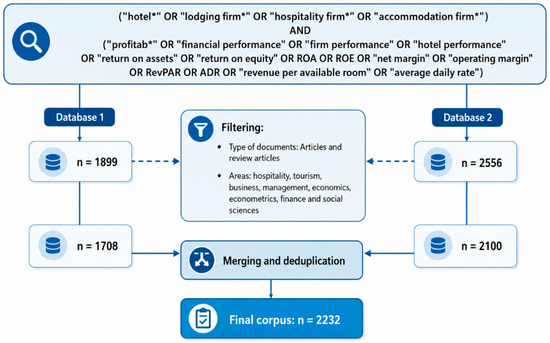
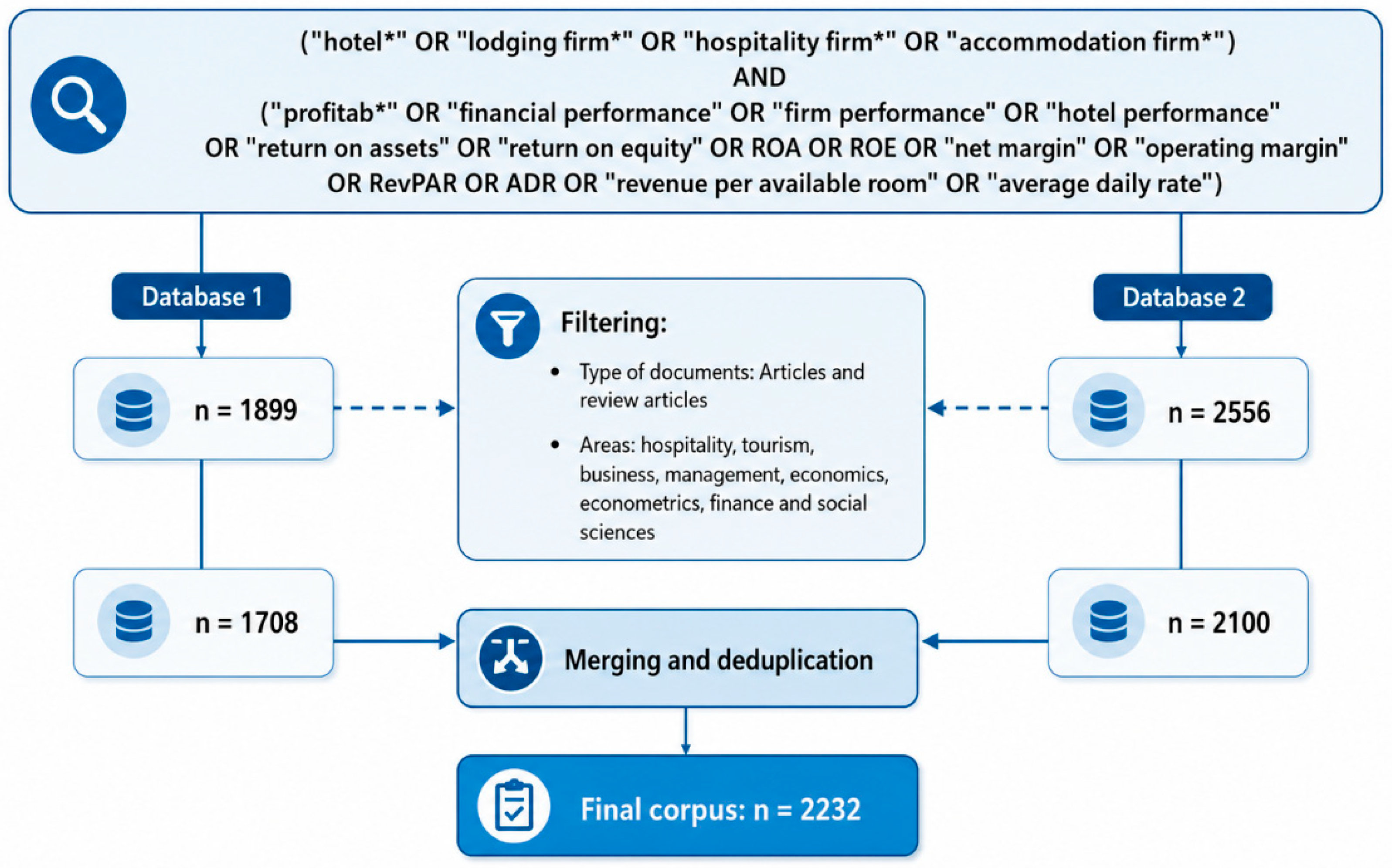
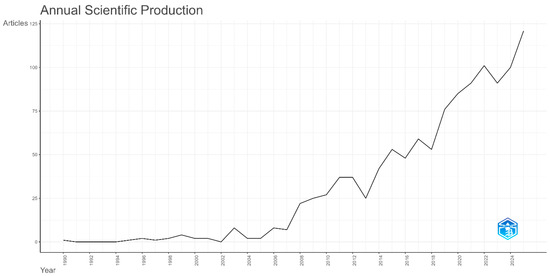
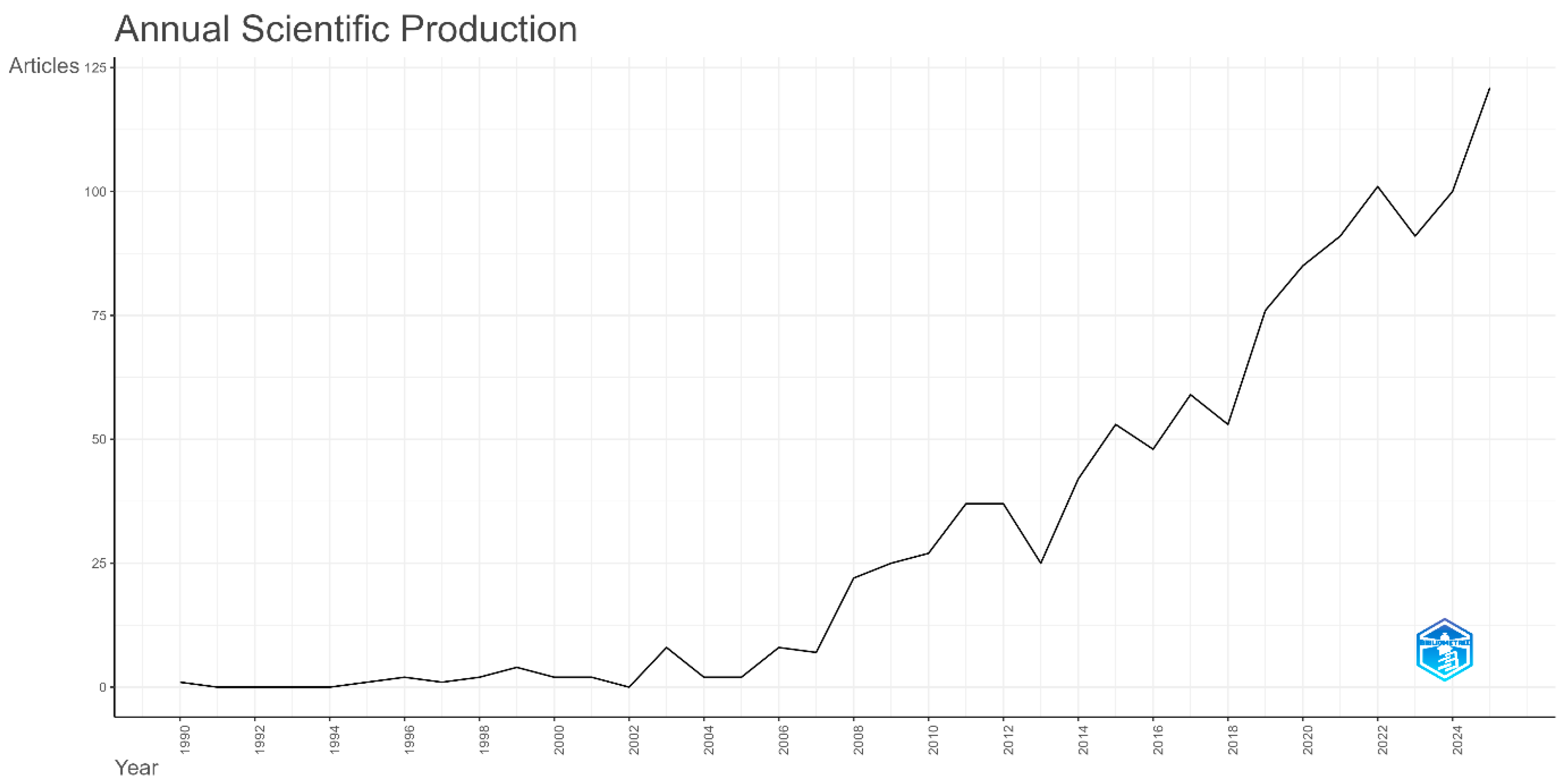
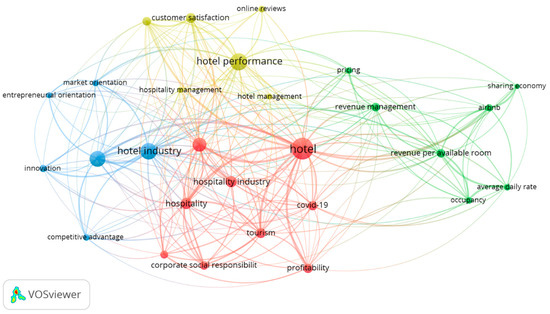
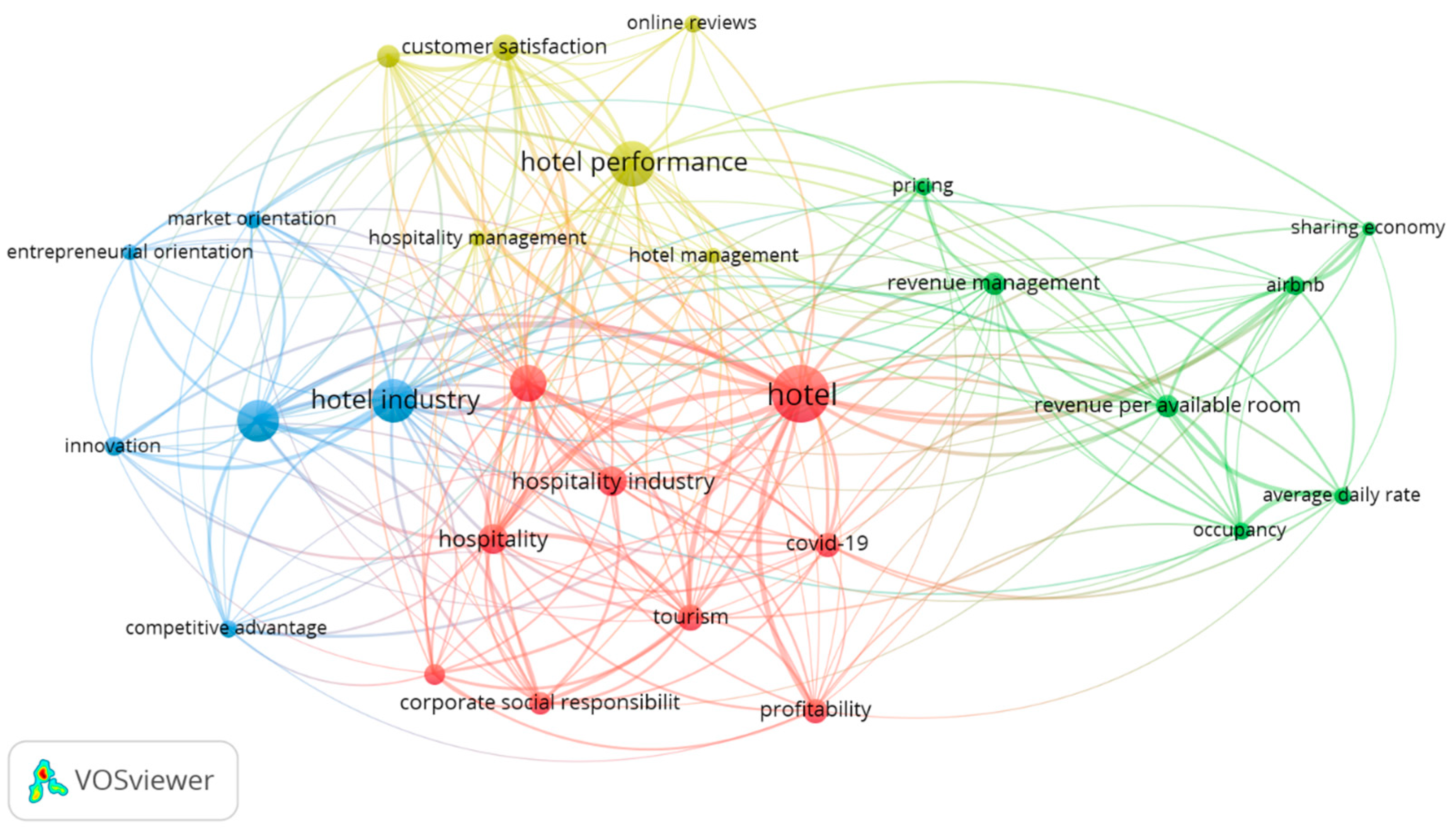
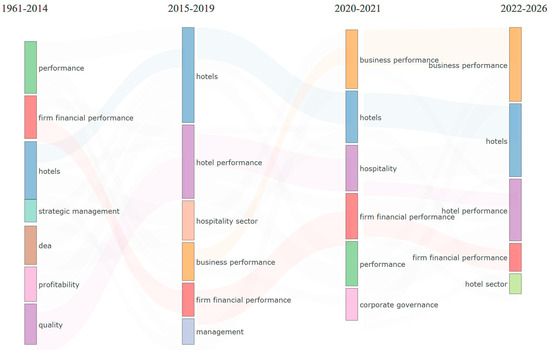
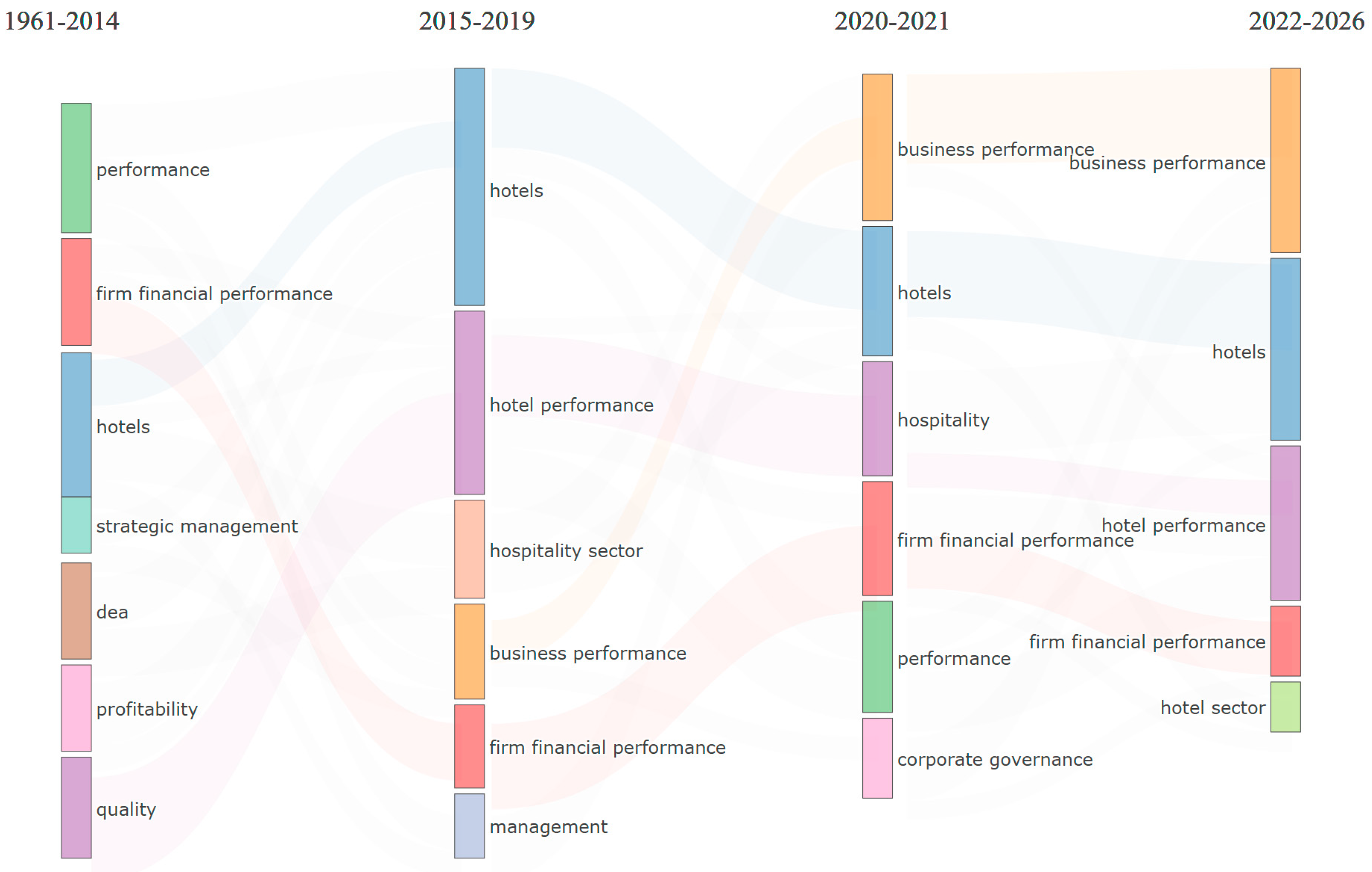
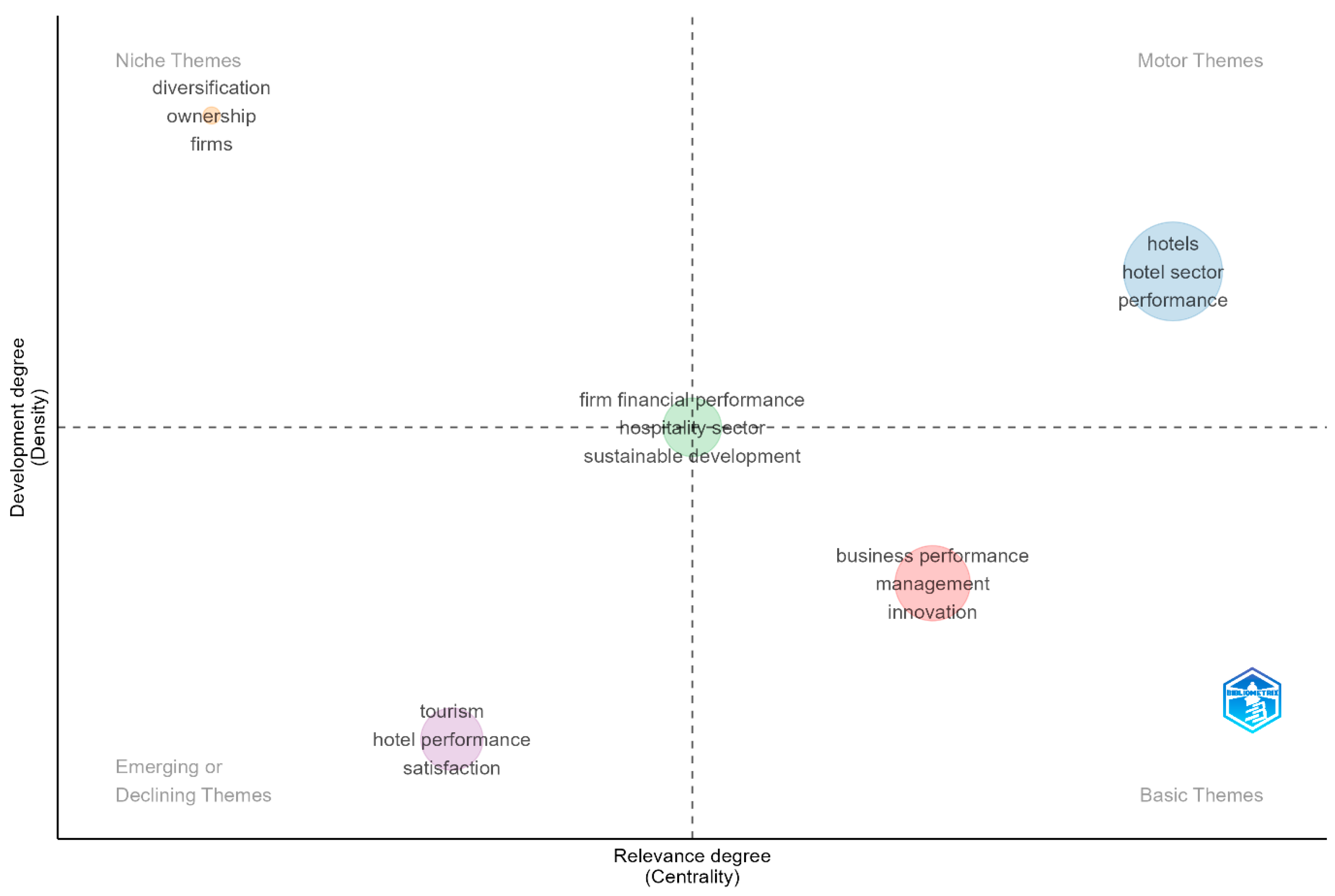
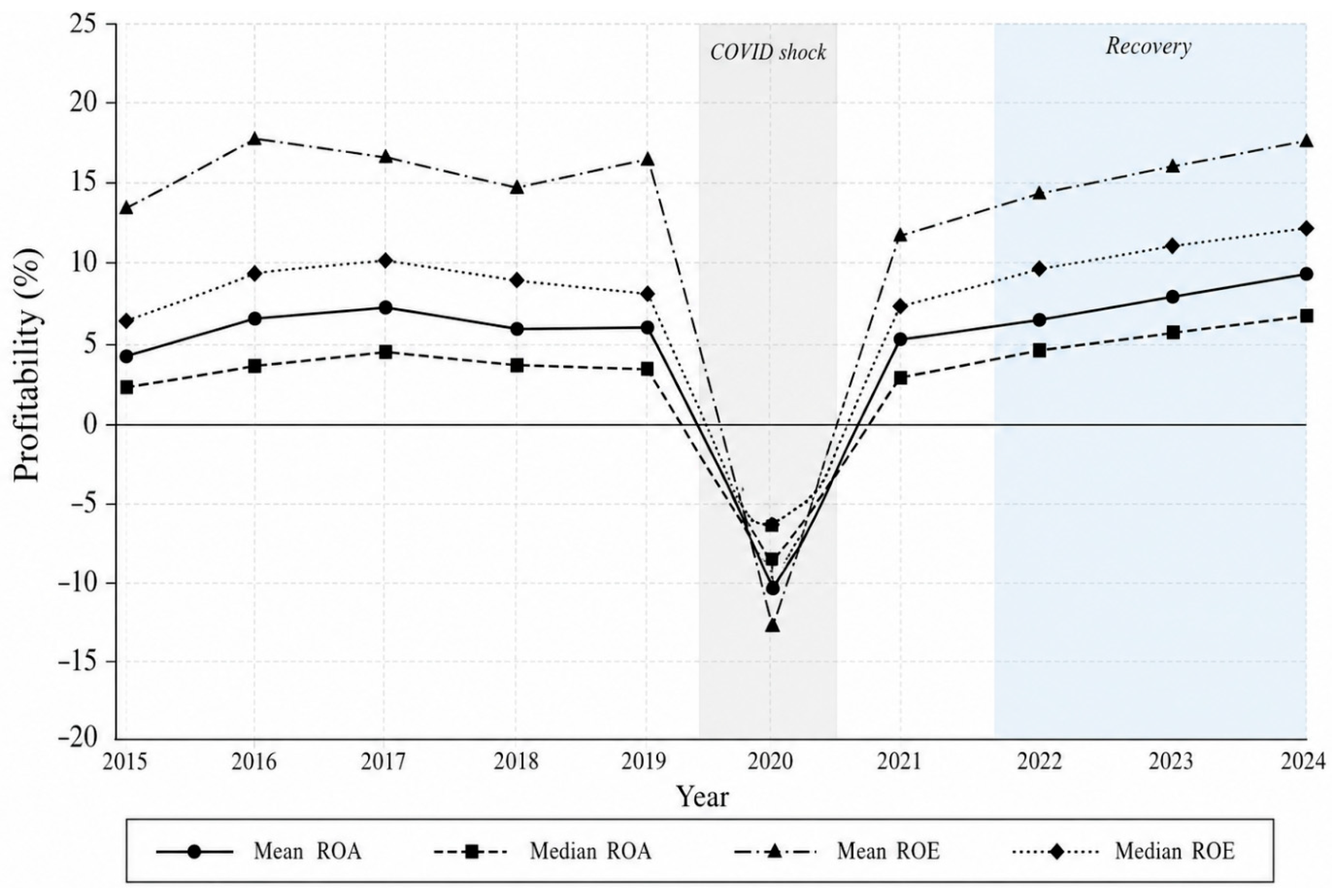

Disclaimer/Publisher’s Note: The statements, opinions and data contained in all publications are solely those of the individual author(s) and contributor(s) and not of MDPI and/or the editor(s). MDPI and/or the editor(s) disclaim responsibility for any injury to people or property resulting from any ideas, methods, instructions or products referred to in the content. |
© 2026 by the authors. Licensee MDPI, Basel, Switzerland. This article is an open access article distributed under the terms and conditions of the Creative Commons Attribution (CC BY) license.