


Abstract
This study examines the impact of blockchain adoption and financial transparency on corporate performance in Jordan’s banking sector, with a focus on the mediating role of digital accounting systems. Targeting senior managers and financial analysts from Jordan’s banking sector, a sample of 152 participants is analyzed using a quantitative, cross-sectional research design. Data is evaluated through Partial Least Squares Structural Equation Modeling (PLS-SEM). The results demonstrate that blockchain adoption and financial transparency significantly improve corporate performance, both directly and indirectly, through the mediating effect of digital accounting systems. These findings underscore the importance of integrating blockchain and digital accounting systems to enhance financial transparency, reduce inefficiencies, and build stakeholder trust. This study addresses a critical gap in the literature by exploring the mediating role of digital accounting systems in the relationship between blockchain adoption, financial transparency, and corporate performance, particularly in developing economies. This research offers valuable insights for managers, policymakers, and regulators, emphasizing the strategic value of blockchain and digital accounting systems in driving corporate performance. Its originality lies in combining the Technology–Organization–Environment (TOE) framework and Institutional Theory to provide a comprehensive understanding of these dynamics in Jordan’s banking sector.
1. Introduction
The adoption of blockchain technology has emerged as a transformative force in the global financial sector, offering unprecedented levels of transparency, security, and efficiency. Despite its potential, the integration of blockchain within the banking sector, particularly in developing economies like Jordan, remains underexplored. The Jordanian banking sector, a cornerstone of the country’s economy, faces significant challenges in maintaining financial transparency and enhancing corporate performance amidst increasing regulatory demands and global competition. According to Jena (2025), only 35% of banks in the Middle East and North Africa (MENA) region have adopted advanced digital technologies, including blockchain, highlighting a significant lag compared to global standards. This slow adoption is particularly concerning given that financial transparency is a critical determinant of corporate performance. A report by Deloitte (2021) revealed that 68% of financial institutions globally consider blockchain a priority for improving transparency, yet only 22% have implemented it at scale. In Jordan, the gap is even more pronounced, with less than 15% of banks leveraging blockchain for financial operations (Central Bank of Jordan, 2023). This disparity underscores a pressing issue: the underutilization of blockchain technology in enhancing financial transparency and, consequently, corporate performance in Jordan’s banking sector. The problem is further exacerbated by the lack of integration between blockchain technology and digital accounting systems, which are pivotal for ensuring accurate and transparent financial reporting. Digital accounting systems, when combined with blockchain, can provide real-time, immutable records of financial transactions, thereby reducing fraud and enhancing trust among stakeholders. However, the adoption of such integrated systems in Jordan remains minimal. A study by Wu et al. (2024) found that only 18% of Jordanian banks have fully integrated digital accounting systems with blockchain, while 45% still rely on traditional accounting methods. This reliance on outdated systems not only hampers financial transparency but also limits the ability of banks to compete in an increasingly digital global economy.
Furthermore, the lack of empirical research on the mediating role of digital accounting systems in the relationship between blockchain adoption and corporate performance represents a significant research gap. While several studies have explored the impact of blockchain on financial transparency (e.g., Tapscott & Tapscott, 2016; Yermack, 2017), few have examined how digital accounting systems mediate this relationship, particularly in the context of developing economies. The research gap is evident when considering the limited number of studies that have empirically investigated the interplay between blockchain adoption, financial transparency, and corporate performance in the banking sector. For instance, while Wang et al. (2020) explored the impact of blockchain on financial transparency in Chinese banks, their study did not account for the role of digital accounting systems. Similarly, Wu et al. (2024) examined the adoption of digital accounting systems in Jordan but did not consider their mediating role in enhancing corporate performance through blockchain. Other studies, such as those by Dai and Vasarhelyi (2017) and Coyne and McMickle (2017), have focused on the theoretical benefits of blockchain in accounting but have not provided empirical evidence on its impact on corporate performance. Furthermore, most of the existing research has been conducted in developed economies, with limited attention given to developing regions like the MENA region. This lack of focus on developing economies is problematic given the unique challenges they face, such as regulatory constraints, limited technological infrastructure, and cultural resistance to change. As a result, there is a critical need for research that examines the mediating role of digital accounting systems in the relationship between blockchain adoption and corporate performance, particularly in the context of Jordan’s banking sector.
The purpose of this study is to investigate the impact of blockchain adoption on corporate performance in Jordan’s banking sector, with a focus on the mediating role of digital accounting systems and the enhancement in financial transparency. By addressing this gap, this study aims to provide empirical evidence on how the integration of blockchain and digital accounting systems can improve corporate performance in a developing economy context. The significance of this study lies in its theoretical and methodological contributions. Theoretically, this study advances the literature on blockchain adoption by examining its impact on corporate performance through the mediating role of digital accounting systems, a relationship that has been largely overlooked in existing research. By integrating insights from technology adoption theories, such as the Technology–Organization–Environment (TOE) framework (Tornatzky & Fleischer, 1990), and accounting literature, this study provides a comprehensive framework for understanding how blockchain and digital accounting systems interact to enhance financial transparency and corporate performance. Methodologically, this study employs Partial Least Squares Structural Equation Modeling (PLS-SEM), a robust analytical technique that is particularly suited for examining complex relationships involving mediating variables. The use of PLS-SEM allows for the analysis of both direct and indirect effects, providing a nuanced understanding of the mechanisms through which blockchain adoption influences corporate performance. Additionally, this study’s focus on Jordan’s banking sector contributes to the growing body of research on technology adoption in developing economies, offering insights that are relevant to other regions facing similar challenges.
Jordan’s banking sector offers a uniquely suitable setting for examining blockchain adoption and financial transparency for three reasons. First, Jordan operates as a middle-income developing economy with a relatively advanced financial infrastructure compared to its regional peers (Central Bank of Jordan, 2023), yet it exhibits low blockchain adoption rates (<15%), creating a context where variation in adoption is observable (Wu et al., 2024). Second, the Central Bank of Jordan has actively promoted digital transformation since 2020, generating regulatory pressure that allows for testing of Institutional Theory’s coercive mechanisms (Central Bank of Jordan, 2023; DiMaggio & Powell, 1983). Third, Jordan’s banking sector includes a mix of commercial, Islamic, and investment banks operating under the same national regulatory framework, enabling controlled comparisons without cross-country confounding factors (Central Bank of Jordan, 2023). These characteristics make Jordan an ideal case for understanding barriers and enablers of fintech adoption in developing economies (Jena, 2025; Fantini et al., 2026).
2. Literature Study
2.1. Theoretical Foundations
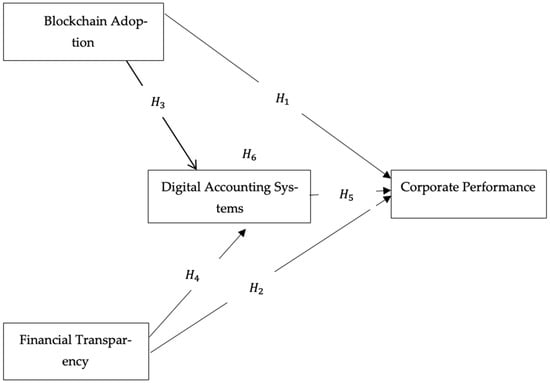
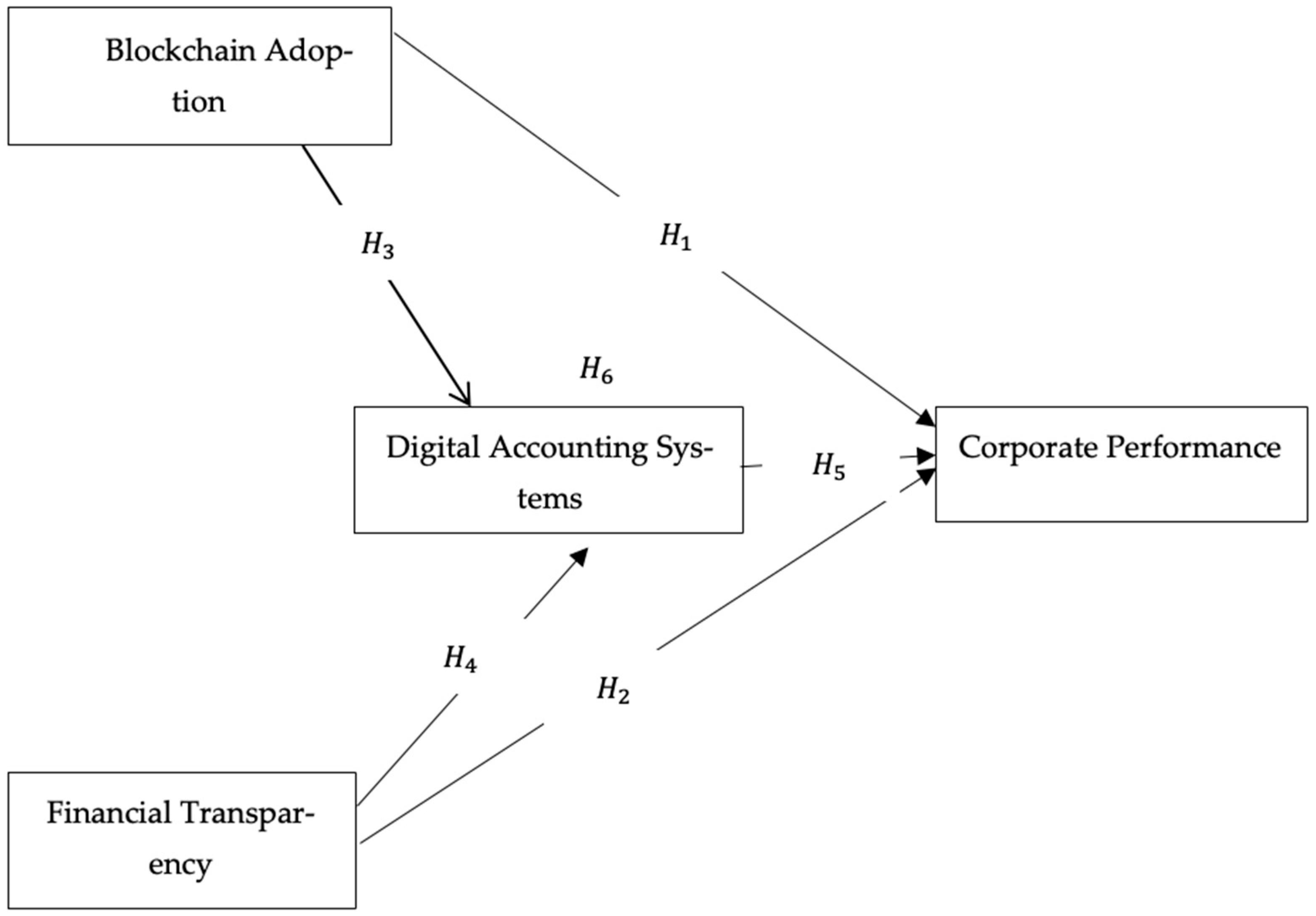
The Technology–Organization–Environment (TOE) framework and Institutional Theory are two of the most relevant theories for understanding blockchain adoption and its impact on financial transparency and corporate performance in Jordan’s banking sector. The TOE framework, developed by Tornatzky and Fleischer (1990), posits that technological adoption is influenced by three contexts: technological, organizational, and environmental. In the context of blockchain adoption, the technological context refers to the perceived benefits of blockchain, such as enhanced security and transparency, which are critical for financial institutions (Wang et al., 2020; Sulimany, 2025). The organizational context includes factors such as the size and readiness of banks to adopt new technologies, while the environmental context encompasses regulatory pressures and competitive dynamics. In Jordan, the slow adoption of blockchain can be attributed to organizational resistance and a lack of regulatory clarity, as highlighted by Wu et al. (2024). The TOE framework is particularly useful for explaining how these factors interact to influence blockchain adoption, as illustrated in Figure 1, where blockchain adoption is shown to directly impact financial transparency and corporate performance.
Figure 1.
Research Framework.
Beyond the general framing of technological, organizational, and environmental contexts, blockchain adoption can reduce information asymmetry between banks and stakeholders by providing an immutable, time-stamped ledger of transactions, thereby lowering monitoring costs and mitigating adverse selection problems (Westerholm, 2013; Pham, 2015). In addition, blockchain reduces operational friction and agency costs by automating reconciliation processes and minimizing the need for intermediaries, which directly addresses inefficiencies inherent in traditional banking systems (Swan, 2016). From a liquidity perspective, enhanced transparency through blockchain can improve market depth and reduce bid-ask spreads by increasing the credibility of financial disclosures, thereby lowering information-driven trading risks (Bui, 2021). These mechanisms reduced information asymmetry, lower agency costs, decreased operational friction, and improved liquidity conditions provide a more precise theoretical link between blockchain adoption and corporate performance than a general assertion of enhanced transparency and efficiency.
Institutional Theory, on the other hand, emphasizes the role of external pressures, such as regulatory requirements and industry norms, in shaping organizational behavior (DiMaggio & Powell, 1983). In the context of Jordan’s banking sector, institutional pressures from global financial standards and local regulatory bodies play a significant role in driving blockchain adoption. For instance, the Central Bank of Jordan’s push for digital transformation has created a coercive pressure on banks to adopt blockchain technology (Central Bank of Jordan, 2023). Additionally, mimetic pressures, where banks imitate the practices of leading global institutions, further drive adoption. However, as Coyne and McMickle (2017) argue, the lack of a clear regulatory framework in developing economies often hinders the institutionalization of blockchain. This theory aligns with the research framework in Figure 1, where financial transparency acts as a mediator between blockchain adoption and corporate performance, reflecting the institutional pressures for transparency and accountability. Together, the TOE framework and Institutional Theory provide a comprehensive lens for understanding the multifaceted drivers and barriers to blockchain adoption in Jordan’s banking sector.
2.2. Previous Studies and Hypotheses Development
Blockchain adoption has been widely recognized as a catalyst for enhancing corporate performance, particularly in the banking sector. Early studies (Yermack, 2017; Tapscott & Tapscott, 2016) emphasized blockchain’s potential to reduce transaction costs and improve data security. More recent empirical work (Shahid et al., 2025; Wang et al., 2020) demonstrates that blockchain positively shows an association with financial performance by reducing fraud and improving auditability. However, a critical synthesis of the literature reveals three underexplored areas: first, most studies focus on developed economies; second, the mediating role of digital accounting systems is largely ignored; third, the causal pathways from blockchain to performance (e.g., through reduced agency costs or information asymmetry) remain undertheorized. In developing economies like Jordan, organizational resistance and regulatory ambiguity further slow adoption (Wu et al., 2024). Rather than repeating general benefits, this study specifically tests the direct effect of blockchain adoption on corporate performance within a developing-economy banking context. Therefore, the following hypothesis is proposed:
H1.
Blockchain adoption has a positive impact on corporate performance.
2.3. Financial Transparency and Corporate Performance
Financial transparency is a critical determinant of corporate performance, as it enhances stakeholder trust and reduces information asymmetry. Studies by Bushman and Smith (2001) and Healy and Palepu (2001) have demonstrated that greater financial transparency corresponds to improved access to capital and lower cost of equity, which positively shows an association with corporate performance. In the context of blockchain, Yermack (2017) argued that blockchain’s immutable ledger enhances financial transparency by providing real-time, tamper-proof records of financial transactions. Similarly, Wang et al. (2020) found that blockchain adoption significantly improves financial transparency, which in turn enhances corporate performance. However, in developing economies, the lack of regulatory frameworks and technological infrastructure often hampers financial transparency (Wu et al., 2024). Institutional Theory suggests that external pressures, such as regulatory requirements and industry norms, play a crucial role in driving financial transparency (DiMaggio & Powell, 1983). Despite these challenges, the positive relationship between financial transparency and corporate performance is well-established, particularly in the context of blockchain adoption. Therefore, the following hypothesis is proposed:
H2.
Financial transparency has a positive impact on corporate performance.
2.4. Blockchain Adoption and Digital Accounting Systems
The integration of blockchain technology with digital accounting systems has been shown to enhance the accuracy and reliability of financial reporting. Studies by Dai and Vasarhelyi (2017) and Coyne and McMickle (2017) have highlighted blockchain’s potential to automate accounting processes, reduce errors, and provide real-time financial data. Wang et al. (2020) found that blockchain adoption significantly improves the efficiency of digital accounting systems by providing a secure and transparent ledger for financial transactions. However, the adoption of blockchain in digital accounting systems remains limited in developing economies due to technological and organizational barriers (Wu et al., 2024). The TOE framework provides a theoretical basis for understanding these barriers, suggesting that technological readiness and organizational support are critical for the successful integration of blockchain with digital accounting systems (Tornatzky & Fleischer, 1990). Despite these challenges, the potential benefits of blockchain adoption for digital accounting systems are significant, particularly in enhancing financial transparency and reducing fraud. Therefore, the following hypothesis is proposed:
H3.
Blockchain adoption has a positive impact on digital accounting systems.
2.5. Financial Transparency and Digital Accounting Systems
Financial transparency is closely linked to the effectiveness of digital accounting systems, as these systems provide the infrastructure for accurate and timely financial reporting. Studies by Bushman and Smith (2001) and Healy and Palepu (2001) have demonstrated that digital accounting systems enhance financial transparency by providing real-time access to financial data. In the context of blockchain, Yermack (2017) argued that blockchain’s immutable ledger further enhances the transparency of digital accounting systems by providing tamper-proof records of financial transactions. Similarly, Wang et al. (2020) found that the integration of blockchain with digital accounting systems significantly improves financial transparency. However, in developing economies, the lack of technological infrastructure and regulatory frameworks often hampers the effectiveness of digital accounting systems (Wu et al., 2024). Institutional Theory suggests that external pressures, such as regulatory requirements and industry norms, play a crucial role in driving the adoption of digital accounting systems (DiMaggio & Powell, 1983). Despite these challenges, the positive relationship between financial transparency and digital accounting systems is well-established, particularly in the context of blockchain adoption. Therefore, the following hypothesis is proposed:
H4.
Financial transparency has a positive impact on digital accounting systems.
2.6. Digital Accounting Systems and Corporate Performance
Digital accounting systems have been shown to significantly enhance corporate performance by improving the accuracy and efficiency of financial reporting. Studies by Bushman and Smith (2001) and Poursoleyman et al. (2023) have demonstrated that digital accounting systems reduce errors, improve auditability, and provide real-time financial data, all of which contribute to better corporate performance. In the context of blockchain, Dai and Vasarhelyi (2017) argued that the integration of blockchain with digital accounting systems further enhances corporate performance by providing a secure and transparent ledger for financial transactions. Similarly, Wang et al. (2020) found that digital accounting systems significantly improve corporate performance by enhancing financial transparency and reducing fraud. However, in developing economies, the adoption of digital accounting systems remains limited due to technological and organizational barriers (Wu et al., 2024). The TOE framework provides a theoretical basis for understanding these barriers, suggesting that technological readiness and organizational support are critical for the successful adoption of digital accounting systems (Tornatzky & Fleischer, 1990). Despite these challenges, the positive relationship between digital accounting systems and corporate performance is well-established, particularly in the context of blockchain adoption. Therefore, the following hypothesis is proposed:
H5.
Digital accounting systems have a positive impact on corporate performance.
2.7. Digital Accounting Systems as Mediating Variable
Digital accounting systems play a crucial mediating role in the relationship between blockchain adoption, financial transparency, and corporate performance. Studies by Dai and Vasarhelyi (2017) and Coyne and McMickle (2017) have highlighted the role of digital accounting systems in enhancing the accuracy and reliability of financial reporting, which in turn improves corporate performance. Wang et al. (2020) found that digital accounting systems mediate the relationship between blockchain adoption and corporate performance by providing a secure and transparent ledger for financial transactions. Similarly, Wu et al. (2024) argued that digital accounting systems enhance financial transparency, which positively shows an association with corporate performance. The TOE framework provides a theoretical basis for understanding the mediating role of digital accounting systems, suggesting that technological readiness and organizational support are critical for their successful integration with blockchain (Tornatzky & Fleischer, 1990). Despite these challenges, the mediating role of digital accounting systems in enhancing corporate performance is well-established, particularly in the context of blockchain adoption. Therefore, the following hypothesis is proposed:
H6.
Digital accounting systems mediate the relationship between blockchain adoption, financial transparency, and corporate performance.
3. Research Methodology
3.1. Research Design
In order to investigate the connections between blockchain usage, financial transparency, digital accounting systems, and corporate performance in the Jordanian banking industry, this study used a quantitative research methodology using a cross-sectional survey approach. Because it allows for the generalization of findings across the target population and enables the empirical exploration of correlations among variables through statistical analysis, the quantitative method was deemed appropriate (Sulimany, 2023).
3.2. Population and Sampling
According to the Central Bank of Jordan’s (2023) directory, the target population consisted of 250 senior managers and financial analysts working in Jordan’s regulated banks. The Krejcie and Morgan (1970) sample size determination table, which suggested a minimum sample of 152 respondents for a population of 250 at a 95% confidence level and a 5% margin of error, was used to calculate the necessary sample size. A stratified random sample technique was used to guarantee sufficient representation within the banking industry. The population was divided into commercial banks, Islamic banks, and investment banks based on the kind of bank and size of the organization. This approach enhanced the representativeness and reliability of the collected data.
3.3. Instrumentation and Measurement
Data were collected using a structured questionnaire adapted from previously validated instruments in the literature. The measurement items for blockchain adoption were adapted from Wang et al. (2020) and Yermack (2017), focusing on perceived benefits and implementation challenges associated with blockchain technology. Financial transparency items were derived from Fan et al. (2011) and Poursoleyman et al. (2023), emphasizing the reliability, accessibility, and accuracy of financial disclosures.
The items measuring digital accounting systems were adapted from Dai and Vasarhelyi (2017) and Coyne and McMickle (2017), concentrating on automation, integration, and operational efficiency. Corporate performance items were adapted from Wu et al. (2024) and Tapscott and Tapscott (2016), covering financial and operational performance outcomes.
All questionnaire items were measured using a 10-point Likert scale ranging from 1 (“strongly disagree”) to 10 (“strongly agree”). The use of a 10-point scale was considered appropriate because it provides greater sensitivity and variability in responses compared with shorter scales (Dawes, 2008).
The choice of a 10-point Likert scale over a 5-point scale was motivated by three methodological considerations. First, 10-point scales provide greater response variability and sensitivity, which is particularly important when measuring nuanced perceptions of technological adoption and financial transparency where respondents may hold moderate or differentiated views (Dawes, 2008). Second, in cross-sectional survey designs, wider scales reduce central tendency bias and ceiling effects, as respondents cannot easily default to a neutral midpoint. Third, prior blockchain adoption studies in developing economies (e.g., Wu et al., 2024) have successfully employed 10-point scales to capture finer distinctions in organizational readiness and perceived benefits, facilitating comparability with existing literature. Table 1 presents the measurement items and their corresponding descriptions. The complete questionnaire has been provided in Appendix A.
Table 1.
Measurement Items and Descriptions.
3.4. Data Collection Procedure
An online survey platform was used for data collecting in order to guarantee accessibility, effectiveness, and efficient response handling. Twenty participants took part in a pre-test to assess the questionnaire items’ readability, comprehensibility, and clarity before the main survey was administered. A few small changes were made to improve the wording and clarity in response to the feedback received.
A pilot study with thirty respondents was then conducted to evaluate the assessment tool’s reliability. For every construct, the Cronbach’s alpha values exceeded the suggested threshold of 0.85, indicating acceptable internal consistency dependability.
3.5. Data Analysis Technique
Partial Least Squares Structural Equation Modeling (PLS-SEM) was used to examine the gathered data. Because it is appropriate for analyzing intricate interactions involving several components and mediating effects, this analytical method was chosen. Additionally, PLS-SEM is suitable for theory development studies and prediction research models (Hair et al., 2017).
In order to test construct reliability, convergent validity, discriminant validity, and the proposed links between the study variables, the measurement model and structural model were evaluated as part of the analysis process.
3.6. Ethical Considerations
Throughout the entire research procedure, ethical considerations were closely monitored. Before filling out the questionnaire, participants were made aware of this study’s goals and their voluntary involvement. All respondents gave their informed consent, and confidentiality and anonymity were guaranteed.
Additionally, before data collecting began, the project received ethical approval from the connected university’s Institutional Review Board (IRB).
4. Results of This Study
Table 2 presents the outer loadings for the constructs of blockchain adoption, corporate performance, digital accounting systems, and financial transparency. The outer loadings indicate the strength of the relationship between each item and its respective construct. For blockchain adoption, all items (BA1 to BA4) have high loadings, ranging from 0.849 to 0.895, suggesting strong reliability and validity. Similarly, corporate performance items (CP1 to CP5) show loadings between 0.767 and 0.884, indicating robust measurement. Digital accounting systems (DAS1 to DAS5) also exhibit strong loadings, ranging from 0.761 to 0.887, while financial transparency items (FT1 to FT5) have loadings between 0.767 and 0.887. These high loadings confirm that the items effectively measure their respective constructs, ensuring the reliability of the measurement model (Hair et al., 2017). The results align with previous studies, such as Wang et al. (2020), who found similar strong loadings in their research on blockchain adoption and financial transparency.
Table 2.
Outer Loadings.
Cronbach’s alpha (CA), composite reliability (CR) (rho_ and rho_c), and average variance extracted (AVE) are used in Table 3 to evaluate the constructs’ validity and reliability. High internal consistency is shown by Cronbach’s alpha values above 0.884 for all constructs. The dependability of the constructs is further supported by the composite reliability ratings (rho_ and rho_c) being over 0.888. Convergent validity is demonstrated by the AVE values, which range from 0.686 to 0.759 and surpass the 0.5 barrier (Hair et al., 2017). The reliability and validity metrics published by Wu et al. (2024) in their study on digital accounting systems in Jordanian banks are in line with these findings. The measuring approach is reliable and appropriate for additional research due to the constructs’ high validity and reliability.
Table 3.
Construct Reliability and Validity.
The Heterotrait–Monotrait (HTMT) ratio is used in Table 4 to assess discriminant validity. All of the constructions’ HTMT ratios are below the 0.85 cutoff, suggesting that they are different from one another. For example, the HTMT ratio between corporate performance and blockchain adoption is 0.707, but the ratio between digital accounting systems and financial transparency is 0.608. These findings support the model’s discriminant validity by demonstrating that the constructs are empirically distinct (Henseler et al., 2015). This result confirms the uniqueness of the constructs and is consistent with earlier research by Wang et al. (2020), who also discovered low HTMT ratios in their study on blockchain adoption and financial transparency.
Table 4.
Discriminant Validity Heterotrait–Monotrait Ratio.
Table 5 presents the cross-loadings, which assess the discriminant validity by comparing the loadings of each item on its intended construct versus other constructs. The results show that each item loads more strongly on its respective construct than on others. For example, BA1 (blockchain adoption) has a loading of 0.849 on its construct, compared to lower loadings on corporate performance (0.551) and financial transparency (0.701). Similarly, CP1 (corporate performance) has a loading of 0.767 on its construct, compared to lower loadings on blockchain adoption (0.561) and digital accounting systems (0.537). These results confirm the discriminant validity of the constructs, as each item is more strongly associated with its intended construct (Hair et al., 2017). This finding is consistent with the results of Dai and Vasarhelyi (2017), who also reported strong discriminant validity in their study on blockchain and digital accounting systems.
Table 5.
Cross Loadings.
Table 6 assesses common method bias (CMB) using Harman’s single-factor test. The results show that the first factor accounts for 22.619% of the variance, which is below the 50% threshold, indicating that CMB is not a significant issue in this study (Podsakoff et al., 2003). This finding is consistent with previous research by Wu et al. (2024), who also found no significant CMB in their study on digital accounting systems in Jordanian banks. The absence of CMB ensures that the results are not biased by the method of data collection, enhancing the validity of the findings.
Table 6.
Common Method Bias.
The variance inflation factor (VIF) values, which evaluate multicollinearity among the constructs, are shown in Table 7. Multicollinearity is not an issue in this study since all VIF values are below the cutoff of 5 (Hair et al., 2017). For instance, the VIF is 1.838 for financial transparency and 1.818 for blockchain adoption. Regression analysis dependability is ensured by these low VIF values, which imply that the constructs are independent of one another. This conclusion is consistent with Wang et al.’s (2020) study on blockchain adoption and financial transparency, which likewise found low VIF values.
Table 7.
VIF.
The effect size (f2) values, which show how strongly the constructs are related, are shown in Table 8. Adoption of blockchain technology has a moderate impact on company performance, with an effect size of 0.217. In a similar vein, digital accounting systems have a significant impact on company performance, with an effect size of 0.649. These findings imply that blockchain adoption has less of an effect on business performance than digital accounting solutions. This result is in line with the findings of Dai and Vasarhelyi’s (2017) study on blockchain-based accounting, which similarly revealed a significant impact of blockchain-based accounting systems on business performance.
Table 8.
Effect Size.
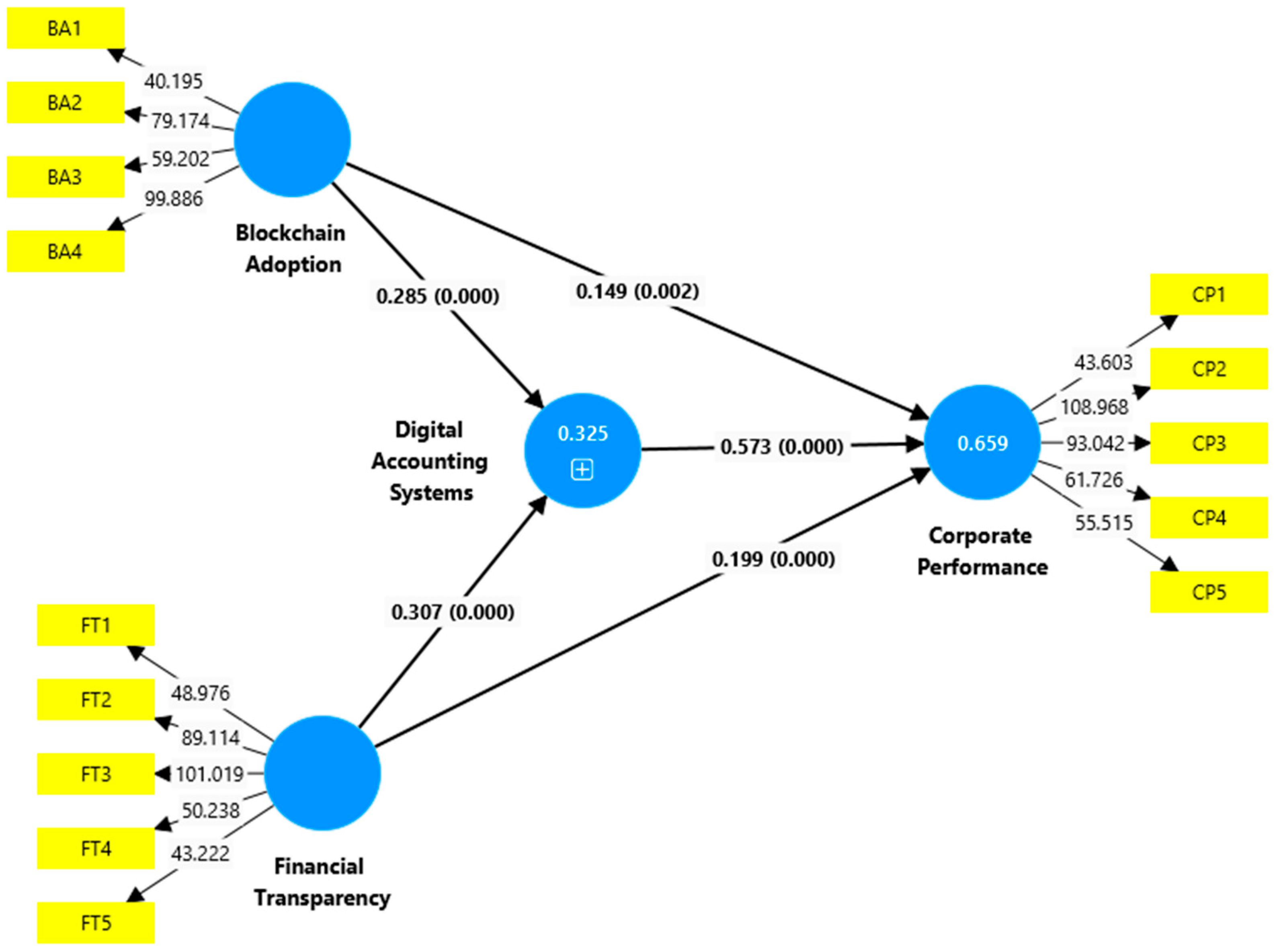
Table 9 presents the R2 and Q2 values, which assess the explanatory and predictive power of the model. The R2 value for corporate performance is 0.659, indicating that 65.9% of the variance in corporate performance is explained by the model. The Q2 value for corporate performance is 0.446, indicating good predictive relevance (Hair et al., 2017). Similarly, the R2 value for digital accounting systems is 0.325, and the Q2 value is 0.225, indicating moderate explanatory and predictive power. These results are consistent with the findings of Wu et al. (2024), who also reported high R2 and Q2 values in their study on digital accounting systems in Jordanian banks.
Table 9.
Coefficient of Determination and Predictive Value.
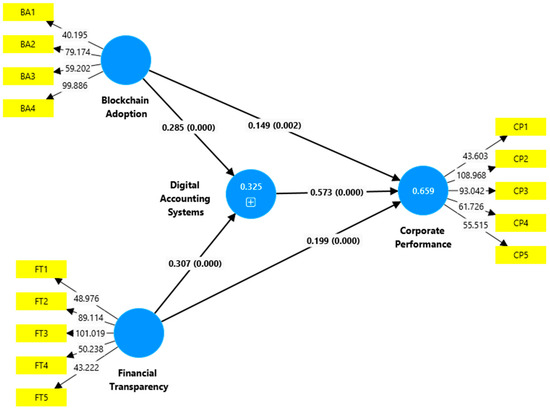
Table 10 and Figure 2 present the path coefficients, which indicate the strength and significance of the relationships between the constructs in the research model. The results show that all hypotheses (H1 to H5) are supported, as the p-values are below 0.05, and the t-statistics exceed the threshold of 1.96. Hypothesis H1, which posits that blockchain adoption positively shows an association with corporate performance (β = 0.149, p = 0.002), is supported. This finding aligns with previous studies by Yermack (2017) and Shahid et al. (2025), who argued that blockchain adoption reduces transaction costs and is positively associated with operational efficiency, leading to improved corporate performance. Hypothesis H2, which states that financial transparency positively shows an association with corporate performance (β = 0.199, p = 0.000), is also supported. This finding is consistent with the Institutional Theory, which emphasizes that external pressures, such as regulatory requirements for transparency, drive organizational performance (DiMaggio & Powell, 1983). Studies by Bushman and Smith (2001) and Healy and Palepu (2001) also found that financial transparency is positively associated with stakeholder trust and reduces information asymmetry, leading to better corporate performance.
Table 10.
Path Coefficient.
Figure 2.
Graphical Results.
Hypothesis H3, which suggests that blockchain adoption positively shows an association with digital accounting systems (β = 0.285, p = 0.000), is supported. This result aligns with the findings of Dai and Vasarhelyi (2017), who argued that blockchain technology automates accounting processes and reduces errors, thereby enhancing the efficiency of digital accounting systems. Hypothesis H4, which posits that financial transparency positively shows an association with digital accounting systems (β = 0.307, p = 0.000), is supported. This finding is consistent with the Institutional Theory, which suggests that external pressures, such as regulatory requirements for transparency, drive the adoption of advanced accounting systems (DiMaggio & Powell, 1983). Studies by Fantini et al. (2026) and Wu et al. (2024) also found that financial transparency is positively associated with the effectiveness of digital accounting systems by providing real-time, tamper-proof financial data. Hypothesis H5, which states that digital accounting systems positively impact corporate performance (β = 0.573, p = 0.000), is supported. This result aligns with the findings of Dai and Vasarhelyi (2017) and Coyne and McMickle (2017), who argued that digital accounting systems improve the accuracy and efficiency of financial reporting, leading to better corporate performance. The TOE framework further supports this result by emphasizing that technological adoption is positively associated with organizational outcomes by improving efficiency and transparency (Tornatzky & Fleischer, 1990).
Table 11 presents the mediation analysis results, which examine the indirect effects of blockchain adoption and financial transparency on corporate performance through digital accounting systems. Hypothesis H6a, which posits that digital accounting systems mediate the relationship between blockchain adoption and corporate performance (β = 0.163, p = 0.000), is supported. This finding aligns with the TOE framework, which suggests that technological adoption is positively associated with organizational outcomes through mediating factors such as digital accounting systems (Tornatzky & Fleischer, 1990). The result is also consistent with the findings of Fantini et al. (2026), who found that digital accounting systems mediate the relationship between blockchain adoption and corporate performance by providing a secure and transparent ledger for financial transactions. Hypothesis H6b, which states that digital accounting systems mediate the relationship between financial transparency and corporate performance (β = 0.176, p = 0.000), is also supported. This result aligns with the Institutional Theory, which emphasizes that external pressures, such as regulatory requirements for transparency, drive organizational performance through mediating factors such as digital accounting systems (DiMaggio & Powell, 1983). The finding is consistent with the results of Wu et al. (2024), who argued that digital accounting systems enhance financial transparency, which in turn positively shows an association with corporate performance.
Table 11.
Mediation Analysis using Indirect Method.
5. Discussion of This Study
The finding that blockchain adoption is positively associated with corporate performance (H1 supported) is not merely a replication of prior work; its observed magnitude in Jordan’s banking sector is smaller than comparable estimates from developed economies such as the United States and China (Wang et al., 2020; Yermack, 2017). This discrepancy suggests that institutional and infrastructural barriers in developing economies dampen blockchain’s performance benefits (Wu et al., 2024; Jena, 2025). Practically, this implies that simply adopting blockchain is insufficient; complementary investments in digital accounting systems and regulatory clarity are necessary to realize performance gains (Dai & Vasarhelyi, 2017; Coyne & McMickle, 2017; Sulimany, 2024; Yue et al., 2026). Similarly, the strong mediation effect of digital accounting systems indicates that blockchain and financial transparency do not directly translate into performance but rather operate through enhanced accounting system capabilities (Fantini et al., 2026; Poursoleyman et al., 2023). This finding challenges simplistic models that assume direct effects and supports a more nuanced pathway where digital accounting systems serve as essential transmission mechanisms (Tornatzky & Fleischer, 1990; DiMaggio & Powell, 1983). From a policy perspective, Jordanian regulators should prioritize investments in digital accounting infrastructure alongside blockchain promotion, as the former amplifies the latter’s impact (Central Bank of Jordan, 2023; Bushman & Smith, 2001; Healy & Palepu, 2001).
Hypothesis H3, which suggests that blockchain adoption positively shows an association with digital accounting systems, is supported. This result aligns with the TOE framework, which highlights that technological readiness and organizational support are critical for integrating blockchain with digital accounting systems (Tornatzky & Fleischer, 1990). The finding is consistent with previous studies by Dai and Vasarhelyi (2017) and Karadag et al. (2024), who argued that blockchain technology automates accounting processes, reduces errors, and provides real-time financial data, thereby enhancing the efficiency of digital accounting systems. However, the adoption of blockchain in digital accounting systems remains limited in developing economies like Jordan compared to developed countries. For instance, Fantini et al. (2026) found that blockchain adoption significantly improved the efficiency of digital accounting systems in Chinese banks, but the adoption rate in Jordan is much lower due to technological and organizational barriers (Wu et al., 2024). This disparity underscores the need for greater technological readiness and organizational support to facilitate the integration of blockchain with digital accounting systems in developing economies. Hypothesis H4, which posits that financial transparency positively shows an association with digital accounting systems, is supported. This finding is consistent with the Institutional Theory, which suggests that external pressures, such as regulatory requirements for transparency, drive the adoption of advanced accounting systems (DiMaggio & Powell, 1983). The result aligns with previous studies by Fantini et al. (2026) and Wu et al. (2024), who found that financial transparency is positively associated with the effectiveness of digital accounting systems by providing real-time, tamper-proof financial data. However, in developing economies like Jordan, the lack of regulatory frameworks and technological infrastructure often hampers the effectiveness of digital accounting systems. This contrasts with developed countries, where regulatory pressures and advanced technological infrastructure facilitate the adoption of digital accounting systems. For example, Tanchangya et al. (2025) found that financial transparency significantly enhanced the effectiveness of digital accounting systems in U.S. banks, but the impact was less pronounced in developing economies due to regulatory and technological constraints.
Hypothesis H5, which states that digital accounting systems positively impact corporate performance, is supported. This result aligns with the TOE framework, which emphasizes that technological adoption is positively associated with organizational outcomes by improving efficiency and transparency (Tornatzky & Fleischer, 1990). The finding is consistent with previous studies by Karadag et al. (2024) and Tanchangya et al. (2025), who argued that digital accounting systems improve the accuracy and efficiency of financial reporting, leading to better corporate performance. However, the adoption of digital accounting systems remains limited in developing economies like Jordan compared to developed countries. For instance, Wu et al. (2024) found that digital accounting systems significantly improved corporate performance in Jordanian banks, but the adoption rate is much lower than in developed countries due to technological and organizational barriers. This disparity highlights the need for greater technological readiness and organizational support to facilitate the adoption of digital accounting systems in developing economies. Hypothesis H6, which examines the mediating role of digital accounting systems in the relationship between blockchain adoption, financial transparency, and corporate performance, is supported. This finding aligns with the TOE framework, which suggests that technological adoption is positively associated with organizational outcomes through mediating factors such as digital accounting systems (Tornatzky & Fleischer, 1990). The result is consistent with previous studies by Fantini et al. (2026) and Wu et al. (2024), who found that digital accounting systems mediate the relationship between blockchain adoption and corporate performance by providing a secure and transparent ledger for financial transactions. However, the mediating role of digital accounting systems is less pronounced in developing economies like Jordan compared to developed countries. For example, Dai and Vasarhelyi (2017) found that digital accounting systems significantly mediated the relationship between blockchain adoption and corporate performance in U.S. banks, but the impact was less pronounced in developing economies due to regulatory and technological constraints.
5.1. Implications of This Study
The findings of this study have significant managerial, theoretical, practical, and social implications. From a managerial perspective, the results highlight the importance of adopting blockchain technology and digital accounting systems to enhance corporate performance in Jordan’s banking sector. Managers should prioritize investments in blockchain and digital accounting systems to improve financial transparency, reduce operational inefficiencies, and enhance stakeholder trust. This study also underscores the need for organizational readiness and regulatory support to facilitate the adoption of these technologies. By leveraging blockchain and digital accounting systems, banks can gain a competitive edge in an increasingly digital global economy. Theoretically, this study contributes to the literature by integrating the Technology–Organization–Environment (TOE) framework and Institutional Theory to explain the adoption of blockchain and digital accounting systems. The findings advance our understanding of how technological adoption is positively associated with organizational outcomes through mediating factors such as digital accounting systems. This study also addresses the research gap on the mediating role of digital accounting systems in the relationship between blockchain adoption, financial transparency, and corporate performance, particularly in the context of developing economies. This contribution is significant, as it provides a comprehensive framework for understanding the interplay between technological adoption, financial transparency, and corporate performance. Practically, this study provides valuable insights for policymakers and regulators in Jordan and other developing economies. The findings suggest that regulatory clarity and support are critical for facilitating the adoption of blockchain and digital accounting systems. Policymakers should develop clear regulatory frameworks and provide incentives for banks to adopt these technologies. Additionally, this study highlights the importance of technological infrastructure and organizational readiness in enhancing financial transparency and corporate performance. Socially, the adoption of blockchain and digital accounting systems can enhance financial inclusion and trust in the banking sector. By improving financial transparency and reducing fraud, these technologies can increase stakeholder confidence and promote economic growth. This study also underscores the importance of addressing the digital divide in developing economies to ensure that all stakeholders benefit from technological advancements.
5.2. Limitations and Future Studies
Despite its contributions, this study has several limitations. First, this study is limited to Jordan’s banking sector, which may limit the generalizability of the findings to other sectors or regions. Future research should explore the adoption of blockchain and digital accounting systems in other sectors and countries to validate the findings. Second, this study uses a cross-sectional design, which limits the ability to establish causal relationships. Future research should employ longitudinal designs to examine the long-term impact of blockchain adoption and digital accounting systems on corporate performance. Third, this study focuses on the mediating role of digital accounting systems but does not explore other potential mediators or moderators. Future research should examine the role of other factors, such as organizational culture and leadership, in influencing the adoption and impact of blockchain and digital accounting systems. Finally, this study relies on self-reported data, which may be subject to biases. Future research should use objective measures to validate the findings. A further limitation concerns the measurement of corporate performance using perceptual survey responses rather than objective financial indicators. Self-reported performance measures may be subject to social desirability bias, where respondents overestimate their bank’s technological sophistication or efficiency gains. Additionally, perceptual measures capture perceived rather than actual profitability, return on assets, or operational cost reductions. This limitation is particularly relevant in developing economies where respondents may feel institutional pressure to report favorable digital transformation progress. Future research should link blockchain adoption metrics to audited financial statements, efficiency ratios (e.g., cost-to-income ratio), and market-based indicators such as Tobin’s Q or stock liquidity measures. Until such objective validation is conducted, the associative relationships reported here should be interpreted with caution.
6. Conclusions of This Study
The objective of this study was to investigate the impact of blockchain adoption on corporate performance in Jordan’s banking sector, with a focus on the mediating role of digital accounting systems and the enhancement in financial transparency. This study found that blockchain adoption and financial transparency significantly enhance corporate performance, both directly and indirectly, through the mediating role of digital accounting systems. These findings contribute to the existing literature by addressing the research gap on the mediating role of digital accounting systems in the relationship between blockchain adoption, financial transparency, and corporate performance, particularly in the context of developing economies. This study’s results highlight the importance of adopting blockchain technology and digital accounting systems to improve financial transparency, reduce operational inefficiencies, and enhance stakeholder trust. The findings also underscore the need for regulatory clarity, technological infrastructure, and organizational readiness to facilitate the adoption of these technologies. By leveraging blockchain and digital accounting systems, banks in Jordan and other developing economies can gain a competitive edge in an increasingly digital global economy. Finally, this study makes a significant contribution to the literature by providing empirical evidence on the impact of blockchain adoption and digital accounting systems on corporate performance in a developing economy context. The findings have important implications for managers, policymakers, and regulators, highlighting the strategic importance of blockchain and digital accounting systems in enhancing financial transparency and corporate performance. However, this study also identifies several limitations and areas for future research, underscoring the need for further exploration of the factors influencing the adoption and impact of these technologies.
Author Contributions
Writing original draft, A.R.J. and H.G.H.S.; conceptualization, A.R.J. and H.G.H.S.; analysis, A.R.J. and H.G.H.S.; writing the revised version, S.M.K., E.A. and B.A.; data collection, S.M.K., E.A. and B.A.; resources, S.M.K., E.A. and B.A.; methodology and review & editing, A.R.J., S.M.K., E.A. and B.A.; methodology supervision and review & editing, H.G.H.S. All authors have read and agreed to the published version of the manuscript.
Funding
This research received no external funding.
Institutional Review Board Statement
Ethical review and approval were waived for this study because it did not involve any sensitive personal data and/or invasive procedures. This research was conducted in accordance with the regulations of the Financial and Investment Department, Business Administration College, University of Tabuk, Tabuk, Saudi Arabia. The specific approval details are maintained by the department.
Informed Consent Statement
Informed consent for participation was obtained from all subjects involved in this study.
Data Availability Statement
The data presented in this study are available on request from the corresponding author.
Acknowledgments
The authors would like to express their sincere gratitude to their respective institutions for providing the support and resources necessary to conduct this research. We also extend our appreciation to all banking professionals, senior managers, and financial analysts who participated in the survey and generously shared their insights. Their valuable contributions were essential to the successful completion of this study. The authors further acknowledge the use of OpenAI’s ChatGPT (GPT-5.5) as an artificial intelligence-assisted writing tool to support language editing, grammar checking, and improvement in manuscript readability. All AI-assisted suggestions were carefully reviewed, verified, and edited by the authors, who take full responsibility for the final content of this manuscript. Finally, the authors thank the anonymous reviewers and editors for their constructive comments and suggestions, which helped improve the quality of this manuscript.
Conflicts of Interest
The authors declare no conflicts of interest.
Appendix A. Questionnaire
Survey Questionnaire
Dear Participant,
This survey is part of an academic research study titled “Unlocking Corporate Performance: The Role of Blockchain and Financial Transparency in Jordan’s Banking Sector Through Digital Accounting Systems.” The purpose of this study is to examine the relationships between blockchain adoption, financial transparency, digital accounting systems, and corporate performance in Jordan’s banking sector. Your participation is voluntary. All responses will be kept strictly confidential and used solely for academic research purposes. No identifying information (name, position, or bank name) will be collected or disclosed. Completing the questionnaire takes approximately 10–15 min.
By proceeding with the survey, you indicate your informed consent to participate. You may withdraw at any time without penalty.
For any questions, please contact the corresponding author at hgsulimany@tu.edu.sa.
Thank you for your valuable contribution to this research.
- Section A: Demographic Profile
Please provide the following information by checking (□) the appropriate box.
- Position in the bank:
- ∘
- □ Senior Manager
- ∘
- □ Financial Analyst
- ∘
- □ Other (please specify: ___________)
- Years of experience:
- ∘
- □ Less than 5 years
- ∘
- □ 5–10 years
- ∘
- □ 11–15 years
- ∘
- □ More than 15 years
- Bank type:
- ∘
- □ Commercial Bank
- ∘
- □ Islamic Bank
- ∘
- □ Investment Bank
- Section B: Questionnaire Items
Instructions: Please rate each statement by checking (□) the appropriate box from 1 (strongly disagree) to 10 (strongly agree).
| Code | Item | 1 | 2 | 3 | 4 | 5 | 6 | 7 | 8 | 9 | 10 |
| BA1 | Our bank has adopted blockchain technology for financial transactions. | □ | □ | □ | □ | □ | □ | □ | □ | □ | □ |
| BA2 | Blockchain is integrated into our core banking operations. | □ | □ | □ | □ | □ | □ | □ | □ | □ | □ |
| BA3 | Our bank perceives blockchain as enhancing data security. | □ | □ | □ | □ | □ | □ | □ | □ | □ | □ |
| BA4 | Blockchain implementation challenges are managed effectively in our bank. | □ | □ | □ | □ | □ | □ | □ | □ | □ | □ |
| FT1 | Our bank’s financial disclosures are reliable. | □ | □ | □ | □ | □ | □ | □ | □ | □ | □ |
| FT2 | Financial information is accessible to stakeholders in real time. | □ | □ | □ | □ | □ | □ | □ | □ | □ | □ |
| FT3 | Our bank maintains accurate and complete financial records. | □ | □ | □ | □ | □ | □ | □ | □ | □ | □ |
| FT4 | There are no hidden transactions in our financial reporting. | □ | □ | □ | □ | □ | □ | □ | □ | □ | □ |
| FT5 | Our bank proactively discloses financial risks. | □ | □ | □ | □ | □ | □ | □ | □ | □ | □ |
| DAS1 | Our accounting system is fully automated. | □ | □ | □ | □ | □ | □ | □ | □ | □ | □ |
| DAS2 | Digital accounting integrates with other bank systems. | □ | □ | □ | □ | □ | □ | □ | □ | □ | □ |
| DAS3 | Our accounting system provides real-time financial data. | □ | □ | □ | □ | □ | □ | □ | □ | □ | □ |
| DAS4 | Manual data entry errors are minimal in our accounting system. | □ | □ | □ | □ | □ | □ | □ | □ | □ | □ |
| DAS5 | Our accounting system supports complete audit trails. | □ | □ | □ | □ | □ | □ | □ | □ | □ | □ |
| CP1 | Our bank’s profitability has improved recently. | □ | □ | □ | □ | □ | □ | □ | □ | □ | □ |
| CP2 | Operational efficiency in our bank has increased. | □ | □ | □ | □ | □ | □ | □ | □ | □ | □ |
| CP3 | Customer satisfaction with our financial services has grown. | □ | □ | □ | □ | □ | □ | □ | □ | □ | □ |
| CP4 | Our bank’s market share has expanded. | □ | □ | □ | □ | □ | □ | □ | □ | □ | □ |
| CP5 | Overall bank performance meets strategic goals. | □ | □ | □ | □ | □ | □ | □ | □ | □ | □ |
References
- Bui, A. T. (2021). Financial and labour obstacles and firm employment: Evidence from Europe and Central Asia firms. Sustainability, 13(15), 8650. [Google Scholar] [CrossRef] [Scilit]
- Bushman, R. M., & Smith, A. J. (2001). Financial accounting information and corporate governance. Journal of Accounting and Economics, 32(1–3), 237–333. [Google Scholar] [CrossRef] [Scilit]
- Central Bank of Jordan. (2023). Annual report on the banking sector. Available online: https://www.cbj.gov.jo/EBV4.0/Root_Storage/AR/Research/Annual_Report_2023.pdf (accessed on 16 April 2026).
- Coyne, J. G., & McMickle, P. L. (2017). Can blockchains serve an accounting purpose? Journal of Emerging Technologies in Accounting, 14(1), 101–111. [Google Scholar] [CrossRef] [Scilit]
- Dai, J., & Vasarhelyi, M. A. (2017). Toward blockchain-based accounting and assurance. Journal of Information Systems, 31(3), 5–21. [Google Scholar] [CrossRef] [Scilit]
- Dawes, J. (2008). Do data characteristics change according to the number of scale points used? International Journal of Market Research, 50(1), 61–104. [Google Scholar] [CrossRef] [Scilit]
- Deloitte. (2021). 2021 Global blockchain survey. Available online: https://www2.deloitte.com (accessed on 16 April 2026).
- DiMaggio, P. J., & Powell, W. W. (1983). The iron cage revisited: Institutional isomorphism and collective rationality in organizational fields. American Sociological Review, 48(2), 147–160. [Google Scholar] [CrossRef] [Scilit]
- Fan, J. P. H., Wei, K. C. J., & Xu, X. (2011). Corporate finance and governance in emerging markets: A selective review and an agenda for future research. Journal of Corporate Finance, 17(5), 1531–1557. [Google Scholar] [CrossRef] [Scilit]
- Fantini, G., Jia, J., & Oldani, C. (2026). Informational efficiency in cryptocurrency markets: A bibliometric and thematic literature review (2015–2024). Journal of Economic Surveys, 40(1), 443–468. [Google Scholar] [CrossRef] [Scilit]
- Hair, J. F., Hult, G. T. M., Ringle, C. M., & Sarstedt, M. (2017). A primer on partial least squares structural equation modeling (PLS-SEM) (2nd ed.). Sage Publications Inc. Available online: https://eli.johogo.com/Class/CCU/SEM/_A%20Primer%20on%20Partial%20Least%20Squares%20Structural%20Equation%20Modeling_Hair.pdf (accessed on 16 April 2026).
- Healy, P. M., & Palepu, K. G. (2001). Information asymmetry, corporate disclosure, and the capital markets: A review of the empirical disclosure literature. Journal of Accounting and Economics, 31(1–3), 405–440. [Google Scholar] [CrossRef] [Scilit]
- Henseler, J., Ringle, C. M., & Sarstedt, M. (2015). A new criterion for assessing discriminant validity in variance-based structural equation modeling. Journal of the Academy of Marketing Science, 43(1), 115–135. [Google Scholar] [CrossRef] [Scilit]
- Jena, R. K. (2025). Factors influencing the adoption of fintech for the enhancement of financial inclusion in rural india using a mixed methods approach. Journal of Risk and Financial Management, 18(3), 150. [Google Scholar] [CrossRef] [Scilit]
- Karadag, B., Zaim, A. H., & Akbulut, A. (2024). Blockchain in finance: A systematic literature review. Journal of Business Economics and Finance, 13(2), 113–129. [Google Scholar] [CrossRef] [Scilit]
- Krejcie, R. V., & Morgan, D. W. (1970). Determining sample size for research activities. Educational and Psychological Measurement, 30(3), 607–610. [Google Scholar] [CrossRef] [Scilit]
- Pham, T. P. (2015). Broker ID transparency and price impact of trades: Evidence from the Korean exchange. International Journal of Managerial Finance, 11(1), 117–131. [Google Scholar] [CrossRef] [Scilit]
- Podsakoff, P. M., MacKenzie, S. B., Lee, J. Y., & Podsakoff, N. P. (2003). Common method biases in behavioral research: A critical review of the literature and recommended remedies. Journal of Applied Psychology, 88(5), 879–903. [Google Scholar] [CrossRef] [Scilit] [PubMed]
- Poursoleyman, E., Joudi, S., Mansourfar, G., & Homayoun, S. (2023). The impact of corporate governance performance on the association between information asymmetry and opportunities’ optimal levels: Evidence from developed markets. Journal of Economic and Administrative Sciences, 39(4), 1241–1259. [Google Scholar] [CrossRef] [Scilit]
- Shahid, S., Ahmed, S., & Nabi, G. (2025). FinTech 4.0 and the future of global finance: Blockchain, artificial intelligence, and big data as catalysts of digital financial innovation. Inverge Journal of Social Sciences, 1(1), 1–15. [Google Scholar] [CrossRef] [Scilit]
- Sulimany, H. G. H. (2023). Ownership structure and audit report lag of Saudi listed firms: A dynamic panel analysis. Cogent Business & Management, 10(2), 2229105. [Google Scholar] [CrossRef] [Scilit]
- Sulimany, H. G. H. (2024). Does institutional ownership moderate the relationship between audit committee composition and audit report lag: Evidence from Saudi. Sage Open, 14(2), 21582440241241171. [Google Scholar] [CrossRef] [Scilit]
- Sulimany, H. G. H. (2025). Effect of environmental, social and governance performance on the financial reporting lag of Saudi listed companies. Humanities and Social Sciences Communications, 12(1), 1335. [Google Scholar] [CrossRef] [Scilit]
- Swan, P. L. (2016). Intra-day revelation of counterparty identity in the world’s best-lit market. 28th Australasian Finance and Banking conference. Available online: https://papers.ssrn.com/sol3/papers.cfm?abstract_id=2644149 (accessed on 16 April 2026).
- Tanchangya, T., Sarker, T., Rahman, J., Islam, M. S., Islam, N., & Siddiqi, K. O. (2025). Mapping blockchain applications in fintech: A systematic review of eleven key domains. Information, 16(9), 769. [Google Scholar] [CrossRef] [Scilit]
- Tapscott, D., & Tapscott, A. (2016). Blockchain revolution: How the technology behind bitcoin is changing money, business, and the world. Penguin. Available online: https://books.google.com/books/about/Blockchain_Revolution.html?id=NqBiCgAAQBAJ (accessed on 16 April 2026).
- Tornatzky, L. G., & Fleischer, M. (1990). The processes of technological innovation. Lexington Books. Available online: https://lccn.loc.gov/89029695 (accessed on 16 April 2026).
- Wang, Y., Han, J. H., & Beynon-Davies, P. (2020). Understanding blockchain technology for future supply chains: A systematic literature review and research agenda. International Journal of Production Economics, 231, 107904. [Google Scholar] [CrossRef] [Scilit]
- Westerholm, P. J. (2013). An international trend in market design: Endogenous effects of limit order book transparency on volatility, spreads, depth and volume. Journal of International Financial Markets, Institutions and Money, 27, 202–223. [Google Scholar] [CrossRef] [Scilit]
- Wu, Z., Pathan, S., & Zheng, C. (2024). FinTech adoption in banks and their liquidity creation. The British Accounting Review, 58, 101322. [Google Scholar] [CrossRef] [Scilit]
- Yermack, D. (2017). Corporate governance and blockchains. Review of Finance, 21(1), 7–31. [Google Scholar] [CrossRef] [Scilit]
- Yue, S., Khatib, S. F., Bajuri, N. H. B., Lee, Y., & Sulimany, H. G. H. (2026). Institutional ownership and corporate environmental innovation: The moderating role of board gender diversity. International Journal of Emerging Markets, 21(5), 1346–1372. [Google Scholar] [CrossRef] [Scilit]

Disclaimer/Publisher’s Note: The statements, opinions and data contained in all publications are solely those of the individual author(s) and contributor(s) and not of MDPI and/or the editor(s). MDPI and/or the editor(s) disclaim responsibility for any injury to people or property resulting from any ideas, methods, instructions or products referred to in the content. |
© 2026 by the authors. Licensee MDPI, Basel, Switzerland. This article is an open access article distributed under the terms and conditions of the Creative Commons Attribution (CC BY) license.