


Abstract
In this paper, L1 phonemic systems are discussed in the context of their impact on the pronunciation and perception of English diphthongs in PE, drawing on World Englishes and phonetic analysis. The study focuses on speakers whose native languages are Punjabi, Seraiki, Pashto, and Urdu, and examines how changes in local vowel inventories and glide processes influence diphthong production. The controlled production and perception tasks were done on eight English diphthongs by 40 adult speakers (10 speakers per L1 group). The formant trajectories (F1, F2), duration, and intensity were recorded by acoustic analyses, which are used to measure the variation that occurs as the articulatory glide occurs between vowel targets. Perception was measured using diphthong identification tasks to assess listeners’ sensitivity to dynamic spectral movement. The results indicate systematic L1-conditioned restructuring. Deviations were the most pronounced in diphthongs with significant vowel gliding, especially centering diphthongs, characterized by a decrease in spectral movement, a constriction in vowel space, and a general tendency toward monophthongization. Closing diphthongs were generally more stable in production; however, they still exhibited systematic L1-conditioned variation, particularly in glide magnitude, spectral direction, and temporal realization. These patterns of production were highly consistent with the results of perceptual production: the diphthongs with lesser acoustic movement were also found to be less accurately recognized, and diphthongs in their L1s and speakers of phonemically richer vowel systems had partial glide contrasts. The findings demonstrate that the variation in diphthongs in PE is systematic, reflecting predictable relationships between the L1 phonemic system, perceptual assimilation, and sociolinguistic experience. The findings highlight the pedagogical value of L1-sensitive pronunciation instruction and contribute to the phonetic description of Pakistani English as a systematic contact variety.
1. Introduction
English has developed into a pluricentric web of regional forms due to local language ecologies and language usage habits (Kachru, 1986, 1992; Bolton et al., 2020). In this paradigm, Pakistani English (PE) is a written institutionalized Outer Circle variety whose phonology evidently indicates an extraordinarily long history of contact with dominant indigenous languages, including Punjabi, Urdu, Seraiki, and Pashto. One focus of the divergence between Inner Circle norms and those of Inner Circle speakers is the actualization of English diphthong segments, which requires coordinated action by vowel targets and consequently places heavy demands on articulatory control and auditory monitoring of dynamic spectral change.
In addition to general characterizations of PE, however, there are a few systematic findings regarding how particular first-language backgrounds encode and decode diphthong production and perception. Asian English Studies indicate that closing diphthongs tend to monophthongize (e.g., /eɪ/→[e], /əʊ/→[o]) at least partially, and it is found that some centering diphthongs become shorter or raised, again depending on the speech community (e.g., Singapore, Malaysian, Hong Kong, and Indian English). However, in the case of Pakistan, it generally focuses on existing work on single L1 groups, small samples, or production-only measures. There are open questions regarding how the construction of the L1-specific phonemic inventories and phonotactic routines constrains both the acoustic production of and the perceptual breaking up of the English diphthongs in PE. By integrating acoustic production measures with perceptual identification data, the study explicitly examines how L1-conditioned articulatory patterns are reinforced through perceptual assimilation.
This study provides an integrated acoustic–perceptual account of eight English diphthongs (/eɪ, aɪ, ɔɪ, əʊ, aʊ, ɪə, eə, ʊə/), as produced and perceived by adult speakers whose L1s are Punjabi, Seraiki, Urdu, or Pashto. The result is a combination of analyzing time-varying formant movements (F1/F2 sampled throughout the vowel), indices of spectral movement based on trajectory length, and segmental duration/controlled identification/discrimination tests. In PRAAT, standard procedures are used to measure changes in acoustic emotion (formant tracking and speaker normalization); category mapping and sensitivity to the magnitude and direction of glide are probed through perceptual tasks. The central hypothesis is that cross-linguistic transfer yields systematic, L1-aligned deviations such as monophthongization, centralization, and glide truncation, whose acoustic signatures correlate with listeners’ perceptual accuracy.
The theoretical framing connects the processes of what we will term contact-driven nativization to speech learning and perception models of the L2. It is not surprising, in a World Englishes sense, that localized phonological restructuring would be a natural result of long-term contact and functional growth. At the level of acquisition mechanisms, the revised Speech Learning Model (SLM) and the Perceptual Assimilation Model of L2 (PAM L2) predict that, where the assimilation of English diphthongs to single L1 categories or to sequences which lack strong dynamic targets occurs, reduced spectral movement in production and lower perceptual accuracy in contrasts based on glide magnitude or direction should be predicted, where two separate L1 categories are involved, and vice versa. By casting these frameworks in contact-based terms, we can explore how social and experiential factors (e.g., medium of instruction, domains of exposure, and mobility) mediate phonetic outcomes in a multilingual ecology, without necessarily assuming the same effects across speakers.
To guide this inquiry, the study addresses the following questions:
- Do the acoustic patterns (formant frequencies F1/F2, duration, intensity) of English diphthongs produced by Pakistani English speakers differ from the native-speaker benchmarks and vary across the Punjabi, Seraiki, Urdu, and Pashto L1 groups?
- What perceptions of English diphthongs are accurate and/or difficult for Pakistani English speakers from these L1 backgrounds?
- How much does an L1 background influence the correlation between production patterns and perception accuracy of diphthong perception for English diphthongs among Pakistani speakers?
The research makes three contributions. First, it provides comparative, quantitative data on the sounds of PE diphthongs across several main L1 backgrounds, rather than a single-group description, and links dynamic acoustic tools to perception. Secondly, it further describes phonetics by showing the interaction between L1 phonological properties and language contact, on the one hand, and the articulatory realization and perceptual organization of diphthongs in the Outer Circle variety, on the other. Third, it provides a basis for informing pedagogy by highlighting L1-sensitive challenges (e.g., the common monophthongization of closing and centering diphthongs) and motivating targeted pronunciation interventions to improve intelligibility while respecting legitimate internal norms of variety.
The primary aim of this study is to provide an acoustic and perceptual analysis of L1-influenced variation in the production and perception of English diphthongs in Pakistani English. The study examines systematic phonetic variation across speakers from four L1 backgrounds, Punjabi, Seraiki, Pashto, and Urdu, to explore contact-induced phonological restructuring in an Outer Circle variety of English. Acoustic and perceptual dimensions of variation are the central focus of the analysis, while broader sociolinguistic factors are treated as contextual influences rather than explicitly modeled variables. Gender is also treated as a demographic variable, given known physiological variation in speech production, but it is not the primary focus of the analysis.
2. Literature Review
Pakistani English (PE) is viewed as an Outer Circle variety (Kachru, 1986) that has developed through uninterrupted interactions with Urdu, Punjabi, Seraiki, and Pashto. This contact-driven development has resulted in unique phonological restructuring, particularly in the vowel system (Baumgardner, 1987; Mahboob & Ahmar, 2004). The segmental changes in PE are not arbitrary but are systematically related to the phonemic and articulatory limitations of the speakers’ L1s (Malik & Saeed, 2015; Malik, 2018; Bilal & Asghar, 2023). As syntactic and morphological transfer may vary, phonological transfer is more stable and determined by established articulatory habits (Nelson et al., 2020). This framework places L1 influence as a key explanatory factor in the reconfiguring of English diphthongs in PE.
2.1. L1 Influence on Diphthong Production
The vowel inventories of the Punjabi, Seraiki, Urdu, and Pashto phonemic systems vary in size, and contrastive diphthongs are found in some systems but not in others, with direct implications for diphthong perception and production in English. The choice of these L1 groups for this study is based on cross-linguistic similarities and differences, as they provide a structured comparison of L1 phonetic variation.
Punjabi and Seraiki have stable vowel targets and a narrow glide contrast (Bajwa et al., 2022; Awan et al., 2016), resulting in little spectral mobility when shifting to/from vowels. In Urdu, there are vowel combinations that resemble diphthongs but they are normally realized with reduced and/or centralized glides in informal dialects (Mahboob & Ahmar, 2004). The Pashto language, in turn, has a relatively richer inventory of vowels and more dynamic transitions between vowels and consonants (Ahad et al., 2020), allowing for greater formant movement. These languages form a spectrum of vowel dynamism, from relatively stable vowel targets to more dynamic glide targets, which can be systematically compared to analyze patterns of diphthong realization in Pakistani English.
Speakers produce English diphthongs with the L1 routine of articulatory movements and consequently experience articulatory variability in the length of the gliding phase, either by shortening the phase or by compressing the vowel space, or by the vowel becoming monophthongic in the gliding phase.
The English diphthongs in which the articulatory gesture is dynamic, moving from one segment to another, are especially vulnerable to simplification in L1 transfer. Other common changes in PE include the absence of PE diphthongs, with only monophthongization, glide truncation, and centralization. For example, Seraiki speakers have difficulty with the articulation of /əʊ/ and /eɐ/ (Hakim, 2012; Awan et al., 2016), while speakers of Punjabi and Pashto tend to turn /ʊə/ and /ɔɪ/ into monophthongs Zaib et al. (2022). The same kind of simplification has been reported outside of Pakistan: Indonesian students simplify /aʊ/ and /əʊ/ (Donal, 2016), and Catalan–Spanish bilinguals exhibit different formant shifts (Kotsoni, 2024). However, direct comparisons between the two cultures must be interpreted with caution, as there were significant differences in the sociolinguistic heritage and orthographic rules of the respective groups relative to those of Pakistani learners. The literature in the field currently tends to isolate one of the L1 groups, and the comparative influence of L1 effects is rarely examined (Hakim, 2012; G. Rahman et al., 2021).
Vowel Systems of Major Pakistani L1s
Punjabi and Seraiki have comparatively simplified vowel systems that have few phonemic diphthongs, as the sequences of vowels as /ai/ and /au/ are frequently achieved with less glide motion, or as long monophthongs in connected speech (Bajwa et al., 2022; Awan et al., 2016). Acoustic enhancements characterize speech, as vowel onsets are stronger. Formant trajectories are compressed, and the goals of a speech alteration are more in favor of steady state than dynamic changes in the spectral domain. Although diphthongal patterns in Urdu (/ai/, /au/, /oi/) are often accompanied by glide reduction and centralization in informal forms, this leads to partial monophthongization (Mahboob & Ahmar, 2004; G. Rahman et al., 2021). Pashto, in turn, has a relatively richer vowel system, featuring diphthong-like patterns with more pronounced formant shifts, which have been linked to increased articulatory flexibility in the production of L2 vowels (Ahad et al., 2020).
These cross-L1 variations provide a tangible phonetic foundation for predicting stratified patterns of diphthong realization in Pakistani English. Following the structure of the vowel inventory, Punjabi normally differentiates 7–10 vowel phonemes across dialects (Ahmad et al., 2024), though contrasts between long and short are more common than distinctions based on quality. Seraiki patterns are also in this format, and the cardinal positions have a tightly knit set of vowels, with less off-glide movement (Awan et al., 2016). The 10-vowel system of Urdu has both oral and nasal vowels, and diphthongal combinations, such as /ai/ /au/ /oi/, may be variably realized: [ai] can be used instead of [ɛː] and [au] can be used instead of [ɔː] in street speech. An example is Urdu gai ‘cow’, which demonstrates a variation from [gai] to [gɛː], and Punjabi pai ‘fallen’, which is generally pronounced as [pɛː] with little glide (Bajwa et al., 2022). This articulatory bias toward steady-state goals is then imported into English, where day is pronounced [deː] rather than [deɪ]. The vowel system of Pashto, whose 8–9 phonemic vowels are accompanied by additional allophonic variants, allows for a more dynamic range in vowel-to-vowel transitions, which is expressed by acoustic dimensions of F2 excursions of 400–600 Hz in diphthongal sequences (Ahad et al., 2020), almost twice the range in Punjabi and Seraiki.
2.2. Perception of English Diphthongs
The L1 phonological systems also influence perception, especially when the native system lacks diphthongs. Cross-linguistic research demonstrates that Turkish learners have a misperception of North American diphthongs (Çorakçi & Demirezen, 2020), and Uzbek or Indonesian learners tend to perceive /əʊ/ and /ʊə/ as monophthongs (Nasimovich, 2023; Ramadhan et al., 2023). In Pakistan, Pashto speakers show lower perceptual accuracy for /ɪə/ and /eɪ/ (G. Rahman et al., 2021), whereas Punjabi speakers are often unable to discriminate between glides (Shahid et al., 2023). However, most of these studies are descriptive and rarely link perception data to acoustic production patterns. Pedagogical applications will not be as effective unless integrated production and perception analysis are applied (Nurjannah et al., 2023).
2.3. Acoustic Evidence of Diphthong Restructuring
Systematic changes in PE diphthong realization are marked in acoustical analyses. According to Mahmood (2022), the values of /eɪ/ and /aɪ/ and their durations of articulation are high, and have been fronted and monophthongized. They also observed glide reduction in the form of flattened trajectories in /o i/ and /o u i/. These are similar trends in Nigerian English (Amoniyan & Melefa, 2023) and Sindh English (Hussain et al., 2022). Nevertheless, acoustic research on PE is so small-scale that it either does not test perceptual validation (Mahmood, 2022) or focuses on a single L1 sample (Ahad et al., 2020).
2.4. Theoretical Perspectives on Cross-Linguistic Influence
The theory of cross-linguistic influence and language contact can provide a complementary framework for understanding patterns of diphthong variation in Pakistani English. The Speech Learning Model (SLM) (Flege, 1995) states that L2 sounds are categorized in terms of previously established L1 categories and that L2 accuracy depends on perceived phonetic distance. There is also an explanation for the assimilation of non-native contrasts into L1 categories: the Perceptual Assimilation Model for L2 (PAM-L2) (Best & Tyler, 2007), which can account for perceptual discrimination and the production of simplified non-native segments, especially complex segments like diphthongs.
Along with acquisition-oriented models, the more general sociolinguistic approach of Language Contact Theory (Weinreich, 1980) offers a more comprehensive theoretical framework for the systematic restructuring of structures in the course of sustained interaction between languages. In a multilingual environment like Pakistan, the influence of English phonological features extends beyond the cognitive mechanisms of language learning to include exposure to and interaction with the local languages.
The present study adopts a multi-layered explanatory approach, in which patterns of production–perception relations are explained at the individual level by the SLM and PAM L2, and embedded in a broader ecological context of language use/exposure, as explained by Contact Theory. The mixed frame helps to provide a holistic picture of the conditionality of the production and perception of English diphthongs in Pakistani English.
2.5. Identified Gaps
Although numerous pieces of evidence are collected, there are three gaps. One of the first limitations of most studies is that they focus on individual L1 groups (e.g., Hakim, 2012; G. Rahman et al., 2021) rather than comparing multiple L1 groups in Pakistan. Second, there is a production-perception divide: few studies systematically link acoustic realizations to perceptual accuracy (Nasimovich, 2023; Ramadhan et al., 2023). Third, although some evidence is available, there has been little integrated acoustic–perceptual analysis across various L1s (Kotsoni, 2024). This study aims to address these gaps by investigating the production and perception of eight English diphthongs by speakers of the L1s of Punjabi, Seraiki, Urdu, and Pashto, and to test the hypothesis that L1 phonologies systematically influence diphthong trajectories and perceptual accuracy in PE.
3. Research Methodology
The research design used in the present study was a descriptive, quantitative design within a post-positivist paradigm (Panhwar et al., 2017), which permits observation of natural speech patterns without experimental control of variables. The theoretical basis of the methodology was Language Contact Theory (Weinreich, 1980), which treats phonological outcomes in multilingual contexts as the result of structural interactions between languages and their sociolinguistic environments. The linguistic and sociolinguistic attributes identified as predictors of variation (i.e., linguistic structures and sociolinguistic influences such as L1 prestige/educational exposure) were used to analyze the impact of Punjabi, Seraiki, Pashto, and Urdu L1 backgrounds on acoustic and linguistic instances of English diphthongs in PE, based on this paradigm.
3.1. Research Site
The study was conducted at one of the public universities in South Punjab, Pakistan. The institution was selected for its multilingual student population and access to controlled recording facilities. The main site was the department’s conference room, which provided an acoustically secure environment for the quality and consistency of the recordings.
3.2. Participants
The number of participants, 40 (20 male, 20 female), was purposively selected to ensure the systematic representation of the major languages (L1) that inform the phonological ecology of Pakistani English. The four L1s chosen for this study were Punjabi, Seraiki, Pashto, and Urdu, selected for regional representation, phonological diversity, and data collection feasibility. In Pakistan, L1 groups are linguistically diverse, including prominent L1s such as Sindhi and Balochi. However, the present study is restricted to L1 groups that are well represented at the research site and in the accessible participant pool.
Importantly, these selected languages exhibit analytical suitability and meaningful variation in vowel inventory structure and diphthongal patterns, facilitating the investigation of L1-conditioned phonetic variation. For example, the glide movement of vowels is less in Punjabi and Seraiki, more in Pashto, and variable in Urdu; similarly, the targets of vowels are more stable in Punjabi and Seraiki, more dynamic in Pashto, and intermediate in Urdu. A comparison of these structures is useful as a foundation for understanding the pattern of diphthong production and perception in Pakistani English.
These four L1s are selected because they are phonologically complementary and allow a cross-linguistic comparison. It can be seen from Table 1 that the languages have more or less vowel dynamism, i.e., no diphthongs in the sense of being phonemic in Punjabi and Seraiki, with some glide movement, whereas in Urdu, the diphthongs /ai/, /au/, /oi/ are variably realized with some glide movement, and Pashto has a comparatively richer vowel system with more dynamic glide movement and vowel movements. This gradient from relatively stable monophthongal targets to more dynamic glide targets offers a principled phonological framework for predicting and comparing the L1-conditioned variation in English diphthong production and perception. The four languages are not a random sample but rather a set selected based on language typology.
Table 1.
Phonological characteristics of selected L1s and predicted transfer patterns in English diphthong production.
The study does not aim to claim that these are all the languages of Pakistan, but rather to select a smaller, systematically cross-linguistic sample within the study’s limits.
To ensure cross-group comparison of equal numbers of L1 speakers (N = 40) and to be within the feasibility and statistical reliability limits set by the available acoustic-phonetic studies (), each group was recruited. This group size is similar to that of other acoustic–perceptual studies of contact varieties, such as T. Rahman (1990) and Shabbir and Bughio (2015). Gender was not analyzed as a statistical covariate but was controlled for by balanced sampling of 10 males and 10 females per L1 group. However, some minor gender differences exist in vowel production, the present analysis is not concerned with them. The subjects were all university students aged 18 to 30, selected for similar educational backgrounds, thereby reducing variation due to age, literacy, or instructional exposure and enabling the isolation of L1 influence as the main explanatory factor.
3.3. Demographic Information
There was demographic diversity in age, education, proficiency, and confidence. The majority (62.5%) of the participants were aged 21 to 23, with 27.5% aged 18 to 20, and 10% aged 24 to 26. Most (77.5%) pursued undergraduate degrees, with a lower proportion pursuing F.A./F.Sc. (12.5%) and MA/M.Sc. (10) levels. Half considered themselves intermediate in English, 25 percent basic, 15 percent beginner, and 10 percent advanced, with none considering themselves native-like. In terms of pronunciation confidence, 35% expressed that they were neutral, 27.5% somewhat confident, 22.5% slightly confident, 10% very confident, and 5% not confident. Time spent learning English ranged from 10 to 15 years, and 37.5 percent of respondents reported being exposed to English for more than 10 years. The respondents learned pronunciation through listening to English media (55%), apps or tools (22.5%), with a tutor or reading aloud (10%), talking with fluent users (7.5%), and other (5%). L1 group descriptive analysis showed a slight difference in self-reported English exposure, with Urdu speakers reporting longer mean English learning time (M = 14.2 years) than Punjabi (M = 12.8), Seraiki (M = 11.5), and Pashto (M = 13.1) speakers. However, these differences were not statistically significant due to the sample size. On the same note, self-assessed proficiency levels were slightly higher among Urdu and Pashto speakers. Although these tendencies suggest the possibility of sociolinguistic stratification, the present research gives L1 phonological structure the highest priority as the explanatory variable, treating experiential determinants as contextual factors that may require further research with larger samples.
3.4. First Language Background
Participants represented four first languages in equal proportion: Punjabi, Saraiki, Pashto, and Urdu. These languages differ in diphthongal inventory and acoustic patterns. Urdu includes /ai/, /au/, and /oi/, with F1 onsets around 600–700 Hz and F2 trajectories near 1600 Hz (Mahboob & Ahmar, 2004), though these are often reduced to monophthongs in casual speech (G. Rahman et al., 2021). Punjabi and Saraiki also contain /ai/ and /au/, which have a relatively high F1 onset (650–750 Hz) and a steeper F2 frame (1200–1700 Hz) (Bajwa et al., 2022; Awan et al., 2016), producing a fronted effect. Pashto is richer and also features /ai/, /au/, /iə/, and /uə/, with more dynamic formant transitions (Ahad et al., 2020), including the centralization of glides in /iə/ and /uə/. The following are signs of weak diphthongal mobility transfer, which are transferred into English by Urdu, Punjabi, and Saraiki speakers; Pashto speakers may produce raised English diphthongs. For comparison, Punjabi monophthongs show the following approximate acoustic characteristics: /iː/ (F1 ≈ 350 Hz, F2 ≈ 2100 Hz), /eː/ (F1 ≈ 500–600 Hz, F2 ≈ 1700–1900 Hz), /aː/ (F1 ≈ 700–800 Hz, F2 ≈ 1400–1600 Hz), /oː/ (F1 ≈ 500–600 Hz, F2 ≈ 1000–1200 Hz), and /uː/ (F1 ≈ 350–400 Hz, F2 ≈ 800–1000 Hz) (Bajwa et al., 2022). Seraiki patterns are similar. The vowel space organization is similar to that of Urdu, and somewhat larger in Pashto in the F1–F2 plane. L1 monophthong spaces are the targets of the equivalence classification to which English diphthongs are drawn.
In addition to structural phonological distinctions, these L1 groups occupy differential social positions within Pakistan’s sociolinguistic stratification. Urdu, as the national language and an associated medium for elite education in urban centers, has the potential to provide greater institutional exposure to English and to facilitate broader contact with English-language media (T. Rahman, 2004). Punjabi and Seraiki are widely used languages, but have limited official recognition and representation in the English-medium educational environment. In the sample, Pashto-speaking people from semi-urban communities are identified as intermediate exposure. Although the present study mainly focuses on structural linguistic factors, the sociolinguistic dimensions are also important in the realization of diphthongs.
Although sociolinguistic (gender) variables were included in the sampling design and balanced, the present analysis emphasizes L1-conditioned phonetic patterns as the key explanatory variable. Larger samples might be used in future studies to investigate potential gender × L1 interaction effects on diphthong realization.
3.5. Instruments
Two primary instruments were used in data collection: a production task and a perception task. Participants were required to produce 24 English words with eight diphthongs (/aɪ/, /ɔɪ/, /eɪ/, /aʊ/, /əʊ/, /eə/, /ɪə/, /ʊə/) in the initial, middle, and final positions in words (n = 960). Lexical items were selected to produce naturalistic speech in different phonetic conditions.
The perception task involved 24 multiple-choice questions, including an audio recording of a diphthong and three phonetically similar choices. These 40 individuals completed both tests, allowing a direct comparison of production and perception. Diphthongs were chosen because they occur in Standard British English and are variably known in Pakistani English. A trained female speaker of Standard Southern British English, under controlled conditions, recorded stimuli presented in familiar carrier words, in isolation, and in a short sentence.
Five pilot participants were used to clarify and distinguish the testing stimuli. Testing stimuli were presented through high-quality headphones in a quiet room, in random order, to eliminate order effects. There were three dips in each diphthong; each correct response was one, and an incorrect response was 0, with a maximum of 3 in any one diphthong.
Normality was tested using the Shapiro–Wilk test (α = 0.05). Data meeting the normality assumption were analyzed using one-way ANOVA, while data violating the homogeneity of variance assumption were analyzed using Welch’s ANOVA. Games–Howell post hoc tests were conducted for pairwise comparisons when significant main effects were detected.
3.6. Data Collection Procedure
There were three stages of data collection. Participants were informed about the purpose of the study, and they signed informed consent forms. They completed a demographic questionnaire on their age, L1, and English proficiency.
The second phase involved reading 24 English words containing eight target diphthongs (/aɪ/, /ɔɪ/, /eɪ/, /aʊ/, /əʊ/, /eə/, /ɪə/, /ʊə/) in initial, medial, and final positions. Words were scrambled, and the participants read them clearly in their natural tone. Individual recordings were made in a soundproofed room using PRAAT software (version 6.4.23) at 44.1 kHz/16 bit resolution, with a fixed mouth-to-microphone distance of 12 cm. The researcher recorded sessions, which could be re-recorded if a mistake occurred, to ensure high-quality, consistent data for acoustic analysis.
The same diphthongs were also tested in the last phase across 24 multiple-choice perception items (three per diphthong); the order was randomized to avoid bias. Two experts verified the word list, and reliability was achieved through controlled conditions, counterbalanced stimuli, and inter-rater checks. These steps ensured the validity and reliability of the production and perception data.
Both production and perception tasks were completed in a single session lasting approximately 30–40 min. To minimize fatigue and maintain participant engagement, tasks were administered in two phases with a rest interval of approximately 5 min between them. The production task preceded the perception task to avoid perceptual priming effects. The production task took about 15 min (24 words, 3 positions, and can be repeated if necessary), and the perception task took about 15–20 min (24 multiple-choice questions). Rest time was allocated to consent, demographic questionnaire, and rest. Pilot testing of this session format (n = 5) ensured that the 30–40 min with breaks did not cause significant fatigue among participants and thus did not reduce their engagement. It was decided to promote pauses as needed, and testing was conducted under comfortable, non-stressful conditions. These steps helped maintain stable motivation, concentration, and task performance.
3.7. Ethical Considerations
This was an acoustic study that was noninvasive and involved no experimental control or clinical intervention. Written informed consent was obtained in writing (see Supplementary Materials) from the participants, and they concurred with the Declaration of Helsinki (World Medical Association [WMA], 2013) and granted anonymity and confidentiality and the right to withdraw. Ethical approval from the department was obtained in accordance with institutional guidelines. As no formal institutional review board (IRB) exists at the institution, ethical review was conducted at the departmental level to issue a letter of ethical clearance.
3.8. Data Analysis
PRAAT software was used to analyze acoustic data from the production task by measuring F1 and F2 values at the start and end of the diphthongs, as well as their durations. These analyses also evaluated vowel movement and temporal variation, which play key roles in understanding diphthong realization.
Perceptual data were assessed by computing the proportion of correct responses for each diphthong. The L1 categorization was used to investigate patterns of perceptual accuracy. The descriptive statistics (such as means and standard deviation) for the changes in production and perceptions were then summarized.
An inferential statistics test was carried out using a series of tests on cross-linguistic variation in the realization of the diphthong. All the values of the formants used (F1/F2), length, and degree for eight diphthongs and five language groups (native English, Urdu, Punjabi, Seraiki, and Pashto) were used in the Shapiro–Wilk test. One-way ANOVA was used, and normality was assumed, but not necessarily homogeneity of variance; in which case, a more powerful type of ANOVA was used, namely Welch’s ANOVA, to minimize Type I errors. The post hoc comparisons were performed using the Games–Howell test, which does not assume equal variance. The significance level (0.05) was set, and tests were conducted, and differences in results between the language groups were found in most of the acoustic parameters. These techniques ensured not just statistical rigor but also validity in determining whether an L1 background can influence the production of English diphthongs.
The acoustic data acquired using PRAAT were analyzed within a phonetic and language contact framework. Instead of assuming articulatory exceptionality as a deviation from native norms, the variation in formant trajectories, duration, and intensity was examined as an indicator of systematic L1-mediated phonological restructuring. By doing so, the technical acoustic analysis can be directly linked to contextual explanations of variation, and the findings contextualized within the broader discourse on contact-induced change in Pakistani English.
3.9. Theoretical Framework
The current paper is based on the Language Contact Theory (Weinreich, 1980), according to which, to explain the phonological outcomes of multilingualism, structural compatibility contributes as much as the sociolinguistic features of prestige and language use. Three principles are notably applicable. The Structural Constraints Principle predicts systematic transfer in cases where the phonemic inventories of L1 and L2 differ. In the case of diphthongs, which are complex segments, simplification strategies such as monophthongization, centralization, or glide decline are likely when the L1 does not have a similar structure (Kachru, 1986; Donal, 2016). Sociolinguistic mediation underscores the mediating roles of exposure and prestige: more dominant speakers in L1 or those with less input in L2 (e.g., rural speakers) show greater L1 influence (Weinreich, 1980; Baumgardner, 1987). The Perception Production Link emphasizes that the effect of auditory processing over the processing of production patterns is surgically limited by the perceptual assimilation of L2 to L1 categories, especially when operating with dynamic sounds such as diphthongs (Nemser, 1991; Çorakçi & Demirezen, 2020; Nasimovich, 2023).
L2 phonological acquisition models complement this perspective and explain production–perception interactions. According to the Speech Learning Model (SLM) introduced by Flege (1995), it is assumed that: the category of similar sound may undergo less spectral movement due to category merger, and the learner evaluates similarity between categories in L2 and L1. The category of a “new sound” is expected to be encoded in a target-like manner, while the category of similar sound is expected to be encoded in a less target-like manner. Best (1995) devised a model to explain events in which diphthongs lacking L1 equivalents are perceived as either monophthongs or two separate vowels, leading to discrimination problems and truncation of glides.
The use of Contact Theory and SLM/PAM L2 is associated with a linkage between social conditions and phonetic outcomes. The dominance of Punjabi, Urdu, Seraiki, and Pashto in Pakistan’s multilingual ecology influences exposure and transfer. At the same time, L2 models yield acoustic realizations with changes in formant trajectories (F1/F2), reduced spectral movement, and shorter durations. These frameworks support the hypotheses tested in this study: (1) that the production of diphthongs will be systematically L1-aligned, and (2) that the accuracy of perception will be related to production patterns via L1-based assimilation.
L1-mediated phonological influence is a prime explanation in the present study. However, it should be noted that there are several overlapping sources of input to the linguistic ecology of Pakistani English. In addition to their own L1s, speakers are exposed to a variety of English norms, such as Received Pronunciation (British), American English (via international media), and local varieties of Pakistani English used in educational and institutional contexts. Pakistani English, therefore, is a product of a complex situation of cross-linguistic transfer, multiple norm exposure, and sociolinguistic positioning in a postcolonial multilingual environment. The present study adopts a focused analytical scope by isolating L1 phonological structure as a key variable, while acknowledging that broader contact dynamics may also contribute to observed patterns and warrant further investigation.
3.10. Validity and Reliability
The task word list used in both tasks was based on prior research. Phonetic research experts validated it as content that reflects the construct of interest: English diphthongs in different positions. Construct validity was preserved through the tasks’ alignment with the phonetic framework and acoustic principles, and PRAAT provided consistent measurements. Uniformity of procedures supported intra-rater reliability, and the two trained phoneticians analyzed 20% of the data, thereby supporting inter-rater reliability. The Kappa, as calculated by Cohen, was κ ≥ 0.80, indicating strong agreement (Belur et al., 2018).
4. Findings
4.1. Normality Test
The inferential test applied to see the difference among the five languages, including native English language and four L1s, including Seraiki, Pashto, Urdu, and Punjabi, was one-way ANOVA with a significance level of 0.05. Thus, the normality assumption was largely met, justifying the use of parametric tests (e.g., one-way ANOVA). For variables that violated homogeneity of variance (as assessed by Levene’s test), Welch’s ANOVA was used as a robust alternative. For a normality check, the Shapiro–Wilk test was applied and for the eight diphthongs and the variation in F1, F2, intensity, and duration across five languages; normality testing (Shapiro–Wilk, α = 0.05) indicated that most acoustic variables were normally distributed, with occasional deviations (e.g., intensity for Seraiki /aɪ/, p = 0.033; F1 for Pashto /ɔɪ/, p = 0.039). To ensure robustness, Welch’s ANOVA was used alongside standard ANOVA, with Games–Howell post hoc comparisons applied where homogeneity of variance was violated (for full normality test results see Supplementary Materials).
4.2. One-Way ANOVA Test and Welch’s ANOVA Test
The study did not fulfill the assumption of homogeneity of variance, so the Welch test is applied alongside the regular one-way ANOVA to avoid Type I errors. Because equal variance was not assumed, the Games–Howell test was used as a post hoc test. The findings of the one-way ANOVA and Welch’s tests indicated significant differences among the five languages across the categories of F1, F2, intensity, and duration for all eight diphthongs. For (i) /aɪ/, a significant difference was found among five languages, with the mean square of 205,992.263 and F = 29.098 yielding a p value of <0.001, which, upon further confirmation in the post hoc Games–Howell test, indicated significant differences among native English speakers and all four L1s, as shown for F1: Native English–Seraiki, Native English–Pashto, Native English–Urdu, and Native English–Punjabi, with p values of <0.001, indicate that the most significant differences were found between native English speakers and all L1s (for post hoc test results see Supplementary Materials). The findings of one-way ANOVA and Welch’s ANOVA are given in Table 2.
Table 2.
One-way ANOVA and Welch’s ANOVA.
For variables where both tests yielded similar results, standard ANOVA findings are reported. Where homogeneity of variance was violated (as indicated by Levene’s test-), Welch’s ANOVA results were prioritized for interpretation to avoid inflated Type I error rates. In all cases, both methods confirmed highly significant between-group differences (p < 0.001), validating the robustness of the findings.
4.3. Production of Closing Front Diphthongs by Pakistani English Speakers
Table 3 compares acoustic data for the diphthongs /aɪ/, /ɔɪ/, and /eɪ/ among native English speakers and four Pakistani L1 groups, illustrating L1-related deviations in articulatory strategies across three patterns.
Table 3.
Acoustic analysis of closing front diphthongs.
Table 3 indicates that Pakistan’s front diphthongs generated systematically different acoustics compared to the SSBE standards of the three closing front diphthongs. F1 was also lower, and F2 was higher, with a tendency to rise and front. Of all the L1 groups, the Pashto speakers showed the strongest shifts, especially in /aɪ/ (F1 = 458 Hz, F2 = 2155 Hz), as they are native speakers whose vowel space is strongly transferred. The speakers of Punjabi and Seraiki showed significantly lower intensity for /aɪ/ and /ɔɪ/, suggesting weaker glottal effort in forming these diphthongs.
The other pattern trend was less spectral movement. In contrast to native speakers of English, Pakistani English speakers (mainly Punjabi) showed low formant change (below 50 Hz), whereas native speakers showed distinct F2 glides of about 300 Hz. This is a route with a nearly horizontal spectrum, which yields a monophthongal outcome, such as [eː], and compensates for the absence of the glide by lengthening the vowel. This articulatory simplification is consistent with the absence of diphthongal contrasts in the phonological systems of Punjabi and Seraiki.
These descriptive results were verified by inferential analysis. Welch’s ANOVA showed highly significant between-group differences for both F1 and F2 in all three diphthongs (e.g., /aɪ/ F1: F = 29.10, p < 0.001; F2: F = 28.26, p < 0.001). The largest differences were found between native speakers and L1 groups, with further contrast observed in the most divergent speakers of Pashto and Punjabi using post hoc Games–Howell tests. The difference in the intonation was also found to be significant (p < 0.001), and this also corroborates the notion that intonation is a systematic characteristic of PE diphthongs.
In the case of /eɔ/ in gain, the spectrographic analysis of the consonant /eɔ/ shows distinct articulatory differences between native speakers and Punjabi speakers, which can be attributed to the influence of L1 phonology. The native speaker’s production (Figure 1a), shows a growing F2 glide of ~300 Hz over 0.50 s, indicating a smooth /e/ to /ɪ/ glide, and a coordinated reduction in F1 by 250 Hz over the same period, characteristics of a canonical diphthong. The Punjabi speaker’s realization, on the other hand, exhibits little variation in F2 (<50 Hz) and F1 (<100 Hz), yielding a nearly horizontal spectral pattern over a longer duration of 0.57 s (Figure 1b), This phonetic immutability is suggestive of monophthongization, that is, the time axis replaces the formant axis in its modulation. The output produced is similar to [eː], which can be explained by articulatory simplification due to the absence of diphthongal contrasts in the phonological system of Punjabi (Mahboob & Ahmar, 2004).
Figure 1.
(a) The spectrogram of gain displayed in the tree, with the speaker being a native English speaker. (b) Spectrogram of gain spoken by a Punjabi speaker.
In a phonetic sense, the fronting and raising of closing front diphthongs is a reflection of restructured L1. In a phonetic sense, the re-fronting and raising of closing front diphthongs is a reflection of L1 restructuring. The near-monophthongal realizations (e.g., /eɐ/ → [eː]) by Punjabi and Seraiki speakers are similar to the Speech Learning Model by Flege (1995), which holds that speakers with no L1 contrastive diphthongs tend to assimilate the L2 diphthong to the closest monophthongal category, thereby achieving equivalence classification and reduced movement in the spectrum. This phenomenon is similar to that observed in Singapore English (Deterding, 2007) and Malaysian English (Hooi San & Maclagan, 2009), due to contact with Mandarin and Malay, respectively.
The data here show that the production of the PE diphthong is a system transfer from L1, not a coincidence. Smaller glides and time compensations are consistent with the predictions of SLM/PAM-L2, indicating that diphthongs and monophthongs are amalgamated in the L1 phonological system, thereby creating a phonetic picture of Pakistani English.
4.4. Production of Closing Back Diphthongs by Pakistani English Speakers
The articulatory deviations in the production of /əʊ/ and /aʊ/ in Table 4 reveal a selective alignment with native norms and L1-driven articulatory deviations in the production of these phonemes by Pakistani English speakers.
Table 4.
Acoustic analysis of closing back diphthongs.
The results showed that, to some degree, Pakistani English speakers follow native norms in the production of /əʊ/ and /aʊ/. The F1 values are reasonably similar to those of native speakers and show no changes in the height of the vowels. In contrast, the F2 values show uniform fronting and centralization of the vowels, especially in Seraiki and Urdu. The length is broadly similar, except for Urdu tokens, which tend to be slightly shorter. The vowel /aʊ/ has a flat or level F1 trajectory for /aʊ/, a fronting trajectory for Punjabi and Seraiki, and an approximating or native trajectory for Pashto/Urdu. Intensity is higher across all groups, reflecting compensatory hyperarticulation.
Statistical results confirm these observations. Welch’s ANOVA found significant group differences for both diphthongs (e.g., /əʊ/ F1: F = 17.97, p < 0.001; /aʊ/ F1: F = 51.49, p < 0.001). Post hoc tests revealed the most significant deviations for Urdu and Seraiki in /əʊ/, and Punjabi and Seraiki in /aʊ/. Intensity differences were also significant (p < 0.001).
This can also be demonstrated by spectrograms: native “house” productions show visible formant movements (Figure 2a), whereas in the Urdu production, the movement is compressed, indicating less glide movement and partial monophthongization due to L1 articulatory effects (Figure 2b).
Figure 2.
(a) Spectrogram of house by a native English speaker. (b) Spectrogram of house by an Urdu speaker.
The results of these closing back diphthongs show that although these are more stable than closing front diphthongs, they also exhibit systematic L1 influence. Native productions are closer to those of Urdu and Pashto speakers, whereas Punjabi and Seraiki speakers show less fronting and more glide movement. The higher intensity across all groups indicates a compensatory strategy, and L1 transfer and adaptive prosodic adaptation influence Pakistani English diphthongs.
The relative stability of closing back diphthongs, particularly among Urdu and Pashto speakers, suggests selective transfer patterns. Unlike closing front diphthongs, /əʊ/ and /aʊ/ benefit from partial analogs in Urdu (/əʊ/ ≈ Urdu /oː/) and Pashto vowel sequences. This differentiation of vulnerability is at odds with monolithic transfer accounts and in line with Best’s (1995) prediction that perceptual assimilation is category-to-category fit-dependent. The pattern differs from that of Outer Circle Englishes in Hong Kong, which see both the closing front and closing back diphthongs monophthongizing (Deterding, 2007), indicating trajectories unique to these varieties.
4.5. Production of Centering Diphthongs by Pakistani English Speakers
Table 5 shows that there is significant L1-induced restructuring of the centering diphthongs /eə/, /ɪə/, and /ʊə/, with the highest degree of L1-conditioned phonological restructuring for Pakistani English.
Table 5.
Acoustic analysis of centering diphthongs.
It was demonstrated that the most affected L1 transfer in Pakistani English is centering diphthongization (/eə/, /ɪə/, /ʊə/). All L1 groups show vowel space compression (reduced F1 and increased F2), a sign of raising and fronting relative to native norms. The greatest compression is seen in /ɪə/ in Seraiki speakers, where it becomes almost monophthongal [iː], and in Punjabi and Seraiki, it undergoes categorical monophthongization. Urdu speakers exhibit hyperfronting in /ʊə/, and partial glides are maintained by Pashto speakers because their vowel system is bigger.
Their intensity values are always lower than native ones (e.g., Punjabi /e/ 53.32 dB vs. native 61.22 dB), whereas durations are similar. This dissociation with the time spectrum diminishes perceptual salience. Such contrasts can be represented in spectrograms (Figure 3a,b): native /eə/ demonstrates a strictly glide movement, and Punjabi /eə/ is flat, which resembles [ɛː].
Figure 3.
(a) Spectrogram of fair by a native English speaker. (b) Spectrogram of fair by a Punjabi speaker.
Statistical tests established strong between-group variation in all three centering diphthongs of F1, F2, and intensity (all p < 0.001). These findings confirm that the observed patterns of vowel raising, fronting, and intensity reduction are not accidental. There were also post hoc comparisons showing that Punjabi and Seraiki speakers differed most in their violations of native norms, particularly in eə/ and /ɪə/.
Figure 3a,b provide a stark spectrographic comparison of native and Punjabi productions of /eə/ in fair, showing the extent of L1-induced monophthongization. Figure 3a shows that the native speaker exhibits prototypical diphthongal movement, in which F1 (800 Hz to 600 Hz) and F2 (1800 Hz) gradually decrease, and F2 remains constant, which indicates that /e/ changes to /ə/ smoothly. There is stable harmonic energy and formant separation over 0.50 s, indicating spectral integrity. Conversely, the Punjabi speaker (Figure 3b) shows a small amount of formant shift: F1 does not change at all, and F2 is high at 1920 Hz, producing a monophthongal pronunciation [ɛː]. Although the duration is similar (0.48 s), there is no spectral glide and lower intensity (53.32 dB compared to native 61.22 dB), which are signs of weakened articulatory effort and low perceptual salience.
These findings on centering diphthongs show that they are the most susceptible to L1-mediated restructuring in PE. Systematic transfer is exhibited in lower intensity, spectral flattening, and monophthongization, and Pashto and Urdu have partial glides. The above patterns verify that centering diphthongs in PE are influenced by L1 phonological restriction and remedial measures.
Figure 4 is a comparative visualization of the F1/F2 formant plot across three categories of diphthongs in speaker groups, showing systematic spectral restructuring due to L1 influence. Native English speakers show dispersed and L-shaped patterns, especially with /aɪ/, which is a sign of dynamic articulation. On the other hand, vowel space compression is observed among Pakistani English learners, depending on their L1 background. The highly fronted area (F1: 450–650 Hz; F2: 1800–200 Hz) of Punjabi and Seraiki speakers differs from the targets in L1 and correlates with the lack of glides in their L1s, which account for approximately 35 percent of the spectral compression. For the Urdu and Pashto speakers, the deviations of their back diphthongs (/əʊ/, /aʊ/) are milder; F2 values above 1500 Hz indicate a moderate reduction in the back diphthongs in these languages. The largest spectral displacement is found in the centering diphthongs (F1: 500–550 Hz; F2: 1900–1970 Hz) across all L1 groups, that is, in the high front quadrant, which is far from the L1 central targets. Near-static trajectories, particularly among Punjabi and Seraiki speakers (e.g., /eɪ/ ΔF2 < 50 Hz), signal monophthongization. The results corroborate the fundamental principles of Language Contact Theory: structural gaps result in deviation, sociolinguistic exposure reduces transfer, and, in turn, perceptual inaccuracy leads to articulatory simplification.
Figure 4.
Acoustic features of diphthongs by speaker groups.
The centering diphthongs are categorically vulnerable across all L1 groups, i.e., they are hard to learn for all groups. In Punjabi, Seraiki, Urdu, and Pashto, schwa-gliding vowels do not exist, resulting in a non-assimilative segment that leads to failure to perceive and produce, as Best (1995) puts it. The cross-L1 consistency suggests that the centers of diphthongs in South Asian Englishes may be compensatively unstable, as found in other studies on the subject for Indian English (Maxwell & Fletcher, 2010) and Nepali English (Bohara & Paneru, 2024), respectively, where /ɪə/ /eə/ and /ʊə/ are merged or monophthongized.
L1 background explained general trends, but the SDs for each group (e.g., Punjabi F1 SD = 45 Hz) show that there is variation within each group, which may be due to differential exposure, skill level, and social networks; these are factors that are not examined in the present study and require a more fine-grained analysis.
4.6. Perception of Diphthongs by Pakistani English Speakers
Table 6 shows a perceptual pattern with layers, in which the identification of diphthongs was affected by articulatory complexity and L1 phonological similarity among Pakistanis who speak English.
Table 6.
Perception test scores of Pakistani English speakers.
The articulatory complexity of diphthongs and their relationship with L1 seem to be responsible for the perception of Pakistani English-speaking adults. The most intelligible diphthongs are linear glides and stable shapes such as /aɪ/ (2.48/3.00) and /eɐ/ (2.50), which are both articulatorily transparent and partially overlapping native vowel systems (e.g., Urdu /əɪ/). In contrast, the accurate, or near-chance, diphthongs such as /əɪ/ (1.50), /eə/ (1.45), and /ʊə/ (1.43) are the result of a 48 percent perceptual gap created by the absence of these analogs in all of the surveyed L1s. The back diphthongs (/aʊ/: 2.35; /əʊ/: 2.08) lie between as a result of gradient L1 consistency.
The L1 background further differentiates performance, with Urdu speakers outperforming their Punjabi, Pashto, and Seraiki counterparts, especially in back diphthongs. The results of the present study confirm Kim’s (2010) prestige exposure hypothesis regarding Urdu speakers’ high performance on /aʊ/ (2.50). The fact that Punjabi speakers scored low on /ɔɪ/ (1.70) implies that they have the error of perceptual mapping due to the loss of back–front glides in their first language. All groups scored the lowest for /ʊə/, which is in line with the fact that the word / workshops/ is indeed a perceptually obscure word.
These are the perception patterns that are similar to acoustical trends. For instance, the monophthongization of the phoneme /eɐ/ in Punjabi is linked with moderate misidentification. There is a strong relationship between the low perceived scores and spectral reduction (r = 0.92), suggesting the bidirectional reinforcement principle proposed by Weinreich (1980).
The perception test was analyzed statistically, revealing significant between-group differences for all three centering diphthongs (Welch ANOVA, p = 0.001). The average accuracy scores suggest that native listeners were the most consistent in identifying the diphthongs. The lowest average scores were obtained by Punjabi and Seraiki listeners, not only for the diphthongs identified correctly, but also for the diphthongs which were over-identified as monophthongs, with the highest over-identification of diphthongs being over-identified as monophthongs for /eə/ and /ɪə/ by the Punjabi listeners. The unconfused Urdu and Pashto listeners were more accurate, suggesting partial retention of glide-contrast information. The post hoc findings confirmed that Punjabi and Seraiki differed significantly from native and other L1 speakers, indicating that perceptual difficulty is reflected in the production data.
Figure 5 is a synthesis of Table 5, visually perceptually stratifying spatial patterns that reveal L1-mediated constraints as accuracy scores. Three insights emerge. First, a perceptual hierarchy is clear: centering diphthongs (/ɪə/, /eə/, /ʊə/) form the lowest tier (1.40–1.60/3.00), with compressed bars signaling widespread identification failure, supporting the Structural Constraints Principle of Language Contact Theory. Front diphthongs that are closed (/a i /, /e i/) are more intelligible (2.40 2.60), particularly in the case of Urdu speakers, because of articulatory transparency and partial L1 overlap. Back diphthongs (/aʊ/ and /əʊ/) are in the mid-range (1.90–2.50) and indicate moderate perceptual difficulty.
Figure 5.
Perception scores of English diphthongs by Pakistani L1 groups.
Second, there are L1-based distinctions in bar height differences. Urdu speakers are always higher with the highest score of /aʊ/ (2.50) and /əʊ/ (2.10), probably because of higher exposure to the English language and more vowel inventories. The Punjabi and Seraiki groups are scored lower, particularly for /ɔɪ/ (1.70) and /eə/ (1.40). Every team has difficulties with /ʊə/ (1.401.50), and it is the least available diphthong.
Third, the patterns resemble the acoustic data: the fact that Punjabi speakers have poor perception of /eɪ/ (2.60) is associated with monophthongization; the fact that Urdu speakers show high accuracy with /aʊ/ (2.50) is associated with native like formants. Figure 5 thus exemplifies Weinreich’s (1980) bidirectional reinforcement.
Although variables such as socioeconomic background and media exposure were not directly operationalized, differential performance across L1 groups, particularly the relatively higher accuracy of Urdu and Pashto speakers, likely reflects variation in institutional exposure to English, mediated by Urdu’s status as the national language and language of elite education (T. Rahman, 2004; Mahboob & Ahmar, 2004). The demographic advantage of Urdu speakers in accessing English-based schooling and city linguistic markets could compound their phonological advantages. This tendency highlights that the interplay of structural and sociopolitical forces determines phonetic outcomes in the Outer Circle Englishes. This connection can be studied systematically only within the scope of the current study’s design.
The values in Table 7 indicate moderate-to-strong negative relationships; Punjabi shows the highest correlation, suggesting that a slight acoustic deviation (in this case, F1) is associated with decreased perception accuracy.
Table 7.
Correlation analysis of F1 deviation vs. perception accuracy.
Although the current discussion can predict an L1 phonological effect, pronunciation outcomes are always influenced by broader sociolinguistic factors, such as access to education, socioeconomic status, and exposure to English in digital environments, movies, and music. The varying exposure to English across institutional and domestic settings in the Pakistani context could enable perceptual flexibility and phonetic accommodation, especially among speakers with greater access to urban and media-rich environments. Since these variables were not directly operationalized in the present study, they are considered as contextual influences rather than explanatory predictors. Their acknowledgment, however, is essential to situate the findings within the complex sociolinguistic ecology of Pakistani English.
5. Discussion
This study has provided robust empirical evidence that L1 phonological systems predict the production and perception of English diphthongs in Pakistani English (PE). Using an integrated acoustic–perceptual model, the study has revealed that rebates induced by contacts are not random or uniform but are mediated by structural, perceptual, and sociolinguistic factors.
Acoustically, all diphthong categories exhibited L1-driven deviations, though the degree of deviation varied systematically. Centering diphthongs (/eə/, /ɪə/, /ʊə/) emerged as the most vulnerable, showing marked vowel space compression (e.g., Punjabi /eə/ F1 = 520 Hz vs. native 814 Hz), fronting, and widespread monophthongization. These results build on Mahmood’s (2022) observations on PE monophthongization by showing a graded order of the L1 groups; therefore, they reveal a minor stratification not observed in single-L1 monophthongization research, as in Hakim (2012). Spectrographic evidence, including static F2 trajectories (Figure 1b), reinforces the report of flattened diphthongal contours. In contrast, closing back diphthongs (/əʊ/, /aʊ/) were comparatively more stable, with closer alignment to native F1 values but persistent F2 fronting, particularly among Seraiki and Urdu speakers.
The third research question is addressed by showing that the observed deviations can not only be predicted in theory but also traced to empirically observed L1-specific phonological properties. These L1-specific patterns align closely with the predicted transfer tendencies outlined in Table 1, confirming that the four L1s were not arbitrarily selected but represent a phonologically motivated continuum. For example, the prevalence of monophthongization of /eɪ/ and centering diphthongs in Punjabi and Seraiki is also associated with the lack of contrast between diphthongs and the use of steady-state vowels in these languages. In contrast, the fact that Pashto speakers preserve glide movement partially is consistent with the fact that L1 vowel sequences are relatively dynamic. These results demonstrate that the effect of L1 influence can explain the deviation pattern through concrete structural constraints rather than abstract transfer alone. This L1-mediated restructuring is evident in the acoustic data: Punjabi speakers’ production of English /eɪ/ (F1 = 660 Hz, F2 = 1873 Hz, Table 5) closely approximates their L1 /eː/ monophthong (F1 ≈ 550–650 Hz, F2 ≈ 1700–1900 Hz), rather than native English /eɪ/ (F1 = 749 Hz, F2 = 1656 Hz). The minimal formant movement (<50 Hz F2 trajectory) and extended duration (0.57 s vs. native 0.50 s) further confirm a categorical merger: temporal lengthening substitutes for spectral glide, yielding a canonical long monophthong. Similarly, centering diphthongs show convergence toward central L1 monophthongs (e.g., PE /ɪə/ F1 = 520 Hz ≈ Punjabi /ɪ/,/eː/ intermediate space), validating the phonological transfer mechanism. Thus, the acoustic evidence directly corroborates that L1 phonemic structure determines specific realization patterns through perceptual assimilation and articulatory transfer.
These production patterns were reflected perceptually in listeners’ responses. The centering diphthongs scored lowest in terms of accuracy (≤1.60/3.00), whereas closing front diphthongs such as /aɪ/ and /eɪ/ were more accurately recognized (≥2.48/3.00). This perceptual hierarchy is similar to the results reported in the world (Donal, 2016; Çorakçi & Demirezen, 2020), but the present research contributes to the existing literature by demonstrating how various Pakistani L1s rank these effects. Urdu speakers, such as those, were more accurate on /aʊ/ (2.50), which we would expect given greater institutional exposure to English and some overlap between their vowel systems. Punjabis, though, had a problem with /ɔɪ/ (1.70), which is indicative of phonological gaps, as well as less glide contrasts in the Punjabi phonology.
The findings extend those of Shahid et al. (2023) on the misperception of schwa, validating that the perceptual error generalizes to diphthongs with weak L1 counterparts. The match between the minimized spectral movement in the production and the minimized perceptual accuracy confirms a two-way relationship between articulation and perception. Diphthongs that were most vulnerable to L1 phonemic limitations were not only glided with less accuracy but were also perceived with worse accuracy, showing that the effects of L1 are simultaneously felt in articulatory and perceptual levels.
The close relationship between deviations of production and perceptual error is a strong indication of the existence of one-way and two-way models in the development of L2 phonology. Centering diphthongs that had the most marked simplification in production (e.g., 36% F1 reduction) also had the worst scores in perceptual accuracy (=1.60/3.00), and support the articulatory-perceptual entrenchment hypothesized in the Language Contact Theory by Weinreich (1980) and the Perceptual Assimilation Model by Nemser (1991). The monophthongization of /eɪ/ to [eː] observed by Punjabi and Seraiki speakers and the moderate perceptual confusion associated with it is accounted for by the Speech Learning Model developed by Flege (1995), whereby the lesser spectral movement is anticipated when L2 sounds are incorporated into the already present L1 monophthongal categories. Likewise, the near-chance accuracy of centering diphthongs across all L1 groups supports the PAM-L2 perspective of Best (1995), the discipline that predicts discrimination challenges in cases where L2 contrasts have no clear L1 equivalents.
In the context of World Englishes, the results of the current research confirm the view that phonological variation in postcolonial Englishes is a consequence of long-term language contact rather than incomplete acquisition (Rashid et al., 2026). The regularity of the diphthong change in Pakistani L1 populations demonstrates that Pakistani English follows phonetic rules guided by local linguistic ecologies. Such results are in harmony with the Dynamic Model proposed by Schneider (2007), which holds that structural nativization leads to the emergence of local phonological norms. The paper extends the literature on Pakistani English pronunciation and contributes to the phonetic and acoustic perceptual description of Outer Circle Englishes by highlighting cross-L1 differences in diphthongal vulnerability. The paper combines acoustic and perceptual data within a language contact model, providing a phonetic explanation of L1-mediated variation in Pakistani English without neglecting the influence of sociolinguistic exposure.
In general, the findings confirm the interactive effects of structural phonological and perceptual assimilation constraints, as well as sociolinguistic exposure, on PE diphthong production and perception (Rashid et al., 2026). This hierarchical description situates PE within a more inclusive framework of L2 phonological learning and highlights its unique adaptive processes.
5.1. Implications for World Englishes and Pedagogy
The application of native-speaker benchmarks in research is descriptive, not prescriptive, and does not entail a lack of validity. Pakistani English is considered a valid, rule-based form of World Englishes, and its pedagogical implications are shaped by intelligibility rather than by alignment with a single standard.
Theoretically, the data not only generalize contact phonetics by outlining a hierarchy of diphthongal vulnerability influenced by L1 phonemic structure, but also develop the SLM/PAM L2 by establishing strong perception–production correspondence in an Outer Circle variety where English is an institutionalized second language rather than a foreign language.
Pedagogically, the results favor L1 conscious pronunciation instruction, which is more focused on high-articulation/high-perception diphthongs. In the case of Pakistani English, the study supports the language’s status as a rule-regulated contact variety, influenced by predictable phonological and perceptual processes rather than by learners’ lack of competence. Specifically, pedagogical interventions should prioritize centering diphthongs (/eə/, /ɪə/, /ʊə/), which showed the greatest vulnerability across all L1 groups, followed by closing front diphthongs (/aɪ/, /eɪ/, /ɔɪ/). There should be multimodal instructional strategies, such as spectrographic feedback showing formant movement, specific ear training in glide discrimination, and contrastive analysis that explicitly covers L1-specific articulatory habits. For Punjabi and Seraiki speakers, teaching should focus more on sustained vowel shifts than on steady-state ones, whereas Urdu and Pashto speakers can fine-tune partial glide contrasts. Most importantly, the assessment systems should be based on intelligibility principles, viewing Pakistani English as an independent variety with its own systematic phonological profiles, rather than on the extent to which it deviates from native-speaker standards.
Lastly, there should be a shift in assessment away from native conformity toward intelligibility-based models that assess mutual intelligibility across varieties. Since the speakers of the Pakistani English language are more and more in contact with the speakers of American, Indian, Nigerian, and other World English languages, pedagogical priorities must be based on features that actually hinder international intelligibility (such as extreme monophthongization of word recognition) without regard to the acceptance of variety-internal norms that do not hinderinterpretation. This theory acknowledges PE as an established Outer Circle variety of English, used across educational, administrative, and professional domains, rather than a deviation from some mythical native norm.
5.2. Limitations and Future Directions
This research has some shortcomings. To begin with, although it studied four key L1 groups, other languages such as Sindhi and Balochi are underrepresented. Second, although all recordings were made using PRAAT under well-managed conditions, there was no fully soundproofed environment, suggesting that some background noise may have affected acoustic precision. Lastly, sociolinguistic factors (gender, age, and longitudinal changes) were not carefully covered. One should note that using Standard Southern British English as the sole perceptual stimulus is a methodological decision to establish a controlled acoustic baseline, not a promotion of SSBE as a pedagogical goal. Since speakers of Pakistani English are increasingly exposed to different varieties of English in digital media (55 percent of respondents reported practicing it regularly via digital media), future studies should incorporate perception tasks using American, Australian, Indian, and other Asian Englishes. These designs would be more accurate representations of the pluricentric nature of global English. They may indicate a higher intelligibility rate among Pakistani English speakers in the face of non-native varieties, further supporting arguments for variety-sensitive rather than native-centered assessment.
These considerations highlight directions for future research to broaden linguistic coverage, refine recording environments, and explore how diphthong acquisition in Pakistan evolves across social groups and over time.
6. Conclusions
This study confirms the systematic influence of L1 phonology on the production and perception of English diphthongs in Pakistani English (PE), in line with Weinreich’s (1980) Theory of Linguistic Contact and within the framework of World Englishes. Acoustic–perceptual analysis across Punjabi, Seraiki, Pashto, and Urdu speakers showed that structural gaps in the L1 shape diphthong realization hierarchically, with centering diphthongs (/eə/, /ɪə/, /ʊə/) emerging as the most vulnerable (e.g., 36% F1 reduction, near-chance perception scores). The strong correlation between production simplifications and perceptual inaccuracy (r = 0.89) highlights articulatory-perceptual entrenchment. In contrast, the observed perception–production symmetry offers empirical support for both Flege’s SLM and Best’s (1995) PAM L2, in which entrenched L1 categories systematically filter L2 inputs and constrain phonetic adaptation. These findings reframe PE as a rule-governed contact variety shaped by predictable transfer patterns and sociolinguistic exposure.
Additionally, the work has practical implications. It facilitates L1-sensitive instruction, including direct instruction for vulnerable diphthongs, multimodal instruction with spectrographic feedback, and intelligibility-based evaluation systems. Future studies should extend to underrepresented L1s, consider sociolinguistic variables, trace longitudinal differences in the acquisition of diphthongs in an immersion setting, and further develop the theory of L2 phonology.
Supplementary Materials
The following supporting information can be downloaded at: https://www.mdpi.com/article/10.3390/languages11070133/s1, S1: Consent Form; S2: List of words for recording; S3: Perception test; S4: Post Hoc test.
Author Contributions
Conceptualization, S.R. and S.M.; methodology, S.M.; software, A.G.; validation, S.R. and A.G.; formal analysis, A.G.; investigation, S.M.; resources, S.R.; data curation, A.G.; writing—original draft preparation, S.M. and A.G.; writing—review and editing, S.R.; visualization, A.G.; supervision, S.R.; project administration, S.M. All authors have read and agreed to the published version of the manuscript.
Funding
This research did not receive sponsorship of any kind.
Data Availability Statement
The data were collected via recording; the files are available at https://doi.org/10.5281/zenodo.15656292 (accessed on 1 June 2026).
Acknowledgments
We thank all participants who voluntarily took part in this study. We are also thankful to Prince Sultan University for their support.
Conflicts of Interest
The authors declare no conflicts of interest.
References
- Ahad, A., Rahman, G., & Hamid, A. (2020). Acoustic analysis of English long vowels produced by Pashto speakers. Liberal Arts and Social Sciences International Journal (LASSIJ), 4(2), 215–229. [Google Scholar] [CrossRef] [Scilit] [PubMed]
- Ahmad, S., Zahid, Z., & Ramzan, F. (2024). The influence of mother tongue on English pronunciation: A case study in District Rahim Yar Khan. Pakistan Languages and Humanities Review, 8(2), 364–373. [Google Scholar]
- Amoniyan, O. M., & Melefa, O. M. (2023). Acoustic study of closing diphthongs amongst Owerri (Igbo) speakers of English. International Journal of English Language Studies, 13(4), 201–214. [Google Scholar]
- Awan, A. G., Ayoub, M. T., & Bashir, S. (2016). Identification of the problems of Seraiki speakers of English in the production of English vowels at the secondary level. Journal of Literature, Languages and Linguistics, 25, 35–44. [Google Scholar]
- Bajwa, A. N., Abdulaziz, M., Fatima, M., Arshad, N., & Aamna, G. (2022). The impact of the first language on the use of English diphthongs of Pakistani multilingual females. Linguistic Forum: A Journal of Linguistics, 4, 20–25. [Google Scholar]
- Baumgardner, R. J. (1987). Utilizing the Pakistani newspaper’s English to teach grammar. Asian Englishes, 6(3), 241–252. [Google Scholar] [CrossRef] [Scilit]
- Belur, J., Tompson, L., Thornton, A., & Simon, M. (2018). Interrater reliability in systematic review methodology: Exploring variation in coder decision-making. Sociological Methods & Research, 50(2), 837–865. [Google Scholar] [CrossRef] [Scilit]
- Best, C. T. (1995). A direct realist view of cross-language speech perception. In W. Strange (Ed.), Speech perception and linguistic experience: Issues in cross-language research (pp. 171–204). York Press. [Google Scholar]
- Best, C. T., Tyler, M., Bohn, O., & Munro, M. (2007). Nonnative and second-language speech perception. Language Experience in Second Language Speech Learning, 17, 13–34. [Google Scholar] [CrossRef] [Scilit]
- Bilal, H. A., & Asghar, I. (2023). Acoustic profiling of central vowels of Pakistani English: Describing the nativized variety. Linguistic Forum: A Journal of Linguistics, 5, 64–78. [Google Scholar]
- Bohara, B. B., & Paneru, N. R. (2024). A comparative study of Nepali and English phonology: Implications for second language acquisition. Innovative Research Journal, 3(2), 91–110. [Google Scholar] [CrossRef] [Scilit]
- Bolton, K., Botha, W., & Kirkpatrick, A. (2020). The handbook of Asian Englishes. Wiley Blackwell. [Google Scholar]
- Çorakçi, N., & Demirezen, M. (2020). The auditory perception of North American English diphthongs in vocabulary items by English teachers in Turkey. International Online Journal of Education and Teaching, 7(2), 451–466. [Google Scholar]
- Deterding, D. (2007). Singapore English. Edinburgh University Press. [Google Scholar]
- Donal, A. (2016). Indonesian students’ difficulties in pronouncing English diphthongs. Journal of English Education, 2(2), 55–62. [Google Scholar]
- Flege, J. E. (1995). Second-language speech learning: Theory, findings, and problems. In W. Strange (Ed.), Speech perception and linguistic experience: Theoretical and methodological issues in cross-language speech research (pp. 229–273). York Press. [Google Scholar]
- Hakim, M. A. R. (2012). An analysis of phonetics b, d, g, j, ʤ and ð into English pronunciation for Java students (A study on Java students at the English Department at STAIN Bengkulu, academic year). International Journal of Humanities and Social Science, 2, 247–253. [Google Scholar] [CrossRef] [Scilit]
- Hooi San, P., & Anne MacLagan, M. (2009). Chinese Malaysian English phonology. Asian Englishes, 12(1), 20–45. [Google Scholar] [CrossRef] [Scilit]
- Hussain, S., Anjum, U., Safeer, N., & Malik, S. (2022). Acoustic analysis of English vowel sounds produced by Sindhi speakers. Pakistan Journal of Society, Education and Language (PJSEL), 9(1), 353–365. [Google Scholar]
- Kachru, B. B. (1986). The alchemy of English: The spread, functions and models of non-native Englishes. Pergamon. [Google Scholar]
- Kachru, B. B. (1992). The other tongue: English across cultures (2nd ed.). University of Illinois Press. [Google Scholar]
- Kim, R. I. (2010). Uriel Weinreich and the birth of modern contact linguistics. In R. Hickey (Ed.), Languages in contact (pp. 99–113). John Benjamins. [Google Scholar]
- Kotsoni, Z. (2024). Detailing the impact of social variables on the production of the Catalan mid-vowel contrasts by early Spanish-Catalan bilinguals. Estudios de Fonética Experimental, 33, 57–68. [Google Scholar] [CrossRef] [Scilit]
- Mahboob, A., & Ahmar, N. H. (2004). Pakistani English: Phonology. In B. Kortmann, & E. W. Schneider (Eds.), A handbook of varieties of English (Vol. 1. Phonology, pp. 1003–1016). Mouton de Gruyter. [Google Scholar]
- Mahmood, A. (2022). An acoustic investigation into the diphthongs of the Pakistani variety of English. Pakistan Journal of Languages and Translation Studies, 10(2), 11–39. [Google Scholar]
- Malik, S. (2018). Investigating gender, L1 and voice onset time based variations in Urdu aspirated voiceless and voiced plosives: An acoustic analysis. Kashmir Journal of Language Research, 21(2), 77–92. [Google Scholar]
- Malik, S., & Saeed, T. (2015). Lack of aspiration in unvoiced plosives in Pakistani English: An acoustic analysis based study. Kashmir Journal of Language Research, 18(3), 87–103. [Google Scholar]
- Maxwell, O., & Fletcher, J. (2010). The acoustic characteristics of diphthongs in Indian English. World Englishes, 29(1), 27–44. [Google Scholar] [CrossRef] [Scilit]
- Nasimovich, R. N. (2023). Language interference in teaching English diphthongs to Uzbek learners. International Journal on Integrated Education, 4(8), 16–21. [Google Scholar]
- Nelson, C. L., Proshina, Z. G., & Davis, D. R. (Eds.). (2020). The handbook of world Englishes. Wiley-Blackwell. [Google Scholar]
- Nemser, W. (1991). Language contact and foreign language acquisition. In K. Hyltenstam, & L. Obler (Eds.), Languages in contact and contrast: Essays in contact linguistics (pp. 345–364). Mouton de Gruyter. [Google Scholar]
- Nurjannah, N., Nofiana, N., Jannah, M., & Farah, F. (2023). Enhancing EFL learners’ diphthong pronunciation ability using PRAAT. Scope: Journal of English Language Teaching, 8(1), 139–146. [Google Scholar] [CrossRef] [Scilit]
- Panhwar, A. H., Ansari, S., & Shah, A. A. (2017). Post-positivism: An effective paradigm for social and educational research. International Research Journal of Arts and Humanities, 45, 253–259. [Google Scholar]
- Rahman, G., Hamid, A., Amin, R. U., & Ali, M. (2021). English problematic diphthongs for Pashto speakers: An acoustic analysis. Pakistan Journal of Society, Education and Language, 7(1), 15–28. [Google Scholar] [CrossRef] [Scilit]
- Rahman, T. (1990). Pakistani English: The linguistic description of a variety of English. World Englishes, 9(1), 37–51. [Google Scholar] [CrossRef] [Scilit]
- Rahman, T. (2004). Denizens of alien worlds: A study of education, inequality and polarization in Pakistan. Oxford University Press. [Google Scholar]
- Ramadhan, U. D., Wati, L., Marzuki, M. J., Usuluddin, U., & Nazri, A. (2023). An analysis of students’ pronunciation errors in English diphthongs. BLAZE: Jurnal Bahasa dan Sastra dalam Pendidikan Linguistik dan Pengembangan, 1(4), 38–51. [Google Scholar] [CrossRef] [Scilit]
- Rashid, S., Malik, S., & Gull, A. (2026). Gender-based variations in the production and perception of English diphthongs by Pakistani English speakers: A sociophonetic perspective. Cogent Arts & Humanities, 13(1), 2628408. [Google Scholar] [CrossRef] [Scilit]
- Schneider, E. W. (2007). Postcolonial English: Varieties around the world. Cambridge University Press. [Google Scholar]
- Shabbir, S., & Bughio, F. A. (2015). A phonetic analysis of Pakistani English vowels. International Journal of English Linguistics, 5(2), 60–69. [Google Scholar]
- Shahid, M. A., Shabbir, S. I., & Aslam, N. (2023). Understanding the schwa sound by ESL learners: A study of English pronunciation in Pakistan. Journal of Development and Social Sciences, 4(4), 256–268. [Google Scholar] [CrossRef] [Scilit]
- Weinreich, U. (1980). On semantics. University of Pennsylvania Press. [Google Scholar]
- World Medical Association [WMA]. (2013). World Medical Association Declaration of Helsinki: Ethical principles for medical research involving human subjects. Jama, 310(20), 2191–2194. [Google Scholar] [CrossRef] [Scilit] [PubMed]
- Zaib, K., Anwar, M., & Abbas, H. (2022). The role of mother tongue in learning English at the intermediate level: A case study of government degree college Batkhela, district Malakand. Pakistan Journal of Society, Education and Language, 8(2), 248–253. [Google Scholar]
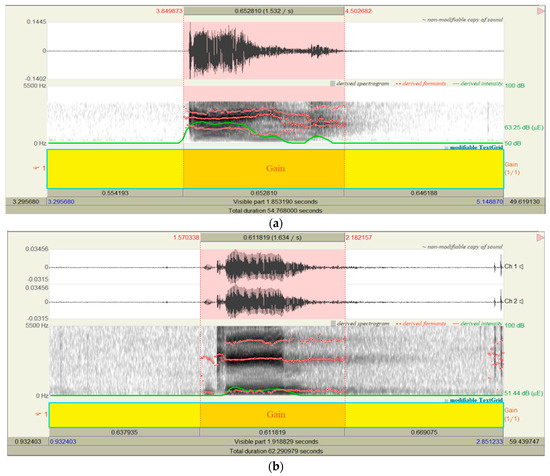
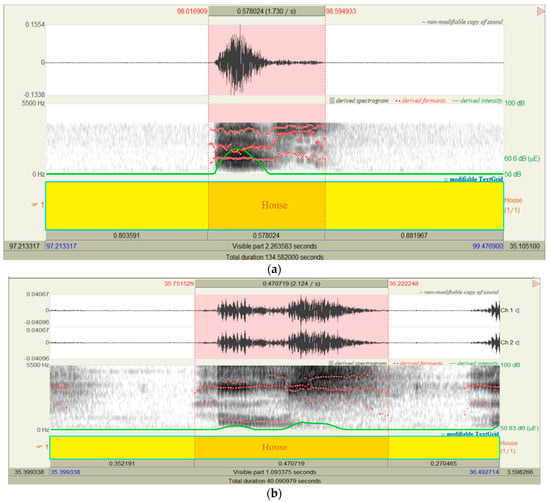
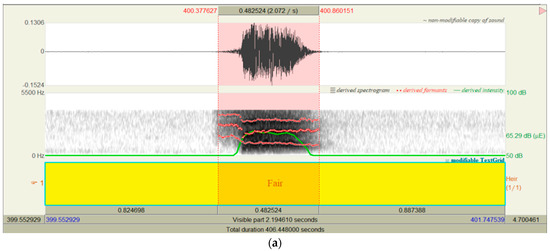
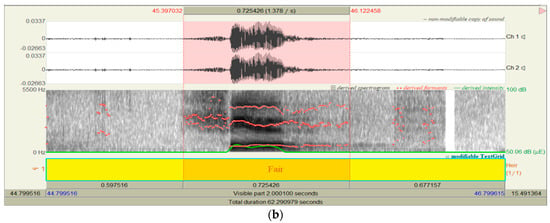
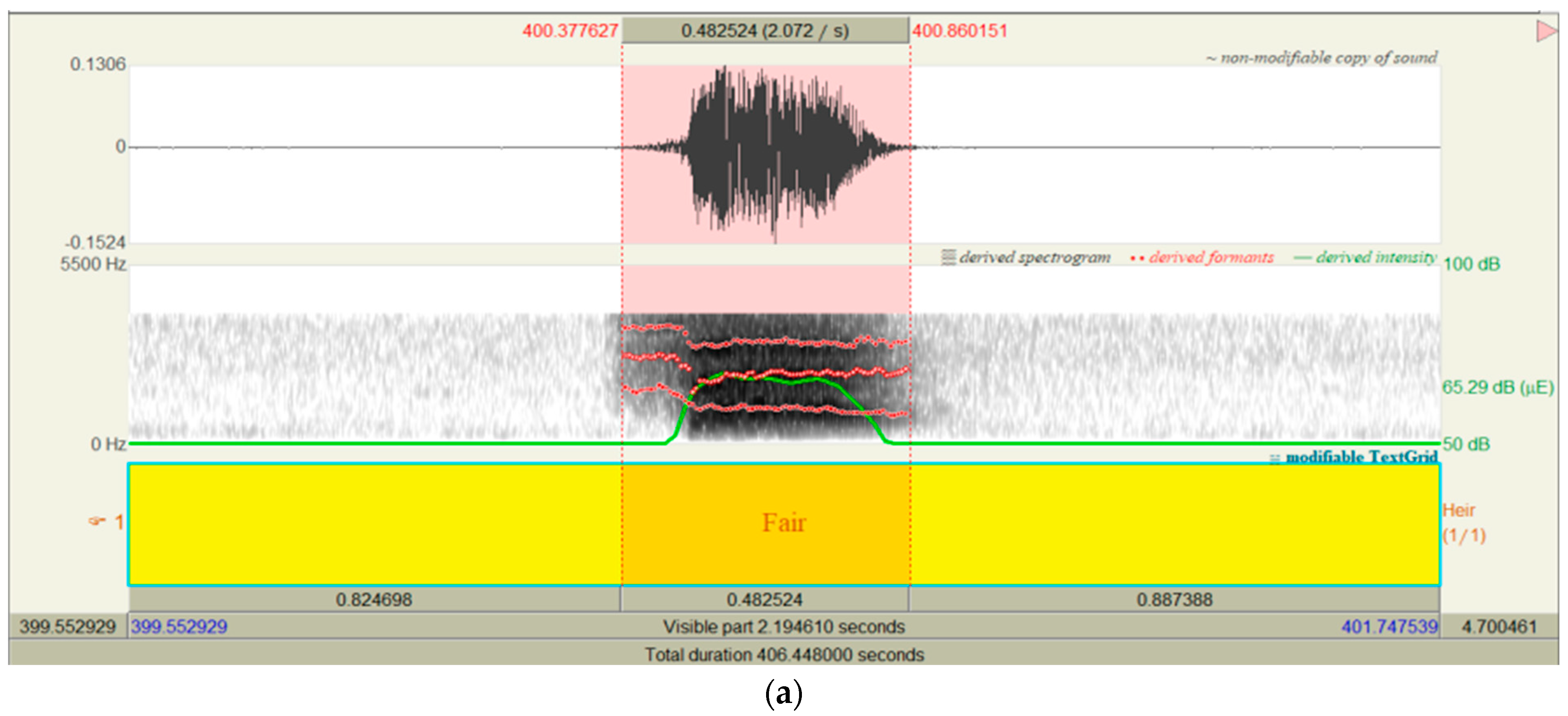
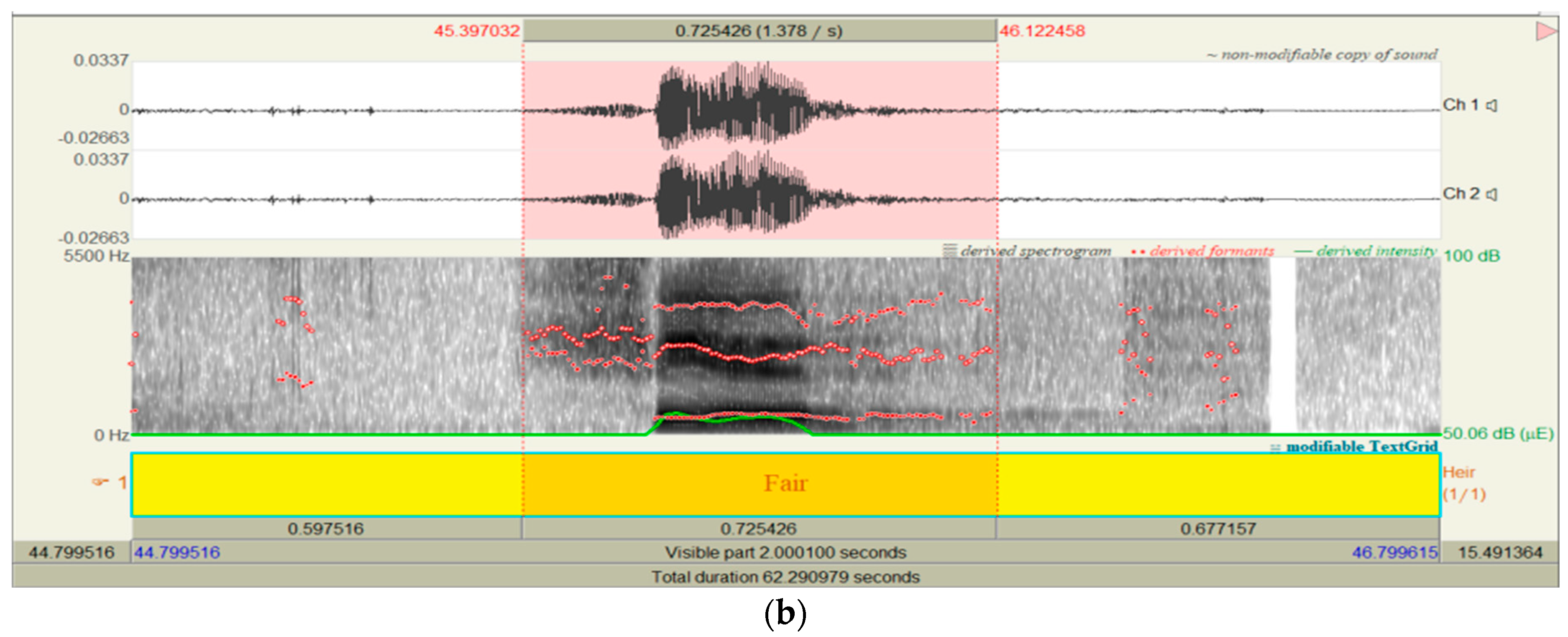
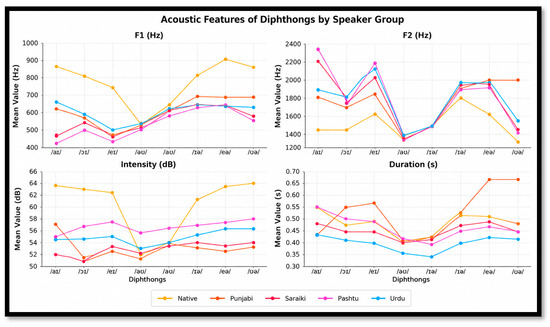
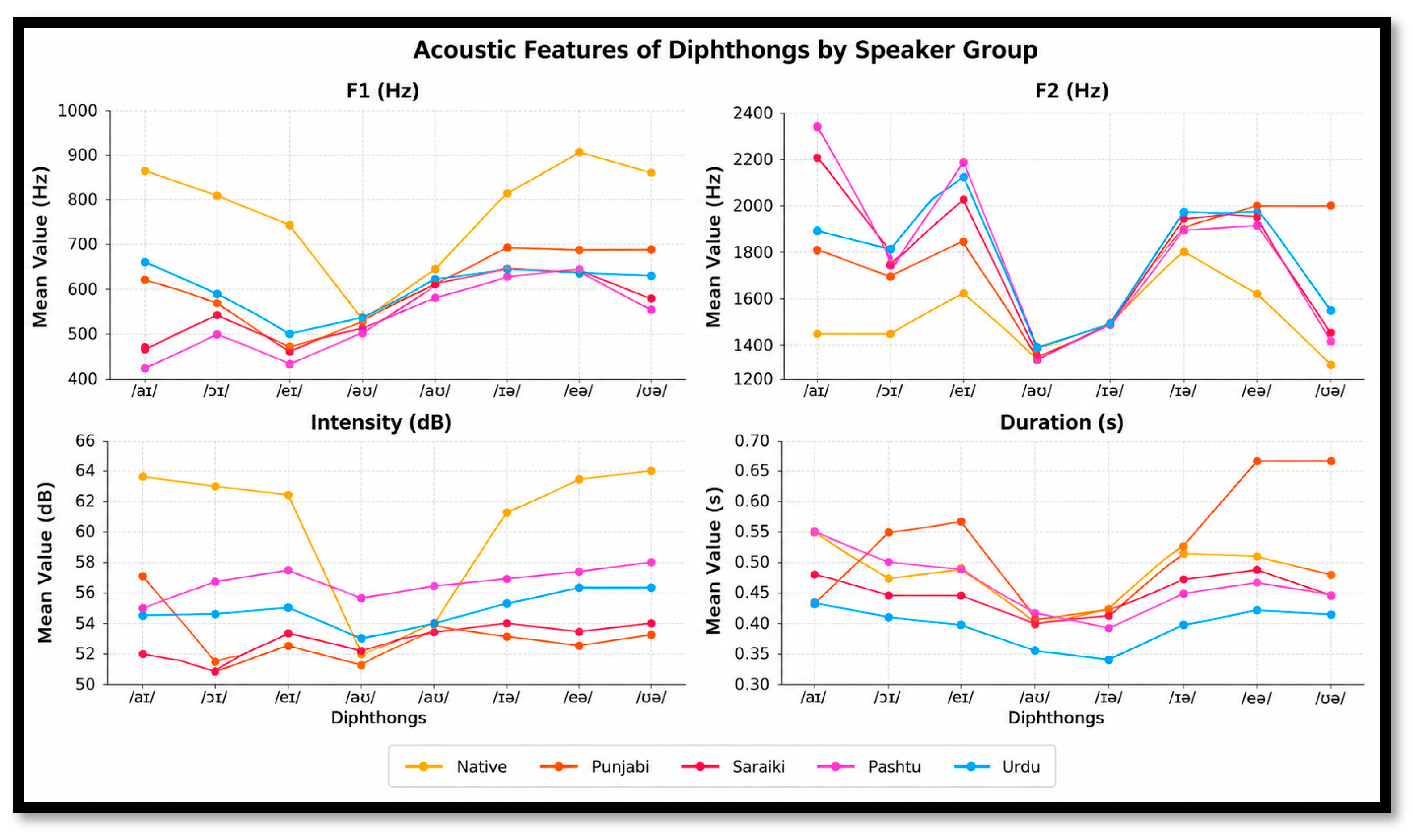
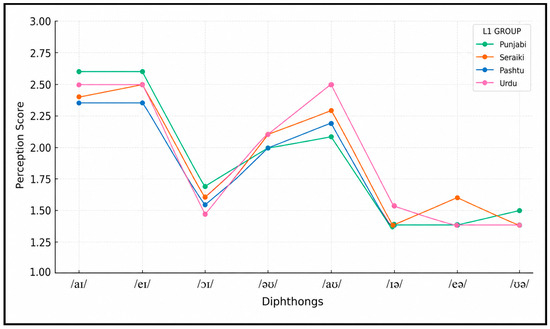
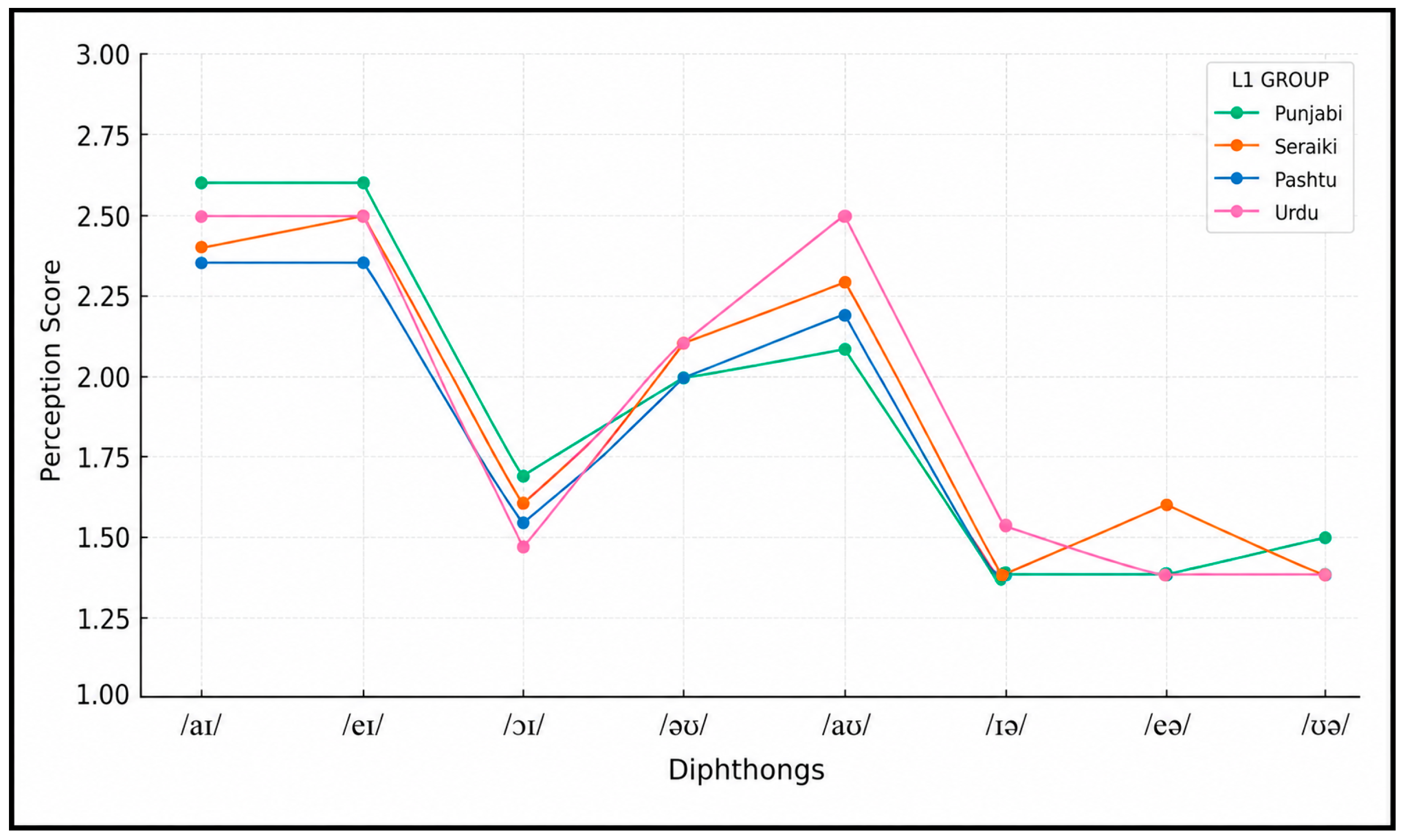

Disclaimer/Publisher’s Note: The statements, opinions and data contained in all publications are solely those of the individual author(s) and contributor(s) and not of MDPI and/or the editor(s). MDPI and/or the editor(s) disclaim responsibility for any injury to people or property resulting from any ideas, methods, instructions or products referred to in the content. |
© 2026 by the authors. Licensee MDPI, Basel, Switzerland. This article is an open access article distributed under the terms and conditions of the Creative Commons Attribution (CC BY) license.