


Abstract
Water scarcity and increasing climate variability have strengthened the demand for effective weather-modification technologies such as cloud seeding. In Thailand, conventional manned rainmaking aircraft remain constrained by operational range, safety risks, and sustainability considerations, motivating the development of electric vertical take-off and landing unmanned aerial vehicles (eVTOL-UAVs). This paper proposes a mission-driven conceptual design and optimization framework for a cloud-seeding eVTOL-UAV, and extends it to reliability-based design optimization (RBDO) under uncertainty. The design task is formulated as a five-objective many-objective optimization problem with the following objectives: minimizing take-off weight, turn radius, and probability of failure, while maximizing endurance and climb rate, subject to stability/control and performance constraints. Ten state-of-the-art many-objective metaheuristics are benchmarked and solve the problem, and their performance is assessed using hypervolume (HV), inverted generational distance (IGD), runtime, and Friedman rank statistics. Results show that AGEMOEAII and PREA consistently provide the most competitive solution-set quality (HV/IGD) with comparable computational cost across algorithms. A deterministic–reliability comparison further demonstrates a clear robustness gap. Five representative Pareto designs from the best-performing optimizer are reported to illustrate practical trade-offs and support decision-making for sustainable, autonomous cloud-seeding operations.
1. Introduction
Water scarcity and extreme weather events have emerged as some of the most urgent global challenges of the 21st century, particularly in regions where agricultural productivity and urban water supply are heavily dependent on seasonal rainfall. In countries like Thailand, where monsoon variability significantly affects food security and water availability, the need for proactive weather management strategies has become increasingly critical. One such strategy is cloud seeding, a scientifically grounded weather modification technique that aims to enhance precipitation by introducing specific chemical agents into suitable cloud systems. Cloud seeding has been widely adopted in Thailand as a means of mitigating drought, replenishing reservoirs, and suppressing hailstorms that threaten agricultural zones. This technique has demonstrated measurable success in increasing rainfall during critical dry periods, thereby supporting crop yields and sustaining water resources [1]. However, despite its effectiveness, the operational model for cloud seeding in Thailand remains heavily reliant on conventional manned aircraft, such as the AU-23A. These aircraft, while proven in past missions, present several operational and logistical limitations. Their range is restricted by the coverage of ground-based weather monitoring systems, and their dependence on runways limits deployment flexibility, especially in remote or mountainous regions. Furthermore, the high operational costs associated with fuel, maintenance, and crew safety measures pose significant financial and logistical burdens. The risks to pilots, particularly during missions conducted in turbulent or unpredictable weather conditions, further underscore the need for safer and more efficient alternatives. To align cloud seeding operations with global decarbonization strategies, electric vertical take-off and landing (eVTOL-UAVs) are increasingly replacing conventional combustion aircraft. These electric platforms offer reduced carbon footprints alongside distinct operational advantages, including remote control systems and flexible, runway-independent deployment [2].
Motivated by the limitations of manned cloud-seeding aircraft and the growing interest in runway-independent eVTOL-UAV platforms, a central question becomes how to rapidly and reliably translate cloud-seeding mission needs into viable aircraft configurations at the earliest stages of design. This places the conceptual design phase at the core of the problem because key decisions on configuration, propulsion–energy sizing, and control authority made at this stage largely determine feasibility, performance, and life-cycle cost for weather-modification operations. For UAVs—especially eVTOL-UAV concepts whose hover/transition/cruise segments are tightly coupled—conceptual design optimization must navigate strong trade-offs among aerodynamic efficiency, propulsion integration, structural weight, and mission-specific constraints under limited information. Recent advances in multidisciplinary design optimization (MDO) have therefore become essential to accelerate early-stage UAV development and enable consistent trade studies across interacting disciplines [3,4]. In the eVTOL-UAVs context, studies increasingly demonstrate that coupling design with mission/trajectory decisions reveals system-level trade-offs that are invisible to uncoupled workflows; for example, open-loop control co-design can increase payload and reduce energy by jointly optimizing vehicle parameters and transition trajectories [5]. At the same time, high-dimensional, geometry-centric environments have made it feasible to evaluate large design spaces within conceptual timelines, achieving meaningful reductions in vehicle weight while handling hundreds of variables [6]. Importantly, prior evidence also shows that incorporating flight dynamics, stability, and actuator constraints during conceptual optimization can materially alter optimal designs, underscoring the need to treat control-related requirements as first-class constraints rather than deferring them to later phases [7]. Complementary modular toolchains and open-source frameworks further highlight the value of rapid, configurable multidisciplinary analyses for electric transitioning UAVs, supporting integrated mission analysis and family-level trade studies in a unified setting [8,9,10].
To address the increasing complexity and dimensionality of design problems, researchers have turned to metaheuristic optimization algorithms. These nature-inspired methods, ranging from genetic algorithms to swarm intelligence and hybrid, offer scalable solutions to problems involving multiple conflicting objectives and constraints. In real-world applications, such algorithms have demonstrated superior adaptability and convergence properties, particularly in domains where traditional gradient-based methods fall short. The integration of metaheuristics into aerospace design workflows has opened new avenues for solving high-dimensional, nonlinear, and multi-modal optimization problems. Real-world aircraft/UAV design often involves many objectives (e.g., range, endurance, payload, cost/emissions, safety/reliability, noise, and stealth/RCS) and complex constraints. Comparative studies repeatedly show that no single metaheuristic dominates across all problems, that is, “No Free Lunch Theorems” [11]—calling for algorithm selection, hybridization, and reproducible benchmarking. Meng, Yıldız, Mirjalili et al. compare 15 multi-objective metaheuristics (NSGA-II, MOEA/D, DEMO variants, MOPSO, and others) for multi-objective Reliability-Based Design Optimization (RBDO), employing adaptive chaos control to handle probabilistic constraints efficiently; results illuminate constraint-handling technologies and algorithmic behaviors when objectives conflict and reliability constraints are active—directly relevant for aircraft concept studies that interleave performance with probabilistic safety margins [12]. Beyond the aerospace engineering field, Palakonda & Kang evaluate 15 algorithms over ten real-world many-objective applications (4–10 objectives), showing diversity–convergence trade-offs and problem-specific superiority [13], while Altay et al. test 17 recent metaheuristics on 12 constrained engineering designs, reinforcing the need for careful selection and statistical validation rather than defaulting to a single optimizer [14]. In physics-coupled aero-structure problems, Wansasueb et al. show that the Multi-objective Manta Ray Foraging Optimizer performed best overall for a transonic aeroelastic composite wing (mass vs. critical speed), again underscoring domain-specific algorithm behavior [15]. Regarding integrated reliability with trajectory co-design for eVTOL/UAVs, the literature has separately advanced trajectory–design co-optimization and reliability modeling, but fully coupled RBDO with mission dynamics (e.g., stochastic winds, icing risk, actuator dynamics during transition) remains underexplored at conceptual levels. With respect to multi-range, multi-role fleet synthesis under uncertainty, while multi-range mission design is emerging in civil transport, analogous fleet-level formulations for UAVs (variable sortie locations, payload chemistries, environmental constraints) with system-level UQ could inform procurement and deployment strategies [16,17,18].
Reliability design optimization (RDO) has emerged as a critical consideration in aircraft conceptual design. Incorporating reliability metrics during the early design stages ensures that aircraft systems can withstand operational uncertainties and meet safety standards without imposing excessive design constraints. Techniques such as probabilistic modeling, uncertainty quantification, and robust optimization have enabled designers to balance performance with risk, leading to more resilient and cost-effective aircraft architectures. Ensuring reliability at the conceptual phase is challenging due to complicated uncertainties (aleatory variability and epistemic lack of information). Veresnikov & Goncharenko [19] formalize seven uncertainty-based optimization models that map expert confidence to critical design values. Their work also presents probabilistic analogs and blended formulations, providing efficient solutions for reliability optimization when dealing with sparse data or mixed uncertainty types. Complementing this, Hu et al. deliver a state-of-the-art RBDO review, categorizing performance evaluation (physics-based, data-driven, physics-informed), reliability analysis (time-independent vs. time-dependent), and algorithmic strategies (double-loop, single-loop, and decoupled) with gradient-based and metaheuristic solvers; their survey across aeronautical, wind, ocean, and vehicle engineering clarifies method selection trade-offs and underscores the need to match reliability modeling to discipline fidelity and computational budget at the concept level [20,21].
Cloud seeding imposes a mission envelope and operating context that differs fundamentally from most “typical” UAV applications (e.g., surveillance, mapping, and delivery) because mission success depends on (i) reaching the correct cloud region within narrow meteorological windows and (ii) delivering seeding agents in a manner consistent with rapidly evolving atmospheric conditions. Prior cloud-seeding UAS studies repeatedly highlight this timing–targeting dependence through operational frameworks and field demonstrations, implying that cloud-seeding requirements translate directly into tightly coupled constraints on aircraft sizing, performance, and controllability already at the conceptual design stage [22]. In practice, cloud seeding can require multi-altitude operations—from cloud-base hygroscopic seeding to cloud-top interventions for hail suppression or glaciogenic approaches—thereby expanding the flight envelope and increasing climb power and energy demands. This intensifies tradeoffs among hover sizing, transition performance, cruise efficiency, and energy reserves, particularly for eVTOL architectures whose hover–transition–cruise phases are strongly coupled. These mission realities also impose demanding requirements on climb rate, endurance, and range while carrying seeding hardware and multiple agent types, making “single-point” sizing assumptions unreliable for early design decisions. Moreover, cloud-seeding operations expose the aircraft to atmospheric conditions that are harsher and more uncertain than those typically assumed for small-UAV mission profiles. High humidity, turbulence, and crosswinds can degrade aerodynamic and propulsive performance, while supercooled cloud regimes introduce icing hazards that may necessitate anti-icing solutions with direct endurance penalties. Recent multirotor seeding systems explicitly incorporate icing-mitigation strategies (e.g., heated propellers) to enable in-cloud operation, illustrating the energy–safety tradeoff that must be acknowledged in conceptual design and optimization [23]. In addition, cloud seeding demands precise delivery patterns and timing: protocols commonly require dispersal paths coordinated with wind direction and cloud evolution (e.g., flight legs oriented relative to wind, multi-stage release sequences, coordinated maneuvers). These requirements amplify maneuverability constraints (tight turn and pull-up radii) and increase control-authority needs under uncertain disturbances, creating unusually strong couplings between mission kinematics, aerodynamic sizing, stability margins, and control-surface sizing—especially when the aircraft must remain controllable while carrying and deploying seeding payloads [24].
From a conceptual aircraft design standpoint, such coupled requirements are most appropriately addressed via multidisciplinary design and optimization (MDO) formulations [25,26], particularly for eVTOL configurations where geometry, propulsion/energy sizing, and stability/control constraints interact nonlinearly across flight phases. However, the cloud-seeding UAS literature has predominantly emphasized operational architectures—sensor suites, targeting algorithms, and field deployment—rather than aircraft-level conceptual sizing and configuration optimization under uncertainty. Foundational work proposed engineering frameworks for integrating autonomous UAS into cloud seeding using real-time sensing and decision support, and later studies demonstrated autonomous/adaptive systems in field operations, but these contributions do not formulate a risk-aware conceptual design optimization problem for the aircraft itself [27,28]. Despite clear evidence that UAV cloud seeding is feasible and operationally maturing, the aerospace design literature still lacks a comparative, reliability-aware conceptual design optimization framework for cloud-seeding eVTOL-UAVs—one that (i) encodes cloud-seeding mission requirements into explicit sizing constraints across flight phases, (ii) propagates conceptual-stage uncertainties into constraint-violation risk (e.g., probability of failure), and (iii) benchmarks modern many-objective metaheuristics on the resulting real-world, constraint-intensive design problem. This gap is practically important because conceptual-stage modeling uncertainties—such as drag estimation limitations of low-fidelity aerodynamics, structural weight prediction errors, battery capacity variability, and uncertain operating conditions—can materially shift feasibility boundaries and mislead deterministic design decisions. To address this gap, we present a mission-driven conceptual design and optimization framework for a cloud-seeding eVTOL-UAV. The proposed approach formulates the task as a reliability-based many-objective optimization problem with five competing objectives (minimize take-off weight, turn radius, probability of failure, maximize endurance, and climb rate), subject to stability/control and mission performance constraints across hover, transition, climb, cruise/operation, and landing segments. Uncertainty is incorporated via sampling of key uncertain parameters to compute the probability of failure and to generate risk-aware Pareto-optimal solutions. We further conduct a benchmark-guided comparative study of state-of-the-art many-objective metaheuristics to identify optimizers that are competitive for this high-dimensional, constraint-intensive aerospace design case. The main contributions of this paper are as follows.
- (1)
- Mission-to-design translation for cloud-seeding eVTOL-UAVs: Cloud-seeding operational procedures are translated into explicit, multi-phase mission requirements and design constraints suitable for conceptual sizing, performance estimation, and stability/controllability feasibility checks.
- (2)
- Reliability-based many-objective optimization under uncertainty: Key conceptual-stage uncertainties are modeled using truncated normal distributions with bounded ranges, enabling efficient bounded sampling that reduces the required sample size and computational time while retaining credible probability-of-failure estimates and risk–performance trade-offs for robust cloud-seeding eVTOL-UAV designs.
- (3)
- Benchmark-driven evaluation of many-objective metaheuristics on a real aircraft design problem: State-of-the-art many-objective algorithms are benchmarked and statistically compared on the proposed constraint-intensive design problem, and competitive optimizers for reliability-aware conceptual design are identified.
This paper is organized as follows: Section 2 defines the problem and outlines mission requirements for cloud seeding operations, including payload specifications and environmental constraints. Section 3 introduces the aircraft conceptual optimization framework, detailing the design variables, constraints, and objective functions used in the conceptual design process. Section 4 describes the numerical experiments, including benchmark testing and algorithm selection, while Section 5 presents and discusses the optimization results, comparing algorithm performance and analyzing aircraft design trade-offs. Finally, Section 6 concludes the study and highlights future research directions for UAV-based cloud seeding and advanced optimization methodologies.
2. Problem Definition of eVTOL-UAVs Design for Cloud Seeding
In Thailand, cloud seeding has become a critical tool for solving water resource challenges, particularly in the face of prolonged droughts, declining reservoir levels, and the need for hail suppression in agricultural regions. The Royal Rainmaking and Agricultural Aviation Department (RRAA) has long utilized manned aircraft such as the AU-23A for these missions. However, the AU-23A presents several operational limitations. Its effective range is restricted to under 160 km due to the limited coverage of weather monitoring infrastructure. Additionally, the aircraft requires a runway for takeoff and landing, which confines operations to established airfields. The presence of onboard crew also introduces safety risks, especially during missions in turbulent weather conditions. These constraints highlight the potential benefits of transitioning to electric Vertical Take-Off and Landing Unmanned Aerial Vehicles (eVTOL-UAVs) for cloud seeding operations. The adoption of eVTOL-UAVs offers several advantages tailored to diverse terrain and weather patterns. These aircraft can be remotely operated, eliminating risks to human pilots, and can be launched from virtually any location without the need for a runway. This flexibility is particularly valuable in remote or mountainous regions where traditional aircraft cannot easily operate. Moreover, eVTOL-UAVs are powered by electric propulsion systems, significantly reducing carbon emissions and aligning with environmental sustainability goals.
To successfully operate cloud seeding missions, specific atmospheric conditions must be met. Figure 1 shows the flowchart of a flight mission for cloud seeding. In Thailand, operations typically require relative humidity levels above 60% at altitudes between 5000 and 10,000 feet, and wind speeds need to be below 20 knots (approximately 37 km/h) at altitudes between 3500 and 7000 feet. The selection of cloud seeding agents is based on these conditions and the type of cloud targeted. Four primary substances are used in cloud seeding missions: sodium chloride (NaCl), calcium chloride (CaCl2), urea, and silver iodide (AgI). NaCl acts as a cloud condensation nucleus, promoting the formation of water droplets. It has traditionally been deployed in powder form, packed in 40 kg sacks and manually released. More recently, NaCl has been developed into a flare form, weighing approximately 800 g per flare, which can be ignited and dispersed automatically. While flares are more efficient in terms of weight, their use remains limited due to safety concerns with manned aircraft, particularly the risk of heat exposure near fuel tanks when mounted with the wings. Calcium chloride (CaCl2) is an exothermic agent that absorbs moisture and releases heat, enhancing cloud convection and vertical development. It is also available in flare form and is often deployed alongside NaCl. Urea, an endothermic compound, absorbs heat when reacting with moisture, lowering air temperature and accelerating condensation. Silver iodide (AgI) is used primarily for hail suppression. Its crystalline structure mimics that of natural ice, making it effective in initiating ice crystal formation in sub-zero clouds. In Thailand, AgI is deployed into cloud tops at altitudes above 20,000 feet, where temperatures range from −8 °C to 0 °C. This process prevents the formation of large hailstones by stimulating the early formation of small ice crystals that fall and melt into rain.
Figure 1.
Flowchart of flight mission for cloud seeding.
Before any cloud seeding mission is launched, meteorological assessments are conducted using data from weather radar stations, satellites, radiosondes, and ground-based instruments. These assessments evaluate key parameters such as relative humidity, cloud type and volume, wind direction and speed, and cloud temperature. It is important to note that artificial rainmaking cannot generate clouds from clear skies; suitable pre-existing clouds, such as cumulus or developing cumulonimbus, are required. Wind direction must also be favorable to ensure that seeded clouds drift toward the intended target area. Cloud seeding missions typically follow a structured three-step process. In the first step, NaCl flares are released at approximately 7000 feet above mean sea level, with aircraft flying perpendicular to the wind to ensure even dispersion. These salt particles act as condensation nuclei, initiating the formation of small water droplets. In the second step, CaCl2 flares are deployed at around 8000 feet to promote droplet growth and enhance cloud convection. The third step, known as the “sandwich technique,” involves two aircraft operating at different altitudes. One aircraft releases NaCl flares at approximately 10,000 feet on the windward side of the cloud, while the second disperses urea powder at the cloud base. The aircraft flies at a 45-degree offset, allowing the NaCl to enlarge droplets at the cloud shoulder and the urea to cool and condense droplets at the base. This coordinated approach enhances droplet coalescence and promotes rainfall over the designated target area. The integration of eVTOL-UAVs into Thailand’s cloud seeding program represents a significant advancement in both operational efficiency and environmental responsibility. By overcoming the limitations of traditional aircraft and enabling more precise, flexible, and sustainable missions, eVTOL-UAV technology has the potential to transform the future of artificial rainmaking in the region.
2.1. Aircraft Conceptual Design
Aircraft design consists of three stages: (1) conceptual design, (2) preliminary design, and (3) detail design. This study focuses on designing eVTOL-UAVs for cloud seeding mission requirements. The conceptual design stage involves determining design variables, including aircraft size and shape of the wings and tail, engine and propeller dimensions, fuselage shape, and center of gravity location. The goal is to achieve the lowest possible weight, longest flight duration or range, and optimal controllability, while ensuring stability across all axes. At this stage, the primary forces acting on the aircraft are determined: lift, drag, weight, and thrust. Lift and drag are typically analyzed using the Vortex Lattice Method (VLM) for simulating potential airflow over the airfoil. Limitations of VLM are its inability to analyze flow separation and parasitic drag components such as form drag, skin friction drag, and interference drag. Parasitic drag is estimated using empirical methods, which may introduce uncertainty. VLM is popular due to its simplicity and computational speed, making it suitable for optimization processes requiring high iteration counts. It provides accurate lift coefficient estimates comparable to wind tunnel results. However, uncertainty in drag estimation affects thrust analysis and overall aircraft performance, including endurance and range. Accurate lift coefficient analysis enables precise flight speed estimation. A major challenge in conceptual design is estimating aircraft weight, which influences the required lift force. Weight is typically determined during the preliminary design stage, which involves internal structural components such as ribs, spars, stringers, bulkheads, and load-bearing structures. These components must be optimized for minimal weight while maintaining structural integrity. Advancements in materials and manufacturing have increased design diversity, making traditional weight estimation methods less reliable. For novel aircraft, weight estimation inherently involves uncertainty. Subsequent sections will present force and motion analysis, including aerodynamic and stability analysis, mass properties, electric propulsion, and aircraft performance.
2.1.1. Aerodynamic and Stability Analysis
Aerodynamic analysis is a critical aspect of aircraft design. Modern methods include empirical techniques, VLM, Computational fluid dynamics (CFD), wind tunnel testing, and flight testing. Each method yields results differently. Empirical methods use statistical data from existing aircraft and require minimal computational power, but offer limited accuracy, especially for novel designs. Conceptual design often employs VLM for aerodynamic and moment analysis due to its speed and reasonable accuracy compared to CFD and wind tunnel tests. However, VLM is unable to analyze flow separation or parasitic drag . Typically, aerodynamic coefficients are calculated using VLM, while is estimated using CFD or tools like XFLR5. Stability analysis is also essential in conceptual design. Aircraft stability is assessed using derivative coefficients: and must be negative for longitudinal and lateral stability, respectively, while must be positive for directional stability. Static stability analysis indicates whether each axis is stable, but dynamic stability analysis is needed to evaluate aircraft response. Optimization design incorporates damping ratio, frequency, and period for modes such as phugoid, short period, Dutch roll, roll, and spiral. Additional constraints increase problem complexity and may lead to infeasible solutions, which can be solved by reducing constraints, simplifying the problem, or combining conditions. Choosing an efficient algorithm that balances exploration and exploitation can accelerate convergence to an optimal solution.
2.1.2. Mass Properties
The accurate estimation of mass properties, specifically take-off weight and moments of inertia, introduces significant complexity to aircraft conceptual design. The process is highly sensitive to these parameters; estimation errors propagate through the design cycle, compromising critical performance predictions such as cruise speed, climb rate, and dynamic stability. Aircraft weight consists of three main components. The first, payload weight, includes mission-specific equipment such as cameras and sensors for survey missions, goods for delivery missions, or surveillance devices and weapons for military missions. The second, fuel weight, represents the weight of fuel used for missions, but with the rise of electric motors, this is replaced by battery mass derived from energy capacity requirements. Finally, empty weight accounts for the weight of the aircraft structure and all internal components [28]. In conceptual design, payload weight is fixed based on mission requirements. Battery weight can be calculated from the required energy for a flight. Internal components like controllers, motors, and propellers can use actual equipment weights. The remaining variable is the weight of the aircraft’s skin and structure, which is designed to match the aircraft’s shape and the forces encountered during flight. A significant challenge in the transition from conceptual to preliminary design arises from the discrepancy between estimated and calculated structural weights. While conceptual geometry serves as the input for structural sizing, insufficient data often leads to divergence in weight estimations. To address this uncertainty, a semi-empirical approach is adopted, utilizing predefined structural dimensions and materials derived from benchmarked UAVs. This method provides high-fidelity initial inputs, facilitating more accurate mass property predictions without extensive iterative cycles. The total mass of the composite structure is decomposed into three primary constituents: the fiber reinforcement, the resin matrix, and the structural core. First, the reinforcement weight is determined by the ply sequence and the material’s areal density (e.g., T300 Plain Weave at 200 GSM), where the total fabric mass is calculated as a function of the surface area and the number of plies. Second, the resin weight, typically epoxy resin, is calculated using the mass-fraction relationship detailed in Equation (1), utilizing the material properties provided in Table 1. Finally, for sandwich configurations, a foam core is employed to enhance flexural stiffness; its mass contribution is calculated based on the core density and thickness specifications outlined in Table 2. While predefined structures facilitate rapid mass estimation, they lack the precision of a fully resolved preliminary design. To account for this discrepancy and ensure convergence with design requirements, structural weight is treated as an uncertain parameter within the optimization framework. The mass properties of fixed sub-assemblies—specifically the fuselage and onboard equipment—are determined as 3D CAD models, as detailed in Table 3. Battery mass is set as a design variable approximated by a linear function of capacity Furthermore, longitudinal static stability is governed by the center of gravity. In this eVTOL architecture, the center of gravity is designated as a design variable, adjustable via the longitudinal positioning of the battery pack within the fuselage.
Table 1.
Composite properties of 200GSM/PW/T300.
Table 2.
Pre-defined sandwich structures for aircraft.
Table 3.
Fixed weight of aircraft components.
2.1.3. Electric Propulsion
Leveraging recent advancements in battery technology and aligning aviation with global decarbonization goals, this work focuses on a pure-electric design. In this system, motors and propellers are divided into two sets.
- The Hover Set consists of four electric motors and four propellers mounted on booms on both sides. These motors generate sufficient lift to elevate the aircraft to the desired altitude and are primarily used during hovering for takeoff, transition, and landing.
- The Pusher Set is located at the rear of the fuselage. This motor–propeller combination provides forward thrust during other flight stages such as climb, cruise, and mission execution.
While thrust requirements are typically defined during conceptual design, matching motors and propellers to these conditions during construction and testing can be challenging. To address this, commercially available motor–propellers are used in the design process. This ensures compatibility and allows access to actual performance data for accurate flight performance calculations.
2.1.4. Aircraft Performance
The accurate prediction of performance metrics—such as endurance, range, climb rate, and dynamic stability—relies on the precise analysis of the fundamental forces acting on the aircraft. These forces are quantified as follows:
- Thrust is derived from actual motor and propeller test data.
- Lift and drag are calculated using VLMs based on aircraft geometry.
- Weight is estimated using the predefined method described earlier.
Once these forces are known, aircraft dynamics equations can be applied to analyze flight paths across various stages: hovering for takeoff, transition, climb, cruise, crosswind operation, descent, and hovering for landing.
For this design, the hover motors selected are MAD V8013 EEE eVTOL-UAVs Drone Motor 170 kV with Fluxer Pro 26 × 7.8 MATT. The relationship of thrust (T) and current (I) is:
The pusher motor is MAD VAX 5330 EEE 260 kV with a 20 × 10 propeller. Its thrust–current relationship is:
3. Reliability Optimization for eVTOL-UAVs Design for Cloud Seeding
This study focuses on the design of an eVTOL-UAVs that consider shape and sizing to be design variable for cloud seeding missions using metaheuristic algorithms as the design tool. The design considers many objective functions , including take-off weight (, turn radius , endurance , Rate of climb , and probability of failure (, where a negative sign on an objective variable indicates maximization, subject to design constraints , as shown in Equation (4). The overall design process is illustrated in Figure 2.
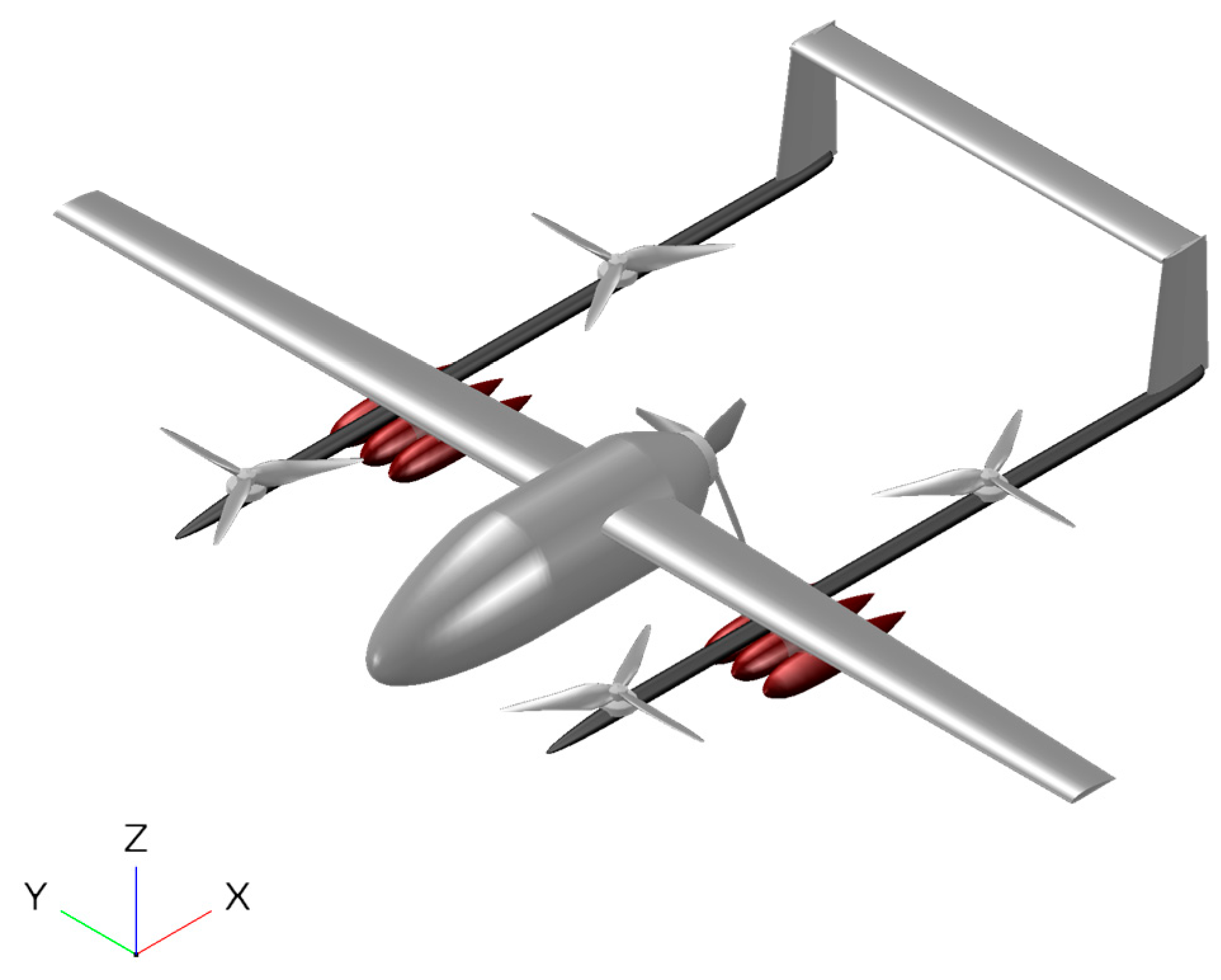
In the initial phase, which established the configuration and flight requirements, a twin-boom architecture with a U-tail was used, as shown in Figure 3. This configuration allows deployment in confined areas without the need for a runway and utilizes electric propulsion to reduce emissions from fuel combustion. The mission payload includes NaCl flares, CaCl2 flares, and AgI flares, with a total weight of 6 kg, including mounting hardware.
Figure 2.
Reliability aircraft conceptual design flowchart.
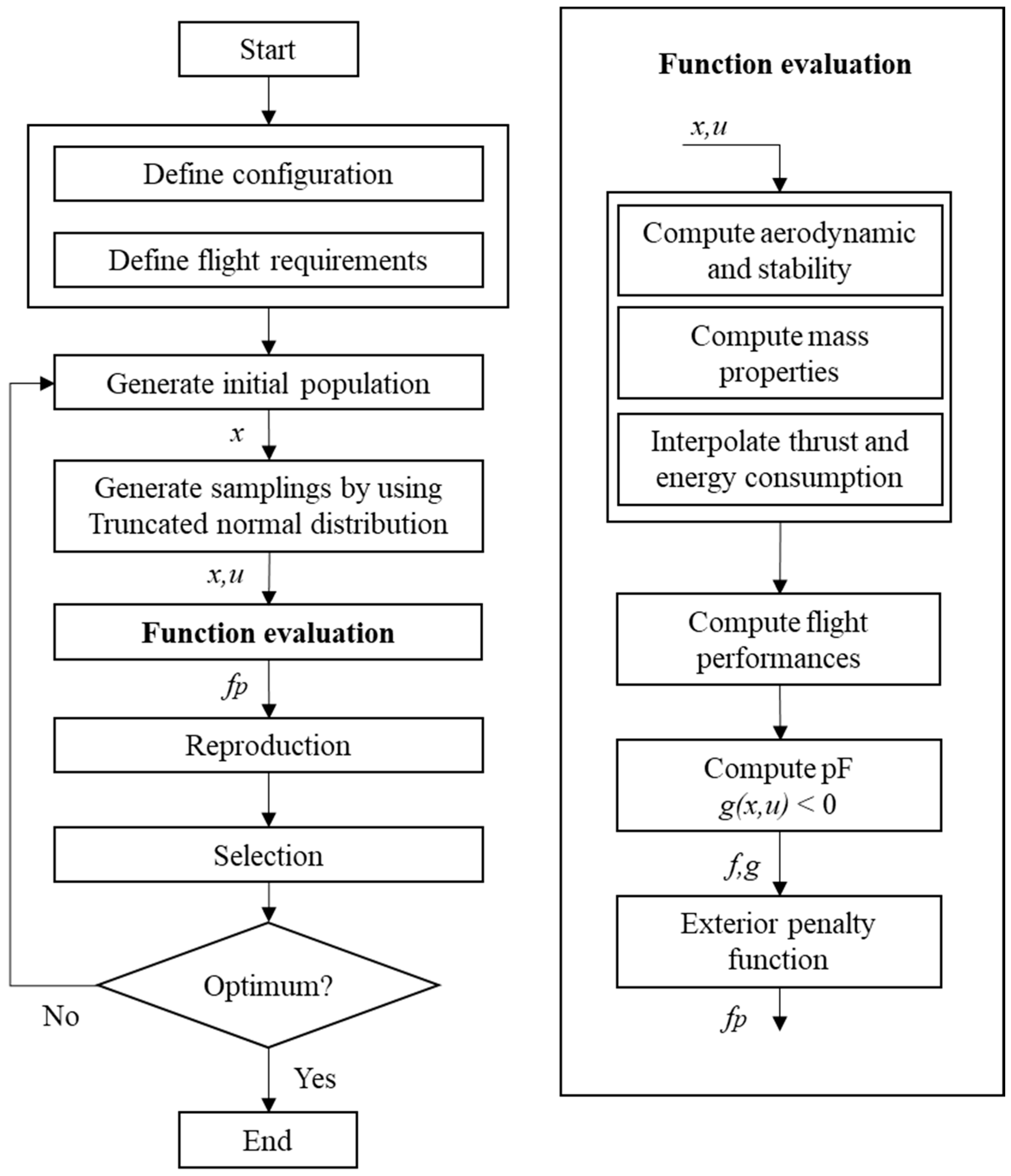
Figure 3.
UAVs configuration.
At mission start, the UAV enters hover mode using four propellers to generate lift, ascending to 100 ft at a hover speed of 1 m/s. It then transitions to fixed-wing mode, where the four propellers stop and only the rear pusher propeller provides thrust. The mission ceiling is set at 20,000 ft, the altitude where cloud tops begin cooling, and hail formation may occur. The aircraft climbs at a rate greater than 3 m/s and cruises at 120 km/h near the cloud base (7000–10,000 ft). For hail suppression at cloud tops (20,000 ft), the aircraft cruises at 100 km/h and must withstand crosswinds of 3 m/s. Typical mission duration is 1 h, but for tasks like AgI flare deployment, which require waiting for cloud temperatures between −8 °C and 0 °C, the aircraft may need to loiter around the cloud. Therefore, the design accommodates flight durations exceeding 3 h and total distances over 400 km. Mission profiles and maneuvering conditions are summarized in Table 4.
Table 4.
Flight requirements.
The metaheuristic framework proceeds through three iterative phases—population generation, reproduction, and selection—with specific algorithmic characteristics influencing solution efficiency. Initially, a population of design variables is randomly generated within the design space. These candidates are evaluated against the objective functions and constraints using the methods detailed in Section 2. To facilitate this, constraint optimization is converted to unconstrained formulations via the exterior penalty function method, as shown in Equation (5) with a penalty factor (r). Since gradient-free metaheuristics demand extensive iteration counts, minimizing computational cost is critical. Thus, function evaluations—including weight estimation, aerodynamic, stability, thrust, and performance analysis—must balance between computational speed and sufficient accuracy for conceptual design.
The aircraft equations of motion in Equations (6)–(9) are solved to describe the vehicle dynamics. In these equations, (u, v, and w) denote the translational velocity components, and (p, q, and r) denote the rotational rates, all expressed in the aircraft body-fixed coordinate frame. The vehicle’s position (PN, PE, and PD) is defined in the global North-East-Down (NED) inertial frame as (PN, PE, and PD). Its orientation relative to this global frame is expressed using Euler angles (), where the abbreviations c and s denote the sine and cosine of those angles. The mass m represents the aircraft mass at each design stage, estimated from the predefined structural data and parameters listed in Table 4, together with the payload and individual component weights. The inertia matrix (I) denotes the aircraft mass moment-of-inertia tensor. The component is the sum of aerodynamic forces acting along the body x-axis and the thrust generated by the pusher motor. The lateral force component is assumed to be zero because only longitudinal flight dynamics are considered. Finally, the component consists of the aerodynamic forces along the body z-axis combined with the thrust produced by the hover motors. Both the aerodynamic forces and moments around the body axes are computed using the VLM implemented in Athena Vortex Lattice (AVL), a tool for aerodynamic and flight dynamics analysis of rigid aircraft. Since VLM cannot directly capture viscous effects and thus does not predict parasite drag, a constant zero-lift drag coefficient of CD0 = 0.0035 is included to account for this contribution. The aerodynamic results obtained from the VLM approach used in this study were validated against those from XFLR5 and CFD, as reported in published work [29]. The comparisons indicate acceptable agreement for designs operating in the subsonic regime and under conditions where stall is not considered.
where is the inertia tensor of an aircraft with respect to its center of mass. The terms sx and cx return the sine and cosine values of x, respectively.
The flight mission is divided into five stages. For each stage, the initial conditions and termination criteria are specified and then used to solve the equations of motion (Equations (6)–(9)).
- Hover: All stage variables are initialized to zero to serve as the initial conditions. The hover motors then lift the aircraft at a constant vertical speed of 1 m/s until it reaches an altitude of 100 m, which is used as the termination criterion. The required lift force per motor is computed and subsequently used to estimate the energy consumption using Equation (2). The battery capacity (Ah), initialized as state variable x(17), is reduced according to the cumulative energy expended during the hover. Note that the time histories of the position components (PN, PE, and PD) are determined from the corresponding velocity profiles. Upon completion of the final stage (Descent and Landing), the total mission duration and ground distance are evaluated to calculate endurance and range, which are treated as the primary objective and constraint in this study.
- Transition: Upon reaching the hover altitude of 100 m., PD = −100 m, the vehicle performs a short hover hold. Subsequently, forward acceleration is initiated via the pusher propulsor. The pusher motor is operated at maximum power to expedite the transition to fixed-wing mode, whereas the hover motors remain active to sustain the commanded altitude throughout the acceleration segment.
- Climb: The aircraft climbs to the mission altitude along an optimal flight path angle, while the angle of attack is held constant at 3°. The elevator is used to maintain the commanded climb attitude. The available thrust is computed from the maximum output of the pusher motor. Air density is updated with altitude, which consequently affects the aerodynamic forces and moments. The average vertical rate, (i.e., the mean rate of climb (ROC)), is the objective function. This stage terminates when the aircraft reaches the cruise (operational) flight attitude.
- Cruise/Operation: The aircraft cruises at an altitude of 5000 m with an airspeed of 30 m/s under a 3 m/s crosswind. Directional stability is maintained by rudder trim. During this stage, the payload flare is ignited; as the flare burns, its mass gradually decreases, leading to a shift in the aircraft’s center of gravity (CG). For each change in mass properties, the static margin and the required elevator trim are re-evaluated to be design constraints. This stage terminates when the remaining battery capacity drops below 20% of its total capacity.
- Descent and Landing: After completing the mission, the aircraft returns to the ground station, descends to 100 m, and performs a hover landing.
Uncertainty in function evaluations can arise from various sources, such as discrepancies between predefined and actual structural weights, aerodynamic estimation errors (e.g., CD0), and deviations in actual flight conditions. These uncertainties affect constraints and are considered in the design process as part of reliability optimization. Uncertainty variables (u) are sampled 500 times using optimal Latin hypercube sampling (LHS) based on a truncated normal distribution. Distribution bounds are defined as percentages of the mean values shown in Table 5.
Table 5.
Uncertainties.
Both design variables and uncertainties are used in function evaluations. The maximum constraint value is checked to compute the probability of failure (pF) expressed in Equation (10). When are design constraints, u represents uncertainties, and is the allowed failure probability. For example, if 15 out of 500 samples exceed constraint limits, pF = 15/500 = 0.03 or 3%. This pF value is included as an objective function in the design.
The design variables used in this study are shown in Table 6. The optimization problem comprises discrete and continuous design variables governing the wing, empennage, and systems. This parameterization scheme defines the wing (design variable 1–8), empennage, and system. The high-wing geometry is fixed at translational position z-axis of x, with boom and payload attachments coincident at the station of x. The internal structure utilizes a standard rib-and-spar arrangement. Variable 8 represents the airfoil selection as a discrete variable, which is handled via a ceiling function. For instance, if the variable corresponds to the airfoil profile and the optimizer yields a value of 2.1, the function rounds up to 3, thereby selecting the associated profile of ClarkY.
Table 6.
Design variables.
The tail selection (variable 9–10) employs an inverted U-tail geometry to avoid propeller wake interference from the pusher propeller. To reduce the dimensionality of the search space, the horizontal tail features a fixed taper ratio of 1, a leading-edge sweep of 0, and a dihedral of 0. Both the horizontal and vertical tails employ a symmetric NACA 0012 airfoil. While the vertical tail’s root chord is constrained to match that of the horizontal tail, its surface area and taper ratio remain active design variables. The vertical tail’s leading sweep is geometrically coupled to ensure the trailing edge remains perpendicular to the ground, i.e., the trailing edge is zero.
The chord size of control surfaces (aileron, elevator, and rudder) is defined as a ratio between the control surface chord and the lifting surface chord, as shown in variables 10–12. The span length of control surfaces is fixed: Aileron = [0.7, 1], elevator = [0, 0.8], and rudder = [0, 0.8]. The design center of gravity on the x-axis and battery capacity are also design variables. The CG location significantly affects aircraft stability. In conventional aircraft, the CG is typically ahead of the neutral point along the body axis. Since the root chord location is a design variable, the problem becomes more complex if CG is also a design variable. To simplify, CG on the x-axis is calculated using the equation following:
where , , and are wing translational position on the x-axis, factor of center of gravity on x-axis placement, and average wing chord, respectively.
The aircraft fuselage has fixed dimensions: Length = 1.1 m., maximum diameter = 0.35 m. The boom connects the wing and tail and has a length of 2.25 m. Four hover motors are mounted on the front and rear booms, while the pusher motor is mounted at the rear of the fuselage to generate forward thrust.
Design constraints (g) are shown in Table 7. Constraints 1–5 relate to flight requirements, including endurance and range, which are calculated from total flight time and distance using aircraft equations of motion. Constraints 4–5 are calculated using Equations (12) and (13), where is set to be 30 degrees. is set to be equal to cruise speed when n is the load factor that can be expressed by , where L and W are lift and weight, respectively. is gravitational acceleration.
Ailerons and elevators are used to trim the aircraft to meet these conditions. Constraints 7–9 ensure aircraft stability during climb, cruise, and operation. Constraint 9 prevents stall effects. Constraints 10–12 limit control surface deflection angles to avoid flow separation. Static margin is also a constraint to prevent excessive stability. Dynamic stability constraints are not included in this study due to the lack of standards for UAVs and the complexity added by 6–8 additional constraints, which often prevent feasible solutions using metaheuristics. Instead, pole placement feedback control is used to preliminarily assess dynamic stability. Target values for each mode are shown in Table 8. Longitudinal and lateral stability are analyzed using a linearized aircraft model. Initially, the transition from a flight path angle of 0 to the climb angle is controlled using the elevator. The maximum elevator deflection during this transition becomes constraint 10. In the second control phase, longitudinal/lateral dynamics are simulated during rolling. A bank angle of 30 degrees is set, and the aileron controls the response to trim the aircraft to a bank angle of 0 degrees. The maximum aileron deflection becomes constraint number 12. The last one, denotes the prescribed maximum allowable failure probability. Treating as a constraint prevents the optimizer from selecting designs that exceed the accepted risk threshold.
Table 7.
Design constraints.
Table 8.
Design pole/zero for pole placement method.
4. Numerical Experiment
The problem of aircraft design in the conceptual design phase is performed as a many-objective optimization problem using metaheuristics. The open-source evolutionary multi-objective optimization platform (PlatEMO) [30], which compiles benchmarks, optimization test problems, and algorithms, is used as a tool to apply algorithms to solve this problem. PlatEMO includes up to 92 many-objective optimizers. The main objective of this research is to identify algorithms that can efficiently find optimal results using hypervolume as a performance indicator. However, due to the large number of algorithms, applying them directly to aircraft design would be excessively time-consuming. Therefore, all algorithms are first compared using benchmark problems named WFG1-9 [31] and ZCAT1-9 [32], which are popular benchmarks for many-objective optimization problems. The initial settings for the test function are shown in Table 9.
Table 9.
Initial settings for test function.
Algorithm settings use default values according to PlatEMO. The top 10 outstanding algorithms, evaluated using the Wilcoxon rank sum test of hypervolume values, are selected for solving the aircraft conceptual design problem. The experimental results show that the top 10 algorithms that performed best in solving WFG1-9 and ZCAT1-9 are:
- Adaptive geometry estimation-based many-objective evolutionary algorithm II (AGEMOEAII) [33];
- Bi-criterion evolution-based IBEA (BCEIBEA) [34];
- Bi-goal evolution (BiGE) [35];
- Hyper-dominance-based evolutionary algorithm (HEA) [36];
- Indicator-based evolutionary algorithm (IBEA) [37];
- Multiple Single Objective Pareto Sampling II (MSOPSII) [38];
- Adaptive normal reference vector-based multi- and many-objective evolutionary algorithm (NRVMOEA) [39];
- Preference-inspired coevolutionary algorithm with goals (PICEAg) [40];
- Promising region-based EMO algorithm (PREA) [41];
- Radial space division-based evolutionary algorithm (RSEA) [42].
The conceptual design optimization of an eVTOL UAV for cloud seeding missions is investigated through two complementary formulations: (i) deterministic many-objective optimization and (ii) reliability-based many-objective optimization under uncertainty. In the deterministic formulation, all uncertain parameters are fixed at their nominal (mean) values, and constraints are evaluated once per candidate design. In the reliability-based formulation, uncertainties are explicitly propagated through repeated sampling, and robustness is quantified by the probability of failure estimated as the fraction of samples that violate at least one constraint. This dual setup enables a direct assessment of how uncertainty-aware optimization alters the Pareto trade-offs and the resulting design characteristics compared with the deterministic counterpart.
To benchmark algorithmic performance, ten many-objective metaheuristic algorithms are employed and independently executed ten times for each formulation with a maximum budget of 10,000 function evaluations per run. For each run, solution-set quality is assessed using the hypervolume (HV) and inverted generational distance (IGD) indicators computed from the obtained nondominated solution set, and the minimum, maximum, average, and standard deviation across the ten runs are reported to reflect both performance and robustness. The HV indicator quantifies the size of the objective-space region dominated by the approximation set with respect to a predefined reference point, thereby capturing convergence and diversity in a single measure; for minimization problems, larger HV indicates better performance, and HV is strictly monotonic with respect to Pareto dominance. To ensure fair comparisons, the same reference point and consistent objective scaling are used for all algorithms. The IGD indicator quantifies the average distance between a reference Pareto-optimal set and a generated approximation set. Consequently, a lower IGD value signifies superior convergence and broader coverage of the Pareto front. To ensure a fair comparison, the same reference set is consistently utilized across all evaluated algorithms. In addition to solution-set quality, computational cost is quantified by recording the runtime of each run under the same computational environment.
To statistically rank and compare the algorithms, the Friedman test is applied as a non-parametric multiple-comparison procedure based on ranks. For each indicator (HV and IGD), algorithms are ranked within each run, and the mean ranks across runs are calculated. The Friedman test assesses the null hypothesis that all algorithms perform equivalently in terms of rank distributions; the final comparative ordering is summarized using the resulting mean ranks.
Finally, to compare deterministic and reliability-based designs from an engineering standpoint, representative Pareto solutions are selected from each formulation and contrasted in terms of objective trade-offs and constraint activity. In particular, deterministic Pareto solutions are re-evaluated under the same uncertainty model used in the reliability-based formulation to quantify their resulting probability of failure, thereby highlighting the robustness gap between deterministic-optimal and reliability-optimal design choices.
5. Result and Discussion
The conceptual sizing task was formulated as a five-objective, reliability-based many-objective optimization problem, aiming to minimize take-off weight, turn radius, and probability of failure, while maximizing endurance and rate of climb under mission, performance, and stability/control constraints. The design space comprised 17 design variables covering wing geometry, empennage sizing, control-surface sizing ratios, a center-of-gravity (CG) placement factor, and battery capacity. The constraints enforced mission requirements (endurance, range, climb rate, maneuvering radii), static stability derivatives, stall avoidance, control authority limits, static margin bounds, and an upper bound on allowable failure probability. Reliability was quantified via Monte Carlo sampling of uncertain parameters (e.g., aerodynamic coefficients, take-off weight, battery capacity, and cruise conditions) using truncated distributions, and the probability of failure was estimated as the fraction of samples violating at least one constraint. To communicate engineering trade-offs, five representative Pareto solutions were selected, each emphasizing one objective, with the corresponding design-variable settings and constraint outcomes reported.
This study further provides a comparative assessment of ten many-objective metaheuristic algorithms using solution quality and computational cost metrics. Solution-set quality was evaluated by the hypervolume (HV) shown in Table 10 and Figure 4 and inverted generational distance (IGD) indicators shown in Table 11 and Figure 5. The best results for each indicator in each column of Table 10 and Table 11 are highlighted in bold. The HV measures the objective-space volume dominated by an approximation set relative to a reference point; a larger HV indicates superior performance as it simultaneously captures convergence, diversity, and strict monotonicity with Pareto dominance. IGD calculates the average distance from a reference Pareto set to the obtained approximation, where a smaller value signifies better convergence and front coverage, though the result remains dependent on the specific reference set used. In addition, the runtime per run shown in Table 12 was recorded to quantify computational cost under the same computational environment. The comparative results (runtime, HV, and IGD) together with the convergence trends demonstrate that AGEMOEAII and PREA are consistently the most competitive algorithms for the reliability-based conceptual design problem. In terms of HV, AGEMOEAII achieved the highest maximum and average values, with PREA being a near-equivalent alternative, and both methods were confirmed as top performers by the Friedman mean-rank analysis. When assessed by IGD, PREA attained the best (lowest) average IGD and the best Friedman rank, with AGEMOEAII remaining within the leading group, indicating that both algorithms provide strong convergence and coverage of the trade-off surface. BiGE and HEA form a robust second tier, exhibiting strong overall quality and rapid early-stage convergence, which can be attractive when the evaluation budget is limited; however, their improvements tend to plateau compared with the top performers.
Table 10.
Comparative results of Hypervolume.
Figure 4.
Average hypervolume comparison.
Table 11.
Comparative results of inverted generational distance.
Figure 5.
Average Inverted generational distance comparison.
Table 12.
Comparative results of runtime.
Regarding computational cost, the recorded runtimes for the real aircraft design problem are of the same order across algorithms, suggesting that the dominant expense arises from function evaluations and reliability sampling rather than the selection operator itself; therefore, the observed quality differences primarily reflect search effectiveness rather than computational speed. Lower-tier algorithms (e.g., IBEA and PICEAg) exhibit weaker HV/IGD performance and higher variability, and are therefore less suitable for this constraint-intensive aircraft conceptual design application. Based on the overall evidence from HV, IGD, runtime, and Friedman ranking, AGEMOEAII is selected as the primary optimizer, and five representative solutions, both reliability and deterministic solutions obtained from AGEMOEAII, are reported for engineering interpretation in the subsequent Table 13, Table 14 and Table 15 and Figure 6. In Table 13, Table 14 and Table 15, there are double lines of results. It should be noted that results in the upper and lower lines are reliable and deterministic solutions, respectively. The better results are highlighted in bold.
Table 13.
Objective functions of selected results (reliability-based results shown in the upper row and deterministic results in the lower row).
Table 14.
Design variables of selected results (reliability-based results shown in the upper row and deterministic results in the lower row).
Table 15.
Constraints of selected results (reliability-based results shown in the upper row and deterministic results in the lower row).
Figure 6.
The top view of selected reliability vs. deterministic results.
The selected solutions reveal a dominant system-level trade-off between take-off weight, energy availability, and robust feasibility under uncertainty. The minimum-weight solution (Solution 1) achieves = 37.81 kg but exhibits comparatively high failure probability (pF = 0.0833), whereas the minimum-failure solution (Solution 5) is heavier ( = 46.88 kg) yet reduces risk dramatically (pF = 0.0033) while sustaining long endurance (E = 7.51 h). The endurance-maximizing solution (Solution 3) follows the same trend: higher weight ( = 46.78 kg) and high endurance (E = 7.53 h) with moderate risk (pF = 0.0533). Battery capacity (Ah) is the primary driver of this coupling. The lightweight/high-climb solutions adopt low capacities (Ah ≈ 63.5 in Solutions 1 and 4), while the endurance/low-risk solutions use high capacities (Ah ≈ 98–99 in Solutions 3 and 5). Because battery mass increases with capacity and capacity is also treated as uncertain in the reliability sampling, Ah directly affects both deterministic objectives (weight, endurance) and the probabilistic objective pF. Consequently, the Pareto set exhibits a clear two-regime behavior: low Ah enables low and high ROC, but increases pF, while high Ah increases but improves endurance and robustness. The maximum-climb design (Solution 4) achieves ROC = 7.51 m/s with low take-off weight ( = 37.82 kg), essentially matching the minimum-weight design (Solution 1: ROC = 7.50 m/s, = 37.81 kg). This indicates that, under fixed propulsion selection and the present performance model, climb capability is strongly mass-driven. However, both designs remain relatively riskier (pF = 0.0800–0.0833) compared to the reliability-focused design (Solution 5), implying that the low-weight/high-ROC region lies closer to feasibility boundaries and is more sensitive to uncertainty. Solution 2 achieves the smallest turn radius ( = 182.78 m), substantially below the other representative solutions (232–265 m). This improvement is accompanied by increased weight ( = 46.47 kg) and reduced climb rate (ROC = 5.30 m/s). In the present formulation, turning performance is coupled to trimming feasibility through stall-angle and control-surface deflection constraints; therefore, designs that tighten turning capability must maintain adequate lift and trim margins without exceeding angle-of-attack or control limits. The observed ROC reduction for the minimum-turn design is consistent with these couplings and highlights the multi-objective cost of maneuverability improvements.
Across all five representative designs, the wing aspect ratio converges near the upper bound ( ≈ 18). This consistent saturation suggests that, within the conceptual aerodynamic model used, induced-drag reduction from high aspect ratio benefits multiple objectives and supports feasibility. Wing taper ratio remains in a narrow band ( ≈ 0.61–0.62), indicating that taper is a secondary lever relative to aspect ratio for the dominant trade-offs. Wing area () exhibits two regimes aligned with objective emphasis. The low-weight/high-climb designs use smaller wing areas (≈ 0.745 m2; Solutions 1 and 4), whereas the minimum-turn and minimum-failure designs employ larger wing areas (≈ 0.906 m2 in Solution 2 and ≈ 0.809 m2 in Solution 5). Increasing generally reduces the required lift coefficient at a given condition, supporting stall margin and reducing sensitivity during maneuvering and disturbed operation—consistent with improved turning and robustness. Wing incidence () varies widely, reaching near its upper bound in the minimum-turn design (≈ 2.99° in Solution 2) while remaining near zero in the minimum-weight and maximum-ROC designs (Solutions 1 and 4). Incidence shifts the wing operating point and can reduce trim burden in the designated operation condition, but may also affect drag and climb. Wing dihedral is near zero in Solutions 1–3 and increases to ≈ 0.79° in Solutions 4–5, indicating its use as a lever to satisfy lateral-directional constraints and crosswind-related trimming needs. Wing sweep remains small (≤ 1.14°), suggesting a limited role in this low-speed conceptual regime. Battery capacity is the clearest system-level knob controlling the endurance–weight–risk balance. Solutions 3 and 5 adopt Ah ≈ 99.33 and 98.39 Ah, producing E ≈ 7.51–7.53 h and the lowest pF values among the selected designs. Conversely, Solutions 1 and 4 use Ah ≈ 63.46–63.51 Ah, yielding low weight but higher pF. This is expected because the reliability model perturbs battery capacity and other variables; designs with smaller nominal energy reserves are more likely to violate constraints under unfavorable samples. Tail-related variables cluster near their lower bounds (e.g., ≈ 0.150 m and ≈ 0.150 m2), suggesting the optimizer systematically reduces empennage size to minimize drag and structural weight while maintaining stability-derivative constraints and control authority. Control-surface chord ratios vary within narrow ranges, indicating that feasibility is achieved without maximized surfaces, but trim/deflection constraints still shape the final solutions.
All five selected solutions exceed the mission requirements by substantial margins: endurance 5.53–7.53 h (> 3 h), range 715–936 km (> 400 km), and climb rate 5.30–7.51 m/s (> 4 m/s). Both maneuvering radii remain well below 300 m. The stall-angle constraint is satisfied comfortably (α = 2.93–6.09° < 8°), and static stability derivative signs meet requirements (< 0, < 0, > 0). These results indicate that, within the selected set, mission-level constraints are not the tightest feasibility drivers once a viable configuration is found. In contrast, trim/control and static-margin constraints become tight in the lightweight/high-climb region. Solutions 1 and 4 approach the elevator deflection limit ( = 14.38° and 14.80° against ±15°) and also approach the static margin upper bound ( = 0.3913 and 0.3966 against 0.40). This indicates that pitch trim and longitudinal stability margin dominate the feasibility boundary for low-mass/high-ROC designs. CG placement is parameterized by through Equation (11). The representative solutions suggest that CG-related decisions influence which constraints become active. High-static-margin solutions (Solutions 1 and 4) use larger f_w values (0.988 and 0.937) and simultaneously exhibit near-limit elevator deflections, consistent with the stability–control trade in which forward CG increases stability margin but increases trim-control demand. More aft-biased settings (Solutions 2 and 5; ≈ 0.891) coincide with reduced static margins and, in Solution 2, reduced elevator demand ( ≈ 10.90°), implying improved trim margin at the cost of reduced stability margin. The representative solutions can be interpreted as operationally meaningful design modes. (i) Lightweight/high-climb designs (Solutions 1 and 4) prioritize low mass and rapid ascent but operate close to trim/static-margin constraints and exhibit higher pF, implying greater sensitivity to uncertainty. (ii) The tight-maneuvering design (Solution 2) minimizes turn radius (≈183 m) but sacrifices climb rate and increases mass relative to the lightweight set. (iii) The long-loiter design (Solution 3) maximizes endurance (≈7.53 h), suitable for waiting/loitering phases, with moderate pF and larger turn radius. (iv) The robust design (Solution 5) minimizes failure probability (≈0.0033) while maintaining high endurance and range, making it a preferred candidate when robustness dominates over minimum weight.
To quantify the impact of uncertainty-aware design, Pareto sets obtained from deterministic optimization (nominal evaluation) and reliability-based optimization (uncertainty propagation with probability-of-failure assessment) are systematically compared. In the deterministic formulation, candidate designs are evaluated at nominal (mean) values of uncertain parameters, which commonly yields more aggressive nominal trade-offs, including lower take-off weight and/or improved nominal performance; however, these solutions frequently exhibit a pronounced robustness gap once re-evaluated under uncertainty, as they tend to lie closer to active feasibility boundaries. By contrast, the reliability-based formulation explicitly accounts for parameter variability and therefore shifts the Pareto front toward designs with larger feasibility margins (e.g., increased energy reserve and reduced constraint activation), resulting in consistently lower failure probability at the expense of modest increases in take-off mass and, in some cases, slightly reduced nominal performance. Quantitatively, for the paired representative solutions where both deterministic and reliability-based values are available, the probability of failure is substantially lower under reliability-based optimization: the mean pF decreases from 0.2333 in deterministic solutions (median 0.1617; maximum 0.4966) to 0.0725 in reliability-based solutions (median 0.0767; maximum 0.0833), indicating that deterministic solutions are more failure-prone under uncertainty in these matched comparisons; the most pronounced improvement occurs in the tight-turn representative case, where pF is reduced from 0.4966 to 0.0733. This robustness improvement is achieved with a limited mass penalty, as reliability-based solutions are heavier by 1.2003 kg on average (approximately 2.95%), with a maximum observed increase of 3.4027 kg in the paired cases.
From a computational perspective, Table 12 indicates that the runtime is primarily governed by the evaluation cost of the underlying multidisciplinary analyses and, in the reliability-based case, the additional uncertainty propagation required for estimating the probability of failure. For the real aircraft design problem, deterministic optimization requires 9239.30–9835.50 s per run (mean 9670.54 s ≈ 2.69 h), whereas reliability-based optimization requires 52,826.40–54,116.15 s per run (mean 53,515.22 s ≈ 14.87 h). This corresponds to an average computational increase of approximately 5.54 times when moving from deterministic to reliability-based. Moreover, the dispersion of runtimes across the ten algorithms is relatively small within each formulation (standard deviation ≈ 173.67 s for deterministic and ≈ 496.51 s for reliability), suggesting that differences in algorithmic operators contribute marginally to overall computational cost compared with the dominant expense of function evaluations and uncertainty sampling. Consequently, deterministic optimization is most appropriate for rapid nominal screening and early-stage exploration, whereas reliability-based optimization is better suited for selecting mission-ready designs that maintain feasibility with high probability under realistic operational variability.
Overall, the deterministic and reliability-based studies provide complementary insights into both nominal performance and robustness: deterministic optimization exposes the best-achievable trade-offs under nominal conditions, whereas reliability-based optimization identifies designs that preserve feasibility with high probability under uncertainty—an essential requirement for constraint-intensive eVTOL-UAV conceptual design in real cloud seeding operations where aerodynamic prediction error, weight-estimation uncertainty, battery variability, and operational disturbances can materially affect feasibility. Within this five-objective formulation, the resulting Pareto structure is primarily governed by two dominant mechanisms: (i) battery capacity, which controls the weight–endurance–risk balance, and (ii) CG/trim feasibility, which defines the active feasibility boundary in the lightweight/high-climb region. Although all representative solutions satisfy the mission requirements with substantial margins, near-saturation of elevator authority and static-margin constraints explains the elevated probability of failure in low-weight designs, whereas the most robust solutions remain farther from these constraints at the expense of increased take-off mass.
6. Conclusions
This work presented a mission-driven conceptual design and optimization framework for an eVTOL-UAV tailored to cloud-seeding operations, addressing runway-independent deployment, multi-altitude operation, crosswind tolerance, and long-duration loiter capability. The design task was formulated as a five-objective many-objective optimization problem—minimizing take-off weight, turn radius, and probability of failure, while maximizing endurance and rate of climb—subject to mission performance, maneuvering limits, static stability, stall avoidance, control-surface deflection bounds, static margin constraints, and an allowable failure-probability threshold. Uncertainty was explicitly incorporated via sampling of key uncertain parameters, enabling probability-of-failure evaluation and producing risk-aware Pareto-optimal designs suitable for real-world operating variability.
A comprehensive benchmarking study was conducted using ten state-of-the-art many-objective metaheuristics, with performance evaluated across repeated runs under a fixed evaluation budget. Algorithm performance was assessed using two complementary quality indicators—hypervolume and inverted generational distance, together with runtime to quantify computational cost. The results demonstrate that the choice of optimizer significantly affects achievable convergence and diversity for this constraint-intensive aerospace problem. Overall, AGEMOEAII and PREA consistently form the leading group: AGEMOEAII is highly competitive in HV-based assessment, while PREA exhibits excellent performance when judged by IGD-based assessment, and both remain top-ranked under Friedman-based statistical ranking. Runtime comparisons indicate that computational expense is largely dominated by function evaluations and uncertainty propagation rather than algorithmic overhead, implying that the observed differences in HV/IGD primarily reflect search effectiveness and robustness of the optimization strategy. BiGE and HEA constitute a strong second tier and may be attractive for rapid prototyping or early-stage screening when convergence speed is prioritized, whereas lower-performing algorithms show limited competitiveness for this application.
Beyond algorithmic benchmarking, this study explicitly compared deterministic optimization (nominal-parameter evaluation) with reliability-based optimization (uncertainty-aware evaluation). Compared to the deterministic design, reliability-based optimization reduces the average probability of failure pF from 0.2333 to 0.0725, representing an improvement of approximately 68.9%, at the cost of about a 5.54-fold increase in computational runtime. The comparison confirms that deterministic optimization can reveal aggressive nominal trade-offs, but these designs may exhibit a pronounced robustness gap when re-evaluated under uncertainty, typically due to proximity to active constraints. In contrast, reliability-based optimization systematically shifts the Pareto set toward solutions with improved feasibility margins, leading to lower failure probability at the expense of added mass and/or reduced nominal performance. This finding supports the necessity of uncertainty-aware optimization for cloud-seeding missions, where aerodynamic prediction error, weight-estimation uncertainty, battery variability, and operational disturbances can materially affect feasibility.
From an engineering standpoint, the optimized solutions reveal structured and interpretable trade-offs governed by two dominant mechanisms: (i) battery capacity controls the weight–endurance–risk balance, and (ii) CG/trim feasibility defines the active feasibility boundary in lightweight/high-climb regions. Although representative solutions satisfy mission requirements with comfortable margins once feasibility is achieved, near-saturation of elevator authority and static-margin constraints explains elevated failure probability in low-weight designs. More robust solutions remain farther from these constraints by allocating greater energy and stability/control margins, thereby reducing failure probability. Importantly, the proposed formulation provides decision-makers with multiple viable design modes (e.g., lightweight/high-climb, tight-turn, long-loiter, and robust/low-risk designs), enabling selection based on operational priorities rather than enforcing a single “best” design.
Future work should focus on: (i) incorporating higher-fidelity aerodynamic and structural models (or multi-fidelity strategies) to reduce epistemic uncertainty while maintaining conceptual-stage efficiency; (ii) extending the reliability model to include additional operational uncertainties relevant to cloud seeding (e.g., turbulence intensity, gusts, icing/precipitation exposure, and battery degradation); and (iii) exploring hybrid or adaptive algorithm strategies that leverage complementary strengths observed across the best-performing optimizers. These extensions would strengthen the pathway from conceptual optimization to implementable UAV designs and support scalable deployment of autonomous, low-emission cloud-seeding systems.
Author Contributions
Conceptualization, P.C. and N.P. (Natee Panagant); Methodology, P.C. and N.P. (Nantiwat Pholdee); Software, P.C. and N.P. (Natee Panagant); Validation, P.C., N.P. (Natee Panagant) and S.B.; Formal analysis, P.C.; Investigation, P.C. and Y.K.; Data curation, P.C. and P.K.-o.; Writing—original draft, P.C.; Writing—review and editing, P.K.-o., N.P. (Natee Panagant), N.P. (Nantiwat Pholdee) and S.B.; Visualization, P.K.-o. and N.P. (Natee Panagant); Supervision, S.B.; Project administration, S.B.; Funding acquisition, P.C. All authors have read and agreed to the published version of the manuscript.
Funding
The authors are grateful for the support from the National Research Council, Thailand (NRCT-Grant No. N42A670890).
Data Availability Statement
The code utilized in this paper will be made available for download upon request.
Conflicts of Interest
The authors declare no conflicts of interest.
Correction Statement
This article has been republished with a minor correction to the reference 27. This change does not affect the scientific content of the article.
Abbreviations and Nomenclature
The following abbreviations are used in this manuscript:
| AGEMOEAII | Adaptive Geometry Estimation-based Many-Objective Evolutionary Algorithm II |
| AVL | Athena Vortex Lattice |
| BCEIBEA | Bi-criterion Evolution based Indicator-Based Evolutionary Algorithm |
| BiGE | Bi-Goal Evolution |
| CFD | Computational Fluid Dynamics |
| CG | Center of Gravity |
| ESC | Electronic Speed Controller |
| eVTOL | Electric Vertical Take-Off and Landing |
| eVTOL-UAVs | Electric Vertical Take-Off and Landing Unmanned Aerial Vehicles |
| HEA | Hyper-Dominance-Based Evolutionary Algorithm |
| HV | Hypervolume |
| IBEA | Indicator-Based Evolutionary Algorithm |
| IGD | Inverted Generational Distance |
| MDO | Multidisciplinary Design Optimization |
| MOEA/D | Multi-Objective Evolutionary Algorithm based on Decomposition |
| MOPSO | Multi-Objective Particle Swarm Optimization |
| MSOPSII | Multiple Single-Objective Pareto Sampling II |
| NRVMOEA | Adaptive Normal Reference Vector-Based Multi- and Many-Objective Evolutionary Algorithm |
| NSGA-II | Non-Dominated Sorting Genetic Algorithm II |
| PICEAg | Preference-Inspired Coevolutionary Algorithm with Goals |
| PREA | Promising Region-Based EMO Algorithm |
| RBDO | Reliability-Based Design Optimization |
| RCS | Radar Cross Section |
| RDO | Reliability Design Optimization |
| ROC | Rate of Climb |
| RRAA | Royal Rainmaking and Agricultural Aviation Department |
| RSEA | Radial Space Division-Based Evolutionary Algorithm |
| UAVs | Unmanned Aerial Vehicles |
| UQ | Uncertainty Quantification |
| VLM | Vortex Lattice Method |
| Wing Aspect Ratio | |
| Ah | Battery Capacity |
| Horizontal Tail Chord | |
| Wing Chord (Reference/Root) | |
| CGx | Center of Gravity Location on the x-Axis |
| Drag Coefficient | |
| CD0 | Zero-Lift Drag Coefficient |
| Parasitic Drag Coefficient | |
| Lift Coefficient | |
| Lateral Stability Derivative Coefficient | |
| Longitudinal Stability Derivative Coefficient | |
| Directional Stability Derivative Coefficient | |
| E | Endurance |
| Sum of Aerodynamic Forces in x-, y-, and z-Axes | |
| I | Electric Current |
| I | Aircraft Mass Moment-of-Inertia Tensor |
| Horizontal Tail Incidence Angle | |
| Wing Incidence Angle | |
| Moments About the Body Axes | |
| (p, q, r) | Rotational Rates |
| pF | Probability of Failure |
| pFall | Allowed Probability of Failure |
| (PN, PE, PD) | Vehicle’s Position (PN, PE, and PD) in the Global North-East-Down Inertial Frame |
| Ratio of Aileron with Chord Length | |
| Ratio of Elevator with Chord Length | |
| Ratio of Rudder with Chord Length | |
| ROC | Rate of Climb |
| Turn Radius | |
| Vertical Tail Surface Area | |
| Wing Surface Area | |
| T | Thrust |
| (u, v, w) | Translational Velocity Components in x, y, z Directions |
| Wing Translational Position on x-Axis | |
| ) | Euler Angles |
| Wing Dihedral Angle | |
| Leading-Edge Wing Sweep Angle | |
| Vertical Tail Taper Ratio | |
| Wing Taper Ratio |
References
- DeFelice, T.; Axisa, D. Modern and prospective technologies for weather modification activities: Developing a framework for integrating autonomous unmanned aircraft systems. Atmos. Res. 2017, 193, 173–183. [Google Scholar] [CrossRef] [Scilit]
- Abu Salem, K.; Palaia, G.; Chiarelli, M.R.; Bianchi, M. A Simulation Framework for Aircraft Take-Off Considering Ground Effect Aerodynamics in Conceptual Design. Aerospace 2023, 10, 459. [Google Scholar] [CrossRef] [Scilit]
- Sarojini, D.; Ruh, M.L.; Joshy, A.J.; Yan, J.; Ivanov, A.K.; Scotzniovsky, L.; Fletcher, A.H.; Orndorff, N.C.; Sperry, M.; Gandarillas, V.E.; et al. Large-Scale Multidisciplinary Design Optimization of an eVTOL Aircraft Using Comprehensive Analysis. In Proceedings of the AIAA SciTech 2023 Forum, National Harbor, MD, USA, 23–27 January 2023. [Google Scholar] [CrossRef] [Scilit]
- Ruenruedeepan, N.; Bureerat, S.; Panagant, N.; Pholdee, N. RBF-Learning-Based Many-Objective Metaheuristic for Robust and Optimal Controller Design in Fixed-Structure Heading Autopilot. Aerospace 2025, 12, 461. [Google Scholar] [CrossRef] [Scilit]
- Kaneko, S.; Martins, J.R. Simultaneous optimization of design and takeoff trajectory for an eVTOL aircraft. Aerosp. Sci. Technol. 2024, 155, 109617. [Google Scholar] [CrossRef] [Scilit]
- Ruh, M.L.; Sarojini, D.; Fletcher, A.; Asher, I.; Hwang, J.T. Large-scale multidisciplinary design optimization of the NASA lift-plus-cruise concept using a novel aircraft design framework. arXiv 2023, arXiv:2304.14889. [Google Scholar]
- Welstead, J. Conceptual Design Optimization of an Augmented Stability Aircraft Incorporating Dynamic Response Performance Constraints. Ph.D. Dissertation, Auburn University, Auburn, AL, USA, 2014. [Google Scholar]
- Lukaczyk, T.W.; Wendorff, A.D.; Colonno, M.; Economon, T.D.; Alonso, J.J.; Orra, T.H.; Ilario, C. SUAVE: An open-source environment for multi-fidelity conceptual vehicle design. In Proceedings of the 16th AIAA/ISSMO Conference, Dallas, TX, USA, 22–26 June 2015. [Google Scholar]
- Chahba, S.; Sehab, R.; Morel, C.; Krebs, G.; Akrad, A. Fast Sizing Methodology and Assessment of Energy Storage Configuration on the Flight Time of a Multirotor Aerial Vehicle. Aerospace 2023, 10, 425. [Google Scholar] [CrossRef] [Scilit]
- Gao, W.; Liu, Y.; Li, Q.; Lu, B. Aerodynamic Modeling and Simulation of Multi-Lifting Surfaces Based on the Unsteady Vortex Lattice Method. Aerospace 2023, 10, 203. [Google Scholar] [CrossRef] [Scilit]
- Wolpert, D.H.; Macready, W.G. No Free Lunch Theorems for Optimization. IEEE Trans. Evol. Comput. 1997, 1, 67–82. [Google Scholar] [CrossRef] [Scilit]
- Meng, Z.; Yıldız, B.S.; Li, G.; Zhong, C.; Mirjalili, S.; Yildiz, A.R. Application of state-of-the-art multiobjective metaheuristic algorithms in reliability-based design optimization: A comparative study. Struct. Multidiscip. Optim. 2023, 66, 191. [Google Scholar] [CrossRef] [Scilit]
- Palakonda, V.; Kang, J.-M. Many-Objective Real-World Engineering Problems: A Comparative Study of State-of-the-Art Algorithms. IEEE Access 2023, 11, 111636–111654. [Google Scholar] [CrossRef] [Scilit]
- Altay, E.V.; Altay, O.; Özçevik, Y. A Comparative Study of Metaheuristic Optimization Algorithms for Solving Real-World Engineering Design Problems. Comput. Model. Eng. Sci. 2024, 139, 1039–1094. [Google Scholar] [CrossRef] [Scilit]
- Wansasueb, K.; Panagant, N.; Bureerat, S.; Sabangban, N.; Pholdee, N. Comparative study of recent metaheuristics for solving a multiobjective transonic aeroelastic optimization of a composite wing. Acta Mech. 2024, 235, 391–407. [Google Scholar] [CrossRef] [Scilit]
- An, J.-H.; Kwon, D.-Y.; Jeon, K.-S.; Tyan, M.; Lee, J.-W. Advanced Sizing Methodology for a Multi-Mode eVTOL UAV Powered by a Hydrogen Fuel Cell and Battery. Aerospace 2022, 9, 71. [Google Scholar] [CrossRef] [Scilit]
- Dagilis, M.; Kilikevičius, S. Aeroelasticity Model for Highly Flexible Aircraft Based on the Vortex Lattice Method. Aerospace 2023, 10, 801. [Google Scholar] [CrossRef] [Scilit]
- Liu, L.; Kim, D.; Reyner, C.; Liem, R.P. Data-driven multi-range mission-based overall aircraft conceptual design optimization. In Proceedings of the 34th Congress of the International Council of the Aeronautical Sciences (ICAS 2024), Florence, Italy, 9–13 September 2024. [Google Scholar]
- Veresnikov, G.; Goncharenko, V. Optimization algorithms for aerodynamic design of a supersonic passenger aircraft using uncertainty theory. Aerosp. Syst. 2025. [Google Scholar] [CrossRef] [Scilit]
- Hu, W.; Cheng, S.; Yan, J.; Cheng, J.; Peng, X.; Cho, H.; Lee, I. Reliability-based design optimization: A state-of-the-art review of its methodologies, applications, and challenges. Struct. Multidiscip. Optim. 2024, 67, 1–31. [Google Scholar] [CrossRef] [Scilit]
- Kumkam, N.; Sleesongsom, S. Reliability-Based Topology Optimization with a Proportional Topology for Reliability. Aerospace 2024, 11, 435. [Google Scholar] [CrossRef] [Scilit]
- Andrews, S.A.; Perez, R.E. Comparison of box-wing and conventional aircraft mission performance using multidisciplinary analysis and optimization. Aerosp. Sci. Technol. 2018, 79, 336–351. [Google Scholar] [CrossRef] [Scilit]
- Miller, A.J.; Ramelli, F.; Fuchs, C.; Omanovic, N.; Spirig, R.; Zhang, H.; Lohmann, U.; Kanji, Z.A.; Henneberger, J. Two new multirotor uncrewed aerial vehicles (UAVs) for glaciogenic cloud seeding and aerosol measurements within the CLOUDLAB project. Atmos. Meas. Tech. 2024, 17, 601–625. [Google Scholar] [CrossRef] [Scilit]
- Wu, J.; Gao, F.; Li, S.; Yang, F. Conceptual Design and Optimization of Distributed Electric Propulsion General Aviation Aircraft. Aerospace 2023, 10, 387. [Google Scholar] [CrossRef] [Scilit]
- Karali, H.; Inalhan, G.; Tsourdos, A. Advanced UAV Design Optimization Through Deep Learning-Based Surrogate Models. Aerospace 2024, 11, 669. [Google Scholar] [CrossRef] [Scilit]
- Rekatsinas, C.S.; Dimitriou, D.K.; Chrysochoidis, N.A. A Road Map to the Structural Optimization of a Type-C Composite UAV. Aerospace 2024, 11, 211. [Google Scholar] [CrossRef] [Scilit]
- DeFelice, T.P.; Axisa, D. Developing the Framework for Integrating Autonomous Unmanned Aircraft Systems into Cloud Seeding Activities. J. Aeronaut. Aerosp. Eng. 2016, 5, 172. [Google Scholar] [CrossRef]
- Wang, Y.; Ma, W.; Chen, Z. Sensitivity Analysis for Design Parameters of Electric Tilt-Rotor Aircraft. Aerospace 2024, 11, 322. [Google Scholar] [CrossRef] [Scilit]
- Champasak, P.; Panagant, N.; Pholdee, N.; Bureerat, S.; Rajendran, P.; Yildiz, A.R. Grid-based many-objective optimiser for aircraft conceptual design with multiple aircraft configurations. Eng. Appl. Artif. Intell. 2023, 126, 106951. [Google Scholar] [CrossRef] [Scilit]
- Tian, Y.; Cheng, R.; Zhang, X.; Jin, Y. PlatEMO: A MATLAB Platform for Evolutionary Multi-Objective Optimization [Educational Forum]. IEEE Comput. Intell. Mag. 2017, 12, 73–87. [Google Scholar] [CrossRef] [Scilit]
- Huband, S.; Barone, L.; While, L.; Hingston, P. A scalable multi-objective test problem toolkit. In Proceedings of the Third International Conference on Evolutionary Multi-Criterion Optimization, Guanajuato, Mexico, 9–11 March 2005; Springer: Berlin/Heidelberg, Germany, 2005; pp. 280–295. [Google Scholar]
- Zapotecas-Martínez, S.; Coello, C.A.C.; Aguirre, H.E.; Tanaka, K. Challenging test problems for multi- and many-objective optimization. Swarm Evol. Comput. 2023, 81, 101350. [Google Scholar] [CrossRef] [Scilit]
- Panichella, A. An Adaptive Evolutionary Algorithm based on Non-Euclidean Geometry for Many-Objective Optimization. In GECCO’19: Proceedings of the Genetic and Evolutionary Computation Conference, Prague, Czech Republic, 13–17 July 2019; Association for Computing Machinery: New York, NY, USA, 2019; p. 595. [Google Scholar]
- Li, M.; Yang, S.; Liu, X. Pareto or Non-Pareto: Bi-Criterion Evolution in Multiobjective Optimization. IEEE Trans. Evol. Comput. 2016, 20, 645–665. [Google Scholar] [CrossRef] [Scilit]
- Li, M.; Yang, S.; Liu, X. Bi-Goal Evolution for Many-Objective Optimization Problems. Artif. Intell. 2015, 228, 45–65. [Google Scholar] [CrossRef] [Scilit]
- Liu, Z.; Han, F.; Ling, Q.; Han, H.; Jiang, J. A many-objective optimization evolutionary algorithm based on hyper-dominance degree. Swarm Evol. Comput. 2023, 83, 101411. [Google Scholar] [CrossRef] [Scilit]
- Zitzler, E.; Kunzli, S. Indicator-Based Selection in Multiobjective Search. In Proceedings of the International Conference on Parallel Problem Solving from Nature, Birmingham, UK, 18–22 September 2004; Springer: Heidelberg, Germany, 2004; pp. 832–842. [Google Scholar]
- Hughes, E.J. MSOPS-II: A General-Purpose Many-Objective Optimizer. In Proceedings of the IEEE Congress on Evolutionary Computation, Singapore, 25–28 September 2007; IEEE: New York, NY, USA, 2007; pp. 3944–3951. [Google Scholar]
- Hua, Y.; Liu, Q.; Hao, K. Adaptive normal vector guided evolutionary multi- and many-objective optimization. Complex Intell. Syst. 2024, 10, 3709–3726. [Google Scholar] [CrossRef] [Scilit]
- Wang, R. Preference-Inspired Co-Evolutionary Algorithms. Ph.D. Thesis, University of Sheffield, Sheffield, UK, 2013. [Google Scholar]
- Yuan, J.; Liu, H.-L.; Gu, F.; Zhang, Q.; He, Z. Investigating the Properties of Indicators and an Evolutionary Many-Objective Algorithm Using Promising Regions. IEEE Trans. Evol. Comput. 2021, 25, 75–86. [Google Scholar] [CrossRef] [Scilit]
- He, C.; Tian, Y.; Jin, Y.; Zhang, X.; Pan, L. A Radial Space Division Based Evolutionary Algorithm for Many-Objective Optimization. Appl. Soft Comput. 2017, 61, 603–621. [Google Scholar] [CrossRef] [Scilit]
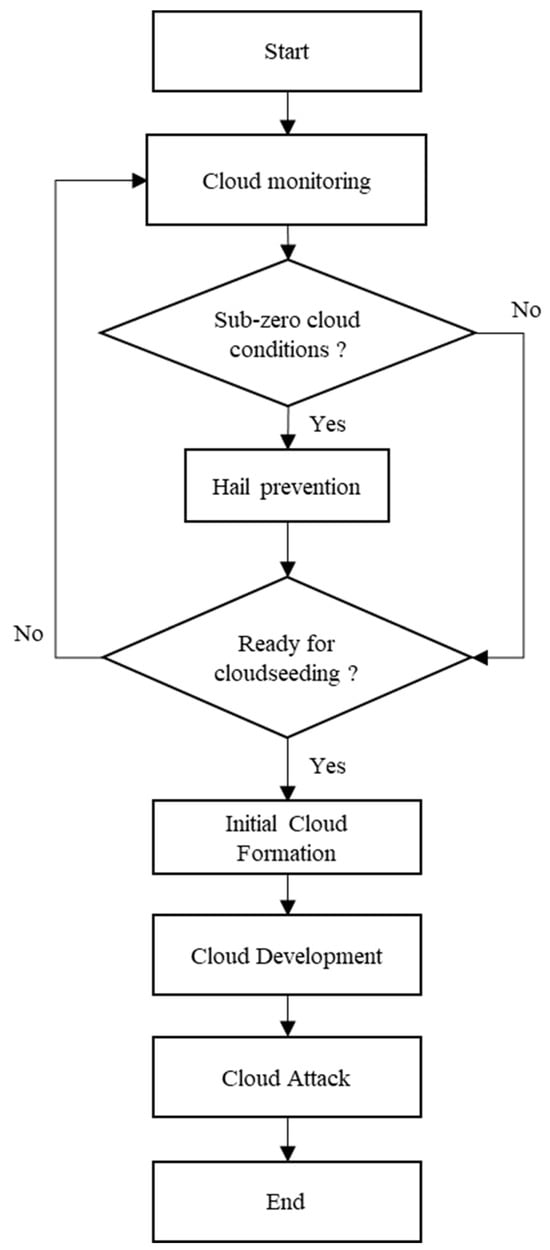
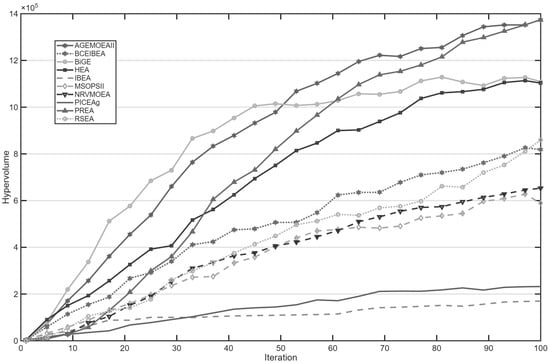
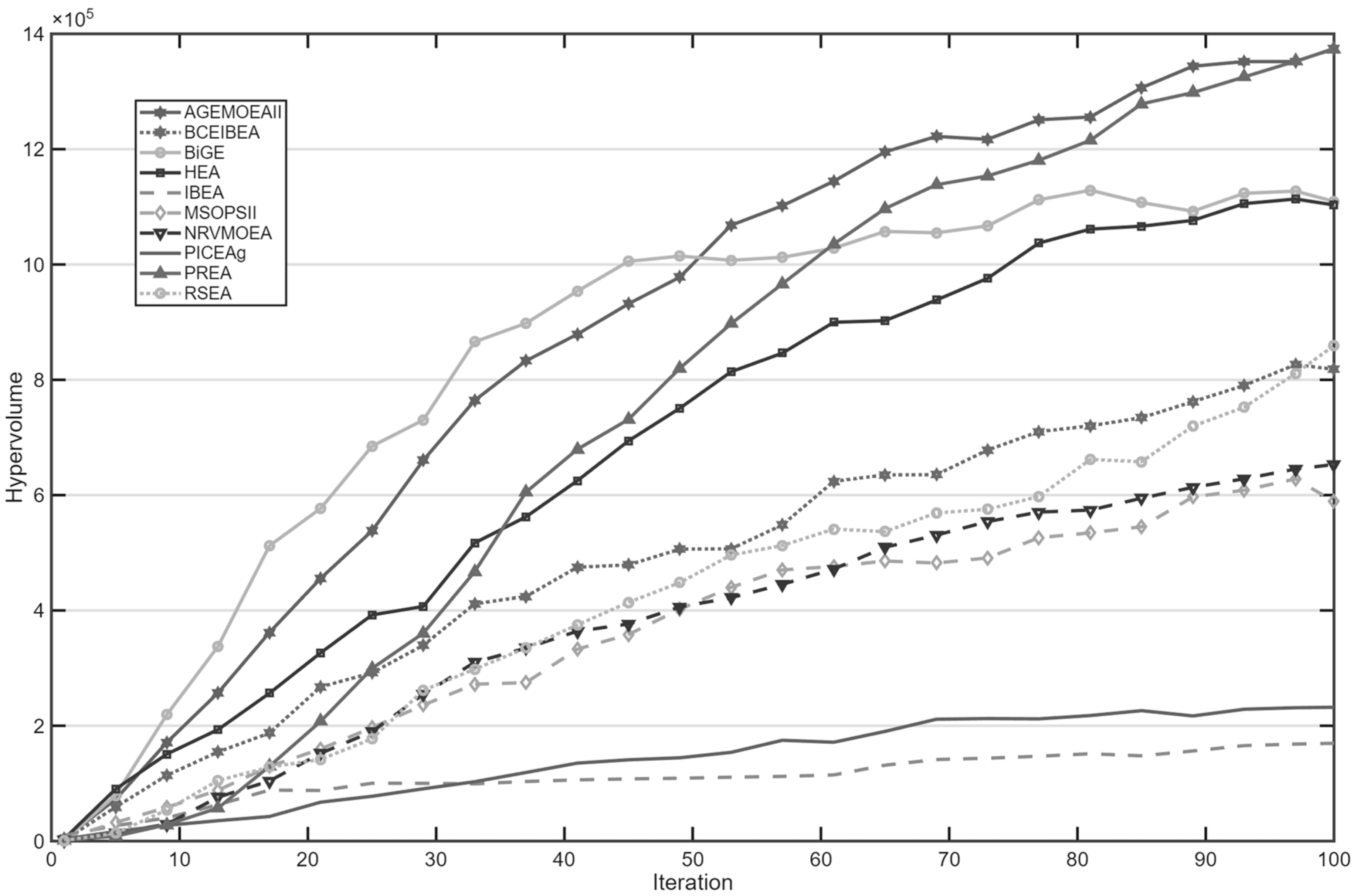
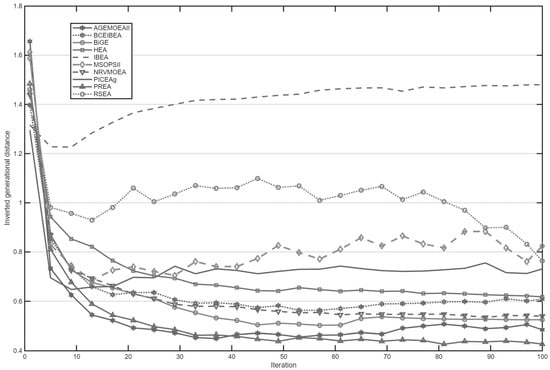
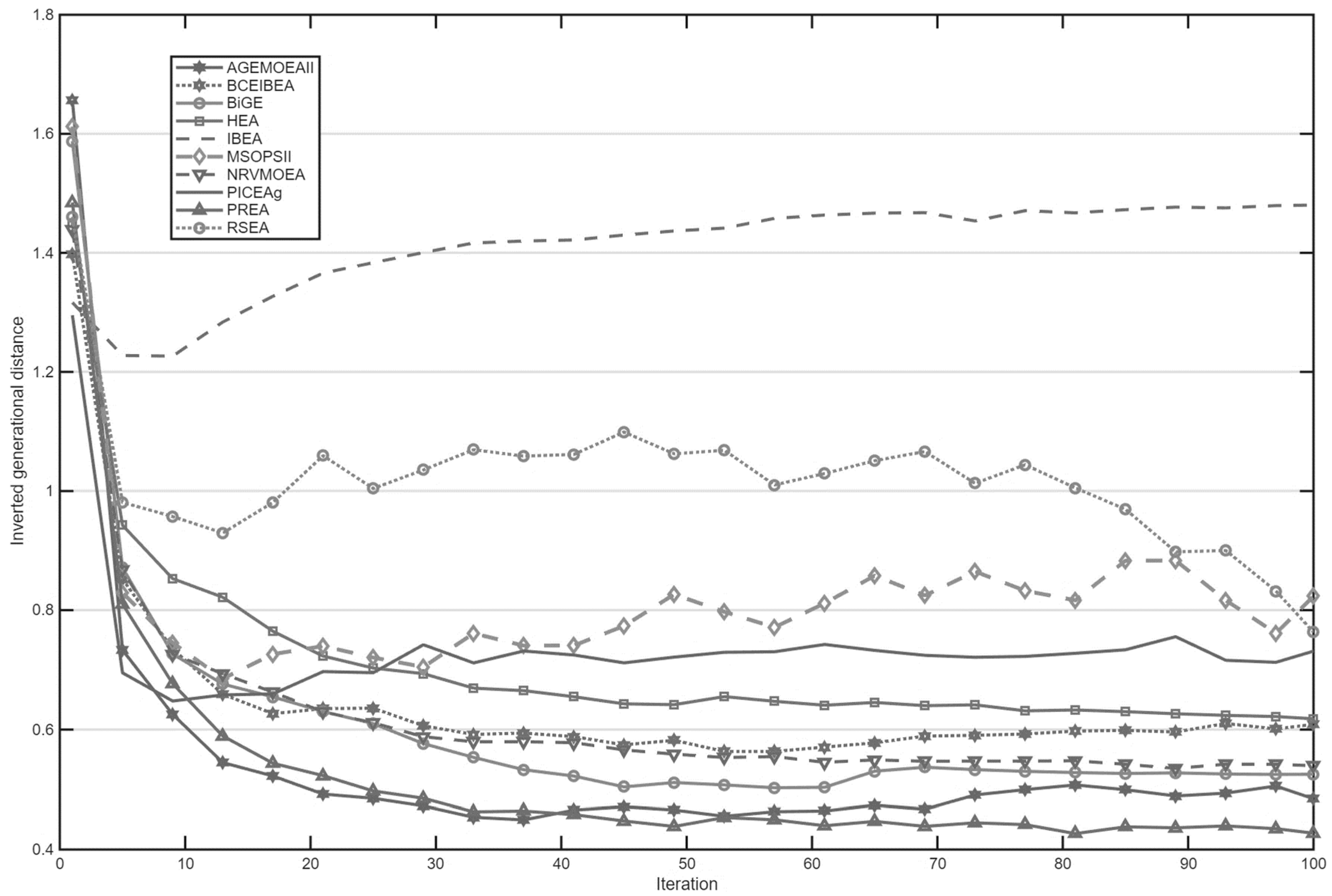
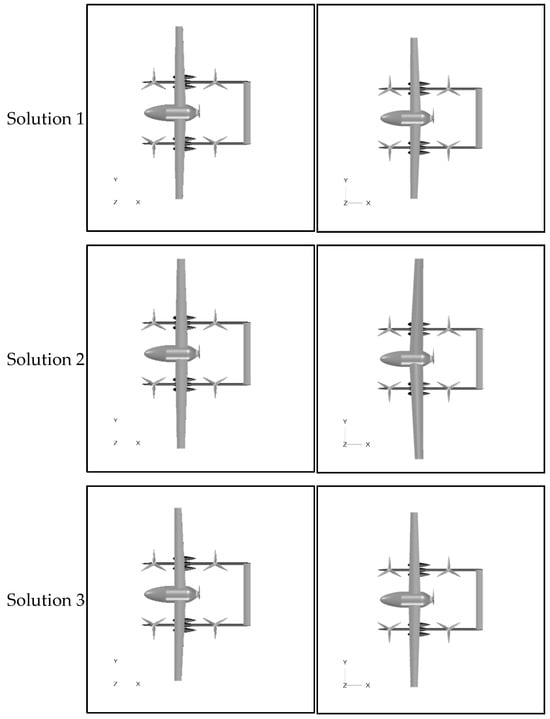
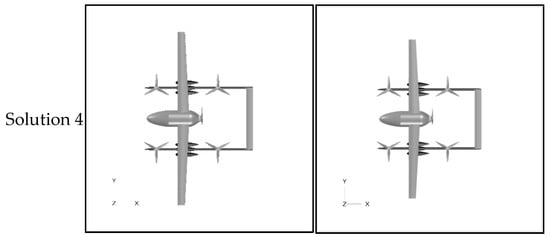
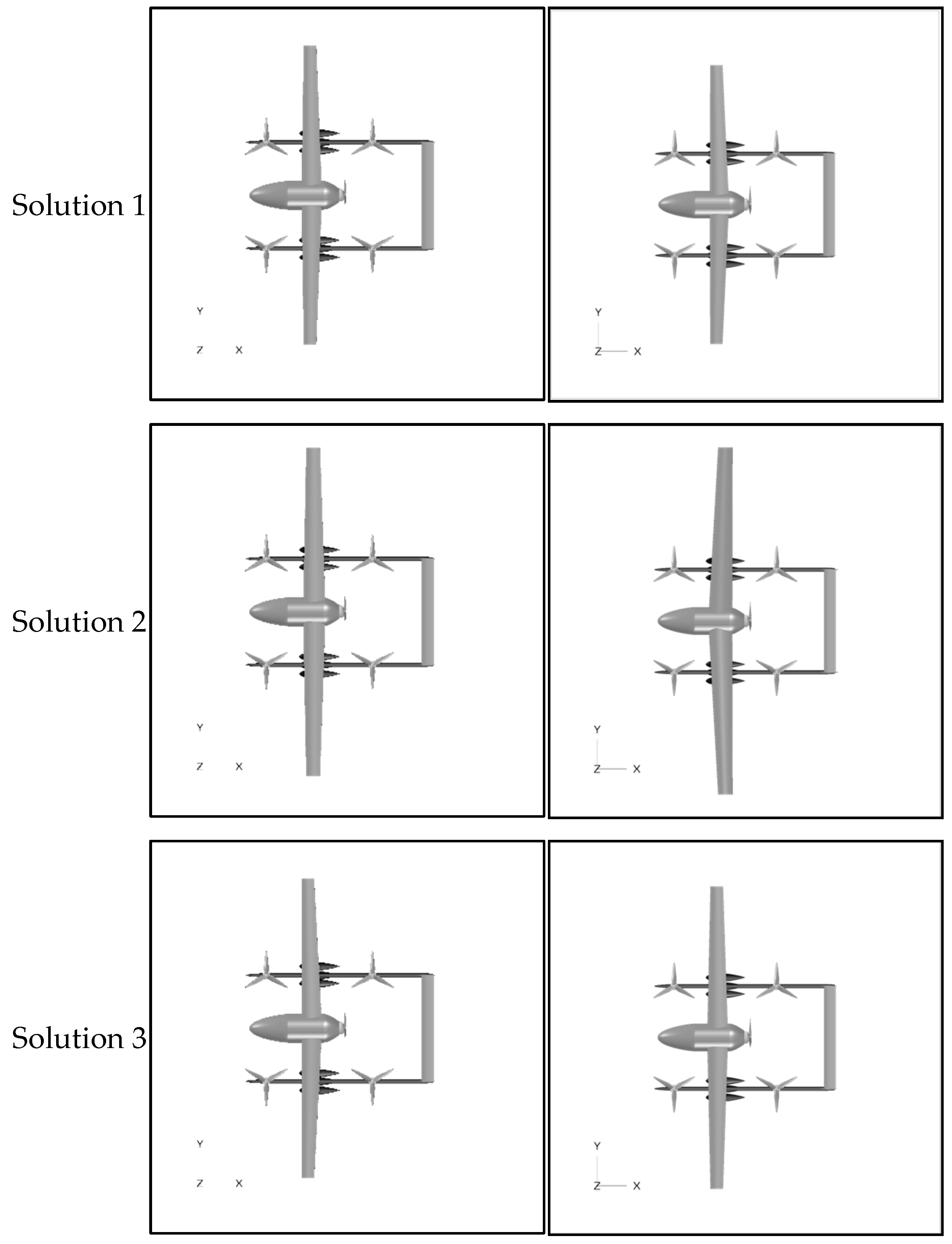
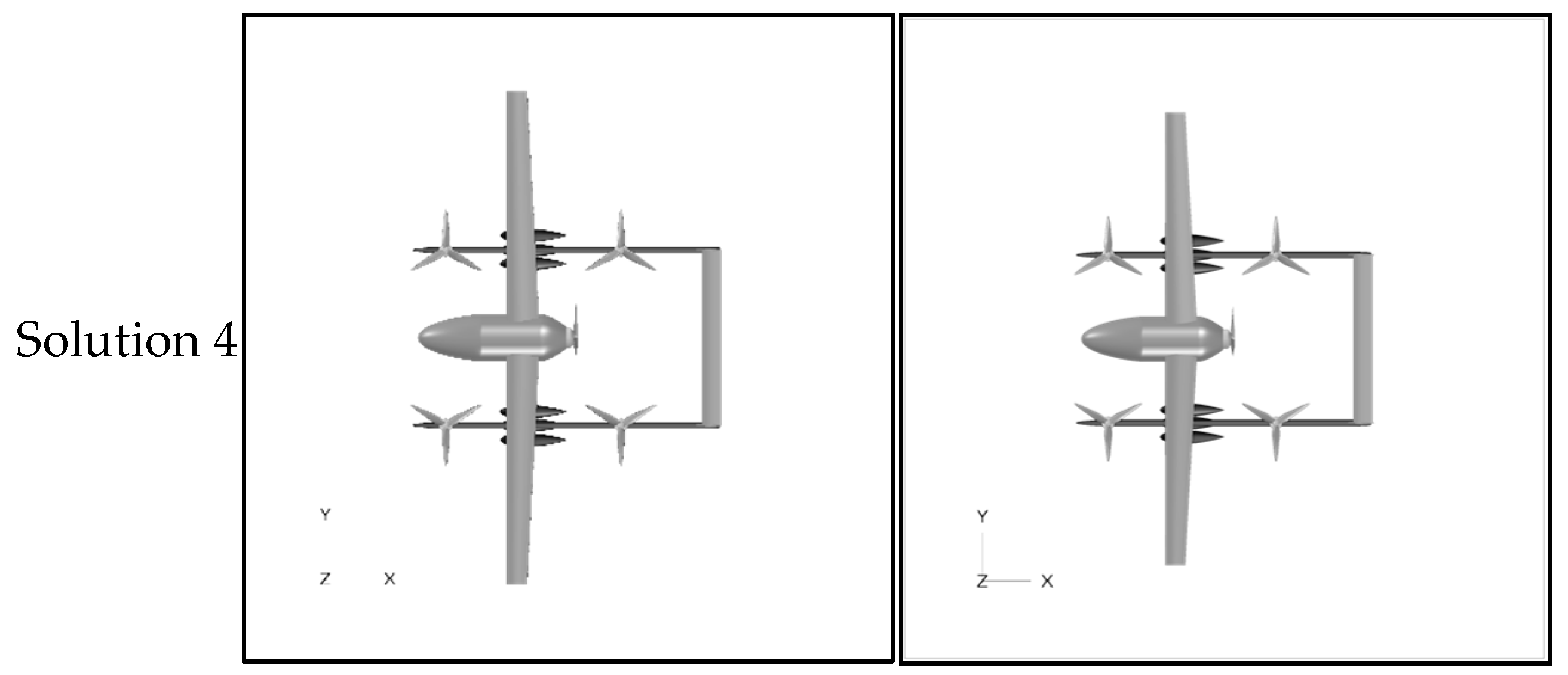

Disclaimer/Publisher’s Note: The statements, opinions and data contained in all publications are solely those of the individual author(s) and contributor(s) and not of MDPI and/or the editor(s). MDPI and/or the editor(s) disclaim responsibility for any injury to people or property resulting from any ideas, methods, instructions or products referred to in the content. |
© 2026 by the authors. Licensee MDPI, Basel, Switzerland. This article is an open access article distributed under the terms and conditions of the Creative Commons Attribution (CC BY) license.