


Abstract
As automation increases, mechatronic manufacturing systems require supervisory solutions that combine precise control, intelligent diagnostics, and intralogistics awareness. This paper presents a networked sensor–actuator–information architecture integrating model predictive control (MPC), Random Forest (RF)-based diagnostics, and logistics-aware coordination for automated mechatronic manufacturing systems. The main contribution is the explicit coupling of logistics-related supervisory variables with the predictive control problem and the diagnostic feature space. Buffer occupancy, transport delay, and logistics-induced waiting state are incorporated into an augmented reduced-order model to support constrained control and health-state interpretation. The framework is evaluated through a comparative simulation-based feasibility study using a low-order model of a robotic production axis affected by disturbances, degradation, and logistics-related constraints. The proposed approach is compared with classical feedback control, predictive control without diagnostics, and predictive control with diagnostics but without explicit intralogistics coupling. In the reduced-order simulation scenario, the proposed method achieved the lowest mean RMSE of 0.330 ± 0.015 and the lowest mean constraint violation rate of 3.133 ± 0.280% across 40 repeated simulation runs. However, the improvement in nominal tracking accuracy over the strongest diagnostic-assisted MPC baseline was marginal. Adding logistics-related diagnostic features improved mean accuracy from 0.848 ± 0.014 to 0.874 ± 0.012 and mean F1-score from 0.844 ± 0.016 to 0.872 ± 0.013. The main advantage of the proposed architecture was observed in reliability- and continuity-oriented indicators, including reduced downtime, lower final damage accumulation, fewer cooling cycles, and improved differentiation between machine-related and logistics-induced abnormal conditions.
1. Introduction
The rapid development of Industry 4.0 has accelerated the deployment of highly automated mechatronic systems in manufacturing, where the production assets, sensors, actuators, controllers, and information platforms are interdependent cyber-physical systems. In such settings, the Industrial Internet of Things (IIoT) plays a central role that supports real-time data acquisition, remote control and decision-making among heterogeneous industrial resources. As a result, modern manufacturing systems are increasingly viewed not as isolated machines or production units but as networked ecosystems with the efficiency, flexibility and reliability of the operations dependent on the quality of the data exchange and responsiveness of the control and diagnostic mechanisms [1,2].
At the same time, the increased complexity of automated production systems has exposed the limitations of conventional control methods in dynamic industrial environments characterized by the presence of multivariable interactions, physical constraints, disturbances, and changing operating conditions. Controllers must maintain not only stability and tracking accuracy in mechatronic manufacturing systems, but actuator limitations, safety limits and process variability also need to be taken into consideration. Model predictive control has therefore become a widely used control paradigm in advanced industrial applications because it explicitly incorporates dynamic models, future behavior of the system and control actions in optimization under operation constraints [3,4]. These properties make MPC particularly suitable to the automated production systems, where a machine state, transport flows, and process conditions vary simultaneously and must be synchronized in decision-making.
In parallel with advances in predictive control, industrial diagnostics and maintenance have shifted from reactive and schedule-based strategies toward predictive, data-driven, and intelligence-assisted approaches. Recent studies indicate that artificial intelligence (AI)-based diagnostic methods and machine learning can improve early fault detection, condition assessment and optimization of maintenance through the extraction of valuable trends from the sensor-rich operational data [2,5]. In automated mechatronic systems, faults in drives, actuators, bearings, thermal subsystems or sensing chains can spread rapidly and reduce process and equipment quality and availability. Nevertheless, even with the increased maturity of the predictive maintenance and intelligent fault diagnosis, they are often simply introduced as autonomous monitoring layers, not attached to the real-time control loop and loosely coupled to the operational decision-making [5,6].
Another important trend is the connection of physical assets with their digital representations in smart manufacturing, and that is the growing popularity of digital twins, edge intelligence, and context-aware data structures. Digital twin technologies provide a foundation [7] for long-term monitoring, predictive analysis, model updating and lifecycle-oriented decision support. Other recent reviews are based on maintenance and also indicate that AI-powered digital twins have the potential to connect sensing, analytics and maintenance processes, but have not yet been widely adopted in industry due to challenges in incorporating data, model size and transferability, and deployment complexity [8]. The value of digitalized industrial intelligence lies not only in data visualization and understanding of data, but in the ability to convert sensor-network information into real-time system-level control, diagnosis and coordination decisions.
Manufacturing performance is determined not only by machine-level dynamics, but also by the behavior of intralogistics subsystems. Automated buffers, conveyors, autonomous mobile robots (AMRs), automated guided vehicles (AGVs), and internal transport operations determine material arrival times, waiting, blocking, starvation, and production continuity. The latest research on warehouse sensing and intralogistics digital twins demonstrates that IoT-based sensor networks and digital models have the potential to significantly increase the visibility, resource utilization, and operational coordination in internal logistics settings [9,10]. However, the integration of intralogistics information into predictive control and intelligent diagnostic systems remains limited. Transport delays, buffer congestion, and task reallocation can directly affect machine behavior, fault development, and system efficiency.
This separation defines the research gap addressed in the present study. Current solutions typically view predictive control, intelligent diagnostics and intralogistics coordination as separate tasks. Therefore, the controller may ignore early degradation indicators, the diagnostic module may not be able to differentiate between abnormal operations caused by the machine and those caused by logistics, and logistics constraints may be treated only as external disturbances. This separation can reduce production continuity, increase downtime and accelerate equipment degradation in automated mechatronic manufacturing systems.
In this paper, intralogistics is defined as the internal material-flow activities in a production facility, such as buffer occupancy, transport delay, material availability or waiting-state conditions. Logistics-induced abnormal operation refers to abnormal production behaviors that are not a result of physical failures of machines but due to internal transport delay/saturation of buffers, starvation, or coordination mismatch. These variables are explicitly represented in the proposed supervisory structure.
The main contribution of this research is a reduced-order simulation-based framework that combines predictive control, intelligent diagnostics and intralogistics-aware coordination in a common networked sensor–actuator–information architecture. Specific contributions are as follows:
- A five-layer networked architecture is proposed to link the physical production layer, sensing and data acquisition layer, supervisory predictive control layer, intelligent diagnostic layer and intralogistics coordination layer.
- A state-space model which includes the production states of the machines and the coordination variables of the logistics is formulated as an augmented supervisory state-space model.
- A logistics-aware model predictive control (MPC) formulation is developed, where the operational constraints are adapted to the logistics conditions and the diagnostic health information.
- A Random-Forest-based diagnostic module classifies the machine-related and logistics-related abnormal conditions, based on the sensor-derived features as well as the features from the intralogistics context.
- A reduced-order robotic production-axis simulation model is then used to perform a comparative simulation-based feasibility study on the three baseline approaches: classical feedback control, MPC without diagnostics, and MPC with diagnostics but without explicit intralogistics coupling.
This work focuses on the reduced-order simulation-based validation. Therefore, the results should be interpreted as evidence for the feasibility of the proposed supervisory architecture, rather than as validation of industrial deployment. Future work should include hardware-in-the-loop testing, real sensor data, network-delay analysis and digital-twin/CAE coupling.
2. Related Work
The literature in this study can be classified into three major research areas that are closely related: (i) predictive control and maintenance-aware operation of smart manufacturing systems, (ii) intelligent diagnostics and digital-twin oriented condition monitoring, and (iii) production–intralogistics coordination based on buffers, transport delays, AGV/AMR movement and material-flow synchronization. They are each well-developed streams, but often they are still assumed to be separate layers in an automated production system. The aim of this section is thus to situate the proposed framework in relation to these streams and to explain the gap in integration that this paper is concerned with.
The first stream is on model predictive control and constrained operation of industrial equipment. MPC is popular due to its ability to incorporate state, input, and operational constraints in an explicit manner over the prediction horizon [11,12]. Recent research on predictive control for operation and maintenance (OP/M) in smart manufacturing has demonstrated that maintenance-related states and multiple operating modes can be integrated into the control decision-making process [5]. However, there are still a large number of studies which are primarily based on machine-level dynamics, drive constraints or local process variables for MPC. In these formulations, intralogistics-related variables like buffer occupation, transport delay or logistics-induced waiting are typically assumed as external disturbances or scheduling information, in addition to the control problem.
The second stream pertains to intelligent diagnostics, predictive maintenance, and manufacturing by means of a digital twin. Recent reviews focused on the use of AI for predictive maintenance and manufacturing intelligence have highlighted the need for diagnostics based on data, machine-learning-based health assessment and connectivity between production, maintenance and quality systems [2,4,8]. The linkage of sensing, analytics, and decision support is further enhanced by digital twins and context-aware industrial systems [13,14,15,16]. However, diagnostic models are frequently designed in the form of monitoring or maintenance blocks that run in parallel with the controller. Therefore the diagnostic outputs may not directly influence the admissible control region and the diagnostic classifiers may misclassify the abnormal production states induced by the logistics as machine-health fault when the logistics context is not considered as a part of the feature space.
The third stream is about intralogistics, warehouse automation and production–logistics coordination. Researchers also found a growing number of studies on applications of digital twin in intralogistics, which cover the use of digital models, sensing and optimization for the internal visibility and coordination of material flows [10]. Studies on multi-AMR and AGV applications also show the benefits of predictive coordination, collision avoidance and task planning in warehouse applications [17]. In the case of flexible assembly shops, a production–logistics scheduling system that integrates the production scheduling with the routing of AGVs has been proven to enhance the coordination between the processing operations, the time windows, and the routing of AGVs [18]. Additionally, agent-based intralogistics control methods offer structured ways to coordinate areas of interaction and resource sharing [19]. The studies are of great importance for production continuity, but they tend to focus on scheduling, routing, or transport coordination—they rarely discuss closed-loop machine control and diagnostic feedback.
A summary of the representative related studies and comparison with the present work are given in Table 1. As can be seen in the comparison, previous studies have focused on one or a few of these necessary components: predictive control, diagnostics/predictive maintenance, digital-twin support or coordination of intralogistics. The key feature in this new framework is the explicit inclusion of supervisory-related logistic variables in the MPC formulation, as well as in the diagnostic feature space. The proposed architecture, therefore, not only aims to achieve superior nominal tracking performance, but also to minimize downtime, mitigate the misattribution of logistics-induced abnormal operation due to machine failures, and enable reliability-aware operation in the context of coupled production and intralogistics constraints.
Table 1.
Comparison of representative related works and positioning of the proposed framework.
The comparison in Table 1 clarifies that the present study is positioned at the intersection of these research streams. Unlike studies focused mainly on MPC, predictive maintenance, digital twins, or intralogistics scheduling alone, the proposed framework treats logistics-related variables as shared supervisory information for both constrained control and diagnostic interpretation.
3. Materials and Methods
3.1. System Architecture
The presented framework is a networked mechatronic manufacturing and intralogistics system where physical equipment, sensing apparatus, control modules, diagnostic intelligence, and internal logistics coordination are functioning in a single cyber-physical architecture. Unlike the traditional production systems where machine control, condition monitoring and material transport are mostly considered as different functions, the current architecture merges these functions, using a common sensor–actuator–information loop. This kind of setup is aligned with the recent trends in IIoT-enabled manufacturing, digital twins, and distributed industrial intelligence, where the value of sensing can be found not just in monitoring, but also directly in contributing to adaptive control and operational coordination [11,12,13,14].
A general structure of the proposed framework is illustrated in Figure 1. The system is structured into five interacting layers, namely: physical production layer, sensing and data acquisition layer, supervisory predictive control layer, intelligent diagnostic layer and intralogistics coordination layer. These layers are linked by a network communication system which enables a two-way flow of information through which sensor measurements may be passed upwards to be processed and decisions made, and control commands and logistics actions are passed downwards to the physical system.
Figure 1.
Five-layer networked sensor–actuator–information architecture of the proposed mechatronic manufacturing and intralogistics system. Layer 1 represents the physical production system, Layer 2 the sensing and data acquisition layer, Layer 3 the supervisory MPC layer, Layer 4 the intelligent diagnostic layer, and Layer 5 the intralogistics coordination layer. Upward arrows indicate sensor and state information, downward arrows indicate control commands, and lateral arrows indicate diagnostic feedback and logistics coordination signals.
The arrows in Figure 1 indicate different types of information exchange. Upward arrows represent sensor data and state information transmitted from the physical layer to the supervisory and diagnostic layers. Downward arrows represent control commands and coordination actions sent from the supervisory level to the physical production system. Lateral arrows between the diagnostic and predictive control layers represent health-related feedback used for adaptive constraint handling. The arrows between the intralogistics coordination layer and the supervisory predictive control layer represent logistics-related constraints, including material availability, buffer saturation, and transport delay. Thus, the architecture forms a closed networked loop rather than a set of independent control, diagnostic, and logistics modules.
From the sensor–actuator network perspective, the proposed architecture assumes synchronized data exchange between distributed sensors, actuators, the MPC controller, the diagnostic module, and the intralogistics coordination layer. In practical implementation, this communication may be affected by delay, packet loss, sampling jitter, and synchronization errors. In the present reduced-order simulation study, these effects are treated as bounded implementation disturbances, while detailed network-delay and packet-loss analysis is considered a direction for future hardware-in-the-loop validation.
At the bottom, the physical production layer has the mechatronic resources of the manufacturing process, including a workstation or machine cell, actuator-driven mechanical subsystems, local transport mechanisms, and intermediate buffers. This layer is an actual operating environment where material processing, motion generation and physical interaction occur. Besides the main production unit, such internal transport components as the conveyors, loading/unloading points, and AGV/AMR-supported movement between the process stages are also considered the part of the physical layer. Since production continuity is influenced by the behavior of machines and the availability of materials, the physical layer is not considered a single machine, but as a coupled production transport environment.
The sensing and data acquisition layer is positioned above the physical layer and it is charged with the role of obtaining real-time information about the operational activity of the system through distributed sensors mounted throughout the system. Some of the common measurements are vibration, temperature, current, speed, position, and process-state signals of the production equipment, along with signals of the buffer occupancy, transport status, and material flow of the intralogistics subsystem. Both predictive control and intelligent diagnostics are based on these measurements. The sensor data in the proposed architecture is constantly exchanged via the network layer with supervisory modules to provide real-time state awareness and facilitate the shift of passive monitoring to active decision-oriented sensing [11,12].
The supervisory predictive control layer is the system-level regulation which is based on a model predictive control approach. Based on the information of current system state and predictive model, this layer produces control actions which optimize the future behavior of the production process without violating operational constraints. The supervisory MPC layer also takes into account future system evolution, actuator constraints, safety margins and production-induced disturbances, unlike the traditional local control loops, which react to instantaneous tracking errors. The predictive controller of the current framework also aims to incorporate the effects that are dependent on logistics, including delayed material arrival, imbalance of buffers, and waiting while in transit, and thus the control problem is also extended beyond the purely machine-level dynamics.
The intelligent diagnostic layer is active alongside the control layer and is used to analyze sensor data to monitor conditions, detect anomalies and classify faults. This layer comprises signal preprocessing, feature extraction, health-state estimation, and decision logic to detect abnormal operation. This layer will serve not only to maintain reporting but also will be able to give actionable diagnostic information that can be back fed into the supervisory control structure. To give an example, the degradation of the actuator, thermal overload, abnormal vibration, or sensor inconsistency may be identified, and this leads to the adaptation of control, fault-tolerant decision-making, or adjustment of the operating modes. Among the key differences between the proposed structure and the conventional ones is the fact that the diagnostics of the former is an inseparable part of the control compared to the traditional architecture where the diagnostics of the system is not linked to the real-time control [12,13,14].
The more advanced level of intralogistics coordination is in charge of the communication between the production processes and the intra-company transport processes. It monitors the arrival time of materials, the accomplishment of tasks of transport, the availability of AGV/AMR and the state of the buffers and translates them into the coordination variables that can be translated into production-relevant coordination variables. Practically, this layer enables the system to differentiate between machine induced disturbances and logistical induced disruptions like starvation, blocking, queue growth, or delay in delivery. The model enables the decision-making of the automated production settings to be more realistic and system-aware through the incorporation of these logistics-related states into the supervisory architecture [9,10].
The proposed architecture will offer the interface between the sensing, control, diagnostics and intralogistics coordination as a closed loop as shown in Figure 1. The physical system has sensor measurements that are initially collected and sent to the supervisory modules. This information is utilized by the predictive control layer to come up with constrained control actions and the diagnostic layer to assess the system health and fault conditions. At the same time, the intralogistics control layer alters the condition of the transport and buffer subsystems and provides more specifics of the production regulation to the next level. The resulting design is not of a simple set of independent modules, but of an integrated networked system where operational performance, reliability and internal logistics are all represented as a combination.
The main subsystems and their functional roles are summarized in Table 2.
Table 2.
Functional roles, inputs, and outputs of the main subsystems in the proposed networked architecture.
The summary of the subsystems in Table 2 illustrates that the architecture proposed is not an architecture of mutually independent subsystems, but rather an architecture of a coordinated supervisory structure where information is continuously exchanged between the subsystems of sensing, control, diagnostics, and intralogistics. The physical production layer delivers measured response, the sensing layer transforms it into usable data, the MPC layer delivers constrained control actions, the diagnostic layer delivers the health state and the intralogistics layer delivers the coordination variables related to buffer and transport conditions. The next section introduces a reduced-order dynamic model of the mechatronic production system and its coupling with the logistics-related supervisory variables in order to formalize these interactions for simulation and control design.
3.2. Dynamic Model of the Mechatronic Production System
The proposed automated mechatronic manufacturing system is modeled in a discrete-time state-space to allow predictive control and diagnostic reasoning in the same framework. This model is appropriate to constrained optimization-based control since it represents the dynamics of the production process and the impact of control variables and the impact of external perturbations and interactions of the logistics in a small mathematical model [15,16]. The model used in the current research is specified at the supervisory level, and is aimed at explaining the prevailing dynamics of the production unit operating as a network and not as low-level electromechanical detail of every single component.
Let denote the state vector of the mechatronic production subsystem at discrete time step the control input vector, and the measured output vector. State variables can consist of actuator position, velocity, deviation in the process, and internal operating states of supervisory regulation. The control input vector has the manipulated variables produced by the predictive controller, and the output vector has the measurable signals on the sensing layer.
The discrete-time plant dynamics are expressed as
where is the state-transition matrix, is the input matrix, denotes the vector of exogenous process disturbances, represents the logistics-related coordination state, and are the corresponding influence matrices, and is the process noise.
The measured output equation is written as
in which represents the output matrix and is the measurement noise. Within the proposed framework, the measured output vector can consist of the tracking-related variables, actuator responses, and the selected process indicators obtained in the layer of sensing. The predictive controller at the supervisory level and the diagnostic module use these measurements and the measurement equation is a shared interface between health monitoring and control.
The interaction term is a coordination variable because the production subsystem operates under the influence of operating conditions that depend on logistics, unlike the case when it is an unmodeled disturbance. An approximation of the discrete-time dynamics of this coordination state can be defined as
and is the state-transition matrix of the logistics interaction model, is the input matrix, and represents discrete logistics events or coordination inputs, e.g., transport completion, material request release, or buffer update signals. Practically, in this formulation, the supervisory model can be used to express the impact of intralogistics on production behavior, without involving a complete microscopic transport model within the control equations. A more detailed description of the production–intralogistics coupling is provided in Section 3.5.
To design the control, it is convenient to construct an augmented supervisory state vector that contains both the production and logistics-related variables,
where is the augmented supervisory state vector, , , and are the augmented system matrices, and is the augmented process-noise term. The bar notation is used to distinguish the augmented supervisory model from the production-subsystem matrices , , , , and .
To improve reproducibility, the reduced-order model used in the simulation study is specified explicitly. The production subsystem is represented by four supervisory states: position-tracking error, velocity-related response, actuator temperature, and normalized damage index. The logistics subsystem is represented by buffer occupancy, transport delay, and logistics-induced waiting state. Thus, the state vectors are defined as
where is the position-tracking error, is the velocity-related state, is the actuator temperature, is the normalized damage index, is the buffer occupancy, is the transport delay, and is the logistics-induced waiting-state indicator. The augmented supervisory state is therefore defined as
The numerical parameters of the reduced-order simulation model are summarized in Table 3. These values define the benchmark model used for the comparative evaluation and allow the simulation scenario to be reproduced.
Table 3.
Numerical specification of the reduced-order supervisory model used in the simulation study.
Here, the superscript denotes vector transposition. The production subsystem was approximated as a discrete-time linear state space model in the numerical implementation of the reduced-order supervisory model. The chosen model is not meant to be a complete electromechanical model of a true industrial machine, but rather to serve as a clear and repeatable reference model for comparing the proposed supervisory architecture. The matrices were selected to exhibit a production axis stable in the presence of the actuators, tracking dynamics, thermal accumulation, degradation growth, disturbance influence, and the influence of coupling with logistics-related variables. The numerical model resulted was applied throughout the simulation study for all the methods to be compared.
The production-subsystem part of the reduced-order model is given by the following matrices. They are the same as the four-dimensional state vector . These production dynamics are used to generate a matrix , , and that are augmented supervisory matrices.
For the logistics coordination state, the buffer occupancy and transport delay are updated as
and the logistics-induced waiting-state indicator is defined as
Here, denotes the material arrival quantity, denotes the material consumption quantity, and represents a transport-delay event. This hybrid representation allows logistics-related constraints to be included in the supervisory control problem without requiring a full microscopic transport model.
The proposed framework also offers diagnostic reasoning in addition to control-oriented modeling by monitoring the measured outputs either by residual-based or feature-based methods. The simplest residual signal may be represented as
where is the residual vector and denotes the estimated output obtained from the model or observer. The residual under normal operating conditions is in an acceptable range with modeling uncertainty and measurement noise, but long-term deviation could be an indicator of abnormal behavior, degradation, or a developing fault. Such residuals are subsequently combined with additional sensor-derived features, which are subsequently utilized by the intelligent diagnostic module as mentioned in Section 3.4.
The approach of modeling that has been adopted is founded on four assumptions. To begin with, a discrete-time linear or locally linear model at the supervisory layer can give an approximation of the overall dynamics of the production subsystem. Second, the logistics effects are modeled by the variables of coordination that are measured directly or estimated by means of the intralogistics management layer. Third, process and measurement uncertainties are limited and can be addressed as disturbances and noise terms of the model. Fourth, the chosen state and output variables are adequate to give an account of the control-relevant and diagnosis-relevant system behavior on the prediction horizon. Within these assumptions, the model gives a mathematically consistent foundation to the predictive controller of the following subsection, as well as to the diagnostic reasoning of later in the paper.
3.3. Model Predictive Control Algorithm
According to the supervisory dynamic model presented in Section 3.2, the control approach used in this study is developed in the form of a model predictive control (MPC) problem. MPC is chosen due to the ability of explicit representation of state, input and operational constraints and to optimize the future behavior of the mechatronic production system across a finite prediction horizon [15,16]. The predictive controller in the current scheme is not confined by the classical set-point tracking, but is also configured to consider the coordination effects of logistics, and diagnostic feedbacks, and therefore maintain integrated production operation in the environment of dynamic and constrained conditions.
To make the MPC implementation reproducible, the numerical settings used in the comparative simulation study are specified in Table 4. The same sampling time, prediction model, and physical constraints were used for all MPC-based methods. The differences between the baseline MPC methods and the proposed approach were limited to the inclusion of diagnostic feedback and logistics-aware constraint adaptation. This setting ensures that the observed differences in performance are caused by the supervisory architecture rather than by different controller tuning.
Table 4.
Numerical implementation parameters of the MPC algorithm.
To support the computational-feasibility claim, the MPC optimization time was evaluated during the repeated simulation runs. The reported computation time corresponds to the elapsed time required to solve the quadratic programming problem at one sampling instant. The computational benchmark is summarized in Table 5.
Table 5.
Computational-feasibility benchmark of the MPC implementation.
Across 40 repeated simulation runs, the mean MPC computation time was 3.8 ms, the maximum computation time was 8.6 ms, and the standard deviation was 1.1 ms. These values are considerably below the sampling interval of 100 ms. Therefore, the reduced-order MPC formulation can be considered computationally feasible for supervisory-level simulation under the tested conditions. However, this result should be interpreted as a simulation-based computational-feasibility estimate rather than as a guarantee of real-time industrial deployment.
The method proposed herein further considers diagnostic and logistics information to adjust the admissible operating region. If the diagnostic module senses degradation, or thermal risk, then the input and input-rate bounds are made tighter to lessen the stress on the actuators. Likewise, if the logistics layer senses that the buffer occupation is low, logistics delay is high or the logistics-waiting state occurs, an over-aggressive production control command cannot be issued. In this manner, the machine enables the coupling mechanism between predictive control, diagnostics and the coupling of intralogistics coordination.
At each sampling instant , the controller uses the current augmented state to predict the future trajectory the system over a prediction horizon . The predicted augmented state is denoted at step by and the corresponding future control action by , where the notation denotes a prediction for time made using information available at time . The MPC problem is subsequently formulated as the minimization of a quadratic cost functional which penalizes tracking error, control effort and control variation:
where is the predicted output vector, is the reference trajectory, is the control increment, and , , and are positive semi-definite weighting matrices for tracking performance, control magnitude, and control smoothness, respectively. This objective function is used to ensure accurate regulation while avoiding excessive actuator activity and abrupt control changes.
The prediction model is given by the augmented system dynamics
together with the corresponding output relation
where is the augmented output matrix. The future disturbance term is either estimated or treated as bounded uncertainty in the controller implementation. This representation is consistent with supervisory industrial MPC, where the main objective is robust constrained control rather than complete disturbance reconstruction.
The physical and operational constraints are applied to the control optimization. The input constraints are represented as
where and denote actuator limits and is the control horizon. Similarly, the input-rate constraints are expressed as
which limit the excessive variations in the control signal and contribute to the maintenance of smooth actuation. Further, there are state and output constraints that are imposed as
where the lower and upper limits indicate safety limits, process limits and permissible operating limits.
To account for the interaction between production control and internal logistics, additional coordination constraints may be introduced in terms of the logistics-related supervisory variables. This formulation is consistent with recent studies showing that MPC-based coordination can be effectively extended to warehousing and multi-AMR environments, where collision-free movement, task execution, and material-flow continuity must be jointly considered within a predictive framework [17]. In a compact form, these can be written as
where denotes a predicted logistics coordination variable, such as buffer occupancy, material availability, transport completion status, or waiting-state indicator. These limits enable the controller to prevent dynamically feasible control activities at the machine level, but operationally incompatible with the present intralogistics condition. As an example, production intensification can be constrained on occasions when the buffer is nearing saturation, or the controller can decrease aggressive command profiles on the occasions of temporary material starvation or sluggish transport.
The resulting MPC problem at each sampling instant may thus be expressed as
subject to Equations (9)–(14). After the optimization is done, only the first control action uk∣k is fed into the system, the optimization is repeated at the next sampling time with new measurements. This principle of receding-horizon helps the controller constantly adjust to alterations in operating circumstances, disruptions, logistics happenings and diagnostic data.
Figure 2 shows the workflow of the proposed supervisory control strategy based on MPC. The variables that are sent to the controller as shown in the figure are: estimated state of the system, predictive model variables, reference variables, diagnostic indicators and logistics coordination variables. It then yields an “optimized” control action that leads to a constrained finite-horizon optimization problem and is then sent to the physical production system. The new sensor measurements and the supervisory-state estimate close feedback.
Figure 2.
Workflow of the model predictive control algorithm used for constrained regulation of the networked mechatronic production system.
The proposed framework includes the diagnostic layer that can assist the predictive controller with information related to the health and this can be used in the supervisory adaptation. The diagnostic module, for instance, could recognize degradation, abnormal vibration, overheating or sensor inconsistency and adjust the operating envelope of the controller by tightening its constraints over the operating range, or by switching to a safer operating range. This interaction does not change the optimization framework, but improves the value of the framework in non-ideal industrial environments. Section 3.4 presents a description of the diagnostic layer in detail.
On the whole, the suggested MPC formulation offers a single supervisory system to constrained mechatronic production control in the case of process interference, logistics interaction and health-related operating alterations. The controller can control the production subsystem in an operationally adaptive and structurally compatible manner when the predictive optimization, networked sensing and higher-level coordination information is added to its architecture as depicted in Section 3.1.
3.4. Intelligent Diagnostic Module
The embedded intelligent diagnostic module continuously monitors the situation and early detection of defects in the proposed network structure of mechatronic production. A given module is different from conventional alarm-based methods on a limited number of variables and based on fixed limits, as it uses multidimensional sensor information and data-based decision-making logic to detect abnormal operating states and to aid the adaptation of the control system. The function of it is thus twofold: firstly, it is used to detect and classify abnormalities in the production subsystem, and secondly, it is used as a means of providing feedback to the predictive control level which can be used to improve the operational reliability in degraded situations [12,13,14].
The diagnostic module is based on the synchronization of measurements taken at the level of the sensor and the data collection described in Section 3.1. Signals monitored are drive current, vibration amplitude, temperature, rotational or linear speed, position and selected process-state variables. Further, the coordination-related parameters of intralogistics (e.g., buffer occupancy, waiting state length, and transport delay parameters) can be added as additional context parameters if it is necessary to differentiate equipment failure from the intralogistics-related abnormal operation. In an integrated production system, equipment slowdown may occur due to physical wear and tear or during the production phase because of a lack of materials, which is a significant concern.
The sensor signals are pre-processed in the first stage to enhance the quality, consistency and timeliness of the input diagnostic data. This step involves synchronization of the signals, estimation and correction of the lost values, removal of noise, normalization, and segmentation based on a previously fixed control period. If the signal is time varying (e.g., vibration, change of current, temperature drift, etc.), the pretreatment method could be low frequency filtration, moving window smoothing, or trend reduction, depending on the specific signal characteristics. This stage is to minimize noise level in the measurements and to emphasize samples of information needed for obtaining marks and conclusions on defects.
Let the multichannel sensor observation at time step be represented by
where denotes the -th measured signal and is the total number of monitored channels. After preprocessing, a feature vector is extracted from the observation window and expressed as
where is the feature vector, is the window length, and denotes the feature extraction mapping. A set that might be included in the proposed framework could include values from the time domain, statistics, and trend, e.g., mean value, standard deviation, root mean square, peak value, skewness, kurtosis, some of the energy related features, some of the signal gradients and even some set of indicators related to the control-oriented model that might be considered as values related to the residual. These characteristics provide a brief history of the behavior of a system at a particular moment and at varying periods of time.
The second stage of the diagnostic inference stage is the estimation of the health condition of the system using the extracted feature vector fk. Generally, the diagnostic decision rule can be written as
where is the estimated class label and denotes the diagnostic model. Depending on the available data and scenario design, may represent a supervised classifier for known fault categories or an anomaly-detection model for identifying deviations from normal operation. More generally, the diagnostic module in the current research is generically designed in the sense that it can accommodate a multi-class classification environment or a normal-versus-abnormal decision framework while still being compatible with the supervisory architecture.
Random-Forest-Based Diagnostic Classifier
A Random Forest (RF) classifier was employed to implement the diagnostic mapping ψ(⋅) in the present study. The good suitability for multidimensional sensor-based classification, the stable performance in case of nonlinear feature interactions, and the possibility for feature-importance analysis were the reasons that led to the selection of RF. The proposed framework introduces the use of RF as a means to detect abnormal operation conditions not only of a machine, but also to differentiate them from abnormal operation conditions due to logistics.
Two configurations of diagnostic features were tested. The first setup focused solely on machine-related parameters such as actuator current, vibration, temperature, speed, position error and indicators of residual. The second configuration expanded the feature space by adding buffers occupancy, transport delay and logistics-induced waiting state. A comparison was used to assess whether the intralogistics context enhances the diagnostic interpretation.
The machine-only feature vector is defined as
where Ik is actuator current, Vk is vibration amplitude, Tk is actuator temperature, sk is speed, ek is position-tracking error, and rk is the residual signal. The extended machine–logistics feature vector is defined as
The RF classifier estimates the class label according to
where C is the set of diagnostic classes, Ntree is the number of decision trees, hj(⋅) is the prediction of the j-th tree, and (⋅) is the indicator function. The considered diagnostic classes are normal operation, actuator degradation, thermal risk, and logistics-induced waiting state.
The dataset was divided into training, validation, and testing subsets before classifier fitting. All reported diagnostic metrics were calculated on the testing subset. The RF implementation parameters are summarized in Table 6.
Table 6.
Random Forest diagnostic model settings used in the simulation study.
The same dataset partition and random seed were used for both diagnostic configurations to ensure a fair comparison between the machine-only RF model and the machine–logistics RF model. The added logistics-related features were not used to replace machine-health features, but to provide operational context for distinguishing true equipment faults from abnormal production behavior caused by buffer shortage, transport delay, or waiting-state conditions.
For health-state interpretation, a confidence-based decision may also be defined as
Here, C is the set of admissible operating (or fault) classes and P(c∣fk) is the estimated posterior probability (or confidence score) of class c. The formulation is useful if the diagnostic output is sent to the supervisory controller, as in addition to a discrete fault label, it can also provide a confidence measure that can be used to help with adaptive control decisions.
Figure 3 demonstrates the diagnostic workflow that is adopted in the proposed framework. The data sensed on the networked sensing layer is first pre-processed, then transformed into the feature representation and finally the current health state is assessed using the diagnostic model as shown in the figure. The output from this is then sent to the supervisory control mechanism as health indicators, anomaly flags or fault labels. By doing so, the diagnostic module has the capabilities of a proactive component of decision support instead of a passive monitoring adjunct.
Figure 3.
Intelligent diagnostic pipeline for condition monitoring, fault detection, and health-state estimation in the proposed framework.
In the present reduced-order simulation study, the diagnostic layer was evaluated using four classes: normal operation, actuator degradation, thermal risk, and logistics-induced waiting state. These classes were selected to represent the main machine-related and logistics-related abnormal conditions considered in the comparative evaluation.
A summary of the fault classes that are being monitored and have a signature sensor at Table 7.
Table 7.
Representative operating conditions and indicative sensor signatures used in the intelligent diagnostic module.
Only the four diagnostic classes listed in Table 7 were used in the quantitative Random Forest evaluation. Mechanical wear and sensor inconsistency are relevant industrial examples of possible fault extensions, but they were not evaluated as separate diagnostic classes in the present reduced-order simulation study and are therefore treated as future extensions.
To enable effective integration with the control layer, the diagnostic outcome is converted into a supervisory health indicator. A generic health index can be defined as
where is the normalized health measure and is a diagnostic mapping derived from RF confidence scores and residual-based indicators. A higher value of indicates healthier operation, whereas a lower value indicates degradation or abnormal operation. The supervisory controller can use this scalar representation to tighten constraints, adjust set-points, or activate fault-conscious operating modes when the estimated health state deteriorates.
On implementation, the diagnostic model is learned and rated on label or scenario generated operational data based on the simulation environment specified in Section 3.6. The training process consists of the definition of the datasets, identification of features, model creation and testing of the results with standard diagnostic performance indices; accuracy, precision, recall, F1-score, false alarm rate, and detection delay. These are outlined in Section 3.7 and presented in Section 4.
In general, the suggested smart diagnostic module is able to reinforce the architecture by converting distributed sensor measurements to actionable health information. With predictive control and intralogistics coordination, this module can be used to transform this system to integrated condition-aware operation, a mandatory component of reliable and adaptive manufacturing systems.
3.5. Production—Intralogistics Coupling
Behavior of the manufacturing subsystem in automated mechatronic manufacturing systems cannot be studied out of the context of the inner material transport, intermediate buffering and synchronizing of the work. The system can be subject to productivity loss due to delayed material delivery, buffer saturation, transport unavailability, or temporary starvation in spite of a satisfactorily performing machine-level control loop. This is why the proposed framework directly integrates intralogistics variables into the supervisory model and decision structure instead of considering the effects of logistics as an unstructured external distortion. Without this coupling, modeling controllable realistic conditions at the shop-floor where production continuity requires not only dynamic regulation, but also the availability of parts, transport resources and buffer capacity.
In the current model, an intralogistics subsystem contains loading and unloading terminals, intralogistics transport units, including conveyor belts, AGVs, or AMRs, intermediate buffers, transport schedules, and others. These factors relate to the physical production layer in terms of the arrival of material, waiting, and release of production. The intralogistics–production environment is therefore represented by the model of a set of supervisory variables, which defines the dynamic situation of material flow and internal transport coordination. The objective of this representation is not to reproduce every microscopic transport motion in the control-oriented model, but to provide a sufficiently informative abstraction for predictive control and diagnostics. This abstraction is also motivated by recent studies on integrated production–logistics scheduling, which have shown that production efficiency depends strongly on the synchronization of machine processing, transport timing, and intermediate resource allocation [18].
Figure 4 depicts schematically the coupled production–intralogistics environment. The manufacturing work station, the buffer unit and the internal route of transport are a closed operation chain as shown in the figure. The transport subsystem supplies material to the buffer, which is in turn supplied to the production unit based on the demands of the machine as well as the demand of the process. Consequences of the state of the buffer and the schedule of transport events have a direct impact on the admissible operating condition of the machine and consequently both the supervisory controller and the diagnostic interpretation.
Figure 4.
Schematic layout of the production–intralogistics environment used to model material transport, buffering, and coordination constraints.
Let denote the buffer occupancy at time step . A simplified buffer balance equation can be expressed as
where is the material arrival quantity and is the material consumption quantity during production execution. This balance equation provides a compact representation of the interaction between machine demand and incoming material flow. Buffer occupancy is constrained by physical storage capacities and minimum availability conditions, such that
where and represent the lower and upper admissible buffer limits, respectively.
The intralogistics subsystem is modeled in the reduced-order simulation model by three supervisory variables: buffer occupancy, transport delay, and logistics-induced waiting state. These are not all the variables required to describe the complete microscopic motion of AGVs or conveyors, but only those with a minimum amount of information for logistics-aware predictive control and diagnostic interpretation. The values of the numerical intralogistics parameters adopted for the simulation study are summarized in the following Table 8.
Table 8.
Numerical parameters of the reduced-order intralogistics model.
Bk ≈ bmin means that there is risk of material starvation and bk ≈ bmax means that there might be buffer congestion or buffer saturation. Thus, for supervisory decision-making purposes, both low buffer and high buffer conditions are relevant, but they are different constraints of the operation.
The effect of the time on transport is represented by the variable τk which is the time lag that has already passed or is expected to pass between the time of a material request and delivery to the production subsystem. The update law can be written as a very simple update law:
where ατ and βτ are non-negative coefficients, and δk is a transport-event indicator, such as a disruption, delay extension, or task completion. This variable is used to differentiate regular transport operation from the delayed material delivery by the supervisory layer. The proposed framework considers τk as an explicit coordination variable because of the possible direct impact on production continuity associated with a late arrival.
In order to describe the dependence of the availability of machines on the logistics, a waiting-state indicator is proposed. This variable represents the degree of a production unit being pressed into either idle mode or reduced activity mode due to unavailability of parts, stalling production flow, and unavailable transport capacity. It can be represented in two or restricted scalar form as
where is the admissible minimum buffer threshold and is the admissible transport-delay threshold. This intentionally simplified condition provides a practical way to represent logistics-induced waiting in the supervisory control and diagnostic logic.
The state of coordination presented in the foregoing Section 3.2 can now be specialized as
Therefore, the production–intralogistics interaction can be represented by a structured coordination state vector rather than by an unstructured disturbance term. This formulation helps the controller and diagnostic module distinguish whether changes in production behavior are caused by machine-level dynamics or by logistics-related constraints.
On the control side, the coupling is incorporated into the predictive optimization problem by the feasibility and coordination constraints. An example is the limited production command (i.e., when raw materials are scarce or the transportation is not guaranteed etc.). This can be as a condition in compact form as
This is because the effective admissible control set Ueff (⋅) is defined by the predicted logistics coordination state. That is, the feasible operating region of the controller varies depending on the buffer occupancy, transport delay, and waiting state. For instance, if the material resource is not available, aggressive production rate commands may be restricted, and if the downstream resource is congested, output growth may be limited.
From the diagnostic point of view the production–intralogistics relationship is also of crucial importance. If the setting is very integrated, the behavior of the production, either due to the machines having worn out, or due to disruptions to the logistics, can be abnormal. In the absence of explicit logistical context, a diagnostic module can confusedly explain the slowdown in waiting or the production variability in transport by a physical machine failure. To reduce that false attribution, the selected variables in the logistics are included in the feature space of the diagnostic and the supervisory interpretation is used. Either of these will allow the diagnostic module to be in a better position to identify the machine internal anomalies and the outwardly induced coordination abnormality.
In practice, the production–intralogistics layer communicates with the prediction control layer and the diagnostic module. This bidirectional coordination is in line with recent intralogistics research where the interaction areas, transport conflicts and resource-sharing behavior are coordinated in a structured way, but not addressed by isolated local decisions [19]. To optimize constraints, the controller receives current coordination status, projected transport status and buffer information from the controller. At the same time, the diagnostic module analyses the context of logistics, in order to optimize the evaluation of the response of the abnormal process. It is this two-way interaction that is changing intralogistics from a scheduling feature to a colleague networked decision architecture element.
The main variables involved in the logistics coordination and their roles in the proposed logistics coordination are summarized in Table 9.
Table 9.
Main production–intralogistics coordination variables and their functional roles.
The proposed production–intralogistics coupling model generally enables the structured embedding of the internal transport behavior, buffer states and delays in a structured manner in the supervisory structure. The combination makes the predictive control problem easier to make contact with real-world relevance and the diagnostic interpretation of non-ideal manufacturing conditions easier. The framework not only aids in machine-level control, but also in the functional consistency of the system both in production and internal logistics.
3.6. Simulation Environment and Baseline Methods
A comparative simulation-based environment was developed to test the proposed framework in a controlled and repeatable environment. The simulation environment comprised three components: a reduced-order discrete-time model of the mechatronic production axis, a supervisory model of MPC and an event-based intralogistics coordination model. These production dynamics and MPC optimization were realized in MATLAB/Simulink, the Random Forest diagnostic module was realized in Python and the intralogistics event logic was realized in SimPy. All compared methods simulated with the same simulation configuration.
The simulation was performed with a time step Ts = 0.1 s. The production model provided the state and output measurements at each sampling time and sent them to the MPC controller and to the diagnostic module. The health-state estimate was updated in the diagnostic module with the current feature window, while buffer occupancy, transport delay, and waiting-state variables were updated in the SimPy-based logistics layer, based on the event logic. The logistics variables were then fed back to the supervisory controller as coordination variables. Consequently, continuous production dynamic and event-based logistics behavior were synchronized with the same discrete time interval for production update.
The simulation scenarios encompassed normal operation, process disturbances, actuator degradation, thermal-risk scenarios, sensor noise, buffer shortage, transport delay, and mixed machine–logistics abnormalities. To minimize bias depending on the scenario, repeated simulation runs were carried out using various noise realizations and logistics event timing. All compared methods involved the same reference trajectory, disturbance profiles, plant model, diagnostic data split and logistic-event structure.
The values in Table 10 define the reproducible simulation configuration used in the comparative evaluation. The same simulation horizon, noise assumptions, event timing logic, and sampling interval were applied to all baseline methods and to the proposed framework.
Table 10.
Simulation environment and reproducibility settings.
For Baseline 1, the classical feedback controller was represented by a saturated proportional–derivative control law:
where , , and denotes saturation according to the input bounds .
The compared methods are summarized in Table 11. This type of form of comparison is important because, it allows the assessment of the value of the predictive control, diagnostics, and intralogistics coupling based on a systematic rather than a qualitative manner. In particular, it can enable the study to distinguish between the performance improvements that are essentially caused by either the MPC mechanism, the diagnostic module, the logistics-aware adaptation, or by the combination of all three aspects.
Table 11.
Compared methods used in the simulation-based evaluation.
Each architectural element can be analyzed as if it were a separate entity, thanks to the comparison structure. The results for the constrained predictive control (Baseline 2), for the effect of diagnostic feedback (Baseline 3), and for the additional gains of explicit intralogistics-aware coordination (proposed method) are shown. For this reason, the comparison is developed to identify if the observed improvements are due to MPC alone, diagnostics alone or to the supervisory integration of control, diagnostics and intralogistics information.
Overall, the proposed networked supervisory architecture is simulated in a way that can be reproduced on the different instances. The evaluation combines dynamic control simulation, RF-based diagnostics and event-based coordination of intralogistics tasks, thus taking into account the multi-layered nature of automated mechatronic manufacturing systems and still being part of a reduced-order feasibility study.
3.7. Performance Evaluation Metrics
In the context of the evaluation of the proposed framework, the performance metrics used in this study are broken down into three groups: (1) control performance metrics, (2) diagnostic performance metrics, and (3) integrated production–intralogistics and health-related performance metrics. The proposed method is not necessarily restricted to trajectory regulation alone, but also aims to enhance the system level in terms of control quality, diagnostic awareness and operational continuity in the event of coupled production and logistics. Therefore, the chosen metrics are supposed to reflect both machine-level and system-level behavior.
3.7.1. Control Performance Metrics
The dynamic quality of the supervisory control layer is measured with the help of the first set of metrics. As the proposed structure utilizes predictive constrained control, the performance assessment must include not only tracking accuracy but also response quality in transient responses and constraint adherence.
The root mean square error (RMSE) is the error assessment of the difference between the actual output and the reference trajectory during a simulation period of N:
where yk is the actual output and is the reference value. When RMSE is smaller, the trajectory tracking will be more accurate.
The settling time Tsset is used to characterize the speed of convergence of the controlled response toward the reference trajectory. It is the time taken by the output to stay within a specified tolerance band of the reference value following a disturbance or change of command. This measure is applied in the current research to compare the short-term performance of the and proposed approaches.
The percentage overshoot Mp is a measure of how much the output is above the desired reference value in the transient response:
where ymax is the maximum transient output and yref is the reference level. Reduced values of overshoots imply a more fluid and steady regulation.
The constraint violation rate (CVR) is also taken into account to assess operational admissibility. This measure is the probability of having a simulation sample where the input, state, or output has left its admissible region:
where Nviol is the time steps at which at least one constraint is violated. This measure is especially significant to MPC-based assessment since dealing with constraints is one of the primary reasons to choose predictive control.
3.7.2. Diagnostic Performance Metrics
The second category of metrics is used to assess the capability of the intelligent diagnostic layer to detect normal and abnormal operating conditions. As the proposed diagnostic module can be configured to be used in a multi-class or abnormality-detection context, classification-related measures are embraced.
Diagnostic accuracy is determined as
where TP, TN, FP and FN are the numbers of true positives, true negatives, false positives and false negatives respectively. Accuracy gives a general indication of accurate diagnosis actions.
The diagnostic reliability is more explicitly evaluated using precision and recall:
Precision indicates the ratio of correct positive faults detections to the number of positive faults discovered and recall indicates the ratio of the number of true faults that are detected to the number of faults detected.
In order to counterbalance the two effects, the F1-score is calculated as:
Precision indicates the percentage of positive faults identified that are accurate, and recall indicates the percentage of true faults identified.
In addition to the standard classification metrics, two event-oriented diagnostic indicators were included to better evaluate the applicability of the diagnostic module to predictive maintenance tasks. The false alarm rate (FAR) was used to quantify the proportion of normal operating samples incorrectly classified as abnormal:
The detection delay was calculated as the time difference between the actual beginning of an abnormal condition and the first correct abnormal-state detection:
where is the time at which the abnormal condition was introduced and is the time at which the diagnostic module first detected the corresponding abnormal state. In addition, the area under the receiver operating characteristic curve (AUC) was used as a threshold-independent measure of diagnostic separability.
3.7.3. Integrated Production–Intralogistics and Health-Related Metrics
The third set of measurements is used to evaluate the effect of the proposed solution on the operational level coordination between the production subsystem and intralogistics layer. This is needed because the value added by the framework is not limited to the regulation of machines and monitoring of faults, but also relates to the reduction of inefficiencies in the system level, in terms of material flow and transport conditions.
Throughput is characterized as the amount of units that has been processed successfully in the horizon of simulation taken into account:
Nproc is the number of processing units that have been built; Tsim is the time of the simulation. More throughput equates to overall improved functionality.
The time cycle Tc is the mean period it takes to produce one unit, which takes into account waiting and transport effects and processing effects. Reduced cycle-time means better machine to material coordination.
Ratio of machine downtime: the percentage of time that the production unit is not in use because of fault, lack of material or lack of coordination:
where is the downtime ratio, is the cumulative inactive time of the production unit, and is the total simulation time.
In order to define the internal logistics behavior, the mean waiting time is also considered:
This happens when Nreq is the number of requests for materials/services, and Twait,i is the waiting time for the i-th request. The measure can be used to evaluate inefficiency of transport and starvation.
The present study, besides production continuity, also considers health-related operational indicators. These include the maximum temperature of the actuators during the simulation, the final damage index at the end of the simulated operating horizon, and the number of cooling cycles activated by the thermally constrained operation. These variables combine to give an easily interpretable measure of cumulative operating load and condition-related supervisory effectiveness.
All of the main performance indicators were computed over repeated runs of the simulations to accommodate the uncertainty introduced by the stochastic noise and event timing. These values were reported as mean values, with standard deviations as appropriate to describe run-to-run variation. The use of a statistical reporting allows to interpret the improvement of the proposed method more cautiously, particularly in the case of moderate difference between the compared methods.
The chosen system-level metrics thus serve as a consistent basis for assessing the integrated impact of predictive control, diagnostics and logistical coordination with knowledge of the subsystems involved on both sides of the operational performance and the burden on the subsystems over time.
Table 12 summarizes the entire set of evaluation metrics that was used in this research.
Table 12.
Performance evaluation metrics used in the simulation-based study.
The selected metrics cover three levels of evaluation. Control performance indicators quantify the quality and admissibility of the closed-loop response. Diagnostic indicators evaluate the ability of the RF-based module to distinguish normal, machine-related abnormal, and logistics-induced abnormal conditions. Production–intralogistics and health-related metrics assess whether the supervisory architecture improves operational continuity and reduces equipment burden. This combination of metrics is necessary because the proposed method is intended to improve not only nominal tracking accuracy, but also reliability- and continuity-oriented system behavior.
All quantitative performance indicators were calculated across 40 repeated simulation runs for each compared method. The repeated runs used the same reduced-order model parameters but different stochastic noise realizations and logistics event timings. Unless otherwise stated, the numerical results are reported as mean ± standard deviation. This reporting format was adopted to reflect run-to-run variability and to avoid overinterpreting small differences between the proposed method and the strongest baseline.
4. Results
4.1. Control Performance
This subsection evaluates the dynamic behavior of the compared control architectures under the supervisory simulation scenario. The analysis focuses on the response of the controlled mechatronic production axis to repeated reference changes, exogenous disturbances, degradation-related effects, and logistics-induced supervisory constraints. The four compared methods are Baseline 1 (classical feedback control), Baseline 2 (MPC without diagnostics), Baseline 3 (MPC with diagnostics but without explicit logistics-aware coupling), and the proposed method (MPC with diagnostics and intralogistics-aware coordination).
The representative closed-loop position responses are shown in Figure 5. As can be observed, Baseline 1 exhibits the largest tracking deviation and the weakest transient quality over the simulated operating horizon. The introduction of predictive control in Baseline 2 noticeably improves the trajectory response, while Baseline 3 further reduces the average deviation by introducing health-aware supervisory adjustment. The proposed method provides the most accurate overall tracking performance in terms of RMSE, while preserving a transient response that remains close to the best MPC-based baseline. This indicates that the coordinated inclusion of diagnostics and logistics-aware supervision does not degrade tracking accuracy and can be integrated without losing basic control quality.
Figure 5.
Representative closed-loop position responses of the compared methods under the supervisory simulation scenario.
The quantitative control performance results are summarized in Table 13. The proposed method achieved the lowest RMSE, equal to 0.330, compared with 0.534 for Baseline 1, 0.368 for Baseline 2, and 0.333 for Baseline 3. This corresponds to an RMSE reduction of approximately 38.2% relative to Baseline 1, 10.3% relative to Baseline 2, and 0.9% relative to Baseline 3. The settling time of the proposed framework was 1.3 s, which was identical to Baseline 2 and Baseline 3, and slower than the nominally faster but less accurate response of Baseline 1. In terms of overshoot, the proposed method produced 1.163%, which was dramatically lower than Baseline 1 (3.667%) but remained slightly higher than Baseline 2 (1.117%) and Baseline 3 (1.151%). This indicates that the proposed supervisory logic improves overall accuracy and admissibility, but does not produce the minimum overshoot among all MPC-based variants. The lowest constraint violation rate was obtained by the proposed method (3.133%), slightly outperforming Baseline 3 (3.219%) and significantly improving upon Baseline 2 (5.836%) and Baseline 1 (10.039%).
Table 13.
Control performance metrics of the compared methods across 40 repeated simulation runs. Values are reported as mean ± standard deviation.
The results in Table 13 show that the proposed method achieved the lowest mean RMSE and the lowest mean constraint violation rate among the compared approaches. However, the difference between the proposed method and Baseline 3 was small in terms of RMSE. Therefore, the proposed architecture should not be interpreted as a method that substantially improves nominal tracking accuracy over an already diagnostic-assisted MPC baseline. Its main benefit is that it preserves high tracking quality while slightly improving constraint admissibility under health-aware and logistics-aware supervision.
Overall, the control results show that the proposed framework provides the best balance between tracking accuracy and constraint-aware operation. Although its overshoot is marginally higher than that of the two MPC-based baselines, the proposed architecture achieves the lowest RMSE and the lowest constraint violation rate, which supports its suitability for integrated supervisory control in constrained production environments.
4.2. Diagnostic Performance
In this subsection, the efficacy of the diagnostic layer is investigated in the light of reduced-order supervision simulation data. The evaluation was performed using two Random Forest classifiers. In the former case, only machine-related variables are considered, including current, vibration, temperature, speed, and position error. In the latter case, machine-related features are complemented by the logistics-related ones, i.e., buffer occupancy and transport delay. The motivation behind this comparison is to understand if incorporating information about intralogistics environment helps to distinguish abnormal states induced by machine-health problems from those caused by abnormal coordination.
The results of confusion matrices in the case where logistics context is involved can be seen in Figure 6. As it can be seen from this figure, it was possible to distinguish operating classes satisfactorily with some exceptions; however, the major problem remained distinguishing mildly degraded states from normal ones. Indeed, this is physically expected for the case of this reduced-order study since early degradation in the actuator can occur gradually and result in not strongly isolated signals. At the same time, introducing logistics-related context helps to solve another crucial problem—distinguish genuine machine abnormality and logistics-induced abnormal situations.
Figure 6.
Confusion matrix of the diagnostic model with logistics context.
Table 14 provides a summary of the quantitative diagnostic results. The accuracy and F1 score of the machine-only RF model was 0.848 and 0.844, respectively. With the inclusion of the logistics-related features, the accuracy further increased to 0.874 and the F1 score to 0.872. This represents a medium but steady increase in accuracy and F1-score by 2.6 percentage points and 2.8 percentage points respectively. The result shows that the combination of context from the logistics process aids the classifier in differentiating between true machine-related abnormalities and abnormal operating states brought on by logistics.
Table 14.
Diagnostic performance comparison with and without logistics context across repeated simulation runs. Values are reported as mean ± standard deviation.
Logistics context added to the improvement should be taken with caution. While the improvement in the F1-score is modest, it is consistent with the goal of the proposed architecture: to minimize confusion between equipment-related degradation and abnormal behavior resulting from buffer depletion, transport delay, or logistics-induced waiting. Thus, the contribution of logistics-related features to the diagnosis is primarily contextual, and not a substitute for machine-health features.
The additional diagnostic information in Table 13 also shows if the proposed feature configuration not only improves the average classification quality, but also the event-oriented diagnostic behavior. The false alarm rate indicates the rate of false alarms while in normal operation, the detection delay is the time it takes to detect abnormal states after they have occurred, and AUC is a threshold-independent measure of class separability. These indicators are added to give a more comprehensive diagnostic evaluation than accuracy and F1-score.
The inclusion of logistics-related features improved the mean diagnostic accuracy from 0.848 to 0.874 and the mean F1-score from 0.844 to 0.872. The false alarm rate decreased from 0.122 to 0.103, while the mean detection delay decreased from 1.50 s to 1.20 s. These results indicate that logistics-related context improves the classifier’s ability to distinguish machine-related abnormal conditions from logistics-induced waiting states. Nevertheless, the improvement should be interpreted as moderate rather than dominant, because the logistics-related features complement but do not replace machine-health features.
The additional diagnostic indicators confirm the benefit of logistics-related context. The false alarm rate decreased from 0.12 to 0.1, which corresponds to a relative reduction of approximately 15.6%. The average detection delay decreased from 1.5 s to 1.2 s, indicating faster recognition of abnormal states when logistics-related features were included. The AUC increased from 0.93 to 0.96, showing improved class separability. These results suggest that the logistics-related variables do not simply improve average classification accuracy, but also reduce false abnormal detections and improve the temporal responsiveness of the diagnostic module.
Thus, this numerical investigation shows that the idea behind the proposed framework is beneficial. Diagnostic logic becomes more reliable and precise when the machine’s health status inference includes knowledge of the intralogistics situation in its surroundings.
4.3. Integrated Production—Intralogistics and Health-Related Performance
This subsection assesses the effectiveness of the proposed framework at the system level. While Section 3.1 considered trajectory-tracking performance and Section 3.2 evaluated diagnostic classification, the current assessment focuses on improvements in production continuity, thermal characteristics, and total workload related to long-term operation. In automated mechatronic manufacturing systems, those criteria are more practically meaningful than minor differences in nominal tracking error.
The maximum temperatures of the actuator for the four examined methods are compared in each repeated simulation run in Figure 7. The differences between methods are not very much, but the proposed method gives the minimum value of the maximum temperature. As seen in Baseline 1 and Baseline 2, the thermal burden is slightly higher, and Baseline 3 is able to lower the maximum temperature by incorporating diagnostic feedback. The proposed method also leads to further reduction of the maximum temperature, as additional health-aware supervision and intralogistics-aware coordination are applied. Thus, Figure 7 should be read as a comparison of peak thermal load and not as a time domain temperature trajectory.
Figure 7.
Maximum actuator temperature of the compared methods across 40 repeated simulation runs. Bars show mean values, and error bars indicate ±1 standard deviation.
Results related to production efficiency and health status of machines are reported in Table 15. The proposed approach exhibited the greatest throughput rate of 41.344 units/min compared with 31.594 units/min achieved in Baseline 1, 39.609 units/min yielded in Baseline 2, and 40.969 units/min achieved in Baseline 3. Thus, the proposed technique provided an improvement of roughly 30.9% compared with Baseline 1, 4.4% compared with Baseline 2, and 0.9% compared with Baseline 3.
Table 15.
Integrated production–intralogistics and health-related performance metrics across 40 repeated simulation runs. Values are reported as mean ± standard deviation.
At the same time, the downtime ratio was minimized to 2.852% compared with 55.8%, 25.2%, and 7% in Baseline 1, Baseline 2, and Baseline 3 respectively. Such improvements can be interpreted as reductions in the downtime rate by roughly 94.9% compared with Baseline 1, 88.7% compared with Baseline 2, and 59.1% compared with Baseline 3. It should be noted that reducing the downtime is a very strong engineering outcome since downtime is directly related to system efficiency.
A similar trend is observed for other health-related criteria: the proposed approach has the lowest peak temperature (37.064 °C), the smallest final damage index (0.112), and the lowest number of cooling cycles (11.625). Thus, compared with Baseline 1, the final damage index was reduced by 80.8%; compared with Baseline 2, by 69.2%; and compared with Baseline 3, by 33.7%.
The results in Table 15 show that the strongest advantage of the proposed framework is associated with downtime reduction and lower damage accumulation rather than with nominal throughput alone. Compared with Baseline 3, the improvement in mean throughput was marginal, increasing from 40.969 to 41.344 units/min. However, the mean downtime ratio decreased from 6.969% to 2.852%, and the final damage index decreased from 0.169 to 0.112. This confirms that explicit intralogistics-aware coordination mainly improves reliability- and continuity-oriented performance under non-ideal operating conditions.
The analysis of the average throughput is depicted in Figure 8. It can be seen that the proposed framework demonstrates the highest average throughput performance compared with all other approaches. The difference with Baseline 3 is relatively small, while the advantage over Baseline 1 is quite significant. It is expected considering the fact that predictive and health-aware supervision yields better results than conventional non-integrated techniques.
Figure 8.
Mean throughput of the compared methods across 40 repeated simulation runs. Bars show mean values, and error bars indicate ±1 standard deviation.
Figure 9 reports the results regarding the average downtime. The proposed framework operates with the smallest percentage of inactive time while the classical baseline has the largest downtime. This result is important for industry application because a controller with slightly better performance in terms of nominal tracking error but significantly lower downtime would be more desirable than otherwise.
Figure 9.
Downtime ratio of the compared methods across 40 repeated simulation runs. Bars show mean values, and error bars indicate ±1 standard deviation.
In general, this subsection has shown that the main benefits of the proposed architecture are observed at the level of a fully integrated system. Not only does the control performance remain high, but the proposed technique also improves production efficiency, reduces downtime, and decreases the thermal-degradation burden of the actuator-driven subsystem.
4.4. Comparative Contribution Analysis
In order to understand the contribution of each successive layer of the proposed hierarchy, it can be viewed as a staged contribution to the system. The first baseline stands for classical feedback control. The second baseline introduces the predictive control approach. The third baseline adds diagnostics but still treats logistics as a disturbance. Finally, the proposed approach includes intralogistics-aware coordination in addition to predictive and diagnostic intelligence. Such staged contribution structure makes it possible to evaluate the influence of incremental integration of increasingly advanced forms of supervisory intelligence on the resulting performance metrics.
Table 16 below summarizes the relative improvement in the performance of the proposed architecture compared to the baselines. Against Baseline 1, the proposed framework achieved a 38.2% reduction in RMSE, a 30.9% increase in the throughput, a 94.9% reduction in downtime, and an 80.8% reduction in the accumulated damage. Against Baseline 2, the corresponding figures are 10.3%, 4.4%, 88.7%, and 69.2%, respectively. Finally, against Baseline 3—the strongest non-logistics-aware alternative—the control and throughput improvement was minor, but the downtime and damage reduction remains large. It means that explicit inclusion of the logistics information into the supervisory loop yields only a modest nominal control performance improvement compared to the optimal MPC controller, but it offers much better results when measured in the reliability and continuity terms.
Table 16.
Relative performance improvement of the proposed method over the baseline methods.
The results in Table 16 indicate that the contribution of the proposed framework is mainly associated with reliability- and continuity-oriented performance. Compared with Baseline 3, which already includes MPC and diagnostics, the proposed method provides only marginal improvements in RMSE and throughput. However, it substantially reduces downtime and the final damage index. This confirms that the explicit use of intralogistics information is most beneficial when the objective is not only trajectory tracking, but also maintaining production continuity and reducing equipment burden under logistics-constrained conditions.
It should also be emphasized that the thermal and degradation-related behavior of the actuator-driven subsystem is evaluated in this study only through system-level indicators, namely maximum temperature, cooling cycles, and final damage index. Detailed spatial thermal-field or stress-field validation is outside the scope of the present reduced-order simulation study, because it would require a separate CAE or finite element model with explicitly defined geometry, material properties, boundary conditions, and experimental calibration. Therefore, this aspect is identified as a future extension rather than being presented as part of the current validation.
5. Discussion
Recently, the research community has increasingly recognized the need for shifting from centralized offline analytics to decentralized edge-based and explainable approaches in future industrial intelligence architectures [20,21]. Among them, federated learning in manufacturing systems is seen as one of the promising trends related to addressing problems with heterogeneity, limited bandwidth, and sensitive data in manufacturing plants [20,21], whereas explainable predictive maintenance is advocated as a mandatory stage toward the deployment of trustworthy Industry 4.0 solutions [20,21]. In this context, this work can be considered not only within the domain of predictive control and diagnostics, but also within a broader paradigm of industrial networked intelligence.
Firstly, it is clear that the control results discussed in Section 3 cannot be considered in the scope of the nominal performance of MPC-based controllers alone. Even though the proposed algorithm did not produce the smallest overshoot, it resulted in the minimal RMSE and the minimal constraint violation rate. This implies that the supervisory architecture has provided the best compromise solution in terms of accuracy and admissibility. For industrial applications related to automated mechatronic production, minimizing only one transient indicator usually proves to be less effective than maximizing the constrained stability in general. This conclusion is also supported by modern findings suggesting that predictive control in modern manufacturing processes is required to account for the maintenance-related states, along with the local set-points [6].
Secondly, the diagnostic results prove that it is important not to rely solely on local signals for machine-health inference. The inclusion of logistics-context information in the classification problem led to a significant increase in classification accuracy (from 0.848 to 0.874) and F1-score (from 0.844 to 0.872). Such results imply that abnormal behavior may arise not only due to machine deterioration, but also due to issues with transport delays, material starvation, or synchronization. This, in turn, supports the idea that the diagnostic performance in modern manufacturing should be considered in the broader context of operations, which is fully consistent with recent literature on the matter [5,8].
Finally, the research in this paper can be seen as practically relevant in terms of the system performance analysis carried out. The proposed architecture achieved the minimum downtime rate, minimum maximum temperature, minimum damage index and minimum number of cooling cycles. Therefore, the greatest benefit of the proposed design is to optimize the balance between the control quality, equipment condition and production continuity. The key here is not to greatly change nominal control profiles, but to make them more reliable in production. In other words, with the results obtained in the study, it could be confirmed that production and intralogistics cannot be optimized separately, since the transport and coordination play a significant role in the manufacturing efficiency [10,17,18,19].
One of the key points of the present study is the adaptability to digital-twin oriented manufacturing. Recent studies have highlighted that digital twins are not only for monitoring and visualization but predictive analytics, adaptive control and decision-making as well [8,11,12,13,14]. The proposed concept is on this path by coupling the measurements acquired by the sensors with the predictive control, diagnostic reasoning, and intralogistics coordination in a unified supervisory system. The present study, however, does not aim at creating a full industrial DT. On the contrary, it offers a reduced-order simulation-based foundation which can be then expanded toward digital-twin coupling, hardware-in-the-loop testing, and CAE-supported validation.
There are some drawbacks to the present study. First, results were obtained in a reduced-order simulation environment. Second, the results were obtained before implementation. Third, the results were not obtained in a real industrial deployment. Fourth, the diagnostic data was not obtained from a long-term industrial operation but rather from controlled simulation scenarios for consistency. Fifth, the intralogistics model was deliberately simplified to maintain analytical clarity and reproducibility. Sixth, communication effects like network delay, packet loss and synchronization errors were not modeled in detail, but treated as bounded implementation disturbances. Because of these restrictions, the present work can only be viewed as a feasibility study of the proposed supervisory architecture and not as the final industrial validation.
Four directions should therefore be worked on in the future. First, the reduced-order concept should be accompanied with a more refined digital twin that contains physically-based CAD/CAE models and parameters calibrated from experimental data. Second, the control–diagnostics loop needs to be tested and validated using hardware-in-the-loop experiments or edge-based industrial testbeds. Third, the diagnostic module should be enhanced with temporal learning, explainability tools and distributed/federated learning strategies. Fourth, the intralogistics part must be further enriched by more complicated AGV/AMR scheduling and transport conflicts, and multi-buffer coordination scenarios.
The overall discussion makes it clear that the proposed framework is mainly oriented toward “reliability aware” and “continuity” supervision. Results do not show significant gains in nominal tracking performance when compared with a baseline MPC, already assisted by the diagnostic. The primary advantage, however, is the decrease of downtime, damage accumulation, cooling interruptions, and incorrect diagnostic attribution when the production system is coupled with intralogistics. This interpretation is in line with the scope of the study, a feasibility analysis of reduced-order simulation.
6. Conclusions
The architecture of networks of sensors, actuators and information in automated mechatronic manufacturing and intralogistics systems was suggested. The proposed framework merges the physical production layer, sensing and data acquisition layer, supervisory predictive control layer, intelligent diagnostic layer and intralogistics coordination layer into a single reduced-order supervisory structure.
The main methodological contribution is the explicit coupling of the logistics-related supervisory variables with both the predictive control problem and the diagnostic feature space. The controller and the diagnostic module were extended with buffer occupancy, transport delay and logistics-induced waiting state so that they can also consider the interactions between production and intralogistics in addition to external disturbances.
The comparative evaluation based on the simulation demonstrated the lowest RMSE and the smallest constraint violation rate for the proposed framework when compared with the other methods considered. The improvement of nominal tracking performance over the best baseline was, however, small. Thus, the proposed method should not be thought of as a tracking improvement method, but rather as a reliability and continuity-oriented supervisory architecture.
The diagnostic results showed that the addition of context that included logistics increased the diagnostic performance of the RF model. Accuracy increased from 0.848 to 0.874, and F1-score increased from 0.844 to 0.872. The other diagnostic indicators also demonstrated a decrease in the false alarm rate, as well as a shorter detection delay and an increase in AUC with the addition of the logistics-related features. From these results, it can be seen that the intralogistics information is able to differentiate the equipment-related abnormalities from the logistics-induced abnormal operating states.
The proposed framework has the best system-level performance in terms of the highest throughput, lowest downtime ratio, lowest maximum system temperature, lowest final damage index, and lowest number of cooling cycles. Operational continuity and equipment-burden reduction were the most significant improvements observed. With regard to the diagnostic-assisted MPC baseline without explicit intralogistics coupling, the proposed method contributed a marginal improvement in throughput, and a significant reduction in downtime and damage accumulation.
The study is limited to reduced-order simulation-based validation. Therefore, the results should be interpreted as feasibility evidence for the proposed architecture rather than as final industrial validation. Future work should include hardware-in-the-loop testing, real sensor data, more detailed network-delay analysis, advanced AGV/AMR intralogistics scenarios, and digital-twin or CAE-supported model coupling.
Author Contributions
Conceptualization, S.B. and A.S.; methodology, E.Z.; software, K.T.; validation, D.M., M.T. and A.R.; formal analysis, T.B.; investigation, S.B.; resources, G.S.; data curation, G.S.; writing—original draft preparation, A.R.; writing—review and editing, S.B.; visualization, A.S.; supervision, K.T.; project administration, M.T.; funding acquisition, D.M. All authors have read and agreed to the published version of the manuscript.
Funding
This research received no external funding.
Data Availability Statement
The reduced-order simulation parameters, diagnostic feature structure, and numerical settings required to reproduce the main results are provided in the manuscript. Additional simulation data, synthetic diagnostic datasets, and implementation details can be made available from the corresponding author upon reasonable request. Industrial drawings, unpublished implementation files, or patent-sensitive design materials are not required to reproduce the reduced-order benchmark reported in this study and are therefore not included in the public dataset.
Acknowledgments
During the preparation of this manuscript, the authors used ChatGPT (OpenAI, GPT-5.4 Thinking) to assist with the search and organization of relevant literature, refinement of the study aims and research focus, improvement of manuscript structure, and linguistic editing of draft text. All generated content was critically reviewed, revised, and verified by the authors, who take full responsibility for the final content of this publication.
Conflicts of Interest
The authors declare no conflicts of interest.
Abbreviations
The following abbreviations are used in this manuscript:
| AGV | Automated Guided Vehicle |
| AI | Artificial Intelligence |
| AMR | Autonomous Mobile Robot |
| AUC | Area Under the ROC Curve |
| CAE | Computer-Aided Engineering |
| CAD | Computer-Aided Design |
| CVR | Constraint Violation Rate |
| FAR | False Alarm Rate |
| F1-score | Harmonic mean of precision and recall |
| HIL | Hardware-in-the-Loop |
| IIoT | Industrial Internet of Things |
| IoT | Internet of Things |
| MPC | Model Predictive Control |
| RF | Random Forest |
| RMSE | Root Mean Square Error |
| RMS | Root Mean Square |
| ROC | Receiver Operating Characteristic |
References
- Afrin, S.; Rafa, S.J.; Kabir, M.; Farah, T.; Bin Alam, S.; Lameesa, A.; Ahmed, S.F.; Gandomi, A.H. Industrial Internet of Things: Implementations, challenges, and potential solutions across various industries. Comput. Ind. 2025, 170, 104317. [Google Scholar] [CrossRef] [Scilit]
- Bitam, T.; Yahiaoui, A.; Boubiche, D.E.; Martínez-Peláez, R.; Toral-Cruz, H.; Velarde-Alvarado, P. Artificial intelligence of things for next-generation predictive maintenance. Sensors 2025, 25, 7636. [Google Scholar] [CrossRef] [Scilit] [PubMed]
- Ramzan, F.; Recupero, D.R. A Literature Review on Enhancing Predictive Maintenance in Smart Manufacturing Industries: Fostering Human-Technology Collaboration and Overcoming Data Scarcity Limitations with Advanced AI Models. Oper. Res. Forum. 2025, 6, 181. [Google Scholar] [CrossRef] [Scilit]
- Azeta, J.; Omeche, T.T.; Daniyan, I.; Abiola, J.O.; Daniyan, L.; Phuluwa, H.S.; Muvunzi, R. Artificial intelligence and robotics in predictive maintenance: A comprehensive review. Front. Mech. Eng. 2025, 11, 1722114. [Google Scholar] [CrossRef] [Scilit]
- Mota, B.; Faria, P.; Ramos, C.; Vale, Z. Review of manufacturing integration between production, maintenance and quality artificial intelligence systems. J. Ind. Inf. Integr. 2025, 47, 100910. [Google Scholar] [CrossRef] [Scilit]
- Zhang, Y.; Feng, Q.; Fan, D.; Ren, Y.; Song, Y.; Liu, M.; Wang, Z. Predictive control for operation and maintenance in smart manufacturing systems with multiple operating modes. Comput. Ind. Eng. 2025, 207, 111196. [Google Scholar] [CrossRef] [Scilit]
- Bongomin, O.; Mwape, M.C.; Mpofu, N.S.; Bahunde, B.K.; Kidega, R.; Mpungu, I.L.; Tumusiime, G.; Owino, C.A.; Goussongtogue, Y.M.; Yemane, A.; et al. Digital twin technology advancing industry 4.0 and industry 5.0 across sectors. Results Eng. 2025, 26, 105583. [Google Scholar] [CrossRef] [Scilit]
- Chen, S.; Bekar, E.T.; Bokrantz, J.; Skoogh, A. AI-enhanced digital twins in maintenance: Systematic review, industrial challenges, and bridging research–practice gaps. J. Manuf. Syst. 2025, 82, 678–699. [Google Scholar] [CrossRef] [Scilit]
- Ruqnuzzaman, M.; Opu, M.M.R.; Ahmed, M.R.; Shamim, M.M.R.; Nuruzzaman, M. A Systematic Review of Recent Advances in IoT-Based Sensor Networks for Warehouse Management. Results Eng. 2026, 29, 109195. [Google Scholar] [CrossRef] [Scilit]
- Ferrari, A.; Mangano, G.; Zenezini, G. Digital Twin Applications for Intralogistics Processes: A Literature Review. IFAC-PapersOnLine 2025, 59, 1630–1635. [Google Scholar] [CrossRef] [Scilit]
- Camacho, E.F.; Bordons, C.; Maestre, J.M. Model Predictive Control, 3rd ed.; Springer: Berlin/Heidelberg, Germany, 2026. [Google Scholar] [CrossRef] [Scilit]
- Yu, Z.; Long, J. Review on advanced model predictive control technologies for high-power converters and industrial drives. Electronics 2024, 13, 4969. [Google Scholar] [CrossRef] [Scilit]
- Ding, P.; Liu, S.Q.; Chiong, R.; Dhakal, S.; Chen, D.; Li, D.; Ma, H.-L.; Chung, S.-H. A review of digital twins in smart industries: Concepts, milestones, trends, applications, opportunities and challenges. Comput. Ind. 2026, 174, 104398. [Google Scholar] [CrossRef] [Scilit]
- Rahman, M.A.; Shahrior, M.F.; Iqbal, K.; Abushaiba, A.A. Enabling intelligent industrial automation: A Review of machine learning applications with digital twin and edge AI Integration. Automation 2025, 6, 37. [Google Scholar] [CrossRef] [Scilit]
- Allahloh, A.S.; Sarfraz, M.; Ghaleb, A.M.; Dabwan, A.; Ahmed, A.A.; Al-Shayea, A. Integration of Industrial Internet of Things (IIoT) and Digital Twin Technology for Intelligent Multi-Loop Oil-and-Gas Process Control. Machines 2025, 13, 940. [Google Scholar] [CrossRef] [Scilit]
- Yang, C.; Yu, H.; Zheng, Y.; Feng, L.; Ala-Laurinaho, R.; Tammi, K. A digital twin-driven industrial context-aware system: A case study of overhead crane operation. J. Manuf. Syst. 2025, 78, 394–409. [Google Scholar] [CrossRef] [Scilit]
- Sun, X.; Yue, M.; Wang, H.; Liu, Y.; Zhao, X. An integrated framework for Multi-AMR based CL-CBS and MPC-APF in warehousing scenario. Simul. Model. Pract. Theory 2025, 142, 103122. [Google Scholar] [CrossRef] [Scilit]
- Fu, J.; Yang, B.; Chang, Z.; Zhang, Y.; Wang, J.; Wang, X.; Wang, L. Integrated Production–Logistics Scheduling in Flexible Assembly Shops Using an Improved Genetic Algorithm. Machines 2025, 13, 1090. [Google Scholar] [CrossRef] [Scilit]
- Gehlhoff, F.; Jobs, N.; Henkel, V. Agent-Based Control of Interaction Areas in Intralogistics: Concept, Implementation and Simulation. Logistics 2025, 9, 52. [Google Scholar] [CrossRef] [Scilit]
- Vahabi, M.; Fotouhi, H. Federated learning at the edge in Industrial Internet of Things: A review. Sustain. Comput. Inform. Syst. 2025, 46, 101087. [Google Scholar] [CrossRef] [Scilit]
- Alshkeili, H.M.H.A.; Almheiri, S.J.; Khan, M.A. Privacy-preserving interpretability: An explainable federated learning model for predictive maintenance in sustainable manufacturing and industry 4.0. AI 2025, 6, 117. [Google Scholar] [CrossRef] [Scilit]
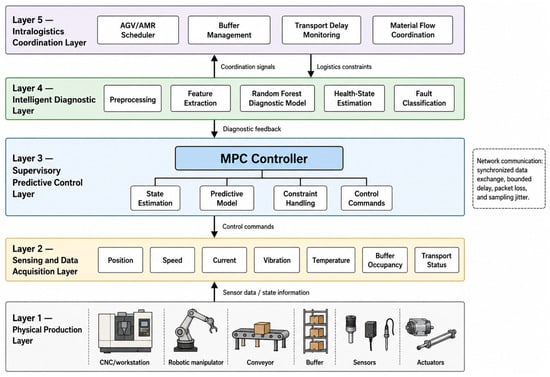
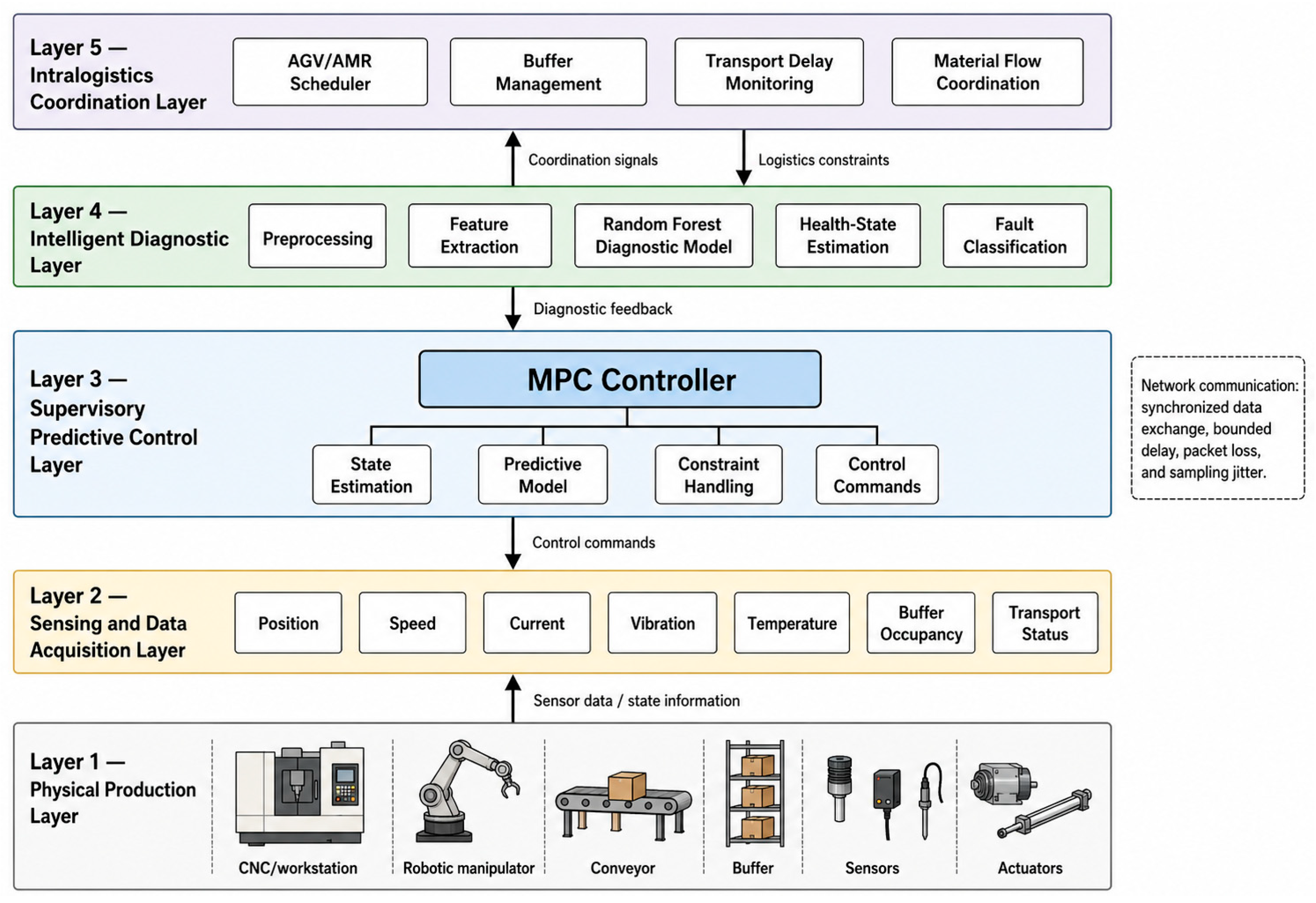
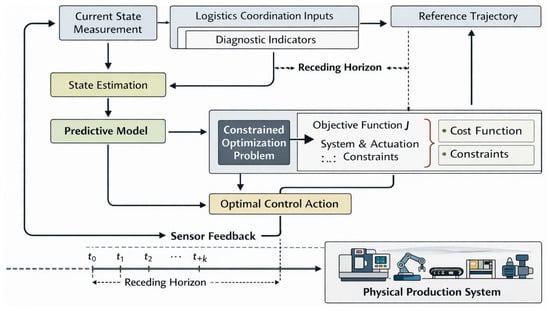
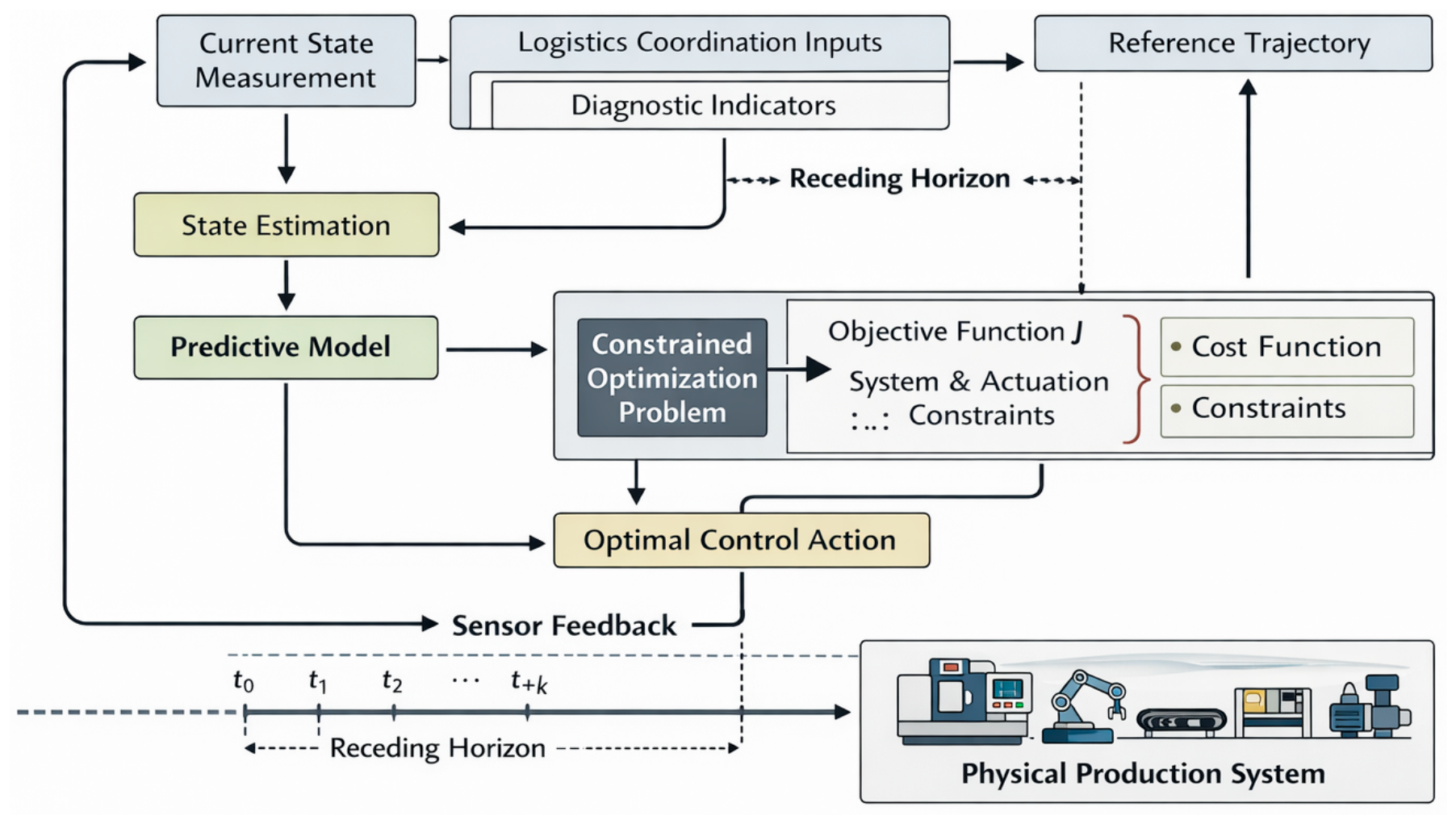
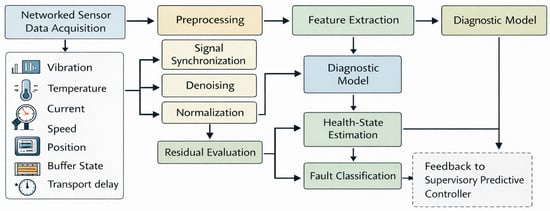
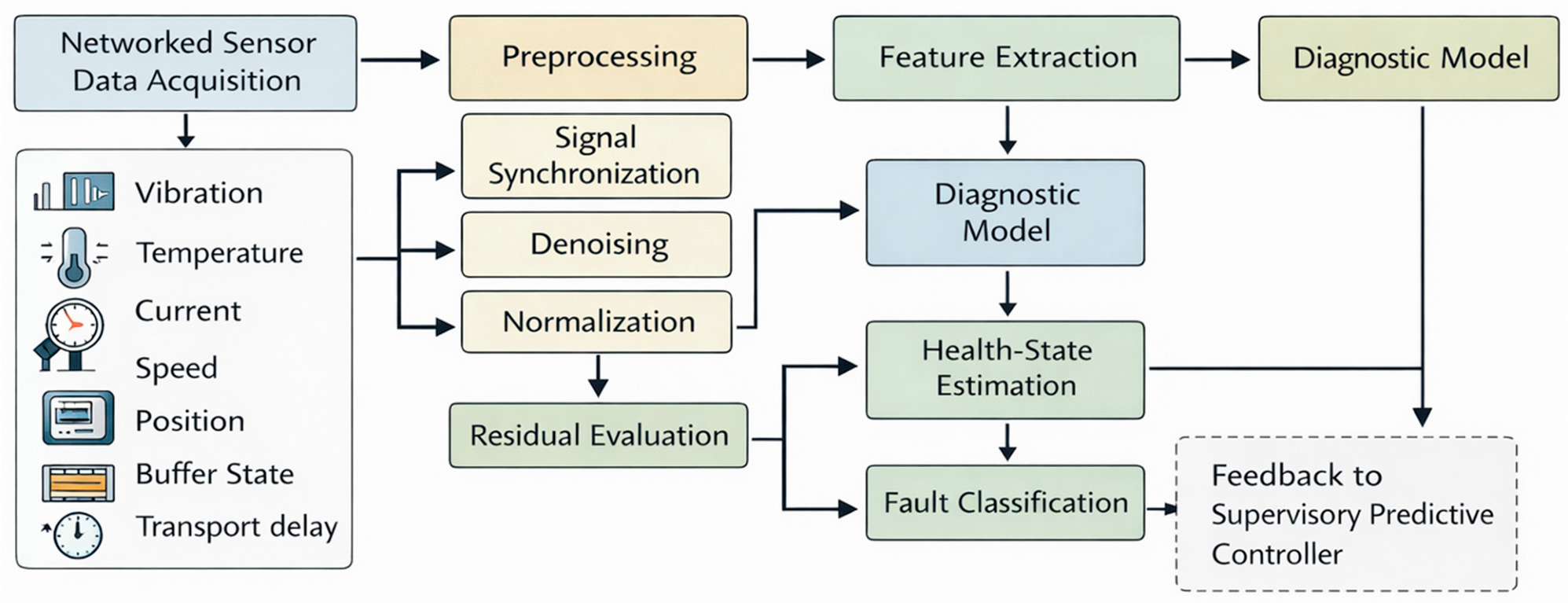
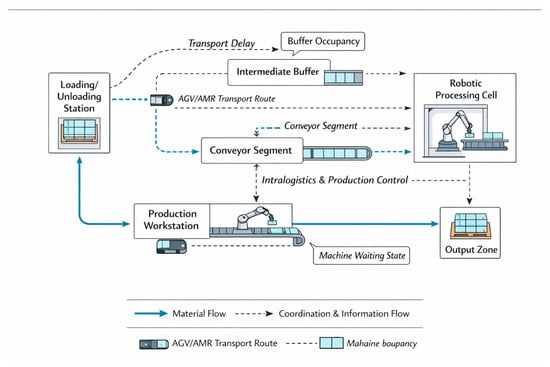
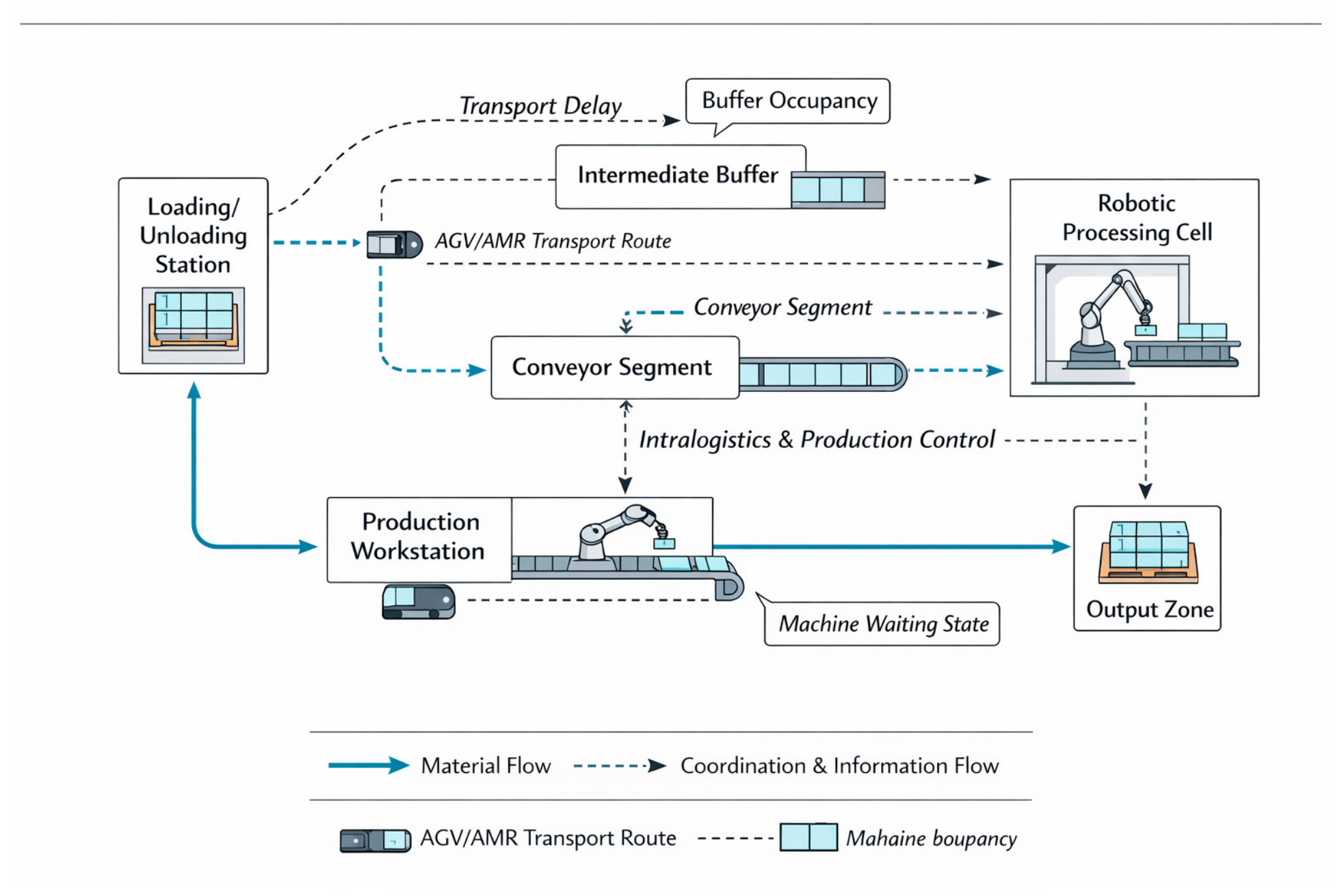
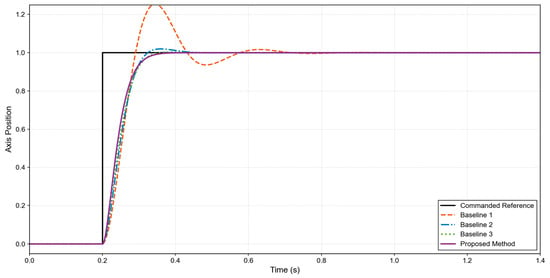
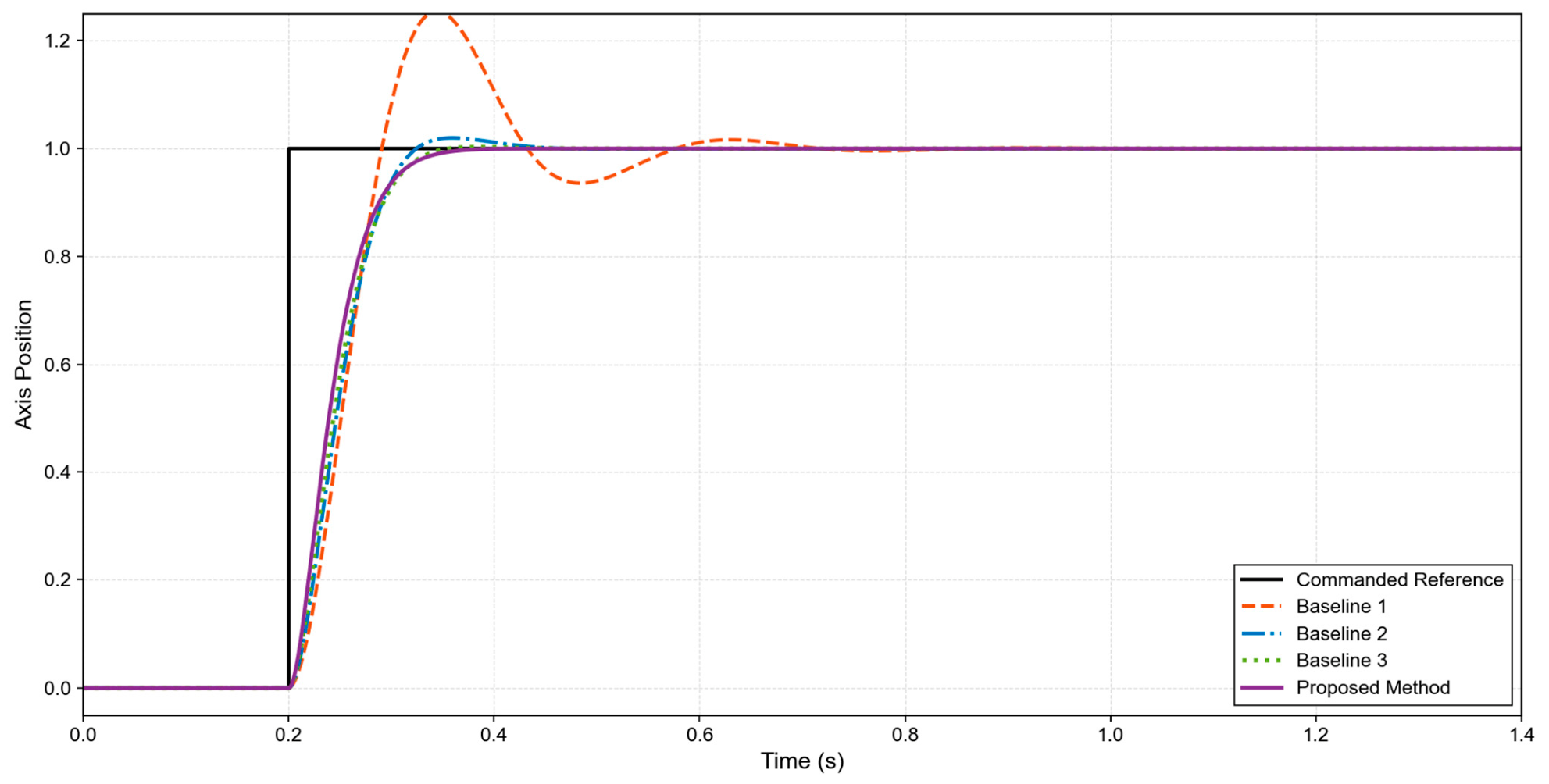
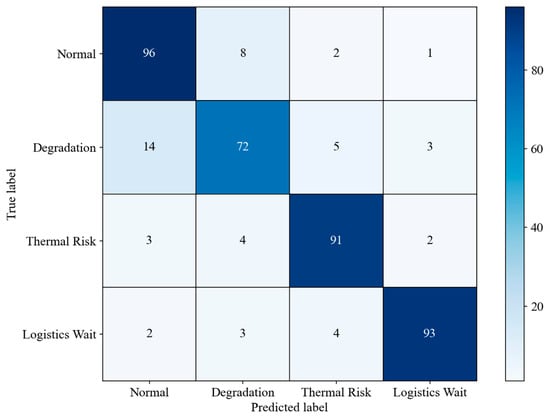
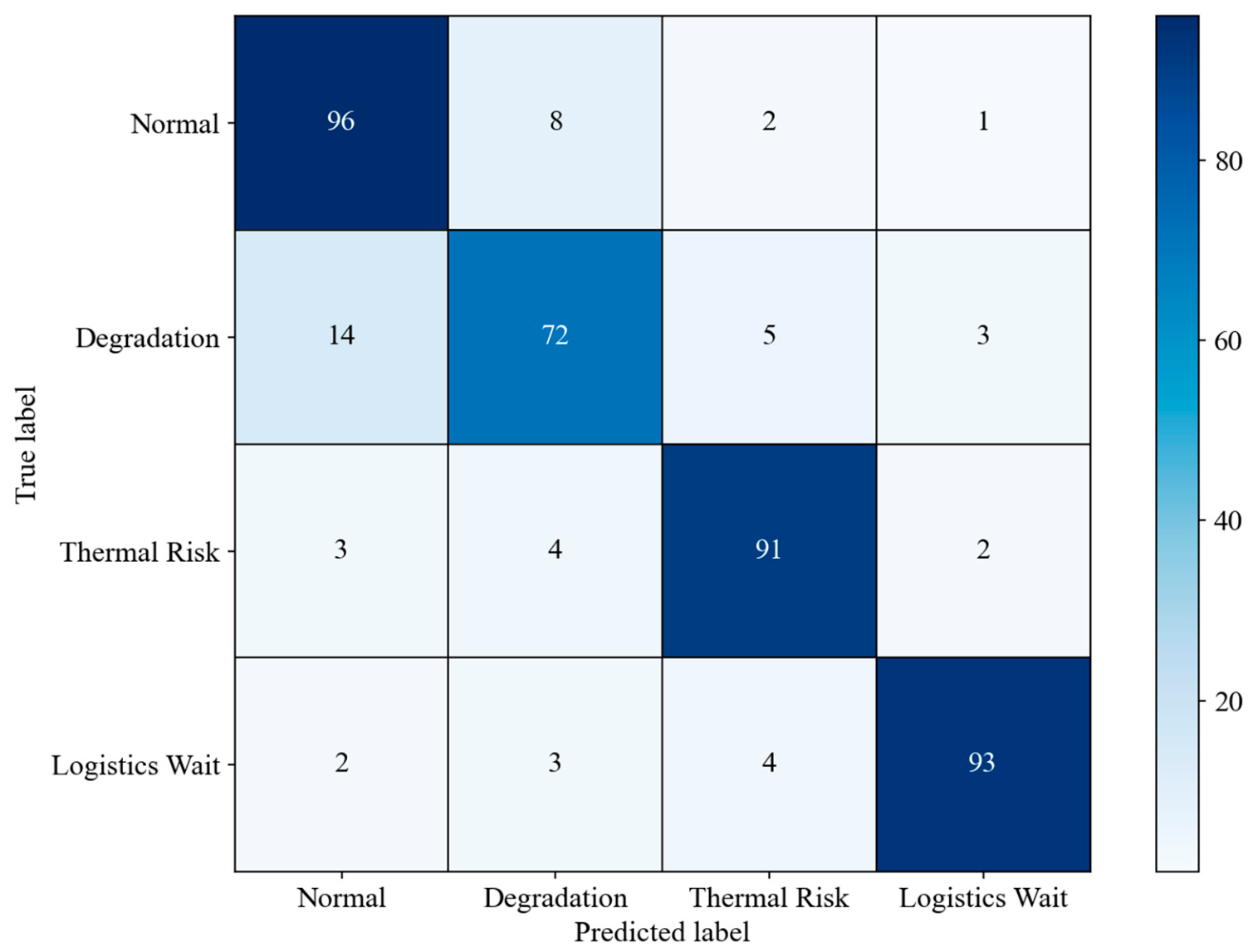
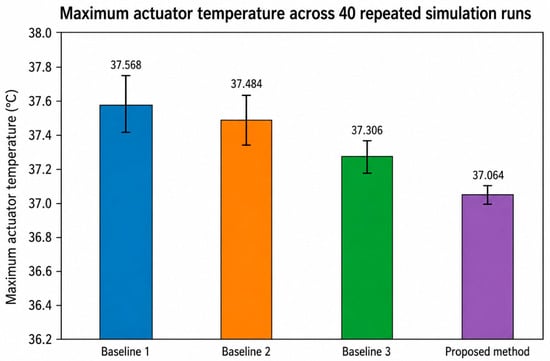
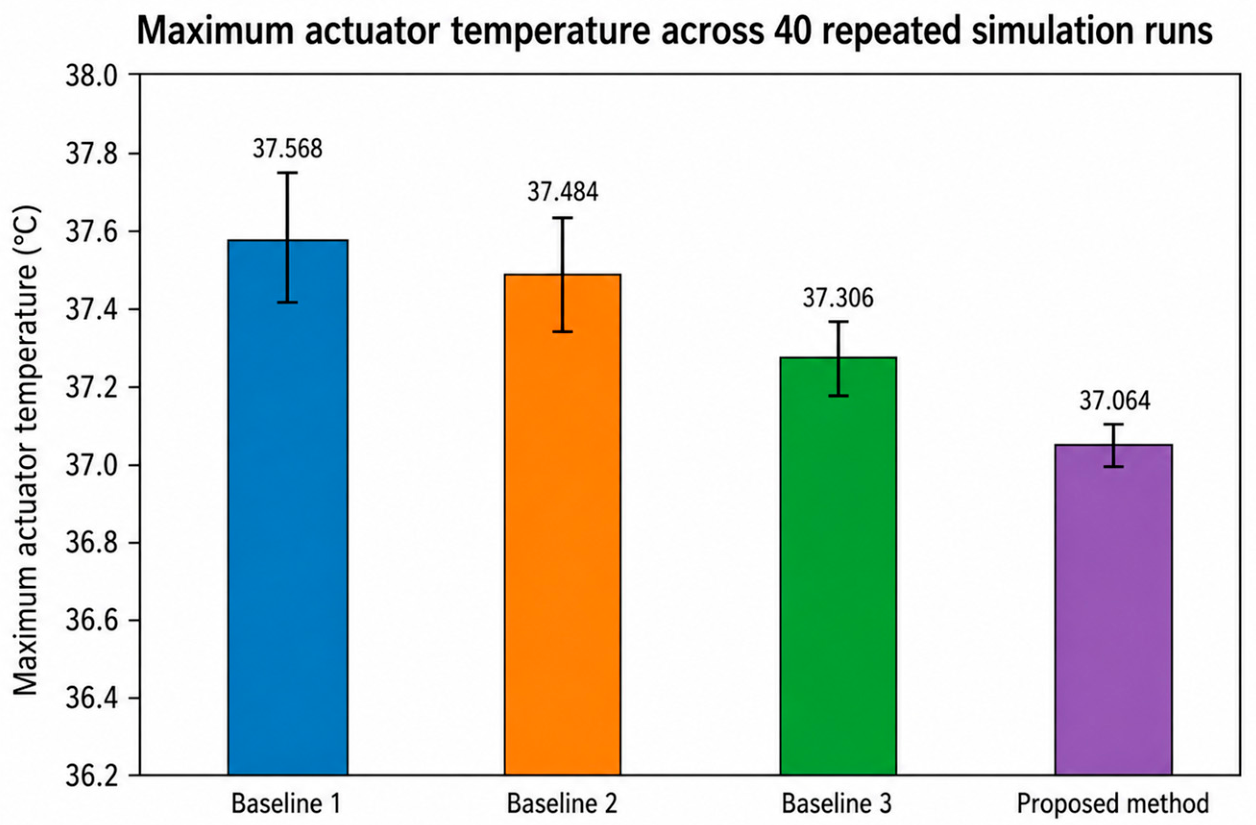
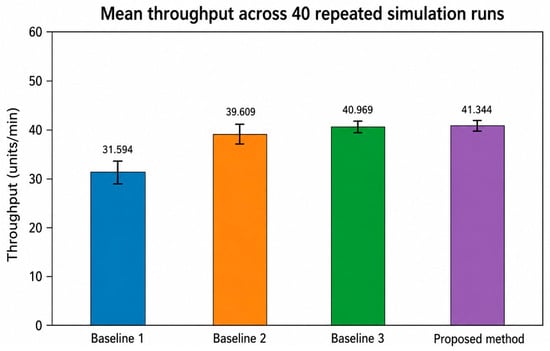
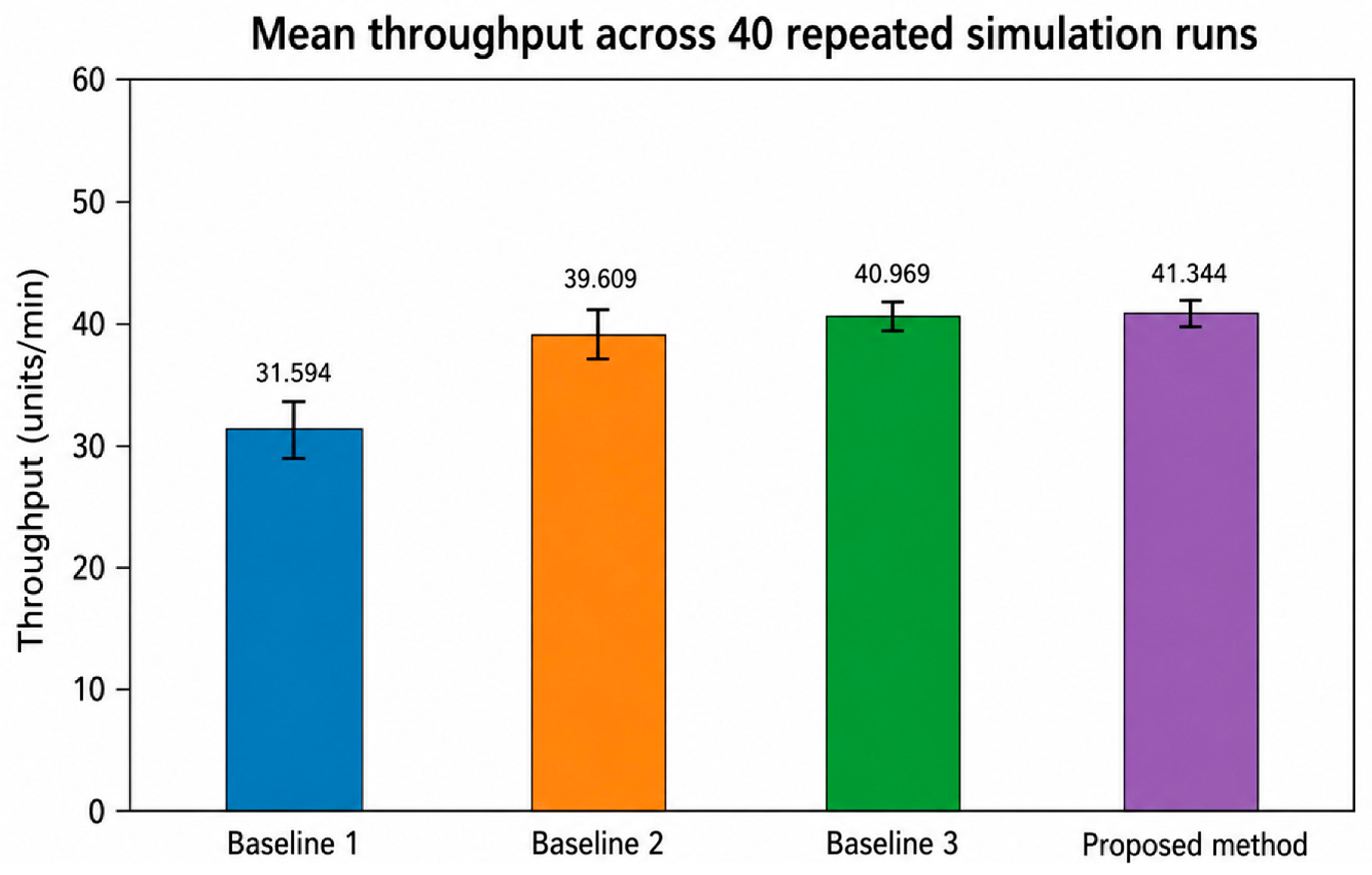
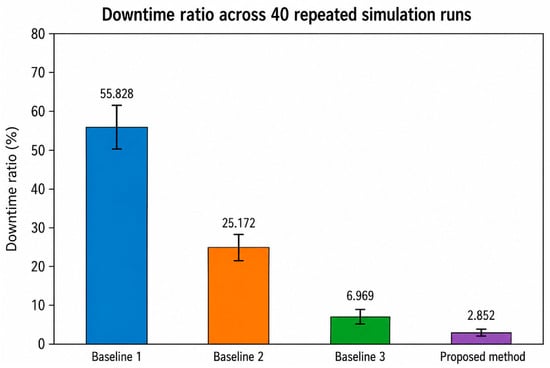

Disclaimer/Publisher’s Note: The statements, opinions and data contained in all publications are solely those of the individual author(s) and contributor(s) and not of MDPI and/or the editor(s). MDPI and/or the editor(s) disclaim responsibility for any injury to people or property resulting from any ideas, methods, instructions or products referred to in the content. |
© 2026 by the authors. Licensee MDPI, Basel, Switzerland. This article is an open access article distributed under the terms and conditions of the Creative Commons Attribution (CC BY) license.