


Abstract
Drought stress restricts soybean growth and yield formation by affecting plant physiological metabolism and rhizosphere nutrient cycling. However, the effects of root-applied betaine on plant carbon and nitrogen metabolism and rhizosphere microbial ecology remain poorly understood. In this study, a three-year pot experiment was conducted from 2022 to 2024 using the soybean cultivar ‘Suinong 26’. Four treatments were established: well-watered control (CK), well-watered control with betaine application (CK + T), drought stress (D), and drought stress with betaine application (D + T). By integrating yield measurements, stress-related physiological traits, carbon and nitrogen metabolism, soil physicochemical properties, untargeted metabolomics, and metagenomic analyses, this study investigated the mitigating effects of root-applied betaine on drought stress in soybean. The results showed that drought stress significantly reduced soybean yield, whereas root-applied betaine increased yields under drought conditions to 3.90, 3.98, and 4.55 t ha−1 in 2022, 2023, and 2024, respectively, representing increases of 13.37%, 16.37%, and 12.90% compared with the D treatment. On day 15 of drought stress, compared with the D treatment, the D + T treatment increased the activities of superoxide dismutase, peroxidase, catalase, and ascorbate peroxidase by 6.50%, 9.46%, 35.40%, and 23.53%, respectively. Soluble sugar and proline contents increased by 35.64% and 10.44%, respectively, whereas malondialdehyde content decreased by 37.41%. Meanwhile, root-applied betaine increased the activities of sucrose phosphate synthase, sucrose synthase, glutamine synthetase, nitrate reductase, and glutamate synthase by 6.85%, 11.36%, 5.30%, 12.42%, and 15.70%, respectively. In addition, dry matter translocation and nitrogen use efficiency increased by 25.53% and 37.41%, respectively. Rhizosphere analyses indicated that root-applied betaine partially alleviated the inhibitory effects of drought on soil enzyme activities and was accompanied by changes in the composition of metabolites associated with carbohydrate, amino acid, and nitrogen metabolism, as well as in the relative abundance of microbial functional genes. In conclusion, root-applied betaine improved antioxidant defense, osmotic adjustment, and carbon and nitrogen metabolism in soybean under drought conditions. These responses were accompanied by changes in rhizosphere metabolic profiles and microbial functional potential, thereby alleviating drought-induced yield losses.
1. Introduction
Against the background of global climate change, the frequency and duration of drought and semiarid events have increased, making them major environmental constraints on agricultural production and the stability of agroecosystems. Prolonged water deficits not only directly affect crop growth and development but also alter soil moisture conditions, nutrient availability, and rhizosphere biological processes, thereby influencing the structure and functioning of agroecosystems [1,2]. Soybean (Glycine max (L.) Merr.) is an important oilseed and plant protein crop worldwide and is relatively sensitive to water availability. Drought stress, particularly during the transition from vegetative to reproductive growth and during seed development, can inhibit plant growth and cause substantial yield losses. Previous studies have demonstrated that extreme drought can significantly reduce average crop yields and result in considerable agricultural economic losses [3,4]. Therefore, elucidating the physiological responses of soybean to drought stress and their relationships with rhizosphere environmental changes, while exploring effective strategies for improving drought tolerance, is essential for enhancing soybean production stability in water-limited regions.
The effects of drought on crops are not restricted to individual physiological processes but involve multilevel responses throughout the plant–soil continuum [5]. Within plants, water deficits disrupt cellular water balance, reduce membrane stability, and induce the accumulation of reactive oxygen species (ROS) [6]. Excessive ROS accumulation further promotes lipid peroxidation and metabolic dysfunction, leading to malondialdehyde accumulation and damage to DNA, proteins, and membrane structures [7,8]. Meanwhile, drought affects photosynthetic electron transport, the activities of enzymes involved in carbon and nitrogen metabolism, and assimilate transport, ultimately restricting biomass accumulation and grain formation. In parallel, drought alters the rhizosphere soil environment. Reduced soil moisture restricts solute diffusion and microbial activity, thereby decreasing nutrient transport efficiency [9]. Prolonged water deficits may also aggravate soil degradation and affect soil enzyme activities, nutrient mineralization, and microbial community functions [10,11,12]. Plant carbon and nitrogen metabolism is closely interconnected with rhizosphere nutrient cycling: the former regulates plant growth and biomass accumulation, whereas the latter determines soil nutrient transformation and availability. Therefore, evaluating the concurrent changes in plant physiological metabolism and the rhizosphere environment under drought conditions can provide a more comprehensive understanding of soybean drought adaptation.
Current strategies for improving crop drought tolerance mainly include water-saving irrigation, drought-tolerant cultivar breeding, and gene editing. However, some of these approaches are associated with relatively long breeding cycles, high technical costs, or limitations in field application. In comparison, exogenous regulatory substances offer greater flexibility in application and relatively simple treatment procedures, making them an important research focus in crop stress management [13]. Glycine betaine (GB) is a nitrogen-containing organic compound naturally present in various organisms and can function as an osmoprotectant in plant responses to abiotic stress. Endogenous GB is primarily derived from plant metabolism, and its accumulation capacity varies among species. In contrast, exogenous GB is introduced into the plant growth environment through foliar application, seed treatment, or root application and may participate in stress regulation by influencing plant physiological processes and the rhizosphere environment. Previous studies have shown that GB contributes to osmotic adjustment, alleviates oxidative damage, and helps maintain the stability of cellular membranes and proteins [14]. However, physiological responses induced by exogenous GB application do not necessarily indicate increased endogenous GB biosynthesis or accumulation, and its specific effects should be evaluated in relation to the application method and relevant physiological parameters. Seed priming with betaine has been reported to improve antioxidant capacity and osmotic adjustment in maize seedlings under stress conditions, thereby alleviating membrane damage and inhibiting effects on seed germination [15]. Root application of betaine can also improve electron transport, nutrient uptake, and photosynthetic performance in eggplant under drought conditions [16]. Furthermore, betaine is associated with the accumulation of osmotic adjustment substances, including proline, soluble sugars, and soluble proteins, as well as with plant nitrogen metabolism [17]. Notably, the effects of betaine may extend beyond plant physiological processes. Previous studies have shown that betaine participates in microbial metabolism and can function as an osmoprotectant, helping certain microorganisms adapt to unfavorable environmental conditions [18]. Compared with foliar application and seed treatment, root application delivers exogenous betaine directly into the rhizosphere environment. Therefore, its effects may not be limited to changes in plant antioxidant defense and osmotic adjustment but may also be accompanied by alterations in rhizosphere metabolite composition and microbial functional potential. However, the relationships among plant carbon and nitrogen metabolism, rhizosphere metabolic characteristics, and microbial functional composition following root application of betaine remain insufficiently understood. In particular, studies integrating multi-year yield responses with plant physiological measurements and rhizosphere omics analyses are still limited.
Based on this background, the present study addressed two main scientific questions. First, can root-applied betaine consistently alleviate drought-induced yield reductions in soybean across different experimental years, and how is this effect associated with plant antioxidant defense, carbon and nitrogen metabolism, and assimilate translocation? Second, is betaine application accompanied by changes in rhizosphere metabolite composition, nutrient cycling-related parameters, and the relative abundance of microbial functional genes under drought conditions, and how are these changes associated with plant physiological responses? To address these questions, a three-year pot experiment was conducted from 2022 to 2024 using the soybean cultivar ‘Suinong 26’. Four treatments were established: well-watered control, well-watered control with betaine application, drought stress, and drought stress with betaine application. Soybean yield and its components, antioxidant and osmotic adjustment parameters, key enzymes involved in carbon and nitrogen metabolism, assimilate and nitrogen translocation, and rhizosphere soil physicochemical properties were systematically measured. Untargeted metabolomic and metagenomic analyses were further integrated to characterize changes in rhizosphere metabolic profiles and microbial functional potential under different treatments. The distinctive feature of this study lies in integrating three consecutive years of yield responses with plant carbon and nitrogen metabolism analyses, while examining belowground responses to root-applied betaine at both the rhizosphere metabolite and microbial functional gene levels. This study aims to establish associations among soybean yield recovery, plant physiological responses, and rhizosphere microbial ecological characteristics, thereby providing insights into the effects of exogenous betaine on drought stress alleviation in soybean and its potential application in agricultural production.
2. Materials and Methods
2.1. Experimental Materials
The drought-sensitive soybean cultivar ‘Suinong 26’ was used as the experimental material and was provided by the National Coarse Cereals Engineering Technology Research Center (Daqing, Heilongjiang, China). The soil used in this study was chernozem, and the cultivation substrate was prepared by mixing vermiculite, perlite, and chernozem at a volume ratio of 1:3:12 (V/V/V). Exogenous glycine betaine (GB) was applied through root irrigation. The GB reagent was purchased from Coolaber (Beijing, China), and the application concentration was set at 40 mmol L−1 based on the results of preliminary concentration-gradient experiments. In this study, all references to betaine treatment refer exclusively to the exogenous application of GB through root irrigation, and endogenous GB content in soybean plants was not directly measured. The basic physicochemical properties of the experimental soil are presented in Supplementary Table S1.
2.2. Experimental Design
The experiment was conducted over three consecutive years (2022–2024) in a rainout shelter at the National Center for Coarse Cereals Engineering and Technology, Daqing, Heilongjiang Province, China. The experimental site is located in the Songnen Plain (45°46′ N, 124°19′ E), at an average elevation of approximately 146 m. The region belongs to the Second Accumulated Temperature Zone, with a ≥10 °C active accumulated temperature of 2516 °C. Fertilizer application rates were converted from the corresponding field application rates and consisted of 300 kg ha−1 diammonium phosphate, 75 kg ha−1 urea, and 75 kg ha−1 potassium sulfate. Soil moisture in the pot experiment was controlled using the gravimetric weighing method. The pots were 30.0 cm in diameter and 33.0 cm in height, with uniformly distributed drainage holes at the bottom to ensure the timely removal of excess water.
Before sowing, soybean seeds were surface-sterilized with 5% sodium hypochlorite solution for 5 min, thoroughly rinsed with sterile water, and then sown. Eight seeds were evenly sown in each pot, and seedlings were thinned at the cotyledon stage (VC) to retain three plants per pot. Root application of betaine commenced when soybean plants reached the V3 stage and was performed once daily at approximately 18:00 for three consecutive days. For the CK + T and D + T treatments, each pot received 500 mL of 40 mmol L−1 betaine solution per day, equivalent to 20 mmol betaine per pot per application. The total volume applied over the three-day treatment period was 1500 mL per pot, corresponding to a cumulative betaine application of 60 mmol per pot. The CK and D treatments received an equal volume of water per pot per day as controls. The betaine concentration was determined based on preliminary concentration-gradient experiments. By comparing the effects of different betaine concentrations on soybean growth and related physiological parameters, 40 mmol L−1 was selected as the application concentration for the main experiment. The results of the preliminary experiment are presented in Supplementary Figure S1.
Water treatments were initiated after the three-day betaine application period. Soil water content in the well-watered treatments (CK and CK + T) was maintained at 80% ± 5% of field capacity (FC). For the drought treatments (D and D + T), irrigation was withheld, allowing soil water content in the pots to gradually decrease to 50% ± 5% of FC over approximately 5 ± 1 days. Once the target soil water content was reached, the formal drought stress period commenced and was maintained at 50% ± 5% of FC for 15 consecutive days. Field capacity was determined using the core sampling method. During the treatment period, soil moisture was monitored daily using the gravimetric weighing method, and water was replenished according to changes in pot weight to maintain the respective target moisture levels in the well-watered and drought treatments. Thus, the entire water treatment period comprised an approximately 5 ± 1-day soil drying phase followed by 15 days of formal drought stress.
The pot experiment consisted of four treatments arranged in a completely randomized design, with three independent biological replicates per treatment and one pot serving as the experimental unit. The same treatment structure, betaine application procedure, water management regime, and other cultivation practices were maintained throughout the three experimental years. The four treatments were as follows: CK, well-watered conditions with an equivalent volume of water applied to the roots; CK + T, well-watered conditions with root application of 40 mmol L−1 betaine; D, drought stress with an equivalent volume of water applied to the roots; and D + T, drought stress with root application of 40 mmol L−1 betaine. Detailed descriptions of the experimental treatments are provided in Table 1.
Table 1.
Experimental design.
2.3. Sampling Time and Methods
Samples for physiological measurements and dry matter determination were collected on days 5, 10, and 15 after the initiation of formal drought stress to assess plant growth and related physiological parameters. On day 15 of drought stress, rhizosphere soil samples were collected before rewatering for soil enzyme activity assays, untargeted metabolomic analysis, and metagenomic sequencing. After sampling was completed on the same day, the remaining plants were rewatered and maintained until subsequent growth stages. Additional samples were collected at the seed-filling and maturity stages to calculate nitrogen and dry matter translocation-related parameters. Photosynthetic and chlorophyll fluorescence parameters were measured in vivo using appropriate instruments. Samples for physiological and enzymatic analyses were immediately frozen in liquid nitrogen and stored at −80 °C, whereas samples for dry matter determination were initially heated at 105 °C for enzyme inactivation and subsequently dried at 80 °C to constant weight.
2.4. Measurement Parameters and Methods
2.4.1. Morphological and Yield Measurements
Soybean seedling height was measured using a ruler, stem diameter was determined using a vernier caliper, and leaf area was measured using a Yaxin-124 leaf area meter. Plant fresh and dry weights were determined gravimetrically. At maturity (R8), yield measurements were conducted by harvesting three representative plants from each treatment. The number of pods per plant, number of seeds per plant, grain weight per plant, plant height, stem diameter, and height of the lowest pod were recorded. Based on the mean grain weight per plant and a standardized planting density of 20 plants m−2 (equivalent to 200,000 plants ha−1), theoretical grain yield per unit area (t ha−1) was estimated to enable standardized yield comparisons among treatments.
2.4.2. Determination of Dry Matter Translocation in Soybean
Dry matter translocation-related parameters were calculated according to the method of Gu [19] with modifications.
- (1)
- Dry matter translocation amount per plant (MTA, g)MTA = Dry weight of vegetative organs at the seed-filling stage − Dry weight of vegetative organs at maturity
- (2)
- Dry matter translocation rate per plant (MTR, %)MTR (%) = (MTA/Dry weight of vegetative organs at the seed-filling stage) × 100%
- (3)
- Contribution of dry matter translocation to grain weight per plant (MCR, %)MCR (%) = (MTA/Grain weight at maturity) × 100%
- (4)
- Harvest index (HI, %)HI (%) = (Grain weight at maturity/Total aboveground dry weight at maturity) × 100%
- (5)
- Apparent post-seed-filling dry matter accumulation contribution rate (APMACR, %)MACR (%) = [(Total aboveground dry weight at maturity − Total aboveground dry weight at the seed-filling stage)/Grain weight at maturity] × 100%
2.4.3. Determination of Membrane Lipid Peroxidation, Antioxidant Capacity, and Hormone Levels
Superoxide dismutase (SOD, EC 1.15.1.1) activity was determined according to the method of Ries [20] using the nitroblue tetrazolium (NBT) photoreduction inhibition assay. Enzyme activity was calculated based on changes in absorbance of the reaction mixture.
Peroxidase (POD, EC 1.11.1.7) activity was measured according to Chance and Maehly [21], using hydrogen peroxide as the substrate. Enzyme activity was calculated by monitoring the formation of colored products during the oxidation reaction.
Catalase (CAT, EC 1.11.1.6) activity was determined according to Fu [22] using the ultraviolet spectrophotometric method. Enzyme activity was calculated by monitoring changes in absorbance at 240 nm during hydrogen peroxide decomposition.
Ascorbate peroxidase (APX, EC 1.11.1.11) activity was determined according to Cakmak [23] by monitoring changes in absorbance at 290 nm during ascorbate oxidation.
Malondialdehyde (MDA) content was determined using the method of Heath and Packer [24], based on the thiobarbituric acid (TBA) colorimetric reaction.
Superoxide anion (O2−) content was determined according to Li [25] using a hydroxylamine hydrochloride reaction followed by a colorimetric assay.
Soluble sugar content was determined according to Yemm [26] using the anthrone colorimetric method, with concentrations calculated based on absorbance values and a standard curve.
Proline (Pro) content was determined according to Bates [27] using the acid ninhydrin colorimetric method.
Abscisic acid (ABA) and indole-3-acetic acid (IAA) contents in soybean leaves were determined using an enzyme-linked immunosorbent assay (ELISA), following the method of Teng et al. [28] with appropriate modifications. Fresh soybean leaf samples were immediately frozen in liquid nitrogen and stored at −80 °C. For analysis, the samples were thoroughly ground into a fine powder under liquid nitrogen and extracted overnight at 4 °C in pre-cooled 80% methanol containing 1 mmol L−1 butylated hydroxytoluene (BHT), protected from light. The extracts were then centrifuged at 12,000× g for 15 min at 4 °C, and the supernatants were collected. The resulting pellets were re-extracted with the same extraction solution for 1 h at 4 °C, followed by centrifugation under the same conditions. The two supernatants were combined and purified using a C18 solid-phase extraction column. The eluates were collected, evaporated to dryness under a stream of nitrogen, and reconstituted in 0.01 mol L−1 phosphate buffer (pH 7.4) for subsequent hormone determination.
ABA and IAA were quantified separately using an indirect competitive ELISA. The corresponding ABA- or IAA-ovalbumin conjugates were dissolved in 50 mmol L−1 NaHCO3 coating buffer (pH 9.6) and added to the microplate wells for coating. Ovalbumin solution was used to block nonspecific binding sites. Subsequently, ABA or IAA standards, sample extracts, and the corresponding specific antibodies were added to the wells. After incubation, horseradish peroxidase (HRP)-conjugated goat anti-rabbit IgG was added as the secondary antibody. Following washing, o-phenylenediamine (OPD) substrate was added for color development. The reaction was terminated by adding sulfuric acid stop solution, and absorbance was measured at 490 nm using a microplate reader. Standard curves were established separately for ABA and IAA, and the corresponding hormone concentrations in the samples were calculated based on competitive binding.
To evaluate the reliability of the analytical methods, standard addition recovery tests and serial dilution tests were used for method validation. Recovery rates were calculated by comparing the measured values of spiked samples with those of unspiked samples. The parallelism between sample dilution curves and standard curves was also evaluated to assess matrix interference and analytical reliability. Hormone contents were calculated based on sample fresh weight, extraction volume, and dilution factors.
2.4.4. Determination of Parameters Related to Carbon and Nitrogen Metabolism
Nitrate reductase (NR, EC 1.7.1.1) activity was determined according to Xu [29] using an enzymatic assay. Nitrate was used as the substrate, and NR activity was calculated based on the amount of nitrite produced during the enzymatic reaction.
Glutamine synthetase (GS, EC 6.3.1.2) activity was determined according to Yemm and Willis [30]. GS activity was evaluated by quantifying the amount of γ-glutamyl hydroxamate produced during the enzymatic reaction.
Glutamate synthase (GOGAT, EC 1.4.1.13 or EC 1.4.1.14) activity was determined according to Chen [31]. Enzyme activity was calculated by monitoring NADPH or NADH oxidation during the enzymatic reaction through the corresponding changes in absorbance. The specific EC number was assigned according to the coenzyme used in the assay.
Glutamate dehydrogenase (GDH, EC 1.4.1.2 or EC 1.4.1.4) activity was determined according to the method described in Experimental Guidelines for Modern Plant Physiology. Enzyme activity was calculated by monitoring the absorbance changes associated with NAD+- or NADP+-dependent redox reactions. The specific EC number was assigned according to the coenzyme system used in the assay.
Sucrose synthase (SS, EC 2.4.1.13) and sucrose phosphate synthase (SPS, EC 2.4.1.14) activities were determined according to Chopra [32]. The activities of these enzymes were evaluated by quantifying sucrose or sucrose phosphate-related products generated during the enzymatic reactions, reflecting sucrose biosynthesis and carbohydrate conversion capacity.
Acid invertase (AI, EC 3.2.1.26) and neutral invertase (NI, EC 3.2.1.26) activities were determined according to Tsai [33]. Enzyme activities were calculated based on the amount of reducing sugars released during sucrose hydrolysis, with measurements conducted under acidic and neutral reaction conditions, respectively.
α-Amylase (EC 3.2.1.1) and β-amylase (EC 3.2.1.2) activities were determined according to Bernfeld [34]. Starch was used as the reaction substrate, and enzyme activities were calculated by quantifying the reducing sugars produced during starch hydrolysis.
2.4.5. Determination of Soil Nutrients and Soil Enzyme Activities
Soil nitrate nitrogen (NO3−-N) content was determined according to Doane and Horwáth [35] using a single-reagent spectrophotometric method. Nitrate was first reduced to nitrite, followed by a colorimetric reaction for quantitative determination. Soil NO3−-N content was calculated based on a standard curve.
Soil organic carbon (SOC) content was determined according to the method of Tang Weixiang [36]. Soil pH was measured potentiometrically using a soil suspension, following the method of Chen Yu [5].
Soil urease (EC 3.5.1.5) activity was determined according to Guan [37] using the sodium phenolate–sodium hypochlorite colorimetric method. Urea was used as the reaction substrate, and enzyme activity was calculated based on the amount of NH4+-N released during urea hydrolysis.
Soil invertase (EC 3.2.1.26) activity was determined according to Guan [37] using the 3,5-dinitrosalicylic acid (DNS) colorimetric method, with sucrose as the reaction substrate. Enzyme activity was calculated based on the amount of reducing sugars released during sucrose hydrolysis.
Soil catalase (EC 1.11.1.6) activity was determined according to Yang [38] using the ultraviolet spectrophotometric method. Enzyme activity was calculated by monitoring changes in absorbance during hydrogen peroxide decomposition.
Soil protease activity was determined according to Liu Y [39] by quantifying the characteristic products released during the hydrolysis of protein substrates. As soil proteases comprise various hydrolytic enzymes with different substrate specificities, their activities were characterized according to the specific assay employed in this study.
Soil cellulase activity was determined according to Zhang [40] by quantifying the reducing sugars released during cellulose hydrolysis. For assays based on endo-1,4-β-glucanase, the corresponding EC number is 3.2.1.4.
Soil nitrate reductase activity was determined according to Ye [41] using nitrate as the reaction substrate. Enzyme activity was calculated based on the amount of nitrite produced during the enzymatic reaction. The corresponding EC number was assigned according to the electron donor system used in the assay.
2.4.6. Determination of Nitrogen Translocation
Dried aboveground soybean plant samples were ground into a fine powder, digested using a sulfuric acid–hydrogen peroxide digestion method, and analyzed for total nitrogen content using the Kjeldahl method. Aboveground nitrogen accumulation (NA) was calculated based on plant dry matter accumulation and nitrogen concentration.
- (1)
- Aboveground nitrogen accumulation (NA)
NA = DM × Nc
- (2)
- Nitrogen use efficiency (NUE, %)
NUE (%) = [(NAf − NA0)/Nf] × 100%
- (3)
- Nitrogen physiological efficiency (NPE, kg kg−1)
NPE (kg kg−1) = (Yf − Y0)/(NAf − NA0)
2.4.7. Determination of Ca2+ and H+ Fluxes
Net H+ and Ca2+ fluxes in soybean roots were measured using non-invasive micro-test technology (NMT) with a BIO-001A ion flux measurement system (Younger USA LLC., Amherst, MA, USA; XuYue [Beijing] Science and Technology Co., Ltd., Beijing, China). Healthy soybean roots with uniform morphology and no visible mechanical damage were selected for measurement. Freshly excised roots were transferred to the measurement chamber and secured with quartz slides to minimize root movement during measurement. A standardized measurement region located 5 mm from the root tip along the primary root was selected to minimize variations associated with differences in root developmental stages.
Ion-selective microelectrodes specific for H+ and Ca2+ were used, with electrode tip diameters of 2–4 μm, as commonly adopted in NMT studies of plant roots. Before measurements, the microelectrodes were calibrated separately using the corresponding ion standard solutions. H+-selective microelectrodes were calibrated using pH 5.0 and 7.0 standard buffers, whereas Ca2+-selective microelectrodes were calibrated using 0.05 and 0.5 mmol L−1 CaCl2 standard solutions. Electrode response slopes were calculated from the relationship between electrode potential and the logarithm of ion concentration, and electrode stability was evaluated. The response slope of H+-selective microelectrodes was assessed against a reference range of 53–63 mV per decade, whereas Ca2+-selective microelectrodes were evaluated according to the Nernstian response expected for divalent ions.
The measurement solution was prepared according to protocols commonly used in plant root NMT studies and consisted of 0.1 mmol L−1 KCl, 0.1 mmol L−1 CaCl2, 0.1 mmol L−1 MgCl2, 0.5 mmol L−1 NaCl, 0.3 mmol L−1 MES, and 0.2 mmol L−1 Na2SO4. The pH was adjusted according to the specific measurement requirements. Ion flux measurements were performed after the roots had been sufficiently equilibrated in the measurement solution.
The ion-selective microelectrode was positioned close to the root surface without direct contact with the root tissue. During measurement, the microelectrode oscillated perpendicular to the longitudinal axis of the root over an excursion distance of 30 μm at a frequency of 0.3–0.5 Hz. Ion fluxes were continuously recorded for 10 min at each measurement position. For each treatment, [actual number of independent roots] independent roots were measured, with [actual number of measurement positions] measurement positions established on each root. Data acquisition, electrode positioning, signal preprocessing, and net ion flux calculations were performed using ASET 2.0 software.
Positive net flux values indicated net ion efflux from the root tissue into the external solution, whereas negative values indicated net ion influx from the external solution into the root tissue. Considering that root excision may induce transient mechanical damage and wound responses, all samples were subjected to identical sampling and measurement procedures, and the interval between root excision and the commencement of measurements was minimized to reduce the influence of operational variations on the results.
2.4.8. Soil Metabolome Detection
Soybean roots were gently shaken to remove loosely attached soil, and rhizosphere soil adhering to the root surface within a 5 mm distance was collected. For each biological replicate, rhizosphere soil collected from five soybean plants was pooled to form one composite sample, with five biological replicates established for each treatment. Samples were stored at low temperature after collection for subsequent untargeted metabolomic analysis. All analyses were performed by Shanghai Personal Biotechnology Co., Ltd. (Shanghai, China).
Rhizosphere soil metabolites were analyzed using gas chromatography–mass spectrometry (GC–MS). Briefly, an appropriate amount of soil sample was weighed, and adonitol was added as an internal standard. Metabolites were extracted using 75% methanol and ethyl acetate as extraction solvents, with ball milling and ice-bath ultrasonication to facilitate extraction. The extracts were centrifuged, and the resulting supernatants were collected, filtered, and vacuum-dried. The dried extracts were subjected to a two-step derivatization procedure. First, methoxyamine hydrochloride dissolved in pyridine (20 mg mL−1) was added, and the reaction was carried out at 37 °C for 2 h to convert carbonyl compounds into their corresponding oximes. Subsequently, N-methyl-N-(trimethylsilyl)trifluoroacetamide (MSTFA) was added, followed by incubation at 37 °C for 30 min to complete silylation.
The derivatized samples were analyzed using a GC–MS platform. Metabolic features were obtained based on chromatographic retention times and mass spectral fragmentation patterns. Raw mass spectrometry data were subjected to format conversion, peak extraction, peak identification, peak alignment, and normalization before subsequent metabolomic analyses. Metabolites were identified by matching their mass spectral fragmentation patterns against reference mass spectral databases, with retention times and retention indices used for further confirmation.
Differential metabolites were screened by combining fold change (FC) analysis with statistical testing. The original p values were adjusted for multiple comparisons using the Benjamini–Hochberg (BH) procedure to control the false discovery rate (FDR). Metabolites with an FC > 2 and an FDR-adjusted p value (q value) < 0.05 were considered significantly differentially abundant. Principal component analysis (PCA) and partial least squares discriminant analysis (PLS-DA) were performed using SIMCA-P 14.1 software (Umetrics, Umeå, Sweden).
2.4.9. Metagenomic Analysis
- (1)
- Metagenomic DNA extraction and sequencing
Total microbial DNA was extracted from soil samples using the OMEGA Mag-Bind Soil DNA Kit according to the manufacturer’s instructions and stored at −20 °C. DNA concentration and quality were assessed using a Qubit™ 4 fluorometer and agarose gel electrophoresis, respectively. Metagenomic libraries with an insert size of approximately 400 bp were constructed using the Illumina TruSeq Nano DNA LT Kit, followed by paired-end sequencing (PE150) on the Illumina NovaSeq platform. Library preparation and sequencing were performed by Shanghai Personal Biotechnology Co., Ltd. (Shanghai, China).
- (2)
- Quality control of metagenomic sequencing data
Raw sequencing data were subjected to quality control. Adapter sequences were removed using Cutadapt, and low-quality reads and reads containing ambiguous bases were filtered using fastp. Quality control was primarily based on sequencing quality scores, the proportion of ambiguous bases (N bases), and sequence length. The numbers of raw sequencing reads (Raw reads), high-quality reads retained after quality control (Clean reads), and read retention rates were recorded for each sample. The read retention rate was calculated as the proportion of Clean reads relative to Raw reads. In addition, Q20, Q30, and GC content were assessed to evaluate sequencing data quality. Sequencing depth and quality control statistics for all samples are summarized in Supplementary Table S1.
- (3)
- Taxonomic classification and metagenomic assembly
Taxonomic classification of quality-controlled reads was performed using Kraken2 or Kaiju against the GTDB or NCBI-nt databases. Sequences assigned to Metazoa and Viridiplantae were removed.
High-quality reads from each sample were assembled separately using MEGAHIT, and contigs longer than 300 bp were retained. Contigs were clustered using MMseqs2, and taxonomic annotation was performed against the NCBI-nt database. Sequences assigned to Viridiplantae and Metazoa were subsequently removed. Open reading frames were predicted using Prodigal, and the resulting coding sequences (CDSs) were clustered using MMseqs2 to construct a non-redundant gene catalog.
- (4)
- Gene abundance estimation and normalization
High-quality sequencing reads from each sample were mapped to the non-redundant gene catalog using Minimap2. FeatureCounts was then used to quantify the number of reads mapped to each gene, generating a raw gene count matrix. To minimize the effects of differences in sequencing depth and gene composition among samples, the trimmed mean of M-values (TMM) normalization method was applied to the raw gene counts to obtain normalized gene abundance data for subsequent gene abundance and functional composition analyses. TMM normalization was performed according to Robinson [42].
- (5)
- Functional annotation and statistical analysis
The non-redundant gene catalog was aligned against the KEGG, eggNOG, and CAZy databases using MMseqs2 for functional annotation. Additional eggNOG, Gene Ontology (GO), and KEGG Orthology (KO) annotations were obtained using eggNOG-mapper, map2slim, and KOBAS, respectively. Based on the functional annotation results, the functional gene composition and potential metabolic functions of rhizosphere microbial communities under different treatments were analyzed. For heatmap visualization, the corresponding functional gene abundance data were further standardized using Z-score transformation to illustrate variation trends in relative functional gene abundance among samples.
The raw metagenomic sequencing data generated in this study have been deposited in the Sequence Read Archive (SRA) of the National Center for Biotechnology Information (NCBI) under BioProject accession number PRJNA1238178.
2.5. Data Processing
Data were compiled and summarized using Microsoft Excel 2022. Analysis of variance (ANOVA) was performed using SPSS 20.0, and figures were prepared using Origin 2022.
3. Results
3.1. Effects of Root Application of Betaine on Soybean Yield Under Drought Stress
As shown in Table 2, soybean yield and its components were significantly affected by year, water regime, and betaine application. Three-way analysis of variance (ANOVA) showed that year (Y) had highly significant effects on the number of pods per plant, number of seeds per plant, grain weight per plant, and grain yield (p < 0.001), indicating substantial differences in soybean yield formation among years. Water treatment (T) also had highly significant effects on all these parameters (p < 0.001), demonstrating that drought stress markedly inhibited soybean yield formation. Betaine treatment (B) had significant or highly significant effects on the number of pods per plant, grain weight per plant, and grain yield, and also significantly affected the number of seeds per plant, indicating that exogenous betaine improved soybean yield and its major components.
Table 2.
Soybean yield and its contributing factors.
Across individual years, drought stress consistently reduced the number of pods per plant, number of seeds per plant, grain weight per plant, and final grain yield. In 2022, 2023, and 2024, grain yields under the D treatment were 3.44, 3.42, and 4.03 t ha−1, respectively, all of which were lower than those under the corresponding CK treatments. Following root application of betaine, soybean yield under drought conditions recovered considerably, reaching 3.90, 3.98, and 4.55 t ha−1 under the D + T treatment, representing increases of approximately 13.37%, 16.37%, and 12.90%, respectively, compared with the D treatment. Meanwhile, betaine application under well-watered conditions resulted in relatively modest yield increases, suggesting that its yield-enhancing effect was primarily manifested under drought stress.
The T × B interaction further indicated that the effects of betaine on grain weight per plant and final grain yield were strongly dependent on water conditions. This suggests that the alleviation of drought-induced yield losses by betaine was not only associated with improvements in yield components but may have also been related to the maintenance of grain dry matter accumulation and individual plant productivity. Meanwhile, the relatively small yield response to betaine under well-watered conditions further supports its predominant role under water-deficit conditions (Supplementary Table S2). Overall, exogenous betaine alleviated the adverse effects of water deficit on soybean yield formation by improving yield components, particularly grain weight per plant, with relatively consistent responses observed across the three experimental years.
3.2. Effects of Root Application of Betaine on Soybean Stress Physiology Under Drought Stress
As shown in Figure 1, during 5–15 days of drought stress, antioxidant enzyme activities and soluble sugar content in soybean generally showed a declining trend, whereas O2− and MDA contents increased. Compared with CK, the D treatment significantly reduced SOD, POD, CAT, and APX activities, as well as soluble sugar content, while promoting O2− and MDA accumulation. These changes were accompanied by decreased IAA content and increased ABA content, indicating that prolonged drought stress aggravated oxidative damage and altered endogenous hormone levels in soybean plants.
Figure 1.
Effects of root application of betaine on soybean stress physiology under drought stress. (A) SOD activity; (B) POD activity; (C) CAT activity; (D) APX activity; (E) O2− content; (F) MDA content; (G) soluble sugar content; (H) proline content; (I) Ca2+ flux under CK; (J) H+ flux under CK; (K) Ca2+ flux under D; (L) H+ flux under D; (M) Ca2+ flux under D + T; (N) H+ flux under D + T; (O) IAA content; (P) ABA content. CK, normal water supply; CK + T, normal water supply + betaine root application; D, drought stress; D + T, drought stress + betaine root application. Different lowercase letters indicate significant differences among treatments according to the LSD test (p < 0.05). Error bars represent standard deviations (SD); n = 3.
Compared with the D treatment, root-applied betaine significantly improved the physiological responses of soybean under drought conditions. On day 15 of drought stress, the D + T treatment increased SOD, POD, CAT, and APX activities by 6.50%, 9.46%, 35.40%, and 23.53%, respectively, while soluble sugar and proline contents increased by 35.64% and 10.44%, respectively. Meanwhile, O2− and MDA contents decreased by 11.81% and 37.41%, respectively. In addition, ABA contents in the roots and leaves of the D + T treatment increased by 16.60% and 30.13%, respectively. Root ion flux measurements further demonstrated that betaine application significantly altered Ca2+ and H+ net fluxes under drought conditions, with Ca2+ exhibiting significant net influx and H+ exhibiting significant net efflux.
3.3. Effects of Root Application of Betaine on Carbon and Nitrogen Metabolic Enzyme Activities in Soybean Under Drought Stress
As shown in Figure 2, on day 15 of drought stress, compared with the CK treatment, the D treatment significantly reduced the activities of the carbon metabolism-related enzymes SPS, SS, β-amylase, by 18.35%, 21.92% and 48.20%, respectively. All differences were statistically significant. Similarly, the activities of the nitrogen metabolism-related enzymes GS, NR, GDH, and GOGAT decreased significantly by 12.92%, 16.21%, 15.23%, and 48.47%, respectively. Compared with the D treatment, root-applied betaine increased SPS, SS, β-amylase, by 6.85%, 11.36%, 36.28%, respectively. Meanwhile, the activities of GS, NR, and GOGAT in the D + T treatment increased significantly by 5.30%, 12.42%, and 15.70%, respectively.
Figure 2.
Effects of root-applied betaine on the activities of enzymes involved in carbon and nitrogen metabolism in soybean under drought stress. (A) Glutamine synthetase; (B) nitrate reductase; (C) sucrose synthase; (D) sucrose phosphate synthase; (E) glutamate dehydrogenase; (F) glutamate synthase; (G) α-amylase; and (H) β-amylase. CK, well-watered control; CK + T, well-watered control with root-applied betaine; D, drought stress; D + T, drought stress with root-applied betaine. Different lowercase letters indicate significant differences among treatments according to the least significant difference (LSD) test (p < 0.05). Error bars represent standard deviations (SD; n = 3).
As shown in Supplementary Table S3, under drought conditions, the D + T treatment increased soybean biomass at the seed-filling and maturity stages by 4.86% and 4.18%, respectively, compared with the D treatment. Furthermore, dry matter translocation amount, translocation rate, and contribution rate increased significantly by 25.53%, 19.44%, and 12.10%, respectively, following betaine application.
As shown in Supplementary Table S4, compared with the CK treatment, drought stress significantly reduced nitrogen concentrations at the seed-filling and maturity stages by 7.28% and 18.86%, respectively, and nitrogen accumulation at these two stages by 32.35% and 45.14%, respectively. Nitrogen use efficiency also decreased significantly by 52.17%. In contrast, root-applied betaine significantly improved nitrogen accumulation at the seed-filling and maturity stages, as well as nitrogen use efficiency under drought conditions, with increases of 9.80%, 15.97%, and 37.41%, respectively, compared with the D treatment.
3.4. Effects of Root Application of Betaine on Soil Physicochemical Properties of Soybean Under Drought Stress
As shown in Figure 3, drought stress significantly affected rhizosphere soil enzyme activities in soybean. On day 15 of drought stress, compared with CK, the D treatment decreased soil urease, catalase, nitrate reductase, invertase, protease, and cellulase activities by 39.24%, 7.51%, 43.66%, 18.75%, 17.05%, and 16.22%, respectively. Compared with the D treatment, the D + T treatment increased the activities of these six soil enzymes by 18.14%, 6.75%, 10.62%, 18.75%, 4.27%, and 7.15%, respectively. These results indicate that root-applied betaine partially alleviated the inhibitory effects of drought stress on soil enzyme activities.
Figure 3.
Effects of root-applied betaine on rhizosphere soil enzyme activities and physicochemical properties of soybean under drought stress. (A) Urease activity; (B) catalase activity; (C) nitrate reductase activity; (D) invertase activity; (E) protease activity; (F) cellulase activity; (G) soil pH; (H) soil organic carbon (SOC) content; and (I) soil nitrate nitrogen (NO3−-N) content. CK, well-watered control; CK + T, well-watered control with root-applied betaine; D, drought stress; D + T, drought stress with root-applied betaine. Data are presented as means ± standard deviation (n = 3). Different lowercase letters indicate significant differences among treatments (LSD test, p < 0.05).
In addition, compared with CK, the D treatment decreased soil pH, SOC, and NO3−-N content by 1.24%, 0.90%, and 2.19%, respectively. Compared with the D treatment, the D + T treatment increased these parameters by 1.24%, 0.56%, and 1.47%, respectively. However, none of these differences among treatments reached statistical significance (p > 0.05).
3.5. Effects of Root Application of Betaine on Soil Metabolomics of Soybean Under Drought Stress
As shown in Figure 4, GC–MS-based untargeted metabolomics was used to investigate the effects of root-applied betaine on the composition of rhizosphere soil metabolites in soybean under drought stress. Principal component analysis (PCA) showed a certain degree of separation among samples from different treatments in the principal component space. PC1 and PC2 explained 20.0% and 10.1% of the total variation, respectively, accounting for a cumulative 30.1% of the variation (Figure 4A). Samples within the same treatment were relatively clustered, whereas differences in sample distribution were observed among treatments, indicating distinct distribution patterns of rhizosphere soil metabolites under different treatments. A total of 173 common metabolites were detected across all treatments (Figure 4B).
Figure 4.
Effects of root application of betaine on soil metabolomics of soybean under drought stress. (A): PCA plot; (B): Venn diagram of differential metabolites; (C): volcano plot for CK vs. D; (D): volcano plot for D vs. D + T; (E): KEGG plot for D vs. D + T. CK + T, normal water supply + betaine root application; D, drought stress; D + T, drought stress + betaine root application; n = 3.
Differential metabolite analysis showed that, compared with CK, the relative abundances of 163 metabolites increased and those of 118 metabolites decreased in the D treatment. Compared with D, the relative abundances of 120 metabolites increased and those of 150 metabolites decreased in the D + T treatment (Figure 4C,D and Supplementary Figure S2). Differential metabolites were screened using the criteria of fold change (FC) > 2 and p < 0.05. Metabolic pathway annotation indicated that these differential metabolites were mainly involved in signal transduction, carbohydrate metabolism, nitrogen metabolism, and stress response-related metabolic processes (Figure 4E and Supplementary Figure S3). These results indicate that both drought stress and root-applied betaine were associated with changes in the composition of rhizosphere soil metabolites and related metabolic pathway characteristics in soybean.
3.6. Effects of Root Application of Betaine on Soil Metagenomics of Soybean Under Drought Stress
As shown in Figure 5, metagenomic sequencing was performed to investigate the effects of root-applied betaine on the functional composition of rhizosphere soil microbial communities in soybean under drought stress. Principal component analysis (PCA) revealed a clear separation among samples from different treatments in the principal component space. PC1 and PC2 explained 64.7% and 21.8% of the total variation, respectively, accounting for a cumulative 86.5% of the variation (Figure 5A). Samples within the same treatment were relatively clustered, whereas distinct distribution patterns were observed between treatments, indicating differences in the composition of rhizosphere microbial functional genes. A total of 122 functional features were commonly detected in the D and D + T treatments (Figure 5B).
Figure 5.
Effects of root application of betaine on soil metagenomics of soybean under drought stress. (A): PCA plot of differential species functions; (B): Venn diagram of differential species functions; (C): heatmap of differential species functions. CK + T, normal water supply + betaine root application; D, drought stress; D + T, drought stress + betaine root application; n = 3.
Analysis of functional gene composition and differential abundance showed that, compared with the D treatment, the D + T treatment exhibited an increasing trend in the relative abundances of functional genes associated with the ribonucleotide reductase (RNR) complex, ATP-binding cassette (ABC) transport systems, peptide/nickel transport system substrate-binding proteins (ABC.PE.S), and iron-complex outer membrane receptor proteins (Figure 5C). These functional genes are primarily involved in nucleotide metabolism, transmembrane transport, and iron acquisition, suggesting that root-applied betaine may alter the functional gene composition and potential metabolic functions of rhizosphere microbial communities under drought conditions.
Further LEfSe analysis (Supplementary Figure S4) revealed differences in the relative abundances of several functional pathways between the D and D + T treatments. These pathways were mainly associated with amino acid metabolism, including valine degradation and tyrosine metabolism; cofactor and vitamin metabolism, including thiamine and porphyrin metabolism; carbohydrate metabolism, including pentose and glucuronate interconversions and glyoxylate and dicarboxylate metabolism; as well as fatty acid degradation, terpenoid and carbapenem biosynthesis, nitrogen metabolism, and ABC transport systems. Overall, root-applied betaine was accompanied by changes in the composition and relative abundances of rhizosphere microbial functional genes and metabolic pathways under drought conditions, suggesting potential alterations in the metabolic functional potential of rhizosphere microbial communities. It should be noted that metagenomic annotation reflects the composition and relative abundance of microbial functional genes and does not directly demonstrate changes in gene expression levels, protein activity, or actual metabolic fluxes.
3.7. Integrated Analysis of Soil Metabolomics and Metagenomics Following Root Application of Betaine in Soybean Under Drought Stress
As shown in Figure 6, the correlation network illustrates complex interactions between soil genes and metabolites. The network is dense and contains red edges representing positive correlations and blue edges representing negative correlations. These relationships reveal both synergistic and antagonistic effects between soil genes and metabolites. The top 10 metabolites and soil genes shown in the figure include substances and genes associated with signal transduction, carbon and nitrogen metabolism, and stress regulation, indicating significant associations between these categories in the metabolomic and metagenomic datasets. Based on the integrated analysis, genes corresponding to metabolic pathways associated with signal transduction, carbon and nitrogen metabolism, and stress regulation were identified and subjected to enrichment analysis. The levels of substances and their corresponding marker genes in these categories were significantly higher under D + T than under D.
Figure 6.
Integrated analysis of rhizosphere soil metabolomics and metagenomics in soybean under drought stress as affected by root-applied betaine. The heatmap of marker gene categories was generated based on KEGG database annotations and metagenomic results, combined with the core genes involved in soil carbon and nitrogen cycling reported as well as the soil transport- and stress response-related marker genes identified in this study. The top 10 metabolites and 10 soil functional genes were selected according to their differential variation patterns, statistical significance, and biological relevance to carbon and nitrogen metabolism, assimilate translocation, and stress responses, and were used to illustrate representative changes in metabolites and functional genes. Spearman’s rank correlation analysis was performed between metabolites and functional genes, and significant correlations were defined as those with an absolute correlation coefficient (|r|) ≥ 0.6 and p < 0.05. Before correlation analysis, metabolite and functional gene abundance data were separately standardized using Z-score transformation.
Different colors on the left indicate different functional categories, including protein transport (gray), carbon cycling (green), nitrogen cycling (orange), and stress defense (yellow). In the central heatmap, Z-score standardization was used, with blue indicating relative abundance below the mean level, white indicating values close to the mean, and red indicating relative abundance above the mean level (Z-score range: −2 to 2). In the bubble plot on the right, bubble size represents fold change, and bubble color represents the p value, with darker colors indicating smaller p values. CK, well-watered control; CK + T, well-watered control with root-applied betaine; D, drought stress; D + T, drought stress with root-applied betaine.
4. Discussion
4.1. Betaine Alleviates Drought-Induced Soybean Yield Loss by Enhancing Antioxidant Defense and Osmotic Adjustment
Prolonged drought disrupts cellular water balance and induces excessive accumulation of reactive oxygen species (ROS), resulting in lipid peroxidation, cellular structural damage, and metabolic dysfunction [43,44]. This oxidative damage further inhibits photosynthesis and carbon and nitrogen metabolism, restricts dry matter production and nutrient utilization, and ultimately leads to impaired plant growth and reduced yield [45,46]. Results from the three-year experiment showed that drought stress significantly reduced the number of pods per plant, number of seeds per plant, grain weight per plant, and final grain yield. Notably, the yield-enhancing effect of betaine exhibited a clear dependence on water availability. Compared with the D treatment, the D + T treatment increased soybean yield by 13.37%, 16.37%, and 12.90% in 2023, 2024, and 2025, respectively, whereas the yield increase under well-watered conditions was relatively small. Further interaction analysis revealed that the water regime × betaine (T × B) interaction significantly affected grain weight per plant and final grain yield but had no significant effects on the number of pods or seeds per plant. These findings suggest that the effects of betaine were not primarily attributable to an increase in reproductive organ number but may have been more closely associated with alleviating drought-induced limitations on grain filling and dry matter accumulation. Meanwhile, the nonsignificant year-related interactions and three-way interaction indicate that this water-dependent response was relatively consistent across experimental years.
Regarding physiological responses, drought stress significantly promoted O2− and MDA accumulation, accompanied by decreased IAA and increased ABA contents, reflecting oxidative damage and changes in endogenous hormone levels. Following root application of betaine, the activities of SOD, POD, CAT, and APX increased significantly, while O2− and MDA accumulation decreased markedly, indicating that betaine enhanced antioxidant defense and alleviated lipid peroxidation. Previous studies have demonstrated that betaine can stabilize cellular membranes and protein structures and enhance plant antioxidant capacity [47]. In addition, the D + T treatment significantly increased soluble sugar and proline contents, which may contribute to maintaining cellular osmotic balance and membrane stability. The enhanced net Ca2+ influx and H+ efflux in soybean roots further indicated that betaine application was accompanied by changes in local Ca2+ and H+ transmembrane transport, potentially involving the regulation of root ion responses and plasma membrane proton transport processes. Collectively, these findings suggest that betaine may alleviate drought-induced cellular damage by enhancing antioxidant defense, improving osmotic adjustment, and modulating Ca2+ and H+ transport across root cell membranes, thereby providing a physiological basis for subsequent grain development. It should be noted that exogenous glycine betaine (GB) was applied through root irrigation in this study. The observed changes in soluble sugar and proline accumulation, as well as antioxidant enzyme activities, reflect the physiological responses of soybean plants to exogenous GB application. As endogenous GB content and its biosynthetic processes were not directly measured, it remains unclear whether exogenous GB promotes endogenous GB accumulation or whether its effects are mediated through direct actions or indirect changes in associated physiological and metabolic processes.
4.2. Betaine Promotes Yield Recovery Under Drought by Maintaining Carbon and Nitrogen Metabolism and Material Translocation
Drought-induced oxidative stress can further affect carbon and nitrogen metabolism and assimilate partitioning in soybean. In this study, drought stress significantly reduced the activities of key enzymes involved in carbon metabolism, including SPS, SS, β-amylase, and AI, as well as those involved in nitrogen metabolism, including GS, NR, GDH, and GOGAT. These results indicate that water deficit inhibited carbohydrate conversion and utilization, as well as nitrogen metabolism-related processes. Previous studies have suggested that restricted root water and nutrient acquisition under drought conditions can further impair aboveground photosynthesis and assimilate transport [48,49,50]. In the present study, root-applied betaine increased the activities of several key enzymes involved in carbon and nitrogen metabolism to varying degrees. Specifically, compared with the D treatment, the D + T treatment increased SPS, SS, GS, NR, and GOGAT activities by 6.85%, 11.36%, 5.30%, 12.42%, and 15.70%, respectively, suggesting that betaine application partially alleviated the inhibitory effects of drought on these metabolic processes. Meanwhile, plant nitrogen measurements showed that nitrogen accumulation at the seed-filling and maturity stages increased by 9.80% and 15.97%, respectively, under the D + T treatment, showing a trend consistent with the changes in nitrogen metabolism-related enzyme activities. These findings provide further evidence that betaine application improved soybean nitrogen nutritional status under drought conditions. However, increased nitrogen metabolism-related enzyme activities and nitrogen accumulation do not necessarily indicate an increase in actual nitrogen assimilation flux. Furthermore, because betaine itself contains nitrogen, its potential nutritional contribution cannot be completely distinguished from its physiological regulatory effects.
Improvements in carbon and nitrogen metabolism-related parameters were also accompanied by changes in biomass accumulation and dry matter translocation. Compared with the D treatment, the D + T treatment increased soybean biomass at the seed-filling and maturity stages by 4.86% and 4.18%, respectively. Dry matter translocation amount, translocation rate, and contribution rate increased by 25.53%, 19.44%, and 12.10%, respectively. These results suggest that betaine application helped maintain biomass accumulation and apparent dry matter translocation under drought conditions. These changes were generally consistent with the increases in nitrogen accumulation and yield recovery, suggesting that carbon and nitrogen metabolism-related processes may jointly contribute to the physiological responses associated with drought stress alleviation by betaine. Notably, the water regime × betaine interaction significantly affected grain weight per plant and yield, whereas its effects on the number of pods and seeds per plant were relatively weak. This indicates that the yield-enhancing effect of betaine may have been more closely associated with improved assimilate availability during grain development rather than an increase in the number of reproductive organs during earlier growth stages. Overall, root-applied betaine was associated with varying degrees of improvement in antioxidant defense, carbon and nitrogen metabolism-related enzyme activities, dry matter translocation, and nitrogen accumulation, alongside yield recovery. However, the direct regulatory relationships among these processes require further validation through isotope tracing and dynamic metabolic analyses.
4.3. Betaine-Induced Remodeling of Rhizosphere Nutrient Cycling and Microbial Functions May Jointly Contribute to Soybean Drought Tolerance
In addition to plant physiological regulation, changes in the rhizosphere environment may also contribute to the alleviation of drought stress by betaine. Drought affects nutrient transformation and rhizosphere ecological functions by reducing soil water availability and restricting substrate diffusion and microbial activity [9,51] (Huang et al., 2022; Chang et al., 2024). In this study, drought stress significantly reduced the activities of soil urease, catalase, nitrate reductase, invertase, and protease, accompanied by decreases in soil organic carbon (SOC) and nitrate nitrogen (NO3−-N) contents. These findings indicate that drought adversely affected rhizosphere soil carbon and nitrogen transformations and nutrient supply. Following betaine application, the activities of several soil enzymes and soil NO3−-N content recovered to varying degrees, suggesting that betaine application may help maintain rhizosphere nutrient transformation processes under drought conditions. Previous studies have shown that betaine can be utilized by certain microorganisms as an osmoprotectant or metabolic substrate, thereby influencing microbial stress adaptation and associated metabolic processes [52]. Therefore, the effects of betaine on the rhizosphere environment may involve not only changes in soil nutrient status but also microbial utilization of exogenous organic compounds and their potential metabolic responses.
Further analysis of the soil metabolome showed that betaine application significantly altered rhizosphere metabolite composition, with differential metabolites mainly associated with carbohydrate metabolism, amino acid metabolism, nitrogen metabolism, and stress response-related pathways. These changes suggest that betaine application may alter the composition of available metabolic substrates and related metabolites in the rhizosphere, thereby modifying the metabolic environment experienced by rhizosphere microorganisms. Meanwhile, metagenomic analysis revealed changes in the relative abundances of functional genes associated with ribonucleotide reductase (RNR), ATP-binding cassette (ABC) transport systems, peptide/nickel transport systems, and iron-complex outer membrane receptors. RNR-associated genes are primarily involved in the conversion of ribonucleotides into deoxyribonucleotides, whereas genes associated with ABC and peptide/nickel transport systems are involved in transmembrane transport and substrate acquisition. Genes encoding iron-complex outer membrane receptors are associated with microbial iron acquisition. Changes in the relative abundances of these functional genes suggest that betaine application may be accompanied by adjustments in the potential microbial functions related to nucleotide metabolism, substance transport, and nutrient acquisition in the rhizosphere. In addition, differences in the relative abundances of functional pathways associated with amino acid, carbohydrate, cofactor, and fatty acid metabolism further indicate that betaine application was associated with changes in the metabolic functional potential of rhizosphere microbial communities. It should be noted that metagenomic sequencing reflects the composition and relative abundance of microbial functional genes and does not directly represent gene expression levels, protein activities, or actual metabolic fluxes.
The integrated analysis of metabolomic and metagenomic data further provided insights into the potential relationships among these changes. Significant correlations were observed between certain metabolites and microbial functional genes associated with carbon and nitrogen metabolism, substance transport, and stress responses, indicating associations between changes in rhizosphere metabolite composition and the relative abundances of microbial functional genes. From a potential mechanistic perspective, betaine application may alter rhizosphere metabolite composition, thereby providing microorganisms with different substrates and metabolic environments. Meanwhile, changes in the composition of functional genes associated with substance transport, nucleotide metabolism, and carbon and nitrogen metabolism may reflect potential adaptive responses of microbial communities to alterations in the rhizosphere environment. Metabolomic and metagenomic analyses provide complementary information at the levels of metabolite composition and microbial functional gene potential, respectively, and their integration facilitates a multidimensional understanding of plant–rhizosphere microbial responses to environmental stress [53].
Considering the changes in soil enzyme activities, SOC, NO3−-N, plant carbon and nitrogen metabolism, and yield-related parameters observed in this study, it can be inferred that alterations in the rhizosphere metabolic environment and microbial functional potential following betaine application may be associated with improved soil nutrient transformation conditions and plant physiological recovery. These rhizosphere changes were associated with improvements in plant antioxidant defense, carbon and nitrogen metabolism, and dry matter translocation, and may collectively contribute to soybean adaptation to drought stress and subsequent grain formation and yield recovery. Overall, this study characterized changes in the soybean rhizosphere environment following betaine application from multiple perspectives, including soil nutrient status, metabolite composition, and microbial functional gene potential. These findings provide multi-omics evidence for understanding the potential relationships between plant physiological responses and rhizosphere microbial ecology. However, the current results primarily reflect statistical associations among different parameters and do not establish that specific metabolites directly regulate microbial functional genes or determine the direct contribution of microbial functional changes to plant drought tolerance and yield recovery. Further studies combining stable isotope tracing, isolation and cultivation of key microorganisms, functional gene validation, and metabolic process analyses are needed to elucidate the mechanisms underlying betaine-mediated plant–rhizosphere interactions (Figure 7).
Figure 7.
Mechanism of betaine-mediated alleviation of drought stress in soybean.
4.4. Limitations and Future Perspectives
Several limitations of this study should be acknowledged. First, although the three-year yield results demonstrated that betaine application consistently alleviated drought-induced yield losses in soybean, the physiological and rhizosphere omics analyses mainly reflected responses at specific growth stages or sampling time points and therefore could not fully capture their temporal dynamics. Second, the metabolomic and metagenomic analyses included only three independent biological replicates per treatment. This relatively small sample size may have limited the detection of low-abundance features and subtle treatment effects. In addition, the integrated multi-omics analysis was primarily based on correlations and therefore could not establish causal relationships between changes in rhizosphere metabolites and microbial functional potential. As an organic nitrogen-containing compound, betaine application may also affect soil nitrogen supply and plant nitrogen status. Although equal application volumes were used across treatments and soil moisture was controlled, the effects of betaine on soil water-holding properties and nutrient availability were not independently evaluated. Furthermore, an equivalent nitrogen control was not included, making it difficult to fully distinguish its potential nutritional contribution from its physiological regulatory effects.
In addition, non-invasive micro-test technology (NMT) measurements in this study were performed using freshly excised roots. Root excision may interrupt the original root–shoot connections involved in water and ion transport and induce short-term wound responses, potentially affecting local Ca2+ and H+ net fluxes. Therefore, these measurements primarily reflect relative changes in local ion fluxes in excised roots among treatments and may not fully represent in situ ion transport characteristics in intact plants under natural growing conditions. Meanwhile, the direct regulatory relationships between changes in Ca2+ and H+ fluxes, abscisic acid (ABA) levels, carbon and nitrogen metabolism, and yield formation require further investigation.
Future studies should incorporate additional nitrogen controls, stable isotope tracing, multi-stage omics analyses, in situ ion flux measurements in intact plants, and functional validation of key microorganisms to further elucidate the mechanisms underlying betaine-mediated drought stress alleviation in soybean (Figure 7). Such investigations will provide a more comprehensive theoretical basis for evaluating the potential application of betaine in rainfed soybean production.
5. Conclusions
This study systematically evaluated the effects of root-applied betaine on soybean yield formation, stress physiology, carbon and nitrogen metabolism, and rhizosphere soil functions under drought stress through a three-year experiment. The results showed that drought stress significantly inhibited soybean yield formation, whereas root-applied betaine consistently alleviated drought-induced yield losses, increasing grain yield by 13.37%, 16.37%, and 12.90% compared with the drought treatment in 2023, 2024, and 2025, respectively. The water regime × betaine interaction had significant or highly significant effects on grain weight per plant and grain yield, whereas the year × water regime × betaine interaction was not significant. These findings indicate that the yield-enhancing effect of betaine was primarily manifested under drought conditions and remained relatively consistent across experimental years.
Betaine application improved the physiological status of soybean under drought conditions by enhancing the activities of antioxidant enzymes, including SOD, POD, CAT, and APX, increasing soluble sugar and proline contents, and reducing O2− and MDA accumulation. These responses were accompanied by changes in Ca2+ and H+ fluxes and ABA levels. Meanwhile, betaine application promoted the recovery of key enzymes involved in carbon and nitrogen metabolism, including SPS, SS, GS, NR, and GOGAT, and improved dry matter and nitrogen accumulation, as well as their translocation to grains, thereby providing a material basis for yield recovery.
At the rhizosphere level, betaine application alleviated drought-induced reductions in soil enzyme activities and nutrient availability and was accompanied by changes in the composition of rhizosphere metabolites associated with carbon and nitrogen metabolism and microbial functional genes. Integrated metabolomic and metagenomic analyses further revealed that betaine application was closely associated with coordinated changes in rhizosphere functions related to carbon and nitrogen metabolism, substance transport, and stress adaptation.
Overall, root-applied betaine may alleviate the adverse effects of drought stress on soybean growth and yield formation through the coordinated improvement of plant stress defense and carbon and nitrogen metabolism, together with the maintenance of rhizosphere nutrient cycling and microbial functional potential. These findings provide a potential regulatory strategy for stabilizing soybean production under rainfed conditions.
Supplementary Materials
The following supporting information can be downloaded at: https://www.mdpi.com/article/10.3390/plants15233727/s1, Figure S1: Preliminary screening of betaine concentrations. Figure S2: Histogram of differential metabolites in soybeans under drought stress with betaine root irrigation. Figure S3: Correlation analysis among metabolites, yield, and nitrogen-cycling genes. Figure S4: Effects of root application of betaine on soil metagenomics of soybean under drought stress. Table S1: Soil physical and chemical properties. Table S2: Three-way ANOVA results for soybean yield and its contributing factors. Table S3: The effect of betaine root irrigation on material translocation in soybrans under drought stress. Table S4: The effect of betaine root irrigstion on nitrogen translocation in soybeans under droght stress.
Author Contributions
L.C.: Writing—review & editing, writing—original draft, methodology, investigation, formal analysis, conceptualization, funding acquisition. B.Q.: Writing—original draft, writing—review & editing, supervision. H.X. and S.Z.: Writing—review & editing, conceptualization. W.M.: Supervision, software, formal analysis. Y.Z.: Supervision, formal analysis, funding acquisition. All authors have read and agreed to the published version of the manuscript.
Funding
This research was supported by the Heilongjiang Provincial Key Research and Development Program (2025ZX03A01), the Inner Mongolia Autonomous Region Science and Technology Program (2023DXZD0002), the Government Procurement Contract of the Ministry of Agriculture and Rural Affairs of China (072603010), and the China Agriculture Research System (CARS-04-PS19).
Data Availability Statement
Data will be made available on request.
Conflicts of Interest
The authors declare no conflicts of interest.
References
- Berdugo, M.; DelgadoBaquerizo, M.; Soliveres, S.; HernandezClemente, R.; Zhao, Y.; Gait’ An, J.J.; Gross, N.; Saiz, H.; Maire, V.; Lehmann, A.; et al. Global ecosystem thresholds driven by aridity. Science 2020, 367, 787–790. [Google Scholar] [CrossRef] [Scilit]
- Bin, Q.; Jingnan, Z.; Liang, C.; Mingyao, W.; Yu-Xian, Z. Melatonin regulates material transport to reduce carbon emissions and increase yield under different nitrogen in rice. Agric. Ecosyst. Environ. 2023, 342, 108235. [Google Scholar] [CrossRef] [Scilit]
- Gupta, A.; Rico-Medina, A.; Caño-Delgado, A. The physiology of plant responses to drought. Science 2020, 368, 266–269. [Google Scholar] [CrossRef] [Scilit]
- Lesk, C.; Rowhani, P.; Ramankutty, N. Influence of extreme weather disasters on global crop production. Nature 2016, 529, 84–87. [Google Scholar] [CrossRef] [Scilit]
- Oman, S.F.; Camões, M.F.; Powell, K.J.; Rajagopalan, R.; Spitzer, P. Guidelines for potentiometric measurements in suspensions. Part B. Guidelines for practical pH measurements in soil suspension (IUPAC Recommendations 2006). Pure Appl. Chem. 2007, 79, 81–86. [Google Scholar] [CrossRef] [Scilit]
- Zhou, R.; Kong, L.; Yu, X.; Ottosen, C.O.; Zhao, T.; Jiang, F.; Wu, Z. Oxidative damage and antioxidant mechanism in tomatoes responding to drought and heat stress. Acta Physiol. Plant. 2019, 41, 20. [Google Scholar] [CrossRef] [Scilit]
- Ayub, M.; Ashraf, M.Y.; Kausar, A.; Saleem, S.; Anwar, S.; Altay, V. Growth and physio-biochemical responses of maize (Zea mays L.) to drought and heat stresses. Plant Biosyst. Int. J. Deal. All. Asp. Plant Biol. 2021, 155, 535–542. [Google Scholar] [CrossRef] [Scilit]
- Li, T.; Zhang, Y.M.; Liu, Y.; Li, X.D.; Hao, G.L.; Han, Q.H.; Dirk, L.M.A.; Downie, A.B.; Ruan, Y.L.; Wang, J.M.; et al. Raffinose synthase enhances drought tolerance through raffinose synthesis or galactinol hydrolysis in maize and Arabidopsis plants. J. Biol. Chem. 2020, 295, 8064–8077. [Google Scholar] [CrossRef] [Scilit]
- Chang, Y.; Lv, G.; He, X. Growth adaptation of Nitraria sibirica in drought: Hormone-mediated flavonoid accumulation, altered metabolic pathways, and decreased network complexity. Environ. Exp. Bot. 2024, 221, 105720. [Google Scholar] [CrossRef] [Scilit]
- Richardson, R.E.; James, C.A.; Bhupathiraju, V.K.; Alvarez-Cohen, L. Microbial activity in soils following steam treatment. Biodegradation 2002, 13, 285–295. [Google Scholar] [CrossRef] [Scilit]
- Zhang, Y.; Kong, X.; Yang, Y.; Ran, Y. Effects of sedimentary organic matter degradation and structure on nonylphenol degradation by sodium persulfate. Sci. Total Environ. 2023, 904, 166754. [Google Scholar] [CrossRef] [Scilit]
- Li, G.; Wang, Y.; Zhang, L. Dynamics of soil structure and bioturbation in degraded grasslands under agricultural-animal husbandry pressures. J. Arid Environ. 2024, 218, 105032. [Google Scholar]
- Huang, S.; Jin, S. Enhancing drought tolerance in horticultural plants through plant hormones: A strategic coping mechanism. Front. Plant Sci. 2025, 15, 1502438. [Google Scholar] [CrossRef] [Scilit]
- Chen, Y.; Zhang, Y.; She, L.; Huang, X.; Xie, X.; Peng, C. Research progress on the biological activities and applications of betaine. China Food Addit. 2024, 35, 242–252. [Google Scholar] [CrossRef]
- Liu, Y.C. Study on the Effects of Low Temperature on the Seed Germination of Different Maize Varieties and the Effects of Chemical Control. Master’s Thesis, Northeast Agricultural University, Harbin, China, 2018. [Google Scholar]
- Chai, W.; Yan, S. Effects of betaine on the growth and physiological indices of eggplant seedlings under drought stress. China Cucurbits Veg. 2021, 34, 78–83. [Google Scholar]
- Pan, S.M.; Morean, R.A.; Yu, C.; Huang, A.H. Betaine accumulation and betaine aldehyde dehydrogenase in spinach leaves. Plant Physiol. 1981, 87, 1105–1108. [Google Scholar] [CrossRef] [Scilit]
- Yu, D.; Wu, G.; Li, J. Enhanced nitrogen removal performance of anaerobic ammonium oxidation in high-salt wastewater by exogenous betaine addition. Environ. Sci. 2018, 39, 1688–1696. [Google Scholar] [CrossRef]
- Gu, J.R.; Dong, M.H.; Zhao, B.H.; Chen, P.F.; Ji, H.J.; Han, L.Y. Effects of dry matter accumulation and photosynthate transportation of stem and sheath and grain production under different water and nitrogen management in rice. J. Nucl. Agric. Sci. 2016, 30, 347–354. [Google Scholar] [CrossRef]
- Ries, G.S.K. Superoxide Dismutases: I. Occurrence in higher plants. Plant Physiol. 1977, 59, 309–314. [Google Scholar]
- Chance, B.; Maehly, A.C. Assay of catalases and peroxidases. Methods Enzymol. 1955, 2, 764–775. [Google Scholar]
- Fu, J.; Huang, B. Involvement of antioxidant and lipid peroxidation in the adaptation of two cool-season grasses to localized drought stress. Environ. Exp. Bot. 2001, 45, 105–114. [Google Scholar] [CrossRef] [Scilit]
- Cakmak, I.; Marschner, H. Magnesium deficiency and high light intensity enhance activities of superoxide dismutase, ascorbate peroxidase, and glutathione reductase in bean leaves. Plant Physiol. 1992, 98, 1222–1227. [Google Scholar] [CrossRef] [Scilit]
- Heath, R.L.; Packer, L. Photoperoxidation in isolated chloroplasts. I. Kinetics and stoichiometry of fatty acid peroxidation. Arch. Biochem. Biophys. 1968, 125, 189–198. [Google Scholar] [CrossRef] [Scilit]
- Li, Z.G.; Gong, M. Improvement of determination method of superoxide anion radical in plants. Acta Bot. Yunnan 2005, 27, 211–216. [Google Scholar] [CrossRef]
- Murphy, R.P. A method for the extraction of plant samples and the determination of total soluble carbohydrates. J. Sci. Food Agric. 1958, 9, 714–717. [Google Scholar] [CrossRef] [Scilit]
- Bates, L.S.; Waldren, R.P.; Teare, I.D. Rapid determination of free Proline forwater-stress studies. Plant Soil 1973, 39, 205–207. [Google Scholar] [CrossRef] [Scilit]
- Teng, N.; Wang, J.; Chen, T.; Wu, X.; Wang, Y.; Lin, J. Elevated CO2 induces physiological, biochemical and structural changes in leaves of Arabidopsis thaliana. New Phytol. 2006, 172, 92–103. [Google Scholar] [CrossRef] [Scilit]
- Xu, L.G. Tissue Culture and Determination of Nitrate Reductase Activity of the Cypress Planted by the Yellow Emperor. Master’s Thesis, Northwest A&F University, Xianyang, China, 2014. [Google Scholar]
- Yemm, E.W.; Willis, A.J. The estimation of carbohydrates in plant extracts by anthrone. Biochem. J. 1954, 57, 508–514. [Google Scholar] [CrossRef] [Scilit]
- Chen, Y.J.; Neilson, J.W.; Kushwaha, P.; Maier, R.M.; Barberan, A. Life-history strategies of soil microbial communities in an arid ecosystem. ISME J. 2021, 15, 649–657. [Google Scholar] [CrossRef] [Scilit]
- Chopra, J.; Kaur, N.; Gupta, A.K. Ontogenic changes in enzymes of carbon metabolism in relation to carbohydrate status in developing mungbean reproductive structures. Phytochemistry 2000, 53, 539–548. [Google Scholar] [CrossRef] [Scilit]
- Tsai, C.Y.; Salamini, F.; Nelson, O.E. Enzymes of carbohydrate metabolism in the developing endosperm of maize. Plant Physiol. 1970, 46, 299–306. [Google Scholar] [CrossRef] [Scilit]
- Bernfeld, P. Amylases, α and β. Methods Enzymol. 1955, 1, 149–158. [Google Scholar] [CrossRef] [Scilit]
- Doane, T.A.; Horwáth, W.R. Spectrophotometric determination of nitrate with a single reagent. Anal. Lett. 2003, 36, 2713–2722. [Google Scholar] [CrossRef] [Scilit]
- Tang, W.; Meng, F.; Zhang, Y.; Zhao, Z. Comparison of Different Methods for Determining Soil Organic Carbon. Soils 2018, 50, 552–557. [Google Scholar] [CrossRef]
- Guan, S.Y. Soil Enzymes and Their Research Methods; Agricultural Press: Beijing, China, 1986. [Google Scholar]
- Yang, L.F.; Zeng, Q.; Li, H.B.; Yan, J.J. Determination of soil catalase activity by ultraviolet spectrophotometry. Chin. J. Soil Sci. 2011, 42, 207–210. [Google Scholar] [CrossRef]
- Liu, Y.; Wang, W.; Nessa, A.; Yang, S. Metagenomic insight into antagonistic effects of a nitrification inhibitor and phosphate-solubilizing bacteria on soil protease activity. Land Degrad. Dev. 2023, 35, 455–466. [Google Scholar] [CrossRef] [Scilit]
- Deng, S.P.; Tabatabai, M.A. Cellulase activity of soils. Soil Biol. Biochem. 1994, 26, 1347–1354. [Google Scholar] [CrossRef] [Scilit]
- Ye, M.; Yin, C.; Fan, X. Procyanidin inhibited N2O emissions from paddy soils by affecting nitrate reductase activity and nirS- and nirK-denitrifier populations. Biol. Fertil. Soils 2021, 57, 935–947. [Google Scholar] [CrossRef] [Scilit]
- Robinson, M.D.; Oshlack, A. A scaling normalization method for differential expression analysis of RNA-seq data. Genome Biol. 2010, 11, R25. [Google Scholar] [CrossRef] [Scilit]
- Shabala, L.; Bowman, J.; Brown, J.; Ross, T.; McMeekin, T.; Shabala, S. Ion transport and osmotic adjustment in Escherichia coli in response to ionic and non-ionic osmotica. Environ. Microbiol. 2009, 11, 137–148. [Google Scholar] [CrossRef] [Scilit]
- Mak, M.; Babla, M.; Xu, S.C. Leaf mesophyll K+, H+ and Ca2+ fluxes are involved in drought-induced decrease in photosynthesis and stomatal closure in soybean. Environ. Exp. Bot. 2014, 98, 1–12. [Google Scholar] [CrossRef] [Scilit]
- Jones, R.G.W.; Pritchard, J. Stresses, Membranes and Cell Walls. In Biochemistry, Physiology and Ecology and their Application to Plant Improvement; Cambridge University Press: Cambridge, UK, 1989. [Google Scholar] [CrossRef] [Scilit]
- Shabala, S.N.; Lew, R.R. Turgor regulation in osmotically stressed Arabidopsis epidermal root cells: Direct support for the role of inorganic ion uptake as revealed by concurrent flux and cell turgor measurements. Plant Physiol. 2002, 129, 290–299. [Google Scholar] [CrossRef] [Scilit]
- Mansour, M.M.F. Protection of plasma membrane of onion epidermal cells by glycinebetaine and proline against NaCl stress. Plant Physiol. Biochem 1998, 36, 767–772. [Google Scholar] [CrossRef] [Scilit]
- Rosa, M.; Prado, C.; Podazza, G.; Interdonato, R.; Gonz’alez, J.A.; Hilal, M.; Prado, F.E. Soluble sugars: Metabolism, sensing and abiotic stress: A complex network in the life of plants. Plant Signal. Behav. 2009, 4, 388–393. [Google Scholar] [CrossRef] [Scilit]
- Kaur, H.; Manna, M.; Thakur, T.; Gautam, V.; Salvi, P. Imperative role of sugar signaling and transport during drought stress responses in plants. Physiol. Plant. 2021, 171, 833–848. [Google Scholar] [CrossRef] [Scilit]
- Zhang, L.; Ma, D.; Liu, X.; Ma, Q.; Hou, W.; Li, J.; Su, L.; Hang, J. Effects of exogenous melatonin applied via root irrigation on the physiological characteristics of alfalfa under drought stress. Acta Agrestia Sin. 2024, 32, 198–206. [Google Scholar] [CrossRef]
- Huang, Q.; Huang, Y.; Wang, B.; Dippold, M.A.; Li, H.; Li, N.; Jia, P.; Zhang, H.; An, S.; Kuzyakov, Y. Metabolic pathways of CO2 fixing microorganisms determined C-fixation rates in grassland soils along the precipitation gradient. Soil Biol. Biochem. 2022, 172, 108764. [Google Scholar] [CrossRef] [Scilit]
- Agboma, P.C.; Sinclair, T.R.; Jokinen, K. An evaluation of the effect of exogenous glycinebetaine on the growth and yield of soybean: Timing of application, watering regimes and cultivars. Field Crops Res. 1997, 54, 51–64. [Google Scholar] [CrossRef] [Scilit]
- Sahoo, M.R.; Ponnam, N.; Kumari, M.; Acharya, G.C. Omics in leafy vegetables: Genomics, transcriptomics, proteomics, metabolomics, and multiomics approaches. In Omics in Horticultural Crops; Rout, G.R., Peter, K.V., Eds.; Academic Press: Cambridge, MA, USA, 2022; pp. 281–302. [Google Scholar]
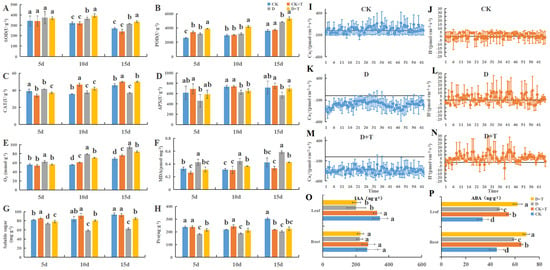
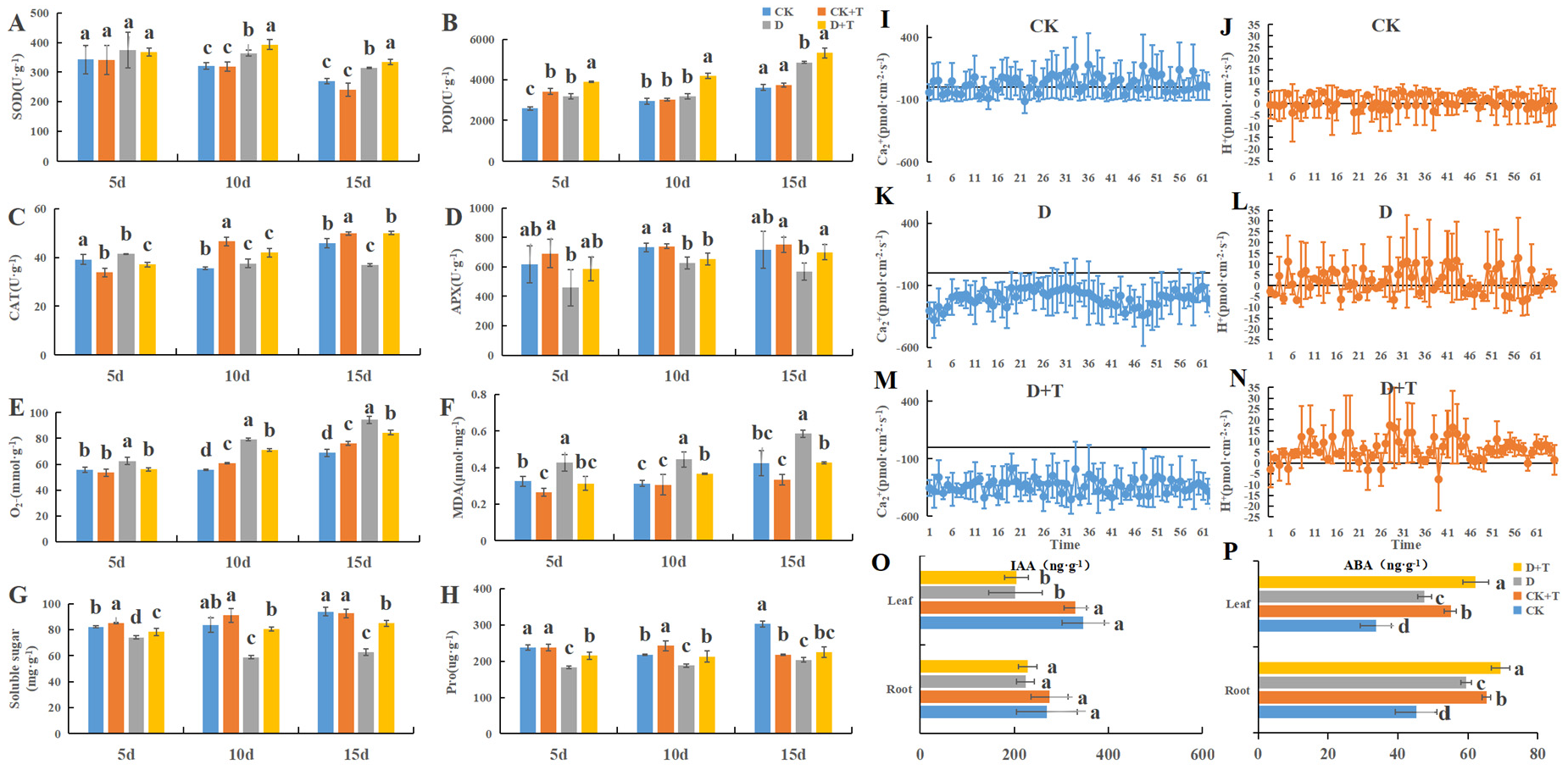
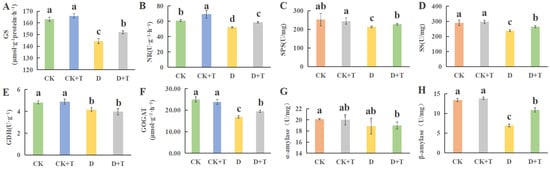
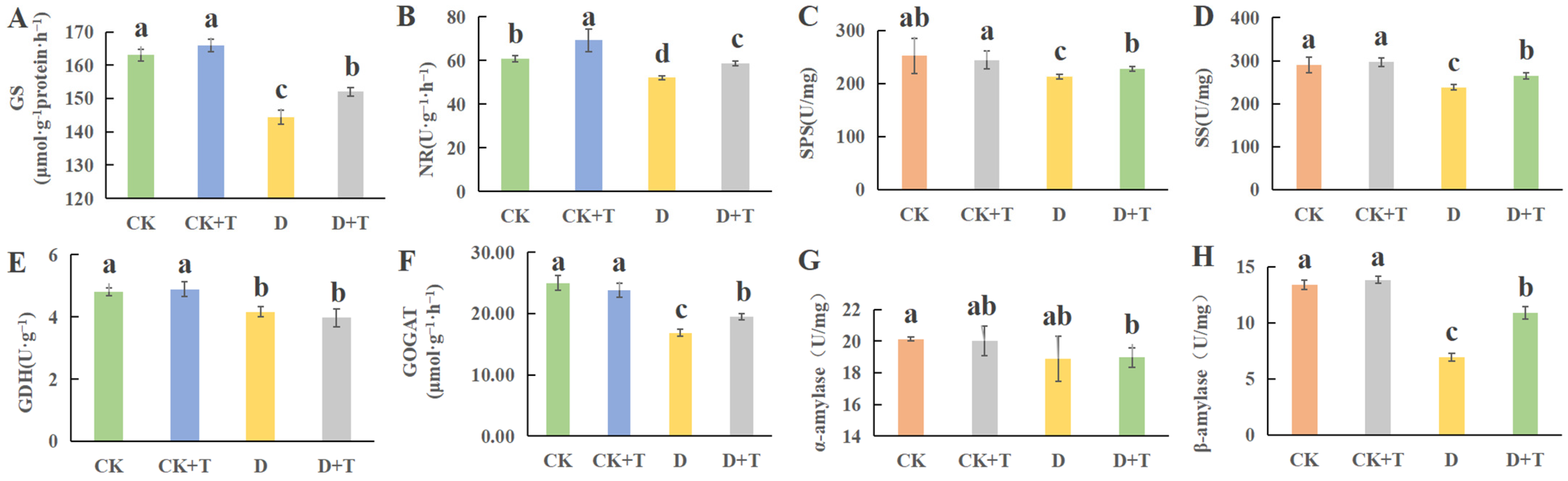
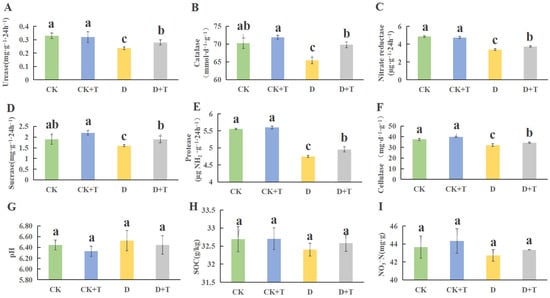
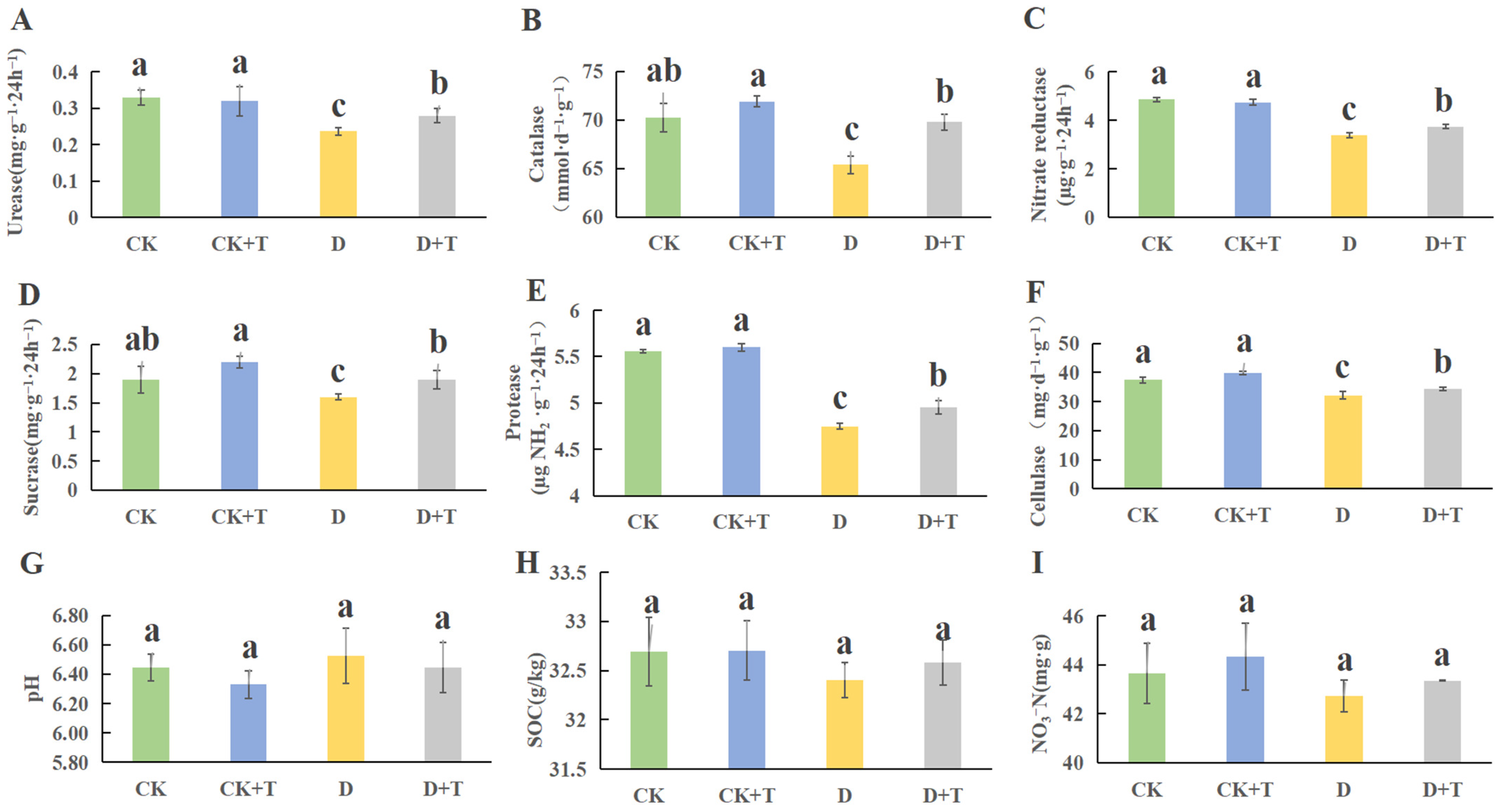
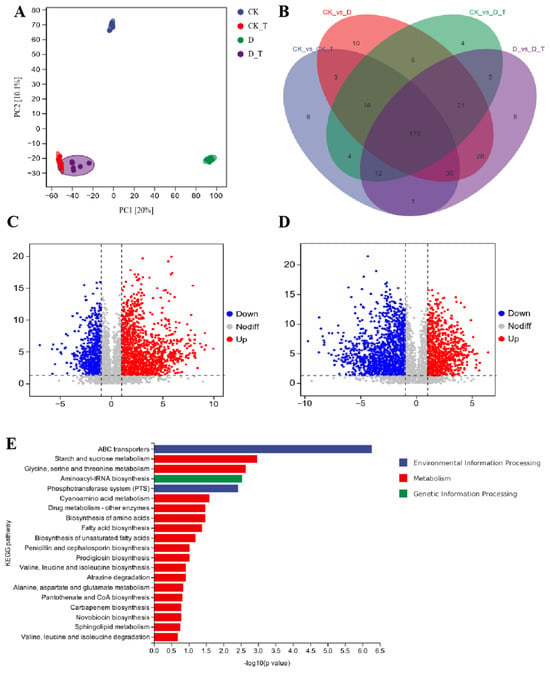
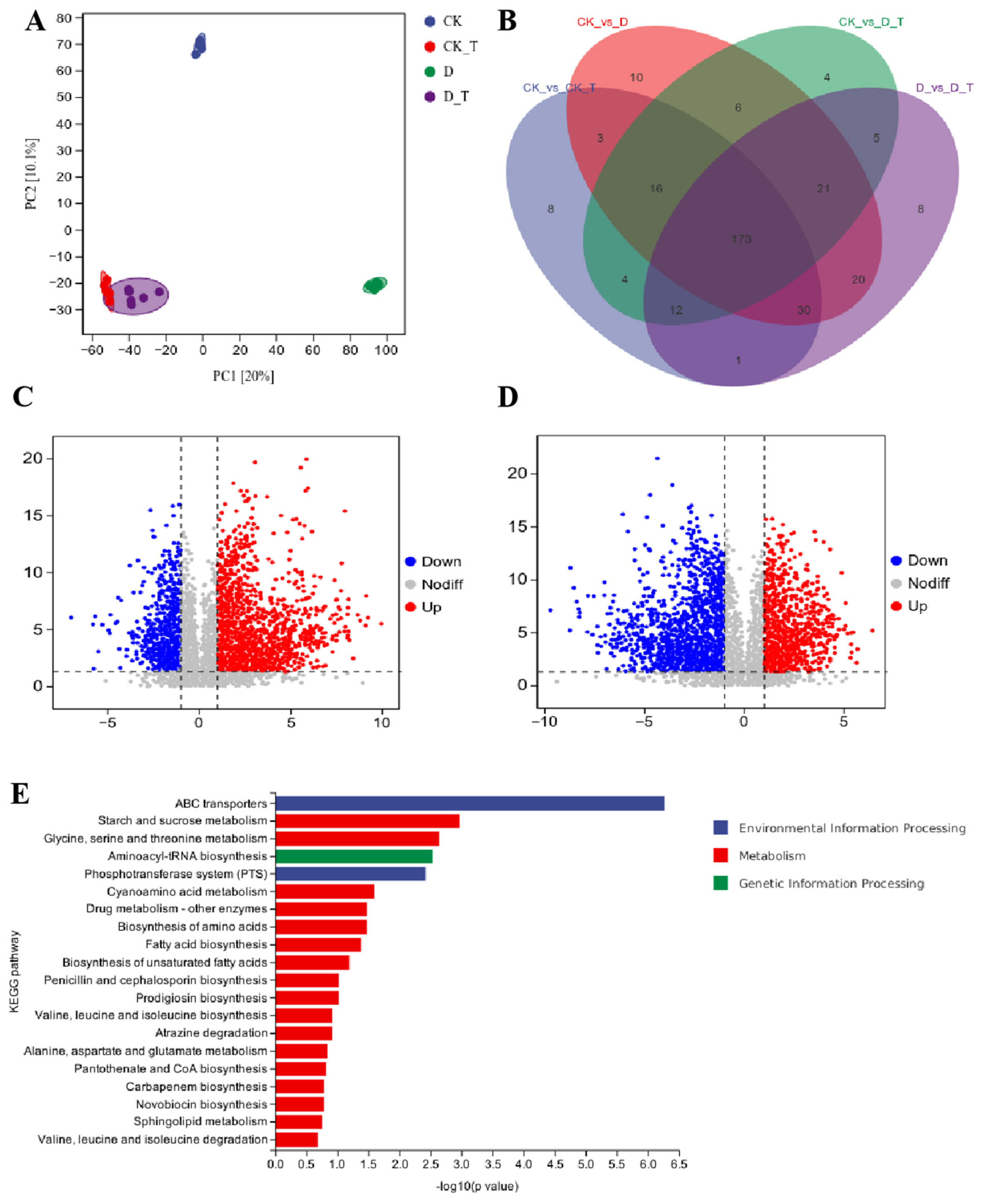
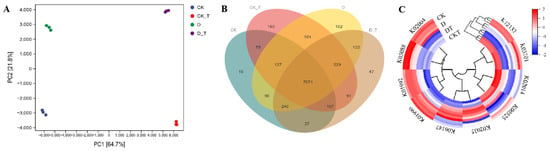
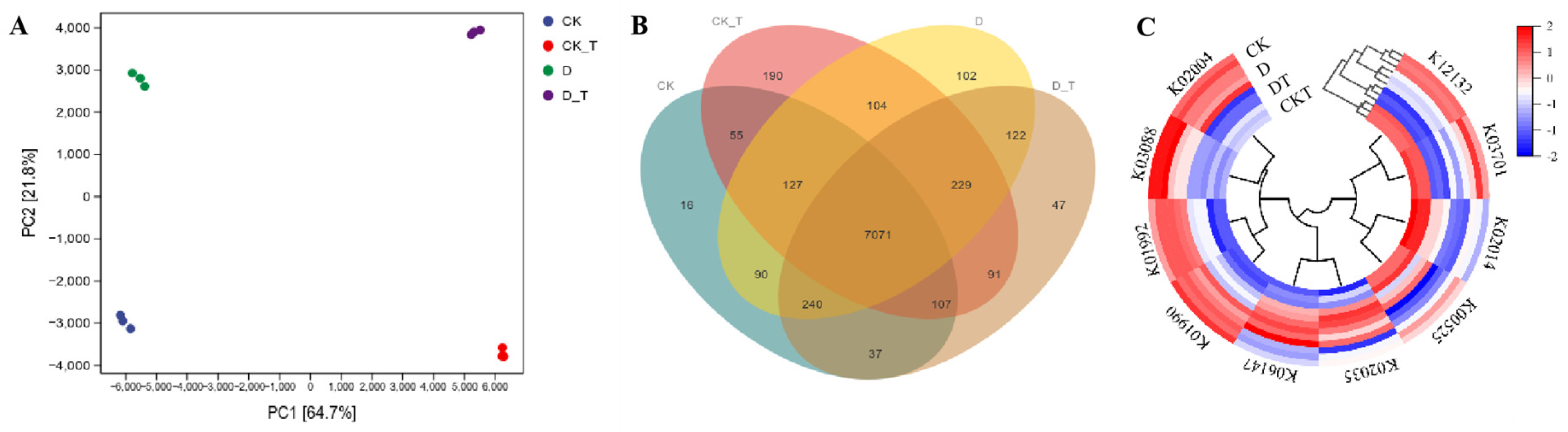
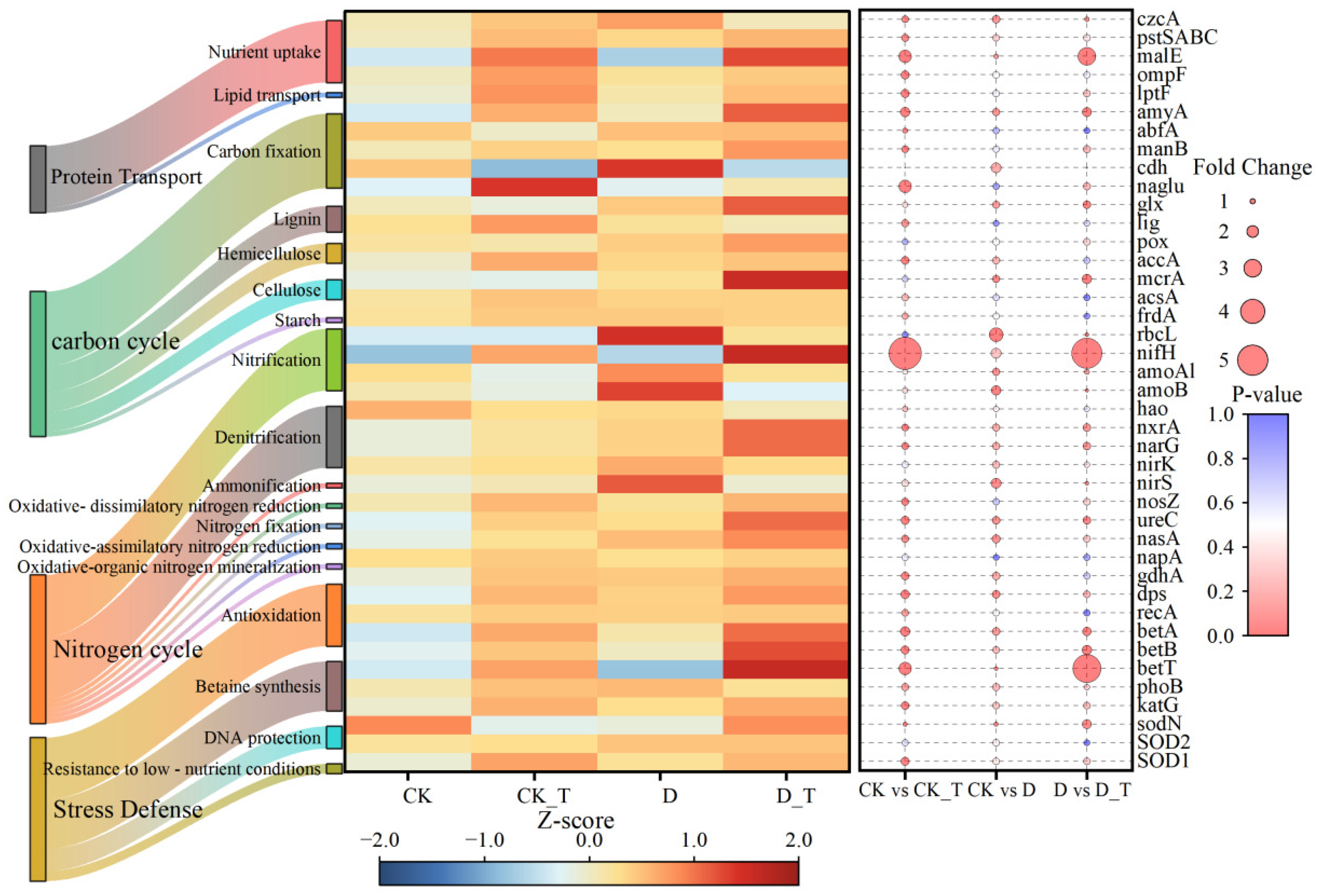
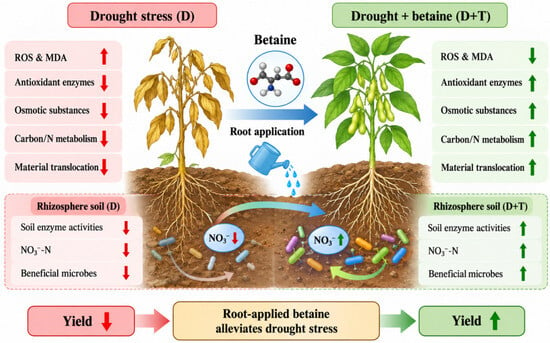
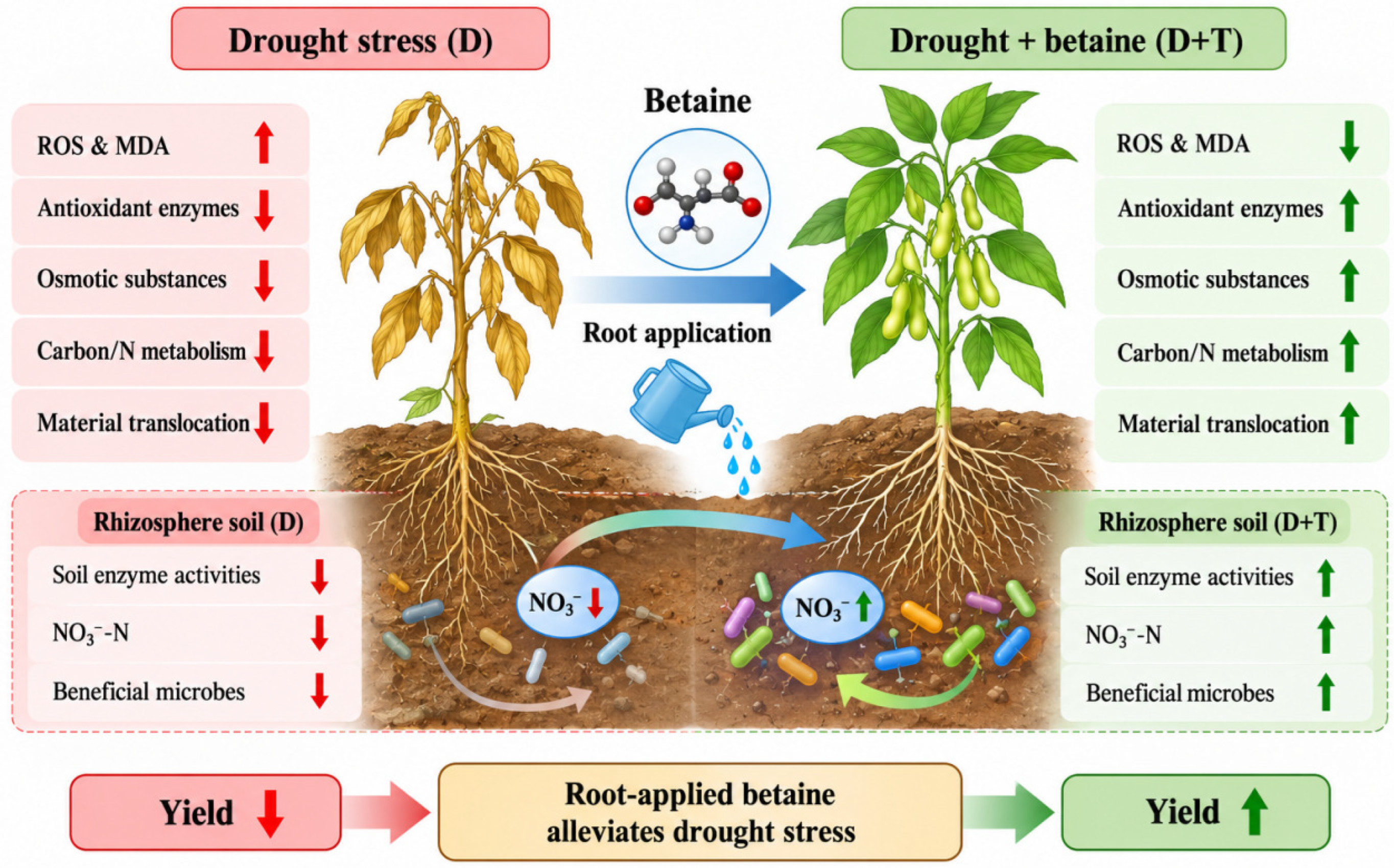

Disclaimer/Publisher’s Note: The statements, opinions and data contained in all publications are solely those of the individual author(s) and contributor(s) and not of MDPI and/or the editor(s). MDPI and/or the editor(s) disclaim responsibility for any injury to people or property resulting from any ideas, methods, instructions or products referred to in the content. |
© 2026 by the authors. Licensee MDPI, Basel, Switzerland. This article is an open access article distributed under the terms and conditions of the Creative Commons Attribution (CC BY) license.