


Abstract
Climate change has intensified abiotic stresses, including water deficit, high temperatures, excessive radiation, and their interactions, compromising plant growth, photosynthesis, and agricultural productivity, particularly in arid and semi-arid regions. Understanding the adaptive mechanisms associated with different photosynthetic pathways is therefore essential for developing resilient agricultural systems. This review discusses the ecophysiological fundamentals of C3, C4, and crassulacean acid metabolism (CAM) plants, focusing on their physiological, photochemical, and biochemical responses to abiotic stresses and management strategies for mitigating environmental impacts. C3 plants are more sensitive to stomatal limitation and increased photorespiration under stress, whereas C4 species benefit from carbon-concentrating mechanisms that enhance photosynthetic efficiency under high temperatures. CAM plants exhibit high water-use efficiency through temporal separation of carbon assimilation but may be vulnerable to extreme heat because of limited evaporative cooling. Across pathways, reduced carbon assimilation can cause photochemical imbalance and reactive oxygen species accumulation, activating antioxidant and osmotic responses. Management practices, including intercropping, rational irrigation, soil cover, balanced fertilization, plant density, and spatial arrangement, can modify the microenvironment and physiological responses. Integrating species with contrasting photosynthetic pathways may improve water, light, and nutrient use through complementarity, although competition can limit these benefits. Further research should address combined stresses and interactions among management strategies to improve crop resilience under climate change.
1. Introduction
The intensification of climate change has increased the frequency and severity of abiotic stresses that limit agricultural productivity in different regions of the world, especially in arid and semi-arid environments [1]. Key limiting factors include water scarcity, high temperatures, high levels of radiation, and the simultaneous occurrence of multiple environmental stresses, all of which directly affect plant physiological, photochemical, and biochemical processes. These conditions alter cellular water and energy balance, compromise carbon assimilation, and reduce plant growth and productivity [2,3,4].
Throughout the course of evolution, plants have developed various adaptive mechanisms to optimize carbon acquisition and enhance their survival under contrasting environmental conditions, notably the C3 and C4 photosynthetic pathways and crassulacean acid metabolism (CAM) [5]. These strategies exhibit structural and functional differences related to carbon dioxide (CO2) fixation, stomatal control, photosynthetic efficiency, and water use, determining distinct responses to environmental variations. While C3 plants tend to exhibit greater sensitivity to rising air temperatures and water limitation due to increased photorespiration [6,7], C4 species, on the other hand, have developed carbon-concentrating mechanisms that favor greater efficiency in hot, high-irradiance environments [7,8]. In turn, CAM plants represent a highly specialized adaptation based on the temporal separation of carbon fixation, allowing for high water-use efficiency and greater drought tolerance [1,9].
However, although the CAM photosynthetic pathway is recognized as an advantageous strategy in arid regions, recent evidence indicates that this pathway may face significant limitations in the face of rising air temperatures [10]. Diurnal stomatal closure, responsible for high water conservation, simultaneously reduces the evaporative cooling capacity of photosynthetic tissues, potentially making these plants more susceptible to extreme heat events. Under conditions of severe heat stress, structural changes in chloroplasts and a reduction in the photochemical efficiency of photosystem II, reflected by a decrease in the maximum quantum yield (Fv/Fm), may occur, compromising photosynthetic performance even in drought-adapted species [10,11,12].
In addition to their effects on gas exchange and chlorophyll fluorescence, abiotic stresses trigger complex metabolic responses associated with the accumulation of reactive oxygen species, the activation of antioxidant systems, and osmotic adjustments that determine the plants’ acclimation capacity [2,4,13]. In this context, understanding the ecophysiological and biochemical mechanisms regulating the responses of plants with different photosynthetic pathways is fundamental to developing management strategies capable of enhancing agricultural resilience. Integrated strategies involving water management, intercropping systems, and the rational use of nutrients have been identified as promising alternatives for mitigating the effects of environmental stress and promoting greater production stability [3,14,15,16].
Given this scenario, this review aims to discuss the comparative ecophysiological fundamentals of C3, C4, and CAM plants, addressing their physiological, photochemical, and biochemical responses to abiotic stresses, and to present integrated management strategies and cropping systems capable of mitigating the effects of climate change and promoting greater natural resource use efficiency in agricultural environments.
2. Comparative Ecophysiological Fundamentals of C3, C4, and CAM Plants
Plants are frequently subjected to adverse environmental conditions, such as drought, salinity, light excess or deficiency, and extreme temperature fluctuations. These factors can lead to excessive water loss, compromising vital functions and, in severe cases, resulting in the plant’s death. To cope with these stresses and increase their chances of survival, plants have evolved various metabolic strategies, notably three distinct photosynthetic pathways: C3, C4, and crassulacean acid metabolism (CAM) [5].
C3 photosynthesis is the most common form in the plant kingdom, as well as the ancestral pathway for carbon fixation. This pathway accounts for approximately 85% of higher plants and predominates in environments with moderate temperatures and good water availability [5,6]. In C3 plants, carbon dioxide (CO2) diffuses through the stomata and intercellular spaces and eventually reaches the chloroplast (Figure 1). In chloroplasts, CO2 is directly fixed by the enzyme ribulose-1,5-bisphosphate carboxylase/oxygenase (Rubisco) in the Calvin–Benson cycle, yielding a three-carbon molecule (3-phosphoglycerate), which gives rise to the name of the C3 pathway [7]. However, under conditions of high temperatures and low water availability, a reduction in internal CO2 concentration favors the oxygenase activity of Rubisco, intensifying photorespiration and, consequently, reducing the efficiency of net carbon assimilation [17]. Although this process represents an energetic cost to the plant, photorespiration performs important metabolic functions in maintaining photosynthetic activity, especially under adverse environmental conditions [18,19]. This occurs because the photorespiratory pathway functions to recycle compounds resulting from the oxygenation of ribulose-1,5-bisphosphate (RuBP), preventing the accumulation of 2-phosphoglycolate (2-PG)—a potentially toxic metabolite that could compromise the Calvin–Benson cycle [18,19,20]. During this process, two 2-PG molecules are metabolized, allowing for the recovery of approximately 75% of the carbon in the form of 3-phosphoglycerate (3-PGA), which is reincorporated into the Calvin–Benson cycle [18,19]. Additionally, photorespiration contributes to cellular energy and redox balance, functioning as a pathway for the dissipation of excess energy and electrons generated during photosynthesis. This function is particularly relevant under high irradiance, high temperatures, and low CO2 availability—conditions that intensify the oxygenase activity of Rubisco [18,19]. Therefore, despite reducing net carbon gain, photorespiration plays an important protective role, contributing to the maintenance of metabolic homeostasis and the preservation of the photosynthetic apparatus under conditions of environmental stress [18,19].
Figure 1.
Schematic representation of the key differences in carbon fixation and assimilation mechanisms in C3, C4, and CAM plants, highlighting the enzymes involved, metabolic intermediates, and the spatial and temporal compartmentalization of CO2 fixation.
To overcome the limitations imposed by photorespiration, some plants evolved the C4 pathway, characterized by a spatial separation (biochemical and anatomical modification) between the initial CO2 fixation and the Calvin–Benson cycle (Figure 1). In this system, the enzyme phosphoenolpyruvate (PEP) carboxylase acts in mesophyll cells, fixing CO2 into four-carbon compounds (malate or aspartate), which are then transported to bundle-sheath cells, where the CO2 is released and re-fixed by Rubisco [7,8] (Figure 1). In bundle-sheath cells, the CO2 concentration rises to a level that nearly saturates the Rubisco active site, inhibiting photorespiration and making the C4 pathway highly efficient under intense light and high temperatures [8] (Figure 1). Despite requiring more energy (i.e., two additional adenosine triphosphate—ATP—molecules per fixed CO2 molecule), this pathway allows for greater water-use efficiency, an advantageous characteristic in arid regions. However, photosynthetic capacity can be severely limited under severe water deficit, given the high water demand of many C4 species [5] (Figure 1).
The CAM pathway, in turn, represents an even more specialized adaptation to arid and semi-arid environments, based on a temporal separation of CO2 fixation [5] (Figure 1). In this strategy, stomata open at night, when water loss through transpiration is minimal, allowing the entry of CO2; this is fixed by PEP carboxylase, producing malate that is stored in the vacuoles (Figure 1). During the day, with the stomata closed, malate is decarboxylated, and CO2 is used in the Calvin–Benson cycle, mediated by Rubisco [9,21] (Figure 1). This mechanism ensures an intracellular environment with a high CO2 concentration and significantly reduces photorespiration, in addition to minimizing water loss [1] (Figure 1). The CAM pathway, therefore, confers a notable adaptive advantage, being common in succulent plants, such as cacti, that accumulate organic acids at night and metabolize them throughout the day [9] (Figure 1).
The temporal separation of photosynthetic stages in CAM plants is controlled by circadian rhythms, resulting in a complete cycle divided into four physiological phases over the course of a 24-h day [5] (Figure 1). In phase I, which occurs during the night, the stomata remain open and atmospheric CO2 is fixed by phosphoenolpyruvate carboxylase (PEP carboxylase), being converted into oxaloacetate and subsequently into malate, which is stored in the vacuole as malic acid [9,22,23]. Phase II corresponds to the early morning transition period, when stomata may still remain open and simultaneous CO2 fixation by both PEP carboxylase and Rubisco occurs, marking the gradual shift from nocturnal to diurnal metabolism. In phase III, typical of the daytime period, stomata are predominantly closed, malic acid is decarboxylated, and the internally released CO2 is refixed by Rubisco in the Calvin–Benson cycle, allowing for carbon assimilation with minimal water loss. Finally, in phase IV, usually in the late afternoon, following the depletion of malate reserves, stomata may reopen, and the direct fixation of atmospheric CO2 proceeds predominantly via the C3 pathway, concluding the daily CAM cycle [9,22,23]. In plants, phases II and IV are considered transition phases that manifest primarily under favorable environmental conditions, such as adequate water availability [9,22,23].
Crassulacean acid metabolism comprises a set of photosynthetic strategies that differ in the degree of nocturnal carboxylation expression; broadly speaking, they can be classified as obligate, facultative, cyclic, or inactive [24]. While species with obligatory CAM maintain nocturnal CO2 fixation and diurnal stomatal closure constitutively, regardless of environmental conditions, species with facultative CAM exhibit high metabolic plasticity, switching between C3 and CAM in response to environmental variations, particularly water availability [21,22,25]. Under favorable water conditions, these plants behave predominantly as C3 plants, with stomata open during the day and direct CO2 assimilation by Rubisco. However, as the water deficit intensifies and daytime stomatal closure limits CO2 diffusion into the mesophyll, progressive induction of CAM photosynthesis occurs, characterized by increased phosphoenolpyruvate carboxylase (PEPC) activity, nocturnal CO2 fixation, and malate accumulation in the vacuole. This carbon is subsequently released during the day through the decarboxylation of malic acid and refixed internally by Rubisco, allowing for the maintenance of carbon assimilation under low stomatal conductance [21,22,25]. In this way, the C3 to CAM transition acts as a dynamic mechanism of physiological acclimation, reducing the imbalance between light energy absorption and carbon assimilation, minimizing the risk of photoinhibition and increasing water use efficiency [22,24]. Under rehydration conditions, this process can be reversed, with the resumption of daytime CO2 assimilation and C3 metabolism, highlighting the continuous and reversible nature of CAM as an adaptive strategy in response to water availability fluctuations [24].
3. Physiological Responses to Abiotic Stress
Throughout their life cycle, plants are frequently exposed to various forms of abiotic stress, such as water, salinity, light, or thermal stress, or even combinations thereof, which directly impact crop growth, development, and productivity [2] (Figure 2). In tropical semi-arid regions, plants are frequently exposed to combined stresses, stemming from drought, water and soil salinity, high temperatures, and solar radiation, resulting in physiological fluctuations that vary according to the specific plant and its tolerance or susceptibility [3].
Figure 2.
Schematic representation of the effects of abiotic stresses (light, water, thermal, and salinity) on plant physiological and metabolic processes, highlighting stomatal closure and photosynthetic imbalance, with alterations in light energy capture and carbon assimilation.
One of the primary and immediate physiological responses of plants to water stress is stomatal closure, a mechanism aimed at reducing water loss through transpiration by decreasing epidermal conductance [13] (Figure 2). However, this strategy also limits CO2 entry into the leaf mesophyll, directly compromising photosynthetic efficiency [2]. Although it contributes to water conservation and increased water-use efficiency, stomatal closure causes an imbalance between light energy capture and carbon assimilation, potentially leading to the over-excitation of photosystems [13] (Figure 2). In other words, stomatal closure contributes to water conservation but imposes limitations on photosynthesis and compromises plant productivity [13]. The responses of C3 and C4 plants to drought differ considerably. In C3 species, the reduction in photosynthesis is primarily related to stomatal limitation, whereas in C4 species it stems mainly from metabolic constraints on CO2 assimilation [13]. Ripley et al. [26] observed that C4 plants exhibit slower recovery after periods of water deficit compared to C3 plants, due to lower stomatal limitation during the rehydration process.
When the CO2 assimilation capacity falls below the photosynthetic photon flux density (PPFD), there is a decline in the efficiency of photosystem II (PSII) [11]. Under these conditions, chlorophyll molecules in the reaction centers absorb light energy, which can be directed to the photochemical stage, dissipated as heat, or re-emitted as fluorescence. Changes in the efficiency of light-harvesting complexes can be monitored via chlorophyll a fluorescence, particularly in PSII, using parameters such as minimum fluorescence (Fo), maximum fluorescence (Fm), maximum (Fv/Fm) and effective (ΔF/Fm’) quantum yield, photochemical quenching (qP), non-photochemical quenching (NPQ), and electron transport rate (ETR) [27].
Abiotic stress directly affects both chlorophyll fluorescence parameters and gas exchange, reflecting the sensitivity of the photosynthetic apparatus. High air temperatures, excessive radiation, or water deficit compromise the integrity of PSII, resulting in an increase in minimum fluorescence, a reduction in maximum fluorescence, and a decline in maximum quantum yield, indicators of photoinhibition and the denaturation of chlorophyll-associated proteins [11,12]. Concurrently, a reduction in the electron transport rate, increased non-photochemical quenching, and an imbalance in energy flow between the photosystems are observed. At the same time, gas exchange is impaired by stomatal closure, which reduces stomatal conductance, limits CO2 diffusion into the mesophyll, and decreases the net photosynthetic rate, in addition to altering transpiration and the vapor pressure deficit [2,28]. This set of changes highlights the close relationship between stomatal control, photochemical efficiency, and photosynthetic capacity under stress conditions.
In addition to water availability and temperature, the availability of light energy is a determining factor for the maintenance of photochemical activity in plants subjected to stress [3,29]. Reductions in photon flux density can limit ATP production and compromise carbon fixation, directly affecting photosynthetic performance. This effect can vary among photosynthetic pathways, given that CAM species exhibit a high energy demand to sustain carbon assimilation and utilization processes throughout the daily cycle [29]. Thus, although they exhibit high water-use efficiency and greater drought tolerance, changes in light availability can limit photochemical efficiency and reduce carbon assimilation capacity, highlighting that stress tolerance depends on the interaction among water, thermal, and energy factors [29].
Under water-deficit conditions, stomatal closure reduces CO2 availability in mesophyll cells, limiting photosynthetic activity in CAM plants. Under these circumstances, reduced activity of the Calvin–Benson cycle restricts the utilization of ATP and NADPH produced by the electron transport chain. As a physiological adjustment mechanism, these plants promote the partial deactivation of PSII reaction centers, reducing energy flow and minimizing the occurrence of photo-oxidative damage, which contributes to the maintenance of metabolism during periods of water stress [30].
Although the CAM pathway is widely recognized for its high water-use efficiency and adaptation to arid environments, this strategy also imposes significant limitations in the face of rising temperatures associated with climate change [10]. Unlike C3 and C4 plants, CAM species exhibit a reduced capacity for evaporative cooling during the day, as they keep their stomata predominantly closed at midday, when atmospheric demand and heat stress reach their peak. This restriction limits heat dissipation via transpiration and renders photosynthetic tissues particularly susceptible to extreme temperature events, the frequency and duration of which have been increasing in arid and semi-arid regions [10]. Under conditions of intense heat stress, permanent damage to the photosynthetic apparatus, particularly photosystem II (PSII), can occur, resulting from the degradation of chloroplast membranes and a reduction in electron transport capacity [31]. These changes can be monitored through chlorophyll fluorescence, particularly the maximum quantum yield of PSII, with values close to 0.83 generally indicating photosynthetically intact tissues across species exhibiting C3, C4, and CAM [32,33,34,35]. Reductions in this parameter indicate photoinhibition and photochemical impairment [3]. As demonstrated by Hultine et al. [10], following air temperatures exceeding 45 °C, the mean Fv/Fm of CAM species decreased to 0.67, indicating a significant loss of photochemical efficiency and structural damage to chloroplast membranes. These results demonstrate that, despite their high tolerance to water stress, CAM plants can exhibit physiological vulnerability to extreme heat stress, especially under future climate warming scenarios.
4. Biochemical Metabolism Under Multiple Stresses
When exposed to adverse environmental conditions, plants trigger physiological, biochemical, and photochemical changes that compromise cellular balance. Among these alterations, oxidative stress stands out, resulting from the excessive accumulation of reactive oxygen species—ROS (Figure 3) [4,13]. Stomatal closure, while reducing water loss, limits CO2 uptake and restricts the functioning of the Calvin–Benson cycle, thereby promoting over-reduction in the electron transport chain and a consequent increase in ROS production [13] (Figure 3). These molecules are formed primarily in chloroplasts, mitochondria, and peroxisomes during photosynthesis and respiration. In excess, species such as the superoxide anion (O2•−), hydrogen peroxide (H2O2), and the hydroxyl radical (•OH) cause lipid peroxidation, the degradation of photosynthetic pigments, the inhibition of enzymes like Rubisco, and damage to membranes and organelles, directly affecting the structural integrity and efficiency of the photosynthetic apparatus [11,28] (Figure 3). Despite this, at moderate concentrations, ROS can act as signaling molecules in the activation of metabolic pathways and defense mechanisms [2] (Figure 3).
Figure 3.
Schematic representation of the effects of the imbalance between reactive oxygen species (ROS) and antioxidants in plants under stress. Excessive ROS accumulation compromises cellular homeostasis and reduces carbon assimilation and Rubisco activity, causing oxidative damage to membranes and organelles and resulting in reduced growth and productivity.
To mitigate harmful effects, plants activate enzymatic antioxidant systems, such as superoxide dismutase (SOD), catalase (CAT), and peroxidases (ascorbate peroxidase—APX, glutathione peroxidase—GPX), as well as non-enzymatic mechanisms involving ascorbic acid, glutathione, carotenoids, and phenols (Figure 3) [13]. The accumulation of osmoprotective compounds, such as proline, glycine betaine, and soluble sugars, also contributes to protein stabilization, the maintenance of homeostasis, and cellular protection under stress [36].
In CAM species, adjustments in carbon metabolism play an important role in stress tolerance. The increase in carbon assimilation under water stress and the reduction in organic acid concentration during CAM phase III reflect the utilization of malic acid as an internal source of CO2 for the maintenance of photosynthesis [37]. Furthermore, the concentration of soluble proteins is directly associated with the metabolic activity of the tissues, generally being higher during the day. Thus, integrated analyses of biochemical compounds—such as sugars, starch, amino acids, and proteins—combined with physiological and photochemical parameters provide a more comprehensive understanding of the mechanisms of acclimation and stress tolerance in CAM species [37]. The interaction between different types of stress can further intensify negative effects, as observed in the association between high light intensity and heat, which accelerates the disruption of photosystem II, or between water stress and salinity, which amplifies osmotic imbalance and limits water and nutrient uptake [12,28].
Differences in the anatomical organization and photosynthetic metabolism of C3 and C4 plants directly influence the sites of reactive oxygen species production, antioxidant defense mechanisms, and the intensity of oxidative damage under stress conditions [38,39]. In C3 plants, photorespiration constitutes a significant source of ROS, particularly in peroxisomes, where the activity of glycolate oxidase promotes the formation of H2O2; meanwhile, chloroplasts and mitochondria also contribute to the generation of these species through alterations in electron transport [38,39]. In contrast, in C4 plants, the suppression of photorespiration reduces the peroxisomal production of H2O2, and the generation of chloroplastic ROS is concentrated primarily in the mesophyll cells. These differences are also reflected in the profile of antioxidant enzymes: C3 plants may exhibit higher constitutive activities of CAT, APX, POX, and GR, whereas C4 plants may show higher basal activity of SOD, in addition to specific responses involving Mn-SOD isoenzymes in C3 plants and Fe-SOD and Cu/Zn-SOD isoenzymes in C4 plants [38,39]. Regarding markers of oxidative damage, comparative studies demonstrate that, under water deficit, C3 plants may exhibit greater accumulation of H2O2 and malondialdehyde (MDA)—indicating increased lipid peroxidation and compromised membrane integrity—whereas C4 plants tend to keep these indicators more stable, a result associated with lower photorespiratory production of ROS and the efficient functioning of antioxidant systems [38,39].
It is believed that CAM plants possess mechanisms capable of limiting the excessive production of reactive oxygen species, since the internal CO2 concentration during the day—resulting from the decarboxylation of organic acids accumulated overnight—facilitates the maintenance of photosynthetic activity even when stomata are closed, thereby reducing limitations on carbon assimilation and preventing the overloading of the photosynthetic apparatus [40,41]. However, the CAM pathway can also foster conditions conducive to oxidative stress, given that the continuation of electron transport in the absence of stomatal gas exchange may alter the balance between O2 and CO2 within the tissues—with reports indicating internal O2 concentrations reaching nearly 42% [41]. To avoid the excessive accumulation of ROS under these conditions, CAM plants can resort to regulating photosynthetic activity, which includes the partial deactivation of photosystem reaction centers and the maintenance of a low-intensity metabolism [40,41]. These mechanisms contribute to adjusting the flow of electrons to the capacity for utilizing the products of photosynthesis, thereby reducing the excessive formation of ROS and, consequently, the risks of oxidative damage to cellular structures [40,41].
5. Cropping Systems and Integrated Management as Strategies for Agricultural Resilience
Contemporary agriculture faces increasingly complex challenges driven by population growth, climate change, and the scarcity of natural resources [1]. Given this scenario, the adoption of sustainable cultivation systems and integrated management strategies emerges as an essential alternative for strengthening agricultural resilience, enabling the maintenance of productivity and environmental quality [16]. The integration of practices, such as intercropping, the use of soil cover, proper irrigation management, balanced fertilization, the selection of adapted genotypes, and the planning of plant spatial arrangements, has proven fundamental for optimizing resource use and reducing environmental impacts (Table 1) [15,42].
Table 1.
Studies on management strategies in cropping systems involving C3, C4, and CAM plants.
The resilience of agricultural systems depends on the interaction between crop diversification, genotype selection, management of the growing environment, water quality, mineral nutrition, and the planning of spatial arrangement. These strategies influence the availability of resources, the microenvironment of the crops, and the physiological capacity of the plants to respond to adverse conditions. Intercropping, for example, can increase the efficiency of land and resource use, but its benefits depend on the compatibility between species and the intensity of competition for light, water, and nutrients [29,32,43]. Therefore, the selection of companion crops should take into account their ecophysiological characteristics, environmental requirements, and production objectives, rather than relying solely on the potential benefits of diversification.
The studies presented in Table 1 gather experimental evidence on management strategies involving C3, C4, and CAM crops. Specifically, we selected studies investigating at least one of the following practices: intercropping, soil cover, irrigation and water quality management, mineral nutrition, genotype selection, and spatial arrangement. These studies were included based on their contributions to understanding how management practices affect crop physiological, productive, and nutritional performance, as well as resource-use efficiency and environmental stress tolerance. The results are discussed throughout this section, making it possible to relate experimental evidence to the implications for the design of cultivation systems.
5.1. Intercropping and the Selection of Species with Different Photosynthetic Pathways
Intercropping is a strategy for diversifying production and promoting the utilization of available resources. Silva et al. [15] demonstrated that intercropping forage cacti with sorghum, combined with the application of 150 kg N ha−1, increased dry matter accumulation and water-use efficiency, while also reducing losses from evapotranspiration and deep drainage (Table 1). Similarly, Souza et al. [51] observed that intercropping forage cacti with legumes, using reused water, favored CO2 uptake and water-use efficiency compared to monocropping (Table 1). Alves et al. [43] found that the combination of forage cacti with Gliricidia sepium increased the concentrations of photosynthetic pigments and the activity of the antioxidant enzymes superoxide dismutase (SOD) and catalase (CAT), while also reducing the concentrations of malondialdehyde (MDA), an indicator of lipid peroxidation (Table 1). In turn, Araújo et al. [42] reported that intercropping forage cacti with pearl millet, combined with soil cover, helped to conserve moisture, reduce water loss through evaporation, and improve production stability (Table 1). Taken together, these results demonstrate that the integration of species and management practices can enhance the performance of agricultural systems, although the benefits depend on environmental conditions and the interactions between the components.
The selection of species should take into account the physiological differences among C3, C4, and CAM pathways, as these characteristics influence the utilization of water, radiation, and nutrients [15,43,54,55]. CAM plants, such as forage cacti (Opuntia and Nopalea), exhibit high water-use efficiency and predominantly nocturnal stomatal opening—characteristics that are particularly relevant in semi-arid regions [5]. Their association with C3 legumes—such as pigeon pea (Cajanus cajan), gliricidia (Gliricidia sepium) and butterfly pea (Clitoria ternatea)—can diversify production and facilitate the incorporation of nitrogen into the system, provided that efficient biological nitrogen fixation takes place [43,45,47] (Table 1). However, the establishment and productivity of these companion species depend on their water requirements, nutrient availability, and the intensity of competition for light and soil resources.
Alternatively, the combination of CAM species and C4 grasses, such as sorghum (Sorghum bicolor) and pearl millet (Pennisetum glaucum), can be considered for increasing biomass production, provided that environmental conditions are sufficient to support the growth of both components [15,42] (Table 1). C4 grasses exhibit high photosynthetic capacity in warm environments with high radiation availability; however, their growth can intensify competition for water and nutrients, especially during periods of water scarcity [6,57]. Thus, planting density, row spacing, and the timing of establishment must be adjusted to reduce competition and preserve the productive contribution of the forage cacti.
Systems consisting of C3 species also offer the potential for improved resource utilization, provided that the crops are selected with consideration for their growth characteristics and environmental requirements. Qiu et al. [55] investigated the influence of intercropping and root interactions on biomass and nutrient accumulation in cotton (Gossypium hirsutum) grown with garlic, peanut, or wheat (Table 1). Intercropping increased the aboveground biomass of cotton by 15.5% and the accumulation of N, P, and K by 15.3%, 41.9%, and 39.3%, respectively, with particular emphasis on the cotton/peanut system, which benefited from biological nitrogen fixation. Furthermore, the use of physical barriers between root systems reduced below-ground competition and favored the performance of the cotton. The intercropping also increased the efficiency of nutrient conversion into biomass, especially for K (106%).
Similarly, Xiao et al. [56] evaluated growth dynamics and nitrogen fertilization efficiency in an intercropping system of wheat (Triticum aestivum) and fava bean (Vicia faba) under different nitrogen application rates (Table 1). Although interspecific competition predominated during the initial stages of development, greater complementarity between the crops occurred in the intermediate and final stages, favoring the growth of the intercropped wheat. This system increased wheat grain yield by 19.5% to 28.2% compared to monocropping and showed a land equivalent ratio between 1.08 and 1.17. Furthermore, it was possible to reduce N application by 5–15% while maintaining productivity and increasing the agronomic efficiency of nitrogen by 10–37%. These results demonstrate that the diversification of C3 crops can enhance productivity and nutritional efficiency, provided that competitive interactions are taken into account during system planning.
Differences between photosynthetic pathways also influence how crops respond to water deficit and, consequently, the selection of species for agricultural systems in regions prone to water scarcity. Khamis et al. [53] compared the responses of C3 (wheat) and C4 (amaranth) species to drought stress, considering growth parameters, photosynthetic performance, oxidative stress markers, and primary and secondary metabolite profiles. Water deficit caused more pronounced reductions in biomass, relative water content, stomatal conductance, and the photochemical efficiency of photosystem II (Fv/Fm) in the C3 species, accompanied by greater accumulation of hydrogen peroxide (H2O2) and increased lipid peroxidation, as indicated by MDA levels. In response to oxidative stress, this species also exhibited a greater accumulation of osmolytes and potentially protective metabolites, including sucrose, free amino acids, polyamines, and organic acids such as malate and succinate. In contrast, the C4 species exhibited greater physiological resilience, maintaining better photosynthetic performance and sustaining less damage to cell membranes under water stress. Although these results indicate advantages for C4 species under the conditions evaluated, the responses should be interpreted by taking into account the specific characteristics of the species studied, without assuming that all plants sharing the same photosynthetic pathway will exhibit identical behavior.
The possibility of combining C3 and C4 crops was also demonstrated by Wang et al. [54], who evaluated, over a two-year period, different deficit irrigation strategies in both monoculture and intercropping systems involving forage maize (C4) and lablab bean (C3) in the arid northwest of China (Table 1). The intercropping system increased total fresh biomass production (9.8 to 17.0%), hay yield (9.5 to 13.1%), and crude protein production (22.9 to 25.9%) compared to maize monoculture, while also offering advantages in terms of land and water use. Among the irrigation strategies, a moderate deficit applied during the initial stages (W5) maintained yields similar to those of full irrigation, with a 25% reduction in the volume of water applied and an increase in water productivity of 21.9% to 24.8%. Despite these benefits, the intercropping system reduced the biomass of lablab beans, possibly due to increased competition for nitrogen with the maize.
Taken together, the results from Khamis et al. [53] and Wang et al. [54] demonstrate that the physiological differences between photosynthetic pathways can influence both the individual tolerance of crops to water deficit and the performance of intercropping systems. Although the C4 species evaluated by Khamis et al. [53] exhibited greater physiological stability under water stress, Wang et al. [54] demonstrated that the association of C3 and C4 crops can increase the production of biomass, hay, and crude protein, and improve water productivity (Table 1). However, the reduction in lablab bean biomass demonstrates that the presence of different photosynthetic pathways does not, in itself, guarantee complementarity between species. Therefore, the performance of integrated systems depends on the physiological and agronomic compatibility between the crops, as well as on the adjustment of irrigation and fertilization to reduce competition for resources.
5.2. Spatial Arrangement, Planting Density, and Soil Cover
The selection of companion species must be accompanied by appropriate management of planting density, inter-row spacing, and canopy architecture. In intercropping systems involving forage cacti and gliricidia, Souza et al. [29] found that increasing planting density enhanced the photochemical efficiency of gliricidia but reduced light interception by the forage cacti (Table 1). This result demonstrates that the benefits observed for one of the components can occur simultaneously with an increase in competition for radiation on the part of the other. Similarly, Alam et al. [48] demonstrated that shading levels exceeding 33% reduced CO2 assimilation, stomatal conductance, electron transport, and intrinsic water-use efficiency in pigeon pea, while an increase in non-photochemical quenching (NPQ) indicated greater dissipation of excess excitation energy (Table 1).
The energy demands associated with carbon assimilation also help explain the importance of radiation management in the cultivation of forage cacti. Nobel and Hartsock [49] reported that Opuntia ficus-indica requires approximately 25 photons per molecule of CO2 assimilated, compared to about 11 and 22 photons per molecule of CO2 fixed in C3 and C4 plants, respectively (Table 1). Excessive radiation can compromise chlorophyll content, while water deficit reduces stomatal conductance and alters the relationship between the accumulation of organic acids and carbon fixation. These results highlight the need to consider the interaction between radiation, water availability, and photosynthetic pathway when planning cropping arrangements. In practice, planting density and spacing should be adjusted to avoid excessive shading, without exposing the plants to unnecessary competition for water and nutrients. Although moderate shading can be beneficial under certain conditions of excessive radiation and high temperatures, its effects depend on the requirements of each species and should not be considered favorable in all integrated systems.
Soil cover constitutes another important component of integrated management, as it can modify water availability and microenvironmental conditions, thereby influencing the physiological performance of plants. Li et al. [50] found that covering the soil with plastic film in spring maize (C4) improved photosynthesis, grain filling, chlorophyll fluorescence, and yield under water deficit in irrigated arid regions (Table 1). Similarly, Xue et al. [52] observed that straw mulching increased the productivity and harvest index of soybean (C3), stimulated the activities of the enzymes SOD, peroxidase (POD), and CAT, and reduced MDA concentrations (Table 1). Although these studies involve different crops and production systems, they support the potential of soil cover to conserve resources and contribute to plant performance under environmental stress. However, its effectiveness in integrated systems must be evaluated by considering local soil conditions, water availability, and the requirements of the component species.
5.3. Irrigation and Water Quality Management
Water availability and quality are determining factors for the selection of species and the planning of cultivation arrangements in semi-arid regions. CAM species are particularly relevant under limited water availability due to their high water-use efficiency. However, the inclusion and density of accompanying C3 or C4 species must take into account their water requirements and the seasonal availability of resources. In this context, irrigation management should aim to maintain the productive performance of the system’s components, avoiding both excessive water application and restrictions that could compromise photosynthetic activity.
The potential for using alternative water sources also depends on the ability of the selected species—and of the management practices employed—to maintain physiological performance under salinity. Ribeiro et al. [47] observed that supplemental irrigation with brackish water favored photosynthesis and stomatal conductance in butterfly pea (Clitoria ternatea L.), while intercropping with forage cacti reduced Cl− accumulation in the legume. Furthermore, Souza et al. [51] reported higher CO2 uptake and water-use efficiency in systems where forage cacti are intercropped with legumes and irrigated with reclaimed water, compared to sole cropping (Table 1). These results suggest that alternative water sources can be incorporated into integrated systems when water quality, irrigation management, species requirements, and the risk of salt accumulation are considered together.
Seasonality also influences the physiological performance of forage cacti and should be taken into account when planning irrigation and selecting genotypes. Martins et al. [32] evaluated six forage cactus clones, including OEM, OEA, V19, F8, IPA, and MIU, under seasonal conditions in the Brazilian semi-arid region (Table 1). During the rainy season, the plants exhibited higher values for CO2 assimilation, transpiration, stomatal conductance, and photochemical efficiency. During the dry season, stomatal conductance decreased by 65%, transpiration by 37%, the maximum quantum efficiency of photosystem II (Fv/Fm) by 20%, and the electron transport rate (ETR) by 19%, accompanied by increases in initial fluorescence (Fo) and NPQ. This pattern indicates changes in energy dissipation and photoprotective responses under greater water stress and atmospheric demand. Among the genotypes evaluated, MIU, OEM, and IPA exhibited greater physiological and photochemical stability, whereas OEA showed higher sensitivity to adverse environmental conditions. These differences underscore the importance of genotype selection and seasonal adaptation for integrating forage cacti into diversified cropping systems.
Irrigation management must take into account both the quantity and quality of the available water, since severe water restrictions can impair photosynthesis and intensify oxidative stress [44]. Lima-Silva et al. [44] evaluated the BRS Capiaçu elephant grass (C4) under irrigation with brackish water, using water depths corresponding to 50%, 75%, 100%, and 125% of the reference evapotranspiration (ETo) (Table 1). Reducing irrigation to 50% of ETo decreased CO2 assimilation and photochemical efficiency, and increased indicators of oxidative stress, including MDA concentrations and the activities of the enzymes SOD and CAT. Plants also reduced transpiration and increased water-use efficiency in response to lower water availability.
Strategies such as controlled deficit irrigation, localized irrigation systems, and irrigation scheduling based on water and climate monitoring can help optimize water use and reduce losses under conditions of scarcity [58,59,60]. The seasonal responses reported by Martins et al. [32] also indicate that irrigation management should take into account atmospheric demand, the response of the genotypes, and the seasonal dynamics of water availability (Table 1). In integrated systems, these decisions must also take into account the water requirements of companion crops, since the introduction of species with different photosynthetic pathways does not, in itself, guarantee the complementary use of resources. The density and proportion of each component must be adjusted to minimize competition and maintain the system’s expected productive contribution.
5.4. Mineral Nutrition Management and Competition for Nutrients
Balanced mineral nutrition management constitutes another component of the integration of practices that can contribute to maintaining physiological and photochemical functioning under adverse environmental conditions [3,15]. Martins et al. [45] found that nitrogen fertilization promoted the recovery of photosynthetic and photochemical activity in forage cacti under stress, improving gas exchange, electron transport, and antioxidant responses (Table 1). The most appropriate nitrogen rate varied according to the companion crop, with moderate rates being more favorable when intercropped with pigeon pea, and higher rates being more suitable under competition with sorghum (Table 1). This result demonstrates that the nutritional requirements of the main crop and the companion species must be considered together, as competition for nitrogen can alter the response to fertilization [61,62].
Complementarily, Meenakshi et al. [46] demonstrated that an adequate supply of potassium in cotton and pigeon pea plants subjected to water deficit reduced electrolyte leakage and increased the activity of the enzymes SOD and CAT (Table 1). The results of Qiu et al. [55] also highlight the importance of the interactions between root systems and nutrient availability, as the reduction in below-ground competition favored the performance of the intercropped cotton (Table 1). Similarly, Xiao et al. [56] demonstrated that adjusting nitrogen fertilization in a wheat-fava bean intercropping system allowed for a reduction in N application without compromising productivity (Table 1). Taken together, this evidence indicates that nutritional management must be coordinated with species selection, soil fertility, and the intensity of competition within the cropping system. Thus, fertilizer doses should be adjusted according to crop requirements, water availability, and production goals, rather than being applied uniformly across different intercropping arrangements.
5.5. Implications for the Planning of Integrated Systems and Perspectives
The physiological differences among the C3, C4, and CAM pathways provide important criteria for the selection of species and the planning of integrated cropping systems (Table 2).
Table 2.
Comparison of the physiological characteristics of C3, C4, and CAM plants and their implications for the management of integrated cropping systems.
In semi-arid regions, forage cacti can serve as a structural component of systems due to their high water-use efficiency and their ability to maintain photosynthetic metabolism under water stress (Table 2). Their association with C3 legumes may be considered when seeking to diversify production and take advantage of the potential contribution of biological nitrogen fixation [62]. On the other hand, the inclusion of C4 grasses may be appropriate when biomass production is a priority, especially in warm environments with sufficient radiation available to support the growth of companion crops (Table 2).
Defining the spatial arrangement must take into account canopy architecture, growth rates, water and nutritional requirements, and the competitive capacity of each species. Increasing the density of an associate crop may enhance its own physiological efficiency, but it can also reduce radiation interception by the main crop, as observed in the intercropping system involving cactus pear and e gliricidia [29]. Likewise, excessive shading can compromise gas exchange and the photochemical efficiency of C3 species, such as pigeon pea [48]. Therefore, the planning of such systems should seek a balance between radiation interception and competition for water and nutrients, while also taking into account the timing of establishment and the duration of the crop cycles.
Regarding the proportion of components, the available results do not allow for the establishment of a universal configuration for CAM/C3, CAM/C4, or C3/C4 systems. The proportion and density of each species must be defined based on edaphoclimatic conditions, production objectives, resource availability, and the growth characteristics of the crops involved (Table 2). When water availability is limited, care should be taken to ensure that the growth of companion species does not compromise the maintenance of the main crop. Under conditions of greater water and nutrient availability, the proportion of C3 legumes or C4 grasses can be adjusted to increase biomass production and diversify the system [29,44,47,53,62]. However, specific proportions and densities need to be experimentally validated and should not be generalized without evidence obtained under comparable environmental and management conditions.
Despite the progress made, significant gaps remain in our understanding of how crops respond when multiple abiotic stresses and management strategies occur simultaneously—particularly under conditions of water deficit, salinity, and high atmospheric demand. Future research should prioritize long-term field evaluations, integrating physiological, biochemical, productive, and environmental variables to identify efficient combinations of species, genotypes, planting densities, and spatial arrangements. Additional studies should also investigate how differences between photosynthetic pathways interact with canopy development, seasonal water availability, nutrient supply, and water quality to determine the performance of integrated systems. Validating these strategies under different edaphoclimatic conditions is essential for establishing management recommendations that are physiologically sound and agronomically reliable. In this context, the integration of intercropping, soil cover, rational irrigation management, appropriate water quality, and balanced fertilization offers the potential to improve resource-use efficiency and strengthen agricultural resilience in the face of climate variability, especially in semi-arid regions.
Furthermore, recent advances in biotechnology and genetic improvement offer new prospects for enhancing the physiological performance and resilience of integrated agricultural systems. Wang et al. [71] highlighted the engineering of guard cell walls as a promising strategy for optimizing stomatal dynamics, thereby increasing carbon assimilation and water-use efficiency. On the other hand, He et al. [72] emphasized the importance of understanding the regulatory networks involved in the drought response, including epigenetic mechanisms, alternative splicing, and gene-editing strategies capable of minimizing the negative effects of stress on productivity. Additionally, Yuan et al. [73] highlighted the potential of genome editing, haplotype-based selection, and the integration of multi-omics approaches and artificial intelligence for developing genotypes with greater tolerance to salinity and osmotic stress. Incorporating these approaches into the study of CAM, C3, and C4 species can broaden our understanding of the mechanisms that determine adaptation to semi-arid conditions and support the selection of more efficient genotypes and crop combinations.
6. Literature Search Methodology
A narrative literature review was conducted on the ecophysiological and biochemical mechanisms associated with C3, C4, and CAM photosynthetic pathways and their responses to environmental conditions in different cropping systems. The bibliographic search was conducted in the Web of Science, Scopus, and Google Scholar databases, considering publications between 2000 and 2026. Combinations of terms related to C3, C4, and CAM, carbon assimilation, abiotic stresses, and plant physiological and biochemical responses were used, including water availability, temperature, radiation, salinity, gas exchange, water-use efficiency, chlorophyll fluorescence, photosynthetic pigments, carbohydrates, proteins, and antioxidant systems. Terms related to cropping systems and management practices were also employed, such as intercropping, irrigation, soil cover, fertilization, planting density, and agricultural productivity.
Original articles and review articles published during the established period were considered and selected based on their relevance to the review’s objectives and themes. The selection was carried out through an analysis of titles and abstracts, followed by a reading of the full text of the studies considered relevant. The information obtained was organized into four thematic areas: (1) comparative ecophysiological fundamentals of C3, C4, and CAM plants; (2) physiological responses to abiotic stress; (3) biochemical metabolism under multiple stresses; and (4) cropping systems and integrated management as strategies for agricultural resilience.
The selected literature was analyzed using narrative, comparative, and integrative approaches, enabling the linking of carbon assimilation mechanisms to the physiological and biochemical responses triggered by different environmental conditions and to the management strategies adopted in cultivation systems. Based on this integration, key knowledge gaps, research perspectives, and applications for the development of agricultural systems more resilient to climate change were discussed.
7. Conclusions and Perspectives
The physiological, biochemical, and productive responses of C3, C4, and CAM plants are determined by the specific characteristics of each photosynthetic pathway and by their interaction with environmental conditions. While C3 plants exhibit greater sensitivity to water limitation and increased photorespiration, C4 plants stand out for their photosynthetic efficiency in hot environments with high levels of radiation. CAM plants, in turn, exhibit high water-use efficiency, which facilitates their adaptation to arid and semi-arid environments. However, regardless of the photosynthetic pathway, stress conditions can compromise photosynthetic and redox balance, necessitating mechanisms for acclimation and antioxidant defense.
In this context, integrated management strategies, such as intercropping, soil cover, appropriate irrigation, balanced fertilization, and the adjustment of spatial arrangement, can contribute to improving resource utilization and production stability. The use of species with different photosynthetic pathways offers the potential to diversify agricultural systems, but its benefits depend on the compatibility between the species and the management of competition for water, light, and nutrients.
Despite the advances presented, gaps remain that need to be addressed in future research. In this regard, it is recommended to (i) investigate the combined effects of water deficit, salinity, and high temperatures on photosynthetic processes, redox balance, and productive performance; (ii) conduct long-term field trials to validate the effects of intercropping, soil cover, irrigation, and fertilization under different edaphoclimatic conditions; (iii) to standardize the integrated assessment of physiological, photosynthetic, biochemical, and productive indicators, allowing for more consistent comparisons among C3, C4, and CAM plants; (iv) establish experimental designs that account for genotype × management × environment interactions, identifying the most efficient combinations of species, planting densities, and spatial arrangements; and (v) quantify the effects of integrated systems on water and nutrient use efficiency, productive stability, and the sustainability of agroecosystems. Studies that integrate biotechnological and genomic tools with ecophysiological and agronomic assessments are also needed, with the aim of understanding tolerance mechanisms and accelerating the development of genetic materials adapted to multiple stresses.
Progress on these fronts will allow for a broader understanding of how different photosynthetic pathways respond to environmental stresses, and will help establish more robust management recommendations for the development of resilient agricultural systems, especially in arid and semi-arid regions.
Author Contributions
Conceptualization, L.D.C.d.S.M., T.G.F.d.S., L.S.B.d.S., L.P.C.M., and A.M.d.R.F.J.; methodology, L.D.C.d.S.M., P.P.S.d.S., T.G.F.d.S., L.S.B.d.S., L.P.C.M., and A.M.d.R.F.J.; validation, T.G.F.d.S., L.R.d.L.-S., P.P.S.d.S., K.R.S.d.S., M.B.M.d.M., E.F.d.S., X.T., and J.L.M.P.d.L.; formal analysis, L.D.C.d.S.M., W.M.d.S., and A.M.d.R.F.J.; investigation (literature search and synthesis), L.D.C.d.S.M., E.F.d.S., A.M.d.R.F.J., K.R.S.d.S., M.B.M.d.M., and W.M.d.S.; resources, T.G.F.d.S., J.L.M.P.d.L., and X.T.; data curation, L.D.C.d.S.M., K.R.S.d.S., M.B.M.d.M., L.R.d.L.-S., and W.M.d.S.; writing—original draft preparation, L.D.C.d.S.M., W.M.d.S., and A.M.d.R.F.J.; writing—review and editing, T.G.F.d.S., L.S.B.d.S., L.P.C.M., A.M.d.R.F.J., W.M.d.S., L.R.d.L.-S., P.P.S.d.S., K.R.S.d.S., M.B.M.d.M., E.F.d.S., X.T., and J.L.M.P.d.L.; visualization, L.D.C.d.S.M., L.R.d.L.-S., A.M.d.R.F.J., and W.M.d.S.; supervision, T.G.F.d.S. and A.M.d.R.F.J.; project administration, T.G.F.d.S.; funding acquisition, T.G.F.d.S., J.L.M.P.d.L., and A.M.d.R.F.J. All authors have read and agreed to the published version of the manuscript.
Funding
We thank the Research Support Foundation of the State of Pernambuco—FACEPE (APQ-0428-5.01/21, APQ-1449-5.01/22, APQ-0783-5.01/22 and APQ-2105-5.01/24); the Coordination for the Improvement of Higher Education Personnel—CAPES (Finance Code 001); the São Paulo Research Foundation—FAPESP (#2021/10639-5, #2022/07735-5 and #2025/19074-1) and the National Council for Scientific and Techno-logical Development—CNPq (#309558/2021-2 and #402622/2021-9) for financial support and research grants.
Data Availability Statement
No new data were created or analyzed in this study. Data sharing is not applicable to this review article.
Acknowledgments
We thank the Graduate Program in Agricultural Engineering (PGEA) at the Federal Rural University of Pernambuco (UFRPE), Brazil, and the University of Coimbra (UC), Portugal, for their support in conducting this research. We are also grateful to the Editorial Board and three anonymous reviewers for their insightful comments on an earlier version of this paper.
Conflicts of Interest
The authors declare no conflicts of interest.
References
- Perron, N.; Kirst, M.; Chen, S. Bringing CAM Photosynthesis to the Table: Paving the Way for Resilient and Productive Agricultural Systems in a Changing Climate. Plant Commun. 2024, 5, 100772. [Google Scholar] [CrossRef] [Scilit] [PubMed]
- Sharma, A.; Kumar, V.; Shahzad, B.; Ramakrishnan, M.; Singh Sidhu, G.P.; Bali, A.S.; Handa, N.; Kapoor, D.; Yadav, P.; Khanna, K.; et al. Photosynthetic Response of Plants Under Different Abiotic Stresses: A Review. J. Plant Growth Regul. 2020, 39, 509–531. [Google Scholar] [CrossRef] [Scilit]
- da Rosa Ferraz Jardim, A.M.; Santos, H.R.B.; Alves, H.K.M.N.; Ferreira-Silva, S.L.; de Souza, L.S.B.; do Nascimento Araújo Júnior, G.; Souza, M.D.S.; de Araújo, G.G.L.; de Souza, C.A.A.; da Silva, T.G.F. Genotypic Differences Relative Photochemical Activity, Inorganic and Organic Solutes and Yield Performance in Clones of the Forage Cactus under Semi-Arid Environment. Plant Physiol. Biochem. 2021, 162, 421–430. [Google Scholar] [CrossRef] [Scilit] [PubMed]
- Hasanuzzaman, M.; Bhuyan, M.H.M.B.; Zulfiqar, F.; Raza, A.; Mohsin, S.M.; Al Mahmud, J.; Fujita, M.; Fotopoulos, V. Reactive Oxygen Species and Antioxidant Defense in Plants under Abiotic Stress: Revisiting the Crucial Role of a Universal Defense Regulator. Antioxidants 2020, 9, 681. [Google Scholar] [CrossRef] [Scilit] [PubMed]
- Mohanta, T.K.; Mohanta, Y.K.; Kaushik, P.; Kumar, J. Physiology, Genomics, and Evolutionary Aspects of Desert Plants. J. Adv. Res. 2024, 58, 63–78. [Google Scholar] [CrossRef] [Scilit] [PubMed]
- Yamori, W.; Hikosaka, K.; Way, D.A. Temperature Response of Photosynthesis in C3, C4, and CAM Plants: Temperature Acclimation and Temperature Adaptation. Photosynth. Res. 2014, 119, 101–117. [Google Scholar] [CrossRef] [Scilit] [PubMed]
- Talukder, P.; Sinha, B.; Biswas, S.; Ghosh, A.; Banerjee, A.; Paul, S. A Study on the Prospect of Converting C3 Plants into C4 Plants. Biocatal. Agric. Biotechnol. 2024, 58, 103191. [Google Scholar] [CrossRef] [Scilit]
- Sage, R.F. The Evolution of C4 Photosynthesis. New Phytol. 2004, 161, 341–370. [Google Scholar] [PubMed]
- Winter, K.; Smith, J.A.C. CAM Photosynthesis: The Acid Test. New Phytol. 2022, 233, 599–609. [Google Scholar] [CrossRef] [Scilit] [PubMed]
- Hultine, K.R.; Hernández-Hernández, T.; Williams, D.G.; Albeke, S.E.; Tran, N.; Puente, R.; Larios, E. Global Change Impacts on Cacti (Cactaceae): Current Threats, Challenges and Conservation Solutions. Ann. Bot. 2023, 132, 671–683. [Google Scholar] [CrossRef] [Scilit] [PubMed]
- Mathur, S.; Agrawal, D.; Jajoo, A. Photosynthesis: Response to High Temperature Stress. J. Photochem. Photobiol. B Biol. 2014, 137, 116–126. [Google Scholar] [CrossRef] [Scilit] [PubMed]
- Kalaji, H.M.; Jajoo, A.; Oukarroum, A.; Brestic, M.; Zivcak, M.; Samborska, I.A.; Cetner, M.D.; Łukasik, I.; Goltsev, V.; Ladle, R.J. Chlorophyll a Fluorescence as a Tool to Monitor Physiological Status of Plants under Abiotic Stress Conditions. Acta Physiol. Plant. 2016, 38, 102. [Google Scholar] [CrossRef] [Scilit]
- Haghpanah, M.; Hashemipetroudi, S.; Arzani, A.; Araniti, F. Drought Tolerance in Plants: Physiological and Molecular Responses. Plants 2024, 13, 2962. [Google Scholar] [CrossRef] [Scilit] [PubMed]
- Alves, C.P.; Silva, T.G.F.; Alves, H.K.M.N.; da Rosa Ferraz Jardim, A.M.; de Souza, L.S.B.; da Cruz Neto, J.F.; de Souza Santos, J.P.A. Consórcio Palma-Sorgo Sob Lâminas de Irrigação: Balanço de Água No Solo e Coeficientes Da Cultura. Agrometeoros 2019, 27, 347–356. [Google Scholar] [CrossRef] [Scilit]
- da Silva, T.G.F.; de Medeiros, R.S.; Arraes, F.D.D.; Ramos, C.M.C.; Júnior, G.D.N.A.; da Rosa Ferraz Jardim, A.M.; Alves, C.P.; Campos, F.S.; da Silva, M.V.; de Morais, J.E.F.; et al. Cactus–Sorghum Intercropping Combined with Management Interventions of Planting Density, Row Orientation and Nitrogen Fertilisation Can Optimise Water Use in Dry Regions. Sci. Total Environ. 2023, 895, 165102. [Google Scholar] [CrossRef] [Scilit] [PubMed]
- Cao, W.; Sun, H.; Shao, C.; Wang, Y.; Zhu, J.; Long, H.; Geng, X.; Zhang, Y. Progress in the Study of Plant Nitrogen and Potassium Nutrition and Their Interaction Mechanisms. Hortic. 2025, 11, 930. [Google Scholar] [CrossRef] [Scilit]
- Fernie, A.R.; Bauwe, H. Wasteful, Essential, Evolutionary Stepping Stone? The Multiple Personalities of the Photorespiratory Pathway. Plant J. 2020, 102, 666–677. [Google Scholar] [CrossRef] [Scilit] [PubMed]
- Sunil, B.; Saini, D.; Bapatla, R.B.; Aswani, V.; Raghavendra, A.S. Photorespiration Is Complemented by Cyclic Electron Flow and the Alternative Oxidase Pathway to Optimize Photosynthesis and Protect against Abiotic Stress. Photosynth. Res. 2018, 139, 67–79. [Google Scholar] [CrossRef] [Scilit] [PubMed]
- Zhang, Z.; Zhu, G.; Peng, X. Photorespiration in Plant Adaptation to Environmental Changes. Crop Environ. 2024, 3, 203–212. [Google Scholar] [CrossRef] [Scilit]
- Timm, S.; Sun, H.; Hagemann, M.; Huang, W.; Fernie, A.R. An Old Dog with New Tricks—The Value of Photorespiration as a Central Metabolic Hub with Implications for Environmental Acclimation. Plant Physiol. 2025, 198, kiaf258. [Google Scholar] [CrossRef] [Scilit] [PubMed]
- Qiu, S.; Xia, K.; Yang, Y.; Wu, Q.; Zhao, Z. Mechanisms Underlying the C3–CAM Photosynthetic Shift in Facultative CAM Plants. Horticulturae 2023, 9, 398. [Google Scholar] [CrossRef] [Scilit]
- Dodd, A.N.; Borland, A.M.; Haslam, R.P.; Griffiths, H.; Maxwell, K. Crassulacean Acid Metabolism: Plastic, Fantastic. J. Exp. Bot. 2002, 53, 569–580. [Google Scholar] [CrossRef] [Scilit] [PubMed]
- Lüttge, U. Ecophysiology of Crassulacean Acid Metabolism (CAM). Ann. Bot. 2004, 93, 629–652. [Google Scholar] [CrossRef] [Scilit] [PubMed]
- de Barros, J.P.A.; Neto, M.C.L.; da Silva Brito, N.D.; Herminio, P.J.; Santos, H.R.B.; Simões, A.D.N.; Nunes, V.G.; de Lima, A.L.A.; de Souza, E.S.; Ferreira-Silva, S.L. The C3-CAM Shift Is Crucial to the Maintenance of the Photosynthetic Apparatus Integrity in Pereskia aculeata under Prolonged and Severe Drought. Acta Physiol. Plant. 2024, 46, 116. [Google Scholar] [CrossRef] [Scilit]
- Tan, B.; Chen, S. Defining Mechanisms of C3 to CAM Photosynthesis Transition toward Enhancing Crop Stress Resilience. Int. J. Mol. Sci. 2023, 24, 13072. [Google Scholar] [CrossRef] [Scilit] [PubMed]
- Ripley, B.; Frole, K.; Gilbert, M. Differences in Drought Sensitivities and Photosynthetic Limitations between Co-Occurring C3 and C4 (NADP-ME) Panicoid Grasses. Ann. Bot. 2010, 105, 493–503. [Google Scholar] [CrossRef] [Scilit] [PubMed]
- Loik, M.E. The Effect of Cactus Spines on Light Interception and Photosystem II for Three Sympatric Species of Opuntia from the Mojave Desert. Physiol. Plant. 2008, 134, 87–98. [Google Scholar] [CrossRef] [Scilit] [PubMed]
- Balfagón, D.; Zandalinas, S.I.; Mittler, R.; Gómez-Cadenas, A. High Temperatures Modify Plant Responses to Abiotic Stress Conditions. Physiol. Plant. 2020, 170, 335–344. [Google Scholar] [CrossRef] [Scilit] [PubMed]
- Souza, J.T.A.; Araújo, J.S.; Da Silva Ribeiro, J.E.; De Lira, E.C.; Dos Santos Félix, E.; De Oliveira Filho, T.J. Physiological Efficiency and Yield of Prickly Pear and Gliricidia under Different Planting Configurations. Braz. Arch. Biol. Technol. 2023, 66, e23220265. [Google Scholar] [CrossRef] [Scilit]
- Ceusters, N.; Valcke, R.; Frans, M.; Claes, J.E.; Van den Ende, W.; Ceusters, J. Performance Index and PSII Connectivity Under Drought and Contrasting Light Regimes in the CAM Orchid Phalaenopsis. Front. Plant Sci. 2019, 10, 1012. [Google Scholar] [CrossRef] [Scilit] [PubMed]
- Maxwell, K.; Johnson, G.N. Chlorophyll Fluorescence—A Practical Guide. J. Exp. Bot. 2000, 51, 659–668. [Google Scholar] [CrossRef]
- de Sousa Martins, L.D.C.; da Rosa Ferraz Jardim, A.M.; de Souza, L.S.B.; de Lima e Silva, L.R.; dos Santos, W.M.; de Moura, M.B.M.; dos Santos, W.R.; Simões, A.N.; Ferreira-Silva, S.L.; Santos, H.R.B.; et al. Can Environmental Conditions Alter the Physiological and Photochemical Plasticity of Cacti (Opuntia and Nopalea) in Semiarid Environments? Environments 2025, 12, 418. [Google Scholar] [CrossRef] [Scilit]
- Sun, Z.; Guo, W.; Zhao, X.; Chen, Y.; Yang, J.; Xu, S.; Hou, H. Sulfur Limitation Boosts More Starch Accumulation than Nitrogen or Phosphorus Limitation in Duckweed (Spirodela polyrhiza). Ind. Crops Prod. 2022, 185, 115098. [Google Scholar] [CrossRef] [Scilit]
- Mladenov, P.; Aziz, S.; Topalova, E.; Renaut, J.; Planchon, S.; Raina, A.; Tomlekova, N. Physiological Responses of Common Bean Genotypes to Drought Stress. Agronomy 2023, 13, 1022. [Google Scholar] [CrossRef] [Scilit]
- Pérez-López, J.; de la Osa, C.; Gandullo, J.; Gigli-Bisceglia, N.; Coleto, I.; Feria, A.B.; Echevarría, C.; Testerink, C.; Marino, D.; García-Mauriño, S.; et al. Unravelling the Significance of Phosphoenolpyruvate Carboxylase in Phosphate Starvation Responses. Plant. Cell Environ. 2026, 49, 177–192. [Google Scholar] [CrossRef] [Scilit] [PubMed]
- Ozturk, M.; Turkyilmaz Unal, B.; García-Caparrós, P.; Khursheed, A.; Gul, A.; Hasanuzzaman, M. Osmoregulation and Its Actions during the Drought Stress in Plants. Physiol. Plant. 2021, 172, 1321–1335. [Google Scholar] [CrossRef] [Scilit] [PubMed]
- Peña-Valdivia, C.B.; Arroyo-Peña, V.B.; García-Nava, R.; Morales, J.L.S. Wild and Domesticated Opuntia as a Model for Evaluating Abiotic Stress in the Physiology and Biochemistry of Succulent Plants. Horticulturae 2026, 12, 471. [Google Scholar] [CrossRef] [Scilit]
- Ozgur, R.; Uzilday, B.; Yalcinkaya, T.; Sonmez, M.C.; Yilmaz, O.; Turkan, I. Induced Accumulation of Chloroplastic and Mitochondrial Reactive Oxygen Species (ROS) Differentially Regulates the Enzymatic Antioxidant System of C3 Flaveria robusta and C4 F. bidentis. Environ. Exp. Bot. 2022, 198, 104863. [Google Scholar] [CrossRef] [Scilit]
- Uzilday, B.; Turkan, I.; Sekmen, A.H.; Ozgur, R.; Karakaya, H.C. Comparison of ROS Formation and Antioxidant Enzymes in Cleome gynandra (C4) and Cleome spinosa (C3) under Drought Stress. Plant Sci. 2012, 182, 59–70. [Google Scholar] [CrossRef] [Scilit] [PubMed]
- Heyduk, K. Evolution of Crassulacean Acid Metabolism in Response to the Environment: Past, Present, and Future. Plant Physiol. 2022, 190, 19–30. [Google Scholar] [CrossRef] [Scilit] [PubMed]
- Niewiadomska, E.; Borland, A.M. Crassulacean Acid Metabolism: A Cause or Consequence of Oxidative Stress in Planta? In Progress in Botany; Springer: Berlin/Heidelberg, Germany, 2008; pp. 247–266. ISBN 978-3-540-72954-9. [Google Scholar]
- do Nascimento Araújo Júnior, G.; de Morais, J.E.F.; Neto, A.J.S.; de Souza, L.S.B.; Alves, C.P.; da Silva, G.Í.N.; Leite, R.M.C.; da Silva, M.J.; da Rosa Ferraz Jardim, A.M.; de Assunção Montenegro, A.A.; et al. Use of Intercropping and Mulch to Improve the Water and Natural Resources Use Efficiencies of Forage Cactus and Millet Production in a Semiarid Region. Field Crops Res. 2023, 304, 109171. [Google Scholar] [CrossRef] [Scilit]
- de Cássia Alves, R.; dos Santos Felix, E.; de Oliveira Filho, T.J.; Lira, E.C.; Lima, R.P.; Costa, M.D.P.S.D.; de Araújo Oliveira, J.; Souza, J.T.A.; Pereira, E.M.; Gratão, P.L.; et al. Antioxidant Metabolism in Forage Cactus Genotypes Intercropped with Gliricidia Sepium in a Semi-Arid Environment. Acta Physiol. Plant. 2024, 46, 60. [Google Scholar] [CrossRef] [Scilit]
- de Lima-Silva, L.R.; de Sousa Martins, L.D.C.; da Rosa Ferraz Jardim, A.M.; dos Santos, W.M.; de Souza, P.P.S.; de Souza, L.S.B.; Alves, C.P.; dos Santos, A.R.M.; de França e Silva, Ê.F.; Santos, H.R.B.; et al. Productive, Physiological, and Biochemical Responses of Elephant Grass ‘BRS Capiaçu’ (Pennisetum purpureum Schumach.) under Different Water Regimes with Brackish Water in a Semi-Arid Environment. Physiol. Mol. Biol. Plants 2026, 32, 2117–2136. [Google Scholar] [CrossRef] [Scilit] [PubMed]
- de Sousa Martins, L.D.C.; da Rosa Ferraz Jardim, A.M.; dos Santos, W.M.; de Morais, J.E.F.; de Souza, L.S.B.; de Lima e Silva, L.R.; de Souza, P.P.S.; dos Santos, A.R.M.; dos Santos, W.R.; Alves, C.P.; et al. Nitrogen Fertilisation Modulates Photosynthetic Performance and Antioxidant Defence Mechanisms in Intercropped Cactus Under Semi-Arid Conditions. Plants 2025, 14, 3841. [Google Scholar] [CrossRef] [Scilit] [PubMed]
- Meenakshi, M.; Punia, S.; Batra, D.; Sinky, S.; Rani, P.; Singh, N. Potassium Fertilization for Improving Water Relations, Photosynthetic pigments and Antioxidant Defence System in Intercropping System of Gossypium hirsutum L. and Cajanus cajan (L.) Millsp. under Different Irrigation Regimes. Res. J. Biotechnol. 2023, 18, 23–32. [Google Scholar] [CrossRef] [Scilit]
- Ribeiro, R.M.R.; de Lacerda, C.F.; Costa, R.N.T.; Peixoto, M.J.A.; da Silva Sales, J.R.; Cavalcante, E.S.; Carmo, J.F.D.; da Costa Freire, M.H. Leaf Gas Exchange and Mineral Nutrition of Clitoria ternatea Intercropped with Forage Cactus under Supplemental Brackish Water Irrigation. Acta Sci. Agron. 2025, 47, e72027. [Google Scholar] [CrossRef]
- Alam, B.; Taria, S.; Kumar, S.; Arunachalam, A. Unravelling the Critical Insights on the Physiological and Biophysical Constraints for the Impact of Different Intensity of Shade in Pigeonpea Cajanas cajan (L.). Agrofor. Syst. 2024, 98, 2713–2726. [Google Scholar] [CrossRef] [Scilit]
- Nobel, P.S.; Hartsock, T.L. Relationships between Photosynthetically Active Radiation, Nocturnal Acid Accumulation, and CO2 Uptake for a Crassulacean Acid Metabolism Plant, Opuntia ficus-indica. Plant Physiol. 1983, 71, 71–75. [Google Scholar] [CrossRef] [Scilit] [PubMed]
- Li, C.; Wang, J.; Zhang, Y.; Feng, H.; Zhang, W.; Siddique, K.H.M. Response of Plastic Film Mulched Maize to Soil and Atmospheric Water Stresses in an Arid Irrigation Area. Eur. J. Agron. 2024, 154, 127080. [Google Scholar] [CrossRef] [Scilit]
- Souza, J.T.A.; Araújo, J.S.; dos Santos Félix, E.; de Cássia Alves, R.; de Oliveira Filho, T.J.; de Lira, E.C.; de Medeiros, G.R.; da Costa Batista, F.R. Growth and Physiology of Three Forage Cactus Genotypes Intercropped with Legumes and Irrigated with Reuse Water. Rev. Científica Fac. Educ. Meio Ambient. 2023, 14, 352–365. [Google Scholar] [CrossRef] [Scilit]
- Xue, L.L.; Anjum, S.A.; Wang, L.C.; Saleem, M.F.; Liu, X.J.; Ijaz, M.F.; Bilal, M.F. Influence of Straw Mulch on Yield, Chlorophyll Contents, Lipid Peroxidation and Antioxidant Enzymes Activities of Soybean under Drought Stress. J. Food Agric. Environ. 2011, 9, 699–704. [Google Scholar]
- Khamis, G.; Alsherif, E.A.; Korany, S.M.; Aldailami, D.A.; Aloufi, A.S.; Khalaf, M.H.; Hamed, S.M.; Maridueña-Zavala, M.G.; Al Jaouni, S.K.; Selim, S. Drought Stress Differentially Influences Growth, Physiology, and Metabolite Accumulation in Triticum aestivum (C3) and Amaranthus caudatus (C4) Plants. BMC Plant Biol. 2025, 25, 1199. [Google Scholar] [CrossRef] [Scilit] [PubMed]
- Wang, M.; Shi, W.; Kamran, M.; Chang, S.; Jia, Q.; Hou, F. Effects of Intercropping and Regulated Deficit Irrigation on the Yield, Water and Land Resource Utilization, and Economic Benefits of Forage Maize in Arid Region of Northwest China. Agric. Water Manag. 2024, 298, 108876. [Google Scholar] [CrossRef] [Scilit]
- Qiu, Y.; Li, X.; Tang, Y.; Xiong, S.; Han, Y.; Wang, Z.; Feng, L.; Wang, G.; Yang, B.; Lei, Y.; et al. Directly Linking Plant N, P and K Nutrition to Biomass Production in Cotton-Based Intercropping Systems. Eur. J. Agron. 2023, 151, 126960. [Google Scholar] [CrossRef] [Scilit]
- Xiao, J.; Yin, X.; Ren, J.; Zhang, M.; Tang, L.; Zheng, Y. Complementation Drives Higher Growth Rate and Yield of Wheat and Saves Nitrogen Fertilizer in Wheat and Faba Bean Intercropping. Field Crops Res. 2018, 221, 119–129. [Google Scholar] [CrossRef] [Scilit]
- Vendramini, J.M.B.; Silveira, M.L.; Moriel, P. Resilience of Warm-Season (C4) Perennial Grasses under Challenging Environmental and Management Conditions. Anim. Front. 2023, 13, 16–22. [Google Scholar] [CrossRef] [Scilit] [PubMed]
- do Nascimento Araújo Júnior, G.; de Souza, L.S.B.; da Rosa Ferraz Jardim, A.M.; de Souza, C.A.A.; e Silva, S.M.S.; dos Santos, D.C.; Neto, A.J.S.; de Morais, J.E.F.; da Cruz Neto, J.F.; da Silva, M.J.; et al. Agronomic Performance and Water Use Indicators of Cactus Species Widely Cultivated in Semiarid Regions. Irrig. Drain. 2025, 74, 2156–2173. [Google Scholar] [CrossRef] [Scilit]
- Campos, A.R.F.; da Silva, A.J.P.; de Jong van Lier, Q.; do Nascimento, F.A.L.; Fernandes, R.D.M.; de Almeida, J.N.; da Silva Paz, V.P. Yield and Morphology of Forage Cactus Cultivars under Drip Irrigation Management Based on Soil Water Matric Potential Thresholds. J. Arid Environ. 2021, 193, 104564. [Google Scholar] [CrossRef] [Scilit]
- do Nascimento Araújo Júnior, G.; da Rosa Ferraz Jardim, A.M.; da Silva, M.J.; Alves, C.P.; de Souza, C.A.A.; da Costa, S.A.T.; da Cunha, M.V.; do Nascimento Simões, A.; da Silva, J.R.I.; de Souza, L.S.B.; et al. Growth Dynamics and Accumulation of Forage Mass of Forage Cactus Clones as Affected by Meteorological Variables and Water Regime. Eur. J. Agron. 2021, 131, 126375. [Google Scholar] [CrossRef] [Scilit]
- Yu, X.; Xiao, S.; Yan, T.; Chen, Z.; Zhou, Q.; Pan, Y.; Yang, W.; Lu, M. Interspecific Competition as Affected by Nitrogen Application in Sweet Corn–Soybean Intercropping System. Agronomy 2023, 13, 2268. [Google Scholar] [CrossRef] [Scilit]
- Jensen, E.S.; Carlsson, G.; Hauggaard-Nielsen, H. Intercropping of Grain Legumes and Cereals Improves the Use of Soil N Resources and Reduces the Requirement for Synthetic Fertilizer N: A Global-Scale Analysis. Agron. Sustain. Dev. 2020, 40, 5. [Google Scholar] [CrossRef] [Scilit]
- Cousins, A.B.; Mullendore, D.L.; Sonawane, B.V. Recent Developments in Mesophyll Conductance in C3, C4, and Crassulacean Acid Metabolism Plants. Plant J. 2020, 101, 816–830. [Google Scholar] [CrossRef] [Scilit] [PubMed]
- Lemonnier, P.; Lawson, T. Calvin Cycle and Guard Cell Metabolism Impact Stomatal Function. Semin. Cell Dev. Biol. 2024, 155, 59–70. [Google Scholar] [CrossRef] [Scilit] [PubMed]
- Zhao, Y.Y.; Lyu, M.A.; Miao, F.F.; Chen, G.; Zhu, X.G. The Evolution of Stomatal Traits along the Trajectory toward C4 Photosynthesis. Plant Physiol. 2022, 190, 441–458. [Google Scholar] [CrossRef] [Scilit] [PubMed]
- Lawson, T.; Emmerson, R.; Battle, M.; Pullin, J.; Wall, S.; Hofmann, T.A. Chapter 3—Carbon Fixation. In Photosynthesis in Action; Ruban, A., Foyer, C.H., Murchie, E.H., Eds.; Academic Press: Cambridge, MA, USA, 2022; pp. 31–58. ISBN 978-0-12-823781-6. [Google Scholar]
- Zhou, Z.; Su, P.; González-Paleo, L.; Xie, T.; Li, S.; Zhang, H. Trade-off between Leaf Turnover and Biochemical Responses Related to Drought Tolerance in Desert Woody Plants. J. Arid Environ. 2014, 103, 107–113. [Google Scholar] [CrossRef] [Scilit]
- Johnson, J.E.; Field, C.B.; Berry, J.A. The Limiting Factors and Regulatory Processes That Control the Environmental Responses of C3, C3–C4 Intermediate, and C4 Photosynthesis. Oecologia 2021, 197, 841–866. [Google Scholar] [CrossRef] [Scilit] [PubMed]
- Nada, R.M.; Khedr, A.H.A.; Serag, M.S.; El-Qashlan, N.R.; Abogadallah, G.M. Diurnal Light Fitness of the C3 and C4 Species from the Genus Atriplex under Control and Drought Conditions. Photosynth. Res. 2025, 163, 35. [Google Scholar] [CrossRef] [Scilit] [PubMed]
- Christin, P.-A.; Wood, D. C4 and CAM Photosynthesis in Land Plants, Evolution and Diversification Of. In Encyclopedia of Evolutionary Biology; Kliman, R.M., Ed.; Academic Press: Oxford, UK, 2016; pp. 254–259. ISBN 978-0-12-800426-5. [Google Scholar]
- Wang, Y.; Li, P.; Sun, W.; Zhang, T. Plant Cell Walls: Emerging Targets of Stomata Engineering to Improve Photosynthesis and Water Use Efficiency. New Crops 2024, 1, 100021. [Google Scholar] [CrossRef] [Scilit]
- He, Z.; Zhang, P.; Jia, H.; Zhang, S.; Nishawy, E.; Sun, X.; Dai, M. Regulatory Mechanisms and Breeding Strategies for Crop Drought Resistance. New Crops 2024, 1, 100029. [Google Scholar] [CrossRef] [Scilit]
- Yuan, J.; Cao, H.; Qin, W.; Yang, S.; Zhang, D.; Zhu, L.; Song, H.; Zhang, Q. Genomic and Modern Biotechnological Strategies for Enhancing Salt Tolerance in Crops. New Crops 2025, 2, 100057. [Google Scholar] [CrossRef] [Scilit]
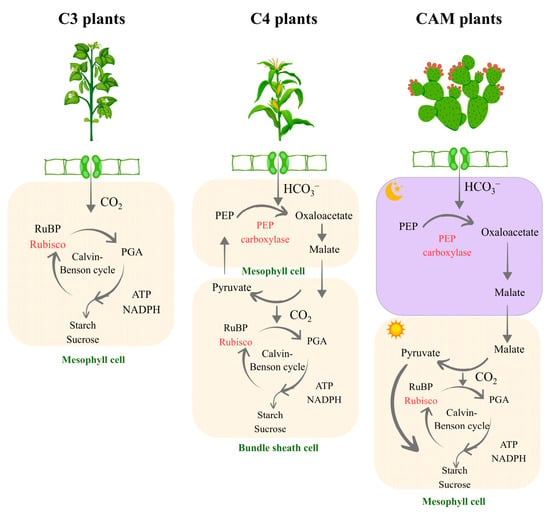
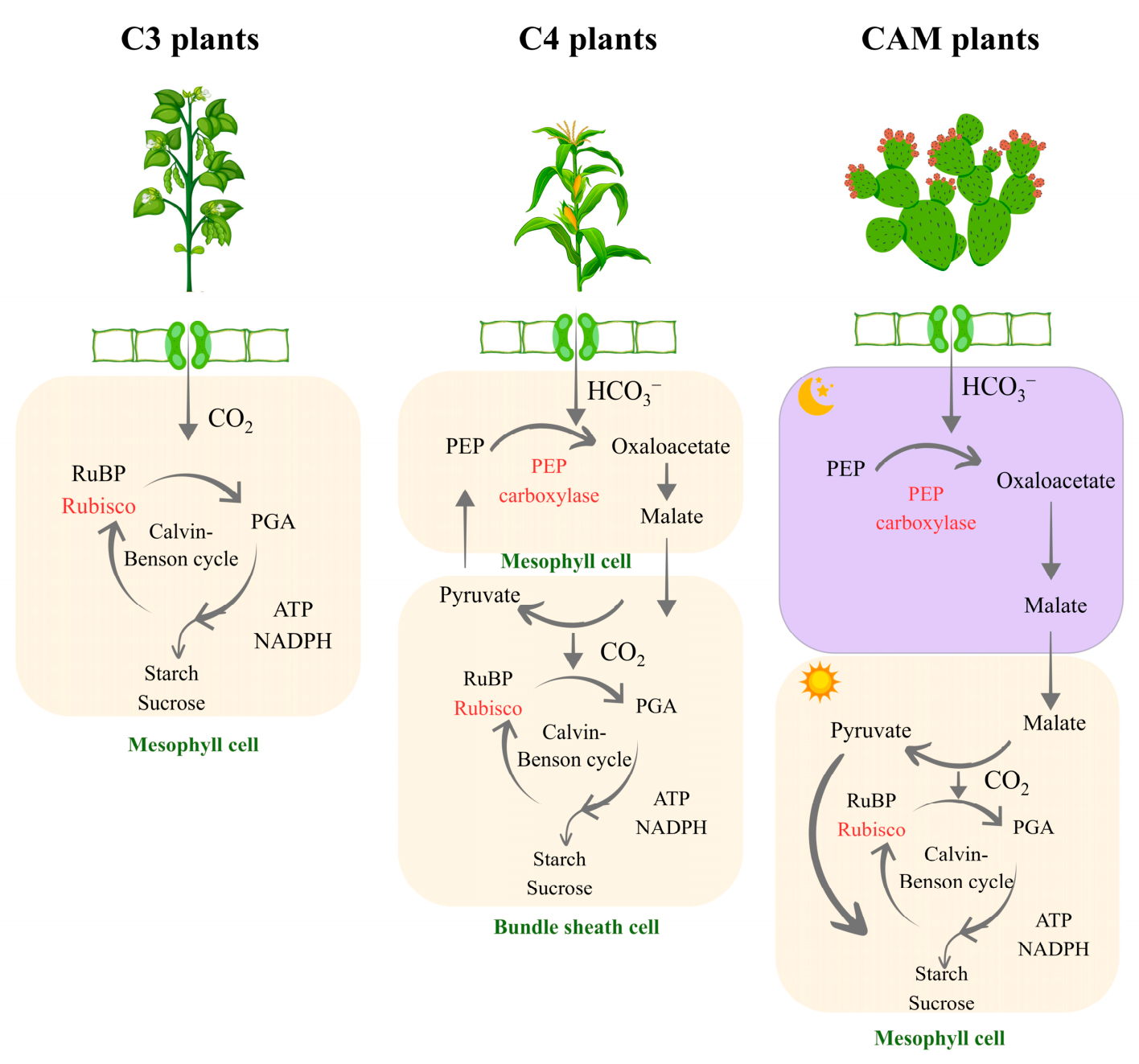
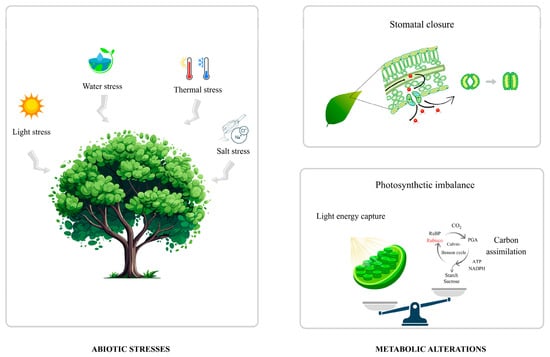
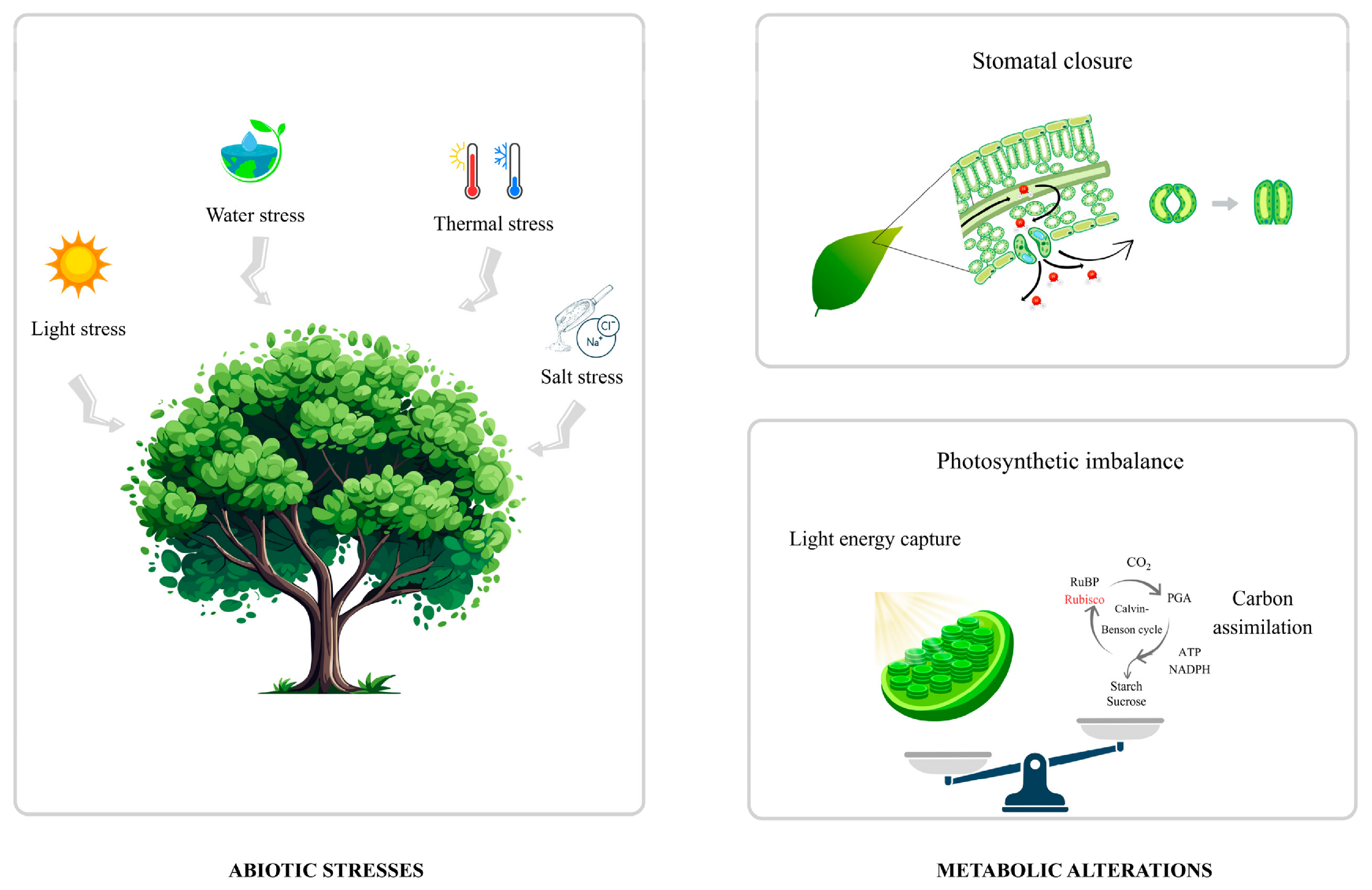
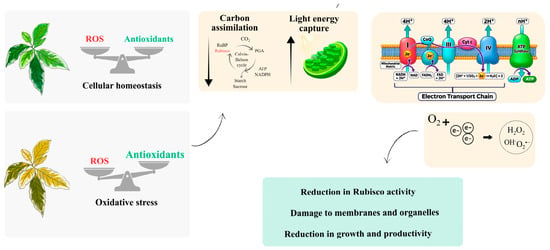
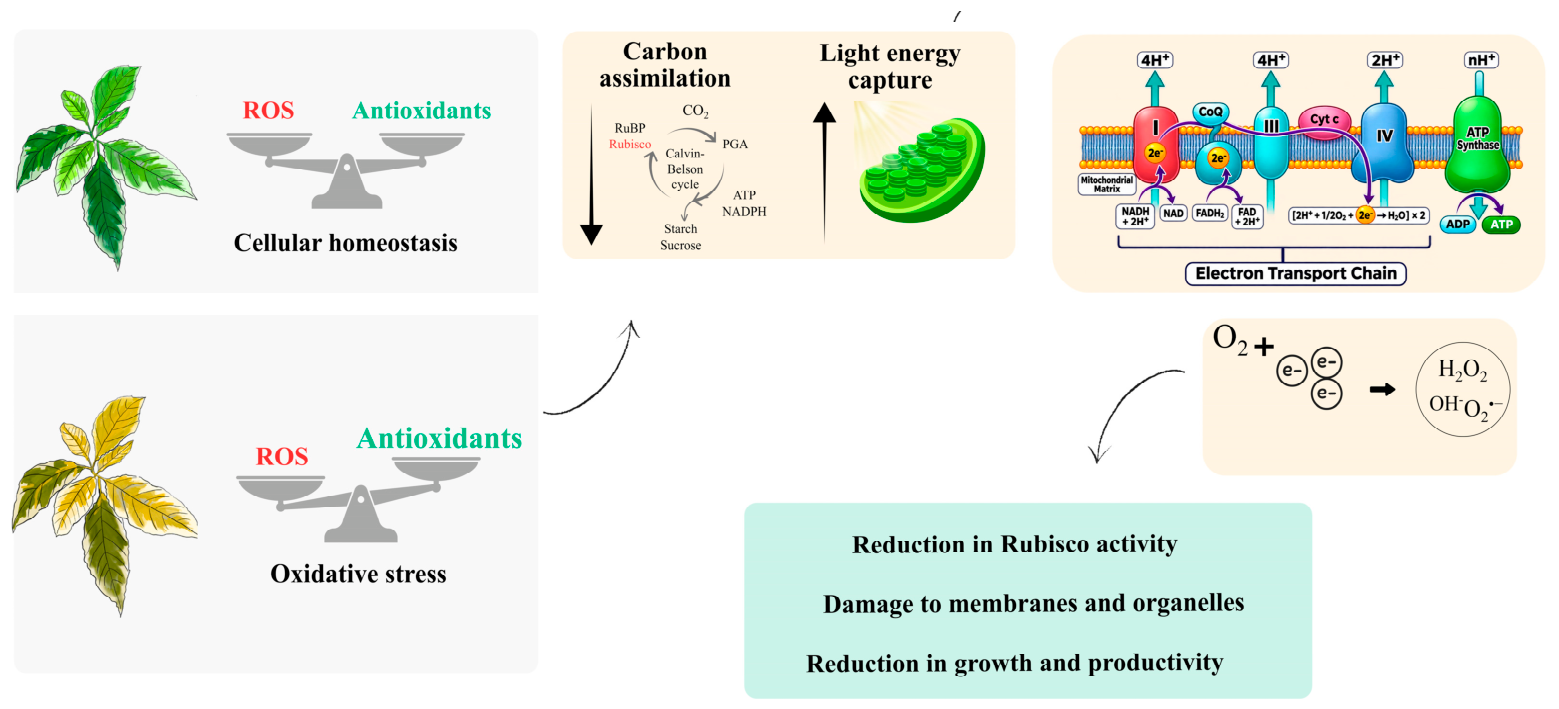

Disclaimer/Publisher’s Note: The statements, opinions and data contained in all publications are solely those of the individual author(s) and contributor(s) and not of MDPI and/or the editor(s). MDPI and/or the editor(s) disclaim responsibility for any injury to people or property resulting from any ideas, methods, instructions or products referred to in the content. |
© 2026 by the authors. Licensee MDPI, Basel, Switzerland. This article is an open access article distributed under the terms and conditions of the Creative Commons Attribution (CC BY) license.