


Abstract
Antimicrobial resistance (AMR) in broiler production is a One Health concern that extends beyond the occurrence of resistant pathogens to the persistence, mobility, and dissemination of antimicrobial resistance genes (ARGs) within intestinal and environmental microbial communities. Plant-derived bioactive compounds are increasingly proposed as alternatives or complements to conventional antimicrobials; however, antibacterial activity against resistant bacteria does not necessarily demonstrate AMR mitigation. This critical narrative review evaluates phytochemicals as resistance-modifying agents in broiler chickens, distinguishing direct antibacterial effects from antibiotic potentiation, resistance-mechanism interference, ARG and mobile genetic element (MGE) modulation, horizontal gene transfer inhibition, and community-level resistome effects. Studies involving selected plant-derived compounds and phytogenic preparations have reported effects on antimicrobial susceptibility, efflux-associated activity, resistance enzymes, plasmid transfer, ARG transcript abundance, and resistome composition across different bacterial species and experimental models. However, these findings are compound-, model-, and endpoint-specific, and direct evidence from broiler chickens remains limited and heterogeneous. Outcomes are strongly dependent on phytochemical composition, dose, formulation, intestinal exposure, bird age, microbial ecology, and analytical methodology, while repeated subinhibitory exposure may under some conditions promote tolerance or antibiotic cross-resistance. From a One Health perspective, reductions in intestinal ARG abundance or resistant bacterial populations should therefore be considered initial rather than definitive evidence of AMR mitigation. Future progress will require chemically standardized interventions evaluated through integrated phenotypic, genomic, transcriptomic, and resistance-mobility approaches. Longitudinal studies across the poultry production continuum are also needed to determine whether these interventions produce durable reductions in resistance burden and dissemination.
1. Introduction
Antimicrobial resistance (AMR) has become a major One Health challenge at the interface of animal production, food safety, environmental health, and human medicine, with poultry production systems representing important reservoirs and dissemination pathways for antimicrobial-resistant bacteria and resistance genes [1,2,3]. The extensive use of antimicrobials in food-producing animals creates sustained selective pressure that favors the emergence, persistence, and dissemination of resistant bacterial populations and antimicrobial resistance genes (ARGs), with global antimicrobial use in livestock estimated at approximately 99,500 tonnes in 2020 and projected to exceed 107,000 tonnes by 2030 under current trends [4,5]. Beyond the occurrence of phenotypically resistant bacteria, the broiler intestinal microbiota constitutes a complex reservoir of antimicrobial resistance genes (ARGs), whose persistence and dissemination are shaped by bacterial host composition and by mobile genetic elements (MGEs), including plasmids, integrons, and transposons that facilitate horizontal gene transfer [3,5,6].
In this context, phytogenic feed additives and other plant-derived bioactive compounds have attracted increasing attention as potential alternatives or complements to conventional antimicrobial use in poultry production because of their chemically diverse constituents and their reported antimicrobial, antioxidant, anti-inflammatory, immunomodulatory, and gut microbiota-modulating activities [7,8,9,10]. These preparations contain a wide range of plant secondary metabolites, including polyphenols, flavonoids, phenolic acids, terpenoids, alkaloids, saponins, and tannins. Their biological activity is influenced by botanical source, extraction method, chemical composition, concentration, and formulation [7,11].
However, demonstrating antimicrobial activity against susceptible or even multidrug-resistant bacteria does not necessarily establish that a plant-derived compound mitigates antimicrobial resistance itself. Resistance-modifying activity requires evidence that an intervention alters the resistance phenotype or its underlying determinants—for example, through antibiotic potentiation, efflux-pump inhibition, modulation of resistance-gene expression, or interference with horizontal gene transfer—whereas resistome modulation refers to broader changes in the abundance, diversity, expression, host distribution, or mobility of ARGs within a microbial community [3,10,12,13,14]. This distinction is particularly relevant in broiler production, where phytogenic interventions may reduce pathogen abundance or reshape the intestinal microbiota without necessarily producing measurable changes in the resistome; indeed, recent broiler studies have reported reductions in ARG abundance or expression following some plant-derived interventions, whereas others found little or no persistent effect on resistome composition [12,13,14].
Recent evidence further suggests that some plant-derived compounds may interfere directly with resistance dissemination mechanisms. In poultry-associated experimental systems, trans-cinnamaldehyde, carvacrol, β-resorcylic acid, and caprylic acid reduced conjugative transfer of the blaTEM resistance determinant between multidrug-resistant Salmonella Heidelberg and Escherichia coli, while trans-cinnamaldehyde supplementation also decreased horizontal gene transfer frequency in broiler cecal contents ex vivo, and phytochemical exposure downregulated several conjugation-associated genes [15]. Nevertheless, direct evidence that plant-derived bioactive compounds consistently reduce ARG abundance or mobility, alter resistome composition, or decrease the potential for resistance dissemination in broilers remains limited and heterogeneous, with outcomes varying according to phytochemical composition, experimental model, bird age, microbial community structure, and the analytical approach used to characterize resistance [3,12,13,14,15].
Accordingly, this review critically examines plant-derived bioactive compounds as modulators of antimicrobial resistance in broiler chickens, with particular emphasis on their phytochemical characteristics, resistance-modifying mechanisms, effects on ARGs and MGEs, microbiome–resistome interactions, and potential consequences for resistance dissemination within a One Health framework. Particular attention is given to distinguishing conventional antimicrobial activity from direct evidence of resistance modification and resistome modulation, while identifying methodological limitations and priorities for future research.
2. Literature Search Strategy and Evidence Assessment
This manuscript was originally developed as a critical narrative review, with the initial bibliography assembled through purposive selection of publications relevant to plant-derived bioactive compounds, antimicrobial resistance, and poultry production. To improve the transparency and completeness of the evidence base during revision, supplementary literature searches were conducted on 13 October 2026 in PubMed/MEDLINE, Scopus, and Web of Science Core Collection. Nine database-specific searches addressed three complementary domains: (i) plant-derived compounds and antimicrobial resistance-related outcomes in broilers and poultry; (ii) resistance-modifying mechanisms investigated in other bacterial and experimental systems; and (iii) poultry-associated resistome ecology and environmental dissemination within a One Health framework. The search strategies, database fields, publication-date restrictions, and retrieval counts are documented in Supplementary Table S1. In total, 10,326 records were retrieved (PubMed/MEDLINE, n = 2094; Scopus, n = 4636; and Web of Science Core Collection, n = 3596). Automated consolidation using DOIs, PubMed identifiers, database accession numbers, and normalized titles yielded 5564 provisional distinct citation groups, with ambiguous bibliographic matches retained for further verification. Because the database queries did not apply an identical lower publication-date limit, records outside the intended 1990–2026 evidence window were flagged for subsequent eligibility assessment. These retrieval and deduplication counts are reported to improve transparency and should not be interpreted as numbers of studies ultimately included in this critical narrative review.
Priority was given to peer-reviewed original studies examining plant-derived compounds in broilers, poultry-associated bacterial isolates, or poultry-relevant experimental systems. Because direct broiler-specific evidence remains limited for several resistance-modifying mechanisms, mechanistic studies from other bacterial, animal, food, and environmental systems were also considered when they provided biologically relevant evidence on efflux-pump inhibition, antibiotic potentiation, biofilm and quorum-sensing interference, resistance-gene expression, horizontal gene transfer, or resistome modulation. Evidence was interpreted according to its directness, with the highest priority assigned to in vivo broiler studies assessing antimicrobial resistance phenotypes, ARGs, MGEs, or resistome outcomes, followed by poultry-specific ex vivo or isolate-based studies and, finally, mechanistic evidence derived from non-poultry systems. Particular attention was paid to distinguishing conventional antimicrobial activity from direct evidence of resistance modification, ARG/MGE modulation, and community-level resistome effects.
References were selected purposively according to their relevance to the objectives of this critical narrative review. Evidence was prioritized narratively rather than through a formal methodological quality assessment; no standardized risk-of-bias appraisal or study-scoring procedure was performed. Relevant neutral or contrasting findings were also considered to avoid overstating the evidence for antimicrobial resistance mitigation. Articles reporting only general growth-performance, antioxidant, or immunomodulatory effects without a clear link to antimicrobial activity, resistance mechanisms, ARGs, MGEs, or microbial-resistance ecology were not emphasized. When multiple publications addressed similar mechanisms, preference was given to recent studies, primary research, studies providing direct experimental evidence, and investigations using molecular or metagenomic approaches to characterize resistance determinants and, where methodologically supported, identify their microbial hosts.
For interpretative purposes, evidence was grouped into four levels: (i) direct in vivo broiler evidence; (ii) poultry-specific ex vivo or bacterial-isolate evidence; (iii) mechanistic evidence from non-poultry bacterial systems; and (iv) conceptual or extrapolative evidence derived from broader AMR and phytochemical research.
3. From Antimicrobial Activity to AMR Mitigation: A Conceptual Framework
The ability of a plant-derived compound to inhibit bacterial growth does not, by itself, demonstrate an effect on antimicrobial resistance. Conventional antimicrobial activity is typically established through endpoints such as growth inhibition, minimum inhibitory concentration (MIC), minimum bactericidal concentration (MBC), or reductions in bacterial burden, whereas resistance-modifying activity requires evidence that a compound alters a resistance phenotype or interferes with a defined resistance mechanism [10,16,17]. Such effects may include restoration of antibiotic susceptibility, reduction in antibiotic MICs when compounds are used in combination, inhibition of multidrug efflux systems or resistance-associated enzymes, modulation of resistance-gene expression, or interference with the acquisition and horizontal transfer of resistance determinants [15,16,17]. At a broader ecological level, AMR mitigation may additionally involve changes in the abundance, expression, host distribution, or mobility of ARGs and MGEs within microbial communities, outcomes that cannot be inferred solely from antibacterial or anti-biofilm activity [3,12,13,14,15].
To avoid conflating these distinct biological outcomes, the evidence considered in this review is organized along a progressive continuum. At the first level, direct antibacterial activity indicates that a phytochemical can inhibit or kill a bacterium, including a resistant isolate, but does not establish reversal or suppression of the resistance mechanism. At the second level, resistance-modifying activity requires demonstration of altered antimicrobial susceptibility or interference with a defined resistance determinant. A third level encompasses effects on resistance dissemination, including changes in ARG expression, plasmid transfer, conjugation, or other MGE-associated processes. Finally, community-level resistome modulation requires evidence of measurable changes in the composition, abundance, expression, host association, or mobility of resistance determinants across the intestinal microbial community [3,12,13,14,15,16]. These levels should not be regarded as interchangeable, because evidence at one level does not necessarily predict an effect at the next.
3.1. Antibacterial Activity Against Resistant Bacteria
Plant-derived bioactive compounds have demonstrated antibacterial activity against poultry-associated bacterial isolates described in the original studies as multidrug-resistant (MDR) or extensively drug-resistant (XDR), supporting interest in their potential use as alternatives or adjuncts to conventional antimicrobials [10,17,18,19,20,21,22,23,24]. Throughout this review, MDR and XDR designations are retained as reported by the cited studies and interpreted in relation to the antimicrobial agents and classes included in their susceptibility-testing panels. Because testing panels and classification criteria may differ between studies, these labels should not be assumed to represent universally standardized or directly comparable resistance phenotypes. Such activity is generally demonstrated through growth inhibition, minimum inhibitory concentration (MIC) or minimum bactericidal concentration (MBC) measurements, time–kill assays, reductions in viable bacterial counts, or decreased pathogen burdens in experimentally challenged birds. However, susceptibility of an MDR or XDR isolate to a phytochemical does not itself demonstrate reversal of the underlying resistance phenotype. In such studies, antimicrobial resistance primarily characterizes the bacterial target, whereas the measured outcome reflects direct antibacterial activity of the plant-derived preparation.
Evidence from poultry-associated E. coli illustrates both the potential and the variability of these effects. Thyme (Thymus vulgaris) and coriander (Coriandrum sativum) essential oils were tested against 40 avian E. coli isolates, including 24 obtained from broilers, with all broiler isolates classified as MDR; thyme oil, characterized by a high carvacrol content, displayed greater antibacterial activity and lower MIC values than coriander oil [19]. In a broader panel of bacterial pathogens recovered from diseased chickens, cinnamon essential oil showed the lowest median MIC among seven essential oils tested, although marked differences in susceptibility were observed among both bacterial species and individual oils [20]. Garlic (Allium sativum) and ginger (Zingiber officinale) extracts have also been evaluated against MDR avian pathogenic E. coli O78, with garlic showing particularly broad in vitro antibacterial activity and dietary supplementation enhancing bacterial clearance following experimental challenge in broiler chickens [21]. More recently, encapsulated Lavandula angustifolia essential oil inhibited clinical E. coli isolates displaying varying antimicrobial-resistance profiles, with MIC values of 1–4% (v/v), while supplementation in broilers was associated with reduced intestinal E. coli and coliform counts [24].
Comparable findings have been reported for resistant Salmonella and Campylobacter. Lemongrass (Cymbopogon citratus) essential oil produced substantial reductions in multidrug-resistant Salmonella enterica serovar Heidelberg in broth and poultry cecal contents and additionally impaired motility, biofilm formation, and attachment to chicken skin and meat [18]. Oregano essential oil was subsequently evaluated against multidrug-resistant Salmonella Pullorum and Salmonella Gallinarum in commercial chicken breeders, where both preventive and therapeutic administration reduced the adverse consequences of experimental infection [22]. In broilers challenged with XDR Campylobacter jejuni, dietary supplementation with a combination of eugenol and trans-cinnamaldehyde reduced cecal bacterial loads and downregulated several virulence-associated genes [23]. Together, these studies demonstrate that plant-derived preparations can exert biologically relevant antibacterial effects against resistant poultry-associated pathogens across in vitro, ex vivo, and in vivo models [18,19,20,21,22,23,24].
Nevertheless, these findings should not be interpreted as evidence that the corresponding interventions mitigate AMR per se. A reduction in the intestinal population of an MDR pathogen, such as Salmonella, demonstrates antibacterial efficacy against that target but does not necessarily indicate a reduction in the overall intestinal resistome. Resistance determinants may persist in other bacterial populations or mobile genetic elements, even when the targeted pathogen declines. Consequently, reduced pathogen counts alone cannot establish decreases in total antimicrobial resistance gene (ARG) abundance, changes in resistome composition, restoration of antibiotic susceptibility, or reduced horizontal gene transfer. Such effects require direct assessment of the corresponding resistance-related endpoints. Moreover, susceptibility to phytochemicals can vary considerably among bacterial species and isolates, and antibiotic resistance does not uniformly predict increased or decreased susceptibility to plant-derived antimicrobials [19,20]. Distinguishing direct antibacterial efficacy from genuine resistance-modifying activity is therefore essential when assessing the contribution of phytogenic interventions to AMR mitigation.
3.2. Resistance-Modifying and Antibiotic-Potentiating Activity
Antibiotic-potentiating activity should be distinguished from both intrinsic antibacterial activity and mechanistically demonstrated resistance modification. A reduction in antibiotic minimum inhibitory concentration (MIC), or an interaction identified through checkerboard or time–kill assays, establishes a phenotypic effect under the tested experimental conditions but does not, by itself, demonstrate reversal or inhibition of a specific resistance mechanism. Mechanistically supported resistance modification requires additional evidence, such as direct inhibition of resistance-associated enzymes or target-specific investigation of antimicrobial efflux. Similarly, claims of restored categorical susceptibility require appropriate susceptibility-testing methods and validated interpretative breakpoints. Plant-derived compounds may therefore act as potential antibiotic adjuvants even when their intrinsic antibacterial activity is limited, although phenotypic potentiation should not be equated with confirmed resistance reversal [16,17,25,26,27,28,29,30,31,32].
Evidence from poultry-associated bacteria illustrates the potential of phytochemical–antibiotic combinations, although the methods and endpoints differ across studies. Zych et al. [25] examined interactions between enrofloxacin and cinnamon bark, clove bud, or lavender essential oils against E. coli isolates obtained from one-day-old broiler chickens, using checkerboard-derived fractional inhibitory concentration indices (FICIs) and time–kill experiments. Synergy was reported most frequently for lavender oil (82.35% of tested combinations), followed by cinnamon (64.7%) and clove oils (47.1%), while the remaining interactions were classified as additive. Although antibacterial activity was observed at concentrations below the individual MICs, these findings demonstrate in vitro combination effects rather than identifying a specific resistance-modifying mechanism. Kollanoor Johny et al. [26] evaluated the growth of multidrug-resistant Salmonella Typhimurium DT104 in broth containing antibiotics at experimentally selected resistance-breakpoint concentrations, together with subinhibitory concentrations of trans-cinnamaldehyde, thymol, carvacrol, eugenol, or β-resorcylic acid. Their growth-based measurements indicated increased antibiotic susceptibility under the experimental conditions but did not constitute a checkerboard-based demonstration of synergy. Palaniappan and Holley [27] used broth microdilution and checkerboard assays to investigate antibiotic susceptibility changes following exposure to selected plant-derived antimicrobials in resistant bacterial strains. Collectively, these studies provide evidence of concentration-dependent antibiotic potentiation, with mechanistic interpretation requiring separate experimental validation.
The mechanisms underlying antibiotic potentiation by plant-derived compounds are not uniform. Altered antimicrobial efflux represents one possible explanation, since active drug extrusion can contribute to multidrug resistance. However, increased intracellular accumulation of ethidium bromide (EtBr) is not specific evidence of efflux-pump inhibition, as dye accumulation may also be influenced by changes in bacterial membrane permeability and integrity. This limitation is particularly relevant for membrane-active compounds such as thymol and carvacrol. Miladi et al. [28] reported concentration-dependent increases in intracellular EtBr accumulation following exposure to thymol and carvacrol, together with two- to eight-fold reductions in tetracycline MICs. These findings are consistent with reduced efflux activity but do not establish direct inhibition of a specific efflux pump. Similarly, in Salmonella Typhimurium, carvacrol, thymol, and eugenol enhanced susceptibility to nalidixic acid and increased EtBr accumulation, while also reducing biofilm biomass [32]. The same study reported alterations in bacterial membrane integrity, indicating that membrane-related effects may have contributed to the observed dye accumulation and antibiotic potentiation. Consequently, confirmation of specific efflux-pump inhibition requires complementary experimental approaches, including appropriate membrane-permeability controls and, where feasible, pump-specific functional or genetic assays.
Plant-derived preparations may also potentiate antibiotics by targeting resistance enzymes. Watercress (Nasturtium officinale) extracts and 2-phenylethyl isothiocyanate were assessed in combination with antibiotics against extended-spectrum β-lactamase-producing E. coli isolates using disk-diffusion and MIC-based antibacterial assays [29]. These results indicate enhanced antibacterial activity in vitro, without establishing inhibition of the underlying β-lactamase mechanism. In contrast, Chandar et al. [30] combined checkerboard assays, used to characterize interactions between plant extracts and meropenem, colistin, or tetracycline, with a separate biochemical assay measuring inhibition of purified NDM-1 activity. Importantly, inhibition of purified NDM-1 provides direct biochemical evidence of enzyme inhibition, whereas synergy between plant extracts and meropenem against an NDM-producing bacterial strain demonstrates phenotypic antibiotic potentiation but does not, by itself, establish NDM inhibition. More recently, Wei et al. [31] investigated primin and meropenem using MIC determination, checkerboard and time–kill assays, together with NDM-5 enzyme-inhibition experiments, binding analyses, and site-directed mutagenesis. The authors also evaluated treatment efficacy in a murine infection model. Thus, the evidence supporting NDM-5 inhibition derives from complementary biochemical and molecular experiments rather than from the observed synergy alone; these findings nevertheless remain distinct from direct evidence of antimicrobial resistance mitigation in broiler chickens.
The interpretation of phytochemical–antibiotic interactions requires explicit distinction between synergy, additivity, indifference, and antagonism. Synergy refers to an interaction exceeding the predefined expectation for combined activity, whereas additivity indicates an effect consistent with the contributions of the individual agents. Indifference denotes the absence of a meaningful interaction according to the criteria applied, while antagonism indicates a reduction in antibacterial effectiveness associated with the combination. In checkerboard assays, these categories are generally assigned using fractional inhibitory concentration indices (FICIs), although the numerical thresholds may vary between studies and should therefore be interpreted according to the definitions used by the original authors. Time–kill assays assess changes in viable bacterial counts over time and use different criteria; their results should not be considered directly interchangeable with checkerboard classifications. Moreover, inhibition at concentrations below the individual MICs does not independently establish synergy, and neither checkerboard nor time–kill synergy identifies the underlying molecular mechanism. Confirmation of resistance modification requires complementary mechanistic experiments, such as enzyme-inhibition assays, appropriately controlled efflux studies, or genetic validation. Because much of the available evidence derives from in vitro or non-poultry experimental models, antibiotic potentiation should not be interpreted as demonstrating sustained resistance reversal or resistome-level AMR mitigation in broiler chickens [25,26,27,28,29,30,31,32].
3.3. Antimicrobial Resistance Genes and Horizontal Gene Transfer
At the genetic level, mitigation of antimicrobial resistance requires more than suppression of resistant bacterial growth or restoration of antibiotic susceptibility. Antimicrobial resistance genes (ARGs) encode specific resistance functions, whereas their persistence and dissemination within microbial communities are strongly influenced by mobile genetic elements (MGEs), including plasmids, transposons, insertion sequences, and integron-associated gene cassettes capable of facilitating horizontal gene transfer between bacterial hosts [3,5,6]. Consequently, evaluation of plant-derived interventions should extend beyond changes in bacterial abundance to include ARG abundance and expression, ARG–host associations, linkage of resistance determinants to MGEs, plasmid prevalence and stability, and the frequency of horizontal transfer [12,13,14,15,33,34,35,36,37,38]. These endpoints provide increasingly direct evidence that a phytogenic intervention affects the maintenance or dissemination of resistance determinants rather than merely reducing the population size of bacteria that carry them.
Broiler studies provide emerging but still heterogeneous evidence that phytogenic interventions can influence ARGs and plasmid-associated resistance. In an in vivo study using commercial phytogenic feed additives containing carvacrol, cinnamaldehyde, and eugenol, Saliu et al. [33] observed a lower prevalence of extended-spectrum β-lactamase-producing Enterobacteriaceae in supplemented broilers, although effects on ex vivo plasmid conjugation were less consistent and combinations of phytogenic additives with direct-fed microbials did not uniformly decrease transfer frequency. This distinction is important because a reduction in the prevalence of bacteria harboring resistance plasmids does not necessarily imply inhibition of plasmid transfer itself. At the community level, shotgun metatranscriptomics showed that phytogenic supplementation reduced the abundance of ARG transcript abundance in the broiler gut compared with control and bacitracin-treated groups [12], while Neolamarckia cadamba leaf extract altered selected ARGs, MGEs, and their associations with potential bacterial hosts in cecal contents and feces [13]. More recently, supplementation with Pulsatilla saponins combined with a herbal formulation reduced the abundance and diversity of multidrug-resistance-related ARGs relative to antibiotic supplementation and was associated with restructuring of the cecal microbial community [34].
A particularly relevant target is plasmid-mediated conjugation, because inhibition of this process may reduce resistance dissemination even at concentrations that do not inhibit bacterial growth. In poultry-associated experimental systems, trans-cinnamaldehyde, carvacrol, β-resorcylic acid, and caprylic acid reduced transfer of a blaTEM-1B-carrying plasmid between multidrug-resistant Salmonella Heidelberg and E. coli in broth, chicken manure, and water, while in-feed trans-cinnamaldehyde supplementation also reduced transfer frequency in broiler cecal contents ex vivo [15]. Phytochemical exposure also downregulated conjugation-associated genes and reduced pilus formation [15]. However, reduced plasmid transfer at subinhibitory concentrations does not necessarily demonstrate specific inhibition of the conjugation machinery, as indirect effects on bacterial physiology, membrane integrity, metabolism, or cell-to-cell interactions may contribute. Interpretation therefore requires appropriate controls for donor and recipient growth and viability, donor-to-recipient ratios, plasmid stability, bacterial aggregation, and membrane integrity. As mechanistic evidence outside the poultry model, Skalicka-Woźniak et al. [35] reported that commercially sourced linalool, also identified as a constituent of Thymus vulgaris essential oil, reduced pKM101 plasmid transfer between E. coli strains by approximately 84% in vitro. Similarly, nanostructured lipid carriers containing sage or olibanum essential oils markedly reduced conjugation of blaTEM-associated resistance in experimental food matrices, including systems containing chicken-derived material [36].
Recent mechanistic studies further strengthen the biological plausibility of phytochemical-mediated inhibition of ARG mobility. Carvacrol and thymol, applied at subinhibitory concentrations, reduced intra- and inter-generic transfer of blaNDM-positive IncX3 plasmids without suppressing bacterial growth; the effect was associated with reduced ATP availability, altered membrane permeability, and downregulation of pathways related to reactive oxygen species generation and the SOS response, and inhibition by carvacrol was also demonstrated in an animal gastrointestinal model [37]. In parallel, screening of plant-derived flavonoids identified broad anti-conjugation activity, with hydroxylated flavonoids showing stronger effects than more lipophilic analogues. Scutellarein was shown to inhibit plasmid transfer through disruption of iron homeostasis, induction of zinc-responsive envelope stress, altered redox metabolism, and reduced bacterial adhesion and aggregation; inhibition was confirmed both in vitro and in murine intestinal models [38]. These studies indicate that phytochemicals may influence ARG dissemination through multiple mechanisms acting on bacterial energetics, membrane physiology, stress responses, cell-to-cell contact, and conjugation-associated gene expression [35,36,37,38]. These findings should be interpreted according to the experimental model. In vitro conjugation assays using defined donor–recipient systems [15,35] should be distinguished from poultry-associated experiments in manure, water, or chicken-derived food matrices [15,36]. In study [15], broilers received dietary trans-cinnamaldehyde, but plasmid transfer was subsequently assessed in cecal contents ex vivo; therefore, these results do not establish inhibition of horizontal gene transfer within the intact broiler intestine in vivo. Findings from non-poultry animal models [37,38] provide proof-of-principle mechanistic evidence rather than evidence of efficacy in broiler production, and require further validation in poultry.
Nevertheless, interpretation of these findings requires caution. A decrease in the relative abundance of an ARG may result from depletion of its bacterial host rather than elimination of the gene, whereas detection of an ARG does not establish transcriptional activity, genomic location, or capacity for horizontal transfer. Likewise, the presence of plasmids, integrons, or other MGEs indicates mobility potential but does not demonstrate that transfer is actively occurring. Conversely, conjugation assays usually evaluate defined donor–recipient–plasmid combinations and may not reproduce the complexity of the intestinal microbial community. Future broiler studies should therefore integrate absolute ARG quantification, shotgun metagenomics, metatranscriptomics, plasmidome or long-read sequencing, ARG–host linkage, and functional conjugation assays to determine whether phytogenic interventions genuinely reduce the persistence and transmissibility of resistance determinants [3,6,12,13,14,15,33,34,35,36,37,38].
3.4. Community-Level Resistome Effects
Community-level resistome analysis provides a broader assessment of antimicrobial resistance than measurements of individual ARGs because it evaluates the composition, diversity, abundance, expression, and ecological distribution of resistance determinants across the intestinal microbial community. Such effects may result from direct modulation of resistance determinants, indirect restructuring of ARG-carrying bacterial populations, or both; consequently, microbiome changes and resistome changes should be considered related but distinct outcomes [3,6,12,13,14].
Available broiler studies indicate that phytogenic interventions can modify resistome structure, although responses are heterogeneous. Phenolic-rich blueberry and blackberry pomace extracts produced cecal resistome profiles that differed from those observed in birds receiving antibiotic growth promoters, with the latter showing greater enrichment of several resistance categories [39]. Subsequent studies using cranberry and blueberry pomaces likewise reported treatment-associated changes in ARG abundance and diversity, but effects were gene specific rather than uniformly suppressive, with some resistance determinants decreasing while others increased [40,41]. Metatranscriptomic analysis further showed that a commercial phytogenic feed additive reduced ARG transcript abundance relative to control and bacitracin-treated groups [12], while Pulsatilla saponins combined with herbal supplementation were associated with reduced abundance and diversity of multidrug-resistance-related ARGs [34]. In contrast, a recent shotgun-metagenomic study detecting 823 ARGs found no significant effect of an essential-oil blend on resistome α- or β-diversity, whereas bird age exerted a substantially stronger influence on resistome structure [14].
These contrasting findings indicate that phytogenic supplementation should not be assumed to produce a consistent reduction in the broiler resistome. Resistome composition is influenced by multiple ecological and methodological factors, including diet, antimicrobial exposure, farm environment, litter, housing conditions, breed, bird age, intestinal sampling site, sequencing depth, and bioinformatic approaches. Consequently, changes in relative ARG abundance may reflect shifts in ARG-carrying bacterial populations or methodological variability rather than elimination of resistance determinants [14,42]. Conventional short-read metagenomics can characterize ARG profiles but often cannot reliably assign resistance determinants to specific bacterial hosts, plasmids, or other mobile genetic elements. Future studies should therefore combine longitudinal resistome profiling and absolute ARG quantification with complementary approaches, such as long-read sequencing or isolate-based validation, to establish ARG–host–MGE associations more reliably [6,43]. The resulting evidence continuum, from direct antibacterial activity through resistance modification and ARG/MGE modulation to community-level resistome effects, is summarized in Figure 1.
Figure 1.
Evidence continuum from antibacterial activity to antimicrobial-resistance mitigation by plant-derived bioactive compounds. (Created in BioRender. Nadas, N. (2026) https://BioRender.com/kkcycqv (accessed on 12 September 2026)).
4. Phytochemical Determinants of Resistance-Modifying Activity
4.1. Major Phytochemical Classes and Structure-Activity Relationships
The resistance-modifying potential of plant-derived bioactive compounds cannot be predicted solely from botanical origin or broad phytochemical class. Instead, it depends on molecular characteristics, substitution pattern, lipophilicity, ionization state, and polar surface area, as well as the relative abundance of individual constituents within complex extracts [11,16,17,44,45,46,47,48,49]. Compounds associated with antibacterial or resistance-modifying effects encompass chemically diverse groups, including phenolic monoterpenes, polyphenols and flavonoids, alkaloids, tannins, isothiocyanates, quinones, and saponins. Importantly, compounds within the same phytochemical class may differ substantially in intrinsic antibacterial potency and in their ability to potentiate antibiotics or interfere with resistance mechanisms. Phytochemical class should therefore be regarded as a useful organizational framework rather than as a predictor of AMR-modifying activity.
Among terpenoid-derived compounds, the phenolic monoterpenes carvacrol and thymol illustrate how relatively subtle structural characteristics can influence biological activity. Both isomers possess a hydrophobic aromatic scaffold and a phenolic hydroxyl group and have been associated with membrane perturbation, antibiotic potentiation, and changes in EtBr accumulation consistent with altered efflux-related activity; however, these effects cannot be attributed specifically to efflux-pump inhibition without appropriate controls for membrane permeability [28,37,44]. Polyphenols display an even broader range of structural determinants. For flavonoids, hydroxylation at C5, C7, C3′, and C4′ and prenylation or geranylation at specific positions have been associated with increased antibacterial activity, whereas some methoxylation patterns can decrease activity [45]. Structure–activity relationships are mechanism- and endpoint-specific; structural features associated with direct antibacterial activity cannot automatically be considered predictive of antibiotic potentiation, efflux modulation, β-lactamase inhibition, or inhibition of plasmid conjugation. In a study of 37 prenylated (iso)flavonoids, Irianti et al. [46] developed binary QSAR models for ciprofloxacin potentiation and ethidium bromide accumulation as potential NorA-associated endpoints. Both models achieved 78% accuracy under leave-one-out cross-validation. However, no independent external validation was performed, and the authors acknowledged that validation using additional compounds is required. Accordingly, the identified molecular descriptors should be regarded as associations within the investigated dataset rather than universally established determinants of NorA inhibition.
Alkaloids further illustrate the importance of chemical context and interactions among plant constituents. Berberine is a cationic isoquinoline alkaloid with antibacterial activity but is also readily extruded by bacterial multidrug efflux systems. In Berberis spp., the co-occurring flavonolignan 5′-methoxyhydnocarpin inhibited the NorA efflux pump and markedly increased intracellular accumulation and antibacterial activity of berberine, demonstrating that resistance-modifying activity can arise from complementary constituents within the same botanical source [47]. Among polyphenols, epigallocatechin gallate enhanced β-lactam activity against methicillin-resistant S. aureus through effects on cell-wall integrity and peptidoglycan rather than suppression of mecA-encoded PBP2a expression [48]. Other chemically distinct molecules, including 2-phenylethyl isothiocyanate [29], the benzoquinone primin [31], and plant-derived saponins [34], further expand the chemical space associated with AMR-relevant effects. Overall, available evidence indicates that resistance modification is determined more reliably by defined chemical composition and molecular properties than by the designation of a preparation as an essential oil, polyphenol-rich extract, or phytogenic additive [16,45,46,49].
4.2. Extraction, Standardization, Formulation, Stability, and Intestinal Exposure
The biological activity of a plant-derived preparation depends not only on the phytochemical structures discussed above but also on how those compounds are obtained, characterized, and formulated. Extraction solvent, temperature, extraction time, particle size, and conventional versus assisted extraction procedures can substantially alter the qualitative and quantitative phytochemical profile of an extract and, consequently, its antimicrobial activity [11,50]. This variability is particularly important for essential oils and complex botanical preparations, whose composition is additionally influenced by genotype or chemotype, geographical origin, environmental conditions, phenological stage, harvest time, storage, and distillation procedures [51,52]. For example, essential oils obtained from different Thymus species and geographical locations showed marked differences in the proportions of thymol, carvacrol, p-cymene, and linalool, accompanied by differences in antimicrobial potency [52]. Thus, botanical species names alone are insufficient to define an experimentally reproducible AMR-modifying intervention. Batch-to-batch variability should therefore be documented through chemical profiling and quantification of major constituents. Moreover, findings obtained with purified individual compounds should not be considered directly equivalent to those obtained with complex botanical preparations, whose biological activity may depend on constituent ratios and interactions.
Formulation introduces an additional source of variability because many bioactive constituents, particularly essential-oil components, are volatile, hydrophobic, poorly water-soluble, and susceptible to degradation during processing, storage, and passage through the gastrointestinal tract [51]. Encapsulation, liposomal delivery, nanoemulsions, and related carrier systems have therefore been developed to increase stability, improve dispersibility and bioavailability, and permit more controlled release within the gastrointestinal tract [53,54,55]. Low systemic bioavailability is not necessarily a limitation for gut-directed interventions, provided that effective concentrations are achieved and maintained at the relevant intestinal site. Therefore, local intestinal exposure, rather than systemic bioavailability alone, should be considered when evaluating phytochemical effects on intestinal antimicrobial resistance. In broilers, matrix-encapsulated phytogenic additives containing carvacrol, thymol, and limonene produced different biological responses from a powdered formulation containing menthol and anethole [53], while liposomal encapsulation of oregano, cinnamon, and clove essential oils altered intestinal bacterial populations and improved several gut-associated outcomes [54]. Encapsulated Lavandula angustifolia essential oil has likewise been evaluated directly in broilers [24]. These studies demonstrate that formulation can materially influence exposure and biological response, although improved delivery or gut-health effects should not themselves be interpreted as evidence of AMR mitigation.
Accordingly, reproducibility in phytochemical AMR research requires substantially greater chemical and formulation standardization than is provided by generic descriptors such as “plant extract”, “essential oil”, or “phytogenic feed additive”. Studies should report botanical identity and plant part, extraction procedure, analytical characterization of major constituents, concentration and administered dose, formulation or carrier system, and, where possible, stability and gastrointestinal release characteristics [11,50,51,55]. For resistance-modifying effects, particularly inhibition of plasmid conjugation, effective concentrations demonstrated in vitro should be distinguished from concentrations incorporated into feed, estimated intestinal exposure, and analytically measured intestinal concentrations. Feed inclusion levels do not establish whether active compounds reach the relevant intestinal compartment at effective concentrations, for a sufficient duration, and in an appropriate chemical form. Where intestinal exposure data are unavailable, extrapolation of in vitro anti-conjugation effects to broiler conditions remains uncertain. Failure to characterize these variables may partly explain apparently contradictory results among phytogenic interventions and limits meaningful comparison across antimicrobial, ARG, and resistome studies. The principal phytochemical classes, representative compounds, physicochemical characteristics, and AMR-relevant activities discussed in this review are summarized in Table 1.
Table 1.
Major classes of plant-derived bioactive compounds with AMR-relevant activities and their level of poultry evidence.
5. Bacterial Adaptation to Plant-Derived Antimicrobials: Tolerance and Cross-Resistance
Although the multi-target activity of many plant-derived antimicrobials is often considered less conducive to resistance development than the highly specific modes of action of conventional antibiotics, bacterial adaptation to phytochemicals cannot be excluded [56]. This issue is particularly relevant when microorganisms are exposed repeatedly to subinhibitory concentrations, which may arise from insufficient dosing, compound degradation, interactions with feed or intestinal contents, rapid absorption, or incomplete release from delivery systems [51,55,56]. Such exposure may produce transient physiological adaptation or tolerance without a substantial increase in MIC, whereas prolonged selection can, under some conditions, generate stable heritable resistance. Cross-resistance is of greater AMR concern because adaptation to a phytochemical may simultaneously alter susceptibility to antibiotics or unrelated environmental stresses [56].
Experimental studies demonstrate that these outcomes are highly compound- and strain-dependent. Growth of Salmonella enterica serovar Typhimurium in sublethal thymol, carvacrol, citral, or eugenol induced remodeling of membrane fatty-acid composition and increased tolerance to the biocides peracetic acid and didecyl dimethyl ammonium bromide [57]. Similarly, E. coli O157:H7 adapted to sublethal thymol, carvacrol, or trans-cinnamaldehyde developed increased resistance to subsequent lethal exposure to these compounds and cross-protection against heat and oxidative stress, accompanied by extensive transcriptional changes involving membrane, oxidative-stress, heat-shock, and iron-metabolism pathways [58]. However, adaptation is not an inevitable consequence of phytochemical exposure. S. Typhimurium exposed to subinhibitory oregano essential oil or carvacrol showed little evidence of acquired direct tolerance or cross-protection against heat, acid, or osmotic stress [59]. Likewise, although adaptation of E. coli O157:H7 to thymol, carvacrol, and trans-cinnamaldehyde altered expression of stress- and virulence-associated genes, subsequent phenotypic testing did not demonstrate increased antibiotic resistance and showed reduced efflux-pump activity and biofilm formation [60].More concerning from an AMR perspective, cyclic exposure of S. Typhimurium to carvacrol selected stable resistant variants; one evolved lineage also showed reduced susceptibility to multiple antibiotic classes, while whole-genome sequencing identified mutations affecting stress-response regulation [61]. Subsequent adaptive-evolution experiments showed that carvacrol-resistant S. Typhimurium variants can arise through different mutational trajectories, with lon and rob mutations experimentally linked to increased resistance to carvacrol and reduced susceptibility to several antibiotics [62]. However, increased antibiotic MICs in laboratory-evolved lineages do not necessarily indicate clinically relevant resistance. Clinical resistance must be interpreted using validated organism–antibiotic-specific clinical breakpoints, whereas epidemiological cutoff values distinguish wild-type from non-wild-type susceptibility without necessarily predicting clinical treatment failure.
Taken together, available evidence supports neither the assumption that resistance to plant-derived antimicrobials is unlikely to evolve nor the opposite assumption that phytochemical use inevitably selects antibiotic resistance [56,57,58,59,60,61,62]. The outcome appears to depend on compound structure, concentration, duration and pattern of exposure, bacterial genotype, and the environmental matrix. Importantly, direct evidence of such adaptive evolution under broiler intestinal conditions remains scarce. Future poultry studies should therefore incorporate repeated sub-MIC exposure experiments, longitudinal susceptibility testing, whole-genome sequencing of evolved isolates, and assessment of antibiotic cross-resistance before long-term phytogenic interventions are considered intrinsically low-risk from an AMR perspective.
These contrasting exposure-dependent outcomes are summarized in Figure 2, illustrating how dose and exposure duration, formulation and bioavailability, bacterial genotype, and the intestinal environment may shift phytochemical exposure toward either antimicrobial efficacy or adaptive responses associated with tolerance and potential cross-resistance.
Figure 2.
Exposure-dependent outcomes of plant-derived antimicrobials. Controlled exposure may favor antibacterial activity and antibiotic potentiation, whereas repeated subinhibitory exposure may promote adaptive responses, tolerance, phytochemical resistance, and potential antibiotic cross-resistance. These outcomes are influenced by dose, exposure duration, formulation, bacterial genotype, and the intestinal environment. ARG, antimicrobial resistance gene; HGT, horizontal gene transfer. (Created in BioRender. Nadas, N. (2026) https://BioRender.com/udhgxla). https://app.biorender.com/illustrations/6aa66d00f307511ee27a8cad?slideId=094cf38e-9876-4293-b99a-9856d338cd39 accessed on 15 September 2026.
6. One Health Implications: From the Broiler Gut to the Environment and Food Chain
The relevance of phytochemical-mediated AMR modulation in broilers ultimately depends on whether intestinal effects translate into reduced dissemination of resistant bacteria and resistance determinants beyond the bird. The broiler production continuum connects the intestinal resistome with feces, litter, farm dust, surrounding soil, processing environments, manure-amended agricultural land, water, and potentially plant-associated microbiomes [2,3,63,64,65]. Shotgun metagenomic analysis across 26 commercial poultry farms and a processing plant identified thousands of ARGs throughout vertically integrated production systems, although evidence of direct farm-to-fork transmission was limited and effective biosecurity appeared to maintain separation between internal and external farm environments in most cases [63]. Airborne dissemination also deserves consideration: farm-dust metagenomics from European broiler farms demonstrated a diverse resistome partly related to fecal sources and on-farm antimicrobial use, indicating that AMR exposure pathways are not restricted to litter or manure [65].
Land application of poultry litter represents a particularly important environmental interface. Broiler litter can retain resistant bacteria, ARGs, and MGEs during storage, although its microbiome and resistome change substantially with stockpile age and spatial conditions [64]. Field and experimental studies have reported ARG enrichment and overlapping ARG detection in poultry litter, agricultural soils, and plant-associated compartments. These findings are consistent with possible dissemination but do not independently establish horizontal gene transfer or directional transmission between compartments. Tripathi et al. [66], using sequencing and digital PCR, tracked several ARGs across poultry litter, soil, and sorghum tissues, while a recent shotgun-metagenomic field study showed that poultry-litter amendment altered the soil microbiome and enriched multiple resistance categories [67,68]. However, environmental dissemination is not uniform: a metagenomic investigation of poultry production sites in the southeastern United States found no detectable persistence of litter-associated microorganisms or ARGs in adjacent soils and downstream waters several months after litter application [69]. These contrasting findings emphasize that environmental fate depends on manure treatment, soil properties, microbial ecology, application practices, and time after exposure.
The soil–plant interface may provide a further route toward the food chain. Poultry-manure amendment has been associated with increased ARG abundance in rhizosphere, root endophyte, and phyllosphere communities of lettuce [70], while field studies using chicken litter have detected persistent resistance genes in soil and, to a more limited extent, on harvested vegetables [67]. More recent evidence indicates enrichment of tetracycline-, macrolide-, and multidrug-resistance determinants across poultry-litter-amended soil and maize compartments [71]. Detection of shared ARGs across compartments indicates overlapping resistance profiles and may suggest ecological associations. Such findings may be consistent with dissemination, but demonstrated transmission requires additional evidence establishing source linkage and directionality. Detection of the same ARG in two compartments does not, by itself, demonstrate horizontal gene transfer or farm-to-fork transmission. These studies provide valuable contextual evidence but do not establish clinically meaningful human exposure or farm-to-fork transmission. Likewise, reduced intestinal ARG abundance in broilers does not, by itself, demonstrate reduced dissemination to the environment or transmission to humans. Demonstrating genuine AMR mitigation will require longitudinal tracing from the broiler gut through feces and litter to environmental compartments, together with assessment of ARG persistence, host association, mobility, and potential entry into the food chain [63,64,65,66,67,68,69,70,71]. The principal pathways linking the broiler gut resistome with environmental compartments, the food chain, and potential human or animal exposure are summarized in Figure 3, together with the current strength of evidence across this One Health continuum.
Figure 3.
One Health continuum linking the broiler gut resistome with feces and litter, environmental compartments, crops and the food chain, and potential human or animal exposure. Green identifies the plant-derived dietary intervention. Blue indicates direct evidence from broiler studies, beige indicates emerging evidence from environmental and food-chain studies, and pink indicates major evidence gaps. (Created in BioRender. Nadas, N. (2026) https://BioRender.com/kq0oi07 accessed on 12 September 2026).
7. Broiler-Specific Evidence for AMR Modulation
When the evidence base is restricted to broiler chickens, the number of studies directly demonstrating AMR modification is considerably smaller than the broader literature describing antimicrobial or microbiota-modulating effects of phytogenic interventions. One of the most informative in vivo studies evaluated encapsulated cinnamaldehyde and citral in broilers and combined phenotypic susceptibility testing with whole-genome sequencing of E. coli isolates [72]. Cinnamaldehyde alone or in combination with citral was associated with lower frequencies of resistance to several β-lactams, gentamicin, and sulfonamides than the control or bacitracin treatments, while some ARGs and plasmids were also less prevalent in recovered isolates [72]. However, resistance prevalence declined with bird age across treatments, emphasizing the need to distinguish dietary effects from normal temporal succession. In another large challenge experiment, an organic-acid feed additive containing cinnamaldehyde did not increase the abundance of antibiotic-resistant E. coli and was associated with lower ceftriaxone MICs than antibiotic treatment, although the mixed formulation prevents attribution of the response specifically to cinnamaldehyde [73]. Similarly, phytogenic products containing carvacrol, cinnamaldehyde, and eugenol reduced the prevalence of ESBL-producing Enterobacteriaceae in broilers, but their influence on ex vivo plasmid conjugation was inconsistent [33]. Together, these studies provide direct evidence that phytogenic interventions can influence resistant bacterial populations and, in some cases, resistance genotype or plasmid carriage, but they do not establish uniform reversal of resistance across antimicrobial classes.
Recent studies examining antimicrobial resistance genes (ARGs) and the broiler gut resistome have reported variable responses to phytogenic interventions. Metatranscriptomic analysis demonstrated changes in the broiler gut resistome at the transcript level following phytogenic supplementation [12], while Neolamarckia cadamba leaf extract altered selected ARGs, MGEs, and their associations with microbial taxa in cecal contents and feces [13]. Dietary Pulsatilla saponins combined with herbal supplementation were likewise associated with reductions in the abundance and diversity of several multidrug-resistance-related ARGs [34]. Berry-derived polyphenol-rich interventions have produced measurable changes in cecal resistome profiles [39,40,41], whereas a recent shotgun-metagenomic study found no persistent effect of an essential-oil blend on overall resistome α- or β-diversity and identified bird age as a stronger determinant of resistome structure [14]. At the level of resistance mobility, plant-derived compounds have reduced conjugative transfer in poultry-associated matrices and broiler cecal contents ex vivo [15], but demonstration of sustained inhibition of HGT within the intact broiler intestinal ecosystem remains lacking. Thus, the strongest community-level evidence currently supports the conclusion that phytogenic interventions can alter selected components of the broiler resistome, but not that they consistently reduce total resistance burden or dissemination potential.
A larger body of poultry-specific evidence concerns activity against resistant bacterial targets rather than modification of resistance itself. Allicin and cinnamon oil inhibited MDR E. coli isolated from diseased broilers and reduced expression of the integron-associated intI1 gene together with the virulence-associated fimH and luxS genes in vitro [74]. Phytobiotic mixtures containing thymol, menthol, linalool, trans-anethole, 1,8-cineole, and related terpenoids were active against broiler-derived APEC and other E. coli strains, including colistin-resistant isolates [75]. Conversely, a phenolic-rich ethanolic extract of Pereskia aculeata showed measurable inhibition for only a limited subset of ESBL-associated E. coli isolates, with an MIC of 20 mg/mL where inhibition could be determined and no clear evidence that the ESBL phenotype altered susceptibility to the extract [76]. In vivo, caprylic-acid supplementation reduced cecal colonization by MDR Salmonella Heidelberg by approximately 3.6 log10 CFU/g [77], while a mixture of eugenol and trans-cinnamaldehyde reduced XDR Campylobacter jejuni loads in challenged broilers [23]. Marjoram essential oil also showed activity against MDR avian pathogens and, when combined with conventional antibiotics, improved outcomes in experimental bacterial leg-disorder models [78]. These findings are relevant to the control of resistant poultry-associated pathogens; however, reduced colonization or bacterial burden, including the observed reduction in MDR Salmonella Heidelberg, should not be interpreted as evidence of a reduced intestinal resistome. Demonstrating such an effect requires direct evaluation of resistance-related endpoints, including ARG abundance or resistome composition, rather than pathogen counts alone.
Broiler experiments also demonstrate why in vitro phytochemical efficacy cannot be assumed to translate into intestinal AMR mitigation. Coated trans-cinnamaldehyde showed marked anti-Campylobacter activity in vitro but failed to reduce C. jejuni colonization in the broiler cecum [79], and supplementation with several plant extracts and essential-oil constituents produced only limited or transient reductions in Campylobacter shedding in another feeding study [80]. Likewise, an essential-oil blend containing carvacrol, thymol, eucalyptol, and lemon components reduced Salmonella Heidelberg colonization in the crop but not cecal colonization or fecal shedding [81]. In contrast, trans-cinnamaldehyde and eugenol reduced Salmonella Enteritidis cecal populations by at least 3 log10 CFU/g in young broilers [82], and oregano essential oil reduced S. Enteritidis prevalence and cecal burden in market-age birds [83]. Methanolic extracts of ginger and onion [84] and of Moringa oleifera and Thymus vulgaris [85] have likewise reduced E. coli burdens in experimental broiler infection models. These contrasting results reinforce a central conclusion of the present review: direct broiler evidence spans a continuum from pathogen suppression to ARG and resistome modulation, but relatively few studies simultaneously evaluate resistance phenotype, ARG abundance or expression, MGEs, gene mobility, and community-level resistome dynamics. Representative studies and the level of AMR inference supported by each are summarized in Table 2.
Table 2.
Representative evidence for phytochemical effects on antimicrobial resistance-related endpoints, grouped by evidence category and experimental model.
8. Methodological Priorities and Future Research
Future studies should move beyond single-endpoint evaluation and adopt integrated experimental designs that connect phytochemical characterization with antimicrobial phenotype, microbiome structure, resistome composition, and resistance mobility. At a minimum, interventions should be chemically characterized, administered at a defined and biologically relevant dose, and evaluated longitudinally using age-matched controls, because bird age itself can exert a stronger effect on resistome structure than dietary treatment [14]. Relative ARG abundance alone is insufficient to distinguish genuine loss of resistance determinants from changes in community composition; therefore, absolute quantification approaches, including internal-standard or spike-in strategies, should increasingly complement conventional relative metagenomic analyses [86,87]. Such designs would make it possible to determine whether an apparent decrease in resistance reflects lower total ARG burden, redistribution among bacterial hosts, or simple compositional effects.
A second priority is to strengthen the linkage between resistance-gene detection, genetic context, expression, and phenotype. Shotgun metagenomics can define community-level resistance potential but does not by itself establish ARG expression, host identity, mobility, or phenotypic resistance [86]. Metatranscriptomics can add information on ARG transcripts, whereas long-read sequencing can improve reconstruction of plasmids and ARG-MGE-host associations, as recently demonstrated in broiler chickens [6,12,86]. Emerging approaches such as Hi-C sequencing may further resolve physical associations between ARGs, plasmids, and bacterial hosts in complex microbial communities [88]. Nevertheless, claims of active horizontal transfer should ultimately be supported by longitudinal tracking or functional conjugation assays, because MGE detection indicates transfer potential rather than transfer itself [15,86,89].
Finally, future broiler studies should extend sampling beyond the intestinal compartment. An optimal experimental framework would follow the same intervention from the phytochemically characterized feed additive through cecal and fecal microbiomes and litter or manure to selected environmental compartments, while simultaneously assessing resistant bacterial phenotypes, absolute ARG abundance, ARG expression, MGE linkage, and transfer potential. Repeated sampling across the production cycle would help separate treatment effects from age-related ecological succession, while post-excretion monitoring would establish whether intestinal changes persist after release into litter, soil, water, or crop-associated microbiomes [63,64,65,66,67,68,69,70,71]. Studies should also include repeated subinhibitory-exposure experiments where relevant, particularly for compounds intended for long-term dietary use, to determine whether AMR mitigation is accompanied by selection for phytochemical tolerance or antibiotic cross-resistance [56,57,58,59,60,61,62]. In this way, future research can progress from demonstrating that a phytogenic intervention changes the microbiome or resistome to establishing whether it produces a durable and biologically meaningful reduction in resistance risk across the poultry production continuum. The principal analytical approaches and the strength of inference supported by each are summarized in Table 3.
Table 3.
Analytical approaches for evaluating antimicrobial-resistance modulation and the strength of inference supported by each method.
9. Translational and Regulatory Considerations for Implementation in Broiler Production
Translation of phytochemical-mediated AMR modulation from experimental models to commercial broiler production requires that biological activity be linked to actual exposure at the intestinal site of action. Nominal inclusion concentration in feed is an incomplete measure of biologically relevant exposure because volatility, feed processing, storage, carrier system, interactions with the dietary matrix, gastrointestinal absorption, and regional distribution can substantially modify the amount of active compound reaching bacterial communities [51,53,54,55,90,91]. This issue is especially relevant for essential-oil constituents. In an assessment of a partially microencapsulated thyme- and star-anise-based feed additive, measurable losses of thymol and trans-anethole occurred during pelleting and subsequent storage, illustrating that the composition of the feed ultimately consumed by the bird may differ from that of the original preparation [90]. Direct measurement of phytochemical distribution within broilers provides further evidence of this exposure gradient: following dietary supplementation, trans-cinnamaldehyde remained detectable throughout the gastrointestinal tract, including the ceca and colon, whereas caprylic acid was not detected in these distal compartments [91]. Consequently, future AMR-oriented studies should report not only the administered dietary dose but, where feasible, marker-compound concentrations after feed processing and within the intestinal compartment in which the resistance-modifying effect is expected to occur.
Product identity and compositional standardization are equally important for translation and regulatory interpretation. Within the European Union, feed additives are authorised according to Regulation (EC) No 1831/2003 and are classified according to their intended functions, while EFSA guidance requires appropriate characterisation of the additive, its active components, conditions of use, safety, and evidence of efficacy relevant to the claimed function [92,93,94]. For botanical preparations, this requirement is particularly consequential because a plant species name or generic designation such as “essential oil” does not define a reproducible intervention. An EFSA assessment of an oregano essential oil intended for poultry, for example, was unable to complete the risk assessment for the target species, consumer, and user because a substantial fraction of the preparation remained chemically uncharacterised [95]. Conversely, botanical compounds may be authorised as sensory additives on the basis of their flavouring function without this implying efficacy as resistance-modifying agents [92,95]. Thus, regulatory acceptance for one intended purpose should not be interpreted as evidence of AMR mitigation. If resistance modification, ARG reduction, inhibition of horizontal transfer, or resistome modulation is proposed as a functional benefit, the supporting evidence should include AMR-specific endpoints of the type distinguished throughout this review rather than relying solely on growth performance, palatability, microbiota composition, or general antibacterial activity.
Safety evaluation must similarly move beyond the assumption that botanical origin implies intrinsically low risk. Feed-additive assessment encompasses safety for the target animal, the consumer, the user handling the product, and the environment, and conclusions are dependent on both composition and conditions of use [90,92,93,94,95,96]. In a recent EFSA assessment of 41 herbal flavouring compounds, tolerance studies in chickens for fattening and other target species supported safety at the proposed inclusion levels, with no adverse effects observed for the tested compounds at substantially higher experimental exposure; nevertheless, those conclusions applied to chemically defined substances and specified use conditions [96]. Pharmacokinetic and residue considerations may also become relevant as dietary exposure increases. In broilers receiving graded concentrations of thyme essential oil, thymol deposition was lowest in breast muscle but increased in plasma and kidney and became detectable in liver and muscle at the highest dietary concentration tested [97]. Dose selection should therefore balance sufficient intestinal exposure with target-species tolerability and consumer safety. From an AMR perspective, this balance has an additional dimension: concentrations should also be evaluated for their potential to generate prolonged subinhibitory exposure, which, as discussed in Section 5, may favour bacterial adaptation under some experimental conditions [56,57,58,59,60,61,62].
Finally, successful implementation requires evidence that efficacy is reproducible under commercial production conditions rather than confined to highly controlled challenge experiments. Four large commercial-farm trials involving an encapsulated cinnamaldehyde product demonstrated that phytogenic supplementation can be incorporated into pelleted diets and evaluated under field conditions involving different broiler flocks and production stressors [98]. Earlier multi-location trials of a thymol-, eugenol-, and piperine-containing feed additive likewise showed that responses can vary among production settings and that dietary dose influences the consistency of biological effects [99]. More recently, a large broiler experiment evaluating carvacrol- and thymol-based feed additives found little adverse impact on carcass yield or most breast-meat quality traits, providing useful information on compatibility with production endpoints [100]. However, commercial-scale studies of this type have generally focused on growth, intestinal health, pathogen control, or product quality rather than resistance phenotype, ARG burden, MGE mobility, or resistome structure. The next translational step should therefore be multi-flock and preferably multi-site trials using chemically standardised formulations at commercially realistic doses while incorporating longitudinal AMR-specific endpoints, exposure measurements, safety outcomes, and production performance. Commercial adoption of phytogenic interventions as tools for AMR mitigation should ultimately depend not on their designation as “natural antibiotic alternatives”, but on reproducible evidence that a defined product produces a meaningful reduction in resistance risk under realistic poultry-production conditions.
10. Conclusions
Plant-derived bioactive compounds represent promising tools for antimicrobial-resistance management in broiler production, but the available evidence clearly indicates that antimicrobial activity against resistant bacteria should not be equated with AMR mitigation. Stronger evidence requires demonstration of altered antimicrobial susceptibility, interference with defined resistance mechanisms, modulation of ARGs and MGEs, inhibition of horizontal gene transfer, or reproducible changes in the community-level resistome. Broiler-specific studies provide encouraging examples across these endpoints, yet the responses remain heterogeneous and are strongly influenced by phytochemical composition, dose, formulation, intestinal exposure, bird age, microbial ecology, and the analytical methods used. Importantly, inconsistent in vivo efficacy and the potential for adaptation following repeated subinhibitory exposure further argue against assuming that plant-derived interventions are intrinsically resistance-suppressive.
The future value of phytogenic strategies will therefore depend on moving from proof-of-principle antimicrobial effects toward chemically standardized, biologically relevant interventions that demonstrate durable reductions in resistance phenotype, ARG burden or mobility, and dissemination potential under realistic broiler-production conditions. Integrated longitudinal studies combining phenotypic susceptibility testing with quantitative resistome analysis, ARG–host–MGE resolution, functional transfer assays, and follow-up across litter and environmental compartments will be essential to determine whether intestinal effects translate into meaningful One Health benefits. Such evidence would provide a stronger basis for incorporating plant-derived bioactive compounds into antimicrobial-stewardship programmes as complementary tools for reducing resistance risk rather than simply as natural substitutes for conventional antibiotics.
Supplementary Materials
The following supporting information can be downloaded at https://www.mdpi.com/article/10.3390/plants15213285/s1. Table S1: Database-specific literature search strategies, search fields, publication-date restrictions, and retrieval counts.
Author Contributions
Conceptualization, G.C.N. and C.M.B.; methodology, N.I.F.; software, G.C.N.; validation, G.C.N., C.M.B. and N.I.F.; formal analysis, G.C.N.; resources, G.C.N.; data curation, G.C.N.; writing—original draft preparation, G.C.N.; writing—review and editing, G.C.N.; visualization, N.I.F.; supervision, G.C.N.; project administration, C.M.B.; funding acquisition, C.M.B. All authors have read and agreed to the published version of the manuscript.
Funding
This research received no external funding.
Data Availability Statement
No new data were created or analyzed in this study. Data sharing is not applicable to this article.
Conflicts of Interest
The authors declare no conflicts of interest.
References
- McEwen, S.A.; Collignon, P.J. Antimicrobial Resistance: A One Health Perspective. In Antimicrobial Resistance in Bacteria from Livestock and Companion Animals; Schwarz, S., Cavaco, L.M., Shen, J., Eds.; ASM Press: Washington, DC, USA, 2018. [Google Scholar] [CrossRef] [Scilit]
- Yang, Y.; Ashworth, A.J.; Willett, C.; Cook, K.; Upadhyay, A.; Owens, P.R.; Ricke, S.C.; DeBruyn, J.M.; Moore, P.A., Jr. Review of Antibiotic Resistance, Ecology, Dissemination, and Mitigation in U.S. Broiler Poultry Systems. Front. Microbiol. 2019, 10, 2639. [Google Scholar] [CrossRef] [Scilit] [PubMed]
- Jian, Z.; Qian, Y.; He, S.; Zhao, R.; Li, K.; Cha, J.; Ning, Z.; Ye, Y.; Bao, Z.; Wang, K.; et al. The Gut Resistome in Poultry Production: Microbial Ecology, Antibiotic Use, and Sustainable Control Approaches. Front. Microbiol. 2026, 17, 1768747. [Google Scholar] [CrossRef] [Scilit] [PubMed]
- Mulchandani, R.; Wang, Y.; Gilbert, M.; Van Boeckel, T.P. Global trends in antimicrobial use in food-producing animals: 2020 to 2030. PLoS Glob. Public Health 2023, 3, e0001305. [Google Scholar] [CrossRef] [Scilit] [PubMed]
- Chen, Y.; Liu, Y.; Zhao, C.; Ma, J.; Guo, J. Antibiotic Resistance Gene Pollution in Poultry Farming Environments and Approaches for Mitigation: A System Review. Poult. Sci. 2025, 104, 104858. [Google Scholar] [CrossRef] [Scilit] [PubMed]
- Rysava, M.; Stredanska, K.; Schwarzerova, J.; Jakubickova, M.; Cejkova, D.; Aytan-Aktug, D.; Otani, S.; Dolejska, M.; Palkovicova, J. Dynamic changes in the plasmidome and resistome in the gastrointestinal tract of chickens. Microbiol. Spectr. 2026, 14, e04074-25. [Google Scholar] [CrossRef] [Scilit] [PubMed]
- Wang, J.; Deng, L.; Chen, M.; Che, Y.; Li, L.; Zhu, L.; Chen, G.; Feng, T. Phytogenic feed additives as natural antibiotic alternatives in animal health and production: A review of the literature of the last decade. Anim. Nutr. 2024, 17, 244–264. [Google Scholar] [CrossRef] [Scilit] [PubMed]
- Obianwuna, U.E.; Chang, X.; Oleforuh-Okoleh, V.U.; Onu, P.N.; Zhang, H.; Qiu, K.; Wu, S. Phytobiotics in poultry: Revolutionizing broiler chicken nutrition with plant-derived gut health enhancers. J. Anim. Sci. Biotechnol. 2024, 15, 169. [Google Scholar] [CrossRef] [Scilit] [PubMed]
- Aminullah, N.; Mostamand, A.; Zahir, A.; Mahaq, O.; Azizi, M.N. Phytogenic feed additives as alternatives to antibiotics in poultry production: A review. Vet. World 2025, 18, 141–154. [Google Scholar] [CrossRef] [Scilit] [PubMed]
- Chandran, R.; Denagamage, T.; Czyz, D.M.; Kariyawasam, S.; Pellissery, A.J. Reducing Antibiotic Dependence in Poultry: The Potential of Phytochemicals as Antibiotic Alternatives Against Bacterial Foodborne Pathogens. Trop. Med. Infect. Dis. 2026, 11, 153. [Google Scholar] [CrossRef] [Scilit] [PubMed]
- Gligor, O.; Clichici, S.; Moldovan, R.; Muntean, D.; Vlase, A.-M.; Nadăș, G.C.; Novac, C.Ș.; Filip, G.A.; Vlase, L.; Crișan, G. Red Clover and the Importance of Extraction Processes-Ways in Which Extraction Techniques and Parameters Affect Trifolium pratense L. Extracts’ Phytochemical Profile and Biological Activities. Processes 2022, 10, 2581. [Google Scholar] [CrossRef] [Scilit]
- Koorakula, R.R.; Schiavinato, M.; Ghanbari, M.; Wegl, G.; Grabner, N.; Koestelbauer, A.; Klose, V.; Dohm, J.C.; Domig, K.J. Metatranscriptomic Analysis of the Chicken Gut Resistome Response to In-Feed Antibiotics and Natural Feed Additives. Front. Microbiol. 2022, 13, 833790. [Google Scholar] [CrossRef] [Scilit] [PubMed]
- Wang, C.; Wu, S.; Zhou, W.; Hu, L.; Hu, Q.; Cao, Y.; Wang, L.; Chen, X.; Zhang, Q. Effects of Neolamarckia cadamba Leaves Extract on Microbial Community and Antibiotic Resistance Genes in Cecal Contents and Feces of Broilers Challenged with Lipopolysaccharides. Appl. Environ. Microbiol. 2024, 90, e01107-23. [Google Scholar] [CrossRef] [Scilit] [PubMed]
- Fonseca, A.; Kenney, S.; Bierly, S.; Boney, J.; Ganda, E. Assessing the Impact of Dietary Interventions on the Resistomes of Broiler Chickens. Poult. Sci. 2026, 105, 107343. [Google Scholar] [CrossRef] [Scilit] [PubMed]
- Vinayamohan, P.; Viju, L.S.; Pellissery, A.J.; Nair, M.S.; Donoghue, A.M.; Venkitanarayanan, K. Evaluation of plant-based antimicrobials in controlling antimicrobial resistance gene spread in poultry production continuum. Front. Vet. Sci. 2026, 13, 1837338. [Google Scholar] [CrossRef] [Scilit] [PubMed]
- Zai, M.J.; Cock, I.E.; Cheesman, M.J. Plant Metabolites as Potential Agents That Potentiate or Block Resistance Mechanisms Involving β-Lactamases and Efflux Pumps. Int. J. Mol. Sci. 2025, 26, 5550. [Google Scholar] [CrossRef] [Scilit] [PubMed]
- Álvarez-Martínez, F.J.; Barrajón-Catalán, E.; Herranz-López, M.; Micol, V. Antibacterial Plant Compounds, Extracts and Essential Oils: An Updated Review on Their Effects and Putative Mechanisms of Action. Phytomedicine 2021, 90, 153626. [Google Scholar] [CrossRef] [Scilit] [PubMed]
- Dewi, G.; Nair, D.V.T.; Peichel, C.; Johnson, T.J.; Noll, S.; Kollanoor Johny, A. Effect of lemongrass essential oil against multidrug-resistant Salmonella Heidelberg and its attachment to chicken skin and meat. Poult. Sci. 2021, 100, 101116. [Google Scholar] [CrossRef] [Scilit] [PubMed]
- Mansouri, N.; Aoun, L.; Dalichaouche, N.; Hadri, D. Yields, chemical composition, and antimicrobial activity of two Algerian essential oils against 40 avian multidrug-resistant Escherichia coli strains. Vet. World 2018, 11, 1539–1550. [Google Scholar] [CrossRef] [Scilit] [PubMed]
- Van, N.T.B.; Vi, O.T.; Yen, N.T.P.; Nhung, N.T.; Cuong, N.V.; Kiet, B.T.; Hoang, N.V.; Hien, V.B.; Thwaites, G.; Campbell, J.; et al. Minimum inhibitory concentrations of commercial essential oils against common chicken pathogenic bacteria and their relationship with antibiotic resistance. J. Appl. Microbiol. 2022, 132, 1025–1035. [Google Scholar] [CrossRef] [Scilit] [PubMed]
- Elmowalid, G.A.; Abd El-Hamid, M.I.; Abd El-Wahab, A.M.; Atta, M.; Abd El-Naser, G.; Attia, A.M. Garlic and ginger extracts modulated broiler chicks innate immune responses and enhanced multidrug resistant Escherichia coli O78 clearance. Comp. Immunol. Microbiol. Infect. Dis. 2019, 66, 101334. [Google Scholar] [CrossRef] [Scilit] [PubMed]
- Xu, Z.; Wang, C.; Li, C.; Wang, M.; Chen, W.; Zhou, C.; Wei, P. The effect of oregano essential oil on the prevention and treatment of Salmonella Pullorum and Salmonella Gallinarum infections in commercial Yellow-chicken breeders. Front. Vet. Sci. 2022, 9, 1058844. [Google Scholar] [CrossRef] [Scilit] [PubMed]
- Aljazzar, A.; Abd El-Hamid, M.I.; El-Malt, R.M.S.; El-Gharreb, W.R.; Abdel-Raheem, S.M.; Ibrahim, A.M.; Abdelaziz, A.M.; Ibrahim, D. Prevalence and antimicrobial susceptibility of Campylobacter species with particular focus on the growth promoting, immunostimulant and anti-Campylobacter jejuni activities of eugenol and trans-cinnamaldehyde mixture in broiler chickens. Animals 2022, 12, 905. [Google Scholar] [CrossRef] [Scilit] [PubMed]
- Adaszyńska-Skwirzyńska, M.; Zych, S.; Grabowska, M.; Bucław, M.; Majewska, D.; Szczerbińska, D.; Lepczyński, A.; Konieczka, P. Effects of encapsulated Lavandula angustifolia essential oil in alginate hydrogel capsules as feed additives to enhance the performance and health of broiler chickens and its in vitro antibacterial activity against multidrug-resistant Escherichia coli strains. Poult. Sci. 2026, 105, 106510. [Google Scholar] [CrossRef] [Scilit] [PubMed]
- Zych, S.; Adaszyńska-Skwirzyńska, M.; Szewczuk, M.A.; Szczerbińska, D. Interaction between Enrofloxacin and Three Essential Oils (Cinnamon Bark, Clove Bud and Lavender Flower)—A Study on Multidrug-Resistant Escherichia coli Strains Isolated from 1-Day-Old Broiler Chickens. Int. J. Mol. Sci. 2024, 25, 5220. [Google Scholar] [CrossRef] [Scilit] [PubMed]
- Kollanoor Johny, A.; Hoagland, T.; Venkitanarayanan, K. Effect of Subinhibitory Concentrations of Plant-Derived Molecules in Increasing the Sensitivity of Multidrug-Resistant Salmonella enterica Serovar Typhimurium DT104 to Antibiotics. Foodborne Pathog. Dis. 2010, 7, 1165–1170. [Google Scholar] [CrossRef] [Scilit] [PubMed]
- Palaniappan, K.; Holley, R.A. Use of Natural Antimicrobials to Increase Antibiotic Susceptibility of Drug Resistant Bacteria. Int. J. Food Microbiol. 2010, 140, 164–168. [Google Scholar] [CrossRef] [Scilit] [PubMed]
- Miladi, H.; Zmantar, T.; Chaabouni, Y.; Fedhila, K.; Bakhrouf, A.; Mahdouani, K.; Chaieb, K. Antibacterial and Efflux Pump Inhibitors of Thymol and Carvacrol against Food-Borne Pathogens. Microb. Pathog. 2016, 99, 95–100. [Google Scholar] [CrossRef] [Scilit] [PubMed]
- Freitas, E.; Aires, A.; Augusto de Santos Rosa, E.; Saavedra, M.J. Antibacterial Activity and Synergistic Effect between Watercress Extracts, 2-Phenylethyl Isothiocyanate and Antibiotics against 11 Isolates of Escherichia coli from Clinical and Animal Source. Lett. Appl. Microbiol. 2013, 57, 266–273. [Google Scholar] [CrossRef] [Scilit] [PubMed]
- Chandar, B.; Poovitha, S.; Ilango, K.; MohanKumar, R.; Parani, M. Inhibition of New Delhi Metallo-β-Lactamase 1 (NDM-1) Producing Escherichia coli IR-6 by Selected Plant Extracts and Their Synergistic Actions with Antibiotics. Front. Microbiol. 2017, 8, 1580. [Google Scholar] [CrossRef] [Scilit] [PubMed]
- Wei, G.; Yang, Y.; Wang, C.; Zhang, X. Primin Inhibits New Delhi Metallo-β-Lactamase-5 and Restores Meropenem Activity in Escherichia coli. Phytomedicine 2026, 155, 158175. [Google Scholar] [CrossRef] [Scilit] [PubMed]
- Miladi, H.; Zmantar, T.; Kouidhi, B.; Chaabouni, Y.; Mahdouani, K.; Bakhrouf, A.; Chaieb, K. Use of Carvacrol, Thymol, and Eugenol for Biofilm Eradication and Resistance Modifying Susceptibility of Salmonella enterica Serovar Typhimurium Strains to Nalidixic Acid. Microb. Pathog. 2017, 104, 56–63. [Google Scholar] [CrossRef] [Scilit] [PubMed]
- Saliu, E.-M.; Ren, H.; Goodarzi Boroojeni, F.; Zentek, J.; Vahjen, W. The Impact of Direct-Fed Microbials and Phytogenic Feed Additives on Prevalence and Transfer of Extended-Spectrum Beta-Lactamase Genes in Broiler Chicken. Microorganisms 2020, 8, 322. [Google Scholar] [CrossRef] [Scilit] [PubMed]
- Jian, Z.; Zhao, R.; Zi, X.; He, S.; He, X.; Ye, Y.; Wang, K.; Ge, C.; Jia, J.; Hu, Y.; et al. Sustainable antibiotic reduction in poultry production with Pulsatilla saponins and herbal supplementation. Poult. Sci. 2026, 105, 106562. [Google Scholar] [CrossRef] [Scilit] [PubMed]
- Skalicka-Woźniak, K.; Walasek, M.; Aljarba, T.M.; Stapleton, P.; Gibbons, S.; Xiao, J.; Łuszczki, J.J. The anticonvulsant and anti-plasmid conjugation potential of Thymus vulgaris chemistry: An in vivo murine and in vitro study. Food Chem. Toxicol. 2018, 120, 472–478. [Google Scholar] [CrossRef] [Scilit] [PubMed]
- Guidotti-Takeuchi, M.; de Melo, R.T.; Ribeiro, L.N.M.; Dumont, C.F.; Ribeiro, R.A.C.; Brum, B.A.; de Amorim Junior, T.L.I.F.; Rossi, D.A. Interference with Bacterial Conjugation and Natural Alternatives to Antibiotics: Bridging a Gap. Antibiotics 2023, 12, 1127. [Google Scholar] [CrossRef] [Scilit] [PubMed]
- Wang, J.; Song, F.-J.; Guo, C.; Tiwari, J.G.; Annandale, H.; You, Z.-Y.; Liyi, L.; Jie, C.; Zou, M.; Liu, B.-T. Monoterpenoid phenols efficiently inhibit the conjugative transfer of blaNDM-positive IncX3 plasmid within and across bacterial genera. J. Hazard. Mater. Adv. 2026, 22, 101251. [Google Scholar] [CrossRef] [Scilit]
- Yang, B.; Zhang, M.; Zhu, S.; Wang, Z.; Liu, Y. Natural flavonoids inhibit plasmid conjugation via iron chelation and zinc-responsive envelope stress. J. Adv. Res. 2026; in press. [CrossRef] [Scilit] [PubMed]
- Salaheen, S.; Kim, S.-W.; Haley, B.J.; Van Kessel, J.A.S.; Biswas, D. Alternative Growth Promoters Modulate Broiler Gut Microbiome and Enhance Body Weight Gain. Front. Microbiol. 2017, 8, 2088. [Google Scholar] [CrossRef] [Scilit] [PubMed]
- Yang, C.; Das, Q.; Rehman, M.A.; Yin, X.; Shay, J.; Gauthier, M.; Lau, C.H.-F.; Ross, K.; Diarra, M.S. Microbiome of Ceca from Broiler Chicken Vaccinated or Not against Coccidiosis and Fed Berry Pomaces. Microorganisms 2023, 11, 1184. [Google Scholar] [CrossRef] [Scilit] [PubMed]
- Kithama, M.; Hassan, Y.I.; Yin, X.; Tang, J.; Clairmont, L.; Sienkiewicz, O.; Ross, K.; Lau, C.H.-F.; Lepp, D.; Zhao, X.; et al. Shift of Microbiota and Modulation of Resistome in the Ceca of Broiler Chicken Fed Berry Pomace Alone or in Combination of a Multienzyme Mixture. Microorganisms 2025, 13, 1044. [Google Scholar] [CrossRef] [Scilit] [PubMed]
- Xiong, W.; Wang, Y.; Sun, Y.; Ma, L.; Zeng, Q.; Jiang, X.; Li, A.; Zeng, Z.; Zhang, T. Antibiotic-Mediated Changes in the Fecal Microbiome of Broiler Chickens Define the Incidence of Antibiotic Resistance Genes. Microbiome 2018, 6, 34. [Google Scholar] [CrossRef] [Scilit] [PubMed]
- Ma, T.; McAllister, T.A.; Guan, L.L. A Review of the Resistome within the Digestive Tract of Livestock. J. Anim. Sci. Biotechnol. 2021, 12, 121. [Google Scholar] [CrossRef] [Scilit] [PubMed]
- Kachur, K.; Suntres, Z. The antibacterial properties of phenolic isomers, carvacrol and thymol. Crit. Rev. Food Sci. Nutr. 2020, 60, 3042–3053. [Google Scholar] [CrossRef] [Scilit] [PubMed]
- Shamsudin, N.F.; Ahmed, Q.U.; Mahmood, S.; Shah, S.A.A.; Khatib, A.; Mukhtar, S.; Alsharif, M.A.; Parveen, H.; Zakaria, Z.A. Antibacterial Effects of Flavonoids and Their Structure–Activity Relationship Study: A Comparative Interpretation. Molecules 2022, 27, 1149. [Google Scholar] [CrossRef] [Scilit] [PubMed]
- Irianti, M.I.; Ritsema, J.H.; Hageman, J.; Vincken, J.-P.; Araya-Cloutier, C. Molecular features of prenylated (iso)flavonoids from Fabaceae in relation to their potential NorA inhibition in Staphylococcus aureus. Front. Pharmacol. 2026, 16, 1715533. [Google Scholar] [CrossRef] [Scilit] [PubMed]
- Stermitz, F.R.; Lorenz, P.; Tawara, J.N.; Zenewicz, L.A.; Lewis, K. Synergy in a medicinal plant: Antimicrobial action of berberine potentiated by 5′-methoxyhydnocarpin, a multidrug pump inhibitor. Proc. Natl. Acad. Sci. USA 2000, 97, 1433–1437. [Google Scholar] [CrossRef] [Scilit] [PubMed]
- Zhao, W.-H.; Hu, Z.-Q.; Okubo, S.; Hara, Y.; Shimamura, T. Mechanism of synergy between epigallocatechin gallate and β-lactams against methicillin-resistant Staphylococcus aureus. Antimicrob. Agents Chemother. 2001, 45, 1737–1742. [Google Scholar] [CrossRef] [Scilit] [PubMed]
- Duda-Madej, A.; Viscardi, S.; Niezgódka, P.; Szewczyk, W.; Wińska, K. The Impact of Plant-Derived Polyphenols on Combating Efflux-Mediated Antibiotic Resistance. Int. J. Mol. Sci. 2025, 26, 4030. [Google Scholar] [CrossRef] [Scilit] [PubMed]
- Horablaga, N.M.; Cozma, A.; Alexa, E.; Obistioiu, D.; Cocan, I.; Poiana, M.-A.; Lalescu, D.; Pop, G.; Imbrea, I.M.; Buzna, C. Influence of Sample Preparation/Extraction Method on the Phytochemical Profile and Antimicrobial Activities of 12 Commonly Consumed Medicinal Plants in Romania. Appl. Sci. 2023, 13, 2530. [Google Scholar] [CrossRef] [Scilit]
- Dajić Stevanović, Z.; Bošnjak-Neumüller, J.; Pajić-Lijaković, I.; Raj, J.; Vasiljević, M. Essential Oils as Feed Additives—Future Perspectives. Molecules 2018, 23, 1717. [Google Scholar] [CrossRef] [Scilit] [PubMed]
- Mahboubi, M.; Heidarytabar, R.; Mahdizadeh, E.; Hosseini, H. Antimicrobial Activity and Chemical Composition of Thymus Species and Zataria multiflora Essential Oils. Agric. Nat. Resour. 2017, 51, 395–401. [Google Scholar] [CrossRef] [Scilit]
- Hafeez, A.; Männer, K.; Schieder, C.; Zentek, J. Effect of Supplementation of Phytogenic Feed Additives (Powdered vs. Encapsulated) on Performance and Nutrient Digestibility in Broiler Chickens. Poult. Sci. 2016, 95, 622–629. [Google Scholar] [CrossRef] [Scilit] [PubMed]
- Meligy, A.M.A.; Abd El-Hamid, M.I.; Yonis, A.E.; Elhaddad, G.Y.; Abdel-Raheem, S.M.; El-Ghareeb, W.R.; Mohamed, M.H.A.; Ismail, H.; Ibrahim, D. Liposomal Encapsulated Oregano, Cinnamon, and Clove Oils Enhanced the Performance, Bacterial Metabolites Antioxidant Potential, and Intestinal Microbiota of Broiler Chickens. Poult. Sci. 2023, 102, 102683. [Google Scholar] [CrossRef] [Scilit] [PubMed]
- Movahedi, F.; Nirmal, N.; Wang, P.; Jin, H.; Grøndahl, L.; Li, L. Recent Advances in Essential Oils and Their Nanoformulations for Poultry Feed. J. Anim. Sci. Biotechnol. 2024, 15, 110. [Google Scholar] [CrossRef] [Scilit] [PubMed]
- Rais, R.; Ziyate, N.; Mahir, H.; Soubai, Z.; Aguerd, O.; Aanniz, T.; Al Abdulmonem, W.; Alorini, M.; Lee, L.-H.; Bouyahya, A. Bacterial adaptation to essential oils and their main compounds in food systems: Mechanisms related to antibacterial resistance. npj Sci. Food 2026, 10, 300. [Google Scholar] [CrossRef] [Scilit] [PubMed]
- Dubois-Brissonnet, F.; Naïtali, M.; Mafu, A.A.; Briandet, R. Induction of Fatty Acid Composition Modifications and Tolerance to Biocides in Salmonella enterica Serovar Typhimurium by Plant-Derived Terpenes. Appl. Environ. Microbiol. 2011, 77, 906–910. [Google Scholar] [CrossRef] [Scilit] [PubMed]
- Yuan, W.; Seng, Z.J.; Kohli, G.S.; Yang, L.; Yuk, H.-G. Stress Resistance Development and Genome-Wide Transcriptional Response of Escherichia coli O157:H7 Adapted to Sublethal Thymol, Carvacrol, and trans-Cinnamaldehyde. Appl. Environ. Microbiol. 2018, 84, e01616-18. [Google Scholar] [CrossRef] [Scilit] [PubMed]
- da Silva Luz, I.; Gomes Neto, N.J.; Tavares, A.G.; Nunes, P.C.; Magnani, M.; de Souza, E.L. Evidence for Lack of Acquisition of Tolerance in Salmonella enterica Serovar Typhimurium ATCC 14028 after Exposure to Subinhibitory Amounts of Origanum vulgare L. Essential Oil and Carvacrol. Appl. Environ. Microbiol. 2012, 78, 5021–5024. [Google Scholar] [CrossRef] [Scilit] [PubMed]
- Yuan, W.; Yuk, H.-G. Effects of Sublethal Thymol, Carvacrol, and trans-Cinnamaldehyde Adaptation on Virulence Properties of Escherichia coli O157:H7. Appl. Environ. Microbiol. 2019, 85, e00271-19. [Google Scholar] [CrossRef] [Scilit] [PubMed]
- Berdejo, D.; Merino, N.; Pagán, E.; García-Gonzalo, D.; Pagán, R. Genetic Variants and Phenotypic Characteristics of Salmonella Typhimurium-Resistant Mutants after Exposure to Carvacrol. Microorganisms 2020, 8, 937. [Google Scholar] [CrossRef] [Scilit] [PubMed]
- Pagán, E.; Merino, N.; Berdejo, D.; Campillo, R.; Gayán, E.; García-Gonzalo, D.; Pagán, R. Adaptive evolution of Salmonella Typhimurium LT2 exposed to carvacrol lacks a uniform pattern. Appl. Microbiol. Biotechnol. 2024, 108, 38. [Google Scholar] [CrossRef] [Scilit] [PubMed]
- Gaonkar, P.P.; Santana-Pereira, A.L.R.; Golden, R.; Lambert, A.; Higgins, C.; Adhikari, Y.; Bailey, M.; Macklin, K.; Huber, L. Microbiome and resistome dynamics in different stages of commercial broiler production with restricted antimicrobial use. BMC Microbiol. 2026, 26, 126. [Google Scholar] [CrossRef] [Scilit] [PubMed]
- Gupta, C.L.; Avidov, R.; Kattusamy, K.; Saadi, I.; Varma, V.S.; Blum, S.E.; Zhu, Y.-G.; Zhou, X.-Y.; Su, J.-Q.; Laor, Y.; et al. Spatial and temporal dynamics of microbiomes and resistomes in broiler litter stockpiles. Comput. Struct. Biotechnol. J. 2021, 19, 6201–6211. [Google Scholar] [CrossRef] [Scilit] [PubMed]
- Luiken, R.E.C.; Van Gompel, L.; Bossers, A.; Munk, P.; Joosten, P.; Hansen, R.B.; Knudsen, B.E.; García-Cobos, S.; Dewulf, J.; Aarestrup, F.M.; et al. Farm dust resistomes and bacterial microbiomes in European poultry and pig farms. Environ. Int. 2020, 143, 105971. [Google Scholar] [CrossRef] [Scilit] [PubMed]
- Tripathi, A.; Kumar, D.; Chavda, P.; Rathore, D.S.; Pandit, R.; Blake, D.; Tomley, F.; Joshi, M.; Joshi, C.G.; Dubey, S.K. Resistome profiling reveals transmission dynamics of antimicrobial resistance genes from poultry litter to soil and plant. Environ. Pollut. 2023, 327, 121517. [Google Scholar] [CrossRef] [Scilit] [PubMed]
- Subirats, J.; Murray, R.; Yin, X.; Zhang, T.; Topp, E. Impact of chicken litter pre-application treatment on the abundance, field persistence, and transfer of antibiotic resistant bacteria and antibiotic resistance genes to vegetables. Sci. Total Environ. 2021, 801, 149718. [Google Scholar] [CrossRef] [Scilit] [PubMed]
- Agga, G.E.; Looft, T.; Sistani, K.R. Enrichment of soil microbiome and antimicrobial resistance genes following poultry litter application. Sci. Total Environ. 2025, 999, 180306. [Google Scholar] [CrossRef] [Scilit] [PubMed]
- Durán-Viseras, A.; Lindner, B.G.; Hatt, J.K.; Lai, A.; Wallace, R.; Ginn, O.; Brown, J.; Konstantinidis, K.T. Metagenomic insights into the impact of litter from poultry Concentrated Animal Feeding Operations (CAFOs) to adjacent soil and water microbial communities. Sci. Total Environ. 2024, 920, 170772. [Google Scholar] [CrossRef] [Scilit] [PubMed]
- Zhang, Y.-J.; Hu, H.-W.; Chen, Q.-L.; Singh, B.K.; Yan, H.; Chen, D.; He, J.-Z. Transfer of antibiotic resistance from manure-amended soils to vegetable microbiomes. Environ. Int. 2019, 130, 104912. [Google Scholar] [CrossRef] [Scilit] [PubMed]
- Tripathi, A.; Chaubey, M.; Chauhan, A.K.; Dubey, S.K. Enrichment of antimicrobial resistance genes at the root-soil interface under poultry litter amendment. Appl. Soil Ecol. 2026, 224, 107149. [Google Scholar] [CrossRef] [Scilit]
- Yang, C.; Rehman, M.A.; Yin, X.; Carrillo, C.D.; Wang, Q.; Yang, C.; Gong, J.; Diarra, M.S. Antimicrobial Resistance Phenotypes and Genotypes of Escherichia coli Isolates from Broiler Chickens Fed Encapsulated Cinnamaldehyde and Citral. J. Food Prot. 2021, 84, 1385–1399. [Google Scholar] [CrossRef] [Scilit] [PubMed]
- Roth, N.; Hofacre, C.; Zitz, U.; Mathis, G.F.; Moder, K.; Doupovec, B.; Berghouse, R.; Domig, K.J. Prevalence of antibiotic-resistant E. coli in broilers challenged with a multi-resistant E. coli strain and received ampicillin, an organic acid-based feed additive or a synbiotic preparation. Poult. Sci. 2019, 98, 2598–2607. [Google Scholar] [CrossRef] [Scilit] [PubMed]
- Hassan, W.H.; Salam, H.S.H.; Hassan, W.M.; Shany, S.A.S.; Osman, G.S.I. Effect of aromatic oils on the expression of some virulence-associated and antimicrobial resistance genes of Escherichia coli isolated from broilers. J. Adv. Vet. Anim. Res. 2022, 9, 191–202. [Google Scholar] [CrossRef] [Scilit] [PubMed]
- Chodkowska, K.A.; Iwiński, H.; Wódz, K.; Nowak, T.; Różański, H. In Vitro Assessment of Antimicrobial Activity of Phytobiotics Composition towards of Avian Pathogenic Escherichia coli (APEC) and Other E. coli Strains Isolated from Broiler Chickens. Antibiotics 2022, 11, 1818. [Google Scholar] [CrossRef] [Scilit] [PubMed]
- Ferreira, R.G.; Mezalira, T.S.; Marchi, D.A.; Gazim, Z.C.; Silva, G.C.C.; Ruiz, S.P.; Silva, J.S.; Kobayashi, R.K.K.; Menck-Costa, M.F.; Barros, B.C.B.; et al. Cefalosporin resistance genes and antibacterial activity of Pereskia aculeata against ESBL-producing Escherichia coli isolated from broiler chickens. Ciênc. Anim. Bras. 2025, 26, e-80467E. [Google Scholar] [CrossRef] [Scilit]
- Manjankattil, S.; Muringattu Prabhakaran, D.; Kollanoor Johny, A.; Peichel, C.; Nair, D.V.T.; Dewi, G.; Langlie, J.; Gould, T.J.; Donoghue, A.M. Effects of Caprylic Acid on the Cecal Colonization of Multidrug-Resistant Salmonella Heidelberg and the Cecal Microbiome in Broiler Chickens. Poultry 2025, 4, 47. [Google Scholar] [CrossRef] [Scilit]
- Awad, N.F.S.; Abd El-Hamid, M.I.; Nabil, N.M.; Tawakol, M.M.; Eid, S.; Al-Zaban, M.I.; Farouk, H.; Zakai, S.A.; Elkelish, A.; Ibrahim, M.S.; et al. Multidrug resistant and multivirulent avian bacterial pathogens: Tackling experimental leg disorders using phytobiotics and antibiotics alone or in combination. Poult. Sci. 2023, 102, 102889. [Google Scholar] [CrossRef] [Scilit] [PubMed]
- Hermans, D.; Martel, A.; Van Deun, K.; Van Immerseel, F.; Heyndrickx, M.; Haesebrouck, F.; Pasmans, F. The Cinnamon-Oil Ingredient trans-Cinnamaldehyde Fails to Target Campylobacter jejuni Strain KC 40 in the Broiler Chicken Cecum Despite Marked In Vitro Activity. J. Food Prot. 2011, 74, 1729–1734. [Google Scholar] [CrossRef] [Scilit] [PubMed]
- Kurekci, C.; Al Jassim, R.; Hassan, E.; Bishop-Hurley, S.L.; Padmanabha, J.; McSweeney, C.S. Effects of feeding plant-derived agents on the colonization of Campylobacter jejuni in broiler chickens. Poult. Sci. 2014, 93, 2337–2346. [Google Scholar] [CrossRef] [Scilit] [PubMed]
- Alali, W.Q.; Hofacre, C.L.; Mathis, G.F.; Faltys, G. Effect of essential oil compound on shedding and colonization of Salmonella enterica serovar Heidelberg in broilers. Poult. Sci. 2013, 92, 836–841. [Google Scholar] [CrossRef] [Scilit] [PubMed]
- Kollanoor-Johny, A.; Mattson, T.; Ananda Baskaran, S.; Amalaradjou, M.A.; Babapoor, S.; March, B.; Valipe, S.; Darre, M.; Hoagland, T.; Schreiber, D.; et al. Reduction of Salmonella enterica Serovar Enteritidis Colonization in 20-Day-Old Broiler Chickens by the Plant-Derived Compounds trans-Cinnamaldehyde and Eugenol. Appl. Environ. Microbiol. 2012, 78, 2981–2987. [Google Scholar] [CrossRef] [Scilit] [PubMed]
- Swaggerty, C.L.; Sasia, S.; Cabrera, M.D.; Byrd, J.A.; Genovese, K.J.; Anderson, R.C.; Cabrera, G.; Cabrera, R. Oregano essential oil: A pre-harvest tool to reduce Salmonella enterica serovar Enteritidis in market-age broilers. Poult. Sci. 2026, 105, 106942. [Google Scholar] [CrossRef] [Scilit] [PubMed]
- Kousar, S.; Chand, N.; Naz, S.; Alhidary, I.A.; Sifa, D.; Ayasan, T.; Khan, R.U.; Tufarelli, V. In vitro and in vivo effects of methanolic extract of dietary ginger (Zingiber officinale) and onion (Allium cepa) supplementation on growth performance and fecal microbiota in Escherichia coli infected broiler chickens. Livest. Sci. 2024, 281, 105416. [Google Scholar] [CrossRef] [Scilit]
- Ali, M.; Chand, N.; Khan, S.; Khan, R.U.; Maqbool, B.; Naz, S.; Abudabos, A.; Hafeez, A.; Alhidary, I.A. In Vitro Screening of Antibacterial Efficacy of Moringa oleifera and Thymus vulgaris Methanolic Extracts Against Different Escherichia coli Strains and Their In Vivo Effects Against E. coli-Induced Infection in Broiler Chickens. Vet. Sci. 2025, 12, 957. [Google Scholar] [CrossRef] [Scilit] [PubMed]
- Cao, J.; Ye, Z.; Pan, J. Metagenomics for antimicrobial resistance: From resistome surveillance to mechanistic inference. J. Bacteriol. 2026, 208, e00090-26. [Google Scholar] [CrossRef] [Scilit] [PubMed]
- Wang, C.; Yang, Y.; Xu, X.; Wang, D.; Shi, X.; Liu, L.; Deng, Y.; Li, L.; Zhang, T. The quest for environmental analytical microbiology: Absolute quantitative microbiome using cellular internal standards. Microbiome 2025, 13, 26. [Google Scholar] [CrossRef] [Scilit] [PubMed]
- Zhu, K.; Amirali, A.; Auch, B.; Babler, K.M.; Biswas, P.; Bowie, K.; Choudhary, S.; Currall, B.B.; Grills, G.S.; Healy, H.G.; et al. Proof-of-concept of host attribution of antimicrobial resistance genes using wastewater Hi-C metagenome sequencing. J. Water Health 2026, 24, 148–159. [Google Scholar] [CrossRef] [Scilit] [PubMed]
- Touati, A.; Boufahja, F.; Touaitia, R.; Khezami, L.; Idres, T.; Grenni, P. Inhibiting horizontal gene transfer to contain antimicrobial resistance: Conjugation and plasmid maintenance as druggable targets. Expert Rev. Anti-Infect. Ther. 2026, 24, 603–625. [Google Scholar] [CrossRef] [Scilit] [PubMed]
- EFSA FEEDAP Panel. Scientific opinion on the safety and efficacy of BIOSTRONG® 510 (essential oil of thyme and star anise) for chickens and minor avian species for fattening and rearing to point of lay. EFSA J. 2016, 14, 4351. [Google Scholar] [CrossRef] [Scilit]
- Lyte, J.M.; Arsi, K.; Caputi, V.; Liyanage, R.; Assumpcao, A.L.F.V.; Jesudhasan, P.R.R.; Donoghue, A.M. Inclusion of trans-cinnamaldehyde and caprylic acid in feed results in detectable concentrations in the chicken gut and reduces foodborne pathogen carriage. Poult. Sci. 2024, 103, 103368. [Google Scholar] [CrossRef] [Scilit] [PubMed]
- European Parliament and Council of the European Union. Regulation (EC) No 1831/2003 of the European Parliament and of the Council of 22 September 2003 on additives for use in animal nutrition. Off. J. Eur. Union 2003, L268, 29–43. [Google Scholar]
- EFSA FEEDAP Panel; Rychen, G.; Aquilina, G.; Azimonti, G.; Bampidis, V.; Bastos, M.L.; Bories, G.; Chesson, A.; Cocconcelli, P.S.; Flachowsky, G.; et al. Guidance on the identity, characterisation and conditions of use of feed additives. EFSA J. 2017, 15, 5023. [Google Scholar] [CrossRef] [Scilit] [PubMed]
- EFSA FEEDAP Panel. Guidance on the assessment of the efficacy of feed additives. EFSA J. 2024, 22, e8856. [Google Scholar] [CrossRef] [Scilit] [PubMed]
- EFSA FEEDAP Panel. Safety and efficacy of an essential oil of Origanum vulgare ssp. hirtum (Link) Ietsw. for all poultry species. EFSA J. 2019, 17, 5653. [Google Scholar] [CrossRef] [Scilit] [PubMed]
- EFSA FEEDAP Panel. Safety of 41 flavouring compounds providing a herbal flavour and belonging to different chemical groups for use as feed additives in all animal species. EFSA J. 2023, 21, 8340. [Google Scholar] [CrossRef] [Scilit] [PubMed]
- Ocel’ová, V.; Chizzola, R.; Pisarčíková, J.; Novak, J.; Ivanišinová, O.; Faix, Š.; Plachá, I. Effect of thyme essential oil supplementation on thymol content in blood plasma, liver, kidney and muscle in broiler chickens. Nat. Prod. Commun. 2016, 11, 1545–1550. [Google Scholar] [CrossRef] [Scilit]
- Kang, H.; Wang, Q.; Yu, H.; Guo, Q.; Weber, L.; Wu, W.; Lepp, D.; Cui, S.W.; Diarra, M.S.; Liu, H.; et al. Validating the use of a newly developed cinnamaldehyde product in commercial broiler production. Poult. Sci. 2024, 103, 103625. [Google Scholar] [CrossRef] [Scilit] [PubMed]
- Weber, G.M.; Michalczuk, M.; Huyghebaert, G.; Juin, H.; Kwakernaak, C.; Gracia, M.I. Effects of a blend of essential oil compounds and benzoic acid on performance of broiler chickens as revealed by a meta-analysis of 4 growth trials in various locations. Poult. Sci. 2012, 91, 2820–2828. [Google Scholar] [CrossRef] [Scilit] [PubMed]
- Naeem, M.; Tushar, Z.H.; Raut, R.; Kumar, R.; Fatima, A.; Adhikari, Y.; Bailey, M.; Poudel, S.; Manjankattil, S.; Pacheco, W.J.; et al. Effects of carvacrol- and thymol-based essential oil feed additives on carcass characteristics and breast meat quality of broilers with or without Salmonella challenge. Poult. Sci. 2026, 105, 107143. [Google Scholar] [CrossRef] [Scilit] [PubMed]
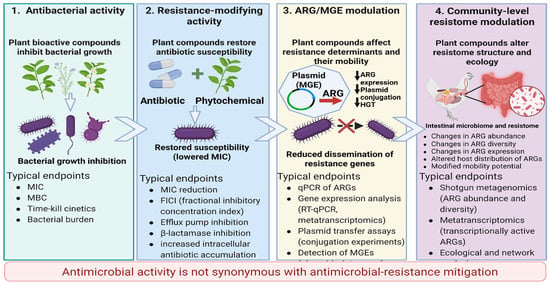
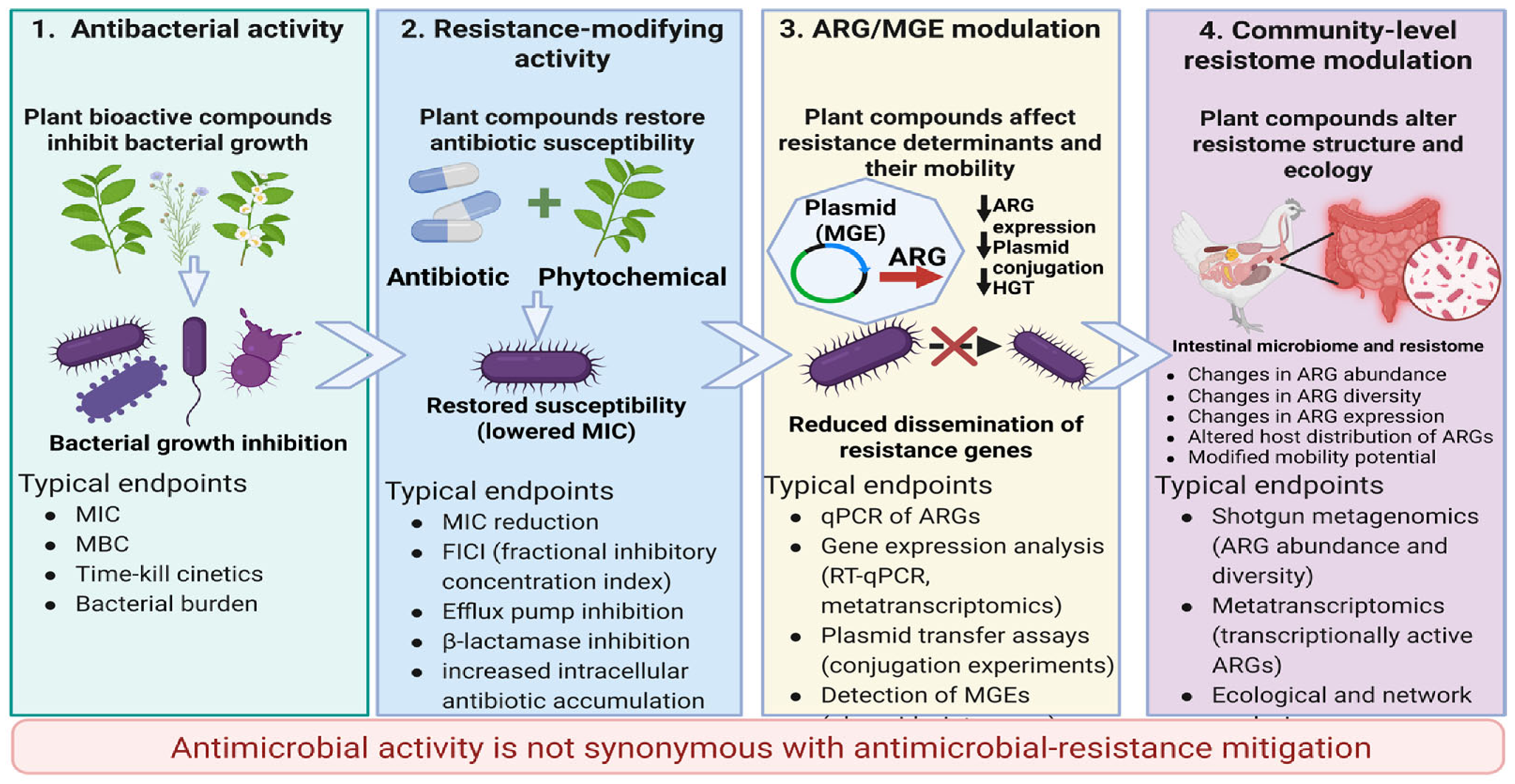
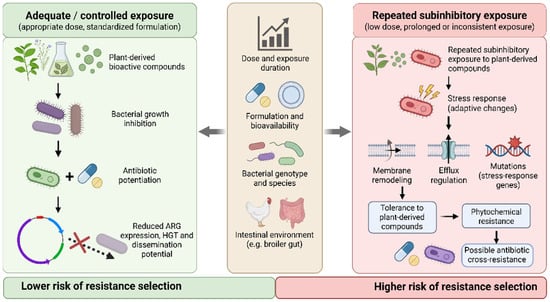
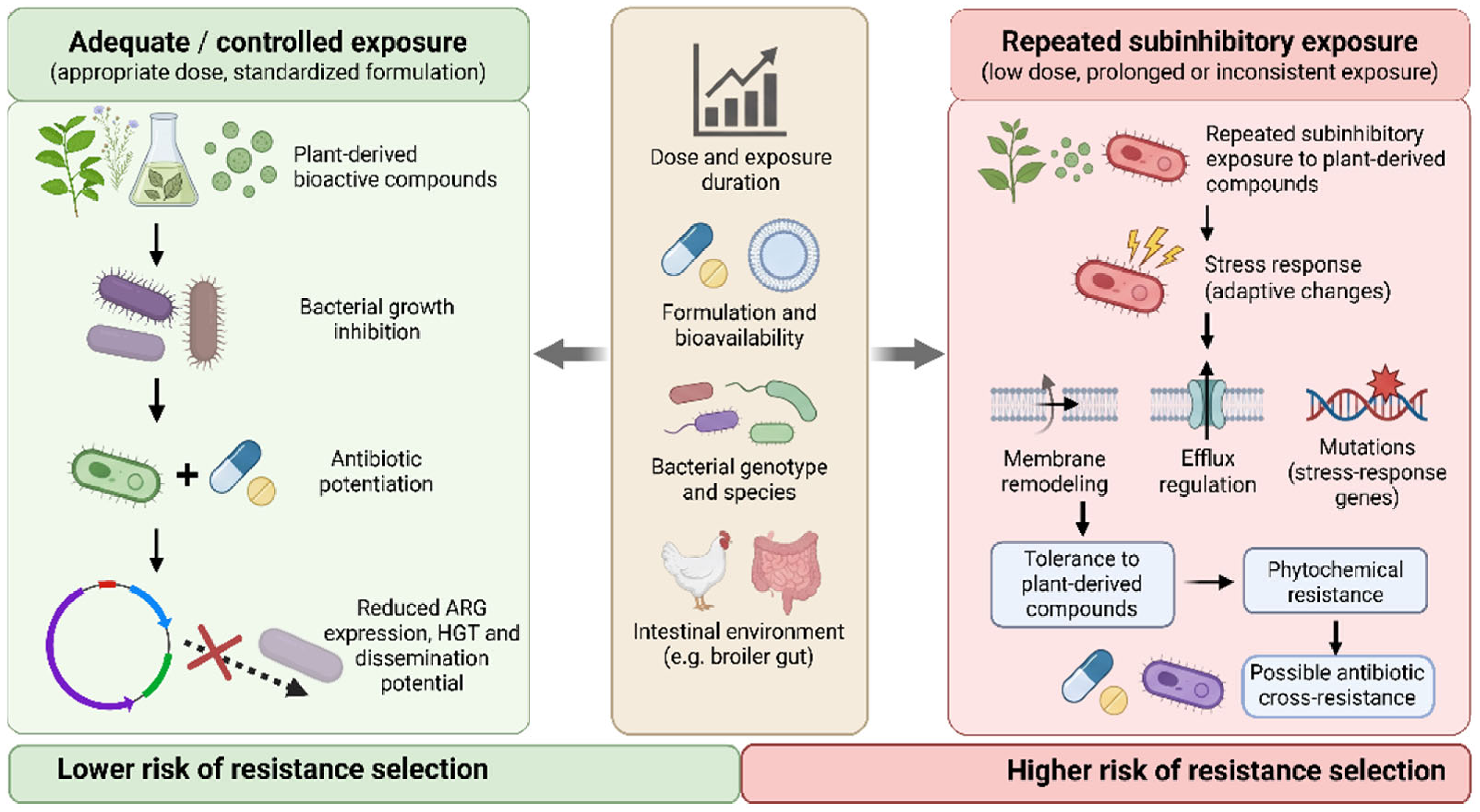
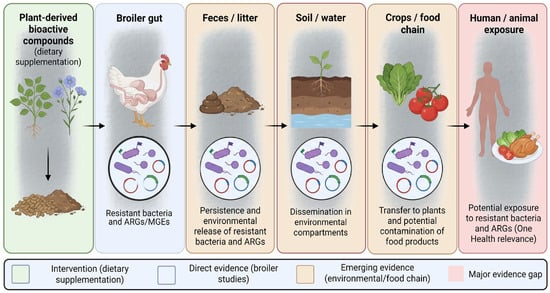
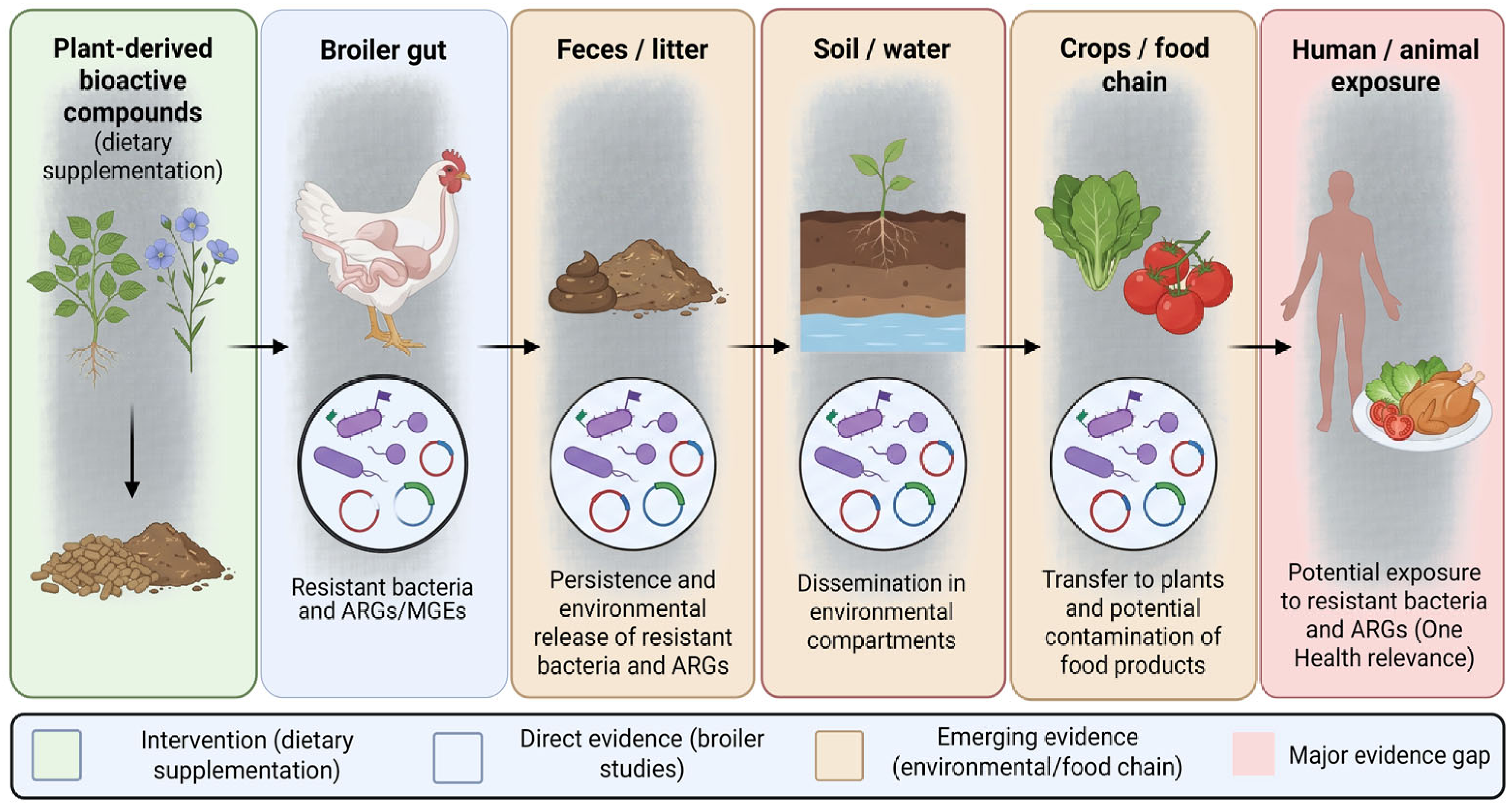

Disclaimer/Publisher’s Note: The statements, opinions and data contained in all publications are solely those of the individual author(s) and contributor(s) and not of MDPI and/or the editor(s). MDPI and/or the editor(s) disclaim responsibility for any injury to people or property resulting from any ideas, methods, instructions or products referred to in the content. |
© 2026 by the authors. Licensee MDPI, Basel, Switzerland. This article is an open access article distributed under the terms and conditions of the Creative Commons Attribution (CC BY) license.