


Abstract
Medicinal plants remain important components of rural healthcare and everyday household practices in Azerbaijan, yet their uses remain insufficiently documented in many culturally diverse regions. This study investigated which medicinal plants are used in the Guba District, how their uses vary according to informant characteristics and ecological setting, and which species–use records may differ from those documented elsewhere in the Caucasus. During 2024–2025, semi-structured interviews were conducted with 260 informants from 40 villages representing Azerbaijani, Lezgi, Tat, Khinalug, Kryts, Jek, and Mountain Jewish (Juhuri-speaking) communities. The principal dataset comprised 193 medicinal plant taxa belonging to 170 genera and 59 families, based on 7385 informant–taxon citations and 8682 use-reports. Eleven additional taxa, each cited by one to four informants within a single settlement, were documented separately as rare, locality-specific records. Descriptive comparisons showed that traditional healers reported broader medicinal plant repertoires than other community members, whereas differences according to gender, education, and ecological zone were comparatively modest. Comparison with selected primary ethnobotanical studies from Azerbaijan and neighboring Caucasian regions identified 36 species–use records as potentially novel within the defined comparative corpus. Thirty-five medicinal taxa were also used as foods and 22 as melliferous plants, demonstrating that local medicinal knowledge is embedded in dietary practices, beekeeping, animal husbandry, and other household activities. Twenty-four medicinal taxa were included in Azerbaijan’s national conservation lists. These findings demonstrate the biocultural importance of Guba’s medicinal flora and support community-centered multilingual documentation, safety awareness, and sustainable-harvesting initiatives.
1. Introduction
Plant-derived preparations have served as principal therapeutic agents in human medicine since ancient times [1,2]. Medicinal plants continue to play a fundamental role in the prevention and treatment of numerous diseases and remain an important component of traditional healthcare systems worldwide, particularly in communities where access to conventional healthcare services may be limited [3,4]. However, this long-established tradition is increasingly threatened by ecological and social change. Unsustainable harvesting, habitat degradation, land-use change, and other anthropogenic pressures are contributing to the depletion of medicinal plant resources, while the knowledge associated with their identification, collection, preparation, and therapeutic use is gradually being lost. The preservation and transmission of this knowledge are influenced by geographical setting, ethnic identity, educational background, socioeconomic conditions, and access to modern healthcare services [5]. In many settings, traditional medicinal knowledge is retained predominantly by older generations and may be affected by weakening intergenerational transmission; consequently, its systematic documentation remains important [6,7].
Documenting the medicinal use of plants by local communities is important not only for preserving biocultural heritage but also for providing a scientific basis for future phytochemical, pharmacological, and pharmaceutical research [2,8]. Quantitative ethnobotanical approaches further facilitate the identification of culturally important medicinal plant species, enable assessment of their relative importance within local communities, and reveal their principal therapeutic applications. Such information can support the prioritization of promising taxa for targeted phytochemical and pharmacological investigation.
The Caucasus is internationally recognized as a global biodiversity hotspot [9,10] and has a long-standing tradition of medicinal and wild plant use [11,12,13]. Reflecting the region’s substantial biological and cultural diversity, ethnopharmacological research in the Caucasus has expanded considerably. Field investigations have documented the traditional use of medicinal and wild food plants in Georgia [11,12] and Iranian Azerbaijan [13]. Within the Republic of Azerbaijan, studies have examined the influence of ethnic and religious diversity on wild plant use [14] and the preservation of traditional knowledge of wild food plants among mountain communities [15]. Nevertheless, broad ethnopharmacological investigations within the Republic of Azerbaijan remain limited [16,17]. This limited systematic documentation is particularly important given the country’s botanical diversity and multicultural heritage and highlights the need for further ethnopharmacological research across its diverse ecological and cultural regions.
Despite its relatively small territory of 86,600 km2, Azerbaijan harbours approximately 4500 plant species [18]. This botanical richness is shaped by the country’s complex topography, diverse climatic conditions, and pronounced altitudinal gradients, which extend from semi-arid lowlands to permanently snow-covered mountain peaks [18]. The northern and northeastern mountainous regions are characterized by broad-leaved forests and alpine and subalpine meadows and are inhabited by several ethnolinguistic communities that have preserved distinct traditions of medicinal plant use. The close association between botanical diversity and cultural heritage is particularly evident in northeastern Azerbaijan, where varied ecological conditions and long-standing traditional knowledge provide a suitable setting for ethnopharmacological research.
The Guba District, situated in northeastern Azerbaijan on the southern slopes of the Greater Caucasus, is characterized by substantial ecological and cultural diversity. The district encompasses lowland, foothill, mid-mountain, and high-mountain landscapes, with elevations ranging from approximately 200 m to more than 4000 m above sea level. A substantial part of the district lies within Shahdag National Park, contributing to the conservation of its plant diversity. Guba also has a multicultural population comprising an Azerbaijani majority alongside Lezgins, Tats, Khinalugs, Kryts, Jeks, and Mountain Jews. Although these communities differ in their cultural backgrounds and historical traditions, Azerbaijani serves as a common language of communication. Several minority languages represented in the study face documented language endangerment. Budukh, Kryz, and Khinalug have been described as endangered to varying degrees, while Juhuri (Judeo-Tat) is likewise described as an endangered minority language [19,20]. The Jek (Cek) community is part of the Kryz-speaking cluster documented in northeastern Azerbaijan [19]. The coexistence of diverse ecological conditions and cultural communities has contributed to the preservation of extensive traditional knowledge concerning the medicinal use of wild plants.
Despite its ecological and cultural significance, comprehensive quantitative ethnopharmacological investigation of the Guba District remains limited. Previous studies in Azerbaijan have focused mainly on particular regions or disease categories, including digestive disorders in the Nakhchivan Highlands [21], respiratory disorders in the Zuvand territory [22], cardiovascular disorders in the upland areas of Guba [23], and urological disorders in the Gadabay region [24]. Published ethnobotanical and wild-plant-use studies from Azerbaijan, Georgia, Dagestan, and Armenia provide a broader comparative context for plant use across the Caucasus [11,12,14,15,25,26,27,28,29,30]. A related comparative study by Pieroni et al. [31] documented wild food plants among seven ethnolinguistic groups in 14 villages in northeastern Georgia and compared findings for Azeri and Udi communities with data collected in Azerbaijan, highlighting the role of linguistic diversity in regional plant-use knowledge. However, to our knowledge, a district-wide quantitative ethnopharmacological assessment encompassing a broad range of settlements, ecological zones, and ethnolinguistic communities has not previously been undertaken. Moreover, much of the region’s ethnomedicinal knowledge is retained by older community members and is not being transmitted to younger generations at the same rate, increasing the risk that this biocultural heritage may disappear before it is adequately documented.
Against this background, the present study aimed to document and analyse medicinal plant knowledge across the culturally and ecologically diverse Guba District. The study addressed the following research questions: (1) Which medicinal plant taxa, botanical families, preparation methods, and therapeutic applications are most prominent within the surveyed ethnomedicinal system? (2) Do recognized traditional healers report a broader range of medicinal plant taxa and use-reports than other community members? (3) How do the numbers of taxa and use-reports reported per informant vary according to gender, educational level, settlement, and ecological zone, and is there an observable pattern along the altitudinal gradient? (4) Which recorded plant uses are shared with or differ from those documented in previous field-based ethnobotanical studies in Azerbaijan and neighbouring Caucasian regions, particularly among Lezgi communities across the Azerbaijan–Dagestan border? (5) Which documented medicinal taxa are of particular conservation concern or represent potentially novel ethnomedicinal reports requiring further investigation? Because the ethnolinguistic groups were represented by markedly unequal sample sizes, formal statistical comparisons of their medicinal plant repertoires were not undertaken; instead, ethnolinguistic and locality-specific knowledge was evaluated through vernacular names, geographically restricted reports, and comparison with previous regional studies.
2. Results
2.1. Demographic Profile of Informants
A total of 260 informants from 40 villages in the Guba District participated in the study. Their demographic characteristics are summarized in Table 1 and Figure 1. Participants ranged in age from 28 to 92 years and represented the major ethnic communities of the district, including Azerbaijanis (n = 167; 64.2%), Lezgins (n = 23; 8.8%), Tats (n = 20; 7.7%), Khinalugs (n = 19; 7.3%), Mountain Jews (n = 15; 5.8%), Kryts (n = 9; 3.5%), and Jeks (n = 7; 2.7%). Among the respondents, 17 were identified as key informants based on their recognized expertise in the traditional use of medicinal plants. Most were well-known traditional healers within their respective communities and ranged in age from 61 to 92 years.
Table 1.
Demographic characteristics of residents who participated in the survey (n = 260).
Figure 1.
Sociodemographic profile of the study participants (n = 260): (A) gender distribution; (B) age-group distribution; (C) education-level distribution; and (D) occupational distribution. Values represent the number and percentage of informants in each category.
Ethnobotanical knowledge was further examined descriptively according to healer status, gender, educational level, and ecological zone (Table 2). Traditional healers were analyzed separately from other community members to avoid obscuring differences associated with specialized ethnomedicinal experience.
Table 2.
Descriptive comparison of the numbers of medicinal plant taxa and use-reports reported per informant according to healer status, gender, educational level, and ecological zone.
Traditional healers generally reported broader ethnomedicinal knowledge than other community members. The 17 traditional healers reported a median of 36 medicinal plant taxa and 41 use-reports per informant, compared with 28 taxa and 32 use-reports among the 243 other community members. Substantial variation was nevertheless observed within the healer group.
Men reported slightly higher median numbers of taxa and use-reports than women, although the difference was modest and should be considered in relation to the unequal gender composition of the sample. Differences according to educational level were also limited. Informants with secondary education reported a median of 28 taxa and 34 use-reports, whereas those with higher education reported 26.5 taxa and 30.5 use-reports. The incomplete-secondary education group included only five informants and was therefore too small to support a meaningful comparison.
Median values were broadly similar across ecological zones, and no clear directional pattern was evident along the altitudinal gradient. Although the highest medians were observed in the foothill and low-mountain zone, this category included only seven informants. Overall, healer status showed a more pronounced descriptive difference than gender, educational level, or ecological zone within the surveyed sample. Descriptive variation was also observed across the self-identified ethnolinguistic groups (Table 2). Tat and Lezgi informants showed the highest median numbers of reported medicinal plant species (32 for both groups) and use-reports (36 for both groups). The corresponding medians were 28 species and 33 use-reports among Azerbaijani informants, 28 and 32 among Khinalug informants, 27 and 31 among Mountain Jewish informants, 23 and 27 among Kryts informants, and 25 and 31 among Jek informants. These values describe the surveyed participants only and were not subjected to inferential comparison because of unequal group sizes and the limited numbers of informants in several minority categories.
2.2. Taxonomic Diversity of Medicinal Plants
A total of 193 medicinal plant species belonging to 170 genera and 59 families were documented in the traditional medicine of the Guba District. Their family-level distribution is summarized in Table 3, whereas detailed species-level ethnobotanical data are presented in Table 4. The five most species-rich families were Lamiaceae (22 species), Asteraceae (19 species), Rosaceae (18 species), Fabaceae (13 species), and Apiaceae (10 species), together representing 42.5% of all recorded species. Twenty-four families were represented by a single species each: Amaranthaceae, Asphodelaceae, Berberidaceae, Cannabaceae, Capparaceae, Cornaceae, Cupressaceae, Equisetaceae, Juglandaceae, Linaceae, Lythraceae, Nitrariaceae, Onagraceae, Pedaliaceae, Portulacaceae, Primulaceae, Rutaceae, Salicaceae, Santalaceae, Sapindaceae, Taxaceae, Thymelaeaceae, Verbenaceae, and Urticaceae. A total of 8682 medicinal use-reports were recorded for the 193 species included in the principal quantitative dataset. The sum of the species-level use-report values presented in Table 4 corresponded exactly to the family-level total presented in Table 3.
Table 3.
Distribution of recorded medicinal plant species and use-reports by botanical family (N = 193 species, 59 families).
Table 4.
Medicinal plants used in traditional medicine in the Guba District, including voucher codes, vernacular names, plant parts used, preparation methods, routes of administration, reported uses, and quantitative ethnobotanical indices (n = 260). Source note: All vernacular plant names presented in the table were recorded directly from informants during the field interviews. Their spelling and linguistic attribution were subsequently cross-checked against comparative lexical materials from the Intercontinental Dictionary Series (IDS) for Budukh, Khinalug, Kryts, Judeo-Tat, and the Guba dialect of Lezgian, M. Babakhanov’s list of Lezgian phytonyms, and published sources on Juhuri plant names. Vernacular forms that could not be reliably matched to the corresponding taxon at the species level were not included. Language codes: Vernacular names without a language code are in Azerbaijani. L—Lezgian; T—Tat; X—Khinalug; G—Kryts; B—Budukh; Y—Juhuri (the language of the Mountain Jews).
The total number of use-reports varied considerably among plant families, ranging from 13 for Santalaceae to 1303 for Lamiaceae (Table 3).
Rare and Locality-Specific Ethnomedicinal Reports
In addition to the 193 medicinal plant species retained in the principal quantitative dataset, 11 taxa were reported by only one to four informants within a single settlement. Because these reports were highly localized and based on a small number of citations, they were not included in the principal index-based comparisons. Nevertheless, they are presented here because they may represent culturally and geographically specific ethnomedicinal knowledge (Table 5).
Table 5.
Rare and locality-specific ethnomedicinal reports excluded from the principal quantitative analyses.
Although these taxa were not included in the principal index-based analyses, their restricted geographical distribution and low citation frequencies may reflect localized or declining knowledge. Their documentation is therefore important for preserving community-specific ethnomedicinal information and for guiding future targeted field investigations.
2.3. Life Forms of Medicinal Plants
Herbaceous species predominated, accounting for 153 species (79.3%), followed by trees (22 species; 11.4%), shrubs (17 species; 8.8%), and lianas (1 species; 0.5%).
2.4. Plant Parts Used
Eleven categories of plant parts were recorded in the traditional medicinal practices of the Guba District (Figure 2). Aerial parts were used most frequently, with the whole herb (74 species; 38.3%), fruits (40 species; 20.7%), leaves (30 species; 15.5%), and flowers (14 species; 7.3%) together accounting for 81.9% of the documented species. Underground plant parts were used less frequently and included roots (11 species; 5.7%), root tubers (7 species; 3.6%), bulbs (5 species; 2.6%), and rhizomes (5 species; 2.6%). Seeds (5 species; 2.6%), bark (1 species; 0.5%), and buds (1 species; 0.5%) were the least frequently utilized plant parts.
Figure 2.
Plant parts used in the traditional medicinal practices of the Guba District (N = 193 species).
2.5. Preparation Methods
Medicinal plants were prepared using ten different methods (Figure 3). Decoction was the most frequently reported preparation method, accounting for 54% of all reported preparations. Cooking or boiling represented 13%, followed by direct addition to food (7%) and the use of fresh plant material (7%). Fruit juice preparations accounted for 6%, whereas aqueous and alcoholic extracts together represented 5% of all preparations. Less frequently reported methods included inhalation (3%), poultice application (2%), massage (2%), and ash application (1%).
Figure 3.
Distribution of preparation methods used in the traditional medicinal practices of the Guba District.
2.6. Frequency of Citation, Relative Frequency of Citation, and Use Value
Frequency of Citation (FC), Relative Frequency of Citation (RFC), and Use Value (UV) were calculated for all 193 documented medicinal plant species. FC values ranged from 8 to 97. The highest FC values were recorded for Rosa tomentosa Sm. and Mentha aquatica L. (97 each), followed by Glycyrrhiza glabra L. (84), Inula helenium L. (81), Hippophae rhamnoides L. (79), Origanum vulgare L. (78), and Anethum graveolens L. (77).
RFC values ranged from 0.03 to 0.37. The highest RFC values were recorded for Rosa tomentosa (0.37), Mentha aquatica (0.37), Glycyrrhiza glabra (0.32), Inula helenium (0.31), and Hippophae rhamnoides, Origanum vulgare, and Anethum graveolens (0.30 each).
UV values ranged from 0.03 to 0.54. The highest UV values were recorded for Rosa tomentosa (0.54), Mentha aquatica (0.52), Origanum vulgare (0.49), Hippophae rhamnoides (0.48), Glycyrrhiza glabra (0.45), Inula helenium (0.39), and Anethum graveolens (0.38). The lowest values for all three indices (FC = 8, RFC = 0.03, and UV = 0.03) were recorded for Campanula sarmatica Ker-Gawl., Vicia lathyroides L., and Cotoneaster meyeri Pojark., while Jubogalium setaceum (Lam.) Kadereit & Schneew. and Scrophularia versicolor Boiss. each had FC values of 9, with the same RFC (0.03) and UV (0.03).
2.7. Fidelity Level
Fidelity Level (FL) values, based on the most frequently reported ailment for each species, ranged from 30.56% to 100%. A total of 84 species were reported for a single ailment category (FL = 100%), including Allium oreophilum C.A.Mey., Allium ursinum L., Galanthus alpinus Sosn. var. alpinus, and Cotinus coggygria Scop. Among species reported for two or more ailment categories, the highest FL values were recorded for Valeriana alliariifolia var. tiliifolia (Troickij) V.E.Avet. (93.55%), Veronica arvensis L. (93.10%), Glaucium elegans Fisch. & C.A.Mey. (93.02%), Ononis arvensis L. (92.00%), Viola caucasica Kolenati. (90.00%), Allium sativum L. (88.68%), and Prunus dulcis (Mill.) D.A.Webb (86.79%). The lowest maximum FL values were recorded for Salvia glutinosa L. (30.56%), Satureja hortensis L. (34.33%), Melissa officinalis L. (40.63%), Alcea kusjariensis (Iljin ex Grossh.) Iljin (40.91%), and Hypericum perforatum L. (41.89%).
2.8. Disease Categories and Informant Consensus Factor
Reported medicinal uses were organized into ten broad health-condition categories after the original emic descriptions had been retained in the principal taxa table. The greatest numbers of use-reports were recorded for respiratory system conditions (2057 use-reports), digestive system conditions (1422), genitourinary system conditions (1138), dermatological conditions (1123), and cardiovascular system conditions (855). ICF values across the ten broad categories ranged from 0.945 to 0.971. The highest values were observed for hepatobiliary conditions (ICF = 0.971), nervous system and sleep-related conditions (ICF = 0.970), and respiratory system conditions (ICF = 0.969), whereas the lowest value was recorded for musculoskeletal conditions (ICF = 0.945). The relatively narrow range reflects the large numbers of use-reports in relation to the numbers of taxa within each broad category. These values are therefore presented as descriptive measures of agreement within the surveyed sample and not as evidence of clinical effectiveness or population-wide consensus (Table 6).
Table 6.
Informant consensus factor for broad health-condition categories based on 8682 use-reports.
2.9. Family Use Value
Family Use Value (FUV) was calculated for the 59 documented plant families (Table 4). FUV values ranged from 0.05 to 0.31. The highest FUV values were recorded for Elaeagnaceae (0.31), Hypericaceae and Sapindaceae (0.30 each), and Equisetaceae, Lythraceae, and Moraceae (0.29 each). Among the most species-rich families, FUV values were 0.23 for Lamiaceae, 0.21 for Asteraceae, 0.20 for Rosaceae, 0.18 for Apiaceae, and 0.13 for Fabaceae. The lowest FUV values were recorded for Santalaceae (0.05), Colchicaceae and Oleaceae (0.06 each), and Cupressaceae, Linaceae, Solanaceae, and Thymelaeaceae (0.07 each).
2.10. Additional Ethnobotanical Uses
In addition to their medicinal applications, the documented plants were assigned to eight additional ethnobotanical use categories (Table 7). Food use represented the largest category, with 35 species, followed by melliferous use with 22 species. Individual species could occur in more than one category; therefore, the category totals were not additive. Detailed species-level information is provided in Table S2. Among the natural dye plants, specific colors were recorded for several taxa: the fruits of Rhus coriaria produced a crimson dye, the fruits of Sambucus nigra a dark-purple dye, the flowers of Calendula arvensis a dark-orange dye, and the fruit peels of Punica granatum a dark-brown dye.
Table 7.
Additional ethnobotanical uses of the medicinal plants documented in the Guba District.
2.11. Conservation Status
Among the 193 documented medicinal plant species, 14 species (7.3%) are included in the Red Book of the Republic of Azerbaijan, whereas 10 species (5.2%) are listed in the Pink List of the Republic of Azerbaijan [32] (Table 8). Together, these 24 species represent 12.4% of the documented medicinal flora.
Table 8.
Medicinal plant species included in the national conservation lists of Azerbaijan.
2.12. Comparison with Previous Ethnobotanical Studies and Potentially Novel Reports
To assess the regional continuity and potential novelty of the recorded ethnomedicinal knowledge, the species–use combinations documented in the present study were compared with selected primary field-based ethnobotanical studies from Azerbaijan and neighboring regions of the Caucasus, including Dagestan, Georgia, and Armenia. Comparisons were made at the level of the reported medicinal use rather than solely on the presence of a plant species in the literature. Reports not identified in the consulted primary sources were classified cautiously as potentially novel or previously undocumented within the geographical scope of the comparison, rather than as definitively new ethnomedicinal uses (Table 9).
Table 9.
Comparison of medicinal plant uses recorded in the present study with selected primary ethnobotanical studies from Azerbaijan and neighboring Caucasian regions.
3. Discussion
The present study documented 193 medicinal plant species belonging to 59 families in the Guba District, demonstrating the considerable diversity of plant resources incorporated into local traditional healthcare practices. This diversity exceeds the 121 medicinal plant taxa from 44 families recently documented through interviews with 105 informants in the Zagatala District of northwestern Azerbaijan [33] and approaches the 205 species from 60 families reported from the Diabar region of southern Azerbaijan [34]. Direct comparison, however, requires caution because these studies differed in geographical coverage, ecological conditions, numbers of surveyed settlements, and sampling design. In Guba, Lamiaceae, Asteraceae, Rosaceae, Fabaceae, and Apiaceae together accounted for 42.5% of the documented medicinal flora. A recent ethnobotanical survey conducted in the Guba region likewise highlighted Lamiaceae, Rosaceae, and Apiaceae among the principal families represented in local plant use [25]. Although that study was based on a smaller group of expert informants and considered a broader spectrum of useful-plant applications beyond medicinal use, the recurrence of these families in both surveys supports their prominent role in the regional ethnobotanical repertoire. Asteraceae and Lamiaceae were likewise the most species-rich medicinal plant families in Diabar [34], while Rosaceae, Apiaceae, and Lamiaceae were among the leading families reported in neighbouring Dagestan [26]. Their recurrent representation in studies from different parts of Azerbaijan and the wider Caucasus points to a regional pattern, although the relative importance of individual families varies with local flora and cultural practices.
The comparison at the species–use level identified 36 medicinal uses that were not found in the selected ethnobotanical sources consulted for Azerbaijan and neighboring Caucasian regions (Table 9). These records should be regarded as potentially novel within the defined comparative corpus rather than as definitive first reports for the entire Caucasus. Their occurrence may reflect highly localized experimentation, ecological availability, and the transmission of knowledge within particular settlements and family networks. At the same time, the broader overlap of medicinal and food plants reported in Guba and neighboring Caucasian regions suggests a shared regional foundation of plant knowledge, upon which community-specific practices have developed [11,12,14,15,26,27,28,29,30,33,34]. The coexistence of Azerbaijani, Lezgi, Tat, Shahdag, and Mountain Jewish communities may also have facilitated the circulation and reinterpretation of plant-use knowledge; however, the present sampling design does not permit individual practices to be attributed conclusively to a particular ethnolinguistic tradition.
The descriptive comparison according to informant characteristics showed that healer status was associated with the clearest difference in the breadth of reported ethnomedicinal knowledge. Traditional healers reported higher median numbers of both medicinal plant taxa and use-reports than other community members, reflecting their specialized experience and recognized role in preserving and transmitting medicinal plant knowledge. In contrast, the differences observed according to gender and educational level were comparatively modest. Knowledge measures were also broadly similar across ecological zones, with no clear directional pattern along the altitudinal gradient. These findings should be interpreted as patterns within the surveyed sample rather than population-level differences because the purposive and snowball sampling strategy resulted in unequal group sizes.
Ethnolinguistic affiliation likewise showed descriptive variation in the breadth of reported knowledge. Tat and Lezgi informants had the highest median numbers of reported taxa and use-reports, whereas lower medians were observed among the smaller Kryts and Jek groups. These patterns should not be interpreted as evidence that one community possesses inherently greater or more eroded knowledge than another. Group size, age structure, occupation, settlement ecology, accessibility, and the distribution of traditional healers may all influence the observed values. Nevertheless, presenting these groups separately makes visible the contribution of the minority communities to the district’s ethnomedicinal knowledge and provides a basis for future community-specific research. The multilingual vernacular names included in the main taxa table further preserve part of this ethnolinguistic dimension. The documented medicinal flora consisted almost entirely of seed plants. Pteridophytes were represented only by Equisetum arvense L. (Equisetaceae; 0.52%), whereas the remaining 192 species (99.48%) were spermatophytes. Of these, two species were gymnosperms and 190 were angiosperms, comprising 11 monocots and 179 eudicots. The predominance of angiosperms was accompanied by a strong representation of herbaceous life forms: herbs accounted for 153 species (79.3%), compared with 22 trees (11.4%), 17 shrubs (8.8%), and one liana (0.5%). Herbaceous dominance has also been observed in other ethnobotanical surveys and may partly reflect the local availability and accessibility of these plants, although growth-form patterns vary with agroecological, topographic, and cultural conditions [35].
Plant-part selection showed a clear preference for aerial materials. Whole-herb material was used for 74 species (38.3%), followed by fruits (40; 20.7%), leaves (30; 15.5%), and flowers (14; 7.3%); together, these materials accounted for 81.9% of the documented species. Underground organs were used considerably less often. A similar emphasis on leaves, aerial parts, flowers, and fruits has been reported from communities on both sides of the Georgia–Turkey border in the Western Lesser Caucasus [27]. Preparation in Guba was also relatively simple, with decoction accounting for 54% of the recorded preparations. Water-based infusions and decoctions are likewise prominent in the Western Lesser Caucasus [27]. Such practices are consistent with a household-based tradition in which medicinal remedies can be prepared using locally available plants and relatively simple processing techniques.
The quantitative indices highlighted a group of species that occupy a particularly prominent place in local medicinal knowledge. High FC and RFC values indicate that a species was cited by a relatively large proportion of informants, whereas a high UV reflects a greater number of reported uses relative to the surveyed population. Rosa tomentosa and Mentha aquatica had the highest citation frequencies (FC = 97; RFC = 0.37 for both). Rosa tomentosa had the highest UV (0.54), followed by M. aquatica (0.52). Origanum vulgare, Hippophae rhamnoides, Glycyrrhiza glabra, Inula helenium, and Anethum graveolens also ranked highly. Its high citation frequency and Use Value in the present study therefore provide quantitative support for its prominence within the ethnomedicinal knowledge of the region, although differences in sampling design preclude direct comparison of citation frequencies between the two studies. The prominence of R. tomentosa is noteworthy because the species was also among the most frequently cited medicinal plants in Zagatala (RFC = 0.96) [33]. Likewise, O. vulgare has been reported among culturally salient medicinal plants in the Western Lesser Caucasus [27]. These parallels suggest that some components of medicinal plant knowledge are shared across different communities of the Caucasus, even though their relative cultural importance may differ locally. FL adds another dimension by indicating how strongly the reported uses of a species are concentrated on a particular therapeutic purpose. In Guba, 84 species had an FL of 100% because each was recorded for a single reported indication. Thus, high FL in this context reflects use specificity rather than demonstrated therapeutic efficacy. Taken together, FC, RFC, UV, and FL help distinguish widely known, frequently used, and use-specific plants and can guide the selection of culturally important taxa for further investigation.
At the family level, FUV provides information distinct from simple species richness because it reflects the mean Use Value of the species within a family [36]. The families containing the greatest numbers of medicinal species were not necessarily those with the highest FUV. Elaeagnaceae, for example, had the highest FUV (0.31) despite being relatively species-poor, a pattern partly influenced by the high UV of Hippophae rhamnoides. This illustrates why taxonomic diversity and ethnobotanical prominence should be considered separately: a family represented by only a few species may still have considerable local importance when those species are frequently or broadly used.
Medicinal knowledge was particularly concentrated around respiratory, digestive, genitourinary, dermatological, and cardiovascular conditions. Respiratory conditions alone accounted for 2057 use-reports, while substantial numbers were also recorded for the other major categories. These figures describe the distribution of ethnomedicinal knowledge and should not be taken as estimates of disease prevalence in the population. The pattern nevertheless fits with earlier ethnopharmacological work in Azerbaijan documenting plant-based treatments for respiratory disorders in Zuvand, digestive disorders in the Nakhchivan Highlands, cardiovascular conditions in the Guba mountain region, and urological disorders in Gadabay [21,22,23,24]. Following reorganization into ten broad, non-overlapping health-condition categories, ICF values ranged from 0.945 to 0.971 and showed limited variation. This narrow range is largely attributable to the high numbers of use-reports relative to the numbers of taxa within the categories. The ICF values should therefore be interpreted as descriptive measures of citation concentration within the surveyed sample rather than as evidence of clinical effectiveness or population-wide agreement. Moreover, broad analytical categories inevitably reduce some of the cultural and semantic detail contained in participants’ accounts; for this reason, the original emic use descriptions have been retained in the principal taxa table. For several plants recorded in Guba, the ethnomedicinal data can be considered alongside existing phytochemical and pharmacological evidence. Glycyrrhiza glabra, which had a high UV and was frequently cited for cough and inflammatory conditions, contains bioactive constituents such as glycyrrhizin, isoliquiritigenin, glabridin, and licochalcone A. Experimental pharmacological studies on licorice constituents have demonstrated antitussive activity, providing a pharmacological context for the recorded traditional use against cough [37]. Hippophae rhamnoides, another highly ranked species in Guba, was reported for wound healing and dermatological conditions. In vivo experiments have shown that topical formulations containing its fruit oil can enhance wound healing, lending experimental support to this aspect of its traditional use [38]. The medicinal use of Alchemilla caucasica recorded in Guba also accords with recent documentation of diverse traditional uses of Alchemilla species across several geobotanical regions of Azerbaijan [39].
Earlier phytochemical work on Ferula persica, a congener of F. caspica recorded in the present survey, identified phenolic derivatives from its roots [40]. Although this genus-level evidence does not directly validate the traditional use of F. caspica, it supports the phytochemical potential of Ferula taxa and the need for targeted investigation of the locally recorded species.
Previous phytochemical studies on taxa represented in, or closely related to those recorded in, the Guba dataset provide a basis for future targeted investigation but should not be interpreted as validation of the traditional uses documented here. Phenolic derivatives have been reported from Ferula persica, a congener of the locally recorded F. caspica [40]. Phytochemical profiling and selected biological activities have also been reported for Gentiana cruciata and G. septemfida [41], while the essential oil of Dracocephalum botryoides has been characterized for antimicrobial, antibiofilm, antioxidant, and cytotoxicity-related effects [42]. Because the experimental endpoints examined in these studies do not necessarily correspond to the specific indications reported by Guba informants, these findings are cited as phytochemical context and as a rationale for future use-specific pharmacological studies rather than as evidence validating the recorded traditional uses.
3.1. Environmental and Conservation Implications
Conservation is particularly relevant because 24 of the 193 medicinal species (12.4%) are included in the national conservation lists of Azerbaijan, comprising 14 species recorded in the Red Book and 10 in the Pink List of the Republic of Azerbaijan [32]. The presence of traditionally used species among conservation-priority taxa means that cultural importance and biodiversity protection cannot be considered independently. Although underground organs represented a relatively small proportion of the plant materials used, wild collection may still create pressure on particular taxa, especially species with restricted distributions or small populations. More broadly, increasing demand for medicinal plants may contribute to pressure on wild plant resources, highlighting the importance of sustainable sourcing and biodiversity conservation [43]. The issue also extends beyond the plants themselves. Loss of local populations can contribute to the disappearance of the knowledge associated with their recognition, collection, and use. Similar concerns have been raised in the Greater Caucasus, where demographic and socioeconomic changes have been associated with declining traditional ecological knowledge [15]. Sustainable collection, continued documentation, and monitoring of conservation-priority species are therefore important for preserving both the medicinal flora and its associated biocultural heritage.
Conservation concern is not uniform across the 24 nationally listed taxa because the potential impact of harvesting depends strongly on the plant part removed. The collection of underground organs may present the greatest potential risk, particularly for Ferula caspica (root), Ophrys apifera and Orchis mascula (tubers), Allium ursinum and Galanthus alpinus Sosn. var. alpinus (bulbs), and Colchicum speciosum (tuber), because removal of these organs may kill the individual plant or impair regeneration. Bark collection from Quercus castaneifolia may also cause direct damage when substantial portions are removed. By contrast, the reported collection of fruits from Punica granatum, Rhus coriaria, and Sorbus aucuparia, flowers from Tanacetum coccineum, and leaves or aerial parts from the remaining listed taxa may be less destructive when performed selectively, although repeated or intensive harvesting could still affect reproduction and population persistence. Particular caution is also required for the toxic listed taxa Taxus baccata, Atropa bella-donna, and Colchicum speciosum. The survey did not systematically distinguish wild-collected from cultivated material for every species and did not quantify harvesting frequency, traded quantities, or market demand; therefore, the present data do not demonstrate current population-level harvesting pressure. These taxa, especially those harvested for underground organs or bark, should be prioritized for field-based population monitoring and sustainable-harvesting assessment.
3.2. Food Sovereignty and the Food–Medicine Continuum
Medicinal plants in Guba also formed part of a wider system of traditional resource use. Thirty-five species were used as food and 22 were recognized as melliferous plants, while other taxa served as spices, fodder, dyes, fuel, construction materials, or ornamentals. This overlap shows that medicinal knowledge is intertwined with food practices, animal husbandry, beekeeping, and household activities rather than functioning as an isolated body of knowledge. This multifunctional character of plant use is consistent with recent field-based research in Azerbaijan, where wild plants were documented as having overlapping food, medicinal, and technical uses [25]. A comparable relationship between local plant diversity and food traditions has been documented in the Greater Caucasus of Azerbaijan, where Sõukand and Pieroni [15] recorded 72 wild food taxa among seven autochthonous linguistic communities. Broadly multifunctional plant use has also been documented in mountain communities of Svaneti and Racha-Lechkhumi in Georgia [11]. The close relationship between wild food-plant knowledge and linguistic and cultural diversity has also been documented among minority communities in northeastern Georgia, further demonstrating the biocultural significance of traditional plant knowledge across the Caucasus [31].
In Guba, informants associated a decline in the traditional use of woody plants as fuel with regional gasification and the establishment of protected areas. This observation illustrates how infrastructure, socioeconomic change, and conservation measures can reshape plant-use practices over time. The overlap between food and medicine was also evident in the preparation data: direct addition to food and the use of fresh plant material each accounted for 7% of the recorded preparations. Together with the 35 species explicitly reported as foods, these practices indicate that part of the local pharmacopoeia operates through everyday dietary routines rather than through remedies prepared only during illness. Wild and locally available plants may therefore contribute simultaneously to household nutrition, self-care, seasonal dietary diversity, and the maintenance of community knowledge. In this context, the food–medicine continuum is relevant to local food sovereignty because it reflects the capacity of households to use culturally familiar biological resources within their own food and healthcare practices. However, the present study did not quantify the dietary contribution, harvesting volume, or economic importance of these species; consequently, their role in food security and food sovereignty should be interpreted as a culturally relevant pattern rather than as a measured nutritional or socioeconomic effect.
3.3. Public Health and Safety Implications
The recorded remedies form part of household and community-based healthcare practices in the Guba District. Their continued use may reflect familiarity, cultural continuity, local availability, and the recognized knowledge of traditional healers. The 17 healers included in the survey reported broader medicinal plant knowledge than other participants, indicating their specialized role in maintaining and transmitting ethnomedicinal practices. However, the study did not collect systematic information on the frequency with which plant remedies were used instead of, before, or alongside biomedical treatment. The findings should therefore not be interpreted as demonstrating that traditional remedies replace formal healthcare. Rather, they document a locally important body of knowledge that may coexist with biomedical services and that requires careful evaluation of efficacy, interactions, dosage, and safety.
Several potentially toxic plants were included in the recorded pharmacopoeia. The leaves of Atropa belladonna and Hyoscyamus niger were reported for topical use against joint and rheumatic pain, while the leaves of Bryonia aspera and Taxus baccata and the underground organs of Colchicum speciosum were used topically for skin problems. Chelidonium majus was reported for both oral and topical applications, and Peganum harmala was used topically for wound healing and through the fumigation of burned aerial parts. Informants stated that they were aware that some of these plants required particular caution and associated safe use with preparation method, dose, plant part, collection season, and duration of application. Nevertheless, self-reported awareness does not establish toxicological safety. Several of these taxa contain potent bioactive or toxic constituents, and inappropriate preparation, dosage, ingestion, dermal exposure, or smoke inhalation may cause serious adverse effects. These records should therefore be understood as documentation of traditional practices rather than recommendations for unsupervised use. Toxicological assessment, clinically relevant dose evaluation, and clear community risk communication are needed, particularly for A. belladonna, H. niger, T. baccata, C. speciosum, B. aspera, C. majus, and P. harmala.
3.4. Study Limitations
Several limitations should be considered when interpreting the findings of this study. First, the information represents self-reported traditional knowledge and practices and should not be equated with clinically verified therapeutic effects. The purposive and snowball sampling strategy may have preferentially reached individuals recognized for their knowledge of medicinal plants; therefore, the sample cannot be considered statistically representative of the entire population of the Guba District. The predominance of male informants and pensioners, together with the unequal representation of occupational and ethnolinguistic groups and the small sizes of some occupational categories, may also have influenced the range and types of medicinal uses recorded. In particular, the predominance of male informants may have resulted in the under-documentation of knowledge traditionally maintained or more readily discussed by women, including certain gynecological, pediatric, household, and culinary–medicinal practices. The relatively high proportion of pensioners may also have emphasized the knowledge and experiences of older adults while providing less insight into plant-use practices among younger generations. These possibilities were not directly tested and should therefore be regarded as potential sampling effects rather than demonstrated differences. Consequently, the descriptive quantitative indices and group-level patterns characterize only the surveyed informants and should not be interpreted as population-level estimates. Furthermore, RFC and UV, as well as the numbers of medicinal taxa and use-reports, are derived from related components of the same dataset. Associations between these measures may therefore be mathematically expected and were not treated as independent inferential evidence in the revised analysis. Future studies based on stratified or probability-based sampling and more balanced group sizes are required to evaluate demographic, occupational, and geographical differences more robustly.
Although ethnolinguistic affiliation was recorded for each informant, the data were not originally structured as a complete community-specific presence/absence matrix linking every taxon and use-report to each ethnolinguistic group. Consequently, reliable Jaccard similarity indices and comparisons of community-specific plant repertoires could not be reconstructed without returning to the original interview records. The present revision therefore reports ethnolinguistic differences only in the breadth of knowledge and does not claim that the communities possess either shared or distinct medicinal floras. Future analysis based on fully disaggregated species-by-informant data is required to evaluate repertoire overlap and community-specific uses.
All interviews were conducted in Azerbaijani because the participants from the different ethnolinguistic communities were fluent in the language and used it for interethnic communication. Multilingual vernacular plant names were nevertheless recorded and are presented in the taxa table. However, conducting the interviews primarily in Azerbaijani may have limited the depth of culturally specific terminology and emic descriptions of illness and treatment. Future in-depth studies conducted directly in the respective minority languages, in cooperation with native speakers and local cultural experts, may reveal additional linguistic and cultural dimensions of ethnomedicinal knowledge.
The interviews were designed as focused semi-structured encounters lasting 10–30 min because many participants were engaged in farming, shepherding, and other time-demanding occupations and were not willing or able to participate in longer sessions. Although this approach enabled broad coverage of 260 informants across 40 settlements, the relatively short interview duration may have limited the collection of detailed ethnographic narratives, preparation procedures, dosage information, and culturally specific explanations of therapeutic practices. The present study should therefore be regarded as a broad district-level ethnobotanical survey rather than an in-depth ethnographic investigation.
The study also did not directly quantify harvesting intensity, market demand, or population-level pressures on the recorded medicinal species. Moreover, the cross-sectional design and the limited representation of younger informants do not allow direct conclusions regarding the rate of intergenerational knowledge transmission. Future research should combine multilingual and community-centered ethnographic documentation with ecological assessments of harvesting pressure, sustainable-use initiatives, phytochemical and pharmacological investigation, and safety evaluation of culturally important and potentially toxic medicinal plants.
3.5. Community-Centered Implementation and Knowledge Return
A community-centered implementation strategy should begin by returning the documented knowledge to the participating settlements in accessible and locally meaningful forms. Subject to community review and consent, the study database could be used to prepare a concise multilingual guide presenting verified botanical names, voucher references, field photographs, where available, recorded vernacular names, plant parts used, and locally reported applications in Azerbaijani and, where available, Lezgian, Tat, Khinalug, Kryts, Jek/Buduq, and Juhuri. Printed copies and simplified educational materials could be shared through village schools, municipal offices, cultural centers, and local museums. School- and village-based documentation activities involving elders, healers, teachers, and younger residents could facilitate the sharing and documentation of ethnobotanical knowledge across generations while contributing to the preservation of endangered minority-language plant terminology. Community validation would be essential before dissemination to prevent linguistic errors, inappropriate attribution, or the disclosure of knowledge that participants consider sensitive.
Practical implementation should also involve cooperation with local institutions. Collaboration with Shahdag National Park and village authorities could support species-specific guidance on sustainable collection, with priority given to nationally listed taxa and species harvested for roots, bulbs, tubers, or bark. In Khinalig, Laza, and other tourism-oriented settlements, locally approved ethnobotanical information could be incorporated into guided walks, visitor materials, or community-based tourism initiatives, provided that these activities do not encourage collection of threatened or toxic plants. Cooperation with primary healthcare professionals could focus on risk communication concerning potentially toxic taxa, contraindications, herb–drug interactions, and the importance of seeking medical care for serious conditions. Any public-facing material should clearly distinguish informant-reported use from clinically validated treatment and should be developed with community participation, appropriate acknowledgment, and respect for collective knowledge ownership.
4. Materials and Methods
4.1. Study Area
The present ethnopharmacological study was conducted in the Guba District (Quba Rayonu), located on the northeastern slopes of the Greater Caucasus in northeastern Azerbaijan (geographic centre: 41°21′55″ N, 48°31′35″ E; Figure 4). The district borders the Akhty District of the Republic of Dagestan (Russian Federation) to the north and the Azerbaijani districts of Gusar, Gabala, Ismayilli, Shabran, and Siyazan. Covering an area of approximately 2610 km2, the district encompasses four major ecological zones—lowland, foothill, mid-mountain, and high-mountain—with elevations ranging from approximately 200 to 4243 m above sea level. This pronounced altitudinal gradient creates considerable ecological and vegetation diversity and supports a rich flora containing numerous medicinal plant species. A substantial part of the district lies within Shahdag National Park, contributing to the conservation of the region’s biological diversity.
Figure 4.
Locations of the 40 villages surveyed in the Guba District.
The relief of the district comprises foothill plains together with mid- and high-mountain landscapes. The Yarimsa, Mikhtokan, Yerfi, and Tanga mountain ranges branch from the Lateral Range, which extends parallel to the Main Caucasus Range. Climatic conditions vary considerably with altitude. The lowland and foothill zones are characterized by a moderately warm climate with relatively even precipitation throughout the year, whereas the high-mountain areas experience a cold mountain-tundra climate. Mean January temperatures range from −14 to −2 °C, while mean July temperatures vary between 5 and 23 °C. Annual precipitation increases with elevation, ranging from approximately 500 mm in the lowlands to 900 mm in the mountainous areas.
Alpine and subalpine meadows occupy extensive areas of the mountainous landscape, whereas broad-leaved forests characterize the lower mountain belts. Beech, oak, and hornbeam are among the dominant forest-forming trees in the mountain forests of Azerbaijan [44].
The local economy is based primarily on agriculture and animal husbandry. The district has a culturally diverse population comprising Azerbaijanis, Lezgins, Tats, Khinalugs, Kryts, Jeks, and Mountain Jews. Azerbaijanis constitute the largest ethnic group in the Guba District, accounting for 75.29% of the district population according to the 2019 population census [45]. Azerbaijani also serves as the principal language of wider communication in the district [46]. Lezgins are concentrated in northeastern Azerbaijan, including the Guba region, and speak Lezgi, a Northeast Caucasian language. Lezgi remains widely used within the community alongside Azerbaijani, and the population is traditionally Sunni Muslim [46]. Tats of northeastern Azerbaijan speak Tat, an Iranian language. Sociolinguistic studies indicate considerable variation among settlements and a progressive decline in Tat fluency across generations [47]. Khinalugs are a high-mountain community centered on Khinalug village and speak the indigenous Khinalug language. The community is predominantly Sunni Muslim, sheep breeding has traditionally been a major livelihood, and increasing contact with Azerbaijani is creating pressure on intergenerational language transmission [48]. Kryts originate from the highlands east of Mount Shahdagh in the Guba region and speak Kryts, a Lezgic language with several dialects. Livestock breeding has traditionally been important, while relocation from mountain villages to the plains has contributed to substantial language shift toward Azerbaijani [49]. Jeks (Cek) are a small high-mountain community associated with Cek village and speak a variety belonging to the Kryts dialect continuum. Pastoralism has traditionally been central to local livelihoods, while increasing use of Azerbaijani accompanies broader sociolinguistic change [49]. Mountain Jews are particularly associated with Qırmızı Qəsəbə (Krasnaya Sloboda) near Guba and traditionally speak Juhuri (Judeo-Tat), an Iranian Jewish language. The community is characterized by extensive multilingualism, although Juhuri continues to have an important role in local community life [50]. Religious affiliation was not recorded at the individual level in the present survey; therefore, the community-level information above is based on published ethnographic and sociolinguistic sources and should not be interpreted as describing the religious identity of individual informants. To capture the ecological and cultural breadth of the district, field investigations were conducted in 40 settlements distributed across the principal ecological zones of the study area (Table 10).
4.2. Ethical Considerations
The study protocol was reviewed and approved by the Local Ethics Committee for Fundamental Scientific Research of Azerbaijan Medical University (protocol code AMU/FSR-LEC-2024-01/01, approved on 6 May 2024) before the commencement of fieldwork. Prior to each interview, the objectives and procedures of the study were explained to all participants, and oral informed consent was obtained. Participation was entirely voluntary, and respondents were informed of their right to decline participation or withdraw from the interview at any stage without consequences. All personal information was anonymized before data analysis and publication. The study was conducted in accordance with the principles of the International Society of Ethnobiology Code of Ethics [51] and the recommendations for ethnopharmacological field studies proposed by Weckerle et al. [8] and Heinrich et al. [52]. No personally identifiable information is presented in this study.
4.3. Sampling and Informants
Informants were recruited through purposive selection of initial respondents followed by snowball sampling [53,54,55]. Initial respondents in each village were identified through locally appropriate contacts, including community leaders, knowledgeable residents, and other trusted individuals familiar with the local community. These respondents subsequently recommended additional individuals recognized for their knowledge of traditional medicinal plants, thereby establishing multiple independent recruitment chains across the study area. A total of 260 informants from 40 villages were interviewed. The final sample size was determined by village accessibility, informant availability, willingness to participate, and the objective of documenting traditional medicinal plant knowledge across all ecological zones and major ethnic communities of the district. The inclusion criteria were: (i) age ≥ 18 years; (ii) permanent residence in the Guba District; and (iii) voluntary participation following oral informed consent.
Table 10.
Settlements of the Guba District surveyed in this study.
Key informants were identified based on their recognized expertise and long-standing experience in the traditional use of medicinal plants. Because the sample sizes of the ethnolinguistic communities were highly unequal, formal comparative analyses among these communities were not performed. Species-level quantitative ethnobotanical indices were calculated using the pooled dataset, whereas healer status, gender, educational level, settlement, and ecological zone were examined separately using descriptive summaries of the numbers of taxa and use-reports reported per informant.
4.4. Field Research and Interview Protocol
Fieldwork was conducted during six expeditions undertaken in the spring, summer, and autumn of 2024 and 2025, with three expeditions completed each year. The surveys were scheduled to coincide with different flowering and vegetation stages of medicinal plant species to facilitate accurate field identification and specimen collection. Repeated visits to villages during different seasons also enabled the documentation of seasonal variation in medicinal plant availability and the recording of traditional knowledge relating to species collected at different times of the year.
4.4.1. Interview Format and Content
Individual semi-structured interviews were conducted with each respondent using a standardized ethnobotanical questionnaire developed for this study. The questionnaire comprised the following sections: (i) demographic characteristics, including age, sex, ethnic affiliation, education level, occupation, and duration of residence in the village; (ii) local names of medicinal plants and, where available, corresponding voucher specimens; (iii) plant parts used; (iv) preparation methods; (v) routes of administration; (vi) ailments, symptoms, or health conditions treated; (vii) sources of traditional knowledge; and (viii) frequency and context of use. No precompiled plant checklist was shown to the participants. Medicinal plants were elicited through open-ended questions in which informants were asked to name the plants they knew or used, followed by probing questions concerning local names, plant parts, preparation, administration, and reported uses. Plant identification was subsequently supported through field observation and the collection of voucher specimens with knowledgeable informants. Interviews typically lasted 10–30 min. The relatively short interview duration reflected the practical conditions of fieldwork and the preferences of the participants. In many villages, residents were not willing or able to participate in extended interviews. As participation was entirely voluntary, the research team respected each informant’s preferred level and duration of engagement. Moreover, many participants were engaged in farming, shepherding, and other physically demanding occupations and could not remain away from their daily work for prolonged periods. The interviews were therefore designed as focused semi-structured encounters lasting up to 30 min. Information was recorded either through audio recording or detailed written notes, according to the respondent’s preference and consent.
All interviews were conducted in Azerbaijani, which functions as the principal language of interethnic communication in the Guba District. Participants belonging to the Lezgin, Tat, Khinalug, Kryts, Jek, and Mountain Jewish communities were fluent Azerbaijani speakers and were comfortable conducting the interviews in Azerbaijani; therefore, interpreters were not required. The field team conducted the interviews in Azerbaijani and did not claim professional proficiency in all of the minority languages represented in the study; minority-language plant names were recorded as provided by the informants. Where available, informants also provided plant names used in their respective community languages. These vernacular names were recorded together with the corresponding language and are presented in the principal taxa table.
4.4.2. Plant Collection and Taxonomic Identification
Field investigations were conducted together with local respondents to document traditional medicinal uses and to collect representative specimens of the plants cited during the interviews. The collected specimens were identified under the supervision of Javanshir Isayev (Department of Pharmacognosy, Azerbaijan Medical University) through detailed morphological examination of the collected material and comparison with authenticated taxonomic and photographic resources.
Voucher specimens were prepared, assigned unique voucher codes, and deposited in the departmental herbarium collection of the Department of Pharmacognosy, Azerbaijan Medical University, Baku, Azerbaijan. This institutional teaching and research collection is not currently registered in Index Herbariorum and therefore does not have an official Index Herbariorum acronym. The voucher specimens are available for consultation by researchers upon reasonable request and prior arrangement with the Department of Pharmacognosy. Voucher codes follow the format AZE-IJ-001 to AZE-IJ-204, in which “AZE” denotes Azerbaijan, “IJ” denotes the initials of the collector, Javanshir Isayev, and the final three-digit number represents the sequential specimen number. The voucher codes corresponding to the 193 taxa included in the principal dataset are provided in the main taxa table, while those corresponding to the 11 additional localized taxa are presented in the separate additional-taxa table.
All plant specimens were collected and deposited within Azerbaijan, and no transboundary transfer of genetic resources occurred; therefore, no separate access and benefit-sharing statement under the Nagoya Protocol was required for this study. Accepted scientific names, author citations, and family classifications were verified against the World Flora Online Plant List, version 2026-06. Synonyms were replaced with the corresponding accepted names, while taxa classified by WFO as unchecked or not represented in the consulted backbone were retained with an explanatory note rather than being assigned an unsupported taxonomic status [56].
4.5. Data Management and Classification of Use-Reports
All data collected during the field surveys were entered, organized, and managed using Microsoft Excel 2019 (Microsoft Corporation, Redmond, WA, USA). Following Weckerle et al. [8], a use-report (UR)—defined as a single record in which one informant reported one use of one plant species for a specific disease or health condition—was treated as the basic unit of analysis.
The principal dataset comprised 7385 informant–taxon citations and 8682 use-reports for 193 medicinal plant taxa. The family-level use-report totals presented in Table 3 and the taxon-level ΣU values presented in Table 4 both sum to the same grand total of 8682 use-reports. Information reproduced in the Supplementary Materials represents a more detailed presentation of records already included in the principal dataset and was not counted as additional use-reports. The 11 rare, locality-specific taxa presented separately in Table 5 were excluded from this grand total and from the principal quantitative analyses.
Quantitative ethnobotanical indices, including Frequency of Citation (FC), Relative Frequency of Citation (RFC), Use Value (UV), Fidelity Level (FL), Informant Consensus Factor (ICF), and Family Use Value (FUV), were calculated using Microsoft Excel 2019. Informants’ original descriptions of ailments, symptoms, and intended therapeutic purposes were recorded first and retained as emic use descriptions in the principal taxa table. For quantitative synthesis, semantically related reports were subsequently grouped into ten broad, mutually exclusive health-condition categories. ICD-11 was consulted only as a secondary analytical reference to support consistent organization and terminology; it was not used to replace local illness concepts or to reinterpret participants’ descriptions as clinically verified diagnoses [57]. Each use-report was assigned to only one broad category to prevent duplicate counting across diseases, symptoms, and pharmacological actions.
Eleven taxa cited by only one to four informants and restricted to a single settlement were classified as rare, locality-specific records. The principal quantitative dataset therefore comprised taxa with FC ≥ 8; no recorded taxon had an FC between 5 and 7. These taxa were excluded from the principal index-based comparisons because their very low citation frequencies did not permit meaningful quantitative comparison. However, they were retained in the ethnobotanical inventory and reported separately to avoid the loss of potentially culturally and geographically specific medicinal plant knowledge.
To examine variation in ethnobotanical knowledge within the surveyed sample, informants were grouped according to healer status, gender, educational level, settlement, ecological zone, and self-identified ethnolinguistic affiliation. For each group, the number of informants and the median and interquartile range of the numbers of medicinal plant taxa and use-reports provided per informant were calculated. Because purposive and snowball sampling was used and several groups were small or unevenly represented, these comparisons were treated as descriptive patterns within the surveyed sample rather than as population-level estimates. No inferential tests were applied to the ethnolinguistic groups.
4.6. Quantitative Ethnobotanical Indices
The cultural prominence of medicinal plant species and the level of agreement among informants were assessed using six standard quantitative ethnobotanical indices.
Use Value (UV)
Use Value was calculated for each species according to Phillips and Gentry [58].
where Ui is the number of use-reports mentioned by informant i for a given species and N is the total number of informants interviewed. Higher UV values indicate greater cultural prominence of a species within the surveyed population.
UV = ΣUi/N
Frequency of Citation (FC)
Frequency of Citation was calculated as the absolute number of informants reporting at least one use of a given species [59].
Relative Frequency of Citation (RFC)
Relative Frequency of Citation was calculated according to Tardío and Pardo-de-Santayana [60].
where FC is the number of informants citing a species and N is the total number of informants interviewed. RFC normalizes FC by sample size and facilitates comparison among species and, where sampling designs are comparable, across studies.
RFC = FC/N 0 < RFC ≤ 1
Fidelity Level (FL)
Fidelity Level expresses the percentage of informants citing a given species for a particular reported use or condition and was calculated according to Friedman et al. [61].
where Np is the number of informants citing a species for a specific reported use or condition and Ns is the total number of informants citing that species for any medicinal use. FL was calculated for each reported species–use combination. High FL values indicate that informant citations for a species are strongly concentrated on a particular therapeutic purpose.
FL (%) = (Np/Ns) × 100
Informant Consensus Factor (ICF)
The Informant Consensus Factor measures agreement among informants regarding the taxa used for a given disease or health-condition subcategory and was calculated according to Trotter and Logan [62]:
where Nur is the total number of use-reports for a given subcategory and Nt is the number of medicinal plant taxa used within that subcategory. ICF values range from 0 (no agreement) to 1 (complete agreement). High ICF values indicate that relatively few taxa account for a large number of use-reports, suggesting a shared therapeutic tradition.
ICF = (Nur − Nt)/(Nur − 1)
Family Use Value (FUV)
Family Use Value was calculated according to Hoffman and Gallaher [36] to assess the average ethnobotanical importance of the species recorded within each botanical family:
where ΣUVs is the sum of the UV values of all species belonging to a given family and ns is the number of species recorded within that family. Higher FUV values indicate greater average ethnobotanical importance of the recorded species within the family.
FUV = ΣUVs/ns
4.7. Descriptive Data Analysis
The number of medicinal plant species and use-reports recorded for each informant was summarized using descriptive statistics. Counts and percentages were used to describe the demographic characteristics of the informants, while medians and interquartile ranges were used to summarize the number of medicinal plant species reported across occupational and other demographic groups. Because the informants were recruited through purposive and snowball sampling and because several demographic and occupational groups were small and unequal in size, between-group patterns were evaluated descriptively rather than through population-level inferential testing. The quantitative ethnobotanical indices were calculated as described above and were used to characterize the cultural prominence, diversity of use, and level of agreement associated with the documented medicinal plants.
4.8. Conservation Status Assessment
The national conservation status of all documented medicinal plant species was assessed using the third edition of the Red Book of the Republic of Azerbaijan (2023) and its accompanying Pink List of plant species [32]. Each recorded taxon was checked against these national references, and the resulting information was used to identify medicinal plants of conservation significance within the documented flora.
5. Conclusions
This study provides comprehensive documentation of medicinal plant knowledge in the Guba District of Azerbaijan, recording 193 species from 59 botanical families used in local traditional medicine. The predominance of herbaceous species and the frequent use of aerial plant parts reflect the reliance of local practices on readily available plant resources. Quantitative ethnobotanical analyses identified Rosa tomentosa, Mentha aquatica, Origanum vulgare, Hippophae rhamnoides, Glycyrrhiza glabra, Inula helenium, and Anethum graveolens as particularly prominent within the surveyed communities, while high ICF values indicated substantial agreement among informants across therapeutic categories. The documented medicinal uses were concentrated mainly on respiratory, digestive, genitourinary, dermatological, and cardiovascular conditions. Several of the reported species also have existing phytochemical or pharmacological evidence supporting their further investigation. Descriptive differences among occupational groups suggest that livelihood-related contact with local vegetation may contribute to variation in ethnobotanical knowledge; however, this observation requires confirmation through studies based on larger, more balanced, and probability-based samples.
Beyond their medicinal applications, the documented plants contributed to food, beekeeping, animal husbandry, and other household practices, emphasizing the broader biocultural importance of plant resources in Guba. At the same time, the inclusion of 24 medicinal species in the Red Book or Pink List of the Republic of Azerbaijan highlights the need to balance traditional use with sustainable harvesting and biodiversity conservation. Overall, the findings provide a baseline for preserving local ethnomedicinal knowledge and prioritizing culturally important species for targeted phytochemical, pharmacological, and safety studies. Beyond scientific investigation, the documented knowledge should be returned to the participating communities through community-validated multilingual educational materials, documentation initiatives involving both older and younger community members, cooperation with Shahdag National Park on sustainable harvesting, and locally appropriate public-health and community-tourism activities. Further experimental and clinical research is required before the reported traditional uses can be translated into evidence-based therapeutic applications.
Supplementary Materials
The following supporting information can be downloaded at: https://www.mdpi.com/article/10.3390/plants15193009/s1, Table S1: Number of documented medicinal plant species and Family Use Value (FUV) by botanical family in the Guba District of Azerbaijan; Table S2: Additional Ethnobotanical Uses of Medicinal Plants Documented in the Guba District.
Author Contributions
Conceptualization, J.I.; methodology, J.I. and E.S.; validation, J.I., S.A., G.J. and N.S. (Nilufar Safarova); formal analysis, E.S. and G.J. (E.S. developed the statistical approach and performed the statistical analyses, and G.J. calculated the ethnobotanical indices); investigation, J.I., E.S., G.J. and N.S. (Nilufar Safarova); resources, J.I.; data curation, S.A., E.S., L.M., N.S. (Naila Sultanova) and G.J.; writing—original draft preparation, G.J. and N.S. (Nilufar Safarova); writing—review and editing, J.I., S.A., L.M., N.S. (Naila Sultanova), G.J. and N.S. (Nilufar Safarova); visualization, N.S. (Nilufar Safarova); supervision, J.I.; project administration, J.I. All authors have read and agreed to the published version of the manuscript.
Funding
This research received no external funding.
Institutional Review Board Statement
The study protocol was approved by the Local Ethics Committee for Fundamental Scientific Research of Azerbaijan Medical University (protocol code AMU/FSR-LEC-2024-01/01, approved on 6 May 2024). The study was conducted in accordance with the ethical principles of the International Society of Ethnobiology Code of Ethics.
Informed Consent Statement
Oral informed consent was obtained from all participants prior to the interviews. Before participation, the purpose and procedures of the study, the voluntary nature of participation, the confidentiality and anonymous use of the information provided, and the participants’ right to refuse to answer any question or withdraw from the interview at any stage without consequences were explained in a language they could clearly understand. Oral rather than written consent was obtained because the study was conducted under field conditions in remote rural communities and involved elderly participants with varying levels of literacy. This approach was considered culturally appropriate and facilitated clear communication without requiring participants to sign formal documents. Only individuals who explicitly provided oral consent were included in the study. Where audio recording was used, explicit oral permission was obtained, and participants could choose to have detailed written notes taken instead. No names, contact details, signatures, or identification numbers were collected. Demographic information, including age, gender, ethnic affiliation, educational level, occupation, and duration of residence in the study area, was recorded and analyzed anonymously.
Data Availability Statement
The data presented in this study are available in the article and its Supplementary Materials. Participant-level interview data and the species × informant matrix are not publicly available because of confidentiality considerations and the potential risk of indirect re-identification within small ethnolinguistic communities. No standalone analysis script was generated for this study.
Acknowledgments
The authors sincerely thank the residents of the surveyed villages in the Guba District, including traditional healers and other local knowledge holders, for sharing their ethnobotanical knowledge and for their valuable cooperation during the fieldwork. The authors also thank the community members who facilitated access to the study sites and assisted with the organization of the interviews.
Conflicts of Interest
The authors declare no conflicts of interest.
Abbreviations
The following abbreviations are used in this manuscript:
| FC | Frequency of Citation |
| FL | Fidelity Level |
| FUV | Family Use Value |
| ICD-11 | International Classification of Diseases 11th Revision |
| ICF | Informant Consensus Factor |
| ISE | International Society of Ethnobiology |
| POWO | Plants of the World Online |
| RFC | Relative Frequency of Citation |
| UV | Use Value |
References
- Latif, R.; Nawaz, T. Medicinal plants and human health: A comprehensive review of bioactive compounds, therapeutic effects, and applications. Phytochem. Rev. 2026, 25, 2299–2342. [Google Scholar] [CrossRef] [Scilit]
- Balick, M.J.; Cox, P.A. Plants, People, and Culture: The Science of Ethnobotany; Scientific American Library: New York, NY, USA, 1996. [Google Scholar]
- World Health Organization. WHO Global Report on Traditional and Complementary Medicine 2019; World Health Organization: Geneva, Switzerland, 2019. [Google Scholar]
- Hamilton, A.C. Medicinal plants, conservation and livelihoods. Biodivers. Conserv. 2004, 13, 1477–1517. [Google Scholar] [CrossRef] [Scilit]
- Joshi, N.; Ghorbani, A.; Siwakoti, M.; Kehlenbeck, K. Utilization pattern and indigenous knowledge of wild medicinal plants among three ethnic groups in Makawanpur District, Central Nepal. J. Ethnopharmacol. 2020, 262, 113219. [Google Scholar] [CrossRef] [Scilit] [PubMed]
- Kunwar, R.M.; Baral, K.; Paudel, P.; Acharya, R.P.; Thapa-Magar, K.B.; Cameron, M.; Bussmann, R.W. Land-use and socioeconomic change, medicinal plant selection and biodiversity resilience in Far Western Nepal. PLoS ONE 2016, 11, e0167812. [Google Scholar] [CrossRef] [Scilit] [PubMed]
- Ford, J.D.; King, N.; Galappaththi, E.K.; Pearce, T.; McDowell, G.; Harper, S.L. The resilience of Indigenous Peoples to environmental change. One Earth 2020, 2, 532–543. [Google Scholar] [CrossRef] [Scilit]
- Weckerle, C.S.; de Boer, H.J.; Puri, R.K.; van Andel, T.; Bussmann, R.W.; Leonti, M. Recommended standards for conducting and reporting ethnopharmacological field studies. J. Ethnopharmacol. 2018, 210, 125–132. [Google Scholar] [CrossRef] [Scilit] [PubMed]
- Myers, N.; Mittermeier, R.A.; Mittermeier, C.G.; da Fonseca, G.A.B.; Kent, J. Biodiversity hotspots for conservation priorities. Nature 2000, 403, 853–858. [Google Scholar] [CrossRef] [Scilit] [PubMed]
- Mittermeier, R.A.; Gil, P.R.; Hoffmann, M.; Pilgrim, J.; Brooks, T.; Mittermeier, C.G.; Lamoreux, J.; da Fonseca, G.A.B. Hotspots Revisited: Earth’s Biologically Richest and Most Endangered Terrestrial Ecoregions; CEMEX: Mexico City, Mexico, 2004. [Google Scholar]
- Bussmann, R.W.; Paniagua Zambrana, N.Y.; Sikharulidze, S.; Kikvidze, Z.; Kikodze, D.; Tchelidze, D.; Batsatsashvili, K.; Hart, R.E. Medicinal and food plants of Svaneti and Lechkhumi, Sakartvelo (Republic of Georgia), Caucasus. Med. Aromat. Plants 2016, 5, 266. [Google Scholar] [CrossRef]
- Bussmann, R.W.; Paniagua Zambrana, N.Y.; Sikharulidze, S.; Kikvidze, Z.; Kikodze, D.; Tchelidze, D.; Batsatsashvili, K.; Hart, R.E.; Robbie, E. Unequal brothers—Plant and fungal use in Guria and Racha, Sakartvelo (Republic of Georgia), Caucasus. Indian J. Tradit. Knowl. 2018, 17, 7–33. [Google Scholar]
- Younessi-Hamzekhanlu, M.; Ozturk, M.; Altay, V.; Sabzi Nojadeh, M.; Alakbarli, F. Ethnopharmacological study of medicinal plants from Khoy city of West Azerbaijan-Iran. Indian J. Tradit. Knowl. 2020, 19, 251–267. [Google Scholar] [CrossRef] [Scilit]
- Pieroni, A.; Sõukand, R. Ethnic and religious affiliations affect traditional wild plant foraging in Central Azerbaijan. Genet. Resour. Crop Evol. 2019, 66, 1495–1513. [Google Scholar] [CrossRef] [Scilit]
- Sõukand, R.; Pieroni, A. Resilience in the mountains: Biocultural refugia of wild food in the Greater Caucasus Range, Azerbaijan. Biodivers. Conserv. 2019, 28, 3529–3545. [Google Scholar] [CrossRef] [Scilit]
- Ibadullayeva, S.J.; Mamedova, S.E.; Sultanova, Z.R.; Movsumova, N.V.; Jafarli, I.A. Medicinal plants of Azerbaijan flora used in the treatment of certain diseases. Afr. J. Pharm. Pharmacol. 2010, 4, 545–548. Available online: https://internationalscholarsjournals.org/articles/4777623207012016 (accessed on 24 September 2026).
- Ozturk, M.; Altay, V.; Altundag, E.; Ibadullayeva, S.J.; Aslanipour, B.; Gonenc, T.M. Herbals in Iğdır (Turkey), Nakhchivan (Azerbaijan), and Tabriz (Iran). In Plant and Human Health; Ozturk, M., Hakeem, K.R., Eds.; Springer: Cham, Switzerland, 2018; Volume 1, pp. 197–266. [Google Scholar] [CrossRef] [Scilit]
- Salimov, R.A.; Karimov, V.; Babayeva, Z.; Gasimova, G.; Aliyeva, Z.; Akbarova, A.; Fatdayeva, A.; Nabiyeva, P.; Isgandarova, L.; Hajiyeva, S. Vascular plants of Azerbaijan: A nomenclatural update and survey of Lamiaceae L. Plant Fungal Res. 2018, 1, 69–85. [Google Scholar] [CrossRef] [Scilit]
- Clifton, J.M. The future of the Shahdagh languages. Int. J. Sociol. Lang. 2009, 198, 33–45. [Google Scholar] [CrossRef] [Scilit]
- Shabtaev, R. What Could Help Preserve an Endangered Heritage Language? Observing Integration, Identities, and Language Exposure among G1.5 Immigrants. Contemp. Jew. 2025, 45, 64. [Google Scholar] [CrossRef] [Scilit]
- Isayev, J.I.; Hajiyeva, E.M.; Babayeva, N.T.; Jafarova, G.S.; Safarova, N.M.; Gadimli, A.I. Ethnopharmacological study of the treatment of diseases of the digestive system in the geobotanical region of Azerbaijan Nakhichevan Highlands. Azerbaijan Med. J. 2024, 4, 151–157. [Google Scholar] [CrossRef] [Scilit]
- Isayev, J.I.; Hajiyeva, E.M.; Mustafayeva, K.N.; Yagubov, K.M.; Babayeva, N.T.; Safarova, N.M.; Gadimli, A.I.; Jafarova, G.S. Ethnopharmacological study of the treatment of diseases of the respiratory system in the Zuvand geobotanical territory of Azerbaijan. Azerbaijan Med. J. 2024, 3, 121–127. [Google Scholar] [CrossRef] [Scilit]
- Isayev, J.I.; Babayeva, N.T.; Jafarova, G.S.; Mustafayeva, K.N.; Hajiyeva, E.M.; Safarova, N.M.; Gadimli, A.I. Ethnopharmacological study of the treatment of cardiovascular diseases in the Guba mountain geobotanical region of Azerbaijan. Azerbaijan Med. J. 2025, 1, 171–176. [Google Scholar] [CrossRef] [Scilit]
- Isayev, J.I.; Gadimli, A.I.; Babayeva, N.T.; Jafarova, G.S.; Safarova, N.M. Ethnopharmacological studies of the treatment of urological diseases in the territory of the Gadabay region of the Republic of Azerbaijan. Azerbaijan Med. J. 2025, 4, 118–123. [Google Scholar] [CrossRef] [Scilit]
- Ibadullayeva, S.; Amrahova, F.; Zafar, M.; Majeed, S.; Alotaibi, N.M.; Dinislam, K.; Khan, M.R.; Yuldoshev, J.; Khudayberganov, I.; Amin, A. Food, culture, and biodiversity: An ethnogastronomic assessment of wild plants among different ethnic communities in Azerbaijan. Int. J. Gastron. Food Sci. 2026, 45, 101626. [Google Scholar] [CrossRef] [Scilit]
- Aliev, A.M.; Murtazaliev, R.A.; Vagabova, F.A.; Guseynova, Z.Z.; Ramazanova, B.A.; Islamova, F.I.; Alibegova, A.N.; Osmanov, R.M.; Mallaliev, M.M.; Mamalieva, M.M.; et al. Ethnobotany of Dagestan. Ethnobot. Res. Appl. 2023, 26, 66. [Google Scholar] [CrossRef] [Scilit]
- Kazancı, C.; Oruç, S.; Mosulishvili, M. Medicinal ethnobotany of wild plants: A cross-cultural comparison around Georgia–Turkey border, the Western Lesser Caucasus. J. Ethnobiol. Ethnomed. 2020, 16, 71. [Google Scholar] [CrossRef] [Scilit] [PubMed]
- Nanagulyan, S.; Zakaryan, N.; Kartashyan, N.; Piwowarczyk, R.; Łuczaj, Ł. Wild plants and fungi sold in the markets of Yerevan (Armenia). J. Ethnobiol. Ethnomed. 2020, 16, 26. [Google Scholar] [CrossRef] [Scilit] [PubMed]
- Hovsepyan, R.; Stepanyan-Gandilyan, N.; Stollberg, C. Phytomedicinal knowledge and “official” sources in Tatev (Armenia). Ethnobiol. Lett. 2019, 10, 23–34. [Google Scholar] [CrossRef] [Scilit]
- Pieroni, A.; Hovsepyan, R.; Manduzai, A.K.; Sõukand, R. Wild food plants traditionally gathered in central Armenia: Archaic ingredients or future sustainable foods? Environ. Dev. Sustain. 2021, 23, 2358–2381. [Google Scholar] [CrossRef] [Scilit]
- Pieroni, A.; Sõukand, R.; Bussmann, R.W. The inextricable link between food and linguistic diversity: Wild food plants among diverse minorities in Northeast Georgia, Caucasus. Econ. Bot. 2020, 74, 379–397. [Google Scholar] [CrossRef] [Scilit]
- Aliyev, J. Red Book of the Republic of Azerbaijan: Rare and Endangered Species of Plants and Fungi, 3rd ed.; IMAK Printing House: Baku, Azerbaijan, 2023; Volume I. [Google Scholar]
- Isayev, J.I.; Jafarova, G.S.; Safarova, N.M.; Hajiyeva, E.M. Quantitative ethnobotanical assessment of medicinal plants in Zagatala District, Azerbaijan. Biodiversitas J. Biol. Divers. 2026, 27, 270309. [Google Scholar] [CrossRef] [Scilit]
- Isayev, J.I.; Mustafayeva, K.N.; Babayeva, N.T.; Safarova, N.M.; Gadimli, A.I.; Jafarova, G.S.; Shah, G.M.; Rehman, K.U.; Khan, I.; Ullah, F. Ethnopharmacological study of plants used in Diabar region, Azerbaijan. Ethnobot. Res. Appl. 2026, 34, 46. [Google Scholar] [CrossRef] [Scilit]
- Awoke, A.; Siyum, Y.; Awoke, D.; Gebremedhin, H.; Tadesse, A. Ethnobotanical study of medicinal plants and their threats in Yeki District, Southwestern Ethiopia. J. Ethnobiol. Ethnomed. 2024, 20, 107. [Google Scholar] [CrossRef] [Scilit] [PubMed]
- Hoffman, B.; Gallaher, T. Importance indices in ethnobotany. Ethnobot. Res. Appl. 2007, 5, 201–218. [Google Scholar] [CrossRef] [Scilit]
- Kamei, J.; Saitoh, A.; Asano, T.; Nakamura, R.; Ichiki, H.; Iiduka, A.; Kubo, M. Pharmacokinetic and pharmacodynamic profiles of the antitussive principles of Glycyrrhizae radix (licorice), a main component of the Kampo preparation Bakumondo-to (Mai-men-dong-tang). Eur. J. Pharmacol. 2005, 507, 163–168. [Google Scholar] [CrossRef] [Scilit] [PubMed]
- Gore, D.D.; Sharma, N.; Mishra, N.; Parmar, P.K.; Ranjana, S.; Kumar, D.; Jachak, S.M.; Jena, G.; Tikoo, K.; Bansal, A.K.; et al. Wound-healing effect of topical nanoemulsion-loaded cream and gel formulations of Hippophae rhamnoides L. (sea buckthorn) fruit oil and their acute dermal toxicity study on female SD rats. Indian J. Pharmacol. 2024, 56, 120–128. [Google Scholar] [CrossRef] [Scilit] [PubMed]
- Isayev, J.; Nagiyev, E.; Jafarova, G.; Safarova, N.; Mammadova, V. Traditional medicinal uses and ethnopharmacological significance of Alchemilla L. species in Azerbaijan. Plants 2026, 15, 2241. [Google Scholar] [CrossRef] [Scilit] [PubMed]
- Kerimov, Y.B.; Abyshev, A.Z.; Serkerov, S.V.; Isaev, D.I.; Bairamov, P.B. Phenol derivatives from the roots of Ferula persica. Chem. Nat. Compd. 1992, 28, 506. [Google Scholar] [CrossRef] [Scilit]
- Olennikov, D.N.; Gadimli, A.I.; Isaev, J.I.; Kashchenko, N.I.; Prokopyev, A.S.; Kataeva, T.N.; Chirikova, N.K.; Vennos, C. Caucasian Gentiana species: Untargeted LC–MS metabolic profiling, antioxidant and digestive enzyme inhibiting activity of six plants. Metabolites 2019, 9, 271. [Google Scholar] [CrossRef] [Scilit] [PubMed]
- Jafarova, G.; Türkmen, K.E.; Isayev, J.; Orhan, I.E.; Katircioglu, H.; Ozek, T.; Erdal, E. Chemical composition, antimicrobial, antibiofilm activities, and cytotoxicity of the essential oil of Dracocephalum botryoides Stev. Plants 2026, 15, 1416. [Google Scholar] [CrossRef] [Scilit] [PubMed]
- Howes, M.-J.R.; Quave, C.L.; Collemare, J.; Tatsis, E.C.; Twilley, D.; Lulekal, E.; Farlow, A.; Li, L.; Cazar, M.-E.; Leaman, D.J.; et al. Molecules from nature: Reconciling biodiversity conservation and global healthcare imperatives for sustainable use of medicinal plants and fungi. Plants People Planet 2020, 2, 463–481. [Google Scholar] [CrossRef] [Scilit]
- Hasanov, Z.M.; Ibrahimov, Z.A.; Nabiyev, V.R. Beech forests of Azerbaijan: The modern condition, age structure and regeneration. Ann. Agrar. Sci. 2017, 15, 453–457. [Google Scholar] [CrossRef] [Scilit]
- State Statistical Committee of the Republic of Azerbaijan. Regions of Azerbaijan 2024. Available online: https://www.stat.gov.az/menu/6/statistical_yearbooks/source/regions_2024.pdf (accessed on 24 September 2026).
- Clifton, J.M.; Lucht, L.; Deckinga, G.; Mak, J.; Tiessen, C. The sociolinguistic situation of the Lezgi in Azerbaijan. In SIL Electronic Survey Reports; No. 2005-012; SIL International: Dallas, TX, USA, 2005; 2005-012. [Google Scholar]
- Suleymanov, M. Tat, an endangered language of Azerbaijan, and its speakers: A historical and sociolinguistic overview. J. Endanger. Lang. 2023, 13, 185–196. [Google Scholar]
- Garıbova, J.; Zeynalov, I. Language change, language attrition and ethnolinguistic vitality of Khinalug in Azerbaijan: Is the quietly approaching threat reversible? J. Endanger. Lang. 2023, 13, 27–54. [Google Scholar]
- Authier, G. Kryz people, their language and its dialects. J. Endanger. Lang. 2023, 13, 1–10. [Google Scholar]
- Penkowska, K.M. The linguistic diversity of Mountain Jews in Azerbaijan: The Judeo–Tat language in the regional linguistic context. Cogn. Stud. Études Cogn. 2022, 22, 2659. [Google Scholar] [CrossRef] [Scilit] [PubMed]
- International Society of Ethnobiology. International Society of Ethnobiology Code of Ethics (with 2008 Additions). Available online: https://www.ethnobiology.net/code-of-ethics/ (accessed on 27 August 2026).
- Heinrich, M.; Lardos, A.; Leonti, M.; Weckerle, C.; Willcox, M.; Applequist, W.; Ladio, A.; Long, C.L.; Mukherjee, P.; Stafford, G. Best practice in research: Consensus statement on ethnopharmacological field studies—ConSEFS. J. Ethnopharmacol. 2018, 211, 329–339. [Google Scholar] [CrossRef] [Scilit] [PubMed]
- Bailey, K.D. Methods of Social Research, 4th ed.; Free Press: New York, NY, USA, 1994. [Google Scholar]
- Bernard, H.R. Research Methods in Anthropology: Qualitative and Quantitative Approaches, 6th ed.; Rowman & Littlefield: Lanham, MD, USA, 2017. [Google Scholar]
- Tongco, M.D.C. Purposive sampling as a tool for informant selection. Ethnobot. Res. Appl. 2007, 5, 147–158. [Google Scholar] [CrossRef] [Scilit]
- World Flora Online. World Flora Online Plant List, Version 2026-06; Zenodo: Geneva, Switzerland, 2026. [Google Scholar] [CrossRef]
- World Health Organization. International Classification of Diseases 11th Revision (ICD-11). Available online: https://icd.who.int/ (accessed on 9 August 2026).
- Phillips, O.; Gentry, A.H. The useful plants of Tambopata, Peru: I. Statistical hypotheses tests with a new quantitative technique. Econ. Bot. 1993, 47, 15–32. [Google Scholar] [CrossRef] [Scilit]
- Hilou, A.; Rappez, F.; Duez, P. Ethnoveterinary management of cattle helminthiasis among the Fulani and the Mossi (Central Burkina Faso): Plants used and modes of use. Int. J. Biol. Chem. Sci. 2014, 8, 2207–2221. [Google Scholar] [CrossRef] [Scilit]
- Tardío, J.; Pardo-de-Santayana, M. Cultural importance indices: A comparative analysis based on the useful wild plants of Southern Cantabria (Northern Spain). Econ. Bot. 2008, 62, 24–39. [Google Scholar] [CrossRef] [Scilit]
- Friedman, J.; Yaniv, Z.; Dafni, A.; Palewitch, D. A preliminary classification of the healing potential of medicinal plants, based on a rational analysis of an ethnopharmacological field survey among Bedouins in the Negev Desert, Israel. J. Ethnopharmacol. 1986, 16, 275–287. [Google Scholar] [CrossRef] [Scilit] [PubMed]
- Trotter, R.T.; Logan, M.H. Informant consensus: A new approach for identifying potentially effective medicinal plants. In Plants in Indigenous Medicine and Diet: Biobehavioral Approaches; Etkin, N.L., Ed.; Redgrave Publishing Company: Bedford Hills, NY, USA, 1986; pp. 91–112. [Google Scholar]
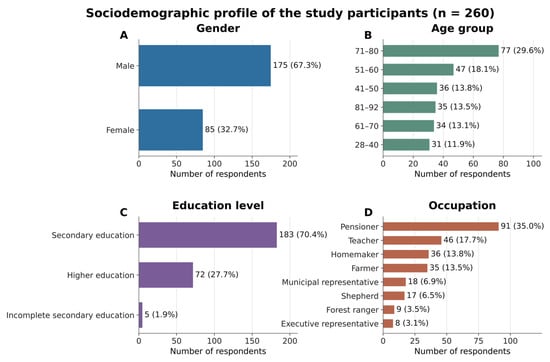
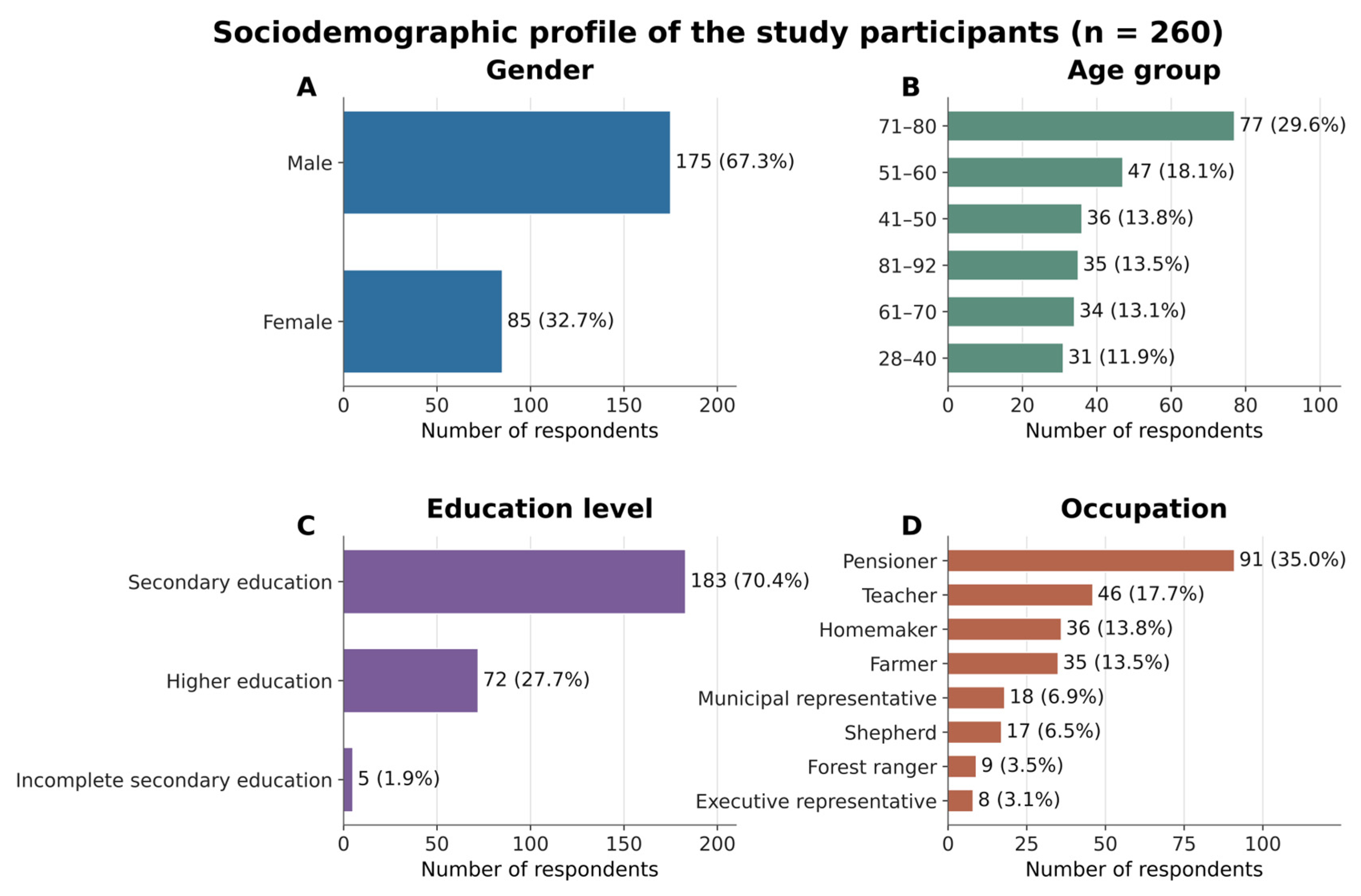
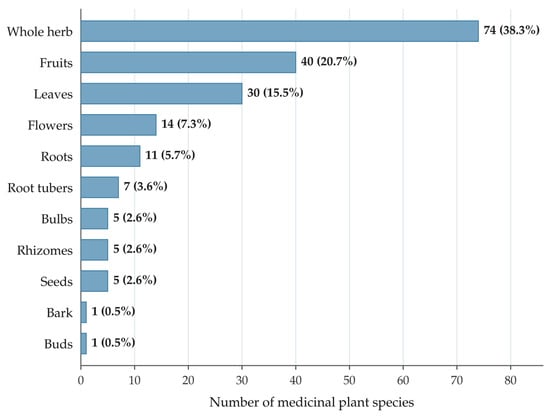
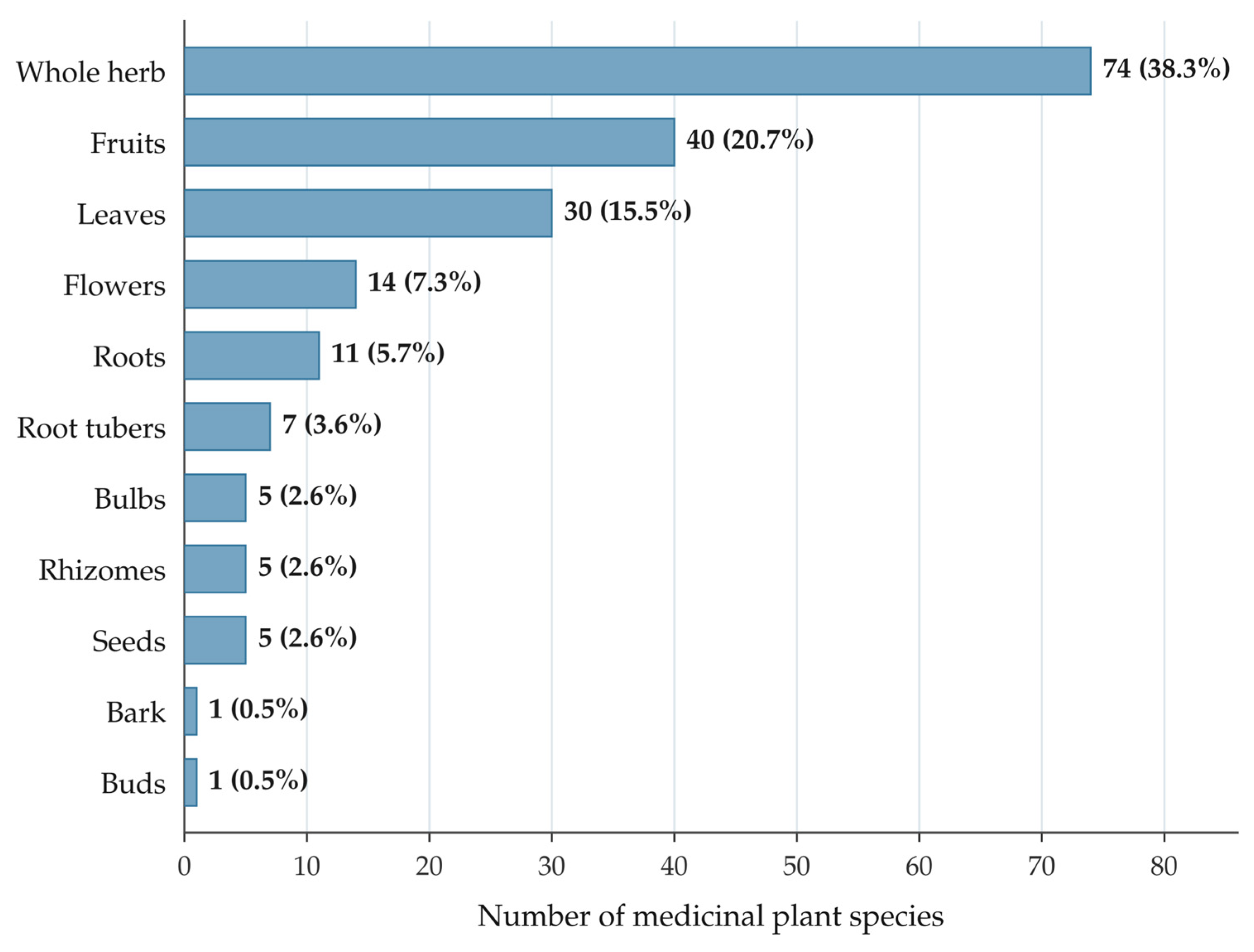
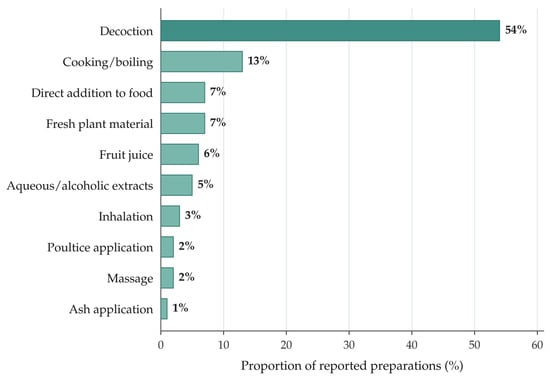
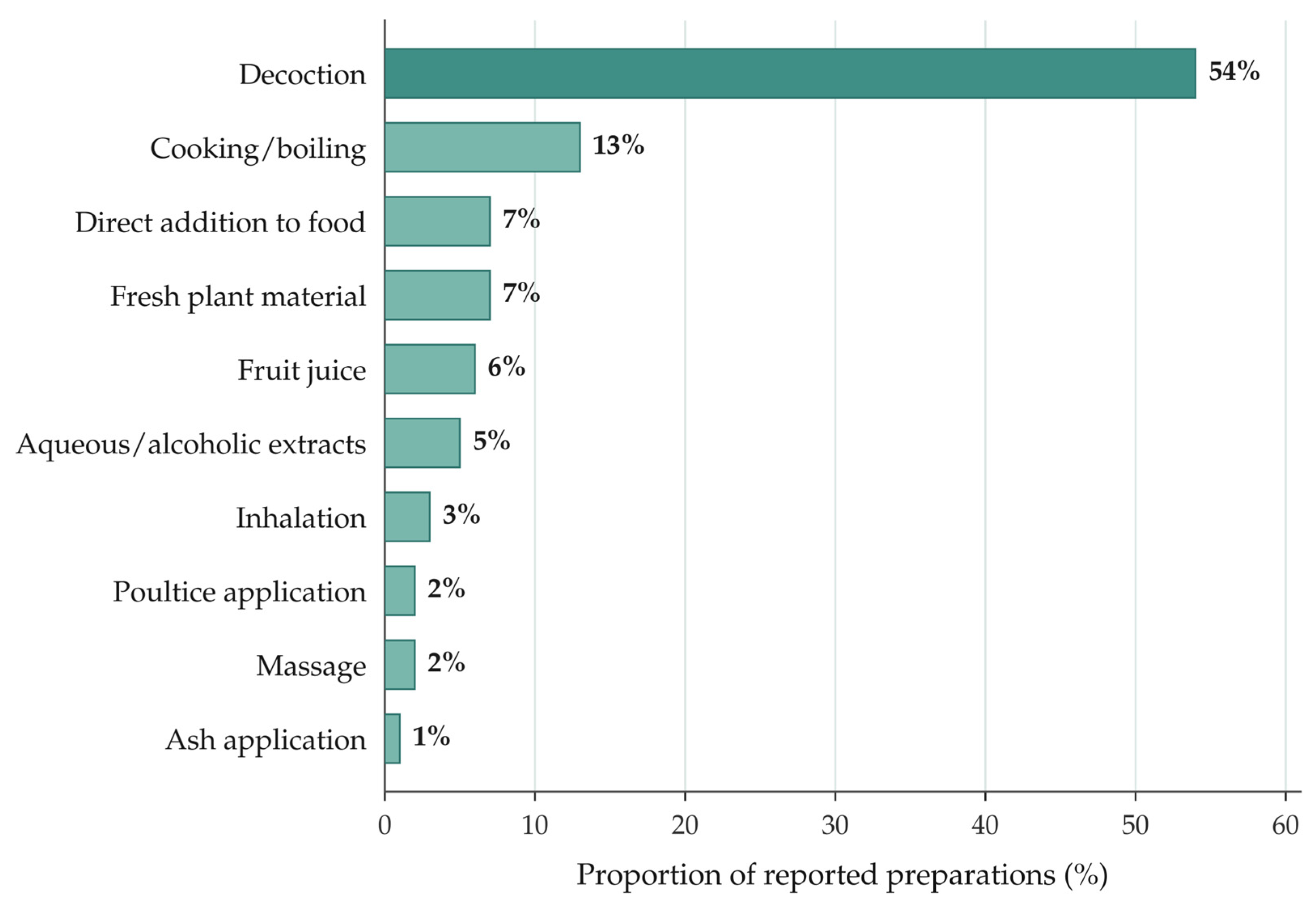
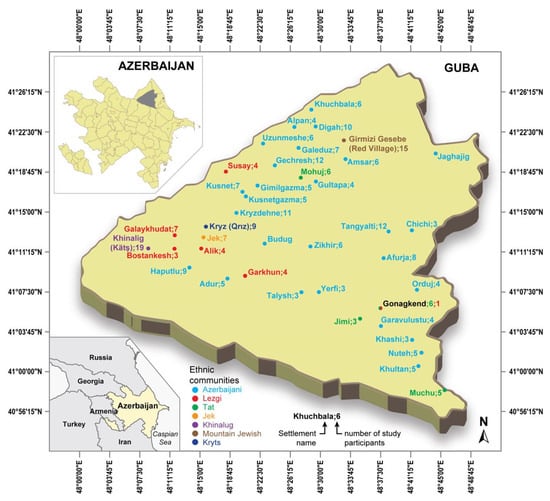
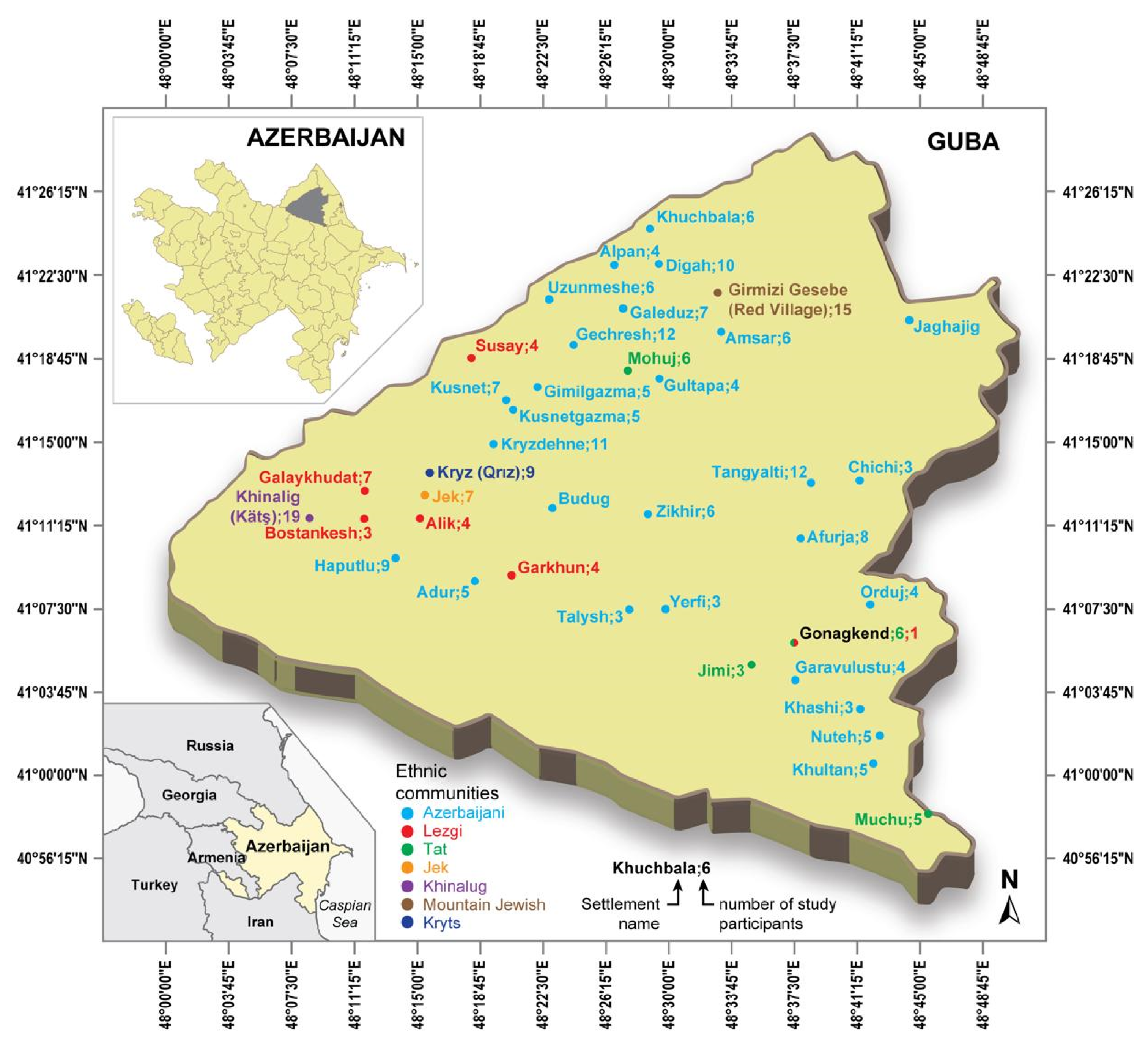

Disclaimer/Publisher’s Note: The statements, opinions and data contained in all publications are solely those of the individual author(s) and contributor(s) and not of MDPI and/or the editor(s). MDPI and/or the editor(s) disclaim responsibility for any injury to people or property resulting from any ideas, methods, instructions or products referred to in the content. |
© 2026 by the authors. Licensee MDPI, Basel, Switzerland. This article is an open access article distributed under the terms and conditions of the Creative Commons Attribution (CC BY) license.