Article

Perennial Rye: Genetics of Perenniality and Limited Fertility
State Plant Breeding Institute, University of Hohenheim, 70593 Stuttgart, Germany
*
Author to whom correspondence should be addressed.
Plants 2021, 10(6), 1210; https://doi.org/10.3390/plants10061210

Submission received: 6 May 2021 / Revised: 9 June 2021 / Accepted: 11 June 2021 / Published: 14 June 2021
(This article belongs to the Special Issue 10th Anniversary of Plants—Recent Advances and Perspectives)

Abstract

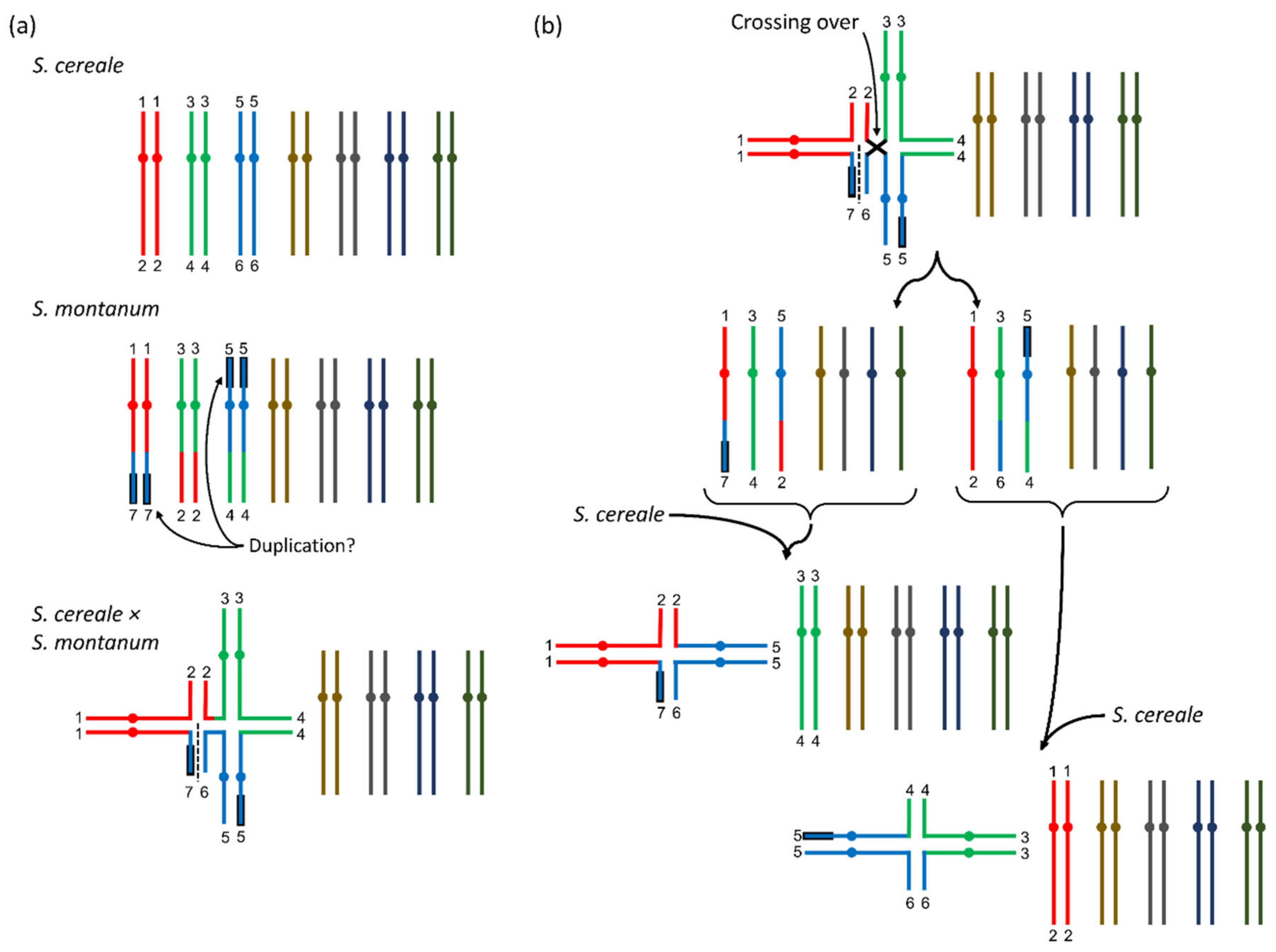
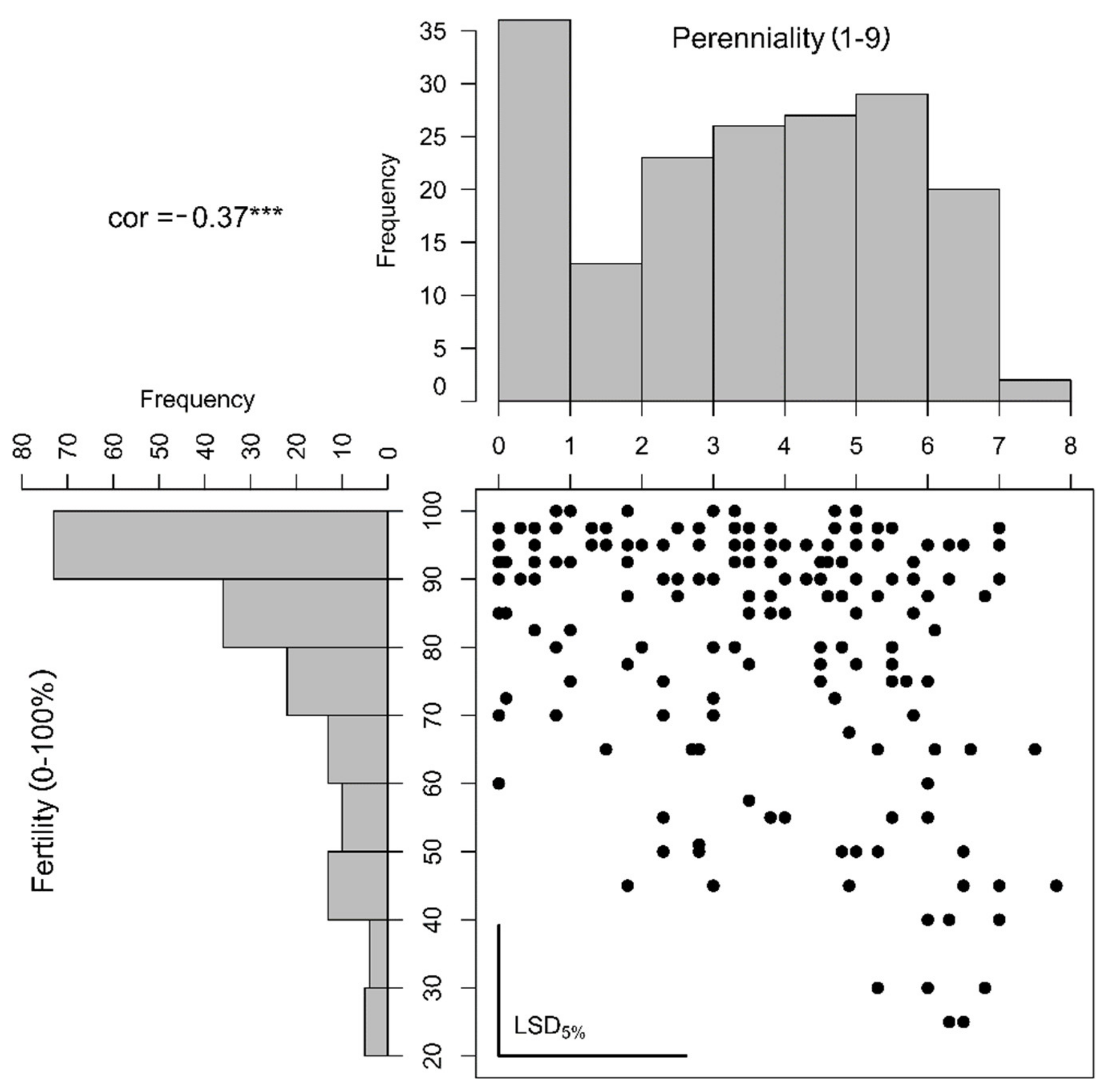
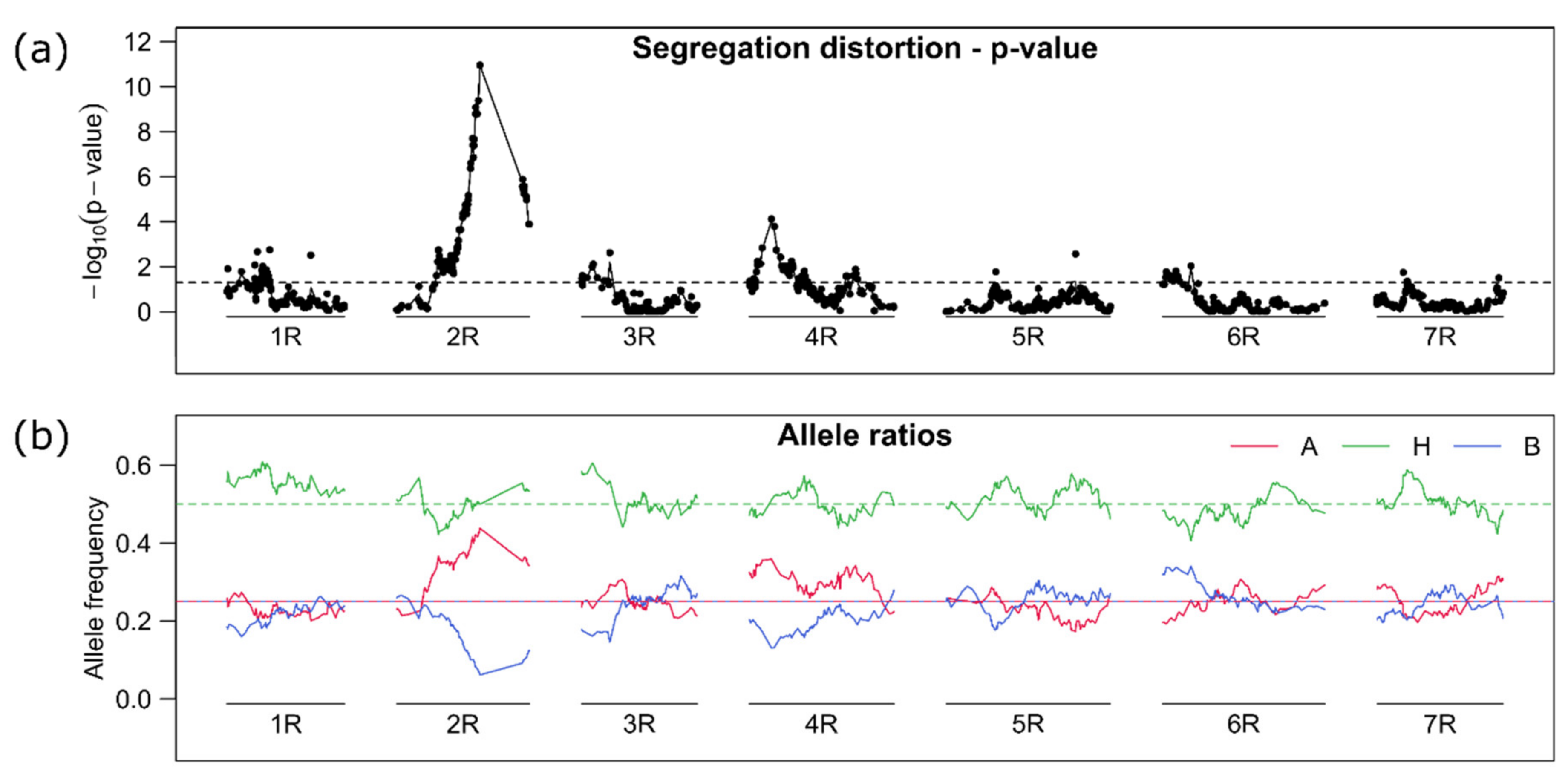
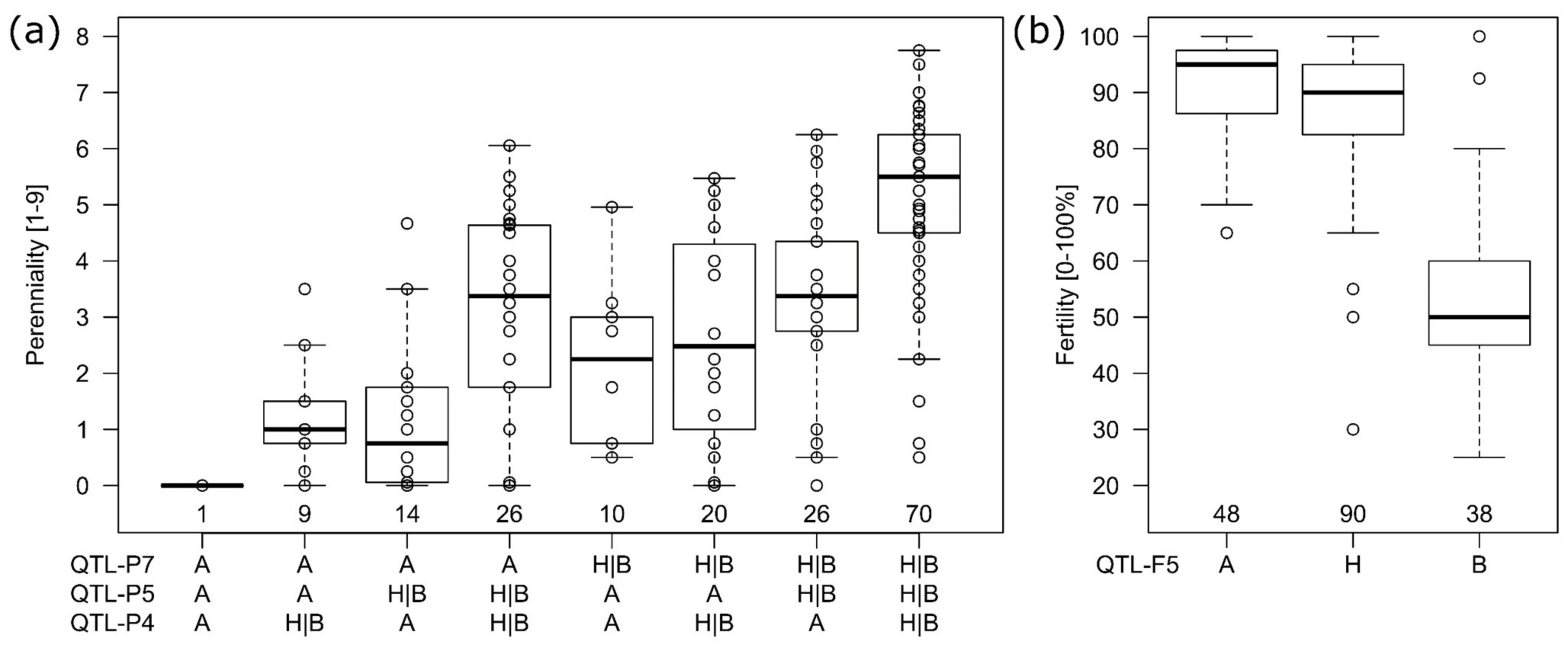
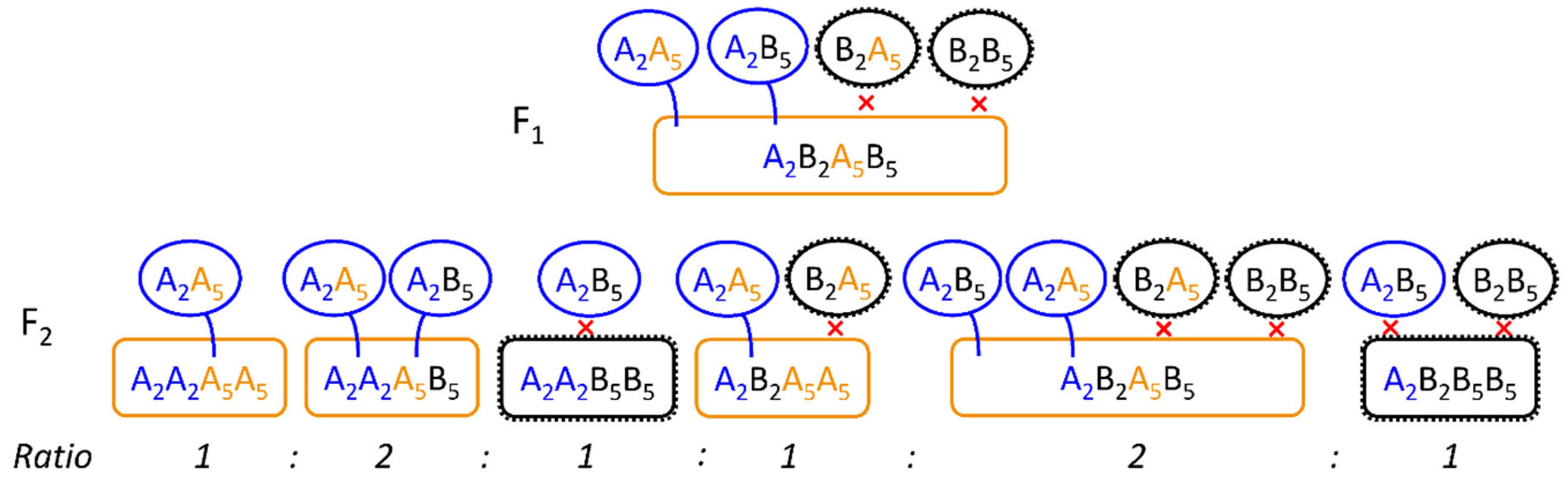
Perenniality, the ability of plants to regrow after seed set, could be introgressed into cultivated rye by crossing with the wild relative and perennial Secale strictum. However, studies in the past showed that Secale cereale × Secale strictum-derived cultivars were also characterized by reduced fertility what was related to so called chromosomal multivalents, bulks of chromosomes that paired together in metaphase I of pollen mother cells instead of only two chromosomes (bivalents). Those multivalents could be caused by ancient translocations that occurred between both species. Genetic studies on perennial rye are quite old and especially the advent of molecular markers and genome sequencing paved the way for new insights and more comprehensive studies. After a brief review of the past research, we used a basic QTL mapping approach to analyze the genetic status of perennial rye. We could show that for the trait perennation 0.74 of the genetic variance in our population was explained by additively inherited QTLs on chromosome 2R, 3R, 4R, 5R and 7R. Fertility on the other hand was with 0.64 of explained genetic variance mainly attributed to a locus on chromosome 5R, what was most probably the self-incompatibility locus S5. Additionally, we could trace the Z locus on chromosome 2R by high segregation distortion of markers. Indications for chromosomal co-segregation, like multivalents, could not be found. This study opens new possibilities to use perennial rye as genetic resource and for alternative breeding methods, as well as a valuable resource for comparative studies of perennation across different species.
Keywords: Secale cereale; Secale montanum; Secale strictum; QTL mapping; molecular marker; self-incompatibility; fertility; seed set Secale cereale; Secale montanum; Secale strictum; QTL mapping; molecular marker; self-incompatibility; fertility; seed set