Review

Agronomic Practices and Performances of Quinoa under Field Conditions: A Systematic Review


by
Mohamed Houssemeddine Sellami
1,
Cataldo Pulvento
2,* and
Antonella Lavini
1
1
Institute for Agricultural and Forestry Systems in the Mediterranean (ISAFOM), National Research Council of Italy (CNR), 80055 Portici (NA), Italy
2
Institute for Biosciences and Bioresources (IBBR), National Research Council of Italy (CNR), Via Amendola, 165/A, 70126 Bari, Italy
*
Author to whom correspondence should be addressed.
Plants 2021, 10(1), 72; https://doi.org/10.3390/plants10010072

Submission received: 9 December 2020 / Revised: 22 December 2020 / Accepted: 28 December 2020 / Published: 31 December 2020

Abstract

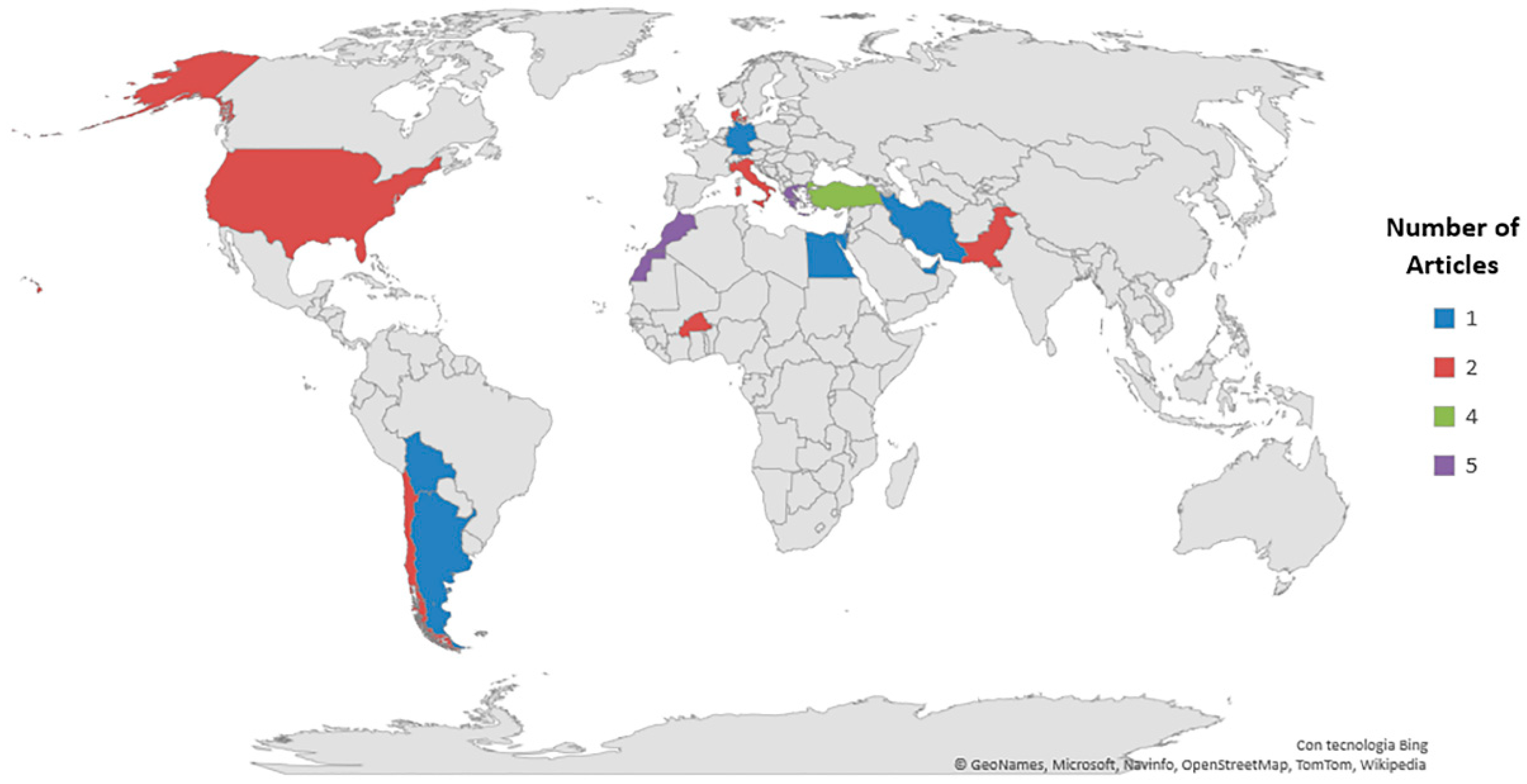
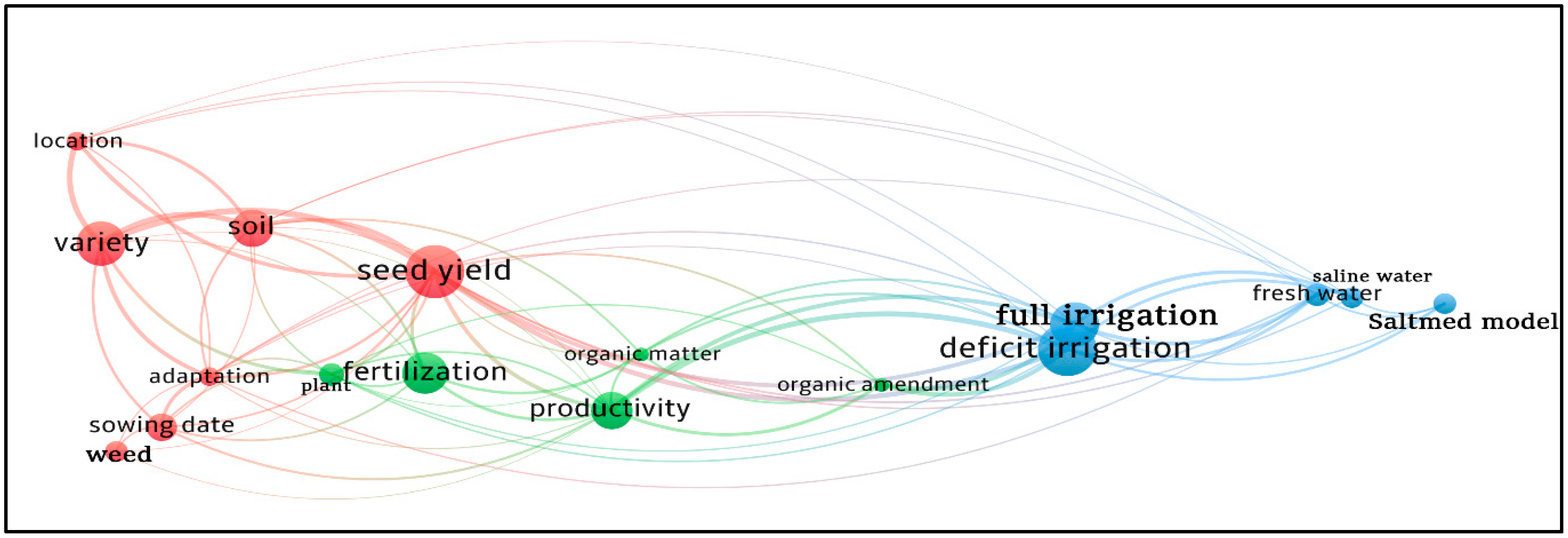
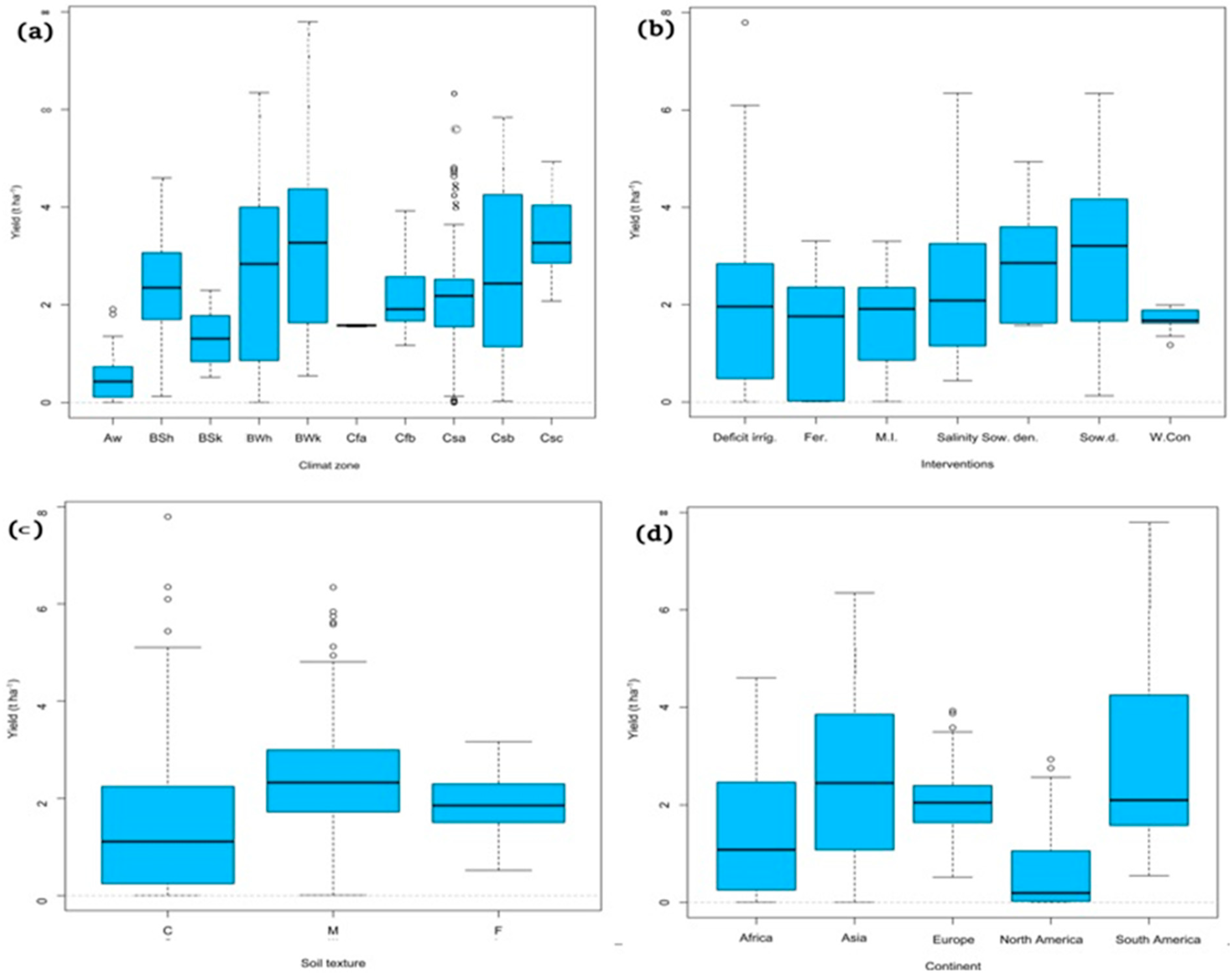
Quinoa (Chenopodium quinoa Willd.) is one of the most popular emerging food crops in the Andean region. It is tolerant to environmental stresses and characterized by interesting nutritional traits. Thus, it has the potential to contribute to food and nutrition security in marginal environments. In this study, we conducted a systematic review integrated with a bibliometric analysis of cropping practices of quinoa under field conditions. The analysis is based on published data from the literature relating to the period 2000–2020. A total of 33 publications were identified, revealing that scientific research on the agronomic practices and performances of quinoa under field conditions is still limited. Africa, Asia, and Europe were the leading research production sites in this field and together provided over 81% of the total scientific production. There were no papers from the Australian continent. The number of papers screened dealing with tillage and weed control management was very limited. The keyword co-occurrence network analyses revealed that the main topics addressed in the scientific literature related to the effect of “variety” and “deficit irrigation”, followed by “water quality”, “fertilization”, and “sowing date” on seed yield. Results from this study will permit us to identify knowledge gaps and limited collaboration among authors and institutions from different countries. Salinity, sowing density, and sowing date were the agronomic interventions affecting productive response the most.
Keywords: quinoa; systematic review; bibliometric analysis; concept network analysis; agronomic practices quinoa; systematic review; bibliometric analysis; concept network analysis; agronomic practices