


Abstract
Background: Immunological homeostasis imbalance can trigger various immune-related diseases. Chinese herbal medicine (CHM) possesses multi-pathway effects, and some studies have observed its bidirectional immunoregulatory effects. Compared with immunoregulatory drugs, it has relatively lower toxicity, although some components carry potential toxic risks. However, research on its mechanisms is relatively fragmented, its in vivo bioavailability is low, and clinical evidence is insufficient, which limits its practical application. Purpose of research: This research summarized the immunoregulatory mechanisms of traditional CHM and the translational bottlenecks, providing certain insights for drug development and clinical research. Research Design: Relevant information for this review was collected from academic papers published in databases such as Web of Science, Google Scholar, ScienceDirect, Scopus, PubMed, and CellPress, as well as from specific academic journals. The search keywords for this review included ”Chinese herbal medicine(CHM)”, “secondary metabolites”, “active ingredient”, “medicinal and edible resources”, “polysaccharide”, “saponin”, “alkaloids”, “herbal formulas”, “immunometabolism”, “pharmacokinetics”, “immune-related diseases”, and “immune regulation”. Results: Preclinical and some clinical studies suggest that bioactive components and compound formulations in traditional Chinese medicine can regulate immune functions through multiple pathways, showing certain prospects for research and development. Conclusion: CHM can restore immune homeostasis. Solving pharmacokinetic and clinical evidence problems will advance its clinical application for immune diseases.
1. Introduction
The immune system is the core mechanism by which the human body defends against pathogens, maintains homeostasis, and suppresses tumor growth. It is composed of central and peripheral immune organs, such as the spleen and lymph nodes; once immune function becomes dysregulated, it can trigger various diseases [1,2].
Immune diseases arise from abnormal immune responses of the body’s immune system to self or foreign antigens, leading to tissue damage and functional impairment. They primarily include hypersensitivity reactions, autoimmune disorders, and immunodeficiency diseases, which can severely impair patients’ quality of life and even threaten their lives. For example, for the overall population, the global SLE incidence and newly diagnosed population were estimated to be 5.14 (1.4 to 15.13) per 100 000 person-years and 0.40 million annually, respectively [3]. The immune system plays a dual role in tumor progression, both suppressing tumor growth and shaping a pro-tumorigenic microenvironment that promotes cancer advancement. Tumor cells achieve immune evasion through inhibitory molecules such as PD-L1, IDO, and Siglec-9, and can also recruit and activate immunosuppressive cells, altering the functional phenotype of immune cells to drive tumor evolution [4]. The immune imbalance mechanisms mentioned above offer ideas for targeting tumor immunity with Chinese herbal medicine (CHM). Exploring the active components in these medicines that regulate immune checkpoints and reverse the immunosuppressive environment could provide potential strategies for tumor immunotherapy.
Herbal medicines can work their biological effects through multiple pathways and targets [5]. Research on traditional Chinese medicinal materials is gradually increasing, and studies on the immune effects of these medicinal materials are also growing (Figure 1). Recent studies show that Chinese herbal medicine has certain potential in preventing and treating immune diseases. Natural compounds in these herbs can regulate oxidative stress, inflammatory factors, mitochondrial dynamics, and immune responses, helping improve RA symptoms [6]. But how the bioactive compounds in Chinese medicine work together on multiple targets to regulate immune cells and signaling pathways, and exert an overall therapeutic effect, still needs to be studied in more detail.
Figure 1.
The research trends on international Chinese herbal medicine from 2005 to 2025. The total number of publications on Chinese medicinal materials increases every year, and publications at the intersection of traditional Chinese medicine and immunology are also growing. Database: Web of Science; Search Term: “Chinese herbal medicine” OR “CHM” OR “traditional Chinese medicine” AND “Immune system” OR “Immunity” OR “immunomodulation” OR “immune-regulation” OR “immune-related diseases” or “immunometabolism”.
This paper discusses how bioactive compounds from Chinese medicinal herbs and classic prescriptions regulate immunity. Distinct from earlier summaries, it compares functional variations of homologous components including polysaccharides, alkaloids and saponins and the regulation of the immune system through the integration of traditional Chinese medicine formulas within the “Jun–Chen–Zuo–Shi” framework. It addresses immune disorders such as infection, autoimmunity, cancer and immunosenescence, incorporating advances in immunometabolism, pyroptosis and gut microbiota–immune axis. It also analyzes bottlenecks like herb quality control and limited clinical evidence, and offers translational strategies via multi-omics, new delivery systems, food–medicine homology and clinical research.
2. Research Design
This paper is a narrative review. Relevant information for this review was collected from academic papers published in databases such as Web of Science, Google Scholar, ScienceDirect, Scopus, PubMed, and CellPress, as well as from specific academic journals. The search keywords for this review included “Chinese herbal medicine(CHM)”, “secondary metabolites”, “active ingredient”, “medicinal and edible resources”, “polysaccharide”, “saponin”, “alkaloids”, “herbal formulas”, “immunometabolism”, “pharmacokinetics”, “immune-related diseases”, and “immune regulation”. First, a preliminary screening was conducted based on the title and abstract, followed by a full-text rescreening, mainly including valuable review or research articles published in peer-reviewed journals from 2015 to 2026. Non-peer-reviewed gray literature, preprints, and duplicate publications were excluded. The core concept of this paper is to evaluate the regulatory effects of CHM and their active components on immune homeostasis, as well as their intervention potential in immune-related diseases such as infections, autoimmune diseases, tumors, and immunosenescence; it also explores the application and prospects of cutting-edge technologies, including multi-omics, pharmacokinetics–pharmacodynamics correlation, artificial intelligence, novel delivery systems, and the development of medicine–food homology, in the research and translational development of immune regulation by CHM.
3. The Role of Traditional Chinese Medicinal Herbs in the Immune System
3.1. Self and Non-Self Recognition: Immune System and the Mechanisms Underlying the Classification of Immune Responses
The immune system (Figure 2) is an important mechanism for biological recognition of self and non-self, which exists in humans and a variety of organisms. It has three major functions: immune defense, surveillance and homeostasis [7].
Figure 2.
The multi-dimensional ways Chinese medicine regulates the immune system.
The immune response is divided into innate immunity and adaptive immunity. Innate immunity is the first defense line of the body, which responds quickly and without specificity and includes physical barriers, immune cells and soluble factors. Adaptive immunity is mediated by B and T cells with strong specificity, which can produce antibodies, clear pathogens and form immune memory, and respond faster and stronger to re-invading pathogens [8].
3.2. Immunomodulatory Effects and Mechanisms of TCM Materials
Bioactive compounds of CHM can regulate immune pathways and targets, maintain immune homeostasis, and have certain potential for clinical translation. It can inhibit the NF-κB/MAPK pathway, regulate macrophage polarization, and correct Th1/Th2 and Th17/Treg imbalance. It can improve the antigen presentation ability of dendritic cells, regulate the function of T and B cells, and has the characteristics of two-way immune regulation, which plays a role in anti-infection [9].
Generally speaking, the forms of traditional herbal medicine can be divided into three categories: compound formulas composed of multiple herbs, extracts derived from single herbs, and mixtures composed of multiple components or compounds of the same type, with active ingredients being purified compounds with well-defined molecular structures [10]. Through a synthesis and summary of previous studies, this paper mainly elucidates the immunomodulatory mechanisms of individual active components and a Chinese herbal formula (Figure 3). However, most existing studies have conducted experiments using whole extracts of single herbs, which are complex mixtures containing multiple chemical constituents; individual compounds are more conducive to the analysis of target mechanisms.
Figure 3.
Molecular mechanisms of how different active components of Chinese herbal medicine and Chinese herbal formula regulate immune responses. (A) Chinese herbal medicine polysaccharides regulate both innate and adaptive immunity; (B) alkaloids mediate macrophage polarization and regulate tumor immunity; (C) Chinese herbal formula regulate T cells and monocytes through inflammation axes and epigenetic modifications; (D) saponins rely on the HIF-1α and AMPK/mTOR pathways to maintain immune organ and immune cell homeostasis.
3.2.1. Polysaccharides: Regulation of Innate and Adaptive Immunity
Chinese medicinal polysaccharides are high-molecular active components in tonic herbs with unique structures and excellent activity. Thanks to their specific sugar composition, glycosidic linkages, and diverse structural features, they show rich and stable pharmacological effects and are the key material basis for the immune-regulating effects of Chinese herbs [11]. Compared to chemical immunomodulators, polysaccharides from CHM have the natural advantages of being low in toxicity, safe, broad in action, and able to regulate immunity in two directions. They are widely found in classic tonic herbs like Astragalus membranaceus, Panax ginseng, Lycium barbarum, Codonopsis pilosula, and Cordyceps sinensis. Targeting both the innate and adaptive immune systems, these polysaccharides exert bidirectional immunoregulation by boosting immune defense and disease resistance in immunocompromised settings and suppressing overactive immunity to alleviate inflammation under hyper-immune conditions, making them key natural bioactive compounds for maintaining bodily immune balance [12,13]. Polysaccharides from different tonic Chinese herbs may have similar core immune regulation mechanisms, but their targets, signaling pathways, and regulatory focuses vary. They can work together across multiple cells, pathways, and dimensions to keep the immune system balanced. It is worth noting that there is currently a lack of structural data that allows direct lateral comparison between these polysaccharides, such as molecular weight, monosaccharide composition, and purity.
Astragalus polysaccharides are representative polysaccharide components that exhibit both immune-repairing and inflammation-balancing functions. Their core characteristic lies in simultaneously enhancing innate immunity while suppressing excessive inflammatory responses. In terms of immune activation, Astragalus polysaccharides can activate macrophages and NK cells to reinforce the innate immune barrier, regulate CD4+/CD8+ T cell differentiation, promote the secretion of protective immune factors such as IL-2 and IFN-γ, and strengthen the body’s specific immune response [14,15]. At the level of inflammation regulation, it works by activating the AMPK signaling pathway to suppress abnormal activation of immune cells, reduce inflammation damage caused by overactive immunity, and correct immune disorder [16]. Overall, Astragalus polysaccharides can help maintain the body’s immune balance by ‘activating immune defense and reducing inflammation damage’.
Lycium barbarum polysaccharides are the core active components of goji berries and possess bidirectional immunoregulatory effects. LBPs can promote the proliferation and activation of immune cells, increase the survival rate of RAW264.7 macrophages, and induce their beneficial polarization, thereby enhancing basal immunity. At the same time, LBPs regulate the secretion of inflammatory mediators such as NO, TNF-α, IL-6, and ROS, moderately activating pro-inflammatory mediators to eliminate external stimuli while suppressing tissue damage caused by excessive accumulation of inflammatory factors, thereby maintaining a stable balance between pro-inflammatory and anti-inflammatory responses [17].
Ginseng polysaccharides can regulate innate immunity, adaptive immunity, and inflammatory responses, and possess immune activation, anti-inflammatory repair, and vaccine adjuvant activity. This ingredient activates macrophages, dendritic cells, and NK cells, enhancing antigen presentation capacity; inhibiting the NF-κB/MAPK pathway reduces excessive inflammation, balances T cell subsets, promotes T cell proliferation and antibody secretion, maintains immune homeostasis through cellular and humoral immunity, and holds potential for anti-infective, anti-inflammatory, and adjuvant development [18,19,20].
Codonopsis polysaccharides exert bidirectional immune regulation by directly regulating immune cells and indirectly modulating the gut microbiota, maintaining immune metabolic balance. It can activate macrophages, dendritic cells, and NK cells, improve antigen presentation, balance T cell subsets, promote lymphocyte proliferation and antibody secretion, and strengthen innate and adaptive immunity. It can also remodel the gut microbiota, promote the production of short-chain fatty acids, regulate inflammatory factors, and rely on the gut microbiota–immune axis to maintain systemic immune homeostasis, serving as a typical active ingredient for gut–immune synergistic regulation [21].
Cordyceps polysaccharides are the main active ingredient in Cordyceps, and they help regulate the immune system in both directions through pathway control, multi-dimensional immune modulation, and working together with cordycepin. They activate TLR4, control the NF-κB/MAPK pathways, promote dendritic cell maturation, boost NK cell killing ability, balance macrophage M1/M2 polarization, regulate inflammation and protective factor secretion, and improve both cellular and humoral immunity. They can also work with cordycepin to fight inflammation and regulate immunity, and taking them orally can enhance NK cell activity and optimize the body’s immune state [22,23,24]. However, it is noteworthy that Gram-negative bacterial LPS is a potent natural ligand for TLR4; even trace amounts of LPS at the nanogram level can induce NO, TNF-α, IL-1β, and IL-6 in RAW264.7 macrophages, activate the MAPK/NF-κB pathway, and produce phenotypes highly overlapping with polysaccharide immune activation. The aqueous extraction–alcohol precipitation process of plant and fungal polysaccharides easily introduces environmental LPS contaminants; even minimal amounts of impurities are sufficient to cause in vitro false-positive results of ‘polysaccharide activating TLR4′ [25]. Many published studies on polysaccharide immunomodulation have not included quantitative detection of LPS, and this methodological flaw increases the difficulty of interpreting existing in vitro data.
The same active substance, depending on the immune status of the organism, can both upregulate protective immune responses to combat pathogens and improve immunodeficiency, as well as suppress overactive immune responses to alleviate pathological inflammatory damage. The current literature reports on bidirectional regulatory effects mostly come from different disease models; few studies have demonstrated that the same polysaccharide, at a single dosage, can simultaneously upregulate protective immunity and suppress pathological inflammation within the same individual. Moreover, most mechanistic evidence for polysaccharide monomers comes from animal experiments. There may be significant differences between the dosages used in animal experiments and their corresponding human doses, which still require further investigation.
3.2.2. Alkaloids: Modulating the Inflammatory and Tumor Immune Microenvironment
Alkaloids constitute a structurally diverse class of naturally occurring, nitrogen-containing organic compounds, ubiquitously distributed across microorganisms, plants, and animals, and endowed with potent biological activities—most notably anticancer, antiviral, and antibacterial effects [26]. Alkaloids are predominantly distributed in traditional Chinese medicinal herbs exhibiting heat-clearing properties, including Coptis chinensis with berberine serving as prototypical representatives. Their principal pharmacological actions involve suppression of immune-mediated hyperinflammatory responses and modulation of the tumor immune microenvironment.
In terms of tumor immune remodeling, berberine can regulate the phenotypes of innate immune cells, promote the polarization of macrophages toward the anti-tumor M1 phenotype, enhance NK cell cytotoxicity, upregulate IFN-γ and IL-12, while simultaneously inhibiting immunosuppressive cells such as M2 tumor-associated macrophages and MDSCs, thereby reshaping the local tumor immune microenvironment [27]; recent basic research has further revealed that berberine can also negatively regulate the PD-1/PD-L1 checkpoint pathway, reduce PD-L1 expression in tumor cells, lift immune suppression in the tumor microenvironment, enhance CD8-cytotoxic T cell cytotoxicity, and synergize with immune checkpoint inhibitors to exert anti-tumor effects [28,29,30]. ER-15 is a fraction of total alkaloids extracted from Evodia rutaecarpa, which can antagonize the adenosine A2A receptor pathway, increase the infiltration of total T lymphocytes and CD8+ cytotoxic T cells within tumors, reduce the proportion of CD4+CD25+ regulatory T cells, downregulate PD-1 expression in both, elevate intratumoral levels of TNF-α and IFN-γ, enhance antitumor immunity, and inhibit tumor initiation and growth [31]. Piperine targets the STAT6/GATA3 pathway to block the Th2 immune response [32]; meanwhile, solanine A inhibits NF-κB/MAPK signaling to restrain the activation and inflammatory mediator production of macrophages, which contributes to relieving immunosuppression within the tumor microenvironment [33].
Apart from anti-tumor immunity, some alkaloids also have the potential to intervene in inflammation and autoimmune imbalance. Berberine inhibits inflammasome activation and reduces the excessive release of inflammatory factors, possessing potential application value in autoimmune inflammatory conditions such as rheumatoid arthritis and inflammatory bowel disease [34].
Although alkaloids can regulate immune cells, signaling pathways, and the immune microenvironment on multiple levels and have demonstrated immunomodulatory potential in tumor immunity and autoimmune inflammation, existing research still has limitations. Most evidence comes from cellular and animal studies, and some studies use crude alkaloid fractions, making it difficult to attribute activity to a single monomer; mechanisms are often based on correlational findings, with a lack of evidence for direct binding between alkaloids and their targets. Alkaloids generally exhibit poor water solubility and low bioavailability, creating barriers to the translation of basic research findings into clinical applications; furthermore, there is a lack of parallel comparisons of different alkaloids within a unified framework, and their dose-dependent bidirectional immune regulation as well as potential off-target toxicity still require systematic evaluation.
3.2.3. Saponins: Immune Regulation Through Multiple Signaling Pathways
Saponins are naturally occurring glycosides widely distributed in higher plants and structurally defined by triterpenoid or steroidal aglycones linked to one or more sugar moieties. As bioactive natural products, they have garnered substantial research interest owing to their well-documented anti-inflammatory, antioxidant, and anticancer activities, as well as their therapeutic potential in ameliorating diverse pathological conditions [35]. Saponins such as ginsenosides and astragaloside IV are the core active compounds in CHM that regulate tumor immunity and improve the bone microenvironment.
Ginsenosides primarily remodel immune cell metabolism by regulating the AMPK/mTOR signaling axis. By targeting multiple metabolic pathways through different subtypes, they achieve precise immune modulation. These observations provide a research basis for their development as tumor immunoadjuvants, which requires further in vivo and clinical validation. They can reverse TGF-β-mediated NK cell immunosuppression, regulate T cell differentiation and polarization, and bidirectionally balance macrophage M1/M2 phenotypes, preventing inflammatory disorders and immunosuppression. Additionally, ginsenosides can mediate interactions between innate and adaptive immunity through cytokines, maintaining immune homeostasis, and effectively improving immune cell metabolic exhaustion caused by the tumor microenvironment, thereby alleviating tumor-induced immunosuppression [36].
Unlike ginsenosides, astragaloside IV works through the HIF-1α/NF-κB pathway, mainly helping heal bone marrow immune damage after chemo and boosting overall immune recovery. At 1~10 μM in vitro, astragaloside IV is not toxic to cells and actually encourages macrophages to grow, move, and eat up harmful substances. It elevates the levels of pro-inflammatory factors like NO, TNF-α, and IL-6 while dialing down inhibitors like IL-10 and TGF-β1. Notably, this up-regulation of pro-inflammatory mediators is observed under cyclophosphamide-induced immunosuppressive conditions. It also boosts HIF-1α, PHD3, and p-NF-κB p65 proteins in a dose-dependent way, and this can be totally blocked by pathway inhibitors, showing this pathway is key. In mice with cyclophosphamide-induced bone marrow suppression, astragaloside IV eased immune organ damage, increased spleen and thymus size, and restored blood and bone marrow cell counts. It enhances both innate and adaptive immunity, improves NK cell killing activity, helps T/B lymphocytes multiply, and gets bone marrow macrophages working, fixing chemo-induced bone marrow issues and overall immune damage. Collectively, it shows promise as a drug candidate for regulating the bone marrow environment [37]. In vitro and animal experiments have shown that saikosaponin D, a triterpenoid saponin derived from the Chinese medicinal herb Bupleurum, activates the Nrf2/HO-1/ROS axis and inhibits the NF-κB pathway, downregulates inflammatory factors such as TNF-α and IL-6, inhibits chondrocyte apoptosis, protects the extracellular matrix, and thereby delays articular cartilage degeneration in mice with osteoarthritis [38].
Saponins can reshape the immune, tumor, and bone microenvironments in multiple ways; however, their immunomodulatory effects are highly microenvironment- and dose-dependent. It is difficult to maintain effective in vitro concentrations in vivo, and there remains uncertainty regarding the translation of basic research findings into clinical practice. Furthermore, the long-term immunological safety of saponins requires systematic evaluation.
Polysaccharides derived from tonic traditional Chinese medicines primarily exert a tonic-type immune effect, with bidirectional regulation manifested as enhancing suppressed immunity while inhibiting excessive inflammation under pathological conditions. The main pharmacological action of alkaloids lies in suppressing immune-mediated excessive inflammatory responses and remodeling the tumor immune microenvironment; however, their dose-dependent bidirectional regulation characteristics and potential off-target toxicity still require systematic evaluation. The immunomodulatory effects of saponins are highly dependent on the administered dose and tissue microenvironment. Existing evidence for all three primarily comes from cellular and animal preclinical studies.
3.2.4. Immunomodulation by Other Bioactive Substances
Curcumin is a natural polyphenol derived from the turmeric, owing to its C6-C7-C6 diacyl diendione skeleton and multi-target activities, has become a focal point of pharmaceutical research [39]. However, its water solubility is poor and its bioavailability is low; preclinical studies have confirmed that curcumin can regulate the STAT3/STAT1 pathway, promote the reprogramming of M2 tumor-associated macrophages to the M1 type, recruit NK cells to eliminate tumor stem cells, inhibit Treg, enhance the cytotoxicity of CD8+ T cells, and downregulate CSN5 to reduce PD-L1 expression. Delivery systems such as liposomes can strengthen this immune-regulatory effect, showcasing potential as a tumor immunotherapy adjuvant [40]. Paeoniflorin (PF) regulates intestinal immunity via the SOCS1/JAK1/STAT1 axis: It inhibits JAK1 and STAT1 phosphorylation, upregulates SOCS1, blocks macrophage polarization toward pro-inflammatory M1, lowers TNF-α, IL-1β, and CD86, enhances M2 phenotypic markers CD206 and ARG1, and anti-inflammatory factor IL-10, reshaping the M1/M2 balance; it can also alleviate inflammatory intestinal infiltration in ulcerative colitis, repair ZO-1, Occludin, Claudin-1, and MUC2, correct immune disorders mediated by intestinal barrier damage, and restore intestinal immune homeostasis [41]. Andrographolide inhibits the NF-κB pathway, reduces macrophage infiltration and pro-inflammatory factor release, alleviates infection-induced immune damage, and simultaneously moderately activates innate immunity, achieving ‘anti-inflammation without suppressing immunity’, and can be used for immune intervention in respiratory infections [42]. Icariin (ICA) can inhibit the ROS-mediated JNK/NF-κB pathway and downregulate LPS-induced mRNA expression of pro-inflammatory factors such as TNF-α, IL-6, and IL-8 to modulate inflammatory immunity; it upregulates osteogenic genes ALP, Runx2, and OCN, promoting osteogenic differentiation and matrix synthesis; it regulates the OPG/RANKL pathway to suppress osteoclast activity and reduce bone resorption, thereby bidirectionally balancing bone metabolism and improving the inflammatory microenvironment [43]. ICA can also reshape the ‘cold’ tumor immune microenvironment through multiple pathways: it inhibits immunosuppressive cells like MDSCs, M2 tumor-associated macrophages, and cancer-associated fibroblasts, as well as ARG1, STAT3, and the TGF-β/Smad pathway. This helps normalize tumor blood vessels, increases CD8+ effector T cell infiltration, and downregulates PD-1 to reduce T cell exhaustion. At the same time, it induces programmed cell death such as apoptosis, autophagy, and ferroptosis, releasing danger signals like CRT, HMGB1, and ATP to trigger immunogenic cell death, activating dendritic cells and adaptive anti-tumor immunity. This dual regulation can synergistically enhance the effects of immune checkpoint inhibitors and chemo/radiotherapy, while also protecting normal tissues and reducing side effects. However, its effects depend on tumor type and dosing conditions, and current evidence comes only from preclinical studies, so clinical trials are still needed [44].
Various TCM bioactive compounds exert multi-target bidirectional immunomodulation via diverse signaling axes to maintain immune homeostasis (Table 1). Most evidence is preclinical; poor bioavailability, dose gaps and unclear target binding hinder their clinical translation, requiring further PK validation and clinical studies.
Table 1.
Characteristics of how single Chinese herbal compounds affect the immune system.
3.3. Immune Modulation by Chinese Herbal Formula
A Chinese herbal formula follows the “sovereign, minister, assistant, and messenger” theory of formulation, relying on the synergistic effects of multiple components to simultaneously strengthen the body’s defenses and eliminate pathogens. The synergistic effect of all the ingredients is at work, and each herb is essential. Compared to single-herb formulations, they can regulate multiple imbalanced immune pathways at the same time, making them suitable for treating complex immune disorders [45,46]. Based on their therapeutic effects, these compound formulations can be classified into three categories: tonifying, heat-clearing and anti-inflammatory, and antitumor.
From the perspective of immunopharmacology integrated with Chinese medicine, the ‘Jun–Chen–Zuo–Shi’ framework is not merely a conventional descriptive concept, but a set of multi-component synergistic immunoregulatory strategies. ‘Jun’ (principal) herbs provide the core active ingredients, targeting the main immune-related signaling pathways to achieve primary immunotherapeutic effects; ‘Chen’ (assistant) herbs cooperate with ‘Jun’ herbs, amplifying immune efficacy through pathway synergy; ‘Zuo’ (adjuvant) herbs play a supportive role, including reducing the potential toxicity of the principal herbs and modulating secondary inflammatory pathways; ‘Shi’ (courier) herbs harmonize multiple herbal components, enhance tissue targeting, and optimize the holistic pharmacological output [47]. The formula theory presented in this paper serves more as a theoretical analytical perspective, suggesting that subsequent research should conduct component-decomposition experiments to separately evaluate the pharmacological contributions of the monarch, minister, assistant, and courier components, thereby elucidating the modern immunopharmacological mechanisms underlying traditional compatibility theory.
3.3.1. Tonic Formulations: Restore Immune Dysfunction and Improve Immune Deficiency
Modified Guilu Erxian Jiao, BuzhongYiQiTang (BZYQT) and Yu-Ping-Feng-San are the classic tonic formulas for clinical improvement of immunodeficiency. Guilu Erxian Jiao can regulate the proliferation and differentiation of effector T cells, block the JAK/STAT pathway, correct the disorder of immune response, and improve the hematopoietic defect. In vitro, it can downregulate IFN-γ and enhance the colony formation ability of hematopoietic stem/progenitor cells. The compound combination can regulate multiple T cell subsets, reduce pro-inflammatory factors, and repair hematopoietic damage [48]. Studies have shown that BZYQT targets key genes of monocytes in sepsis to regulate their function. The combination with antibiotics can increase the proportion of monocytes, reduce IL-6, clinically increase lymphocytes, downregulate CRP and PCT, repair the intestinal barrier, and improve the imbalance of immunity and inflammation in sepsis [49].
Yu-Ping-Feng-San polysaccharide YPF-P can enhance the activity of phagocytes, activate IL-17 pathway, and improve the immunosuppression of model mice. Yuping-feng powder can downregulate Tnf-α, IL-6, sPLA2 IIA and other pro-inflammatory factors in lesions, block the TLR4/MyD88/NF-κB inflammatory signal axis, and provide a new basis for revealing its multi-target immune regulation mechanism [50]. It can also enhance the ability of anti-respiratory virus, regulate T cell subsets, and improve the immune disorder of recurrent respiratory tract infection. It is a classic compound for clinical immune regulation and prevention of infection; from the perspective of the monarch–minister–assistant–messenger framework, in Yu-Ping-Feng-San, Astragalus serves as the sovereign herb providing the core immunoregulatory activity; Atractylodes and Saposhnikovia act as ministerial and assistant herbs, synergistically enhancing immune defense while moderately suppressing excessive inflammatory responses [51,52].
3.3.2. Heat-Clearing and Anti-Inflammatory Formulations: Suppressing the Inflammatory Storm to Prevent Excessive Immune Damage
Under physiological conditions, pyroptosis can eliminate intracellular pathogens and mediate host anti-infection defense; when pyroptosis is excessively activated in an uncontrolled manner, gasdermin-formed plasma membrane pores facilitate the efflux of pro-inflammatory cytokines IL-1β and IL-18, whereas subsequent cell lysis releases the alarmin HMGB1. Collectively, these mediators amplify the inflammatory response and contribute to sepsis and diverse inflammatory immunopathological injuries [53]. Research demonstrates that Huanglian Jiedu Tang, a classic heat-clearing traditional Chinese herbal formula, exerts multi-target pharmacological effects. Through dual inhibition of caspase-11–mediated pyroptosis and NLRP3 inflammasome activation, it prevents GSDMD cleavage, markedly suppresses release of pyroptosis-associated inflammatory mediators—including IL-1α, IL-1β, IL-18, and HMGB1—and attenuates the hyperinflammatory cascade in murine sepsis models. Bioactive components such as baicalin, berberine, and jatrorrhizine can enter systemic circulation. Computer simulations and indirect functional experiments suggest that they may interact with caspase-11 and tend to distribute in liver and lung tissues; however, direct experimental evidence confirming their selective binding and tissue accumulation is still lacking. This compound can alleviate LPS-induced organ edema and pathological damage, mitigating multi-organ inflammation in septic mice. The aforementioned preclinical mouse studies can only provide preliminary mechanistic clues for the traditional Chinese medicine principle of ‘clearing heat and detoxifying’ and do not constitute definitive mechanistic validation [54]. It can also alleviate autoimmune inflammation and protect the kidneys in lupus nephritis mice by inhibiting the p-STAT3 signaling pathway and downregulating inflammatory factors including IL-6, IL-10 and IFN-γ. In this manuscript, researchers cite and recapitulate the classical formula theory to interpret its Jun–Chen–Zuo–Shi composition: Coptis chinensis, Scutellaria baicalensis, Phellodendron chinense chinense and Gardenia jasminoides. Nevertheless, no formula-disassembling experiments were performed in the present work to further dissect their respective individual effects [55]. In rat models of post-ERCP pancreatitis (PEP) and in vitro pancreatic acinar cell models, Gegen Qinlian Decoction has been shown to regulate NLRP3 inflammasome-mediated pyroptosis: pharmacological intervention can downregulate the expression of NLRP3, activated caspase-1, and GSDMD-N, reduce the release of pro-inflammatory factors IL-1β and IL-18, upregulate IL-10, alleviate pancreatic pathological damage, and exert a preventive effect against PEP. Studies speculate that multiple chemical components in the formula collectively contribute to this protective effect, but the independent effects of individual herbs or single compounds have not been experimentally clarified [56].
3.3.3. Antitumor Compounds: Reshaping the Tumor Immune Microenvironment to Enhance the Efficacy and Reduce the Toxicity of Immunotherapy
Recent studies have found that various Chinese herbal formulas can enhance the antitumor efficacy of immune checkpoint inhibitors by reshaping the tumor immune microenvironment and modulating the gut microbiota, while simultaneously reducing the incidence of immune-related adverse reactions.
Si Jun Zi Tang can remodel the intestinal flora, inhibit the NF-κB pathway, repair the intestinal barrier, and increase the CD4+/CD8+T cell ratio, which is used for tumor with intestinal disorders caused by spleen deficiency. A neferine-enhanced modified Shenling Baizhu Tang targets CYP2E1, inhibits HVA formation, activates the PPARα pathway, reverses CD8+ T cell exhaustion, remodels the tumor immune microenvironment and potentiates PD-1 inhibitor efficacy. Chinese herbal formulas can regulate intestinal flora, enhance immune response, reverse tumor drug resistance, inhibit excessive inflammation, and achieve ‘synergism and attenuation’, which provides a new strategy for tumor immune combined therapy [57,58,59,60].
The chemical composition of traditional Chinese medicine formulas is highly complex, and current research makes it difficult to distinguish whether the efficacy comes from individual components or the synergistic effects produced by the combination; differences in the source of medicinal materials and preparation processes can significantly affect efficacy and reduce experimental reproducibility (Table 2). Most mechanistic evidence comes from preclinical models, making it difficult to separate the direct effects of the formulas on immune cells from the indirect regulation mediated by the gut microbiota; relevant clinical evidence often lacks support from large-sample, high-quality studies. The dose–effect relationship, long-term safety, and interactions with modern immunotherapeutic drugs of these formulas still need to be studied in depth. It is worth noting that the source of medicinal materials, extraction methods, and compositional differences between batches can significantly increase the complexity of result interpretation. Therefore, rigorous quality control is an important foundation for the reproducibility of studies on compound formulations. Future research should employ quality control measures such as chemical fingerprinting and quantitative determination of markers [61]. For clinical trials of traditional Chinese medicine compound formulations, reporting should follow the CONSORT Extension for Chinese Herbal Medicine Formulas [62], alongside the ConPhyMP guidelines for phytochemical characterization of plant-derived interventions [63]. Researchers should provide complete and transparent documentation of herbal origins, preparation processes, administered dosages, quality-control parameters, and compositional information. Adhering to these standards can reduce bias and enhance the reliability of both clinical and preclinical research data on traditional Chinese medicine compound formulations.
Table 2.
Classic Chinese medicine compound: compatibility target immune cell disease intervention effect.
3.4. Interactions Among Components of Traditional CHM
An increasing number of experiments have demonstrated that there are interactions among the components of traditional Chinese medicinal materials. Using the Chou–Talalay method established by Chou and Talalay, Zhang et al. investigated the inhibitory effects of Xuebijing active components on LPS-induced, TLR4-mediated nitric oxide (NO) production in BV-2 microglial cells and identified three synergistic binary combinations, namely ligustilide-danshensu, ligustilide-senkyunolide A, safflower yellow-hydroxysafflor yellow A, as well as four antagonistic binary combinations, namely salvianolic acid B-danshensu, salvianolic acid B-safflower yellow, salvianolic acid B-hydroxysafflor yellow A, and hydroxysafflor yellow A-senkyunolide A [64].The main active components of the CHM Rhizoma Coptidis-Fructus Mume, berberine and chlorogenic acid, form an amphiphilic spherical supramolecular assembly through non-covalent interactions; this supramolecular BCS demonstrates anti-pyroptotic and anti-inflammatory activities superior to those of the free monomers [65].
A thorough understanding of their interactions further aids in elucidating the effects of traditional Chinese medicinal materials on immune regulation.
4. Applications of Traditional Chinese Medicinal Herbs in Immune Regulation
Modern medicine believes that immune homeostasis is the dynamic balance of the body, and immune abnormalities are the core pathological basis of diseases. Immunocompromised patients were prone to infection and tumor. Hyperimmunity can lead to autoimmune damage. Clinical chemoimmunomodulators have limitations such as single target, large side effects, and easy drug resistance [66,67,68].
Many CHM preparations are used within traditional practice for autoimmune and other immune-related disorders. Pre-clinical data frequently report bidirectional immunomodulatory properties, but high-quality clinical evidence supporting routine clinical use remains limited. Relative to synthetic pharmaceuticals, they demonstrate lower systemic toxicity and, through restoration of immune balance, support disease prevention in healthy individuals and facilitate recovery of immune homeostasis in patients [69]. In recent years, with advances in pharmacological research techniques and the deepening of evidence-based clinical studies, the molecular mechanisms, clinical indications, and treatment regimens for the immunomodulatory effects of traditional Chinese medicinal materials have gradually become clearer, and they are now widely used in the prevention and treatment of multisystem immune-related diseases (Figure 4).
Figure 4.
Application of active ingredients in Chinese herbal medicine for immune regulation.
4.1. Anti-Inflammatory and Anti-Infective Effects
Astragalus polysaccharides modulate systemic immune homeostasis and exhibit multifaceted pharmacological activities, including bidirectional regulation of inflammation, promotion of tissue repair, and broad-spectrum anti-infective effects. Astragalus polysaccharides suppress excessive production of pro-inflammatory mediators, enhance expression of anti-inflammatory molecules, and thereby sustain inflammatory homeostasis. In osteoarthritis, Astragalus polysaccharides attenuates progression of local synovial and cartilage inflammation, activates cellular antiapoptotic pathways, reduces chondrocyte apoptosis, and delays structural degeneration of joint tissues [70,71].
Astragalus polysaccharide does not exert direct microbicidal activity; preclinical models suggest it may counter infection by modulating innate and adaptive immune pathways: it activates macrophages and dendritic cells, and dynamically regulates inflammation. It can promote the proliferation and differentiation of T and B cells and induce protective antibodies. It can be used as a vaccine adjuvant. Combined with Ginseng polysaccharide and Lonicera japonicum extract, it has a synergistic effect and can assist in the intervention of infection and improve the immunosuppression after infection [72,73,74].
A single-center prospective clinical study showed that the compound Qingdai enema, composed of 12 Chinese herbal medicines, can rapidly alleviate intestinal inflammation in patients with active ulcerative colitis and promote intestinal mucosal healing and the enhancement of intestinal tight junction protein expression [75]. Fang and others indicated through a single-blind randomized controlled clinical study that ginsenoside Rg1 derived from Panax notoginseng can downregulate pro-inflammatory factors such as IL-6 and TNF-α in patients with carotid atherosclerosis, which helps reduce the number and volume of carotid plaques while simultaneously improving certain metabolic and cognitive parameters [76].
4.2. Interventions for Immune-Mediated Diseases
Immune-mediated diseases are conditions caused by abnormalities in the composition or function of the immune system. Examples include immunodeficiency disorders, hypersensitivity reactions, and autoimmune diseases resulting from abnormalities in the differentiation and development of the immune system [77,78,79,80].
4.2.1. Immune Deficiency Disorders: Restoring the Immune System
Immune deficiency can be classified as hereditary (primary immunodeficiency), acquired through somatic mutations (secondary immunodeficiency), and acquired through environmental factors (secondary immunosuppression) [81].
There are two kinds of anti-HIV mechanisms of the active ingredients of CHM, and the compounds have synergistic advantages. Shikonin, baicalein, baicalin and other small molecules can directly act on the virus, hinder its attachment and proliferation, and curb the virus amplification. Astragalus and Codonopsis pilosula polysaccharides do not directly challenge, but focus on repairing the immune system, regulating immune cell subsets, and restoring immune homeostasis. A Chinese herbal formula can take effect in multiple ways. When combined with antiviral western drugs, it can attenuate and promote immune reconstruction, so as to achieve a synergistic effect and attenuation [82].
4.2.2. Hypersensitivity Reactions: Multifactorial Regulation of Immune Disbalance
Allergic rhinitis is an IgE-mediated inflammatory disease of the nasal mucosa, with sneezing, nasal itching, nasal congestion, and a runny nose as its primary clinical manifestations. It is classified into seasonal allergic rhinitis (SAR) and perennial allergic rhinitis (PAR). The prevalence of allergic rhinitis (AR) continues to rise worldwide, particularly in countries undergoing rapid industrialization, such as China [83,84]. A multicenter, randomized, double-blind, placebo-controlled clinical study has shown that the herbal extract LHF618 from Sanbaicao can improve nasal symptoms in patients with allergic rhinitis, reduce dust mite-specific IgE, and has good safety, making it a potential natural treatment option for AR [85].
CHM and their active compounds such as quercetin and baicalein in the treatment of allergic rhinitis works through multiple ways: reshaping the immune balance, inhibiting the release of allergic inflammatory cells and pro-inflammatory factors, correcting the imbalance of immune subsets, blocking inflammatory pathways, regulating cell autophagy and death, and reducing nasal mucosal injury. Based on the theory of lung–gut correlation, it regulates intestinal flora to alleviate systemic allergic inflammation. It can also enable the double repair of the nasal mucosal barrier and the intervention of neural–immune interaction, blocking neurogenic inflammation to improve nasal itching and sneezing. Combined with new formulations such as nano and microemulsion, it can improve the absorption of active ingredients and strengthen the overall regulation effect [86].
4.2.3. Autoimmune Diseases: Reshaping Immune Tolerance
Systemic lupus erythematosus (SLE) is a chronic autoimmune disease that can affect multiple organs in the body. Clinical symptoms vary from person to person, and the disease course is typically characterized by alternating periods of remission and relapse. Moreover, the incidence in women is significantly higher than in men, with approximately 80% to 90% of patients being female [87,88].
Jieduquyuziyin prescription intervenes in systemic lupus erythematosus by regulating immune cell metabolic balance, involving two synergistic pathways. On one hand, it remodels T cell energy metabolism, corrects immune subset imbalances, and reduces pro-inflammatory factor release. On the other hand, it suppresses B cell metabolic disorder and overactivation, thereby decreasing plasma cells and pathogenic autoantibody production. Together, these effects synergistically alleviate renal immune complex deposition and improve lupus nephropathy. The therapeutic efficacy of this formula relies on core metabolic regulatory pathways, and blocking these pathways can completely abolish its treatment effects [89,90].
Xiong et al. demonstrated through in vitro experiments and MRL/lpr lupus mouse models that quercetin, a flavonoid monomer widely found in multiple Chinese medicinal herbs, can directly bind to the BCL-2 protein to promote the apoptosis of senescent Tfh cells and inhibit Tfh-cell differentiation, thereby alleviating renal and immunopathological injuries in mice with systemic lupus erythematosus [91]. Sedighi et al. recruited SLE patients aged 60 to 70 through a randomized triple-blind placebo-controlled trial, with a total of 62 participants completing the study. The study indicated that curcumin, as an effective and safe adjuvant therapy, alleviated autoimmune activity and inflammation in SLE patients by reducing anti-dsDNA and IL-6 levels [92].
RA is a common autoimmune inflammatory arthritis in adults, which can significantly impair patients’ daily functioning, interfere with work and family activities, reduce health-related quality of life, and simultaneously increase the risk of all-cause mortality. A multicenter, double-blind, randomized controlled trial by Gong and colleagues showed that an internal and external treatment plan made from various CHMs to clear heat and activate blood can effectively treat active rheumatoid arthritis with damp-heat and blood stasis syndrome. Although its effect is slightly weaker than methotrexate combined with hydroxychloroquine when used alone, it has fewer side effects, and combining it with Western medicine can improve effectiveness. It can be used as an auxiliary treatment for rheumatoid arthritis [93].
4.3. Immunotherapy for Cancer
CHM components represent potential adjuvant candidates for tumor immunotherapy that may improve patient outcomes across multiple dimensions, but supporting human-level evidence remains limited. Its active ingredients such as alkaloids, saponins, polyphenols and flavonoids have anti-tumor effects: they can directly interfere with tumor metabolism, induce apoptosis, inhibit proliferation, invasion and angiogenesis; they can also improve the tumor inhibitory microenvironment, regulate intestinal flora, reverse drug resistance, reduce the adverse reactions of radiotherapy, chemotherapy and immunotherapy, and synergistically enhance the effect. Nano-preparations can improve the utilization rate of components, amplify the direct anti-tumor and immunomodulatory effects, and realize comprehensive tumor intervention [94,95]. Notably, these beneficial observations are currently derived predominantly from preclinical investigations; high-quality human clinical data confirming improved patient prognosis or reduced clinical treatment-related toxicity remain limited.
4.4. Immune Aging and Immune Regulation in Suboptimal Health: Delaying Immune Aging and Improving Immune Deficiency in Suboptimal Health
Traditional Chinese medicinal herbs can target and improve the decline of immunity in the elderly, the low immunity of the body, and the chronic low-level inflammatory state. By restoring the functions of immune organs, delaying the aging of immune cells, and enhancing immune reserves, they alleviate sub-health problems such as fatigue, susceptibility, and chronic inflammation, and maintain the long-term stability of the body’s immune system [96,97,98,99].
Immunosenescence refers to the abnormal activation or dysfunction of the immune system as people age [100]. Red ginseng extract (RGE) improves mitochondrial metabolism of CD4+/CD8+ T cells in aged mice, increases the proportion of naive T cells, reduces exhaustion markers Cd27 and Cd28, and decreases TNF-α, IFN-γ, and IL-17; single-cell transcriptomics confirm the improvement of T cell senescence phenotypes [101]. In human clinical trials involving elderly women, supplementation with a dry extract of the Chinese medicinal herb Ganoderma lucidum was observed to induce anti-inflammatory changes in indicators related to the CD4+ T lymphocyte subset, which may, to some extent, counteract immunosenescence [102].
Due to factors such as the variety of seeds and plants, origin of production, and processing methods, the quality of medicinal materials varies greatly from batch to batch, and a single quality control indicator is insufficient to ensure stable therapeutic effects. Most CHM lack human dose–response data, and the dosage is mostly determined based on experience. At the same time, there is a shortage of high-quality clinical control trials, and blind methods for decoction administration are difficult to implement. There is a contradiction between syndrome differentiation and treatment and standardized clinical trials. In addition, the research on multi-component metabolism in the body of CHM and the interaction between traditional Chinese and Western medicines is insufficient. The risks of combined medication cannot be effectively predicted, and the association between active ingredients, target sites, and traditional Chinese medical syndromes lacks clinical verification, which seriously hinders the precise clinical transformation of CHM [103,104,105].
5. The Safety Profile and Toxicity of CHM
Immunomodulatory drugs such as corticosteroids and monoclonal antibodies can effectively intervene in autoimmune and inflammatory diseases, but they easily cause immunosuppression, promote viral replication, delay pathogen clearance, and increase the risk of infection. Herbal immune stimulants, with their low toxicity and minimal side effects, enhance immune responses and have attracted widespread attention [106]. Although traditional Chinese herbal medicine and its active ingredients have significant immunoregulatory advantages, ‘low toxicity’ is a relative concept, and safety risks cannot be ignored. For example, Polygonum multiflorum can cause liver damage [107].
Polysaccharides, alkaloids, and saponins are the main active components through which traditional Chinese medicinal herbs exert immune-regulating effects, and adverse reactions vary significantly among different components. Polysaccharides exhibit relatively good safety and tolerability at therapeutic doses; however, due to complex compositions, individual differences, and improper usage, they can still induce excessive immune activation, allergic reactions, and gastrointestinal responses [13]. Studies by Geng and colleagues in mice have shown that celastrol exhibits a dose-dependent bidirectional effect: at low doses, it inhibits the PI3K-Akt pathway to exert anti-inflammatory effects and protect immune organs; at high doses, it activates the PI3K-Akt/mTOR pathway, leading to thymus and spleen damage, lymphocyte depletion, and excessive macrophage activation, resulting in immune organ toxicity [108]. It also proves that animal experiments are valid, but high doses cannot be directly extrapolated to humans.
Yang et al. integrated toxicokinetic data to analyze the exposure–toxicity relationship of diester diterpene alkaloids (DDAs) from Fuzi: in animals, DDA plasma and cardiac tissue concentrations are associated with cardiotoxicity, but the evidence in humans is insufficient. Fuzi has a narrow therapeutic window and considerable variability in herb quality, with dose-dependent cardiotoxic, hepatotoxic, and nephrotoxic effects. The minimum lethal oral dose in humans is 0.2 g/kg. Clinically, it is recommended to monitor plasma DDA concentrations to prevent cardiac toxicity [109]. Due to ethical constraints, prospective toxicokinetic studies in humans are difficult to conduct. Existing toxic doses are mostly derived from case reviews and individual reports, lacking quantitative data on the relationship between dose, exposure, and toxic endpoints in healthy populations. There is an urgent need for pharmacokinetic and toxicokinetic quantitative studies to elucidate the safety of traditional Chinese medicines.
In addition to its inherent dose-dependent toxicity, herb–drug interactions represent another major safety concern. Pharmacokinetic studies in rats have shown that triptolide can dose-dependently reduce the systemic exposure of orally administered cyclosporine A (CsA) by downregulating the expression of CYP, UGT, and multiple transporters; furthermore, by modulating bile acid circulation and the intestinal FXR pathway, it decreases CsA intestinal absorption and blocks enterohepatic circulation, thereby reducing its bioavailability. Significant pharmacokinetic interactions may occur when tripterine preparations are co-administered with CsA, and caution is required to avoid subtherapeutic CsA levels leading to immunosuppressive failure [110]. At present, quantitative pharmacokinetic data on such interactions are still relatively scarce, and in patients with underlying autoimmune diseases, there may be hidden medication safety risks.
At the same time, adulteration of raw CHM in proprietary Chinese medicines can lead to reduced efficacy, and when combined with pesticide residues, it can also compromise the safety of clinical medication, posing potential health risks to users. This has also become a bottleneck hindering the globalization of Chinese medicine [111].
In summary, traditional CHM require a multi-level assessment of their safety risks, including the inherent toxicity of their components, interactions between Chinese medicines and drugs, individual susceptibility of the host, as well as supply chain risks such as adulteration of medicinal materials and exogenous contaminants. Addressing the above safety barriers is one of the key factors in promoting the clinical translation of immune-regulatory strategies based on CHM.
6. Pharmacokinetic Analysis
Poor oral bioavailability, chemical instability, and insufficient in vivo target exposure are well recognized translational bottlenecks for most immunomodulatory bioactive ingredients derived from Chinese herbal medicine, as mentioned in previous sections. A large body of immunomodulatory evidence is generated from in vitro cell assays or high-dose animal models, while few studies have established clear links between in vivo drug exposure level and actual immunological outcomes in organisms. Pharmacokinetic–pharmacodynamic (PK-PD) correlation research is therefore indispensable for narrowing the gap between preclinical findings and real-world application of herbal immunomodulators.
It is worth noting that the active components of major Chinese herbal medicines generally have low oral bioavailability. Most natural polysaccharides, due to their hydrophilicity and high molecular weight, are absorbed only in very small amounts (less than 2%) after oral administration, mainly through passive diffusion via aqueous pores in the intestinal epithelium and liquid-phase endocytosis; the unabsorbed portion reaches the colon where it is metabolized by the gut microbiota into oligosaccharides and short-chain fatty acids [112]. Saponins generally exhibit low oral bioavailability and short half-lives; they have high molecular weight, numerous hydrogen bonds, and poor membrane permeability; they undergo extensive deglycosylation by intestinal microbiota; while showing high activity in vitro, it is difficult to achieve in vivo concentrations equivalent to the in vitro EC50, limiting their translation [113]. Most alkaloids exhibit poor aqueous solubility and low bioavailability. For instance, berberine shows an apparent intestinal permeability coefficient of only ~10−7 cm/s [114].
In a mouse sepsis model, intravenous biomimetic nanoparticles As@ZM, composed of neutrophil membrane-coated astragaloside IV, were constructed. Compared with free intravenous astragaloside IV, As@ZM only moderately increased relative bioavailability (1.48-fold) and elevated plasma AUC; the increased drug exposure could inhibit neutrophil extracellular trap (NET) release and alleviate inflammatory organ damage in septic mice [115].
Human PK-PD evidence for herbal immunomodulators remains extremely scarce. There is a human pharmacokinetics–pharmacodynamics (PK-PD) study on Atractylodes lancea: it measured pharmacokinetic parameters such as AUC, Cmax, and t1/2 in healthy subjects after a single dose and after 21 consecutive days of 1000 mg extract administration, and constructed a PBPK model with an AAFE of 1.17. The study used a virtual population of 100 subjects to simulate in vivo exposure levels under different dosing scenarios, integrated immune and toxicity indicators to establish a human PK-PD model, and used the simulation to derive potential clinically applicable doses. The results suggest that daily administration of ≥1000 mg of the standardized ethanolic extract of Atractylodes lanceamay achieve exposure levels associated with immune regulation, while 1500–2000 mg per day could serve as a candidate safe dosing range for Phase IIA clinical trials. This modeling strategy helps reduce the sample size needed for clinical trials and establishes a ‘exposure–immune efficacy–toxicity’ research paradigm for traditional Chinese medicine, providing a reference for dosing design in immunomodulatory interventions for cholangiocarcinoma. However, the efficacy of these doses still needs to be verified in actual clinical trials [116].
Taken together, currently available PK-PD resources for immunomodulatory Chinese herbal medicine are still very limited. Most existing studies focus on single purified monomers, whereas PK-PD data for complex herbal extracts and compound formulas are almost blank. The efficacy of traditional Chinese medicine formulas arises from the synergy of multiple components and cannot rely on a single constituent; much of the pharmacological effect is mediated by the gut microbiota as an indirect effect, decoupling blood drug concentration from efficacy. Moreover, the source of the medicinal materials, as well as their harvesting, processing, and decoction extraction, can also affect pharmacokinetic outcomes [117]. A novel research paradigm termed phenomenological pharmacokinetics (PhenoPK) has been reported to address the challenges associated with multi-component herbal pharmacokinetics. In a proof-of-concept study applying UHPLC-Q-TOF-MS/MS, investigators performed synchronous semi-quantitative detection of in vivo prototype constituents and metabolites originating from the Paeoniae Radix Rubra (PRR) and Astragali Radix (AR) herb pair. Distinct from conventional pharmacokinetics that relies on absolute compound-specific concentration quantification, the PhenoPK framework adopts internal-standard-corrected peak-area responses as pharmacokinetic read-outs. This approach intends to capture as many in vivo chemical signals derived from complex herbal mixtures as possible and track the dynamic profiles of multiple components simultaneously, enabling characterization of the global in vivo exposure features of multi-constituent Chinese herbal medicines. Such a strategy may help overcome the translational bottlenecks described above [118]. Future translational work should also prioritize building exposure–effect relationships rather than purely relying on empirical clinical dosing. Combining PBPK simulation and human immunological biomarkers will help bridge preclinical immunological observations and clinical practice.
7. Prospect
In summary, by reviewing the existing research on the immunomodulation of CHM, it can be seen that although this field has achieved certain phased progress in basic mechanism analysis, delivery carrier exploration, and development of food and medicine equivalent resources, there are still practical limitations such as fragmented pathway research, unbroken barriers to drug effectiveness, incomplete functional-product development system, and scarce clinical evidence. Based on this, this section, from the dimensions of cross-cutting frontier mechanism research, optimization of drug effectiveness, exploration of food and medicine equivalents resources, and construction of evidence-based evidence system, looks forward to the future development direction of this field (Figure 5).
Figure 5.
Diagram of strategies for optimizing the immune system with Chinese medicine.
7.1. Deepen the Regulation of Immune Integration
Although existing research has established a theoretical framework for how polysaccharides in CHM regulate innate and adaptive immunity as well as the gut–immune axis, most studies on these pathways remain isolated from one another and have failed to link the aging of immune organs, immunometabolic reprogramming, and the gut microbiome. Furthermore, there is a lack of unified evaluation criteria and large-scale clinical trials [119]. CHM has the characteristics of multiple components and multiple targets, with a complex mechanism. It requires the support of network pharmacology and omics analysis. The integration of artificial intelligence with multimodal and multi-omics data can significantly optimize its research methodology [120,121].
Future research needs to breakthrough the traditional research model of single target and single path, rely on immune imbalance scenarios such as elderly immune decline and chronic low-grade inflammation, integrate time sequence and spatial omics, and dynamic flora tracking technology to analyze the time sequence association of CHM polysaccharides in regulating intestinal microecology, immune metabolism and immune organ function, and clarify the causal transmission axis of immune regulation. At the same time, it integrates artificial intelligence and multi-omics technology to construct a dynamic quantitative intelligent network pharmacological model, accurately analyze the effects of CHM components, lock down the core regulatory targets, and improve the research technology system of immune regulation of complex system of CHM.
However, it is worth noting that unreasonable docking methods, especially the misuse of blind docking, can lead to doubts about the docking results [122]; the published literature exhibits the Matthew effect, and this bias in literature dissemination can inversely contaminate and amplify the predictions of databases, which, combined with the inherent flaws of the databases themselves, collectively result in the homogenization of network pharmacology outcomes [123]; at the same time, AI-enabled network pharmacology also faces several challenges [124].
7.2. Overcoming the Bottleneck in Drug Candidacy
CHM has demonstrated significant potential in treating complex diseases owing to the synergistic effects of its multi-component and multi-target interactions. However, the active ingredients in many herbal formulations exhibit chemical instability or poor oral bioavailability, limiting their clinical utility. These limitations stem from inherent constraints of conventional drug delivery systems, including inadequate compatibility between lipophilic and hydrophilic components, asynchronous release kinetics, and suboptimal systemic exposure.
Metal–organic frameworks (MOFs) offer a promising platform for targeted CHM delivery, owing to their tunable pore architecture, ultra-high specific surface area, and stimulus-responsive degradation behavior [125,126]. MOFs can undergo framework degradation in vivo, releasing their constituent metal ions and organic ligands. The leakage of metal ions is a major source of biological toxicity and directly affects the clinical translation of nano MOFs. Studies have indicated that the ‘safe-by-design’ principle can be followed to screen building units, giving priority to the use of essential trace elements in the human body such as Cu, Zn, Fe, Mn and Mg as metal nodes. Combined with LD50 data to evaluate metal ion toxicity, potential toxicological risks can be avoided from the material source, while also taking into account the toxicity issues associated with organic ligands [127]. It is noteworthy that the median lethal dose (LD50) alone is insufficient to serve as a criterion for evaluating the biosafety of metal ions. LD50 only reflects acute lethal toxicity and does not cover subchronic, chronic toxicity, cumulative toxicity, or cell/organ-specific damage.
In the future, it is expected that the challenge of co-loading multiple components in CHM will be overcome, simultaneously improving the stability of active ingredients and oral bioavailability, and enabling the synergistic delivery of components with differing physicochemical properties as well as release in response to the microenvironment at the site of the disease. Future research should focus on the characteristics of Chinese herbal formula, optimize multi-component loading strategies, and clarify the patterns of interaction between the carrier and active ingredients.
7.3. Exploring the Full Potential of Medicinal and Edible Resources
Many natural products serve dual roles as dietary constituents and therapeutic agents—a principle formally recognized in CHM as ‘food and medicine share the same origin’ [128]. Given their nutritional value and therapeutic potential, substances that serve dual roles as food and medicine can be incorporated into everyday foods such as beverages, snacks, and fermented dairy products to yield functional products with health-protective benefits. Such integration has been conceptualized to enable sustained daily intake of palatable bioactive compounds for research-oriented functional-product development [129,130].
Herbal ingredients classified as food–medicine dual-use materials such as Panax ginseng, Lycium barbarum, Codonopsis pilosula, and Cordyceps sinensis fulfill dual roles in nutritional support and immune homeostasis regulation. They are well suited for long-term intervention in individuals with suboptimal health and in middle-aged and elderly populations experiencing immunosenescence. However, current development efforts remain largely confined to the direct incorporation of crude extracts, reflecting an absence of standardized, function-oriented development strategies. However, medicinal materials that are both food and medicine are not entirely safe. Chen et al. pointed out that plants with dual food and medicinal uses have the potential to combat liver fibrosis, but there is a translational barrier due to the discrepancy between experimental doses and actual dietary intake. At the same time, the evidence chain for safety is incomplete. The special pathological conditions of patients with liver fibrosis further amplify the risks associated with dosage and safety. It is necessary to improve toxicological and pharmacokinetic studies, conduct high-quality clinical trials, and distinguish between applications for dietary prevention and extract-based treatment [131].
Future research should focus on targeted enrichment and purification of polysaccharides and small molecular active substances from medicinal and food homologs to retain their immunomodulatory activities. Combining microbial fermentation [132] and microcapsule encapsulation technology [133], the active components are stably applied to fermented dairy products, solid meal replacements, and herbal beverages, enabling safe and convenient continuous intake on a daily basis. Based on the theory of ‘preventing disease before it occurs’ in CHM, different types of immune imbalance in different populations are targeted, and differentiated combinations for strengthening the body, clearing and eliminating inflammation, and harmonizing the internal organs are constructed. Focusing on the intestinal flora–immune axis, combinations of medicinal materials that can promote the secretion of short-chain fatty acids and repair the intestinal barrier are screened to alleviate chronic low-level inflammation in the body and promote the transformation of CHM immune regulation into civilian health products.
7.4. Improving the Evidence Base for Evidence-Based Medicine
A multicenter, randomized, double-blind, three-arm controlled trial by Zhang et al. showed that the combination of tripterygium glycosides and TNF inhibitors for the treatment of active rheumatoid arthritis resulted in a significantly higher 12-week ACR50 response rate compared to methotrexate combined with TNF inhibitors, tripterygium glycosides monotherapy, and methotrexate monotherapy, with comparable safety across all groups [134]. Liu et al. indicated that compared with methotrexate alone, sinomenine treatment for rheumatoid arthritis has better clinical efficacy; particularly when combined with methotrexate, the treatment shows superior effectiveness and overall fewer adverse reactions [135]. A multicenter double-blind randomized controlled trial conducted by Gong et al. showed that traditional Chinese medicine regimens for Qingre Huoxu have good efficacy and better safety in treating active rheumatoid arthritis with damp-heat and blood stasis syndrome. The formula for clearing heat and activating blood circulation can be used as an adjunctive treatment option for rheumatoid arthritis, especially suitable for patients who cannot tolerate the adverse reactions of conventional synthetic disease-modifying antirheumatic drugs. Despite the existence of some high-quality clinical studies and meta-analyses, this area of research remains insufficient [93].
Based on existing clinical research, researchers should conduct large-scale, multicenter, double-blind, randomized controlled clinical trials specifically targeting gaps in the evidence-based data. At the same time, it is necessary to establish dose–response relationships and safety evaluation standards for immune modulation by traditional Chinese medicine, standardize clinical treatment protocols, and promote the standardization and large-scale clinical application of immune-modulating prescriptions derived from traditional Chinese medicine.
In the future, the immune regulation of CHM will be promoted from three aspects: mechanism, preparation and resources: multi-omics and AI will be used to analyze the synergistic law of multi-components; intelligent delivery systems will be used to crack the drug challenge; and the homologous resources of medicine and food will be excavated to develop functional food and promote its precise and industrial development.
8. Conclusions
CHM, with its characteristics of multiple components and multiple targets, has active ingredients such as polysaccharides, alkaloids, and saponins, as well as classic compound formulas, which can exert immunomodulatory effects by regulating signaling pathways, immune cells, and the gut microbiota–immune axis. It shows certain application potential in diseases such as infections, autoimmune diseases, tumors, and immunosenescence. However, most current related studies are still at the cellular and animal experimental stages, and there are challenges such as unstable quality of medicinal materials, low in vivo bioavailability of active ingredients, and a lack of high-quality clinical evidence. At the same time, traditional Chinese medicine is not entirely safe, and attention should be paid to the inherent toxicity of components and the safety risks of interactions between Chinese and Western medicines. In the future, it is necessary to integrate pharmacokinetics–pharmacodynamics correlations, new delivery systems, multi-omics, and artificial intelligence technologies to improve quality control, conduct standardized clinical trials, and reasonably explore resources that are both medicine and food, promoting the translation of CHM immunomodulation from basic research to clinical practice.
Author Contributions
Conceptualization, L.C., J.L., H.L. (Hongwei Li), H.L. (Hongyuan Luo), J.Z. and D.X.; writing—original draft preparation, L.C., J.L., H.L. (Hongwei Li), H.L. (Hongyuan Luo), J.Z. and D.X.; writing—review and editing, L.C., J.L., H.L. (Hongwei Li), H.L. (Hongyuan Luo), J.Z. and D.X.; visualization, L.C. and J.L.; supervision and funding acquisition, J.Z. and D.X. All authors have read and agreed to the published version of the manuscript.
Funding
This research was financially supported by the National Natural Science Foundation of China (32260089, 82360018 and 82500673), the Science and Technology Department Foundation of Guizhou Province (QKHJC-MS [2025]371), the Program for High level Innovative Talents in the Guizhou Province (QKHRC-CXTD [2025]046), the Project of Guizhou Provincial Department of Science and Technology (QKHZC [2024]-127), the Future Outstanding Teachers Training Program of Zunyi Medical University (XJ2023-JX-01-06), the Inaugural Class Advisor Studios at Zunyi Medical University (2024BZR-01), and the Joint Fund of Zunyi Bureau of Industry and Information Technology & Zunyi Medical University [Zunshi Kehe HZ Zi (2026) 286].
Institutional Review Board Statement
Not applicable.
Informed Consent Statement
Not applicable.
Data Availability Statement
No new data were created or analyzed in this study.
Acknowledgments
We are thankful for the assistance of the figure drawing by Servier Medical Art, licensed under a Creative Commons Attribution 3.0 unported license, and media-library (https://ian.umces.edu/media-library/symbols/ (accessed on 2 August 2026). We also used PowerPoint drawing in Microsoft Office 2021; we are equally grateful to them for their assistance.
Conflicts of Interest
The authors declare no conflicts of interest.
Abbreviations
The following abbreviations are used in this manuscript:
| CHM | Chinese herbal medicine |
| SLE | Systemic lupus erythematosus |
| RA | Rheumatoid arthritis |
| BZYQT | BuzhongYiQiTang |
References
- Patel, S.; Liu, W.; McCormick, C.; Fan, Y. Engineering immune organoids to regenerate host immune system. Curr. Opin. Genet. Dev. 2024, 89, 102276. [Google Scholar] [CrossRef] [Scilit]
- Scully, C.; Georgakopoulou, E.A.; Hassona, Y. The Immune System: Basis of so much Health and Disease: 4. Immunocytes. Dent. Update 2017, 44, 436–438, 441–442. [Google Scholar] [CrossRef] [Scilit]
- Tian, J.; Zhang, D.; Yao, X.; Huang, Y.; Lu, Q. Global epidemiology of systemic lupus erythematosus: A comprehensive systematic analysis and modelling study. Ann. Rheum. Dis. 2023, 82, 351–356. [Google Scholar] [CrossRef] [Scilit]
- Kuol, N.; Stojanovska, L.; Nurgali, K.; Apostolopoulos, V. The mechanisms tumor cells utilize to evade the host’s immune system. Maturitas 2017, 105, 8–15. [Google Scholar] [CrossRef] [Scilit]
- Huang, J.; Zhang, J.; Sun, C.; Yang, R.; Sheng, M.; Hu, J.; Kai, G.; Han, B. Adjuvant role of Salvia miltiorrhiza bunge in cancer chemotherapy: A review of its bioactive components, health-promotion effect and mechanisms. J. Ethnopharmacol. 2024, 318, 117022. [Google Scholar] [CrossRef] [Scilit]
- Li, H.; Fu, S.; Shen, P.; Zhang, X.; Yang, Y.; Guo, J. Mitochondrial pathways in rheumatoid arthritis: Therapeutic roles of traditional Chinese medicine and natural products. Phytomedicine 2025, 146, 157106. [Google Scholar] [CrossRef] [Scilit]
- McComb, S.; Thiriot, A.; Akache, B.; Krishnan, L.; Stark, F.C. Introduction to the Immune System. Methods Mol. Biol. Clifton N. J. 2026, 2980, 1–31. [Google Scholar] [CrossRef] [Scilit]
- Warrick, K.A.; Vallez, C.N.; Meibers, H.E.; Pasare, C. Bidirectional Communication Between the Innate and Adaptive Immune Systems. Annu. Rev. Immunol. 2025, 43, 489–514. [Google Scholar] [CrossRef] [Scilit]
- Rao, Z.; Zhou, H.; Jing, Q.; Zhang, X.; Hou, S.; Liu, X.; Li, Q.; Wang, Q. Immunomodulatory effect of traditional Chinese medicine in infectious diseases. J. Ethnopharmacol. 2026, 367, 121753. [Google Scholar] [CrossRef] [Scilit]
- Hu, Y.; Zeng, H.; Huang, J.; Jiang, L.; Chen, J.; Zeng, Q. Traditional Asian Herbs in Skin Whitening: The Current Development and Limitations. Front. Pharmacol. 2020, 11, 982. [Google Scholar] [CrossRef] [Scilit]
- Zhu, L.; Gong, H.; Gan, X.; Bu, Y.; Liu, Y.; Zhang, T.; Chen, J.; Xu, Y.; Shi, S.; Li, T.; et al. “Processing-structure-activity” relationships of polysaccharides in Chinese Materia Medica: A comprehensive review. Carbohydr. Polym. 2025, 358, 123503. [Google Scholar] [CrossRef] [Scilit]
- Huang, R.; Zheng, X.D.; Liu, Z.J.; Liu, T.F.; Lu, F.T.; Xu, Y.H.; Zhao, M.Y. Herbal polysaccharides-a rising star in engineering multifunctional biomaterials for tissue repair and regeneration. Regen. Biomater. 2026, 13, rbag117. [Google Scholar] [CrossRef] [Scilit]
- Li, J.-Y.; Yi, C.; Zhu, M.-Q.; Yuan, Y.-F.; Chen, G.; Qiu, N.-N.; Shen, L.; Song, L.-Y.; Liu, W.-L.; Zhang, X.-L. Immunomodulatory actions of tonifying polysaccharides: Pharmacological effects, mechanisms and therapeutic applications. Front. Immunol. 2025, 16, 1640679. [Google Scholar] [CrossRef] [Scilit]
- Li, C.X.; Liu, Y.; Zhang, Y.Z.; Li, J.C.; Lai, J. Astragalus polysaccharide: A review of its immunomodulatory effect. Arch. Pharmacal. Res. 2022, 45, 367–389. [Google Scholar] [CrossRef] [Scilit]
- Zhang, X.L.; Qu, X.X.; Zou, Y. The Effect of Astragalus on Humoral and Cellular Immune Response: A Systematic Review and Meta-Analysis of Human Studies. Complement. Med. Res. 2024, 30, 535–543. [Google Scholar] [CrossRef] [Scilit]
- Wang, J.-L.; Li, B.; He, X.-X.; Gao, C.-Y.; Wang, J.-Q.; Guo, R.-Y.; Fan, J.-Y.; Zhang, Y.-N.; Quan, M.-Y.; Song, S.; et al. The Protective Effect of Astragalus Polysaccharide on Experimental Autoimmune Encephalomyelitis in Mice by Activating the AMPK/JAK/STAT3/Arginase-1 Signaling Pathway. Curr. Pharm. Biotechnol. 2025, 26, 863–871. [Google Scholar] [CrossRef] [Scilit]
- Shunkai, H.; Yiting, X.; Shadrack, S.M.; Yiting, X.; Shadrack, S.M.; Jianghao, Z.; Lingxiao, X.; Yezhi, W.; Fei, W.; Chongjiang, C.; et al. Lycium barbarum (goji berry): A comprehensive review of chemical composition, bioactive compounds, health-promoting activities, and applications in functional foods and beyond. Food Chem. 2025, 496, 146588. [Google Scholar] [CrossRef] [Scilit]
- Hu, Y.; He, Y.; Niu, Z.; Shen, T.; Zhang, J.; Wang, X.; Hu, W.; Cho, J.Y. A review of the immunomodulatory activities of polysaccharides isolated from Panax species. J. Ginseng Res. 2022, 46, 23–32. [Google Scholar] [CrossRef] [Scilit]
- Irfan, M.; Kwak, Y.-S.; Han, C.-K.; Hyun, S.H.; Rhee, M.H. Adaptogenic effects of Panax ginseng on modulation of cardiovascular functions. J. Ginseng Res. 2020, 44, 538–543. [Google Scholar] [CrossRef] [Scilit]
- Kang, S.; Min, H. Ginseng, the ‘Immunity Boost’: The Effects of Panax ginseng on Immune System. J. Ginseng Res. 2012, 36, 354–368. [Google Scholar] [CrossRef] [Scilit]
- Wang, Y.; Yin, J.; Wang, W.; Song, M.; Shen, X.; Wu, T.; Sun, R.; Liu, M.; Han, X.; Yong, J.; et al. Research advances in extraction, purification, structural characterization, bioactivities, and gut microbiota modulation of Codonopsis pilosula polysaccharides: A review. Int. J. Biol. Macromol. 2026, 365, 152468. [Google Scholar] [CrossRef] [Scilit]
- Ghosh, R.; Bhowmik, S. Bioactive compounds and therapeutic potential of Cordyceps sinensis: Current insights and future directions. Pharmacol. Res. Nat. Prod. 2026, 11, 100780. [Google Scholar] [CrossRef] [Scilit]
- Chen, L.; Liu, X.; Zheng, K.; Wang, Y.; Li, M.; Zhang, Y.; Cui, Y.; Deng, S.; Liu, S.; Zhang, G.; et al. Cordyceps Polysaccharides: A Review of Their Immunomodulatory Effects. Molecules 2024, 29, 5107. [Google Scholar] [CrossRef] [Scilit]
- Lee, C.T.; Huang, K.S.; Shaw, J.F.; Chen, J.R.; Kuo, W.S.; Shen, G.; Grumezescu, A.M.; Holban, A.M.; Wang, Y.T.; Wang, J.S.; et al. Trends in the Immunomodulatory Effects of Cordyceps militaris: Total Extracts, Polysaccharides and Cordycepin. Front. Pharmacol. 2020, 11, 575704. [Google Scholar] [CrossRef] [Scilit]
- Perdijk, O.; van Neerven, R.J.J.; Ben, M.; Savelkoul, H.F.J.; Brugman, S. Induction of human tolerogenic dendritic cells by 3’-sialyllactose via TLR4 is explained by LPS contamination. Glycobiology 2018, 28, 126–130. [Google Scholar] [CrossRef] [Scilit]
- Thawabteh, A.; Juma, S.; Bader, M.; Karaman, D.; Scrano, L.; Bufo, S.A.; Karaman, R. The Biological Activity of Natural Alkaloids against Herbivores, Cancerous Cells and Pathogens. Toxins 2019, 11, 656. [Google Scholar] [CrossRef] [Scilit]
- Song, P.; Song, F.; Shao, T.; Wang, P.; Li, R.; Chen, Z.S.; Zhang, Z.; Xue, G. Natural products: Promising therapeutics for targeting regulatory immune cells in the tumor microenvironment. Front. Pharmacol. 2024, 15, 1481850. [Google Scholar] [CrossRef] [Scilit]
- Cheng, Y.; Yin, X.; Wang, L.; Wang, J.; Guo, J.; Wang, J.; Li, X.; Liu, S.; Zhu, J.; Ai, G.; et al. Nanocrystalline berberine is associated with improved antitumor activity of PD-1 blockade in ovarian cancer. Phytomedicine 2026, 156, 158179. [Google Scholar] [CrossRef] [Scilit]
- Jin, W.; Xu, S.; Zhang, H.; Li, Y.; Shi, M.; Ma, N.; Zhang, X.; Zhu, L.; Xiong, Y. A CD36-Targeting Thermosensitive Berberine Nanogel Blocks Tumor Lipid Hijacking and Potentiates Anti-PD-L1 Immunotherapy in Triple-Negative Breast Cancer. Mol. Pharm. 2026, 23, 958–974. [Google Scholar] [CrossRef] [Scilit]
- Zhu, L.; Chi, X.; Huang, J.; Kong, Y.; Li, Q.; Xiong, Y. Synergistic potentiation of anti-PD-L1 therapy via Glut1-targeted berberine liposomes functionalized with Rg3 in triple-negative breast cancer. J. Drug Deliv. Sci. Technol. 2026, 118, 108104. [Google Scholar] [CrossRef] [Scilit]
- Liu, H.; Yang, X.; Xu, J.; Wang, Y.; Zhao, Z.; Quan, K.; Gao, A.; Wang, Y.; Wu, J.; Li, F.; et al. Target-Centric Multiplexed Screening of an Herbal Extract Identifies a Novel Dual A2A/A2B Receptor Antagonist for Cancer Immunotherapy. ACS Cent. Sci. 2026, 12, 358–374. [Google Scholar] [CrossRef] [Scilit]
- Luo, Y.; Yin, S.; Lu, J.; Zhou, S.; Shao, Y.; Bao, X.; Wang, T.; Qiu, Y.; Yu, H. Tumor microenvironment: A prospective target of natural alkaloids for cancer treatment. Cancer Cell Int. 2021, 21, 386. [Google Scholar] [CrossRef] [Scilit]
- Zhao, L.; Wang, L.; Di, S.N.; Xu, Q.; Ren, Q.C.; Chen, S.Z.; Huang, N.; Jia, D.; Shen, X.F. Steroidal alkaloid solanine A from Solanum nigrum Linn. exhibits anti-inflammatory activity in lipopolysaccharide/interferon γ-activated murine macrophages and animal models of inflammation. Biomed. Pharmacother. 2018, 105, 606–615. [Google Scholar] [CrossRef] [Scilit]
- Dinesh, P.; Rasool, M. Berberine, an isoquinoline alkaloid suppresses TXNIP mediated NLRP3 inflammasome activation in MSU crystal stimulated RAW 264.7 macrophages through the upregulation of Nrf2 transcription factor and alleviates MSU crystal induced inflammation in rats. Int. Immunopharmacol. 2017, 44, 26–37. [Google Scholar] [CrossRef] [Scilit]
- You, Q.-Y.; Qi, Y.-H.; Wu, J.; Zou, L.; Wang, Z.-P.; Wan, Y.; Huang, J.-W. Saponins: Advanced extraction, quantification techniques, multi-target bioactivities, and applications in food and health. Food Chem. 2026, 512, 148836. [Google Scholar] [CrossRef] [Scilit]
- Chen, B.; Huang, M.; Park, J.H.; Nah, S.Y.; Kim, J.-H. The Roles of Ginseng and Ginsenosides for Immune Regulation: Relation to Immunometabolic Response. J. Ginseng Res. 2026, 50, 101108. [Google Scholar] [CrossRef] [Scilit]
- Yao, J.; Liu, J.; He, Y.; Liu, L.; Xu, Z.; Lin, X.; Liu, N.; Kai, G. Systems pharmacology reveals the mechanism of Astragaloside IV in improving immune activity on cyclophosphamide-induced immunosuppressed mice. J. Ethnopharmacol. 2023, 313, 116533. [Google Scholar] [CrossRef] [Scilit]
- Wu, X.H.; Zhao, K.X.; Fang, X.X.; Lu, F.; Cheng, P.; Song, X.T.; Zhang, W.K.; Yao, C.; Zhu, J.L.; Chen, H.X. Saikosaponin D Inhibited IL-1β Induced ATDC 5 Chondrocytes Apoptosis In Vitro and Delayed Articular Cartilage Degeneration in OA Model Mice In Vivo. Front. Pharmacol. 2022, 13, 845959. [Google Scholar] [CrossRef] [Scilit]
- Wang, L.; Yang, J.; Liu, Y.; Yan, J.; Huang, Q.; Gan, W.; Wang, T.; Tian, Y. From curcumin to structurally diversified analogs: Bioactivities, structure-activity relationships, and molecular mechanisms. Eur. J. Med. Chem. 2026, 315, 118990. [Google Scholar] [CrossRef] [Scilit]
- Mukherjee, S.; Baidoo, J.N.E.; Fried, A.; Banerjee, P. Using curcumin to turn the innate immune system against cancer. Biochem. Pharmacol. 2020, 176, 113824. [Google Scholar] [CrossRef] [Scilit]
- Liu, S.; Cui, G.; Luo, T.; Zhang, Y.; Yuan, Y.; Peng, F.; Sun, C.; Peng, C. Paeoniflorin regulates macrophage polarization and protects the intestinal barrier through SOCS1/JAK1/STAT1 pathway in ulcerative colitis. Int. Immunopharmacol. 2026, 185, 117008. [Google Scholar] [CrossRef] [Scilit]
- Lim, J.C.W.; Chan, T.K.; Ng, D.S.W.; Sagineedu, S.R.; Stanslas, J.; Wong, W.S.F. Andrographolide and its analogues: Versatile bioactive molecules for combating inflammation and cancer. Clin. Exp. Pharmacol. Physiol. 2012, 39, 300–310. [Google Scholar] [CrossRef] [Scilit]
- Luo, M.; Lin, X.; Wang, N.; Xie, Q.; Zeng, S.; Li, S.; He, Z.; Lan, X. Icariin delivery system based on covalent organic framework materials: Dual effects of immune modulation and osteogenesis promotion. RSC Adv. 2025, 15, 23783–23800. [Google Scholar] [CrossRef] [Scilit]
- Yang, M.; Liu, J.; Li, Y.; Zuo, L.; Liu, H. From “cold” to “hot”: Icariin reshapes the tumor immune microenvironment through programmed cell death. Biochem. Pharmacol. 2026, 251, 118105. [Google Scholar] [CrossRef] [Scilit]
- Zheng, H.; Wang, G.; Liu, M.; Cheng, H. Traditional Chinese medicine inhibits PD-1/PD-L1 axis to sensitize cancer immunotherapy: A literature review. Front. Oncol. 2023, 13, 1168226. [Google Scholar] [CrossRef] [Scilit]
- Gu, J.Y.; Lane, M.E.; Dos Santos, B.D.S.; Heinrich, M. Topical and transdermal botanical formulations of the Chinese pharmacopoeia-A review. Phytother. Res. 2024, 38, 4716–4735. [Google Scholar] [CrossRef] [Scilit]
- Su, X.; Yao, Z.; Li, S.; Sun, H. Synergism of Chinese Herbal Medicine: Illustrated by Danshen Compound. Evid. Based Complement. Altern. Med. 2016, 2016, 7279361. [Google Scholar] [CrossRef] [Scilit]
- Sun, S.; Zhang, Y.; Gu, X.; Li, D.; Liu, W.; Zhang, P.; Niu, J.; Lu, J.; Chai, L. Chinese herbal formula, modified Guilu Erxian glue, alleviates apoptosis of hematopoietic stem cells by regulating SLAM-SAP signal pathway in aplastic anemia mice model. J. Ethnopharmacol. 2024, 335, 118575. [Google Scholar] [CrossRef] [Scilit]
- Zhou, Y.; Sun, W.; Zhou, J.; Yang, P.; Wang, J.; Xu, B.; Hou, J.; Yang, K. Bu Zhong Yi Qi Tang targets key monocyte-associated genes to enhance sepsis therapy. J. Ethnopharmacol. 2026, 355, 120610. [Google Scholar] [CrossRef] [Scilit]
- Nie, J.; Jiang, X.; Wang, G.; Xu, Y.; Pan, R.; Yu, W.; Li, Y.; Wang, J. Yu-Ping-Feng-San alleviates inflammation in atopic dermatitis mice by TLR4/MyD88/NF-κB pathway. J. Ethnopharmacol. 2024, 329, 118092. [Google Scholar] [CrossRef] [Scilit]
- Chu, H.; Zong, Y.; Yang, H.; Chen, S.; Ma, Z.; Li, H. Effects of Yu-Ping-Feng polysaccharides on animal growth performance and immune function: A review. Front. Vet. Sci. 2023, 10, 2023. [Google Scholar] [CrossRef] [Scilit]
- Deng, L.; Chen, Y.; Chen, R.; Qin, S.; Wu, X.; Liang, S.; Shi, T.; Zhao, X.; Li, R.; Yang, Z. Yu-Ping-Feng-San mitigates development of emphysema and its exacerbation induced by influenza virus in mice. Chin. Herb. Med. 2026, 18, 294–302. [Google Scholar] [CrossRef] [Scilit]
- Fischer, F.A.; Chen, K.W.W.; Bezbradica, J.S. Posttranslational and Therapeutic Control of Gasdermin-Mediated Pyroptosis and Inflammation. Front. Immunol. 2021, 12, 661162. [Google Scholar] [CrossRef] [Scilit]
- Chen, Y.; Ke, Y.; Ni, M.; Zhang, Y.; Liu, Y.; Xu, Y.; Pang, L.; Chen, G. Dual inhibition of caspase-11 pyroptosis and NLRP3 inflammasome by Huanglian Jiedu Decoction: A polypharmacological strategy for sepsis management. Phytomedicine 2026, 157, 158309. [Google Scholar] [CrossRef] [Scilit]
- Nie, X.L.; Deng, R.; Xiang, L.; Jiang, P.P.; Xue, Q. Reno-protective effect and mechanism study of Huang Lian Jie Du Decoction on lupus nephritis MRL/lpr mice. BMC Complement. Altern. Med. 2016, 16, 448. [Google Scholar] [CrossRef] [Scilit]
- Cui, Y.R.; Li, J.X.; Cai, M.Q.; Zhang, Y.; Zhao, B.; Liu, J.Y. Gegen Qinlian decoction prevents post-ERCP pancreatitis by regulating NLRP3 inflammasome-mediated pyroptosis. Front. Pharmacol. 2025, 16, 1588585. [Google Scholar] [CrossRef] [Scilit]
- Pan, J.; Yang, L.; Wang, H.; Chen, Y. Mechanisms of traditional Chinese medicine in enhancing the efficacy and reducing the toxicity of immune checkpoint inhibitors via regulation of the tumor microenvironment and gut microbiota. J. Enzym. Inhib. Med. Chem. 2026, 41, 2662446. [Google Scholar] [CrossRef] [Scilit]
- Gao, X.; Han, Y.; Yang, L.; Fang, H.; Sun, H.; Sun, Y.; Yan, G.; Kong, L.; Wang, X. Harmonizing yin and yang, remodeling the microenvironment: The adjuvant potential of Chinese herbal medicine in tumor immunotherapy. Front. Oncol. 2026, 16, 1806602. [Google Scholar] [CrossRef] [Scilit]
- Tao, H.; Mao, K.; Zhang, Z.; Wei, W.; Huang, X.; Chen, Y.; Mei, S.; Tian, X. Applications of traditional Chinese medicine in cancer immunotherapy via gut microbiota modulation: Current status, mechanisms, challenges and perspectives. Pharmacol. Res. 2025, 222, 108020. [Google Scholar] [CrossRef] [Scilit]
- Zhang, X.; Yang, Y.; Zhang, M.; Xu, Y.; Wang, J.; Zhang, C.; Gu, J.; Liu, J.; Ye, X.; Zhang, X.; et al. Neferine-enhanced Shenling Baizhu Tang potentiates anti-PD-1 therapy in colorectal cancer liver metastasis via CYP2E1–PPARα–mediated lipid reprogramming. Phytomedicine 2026, 156, 158236. [Google Scholar] [CrossRef] [Scilit]
- Lu, X.Y.; Jin, Y.Y.; Wang, Y.Z.; Chen, Y.L.; Fan, X.H. Multimodal integrated strategy for the discovery and identification of quality markers in traditional Chinese medicine. J. Pharm. Anal. 2022, 12, 701–710. [Google Scholar] [CrossRef] [Scilit]
- Wu, T.; Bian, Z.; Shang, H.; Li, Y. Innovation of clinical trials in China: Commentary on the publication of “CONSORT extension for Chinese herbal medicine formulas 2017: Recommendations, explanation, and elaboration”. J. Evid. Based Med. 2017, 10, 155–162. [Google Scholar] [CrossRef] [Scilit]
- Heinrich, M.; Jalil, B.; Abdel-Tawab, M.; Echeverria, J.; Kulic, Ä.; McGaw, L.J.; Pezzuto, J.M.; Potterat, O.; Wang, J.B.; ConPhy, M.P.A.G. Best Practice in the chemical characterisation of extracts used in pharmacological and toxicological research-The ConPhyMP-Guidelines. Front. Pharmacol. 2022, 13, 953205. [Google Scholar] [CrossRef] [Scilit]
- Zhang, T.S.; Li, H.Y.; Lin, C.; Wang, X.H. Quantitative analysis of drug-drug interactions among active components of Xuebijing in inhibiting LPS-induced TLR4 signaling and NO production. Sci. Rep. 2025, 15, 11103. [Google Scholar] [CrossRef] [Scilit]
- Qian, W.H.; Zhang, B.; Gao, M.; Wang, Y.T.; Shen, J.C.; Liang, D.B.; Wang, C.; Wei, W.; Pan, X.; Yan, Q.Y.; et al. Supramolecular prodrug inspiried by the Rhizoma Coptidis-Fructus Mume herbal pair alleviated inflammatory diseases by inhibiting pyroptosis. J. Pharm. Anal. 2025, 15, 101056. [Google Scholar] [CrossRef] [Scilit]
- Chaplin, D.D. Overview of the immune response. J. Allergy Clin. Immunol. 2010, 125, S3–S23. [Google Scholar] [CrossRef] [Scilit]
- Tong, C.; Wu, Y.; Wu, R. New dimensions of PD-1/PD-L1 inhibitor combination therapy in cancer treatment: Current advances and future perspectives. Front. Immunol. 2025, 16, 1616872. [Google Scholar] [CrossRef] [Scilit]
- Strzelec, M.; Detka, J.; Mieszczak, P.; Sobocińska, M.K.; Majka, M. Immunomodulation-a general review of the current state-of-the-art and new therapeutic strategies for targeting the immune system. Front. Immunol. 2023, 14, 1127704. [Google Scholar] [CrossRef] [Scilit]
- Singh, G.; Sharma, V.; Udeh, B.N. Medicinal Plants and Lead Phytomolecules as Immunomodulators: An Updated Review. BioMed Res. Int. 2026, 2026, 6998034. [Google Scholar] [CrossRef] [Scilit]
- Xu, J.; Yu, Y.; Chen, K.; Wang, Y.; Zhu, Y.; Zou, X.; Xu, X.; Jiang, Y. Astragalus polysaccharides ameliorate osteoarthritis via inhibiting apoptosis by regulating ROS-mediated ASK1/p38 MAPK signaling pathway targeting on TXN. Int. J. Biol. Macromol. 2024, 258, 129004. [Google Scholar] [CrossRef] [Scilit]
- Chen, T.; Xie, L.; Shen, M.; Yu, Q.; Chen, Y.; Xie, J. Recent advances in Astragalus polysaccharides: Structural characterization, bioactivities and gut microbiota modulation effects. Trends Food Sci. Technol. 2024, 153, 104707. [Google Scholar] [CrossRef] [Scilit]
- Zhao, D.; Chen, X.; Wang, L.; Zhang, J.; Zhao, Z.; Yue, N.; Zhu, Y.; Fei, W.; Li, X.; Tan, L.; et al. Bidirectional and persistent immunomodulation of Astragalus polysaccharide as an adjuvant of influenza and recombinant SARS-CoV-2 vaccine. Int. J. Biol. Macromol. 2023, 234, 123635. [Google Scholar] [CrossRef] [Scilit]
- Ding, W.; Gu, J.; Cao, L.; Li, N.; Ding, G.; Wang, Z.; Chen, L.; Xu, X.; Xiao, W. Traditional Chinese herbs as chemical resource library for drug discovery of anti-infective and anti-inflammatory. J. Ethnopharmacol. 2014, 155, 589–598. [Google Scholar] [CrossRef] [Scilit]
- Wang, X.-Y.; Wang, R.-C.; Qu, Z.-Y.; Zhu, Y.-Z.; Li, Y.-L. Advances on immunoregulation effect of astragalus polysaccharides. Front. Nat. Prod. 2022, 1, 2022. [Google Scholar] [CrossRef] [Scilit]
- Huang, Y.; Qin, D.P.; Yang, Q.; Yang, X.Y.; Fang, Y.W.; Zheng, S.H.; Zhang, C.L.; Liu, S. Efficacy and safety of compound Qingdai enema in rapidly alleviating inflammatory activity in ulcerative colitis: A prospective study. Front. Pharmacol. 2026, 17, 1776775. [Google Scholar] [CrossRef] [Scilit]
- Fang, X.; Ma, X.; Zhang, M.; Zhang, L.; He, X.; Liu, S.L.; Dong, Y.S.; Li, Y.; Wu, J.Z. The action of ginsenoside Rg1 in patients with carotid atherosclerosis: A controlled clinical trial. Front. Pharmacol. 2025, 16, 1638359. [Google Scholar] [CrossRef] [Scilit]
- Pisetsky, D.S. Pathogenesis of autoimmune disease. Nat. Rev. Nephrol. 2023, 19, 509–524. [Google Scholar] [CrossRef] [Scilit]
- Garcillan, B.; Salavert, M.; Regueiro, J.R.; Diaz-Castroverde, S. Response to Vaccines in Patients with Immune-Mediated Inflammatory Diseases: A Narrative Review. Vaccines 2022, 10, 297. [Google Scholar] [CrossRef] [Scilit]
- Tsoulis, M.W.; Williams, K.W. Keeping up with recent developments in immunodeficiency. Ann. Allergy Asthma Immunol. 2025, 134, 259–268. [Google Scholar] [CrossRef] [Scilit]
- Marshall, J.S.; Upton, J.E.M.; Vliagoftis, H.; Hildebrand, K.J.; Byrne, A.; Watson, W. Introduction to immunology and immune disorders. Allergy Asthma Clin. Immunol. 2024, 20, 69. [Google Scholar] [CrossRef] [Scilit]
- Houen, G. Immunodeficiency-autoimmunity syndromes. Autoimmun. Rev. 2026, 25, 104059. [Google Scholar] [CrossRef] [Scilit]
- Zhang, N.; Wang, M.; Gao, L.; Zhang, C.; Tang, X.; Liu, X.; Bai, C. Anti-HIV activity in traditional Chinese medicine: Clinical implications of monomeric herbal remedies and compound decoctions. Front. Med. 2024, 11, 1322870. [Google Scholar] [CrossRef] [Scilit]
- Zhang, X.; Zhang, M.; Sui, H.; Li, C.; Huang, Z.; Liu, B.; Song, X.; Liao, S.; Yu, M.; Luan, T.; et al. Prevalence and risk factors of allergic rhinitis among Chinese adults: A nationwide representative cross-sectional study. World Allergy Organ. J. 2023, 16, 100744. [Google Scholar] [CrossRef] [Scilit]
- Zhang, Y.; Zhang, L. Increasing Prevalence of Allergic Rhinitis in China. ALLERGY ASTHMA Immunol. Res. 2019, 11, 156–169. [Google Scholar] [CrossRef] [Scilit]
- Lee, Y.; Lee, J.K.; Park, J.; Kim, N.; Kang, H.-R.; Kwon, Y. Efficacy and Safety of Saururus chinensis Extract (LHF618) for Treating Allergic Rhinitis: A Randomized, Double-Blind, Placebo-Controlled, Multicenter Clinical Study. J. Med. Food 2025, 28, 802–811. [Google Scholar] [CrossRef] [Scilit]
- Liu, J.; Pang, S.; Lu, Y.; Liu, J.; Guo, X.; Chen, M.; Ren, X. Multi-target mechanisms of Chinese herbal medicine in the treatment of allergic rhinitis. J. Ethnopharmacol. 2026, 367, 121704. [Google Scholar] [CrossRef] [Scilit]
- Nieves, C.E.F.; Izmirly, P.M. Mortality in Systemic Lupus Erythematosus: An Updated Review. Curr. Rheumatol. Rep. 2016, 18, 21. [Google Scholar] [CrossRef] [Scilit]
- Cervera, R.; Khamashta, M.A.; Font, J.; Sebastiani, G.D.; Gil, A.; Lavilla, P.; Mejia, J.C.; Aydintug, A.O.; Chwalinska-Sadowska, H.; de Ramon, E.; et al. Morbidity and mortality in systemic lupus erythematosus during a 10-year period: A comparison of early and late manifestations in a cohort of 1,000 patients. Medicine 2003, 82, 299–308. [Google Scholar] [CrossRef] [Scilit]
- Li, X.; Zhu, Q.; Yang, Z.; Zhu, M.; Xie, Z.; Fan, Y.; Zhao, T. The Jieduquyuziyin prescription alleviates systemic lupus erythematosus by modulating B cell metabolic reprogramming via the AMPK/PKM2 signaling pathway. J. Ethnopharmacol. 2025, 345, 119626. [Google Scholar] [CrossRef] [Scilit]
- Sun, Q.; Xie, G.; Liu, Y.; Guo, J.; Zhang, D. Therapeutic effects of Jieduquyuziyin prescription on the balance of Th17/Treg cells via AMPK/mTOR/HIF-1α signaling pathway in systemic lupus erythematosus. J. Radiat. Res. Appl. Sci. 2026, 19, 102406. [Google Scholar] [CrossRef] [Scilit]
- Xiong, F.; Shen, K.; Long, D.; Zhou, S.Q.; Ruan, P.L.; Xin, Y.; Xiao, Y.Z.; Peng, W.J.; Yang, M.; Wu, H.J.; et al. Quercetin ameliorates lupus symptoms by promoting the apoptosis of senescent Tfh cells via the Bcl-2 pathway. Immun. Ageing 2024, 21, 69. [Google Scholar] [CrossRef] [Scilit]
- Sedighi, S.; Faramarzipalangar, Z.; Mohammadi, E.; Aghamohammadi, V.; Bahnemiri, M.G.; Mohammadi, K. The effects of curcumin supplementation on inflammatory markers in systemic lupus erythematosus patients: A randomized placebo-controlled trial. Eur. J. Nutr. 2024, 64, 8. [Google Scholar] [CrossRef] [Scilit]
- Gong, X.; Liu, W.X.; Tang, X.P.; Wang, J.; Liu, J.; Huang, Q.C.; Liu, W.; Fang, Y.F.; He, D.Y.; Liu, Y.; et al. Traditional Chinese Medicine Qingre Huoxue Treatment vs. the Combination of Methotrexate and Hydroxychloroquine for Active Rheumatoid Arthritis: A Multicenter, Double-Blind, Randomized Controlled Trial. Front. Pharmacol. 2021, 12, 679588. [Google Scholar] [CrossRef] [Scilit]
- Zou, J.; Zhu, Y.; Yang, N.; Xu, D.; Zhao, J. Pharmacological mechanisms and pharmacokinetic analysis of anti-tumor components in Chinese herbal medicine. Chin. J. Anal. Chem. 2025, 53, 100590. [Google Scholar] [CrossRef] [Scilit]
- Shang, Q.; Liu, W.; Leslie, F.; Yang, J.; Guo, M.; Sun, M.; Zhang, G.; Zhang, Q.; Wang, F. Nano-formulated delivery of active ingredients from traditional Chinese herbal medicines for cancer immunotherapy. Acta Pharm. Sin. B 2024, 14, 1525–1541. [Google Scholar] [CrossRef] [Scilit]
- Fang, Z.; Sun, W.; Li, N.; Shi, T.; Ren, X.; Zhang, R.; Zhang, Y.; Chen, J.; Liu, Q.; Wang, M.; et al. Erzhi pills: A potential aging-modulating agent targeting immunosenescence in mice. Biogerontology 2026, 27, 67. [Google Scholar] [CrossRef] [Scilit]
- Wang, Y.; Su, J.; Gao, S.; Niu, Z.; Zhou, Y.; Chen, S.; Lv, G. The ultrafine powder of atractylodis macrocephalae rhizoma improves immune function in naturally aging rats by regulating the PI3K/Akt/NF-κB signaling pathway. Front. Pharmacol. 2025, 16, 1550357. [Google Scholar] [CrossRef] [Scilit]
- Wen, X.; Zhou, M.; Zhang, F.; Shu, Y.; Gao, J. Effects of kidney-tonifying Chinese herbs on thymus regene-ration after rapamycin-induced degeneration in mice. J. Zhejiang Univ. Med. Sci. 2025, 54, 318–332. [Google Scholar] [CrossRef] [Scilit]
- Zhao, Z.; Fan, Y.; Cui, Y.; Yang, L.; Wu, Y.; Yuan, Y.; Zhang, P.; Zhao, R.; Ji, J.; Xu, S.; et al. Integration of serum metabolomics and network pharmacology reveals the immunoenhancing mechanisms of Qishenbuqi capsules. Toxicol. Res. 2023, 12, 201–215. [Google Scholar] [CrossRef] [Scilit]
- Fu, Y.C.; Wang, B.H.; Alu, A.; Hong, W.Q.; Lei, H.; He, X.M.; Shi, H.S.; Cheng, P.; Yang, X.L. Immunosenescence: Signaling pathways, diseases and therapeutic targets. Signal Transduct. Target. Ther. 2025, 10, 250. [Google Scholar] [CrossRef] [Scilit]
- Lee, H.Y.; Tian, J.; Nga, H.; Nguyen, T.L.; Moon, J.S.; Jang, H.J.; Abdillah, A.M.; Lee, J.; Ju, S.H.; Lee, S.H.; et al. Red ginseng extract enhances mitochondrial function and alleviates immunosenescence in T cells. J. Ginseng Res. 2025, 49, 564–573. [Google Scholar] [CrossRef] [Scilit]
- Iser-Bem, P.N.; Lobato, T.B.; Alecrim-Zeza, A.L.; de Oliveira, L.C.D.; Passos, M.E.P.; Manuel, R.; Diniz, V.L.S.; Correa, I.S.; de Oliveira, S.P.; da Silva, E.B.; et al. Ganoderma lucidum dry extract supplementation modulates T lymphocyte function in older women. Br. J. Nutr. 2024, 132, 130–140. [Google Scholar] [CrossRef] [Scilit]
- Song, X.Y.; Li, Y.D.; Shi, Y.P.; Jin, L.; Chen, J. Quality control of traditional Chinese medicines: A review. Chin. J. Nat. Med. 2013, 11, 596–607. [Google Scholar] [CrossRef] [Scilit]
- Hu, Y.; Wang, Z.; Ni, K.; Yang, J. Challenges in Traditional Chinese Medicine Clinical Trials: How to Balance Personalized Treatment and Standardized Research? Ther. Clin. Risk Manag. 2025, 21, 1085–1094. [Google Scholar] [CrossRef] [Scilit]
- Wu, Y.; Huang, J.; Guo, J.; Lian, W.; Suo, M. Drug repurposing in traditional Chinese medicine: From empirical wisdom to modern therapeutic strategies. Front. Pharmacol. 2025, 16, 1631727. [Google Scholar] [CrossRef] [Scilit]
- Trivadila, T.; Iswantini, D.; Rahminiwati, M.; Rafi, M.; Salsabila, A.P.; Sianipar, R.N.R.; Indariani, S.; Murni, A. Herbal Immunostimulants and Their Phytochemicals: Exploring Morinda citrifolia, Echinacea purpurea, and Phyllanthus niruri. Plants 2025, 14, 897. [Google Scholar] [CrossRef] [Scilit]
- Li, C.; Rao, T.; Chen, X.; Zou, Z.; Wei, A.; Tang, J.; Xiong, P.; Li, P.; Jing, J.; He, T.; et al. HLA-B*35:01 Allele Is a Potential Biomarker for Predicting Polygonum multiflorum-Induced Liver Injury in Humans. Hepatology 2019, 70, 346–357. [Google Scholar] [CrossRef] [Scilit]
- Geng, S.H.; Wen, J.Q.; Shen, C.L.; Liu, L.; Jiang, Y.J.; Fu, J.Y.; Guan, Y.W.; Ye, Z.; Wu, Y.H.; Li, C.; et al. Dose-dependent immunotoxic mechanisms of celastrol via modulation of the PI3K-Akt signaling pathway. Front. Pharmacol. 2025, 16, 1567193. [Google Scholar] [CrossRef] [Scilit]
- Yang, M.B.; Ji, X.Y.; Zuo, Z. Relationships between the Toxicities of Radix Aconiti Lateralis Preparata (Fuzi) and the Toxicokinetics of Its Main Diester-Diterpenoid Alkaloids. Toxins 2018, 10, 391. [Google Scholar] [CrossRef] [Scilit]
- Zhou, J.; Zhang, R.; Guo, P.; Li, P.; Shi, S.; Liu, Y. Effect of tripterine on the pharmacokinetics of cyclosporine A and its mechanism in rats. BioMed Rep. 2025, 23, 109. [Google Scholar] [CrossRef] [Scilit]
- Wang, G.; Bai, X.J.; Chen, X.C.; Ren, Y.; Pang, X.H.; Han, J.P. Detection of Adulteration and Pesticide Residues in Chinese Patent Medicine Qipi Pill Using KASP Technology and GC-MS/MS. Front. Nutr. 2022, 9, 837268. [Google Scholar] [CrossRef] [Scilit]
- Li, Z.; Wang, L.N.; Lin, X.; Shen, L.; Feng, Y. Drug delivery for bioactive polysaccharides to improve their drug-like properties and curative efficacy. Drug Deliv. 2017, 24, 70–80. [Google Scholar] [CrossRef] [Scilit]
- Ma, Y.; Zhao, Y.; Luo, M.; Jiang, Q.; Liu, S.; Jia, Q.; Bai, Z.; Wu, F.; Xie, J. Advancements and challenges in pharmacokinetic and pharmacodynamic research on the traditional Chinese medicine saponins: A comprehensive review. Front. Pharmacol. 2024, 15, 1393409. [Google Scholar] [CrossRef] [Scilit]
- Guan, D.; Xuan, B.; Wang, C.; Long, R.; Jiang, Y.; Mao, L.; Kang, J.; Wang, Z.; Chow, S.F.; Zhou, Q. Improving the Physicochemical and Biopharmaceutical Properties of Active Pharmaceutical Ingredients Derived from Traditional Chinese Medicine through Cocrystal Engineering. Pharmaceutics 2021, 13, 2160. [Google Scholar] [CrossRef] [Scilit]
- Wu, S.; Zhou, M.; Zhou, H.; Han, L.; Liu, H. Astragaloside IV- loaded biomimetic nanoparticles target IκBα to regulate neutrophil extracellular trap formation for sepsis therapy. J. Nanobiotechnology 2025, 23, 155. [Google Scholar] [CrossRef] [Scilit]
- Saeheng, T.; Karbwang, J.; Na-bangchang, K. Immunomodulatory Effects of Atractylodes lancea in Healthy Volunteers with Dosage Prediction for Cholangiocarcinoma Therapy: A Modelling Approach. Pharmaceuticals 2025, 18, 198. [Google Scholar] [CrossRef] [Scilit]
- Li, Y.L.; Lin, Z.J.; Wang, Y.; Ju, S.S.; Wu, H.; Jin, H.Y.; Ma, S.C.; Zhang, B. Unraveling the mystery of efficacy in Chinese medicine formula: New approaches and technologies for research on pharmacodynamic substances. Arab. J. Chem. 2022, 15, 104302. [Google Scholar] [CrossRef] [Scilit]
- Xiang, L.H.; Guo, X.Y.; Feng, M.G.; Zhang, J.; Feng, Z.M.; Li, Y.; Lv, Y.; Liu, G.X.; Cai, S.Q.; Xu, F. Phenomenological pharmacokinetics of traditional Chinese medicines: A proof-of-concept study of the Paeoniae Radix Rubra and Astragali Radix-Saposhnikoviae Radix herb pair. J. Ethnopharmacol. 2025, 348, 119875. [Google Scholar] [CrossRef] [Scilit]
- Liu, S.; Zhang, Y.; Lv, J.; Zhou, L. Traditional Chinese Medicine for Allergic Rhinitis: Mechanisms, Evidence, and Gut-Immune Axis Targets. J. Asthma Allergy 2026, 19, 571460. [Google Scholar] [CrossRef] [Scilit]
- Zhao, L.; Zhang, H.; Li, N.; Chen, J.; Xu, H.; Wang, Y.; Liang, Q. Network pharmacology, a promising approach to reveal the pharmacology mechanism of Chinese medicine formula. J. Ethnopharmacol. 2023, 309, 116306. [Google Scholar] [CrossRef] [Scilit]
- Wang, Z.; Zhang, T.; Wang, B.; Li, S. TCM network pharmacology: New perspective integrating network target with artificial intelligence and multi-modal multi-omics technologies. Chin. J. Nat. Med. 2025, 23, 1425–1434. [Google Scholar] [CrossRef] [Scilit]
- Che, X.H.; Zhang, L. Blind docking methods have been inappropriately used in most network pharmacology analysis. Front. Pharmacol. 2025, 16, 1566772. [Google Scholar] [CrossRef] [Scilit]
- Diao, X.W.; Zhang, H.; Wang, S.Q.; Wang, Z.L.; Zhang, Q. Rethinking network analysis in ethnopharmacology: A multi-omics and AI roadmap to overcome conceptual and methodological biases. Front. Pharmacol. 2026, 17, 1748478. [Google Scholar] [CrossRef] [Scilit]
- Li, Y.; Liu, X.J.; Zhou, J.W.; Li, F.J.; Wang, Y.T.; Liu, Q.Z. Artificial intelligence in traditional Chinese medicine: Advances in multi-metabolite multi-target interaction modeling. Front. Pharmacol. 2025, 16, 1541509. [Google Scholar] [CrossRef] [Scilit]
- Jiang, Y.; Xing, Y.; Li, Z.; Liao, Q.; Yang, L.; Li, X.; Si, T. Metal-organic frameworks for precision delivery of multi-component traditional Chinese medicines: Integrating stimuli-responsive mechanisms, chromatographic quantitation, and TCM theory-driven innovation. Microchem. J. 2026, 224, 117776. [Google Scholar] [CrossRef] [Scilit]
- Du, H.; Cui, C.; Zhang, T.; Cai, Q.; Zhang, Y.; Hou, H. Mechanistic insights into the delivery and pharmacodynamic enhancement of baicalin nanoparticles in traditional chinese plant medicine-based antiviral therapies. Ind. Crops Prod. 2025, 235, 121690. [Google Scholar] [CrossRef] [Scilit]
- Peng, X.J.; Xu, L.; Zeng, M.; Dang, H. Application and Development Prospect of Nanoscale Iron Based Metal-Organic Frameworks in Biomedicine. Int. J. Nanomed. 2023, 18, 4907–4931. [Google Scholar] [CrossRef] [Scilit]
- Dong, H.; Zhou, A.; Zeng, J.; Zhang, N.; Xi, H.; Huang, Y.; Pan, X.; Xie, J.; Xie, L. Polysaccharides from medicine and food homology species used in China: A comprehensive review of extraction, bioactivities structure-activity relationship and applications. Food Biosci. 2026, 79, 108638. [Google Scholar] [CrossRef] [Scilit]
- Zheng, Y.; Chen, K.; Zhang, S.; Zhou, Z.; Lu, J.; Jing, J.; Hölscher, C.; Wei, T.; Li, L. Targeting atherosclerosis with medicine and food homology substances: Mechanistic insights and application strategies. J. Ethnopharmacol. 2026, 368, 121850. [Google Scholar] [CrossRef] [Scilit]
- Zhou, S.; Huang, Y.; Chu, W. Medicine-food homology substances: Ecological engineers of gut microbiota for precision nutrition. Food Humanit. 2026, 6, 101007. [Google Scholar] [CrossRef] [Scilit]
- Chen, S.Q.; Chen, H.D.; Xie, J.Q.; Peng, X.Y.; Yang, S.H.; Yin, D.H.; Zhu, Y. From diet to disease modulation: The multi-targeted effects of medicinal-food homologous plants in hepatic fibrosis. Front. Nutr. 2026, 13, 1752309. [Google Scholar] [CrossRef] [Scilit]
- Wang, X.; Zhou, X.; Liu, C.; Pei, G.; Hao, J.; Meng, Y.; Zhao, D. Fermentation strategies, bioactive component regulation mechanisms, and health-promoting effects of medicine and food homology: A review. Food Microbiol. 2026, 140, 105181. [Google Scholar] [CrossRef] [Scilit]
- Gruskiene, R.; Bockuviene, A.; Sereikaite, J. Microencapsulation of Bioactive Ingredients for Their Delivery into Fermented Milk Products: A Review. Molecules 2021, 26, 4601. [Google Scholar] [CrossRef] [Scilit]
- Zhang, X.; Yang, H.; Zuo, X.; Wu, L.; Peng, J.; Li, Z.; Li, H.; Ji, W.; Zhang, L.; Li, X.; et al. Efficacy and safety of tripterygium wilfordii Hook F plus TNF inhibitor for active rheumatoid arthritis: A multicentre, randomized, double-blind, triple-dummy controlled trial. Clin. Immunol. 2023, 255, 109749. [Google Scholar] [CrossRef] [Scilit]
- Liu, W.; Qian, X.; Ji, W.; Lu, Y.; Wei, G.; Wang, Y. Effects and safety of Sinomenine in treatment of rheumatoid arthritis contrast to methotrexate: A systematic review and Meta-analysis. J. Tradit. Chin. Med. 2016, 36, 564–577. [Google Scholar] [CrossRef] [Scilit]
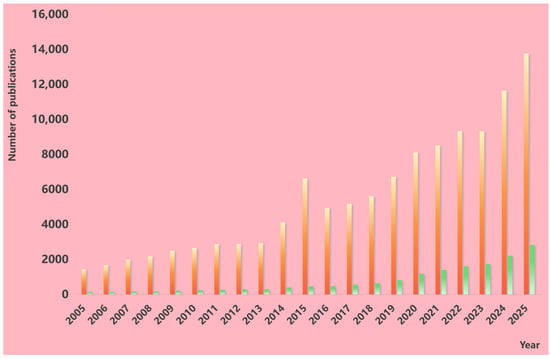
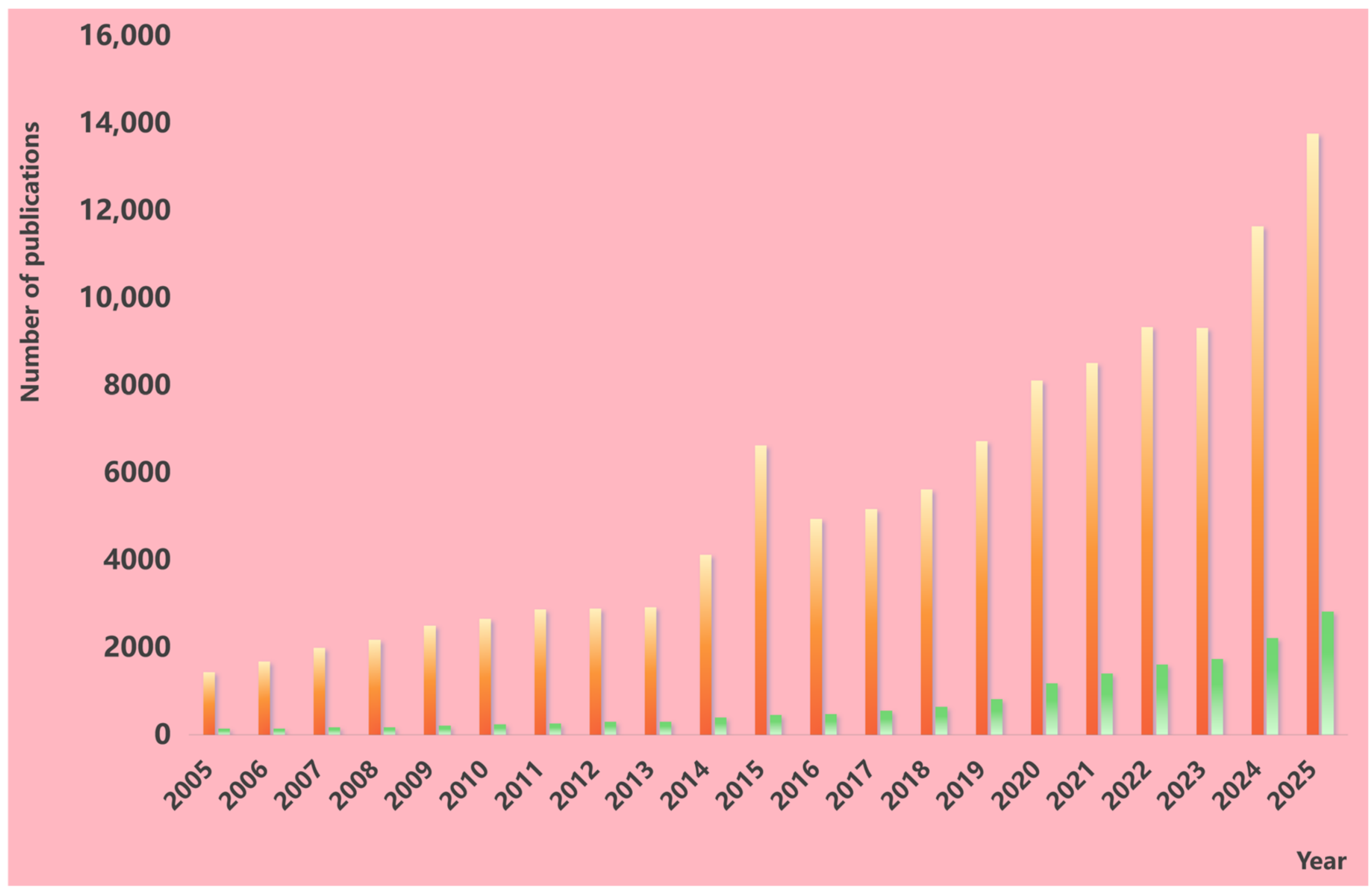
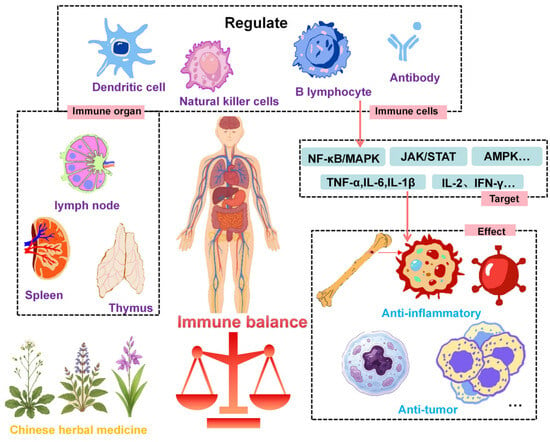
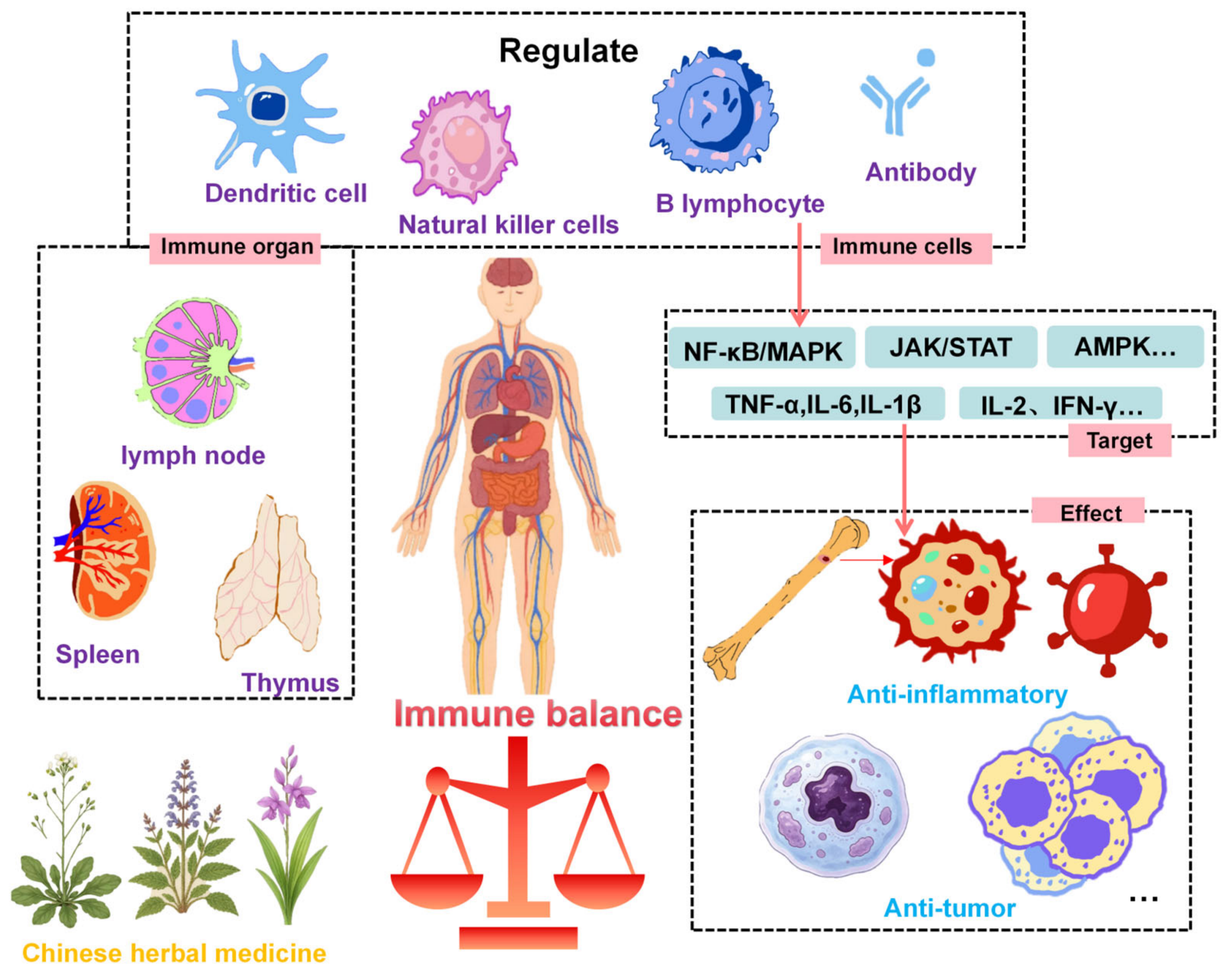
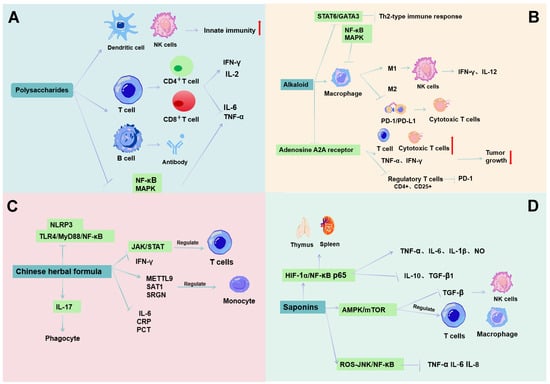
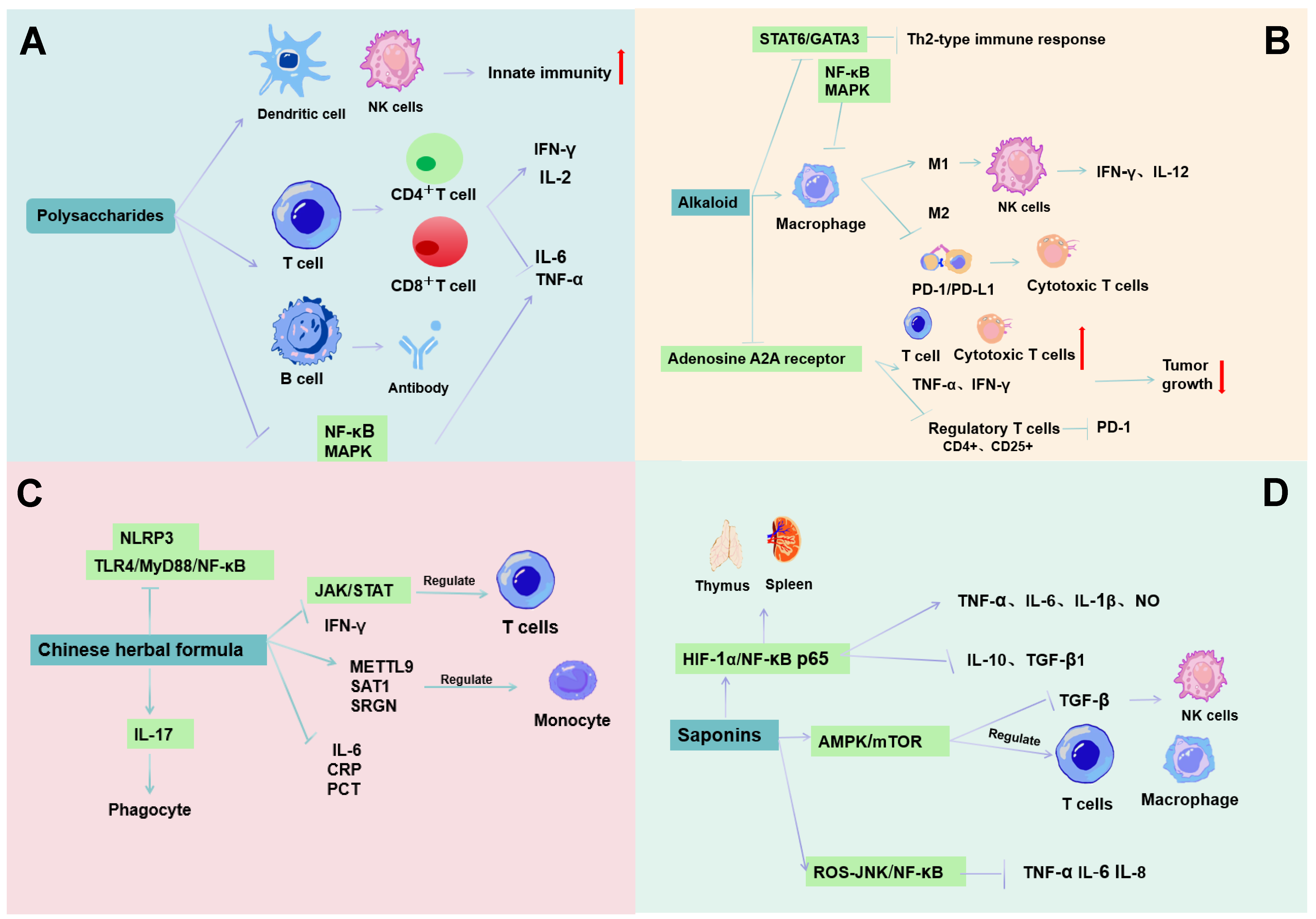
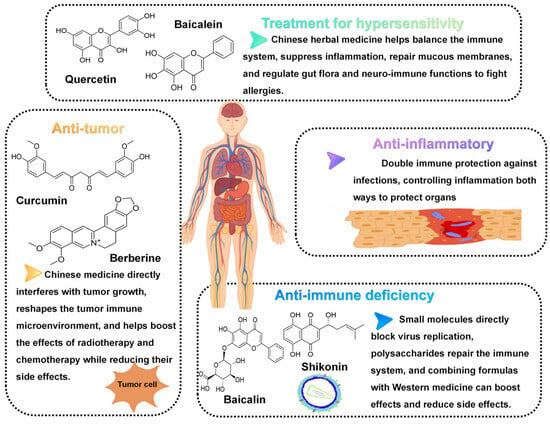
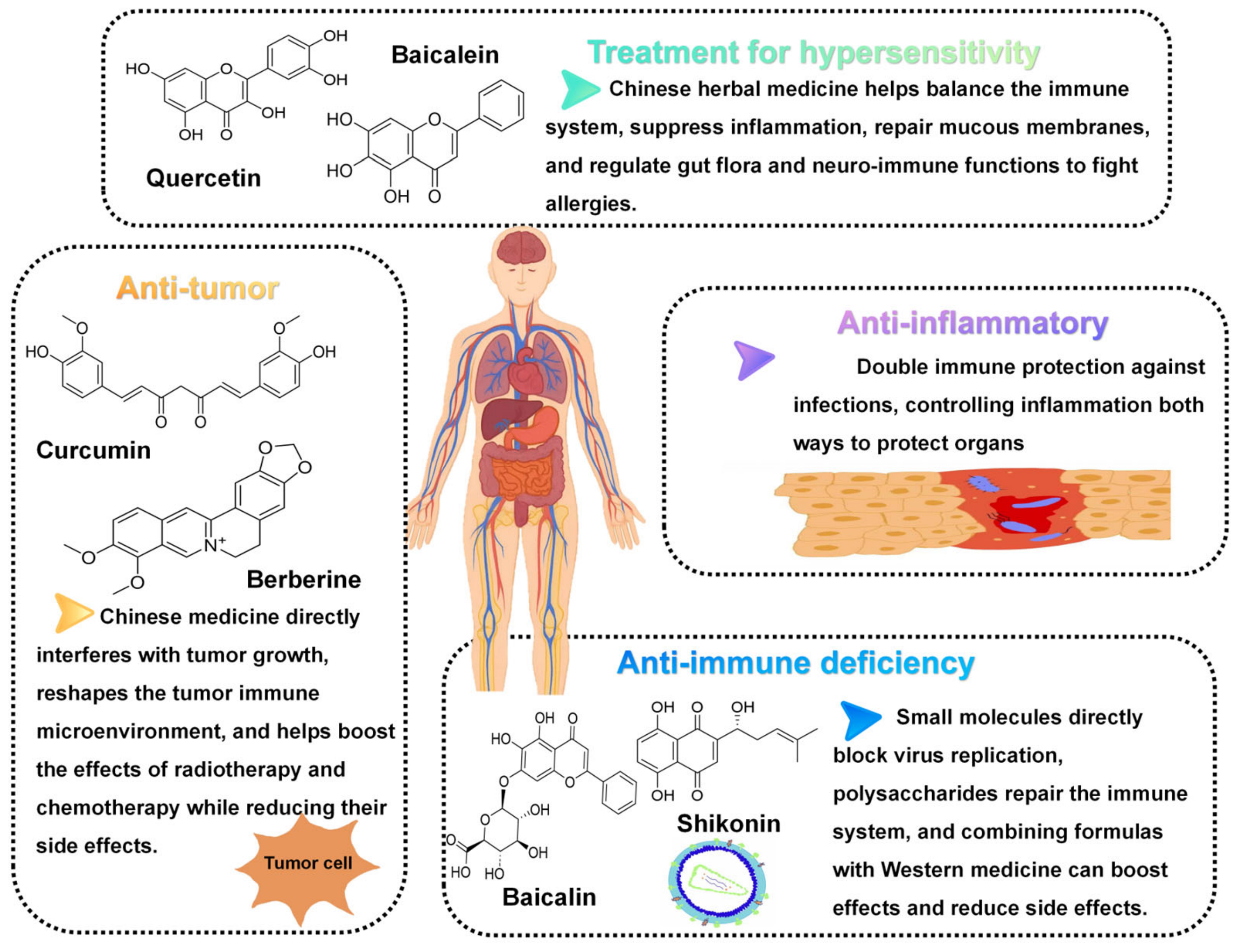
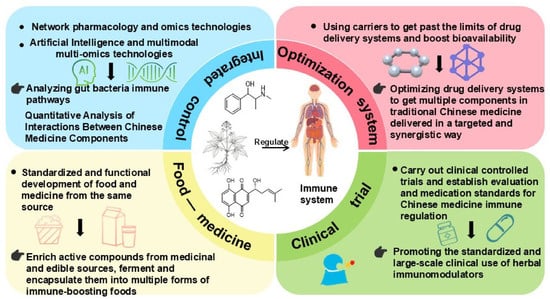
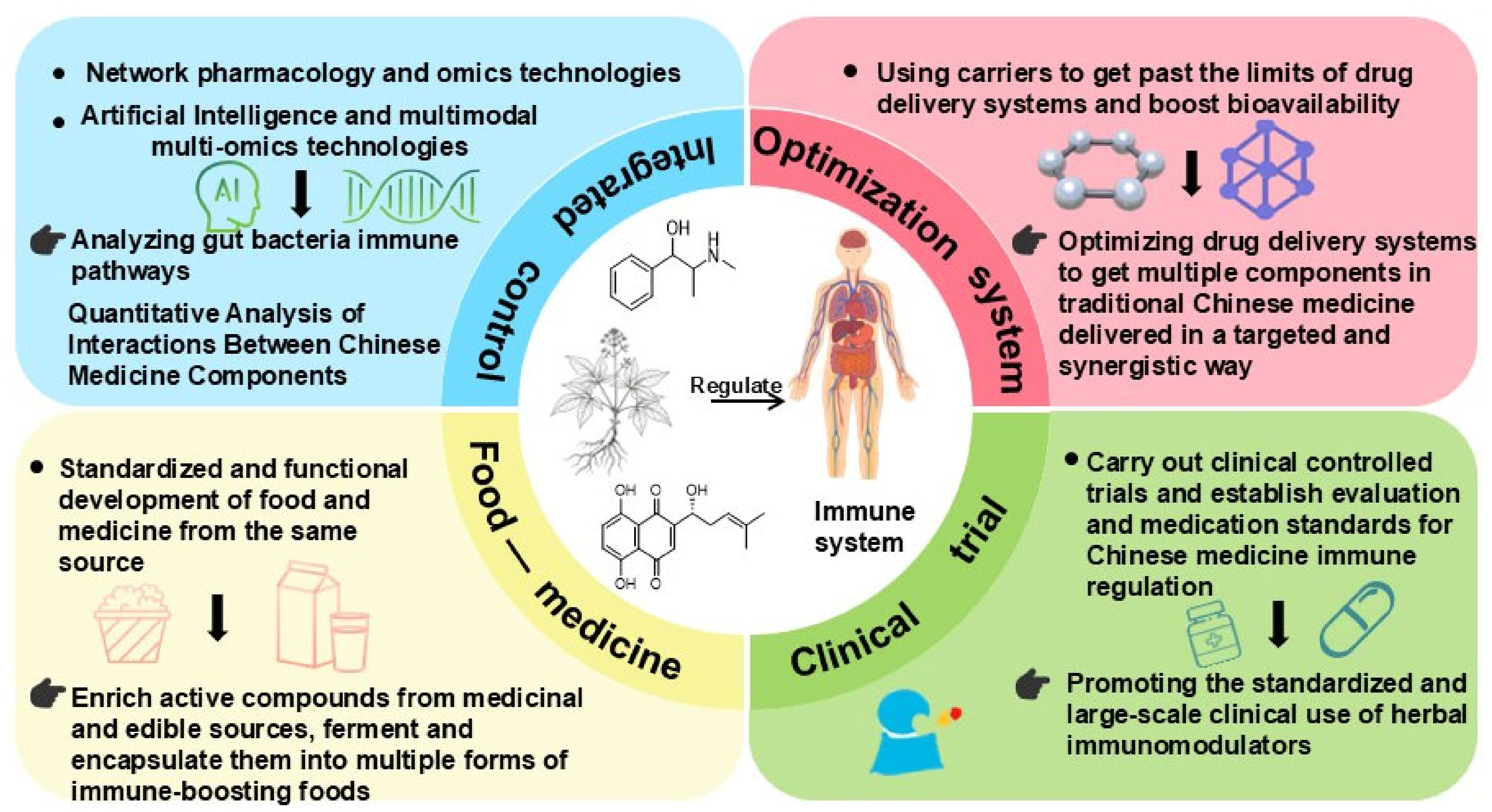

Disclaimer/Publisher’s Note: The statements, opinions and data contained in all publications are solely those of the individual author(s) and contributor(s) and not of MDPI and/or the editor(s). MDPI and/or the editor(s) disclaim responsibility for any injury to people or property resulting from any ideas, methods, instructions or products referred to in the content. |
© 2026 by the authors. Licensee MDPI, Basel, Switzerland. This article is an open access article distributed under the terms and conditions of the Creative Commons Attribution (CC BY) license.