


Abstract
Medicinal fungi are important sources of natural medicines and are rich in a wide range of secondary metabolites with significant bioactivities, including terpenoids and alkaloids. As one of the core tools of systems biology, metabolomics has developed from simple metabolite detection into a key approach for understanding the complex life processes and medicinal value of medicinal fungi. This review summarizes recent advances in the application of metabolomics to the discovery of bioactive compounds from medicinal fungi, the optimization of cultivation and extraction processes, the analysis of pharmacological mechanisms, and the improvement of drug delivery strategies. The main methods used in metabolomics are outlined, with emphasis on the key steps of sample preparation, data acquisition, and data analysis. The review then describes how metabolomics can be used for the rapid discovery of bioactive compounds in medicinal fungi. It further explains how metabolomics can guide the precise optimization of fermentation parameters and the improvement of extraction processes by revealing the effects of environmental factors, such as light, temperature, pH, and inducers, as well as different extraction methods, on metabolic networks. In addition, this review summarizes the role of metabolomics in clarifying the molecular mechanisms by which bioactive compounds exert pharmacological effects through the modulation of specific metabolic pathways, as well as its application in optimizing dose, formulation, and route of administration. Representative studies have demonstrated that integrated metabolomic and proteomic analyses have revealed the preferential accumulation of triterpenoids, sterols, and polyphenolic compounds during the budding stage of Ganoderma lucidum. Finally, future studies should integrate metabolomics with genomics, transcriptomics, proteomics, and other omics approaches to link bioactive metabolites with their biosynthetic genes, regulatory networks, and molecular targets. In such an integrated framework, metabolomics can serve as a phenotype-oriented core for the discovery and functional characterization of therapeutic metabolites from medicinal fungi, although further experimental and clinical validation remains essential.
1. Introduction
1.1. Background
Medicinal fungi are an important reservoir of natural medicinal resources. Medicinal fungi refer mainly to macrofungi traditionally used for health promotion or investigated as sources of bioactive compounds with preventive or therapeutic potential [1]. They do not constitute a formal taxonomic group. Approximately 700 mushroom species have been reported to possess medicinal properties [2]. Taxonomically, most medicinal macrofungi belong to Basidiomycota, with a smaller proportion in Ascomycota [3], including genera such as Ganoderma, Hericium, and Cordyceps. Their metabolites include polysaccharides, terpenoids, alkaloids, phenolic compounds, and other bioactive molecules with anti-inflammatory, antitumor, and immunomodulatory activities [4,5,6,7,8,9,10]. The discovery, identification, and characterization of the dynamic changes in bioactive compounds in medicinal fungi are essential for advancing their practical application. However, traditional methods based on the isolation and identification of single compounds, such as bioassay-guided fractionation, can only isolate the major constituents from complex matrices, while low-abundance bioactive compounds are often overlooked, and usually only one or a few active metabolites can be obtained [11,12]. As a result, these methods are not suitable for dynamically characterizing changes in bioactive compounds. In addition, sample loss may occur at each separation step, making trace components difficult to isolate [13]. Bioactive compounds may also degrade and lose activity during the separation process [14]. By contrast, metabolomics can identify multiple components in a mixture at the same time [15,16], including unstable compounds that are easily lost during purification. It also treats all components as an integrated whole rather than a series of isolated constituents [17,18]. The metabolic network of medicinal fungi is inherently complex, and the composition and content of bioactive compounds are influenced by both the genetic background of the strain and environmental factors. Previous studies have shown that genetic differences determine the basic features of metabolic profiles [19,20], whereas variations in cultivation conditions [21,22,23,24] and growth stages [25,26] can cause marked shifts and dynamic changes in metabolite profiles. With the rapid development of modern biomedicine, the search for highly effective and low-toxicity bioactive compounds from medicinal fungi has become a major focus in drug research. Metabolomics can be used to efficiently discover new bioactive compounds from medicinal fungi, identify the optimal process parameters for high-yield production, and clarify the molecular mechanisms and optimal drug delivery strategies of these compounds, thereby promoting their translation from natural resources into clinical drugs.
This review aims to systematically summarize the applications of metabolomics in the discovery, production, and therapeutic development of bioactive compounds from medicinal fungi. Specifically, we first introduce the principal methodologies in metabolomics used for fungal bioactive metabolites. We summarize the application of metabolomics in the discovery of bioactive compounds from medicinal fungi. We then discuss the application of metabolomics in evaluating and optimizing fermentation and extraction conditions to improve the production and recovery of these compounds. Furthermore, we summarize how metabolomics contributes to elucidating their pharmacological effects and mechanisms of action. Finally, we discuss delivery strategies designed to enhance the bioavailability and therapeutic efficiency of fungal bioactive compounds.
The objects considered in this review are medicinal fungi whose bioactive metabolites have been extensively investigated using metabolomics or related analytical approaches. Particular attention is given to representative species of the genera Ganoderma, Cordyceps/Ophiocordyceps, and Tremella, as well as other medicinal fungi with sufficient metabolomic evidence concerning their bioactive constituents, cultivation responses, pharmacological activities, or therapeutic potential.
1.2. Literature Search and Selection Strategy
A structured literature search was conducted primarily using PubMed and the Web of Science Core Collection. No restriction was imposed on the year of publication, and all relevant records available from database inception to the final search date of 30 April 2026 were considered. The search strategy combined terms describing the research objects, including “medicinal fungi,” “medicinal fungus,” “medicinal mushrooms,” and “medicinal mushroom,” with terms related to metabolomics and fungal bioactive compounds, including “metabolomics,” “metabolomic profiling,” “metabolic profiling,” “metabolite profiling,” “bioactive compounds,” “bioactive metabolites,” and “secondary metabolites.” Names of the principal fungal genera and species discussed in this review, such as Ganoderma, Cordyceps, Ophiocordyceps, and Tremella, were also used as supplementary search terms.
To retrieve literature corresponding to the major themes of the review, these core terms were further combined with keywords related to cultivation, fermentation, metabolite production, extraction, pharmacological activities, mechanisms of action, bioavailability, and delivery systems. Boolean operators AND and OR were used to construct the search combinations. Peer-reviewed experimental studies directly relevant to the scope of the review were prioritized as the principal sources of evidence. Review articles were included to summarize established knowledge and to identify additional relevant publications through reference-list screening. Highly cited and seminal studies were also considered when they provided important conceptual, methodological, or historical contributions to the field. Citation count was used as a supplementary indicator of scientific influence rather than as an absolute inclusion threshold. Publications were excluded when they lacked a direct connection to medicinal fungi, metabolomics, bioactive compounds, or the principal themes addressed in this review. As this article is a narrative review, the final selection of literature was based on thematic relevance, scientific contribution, and the strength of the reported evidence rather than on a formal systematic-review or meta-analysis protocol.
2. Methodologies in Metabolomics
The paradigm of metabolomics, initially conceptualized by Nicholson in 1985, posits that physiological or pathological processes within an organism should be viewed as dynamic, systemic alterations, thereby elucidating the comprehensive landscape of metabolic activity [27]. After confirming the sample source and collecting the samples, the standardized workflow for metabolomics research encompasses critical phases including sample preparation, data acquisition, and data processing and analysis (Figure 1) [28,29].
Figure 1.
Standardized metabolomics workflow for medicinal fungi.
In fungal metabolomics, common sample types mainly include mycelia and fruiting bodies [30,31]. Studies on Sanghuangporus vaninii have found that mycelia can serve as a substitute for fruiting bodies [32]. In medicinal fungi, samples are often harvested and immediately frozen in liquid nitrogen, stored at −80 °C, and then freeze-dried before extraction [32]. In a methodological study of the filamentous fungus Mortierella alpina, freeze-dried biomass provided better reproducibility and metabolite recovery than fresh biomass [33]. Air-dried herbarium mushrooms can also be used for NMR metabolomics, although drying introduces compositional shifts relative to fresh materials [34]. Sample preparation is the foundational stage of fungal metabolomics analysis. Its quality directly dictates the reliability of downstream data and the accuracy of biological interpretations, primarily involving crucial steps such as quenching and extraction [35,36]. The core objective of quenching is to rapidly terminate intracellular enzymatic reactions, thereby preserving the native metabolic composition [37]. Cold methanol quenching is the predominant method, as it efficiently extracts representative intracellular metabolites [38]. However, it risks compromising cellular integrity and inducing metabolite leakage [39,40]. Optimized protocols include utilizing a 40% aqueous methanol solution at −20 °C to enhance metabolite recovery [41], or employing the cold glycerol-saline method [42] and liquid nitrogen rapid filtration [43] to better maintain cellular robustness and facilitate the precise separation of intra- and extracellular metabolites. Furthermore, the extraction phase must achieve the high-efficiency enrichment of metabolites while preventing alterations to their physicochemical properties and chemical structures. Solvent selection is paramount, as metabolic profiles obtained via different extraction solvents exhibit significant variance, consequently impacting the metabolomics data [44]. For instance, utilizing a 60% aqueous methanol solution containing 1% formic acid coupled with ultrasonic disruption significantly increases the extraction yield of metabolites from Scytalidium parasiticum [45]. In contrast, the acetonitrile–water system combined with the boiling ethanol method can provide a more unbiased characterization of the metabolomic profile [43].
Data acquisition is the critical phase for capturing fungal metabolic fingerprints. Researchers must select analytical platforms based on the physicochemical attributes of the target metabolites, including gas chromatography–mass spectrometry (GC-MS), liquid chromatography–mass spectrometry (LC-MS), capillary electrophoresis–mass spectrometry (CE-MS), and nuclear magnetic resonance (NMR) spectroscopy [46,47]. These technological platforms offer distinct and complementary advantages regarding sensitivity, resolution, and structural elucidation capabilities; maximizing metabolome coverage can be achieved through multi-platform integration or orthogonal analysis [48,49,50,51]. Raw acquired data must undergo systematic pre-processing to achieve signal normalization and effectively mitigate analytical noise [52]. Subsequently, high-dimensional metabolomic datasets are analyzed using multivariate statistical approaches, including unsupervised PCA for pattern recognition and supervised PLS-DA, OPLS-DA, and sparse PLS-DA for group discrimination and feature selection; machine-learning methods such as random forest and support vector machines are also increasingly applied, with cross-validation or permutation testing used to reduce overfitting [53,54,55,56,57]. Metabolite structures are then annotated by matching accurate masses and/or MS/MS spectra against widely used resources, including HMDB, KEGG, METLIN, MassBank, and GNPS [58,59,60,61,62]. Finally, the deep metabolic regulatory network and functional associations are revealed through pathway analysis [63].
3. Application of Metabolomics in the Discovery of Bioactive Compounds from Medicinal Fungi
Medicinal fungi are rich in a variety of pharmacologically active substances, including terpenoids, alkaloids, nucleosides, and peptides [64]. With metabolomics techniques, researchers can rapidly discover secondary metabolites with specific bioactivities in medicinal fungi. Representative metabolites identified in medicinal fungi using metabolomic techniques are summarized in Table 1.
Terpenoids are biogenic volatile organic compounds with structures based on linked isoprene units (C5H8) [65]. According to the number of isoprene units, terpenoids can be classified into hemiterpenes, monoterpenes, diterpenes, triterpenes, and polyterpenes [66]. In studies on the bioactive components of G. lucidum, researchers identified two structurally novel methyl soyasaponin derivatives from liquid cultures [67]. In addition, ganoderma terpenes A–F and ganoderic acids P, D2, E2, and Q identified from G. lucidum showed diverse pharmacological activities. Among them, ganoderma terpene D promoted glucose uptake by activating AKT (Ser473) phosphorylation, providing a new direction for the treatment of renal fibrosis and metabolic syndrome [68]. Ganoderic acid P and ganoderic acid E2 inhibited lipopolysaccharide-induced cyclooxygenase-2 protein expression [69].
Alkaloids are a large family of natural products that includes multiple subclasses [70]. They have a wide range of activities, including antibacterial [71], antitumor [72,73], tissue repair [74], neuroprotective [75,76], anti-allergic [77], anti-inflammatory [76,78] and antioxidant effects [79,80]. Hama M. et al. isolated two new alkaloid metabolites, cordytakaoamides A and B, from Cordyceps takaomontana and determined their structures by NMR [81]. Cheng Y.X. et al. isolated a new pyridone alkaloid, (+)-N-deoxymilitarinone A, from Paecilomyces farinosus and also identified a sterol compound, 22E,4R-ergosta-7,22-diene-3 beta,5 alpha,6 beta,9 alpha-tetraol [82]. Among them, (+)-N-deoxymilitarinone A showed cytotoxicity against human neuroblastoma IMR-32 cells.
Peptide-based bioactive components in medicinal fungi are small molecules formed by amino acids linked through peptide bonds and are widely distributed in fruiting bodies, mycelia, and fermentation broths [83,84,85,86,87]. Using untargeted metabolomics combined with multivariate statistical analysis, researchers identified a unique peptide of desferriferricrocin and three new homologs from wild Morchella sp., and clarified their biological value as iron carriers [88]. Based on LC-MS/MS, a novel peptide (VDLPTCKGF) and its derivatives identified from G. lucidum were shown to have the ability to scavenge intracellular reactive oxygen species [89].
Nucleoside compounds are important bioactive components in medicinal fungi. They are diverse and include purine, adenosine, inosine, cytidine, pyrimidine, uridine, thymidine, and guanosine, among others [90]. Mishra et al. used HPTLC-MS to confirm that the water extract of G. lucidum and the ethanol extract of Ophiocordyceps sinensis were both rich in nucleoside bases [91].
Phenolic compounds constitute an important class of bioactive secondary metabolites in medicinal fungi and include phenolic acids and structurally diverse polyphenol derivatives. They have been associated with antioxidant, anti-inflammatory, antimicrobial, and antitumor activities [92]. Using LC-QTOF-MS-based metabolomics combined with molecular networking, Yao et al. identified two novel phenolic xylosides from a co-culture of Trametes versicolor and Ganoderma applanatum, demonstrating the value of metabolomics for expanding the chemical space of medicinal fungi [93]. Taken together, these findings indicate that metabolomics has accelerated the discovery and identification of bioactive components in medicinal fungi.
Table 1.
Novel metabolites detected in medicinal fungi via metabolomic techniques.
4. Applications of Metabolomics in the Optimization of Cultivation Processes of Bioactive Compounds from Medicinal Fungi
The discovery of novel bioactive compounds through metabolomics is the first step toward their pharmaceutical application. To maximize the final yield of these enriched bioactive substances, cultivation processes are of great importance. The biosynthesis of secondary metabolites in medicinal fungi is highly sensitive to the fermentation environment. Metabolomics can reveal changes in metabolic pathways under disturbances in key parameters, such as carbon and nitrogen sources, temperature, pH, light, exogenous inducers, and fermentation period, thereby enabling the targeted high-yield production of desired compounds [95,96,97]. Representative metabolomic studies evaluating the effects of different cultivation conditions on the production and accumulation of bioactive metabolites in medicinal fungi are summarized in Table 2.
In terms of light regulation, metabolomics studies have revealed a marked effect of light signals on metabolic networks. For example, untargeted metabolomics showed that C. sinensis tended to accumulate putrescine in a nitrogen-containing medium under dark conditions, which led to reduced ergosterol levels. In contrast, when grown on Sabouraud dextrose agar with yeast extract (SDAY) under light exposure (3000 lux), the contents of fatty acids and phenolic compounds, as well as antioxidant activity, reached their highest levels, indicating that light is more favorable for enhancing its value in medicinal and functional food development [96]. White light inhibited the biosynthesis of beauvericin in Cordyceps cicadae. Integrated transcriptomic and untargeted metabolomic analyses confirmed that this effect was associated with the downregulation of genes and metabolites involved in the biosynthesis of its precursor, D-hydroxyisovalerate, under white light conditions [95]. In addition, untargeted metabolomics showed that light stress promoted cordycepin biosynthesis in C. militaris by activating amino acid and purine metabolism pathways (Figure 2) [98].
Figure 2.
Photoregulation of Biosynthesis of Bioactive Metabolites in Medicinal Mushrooms. Among the arrows representing the increase or decrease of substance content, upward-pointing arrows indicate increased content, and downward-pointing arrows indicate decreased content.
With regard to physicochemical factors such as temperature and pH, secondary metabolism in the bidirectional fermentation system of Tremella fuciformis and Acanthopanax trifoliatus was significantly activated under the optimized conditions of 28 °C and pH 8, resulting in the marked accumulation of antioxidant phenolics and flavonoids [97]. Compared with the 15 °C treatment, cultivation at 25 °C significantly increased the cordycepin content in the fruiting bodies of C. militaris. Untargeted metabolomics analysis indicated that differential metabolites (DAMs) were mainly enriched in lipids and organic acids [99].
Changes in the types of carbon and nitrogen sources can also induce the production of unique metabolites [100]. Untargeted metabolomic results indicated that urea used as a nitrogen source could significantly promote the accumulation of biomass and extracellular ergosterol in C. cicadae, while reducing the intracellular ergosterol content [101].
Table 2.
Effects of cultivation conditions on the production of bioactive metabolites.
Regarding the regulation by exogenous inducers, untargeted metabolomics showed that treatment of G. lucidum with methyl jasmonate (MeJA) suppressed normal sugar metabolism, energy supply, and protein synthesis, while promoting the biosynthesis of secondary metabolites such as ganoderic acids [102]. Untargeted metabolomics demonstrated that exogenous ethylene can increase endogenous ethylene and ganoderic acid contents in G. lucidum by regulating the tricarboxylic acid cycle, polyamine metabolism, and triterpene metabolism [103].
In addition, untargeted metabolomics has characterized the chemical features of medicinal fungi at different developmental stages. In H. sinensis, the accumulation of metabolites such as lipids and organic acid derivatives was observed on days 24–36 of cultivation, accompanied by enhanced antioxidant capacity through increased enzymatic and non-enzymatic defense levels [104]. The senescence process of C. militaris is characterized by the specific enrichment of metabolites like cordycepin and mannitol, a mechanism intricately linked to the activation of the glutamine-glutamate metabolic pathway [25]. Meanwhile, the budding stage of G. lucidum was corroborated as the physiological zenith for the accumulation of triterpenes, sterols, and polyphenolic compounds, establishing a scientific rationale for determining the optimal harvesting window [105].
5. Applications of Metabolomics in the Optimization of Extraction Processes of Bioactive Compounds from Medicinal Fungi
In addition to the cultivation process, downstream extraction procedures, including raw material pretreatment, extraction techniques, and solvent selection, also determine the retention of bioactive compounds in the final product.
With regard to material pretreatment, untargeted metabolomics showed that different drying methods significantly affected the accumulation of major metabolites in Floccularia luteovirens, including lipids, organic acids, and their derivatives, and organic heterocyclic compounds, thereby influencing product quality [106]. Compared with oven-drying and air-drying, vacuum freeze-drying of O. sinensis better retains active-related metabolites such as lipids and organic oxygen compounds. These metabolic components are closely linked to antioxidant capacity [107].
In terms of extraction techniques, supercritical fluid extraction (SFE) combined with metabolite profiling not only efficiently enriches flavonoids and nucleosides from C. sinensis, but also produces extracts with dual effects, namely inhibition of bacterial growth through the induction of reactive oxygen species (ROS) generation and protection of cells under hypoxic conditions [108]. However, the application of metabolomics to the optimization of extraction parameters for bioactive constituents in medicinal fungi remains relatively limited.
With regard to solvent selection, GC-MS results showed that methanol extraction detected the largest number of metabolic peaks of Phanerochaete chrysosporium compared with biphasic extraction [109]. The ethanol extract of G. lucidum exhibited the highest total phenolic and flavonoid contents as well as superior antioxidant activity, acetone extracts gave the highest extraction yield, and methanol was more suitable for enriching lipophilic compounds such as lycopene [110]. Despite its widespread use in metabolomics, methanol extraction has several limitations. Methanol may react with chemically labile metabolites during extraction or storage, leading to methanolysis, esterification, or methoxylation and consequently generating artificial derivatives that are absent from the native metabolome. In particular, carboxylic acids may form methyl esters, potentially resulting in erroneous metabolite annotation and quantification [111]. Therefore, extraction conditions, solvent acidity, temperature, and storage duration should be carefully controlled to minimize methanol-derived artifacts. Overall, the optimization of extraction processes of medicinal fungi through metabolomics can markedly improve both the extraction yield and the bioactivity of active compounds.
6. Applications of Metabolomics in the Analysis of Pharmacological Effects of Bioactive Compounds from Medicinal Fungi
Bioactive compounds from medicinal fungi have been reported to exert multiple effects, including hypoglycemic, antidepressant, anti-inflammatory, anticancer, and gut-protective activities [112]. Metabolomics provides a systems biology perspective for elucidating the complex pharmacological actions of these compounds.
For metabolic diseases, untargeted metabolomics revealed that polysaccharides from C. militaris could significantly regulate amino acid metabolism, energy metabolism, and gut microbiota-related metabolism, thereby producing hypoglycemic effects [113]. In metabolic syndrome, untargeted metabolomic analysis discovered that insoluble dietary fiber from G. lucidum exerts hepatoprotective effects by reducing hepatic lipid deposition and the levels of biomarkers related to liver injury, while also regulating lipid metabolic disorders and improving oxidative stress [114].
In depression, the study showed that cordycepin reduced serum corticosterone levels in depressed rats and reversed chronic unpredictable mild stress (CUMS)-induced metabolic disturbances. Untargeted metabolomics further indicated that its effects were mainly associated with the alanine metabolism pathway and the tricarboxylic acid cycle [115]. Untargeted metabolomics revealed that the polysaccharide fraction CSWP-2, isolated from C. sinensis, mediated antidepressant effects by influencing microbiota-related metabolic processes in depressed mice and regulating metabolite levels in the ABC transporter signaling pathway [116].
In cancer, ergosterol from the mushroom Leucocalocybe mongolica exerted effects on breast cancer cells by regulating amino acid metabolism [117]. For gut protection, untargeted metabolomics analysis further identified indolelactic acid and 2,2-dimethylsuccinic acid as key biomarkers involved in the regulation of intestinal function in mice by polysaccharides from G. lucidum mycelia, and the mechanism was associated with vitamin B6 and pyrimidine metabolism [118]. By systematically analyzing the dynamic biochemical changes in organisms after drug intervention, metabolomics can clarify the pharmacological effects of these bioactive compounds.
7. Applications of Metabolomics in the Optimization of Drug Delivery Strategies of Bioactive Compounds from Medicinal Fungi
By dynamically monitoring metabolic responses to drug intervention, metabolomics provides key evidence for determining the optimal dose, dosage form, and route of administration of bioactive compounds, thereby improving their clinical efficacy and safety. Figure 3 shows the delivery strategies for bioactive components of medicinal fungi guided by metabolomics.
Figure 3.
Schematic diagram of delivery strategies for bioactive components of medicinal fungi guided by metabolomics.
In terms of dose, metabolomics has been applied to evaluate the intervention effects of different doses of active ingredients from medicinal fungi on disease-related metabolic disorders. Both the low-dose (15 mg/kg) and high-dose (30 mg/kg) dehydrotumulosic peroxide treatment groups from Poria cocos improved pulmonary fibrosis in sensitized asthmatic mice. Untargeted metabolomics further revealed that these effects were closely associated with the regulation of arachidonic acid metabolism, retinol metabolism, and amino acid metabolism [119]. Meanwhile, the high-dose Hericium erinaceus polysaccharide group exhibited the best anti-fatigue effect in rats. Untargeted metabolomics indicated that the main metabolic pathways involved were linoleic acid metabolism, glycerol metabolism, and phenylalanine, tyrosine, and tryptophan biosynthesis [120]. These results indicate that metabolomics can help determine the optimal dosage with superior overall regulatory effects by reflecting dose-dependent metabolic remodeling characteristics.
With regard to dosage form, metabolomics can be used to evaluate the differences in the ability of different dosage forms to restore metabolic homeostasis in the body. Untargeted metabolomics identified 19 differential endogenous metabolites associated with the reversal of diabetic nephropathy in rats by the C. sinensis capsule [121]. It suggested that this preparation can ameliorate disease status at the overall metabolic network level. Comparative studies showed that P. cocos triterpenoid soft capsules significantly increased the peak plasma concentrations and area under the concentration-time curve of tumulosic acid and dehydrotumulosic acid compared with the powder form, indicating that the soft capsule dosage form could effectively enhance the maintenance of blood drug levels and improve bioavailability. However, relevant evidence is mainly derived from pharmacokinetic studies [122]. Overall, there are relatively few direct studies on optimizing dosage forms of active ingredients from medicinal fungi via metabolomics. Further systematic evaluations combining metabolomics and pharmacokinetic data are still required [123].
As far as route of administration is concerned, oral administration of Tremella fuciformis polysaccharides (TFPSs) was more effective than topical treatment in the treatment of dinitrofluorobenzene-induced atopic dermatitis in mice. Untargeted metabolomics revealed that it could regulate fecal metabolites and improve the composition of the intestinal flora [124]. However, in current studies on active ingredients of medicinal fungi, evidence for the optimization of administration routes mainly came from pharmacodynamics, pharmacokinetics, and safety evaluations. Zhang et al. reported that intravenous injection of ganoderenic diol F caused marked toxic reactions and rapid elimination, whereas oral and intraperitoneal administration showed good safety [125]. Compared with intravenous injection, oral administration significantly increased the blood concentration of ganoderic acid A and prolonged its half-life, which was favorable for sustained effects [126]. Gano oil, a fatty acid-rich extract from G. lucidum, showed stronger inhibition of paw edema at an oral dose of 50 mg/kg than topical application at 10% [127]. These results suggested that administration routes exert significant impacts on in vivo behaviors and therapeutic effects, yet their optimization lacks direct metabolomic evidence. Therefore, future studies need to integrate metabolomics, pharmacokinetics, and pharmacodynamics analyses to accurately guide the optimization of delivery strategies for active ingredients of medicinal fungi.
8. Discussion
Metabolomics provides greater opportunities for the discovery of structurally novel, low-abundance, yet highly bioactive compounds in medicinal fungi. Metabolomic analysis mainly relies on two analytical approaches: NMR and MS [128]. Compared with MS, NMR is capable of identifying metabolite structures, but its sensitivity is limited [129]. In metabolomic studies, MS is often coupled with GC and LC to enable more accurate metabolite identification [130]. GC-MS offers high sensitivity and reproducibility, but it usually requires derivatization of metabolites to improve their volatility and thermal stability [48]. In contrast, LC-MS does not require derivatization and can directly detect thermally unstable metabolites, making it more widely used in metabolite profiling [42,131]. Moreover, due to the high physicochemical diversity of metabolites in medicinal fungi, no single analytical platform can achieve complete coverage of the entire metabolome [132]. For example, GC-MS preferentially detects volatile or derivatizable small polar metabolites, whereas reversed-phase LC-MS is more suitable for less volatile and relatively hydrophobic compounds. Consequently, metabolites with markedly different polarity, volatility, molecular size, thermal stability, and ionization behavior are difficult to determine simultaneously under a single set of analytical conditions [133,134]. Although combining complementary platforms can substantially expand metabolome coverage, integration of data generated by different analytical methods remains challenging. GC-MS and LC-MS differ in sample preparation, chromatographic separation, ionization and detection mechanisms, retention behavior, signal response, and data structure, which complicates direct comparison and feature matching across platforms [135]. Therefore, appropriate normalization, cross-platform feature alignment, missing-value treatment, and correction for analytical and instrumental variation are required before integrated statistical interpretation [136]. In the future, with the further development of multi-platform integrated strategies, particularly the combination of high-resolution mass spectrometry, NMR, and intelligent metabolite annotation algorithms, the accuracy of structural elucidation for unknown compounds will be further improved.
However, metabolomics in medicinal fungi still has several important limitations. Reproducibility can be affected by variations in cultivation conditions, extraction procedures, instrument performance, and batch effects, making rigorous QA/QC procedures essential [137]. Data interpretation also remains challenging, because untargeted datasets often contain many redundant, partially annotated, or unknown features, and linking these signals to metabolite origins or biological pathways is frequently uncertain [63]. In addition, metabolite annotation remains a major bottleneck, as many LC-MS features cannot be confidently assigned because of incomplete spectral libraries, isomers, adducts, and in-source fragments [138]. Therefore, metabolomics results should be interpreted cautiously and supported, whenever possible, by authentic standards and standardized reporting practices. Spatial metabolomics is an emerging strategy that enables the in situ characterization of metabolite distribution with spatial resolution, thereby providing critical insight into metabolic heterogeneity within biological tissues [139]. In medicinal fungi research, this approach is expected to facilitate the investigation of bioactive constituents by revealing their spatial accumulation patterns and biosynthetic microenvironments, and thus deepen our understanding of their biosynthesis and regulation.
Different approaches, including the optimization of growth conditions such as medium composition and cultivation conditions [140,141], as well as extraction processes [142], can improve the yield and bioactivity of compounds in medicinal fungi. However, the research basis for applying metabolomics to cultivation optimization in medicinal fungi remains relatively weak, and among multi-omics approaches, metabolomics is used the least frequently [143]. Although metabolomics can identify differential metabolites, the interpretation of mechanisms and the development of actionable optimization strategies still require support from other omics approaches [103,144]. Integrating metabolomics with genomics, transcriptomics, and proteomics can link biosynthetic genes, gene expression, enzyme activity, metabolite production, and pharmacological effects. Therefore, metabolomics-guided multi-omics integration is an important future direction in medicinal fungi research. Furthermore, with the integration of artificial intelligence and machine learning approaches, the fermentation and extraction processes of medicinal fungi are expected to shift from empirical optimization toward predictive and precise regulation.
Medicinal fungi have already been applied clinically because of the diverse pharmacological effects of their secondary metabolites, particularly in oncology [145,146,147,148]. However, studies on the clinical trial level of their bioactive compounds remain limited [149]. Most evidence still comes from in vitro and animal studies, which are far from sufficient for clinical application and still fall short of standard drug development requirements [150]. Although basic research has widely confirmed the anticancer effects of G. lucidum [151,152], clinical evidence remains limited. A clinical study by Jin et al. found that cancer patients receiving Ganoderma extract in combination with anticancer therapy were 1.27 times more likely to respond to chemotherapy or radiotherapy than those not receiving Ganoderma extract, but the data did not demonstrate a significant effect on tumor shrinkage [153]. Therefore, in future studies, researchers should place greater emphasis on clinical metabolomics to facilitate the translation of bioactive compounds from medicinal fungi from laboratory research to clinically applicable therapies supported by evidence-based medicine.
9. Conclusions
By integrating analytical platforms such as LC-MS, GC-MS, CE-MS, and NMR, metabolomics provides greater opportunities for the discovery of structurally novel, low-abundance, yet highly bioactive compounds in medicinal fungi. Metabolomics can capture metabolic responses induced by environmental factors in real time, thereby providing data support for the precise optimization of fermentation parameters. At the same time, metabolomics can also be used to evaluate the effects of different extraction methods on metabolite retention, stability, and unbiased extraction capability, thus promoting the efficient extraction of bioactive compounds from medicinal fungi. By monitoring dynamic changes in endogenous metabolites in vivo, metabolomics further clarifies their molecular mechanisms of action. In addition, metabolomics can be used to assess the effects of different doses, dosage form designs, and routes of administration on pharmacological efficacy and bioavailability, thereby promoting the efficient utilization of bioactive compounds. As multi-omics and AI advance, metabolomics will improve medicinal fungi research, accelerating bioactive compound discovery and facilitating clinical translation.
Author Contributions
Conceptualization, B.J. and H.T.; methodology, C.T. and Y.T.; software, B.J.; validation, J.Y., B.J. and H.T.; formal analysis, Y.L.; investigation, X.L.; resources, X.L.; data curation, B.J. and Y.T.; writing—original draft preparation, Y.T.; writing—review and editing, Y.L. and X.L.; visualization, C.T.; supervision, J.Y.; project administration, H.T.; funding acquisition, Y.L. and X.L. All authors have read and agreed to the published version of the manuscript.
Funding
This research was funded by the rapid identification technology between wild Cordyceps sinensis and artificial Cordyceps sinensis and its application (ZNT-2026-03), the Chinese Academy of Sciences—People’s Government of Qinghai Province on Sanjiangyuan National Park (LHZX-2022-01) and the Wild Cordyceps sinensis Identification and Application Project (QHRD-2025-004).
Institutional Review Board Statement
Not applicable.
Informed Consent Statement
Not applicable.
Data Availability Statement
The supporting data for the findings of this study are available from the corresponding authors upon reasonable request.
Conflicts of Interest
The authors declare no conflicts of interest.
Abbreviations
The following abbreviations are used in this manuscript:
| GC-MS | Gas chromatography–mass spectrometry |
| LC-MS | Liquid chromatography–mass spectrometry |
| CE-MS | Capillary electrophoresis–mass spectrometry |
| NMR | Nuclear magnetic resonance |
| HPTLC-MS | High-Performance Thin-Layer Chromatography–Mass Spectrometry |
| PCA | Principal Component Analysis |
| PLS-DA | Partial Least Squares Discriminant Analysis |
| PCX | Water-soluble polysaccharides |
| PCY | Water-insoluble polysaccharides |
| PCZ | Triterpenoid saponins |
| SDAY | Sabouraud dextrose agar with yeast extract |
| MeJA | Methyl jasmonate |
| SFE | Supercritical fluid extraction |
| ROS | Reactive oxygen species |
| UPLC-MS/MS | Untargeted ultra-performance liquid chromatography–high-resolution mass spectrometry |
| TFPSs | Tremella fuciformis polysaccharides |
References
- Lindequist, U.; Kim, H.W.; Tiralongo, E.; Van Griensven, L. Medicinal mushrooms. Evid. Based Complement. Altern. Med. 2014, 2014, 806180. [Google Scholar] [CrossRef] [Scilit]
- Pigoń-Zając, D.; Małecka-Massalska, T.; Łapiński, J.; Prendecka-Wróbel, M. Modern Pro-Health Applications of Medicinal Mushrooms: Insights into the Polyporaceae Family, with a Focus on Cerrena unicolor. Molecules 2025, 30, 4089. [Google Scholar] [CrossRef] [Scilit] [PubMed]
- Sun, X.; Shi, Y.; Shi, D.; Tu, Y.; Liu, L. Biological Activities of Secondary Metabolites from the Edible-Medicinal Macrofungi. J. Fungi 2024, 10, 144. [Google Scholar] [CrossRef] [Scilit] [PubMed]
- Zhang, N.; Chen, H.X.; Zhang, Y.; Xing, L.S.; Li, S.Q.; Wang, X.M.; Sun, Z. Chemical composition and antioxidant properties of five edible Hymenomycetes mushrooms. Int. J. Food Sci. Technol. 2015, 50, 465–471. [Google Scholar] [CrossRef] [Scilit]
- Bentharavithana, J.; Islam, T.; Xu, B.J. Medicinal Mushrooms in Colon Cancer Therapy: Mechanisms of Action of Bioactive Compounds and Therapeutic Potential. Int. J. Mol. Sci. 2025, 26, 5304. [Google Scholar] [CrossRef] [Scilit] [PubMed]
- Vamanu, E.; Lakicevic, M.; Dedovic, N.; Dumitru, G.; Badea, I.G.; Gatea, F.; Dinu, L.D. Evaluating the Efficacy of an Extract for UV Defense and Mitigation of Oxidative Stress, Transitioning from Biomass to Bioprotection. Agronomy 2024, 14, 2306. [Google Scholar] [CrossRef] [Scilit]
- Chen, P.Y.; Yong, Y.Y.; Gu, Y.F.; Wang, Z.L.; Zhang, S.Z.; Lu, L. Comparison of Antioxidant and Antiproliferation Activities of Polysaccharides from Eight Species of Medicinal Mushrooms. Int. J. Med. Mushrooms 2015, 17, 287–295. [Google Scholar] [CrossRef] [Scilit] [PubMed]
- Szelenberger, R.; Wieckowska, M. Fungal Polysaccharides as Modulators of Molecular Pathways in Liver Health. Molecules 2025, 30, 4384. [Google Scholar] [CrossRef] [Scilit] [PubMed]
- Xie, Y.-K.; Pan, X.-Y.; Liang, X.-R.; Zhai, K.-F.; Yu, Q. Research progress on structural characterization and bioactivities of Poria cocos and Ganoderma polysaccharides. Food Med. Homol. 2025, 2, 9420040. [Google Scholar] [CrossRef] [Scilit]
- Fu, G.; Li, Y.-X.; He, Y.; Zhang, H.; Ma, X. Extraction, structure and bioactivity of Tremella Fuciformis polysaccharides: A review. Food Med. Homol. 2025, 2, 9420038. [Google Scholar] [CrossRef] [Scilit]
- Meunier, M.; Schinkovitz, A.; Derbré, S. Current and emerging tools and strategies for the identification of bioactive natural products in complex mixtures. Nat. Prod. Rep. 2024, 41, 1766–1786. [Google Scholar] [CrossRef] [Scilit] [PubMed]
- Kinghorn, A.D.; Fong, H.H.S.; Farnsworth, N.R.; Mehta, R.G.; Moon, R.C.; Moriarty, R.M.; Pezzuto, J.M. Cancer chemopreventive agents discovered by activity-guided fractionation: A review. Curr. Org. Chem. 1998, 2, 597–612. [Google Scholar] [CrossRef] [Scilit]
- Inui, T.; Wang, Y.H.; Pro, S.M.; Franzblau, S.G.; Pauli, G.F. Unbiased evaluation of bioactive secondary metabolites in complex matrices. Fitoterapia 2012, 83, 1218–1225. [Google Scholar] [CrossRef] [Scilit] [PubMed]
- Qiu, F.; Cai, G.P.; Jaki, B.U.; Lankin, D.C.; Franzblau, S.G.; Pauli, G.F. Quantitative Purity–Activity Relationships of Natural Products: The Case of Anti-Tuberculosis Active Triterpenes from Oplopanax horridus. J. Nat. Prod. 2013, 76, 413–419. [Google Scholar] [CrossRef] [Scilit] [PubMed]
- Sun, Y.H.; He, B.J.; Cao, X.M.; Li, Z.M.; Xu, L.N.; Li, Y.T.; Guo, S. Metabolomics analysis reveals the formation mechanism of Cordyceps militaris fruiting bodies in liquid culture. Food Chem. 2025, 495, 146651. [Google Scholar] [CrossRef] [Scilit] [PubMed]
- Xu, X.L.; Li, C.X.; Wu, F.J.; Zhao, S.S.; Chen, T.Q.; You, H.H.; Lin, Y.J.; Zou, X.X. Integrated Transcriptomic and Targeted Metabolomic Analysis Reveals the Key Genes Involved in Triterpenoid Biosynthesis of Ganoderma lucidum. J. Fungi 2025, 11, 57. [Google Scholar] [CrossRef] [Scilit] [PubMed]
- Prince, E.K.; Pohnert, G. Searching for signals in the noise: Metabolomics in chemical ecology. Anal. Bioanal. Chem. 2010, 396, 193–197. [Google Scholar] [CrossRef] [Scilit] [PubMed]
- Yuliana, N.D.; Khatib, A.; Choi, Y.H.; Verpoorte, R. Metabolomics for Bioactivity Assessment of Natural Products. Phytother. Res. 2011, 25, 157–169. [Google Scholar] [CrossRef] [Scilit] [PubMed]
- Flieger, M.; Kantorová, M.; Pazoutová, S.; Kolínská, R.; Halada, P.; Stodulková, E.; Sobotka, M.; Votruba, J. Physiological dendrogram of Claviceps spp. based on sucrose metabolism in submerged cultures and its comparison with phylogenetic tree. Folia Microbiol. 2004, 49, 705–712. [Google Scholar] [CrossRef] [Scilit] [PubMed]
- He, R.A.; Huang, C.; Zheng, C.H.; Wang, J.; Yuan, S.W.; Chen, B.X.; Feng, K. Discovering a novel glycosyltransferase gene CmUGT1 enhances main metabolites production of Cordyceps militaris. Front. Microbiol. 2024, 15, 1437936. [Google Scholar] [CrossRef] [Scilit] [PubMed]
- Kim, H.O.; Yun, J.W. A comparative study on the production of exopolysaccharides between two entomopathogenic fungi Cordyceps militaris and Cordyceps sinensis in submerged mycelial cultures. J. Appl. Microbiol. 2005, 99, 728–738. [Google Scholar] [CrossRef] [Scilit] [PubMed]
- Liu, K.B.; Wang, F.; Liu, G.J.; Dong, C.H. Effect of Environmental Conditions on Synnema Formation and Nucleoside Production in Cicada Flower, Isaria cicadae (Ascomycetes). Int. J. Med. Mushrooms 2019, 21, 59–69. [Google Scholar] [CrossRef] [Scilit] [PubMed]
- Park, H.J. Influence of Culture Conditions on Bioactive Compounds in Cordyceps militaris: A Comprehensive Review. Foods 2025, 14, 3408. [Google Scholar] [CrossRef] [Scilit] [PubMed]
- Hsu, K.D.; Cheng, K.C. From nutraceutical to clinical trial: Frontiers in Ganoderma development. Appl. Microbiol. Biot. 2018, 102, 9037–9051. [Google Scholar] [CrossRef] [Scilit] [PubMed]
- Oh, J.; Yoon, D.H.; Shrestha, B.; Choi, H.K.; Sung, G.H. Metabolomic profiling reveals enrichment of cordycepin in senescence process of Cordyceps militaris fruit bodies. J. Microbiol. 2019, 57, 54–63. [Google Scholar] [CrossRef] [Scilit] [PubMed]
- Nakagawa, T.; Zhu, Q.C.; Tamrakar, S.; Amen, Y.; Mori, Y.; Suhara, H.; Kaneko, S.; Kawashima, H.; Okuzono, K.; Inoue, Y.; et al. Changes in content of triterpenoids and polysaccharides in Ganoderma lingzhi at different growth stages. J. Nat. Med. 2018, 72, 734–744. [Google Scholar] [CrossRef] [Scilit]
- Nicholson, J.K.; Timbrell, J.A.; Sadler, P.J. Proton Nmr-Spectra of Urine as Indicators of Renal Damage—Mercury-Induced Nephrotoxicity in Rats. Mol. Pharmacol. 1985, 27, 644–651. [Google Scholar] [CrossRef] [Scilit]
- Chen, Y.; Li, E.M.; Xu, L.Y. Guide to Metabolomics Analysis: A Bioinformatics Workflow. Metabolites 2022, 12, 357. [Google Scholar] [CrossRef] [Scilit] [PubMed]
- Hajnajafi, K.; Iqbal, M.A. Mass-spectrometry based metabolomics: An overview of workflows, strategies, data analysis and applications. Proteome Sci. 2025, 23, 5. [Google Scholar] [CrossRef] [Scilit] [PubMed]
- Meng, L.; Zhou, R.; Lin, J.; Zang, X.; Wang, Q.; Wang, P.; Wang, L.; Li, Z.; Wang, W. Transcriptome and metabolome analyses reveal transcription factors regulating ganoderic acid biosynthesis in Ganoderma lucidum development. Front. Microbiol. 2022, 13, 956421. [Google Scholar] [CrossRef] [Scilit] [PubMed]
- Xie, C.; Yan, S.; Zhang, Z.; Gong, W.; Zhu, Z.; Zhou, Y.; Yan, L.; Hu, Z.; Ai, L.; Peng, Y. Mapping the metabolic signatures of fermentation broth, mycelium, fruiting body and spores powder from Ganoderma lucidum by untargeted metabolomics. LWT 2020, 129, 109494. [Google Scholar] [CrossRef] [Scilit]
- Qi, Y.; Guo, X.-Y.; Xu, X.-Y.; Hou, J.-X.; Liu, S.-L.; Guo, H.-B.; Xu, A.-G.; Yang, R.-H.; Yu, X.-D. Widely targeted metabolomics analysis of Sanghuangporus vaninii mycelia and fruiting bodies at different harvest stages. Front. Microbiol. 2024, 15, 1391558. [Google Scholar] [CrossRef] [Scilit] [PubMed]
- Lu, H.; Chen, H.; Tang, X.; Yang, Q.; Zhang, H.; Chen, Y.Q.; Chen, W. Evaluation of metabolome sample preparation and extraction methodologies for oleaginous filamentous fungi Mortierella alpina. Metabolomics 2019, 15, 50. [Google Scholar] [CrossRef] [Scilit] [PubMed]
- Jafari, T.; Alanne, A.-L.; Issakainen, J.; Pihlaja, K.; Sinkkonen, J. Suitability of dried herbarium specimens for NMR metabolomics of mushrooms. A comparison of four species of the genera Kuehneromyces and Hypholoma (Strophariaceae). Fungal Biol. 2018, 122, 138–146. [Google Scholar] [CrossRef] [Scilit] [PubMed]
- Pinu, F.R.; Villas-Boas, S.G.; Aggio, R. Analysis of Intracellular Metabolites from Microorganisms: Quenching and Extraction Protocols. Metabolites 2017, 7, 53. [Google Scholar] [CrossRef] [Scilit] [PubMed]
- Patejko, M.; Jacyna, J.; Markuszewski, M.J. Sample preparation procedures utilized in microbial metabolomics: An overview. J. Chromatogr. B 2017, 1043, 150–157. [Google Scholar] [CrossRef] [Scilit] [PubMed]
- Li, G.Y.; Jian, T.T.; Liu, X.J.; Lv, Q.T.; Zhang, G.Y.; Ling, J.Y. Application of Metabolomics in Fungal Research. Molecules 2022, 27, 7365. [Google Scholar] [CrossRef] [Scilit] [PubMed]
- Ruijter, G.J.G.; Visser, J. Determination of intermediary metabolites in Aspergillus niger. J. Microbiol. Meth. 1996, 25, 295–302. [Google Scholar] [CrossRef] [Scilit]
- Villas-Bôas, S.G.; Hojer-Pedersen, J.; Åkesson, M.; Smedsgaard, J.; Nielsen, J. Global metabolite analysis of yeast: Evaluation of sample preparation methods. Yeast 2005, 22, 1155–1169. [Google Scholar] [CrossRef] [Scilit] [PubMed]
- Schädel, F.; David, F.; Franco-Lara, E. Evaluation of cell damage caused by cold sampling and quenching for metabolome analysis. Appl. Microbiol. Biot. 2011, 92, 1261–1274. [Google Scholar] [CrossRef] [Scilit] [PubMed]
- Lameiras, F.; Heijnen, J.J.; van Gulik, W.M. Development of tools for quantitative intracellular metabolomics of Aspergillus niger chemostat cultures. Metabolomics 2015, 11, 1253–1264. [Google Scholar] [CrossRef] [Scilit] [PubMed][Green Version]
- Smart, K.F.; Aggio, R.B.M.; Van Houtte, J.R.; Villas-Bôas, S.G. Analytical platform for metabolome analysis of microbial cells using methyl chloroformate derivatization followed by gas chromatography–mass spectrometry. Nat. Protoc. 2010, 5, 1709–1729. [Google Scholar] [CrossRef] [Scilit] [PubMed]
- Zheng, X.M.; Yu, J.D.; Cairns, T.C.; Zhang, L.H.; Zhang, Z.D.; Zhang, Q.Q.; Zheng, P.; Sun, J.B.; Ma, Y.H. Comprehensive Improvement of Sample Preparation Methodologies Facilitates Dynamic Metabolomics of Aspergillus niger. Biotechnol. J. 2019, 14, e1800315. [Google Scholar] [CrossRef] [Scilit] [PubMed]
- Duportet, X.; Aggio, R.B.M.; Carneiro, S.; Villas-Bôas, S.G. The biological interpretation of metabolomic data can be misled by the extraction method used. Metabolomics 2012, 8, 410–421. [Google Scholar] [CrossRef] [Scilit]
- Lim, C.K.; Ahmad, R.; Marzuki, N.F.; Goh, Y.K.; Azizan, K.A.; Goh, Y.K.; Goh, K.J. Optimization of Metabolite Extraction Protocols for Untargeted Metabolite Profiling of Mycoparasitic Scytalidium parasiticum using LC-TOF-MS. Sains Malays. 2018, 47, 3061–3068. [Google Scholar] [CrossRef] [Scilit]
- Wang, Z.Y.; Zhu, H.Y.; Xiong, W. Advances in mass spectrometry-based multi-scale metabolomic methodologies and their applications in biological and clinical investigations. Sci. Bull. 2023, 68, 2268–2284. [Google Scholar] [CrossRef] [Scilit] [PubMed]
- Meng, X.; Liu, Y.; Xu, S.J.; Yang, L.R.; Yin, R. Review on analytical technologies and applications in metabolomics. Biocell 2024, 48, 65–78. [Google Scholar] [CrossRef] [Scilit]
- Beale, D.J.; Pinu, F.R.; Kouremenos, K.A.; Poojary, M.M.; Narayana, V.K.; Boughton, B.A.; Kanojia, K.; Dayalan, S.; Jones, O.A.H.; Dias, D.A. Review of recent developments in GC-MS approaches to metabolomics-based research. Metabolomics 2018, 14, 152. [Google Scholar] [CrossRef] [Scilit] [PubMed]
- Markley, J.L.; Brüschweiler, R.; Edison, A.S.; Eghbalnia, H.R.; Powers, R.; Raftery, D.; Wishart, D.S. The future of NMR-based metabolomics. Curr. Opin. Biotech. 2017, 43, 34–40. [Google Scholar] [CrossRef] [Scilit] [PubMed]
- Gupta, K.R.; Thakre, S.A.; Yerne, M.B.; Umekar, M.J. Degradation Kinetics and Characterization of Canagliflozin Under Solution Stress by LC and LC-MS/MS Method. Indian J. Pharm. Educ. 2026, 60, s320–s327. [Google Scholar] [CrossRef] [Scilit]
- Çelebier, M.; Nenni, M. Recent Developments in CE-MS Based Metabolomics. Curr. Anal. Chem. 2021, 17, 1229–1242. [Google Scholar] [CrossRef] [Scilit]
- Di Guida, R.; Engel, J.; Allwood, J.W.; Weber, R.J.M.; Jones, M.R.; Sommer, U.; Viant, M.R.; Dunn, W.B. Non-targeted UHPLC-MS metabolomic data processing methods: A comparative investigation of normalisation, missing value imputation, transformation and scaling. Metabolomics 2016, 12, 93. [Google Scholar] [CrossRef] [Scilit] [PubMed]
- Gorrochategui, E.; Jaumot, J.; Lacorte, S.; Tauler, R. Data analysis strategies for targeted and untargeted LC-MS metabolomic studies: Overview and workflow. Trac-Trend Anal. Chem. 2016, 82, 425–442. [Google Scholar] [CrossRef] [Scilit]
- Bylesjö, M.; Rantalainen, M.; Cloarec, O.; Nicholson, J.K.; Holmes, E.; Trygg, J. OPLS discriminant analysis: Combining the strengths of PLS-DA and SIMCA classification. J. Chemom. 2006, 20, 341–351. [Google Scholar] [CrossRef] [Scilit]
- Mahadevan, S.; Shah, S.L.; Marrie, T.J.; Slupsky, C.M. Analysis of Metabolomic Data Using Support Vector Machines. Anal. Chem. 2008, 80, 7562–7570. [Google Scholar] [CrossRef] [Scilit] [PubMed]
- Chen, T.; Cao, Y.; Zhang, Y.; Liu, J.; Bao, Y.; Wang, C.; Jia, W.; Zhao, A. Random forest in clinical metabolomics for phenotypic discrimination and biomarker selection. Evid. Based Complement. Altern. Med. 2013, 2013, 298183. [Google Scholar] [CrossRef] [Scilit] [PubMed]
- Westerhuis, J.A.; Hoefsloot, H.C.J.; Smit, S.; Vis, D.J.; Smilde, A.K.; van Velzen, E.J.J.; van Duijnhoven, J.P.M.; van Dorsten, F.A. Assessment of PLSDA cross validation. Metabolomics 2008, 4, 81–89. [Google Scholar] [CrossRef] [Scilit]
- Wishart, D.S.; Guo, A.C.; Oler, E.; Wang, F.; Anjum, A.; Peters, H.; Dizon, R.; Sayeeda, Z.; Tian, S.Y.; Lee, B.L.; et al. HMDB 5.0: The Human Metabolome Database for 2022. Nucleic Acids Res. 2022, 50, D622–D631. [Google Scholar] [CrossRef] [Scilit] [PubMed]
- Kanehisa, M.; Goto, S. KEGG: Kyoto Encyclopedia of Genes and Genomes. Nucleic Acids Res. 2000, 28, 27–30. [Google Scholar] [CrossRef] [Scilit] [PubMed]
- Xue, J.; Guijas, C.; Benton, H.P.; Warth, B.; Siuzdak, G. METLIN MS2 molecular standards database: A broad chemical and biological resource. Nat. Methods 2020, 17, 953–954. [Google Scholar] [CrossRef] [Scilit] [PubMed]
- Horai, H.; Arita, M.; Kanaya, S.; Nihei, Y.; Ikeda, T.; Suwa, K.; Ojima, Y.; Tanaka, K.; Tanaka, S.; Aoshima, K.; et al. MassBank: A public repository for sharing mass spectral data for life sciences. J. Mass. Spectrom. 2010, 45, 703–714. [Google Scholar] [CrossRef] [Scilit] [PubMed]
- Wang, M.; Carver, J.J.; Phelan, V.V.; Sanchez, L.M.; Garg, N.; Peng, Y.; Nguyen, D.D.; Watrous, J.; Kapono, C.A.; Luzzatto-Knaan, T.; et al. Sharing and community curation of mass spectrometry data with Global Natural Products Social Molecular Networking. Nat. Biotechnol. 2016, 34, 828–837. [Google Scholar] [CrossRef] [Scilit] [PubMed]
- Nguyen, Q.H.; Nguyen, H.; Oh, E.C.; Nguyen, T. Current approaches and outstanding challenges of functional annotation of metabolites: A comprehensive review. Brief. Bioinform. 2024, 25, bbae498. [Google Scholar] [CrossRef] [Scilit] [PubMed]
- Lysakowska, P.; Sobota, A.; Wirkijowska, A. Medicinal Mushrooms: Their Bioactive Components, Nutritional Value and Application in Functional Food Production—A Review. Molecules 2023, 28, 5393. [Google Scholar] [CrossRef] [Scilit] [PubMed]
- Lange, B.M.; Ahkami, A. Metabolic engineering of plant monoterpenes, sesquiterpenes and diterpenes—Current status and future opportunities. Plant Biotechnol. J. 2013, 11, 169–196. [Google Scholar] [CrossRef] [Scilit] [PubMed]
- Kanwal, A.; Bilal, M.; Rasool, N.; Zubair, M.; Shah, S.A.A.; Zakaria, Z.A. Total Synthesis of Terpenes and Their Biological Significance: A Critical Review. Pharm. Base 2022, 15, 1392. [Google Scholar] [CrossRef] [Scilit] [PubMed]
- Lee, S.Y.; Kim, J.S.; Shim, S.H.; Kang, S.S. Soyasaponins from Soybean Flour Medium for the Liquid Culture of Ganoderma applanatum. Bull. Korean Chem. Soc. 2011, 32, 3650–3654. [Google Scholar] [CrossRef] [Scilit]
- Qin, F.Y.; Zhang, J.J.; Wang, D.W.; Xu, T.; Cai, D.; Cheng, Y.X. Direct determination of E and Z configurations for double bond in bioactive meroterpenoids from Ganoderma mushrooms by diagnostic 1H NMR chemical shifts and structure revisions of previous analogues. J. Funct. Foods 2021, 87, 104758. [Google Scholar] [CrossRef] [Scilit]
- Tung, N.T.; Cuong, T.D.; Hung, T.M.; Lee, J.H.; Woo, M.H.; Choi, J.S.; Kim, J.; Ryu, S.H.; Min, B.S. Inhibitory effect on NO production of triterpenes from the fruiting bodies of Ganoderma lucidum. Bioorg. Med. Chem. Lett. 2013, 23, 1428–1432. [Google Scholar] [CrossRef] [Scilit] [PubMed]
- Zorrilla, J.G.; Evidente, A. Structures and Biological Activities of Alkaloids Produced by Mushrooms, a Fungal Subgroup. Biomolecules 2022, 12, 1025. [Google Scholar] [CrossRef] [Scilit] [PubMed]
- Tang, R.; Jiang, Y.L.; Wang, B.X.; Shen, Y.M. Synthesis and antimicrobial Activities of oxazepine and oxazocine derivatives. Z. Naturforsch. C 2014, 69, 283–290. [Google Scholar] [CrossRef] [Scilit] [PubMed]
- Dias, D.A.; Urban, S. HPLC and NMR studies of phenoxazone alkaloids from Pycnoporus cinnabarinus. Nat. Prod. Commun. 2009, 4, 489–498. [Google Scholar] [CrossRef] [Scilit]
- Gholap, S.S. Pyrrole: An emerging scaffold for construction of valuable therapeutic agents. Eur. J. Med. Chem. 2016, 110, 13–31. [Google Scholar] [CrossRef] [Scilit] [PubMed]
- Liu, C.; Zhao, F.; Chen, R.Y. A novel alkaloid from the fruiting bodies of Ganoderma sinense Zhao, Xu et Zhang. Chin. Chem. Lett. 2010, 21, 197–199. [Google Scholar] [CrossRef] [Scilit]
- Zhang, J.J.; Dong, Y.; Qin, F.Y.; Yan, Y.M.; Cheng, Y.X. Meroterpenoids and alkaloids from Ganoderma australe. Nat. Prod. Res. 2021, 35, 3226–3232. [Google Scholar] [CrossRef] [Scilit] [PubMed]
- Lu, S.Y.; Peng, X.R.; Dong, J.R.; Yan, H.; Kong, Q.H.; Shi, Q.Q.; Li, D.S.; Zhou, L.; Li, Z.R.; Qiu, M.H. Aromatic constituents from Ganoderma lucidum and their neuroprotective and anti-inflammatory activities. Fitoterapia 2019, 134, 58–64. [Google Scholar] [CrossRef] [Scilit] [PubMed]
- Huang, S.Z.; Cheng, B.H.; Ma, Q.Y.; Wang, Q.; Kong, F.D.; Dai, H.F.; Qiu, S.Q.; Zheng, P.Y.; Liu, Z.Q.; Zhao, Y.X. Anti-allergic prenylated hydroquinones and alkaloids from the fruiting body of Ganoderma calidophilum. RSC Adv. 2016, 6, 21139–21147. [Google Scholar] [CrossRef] [Scilit]
- Yao, L.; Lv, J.H.; Pan, M.C.; Xing, L.; Wang, L.P.; Li, C.T.; Liu, S.Y.; Li, Y. Two new compounds from edible mushroom Sarcomyxa edulis. Nat. Prod. Res. 2023, 37, 1491–1497. [Google Scholar] [CrossRef] [Scilit] [PubMed]
- Chen, Y.S.; Lan, P. Total syntheses and biological evaluation of the Ganoderma lucidum alkaloids lucidimines B and C. Acs Omega 2018, 3, 3471–3481. [Google Scholar] [CrossRef] [Scilit] [PubMed]
- Kruzselyi, D.; Vetter, J.; Ott, P.G.; Darcsi, A.; Béni, S.; Gömöry, A.; Drahos, L.; Zsila, F.; Móricz, A.M. Isolation and structural elucidation of a novel brunnein-type antioxidant β-carboline alkaloid from Cyclocybe cylindracea. Fitoterapia 2019, 137, 104180. [Google Scholar] [CrossRef] [Scilit] [PubMed]
- Hama, M.; Elshamy, A.I.; Yoneyama, T.; Kasai, Y.; Yamamoto, H.; Tanigawa, K.; Oshiro, A.; Noji, M.; Ban, S.; Imagawa, H.; et al. New alkaloidal metabolites from cultures of entomopathogenic fungus Cordyceps takaomontana NBRC 101754. Fitoterapia 2019, 139, 104364. [Google Scholar] [CrossRef] [Scilit] [PubMed]
- Cheng, Y.X.; Schneider, B.; Riese, U.; Schubert, B.; Li, Z.Z.; Hamburger, M. (+)-N-deoxymillitarinone A, a neuritogenic pyridone alkaloid from the insect pathogenic fungus Paecilomyces farinosus. J. Nat. Prod. 2006, 69, 436–438. [Google Scholar] [CrossRef] [Scilit] [PubMed]
- Li, H.Y.; Gao, J.; Zhao, F.; Liu, X.Q.; Ma, B. Bioactive Peptides from Edible Mushrooms-The Preparation, Mechanisms, Structure-Activity Relationships and Prospects. Foods 2023, 12, 2935. [Google Scholar] [CrossRef] [Scilit] [PubMed]
- Zhou, J.J.; Chen, M.F.; Wu, S.J.; Liao, X.Y.; Wang, J.; Wu, Q.P.; Zhuang, M.Z.; Ding, Y. A review on mushroom-derived bioactive peptides: Preparation and biological activities. Food Res. Int. 2020, 134, 109230. [Google Scholar] [CrossRef] [Scilit] [PubMed]
- Mishra, J.; Rajput, R.; Singh, K.; Puri, S.; Goyal, M.; Bansal, A.; Misra, K. Antibacterial Natural Peptide Fractions from Indian Ganoderma lucidum. Int. J. Pept. Res. Ther. 2018, 24, 543–554. [Google Scholar] [CrossRef] [Scilit]
- Sun, J.; He, H.; Xie, B.J. Novel antioxidant peptides from fermented mushroom. J. Agric. Food Chem. 2004, 52, 6646–6652. [Google Scholar] [CrossRef] [Scilit] [PubMed]
- Wu, J.Y.; Chen, X.; Siu, K.C. Isolation and Structure Characterization of an Antioxidative Glycopeptide from Mycelial Culture Broth of a Medicinal Fungus. Int. J. Mol. Sci. 2014, 15, 17318–17332. [Google Scholar] [CrossRef] [Scilit] [PubMed]
- Zhao, X.Y.; Hengchao, E.C.; Dong, H.; Zhang, Y.M.; Qiu, J.; Qian, Y.Z.; Zhou, C.Y. Combination of untargeted metabolomics approach and molecular networking analysis to identify unique natural components in wild Morchella sp. by UPLC-Q-TOF-MS. Food Chem. 2022, 366, 130642. [Google Scholar] [CrossRef] [Scilit] [PubMed]
- Krobthong, S.; Yingchutrakul, Y. Identification and enhancement of antioxidant P1-peptide isolated from Ganoderma lucidum hydrolysate. Food Biotechnol. 2020, 34, 338–351. [Google Scholar] [CrossRef] [Scilit]
- Liu, Y.; Wang, J.H.; Wang, W.; Zhang, H.Y.; Zhang, X.L.; Han, C.C. The Chemical Constituents and Pharmacological Actions of Cordyceps sinensis. Evid.-Based Compl. Alt. 2015, 2015, 575063. [Google Scholar] [CrossRef] [Scilit] [PubMed]
- Mishra, J.; Bhardwaj, A.; Pal, M.; Rajput, R.; Misra, K. High performance thin layer chromatography hyphenated with electrospray mass spectrometry for evaluation of nucleobases in two traditional Chinese medicinal mushrooms: A metabolomic approach. J. Liq. Chromatogr. Relat. Technol. 2018, 41, 910–918. [Google Scholar] [CrossRef] [Scilit]
- Fogarasi, M.; Nemeș, S.A.; Fărcaș, A.; Socaciu, C.; Semeniuc, C.A.; Socaciu, M.I.; Socaci, S. Bioactive secondary metabolites in mushrooms: A focus on polyphenols, their health benefits and applications. Food Biosci. 2024, 62, 105166. [Google Scholar] [CrossRef] [Scilit]
- Yao, L.; Zhu, L.-P.; Xu, X.-Y.; Tan, L.-L.; Sadilek, M.; Fan, H.; Hu, B.; Shen, X.-T.; Yang, J.; Qiao, B.; et al. Discovery of novel xylosides in co-culture of basidiomycetes Trametes versicolor and Ganoderma applanatum by integrated metabolomics and bioinformatics. Sci. Rep. 2016, 6, 33237. [Google Scholar] [CrossRef] [Scilit] [PubMed]
- Guan, S.H.; Xia, J.M.; Yang, M.; Wang, X.M.; Liu, X.; Guo, D.A. Cytotoxic lanostanoid triterpenes from Ganoderma lucidum. J. Asian Nat. Prod. Res. 2008, 10, 695–700. [Google Scholar] [CrossRef] [Scilit] [PubMed]
- Wen, Z.Y.; Liu, Z.M.; Bu, H.F.; Liu, Y.W.; Zhu, J.H.; Hu, F.L.; Li, Z.Z.; Huang, B.; Peng, F. Metabolome and transcriptome unveil the mechanism of light on regulating beauvericin synthesis in Cordyceps chanhua. Fungal Biol. 2024, 128, 2102–2112. [Google Scholar] [CrossRef] [Scilit] [PubMed]
- Oh, T.J.; Hyun, S.H.; Lee, S.G.; Chun, Y.J.; Sung, G.H.; Choi, H.K. NMR and GC-MS Based Metabolic Profiling and Free-Radical Scavenging Activities of Cordyceps pruinosa Mycelia Cultivated under Different Media and Light Conditions. PLoS ONE 2014, 9, e90823. [Google Scholar] [CrossRef] [Scilit] [PubMed]
- Wu, Y.X.; Liu, Y.; Wu, J.Y.; Ou, K.Q.; Huang, Q.; Cao, J.X.; Duan, T.; Zhou, L.; Pan, Y.F. Chemical profile and antioxidant activity of bidirectional metabolites from Tremella fuciformis and Acanthopanax trifoliatus as assessed using response surface methodology. Front. Nutr. 2022, 9, 1035788. [Google Scholar] [CrossRef] [Scilit] [PubMed]
- Yang, Y.; Huang, J.J.; Dong, G.Q.; Hu, X.B. Telomere-to-Telomere Assembly of the Cordyceps militaris CH1 Genome and Integrated Transcriptomic and Metabolomic Analyses Provide New Insights into Cordycepin Biosynthesis Under Light Stress. J. Fungi 2025, 11, 461. [Google Scholar] [CrossRef] [Scilit] [PubMed]
- Shao, J.X.; Zhang, Z.W.; Liu, G.H.; Lin, J.S.; Zhang, Z.P.; Dai, X.L.; Jiang, N.; Tu, J. Molecular Mechanisms of Temperature-Regulated Cordycepin Biosynthesis in Cordyceps militaris. J. Fungi 2026, 12, 118. [Google Scholar] [CrossRef] [Scilit] [PubMed]
- Li, Y.; Guo, S.-Q.; Cheng, Z.-Z.; Chu, H.-Q.; Zhang, H.-J.; Chen, J.-Y.; Chai, M.; Gu, H.; Wang, J.; Sun, P.-L. Optimization of solid-state fermentation for protein enrichment in rice protein residue and corn germ powder using edible mushroom mycelium. Food Med. Homol. 2025, 2, 9420047. [Google Scholar] [CrossRef] [Scilit]
- Wang, M.; Zhang, Z.; Shi, F.; Wu, W. Application of UHPLC-ESI-MS/MS-Based Metabonomic Techniques to Analyze the Cordyceps cicadae Metabolic Profile Changes to the CO(NH2)2 Response Mechanism in the Process of Ergosterol Synthesis. Fermentation 2025, 11, 90. [Google Scholar] [CrossRef] [Scilit]
- Jiang, A.L.; Liu, Y.N.; Liu, R.; Ren, A.; Ma, H.Y.; Shu, L.B.; Shi, L.; Zhu, J.; Zhao, M.W. Integrated Proteomics and Metabolomics Analysis Provides Insights into Ganoderic Acid Biosynthesis in Response to Methyl Jasmonate in Ganoderma Lucidum. Int. J. Mol. Sci. 2019, 20, 6116. [Google Scholar] [CrossRef] [Scilit] [PubMed]
- Meng, L.; Zhou, R.; Lin, J.; Wang, Q.; Wang, P.; Wang, W.; Wang, L.; Li, Z. Integrated Transcriptomics and Nontargeted Metabolomics Analysis Reveal Key Metabolic Pathways in Ganoderma lucidum in Response to Ethylene. J. Fungi 2022, 8, 456. [Google Scholar] [CrossRef] [Scilit] [PubMed]
- He, M.; Wang, T.; Tang, C.Y.; Xiao, M.J.; Pu, X.J.; Qi, J.Z.; Li, Y.L.; Li, X.Z. Metabolomics and Transcriptomics Reveal the Effects of Different Fermentation Times on Antioxidant Activities of Ophiocordyceps sinensis. J. Fungi 2025, 11, 51. [Google Scholar] [CrossRef] [Scilit] [PubMed]
- Gao, X.S.; Huo, H.M.; Bao, H.Y.; Wang, J.L.; Gao, D. Changes of Active Substances in Ganoderma lucidum during Different Growth Periods and Analysis of Their Molecular Mechanism. Molecules 2024, 29, 2591. [Google Scholar] [CrossRef] [Scilit] [PubMed]
- Xiao, M.J.; Wang, T.; Tang, C.Y.; He, M.; Pu, X.J.; Zhao, T.J.; Li, Y.L. Influence of Drying Methods on the Morphological Features, Microstructural Properties, and Antioxidant Performance of Floccularia luteovirens: A Metabolomic Analysis. J. Fungi 2025, 11, 78. [Google Scholar] [CrossRef] [Scilit] [PubMed]
- Xiao, M.; Wang, T.; Tang, C.; He, M.; Li, Y.; Li, X. Effects of Drying Methods on Morphological Characteristics, Metabolite Content, and Antioxidant Capacity of Cordyceps sinensis. Foods 2024, 13, 1639. [Google Scholar] [CrossRef] [Scilit] [PubMed]
- Mishra, J.; Khan, W.; Ahmad, S.; Misra, K. Supercritical Carbon Dioxide Extracts of Cordyceps sinensis: Chromatography-based Metabolite Profiling and Protective Efficacy Against Hypobaric Hypoxia. Front. Pharmacol. 2021, 12, 628924. [Google Scholar] [CrossRef] [Scilit] [PubMed]
- Madla, S.; Miura, D.; Wariishi, H. Optimization of extraction method for GC-MS based metabolomics for filamentous fungi. J. Microb. Biochem. Technol. 2012, 4, 5–9. [Google Scholar] [CrossRef]
- Thapa, I.; Pandey, A.; Tiwari, S.; Awal, S.C. Evaluation of Bioactive Compounds, Antioxidant Activity, and Anticancer Potential of Wild Ganoderma lucidum Extracts from High-Altitude Regions of Nepal. Curr. Issues Mol. Biol. 2025, 47, 624. [Google Scholar] [CrossRef] [Scilit] [PubMed]
- Sauerschnig, C.; Doppler, M.; Bueschl, C.; Schuhmacher, R. Methanol Generates Numerous Artifacts during Sample Extraction and Storage of Extracts in Metabolomics Research. Metabolites 2017, 8, 1. [Google Scholar] [CrossRef] [Scilit] [PubMed]
- Wang, Q.; Wang, F.; Xu, Z.H.; Ding, Z.Y. Bioactive Mushroom Polysaccharides: A Review on Monosaccharide Composition, Biosynthesis and Regulation. Molecules 2017, 22, 955. [Google Scholar] [CrossRef] [Scilit] [PubMed]
- Shang, X.L.; Pan, L.C.; Tang, Y.; Luo, Y.; Zhu, Z.Y.; Sun, H.Q.; Meng, M.; Zhang, Y.M. 1H NMR-based metabonomics of the hypoglycemic effect of polysaccharides from Cordyceps militaris on streptozotocin-induced diabetes in mice. Nat. Prod. Res. 2020, 34, 1366–1372. [Google Scholar] [CrossRef] [Scilit] [PubMed]
- Wang, S.Q.; Liu, B.T.; Ma, Y.X.; Jiang, G.C.; Liu, X.J.; Sun, H.R. Revealing the mechanism of Ganoderma lucidum insoluble dietary fiber alleviating NAFLD through transcriptomics and metabolomics. npj Sci. Food 2025, 9, 232. [Google Scholar] [CrossRef] [Scilit] [PubMed]
- Wang, Y.P.; Deng, Y.H.; Feng, M.M.; Chen, J.X.; Zhong, M.L.; Han, Z.P.; Zhang, Q.; Sun, Y. Cordycepin Extracted from Cordyceps militaris mitigated CUMS-induced depression of rats via targeting GSK3β/β-catenin signaling pathway. J. Ethnopharmacol. 2025, 340, 119249. [Google Scholar] [CrossRef] [Scilit] [PubMed]
- Zhang, X.; Qiao, Y.; Li, G.; Rong, L.; Liang, X.; Wang, Q.; Liu, Y.; Pi, L.; Wei, L.; Bi, H. Exploratory studies of the antidepressant effect of Cordyceps sinensis polysaccharide and its potential mechanism. Int. J. Biol. Macromol. 2024, 277, 134281. [Google Scholar] [CrossRef] [Scilit] [PubMed]
- Zaki, A.H.; Bao, H.Y.; Mohany, M.; Al-Rejaie, S.S.; Abugammie, B. The effect mechanism of ergosterol from the nutritional mushroom Leucocalocybe mongolica in breast cancer cells: Protein expression modulation and metabolomic profiling using UHPLC-ESI-Q. Saudi Pharm. J. 2024, 32, 102045. [Google Scholar] [CrossRef] [Scilit] [PubMed]
- Jin, M.L.; Zhang, H.; Wang, J.J.; Shao, D.Y.; Yang, H.; Huang, Q.S.; Shi, J.L.; Xu, C.L.; Zhao, K. Response of intestinal metabolome to polysaccharides from mycelia of Ganoderma lucidum. Int. J. Biol. Macromol. 2019, 122, 723–731. [Google Scholar] [CrossRef] [Scilit] [PubMed]
- Tie, Q.M.; Zeng, M.N.; Zhang, B.B.; Chen, Y.L.; Xiao, C.Y. Intervention effect of dehydrotumulosic peroxide acid from Poria cocos on asthmatic airway inflammation based on metabolomics analysis. Acta Pharm. Sin. 2026, 61, 222–232. (In Chinese) [Google Scholar] [CrossRef]
- Ren, Z.Y.; Xiao, B.K.; Miao, X.Y.; Li, Z.H.; Huang, R.Q. Antifatigue effects of Hericium erinaceus polysaccharide using ametabolomics technique based on Gas chromatography-mass spectrometry. Technol. Eng. 2024, 24, 3623–3631. (In Chinese) [Google Scholar] [CrossRef]
- Xu, J.N.; Yuan, Q.; Wu, K.; Li, X.B.; Zhao, Y.Y.; Li, X. Effects of Bailing capsule on diabetic nephropathy based on UPLC-MS urine metabolomics. RSC Adv. 2019, 9, 35969–35975. [Google Scholar] [CrossRef] [Scilit] [PubMed]
- Wen, B.Y.; Yan, Y.; Wang, W.H.; Wang, Z.R.; Liu, M.C.; Huang, J.H.; Li, J.R. Pharmacokinetic analysis of active components after oral administration of different forms of Poria cocos triterpenoid extracts in rats. Chin. J. Exp. Tradit. Med. Formulae 2017, 23, 97–101. (In Chinese) [Google Scholar] [CrossRef]
- Miao, Y.-H.; Wang, X.; Zhao, X.-M.; Hu, Y.-W.; Liu, X.; Deng, D.-W. Co-assembly strategies of natural plant compounds for improving their bioavailability. Food Med. Homol. 2025, 2, 9420022. [Google Scholar] [CrossRef] [Scilit]
- Xie, L.N.; Yang, K.Y.; Liang, Y.H.; Zhu, Z.Y.; Yuan, Z.Q.; Du, Z.Y. Tremella fuciformis polysaccharides alleviate induced atopic dermatitis in mice by regulating immune response and gut microbiota. Front. Pharmacol. 2022, 13, 944801. [Google Scholar] [CrossRef] [Scilit] [PubMed]
- Zhang, Q.; Zuo, F.; Nakamura, N.; Ma, C.M.; Hattori, M. Metabolism and pharmacokinetics in rats of ganoderiol F, a highly cytotoxic and antitumor triterpene from Ganoderma lucidum. J. Nat. Med. 2009, 63, 304–310. [Google Scholar] [CrossRef] [Scilit] [PubMed]
- Jin, Z.H.; Wang, Y.R.; Ren, X.Q.; Xie, H.R.; Gao, Y.Y.; Wang, L.; Gao, S.C. Pharmacokinetics and Oral Bioavailability of Ganoderic Acid A by High Performance Liquid Chromatography-Tandem Mass Spectrometry. Int. J. Pharmacol. 2015, 11, 27–34. [Google Scholar] [CrossRef] [Scilit]
- Chen, X.N.; Veena, R.K.; Ramya, H.; Janardhanan, K.K.; George, V. Gano oil: A novel antinociceptive agent extracted from Ganoderma lucidum inhibits paw oedema and relieves pain by hypnotic and analgesic actions of fatty acid amides. J. Ethnopharmacol. 2020, 263, 113144. [Google Scholar] [CrossRef] [Scilit] [PubMed]
- de Souza, L.P.; Alseekh, S.; Scossa, F.; Fernie, A.R. Ultra-high-performance liquid chromatography high-resolution mass spectrometry variants for metabolomics research. Nat. Methods 2021, 18, 733–746. [Google Scholar] [CrossRef] [Scilit] [PubMed]
- Lu, Y.; Zhi, Y.E.; Miyakawa, T.; Tanokura, M. Metabolic profiling of natural and cultured by NMR spectroscopy. Sci. Rep. 2019, 9, 7735. [Google Scholar] [CrossRef] [Scilit] [PubMed]
- Guo, S.; Lin, M.T.; Xie, D.; Zhang, W.Q.; Zhang, M.; Zhou, L.; Li, S.; Hu, H.K. Comparative metabolic profiling of wild Cordyceps species and their substituents by liquid chromatography-tandem mass spectrometry. Front. Pharmacol. 2022, 13, 1036589. [Google Scholar] [CrossRef] [Scilit] [PubMed]
- Zhang, J.S.; Yu, H.; Li, S.S.; Zhong, X.; Wang, H.Z.; Liu, X. Comparative metabolic profiling of Ophiocordyceps sinensis and its cultured mycelia using GC-MS. Food Res. Int. 2020, 134, 109241. [Google Scholar] [CrossRef] [Scilit] [PubMed]
- Zeki, Ö.C.; Eylem, C.C.; Reçber, T.; Kir, S.; Nemutlu, E. Integration of GC-MS and LC-MS for untargeted metabolomics profiling. J. Pharm. Biomed. 2020, 190, 113509. [Google Scholar] [CrossRef] [Scilit] [PubMed]
- Doerfler, H.; Lyon, D.; Nägele, T.; Sun, X.; Fragner, L.; Hadacek, F.; Egelhofer, V.; Weckwerth, W. Granger causality in integrated GC–MS and LC–MS metabolomics data reveals the interface of primary and secondary metabolism. Metabolomics 2013, 9, 564–574. [Google Scholar] [CrossRef] [Scilit] [PubMed]
- Simón-Manso, Y.; Lowenthal, M.S.; Kilpatrick, L.E.; Sampson, M.L.; Telu, K.H.; Rudnick, P.A.; Mallard, W.G.; Bearden, D.W.; Schock, T.B.; Tchekhovskoi, D.V.; et al. Metabolite Profiling of a NIST Standard Reference Material for Human Plasma (SRM 1950): GC-MS, LC-MS, NMR, and Clinical Laboratory Analyses, Libraries, and Web-Based Resources. Anal. Chem. 2013, 85, 11725–11731. [Google Scholar] [CrossRef] [Scilit] [PubMed]
- Vaughan, A.A.; Dunn, W.B.; Allwood, J.W.; Wedge, D.C.; Blackhall, F.H.; Whetton, A.D.; Dive, C.; Goodacre, R. Liquid Chromatography–Mass Spectrometry Calibration Transfer and Metabolomics Data Fusion. Anal. Chem. 2012, 84, 9848–9857. [Google Scholar] [CrossRef] [Scilit] [PubMed]
- Bruno, C.; Patin, F.; Bocca, C.; Nadal-Desbarats, L.; Bonnier, F.; Reynier, P.; Emond, P.; Vourc’h, P.; Joseph-Delaffon, K.; Corcia, P.; et al. The combination of four analytical methods to explore skeletal muscle metabolomics: Better coverage of metabolic pathways or a marketing argument? J. Pharm. Biomed. 2018, 148, 273–279. [Google Scholar] [CrossRef] [Scilit] [PubMed]
- Mosley, J.D.; Schock, T.B.; Beecher, C.W.; Dunn, W.B.; Kuligowski, J.; Lewis, M.R.; Theodoridis, G.; Ulmer Holland, C.Z.; Vuckovic, D.; Wilson, I.D.; et al. Establishing a framework for best practices for quality assurance and quality control in untargeted metabolomics. Metabolomics 2024, 20, 20. [Google Scholar] [CrossRef] [Scilit] [PubMed]
- Alseekh, S.; Aharoni, A.; Brotman, Y.; Contrepois, K.; D’Auria, J.; Ewald, J.; Ewald, J.C.; Fraser, P.D.; Giavalisco, P.; Hall, R.D.; et al. Mass spectrometry-based metabolomics: A guide for annotation, quantification and best reporting practices. Nat. Methods 2021, 18, 747–756. [Google Scholar] [CrossRef] [Scilit] [PubMed]
- Zhu, B.-R. Spatial metabolomics: Revolutionary transformation in food and medicinal homology research—Decoding the spatiotemporal map of food and medicinal substances in organisms. Food Med. Homol. 2025, 2, 9420116. [Google Scholar] [CrossRef] [Scilit]
- Mao, X.B.; Eksriwong, T.; Chauvatcharin, S.; Zhong, J.J. Optimization of carbon source/nitrogen ratio for cordycepin production by submerged cultivation of medicinal mushroom Cordyceps militaris. Process Biochem. 2005, 40, 1667–1672. [Google Scholar] [CrossRef] [Scilit]
- Tan, X.Y.; Sun, J.S.; Xu, Z.Y.; Li, H.C.; Hu, J.; Ning, H.J.; Qin, Z.F.; Pei, H.S.; Sun, T.; Zhang, X.Q. Effect of heat stress on production and in-vitro antioxidant activity of polysaccharides in Ganoderma lucidum. Bioproc. Biosyst. Eng. 2018, 41, 135–141. [Google Scholar] [CrossRef] [Scilit] [PubMed]
- Zhao, Q.L.; Jiang, Y.; Zhao, Q.; Manzi, H.P.; Su, L.; Liu, D.R.; Huang, X.D.; Long, D.F.; Tang, Z.C.; Zhang, Y. The benefits of edible mushroom polysaccharides for health and their influence on gut microbiota: A review. Front. Nutr. 2023, 10, 1213010. [Google Scholar] [CrossRef] [Scilit] [PubMed]
- Arshadi, N.; Nouri, H.; Moghimi, H. Increasing the production of the bioactive compounds in medicinal mushrooms: An omics perspective. Microb. Cell Fact. 2023, 22, 11. [Google Scholar] [CrossRef] [Scilit] [PubMed]
- Cao, Z.F.; Wang, T.; He, H.; Li, Y.L.; Li, X.Z. Multiomics Provides a New Understanding of the Effect of Temperature Change on the Fermentation Quality of Ophiocordyceps sinensis. J. Fungi 2025, 11, 403. [Google Scholar] [CrossRef] [Scilit] [PubMed]
- Guggenheim, A.G.; Wright, K.M.; Zwickey, H.L. Immune Modulation from Five Major Mushrooms: Application to Integrative Oncology. Integr. Med. 2014, 13, 32–44. [Google Scholar]
- Wasser, S.P. Medicinal mushroom science: Current perspectives, advances, evidences, and challenges. Biomed. J. 2014, 37, 345–356. [Google Scholar] [CrossRef] [Scilit] [PubMed]
- Jeitler, M.; Michalsen, A.; Frings, D.; Hubner, M.; Fischer, M.; Koppold-Liebscher, D.A.; Murthy, V.; Kessler, C.S. Significance of Medicinal Mushrooms in Integrative Oncology: A Narrative Review. Front. Pharmacol. 2020, 11, 580656. [Google Scholar] [CrossRef] [Scilit] [PubMed]
- Panda, S.K.; Luyten, W. Medicinal mushrooms: Clinical perspective and challenges. Drug Discov. Today 2022, 27, 636–651. [Google Scholar] [CrossRef] [Scilit] [PubMed]
- Venturella, G.; Ferraro, V.; Cirlincione, F.; Gargano, M.L. Medicinal Mushrooms: Bioactive Compounds, Use, and Clinical Trials. Int. J. Mol. Sci. 2021, 22, 634. [Google Scholar] [CrossRef] [Scilit] [PubMed]
- Joseph, S.; Sabulal, B.; George, V.; Antony, K.R.; Janardhanan, K.K. Antitumor and anti-inflammatory activities of polysaccharides isolated from. Acta Pharm. 2011, 61, 335–342. [Google Scholar] [CrossRef] [Scilit] [PubMed]
- Kohno, T.; Hai-Bang, T.; Zhu, Q.C.; Amen, Y.; Sakamoto, S.; Tanaka, H.; Morimoto, S.; Shimizu, K. Tubulin polymerization-stimulating activity of triterpenoids. J. Nat. Med. 2017, 71, 457–462. [Google Scholar] [CrossRef] [Scilit] [PubMed]
- Barbieri, A.; Quagliariello, V.; Del Vecchio, V.; Falco, M.; Luciano, A.; Amruthraj, N.J.; Nasti, G.; Ottaiano, A.; Berretta, M.; Iaffaioli, R.V.; et al. Anticancer and Anti-Inflammatory Properties of Ganoderma lucidum Extract Effects on Melanoma and Triple-Negative Breast Cancer Treatment. Nutrients 2017, 9, 210. [Google Scholar] [CrossRef] [Scilit] [PubMed]
- Jin, X.; Ruiz Beguerie, J.; Sze, D.M.; Chan, G.C. Ganoderma lucidum (Reishi mushroom) for cancer treatment. Cochrane Database Syst. Rev. 2016, 4, CD007731. [Google Scholar] [CrossRef] [Scilit] [PubMed]
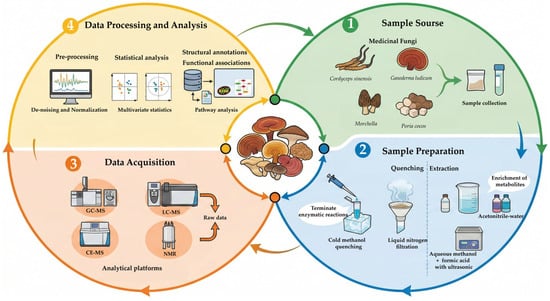
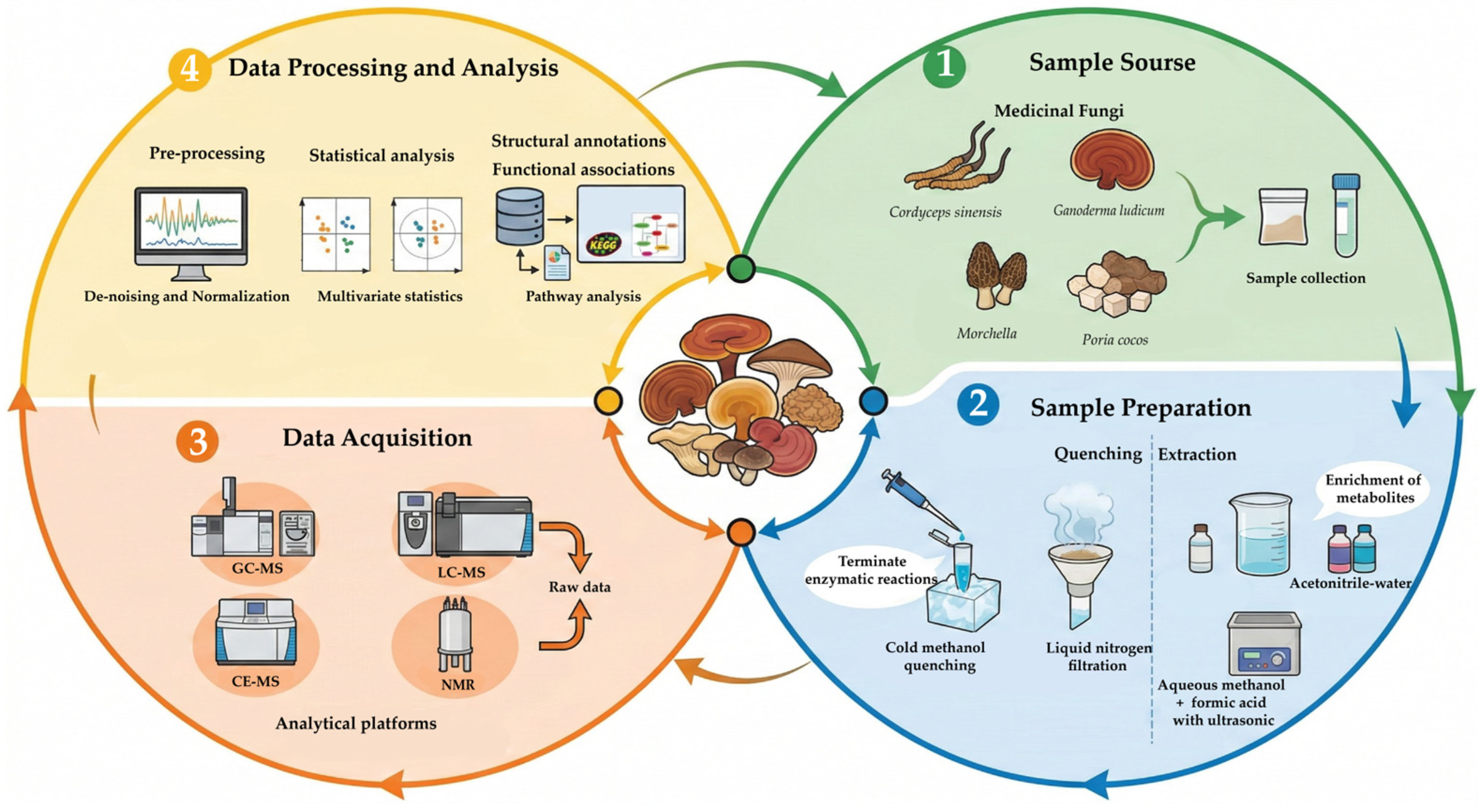
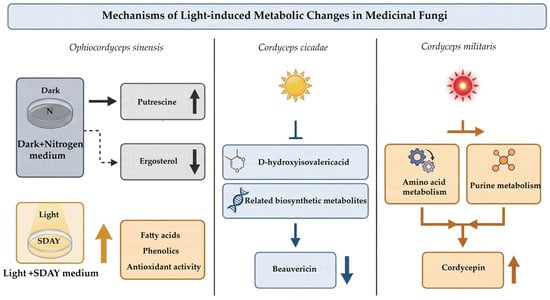
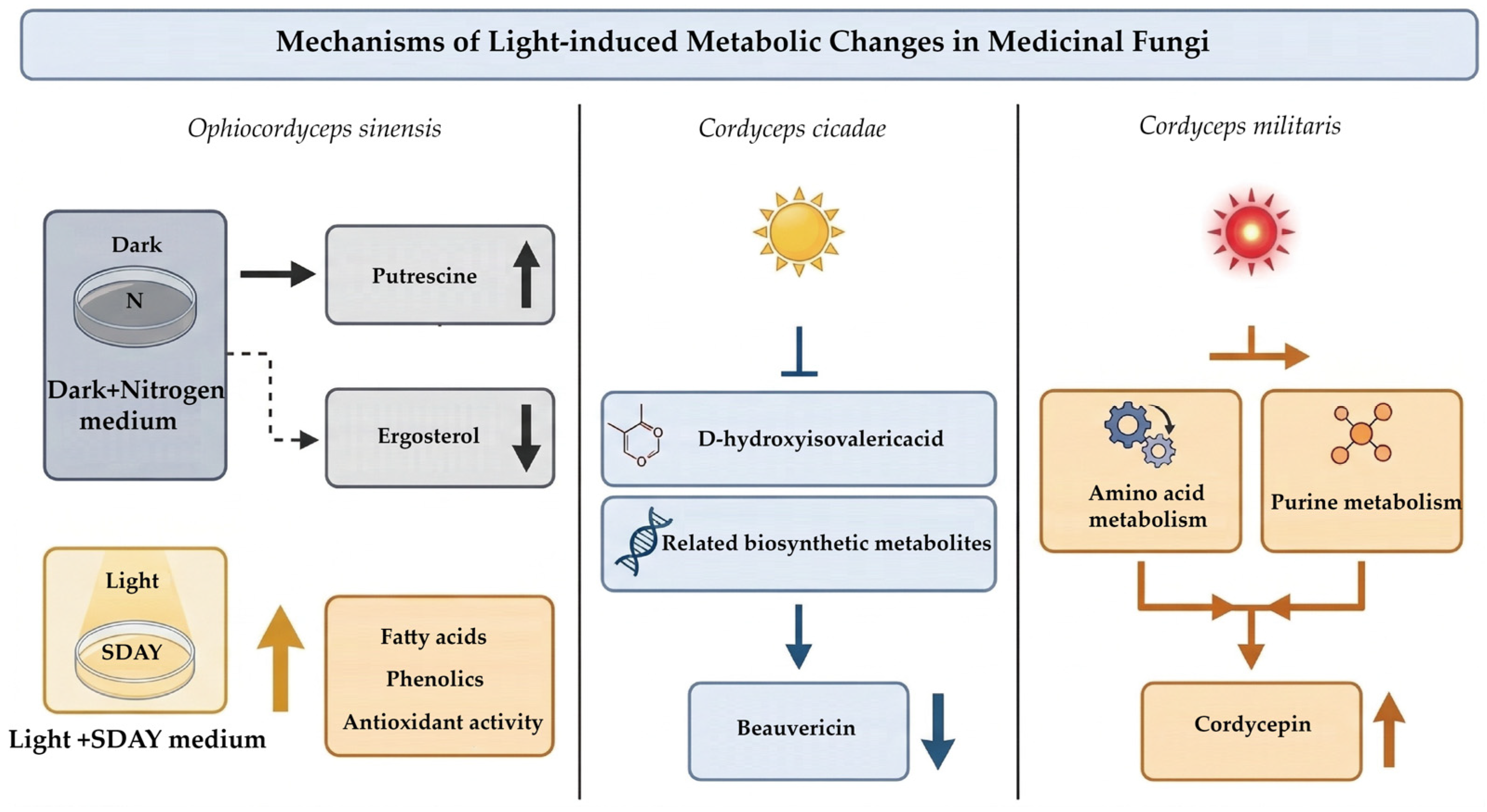
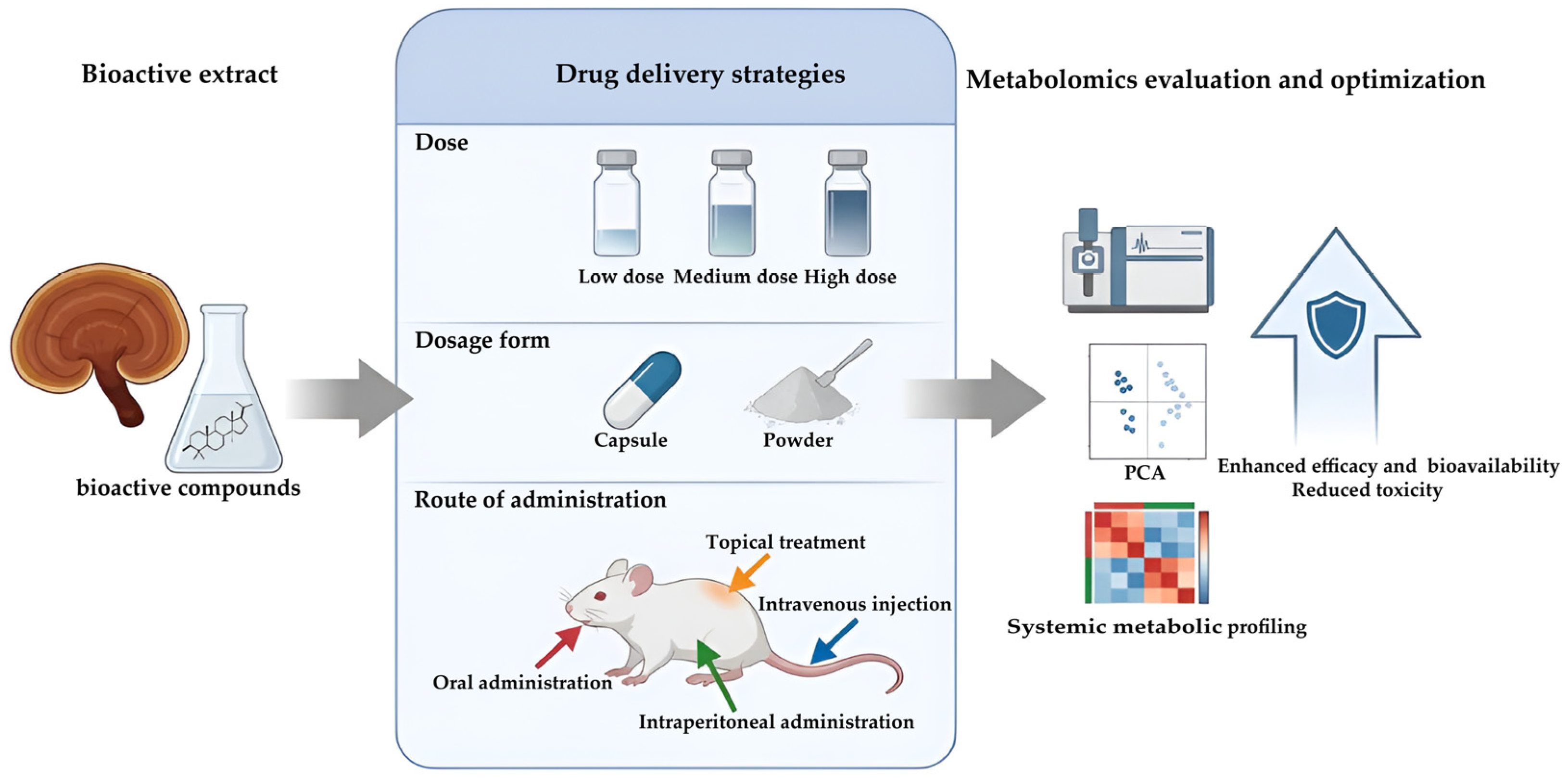
Disclaimer/Publisher’s Note: The statements, opinions and data contained in all publications are solely those of the individual author(s) and contributor(s) and not of MDPI and/or the editor(s). MDPI and/or the editor(s) disclaim responsibility for any injury to people or property resulting from any ideas, methods, instructions or products referred to in the content. |
© 2026 by the authors. Licensee MDPI, Basel, Switzerland. This article is an open access article distributed under the terms and conditions of the Creative Commons Attribution (CC BY) license.