


Abstract
Brassica crops, encompassing globally important vegetables and oilseeds, face severe threats from diverse biotic and abiotic stresses. Plant secondary metabolites constitute the chemical foundation of defence, and metabolomics has emerged as an effective systems biology tool for comprehensively dissecting stress-induced metabolic changes. Recent progress in applying metabolomics to elucidate defence mechanisms in Brassica crops is systematically synthesised here. Major stresses confronting Brassica crop production and the metabolic basis of plant defence are first outlined. Current analytical platforms, including liquid chromatography–mass spectrometry, gas chromatography–mass spectrometry, ion mobility spectrometry, and mass spectrometry imaging, are critically evaluated alongside data processing workflows and multi-omics integration strategies. Key defence-related metabolite classes identified in Brassica crops, notably glucosinolates (GSLs) and their hydrolysis products, phenolic compounds, and lipid-derived signalling molecules, are surveyed with emphasis on their respective functions in biotic and abiotic stress responses. Metabolomics has been instrumental in revealing distinct metabolic reprogramming patterns triggered by diverse stresses, including pathogen infection, insect herbivory, drought, salinity, temperature extremes, and heavy metal stress. Metabolomics-informed crop improvement strategies, including marker-assisted breeding, genetic and metabolic engineering, and precision agronomic practices, are discussed together with current technical bottlenecks and future directions involving artificial intelligence, metabolic modelling, and spatial metabolomics. The compiled knowledge provides a comprehensive reference for leveraging metabolomics to enhance stress resilience and sustainable production of Brassica crops.
1. Introduction
The Brassicaceae family occupies a central position in global agriculture and economy, representing a major plant taxon. This family comprises approximately 4000 species, many of which are extensively cultivated as crops of considerable economic importance. Firstly, they serve as indispensable vegetable sources in the human diet, rich in beneficial secondary metabolites. Secondly, they constitute a vital source of oilseed crops, with a global annual production reaching tens of millions of tonnes. The genus Brassica is the most significant within the Brassicaceae, containing about 40 species with a wide distribution. The cultivated Brassica crops are primarily composed of six species, including three diploid species, Brassica rapa (B. rapa), Brassica nigra (B. nigra), and Brassica oleracea (B. oleracea), and three allopolyploid hybrids formed through natural chromosome doubling following interspecific hybridisation among the diploids, namely Brassica juncea (B. juncea), Brassica napus (B. napus), and Brassica carinata (B. carinata). Through long-term domestication, Brassica crops not only exhibit remarkable morphological diversity but also possess notable characteristics such as a large number of species, abundant genetic resources, extensive planting areas, and short growth cycles. The agricultural significance of this family is underscored by its most prominent oilseed crop, oilseed rape (B. napus). As one of the world’s leading oilseed commodities, oilseed rape plays a pivotal role in global edible oil production, animal feed supplementation, and the rapidly expanding biofuel sector. Its extensive cultivation across diverse agro-climatic zones, combined with its substantial share in international vegetable oil trade, makes it a key driver of agricultural economies and a strategic crop for food security and renewable energy policies in many countries.
However, the high and stable yields of Brassica crops are severely constrained by diseases such as Sclerotinia sclerotiorum (S. sclerotiorum) and Plasmodiophora brassicae (P. brassicae), as well as by biotic and abiotic stresses including insect pests, drought and heat stress [1]. Abiotic stresses exert significant inhibitory effects on the growth and yield of Brassica crops, with the degree of impact varying according to stress type, intensity, and crop genotype [2,3]. Drought stress is one of the most important factors restricting the production of B. napus, causing at least 30% yield loss annually. When drought occurs during the reproductive growth stage, yield losses are particularly severe; water withdrawal at flowering can cause a yield reduction of 41.3%, while water withdrawal at the pod development stage leads to a reduction of 32.3% [4]. Multiple studies consistently indicate that drought stress can reduce seed yield of rapeseed (B. napus) by an average of 27% to 57%, with drought-tolerant varieties showing about a 27% reduction, while sensitive varieties may suffer up to a 57% reduction [5]. Another study reported that drought leads to an average seed yield loss of 40% [6]. In addition to yield reduction, drought also significantly inhibits plant growth, leading to decreased plant height and reduced dry matter accumulation [7], while inducing the accumulation of osmotic regulators such as proline and soluble sugars, as well as increased antioxidant enzyme activities to cope with oxidative stress [8]. Salt stress also poses a serious threat to the yield of Brassica crops. Studies have shown that treatment with 200 mM NaCl can reduce seed yield of B. napus by approximately 25–35% [9]. Salt stress mainly reduces biomass accumulation and seed yield by inhibiting nitrogen uptake and accumulation, and by altering carbon and nitrogen metabolic characteristics [10]. Heavy metal stress also causes significant yield losses. In high-cadmium soils, seed yield can decrease by 36–72% [11]. Aluminium (Al) toxicity, as a major factor limiting crop growth in acidic soils, firstly inhibits root elongation, which in turn affects water and nutrient uptake and ultimately leads to yield reduction, the degree of root growth inhibition under Al stress varies among varieties, and Al-tolerant varieties can alleviate toxicity by secreting organic acids, such as citric acid and malic acid to chelate Al3+ ions [12,13].
In recent years, with advances in analytical technologies, metabolomics has made significant progress in the study of defence mechanisms in Brassica crops, gradually shifting from descriptive analyses to in-depth mechanistic investigations, and playing a particularly important role in elucidating disease resistance and stress tolerance mechanisms. In response to pathogen infection, combined untargeted and targeted metabolomic analyses using an ultra-high-performance liquid chromatography system (UPLC) paired with a quadrupole time-of-flight mass spectrometer (UPLC-Q-TOF-MS/MS) and proton nuclear magnetic resonance (1H-NMR) have demonstrated that resistant lines of B. oleracea restrict nutrient supply to Xanthomonas campestris pv. campestris during early infection by suppressing carbohydrate metabolism, while preferentially inducing the accumulation of indolic glucosinolates (GSLs), salicylic acid (SA), phenylpropanoids and phytoalexin precursors [14]. Under salt stress, integrated transcriptomic, proteomic and metabolomic analyses in B. napus have identified jasmonic acid (JA) and abscisic acid (ABA) as two key hormones regulating the salt stress response, with upregulation of BnPP2C phosphatases in the ABA pathway acting synergistically with upregulation of BnJAZ repressor proteins in the JA pathway to avoid excessive energy expenditure [15]. With respect to temperature stress, comparative metabolomics of B. napus varieties infected with Leptosphaeria maculans at 21 °C and 28 °C revealed that lipid metabolism, amino acid metabolism, carbohydrate metabolism and aminoacyl-tRNA biosynthesis were upregulated in resistant plants at 21 °C but downregulated at 28 °C, suggesting that high temperature compromises resistance by interfering with signal transduction networks [16]. However, current research on defence metabolomics in Brassica crops still faces a prominent issue of knowledge fragmentation [17]. Relevant studies are scattered across different species (B. rapa, B. napus, B. juncea and B. oleracea, among others), different stress types (biotic and abiotic), different tissue types, different analytical platforms and different metabolite identification levels. This fragmentation has resulted in an incomplete overall understanding of the defence metabolic regulatory networks in Brassica crops. Therefore, there is an urgent need for systematic integration and critical review of the above multidimensional metabolomic research findings, in order to reveal the commonalities and specificities of defence metabolism among different Brassica crops, to elucidate the general principles and specific responses of metabolic reprogramming under various stress conditions, and to evaluate the impact of different analytical platforms and metabolite identification strategies on research conclusions [18,19]. This review aims to systematically summarise the progress in the application of metabolomics to defence responses of Brassica crops, focusing on the three major classes of key defensive metabolites, namely GSLs and their hydrolysis products, phenolic compounds, and lipid-related metabolites integrating metabolic reprogramming patterns under both biotic and abiotic stresses, and discussing metabolomics-based crop improvement strategies and future directions, with the goal of providing a comprehensive reference for enhancing stress tolerance in Brassica crops and achieving sustainable production through metabolomics.
2. Methodological Approaches in Metabolomics
2.1. Technical Characteristics and Applicability of Major Analytical Platforms
Metabolomics aims to systematically resolve the overall composition and dynamic changes in all small-molecule metabolites in biological samples, relying on core technical methods using high-resolution, high-sensitivity analytical platforms. The workflow typically begins with rapid sample collection and metabolite extraction, followed by chromatographic separation and mass spectrometric detection to obtain raw spectra. Subsequent bioinformatics processing, including peak alignment, normalisation, and multivariate statistical analysis, leads to the selection and identification of differential metabolites. Finally, structural identification of candidate metabolites is performed using databases and standards, thereby revealing the metabolic response mechanisms of organisms under specific physiological or stress conditions (Figure 1).
Figure 1.
The workflow of research on plant defence response in Brassica crops. First, Brassica crop materials subjected to biotic or abiotic stress treatments are selected for systematic phenotypic characterisation and biological sample collection. Subsequently, metabolites are extracted from the collected samples, and multi-omics raw data are acquired using analytical platforms such as LC-MS and GC-MS. On this basis, strict quality control and data cleaning are performed on the raw data to ensure the reliability of subsequent analyses. Following data preprocessing, differential quantification analysis and multivariate statistical analysis are carried out to screen for differential metabolites and key regulatory molecules associated with defence responses. Furthermore, multi-omics data are integrated to construct gene–metabolite regulatory interaction networks, and defence regulatory pathways are systematically dissected through bioinformatics approaches. Finally, the analytical results obtained are applied to resistance breeding practices in Brassica crops, providing theoretical foundations and molecular targets for the development of new varieties with durable resistance.
Metabolomics research primarily relies on high-throughput analytical chemistry platforms such as liquid chromatography-mass spectrometry (LC-MS), gas chromatography-mass spectrometry (GC-MS), and nuclear magnetic resonance (NMR) spectroscopy. In recent years, emerging technologies including ion mobility spectrometry (IMS), mass spectrometry imaging (MSI), and capillary electrophoresis-mass spectrometry (CE-MS) have also progressively expanded the research boundaries of the field [3,20]. The main technical characteristics, advantages and limitations of these platforms are compared in Table 1. Among these, LC-MS is the most commonly used platform in plant metabolomics owing to its broad metabolite coverage, and is particularly suitable for the analysis of thermolabile, non-volatile or high-molecular-weight secondary metabolites such as phenolics, flavonoids, alkaloids and GSLs [21]. In studies of defence mechanisms in Brassica crops, LC-MS has been employed to dissect metabolic profiles under stress from S. sclerotiorum and P. brassicae, for example, by integrating transcriptomics and metabolomics to reveal resistance pathways in B. napus [22], or to identify key metabolites associated with clubroot resistance in B. rapa [23]. However, LC-MS still faces challenges in metabolite identification, including incomplete spectral characterisation and insufficient coverage of plant-specific databases. In contrast, GC-MS offers high resolution and good reproducibility for volatile and derivatised small-molecule metabolites; the fragment spectra generated by its electron ionisation source facilitate matching against standard libraries, and it is commonly used to detect signalling molecules such as terpenes and leaf volatiles. In oilseed rape, untargeted GC-MS metabolomics has been used to dissect the metabolic features of guard cells in response to ABA, successfully identifying various secondary metabolites such as GSLs and flavonoids [24]. Nevertheless, the requirement for sample derivatisation and its unsuitability for thermolabile substances limit its detection range. NMR spectroscopy serves as a complementary tool, providing detailed structural information through its non-destructive nature, low bias and excellent quantitation capability, and is particularly valuable for elucidating unknown compounds. Despite its relatively low sensitivity, it holds unique value in high-throughput metabolic phenotyping and structural confirmation [20]. In studies of black rot disease in B. oleracea, NMR combined with UPLC-Q-TOF-MS/MS revealed metabolic biomarkers [14]. With regard to emerging technologies, IMS introduces ion mobility separation prior to mass spectrometry, effectively distinguishing isomers, and its collision cross section values are becoming identification criteria [21], although IMS databases remain incomplete [25]. Ultra-performance liquid chromatography-travelling wave ion mobility-quadrupole time-of-flight mass spectrometry (UPLC-TWIMS-QTOF-MS) has been used for the identification of pesticide metabolites in Brassica crops, overcoming the limitations of spatial analysis, enabling in situ visualisation of metabolite distributions. For example, matrix-assisted laser desorption/ionisation mass spectrometric imaging (MALDI-MSI) has been applied to map flavonoid distribution in B. napus stems [26], and infrared matrix-assisted laser desorption ionisation (IR-MALDESI MSI) has been used for topographic imaging of B. oleracea leaves [27]. However, MSI still faces profound challenges in spatial resolution, sensitivity and quantitation [28]. CE-MS offers high sensitivity and resolution for analysing highly polar ionic metabolites such as phosphorylated sugars and organic acids, and is suitable for thermolabile compounds. Nevertheless, it suffers from a scarcity of reference spectral libraries, difficulty in achieving high-throughput analysis, and optimal performance only for small-volume samples [29]. Overall, the above platforms have each been applied to varying extents in studies of defence mechanisms in Brassica crops, but data standardisation across platforms, metabolite identification coverage and multi-omics integration remain major bottlenecks. Systematic comparative analyses of the advantages and limitations of each platform within this specific research context are still lacking, and future multi-platform synergistic applications are expected to provide a more comprehensive perspective for deciphering defence mechanisms in Brassica crops.
Table 1.
Comparison of technical characteristics of major metabolomics analytical platforms in defence responses of Brassica crops.
Although the aforementioned platforms have greatly expanded the technological capabilities of plant metabolomics, when the research objective shifts from metabolite screening to the accurate quantitation of specific defensive compounds, the choices of sample preparation, derivatisation, detection mode and other methodological parameters can have a substantial impact on the final biological conclusions. This is exemplified by the determination of two of the most representative and specific defensive metabolites in Brassica: GSLs and sinapoyl malate. GSLs and sinapoyl malate are two representative classes of unique defensive metabolites in Brassica crops. However, the methodological choices for the analysis of these two compound classes can significantly affect the resulting biological interpretations. For GSLs, quantitative analysis presents two distinctly different technical approaches: direct detection of intact GSLs versus indirect detection after desulphation [30,31]. Employing high-performance liquid chromatography with ultraviolet and diode array detector (HPLC-UV-DAD) combined with Sephadex-A25 column desulphation gives rise to varied desulphation efficiencies for individual GSLs, where incomplete desulphation can cause overestimation of rapidly desulphated forms and underestimation of slowly desulphated ones, whereas direct LC-MS/MS analysis of intact GSLs circumvents these issues, though it necessitates more sophisticated instrumentation [3233]. More critically, once plant tissue is damaged, GSLs are rapidly hydrolysed by endogenous myrosinase, and the formation of hydrolysis products is highly dependent on factors such as pH [34]. If sample preparation fails to fully inactivate myrosinase prior to extraction, the detected entities will be hydrolysis products rather than the authentic intact glucosinolate profile, leading to serious misinterpretation of the plant’s defensive potential [32,35]. Similarly, the detection of sinapoyl malate also faces methodological challenges: UPLC-DAD-MS/MS methods can simultaneously quantify sinapic acid derivatives in a single chromatographic run, but if different extraction solvents are used or if internal standard correction is omitted during sample preparation, extraction efficiency and matrix effects may cause quantitative results to differ by several-fold between different studies [36,37]. In summary, seemingly minor methodological differences, such as extraction protocol, myrosinase inactivation, analytical target, and internal standard selection, essentially determine the very chemical entities being measured; different methods yield different molecular forms, whose biological meanings are not interchangeable [38,39]. Consequently, results from different studies are often not directly comparable, and when interpreting and integrating the metabolomics literature on Brassica crops, methodological considerations must be treated as the primary factor for evaluation.
2.2. Data Processing and Analysis
Raw data generated from metabolomics experiments must undergo a series of standardised processing steps before being transformed into biologically meaningful information. This workflow typically begins with raw data format conversion, followed by steps including peak detection, peak alignment, deconvolution, and normalisation to eliminate systematic errors caused by instrument drift and sample preparation variations, ultimately generating a quantitative data matrix containing signal intensity information for each metabolite [40]. Metabolite identification is a core step in data processing, primarily performed by matching measured exact mass, retention time, and tandem MS fragmentation spectra with public databases such as METLIN, HMDB, MassBank, or in-house standard libraries. For compounds unique to Brassica crops, such as GSLs, where obtaining standards is difficult, putative annotation often relies on high-resolution MS data and fragmentation patterns reported in the literature [41]. After constructing the data matrix, multivariate statistical methods such as principal component analysis (PCA) and partial least squares discriminant analysis (PLS-DA) are widely applied for dimensionality reduction and pattern recognition of metabolomics data. PCA, as an unsupervised method, can visually display the overall distribution among samples and inter-group separation trends, while PLS-DA, a supervised method, effectively screens for key metabolites driving group differences and identifies significantly abundant metabolites in combination with statistical tests [42]. To further understand the biological functions of differential metabolites, they are typically mapped to public metabolic pathway databases for enrichment analysis. This analysis reveals the biological processes most perturbed by stress by calculating the enrichment degree of differential metabolites in specific metabolic pathways. For example, significant enrichment of the phenylpropanoid biosynthesis pathway and glucosinolate metabolism pathway under clubroot infection provides key clues for dissecting plant defence mechanisms [43].
2.3. Integrated Multi-Omics Strategies
Although single metabolomics analysis can provide phenotypic information at the metabolic level, it is difficult to fully reveal the complete regulatory network from genes to metabolites. Integrating metabolomics with other omics data has become a mainstream strategy for systematically dissecting complex biological processes in plants (Figure 2). Untargeted metabolomics, targeted metabolite profiling, conventional biochemical assays, phytohormone quantification, transcriptomic analysis and physiological validation constitute a multi-level analytical framework in studies of defence responses in Brassica crops, spanning from gene expression potential to physiological phenotype output. Transcriptomic analysis detects changes in transcript abundance under stress conditions, revealing the co-regulatory networks of transcription factors, signal transduction components and enzyme genes in metabolic pathways, and reflecting the plant’s preparedness to respond at the gene expression level [18,44]. Untargeted metabolomics aims to detect all detectable metabolites in a sample as comprehensively as possible, including numerous unknown compounds, and generates a full-spectrum metabolic fingerprint under stress by detecting hundreds to thousands of metabolites in a single run, it is particularly suitable for discovering unknown metabolites and screening differential metabolic biomarkers [3,20], although its limitation lies in the fact that a large number of spectral features cannot be effectively identified [45]. Targeted metabolite profiling and phytohormone quantification focus on pre-selected specific compound classes; the former enables precise quantitation of defence-related metabolites such as GSLs, phenolic acids and flavonoids using authentic standards [14], while the latter relies on high-sensitivity platforms such as UPLC-MS/MS to track the spatiotemporal dynamics of trace-level phytohormones, including JA, SA and ABA [46]. Together, they fulfil the function of precise quantitation of key molecules. Conventional biochemical assays focus on specific physiological and biochemical indicators such as malondialdehyde content and superoxide dismutase activity to verify the activity status of particular metabolic pathways or to assess the degree of stress-induced damage [47]. Physiological validation, through macroscopic parameters such as photosynthetic rate, relative water content and chlorophyll content, directly reflects the final health status and adaptation level of plants under stress conditions [48]. These approaches are not mutually substitutive but rather form a functionally complementary continuum from the micro to the macro scale: transcriptomics provides upstream regulatory drivers, untargeted metabolomics is responsible for global discovery, targeted analysis and phytohormone quantification achieve accurate quantitation of key molecules, conventional biochemical assays verify the activity of specific pathways, and physiological validation connects all molecular-level changes to the overall stress-tolerance phenotype of the plant. In systematic studies of defence responses in Brassica crops, the rational combination and data integration of these methods represent a critical pathway towards a comprehensive understanding of stress response mechanisms.
Figure 2.
The metabolomics technology workflow and multi-omics integration strategy in Brassica crops. The workflow begins with controlled experiments comparing normal and stressed Brassica plants (e.g., under drought or pathogen attack) across a time-course sampling schedule (0, 6, 12, 24 h), followed by homogeneous preparation of samples for transcriptomic, proteomic and metabolomic profiling. The resulting multi-omics data (differentially expressed genes, differentially abundant proteins and differential metabolites) are then integrated through correlation network construction, pathway co-enrichment analysis, multivariate modelling and dynamic causal inference. This integrated framework enables the identification of stress-specific regulatory hubs, such as the upregulation of the PAL gene and protein in the phenylpropanoid pathway under drought, or the coordinated increase in MYB51, myrosinase, isothiocyanates and flavonoids in the glucosinolate system upon Sclerotinia infection. Ultimately, the pipeline yields validated pathway markers, causal relationships and predictive models that provide molecular targets and theoretical foundations for resistance breeding and metabolic engineering in Brassica crops. Abbreviations: DEGs, differentially expressed genes; DAPs: differentially accumulated proteins; DAMs: differentially accumulated metabolites; PAL: phenylalanine ammonia-lyase; KEGG: Kyoto Encyclopedia of Genes and Genomes; WGCNA: weighted gene co-expression network analysis; O2PLS: two-way orthogonal partial least squares; DIABLO: data integration analysis for biomarker discovery using latent variable approaches for omics studies.
In a study on aluminium stress in Brassica crops, researchers successfully screened 138 core genes associated with aluminium tolerance by integrating quantitative trait locus (QTL) mapping, RNA sequencing (RNA-seq), and metabolomics analysis. These genes were mainly enriched in lipid metabolism, carbohydrate metabolism, and secondary metabolite biosynthesis pathways, and their expression patterns showed significant correlations with the accumulation levels of corresponding metabolites, thus constructing a complete regulatory chain from genotype to chemical phenotype [44]. Under salt stress, multi-omics analysis revealed synergistic regulation of pathways including plant hormone signal transduction, phenylpropanoid biosynthesis, and amino acid metabolism in rapeseed seedlings. The study found crosstalk between JA and ABA signalling pathways under salt stress, where upregulation of JAZ repressor proteins in the JA pathway synergistically interacts with activation of PP2C phosphatases in the ABA pathway to jointly regulate plant energy consumption and defence responses [15]. In clubroot resistance research, integration of transcriptomic and metabolomic data revealed synergistic upregulation of genes related to SA and JA/ethylene (ET) signalling pathways in resistant lines, accompanied by significant accumulation of defensive phenolic metabolites such as caffeic acid, protocatechuic aldehyde, and kaempferol [2]. These findings not only elucidate the interplay between hormonal signalling and secondary metabolism but also provide potential functional markers for resistance breeding.
3. Key Defence-Related Metabolites Identified in Brassica Crops
3.1. GSLs and Their Hydrolysis Products
GSLs and their hydrolysis products are characteristic sulphur-and nitrogen-containing secondary metabolites of Brassica crops, playing important roles in resistance to pests and diseases and in coping with environmental stresses [49,50] (Table 2). Based on their precursor amino acids, they are mainly classified into aliphatic, indolic, and aromatic GSLs, with representative compounds including sinigrin, glucoraphanin, and glucobrassicin, among others [51]. The biosynthesis of these compounds involves three key steps: side chain elongation, core structure formation, and secondary modifications, catalysed by various enzymes including methylthioalkylmalate synthase, cytochrome P450 enzymes, glutathione S-transferases, and sulfotransferases, and is centrally regulated by MYB family transcription factors [52]. Furthermore, the biosynthesis process is significantly influenced by genetic background, environmental factors, and agronomic practices, with sulphur deficiency reducing GSL accumulation, and abiotic stresses such as drought, high temperature, and salinity can induce increases in GSL content. Simultaneously, biotic stresses such as pathogen infection upregulate related genes such as CYP79B2 and form complex regulatory networks through hormone signalling pathways like JA and SA, thus dynamically regulating the specific distribution of GSLs across different tissues and species [53].
Table 2.
Defensive metabolites and stress responses identified in Brassica crops.
In the plant defence system, intact GSLs themselves are biologically inactive, but upon tissue damage, activation of the endogenous enzyme myrosinase hydrolyses them into active products such as isothiocyanates, nitriles, and thiocyanates [41]. These hydrolysis products exert multiple functions in resisting insects and pathogens. On one hand, compounds such as isothiocyanates have repellent and toxic effects on herbivorous insects [52] and can directly inhibit bacterial and fungal growth, restricting pathogen invasion by inducing oxidative stress and membrane damage [93]. On the other hand, they can act as signalling molecules to activate systemic defence in plants, for example, by enhancing the antioxidant system, promoting stomatal closure to limit pathogen entry, or attracting natural enemies for indirect defence. It is noteworthy that although GSL hydrolysis products play important roles in both biotic and abiotic stresses, for instance, mitigating oxidative damage through antioxidant mechanisms [94], certain specialist pathogens may have evolved corresponding detoxification mechanisms, partially weakening their defensive efficacy.
With respect to glucosinolate metabolism, integrated UPLC-MS/MS and transcriptomic analyses have revealed that infection by S. sclerotiorum induces upregulation of glucosinolate biosynthetic pathways in resistant lines of B. napus, while genes involved in ethylene, SA and JA signalling pathways are also highly expressed [54]. Similarly, following infection by Alternaria brassicicola on leaves of B. rapa, liquid chromatography–electrospray ionisation–mass spectrometry (LC-ESI-MS) detection showed significant accumulation of indolic GSLs (including glucobrassicin and neoglucobrassicin), and their hydrolysis products exhibited over 70% inhibition of pathogen spore germination [53]. In broccoli (B.oleracea var. italica), combined transcriptomic and targeted metabolomic analyses further confirmed that the three indolic GSLs I3G, 4MI3G and 1MI3G all accumulated significantly in resistant lines, and the phenylpropanoid pathway was identified as one of the core metabolic pathways regulating resistance [60]. Beyond fungal diseases, bacterial and nematode stresses also induce remodelling of glucosinolate metabolism; infection by Xanthomonas campestris pv. campestris induces coordinated accumulation of indolic and aliphatic GSLs in leaves of B. oleracea, and their hydrolysis products, isothiocyanates and indole-3-carbinol, exhibited clear antibacterial activity in in vitro disc diffusion assays [49]. While infection by root-knot nematode (Meloidogyne incognita) in roots of B. rapa led, as shown by UPLC-MS/MS analysis, to a 75% increase in indolic GSLs and a 10–25% decrease in aliphatic GSLs, accompanied by a 1.5-fold increase in JA-Ile accumulation, indicating a systemic remodelling of the root glucosinolate defence profile [65]. Furthermore, HPLC-MS detection has also revealed that insect herbivory can induce accumulation of indolic GSLs and inhibit larval relative growth rate, confirming the direct antifeedant function of GSLs in defence against insects [64]. With regard to abiotic stresses, prolonged high-temperature stress suppresses the synthesis of indolic GSLs while causing passive accumulation of aliphatic GSLs, thus disrupting the defensive balance between the two classes [58]. Whereas low-temperature and freezing stresses specifically activate the accumulation of aliphatic and indolic GSLs, respectively [59]. UV-B radiation regulates glucosinolate metabolism in an intensity-dependent manner; low-intensity radiation upregulates the accumulation of indolic GSLs, whereas high-intensity radiation selectively induces the production of aromatic GSLs [67]. Exogenous hormone treatment experiments further reveal that indolic GSLs represent a core metabolic responsive node of the JA and SA signalling network [63].
Glucosinolate hydrolysis products also serve important defensive functions. Myrosinase activity assays combined with metabolite analysis have demonstrated that isothiocyanates (ITCs) accumulate transiently following tissue damage and exhibit stomach toxicity and antifeedant activity against chewing and piercing-sucking insects [68,69]. GC-MS analysis has shown that nitriles accumulate when the ESP pathway is enhanced, displaying specific antifeedant activity against specialist pests such as Pieris rapae [72,73]. HPLC-MS detection has indicated that indole-3-carbinol (I3C) is transiently generated by myrosinase-mediated hydrolysis of indolic GSLs and exhibits inhibitory effects against a range of fungi and bacteria [74]. Sulforaphane is one of the most representative bioactive isothiocyanate compounds derived from Brassica crops, produced by the hydrolysis of GSLs catalysed by myrosinase [95]. Sulforaphane is a potent chemopreventive agent against cancer, exerting anticancer effects through the modulation of both epigenetic and non-epigenetic pathways [96]. Its precursor, glucoraphanin, is widely distributed in Brassica crops such as broccoli, kale (B.oleracea var. acephala) and cabbage (B.oleracea var. capitata) [95]. Among these, broccoli sprouts represent the richest source of sulforaphane, containing 20 to 50 times more sulforaphane than mature broccoli [96]. The biosynthesis of glucoraphanin begins with the precursor amino acid L-methionine and comprises three key stages: side-chain elongation, core structure formation, and side-chain modification, involving the coordinated catalysis of multiple enzymes including methylthioalkylmalate synthase (MAM), cytochrome P450 enzymes (such as CYP79F1 and CYP83A1), glutathione S-transferase, sulfotransferase, and 2-oxoglutarate-dependent dioxygenase (AOP/GSL-ALK) [95]. At the transcriptional regulatory level, MYB28 is the core transcription factor governing the accumulation of aliphatic GSLs, including glucoraphanin [97]. In Chinese cabbage (B. rapa subsp. pekinensis), three BrMYB28 homologues (BrMYB28.1, BrMYB28.2 and BrMYB28.3) all positively regulate glucosinolate biosynthesis, with overexpression of BrMYB28.1 increasing total glucosinolate content by approximately five-fold [98]. Additionally, AOP (GSL-ALK) enzymes catalyse the conversion of glucoraphanin to other GSLs [5]. In terms of stress regulation, salt stress significantly increases sulforaphane content in broccoli sprouts; treatment with 160 mM NaCl elevated SF content by six-fold [70]. The BolMYB122-BolTGG1 module enhances salt tolerance in broccoli by accelerating glucosinolate hydrolysis to produce sulforaphane. Heat stress and hypoxia stress synergistically promote sulforaphane accumulation. Heat, hypoxia, and combined heat+hypoxia treatments increased sulforaphane content in 7-day-old broccoli sprouts by 153.73%, 95.15%, and 86.95%, respectively, compared with the control [95].
3.2. Phenolic Compounds
Phenolic compounds constitute another important class of secondary metabolites in Brassica crops, mainly comprising flavonoids, phenolic acids, tannins and lignin-related phenylpropanoid metabolites (Table 2). Their biosynthesis proceeds primarily through the phenylpropanoid pathway, with the expression of key enzymes such as phenylalanine ammonia-lyase, cinnamate-4-hydroxylase, chalcone synthase and chalcone isomerase directly influencing their accumulation [43]. The synthesis and accumulation of these compounds are finely regulated by genetic background and environmental stress. Under infection by P. brassicae (clubroot disease), combined metabolomic and transcriptomic analyses of roots of Chinese cabbage identified 257 metabolites associated with resistance, which were mainly enriched in the phenylpropanoid biosynthetic pathway [79]. Concurrently, in clubroot-resistant turnip (B. rapa) varieties, genes involved in JA, ET and brassinosteroid signalling pathways were coordinately upregulated, accompanied by significant accumulation of defensive phenolic metabolites such as caffeic acid, protocatechualdehyde and kaempferol [99].
With regard to flavonoids, UV-B radiation induces accumulation of flavonols such as kaempferol and quercetin in broccoli seedlings [35]. Flavonol biosynthesis is finely regulated by transcription factors such as MYB and WRKY [75]. Ultra-performance liquid chromatography-tandem mass spectrometry analysis revealed that feeding by Plutella xylostella led to differential accumulation of flavonoids in resistant cultivars of cabbage [77]. Concerning phenolic acids, salt stress activates the phenylpropanoid metabolic pathway in rapeseed seedlings, resulting in a significant increase in total phenolic acid content [78]. In terms of tannins, high-performance liquid chromatography-mass spectrometry detection indicated that condensed tannins accumulate most prominently in the seed coats of black-seeded rapeseed varieties [80,83], and these compounds play an important role in seed coat pigmentation [81,82].
In the plant defence system, phenolic compounds exert their functions through multiple mechanisms. Their core roles include antioxidant activity and direct antimicrobial effects, and by scavenging free radicals and chelating metal ions, phenolic compounds effectively alleviate oxidative damage [100], while at the same time they can directly interfere with pathogen enzyme systems, inhibiting their growth [101]. Overall, flavonoids, phenolic acids, tannins and lignin-related phenylpropanoid metabolites, together with defence compounds such as GSLs, constitute a complex chemical defence network in Brassica crops against both biotic and abiotic stresses.
3.3. Lipid-Related Metabolites
Lipid-related metabolites play an important role in the defence responses of Brassica crops (Table 2). Electrospray ionisation-tandem mass spectrometry lipidomic analysis has shown that during cold acclimation, the double bond index of membrane lipids in rapeseed increases slightly, a change that contributes to maintaining membrane fluidity and functional integrity at low temperatures [84]. Under salt stress, combined liquid chromatography-mass spectrometry and RNA-seq analysis revealed significant accumulation of unsaturated fatty acids in rapeseed roots, indicating that rapeseed adapts to salt stress by upregulating lipid metabolism to maintain cellular integrity and osmotic adjustment [85]. Furthermore, low-temperature stress significantly alters the fatty acid composition of seeds, and RNA-seq and metabolite analysis showed that under low night-time temperature, oleic acid content decreased, while erucic acid content increased. By modulating the degree of unsaturation and fluidity of membrane lipids, participating in stress signal transduction and regulating osmotic balance, lipid-related metabolites play an important role in the responses of Brassica crops to abiotic stresses such as low temperature and salinity.
3.4. Other Metabolites
Other defence-related metabolites mainly include alkaloids, terpenoids, sterols, and volatile organic compounds (VOCs), which play auxiliary roles in the response of Brassica crops to stress [2]. With regard to alkaloids, studies have suggested that they may play a role in the defence response of B.oleracea against Xanthomonas campestris pv. campestris infection, and specific metabolic pathways involving alkaloids have been identified as potential key candidate pathways in the infection response [102]. Furthermore, scopolamine, a tropane alkaloid, has been demonstrated, through integrated transcriptomic and metabolomic analyses, to significantly alleviate cold stress damage and improve survival rates in B. napus seedlings, and this study identified over 8000 differentially expressed genes and more than 3000 differentially accumulated metabolites, revealing the molecular mechanisms by which scopolamine regulates cold tolerance through carbon reallocation, cell wall reinforcement and reactive oxygen species scavenging [103]. With respect to sterols, multi-omics analysis of Chinese cabbage responding to black spot disease (Alternaria brassicicola) identified the sterol compound 4,4-dimethyl-5α-cholesta-7-en-3β-ol as a differential metabolite closely associated with defence responses [104]. The phytosterol composition in leaves of B. napus exhibits diversity due to genotype effects, and wild Brassicaceae germplasm also shows significant variation in phytosterol profiles; changes in individual phytosterols or their ratios may have important implications for plant tolerance [105].
Terpenoids encompass both structural and volatile types. Carotenoids, as terpenoid derivatives, participate in photoprotection and antioxidant functions, but their content often declines under stress conditions such as drought or waterlogging, while volatile terpenoids, including monoterpenes and sesquiterpenes, are important components of plant volatiles. The role of volatile terpenes as signalling molecules in plant defence is well documented. For example, oviposition by Pieris brassicae on B. napus triggers the release of specific volatiles such as α-pinene, dimethyl trisulfide and limonene, which can serve as early warning signals of herbivory for neighbouring undamaged plants [106]. Furthermore, although systematic studies on sterols in Brassica crops remain relatively limited, as structural components of cell membranes, sterols can indirectly support plant defence by maintaining membrane stability and participating in pathogen-associated molecular pattern-triggered immune responses.
VOCs are important chemical signalling molecules in plant defence responses [88], including green leaf volatiles, terpenes and sulphur-containing volatiles (Table 2). VOCs released by plants following herbivore feeding can serve as indirect defence signals, attracting parasitoid natural enemies to control pest populations [107]. For example, infection by Turnip mosaic virus significantly alters the composition of VOCs in leaves of B. rapa, with gas chromatography-mass spectrometry analysis identifying multiple differentially accumulated terpenes, green leaf volatiles and aromatic compounds [89]. However, the ecological function of volatile organic compound signals is susceptible to interference from environmental factors; atmospheric oxidative pollutants such as ozone can degrade VOCs, thereby disrupting their function as chemical signals and interfering with accurate host location by herbivorous insects [108].
In summary, alkaloids, terpenoids, sterols and VOCs participate in the defence responses of Brassica crops through direct or indirect mechanisms, acting synergistically with major defence systems such as GSLs and phenolic compounds to constitute a complex chemical defence network. Nevertheless, the specific biosynthetic regulatory pathways of these metabolites and their quantitative contributions to the overall defence system of Brassica crops require further investigation.
4. Applications of Metabolomics in Stress Response Studies
4.1. Biotic Stress Responses
Biotic stresses primarily include the effects of biological factors such as insect herbivory and pathogen infection on plants. Metabolomics, through untargeted or targeted analyses, reveals the metabolic reprogramming processes, key metabolic markers, and regulatory pathways in plants responding to biotic stress. Insect herbivory triggers specific metabolic responses in Brassica crops. Comparative metabolomics studies on Plutella xylostella infestation have elucidated the early defence response mechanisms in B. napus, revealing that tolerant lines accumulated greater amounts of benzenoids, lipids, organic acids and phenolic compounds following infestation, with the phenylpropanoid biosynthesis and ABC transporter pathways being significantly activated [109]. Furthermore, combined targeted metabolomic and transcriptomic analyses have been employed to investigate the metabolic responses of kale following methyl jasmonate treatment and larval infestation by the cabbage looper [110]. Studies have demonstrated that glucosinolate content in Brassica crops is closely associated with insect resistance; glucosinolate degradation products are released upon tissue damage and exert direct toxicity or repellent effects on pests [111]. Glucosinolate contents in seeds and leaves differ among rapeseed varieties, and varieties with lower glucosinolate content tend to be more susceptible to infestation by pests such as aphids [112]. In B.nigra, dual infection by root-knot nematodes (Meloidogyne spp.) and root-lesion nematodes (Pratylenchus spp.) induces significant changes in the shoot and phloem metabolomes, and elevated levels of indolic GSLs and hydroxycinnamic acids are closely correlated with reduced aphid survival [113]. Insect feeding also alters the compositional profiles of plant VOCs; for example, herbivore-induced plant volatiles (HIPVs) released by cabbage following larval feeding by Pieris brassicae can prime defence responses in neighbouring undamaged plants, enhancing their attractiveness to the parasitoid wasp Cotesia glomerata upon subsequent attack [114]. Similarly, pest feeding activates the JA signalling pathway, promoting the synthesis of defensive metabolites including GSLs, phenolic compounds and proteinase inhibitors, which enhance plant resistance to insects through direct toxicity or by attracting natural enemies [115].
Pathogen infection also elicits significant alterations in the metabolic profiles of Brassica crops. Combined untargeted and targeted metabolomics (UPLC-Q-TOF-MS/MS and 1H-NMR) have revealed metabolic reprogramming in cabbage during black rot disease; resistant lines restrict bacterial nutrient supply by suppressing carbohydrate metabolism and preferentially induce the accumulation of defensive compounds including indolic GSLs, SA, phenylpropanoids and phytoalexin precursors [14]. Another integrated transcriptomic and metabolomic analysis of black rot disease in B. napus showed that the tryptophan metabolic pathway was enriched in both susceptible and resistant varieties, with indolic GSLs and indole-3-acetic acid (IAA) both accumulating significantly after infection, and exogenous application of IAA promoting disease development [116]. In clubroot disease research, combined metabolomic and transcriptomic analyses revealed that trigonelline accumulates significantly in susceptible B. rapa, exogenous trigonelline application exacerbates clubroot symptoms, and overexpression of its biosynthetic gene BrNANMT increases susceptibility, indicating that trigonelline can serve as a biomarker metabolite for clubroot infection [23]. Moreover, combined metabolomic and transcriptomic analyses of clubroot disease in Chinese cabbage identified 257 metabolites associated with resistance, enriched in the phenylpropanoid biosynthetic pathway [79]. In blackleg disease research, the effect of temperature on resistance in B. napus has been elucidated through comparative metabolomics: at 21 °C, pathways including lipid metabolism and amino acid metabolism were upregulated in resistant lines, whereas these pathways were downregulated under heat stress at 28 °C, suggesting that high temperature may compromise resistance by disrupting signal transduction networks [16]. Furthermore, multi-omics approaches integrating genomics, proteomics, transcriptomics and metabolomics have been employed to gain a comprehensive understanding of host–pathogen interactions between B. napus and multiple diseases including Leptosphaeria maculans, P. brassicae, S. sclerotiorum, Hyaloperonospora parasitica, Alternaria brassicae and Albugo candida. The specific metabolic biomarkers identified through these metabolomic studies not only hold promise for early disease diagnosis but also serve as targets for the development of novel biological control strategies.
4.2. Abiotic Stress Responses
Abiotic stresses include environmental factors such as drought, salinity, and heavy metals, to which plants respond through metabolic pathways including osmotic adjustment, antioxidation, and detoxification. Abiotic stresses, including drought, salinity, and heavy metals, represent environmental factors to which plants respond through metabolic pathways such as osmotic adjustment, antioxidant defence, and detoxification. Metabolomics enables the quantification of dynamic changes in relevant metabolites, thereby revealing plant adaptive mechanisms. With respect to drought stress, metabolomic analyses have demonstrated that drought significantly alters the metabolic profile of Indian mustard (B. juncea), with marked increases in osmoprotectants such as trehalose, glucose, sucrose, proline and valine [90]. In oilseed rape, drought stress induces early responses including proline accumulation and phytohormone metabolism of ABA and JA [117]. Comparative metabolomics of Chinese cabbage under mild and severe drought stress has further revealed significant differences between contrasting genotypes in sugar metabolism, amino acid metabolism and organic acid metabolism [118]. Regarding heavy metal stress, metabolomic studies on Chinese cabbage have found that reduced glutathione plays diametrically opposite functions under different cadmium concentrations; it reduces cadmium accumulation under high cadmium stress, whereas it promotes cadmium accumulation under low cadmium stress [119]. Under aluminium stress, roots of B. napus exude organic acid anions such as citrate and malate to chelate Al3+ ions. Integrated analyses combining QTL mapping, transcriptomics and metabolomics have identified 138 key genes responsive to aluminium toxicity in the root system of rapeseed seedlings, primarily involved in lipid, carbohydrate and secondary metabolite metabolism [44]. Furthermore, combined metabolomic and transcriptomic analyses of salt stress during the germination stage of B. napus have identified 175 differential metabolites, mainly amino acids, carbohydrates and organic acids [78]. These metabolites not only serve as biomarkers for screening stress-tolerant crop varieties, but also provide important clues for a deeper understanding of the adaptive mechanisms of Brassica crops to abiotic stresses.
4.3. Cross-Stress Interactions
When plants are subjected to multiple stresses simultaneously or sequentially, their metabolic networks undergo complex reconfiguration, and metabolomic analyses integrated with multi-omics data can reveal synergistic or antagonistic effects among different stress factors. In oilseed rape, the combined effect of drought stress and clubroot disease on seed metabolic profiles differs from that of individual stresses [120]. The metabolic profiling of 330 seed samples harvested from two rapeseed varieties grown under drought, clubroot pathogen infection, and their combination revealed that the combined stress induced a distinct regulatory pattern in seed metabolic responses. Clubroot disease itself, by inducing gall formation on infected roots, restricts water and nutrient transport within the plant, and when occurring together with drought, may exacerbate the water stress effect. The regulatory mechanisms of this stress combination on seed quality remain to be fully elucidated. Under salt stress, integrated transcriptomic, proteomic and metabolomic analyses in B. napus have revealed that the two key hormones in the response to salt stress are ABA and JA [15]. The 24 h time point represents a critical juncture at which the plant adjusts multiple metabolic pathways to avoid excessive energy expenditure from over-response to salt stress; up-regulation of BnPP2C phosphatases in the ABA pathway and generalised up-regulation of BnJAZ repressor proteins in the JA pathway act in concert. This coordinated regulation between hormonal signalling illustrates the plant’s strategy of balancing defensive investment and energy consumption through fine-tuned metabolic reprogramming under multiple stresses. Similarly, in broccoli, seed priming with a glucosinolate-rich broccoli extract significantly enhances plant performance under salt stress [121]. The primed plants exhibited dynamic transcriptional reprogramming in root tissues under salinity, involving hormonal signalling, aquaporin regulation and activation of ion transporters, while secondary metabolism was also modulated. These studies indicate that when Brassica crops face multiple stresses, metabolic network reprogramming often manifests as a moderate suppression of primary metabolism coupled with a synergistic optimisation of defensive secondary metabolite accumulation. For instance, primary metabolites such as sugars and amino acids provide the material basis for osmotic adjustment, while secondary metabolites including GSLs and flavonoids assume direct defensive functions, thereby maintaining sufficient defensive capacity while safeguarding basic growth and development. This metabolic plasticity not only constitutes an important physiological basis for Brassica crops to cope with complex field environments, but also provides a critical entry point for deciphering the multi-stress adaptive mechanisms of crops using metabolomic approaches.
5. Metabolomics-Informed Crop Improvement Strategies
5.1. Marker-Assisted Breeding
Metabolomics significantly enhances the efficiency of crop breeding by identifying metabolite biomarkers associated with important agronomic traits. Core methods include metabolome genome-wide association studies (mGWAS) and metabolite quantitative trait locus (mQTL) analysis, which reveal associations between metabolites and genes, providing a molecular basis for selecting superior varieties [122]. In B. napus, a marker metabolite-based multi-omics analysis conducted on metabolomic data from 388 natural accessions identified for the first time 137 marker metabolites significantly associated with thousand-seed weight, of which 21 markers were simultaneously significantly correlated with both thousand-seed weight and seed oil content. By constructing a triple-network comprising 133 metabolites, 731 quantitative trait loci and 3321 genes, this study further confirmed that the transcription factor BnaA03.TGA6 exerts a negative regulatory effect on thousand-seed weight [123]. Similarly, a genome-wide association study focusing on the floral metabolic profiles of 119 B. napus accessions under drought stress identified 60 candidate genes, of which 18 are involved in stress-induced pathways, phenylpropanoid pathways and flavonoid modification [124]. These data provide specific linked single nucleotide polymorphism markers and candidate gene resources for marker-assisted selection programmes. In studies of clubroot resistance in Brassica crops, combined proteomic and metabolomic analyses have revealed the differential molecular responses between clubroot-resistant and clubroot-susceptible near-isogenic lines of B. napus during the early stages of infection by P. brassicae [125]. In the resistant line, 2515 and 1556 differentially abundant proteins were identified at 1, 4 and 7 days post-infection, involving primary metabolites such as amino acids, fatty acids and lipids, as well as secondary metabolites including GSLs. Concurrently, proteins related to cell wall reinforcement also underwent significant changes. Notably, 4-methoxyglucobrassicin was upregulated in both resistant and susceptible plants, and may serve as a potential marker for resistance screening. The advantages of metabolite markers lie in their ability to directly reflect the physiological status of the crop, their relative insensitivity to environmental variation, and their capacity to improve breeding precision. Integration with multi-omics data such as transcriptomics and genomics further optimises marker selection in precision breeding [123,124]. In the context of quality improvement of Brassica crops, metabolic profiling has been employed to investigate the relative abundances of 23 glucosinolate compounds across four tissues of five different morphotypes of B. oleracea. By combining these data with five corresponding high-quality genome assemblies and mRNA-Seq expression data, 183 glucosinolate-related genes were identified, providing important insights for breeding varieties with customised glucosinolate profiles [126]. With the standardisation of metabolite detection workflows and the continuous improvement of databases, marker-assisted breeding is progressing towards high-throughput automation, thereby supporting the development of climate-resilient crop varieties.
5.2. Genetic Engineering and Metabolic Engineering
Genetic engineering and metabolic engineering aim to enhance the accumulation of defensive metabolites in crops by editing key metabolic pathway genes, thereby improving stress tolerance. Clustered regularly interspaced short palindromic repeats (CRISPR)/Cas9-based gene editing is the mainstream tool for achieving this goal, enabling precise modification of multiple genes [127]. In recent years, substantial progress has been made in the application of this technology in Brassica crops. In B. napus, targeted mutagenesis of the transcription factor MYB28 using CRISPR/Cas9 can partially downregulate the biosynthesis of aliphatic GSLs [128], while editing of the glucosinolate transporter (GTR) genes can alter the distribution pattern of GSLs within the plant [129]. In B. juncea, simultaneous editing of multiple homologues of the GTR1 and GTR2 families achieved a substantial reduction in seed glucosinolate content, while maintaining relatively high glucosinolate levels in vegetative tissues such as leaves to safeguard plant defence. These GTR-edited lines performed no worse than, or even better than, the wild type in defence against S. sclerotiorum and Spodoptera litura [130]. Multiplex editing targeting the AOP2 gene family has been employed for directed regulation of metabolic flux. In B. juncea, editing of five BjuAOP2 homologues resulted in glucoraphanin accumulation of 41.60, 75.10, 59.21 and 27.64 μmol/g dry weight in sprouts, microgreens, seeds and leaves, respectively [131]. Furthermore, CRISPR/Cas9-mediated DNA-free editing of BolMYB28 has been utilised to develop broccoli varieties enriched in glucoraphanin [132]. Beyond gene knockout, overexpression strategies are also effective. Overexpression of the Arabidopsis thaliana-derived genes CYP79B2 and CYP83B1 in flowering Chinese cabbage not only significantly increased the accumulation of indolic GSLs, but also enhanced resistance to S. sclerotiorum and Spodoptera exigua [62]. Similarly, overexpression of the glucosinolate biosynthetic genes BnMAM1, BnCYP83A1 and BnUGT74B1 in B. napus enhanced resistance to S. sclerotiorum and Botrytis cinerea [62,133].
Synthetic biology, through the design of artificial metabolic pathways, further expands the application potential of metabolic engineering [134]. By introducing exogenous genes or optimising endogenous regulatory networks, directed biosynthesis of specific metabolites can be achieved. For example, studies on the efficient biosynthesis of glucoraphanin in Brassica crops via genetic engineering have systematically reviewed potential engineering targets across three stages: side-chain elongation, core structure formation and side-chain modification [135]. In addition, transgenic broccoli lines have been designed to optimise the hydrolysis efficiency of glucoraphanin during cooking, allowing effective release of bioactive hydrolysis products at cooking temperatures up to 20 °C higher than those tolerated by the wild type. The combination of synthetic biology with metabolomic analysis enables real-time monitoring of metabolic changes, ensuring the safety and efficacy of transgenic crops. In the future, with continuous improvements in metabolic pathway databases and computational models, multi-omics data-guided CRISPR editing technologies will enable more precise regulation of branched metabolic pathways, avoidance of feedback inhibition, and enhanced engineering efficiency.
5.3. Agronomic Practice Optimisation
Metabolomics provides data support for precision fertilisation and biostimulant development by analysing metabolic changes in crops in response to environmental stresses, thereby improving resource use efficiency and crop resilience [136]. In B. napus, combined transcriptomic and metabolomic analyses have revealed the specific response profiles of roots under individual deficiency of each of six macronutrients (nitrogen, magnesium, phosphorus, sulphur, potassium and calcium) prior to the appearance of any visible phenotypic reactions, all macronutrient deficiencies had already elicited substantial modulations of both transcriptomes and metabolomes, and 38 biochemical compounds capable of distinguishing between different types of macronutrient deficiency were identified [137]. Nitrogen deficiency also induced remobilisation of amino acids from old leaves to young leaves in genotypes with high nitrogen-use efficiency [138]. These specific metabolites can serve as molecular indicators of nutrient deficiency, providing a basis for precision fertilisation. Under aluminium toxicity conditions, using a population of 138 recombinant inbred lines, combined QTL mapping, transcriptome sequencing and metabolomic assays identified 457 differentially accumulated metabolites and 138 core genes highly correlated with 30 important metabolites in the root system of B. napus seedlings, primarily involved in the metabolism of lipids, carbohydrates and secondary metabolites [44]. On this basis, targeted fertilisation strategies can be devised to alleviate aluminium toxicity, while markers such as malondialdehyde and superoxide dismutase activities can be used to monitor stress levels.
The development of biostimulants represents another important application area. Metabolomic techniques facilitate the screening and validation of the efficacy of microbial or compound-based biostimulants. For example, the combined application of the microbial biostimulant ProbioHumus and calcium significantly alleviated drought stress in B. napus [47]. In Brassica crops, exogenous SA treatment can enhance resistance to clubroot disease; foliar application of SA on susceptible B. napus reduced disease severity index and gall size [139]. This precision regulation approach based on metabolic feedback enables dynamic adjustment mechanisms and significantly enhances the sustainability of agricultural production.
6. Challenges and Future Perspectives
The application of metabolomics in Brassica crop defence research faces significant technical bottlenecks. The primary challenge is the standardisation of metabolite identification and the improvement of databases, especially for Brassica-specific metabolites [140]. Current analyses rely heavily on mass spectrometry, but due to the structural diversity and wide dynamic concentration range of these specific metabolites, along with incomplete coverage in public databases and lack of uniform annotation standards, identification accuracy is limited, and data comparability across studies is poor. Another pressing need is the development of spatial metabolomics and single-cell metabolomics technologies. Existing methods are mostly based on tissue homogenisation, failing to resolve the spatial distribution of metabolites at the cellular or subcellular level, such as the differential accumulation of defence metabolites in leaf epidermis versus mesophyll. Although techniques such as MSI have been applied, they are limited by resolution, sensitivity, and challenges related to the tissue structural features of Brassica crops and low metabolite extraction efficiency, making it difficult to accurately reveal metabolic heterogeneity under stress.
At the biological level, the core challenge lies in the dynamic dissection and functional validation of metabolic networks. Defence responses in Brassica crops involve complex interactions between hormone signalling and secondary metabolic pathways, and the metabolic network is highly dynamic with spatiotemporal specificity [99]. However, current research often provides static snapshots, with insufficient tracking of real-time changes in metabolic flux, and causal validation of metabolite functions heavily relies on transgenic or gene editing technologies, which are time-consuming and highly species-dependent in Brassica crops [141,142,143], limiting large-scale functional validation. On the other hand, the utilisation of intraspecific and interspecific metabolic diversity remains inadequate [144]. Significant differences in metabolite profiles exist among different Brassica species and varieties. This diversity is a valuable resource for stress breeding, but the genetic basis and mechanistic links to stress tolerance have not been systematically dissected, hindering the effective use of favourable alleles in precision breeding [52].
Future research should focus on the specific application of artificial intelligence and metabolic modelling in studying defence mechanisms of Brassica crops, with the aim of addressing current bottlenecks such as insufficient database coverage and limited flux analysis capabilities [145]. In AI-driven metabolite identification, deep learning algorithms are expected to significantly enhance the structural elucidation efficiency of unknown metabolites [140]. To tackle the challenge that a large number of LC-MS/MS spectral features in Brassica crops metabolomics studies cannot be effectively identified, deep learning models such as Spec2Class have already demonstrated the ability to predict the chemical class of plant secondary metabolites from LC-MS/MS spectra with 93% accuracy [146]. The construction of a dedicated deep-learning-based metabolite identification pipeline specifically for Brassica crops such as B. napus is expected to systematically expand the chemical space coverage of defence-related metabolites in this genus.
With regard to metabolic modelling and flux prediction, genome-scale metabolic network models combined with flux balance analysis provide a theoretical framework for simulating the dynamic changes in metabolic flux under stress conditions. The constraint-based metabolic model bna572+ of developing B. napus seeds has successfully integrated 13C-metabolic flux analysis, validating the expression of 78% of genes and 97% of reactions in the model [147]. An in silico compartmentalised metabolic model of B. napus central metabolism has also provided a computational platform for the systemic study of regulatory aspects of Brassica crop metabolism [148]. However, conventional flux balance analysis relies on steady-state assumptions and struggles to capture transient metabolic dynamics under stress. The proposal of a machine learning-flux balance analysis integrated framework offers a new approach to overcoming this limitation by introducing transient kinetics to achieve more accurate flux estimation in plant tissues [149]. In Brassica crops, the combination of deep learning and flux analysis holds promise for simulating the dynamic changes in biosynthetic flux of defensive metabolites such as GSLs and flavonoids under heat stress, drought and pathogen infection, thereby predicting key regulatory targets and providing theoretical guidance for metabolic engineering.
In the future, by constructing an integrated predictive framework for defence metabolism in Brassica crops, employing AI-driven metabolite identification to fill database gaps, machine learning-enhanced flux analysis to overcome steady-state limitations, and multi-omics association analysis to guide the selection of gene editing targets. We will be able to systematically enhance the stress tolerance of rapeseed and other Brassica crops, develop new varieties that combine disease resistance, stress tolerance, and high yield, reduce dependence on chemical pesticides, and promote the sustainable development of green agriculture.
Author Contributions
Conceptualization, Y.L. and J.L.; methodology, Y.L.; validation, J.L.; formal analysis, Y.L.; investigation, J.L.; data curation, Y.L.; writing—original draft preparation, Y.L.; writing—review and editing, J.L.; visualisation, Y.L.; supervision, J.L.; project administration, J.L.; funding acquisition, J.L. All authors have read and agreed to the published version of the manuscript.
Funding
This research was funded by the Chongqing Municipal Science and Technology Bureau (CSTB2024NSCQ-MSX0502) and the Chongqing Municipal Education Commission (KJQN202300518, KJQN202500527).
Institutional Review Board Statement
Not applicable.
Informed Consent Statement
Not applicable.
Data Availability Statement
All the necessary data are included in this manuscript.
Acknowledgments
We acknowledge the use of DeepSeek (V4, DeepSeek Company, Hangzhou, China) for language correction and logical refinement, and we thank Citexs (https://www.citexs.com) for redrawing the figures based on our sketches.
Conflicts of Interest
The authors declare no conflicts of interest.
References
- Fu, Y.; Yu, H.; Zhang, Q.; Lu, H.; Liu, D.; Zhang, Y. Zheyouza 59, a Rapeseed Variety with Superior Resistance and Excellent Yield. Mol. Breed. 2024, 44, 74. [Google Scholar] [CrossRef] [Scilit] [PubMed]
- Muthusamy, M.; Lee, S.I. Abiotic Stress-Induced Secondary Metabolite Production in Brassica: Opportunities and Challenges. Front. Plant Sci. 2023, 14, 1323085. [Google Scholar] [CrossRef] [Scilit] [PubMed]
- Hao, Y.; Zhang, Z.; Luo, E.; Yang, J.; Wang, S. Plant Metabolomics: Applications and Challenges in the Era of Multi-Omics Big Data. aBIOTECH 2025, 6, 116–132. [Google Scholar] [CrossRef] [Scilit] [PubMed]
- Wang, J.; Mao, L.; Li, Y.; Lu, K.; Qu, C.; Tang, Z.; Li, J.; Liu, L. Natural Variation in BnaA9.NF-YA7 Contributes to Drought Tolerance in Brassica napus L. Nat. Commun. 2024, 15, 2082. [Google Scholar] [CrossRef] [Scilit] [PubMed]
- Rezaizad, A.; Zareei Siahbidi, A.; Shirani Rad, A.H. Evaluation of growth and seed yield of new winter oilseed rape (Brassica napus L.) genotypes under terminal drought stress conditions. Iran. Soc. Crop. Plant Breed. Sci. 2020, 21, 328–343. [Google Scholar] [CrossRef] [Scilit]
- Jamshidi Zinab, A.; Hasanloo, T.; Naji, A.M.; Delangiz, N.; Farhangi-Abriz, S.; Asgari Lajayer, B.; Hemati, A.; Shobbar, Z.-S.; Farooq, M. Physiological and Biochemical Evaluation of Commercial Oilseed Rape (Brassica napus L.) Cultivars Under Drought Stress. Gesunde Pflanz. 2023, 75, 847–860. [Google Scholar] [CrossRef] [Scilit]
- Alghanem, S.M.S.; Alnusaire, T.S.; AL-Balawi, S.M.; Alayafi, A.A.M.; Alharbi, B.M.; Abdulmajeed, A.M.; ALrashidi, A.A.; Anazi, H.K.; Alharbi, K.; Soliman, M.H. Potassium Silica Nanoparticles Enhanced Growth, Yield, and Stress Tolerance in Canola (Brassica napus L.) Under Drought Conditions. J. Soil Sci. Plant Nutr. 2025, 25, 3615–3632. [Google Scholar] [CrossRef] [Scilit]
- Bouchyoua, A.; Khabbach, A.; Kabach, I.; Ennoury, A.; Ouardi, L.; Hammani, K.; Nabloussi, A. Unveiling Drought-Tolerant Genotypes and Associated Adaptive Mechanisms in Rapeseed Using Multi-Traits Approach. BMC Plant Biol. 2026, 26, 238. [Google Scholar] [CrossRef] [Scilit] [PubMed]
- Fatima, S.; Iqbal, N.; Lu, S.; Khan, M.O.; Mehmood, M.A.; Qari, S.H.; Jamal, A.; Wei, Z.; Ahmad, N. FAE1 and FAD2 Gene Expression Dynamics and Fatty Acid Modulation in Brassica under Salt Stress: A Molecular Insight. PLoS ONE 2026, 21, e0345945. [Google Scholar] [CrossRef] [Scilit] [PubMed]
- Wang, L.; Zuo, Q.; Zheng, J.; You, J.; Yang, G.; Leng, S. Salt Stress Decreases Seed Yield and Postpones Growth Process of Canola (Brassica napus L.) by Changing Nitrogen and Carbon Characters. Sci. Rep. 2022, 12, 17884. [Google Scholar] [CrossRef] [Scilit] [PubMed]
- Huang, L.; Hansen, H.C.B.; Yang, X.; Xie, Z.; Li, S.; Yang, M.; Liang, X.; Hu, Z. Does Sulfur Application Continue to Reduce Cadmium Accumulation and Increase the Seed Yield of Oilseed Rape (Brassica napus L.) at the Maturity Stage? J. Sci. Food Agric. 2022, 102, 2281–2290. [Google Scholar] [CrossRef] [Scilit] [PubMed]
- Zhang, W.; Munyaneza, V.; Yi, B.; Zhang, X.; Zhang, P.; Kant, S.; Xu, F.; Ding, G. Tolerance to Aluminum Toxicity in Brassica napus Is Mediated by Regulating Cell Wall Al Sequestration, Antioxidant Defense, and Metabolic Adaptation. J. Hazard Mater. 2025, 498, 139837. [Google Scholar] [CrossRef] [Scilit] [PubMed]
- Zhou, H.; Yu, P.; Wu, L.; Han, D.; Wu, Y.; Zheng, W.; Zhou, Q.; Xiao, X. Combined BSA-Seq and RNA-Seq Analysis to Identify Candidate Genes Associated with Aluminum Toxicity in Rapeseed (Brassica napus L.). Int. J. Mol. Sci. 2024, 25, 11190. [Google Scholar] [CrossRef] [Scilit] [PubMed]
- Vega-Álvarez, C.; Soengas, P.; Roitsch, T.; Abilleira, R.; Velasco, P.; Francisco, M. Unveiling Plant Defense Arsenal: Metabolic Strategies in Brassica Oleracea during Black Rot Disease. Hortic. Res. 2023, 10, uhad204. [Google Scholar] [CrossRef] [Scilit] [PubMed]
- Shu, J.; Ma, X.; Ma, H.; Huang, Q.; Zhang, Y.; Guan, M.; Guan, C. Transcriptomic, Proteomic, Metabolomic, and Functional Genomic Approaches of Brassica napus L. during Salt Stress. PLoS ONE 2022, 17, e0262587. [Google Scholar] [CrossRef] [Scilit] [PubMed]
- Amjadi, Z.; Hamzehzarghani, H.; Rodriguez, V.M.; Huang, Y.-J.; Farahbakhsh, F. Studying Temperature’s Impact on Brassica napus Resistance to Identify Key Regulatory Mechanisms Using Comparative Metabolomics. Sci. Rep. 2024, 14, 19865. [Google Scholar] [CrossRef] [Scilit] [PubMed]
- Le Boulch, P.; Missinou, A.A.; Boutet, S.; Perreau, F.; Manzanares-Dauleux, M.J.; Falentin, C.; Filangi, O.; Lariagon, C.; Bouchereau, A.; Rousseau-Gueutin, M.; et al. Metabolomic Analysis of a Core Collection of Brassica Rapa and Brassica oleracea Unveils Unexpected Chemical Diversity with Potential Applications in Chemical Ecology and Breeding. BMC Plant Biol. 2026, 26, 569. [Google Scholar] [CrossRef] [Scilit] [PubMed]
- Neik, T.X.; Amas, J.; Barbetti, M.; Edwards, D.; Batley, J. Understanding Host-Pathogen Interactions in Brassica napus in the Omics Era. Plants 2020, 9, 1336. [Google Scholar] [CrossRef] [Scilit] [PubMed]
- Xia, Y.; Su, S.; Tang, X.; Qin, L.; Lu, J.; Xia, S. Roles of Metabolites Unveiled by Metabolomics in Brassica rapa, B. napus and B. juncea. Metabolites 2026, 16, 417. [Google Scholar] [CrossRef] [Scilit] [PubMed]
- Bharat, J.S.; Kumar, N.; Kumar, A.; Jaitak, V. Recent Advancements in Plant Metabolomics: Trends, Tools, and Techniques. Plant Biotechnol. Rep. 2025, 19, 679–710. [Google Scholar] [CrossRef] [Scilit]
- Joshi, R.; Sharma, S.; Kumar, D. Advances of Ion Mobility Platform for Plant Metabolomics. Crit. Rev. Anal. Chem. 2024, 54, 175–191. [Google Scholar] [CrossRef] [Scilit] [PubMed]
- Singh, J.; Yadav, P.; Budhlakoti, N.; Mishra, D.C.; Bhardwaj, N.R.; Rao, M.; Sharma, P.; Gupta, N.C. Exploration of the Sclerotinia sclerotiorum-Brassica Pathosystem: Advances and Perspectives in Omics Studies. Mol. Biol. Rep. 2024, 51, 1097. [Google Scholar] [CrossRef] [Scilit] [PubMed]
- Zhang, Y.; Jiang, M.; Ma, J.; Chen, J.; Kong, L.; Zhan, Z.; Li, X.; Piao, Z. Metabolomics and Transcriptomics Reveal the Function of Trigonelline and Its Synthesis Gene BrNANMT in Clubroot Susceptibility of Brassica rapa. Plant Cell Environ. 2025, early view. [Google Scholar] [CrossRef] [Scilit] [PubMed]
- Zhu, M.; Assmann, S.M. Metabolic Signatures in Response to Abscisic Acid (ABA) Treatment in Brassica napus Guard Cells Revealed by Metabolomics. Sci. Rep. 2017, 7, 12875. [Google Scholar] [CrossRef] [Scilit] [PubMed]
- Bauer, A.; Luetjohann, J.; Hanschen, F.S.; Schreiner, M.; Kuballa, J.; Jantzen, E.; Rohn, S. Identification and Characterization of Pesticide Metabolites in Brassica Species by Liquid Chromatography Travelling Wave Ion Mobility Quadrupole Time-of-Flight Mass Spectrometry (UPLC-TWIMS-QTOF-MS). Food Chem. 2018, 244, 292–303. [Google Scholar] [CrossRef] [Scilit] [PubMed]
- Krysa, M.; Susniak, K.; Kubas, A.; Kidaj, D.; Sroka-Bartnicka, A. MALDI MSI and Raman Spectroscopy Application in the Analysis of the Structural Components and Flavonoids in Brassica napus Stem. Metabolites 2023, 13, 687. [Google Scholar] [CrossRef] [Scilit] [PubMed]
- Mills, Q.; Ashbacher, S.M.; Sohn, A.L.; Muddiman, D.C. Topographic Imaging with Automatic Z-Axis Correction of Brassica oleracea var. viridis Leaves by IR-MALDESI Mass Spectrometry Imaging. Anal. Bioanal. Chem. 2025, 417, 2321–2332. [Google Scholar] [CrossRef] [Scilit] [PubMed]
- Yin, Z.; Huang, W.; Li, K.; Fernie, A.R.; Yan, S. Advances in Mass Spectrometry Imaging for Plant Metabolomics-Expanding the Analytical Toolbox. Plant J. 2024, 119, 2168–2180. [Google Scholar] [CrossRef] [Scilit] [PubMed]
- Harada, K.; Fukusaki, E. Profiling of Primary Metabolite by Means of Capillary Electrophoresis-Mass Spectrometry and Its Application for Plant Science. Plant Biotechnol. 2009, 26, 47–52. [Google Scholar] [CrossRef] [Scilit]
- Lelario, F.; Bianco, G.; Bufo, S.A.; Cataldi, T.R.I. Establishing the Occurrence of Major and Minor Glucosinolates in Brassicaceae by LC-ESI-Hybrid Linear Ion-Trap and Fourier-Transform Ion Cyclotron Resonance Mass Spectrometry. Phytochemistry 2012, 73, 74–83. [Google Scholar] [CrossRef] [Scilit] [PubMed]
- Li, X.; Wen, D.; He, Y.; Liu, Y.; Han, F.; Su, J.; Lai, S.; Zhuang, M.; Gao, F.; Li, Z. Progresses and Prospects on Glucosinolate Detection in Cruciferous Plants. Foods 2024, 13, 4141. [Google Scholar] [CrossRef] [Scilit] [PubMed]
- Mocniak, L.E.; Elkin, K.R.; Dillard, S.L.; Bryant, R.B.; Soder, K.J. Building Comprehensive Glucosinolate Profiles for Brassica Varieties. Talanta 2023, 251, 123814. [Google Scholar] [CrossRef] [Scilit] [PubMed]
- Rhee, J.-H.; Choi, S.; Lee, J.-E.; Hur, O.-S.; Ro, N.-Y.; Hwang, A.-J.; Ko, H.-C.; Chung, Y.-J.; Noh, J.-J.; Assefa, A.D. Glucosinolate Content in Brassica Genetic Resources and Their Distribution Pattern within and between Inner, Middle, and Outer Leaves. Plants 2020, 9, 1421. [Google Scholar] [CrossRef] [Scilit] [PubMed]
- Bellostas, N.; Sørensen, J.C.; Sørensen, H. Influence of pH and Type of Myrosinase Complex on the Products Obtained in the Myrosinase Catalysed Hydrolysis of Glucosinolates—A MECC Study. Presented at the 12th International Rapeseed Conference, Wuhan, China, 26–29 March 2007; pp. 113–115. [Google Scholar]
- Mewis, I.; Schreiner, M.; Nguyen, C.N.; Krumbein, A.; Ulrichs, C.; Lohse, M.; Zrenner, R. UV-B Irradiation Changes Specifically the Secondary Metabolite Profile in Broccoli Sprouts: Induced Signaling Overlaps with Defense Response to Biotic Stressors. Plant Cell Physiol. 2012, 53, 1546–1560. [Google Scholar] [CrossRef] [Scilit] [PubMed]
- Gratacós-Cubarsí, M.; Ribas-Agustí, A.; García-Regueiro, J.A.; Castellari, M. Simultaneous Evaluation of Intact Glucosinolates and Phenolic Compounds by UPLC-DAD-MS/MS in Brassica oleracea L. var. botrytis. Food Chem. 2010, 121, 257–263. [Google Scholar] [CrossRef] [Scilit]
- Major, N.; Prekalj, B.; Perković, J.; Ban, D.; Užila, Z.; Ban, S.G. The Effect of Different Extraction Protocols on Brassica oleracea var. acephala Antioxidant Activity, Bioactive Compounds, and Sugar Profile. Plants 2020, 9, 1792. [Google Scholar] [CrossRef] [Scilit] [PubMed]
- Bennett, R.N.; Mellon, F.A.; Kroon, P.A. Screening Crucifer Seeds as Sources of Specific Intact Glucosinolates Using Ion-Pair High-Performance Liquid Chromatography Negative Ion Electrospray Mass Spectrometry. J. Agric. Food Chem. 2004, 52, 428–438. [Google Scholar] [CrossRef] [Scilit] [PubMed]
- Sikorska-Zimny, K.; Beneduce, L. The Glucosinolates and Their Bioactive Derivatives in Brassica: A Review on Classification, Biosynthesis and Content in Plant Tissues, Fate during and after Processing, Effect on the Human Organism and Interaction with the Gut Microbiota. Crit. Rev. Food Sci. Nutr. 2021, 61, 2544–2571. [Google Scholar] [CrossRef] [Scilit] [PubMed]
- Hajnajafi, K.; Iqbal, M.A. Mass-Spectrometry Based Metabolomics: An Overview of Workflows, Strategies, Data Analysis and Applications. Proteome Sci. 2025, 23, 5. [Google Scholar] [CrossRef] [Scilit] [PubMed]
- Bansal, S.; Lakra, N.; Mishra, S.; Ahlawat, Y.K.; Bansal, S.; Lakra, N.; Mishra, S.; Ahlawat, Y.K. Unraveling the Potential of Glucosinolates for Nutritional Enhancement and Stress Tolerance in Brassica Crops. Veg. Res. 2024, 4, e015. [Google Scholar] [CrossRef] [Scilit]
- Głuchowska, A.; Zieniuk, B.; Pawełkowicz, M. Unlocking Plant Resilience: Metabolomic Insights into Abiotic Stress Tolerance in Crops. Metabolites 2025, 15, 384. [Google Scholar] [CrossRef] [Scilit] [PubMed]
- Ferdausi, A.; Megha, S.; Liu, Y.; Rahman, H. Metabolomic and Transcript Level Changes Reveal the Role of Polyphenols and Flavonols in Response to Plasmodiophora Brassicae Infection in Brassica napus. J. Plant Pathol. 2023, 105, 1449–1464. [Google Scholar] [CrossRef] [Scilit]
- Li, C.; Shi, H.; Xu, L.; Xing, M.; Wu, X.; Bai, Y.; Niu, M.; Gao, J.; Zhou, Q.; Cui, C. Combining Transcriptomics and Metabolomics to Identify Key Response Genes for Aluminum Toxicity in the Root System of Brassica napus L. Seedlings. Theor. Appl. Genet. 2023, 136, 169. [Google Scholar] [CrossRef] [Scilit] [PubMed]
- Alseekh, S.; Aharoni, A.; Brotman, Y.; Contrepois, K.; D’Auria, J.; Ewald, J.C.; Ewald, J.; Fraser, P.D.; Giavalisco, P.; Hall, R.D.; et al. Mass Spectrometry-Based Metabolomics: A Guide for Annotation, Quantification and Best Reporting Practices. Nat. Methods 2021, 18, 747–756. [Google Scholar] [CrossRef] [Scilit] [PubMed]
- Šimura, J.; Antoniadi, I.; Široká, J.; Tarkowská, D.; Strnad, M.; Ljung, K.; Novák, O. Plant Hormonomics: Multiple Phytohormone Profiling by Targeted Metabolomics. Plant Physiol. 2018, 177, 476–489. [Google Scholar] [CrossRef] [Scilit] [PubMed]
- Gavelienė, V.; Mockevičiūtė, R.; Jankovska-Bortkevič, E.; Šveikauskas, V.; Zareyan, M.; Žalnierius, T.; Jankauskienė, J.; Jurkonienė, S. Synergistic Effects of Microbial Biostimulants and Calcium in Alleviating Drought Stress in Oilseed Rape. Microorganisms 2025, 13, 530. [Google Scholar] [CrossRef] [Scilit] [PubMed]
- Beedubail, S.P.S.; Farrona, S.; Wittenberg, M.; Gechev, T.; Sujeeth, N. Biostimulant Seed Priming Enhances Germination, Early Field Emergence and Osmotic Stress Responses, Accompanied by a Distinct Metabolic Signature in Brassica napus L. Plant Stress 2026, 22, 101448. [Google Scholar] [CrossRef] [Scilit]
- Zhao, S.; Wu, M.; Chen, Y.; Xiong, Y.; Wang, L.; Wang, H.; Li, M. Glucosinolates in Brassica Species: Biosynthesis, Regulation, and Molecular Breeding. Int. J. Mol. Sci. 2026, 27, 3725. [Google Scholar] [CrossRef] [Scilit] [PubMed]
- Abdel-Farid, I.B.; Jahangir, M.; Mustafa, N.R.; van Dam, N.M.; van den Hondel, C.A.M.J.J.; Kim, H.K.; Choi, Y.H.; Verpoorte, R. Glucosinolate Profiling of Brassica rapa Cultivars after Infection by Leptosphaeria maculans and Fusarium oxysporum. Biochem. Syst. Ecol. 2010, 38, 612–620. [Google Scholar] [CrossRef] [Scilit]
- Iwar, K.; Desta, K.T.; Ochar, K.; Kim, S.-H. Unveiling Glucosinolate Diversity in Brassica Germplasm and In Silico Analysis for Determining Optimal Antioxidant Potential. Antioxidants 2024, 13, 376. [Google Scholar] [CrossRef] [Scilit] [PubMed]
- Liu, S.; Huang, H.; Yi, X.; Zhang, Y.; Yang, Q.; Zhang, C.; Fan, C.; Zhou, Y. Dissection of Genetic Architecture for Glucosinolate Accumulations in Leaves and Seeds of Brassica napus by Genome-Wide Association Study. Plant Biotechnol. J. 2020, 18, 1472–1484. [Google Scholar] [CrossRef] [Scilit] [PubMed]
- Aghajanzadeh, T.A.; Watanabe, M.; Tohge, T.; Hawkesford, M.J.; Fernie, A.R.; Hoefgen, R.; Elzenga, J.T.M.; De Kok, L.J. Necrotrophic Fungal Infection Affects Indolic Glucosinolate Metabolism in Brassica rapa. Acta Physiol. Plant 2023, 45, 64. [Google Scholar] [CrossRef] [Scilit]
- Qasim, M.U.; Zhao, Q.; Shahid, M.; Cai, G.; Huang, H.; Li, G.; Fan, C.; Zhou, Y. Overlapping Pathways Involved in Resistance against Sclerotinia Stem Rot in Brassica napus Revealed through Transcriptomic and Metabolomic Profiling. Plant Growth Regul. 2024, 102, 297–312. [Google Scholar] [CrossRef] [Scilit]
- Shelp, B.J.; Shattuck, V.I.; McLellan, D.; Liu, L. Boron Nutrition and the Composition of Glucosinolates and Soluble Nitrogen Compounds in Two Broccoli (Brassica oleracea var. italica) Cultivars. Can. J. Plant Sci. 1992, 72, 889–899. [Google Scholar] [CrossRef] [Scilit]
- Yang, S.; Zhou, Z.; Zhang, T.; Zhang, Q.; Li, R.; Li, J. Overexpression of BoLSU1 and BoLSU2 Confers Tolerance to Sulfur Deficiency in Arabidopsis by Manipulating Glucosinolate Metabolism. Int. J. Mol. Sci. 2023, 24, 13520. [Google Scholar] [CrossRef] [Scilit] [PubMed]
- Yang, J.; Zhu, Z.; Gerendás, J. Interactive Effects of Phosphorus Supply and Light Intensity on Glucosinolates in Pakchoi (Brassica campestris L. Ssp. chinensis var. communis). Plant Soil 2009, 323, 323–333. [Google Scholar] [CrossRef] [Scilit]
- Kourani, M.; Anastasiadi, M.; Hammond, J.P.; Mohareb, F. Prolonged Heat Stress in Brassica napus during Flowering Negatively Impacts Yield and Alters Glucosinolate and Sugars Metabolism. Front. Plant Sci. 2025, 16, 1507338. [Google Scholar] [CrossRef] [Scilit] [PubMed]
- Ljubej, V.; Radojčić Redovniković, I.; Salopek-Sondi, B.; Smolko, A.; Roje, S.; Šamec, D. Chilling and Freezing Temperature Stress Differently Influence Glucosinolates Content in Brassica oleracea var. acephala. Plants 2021, 10, 1305. [Google Scholar] [CrossRef] [Scilit] [PubMed]
- Shen, Y.; Wang, J.; Shaw, R.K.; Sheng, X.; Yu, H.; Branca, F.; Gu, H. Comparative Transcriptome and Targeted Metabolome Profiling Unravel the Key Role of Phenylpropanoid and Glucosinolate Pathways in Defense against Alternaria brassicicola in Broccoli. J. Agric. Food Chem. 2023, 71, 6499–6510. [Google Scholar] [CrossRef] [Scilit] [PubMed]
- Tao, H.; Miao, H.; Chen, L.; Wang, M.; Xia, C.; Zeng, W.; Sun, B.; Zhang, F.; Zhang, S.; Li, C.; et al. WRKY33-Mediated Indolic Glucosinolate Metabolic Pathway Confers Resistance against Alternaria brassicicola in Arabidopsis and Brassica Crops. J. Integr. Plant Biol. 2022, 64, 1007–1019. [Google Scholar] [CrossRef] [Scilit] [PubMed]
- Zhang, Y.; Huai, D.; Yang, Q.; Cheng, Y.; Ma, M.; Kliebenstein, D.J.; Zhou, Y. Overexpression of Three Glucosinolate Biosynthesis Genes in Brassica napus Identifies Enhanced Resistance to Sclerotinia sclerotiorum and Botrytis cinerea. PLoS ONE 2015, 10, e0140491. [Google Scholar] [CrossRef] [Scilit] [PubMed]
- Zang, Y.; Ge, J.; Huang, L.; Gao, F.; Lv, X.; Zheng, W.; Hong, S.; Zhu, Z. Leaf and Root Glucosinolate Profiles of Chinese Cabbage (Brassica rapa ssp. pekinensis) as a Systemic Response to Methyl Jasmonate and Salicylic Acid Elicitation. J. Zhejiang Univ. Sci. B 2015, 16, 696–708. [Google Scholar] [CrossRef] [Scilit] [PubMed]
- Gols, R.; van Dam, N.M.; Reichelt, M.; Gershenzon, J.; Raaijmakers, C.E.; Bullock, J.M.; Harvey, J.A. Seasonal and Herbivore-Induced Dynamics of Foliar Glucosinolates in Wild Cabbage (Brassica oleracea). Chemoecology 2018, 28, 77–89. [Google Scholar] [CrossRef] [Scilit] [PubMed]
- Touw, A.J.; Tran, N.; Schedl, A.; Pajar, J.A.; Van Doan, C.; Uthe, H.; van Dam, N.M. Root-Knot Nematode Infection Enhances the Performance of a Specialist Root Herbivore via Plant-Mediated Interactions. Plant Physiol. 2025, 198, kiaf109. [Google Scholar] [CrossRef] [Scilit] [PubMed]
- Rubel, M.H.; Abuyusuf, M.; Nath, U.K.; Robin, A.H.K.; Jung, H.J.; Kim, H.T.; Park, J.I.; Nou, I.S. Glucosinolate Profile and Glucosinolate Biosynthesis and Breakdown Gene Expression Manifested by Black Rot Disease Infection in Cabbage. Plants 2020, 9, 1121. [Google Scholar] [CrossRef] [Scilit] [PubMed]
- Mao, P.; Chen, S.; Kong, L.; Yao, X.; Su, W.; Liu, X.; Zheng, Y.; Xu, Z. Transcriptome Analysis Reveals Intensity-Dependent Regulation of UV-B Radiation on Glucosinolate Biosynthesis in Rapeseed Leaves. Plants 2026, 15, 1335. [Google Scholar] [CrossRef] [Scilit] [PubMed]
- Mbudu, K.G.; Witzel, K.; Börnke, F.; Hanschen, F.S. Glucosinolate Profile and Specifier Protein Activity Determine the Glucosinolate Hydrolysis Product Formation in Kohlrabi (Brassica oleracea var. gongylodes) in a Tissue-Specific Way. Food Chem. 2025, 465, 142032. [Google Scholar] [CrossRef] [Scilit] [PubMed]
- Winde, I.; Wittstock, U. Insect Herbivore Counteradaptations to the Plant Glucosinolate-Myrosinase System. Phytochemistry 2011, 72, 1566–1575. [Google Scholar] [CrossRef] [Scilit] [PubMed]
- Esfandiari, A.; Saei, A.; McKenzie, M.J.; Matich, A.J.; Babalar, M.; Hunter, D.A. Preferentially Enhancing Anti-Cancer Isothiocyanates over Glucosinolates in Broccoli Sprouts: How NaCl and Salicylic Acid Affect Their Formation. Plant Physiol. Biochem. 2017, 115, 343–353. [Google Scholar] [CrossRef] [Scilit] [PubMed]
- Ma, S.; Bao, J.; Lu, Y.; Lu, X.; Tian, P.; Zhang, X.; Yang, J.; Shi, X.; Pu, Z.; Li, S. Glucoraphanin and Sulforaphane Biosynthesis by Melatonin Mediating Nitric Oxide in Hairy Roots of Broccoli (Brassica oleracea L. var. italica Planch): Insights from Transcriptome Data. BMC Plant Biol. 2022, 22, 403. [Google Scholar] [CrossRef] [Scilit] [PubMed]
- Han, D.; Tan, J.; Yue, Z.; Tao, P.; Lei, J.; Zang, Y.; Hu, Q.; Wang, H.; Zhang, S.; Li, B.; et al. Genome-Wide Identification and Expression Analysis of ESPs and NSPs Involved in Glucosinolate Hydrolysis and Insect Attack Defense in Chinese Cabbage (Brassica rapa subsp. pekinensis). Plants 2023, 12, 1123. [Google Scholar] [CrossRef] [Scilit] [PubMed]
- Mumm, R.; Burow, M.; Bukovinszkine’kiss, G.; Kazantzidou, E.; Wittstock, U.; Dicke, M.; Gershenzon, J. Formation of Simple Nitriles upon Glucosinolate Hydrolysis Affects Direct and Indirect Defense against the Specialist Herbivore, Pieris Rapae. J. Chem. Ecol. 2008, 34, 1311–1321. [Google Scholar] [CrossRef] [Scilit] [PubMed]
- Chevolleau, S.; Gasc, N.; Rollin, P.; Tulliez, J. Enzymatic, Chemical, and Thermal Breakdown of3 H-Labeled Glucobrassicin, the Parent Indole Glucosinolate. J. Agric. Food Chem. 1997, 45, 4290–4296. [Google Scholar] [CrossRef] [Scilit]
- Cao, Y.; Mei, Y.; Zhang, R.; Zhong, Z.; Yang, X.; Xu, C.; Chen, K.; Li, X. Transcriptional Regulation of Flavonol Biosynthesis in Plants. Hortic. Res. 2024, 11, uhae043. [Google Scholar] [CrossRef] [Scilit] [PubMed]
- Rajput, V.D.; Harish; Singh, R.K.; Verma, K.K.; Sharma, L.; Quiroz-Figueroa, F.R.; Meena, M.; Gour, V.S.; Minkina, T.; Sushkova, S.; et al. Recent Developments in Enzymatic Antioxidant Defence Mechanism in Plants with Special Reference to Abiotic Stress. Biology 2021, 10, 267. [Google Scholar] [CrossRef] [Scilit] [PubMed]
- Kim, J.K.; Choi, S.R.; Lee, J.; Park, S.-Y.; Song, S.Y.; Na, J.; Kim, S.W.; Kim, S.-J.; Nou, I.-S.; Lee, Y.H.; et al. Metabolic Differentiation of Diamondback Moth (Plutella xylostella (L.)) Resistance in Cabbage (Brassica oleracea L. ssp. capitata). J. Agric. Food Chem. 2013, 61, 11222–11230. [Google Scholar] [CrossRef] [Scilit] [PubMed]
- Zhou, M.; Song, X.; Yu, Q.; Dai, B.; Zhou, W.; Zan, X.; Deng, W. Metabolomics and Transcriptome Analysis of Rapeseed Under Salt Stress at Germination Stage. Curr. Issues Mol. Biol. 2025, 47, 481. [Google Scholar] [CrossRef] [Scilit] [PubMed]
- Wei, X.; Du, Y.; Zhang, W.; Zhao, Y.; Yang, S.; Su, H.; Wang, Z.; Wei, F.; Tian, B.; Yang, H.; et al. Comparative Metabolome and Transcriptome Analysis Reveals the Defense Mechanism of Chinese Cabbage (Brassica rapa L. ssp. pekinensis) against Plasmodiophora Brassicae Infection. Int. J. Mol. Sci. 2024, 25, 10440. [Google Scholar] [CrossRef] [Scilit] [PubMed]
- He, F.; Pan, Q.-H.; Shi, Y.; Duan, C.-Q. Biosynthesis and Genetic Regulation of Proanthocyanidins in Plants. Molecules 2008, 13, 2674–2703. [Google Scholar] [CrossRef] [Scilit] [PubMed]
- Salminen, J.-P.; Karonen, M. Chemical Ecology of Tannins and Other Phenolics: We Need a Change in Approach. Funct. Ecol. 2011, 25, 325–338. [Google Scholar] [CrossRef] [Scilit]
- Mora, J.; Pott, D.M.; Osorio, S.; Vallarino, J.G. Regulation of Plant Tannin Synthesis in Crop Species. Front. Genet. 2022, 13, 870976. [Google Scholar] [CrossRef] [Scilit] [PubMed]
- Auger, B.; Marnet, N.; Gautier, V.; Maia-Grondard, A.; Leprince, F.; Renard, M.; Guyot, S.; Nesi, N.; Routaboul, J.-M. A Detailed Survey of Seed Coat Flavonoids in Developing Seeds of Brassica napus L. J. Agric. Food Chem. 2010, 58, 6246–6256. [Google Scholar] [CrossRef] [Scilit] [PubMed]
- Li, L.; Li, W. Profiling the Changes of Molecular Species in Membrane Lipids during Cold-acclimation in Winter and Spring Cultivars of Rapeseed (Brassica napus). Plant Divers. 2010, 32, 347. [Google Scholar]
- Wang, W.; Pang, J.; Zhang, F.; Sun, L.; Yang, L.; Siddique, K.H.M. Transcriptomic and Metabolomics-Based Analysis of Key Biological Pathways Reveals the Role of Lipid Metabolism in Response to Salt Stress in the Root System of Brassica napus. Plant Growth Regul. 2022, 97, 127–141. [Google Scholar] [CrossRef] [Scilit]
- Mi, C.; Sun, C.; Yuan, Y.; Li, F.; Wang, Q.; Zhu, H.; Hua, S.; Lin, L. Effects of Low Nighttime Temperature on Fatty Acid Content in Developing Seeds from Brassica napus L. Based on RNA-Seq and Metabolome. Plants 2023, 12, 325. [Google Scholar] [CrossRef] [Scilit] [PubMed]
- Cook, J.; Hui, J.P.M.; Zhang, J.; Kember, M.; Berrué, F.; Zhang, J.; Cheng, Z. Production of Quorum Sensing-Related Metabolites and Phytoalexins during Pseudomonas aeruginosa-Brassica napus Interaction. Microbiology 2022, 168, 001212. [Google Scholar] [CrossRef] [Scilit] [PubMed]
- Erb, M. Volatiles as Inducers and Suppressors of Plant Defense and Immunity-Origins, Specificity, Perception and Signaling. Curr. Opin. Plant Biol. 2018, 44, 117–121. [Google Scholar] [CrossRef] [Scilit] [PubMed]
- Lu, X.; Zhang, L.; Huang, W.; Zhang, S.; Zhang, S.; Li, F.; Zhang, H.; Sun, R.; Zhao, J.; Li, G. Integrated Volatile Metabolomics and Transcriptomics Analyses Reveal the Influence of Infection TuMV to Volatile Organic Compounds in Brassica rapa. Horticulturae 2022, 8, 57. [Google Scholar] [CrossRef] [Scilit]
- Sheoran, A.R.; Lakra, N.; Saharan, B.S.; Luhach, A.; Ahlawat, Y.K.; Porcel, R.; Mulet, J.M.; Singh, P. Metabolomic Profiling Reveals PGPR-Driven Drought Tolerance in Contrasting Brassica juncea Genotypes. Metabolites 2025, 15, 416. [Google Scholar] [CrossRef] [Scilit] [PubMed]
- Mishra, N.; Jiang, C.; Chen, L.; Paul, A.; Chatterjee, A.; Shen, G. Achieving Abiotic Stress Tolerance in Plants Through Antioxidative Defense Mechanisms. Front. Plant Sci. 2023, 14, 1110622. [Google Scholar] [CrossRef] [Scilit] [PubMed]
- Ni, H.; He, H.; Guo, Y.; Xue, Q.; Jiang, M.; Muhammad, A.; Ji, N. Integrated Transcriptomic and Metabolomic Analysis Reveals Dynamic Changes in Endogenous Hormones and Their Potential Associations with Wound Healing in Broccoli Stalk Incisions during the Self-Adaptive Stage (SAS). Food Biosci. 2025, 72, 107544. [Google Scholar] [CrossRef] [Scilit]
- Madloo, P.; Lema, M.; Rodríguez, V.M.; Soengas, P. Transcriptomic Reprograming of Xanthomonas campestris pv. campestris after Treatment with Hydrolytic Products Derived from Glucosinolates. Plants 2021, 10, 1656. [Google Scholar] [CrossRef] [Scilit] [PubMed]
- Gantait, A.; Masih, S.A.; Addesso, R.; Maxton, A.; Sofo, A. Glucosinolates Mediated Regulation of Enzymatic Activity in Response to Oxidative Stress in Brassica spp. Plants 2024, 13, 3422. [Google Scholar] [CrossRef] [Scilit] [PubMed]
- Zhao, Z.; Chen, Q.; Qiao, X.; Wang, J.; Ali, Z.T.A.; Li, J.; Yin, L. Sulforaphane in Cancer Precision Medicine: From Biosynthetic Origins to Multiscale Mechanisms and Clinical Translation. Front. Immunol. 2025, 16, 1702860. [Google Scholar] [CrossRef] [Scilit] [PubMed]
- Asif Ali, M.; Khan, N.; Kaleem, N.; Ahmad, W.; Alharethi, S.H.; Alharbi, B.; Alhassan, H.H.; Al-Enazi, M.M.; Razis, A.F.A.; Modu, B.; et al. Anticancer Properties of Sulforaphane: Current Insights at the Molecular Level. Front. Oncol. 2023, 13, 1168321. [Google Scholar] [CrossRef] [Scilit] [PubMed]
- Neequaye, M.; Stavnstrup, S.; Harwood, W.; Lawrenson, T.; Hundleby, P.; Irwin, J.; Troncoso-Rey, P.; Saha, S.; Traka, M.H.; Mithen, R.; et al. CRISPR-Cas9-Mediated Gene Editing of MYB28 Genes Impair Glucoraphanin Accumulation of Brassica oleracea in the Field. CRISPR J. 2021, 4, 416–426. [Google Scholar] [CrossRef] [Scilit] [PubMed]
- Seo, M.-S.; Jin, M.; Chun, J.-H.; Kim, S.-J.; Park, B.-S.; Shon, S.-H.; Kim, J.S. Functional Analysis of Three BrMYB28 Transcription Factors Controlling the Biosynthesis of Glucosinolates in Brassica rapa. Plant Mol. Biol. 2016, 90, 503–516. [Google Scholar] [CrossRef] [Scilit] [PubMed]
- Fu, P.; Piao, Y.; Zhan, Z.; Zhao, Y.; Pang, W.; Li, X.; Piao, Z. Transcriptome Arofile of Brassica rapa L. Reveals the Involvement of Jasmonic Acid, Ethylene, and Brassinosteroid Signaling Pathways in Clubroot Resistance. Agronomy 2019, 9, 589. [Google Scholar] [CrossRef] [Scilit]
- Kolhi, M.L.; Hussain, A.; Junejo, A.R.; Zhang, L.; Gu, Y.; Zhu, Y.; Wang, P.; Liu, H. Mechanistic Insights into Heavy Metals Detoxification and Signaling in Plants: Molecular Coordination and Stress Tolerance an Updated Overview. Plant Stress 2026, 20, 101284. [Google Scholar] [CrossRef] [Scilit]
- Khanday, A.H.; Badroo, I.A.; Wagay, N.A.; Rafiq, S. Role of Phenolic Compounds in Disease Resistance to Plants. In Plant Phenolics in Biotic Stress Management; Springer Nature: Singapore, 2024; pp. 455–479. ISBN 978-981-99-3334-1. [Google Scholar]
- Tortosa, M.; Cartea, M.E.; Rodríguez, V.M.; Velasco, P. Unraveling the Metabolic Response of Brassica oleracea Exposed to Xanthomonas campestris pv. campestris. J. Sci. Food Agric. 2018, 98, 3675–3683. [Google Scholar] [CrossRef] [Scilit] [PubMed]
- Luo, D.; Jia, Z.; Ding, X.; Zeng, L.; Cheng, Y.; Zou, X.; Raza, A.; Lv, Y. Tropine Alkaloid-Driven Panomic (Transcriptome-Metabolome) Reprogramming Delivers Insights into Cold Stress Tolerance in Rapeseed (Brassica napus L.). Plant Physiol. Biochem. 2026, 230, 110844. [Google Scholar] [CrossRef] [Scilit] [PubMed]
- Yan, W.; Zhang, H.; Fan, W.; Liu, X.; Huang, Z.; Wang, Y.; Zhu, Y.; Wang, C.; Zhang, B. Multi-Omics Analysis Identifies the Key Defence Pathways in Chinese Cabbage Responding to Black Spot Disease. Genes 2026, 17, 115. [Google Scholar] [CrossRef] [Scilit] [PubMed]
- Bootter, M.B.; Li, J.; Zhou, W.; Edwards, D.; Batley, J. Diversity of Phytosterols in Leaves of Wild Brassicaceae Species as Compared to Brassica napus Cultivars: Potential Traits for Insect Resistance and Abiotic Stress Tolerance. Plants 2023, 12, 1866. [Google Scholar] [CrossRef] [Scilit] [PubMed]
- Otto, P.; Célestin, G.; Kergunteuil, A.; Valantin-Morison, M.; Pashalidou, F.G. Oviposition-Induced Plant Volatiles Prime Defences against Impending Herbivores in Neighbouring Non-Damaged Plants. Sci. Rep. 2025, 15, 17461. [Google Scholar] [CrossRef] [Scilit] [PubMed]
- Laznik, Ž.; Tóth, T.; Ádám, S.; Trdan, S.; Majić, I.; Lakatos, T. Responses of Parasitic Nematodes to Volatile Organic Compounds Emitted by Brassica nigra Roots. Agronomy 2025, 15, 664. [Google Scholar] [CrossRef] [Scilit]
- Li, T.; Blande, J.D.; Holopainen, J.K. Atmospheric Transformation of Plant Volatiles Disrupts Host Plant Finding. Sci. Rep. 2016, 6, 33851. [Google Scholar] [CrossRef] [Scilit] [PubMed]
- Askri, S.M.H.; Fu, W.; Abd El-Rady, W.A.; Adil, M.F.; Sehar, S.; Ali, A.; Ullah, N.; Munawar, A.; Zhou, W.; Jiang, L.; et al. Comparative Metabolomics Elucidates the Early Defense Response Mechanisms to Plutella xylostella Infestation in Brassica napus. Plant Physiol. Biochem. 2025, 221, 109678. [Google Scholar] [CrossRef] [Scilit] [PubMed]
- Chiu, Y.-C.; Juvik, J.A.; Ku, K.-M. Targeted Metabolomic and Transcriptomic Analyses of “Red Russian” Kale (Brassicae napus var. pabularia) Following Methyl Jasmonate Treatment and Larval Infestation by the Cabbage Looper (Trichoplusia ni Hübner). Int. J. Mol. Sci. 2018, 19, 1058. [Google Scholar] [CrossRef] [Scilit] [PubMed]
- Hopkins, R.J.; van Dam, N.M.; van Loon, J.J.A. Role of Glucosinolates in Insect-Plant Relationships and Multitrophic Interactions. Annu. Rev. Entomol. 2009, 54, 57–83. [Google Scholar] [CrossRef] [Scilit] [PubMed]
- Tian, M.; Li, L.-K.; Zhu, F.; Zhang, S.-Z. The Effects of Six Brassica napus Cultivars on the Life Table Parameters of the Green Peach Aphid Myzus persicae (Sulzer) (Hemiptera: Aphididae). Insects 2025, 16, 726. [Google Scholar] [CrossRef] [Scilit] [PubMed]
- Pajar, J.A.; Otto, P.; Leonar, A.L.; Döll, S.; van Dam, N.M. Dual Nematode Infection in Brassica nigra Affects Shoot Metabolome and Aphid Survival in Distinct Contrast to Single-Species Infection. J. Exp. Bot. 2024, 75, 7317–7336. [Google Scholar] [CrossRef] [Scilit] [PubMed]
- Peng, J.; van Loon, J.J.A.; Zheng, S.; Dicke, M. Herbivore-Induced Volatiles of Cabbage (Brassica oleracea) Prime Defence Responses in Neighbouring Intact Plants. Plant Biol. 2011, 13, 276–284. [Google Scholar] [CrossRef] [Scilit] [PubMed]
- Bruinsma, M.; Posthumus, M.A.; Mumm, R.; Mueller, M.J.; van Loon, J.J.A.; Dicke, M. Jasmonic Acid-Induced Volatiles of Brassica oleracea Attract Parasitoids: Effects of Time and Dose, and Comparison with Induction by Herbivores. J. Exp. Bot. 2009, 60, 2575–2587. [Google Scholar] [CrossRef] [Scilit] [PubMed]
- Zhou, C.; Xu, L.; Zuo, R.; Bai, Z.; Fu, T.; Zeng, L.; Qin, L.; Zhang, X.; Shen, C.; Liu, F.; et al. Integrated Transcriptome and Metabolome Analysis Reveals the Resistance Mechanisms of Brassica napus Against Xanthomonas campestris. Int. J. Mol. Sci. 2025, 26, 367. [Google Scholar] [CrossRef] [Scilit] [PubMed]
- D’Oria, A.; Jing, L.; Arkoun, M.; Pluchon, S.; Pateyron, S.; Trouverie, J.; Etienne, P.; Diquélou, S.; Ourry, A. Transcriptomic, Metabolomic and Ionomic Analyses Reveal Early Modulation of Leaf Mineral Content in Brassica napus under Mild or Severe Drought. Int. J. Mol. Sci. 2022, 23, 781. [Google Scholar] [CrossRef] [Scilit] [PubMed]
- Chen, L.; Shen, Y.; Yang, W.; Pan, Q.; Li, C.; Sun, Q.; Zeng, Q.; Li, B.; Zhang, L. Comparative Metabolic Study of Two Contrasting Chinese Cabbage Genotypes under Mild and Severe Drought Stress. Int. J. Mol. Sci. 2022, 23, 5947. [Google Scholar] [CrossRef] [Scilit] [PubMed]
- He, L.; Yuan, C.; Li, X.; Li, C.; Li, Y.; Chen, D.; Zhang, W.; Zheng, H.; Gao, J. Metabolomics Analysis Reveals Different Mechanisms of Cadmium Response and Functions of Reduced Glutathione in Cadmium Detoxification in the Chinese Cabbage. Plant Growth Regul. 2022, 98, 289–305. [Google Scholar] [CrossRef] [Scilit]
- Bianchetti, G.; Baron, C.; Carrillo, A.; Berardocco, S.; Marnet, N.; Wagner, M.-H.; Demilly, D.; Ducournau, S.; Manzanares-Dauleux, M.J.; Cahérec, F.L.; et al. Dataset for the Metabolic and Physiological Characterization of Seeds from Oilseed Rape (Brassica napus L.) Plants Grown under Single or Combined Effects of Drought and Clubroot Pathogen Plasmodiophora brassicae. Data Brief 2021, 37, 107247. [Google Scholar] [CrossRef] [Scilit] [PubMed]
- Albaladejo-Marico, L.; Belchi-Navarro, J.J.; Carvajal, M.; Yepes-Molina, L. Brassica Metabolite Priming Boosts Growth and Ion-Water Homeostasis under Salt Stress in Broccoli. J. Plant Physiol. 2026, 319, 154747. [Google Scholar] [CrossRef] [Scilit] [PubMed]
- Razzaq, A.; Wishart, D.S.; Wani, S.H.; Hameed, M.K.; Mubin, M.; Saleem, F. Advances in Metabolomics-Driven Diagnostic Breeding and Crop Improvement. Metabolites 2022, 12, 511. [Google Scholar] [CrossRef] [Scilit] [PubMed]
- Li, L.; Tian, Z.; Wu, X.; Tan, Z.; Han, X.; Xiang, Y.; Chen, J.; Zhao, H.; Chen, W.; Guo, L.; et al. Marker Metabolite-Based Multi-Omics Analysis Identifies New Loci Controlling Thousand Seed Weight in Brassica napus. Adv. Sci. 2025, 12, e12509. [Google Scholar] [CrossRef] [Scilit] [PubMed]
- Salami, M.; Heidari, B.; Batley, J.; Wang, J.; Tan, X.-L.; Richards, C.; Tan, H. Integration of Genome-Wide Association Studies, Metabolomics, and Transcriptomics Reveals Phenolic Acid- and Flavonoid-Associated Genes and Their Regulatory Elements under Drought Stress in Rapeseed Flowers. Front. Plant Sci. 2023, 14, 1249142. [Google Scholar] [CrossRef] [Scilit] [PubMed]
- Adhikary, D.; Mehta, D.; Kisiala, A.; Basu, U.; Uhrig, R.G.; Emery, R.N.; Rahman, H.; Kav, N.N.V. Proteome- and Metabolome-Level Changes during Early Stages of Clubroot Infection in Brassica napus Canola. Mol. Omics 2024, 20, 265–282. [Google Scholar] [CrossRef] [Scilit] [PubMed]
- Cai, C.; de Vos, R.C.H.; Qian, H.; Bucher, J.; Bonnema, G. Metabolomic and Transcriptomic Profiles in Diverse Brassica oleracea Crops Provide Insights into the Genetic Regulation of Glucosinolate Profiles. J. Agric. Food Chem. 2024, 72, 16032–16044. [Google Scholar] [CrossRef] [Scilit] [PubMed]
- Borah, A.; Singh, S.; Chattopadhyay, R.; Kaur, J.; Bari, V.K. Integration of CRISPR/Cas9 with Multi-Omics Technologies to Engineer Secondary Metabolite Productions in Medicinal Plant: Challenges and Prospects. Funct. Integr. Genom. 2024, 24, 207. [Google Scholar] [CrossRef] [Scilit] [PubMed]
- Li, X.; Sandgrind, S.; Moss, O.; Guan, R.; Ivarson, E.; Wang, E.S.; Kanagarajan, S.; Zhu, L.-H. Corrigendum: Efficient Protoplast Regeneration Protocol and CRISPR/Cas9-Mediated Editing of Glucosinolate Transporter (GTR) Genes in Rapeseed (Brassica napus L.). Front. Plant Sci. 2023, 14, 1183684. [Google Scholar] [CrossRef] [Scilit] [PubMed]
- Mann, A.; Kumari, J.; Kumar, R.; Kumar, P.; Pradhan, A.K.; Pental, D.; Bisht, N.C. Targeted Editing of Multiple Homologues of GTR1 and GTR2 Genes Provides the Ideal Low-Seed, High-Leaf Glucosinolate Oilseed Mustard with Uncompromised Defence and Yield. Plant Biotechnol. J. 2023, 21, 2182–2195. [Google Scholar] [CrossRef] [Scilit] [PubMed]
- Kumar, P.; Bisht, N.C. High-Level Production of Health-Beneficial Glucoraphanin by Multiplex Editing of AOP2 Gene Family in Mustard. Plant Biotechnol. J. 2025, 23, 4668–4680. [Google Scholar] [CrossRef] [Scilit] [PubMed]
- Zheng, H.; Huang, W.; Li, X.; Huang, H.; Yuan, Q.; Liu, R.; Di, H.; Liang, S.; Wang, M.; Li, M.; et al. CRISPR/Cas9-Mediated BoaAOP2s Editing Alters Aliphatic Glucosinolate Side-Chain Metabolic Flux and Increases the Glucoraphanin Content in Chinese Kale. Food Res. Int. 2023, 170, 112995. [Google Scholar] [CrossRef] [Scilit] [PubMed]
- Kim, Y.-C.; Ahn, W.S.; Cha, A.; Jie, E.Y.; Kim, S.W.; Hwang, B.-H.; Lee, S. Development of Glucoraphanin-Rich Broccoli (Brassica oleracea var. italica) by CRISPR/Cas9-Mediated DNA-Free BolMYB28 Editing. Plant Biotechnol. Rep. 2022, 16, 123–132. [Google Scholar] [CrossRef] [Scilit]
- Qin, H.; King, G.J.; Borpatragohain, P.; Zou, J. Developing Multifunctional Crops by Engineering Brassicaceae Glucosinolate Pathways. Plant Commun. 2023, 4, 100565. [Google Scholar] [CrossRef] [Scilit] [PubMed]
- Liu, X.; Wang, W.; Wu, G.; Liu, F. Efficient Biosynthesis of Glucoraphanin in Brassicaceae Crops by Genetic Engineering. Synth. Biol. J. 2025, 6, 136. [Google Scholar] [CrossRef]
- Barnum, C.R.; Cho, M.-J.; Markel, K.; Shih, P.M. Engineering Brassica Crops to Optimize Delivery of Bioactive Products Postcooking. ACS Synth. Biol. 2024, 13, 736–744. [Google Scholar] [CrossRef] [Scilit] [PubMed]
- Kim, T.J.; Hwang, Y.J.; Park, Y.J.; Lee, J.S.; Kim, J.K.; Lee, M.-H. Metabolomics Reveals Lysinibacillus Capsici TT41-Induced Metabolic Shifts Enhancing Drought Stress Tolerance in Kimchi Cabbage (Brassica rapa L. subsp. pekinensis). Metabolites 2024, 14, 87. [Google Scholar] [CrossRef] [Scilit] [PubMed]
- Courbet, G.; D’Oria, A.; Maillard, A.; Jing, L.; Pluchon, S.; Arkoun, M.; Pateyron, S.; Paysant Le Roux, C.; Diquélou, S.; Ourry, A.; et al. Comparative Omics Analysis of Brassica napus Roots Subjected to Six Individual Macronutrient Deprivations Reveals Deficiency-Specific Genes and Metabolomic Profiles. Int. J. Mol. Sci. 2021, 22, 11679. [Google Scholar] [CrossRef] [Scilit] [PubMed]
- Liang, G.; Hua, Y.; Chen, H.; Luo, J.; Xiang, H.; Song, H.; Zhang, Z. Increased Nitrogen Use Efficiency via Amino Acid Remobilization from Source to Sink Organs in Brassica napus. Crop J. 2023, 11, 119–131. [Google Scholar] [CrossRef] [Scilit]
- Storfie, E.; Hwang, S.-F.; Strelkov, S. Evaluation of Foliar Application of Salicylic Acid for Plasmodiophora brassicae Infection in Brassica napus. Agrochemicals 2026, 5, 18. [Google Scholar] [CrossRef] [Scilit]
- Yuan, X.; Smith, N.S.S.; Moghe, G.D. Analysis of Plant Metabolomics Data Using Identification-Free Approaches. Appl. Plant Sci. 2025, 13, e70001. [Google Scholar] [CrossRef] [Scilit] [PubMed]
- Dai, C.; Li, Y.; Li, L.; Du, Z.; Lin, S.; Tian, X.; Li, S.; Yang, B.; Yao, W.; Wang, J.; et al. An Efficient Agrobacterium-Mediated Transformation Method Using Hypocotyl as Explants for Brassica napus. Mol. Breed. 2020, 40, 96. [Google Scholar] [CrossRef] [Scilit]
- Liu, Y.; Zhang, L.; Li, C.; Yang, Y.; Duan, Y.; Yang, Y.; Sun, X. Establishment of Agrobacterium-Mediated Genetic Transformation and Application of CRISPR/Cas9 Genome-Editing System to Brassica rapa var. rapa. Plant Methods 2022, 18, 98. [Google Scholar] [CrossRef] [Scilit] [PubMed]
- Zhang, Y.; Liu, J.; Li, Y.; Ma, H.; Ji, J.; Wang, Y.; Zhuang, M.; Yang, L.; Fang, Z.; Li, J.; et al. Generation of Novel Bpm6 and Dmr6 Mutants with Broad-Spectrum Resistance Using a Modified CRISPR/Cas9 System in Brassica oleracea. J. Integr. Plant Biol. 2025, 67, 1214–1216. [Google Scholar] [CrossRef] [Scilit] [PubMed]
- Schiestl, F.P. Correlation Analyses between Volatiles and Glucosinolates Show No Evidence for Chemical Defense Signaling in Brassica rapa. Front. Ecol. Evol. 2014, 2, 10. [Google Scholar] [CrossRef] [Scilit]
- Murmu, S.; Sinha, D.; Chaurasia, H.; Sharma, S.; Das, R.; Jha, G.K.; Archak, S. A Review of Artificial Intelligence-Assisted Omics Techniques in Plant Defense: Current Trends and Future Directions. Front. Plant Sci. 2024, 15, 1292054. [Google Scholar] [CrossRef] [Scilit] [PubMed]
- Bao, H.; Zhao, J.; Zhao, X.; Zhao, C.; Lu, X.; Xu, G. Prediction of Plant Secondary Metabolic Pathways Using Deep Transfer Learning. BMC Bioinform. 2023, 24, 348. [Google Scholar] [CrossRef] [Scilit] [PubMed]
- Hay, J.O.; Shi, H.; Heinzel, N.; Hebbelmann, I.; Rolletschek, H.; Schwender, J. Integration of a Constraint-Based Metabolic Model of Brassica napus Developing Seeds with (13)C-Metabolic Flux Analysis. Front. Plant Sci. 2014, 5, 724. [Google Scholar] [CrossRef] [Scilit] [PubMed]
- Pilalis, E.; Chatziioannou, A.; Thomasset, B.; Kolisis, F. An in Silico Compartmentalized Metabolic Model of Brassica napus Enables the Systemic Study of Regulatory Aspects of Plant Central Metabolism. Biotechnol. Bioeng. 2011, 108, 1673–1682. [Google Scholar] [CrossRef] [Scilit] [PubMed]
- El Alaoui, S.; Henry, C.; Paape, T.; Xie, M.; Seaver, S. Simulating Iron Deficiency in Plant Plastids with a Flexible Physics-Informed Neural Network Approach. bioRxiv 2025. [Google Scholar] [CrossRef] [Scilit]
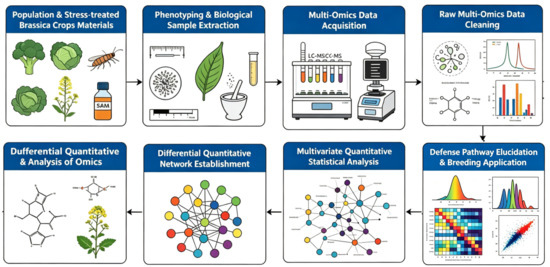
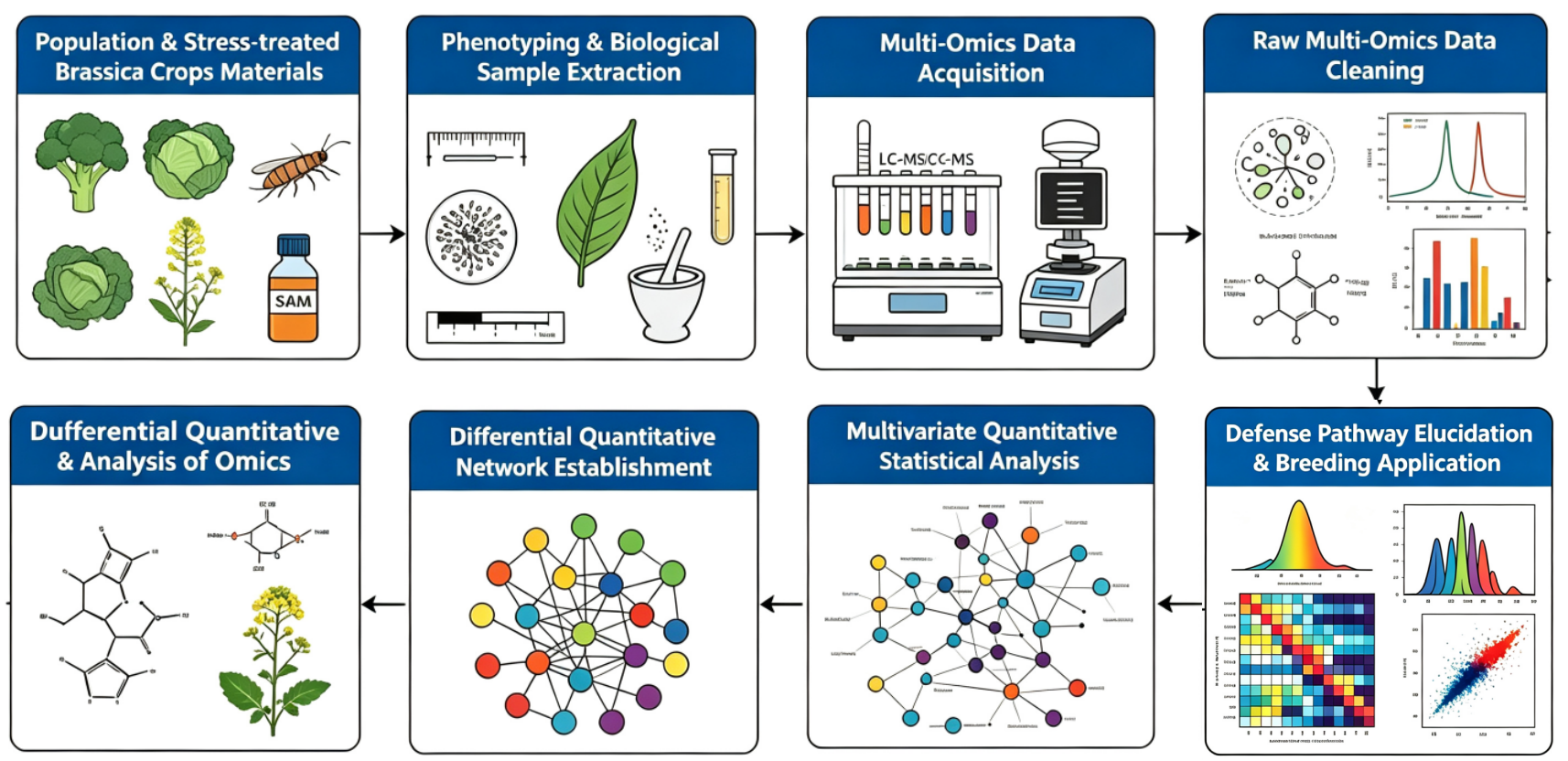
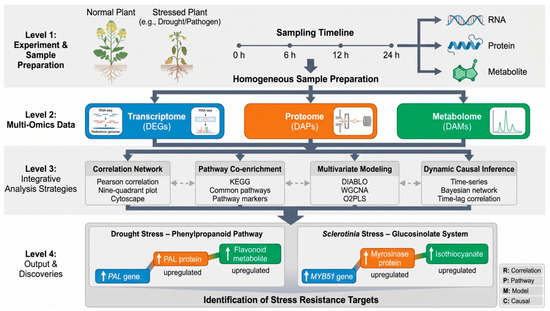
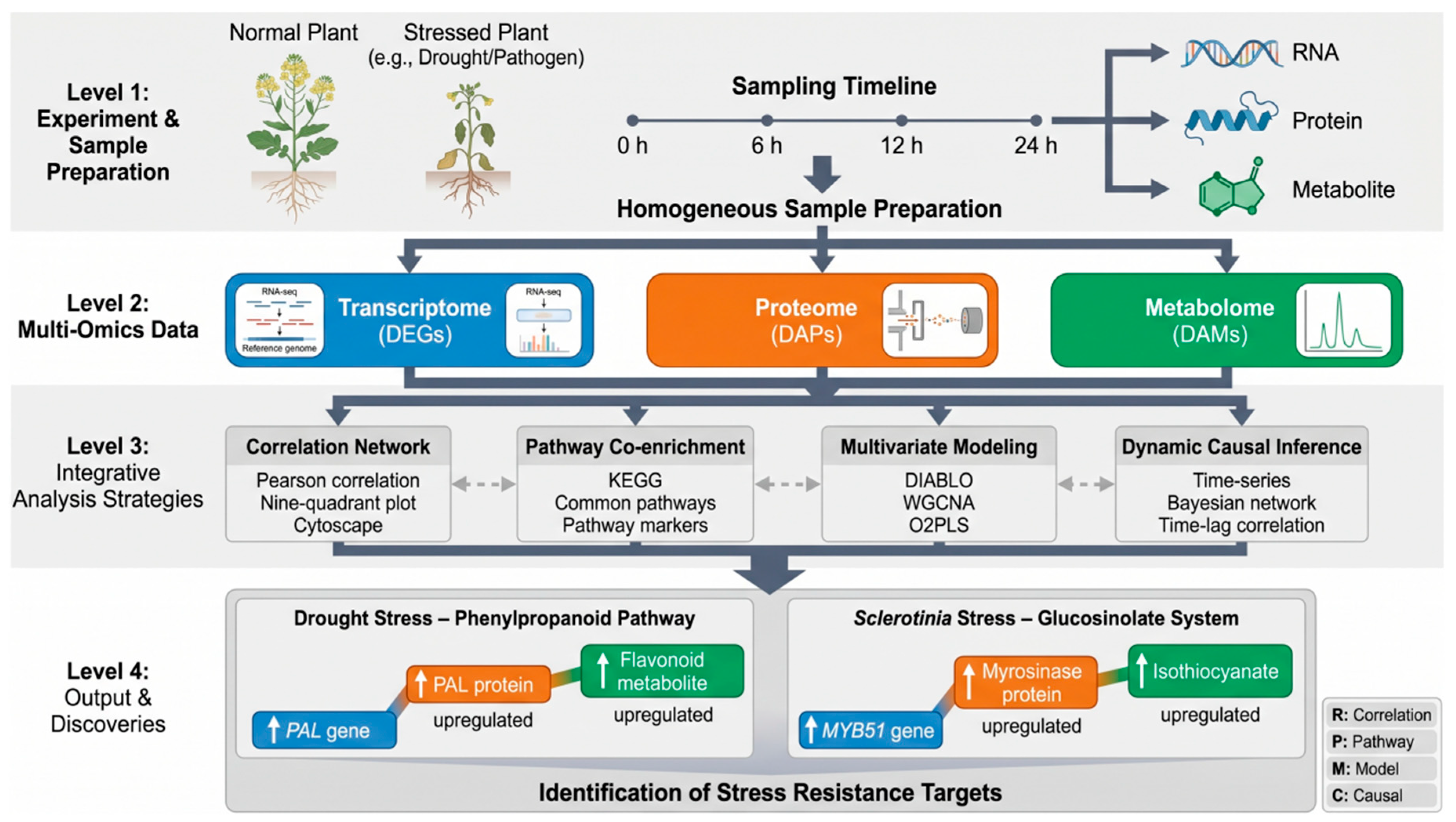

Disclaimer/Publisher’s Note: The statements, opinions and data contained in all publications are solely those of the individual author(s) and contributor(s) and not of MDPI and/or the editor(s). MDPI and/or the editor(s) disclaim responsibility for any injury to people or property resulting from any ideas, methods, instructions or products referred to in the content. |
© 2026 by the authors. Licensee MDPI, Basel, Switzerland. This article is an open access article distributed under the terms and conditions of the Creative Commons Attribution (CC BY) license.