Article

A Novel Water-Flow Live-Insect Monitoring Device for Measuring the Light-Trap Attraction Rate of Insects


College of Smart Agriculture (College of Artificial Intelligence), Nanjing Agricultural University, Nanjing 210031, China
*
Author to whom correspondence should be addressed.
Electronics 2026, 15(3), 714; https://doi.org/10.3390/electronics15030714

Submission received: 7 January 2026 / Revised: 4 February 2026 / Accepted: 4 February 2026 / Published: 6 February 2026

Abstract

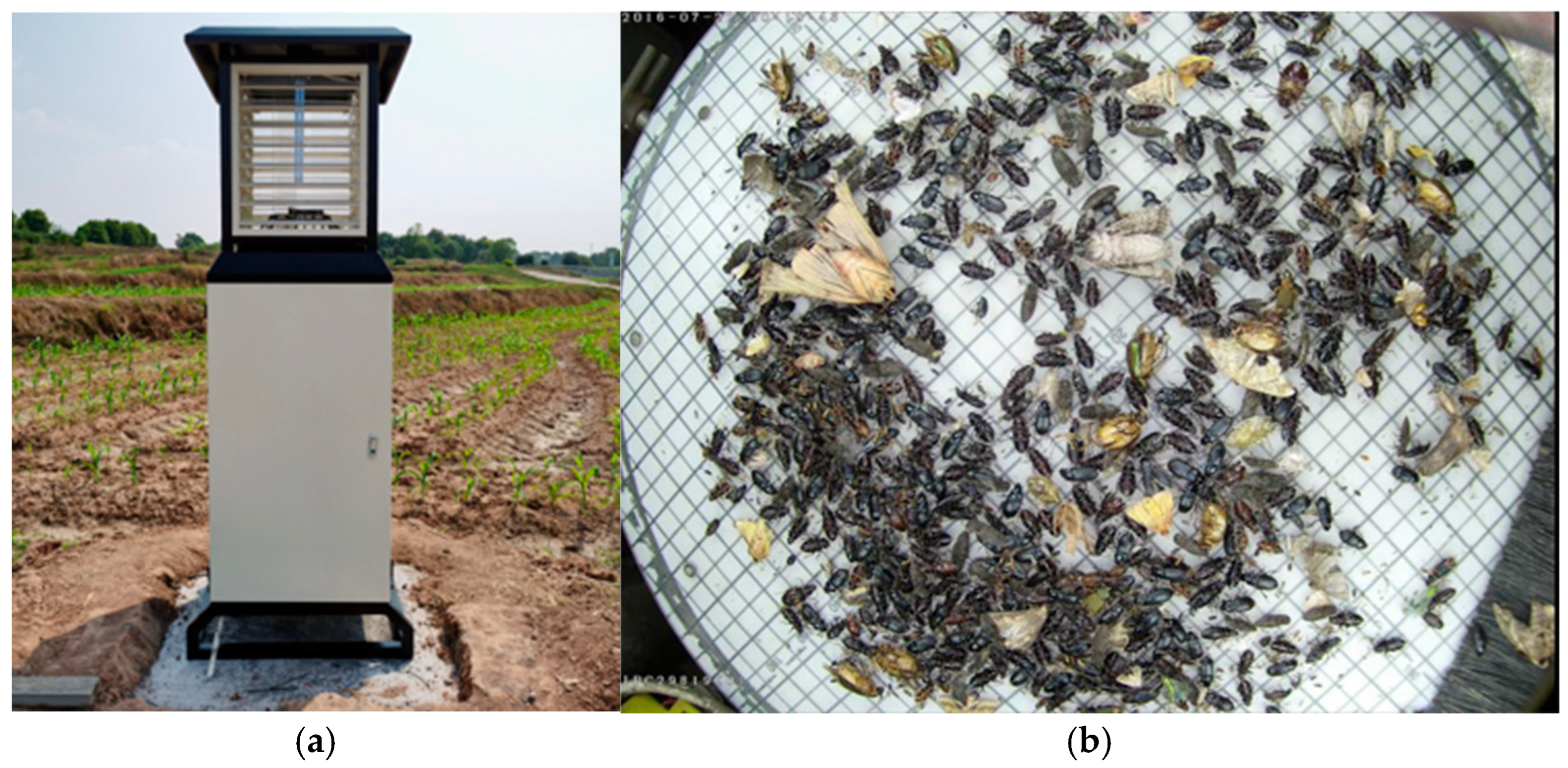
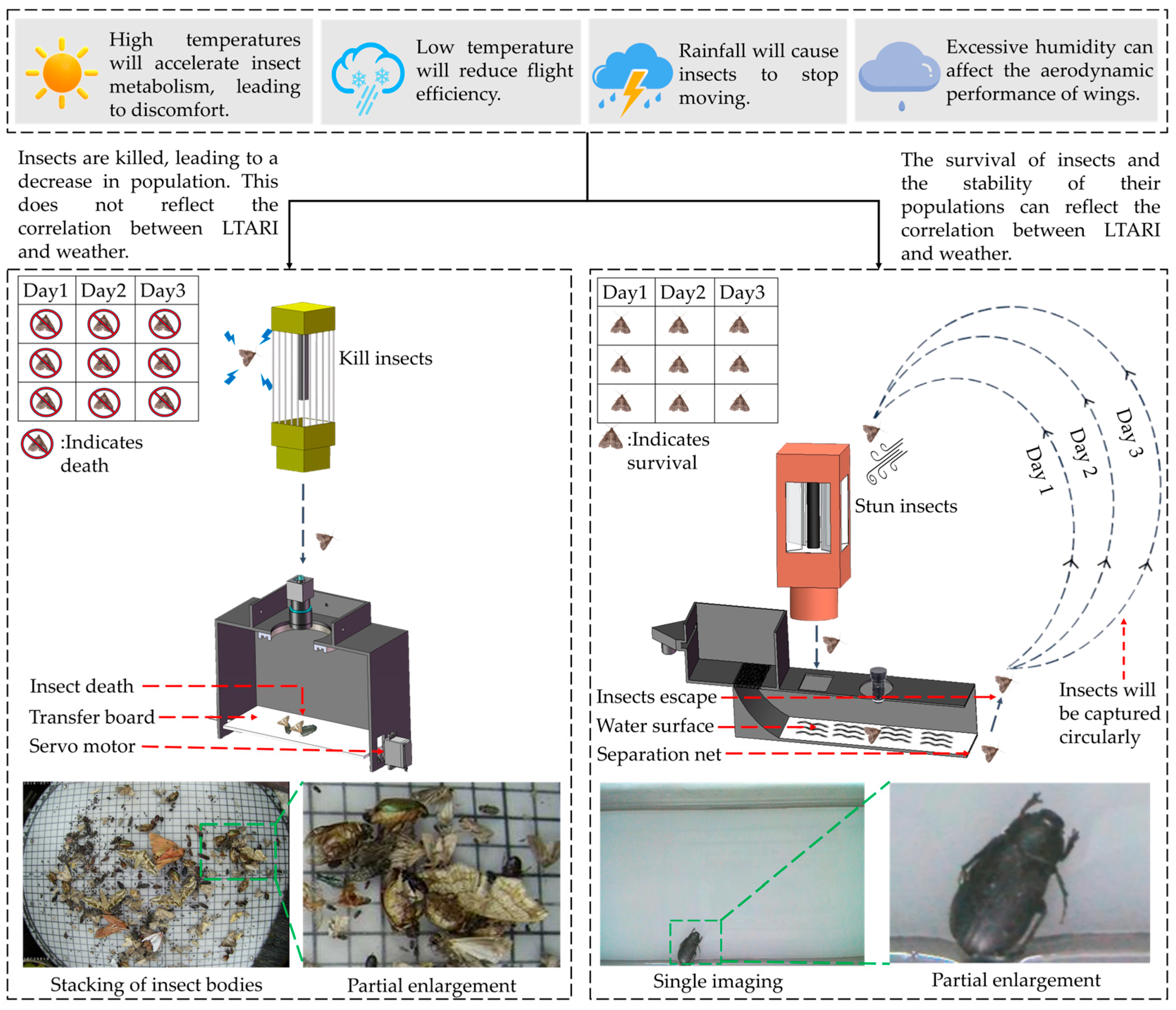
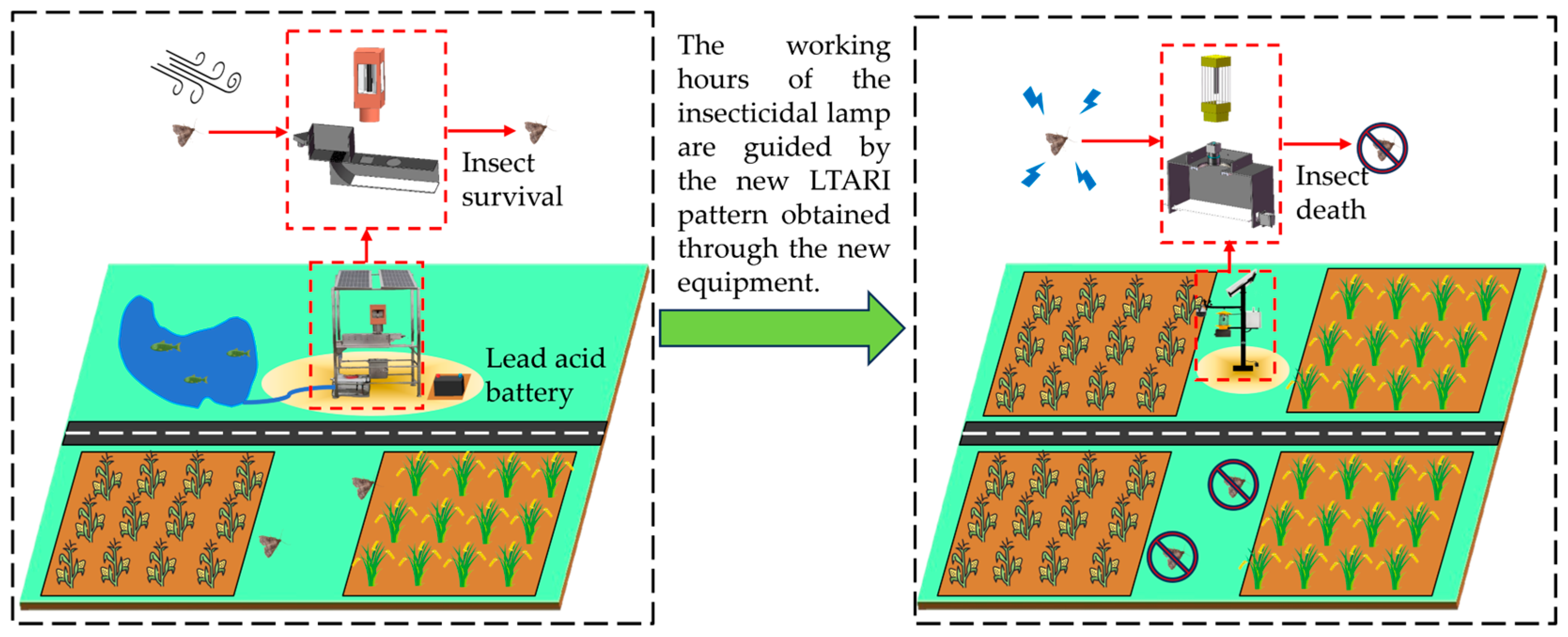
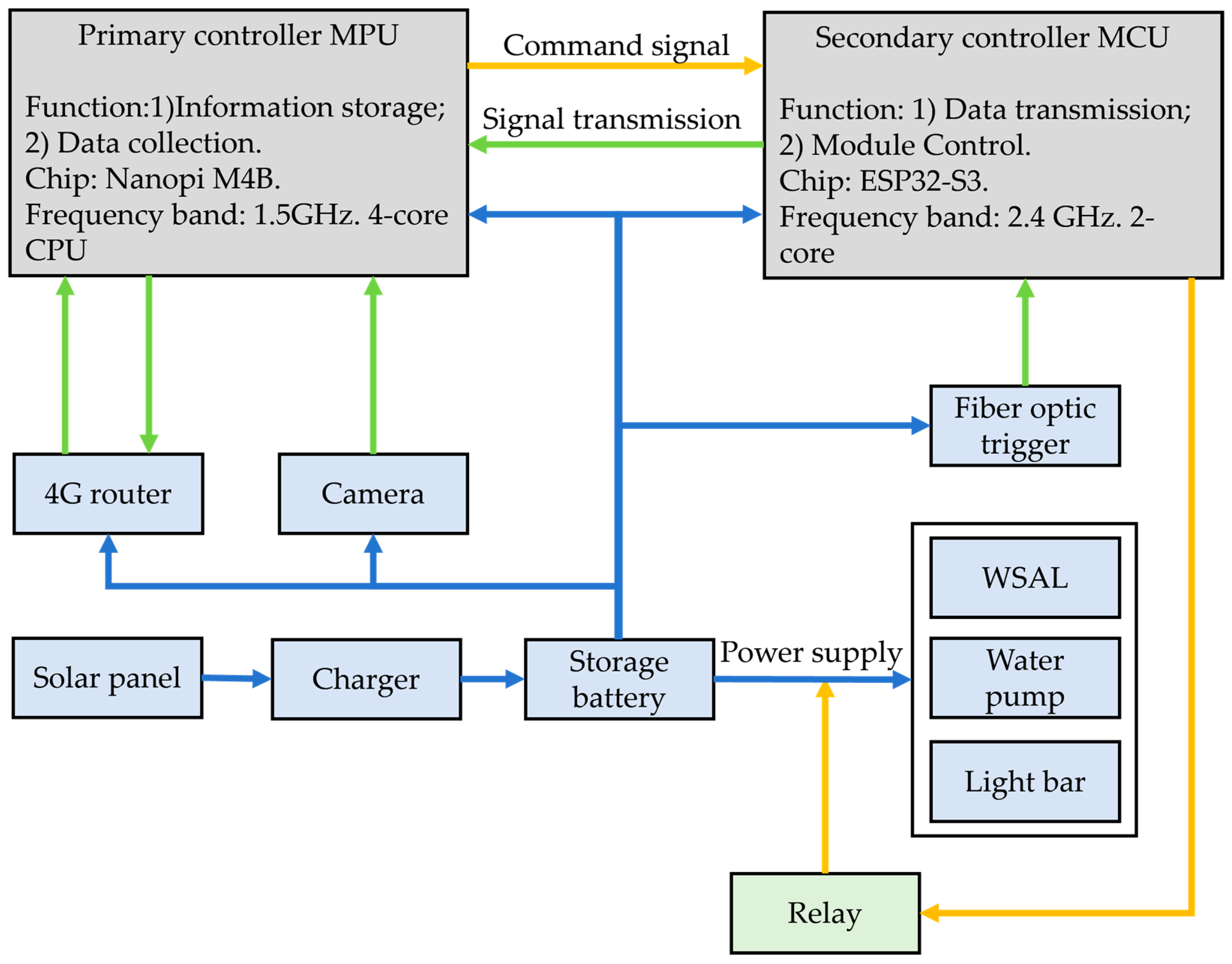
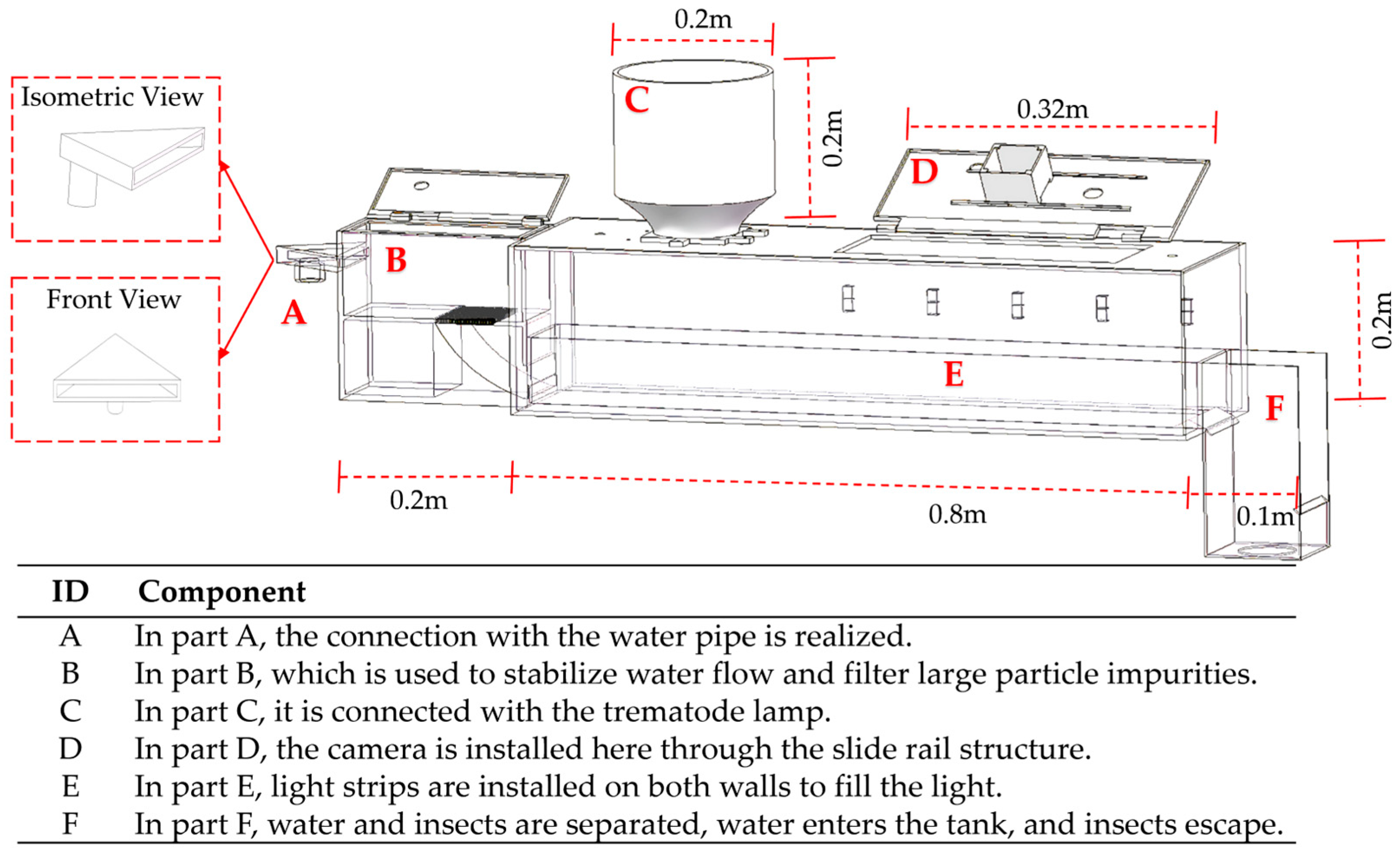
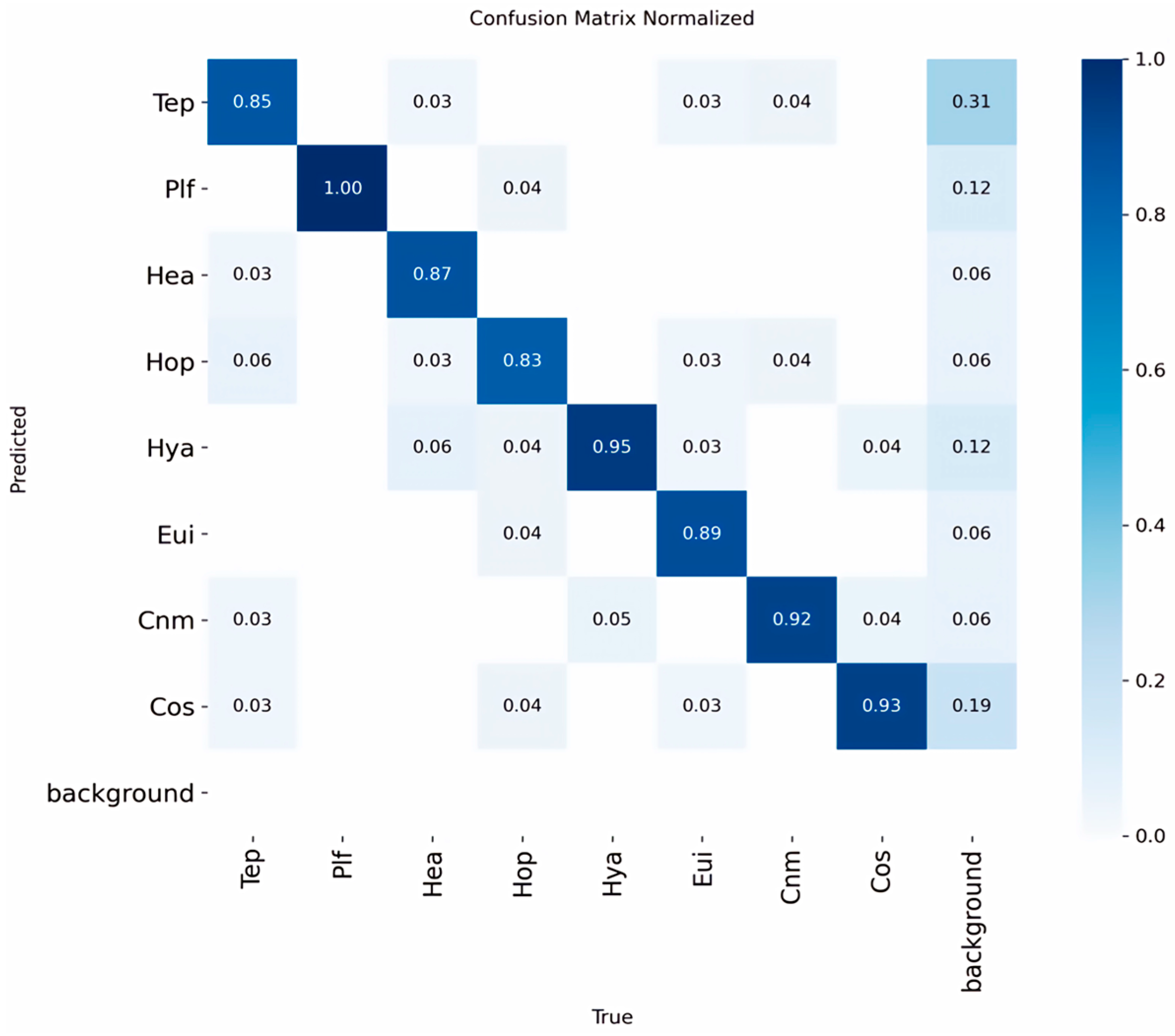
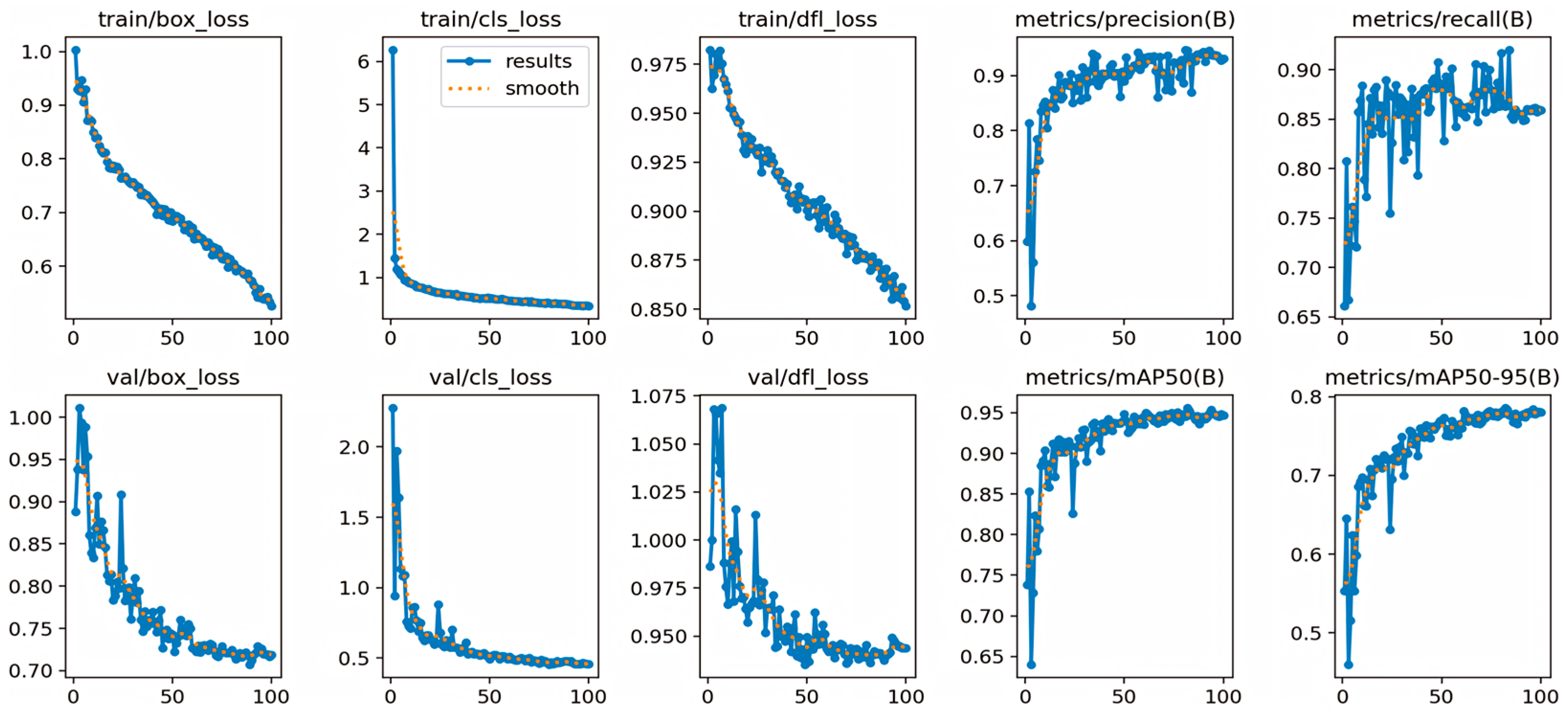
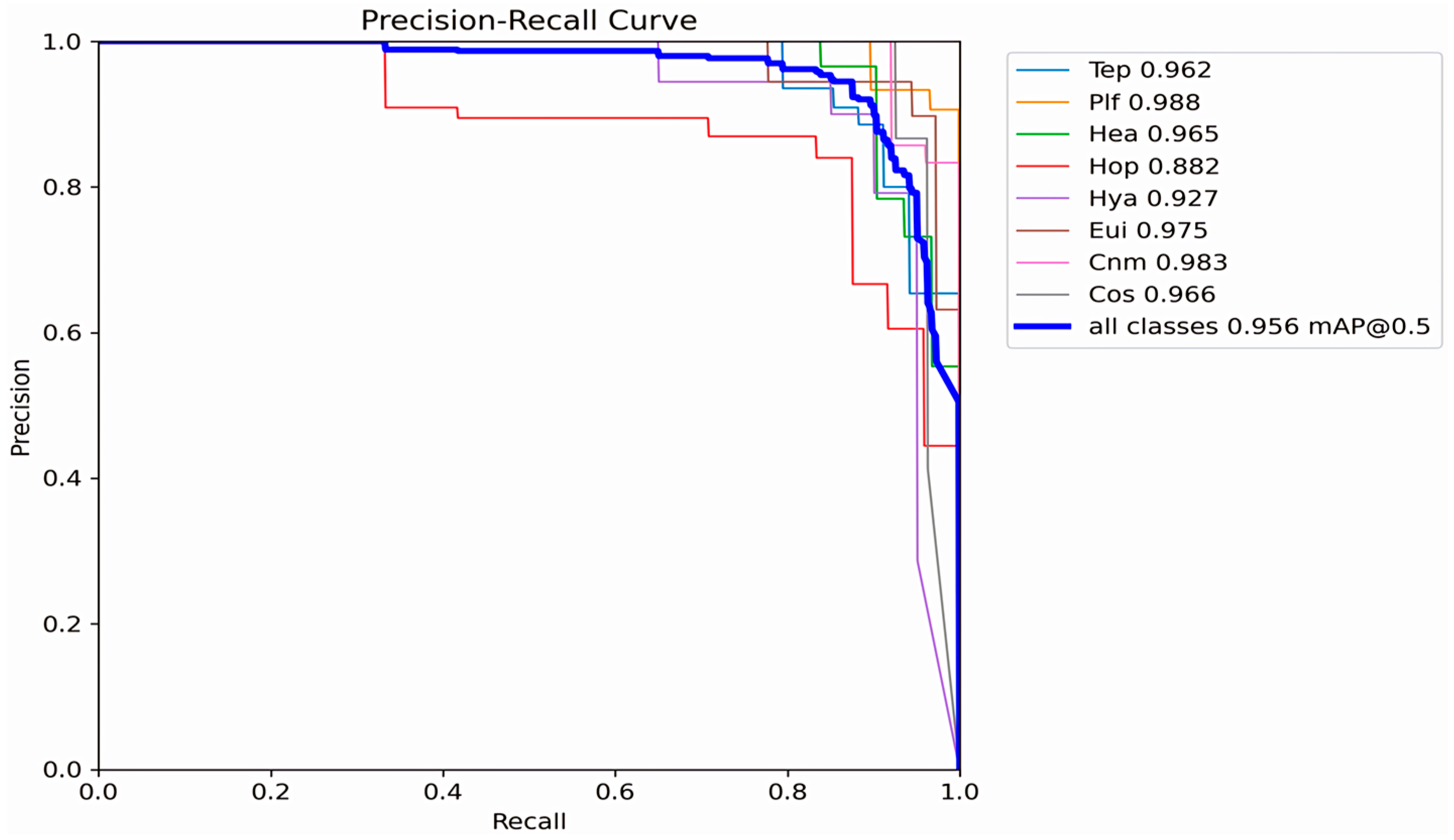
The light-trap attraction rate (LTARI) is an important metric for characterizing diel activity patterns and supports studies in insect behavioral ecology and pest management. However, conventional automatic light-trap devices often rely on lethal methods (e.g., high-voltage grids or infrared heating), causing high mortality of non-target insects and severe image obstruction due to stacking of insect bodies. These issues disturb natural populations and bias attempts to quantify LTARI. Our primary objective is to develop and evaluate a non-lethal monitoring system as a methodological basis for future LTARI research, rather than to provide head-to-head quantitative comparisons with conventional traps. To address the above limitations, we propose a live-insect monitoring instrument that integrates a wind-suction trap with a Water-Flow Dispersion and Transport Structure (WF-DTS). The non-destructive trapping–dispersion–release process limits body stacking, allows captured insects to be released, and yields a community-level post-capture survival rate of 94% under the conditions tested. Experimental results show that the prototype maintains image integrity with clearly isolated single insects and achieves a detection performance of 95.6% (mAP@0.5) using the YOLOv8s model. At the inference stage, only the standard resizing and normalization operations of YOLOv8s are applied, without additional denoising, background subtraction, or data augmentation. These observations suggest that the WF-DTS generates images that are easier to segment and classify than those from conventional devices. The high detection accuracy is largely attributable to the physical dispersion of specimens and the uniform white matte background provided by the hardware design. Overall, the system constitutes a non-lethal hardware–software platform that may reduce backend processing complexity and provide a methodological basis for more accurate LTARI estimation in future, dedicated field studies.
Keywords: light-trap attraction rate; non-lethal method; live insect release; ecological protection; precision agriculture light-trap attraction rate; non-lethal method; live insect release; ecological protection; precision agriculture