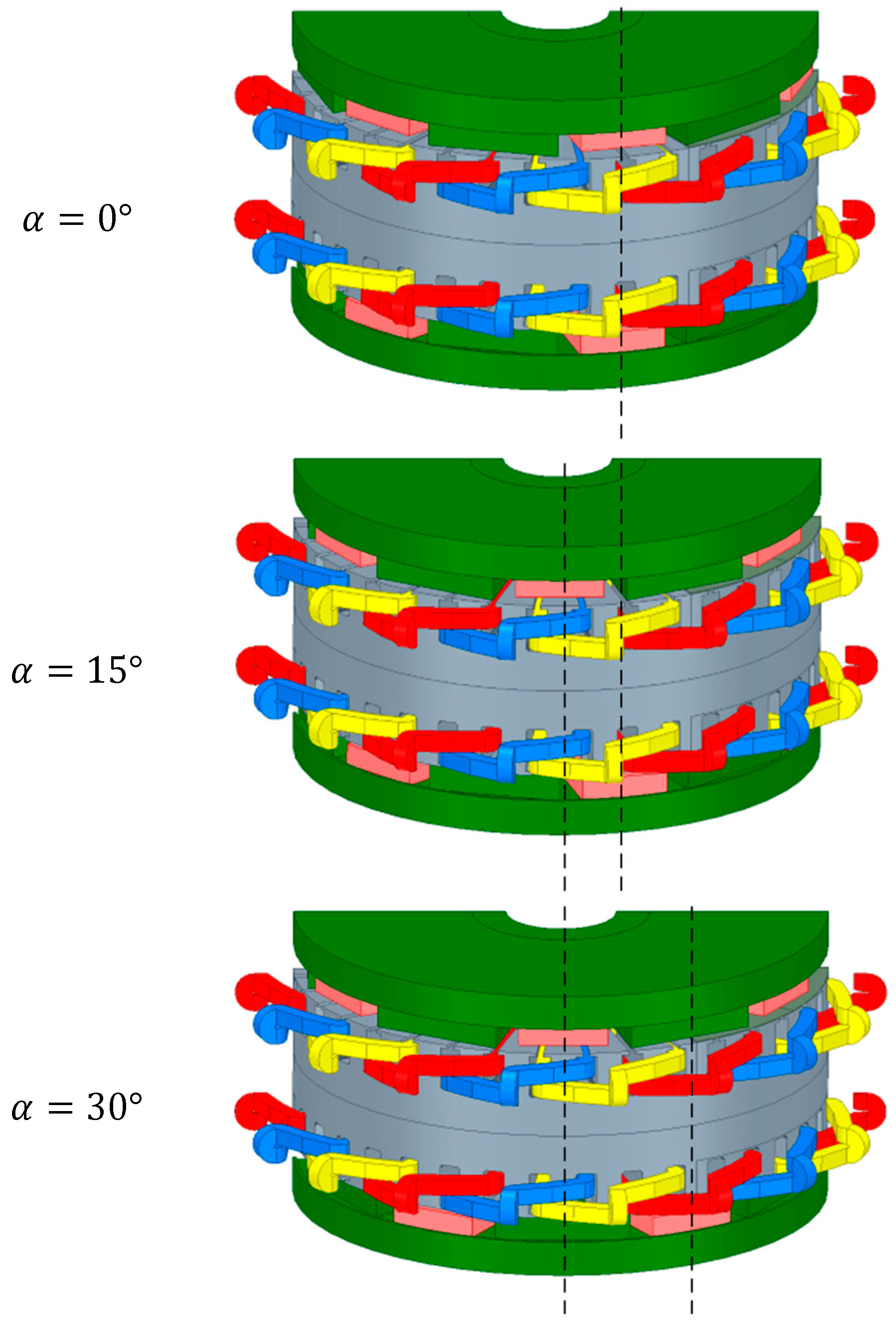
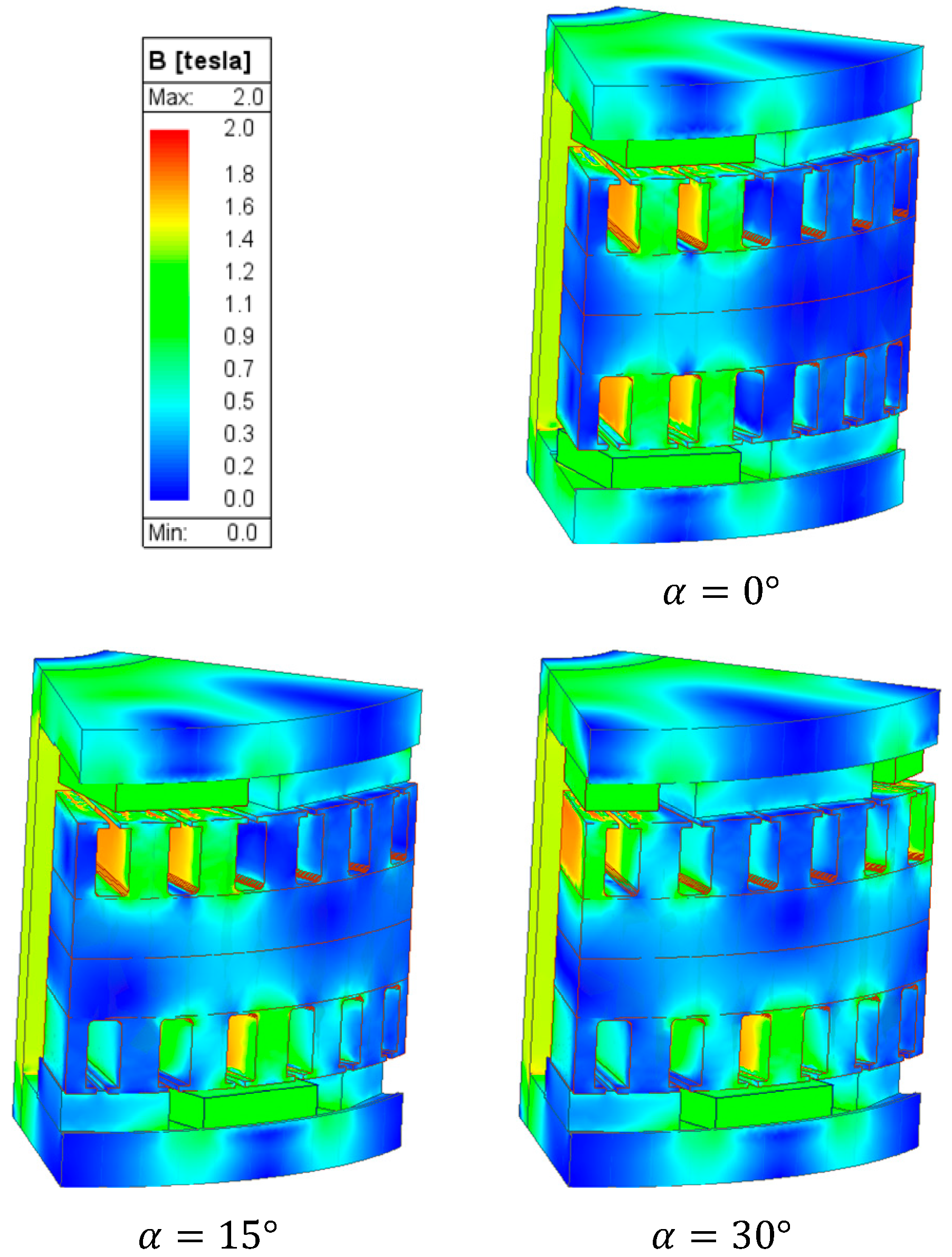
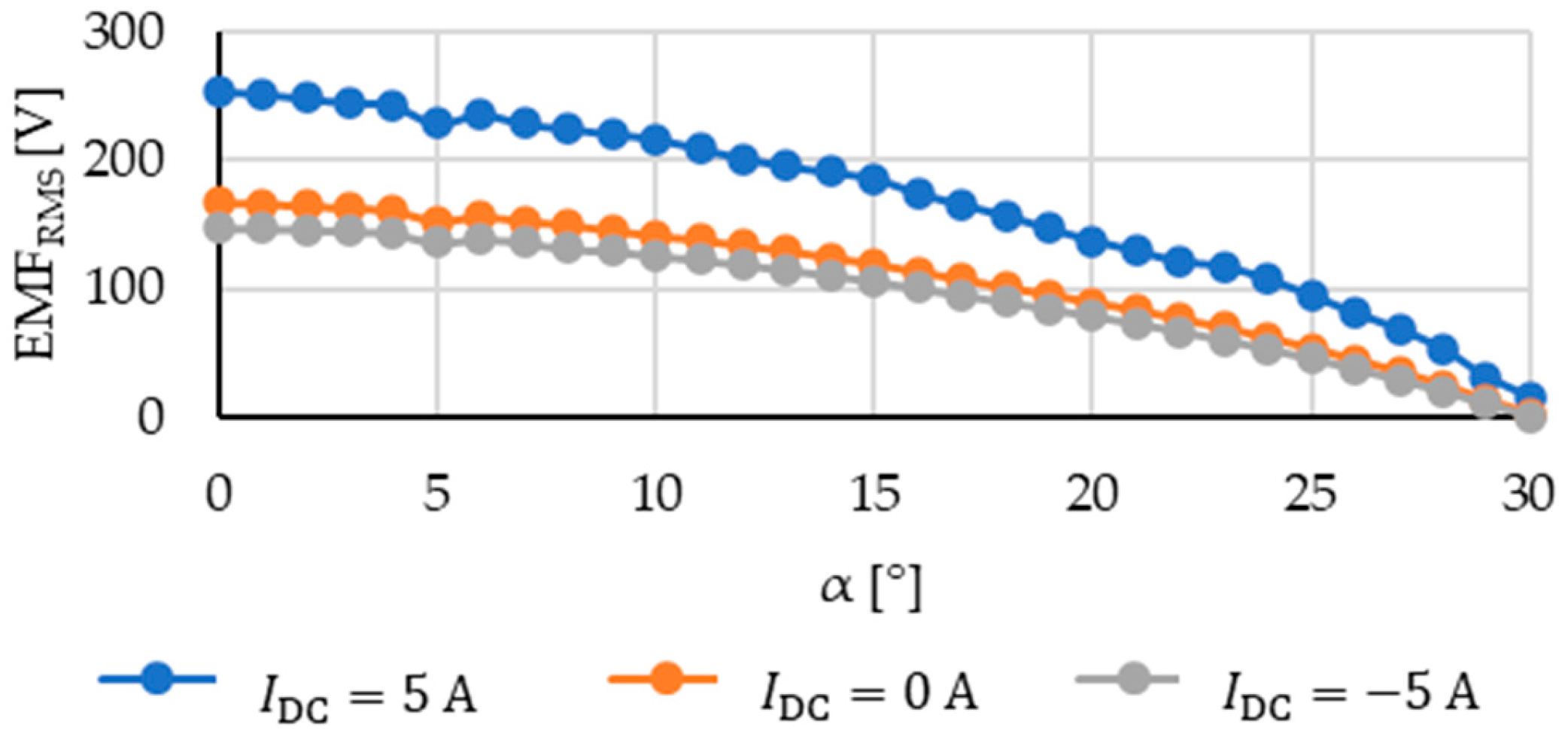
Improving the Efficiency of the Axial Flux Machine with Hybrid Excitation

 ,
,  ,
,  ,
,  , , ,
, , , Abstract
Share and Cite
Prajzendanc, P.; Palka, R.; Paplicki, P.; Wardach, M.; Cichowicz, M.; Cierzniewski, K.; Dorobczynski, L.; Gundabattini, E. Improving the Efficiency of the Axial Flux Machine with Hybrid Excitation. Electronics 2024, 13, 2219. https://doi.org/10.3390/electronics13112219
Prajzendanc P, Palka R, Paplicki P, Wardach M, Cichowicz M, Cierzniewski K, Dorobczynski L, Gundabattini E. Improving the Efficiency of the Axial Flux Machine with Hybrid Excitation. Electronics. 2024; 13(11):2219. https://doi.org/10.3390/electronics13112219
Chicago/Turabian StylePrajzendanc, Pawel, Ryszard Palka, Piotr Paplicki, Marcin Wardach, Michal Cichowicz, Kamil Cierzniewski, Lech Dorobczynski, and Edison Gundabattini. 2024. "Improving the Efficiency of the Axial Flux Machine with Hybrid Excitation" Electronics 13, no. 11: 2219. https://doi.org/10.3390/electronics13112219
APA StylePrajzendanc, P., Palka, R., Paplicki, P., Wardach, M., Cichowicz, M., Cierzniewski, K., Dorobczynski, L., & Gundabattini, E. (2024). Improving the Efficiency of the Axial Flux Machine with Hybrid Excitation. Electronics, 13(11), 2219. https://doi.org/10.3390/electronics13112219