


Abstract
Geranium robertianum L. (Herb Robert), a well-known member of the Geraniaceae family distributed widely across Europe, Asia, and North Africa, has a long-standing history in traditional medicine for treating inflammatory skin disorders, wounds, and minor bleeding. In recent years, growing scientific interest has focused on its rich phytochemical profile, particularly its abundance of polyphenolic compounds such as hydrolysable tannins (including ellagitannins and ellagic acid), phenolic acids (gallic and caffeic acids), and diverse flavonoid glycosides derived from quercetin and kaempferol. The available evidence, derived predominantly from phytochemical investigations, chemical antioxidant assays and in vitro experimental studies, suggests antioxidant, anti-inflammatory and antimicrobial potential. However, direct evidence of skin-protective efficacy using standardized G. robertianum extracts in skin-specific models or clinical studies remains limited. Furthermore, variations in phytochemical composition due to environmental factors, harvesting conditions, and extraction methods emphasize the necessity for standardized extracts and robust safety and stability evaluations. This review provides a comprehensive synthesis of the traditional uses, phytochemical characteristics, biological activities, and dermocosmetic potential of G. robertianum, while highlighting current research gaps and future directions for evidence-based product development.
1. Introduction
Medicinal plants represent an important source of structurally diverse bioactive compounds with considerable potential for dermatological and cosmetic applications. Among these compounds, phenolic acids, flavonoids, and tannins have attracted increasing scientific attention owing to their antioxidant, anti-inflammatory, antimicrobial, and wound-healing activities. These properties may contribute to the protection of skin against oxidative stress and persistent inflammation, two interconnected processes involved in skin aging and the pathogenesis of various dermatological disorders [1].
Growing consumer demand for natural and sustainable skincare products has stimulated interest in plant-derived cosmetic ingredients. Botanical extracts may provide multiple biological activities; however, their incorporation into topical formulations presents important challenges. Variations in phytochemical composition related to plant origin, environmental conditions, harvesting, processing, and extraction can affect reproducibility, while the instability of many bioactive constituents and the limited availability of well-designed clinical studies complicate their standardization and validation. Therefore, the development of evidence-based dermocosmetic products requires consideration not only of biological activity but also of safety, stability, compatibility, and performance within the final formulation [2].
Polyphenols are among the most extensively studied plant-derived compounds in skin research because of their ability to scavenge reactive oxygen species (ROS), modulate inflammatory pathways, and protect skin structures from oxidative damage. Their reported effects include modulation of extracellular matrix degradation, attenuation of UV-induced inflammation, and support of skin barrier function. Nevertheless, biological activity does not necessarily translate into cosmetic efficacy after topical application, as formulation characteristics can influence stability, release, skin penetration, and preservation of bioactivity [3].
Within this context, Geranium robertianum L. (Herb Robert), a herbaceous species of the Geraniaceae family, represents a promising but relatively underexplored source of bioactive phytochemicals relevant to skin health. Widely distributed across Europe, Asia, North Africa, and parts of North America, the species has a long history of traditional use for inflammatory skin conditions, wounds, bruises, minor bleeding, and other ailments [4,5,6,7,8]. These applications are consistent with its reported astringent, antioxidant, anti-inflammatory, antimicrobial, and wound-related properties.
Phytochemical studies have identified G. robertianum as a source of tannins, flavonoids, and phenolic acids, including gallic and ellagic acids, together with other potentially bioactive constituents [9,10,11,12]. Although experimental studies support several biological activities, the available evidence is heterogeneous and predominantly based on phytochemical characterization and in vitro assays, while skin-relevant models and clinical studies remain limited. Furthermore, although G. robertianum extract is listed in the European Commission’s CosIng database with cosmetic functions including astringent and tonic effects, this listing does not establish the safety or efficacy of a specific extract or formulation. Data regarding standardized extracts, topical safety, formulation performance, stability, and clinical efficacy remain insufficient.
Several polyphenol-rich botanicals, including Camellia sinensis, Hamamelis virginiana, and Geranium thunbergii, have already been investigated for dermatological and cosmetic applications [13,14,15]. In comparison, G. robertianum remains relatively underexplored in contemporary dermocosmetic development. Addressing these gaps is essential to determine whether its reported biological properties can be translated into reproducible and scientifically substantiated cosmetic applications.
Therefore, this review provides a comprehensive and critical assessment of G. robertianum, focusing on its traditional uses, phytochemical composition, biological activities relevant to skin health, topical safety, and potential applications in modern dermocosmetic formulations (Figure 1). Particular attention is given to current evidence gaps and the research priorities required for the development of scientifically substantiated topical products containing G. robertianum.
Figure 1.
Phytochemical composition, biological activities, and dermocosmetic applications of Geranium robertianum L.
2. Traditional Use of Geranium robertianum L.
Across Europe, the Balkans, Asia, Africa, and the Americas, Geranium robertianum L. (commonly known as Herb Robert) has a long history of traditional medicinal use for a wide range of health conditions. Ethnobotanical and ethnopharmacological records describe its use for gastrointestinal disorders, including ulcers, gastritis, diarrhea, and digestive bleeding, as well as respiratory conditions, hypertension, metabolic disorders, rheumatic complaints, and other ailments [16,17]. However, the available ethnobotanical evidence is heterogeneous, and comprehensive documentation of its traditional applications remains limited.
Of particular relevance to dermatology, G. robertianum has traditionally been used externally for wounds, burns, minor cuts, ulcers, bruises, and various inflammatory or irritated skin conditions. Preparations of the aerial parts, including infusions, decoctions, and extracts, were applied topically with the aim of supporting wound-healing, reducing inflammation, and preventing infection. Traditional external applications have also been reported for insect bites, superficial skin irritations, aphthous lesions, and other mucocutaneous inflammatory conditions [17,18,19,20]. These uses provide an important ethnopharmacological basis for investigating the potential relevance of G. robertianum to skin health.
The reported traditional applications are partly consistent with the biological activities identified in experimental studies. Flavonoids and phenolic acids present in G. robertianum may contribute to antioxidant and anti-inflammatory effects, while tannins and other phenolic constituents may be involved in its astringent and antimicrobial properties [11,21,22]. Nevertheless, these mechanisms should not be interpreted as direct evidence of clinical efficacy. Although in vitro studies have demonstrated antimicrobial, antioxidant, and anti-inflammatory activities, direct evidence supporting the traditional use of G. robertianum for wound-healing in humans or animal models remains limited [18]. Similarly, evidence for several other traditional applications, including metabolic indications, is largely restricted to experimental and ethnobotanical data.
Thus, the traditional use of G. robertianum, particularly for wounds, burns, minor skin injuries, and inflammatory skin conditions, provides a rationale for further investigation of its dermatological and cosmetic potential. However, the transition from traditional use to scientifically substantiated cosmetic applications requires standardized extracts, well-characterized formulations, appropriate safety assessment, and studies using relevant skin models and, ultimately, clinical evaluation (Figure 2)
Figure 2.
From traditional use to evidence-based dermocosmetic products: research and development roadmap for Geranium robertianum L.
3. Phytochemical Composition of Geranium robertianum L.
Polyphenols represent the predominant class of bioactive constituents identified in Geranium robertianum L. and are considered important contributors to its reported biological activities. Phytochemical investigations have consistently identified phenolic acids, flavonoids, and hydrolysable tannins, although their qualitative and quantitative composition varies according to geographical origin, plant developmental stage, harvesting conditions, extraction procedure, and analytical methodology [1,10]. This variability limits direct comparison among studies and highlights the importance of extract standardization for future pharmacological and dermocosmetic applications (Table 1).
Table 1.
Major phytochemical classes of Geranium robertianum and their potential relevance to skin health.
Tannins were among the earliest secondary metabolites reported in G. robertianum. The species is particularly characterized by hydrolysable tannins containing hexahydroxydiphenoyl (HHDP) groups esterified to a glucose core, with ellagic acid representing an important structural component of ellagitannin-derived products [23]. Subsequent studies using aqueous and hydroalcoholic extracts have confirmed substantial total phenolic, tannin, and flavonoid contents in plant material collected from different European regions, supporting the classification of G. robertianum as a polyphenol-rich medicinal plant [24,25].
Advanced chromatographic techniques, particularly high-performance liquid chromatography (HPLC) and liquid chromatography–mass spectrometry (LC–MS), have enabled more detailed characterization of individual constituents. Frequently reported compounds include phenolic acids such as gallic, ellagic, and chlorogenic acids, as well as flavonoid glycosides derived from quercetin and kaempferol [25,26]. These compounds are of particular interest because many have established antioxidant, anti-inflammatory, and antimicrobial properties, although their contribution to the biological activity of G. robertianum extracts depends on their concentration, chemical interactions, and the characteristics of the extract (Table 2).
In addition to polyphenols, G. robertianum contains a volatile fraction represented by essential oil constituents, including monoterpenes and sesquiterpenes [27]. Although present in substantially lower amounts than polyphenolic constituents, these compounds may contribute to the biological properties of the plant, particularly its reported antimicrobial and anti-inflammatory activity. However, the composition and biological relevance of the volatile fraction may also vary according to plant material and extraction conditions.
Phytochemical studies have additionally reported the presence of minerals, including magnesium, calcium, iron, manganese, and zinc, as well as several vitamins, including riboflavin, biotin, niacin, and vitamins A, C, and E [23,28,29]. These constituents contribute to the overall nutritional composition of the plant; however, their specific contribution to the biological and dermatological effects of G. robertianum extracts remains insufficiently established. Therefore, current evidence suggests that the biological potential of G. robertianum is primarily associated with its complex mixture of polyphenolic and other secondary metabolites rather than with individual micronutrients alone.
Table 2.
Representative phytochemicals identified in Geranium robertianum and biological activities relevant to skin health.
3.1. Phenolic Acids
Phenolic acids constitute an important subclass of polyphenols identified in Geranium robertianum L. Among the compounds most consistently reported are gallic, ellagic, caffeic, and caftaric acids, although their concentrations vary considerably according to plant origin, extraction procedure, and analytical methodology [24,25]. Quantitative analysis of concentrated aqueous extracts obtained from Romanian plant material revealed particularly high levels of gallic acid (1070.78 mg/kg) and ellagic acid (900.13 mg/kg), indicating their quantitative importance among the phenolic acids detected in the species [25]. Similarly, HPLC analysis of hydrolyzed dried aerial parts identified ellagic acid as a predominant constituent, together with lower amounts of caffeic and caftaric acids [24].
The occurrence of these phenolic acids is relevant to the biological potential of G. robertianum, as gallic, ellagic, and related phenolic compounds are widely recognized for their antioxidant and anti-inflammatory properties. However, their concentrations differ substantially between extracts, emphasizing the influence of extraction conditions and the need for standardized phytochemical characterization when evaluating G. robertianum for dermocosmetic applications [24,25].
3.2. Flavonoids
Flavonoids represent another major class of polyphenolic constituents in G. robertianum. Phytochemical analyses have revealed a diverse profile dominated by quercetin- and kaempferol-derived compounds, together with smaller amounts of naringenin glycosides, predominantly occurring as O-glycosides [26]. HPLC-DAD-ESI/MS analysis identified 17 flavonoid glycosides in methanolic, acetone, and ethyl acetate extracts, demonstrating substantial structural diversity within this class [26].
The relative abundance of individual flavonoids was strongly influenced by the extraction solvent. Kaempferol-O-deoxyhexosyl-glucuronide was the predominant flavonoid in methanolic extracts (4.78 ± 0.11 mg/g), whereas kaempferol-O-deoxyhexosyl-hexoside was predominant in acetone extracts (2.61 ± 0.07 mg/g). Among quercetin derivatives, quercetin-3-O-rutinoside was the major compound detected in acetone extracts (3.39 ± 0.06 mg/g), followed by quercetin-O-deoxyhexosyl-hexoside and quercetin-O-deoxyhexosyl-glucuronide [26]. These findings demonstrate that both solvent polarity and extraction conditions substantially affect the qualitative and quantitative flavonoid profile of G. robertianum.
The presence of quercetin- and kaempferol-derived flavonoids is of particular interest because these compounds are associated with antioxidant, anti-inflammatory, and photoprotective activities. Their potential relevance to skin health is discussed in greater detail in the subsequent section addressing the biological activities of G. robertianum.
3.3. Tannins
Tannins are among the characteristic secondary metabolites of G. robertianum and occur predominantly as hydrolysable tannins, including ellagitannins and gallotannins [23,25]. Ellagitannins contain hexahydroxydiphenoyl (HHDP) groups esterified to a glucose core and can yield ellagic acid upon hydrolysis. Their abundance contributes to the distinctive polyphenolic profile of the species [23,25].
Geraniin, an ellagitannin extensively studied within the Geranium genus, has also been reported in G. robertianum, although much of the detailed pharmacological literature concerning this compound originates from studies of other Geranium species, particularly G. thunbergii [35,36]. This distinction is important when interpreting the biological relevance of geraniin specifically in G. robertianum. In addition to hydrolysable tannins, condensed tannins (proanthocyanidins) have been detected in methanolic extracts, with their content commonly expressed as catechin equivalents [23,37].
The high tannin content of G. robertianum is consistent with several of its traditional applications, particularly those involving astringent and wound-related preparations. Nevertheless, direct evidence linking individual tannins to specific dermatological effects of G. robertianum remains limited and should be distinguished from evidence obtained with isolated compounds or other plant species.
3.4. Volatile Constituents
Although present in substantially lower amounts than polyphenols, volatile compounds contribute to the overall phytochemical profile of G. robertianum. Analysis of the essential oil obtained from aerial parts identified monoterpenes and sesquiterpenes as the predominant groups, with linalool (13.4%), germacrene D (8.6%), α-caryophyllene (3.4%), α-terpineol (2.7%), and geraniol (2.6%) among the principal constituents [27].
The presence of oxygenated monoterpenes such as linalool, geraniol, and α-terpineol is of interest because these compounds have documented antimicrobial and anti-inflammatory properties in the broader literature. However, the biological activity of the essential oil cannot be inferred solely from the activity of its individual constituents, as the composition and relative abundance of volatile compounds may influence the observed effects. In G. robertianum, the available evidence suggests that the volatile fraction may contribute to the antimicrobial profile of the plant, although it remains considerably less characterized than its polyphenolic fraction [27].
Overall, the phytochemical profile of G. robertianum is characterized by a predominance of polyphenolic compounds, particularly tannins, phenolic acids, and flavonoids, accompanied by a smaller volatile fraction. The substantial variability in the composition of different extracts represents an important consideration for future dermocosmetic applications and highlights the need for standardized botanical preparations.
3.5. Summary of the Phytochemical Profile
Geranium robertianum L. is characterized by a polyphenol-rich phytochemical profile, with phenolic acids, flavonoids, and hydrolysable tannins representing the predominant secondary metabolites. The plant also contains a minor volatile fraction composed mainly of monoterpenes and sesquiterpenes, together with several minerals and vitamins. The qualitative and quantitative composition varies according to geographical origin, plant developmental stage, harvesting conditions, extraction procedure, and analytical methodology, emphasizing the need for extract standardization when evaluating its biological and dermocosmetic potential [1,10,23,24,25,26,27,28,29]. Among the most consistently identified compounds are gallic and ellagic acids, quercetin- and kaempferol-derived flavonoids, hydrolysable tannins including geraniin, and volatile constituents such as linalool, germacrene D, α-terpineol, geraniol, and α-caryophyllene. Their reported biological activities provide a plausible basis for the antioxidant, anti-inflammatory, antimicrobial, and astringent properties associated with G. robertianum. However, the strength of evidence differs substantially among individual compounds and biological effects, and many dermatological activities have been demonstrated for isolated constituents or related Geranium species rather than for standardized G. robertianum extracts. The principal phytochemical classes, representative constituents, and their reported biological activities and potential relevance to skin health are summarized in Table 1, while Table 2 provides a more detailed overview of individual compounds for which biological activities relevant to dermatology have been reported.
4. Biological Activities Relevant to Skin Health
Geranium robertianum has attracted considerable scientific interest because its phytochemical composition is closely associated with a broad spectrum of biological activities relevant to skin health. Current evidence indicates that the biological effects of the species are primarily mediated by its high content of polyphenols, particularly phenolic acids, flavonoids, and hydrolysable tannins, which collectively exhibit antioxidant, anti-inflammatory, antimicrobial, and wound-healing properties. These findings largely support the plant’s long-standing traditional use in the management of wounds and inflammatory skin disorders. However, although numerous in vitro studies have demonstrated promising biological activity, the available evidence remains largely limited to phytochemical investigations and experimental assays, while studies employing skin-specific models and well-designed clinical trials are still scarce [1,35]. Experimental evidence supporting the antioxidant activity of Geranium robertianum relevant to skin health is presented in Table 3.
Table 3.
Experimental evidence supporting the antioxidant activity of Geranium robertianum relevant to skin health.
4.1. Antioxidant Activity
Oxidative stress plays a major role in skin aging and in the development of several inflammatory and degenerative skin conditions. Excessive production of reactive oxygen species (ROS) promotes lipid and protein oxidation, DNA damage, inflammatory signaling, and degradation of extracellular matrix components. Consequently, plant-derived antioxidants have attracted considerable interest as potential ingredients for skin-protective and anti-aging formulations.
Several studies have demonstrated antioxidant activity of G. robertianum extracts using complementary in vitro assays, including DPPH and ABTS radical-scavenging assays, ferric reducing antioxidant power (FRAP), and inhibition of lipid peroxidation [8,39,40]. Methanolic, aqueous, and hydroalcoholic extracts generally exhibited stronger antioxidant activity than less polar extracts, while higher activity was frequently associated with increased total phenolic and flavonoid contents [8,39,40]. These findings support the contribution of polyphenols to the antioxidant capacity of the plant, although differences in extraction procedures and assay conditions limit direct comparison between studies.
Several constituents identified in G. robertianum, including gallic acid, caffeic acid, quercetin, and rutin, possess established antioxidant and photoprotective properties in experimental models. Quercetin, for example, has been shown to modulate UV-associated oxidative and inflammatory pathways, including AP-1 and NF-κB signaling, while gallic acid has demonstrated effects on ROS generation, MMP-1 expression, and type I procollagen production in experimental skin models [32,33,34,35,36]. However, these findings primarily concern isolated compounds rather than standardized G. robertianum extracts and therefore should be interpreted as mechanistic support rather than direct evidence of clinical efficacy.
Overall, the antioxidant activity of G. robertianum represents one of the better-supported aspects of its biological profile. Nevertheless, further studies using standardized extracts, skin-relevant cellular and tissue models, and topical formulations are required to determine whether the antioxidant effects observed in chemical assays translate into meaningful skin protection following topical application.
4.2. Anti-Inflammatory Activity
Inflammation is a fundamental component of numerous acute and chronic skin disorders, including dermatitis, psoriasis, acne, impaired wound-healing, and UV-induced skin damage. Persistent activation of inflammatory pathways promotes excessive production of reactive oxygen species (ROS), pro-inflammatory cytokines, and proteolytic enzymes that contribute to extracellular matrix degradation and disruption of skin homeostasis. Consequently, natural compounds capable of modulating these processes have attracted considerable attention as potential dermatological and dermocosmetic ingredients.
The anti-inflammatory activity of Geranium robertianum is largely attributed to its high content of phenolic acids, flavonoids, and hydrolysable tannins, which collectively modulate oxidative stress and inflammatory signaling pathways [1]. Experimental studies have demonstrated that aqueous and hydroalcoholic extracts possess the ability to attenuate several mechanisms associated with cutaneous inflammation. Rather than acting through a single molecular target, the anti-inflammatory effects appear to result from the combined antioxidant and enzyme-modulating properties of the plant’s polyphenolic constituents.
One of the proposed mechanisms involves the neutralization of hypochlorous acid (HOCl), a highly reactive oxidant produced by activated neutrophils during inflammatory responses. Hydroalcoholic extracts of G. robertianum exhibited measurable HOCl scavenging activity, although with lower efficacy than quercetin used as the reference antioxidant [1]. In addition, aqueous extracts demonstrated weak inhibition of hyaluronidase and moderate inhibition of elastase, two enzymes involved in degradation of extracellular matrix components during chronic inflammation and skin aging. Although the inhibitory effects were relatively modest, these findings suggest that G. robertianum may contribute to the preservation of skin structural integrity under inflammatory conditions [1].
The influence of G. robertianum on arachidonic acid metabolism appears to be more limited. Available studies demonstrated no significant inhibition of 5-lipoxygenase (5-LOX) activity and no modulation of inducible nitric oxide synthase (iNOS) expression within the investigated concentration range [1]. Nevertheless, aqueous extracts exhibited pronounced nitric oxide (NO) scavenging activity, with IC50 values lower than those reported for ascorbic acid, indicating efficient neutralization of reactive nitrogen species generated during inflammatory processes [4]. These observations suggest that the anti-inflammatory effects of G. robertianum are mediated predominantly through antioxidant and free radical scavenging mechanisms rather than by direct inhibition of key inflammatory enzymes.
Taken together, the available findings indicate that G. robertianum exhibits measurable antioxidant and enzyme-modulating effects that may contribute to its traditional use in inflammatory conditions. However, the relatively weak inhibition of hyaluronidase and the absence of significant effects on 5-LOX and iNOS indicate that its anti-inflammatory profile should be interpreted cautiously. Direct evidence from keratinocytes, fibroblasts, reconstructed skin models, and clinical studies remains insufficient (Table 4).
Table 4.
Experimental evidence supporting the anti-inflammatory activity of Geranium robertianum relevant to skin health.
4.3. Antimicrobial Activity
Microbial infections represent a major challenge in dermatology, particularly in chronic wounds, burns, acne, and inflammatory skin disorders, where bacterial colonization can delay tissue repair and aggravate inflammatory responses. Consequently, considerable attention has been directed toward plant-derived compounds with antimicrobial properties that may serve as complementary or alternative agents in topical formulations.
Available studies indicate that Geranium robertianum exhibits selective antimicrobial activity against a broad range of Gram-positive bacteria and several opportunistic fungal species, particularly those belonging to the Candida genus [18]. Although early investigations suggested that the volatile oil possessed only limited antibacterial activity, subsequent studies demonstrated that extracts prepared using hexane, ethyl acetate, methanol, ethanol, and hydroalcoholic solvents exhibit substantially greater antimicrobial efficacy. The strongest antibacterial activity has been reported against Staphylococcus, Bacillus, Enterococcus, and oral streptococci associated with dental caries, suggesting that the extraction procedure markedly influences the antimicrobial potential of the plant [18].
Fractionation of hexane and ethyl acetate extracts further enhanced antimicrobial activity, with several fractions demonstrating bactericidal effects against Bacillus spp. and Micrococcus luteus. Antifungal activity has also been reported against several clinically relevant Candida species, including Candida auris, Candida krusei, Candida lusitaniae, Candida glabrata, Candida tropicalis, and Candida parapsilosis, indicating that G. robertianum possesses a relatively broad antifungal spectrum [18].
The antimicrobial activity of G. robertianum is primarily attributed to the combined action of polyphenolic compounds and volatile terpenoids. Phenolic acids, flavonoids, and tannins are known to interfere with microbial cell walls and membranes, inhibit essential microbial enzymes, and reduce microbial adhesion, whereas monoterpenes and sesquiterpenes present in the essential oil increase membrane permeability and contribute to membrane disruption. The coexistence of these chemically diverse constituents suggests that the antimicrobial activity of G. robertianum results from synergistic interactions rather than from the action of a single bioactive compound [18,41].
Although clinical evidence remains limited, preliminary translational studies have demonstrated promising therapeutic potential. Ear drops containing G. robertianum in combination with clove and lavender extracts showed clinical efficacy comparable to ciprofloxacin in the treatment of acute otitis externa, suggesting that plant-derived antimicrobial formulations may represent a valuable complementary therapeutic approach [18]. However, because this formulation contained multiple botanical ingredients, the specific contribution of G. robertianum cannot be determined with certainty.
These findings indicate that G. robertianum may be of interest for the development of topical formulations in which antimicrobial activity is desirable. However, the available evidence does not currently establish efficacy against specific dermatological infections, and the relevance of the observed antimicrobial effects under topical conditions remains to be determined (Table 5).
Table 5.
Experimental evidence supporting the antimicrobial activity of Geranium robertianum relevant to skin health.
5. Wound-Healing and Tissue Regeneration
Wound-healing is a complex biological process involving coordinated inflammatory, proliferative, and remodeling phases that require tight regulation of oxidative stress, extracellular matrix deposition, angiogenesis, and microbial control. Natural products possessing antioxidant, anti-inflammatory, and antimicrobial activities are therefore increasingly investigated as potential agents for improving skin repair and tissue regeneration.
Although direct experimental studies evaluating the wound-healing activity of Geranium robertianum in skin models remain scarce, its phytochemical composition provides a strong rationale for this traditional application. The plant is particularly rich in hydrolysable tannins, flavonoids, and phenolic acids, all of which have been associated with biological processes involved in tissue repair [42,43]. Among these compounds, tannins are considered the principal contributors to wound-healing because of their astringent, antioxidant, anti-inflammatory, and antimicrobial properties.
Tannins may contribute to the wound-healing properties traditionally attributed to G. robertianum, based on their reported astringent, antioxidant, antimicrobial and tissue-protective activities. Experimental studies conducted with purified tannic acid demonstrated accelerated wound closure, enhanced re-epithelialization, increased fibroblast proliferation, modulation of IL-1 and IL-6 levels and activation of ERK1/2 signaling pathways [42]. Separately, tannin-rich extracts from the immature fruits of Terminalia chebula promoted wound contraction, granulation tissue formation, collagen organization, and VEGF expression in a rat wound model [43]. However, neither study investigated G. robertianum extracts and these findings should therefore be considered indirect evidence rather than direct confirmation of the wound-healing efficacy of this species.
Although these mechanisms provide a plausible explanation for the traditional use of G. robertianum, direct experimental evidence remains limited. A small clinical study evaluating a topical tannin-containing preparation in burn wounds reported similar bacterial colonization between treatment groups, while more favorable observations concerned eschar quality and hypertrophic scarring [44]. However, this study did not investigate G. robertianum extracts and therefore cannot be considered direct evidence of wound-healing efficacy for this species. Nevertheless, the long-standing ethnomedicinal use of G. robertianum for the treatment of wounds and minor skin injuries in several Balkan regions further supports its traditional application [45].
Taken together, the currently available evidence suggests that the wound-healing potential of G. robertianum is primarily inferred from its phytochemical composition and the well-established biological activities of its major constituents rather than from direct pharmacological or clinical studies. Consequently, future investigations employing standardized extracts, skin-specific experimental models, and controlled clinical trials are required to validate its efficacy and clarify the molecular mechanisms underlying its regenerative properties (Table 6).
Table 6.
Experimental evidence supporting the wound-healing potential of Geranium robertianum relevant to skin health.
6. Anti-Aging Potential and Enzyme Inhibition
Skin aging is a multifactorial process characterized by progressive degradation of the extracellular matrix, loss of skin elasticity, and alterations in pigmentation. Several enzymes, including human neutrophil elastase (HNE), hyaluronidase (Hyal), collagenase, and tyrosinase, play key roles in these processes by promoting degradation of elastin, collagen, and hyaluronic acid or by regulating melanin synthesis. Consequently, inhibition of these enzymes represents one of the principal molecular strategies in the development of modern anti-aging dermocosmetics (Table 7).
Table 7.
Evidence relevant to the wound-healing potential of Geranium robertianum L.
Given its high content of polyphenols, flavonoids, and hydrolysable tannins, Geranium robertianum could be expected to exhibit inhibitory activity against enzymes involved in skin aging. Numerous phenolic compounds identified in the species, particularly quercetin and ellagic acid derivatives, are structurally related to molecules that have demonstrated inhibitory effects against elastase, hyaluronidase, collagenase, and tyrosinase in other botanical species [46]. Nevertheless, direct experimental evidence supporting these activities in G. robertianum remains very limited.
Currently available studies report only weak hyaluronidase inhibition (approximately 7.2%) and moderate elastase inhibition (approximately 34.7%) by aqueous extracts at the tested concentration (10 μg/mL), suggesting only limited modulation of extracellular matrix degradation pathways [47]. Furthermore, no significant studies have demonstrated inhibition of collagenase or tyrosinase by G. robertianum extracts using either in vitro or in silico approaches. Consequently, the available data are insufficient to support specific anti-aging claims based on direct enzymatic inhibition.
Interestingly, investigations conducted on other species within the Geranium genus indicate that phenolic constituents such as ellagic acid and quercetin possess significant inhibitory activity against tyrosinase and other enzymes associated with skin aging [48]. These observations suggest that G. robertianum may possess similar biological potential; however, this hypothesis remains to be experimentally verified.
Overall, direct evidence for the inhibition of skin-aging-related enzymes by G. robertianum extracts remains limited. Further investigations using standardized extracts and skin-relevant experimental models are needed to establish the significance of these preliminary findings.
7. Photoprotective and Anti-Aging Potential
Skin aging is a multifactorial process influenced by intrinsic factors and environmental stressors, particularly chronic exposure to ultraviolet (UV) radiation. UV radiation promotes the generation of reactive oxygen species (ROS), oxidative stress, inflammatory responses, and degradation of extracellular matrix components, contributing to collagen loss, reduced elasticity and the development of photoaging [35,38,39,40]. The antioxidant- and polyphenol-rich profile of Geranium robertianum therefore provides a rationale for investigating its potential relevance in photoprotective and anti-aging skincare.
Several studies have demonstrated antioxidant activity of G. robertianum extracts using chemical assays such as DPPH, ABTS, and FRAP, as well as models of lipid peroxidation [8,33,34]. The observed activity has frequently been associated with the presence of phenolic acids and flavonoids, although differences in extraction procedures, extract composition, and experimental conditions limit direct comparison between studies. These findings suggest that the antioxidant capacity of G. robertianum extracts may contribute to protection against oxidative processes involved in photoaging. However, chemical antioxidant activity alone does not establish photoprotective efficacy in human skin.
The individual phenolic constituents identified in G. robertianum provide additional mechanistic support. Gallic acid, one of the phenolic acids reported in the plant, has demonstrated protective effects in experimental models of UVB-induced skin damage. In fibroblast and in vivo skin models, gallic acid reduced ROS generation and inflammatory responses, attenuated matrix metalloproteinase-1 (MMP-1) expression, and supported type I procollagen production [38,39,40]. These effects are relevant to mechanisms underlying extracellular matrix degradation and photoaging. Nevertheless, the available evidence primarily concerns isolated gallic acid and should therefore be interpreted as mechanistic support rather than direct evidence that G. robertianum extracts exert comparable anti-aging effects.
Flavonoids detected in G. robertianum, including quercetin and related glycosides, provide a further basis for investigating its potential skin-protective activity. Experimental studies with isolated flavonoids have demonstrated antioxidant and anti-inflammatory effects, including modulation of ROS, pro-inflammatory mediators such as TNF-α, IL-1β, and IL-6, and endogenous antioxidant defense pathways such as nuclear factor erythroid 2-related factor 2 (Nrf2) signaling [49,50]. Studies in keratinocyte and melanocyte models have additionally reported effects on UVB- or H2O2-induced oxidative stress, COX-2 and TNF-α expression, and melanogenesis [49]. Such findings may be relevant to photoaging and pigmentation-related processes, but they should not be directly extrapolated to whole G. robertianum extracts because the activity, bioavailability, and concentration of individual constituents within the plant matrix may differ substantially.
The limited evidence concerning the inhibition of skin-aging-related enzymes by G. robertianum extracts is discussed in Section 6.
Overall, the photoprotective and anti-aging potential of G. robertianum is supported by its antioxidant-rich phytochemical profile and by experimental evidence concerning several of its individual constituents. However, the strength of evidence is substantially greater for isolated phenolic compounds than for standardized G. robertianum extracts. Further studies should therefore evaluate chemically characterized extracts in UV-exposed keratinocyte and fibroblast models, reconstructed human skin, and ex vivo skin systems, with endpoints including oxidative stress, inflammatory mediators, MMP activity, collagen and elastin homeostasis, and pigmentation-related pathways. Topical formulation studies and, ultimately, controlled clinical investigations will be necessary to determine whether the observed biological properties can be translated into substantiated cosmetic photoprotective or anti-aging applications.
8. Other Dermatological Activities
Beyond its antioxidant, anti-inflammatory, antimicrobial, and potential wound-healing properties, Geranium robertianum may have additional dermatological relevance due to the presence of tannins, flavonoids, and phenolic acids. In particular, the high content of hydrolysable tannins may be associated with the astringent properties traditionally attributed to the plant. Astringent activity may be of interest in topical preparations intended to support skin conditioning and reduce excessive surface exudation; however, direct experimental evaluation of the astringent effect of standardized G. robertianum extracts remains limited.
The polyphenolic constituents of G. robertianum may also be relevant to skin barrier maintenance through their antioxidant and protective effects. Oxidative stress can adversely affect cellular homeostasis and barrier-associated processes, while phenolic compounds may modulate oxidative and inflammatory responses in skin cells [1]. Nevertheless, direct evidence demonstrating improved epidermal barrier function following topical application of G. robertianum extracts is currently lacking. Studies assessing transepidermal water loss (TEWL), lipid organization, filaggrin expression, involucrin, loricrin, and other barrier-associated markers would therefore be valuable.
Some constituents identified in G. robertianum, particularly ellagic acid and flavonoids such as quercetin, have also been investigated for their effects on melanogenesis and pigmentation-related pathways in experimental models [1,25,49]. These observations provide a possible rationale for investigating the plant in cosmetic products targeting uneven skin tone. However, evidence obtained for isolated compounds cannot be directly extrapolated to whole-plant extracts, and direct studies of the depigmenting activity of standardized G. robertianum preparations are insufficient.
From a cosmetic perspective, these properties suggest that G. robertianum could be investigated as a multifunctional botanical ingredient, particularly in formulations designed for skin conditioning and antioxidant protection. At present, however, the evidence for barrier-supporting, soothing, astringent, or pigmentation-modulating effects remains substantially less developed than the evidence for its antioxidant activity. Further research using validated skin models and well-characterized topical formulations is required to establish the relevance of these additional activities to cosmetic applications.
9. Skin Safety, Irritation, and Cytotoxicity
The increasing interest in Geranium robertianum as a potential botanical ingredient for topical and dermocosmetic applications emphasizes the need for an adequate safety assessment. Although the plant exhibits antioxidant, anti-inflammatory, antimicrobial, and other biologically relevant activities, these effects should not be considered independently of concentration, extract composition, and route of exposure. As with other polyphenol-rich botanical extracts, biological activity may be accompanied by concentration-dependent cytotoxicity, highlighting the importance of extract characterization, standardization, and dose selection.
Available in vitro evidence indicates that the cytotoxicity of G. robertianum extracts is influenced by both extraction solvent and concentration. In studies using human keratinocytes, optimized ethanol and acetone extracts showed half maximal cytotoxic concentrations (CC50) of 1771.24 ± 5.78 μg/mL and 958.01 ± 6.14 μg/mL, respectively [51]. The higher CC50 value observed for the ethanol extract indicates lower cytotoxicity under the experimental conditions used, whereas the acetone extract exhibited greater cytotoxic potential. These findings illustrate that extraction methodology can substantially influence the biological and safety profile of G. robertianum preparations.
Importantly, cytotoxicity data obtained in cultured keratinocytes cannot be directly translated into the safety of a finished cosmetic product. The actual safety profile of a topical formulation depends on extract concentration, composition, dermal bioavailability, vehicle characteristics, exposure duration, frequency of application, and the presence of other formulation components. Therefore, CC50 values should be interpreted as preliminary indicators of cellular tolerance rather than as evidence of a defined safe concentration for topical use.
Evidence concerning irritation and sensitization is considerably more limited. No comprehensive set of studies specifically evaluating the irritation or sensitization potential of standardized G. robertianum extracts intended for topical application has been identified. Human evidence is restricted to isolated reports of allergic contact dermatitis or contact sensitization associated with exposure to the plant [52]. Although such reports indicate that hypersensitivity reactions may occur in susceptible individuals, they do not provide sufficient information to determine their frequency, dose relationship, or relevance to standardized cosmetic formulations.
Overall, the available data provide preliminary evidence that some G. robertianum extracts can exhibit relatively low cytotoxicity under defined in vitro conditions; however, the dermal safety of the plant as a cosmetic ingredient cannot yet be considered fully established. Further research should include standardized cytotoxicity testing in relevant human skin models, reconstructed human epidermis or skin irritation models, sensitization assessment, evaluation of phototoxicity where applicable, and appropriate human compatibility studies. Importantly, such investigations should be performed using chemically characterized and formulation-relevant extracts. Establishing a clear relationship between extract composition, concentration, biological activity, and safety will be essential for the development of evidence-based topical products containing G. robertianum.
10. Modern Applications in Skin Health and Cosmetics
The increasing demand for natural, multifunctional, and scientifically substantiated cosmetic ingredients has stimulated interest in medicinal plants as potential sources of bioactive compounds for topical applications. Botanical extracts containing phenolic acids, flavonoids, tannins, and other secondary metabolites may provide multiple biological activities within a single preparation. In this context, the phytochemical profile of Geranium robertianum makes it a potential candidate for further investigation as a botanical ingredient for skincare formulations.
The biological properties described for G. robertianum suggest several possible areas of dermocosmetic interest. Its antioxidant activity is the most consistently supported property and may be relevant to formulations aimed at protecting the skin against oxidative stress. The anti-inflammatory and antimicrobial activities demonstrated in experimental models may provide additional rationale for investigating the plant in products intended for skin conditioning and maintenance. The astringent properties associated with its tannin content may also be of interest in formulations designed to provide astringent or skin-conditioning effects. However, these potential applications should be distinguished from clinically established efficacy, as most available evidence has been obtained using in vitro assays or isolated constituents.
From a formulation perspective, G. robertianum extracts could potentially be incorporated into topical dosage forms such as creams, gels, lotions, emulsions, serums, and hydrogel-based systems. The choice of extract should be based on its chemical composition and intended biological activity, since extraction solvent, plant origin, harvesting conditions, and processing may substantially affect the concentrations of phenolic acids, flavonoids, tannins, and volatile constituents. In addition, formulation development should consider extract–excipient compatibility, preservative efficacy, physicochemical stability, and maintenance of biological activity during manufacturing and storage. Polyphenol-rich extracts may be particularly susceptible to oxidation and degradation under unfavorable conditions, making appropriate packaging and control of pH, temperature, light, and oxygen important considerations.
Although Geranium robertianum L. has traditionally been investigated primarily in the context of its oral use, its potential for topical application has also attracted attention. A preliminary clinical study published in 2025 evaluated a multicomponent cosmetic cream containing G. robertianum extract for its anti-wrinkle potential, reporting improvements in periorbital wrinkle scores following four weeks of topical application. However, the contribution of the individual plant extract could not be distinguished from the effects of the other formulation ingredients [53]. Despite these results, the systematic investigation of advanced dermal delivery systems for G. robertianum extracts, particularly liposomal and other vesicular formulations, remains limited, highlighting an opportunity for further research into their stability, skin delivery, and cosmetic efficacy.
Advanced delivery systems, including liposomes, nanoemulsions, nanostructured lipid carriers, polymeric nanoparticles, and hydrogel-based systems, may offer opportunities to improve the stability, dispersibility, or topical delivery of plant-derived bioactive compounds. However, such approaches have not yet been sufficiently investigated for G. robertianum. Evidence obtained from other polyphenol-rich botanical compounds may provide useful technological precedents, but these findings cannot be directly extrapolated to G. robertianum extracts without formulation-specific evaluation.
Despite its interesting phytochemical and biological profile, the translation of G. robertianum into evidence-based cosmetic products remains at an early stage. Most available studies focus on phytochemical characterization, chemical antioxidant assays, antimicrobial screening, or mechanistic investigations of individual constituents. In contrast, data on standardized topical extracts, skin penetration and bioavailability, formulation stability, skin-specific biological activity, and controlled clinical evaluation are limited. Therefore, G. robertianum should currently be regarded as a promising research candidate for multifunctional topical formulations rather than as an established cosmetic active ingredient (Table 8). Further work integrating extract standardization, formulation development, skin-delivery studies, safety assessment, and clinical validation will be required to determine its practical value in cosmetic applications.
Table 8.
Potential dermocosmetic applications of Geranium robertianum based on currently available evidence.
11. Potential for Cosmetic Formulation Development
The translation of Geranium robertianum into topical cosmetic products depends not only on its biological properties but also on the development of formulations capable of maintaining the stability and activity of its phytochemical constituents. Polyphenol-rich botanical extracts may present several formulation challenges, including susceptibility to oxidation, light, temperature, and pH-dependent degradation. Consequently, formulation design, extract characterization, and appropriate storage conditions are important considerations for maintaining product quality and biological activity [54,55].
The formulation of G. robertianum extracts requires particular attention to the chemical characteristics of their major constituents. Phenolic acids, flavonoids, and hydrolysable tannins may undergo degradation under unfavorable environmental conditions, potentially affecting both biological activity and the physicochemical characteristics of the final formulation [3]. In addition, extraction solvent and processing conditions can substantially influence the qualitative and quantitative composition of the resulting extract. Therefore, optimization and standardization of the extraction process should precede formulation development, particularly when biological activity is intended to be associated with specific phytochemical markers.
Several formulation strategies may be considered to improve the stability of polyphenol-rich botanical extracts, including optimization of pH, protection from light and oxygen, appropriate packaging, and the use of compatible stabilizing systems. Encapsulation and advanced delivery systems, such as liposomes, nanostructured lipid carriers (NLCs), nanoemulsions, polymeric nanoparticles, and hydrogel-based systems, have also been investigated for plant-derived polyphenols and may provide opportunities to improve their physicochemical stability and control their release [56,57]. However, the suitability of these systems for G. robertianum extracts remains to be established experimentally.
Evidence from other botanical polyphenols illustrates the potential value of such approaches. For example, incorporation of resveratrol into lipid-based delivery systems has been reported to improve its stability and retention of antioxidant activity compared with conventional formulations [58,59]. These findings provide a useful technological precedent for the formulation of polyphenol-rich botanical extracts, but they should not be considered direct evidence of improved dermal delivery or efficacy of G. robertianum preparations.
An additional challenge is the standardization and batch-to-batch reproducibility of G. robertianum extracts. Geographical origin, plant developmental stage, harvesting conditions, extraction solvent, and processing procedures may influence the concentration of phenolic acids, flavonoids, tannins, and volatile constituents. Accordingly, future formulation studies should include chemically characterized extracts, defined phytochemical markers, quantitative quality control, and assessment of physicochemical and biological stability throughout storage.
At present, formulation-specific research on G. robertianum remains limited. In particular, data regarding compatibility with cosmetic excipients, formulation stability, skin deposition or permeation, preservation, and maintenance of biological activity following incorporation into finished products are scarce. These parameters should be systematically evaluated before the biological properties observed in experimental studies can be translated into substantiated cosmetic applications. In addition to improving extract stability and controlling the release of bioactive constituents, the effectiveness of these formulation strategies should be evaluated in terms of dermal availability and safety. In vitro skin permeation and retention studies, preferably using reconstructed human skin models or ex vivo human skin, would help determine the extent of skin penetration and local retention of the extract constituents. These investigations should be complemented by formulation-specific cytotoxicity, skin irritation, and sensitization assessments, since the safety profile of the finished product cannot be inferred solely from the cytotoxicity data obtained for the unformulated extract.
Overall, G. robertianum represents a potential source of multifunctional botanical compounds for topical cosmetic formulations, but its practical application requires substantially more formulation and stability research. Future studies should establish standardized extract specifications and evaluate appropriate delivery systems using formulation-relevant concentrations and skin models. Such an approach would provide the technological basis for determining whether the biological properties of G. robertianum can be translated into stable, safe, and scientifically substantiated cosmetic products.
12. Future Perspectives
Although the available literature indicates that Geranium robertianum contains a range of bioactive compounds potentially relevant to skin health, substantial knowledge gaps remain before its broader application in evidence-based cosmetic products can be considered. Future research should therefore adopt an integrated approach combining phytochemical characterization, biological evaluation, formulation science, safety assessment, and clinical investigation.
A major priority is the standardization of plant material and extraction procedures. Variability associated with geographical origin, plant developmental stage, harvesting conditions, extraction methodology, and solvent selection may substantially affect the phytochemical composition and biological activity of G. robertianum extracts. Establishing standardized extraction protocols and quantitative specifications for selected phytochemical markers will be essential for ensuring reproducibility, batch to batch consistency, and meaningful comparison among future studies.
Mechanistic investigations should increasingly employ skin-relevant experimental models, including human keratinocytes and dermal fibroblasts, three-dimensional reconstructed skin, and ex vivo human skin. Such models could clarify whether the biological activities observed in chemical assays and non-specific in vitro systems translate into effects relevant to skin physiology. Particular attention should be directed toward oxidative stress, inflammatory signaling, extracellular matrix preservation, collagen homeostasis, skin barrier function, pigmentation-related pathways, and antimicrobial activity under conditions relevant to topical application.
From a formulation perspective, future studies should focus on developing stable topical systems capable of preserving the chemical and biological properties of G. robertianum extracts. Liposomes, nanostructured lipid carriers, nanoemulsions, polymeric nanoparticles, and hydrogel-based systems may provide useful approaches for improving extract stability and controlling the delivery of selected constituents. However, these technologies should be evaluated specifically with chemically characterized G. robertianum extracts rather than extrapolated from studies of unrelated botanical compounds. Formulation studies should additionally address excipient compatibility, preservative efficacy, physicochemical stability, skin permeation or deposition, and maintenance of biological activity during storage.
Comprehensive safety assessment represents another important research priority. Future studies should include standardized cytotoxicity testing in relevant human skin models, irritation and sensitization assessment, and other safety evaluations appropriate to the intended topical application. Well-designed controlled clinical studies will ultimately be required to determine the tolerability and efficacy of standardized G. robertianum-containing formulations and to support scientifically substantiated cosmetic claims.
Sustainability and quality control should also be considered during further development. Good Agricultural and Collection Practices (GACP), appropriate authentication of plant material, traceability of raw materials, and defined phytochemical specifications may contribute to the reproducible production of high-quality botanical extracts. These aspects are particularly important when variability in plant material can directly influence both biological activity and formulation performance.
Overall, G. robertianum represents a promising but insufficiently explored botanical source of compounds relevant to skin health and cosmetic formulation. Addressing the current gaps in extract standardization, skin-specific biological evaluation, formulation technology, safety, and clinical validation will be essential for determining its true potential as a scientifically substantiated topical cosmetic ingredient.
13. Conclusions
Geranium robertianum L. is a phytochemically rich medicinal plant containing phenolic acids, flavonoids, hydrolysable tannins, and volatile terpenoids that may contribute to its diverse biological activities. The available evidence provides a scientific rationale for several traditional dermatological uses and indicates antioxidant, antimicrobial, anti-inflammatory, and astringent properties of the plant and its constituents. Gallic acid, ellagic acid, quercetin derivatives, and geraniin are among the constituents of particular interest because of their reported biological activities relevant to skin protection and topical applications.
However, the strength of evidence varies considerably among the reported activities. Most studies have focused on phytochemical characterization, chemical antioxidant assays, antimicrobial screening, or biological effects of isolated compounds, while direct evidence obtained from standardized G. robertianum extracts in skin-specific models remains limited. Evidence for wound-healing, photoprotection, anti-aging effects, skin barrier modulation, and other specific cosmetic benefits is therefore still preliminary. Similarly, dermal safety, skin permeation or deposition, formulation stability, and clinical tolerability have not been sufficiently characterized.
Future research should prioritize standardized plant material and extraction procedures, chemically characterized extracts, skin-relevant experimental models, formulation and stability studies, comprehensive safety assessment, and controlled clinical evaluation. Such an integrated approach will be necessary to determine whether the biological properties identified in experimental studies can be translated into reproducible and scientifically substantiated cosmetic applications.
Author Contributions
Conceptualization, A.P. and M.T.; writing—original draft preparation, J.D., E.Š., D.P., A.P. and M.T.; writing—review and editing, J.D., E.Š., D.P., A.P. and M.T.; visualization, E.Š.; supervision, A.P. and M.T. All authors have read and agreed to the published version of the manuscript.
Funding
The research was supported by the Ministry of Science, Technological Development and Innovation, Republic of Serbia through Grant Agreements with the University of Kragujevac—Faculty of Medical Sciences No. 451-03-34/2026-03/ 200111 and 451-03-33/2026-03/ 200111.
Institutional Review Board Statement
Not applicable.
Informed Consent Statement
Not applicable.
Data Availability Statement
The original contributions presented in this study are included in the article. Further inquiries can be directed to the corresponding author.
Acknowledgments
Conflicts of Interest
The authors declare no conflicts of interest.
Abbreviations
The following abbreviations are used in this manuscript:
| UV | Ultraviolet |
| ROS | Reactive Oxygen Species |
| EU | European Union |
| HPLC | High-Performance Liquid Chromatography |
| LC-MS | Liquid Chromatography–Mass Spectrometry |
| HHDP | Hexahydroxydiphenoyl |
| Mg | Magnesium |
| Ca | Calcium |
| Fe | Iron |
| Mn | Manganese |
| Zn | Zinc |
| MMPs | Matrix Metalloproteinases |
| MMP-1 | Matrix Metalloproteinase-1 |
| DPPH | 2,2-diphenyl-1-picrylhydrazyl |
| ABTS | 2,2-azino-bis(3-ethylbenzothiazoline-6-sulfonic acid) |
| FRAP | Ferric Reducing Antioxidant Power |
| HOCL | Hypochlorous acid |
| COX-2 | Cyclooxygenase-2 |
| AP-1 | Activator Protein 1 |
| NF-Κb | Nuclear Factor kappa B |
| IL-6 | Interleukin-6 |
| ERK | Extracellular Signal-Regulated Kinase |
| JNK | c-Jun N-terminal Kinase |
| AKT | Protein Kinase B |
| STAT3 | Signal Transducer and Activator of Transcription 3 |
| PI3K | Phosphoinositide 3-Kinase |
| IL-1β | Interleukin-1 beta |
| IL-8 | Interleukin-8 |
| TNFα | Tumor Necrosis Factor alpha |
| 5-LOX | 5-Lipoxygenase |
| iNOS | Inducible Nitric Oxide Synthase |
| NO | Nitric Oxide |
| IC50 | Half-Maximal Inhibitory Concentration |
| MIC | Minimum Inhibitory Concentration |
| MBC | Minimum Bactericidal Concentration |
| SPME | Solid-Phase Microextraction |
| CC50 | Cytotoxic Concentration 50 |
| Nrf2 | Nuclear factor erythroid 2-related factor 2 |
| NLCs | Nanostructured Lipid Carriers |
| GACP | Good Agricultural and Collection Practices |
| TEWL | Transepidermal Water Loss |
References
- Ali, D.H.; Dărăban, A.M.; Ungureanu, D.; Căta, A.; Ienașcu, I.M.C.; Dinu, S.; Dehelean, C.A.; Danciu, C. An Up-to-Date Review Regarding the Biological Activity of Geranium robertianum L. Plants 2025, 14, 918. [Google Scholar] [CrossRef] [Scilit] [PubMed]
- Hoang, H.T.; Moon, J.-Y.; Lee, Y.-C. Natural Antioxidants from Plant Extracts in Skincare Cosmetics: Recent Applications, Challenges and Perspectives. Cosmetics 2021, 8, 106. [Google Scholar] [CrossRef] [Scilit]
- Ekiert, H.M.; Szopa, A. Biological Activities of Natural Products. Molecules 2020, 25, 5769. [Google Scholar] [CrossRef] [Scilit] [PubMed]
- Savikin, K.; Zdunić, G.; Menković, N.; Zivković, J.; Cujić, N.; Tereščenko, M.; Bigović, D. Ethnobotanical study on traditional use of medicinal plants in South-Western Serbia, Zlatibor district. J. Ethnopharmacol. 2013, 146, 803–810. [Google Scholar] [CrossRef] [Scilit] [PubMed]
- Bawish, B.M.; Rabab, M.A.; Gohari, S.T.; Khattab, M.S.; AbdElkader, N.A.; Elsharkawy, S.H.; Ageez, A.M.; Zaki, M.M.; Kamel, S.; Ismail, E.M. Promising effect of Geranium robertianum L. leaves and Aloe vera gel powder on Aspirin®-induced gastric ulcers in Wistar rats: Anxiolytic behavioural effect, antioxidant activity, and protective pathways. Inflammopharmacology 2023, 31, 3183–3201. [Google Scholar] [CrossRef] [Scilit] [PubMed]
- Papović, O.; Pljevljakušić, D.; Marković, M. Ethnopharmacological application of plants from the family Geraniaceae in the Pirot County, Pirot. Zb. Rad. Pirot 2021, 46, 43–51. [Google Scholar] [CrossRef] [Scilit]
- Petelka, J.; Plagg, B.; Säumel, I.; Zerbe, S. Traditional medicinal plants in South Tyrol (Northern Italy, Southern Alps): Biodiversity and use. J. Ethnobiol. Ethnomed. 2020, 16, 1–15. [Google Scholar] [CrossRef] [Scilit] [PubMed]
- Bejenaru, C.; Segneanu, A.-E.; Biţă, A.; Bejenaru, L.E.; Hovaneţ, M.-V.; Ciocîlteu, M.V.; Tîrnă, A.C.; Blendea, A.; Mogoşanu, G.D. Polyphenols Investigation and In Vitro Antioxidant Capacity of Romanian Wild-Grown Geranium spp. (Geraniaceae). Plants 2025, 14, 3190. [Google Scholar] [CrossRef] [Scilit] [PubMed]
- Ilić, M.; Samardžić, S.; Kojić, V.; Jakimov, D.; Marčetić, M.; Drobac, M. Phenolic Profiles and Cytotoxic Activities of Methanolic Extracts From Eight Geranium L. Species. Chem. Biodivers. 2026, 23, e03814. [Google Scholar] [CrossRef] [Scilit] [PubMed]
- Graça, V.C.; Barros, L.; Calhelha, R.C.; Dias, M.I.; Carvalho, A.M.; Santos-Buelga, C.; Santos, P.F.; Ferreira, I.C.F.R. Chemical characterization and bioactive properties of aqueous and organic extracts of Geranium robertianum L. Food Funct. 2016, 7, 3807–3814. [Google Scholar] [CrossRef] [Scilit] [PubMed]
- Catarino, M.D.; Silva, A.M.S.; Cruz, M.T.; Cardoso, S.M. Antioxidant and anti-inflammatory activities of Geranium robertianum L. decoctions. Food Funct. 2017, 8, 3355–3365. [Google Scholar] [CrossRef] [Scilit] [PubMed]
- Duckworth, C.; Stutts, J.; Clatterbuck, K.; Nosoudi, N. Effect of ellagic acid and retinoic acid on collagen and elastin production by human dermal fibroblasts. Biomed. Mater. Eng. 2023, 34, 473–480. [Google Scholar] [CrossRef] [Scilit] [PubMed]
- Charoenchon, N.; Rhodes, L.E.; Nicolaou, A.; Williamson, G.; Watson, R.E.B.; Farrar, M.D. Ultraviolet radiation-induced degradation of dermal extracellular matrix and protection by green tea catechins: A randomized controlled trial. Clin. Exp. Dermatol. 2022, 47, 1314–1323. [Google Scholar] [CrossRef] [Scilit] [PubMed]
- Wójciak, M.; Pacuła, W.; Tyszczuk-Rotko, K.; Ziemlewska, A.; Zagórska-Dziok, M.; Nizioł-Łukaszewska, Z.; Patryn, R.; Pacian, A.; Sowa, I. Comparative Analysis of Polyphenol-Rich Extracts from Hamamelis virginiana Leaves and Bark: ROS Scavenging and Anti-Inflammatory Effects on Skin Cells. Molecules 2025, 30, 3572. [Google Scholar] [CrossRef] [Scilit] [PubMed]
- Yoshida, H.; Yamazaki, K.; Komiya, A.; Aoki, M.; Nakamura, T.; Kasamatsu, S.; Murata, T.; Sayo, T.; Okada, Y.; Takahashi, Y. Inhibition of HYBID (KIAA1199)-mediated hyaluronan degradation and anti-wrinkle effect of Geranium thunbergii extract. J. Cosmet. Dermatol. 2019, 18, 1052–1060. [Google Scholar] [CrossRef] [Scilit] [PubMed]
- Graça, V.C.; Ferreira, I.C.F.R.; Santos, P.F. Bioactivity of the Geranium Genus: A Comprehensive Review. Curr. Pharm. Des. 2020, 26, 1838–1865. [Google Scholar] [CrossRef] [Scilit] [PubMed]
- Alshehri, B. The Geranium genus: A comprehensive study on ethnomedicinal uses, phytochemical compounds, and pharmacological importance. Saudi J. Biol. Sci. 2024, 31, 103940. [Google Scholar] [CrossRef] [Scilit] [PubMed]
- Świątek, Ł.; Wasilewska, I.; Boguszewska, A.; Grzegorczyk, A.; Rezmer, J.; Rajtar, B.; Polz-Dacewicz, M.; Sieniawska, E. Herb Robert’s Gift against Human Diseases: Anticancer and Antimicrobial Activity of Geranium robertianum L. Pharmaceutics 2023, 15, 1561. [Google Scholar] [CrossRef] [Scilit] [PubMed]
- Shinkai, R.S.; de Campos, T.T.; Mendes, L.S.; Katekawa, L.; Michel-Crosato, E.; Biazevic, M.G. Phytotherapy: Knowledge, experience and prescription in oral healthcare. Acta Odontol. Latinoam. 2023, 36, 140–149. [Google Scholar] [CrossRef] [Scilit] [PubMed]
- Renda, G.; Çelik, G.; Korkmaz, B.; Karaoğlu, S.A.; Yaylı, N. Antimicrobial Activity and Analyses of Six Geranium L. Species with Headspace SPME and Hydrodistillation. J. Essent. Oil Bear. Plants 2016, 19, 2003–2016. [Google Scholar] [CrossRef] [Scilit]
- Jing, W.; Xiaolan, C.; Yu, C.; Feng, Q.; Haifeng, Y. Pharmacological effects and mechanisms of tannic acid. Biomed. Pharmacother. 2022, 154, 113561. [Google Scholar] [CrossRef] [Scilit] [PubMed]
- Ilić, M.D.; Marčetić, M.D.; Zlatković, B.K.; Lakušić, B.S.; Kovačević, N.N.; Drobac, M.M. Chemical composition of volatiles of eight Geranium L. species from Vlasina Plateau (South Eastern Serbia). Chem. Biodivers. 2020, 17, 1–9. [Google Scholar] [CrossRef] [Scilit] [PubMed]
- Graça, V.C.; Ferreira, I.C.F.R.; Santos, P.F. Phytochemical composition and biological activities of Geranium robertianum L.: A review. Ind. Crops Prod. 2016, 87, 363–378. [Google Scholar] [CrossRef] [Scilit]
- Paun, G.; Litescu, S.C.; Neagu, E.; Tache, A.; Radu, G.L. Evaluation of Geranium spp., Helleborus spp. and Hyssopus spp. polyphenolic extracts inhibitory activity against urease and $\alpha$-chymotrypsin. J. Enzym. Inhib. Med. Chem. 2014, 29, 28–34. [Google Scholar] [CrossRef] [Scilit] [PubMed]
- Fodorea, C.S.; Vlase, L.; Suciu, S.; Tămaș, M.; Leucuța, S.E. Preliminary HPLC study on some polyphenols of Geranium robertianum L. (Geraniaceae). Rev. Med. Chir. Soc. Med. Nat. Iasi 2005, 109, 174–178. [Google Scholar] [PubMed]
- Graça, V.C.; Barros, L.; Calhelha, R.C.; Dias, M.I.; Ferreira, I.C.F.R.; Santos, I.C. Bio-guided fractionation of extracts of Geranium robertianum L.: Relationship between phenolic profile and biological activity. Ind. Crops Prod. 2017, 108, 543–552. [Google Scholar] [CrossRef] [Scilit]
- Gebarowska, E.; Politowicz, J.; Szumny, A. Chemical composition and antimicrobial activity of Geranium robertianum L. essential oil. Acta Pol. Pharm. 2017, 74, 699–705. [Google Scholar] [PubMed]
- Paun, G.; Neagu, E.; Litescu, S.C.; Rotinberg, P.; Radu, G.L. Application of membrane processes for the concentration of Symphytum officinale and Geranium robertianum extracts to obtain compounds with high anti-oxidative activity. J. Serb. Chem. Soc. 2012, 77, 1191–1204. [Google Scholar] [CrossRef] [Scilit]
- Igwenyi, I.O.; Elekwa, A.E. Phytochemical analysis and determination of vitamin contents of Geranium robertianum. J. Dent. Med. Sci. 2014, 13, 44–47. [Google Scholar] [CrossRef] [Scilit]
- Hwang, E.; Park, S.Y.; Lee, H.J.; Lee, T.Y.; Sun, Z.W.; Yi, T.H. Gallic acid regulates skin photoaging in UVB-exposed fibroblast and hairless mice. Phytother. Res. 2014, 28, 1778–1788. [Google Scholar] [CrossRef] [Scilit] [PubMed]
- Badhani, B.; Sharma, N.; Kakkar, R. Gallic acid: A versatile antioxidant with promising therapeutic and industrial applications. RSC Adv. 2015, 5, 27540–27557. [Google Scholar] [CrossRef] [Scilit]
- Shin, E.J.; Lee, J.S.; Hong, S.; Lim, T.-G.; Byun, S. Quercetin Directly Targets JAK2 and PKCδ and Prevents UV-Induced Photoaging in Human Skin. Int. J. Mol. Sci. 2019, 20, 5262. [Google Scholar] [CrossRef] [Scilit] [PubMed]
- Vicentini, F.T.M.C.; He, T.; Shao, Y.; Fonseca, M.J.V.; Verri, W.A.; Fisher, G.J.; Xu, Y. Quercetin Inhibits UV Irradiation-Induced Inflammatory Cytokine Production in Primary Human Keratinocytes by Suppressing NF-κB pathway. J. Dermatol. Sci. 2011, 61, 162–168. [Google Scholar] [CrossRef] [Scilit] [PubMed]
- Kim, D.H.; Auh, J.-H.; Oh, J.; Hong, S.; Choi, S.; Shin, E.J.; Woo, S.O.; Lim, T.-G.; Byun, S. Propolis Suppresses UV-Induced Photoaging in Human Skin through Directly Targeting Phosphoinositide 3-Kinase. Nutrients 2020, 12, 3790. [Google Scholar] [CrossRef] [Scilit] [PubMed]
- Okuda, T.; Mori, K.; Hatano, T. The distribution of geraniin and mallotusinic acid in the order geraniales. Phytochemistry 1980, 19, 547–551. [Google Scholar] [CrossRef] [Scilit]
- Piwowarski, J.P.; Granica, S.; Zwierzyńska, M.; Stefańska, J.; Schopohl, P.; Melzig, M.F.; Kiss, A.K. Role of human gut microbiota metabolism in the anti-inflammatory effect of traditionally used ellagitannin-rich plant materials. J. Ethnopharmacol. 2014, 155, 801–809. [Google Scholar] [CrossRef] [Scilit] [PubMed]
- Jemia, M.; Wannes, W.A.; Ouchikh, O.; Bruno, M.; Kchouk, M.E. Antioxidant Activity of Tunisian Geranium robertianum L. (Geraniaceae). Nat. Prod. Res. 2013, 27, 1–10. [Google Scholar] [CrossRef] [Scilit] [PubMed]
- Josiane, A.; Elbitar, H. In vitro screening for antioxidant and antimicrobial properties of three Lebanese medicinal plants crude extracts. Pharmacogn. Res. 2019, 11, 127–133. [Google Scholar] [CrossRef] [Scilit]
- Neagu, E.; Paun, G.; Moroeanu, V.; Radu, G.L. Evaluation of antioxidant capacity of Geranium robertianum extracts. Rev. Roum. Chim. 2010, 55, 321–325. [Google Scholar]
- Tang, J.; Diao, P.; Shu, X.; Li, L.; Xiong, L. Quercetin and Quercitrin Attenuates the Inflammatory Response and Oxidative Stress in LPS-Induced RAW264.7 Cells: In Vitro Assessment and a Theoretical Model. BioMed Res. Int. 2019, 2019, 7039802. [Google Scholar] [CrossRef] [Scilit] [PubMed]
- Mekinić, I.G.; Skroza, D.; Ljubenkov, I.; Katalinić, V.; Šimat, V. Antioxidant and antimicrobial potential of phenolic metabolites from traditionally used Mediterranean herbs and spices. Foods 2019, 8, 579. [Google Scholar] [CrossRef] [Scilit] [PubMed]
- Chen, Y.; Tian, L.; Yang, F.; Tong, W.; Jia, R.; Zou, Y.; Yin, L.; Li, L.; He, C.; Liang, X.; et al. Tannic Acid Accelerates Cutaneous Wound Healing in Rats Via Activation of the ERK 1/2 Signaling Pathways. Adv. Wound Care 2019, 8, 341–354. [Google Scholar] [CrossRef] [Scilit] [PubMed]
- Li, K.; Diao, Y.; Zhang, H.; Wang, S.; Zhang, Z.; Yu, B.; Huang, S.; Yang, H. Tannin extracts from immature fruits of Terminalia chebula Fructus Retz. promote cutaneous wound healing in rats. BMC Complement. Altern. Med. 2011, 11, 86. [Google Scholar] [CrossRef] [Scilit] [PubMed]
- Chokotho, L.; van Hasselt, E. The use of tannins in the local treatment of burn wounds—A pilot study. Malawi Med. J. 2005, 17, 19–20. [Google Scholar] [CrossRef] [Scilit] [PubMed]
- Jarić, S.; Kostić, O.; Mataruga, Z.; Pavlović, D.; Pavlović, M.; Mitrović, M.; Pavlović, P. Traditional wound-healing plants used in the Balkan region (Southeast Europe). J. Ethnopharmacol. 2018, 211, 311–328. [Google Scholar] [CrossRef] [Scilit] [PubMed]
- Papaemmanouil, C.D.; Peña-García, J.; Banegas-Luna, A.J.; Kostagianni, A.D.; Gerothanassis, I.P.; Pérez-Sánchez, H.; Tzakos, A.G. ANTIAGE-DB: A Database and Server for the Prediction of Anti-Aging Compounds Targeting Elastase, Hyaluronidase, and Tyrosinase. Antioxidants 2022, 11, 2268. [Google Scholar] [CrossRef] [Scilit] [PubMed]
- Piwowarski, J.P.; Kiss, A.K.; Kozłowska-Wojciechowska, M. Anti-hyaluronidase and anti-elastase activity screening of tannin-rich plant materials used in traditional Polish medicine for external treatment of diseases with an inflammatory background. J. Ethnopharmacol. 2011, 137, 937–941. [Google Scholar] [CrossRef] [Scilit] [PubMed]
- Ozer, O.C.; Orhan, I.E.; Çalışkan, B.; Deniz, F.S.S.; Gokbulut, A.; Maz, T.G.; Aysal, A.; Emerce, E.; Shekfeh, S.; Kahraman, A.; et al. Exploration of anti-tyrosinase effect of Geranium glaberrimum Boiss. & Heldr. with in silico approach and survey of 21 Geranium species. J. Herb. Med. 2021, 27, 100431. [Google Scholar] [CrossRef] [Scilit]
- Ha, A.T.; Rahmawati, L.; You, L.; Hossain, M.A.; Kim, J.-H.; Cho, J.Y. Anti-Inflammatory, Antioxidant, Moisturizing, and Antimelanogenesis Effects of Quercetin 3-O-β-D-Glucuronide in Human Keratinocytes and Melanoma Cells via Activation of NF-κB and AP-1 Pathways. Int. J. Mol. Sci. 2021, 23, 433. [Google Scholar] [CrossRef] [Scilit] [PubMed]
- Mansi, K.; Kumar, R.; Narula, D.; Pandey, S.K.; Kumar, V.; Singh, K. Microwave-Induced CuO Nanorods: A Comparative Approach between Curcumin, Quercetin, and Rutin to Study Their Antioxidant, Antimicrobial, and Anticancer Effects against Normal Skin Cells and Human Breast Cells. Bioinorg. Chem. Appl. 2022, 2022, 9954002. [Google Scholar]
- Stanković, M.M.; Ristivojević, P.M.; Ivković, Đ.D.; Milutinović, M.G.; Terzić, J.N.; Stefanović, O.D. A comprehensive study on Geranium robertianum L. antibacterial potential. J. Appl. Microbiol. 2024, 135, lxae106. [Google Scholar] [CrossRef] [Scilit] [PubMed]
- Badaoui, A.; Pecquet, C.; Fargeas, C.; Mahé, E. Contact dermatitis caused by Geranium robertianum with erythema multiforme-like reaction. Contact Dermat. 2017, 77, 423–424. [Google Scholar] [CrossRef] [Scilit] [PubMed]
- Kikushima, K.; Yamaguchi, M.; Kiyohara, K.; Nagai, M.; Hajima, S.; Yamaguchi, N.; Ohnuki, K. Anti-Wrinkle Effect on the Outer Corners of the Eyes of a Cosmetic Cream Containing Various Bioactive Ingredients of Kampo Medicines: A Preliminary Clinical Trial with the Split-Face Method. Cosmetics 2025, 12, 271. [Google Scholar] [CrossRef] [Scilit]
- Dinu, M.; Tatu, A.L.; Cocoș, D.I.; Nwabudike, L.C.; Chirilov, A.M.; Stefan, C.S.; Earar, K.; Dumitriu Buzia, O. Natural Sources of Therapeutic Agents Used in Skin Conditions. Life 2024, 14, 492. [Google Scholar] [CrossRef] [Scilit] [PubMed]
- Sundaramoorthy, M.; Karuppaiah, A.; Nithyanth, M.; Baberoselin, R.; Ramesh, S.; Geetha, N.; Veintramuthu, S. Formulation development of cream with mupirocin and essential oils for eradication of biofilm mediated antimicrobial resistance. Arch. Microbiol. 2021, 203, 1707–1715. [Google Scholar] [CrossRef] [Scilit] [PubMed]
- Cortes, N.; Alves, I.A.; Aragón, D.M. Innovative Emulsifiers in Cosmetic Products: A Patent Review (2013–2023). ACS Omega 2024, 9, 48884–48898. [Google Scholar] [CrossRef] [Scilit] [PubMed]
- Müller, R.H.; Petersen, R.D.; Hommoss, A.; Pardeike, J. Nanostructured lipid carriers (NLC) in cosmetic dermal products. Adv. Drug Deliv. Rev. 2007, 59, 522–530. [Google Scholar] [CrossRef] [Scilit] [PubMed]
- Samprasit, W.; Suriyaamporn, P.; Sriamornsak, P.; Opanasopit, P.; Chamsai, B. Resveratrol-loaded lipid-based nanocarriers for topical delivery: Comparative physical properties and antioxidant activity. OpenNano 2024, 19, 100211. [Google Scholar] [CrossRef] [Scilit]
- Gondal, S.A.; Nisar, U.; Razzaq, S.; Mudassir, J.; Hussain, A.; Rahdar, A.; Pandey, S. Nano-enabled topical therapeutics: Unlocking skin-specific drug delivery. Biosci. Nanotechnol. 2026, 2, 4. [Google Scholar] [CrossRef] [Scilit]
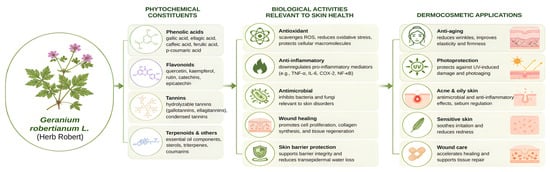
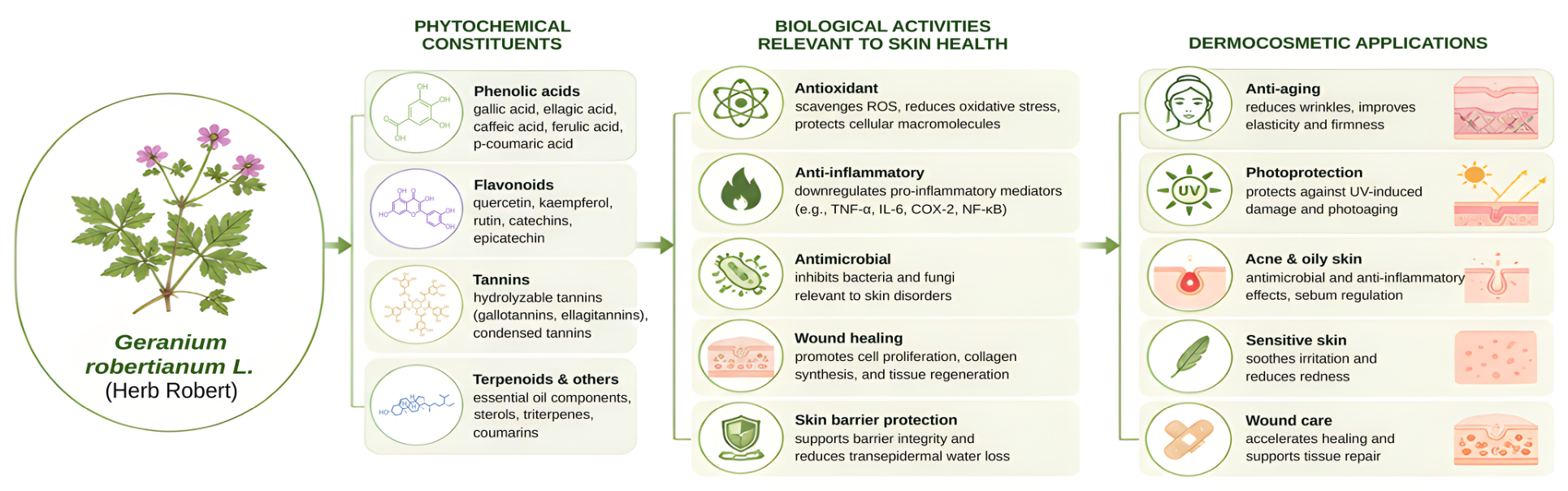
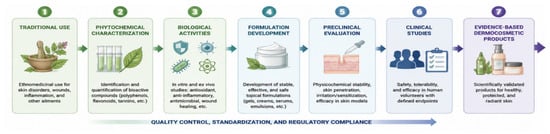
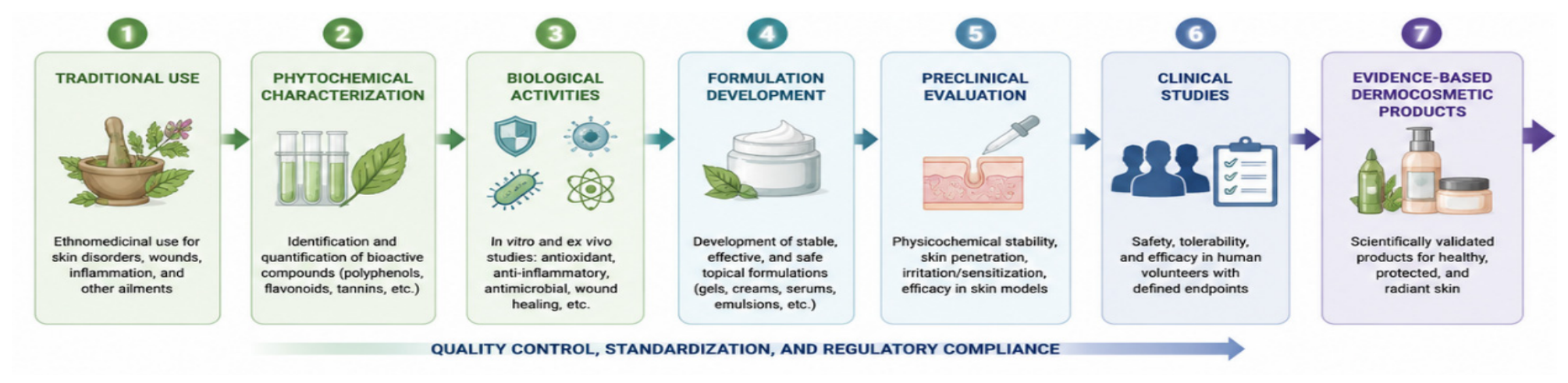

Disclaimer/Publisher’s Note: The statements, opinions and data contained in all publications are solely those of the individual author(s) and contributor(s) and not of MDPI and/or the editor(s). MDPI and/or the editor(s) disclaim responsibility for any injury to people or property resulting from any ideas, methods, instructions or products referred to in the content. |
© 2026 by the authors. Licensee MDPI, Basel, Switzerland. This article is an open access article distributed under the terms and conditions of the Creative Commons Attribution (CC BY) license.