


Abstract
Oleogels have attracted considerable interest as structured lipid systems due to their ability to immobilize liquid oils and tailor the physicochemical properties of formulations. Although much of the fundamental knowledge on oleogel development derives from food-related research, the unique structural, rheological, and textural properties of these systems have increasingly supported their exploration also for cosmetic and pharmaceutical purposes. This review aims to explore the relevance of oleogels in these industries by compiling and critically evaluating the current knowledge on cosmetic and pharmaceutical formulations, with particular emphasis on their composition, preparation methods, and the rationale underlying their selection and use. Studies on oleogels for cosmetic uses are limited, while in pharmaceuticals, oleogels have been extensively studied for topical drug delivery, being their use in oral, transdermal, and intraocular delivery less explored. Oleogels are versatile and biocompatible delivery systems, ideal for transporting lipophilic active ingredients. Their inner structure modulates drug delivery, making them promising vehicles for innovative cosmetic and pharmaceutical applications.
1. Introduction
Consumer demands, nutritionist recommendations, and governmental regulations fuel the food industry’s investment in alternative lipid sources. These efforts aim to provide healthier options that can effectively replace saturated and trans fats, thereby promoting better health outcomes for consumers [1,2]. Consequently, oleogels have emerged not only as promising alternatives to hardstock fats in food systems but also as functional materials capable of modulating nutritional profiles to meet specific consumer needs [2,3]. Oleogels or organogels have arisen as thermo-reversible, viscoelastic semisolid systems that resulted from the combination of lipophilic matrices, either composed by oils (oleogels) or other organic solvents (organogels), with minimal amounts of food-grade oleogelators or organogelators, exhibiting a wide range of applications [4,5]. These semisolid systems result from three-dimensional (3D) internal networks through mechanisms such as π-π stacking, Van der Waals forces, hydrogen and ionic interactions, which effectively immobilize the oil or continuous liquid phase [4]. These innovative food delivery systems can also be used to encapsulate and deliver bioactive compounds, namely antioxidants, in a stable and controlled way. This functionality enables the modification of the food matrix to meet consumer needs and preferences, thereby highlighting their relevance in the nutraceutical field [6,7]. In addition to enhancing food functionality, these semisolid systems also introduce novel textural and sensory properties [8,9]. The composition of oleogels can be tailored to specific applications through the selection of different oils and oleogelators, which is particularly relevant for the development of products such as creams, butters, and margarines [10]. Building upon this, oleofoams are oleogel-based systems formulated by incorporating air into an oil matrix. This approach creates light, aerated textures and reduces the caloric density of products, resulting in lighter formulations with a lower energy value per portion [11]. Both oleogels and oleofoams can be prepared with unsaturated oils, promoting similar nutritional benefits [2].
Even though the use of oleogels and organogels has been predominantly established in the food industry due to their functional and structural properties, their application in the pharmaceutical and cosmetic sectors is progressively increasing. Therefore, comprehensive research was performed on PubMed, Scopus and Web of Science, using the keywords “organogel”, “oleogel”, and “oleofoam” in combination with sector-specific terms, namely “cosmetic”, “food”, and “pharmaceutical”, to determine the extent of their application. Articles published between January 2020 and February 2025 that presented experimental or application-oriented results justifying the use of oleogels, organogels, and/or oleofoams in the food, cosmetic, or pharmaceutical fields were selected for analysis. (Figure 1). The inclusion criteria applied in this work were (i) peer-reviewed original research articles and reviews focusing on oleogels, organogels, and/or oleofoams in the respective areas; (ii) clear description of oils and oleogelators, preparation methods, characterization, and confirmed application in at least one of the following sectors: food, cosmetics, or pharmaceuticals; and (iii) publication in English or Portuguese. Articles published in languages other than English or Portuguese, as well as incidental references without scientifically correct evidence and use regarding the use of the terms “oleogel”, “oleofoam”, and “organogel”, were excluded from this study. The search results were first screened by title and abstract, and potentially relevant records were then assessed in full text. Reference lists of key experimental and review papers were manually searched to identify additional relevant studies to be included in this work. Data from included studies (e.g., type of oil, oleogelator, preparation method, sector, main findings, and other factors) were extracted, summarized in Table 1, and the subsequent Tables, and critically discussed throughout the manuscript.
Figure 1.
Temporal distribution of PubMed search results (January 2020–February 2025). The number of articles retrieved per year is based on a PubMed search using specific keywords; yearly counts reflect the total records identified in each calendar year.
In recent years, the search for innovative delivery systems in cosmetics and pharmaceutical products has driven interest in oleogels and oleofoams as versatile functional platforms. In the pharmaceutical industry, oleogels provide targeted delivery of lipophilic active pharmaceutical ingredients (APIs) [6,12]. In the cosmetic field, oleogels are also gaining interest for their role in minimizing transepidermal water loss (TEWL) while providing emollience, stabilizing active ingredients, enhancing delivery performance, and supporting the repair of the skin barrier [13,14]. The appropriate selection of the oleogel vehicle is crucial for enhancing consumer or patients’ acceptability.
According to the European Pharmacopoeia, topical dosage forms can be categorized as liquids (e.g., solutions, suspensions, emulsions, sprays, foams, shampoos, lotions), semisolids (e.g., creams, ointments, pastes, gels), or solids (e.g., powders, sticks) [15]. Even though oleogels are not directly mentioned in the official pharmaceutical compendium, they fall under the category of semisolid preparations description [15].
Oleofoams, which result from air incorporation into the 3D oleogels structured network [15], have recently been gaining attention for food purposes due to their distinctive textural properties (Figure 1) [16,17,18]. Even though there are no studies reporting their use for cosmetic or pharmaceutical applications, oleofoams are often prepared from ingredients commonly employed in oleogel development. Given their compositional similarity and the unique properties imparted by the incorporation of air, oleofoams may represent an interesting avenue for future research in cosmetic and pharmaceutical applications [18].
This review explores the increasing significance of oleogels-based formulations in the pharmaceutical and cosmetic sectors, where they are emerging as novel dosage forms. The choice of oils and oleogelators, along with a summary of the various preparation techniques will also be explored.
2. Oleogels: Constituents, Preparation Methods and Applications
2.1. Oils and Oleogelators
The preparation of oleogels requires the selection of adequate gelling agents (oleogelators) and oils that compose the lipophilic part of matrices [1]. A total of 26 oleogelators [13,19] exhibiting gel-forming ability in 19 different oils were identified in the literature, reinforcing their potential relevance in cosmetic and pharmaceutical applications (Table 1). The oleogelators were categorized according to their molecular weight, from low (LMW; Mw < 1000 Da) to high molecular weight (HMW; Mw > 1000 Da) [20].
Table 1.
Oils and oleogelators with potential interest in cosmetic and pharmaceutical applications.
The concentration of oleogelator required to form an oleogel depends on the type of oil used, as well as the physicochemical properties of both the oil and the oleogelator. In all cases, the amount of oil typically exceeds that of the oleogelator. For instance, a notable difference was observed with carnauba wax: only 3% was sufficient to gel high-oleic sunflower oil, whereas 24% was needed for rice bran oil. Interestingly, at a concentration of 5%, propolis wax successfully forms gels with multiple oils, outperforming other waxes by requiring the lowest concentration to achieve gelation in oils like canola. This broad gelation capacity may be attributed to the distinctive composition of propolis wax, particularly its high content of monoesters (58–89%) [50], unlike other waxes, such as sunflower, beeswax, and rice bran wax, that are predominantly composed of wax esters [51]. However, in specific oils, including high-oleic sunflower, olive, and soybean oils, sunflower wax can also induce gelation at relatively low concentrations, likely due to favorable chemical compatibility between its wax monoesters and the fatty acid profiles of these oils [51].
Most oleogelators and oils that are suitable for cosmetic and pharmaceutical purposes derive from natural sources. The cosmetic and pharmaceutical industries efforts to create sustainable and greener supply chains, highly motivated by the rising consumer demand for natural products, led to the exploration of vegetable oils as multifunctional alternatives to petrolatum and mineral oils [13,19,52,53]. However, the environmental impact of vegetable oil production, particularly its contribution to greenhouse gas emissions, has been studied in the context of the food industry, where these oils are used in large quantities [54], which may be amplified by their growing application in cosmetic and pharmaceutical products. This highlights the need for sustainable sourcing and production practices to mitigate the environmental footprint of vegetable oils and oleogelators as their use expands beyond the food sector into cosmetic and pharmaceutical applications.
Most HMW compounds, such as proteins and polysaccharides, are hydrophilic, while the majority of LMW oleogelators are hydrophobic. Consequently, oleogels with HMW oleogelators require a different preparation method. Due to the relatively recent development of these methods [55], there are fewer examples of HMW oleogelators compared to LMW (Table 1). Additionally, HMW oleogelators are predominantly used in combination with other HMW oleogelators, though exceptions exist, such as ethylcellulose. HMW oleogelators can have functional properties, slightly less than the LMW oleogelators (Table S1, Supplementary Material). Their performance beyond gelling enhances the versatility of oleogelators in cosmetic and pharmaceutical formulations, supporting their role as multifunctional agents.
2.2. Main Preparation Methods
Oleogels can be typically prepared with two main methods: direct dispersion [13,56] and the indirect method by three different approaches: emulsion-templated, solvent exchange or foam-templated approaches [56,57].
In the direct dispersion method (Figure 2), the oleogelator and the oily phase are mixed together, stirred and heated to temperatures typically higher than the oleogelators melting point, which may be essential for disrupting any initial ordering to guarantee their total dissolution in the oily phase and facilitating the self-assembly process [13]. After this, the mixture is cooled without stirring to allow the association of oleogelator molecules, which subsequently assemble into a 3D network that entraps and immobilizes the oil [13]. This cooling process exerts a marked influence on the size, morphology, and spatial arrangement of the final structure of the oleogel [13]. The direct dispersion method is commonly used for oleogelator molecules and solvents with similar chemical characteristics, such as hydrophobic molecule(s) in oil(s) [57].
Figure 2.
Direct dispersion method.
The majority of LMW oleogelators employ this direct method due to their chemical compatibility with oils, as both present predominantly hydrophobic profile [58]. Most of these oleogelators are waxes, which typically create a 3D crystalline structure [9,59]. Conversely, the use of phytosterols results in the formation of a fibrillary structure [9,59]. Some HMW oleogelators, such as ethylcellulose and agar, can also be used using this method [58].
Although direct oleogelation approach is a simple and often solvent-free method, particularly suitable for lipophilic compounds, some oleogelators require prolonged heating at high temperatures to ensure complete dissolution. Such extreme processing conditions may promote lipid oxidation, especially in oils rich in unsaturated fatty acids, resulting in the degradation of phenolic compounds and other thermolabile components. In addition to altering the chemical composition of the lipid matrix, oxidation can lead to the formation of undesirable degradation products, negatively affecting sensory quality in food applications and potentially compromising the stability, safety, and efficacy of cosmetic or pharmaceutical formulations [3].
On the other hand, the majority of HMW oleogelators, such as proteins and polysaccharides, due to their hydrophilic nature, generally cannot be directly dispersed and self-assembly within non-polar oil phases, with the exception of the previously mentioned ethylcellulose and agar (Figure 3) [58]. As a result, these materials are typically structured in an aqueous environment prior to their conversion into oleogels through indirect oleogelation approaches [9]. Also, the mild processing temperatures conditions may improve the compatibility of these systems with thermolabile active ingredients and oxidation-prone lipid matrices [3].
Figure 3.
Indirect methods: (A) Solvent exchange method, (B) Emulsion-templated method, and (C) Foam-templated method.
Solvent exchange approach (Figure 3C) is an indirect method approach in which the gellifying agent is first dissolved in water. This process involves the exposure of hydrophobic groups and promotes intermolecular interactions that result in the formation of agglomerates [58,60,61]. Next, an intermediate solvent, such as acetone, tetrahydrofuran, or ethanol, is added and gradually replaces the water in the preparation by centrifugation, thereby reducing the polarity of the system [58,60,61]. Subsequently, the same process is repeated using oil, which replaces the intermediate solvent, further decreasing the polarity of the preparation [58,60,61]. This leads to the dispersion of protein aggregates in the oil, and the formation of the oleogel is promoted through centrifugation [58,60]. Although solvent-exchange methods enable the preparation of specific oleogel systems, their industrial translation may be constrained by the need to ensure efficient removal of intermediate organic solvents such as acetone or tetrahydrofuran, which are classified as a low-toxicity Class 3 and to be limited Class 2 solvent under ICH Q3C, respectively [62]. In pharmaceutical applications, residual solvent control is subject to regulatory requirements, which may increase manufacturing complexity and process-validation efforts compared with direct solvent-free oleogelation approaches. Nevertheless, safety is not the only concern, as the organic solvent may also affect the physicochemical and sensory properties of the final oleogel, which is relevant for both pharmaceutical and cosmetic applications [63].
Another indirect method encompasses the emulsion-templated approach (Figure 3A) [55], wherein an oil in water emulsion is initially prepared using the oil as the dispersed phase of the emulsion. Afterwards, the emulsion is dried through various techniques, such as oven drying at high temperatures or lyophilization [46,55]. However, at this stage, the system is not yet in an oleogel form. The transition to an oleogel occurs when the dried material is stirred, enabling the oil to become the continuous phase [46,55]. Until this point, the oil is not structured but it is confined within a network formed by proteins and polysaccharides, in which it continues to act as the dispersed phase [55]. This approach can generate oleogels with high oil-binding capacity, superior mechanical properties, and enhanced structural stability [46,64]. Nevertheless, this process often requires the use of emulsifiers or other interfacial stabilizers to ensure droplet stability and avoid structural collapse during processing. In addition, the multistep procedure increases energy requirements, processing complexity and introduces a greater number of variables requiring optimization, potentially limiting process scalability and industrial implementation when compared with direct oleogelation methods [65].
The indirect method also includes the foam-templated approach (Figure 3B) [66], which is similar to the previously described emulsion-templated approach [67]; however, instead of an oil in water system, a water system is employed [67]. Initially, the foam is prepared by incorporating air into an aqueous solution in which the oleogelator is dissolved, creating a template for the final oleogel. The resulting foam is then frozen overnight and subsequently lyophilized to remove all the water, yielding a cryogel [66,67,68]. The oil is subsequently added to the cryogel, which efficiently absorbs it. Finally, the mixture is stirred, leading to the formation of an oleogel [66,67,68]. This preparation method is particularly relevant for systems in which the incorporation and stabilization of air are critical quality attributes. By preserving an air-templated network, foam-templated oleogels can contribute to reduced density, increased lightness, and modified textural properties, which are important in applications where aeration plays a functional role [68]. However, this is a multistep complex approach that may increase energy requirements and require careful optimization of the oil-to-oleogelator ratio, as oil retention capacity can decrease at higher oil loadings [69].
To ensure and enhance the reproducibility of oleogel preparation, the heating, mixing, and cooling conditions should be clearly defined, as these parameters influence oleogelator dissolution, crystal formation, and the final oleogel structure, depending on the oleogelator and oil or solvent used [9]. For LMW oleogelators, such as waxes, fatty acids, and monoglycerides, the oil–oleogelator mixture is commonly heated to approximately 70–95 °C, above the melting point of the waxes, and stirred at around 200–500 rpm until a homogeneous dispersion is obtained [70,71]. In contrast, ethylcellulose-based formulations generally require higher temperatures, typically between 140 and 170 °C, with continuous stirring for approximately 30 min [70,72]. Whenever possible, the mixture should be cooled at a controlled rate, such as 1–5 °C/min, or following first a cooling phase at room temperature, 2–4 h after the preparation, and then overnight at 4 °C [70], to promote controlled crystal formation and increase the likelihood of obtaining a uniform oleogel structure. Once the selected final temperature has been reached, the samples should be allowed to set under identical conditions, for example, for 12–24 h, before characterization. Recording the relevant variables and conditions throughout the preparation process can improve the reproducibility of oleogel preparation methods and minimize variations that may affect the crystallization process and, consequently, the textural and rheological properties, and oil-binding capacity of the resulting oleogels.
Oleofoams, on the other hand, involve a two-step preparation method. Firstly, the selected oils are combined with a foaming agent, such as a surfactant or an emulsifier, with oil gelation ability, leading to the formation of an oleogel typically following the direct dispersion method (Figure 2). After cooling, either at 4 °C or room temperature, usually for at least 24 h, the oleogel is whipped using a handheld mixer (Figure 4), high-speed mixers, or overhead stirrers fitted with appropriate attachments. promoting the entrapment of the air bubbles within the three-dimensional oleogel matrix [68,73,74]. Foam stabilization is primarily achieved through the adsorption of wax crystals at the air–oil interface, where they form a protective layer around the air bubbles [75].
Figure 4.
Oleofoam preparation method with oleogel formation through direct dispersion and whipping with a handheld mixer.
Whipping conditions are critical parameters in oleofoam production, as they play a critical role in modifying the crystal morphology as well as in determining the extent of air incorporation and bubble structure [17]. For example, whipping at 300 rpm for up to 60 min resulted in a maximum overrun of 50% after 25 min [76], whereas oleofoams have also been successfully produced by whipping at 2000 rpm for 5 min during cooling [77]. These findings suggest that both whipping speed and duration can markedly affect air incorporation and, consequently, texture and foam stability.
Although oleofoams share several limitations with their precursor oleogels, notably concerns related to lipid oxidation and the stability of thermosensitive ingredients, they also share the advantages of a simple and entirely anhydrous preparation process. Nevertheless, their successful formation and long-term stability are highly formulation dependent. Stable oleofoams were obtained from MAG-based oleogels, whereas candelilla wax (CW)-based systems failed to generate foams, highlighting the critical role of oleogelator selection and the limited suitability of certain oleogel networks for aeration [68].
The key characteristics of the oleogel preparation methods discussed in this section are comparatively summarized in Table 2, highlighting their main advantages, limitations, scalability potential, and application scope.
Table 2.
Summary of the preparation methods of oleogels and oleofoams.
2.3. Cosmetic Applications
Although research specially focused on cosmetic oleogels remains limited, existing knowledge from pharmaceutical and food applications offers useful insights to guide the development of innovative cosmetic products, including sunscreens, moisturizers, and hair treatments [13]. Oleogels may serve as vehicles for lipophilic ingredients, including UV filters, while also allowing water resistance, pleasant application, and occlusive properties. Their occlusive character may improve formulation retention on the skin and reduce transepidermal water loss, thereby supporting skin hydration [13]. Examples of oleogelators and organic liquids/oils reported in the literature for cosmetic applications were compiled (Table 3).
Table 3.
Oleogels reported in the literature for cosmetic application.
An early patent, published in 1992, illustrates that oleogels were already being explored as alternatives to petrolatum in cosmetic formulations. By varying the type and concentration of the polymer and oil phase, the formulations could be adjusted to provide petrolatum-like consistency, oil retention, and occlusive properties. Such systems may be suitable for cosmetic products requiring a protective, emollient, semi-solid texture, including lip balms, hand and hair-care treatments and color cosmetics [79].
The selection of oleogelators(s) and oil(s) should be guided by the intended function of the final product. Beyond their primary role as structuring compounds, these ingredients may affect texture, spreadability, and skin feel, and may contribute functional properties depending on their chemical composition. For example, an oleogel based on acai oil and 12-HSA has been investigated as a potential cosmetic vehicle for anti-aging applications [21,82,83]. Acai oil serves as the liquid phase and may provide emollient properties, while its content of carotenoids and flavonoids may offer antioxidant and anti-inflammatory potential, relevant to protection against oxidative-stress-related skin aging [21,82,83]. In the system, 12-HSA acts primarily as the oleogelator, and may additionally affect the emulsifying and surfactant behavior of the formulation [21]. The reported viscoelastic behavior, structural stability at rest combined with deformation during application, supports its suitability for topical use. Nevertheless, future studies are necessary to evaluate skin hydration, skin compatibility, and clinical outcomes.
Oleogels containing alginate carriers, loaded with Lactobacillus casei ATCC 393, expand their potential applications by demonstrating their use as protective matrices for fragile biologically active ingredients [80]. In these hybrid formulations, sweet almond oil was structured with either 5% silica or 30% Sucragel® to form oleogels containing 1% of the probiotic. Both formulations maintained their physical integrity throughout the 30-day storage test; however, probiotic viability decreased, indicating that further optimization is required for long-term probiotic protection [80]. The choice of oleogelators is important not only for establishing the initial texture but also the rheological response of the system. The silica-based oleogel showed greater resistance to applied stress [80], whereas the Sucragel®-based system may offer in future studies additional emulsifying and sensory benefits due to its sucrose laurate content [80]. Nevertheless, both systems require future investigation of probiotic release, skin compatibility, and sensory acceptance.
The study on sorbitol/mannitol based oleogels shows that oleogel design for cosmetics should consider not only gel formation but also the balance between strength, oil retention, and appearance. By varying the mannitol/sorbitol ratio, the properties of canola oil oleogels could be tailored: mannitol rich systems were stronger and retained oil more effectively, whereas sorbitol rich systems were more transparent. Accordingly, sorbitol rich formulations may be more suitable for clear facial oil-gels products, whereas mannitol rich systems may be more appropriate for balms or sticks that require greater resistance to deformation [81]. Canola oil may provide emollient properties, while sorbitol and mannitol may contribute moisturizing potential [81]. However, further studies are needed to confirm sensory and skin compatibility. Overall, oleogels show potential as adaptable cosmetic systems, as their properties can be adjusted by selecting appropriate oils, oleogelators, and processing conditions. However, most studies focus mainly on formulation properties; therefore, further research is needed to confirm long-term stability, skin compatibility, sensory performance, and cosmetic efficacy.
2.4. Pharmaceutical Applications
The use of oleogels for pharmaceutical purposes is still very recent. Among these approaches, topical drug delivery has been the most widely studied, as oleogels may offer patient-friendly characteristics, like good spreadability, pleasant texture and skinfeel [84], while promoting controlled and prolonged drug release [85].
On the other hand, the development of oleogel formulations aiming for oral, ocular or intranasal administration are less reported in the literature (Table 4). Regardless the administration route, the appropriate selection of the lipophilic solvents and oleogelators is crucial, as it is necessary to ensure their biocompatibility and safety based on their previous usage as excipients in pharmaceutical dosage forms, described in European Pharmacopeia monographs, FDA Inactive Ingredient Database [86] or the Handbook of Pharmaceutical Excipients [87].
Table 4.
Oleogels reported in the literature for pharmaceutical application.
The adequate distribution of lipophilic drugs through the stratum corneum lipid bilayer poses a challenge considering the type of topical dosage form used [111]. Oleogels, due to their lipophilic matrix, have the potential to enhance drug administration by effectively solubilizing lipophilic drugs, while enhancing skin penetration [111]. This is achieved through the incorporation of surfactants, phospholipids, glycols, and terpenes, which behave both as oleogelators and penetration enhancers [111]. Moreover, due to the 3D network gel structure conferred by different oleogelators, oleogels can successfully be used to control drug release [112].
Most of the active pharmaceutical ingredients incorporated into oleogel systems are lipophilic compounds, including triterpenes, non-steroidal anti-inflammatory drugs, corticosteroids, and vitamin D analogues, whose physicochemical properties are generally compatible with lipid-based matrices, allowing their efficient incorporation within the continuous oil phase and improving controlled drug delivery. Nevertheless, successful formulations have also been reported for amphiphilic drugs, such as azithromycin and lidocaine, demonstrating that oleogel-based systems are not restricted to highly lipophilic compounds. In these cases, the use of suitable formulation strategies, including the incorporation of surfactants, emulsifiers, or solubilizing excipients, may improve drug incorporation and dispersion within the lipid matrix. Moreover, the successful incorporation of the highly hydrophilic antibiotic tobramycin sulfate demonstrates that oleogels can serve not only as carriers for lipophilic molecules but also as local depot systems for hydrophilic drugs [93,101,104]. Rather than improving solubility, the oleogel matrix was designed to provide high drug loading, prolonged local antibiotic release, wound protection, and exceptional thermal stability, allowing extemporaneous reconstitution with lyophilized drug powder and use under severe field conditions [110]. Similarly, oleogel-based systems have proven advantageous for probiotic delivery, as their low-water environment can enhance the stability and viability of L. rhamnosus during storage compared with conventional aqueous gel formulations, further highlighting the versatility of oleogels as delivery platforms beyond lipophilic active ingredients [94,95].
The oleogel formulations developed for pharmaceutical purposes were predominantly prepared through direct oleogelation, with no reports of indirect approaches, such as emulsion-templated, foam-templated, or solvent-exchange methods. Consistently, research in this field has largely focused on synthetic oleogelators, particularly LMW and particulate oleogelators, whereas naturally derived oleogelators, such as waxes, remain comparatively underexplored. This trend is unlikely to be attributed to regulatory restrictions, as several waxes are recognized pharmaceutical excipients; rather, it may reflect the inherent compositional variability of natural materials, which could hinder formulation standardization, quality control, and batch-to-batch reproducibility. Hydrophilic fumed silica is the oleogelator most explored for topical pharmaceutical applications. Owing to its established safety profile and widespread regulatory acceptance, it is commonly used in cosmetic and pharmaceutical formulations as a rheology modifier, suspending agent, and structural excipient [113]. Its gel-forming ability is primarily attributed to the development of a three-dimensional particulate network resulting from hydrogen-bond interactions involving surface silanol groups, which immobilize the oil phase, providing high mechanical strength and stability to the oleogel [114,115]. Despite being primarily known as a non-ionic surfactant, polysorbate 80 is the second most used oleogelator in topical formulations for pharmaceutical purposes, owing to its established safety profile and broad regulatory acceptance; it is commonly used at concentrations of 0.1–10% (w/w), since higher levels may increase the risk of skin irritation or sensitization [116]. Sorbitan monooleate and monostearate, which are also used for their emulsifying and stabilizing properties at the maximum concentration of 3 and 5% (w/w), respectively, can gellify lipophilic solvents [117]. Similarly to polysorbate 80, gelation is attributed to surfactant self-assembly during cooling, resulting in the formation of supramolecular aggregates that act as the building blocks of a 3D oil-immobilizing network [118]. Glyceryl monostearate (GMS), a monoglyceride composed of glycerol esterified with stearic acid, and glyceryl dibehenate [93], a mixture of glycerol and different esters of behenic acid, has also been as an oleogelator at concentrations ranging from approximately 5 to 15 and 5 to 20% (w/w), respectively. While both have been investigated as standalone oleogelators, with minimum gelation concentrations of 15% (w/w) for GMS and 25% (w/w) for glyceryl dibehenate [93], the latter has also been explored in combination with triterpene extract [90]. Similarly to what has been reported for other glyceride- and wax-based oleogelators, GMS and glyceryl dibehenate exhibits a gelation mechanism involving crystal nucleation and growth during cooling, followed by the formation of an interconnected 3D network that immobilizes the oil phase [119]. Moreover, the use of fatty acids, such as stearic acid, as oleogelators has also been explored. Even though its mechanism of gelification is not fully understood, it is believed that the cooling process reduces stearic acid’s affinity with the lipophilic solvent, causing the molecules to self-assemble into nuclei and subsequently grow into fibers that form a 3D network [120].
The triterpene extract, derived from the outer bark of birch, containing approximately 80% betulin, presents a dual function when incorporated in cutaneous wound healing topical drugs [91]. This extract acts as an active pharmaceutical ingredient, accelerating the healing of both superficial partial thick burn wounds and the re-epithelialization of wounds in individuals with dystrophic epidermolysis bullosa, and as an oleogelator agent, by forming a 3D network that immobilizes liquid oil phase. This gelation mechanism has been attributed to hydrogen-bond interactions between hydroxyl and carboxyl groups present on the surface of triterpene extract particles [88,89,91].
Regarding the wound healing and skin infections, topical treatments that described the ability to regenerate skin (triterpene dry extract) or to inhibit bacterial activity (azithromycin) may not be exclusively due to the APIs. Excipients such as liquid paraffin and caprylic/capric triglycerides, due to their skin film-forming ability, can improve skin hydration by retaining water from deeper skin layers [121,122]. Moreover, plant derived oils (olive oil, sunflower seed oil, safflower seed oil, soybean oil, peanut oil, sesame oil, avocado oil, jojoba oil, and almond oil) can also have a synergic role in re-establishing the skin barrier integrity [123]. Their rich profile of triglycerides, phospholipids, free fatty acids, phenolic compounds and antioxidants contributes to the mitigation of inflammatory responses and oxidative stress events through reactive oxygen species production decrease. Additionally, these oils have been reported for decreasing the TEWL, which reflects the skin’s ability to retain moisture and maintain a strong barrier, which may be particularly relevant in managing skin conditions such as psoriasis [100]. Grapeseed oil and clove oil, for instance, contain eugenol, eugenol acetate, and β-caryophyllene, which have also revealed antibacterial properties [123,124]. Beyond the absence of water, which contributes to the microbiological stability of oleogel formulations, the antioxidant-rich composition of plant-derived oils may also influence the structural stability of the gel network. In particular, polyphenols have been proposed to reinforce certain crystalline oleogel structures by promoting additional intermolecular junctions: hydrogen bonding between monoglyceride head groups and polyphenols affects molecular packing, leading to a denser network and greater gel stability. However, this effect is strongly oleogelator-dependent. Increased polyphenol content has been shown to enhance the strength of monoglyceride- and rice bran wax-based oleogels through increased critical stress and modified crystal morphology, whereas no significant effects were observed in sunflower wax- or β-sitosterol/γ-oryzanol-based systems [125].
Among the pharmaceutical applications identified in this review, topical drug delivery was by far the most extensively explored route of administration. Most oleogel formulations were developed for local therapeutic applications, including wound healing, psoriasis, inflammatory skin disorders, local pain management, and periodontitis. In these cases, the primary objective is not necessarily to maximize drug permeation across the skin barrier and systemic absorption, but rather to enhance drug deposition and retention within the target tissue while minimizing systemic exposure.
Conversely, few studies investigated oleogels for transdermal delivery, where the goal is to maximize drug transport across the skin and into the systemic circulation. To overcome the barrier function of the stratum corneum, these formulations often rely on additional permeation-enhancing strategies, including the incorporation of surfactants, co-surfactants, such as PEG 40 hydrogenated castor oil, and co-solvents [104]. More advanced approaches, such as the combination of oleogel systems with dissolvable microneedles, have also been explored to facilitate drug permeation across epidermal layers and enhance transdermal drug delivery [103].
Nasal delivery of locally acting drugs is commonly administered as liquid formulations via nasal sprays/aerosols pumps. Even though small, lipophilic drugs are easily absorbed through the nasal mucosa, large hydrophilic drugs face challenges namely due to poor permeability and low retention time [126]. In this regard, oleogels lipophilic nature, which improves the solubility of lipophilic drugs and formation of a film on the nasal mucosa, allowing for controlled drug release, has prompted their preliminary exploration has an effective vehicle for systemic drug delivery through nasal administration. For example, a study on oleogel-based delivery of progesterone to plasma and brain after middle cerebral artery occlusion showed that sufficient progesterone reached the brain to decrease mortality rates and provide neuroprotection [105].
The controlled release profile that oleogels provide may also be of interest for long-acting injectables, which aim to obtain a sustained drug release profile [111]. Indeed, a study showed that an extended-release oleogel formulation of bupivacaine achieved this sustained release with higher vegetable oil concentrations, where the drug was fully dissolved in the non-polar organic phase and released gradually as needed [107]. Another study demonstrated that Tenofovir alafenamide-chitosan polymeric nanoparticles, loaded with ethyl cellulose oleogels, could potentially serve as a long-acting injectable system for treating HIV/AIDS patients due to the prolonged drug release observed without the occurrence of toxic reactions [106]. Biocompatibility and long-term stability are also key considerations for injectable oleogel formulations. For instance, although sesame oil contains naturally occurring antioxidants, such as sesamin, sesamolin, and sesamol, the high temperatures required for ethyl cellulose dissolution may promote oxidative degradation, highlighting the need for careful assessment of formulation stability [106]. In this regard, medium-chain triglycerides, owing to their greater oxidative stability and relatively inert nature, may represent a more suitable lipid matrix for such applications [107].
Even though the studies regarding the ocular administration of drugs incorporated in oleogels are scarce, the fact that they can be developed to remain semisolid or transition to a fluid state upon contact with body internal temperature highlights their potential for ocular drug delivery, namely as eye drops [108]. The suitability of oleogels for ocular administration is largely associated with the biocompatibility of lipid-based carriers and the unique characteristics of anhydrous formulations. In addition to reducing dependence on aqueous-phase adjustments and stabilizing excipients, oleogels may increase drug residence time at the ocular surface, thereby improving local ocular contact and reducing the rapid clearance commonly observed with aqueous suspensions and hydrogels [108]. Epalrestat, an aldose reductase inhibitor useful for treating diabetes-related diseases, is a highly hydrophobic drug, which limits its use for ocular route [108]. Preliminary research has demonstrated that oleogels enhanced Epalrestat’s corneal and scleral permeation without causing significant ocular irritation and effectively reach inner eye tissues in vivo [108]. However, the high processing temperatures typically required to dissolve ethyl cellulose in oils such as soybean or sesame oil may represent an important limitation, as they can accelerate lipid oxidation, potentially compromising the stability of the formulation [108,109].
Most studies investigating oleogels for pharmaceutical applications focus primarily on physicochemical characterization, rheological and textural properties, and drug release, permeation, or distribution behavior. For topical administration, several formulations have also been evaluated through in vitro [96] and in vivo studies [95] aimed at assessing the therapeutic performance of the incorporated active ingredient. However, direct comparisons with conventional dosage forms remain limited, making it difficult to determine the specific contribution of the oleogel matrix and whether it provides clinically meaningful advantages over existing formulations. In addition, although some studies have assessed skin irritation potential [90], and long-term cutaneous tolerability [127], safety evaluations for other routes of administration remain scarce.
In compounding pharmacy, there are several challenges that emerge from paediatric preparations. Commercial medicines do not meet all needs in terms of dose adjustments or different pharmaceutical dosage forms [128]. According to the World Health Organization, the model list of essential medicines for children, antibacterials are the most frequently listed drug products for infectious diseases, constituting about half of the anti-infectives, with other common anti-infectives including antivirals and antimalarials [129]. Examples include Praziquantel (lipophilic), Lumefantrine (lipophilic), Azithromycin dihydrate (lipophilic), and Moxifloxacin hydrochloride (hydrophilic), with distinct water solubilities and octanol-water partition coefficients, that are often formulated as suspensions, which can lead to long-term instability and poor drug absorption [110]. Since oleogels are so widely recognized by the food industry as a safe and effective strategy to satisfy consumer’s needs, innovative compounded oleogels incorporating the drugs previously described were developed, revealing a similar or even better performance than commercial tablets [110].
3. Oleogels Across Food, Cosmetic, and Pharmaceutical Applications: Challenges and Quality Requirements
The formulation objectives associated with oleogels differ substantially across sectors. In food applications, the primary goal is the partial or complete replacement of conventional solid fats rich in saturated and trans fatty acids while preserving texture, product stability, and consumer acceptability. In contrast, cosmetic and pharmaceutical applications are primarily focused on the use of oleogels as vehicles for active ingredients, where stability and efficient delivery to the target site are key requirements. Additionally, rheological and textural properties play a more prominent role in topical cosmetic and pharmaceutical products, as they directly determine spreadability, sensory perception, user acceptance, and, in the case of medicinal products, therapeutic performance. Beyond topical applications, oleogels have also been explored for nasal, ocular, and injectable drug delivery. Their potential for these administration routes is associated with a sustained drug release profile, and with the biocompatibility of many lipid-based matrices and the anhydrous nature of the systems, which can reduce the reliance on excipients such as preservatives and surfactants, thereby potentially improving formulation tolerability and minimizing the risk of irritation or hypersensitivity reactions.
However, some of the challenges associated with food applications are equally relevant to cosmetic and pharmaceutical products. In particular, oxidative stability remains a major concern, as the high temperatures often required during oleogel preparation may accelerate lipid oxidation and degrade thermolabile important formulation components, including antioxidants and active ingredients. While antioxidant incorporation represents a potential strategy to improve stability, the processing conditions necessary for oleogel formation may simultaneously compromise the effectiveness of these protective compounds, especially in the case of natural antioxidants.
For cosmetic applications, demonstrating skin compatibility and a low irritation potential is important to ensure product safety and support consumer acceptance, according to the safety assessment requirements established under Regulation (EC) No 1223/2009, which relies on validated alternative testing approaches, such as reconstructed human epidermis models [130]. In contrast, pharmaceutical products require route-specific local tolerance assessment, including cutaneous, ocular, or parenteral compatibility studies, to support the safe exposure of tissues to both the active substance and the formulation excipients following administration [131].
For ocular and injectable administration, ensuring sterility as well as reduced levels of endotoxins and pyrogens are also crucial quality attributes [132]. Moreover, rheological properties must ensure adequate syringeability and injectability specifically when the aim is injectable administration, allowing administration through a syringe using an acceptable force while maintaining the depot structure after injection. Furthermore, since these formulations are often intended for prolonged storage and extended in vivo residence times, long-term physicochemical stability, resistance to oxidation, and maintenance of release performance are critical quality attributes.
4. Conclusions
Oleogels are semisolid systems that have gained attention for their versatility, especially as healthier alternatives to traditional fats in food. Although their application in foods is well established, their use in cosmetics and pharmaceuticals remains underexplored. The concentration of oleogelators used for these applications ranges from 0.5 to 30%, with the most commonly used concentrations being 1 to 3%. Besides affecting gel’s properties, oleogelators can offer added benefits for topical application, like emollience and moisture retention. In natural oleogels, waxes, proteins, and polysaccharides are the main gelling agents. Vegetable oils, especially sunflower, olive, and rice oils, are the most widely used liquid phase and can be a source of bioactive compounds like carotenoids and phenolics.
Direct dispersion remains the most commonly used oleogel preparation method owing to its simplicity, limited number of processing steps, and favorable scalability. However, the elevated temperatures often required for oleogelator dissolution may compromise thermolabile active ingredients and oxidation-sensitive lipid matrices. Although emulsion-templated and solvent-exchange approaches have not yet been reported for the cosmetic and pharmaceutical oleogels identified in this review, they may represent valuable alternatives when thermolabile active ingredients, hydrophilic oleogelators, or limited compatibility between the structuring agent and oil phase are involved, thereby providing greater oleogel formulation flexibility.
The application of oleogels for pharmaceutical purposes, particularly in the context of topical delivery systems, has been more extensively studied than in cosmetics. Oleogels are particularly advantageous in enhancing the solubility of lipophilic drugs within a compatible lipophilic matrix, modulating drug release, improving physicochemical stability, and facilitating skin penetration, thus supporting their use as delivery platforms for topical, transdermal, and ocular administration. Although successful examples of translation into commercial products have been reported, such as the oleogel-based antipsoriatic formulation Daivobet®/Dovobet®, and oleogel-containing cosmetic, most available studies remain focused on formulation development and proof-of-concept investigations performed at laboratory scale. Consequently, limited attention has been devoted to translational and industrial aspects, including scale-up feasibility, manufacturing robustness, batch-to-batch reproducibility, long-term stability under commercial storage conditions, cost-effective production, consumer/patient sensory acceptability, and the generation of the quality, safety, and efficacy data required to support product development and regulatory approval. Addressing these challenges will be essential to bridge the gap between experimental research and the broader implementation of oleogel-based technologies in cosmetic and pharmaceutical products.
Even though oleofoams have been mainly investigated for food applications, their potential use in cosmetics and pharmaceuticals remains unexplored and requires further research to be substantiated. Oleofoams are commonly more stable systems than conventional water-based foams because the oleogel’s network helps to trap air bubbles evenly throughout the foam, preventing them from rising to the surface, which typically causes foam to break down. At the same time, the incorporated air results in a product with a light texture, which may enhance spreadability and skinfeel. These features can enhance the user experience and increase acceptability, highlighting the promise of oleofoams for both cosmetic and pharmaceutical topical applications. Drawing inspiration from well-established applications in the food industry, future studies on oleogel-based formulations are expected to drive cross-sector innovation in cosmetics and pharmaceuticals.
5. Future Perspectives
To bridge the gap between experimental formulations and commercial implementation, a set of requirements must be addressed. Ensuring effective skin dermal or transdermal permeation of the actives and long-term physicochemical stability by improving oleogel’s structural stability, mitigating syneresis and instability risks stemming from impurities is critical.
Comprehensive characterization of these systems, encompassing rheological and sensory analyses, is also highly relevant to better correlate formulation and process parameters with performance outcomes and achieve good cosmetic acceptability.
Future research should also prioritize expanding practical applications of oleogel-based systems. The design and development of more sophisticated oleogel-derived formulations, including bigels, oleogel-based emulsions and foam-in-hydrogel systems [100,133], can offer enhanced versatility by combining the benefits of hydrogels and oleogels, enabling the co-delivery of lipophilic and hydrophilic actives, and potentially improving rheological and sensorial properties. However, achieving this goal will require a more comprehensive understanding of the interactions between oleogel and hydrogel domains, including the influence of pH, aqueous-phase composition, hydrogelator selection and concentration, as well as processing and mixing conditions on the physicochemical, rheological, and textural properties of the final systems. Moreover, the compatibility of oleogel systems with packaging materials remains largely unexplored and warrants investigation, especially considering the high oil composition and the potential oxidative degradation, which can ultimately impair the products’ shelf life and overall performance. Although several topical cosmetic and pharmaceutical oleogels have demonstrated encouraging skin compatibility and tolerability profiles, further route-specific local tolerance studies, particularly for ocular, nasal, and injectable applications, as well as safety evaluations under clinically relevant conditions of use, are also needed to support their broader translation. Future advances should also address the practical challenges associated with commercialization, including scalable manufacturing, economic feasibility, regulatory approval pathways, and consumer/patient acceptability, paving the way for the successful translation of oleogel-based systems from laboratory-scale concepts into robust, multifunctional, and application-specific cosmetic and pharmaceutical products.
Supplementary Materials
The following supporting information can be downloaded at https://www.mdpi.com/article/10.3390/cosmetics13050265/s1: Table S1: Cosmetic properties of the oleogelators found scientific literature.
Author Contributions
Conceptualization, I.F.A.; data collection: E.J.G. and A.T.; data analysis: E.J.G., A.T. and A.J.; writing—original draft preparation and final manuscript, E.J.G., A.T. and A.J.; writing—review and editing, A.J., H.C., S.C. and I.F.A.; supervision, A.J., H.C., S.C. and I.F.A. All authors have read and agreed to the published version of the manuscript.
Funding
This work was supported by Fundação para a Ciência e Tecnologia, I.P. (FCT), in the scope of the project UID/04378/2025 (DOI identifier https://doi.org/10.54499/UID/04378/2025), and UID/PRR/04378/2025 (DOI identifier https://doi.org/10.54499/UID/PRR/04378/2025), of the Research Unit on Applied Molecular Biosciences (UCIBIO), the project LA/P/0140/2020 (DOI identifier https://doi.org/10.54499/LA/P/0140/2020) of the Associate Laboratory Institute for Health and Bioeconomy (i4HB), and by the project UID/50006/2025 (DOI identifier https://doi.org/10.54499/UID/50006/2025) of the Laboratório Associado para a Química Verde—Tecnologias e Processos Limpos. This research was also funded by FCT and the European Commission’s Recovery and Resilience Facility, in the scope of UID/04423/2025 (https://doi.org/10.54499/UID/04423/2025), UID/PRR/04423/2025 (https://doi.org/10.54499/UID/PRR/04423/2025), and LA/P/0101/2020 (https://doi.org/10.54499/LA/P/0101/2020). This work was supported by FCT—Fundação para a Ciência e Tecnologia, I.P. by project reference 2023.03685.BD and DOI identifier https://doi.org/10.54499/2023.03685.BD. This work was supported by FCT—Fundação para a Ciência e Tecnologia, I.P. by project reference UI/BD/151319/2021 and DOI identifier https://doi.org/10.54499/UI/BD/151319/2021.
Institutional Review Board Statement
Not applicable.
Informed Consent Statement
Not applicable.
Data Availability Statement
Data is contained within the article or Supplementary Material.
Acknowledgments
During the preparation of this manuscript, the authors used Microsoft Copilot (GPT-5-based) primarily to assist with language refinement, text editing, restructuring of paragraphs, and improvement of scientific writing clarity. In occasional instances, the tool was also used to assist in summarizing information from literature sources previously identified and selected by the authors. The authors have reviewed and edited the output and take full responsibility for the content of this publication.
Conflicts of Interest
The authors declare no conflicts of interest.
References
- Manzoor, S.; Masoodi, F.A.; Naqash, F.; Rashid, R. Oleogels: Promising alternatives to solid fats for food applications. Food Hydrocoll. Health 2022, 2, 100058. [Google Scholar] [CrossRef] [Scilit]
- Silva, R.C.; Ferdaus, M.J.; Foguel, A.; da Silva, T.L. Oleogels as a Fat Substitute in Food: A Current Review. Gels 2023, 9, 180. [Google Scholar] [CrossRef] [Scilit] [PubMed]
- Puscas, A.; Muresan, V.; Socaciu, C.; Muste, S. Oleogels in Food: A Review of Current and Potential Applications. Foods 2020, 9, 70. [Google Scholar] [CrossRef] [Scilit] [PubMed]
- Chowdhury, B.; Sharma, A.; Akshit, F.N.U.; Mohan, M.S.; Salunke, P.; Anand, S. A review of oleogels applications in dairy foods. Crit. Rev. Food Sci. Nutr. 2024, 64, 9691–9709. [Google Scholar] [CrossRef] [Scilit] [PubMed]
- Torres, A.; Almeida, I.F.; Oliveira, R. An Overview of Proprietary Vehicles/Bases for Topical Compounding Medicines and Cosmetics. Cosmetics 2024, 11, 16. [Google Scholar] [CrossRef] [Scilit]
- Rebaka, V.P.; Rachamalla, A.K.; Batra, S.; Subbiah, N. State of the Art and New Perspectives in Oleogels and Applications. In Sustainable Green Chemical Processes and Their Allied Applications; Inamuddin, Asiri, A., Eds.; Springer International Publishing: Cham, Switzerland, 2020; pp. 151–182. [Google Scholar]
- Chaves, K.F.; Barrera-Arellano, D.; Ribeiro, A.P.B. Potential application of lipid organogels for food industry. Food Res. Int. 2018, 105, 863–872. [Google Scholar] [CrossRef] [Scilit] [PubMed]
- Espert, M.; Wang, Q.; Sanz, T.; Salvador, A. Sunflower Oil-based Oleogel as Fat Replacer in Croissants: Textural and Sensory Characterisation. Food Bioprocess Technol. 2023, 16, 1943–1952. [Google Scholar] [CrossRef] [Scilit]
- Perța-Crișan, S.; Ursachi, C.-Ș.; Chereji, B.-D.; Tolan, I.; Munteanu, F.-D. Food-Grade Oleogels: Trends in Analysis, Characterization, and Applicability. Gels 2023, 9, 386. [Google Scholar] [CrossRef] [Scilit] [PubMed]
- Abdolmaleki, K.; Alizadeh, L.; Nayebzadeh, K.; Baranowska, H.M.; Kowalczewski, P.Ł.; Mousavi Khaneghah, A. Potential Application of Hydrocolloid-Based Oleogel and Beeswax Oleogel as Partial Substitutes of Solid Fat in Margarine. Appl. Sci. 2022, 12, 12136. [Google Scholar] [CrossRef] [Scilit]
- Qiu, C.; Huang, Y.; Li, A.; Ma, D.; Wang, Y. Fabrication and Characterization of Oleogel Stabilized by Gelatin-Polyphenol-Polysaccharides Nanocomplexes. J. Agric. Food Chem. 2018, 66, 13243–13252. [Google Scholar] [CrossRef] [Scilit] [PubMed]
- Esposito, C.L.; Kirilov, P.; Roullin, V.G. Organogels, promising drug delivery systems: An update of state-of-the-art and recent applications. J. Control. Release 2018, 271, 1–20. [Google Scholar] [CrossRef] [Scilit] [PubMed]
- Martinez, R.M.; Rosado, C.; Velasco, M.V.R.; Lannes, S.C.S.; Baby, A.R. Main features and applications of organogels in cosmetics. Int. J. Cosmet. Sci. 2019, 41, 109–117. [Google Scholar] [CrossRef] [Scilit] [PubMed]
- Rajkapoor, B.; Sughir, A.; Damodar, G. Oleogel: A promising base for transdermal formulations. Asian J. Pharm. 2012, 6, 1–9. [Google Scholar] [CrossRef] [Scilit]
- Alhasan, F.H.; Tehrani, M.M.; Varidi, M. Producing superior oleofoams: Unraveling the impact of oil type, surfactant concentration, and production temperature on foam stability and functional characteristics. Food Chem. X 2024, 21, 101033. [Google Scholar] [CrossRef] [Scilit] [PubMed]
- Saha, S.; Saint-Michel, B.; Leynes, V.; Binks, B.; Garbin, V. Stability of bubbles in wax-based oleofoams: Decoupling the effects of bulk oleogel rheology and interfacial rheology. Rheol. Acta 2020, 59, 255–266. [Google Scholar] [CrossRef] [Scilit]
- Fameau, A.-L.; Saint-Jalmes, A. Recent Advances in Understanding and Use of Oleofoams. Front. Sustain. Food Syst. 2020, 4, 110. [Google Scholar] [CrossRef] [Scilit]
- Binks, B.P.; Vishal, B. Particle-stabilized oil foams. Adv. Colloid Interface Sci. 2021, 291, 102404. [Google Scholar] [CrossRef] [Scilit] [PubMed]
- Cesar, F.C.S.; Maia Campos, P. Influence of vegetable oils in the rheology, texture profile and sensory properties of cosmetic formulations based on organogel. Int. J. Cosmet. Sci. 2020, 42, 494–500. [Google Scholar] [CrossRef] [Scilit] [PubMed]
- Giuri, D.; Zanna, N.; Tomasini, C. Low Molecular Weight Gelators Based on Functionalized l-Dopa Promote Organogels Formation. Gels 2019, 5, 27. [Google Scholar] [CrossRef] [Scilit] [PubMed]
- Sanches, S.; Re, M.I.; Silva-Junior, J.O.C.; Ribeiro-Costa, R.M. Organogel of Acai Oil in Cosmetics: Microstructure, Stability, Rheology and Mechanical Properties. Gels 2023, 9, 150. [Google Scholar] [CrossRef] [Scilit] [PubMed]
- Dassanayake, L.S.K.; Kodali, D.R.; Ueno, S.; Sato, K. Crystallization Kinetics of Organogels Prepared by Rice Bran Wax and Vegetable Oils. J. Oleo Sci. 2012, 61, 1–9. [Google Scholar] [CrossRef] [Scilit] [PubMed]
- Soleimanian, Y.; Goli, S.A.H.; Shirvani, A.; Elmizadeh, A.; Marangoni, A.G. Wax-based delivery systems: Preparation, characterization, and food applications. Compr. Rev. Food Sci. Food Saf. 2020, 19, 2994–3030. [Google Scholar] [CrossRef] [Scilit] [PubMed]
- Oh, I.K.; Amoah, C.; Lim, J.; Jeong, S.; Lee, S. Assessing the effectiveness of wax-based sunflower oil oleogels in cakes as a shortening replacer. LWT 2017, 86, 430–437. [Google Scholar] [CrossRef] [Scilit]
- Jadhav, S.R.; Hwang, H.; Huang, Q.; John, G. Medium-Chain Sugar Amphiphiles: A New Family of Healthy Vegetable Oil Structuring Agents. J. Agric. Food Chem. 2013, 61, 12005–12011. [Google Scholar] [CrossRef] [Scilit] [PubMed]
- O′Sullivan, C.M.; Davidovich-Pinhas, M.; Wright, A.J.; Barbut, S.; Marangoni, A.G. Ethylcellulose oleogels for lipophilic bioactive delivery—Effect of oleogelation on in vitro bioaccessibility and stability of beta-carotene. Food Funct. 2017, 8, 1438–1451. [Google Scholar] [CrossRef] [Scilit] [PubMed]
- Pinto, T.C.; Martins, A.J.; Pastrana, L.; Pereira, M.C.; Cerqueira, M.A. Oleogel-Based Systems for the Delivery of Bioactive Compounds in Foods. Gels 2021, 7, 86. [Google Scholar] [CrossRef] [Scilit] [PubMed]
- Fayaz, G.; Goli, S.; Kadivar, M. A Novel Propolis Wax-Based Organogel: Effect of Oil Type on Its Formation, Crystal Structure and Thermal Properties. J. Am. Oil Chem. Soc. 2017, 94, 47–55. [Google Scholar] [CrossRef] [Scilit]
- Cui, M.; Mao, L.; Lu, Y.; Yuan, F.; Gao, Y. Effect of monoglyceride content on the solubility and chemical stability of β-carotene in organogels. LWT 2019, 106, 83–91. [Google Scholar] [CrossRef] [Scilit]
- Öğütcü, M.; Yılmaz, E. Characterization of Hazelnut Oil Oleogels Prepared with Sunflower and Carnauba Waxes. Int. J. Food Prop. 2015, 18, 1741–1755. [Google Scholar] [CrossRef] [Scilit]
- Yılmaz, E.; Öğütcü, M. Oleogels as spreadable fat and butter alternatives: Sensory description and consumer perception. RSC Adv. 2015, 5, 50259–50267. [Google Scholar] [CrossRef] [Scilit]
- Onacik-Gür, S.; Zbikowska, A.; Kowalska, M.; Przybysz, M. Assessment of physical properties of structured oils and palm fat. Mater. Plast. 2017, 54, 800–805. [Google Scholar] [CrossRef] [Scilit]
- Patel, A.R.; Babaahmadi, M.; Lesaffer, A.; Dewettinck, K. Rheological Profiling of Organogels Prepared at Critical Gelling Concentrations of Natural Waxes in a Triacylglycerol Solvent. J. Agric. Food Chem. 2015, 63, 4862–4869. [Google Scholar] [CrossRef] [Scilit] [PubMed]
- John, G.; Zhu, G.; Li, J.; Dordick, J.S. Enzymatically Derived Sugar-Containing Self-Assembled Organogels with Nanostructured Morphologies. Angew. Chem. Int. Ed. 2006, 45, 4772–4775. [Google Scholar] [CrossRef] [Scilit] [PubMed]
- Yılmaz, E.; Öğütcü, M. Comparative Analysis of Olive Oil Organogels Containing Beeswax and Sunflower Wax with Breakfast Margarine. J. Food Sci. 2014, 79, E1732–E1738. [Google Scholar] [CrossRef] [Scilit] [PubMed]
- Dassanayake, L.S.K.; Kodali, D.R.; Ueno, S.; Sato, K. Physical Properties of Rice Bran Wax in Bulk and Organogels. J. Am. Oil Chem. Soc. 2009, 86, 1163. [Google Scholar] [CrossRef] [Scilit]
- Öğütcü, M.; Arifoğlu, N.; Yılmaz, E. Storage stability of cod liver oil organogels formed with beeswax and carnauba wax. Int. J. Food Sci. Technol. 2015, 50, 404–412. [Google Scholar] [CrossRef] [Scilit]
- Shi, R.; Zhang, Q.; Vriesekoop, F.; Yuan, Q.; Liang, H. Preparation of Organogel with Tea Polyphenols Complex for Enhancing the Antioxidation Properties of Edible Oil. J. Agric. Food Chem. 2014, 62, 8379–8384. [Google Scholar] [CrossRef] [Scilit] [PubMed]
- Doan, C.D.; Van de Walle, D.; Dewettinck, K.; Patel, A.R. Evaluating the Oil-Gelling Properties of Natural Waxes in Rice Bran Oil: Rheological, Thermal, and Microstructural Study. J. Am. Oil Chem. Soc. 2015, 92, 801–811. [Google Scholar] [CrossRef] [Scilit]
- Doan, C.D.; Tavernier, I.; Danthine, S.; Rimaux, T.; Dewettinck, K. Physical compatibility between wax esters and triglycerides in hybrid shortenings and margarines prepared in rice bran oil. J. Sci. Food Agric. 2018, 98, 1042–1051. [Google Scholar] [CrossRef] [Scilit] [PubMed]
- Limpimwong, W.; Kumrungsee, T.; Kato, N.; Yanaka, N.; Thongngam, M. Rice bran wax oleogel: A potential margarine replacement and its digestibility effect in rats fed a high-fat diet. J. Funct. Foods 2017, 39, 250–256. [Google Scholar] [CrossRef] [Scilit]
- Toro-Vazquez, J.F.; Morales-Rueda, J.A.; Dibildox-Alvarado, E.; Charó-Alonso, M.; Alonzo-Macias, M.; González-Chávez, M.M. Thermal and Textural Properties of Organogels Developed by Candelilla Wax in Safflower Oil. J. Am. Oil Chem. Soc. 2007, 84, 989–1000. [Google Scholar] [CrossRef] [Scilit]
- Hwang, H.-S.; Kim, S.; Singh, M.; Winkler-Moser, J.K.; Liu, S.X. Organogel Formation of Soybean Oil with Waxes. J. Am. Oil Chem. Soc. 2012, 89, 639–647. [Google Scholar] [CrossRef] [Scilit]
- Hwang, H.-S.; Kim, S.; Evans, K.O.; Koga, C.; Lee, Y. Morphology and networks of sunflower wax crystals in soybean oil organogel. Food Struct. 2015, 5, 10–20. [Google Scholar] [CrossRef] [Scilit]
- Tavernier, I.; Patel, A.R.; Van der Meeren, P.; Dewettinck, K. Emulsion-templated liquid oil structuring with soy protein and soy protein: κ-carrageenan complexes. Food Hydrocoll. 2017, 65, 107–120. [Google Scholar] [CrossRef] [Scilit]
- Patel, A.R.; Rajarethinem, P.S.; Cludts, N.; Lewille, B.; De Vos, W.H.; Lesaffer, A.; Dewettinck, K. Biopolymer-Based Structuring of Liquid Oil into Soft Solids and Oleogels Using Water-Continuous Emulsions as Templates. Langmuir 2015, 31, 2065–2073. [Google Scholar] [CrossRef] [Scilit] [PubMed]
- CosIng. Sodium Caseinate. Available online: https://ec.europa.eu/growth/tools-databases/cosing/details/79276 (accessed on 18 January 2025).
- Abdolmaleki, K.; Alizadeh, L.; Nayebzadeh, K.; Hosseini, S.M.; Shahin, R. Oleogel production based on binary and ternary mixtures of sodium caseinate, xanthan gum, and guar gum: Optimization of hydrocolloids concentration and drying method. J. Texture Stud. 2020, 51, 290–299. [Google Scholar] [CrossRef] [Scilit] [PubMed]
- Li, L.; Wan, W.; Cheng, W.; Liu, G.; Han, L. Oxidatively stable curcumin-loaded oleogels structured by β-sitosterol and lecithin: Physical characteristics and release behaviour in vitro. Int. J. Food Sci. Technol. 2019, 54, 2502–2510. [Google Scholar] [CrossRef] [Scilit]
- Negri, G.; Marcucci, M.C.; Salatino, A.; Salatino, M.L.F. Hydrocarbons and monoesters of propolis waxes from Brazil. Apidologie 1998, 29, 305–314. [Google Scholar] [CrossRef] [Scilit]
- Wijarnprecha, K.; Aryusuk, K.; Santiwattana, P.; Sonwai, S.; Rousseau, D. Structure and rheology of oleogels made from rice bran wax and rice bran oil. Food Res. Int. 2018, 112, 199–208. [Google Scholar] [CrossRef] [Scilit] [PubMed]
- Gates, D.; Badruddoza, A.Z.M.; Zahid, M.I.; Yeoh, T.; Shah, J.; Walsh, T.; Nurunnabi, M. Sustainable Alternatives to Petroleum-Derived Excipients in Pharmaceutical Oil-in-Water Creams. AAPS PharmSciTech 2024, 25, 68. [Google Scholar] [CrossRef] [Scilit] [PubMed]
- Fonseca-Santos, B.; Correa, M.A.; Chorilli, M. Sustainability, natural and organic cosmetics: Consumer, products, efficacy, toxicological and regulatory considerations. Braz. J. Pharm. Sci. 2015, 51, 17–26. [Google Scholar] [CrossRef] [Scilit]
- Alcock, T.D.; Salt, D.E.; Wilson, P.; Ramsden, S.J. More sustainable vegetable oil: Balancing productivity with carbon storage opportunities. Sci. Total Environ. 2022, 829, 154539. [Google Scholar] [CrossRef] [Scilit] [PubMed]
- Romoscanu, A.I.; Mezzenga, R. Emulsion-Templated Fully Reversible Protein-in-Oil Gels. Langmuir 2006, 22, 7812–7818. [Google Scholar] [CrossRef] [Scilit] [PubMed]
- Banas, K.; Harasym, J. Natural Gums as Oleogelators. Int. J. Mol. Sci. 2021, 22, 12977. [Google Scholar] [CrossRef] [Scilit] [PubMed]
- Davidovich-Pinhas, M. Oil structuring using polysaccharides. Curr. Opin. Food Sci. 2019, 27, 29–35. [Google Scholar] [CrossRef] [Scilit]
- Mohan, K.; Udayarajan, C.; Fabra, M.; López-Rubio, A.; Nisha, P. Edible oleogels based on high molecular weight oleogelators and its prospects in food applications. Crit. Rev. Food Sci. Nutr. 2022, 64, 4432–4455. [Google Scholar] [CrossRef] [Scilit] [PubMed]
- Wang, Z.; Chandrapala, J.; Truong, T.; Farahnaky, A. Oleogels prepared with low molecular weight gelators: Texture, rheology and sensory properties, a review. Crit. Rev. Food Sci. Nutr. 2023, 63, 6069–6113. [Google Scholar] [CrossRef] [Scilit] [PubMed]
- de Vries, A.; Hendriks, J.; van der Linden, E.; Scholten, E. Protein Oleogels from Protein Hydrogels via a Stepwise Solvent Exchange Route. Langmuir 2015, 31, 13850–13859. [Google Scholar] [CrossRef] [Scilit] [PubMed]
- Scholten, E. Edible oleogels: How suitable are proteins as a structurant? Curr. Opin. Food Sci. 2019, 27, 36–42. [Google Scholar] [CrossRef] [Scilit]
- International Council for Harmonisation & European Medicines Agency. ICH Q3C (R9) Guideline on Impurities: Guideline for Residual Solvents (Step 5; EMA/CHMP/ICH/82260/2006). 2024. Available online: https://www.ema.europa.eu/en/documents/scientific-guideline/ich-q3c-r9-guideline-impurities-guideline-residual-solvents-step-5_en.pdf (accessed on 10 September 2026).
- Witschi, C.; Doelker, E. Residual solvents in pharmaceutical products: Acceptable limits, influences on physicochemical properties, analytical methods and documented values. Eur. J. Pharm. Biopharm. 1997, 43, 215–242. [Google Scholar] [CrossRef] [Scilit]
- Zhao, W.; Li, Y.; Xue, C.; Wei, Z. Fabrication of emulsion-templated oleogels with whey protein isolate and carboxymethyl chitosan for delivery of Antarctic krill oil. Food Res. Int. 2025, 213, 116611. [Google Scholar] [CrossRef] [Scilit] [PubMed]
- Zhao, R.; Zhang, M.; Liu, M.; Yin, X.; Xie, G.; Ye, H.; Zhang, T.; Wang, C. Emulsion-template oleogels: Formation mechanisms, structural regulation, and potential as solid fat substitutes. Food Res. Int. 2026, 232, 118864. [Google Scholar] [CrossRef] [Scilit] [PubMed]
- Patel, A.R.; Schatteman, D.; Lesaffer, A.; Dewettinck, K. A foam-templated approach for fabricating organogels using a water-soluble polymer. RSC Adv. 2013, 3, 22900–22903. [Google Scholar] [CrossRef] [Scilit]
- Abdollahi, M.; Goli, S.A.H.; Soltanizadeh, N. Physicochemical Properties of Foam-Templated Oleogel Based on Gelatin and Xanthan Gum. Eur. J. Lipid Sci. Technol. 2020, 122, 1900196. [Google Scholar] [CrossRef] [Scilit]
- Mohanan, A.; Harrison, K.; Cooper, D.M.L.; Nickerson, M.T.; Ghosh, S. Conversion of Pulse Protein Foam-Templated Oleogels into Oleofoams for Improved Baking Application. Foods 2022, 11, 2887. [Google Scholar] [CrossRef] [Scilit] [PubMed]
- Wang, Q.; Espert, M.; Larrea, V.; Quiles, A.; Salvador, A.; Sanz, T. Comparison of different indirect approaches to design edible oleogels based on cellulose ethers. Food Hydrocoll. 2023, 134, 108007. [Google Scholar] [CrossRef] [Scilit]
- Wang, Z.; Chandrapala, J.; Truong, T.; Farahnaky, A. Multicomponent Oleogels Prepared with High- and Low-Molecular-Weight Oleogelators: Ethylcellulose and Waxes. Foods 2023, 12, 3093. [Google Scholar] [CrossRef] [Scilit] [PubMed]
- Barroso, N.G.; Okuro, P.K.; Ribeiro, A.P.B.; Cunha, R.L. Tailoring Properties of Mixed-Component Oleogels: Wax and Monoglyceride Interactions Towards Flaxseed Oil Structuring. Gels 2020, 6, 5. [Google Scholar] [CrossRef] [Scilit] [PubMed]
- Ursachi, C.-Ș.; Perța-Crișan, S.; Tolan, I.; Chambre, D.R.; Chereji, B.-D.; Condrat, D.; Munteanu, F.-D. Development and Characterization of Ethylcellulose Oleogels Based on Pumpkin Seed Oil and Rapeseed Oil. Gels 2024, 10, 384. [Google Scholar] [CrossRef] [Scilit] [PubMed]
- Qiu, C.; Lei, M.; Lee, W.J.; Zhang, N.; Wang, Y. Fabrication and characterization of stable oleofoam based on medium-long chain diacylglycerol and β-sitosterol. Food Chem. 2021, 350, 129275. [Google Scholar] [CrossRef] [Scilit] [PubMed]
- Abdollahi, M.; Goli, S.A.H.; Soltanizadeh, N.; Basso, F.; Calligaris, S. Optimization and characterization of a novel oleofoam using mixed structuring agents based on sheep tail stearin, glycerol monostearate, and sorbitan monostearate. Food Chem. 2025, 486, 144605. [Google Scholar] [CrossRef] [Scilit] [PubMed]
- Binks, B.P.; Garvey, E.J.; Vieira, J. Whipped oil stabilised by surfactant crystals. Chem. Sci. 2016, 7, 2621–2632. [Google Scholar] [CrossRef] [Scilit] [PubMed]
- Borriello, A.; Miele, N.A.; Masi, P.; Cavella, S. Design of foodgrade oleofoams from carnauba wax and glyceryl monostearate whippable oleogels. J. Food Eng. 2025, 387, 112330. [Google Scholar] [CrossRef] [Scilit]
- Ribourg-Birault, L.; Meynier, A.; Vergé, S.; Sallan, E.; Kermarrec, A.; Falourd, X.; Berton-Carabin, C.; Fameau, A.-L. Oleofoams: The impact of formulating air-in-oil systems from a lipid oxidation perspective. Curr. Res. Food Sci. 2024, 8, 100690. [Google Scholar] [CrossRef] [Scilit] [PubMed]
- Betz, M.; García-González, C.A.; Subrahmanyam, R.P.; Smirnova, I.; Kulozik, U. Preparation of novel whey protein-based aerogels as drug carriers for life science applications. J. Supercrit. Fluids 2012, 72, 111–119. [Google Scholar] [CrossRef] [Scilit]
- Hewitt, J.D.; Rosser, D.A.; Naidoo, A. Cosmetic Composition. EP0519727A1, 19 June 1992. [Google Scholar]
- Letocha, A.; Miastkowska, M.; Sikora, E.; Michalczyk, A.; Liszka-Skoczylas, M.; Witczak, M. Hybrid Systems of Oleogels and Probiotic-Loaded Alginate Carriers for Potential Application in Cosmetics. Molecules 2024, 29, 5984. [Google Scholar] [CrossRef] [Scilit] [PubMed]
- Samateh, M.; Sagiri, S.S.; Sanni, R.; Chee, C.A.; Satapathy, S.; John, G. Tuning Aesthetic and Mechanical Properties of Oleogels via Formulation of Enzyme-Enabled Stereoisomeric Molecular Gelators. J. Agric. Food Chem. 2020, 68, 13282–13290. [Google Scholar] [CrossRef] [Scilit] [PubMed]
- Mosquera Narvaez, L.E.; Ferreira, L.; Sanches, S.; Alesa Gyles, D.; Silva-Junior, J.O.C.; Ribeiro Costa, R.M. A Review of Potential Use of Amazonian Oils in the Synthesis of Organogels for Cosmetic Application. Molecules 2022, 27, 2733. [Google Scholar] [CrossRef] [Scilit] [PubMed]
- Sanches, S.C.d.C.; Silva-Júnior, J.O.C.; Ribeiro-Costa, R.M. O uso dos óleos vegetais na prevenção do envelhecimento da pele. Res. Soc. Dev. 2021, 10, e44010111941. [Google Scholar] [CrossRef] [Scilit]
- Almeida, I.F.; Gaio, A.R.; Bahia, M.F. Hedonic and descriptive skinfeel analysis of two oleogels: Comparision with other topical formulations. J. Sens. Stud. 2008, 23, 92–113. [Google Scholar] [CrossRef] [Scilit]
- Oliveira, R.; Almeida, I.F. Patient-Centric Design of Topical Dermatological Medicines. Pharmaceuticals 2023, 16, 617. [Google Scholar] [CrossRef] [Scilit] [PubMed]
- FDA. Inactive Ingredients Database Download. Available online: https://www.fda.gov/drugs/drug-approvals-and-databases/inactive-ingredients-database-download (accessed on 18 February 2025).
- Rowe, R.C.; Sheskey, P.J.; Owen, S.C. (Eds.) Handbook of Pharmaceutical Excipients, 9th ed.; Pharmaceutical Press: London, UK, 2020. [Google Scholar]
- Frew, Q.; Rennekampff, H.-O.; Dziewulski, P.; Moiemen, N.; Zahn, T.; Hartmann, B. Betulin wound gel accelerated healing of superficial partial thickness burns: Results of a randomized, intra-individually controlled, phase III trial with 12-months follow-up. Burns 2019, 45, 876–890. [Google Scholar] [CrossRef] [Scilit] [PubMed]
- Schwieger-Briel, A.; Kiritsi, D.; Schempp, C.; Has, C.; Schumann, H. Betulin-Based Oleogel to Improve Wound Healing in Dystrophic Epidermolysis Bullosa: A Prospective Controlled Proof-of-Concept Study. Dermatol. Res. Pract. 2017, 2017, 5068969. [Google Scholar] [CrossRef] [Scilit] [PubMed]
- Parvanescu Pana, R.D.; Watz, C.G.; Moaca, E.A.; Vlaia, L.; Marcovici, I.; Macasoi, I.G.; Borcan, F.; Olariu, I.; Coneac, G.; Draghici, G.A.; et al. Oleogel Formulations for the Topical Delivery of Betulin and Lupeol in Skin Injuries-Preparation, Physicochemical Characterization, and Pharmaco-Toxicological Evaluation. Molecules 2021, 26, 4174. [Google Scholar] [CrossRef] [Scilit] [PubMed]
- Grysko, M.; Daniels, R. Evaluation of the mechanism of gelation of an oleogel based on a triterpene extract from the outer bark of birch. Die Pharm.—Int. J. Pharm. Sci. 2013, 68, 572–577. [Google Scholar] [CrossRef]
- Florek, C.A.; Cozzone, E.; Williams, D.L.; Armbruster, D.A. A controlled release antibiotic wound protectant gel formulated for use in austere environments. J. Biomed. Mater. Res. Part B Appl. Biomater. 2024, 112, e35455. [Google Scholar] [CrossRef] [Scilit] [PubMed]
- Al-Saedi, Z.H.F.; Salih, Z.T.; Ahmed, K.K.; Ahmed, R.A.; Jasim, S.A. Formulation and Characterization of Oleogel as a Topical Carrier of Azithromycin. AAPS PharmSciTech 2022, 24, 17. [Google Scholar] [CrossRef] [Scilit] [PubMed]
- Karimi, F.; Azadi, A.; Omidifar, N.; Najafabady, N.M.; Mohammadi, F.; Kazemi, R.; Gholami, A. Pharmacotechnical aspects of a stable probiotic formulation toward multidrug-resistance antibacterial activity: Design and quality control. BMC Complement. Med. Ther. 2023, 23, 391. [Google Scholar] [CrossRef] [Scilit] [PubMed]
- Karimi, F.; Montazeri-Najafabady, N.; Mohammadi, F.; Azadi, A.; Koohpeyma, F.; Gholami, A. A potential therapeutic strategy of an innovative probiotic formulation toward topical treatment of diabetic ulcer: An in vivo study. Nutr. Diabetes 2024, 14, 66. [Google Scholar] [CrossRef] [Scilit] [PubMed]
- Oktay, A.N.; Ilbasmis-Tamer, S.; Han, S.; Uludag, O.; Celebi, N. Preparation and in vitro / in vivo evaluation of flurbiprofen nanosuspension-based gel for dermal application. Eur. J. Pharm. Sci. 2020, 155, 105548. [Google Scholar] [CrossRef] [Scilit] [PubMed]
- Hamed, R.; Ala’a, A.; Tarawneh, O. Development of hydrogels, oleogels, and bigels as local drug delivery systems for periodontitis. Drug Dev. Ind. Pharm. 2018, 44, 1488–1497. [Google Scholar] [CrossRef] [Scilit] [PubMed]
- Gao, J.; Weng, Z.; Zhang, Z.; Liu, Y.; Liu, Z.; Pu, X.; Yu, S.; Zhong, Y.; Bai, D.; Xin, H.; et al. Traditional Scraping (Gua Sha) Combined with Copper-Curcumin Nanoparticle Oleogel for Accurate and Multi-Effective Therapy of Androgenic Alopecia. Adv. Healthc. Mater. 2024, 13, 2303095. [Google Scholar] [CrossRef] [Scilit] [PubMed]
- Pünnel, L.C.; Lunter, D.J. Development of a film-forming oleogel with increased substantivity for the treatment of psoriasis. Int. J. Pharm. 2024, 659, 124278. [Google Scholar] [CrossRef] [Scilit] [PubMed]
- Miastkowska, M.; Kulawik-Pióro, A.; Lasoń, E.; Śliwa, K.; Malinowska, M.A.; Sikora, E.; Kantyka, T.; Bielecka, E.; Maksylewicz, A.; Klimaszewska, E.; et al. Topical Formulations Based on Ursolic Acid-Loaded Nanoemulgel with Potential Application in Psoriasis Treatment. Pharmaceutics 2023, 15, 2559. [Google Scholar] [CrossRef] [Scilit] [PubMed]
- Kudłacik-Kramarczyk, S.; Przybyłowicz, A.; Drabczyk, A.; Kieres, W.; Socha, R.P.; Krzan, M. Study on the Effect of Emulsifiers on the Properties of Oleogels Based on Olive Oil Containing Lidocaine. Int. J. Mol. Sci. 2024, 25, 11067. [Google Scholar] [CrossRef] [Scilit] [PubMed]
- Kaushik, V.; Schatton, W.; Keck, C.M. Influence of type of vehicle on dermal penetration efficacy of hydrophilic, amphiphilic, lipophilic model drugs. Eur. J. Pharm. Biopharm. 2024, 200, 114305. [Google Scholar] [CrossRef] [Scilit] [PubMed]
- Iachina, I.; Eriksson, A.H.; Bertelsen, M.; Petersson, K.; Jansson, J.; Kemp, P.; Engell, K.M.; Brewer, J.R.; Nielsen, K.T. Dissolvable microneedles for transdermal drug delivery showing skin penetration and modified drug release. Eur. J. Pharm. Sci. 2023, 182, 106371. [Google Scholar] [CrossRef] [Scilit] [PubMed]
- Bakonyi, M.; Berkó, S.; Kovács, A.; Budai-Szűcs, M.; Kis, N.; Erős, G.; Csóka, I.; Csányi, E. Application of quality by design principles in the development and evaluation of semisolid drug carrier systems for the transdermal delivery of lidocaine. J. Drug Deliv. Sci. Technol. 2018, 44, 136–145. [Google Scholar] [CrossRef] [Scilit]
- Fréchou, M.; Zhang, S.; Liere, P.; Delespierre, B.; Soyed, N.; Pianos, A.; Schumacher, M.; Mattern, C.; Guennoun, R. Intranasal delivery of progesterone after transient ischemic stroke decreases mortality and provides neuroprotection. Neuropharmacology 2015, 97, 394–403. [Google Scholar] [CrossRef] [Scilit] [PubMed]
- Narayanan, V.H.B.; Lewandowski, A.; Durai, R.; Gonciarz, W.; Wawrzyniak, P.; Brzezinski, M. Spray-dried tenofovir alafenamide-chitosan nanoparticles loaded oleogels as a long-acting injectable depot system of anti-HIV drug. Int. J. Biol. Macromol. 2022, 222, 473–486. [Google Scholar] [CrossRef] [Scilit] [PubMed]
- Wojtalewicz, S.; Erickson, S.; Vizmeg, J.; Shuckra, J.; Barger, K.; Cleveland, A.; Davis, J.; Niederauer, S.; Beeman, M.; Panic, V.; et al. Assessment of glyceride-structured oleogels as an injectable extended-release delivery system of bupivacaine. Int. J. Pharm. 2023, 637, 122887. [Google Scholar] [CrossRef] [Scilit] [PubMed]
- Kattar, A.; Vivero-Lopez, M.; Concheiro, A.; Mudakavi, R.; Chauhan, A.; Alvarez-Lorenzo, C. Oleogels for the ocular delivery of epalrestat: Formulation, in vitro, in ovo, ex vivo and in vivo evaluation. Drug Deliv. Transl. Res. 2024, 14, 3291–3308. [Google Scholar] [CrossRef] [Scilit] [PubMed]
- Macoon, R.; Chauhan, A. Ophthalmic delivery of hydrophilic drugs through drug-loaded oleogels. Eur. J. Pharm. Sci. 2021, 158, 105634. [Google Scholar] [CrossRef] [Scilit] [PubMed]
- Kirtane, A.R.; Karavasili, C.; Wahane, A.; Freitas, D.; Booz, K.; Le, D.T.H.; Hua, T.; Scala, S.; Lopes, A.; Hess, K.; et al. Development of oil-based gels as versatile drug delivery systems for pediatric applications. Sci. Adv. 2022, 8, eabm8478. [Google Scholar] [CrossRef] [Scilit] [PubMed]
- Pawar, V.U.; Dessai, A.D.; Nayak, U.Y. Oleogels: Versatile Novel Semi-Solid System for Pharmaceuticals. AAPS PharmSciTech 2024, 25, 146. [Google Scholar] [CrossRef] [Scilit] [PubMed]
- Iwanaga, K.; Sumizawa, T.; Miyazaki, M.; Kakemi, M. Characterization of organogel as a novel oral controlled release formulation for lipophilic compounds. Int. J. Pharm. 2010, 388, 123–128. [Google Scholar] [CrossRef] [Scilit] [PubMed]
- Cosmetic Ingredient Review Expert Panel. Amended Safety Assessment of Synthetically-Manufactured Amorphous Silica and Hydrated Silica as Used in Cosmetics (Final Amended Report). 2019. Available online: https://cir-safety.org/sites/default/files/silica092019FR.pdf (accessed on 6 September 2026).
- Whitby, C.P. Structuring Edible Oils with Fumed Silica Particles. Front. Sustain. Food Syst. 2020, 4, 585160. [Google Scholar] [CrossRef] [Scilit]
- Whitby, C.P.; Krebsz, M.; Booty, S.J. Understanding the role of hydrogen bonding in the aggregation of fumed silica particles in triglyceride solvents. J. Colloid Interface Sci. 2018, 527, 1–9. [Google Scholar] [CrossRef] [Scilit] [PubMed]
- European Medicines Agency, Committee for Medicinal Products for Human Use. Information for the Package Leaflet Regarding Polysorbates Used as Excipients in Medicinal Products for Human Use (EMA/CHMP/190743/2016). 2024. Available online: https://www.ema.europa.eu/en/documents/scientific-guideline/information-package-leaflet-regarding-polysorbates-used-excipients-medicinal-products-human-use_en.pdf (accessed on 7 September 2026).
- Fiume, M.M.; Bergfeld, W.F.; Belsito, D.V.; Hill, R.A.; Klaassen, C.D.; Liebler, D.C.; Marks, J.G., Jr.; Shank, R.C.; Slaga, T.J.; Snyder, P.W.; et al. Safety Assessment of Sorbitan Esters as Used in Cosmetics. Int. J. Toxicol. 2019, 38, 60S–80S. [Google Scholar] [CrossRef] [Scilit] [PubMed]
- Murdan, S.; Gregoriadis, G.; Florence, A.T. Novel sorbitan monostearate organogels. J. Pharm. Sci. 1999, 88, 608–614. [Google Scholar] [CrossRef] [Scilit] [PubMed]
- Luo, P.; Bayés-García, L.; Calvet, T.; Li, X.; Zhang, L. Linseed oil-based oleogels with wax versus behenate-based glycerides: Crystal polymorphism, microstructure, and gel stability. Eur. Food Res. Technol. 2026, 252, 95. [Google Scholar] [CrossRef] [Scilit]
- Sagiri, S.S.; Singh, V.K.; Pal, K.; Banerjee, I.; Basak, P. Stearic acid based oleogels: A study on the molecular, thermal and mechanical properties. Mater. Sci. Eng. C 2015, 48, 688–699. [Google Scholar] [CrossRef] [Scilit] [PubMed]
- Madnani, N.; Deo, J.; Dalal, K.; Benjamin, B.; Murthy, V.V.; Hegde, R.; Shetty, T. Revitalizing the skin: Exploring the role of barrier repair moisturizers. J. Cosmet. Dermatol. 2024, 23, 1533–1540. [Google Scholar] [CrossRef] [Scilit] [PubMed]
- Torres, A.; Rego, L.; Martins, M.S.; Ferreira, M.S.; Cruz, M.T.; Sousa, E.; Almeida, I.F. How to Promote Skin Repair? In-Depth Look at Pharmaceutical and Cosmetic Strategies. Pharmaceuticals 2023, 16, 573. [Google Scholar] [CrossRef] [Scilit] [PubMed]
- Lin, T.K.; Zhong, L.; Santiago, J.L. Anti-Inflammatory and Skin Barrier Repair Effects of Topical Application of Some Plant Oils. Int. J. Mol. Sci. 2017, 19, 70. [Google Scholar] [CrossRef] [Scilit] [PubMed]
- Banerjee, K.; Madhyastha, H.; Sandur V., R.; N.T., M.; N., T.; Thiagarajan, P. Anti-inflammatory and wound healing potential of a clove oil emulsion. Colloids Surf. B Biointerfaces 2020, 193, 111102. [Google Scholar] [CrossRef] [Scilit] [PubMed]
- Ciuffarin, F.; Alongi, M.; Peressini, D.; Barba, L.; Lucci, P.; Calligaris, S. Role of the polyphenol content on the structuring behavior of liposoluble gelators in extra virgin olive oil. Food Chem. 2023, 412, 135572. [Google Scholar] [CrossRef] [Scilit] [PubMed]
- Keller, L.-A.; Merkel, O.; Popp, A. Intranasal drug delivery: Opportunities and toxicologic challenges during drug development. Drug Deliv. Transl. Res. 2022, 12, 735–757. [Google Scholar] [CrossRef] [Scilit] [PubMed]
- Murrell, D.F.; Bodemer, C.; Bruckner, A.L.; Cunningham, T.; Davis, C.; Fernández, M.F.; Kiritsi, D.; Maher, L.; Sprecher, E.; Torres-Pradilla, M.; et al. Long-term safety and efficacy of Oleogel-S10 (birch bark extract) in epidermolysis bullosa: 24-month results from the phase III EASE study. Br. J. Dermatol. 2025, 192, 1007–1017. [Google Scholar] [CrossRef] [Scilit] [PubMed]
- Carvalho, M.; Almeida, I.F. The Role of Pharmaceutical Compounding in Promoting Medication Adherence. Pharmaceuticals 2022, 15, 1091. [Google Scholar] [CrossRef] [Scilit] [PubMed]
- World Health Organization. The Selection and Use of Essential Medicines, 2025: WHO Model List of Essential Medicines, 24th list (WHO/MHP/HPS/EML/2025.01). World Health Organization. 2025. Available online: https://www.who.int/publications/i/item/B09474 (accessed on 11 August 2026).
- European Parliament and Council of the European Union. Regulation (EC) No 1223/2009 of the European Parliament and of the Council of 30 November 2009 on cosmetic products (recast). Off. J. Eur. Union 2009, L 342, 59–209. [Google Scholar]
- European Medicines Agency. Non-Clinical Local Tolerance Testing of Medicinal Products—Scientific Guideline (EMA/CHMP/SWP/2145/2000 Rev. 1 Corr. 1). 27 November 2015. Available online: https://www.ema.europa.eu/en/documents/scientific-guideline/guideline-non-clinical-local-tolerance-testing-medicinal-products_en.pdf (accessed on 28 September 2026).
- International Council for Harmonisation & European Medicines Agency. ICH Q4B Annex 14 to Note for Evaluation and Recommendation of Pharmacopoeial Texts for Use in the ICH Regions on Bacterial Endotoxins Tests—General Chapter. Available online: https://www.ema.europa.eu/en/ich-q4b-annex-14-bacterial-endotoxins-tests-scientific-guideline (accessed on 10 September 2026).
- Martín-Illana, A.; Notario-Pérez, F.; Cazorla-Luna, R.; Ruiz-Caro, R.; Bonferoni, M.C.; Tamayo, A.; Veiga, M.D. Bigels as drug delivery systems: From their components to their applications. Drug Discov. Today 2022, 27, 1008–1026. [Google Scholar] [CrossRef] [Scilit] [PubMed]
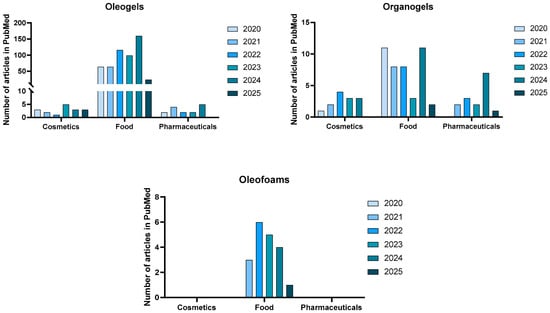
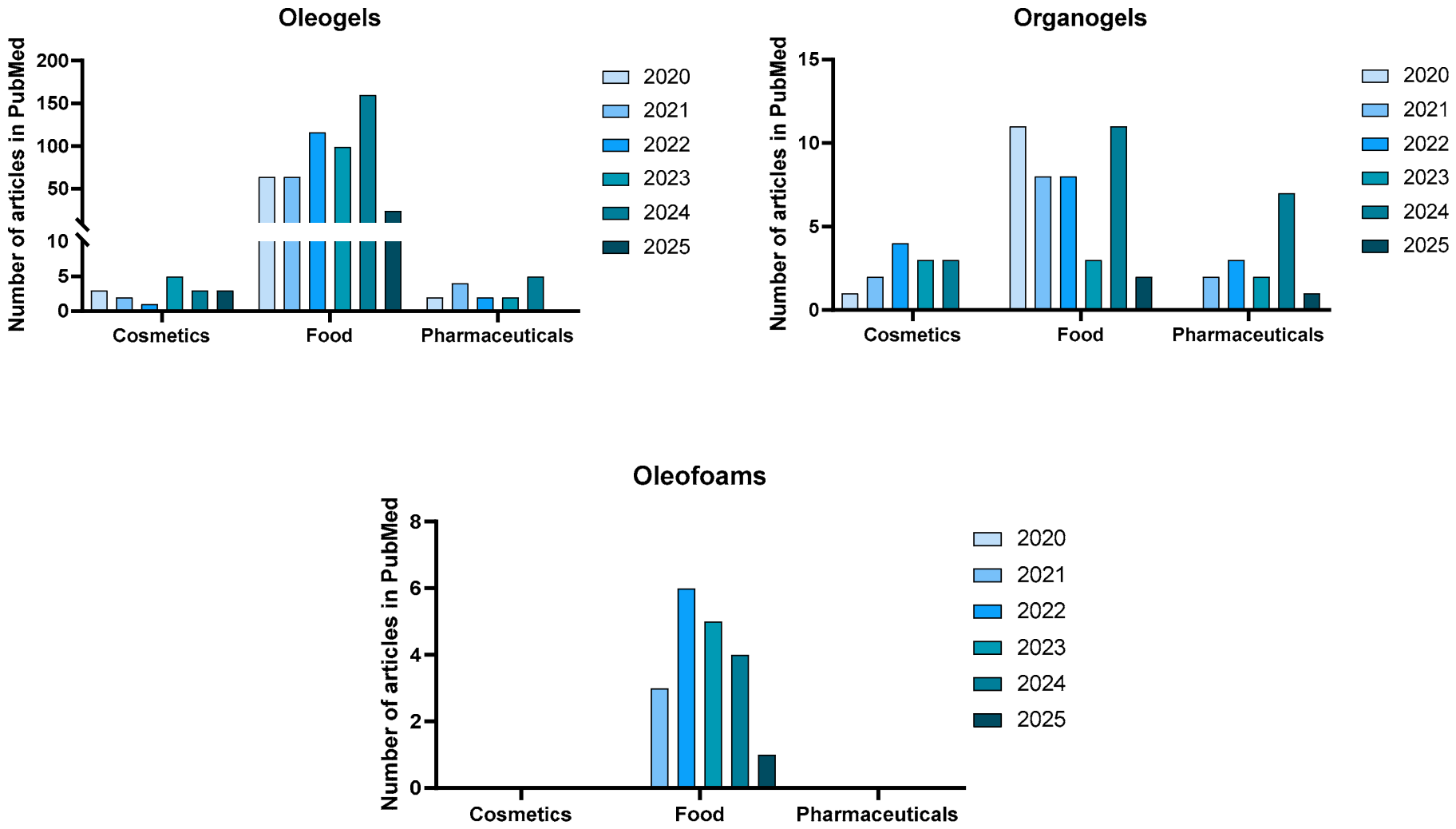
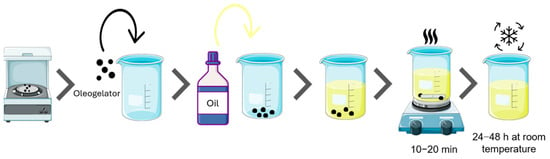
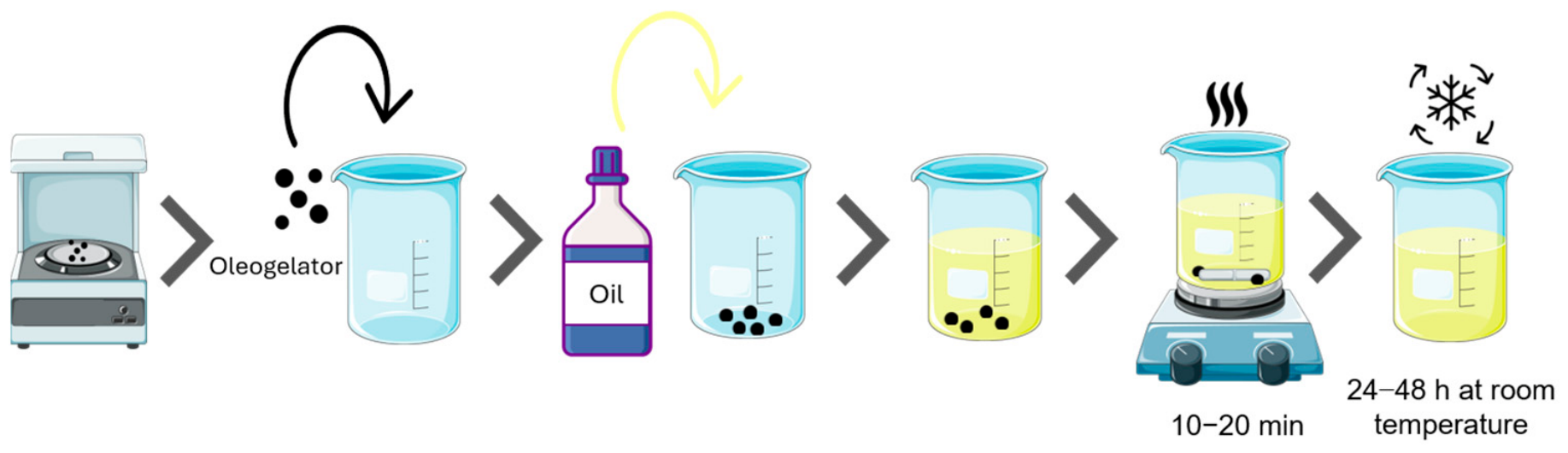
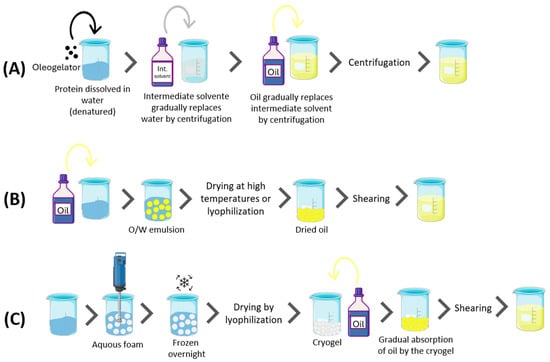
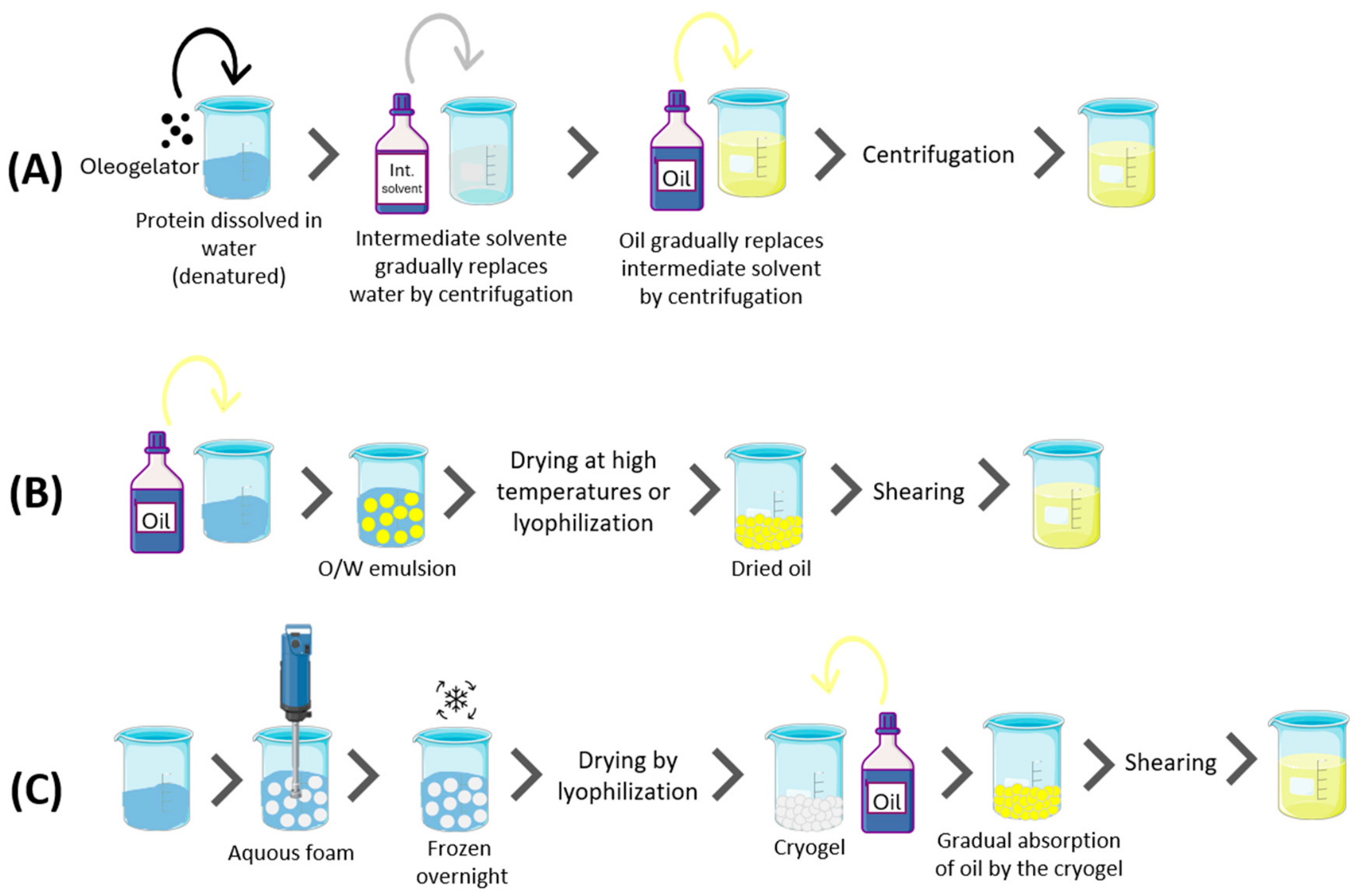
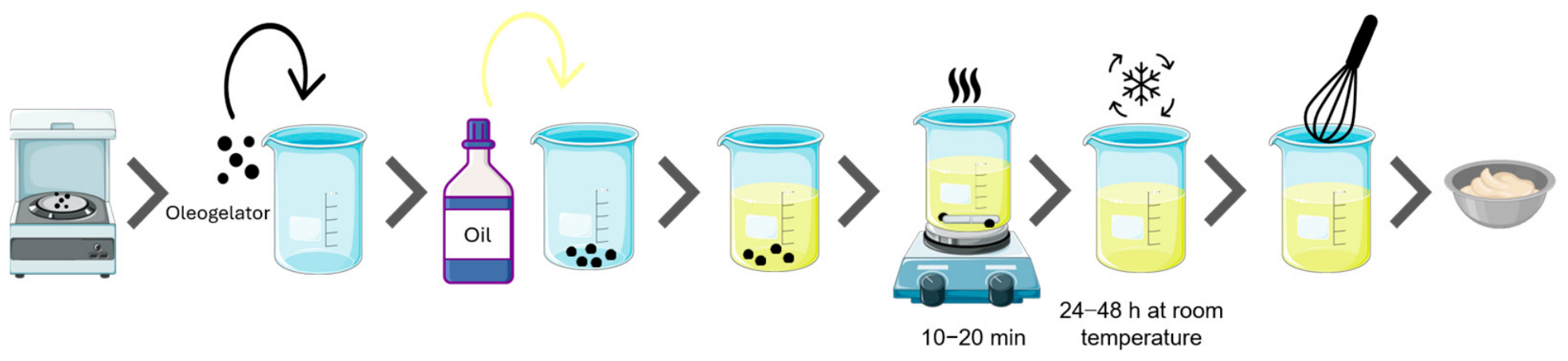

Disclaimer/Publisher’s Note: The statements, opinions and data contained in all publications are solely those of the individual author(s) and contributor(s) and not of MDPI and/or the editor(s). MDPI and/or the editor(s) disclaim responsibility for any injury to people or property resulting from any ideas, methods, instructions or products referred to in the content. |
© 2026 by the authors. Licensee MDPI, Basel, Switzerland. This article is an open access article distributed under the terms and conditions of the Creative Commons Attribution (CC BY) license.