


Abstract
This study aimed to investigate the effects of a facial serum containing Tubtim Chumphae rice extract on skin hydration, elasticity, oiliness, pigmentation, and erythema in healthy adults aged 30–50 years. Thirty participants applied two facial serums daily to opposite sides of the face for 12 weeks: (1) a serum containing Tubtim Chumphae rice extract (treatment intervention) and (2) a standard serum formulation containing 2% α-arbutin (control intervention). Skin hydration, elasticity, oiliness, melanin, and erythema were assessed at baseline and after the intervention using non-invasive skin measurement techniques. At baseline, no significant differences were observed between facial sides for any outcome. After 12 weeks, the side treated with the treatment intervention demonstrated significant within-side improvements in skin hydration at the forehead, skin elasticity at the cheeks and chin, and reductions in melanin and erythema in selected facial regions (all p < 0.05). However, paired split-face comparisons revealed that the treatment intervention produced significantly greater skin hydration at the cheek (mean difference = 3.88 AU, 95% CI: 0.23–7.53 AU, p = 0.039) and significantly greater skin elasticity at the forehead (mean difference = 0.090, 95% CI: 0.011–0.169, p = 0.028) compared with the control intervention. In addition, skin oiliness at the cheek was significantly lower on the side treated with the treatment intervention (mean difference = −6.62 µg/cm2, 95% CI: −12.62 to −0.62 µg/cm2, p = 0.032). No significant between-intervention differences were observed for melanin or erythema at any facial region. These findings suggest that topical application of a facial serum containing Tubtim Chumphae rice extract may improve skin hydration and elasticity while reducing skin oiliness in healthy middle-aged adults. However, no significant advantages over a standard 2% α-arbutin serum were observed for skin pigmentation or erythema after 12 weeks of treatment. Clinical Trial Registration: ClinicalTrials.gov, NCT06475222.
1. Introduction
Skin aging is a complex and multifactorial biological process characterized by progressive structural and functional alterations of the skin [1], including reduced hydration and elasticity, increased pigmentation, and facial erythema. These age-related changes arise through interactions between intrinsic factors, such as chronological aging, genetic predisposition, and hormonal alterations, and extrinsic factors, including ultraviolet radiation, environmental pollution, smoking, and lifestyle behaviors [2]. Among the underlying mechanisms, oxidative stress and chronic low-grade inflammation are recognized as central contributors to skin aging and tissue damage [3]. Excessive generation of reactive oxygen species (ROS) promotes lipid peroxidation, collagen degradation, extracellular matrix remodeling, and melanogenesis, ultimately impairing skin integrity and appearance [4]. Consequently, growing attention has been directed toward the development of topical formulations containing natural antioxidants and bioactive compounds capable of protecting the skin against oxidative damage and delaying visible signs of aging.
Rice-derived bioactive compounds have attracted considerable interest in cosmetic and dermatological applications owing to their antioxidant, anti-inflammatory, and skin-protective properties [5]. Pigmented rice varieties, particularly red and purple rice, contain abundant phytochemicals, including phenolic compounds, flavonoids, anthocyanins, γ-oryzanol, tocopherols, and other antioxidant constituents [6]. These compounds have been reported to attenuate oxidative stress, suppress inflammatory signaling, inhibit melanin synthesis, and support skin barrier integrity and collagen preservation [7,8,9]. In particular, anthocyanins exhibit strong antioxidant activity and have been shown to inhibit tyrosinase activity and modulate inflammatory pathways associated with hyperpigmentation and erythema [10]. Such biological properties suggest that pigmented rice extracts may serve as promising functional ingredients for topical skin care products.
Tubtim Chumphae rice (Oryza sativa L.) is a Thai pigmented rice variety distinguished by its reddish-purple coloration and high phytochemical content. Previous studies have demonstrated that extracts from pigmented rice possess substantial antioxidant activity and may exert beneficial effects on skin physiology through mechanisms related to free radical scavenging and inflammatory modulation [11]. Nevertheless, current evidence regarding the clinical efficacy of topical formulations containing Tubtim Chumphae rice extract remains limited. Existing research has focused predominantly on phytochemical characterization and in vitro antioxidant activity, whereas well-designed human studies evaluating clinically relevant skin outcomes are scarce. This gap limits understanding of whether the favorable biochemical properties of pigmented rice extracts translate into measurable improvements in skin condition following topical application.
Therefore, the present study aimed to investigate the effects of topical application of a facial serum containing Tubtim Chumphae rice extract on skin hydration, elasticity, oiliness, melanin, and erythema in healthy adults aged 30–50 years. We hypothesized that regular application of the Tubtim Chumphae rice extract serum over a 12-week period would improve skin biophysical properties while reducing skin pigmentation and erythema compared with a standard serum formulation.
2. Materials and Methods
2.1. Plant Preparation and Extraction
2.1.1. Collection of Tubtim Chumphae Rice
Tubtim Chumphae rice grains were harvested between November and December 2022 from the Ban Wat Khu Kasem Samakkee Rice Processing Community Enterprise, Khlong Udom Chonlachon Subdistrict, Mueang Chachoengsao District, Chachoengsao Province, Thailand (13.6667° N, 101.0667° E). The harvested grains were cleaned, dried, and stored under appropriate conditions until extraction and formulation procedures were performed.
The phytochemical composition of Tubtim Chumphae rice has been characterized previously using gas chromatography–mass spectrometry (GC–MS), which identified a range of fatty acids and other bioactive constituents. The major compounds included oleic acid, linoleic acid, and hexadecanoic acid, together with several minor constituents possessing potential antioxidant and skin-conditioning properties. Detailed compositional data have been reported elsewhere [12].
2.1.2. Chemicals and Reagents
Ethanol (95%, analytical grade) and Folin–Ciocalteu reagent were purchased from Merck (Darmstadt, Germany). Hexane was obtained from Fisher Scientific (Waltham, MA, USA). 2,2-diphenyl-1-picrylhydrazyl (DPPH), gallic acid, quercetin, and Trolox were purchased from TCI Chemicals (Tokyo, Japan). Propylheptyl caprylate, isopropyl myristate, tocopheryl acetate, α-bisabolol, and cetearyl isononanoate were obtained from BASF Personal Care and Nutrition GmbH (Monheim, Germany). α-arbutin was purchased from dsm-firmenich (Kaiseraugst, Switzerland). Sorbitan stearate (Span 60) and polysorbate 20 were obtained from NOF Corporation (Tokyo, Japan). Spectrastat™ E was purchased from Inolex (Philadelphia, PA, USA), and acrylates/C10-30 alkyl acrylate crosspolymer was obtained from Lubrizol (Wickliffe, OH, USA). All other ingredients used in the formulation were of cosmetic grade.
2.1.3. Extraction of Tubtim Chumphae Rice
The extract was prepared by macerating unmilled Tubtim Chumphae rice grains containing the bran and germ layers in solvent (ethanol or hexane) at a ratio of 1 g of rice to 20 mL of solvent for 24 h. The mixture was then filtered through filter paper, and fresh solvent (ethanol or hexane) was added to the raw material. The extraction was performed three times in total. The combined extracts were concentrated under reduced pressure using a rotary evaporator, yielding an oil-like extract. The percentage yield was calculated using the following equation:
%Yield = (weight of extract/weight of rice grains) × 100
Analysis of extraction yield demonstrated that hexane extraction produced a greater extract yield than ethanol extraction. However, evaluation of antioxidant activity using the DPPH assay revealed that ethanol-derived extracts exhibited greater antioxidant activity than those obtained using hexane extraction. Based on these findings, ethanol extracts were selected for subsequent formulation development and further analyses.
2.2. Bioactive Compound Determination
2.2.1. Determination of Antioxidant Activity Using the DPPH Assay
The crude ethanolic extract was dissolved in 95% ethanol to obtain a concentration of 1.25 mg/mL. A 20 µL aliquot of the extract was pipetted into a 96-well plate, followed by 180 µL of 0.0066% w/v DPPH solution. The mixture was incubated in the dark for 30 min, and absorbance was measured at a wavelength of 520 nm. The experiments were performed in triplicate for each sample [13].
%Inhibition = [(A0 − (As − Control))/A0] × 100
As = absorbance of the sample after reaction with DPPH
A0 = absorbance of DPPH
Control = absorbance of the sample
IC50 values were calculated using linear regression analysis of the concentration-% scavenging activity curve of the extract, which exhibits 50% scavenging activity.
2.2.2. Determination of Total Phenolic Content
The extract was prepared at a concentration of 1 mg/mL in ethanol. Then, 20 µL of the extract was pipetted into a 96-well plate, followed by the addition of Folin–Ciocalteu reagent and 80 µL of 7.5% (w/v) sodium bicarbonate solution. The mixture was thoroughly mixed and incubated at room temperature in the dark for 30 min. UV absorbance was then measured at a wavelength of 765 nm. Gallic acid was used as the standard compound (Y = 29.0077X − 0.0021, R2 = 0.9995). The total phenolic content was calculated and expressed as milligrams of gallic acid equivalents per milligram of dry extract (mg GAE/mg extract). The experiments were performed in triplicate for each sample [14].
2.2.3. Determination of Total Flavonoid Content
The extract was prepared at a concentration of 5 mg/mL in ethanol. Then, 480 µL of the extract was pipetted into a 96-well plate, followed by the addition of 40 µL of 5% NaNO2 solution. The mixture was thoroughly mixed and allowed to stand for 5 min. Subsequently, 80 µL of 10% AlCl3 solution was added, mixed thoroughly, and left to stand for 6 min. After that, 240 µL of 1 N NaOH solution was added and mixed well. UV absorbance was measured at a wavelength of 510 nm. Quercetin was used as the standard compound (Y = 5.6439X + 0.0259, R2 = 0.9988), and the total flavonoid content was calculated and expressed as milligrams of quercetin equivalents per milligram of dry extract (mg QE/mg extract). The experiments were performed in triplicate for each sample [15].
2.2.4. Determination of Oryzanol in the Extract
Qualitative analysis of oryzanol in the extract was performed using thin-layer chromatography (TLC). The extract was dissolved in alcohol and spotted alongside a γ-oryzanol reference standard. The stationary phase was silica gel TLC plate (SiO2), and the mobile phase consisted of 100% dichloromethane. Detection was performed under UV light at 254 nm and using anisaldehyde solution and DPPH solution as visualization reagents. The experiments were performed in triplicate for each sample. The retention factor (Rf) of each observed spot was calculated using the following equation:
Rf = distance traveled by the sample/distance traveled by the mobile phase
2.3. Facial Serum Preparation
2.3.1. Preparation of Tubtim Chumphae Rice Extract
The crude ethanolic extract of Tubtim Chumphae rice was first concentrated to dryness to completely remove the extraction solvent. The resulting dry extract (26.32 g) was then dispersed in 300 g of isopropyl myristate, which served as the carrier for subsequent serum formulation. Isopropyl myristate was selected because ethanol is not suitable for leave-on topical formulations owing to its potential to cause skin irritation and rapid evaporation. In addition, γ-oryzanol, one of the principal lipophilic bioactive constituents of rice, exhibits good solubility in isopropyl myristate, facilitating its incorporation into the formulation. The mixture was sonicated in an ultrasonic bath for 15 min to promote dispersion of the extract, after which any undissolved particles were removed by filtration through filter paper. The resulting clear extract solution was subsequently used for facial serum formulation.
2.3.2. Preparation of Aqueous Phase
Disodium ethylenediaminetetraacetic acid was weighed into a prepared container, followed by the addition of water with stirring until completely dissolved. Acrylates/C10-30 alkyl acrylate crosspolymer was then gradually sprinkled into the solution until fully dispersed. Subsequently, propylene glycol, glycerine, and Tween 20 were added. The mixture was heated in a water bath until the temperature reached at least 65 °C.
2.3.3. Preparation of Oil Phase
The ingredients in the oil phase, including propylheptyl caprylate, dimethicone, sorbitan stearate, and shea butter, were weighed into a container. The mixture was then heated in a water bath until the temperature reached at least 65 °C.
2.3.4. Preparation of Emulsion
The oil phase was poured into the aqueous phase and mixed using an overhead stirrer equipped with a disperser at a speed of 700 rpm until an emulsion formed. Stirring was continued until the emulsion cooled to below 40 °C.
2.3.5. Addition of Active Ingredients
When the temperature decreased below 40 °C, the active ingredients were added sequentially, including tocopheryl acetate, cyclopentasiloxane, rice extract, α-bisabolol, and finally triethanolamine.
The final concentration of Tubtim Chumphae rice extract in the serum formulation was approximately 0.26% (w/w). The extract was first dispersed in isopropyl myristate at a concentration of 8.77% (w/w), and the resulting dispersion was incorporated into the final formulation at 3% (w/w) (Table 1).
Table 1.
Formulation of the Tubtim Chumphae rice extract serum.
2.3.6. Stability Testing
The physical stability of both facial serum formulations was initially evaluated using a heating–cooling cycle test as a preliminary screening method. Each formulation was stored in a hot-air oven at 40 °C for 24 h, followed by storage at 4 °C for 24 h, constituting one complete cycle. The test was performed for two consecutive cycles. This accelerated screening test was used to evaluate the suitability of the emulsifier system and its required hydrophilic–lipophilic balance (HLB) of the emulsifier system.
Following the heating–cooling cycle test, both formulations were stored under ambient conditions for 3 months in accordance with the cosmetic stability testing guidelines of the Cosmetic, Toiletry, and Fragrance Association (CTFA) and the European Cosmetic, Toiletry and Perfumery Association (COLIPA). Physical stability was assessed by visual inspection for signs of emulsion instability, including phase separation (breaking) and creaming. Formulations exhibiting no visible phase separation or creaming throughout the storage period were considered physically stable.
2.4. Volunteer Experiment
2.4.1. Ethical Considerations
This non-randomized split-face controlled clinical trial enrolled 30 healthy middle-aged adults aged 30–50 years. The study protocol was reviewed and approved by the Human Ethics Committee of Burapha University (IRB1-047/2567; approval date: 2 May 2024). The trial was prospectively registered at ClinicalTrials.gov (Identifier: NCT06475222; registration date: 20 June 2024). Prior to participation, all participants received both verbal and written explanations regarding the study objectives, procedures, potential risks and benefits, and their rights as research participants. Written informed consent was obtained from all participants before enrollment and initiation of study procedures.
2.4.2. Sample Size
This study investigated the effects of a facial serum containing Tubtim Chumphae rice extract on skin hydration, skin elasticity, skin oiliness, skin tone, and skin erythema in healthy adults. The sample consisted of 30 participants. The sample size was estimated based on a previous clinical study by Mathpati et al. [16], which investigated the efficacy of a topical formulation containing α-arbutin for improving facial hyperpigmentation. Assuming a statistical power of 80% and a two-sided significance level of 0.05, the minimum required sample size was calculated to be 25 participants. To compensate for an anticipated dropout rate of 20%, the final target sample size was increased to 30 participants.
2.4.3. Participant Recruitment and Screening
Participants were recruited between June and July 2024 through campus-wide announcements and social media platforms, including Facebook and LINE application. Initial screening procedures consisted of completion of a structured health questionnaire, assessment of vital signs, and body composition analysis. The questionnaire collected information regarding demographic characteristics, recent symptoms suggestive of COVID-19 or other infectious conditions, medical history, physical activity and exercise habits, and dermatologic history, including cosmetic product use and history of allergies. These screening procedures were conducted to confirm participant eligibility and identify potential factors that could influence skin condition or interfere with study outcomes.
Inclusion criteria were as follows: (1) male or female participants aged 30–50 years and (2) regular users of facial serum products or individuals interested in using facial serums. Exclusion criteria included: (1) history of allergy to serum-type cosmetic products or known hypersensitivity to rice or rice-derived products; (2) history of autoimmune diseases, including systemic lupus erythematosus, psoriasis, or pityriasis rosea; (3) history of allergic skin diseases or atopic dermatitis; (4) presence of facial or neck dermatologic disorders, including seborrheic dermatitis or inflammatory acne characterized by erythematous, swollen, and painful lesions; (5) presence of wounds or open lesions on the face or neck; (6) regular smoking or e-cigarette use, defined as individuals who had smoked more than 100 cigarettes or changed e-liquid more than 50 times and currently smoked daily; (7) regular alcohol consumption, defined as more than 14 alcoholic drinks per week or more than 4 drinks per occasion; (8) signs or symptoms suggestive of acute infection or inflammation, such as fever; and (9) regular use of medications that may affect immune function, inflammatory responses, or skin condition, including antihistamines, immunosuppressive agents, or corticosteroids.
Following the initial screening, all eligible participants underwent a preliminary patch test using both facial serum formulations to assess potential allergic or hypersensitivity reactions prior to serum allocation and initiation of the intervention. Participants who exhibited signs of skin irritation or allergic reactions during the patch test were excluded from further participation, instructed to discontinue product use immediately, and referred for appropriate medical evaluation if clinically indicated.
2.4.4. Experimental Protocols
Following the screening visit, eligible participants were scheduled to attend the research laboratory in the morning for baseline assessments. Prior to assessment, participants were instructed not to wash their face for at least 4 h and to refrain from using any skincare products or cosmetics for 24 h to minimize external influences on skin measurements and ensure standardized assessment conditions.
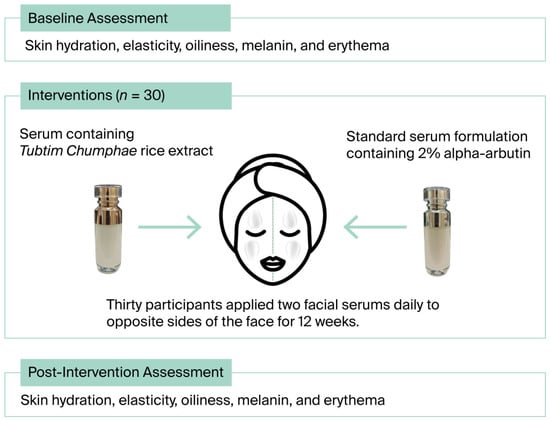
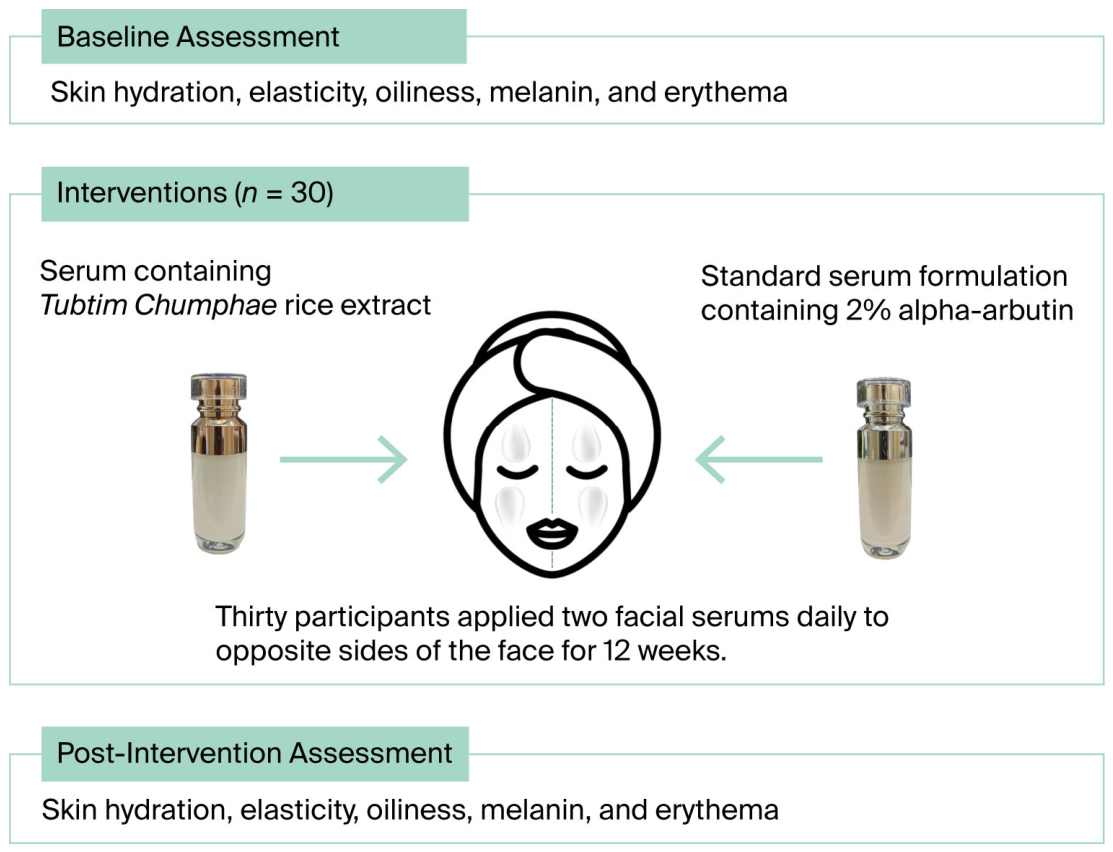
Upon completion of baseline assessments, including anthropometric and body composition measurements, participants received facial serum products, comprising the α-arbutin serum formulation (control intervention) and the Tubtim Chumphae rice extract serum (treatment intervention), for daily home application. Participants were instructed to apply the assigned facial serum formulations twice daily (once in the morning and once in the evening) to the designated side of the face for 12 consecutive weeks. Standardized written and verbal instructions regarding the amount of serum, application technique, and timing were provided. Participants were encouraged to ask questions and seek clarification until all study procedures and application protocols were fully understood. Follow-up assessments were conducted at week 12 upon completion of the intervention (Figure 1).
Figure 1.
Experimental protocol of the study, showing the timeline of baseline assessment, intervention period, and post-intervention assessment.
Participant adherence was monitored throughout the intervention using the Line application. Participants completed a standardized daily checklist through the Line application confirming whether they had applied both facial serum formulations according to the prescribed schedule and were also asked to report any adverse skin reactions. Compliance was calculated as the percentage of completed serum applications relative to the total number of prescribed applications over the 12-week intervention period. Participants completing ≥90% of the prescribed applications were considered to have good protocol compliance.
This study employed a non-randomized split-face design. To enhance adherence and minimize potential confusion regarding product allocation, participants were instructed to apply the facial serum containing Tubtim Chumphae rice extract to the side of the face corresponding to their dominant hand, while the standard facial serum formulation was applied to the non-dominant side.
The standard facial serum formulation contained 2% α-arbutin, a widely used depigmenting agent recognized for its inhibitory effects on tyrosinase activity and melanin synthesis [17]. Owing to its established skin-brightening efficacy and extensive incorporation into cosmetic formulations, α-arbutin served as a clinically relevant comparator and a control intervention for evaluating the effectiveness of the Tubtim Chumphae rice extract serum as a treatment intervention on skin pigmentation and overall skin appearance. Formulation of 2% α-arbutin is presented in Table 2.
Table 2.
Formulation of the standard serum containing 2% α-arbutin.
To minimize potential confounding influences, participants were instructed to maintain their usual skincare routines and cosmetic practices throughout the study period while refraining from using additional facial serums or introducing new cosmetic products.
2.5. Skin Quality Evaluation
Skin hydration, elasticity, oiliness, melanin, and erythema were evaluated at baseline (pre-intervention) and after 12 weeks of intervention (post-intervention) using the Multi Probe Adapter System (Courage + Khazaka Electronic GmbH, Cologne, Germany). Assessments were performed at three facial regions, the forehead, cheeks, and chin, using four validated probes: the Corneometer® CM 825 for skin hydration, the Cutometer® 580 for skin elasticity, the Sebumeter® SM 815 for skin surface oiliness (sebum content), and the Mexameter® MX18 for the determination of melanin and erythema indices [18].
Before each assessment, participants underwent a 15–30 min acclimatization period in a controlled environment maintained at 22–25 °C and 40–60% relative humidity to minimize the influence of external environmental factors on skin measurements. Participants were instructed to cleanse their face using a standardized facial cleanser prior to evaluation. All measurements were performed by a trained assessor (S.I.) who was blinded to treatment allocation to reduce measurement bias. Each parameter was measured in duplicate at each facial site, and the mean of the two measurements was used for subsequent statistical analyses.
2.6. Anthropometry and Body Composition
Anthropometric and body composition measurements were performed with participants standing barefoot and wearing light clothing. Height was measured to the nearest 0.1 cm using a stadiometer (Health-O-Meter ProSeries, Pelstar LLC, McCook, IL, USA). Body composition was assessed using a bioelectrical impedance analysis device (InBody270, InBody Co., Ltd., Daejeon, Republic of Korea).
To minimize measurement variability and improve accuracy, participants were instructed to empty their bladder before assessment. In addition, participants were asked to refrain from eating and drinking, including alcohol- and caffeine-containing beverages, smoking, and engaging in strenuous physical activity or exercise on the day prior to assessment [19].
2.7. Statistical Analysis
Normality was assessed using the Shapiro–Wilk test. Differences in skin parameters were analyzed using repeated-measures ANOVA, with time (pre-intervention vs. post-intervention) and treatment (control intervention vs. treatment intervention) as within-subject factors. When appropriate, repeated-measures analysis of covariance (ANCOVA) was performed with age as a covariate. Bonferroni-adjusted post hoc comparisons were conducted when significant main or interaction effects were observed. Statistical analyses were performed using SPSS Statistics version 25 (IBM Corp., Armonk, NY, USA). Data are presented as mean ± SD, and statistical significance was defined as p < 0.05.
3. Results
3.1. Bioactive Compounds in Tubtim Chumphae Rice Extract
3.1.1. Antioxidant Activity
Antioxidant activity of the rice extracts was evaluated using the DPPH radical scavenging assay. As shown in Table 3, ethanol extracts exhibited markedly greater antioxidant activity than hexane extracts. The ethanol extract demonstrated a DPPH radical scavenging activity of 94% with an extraction yield of 0.611%, whereas the hexane extract showed lower antioxidant activity, with 28% inhibition and an extraction yield of 0.65%.
Table 3.
Antioxidant activity, total phenolic content, and total flavonoid content of Tubtim Chumphae rice extracts.
The half-maximal inhibitory concentration (IC50) of the ethanol extract was 0.05 ± 0.00 mg/mL, compared with 0.008 ± 0.000 mg/mL for Trolox, which was used as the reference antioxidant standard.
3.1.2. Total Phenolic Content
As shown in Table 3, total phenolic compounds were detected in the ethanol extracts of Tubtim Chumphae rice, whereas no detectable phenolic content was observed in the corresponding hexane extracts. The ethanol extract exhibited a total phenolic content of 0.11 ± 0.00 mg GAE/mg extract.
3.1.3. Total Flavonoid Content
Similarly, total flavonoid compounds were detected in the ethanol extracts, whereas no detectable flavonoid content was observed in the corresponding hexane extracts. As presented in Table 3, the ethanol extract of Tubtim Chumphae rice exhibited a total flavonoid content of 0.10 ± 0.01 mg QE/mg extract.
3.1.4. γ-Oryzanol Identification
The identification of γ-oryzanol was performed using TLC. The extract was spotted compared to the γ-oryzanol reference standard. Following chromatographic development, plates were visualized under UV light (254 nm) and subsequently sprayed with anisaldehyde reagent and DPPH solution to detect antioxidant-active compounds, which appeared as yellow spots against the pale purple background. Two DPPH-positive spots were detected in the extract. The first spot, at Rf = 0.73, co-migrated with the γ-oryzanol standard (Rf = 0.73), confirming the presence of γ-oryzanol as one of the antioxidant-active constituents of the extract. A second DPPH-positive spot remained at the origin (Rf = 0), indicating an additional antioxidant compound of substantially higher polarity than γ-oryzanol under the solvent system used.
3.2. Results from the Split-Face Controlled Clinical Trial
3.2.1. Participant Characteristics and Study Adherence
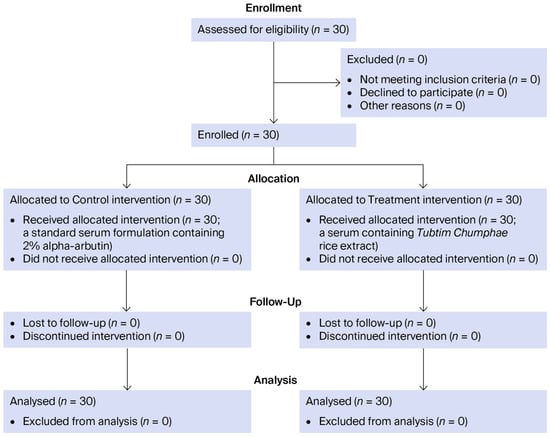
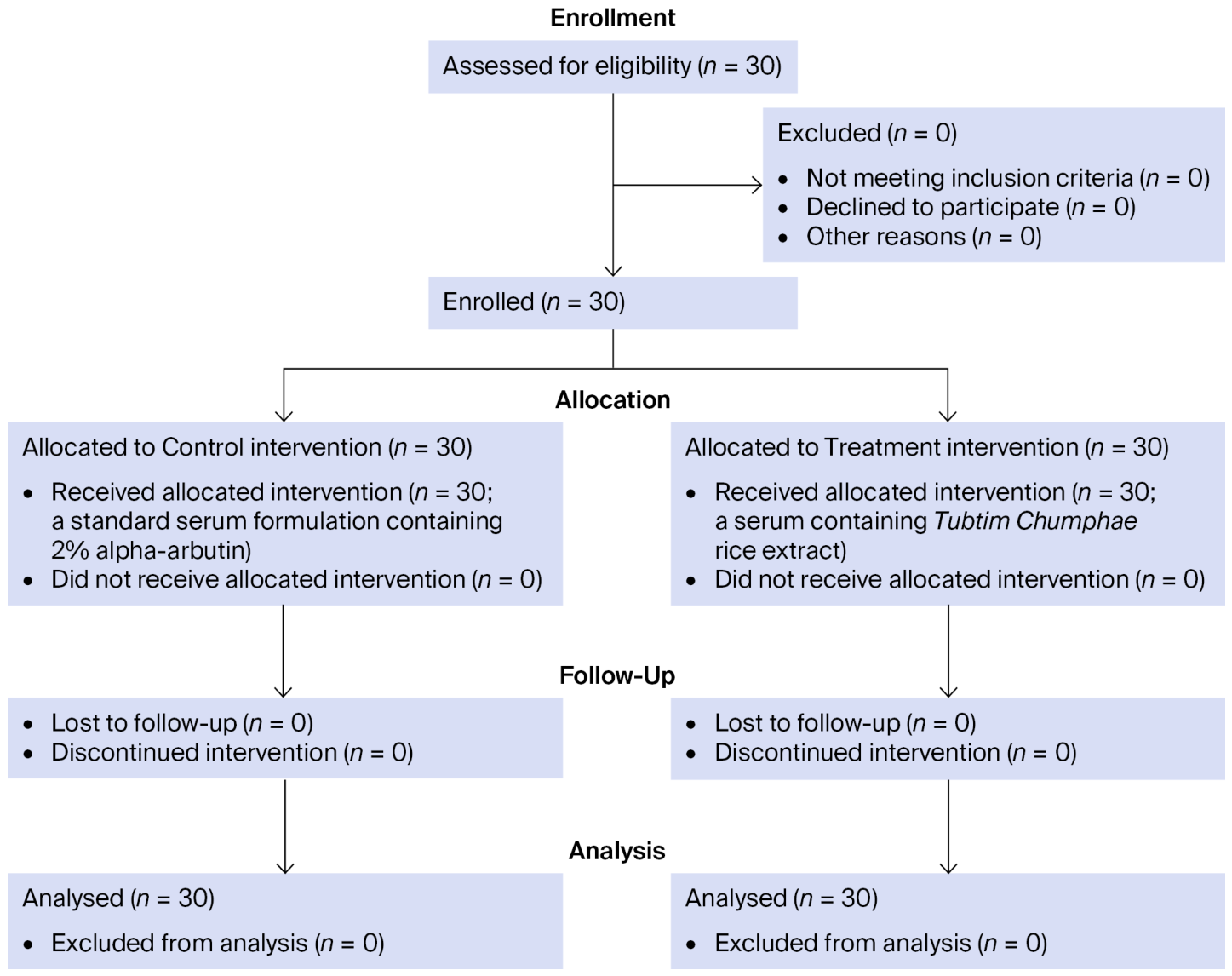
A total of 30 participants were enrolled, comprising 25 females (83.3%) and 5 males (16.7%). All participants completed the 12-week intervention and follow-up assessments, resulting in a retention rate of 100% (Figure 2).
Figure 2.
CONSORT flow diagram of participant enrollment, allocation, follow-up, and analysis.
At baseline, participants had a mean age of 41.33 ± 6.85 years, mean body weight of 71.16 ± 14.71 kg, mean height of 160.80 ± 8.59 cm, and mean body mass index of 27.77 ± 6.61 kg/m2 (Table 4).
Table 4.
Baseline demographic characteristics of participants before the 12-week intervention.
Participant adherence to facial serum application was high throughout the intervention period. Based on daily self-reported adherence records submitted via the Line application, all participants completed at least 90% of the prescribed serum applications during the 12-week intervention and were therefore classified as having good protocol compliance. No allergic reactions, serious adverse events, or intervention-related side effects were reported following use of either facial serum formulation.
3.2.2. Skin Hydration
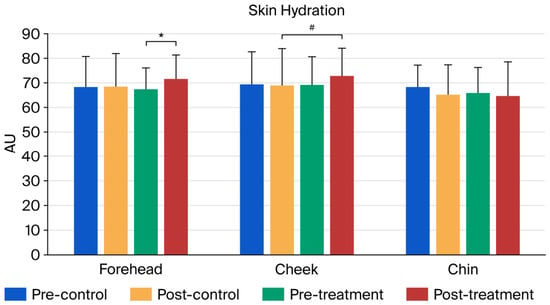
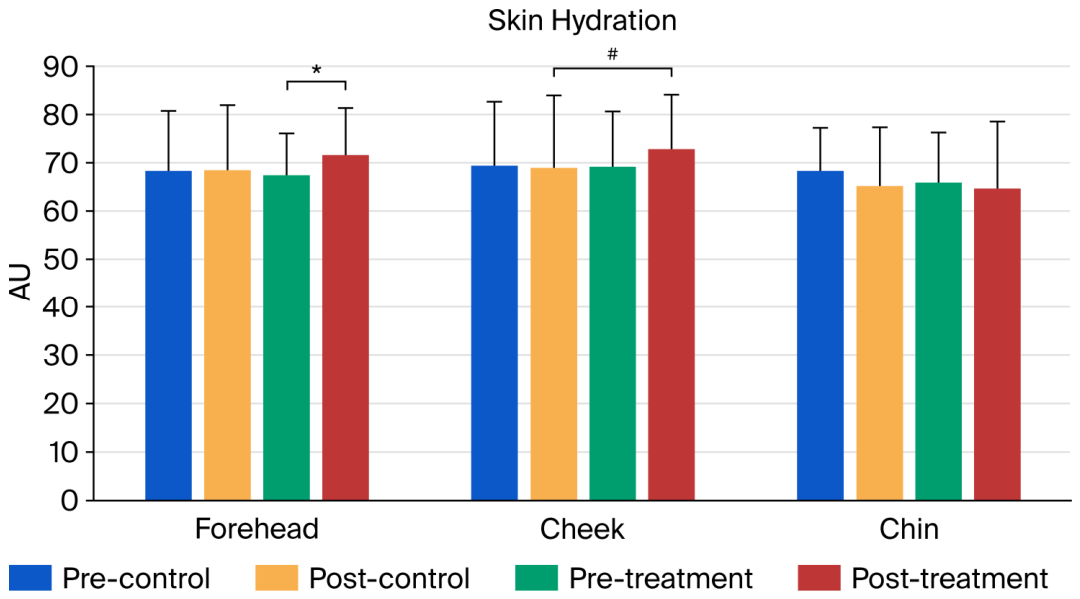
At baseline, no significant differences in skin hydration were observed between the facial sides assigned to the treatment intervention and the control intervention at any measurement site (all p > 0.05). After the 12-week intervention, the side treated with the treatment intervention demonstrated a significant increase in skin hydration at the forehead compared with pre-intervention (p = 0.019), whereas no significant within-side changes were observed for the side treated with the control intervention.
Between-intervention analysis at week 12 revealed significantly higher skin hydration at the cheek on the side treated with the treatment intervention compared with the side treated with the control intervention. No significant between-intervention differences were observed at the forehead or chin (Figure 3 and Table 5).
Figure 3.
Skin hydration levels at the forehead, cheeks, and chin in the control and treatment interventions at baseline (pre) and after 12 weeks (post). Data are presented as mean ± SD. AU, arbitrary unit; *, significantly different from pre-intervention (p < 0.05); #, significantly different from the control intervention (p < 0.05).
Table 5.
Skin hydration, elasticity, oiliness, melanin, and erythema levels of participants before (pre) and after the 12-week (post) interventions.
3.2.3. Skin Elasticity
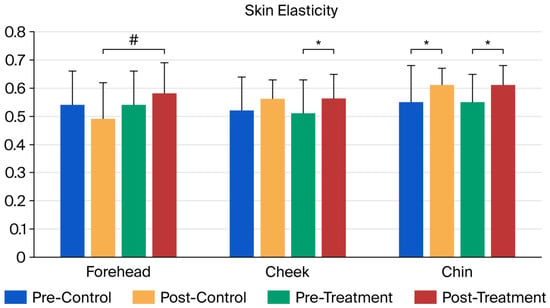
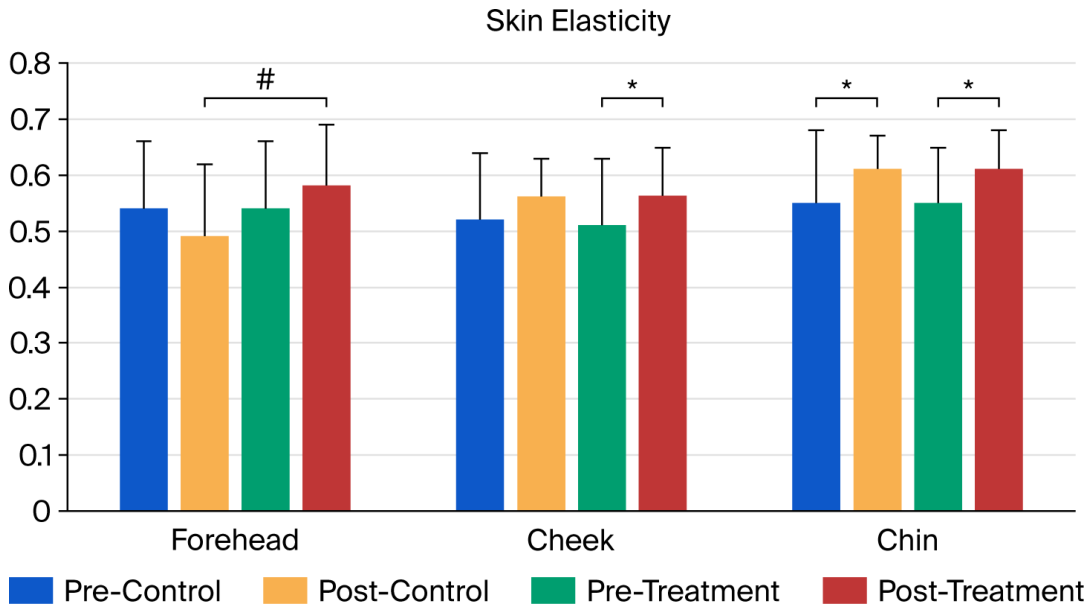
At baseline, no significant differences in skin elasticity were observed between the facial sides assigned to the treatment intervention and the control intervention at any measurement site (all p > 0.05). Following the 12-week intervention, the side treated with the treatment intervention demonstrated significant increases in skin elasticity at both the cheek and chin regions compared with pre-intervention (both p = 0.015). In contrast, the side treated with the control intervention showed a significant increase in skin elasticity only at the chin region (p = 0.012), whereas no significant changes were detected at the forehead or cheek.
Between-intervention analysis at week 12 revealed significantly greater skin elasticity at the forehead on the side treated with the treatment intervention compared with the side treated with the control intervention (p = 0.028). No significant between-intervention differences were observed at the cheek (p = 0.926) or chin (p = 0.688) (Figure 4 and Table 5).
Figure 4.
Skin elasticity levels at the forehead, cheeks, and chin in the control and treatment interventions at baseline (pre) and after 12 weeks (post). Data are presented as mean ± SD. *, significantly different from pre-intervention (p < 0.05); #, significantly different from the control intervention (p < 0.05). Skin elasticity was measured using cutometer R2 (unitless).
3.2.4. Skin Oiliness
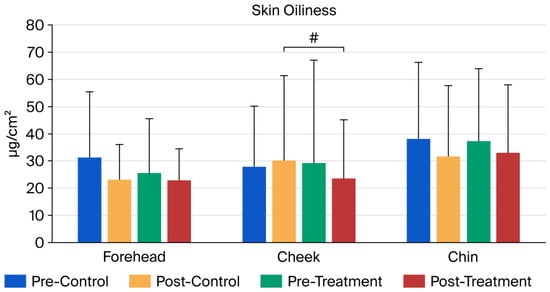
At baseline, no significant differences in skin oiliness were observed between the facial sides assigned to the treatment intervention and the control intervention at any measurement site (all p > 0.05). Following the 12-week intervention, no significant within-side changes in skin oiliness were detected for either intervention at the forehead, cheek, or chin regions (all p > 0.05).
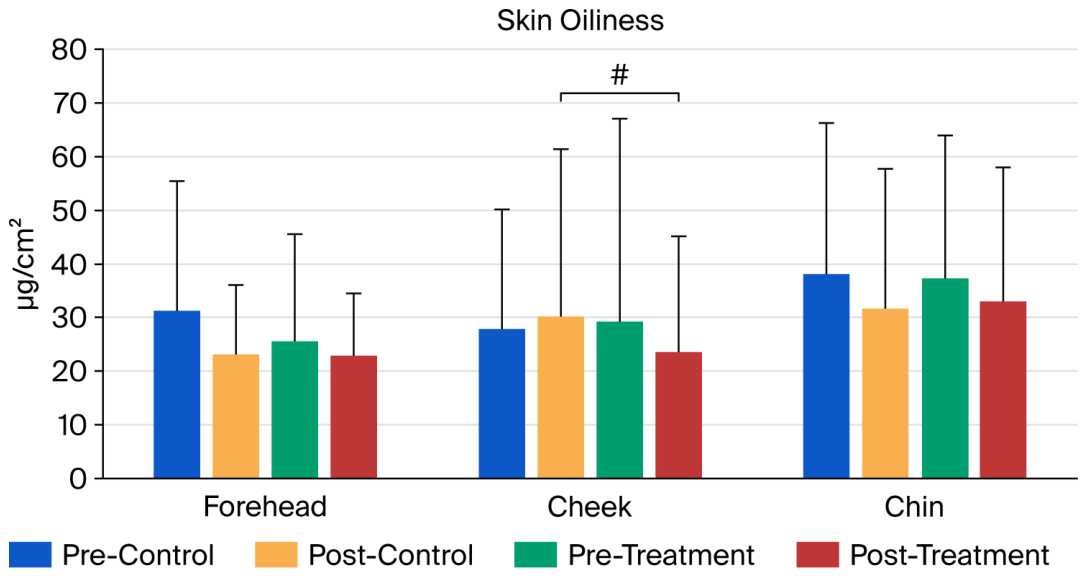
However, between-intervention comparisons at week 12 revealed significantly lower skin oiliness at the cheek on the side treated with the treatment intervention compared with the side treated with the control intervention (p = 0.032). No significant between-intervention differences were observed at the forehead (p = 0.943) or chin (p = 0.780) (Figure 5 and Table 5).
Figure 5.
Skin oiliness levels at the forehead, cheeks, and chin in the control and treatment interventions at baseline (pre) and after 12 weeks (post). Data are presented as mean ± SD. #, significantly different from the control intervention (p < 0.05).
3.2.5. Skin Melanin
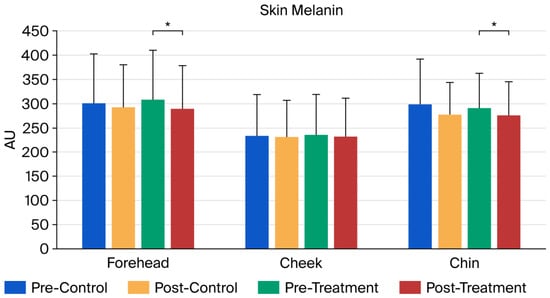
At baseline, no significant differences in melanin levels were observed between the facial sides assigned to the treatment intervention and the control intervention at any measurement site (all p > 0.05). Following the 12-week intervention, the side treated with the treatment intervention demonstrated significant reductions in melanin levels at the forehead and chin compared with pre-intervention (p = 0.003 and p = 0.007, respectively). In contrast, no significant within-side changes in melanin levels were observed on the side treated with the control intervention.
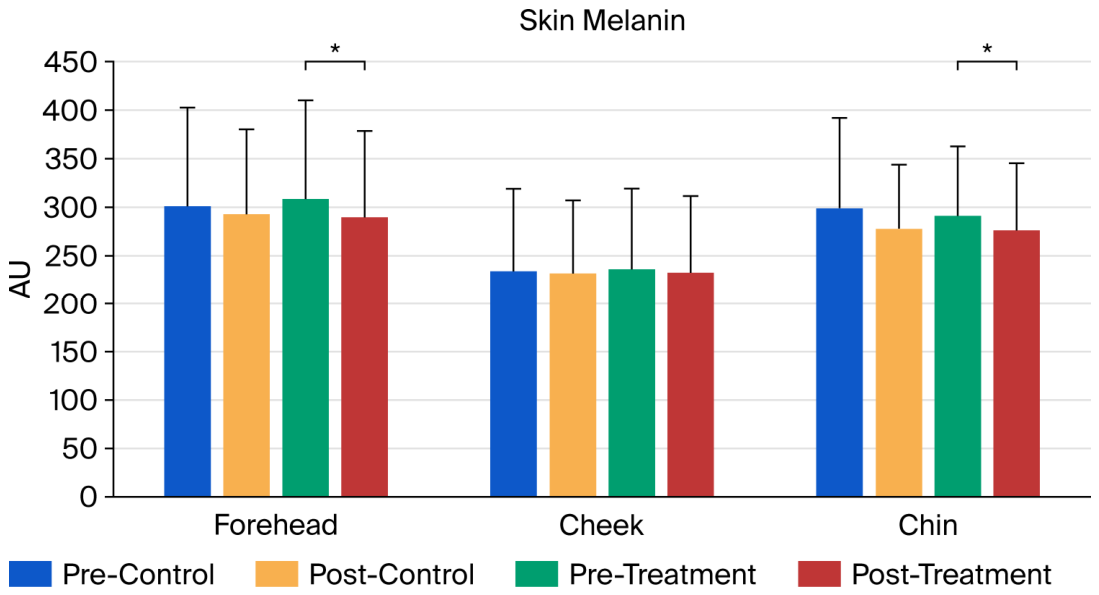
However, between-intervention comparisons at week 12 revealed no significant differences in melanin levels between the treatment intervention and the control intervention at any facial site. The mean differences were 2.53 AU at the forehead (p = 0.649), 6.97 AU at the cheeks (p = 0.105), and 4.28 AU at the chin (p = 0.698) (Figure 6 and Table 5).
Figure 6.
Skin melanin levels at the forehead, cheeks, and chin in the control and treatment interventions at baseline (pre) and after 12 weeks (post). Data are presented as mean ± SD. AU, arbitrary unit; *, significantly different from pre-intervention (p < 0.05).
3.2.6. Skin Erythema
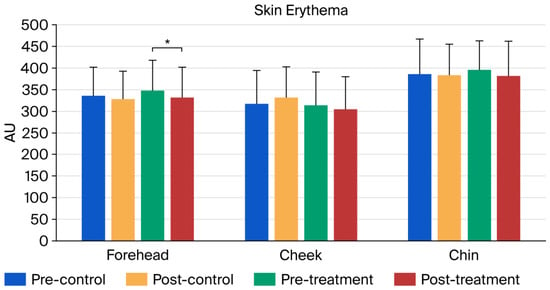
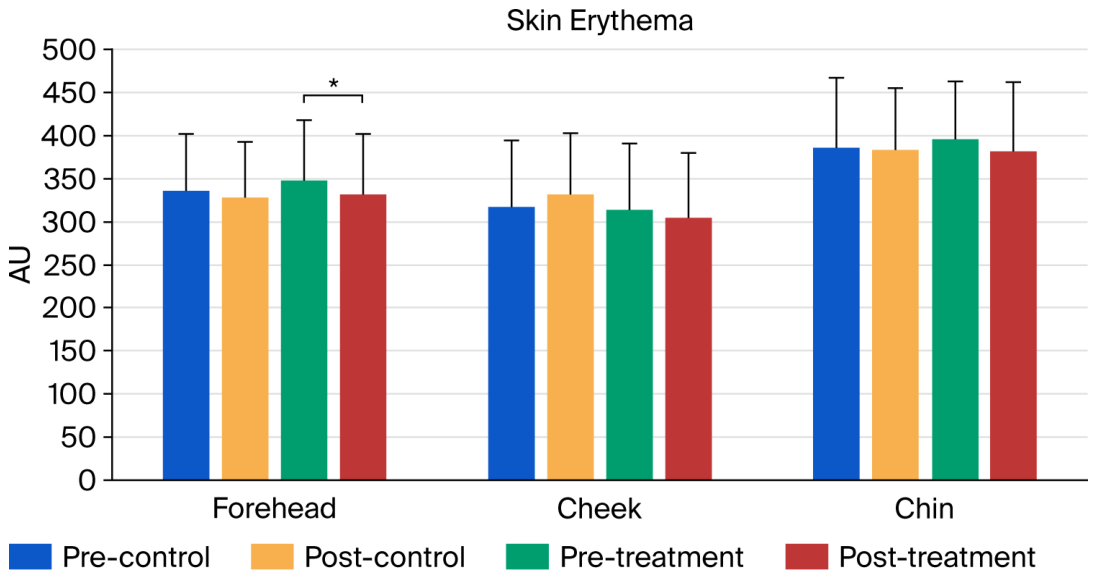
At baseline, no significant differences in erythema levels were observed between the facial sides assigned to the treatment intervention and the control intervention at any measurement site (all p > 0.05). Following the 12-week intervention, the side treated with the treatment intervention demonstrated a significant reduction in erythema at the forehead compared with pre-intervention (p = 0.040), whereas no significant within-side changes were observed on the side treated with the control intervention.
However, between-intervention comparisons at week 12 revealed no significant differences in erythema levels between the treatment intervention and the control intervention at any facial site. The mean differences were 5.53 AU at the forehead (p = 0.339), 10.07 AU at the cheeks (p = 0.181), and 5.62 AU at the chin (p = 0.522). Although erythema values tended to be lower on the side treated with the treatment intervention, particularly at the cheek region, the magnitude of these effects was small and did not reach statistical significance (Figure 7 and Table 5).
Figure 7.
Skin erythema levels at the forehead, cheeks, and chin in the control and treatment interventions at baseline (pre) and after 12 weeks (post). Data are presented as mean ± SD. AU, arbitrary unit; *, significantly different from pre-intervention (p < 0.05).
4. Discussion
The present study investigated the effects of a facial serum containing Tubtim Chumphae rice extract on skin hydration, elasticity, oiliness, melanin, and erythema in healthy middle-aged adults using a non-randomized split-face controlled clinical design. The principal findings demonstrated that the Tubtim Chumphae rice extract serum improved several skin biophysical properties following 12 weeks of application. Specifically, the serum increased skin hydration and elasticity, while exerting minimal effects on skin oiliness. These findings were accompanied by evidence of relatively high antioxidant activity and appreciable phenolic and flavonoid contents in the ethanol extract, supporting the potential use of Tubtim Chumphae rice extract as a functional ingredient in topical skin care formulations.
The phytochemical analyses provide biological plausibility for the observed clinical effects. Although hexane extraction yielded a greater quantity of crude extract, ethanol extraction produced markedly stronger antioxidant activity and detectable phenolic and flavonoid compounds, whereas these compounds were not observed in the hexane extracts. In addition, TLC analysis confirmed the presence of oryzanol in the Tubtim Chumphae rice extract. These findings are consistent with previous studies showing that ethanol is generally more effective than non-polar solvents for extracting antioxidant phytochemicals from pigmented rice [20], particularly phenolics, flavonoids, and anthocyanins. Therefore, selection of the ethanol extract for serum formulation was scientifically justified and likely contributed to the biological activity observed during the clinical phase of the study.
Improvement in skin hydration following application of the treatment intervention may be explained through several complementary mechanisms. Skin hydration depends on the maintenance of an intact epidermal barrier, adequate water retention within the stratum corneum, and preservation of intercellular lipid organization [21]. Oxidative stress can disrupt barrier function and increase transepidermal water loss, thereby contributing to skin dryness and age-related deterioration [22]. Antioxidant-rich plant extracts may help counteract these processes by reducing oxidative damage and supporting epidermal homeostasis. These potential mechanisms are consistent with the bioactive composition of pigmented rice. Pigmented Oryza sativa varieties have been reported to contain cosmetic-relevant bioactive compounds. These include phenolic acids such as ferulic acid; flavonoids such as anthocyanins and proanthocyanidins; and related rice bran constituents such as γ-oryzanol, tocopherols, and tocotrienols [23]. Ferulic acid exhibits antioxidant and photoprotective activities, while anthocyanins and proanthocyanidins possess antioxidant and anti-inflammatory properties and may contribute to the regulation of melanogenesis [11,23]. γ-oryzanol, tocopherols, and tocotrienols contribute to the antioxidant activity of pigmented rice bran [23]. In addition, anthocyanin-rich rice bran extracts have shown anti-melanogenic activity and reduced collagen degradation by inhibiting tyrosinase and matrix metalloproteinase (MMP)-2 [24]. Together, these activities may reduce oxidative stress and inflammation linked to impaired skin barrier function and support cosmetic benefits related to hydration, elasticity, and pigmentation control [11,25].
In the present study, the treatment intervention produced significantly greater skin hydration at the cheek compared with the control intervention, while a significant within-side increase in hydration was observed at the forehead. These findings suggest that the rice extract formulation may positively influence skin moisture regulation. However, the observed effects should be interpreted in the context of the formulation as a whole, as moisturizing excipients such as glycerin, shea butter, and other humectant and emollient ingredients may also have contributed to the hydration response.
The findings regarding skin elasticity are similarly noteworthy. Reduced skin elasticity is a hallmark of skin aging and is closely associated with collagen degradation, elastin fragmentation, and extracellular matrix remodeling induced by oxidative stress and chronic low-grade inflammation [3]. In the present study, the treatment intervention produced significantly greater skin elasticity at the forehead compared with the control intervention and was associated with significant within-side improvements at the cheek and chin. These findings may be attributable, at least in part, to the antioxidant activity of rice-derived phytochemicals, which may help preserve dermal collagen and elastin by attenuating ROS-mediated matrix degradation. Previous experimental studies have suggested that anthocyanins and phenolic compounds can inhibit MMP activity and reduce oxidative damage to connective tissue components [11,26,27,28]. Preservation of extracellular matrix integrity may therefore contribute to the observed improvements in skin elasticity. Nevertheless, the beneficial effects are likely influenced by the combined action of multiple formulation ingredients, including tocopheryl acetate and α-bisabolol, both of which possess recognized antioxidant, anti-inflammatory, and skin-conditioning properties [29]. Accordingly, the present findings support the efficacy of the complete formulation, while the specific contribution of Tubtim Chumphae rice extract requires further investigation using vehicle-controlled study designs.
The findings related to melanin levels provide additional insight into the potential dermatological benefits of Tubtim Chumphae rice extract. Melanogenesis is regulated primarily by tyrosinase activity and is influenced by oxidative stress and inflammatory mediators [30]. Anthocyanins and phenolic compounds present in pigmented rice have been reported to inhibit melanin production through their antioxidant properties and modulation of tyrosinase-related signaling pathways [31]. In the present study, significant within-side reductions in melanin levels were observed at the forehead and chin following the treatment intervention, whereas no significant changes were detected on the side treated with the control intervention. However, paired split-face comparisons demonstrated no significant between-intervention differences in melanin levels at the forehead, cheeks, or chin after 12 weeks of intervention. These findings suggest that although the rice extract formulation may contribute to improvements in skin pigmentation over time, its depigmenting effects were not superior to those of the α-arbutin-containing comparator under the conditions of the present study.
The effects on erythema provide further information regarding the potential anti-inflammatory properties of the Tubtim Chumphae rice extract serum. Facial erythema is commonly associated with cutaneous vascular responses and inflammatory processes that may be exacerbated by oxidative stress and environmental stressors [32]. Phenolic compounds and anthocyanins possess well-documented antioxidant and anti-inflammatory activities and may attenuate erythema by reducing ROS production and modulating inflammatory signaling pathways [27,28,33]. In the present study, a significant within-side reduction in forehead erythema was observed following application of the treatment intervention, whereas no significant changes were detected with the control intervention. Nevertheless, paired split-face comparisons revealed no significant between-intervention differences in erythema at any facial region after the intervention, although erythema values tended to be lower on the side treated with the treatment intervention, particularly at the cheeks. Therefore, while the present findings are broadly consistent with the proposed anti-inflammatory properties of bioactive constituents in pigmented rice [34,35], they do not provide conclusive evidence that the treatment intervention is more effective than the control intervention in reducing facial erythema.
In contrast to the findings for skin hydration and elasticity, the effects of the intervention on skin oiliness were less pronounced. Sebum production is primarily regulated by sebaceous gland activity, endocrine factors, and individual skin characteristics [36], and may therefore be less responsive to antioxidant-based interventions than skin parameters associated with barrier function, hydration, or inflammation. In the present study, no significant within-side changes in skin oiliness were observed following either the treatment intervention or the control intervention. However, paired split-face analysis demonstrated significantly lower oiliness at the cheek on the side treated with the treatment intervention compared with the side treated with the control intervention after 12 weeks of intervention. The magnitude of this effect was small to moderate (Cohen’s dz = 0.39), suggesting a modest reduction in sebum levels in this facial region. Although the mechanisms underlying this observation remain unclear, it is possible that the antioxidant and anti-inflammatory properties of phenolic compounds and anthocyanins present in pigmented rice may indirectly influence skin surface lipid accumulation by improving skin homeostasis. Nevertheless, the absence of significant effects at the forehead and chin, together with the lack of significant within-side reductions, indicates that modulation of sebum production is unlikely to represent a primary mechanism of action of Tubtim Chumphae rice extract.
This study has several limitations that should be acknowledged. First, the study employed a non-randomized split-face design, with allocation based on dominant and non-dominant facial sides, which may have introduced allocation bias and potential side-related confounding. Nevertheless, this approach was adopted to facilitate participant adherence and promote consistent product application throughout the intervention period. Second, the relatively small sample size and predominance of female participants may limit the generalizability of the findings to broader populations, including males and individuals with different skin characteristics. Third, although a 12-week intervention period is commonly used in cosmetic studies, it may not have been sufficient to fully evaluate longer-term changes in skin pigmentation, sebaceous activity, and sustained skin remodeling. Fourth, adherence to serum application was primarily assessed through self-report, which may be susceptible to reporting bias and inaccuracies in compliance estimation. An additional important limitation is the absence of a vehicle-matched placebo control. Although the study compared the Tubtim Chumphae rice extract serum with an α-arbutin-containing formulation, the lack of a vehicle control limits attribution of the observed effects specifically to the rice extract. The improvements observed may reflect not only the potential biological activity of Tubtim Chumphae rice extract but also the combined effects of formulation excipients and coexisting active ingredients, including tocopheryl acetate, α-bisabolol, and moisturizing components. Furthermore, mechanistic biomarkers related to oxidative stress, inflammation, collagen turnover, or skin barrier integrity were not evaluated, thereby limiting mechanistic interpretation and preventing confirmation of the biological pathways underlying the observed skin responses.
Future studies should employ randomized, vehicle-controlled clinical trials involving larger and more demographically diverse populations to confirm and extend the present findings. Investigations incorporating multiple concentrations of Tubtim Chumphae rice extract, longer intervention periods, and mechanistic assessments of oxidative stress, inflammatory responses, collagen metabolism, and skin barrier function would provide a more comprehensive understanding of its biological effects. In addition, comprehensive phytochemical characterization, including quantitative analysis and identification of the major bioactive constituents in the polar antioxidant fraction using high-performance liquid chromatography (HPLC) and liquid chromatography–mass spectrometry (LC–MS), would help elucidate the active compounds responsible for the observed skin benefits and clarify their relative contributions. Such studies would facilitate formulation optimization and provide stronger scientific evidence supporting the development of Tubtim Chumphae rice extract as a cosmeceutical ingredient.
5. Conclusions
The present findings suggest that a facial serum containing Tubtim Chumphae rice extract may provide beneficial effects on selected skin quality parameters in healthy middle-aged adults following 12 weeks of application. In paired split-face comparisons, the serum demonstrated significantly greater skin hydration at the cheek, greater skin elasticity at the forehead, and lower skin oiliness at the cheek compared with the standard serum formulation. In addition, significant within-side improvements in skin hydration, elasticity, melanin, and erythema were observed in selected facial regions following treatment with the Tubtim Chumphae rice extract serum. However, no significant between-intervention differences were detected for melanin or erythema at any facial site.
These findings should be interpreted with caution, as the observed effects may reflect the combined influence of Tubtim Chumphae rice extract, formulation excipients, and other active ingredients rather than the rice extract alone. Furthermore, the absence of a vehicle-matched placebo control prevents definitive attribution of the observed benefits to the extract itself. Owing to the lack of mechanistic assessments, the biological pathways underlying the observed improvements also remain unclear. Therefore, further randomized, vehicle-controlled clinical trials involving larger and more diverse populations are warranted to confirm these findings, establish causality, optimize formulation strategies, and elucidate the mechanisms responsible for the potential cosmeceutical effects of Tubtim Chumphae rice extract.
Author Contributions
Conceptualization, P.P.; methodology, P.P.; software, P.P.; validation, T.R.; formal analysis, P.P. and T.R.; investigation, P.P., T.S. (Thirapit Subongkot), T.S. (Thanchanok Sirirak), and S.I.; resources, P.P., T.S. (Thirapit Subongkot), and T.S. (Thanchanok Sirirak); data curation, P.P., T.R., and J.P.; writing—original draft preparation, P.P. and T.R.; writing—review and editing, P.P. and T.R.; visualization, T.R.; supervision, P.P. and S.I.; project administration, P.P.; funding acquisition, P.P., T.S. (Thirapit Subongkot), T.S. (Thanchanok Sirirak), and S.I. All authors have read and agreed to the published version of the manuscript.
Funding
This research was funded by the Burapha University (BUU), the Thailand Science Research and Innovation (TSRI), and the National Science Research and Innovation Fund (NSRF) (Fundamental Fund 2024), grant number 27/2567.
Institutional Review Board Statement
This study was conducted in accordance with the Declaration of Helsinki and approved by the Human Research Ethics Committee of Burapha University (Approval No. IRB1-047/2567; approval date: 2 May 2024). This trial was registered with ClinicalTrials.gov (Identifier: NCT06475222; registration date: 20 June 2024).
Informed Consent Statement
Informed consent was obtained from all subjects involved in the study.
Data Availability Statement
The data are available upon request from the corresponding author. Restrictions apply to the availability of these data due to privacy and ethical considerations.
Acknowledgments
This research was partially supported by the Healthcare Innovation Research Unit for Well-Being, Faculty of Allied Health Sciences, Burapha University, Thailand. During the preparation of this manuscript, the authors used ChatGPT (OpenAI, GPT-5.5) to improve the English language, grammar, clarity, and readability of the manuscript. The authors critically reviewed and edited all AI-generated suggestions and take full responsibility for the content of this publication.
Conflicts of Interest
The authors declare no conflicts of interest.
Abbreviations
The following abbreviations are used in this manuscript:
| ANCOVA | Analysis of covariance |
| ANOVA | Analysis of variance |
| AU | Arbitrary unit |
| CI | Confidence interval |
| DPPH | 2,2-diphenyl-1-picrylhydrazyl |
| GAE | Gallic acid equivalents |
| GC-MS | Gas chromatography–mass spectrometry |
| HPLC | High-performance liquid chromatography |
| IC50 | Half-maximal inhibitory concentration |
| LC-MS | Liquid chromatography–mass spectrometry |
| MMP | Matrix metalloproteinase |
| QE | Quercetin equivalents |
| ROS | Reactive oxygen species |
| SD | Standard deviation |
| TFC | Total flavonoid content |
| TLC | Thin-layer chromatography |
| TPC | Total phenolic content |
References
- Liang, Y.; Su, W.; Wang, F. Skin ageing: A progressive, multi-factorial condition demanding an integrated, multi-layer-targeted remedy. Clin. Cosmet. Investig. Dermatol. 2023, 16, 1215–1229. [Google Scholar] [CrossRef] [Scilit] [PubMed]
- Wong, Q.Y.A.; Chew, F.T. Defining skin aging and its risk factors: A systematic review and meta-analysis. Sci. Rep. 2021, 11, 22075. [Google Scholar] [CrossRef] [Scilit] [PubMed]
- Papaccio, F.; Caputo, S.; Bellei, B. Focus on the contribution of oxidative stress in skin aging. Antioxidants 2022, 11, 1121. [Google Scholar] [CrossRef] [Scilit] [PubMed]
- Amin Hussen, N.H.; Abdulla, S.K.; Ali, N.M.; Ahmed, V.A.; Hasan, A.H.; Qadir, E.E. Role of antioxidants in skin aging and the molecular mechanism of ROS: A comprehensive review. Asp. Mol. Med. 2025, 5, 100063. [Google Scholar] [CrossRef] [Scilit]
- Yang, F.; Hu, Y.; Wu, M.; Guo, M.; Wang, H. Biologically active components and skincare benefits of rice fermentation products: A review. Cosmetics 2025, 12, 29. [Google Scholar] [CrossRef] [Scilit]
- Zhao, M.; Xiao, X.; Jin, D.; Zhai, L.; Li, Y.; Yang, Q.; Tang, Q. Composition and biological activity of colored rice—A comprehensive review. Foods 2025, 14, 1394. [Google Scholar] [CrossRef] [Scilit] [PubMed]
- Ronie, M.E.; Mamat, H.; Aziz, A.H.A.; Sarjadi, M.S.; Mokhtar, R.A.M.; Putra, N.R. Rice bran as a potent ingredient: Unveiling its potential for value-added applications. Food Sci. Biotechnol. 2024, 34, 577. [Google Scholar] [CrossRef] [Scilit] [PubMed]
- Nisa, R.U.; Nisa, A.U.; Tantray, A.Y.; Shah, A.H.; Jan, A.T.; Shah, A.A.; Wani, I.A. Plant phenolics with promising therapeutic applications against skin disorders: A mechanistic review. J. Agric. Food Res. 2024, 16, 101090. [Google Scholar] [CrossRef] [Scilit]
- Guo, X.; He, L.; Sun, J.; Ye, H.; Yin, C.; Zhang, W.; Jin, W. Exploring the potential of anthocyanins for repairing photoaged skin: A comprehensive review. Foods 2024, 13, 3506. [Google Scholar] [CrossRef] [Scilit] [PubMed]
- Ye, H.; Sun, J.; He, L.; Ai, C.; Jin, W.; Abd El-Aty, A.M. Beneficial effects of proanthocyanidins on skin aging: A review. Front. Nutr. 2025, 12, 1650328. [Google Scholar] [CrossRef] [Scilit] [PubMed]
- Zhang, T.; Zuo, H.L.; Liu, Y.; Huang, H.Y.; Li, S.F.; Li, J.; Huang, H.D. Mechanistic insights into pigmented rice bran in mitigating UV-induced oxidative stress, inflammation, and pigmentation. Cosmetics 2025, 12, 51. [Google Scholar] [CrossRef] [Scilit]
- Boonla, O.; Booranasuksakul, U.; Chancharoen, P.; Roengrit, T.; Anuchitchanchai, P.; Prasertsri, P. Acute Effects of Hom Pathum and Tubtim Chumphae Rice Jellies on Glycemic Response, Endurance Performance, and Oxidative Stress in Healthy Adults: A Randomized Crossover Study. Foods 2026, 15, 2122. [Google Scholar] [CrossRef] [Scilit] [PubMed]
- Vongsak, B.; Jaisamut, S.; Gonsap, K.; Parmontree, P. Optimization of Maclura cochinchinensis extract as a cosmeceutical component for antioxidant and anti-tyrosinase activities. Key Eng. Mater. 2020, 859, 188–193. [Google Scholar] [CrossRef] [Scilit]
- Petchsomrit, A.; Chanthathamrongsiri, N.; Manmuan, S.; Leelakanok, N.; Wangpradit, N.; Vongsak, B.; Sirirak, T. Green extraction of Buchanania siamensis and water-based formulations. Sustain. Chem. Pharm. 2022, 30, 100883. [Google Scholar] [CrossRef] [Scilit]
- Herald, T.J.; Gadgil, P.; Tilley, M. High-throughput microplate assays for screening flavonoid content and DPPH-scavenging activity in sorghum bran and flour. J. Sci. Food Agric. 2012, 92, 2326–2331. [Google Scholar] [CrossRef] [Scilit] [PubMed]
- Mathpati, S.; Gabhane, M.; Rohira, P.; Shah, P. Efficacy and safety of topical trihydroxybenzoic acid glucoside and α-arbutin containing formulation along with a sunscreen in facial hyperpigmentation. Int. J. Res. Dermatol. 2022, 8, 466–472. [Google Scholar] [CrossRef] [Scilit]
- Boo, Y.C. Arbutin as a skin depigmenting agent with antimelanogenic and antioxidant properties. Antioxidants 2021, 10, 1129. [Google Scholar] [CrossRef] [Scilit] [PubMed]
- Intakhiao, S.; Suwannarat, W.; Subongkot, T.; Sirirak, T.; Piyaneeranat, P.; Koowattanatianchai, S.; Prasertsri, P. Effects of snake fruit-infused massage oil with traditional Thai massage on skin quality: A randomized controlled trial. Sci. World J. 2026, 2026, 2446967. [Google Scholar] [CrossRef] [Scilit] [PubMed]
- Vierra, J.; Boonla, O.; Prasertsri, P. Effects of sleep deprivation and 4-7-8 breathing control on heart rate variability, blood pressure, blood glucose, and endothelial function in healthy young adults. Physiol. Rep. 2022, 10, e15389. [Google Scholar] [CrossRef] [Scilit] [PubMed]
- Andriani, R.; Subroto, T.; Ishmayana, S.; Kurnia, D. Enhancement methods of antioxidant capacity in rice bran: A review. Foods 2022, 11, 2994. [Google Scholar] [CrossRef] [Scilit] [PubMed]
- Kono, T.; Miyachi, Y.; Kawashima, M. Clinical significance of the water retention and barrier function-improving capabilities of ceramide-containing formulations: A qualitative review. J. Dermatol. 2021, 48, 1807–1816. [Google Scholar] [CrossRef] [Scilit] [PubMed]
- Green, M.; Kashetsky, N.; Feschuk, A.; Maibach, H.I. Transepidermal water loss (TEWL): Environment and pollution—A systematic review. Ski. Health Dis. 2022, 2, e104. [Google Scholar] [CrossRef] [Scilit] [PubMed]
- Huang, Y.P.; Lai, H.M. Bioactive compounds and antioxidative activity of colored rice bran. J. Food Drug Anal. 2016, 24, 564–574. [Google Scholar] [CrossRef] [Scilit] [PubMed]
- Linsaenkart, P.; Ruksiriwanich, W.; Jantrawut, P.; Chittasupho, C.; Rachtanapun, P.; Jantanasakulwong, K.; Sommano, S.R.; Prom-u-thai, C.; Jamjod, S.; Arjin, C.; et al. Natural melanogenesis inhibitor, antioxidant, and collagen biosynthesis stimulator of phytochemicals in rice bran and husk extracts from purple glutinous rice (Oryza sativa L. cv. Pieisu 1 CMU) for cosmetic application. Plants 2023, 12, 970. [Google Scholar] [CrossRef] [Scilit] [PubMed]
- Lin, T.K.; Zhong, L.; Santiago, J.L. Anti-inflammatory and skin barrier repair effects of topical application of some plant oils. Int. J. Mol. Sci. 2018, 19, 70. [Google Scholar] [CrossRef] [Scilit] [PubMed]
- Merecz-Sadowska, A.; Sitarek, P.; Kucharska, E.; Kowalczyk, T.; Zajdel, K.; Cegliński, T.; Zajdel, R. Antioxidant properties of plant-derived phenolic compounds and their effect on skin fibroblast cells. Antioxidants 2021, 10, 726. [Google Scholar] [CrossRef] [Scilit] [PubMed]
- Mattioli, R.; Francioso, A.; Mosca, L.; Silva, P. Anthocyanins: A comprehensive review of their chemical properties and health effects on cardiovascular and neurodegenerative diseases. Molecules 2020, 25, 3809. [Google Scholar] [CrossRef] [Scilit] [PubMed]
- Suzuki, T.; Ohishi, T.; Tanabe, H.; Miyoshi, N.; Nakamura, Y. Anti-inflammatory effects of dietary polyphenols through inhibitory activity against metalloproteinases. Molecules 2023, 28, 5426. [Google Scholar] [CrossRef] [Scilit] [PubMed]
- Wang, F.; Ma, W.; Fan, D.; Hu, J.; An, X.; Wang, Z. The biochemistry of melanogenesis: An insight into the function and mechanism of melanogenesis-related proteins. Front. Mol. Biosci. 2024, 11, 1440187. [Google Scholar] [CrossRef] [Scilit] [PubMed]
- Hong, S.; Lim, H.; Kim, D.H. Biological roles of melanin and natural product-derived approaches for its modulation. Int. J. Mol. Sci. 2026, 27, 653. [Google Scholar] [CrossRef] [Scilit] [PubMed]
- Chen, J.; Liu, Y.; Zhao, Z.; Qiu, J. Oxidative stress in the skin: Impact and related protection. Int. J. Cosmet. Sci. 2021, 43, 495–509. [Google Scholar] [CrossRef] [Scilit] [PubMed]
- Ghosh, A.; Biswas, S.; De, S.; Ingale, S. Molecular and functional aspects of anthocyanins: A narrative review on their antioxidant and anti-inflammatory mechanism. Curr. Res. Nutr. Food Sci. 2025, 13, 97–112. [Google Scholar] [CrossRef] [Scilit]
- Shimizu, N.; Yamada, W.; Miyasaka, K.; Shimoda, H. Ameliorating effects of Delphinol®, anthocyanin standardized maqui berry extract, on skin brightness and redness in Japanese females: A randomized double-blind placebo-controlled pilot study. J. Cosmet. Dermatol. Sci. Appl. 2020, 10, 149–162. [Google Scholar] [CrossRef]
- Oliveira, A.P.D.; Albuquerque, T.M.R.D.; Souza, E.L.D. Deciphering pigmented rice varieties as sustainable and unexplored valuable sources of bioactive components with health-related properties and technological applications—A systematic review. Compr. Rev. Food Sci. Food Saf. 2026, 25, e70355. [Google Scholar] [CrossRef] [Scilit] [PubMed]
- Linsaenkart, P.; Ruksiriwanich, W.; Muangsanguan, A.; Sommano, S.R.; Sringarm, K.; Arjin, C.; Boonpisuttinant, K. Antioxidant, anti-inflammation, and melanogenesis inhibition of Sang 5 CMU rice (Oryza sativa) byproduct for cosmetic applications. Plants 2024, 13, 1795. [Google Scholar] [CrossRef] [Scilit] [PubMed]
- Mosca, S.; Ottaviani, M.; Briganti, S.; Di Nardo, A.; Flori, E. The sebaceous gland: A key player in the balance between homeostasis and inflammatory skin diseases. Cells 2025, 14, 747. [Google Scholar] [CrossRef] [Scilit] [PubMed]

Disclaimer/Publisher’s Note: The statements, opinions and data contained in all publications are solely those of the individual author(s) and contributor(s) and not of MDPI and/or the editor(s). MDPI and/or the editor(s) disclaim responsibility for any injury to people or property resulting from any ideas, methods, instructions or products referred to in the content. |
© 2026 by the authors. Licensee MDPI, Basel, Switzerland. This article is an open access article distributed under the terms and conditions of the Creative Commons Attribution (CC BY) license.