Article

Discovery of Zeylenone from Piper griffithii (Piperaceae) as a Potential Anti-Acne Bacterial Agent and Its Mechanism of Action Against Acne-Causing Bacteria


by
Churapa Teerapatsakul
1,*,
Arthittaya Laisantad
1,
Theerachart Leepasert
2 and
Chalermpol Suwanphakdee
3
1
Department of Microbiology, Faculty of Science, Kasetsart University, Bangkok 10900, Thailand
2
Department of Chemistry, Faculty of Science, Kasetsart University, Bangkok 10900, Thailand
3
Department of Botany, Faculty of Science, Kasetsart University, Bangkok 10900, Thailand
*
Author to whom correspondence should be addressed.
Cosmetics 2026, 13(2), 87; https://doi.org/10.3390/cosmetics13020087
Submission received: 4 March 2026 / Revised: 31 March 2026 / Accepted: 3 April 2026 / Published: 6 April 2026
(This article belongs to the Section Cosmetic Dermatology)

Abstract

An abnormal increase in acne-causing bacteria is the main cause of acne. This study aimed to investigate Piper griffithii C.DC. as a new source of compounds for inhibiting acne-causing bacteria and to provide the first elucidation of the mechanism of action against these bacteria. The antibacterial efficacy of 27 Piper species was examined against acne-causing clindamycin-resistant bacterial strains. Antibacterial activity of various crude extracts derived from leaves or stems extracted using hexane, ethyl acetate, or ethanol was evaluated. Ethyl acetate leaf extract of P. griffithii exhibited the greatest antibacterial effect against all tested bacteria. Zeylenone, an antibacterial substance isolated, purified, and characterized from the ethyl acetate leaf extract of P. griffithii, disrupts cell walls and membranes. Minimum bactericidal concentration (MBC) values were 1.25, 2.5, and 7.5 mg/mL for Cutibacterium acnes, Staphylococcus aureus, and S. epidermidis, respectively. Zeylenone derived from P. griffithii leaves was nontoxic to human skin keratinocytes (HaCaT). A formulated anti-acne gel with zeylenone was effective in controlling acne-causing bacteria. These results suggest that zeylenone isolated from P. griffithii leaves can be further developed as a natural ingredient in anti-acne products. This is the first report of the use of zeylenone from P. griffithii for eliminating acne-causing bacteria.

1. Introduction

Acne vulgaris is a chronic inflammatory disorder of the pilosebaceous unit that affects a large proportion of adolescents and adults worldwide. It represents one of the most prevalent dermatological diseases and a major cause of psychosocial burden [1,2,3]. Although the pathogenesis of acne is multifactorial, colonization and hyperproliferation of acne-causing bacteria, particularly Cutibacterium acnes, Staphylococcus epidermidis, and S. aureus, play key roles in lesion development and inflammation [3,4]. Among these microorganisms, C. acnes is recognized as the predominant contributor to acne due to its distinctive immunomodulatory effect that primarily stimulates inflammatory responses, whereas S. epidermidis and S. aureus contribute to more severe disease through biofilm formation, opportunistic infection, and synergistic inflammatory responses [3,5,6]. The increasing global prevalence of antibiotic-resistant strains of these bacteria poses a significant challenge to acne management and has reduced the long-term effectiveness of conventional antimicrobial therapies [7,8].
Current acne treatments rely predominantly on topical and systemic antibiotics, including clindamycin, tetracycline, erythromycin, benzoyl peroxide, and retinoids. However, their prolonged use has led to adverse effects such as skin irritation, disruption of the cutaneous microbiota, and the emergence of antimicrobial resistance [7,8,9]. These limitations have stimulated growing interest in alternative therapeutic strategies based on natural products, particularly plant-derived antibacterial compounds that offer broad-spectrum activity with lower toxicity, do not induce resistance, and can potentially be incorporated into topical formulations [10,11,12,13]. Several medicinal plants exhibit inhibitory effects against C. acnes and Staphylococcal species. Many extracts demonstrate comparable in vitro antimicrobial activity to reference drugs, making them promising candidates for anti-acne development [14,15,16,17,18].
The genus Piper, belonging to the family Piperaceae, comprises over 2000 species distributed throughout tropical and subtropical regions. It has long been regarded as a source of medicinal plants and vegetables. Fifty-one species and two varieties of such plants have been identified in Thailand [19]. These plants have a long history of use in traditional medicine for the treatment of infectious, inflammatory, and dermatological conditions [20,21]. Phytochemical research indicates that extracts of Piper species are generally rich in bioactive compounds such as amides, alkaloids, flavonoids, tannins, terpenoids, saponins, and phenolic compounds, which possess numerous pharmacological properties, including antimicrobial activity [22]. Amide alkaloids are the most typical constituents produced by the genus Piper, with piperine being a predominant and widespread example. They are abundant in P. longum and P. nigrum, contributing to diverse biological effects, encompassing antimicrobial, antioxidation, and anti-inflammatory properties [23,24]. In recent decades, research has focused on the bioactive compounds present in P. betle, P. longum, and P. nigrum extracts and their biological activities [21,25], with scant information on the anti-acne bacterial activity of Piper extracts. Budiman et al. [26] reported on the antibacterial activity of P. betle leaf extract against two acne-causing bacteria, C. acnes and S. aureus. However, there are still many other Piper species with significant potential that is currently underexplored in anti-acne research. There is limited information regarding specific active metabolites and their mechanisms of action.
Piper griffithii C.DC., a medicinal plant traditionally used in Southeast Asia, remains largely unexplored with respect to its antibacterial properties and bioactive constituents. To date, there have been no reports describing the presence of zeylenone in P. griffithii or its antibacterial activity against acne-causing bacteria. Zeylenone, a naturally occurring polyoxygenated cyclohexene biosynthesized via the shikimate pathway, has been found in a few plant families, including Annonaceae and Piperaceae. Zeylenone was originally and is most often isolated from plants in the genus Uvaria (family Annonaceae), such as U. grandiflora and U. purpurea. The biological activity of zeylenone from the Uvaria species was reported to trigger apoptosis in both colon cancer cells and cervical carcinoma cells [27,28,29]. Additionally, zeylenone isolated from the stems of Thai P. ribesoides displayed cytotoxicity against human pancreatic cancer cells [30]. Nevertheless, information is lacking on the role of zeylenone in acne-related bacterial inhibition and its underlying mechanism of action.
The present study aimed to evaluate the antibacterial activities of extracts from several native Piper species of Thailand against three major acne-causing bacteria, including antibiotic-resistant strains, and identify the most potent source. Additionally, this study sought to isolate and characterize active antibacterial compounds from P. griffithii, elucidate its mechanism of action, assess cytotoxicity toward human keratinocytes, and evaluate its potential for use in a topical anti-acne formulation. This work is the first report of zeylenone from P. griffithii and highlights its potential as a natural antibacterial agent for application in anti-acne products.

2. Materials and Methods

2.1. Plant Materials

Fresh stems and leaves of plants in the genus Piper were collected from various fields and plantations in Thailand. All the collected plants were identified by the fourth author (CS). Voucher specimens were prepared and deposited in the Thai herbaria. The scientific names, localities, and voucher specimens of the collected plants are listed in Table 1.

2.2. Chemicals and Microorganisms Used in the Current Study

All chemicals were of analytical grade and purchased from Sigma Chemical Co., unless otherwise indicated. Mueller Hinton agar (MHA), Mueller Hinton broth (MHB), Tryptic Soy agar (TSA), Tryptic Soy broth (TSB), nutrient broth (NB), nutrient agar (NA), peptone, beef extract, and agar were purchased from Hi-media, India. Fetal bovine serum (FBS), antibiotics-antimycotics, and trypsin-EDTA were purchased from Gibco, USA. Dulbecco’s Modified Eagle Medium (DMEM) was obtained from Biowest, USA. Cutibacterium acnes (DMST 14916) was purchased from the Department of Medical Science Thailand Culture Collection, while S. epidermidis (TISTR 518) and S. aureus (TISTR 1466) were purchased from the Thailand Institute of Scientific and Technological Research Culture Collection. These three inflammatory acne-causing bacterial strains are clindamycin-resistant.

2.3. Preparation of Plant Extracts

A sequential extraction was performed using three solvents with varying polarities, hexane, ethyl acetate, and ethanol. Dried powder of the leaves or stems of Piper plants was macerated in hexane at room temperature (RT, 30 ± 2 °C) for a week and then filtered. Hexane was subsequently eliminated using a rotary evaporator (BÜCHI Rotavapor R-200) at 45–55 °C to yield a dried hexane extract. The residue was then mixed with a second solvent, ethyl acetate, and the previous steps were repeated to obtain a dried ethyl acetate extract. The residue was then mixed with 95% ethanol at RT for a week, followed by filtration and evaporation to obtain a dried ethanolic extract. The extracts were oven-dried at 70 °C for 6 h to ensure complete solvent evaporation and stored at 4 °C until use. They were resuspended in 10% dimethyl sulfoxide (DMSO) before determining their antibacterial activity.

2.4. Extraction and Isolation of Bioactive Zeylenone

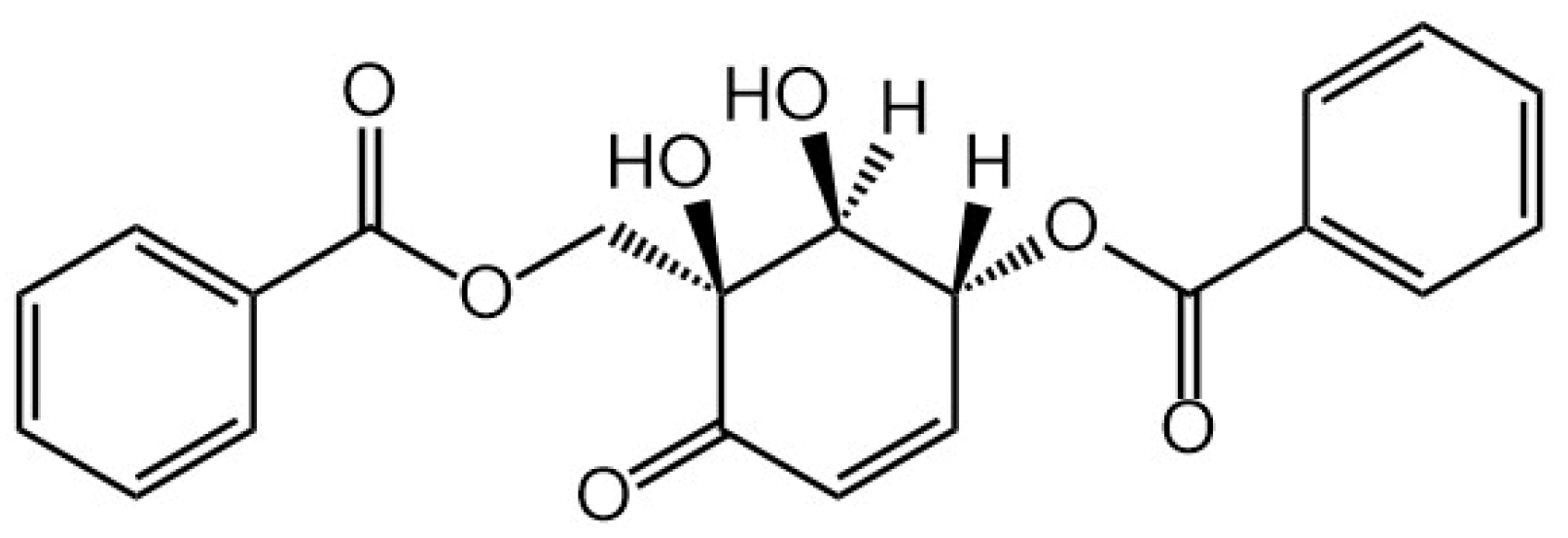
Piper griffithii leaves were air-dried and then powdered using a grinder. Dried Piper leaf powder (400 g) was macerated at RT in hexane for one week and then filtered. This procedure was repeated with the residual Piper powder using ethyl acetate. The filtrate was evaporated to yield about 2.60 g of ethyl acetate crude extract, which was redissolved in ethyl acetate (EtOAc) and mixed with silica gel. The mixture was concentrated in a rotary evaporator, applied to the column, and eluted with a gradient of 20–50% EtOAc in hexane. The collected fractions were gathered and analyzed using thin-layer chromatography, yielding eleven fractions. The sixth fraction was further purified by column chromatography with a MeOH:EtOAc:Hexane (1:4:5) solvent system, yielding a light yellow solid (0.60 g), which was recrystallized from a 1:1 mixture of dichloromethane and hexane, m.p. 149–149.5 °C. The light-yellow solid was vacuum-dried for 12 h to completely remove residual solvents. Structural elucidation was carried out using spectroscopic data, 1H and 13C NMR spectra (FTNMR 400 MHz, Bruker Corporation, Billerica, MA, USA), and high-resolution mass spectrometry (HRMS, microtof-Q III, Bruker Corporation, Billerica, MA, USA), and by comparison of these data with literature values. The isolated compound is identified as zeylenone, ((1S,5R,6S)-5-(benzoyloxy)-1,6-dihydroxy-2-oxocyclohex-3-en-1-yl)methyl benzoate (Figure 1), and its spectral properties are as follows:
1H NMR (400 MHz, CDCl3): δ 3.22 (1H, s, br), 4.11 (1H, s, br), 4.38 (1H, d, J = 4 Hz), 4.60 (1H, d, J = 12 Hz), 4.85 (1H, d, J = 8 Hz), 5.96 (1H, d, J = 4 Hz), 6.34 (1H, dd, J = 8, 8 Hz), 6.96 (1H, dd, J = 4, 8 Hz), 7.38–7.44 (4H, m), 7.56 (2H, dd, J = 8, 16 Hz), 7.94 (2H, dd, J = 4, 8 Hz), 8.02 (2H, dd, J = 4, 8 Hz). 13C NMR (CDCl3): δ 65.4, 69.2, 71.6, 77.2, 128.4, 128.5, 128.6, 128.7, 129.1, 129.7, 129.78, 133.4, 133.7, 142.6, 165.3, 166.1, 196.2. Mass spectroscopy m/z 383.1125 (M + 1)+. IR (KBr, cm−1): 712 cm−1 (s, C—H bending); 1103 cm−1 (s, C—O stretching); 1277 cm−1 (s, C—O stretching); 1593 cm−1 (w, C=C aromatic ring); 1705 cm−1 (s, C=O); 2933 cm−1 (w, C=C—H stretching aromatic ring); 3423 cm−1 (s, O—H stretching).

2.5. Antibacterial Activity of the Plant Extracts Against Acne-Causing Bacteria

2.5.1. Preparation of Bacterial Inocula

Three acne-causing bacteria, C. acnes (DMST 14916), S. epidermidis (TISTR 518), and S. aureus (TISTR 1466), were used. C. acnes was inoculated onto MHA and incubated at 37 °C for 72 h under anaerobic conditions in a jar under an anaerobic gas pack (Mitsubishi, Japan). One loop-full of C. acnes was inoculated into MHB and incubated at 37 °C for 72 h under static anaerobic conditions until the visible turbidity was equal to the 0.5 McFarland standard, approximately 1.5 × 10⁸ CFU/mL.
S. aureus and S. epidermidis were activated on NA and TSA, respectively, and incubated at 37 °C for 24 h. One loop-full of each bacterium was inoculated into 10 mL of NB and TSB, respectively, followed by incubation with shaking at 350 rpm for 3 h at RT until the visible turbidity was equal to the 0.5 McFarland standard.

2.5.2. Determination of Inhibition Zone Diameter

An agar disc diffusion method was carried out to determine the antibacterial activity of the extracts against acne-causing bacteria using the method recommended by the Clinical and Laboratory Standard Institute (CLSI) with some modifications [31]. S. aureus, S. epidermidis, and C. acnes inocula at 0.5 McFarland (approximately 108 CFU/mL) were swabbed onto the surfaces of NA, TSA, and MHA, respectively. Then, 6 mm diameter filter paper discs were impregnated with extracts at 10 mg/disc, followed by oven-drying at 60 °C for 30 min. The paper discs were then placed on the agar surfaces and incubated at 37 °C for 24 h, except for the plates of C. acnes, which were incubated at 37 °C for 72 h under anaerobic conditions. After incubation, the inhibition zone diameters were recorded. Tetracycline and clindamycin (1.25 mg/disc) were used as positive controls, while 10% DMSO served as a solvent control. They were oven-dried at 60 °C for 30 min. The experiments were performed in triplicate.

2.5.3. Determination of Minimum Inhibitory and Bactericidal Concentrations

Minimum inhibitory concentration (MIC) of the extracts and isolated compounds was determined using a broth microdilution assay [32]. The extracts and isolated compounds were diluted with 10% DMSO in the culture broth, with final concentrations of 0.08 to 20 mg/mL. The samples (100 µL) and the bacterial inoculum (100 µL), as described in Section 2.5.1, were added into each well of a flat-bottom 96-well microplate. C. acnes was incubated at 37 °C under anaerobic conditions for 24 h, while S. epidermidis and S. aureus were incubated at 37 °C for 24 h. Then, the absorbance at 600 nm was measured with a microplate reader (Thermo Fisher Scientific Inc., Waltham, WA, USA). The lowest concentration resulting in no visible growth of the tested bacteria was the MIC. Tetracycline and clindamycin at 1.25 mg/mL were used as positive controls, whereas 10% DMSO in the culture broth was used as a solvent control.
To determine the minimum bactericidal concentration (MBC), an aliquot from the bacterial suspension and test sample (which exhibited no visible growth) or MIC was streaked onto the appropriate agar medium, as described in Section 2.5.2, and incubated at 37 °C under anaerobic conditions for 72 h (C. acnes) or at 37 °C for 24 h (S. epidermidis and S. aureus). The MBC is defined as the lowest concentration that completely inhibits bacterial growth. All samples were tested in triplicate with separate experimental runs.

2.6. Cell Leakage Study

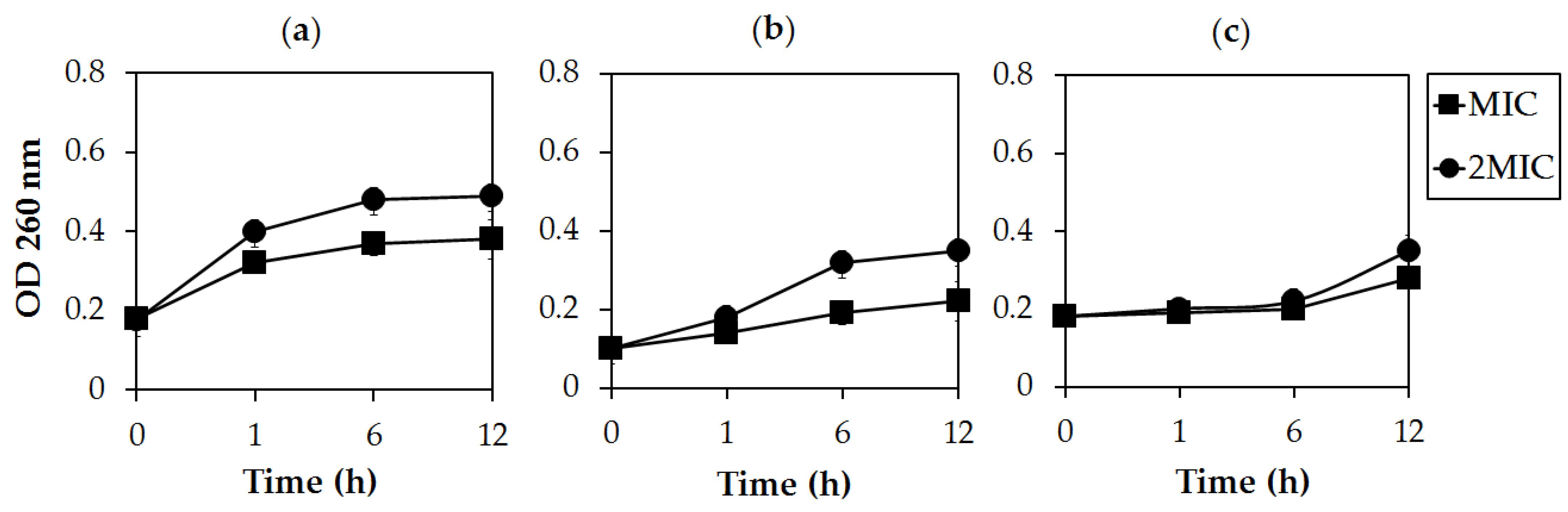
The isolated zeylenone was evaluated for its mechanism of action against acne-causing bacteria. The cytoplasmic material leaked from zeylenone-treated bacteria was studied to preliminarily indicate disruption of bacterial cell membranes, following the modified method of Aiemsaard et al. [33]. Briefly, a double-washed bacterial suspension (OD600 = 0.4) was incubated with a zeylenone solution in a 1:1 proportion to achieve final concentrations of MIC and 2MIC. In this study, zeylenone was solubilized in 10% DMSO, and a bacterial suspension containing 10% DMSO served as a solvent control. Samples were gently mixed and incubated at 37 °C for 1, 6, and 12 h, followed by centrifugation at 4000× g for 10 min to wash the cells. The supernatant was collected and quantified for leaked cytoplasmic material using a UV/VIS spectrophotometer (UNICO UV-2802, UNICO, Dayton, NJ, USA) at a 260 nm wavelength. All experiments were conducted in triplicate.

2.7. Ultrastructural Analysis of Bacterial Cells After Exposure to Zeylenone

Bacterial cells exposed to MIC and 2MIC concentrations of zeylenone were prepared for scanning electron microscopy (SEM). An SEM method, previously described by Vajrobol et al. [31], was employed. Specimens were first fixed overnight in 2% glutaraldehyde in a potassium phosphate buffer (pH 7.2) at 4 °C. The fixed samples were rinsed 3 times before soaking in 0.1 M phosphate buffer (pH 7.2) at 4 °C for 24 h and then dehydrated in an ethanol series. After critical point drying (Polaron Range CPD 7501, Quorum Technologies, Laughton, East Sussex, UK) and sputter coating with gold (Quorum Technology Polaron Range SC7620 Sputter Coater, Laughton, East Sussex, UK), the samples were examined with an FEI Quanta-450 SEM (FEI Company, Hillsboro, OR, USA) at the Scientific Equipment Center, Kasetsart University, Bangkok, Thailand.

2.8. Cytotoxicity Determination

Cytotoxicity was evaluated using HaCaT cells received from the CLS Cell Line Service, Germany, and kept in DMEM with 10% FBS and 1% penicillin-streptomycin, in a 5% CO2 humidified atmosphere at 37 °C. Then, the HaCaT cells were washed with Dulbecco’s phosphate-buffered saline (PBS) before resuspension in 3 mL of 0.25% trypsin/EDTA. The resuspended cells were centrifuged at 1500 rpm at 4 °C for 5 min and then resuspended in DMEM [34].
Cytotoxicity was determined using the WST-1 assay as described by Asuraphong et al. [35]. Sample solutions in DMEM at different concentrations (0.625–40 mg/mL) were added to separate wells with 200 µL of HaCaT cells (2 × 10⁴ cells/mL) and then incubated in a 5% CO2 humidified atmosphere at 37 °C for 24 h. Next, the treated cells were washed with PBS before adding 10 µL of a WST-1 solution and 100 µL of DMEM in each well, followed by further incubation for 30 min. Absorbance was measured at 450 nm using a microplate reader (Thermo Scientific Multiskan Go, Thermo Fisher Scientific). The cell viability (%) was calculated as (absorbance of sample/absorbance of control) × 100.

2.9. Development of a Cosmeceutical Formulation with Zeylenone Added

Pure zeylenone, as an active ingredient, was formulated into a gel-form cosmeceutical product. A commercial cosmetic gel base was kindly supplied by the Asoke Skin Hospital (Thailand) for use in this study. The gel base was free of colorants and fragrances with a pH of 6.0. Furthermore, the gel-based formulation is certified as safe by the Thai Food and Drug Administration (FDA). To cover all anti-acne bacterial activities evaluated, the base formulation was supplemented separately with zeylenone at a 1.0% concentration, which corresponds to 10 mg/g of the base gel. The base formulation and zeylenone were thoroughly mixed to ensure sample uniformity and analyzed immediately after incorporation to assess zeylenone’s capability to retain its bioactivities in the gel formulation. A base formulation with 10% DMSO instead of zeylenone and the gel base alone were used as a negative control.
Antibacterial activity of the developed gel formulation containing zeylenone against three acne-causing bacteria was assessed using an agar well diffusion method. C. acnes, S. aureus, and S. epidermidis inocula at 0.5 McFarland were swabbed onto the entire surfaces of MHA, NA, and TSA plates, respectively. Then, a 5 mm diameter hole was aseptically punched into the agar plate with a sterile cork borer. Zeylenone or the gel formulation with zeylenone was introduced into the wells at a 1.0 mg final concentration. The plates were then incubated at 37 °C for 24 h, except for the plates of C. acnes, which were incubated at 37 °C for 72 h under anaerobic conditions. The sizes of the inhibition zones were measured after incubation. The experiments were performed in triplicate.

2.10. Statistical Analyses

All experiments in the current study were conducted in triplicate, with their results shown as mean ± standard deviation (SD) values. One-way analysis of variance (ANOVA) was used to analyze the experimental data employing the Statistica 10.0 software package (StatSoft Inc., Tulsa, OK, USA). Differences between means for each treatment at the 5% (p < 0.05) level were considered statistically significant. Tukey’s post hoc test at p < 0.05 was applied to detect significant differences between the mean values using SPSS version 26.0 for Windows (SPSS Inc., Chicago, IL, USA).

3. Results

3.1. Screening of Crude Extracts Against Acne-Causing Bacteria

The antibacterial activities of 27 Piper species from Thailand against three skin bacteria that cause inflammatory acne, C. acnes, S. epidermidis, and S. aureus, were examined in terms of growth inhibition on an agar medium using a disc diffusion technique. Each crude extract was derived from either the leaves or stems of Piper plants extracted separately using hexane, ethyl acetate, and ethanol.
A total of 162 samples were screened. Only 13 extracts exhibited bacterial growth inhibition, as shown in Table 2. A comparative analysis of extracts derived from the leaves and stems of Piper plants using solvents of varying polarity revealed that leaf extracts consistently exhibited higher bacterial activity than those from the stems. Among the solvents evaluated, ethyl acetate was the most effective for extracting antibacterial constituents, yielding extracts with superior antibacterial activity compared to those obtained using other solvents. In contrast, inhibition against the tested bacterial strains was not detectable in any of the hexane extracts.
Ethyl acetate extracts from the leaves and stems of P. griffithii and from the leaves of P. leptostachyum were effective in suppressing the growth of all tested bacteria. Additionally, the bacterial strains used in this study were highly sensitive to the antibiotic tetracycline. The effect was different from the antibiotic clindamycin, which showed resistance in all tested bacterial strains. The ethyl acetate extracts from the leaves and stems of P. griffithii exhibited a strong inhibitory effect against C. acnes, a bacterium triggering inflammatory acne, based on its greater inhibition zone (diameter ≥ 20 mm) [36], which is larger than that of tetracycline and clindamycin. Since ethyl acetate extracts derived from the leaves and stems of P. griffithii have a good inhibitory effect against all tested bacteria, especially C. acnes, they were selected for further study.
The MIC and MBC determinations of ethyl acetate extracts derived from the leaves and stems of P. griffithii, the most active species against the acne-causing bacteria using the microdilution method, are shown in Table 3. Based on the MBC/MIC ratio, the effect was classified as bactericidal when the value was ≤4. Conversely, a ratio greater than 4 indicated a bacteriostatic effect [37].
The MIC and MBC values of the P. griffithii leaf extract exhibited the strongest antibacterial effect against all tested bacteria, compared to the stem extract, which exhibited similar inhibition zones (Table 3). C. acnes and S. aureus displayed the highest sensitivity to the ethyl acetate leaf extract of P. griffithii, with an MIC value of 2.5 mg/mL. However, the higher concentration of the P. griffithii (10 mg/mL) ethyl acetate leaf extract exhibited bactericidal effects against C. acnes and S. aureus. Additionally, the ethyl acetate leaf extract of P. griffithii acted as a bacteriostatic agent against S. epidermidis at 10 mg/mL. The greatest antibacterial effect against all tested acne-causing bacteria was from the ethyl acetate extract of P. griffithii leaves, which was subjected to more in-depth investigation.

3.2. Antibacterial Activity Against Acne-Causing Bacteria by the Isolated Compound

Chromatographic separation of the ethyl acetate leaf extract from P. griffithii isolated and identified a pure substance, zeylenone, as the major bioactive compound responsible for suppressing three acne-causing bacteria. The MIC and MBC values of the isolated zeylenone compound required to eliminate the acne-causing bacteria were evaluated. The findings revealed that zeylenone has a bactericidal effect against all tested acne-causing bacterial strains (Table 4). C. acnes exhibited the highest sensitivity to zeylenone, followed by S. aureus and S. epidermidis, with MIC values of 0.63, 1.25, and 5.0 mg/mL, respectively. The bacteriostatic effect of zeylenone against C. acnes was greater than that of the standard antibiotics, tetracycline and clindamycin. Additionally, the results indicate that there was no significant difference (p < 0.05) in the MIC values for S. aureus of zeylenone and tetracycline. However, the MBC values of zeylenone needed to effectively eliminate C. acnes, S. aureus, and S. epidermidis required concentrations above 1.25, 2.5, and 7.5 mg/mL, respectively. This demonstrates that zeylenone was effective in suppressing the growth of the three tested acne-causing bacteria. The MBC/MIC ratio of the extract is displayed in Table 4. Zeylenone can be considered as a bactericidal agent against C. acnes, S. aureus, and S. epidermidis.

3.3. Effect of Zeylenone on Ultrastructural Changes and Cytoplasmic Leakage of Acne-Causing Bacteria

In the present study, zeylenone isolated from P. griffithii leaf extract was first investigated for the mechanism of antibacterial action against the acne-causing bacteria, C. acnes, S. aureus and S. epidermidis. The results revealed that zeylenone in MIC and 2MIC concentrations induced cytoplasmic material leakage from the bacterial cells within 1 h (Figure 2).
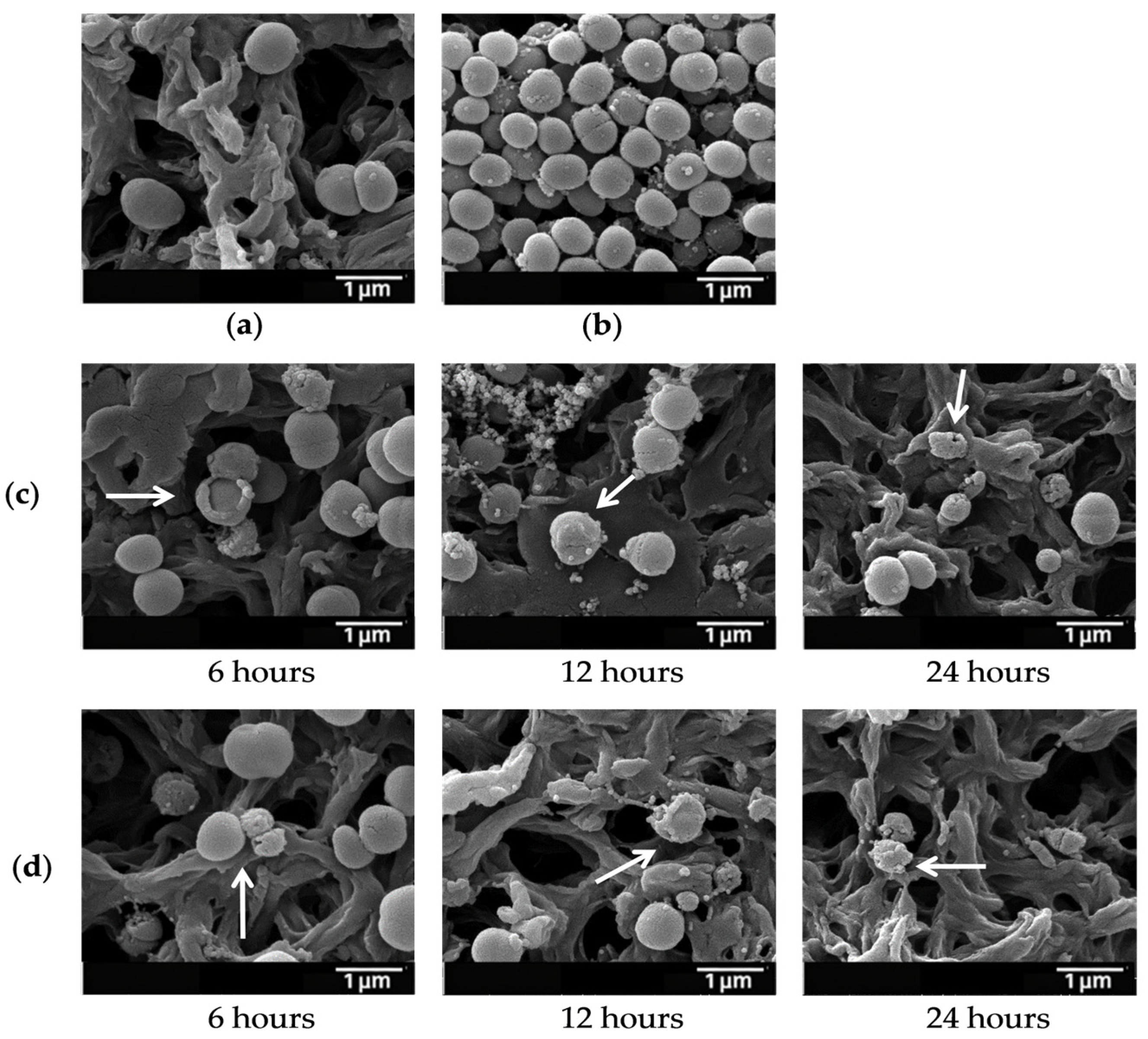
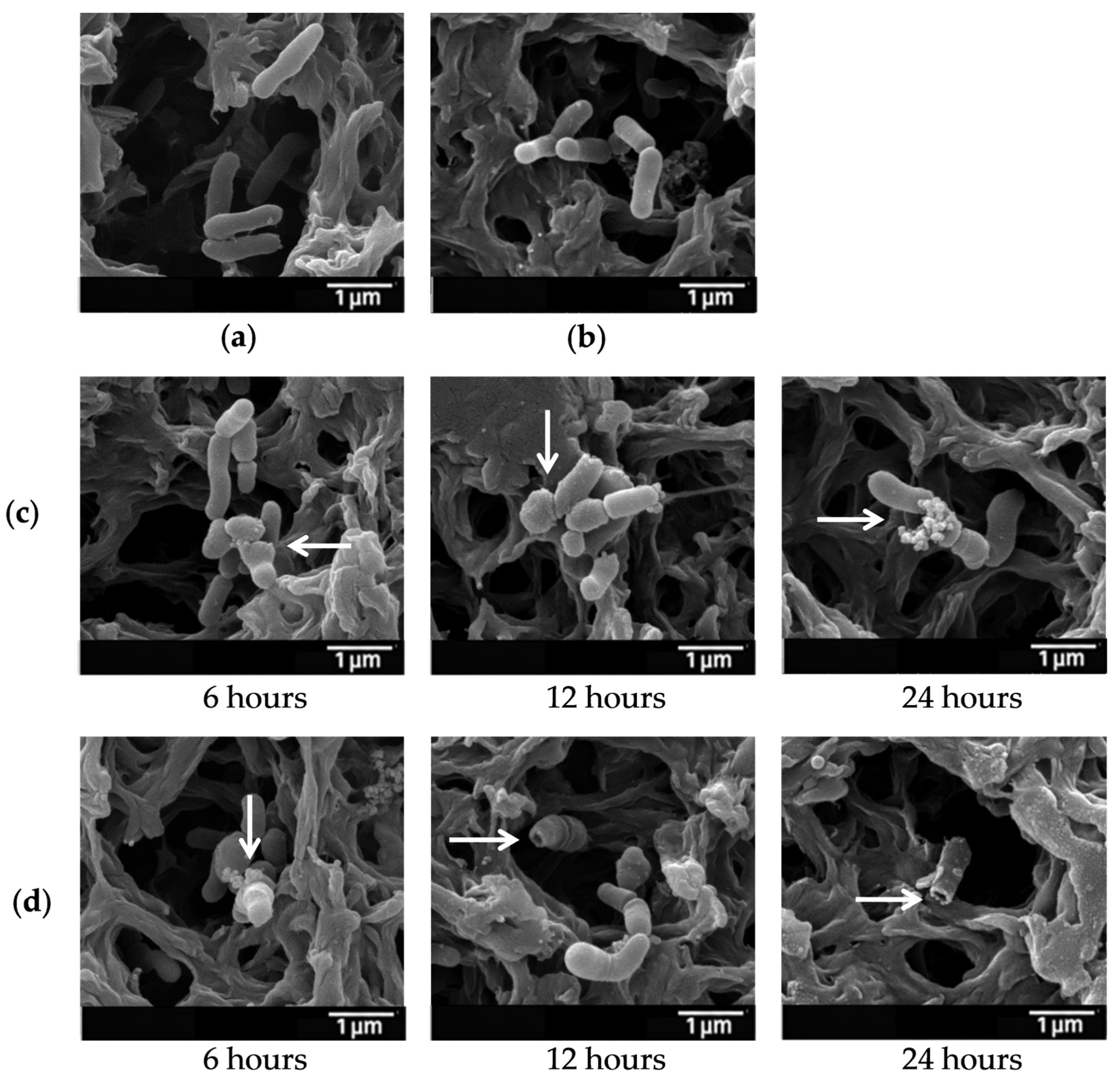
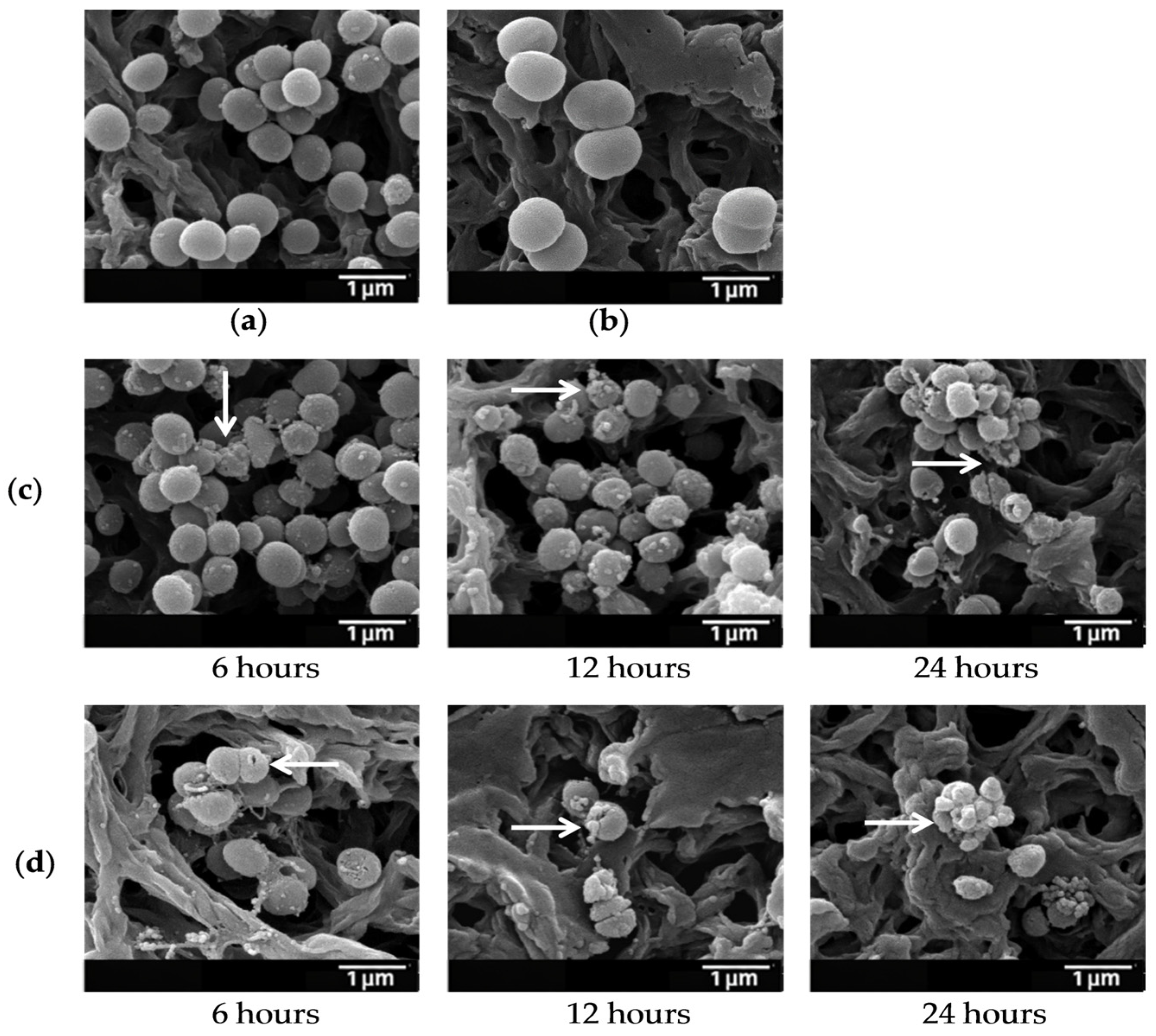
After exposure to zeylenone in the MIC experiment, changes in acne-causing bacterial cells were analyzed using SEM. Morphological changes in each bacterium caused by zeylenone were compared to the bacterial cells in the untreated control culture. All bacterial cells in the untreated control culture exhibited intact and healthy normal cellular structures with smooth surfaces (Figure 3a, Figure 4a and Figure 5a). Similar morphological characteristics were observed in bacterial cells exposed to the 10% DMSO solvent control (Figure 3b, Figure 4b and Figure 5b), indicating that the solvent alone did not induce detectable structural alterations.
After the bacterial cells were exposed to zeylenone at the MIC value, abnormal cells with holes, dimples, and abrasions on cell surfaces appeared, indicated by white arrows (Figure 3c, Figure 4c and Figure 5c). Furthermore, the zeylenone-treated cells presented critical damage, such as torn cells, as the concentration of zeylenone increased to the 2MIC value (Figure 3d, Figure 4d and Figure 5d). These morphological disruptions were detectable within 6 h of exposure and became more severe with prolonged incubation. The cell walls and membranes of three acne-causing bacteria were disrupted, leading to consequent cytoplasmic material leakage. These findings are consistent with the observed profiles of cytoplasmic leakage.

3.4. Cytotoxicity Analysis

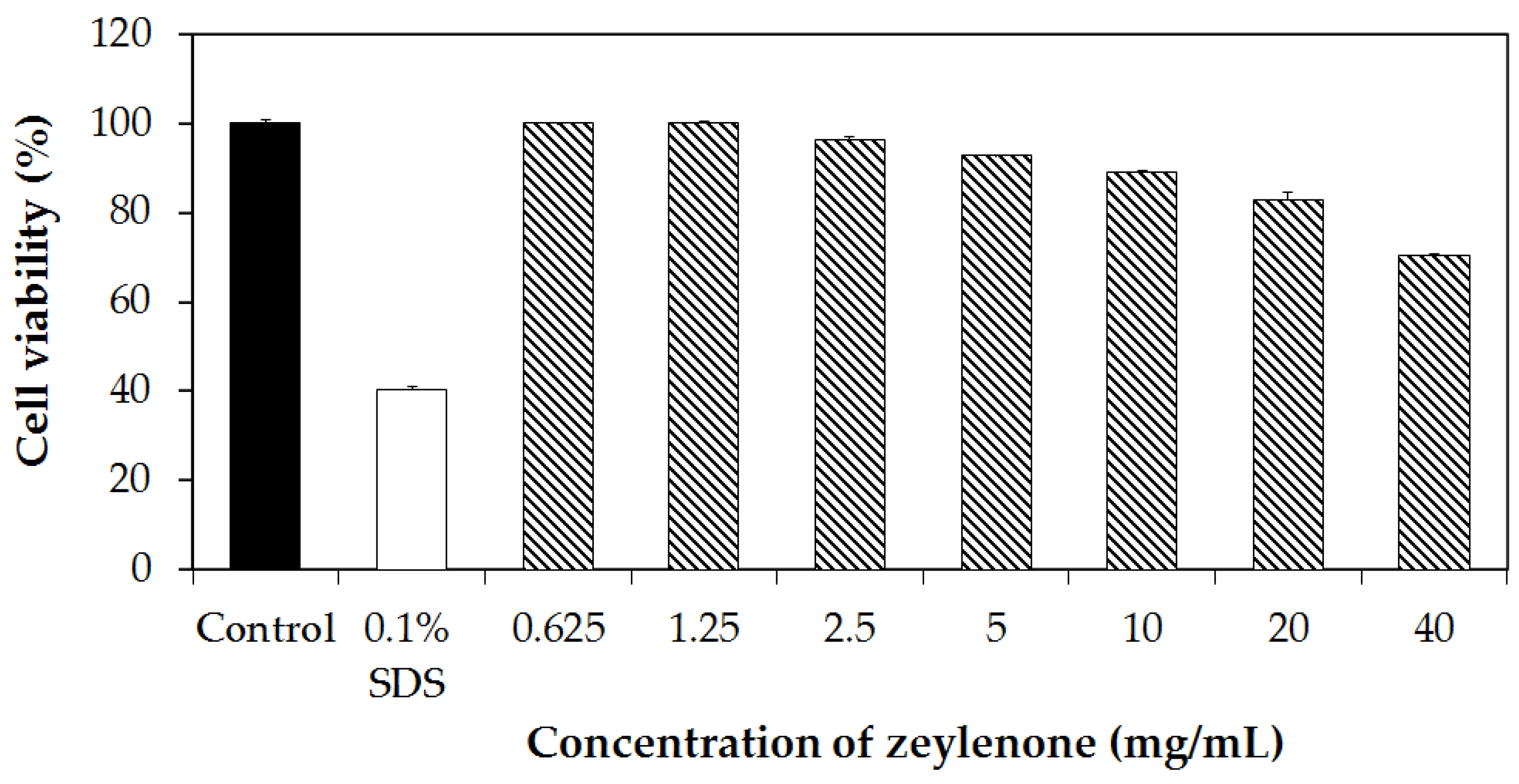
The effects of zeylenone on the cell viability of the HaCaT cell line were assessed through WST-1 assays to evaluate the safety of zeylenone for further cosmeceutical applications. This cell line has been previously established as a reliable in vitro model. From the results shown in Figure 6, zeylenone exhibited non-toxicity to the HaCaT cell line at concentrations reaching 20 mg/mL. More than 80% cell viability was detected. The maximum concentration tested, 40 mg/mL, inhibited cell viability by up to 30%.

3.5. Development of a Cosmeceutical Formulation with Zeylenone Added

As a result of its multi-anti-acne bacterial effects, zeylenone from P. griffithii leaves is a promising candidate for use in topical formulations for cosmeceutical applications. The effects of gel formulation on the anti-acne bacterial activities were investigated. A base formulation of gel incorporating 10% DMSO instead of zeylenone and the gel base was used as a negative control and exhibited a lack of antibacterial activity. The antibacterial properties of the produced gel formulation were confirmed. The formulated gel product preserved all antibacterial activities exhibited by zeylenone (Table 5). Visual observation revealed that the formulation was homogeneous. The produced cosmeceutical formulation with zeylenone showed a pale-yellow coloration with a pH of 5.5, which is suitable for application to skin. These results are of interest to the cosmetic industry for minimizing the use of synthetic ingredients. They suggest that zeylenone isolated from P. griffithii leaves can be further developed as a natural ingredient for use in anti-acne gel products.

4. Discussion

Plant-derived therapies provide considerable benefits over conventional antibiotics for acne treatment, such as avoiding antibiotic resistance, minimizing adverse effects, and offering multiple therapeutic actions. These advantages highlight their potential as an effective alternative or complementary approach for acne treatment [38,39]. This study provides a systematic comparative evaluation of a broad selection of Piper species native to Thailand as potential botanical agents against key skin-associated bacteria implicated in inflammatory acne. It encompasses crude extract screening, bioactive compound isolation, mechanism of action elucidation, cytotoxicity assessment, and formulation feasibility. The results collectively demonstrate that P. griffithii, particularly its ethyl acetate leaf extract and the isolated compound zeylenone, exhibit outstanding antibacterial efficacy against C. acnes, S. aureus, and S. epidermidis.
Potential extracts containing high amounts of bioactive compounds depend on the plant species, parts, and extraction solvents used. Therefore, the anti-acne bacterial properties of the 162 crude extracts from 27 species of Piper plants were comparatively studied. Each crude extract was obtained from the leaves and stems of Piper plants sequentially extracted using hexane, ethyl acetate, and ethanol as solvents. The initial screening revealed that only 13 extracts from seven species of Piper plants, including P. griffithii, P. lanatum (syn. P. caninum), P. leptostachyum, P. macropiper, P. majusculum, P. retrofractum, and P. umbellatum, had inhibitory effects against acne-causing bacteria with different sensitivities, highlighting the highly specific nature of antibacterial potential within this genus, which varies significantly across species, plant parts, and solvent types. In contrast, the remaining 149 extracts showed no detectable activity. This lack of efficacy may be attributed to several factors, including diverse phytochemical profiles, suboptimal concentrations of bioactive metabolites, or the selectivity of the extraction solvents. These findings demonstrate the high chemical specificity of bioactive constituents within the Piper genus. This observation was consistent with earlier studies reporting that antibacterial activity in Piper plants was highly selective and closely linked to specific phytochemical profiles rather than being a universal genus-level trait [40,41].
The present study revealed that ethyl acetate extracts derived from Piper leaves consistently exhibited superior antibacterial activity compared to stem extracts and other solvent systems. This finding highlights the importance of both plant-part selection and extraction polarity in maximizing antibacterial efficacy, which aligns with previous findings that leaves accumulate higher levels of phenylpropanoid, flavonoid, and amide alkaloid metabolites involved in plant defense [42]. Similar plant-part-dependent differences in antibacterial efficacy have been documented for P. betle, P. nigrum, and P. sarmentosum, where leaf extracts showed excellent activity against Staphylococcus spp. [43,44,45]. Our study also revealed that solvent polarity played a decisive role in extract bioactivity. Ethyl acetate extracts outperformed hexane and ethanol extracts, while no antibacterial activity was detected in any hexane-derived extract. This pattern suggested that the major antibacterial constituents in the active Piper species are moderately polar compounds. Based on the current findings, ethyl acetate is the appropriate solvent to extract bioactive compounds from P. griffithii for anti-acne purposes because its extracts had the highest anti-acne bacterial activity. The absence of antibacterial activity detected in hexane extracts from all 27 Piper species may occur due to the recovery of primarily lipophilic constituents, which possess limited efficacy against Gram-positive acne bacteria. This solvent-dependent extraction behavior is consistent with previous studies, which highlights the efficacy of ethyl acetate in extracting phenolic and polyketide-derived antibacterial compounds from medicinal plants, whereas non-polar solvents like hexane primarily recovered lipophilic constituents with limited antibacterial relevance against Gram-positive bacteria [46].
Notably, ethyl acetate extracts from both the leaves and stems of P. griffithii exhibited strong antibacterial activity against all tested strains, with inhibition zone diameters against C. acnes exceeding 20 mm, surpassing those of tetracycline and clindamycin. This finding is particularly significant given the complete resistance of all tested strains to clindamycin, which mirrors current clinical reports of widespread clindamycin resistance among acne-causing bacteria. The inhibition zone against S. aureus was significantly different from that of S. epidermidis. These bacteria are members of the same genus. They have the same dominant phenotypic properties. The cell wall thickness of S. aureus (24 nm) is comparatively thinner than that of S. epidermidis (33 nm) [47,48], resulting in a larger diameter extract inhibition zone against S. aureus. While tetracycline remained effective, the superior or comparable activity of P. griffithii extracts suggests a promising alternative mechanism of action, distinct from conventional antibiotics. In recent years, acne-causing bacteria have developed resistance to numerous synthetic drugs, indicating the necessity for new antibacterial agents with fewer adverse effects for effective treatment. Several studies have explored natural products against multidrug-resistant strains and reported that certain plant species contain promising antimicrobial compounds [49].
MIC and MBC analyses further confirmed that the ethyl acetate leaf extract of P. griffithii possesses stronger antibacterial activity than the corresponding stem extract, consistent with our disc diffusion results. This extract exhibited the lowest MIC values against C. acnes and S. aureus, 2.5 mg/mL. The bactericidal effects against C. acnes and S. aureus were observed at higher concentrations (10 mg/mL), while exerting bacteriostatic effects against S. epidermidis. This differential sensitivity among bacterial species might occur due to differences in cell wall composition, membrane permeability, and stress response mechanisms between anaerobic and facultative aerobic Gram-positive bacteria [50]. This selective activity aligns with emerging acne treatment strategies aimed at suppressing pathogenic bacteria while preserving commensal skin microbiota, a balance rarely achieved by broad-spectrum antibiotics [51]. The pronounced activity against C. acnes is particularly significant, as this bacterium plays a central role in acne inflammation by inducing host immune responses [3]. The MIC values of P. griffithii leaf extract were lower than those reported for many plant-derived anti-acne extracts, including P. betle, P. hispidum, P nigrum, Mangifera indica L. Kernel, mangosteen fruit rind, and Mesua ferrea flowers [15,32,52,53,54,55]. These findings suggest that the ethyl acetate leaf extract of P. griffithii exhibits heightened potential as an anti-acne bacterial agent. Further investigations on the isolated metabolites could offer a deeper understanding of how each compound contributes to the observed antibacterial effects.
Chromatographic isolation has identified zeylenone as the principal active compound responsible for the observed antibacterial activities. Zeylenone exhibited potent bactericidal effects against all tested acne-causing bacteria, with C. acnes showing the highest susceptibility (MIC 0.63 mg/mL), followed by S. aureus (MIC 1.25 mg/mL) and S. epidermidis (MIC 5.0 mg/mL). Notably, the MIC values of zeylenone against C. acnes were lower than those of tetracycline and clindamycin, indicating a strong intrinsic antibacterial potency. Although the MIC values against S. aureus were comparable to standard antibiotics, the overall bactericidal profile of zeylenone supports its potential as an effective antimicrobial agent against multiple acne-causing pathogens. Previous reports indicated that S. epidermidis contributed negatively to acne development by forming biofilms that promote the proliferation of C. acnes. These biofilms shield the bacteria from the host’s innate immune defenses. Additionally, both S. aureus and S. epidermidis cause skin infections that trigger inflammatory acne outbreaks [56]. Thus, pure zeylenone and the crude extract of P. griffithii leaves, which not only eliminate C. acnes growth but also inactivate S. epidermidis and S. aureus, may be beneficial for managing inflammatory acne lesions, such as papules and pustules, and may help reduce infections that can progress to abscess formation. Since no previous studies have described the metabolites of this plant, the compounds identified in the present work could not be compared with earlier findings.
The cell wall, a rigid structure that encloses the cell membrane, is vital for maintaining cellular shape and protecting cytoplasmic components from external stress [57]. The cell membrane functions as a selective barrier that regulates bacterial metabolic activities, which preserves material and energy balances, making it a primary target for numerous antimicrobial agents [58]. Leakage of cytoplasmic contents is evidence of irreversible membrane damage [59]. The mechanism of action of zeylenone against three acne-causing bacteria can be clearly seen in SEM images, together with the cytoplasmic leakage results. Zeylenone induced damage to bacterial cell membranes, leading to leakage of intracellular components, severe ultrastructural damage, including surface perforations, and cell lysis within hours of exposure. This indicates loss of membrane integrity and cell wall damage as primary mechanisms leading to bacterial inactivation. Similar membrane-disruptive effects against S. aureus have been observed for piperine, the main alkaloid found in P. nigrum [60]. Additionally, phenolic compounds and flavonoids of medicinal plants have an antibacterial mechanism against C. acnes and S. epidermidis that is important in bacterial cell membrane and cell wall disruption [32,61]. Lipophilicity is a crucial factor responsible for the antibacterial activity of phenolic compounds and flavonoids [32,62]. Our study is the first to present the antibacterial properties of zeylenone and its potential mechanism of action against acne-causing bacteria. Previous studies have demonstrated that zeylenone disrupts both the cell wall and plasma membrane of fungi. It increases membrane permeability, induces oxidative stress through reactive oxygen species (ROS), and interferes with fungal energy metabolism of Phytophthora capsici. These effects can ultimately result in structural collapse and fungal cell lysis [63]. A similar mechanism may also occur in bacteria.
Topical antibacterial agents that suppress acne-causing bacteria help limit their penetration into the skin and reduce the spread of lesions. Such topical agents must eliminate bacteria while remaining safe for host tissues to be effective. In this study, zeylenone isolated from P. griffithii leaves can be safe for topical application, showing negligible toxicity against HaCaT keratinocytes. This safety profile is critical for topical applications and supports the feasibility of incorporating zeylenone into dermatological or cosmeceutical formulations. After incorporation of pure zeylenone into the gel base, a new formulation with pH 5.5 was obtained, which is considered within the suitable pH range for cosmeceutical design. Earlier reports suggest that cosmetic formulations with a pH range of 4.0–6.0 are advantageous because most pathogenic bacteria grow optimally at neutral pH levels. Skin microflora and barrier homeostasis are maintained at these conditions [64]. The successful formulation of zeylenone into a gel-based cosmeceutical product further strengthens its translational potential. The formulated gel retained full antibacterial activity against acne-causing bacteria, whereas the base formulation lacking zeylenone showed no inhibitory effect. These results demonstrate that zeylenone remains chemically stable and biologically active within a topical delivery system, an essential requirement for practical anti-acne applications.
This study is the first report of zeylenone isolated from P. griffithii and establishes its potent antibacterial activity against key acne-causing bacteria through a cell-wall- and membrane-disruptive mechanism. The combination of strong antibacterial efficacy, effectiveness against antibiotic-resistant strains, low cytotoxicity, and formulation compatibility highlights zeylenone’s prospects as a promising natural candidate for the development of novel anti-acne therapeutics and cosmeceutical products. Additional research is required to determine the formulation stability over various storage periods and permeation in skin models, as well as in vivo studies and clinical validation to confirm the potential of zeylenone from P. griffithii leaves as a natural anti-acne antibacterial agent.

5. Conclusions

This study identified P. griffithii as a novel botanical source of the antibacterial compound, zeylenone. It is the first report of zeylenone isolated from P. griffithii. It demonstrates its strong in vitro activity against key acne-causing bacteria, including antibiotic-resistant C. acnes, S. epidermidis, and S. aureus. The bactericidal mechanism of zeylenone involved disruption of bacterial cell walls and cell membrane integrity, culminating in rapid cytoplasmic leakage and cell rupture. Zeylenone has no toxic effects on human skin keratinocytes and retains its activity when formulated into a gel, indicating potential for topical application. These findings support the further development of zeylenone from P. griffithii as a promising natural antibacterial agent for anti-acne therapeutics and cosmeceutical products.

Author Contributions

Conceptualization, C.T.; methodology, C.T., T.L., C.S. and A.L.; software, C.T., A.L.; validation, C.T., T.L. and C.S.; formal analysis, C.T., T.L. and C.S.; investigation, C.T. and A.L.; resources, C.T. and C.S.; data curation, C.T. and A.L.; writing—original draft preparation, C.T.; writing—review and editing, C.T., T.L. and C.S.; visualization, C.T. and A.L.; supervision, C.T.; project administration, C.T.; funding acquisition, C.T. and C.S. All authors have read and agreed to the published version of the manuscript.

Funding

This study was funded by the Basic Research Fund (BRF), Faculty of Science, Kasetsart University under grant no. BRF1/2566, and the Center of Excellence on Biodiversity under grant no. BDC-PG3-160013.

Institutional Review Board Statement

Not applicable.

Informed Consent Statement

Not applicable.

Data Availability Statement

All data included in this study are available upon request through contact with the corresponding author.

Acknowledgments

This study was supported by Kasetsart University Research and Development Institute (KURDI). The authors gratefully acknowledge the Faculty of Science, Kasetsart University, for supporting the Basic Research Fund (BRF) and the International SciKU Branding (ISB). During the preparation of this manuscript, the author used ChatGPT-5.3 in the writing process to improve the readability and refine sentence structure in select parts of the manuscript. The authors have reviewed and edited the output and take full responsibility for the content of this publication.

Conflicts of Interest

The authors declare no conflicts of interest.

References

  1. Tan, J.K.L.; Bhate, K. A Global Perspective on the Epidemiology of Acne. Br. J. Dermatol. 2015, 172, 3–12. [Google Scholar] [CrossRef]
  2. Tuchayi, S.M.; Makrantonaki, E.; Ganceviciene, R.; Dessinioti, C.; Feldman, S.R.; Zouboulis, C.C. Acne Vulgaris. Nat. Rev. Dis. Primers 2015, 1, 15033. [Google Scholar] [CrossRef]
  3. Dréno, B.; Dagnelie, M.-A.; Khammari, A.; Corvec, S. The Skin Microbiome: A New Actor in Inflammatory Acne. Am. J. Clin. Dermatol. 2020, 21, 18–24. [Google Scholar] [CrossRef]
  4. Jin, Z.; Song, Y.; He, L. A Review of Skin Immune Processes in Acne. Front. Immunol. 2023, 14, 1324930. [Google Scholar] [CrossRef]
  5. O’Neill, A.M.; Gallo, R.L. Host–Microbiome Interactions and Recent Progress into Understanding the Biology of Acne Vulgaris. Microbiome 2018, 6, 177. [Google Scholar] [CrossRef] [PubMed]
  6. Luthfiyana, N.; Bija, S.; Anwar, E.; Laksmitawati, D.E.; Risalinda, G.L. Characteristics and Activity of Chitosan from Mud Crab Shells on Acne Bacteria: Staphylococcus aureus, Staphylococcus epidermidis and Propionibacterium acnes. Biodiversitas 2022, 23, 6645–6651. [Google Scholar] [CrossRef]
  7. Walsh, T.R.; Efthimiou, J.; Dréno, B. Systematic Review of Antibiotic Resistance in Acne: An Increasing Topical and Oral Threat. Lancet Infect. Dis. 2016, 16, e23–e33. [Google Scholar] [CrossRef]
  8. Tobiasz, A.; Nowicka, D.; Szepietowski, J.C. Acne Vulgaris—Novel Treatment Options and Factors Affecting Therapy Adherence: A Narrative Review. J. Clin. Med. 2022, 11, 7535. [Google Scholar] [CrossRef] [PubMed]
  9. Zaenglein, A.L.; Pathy, A.L.; Schlosser, B.J.; Alikhan, A.; Baldwin, H.E.; Berson, D.S.; Bowe, W.P.; Graber, E.M.; Harper, J.C.; Kang, S.; et al. Guidelines of Care for the Management of Acne Vulgaris. J. Am. Acad. Dermatol. 2016, 74, 945–973. [Google Scholar] [CrossRef]
  10. Palaniappan, K.; Holley, R.A. Use of Natural Antimicrobials to Increase Antibiotic Susceptibility of Drug-Resistant Bacteria. Int. J. Food Microbiol. 2010, 140, 164–168. [Google Scholar] [CrossRef]
  11. Newman, D.J.; Cragg, G.M. Natural Products as Sources of New Drugs over the Nearly Four Decades from 1981 to 2019. J. Nat. Prod. 2020, 83, 770–803. [Google Scholar] [CrossRef] [PubMed]
  12. Allemailem, K.S. Antimicrobial Potential of Naturally Occurring Bioactive Secondary Metabolites. J. Pharm. Bioallied Sci. 2021, 13, 155–162. [Google Scholar] [CrossRef]
  13. Kansom, T.; Pamornpathomkul, B.; Patrojanasophon, P.; Ngawhirunpat, T.; Opanasopit, P.; Suriyaamporn, P. Development and Evaluation of Mangosteen Extract-Loaded Dissolving Microneedle for Acne Treatment. J. Drug Deliv. Sci. Technol. 2025, 112, 107273. [Google Scholar] [CrossRef]
  14. Sato, Y.; Suzaki, S.; Nishikawa, T.; Kihara, M.; Shibata, H.; Higuti, T. Phytochemical Flavones Isolated from Scutellaria barbata and Antibacterial Activity against Methicillin-Resistant Staphylococcus aureus. J. Ethnopharmacol. 2000, 72, 483–488. [Google Scholar] [CrossRef]
  15. Nakyai, W.; Pabuprapap, W.; Sroimee, W.; Ajavakom, V.; Yingyongnarongkul, B.-E.; Suksamrarn, A. Anti-Acne Vulgaris Potential of the Ethanolic Extract of Mesua ferrea L. Flowers. Cosmetics 2021, 8, 107. [Google Scholar] [CrossRef]
  16. Yu, Q.; Sun, L.; Peng, F.; Sun, C.; Xiong, F.; Sun, M.; Liu, J.; Peng, C.; Zhou, Q. Antimicrobial Activity of Stilbenes from Bletilla striata against Cutibacterium acnes and Its Effect on Cell Membrane. Microorganisms 2023, 11, 2958. [Google Scholar] [CrossRef] [PubMed]
  17. Gulzar, B.; Ahmad, M.; Bukhari, D.A.; Bibi, Z.; Ullah, A.; Rehman, A. Preliminary Evaluation of the Anti-Acne Potential of Herbal and Fruit Extracts and Formulated Creams. Curr. Res. Biotechnol. 2025, 10, 100339. [Google Scholar] [CrossRef]
  18. Zheng, Y. An In Vitro Study of the Anti-Acne Effects of Scutellaria barbata. Molecules 2025, 30, 515. [Google Scholar] [CrossRef]
  19. Suwanphakdee, C.; Simpson, D.A.; Hodkinson, T.R. Piperaceae. In Flora of Thailand; Newman, M.F., Barfod, A.S., Esser, H.J., Simpson, D.A., Parnell, J.A.N., Eds.; The Forest Herbarium, Department of National Parks, Wildlife and Plant Conservation: Bangkok, Thailand, 2024; Volume 16, Part 3, pp. 875–965. [Google Scholar]
  20. Parmar, V.S.; Jain, S.C.; Bisht, K.S.; Taneja, P.; Jha, A.; Tyagi, O.D.; Prasad, A.K.; Wengel, J.; Olsen, C.E.; Boll, P.M. Phytochemistry of the Genus Piper. Phytochemistry 1997, 46, 597–673. [Google Scholar] [CrossRef]
  21. Salehi, B.; Zakaria, Z.A.; Gyawali, R.; Ibrahim, S.A.; Rajkovic, J.; Shinwari, Z.K.; Khan, T.; Sharifi-Rad, J.; Ozleyen, A.; Turkdonmez, E.; et al. Piper Species: A Comprehensive Review on Their Phytochemistry, Biological Activities and Applications. Molecules 2019, 24, 1364. [Google Scholar] [CrossRef] [PubMed]
  22. Mgbeahuruike, E.E.; Yrjönen, T.; Vuorela, H.; Holm, Y. Bioactive Compounds from Medicinal Plants: Focus on Piper Species. S. Afr. J. Bot. 2017, 112, 54–69. [Google Scholar] [CrossRef]
  23. Zhou, W.; Bai, M.; Huang, X.; Song, S. Amide Alkaloids from the Genus Piper: A Review of Its Phytochemistry. Asian J. Tradit. Med. 2018, 13, 115–130. [Google Scholar]
  24. Ashokkumar, K.; Murugan, M.; Dhanya, M.K.; Pandian, A.; Warkentin, T.D. Phytochemistry and Therapeutic Potential of Black Pepper (Piper nigrum L.). Clin. Phytosci. 2021, 7, 52. [Google Scholar] [CrossRef]
  25. Radhalakshmi, V.; Raman, M.; Rose, M.J. Betel Leaf Bioactive Compounds as a Source of Functional Ingredients for Food, Nutraceutical and Pharmacological Applications in India. Next Res. 2025, 2, 100988. [Google Scholar] [CrossRef]
  26. Budiman, A.; Rusnawan, D.W.; Yuliana, A. Antibacterial activity of Piper betle L. extract in cream dosage forms against Staphylococcus aureus and Propionibacterium acne. J. Pharm. Sci. Res. 2018, 10, 493–496. [Google Scholar]
  27. Takeuchi, Y.; Cheng, Q.; Shi, Q.-W.; Sugiyama, T.; Oritani, T. Four Polyoxygenated Cyclohexenes from the Chinese Tree, Uvaria purpurea. Biosci. Biotechnol. Biochem. 2001, 65, 1395–1398. [Google Scholar] [CrossRef] [PubMed]
  28. Zhang, L.; Huo, X.; Liao, Y.; Yang, F.; Gao, L.; Cao, L. Zeylenone, a Naturally Occurring Cyclohexene Oxide, Inhibits Proliferation and Induces Apoptosis in Cervical Carcinoma Cells via PI3K/AKT/mTOR and MAPK/ERK Pathways. Sci. Rep. 2017, 7, 1669. [Google Scholar] [CrossRef]
  29. Yu, Z.; Wu, J.; Guo, J.; Li, W.; Tian, J. Zeylenone from Uvaria grandiflora Roxb. Induces Apoptosis in Colon Cancer Cells through Suppression of NF-κB Signalling. Int. J. Pharmacol. 2022, 18, 190–198. [Google Scholar] [CrossRef]
  30. Sun, S.; Omar, A.M.; Kim, M.J.; Phan, N.D.; Chulikhit, Y.; Awale, S. Chemical Constituents of Thai Piper ribesoides and Their Antiausterity Activities against the PANC-1 Human Pancreatic Cancer Cell Line. Fitoterapia 2021, 151, 104901. [Google Scholar] [CrossRef]
  31. Vajrobol, N.; Taengphan, W.; Teerapatsakul, C. Enhancement of Mycelial Biomass Production and Bioactive Properties Related to Cosmeceuticals of Calocybe indica (Milky Mushroom) by Optimization of Submerged Culture Conditions. Chiang Mai J. Sci. 2024, 51, e2024075. [Google Scholar] [CrossRef]
  32. Poomanee, W.; Chaiyana, W.; Mueller, M.; Viernstein, H.; Khunkitti, W.; Leelapornpisid, P. In Vitro Investigation of Anti-Acne Properties of Mangifera indica L. Kernel Extract and Its Mechanism of Action against Propionibacterium acnes. Anaerobe 2018, 52, 64–74. [Google Scholar] [CrossRef] [PubMed]
  33. Aiemsaard, J.; Aiumlamai, S.; Aromdee, C.; Taweechaisupapong, S.; Khunkitti, W. The Effect of Lemongrass Oil and Its Major Components on Clinical Isolate Mastitis Pathogens and Their Mechanisms of Action on Staphylococcus aureus DMST 4745. Res. Vet. Sci. 2011, 91, 31–37. [Google Scholar] [CrossRef] [PubMed]
  34. Yin, L.M.; Wei, Y.; Wang, Y.; Xu, Y.D.; Yang, Y.Q. Long-Term and Standard Incubations of WST-1 Reagent Reflect the Same Inhibitory Trend of Cell Viability in Rat Airway Smooth Muscle Cells. Int. J. Med. Sci. 2013, 10, 68–72. [Google Scholar] [CrossRef] [PubMed]
  35. Asuraphong, N.; Leepasert, T.; Taengphan, W.; Teerapatsakul, C. Efficient Mycelial Biomass and Bioactive Compound Production by Lentinus squarrosulus Mycelia Grown in an Airlift Bioreactor as a New Source of Cosmeceutical Biological Substances. Trends Sci. 2025, 22, 9717. [Google Scholar] [CrossRef]
  36. Kristiani, D.; Husni, A.; Isnansetyo, A. In Vitro Anti-Acne Activity and Bioactive Compound Analysis of Sargassum cristaefolium Ethanolic Extract from Teluk Awur, Jepara. J. Multidiscip. Appl. Nat. Sci. 2025, 5, 536–552. [Google Scholar] [CrossRef]
  37. Mogana, R.; Adhikari, A.; Tzar, M.N.; Ramliza, R.; Wiart, C. Antibacterial Activities of the Extracts, Fractions and Isolated Compounds from Canarium patentinervium Miq. against Bacterial Clinical Isolates. BMC Complement. Med. Ther. 2020, 20, 55. [Google Scholar] [CrossRef]
  38. Gupta, P.D.; Birdi, T.J. Development of Botanicals to Combat Antibiotic Resistance. J. Ayurveda Integr. Med. 2017, 8, 266–275. [Google Scholar] [CrossRef]
  39. Abdallah, E.M.; Alhatlani, B.Y.; de Paula Menezes, R.; Martins, C.H.G. Back to Nature: Medicinal Plants as Promising Sources for Antibacterial Drugs in the Post-Antibiotic Era. Plants 2023, 12, 3077. [Google Scholar] [CrossRef]
  40. Al-Mamun, M.R.; Maniruzzaman, M.; Badal, M.M.R.; Haque, M.A. Comparison of Piperine Content, Antimicrobial and Antioxidant Activity of Piper chaba Root and Stem. Heliyon 2024, 10, e38709. [Google Scholar] [CrossRef]
  41. Nurjanah, S.; Suryadi, E.; Thoriq, A.; Ainina, N.; Mardawati, E.; Ramadhan, M.G.; Rosmiati, R.; Akili, A.W.R. Essential Oils from Different Parts of Piper nigrum L.: Chemical Composition, Antibacterial, and Antioxidant Activities. Food Sci. Nutr. 2025, 13, e71205. [Google Scholar] [CrossRef] [PubMed]
  42. Kumar, P.; Kumar, D.; Pal, S.; Singh, S. Plant Secondary Metabolites in Defense against Phytopathogens: Mechanisms, Biosynthesis, and Applications. Physiol. Mol. Plant Pathol. 2025, 138, 102639. [Google Scholar] [CrossRef]
  43. Magdalena, H.; Fajrina, A.; Eriadi, A.; Asra, R. Potential of Piperaceae Plants as Antibacterial against Staphylococcus aureus and Escherichia coli: A Review. Asian J. Pharm. Res. Dev. 2021, 9, 83–100. [Google Scholar] [CrossRef]
  44. Tran, V.T.; Nguyen, T.B.; Nguyen, H.C.; Do, N.H.N.; Le, P.K. Recent Applications of Natural Bioactive Compounds from Piper betle (L.) Leaves in Food Preservation. Food Control 2023, 154, 110026. [Google Scholar] [CrossRef]
  45. Yasir, B.; Mus, S.; Rahimah, S.; Tandiongan, R.M.; Klara, K.P.; Afrida, N.R.K.; Risna, R.; Jur, A.W.; Alam, G.; Rohman, A. Antimicrobial Profiling of Piper betle L. and Piper nigrum L. against Methicillin-Resistant Staphylococcus aureus (MRSA): Integrative Analysis of Bioactive Compounds Based on FT-IR, GC-MS, and Molecular Docking Studies. Separations 2024, 11, 322. [Google Scholar] [CrossRef]
  46. Sharifi, Z.; Eisvand, H.R.; Aliahmadi, A.; Ahadi, H. Solvent-Dependent Variation in Phenolic Profiles, Antioxidant and Antibacterial Activities across Wild Populations of Allium jesdianum. BMC Plant Biol. 2025, 25, 1760. [Google Scholar] [CrossRef]
  47. Onyango, L.A.; Dunstan, R.H.; Gottfries, J.; von Eiff, C.; Roberts, T.K. Effect of Low Temperature on Growth and Ultrastructure of Staphylococcus spp. PLoS ONE 2012, 7, e29031. [Google Scholar] [CrossRef]
  48. Park, Y.J.; Kim, C.W.; Lee, H.K. Interactions between Host Immunity and Skin-Colonizing Staphylococci: No Two Siblings Are Alike. Int. J. Mol. Sci. 2019, 20, 718. [Google Scholar] [CrossRef]
  49. Elmaidomy, A.H.; Shady, N.H.; Abdeljawad, K.M.; Elzamkan, M.B.; Helmy, H.H.; Tarshan, E.A.; Adly, A.N.; Hussien, Y.H.; Sayed, N.G.; Zayed, A.; et al. Antimicrobial Potentials of Natural Products against Multidrug-Resistant Pathogens: A Comprehensive Review. RSC Adv. 2022, 12, 29078–29102. [Google Scholar] [CrossRef]
  50. Willdigg, J.R.; Helmann, J.D. Mini Review: Bacterial Membrane Composition and Its Modulation in Response to Stress. Front. Mol. Biosci. 2021, 8, 634438. [Google Scholar] [CrossRef]
  51. Niedźwiedzka, A.; Micallef, M.P.; Biazzo, M.; Podrini, C. The Role of the Skin Microbiome in Acne: Challenges and Future Therapeutic Opportunities. Int. J. Mol. Sci. 2024, 25, 11422. [Google Scholar] [CrossRef]
  52. Costa, G.M.; Endo, E.H.; Cortez, D.A.G.; Nakamura, T.U.; Nakamura, C.V.; Filho, B.P.D. Antimicrobial Effects of Piper hispidum Extract, Fractions and Chalcones against Candida albicans and Staphylococcus aureus. J. Mycol. Med. 2016, 26, 217–226. [Google Scholar] [CrossRef]
  53. Abdallah, E.M.; Abdalla, W.E. Black Pepper Fruit (Piper nigrum L.) as an Antibacterial Agent: A Mini-Review. J. Bacteriol. Mycol. 2018, 6, 141–145. [Google Scholar] [CrossRef]
  54. Hussain, R.M.; Din, N.A.M.; Nasir, N.A.N.M. Piper betle Ethanolic Extract Reduces Neutrophil Scavenging Ability and Possibly Catalase Activity in Staphylococcus aureus. Int. J. Pharm. Sci. Rev. Res. 2013, 7, 35–40. [Google Scholar]
  55. Pothitirat, W.; Chomnawang, M.T.; Gritsanapan, W. Anti-Acne-Inducing Bacterial Activity of Mangosteen Fruit Rind Extracts. Med. Princ. Pract. 2010, 19, 281–286. [Google Scholar] [CrossRef]
  56. Kumar, B.; Pathak, R.; Mary, P.B.; Jha, D.; Sardana, K.; Gautam, H.K. New Insights into Acne Pathogenesis: Exploring the Role of Acne-Associated Microbial Populations. Dermatol. Sin. 2016, 34, 63–74. [Google Scholar] [CrossRef]
  57. Zhydzetski, A.; Głowacka-Grzyb, Z.; Bukowski, M.; Żądło, T.; Bonar, E.; Władyka, B. Agents Targeting the Bacterial Cell Wall as Tools to Combat Gram-Positive Pathogens. Molecules 2024, 29, 4065. [Google Scholar] [CrossRef] [PubMed]
  58. Hurdle, J.G.; O’Neill, A.J.; Chopra, I.; Lee, R.E. Targeting Bacterial Membrane Function: An Underexploited Mechanism for Treating Persistent Infections. Nat. Rev. Microbiol. 2011, 9, 62–75. [Google Scholar] [CrossRef] [PubMed]
  59. Carson, C.F.; Mee, B.J.; Riley, T.V. Mechanism of Action of Melaleuca alternifolia (Tea Tree) Oil on Staphylococcus aureus Determined by Time-Kill, Lysis, Leakage, and Salt Tolerance Assays and Electron Microscopy. Antimicrob. Agents Chemother. 2002, 46, 1914–1920. [Google Scholar] [CrossRef]
  60. Halim, A.N.A.; Sing, N.N.; Ahad, N.; Zamakshshari, N.H. Piper nigrum as a Source of Antimicrobial Agents: Bioactive Constituents, Mechanistic Insights, and Synthetic Derivatives for Antibacterial Applications. Select. Chem. 2025, 10, e02516. [Google Scholar]
  61. Weng, Z.; Zeng, F.; Wang, M.; Guo, S.; Tang, Z.; Itagaki, K.; Lin, Y.; Shen, X.; Cao, Y.; Duan, J.; et al. Antimicrobial Activities of Lavandulylated Favonoids in Sophora flavences Against Methicillin-Resistant Staphylococcus aureus via Membrane Disruption. J. Adv. Res. 2024, 57, 197–212. [Google Scholar] [CrossRef]
  62. Yuan, G.; Xia, X.; Guan, Y.; Yi, H.; Lai, S.; Sun, Y.; Cao, S. Antimicrobial Quantitative Relationship and Mechanism of Plant Flavonoids to Gram-Positive Bacteria. Pharmaceuticals 2022, 15, 1190. [Google Scholar] [CrossRef] [PubMed]
  63. He, J.; Dou, M.; Xie, J.; Hou, S.; Liu, Q.; Hu, Z.; Zhang, B.; Zheng, S.; Yin, F.; Zhang, M.; et al. Discovery of Zeylenone from Uvaria grandiflora as a Potential Botanical Fungicide. Pest. Manag. Sci. 2021, 77, 5407–5417. [Google Scholar] [CrossRef] [PubMed]
  64. Ali, S.M.; Yosipovitch, G. Skin pH: From Basic Science to Basic Skin Care. Acta Derm. Venereol. 2013, 93, 261–267. [Google Scholar] [CrossRef] [PubMed]
Figure 1. The molecular structure of zeylenone isolated from a leaf of Piper griffithii.
Cosmetics 13 00087 g001
Figure 2. Cytoplasmic leakage of Cutibacterium acnes (a), Staphylococcus aureus (b), and S. epidermidis (c) after incubation at 37 °C with MIC (■) and 2MIC (●) concentrations of zeylenone for 6, 12, and 24 h. The data are expressed as the mean values ± SD (n = 3).
Cosmetics 13 00087 g002
Figure 3. SEM micrographs at 30,000× magnification of Cutibacterium acnes exposed to the MIC and MBC of zeylenone for 6, 12, and 24 h. (a) Control C. acnes in Mueller Hinton broth (MHB). (b) Control C. acnes in MHB with 10% DMSO. (c) Treated with zeylenone at MIC = 0.63 mg/mL. (d) Treated with zeylenone at 2MIC = 1.25 mg/mL. White arrows illustrate cell wall breaking.
Cosmetics 13 00087 g003
Figure 4. SEM micrographs at 30,000× magnification of Staphylococcus epidermidis exposed to the MIC and MBC of zeylenone for 6, 12, and 24 h. (a) Control S. epidermidis in Tryptic Soy broth (TSB). (b) Control S. epidermidis in TSB with 10% DMSO. (c) Treated with zeylenone at MIC = 5.0 mg/mL. (d) Treated with zeylenone at 2MIC = 10.0 mg/mL. White arrows illustrate cell wall breaking.
Cosmetics 13 00087 g004
Figure 5. SEM micrographs at 30,000× magnification of Staphylococcus aureus exposed to the MIC and MBC of zeylenone for 6, 12, and 24 h. (a) Control S. aureus in nutrient broth (NB). (b) Control S. aureus in NB with 10% DMSO. (c) Treated with zeylenone at 1.25 mg/mL. (d) Treated with zeylenone at 2.5 mg/mL. White arrows illustrate cell wall breaking.
Cosmetics 13 00087 g005
Figure 6. Viability of the keratinocyte (HaCaT) cell line after treatment with zeylenone purified from Piper griffithii leaves at various concentrations. Data are expressed as the mean values ± SD (n = 3).
Cosmetics 13 00087 g006
Table 1. Piper species used in this study.
Plant SpeciesLocality (Province)Voucher Specimens
Piper arcuatum BlumeNakhon Si ThammaratC. Suwanphakdee 223 (BK, BKF, KKU)
P. argyrites Ridl. ex C. DC.Nakhon Si ThammaratC. Suwanphakdee 394 (BK, BKF, KKU)
P. baccatum BlumeNakhon Si ThammaratC. Suwanphakdee 488 (BK, BKF, KKU)
P. betle L. (wild form)TrangC. Suwanphakdee 314 (BK, BKF, KKU)
P. boehmeriifolium (Miq.) C. DC. var. boehmeriifoliumChiangmaiC. Suwanphakdee 457 (BK, BKF, KKU)
P. boehmeriifolium (Miq.) C. DC. var.
glabricaule (C. DC.) M.G.
Mae HongsonC. Suwanphakdee 529 (BK, BKF, KKU)
P. chantaranothaii Suwanph. & D.A. SimpsonChiangmaiC. Suwanphakdee 510 (BK, BKF, KKU)
P. chiangdaoense Suwanph. & Chantar.ChiangmaiC. Suwanphakdee 456 (BK, BKF, KKU)
P. giffithii C. DC.TakC. Suwanphakdee 416 (BK, BKF, KKU)
P. kongkandanum Suwanph. & Chantar.KanchanaburiA. Laisantad 1 (BK, BKF)
P. kurzii Ridl.NarathiwatC. Suwanphakdee 453 (BK, BKF, KKU)
P. lanatum Roxb.Nakhon Si ThammaratC. Suwanphakdee 392 (BK, BKF, KKU)
P. leptostachyum Wall. ex Miq.Nakhon NayokC. Suwanphakdee 464 (BK, BKF, KKU)
P. longum L.KanchanaburiC. Suwanphakdee 419 (BK, BKF, KKU)
P. macropiper PennantTrangC. Suwanphakdee 454 (BK, BKF, KKU)
P. majusculum BlumeChumphonC. Suwanphakdee 287 (BK, BKF, KKU)
P. obtusissimum Miq.NarathiwatC. Suwanphakdee 556 (BK, BKF, KKU)
P. polycarpa Ridl.Phang NgaC. Suwanphakdee 279 (BK, BKF, KKU)
P. porphyrophyllum N. E. Br.NarathiwatC. Suwanphakdee 449 (BK, BKF, KKU)
P. quinqueangulatum Miq.Nakhon Si ThammaratC. Suwanphakdee 424 (BK, BKF, KKU)
P. ramipilum C. DC.Nakhon Si ThammaratC. Suwanphakdee 484 (BK, BKF, KKU)
P. retofractum Vahl.NonthaburiC. Suwanphakdee 434 (BK, BKF, KKU)
P. rugocarpum Y.Banchong and Suwanph.TratC. Suwanphakdee 405 (BK, BKF, KKU)
P. suipigua Buch-Ham. ex D. DonChiangmaiC. Suwanphakdee 377 (BK, BKF, KKU)
P. sulcatum BlumeRanongC. Suwanphakdee 468 (BK, BKF, KKU)
P. umbellatum L.Nakhon Si ThammaratC. Suwanphakdee 422 (BK, BKF, KKU)
P. wallichii (Miq.) Hand.-Mazz.ChiangmaiC. Suwanphakdee 379 (BK, BKF, KKU)
Table 2. Antibacterial activities of tested crude extracts derived from Piper species against the acne-causing bacteria, Cutibacterium acnes, Staphylococcus epidermidis, and S. aureus using an agar disc diffusion method.
Plant Species xPart UsedExtraction SolventInhibition Zone (mm ± SD)
C. acnesS. epidermidisS. aureus
Piper griffithii C. DC.LeafEtOAc21.5 ± 0.58.4 ± 0.415.9 ± 0.4
EtOH13.5 ± 0.5n.d.8.6 ± 0.2
StemEtOAc20.2 ± 0.66.7 ± 0.06.2 ± 0.1
P. lanatum Roxb.LeafEtOAcn.d.n.d.8.5 ± 0.1
StemEtOAcn.d.n.d.6.8 ± 0.7
P. leptostachyum Wall. ex Miq.LeafEtOAc19.0 ± 0.55.5 ± 0.55.3 ± 0.3
P. macropiper PennantLeafEtOHn.d.n.d.6.8 ± 0.0
P. majusculum BlumeLeafEtOHn.d.n.d.6.8 ± 0.0
StemEtOAcn.d.n.d.5.2 ± 0.8
P. retrofractum Vahl.LeafEtOAcn.d.n.d.7.8 ± 0.4
P. umbellatum L.LeafEtOAcn.d.n.d.6.8 ± 0.4
EtOHn.d.n.d.6.8 ± 0.6
StemEtOAcn.d.n.d.5.0 ± 0.9
Tetracycline (1.25 mg/disc) 9.0 ± 0.227.0 ± 0.333.0 ± 0.1
Clindamycin (1.25 mg/disc) n.d.3.0 ± 0.23.5 ± 0.6
x Only plant species with inhibitory effects on the agar medium are included. n.d. = not detected. All data are presented as the mean values ± SD (n = 3). EtOAc = ethyl acetate. EtOH = ethanol. 10% DMSO was the negative control, and no inhibition zones were observed. The amount of extract tested was 10 mg/disc.
Table 3. The MIC and MBC values of ethyl acetate extracts derived from the leaves and stems of Piper griffithii against the acne-causing bacteria, Cutibacterium acnes, Staphylococcus epidermidis, and S. aureus.
Crude ExtractSusceptibility of Bacteria to Crude Extracts (mg/mL)
Cutibacterium acnesStaphylococcus epidermidisStaphylococcus aureus
MIC MBC MICMBCMICMBC
P. griffithii leaf2.5 ± 0.010.0 ± 0.010.0 ± 0.015.0 ± 0.02.5 ± 0.010.0 ± 0.0
P. griffithii stem10.0 ± 0.0>20.010.0 ± 0.020.0 ± 0.05.0 ± 0.015.0 ± 0.0
All data are presented as the mean values ± SD (n = 3).
Table 4. Antibacterial activities of zeylenone purified from a leaf extract of Piper griffithii against the acne-causing bacteria, Cutibacterium acnes, Staphylococcus epidermidis, and S. aureus.
Acne-Causing BacteriaSusceptibility of Bacteria to Zeylenone (mg/mL)
MICMBCMBC/MIC Ratio
Cutibacterium acnes0.63 ± 0.01.25 ± 0.01.98
Staphylococcus epidermidis5.0 ± 0.07.5 ± 0.01.50
Staphylococcus aureus1.25 ± 0.02.5 ± 0.02.00
Data are presented as the mean values ± SD (n = 3). Tetracycline and clindamycin were used as positive controls. MIC values against C. acnes, S. epidermidis, and S. aureus of tetracycline were 1.25 mg/mL. These three acne-causing bacteria exhibited resistance to clindamycin.
Table 5. Anti-acne bacterial properties in a gel formulation based on a zeylenone purified from Piper griffithii leaves, 10 mg/mL, using an agar well diffusion method.
FormulationInhibition Zone (mm ± SD)
C. acnesS. epidermidisS. aureus
Zeylenone59.0 ± 0.5 a18.0 ± 0.1 a25.3 ± 0.5 a
Gel + zeylenone58.0 ± 0.8 a17.5 ± 0.9 a24.5 ± 0.5 a
Gel + 10% DMSO0.0 ± 0.0 b0.0 ± 0.0 b0.0 ± 0.0 b
Gel base0.0 ± 0.0 b0.0 ± 0.0 b0.0 ± 0.0 b
Data are expressed as the mean values ± SD (n = 3). In the same column, the means followed by different letters indicate significant differences (α = 0.05, ANOVA, Tukey’s HSD test).
Disclaimer/Publisher’s Note: The statements, opinions and data contained in all publications are solely those of the individual author(s) and contributor(s) and not of MDPI and/or the editor(s). MDPI and/or the editor(s) disclaim responsibility for any injury to people or property resulting from any ideas, methods, instructions or products referred to in the content.