


Highlights
- What are the main findings of your research?
- Plant extracts from agro-industrial residues contain bioactive compounds that boost plant growth and stress tolerance.
- Micronutrients, when properly formulated, significantly improve nutrient-use efficiency and crop performance.
- What are the key implications or practical applications of these findings?
- The results enable the use of residual biomass to create sustainable agricultural inputs.
- The results also support smarter fertilization strategies that increase yields while reducing environmental impact.
- Valorization of natural resources aligns with the bio-circular economy, promoting resource efficiency, soil health, and supporting sustainable intensification.
Abstract
Natural resources play a fundamental role in ensuring global food security, while agricultural production itself strongly influences their demand, extraction, and availability. This article discusses natural strategies for increasing crop productivity within the framework of sustainable intensification, focusing on the integrated role of plant biostimulants and micronutrients. Both groups of substances are analyzed from a resource-oriented perspective, highlighting their potential to be derived from renewable sources, particularly agro-industrial by-products and plant biomass. Plant extracts obtained from fruit, vegetable, and cereal processing residues contain numerous bioactive compounds, including phenolics, amino acids, peptides, and organic acids, which can stimulate plant growth, improve nutrient uptake, and enhance tolerance to abiotic stress. Micronutrients such as Fe, Zn, Mn, Cu, and B are also strategic resources in crop production because they regulate key metabolic processes and influence the efficiency of macronutrient utilization. Their effectiveness, however, depends strongly on chemical form and bioavailability in soil–plant systems. The novelty of this work lies in integrating perspectives from plant physiology, coordination chemistry, and resource management to propose a conceptual framework in which plant-derived extracts and micronutrient complexes act as complementary tools supporting circular and resource-efficient agricultural systems.
1. Introduction
Contemporary agriculture faces the imperative to simultaneously increase productivity and reduce environmental pressure, which lies at the core of the concept of sustainable intensification [1,2]. In practice, this entails the search for solutions that improve yield performance and the quality of plant-derived raw materials without a proportional increase in fertilizer inputs or chemical plant protection measures [1,2]. In this context, strategies that modulate plant physiology and enhance resource-use efficiency, including nutrient-use efficiency, are gaining particular importance, especially under conditions of intensifying abiotic stresses [3,4,5].
One of the key directions of development is the use of plant biostimulants, defined primarily by their biological effect, namely their ability to stimulate natural plant processes leading to improved growth, nutrient uptake and utilization, stress tolerance, and yield quality [3,4]. However, the literature emphasizes that this group remains highly heterogeneous in terms of composition, mode of action, and classification, owing to the wide diversity of raw materials used (organic, inorganic, and microbial) and the frequent occurrence of synergistic effects among formulation components [3,4,5]. A particularly dynamic area of development involves natural secondary raw materials, such as plant extracts and preparations derived from agro-industrial by-products, which may combine biostimulatory activity with waste valorization within a circular economy framework [6,7].
At the same time, from a plant nutrition perspective, micronutrients are increasingly recognized as strategic raw materials. Although required in only small amounts, they perform indispensable functions in key metabolic pathways, and their deficiency may limit both the efficiency of macronutrient fertilization and the yield-forming potential of crops [8,9]. The availability of micronutrients is determined not solely by their total concentration in soil, but above all by their chemical form, soil reaction, sorption and immobilization processes, and rhizosphere activity [10,11]. In particular, in neutral, alkaline, and calcareous soils, the bioavailability of iron and zinc is markedly reduced, which promotes the occurrence of functional deficiencies and lowers the effectiveness of soil-applied fertilization [10,11,12].
From this perspective, plant extracts and natural micronutrient ligands should not be regarded as separate tools, but rather as complementary elements of a strategy for managing plant physiology and nutrient availability. On the one hand, plant extracts may provide bioactive compounds, including phenolics, amino acids, peptides, and organic acids, that modulate growth and stress responses; on the other hand, appropriately selected forms of micronutrients and ligands may enhance their bioavailability and improve nutrient-use efficiency, while simultaneously reducing losses and environmental risk [4,5,6,7,10,11,12]. In this regard, circular solutions based on secondary raw materials from the agroindustry are becoming increasingly important, as they are consistent with the objectives of the European Green Deal and the Farm to Fork strategy [6,7,13,14].
This study aims to present the role of natural yield-enhancement strategies from an integrated perspective that combines biostimulation, with particular emphasis on plant extracts, and micronutrient management based predominantly on available secondary raw materials. Such an approach enables more effective elucidation of mechanisms supporting plant productivity while also identifying directions for developing agricultural technologies consistent with the principles of sustainable intensification and the circular economy.
2. Plant Biostimulants
2.1. Introductory Information
Preparations used in modern agriculture can be divided into three main groups: fertilizers, plant protection products, and plant biostimulants. Plant biostimulants differ from fertilizers and plant protection products in that their primary mode of action is not based on the direct supply of nutrients or micronutrients. They are also not intended for the direct control of pathogens. Plant biostimulants are defined as preparations that influence the natural physiological processes of plants and improve the efficiency of their use of available natural resources, which may consequently lead to growth stimulation, increased yields, improved nutrient use efficiency, and enhanced plant tolerance to abiotic stresses [15].
In the scientific literature, there is an ongoing discussion regarding the precision and scope of this definition. Authors emphasize that it has an effect-oriented character, focusing on the outcomes of a preparation’s activity rather than on its composition or mechanism of action. Additionally, it is highlighted that preparations classified as biostimulants often constitute complex mixtures of compounds that may exhibit both synergistic and inhibitory effects. As a consequence, the mechanism of action of such formulations often remains not fully understood [16].
This represents one of the key issues associated with the introduction of biostimulants into agricultural practice. From the perspective of chemical sciences and molecular biology, a detailed understanding of the mechanisms of action of individual preparations is essential. However, from an agricultural and application-oriented perspective, the most important factor is primarily the observed biological effect. Although identifying key active substances and determining their potential physiological functions are important in designing plant biostimulants, isolating them and developing preparations containing a single active component are relatively rare.
The effect-oriented nature of the definition of biostimulants significantly broadens the possibilities for classifying this group of preparations. Over the years, a systematic expansion of the catalog of biological and natural resources demonstrating biostimulatory activity has been observed. Various classification schemes have been proposed in the literature; however, they often do not follow a unified division (Figure 1) [3,4,17,18,19,20,21,22,23,24].
Figure 1.
Selected classification schemes of plant biostimulants proposed in the scientific literature between 2015 and 2023.
Such an approach leads to non-uniform classification standards, making it difficult to directly assign biostimulant preparations to specific groups of substances, particularly given the complex composition of many formulations. Therefore, a broader classification approach can be applied, based on the origin of plant biostimulants and including three main groups: organic, inorganic, and microbiological.
Inorganic biostimulants may include beneficial elements such as titanium, vanadium, silicon, aluminum, cerium, lanthanum, selenium, iodine, cobalt, and sodium. This classification remains consistent with the definition of biostimulants because these elements do not perform the classical role of macro- or micronutrients but may influence plant metabolic and physiological processes [25,26]. For example, when applied as a biostimulant, titanium increases chlorophyll content in plants and supports nutrient uptake, thereby improving crop quality [27].
Biostimulants of microbial origin include microorganisms that exhibit beneficial effects on plant growth and metabolism. Among the most commonly described are nitrogen-fixing bacteria, microorganisms involved in mobilizing mineral nutrients such as phosphorus and potassium, and strains that enhance plant tolerance to abiotic stress. Among fungi, particular importance is attributed to arbuscular mycorrhizal fungi and representatives of the genus Trichoderma [23].
Among organic biostimulants, several groups can be distinguished, including humic acids, plant and algal extracts, protein hydrolysates and amino acids, and biopolymers such as chitosan [3,4,17,18,19,20,21,22,23,24]. In this context, the use of extracts derived from agri-food industry by-products and residues, which represent valuable and often underutilized biological resources, is gaining particular importance. Within the framework of sustainable development and the circular economy, increasing attention is being paid to natural raw materials and renewable biological resources used in the production of plant biostimulants.
In particular, agro-industrial by-products and other underutilized biomass resources are increasingly recognized as valuable sources of bioactive compounds that can be valorized in the development of sustainable biostimulant formulations.
2.2. Understanding the Mechanisms of Plant Biostimulants: Challenges and Perspectives
Generally, plant-based biostimulants contain diverse bioactive compounds that act through multiple, synergistic physiological, biochemical, and molecular mechanisms to enhance plant growth, productivity, and resilience. One of the most complex and intensively discussed aspects of this group of preparations is the mechanism of action of plant biostimulants. In many cases, the biological activity of biostimulants is initially identified by observing plants’ physiological responses. Only after confirming these effects are attempts made to elucidate their mechanisms of action at the biochemical and molecular levels. This approach results from the high complexity of biostimulant formulations. Most of them, especially those of natural origin, are heterogeneous mixtures of compounds, including phenolic compounds, amino acids, peptides, organic acids, phytohormones, and other secondary metabolites. The precise determination of their composition is often difficult, thereby complicating the identification of individual substances responsible for the observed biological effect [28]. An additional challenge arises from potential interactions between individual components of the preparation. These interactions may be synergistic, additive, or antagonistic, and their combined effect may differ from the activity of single, isolated compounds. Consequently, the observed plant response is typically the result of a complex network of interactions rather than the action of a single specific substance [4,29].
At the molecular and biochemical levels, several mechanisms have been proposed to explain the activity of plant biostimulants. These include the regulation of phytohormone activity, modulation of enzymatic activity, enhancement of antioxidant systems, and influence on plant secondary metabolism [28,30]. For example, applying an aqueous garlic extract to tomato seedlings increased the activity of antioxidant enzymes, such as superoxide dismutase and peroxidase, in a concentration-dependent manner. At a dose of approximately 100 μg/mL, stimulation of plant growth was observed, including increased plant height, leaf area, and both fresh and dry biomass. The mechanism of action involves the induction of reactive oxygen species, which, at moderate levels, act as signalling molecules and activate the antioxidant system. However, at higher concentrations, excessive reactive oxygen species accumulation leads to oxidative stress and growth inhibition [31]. Another example is the application of an alfalfa-based protein hydrolysate in tomato cultivation. It has been shown that the preparation applied at a concentration of 1 mL/L increased plant biomass, chlorophyll content, and soluble sugar levels. Gene expression analysis revealed induction of numerous genes involved in photosynthesis, carbon and nitrogen metabolism, and auxin signaling, suggesting a hormone-like mode of action. Additionally, regulation of genes associated with oxidative stress response and mineral nutrient transport was observed. Increased activity of phenylalanine ammonia-lyase also indicates activation of the phenylpropanoid pathway and the synthesis of phenolic compounds [32].
The presented studies illustrate the complexity of plant biostimulants mechanisms of action. However, it should be emphasized that the observed effects relate to specific preparations applied under defined environmental conditions and to particular plant species. For example, it has been demonstrated that the effectiveness of biostimulant application in maize depends on environmental conditions—under greenhouse conditions, the effects varied depending on soil moisture, whereas in field experiments, a significant increase in yield was observed only in one of the two growing seasons, indicating a strong dependence of plant response on seasonal conditions [33]. Similarly, applying the same plant-derived biostimulants has been shown to elicit different physiological and metabolic responses depending on the lettuce cultivar, highlighting the important role of plant genotype in determining the effects of these preparations [34]. Therefore, the direct attribution of specific molecular pathways to biostimulant activity remains challenging, as plant responses depend on multiple factors, including cultivation conditions, nutrient availability, and environmental stresses [35]. An additional issue, particularly in the case of preparations derived from agro-industrial by-products, is the variability of their chemical composition. This may make it difficult to ensure the reproducibility of biological effects, even when similar extraction or hydrolysis methods are used [18]. Consequently, the challenges associated with biostimulant research encompass both the molecular level, including the identification and universality of mechanisms of action, and technological aspects related to the development of stable and reproducible methods for producing preparations with defined composition and biological activity.
2.3. Agri-Food Industry By-Products as Plant Biostimulant Sources
The proper utilization of the value-added potential of waste represents one of the important objectives of the modern economy. Currently, increasing attention is being paid to the possibility of using secondary raw materials, i.e., waste, in the production of energy, polymer materials, textile components, as well as food, pharmaceutical, and cosmetic additives [36,37]. Such materials are increasingly recognized as valuable secondary resources that can be incorporated into various industrial processes.
Traditionally, the use of agri-food biomass in agriculture focused mainly on its use as a fermentation substrate or on its direct incorporation into soil. In recent years, however, growing interest has been observed in the recovery of active compounds from such materials that may influence plant growth and development. In this context, agri-food waste is increasingly perceived as a promising source of renewable biological resources for the development of plant biostimulants.
These studies particularly focus on methods for extracting bioactive compounds, the hydrolysis of protein-based materials, and the application of fermentation processes in the production of plant biostimulants [38,39]. As indicated earlier, the selection of materials with biostimulant potential should be directed toward the presence and content of active substances. In practice, however, this approach is not always followed.
In the scientific literature, studies are often encountered in which the effect of a preparation on plants is evaluated first, and only afterward attempts are made to identify the active compounds and assign them a specific biological role. This task is particularly challenging due to the possible synergistic effects of individual compounds. An additional difficulty arises from the fact that preparations with potential biostimulatory activity are typically tested on a limited number of plant species, making it difficult to determine the universality of their effects [3,40].
2.3.1. Secondary Resources from Fruit Processing Residues
Among secondary raw materials derived from side streams with potential biostimulant applications, particular importance is attributed to fruit-processing by-products generated during the production of juices, concentrates, wines, and jams. These by-products include a diverse range of materials, such as peels, skins, seeds, and fruits, that are rejected during technological sorting processes. Despite the loss of their original commercial value, these materials often retain a high content of bioactive compounds [41]. In this context, fruit-processing residue can be considered a valuable source of biological resources for the development of plant biostimulants.
In the scientific literature, various fractions of fruit waste have been analyzed for their potential use in the design of biostimulant preparations [38]. Among the most frequently studied are residues from grapes, apples, berries, citrus fruits, and tropical fruits such as bananas and kiwifruit. These materials represent an important pool of underutilized biomass resources that may serve as a source of biologically active compounds.
Grape pomace, generated in large quantities in the wine industry, represents a rich source of phenolic compounds that are associated with potential biostimulant activity. In one study, the authors applied an extract obtained from grape skins, blueberries, and hawthorn leaves. Maize plants treated with the preparation exhibited increased root biomass, higher chlorophyll content, and elevated sugar levels [42]. In this study, the presence of both phenolic compounds and classical phytohormones, such as indole-3-acetic acid (IAA) and indole-3-pyruvic acid (IPA), was identified in the extracts, and these compounds were suggested to be responsible for the observed biostimulant effects.
In another study, hydroalcoholic extracts obtained from grape pomace were applied under in vitro conditions. The applied extracts stimulated the growth and development of oregano plants. However, the authors did not attribute the observed biological effect to a specific group of compounds, although the presence of phenolic compounds in the extracts was confirmed [43].
The obtained results indicate that extracts derived from grape-processing waste may exhibit biostimulatory activity. Among the potential factors responsible for the observed effects, phenolic compounds play an important role, as they constitute one of the main groups of bioactive compounds in these raw materials. These compounds may exert biostimulatory effects by modulating phytohormone activity, influencing plant enzymatic activity, and regulating metabolic processes associated with plant growth and development [44].
In the case of apple pomace, a key role is attributed to bioactive compounds, primarily phenolic compounds, as well as pectins and triterpenoids [45]. Apple pomace has most commonly been applied as a soil amendment in experimental studies. Analyses have included both soil-related parameters—such as microbiological activity, nitrogen transformations, and physicochemical properties of the substrate—and plant responses, including growth, yield, and physiological parameters such as photosynthetic activity and chlorophyll content [45,46,47]. In this context, the mode of action of apple pomace remains partly debated, as it is difficult to clearly distinguish its fertilizing function from a potential biostimulatory effect. On the one hand, this material provides organic matter and nutrients; on the other hand, it contains significant amounts of bioactive compounds that may modulate plant metabolic processes. From the perspective of resource valorization, apple pomace can also be considered a valuable biomass resource containing biologically active compounds with potential applications in plant biostimulant formulations. Due to the high content of phenolic compounds, a promising research direction is the use of apple pomace extracts as foliar sprays or seed treatments, as potential plant biostimulants. Such an approach limits the fertilizing effect and enables a more precise evaluation of the influence of isolated bioactive fractions on plant physiological processes.
In addition to pomace, other fruit-processing waste fractions have also been analyzed. Lemon peels constitute a source of citric, ascorbic, and malic acids, vitamins, and phenolic compounds. In one study, extracts obtained from lemon peels were applied to soybean seeds. The application of this preparation mitigated salinity stress while positively affecting seed germination and plant growth. However, the authors emphasized the need for further studies on the preparation’s mechanism of action [48].
In another study, the effect of a preparation containing lemon peel and garlic extracts supplemented with selenium was analyzed using Vicia faba L. seeds. The results indicated that the mixture exerted the greatest beneficial effect on the tested plant, increasing antioxidant and nutrient content [49]. In this context, fruit-processing residues may also be regarded as underutilized biological resources that can be explored for the development of sustainable plant biostimulant products.
Banana peels have also been investigated as a potential raw material for the production of biostimulant preparations. It was demonstrated that aqueous extracts from banana peels positively affect the germination of red bean seeds. The authors point out that this material is characterized by a high potassium content and also indicates the presence of other bioactive compounds, such as phenolic compounds and amino acids. In the study, it was suggested that the observed effect may be associated with the high potassium content, although this element was not directly analyzed. Assuming such an interpretation, the activity of the extract may partly have a fertilizing character. At the same time, due to the presence of other potentially biologically active compounds, an additional biostimulant effect cannot be excluded [50].
In addition to extraction processes, preparations with biostimulant activity can also be obtained through fermentation processes. An interesting example is a biostimulant produced by fermenting kiwi fruit, using immature fruits rejected during technological processing. In the study, fermentation was carried out with the bacterium Lactiplantibacillus plantarum 4193, and the resulting preparation positively influenced the quality of tomato fruits. The authors indicated that the biological activity of the fermentation product may be associated with the presence of organic acids, peptides, and microbial signaling molecules [51]. Another example of a preparation with potential biostimulant activity is a product obtained through the fermentation of pomegranate waste remaining after seed separation. The obtained preparation was characterized by a high content of phenolic compounds with antioxidant properties, and its application in tomato cultivation increased yield and improved the nutritional value of the fruits [52]. These results indicate that fruit-processing waste may represent a valuable source of bioactive compounds for the development of plant biostimulants.
Another method used in the production of plant biostimulants is enzymatic hydrolysis, which aims to obtain fractions with potential biological activity. In one study, agri-industrial waste from the wine industry was subjected to enzymatic treatment using a protease obtained from Bacillus licheniformis. The enzymatically treated material was characterized by the presence of bioactive peptides, amino acids, and phenolic compounds. The preparation was applied to Vitis vinifera under abiotic stress conditions induced by ozone. The results demonstrated a protective effect on plants, including improved photosynthetic activity [53].
2.3.2. Secondary Resources from Vegetable-Processing Waste
In addition to fruit waste, the food industry also generates significant amounts of vegetable waste. These wastes arise from both technological processing and the sorting of raw materials, including stems, inflorescences, and fractions that do not meet quality requirements. Similar to other plant-derived materials, secondary raw materials obtained during the preparation and processing of vegetables may constitute a valuable source of bioactive compounds.
In one study, waste materials, including cauliflower inflorescences, leaves, and stems, as well as artichoke leaves and stems, were subjected to enzymatic hydrolysis using the enzyme preparation Flavourzyme (obtained from Aspergillus oryzae). Chemical characterization showed that the leaves of both plants contained the highest levels of phenolic compounds among the analyzed plant parts. Additionally, the profiles of amino acids, organic acids, amines, and polyols were identified, as were the antioxidant activities of the tested materials and their fractions. The obtained hydrolysates were prepared as mixtures of individual plant fractions and subsequently applied to the seeds of four plant species—Trifolium incarnatum, Medicago sativa, Triticum durum, and Zea mays—by soaking the seeds in the preparation solution. It was demonstrated that the application of the artichoke hydrolysate increased the germination rate of three of the tested species, while the preparation obtained from cauliflower positively affected maize germination. The authors additionally emphasized the species-specific character of the activity of the tested preparations. It was shown that the influence of plant biostimulants on seed germination depends on the plant species, underscoring the need for further studies to elucidate the mechanisms underlying the observed biological effects [54].
Extracts obtained from cabbage leaf residues were also analyzed in terms of their potential biostimulant activity. The material was subjected to ethanol extraction, and the obtained preparation was applied foliarly to thyme plants. Spraying with cabbage extract improved plant growth parameters and increased biomass. Additionally, changes in the qualitative composition of the essential oil were observed. The percentage shares of the main oil components, such as thymol, p-cymene, and γ-terpinene, reached their highest values after application of the extract at 2% and 4%. The authors indicated that cabbage leaf waste may represent a potential source of preparations with biostimulant activity. At the same time, it was emphasized that the observed effects were most likely complex in nature [55].
Extracts obtained from tomato leaves were used as a component of a biostimulant formulation that was subsequently applied in radish cultivation. In the study, the content of phenolic compounds, flavonoids, and antioxidant activity of the extract were determined. The biostimulant was applied using two methods: foliar spraying and irrigation. It was shown that applying tomato leaf extract at an appropriate concentration increased plant height, leaf number, and chlorophyll content, and improved root parameters. The authors associated the observed effects with the presence of phenolic compounds, emphasizing their role in biostimulatory mechanisms [56].
Studies have also been conducted on vegetable raw materials that, although not classified as waste, represent an important source of bioactive compounds with potential biostimulant activity. Technological processes and quality criteria determine the selection of raw materials, leading to the elimination of certain fractions of plant material and entire product units. Despite the loss of their commercial value, such materials may still contain numerous biologically active substances and can therefore be considered valuable biological resources. For example, in one study, a sugar beet root extract was used for seed priming of wheat. The treatment improved seed germination, plant growth, and physiological parameters under water stress conditions. In particular, the treated plants showed higher chlorophyll content, improved antioxidant enzyme activity, and better overall tolerance to water deficit [57]. Another example is the use of carrot root extract applied to rice seeds subjected to salinity stress. It was demonstrated that seeds treated with this preparation showed higher germination indices than the control. Furthermore, changes were observed in the activity of antioxidant enzymes, H2O2 content, and lipid peroxidation, suggesting modulation of seed metabolism by the extract. The authors indicate that this effect may be related to the presence of bioactive compounds in carrots, such as phenolic compounds and carotenoids, which may exhibit both biostimulant and antioxidant properties [58].
2.3.3. Secondary Resources from Cereal Crop Biomass
A distinct category of materials with potential application in the design of biostimulant preparations is plant biomass derived from cereal crops. This mainly includes post-harvest residues and structural fractions generated during the cultivation and processing of cereals. In particular, this group includes straw, husks, and bran [59].
Despite their limited primary commercial value, these materials represent an important source of compounds with potential bioactive properties. The growing interest in these materials is reflected in numerous studies investigating their application as plant biostimulants (Table 1).
Table 1.
Examples of plant biostimulants derived from cereal biomass and their effects on plant growth and stress tolerance.
3. The Role of Micronutrients in Sustainable Intensification: A Resource-Based and Circular Perspective
3.1. Micronutrients as a Strategic Resource in Plant Production Systems
The concept of a strategic resource, when applied to soil mineral nutrients, refers to a resource whose depletion or unavailability has a disproportionately large impact on the entire crop production system. Micronutrients such as iron (Fe), zinc (Zn), manganese (Mn), copper (Cu), boron (B), molybdenum (Mo), and nickel (Ni) meet this definition: although required only in trace amounts, below 1000 µg∙g−1 of tissue dry matter, they perform crucial functions in the electron transport chain, aerobic metabolism, DNA replication, regulation of gene expression, lipid metabolism, and the detoxification of reactive oxygen species [68,69]. Despite the low quantitative requirement, their physiological importance is equivalent to that of macronutrients, in accordance with Liebig’s law of the minimum, which states that deficiency of a single nutrient constrains the efficiency of the entire fertilization system [70]. In practical terms, this means that micronutrient deficiency may limit the yield response to NPK fertilization (fertilizers containing nitrogen (N), phosphorus (P), and potassium (K)), leading to increased unit losses of N and P due to incomplete utilization of the applied dose in biomass production, and consequently to reduced economic and environmental efficiency of the entire fertilization program [71].
The global scale of micronutrient deficiencies and their low bioavailability, even in soils with abundant total reserves, is alarming. It is estimated that more than half of the world’s agricultural land contains deficient levels of plant-available zinc. Zinc deficiency is regarded as the most widespread micronutrient deficiency in crops and has been reported across all major cereal-growing regions of Asia, Africa, and Latin America [72,73,74]. Manganese deficiency is observed primarily in sandy and intensively irrigated soils, whereas iron deficiency affects nearly all dicotyledonous plants cultivated on calcareous and alkaline soils, which account for approximately 30% of the world’s arable land [75,76,77]. One consequence is the occurrence of so-called hidden (subclinical) deficiencies, in which growing plants show no visible symptoms, yet their metabolism is impaired, resulting in yield reductions of up to 30% [75,78,79].
The resource-based perspective assumes that the mere presence of a micronutrient in soil does not guarantee its availability to plants. Rather, availability is primarily determined by chemical form, the dynamics of complexation equilibria, and the biological activity of the rhizosphere [80]. In the agronomic literature, the concept of nutrient use efficiency (NUE) is used to quantify the relationship between nutrient input and production response. The classical analytical framework indicates that NUE comprises components related to nutrient uptake and internal utilization within the plant, and that limiting either component reduces the effectiveness of fertilization as a resource-based intervention [81]. In calcareous and alkaline soils, the recovery efficiency of zinc applied to the soil as zinc sulfate may be extremely low, often remaining below 1% (approximately 0.6–0.9% in a study conducted on soil containing CaCO3), owing to the rapid immobilization of Zn in soil and its transformation into forms that are less available to plants [82,83]. Therefore, a strategy for micronutrient resource management must focus on chemical forms and carriers that enhance NUE, rather than solely on increasing application rates.
3.2. Bioavailability and Nutrient Losses in Agroecosystems
3.2.1. Factors Limiting Availability
The greatest challenge in micronutrient management is not their total concentration in soil, but rather their low bioavailability to plants, resulting from a range of physicochemical processes. Soil reaction (pH) is the overriding factor determining the availability of micronutrient ions [84]. As soil pH increases, the availability of cationic micronutrients decreases. In the case of iron, availability may decline by approximately 1000-fold per unit increase in pH, whereas for Mn(II) ions, the decrease may reach approximately 100-fold in aerated soils [80,85]. This phenomenon results, among other factors, from changes in sorption on solid-phase surfaces and from the decreased solubility of the oxide, hydroxide, and, under appropriate conditions, carbonate forms of metals [80,84].
In alkaline and calcareous soils, iron occurs predominantly as sparingly soluble Fe (III) species, which substantially limits its bioavailability [85,86]. Plants employing Strategy I for iron uptake, which includes most dicotyledonous plants and monocotyledons except grasses, enhance Fe availability in the rhizosphere through the activity of membrane-bound H+-ATPase, which pumps protons into the root environment and thereby acidifies it. Subsequently, ferric chelate reductase reduces Fe (III) to Fe (II), and the resulting Fe (II) ions are transported across the cell membrane into the cell by means of a specific transport protein (STp) [86]. In Strategy II, characteristic of grasses, roots secrete phytosiderophores (PS), which chelate Fe (III) in the rhizosphere to form Fe (III)–PS complexes. These complexes are then recognized by the receptor element R and taken up into the cell via the membrane transporter STp [86]. The plant strategies for iron uptake are presented in Figure 2.
Figure 2.
Schematic representation of the two types of iron uptake strategies in plants. Original figure created by the authors.
Plants employing Strategy II are generally better adapted to alkaline conditions than those using Strategy I. However, even in these species, the efficiency of Fe acquisition may be constrained under strongly alkaline conditions and/or at high bicarbonate concentrations [86,87].
The immobilization of micronutrients in organic matter is an additional mechanism that limits their availability. Micronutrients may form stable complexes with humic fractions, which, depending on soil conditions, including pH and redox potential, may temporarily restrict their availability to roots. At the same time, organic matter functions as a buffer and reservoir of nutrients, influencing the redistribution of micronutrients among soil fractions [84]. Sorption and immobilization of micronutrients in soil occur, among others, on the surfaces of clay minerals, calcium carbonates, and iron/aluminum oxides and hydroxides through adsorption and surface complexation, thereby reducing the proportion of the fraction readily available to plants [13].
An additional mechanism that complicates micronutrient uptake is nutrient interaction, including both synergistic and antagonistic effects. In review-based terms, antagonisms are more frequently observed among divalent cations, and a classic practical example is the antagonism between potassium and zinc [13,79]. Particularly well documented are the phosphorus–zinc–iron relationships, encompassing both changes in soil availability and interactions at the level of uptake and plant homeostasis [88]. In agricultural practice, this may lead to situations in which the soil contains sufficient reserves of mineral nutrients, yet the plant exhibits functional symptoms of their inadequate utilization [84,88].
3.2.2. Systemic Losses and Nutrient Balance
The problem of resource losses of micronutrients becomes apparent through several mechanisms. Divalent and trivalent cations form strong coordination bonds with soil colloids; therefore, under typical conditions, their vertical leaching is generally lower than that of anionic forms of nitrogen [13]. Nevertheless, losses from the micronutrient resource pool may occur as a result of: (1) leaching following the application of highly mobile forms, especially chelated ones—column studies on selected chelated Zn fertilizers have reported leaching losses of approximately 70%, whereas for ZnO sources the corresponding losses were <6% in acidic soil and <3% in calcareous soil [89]; (2) binding in complexes with soil organic matter that exhibit limited immediate bioavailability, despite the simultaneous role of organic matter as a buffer and reservoir of micronutrients [84]; (3) removal with the harvested yield (biological export) without adequate replenishment [90]; and (4) changes in soil pH resulting from intensive liming or acidification, which substantially modify micronutrient speciation, sorption, and bioavailability [13,89].
The accumulation of micronutrients in poorly available forms causes the efficiency of soil fertilization, particularly in the case of zinc, to be often very low and, under calcareous and alkaline soil conditions, typically to fall within the range of 1–5% of the applied dose, and in some cases even below 1% [91,92]. In the case of iron, the effectiveness of soil-applied fertilization is likewise often severely constrained because of the low solubility of Fe (III) compounds and the precipitation of hydroxyl forms under high-pH conditions. In an experiment involving 10 iron fertilizers tested on 11 North American soils, it was demonstrated that, for many non-chelated Fe sources, more than 95% of the applied iron was converted into insoluble forms within just 1 h after application, whereas selected chelates, including EDTA, DTPA, and o,o-EDDHA, maintained higher solubility, thereby confirming the severe limitations of soil Fe fertilization under conditions favoring immobilization [93].
The mass balance approach indicates that, in intensive cropping systems, Zn losses associated with removal in harvested yield may exceed Zn inputs from mineral weathering and fertilizer replenishment, thereby promoting the gradual depletion of the biologically available pool. For example, in a study of 34 cassava cultivation sites in Thailand, Zn input from mineral weathering amounted to only 0.014–0.975 g Zn ha−1 year−1, whereas Zn removal with yield reached 61–642 g Zn ha−1 year−1. As a consequence, a negative Zn balance ranging from −642 to −61 g Zn ha−1 year−1 was recorded at 91% of the sites [94]. A systemic approach to micronutrient management, therefore, requires that they be treated as a resource that must not only be replenished, but also applied in forms that minimize immobilization and losses.
3.3. Chemical Forms as a Tool for Micronutrient Resource Management
3.3.1. Inorganic Forms
The chemical form of a micronutrient determines its bioavailability, stability in the soil environment, and fertilization efficiency. Sulfates (e.g., ZnSO4, FeSO4, MnSO4, CuSO4) and oxides (e.g., ZnO, Fe3O4) belong to the conventional and widely used forms of micronutrient fertilizers, with non-chelated salts generally being preferred because of their lower cost [95,96,97]. Their agronomic effectiveness is usually higher immediately after application in acidic soils, but declines with increasing pH, owing to reduced solubility and enhanced adsorption/precipitation of Zn and Fe forms in neutral to alkaline and calcareous soils [97,98,99]. In alkaline and calcareous soils, the recovery efficiency of zinc from soil fertilization, including ZnSO4, is low and is often reported at only a few percent (typically around 2–5%, and in some studies even 0.3–3.5%) [98,99,100]. In the case of FeSO4, efficiency is usually even lower under calcareous soil conditions, because Fe (II) is rapidly oxidized and converted into Fe (III) forms of low plant availability, including oxides and hydroxides [96,101].
3.3.2. Synthetic Aminocarboxylate Chelates
Synthetic chelates such as EDTA (ethylenediaminetetraacetic acid), DTPA (diethylenetriaminepentaacetic acid), and o,o-EDDHA (ethylenediamine-N,N′-bis (2-hydroxyphenylacetic acid)) represent a breakthrough in micronutrient fertilization that began in the 1950s [102,103].
The high stability constants of these complexes (e.g., logK for EDDHA/Fe of approximately 34–35) are associated with the maintenance of micronutrients in soluble form even under high-pH conditions (pH > 8) [104]. However, this advantage is accompanied by significant environmental limitations resulting from the high persistence and low biodegradability of these ligands [105,106]. In 28-day tests, including those conducted in accordance with OECD 301, single-digit biodegradation values have been reported. For example, for EDTA, biodegradation amounted to only 6.3%, whereas a compound is generally considered biodegradable when this value reaches at least 60%, and 70% in methods based on dissolved organic carbon (DOC) determination [106,107]. Moreover, this compound may accumulate in surface waters and groundwater, reaching concentrations of up to 1120 µg L−1 [108]. EDTA may also increase the mobility of heavy metals from sediments and soil components [108,109]. Similarly, phenolic chelates such as o,o-EDDHA exhibit high resistance to biodegradation under aerobic conditions in aquatic tests [110]. An additional limitation affecting chelate performance under soil conditions is ion substitution: Cu (II) ions naturally present in soil may displace iron from the o,o-EDDHA/Fe complex, thereby reducing the concentration of the active chelated form in the soil solution [111,112]. A schematic representation of the bioavailability of micronutrients from different sources is shown in Figure 3.
Figure 3.
Schematic representation of the bioavailability of trace elements from different sources. Original figure created by the authors.
3.3.3. Next-Generation Biodegradable Chelates
From an environmental impact perspective, conventional synthetic chelates have significant limitations. EDTA, which is regarded as a persistent compound, may increase the mobility not only of micronutrients but also of heavy metals bound to soil fractions, thereby creating a potential risk for aquatic ecosystems [109]. In response to these limitations, biodegradable chelating ligands are gaining increasing attention.
[S,S]-EDDS (S,S-ethylenediamine-N,N′-disuccinic acid), derived from the natural amino acid L-aspartic acid, undergoes relatively rapid microbial degradation in soil, with reported half-lives (t1/2) of approximately 4.18–5.60 days following a lag phase of 7–11 days [113]. In studies conducted on calcareous soil, [S,S]-EDDS/Fe showed fertilization efficacy comparable to that of EDTA/Fe, while a double dose yielded performance similar to that of o,o-EDDHA/Fe [114]. IDHA (iminodisuccinic acid), in turn, is characterized by high biodegradability (78% in the OECD 301E test after 28 days), and has also been shown to effectively complex micronutrient ions; in aqueous systems, its degree of complexation was comparable to that of EDTA, while the highest complexation efficiency for Fe(III) was observed at approximately pH 6.5 [110,115]. Among newly developed biodegradable chelating ligands, IGSA (2-((1,2-dicarboxyethyl) amino)pentanedioic acid) is of particular interest, as it has been demonstrated to be suitable for use in micronutrient fertilizer formulations with a more favorable environmental profile. In a comparative study, an IGSA-based product achieved 72% biodegradation after 28 days (compared with 13% for an analogous EDTA-based product) and showed higher agronomic efficiency in greenhouse experiments with lettuce [116]. These compounds fit within a new paradigm of micronutrient fertilization that combines agronomic effectiveness with an improved environmental profile. The properties and characteristics of synthetic and biodegradable micronutrient chelates used in fertilization are compared in Table 2.
Table 2.
Comparison of the properties and characteristics of synthetic and biodegradable microelement chelates used in fertilization.
3.4. Natural Ligands and the Circular Economy
3.4.1. Definition and Classification of Natural Ligands
Natural micronutrient ligands, which also constitute a natural resource, are organic compounds present in the soil environment or produced by living organisms that can form complexes with transition-metal cations. They include: (1) humic acids (HA) and fulvic acids (FA), which are products of organic matter humification; (2) protein hydrolysates and peptides; (3) organic acids (citric, oxalic, malic, and gluconic acids) secreted by plant roots and microorganisms; (4) microbial siderophores (hydroxamate, catecholate, and carboxylate types); and (5) polysaccharides with complexing properties [118,119,120,121,122,123]. The individual ligand groups, complex stability constants, ion selectivity, and the bioavailability of the resulting forms to plants [118,119,120].
3.4.2. Mechanisms of Formation and Uptake
Humic acids (HA) form stable Fe (III)–HA complexes mainly through oxygen-containing functional groups, primarily carboxyl groups, but also phenolic groups, as confirmed by spectroscopic studies and analyses of binding sites in humic structures [124]. The complex and heterogeneous structure of HA favors the formation of iron species with diverse mobility and reactivity in the soil environment [124,125]. At the same time, water-extractable humic substance fractions (WEHS) have been shown to constitute a source of Fe for Strategy I plants. In experiments conducted on iron-deficient cucumber plants, the utilization of Fe–WEHS complexes occurred, at least in part, through the reduction of Fe (III) to Fe (II) via a mechanism associated with ferric chelate reductase (FCR) activity [126]. Fulvic acids (FA), characterized by a high proportion of dissolved fractions and the ability to form soluble metal complexes over a wide range of environmental conditions, may enhance micronutrient mobility in the root zone [127,128]. Model studies have demonstrated that the stability and binding mechanism of metals by FA depend on pH, metal concentration, and the chemical properties of FA, which directly translates into the potential bioavailability of FA–micronutrient complexes to plants [127,128]. It has also been shown that humic substances, including HA and FA, may induce the Fe acquisition response even in the absence of overt deficiency, acting at the transcriptional level. They modulate the expression of genes involved in iron uptake, including those encoding membrane H+-ATPase, Fe (III) chelate reductase (FRO), and IRT1 (Iron-Regulated Transporter 1), and this effect is accompanied by changes in the enzymatic activity of H+-ATPase and ferric reductase [129,130]. With regard to zinc, it should be emphasized that Zn uptake by roots is strongly associated with transporters of the ZIP (Zinc-Regulated Transporter) family, whose expression is regulated by the plant zinc nutritional status [131].
Protein hydrolysates, composed of short-chain peptides, including di- and tripeptides, chelate micronutrients through the C-terminal carboxyl group, the N-terminal amino group, and the amino acid side chains, particularly those of histidine, cysteine, aspartic acid, and glutamic acid [120]. Iron-binding peptides identified, among others, in soy, chickpea, and African yam bean hydrolysates have been shown not only to bind iron but also to enhance its solubility and bioavailability [132,133,134]. In addition, plant-derived protein hydrolysates may exert a signaling (biostimulatory) effect by modulating root system development and responses related to iron homeostasis, including the activity of root ferric chelate reductase, as observed, among others, in tomato and cucumber under conditions of limited Fe availability [135,136].
Microbial siderophores produced by PGPR (plant growth-promoting rhizobacteria), including bacteria of the genera Pseudomonas and Bacillus, are among the most effective natural Fe (III) ligands in the rhizosphere because of their very high affinity for iron. The stability constants of Fe(III) complexes depend on the siderophore class and on the method of determination; for pyoverdine, values on the order of logK~30.8 have been reported, whereas for catecholate siderophores such as enterobactin and bacillibactin, proton-independent Fe(III) stability constants are approximately 1049 and 1047.6, respectively, indicating an even higher affinity for Fe(III) [137,138,139]. At the same time, these siderophores may restrict Fe availability to competing microorganisms and pathogens, thereby playing an important role in biocontrol mechanisms within the root environment [140].
3.4.3. Sources from a Circular Economy Perspective
The concept of the circular economy assumes the maximization of raw material value through its repeated use within the production cycle [141]. In the context of natural micronutrient ligands, this means obtaining chelating substances from waste and agro-industrial by-products [142]. Protein hydrolysates may be produced from waste streams originating from the fish-processing industry [143], the poultry industry (e.g., feathers, which constitute a rich source of keratin-derived peptides) [144], the dairy industry (whey and casein) [145], and the plant-based processing sector (e.g., raw materials and by-products rich in plant proteins, including those derived from legumes) [146]. All of these substrates represent waste streams with a high valorization potential [142,145]. For example, humic acids may be extracted from vermicompost, lignite, peat, and composts of municipal origin [147,148]. This strategy is consistent with the priorities of the European Green Deal and the Farm to Fork initiative, both of which promote the closed-loop circulation of nutrients within the food chain [81].
3.4.4. Limitations of Natural Ligands and Challenges of Standardization
Natural ligands exhibit significant limitations compared with synthetic chelates. First, variability in the biological raw material translates into variability in amino acid composition and peptide molecular weight, and consequently into differences in complex stability that are more difficult to predict under varying pH conditions [149]. Second, the relatively lower stability constants of FA/HA–Fe complexes compared with synthetic chelates, including EDDHA, as well as their dependence on pH and the ligand-to-metal molar ratio, mean that in alkaline soils (pH > 7.5) natural ligands may be more susceptible to ion substitution and changes in speciation [119]. Third, at high doses of humic substances, partial mobilization of heavy metals may occur, depending on the type of humic fraction, soil composition, and pH, necessitating careful dose selection [150]. A key remaining challenge is the standardization and quality control of bio-chelate products, which is essential for compliance assessment and for the placement of fertilizer and biostimulant products on the EU market.
3.4.5. Synergy Between Chelating and Biostimulatory Functions
The advantage of natural ligands over synthetic chelates arises not only from their more favorable environmental profile, but above all from their dual mode of action, involving both micronutrient chelation and physiological biostimulation of plants. Humic and fulvic substances may activate IAA synthesis, stimulate membrane H+-ATPase activity, increase plasma membrane permeability, modulate the expression of genes involved in Fe and Zn transport, and improve root system architecture [119,151]. Protein hydrolysates, including those obtained from agro-industrial by-products, may increase chlorophyll content and plant biomass, stimulate FCR activity, and modulate the expression of genes and transcriptional pathways associated with Fe and Zn homeostasis [75,120]. Recent studies further confirm that this integration is not only conceptual but agronomically measurable. Here are some examples. In a multi-year field experiment on saffron, the combined use of humic acid and foliar micronutrients significantly improved flower yield, stigma traits, chlorophyll status, nutrient uptake, and selected quality-related metabolites, demonstrating a clear biostimulant–micronutrient interaction under practical conditions [152]. Likewise, in maize grown under different irrigation regimes, the combined application of zinc and amino acids enhanced nutrient accumulation, antioxidant enzyme activity, chlorophyll content, and yield more effectively than either factor applied separately, indicating that synergistic responses may be particularly relevant under abiotic stress [153].
Importantly, the magnitude and direction of these effects depend on crop type, application mode, and soil properties. Recent evidence from calcareous soils shows that humic- and fulvic-based systems may differ markedly in their ability to mobilize individual micronutrients, with stronger and more selective responses under high-pH, carbonate-rich, and micronutrient-limiting conditions [154]. This means that plant-derived extracts and micronutrient complexes should be selected not as universal inputs, but as crop- and soil-specific tools, with particular relevance for Fe- and Zn-inefficient crops and soils with low micronutrient bioavailability [154,155].
From a mechanistic perspective, the synergistic regulation of crop growth and resource-use efficiency may result from coordinated effects on micronutrient mobilization in the rhizosphere, stimulation of root uptake and transport processes, and enhancement of physiological resilience under stress [152,153,156]. Such a framework operationalizes the integrated role of biostimulants and micronutrients by linking formulation choices to soil chemical constraints and plant physiological responses. The integration of biochelates with precision fertilization and soil pH management, therefore, represents a synergistic strategy for the sustainable intensification of crop production.
In addition, recent work on the artificial humification of lignocellulosic biomass indicates that straw, husks, bamboo powder, and cotton stalk can serve not only as sources of plant extracts, but also as precursors of humic- and fulvic-like materials with potential application as micronutrient carriers or soil-improving ligand matrices [157,158,159,160]. This extends the circular-economy perspective in Table 3 and supports the inclusion of artificially humified lignocellulosic biomass as a relevant source of natural-like ligands.
Table 3.
Overview of natural ligands for micronutrient chelation, their circular sources, complexation mechanisms, and biostimulatory effects.
An overview of natural micronutrient ligands, including their circular sources, mechanisms of complex formation, and additional biostimulatory effects, is presented in Table 3.
4. Conclusions
The examples of biostimulants described in the literature and presented in this work demonstrate the broad potential of natural raw materials derived from agri-food industry by-products, which may serve as sources of components for plant biostimulant formulations. The analyzed studies confirm that materials of natural origin can influence plant growth, development, and physiological responses, particularly under abiotic stress conditions (Figure 4).
Figure 4.
Schematic representation of secondary agricultural and food resources used in plant biostimulant production and their main physiological effects on plants. Original figure created by the authors.
At the same time, the available literature data indicate variability in the observed biological effects. Plant responses to biostimulant application depend on numerous factors, including plant species, the composition and methods used to obtain the preparation, its concentration, the application method, and the plant’s developmental stage at the time of treatment.
From the perspective of resource sciences, the presented studies are particularly significant, as they indicate the possibility of integrating biostimulant strategies into the concept of sustainable management of biological resources. The use of extracts obtained from agri-food industry by-products is consistent with the principles of the circular economy, while enabling the valorization of material streams and supporting the development of more environmentally efficient technologies for plant production.
Micronutrients should be regarded as a strategic resource of agroecosystems because, despite their trace quantitative contribution, they determine key plant metabolic processes, and their deficiency limits the efficiency of the entire fertilization program, including NPK utilization. Their actual availability is determined not only by total soil content, but above all by chemical form, environmental pH, sorption and immobilization processes, speciation in the soil solution, and rhizosphere activity. In practice, this means that in many cropping systems functional micronutrient deficiencies occur despite the presence of soil reserves, while additional systemic losses arise from immobilization, leaching of mobile forms, removal with the harvested yield, and changes in soil reaction.
Micronutrient management should therefore focus on increasing bioavailability and nutrient-use efficiency by selecting appropriate carriers and application forms. Conventional inorganic salts are inexpensive, but their effectiveness declines sharply in neutral and alkaline soils. Synthetic chelates such as EDTA, DTPA, and EDDHA improve micronutrient availability, especially of Fe and Zn; however, their use is associated with environmental limitations, including low biodegradability, persistence in the environment, and the risk of heavy metal mobilization. In response, biodegradable chelating ligands (e.g., EDDS, IDHA, and IGSA) are gaining importance, as they combine acceptable agronomic performance with a more favorable environmental profile. However, under field conditions, their performance is often constrained by limited stability during storage and application, variable efficacy across soil types, and higher production costs compared with conventional salts. Practical solutions should therefore include matching the fertilizer form to soil pH and crop demand, combining micronutrient application with routine soil and plant diagnostics, and developing formulations with improved shelf life and compatibility with existing fertilization equipment.
A particularly important development perspective is offered by natural micronutrient ligands, including humic and fulvic substances, protein hydrolysates, organic acids, and siderophores, especially when obtained within a circular economy framework from agro-industrial by-streams. Their advantage arises not only from their metal-complexing function, but also from their biostimulatory effects, including their influence on root architecture, enzyme activity, and the expression of genes associated with Fe and Zn homeostasis. At the same time, their broader implementation requires solving problems related to standardization, compositional variability, and quality control. Consequently, the most promising direction is the integration of biochelates, precision fertilization, and soil pH management as components of the sustainable intensification of crop production. Future research should therefore focus on multi-season field validation, the establishment of quality standards for biobased ligands, and the optimization of crop- and soil-specific application protocols that can be directly transferred into agricultural practice.
Author Contributions
Conceptualization, K.B., J.C., N.K. and K.W.; methodology J.C. and K.W.; investigation, J.C. and K.W.; resources, K.B., J.C., N.K., K.W. and E.M.; writing—original draft preparation, J.C. and K.W.; writing—review and editing K.B., N.K. and E.M.; visualization, J.C. and K.W.; supervision, K.B. and N.K.; project administration, K.B. and N.K.; funding acquisition, N.K., K.W., J.C. and K.W. declare equal contribution to this work. All authors have read and agreed to the published version of the manuscript.
Funding
This research was funded by the Silesian University of Technology through internal grants BK, BK-M (04/020/BKM25/1123 and BKM26), and ID UB (31/010/SDU20/0006-10).
Data Availability Statement
No new data were created or analyzed in this study.
Conflicts of Interest
Author Emmanuel Manirafasha was employed by the company ANAERCO Ltd. Author Karolina Bakalorz was employed by the company Intermag sp. z o.o. The remaining authors declare that the research was conducted in the absence of any commercial or financial relationships that could be construed as a potential conflict of interest.
Abbreviations
The following abbreviations are used in this manuscript:
| DNA | Deoxyribonucleic acid |
| DOC | Dissolved organic carbon |
| DTPA | Diethylenetriaminepentaacetic acid |
| EDDHA | Ethylenediamine-N,N′-bis(2-hydroxyphenylacetic acid) |
| EDDS | Ethylenediamine-N,N′-disuccinic acid |
| EDTA | Ethylenediaminetetraacetic acid |
| EU | European Union |
| FAs | Fulvic acids |
| FCR | Ferric chelate reductase |
| FRO | Ferric reduction oxidase |
| HA | Humic acids |
| IAA | Indole-3-acetic acid |
| IPA | Indole-3-pyruvic acid |
| IDHA | Iminodisuccinic acid |
| IGSA | 2-((1,2-Dicarboxyethyl)amino)pentanedioic acid |
| IRT1 | Iron-regulated transporter 1 |
| NPK | Nitrogen–Phosphorus–Potassium |
| NUE | Nutrient use efficiency |
| o,o-EDDHA | ortho,ortho-ethylenediamine-N,N′-bis(2-hydroxyphenylacetic acid) |
| OECD | Organisation for Economic Co-operation and Development |
| PGPR | Plant growth-promoting rhizobacteria |
| PSs | Phytosiderophores |
| [S,S]-EDDS | S,S-ethylenediamine-N,N′-disuccinic acid |
| STp | Specific transport protein |
| WEHSs | Water-extractable humic substances |
| ZIP | Zinc-regulated transporter |
References
- Pretty, J.; Bharucha, Z.P. Sustainable intensification in agricultural systems. Ann. Bot. 2014, 114, 1571–1596. [Google Scholar] [CrossRef] [Scilit]
- Xie, H.; Huang, Y.; Chen, Q.; Zhang, Y.; Wu, Q. Prospects for Agricultural Sustainable Intensification: A Review of Research. Land 2019, 8, 157. [Google Scholar] [CrossRef] [Scilit]
- du Jardin, P. Plant biostimulants: Definition, concept, main categories and regulation. Sci. Hortic. 2015, 196, 3–14. [Google Scholar] [CrossRef] [Scilit]
- Yakhin, O.I.; Lubyanov, A.A.; Yakhin, I.A.; Brown, P.H. Biostimulants in Plant Science: A Global Perspective. Front. Plant Sci. 2017, 7, 2049. [Google Scholar] [CrossRef] [Scilit]
- Rouphael, Y.; Colla, G. Editorial: Biostimulants in Agriculture. Front. Plant Sci. 2020, 11, 40. [Google Scholar] [CrossRef] [Scilit]
- Xu, L.; Geelen, D. Developing Biostimulants from Agro-Food and Industrial By-Products. Front. Plant Sci. 2018, 9, 1567. [Google Scholar] [CrossRef] [Scilit] [PubMed]
- Zuzunaga-Rosas, J.; Boscaiu, M.; Vicente, O. Agroindustrial By-Products as a Source of Biostimulants Enhancing Responses to Abiotic Stress of Horticultural Crops. Int. J. Mol. Sci. 2024, 25, 3525. [Google Scholar] [CrossRef] [Scilit] [PubMed]
- Hänsch, R.; Mendel, R.R. Physiological functions of mineral micronutrients (Cu, Zn, Mn, Fe, Ni, Mo, B, Cl). Curr. Opin. Plant Biol. 2009, 12, 259–266. [Google Scholar] [CrossRef] [Scilit]
- Merchant, S.S. The elements of plant micronutrients. Plant Physiol. 2010, 154, 512–515. [Google Scholar] [CrossRef] [Scilit]
- Moreno-Lora, A.; Delgado, A. Factors determining Zn availability and uptake by plants in soils developed under Mediterranean climate. Geoderma 2020, 376, 114509. [Google Scholar] [CrossRef] [Scilit]
- Rai, S.; Singh, P.K.; Mankotia, S.; Swain, J.; Satbhai, S.B. Iron homeostasis in plants and its crosstalk with copper, zinc, and manganese. Plant Stress 2021, 1, 100008. [Google Scholar] [CrossRef] [Scilit]
- Bhat, M.A.; Mishra, A.K.; Shah, S.N.; Bhat, M.A.; Jan, S.; Rahman, S.; Baek, K.-H.; Jan, A.T. Soil and Mineral Nutrients in Plant Health: A Prospective Study of Iron and Phosphorus in the Growth and Development of Plants. Curr. Issues Mol. Biol. 2024, 46, 5194–5222. [Google Scholar] [CrossRef] [Scilit] [PubMed]
- REPowerEu Plan. Communication from the Commission to the European Parliament, the European Council, the Council, the European Economic and Social Committee and the Committee of the Regions—The European Green Deal; European Commission: Brussels, Belgium, 2018. [Google Scholar]
- European Commission. Communication from the Commission to the European Parliament, the Council, the European Economic and Social Committee and the Committee of the Regions—A Farm to Fork Strategy for a Fair, Healthy and Environmentally-Friendly Food System; European Commission: Brussels, Belgium, 2020. [Google Scholar]
- European Parliament; Council of the European Union. Regulation (EU) 2019/1009 of the European Parliament and of the Council of 5 June 2019 Laying down Rules on the Making Available on the Market of EU Fertilising Products and Amending Regulations (EC) No 1069/2009 and (EC) No 1107/2009 and Repealing Regulation (EC) No 2003/2003; European Parliament: Strasbourg, France; Council of the European Union: Brussels, Belgium, 2019. [Google Scholar]
- Mannino, G. Plant-biostimulants interaction: Scientific trends, markets dynamics, and real-world implication. J. Plant Interact. 2025, 20, 2572668. [Google Scholar] [CrossRef] [Scilit]
- La Torre, A.; Battaglia, V.; Caradonia, F. An overview of the current plant biostimulant legislations in different European Member States. J. Sci. Food Agric. 2016, 96, 727–734. [Google Scholar] [CrossRef] [Scilit]
- Sible, C.N.; Seebauer, J.R.; Below, F.E. Plant biostimulants: A categorical review, their implications for row crop production, and relation to soil health indicators. Agronomy 2021, 11, 1297. [Google Scholar] [CrossRef] [Scilit]
- Bhupenchandra, I.; Chongtham, S.K.; Devi, E.L.; Ramesh, R.; Choudhary, A.K.; Salam, M.D.; Sahoo, M.R.; Bhutia, T.L.; Devi, S.H.; Thounaojam, A.S.; et al. Role of biostimulants in mitigating the effects of climate change on crop performance. Front. Plant Sci. 2022, 13, 967665. [Google Scholar] [CrossRef] [Scilit] [PubMed]
- Franzoni, G.; Cocetta, G.; Prinsi, B.; Ferrante, A.; Espen, L. Biostimulants on Crops: Their Impact under Abiotic Stress Conditions. Horticulturae 2022, 8, 189. [Google Scholar] [CrossRef] [Scilit]
- Sani, M.N.H.; Yong, J.W.H. Harnessing Synergistic Biostimulatory Processes: A Plausible Approach for Enhanced Crop Growth and Resilience in Organic Farming. Biology 2021, 11, 41. [Google Scholar] [CrossRef] [Scilit]
- Sun, W.; Shahrajabian, M.H. The Application of Arbuscular Mycorrhizal Fungi as Microbial Biostimulant, Sustainable Approaches in Modern Agriculture. Plants 2023, 12, 3101. [Google Scholar] [CrossRef] [Scilit]
- Microbial, A.; Manghwar, H.; Zaman, W.; Kumari, M.; Swarupa, P.; Kumar Kesari, K.; Kumar, A. Microbial Inoculants as Plant Biostimulants: A Review on Risk Status. Life 2022, 13, 12. [Google Scholar] [CrossRef] [Scilit]
- Asif, A.; Ali, M.; Qadir, M.; Karthikeyan, R.; Singh, Z.; Khangura, R.; Di Gioia, F.; Ahmed, Z.F.R. Enhancing crop resilience by harnessing the synergistic effects of biostimulants against abiotic stress. Front. Plant Sci. 2023, 14, 1276117. [Google Scholar] [CrossRef] [Scilit]
- Trejo-Téllez, L.I.; Gómez-Merino, F.C. Editorial: Beneficial elements: Novel players in plant biology for innovative crop production, volume II. Front. Plant Sci. 2023, 14, 1303462. [Google Scholar] [CrossRef] [Scilit] [PubMed]
- Hamid, B.; Zaman, M.; Farooq, S.; Fatima, S.; Sayyed, R.Z.; Baba, Z.A.; Sheikh, T.A.; Reddy, M.S.; El Enshasy, H.; Gafur, A.; et al. Bacterial Plant Biostimulants: A Sustainable Way towards Improving Growth, Productivity, and Health of Crops. Sustainability 2021, 13, 2856. [Google Scholar] [CrossRef] [Scilit]
- Bacilieri, F.S.; de Vasconcelos, A.C.P.; Lana, R.M.Q.; Mageste, J.G.; Torres, J.L.R. Titanium (Ti) in plant nutrition—A review. Aust. J. Crop Sci. 2017, 11, 382–386. [Google Scholar] [CrossRef] [Scilit]
- Martínez-Lorente, S.E.; Martí-Guillén, J.M.; Pedreño, M.Á.; Almagro, L.; Sabater-Jara, A.B. Higher Plant-Derived Biostimulants: Mechanisms of Action and Their Role in Mitigating Plant Abiotic Stress. Antioxidants 2024, 13, 318. [Google Scholar] [CrossRef] [Scilit] [PubMed]
- Bulgari, R.; Franzoni, G.; Ferrante, A. Biostimulants Application in Horticultural Crops under Abiotic Stress Conditions. Agronomy 2019, 9, 306. [Google Scholar] [CrossRef] [Scilit]
- Khalid, F.; Rasheed, Y.; Asif, K.; Ashraf, H.; Maqsood, M.F.; Shahbaz, M.; Zulfiqar, U.; Sardar, R.; Haider, F.U. Plant Biostimulants: Mechanisms and Applications for Enhancing Plant Resilience to Abiotic Stresses. J. Soil Sci. Plant Nutr. 2024, 24, 6641–6690. [Google Scholar] [CrossRef] [Scilit]
- Hayat, S.; Ahmad, H.; Ali, M.; Ren, K.; Cheng, Z. Aqueous Garlic Extract Stimulates Growth and Antioxidant Enzymes Activity of Tomato (Solanum lycopersicum). Sci. Hortic. 2018, 240, 139–146. [Google Scholar] [CrossRef] [Scilit]
- Ertani, A.; Schiavon, M.; Nardi, S. Transcriptome-Wide Identification of Differentially Expressed Genes in Solanum lycopersicon L. in Response to an Alfalfa-Protein Hydrolysate Using. Microarrays. Front. Plant Sci. 2017, 8, 1159. [Google Scholar] [CrossRef] [Scilit] [PubMed]
- Sobiech, Ł.; Grzanka, M.; Idziak, R.; Blecharczyk, A. The Effect of Post-Emergence Application of Biostimulants and Soil Amendments in Maize Cultivation on the Growth and Yield of Plants. Plants 2025, 14, 1274. [Google Scholar] [CrossRef] [Scilit]
- Giordano, M.; El-Nakhel, C.; Carillo, P.; Colla, G.; Graziani, G.; Di Mola, I.; Mori, M.; Kyriacou, M.C.; Rouphael, Y.; Soteriou, G.A.; et al. Plant-Derived Biostimulants Differentially Modulate Primary and Secondary Metabolites and Improve the Yield Potential of Red and Green Lettuce Cultivars. Agronomy 2022, 12, 1361. [Google Scholar] [CrossRef] [Scilit]
- Arinaitwe, U.; Yabwalo, D.N.; Hangamaisho, A. Unlocking the Potential of Biostimulants: A Review of Classification, Mode of Action, Formulations, Efficacy, Mechanisms, and Recommendations for Sustainable Intensification. Int. J. Plant Biol. 2025, 16, 122. [Google Scholar] [CrossRef] [Scilit]
- Dey, T.; Bhattacharjee, T.; Nag, P.; Ritika; Ghati, A.; Kuila, A. Valorization of agro-waste into value added products for sustainable development. Bioresour. Technol. Rep. 2021, 16, 100834. [Google Scholar] [CrossRef] [Scilit]
- Silva, S.d.O.; Mafra, A.K.C.; Pelissari, F.M.; Rodrigues de Lemos, L.; Molina, G. Biotechnology in Agro-Industry: Valorization of Agricultural Wastes, By-Products and Sustainable Practices. Microorganisms 2025, 13, 1789. [Google Scholar] [CrossRef] [Scilit] [PubMed]
- Puglia, D.; Pezzolla, D.; Gigliotti, G.; Torre, L.; Bartucca, M.L.; Del Buono, D. The Opportunity of Valorizing Agricultural Waste, Through Its Conversion into Biostimulants, Biofertilizers, and Biopolymers. Sustainability 2021, 13, 2710. [Google Scholar] [CrossRef] [Scilit]
- Zhang, X.; Yin, J.; Ma, Y.; Peng, Y.; Fenton, O.; Wang, W.; Zhang, W.; Chen, Q. Unlocking the potential of biostimulants derived from organic waste and by-product sources: Improving plant growth and tolerance to abiotic stresses in agriculture. Environ. Technol. Innov. 2024, 34, 103571. [Google Scholar] [CrossRef] [Scilit]
- Parađiković, N.; Teklić, T.; Zeljković, S.; Lisjak, M.; Špoljarević, M. Biostimulants research in some horticultural plant species—A review. Food Energy Secur. 2019, 8, e00162. [Google Scholar] [CrossRef] [Scilit]
- Nirmal, N.P.; Khanashyam, A.C.; Mundanat, A.S.; Shah, K.; Babu, K.S.; Thorakkattu, P.; Al-Asmari, F.; Pandiselvam, R. Valorization of Fruit Waste for Bioactive Compounds and Their Applications in the Food Industry. Foods 2023, 12, 556. [Google Scholar] [CrossRef] [Scilit]
- Ertani, A.; Pizzeghello, D.; Francioso, O.; Tinti, A.; Nardi, S. Biological Activity of Vegetal Extracts Containing Phenols on Plant Metabolism. Molecules 2016, 21, 205. [Google Scholar] [CrossRef] [Scilit]
- Bran, P.E.; Nicuţă, D.; Grosu, L.; Patriciu, O.-I.; Alexa, I.-C. Investigation regarding the potential application of grape pomace extracts on in vitro plant growth and development. Ovidius Univ. Ann. Chem. 2022, 33, 135–142. [Google Scholar] [CrossRef] [Scilit]
- Kisiriko, M.; Anastasiadi, M.; Terry, L.A.; Yasri, A.; Beale, M.H.; Ward, J.L. Phenolics from Medicinal and Aromatic Plants: Characterisation and Potential as Biostimulants and Bioprotectants. Molecules 2021, 26, 6343. [Google Scholar] [CrossRef] [Scilit]
- Korola, M.; Sikora, E. Wytłoki z jabłek: Alternatywne możliwości zastosowania ekstraktów roślinnych. Przem. Chem. 2023, 102, 900–905. [Google Scholar] [CrossRef] [Scilit]
- Różewicz, M.; Wyzińska, M.; Grabiński, J. Effect Application of Apple Pomace on Yield of Spring Wheat in Potting Experiment. Agronomy 2023, 13, 1526. [Google Scholar] [CrossRef] [Scilit]
- Różewicz, M. Effect of different doses of apple pomace to the substrate on photosynthetic efficiency and yield in common buckwheat in a model experiment. Curr. Agron. 2024, 53, 23–30. [Google Scholar] [CrossRef] [Scilit]
- Rady, M.M.; Elkelish, A.; Nady, N.M.; Kusvuran, S.; Kusvuran, A.; Shaaban, A.; Alhaithloul, H.A.S.; Ali, M.A.M.; Abu-Elsaoud, A.M.; François, T.; et al. Role of seed priming using natural biostimulants in reducing salt stress effects by reshaping physio-biochemical and antioxidant defense systems in glycine max seedlings. Front. Plant Sci. 2025, 16, 1630537. [Google Scholar] [CrossRef] [Scilit] [PubMed]
- Nossier, M.I.; Abd-Elrahman, S.H.; El-Sayed, S.M. Effect of using garlic and lemon peels extracts with selenium on Vicia faba productivity. Asian J. Agric. Biol. 2022, 2022, 1–10. [Google Scholar] [CrossRef] [Scilit]
- Anbarasu, M.; Chandrasekaran, M.; Bhaskaran, M.; Rajkumar, S.; Vijayakumar, R.; Sampathkumar, B. Biostimulant potential of different banana peel aqueous extracts on black gram (Vigna mungo). Agric. Sci. Dig.—A Res. J. 2025, 1, 1–7. [Google Scholar] [CrossRef] [Scilit]
- Agosti, A.; Levante, A.; Saadoun, J.H.; Nazeer, S.; Vecchio, L.D.; Leto, L.; Rinaldi, M.; Dhenge, R.; Cirlini, M.; Lazzi, C.; et al. Fermented Kiwifruit By-Product as Experimental Biostimulant for Soilless Mini-Plum Tomato Cultivation. Plants 2026, 15, 82. [Google Scholar] [CrossRef] [Scilit]
- Abdón-Aguilar, G.; Rueda-Altunar, A.L.; Robledo-Olivo, A.; González-Morales, S.; Benavides-Mendoza, A.; Charles-Rodríguez, A.V.; Juárez-Maldonado, A.; Cabrera-De la Fuente, M. Foliar Application of a Biostimulant Based on Fermented Pomegranate Waste Increases Tomato Yield in Greenhouse. Scientifica 2026, 2026, 9995637. [Google Scholar] [CrossRef] [Scilit]
- Naranjo, E.; Orts, A.; Orts, J.M.; Martin-Presas, L.; Castaño, A.; Parrado, J. A novel biostimulant obtained from red wine lees enhances tolerance to ozone-induced abiotic stress in grapevine plants. Front. Plant Sci. 2026, 17, 1654494. [Google Scholar] [CrossRef] [Scilit]
- Salvo, A.; Masciulli, F.; Ambroselli, D.; Romano, E.; Ingallina, C.; Spano, M.; Di Matteo, G.; Giusti, A.M.; Di Sotto, A.; Percaccio, E.; et al. Hydrolysates from cauliflower and artichoke industrial wastes as biostimulants on seed germination and seedling growth: A chemical and biological characterization. J. Sci. Food Agric. 2025, 105, 151–161. [Google Scholar] [CrossRef] [Scilit]
- Sabry, R.; Salama, A.; Wahba, H.; Mohamed, H.; Abdelhamid, M. The potential of cabbage waste extract as a bio-stimulant for enhancing growth, biochemical constituents, and oil quality of thyme (Thymus vulgaris). Future Food J. Food Agric. Soc. 2022, 11, 1–17. [Google Scholar] [CrossRef]
- Zalvidar-Ortega, A.K.; Flores-Chávez, B.; Hernández-Fuentes, A.D.; Lemus, U.G.; Pérez, A.H.; Soto, I.H. Tomato Residues as Biostimulant in Radish: An Ecological Strategy for Sustainable Agriculture. Rev. Gestão Soc. E Ambient. 2025, 19, e011742. [Google Scholar] [CrossRef] [Scilit]
- Noman, A.; Ali, Q.; Naseem, J.; Javed, M.T.; Qamar, R.; Ahmad, P. Sugar beet extract acts as a natural bio-stimulant for physio-biochemical attributes in water-stressed wheat (Triticum aestivum L.). Acta Physiol. Plant. 2018, 40, 110. [Google Scholar] [CrossRef] [Scilit]
- Teixeira, S.B.; Pires, S.N.; Thiel, C.H.; Deuner, C.; Moura, D.d.S.; Garcia, N.d.S.; Carlos, F.S.; Souza, F.R.d.; Tseng, T.M.; Deuner, S. Biostimulant Effect and Antioxidant Responses of Carrot Extract and the Viability of Rice Seeds Under Salt Stress. Seeds 2025, 4, 17. [Google Scholar] [CrossRef] [Scilit]
- Almeida, B.P.; Pavão, L.F.S.; de Farias, M.S.; Nicolodi, N.M.; Petry, M.T.; Leal, M.M.; Coradi, P.C.; de Souza, V.L.; Queirós, M.d.S.; Furtado, G.d.F.; et al. Agricultural Biomass as a Resource for Biomaterials, Biofertilizers, and Bioproducts: A Systematic Review. Agrochemicals 2025, 4, 23. [Google Scholar] [CrossRef] [Scilit]
- Vinothkumar, V.; Janaki, P.; Chitdeshwari, T.; Parameswari, E.; Suganthy, M.; Krishnan, R. Rice straw biostimulants: Phytochemicals and effects on maize growth and tomato yield. Plant Sci. Today 2025, 12, 1–10. [Google Scholar] [CrossRef] [Scilit]
- Macias-Benitez, S.; Navarro-Torre, S.; Caballero, P.; Martín, L.; Revilla, E.; Castaño, A.; Parrado, J. Biostimulant Capacity of an Enzymatic Extract from Rice Bran Against Ozone-Induced Damage in Capsicum annum. Front. Plant Sci. 2021, 12, 749422. [Google Scholar] [CrossRef] [Scilit]
- Huang, P.; He, L.; Abbas, A.; Hussain, S.; Hussain, S.; Du, D.; Hafeez, M.B.; Balooch, S.; Zahra, N.; Ren, X.; et al. Seed Priming with Sorghum Water Extract Improves the Performance of Camelina (Camelina sativa (L.) Crantz.) under Salt Stress. Plants 2021, 10, 749. [Google Scholar] [CrossRef] [Scilit]
- Garcia-Sanchez, F.; Camara-Zapata, J.M.; Navarro-Morillo, I. Use of Corn Steep Liquor as a Biostimulant in Agriculture. Horticulturae 2024, 10, 315. [Google Scholar] [CrossRef] [Scilit]
- Navarro-Morillo, I.; Navarro-Perez, V.; Perez-Millan, R.; Navarro-León, E.; Blasco, B.; Cámara-Zapata, J.M.; Garcia-Sanchez, F. Effects of Root and Foliar Application of Corn Steep Liquor on Pepper Plants: A Physiological, Nutritional, and Morphological Study. Horticulturae 2023, 9, 221. [Google Scholar] [CrossRef] [Scilit]
- Zuzunaga-Rosas, J.; Calone, R.; Mircea, D.M.; Shakya, R.; Ibáñez-Asensio, S.; Boscaiu, M.; Fita, A.; Moreno-Ramón, H.; Vicente, O. Mitigation of salt stress in lettuce by a biostimulant that protects the root absorption zone and improves biochemical responses. Front. Plant Sci. 2024, 15, 1341714. [Google Scholar] [CrossRef] [Scilit]
- Katileviciute, A.; Plakys, G.; Budreviciute, A.; Onder, K.; Damiati, S.; Kodzius, R. A Sight to Wheat Bran: High Value-Added Products. Biomolecules 2019, 9, 887. [Google Scholar] [CrossRef] [Scilit]
- Jayaseelan, J.J.; Draru, E.; Priyanka, G.; Reddy, K.Y.; Novoplansky, N.; Chertok, I.; Poverenov, E.; Grafi, G. Eco-friendly alternatives to seed chemical coating: Agro-industrial byproducts as seed treatments with long-term effects on growth and reproduction. Bioresour. Bioprocess. 2026, 13, 4. [Google Scholar] [CrossRef] [Scilit] [PubMed]
- Cakmak, I.; Brown, P.; Colmenero-Flores, J.M.; Husted, S.; Kutman, B.Y.; Nikolic, M.; Rengel, Z.; Schmidt, S.B.; Zhao, F.J. Micronutrients. In Marschner’s Mineral Nutrition of Plants, 4th ed.; Rengel, Z., Cakmak, I., White, P.J., Eds.; Academic Press: Cambridge, MA, USA, 2023; pp. 283–385. [Google Scholar] [CrossRef] [Scilit]
- Lilay, G.H.; Thiébaut, N.; du Mee, D.; Assunção, A.G.L.; Schjoerring, J.K.; Husted, S.; Persson, D.P. Linking the key physiological functions of essential micronutrients to their deficiency symptoms in plants. New Phytol. 2024, 242, 881–902. [Google Scholar] [CrossRef] [Scilit]
- Haneklaus, S.; Bloem, E.; Schnug, E. Hungry Plants—A Short Treatise on How to Feed Crops under Stress. Agriculture 2018, 8, 43. [Google Scholar] [CrossRef] [Scilit]
- Senthilkumar, K.; Kibunja, C.N.; Navaratnam, S.; Kumar, U.; Mohammed, I.; Diagne, A.; Saito, K.; Johnson, J.-M.; Husson, O.; Dimkpa, C.O.; et al. Rice yield and economic response to micronutrient application in Tanzania. Field Crops Res. 2021, 270, 108201. [Google Scholar] [CrossRef] [Scilit]
- Alloway, B.J. Zinc in Soils and Crop Nutrition, 2nd ed.; International Zinc Association (IZA): Brussels, Belgium; International Fertilizer Industry Association (IFA): Paris, France, 2008. [Google Scholar]
- Cakmak, I. Tansley Review No. 111: Possible roles of zinc in protecting plant cells from damage by reactive oxygen species. New Phytol. 2000, 146, 185–205. [Google Scholar] [CrossRef] [Scilit]
- Ahmed, N.; Zhang, B.; Chachar, Z.; Li, J.; Xiao, G.; Wang, Q.; Hayat, F.; Deng, L.; Narejo, M.-u.-N.; Bozdar, B.; et al. Micronutrients and their effects on horticultural crop quality, productivity and sustainability. Sci. Hortic. 2024, 323, 112512. [Google Scholar] [CrossRef] [Scilit]
- Hernandez, L.E.; Ruiz, J.M.; Espinosa, F.; Alvarez-Fernandez, A.; Carvajal, M. Plant nutrition challenges for a sustainable agriculture of the future. Physiol. Plant. 2024, 176, e70018. [Google Scholar] [CrossRef] [Scilit]
- Boamponsem, G.A.; Leung, D.W.M.; Coolbear, C.C. Insights into Resistance to Fe Deficiency Stress from a Comparative Study of In Vitro-Selected Novel Fe-Efficient and Fe-Inefficient Potato Plants. Front. Plant Sci. 2017, 8, 1581. [Google Scholar] [CrossRef] [Scilit]
- Uthman, Q.O.; Kadyampakeni, D.M.; Nkedi-Kizza, P. Manganese adsorption, availability, and uptake in citrus under microsprinkler irrigation. Agrosyst. Geosci. Environ. 2020, 3, e20061. [Google Scholar] [CrossRef] [Scilit]
- Assunção, A.G.L.; Cakmak, I.; Clemens, S.; González-Guerrero, M.; Nawrocki, A.; Thomine, S. Micronutrient homeostasis in plants for more sustainable agriculture and healthier human nutrition. J. Exp. Bot. 2022, 73, 1789–1799. [Google Scholar] [CrossRef] [Scilit]
- Noulas, C.; Tziouvalekas, M.; Karyotis, T. Zinc in soils, water and food crops. J. Trace Elem. Med. Biol. 2018, 49, 252–260. [Google Scholar] [CrossRef] [Scilit]
- Rengel, Z. Availability of Mn, Zn and Fe in the rhizosphere. J. Soil. Sci. Plant Nutr. 2015, 15, 397–409. [Google Scholar] [CrossRef] [Scilit]
- Fixen, P.; Brentrup, F.; Bruulsema, T.; Garcia, F.; Norton, R.; Zingore, S. Nutrient/Fertilizer Use Efficiency: Measurement, Current Situation and Trends. In Managing Water and Fertilizer for Sustainable Agricultural Intensification; Drechsel, P., Heffer, P., Magen, H., Mikkelsen, R., Wichelns, D., Eds.; International Fertilizer Industry Association (IFA): Paris, France; International Water Management Institute (IWMI): Colombo, Sri Lanka; International Plant Nutrition Institute (IPNI): Peachtree Corners, GA, USA; International Potash Institute (IPI): Horgen, Switzerland, 2015; pp. 8–38. [Google Scholar]
- Kremper, R.; Balla Kovács, A.; Juhász, E.; Rékási, M.; Szabó, A.; Csathó, P. Response of maize to soil applied ZnSO4 and ZnEDTA. Not. Bot. Horti Agrobot. Cluj-Napoca 2024, 52, 14016. [Google Scholar] [CrossRef] [Scilit]
- Zhao, A.Q.; Tian, X.H.; Chen, Y.L.; Li, S. Application of ZnSO4 or Zn-EDTA fertilizer to a calcareous soil: Zn diffusion in soil and its uptake by wheat plants. J. Sci. Food Agric. 2016, 96, 1484–1491. [Google Scholar] [CrossRef] [Scilit]
- Dhaliwal, S.S.; Naresh, R.; Mandal, A.; Singh, R.; Dhaliwal, M.K. Dynamics and transformations of micronutrients in agricultural soils as influenced by organic matter build-up: A review. Environ. Sustain. Indic. 2019, 1–2, 100007. [Google Scholar] [CrossRef] [Scilit]
- Wairich, A.; Aung, M.S.; Ricachenevsky, F.K.; Masuda, H. You can’t always get as much iron as you want: How rice plants deal with excess of an essential nutrient. Front. Plant Sci. 2024, 15, 1381856. [Google Scholar] [CrossRef] [Scilit]
- Martín-Barranco, A.; Thomine, S.; Vert, G.; Zelazny, E. A quick journey into the diversity of iron uptake strategies in photosynthetic organisms. Plant Signal. Behav. 2021, 16, 1975088. [Google Scholar] [CrossRef] [Scilit] [PubMed]
- Vélez-Bermúdez, I.C.; Schmidt, W. Plant strategies to mine iron from alkaline substrates. Plant Soil. 2023, 483, 1–25. [Google Scholar] [CrossRef] [Scilit]
- Xie, X.; Hu, W.; Fan, X.; Chen, H.; Tang, M. Interactions Between Phosphorus, Zinc, and Iron Homeostasis in Nonmycorrhizal and Mycorrhizal Plants. Front. Plant Sci. 2019, 10, 1172. [Google Scholar] [CrossRef] [Scilit]
- de Francisco, M.; Romeiro, A.; Durães, L.; Álvarez-Torrellas, S.; Ibáñez, M.A.; Almendros, P. Environmental Behaviour of Synthesized and Commercial Agricultural Zinc Products: Leaching, Migration, and Availability in Soils. J. Soil. Sci. Plant Nutr. 2024, 24, 5293–5308. [Google Scholar] [CrossRef] [Scilit]
- Crusciol, C.A.C.; Portugal, J.R.; Bossolani, J.W.; Moretti, L.G.; Fernandes, A.M.; Moreira, A.; Garcia, J.L.N.; Garcia, G.L.d.B.; Pilon, C.; Cantarella, H. Dynamics of Micronutrient Uptake and Removal by Three Modern Runner Peanut Cultivars. Crops 2023, 3, 101–115. [Google Scholar] [CrossRef] [Scilit]
- Lu, X.C.; Cui, J.; Tian, X.H.; Ogunniyi, J.E.; Gale, W.J.; Zhao, A.Q. Effects of zinc fertilization on zinc dynamics in potentially zinc-deficient calcareous soil. Agron. J. 2012, 104, 963–969. [Google Scholar] [CrossRef] [Scilit]
- Adhikary, S.; Mandal, N.; Rakshit, R.; Das, A.; Kumar, V.; Kumari, N.; Choudhary, S.K.; Homa, F. Field evaluation of Zincated nanoclay polymer composite (ZNCPC): Impact on DTPA-extractable Zn, sequential Zn fractions and apparent Zn recovery under rice rhizosphere. Soil. Tillage Res. 2020, 201, 104607. [Google Scholar] [CrossRef] [Scilit]
- Shaddox, T.W.; Fu, H.; Gardner, D.S.; Goss, R.M.; Guertal, E.A.; Kreuser, W.C.; Miller, G.L.; Stewart, B.R.; Tang, K.; Unruh, J.B. Solubility of Ten Iron Fertilizers in Eleven North American Soils. Agron. J. 2019, 111, 1498–1505. [Google Scholar] [CrossRef] [Scilit]
- Leksungnoen, P.; Aramrak, S.; Chittamart, N.; Wisawapipat, W. Biogeochemical cycling of zinc in soil-cassava cropping system in Thailand. Geoderma 2022, 406, 115496. [Google Scholar] [CrossRef] [Scilit]
- Montalvo, D.; Degryse, F.; da Silva, R.C.; Baird, R.; McLaughlin, M.J. Agronomic Effectiveness of Zinc Sources as Micronutrient Fertilizer. Adv. Agron. 2016, 139, 215–267. [Google Scholar] [CrossRef] [Scilit]
- Abadía, J.; Vázquez, S.; Rellán-Álvarez, R.; El-Jendoubi, H.; Abadía, A.; Álvarez-Fernández, A.; López-Millán, A.F. Towards a Knowledge-Based Correction of Iron Chlorosis. Plant Physiol. Biochem. 2011, 49, 471–482. [Google Scholar] [CrossRef] [Scilit]
- Saeed, M.; Fox, R.L. Relation between Suspension pH and Zinc Solubility in Acid and Calcareous Soils. Soil. Sci. 1977, 124, 199–204. [Google Scholar] [CrossRef] [Scilit]
- Lakshmi, P.V.; Singh, S.K.; Pramanick, B.; Kumar, M.; Laik, R.; Kumari, A.; Shukla, A.K.; Abdel Latef, A.A.H.; Ali, O.M.; Hossain, A. Long-Term Zinc Fertilization in Calcareous Soils Improves Wheat (Triticum aestivum L.) Productivity and Soil. Zinc Status in the Rice–Wheat Cropping System. Agronomy 2021, 11, 1306. [Google Scholar] [CrossRef] [Scilit]
- Beig, B.; Niazi, M.B.K.; Jahan, Z.; Haider, G.; Zia, M.; Shah, G.A.; Iqbal, Z.; Hayat, A. Development and Testing of Zinc Sulfate and Zinc Oxide Nanoparticle-Coated Urea Fertilizer to Improve N and Zn Use Efficiency. Front. Plant Sci. 2023, 13, 1058219. [Google Scholar] [CrossRef] [Scilit]
- Brennan, R.F. Residual value of zinc fertilizer for production of wheat. Aust. J. Exp. Agric. 2001, 41, 541–547. [Google Scholar] [CrossRef] [Scilit]
- Mahender, A.; Swamy, B.P.M.; Anandan, A.; Ali, J. Tolerance of Iron-Deficient and -Toxic Soil Conditions in Rice. Plants 2019, 8, 31. [Google Scholar] [CrossRef] [Scilit]
- Leonard, C.D.; Stewart, I. Correction of Iron Chlorosis in Citrus with Chelated Iron. Proc. Fla. State Hort. Soc. 1952, 65, 20–24. [Google Scholar]
- Hill-Cottingham, D.G.; Lloyd-Jones, C.P. Behaviour of Iron Chelates in Calcareous Soils. Plant Soil. 1957, 8, 263–274. [Google Scholar] [CrossRef] [Scilit]
- Sierra, M.A.; Gómez-Gallego, M.; Alcázar, R.; Lucena, J.J.; Yunta, F.; García-Marco, S. Effect of the tether on the Mg(II), Ca(II), Cu(II) and Fe(III) stability constants and pM values of chelating agents related to EDDHA. Dalton Trans. 2004, 21, 3741–3747. [Google Scholar] [CrossRef] [Scilit]
- van Ginkel, C.G.; Vandenbroucke, K.L.; Stroo, C.A. Biological removal of EDTA in conventional activated-sludge plants operated under alkaline conditions. Bioresour. Technol. 1997, 59, 151–155. [Google Scholar] [CrossRef] [Scilit]
- Beltyukova, M.; Kuryntseva, P.; Galitskaya, P.; Selivanovskaya, S.; Brusko, V.; Dimiev, A. Biodegradation Rate of EDTA and IDS and Their Metal Complexes. Horticulturae 2023, 9, 623. [Google Scholar] [CrossRef] [Scilit]
- Šašinková, D.; Serbruyns, L.; Julinová, M.; FayyazBakhsh, A.; De Wilde, B.; Koutný, M. Evaluation of the biodegradation of polymeric materials in the freshwater environment—An attempt to prolong and accelerate the biodegradation experiment. Polym. Degrad. Stab. 2022, 203, 110085. [Google Scholar] [CrossRef] [Scilit]
- Bloem, E.; Haneklaus, S.; Haensch, R.; Schnug, E. EDTA application on agricultural soils affects microelement uptake of plants. Sci. Total Environ. 2017, 577, 166–173. [Google Scholar] [CrossRef] [Scilit]
- Nowack, B.; Kari, F.G.; Krüger, H.G. The Remobilization of Metals from Iron Oxides and Sediments by Metal-EDTA Complexes. Water Air Soil Pollut. 2001, 125, 243–257. [Google Scholar] [CrossRef] [Scilit]
- Klem-Marciniak, E.; Hoffmann, K.; Hoffmann, J. The aerobic biodegradation of EDDHA and EDDHSA in water under the static test conditions. Desalin. Water Treat. 2018, 134, 1–6. [Google Scholar] [CrossRef] [Scilit]
- Schenkeveld, W.D.C.; Weng, L.P.; Reichwein, A.M.; Temminghoff, E.J.M.; van Riemsdijk, W.H. Evaluation of the potential impact of Cu competition on the performance of o,o-FeEDDHA in soil applications. Eur. J. Soil Sci. 2015, 66, 277–285. [Google Scholar] [CrossRef] [Scilit]
- Schenkeveld, W.D.C.; Reichwein, A.M.; Temminghoff, E.J.M.; van Riemsdijk, W.H. Effect of Soil Parameters on the Kinetics of the Displacement of Fe from FeEDDHA Chelates by Cu. J. Phys. Chem. A 2012, 116, 6582–6589. [Google Scholar] [CrossRef] [Scilit]
- Tandy, S.; Ammann, A.; Schulin, R.; Nowack, B. Biodegradation and Speciation of Residual SS-Ethylenediaminedisuccinic Acid (EDDS) in Soil Solution Left after Soil Washing. Environ. Pollut. 2006, 142, 191–199. [Google Scholar] [CrossRef] [Scilit] [PubMed]
- López-Rayo, S.; Sanchis-Pérez, I.; Ferreira, C.M.H.; Lucena, J.J. [S,S]-EDDS/Fe: A New Chelate for the Environmentally Sustainable Correction of Iron Chlorosis in Calcareous Soil. Sci. Total Environ. 2019, 647, 1508–1517. [Google Scholar] [CrossRef] [Scilit] [PubMed]
- MENAFERT. Advanced MENACAL Zn—Technical Data Sheet; MENAFERT: Sittard, The Netherlands; Available online: https://www.menafert.com/uploads/products/MENACAL_Zn_TDS.pdf (accessed on 23 February 2026).
- Brusko, V.; Garifullin, B.; Geniyatullina, G.; Kuryntseva, P.; Galieva, G.; Galitskaya, P.; Selivanovskaya, S.; Dimiev, A.M. Novel Biodegradable Chelating Agents for Micronutrient Fertilization. J. Agric. Food Chem. 2023, 71, 14979–14988. [Google Scholar] [CrossRef] [Scilit]
- Reyes Gaige, A.; Rowe, B.; Jurin, V. Assessment of Efficiency of Nutrient Uptake of Different Sources of Zn, Mn, Cu and B in Zea mays. Agriculture 2020, 10, 247. [Google Scholar] [CrossRef] [Scilit]
- López-Rayo, S.; Nadal, P.; Lucena, J.J. Reactivity and Effectiveness of Traditional and Novel Ligands for Multi-Micronutrient Fertilization in a Calcareous Soil. Front. Plant Sci. 2015, 6, 752. [Google Scholar] [CrossRef] [Scilit] [PubMed]
- Zanin, L.; Tomasi, N.; Cesco, S.; Varanini, Z.; Pinton, R. Humic Substances Contribute to Plant Iron Nutrition Acting as Chelators and Biostimulants. Front. Plant Sci. 2019, 10, 675. [Google Scholar] [CrossRef] [Scilit]
- Zuluaga, M.Y.A.; Cardarelli, M.; Rouphael, Y.; Cesco, S.; Pii, Y.; Colla, G. Iron Nutrition in Agriculture: From Synthetic Chelates to Biochelates. Sci. Hortic. 2023, 312, 111833. [Google Scholar] [CrossRef] [Scilit]
- Adeleke, R.; Nwangburuka, C.; Oboirien, B. Origins, Roles and Fate of Organic Acids in Soils: A Review. S. Afr. J. Bot. 2017, 108, 393–406. [Google Scholar] [CrossRef] [Scilit]
- Timofeeva, A.M.; Galyamova, M.R.; Sedykh, S.E. Bacterial Siderophores: Classification, Biosynthesis, Perspectives of Use in Agriculture. Plants 2022, 11, 3065. [Google Scholar] [CrossRef] [Scilit] [PubMed]
- Román-Doval, R.; Torres-Arellanes, S.P.; Tenorio-Barajas, A.Y.; Gómez-Sánchez, A.; Valencia-Lazcano, A.A. Chitosan: Properties and Its Application in Agriculture in Context of Molecular Weight. Polymers 2023, 15, 2867. [Google Scholar] [CrossRef] [Scilit]
- Fuentes, M.; Olaetxea, M.; Baigorri, R.; Zamarreño, A.M.; Etienne, P.; Laîné, P.; Ourry, A.; Yvin, J.-C.; Garcia-Mina, J.M. Main binding sites involved in Fe(III) and Cu(II) complexation in humic-based structures. J. Geochem. Explor. 2013, 129, 14–17. [Google Scholar] [CrossRef] [Scilit]
- Nuzzo, A.; De Martino, A.; Di Meo, V.; Piccolo, A. Potential alteration of iron–humate complexes by plant root exudates and microbial siderophores. Chem. Biol. Technol. Agric. 2018, 5, 19. [Google Scholar] [CrossRef] [Scilit]
- Pinton, R.; Cesco, S.; Santi, S.; Agnolon, F.; Varanini, Z. Water-extractable humic substances enhance iron deficiency responses by Fe-deficient cucumber plants. Plant Soil 1999, 210, 145–157. [Google Scholar] [CrossRef] [Scilit]
- Boguta, P.; Sokołowska, Z. Zinc Binding to Fulvic Acids: Assessing the Impact of pH, Metal Concentrations and Chemical Properties of Fulvic Acids on the Mechanism and Stability of Formed Soluble Complexes. Molecules 2020, 25, 1297. [Google Scholar] [CrossRef] [Scilit]
- Güngör, E.B.Ö.; Bekbölet, M. Zinc release by humic and fulvic acid as influenced by pH, complexation and DOC sorption. Geoderma 2010, 159, 131–138. [Google Scholar] [CrossRef] [Scilit]
- Aguirre, E.; Leménager, D.; Bacaicoa, E.; Fuentes, M.; Baigorri, R.; Zamarreño, A.M.; García-Mina, J.M. The Root Application of a Purified Leonardite Humic Acid Modifies the Transcriptional Regulation of the Main Physiological Root Responses to Fe Deficiency in Fe-Sufficient Cucumber Plants. Plant Physiol. Biochem. 2009, 47, 215–223. [Google Scholar] [CrossRef] [Scilit]
- Pérez-Labrada, F.; Benavides-Mendoza, A.; Juárez-Maldonado, A.; Solís-Gaona, S.; González-Morales, S. Effects of Citric Acid and Humic-like Substances on Yield, Enzyme Activities, and Expression of Genes Involved in Iron Uptake in Tomato Plants. Horticulturae 2023, 9, 630. [Google Scholar] [CrossRef] [Scilit]
- Pedas, P.; Schjørring, J.K.; Husted, S. Identification and Characterization of Zinc-Starvation-Induced ZIP Transporters from Barley Roots. Plant Physiol. Biochem. 2009, 47, 377–383. [Google Scholar] [CrossRef] [Scilit]
- Lv, Y.; Liu, Q.; Bao, X.; Tang, W.; Yang, B.; Guo, S. Identification and Characteristics of Iron-Chelating Peptides from Soybean Protein Hydrolysates Using IMAC-Fe3+. J. Agric. Food Chem. 2009, 57, 4593–4597. [Google Scholar] [CrossRef] [Scilit]
- Torres-Fuentes, C.; Alaiz, M.; Vioque, J. Iron-Chelating Activity of Chickpea Protein Hydrolysate Peptides. Food Chem. 2012, 134, 1585–1588. [Google Scholar] [CrossRef] [Scilit]
- Ajibola, C.F.; Fashakin, J.B.; Fagbemi, T.N.; Aluko, R.E. Effect of Peptide Size on Antioxidant Properties of African Yam Bean Seed (Sphenostylis stenocarpa) Protein Hydrolysate Fractions. Int. J. Mol. Sci. 2011, 12, 6685–6702. [Google Scholar] [CrossRef] [Scilit]
- Celletti, S.; Astolfi, S.; Guglielmo, N.; Colla, G.; Cesco, S.; Mimmo, T. Evaluation of a Legume-Derived Protein Hydrolysate to Mitigate Iron Deficiency in Plants. Agronomy 2020, 10, 1942. [Google Scholar] [CrossRef] [Scilit]
- Ceccarelli, A.V.; Miras-Moreno, B.; Buffagni, V.; Senizza, B.; Pii, Y.; Cardarelli, M.; Rouphael, Y.; Colla, G.; Lucini, L. Foliar Application of Different Vegetal-Derived Protein Hydrolysates Distinctively Modulates Tomato Root Development and Metabolism. Plants 2021, 10, 326. [Google Scholar] [CrossRef] [Scilit] [PubMed]
- Ghssein, G.; Ezzeddine, Z. A Review of Pseudomonas aeruginosa Metallophores: Pyoverdine, Pyochelin and Pseudopaline. Biology 2022, 11, 1711. [Google Scholar] [CrossRef] [Scilit]
- Dertz, E.A.; Xu, J.; Stintzi, A.; Raymond, K.N. Bacillibactin-Mediated Iron Transport in Bacillus subtilis. J. Am. Chem. Soc. 2006, 128, 22–23. [Google Scholar] [CrossRef] [Scilit] [PubMed]
- Butler, A.; Theisen, R.M. Iron(III)-Siderophore Coordination Chemistry: Reactivity of Marine Siderophores. Coord. Chem. Rev. 2010, 254, 288–296. [Google Scholar] [CrossRef] [Scilit] [PubMed]
- Lyng, M.; Vass, M.; Petersen, L.M.; Ingham, C.J.; de Bruijn, I.; Raaijmakers, J.M.; Burmølle, M. Competition for Iron Shapes Metabolic Antagonism between Bacillus subtilis and Pseudomonas marginalis. ISME J. 2024, 18, wrad001. [Google Scholar] [CrossRef] [Scilit]
- European Commission. Communication from the Commission to the European Parliament, the Council, the European Economic and Social Committee and the Committee of the Regions—A New Circular Economy Action Plan: For a Cleaner and More Competitive Europe; European Commission: Brussels, Belgium, 2020. [Google Scholar]
- Zambela, A.; Dias, M.C.; Guilherme, R.; Lorenzo, P. Valorization of Agri-Food Waste to Promote Sustainable Strategies in Agriculture and Improve Crop Quality with Emphasis on Legume Crop Residues. Agronomy 2025, 15, 2254. [Google Scholar] [CrossRef] [Scilit]
- Nikoo, M.; Regenstein, J.M.; Yasemi, M. Protein Hydrolysates from Fishery Processing By-Products: Production, Characteristics, Food Applications, and Challenges. Foods 2023, 12, 4470. [Google Scholar] [CrossRef] [Scilit]
- Grazziotin, A.; Pimentel, F.A.; de Jong, E.V.; Brandelli, A. Nutritional Improvement of Feather Protein by Treatment with Microbial Keratinase. Anim. Feed. Sci. Technol. 2006, 126, 135–144. [Google Scholar] [CrossRef] [Scilit]
- Pires, A.F.; Marnotes, N.G.; Rubio, O.D.; Garcia, A.C.; Pereira, C.D. Dairy By-Products: A Review on the Valorization of Whey and Second Cheese Whey. Foods 2021, 10, 1067. [Google Scholar] [CrossRef] [Scilit] [PubMed]
- Malécange, M.; Sergheraert, R.; Teulat, B.; Mounier, E.; Lothier, J.; Sakr, S. Biostimulant Properties of Protein Hydrolysates: Recent Advances and Future Challenges. Int. J. Mol. Sci. 2023, 24, 9714. [Google Scholar] [CrossRef] [Scilit]
- Nieweś, D.; Biegun, M.; Huculak-Mączka, M.; Marecka, K.; Kaniewski, M.; Zieliński, J.; Hoffmann, J. Extraction of Humic Acid from Peat and Lignite and the Thermal Behavior of Their Mixtures with Ammonium Nitrate. J. Therm. Anal. Calorim. 2023, 148, 13175–13188. [Google Scholar] [CrossRef] [Scilit]
- Fernández-Delgado, M.; López-Linares, J.C.; Lucas, S.; García-Cubero, M.T.; Coca, M. Efficient Recovery and Characterization of Humic Acids from Municipal and Manure Composts: A Comparative Study. Waste Manag. 2023, 172, 245–255. [Google Scholar] [CrossRef] [Scilit]
- Sun, X.; Amini Sarteshnizi, R.; Boachie, R.T.; Okagu, O.D.; Abioye, R.O.; Neves, R.P.; Ohanenye, I.C.; Udenigwe, C.C. Peptide-Mineral Complexes: Understanding Their Chemical Interactions, Bioavailability, and Potential Application in Mitigating Micronutrient Deficiency. Foods 2020, 9, 1402. [Google Scholar] [CrossRef] [Scilit]
- Boechat, C.L.; Pistóia, V.C.; Ludtke, A.C.; Gianello, C.; Camargo, F.A.O. Solubility of Heavy Metals/Metalloid on Multi-Metal Contaminated Soil Samples from a Gold Ore Processing Area: Effects of Humic Substances. Rev. Bras. Cienc. Solo 2016, 40, e0150383. [Google Scholar] [CrossRef] [Scilit]
- Canellas, L.P.; Olivares, F.L.; Aguiar, N.O.; Jones, D.L.; Nebbioso, A.; Mazzei, P.; Piccolo, A. Humic and Fulvic Acids as Biostimulants in Horticulture. Sci. Hortic. 2015, 196, 15–27. [Google Scholar] [CrossRef] [Scilit]
- Feizi, H.; Hosseini, S.Z.; Moradi, R. Synergistic Effects of Humic Acid and Foliar Application of Micronutrients (Fe, Zn, Mn, Cu) on Saffron (Crocus sativus L.) Growth and Biochemical Compounds. J. Agric. Food Res. 2025, 19, 101601. [Google Scholar] [CrossRef] [Scilit]
- Elshamly, A.M.S.; Iqbal, R.; Ali, B.; Ahmed, I.; Akram, M.I.; Ali, S.; Ditta, A.; Çığ, F.; Elshikh, M.S.; Mustafa, A.E.-Z.M.; et al. Zinc and Amino Acids Improve the Growth, Physiological, and Biochemical Attributes of Corn under Different Irrigation Levels. Rhizosphere 2024, 29, 100820. [Google Scholar] [CrossRef] [Scilit]
- Barzgar, Z.; Towfighi, H.; Fathi-Gerdelidani, A.; Shahbazi, K.; Heidari, A.; Etesami, H.; Verrillo, M.; Savy, D.; Spaccini, R. Molecular Determinants of Humic and Fulvic Acids in Enhancing Micronutrient Availability in Calcareous Soils: A Comparative Study on Fe, Mn, Zn, and Cu Dynamics. Sci. Rep. 2025, 15, 34142. [Google Scholar] [CrossRef] [Scilit] [PubMed]
- Basar, N.U.; Shahid, M.A.; San Bautista Primo, A.; Kadyampakeni, D.M. Synergies between Biostimulants and Plant Nutrients: A Review of Ecofriendly Nutrient Management in Crop Production. Discov. Agric. 2025, 3, 150. [Google Scholar] [CrossRef] [Scilit]
- Meng, X.; Liu, J.; Ai, S.; Liu, Z.; Yang, F.; Cheng, K. Artificial Humic Acid and Fulvic Acid for Sustainable Soil Improvement: Promoting Humification and Crop Growth. Ind. Crops Prod. 2025, 230, 122302. [Google Scholar] [CrossRef] [Scilit]
- Song, C.; Zhang, L.; Wang, J.; Yu, X.; Xiao, Y.; Cheng, L.; Shu, X. Lignocellulose Hydrothermal Artificial Humic Acid Production: Reaction Parameters Screening and Investigation of Model/Real Feedstock. J. Anal. Appl. Pyrolysis 2024, 183, 106739. [Google Scholar] [CrossRef] [Scilit]
- Yang, X.; Tan, B.; Kong, D.; Duan, J.; Zhao, X.; Wang, G.; Niu, X.; Zhang, L.; Yang, L.; Davronbek, B.; et al. Preparation of Artificial Humic Acid from Cotton Stalk and Saline-Alkali Soil by Synergistic Catalytic Pyrolysis and Its Potential Agricultural Application. J. Environ. Chem. Eng. 2025, 13, 118948. [Google Scholar] [CrossRef] [Scilit]
- Shao, Y.; Bao, M.; Huo, W.; Ye, R.; Liu, Y.; Lu, W. Production of Artificial Humic Acid from Biomass Residues by a Non-Catalytic Hydrothermal Process. J. Clean. Prod. 2022, 335, 130302. [Google Scholar] [CrossRef] [Scilit]
- Yang, F.; Zhang, S.; Cheng, K.; Antonietti, M. A Hydrothermal Process to Turn Waste Biomass into Artificial Fulvic and Humic Acids for Soil Remediation. Sci. Total Environ. 2019, 686, 1140–1151. [Google Scholar] [CrossRef] [Scilit] [PubMed]
- Dakora, F.D.; Phillips, D.A. Root Exudates as Mediators of Mineral Acquisition in Low-Nutrient Environments. Plant Soil. 2002, 245, 35–47. [Google Scholar] [CrossRef] [Scilit]
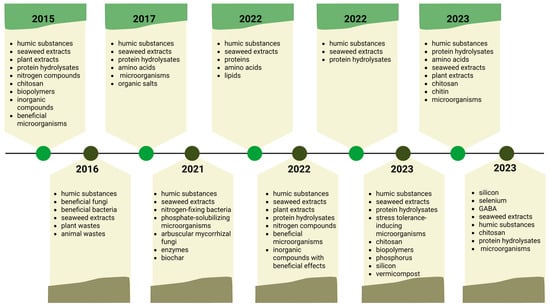
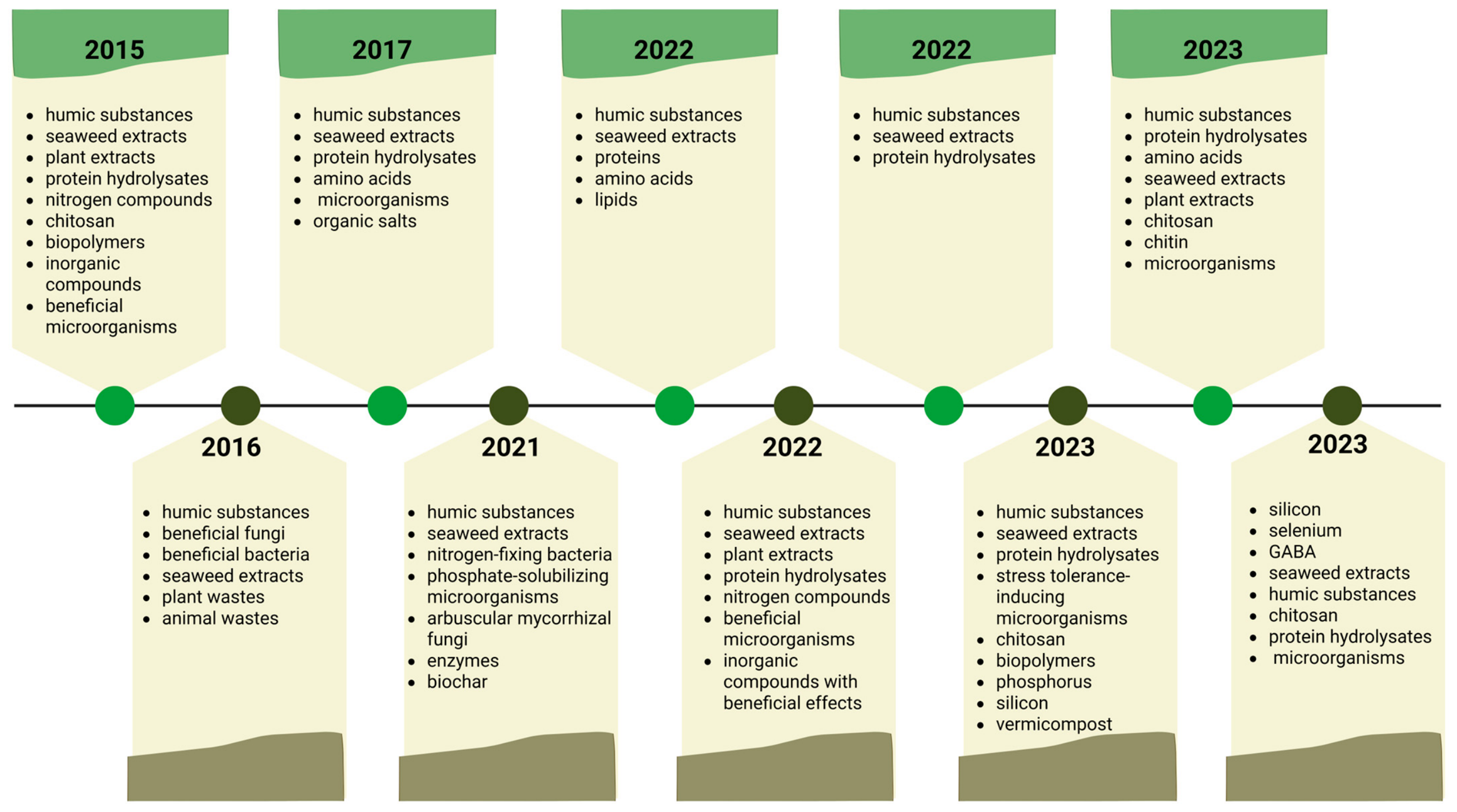
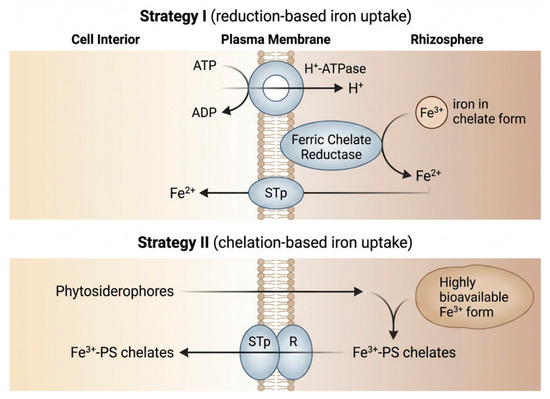
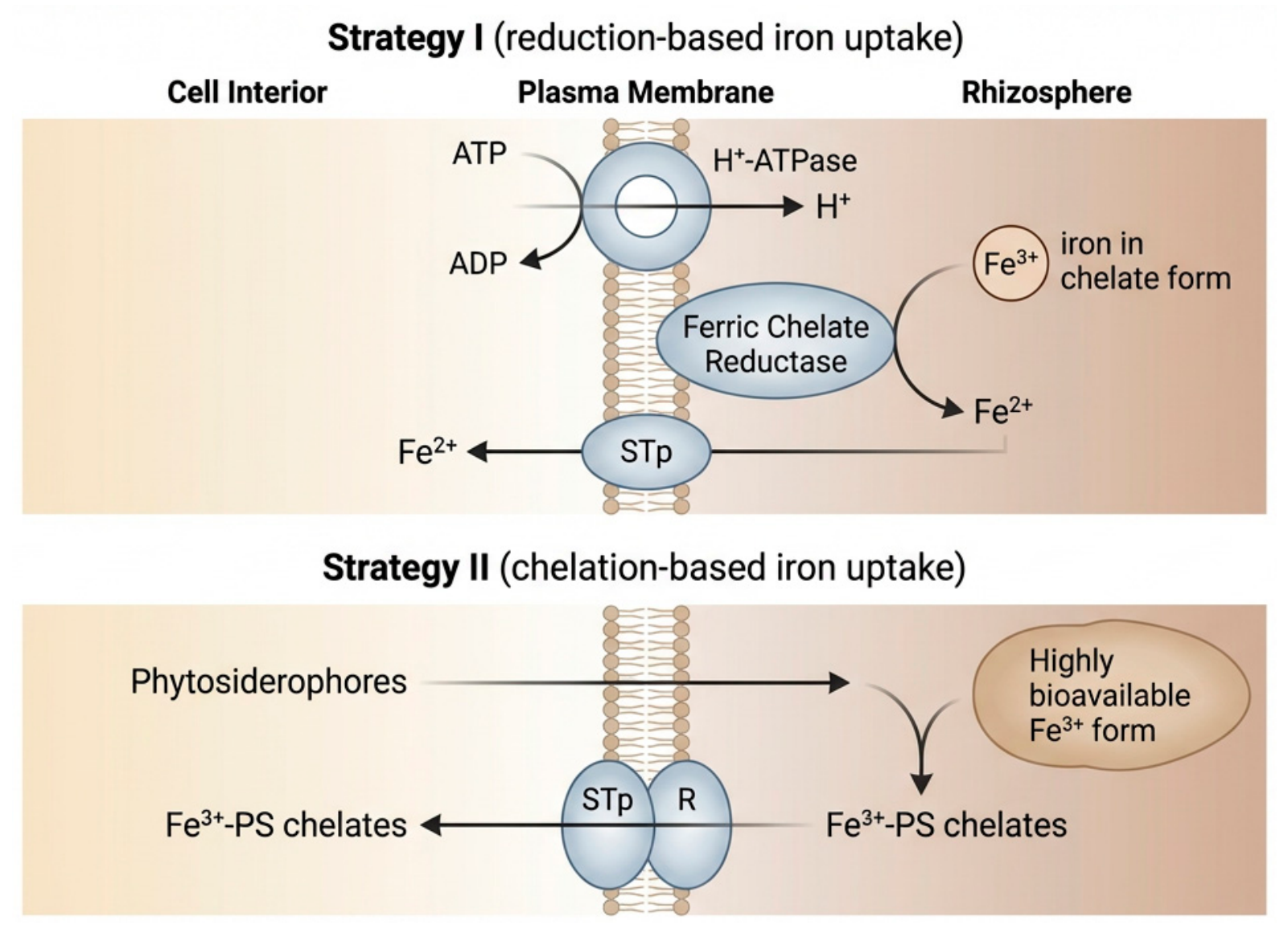
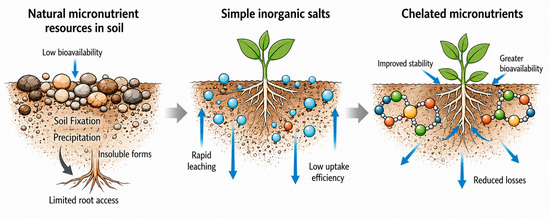
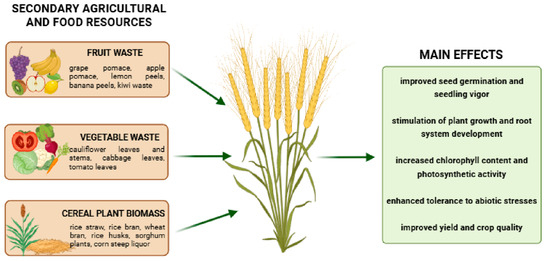
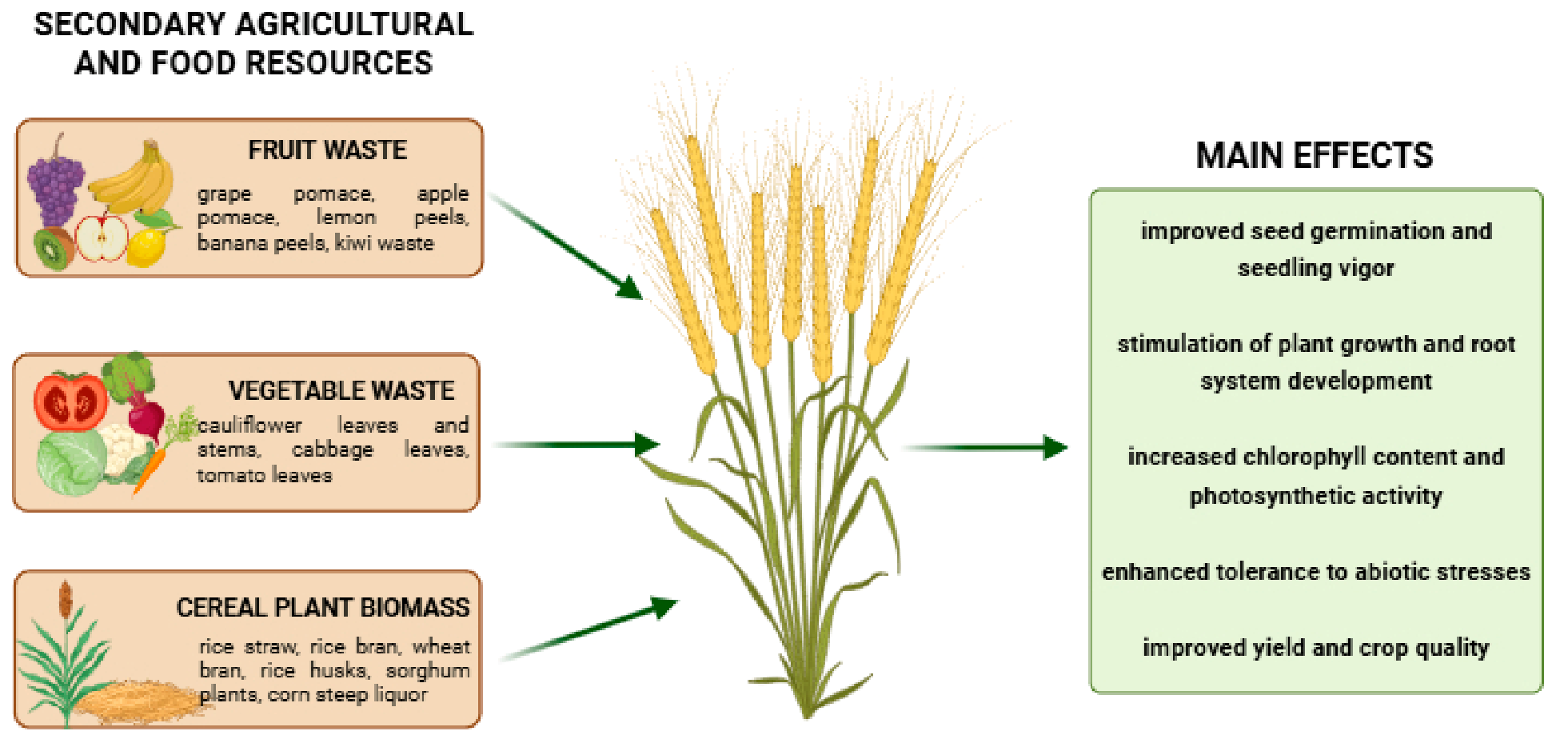

Disclaimer/Publisher’s Note: The statements, opinions and data contained in all publications are solely those of the individual author(s) and contributor(s) and not of MDPI and/or the editor(s). MDPI and/or the editor(s) disclaim responsibility for any injury to people or property resulting from any ideas, methods, instructions or products referred to in the content. |
© 2026 by the authors. Licensee MDPI, Basel, Switzerland. This article is an open access article distributed under the terms and conditions of the Creative Commons Attribution (CC BY) license.