


Abstract
Information systems (IS) innovation by employees is critical for digital transformation, yet prior research often examines external social resources and internal cognitive antecedents separately. From a systems perspective, we integrate social capital theory and social cognitive theory to construct a dual-path model. Using survey data from 350 employees in Chinese enterprises, we investigate how social networks (external path) and individual expectations (internal path) predict employees’ innovative IS usage behavior, and how external versus internal innovation incentives moderate these relationships. Results show that both social networks and individual expectations have significant positive effects, with network heterogeneity and performance expectations being the strongest predictors; achievement expectations show no significant effect. External innovation incentives positively moderate the social-network path, whereas internal innovation incentives positively moderate the individual-expectations path, revealing a differentiated “internal–external fit” pattern. Based on these findings, we propose a systemic “factors–incentives–behavior” framework. This study advances the dual-path understanding of IS innovation and provides guidance for designing targeted incentive systems.
1. Introduction
In the era of accelerated evolution of the digital economy, modern enterprises prioritize the integration and analysis of information resources as core developmental objectives. The optimization and upgrading of information systems (IS) serves as a critical underpinning for enhancing operational efficiency and achieving digital transformation [1]. In business operations, IS not only facilitates business processes, generates economic benefits, and enhances competitiveness through data integration and application [2] but also fosters internal collaboration and communication, thereby improving overall operational efficiency [3]. Despite these advancements, enterprises that integrate technologies such as large-scale artificial intelligence models and big data analytics still encounter challenges including suboptimal IS utilization and insufficient extraction of latent value. This situation significantly impedes the progression of digital transformation and upgrade initiatives, necessitating urgent innovation in IS usage to overcome bottlenecks and generate greater enterprise value.
Innovative IS usage behavior refers to the behavior of employees who, after adopting IS, explore and extend their functionalities to accomplish complex tasks or optimize work processes. This approach not only fully unlocks the potential of IS, thereby generating greater business value for enterprises, but also enhances overall operational efficiency [4]. On the other hand, this behavior enables enterprises to adapt more effectively to market fluctuations and technological advancements, thereby sustaining a competitive edge [5]. Consequently, fostering innovative IS usage behavior among employees has emerged as a critical concern for enterprises.
The current study offers several clues for understanding this behavior. According to the social cognitive theory, intrinsic (e.g., self-efficacy and psychological empowerment) and extrinsic incentives (e.g., performance expectations and image enhancement) are key factors that influence employees’ innovative IS usage behavior [6]. From the perspective of social capital, an employee, as an individual within a social network, finds innovative behavior to be profoundly influenced by the external network environment. Social networks stimulate innovation by providing resources, information and support [7]. Furthermore, implementing robust organizational incentive mechanisms serves as a crucial safeguard in fostering and disseminating innovative practices among employees. Enterprises can strategically cultivate an environment that supports innovative IS utilization by optimizing compensation structures, cultivating an open and collaborative atmosphere, and providing flexible working conditions [8,9].
However, there are still significant gaps in the existing research. First, most studies have independently investigated the influence of single factors such as individual expectations or social networks, thereby lacking an integrated analysis of the interactive mechanisms among “individual expectations–social networks–innovation incentives.” The failure to address how internal drivers and external resources function jointly leaves a crucial question unanswered. Second, although the significance of incentives has been acknowledged, research on the differential regulatory effects of innovation incentives is scarce. How different types of incentives (internal/external) align with distinct pathways (individual expectations/social networks) has not yet been clearly established, thereby increasing the difficulty of constructing precise and efficient strategies for promoting innovative IS usage.
Drawing on these foundations, this study integrates the social capital theory, which elucidates the resource attributes inherent in social networks, with the social cognitive theory, which explains the driving logic behind individual expectations. This integration aimed to address the aforementioned research gaps. The main contributions of this study are as follows. (1) By moving beyond a singular perspective, we integrated intrinsic and extrinsic incentives to investigate the correlation pathways and impact intensity of individual expectations and social networks on employees’ innovative use of IS. (2) We delve deeply into the “targeted” regulatory mechanisms of innovation incentives, exploring how internal and external motivators differentially associate with the aforementioned two pathways. This undertaking reveals the underlying logic that incentives must align with the driving factors. (3) We construct an integrated analytical framework of “factors–incentives–behaviors” to reveal the systematic driving patterns of employees’ innovative IS adoption. This study expands the theoretical boundaries of digital innovation and deepens our understanding of the predictors of IS innovation. Concurrently, it offers practical guidance for organizations to optimize network structures, design precise incentive systems, and develop strategies to promote IS innovation, thereby assisting them in overcoming IS application bottlenecks in digital transformation.
2. Theoretical Foundations and Research Hypotheses
2.1. Theoretical Foundations
Social capital theory suggests that the resources (e.g., information, knowledge, and trust) obtained by individuals through social networks can enhance their behavioral performance [10]. In this research context, by integrating social networks, workers can access IS resources, acquire related knowledge [11] and proactively engage in learning and exploration. Through hands-on experimentation and internal system operations, they bridge individual skill gaps and develop IS proficiency. Ultimately, this pattern leads to innovative IS use.
Social cognitive theory proposes that an individual’s behavior, personal cognition, and other agentic factors interact with their environment, jointly determining behavior. Personal cognition significantly influences and promotes actions. In this research context, organizational employees, driven by their individual expectations, generate both intrinsic and extrinsic motivation. These drivers propel them to proactively explore and expand the functionality of IS. Building on their mastery of basic IS functions, they actively uncover the latent capabilities of these systems, thereby creating novel methods for using IS [12]. Ultimately, this pattern leads to innovative IS use.
Based on the above two theories, this study constructed a dual-path model based on platforms and cognition, introducing a differential regulation mechanism in which incentives align with pathways. This approach systematically elucidates the complete logical chain from potential to actualization of employees’ innovative IS usage behaviors. A process diagram based on this premise is shown in Figure 1.
Figure 1.
Effect diagram. The arrows indicate the directional relationships among the constructs and actions.
Focusing solely on social networks (external pathways) fails to explain why employees on the same platform exhibit varying levels of innovation, with some highly proactive and others remaining indifferent. Consequently, the crucial role of internal cognitive motivation has been overlooked. Conversely, concentrating exclusively on individual expectations (internal pathways) may result in employees with high innovative intent being unable to materialize their ideas because of a lack of the necessary information and support. This focus neglects the enabling and constraining influences of the external resource environment. Consequently, these two pathways interact, collectively constituting the “possibility space” for the occurrence of behavior.
Moreover, the two pathways are not isolated from each other; rather, each contributes independent explanatory power, and together they provide a more complete account of IS innovation than either alone [13]. Social capital theory focuses on the provision of external objective resources, whereas social cognitive theory emphasizes internal subjective cognitive judgments. The resources supplied by external social networks can modify and reshape employees’ self-efficacy and individual expectations [14], while employees’ individual expectations, in turn, influence their willingness to proactively expand social networks and acquire social capital [15]. Together, these two mechanisms form a complementary driving chain of “external resources–internal cognition” that jointly shapes employees’ innovative IS usage behavior.
However, whether this potential can be translated into reality depends on the precise alignment between the innovative incentives offered by an organization and their corresponding drivers. According to the social exchange theory, social interaction is fundamentally a process of resource exchange based on the principle of reciprocity. When individuals perceive benefits derived from an organization or others, a sense of obligation to reciprocate arises. When organizations provide valuable resources or incentives, employees feel a sense of obligation to reciprocate their proactive and innovative behavior. By fulfilling social exchange needs, external incentives can strengthen employees’ willingness to leverage network resources. Intrinsic incentives, which is spurred by internal drivers who fulfill psychological needs and are positively associated with individual expectations [16], fosters the practical implementation of innovative IS usage behaviors among employees.
2.2. Literature Review
Social networks are network structures formed by the relational ties between individuals that influence individual behavior and decision-making. Most scholars have classified the dimensions of social networks. Tichy (1979) conceptualized the dimensions of social networks as network centrality, density, and complexity (heterogeneity) [17]; BarNir and Smith (2002) divided social network dimensions into network scope, tie strength, network prestige, and others [18]; Lin (2003), within the Chinese local context, categorized social networks into network size, network density, centrality, and similarity [19].
Network size refers to the total number of partners with whom an employee has work-related connections within the organization, focusing on the overall volume of ties. A larger network size provides a broader base of sources for obtaining IS-related information and hands-on practical experience [20], thus enhancing the resource base for innovative IS usage. Network density refers to the ratio of actual connections among members within a network to the maximum possible number of connections, focusing on the frequency of member interaction, the depth of internal information flow, and the degree of cohesion. In high-density networks, information circulates rapidly and trust levels are high, which facilitates the in-depth transmission of detailed, hands-on system experience and reduces the trial-and-error cost of innovation [21]. Network heterogeneity refers to the extent to which connected partners vary in terms of department, position, professional skills, and business domain, focusing on the diversity of members’ backgrounds, the variety of information sources, and cross-boundary knowledge. High heterogeneity implies cross-position and cross-departmental information collisions, which generate diverse business scenarios, inspire employees to move beyond conventional usage, and foster cross-boundary innovative IS usage [22,23]. Network centrality refers to an actor’s structural position within a social network, capturing the extent to which an individual occupies a prominent or strategically advantageous location in the flow of information and resources [24]. Employees with high centrality enjoy greater access to diverse knowledge and are more likely to engage in innovative behaviors [25]. Tie strength refers to the intensity, frequency, and emotional closeness of a relationship between two network members. Strong ties facilitate the transfer of tacit, complex knowledge through trust-based channels [26], whereas weak ties provide access to non-redundant, novel information across otherwise disconnected social circles.
Individual expectations refer to an individual’s goals, vision, and hopes for future development, which are typically closely tied to career planning, life objectives, and psychological needs. Regarding the dimensions of individual expectations, Vroom classified expectations into reward expectations, achievement expectations, and opportunity expectations [27], Bandura divided them into self-efficacy expectations and outcome expectations [15], in the study of Yao et al. on expectations and performance among Chinese enterprise employees, categorized expectations into self-efficacy expectations and outcome expectations [28].
Innovative self-efficacy refers to an employee’s belief in their capability to generate and implement novel ideas or solutions in the workplace [29]. It has been consistently identified as a key cognitive antecedent of innovative behavior: employees with higher innovative self-efficacy are more willing to embrace challenging tasks, persist through setbacks, and engage in creative exploration [30]. Performance expectations refer to an employee’s anticipation that engaging in a specific behavior will lead to improved work efficiency and task performance. In IS innovation, performance expectations are proximal outcome expectations. Their anticipated benefits—faster processing, fewer errors, and streamlined workflows—are observable in daily work. These benefits are positively related to continued innovative effort [31]. Achievement expectations refer to an employee’s anticipation that engaging in a behavior will yield long-term career benefits such as promotion, professional development, and industry recognition. Empirical research suggests that achievement-related incentives are positively associated with innovative behavior. Zhu et al. (2022) surveyed 4007 Chinese scientific workers and found that career satisfaction, which was associated with anticipated professional growth and recognition, was positively associated with innovative behavior, and need for achievement moderated this relationship [32]. Opportunity expectations refer to an employee’s belief that engaging in a particular behavior will create pathways to new career possibilities, broader professional networks, and enhanced visibility within the organization. They are particularly relevant to innovation behavior because innovative acts often carry risks in the short term but can signal competence and initiative to supervisors, thereby opening doors to future assignments, mentorship, and advancement [27].
Innovation incentives refer to a set of management practices and institutional arrangements designed by organizations to guide and stimulate employees’ innovative behavior. To examine the moderating effects of innovation incentives on the internal and external dual pathways, they are divided into internal innovation incentives and external innovation incentives.
Internal innovation incentives focus on activating employees’ intrinsic work enthusiasm and creativity at the psychological and cognitive levels. Research indicates that organizations can influence employees’ intrinsic incentive by cultivating an organizational innovation climate, which ultimately exerts a positive impact on employee creativity [33]. External innovation incentives, in contrast, guide employees’ innovative behavior primarily by providing external rewards unrelated to the task itself. External stimuli (e.g., bonuses and incentive programs) explicitly link specific innovative outcomes to rewards, thereby offering employees clear behavioral guidance [34].
2.3. Model Construction
Based on an integrated framework that synthesizes social capital theory, social cognitive theory, and social exchange theory, and in conjunction with the process by which social networks and individual expectations influence innovative IS usage behavior (Figure 1), this study constructs a dual-pathway model to explain the formation mechanism of employees’ innovative IS usage behavior, and further introduces the logic of differentially matched incentive moderation. From a systems perspective, the proposed framework positions social networks, individual expectations, and innovation incentives as three interdependent organizational subsystems. Social networks represent the external resource subsystem, providing the informational inputs for innovation. Individual expectations represent the internal cognitive subsystem, reflecting whether and how such inputs are translated into innovative action. Innovation incentives function as the regulatory subsystem, modulating the efficiency with which each pathway translates inputs into innovative outputs.
In summary, considering that the research subjects are ordinary employees with generally low network centrality and in order to clearly differentiate the conceptual variables, this study divides social networks into three dimensions: network size, network density, and network heterogeneity. The three social network dimensions are grounded in distinct theoretical foundations and capture non-overlapping properties of employees’ networks. Network size, rooted in social capital theory, reflects the quantitative volume of accessible contacts—the resource base for IS knowledge acquisition. Network density, grounded in strong- and weak-tie theory, captures relational quality—the trust and interaction frequency that enable efficient tacit knowledge transfer. Network heterogeneity, drawing on structural hole theory, reflects structural diversity—the extent to which members differ in departmental affiliation and functional expertise, providing non-redundant information. Together, they address three independent network properties—quantity, quality, and diversity—with distinct mechanisms and no conceptual overlap.
Considering the need to separately examine the effects of proximal and distal expectations, and to clearly differentiate the concepts, this study divides individual expectations into three dimensions: innovative self-efficacy, performance expectations, and achievement expectations. These three dimensions progress step by step from “ability confidence–short-term work benefits–long-term career development,” each with clearly delineated construct boundaries and distinct driving pathways.
On the external pathway, social networks serve as resource carriers embedded in the organizational relational structure and provide differentiated support for innovative IS usage through three dimensions. Network size determines the breadth of IS-related information and operational experience that employees can access; the larger the network size, the greater the likelihood that employees will be exposed to diverse system usage tips and tacit knowledge, thereby accumulating more materials for innovative usage. High-density networks can accelerate the in-depth dissemination of operational details and trial-and-error experiences, thereby reducing employees’ risk perception and learning costs when experimenting with new functions. Network heterogeneity, through cross-departmental and cross-position information collisions, introduces system usage experience from different business scenarios into employees’ cognitive scope, stimulating their willingness to break through conventional usage and engage in cross-boundary innovation.
On the internal pathway, individual expectations drive employees to proactively explore and extend IS functions through a three-tier progressive judgment. Innovative self-efficacy, as a judgment at the dimension of ability confidence, determines whether employees believe they can successfully discover new uses of the system and serves as the psychological starting point for innovative attempts. Performance expectations, as a judgment at the dimension of instrumental rationality, lead employees to assess whether innovative usage can enhance work efficiency and improve task performance, thereby endowing innovative behavior with clear practical value. Achievement expectations, as a judgment at the dimension of development orientation, are linked to long-term goals such as career advancement, personal growth, and professional recognition, injecting intrinsic incentives into sustained innovative usage.
The conversion efficiency of the above two pathways into innovative IS usage behavior is further moderated by organizational innovation incentives. External innovation incentives create stronger exchange motives for the realization of value from social network resources, thereby increasing the efficiency with which network resources are transformed into innovative behavior. Internal innovation incentives act directly on the satisfaction of employees’ psychological needs and the reshaping of their subjective expectations, significantly strengthening the driving force of individual expectations on behavior.
In summary, integrating theoretical foundations and existing research, we posit that social networks—through the three dimensions of number of connections (network size), closeness (network density), and member attribute differences (network heterogeneity)—and individual expectations—through ability confidence (innovative self-efficacy), short-term work benefits (performance expectations), and long-term career development (achievement expectations)—jointly influence innovative IS usage behavior, with external and internal innovation incentives moderating these two pathways respectively. The theoretical model constructed in this study is shown in Figure 2.
Figure 2.
Theoretical model. The boxes group the constructs into their respective sub-dimensions. The dashed arrow indicates the hypothesized path that is underpinned by Social Exchange Theory.
2.4. Research Hypotheses
2.4.1. The Impact of Social Networks on Employees’ Innovative IS Usage Behavior
Employee social networks are associated with their integration into an organization and the proactive adoption of corporate values by providing resources, emotional value, and support. This environment, in turn, encourages behavior that aligns with the strategic development requirements of the enterprise [35], ultimately fostering innovative behavior that benefits company growth. Drawing on leadership theories, Zhu and Zhang empirically found that knowledge sharing positively influences employee innovation behavior [36]. From an organizational perspective, employees’ creative work is positively related to their personal social networks and the organizational support they perceive [37]. Based on the above literature review, we posit that employees’ social networks constitute an intangible relational resource within organizations that helps employees acquire ample information and emotional support. Employees can leverage and transform these resources by integrating their developmental needs. This approach not only aids in accomplishing work tasks but also enhances emotional exchange and communication with other employees within their social networks, thereby driving innovative behaviors. Employees’ innovative use of IS within an enterprise, as a specific form of innovative behavior, can also be favorably correlated with their social networks. Accordingly, we propose the following hypotheses:
H1.
Employees’ social network positively relates to their innovative IS usage behavior.
Network size refers to the sum of all interactive connections among employees. A larger social network translates to more abundant resources that can be mobilized, thus offering greater possibilities for employee innovation. A wider scope of social networks helps companies access various resources, thereby resolving resource constraints in the innovation process [38]. This study analyzes employees’ innovative IS usage behavior by examining the expansion of employee networks. In terms of internal expansion, employees can acquire more information related knowledge at a lower time cost through interactions with colleagues, which may favorably influence their behavior in using IS for innovation [39]. In terms of external expansion, external individuals with a more open mindset, who maintain good relationships with external organizations and possess ample social capital, assist network members in introducing new ideas from other fields [40], thereby providing sound suggestions for employees’ innovative IS usage. Accordingly, we propose the following hypotheses:
H1a.
The size of employees’ social networks positively relates to their innovative IS usage behaviors.
Network density is a crucial metric for assessing the closeness of the connections between nodes within a social network. According to the theory of strong and weak ties, the flow of homogeneous and heterogeneous resources and knowledge through strong and weak ties can stimulate innovative behavior among organizational members [41]. In a corporate setting, employees’ social networks typically comprise a mix of strong and weak ties and exert distinct influences on a company’s technological innovation. In the context of IS usage, this structure enables employees to draw on the experiences of familiar colleagues and access novel ideas through heterogeneous resources, thereby fostering innovative actions. Accordingly, we propose the following hypotheses:
H1b.
The density of employees’ social networks positively relates to their innovative IS usage behaviors.
Social network heterogeneity refers to the differences among individuals or groups within a social network. According to structural hole theory, members of social networks that occupy structural holes can gain competitive advantage by accessing heterogeneous information and resources [42]. By adopting a dual-embeddedness perspective in industrial clusters, firms that leverage structural holes to connect network nodes can facilitate knowledge flow and ultimately drive innovation [43]. Therefore, on the one hand, if a member occupies a “structural hole” position and possesses advantages in system usage or information from system experts, they can act as a bridge that assists other employees in acquiring resources. Simultaneously, the greater the heterogeneity among network members, the higher the probability of obtaining new information and resources. By interacting with and learning from employees who have adopted new methods, employees can gain inspiration, thereby promoting the innovative use of IS. Accordingly, we propose the following hypotheses:
H1c.
The heterogeneity of employees’ social networks positively relates to their innovative IS usage behaviors.
2.4.2. The Impact of Individual Expectations on Employees’ Innovative IS Usage Behavior
Individual expectations emerge as the core cognitive driving force behind employees’ innovative IS usage behavior. This construct encompasses two interconnected dimensions: an individual’s belief in their own capabilities (i.e., efficacy expectations) and their assessment of behavioral outcomes (i.e., outcome expectations). Efficacy expectation represents an individual’s judgment of their ability to successfully execute a specific behavior [44]. Outcome expectation signifies an individual’s valuation of the potential results stemming from that behavior. Together, these two facets form the cognitive foundation of behavioral motivation. The current research indicates that employees with high self-efficacy are more inclined to embrace challenging tasks and demonstrate greater perseverance and resilience in complex work environments or when facing setbacks, thereby exhibiting enhanced creativity [45]. When teams foster innovative cognition and stimulate members’ team consciousness, they explore new ideas and methods through shared knowledge and brainstorming and strive to achieve established goals [46].
H2.
Individual employees’ expectations positively relate to their innovative IS usage behavior.
In this study, employees’ ISE was defined as their level of confidence in their ability to master new IS functionalities or methodologies. Employees with higher innovative self-efficacy tend to exhibit greater enthusiasm and motivation for innovation, demonstrate stronger digital creativity in their work, and achieve superior innovation performance compared to their counterparts [29]. Employees who believe they can successfully complete IS innovation tasks are more likely to proactively explore new methods, generate novel ideas, and implement them [30].
H2a.
Employees’ innovative self-efficacy positively relates to their innovative IS usage behavior.
Employee achievement expectations stem from the pleasure and satisfaction derived from overcoming challenges or achieving goals during system utilization [47]. For instance, when confronted with challenging responsibilities related to an organization’s IS innovation, employees experience a sense of accomplishment, satisfaction, and pride upon task completion, motivating them to explore diverse ways to use the system.
Based on these premises, we propose the following hypothesis:
H2b.
Employees’ achievement expectations positively relates to their innovative IS usage behavior.
Employees’ performance expectations refer to their anticipation of how innovative IS behaviors might impact their workplace performance. When employees perceive that engaging in innovative IS behaviors can predict better performance evaluations or compensation, their internal motivation may be effectively activated. Consequently, they are more inclined to actively participate in innovation initiatives [13].
H2c.
Employees’ performance expectations positively relates to their innovative IS usage behavior.
2.4.3. The Moderating Effect of Innovation Incentives
Incentive refers to the process of stimulating an individual’s or a team’s intrinsic drive and potential through various means to achieve goals. By establishing incentive mechanisms, businesses not only enhance employee engagement and optimize overall performance but also effectively attract and retain talent [48]. Ahmadi et al. posited that non-material incentives, such as setting challenging goals (e.g., stretch goals), can ignite employees’ creativity to break conventional boundaries [49]. Using the well-known Chinese enterprise Haidilao as a research subject, Yang and Wei [50] found that intrinsic incentive significantly promotes proactive innovative behavior among employees. According to cognitive evaluation and social exchange theories, compared to regular incentives based on daily performance, IS innovation incentive reflects an organization’s implementation of dual internal and external incentives for employees based on innovation metrics.
However, some existing studies have proposed a competing view: incentives are universal in nature, and both internal and external innovation incentives can simultaneously act on external social networks and internal cognition (i.e., individual expectations) [51], implying that both types of incentives can exert cross-pathway moderation. Drawing on the research context and self-determination theory, this study delineates the functional boundaries of internal and external innovation incentives. The universal-incentive perspective is mostly applicable to simple, repetitive work tasks, whereas IS innovation constitutes a highly complex, knowledge-intensive extra-role behavior [52]; consequently, the action pathways of internal and external incentives exhibit a clear divergence. Moreover, according to cognitive evaluation theory, tangible external incentives tend to weaken individuals’ intrinsic interest and self-cognition [53], making it difficult to fundamentally alter employees’ subjective assessments of their own innovative capability (self-efficacy) and long-term career achievement, and failing to be deeply related to changes in internal psychological expectations [54]; therefore, cross-pathway moderation is theoretically weak in effectiveness. The resource ceiling of social networks is determined by objective social structural attributes such as network size, circle structure, and member heterogeneity. Internal innovation incentives, being spiritual in nature, cannot alter the objective number of an employee’ s contacts or the structural properties of their circles [55], making it hard to increase the total amount of network resources acquired or to leverage the conversion efficiency of external social network resources; thus, effective cross-pathway moderation is theoretically difficult to achieve. In summary, there is an inherent targeted division of labor between internal and external innovation incentives. Cross-pathway moderation lacks the corresponding targets of action and transmission carriers, rendering its significance theoretically untenable.
Extrinsic incentive primarily manifests through tangible rewards such as bonuses, praise, and promotions. These incentives directly stimulate employees’ innovative behaviors and provide them with a “reason to act” [56]. According to Maslow’s hierarchy of needs, organizations can foster innovative behaviors in IS usage by offering rewards, promotions, training, and encouraging knowledge sharing, thereby satisfying diverse employee needs. This type of extrinsic incentive not only elevates employees’ status within the organization but also advances their career development. The boundary for its moderating effect is strongest when employees’ innovative behaviors are primarily driven by resource exchange processes within social networks. Conversely, if innovative behaviors stem mainly from strong intrinsic interests or personal values (individual expectations), external incentives, such as monetary rewards, may feel restrictive and controlling, potentially leading to resentment and undermining intrinsic incentive [53], thereby weakening or even nullifying the moderating effect. Consequently, external incentives are not universally effective and their efficacy is closely tied to the extent to which an employee is embedded within social exchange networks. Furthermore, promotions and environments that facilitate mutual learning and sharing can expand employees’ social networks and connections. In the context of IS incentives, extending social networks helps foster innovative IS use among employees. Accordingly, we propose the following hypotheses:
H3.
Extrinsic incentive positively moderates the relationship between (H3a) employees’ social network size, (H3b) social network density, (H3c) social network heterogeneity, and innovative IS usage behavior.
Intrinsic incentive primarily stems from employees’ interest in their work, sense of accomplishment, and need for self-actualization [57]. Research indicates that intrinsic incentive can foster employees’ creative thinking and sustained engagement. When employees experience a sense of achievement and self-efficacy in their use of IS, their innovative behavior is enhanced [58]. The boundary condition for the moderating effect of intrinsic incentive lies in situations where employees’ innovative behaviors are predominantly driven by individual expectation paths. In such cases, the moderating effect of intrinsic incentive is strongest. Conversely, if employees’ innovative behaviors are primarily instrumental, aimed at acquiring external resources (i.e., the social network path dominates), and lack intrinsic identification, the provided intrinsic incentives may not align with the primary drivers of behavior. This misalignment can hinder the precise activation of deeper incentives, resulting in limited moderating effects. For instance, when organizational culture is excessively results-oriented or innovation failures incur severe penalties, employees’ intrinsic pursuit of innovative achievement can be suppressed by anxiety about the consequences of failure, rendering intrinsic incentives ineffective as a moderator [59]. Managers can bolster employees’ confidence and intrinsic incentive by providing resources and support to help them overcome the difficulties they encounter when using IS [60]. Such support can facilitate employee self-motivation, leading to a sense of accomplishment through the innovative use of IS, while leveraging IS to improve work efficiency and performance, thereby satisfying achievement and performance expectations. Accordingly, we propose the following hypotheses:
H4.
Intrinsic incentive positively moderates the relationship between (H4a) employees’ innovative self-efficacy, (H4b) achievement expectations, and (H4c) performance expectations; and their innovative IS usage behavior.
3. Research Design
3.1. Sample and Data Collection
Considering that the purpose of this study is to explore the relationships among social networks, individual expectation, and employees’ innovative IS usage behavior, middle and senior managers, R&D personnel, and service support personnel with at least one year of tenure were selected as the research subjects, and telecommunications and manufacturing enterprises with a high degree of IS deployment and digital transformation were chosen as the research context. These employee categories typically have some level of exposure to and experience with IS, making them suitable research participants.
With the assistance of research advisors and an alumni network, we collected data by online surveys (via WeChat). The study was conducted in compliance with the exempt conditions under China’s Measures for Ethical Review of Life Sciences and Medical Research Involving Human Subjects (2023). All participants provided electronic informed consent prior to completing the anonymous questionnaire. After the questionnaires were collected, invalid ones were excluded based on the reverse-coded items embedded in the questionnaire and the criterion of incomplete responses.
A total of 450 questionnaires were distributed, yielding 378 responses, with an 84% response rate. Of these, 350 were deemed valid, corresponding to a validity rate of 77.8%. Of the 350 sample data points, 61.4% were male, and 48% were between the ages of 30 and 40 years. More than 80% of the participants had a bachelor’s degree. Technical R&D and service support constituted 45.1% and 44.9% of the sample, respectively. Approximately 85% of employees had less than 10 years of work experience, with about 80% reporting an IS familiarity level of “familiar” or higher. Only 18.9% of employees had been using IS for less than one year.
3.2. Selection of Control Variables
Control variables were included to account for established individual-level predictors of technology use behavior.
First, drawing on prior research, demographic variables such as gender, age, education level [14] and Job category [61] were included as control variables.
Years of service was included as longer-tenured employees accumulate deeper familiarity with business processes and system logic, providing the experiential foundation for innovative usage [30].
IS usage experience (years of IS use) was controlled as a classic antecedent in technology acceptance research, with longer experience enabling more accumulated operational knowledge for innovation [14].
IS usage duration was included to partial out the confounding effect of differential system exposure on the core predictors, as longer daily engagement naturally increases the probability of encountering non-routine scenarios that trigger innovative use [62].
3.3. Variable Measurement
The measurement tools employed in this study were based on internationally recognized and mature scales, methodologies, and formulas. With the exception of demographic variables, other variables were measured using a 5-point Likert scale, where scores from “1” to “5” represent “completely disagree” to “completely agree,” respectively.
(1) Social networks. Departing from the three measurement dimensions, network size was assessed using a nominal approach [63] with the item, “Please provide the surnames of colleagues within your current organization with whom you interact closely in work and life.” The scale provides six spaces labeled A to F. If multiple members share the same surname, use numbers to differentiate them (e.g., “Liu 1”, “Liu 2”). Concurrently, the findings of the American “General Social Survey” [64] indicates that the upper limit for network size was set at five; meanwhile, considering the large population size in China, this study set the upper limit of network size at 6. Respondents rate the familiarity between each pair of members (j and k) on a 4-point scale (1 = do not know each other, 2 = not very familiar, 3 = moderately familiar, 4 = very familiar). Network density was calculated using the formula proposed by Tasselli and Kilduff [65]:
In this study, represents the familiarity between members and within the respondent’s social network and denotes the total number of members in the social network. Network heterogeneity was calculated using the heterogeneity index formula:
Here, denotes the total number of categories of the categorical variable, represents the total number of network members (i.e., network size), and represents the number of members in the i-th category. Three categorical variables—age, education, and position—are used to calculate overall network heterogeneity.
The arithmetic mean formula was employed to derive respondents’ social network heterogeneity.
(2) Individual Expectations. This study measured individual expectations in three dimensions: innovative self-efficacy, achievement expectations, and performance expectations. Innovative self-efficacy was measured using a scale developed by Carmeli and Schaubroeck [66], which comprised three items: “I can improve work efficiency by creatively developing new functions or methods for IS, thereby achieving work goals.” Achievement expectations were assessed using a scale by Yperen and Hagedoorn [67], which consists of three items: “I expect to gain personal satisfaction by mastering advanced usage skills of IS.” Performance expectations were measured using a scale employed by Ding et al. [68], which comprises three items: “If developing new IS functions or methods aids in personal career advancement.”
(3) Innovation Incentives. This study differentiates between external and internal innovation incentives to measure their moderating effects. External innovation motivations were assessed using a scale developed by Zhao [69], which comprises three items, such as “The organization sets up salary rewards for innovative IS.” Internal innovation incentive was measured using a scale developed by Chen et al. [70], consisting of three items: “Setting goals for employees and assigning them enriched and challenging work based on their knowledge, abilities, and interests.”
(4) Employees’ innovative IS usage behavior. This variable was measured using a scale developed by Li et al. [58], which comprises four items, such as “I have discovered new uses for IS to enhance my work performance.”
4. Data Analysis and Results
4.1. Common Method Bias Test
In the questionnaire survey, the measurement of social networks did not capture employees’ subjective inclinations but was derived from the collection and calculation of objective data. Therefore, Harman’s single-factor test was conducted on the remaining variables to test for common method bias. As shown in Table 1, the principal component analysis extracted a total of five principal components, and the first component under Initial Eigenvalues accounted for 35.057% of the total variance, which is below 40%.
Table 1.
Harman’ s single-factor test results.
Furthermore, a confirmatory factor analysis (CFA) was conducted using Amos. The results revealed that the five-factor model exhibited a significantly better goodness of fit than the competing models (x2/df = 1.349; CFI = 0.988; RMSEA = 0.032); detailed fit indices are shown in Table 2. This finding indicates a high degree of congruence between the theoretical model and the observed data, thereby confirming the construct validity of the research variables. Therefore, common method bias does not appear to be severe, although residual bias cannot be fully ruled out.
Table 2.
Comparison of measurement model results.
4.2. Reliability and Validity Analysis
In this study, the measurement of social networks was achieved by collecting authentic employee data, calculating quantitative results using appropriate formulas, and categorizing them. Based on the conditions for ensuring social network reliability [60], which posits that scale reliability can be guaranteed through embedded contexts and observed behaviors, Cronbach’s alpha and other indicators for social networks and their dimensions are not reported.
Subsequently, as shown in Table 3, Cronbach’s alpha and composite reliability for all variables exceeded 0.8, with the overall scale reaching 0.923. Furthermore, all Kaiser–Meyer–Olkin values were above 0.7. The standardized factor loadings exceeded 0.7, and the average extracted variance exceeded 0.5, indicating good convergent validity and internal consistency. Moreover, the square root of the AVE for each variable was greater than the inter-variable correlation coefficients (Table 4), providing empirical evidence at the data level that the discriminant validity of each dimension was satisfactory.
Table 3.
Validity and reliability test results.
Table 4.
Correlation between variables.
4.3. Correlation Analysis
As shown in Table 4, the correlation analysis revealed a significant positive relationship between NS (r = 0.201, p < 0.01), ND (r = 0.433, p < 0.01), NH (r = 0.562, p < 0.01), EIM (r = 0.331, p < 0.01), and IUB. Comparing the magnitude of the correlation coefficients (r), the NH exhibited the strongest association with the IUB. Similarly, ISE (r = 0.498, p < 0.01), AE (r = 0.403, p < 0.01), PE (r = 0.543, p < 0.01), and IIM (r = 0.299, p < 0.01) were positively correlated with IUB. Notably, performance expectations showed the highest correlation with employees’ innovative IS usage behaviors, providing initial support for our hypotheses.
4.4. Direct Effect Test
Building upon the correlation analysis, this study employed SPSS 23.0, a hierarchical regression analysis, to assess the direct effects, thereby testing hypotheses H1 and H2. The regression results, as presented in Table 5, revealed a positive correlation between all three indicators of SN and IUB (Model 2: β = 0.337, p < 0.001; β = 0.120, p < 0.01; β = 0.378, p < 0.001). Consequently, hypotheses H1a, H1b, and H1c are supported, lending credence to hypothesis H1. Additionally, the results demonstrated a significant positive relationship between the two dimensions of IE (ISE and PE) and IUB (Model 4: β = 0.291, p < 0.001; β = 0.389, p < 0.001), thus supporting hypotheses H2a and H2c. However, AE did not show a significant effect on IUB (Model 4: β = 0.100, p > 0.05), and hypothesis H2b was not supported. In summary, H2 is partially supported.
Table 5.
Regression results of direct effects.
Regarding the interaction between social networks and individual expectations, this study found that both SN and IE are positively associated with IUB (β = 0.592, p < 0.001; β = 0.374, p < 0.001), with social networks demonstrating a stronger relationship on employees’ innovative IS usage behavior.
4.5. Structural (Inner) Model Explanatory and Assessment
As shown in Table 6, the variance inflation factors (VIF) for all variables were below 5.00, confirming that no serious multicollinearity issues existed. Notably, the f2 value for achievement expectations was 0, which corresponds to its non-significant regression result.
Table 6.
Effect Sizes and Multicollinearity Diagnostics.
4.6. Moderation Effect Analysis
To test the moderating effects of innovation incentives, we employ a hierarchical linear regression analysis using SPSS 23.0. The regression results are presented in Table 7. Notably, the interaction term between NS and EIM was not significantly associated with IUB (Model 4: β = 0.055, p > 0.05); thus, hypothesis H3a was not supported. By contrast, the interaction term of ND and EIM exhibited a positive correlation with IUB (Model 4: β = 0.191, p < 0.001), supporting hypothesis H3b. To further explain the moderating mechanism, we delineate the relationship between social network density and employees’ innovative IS use under high and low levels of external incentives, defined as plus or minus one standard deviation from the mean of the external incentives. The results are shown in Figure 3. These findings indicate a stronger association between network density and employees’ innovative IS use with higher levels of external incentives than under lower levels. As shown in Table 7, NH and EIM demonstrated a positive relationship with IUB (Model 4: β = 0.131, p < 0.01), supporting hypothesis H3c. Figure 4 further reveals the more pronounced effect of network heterogeneity on employees’ innovative IS use under higher external incentives. Collectively, these results partially supported hypothesis H3. This finding suggests that within a certain range, firms may face challenges in leveraging increased external incentives to effectively moderate the positive impact of loosely structured weak-tie networks on IS innovative use in the short term. This condition could potentially be attributed to employees prioritizing the “quality” over the “quantity” of their social networks.
Table 7.
Analysis results of the moderating effect of external individual.
Figure 3.
The moderating effect of EII on the relationship between ND and IUB.
Figure 4.
The moderating effect of EII on the relationship between NH and IUB.
The regression results of the moderating effects of intrinsic innovation incentive are presented in Table 8. The interaction term between ISE and IIM showed a positive correlation with IUB (Model 4: β = 0.127, p < 0.01), supporting hypothesis H4a. As illustrated in Figure 5, the effect of this moderation is evident; the relationship between innovation self-efficacy and innovative IS usage behavior is stronger when intrinsic innovation incentive is high than when it is low. However, the interaction term between AE and IIM did not exhibit a significant influence on IUB (Model 4: β = 0.082, p > 0.05), leading to the rejection of hypothesis H4b. As Table 8 further shows, the interaction term between PE and IIM was positively associated with IUB (Model 4: β = 0.142, p < 0.01), thereby supporting hypothesis H4c. As Figure 6 shown, the relationship between performance expectations and employees’ innovative IS usage behavior is strengthened under high levels of intrinsic incentive. Thus, hypothesis H4 is partially supported.
Table 8.
Analysis results of the moderating effect of intrinsic incentive.
Figure 5.
The moderating effect of III on the relationship between ISE and IUB.
Figure 6.
The moderating effect of III on the relationship between PE and IUB.
These findings suggest that intrinsic motivation can bolster employee confidence in their abilities. When employees perceive organizational support, a strong sense of self-efficacy translates more readily into exploratory IS innovation behavior. In addition, intrinsic incentives can satisfy employees’ performance expectations by providing timely feedback on efficiency improvements and encouraging active participation in the innovative use of IS.
5. Discussion
Drawing on social capital theory and social cognitive theory, this study constructs and empirically tests a dual-path model from a systems perspective. The model posits that employees’ innovative IS usage behavior is predicted by an external path (social networks) and an internal path (individual expectations), with external and internal innovation incentives serving as differential moderators. Using survey data from 350 Chinese enterprise employees, we find robust support for the dual-path framework.
5.1. Theoretical Contributions
5.1.1. From Single-Path to Dual-Path Theorizing: The Resource–Cognition Complementary Mechanism
Prior research has predominantly adopted a single-theoretical-lens approach. Studies grounded in social capital theory have shown that brokerage positions [71], social capital dimensions [72], and mobilized social resources [73] are associated with innovation, yet they overlook the internal cognitive appraisals that may predict whether individuals actively exploit such resources. Conversely, studies anchored in social cognitive theory have demonstrated that creative self-efficacy [74] and psychological capital [75] is positively related to innovation, yet they rarely consider the resources and importance of external networks. The present study departs from both single-path paradigms by simultaneously modeling both pathways. The results indicate that social networks and individual expectations each independently and significantly predict innovative IS usage behavior. Within the individual expectation path, this contribution is carried primarily by innovative self-efficacy and performance expectations; achievement expectations were not significant in either the main effect or the moderated effect. Importantly, the two pathways are best understood as theoretically complementary but empirically additive: social capital theory and social cognitive theory jointly provide a more complete account of IS innovation than either theory alone, but each pathway contributes to innovation through its independent main effect rather than through a multiplicative interaction. This additive structure is theoretically significant. It suggests that external resources and internal cognition are two distinct, non-substitutable inputs to innovation behavior, each accounting for unique variance that the other cannot. Thus, integrating both theoretical lenses is necessary for a comprehensive understanding of IS innovation.
5.1.2. Differentiated Incentive Moderation—The Internal–External Fit
This study further demonstrates that the two pathways are subject to distinct boundary conditions. External innovation incentives significantly positively moderate the social network pathway, whereas internal innovation incentives significantly strengthen the individual expectation pathway. This differentiated pattern suggests that the two incentive types are associated with different underlying mechanisms—instrumental exchange for the social path and psychological need satisfaction for the cognitive path—and are not functionally interchangeable. The non-significance of cross-path effects provides empirical support for the specificity of this fit. This finding advances the literature beyond generic claims that “incentives promote innovation” toward a contingency framework specifying which incentive type is more effective for which pathway.
In summary, these findings align with a systems view: each subsystem serves a distinct function. Social networks supply resources, individual expectations provide cognitive appraisal, and innovation incentives are positively related to pathway regulation. Together they form an interdependent whole.
5.2. Post Hoc Analysis of Non-Significant Hypotheses
Given that the two pathways exhibit complementary effects, hierarchical regression analysis was employed to test the interaction between social network and individual expectation by examining the impact of their product term on employees’ IS innovative usage behavior. The predictors were first mean-centered, and multicollinearity was assessed (VIF = 1.44). The results indicated that the SN × IE interaction term had no significant effect on IUB (p = 0.74). This may be attributable to the insufficient rigor of the measurement method used for social networks.
Regarding the non-significant finding for achievement expectations (H2b), two possible explanations are proposed. First, from the perspective of social cognitive theory, achievement expectations represent distal and uncertain outcome expectations. For self-directed tasks such as innovative IS usage that require continuous exploration and involve trial-and-error, their motivational effect is weaker than that of proximal outcome expectations [76]. Second, the Chinese enterprises examined in this study generally operate under annual KPI-based performance appraisal systems. Such systems tend to channel employees’ efforts toward measurable short-term outputs rather than long-term developmental activities that are difficult to quantify [77]. Under this institutional environment, achievement expectations have a limited positive association with employees’ innovative IS usage behavior. Taken together, the individual expectation path is primarily supported through innovative self-efficacy and performance expectations, rather than through achievement expectations.
Regarding the non-significant moderating effect of external innovation incentives on the relationship between network size and innovative IS usage behavior (H3a), a plausible explanation is that when employees consider mobilizing network resources under external incentive conditions, the key factor is not how many contacts they possess, but whether these contacts can provide innovation-relevant information. The incremental informational value provided by a large but homogeneous network is lower than that offered by a smaller but heterogeneous network [78]. Enhancing the anticipated returns on innovative efforts through external incentives likewise cannot render redundant information innovative.
5.3. Practical Implications
Based on the findings of this study, enterprises can optimize their management strategies in the following areas to enhance the effectiveness of employees’ innovative IS usage.
5.3.1. Prioritize Network Heterogeneity over Network Size
The results indicate that network heterogeneity was the strongest social network predictor of innovative IS usage (β = 0.378), substantially exceeding network size and density. Organizations may therefore focus on the compositional diversity of employees’ contacts. Concrete measures include cross-departmental project teams, job rotation programs, and heterogeneous team composition. The goal is to ensure that new contacts bring non-redundant knowledge. Merely expanding network size is unlikely to yield the same benefit.
5.3.2. Emphasize Immediate Performance Gains in Internal Communication
Performance expectations emerged as the strongest individual-level predictor (β = 0.389). Achievement expectations, by contrast, were not significantly associated with innovative IS usage. Organizations may find it more effective to highlight the near-term work benefits of IS innovation. These include faster processing, fewer errors, and simplified workflows. Appeals to long-term career advancement alone may be insufficient. Sharing peer cases where innovative IS usage was associated with measurable efficiency gains may help strengthen these expectations.
5.3.3. Match Incentive Design to the Targeted Pathway
External incentives (e.g., bonuses, innovation awards) showed stronger moderation on the social network path. Internal incentives (e.g., recognition, autonomy support) showed stronger moderation on the individual expectation path. For cross-functional networking programs, pairing them with outcome-contingent rewards may help employees mobilize diverse contacts. For cultivating performance expectations, building a supportive innovation climate may be more effective than financial incentives alone. Misaligning incentive types with intervention strategies may yield limited returns.
5.4. Limitations and Future Directions
Although this study made progress in the area of employees’ innovative IS usage, several limitations remain and warrant further exploration in subsequent research.
First, regarding sample representativeness: The sample was restricted to telecommunications and manufacturing enterprises, accessed via university alumni and advisor networks, but enterprises connected to academic networks may differ systematically from the broader population. Most respondents were management, R&D, and service support personnel with less than ten years of experience and high IS familiarity, excluding frontline staff and employees from service industries (e.g., finance, healthcare). These groups may exhibit different innovation patterns—frontline workers face stronger procedural constraints, while employees in less technology-intensive industries have fewer innovation opportunities. Future research should adopt probability-based sampling across more diverse industries and occupational groups.
Second, regarding measurement: Social network indicators were calculated from self-reported data. Network density required respondents to judge familiarity between each pair of network members—a task whose cognitive load increases with larger networks, potentially introducing measurement error. The cross-sectional design further precludes causal inference. Future research could employ longitudinal designs and more objective network measures, such as enterprise communication metadata.
Third, regarding scope: This study focused on positive predictors and did not differentiate IS types (e.g., ERP, CRM, business intelligence systems), which may afford different degrees of innovation latitude. Potential inhibitors, such as excessive workload and fear of failure, were not examined and may suppress innovation even under favorable conditions. Future research could adopt qualitative approaches to identify context-specific inhibitors, differentiate innovation patterns across IS types, and test causal mechanisms through longitudinal or experimental designs.
Fourth, the study did not disentangle potential cross-dimensional interactions among network size, density, and heterogeneity under extreme network conditions. This limits the precision with which the theoretical logic of each dimension can be differentiated. Future research could test interaction models among the three dimensions across varied organizational contexts to further clarify dimensional boundaries and theoretical specificity.
6. Conclusions
This study yields two central conclusions. First, employees’ innovative IS usage behavior is associated with two independent, complementary inputs: social networks supply diverse, non-redundant information that broadens employees’ innovation repertoire, while innovative self-efficacy and performance expectations supply the cognitive readiness to act on such information. Achievement expectations, by contrast, were not significantly associated with innovative IS usage. This indicates that the primary cognitive predictors are the two proximal dimensions: confidence in one’s capability (innovative self-efficacy) and perceived immediate performance benefits (performance expectations). Each pathway independently contributes to innovative IS usage, consistent with the non-significant interaction between the two. Second, the two pathways are differentially moderated by innovation incentives: external innovation incentives are positively associated with the social network pathway by providing clear instrumental signals that lower the activation threshold for converting network resources into innovative action, whereas internal innovation incentives are positively associated with the individual expectation pathway by nurturing the intrinsic psychological conditions—autonomy, competence, and relatedness—that sustain self-efficacy and outcome expectations.
These findings, derived from survey data collected from 350 employees in Chinese telecommunications and manufacturing enterprises, suggest that organizations seeking to promote innovative IS usage should adopt a systemic “factors–incentives–behavior” approach that simultaneously cultivates employees’ social networks and individual expectations while deploying incentive systems precisely aligned with each pathway.
By integrating these insights into a “factors–incentives–behavior” framework, this study provides a systemic understanding of how organizational resources, individual cognitions, and incentive mechanisms jointly predict IS innovation. From a systems perspective, this framework suggests that innovative IS usage may benefit from the alignment of all three subsystems—network resources, cognitive drivers, and incentive mechanisms—rather than from optimizing any single component in isolation. Our work contributes to the literature on IS innovation management and offers practical guidance for enterprises in designing targeted, pathway-specific incentive strategies, using external incentives (e.g., rewards, recognition) to leverage network-based resources, and internal incentives (e.g., challenging tasks, autonomy) as correlates of higher individual expectations.
Author Contributions
Conceptualization, F.S. and J.G.; data curation, J.G.; formal analysis, J.G.; investigation, F.S. and J.G.; methodology, F.S.; project administration, F.S.; resources, F.S.; software, F.S.; supervision, F.S.; validation, J.G.; visualization, J.G.; writing—original draft, J.G.; writing—review and editing, F.S. All authors have read and agreed to the published version of the manuscript.
Funding
This research received no external funding.
Institutional Review Board Statement
Ethical review and approval were waived for this study, due to the following reason: This study is a non-interventional, completely anonymous online questionnaire survey involving adult employees in Chinese enterprises. It collects no personally identifiable information or biological samples, and poses no more than minimal risk to participants. According to Article 32, Item (2) of China’s Measures for Ethical Review of Life Sciences and Medical Research Involving Human Subjects (2023), research using anonymized information data is exempt from ethical review. An exemption certificate was obtained from the Institutional Review Board of the School of Economics and Management, Xidian University, confirming this exemption.
Informed Consent Statement
Informed consent was obtained from all subjects involved in the study.
Data Availability Statement
The original contributions presented in this study are included in the article. Further inquiries can be directed to the corresponding author.
Acknowledgments
The authors thank the editors and anonymous reviewers for their insightful comments on an earlier version of this manuscript.
Conflicts of Interest
The authors declare no conflicts of interest.
References
- Wu, Y.; Li, H.; Luo, R.; Yu, Y. How digital transformation helps enterprises achieve high-quality development? Empirical evidence from Chinese listed companies. Eur. J. Innov. Manag. 2024, 27, 2753–2779. [Google Scholar] [CrossRef] [Scilit]
- Sullivan, Y.; Wamba, S.F.; Dunaway, M. Internet of things and competitive advantage: A dynamic capabilities perspective. J. Assoc. Inf. Syst. 2023, 24, 745–781. [Google Scholar] [CrossRef] [Scilit]
- Zayas-Cabán, T.; White, P.J. The national health information technology human factors and ergonomics agenda. Appl. Ergon. 2020, 86, 103109. [Google Scholar] [CrossRef] [Scilit] [PubMed]
- Maier, C.; Laumer, S.; Tarafdar, M.; Mattke, J.; Reis, L.; Weitzel, T. Challenge and hindrance IS use stressors and appraisals: Explaining contrarian associations in post-acceptance IS use behavior. J. Assoc. Inf. Syst. 2021, 22, 1590–1624. [Google Scholar] [CrossRef] [Scilit]
- Popovič, A.; Hackney, R.; Coelho, P.S.; Jaklič, J. How information-sharing values influence the use of information systems: An investigation in the business intelligence systems context. J. Strateg. Inf. Syst. 2014, 23, 270–283. [Google Scholar] [CrossRef] [Scilit]
- Yu, Y. The literature review of innovative use of enterprise information systems—From the perspective of motivation theory. J. Serv. Sci. Manag. 2016, 9, 378–387. [Google Scholar] [CrossRef]
- Jin, X.; Zhang, M.; Sun, G.; Eriksson, T. Influence of social capital of innovation network on innovation—The moderating effect of knowledge sharing and knowledge diffusion. Int. J. Technol. Manag. 2024, 94, 103–134. [Google Scholar] [CrossRef] [Scilit]
- Zhou, Y.; Zhang, Y.; Montoro-Sánchez, Á. Utilitarianism or romanticism: The effect of rewards on employees’ innovative behaviour. Int. J. Manpow. 2013, 32, 81–98. [Google Scholar]
- Jiang, L.; Pan, Z.; Luo, Y.; Guo, Z.; Kou, D. More flexible and more innovative: The impact of flexible work arrangements on the innovation behavior of knowledge employees. Front. Psychol. 2023, 14, 1053242. [Google Scholar] [CrossRef] [Scilit] [PubMed]
- Durante, R.; Mastrorocco, N.; Minale, L.; Snyder, J.M. Unpacking social capital. Econ. J. 2025, 135, 773–807. [Google Scholar] [CrossRef] [Scilit]
- Wang, D.; Chen, T. Research on the influence mechanism of dual social network of knowledge employee on enterprise innovation performance. Sci. Technol. Prog. Policy 2019, 36, 128–137. [Google Scholar]
- Zhang, Y.; Tu, X. The triggering mechanism of knowledge employees’ bootleg innovation behavior. Sci. Technol. Prog. Policy 2022, 39, 131–141. [Google Scholar] [CrossRef]
- Chiu, C.M.; Hsu, M.H.; Wang, E.T.G. Understanding knowledge sharing in virtual communities: An integration of social capital and social cognitive theories. Decis. Support Syst. 2006, 42, 1872–1888. [Google Scholar] [CrossRef] [Scilit]
- Venkatesh, V.; Morris, M.G.; Davis, G.B.; Davis, F.D. User acceptance of information technology: Toward a unified view. MIS Q. 2003, 27, 425–478. [Google Scholar] [CrossRef] [Scilit]
- Bandura, A. Social cognitive theory: An agentic perspective. Annu. Rev. Psychol. 2001, 52, 1–26. [Google Scholar] [CrossRef] [Scilit] [PubMed]
- Kumar, N.; Hossain, M.Y.; Jin, Y.; Safeer, A.A.; Chen, T. Impact of performance lower than expectations on work behaviors: The moderating effect of status mutability and mediating role of regulatory focus. Psychol. Res. Behav. Manag. 2021, 14, 2257–2270. [Google Scholar] [CrossRef] [Scilit] [PubMed]
- Tichy, N.M.; Tushman, M.L.; Fombrun, C. Social network analysis for organizations. Acad. Manag. Rev. 1979, 4, 507–519. [Google Scholar] [CrossRef] [Scilit]
- BarNir, A.; Smith, K.A. Interfirm alliances in the small business: The role of social networks. J. Small Bus. Manag. 2002, 40, 219–232. [Google Scholar] [CrossRef] [Scilit]
- Lin, N. Job Search in Urban China—Gender, Network Chains, and Embedded Resources; Routledge: Oxfordshire, UK, 2003. [Google Scholar]
- Noh, G. Effects of network size, diversity, and interaction frequency on individual creativity: A study from south Korea. Soc. Sci. 2022, 11, 170. [Google Scholar] [CrossRef] [Scilit]
- Boadu, F.; Du, Y.; Xie, Y.; Dwomo-Fokuo, E. Is the correlation between knowledge sharing and firm innovation performance contingent on network trust and hierarchical culture? evidence from the Chinese high-tech sector. Int. J. Technol. Manag. 2023, 92, 206–228. [Google Scholar] [CrossRef] [Scilit]
- Granovetter, M.S. The Strength of Weak Ties. Am. J. Sociol. 1973, 78, 1360–1380. [Google Scholar] [CrossRef] [Scilit] [PubMed]
- Cangialosi, N.; Odoardi, C.; Peña-Jimenez, M.; Antino, M. Diversity of social ties and employee innovation: The importance of informal learning and reciprocity. J. Work Organ. Psychol. 2023, 39, 65–74. [Google Scholar] [CrossRef] [Scilit]
- Kilduff, M.; Brass, D.J. Organizational Social Network Research: Core Ideas and Key Debates. Acad. Manag. Ann. 2010, 4, 317–357. [Google Scholar] [CrossRef]
- Cangialosi, N.; Odoardi, C.; Battistelli, A.; Baldaccini, A. The Social Side of Innovation: When and Why Advice Network Centrality Promotes Innovative Work Behaviours. Creat. Innov. Manag. 2021, 30, 336–347. [Google Scholar] [CrossRef] [Scilit]
- Ali, A.; Khan, N.A.; Wang, H.; Wang, N. Investigating the Influence of Social Media on Employee Creativity: A Perspective from Social Network Ties. Creat. Res. J. 2024, 36, 70–88. [Google Scholar] [CrossRef] [Scilit]
- Vroom, V.H. Work and Motivation; John Wiley & Sons: New York, NY, USA, 1964. [Google Scholar]
- Yao, Q.; Ma, H.W.; Yue, G.A. Success expectations and performance: Regulatory focus as a moderator. Acta Psychol. Sin. 2010, 42, 704–714. [Google Scholar] [CrossRef] [Scilit]
- Tierney, P.; Farmer, S.M. Creative self-efficacy: Its potential antecedents and relationship to creative performance. Acad. Manag. J. 2002, 45, 1137–1148. [Google Scholar] [CrossRef] [Scilit]
- Zhao, G.; Luan, Y.; Ding, H.; Zhou, Z. Job control and employee innovative behavior: A moderated mediation model. Front. Psychol. 2022, 13, 720654. [Google Scholar] [CrossRef] [Scilit] [PubMed]
- Bonilla-Chaves, E.F.; Palos-Sánchez, P.R.; Folgado-Fernández, J.A.; Marino-Romero, J.M. The effect of innovation performance on the adoption of human resources analytics in business organizations. Electron. Res. Arch. 2024, 32, 1126–1144. [Google Scholar] [CrossRef] [Scilit]
- Zhu, Y.; Liu, J.; Lin, S.; Liang, K. Unlock the potential of regional innovation environment: The promotion of innovative behavior from the career perspective. J. Innov. Knowl. 2022, 7, 100206. [Google Scholar] [CrossRef] [Scilit]
- Fan, C.; Tang, S.; Chen, L.; Sun, T. Perceived organizational support and proactive innovation behavior: The mediating role of basic psychological needs. Front. Psychol. 2022, 13, 804363. [Google Scholar] [CrossRef] [Scilit] [PubMed]
- Lin, C.V.; Shipton, H.; Teng, W.; Kitt, A.; Do, H.; Chadwick, C. Sparking creativity using extrinsic rewards: A self-determination theory perspective. Hum. Resour. Manag. 2022, 61, 723–735. [Google Scholar] [CrossRef] [Scilit]
- Sheng, Z.; Fu, J.; Jeyaraj, A.; Sun, Y. Altruistic and egoistic behaviors on enterprise social network platforms: Analysis using PLS-SEM and fsQCA. J. Bus. Res. 2025, 186, 114939. [Google Scholar] [CrossRef] [Scilit]
- Zhu, C.; Zhang, F. How does servant leadership fuel employee innovative behavior? A moderated mediation framework. Asia Pac. J. Hum. Resour. 2020, 58, 356–377. [Google Scholar] [CrossRef] [Scilit]
- Aldabbas, H.; Pinnington, A.; Lahrech, A. The influence of perceived organizational support on employee creativity: The mediating role of work engagement. Curr. Psychol. 2021, 42, 6501–6515. [Google Scholar] [CrossRef] [Scilit]
- Ni, M.; Wang, M. Relationship network, knowledge transfer and open innovation behavior of SMEs from China. PLoS ONE 2025, 20, e0326490. [Google Scholar] [CrossRef] [Scilit] [PubMed]
- Zhang, S.; Chen, C. Impact of technological enterprises’ innovation climate on innovation performance—The mediating role of knowledge absorptive capacity. Sci. Res. Manag. 2022, 43, 113–120. [Google Scholar] [CrossRef]
- Perry-Smith, J.E.; Shalley, C.E. The social side of creativity: A static and dynamic social network perspective. Acad. Manag. Rev. 2003, 28, 89–106. [Google Scholar] [CrossRef] [Scilit]
- Ruef, M. Strong ties, weak ties and islands: Structural and cultural predictors of organizational innovation. Ind. Corp. Change 2002, 11, 427–449. [Google Scholar] [CrossRef] [Scilit]
- Dufays, F.; Huybrechts, B. Connecting the dots for social value: A review on social networks and social entrepreneurship. J. Soc. Entrep. 2014, 5, 214–237. [Google Scholar] [CrossRef] [Scilit]
- You, S.; Wang, L.; Zhou, K.Z.; Jia, L. Structural holes and firm innovation in industrial clusters: A dual embeddedness perspective. J. Bus. Res. 2025, 197, 115452. [Google Scholar] [CrossRef] [Scilit]
- Bandura, A.; Freeman, W.H.; Lightsey, R. Self-efficacy: The exercise of control. J. Cogn. Psychother. 1999, 13, 158–166. [Google Scholar] [CrossRef] [Scilit]
- Yoo, S.; Jang, S.; Ho, Y.; Seo, J.; Yoo, M.H. Fostering workplace creativity: Examining the roles of job design and organizational context. Asia Pac. J. Hum. Res. 2019, 57, 127–149. [Google Scholar] [CrossRef] [Scilit]
- Grand, J.A.; Braun, M.T.; Kuljanin, G.; Kozlowski, S.W.J.; Chao, G.T. The dynamics of team cognition: A process-oriented theory of knowledge emergence in teams. J. Appl. Psychol. 2016, 101, 1353–1385. [Google Scholar] [CrossRef] [Scilit] [PubMed]
- Wang, W.; Yu, Y. The literature review of innovative use of enterprise information systems—Based on extrinsic and intrinsic motivation. China J. Inf. Syst. 2017, 1, 94–106. Available online: https://cjis.sem.tsinghua.edu.cn/__local/8/93/C0/24330640C386EC26D91F34D9F0A_81C62888_183C74.pdf?e=.pdf (accessed on 4 June 2026).
- Yu, D.; Xiang, B. Discovering knowledge map and evolutionary path of HRM and ER: Using the STM combined with Word2vec. Int. J. Manpow. 2023, 44, 967–988. [Google Scholar] [CrossRef] [Scilit]
- Ahmadi, S.; Jansen, J.J.P.; Eggers, J.P. Using stretch goals for idea generation among employees: One size does not fit all! Organ. Sci. 2022, 33, 671–687. [Google Scholar] [CrossRef] [Scilit]
- Yang, C.; Wei, Y. Research on generating mechanism of proactive innovation behavior from the perspective of intrinsic and extrinsic motivation—A case study based on Haidilao. Hum. Resour. Dev. China 2017, 9, 120–126+138. [Google Scholar] [CrossRef]
- Dierdorp, A. Evidence-informed teaching: Investigating whether evidence from ‘flipping the classroom’ research improves students’ motivation for mathematics. Educ. Sci. 2021, 11, 257. [Google Scholar] [CrossRef] [Scilit]
- Ok, C.; Lim, S. Job Crafting to innovative and extra-role behaviors: A serial mediation through fit perceptions and work engagement. Int. J. Hosp. Manag. 2022, 106, 103288. [Google Scholar] [CrossRef] [Scilit]
- Deci, E.L.; Koestner, R.; Ryan, R.M. A meta-analytic review of experiments examining the effects of extrinsic rewards on intrinsic motivation. Psychol. Bull. 1999, 125, 627–668, discussion 692. [Google Scholar] [CrossRef] [Scilit] [PubMed]
- Gupta, V. Relationships between leadership, motivation and employee-level innovation: Evidence from India. Pers. Rev. 2020, 49, 1363–1379. [Google Scholar] [CrossRef] [Scilit]
- Jacobs, A.Z.; Watts, D.J. A large-scale comparative study of informal social networks in firms. Manag. Sci. 2021, 67, 5489–5509. [Google Scholar] [CrossRef] [Scilit]
- Wang, H.; Chen, M.; Li, X. Moderating multiple mediation model of the impact of inclusive leadership on employee innovative behavior. Front. Psychol. 2021, 12, 666477. [Google Scholar] [CrossRef] [Scilit] [PubMed]
- Qiu, M.; Hu, B. Research on the relationship among intrinsic and extrinsic motivation, psychological ownership and employee engagement. Soft Sci. 2015, 29, 87–91. [Google Scholar] [CrossRef]
- Li, X.; Hsieh, J.J.P.A.; Rai, A. Motivational differences across post-acceptance information system usage behaviors: An investigation in the business intelligence systems context. Inf. Syst. Res. 2013, 24, 659–682. [Google Scholar] [CrossRef] [Scilit]
- Quinn, R.W.; Dutton, J.E. Coordination as energy-in-conversation. Acad. Manag. Rev. 2005, 30, 36–57. [Google Scholar] [CrossRef] [Scilit]
- Guo, Y.; Wang, C. The impact mechanisms of psychological learning climate on employees’ innovative use of information systems. J. Glob. Inf. Manag. 2020, 28, 52–72. [Google Scholar] [CrossRef] [Scilit]
- Tang, Y.; Shao, Y.F.; Chen, Y.J.; Ma, Y. How to keep sustainable development between enterprises and employees? Evaluating the impact of person–organization fit and person–job fit on innovative behavior. Front. Psychol. 2021, 12, 653534. [Google Scholar] [CrossRef] [Scilit] [PubMed]
- Burton-Jones, A.; Straub, D.W. Reconceptualizing system usage: An approach and empirical test. Inf. Syst. Res. 2006, 17, 228–246. [Google Scholar] [CrossRef] [Scilit]
- Chen, S.; Lu, Y. Social capital, sense of political efficacy and the public’s willingness to participate in the governance of social conflicts: Empirical research based on structural equation model. Public Admin. Policy Rev. 2021, 10, 16–30. Available online: http://ggglyzc.ruc.edu.cn/CN/Y2021/V10/I2/16 (accessed on 4 June 2026).
- Burt, R.S. Network items and the general social survey. Soc. Netw. 1984, 6, 293–339. [Google Scholar] [CrossRef] [Scilit]
- Tasselli, S.; Kilduff, M. Network agency. Acad. Manag. Ann. 2021, 15, 68–110. [Google Scholar] [CrossRef] [Scilit]
- Carmeli, A.; Schaubroeck, J. The influence of leaders’ and other referents’ normative expectations on individual involvement in creative work. Leadersh. Q. 2007, 18, 35–48. [Google Scholar] [CrossRef] [Scilit]
- Van Yperen, N.W.; Hagedoorn, M. Do high job demands increase intrinsic motivation or fatigue or both? The role of job control and job social support. Acad. Manag. J. 2003, 46, 339–348. [Google Scholar] [CrossRef] [Scilit]
- Ding, R.; Yang, B.; Mei, X.; Li, T. How to make full use of human unconscious thought system in creative tasks? The positive role of performance contingent reward. J. Creat. Behav. 2025, 59, e70001. [Google Scholar] [CrossRef] [Scilit]
- Zhao, Y. Research on the Motivate Model for Core Employee Based on Organizational Commitment. Ph.D. Thesis, Kunming University of Science and Technology, Kunming, China, 2009. Available online: https://kns.cnki.net/kcms2/article/abstract?v=lcmN7dc1d_MIvlCMi9XNvmtMpbCSiEYkWLxkEkGD5u1zueuEiX4t7qGiM3ZaNXkQFN1ehnNMj3yL8OAzgRup7uaeGXx5A20NFLgNxO5CEoOhOqztCZZX6xuYNSH7YHM6Z5hfy9ZJybGQ2JWeiFwYRBsoNzACKU5VAXIvuBsOgK5yruo2NrVPeA==&uniplatform=NZKPT&language=CHS (accessed on 4 June 2026).
- Chen, C.C.; Ford, C.M.; Farris, G.F. Do rewards benefit the organization? The effects of reward types and the perceptions of diverse R&D professionals. IEEE Trans. Eng. Manag. 1999, 46, 47–55. [Google Scholar] [CrossRef] [Scilit]
- Nedkovski, V.; Guerci, M. When homophilous ties matter: Social network brokerage and individuals’ innovative behavior. Eur. Manag. J. 2021, 39, 755–767. [Google Scholar] [CrossRef] [Scilit]
- Kasim, N.M.; Fauzi, M.A.; Wider, W.; Yusuf, M.F. Understanding social media usage at work from the perspective of social capital theory. Adm. Sci. 2022, 12, 170. [Google Scholar] [CrossRef] [Scilit]
- Li, L.; Bai, X.; Zhou, Y. A social resources perspective of employee innovative behavior and outcomes: A moderated mediation model. Sustainability 2023, 15, 2669. [Google Scholar] [CrossRef] [Scilit]
- Kafeel, L.; Khan, M.M.; Ahmed, S.S. Authentically flown to innovation: Authentically triggered innovative work behavior through flow at work with moderating role of creative self-efficacy. Int. J. Innov. Sci. 2023, 16, 463–481. [Google Scholar] [CrossRef] [Scilit]
- Karimi, S.; Ahmadi Malek, F.; Yaghoubi Farani, A.; Liobikienė, G. The role of transformational leadership in developing innovative work behaviors: The mediating role of employees’ psychological capital. Sustainability 2023, 15, 1267. [Google Scholar] [CrossRef] [Scilit]
- Schunk, D.H.; DiBenedetto, M.K. Motivation and social cognitive theory. Contemp. Educ. Psychol. 2020, 60, 101832. [Google Scholar] [CrossRef] [Scilit]
- Yang, Z. Problems and improvement measures in SOE performance appraisal. Enterp. Reform Manag. 2022, 7, 86–88. [Google Scholar] [CrossRef]
- Wang, F.; Su, Q.; Zhang, Z. The influence of collaborative innovation network characteristics on firm innovation performance from the perspective of innovation ecosystem. Kybernetes 2024, 53, 1281–1305. [Google Scholar] [CrossRef] [Scilit]
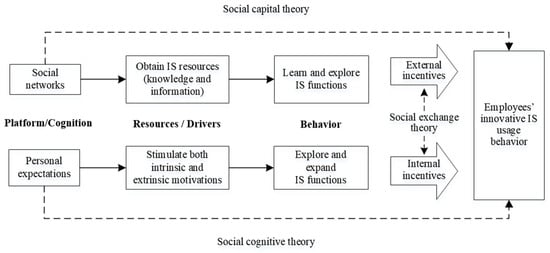
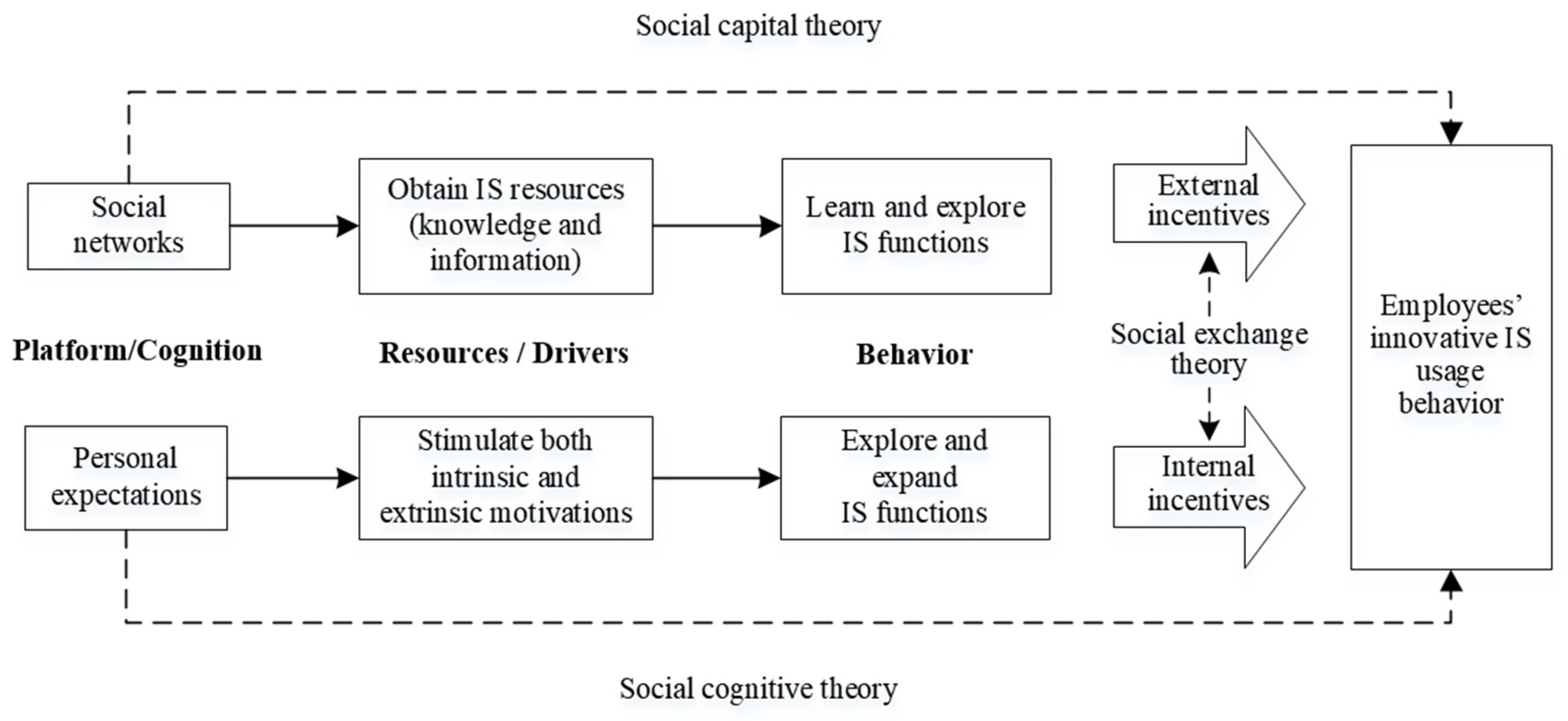
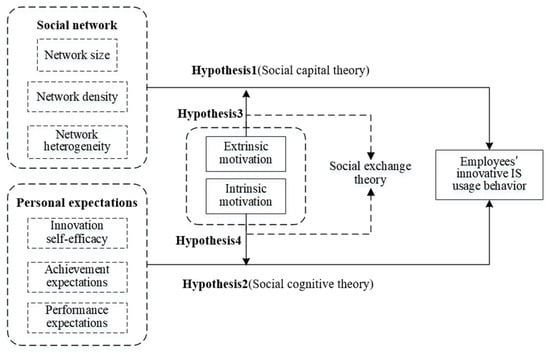
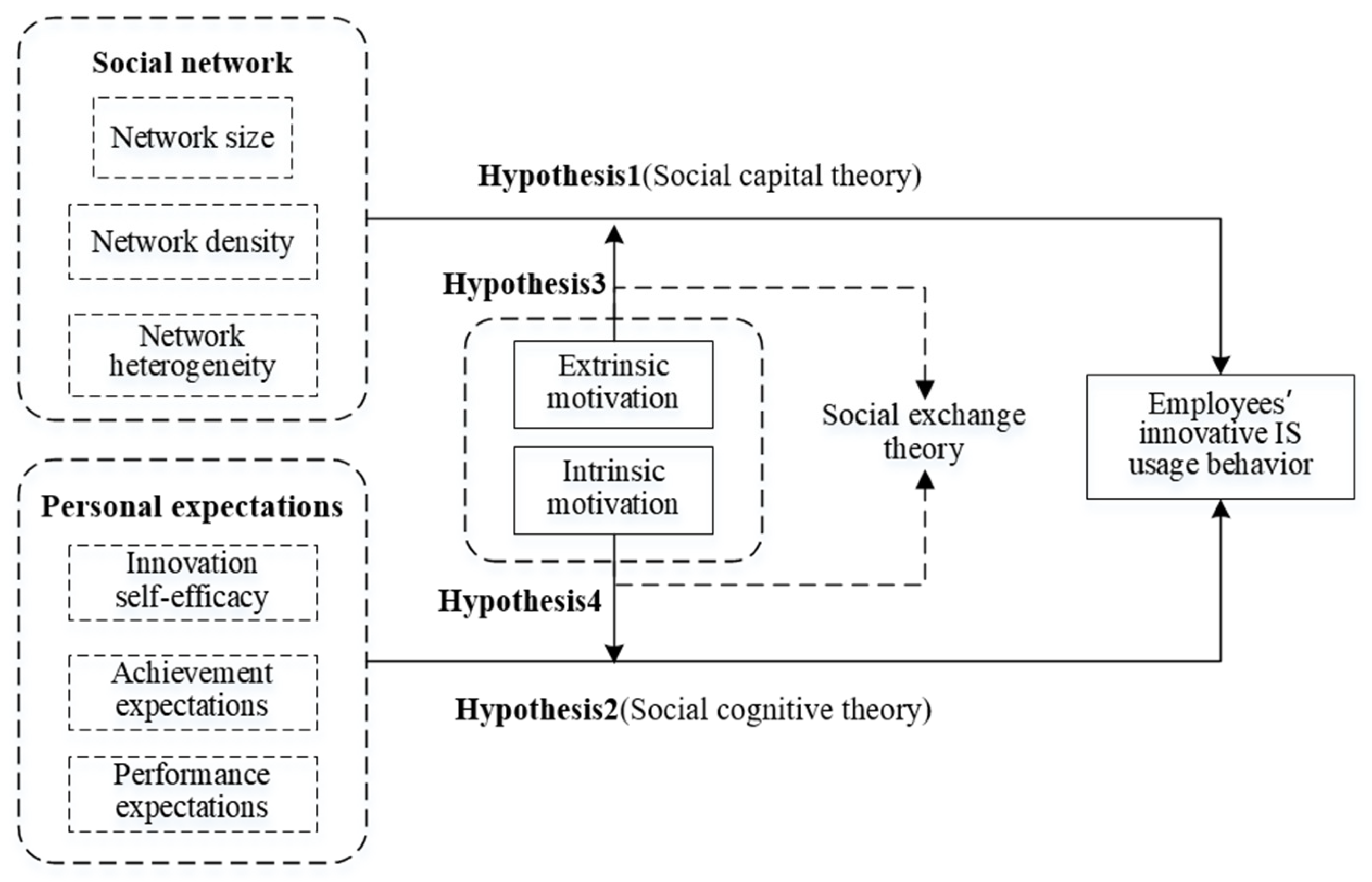
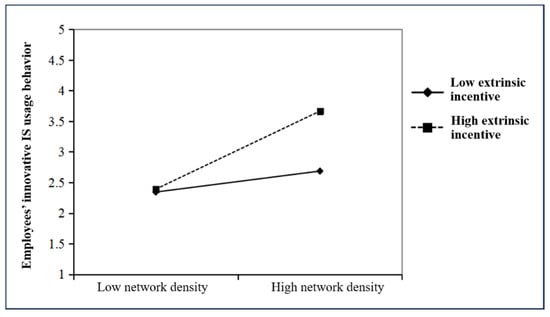
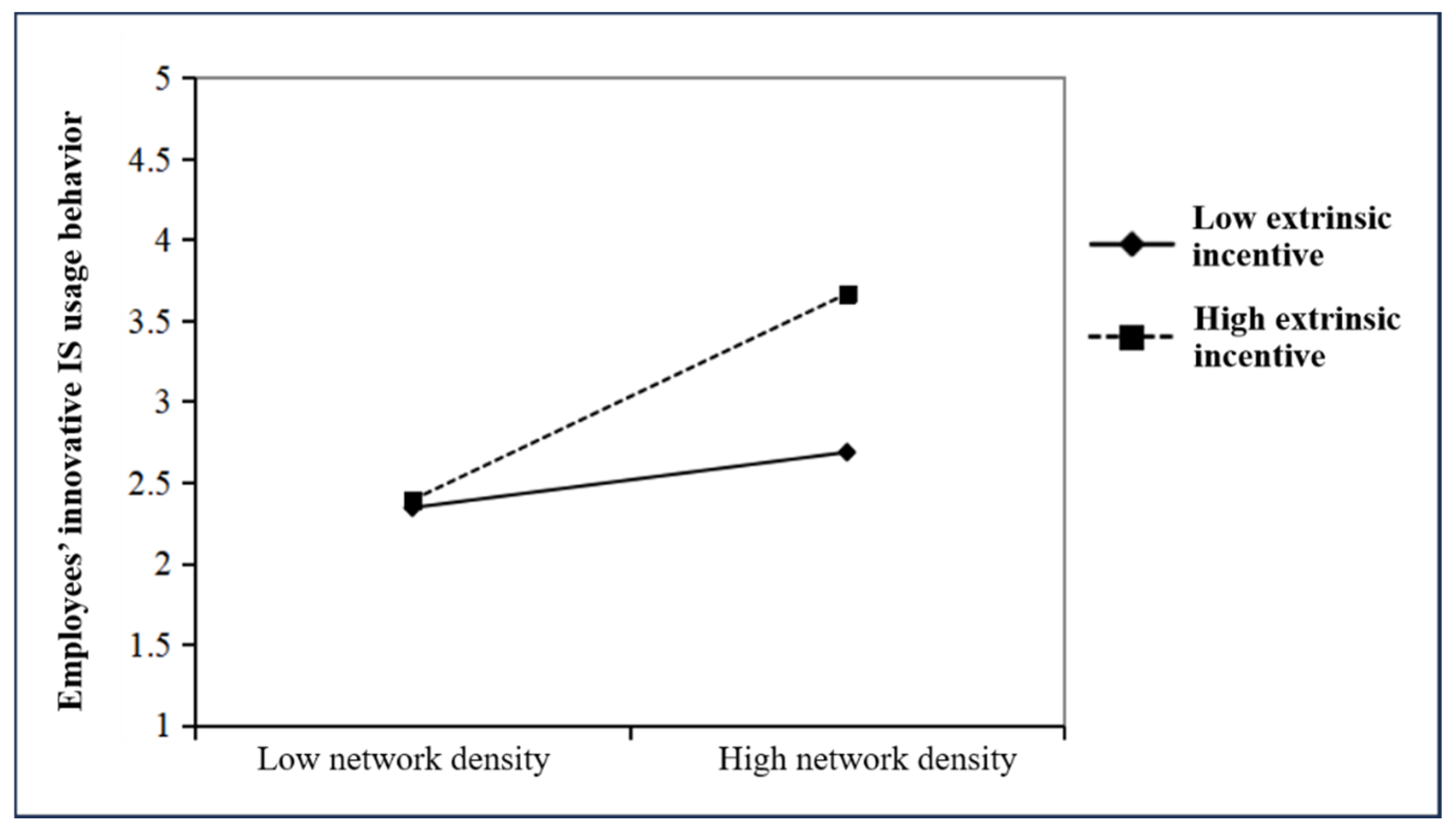
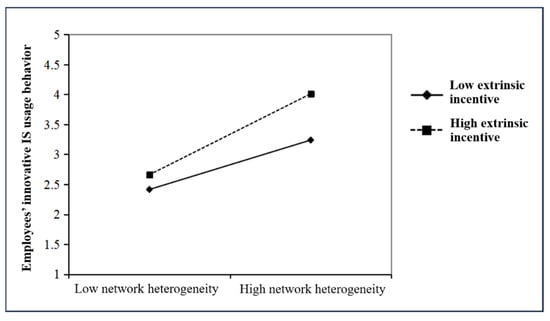
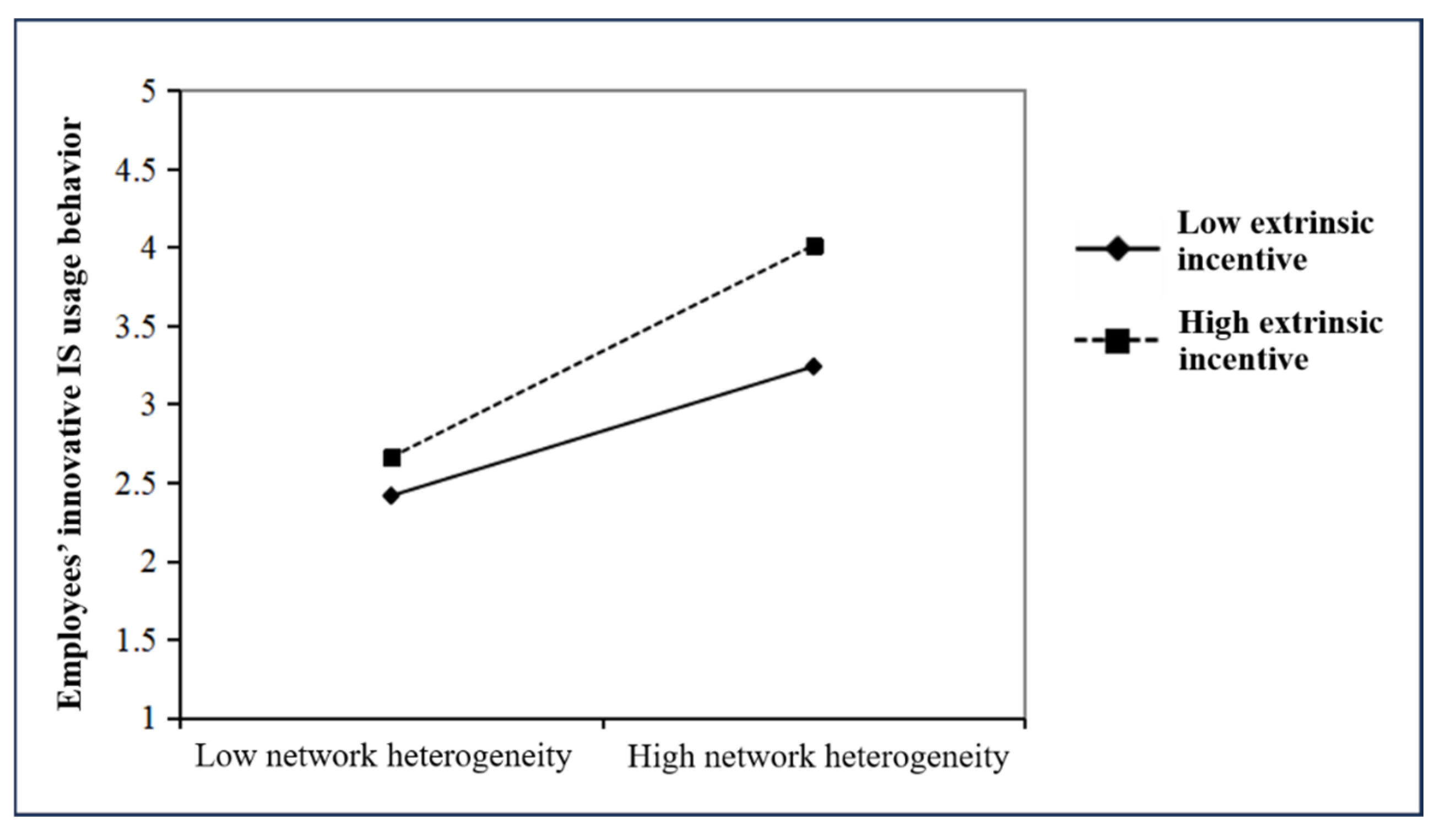
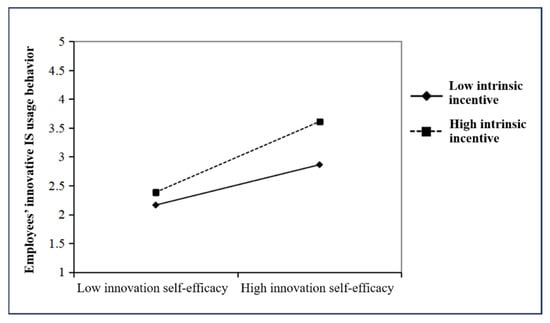
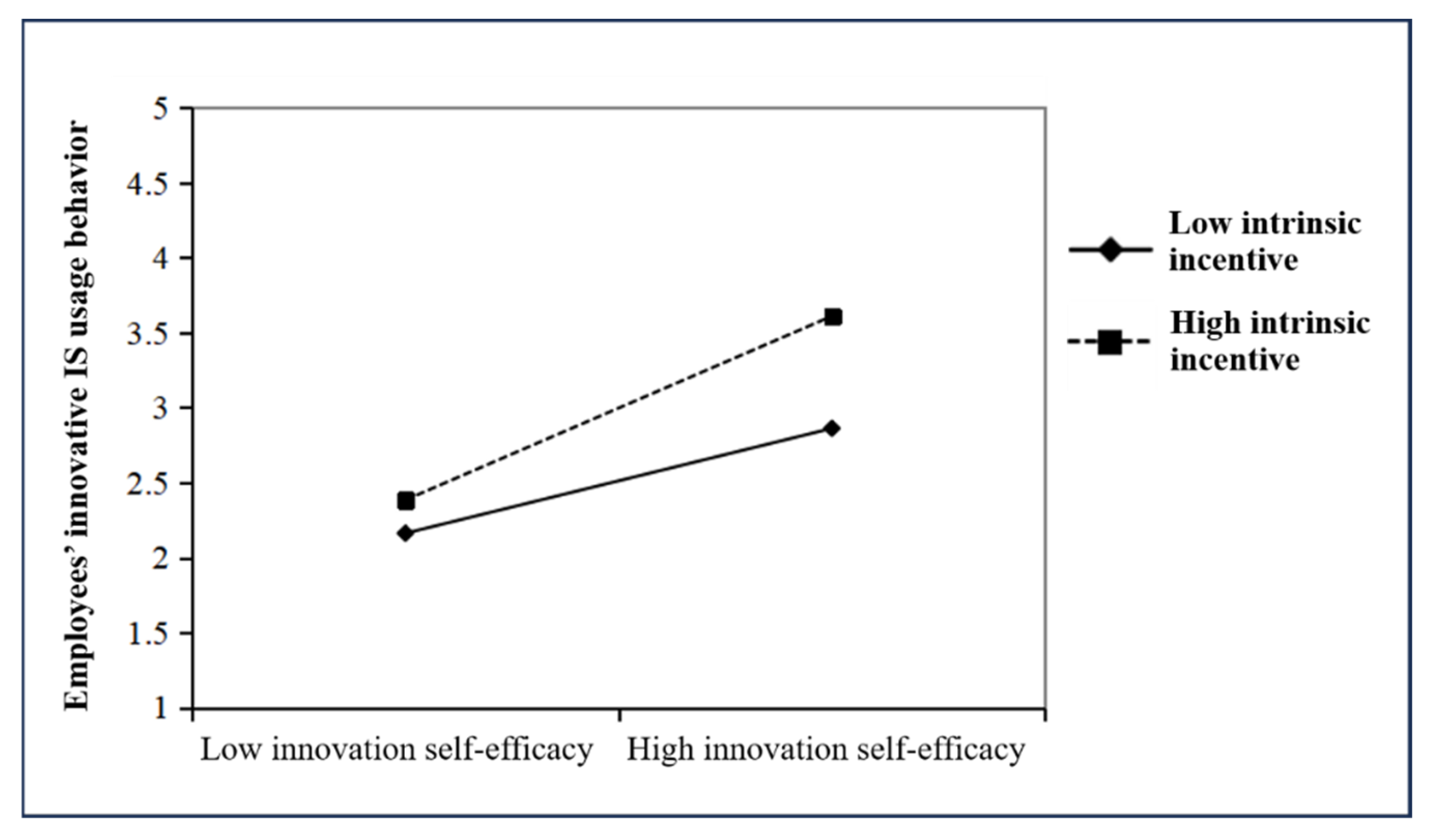
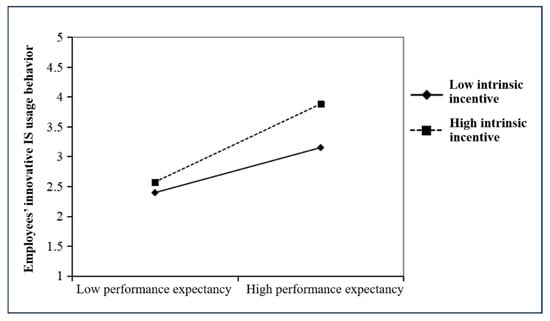
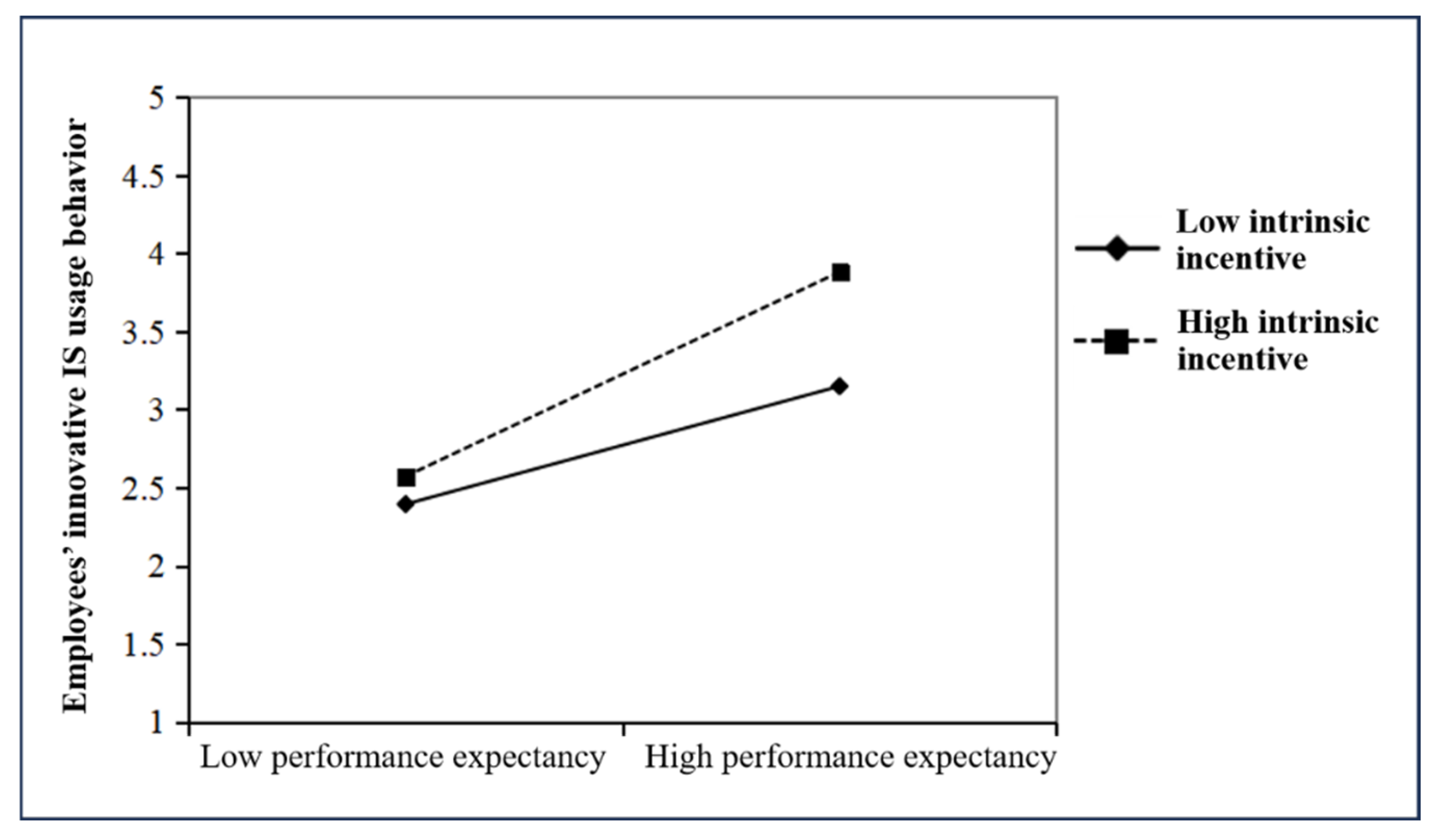

Disclaimer/Publisher’s Note: The statements, opinions and data contained in all publications are solely those of the individual author(s) and contributor(s) and not of MDPI and/or the editor(s). MDPI and/or the editor(s) disclaim responsibility for any injury to people or property resulting from any ideas, methods, instructions or products referred to in the content. |
© 2026 by the authors. Licensee MDPI, Basel, Switzerland. This article is an open access article distributed under the terms and conditions of the Creative Commons Attribution (CC BY) license.