


Abstract
In the context of AI being deeply embedded in organizational operations, employee work engagement has become a critical mechanism for translating technological potential into realized value. However, existing research offers inconsistent findings on how enterprise AI adoption influences work engagement, highlighting the need for theoretical integration. Drawing on Conservation of Resources and Social Information Processing theories, this study conceptualizes AI adoption as a resource-restructuring mechanism that shapes employees’ resource environments. A dual-path model is proposed, in which AI adoption affects work engagement through a resource gain pathway (fairness perception) and a resource loss pathway (perceived organizational dehumanization). Using three-wave time-lagged data from employees in knowledge-intensive and highly digitalized enterprises in China, the results show that AI adoption simultaneously enhances work engagement via fairness perception and reduces it via perceived dehumanization. Furthermore, AI transparency serves as a key system-level moderator that strengthens the positive pathway while weakening the negative pathway. By integrating resource gain and loss mechanisms, this study provides a system-level explanation of AI’s dual effects and offers insights for balancing technological efficiency with human-centered values in digital transformation.
1. Introduction
Artificial intelligence (AI) is rapidly evolving from a stand-alone technological tool into an institutional infrastructure deeply embedded in the logic of organizational operations and is gradually becoming a key force in reshaping the structure and operating mechanisms of organizational systems. Recent global surveys indicate that firms are no longer confined to localized experimentation with AI; rather, they are undertaking systematic reconfiguration of processes, governance models, and ways of working around AI. At the same time, the World Economic Forum, in The Future of Jobs Report [1], notes that, based on data from more than 1000 leading global firms covering 14 million workers, approximately 40% of employers expect to reduce their workforce in areas involving tasks that can be automated by AI. This suggests that enterprise AI adoption has shifted from a technological choice concerning whether to adopt AI to a systemic issue concerning how AI can be embedded in organizational systems and used to reshape employee behavior [2,3].
Against this backdrop, AI not only changes the way organizations operate but also profoundly influences employees’ patterns of resource investment and behavioral responses at work. Particularly in knowledge-intensive and highly digitalized work contexts, whether employees are willing to continuously invest their cognitive, emotional, and behavioral resources has become crucial to determining whether organizations can effectively realize the value of technology [4,5,6]. Compared with outcome variables such as turnover intention or burnout, work engagement more directly reflects whether employees are willing to continuously invest their cognitive, emotional, and behavioral resources under conditions of systemic change [7]. In knowledge-based organizations where AI is deeply embedded, such sustained investment is especially important because organizational performance increasingly depends on employees’ ability to process complex information and engage in continuous learning.
However, although work engagement is of critical significance in AI-related contexts, extant research still reveals substantial inconsistencies regarding how enterprise AI adoption affects employee behavioral outcomes, especially with respect to positive behavioral responses such as work engagement. On the one hand, AI is believed to optimize decision quality, enhance the efficiency of resource allocation, and improve the standardization of organizational operations by reducing human bias, thereby providing employees with clearer task structures and decision support, strengthening their sense of control over work and resource availability, and ultimately enhancing work engagement [8,9]. On the other hand, AI may also intensify algorithmic control, blur boundaries of responsibility, and weaken interpersonal interaction, thereby increasing employee stress and impairing subjectivity, which in turn undermines self-worth and the sense of meaningfulness at work and eventually reduces work engagement [10,11].
To explain this complex phenomenon in which positive and negative effects coexist, Conservation of Resources (COR) theory provides a theoretical framework with strong integrative capacity from a systems perspective. According to COR theory, individuals are constantly engaged in a dynamic process of acquiring, maintaining, and protecting resources, and stress arises when resources are lost or when resource investment fails to generate expected returns [12]. Furthermore, Hobfoll et al. [13] argue that individual resources do not exist in isolation; rather, they flow dynamically within organizational systems through resource passageways and resource caravans. Accordingly, from a systems perspective, enterprise AI adoption should be understood as a resource-restructuring mechanism that reshapes employees’ resource environment by altering modes of information allocation, decision rules, and control logics.
Importantly, the “systems perspective” adopted in this study does not refer to formal systems science methodologies such as system dynamics, network simulation, or feedback-loop modeling. Rather, the term is used in a systems-informed organizational sense to emphasize that enterprise AI adoption is embedded within interconnected organizational processes, resource allocation structures, and informational environments. From this perspective, AI is conceptualized not merely as an isolated technological tool but as an organizational infrastructure that systematically reshapes resource flows, decision logics, and employee resource interpretations across the organizational environment [14,15]. Accordingly, unlike traditional OB approaches that primarily conceptualize AI as an individual-level technological stimulus or job characteristic, the present study emphasizes how enterprise AI adoption functions as an organizationally embedded resource-restructuring context that shapes interconnected organizational resource environments.
Within this systemic process of resource restructuring, employees do not passively absorb technological influences; rather, they construct meaning in AI-related contexts through cognitive interpretive mechanisms. More specifically, employees’ interpretations of AI primarily unfold along two parallel pathways: a resource-gain-oriented pathway and a resource-loss-oriented pathway.
Fairness perception refers to employees’ overall evaluation that organizational decisions, procedures, and outcomes are implemented in a consistent, impartial, and equitable manner [16]. When employees interpret AI as an institutional tool that enhances rule consistency, reduces bias, and optimizes resource allocation, they are more likely to form a resource-gain cognition centered on fairness perception. Existing studies indicate that distributive, procedural, and interactional justice constitute key dimensions through which employees evaluate the legitimacy of organizational decision making [16,17], and that the standardized features of algorithmic decision making help reinforce such fairness perceptions [17]. At the systems level, this process implies an expansion of channels for resource acquisition, thereby promoting the continued investment of employees’ cognitive and behavioral resources.
In contrast, perceived organizational dehumanization refers to employees’ perception that the organization treats them as impersonal instruments, resources, or objects rather than as valued human beings with unique needs and identities [18]. When employees view AI as a control mechanism that strengthens surveillance, weakens autonomy, and instrumentalizes the individual, they are more likely to form a resource-loss cognition centered on perceived dehumanization. Under conditions of algorithmic management, continuous data monitoring and performance quantification transform employees into calculable ‘data units’ [17,19,20], thereby weakening their sense of control and self-worth. From a systems perspective, this process signifies the loss of critical psychological resources and may trigger resource depletion and defensive behavior.
Accordingly, enterprise AI adoption does not affect employees through a single pathway; rather, it shapes employees’ level of work engagement through the joint operation of two parallel mechanisms—resource gain and resource loss. In knowledge-based organizations where AI is deeply embedded, such sustained investment is especially critical because organizational performance increasingly depends on employees’ ability to process complex information and engage in continuous learning behavior.
Moreover, employees’ cognitive interpretations of AI are not static; rather, they are dynamically adjusted on the basis of key situational cues. Drawing on Social Information Processing (SIP) theory, individuals form their understanding of situations by processing and attributing meaning to informational cues in the environment. In this process, AI transparency, as an important systemic informational resource, plays a critical boundary role by shaping employees’ understanding of decision logics and resource flows, and thereby regulating their cognitive interpretation of AI-related contexts. Specifically, high transparency helps employees interpret AI as an institutional arrangement characterized by clear and explainable rules, thereby strengthening their perception of decision rationality; in contrast, under low-transparency ‘black-box’ conditions, information asymmetry and cognitive uncertainty are more likely to induce feelings of loss of control and passivity, making employees more inclined to interpret AI as a technology of control.
In summary, although extant research has separately examined the employee consequences of enterprise AI adoption, issues of algorithmic fairness, organizational dehumanization, and the effects of transparency, it still lacks an integrated explanation of multipath mechanisms from a systems perspective. In particular, prior studies have rarely simultaneously considered both resource-gain and resource-loss mechanisms, and they have paid insufficient attention to the distinct roles of different types of resources in AI-related contexts. Against this background, the present study adopts COR theory as its overarching framework, treats enterprise AI adoption as a resource-restructuring context, and focuses on employees in knowledge-intensive enterprises where AI is deeply embedded. More specifically, this study conceptualizes enterprise AI adoption as a resource-restructuring mechanism that shapes employee behavioral responses by reconfiguring the ways resources are acquired and allocated; fairness perception is conceptualized as a gain in institutional legitimacy resources, whereas perceived dehumanization is conceptualized as a loss of self-worth resources. On this basis, the study develops a dual-path resource mechanism model and introduces AI transparency as a key situational moderator to reveal how enterprise AI adoption influences employee work engagement through multipath resource mechanisms at the systems level.
2. Theory and Hypotheses
2.1. Enterprise AI Adoption and Employees’ Fairness Perception
Enterprise AI adoption refers to the embedding of artificial intelligence systems into business processes, management activities, and decision-making scenarios, thereby changing employees’ work environment, work content, and evaluative rules [21]. Unlike ordinary digital tools, enterprise AI adoption is more appropriately understood as an organizationally embedded institutional arrangement; it not only alters modes of information processing but also redefines how organizations evaluate, compare, and allocate employees. Ref. [22] point out that organizational AI adoption significantly changes employees’ work environment and triggers varying subjective evaluations; Kim and Lee [11] likewise show that AI adoption is not a neutral technological event but an important situational stimulus capable of restructuring employee work stress and psychological states. Against this background, employees’ judgments of enterprise AI adoption do not remain at the level of whether it is advanced but extend further to institutional evaluations such as whether it is reasonable, consistent, and fair.
The reason fairness perception becomes the core variable of this front-end main effect lies primarily in the highly rule-based and proceduralized nature of AI decision making. The AIM-FAIR scale proposed by Ehrhardt et al. [23] indicates that AI fairness perception comprises at least five dimensions: consistency, fair treatment, group bias, manipulability, and explanatory transparency. This means that, when evaluating AI, employees attend not only to whether outcomes are reasonable but also to whether rules are consistent, processes are interpretable, and group bias exists. Starke et al.’s [24] systematic review further suggests that algorithmic fairness perception has become a critical antecedent for understanding employees’ and the public’s acceptance of AI-based decisions. Although Lee [17] finds that, in some tasks highly dependent on human judgment, algorithmic decision making may be perceived as less fair, that conclusion derives more from contexts directly comparing algorithms with human decision makers. At the level of enterprise AI adoption, however, AI’s standardized, data-driven, and procedurally traceable characteristics may instead enhance employees’ evaluations of organizational decision fairness by reducing subjective bias, compressing discretionary arbitrariness, and improving decision consistency. Research by Brougham and Haar [25] and Bag et al. [26] likewise suggests that when technology adoption is interpreted as improving rule clarity and procedural rationality, employees are more likely to form positive institutional cognitions.
From the perspective of COR theory, fairness perception itself is an important socio-psychological resource. Fair rules imply equal opportunity; fair procedures imply predictable outcomes; and fair explanations imply cognitive security and comprehensibility. Hobfoll et al. [13] emphasize that predictability, clarity, and feeling respected in organizations all constitute critical resources. Therefore, when enterprise AI adoption communicates stronger institutional rationality to employees through rule consistency, objective evaluation, and procedural clarity, employees are more likely to interpret it as resource support rather than as a resource threat, thereby developing stronger fairness perception. Accordingly, this study proposes the following hypothesis:
Hypothesis 1.
Enterprise AI adoption positively affects employees’ fairness perception.
2.2. Enterprise AI Adoption and Employees’ Perceived Dehumanization
Organizational dehumanization refers to employees’ feeling that they are treated as tools, objects, or replaceable components within the organization, rather than as human beings possessing subjectivity, dignity, and emotional needs. Caesens et al. [18] argue that perceived dehumanization reflects employees’ organizational experience of being instrumentalized and objectified; Ariño-Mateo et al. [27] likewise show that this construct has a clear unidimensional structure and is significantly related to positive outcomes such as job satisfaction and organizational citizenship behavior. Thus, perceived dehumanization is not an abstract ethical concern but a concrete work experience that systematically affects employees’ cognition, emotion, and behavior.
In AI-related contexts, enterprise AI adoption may intensify this experience of dehumanization. The reason lies in the fact that AI systems typically operate through standardization, quantification, real-time feedback, and continuous monitoring. Although these features improve efficiency, they may also compress employees’ space for subjectivity. Lee [17] finds that algorithmic decision making is regarded by employees not only as a useful tool but also as a potential tracking mechanism; Parent-Rocheleau and Parker [28] further point out that algorithmic management can take on functions such as monitoring, goal setting, performance management, scheduling, compensation, and employment termination, and thus directly intervenes in employees’ core work experiences. Meijerink and Bondarouk [29], as well as Keegan and Meijerink [19], both emphasize that one of the most salient risks of algorithmic management is that employees may be reduced to calculable, comparable, and replaceable production units. In other words, even if enterprise AI adoption possesses rational advantages at the procedural level, at the level of relationships and experience, it may nonetheless make employees feel that they are being datafied, standardized, and even handled by the system as process nodes and performance indicators.
From the perspective of COR theory, dehumanization implies the loss of core psychological resources. What it erodes is not merely emotional comfort but also dignity, subjectivity, belonging, and feeling valued. Kim and Lee [11] show that AI adoption can affect employee mental health by increasing work stress, and such stress may partly stem from employees’ concerns about changes in their position within AI-enabled environments. Combined with Abou Zeid et al.’s [30] finding that organizational dehumanization weakens work engagement, it can be inferred that the more deeply enterprise AI adoption intervenes in performance evaluation, work allocation, and process monitoring, the more likely employees are to feel that they are being reduced to data, indicators, or process units, thereby heightening perceived dehumanization. Therefore, although enterprise AI adoption may enhance fairness perception through more standardized procedures, it may simultaneously strengthen perceived dehumanization at the experiential level, which also suggests that the two pathways are not mutually exclusive. On this basis, this study proposes the following:
Enterprise AI adoption thus brings not only efficiency gains, but also may alter employees’ fundamental judgment concerning how they are regarded within the organization, and it is precisely this judgment that forms the psychological foundation for perceived dehumanization.
Hypothesis 2.
Enterprise AI adoption positively affects employees’ perceived dehumanization.
2.3. The Mediating Role of Fairness Perception
Work engagement is typically defined as a positive, persistent, and motivationally charged psychological state at work, mainly manifested in vigor, dedication, and absorption [7,31]. Existing research indicates that the core source of work engagement lies in work resources rather than merely in work demands; only when employees perceive clear rules, sufficient support, respectful relationships, and development opportunities at work are they more likely to continuously invest their cognitive, emotional, and behavioral resources. Saks [32] further points out that employee engagement is essentially a positive response to organizational resource provision: when the organization offers a trustworthy and reliable resource environment, employees are more likely to reciprocate with a higher level of engagement.
On this basis, the reason fairness perception can mediate the relationship between enterprise AI adoption and work engagement is that it essentially embodies a critical form of resource gain, namely institutional legitimacy resources. Unlike traditional resources derived directly from tasks or interpersonal support, such resources are rooted in employees’ overall judgment regarding the reasonableness of organizational rules, the legitimacy of decision-making processes, and the normativity of power operations. When organizations use AI to achieve decision consistency, reduce human bias, and enhance process transparency, employees are more likely to form a cognition of institutional operations as predictable, understandable, and not easily subject to arbitrary manipulation, thereby reducing uncertainty and perceived risk while strengthening trust in and control over the organizational environment.
Existing research provides empirical support for this logic. The meta-analysis by Cohen-Charash and Spector [16] shows that distributive, procedural, and interactional justice are all significantly related to key work attitudes and behaviors. Karatepe [33] finds that procedural justice can affect employees’ affective commitment, performance, and extra-role service behavior through work engagement; Kim and Park [34] further note that procedural justice not only directly enhances work engagement but can also promote knowledge sharing and innovative behavior through engagement. When this logic is introduced into AI-related contexts, it can be seen that if enterprise AI adoption enhances employees’ fairness perception through rule consistency, objective decision making, and bias reduction, employees are more likely to interpret the technological environment as a resource structure possessing institutional legitimacy, thereby strengthening their willingness to invest resources.
Furthermore, compared with traditional procedural fairness, AI fairness perception involves a greater degree of institutional complexity. Ehrhardt et al. [23] point out that AI fairness perception includes not only outcomes and procedures, but also explanatory transparency, low group bias, and the non-manipulability of the system. This implies that when employees form fairness judgments, they are evaluating not only outcomes themselves, but also whether the AI system possesses trustworthy governance attributes. When employees perceive that enterprise AI adoption reduces human intervention and arbitrary discretion while reinforcing rule rationality and procedural consistency, they are more likely to incorporate AI into a cognitive framework that favors resource stability and opportunity security.
According to COR theory, such institutional legitimacy resources can promote a resource-gain process, making employees more inclined to invest their cognitive, emotional, and behavioral resources rather than adopt defensive withdrawal strategies. In other words, AI itself does not directly constitute a resource perceptible to employees; instead, by shaping a fair institutional environment, it transforms technological application into a resource structure that employees can understand and trust, thereby indirectly stimulating their work engagement. In this sense, fairness perception is both an institutional lens through which employees understand enterprise AI adoption and an important bridge through which technology adoption is converted into a positive work state.
Hypothesis 3.
Fairness perception positively mediates the relationship between enterprise AI adoption and employee work engagement.
2.4. The Mediating Role of Perceived Dehumanization
Unlike the resource-gain pathway represented by fairness perception, perceived dehumanization is more reflective of a process of self-worth resource loss. Existing studies have clearly shown that organizational dehumanization has destructive effects on employee well-being, health, and positive work states. Caesens and Stinglhamber [35] find that organizational dehumanization damages employee health and increases turnover intention through emotional exhaustion; Ariño-Mateo et al. [27] likewise show that perceived dehumanization is significantly negatively related to positive outcomes such as job satisfaction and organizational citizenship behavior. More directly, Abou Zeid et al. [30] find a significant negative relationship between organizational dehumanization and work engagement, and that this relationship is further transmitted through work stress. Thus, dehumanization is not merely a negative feeling, but an important mechanism that continuously erodes employees’ self-worth resources.
In the context of enterprise AI adoption, the reason perceived dehumanization may become a key mediating variable is that AI reshapes employees’ cognition of their own value and subjective status. When AI is widely embedded in key managerial scenarios such as performance evaluation, work monitoring, and task allocation, employees are more likely to experience themselves as being quantified, standardized, and even rendered replaceable, thereby weakening the cognitive foundation of being a ‘valuable individual.’ Chen and Li [15] note that algorithmic supervision continuously reinforces employees’ perceptions of surveillance, uncertainty, and constrained autonomy, reshaping their cognitive appraisal of interpersonal interaction risks; Meijerink and Bondarouk [29] further argue that algorithmic management, by controlling inputs, processes, and outputs, may compress employees’ autonomy and work value; Keegan and Meijerink [19] similarly emphasize that algorithmic management incorporates employees into a system of high visibility and calculability, thereby providing a realistic basis for dehumanization experiences. In other words, enterprise AI adoption does not necessarily weaken engagement directly, but instead indirectly undermines the positive exchange relationship between employees and the organization by weakening employees’ sense of subjectivity and value.
From the perspective of COR theory, this process essentially reflects the loss of self-worth resources. Perceived dehumanization first erodes employees’ sense of dignity, relational value, and organizational belonging, all of which are core self-worth resources [12,13]. Once these resources are damaged, employees become more likely to adopt resource-protection-oriented strategies such as emotional detachment, behavioral withdrawal, and psychological defensiveness, rather than continue investing resources [36,37,38]. Whereas fairness perception conveys the resource signal that the organization is trustworthy and its rules possess legitimacy, perceived dehumanization conveys the negative signal that the individual’s value is diminished or even instrumentalized. When enterprise AI adoption strengthens this signal, employees are unlikely to maintain high-engagement states such as vigor, dedication, and absorption.
Hypothesis 4.
Perceived dehumanization negatively mediates the relationship between enterprise AI adoption and employee work engagement.
2.5. The Moderating Role of AI Transparency: The Fairness Perception Pathway
AI transparency is typically defined as the degree to which an AI system discloses its operating logic, decision basis, data sources, and mode of functioning. In organizational contexts, transparency means not only technical explainability, but also whether employees can understand why AI produces a particular judgment, whether its decision standards are stable, and whether they themselves possess channels for appeal or correction. Existing studies show that transparency can significantly enhance employees’ comprehensibility of AI systems and the availability of information and can strengthen employees’ trust in AI by reducing uncertainty and improving perceived effectiveness [39,40]. Transparency is therefore not merely a technical attribute, but an important situational condition affecting how employees interpret AI adoption.
From the perspective of Social Information Processing (SIP) theory, individuals do not form judgments directly from objective reality; rather, they rely on informational cues in the environment to construct meaning [41]. In organizational contexts where AI is highly complex and exhibits ‘black-box’ characteristics, employees’ fairness perception is essentially a cognitive judgment formed through information processing. In this process, AI transparency constitutes one of the most critical interpretive cues and directly shapes how employees cognitively process AI adoption. When AI systems exhibit a high level of transparency, abundant information disclosure provides employees with a clear cognitive frame, enabling them to understand decision bases, rule consistency, and the process through which outcomes are generated. On this basis, employees are more likely to interpret AI decisions as rational processes grounded in objective standards and procedural rules, thereby enhancing their judgment of procedural fairness and outcome reasonableness. Put differently, by providing sufficient informational cues, transparency makes employees more likely to attribute AI adoption to a rule-driven fairness mechanism in their information-processing process, which in turn enhances fairness perception. By contrast, when AI transparency is low, the absence of critical information makes it difficult for employees to understand decision bases, operating logic, and applicable boundaries, thereby generating greater uncertainty in the information-processing process. Under such conditions, employees often rely on subjective inference to fill cognitive gaps and are more likely to interpret AI decisions as opaque, uncontrollable, or even potentially biased. Because they lack a clear cognition of decision rule consistency and procedural reasonableness, their attributions regarding AI decisions are more likely to become ‘black-boxed’ and ‘power-laden,’ thereby weakening their judgment of procedural fairness and outcome reasonableness, and thus lowering fairness perception.
From the perspective of COR theory, AI transparency provides a crucial interpretability resource and cognitive certainty resource, enabling employees to understand decision processes more clearly and assess their own position more accurately. It is precisely this resource that allows employees to transform enterprise AI adoption from a potential source of uncertainty into an institutional arrangement characterized by rule-based predictability. Thus, AI transparency essentially moderates employees’ interpretive pathways toward AI adoption, that is, whether they view it as a fair institutional mechanism or as an uncontrollable technological power. Accordingly, when AI transparency is high, enterprise AI adoption is more likely to enhance employees’ fairness perception; when transparency is low, this positive effect is significantly weakened.
Hypothesis 5.
AI transparency positively moderates the relationship between enterprise AI adoption and fairness perception, such that when AI transparency is higher, the positive effect of enterprise AI adoption on fairness perception is stronger.
2.6. The Moderating Role of AI Transparency: The Perceived Dehumanization Pathway
AI transparency likewise affects whether employees interpret enterprise AI adoption as a form of dehumanizing control. Perceived dehumanization essentially stems from the loss of key self-related resources in the work process, particularly agency, sensemaking capacity, and voice with respect to decision processes. When employees believe that their behavior is dominated by a system that is unintelligible, non-negotiable, and continuously monitoring them, their self-understanding as agents is weakened, and technology is thereby experienced no longer as a tool, but as a control structure reinforcing relations of compliance. Lee [17] argues that an important reason algorithmic decision making provokes negative responses lies in its unintelligibility, which leads employees to view it as a cold and abstract power mechanism; Glikson and Woolley [42] also show that the comprehensibility of AI is critical for building trust, and that in the absence of transparent explanations employees are more likely to regard it as an uncontrollable system.
From the perspective of Social Information Processing (SIP) theory, employees’ perceived dehumanization of AI systems does not stem from the technology itself, but from subjective interpretations grounded in environmental informational cues [41]. In AI contexts characterized by high complexity and ‘black-box’ properties, employees are unable to directly understand algorithmic logic; AI transparency therefore becomes a critical interpretive cue that determines whether employees view AI as a supportive tool or as a controlling mechanism. When AI transparency is high, sufficient information disclosure provides employees with an interpretive framework that enables them to understand the basis and boundaries of AI decision making, thereby allowing them to regard AI as a rational system operating according to rules and to incorporate it into their own cognitive framework. In this cognitive-processing process, employees are still able to maintain an understanding of the decision context and a capacity for sensemaking, thereby reinforcing their self-cognition as agents. Because individuals still perceive some degree of understanding, participation, and control space within the system, they are less likely to view themselves as passive executors, and perceived dehumanization is therefore relatively weaker. By contrast, under low-transparency conditions, because of missing information, employees are more likely to fill cognitive gaps with subjective inference and to interpret AI as an unpredictable and coercive force of control. In this process, employees find it difficult to understand decision logic or to form effective interpretations of decision processes, which weakens their sensemaking capacity and sense of agency. When individuals are unable to assign meaning to their own behavior and remain under continuous system-based monitoring and evaluation, they become more likely to perceive themselves as passive execution tools or as quantified objects, thereby generating feelings of being dominated and objectified and ultimately strengthening perceived dehumanization [15,19,28].
From the perspective of COR theory, AI transparency is a key cognitive and control-related resource whose core function lies in enhancing the comprehensibility and manageability of situations. High transparency helps employees engage in sensemaking regarding AI decisions, maintain interpretive authority and a sense of agency, thereby reducing the cognition of being controlled by the system and buffering the loss of self-worth resources; low transparency, by contrast, intensifies cognitive uncertainty and makes employees more likely to view themselves as passive executors, thereby reinforcing perceived dehumanization. In other words, AI transparency does not weaken control itself; rather, by reshaping the attribution of control, it transforms being controlled by the system into acting under understandable rules, thereby reducing the experience of dehumanization.
Hypothesis 6.
AI transparency negatively moderates the relationship between enterprise AI adoption and perceived dehumanization, such that when AI transparency is higher, the positive effect of enterprise AI adoption on perceived dehumanization is weaker.
This study integrates COR theory, Social Information Processing theory, and a systems perspective into a unified and progressively structured theoretical framework to explain how enterprise AI adoption influences employee work engagement through a dual-path mechanism. Specifically, the systems perspective reveals that enterprise AI adoption is not merely a technological introduction, but an institutional arrangement embedded in organizational governance structures, process-allocation mechanisms, and resource-distribution logics; COR theory further explains that enterprise AI adoption gives rise to differentiated employee responses because it changes the resource environment in which employees are situated and may simultaneously generate both resource-gain and resource-loss outcomes. Fairness perception reflects a resource-gain pathway in which employees interpret enterprise AI adoption as embodying rule consistency, procedural rationality, and institutional legitimacy, whereas perceived dehumanization reflects a resource-loss pathway in which employees interpret enterprise AI adoption as strengthening control, weakening subjectivity, and eroding self-worth. At the same time, Social Information Processing theory further reveals that employees do not react mechanically to AI-related contexts, but instead rely on key informational cues in the environment to construct meaning. In this process, AI transparency, as a crucial interpretive cue, determines whether employees are more likely to understand enterprise AI adoption as an intelligible and reviewable institutional arrangement or as an opaque and non-negotiable control mechanism, thereby strengthening or weakening the foregoing two resource-based pathways. In summary, by integrating a systems perspective, COR theory, and Social Information Processing theory, this study theoretically constructs a systematic research model that explains how enterprise AI adoption influences employee work engagement through the dual pathways of fairness perception and perceived dehumanization, under the boundary condition of AI transparency. Based on the theoretical framework developed in this study, a moderated dual-mediation model is proposed. Figure 1 presents the conceptual framework of the research.
Figure 1.
Research model.
3. Methods
3.1. Data Collection
This study employed a questionnaire survey and adopted a three-wave time-lagged design to reduce common method bias and enhance the robustness of causal inference. Specifically, data were collected at three time points, with a two-week interval between each wave. This time interval has been widely used in organizational behavior research, as it allows for capturing the dynamic process of cognitive and attitudinal changes while minimizing sample attrition and reducing common method bias.
The use of an online questionnaire was based on several considerations. First, the target population of this study consisted of employees in AI-related industries, who generally have a high level of exposure to information technology; thus, an online survey improved the efficiency of data collection. Second, the constructs examined in this study—enterprise AI adoption, fairness perception, perceived dehumanization, AI transparency, and work engagement—reflect individuals’ subjective perceptions of organizational contexts and work experiences, making them well suited for measurement via structured questionnaires. Third, the Credamo platform (a widely used online survey platform in China) supports sample screening, anonymous participation, logical branching, and data export, thereby enhancing the standardization and convenience of data collection.
Prior to the formal survey, the questionnaire was developed based on well-established scales validated in prior research, with minor adaptations to fit the context of enterprise AI adoption. All measurement scales were originally developed in English and translated into Chinese using the translation and back-translation procedure recommended by Brislin [43]. First, two bilingual researchers independently translated the questionnaire into Chinese. Subsequently, another bilingual expert who was not involved in the initial translation back-translated the Chinese version into English. Any inconsistencies between the original and back-translated versions were carefully reviewed and resolved through discussion to ensure semantic equivalence.
To ensure the accuracy, clarity, and cultural appropriateness of the questionnaire within the Chinese organizational context, a pilot test was conducted prior to the formal data collection. The pilot sample consisted of 38 employees from knowledge-intensive enterprises that had already implemented AI technologies in their work processes or management activities. The pilot test was conducted not only to assess the reliability of the measurement items but also to evaluate their clarity, readability, and contextual appropriateness. Several AI-related expressions and organizational terms were slightly modified to better reflect common workplace language used in Chinese enterprises. Based on the feedback obtained from the pilot test, several minor revisions were made to item wording, questionnaire instructions, and item ordering to improve comprehensibility and response fluency before the formal survey was administered.
The questionnaire was distributed primarily through an online link and further disseminated via social media, industry groups, alumni networks, and referrals from acquaintances using a snowball sampling approach. To ensure alignment between the sample and the research context, screening questions were included at the beginning of the survey, requiring respondents to (1) be full-time employees in knowledge-intensive enterprises and (2) work in organizations that had already adopted AI or algorithmic systems in business processes or management activities. Respondents who did not meet these criteria were automatically excluded. Although a snowball sampling method was used, the strict screening criteria helped ensure the relevance of the sample to the research context.
All respondents participated anonymously. The first page of the questionnaire clearly stated that the study was conducted solely for academic purposes and that all data would be used exclusively for statistical analysis, without involving personal privacy or commercial use. This procedure helped reduce respondents’ concerns and minimize social desirability bias. In addition, several measures were implemented to improve data quality, including limiting one response per IP address or device, setting mandatory items, incorporating attention-check questions, and excluding invalid responses during data cleaning (e.g., responses with extremely short completion times, patterned answers, or substantial missing values).
To further reduce the potential influence of common method bias (CMB), this study adopted several procedural remedies recommended in prior methodological research [44] First, anonymity and confidentiality were emphasized throughout the survey process to reduce respondents’ evaluation apprehension and socially desirable responding. Second, the questionnaire items were adapted from well-established scales and carefully refined through pilot testing to improve clarity and reduce ambiguity. Third, the measurement of independent, mediating, moderating, and dependent variables was temporally separated using a multi-wave survey design, thereby reducing respondents’ ability to infer hypothesized relationships among variables.
The formal data collection was conducted in three waves. In Wave 1, questionnaires were distributed to 500 AI-related professionals, and 436 valid responses were obtained. In Wave 2, conducted two weeks later, questionnaires were sent to the 436 respondents who participated in Wave 1, resulting in 367 valid responses. In Wave 3, conducted another two weeks later, questionnaires were distributed to the 367 respondents who completed Wave 2, yielding 302 final valid responses. Only respondents who completed all three waves were retained for the final analysis, resulting in a matched sample of 302 participants.
Individuals first perceive organizational contextual characteristics, then form cognitive evaluations, and finally exhibit behavioral responses. Accordingly, this study measured different variables at different time points. Specifically, at Time 1 (Wave 1), enterprise AI adoption, AI transparency, and demographic control variables were measured. At Time 2 (Wave 2), fairness perception and perceived dehumanization were assessed. At Time 3 (Wave 3), work engagement was measured. This temporal separation helps establish a clearer causal ordering and substantially alleviates the likelihood of common method bias. The overall research design and measurement procedure are illustrated in Figure 2.
Figure 2.
Data Collection Procedure.
Table 1 presents the detailed characteristics of the sample. Among the 302 valid respondents, 125 were male (41.4%) and 177 were female (58.6%). In terms of age, 86 respondents were aged 20–29 (28.5%), 139 were aged 30–39 (46.0%), 51 were aged 40–49 (16.9%), and 26 were aged 50–59 (8.6%). Regarding education, 12 respondents had a high school education or below (4.0%), 87 had an associate degree (28.8%), 170 had a bachelor’s degree (56.3%), and 33 had a graduate degree or above (10.9%). In terms of job position, 229 were frontline employees (75.8%), 58 were frontline managers (19.2%), 12 were middle managers (4.0%), and 3 were top managers (1.0%). Regarding organizational tenure, 26 respondents had worked for less than one year (8.6%), 97 for 1–5 years (32.1%), 115 for 6–10 years (38.1%), and 64 for more than 10 years (21.2%).
Table 1.
Profile of participants.
3.2. Measures
The measurement instruments used in this study were adapted from mature scales that had been widely validated in prior research. To ensure semantic and conceptual equivalence between the original English versions and the Chinese versions, the study employed a standard translation–back-translation procedure carried out by bilingual professionals with academic training in management and organizational behavior [43]. Except for demographic variables, all constructs were measured using a five-point Likert scale ranging from 1 (‘strongly disagree’) to 5 (‘strongly agree’). The complete measurement items used in this study are presented in the Appendix A.
3.2.1. Enterprise AI Adoption
Scales developed in earlier research included six items for measuring the level of AI adoption in organizations [11,22]. This study adopted the improved version of the scale used in Kim and Lee [11], comprising a total of five items. Respondents were asked to report the extent of AI adoption in their organizations. A sample item is: ‘Our company uses artificial intelligence technologies in its human resource management systems’.
3.2.2. AI Transparency
This study drew on the AI transparency items included in the AIM-FAIR scale developed by Ehrhardt et al. [23], using a total of five measurement items. In that study, AI transparency is defined from the perspectives of information availability and decision explainability, that is, the degree to which employees understand the operating mechanisms of AI systems and their decision logic. On this basis, this study adapted the items to the context of enterprise AI adoption.
3.2.3. Employees’ Perceived Fairness
Employees’ perceived fairness was measured using the AIM-FAIR scale developed by Ehrhardt et al. [23], which was specifically designed to assess fairness perception in the context of enterprise AI adoption. The items cover multiple dimensions including consistency, fairness, lack of bias, manipulability, and explainability. This study adapted the wording of the items to the context of artificial intelligence adoption.
3.2.4. Employees’ Perceived Dehumanization
Perceived dehumanization was measured using the Organizational Dehumanization Scale (ODS) developed by Caesens et al. [18], while also referring to the validation study of the ODS by Ariño-Mateo et al. [27]. This scale assesses the extent to which employees feel objectified, instrumentalized, and treated as replaceable units within the organization.
3.2.5. Employee Work Engagement
Employee work engagement was measured using the short work engagement scale from Gayathiri G. and Prabu G. [45]. The scale assesses employees’ level of work engagement from the three dimensions of vigor, dedication, and absorption. It contains six items in total, and this study adapted the wording to the context of artificial intelligence adoption.
3.2.6. Control Variables
To avoid confounding the examination of the core relationships in the model by individual background differences, this study included several individual-level control variables in the analyses. Specifically, employees’ gender, age, and educational attainment were controlled because previous studies suggest that such demographic characteristics may systematically influence individual work attitudes and behavioral responses [46]. In addition, job position and organizational tenure were also controlled, as they may affect employees’ exposure to organizational resources, perceptions of AI, and levels of work engagement.
3.3. Reliability and Validity Tests
As shown in the test results in Table 2, Cronbach’s alpha coefficients for all dimensions and for the overall scales in this study reached desirable levels. The Cronbach’s alpha coefficient for enterprise AI adoption (EAI; 5 items) was 0.894; for AI transparency (AIT; 5 items), 0.883; for fairness perception (FP; 5 items), 0.897; for perceived dehumanization (PDH; 10 items), 0.942; and for work engagement (WE; 6 items), 0.919. Overall, the scales demonstrated high internal consistency and satisfactory reliability.
Table 2.
Reliability test results.
3.4. Data Analysis
Data processing and statistical analyses were conducted using SPSS 30.0 and AMOS 30.0. The analytical procedure first examined sample characteristics and variable distributions to ensure the appropriateness of subsequent parameter estimation. It then systematically evaluated the psychometric properties of the measurement instruments, specifically by using internal consistency indicators to test scale reliability and confirmatory factor analysis to assess the measurement model and the validity of the constructs.
After confirming that the measurement model and data quality met the statistical requirements, the study proceeded to hypothesis testing. Based on the structural relationships specified in the theoretical model, regression-based analytical strategies were employed to test the main effects, interaction effects, and all hypotheses, with the significance level set at 0.05. To improve the robustness of statistical inference and the replicability of the findings, a further bootstrapping procedure with 5000 resamples was employed to construct empirical sampling distributions and estimate confidence intervals for indirect effects.
3.5. Common Method Bias
To assess the potential influence of multicollinearity and common method bias, several statistical and procedural remedies were implemented in this study. Since the major variables were measured using employees’ self-reported questionnaires, particular attention was paid to minimizing methodological bias during both the data collection and analysis stages.
First, multicollinearity was examined using the variance inflation factor (VIF), which is widely used to detect high linear correlations among independent variables in regression-based analyses. Excessive multicollinearity may lead to unstable coefficient estimates and reduce the explanatory power of the model. Following the recommendation of Hair et al. [47], VIF values below 5 indicate that multicollinearity is not a serious concern. The results showed that all VIF values ranged from 1.191 to 1.333, well below the recommended cutoff value, suggesting that multicollinearity did not pose a significant problem in this study.
Second, to reduce the likelihood of common method bias, the study adopted several procedural remedies during the questionnaire design and data collection process. These included ensuring respondent anonymity and confidentiality, emphasizing that there were no right or wrong answers, and temporally separating the measurement of key variables across different survey waves. In addition, Harman’s single-factor test was conducted by performing an unrotated exploratory factor analysis (EFA). The results indicated that the first unrotated factor accounted for 29.326% of the total variance, which is below the commonly accepted threshold of 40% [44]. Therefore, common method bias was unlikely to represent a serious threat to the validity of the findings.
3.6. Confirmatory Factor Analysis and Correlation Analysis
As shown in the confirmatory factor analysis results in Table 3, the five-factor model exhibited the best fit (χ2 = 472.420, df = 424, χ2/df = 1.114, RMSEA = 0.020, SRMR = 0.033, CFI = 0.992, TLI = 0.991), with all indicators meeting or exceeding commonly accepted thresholds. By contrast, the four-factor, three-factor, two-factor, and one-factor models all showed substantially poorer fit. These results indicate that the five constructs in this study—enterprise AI adoption, AI transparency, fairness perception, perceived dehumanization, and work engagement—demonstrate good discriminant validity.
Table 3.
Comparison of measurement models.
4. Results
4.1. Correlation Analysis and Discriminant Validity
The correlation analysis results reported in Table 4 indicate that enterprise AI adoption is significantly positively correlated with AI transparency (r = 0.162, p < 0.01), fairness perception (r = 0.234, p < 0.001), perceived dehumanization (r = 0.212, p < 0.001), and work engagement (r = 0.264, p < 0.001). In addition, AI transparency is significantly positively correlated with fairness perception and work engagement, but significantly negatively correlated with perceived dehumanization. Fairness perception is significantly positively correlated with work engagement, whereas perceived dehumanization is significantly negatively correlated with work engagement. The overall pattern of correlations is consistent with theoretical expectations and provides preliminary support for the subsequent hypothesis tests.
Table 4.
Means, standard deviations, and correlations.
4.2. Hypothesis Testing
To test the hypotheses proposed in this study, hierarchical regression analysis was used to examine the main and moderating effects, and bootstrapping was further employed to test the parallel mediating effects. All regression models controlled for gender, age, educational attainment, job position, and tenure. The analysis first tested the main effects and then gradually introduced the mediators and interaction terms.
As shown in Table 5, after controlling for demographic variables, enterprise AI adoption had a significant positive effect on work engagement (Model 2: b = 0.267, p < 0.001). After fairness perception and perceived dehumanization were further added, the effect of enterprise AI adoption remained significant, although the coefficient decreased (Model 3: b = 0.226, p < 0.001), indicating that these two variables may mediate the relationship between enterprise AI adoption and work engagement.
Table 5.
Hierarchical regression results for work engagement.
As shown in Table 6, after controlling for relevant demographic variables, enterprise AI adoption had a significant positive effect on fairness perception (Model 5, b = 0.229, p < 0.001), indicating that the higher the level of enterprise AI adoption, the more likely employees are to perceive fairness and institutional legitimacy in organizational decision processes. Therefore, H1 was supported. At the same time, enterprise AI adoption also had a significant positive effect on perceived dehumanization (Model 7, b = 0.214, p < 0.001), indicating that as AI became more deeply embedded in organizations, employees were more likely to experience objectification and instrumentalization. Therefore, H2 was also supported.
Table 6.
Regression results for mediators and moderating effects.
To further test the mediating roles of fairness perception and perceived dehumanization between enterprise AI adoption and work engagement, this study employed a bootstrapping procedure with 5000 resamples and reported bias-corrected confidence intervals. The results are presented in Table 7.
Table 7.
Bootstrapping results for the mediating effects.
The results show that the total effect of enterprise AI adoption on work engagement was significantly positive (Effect = 0.273, SE = 0.058, 95% CI = [0.160, 0.387]), indicating that enterprise AI adoption overall significantly enhanced employee work engagement. After the mediators were included, the direct effect of enterprise AI adoption on work engagement remained significant (Effect = 0.234, SE = 0.055, 95% CI = [0.124, 0.343]).
Overall, fairness perception and perceived dehumanization both played significant mediating roles in the relationship between enterprise AI adoption and work engagement, with fairness perception exerting a positive mediating effect and perceived dehumanization exerting a negative mediating effect. Because the direct effect of enterprise AI adoption on work engagement remained significant after the mediators were included, fairness perception and perceived dehumanization can be regarded as parallel partial mediators in this relationship.
As shown in Table 6, the interaction between enterprise AI adoption and AI transparency had a significant positive effect on fairness perception (b = 0.124, p < 0.05), indicating that AI transparency strengthened the positive influence of enterprise AI adoption on fairness perception. As can be seen from Figure 3, this positive relationship was stronger under conditions of high AI transparency and substantially weaker under conditions of low AI transparency. Therefore, H5 was supported.
Figure 3.
The moderating effect of AI transparency on the relationship between enterprise AI adoption and employees’ perceived fairness.
At the same time, the interaction between enterprise AI adoption and AI transparency had a significant negative effect on perceived dehumanization (b = −0.141, p < 0.01), indicating that AI transparency weakened the positive influence of enterprise AI adoption on perceived dehumanization. As Figure 4 shows, this positive relationship was stronger under conditions of low AI transparency and was significantly weakened under conditions of high AI transparency. Therefore, H6 was supported.
Figure 4.
The moderating effect of AI transparency on the relationship between enterprise AI adoption and employees’ perceived dehumanization.
As shown in Table 8, AI transparency played a significant moderated mediating role in the dual-path mechanism through which enterprise AI adoption influences work engagement. Specifically, in the EAI → FP → WE pathway, when AI transparency was high, the conditional indirect effect of enterprise AI adoption on work engagement through fairness perception was significantly stronger (Effect = 0.098, 95% CI = [0.046, 0.155]).
Table 8.
Test of moderated mediation effects.
In the EAI → PDH → WE pathway, when AI transparency was low, the negative conditional indirect effect of enterprise AI adoption on work engagement through perceived dehumanization was stronger (Effect = −0.091, 95% CI = [−0.172, −0.031]); when AI transparency was high, this negative indirect effect was substantially weakened, and its confidence interval approached zero (Effect = −0.034, 95% CI = [−0.085, 0.000]).
5. Discussion
This study examined how enterprise AI adoption influences employee work engagement by constructing and testing a dual-path research model based on fairness perception and perceived dehumanization, while further investigating the moderating role of AI transparency. Overall, the empirical findings suggest that enterprise AI adoption does not influence employee outcomes in a single or linear direction. Rather, AI adoption simultaneously activates both positive and negative psychological interpretations and influences work engagement through two parallel pathways: resource gain and resource loss. However, although enterprise AI adoption simultaneously increases employees’ fairness perception and perceived dehumanization, the overall findings still indicate a positive relationship between enterprise AI adoption and work engagement. This suggests that, although employees may simultaneously generate both positive and negative psychological interpretations when facing AI governance, in most organizational contexts they still tend to understand AI systems as governance mechanisms that enhance organizational efficiency and institutional rationality. As a result, the resource-gain pathway appears to play a relatively dominant role overall.
Specifically, enterprise AI adoption significantly enhances employees’ fairness perception, which in turn increases work engagement. This finding suggests that employees may interpret AI-driven organizational systems as governance mechanisms that improve procedural consistency, reduce arbitrary managerial discretion, and strengthen institutional fairness. When AI is embedded into organizational operations in a rule-based, standardized, and proceduralized manner, employees are more likely to perceive organizational decisions as objective, predictable, and less dependent on subjective human bias. Therefore, employees evaluate enterprise AI adoption not only in terms of technological efficiency but also in terms of whether it enhances the legitimacy and consistency of organizational governance.
At the same time, the findings also indicate that enterprise AI adoption significantly increases employees’ perceived dehumanization, which subsequently reduces work engagement. This finding reveals another important aspect of AI adoption in organizational contexts. Although AI systems may improve efficiency and procedural rationality, they may simultaneously cause employees to feel objectified, algorithmically monitored, or treated as impersonal operational resources rather than complete human beings. More importantly, this result suggests that the influence of enterprise AI adoption extends beyond increased workload or technological pressure and may fundamentally affect employees’ perceptions of interpersonal recognition, emotional value, and human dignity within organizations.
In addition, the empirical findings further demonstrate that AI transparency significantly moderates these relationships. Specifically, high AI transparency strengthens the positive relationship between enterprise AI adoption and fairness perception while weakening the positive relationship between enterprise AI adoption and perceived dehumanization. This finding suggests that transparency is not merely an accessory technical feature but rather an important interpretive cue that shapes how employees understand organizational AI systems. In highly transparent AI environments, employees are more likely to understand how AI systems operate, how organizational decisions are generated, and whether human judgment remains involved in organizational processes. Under such conditions, employees are more likely to interpret AI as a fair and supportive governance mechanism, thereby strengthening the resource-gain pathway. In contrast, when AI systems are highly opaque and black-boxed, employees are more likely to experience uncertainty, reduced control, and increased psychological distance from the organization, thereby making the dehumanization pathway more salient.
Overall, the discussion reinforces a core theoretical insight of this study: enterprise AI adoption should be understood as a resource-restructuring organizational context rather than merely as a technological tool. AI simultaneously symbolizes institutional rationalization and impersonal technological control, and employees continuously interpret organizational AI systems through these two competing psychological lenses. Therefore, fairness perception and perceived dehumanization should not be viewed as mutually exclusive outcomes but rather as two parallel and coexisting mechanisms through which enterprise AI adoption influences employee work engagement.
5.1. Theoretical Implications
This study extends the theoretical framework for understanding the employee-related consequences of enterprise AI adoption. Although recent research has increasingly examined the application of AI in organizational contexts and its impact on employee behavior (e.g., refs. [5,48]), most existing studies tend to decompose AI’s effects into isolated positive or negative outcomes (such as enhanced trust or increased stress). Such fragmented perspectives fail to capture the coexistence and inherent tension between these opposing effects, thereby overlooking the complex and dynamic processes triggered by AI as an institutional technology within organizations.
To address this gap, drawing on COR theory, this study introduces the concept of a resource restructuring mechanism as a systemic lens. It argues that enterprise AI adoption is not merely a technological investment but rather a comprehensive reconfiguration of organizational resource allocation logic, information-processing rules, and control structures [13]. Building on this perspective, we identify two coexisting yet opposing resource flow pathways. On the one hand, AI enhances employees’ perceptions of fairness by increasing rule consistency and decision objectivity, thereby forming a resource gain pathway [49]. On the other hand, AI intensifies monitoring, quantification, and algorithmic control, which may trigger employees’ perceptions of being objectified and instrumentalized—referred to as perceived dehumanization—thus constituting a resource loss pathway [50]. By integrating these two pathways into a unified analytical framework, this study not only responds to the ongoing debate over whether AI is beneficial or harmful but also reveals the underlying generative mechanism of its double-edged effects from a system-dynamic perspective.
Furthermore, this study advances the theoretical role of AI transparency in organizational research. Existing literature typically conceptualizes transparency as a technological attribute or as an antecedent of trust [51,52,53]. In contrast, drawing on Social Information Processing theory [41], this study reconceptualizes AI transparency as a critical informational cue within the organizational context. Specifically, AI transparency shapes how employees interpret decision logic and resource allocation processes, thereby influencing their attributional pathways toward AI systems. Employees may consequently be more likely to interpret AI either as an institutional rule-based tool or as a controlling power structure. This perspective transforms transparency from a mere antecedent of outcomes into a moderator of system interpretation mechanisms, thus theoretically linking technological attributes, cognitive processing, and behavioral responses.
Finally, this study positions work engagement as a central outcome variable in AI research, thereby extending the predominantly negative outcome focus in prior studies, such as stress, anxiety, or burnout [54]. From the COR perspective, work engagement not only represents an observable manifestation of individuals’ resource states [55] but also reflects a dynamic process in which employees are willing to invest and reinvest their resources over time. Therefore, conceptualizing work engagement as the core outcome enables a more developmental and systemic understanding of how AI adoption shapes sustained behavioral patterns and long-term performance foundations within organizations.
5.2. Practical Implications
Organizations should not focus exclusively on efficiency gains and cost optimization when advancing AI adoption; they should also pay close attention to how employees interpret AI systems. In practice, many firms tend to evaluate AI effectiveness from a managerial perspective, such as whether it improves efficiency, reduces costs, or enhances decision consistency. However, this study shows that whether AI can truly be transformed into positive employee outcomes depends not only on the technology itself but also on whether employees interpret it as a fair, intelligible, and non-dehumanizing institutional arrangement.
Organizations should strengthen the fairness signals conveyed by AI through institutional design. The findings indicate that fairness perception is an important bridge through which enterprise AI adoption is transformed into high work engagement. This means that, when AI is applied to performance evaluation, task allocation, resource distribution, or managerial decision making, organizations need to pay special attention to rule consistency, the transparency of standards, and bias-control mechanisms.
Organizations should be highly vigilant about the potential risk of dehumanization in the process of AI adoption. Although enterprise AI adoption may improve institutional rationality, it may also intensify employees’ experience of being instrumentalized and objectified. Accordingly, in promoting AI governance, organizations should avoid evaluating and managing employees solely within the framework of data, indicators, and process nodes, and should instead preserve the necessary space for interpersonal communication, contextual explanation, and flexible judgment.
Enhancing AI transparency should be a key priority in organizational governance design. To achieve this, organizations should establish transparent AI governance mechanisms. For example, firms should clearly communicate the specific rules governing the use of AI-generated recommendations in performance evaluation, promotion decisions, task allocation, and resource distribution. At the same time, organizations should implement algorithm bias mitigation procedures, including regular algorithm audits, fairness assessments across different employee groups, and continuous monitoring of potential discriminatory outcomes. In addition, when employees perceive AI-assisted decisions as erroneous or unfair, organizations should provide formal channels for questioning, review, and appeal. Through these governance practices, organizations can improve the transparency and fairness of AI-enabled decision-making processes, strengthen employees’ perceptions of procedural fairness and trust in AI systems, and reduce the risk of perceived organizational dehumanization.
Organizations should adopt more targeted AI management strategies for different employee groups. In knowledge-intensive enterprises, employees at different hierarchical levels, with different work experience and degrees of technological exposure, may perceive AI in different ways. For employees with greater exposure to technology and stronger understanding of system logic, institutional transparency and procedural design may be more likely to strengthen the fairness pathway; for employees with stronger technological anxiety and greater sensitivity to job replacement, more attention should be paid to interpersonal support, role clarification, and the affirmation of subjective value.
5.3. Limitations and Future Research
Although this study offers a relatively systematic explanation of the double-edged effects of enterprise AI adoption from a systems perspective, several limitations remain, and future research may further extend the topic in the following respects.
First, this study primarily relies on questionnaire survey data, with most core variables derived from employees’ self-reports. Although a three-wave time-lagged design was employed to collect the data—thereby helping to reduce common method bias and enhance temporal separation among variables—this approach cannot completely eliminate the potential influence of common method bias and subjective attribution bias. While this method is well aligned with psychological constructs such as fairness perception, perceived dehumanization, AI transparency, and work engagement, the findings may still be affected by individuals’ subjective perceptions. Future research could adopt more rigorous time-separated designs, utilize multi-source data, or incorporate supervisor ratings, organizational archival data, and objective behavioral measures to further enhance the robustness and external validity of the results.
Second, this study conceptualized enterprise AI adoption as an overall organizational context and did not further distinguish among different AI application scenarios. In practice, however, employees’ perceptions and reactions to AI may vary depending on the specific domain in which AI is applied. For example, in contexts such as recruitment, performance evaluation, and promotion decisions, employees may pay greater attention to the fairness and transparency of AI-assisted decision-making. In contrast, in areas such as knowledge support, information retrieval, and work assistance, employees may be more likely to view AI as a valuable resource that enhances work efficiency. Moreover, in contexts involving task monitoring and risk control, AI may increase employees’ feelings of being objectified or excessively monitored. Future research could further differentiate among various AI application scenarios and compare their distinct effects on fairness perception, perceived organizational dehumanization, and work engagement. Such efforts would contribute to a more nuanced understanding of how different AI applications influence employee psychological and behavioral outcomes.
Third, although this study identifies AI transparency as an important boundary condition, it conceptualizes transparency as a relatively unified construct and does not fully capture its multidimensional nature. Emerging research suggests that AI transparency may encompass several distinct dimensions, including information availability, process explainability, and result contestability. These dimensions may exert different influences on employees’ cognitive evaluations, emotional reactions, and resource interpretations. For example, information availability may reduce uncertainty by increasing access to relevant AI-related information, process explainability may enhance perceptions of fairness and procedural understanding, whereas result contestability may strengthen employees’ sense of control and voice by allowing them to challenge or appeal AI-generated decisions. Future research could therefore develop a more fine-grained conceptualization of AI transparency and examine how different dimensions of transparency shape information processing, resource appraisal, and subsequent work outcomes. Such efforts would contribute to a more nuanced understanding of the underlying mechanisms through which AI transparency influences employee attitudes and behaviors in AI-enabled workplaces.
Fourth, this study conceptualizes perceived organizational dehumanization as a resource-loss experience and focuses on its negative influence on employee work engagement. However, this does not imply that all forms of objectification are inherently harmful. In some organizational contexts, moderate levels of standardization, formalization, and role-based management practices may enhance role clarity, decision consistency, and organizational efficiency. Therefore, employees may not always perceive instrumental treatment as a threat to their personal value. The negative effects identified in this study are more likely to emerge when organizational practices are perceived as excessively undermining employees’ individuality, autonomy, or sense of human worth. Future research could distinguish between different forms and degrees of objectification and examine the conditions under which they lead to different employee outcomes.
Fifth, the research sample was drawn from employees working in knowledge-intensive and highly digitalized enterprises in China, where AI technologies are increasingly embedded in organizational processes and decision-making activities. Although this context provides a suitable setting for examining the effects of enterprise AI adoption, it may limit the generalizability of the findings to other cultural and organizational environments. Cultural values, institutional arrangements, and technological maturity may shape employees’ interpretations of AI-related practices and influence how fairness perception and perceived dehumanization develop in response to AI adoption. In addition, organizations operating in different industries may vary substantially in their level of AI integration and digital readiness. Therefore, future research could examine the proposed model across different national and cultural contexts and conduct comparative studies in manufacturing, public-sector, platform-based, or low-digitalization organizations. Such efforts would help assess the boundary conditions, robustness, and cross-context applicability of the present findings.
6. Conclusions
This study addressed the core question of why enterprise AI adoption may trigger markedly different employee responses across contexts by constructing and testing a dual-path research model based on fairness perception and perceived dehumanization. The findings show that enterprise AI adoption is not merely a technological variable but a resource-restructuring context: on the one hand, it may promote work engagement by enhancing employees’ fairness perception and thereby creating a resource-gain pathway; on the other hand, it may suppress work engagement by intensifying employees’ perceived dehumanization and thereby creating a resource-loss pathway. At the same time, AI transparency, as a key situational variable, significantly affects whether employees understand enterprise AI adoption as an explainable institutional tool or as a technological power that is difficult to question, thereby strengthening or weakening the two foregoing pathways. Overall, the significance of this study lies in integrating enterprise AI adoption, fairness perception, perceived dehumanization, AI transparency, and work engagement into a single theoretical chain, thereby providing a more complete explanation of the double-edged effects of enterprise AI adoption and offering theoretical support and practical implications for how organizations can balance efficiency enhancement, institutional legitimacy, and employees’ subjective experience in advancing AI governance.
Author Contributions
Conceptualization, J.-N.L. and Z.L.; methodology, Z.L.; software, H.S. and J.Y.; validation, H.S. and J.Y.; formal analysis, H.S.; investigation, H.S.; resources, J.-N.L. and Z.L.; data curation, J.Y.; writing—original draft preparation, H.S. and Z.L.; writing—review and editing, H.S. and Z.L.; visualization, J.Y.; supervision, J.-N.L. and Z.L.; project administration, J.-N.L. and Z.L.; funding acquisition, J.-N.L. All authors have read and agreed to the published version of the manuscript.
Funding
This research received no external funding.
Institutional Review Board Statement
All procedures involving human participants were conducted in accordance with the ethical standards of the 1964 Declaration of Helsinki and its later amendments or equivalent ethical standards. The study protocol was reviewed and approved by the Ethics Committee of the School of Business, Gachon University (IRB No. 1044396-202511-HR-246-01).
Informed Consent Statement
Informed consent was obtained from all subjects involved in the study.
Data Availability Statement
The data supporting this study’s findings are available from the corresponding author upon reasonable request.
Conflicts of Interest
The authors declare no conflicts of interest.
Appendix A
| Sub-Variables | Measurement Items | Source |
| AI Adoption | 1. Our company uses artificial intelligence technologies in its human resource management systems. | Cheng [22]; Kim & Lee [11]; |
| 2. Our company uses artificial intelligence technologies in its production and operations management systems. | ||
| 3. Our company uses artificial intelligence technologies in its marketing and customer management systems. | ||
| 4. Artificial intelligence technologies are applied to our company’s strategic planning system. | ||
| 5. Artificial intelligence technologies are applied to our company’s financial and accounting system. | ||
| AI Transparency | 1. The Aide decision-making procedure provides clear explanations for its decisions. | Yu & li [39]; Ehrhardt et al. [23] |
| 2. The AI decision-making procedure helps users understand how decisions are made. | ||
| 3. The AI decision-making procedure makes the decision-making process transparent. | ||
| 4. The AI decision-making procedure shows the reasons behind each decision. | ||
| 5. The AI decision-making procedure helps users understand why a particular outcome was reached. | ||
| Employee Perceived Fairness | 1. The AI decision-making procedure aims to treat all groups equally. | Ehrhardt et al. [23] |
| 2. The AI decision-making procedure avoids reinforcing stereotypes. | ||
| 3. The AI decision-making procedure is unbiased. | ||
| 4. The AI decision-making procedure ensures that everyone is given equal consideration in its outcomes. | ||
| 5. The AI decision-making procedure is fair. | ||
| Employee Perceived Dehumanization | 1. If it would bring more profit to the company, my organization would not hesitate to replace me with someone else. | Caesens et al. [18]; Ariño-Mateo et al. [27] |
| 2. If my job could be done by a machine or a robot, my organization would not hesitate to replace me with technology. | ||
| 3. My organization treats me as a tool for achieving its goals. | ||
| 4. My organization sees me as a tool for its success. | ||
| 5. My organization makes me feel that my value lies only in my job performance. | ||
| 6. My organization is only interested in me when it needs me. | ||
| 7. To my organization, the only thing that matters is what I can contribute to it. | ||
| 8. My organization treats me like a robot. | ||
| 9. My organization treats me like a number. | ||
| 10. My organization treats me like an object. | ||
| Employee Work Engagement | 1. When I get up in the morning, I feel like going to work. | Gayathiri & Prabu [45] |
| 2. At work, I feel full of energy. | ||
| 3. My job inspires me. | ||
| 4. I am very proud of the work that I do. | ||
| 5. When I am working, I forget everything else around me. | ||
| 6. I am immersed in my work. |
References
- Leopold, T.; Di Battista, A.; Jativa, X.; Sharma, S.; Li, R.; Grayling, S. The Future of Jobs Report 2025; World Economic Forum: Geneva, Switzerland, 2005. [Google Scholar]
- Jorzik, P.; Yigit, A.; Kanbach, D.K.; Kraus, S.; Dabić, M. Artificial intelligence-enabled business model innovation: Competencies and roles of top management. IEEE Trans. Eng. Manag. 2023, 71, 7044–7056. [Google Scholar] [CrossRef] [Scilit]
- Younesse, O.; Soumia, Z. Revolutionizing Road Safety and Optimization with AI: Insights from Enterprise Implementation. Int. J. Adv. Comput. Sci. Appl. 2025, 16, 1008–1019. [Google Scholar] [CrossRef] [Scilit]
- Christian, M.S.; Garza, A.S.; Slaughter, J.E. Work engagement: A quantitative review and test of its relations with task and contextual performance. Pers. Psychol. 2011, 64, 89–136. [Google Scholar] [CrossRef] [Scilit]
- Parker, S.K.; Grote, G. Automation, algorithms, and beyond: Why work design matters more than ever in a digital world. Appl. Psychol. 2022, 71, 1171–1204. [Google Scholar] [CrossRef] [Scilit]
- Qiu, A.; Liu, Y.; Li, Z.; Choi, M. The Double-Edged Role of Creativity: Silence Mechanisms Linking Workplace Incivility to Counterproductive Work Behavior. Front. Psychol. 2026, 17, 1788243. [Google Scholar] [CrossRef] [Scilit]
- Schaufeli, W.B.; Salanova, M.; González-Romá, V.; Bakker, A.B. The measurement of engagement and burnout: A two sample confirmatory factor analytic approach. J. Happiness Stud. 2002, 3, 71–92. [Google Scholar] [CrossRef] [Scilit]
- Lin, C.P. Revolutionizing Human Resource Development: A Theoretical Framework for Enhancing Effective Human–AI Collaboration. Hum. Resour. Dev. Q. 2026. Early view. [Google Scholar] [CrossRef] [Scilit]
- Wan, J.; Yang, J.; Wang, Z.; Hua, Q. Artificial intelligence for cloud-assisted smart factory. IEEE Access 2018, 6, 55419–55430. [Google Scholar] [CrossRef] [Scilit]
- Braganza, A.; Chen, W.; Canhoto, A.I.; Sap, S. Productive employment and decent work: The impact of AI adoption on psychological contracts, job engagement and employee trust. J. Bus. Res. 2021, 131, 485–494. [Google Scholar] [CrossRef] [Scilit] [PubMed]
- Kim, B.-J.; Lee, J. The mental health implications of artificial intelligence adoption: The crucial role of self-efficacy. Humanit. Soc. Sci. Commun. 2024, 11, 1561. [Google Scholar] [CrossRef] [Scilit]
- Hobfoll, S.E. Conservation of resources: A new attempt at conceptualizing stress. Am. Psychol. 1989, 44, 513–524. [Google Scholar] [CrossRef] [Scilit]
- Hobfoll, S.E.; Halbesleben, J.; Neveu, J.-P.; Westman, M. Conservation of resources in the organizational context: The reality of resources and their consequences. Annu. Rev. Organ. Psychol. Organ. Behav. 2018, 5, 103–128. [Google Scholar] [CrossRef] [Scilit]
- Li, Z.; Choi, M.C.; Kim, H.E. AI awareness and employee innovation: A dual-pathway moderated mediation model within organizational systems. Systems 2025, 13, 530. [Google Scholar] [CrossRef] [Scilit]
- Chen, H.; Li, Z. When Digital Power Backfires: A Systems Perspective on Technology-Enacted Abusive Supervision, Defensive Silence, and Counterproductive Work Behavior. Systems 2026, 14, 145. [Google Scholar] [CrossRef] [Scilit]
- Cohen-Charash, Y.; Spector, P.E. The role of justice in organizations: A meta-analysis. Organ. Behav. Hum. Decis. Process. 2001, 86, 278–321. [Google Scholar] [CrossRef] [Scilit]
- Lee, M.K. Understanding perception of algorithmic decisions: Fairness, trust, and emotion in response to algorithmic management. Big Data Soc. 2018, 5, 2053951718756684. [Google Scholar] [CrossRef] [Scilit]
- Caesens, G.; Stinglhamber, F.; Demoulin, S.; De Wilde, M. Perceived organizational support and employees’ well-being: The mediating role of organizational dehumanization. Eur. J. Work Organ. Psychol. 2017, 26, 527–540. [Google Scholar] [CrossRef] [Scilit]
- Keegan, A.; Meijerink, J. Algorithmic management in organizations? From edge case to center stage. Annu. Rev. Organ. Psychol. Organ. Behav. 2025, 12, 395–422. [Google Scholar] [CrossRef] [Scilit]
- Xia, B.; Zhang, M.; Li, Z. Unpacking flexible work and employee thriving: Knowledge-motivation mediation and the boundary role of cognitive flexibility. Front. Psychol. 2026, 17, 1701795. [Google Scholar] [CrossRef] [Scilit]
- Menzies, J.; Sabert, B.; Hassan, R.; Mensah, P.K. Artificial intelligence for international business: Its use, challenges, and suggestions for future research and practice. Thunderbird Int. Bus. Rev. 2024, 66, 185–200. [Google Scholar] [CrossRef] [Scilit]
- Cheng, B.; Lin, H.; Kong, Y. Challenge or hindrance? How and when organizational artificial intelligence adoption influences employee job crafting. J. Bus. Res. 2023, 164, 113987. [Google Scholar] [CrossRef] [Scilit]
- Ehrhardt, N.; Renn, M.; Utz, S. Navigating fairness: Introducing the multidimensional AIM-FAIR scale for evaluating AI decision-making. AI Soc. 2025, 40, 6181–6199. [Google Scholar] [CrossRef] [Scilit]
- Starke, C.; Baleis, J.; Keller, B.; Marcinkowski, F. Fairness perceptions of algorithmic decision-making: A systematic review of the empirical literature. Big Data Soc. 2022, 9, 20539517221115189. [Google Scholar] [CrossRef] [Scilit]
- Brougham, D.; Haar, J. Smart technology, artificial intelligence, robotics, and algorithms (STARA): Employees’ perceptions of our future workplace. J. Manag. Organ. 2018, 24, 239–257. [Google Scholar] [CrossRef] [Scilit]
- Bag, S.; Srivastava, G.; Routray, S.; Chiarini, A. Generative AI, ESG Sensemaking, and Environmental Performance: An OIPT Perspective. Bus. Strategy Environ. 2026. Early view. [Google Scholar]
- Ariño-Mateo, E.; Ramírez-Vielma, R.; Arriagada-Venegas, M.; Nazar-Carter, G.; Pérez-Jorge, D. Validation of the Organizational Dehumanization Scale in Spanish-speaking contexts. Int. J. Environ. Res. Public Health 2022, 19, 4805. [Google Scholar] [CrossRef] [Scilit]
- Parent-Rocheleau, X.; Parker, S.K. Algorithms as work designers: How algorithmic management influences the design of jobs. Hum. Resour. Manag. Rev. 2022, 32, 100838. [Google Scholar] [CrossRef] [Scilit]
- Meijerink, J.; Bondarouk, T. The duality of algorithmic management: Toward a research agenda on HRM algorithms, autonomy and value creation. Hum. Resour. Manag. Rev. 2023, 33, 100876. [Google Scholar] [CrossRef] [Scilit]
- Abou Zeid, M.-A.G.; Khedr, M.A.; Rayan, H.N.; Mostafa, B.; El-Ashry, A.M. The relationship between organizational dehumanization and work engagement: The mediating effect of nurses’ work stress. BMC Nurs. 2024, 23, 193. [Google Scholar] [CrossRef] [Scilit]
- Schaufeli, W.B.; Bakker, A.B. Job demands, job resources, and their relationship with burnout and engagement: A multi-sample study. J. Organ. Behav. 2004, 25, 293–315. [Google Scholar] [CrossRef] [Scilit]
- Saks, A.M. Antecedents and consequences of employee engagement. J. Manag. Psychol. 2006, 21, 600–619. [Google Scholar] [CrossRef] [Scilit]
- Caesens, O.M. Procedural justice, work engagement, and job outcomes: Evidence from Nigeria. J. Hosp. Mark. Manag. 2011, 20, 855–878. [Google Scholar] [CrossRef] [Scilit]
- Kim, W.; Park, J. Examining structural relationships between work engagement, organizational procedural justice, knowledge sharing, and innovative work behavior for sustainable organizations. Sustainability 2017, 9, 205. [Google Scholar] [CrossRef] [Scilit]
- Caesens, G.; Stinglhamber, F. The relationship between organizational dehumanization and outcomes: The mediating role of emotional exhaustion. J. Occup. Environ. Med. 2019, 61, 699–703. [Google Scholar] [CrossRef] [Scilit]
- Li, Z.; Song, L. Understanding the impact of abusive leadership on third-party observers’ turnover intentions: Insights from organizational identification and authority orientation. Acta Psychol. 2024, 248, 104438. [Google Scholar] [CrossRef] [Scilit]
- Qiu, A.; Li, Z.; Choi, M.; Kim, H.E. Abusive supervision and counterproductive work behaviors under generational differences: A chain mediation model between perception of organizational politics and defensive silence. Front. Psychol. 2025, 16, 1657730. [Google Scholar] [CrossRef] [Scilit]
- Li, Z.; Jo, S.J. The Hidden Cost of Empowerment: How Differentiated Empowering Leadership Influences Knowledge Hiding Among Generation MZ Employees? Sage Open 2025, 15, 21582440251395533. [Google Scholar] [CrossRef] [Scilit]
- Yu, L.; Li, Y. Artificial intelligence decision-making transparency and employees’ trust: The parallel multiple mediating effect of effectiveness and discomfort. Behav. Sci. 2022, 12, 127. [Google Scholar] [CrossRef] [Scilit]
- Yu, L.; Li, Y.; Fan, F. Employees’ appraisals and trust of artificial intelligences’ transparency and opacity. Behav. Sci. 2023, 13, 344. [Google Scholar] [CrossRef] [Scilit]
- Salancik, G.R.; Pfeffer, J. A social information processing approach to job attitudes and task design. Adm. Sci. Q. 1978, 23, 224–253. [Google Scholar] [CrossRef] [Scilit]
- Glikson, E.; Woolley, A.W. Human trust in artificial intelligence: Review of empirical research. Acad. Manag. Ann. 2020, 14, 627–660. [Google Scholar] [CrossRef] [Scilit]
- Brislin, R.W. Cross-cultural research methods: Strategies, problems, applications. In Environment and Culture; Springer: Boston, MA, USA, 1980; pp. 47–82. [Google Scholar]
- Podsakoff, P.M.; MacKenzie, S.B.; Lee, J.Y.; Podsakoff, N.P. Common method biases in behavioral research: A critical review of the literature and recommended remedies. J. Appl. Psychol. 2003, 88, 879–903. [Google Scholar] [CrossRef] [Scilit]
- Gayathiri, G.; Prabu, G. Artificial intelligence-driven human resource practices and employee well-being: Examining the mediating effect of employee engagement. Probl. Perspect. Manag. 2025, 23, 247–263. [Google Scholar]
- Ng, T.W.; Feldman, D.C. The relationships of age with job attitudes: A meta-analysis. Pers. Psychol. 2010, 63, 677–718. [Google Scholar] [CrossRef] [Scilit]
- Hair, J.F.; Risher, J.J.; Sarstedt, M.; Ringle, C.M. When to use and how to report the results of PLS-SEM. Eur. Bus. Rev. 2019, 31, 2–24. [Google Scholar] [CrossRef] [Scilit]
- Bankins, S.; Ocampo, A.C.; Marrone, M.; Restubog, S.L.D.; Woo, S.E. A multilevel review of artificial intelligence in organizations: Implications for organizational behavior research and practice. J. Organ. Behav. 2024, 45, 159–182. [Google Scholar] [CrossRef] [Scilit]
- Qin, S.; Jia, N.; Luo, X.; Liao, C.; Huang, Z. Perceived fairness of human managers compared with artificial intelligence in employee performance evaluation. J. Manag. Inf. Syst. 2023, 40, 1039–1070. [Google Scholar] [CrossRef] [Scilit]
- Park, Y.J. Structural logic of AI surveillance and its normalisation in the public sphere. Javn.-Public 2021, 28, 341–357. [Google Scholar] [CrossRef] [Scilit]
- Bitzer, T.; Wiener, M.; Cram, W.A. Algorithmic transparency: Concepts, antecedents, and consequences—A review and research framework. Commun. Assoc. Inf. Syst. 2023, 52, 293–331. [Google Scholar]
- Vorm, E.S.; Combs, D.J. Integrating transparency, trust, and acceptance: The intelligent systems technology acceptance model (ISTAM). Int. J. Hum.–Comput. Interact. 2022, 38, 1828–1845. [Google Scholar] [CrossRef] [Scilit]
- Schuetz, S.; Kuai, L.; Lacity, M.C.; Steelman, Z. A qualitative systematic review of trust in technology. J. Inf. Technol. 2025, 40, 55–76. [Google Scholar] [CrossRef] [Scilit]
- Huang, Y.; Gursoy, D. How does AI technology integration affect employees’ proactive service behaviors? A transactional theory of stress perspective. J. Retail. Consum. Serv. 2024, 77, 103700. [Google Scholar] [CrossRef] [Scilit]
- Wu, W.L.; Lee, Y.C. Do work engagement and transformational leadership facilitate knowledge sharing? A perspective of conservation of resources theory. Int. J. Environ. Res. Public Health 2020, 17, 2615. [Google Scholar] [CrossRef] [Scilit]
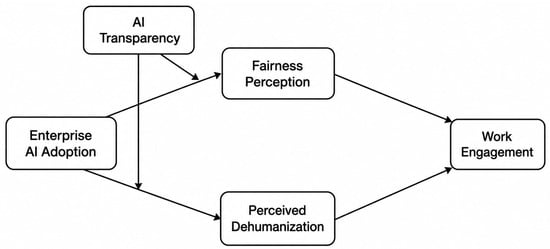
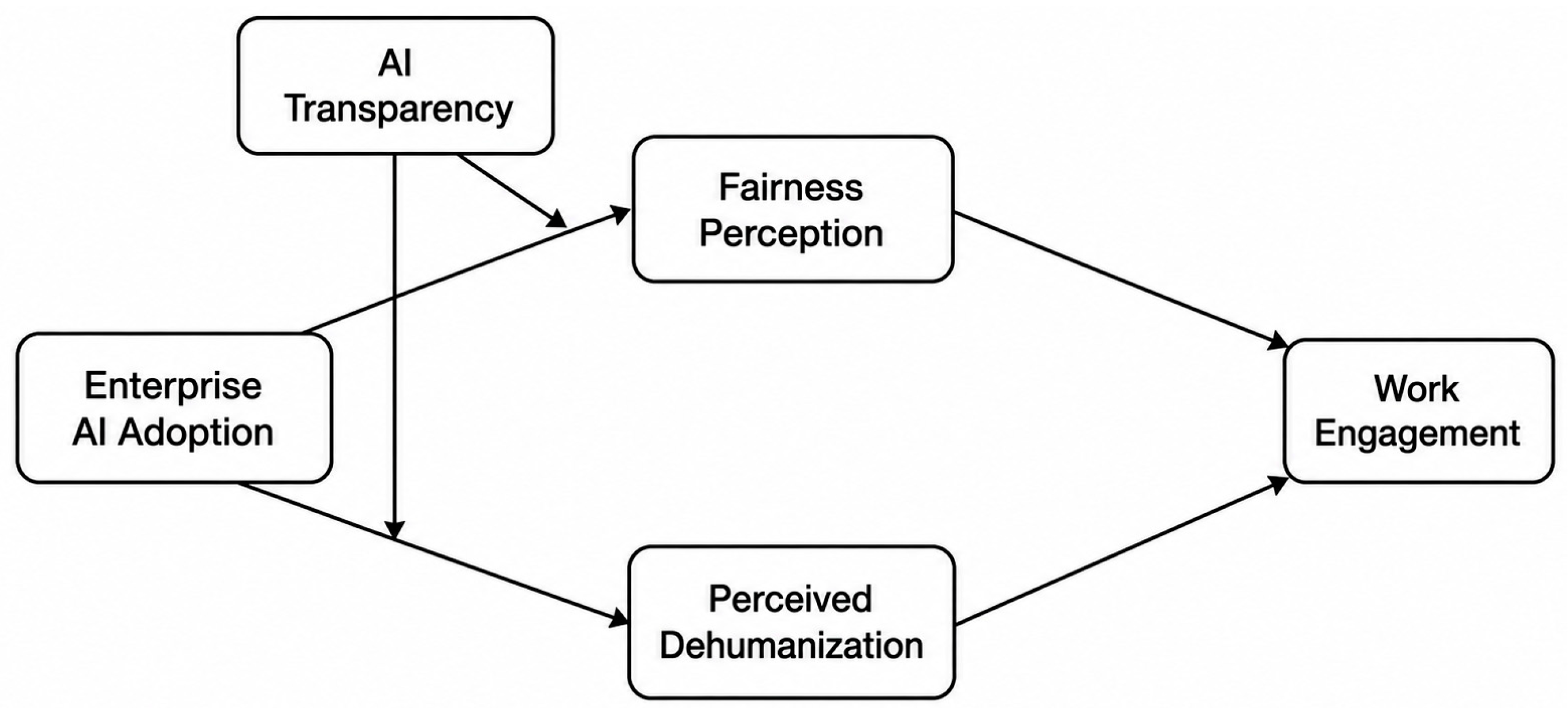
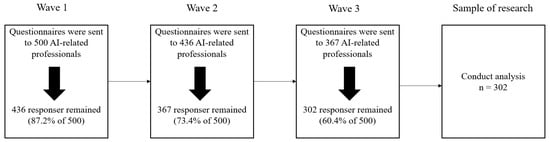
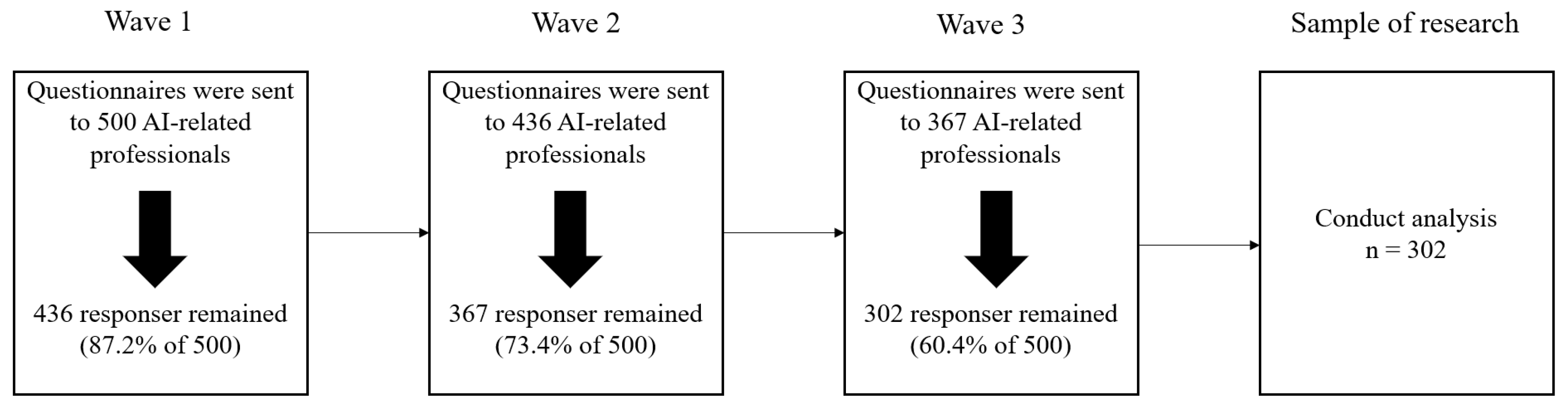
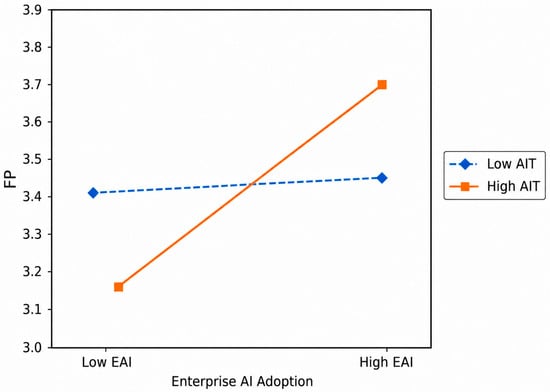
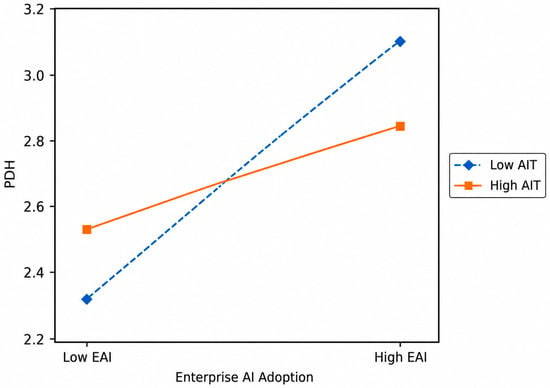

Disclaimer/Publisher’s Note: The statements, opinions and data contained in all publications are solely those of the individual author(s) and contributor(s) and not of MDPI and/or the editor(s). MDPI and/or the editor(s) disclaim responsibility for any injury to people or property resulting from any ideas, methods, instructions or products referred to in the content. |
© 2026 by the authors. Licensee MDPI, Basel, Switzerland. This article is an open access article distributed under the terms and conditions of the Creative Commons Attribution (CC BY) license.