


Abstract
Based on Conservation of Resources (COR) theory and a socio-technical systems perspective, this study examines how technology-enacted abusive supervision (TAS) influences employees’ counterproductive work behavior (CWB) in digitalized organizational contexts. Conceptualizing TAS as a system-embedded form of digitally mediated control, we argue that technology-amplified supervisory power constitutes a persistent resource threat that reshapes employees’ behavioral regulation strategies. Using three-wave time-lagged survey data from 428 employees working in digital-intensive enterprises in China, we develop and test a moderated mediation model. The results indicate that TAS is positively associated with CWB, with defensive silence serving as a critical mediating mechanism. Although defensive silence may temporarily reduce interpersonal risk, it disrupts feedback and resource replenishment processes, leading to cumulative resource depletion and a higher likelihood of counterproductive behavior over time. Moreover, power distance significantly moderates this indirect effect, such that the mediating role of defensive silence is stronger among employees with higher-power-distance orientations. By integrating leadership research, COR theory, cultural value orientations, and a socio-technical systems perspective, this study advances our understanding of covert resistance and behavioral risk in technology-driven work systems and offers important implications for digital governance and sustainable organizational performance.
1. Introduction
In contemporary organizational environments, increasingly intense global competition, rapid technological transformation, and the widespread adoption of artificial intelligence-based governance were originally expected to strengthen process control, enhance operational efficiency, and improve decision quality. However, as technologies become deeply embedded in work processes, organizational practice has increasingly revealed a counterintuitive phenomenon: rather than consistently demonstrating higher levels of work engagement and collaboration, employees often exhibit work withdrawal, covert resistance, passive compliance, and even destructive behaviors—collectively referred to as counterproductive work behavior (CWB) [1,2,3].
From a socio-technical systems perspective, organizational outcomes do not arise from isolated individual behaviors or singular technological tools, but instead emerge from the dynamic coupling of technological infrastructures, managerial control mechanisms, and employees’ self-regulatory processes [4,5]. Within such tightly coupled systems, employee behavior is continuously shaped by digitally embedded rule systems, power structures, and feedback mechanisms. Against this backdrop, counterproductive work behavior should no longer be understood merely as an individual-level behavioral deviation, but rather as a system-level risk that threatens organizational effectiveness, innovation continuity, and long-term sustainability.
Counterproductive work behavior refers to intentional actions that inflict actual or potential harm on organizations and their members, including work withdrawal, sabotage, interpersonal aggression, digital misuse, knowledge hiding, and various forms of covert resistance [6]. In digital-intensive enterprises, where heightened cognitive load, accelerated task cycles, and technology-mediated interactions have become routine, CWB increasingly manifests in subtle and technologically embedded forms, such as deliberate delays in digital tasks, emotional and cognitive disengagement, neglect of collaborative norms, passive noncompliance with digital procedures, and intentional disruption of workflow systems [7,8]. Although these behaviors may appear fragmented at the individual level, their cumulative and interactive consequences weaken organizational innovation capacity, disrupt coordination among interdependent actors, reduce digital productivity, and generate long-term reputational and operational damage at the system level [9,10]. As mounting evidence demonstrates that CWB entails escalating managerial costs, erosion of trust, employee burnout, and risks to organizational legitimacy, identifying its antecedents and clarifying the mechanisms through which it emerges and persists within digitalized organizational systems has become a central concern in organizational behavior research.
Among the various antecedents, abusive supervision has been widely recognized as one of the most critical leadership-related factors triggering counterproductive work behavior. Tepper [11] defines abusive supervision as subordinates’ subjective perceptions of supervisors’ sustained hostile verbal and nonverbal behaviors, excluding physical aggression. Although traditional manifestations such as ridicule, public humiliation, and unreasonable demands remain prevalent, the digitalization of organizational systems has fundamentally reshaped how supervisory power is enacted and experienced. In digitalized organizational contexts, abusive behaviors are no longer confined to episodic face-to-face interactions; instead, they have gradually evolved into a more covert, systematic, and persistent form of technology-embedded supervision. Specifically, technology-enacted abusive supervision (TAS) refers to subordinates’ perceptions of supervisors’ hostile communication, control, and pressure exerted through information and communication technologies (ICTs) [12]. From a socio-technical systems perspective, TAS should not be understood merely as a leadership style but rather as a system-embedded control mechanism produced through the coupling of hierarchical authority and technological infrastructures.
For example, supervisors may exert control through algorithmic performance evaluations, real-time dashboards, and automated ranking systems, using ostensibly objective data to pressure or publicly expose employees [13]. Such control is often reinforced by intensified digital surveillance practices, including keystroke logging, screen monitoring, and online activity tracking, placing employees under continuous psychological scrutiny [14,15]. Moreover, technology-mediated interactions—such as public shaming in group chats, work demands outside formal working hours, or deliberate response delays—further extend managerial control beyond conventional work boundaries and intensify perceived pressure [16]. Together with data-driven social comparison and digitally imposed workload acceleration that foster chronic technostress [17,18], these practices constitute a supervisory control pattern deeply embedded in digital work systems. In virtual or hybrid work contexts, such control may further manifest as resource withholding, emotional distancing, and excessive reporting requirements, thereby fostering climates of mistrust and psychological insecurity. Overall, these technology-enabled supervisory practices continuously reinforce employees’ perceptions of surveillance, uncertainty, and constrained autonomy, reshaping their cognitive appraisals of interpersonal interaction risks. Behaviorally, employees are more likely to adopt fear-driven self-regulatory strategies, suppress voice, reduce visibility, and engage in defensive coping, rendering the negative effects of abusive supervision less visible yet more enduring, accumulating within the system rather than being released through immediate confrontation.
Despite the growing body of research on abusive supervision, existing studies have largely relied on explicit emotional mechanisms, such as anger or emotional exhaustion, to explain its relationship with counterproductive work behavior. However, in digitalized work environments characterized by continuous monitoring, algorithmic evaluation, and knowledge-intensive self-regulation, how abusive supervision gradually evolves into counterproductive behavior through covert behavioral processes remains insufficiently theorized.
Drawing on Conservation of Resources (COR) theory [19], abusive supervision constitutes a sustained threat to employees’ valued psychological resources, including identity security, self-worth, emotional energy, and psychological safety. Under conditions of ongoing resource loss, individuals tend to adopt defensive coping strategies to prevent further depletion. Among these strategies, defensive silence—defined as the deliberate suppression of ideas, concerns, and feedback due to fear of negative consequences [20]—is particularly salient in digital work systems. Although silence may temporarily reduce interpersonal risk, it simultaneously disrupts organizational feedback loops, suppresses error correction, and blocks opportunities for resource replenishment. As unresolved strain accumulates within the system, this tension may be redirected into covert forms of resistance, such as digital withdrawal, knowledge hiding, or workflow sabotage, ultimately escalating into counterproductive work behavior. From a socio-technical systems perspective, defensive silence thus functions as a key mediating mechanism through which localized self-protection translates into system-level dysfunction.
Employees’ responses to abusive supervision further depend on their cultural value orientations, particularly power distance (PD), defined as the extent to which individuals accept hierarchical inequality and authority concentration [21]. Employees with high-power-distance orientations are more likely to legitimize controlling leadership, suppress dissent, and adopt silence as a self-protective strategy, thereby strengthening the relationship between abusive supervision and defensive silence [22]. In contrast, employees with low-power-distance orientations are more inclined to challenge unjust authority, weakening this pathway [23]. Accordingly, power distance constitutes a critical boundary condition shaping how technology-embedded supervisory control is interpreted and regulated.
This theoretical framework is particularly salient in Chinese digital-intensive enterprises. As digital transformation accelerates across industries in China, organizations increasingly rely on algorithmic management, data-driven performance monitoring, and hierarchical digital coordination systems. These environments significantly amplify employees’ perceptions of surveillance, psychological vulnerability, and resource depletion. When abusive supervision occurs under such technologically reinforced authority structures, employees are more likely to adopt defensive silence as an implicit self-protective strategy, which may gradually evolve into counterproductive work behavior, thereby undermining organizational innovation, operational stability, and legitimacy.
Prior research has primarily conceptualized abusive supervision as a leadership behavior occurring within face-to-face or interpersonal interaction contexts and has focused mainly on its direct effects or explicit emotional response mechanisms. However, with the widespread adoption of digitalized work systems, supervisory power and control are increasingly enacted through technological infrastructures, fundamentally reshaping both the manifestations of abusive leadership and the pathways through which it influences employee behavior. Nevertheless, insufficient attention has been paid to abusive leadership embedded in digital work systems. Moreover, existing studies have predominantly explained how abusive supervision leads to counterproductive work behavior by relying on overt emotional mechanisms such as anger and emotional exhaustion, while paying insufficient attention to low-visibility, resource-depletion-based defensive responses. In highly monitored and digitally intensive work environments, defensive silence represents a particularly salient strategy through which employees regulate risk and protect valued resources, yet its role in linking abusive supervision to counterproductive work behavior has not been systematically examined. Finally, although power distance is widely recognized as an important cultural factor, it has often been treated as a static background variable rather than being systematically integrated into the causal mechanisms of technology-enacted abusive supervision, thereby overlooking how cultural value orientations interact with digitally embedded control structures to shape employees’ behavioral regulation pathways.
Although the present study adopts a socio-technical systems perspective to conceptualize counterproductive work behavior as a system-level risk emerging from digitally embedded control structures, empirical analyses focus on individual-level perceptions and behaviors. This approach allows us to examine how system-level technological and managerial arrangements are internalized and translated into individual self-regulatory responses, thereby revealing the micro-foundations through which system-level dysfunction accumulates.
Against this backdrop, in this study, Chinese digital-intensive enterprises were adopted as the research context, and a moderated mediation model was developed and tested; this model systematically examines the pathway of “technology-enacted abusive supervision → defensive silence → counterproductive work behavior”, with power distance as a key moderating variable. By revealing how digitally embedded supervisory control induces covert resistance through system-level resource dynamics, this study provides a more nuanced and context-sensitive theoretical framework for understanding employee behavior in technology-driven workplaces and offers important practical implications for promoting healthy leadership and sustainable organizational performance.
2. Theoretical Background and Hypotheses
2.1. Technology-Enacted Abusive Supervision and Counterproductive Work Behavior
Technology-enacted abusive supervision represents a covert yet highly pervasive form of abusive leadership in the digital era. Unlike traditional face-to-face abuse, this form of supervision is embedded in information and communication technologies (ICTs), including instant messaging platforms, algorithmic monitoring systems, digital feedback mechanisms, and online collaboration tools. Through these technologies, supervisory power extends beyond temporal and spatial boundaries, exposing employees to abusive signals not only during working hours but also across non-work contexts, such as private or family time. As a result, technology-enacted abuse is marked by heightened persistence, intrusiveness, and reduced opportunities for psychological detachment, thereby substantially increasing employees’ psychological strain.
A growing body of research has demonstrated that abusive supervision provokes intense negative emotional reactions—such as anger, anxiety, frustration, and helplessness—which undermine employees’ well-being, life satisfaction, and work engagement [24,25,26,27]. In digitally mediated environments, repeated exposure to reprimanding messages, public shaming in group communication channels, or exclusion through monitoring and feedback systems is particularly likely to intensify emotional exhaustion, rumination, and psychological distress [28]. From the perspective of COR theory [8,19], technology-enacted abusive supervision constitutes a chronic and cumulative resource threat that continuously drains employees’ emotional and psychological resources, erodes self-worth, and weakens perceived social support. The “always-on” communication logic, real-time surveillance, and algorithmic evaluation inherent in digitalized work settings further amplify this depletion process by limiting recovery opportunities.
When resource depletion reaches a critical level, employees are more likely to adopt defensive and maladaptive behavioral strategies to conserve remaining resources. CWB thus emerges as a salient coping response, allowing employees to restore a sense of control, prevent further resource loss, or symbolically respond to perceived injustice [29,30]. Empirical evidence further suggests that individuals with lower emotional stability are particularly sensitive to abusive supervision and therefore more prone to engage in CWB under such conditions [31]. In addition, abusive leadership undermines employees’ autonomous motivation, job satisfaction, and innovative engagement, indirectly increasing the likelihood of counterproductive responses [32].
Beyond resource-based explanations, social exchange processes further reinforce this mechanism. Persistent experiences of humiliation, disrespect, or unfair treatment may trigger a perceived imbalance in reciprocal exchange relationships, motivating employees to restore equity through indirect forms of retaliation. Given the risks associated with overt confrontation, employees often redirect negative reciprocity toward the organization via covert behaviors, such as intentionally delaying digital tasks, withholding knowledge, refusing cooperation, or subtly disrupting workflow systems. These low-visibility forms of “soft retaliation” entail reduced interpersonal risk while simultaneously serving as symbolic expressions of resistance to abusive supervision [33,34].
Hypothesis 1.
Technology-enacted abusive supervision is positively associated with counterproductive work behavior.
2.2. The Mediating Role of Defensive Silence
In highly technology-embedded work environments, technology-enacted abusive supervision first increases the likelihood of defensive silence by intensifying employees’ perceptions of resource threat and expression-related risk. According to Conservation of Resources (COR) theory, when individuals perceive that further expression or voice may result in additional resource loss—such as emotional depletion, relationship deterioration, performance penalties, or career-related risks—they are more inclined to choose silence as a means of “loss prevention” [19]. In digitalized contexts, abusive supervision is often enacted through public reprimands via instant messaging platforms, negative algorithmic labels embedded in performance evaluations, and amplified scrutiny through monitoring systems [35,36]. These technology-enabled practices not only increase employees’ exposure to hostile cues but also heighten their awareness that any “dissent” or “pushback” expressed through digital channels may be recorded, tracked, and potentially used against them in the future. Consequently, to avoid leaving “risk traces” within digital systems, employees are more likely to remain silent across online settings—by not responding, not commenting, not offering suggestions, and not expressing dissenting views—thereby forming a self-protective strategy centered on defensive silence [37,38,39]. From a socio-technical systems perspective, such silence reflects employees’ rational adaptation to system-embedded technological control, as it minimizes behavioral visibility and digital traceability under conditions of heightened monitoring.
However, defensive silence driven by self-protective motives does not eliminate underlying problems; instead, it creates psychological conditions and behavioral pathways for the emergence of counterproductive work behavior (CWB). On the one hand, defensive silence cuts off critical channels for resource acquisition, such as need expression, support seeking, and information exchange, leaving employees in a prolonged state of “having problems but being unable to seek help”. This sustained inability to replenish resources allows negative emotions, helplessness, and perceived injustice to accumulate, gradually forming a psychological “resource loss spiral” [40]. As a result, employees become more likely to compensate for resource deficits through covert means, such as knowledge hiding, reduced task engagement, or deliberate delays in digital tasks, as ways to conserve personal resources [41]. Although these self-protection behaviors may appear to reduce personal effort, they substantively constitute counterproductive work behavior. From a socio-technical systems perspective, defensive silence functions as a critical behavioral transmission mechanism through which system-level technological control is translated into individual-level resource depletion and, ultimately, into counterproductive work behavior.
On the other hand, defensive silence weakens the resource exchange relationship between employees and the organization. According to COR’s resource investment principle, individuals are willing to invest resources only when they anticipate potential resource returns [42,43]. However, in environments characterized by persistent abusive supervision and a lack of fair feedback, employees’ expectations of reciprocity decline, and they no longer believe that additional effort will yield resource gains. Silence thus shifts employees’ roles from “members expected to contribute resources” to “minimal contributors focused solely on avoiding further loss”. When resource exchange relationships deteriorate into a pattern of weak reciprocity and low commitment, employees are more likely to view process disruption, performance reduction, or norm violation as reasonable forms of “resource compensation” or “psychological reclamation”, making CWB a low-risk and covert strategy for resource protection and symbolic retaliation [44,45].
Therefore, from a COR perspective embedded within socio-technical work systems, defensive silence is not merely an immediate resource-preserving response to technology-enacted abusive supervision but a critical psychological mechanism that translates persistent technological control into cumulative resource depletion, ultimately triggering counterproductive work behavior. While silence may reduce short-term resource expenditure, it simultaneously blocks long-term resource replenishment, pushing employees to engage in CWB as a means of restoring a sense of control, rebalancing resources, or enacting symbolic resistance.
Hypothesis 2.
Defensive silence mediates the relationship between technology-enacted abusive supervision and counterproductive work behavior.
2.3. The Moderating Role of Power Distance
Employees’ responses to technology-enacted abusive supervision are not uniform; rather, they are profoundly shaped by their cultural value orientations and power cognition frameworks. As a central dimension in Hofstede’s cultural framework, power distance determines the extent to which individuals accept unequal power relations within organizations and, in turn, shapes how employees construct meaning around technology-enhanced leadership behaviors. In digitalized management contexts, abusive supervision is no longer merely an emotional or interpersonal insult; instead, it is objectified, institutionalized, and rendered persistent through technological carriers such as system-based ratings, data records, and algorithmic feedback [12,13]. When power is enacted through technology as a pervasive, inescapable, and traceable control mechanism, how employees interpret such technological authority—and whether they choose silence or voice—depends heavily on their culturally grounded perceptions of hierarchy and the legitimacy of authority [46]. Accordingly, power distance should not be viewed merely as a background cultural attribute but as a core interpretive framework that determines how employees regulate resource threats under technology-embedded supervision.
For employees with high-power-distance orientations, technology-amplified power structures make hierarchical relationships more salient and more difficult to challenge. System records, algorithmic evaluations, and digital cues jointly form a “technology–power field”, intensifying employees’ perceptions of resource loss threat. Within this framework, high-power-distance employees are more likely to interpret technology-enacted abusive supervision as a legitimate extension of institutional authority rather than as boundary-violating behavior [47]. At the same time, they tend to perceive voice as a high-cost action, associated with risks such as systematic negative evaluations, biased digital records, or algorithmic amplification effects, thereby framing expression as a high-risk investment [13,17]. Consistent with COR theory’s principle of loss avoidance priority, high-power-distance employees are therefore more inclined to view silence as the most cost-effective strategy for resource preservation, making them more likely to follow a pathway of “technological authority → resource threat → defensive silence”.
In contrast, employees with low-power-distance orientations place greater emphasis on egalitarian relationships and procedural justice and are less likely to automatically legitimize technology-based supervision as authoritative. They are more inclined to interpret technology-mediated humiliation as stemming from system bias, communication failures, or procedural dysfunction, and to view voice, feedback, or seeking organizational support as effective means of restoring fairness and psychological resources [48,49]. In line with COR theory’s logic of resource replenishment and recovery, low-power-distance employees are more likely to engage in proactive voice to interrupt resource loss trajectories, thereby significantly weakening the effect of technology-enacted abusive supervision on defensive silence. This constitutes a fundamentally different resource regulation pathway, centered on recovery rather than loss avoidance.
Thus, power distance does not merely moderate the strength of leadership effects; it fundamentally shapes employees’ interpretation of technological authority and determines whether resource threats are regulated through silence-based loss avoidance or through voice-based resource recovery. In this sense, power distance functions as a pathway selector that explains why similar forms of technology-enacted abusive supervision may lead employees toward qualitatively different behavioral trajectories in digitalized work systems.
Based on this analysis, the following hypothesis is proposed:
Hypothesis 3.
Power distance moderates the relationship between technology-enacted abusive supervision and defensive silence such that the positive effect of technology-enacted abusive supervision on defensive silence is stronger when power distance is high and weaker when power distance is low.
Building on this logic, defensive silence plays a pivotal mediating role in the relationship between technology-enacted abusive supervision and CWB, while power distance further determines the strength of this indirect pathway. In high-power-distance contexts, employees are more likely to interpret technology-based control as a natural and legitimate manifestation of authority and to subjectively evaluate voice as highly risky. As a result, silence becomes the preferred strategy for coping with perceived resource threats. Although silence may serve a short-term risk-avoidance function, it simultaneously disrupts feedback and corrective mechanisms, allowing negative emotions, perceptions of injustice, and resource depletion to accumulate. Over time, these unresolved strains are gradually externalized through covert, digitally mediated forms of resistance, ultimately manifesting as CWB. Accordingly, high power distance amplifies the loss chain through which technology-enacted abusive supervision influences CWB via defensive silence.
In contrast, employees with low-power-distance orientations place greater emphasis on procedural justice and the right to personal expression and are less likely to automatically legitimize digital authority as justified control. They are therefore more inclined to interrupt the resource loss process through voice or questioning or by seeking organizational support. Such expressive behaviors facilitate partial resource recovery, reduce feelings of helplessness, and strengthen perceived organizational support, thereby weakening the role of silence in this process and significantly attenuating the indirect effect of “technology-enacted abusive supervision → defensive silence → CWB”. This divergence indicates that power distance moderates the transformation of resource threats into deviant behavior under digital oppression by shaping how employees construct the meaning and legitimacy of technological authority.
Based on these arguments, the following hypothesis is proposed:
Hypothesis 4.
Power distance moderates the mediating effect of defensive silence in the relationship between technology-enacted abusive supervision and counterproductive work behavior, such that the indirect effect of abusive supervision on CWB via defensive silence is stronger and weaker at higher and lower levels of power distance, respectively.
Rather than treating leadership research, socio-technical systems theory, and cultural value orientations as parallel explanatory streams, this study integrates these perspectives into a unified, cumulative framework to explain how technology-enacted abusive supervision evolves into counterproductive work behavior. Specifically, the socio-technical systems perspective clarifies how supervisory power becomes institutionalized and continuously enacted through digital infrastructures, Conservation of Resources theory explains why such system-embedded control constitutes a persistent resource threat, defensive silence represents a low-visibility behavioral regulation strategy under conditions of heightened monitoring, and power distance determines the extent to which employees perceive such technological authority as legitimate, thereby amplifying or attenuating the resource loss trajectory. In summary, by integrating the socio-technical systems perspective, Conservation of Resources theory, and cultural value orientations, this study theoretically derives a systematic research model that explains the pathways through which technology-enacted abusive supervision exerts its effects.
3. Method
3.1. Research Model
Figure 1 presents the research model examined in this study, which operationalizes the hypothesized relationships derived from the theoretical framework.
Figure 1.
Research model.
3.2. Data Collection
Data were collected through Credamo, a professional online survey platform widely used in academic research for its ability to generate structured sampling and high-quality data. To ensure representativeness and diversity, a stratified sampling strategy was adopted based on five key demographic variables: gender, age, educational level, job position, and tenure. These stratification criteria were combined to form a multi-layered sampling framework, resulting in a balanced and structurally representative dataset. This approach is particularly appropriate for research on technology-embedded work environments, as it facilitates access to diverse occupational groups while ensuring data quality and demographic balance.
The research targeted full-time employees working in digitalized enterprises located in South China, focusing on industries characterized by intensive technology use, data-driven performance management, and high levels of digital interaction. Specifically, respondents were drawn from the following sectors:
(1) Information and communication technology (ICT);
(2) Internet-based platform companies (e.g., e-commerce, online retail, logistics platforms);
(3) Digital financial (including fintech, mobile banking, and online insurance);
(4) Technology-enabled customer service operations (e.g., online customer support centers, AI-assisted service units);
(5) Software development and digital product operations (including agile teams and DevOps environments).
These digitalized industries are typically characterized by rapid workflow cycles, algorithmic performance monitoring, heavy reliance on digital tools, and frequent virtual interaction. Such environments heighten employees’ exposure to technology-mediated supervisory behaviors, making them particularly suitable for examining the proposed theoretical model focused on abusive supervision, defensive silence, and counterproductive work behavior in digital contexts.
Prior to participation, all respondents received detailed information regarding the study purpose and procedures. They were informed that the research consisted of three data collection waves, each separated by a two-week interval. Participation was entirely voluntary, anonymous, and strictly confidential, in accordance with ethical research standards.
As illustrated in Figure 2, at Time 1, questionnaires were distributed to 600 Chinese employees, who were asked to provide demographic information and report their perceptions of technology-enacted abusive supervision and power distance. A total of 506 valid responses were obtained, yielding an initial response rate of 84.3%. At Time 2, questionnaires were administered to the 506 respondents who had completed the Time 1 survey. In this wave, participants assessed their levels of defensive silence. After data screening, 458 valid responses were retained, representing 76.3% of the original sample. At Time 3, questionnaires measuring counterproductive work behavior were distributed to the 458 respondents who had completed both prior waves. After matching responses and conducting data quality screening across the three waves, a final sample of 428 valid responses was retained for analysis, resulting in an overall effective response rate of 59.7%.
Figure 2.
Data collection and sample selection procedure.
To enhance data quality and ensure the appropriateness of the analytical sample, several screening criteria were applied across the three waves. First, respondents who did not complete all three survey waves were excluded from the final analysis. Second, responses exhibiting excessive missing values, patterned answering, or unusually short completion times were removed. Third, participants who reported minimal exposure to digital monitoring or technology-based performance management were excluded to ensure consistency with the study’s focus on technology-embedded supervision. After applying these criteria, the final analytical sample consisted of 428 valid respondents. Additional attrition analyses indicated no significant differences in key demographic variables between retained and dropped participants, suggesting that sample attrition did not systematically bias the results.
Detailed sample characteristics are presented in Table 1. Among the 428 valid respondents, 57.7% were male and 42.3% were female. In terms of educational background, 57.0% held a bachelor’s degree, followed by 20.3% with an associate degree, 12.6% with lower educational attainment, and 10.0% with graduate-level degrees. Regarding job positions, 54.0% were frontline employees, 27.8% were junior supervisory employees, and 18.2% were middle-level managers. In terms of tenure, 18.5% had worked for less than one year, 29.4% for 1–5 years, 31.8% for 6–10 years, and 20.3% for more than 10 years.
Table 1.
Profile of participants.
The respondents were distributed across five types of digitalized enterprises as follows: information and communication technology (ICT) (26.2%), internet-based platform companies (27.8%), digital financial (16.8%), technology-enabled customer service operations (18.5%), and software development and digital product operations (10.7%). This distribution ensures sufficient diversity and representativeness across different digitalized organizational contexts.
3.3. Measures
The measurement instruments used in this study were adapted from well-established scales that have been extensively validated in prior research. To ensure semantic and conceptual equivalence between the original English versions and the Chinese translations, a standard translation–back-translation procedure was conducted by bilingual professionals with academic training in management and organizational behavior [50]. Except for demographic variables, all constructs were measured using five-point Likert-type scales ranging from 1 (“strongly disagree”) to 5 (“strongly agree”). A full list of measurement items is provided in Appendix A.
3.3.1. Technology-Enacted Abusive Supervision (Time 1)
Technology-enacted abusive supervision was measured using a six-item scale adapted by Valle et al. [12] from Tepper’s [11] abusive supervision scale. Respondents were asked to indicate how often their supervisor engaged in each behavior through ICTs. A sample item is “My supervisor used ICT to put me down or humiliate me in front of others”, and the scale exhibited a Cronbach’s α value of 0.906.
3.3.2. Power Distance (Time 1)
Power distance was measured using the six-item scale developed by Dorfman and Howell [51]. An example item is “Social interaction with one’s subordinates may decrease a manager’s ability to be objective in dealing with subordinates”, and the scale exhibited a Cronbach’s α value of 0.887.
3.3.3. Defensive Silence (Time 2)
Defensive silence was assessed using a five-item scale developed by Dyne et al. [40]. An example item is “I withhold my solutions to problems because I am motivated by fear”, and the scale exhibited a Cronbach’s α value of 0.854.
3.3.4. Counterproductive Work Behavior (Time 3)
Counterproductive work behavior was measured using the six-item scale proposed by Spector et al. [52]. An example item is “You purposely did your work incorrectly”, and the scale exhibited a Cronbach’s α value of 0.914.
3.3.5. Control Variables
To ensure that the examination of the focal relationships in the proposed model is not confounded by individual background differences, several individual-level control variables were included in the analyses. Specifically, employees’ gender, age, and educational attainment were controlled for, as prior research suggests that these demographic characteristics may systematically influence individuals’ work attitudes and behavioral responses [53]. In addition, position level and organizational tenure were incorporated as control variables, given that they may affect employees’ exposure to supervisory practices, perceptions of resource-related threats, and the occurrence of counterproductive work behavior [54]. By accounting for these factors, the analyses more accurately capture the proposed mediating and moderating pathways specified in the research model.
3.4. Data Analysis
Data processing and statistical analyses were conducted using SPSS 28.0 and AMOS 27.0. The analytical procedure began with an examination of sample characteristics and variable distributions to ensure the appropriateness of subsequent parameter estimation. The psychometric properties of the measurement instruments were then systematically evaluated. Specifically, scale reliability was assessed using internal consistency indicators, while confirmatory factor analysis was employed to examine the measurement model and to establish the validity and discriminant validity of the latent constructs. In addition, to mitigate potential concerns regarding common method bias inherent in self-reported survey data, specific diagnostic tests and control procedures were applied to assess the presence of common method variance.
After confirming that the measurement model and data quality met the required statistical criteria, the analysis proceeded to hypothesis testing. Guided by the structural relationships specified in the theoretical model, regression-based analytical strategies were employed to examine main effects, interaction effects, and the proposed hypotheses, with the level of statistical significance set at 0.05. To further enhance the robustness of statistical inference and the replicability of the findings, a bootstrapping resampling procedure with 5000 iterations was implemented to construct empirical sampling distributions and estimate confidence intervals for indirect effects. This approach enabled the examination of mediation and moderation mechanisms without reliance on normality assumptions, thereby improving the reliability of effect estimation.
3.5. Common Method Bias
In questionnaire-based research, multicollinearity and common method bias (CMB) represent important methodological threats that may compromise the accuracy and reliability of research findings. To mitigate these potential biases, this study implemented a series of procedural remedies at the research design stage, including the use of anonymous and three-wave data collection strategies. However, procedural controls alone are insufficient to completely eliminate method-related biases; therefore, additional statistical tests were conducted to further assess and validate their potential impact.
To examine multicollinearity, this study employed the Variance Inflation Factor (VIF) as the primary diagnostic indicator. Multicollinearity typically manifests as a high degree of linear correlation among independent variables in a multiple regression model, which can lead to unstable coefficient estimates and reduced explanatory power. Conventionally, VIF values below 5 are considered indicative of the absence of serious multicollinearity. The results of the VIF analysis for both latent and observed variables revealed values ranging from 1.094 to 1.237, all of which were well below the critical threshold of 5.000. These findings suggest that multicollinearity is not a serious concern in this study, thereby supporting the robustness and credibility of the subsequent regression analyses.
With respect to common method bias, Harman’s single-factor test was conducted using an exploratory factor analysis (EFA) without rotation. The results indicate that the first unrotated factor accounted for 30.45% of the total variance, which is below the commonly accepted threshold of 40% [55]. Accordingly, common method bias is unlikely to pose a serious threat to the validity of the empirical results.
4. Results
4.1. Correlation and Discriminant Validity Analysis
Correlation analysis was conducted to examine the relationships among the key variables, and the results are reported in Table 2. As shown, technology-enacted abusive supervision (TAS) was significantly and positively correlated with power distance (r = 0.278, p < 0.01), defensive silence (r = 0.386, p < 0.01), and counterproductive work behavior (r = 0.451, p < 0.01). In addition, power distance was positively associated with defensive silence (r = 0.193, p < 0.01) and CWB (r = 0.120, p < 0.05). Defensive silence also showed a significant positive correlation with CWB (r = 0.449, p < 0.01). Overall, Table 2 reports the correlations among the study variables, indicating significant associations among the focal constructs.
Table 2.
Descriptive statistics and correlation analysis.
Discriminant validity was evaluated by comparing the square roots of the average variance extracted (AVE) values with the inter-construct correlation coefficients. According to the criterion proposed by Fornell and Larcker [56], discriminant validity is established when the square root of the AVE for each construct exceeds its correlations with other constructs. Because the square roots of all AVE values exceeded their corresponding inter-construct correlations, the measurement model demonstrated satisfactory discriminant validity.
4.2. Reliability of Constructs
This study used Cronbach’s α to assess the internal consistency reliability of the measurement scales [57]. The reliability coefficients were 0.906 for technology-enacted abusive supervision, 0.887 for power distance, 0.854 for defensive silence, and 0.914 for counterproductive work behavior, all of which exceeded the commonly accepted threshold of 0.80, indicating high internal consistency.
4.3. Confirmatory Factor Analysis
AMOS software was used to conduct confirmatory factor analysis (CFA) to compare the hypothesized four-factor measurement model with several alternative models. As reported in Table 3, the theoretical four-factor model (technology-enacted abusive supervision, power distance, defensive silence, and counterproductive work behavior) demonstrated an excellent fit to the data (χ2 = 311.502, df = 224, χ2/df = 1.391, CFI = 0.984, TLI = 0.982, RMSEA = 0.030), exceeding commonly recommended cutoff criteria.
Table 3.
Confirmatory factor analysis results.
Furthermore, chi-square difference tests showed that the four-factor model fit the data significantly better than the three-factor (Δχ2 = 1095.080, Δdf = 3), two-factor (Δχ2 = 669.077, Δdf = 2), and single-factor models (Δχ2 = 952.586, Δdf = 1). Taken together, these results provide strong evidence for the structural and discriminant validity of the proposed measurement model.
4.4. Hypothesis Testing
During hypothesis testing, this study employed hierarchical multiple regression analysis to examine the main effects and moderating effects, thereby assessing the incremental variance explained by the interaction terms in a stepwise manner. To further test the mediating and moderated mediation effects, the PROCESS macro was combined with a bootstrap resampling procedure (Hayes’ PROCESS macro with 5000 resamples) to estimate indirect effects and conditional indirect effects, and the bias-corrected confidence intervals were reported. This approach does not rely on the assumption of normality and has been widely recommended for examining complex mediation and moderation mechanisms, aligning well with the process-oriented and theory-driven nature of the proposed moderated mediation model.
As shown by Model 5 in Table 4, after controlling for demographic variables (gender, age, education, position, and tenure), TAS had a significant positive effect on CWB (β = 0.449, p < 0.001). Thus, H1 is supported.
Table 4.
Regression test results.
To examine the mediating role of DS, Models 5 and 6 were jointly considered. In Model 5, TAS significantly predicted CWB. When DS was included in Model 6, DS exhibited a significant positive effect on CWB (β = 0.328, p < 0.001), while the regression coefficient of TAS on CWB decreased but remained significant (β = 0.323, p < 0.001). This pattern suggests a partial mediation effect. Further bootstrapping analyses with 5000 resamples confirmed that the indirect effect of TAS on CWB via DS was significant (indirect effect = 0.126, with a 95% confidence interval of [0.072, 0.203], which did not include zero). Therefore, H2 is supported.
To test the moderating effect proposed in Hypothesis 3, an interaction term between TAS and PD was entered into the regression model to predict defensive silence. As shown by Model 3 in Table 4, the interaction term (TAS × PD) had a significant positive effect on defensive silence (β = 0.329, p < 0.001), indicating that power distance significantly moderates the relationship between technology-enacted abusive supervision and defensive silence. To further illustrate this moderating effect, the interaction is plotted in Figure 3, where the slope of technology-enacted abusive supervision predicting defensive silence differs across levels of power distance. Therefore, Hypothesis 3 is supported.
Figure 3.
The moderating effect of power distance.
To further examine the conditional indirect effect of PD, a moderated mediation analysis was conducted, and the results are reported in Table 5. The index of moderated mediation was significant (index = 0.127, SE = 0.020, 95% CI [0.089, 0.169]), indicating that the indirect effect of TAS on CWB through DS varied as a function of power distance.
Table 5.
Moderated mediation effect test results.
Specifically, when power distance was low (−1 SD), the indirect effect of TAS on CWB via DS was small but significant (indirect effect = 0.036, SE = 0.016, 95% CI [0.005, 0.069]). At the mean level of power distance, the indirect effect increased and remained significant (indirect effect = 0.129, SE = 0.020, 95% CI [0.091, 0.170]). When power distance was high (+1 SD), the indirect effect became substantially stronger and continued to be significant (indirect effect = 0.222, SE = 0.031, 95% CI [0.162, 0.286]).
Table 5 reports the conditional indirect effects of technology-enacted abusive supervision on counterproductive work behavior through defensive silence at different levels of power distance. Therefore, H4 is supported.
5. Discussion
Based on COR theory and a socio-technical systems perspective, this study examines how technology-enacted abusive supervision influences counterproductive work behavior through defensive silence, while accounting for the moderating role of power distance in digitalized work contexts. Although empirical analyses were conducted at the individual level, the socio-technical systems perspective is primarily employed as an explanatory and process-oriented framework to theorize how digitally embedded control mechanisms operating at the system level are internalized and translated into individual behavioral responses [58].
Specifically, the results reveal a significant positive relationship between technology-enacted abusive supervision and CWB, supporting the corresponding hypothesis. This suggests that when supervisory control is enacted through digital technologies, it is more likely to elicit negative and oppositional behavioral responses from employees.
In addition, the findings demonstrate that defensive silence plays a significant mediating role in the relationship between technology-enacted abusive supervision and CWB, confirming its function as a key psychological response mechanism. When employees perceive higher levels of risk under digitalized supervision, they are more inclined to adopt silence as a coping strategy, which in turn influences their behavioral outcomes.
Furthermore, the results show that power distance significantly moderates the relationship between technology-enacted abusive supervision and defensive silence, as well as the overall indirect effect. For employees with higher-power-distance orientations, technology-enacted abusive supervision is more likely to translate into defensive silence and subsequently into counterproductive work behavior. In contrast, for employees with lower-power-distance orientations, the strength of this indirect relationship is relatively weaker.
Overall, the empirical evidence supports the proposed moderated mediation model, confirming that technology-enacted abusive supervision affects counterproductive work behavior through defensive silence, with power distance serving as an important boundary condition.
5.1. Theoretical Implications
By examining how socio-technical control mechanisms are internalized and translated into concrete behavioral responses at the individual level, this study reveals the micro-foundations of system-level dysfunction. While prior studies have acknowledged the role of digital technologies in shaping work processes [59], they have largely treated such technologies as neutral tools or contextual backdrops. Extending this line of research, our findings demonstrate that digital technologies function as institutionalized forces that actively shape power relations and resource allocation processes within organizations [60]. Accordingly, this study moves beyond traditional interpretations that conceptualize abusive supervision solely as an interpersonal interaction and advances a multi-layered “behavior–technology–structure” analytical framework, in which supervisory oppression becomes more persistent, traceable, and inescapable through digital monitoring, algorithmic evaluation, and real-time performance tracking.
In addition, existing explanations of CWB have predominantly emphasized immediate emotional reactions, such as anger or emotional exhaustion [61,62,63]. Building on, but moving beyond, this emotion-centered perspective, this study demonstrates that CWB in digital environments often exhibits pronounced temporal delay and structural inducement. Defensive silence, as a prototypical resource protection strategy under digital conditions, not only disrupts communication and support channels but also functions as a critical amplification hub for resource loss. By theorizing a sequential mechanism of “technological threat → silence-based inhibition → resource depletion → counterproductive behavior,” this study extends CWB theory from an emotion-driven model to a paradigm that is silence-based, structural, and process-oriented.
Regarding COR theory, prior research has mainly conceptualized resource loss as arising from interpersonal stressors or task demands [64]. The present findings advance COR theory by identifying digital technology as a novel, system-level source of resource threat, rendering resource loss continuous, concealed, and systematized [8]. Technology-enacted abusive supervision intensifies loss spirals, causing sustained depletion of emotional, identity, and relational resources even in the absence of overt conflict. Moreover, by empirically establishing defensive silence as a key resource-transformational hub within digital supervision contexts, this study integrates technological resource threats, silence-based coping, and latent loss chains into a unified COR-based explanatory framework.
Furthermore, consistent with cultural research on power distance [65], this study demonstrates that power distance not only moderates employees’ responses to leadership behavior but also fundamentally shapes their perceptions of the legitimacy of technological control. Individuals with high-power-distance orientations are more likely to accept the authority embedded in digital monitoring systems, thereby strengthening silence pathways and subsequent resource loss processes. In contrast, those with low-power-distance orientations are more inclined to question technology-based authority and defend expressive rights, significantly weakening the transformation of silence into CWB. By embedding power distance within the causal mechanism rather than treating it as a peripheral cultural variable, this study advances destructive leadership research toward a multidimensional framework integrating culture, technology, power, and behavior.
In summary, without discarding existing theoretical foundations, this study provides a conceptual extension of prior research by demonstrating how digital supervision generates new forms of organizational harm through socio-technical control, resource depletion, and silence-based regulation. By integrating socio-technical systems theory, COR theory, and cultural value orientations, this research establishes a theoretical foundation for future studies on digital power, resource dynamics, and covert resistance in contemporary organizations.
5.2. Managerial Implications
This study provides important managerial implications for digitalized organizational systems seeking to identify, prevent, and intervene in technology-enacted abusive supervision, as well as to reduce the covert resistance and counterproductive work behaviors it generates.
First, organizations should recognize that technology-enacted abusive supervision is highly concealed and subject to systemic amplification effects. Reliance on ex post correction mechanisms is therefore insufficient. Instead, organizations need to establish proactive early-warning systems. High levels of digital monitoring, algorithmic evaluation, and real-time data feedback may obscure managerial misuse of technological power. Accordingly, organizations should develop multi-channel, low-risk feedback and grievance mechanisms and enhance transparency and accountability in technology use through independent oversight or ethical audits, thereby preventing the long-term accumulation of silence and psychological strain.
Second, the development of digital leadership should shift from a logic of “technology-enabled control” to one of “technology-enabled empowerment”. Managers must understand the deep impact of digital supervision on employees’ resource states and psychological safety, and reflect transparency, fairness, and respect in their daily interactions. Organizations can incorporate ethical technology use, communication quality, and team psychological safety into leadership training, institutional guidelines, and performance appraisal systems, thereby encouraging leaders to adopt more supportive and human-centered behavioral patterns in digital contexts.
In addition, organizations should actively cultivate structured environments for employee voice in order to weaken technology-reinforced cultures of silence. Digital traceability and algorithmic opacity heighten employees’ perceptions of risk, leading them to adopt silence as a primary resource protection strategy. To counteract this tendency, organizations should establish explicit zero-retaliation policies, transparent feedback-handling procedures, and cross-level communication mechanisms, ensuring that employees experience sufficient psychological safety and respect when expressing concerns and suggestions.
Finally, given that employees with different power distance orientations respond differently to technological supervision, organizations should implement differentiated management strategies based on employee characteristics. Leveraging HR analytics to monitor silence trends, algorithmic pressure indicators, and behavioral risk signals can facilitate the development of predictive and early-warning systems for counterproductive behavior. By fostering a digital management culture grounded in trust, respect, and technology ethics, organizations can shift from a “technology-driven control logic” toward a “technology-enabled developmental logic”, thereby mitigating the cumulative harm of technology-based oppression while enhancing employee well-being, long-term performance, and organizational resilience.
5.3. Limitations and Suggestions for Future Research
Although this study provides important theoretical and practical insights, several limitations warrant careful reflection and point to promising avenues for future research.
First, although a three-wave time-lagged design was employed to mitigate common method bias, the research design remains quasi-longitudinal in nature, which constrains the strength of causal inferences among the examined variables. More importantly, this limitation reflects a broader theoretical challenge: in highly digitalized supervisory contexts, employees’ exposure to technology-enacted abusive supervision, algorithmic pressure, and monitoring intensity is inherently dynamic rather than static. Employees’ cognitive appraisals, emotional reactions, and silence-based responses may fluctuate substantially across short time intervals. Future research would therefore benefit from adopting true longitudinal designs or Experience Sampling Methods (ESM) to capture real-time variations in technology-based supervision, resource depletion, and behavioral responses. Such designs would allow scholars to move beyond snapshot explanations and more rigorously trace the temporal evolution of the “technology–psychology–behavior” process.
Second, the empirical setting of this study is rooted in Chinese digitalized enterprises, a context characterized by rapid technological diffusion, relatively high power distance, and strong performance-driven governance. While this context offers a theoretically informative and practically relevant case, it may also amplify certain socio-technical control mechanisms, thereby shaping employees’ interpretations of technological authority, risk, and silence. Consequently, the observed relationships should not be interpreted as China-specific outcomes, but rather as mechanisms that may manifest with varying intensity across institutional environments. Future research should explicitly test the proposed model in other highly digitalized economies with different regulatory and cultural configurations—such as European contexts with stronger labor protections or low-power-distance Western societies—to examine how institutional safeguards, employee rights, and governance regimes condition the operation of technology-enacted abusive supervision.
Third, this study focused on defensive silence as a primary mediating mechanism. While this allowed for theoretical clarity and empirical rigor, it necessarily simplifies the complex psychological processes through which technology-enacted abusive supervision influences counterproductive work behavior. In digital power environments, multiple psychological and behavioral pathways may operate simultaneously or interact dynamically. Future studies could incorporate alternative or complementary mechanisms—such as moral disengagement, emotional suppression, hostile attribution bias, perceived algorithmic injustice, technostress fatigue, or psychological disengagement—into multiple or sequential mediation models. Such extensions would deepen our understanding of how different coping strategies jointly contribute to the emergence of deviant behavior under technology-based control.
Finally, although power distance was incorporated as a core boundary condition, digital governance contexts are inherently multi-layered, and additional moderators remain underexplored. Factors such as distributive, procedural, and interactional justice; algorithmic transparency and explainability; team psychological safety climate; emotional labor intensity; perceived organizational support; and job insecurity may jointly shape employees’ responses to technological supervision. Future research should adopt more integrative and multilevel theoretical models to capture how these contextual and structural conditions interact with individual value orientations in shaping silence and counterproductive behavior.
In summary, advancing research on technology-enacted abusive supervision requires not only methodological refinement and sample diversification but also deeper theoretical integration across leadership, digital governance, and occupational stress perspectives. By pursuing more dynamic designs, cross-institutional comparisons, and multidimensional explanatory models, future studies can develop a more systematic, process-oriented, and cross-contextually generalizable understanding of how digital control systems generate new forms of organizational harm.
6. Conclusions
Based on Conservation of Resources theory and a socio-technical systems perspective, in this study, we elucidate the mechanism through which technology-enacted abusive supervision influences employees’ counterproductive work behavior via defensive silence and empirically verify the critical moderating role of power distance. The findings indicate that leadership oppression amplified with digital technologies does not directly trigger overt emotional reactions; rather, it unfolds through a gradual pathway of “silence-based defense → resource depletion → behavioral backlash” within digitalized work systems. Further results show that the high monitoring intensity, data traceability, and algorithmic opacity inherent in digital supervision significantly increase employees’ propensity to adopt defensive silence as a low-visibility self-protection strategy and that power distance amplifies this process. Specifically, employees with higher-power-distance orientations are more likely to perceive digitally embedded control as legitimate authority, thereby intensifying silence responses and subsequent resource depletion, which ultimately increases the likelihood of counterproductive work behavior. By integrating leadership research, COR theory, cultural value orientations, and the socio-technical systems perspective, this study provides a more systematic and context-sensitive explanation of employees’ covert resistance in digitalized work environments and offers meaningful implications for leadership governance and sustainable performance in digital organizations.
Author Contributions
H.C.: writing—original draft, writing—review and editing, methodology, formal analysis, and visualization. Z.L.: writing—original draft, writing—review and editing, conceptualization, investigation, supervision, and resources. All authors have read and agreed to the published version of the manuscript.
Funding
This research received no external funding.
Institutional Review Board Statement
Our investigation followed ethical requirements for non-therapeutic clinical research based on the principles of the 1964 Declaration of Helsinki. This study ensured that the rights, safety, and well-being of participants were protected. Participants were informed of the data collection techniques being used, and informed consent was obtained from each participant before proceeding. Participants could withdraw at any time during the survey session. The research survey was conducted anonymously, contained no sensitive information, and did not identify individual participants. The study was conducted in accordance with the Declaration of Helsinki, and approved by the Institutional Review Board (or Ethics Committee) of Gachon University (protocol code 1044396-202505-HR-082-01 and date of approval 11 July 2025).
Informed Consent Statement
Informed consent was obtained from all subjects involved in the study.
Data Availability Statement
The raw data supporting the conclusions of this article will be made available by the authors, without undue reservation, to any qualified researcher.
Conflicts of Interest
The authors declare that the research was conducted in the absence of any commercial or financial relationships that could be construed as a potential conflict of interest.
Appendix A. Measurement
| Sub-Variables | Measurement Items | Source |
| Technology- enacted abusive supervision | 1. My supervisor used ICT to make negative comments about me to others. | [11,12] |
| 2. My supervisor used ICT to give me the silent treatment. | ||
| 3. My supervisor used ICT to express anger toward me when he/she was upset for reasons unrelated to my work. | ||
| 4. My supervisor used ICT to communicate with me in a rude or disrespectful manner. | ||
| 5. My supervisor used ICT to break promises he/she had made to me. | ||
| 6. My supervisor used ICT to put me down or humiliate me in front of others. | ||
| power distance | 1. Our supervisor’s use of authority and power is often necessary in order to assure that work is done efficiently. | [51] |
| 2. Social interaction with subordinates may decrease a manager’s ability to be objective in dealing with subordinates. | ||
| 3. Employees should not disagree with management decisions. | ||
| 4. Supervisors don’t need to consult subordinates when making decisions. | ||
| 5. Supervisors should not exchange too many views with subordinates. | ||
| 6. Subordinates should avoid communicating with each other outside of work. | ||
| defensive silence | 1. I do not speak up or suggest ideas for change because of fear. | [40] |
| 2. I withhold relevant information due to fear. | ||
| 3. I omit pertinent facts in order to protect myself. | ||
| 4. I avoid expressing ideas for improvement as a form of self-protection. | ||
| 5. I withhold my solutions to problems because I am motivated by fear. | ||
| counterproductive work behavior | 1. I purposely worked slowly when things needed to get done. | [52] |
| 2. I purposely did my work incorrectly. | ||
| 3. I insulted someone’s job performance. | ||
| 4. I verbally abused someone at work. | ||
| 5. I said something obscene to someone at work to make them feel bad. | ||
| 6. I ignored someone at work. |
References
- Kim, D.G.; Lee, C.W. Exploring the roles of self-efficacy and technical support in the relationship between techno-stress and counter-productivity. Sustainability 2021, 13, 4349. [Google Scholar]
- Weatherbee, T.G. Counterproductive use of technology at work: Information & communications technologies and cyberdeviancy. Hum. Resour. Manag. Rev. 2010, 20, 35–44. [Google Scholar] [CrossRef] [Scilit]
- Zhang, Y.; Jia, Y. Unlocking the relationship between technostress and counterproductive work behavior among teachers: A multi-method study. Teach. Teach. Educ. 2025, 168, 105267. [Google Scholar] [CrossRef] [Scilit]
- Baxter, G.; Sommerville, I. Socio-technical systems: From design methods to systems engineering. Interact. Comput. 2011, 23, 4–17. [Google Scholar] [CrossRef] [Scilit]
- Polojaervi, D.; Palmer, E.; Dunford, C. A systematic literature review of sociotechnical systems in systems engineering. Syst. Eng. 2023, 26, 482–504. [Google Scholar] [CrossRef] [Scilit]
- Spector, P.; Fox, S.; Domagalski, T. Emotions, violence, and counterproductive work behavior. In Handbook of Workplace Violence; SAGE Publications, Inc.: Thousand Oaks, CA, USA, 2006; pp. 29–46. [Google Scholar]
- Raman, P.; Sambasivan, M.; Kumar, N. Counterproductive work behavior among frontline government employees: Role of personality, emotional intelligence, affectivity, emotional labor, and emotional exhaustion. Rev. Psicol. Trab. Organ. 2016, 32, 25–37. [Google Scholar] [CrossRef] [Scilit]
- Hwang, J.; Yoo, Y.; Kim, I. Dysfunctional customer behavior, employee service sabotage, and sustainability: Can social support make a difference? Int. J. Environ. Res. Public Health 2021, 18, 3628. [Google Scholar] [CrossRef] [Scilit] [PubMed]
- Marcus, B.; Taylor, O.A.; Hastings, S.E.; Sturm, A.; Weigelt, O. The structure of counterproductive work behavior: A review, a structural meta-analysis, and a primary study. J. Manag. 2016, 42, 203–233. [Google Scholar] [CrossRef] [Scilit]
- Abdullah, A.; Halim, F.W. The influence of work ethic and counterproductive work behaviour of civil servants. J. Technol. Manag. Bus. 2016, 3, 1–14. [Google Scholar]
- Tepper, B.J. Consequences of abusive supervision. Acad. Manag. J. 2000, 43, 178–190. [Google Scholar] [CrossRef] [Scilit]
- Valle, M.; Carlson, D.S.; Carlson, J.R.; Zivnuska, S.; Harris, K.J.; Harris, R.B. Technology-enacted abusive supervision and its effect on work and family. J. Soc. Psychol. 2021, 161, 272–286. [Google Scholar] [CrossRef] [Scilit]
- Kellogg, K.C.; Valentine, M.A.; Christin, A. Algorithms at work: The new contested terrain of control. Acad. Manag. Ann. 2020, 14, 366–410. [Google Scholar] [CrossRef] [Scilit]
- Ball, K. Workplace surveillance: An overview. Labor Hist. 2010, 51, 87–106. [Google Scholar] [CrossRef] [Scilit]
- Sewell, G.; Barker, J.R. Coercion versus care: Using irony to make sense of organizational surveillance. Acad. Manag. Rev. 2006, 31, 934–961. [Google Scholar] [CrossRef] [Scilit]
- Wang, B.; Liu, Y.; Parker, S.K. How does the use of information communication technology affect individuals? A work design perspective. Acad. Manag. Ann. 2020, 14, 695–725. [Google Scholar] [CrossRef] [Scilit]
- Möhlmann, M.; Zalmanson, L.; Henfridsson, O.; Gregory, R.W. Algorithmic management of work on online labor platforms: When matching meets control. MIS Q. 2021, 45, 1999–2022. [Google Scholar] [CrossRef] [Scilit]
- Tarafdar, M.; Cooper, C.L.; Stich, J.F. The technostress trifecta-techno eustress, techno distress and design: Theoretical directions and an agenda for research. Inf. Syst. J. 2019, 29, 6–42. [Google Scholar]
- Hobfoll, S.E. Conservation of resources: A new attempt at conceptualizing stress. Am. Psychol. 1989, 44, 513–524. [Google Scholar] [CrossRef] [Scilit]
- Morrison, E.W.; Milliken, F.J. Organizational silence: A barrier to change and development in a pluralistic world. Acad. Manag. Rev. 2000, 25, 706–725. [Google Scholar] [CrossRef] [Scilit]
- Hofstede, G. Empirical models of cultural differences. In Contemporary Issues in Cross-Cultural Psychology; Bleichrodt, N., Drenth, P.J.D., Eds.; Swets & Zeitlinger Publishers: Lisse, The Netherlands, 1991. [Google Scholar]
- Lam, L.W.; Xu, A.J. Power imbalance and employee silence: The role of abusive leadership, power distance orientation, and perceived organisational politics. Appl. Psychol. 2019, 68, 513–546. [Google Scholar] [CrossRef] [Scilit]
- Khan, N.A.; Khan, A.N. Exploring the impact of abusive supervision on employee’voice behavior in Chinese construction industry: A moderated mediation analysis. Eng. Constr. Archit. Manag. 2022, 29, 3051–3071. [Google Scholar]
- Santos, C.; Coelho, A.; Filipe, A.; Marques, A.M.A. The dark side of leadership: Abusive supervision and its effects on Employee’s behavior and well-being. J. Strategy Manag. 2023, 16, 672–688. [Google Scholar]
- Yu, Y.; Xu, S.T.; Li, G. Abusive supervision and emotional labour on a daily basis: The role of employee mindfulness. Tour. Manag. 2023, 96, 104719. [Google Scholar] [CrossRef] [Scilit]
- Gip, H.; Wang, X.; Guchait, P.; Pasamehmetoglu, A. Exploring the impact of abusive supervision on employee approaches to managing service errors and failures: Examining the effects of hope and optimism, and service tenure. Int. J. Hosp. Manag. 2024, 122, 103839. [Google Scholar] [CrossRef] [Scilit]
- Qiu, A.; Li, Z.; Choi, M.; Kim, H.E. Abusive supervision and counterproductive work behaviors under generational differences: A chain mediation model between perception of organizational politics and defensive silence. Front. Psychol. 2025, 16, 1657730. [Google Scholar] [CrossRef] [Scilit] [PubMed]
- Asim, M.; Liu, Z.; Nadeem, M.A.; Ghani, U.; Khalid, J.; Xu, Y. Relationship of abusive supervision and employees’ helping behaviors: Moderated-mediation perspective. Int. J. Confl. Manag. 2023, 34, 367–391. [Google Scholar] [CrossRef] [Scilit]
- Akram, Z.; Li, Y.; Akram, U. When employees are emotionally exhausted due to abusive supervision. A conservation-of-resources perspective. Int. J. Environ. Res. Public Health 2019, 16, 3300. [Google Scholar] [CrossRef] [Scilit] [PubMed]
- Gallegos, I.; Berger, R.; Guardia-Olmos, J.; Escartín, J. The effect of daily fluctuation of abusive supervision over employees positive and negative emotions, and recovery experience. Span. J. Psychol. 2021, 25, e3. [Google Scholar] [CrossRef] [Scilit]
- Spector, P.E.; Fox, S. An emotion-centered model of voluntary work behavior: Some parallels between counterproductive work behavior and organizational citizenship behavior. Hum. Resour. Manag. Rev. 2002, 12, 269–292. [Google Scholar]
- Ronen, S.; Donia, M.B. Stifling my fire: The impact of abusive supervision on employees’ motivation and ensuing outcomes at work. J. Work. Organ. Psychol. 2020, 36, 205–214. [Google Scholar] [CrossRef] [Scilit]
- Mitchell, M.S.; Ambrose, M.L. Abusive supervision and workplace deviance and the moderating effects of negative reciprocity beliefs. J. Appl. Psychol. 2007, 92, 1159–1168. [Google Scholar] [CrossRef] [Scilit]
- Tepper, B.J.; Henle, C.A.; Lambert, L.S.; Giacalone, R.A.; Duffy, M.K. Abusive supervision and subordinates’ organization deviance. J. Appl. Psychol. 2008, 93, 721–732. [Google Scholar] [CrossRef] [Scilit] [PubMed]
- Sumbal, M.S.; Sahibzada, U.F.; Ahmed, Q.; Russo, F.; Papa, A. You reap what you sow–abusive leadership impact on organizational digital innovation through knowledge workers’ competence and productivity. Eur. J. Innov. Manag. 2024, 28, 1772–1789. [Google Scholar] [CrossRef] [Scilit]
- Fu, J.; Liu, H.; Sindakis, S.; Biginas, K. Navigating the dark side of digital transformation: Addressing discrimination and toxicity in tech-driven organizations. J. Organ. Change Manag. 2025, 1–30. [Google Scholar]
- Cheng, J.; Choi, M.-C.; Park, J.-S. Social Capital—Can It Weaken the Influence of Abusive Supervision on Employee Behavior? Sustainability 2023, 15, 2042. [Google Scholar] [CrossRef] [Scilit]
- Dyne, L.V.; Ang, S.; Botero, I.C. Conceptualizing employee silence and employee voice as multidimensional constructs. J. Manag. Stud. 2003, 40, 1359–1392. [Google Scholar] [CrossRef] [Scilit]
- Hamstra, M.R.; Schreurs, B.; Jawahar, I.; Laurijssen, L.M.; Hünermund, P. Manager narcissism and employee silence: A socio-analytic theory perspective. J. Occup. Organ. Psychol. 2021, 94, 29–54. [Google Scholar]
- Shaukat, R.; Khurshid, A. Woes of silence: The role of burnout as a mediator between silence and employee outcomes. Pers. Rev. 2022, 51, 1570–1586. [Google Scholar] [CrossRef] [Scilit]
- Qi, F.-S.; Ramayah, T. Defensive silence, defensive voice, knowledge hiding, and counterproductive work behavior through the lens of stimulus-organism-response. Front. Psychol. 2022, 13, 822008. [Google Scholar] [CrossRef] [Scilit]
- Hobfoll, S.E. The influence of culture, community, and the nested-self in the stress process: Advancing conservation of resources theory. Appl. Psychol. 2001, 50, 337–421. [Google Scholar] [CrossRef] [Scilit]
- Cropanzano, R.; Mitchell, M.S. Social exchange theory: An interdisciplinary review. J. Manag. 2005, 31, 874–900. [Google Scholar] [CrossRef] [Scilit]
- Aquino, K.; Tripp, T.M.; Bies, R.J. How employees respond to personal offense: The effects of blame attribution, victim status, and offender status on revenge and reconciliation in the workplace. J. Appl. Psychol. 2001, 86, 52–59. [Google Scholar] [CrossRef] [Scilit]
- Spector, P.E.; Fox, S. The stressor-emotion model of counterproductive work behavior. In Counterproductive Work Behavior: Investigations of Actors and Targets; Fox, S., Spector, P.E., Eds.; American Psychological Association: Washington, DC, USA, 2005. [Google Scholar]
- Kirkman, B.L.; Chen, G.; Farh, J.-L.; Chen, Z.X.; Lowe, K.B. Individual power distance orientation and follower reactions to transformational leaders: A cross-level, cross-cultural examination. Acad. Manag. J. 2009, 52, 744–764. [Google Scholar]
- Li, Z.; Song, L. Understanding the impact of abusive leadership on third-party observers’ turnover intentions: Insights from organizational identification and authority orientation. Acta Psychol. 2024, 248, 104438. [Google Scholar] [CrossRef] [Scilit]
- Panina, D.; Aiello, J.R. Acceptance of electronic monitoring and its consequences in different cultural contexts: A conceptual model. J. Int. Manag. 2005, 11, 269–292. [Google Scholar] [CrossRef] [Scilit]
- Pengxiang, N.; Jialiang, P.; Shanshi, L.; Min, L.; Li, X. Electronic Performance Monitoring and Employee Creativity in the Digital Era: Cultural Variations in Power Distance. Asia Pac. J. Hum. Resour. 2025, 63, e70005. [Google Scholar] [CrossRef] [Scilit]
- Brislin, R.W. Cross-cultural research methods: Strategies, problems, applications. In Environment and Culture; Springer: Boston, MA, USA, 1980; pp. 47–82. [Google Scholar]
- Dorfman, P.W.; Howell, J.P. Dimensions of National Culture and Effective Leadership Patterns: Hofstede Revisited; JAI Press: Stamford, CT, USA, 1988. [Google Scholar]
- Spector, P.E.; Bauer, J.A.; Fox, S. Measurement artifacts in the assessment of counterproductive work behavior and organizational citizenship behavior: Do we know what we think we know? J. Appl. Psychol. 2010, 95, 781–790. [Google Scholar] [CrossRef] [Scilit] [PubMed]
- Ng, T.W.; Feldman, D.C. The relationships of age with job attitudes: A meta-analysis. Pers. Psychol. 2010, 63, 677–718. [Google Scholar] [CrossRef] [Scilit]
- Spector, P.E.; Fox, S.; Penney, L.M.; Bruursema, K.; Goh, A.; Kessler, S. The dimensionality of counterproductivity: Are all counterproductive behaviors created equal? J. Vocat. Behav. 2006, 68, 446–460. [Google Scholar] [CrossRef] [Scilit]
- Podsakoff, P.M.; MacKenzie, S.B.; Lee, J.-Y.; Podsakoff, N.P. Common method biases in behavioral research: A critical review of the literature and recommended remedies. J. Appl. Psychol. 2003, 88, 879–903. [Google Scholar] [CrossRef] [Scilit]
- Fornell, C.; Larcker, D.F. Evaluating structural equation models with unobservable variables and measurement error. J. Mark. Res. 1981, 18, 39–50. [Google Scholar] [CrossRef] [Scilit]
- Tavakol, M.; Dennick, R. Making sense of Cronbach’s alpha. Int. J. Med. Educ. 2011, 2, 53–55. [Google Scholar]
- Li, Z.; Choi, M.C.; Kim, H.E. AI Awareness and Employee Innovation: A Dual-Pathway Moderated Mediation Model Within Organizational Systems. Systems 2025, 13, 530. [Google Scholar] [CrossRef] [Scilit]
- Faraj, S.; Pachidi, S.; Sayegh, K. Working and organizing in the age of the learning algorithm. Inf. Organ. 2018, 28, 62–70. [Google Scholar] [CrossRef] [Scilit]
- Zhang, Z.; Lu, Y.; Wang, H. The impact of management power on digital transformation. Asia Pac. J. Manag. 2025, 42, 777–801. [Google Scholar]
- Liang, L.H.; Nishioka, M.; Evans, R.; Brown, D.J.; Shen, W.; Lian, H. Unbalanced, unfair, unhappy, or unable? Theoretical integration of multiple processes underlying the leader mistreatment-employee CWB relationship with meta-analytic methods. J. Leadersh. Organ. Stud. 2022, 29, 33–72. [Google Scholar] [CrossRef] [Scilit]
- Griep, Y.; Vantilborgh, T. Let’s get cynical about this! Recursive relationships between psychological contract breach and counterproductive work behaviour. J. Occup. Organ. Psychol. 2018, 91, 421–429. [Google Scholar] [CrossRef] [Scilit]
- Zhou, Z.E.; Eatough, E.M.; Wald, D.R. Feeling insulted? Examining end-of-work anger as a mediator in the relationship between daily illegitimate tasks and next-day CWB. J. Organ. Behav. 2018, 39, 911–921. [Google Scholar] [CrossRef] [Scilit]
- Li, Z.; Jo, S.J. The Hidden Cost of Empowerment: How Differentiated Empowering Leadership Influences Knowledge Hiding Among Generation MZ Employees? Sage Open 2025, 15, 21582440251395533. [Google Scholar] [CrossRef] [Scilit]
- Matusitz, J.; Musambira, G. Power distance, uncertainty avoidance, and technology: Analyzing Hofstede’s dimensions and human development indicators. J. Technol. Hum. Serv. 2013, 31, 42–60. [Google Scholar] [CrossRef] [Scilit]
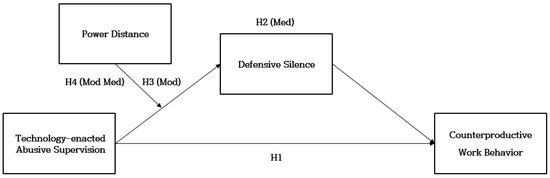
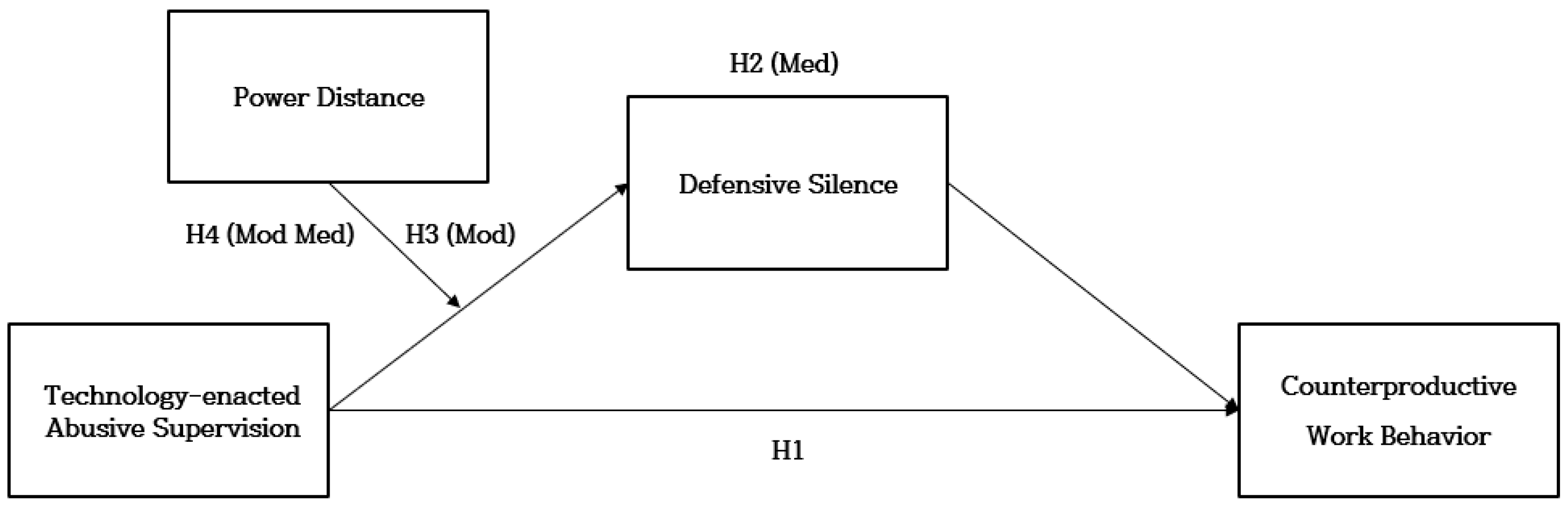
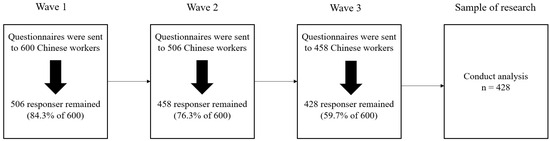
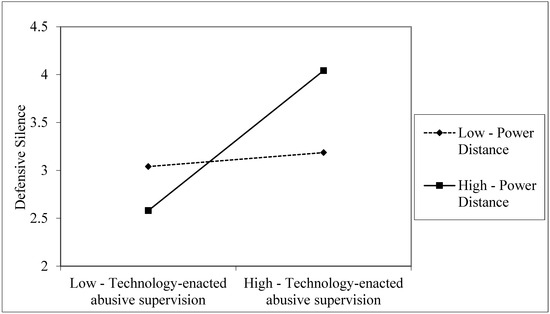
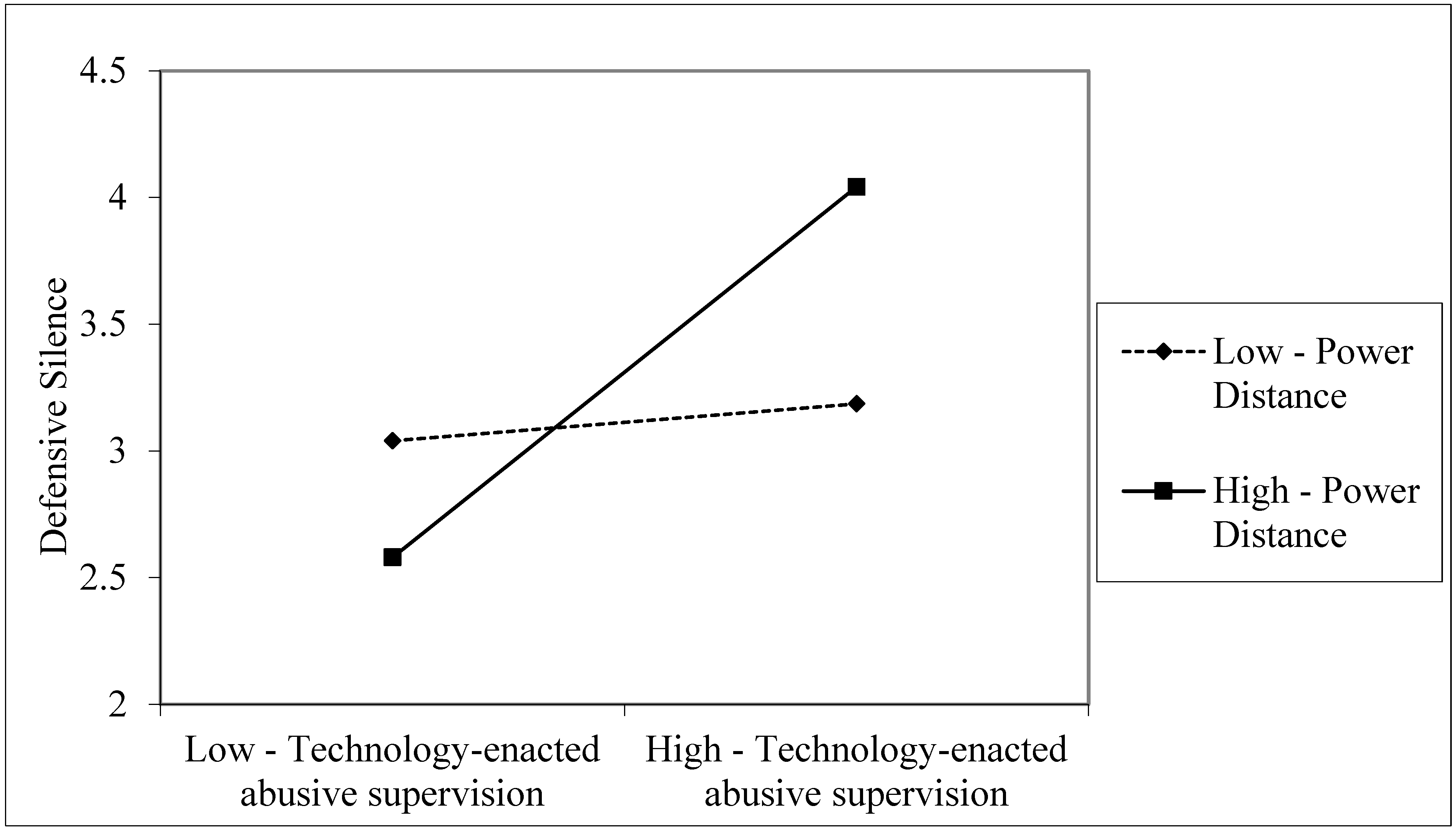

Disclaimer/Publisher’s Note: The statements, opinions and data contained in all publications are solely those of the individual author(s) and contributor(s) and not of MDPI and/or the editor(s). MDPI and/or the editor(s) disclaim responsibility for any injury to people or property resulting from any ideas, methods, instructions or products referred to in the content. |
© 2026 by the authors. Licensee MDPI, Basel, Switzerland. This article is an open access article distributed under the terms and conditions of the Creative Commons Attribution (CC BY) license.